Mind & Matter
259 episodes — Page 2 of 6

Short-Chain Fatty Acids, Diabetes Subtypes & Wearable HealthTech | Michael Snyder | 211
This is a free preview of a paid episode. To hear more, visit mindandmatter.substack.comShort Summary: Personalized health monitoring with Professor Michael Snyder, blending cutting-edge science with practical tips and actionable insights.About the guest: Michael Snyder, PhD is a Professor of Genetics at Stanford University School of Medicine. He directs the Center for Genomics and Personalized Medicine, which focuses on big data and health innovation. Snyder holds a PhD from Caltech and completed postdoctoral work at Stanford. His career has spanned yeast genomics to human health profiling. Currently, he leads research on advanced molecular and wearable technologies while spinning off companies like Q Bio to translate findings into real-world health solutions.Note: Podcast episodes are fully available to paid subscribers on the M&M Substack and everyone on YouTube. Partial versions are available elsewhere. Full transcript and other information on Substack.Episode Summary: Nick talks to Dr. Michael Snyder about transforming medicine through personalized health monitoring, leveraging tools like wearables, continuous glucose monitors, and deep molecular profiling. They explore how diet, microbiome, and genetics shape metabolic health, delving into Snyder’s research on diabetes subtypes, short-chain fatty acids, and aging patterns. The conversation also covers practical technologies available today, like smartwatches and home blood tests, and their potential to catch diseases early and extend healthy lifespans.Key Takeaways:* Medicine is shifting from sick care to proactive health care using comprehensive data from wearables and molecular profiling.* Diabetes has many subtypes, not just type 1 or 2, and treatments like drugs or diet should match an individual’s specific profile.* Dietary fiber boosts gut health by producing short-chain fatty acids, which influence gene expression and may reduce leaky gut risks.* Aging isn’t linear—big changes spike in the 40s and 60s, varying by person (e.g., heart, kidneys, metabolism), offering chances to adjust lifestyles early.* Wearables like fitness watches can detect illnesses (e.g., COVID, Lyme) days before symptoms by tracking heart rate shifts.* Continuous glucose monitors reveal surprising food responses, guiding personalized diets.* Snyder’s goal is to close the 11-15 year gap between lifespan and healthspan, helping people live healthier longer.Related episode:* M&M #205: Systems Biology, Personalized Medicine, AI & the Future of Health | Lee Hood*Not medical advice.* Full audio version: [Apple] [Spotify] [Elsewhere]* Full video version: [YouTube] [Rumble]* Support M&M if you find value in this content.* Episode transcript below.Episode Chapters:00:00:00 Intro00:05:56 Transforming Medicine with Big Data00:11:52 Epidemic of Diabetes & Metabolic Health00:17:36 Michael Snyder’s Personal Diabetes Journey00:24:13 Subtyping Diabetes & Personalized Treatment00:32:03 Short Chain Fatty Acids and Gut Health00:41:45 Linking Fiber, Microbiome & Colon Cancer00:49:13 Lipidome & Metabolic Changes in Health00:57:03 Aging, Glucose Monitoring & Personalized Diets01:04:25 Non-Linear Aging & Lifestyle Impacts01:13:40 Wearable Tech for Early Disease Detection01:21:22 Best Smart Watches for Health Monitoring01:26:25 Closing Thoughts on Health Span and Data PrivacyFull AI-generated transcript below. Beware of typos & mistranslations!
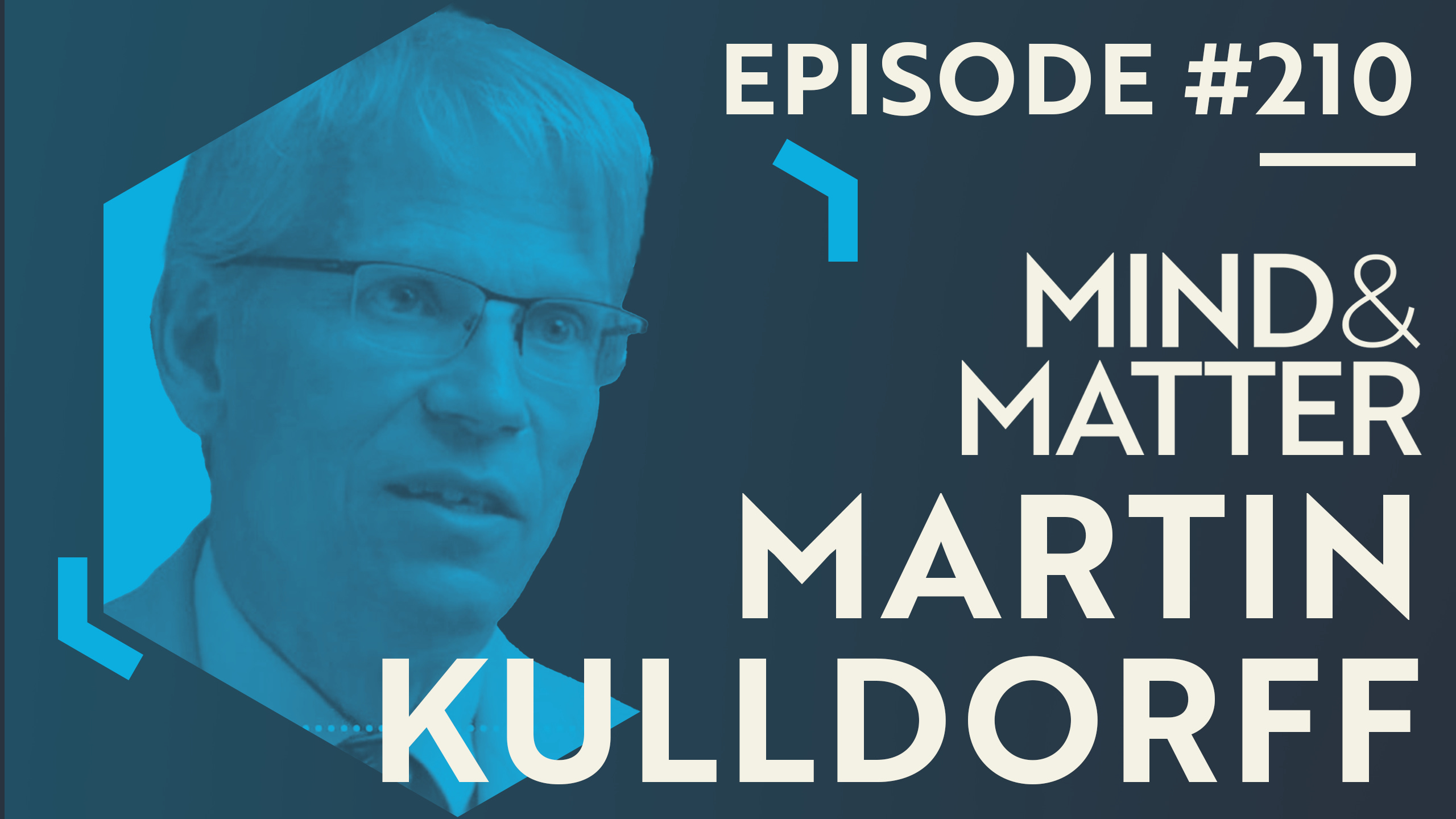
Public Health & Trust in Science in the Post-COVID Era | Martin Kulldorff | 210
Short Summary: An insider’s look at the COVID-19 pandemic response from a seasoned epidemiologist, unraveling myths and lessons with straightforward science.About the guest: Martin Kulldorff, PhD is an epidemiologist and biostatistician with decades of experience in infectious disease monitoring and vaccine safety. He was formerly a professor at Harvard Medical School. Originally from Sweden, he co-authored the Great Barrington Declaration, advocating focused protection over lockdowns. He now works as a private consultant, researching disease outbreak monitoring systems outside academia.Note: Podcast episodes are fully available to paid subscribers on the M&M Substack and to everyone on YouTube. Partial versions are available elsewhere. Full transcript and other information on Substack.Episode Summary: Dr. Martin Kulldorff discusses the COVID-19 pandemic response, reflecting on the controversial Great Barrington Declaration, which opposed lockdowns in favor of protecting the vulnerable. They explore the virus’s fatality rates, asymptomatic spread, and vaccine efficacy, contrasting textbook epidemiology with real-world decisions. Kulldorff critiques institutional failures, like the CDC’s misleading claims, and shares optimism for future pandemics with better leadership and public awareness while introducing his new open-access journal to reform science communication.Key Takeaways:* Lockdowns ignored basic public health principles, causing collateral damage like missed cancer screenings, while Sweden’s focused protection approach led to lower excess mortality.* Early data showed COVID’s risk was 1000x higher for older people, yet lockdowns didn’t prioritize them, unlike textbook strategies.* Asymptomatic spread made containment impossible, unlike Ebola, where isolation works due to clear symptoms.* Natural immunity was downplayed despite 2500 years of evidence, leading to wasted vaccines on those already immune.* CDC falsely claimed vaccines stopped transmission, eroding trust when people got sick anyway, fueling vaccine skepticism.* mRNA vaccine boosters lack proper trials, and their long-term effects need rigorous study, not assumptions.* Kulldorff’s new Journal of the Academy of Public Health pushes open peer review to rebuild trust in science.Related episode:* M&M #100: Infectious Disease, Epidemiology, Pandemics, Health Policy, COVID, Politicization of Science | Jay Bhattacharya*Not medical advice.* Full audio version: [Apple] [Spotify] [Elsewhere]* Full video version: [YouTube] [Rumble]* Support M&M if you find value in this content.* Episode transcript below.Chapters:00:00:00 Intro 00:06:25 The Great Barrington Declaration & Focused Protection 00:11:15 COVID Fatality Rates & Santa Clara Study 00:17:04 Asymptomatic Spread & Containment Challenges 00:24:24 Natural vs. Vaccine-Induced Immunity 00:30:47 Misinformation on Vaccine Efficacy 00:35:56 mRNA Vaccines & Transmission Evidence 00:40:54 Lessons for Future Pandemics & Institutional Change 00:47:02 mRNA Technology & Booster Efficacy Concerns 00:53:23 SARS-CoV-2 Origins & Current Research 00:59:56 Public Trust in Science Post-Pandemic 01:05:08 Open Science and the New Journal InitiativeFull AI-generated transcript below. Beware of typos & mistranslations!Nick Jikomes 1:33 I really wanted to talk to you again. I talked to you back in early 2022 I believe, which was, you know, very much the before times, we're still in the midst of the COVID pandemic. And, you know, it's been, you know, maybe three years now. And I definitely wanted to talk to you again, specifically because of what we discussed last time, and because, you know, it's been three years we we've all lived through the COVID era. We're in the sort of new phase of the pandemic and how we deal with it. And you know, people have had three more years of experience, personal experience. And you know, lots of new evidence, lots of new things to discuss. But I just wanted to touch base at first. You want to remind people who you are, to get us started and just talk a little bit about about your background as an epidemiologist.Martin Kulldorff 2:25 Well, I'm an ethnologist and a biostatistician. I worked for a few decades on the infectious diseases, on the early detection and monitoring infectious diseases, as well as on the safety monitoring the safety of vaccinesNick Jikomes 2:42 and so last time I spoke to you again, it was three years ago, and at that time, for those who don't remember at that time, and maybe even today, still to this day, for some People, you were kind of considered a controversial character. Can you talk a little bit about why that was and why people perceived you to be somewhat controversial at the time?Martin Kulldorff 3:10 Well, I think that's true. Maybe not so much anymore, but so in if you go back five years in 2020 where the country was closing schools and doing lockdowns, and people weren't going to the hospitals when they were supposed to because they were afraid of COV
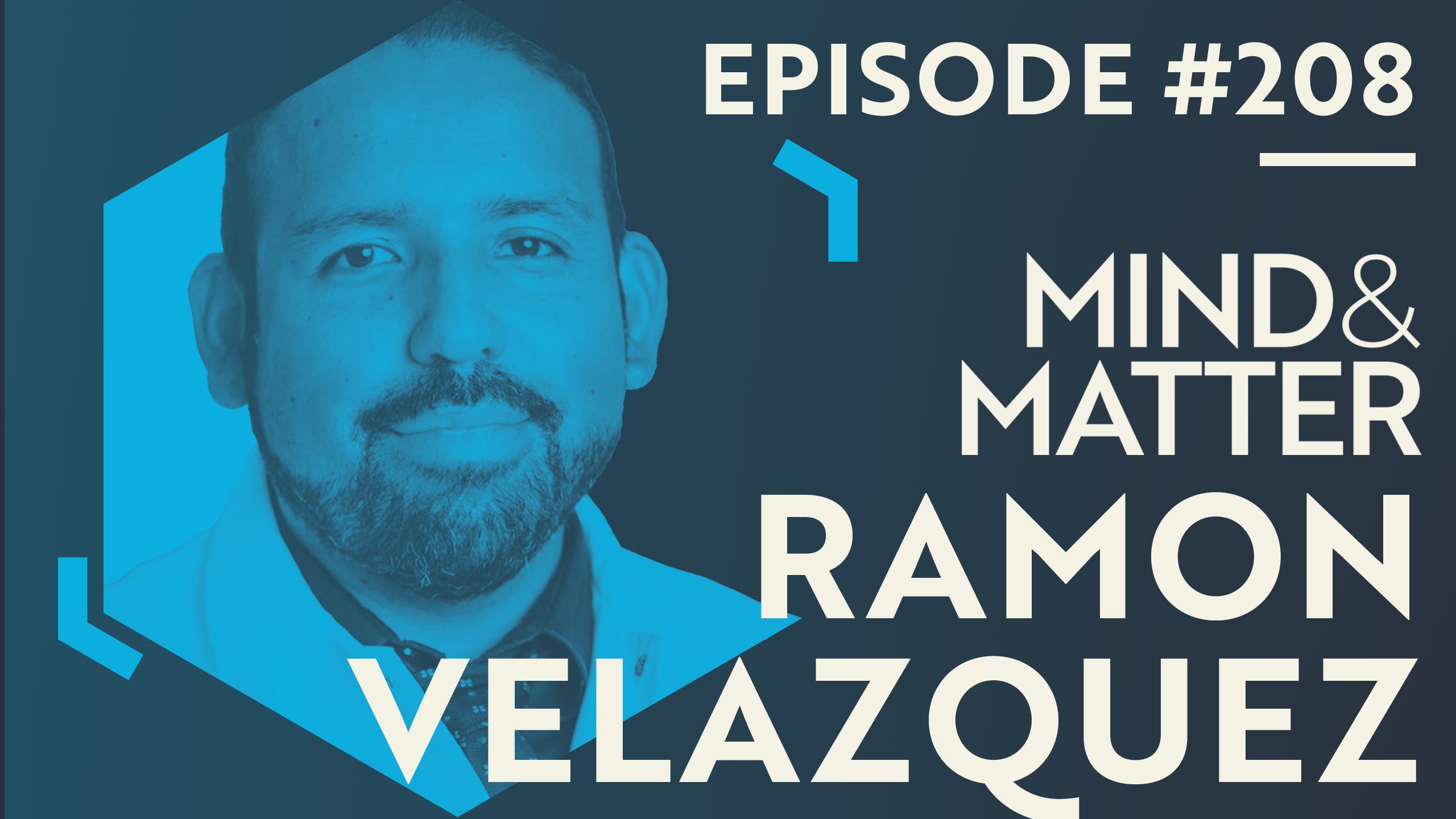
Glyphosate, Choline & Alzheimer's: Toxins & Nutrition to Prevent Neurodegeneration | Ramon Velazquez | 208
This is a free preview of a paid episode. To hear more, visit mindandmatter.substack.comShort Summary: The complexities of neurodegenerative disease, particularly Alzheimer's, environmental influences like glyphosate, and the crucial role of nutrients like choline, with actionable insights into brain health management.About the guest: Dr. Ramon Valazquez is an Assistant Professor at Arizona State University, leading a research lab at the Neurodegenerative Disease Research Center. His work focuses on environmental factors related to Alzheimer's and other dementias, alongside developing therapeutic strategies.Note: Podcast episodes are fully available to paid subscribers on the M&M Substack and to everyone on YouTube. Partial versions are available elsewhere. Full transcript and other information on Substack.Episode Summary: Dr. Ramon Velazquez explores neurodegenerative disease, with a deep dive into Alzheimer's, its pathophysiology including amyloid beta plaques and tau pathology. It examines the controversy around these proteins' roles in disease progression, the influence of environmental toxins like glyphosate on brain health, and the preventive potential of nutritional interventions, particularly choline.Key Takeaways:* Neurodegenerative Disease Basics: Alzheimer's disease involves both amyloid beta plaques and tau tangles, with tau pathology more closely linked to clinical symptoms.* Environmental Impact: Glyphosate, a common herbicide, can cross into the brain, potentially exacerbating neurodegenerative pathways through inflammation.* Choline: Essential for brain function and fat metabolism, it’s often deficient in diets, particularly plant-based ones. Adequate intake might prevent or mitigate cognitive decline and related diseases.* Preventive Measures: Early nutritional intervention, like maintaining choline levels, could be vital for preventing neurodegenerative diseases. However, once symptoms are present, such interventions might not reverse existing pathology.* Lifestyle and Diet: The episode emphasizes the importance of diet in brain health, such as the MIND diet and awareness of choline intake, especially for those at risk or on specific diets.Related episode:* M&M #145: Epigenetics, Hormones, Endocrine Disruptors, Microplastics, Xenoestrogens, Obesogens & Obesity, Inheritance of Acquired Characteristics | Bruce Blumberg*Not medical advice.* Full audio version: [Apple] [Spotify] [Elsewhere]* Full video version: [YouTube] [Rumble]* Support M&M if you find value in this content.* Episode transcript below.Full AI-generated transcript below. Beware of typos & mistranslations!
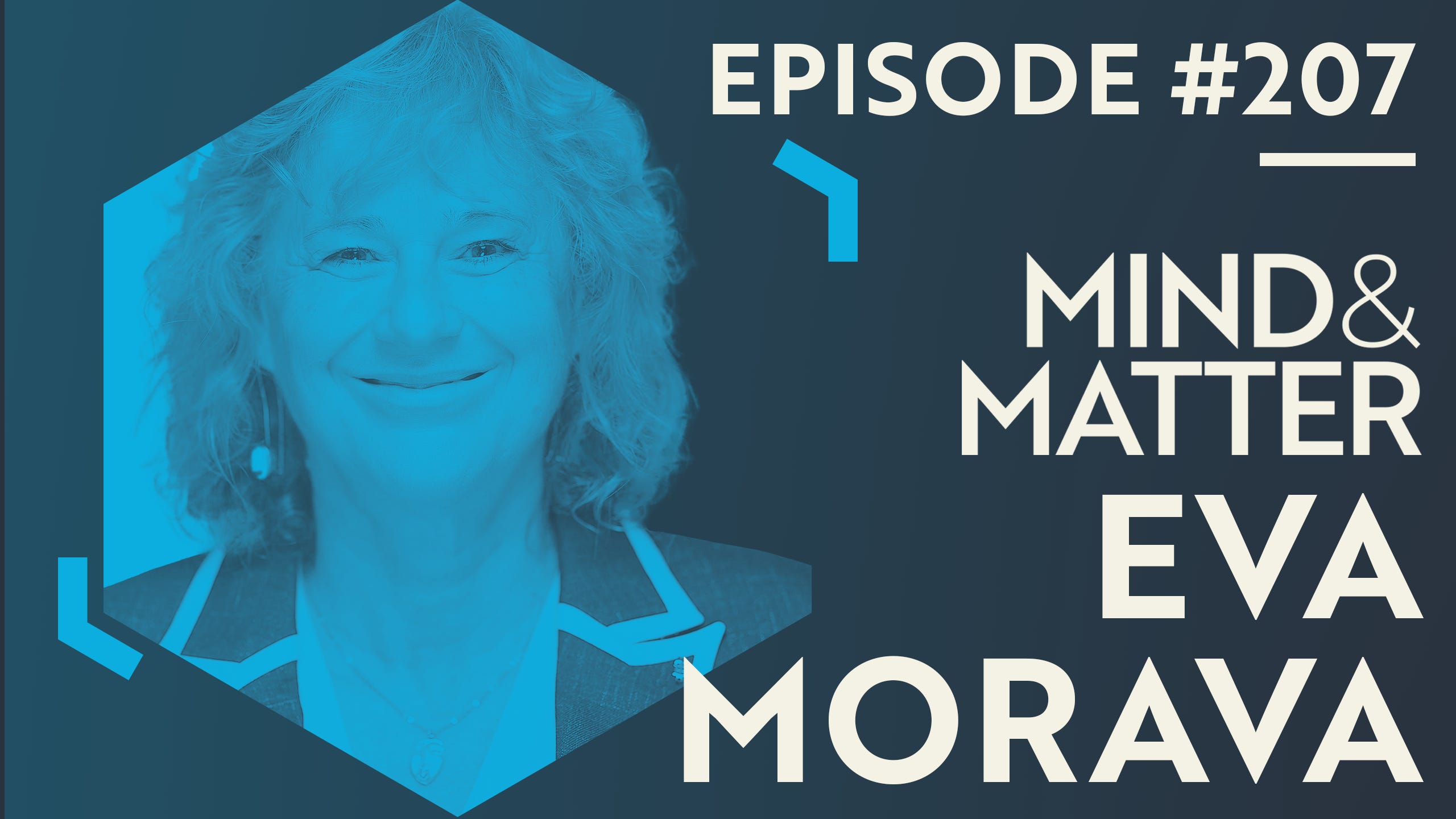
Glycosylation, CDGs & Role of Sugars Beyond Energy Production | Eva Morava | 207
Short Summary: The science of glycosylation, its impact on health, and potential treatments for congenital disorders of glycosylation (CDGs).About the guest: Dr. Eva Morava is a pediatric geneticist originally from Hungary, who has specialized in inborn errors of metabolism, particularly CDGs. She has a background in pediatrics and genetics from training in Hungary and the U.S. and is director of the Inherited Metabolic Disorders Section at GGS.Note: Podcast episodes are fully available to paid subscribers on the M&M Substack and to everyone on YouTube. Partial versions are available elsewhere. Full transcript and other information on Substack.Episode Summary: Dr. Eva Morava discusses the critical role of glycosylation in biology, where sugars are not just used for energy but in modifying proteins to perform their functions. She explains how defects in this process lead to CDGs, a group of rare genetic disorders. The conversation covers the mechanics of glycosylation, clinical presentations of CDGs, current research on treatments including dietary interventions and gene therapy, and the broader implications of glycosylation in health, such as in liver disease and cancer.Key Takeaways:* Glycosylation Basics: Sugars are attached to proteins (glycosylation) to modify their structure and function, influencing everything from clotting to immune response.* CDGs: These disorders are caused by genetic defects in the glycosylation process, leading to a wide array of symptoms because many proteins require glycosylation to function correctly.* Clinical Variability: CDGs can range from severe, multi-systemic presentations to relatively mild cases, affecting life expectancy and quality of life variably.* Therapeutic Approaches: Current research includes drug repurposing for enzyme activity enhancement, dietary interventions with special sugars like mannose, and gene therapy, with some trials underway.* Liver Connection: A significant portion of glycosylation occurs in the liver; thus, liver diseases like non-alcoholic fatty liver disease can impact glycosylation.Related episode:* M&M #68: Sex Determination, Sex Hormones & Chromosomes, Development & the Evolution of Sexual Reproduction | Blanche Capel*Not medical advice.* Full audio version: [Apple] [Spotify] [Elsewhere]* Full video version: [YouTube] [Rumble]* Support M&M if you find value in this content.* Episode transcript below.Full AI-generated transcript below. Beware of typos & mistranslations!Eva Morava 2:54 me wonderful. I'm delighted to share with you the mysteries of CDG. And do you wantNick Jikomes 2:59 to just start off by telling everyone a little bit about who you are and who you are and what your background is, what youEva Morava 3:06 study? Yes, I have very adventurous past. I'm a Hungarian who trained in Hungary as a pediatrician and then trained as a geneticist in New Orleans at Wayne University. That's where I fell in love with inborn errors of metabolism. And when I first heard about this rare disease, congenital disorders of glycosidation, I worked most of my career in Europe, mostly in the Netherlands and Belgium, and 10 years ago, I was re recruited to come back to the US and work as a clinical medical biochemical geneticist, first at Tulane, where I trained, and at Mayo Clinic, and just very recently at Aman Sinai, at the Department of Genetics and Genomics sciences, I'm responsible for the training of The residents here, categorical and a combined residencies in genetics, including medicine and genetics and pediatrics and genetics, and I also lead the metabolic team here and see patients and do Research.Nick Jikomes 4:38 So what is glycosylation? What is the actual biology going on there under normal, normal circumstances? What is it?Eva Morava 4:48 Glycosylation is a process of activating sugars, and after they are activated, to assemble them to Gly. And chains. These glycan chains are made step by step in the endoplasmic reticulum and later in the Golgi. In the endoplasmic reticulum, usually a protein accepts the glycan chain, which is synthesized and later further processed in the Golgi. But lipid molecules are also able to carry a glycan chain, so there are different types of glycosylation, and the very basic division is N linked glycosylation, bowling glycosylation, combined glycosylation defects and lipid and other glycosylation disorders. SoNick Jikomes 5:50 this is a way of modifying proteins with sugars. So in other words, this is a way that our cells use sugars, other than just using them for energy. They can actually sort of stick them onto proteins, and that has consequences for what the proteins do.Eva Morava 6:03 You hit the nail on the head. They are thinking about sugars as energy source, but we have to build structures from sugars, and without them, the most of our proteins, most of our functional proteins, won't be able to get their secondary and tertiary structure, and they want won't be able to function correctly. So if weNi

Cultural Evolution, Religion & the Origins of WEIRD Psychology | Joseph Henrich | 206
This is a free preview of a paid episode. To hear more, visit mindandmatter.substack.comShort Summary: How human culture and psychology have evolved, particularly exploring the unique psychological traits of "WEIRD" (Western, Educated, Industrialized, Rich, Democratic) societies, providing insights into why our minds and societies are the way they are today.About the Guest: Joe Henrich, PhD is a professor of human evolutionary biology at Harvard University. His research focuses on applying evolutionary theory to understand the human mind and culture, particularly how cultural evolution has led to the emergence of WEIRD psychology.Note: Podcast episodes are fully available to paid subscribers on the M&M Substack and to everyone on YouTube. Partial versions are available elsewhere.Episode Summary: Delve into the origins and implications of the "WEIRD" psychology framework. They discuss how cultural evolution has shaped human minds, leading to significant psychological differences across societies, especially in Western cultures. Henrich explains how historical changes, like the spread of Christianity in Europe, altered kinship systems, leading to individualism and impersonal institutions. They also touch on how these cultural shifts influenced religious beliefs, mating practices, and societal structures, impacting everything from decision-making to social norms.Key Takeaways:* WEIRD Psychology: WEIRD stands for Western, Educated, Industrialized, Rich, and Democratic, highlighting unique psychological traits like individualism and analytic thinking which are not universal but specific to Western societies.* Marriage & Kinship: The Western Church's marriage policies, promoting monogamy and the nuclear family, contributed to the dissolution of extended kinship networks, fostering individualism in Western societies.* Institutional Influence: Institutions in WEIRD societies, like universities and legal systems, focus on individual rights and mental states, contrasting with other cultures emphasizing group or kin loyalty.* Modern Challenges: Henrich touches on current issues like the impact of dating apps on mating markets, potentially leading to social instability due to increased male-female inequality in mating success.* Future of Religion and Culture: The conversation speculates on the future evolution of religion and cultural practices, suggesting that religions fostering high fertility and communal support might gain prominence.Related episodes:* M&M #129: Biological Sex, Sexual Selection, Sex Behavior, Mating Strategies, Sexual Orientation, Monogamy & Polygyny | David Puts* M&M #36: Culture, Consciousness, Diet, Medicine, Sleep, Dating, Civilization & Evolution | Heather Heying & Bret Weinstein*Not medical advice.* Full audio version: [Apple] [Spotify] [Elsewhere]* Full video version: [YouTube] [Rumble]* Support M&M if you find value in this content.* Episode transcript below.Full AI-generated transcript below. Beware of typos & mistranslations!
Systems Biology, Personalized Medicine, AI & the Future of Health | Lee Hood | 205
Short Summary: Deep dive into systems biology and personalized medicine, exploring how technology and data can revolutionize health care, artificial intelligence, biotechnology, and the future of medicine.About the Guest: Dr. Lee Hood is a pioneering scientist with a 60-year career in biology, notably at Caltech and the University of Washington. He co-founded the Institute for Systems Biology and has significantly contributed to molecular immunology and the Human Genome Project, holding a PhD in biology.Note: Podcast episodes are fully available to paid subscribers on the M&M Substack and to everyone on YouTube. Partial versions are available elsewhere.Episode Summary: Delve into the evolution of biological research from traditional methods to systems biology. Dr. Hood explains the shift from studying individual parts of biological systems to understanding their interconnectedness. He discusses the implications of big data in biology, particularly in medicine, emphasizing predictive, preventive, personalized, and participatory healthcare approaches. The conversation also touches on the integration of AI in medicine, limitations of current drug development strategies, and potential of new therapeutic avenues like peptides.Key Takeaways:* Systems Biology: Understanding complex biological systems by analyzing how individual components interact.* Data-Driven Health: Use of genomic and phenomic data can lead to personalized health strategies, enhancing wellness and preventing chronic diseases before they manifest.* AI in Medicine: AI can augment human capabilities in medicine, acting as a vast knowledge base to assist physicians in diagnosis and treatment, potentially leading to a partnership model between AI and human doctors.* Chronic Disease: Much of the chronic disease burden could potentially be mitigated through lifestyle changes rather than solely through pharmaceutical interventions.* Future Drug Development: The traditional focus on single-target drugs might shift towards multi-modal strategies, recognizing diseases like Alzheimer's might be a metabolic disorder.* Peptides and New Therapies: Small peptide drugs are emerging as potential new treatments due to their ability to interact with a range of biological molecules, offering new possibilities beyond traditional small molecule drugs.* Environmental Impact on Health: While personal behavior significantly influences health outcomes, environmental factors like exposure to toxins can also play critical roles in disease development.Related episodes:* M&M #204: Preventive Medicine, Personalized Nutrition & Changing Your Microbiome | Momo Vuyisich* M&M #47: Metabolism, Blood Sugar, Microbiome, Diet, Aging, Digital Phenotyping & Personalized Medicine | Nathan Price*Not medical advice.* Full audio version: [Apple] [Spotify] [Elsewhere]* Full video version: [YouTube] [Rumble]* Support M&M if you find value in this content.* Episode transcript below.Full AI-generated transcript below. Beware of typos & mistranslations!Lee Hood 1:43 I'm a scientist that has had now a 60 year career in science, and really got started at Caltech in 1970 when I was a young assistant professor, and deciding that my big problem that I wanted to attack in the future was human complexity, and in thinking about it in the 1970s there were two issues to begin with that were really challenging. One was the issue of we didn't have the technologies to generate a lot of data, and a lot of data are really key to be able to dealing with complexity. And number two, if we generated all that data, we didn't have very good ways of thinking about how it could be used to decipher complexity. So my lab initially focused on molecular immunology, which was studying in the ultimate complexity in human biology, and it started developing technologies. And over the next 20 years, we developed six instruments that let us manipulate and and synthesize and sequence proteins and genes, and one of these was the automated DNA sequencer. So from bringing engineering to biology, which we did in that first 20 year period, to actually getting involved in the human genome project because of the first human automated DNA sequencer, was a second paradigm change that was really I embraced fully and and I was a part of a committee in 85 that looked into the whole question of whether we should do the genome or not, and we ended up being split six to six on that question, where the six opposed to it were opposed because it was big science that would take the money away from small science and so forth. But in the end, it started in 1990 and, of course, was finished in 2003 and it gave us a framework, a really important framework, for beginning to think about the source code of complexity and human organisms. And the next thing that happened is I really started thinking about how to deal effectively with the complexity of the data we were starting to generate. And that led to thinking about systems biology and about generati
Preventive Medicine, Personalized Nutrition & Changing Your Microbiome | Momo Vuyisich | 204
This is a free preview of a paid episode. To hear more, visit mindandmatter.substack.comShort Summary: Deep dive into preventive medicine, personalized nutrition, and systems biology, providing listeners with actionable insights on optimizing health through diet and microbiome management.About the guest: Dr. Momo Vuyisich is a biologist with a background in government science, focusing on drug development before shifting to preventive medicine. He holds a PhD in biochemistry from the University of Utah and has extensive experience in systems biology. He is currently Chief Science Officer of Viome, a startup company dedicated to personalized health through microbiome analysis.Note: Podcast episodes are fully available to paid subscribers on the M&M Substack and on YouTube. Partial versions are available elsewhere.Episode Summary: Dr. Momo Vuyisich discusses the transformative potential of preventive medicine by drawing parallels between human health and systems biology, particularly through the lens of the gut microbiome. He explains how Viome uses comprehensive testing (stool, blood, saliva) to analyze over 100,000 molecular markers, providing personalized dietary and supplement recommendations based on individual physiological data. The conversation covers the complexity of diseases like IBD, the impact of modern lifestyle on our microbiome, and how personalized nutrition can be key to preventing chronic diseases.Key Takeaways:* Health is Multifactorial: Diseases and health are influenced by genetics, diet, microbiome, hormones, and environmental factors, not just by one aspect.* Disconnection from Nature: Modern lifestyles have disrupted our symbiotic relationship with nature, leading to microbiome degradation through factors like antibiotics, preservatives, and hygiene practices.* Personalized Nutrition: Viome's approach involves tailoring food recommendations and supplements to an individual's unique microbiome and physiological needs, highlighting that food impacts can vary greatly between individuals.* Testing for Prevention: Regular testing (every 6-12 months) with tools like Viome's full body intelligence test can help in making informed dietary changes to prevent diseases before they manifest.* Lifestyle Over Medication: Many chronic conditions can potentially be managed or prevented through lifestyle adjustments rather than lifelong medication, emphasizing the need for a preventive rather than reactive health strategy.* Cooking at Home: Encourages listeners to cook at home with whole foods to avoid the hidden risks of processed foods in restaurants, suggesting practical ways to make this enjoyable and manageable.* Data Security: Viome ensures data privacy by separating identifiable information from molecular data, using RNA analysis which changes over time, thus enhancing privacy.* Future of Medicine: The vision is to make preventive health assessments free, with the cost covered by healthcare systems recognizing the long-term savings from reduced chronic disease incidence.Related episodes:* M&M #178: Microbiome & Gut-Immune Interactions in Obesity & Metabolic Health | June Round* M&M #172: Immune System, Gut Microbiome, Vitamin D, Cancer, Innate Immunity, Inflammation & Gut-Immune Interactions | Caetano Reis e Sousa*Not medical advice.* Full audio version: [Apple] [Spotify] [Elsewhere]* Full video version: [YouTube] [Rumble]* Support M&M if you find value in this content.* Episode transcript below.Full AI-generated transcript below. Beware of typos & mistranslations!
Metagenomics, Microbiome Transmission, Gut Microbiome in Health & Disease | Nicola Segata | 203
Short Summary: Deep dive into the complexities of the human microbiome, exploring its impact on health, disease, and even behavior. Dr. Segata gets into “metagenomics” (sequencing multiple genomes at once, from the same individual) and microbiome transmission between individuals.About the Guest: Nicola Segata is a professor at the University of Trento in Northeast Italy, where he leads a lab focused on the study of the human microbiome. He has been involved in microbiome research since joining the Human Microbiome Project in the US over 15 years ago, specializing in metagenomics to understand the human microbiome's basic and health-related aspects.Note: Podcast episodes are fully available to paid subscribers on the M&M Substack and on YouTube. Partial versions are available elsewhere.Episode Summary: Dr. Segata explains metagenomics, the study of genetic material from multiple species, and how it has revolutionized microbiome research. Key topics include microbiome transmission from mother to child, the stability and plasticity of the microbiome throughout life stages, its impact on health conditions such as obesity and cancer, and the influence of diet, lifestyle, and medications like antibiotics on microbiome composition.Key Takeaways:* Microbiome Variability: The human microbiome varies significantly between individuals and is influenced by genetics, environment, diet, and lifestyle. Thus, personalized approaches to microbiome health may be necessary.* Transmission and Acquisition: Microbes are transmitted vertically from mother to child at birth and horizontally through personal interactions. This transmission can influence health outcomes over one's lifetime.* Impact of Diet and Drugs: Diet, particularly coffee consumption, can significantly shape the microbiome, with some bacteria growing in response to specific dietary components. Medications like antibiotics and proton pump inhibitors can also markedly alter microbial communities.* Health Implications: The microbiome is linked to various health conditions, from metabolic diseases to cancer, with some treatments like fecal microbiota transplantation showing promise in altering microbiome composition for health benefits.* Ancient vs. Modern Microbiomes: Studies on ancient microbiomes, like the Iceman's, suggest that modern urban microbiomes differ from those of our ancestors, potentially impacting modern health issues.* Research Frontiers: Current research is exploring how the microbiome interacts with diet to influence health, the use of microbiome profiling for health screening (like colorectal cancer), and the role of microbiome in immune system development and disease prevention.Related episodes:* M&M #178: Microbiome & Gut-Immune Interactions in Obesity & Metabolic Health | June Round* M&M #172: Immune System, Gut Microbiome, Vitamin D, Cancer, Innate Immunity, Inflammation & Gut-Immune Interactions | Caetano Reis e Sousa*Not medical advice.* Full audio version: [Apple Podcasts] [Spotify] [Elsewhere]* Full video version: [YouTube] [Rumble]* Support M&M if you find value in this content.* Episode transcript below.Full AI-generated transcript below. Beware of typos & mistranslations!Nicola Segata 1:31 So I'm a professor at the University of Toronto, North East Italy, where I lead a lab which is studying the yoga microbiome, so all the collection of microbes populating our body. I started to be interested into that more than 15 years ago now, when I joined in the US, the Human Microbiome Project. And after that, I've been always more and more fascinating, fascinated with this topic that we are studying mostly through this approach called metagenomics. And now I lead this lab applying metagenomic approaches mostly on the Human Microbiome for trying to discover both basic characteristic of the human microbiome, but also aspects that are related with the health and disease. SoNick Jikomes 2:21 I know what the Human Genome Project was, but I don't think I've heard of the Human Microbiome Project. What was that? Yeah, exactly.Nicola Segata 2:29 A bit related now, because it was 10 years after the Human Genome Project, you know, at that time, just started to appreciate the importance of the human microbiome. So they said, Let's sequence whatever is not human inside us, and let's get a map of the Human Microbiome instead of the human genome. So it started around 10 years after the Human Genome Project. However, it was much more difficult, because the results realized that pretty soon that was impossible to have a very clear and specific map of the Human Microbiome because, mostly because there is much, much higher variability in the microbiome than in the genome. So it was difficult to do that, and so the goal of the project changed a little bit toward trying to investigate what is normal to have or not to have in our human microbiome overall?Nick Jikomes 3:25 Yeah, and I suppose, yeah, I suppose that's a that's a huge problem, because it's not simply tha
Why Do Animals Sleep? | Vlad Vyazovskiy | M&M #202
This is a free preview of a paid episode. To hear more, visit mindandmatter.substack.comShort Summary: A deep dive into the enigmatic world of sleep, exploring its biological functions, evolutionary origins, and the diverse manifestations across different species.About the Guest: Vlad Vyazovskiy, PhD is a Professor of Sleep Physiology at the Department of Physiology, Anatomy, and Genetics at Oxford University.Note: Podcast episodes are fully available to paid subscribers on the M&M Substack and on YouTube. Partial versions are available elsewhere.Episode Summary: Dr. Vlad Vyazovskiy discusses the complexities and mysteries of sleep, challenging the notion that sleep's function is fully understood. He explains how sleep might serve different purposes across species, from being a recuperative period to possibly being a default state of existence. The conversation covers sleep's behavioral and neural definitions, the variability in sleep patterns among animals like penguins and dolphins, and how sleep might relate to synaptic plasticity, metabolism, and even survival strategies like hibernation. Vyazovskiy also touches on his research with psychedelics, showing how these substances can induce unique brain states that blur the lines between wakefulness and sleep.Key Takeaways:* Sleep as a Mystery: Despite extensive research, the fundamental reason why animals sleep remains elusive, with no comprehensive theory yet agreed upon.* Local Sleep Phenomenon: Sleep might not be a whole-brain event; even within a sleeping brain, different areas can be in different states of activity or rest.* Sleep in Animals: Sleep varies widely among species, from micro-sleeps in penguins to unihemispheric sleep in dolphins, suggesting sleep could serve multiple, context-dependent functions.* Synaptic Homeostasis: The hypothesis suggests that sleep could be crucial for renormalizing synaptic connections formed during wakefulness, although this idea is still under scrutiny.* Hibernation & Torpor: These states relate to sleep but involve significant metabolic changes, possibly acting as survival mechanisms by conserving energy and reducing detectability by predators.* Psychedelics & Sleep: Research shows psychedelics like 5-MeO-DMT can induce states where animals show signs of sleep in their brain activity while physically active, hinting at complex interactions between brain states and consciousness.Related episodes:* M&M #43: Sleep, Dreaming, Deep Neural Networks, Machine Learning & Artificial Intelligence, Overfitted Brain Hypothesis, Evolution of Fiction & Art | Erik Hoel* M&M #16: Sleep, Dreams, Memory & the Brain | Bob Stickgold*Not medical advice.* Full audio version: [Apple Podcasts] [Spotify] [Elsewhere]* Full video version: [YouTube] [Rumble]* Support M&M if you find value in this content.* Episode transcript below.Full AI-generated transcript below. Beware of typos & mistranslations!

Aroma, Olfaction & Using AI to Digitize Smell | Alex Wiltschko | #201
This is a free preview of a paid episode. To hear more, visit mindandmatter.substack.comPodcast episodes are fully available to paid subscribers on the M&M Substack and on YouTube. Partial versions are available elsewhere.About the Guest: Alex Wiltschko holds a PhD in neuroscience from Harvard, focusing on olfaction. He transitioned from academic research to AI at Google before founding Osmo, where he applies his expertise in digitizing scents. He aims to innovate in areas like fragrance design and health applications.Episode Summary: Dr. Wiltschko explores the science of smell, discussing the divide between aroma and olfaction studies and how biological metabolism influences scent. He explains how only a tiny fraction of molecules emitted by strawberries are responsible for their smell, illustrating the precision of olfactory perception. The conversation also covers how Osmo is working to digitize scent, creating technology for safer, custom fragrances and potential future applications like non-invasive disease detection through scent.Key Takeaways:* Aroma vs. Olfaction: There's a significant distinction in how the chemistry of scent creation (aroma) and brain processing of scents (olfaction) are studied, with little crossover between these fields.* Biological Metabolism and Scent: Scent molecules are often byproducts of biological processes, with a complex relationship to nutrition and survival cues.* Digitizing Scent: Osmo is pioneering the use of AI to digitize and manipulate scents, potentially revolutionizing fragrance design and detection technologies.* Fragrance Innovation: The company focuses on creating unique, safe, and affordable fragrances for smaller brands, leveraging AI for quick design and production.* Health Applications: There's potential for scent technology in health, like detecting diseases early through the volatile chemicals humans emit.* Leadership and Entrepreneurship: Alex shares insights on transitioning from science to business, emphasizing the importance of leadership skills in managing a tech startup.* Future Prospects: Osmo aims to expand the use of scent technology into various consumer and health applications, envisioning a future where digital scent enhances experiences and well-being.Related episodes:* M&M #114: Marijuana, Plant Chemistry, Terpenes, Volatile Sulfur Compounds, Cannabis Industry, What Pungent Weed Smells Like & Why | Iain Oswald* M&M #22: Machine Learning, Artificial Intelligence, Animal Behavior & Giving Computers a Sense of Smell | Alex Wiltschko*Not medical advice.* Full audio version: [Apple Podcasts] [Spotify] [Elsewhere]* Full video version: [YouTube]* Support M&M if you find value in this content.* Episode transcript below.Full AI-generated transcript below. Beware of typos & mistranslations!
Dietary Fats & Seed Oils in Inflammation, Colon Cancer & Chronic Disease | Tim Yeatman & Ganesh Halade | #200
This is a free preview of a paid episode. To hear more, visit mindandmatter.substack.comThis episode educates on the complex science of dietary lipids (fats) and inflammation and provides actionable advice for managing your health through dietary choices.Note: Full episodes are available to paid subscribers on the M&M Substack and are free on YouTube. Partial versions are available elsewhere.About the guest: Tim Yeatman, MD is a surgical oncologist and professor of surgery at the University of South Florida, also serving as an Associate Center Director for Translational Research and Clinical Innovation at the Tampa General Cancer Institute. Ganesh Halade, PhD is an Associate Professor in the Department of Internal Medicine, focusing on cardiovascular diseases with research centered on inflammation and resolution signaling.Episode summary: Explores the link between dietary lipids, particularly omega-6 fatty acids from seed oils, chronic inflammation, and cancer. It starts with a historical perspective on cancer as an inflammatory disease, referencing the work of Rudolf Virchow, and delves into how modern diets have shifted to include an imbalance of omega-6 to omega-3 fatty acids, leading to chronic inflammation. Includes insights from a recent study by Yeatman and Halade on lipid dysregulation in colon cancer, explaining how this imbalance can contribute to the development of cancer and other diseases. The conversation also touches on lifestyle factors like diet, exercise, and sleep, and how they interact with lipid metabolism to affect health outcomes.Key Takeaways:* Chronic Inflammation & Cancer: Historically, inflammation has been linked to cancer since the work of Virchow, with chronic inflammation potentially leading to cancer by altering immune surveillance, allowing mutated cells to survive.* Dietary Lipids: The modern Western diet is high in omega-6 fatty acids relative to omega-3, which leads to an imbalance that favors pro-inflammatory lipid mediators over resolving ones. This imbalance can contribute to chronic inflammation.* Seed Oils & Health: Seed oils, rich in omega-6s, are criticized for contributing to this imbalance. The study suggests that reducing seed oil consumption might lower the risk of chronic inflammation and associated diseases like cancer.* Lifestyle Factors: Beyond diet, lifestyle choices such as exercise and sleep quality influence how the body processes lipids, affecting inflammation levels and overall health.* Lipid Mediators: There's a detailed explanation of how dietary fats get converted into lipid mediators that either promote or resolve inflammation, with omega-6s typically leading to pro-inflammatory outcomes.* Microbiome Interaction: The gut microbiome can be influenced by dietary choices, including the type of fats consumed, potentially impacting health through altered microbial diversity and function.* Preventative Health: The conversation pivots to a call for focusing on disease prevention through diet and lifestyle rather than solely on treatment, highlighting the economic and health benefits of such an approach.* Practical Advice: Tips include reading food labels to avoid excessive seed oils, considering home cooking, and possibly gardening to control food intake quality. Apps like "Bobby Approved" are mentioned for easier label scanning.Related episode:* M&M #136: Seed Oils, Omega-6 PUFAs, Inflammation, Obesity, Diabetes, Chronic Disease & Metabolic Dysfunction | Chris Knobbe*This content is never meant to serve as medical advice* Full audio version: [Apple Podcasts] [Spotify] [Elsewhere]* Full video version: [YouTube]* Support M&M if you find value in this content.* Episode transcript below.Full AI-generated transcript below. Beware of typos & mistranslations!
Ancient Diets, Human Carnivory, Mammoth Hunting, Clovis Culture & Origin of Native Americans | Ben Potter & Jim Chatters | 199
Podcast episodes are fully available to paid subscribers on the M&M Substack and on YouTube. Partial versions are available elsewhere.About the guest: Ben Potter, PhD is an archaeologist & Professor of Anthropology at the University of Alaska-Fairbanks. James Chatter, PhD is a retired archaeologist and paleontologist. They recently published a paper on the diet of the Clovis people of North America at the end of the last Ice Age.Episode summary: Nick talks to Dr. Potter & Dr. Chatters about: the Clovis culture and initial human colonization of the Americas; human diet since the last Ice Age; ancient human diets; hunting of Mammoths and other large herbivores; Clovis technology & culture, including projectile weapons; and more.Related episodes:* M&M #160: Diet, Hunting, Culture and Evolution of Paleolithic Humans & Hunter Gatherers | Eugene Morin* M&M #154: Evolution & Genetics of Human Diet, Metabolism, Disease Risk, Skin Color and Origins of Modern Europeans | Eske Willerslev*This content is never meant to serve as medical advice* Full audio version: [Apple Podcasts] [Spotify] [Elsewhere]* Full video version: [YouTube]* Support M&M if you find value in this content.* Episode transcript below.Full AI-generated transcript below. Beware of typos & mistranslations!Ben Potter 3:12 Sure, I'm Ben Potter. I'm a professor of anthropology up at University of Alaska Fairbanks, and my research mainly is in bridging archeology, but I'm very interested in the peopling of the Americas, and I've written on the archeology and the genetics relating to that.James Chatters 3:29 And I'm Jim chatters. I'm an archeologist and paleontologist working out of the Seattle area in Washington. I'm also secondarily affiliated with McMaster University, where I serve on doctoral committees.Nick Jikomes 3:46 And so you guys have, you know, we're going to talk about a recent paper, but also how that hooks into, I think, a more general and wide ranging body of work that that you guys are a part of, to do with, with human pre history. And I think much of what we'll talk about here is essentially the the human pre history of North America, how people got into North America, what they were doing when they were there, who they were, and all that stuff. The the new paper you talked about, focused in a lot on what people were eating in that time, which is a fascinating subject, and it connects into a lot of stuff that I cover on the podcast, including diet metabolism, what people eat, and what the metabolic consequences of that are. But the sample that you work with on this new paper is from something called a Clovis person, someone who lived during this Clovis period of history. Can one of you just give us a brief overview of what was a Clovis culture? What time period are we talking about here, and what are the sort of, just the broad strokes of what we know about those people. YouJames Chatters 4:48 want to take that one? Ben,Ben Potter 4:49 well, you go for it. Jim, you're more closely associated, oh, rightJames Chatters 4:53 down here, south of the ice. Yeah, COVID is the first and really the. Only continent wide cultural manifestation that we see in the Americas, in North America, and it extends from the southern margin of the glacial ice so in parts of southern Canada all the way down to Northern Venezuela. It is characterized by a trianguloid, large triangulate, fluted spear points, that is for the haft and groove, large knives, bi facial knives, end scrapers with little spurs on the edges of them for grooving bone. And it's also found with, frequently found with large bone, ivory or antler or shafts. It's seen frequently in association with mammoth remains at kill sites. Mammoth bones are easy to see. People find them. They get excited because they're bigger than modern animals, and so mammoth kills are are frequently reported, and there are 14 of these known. But it's also found as scattered spear points throughout the eastern United States, and few small campsites have been found, very ephemeral campsites where people stayed for a very brief period of time, maybe a few weeks at most, before moving on.So it's a highly mobile what appears to be hunting based culture between roughly, depend on who you ask, between 11,000 412,700 years ago,Nick Jikomes 6:41 I see. So we're talking about 11 to 12,000 years ago, give or take. And these people were basically all over the Americas, a very large extent. And they shared sort of a common culture in terms of, like the tools and the artifacts and the lifestyle they seem to be leading.James Chatters 6:56 Yes, very much the same sort of thing everywhere you see them. But they're between 12,000 713,400Nick Jikomes 7:03 years, I see, and is a little bit older. Is it thought that these are likely to be, this was, like the first culture, the first peoples, to actually get into the Americas? Or is that debated? Or what's goingJames Chatters 7:15 on? Matter of debate.Ben Potter 7:17 Yeah, it's complicated.
Vaccine Adverse Events & mRNA Biotechnology | Jessica Rose | #198
This is a free preview of a paid episode. To hear more, visit mindandmatter.substack.comPodcast episodes are fully available to paid subscribers on the M&M Substack and full video versions are free on YouTube. This episode will not be posted on YouTube due to the controversial nature of the content. Full video version is currently available on X.About the guest: Jessica Rose, PhD is a computational biologist who has been studying and analyzing data from the Vaccine Adverse Event Responding System (VAERS) related to COVID. Episode summary: Nick and Dr. Rose discuss: Vaccine Adverse Event Responding System (VAERS); analysis of VAERS data for COVID; mRNA technology; spike protein persistence & lipid nanoparticles; common adverse events reported for the Pfizer & Moderna shots; myocarditis & menstrual irregularities; IgG4 antibodies, molecular mimicry & autoimmunity; and more.Related episodes:* M&M #196: Vaccine Contamination & Fiat Science | Kevin McKernan* M&M #100: Infectious Disease, Epidemiology, Pandemics, Health Policy, COVID, Politicization of Science | Jay Bhattacharya*This content is never meant to serve as medical advice* Full audio version: [Apple Podcasts] [Spotify] [Elsewhere]* Full video version: [Rumble] [X]* Support M&M if you find value in this content.* Episode transcript below.Full AI-generated transcript below. Beware of typos & mistranslations!

Neurobiology of Stress: Resilience, HPA Axis, Stress Hormones, Sex Differences, Early Life Stress | Rosemary Bagot | #191
About the guest: Rosemary Bagot, PhD is an Associate Professor in the Department of Psychology at McGill University and the Canada Research Chair in Behavioural Neurogenomics. Her lab studies the neurobiology of stress at the molecular, circuit, and behavioral levels.Episode summary: Nick and Dr. Bagot discuss the hypothalamic-pituitary-adrenal (HPA) Axis, cortisol and hormonal responses to stress; neural circuits related to the perception of threats & stressors; resilience & early life stress; sex differences & individual variability in stress response; epigenetics & transgenerational effects of stress; and more.Related episodes:* M&M #183: Calorie Restriction & Fasting: Aging, Immunity, Health Biomarkers, Stress, Genetics | Gary Churchill* M&M #156: Psychology of Stress, Resilience, Emotion & Child Development | Stephen SideroffSpecial offer: Use MINDMATTERSPECIAL2 to get a free 1-year premium subscription to Consensus, a new AI-powered research tool to help you find the best science, faster ($150 value, limited time offer).*This content is never meant to serve as medical advice* Full audio version: [Apple Podcasts] [Spotify] [Elsewhere]* Full video version: [YouTube] * Support M&M if you find value in this content.* Episode transcript below.Full AI-generated transcript below. Beware of typos & mistranslations!Rosemary Bagot 3:06 yeah, so I'm Rose Bagot. I'm an associate professor in the Department of Psychology at McGill University in Montreal, Canada. I'm also associate member of the department of psychiatry and a primary investigator in the Latimer center for neuroinformatics and mental health, and a member of the Concordia Center for Studies in behavioral neurobiology. AndNick Jikomes 3:30 so what does your lab do in terms of you guys, study animals? Do you study humans? Are you doing molecular stuff, system stuff? Where do you kind of fall?Rosemary Bagot 3:39 Yeah. So almost everything we do is in mice, and in terms of what we do, I'd say that broadly, we're interested in understanding the neural bases of affect and effective behavior. But as I said, we're doing this in mice, and sort of the approach that we take is starting with robust behavioral paradigms in mice, and then we use this as a foundation to explore the molecular, cellular and synaptic changes that are induced by things like chronic stress or other kinds of experiences, and to understand how That changes neural circuits to lead to changes in behavior. So we've done a lot of work looking at how chronic stress leads to changes in the brain with sort of differential emergence of susceptibility or resilience, and using this as sort of a window into understanding mechanisms of stress related disorders like depressionNick Jikomes 4:43 and, you know, starting at a very high level. If we think about just animals, generally, little mouse, a human, whatever, just mammals, birds, like, just animals in general, we all experience stressors in life. It's just part of being a living thing. When we think about sort of the natural, healthy. The ecologically appropriate mammalian stress response. Can you just walk us through sort of the basic, the basic stress response as it should work under normal circumstances in a healthy individual? What are some of the hallmarks ofRosemary Bagot 5:12 that? Yeah, so I'll answer that directly in a second. But I think the really first thing to say is this idea of like a normal or adaptive stress response. There is no absolute. It's it's really contextually determined. And I think that's just sort of generally an important sort of caveat to keep in mind. But in terms of like, what is the stress response at the simplest level, we can talk about the HPA axis, the thalamic pituitary adrenal axis. And so when an organism, be it sort of me joining a podcast, or a mouse in the lab, encounters some kind of stressor, so something that elicits a stress response, we get activation of the HPA axis, and this leads to release of various hormones that ultimately leads to release of cortisol in humans, corticosterone in rodents. Okay,Nick Jikomes 6:04 so we can think of the quintessential stress response as being a measure of how much this HPA, this hypothalamic pituitary adrenal axis, gets activated. And when we say activated, we basically mean stuff is happening in that part of the brain such that a certain cocktail of hormones get released.Rosemary Bagot 6:22 Yeah, in a sense, we can. And so this is what we mean by sort of the classical stress response. Is this HPA Axis activation. But most of what we study in my lab is you could consider it as being sort of upstream of the HPA axis. So we're interested in what's happening in sort of higher brain regions that influence how the HPA axis is being recruited. Yeah,Nick Jikomes 6:50 yeah. So like, if I'm if I'm out in the wild and a tiger jumps out of me, my HPA axis will light up. I will have a cortisol spike and all that. But, you know, I had to have, I had to see the tiger. It had t
Mental Illness & Substance Abuse: Genetics, Psychosis, THC, Dopamine & the Brain | Jibran Khokhar | #190
About the guest: Jibran Khokhar, PhD is Associate Professor of Anatomy & Cell Biology at Western University in Ontario. His lab studies the neurobiology of the co-occurrence of psychiatric illnesses like schizophrenia with substance use disorders.Episode summary: Nick and Kevin discuss high comorbidity among mental illness, the dopamine reward system, antipsychotics & other psychiatric drugs; the relationship between THC (marijuana) and psychosis; sex differences in the brain; nicotine e-cigarettes (vaping) compared to smoking; and more.Related episodes:* M&M #113: Alcohol Toxicity, Vaping vs. Smoking, Tobacco, Nicotine, Marijuana, Cannabis Terpenes, THC, Toxicology, Health Effects of Vaping | Echo Rufer* M&M #93: Marijuana, Cognition, Psychosis, Addiction, Cannabinoids, THC, CBD, THCV | Amir EnglundSpecial offer: Use MINDMATTERSPECIAL2 to get a free 1-year premium subscription to Consensus, a new AI-powered research tool to help you find the best science, faster ($150 value, limited time offer).*This content is never meant to serve as medical advice* Full audio version: [Apple Podcasts] [Spotify] [Elsewhere]* Full video version: [YouTube] * Support M&M if you find value in this content.* Episode transcript below.Full AI-generated transcript below. Beware of typos & mistranslations!Jibran Khokhar 3:06 So my name is Jibran. I am an associate professor and Canada Research Chair in translational neuropsychopharmacology at Western University in London, Ontario, and I am a neuropharmacologist by training, did my PhD at the University of Toronto, followed by a postdoctoral fellowship at Dartmouth College in psychiatry, and then started my first research program at the University of Guelph down the road. And now I've been at Western for two and a half years. The focus in the lab is around the CO occurrence of substance use and serious mental illness, and we're interested in substances across the board, from alcohol to nicotine to cannabis. And then we as far as psychiatric conditions go, we dabble in schizophrenia, bipolar disorder, and even some work in ADHD now, and we're really interested in cracking the chicken or egg question in that there are relationships that go in both directions when it comes to substance use and psychopathology. And so we're really interested in trying to crack that Yeah, andNick Jikomes 4:17 I think we're going to probably spend a lot of time talking about the CO occurrence and the relationship between substance use disorders and certain mental illnesses. But, you know, stepping back for a moment, even more broadly, you know, we there's a lot of comorbidities between mental illnesses, substance use disorders, all of these types of things, a sort of meta result in the broad field of psychiatry and mental illness is that, you know, even though we have a DSM four that categorizes, you know, all of these illnesses into discrete names and categories, you know, we've got depressive disorder, we've got anxiety disorders, we've got schizophrenia, you know, we have words and labels for all these things, and it's very easy to talk about them. Um as islands as these separate things, but you know, as you know, and as many people know, but not everyone appreciates these things. Co occur at a very, very high rate, much, much, much more than you would expect by chance, such that for almost any mental illness you can think of, you know, if you have schizophrenia or an anxiety disorder or substance use disorder. What have you? Your odds of having some other mental disorders, usually, multiple are much higher than they are for the average person in the population. Can you just talk about that a little bit, and how you start to think that, about that and unpack that as a neuroscientist?Speaker 1 5:35 Yeah. So you know, let's think about it in a few different ways.Jibran Khokhar 5:42 There's only one brain, and the brain is very much concerted network of networks that act together. And so if there's a pole in one place, there's going to have something's going to give in another place. And so we need to understand that, you know, we don't have meat bins in the brain that you can file things into. It's not like inside out, right? Like it's messy when it comes to the brain and so, so I think there it makes sense that there would be co occurrence, there's genetic overlap between a lot of conditions, both in the psychiatric space and the substance use disorder space. But in addition to that, there is network and brain connection and brain area overlap. The same brain region, the mesocorticolimbic dopamine circuit that we always talk about it with substance use also comes up with schizophrenia and so that there's that brain region overlap. But important that you mentioned the DSM five, right? Like, DSM five is only really good for charging codes for insurance, right? Like, yeah, comorbidity is the rule and not the exception, right? And even when it comes to substance use, poly substance use is the rule and not

Vaccine Contamination & Fiat Science | Kevin McKernan | #196
About the guest: Kevin McKernan is the founder and Chief Science Officer of Medicinal Genomics. He has worked in biotechnology since the early 1990s, when he was involved in the Human Genome Project.Episode summary: Nick and Kevin discuss: components of the COVID vaccines, including modified mRNA & lipid nanoparticles; DNA contamination in COVID vaccines; vaccine adverse events & IgG4 immune modulation; concerns with COVID PCR testing; origins of the SARS-CoV-2 virus; Fiat Science from the AIDS epidemic to today; how Big Pharma works with government regulators; decentralized medicine; and more.Related episodes:* M&M #149: DNA & RNA Biology, mRNA Vaccines, Vax Contamination & Side Effects, Spike Protein, Ivermectin, Hop Latent Viroid | Kevin McKernan* M&M #97: How Did the SARS-CoV-2 Virus Originate? | Alex WashburneSpecial offer: Use MINDMATTERSPECIAL2 for a free 1-year premium subscription to Consensus, a new AI-powered research tool that helps you find the best science faster ($150 value, limited time offer).*This content is never meant to serve as medical advice* Full audio version: [Apple Podcasts] [Spotify] [Elsewhere]* Full video version: [YouTube] * Support M&M if you find value in this content.* Episode transcript below.Full AI-generated transcript below. Beware of typos & mistranslations! This is a public episode. If you'd like to discuss this with other subscribers or get access to bonus episodes, visit mindandmatter.substack.com/subscribe

Skin Biology: Hormones, Light, Vitamin D, Melatonin & Stress | Andrzej Slominski | #189
About the guest: Andrzej Slominski, MD, PhD is a dermapathologist and skin biologist who has spent decades studying skin biology, especially regarding endocrinology (hormones), stress response, photobiology, and more.Episode summary: Nick and Dr. Slominski discuss: hormone production in the skin; vitamin D photobiology; risks and benefits of UVB light; skin cancer & sunscreen; protective effects of melatonin production in the skin; and more.Related episodes:* M&M #104: Benefits & Risks of UV Radiation & Sunlight, Skin Health, Vitamin D, Nitric Oxide, Evolution of Skin Color | Richard Weller* M&M #146: Photobiology, Sunlight, Firelight, Incandescent Bulbs vs. LEDs, Mitochondria, Melatonin, Sunscreen & the Optics of the Body | Scott Zimmerman*This content is never meant to serve as medical advice* Full audio version: [Apple Podcasts] [Spotify] [Elsewhere]* Full video version: [YouTube] * Support M&M if you find value in this content.* Episode transcript below.Full AI-generated transcript below. Beware of typos & mistranslations!Andrzej Slominski 1:30 I am MD, PhD, and I am both practicing physician. I am a dermatopathologist. So I read something high level of specialization in pathology slides in skin by a dermatologist, and I provide the diagnosis, which is guiding the dermatologist, or sargeron or else with therapy or excision. So this is one on the second time, also scientists and PhD. I got my PhD in Poland, in tumor biology, but my areas are diverse, biochemistry, molecular biology, Cell Biology, skin biology and narrow endocrinology and photo biologists. So these are these areas my current appointment. I am a Endowed Professor of Dermatology at the University of La Bama and Birmingham. I'm also a professor of pathology here, and my main I have second appointment, five, eight appointment at the veteran administration here in Birmingham, where I predominantly serve as a dermatopathologist, so I do the clinical work, but also I'm supported by the because there is another benefit I can apply through the veterinary installation system for the grants, and I'm supported by the VA merits Awards, which was renewed for another four years after peer review. And at the University of Alabama, I am supported by Department of Defense grants and by the grants of NIH and matching internal funding. It is simple. If you are at, say, UAB, depending on the department, you're successful with NIH or other foundation, they will support you even more, so you will be more successful.Nick Jikomes 3:53 So So you're an MD, PhD, so you do both clinical work and you do research, and a lot of it is focused on different aspects of skin biology.Andrzej Slominski 4:03 Yes, this is correct.Nick Jikomes 4:05 One, one thing that I know that you've studied is you've studied the the function of hormones and the endo endocrinological aspects of skin function. Normally. When we think about endocrinology and hormone biology, we think of endocrine glands, like the pituitary gland or the adrenal glands or thyroid but to what extent is the skin and endocrine gland? To what extent are hormones being produced within the skinAndrzej Slominski 4:32 itself? So I wouldn't call it endocrine gland, because endocrine gland, you have a gland which is highly specialized and only this, like anterior pituitary produce several hormones, like adrenals. Have adrenal cortex producing glucocorticoids, or any other classical endocrine glands, skin is organ. With the neuro endocrine capability. So depending on the environmental stress and the context, it's not only stress, but also is sensing the environment, because this is a most exposed, outer, exposed part of our body, but the part of the body of different animals through which it's a communicate with the external environment. So this is how so the external environment is not only receptive by other senses, like eyes, hearing smell, but also through the entire through the skin, just so the skin can sense the temperature, can sense the light, can sense different wavelengths of the ultraviolet, right And and also be subject to different stressors, stressors, so in reaction to the stressors, depending on the stress applied, and depending on the anatomical location in the human skin, in can start to produce several classical neuro hormones. And in fact, I published in 2000 in the endocrine review, which is a leading journal in endocrinology, with Dr wordsman review, neuro endocrinology of the skin, so which was for the endocrine community, it was a little bit shocked that the skin where we were summarizing our work, work of other people, that the skin can produce classical hormones that are produced by the endocrine glands or by the brain, Like cortical dropping releasing hormone or corticotropic Increasing factor, because they use people they say, CRF or CRA depending who say and in which context, they can produce cortical trapping, releasing hormone related peptides, such as your recording. One eurocardine, two, the

Psychedelics, Functional Neuroimaging & the Human Brain | Joshua Siegel | #188
About the guest: Joshua Siegel, MD, PhD is a psychiatrist & systems neuroscience at New York University. He uses functional imaging to study the effects of psychedelics and other drugs on the human brain.Episode summary: Nick and Dr. Siegel discuss: fMRI and how it works; relationship between neural activity and blood flow; functional connectivity & the default mode network of the human brain; the functional effects of psilocybin on the brain; the role that subjective & expectancy effects in psychedelics medicine; and more.Related episodes:* M&M #173: Psychedelics, Consciousness, Psychiatry, Psychology, Mental Health & the Entropic Brain Hypothesis* M&M #163: Anesthesia, Placebo Effects, Consciousness, Subjectivity, MDMA, Ketamine, Opioids, Psychedelics*This content is never meant to serve as medical advice* Full audio version: [Apple Podcasts] [Spotify] [Elsewhere]* Full video version: [YouTube] * Support M&M if you find value in this content.* Episode transcript below.Full AI-generated transcript below. Beware of typos & mistranslations!Joshua Siegel 1:18 First well, when did you start the podcast? It was in the within the first 10 episodes, you had Lisa montegio. Was one, for sure, yeah. And there was maybe, maybe card Harris, I can't remember. There's a couple others that, you know, I was first in pretty early stages of our research at WashU, and listened to those, and they were, like, really useful. I'm very much of a auditory learner, so I love podcasts on these people's papers. But I think hearing somebody talk about their research, you know, it brings it alive in a very different way, you know. So listening to those really, you know, help help me conceptualize how these great thinkers in the field are thinking about some of these questions,Nick Jikomes 2:21 yeah, yeah. And what's nice about talking to someone too, is, you know, as opposed to reading an individual experimental paper or even a review paper, you know, they they bring to the whole thing the all of the contextual and historical knowledge they have. So it's a lot easier to understand particular findings and particular observations with with all of that context brought to bear, yeah,Joshua Siegel 2:43 absolutely so, and it's probably more useful, yeah, Brian Roth, I was just checking Brian Roth was another one. Yeah,Nick Jikomes 2:53 that was an early one I had. So I essentially started the very beginning of 2021, and so those were, yeah, those were among the first ones. Lisa with probably the first episode I did focused on ketamine. And then Brian Roth was, that was a very early episode, I think within the first 10,Joshua Siegel 3:08 yeah, we were like, just, I just started. I was in psychiatry residency, written some small grants, like pilot grants to do psilocybin, you know, human clinical research at Wash U so we're just and then basically, depending on when it was, we got the grants, and then everything got, you know, frozen with COVID. So then I was just had some time to really immerse myself in the field.Nick Jikomes 3:42 I see, how did you, how did you sort of get into the field? What was prompting that? Or what were you doing before?Joshua Siegel 3:50 Well, my background is in Systems Neuroscience and and like basically fMRI and Wash U they have a particularly good, you know, program in resting state, fMRI and and fMRI cognitive neuroscience, and so I had helped build some of the tools For what, what we call precision functional mapping. And, you know, I was really, I was really interested in psychopharmacology, and that was, like the big picture plan was, I want to take these next generation human fMRI approaches and use them to understand drugs better. And it seemed like, you know, I was going into psychiatry and ketamine and psychedelics seemed like the most exciting direction to go with that. So, yeah, I saw some of the some of the card Harris initial papers, and they were, I. Exciting and tantalizing. But I was like, you know, we could take this, I think, quite a bit deeper.Nick Jikomes 5:07 Yeah, yeah. I want to get into maybe we can start with some methodological stuff to build a base for people to understand some of the recent results you've gotten around psychedelics, so fMRI, functional magnetic resonance imaging. I want to talk about the sort of the specific precision mapping stuff that you just mentioned. But let's just start very basic here. Can you talk a little bit about the basics for how fMRI works and what exactly it's measuring and not measuring?Joshua Siegel 5:35 Sure? Are we is this official? Oh, yeah, we're going, okay, all right. So it's a indirect measure of neural activity, right? So it's measuring changes in blood flow, and this is the most important caveat to understand about it. And so anything that changes blood flow changes fMRI signal. But the fundamental, you know, assumption, is that if a part of the brain becomes more active, there is a very well oiled machinery that increases blood flow, I mean,

Synesthesia & Effects of Digital Technology on Brain & Mental Health | Richard Cytowic | #187
About the guest: Richard Cytowic is a neurologist, poplar science writer and professor at the George Washington University.Episode summary: Nick and Dr. Cytowic discuss: the effects of smart phones and social media on the developing and adult brain; artificial blue light vs. broad spectrum natural light; attention & addiction to technology; sensory overstimulation & “virtual autism”; synesthesia and multimodal sensory perception; and more.Related episodes:* M&M 78: Nature vs. Nurture, Neurogenetics, Personality, Autism, Schizophrenia, Synesthesia, Perception, Agency & Free Will | Kevin Mitchell*This content is never meant to serve as medical advice* Full audio version: [Apple Podcasts] [Spotify] [Elsewhere]* Full video version: [YouTube] * Support M&M if you find value in this content.* Episode transcript below.Full AI-generated transcript below. Beware of typos & mistranslations!Richard Cytowic 1:29 this is Dr Richard Cytowic. I'm a Professor of Neurology at George Washington University. I am a textbook author and an author of popular works as well. My background also is in neuropsychology. So my interest in neurology is not in reflexes and pin pricks and things like multiple sclerosis, but about higher cortical functions that is what makes us think and how we think.Nick Jikomes 2:01 And so you're a neurologist, so, so you've got a medical degree, do you still see patients orRichard Cytowic 2:05 no, I've been no, I've been retired. I don't see patients anymore, but I still teach and mentor medical students at GW. AndNick Jikomes 2:14 how did you get like when you started neurology and when you were still practicing, was there like a specialty? You had a sub specialty? Were there certain types of patients that you did see?Richard Cytowic 2:24 Well, you know, we, you know, I saw the I put together what was called capital neurology, which is a collection of 10 physicians who are all Nick up specialists. So now, neurology, neuropsychology, neurosurgery, ENT, ophthalmology, etc, because I also started out training in ophthalmology, and it was all about, you know, the higher cortical thinking. And so the kind of patient we know we saw that we saw the bread and butter, which was, you know, migraines, back pain, seizures in young children, etc. I mean, that's, that's the bread and butter of neurology, but I was always interested, and it was interested, I became interested in what's called closed head trauma. I had a I had a colleague who referred me a patient because he knew I did neuropsychology, and he said, Is this woman for real? She was hit by a garbage truck as she was backing out of her driveway, and then she claimed that she couldn't remember anything. She couldn't even remember the names of her children, etc, and she had what's called GS 15, the highest governmental rating that's possible. So I saw her and did the testing. I said, Oh my god, Joe, she's got, she's got a tamper load damage. And, you know, I thought that was the end of it. But then the lawyers came, oh my god, no. And so I was deposed, and I gave my spiel and why I thought this woman had brain damage. And it was Geico, the auto insurance, who was trying to fight this. And Her lawyer said, Doc, we have got to have you on the stand. And so he had me on the stand. And the dramatic moment of all that was when the insurance company said, But doctor, her cat scan is normal. And I said, well, a dead person has a normal CAT scan, you know, and that did it. That they did, the judgment was $300,000 in lawyers favor. So that's but that's how it became. And I thought, why don't these people have any kind of representative? Here are people who are? They fall down the stairs. They're they're hurt and support a. Injuries. Stuff falls in their head in the warehouse, and they really suffer. And yet they go to the emergency room and they take X rays and says, Everything is okay, so you're good, you're good to go, but they're not good to go. They really suffered severe, closed head trauma, and I think I'm very interested in that. And so I actually wrote a chapter about that, a chapter with with an ophthalmologist and a neurosurgeon, about this acrylic of head closed head trauma. WhenNick Jikomes 5:33 you say close head trauma, it sounds like you mean basically someone has a brain injury, but it's not macroscopically visible from the outside, theRichard Cytowic 5:43 their skulls and bashed open and all that they again, they've fallen down the string stairs. They've had a whiplash injury from an auto accident. So it's not the damage isn't obvious from the outside, and yet, all the damage occurs within the first 25 microseconds of that, if you have an impact, then the brain is shoved up against the skull, and all the damage happens within the first quarter of a second.Nick Jikomes 6:19 Wow. And so, yeah. I mean, when we think of brain injury, obviously you can crack your skull open, and it's obvious just by looking with the naked eye, but you can also bump your h

Kidney Biology: Simple Diet & Lifestyle Practices for Kidney Health | Thomas Weimbs | #186
About the guest: Thomas Weimbs, PhD is a molecular & cell biologist at UC-Santa Barbara. His lab studies kidney function in health and disease.Episode summary: Nick and Dr. Weimbs discuss: basic kidney biology; kidney stones and their causes, including dietary oxalates and fructose; the kidney damaging effects of common pharmaceuticals like Ibuprofen; the beneficial effects of BHB and ketosis for kidney health; the myth that high protein intake is bad for the kidney; kidney diseases and their causes; and more.Related episodes:* M&M 158: Ketosis & Ketogenic Diet: Brain & Mental Health, Metabolism, Diet & Exercise, Cancer, Diabetes | Dominic D'Agostino* M&M #139: Metabolic Switching, Fasting, Ketosis, Neuroplasticity, Diet & Neurodegenerative Disease | Mark MattsonBeta-hydroxybutyrate (BHB):* The primary, most abundant ketone body produced by the liver from fat during fasting, low-carbohydrate intake, or intense exercise.* KetoCitra: Ketone body BHB with potassium, calcium & magnesium, formulated by Dr. Weimbs with kidney health in mind. Use code MIND20 for 20% off.*This content is never meant to serve as medical advice* Full audio version: [Apple Podcasts] [Spotify] [Elsewhere]* Full video version: [YouTube] [Odysee]* Support M&M if you find value in this content.* Episode transcript below.Full AI-generated transcript below. Beware of typos & mistranslations!Thomas Weimbs 1:27 Yeah, it's great to be here. Thank you. Thank you.Nick Jikomes 1:28 Can you tell everyone a little bit about who you are and what your lab studies?Thomas Weimbs 1:33 Sure, yeah. So yeah, I'm Thomas Weimbs. I'm a professor of Molecular, Cellular and Developmental Biology at the University of California in Santa Barbara, and we study primarily a genetic kidney disease called polycystic kidney disease, or PKD.Nick Jikomes 1:53 Okay, we'll get Yeah, we're into that disease and stuff quite a bit, I think. But, you know, I've ever really done any podcast that's had directly to do with the kidneys or the kidney, just kidney biology. And so I want to start out with just some basics on kidney biology. A lot of people will have some general, vagues. Like Me will have some general, pretty vague sense of what the kidney does. It's involved in filtration. But you know, how well would you say we understand the kidney as an organ? Is it an organ that that's considered to be sort of fully solved or fairly well understood, or is it still quite mysterious in certain ways? Well,Thomas Weimbs 2:33 I would say, you know, scientists you know, have studied it for a long, long time. And obviously, you know, there is a whole discipline called nephrology out there, you know, you know, the kidney doctors, I would say there's a lot of mysteries, but there shouldn't have to be mysteries. So it's, for example, you know, chronic kidney disease, often just called kidney disease, you know, in lay terms. Turns out it's the number one non communicable disease by prevalence. So that's a head of cancer, head of cardiovascular disease, ahead of type two diabetes. So in the US, there's about 14% of the population affected by kidney disease. So it's a pretty insane number. So we're talking 40 plus million people.Nick Jikomes 3:24 Well, more than one in 10 people has chronic kidney disease. Yeah, yeah.Thomas Weimbs 3:27 So worldwide, it's, you know, over 10% in the US, it's a little more, it's 14% so the mystery is, to me, not much of a mystery, but for some reason, for everyone you know, for for doctors, it seems to be a bit of a mystery, you know, how does this come all about, what do we do about it? You know? And the numbers have just going up and up and up. So clearly, the treatment is not doing what should be doing. So it's only gotten worse.Nick Jikomes 4:00 Yeah, I suspect maybe there's some foreshadowing happening here. Maybe it's just another example of where you know, when we treat things, we're often treating the symptoms, the some of the end points of the disease, rather than addressing what's actually causing the disease and removing that before we before we dive into all of that stuff. Can you just give us a basic, concise overview of the major known functions of the kidney. How does it do? What it does, and how does it work?Thomas Weimbs 4:27 Sure, yes, yeah. So we all have two kidneys, you know, almost everyone, and they're essentially, you know, the the most basic function of the kidneys is to make sure our blood gets purified constantly. So 24/7 the kidneys just essentially filter the blood, and they do it in a way where, essentially, everything, you know, all the small molecules, get filtered out first, and then the kidney decides what to keep and what to reabsorb again. So for example. Uh, you know, waste products, you know, metabolic waste products, you know, the kidney just gets rid of, but something like sugar, amino acids, you know, things that we actually want to keep. They get filtered first, and then the kidney decides, oh, wait, here's sugar, let's
Self-Experimentation (n=1) in Metabolic Health, Lipid-Energy, Trust in Medical & Scientific Institutions | Nick Norwitz
This is a free preview of a paid episode. To hear more, visit mindandmatter.substack.comSpecial episode: Episodes in the Independent Scholars (IS) series are available in full to paid subscribers on the M&M Substack. This is a free, partial version. The full version is also freely available to all on YouTube.About the guest: Nick Norwitz, PhD received his PhD in Physiology at Oxford University and is finishing his MD degree at Harvard Medical School. He is also an independent content creator focused on making metabolic health mainstream.Episode summary: Nick and Dr. Norwitz discuss: blood lipids & cholesterol; high cholesterol levels and what they can mean for different people; the “lean mass hyper-responder” phenotype to carb restriction; ketogenic & carnivore diets; public trust in medical & science institutions; n=1 (“n of one”) science experiments; and more.Related episodes:* M&M 158: Ketosis & Ketogenic Diet: Brain & Mental Health, Metabolism, Diet & Exercise, Cancer, Diabetes | Dominic D'Agostino* M&M #192: Seed Oils, Chronic Disease, Diet & Religious Cults, Mainstream Medicine vs. Independent Research | Tucker Goodrich*This content is never meant to serve as medical advice* Full audio version: [Apple Podcasts] [Spotify] [Elsewhere]* Full video version: [YouTube] [Odysee]* Support M&M if you find value in this content.* Episode transcript below.Full AI-generated transcript below. Beware of typos & mistranslations!Nick Norwitz 1:58 My name is Nick norwitz As you mentioned, I grew up in the Boston area, Newton, Massachusetts, little suburb outside Boston. Went to college at Dartmouth, where I studied cell bio and biochemistry before doing my PhD in metabolism at the University of Oxford. And then after I finished my PhD, I came back across the pond, back to Boston to do my medical degree at Harvard, and I'm finishing up the last months of my MD, so about to finish the whole MD PhD saga and go off into the world. And it took me 28 years to figure out what I really wanted to do in my life, but I realized I love science, the science of metabolism, teaching about the science of metabolism and really empowering people to become their own, you know, their own scientists and take control of their health and leverage the power of metabolic health to transform their lives. I've just seen it happen again and again, so many times. And if I can have an impact on the world, it will be to make metabolic health mainstream, which is going to, you know, go hand in hand with just empowering people to transform their lives through lifestyle protocols.
Sugar & Sweeteners: Are They Really Addictive or Unhealthy? | Nicole Avena | #185
About the guest: Nicole Avena, PhD is a neuroscientist at Mount Sinai. She studies the effects of sugar and diet on animal behavior and the brain. She is also the author of, “Sugarless.”Episode summary: Nick and Dr. Avena discuss: drug addiction vs. food addiction; glucose, fructose & artificial sweeteners; the extent to which sugar consumption can drive dependency & withdrawal; fructose metabolism & live health; sweetness & palatability; ultra-processed foods; and more.Related episodes:* M&M 140: Obesogens, Oxidative Stress, Dietary Sugars & Fats, Statins, Diabetes & the True Causes of Metabolic Dysfunction & Chronic Disease | Robert Lustig* M&M #134: Omega-6-9 Fats, Vegetable & Seed Oils, Sugar, Processed Food, Metabolic Health & Dietary Origins of Chronic Inflammatory Disease | Artemis Simopoulos | #134*This content is never meant to serve as medical advice* Full audio version: [Apple Podcasts] [Spotify] [Elsewhere]* Full video version: [YouTube] [Odysee]* Support M&M if you find value in this content.* Episode transcript below.Full AI-generated transcript below. Beware of typos & mistranslations!Nicole Avena 1:29 So my background is that, well, I guess I should start with where I am now. So I'm a associate professor of neuroscience at Mount Sinai School of Medicine in New York City, and I'm also a visiting professor of psychology at Princeton University. My background is that I am interested in how the brain is affected by the foods that we eat. And I started off on this journey when I was a grad student at Princeton. I worked there for my PhD to study neuroscience and learn about the brain, and our lab since then has been focused on this idea of food addiction and trying to better understand our modern food environment and how the different foods that we engage with these days are affecting our brains in ways that are perhaps not good for our health and can be contributing to Addictive overeating. So that's essentially what we've been looking at and thinking about in my lab, and what I pretty much think about all the time.Nick Jikomes 2:35 Okay, so when we talk about addiction, you know, it's a subject I've covered before on the podcast, but you know, for those who haven't learned too much about this, maybe let's start with drug addiction and then talk about the extent to which, you know, there is such a thing as food addiction, and foods, you know Do or do not behave like addictive drugs do. So from the standpoint of an addiction biologist, when we think about drugs of addiction, right? What is addiction? How do you define it and what characterizes it?Nicole Avena 3:01 Yeah, it's an important question, and I spent a lot of time, especially early in my career, looking at that very question, because when we think about what is an addiction, we have criteria that we can apply. So the American Psychiatric Association in their Diagnostic and Statistical Manual of Mental Disorders, the DSM lays out the criteria that need to be met for what's referred to as substance use disorder. And it's important to keep in mind that this is a spectrum, so you can have mild, moderate or severe substance use disorder, and so depending on what your substance is, that may or may not be terrible, right? So obviously, if you have, you know, a major substance use disorder for something like heroin, it's going to potentially cause you to, you know, overdose, and you're going to have a lot of problems. It's an illegal substance. But if you have, you know, major addiction to caffeine, and you're just drinking coffee all day long, then maybe it's not going to be so bad. So it really depends on the substance and the severity of the substance. So what we've been doing essentially, is taking these criteria for addiction, and there's a variety of different categories of criteria, some of them are, you know, based off of the way in which the substance works in our bodies. So you know whether or not you experience tolerance to the substance, whether or not you experience withdrawal signs if you go off the substance. But some of them are also social constructs. So you know some of the criteria for addiction are built around whether or not you know you could miss work because you're using the substance. And obviously you could bring coffee to work so you don't have to miss work to use coffee or caffeine, but you can't bring other things, you know, to work all the time that maybe people are addicted to. So the criteria, again, there's room for discussion there. I think, I think those could be better defined, but that's another topic. Yeah, but in any case, how does food fall into this? What we've been doing is basically taking those criteria, and we've conducted experiments, both pre clinical and clinical, to basically just test whether or not Ultra processed foods, or sugar in particular, can produce those criteria that are associated with addiction. And you know, much like there's plenty of drugs out there that aren't addictive, there's p

Endocrine Disruptors & Metabolism: Microplastics, BPA, Estrogen, Insulin, Pancreas Biology & Metabolic Dysfunction | Angel Nadal | #184
About the guest: Angel Nadal, PhD is a biologist in Spain whose lab studies endocrine disruptors (e.g. microplastics), hormones (estrogen, insulin), and the endocrine functions of the pancreas in health & disease.Episode summary: Nick and Dr. Nadal discuss: endocrine biology of the pancreas; insulin and estrogen signaling in the pancreas; BPA, microplastics, and other xenoestrogens; pregnancy & fetal development; effects of hormone disruptors in males vs. females; and more.Related episodes:* M&M 145: Epigenetics, Hormones, Endocrine Disruptors, Microplastics, Xenoestrogens, Obesogens & Obesity, Inheritance of Acquired Characteristics | Bruce Blumberg* M&M #124: Hormonal Contraception, Sex Hormones, Menstruation, Pregnancy, Puberty, Estrogens, Androgens, Effects of Birth Control on Cognition | Adriene Beltz*This content is never meant to serve as medical advice.* Full audio version: [Apple Podcasts] [Spotify] [Elsewhere]* Full video version: [YouTube] [Odysee]* Support M&M if you find value in this content.* Episode transcript below.Full AI-generated transcript below. Beware of typos & mistranslations!Angel Nadal 1:29 Well, I really began to study chemistry in my hometown, which is the country in the southeast of Spain, and later I moved to the Autonomous University of Madrid to study biochemistry and molecular biology. And after that, I decided to come back to adante, where is a very an excellent Institute of neuroscience. And I did my PhD in that Institute, although I work with beta cells that are not really neuron but from a electrophysiological point of view, we were interested in in studying this stimulus secretion coupling in pancreatic beta cells, and how the electrical activity of the beta cells drive to the calcium signaling that produces the release of insulin in those cells. So it makes sense to study that being in an institute of neuroscience, I mean in the sense that we were very interested in ion channels and and calcium signaling and those stuff. So I did my PhD there, and later I moved to King's College London, UK to do my my postdoc there. So I stayed in King's College 40 years, and I was studying the connection between calcium signaling and subdivision in astrocytes. I was really in a group of neuroscientists and working particularly on that how proteins such as albumin that were trying France going through the blood brain barrier. What the blood brain barrier breaks down, activates astrocytes and make them to divide and produce a scar, you know, this sort of stuff. And really it was in London when I first learned about genderclinic ruptures, that was at the mid 90s, and also about the extra nuclear actions of pesto Ian receptors. So at the end of the 90s, I moved to Alicante because they open a new university here, and they contact me so to go back, let's say, home, and starting this new university. And yeah, I decided to begin working in estrogens and endocrine disruptors in in the pancreas, in the endocrine pancreas, the beta cells. So that's more or less my background. Yeah,Nick Jikomes 4:31 yeah. No, it's, it's an interesting background. And you know, even though we're going to talk probably mostly about the pancreas, and you know, endocrine aspects of the pancreas, hormone secretion, insulin, estrogens, things like this and endocrine disruptors. I think it's worth reminding people that we'll probably talk about the brain to some extent, at some point, maybe. But even though we think about like the pancreas as an endocrine organ, and we don't think of it like a neural organ, because. Is, you know, it's obviously very different from the brain. At the same time, much of the brain, important parts of the brain that we might talk about are neuroendocrine organs themselves. They also secrete hormones. And, you know, even though the pancreas isn't made out of neurons, like the brain is, you know, part of your your studies were setting the electrical properties, ion channels, all these things that we normally associate with neurons are found in other cells as well.Angel Nadal 5:23 It's actually that, well, I think I consider myself a beta signaler, and so the beta cell works very much as a neuron. From that point of view, it's an excitable cell. It produces axion potential. And are these axial potentials, which code, finally, for the insulin release, very similar to what a neuron does for neurotransmitter release.Nick Jikomes 5:51 Yeah. So, yeah, let's talk about the pancreas a little bit. Just to give people some sense, you're referring to the beta cells. So these are a major cell class, if I understand correctly, they're a major cell class of the pancreas, and these are the ones that secrete insulin. You're actually saying that analogous to the way that a neuron will release neurotransmitters in response to a change in electrical signaling within the cell, something similar is happening to regulate insulin release from these beta cells in the pancreas.Angel Nadal 6:21 Yes, the pancreas. We
Calorie Restriction & Fasting: Aging, Immunity, Health Biomarkers, Stress, Genetics | Gary Churchill | #183
This is a free preview of a paid episode. To hear more, visit mindandmatter.substack.comNick & Dr. Gary Churchill about a large-scale study using nearly 1,000 genetically diverse female outbred mice to test caloric restriction (20-40%) and intermittent fasting (1- or 2-day). The work reveals that these interventions extend lifespan on average and improve some metabolic markers, yet many expected health predictors poorly forecast individual outcomes, underscoring biological complexity and context.TOPICS DISCUSSED:* Inbred vs. outbred mice: Outbred strains increase genetic diversity and generalizability compared to uniform inbred lines, though average lifespan is similar with greater individual variation.* Dietary interventions: Caloric restriction and intermittent fasting both extended lifespan, but effects are extreme and not directly translatable to humans.* Lifespan vs. healthspan: Diets reduced tumors and stabilized glucose in some cases, but also caused weight loss (including lean mass) and immune changes.* Paradoxical findings: Within diet groups, mice losing the most weight or showing lower body temperature tended to have shorter lifespans, suggesting resilience to stress matters more than leanness.* Red blood cell distribution width (RDW) & immunity: Diets widened RDW (linked to shorter life) and depleted natural killer cells, potentially raising infection risk outside lab conditions.* Genetics & environment: Genetics explained ~24% of lifespan variation; diet ~7-8%, with much randomness; no single “longevity gene” dominates.* Frailty & stress resilience: Repeated mild stressors (like phenotyping) revealed that better stress tolerance predicted longer life across all groups.ABOUT THE GUEST: Gary Churchill, PhD is a professor at The Jackson Laboratory, holding the Karl Gunnar Johansson Endowed Chair. With a background in mathematics and a PhD in statistics, he focuses on mouse genetics, systems approaches to complex traits, metabolism, and agingRELATED EPISODE:* M&M 151: Aging, mTOR, Sirtuins, the Truth of Resveratrol & Longevity Supplements & Anti-Aging MythsListen or watch on your favorite platform:* Audio version: [Apple] [Spotify] [Elsewhere]* Video version: [YouTube]Support M&M:* Visit the SUPPORT PAGE if you find value in this content. Includes discount codes + links to affiliate partners.PRACTICAL TAKEAWAYS:* Moderate efforts to manage weight, exercise, eat well, sleep, and nurture relationships remain sound ways to support health within your genetic hand.* Extreme caloric restriction or prolonged fasting carries trade-offs; it is not a guaranteed path to longer life and may reduce resilience in real-world settings.* Health improvements (e.g., better glucose control) and lifespan extension are distinct goals; prioritize sustainable habits over chasing maximal longevity.* Aging biology is complex—individual responses vary, so stay cautious about applying mouse results directly to human routines.SUBSCRIBER CONTENT BELOW: Reference paper + episode transcript.

Neural Basis of Language in the Human Brain | Ev Fedorenko | #182
About the guest: Ev Fedorenko is a neuroscientist. Her lab at MIT studies the neural basis of language, speech, and thought in the human brain.Episode summary: Nick and Dr. Fedorenko discuss: the relationship between language and thought; the extent to which language is for thinking vs. communication; Noam Chomsky’s Universal Grammar theory; Sapir-Whorf hypothesis; language acquisition & language learning; language networks in the brain; neuroanatomy & brain lateralization; large language models (LLMs) & machine intelligence; and more.Related episodes:* M&M #141: Evolution, Language, Domestication, Symbolic Cognition, AI & Large Language Models* M&M #20: Language, Symbolic Cognition, Evolution, Origins of the Human Mind | Terrence Deacon*This content is never meant to serve as medical advice.* Full audio version: [Apple Podcasts] [Spotify] [Elsewhere]* Full video version: [YouTube] [Odysee]* Support M&M if you find value in this content.* Episode transcript below.Full AI-generated transcript below. Beware of typos & mistranslations!Ev Fedorenko 1:31 and I am a faculty member in the brain and cognitive sciences department at MIT, and I'm also a member of the McGovern Institute for Brain research also at MIT, and I work on the language system in humans, and trying to understand how it fits with all of the other stuff that we have in our minds and brains. So trying to kind of understand language in this broader landscape of the human mind.Nick Jikomes 1:55 And, you know, briefly, how did you get into this? Why is this an area of particular interest for you?Ev Fedorenko 2:00 Yeah, it's, you know, somewhat accidentally, really, like, I've always liked languages, but more from like, I was like math as well. And I liked kind of seeing, I was learning a bunch of languages as a kid, and I liked seeing, kind of the patterns and similarities and differences different solutions to the same kinds of problems that different languages solve in different ways, and I didn't really know what to do with that. And I came to to Harvard, Harvard College as an undergrad, and then I saw that there's a class called psychology of language was taught by Professor Alfonso caramazza. And I took this class, and it was just immediately obvious to me that this is what I'm gonna keep doing kind of forever, which is basically trying to use methods from psychology and cognitive science and neuroscience to try to understand how it is that humans understand and produce language and are able to express the kind of, you know, kind of complexity of our thoughts and all that stuff. And so I got hooked then, and then stuck with it beforeNick Jikomes 3:04 you started studying language as an academic discipline. So where are you from and What languages do you actually speak? Well,Ev Fedorenko 3:10 I grew up in Russia, so I was speaking Russian until, well, until I moved, I guess, to the US. That was my primary language. And I was learning English in school. I was like in an English intensive school, and then I was additionally studying French and German and Spanish and polish and a little bit of this and that, a few other things. But I think it was basically my mom's way to build a way to escape for me, because she knew that the country was flawed in various ways, and she saw that, she saw some potential in me to, you know, pursue academic questions like or an academic career. And I think she just wanted to make sure that I have the tools, which, of course, first and foremost is being able to speak a language wherever you are, whatever it is that you're trying to escape to. And we were kind of covering broad ground with studying a lot of languages. But through that, I actually got really interested in the process of learning and processing language that kind of worked out in more than one way.Nick Jikomes 4:17 So one of the things that's very interesting about language is that it's simultaneously extremely familiar to pretty much everyone and also very mysterious at the same time we all use it, we all learn it effortlessly, seemingly as children, and yet it's very mysterious, where it comes from, how it rises and really how it works, which is a lot of what we'll talk about today. So I'll just ask you a vague question. But what is language? How do you define it?Ev Fedorenko 4:43 A very good question and a hard question. So the way that I define language, and then the way that I think about it is basically a set of conventions that we as a society kind of agree on, not necessarily explicitly. There's a lot of implicit le. Happening, but basically it's a set of conventions to refer to objects and actions and events in the world that we adopt as a group, and then we can use that code that we agree on to communicate that about our internal mental states, right, what we feel, what we think, how the world works, right? We can teach each other things using this code, but also just express our emotions and frustrations and beliefs, and basically, you know, co

Neurosurgery, Blood-Brain Barrier, Ultrasound Technology for Brain Diseases & Disorders | Nir Lipsman | #181
About the guest: Nir Lipsman, MD, PhD is a neurosurgeon and neuroscientist at the University of Toronto.Episode summary: Nick and Dr. Lipsman discuss: neurosurgery; the blood-brain barrier and how it works; using focused ultrasound technology to non-invasively treat patients; regulatory impediments to clinical research; costs, constraints, and future applications of ultrasound tech for treating psychiatric conditions; and more.Related episodes:* M&M #168: Sleep: Neural Circuits, Orexin/Hypocretin, Hypothalamus, Neuromodulators, Stress & Cortisol, Sleep Drugs & Ultrasound Technology | Luis de Lecea* M&M #147: Ketamine: Opioid System, Sex Differences, S- vs. R- Isomers, Depression & Ultrasound Imaging Technology | Tommaso Di Ianni*This content is never meant to serve as medical advice.* Full audio version: [Apple Podcasts] [Spotify] [Elsewhere]* Full video version: [YouTube] [Odysee]* Support M&M if you find value in this content.* Episode transcript below.Full AI-generated transcript below. Beware of typos & mistranslations!Nir Lipsman 1:31 Sure So I'm a neurosurgeon. I work at Sunnybrook Health Sciences Center at the University of Toronto. My specialty is something called stereotactic and functional neurosurgery. And I am also a scientist, a senior scientist at Sunnybrook Research Institute, where our group and our interests are in developing new technologies to influence the brain. SoNick Jikomes 1:55 you're neurosurgeon, you're cutting people's skulls open and doing brain surgery.Nir Lipsman 1:58 You got it? Yeah? Brain surgeon, yeah.Nick Jikomes 2:01 What did you have a kind of specialty there or focus area in terms of the types of things that you treat? Yeah? SoNir Lipsman 2:07 I got into neurosurgery because I was really interested in human behavior and really interested in psychiatric disease, actually. So it's interesting because it's a kind of a niche area of neurosurgery, using surgical strategies to treat mental health conditions. So but there is a subset of neurosurgery, a subspecialty of neurosurgery called functional neurosurgery, where the goal is really to treat diseases where you may not necessarily see anything abnormal on a CT scan or an MRI scan, but things are fundamentally wrong with the circuits driving certain behaviors. So typically, things like movement disorders, Parkinson's being most common. So movement disorders, pain conditions, epilepsy and mental health conditions. So again, these are diseases where not always something very obvious on a scan, but something profoundly wrong with patients and and that's, those are the kinds of diseases that we treat.Nick Jikomes 3:04 So it sounds like what you're saying is that, you know, we often make a distinction between psychiatric brain issues and neurological brain issues. And to a first approximation, at least when someone has a psychiatric condition, as you say, there's nothing necessarily wrong with their brain that you can see macroscopically and like a scan, there's not necessarily a tumor or a chunk of the brain that's malformed or something, you know, there's just functional problems at the level of synapses and cells and stuff in the brain. Whereas neurological problems are, you know, more classically associated with surgical intervention. Someone has a tumor pushing against a certain part of the brain. You can go take it out of that part of the brain. What are some examples? What are some of the biggest examples, the most common ways that sort of, this approach, the surgical approach, is used to alleviate something that's psychiatric condition. SoNir Lipsman 3:49 it's a great I mean, you're asking sort of, you know, really fundamental question about our field, which is, you know, the difference between structural conditions and, as you said, functional conditions for me as a neurosurgeon, and you know, being interested in sort of where the fields come from, it's really a matter of scale, too. So you know the tools you're only as you can only see what your tools allow you to see. So for example, when we did not have any CT scans or MRI scans, you know, about half a century ago, everything we maybe could have considered a functional condition or a structural condition, etc. But now that we have CTS and MRI scans, we can probe these things in much more specific ways. And as our ability to to to establish very fine resolution with MRI scans really improves, we can probe even deeper. So maybe some conditions where, in the past, we weren't able to see maybe what was structurally wrong, and we just assumed that the brain was structurally normal. It just a matter of scale and resolution. Now, with these fine tools, we can look, we can look really finely. So in this psychiatric space, actually, neuro. Surgeons have been involved very early in some of the very earliest indications for surgery were psychiatric conditions, mostly mood and anxiety disorders. And this goes back all the way to the 40s and 50s, and even earlier, where there was

Mother-Infant Bonding, Maternal Care & Breastfeeding, Neural Basis of Hunger & Social Behavior | Marcelo Dietrich | #180
About the guest: Marcelo Dietrich, MD, PhD is an associate professor in Comparative Medicine & Neuroscience at Yale University, where his lab studies the neural basis of behavior in mammals.Episode summary: Nick and Dr. Dietrich discuss: maternal care behavior, mother-infant bonding, and feeding in infant mammals; neural circuits regulating hunger & satiety; brain development & early social learning; behavioral variability among individuals; and more.Related episodes:* M&M #159: Neuroscience of Social Behavior, Pain, Empathy, Emotion, Brain Mechanisms of MDMA | Monique Smith* M&M #108: Monogamy, Sexual & Parental Behavior, Social Attachment, Oxytocin, Sex Hormones, Childhood Psychosis, Menopause & Brain Development | Devanand Manoli*This content is never meant to serve as medical advice.* Full audio version: [Apple Podcasts] [Spotify] [Elsewhere]* Full video version: [YouTube] [Odysee]* Support M&M if you find value in this content.* Episode transcript below.Full AI-generated transcript below. Beware of typos & mistranslations!Marcelo Dietrich 1:33 so my name is Marcel Dietrich. I'm an associate professor here at the a school of medicine, and my lab, it's particularly interested in the dynamic change in your circuit that happens throughout development. So from infancy to adolescence to adulthood, how neuro circuits are changing to regulate the distinct behaviors and physiological needs. So that's what we are studying.Nick Jikomes 2:06 And on your lab website, you have a nice Lab website, you have this video and a quote from a man named Perry Harlow. Can you talk a little bit about what that quote means and who that was?Marcelo Dietrich 2:19 Yeah. So yes, Harry Harlow, the quote is that if we have learned anything about the studies of monkeys, is that we we have to learn how to love before we have we learn how to live. And it's a long story. I will try to make it short. So Harry Harlow was a primatologist, a behavior scientist who made really pioneer studies in the 50s, 60s. And we can talk more in details if you want, but basically what he was trying to test is, what are the factors in a mother that are relevant for a baby. So he took orphan monkeys. He will actually fly these monkeys from India. He was a pioneering studies rhesus monkey. And then he would raise these monkeys with two type of Wired mothers, one wire mother that has a bottle, had a bottle of milk, and one wire mother that had a cloth. And so the cloth will provide some kind of tactile experience. And the idea was to test the hypothesis that whether the monkeys will like better a milk or tactile experience. Those studies were really mind blowing back in the day, because the monkeys would spend, like 23 hours and a half of the day wrapped around the cloth mother. So they would overwhelmingly choose the cloth mother.Nick Jikomes 3:48 So so the idea was, well, obviously, the baby needs to eat, and the mother is the source of food. Obviously, babies love to be embraced by their mother and hear the mother's voice and all these things. But when you sort of, when you put, when you put the food, the milk, against the the physical touch sensations of the Mother, you're saying that the monkeys would spend almost all of their time getting that physical touch. They really seem to prefer that. Yeah,Marcelo Dietrich 4:12 correct. And I think the those findings need to be put in the context of the time of the 50s and 60s, and we can also try to go through that. But I think the most fundamental experiment of Harlow is the following. We have all been a playground with kids, and we see that the kids usually look for the caretaker, for the figure that's around to see if the the caretaking figures around, and then they play. So if the caretaker disappears, if kids flip out, they so Harlow had that intuition, so he did the same thing. He put, he made a playground for baby monkeys, and he put the baby monkeys to play in the playground. But then he put the. Wire mother with a bottle one playground, or he put the wire mother with the cloth. So when Harlow put the babies in this playground and there was the wire mother with the bottle of milk, the babies will not play. They will they will be. They will freeze. They will be in tremendous distress. So that mother provide no comfort for the baby, despite the fact it provide milk when he then switched the mother, but the cloth mother, this baby's monkeys will go hug the clot mother, and they will be playing around. And then often they will look back, see that the mother figure was there, the attachment figure was there, and they will continue playing. So that was really, I think, the key experiment showing is not only a preference, but this, this artificial, inanimate mothers have actually the capacity to buffer the distress of the infant and allow the infants to explore and play and learn about the world. And so, yeah, that's a experiment that I like very much.Nick Jikomes 5:59 Yeah, and it starts to tell us that, I gue

Cave Art, Archaeology & the Emergence of Modern Humans | Maxime Aubert | #179
About the guest: Maxime Aubert, PhD is a geochemist & archeologist at Griffiths University in Australia. He specializes in the application of advanced analytical techniques to date the age of ancient rock art and hominin fossils.Episode summary: Nick and Dr. Aubert discuss: the oldest known cave art and what it depicts; human evolution & interbreeding with different human sub-species; the origins of anatomically modern humans & advanced cognition; and more.Related episodes:* M&M #126: Evolution of Human Behavior, Anatomy & Diet, Homo naledi & the Cave of Bones | John Hawks* M&M #38: Human Evolution, Homo Naledi, Ancient Drug Use, Ritual Burials, Origins of the Human Mind | Lee Berger*This content is never meant to serve as medical advice.* Support M&M if you find value in this content.* Full audio version: [Apple Podcasts] [Spotify] [Elsewhere]* Full video version: [YouTube] [Odysee]* Episode transcript below.Full AI-generated transcript below. Beware of typos & mistranslations!Maxime Aubert 1:31 Yes, so my name is Maxime Aubert, so I'm a professor at Griffith University in Australia, down the Gold Coast. I do. So I'm an archeologist, but I'm a geochemist also. So I did undergrad in archeology and anthropology, and I did a master's and a PhD in geochemistry. I do a lot of stuff about human evolution. So what I'm focusing on at the moment is dating things. So I've got a project dating cave paintings in Southeast Asia. So that's one of the things that I do at the moment, and I think that's why I'm here to talk about that.Nick Jikomes 2:06 Yeah, yeah, among other things, probably, but yeah. So you're a you're an archeologist, you have a geochemistry background, so you know a lot about how to date the rocks and the minerals and work with that physical material.Maxime Aubert 2:20 Yeah, yeah, exactly. So I, my first interest was, like history, and then archeology. Then I started a degree on that, and I started a master's in archeology. And then I had an opportunity in my life to came to Australia to work with someone, and then I and then I realized I needed to do more science, so I changed my master's in archeology to a master's of science, so in geochemistry, and then, and then after that, I did a PhD on that, but I had an idea that I thought we could do to date cave painting. So, so to do that, I mean, no one was doing that, really, at the time, and the reason was that the machines that was needed to do the kind of dating that I wanted to do, which is your it's called uranium series dating. You needed quite big samples. And it was a prototype of a machine that was developed in Germany. But the prototype was in Australia at the Research School of Earth Sciences at the Australian National University. So I invited myself there, and then I essentially did my PhD there. I was enrolled in Canada, but I spent 90% of my time there in the lab. Then I learned a lot how to use this machine and how to do, you know, like, what I wanted to do. And then, before I left there, before I finished my PhD, they offered me a job. So I didn't came to to here, like in Australia to stay. I just came to study. And then, and then, yeah, and they offered me a job. And then I got married and got kids, and then, then 20 years.Nick Jikomes 3:57 So yeah, before we get to some of your research, in in detail. Can you just give us, like, a basic sense, like a basic survey of some of the most famous cave paintings in the world, in terms of where they're located, if they're concentrated in certain regions, and how old they are? The one that I've heard of, that I've always known about, that I think a lot of people probably see, is, is the Chauvet cave paintings?Maxime Aubert 4:21 Yeah, so show their cave. So it's in France, so there's a lot of cave paintings and cave art in Western Europe. They're mainly located in southwest of France and in Spain, also like mainly northern Spain. So the cave is usually really deep inside caves, and it's usually not always, but it's usually made of black charcoal. So it's either a drawing or paintings made of black charcoal. The oldest one there, and probably one of the most famous, is Chauvet cave, so, but that was only discovered in 90s, I think. But prior to that, the there was a last. Cave, and there's Altamira in Spain. So they're really especially Chauvet cave is is very spectacular. You have like, large mammals like lions in like movements, and rhinoceros and and then. So there's a lot of animals that don't exist in Europe today. So, but when that K was first discovered, people thought it was relatively young because of the sophistication of the of the paintings, because there was an idea at the time that art starts simple, and then when it evolves with time, it gets more complicated. And now you had there, like, narrative scenes, and you had like, you know, like animals depicted in movements, etc. So radiocarbon dating was performed, and then it was shown to be about 35 or 36,000 years old. I have some issu

Ask Me Anything #1
This is a free preview of a paid episode. To hear more, visit mindandmatter.substack.comAbout the guest: Nick Jikomes, PhD is the creator and host of the podcast. You can read more about him here.Episode summary: Nick answers questions from listeners on topics such as: his scientific background & interests; staying up-to-date on research & selecting guests; thoughts on psychedelic science & drug use; questions related to diet, metabolic health & fat loss; controversial ideas worth considering; and more.*This content is never meant to serve as medical advice.* Support M&M if you find value in this content.* Full audio version: [Apple Podcasts] [Spotify] [Elsewhere]* Full video version: [YouTube] [Odysee]* Episode transcript below.Full AI-generated transcript below. Beware of typos & mistranslations!
Microbiome & Gut-Immune Interactions in Obesity & Metabolic Health | June Round | #178
About the guest: June Round, PhD is a microbiologist whose lab at the University of Utah studies microbiome-host interactions, gut microbiota, immunity, metabolism, obesity, and other disorders.Episode summary: Nick and Dr. Round discuss: how the immune system and gut microbiome interact; dietary fiber & short-chain fatty acid production by gut microbes; nutrient absorption; obesity & metabolic syndrome; type I diabetes; cleanliness, development & the “hygiene hypothesis”; and more.Related episodes:* M&M #133: Infant Microbiome & Breast Milk, Oral Microbiome & Cavities, Gut Health, Fiber, Probiotics, Diet, Sex Hormones, Soy Foods & Estrogens | Carolina Tropini* M&M #103: Connections Between Microbiome, Exercise, Diet, Metabolism, Circadian Rhythms, Endocannabinoids & Health | Christoph Thaiss*This content is never meant to serve as medical advice.* Support M&M if you find value in this content.* Full audio version: [Apple Podcasts] [Spotify] [Elsewhere]* Full video version: [YouTube] [Odysee]* Episode transcript below.Full AI-generated transcript below. Beware of typos & mistranslations!Nick Jikomes 0:25 Whether food, drugs or ideas, what you consume, influences, who you become. On the mind and matter podcast, we learn together from the best scientists and thinkers alive today about how your mind body reacts to what you feed it before starting mind and matter, I spent 10 years in academia doing scientific research. I got a PhD in neuroscience, where I focused on neuroendocrinology and the neurobiology of behavior, and before that, I specialized in molecular developmental and evolutionary genetics. I use my scientific background to help parse and translate the information that guests share on the podcast. In addition to the podcast, I write long form written content inspired by the show, where I integrate what I've learned across episodes. I also have a free weekly newsletter where I provide you with upcoming guests, share links and provide commentary on scientific studies and research that I'm reading and more, visit mindandmatter.substack.com to find all of my content. This episode is ad free, and I rely on my audience to support my efforts. If you're getting value from this content, please consider becoming a paid subscriber to the minded matter substack for just $5 a month, you'll get early access to episodes and other content, full episode transcripts, and I'll prioritize answering your questions in emails and the comments sections. You can also support me by checking out the links in the episode description to my affiliate partners who make various health and wellness products that I use and enjoy myself, you'll receive a discount and help support the podcast that way. And if you want the benefits of a paid subscription, but it's not in your budget, simply sign up for my free weekly newsletter. Send me an email, and I'll give you a complimentary paid subscription. Word of mouth is the best way to help the podcast grow. So if you like what I'm doing, please share your favorite episodes with family and friends. The purpose of the podcast is to provide you with information obtained largely from primary sources, the people doing the research and producing new knowledge. This content is never meant to serve as medical advice. And with that, enjoy the episode. ThanksJune Round 2:22 for watching. Appreciate it. Can you startNick Jikomes 2:24 off by just telling everyone a little bit about who you are and what your lab studies?June Round 2:29 Sure. So I'm at the University of Utah. I'm in the Division of Microbiology and Immunology in the department of pathology, and my lab is interested in the interaction between the commensal microbes that live on your body and the immune system, and we're really interested in how these organisms promote health. So I think a lot of people, when they think about microbes, they think about disease. They think about pathogenesis. Of course, they equate microbes to the pandemic. They're always just thinking about getting rid of microbes. But we think about microbes in a very different way. We think that there's a lot of microbes that are present on a healthy body, and our real interest is identifying those microbes and how we might be able to utilize them to prevent diseases.Nick Jikomes 3:24 And most people, you know, when you start talking about the microbiome, people talk about good versus bad bacteria. It's intuitive as to why they're doing that, right? Bad bacteria would be, you know, a pathogen, something that could make you sick or even kill you, potentially a good bacteria, you know, I guess, what's implied there is that it's contributing something to your health or to the functioning of the organism, potentially even something that's necessary. Do you think it makes sense to talk about good versus bad bacteria? And if so, what does good mean to you? Exactly,June Round 3:55 it's such a good question. Nick, I guess I can't help but think of good versus bad, because a lot

Neural Basis of Pain, Placebo Effects, Opioid Pain Relief & Addiction | Gregory Scherrer | #177
About the guest: Gregory Scherrer, PharmD, PhD is a neuroscientist whose lab at the University of North Carolina studies the neural basis of pain, including its sensory, emotional, and cognitive components. Episode summary: Nick and Dr. Scherrer discuss: the neural basis of pain sensation & pain perception; opioids & the opioid system; cognitive modulation of painful experiences; neural basis of placebo effects; endogenous opioid system; and more.Related episodes:* M&M #52: Pain Drugs, NSAIDs, Opioids, Oxycodone, Heroin, Fentanyl & the Neuroscience of Pain | David Roberson* M&M #159: Neuroscience of Social Behavior, Pain, Empathy, Emotion, Brain Mechanisms of MDMA | Monique Smith*This content is never meant to serve as medical advice.* Support M&M if you find value in this content.* Full audio version: [Apple Podcasts] [Spotify] [Elsewhere]* Full video version: [YouTube] [Odysee]* Episode transcript below.Full AI-generated transcript below. Beware of typos & mistranslations!Gregory Scherrer 2:26 So I'm Greg Scheer. I'm a professor at the University of North Carolina. In terms of background, I started in France, in east part of France, at the University of Strasbourg. I started with a PharmD. I did a PhD. So my background at time was in opioid receptor biology. My supervisor during my PhD was Bridget Keefer. And Bridget is known as the person who first cloned the genes that encode opioid receptors and then showed that one of these receptors, which is known as the mu ped receptor, is the one that's responsible both for the analgesic properties of opioids, why we use them in the clinic, but also the side effects, including addiction and so after this background. So when you sort of start with opioids, you can go different places. You can go more towards addiction or towards better understanding pain and opioid and angesia, and that's what I decided to do. So moved to the US 2006 and I did two postdocs. My first postdoc was with Alan basbaum at UCSF on neurobiology of pain. And after three years, I had background at that time, it was really pharmacology and molecular biology. So I'd never taken a formal neuroscience class at that time, so I wanted to really become more neurophysiology. So I went to Columbia, spent a couple years with Emmy McDermott, where I learned spinal cord electrophysiology, and then started my first lab at Stanford in 2012 and recently I moved my lab to UNC.Nick Jikomes 4:03 You're a pharmacologist who sort of became a neuroscientist, and that happened sort of via the study of pain and reward systems in the brain. Exactly. So I want to talk about opioids a little bit. Most people know what they are, at least on one level, obviously, these have been widely used medications. They are given as pain relievers, but of course, they can also be highly addictive, and it sounds like those two things are intimately related. So can you tell us a little bit more about the opioid system? You mentioned that there's this mu opioid receptor that's responsible for both the analgesia, the pain relief, and the addictive properties of opioids. Are there other opioid receptors? Are these two things, sort of, are they two sides of the same coin? Or can you separate the addictive and the pain relieving parts of this greatGregory Scherrer 4:51 question? So, you know, the first studies that really demonstrated that there were sites in the brain, they were binding opioids, such as, more. Infantile in oxycolon, all these things sort of work the same way. Suggested that there are specific proteins that neurons express that combine these drugs. And so it's really the fight the discovery of the genes that sort of clarified what the endogenous opioid system is. So our body expresses a number of receptors and number of peptides that are part of what we call the endogenous opioid system. So this is a system people don't always fully realize this, but essentially, what these very dangerous drugs do is to hijack our endogenous opioid system. But normally in our body, even when things function perfectly well, our cells can release some endogenous opioids that are known as endorphins or enkephines, that produce effects that are useful for us, that are not dangerous. And they do that by acting on these receptors that are known as opioid receptors, and they come in several flavors, three main receptors that are known as mu, delta and kappa opioid receptors. And so at the time when people and so this, you know, this has been a long problem, right? People often ask me, How come we still have to deal with opioid addiction? This has been known for so long. What? What's the what is, why is it so difficult? And so at this time, so you have different receptors that can potentially bind opioids such as morphine. And so there was the possibility that one of the receptors was responsible for the positive effects, the analgesia that we we still need in the clinic, and maybe one of the other types was the bad one. Right? Yeah, right. So th
Ancestral vs. Modern Human Diets, Seed Oils, Inflammation, Fat Oxidation, Influence of Industry on Food Science | Steven Rofrano
This is a free preview of a paid episode. To hear more, visit mindandmatter.substack.comSpecial episode: Episodes in the Independent Scholars (IS) series are available in full to paid subscribers on the M&M Substack. This is a free, partial version. The full version is also freely available to all on YouTube.About the guest: Steven Rofrano became interested in human health & food, including ancestral vs. modern diets, from personal experiences in diet & allergies during college. He is co-founder and CEO at Ancient Crunch, Inc., which provides alternatives to widely consumed ultra-processed snack foods. Before becoming an entrepreneur Steven studied mathematics at Yale University and worked as a software engineer.Episode summary: Nick and Steven discuss: ancestral vs. modern foods; seed oils & polyunsaturated fatty acids (PUFAs); inflammation, allergies, and immunity; PUFAs, free radicals, and oxidative stress; the corrupting influence of private industry on food science; the history of seed oils; animal vs. plant fats; Steven’s food startup; and more. Related episodes:* M&M #176: Bad Science, Nutrition Epidemiology, History of Obesity Research, Diet & Metabolic Health | Gary Taubes* M&M #136: Seed Oils, Omega-6 PUFAs, Inflammation, Obesity, Diabetes, Chronic Disease & Metabolic Dysfunction | Chris Knobbe*This content is never meant to serve as medical advice.* Support M&M if you find value in this content.* Full audio version: [Apple Podcasts] [Spotify] [Elsewhere]* Full video version: [YouTube] [Odysee]* Episode transcript below.Full AI-generated transcript below. Beware of typos & mistranslations!
Bad Science, Nutrition Epidemiology, History of Obesity Research, Diet & Metabolic Health | Gary Taubes | #176
About the guest: Gary Taubes is a researcher, science historian, and science journalist. He has written several books, including “Rethinking Diabetes.”Episode summary: Nick and Gary Taubes discuss: the field of nutrition epidemiology and why it’s filled with so much junk science; social factors influencing scientific research; the history of obesity & diabetes research; the energy balance vs. carbohydrate-insulin models of obesity; fats, carbs & insulin resistance; and more.Related episodes:* M&M #140: Obesogens, Oxidative Stress, Dietary Sugars & Fats, Statins, Diabetes & the True Causes of Metabolic Dysfunction & Chronic Disease | Robert Lustig* M&M #132: Obesity Epidemic, Diet, Metabolism, Saturated Fat vs. PUFAs, Energy Expenditure, Weight Gain & Feeding Behavior | John Speakman*This content is never meant to serve as medical advice.* Support M&M if you find value in this content.* Full audio version: [Apple Podcasts] [Spotify] [Elsewhere]* Full video version: [YouTube] [Odysee]* Episode transcript below.Full AI-generated transcript below. Beware of typos & mistranslations!Gary Taubes 3:49 Okay, so I'm a I think of myself as an investigative science and health journalist. Others disagree, studied physics at Harvard, wasn't very good at it, got a Master's at Stanford and Aerospace Engineering, and then went into journalism and science journalism, and then, beginning 40 years ago, with my very first book, found that I was obsessed with bad science. It's often known as pathological science, or the science of things that aren't so my first book was about high energy physics, and I was embedded with collaboration at CERN, the big European physics lab outside of Geneva, for nine months while I watched them realize how they had screwed up the interpretation of this very high profile experiment. My second book was on cold fusion, which was the sort of great scientific fiasco the second half of the 20th century. And after. Was done with cold fusion. My friends in the physics community that book was called bad science, and my friends in the physics community said, if you're interested in bad science, you should look at this stuff in public health. It's terrible. So I was and I did, and they were right. That's a short story. I first did a piece on this idea that the electromagnetic fields from power lines can cause cancer. Then wrote that for the Atlantic that was based on the field of observational epidemiology and everything I had learned from my first two books about what it took to do science right was considered an unnecessary luxury in the field of observational epidemiology, because they wouldn't experimentally test their theories. They didn't think it was important to experimentally test their theories. And so I've been writing about epidemiology ever since. WhyNick Jikomes 6:01 do you think that is? Why do you think it's not? Why do you think that they think that way?Gary Taubes 6:06 Because they have no choice in your bit. It's essentially an observational science. When in the infectious disease world, you can basically test your theories by removing access to the vector of the infectious disease. But in the Chronic Disease world, uh, classic example, saturated fat raises the risk of heart disease. In order to study that experimentally, since you're looking at a chronic disease state that develops over years or decades, you need an extraordinary amount of subjects who will adhere to, say, a saturated fat, rich or poor diet for a years to decades, long enough that you could see a significant difference if The hypothesis is correct in chronic disease rates those experiments are exceedingly hard to do. They tend to cost 10s of millions of dollars, if not more, and since, and then it gets tricky, since they've invariably tended to refute the hypotheses the community has considered them unworthy of further pursuit. They'd prefer to tell us that the hypotheses are likely enough to be true, that we should change our diets. And when I moved into nutrition in the late 90s, I've been writing about and reporting on those issues ever since, yeah,Nick Jikomes 7:36 I recently wrote a piece that had to do with nutritional epidemiology, and just how much of it is basically total garbage. They often collect data through questionnaires that are self reported from people that can't possibly measure what they say they're measuring with any degree of accuracy, and then from there, basically just go on statistical fishing expeditions, and you know you're inevitably going to find some things that are significant and report on them. And report on them. And not only does that happen, do those studies get published, but they often get a lot of public attention, and media attention, which tends to propagate in people's minds, the notion that the results, the headline results, are in fact true and they're based on sound science, when in fact they're not. Yeah,Gary Taubes 8:19 although, and I completely agree with you, except I thin

Aging, Biological Clocks, Proteomics, Longevity & Healthspan | Austin Argentieri | #175
About the guest: Austin Argentieri, PhD is a researcher in the Analytic & Translational Genetics Unit at the Massachusetts General Hospital with academic appointments at Harvard & the Broad Institute. His research focuses on large-scale analyses to to understand human aging.Episode summary: Nick and Dr. Argentieri discuss: chronological vs. biological age; DNA methylation and aging clocks; proteomics and protein measurements in aging research; health, longevity, and human healthspan; and more.Related episodes:* Aging, mTOR, Sirtuins, Rapamycin, Metformin, the Truth of Resveratrol & Longevity Supplements, David Sinclair & Anti-Aging Myths | Matt Kaeberlein | #151* Cellular Aging, Taurine, Nutrition, Senescence, Longevity, Mitochondria, Metabolism | Vijay Yadav | #122*This content is never meant to serve as medical advice.* Support M&M if you find value in this content.* Full audio only version: [Apple Podcasts] [Spotify] [Elsewhere]* Full video version: [YouTube] [Odysee]* Episode transcript below.Full AI-generated transcript below. Beware of typos & mistranslations!Austin Argentieri 2:21 Thanks so much for having me. Nick Jikomes 2:23 Can you just start off by telling everyone a little bit about who you are and what you doAustin Argentieri 2:28 Sure? I'm a population health researcher. I work at Mass General Hospital, also with appointments at Harvard Med School and the Broad Institute at MIT and Harvard. My work broadly is looking in large human population scale data sets to try to understand aging, both from sort of the perspective of what's the biology of aging, but what are the different environmental drivers of aging as well, and also how that leads into many different age related diseases.Nick Jikomes 2:55 And an important distinction that people often make in the aging field, and that we're going to talk about today in different ways, is chronological versus biological age. Can you give people just a basic sense for what those things mean and how people in this field have have thought about those concepts and measured those concepts recently? Of course,Austin Argentieri 3:15 chronological age is easy. It's just your birthday. When were you were born? Let's count in years how old you are. It's a great predictor of many different age related diseases and major common diseases, but it's imperfect, because two different people can have the exact same chronological age. They can be 60 years old, but they can be very different from each other, and have very different risk for disease. So some time ago, now, this idea of biological age has come out, which is when was meant to be more of a precise way to estimate somebody's age on a biological level. So what's your level of biological function compared to someone of your given age? Is it faster, slower? Are there more comorbid, comorbid conditions happening? Are you in great health? There have been a number of different ways that people have tried to measure those over the years, but the basic concept is this is that age is a great predictor and a great starting place for understanding your risk for tons of different diseases, but it's imperfect, and there's a lot of information lost. And the thinking is, if we can go into the biology instead, that will really give us more nuance and more precision, even among two people of the same age. What state are you at now? What's your future health trajectory look like? Where have you been?Nick Jikomes 4:31 And maybe, can you give us a sense for like so when these two numbers start to deviate, it's really easy to think about it if you're doing things that are incredibly unhealthy. So it's very natural for people to think, and I'm sure this is borne out in the data. You know, if you start smoking cigarettes at an early age, and you're smoking three packs a day for decades, your biological your chronological age are probably going to deviate you're probably going to be biologically older than than you otherwise would be from just knowing your. Calendar age or your chronological age. Can you give us a sense for like, how big some of those effects are and whether or not when these two numbers deviate? For example, is it always that doing unhealthy things makes you age faster, or can you also do things that move you in the other direction?Austin Argentieri 5:22 Well, this brings up an interesting dilemma, because there's what's true and then there's what you see in epidemiological data, and those two things aren't always the same. I'll give you a classic example. For decades, the epidemiological data tend to show this kind of J shape in the association between intake of alcohol and mortality risk. So starting from no intake whatsoever, used intake a little bit, your mortality risk starts to go down, and then you intake more and more and more, and then it starts toNick Jikomes 5:50 go up, I see. So this would be the classic, very widespread notion, at least in my experience, that if you drink a lot, that's bad, but if you

Adipose Tissue & Body Fat: Obesity, Insulin, Leptin, Fertility, Weight Loss & GLP-1 Drugs | Sean Hartig | #174
About the guest: Sean Hartig, PhD is an associate professor at the Baylor College of Medicine, where is lab studies adipose (fat) tissue, metabolic regulation, and obesity & energy balance disorders.Episode summary: Nick and Dr. Hartig discuss: visceral vs. subcutaneous fat; white, brown, and beige adipose tissue; physiology of fat cells; obesity, insulin resistance, and leptin resistance; hormones & fertility; GLP-1 drugs for weight loss; and more.Related episodes:* Obesogens, Oxidative Stress, Dietary Sugars & Fats, Statins, Diabetes & the True Causes of Metabolic Dysfunction & Chronic Disease | Robert Lustig | #140* GLP-1, Weight Loss Drugs, Ozempic, Obesity, NMDA Receptors, Metabolism & Brain Health | Christoffer Clemmensen | #161*This content is never meant to serve as medical advice.* Support M&M if you find value in this content.* Full audio only version: [Apple Podcasts] [Spotify] [Elsewhere]* Full video version: [YouTube] [Odysee]* Episode transcript below.Full AI-generated transcript below. Beware of typos & mistranslations!Sean Hartig 3:44 I'm an associate professor of medicine and cell biology at Baylor College of Medicine in Houston, Texas. I've been at Baylor since 2008 and I have a non conventional, uh ascension through the system, in contrast to a lot of people we recruit from the outside, I survived an inside track to where I am today. So I was a postdoc, post doctoral fellow here, and then was promoted to an entry level faculty position, and I was fortunate enough to secure funding independently, and that allowed me to establish my research laboratory in my laboratory since about 2009 when I was a postdoctoral fellow, has been focused on the cell biology of of fat cells, and we've been interested in understanding, number one, how fat cells respond to external. Signals, and how they turn those external signals into mechanisms that are important for storing energy and disposing of energy, and this is really important for physiology and mammals, because adipose tissue is the reservoir for storing energy when we need it, not just during times when food's not available, but also to liberate energy during infection in adipose tissue and fat cells. It gets sort of a bad reputation because it's mostly associated with obesity and being overweight. However, adipose tissue is this really cool endocrine organ too. It's not just important for storing energy, it's also really fundamentally vital for regulating glucose metabolism. People that lack adipose tissue have conditions called lipodystrophies, and they develop similar syndromes as people with type two diabetes, really,Nick Jikomes 6:09 yes. So, so people basically might have, say, a genetic condition where they completely lack fat tissue or fat cells, and they basically have a disrupted endocrine system,Sean Hartig 6:21 yes, so they develop these individuals have insulin resistance and diabetes conditions that are oftentimes worse than people who have obesity and type two Diabetes. And in fact, there's been a number of studies from prominent journals like cell metabolism that demonstrated people that have led with dystrophies and are of low BMI, low body mass index, they're at a greater risk of conditions like liver cancer than people who are obese. So the this concept that adipose tissue is important for regulating metabolism in the whole body is really founded in important principles that were that are related to how much adipose tissue that you accumulate in the body and where it's stored. And so my lab is interested in understanding what are the properties of fat cells that produce those metabolic benefits in animal models and in people.Nick Jikomes 7:35 So obviously, when people think about healthy levels of fat on the body, we tend to think about, you know, not having too much. And you know, you can understand why. It's pretty obvious why, where we have an obesity epidemic, but it sounds like, if you go in the other direction, if your body fat's too low, that's that's also problematic. And as you mentioned, those conditions where people don't have any body fat, but they still have type two develop Type Two Diabetes and insulin resistance. I guess that also is one way to show us that even though obesity and diabetes often go hand in hand, they are, in fact, dissociable.Sean Hartig 8:11 They are. They are. There's a fairly sizable population of people in this country in who have obesity yet have normal measures of insulin sensitivity and glucose levels and serum lipids, and those people have a predisposition or a propensity for storing fat and subcutaneous depots so placebotics and in the thighs. It's unclear right now whether these types of metabolically healthier forms of obesity are are a transient state, but there is a large population of people where this appears to be a long term adaptation, or perhaps buried in genetics, somehow.Nick Jikomes 9:06 And so subcutaneous fat, that would be in contrast to visceral fat. Can you explain the di

Psychedelics, Consciousness, Psychiatry, Psychology, Mental Health & the Entropic Brain Hypothesis | Robin Carhart-Harris | #173
About the guest: Robin Carhart-Harris, PhD is a neuroscientist & psychopharmacologist. His lab at the University of California-San Francisco studies the effects of psychedelics and other drugs on the human brain, using neuroimaging and other approaches.Episode summary: Nick and Dr. Carhart-Harris discuss: psychedelics & the human brain; functional connectivity & entropy in brain patterns; the “entropic brain” hypothesis of psychedelic drug action; psychiatry & depression; psychology, Carl Jung & Sigmund Freud; the FDA’s rejection of MDMA-assisted psychotherapy for PTSD; latest research on psychedelics; and more.*This content is never meant to serve as medical advice.Related episodes:* Anesthesia, Placebo Effects, Consciousness, Subjectivity, MDMA, Ketamine, Opioids, Psychedelics | Boris Heifets | #163* DMT, Serotonin, Inflammation, Psychedelics, and Past, Present & Future of Psychedelic Medicine | David & Charles Nichols | #137* Support M&M if you find value in this content.* Full audio only version: [Apple Podcasts] [Spotify] [Elsewhere]* Full video version: [YouTube] [Odysee]* Episode transcript below.Full AI-generated transcript below. Beware of typos & mistranslations!Robin Carhart-Harris 3:46 So my name is Robin Carhart Harris. I am a professor of neurology and Psychiatry at the University of California San Francisco. I study psychedelics and how they work in the human brain. I use brain imaging techniques to look in the human brain under these drugs and also before and after. And the other important other string to my bow would be the clinical trials research with psychedelic therapy, testing its potential value as a treatment for for example, depression, anorexia, chronic pain and so on.Nick Jikomes 4:28 Yeah and yes, you're very well known as one of the major players in the psychedelic science realm. A seemingly simple question that I want to start with, but which people disagree on and people have different views on, is, what are psychedelics? How do you define that term, and how are you going to use it here today?Robin Carhart-Harris 4:48 Yeah, it's an important question these days. I go with a double barrel definition, and that actually probably speaks to my kind of. A more general approach to mind and brain, and so one barrel focuses on the brain action and on the pharmacology. And I would be inclined to define classic psychedelics as compounds that have some appreciable activity as agonists at the serotonin two a receptor so very, very technical there, but it's quite a crisp and precise definition of what many people would call the classic psychedelics, or serotonergic psychedelics, and it points to the pharmacology and a specific serotonin receptor subtype, and that these drugs will stimulate that that receptor. But that's not enough, because, as a colleague said to me once Pedro mediano, the brain is only as interesting as the mind, and he's absolutely right, and so just pointing to the brain and such specific pharmacology isn't going to tell you why Humphrey Osmond came up with a term psychedelic, which means psyche revealing or making manifest or visible the psyche or Soul. Some people say mind, but soul is the most literal translation of psyche. So what's going on there? Well, it's referring to something psychological, something subjective, and I think that needs to be another component or barrel to our definition. So how do we index that? And we're in the realm of subjectivity, so I think with the subjective rating and so what would what kind of items would we have in our subjective rating scale to sample a dimension that is pointing to psyche, revealing or making manifest the psyche. And what I've been learning, because I have put this question to empiricism, to developing an operational definition of psychedelic what I've been learning is that the classic psychedelics seem to be differentiable from near neighbor compounds, like, for example, ketamine or MDMA by two dimensions. Principally one is the visual quality of the classic psychedelic experience. And more specifically, for example, the induction of geometric patterns most vividly seen with eyes closed. They can also color perception with eyes open, distort, you know, things that you're looking at, but with eyes closed, very clear, very crisp, very elaborate, very complex. Often have a fractal quality, but geometric visions, but also more complex forms, more complex visions of scenes of people, landscapes. So there's a visual component that's one dimension, and the other one is insight, psychological insight, so a sense of being able to see aspects of the mind, the psyche, that ordinarily aren't so visible. And we can have items like, I'll name one from my my scale in development, I experienced insight into the nature of my environment. Now that one surprised me, but two of others, I could see deeply into the human mind, and the other one, I could see especially deeply into my own mind or psyche. So, yeah, I have found that those i

Immune System, Gut Microbiome, Vitamin D, Cancer, Innate Immunity, Inflammation & Gut-Immune Interactions | Caetano Reis e Sousa | #172
About the guest: Caetano Reis e Sousa, DPhil is an immunologist and Principal Group Leader at the Francis Crick Institute in London. His lab studies immune system function, including its ability to fight infection and cancer.Episode summary: Nick and Dr. Reis e Sousa discuss: dendritic cells & innate immunity; how the immune system recognizes pathogens, damaged cells, and cancer cells; gut microbiome & non-pathogenic bacteria; inflammation; vitamin D & gut-immune interactions; cancer; and more.Related episodes:* Ketogenic Diet, Cancer, Microbiome, Nutrition & the Immune System | Maayan Levy | #72* Microbiome-Gut-Brain Axis in Health & Disease | John Cryan | #63*This content is never meant to serve as medical advice.* Support M&M if you find value in this content.* Full audio only version: [Apple Podcasts] [Spotify] [Elsewhere]* Full video version: [YouTube] [Odysee]* Episode transcript below.Full AI-generated transcript below. Beware of typos & mistranslations!Caetano Reis e Sousa 3:32 Yeah, sure. So my name is Caetano Reis e Sousa. I am a principal group leader and an assistant research director at the Francis Crick Institute, which is a large multi disciplinary Institute in London. I also have visiting more honorary professorships at the Imperial College, King's College and University College, which are three large universities, again based in London, and my lab is called the immunobiology laboratory, largely because we didn't want to pin ourselves down too much, and that gave us the sort of latitude to study various aspects of the immune system. But if I had to summarize it, I guess the key issue that interests us is how the immune system detects the presence of potential pathogens, of cancer cells, or even just changes in tissue homeostasis, for example, injury, And how, in response to that detection, it puts in place appropriate mechanisms to restore homeostasis. And so we think of sensing at two levels. We think about what are the cells of the immune system, and not only of the immune system that might be involved in. Sensing. And then we think of sensing at the level of molecules. So what are the molecular pathways, receptors and otherwise, in those cells that operate to detect those changes in homeostasis brought about by infection, cancer or tissue damage?Nick Jikomes 5:21 And so it sounds like you're studying the innate immune system, so the portion of the immune system that is sort of the first line of defense that responds automatically and doesn't necessarily need to learn or adapt to a pathogen or something like that.Caetano Reis e Sousa 5:36 That's correct. So it's very much centered on innate immunity. But actually, what we are mostly working on is that a bridge between the innate immune system and the adaptive immune system, namely, when that immediate early response is no longer sufficient to contain the infection or the tumor, and you need to call in T cells and B cells. And so these are innate immune mechanisms that are shared by a large number of cells, but that is one cell type, one innate immune cell type, white blood cell called a dendritic cell that has this specialized function of translating that innate information into an adaptive response. And the reason we we focus much of our attention on those cells is precisely because we think there is some decision making there that will probably probably be quite informative in terms of telling us how the immune system works and how we can co opt those workings for therapeutic benefit. AndNick Jikomes 6:53 my understanding is, you know, we're probably, there's probably bacteria and pathogens getting into our body all the time, they're just often not at a level where you require a full blown adaptive immune response. So I would imagine things like dendritic cells, if they're if they're just running into one or two bacteria cells, they can sort of handle them on their own, and they don't need to call in for reinforcements, so to speak. Is that is that part of the equation here? Can the innate immune system sort of handle low level infections before they get too big, and it's only after they get overwhelmed that that decision to call in reinforcements needs to happen.Caetano Reis e Sousa 7:31 Well, I mean, that is one possibility, but the the the real answer to your question is that we don't quite know what are the parameters that dendritic cells effectively integrate to decide whether to call in the sort of T cell and B cell arm of the response or not. Abundance of the bacteria may not be the only factor. I mean, we talk about pathogens, but the reality is that we are in inhabited by very large numbers of commensal bacteria. And in fact, there can be a very large burden of bacteria in parts of the body where there are dendritic cells. And yet the this does not necessarily result in a T cell response, or at least a canonical T and B cell response, such as the ones that we associate with protection from infection. So I think the rules of enga

Comparative Brain Evolution: Mammals, Primates & Humans | Robert Barton | #171
About the guest: Robert Barton, PhD is an evolutionary anthropologist and Professor at Durham University. He studies the evolution of the brain and behavior across species, including humans.Episode summary: Nick and Dr. Barton discuss: mammalian brain evolution; how brain and body size scale across mammals; how metabolism relates to brain size and function; the evolution of the neocortex & cerebellum in primates & humans; the concept of “intelligence” and whether it relates to brain size; and more.Related episodes:* Evolution of Complex Behavior, Perception, Cognition, Consciousness & the Brain | Paul Cisek | #107* Organisms, Cities, Companies & the Science of Scale | Geoffrey West | #12*This content is never meant to serve as medical advice.* Support M&M if you find value in this content.* Full audio only version: [Apple Podcasts] [Spotify] [Elsewhere]* Full video version: [YouTube] [Odysee]* Episode transcript below.Full AI-generated transcript below. Beware of typos & mistranslations!Robert Barton 3:42 Yeah, so my name's Rob Barton. I'm an evolutionary anthropologist, but that means that I have a pretty diverse background. I started in zoology, but also did psychology, and have always been interested in the kind of intersection between those two disciplines. Went on to do biological anthropology for a masters, and started to get interested in questions to do with the evolution of the brain. And I've been, you know, I've resided in psychology departments and interacted with cognitive scientists and neuroscientists, but wound up in an anthropology department, and that's really why I call myself an evolutionary anthropologist. It's a matter of taste as much as anything else. But broadly, I'm interested in evolutionary theory and what it can tell us about the evolution of our own species, but particularly in relation to the brain and cognitive abilities.Nick Jikomes 4:51 Yeah, I actually started out myself. I was a zoology major in college, and I was studying evolutionary biology and. Before I went into neuroscience. And one of the things that I value a lot about that kind of educational trajectory is when you study Comparative Zoology and evolutionary biology and evolutionary genetics, you really it really teaches you. It taught me at least the value in the comparative approach, that even if you're interested in humans, say you can actually learn a lot by studying other creatures and understanding how and why they're different, and that's very much what you seem to do. So we're going to talk about a lot of different species and comparative biology here, but I think a lot of it will be anchored in the human brain and understanding humans. What I wanted to start out with is a very simple question, how big is the human brain in absolute terms and compared to other creatures?Robert Barton 5:47 Well, it's not necessarily the largest brain in absolute terms, because there are whales that have larger brains, but in relative terms, it's generally considered, when you take account of the overall size of the animal, relate the size of the brain to the size of the body that amongst currently living species and any fossils that have been discovered so far, humans have the largest brains relative to their body size. So if you compare us to our phylogenetically closest relatives, the other great apes, such as chimpanzees and gorillas, our brains about our bodies are not that much different. In fact, we're smaller than gorillas, but our brains are up to about three times larger. So something happened in this sort of approximately 7 million years after the divergence of the hominin line leading eventually to us on one hand, and the line that ended up in modern living chimpanzees, something pretty unusual happened On the branch leading to our own species.Nick Jikomes 7:02 And if we look at all of the fossil humans and pre humans, between the divergence from chimpanzees up until present day, Homo sapiens was was the increase in cranial volume and brain size? Was that uniform? Was it non uniform over time. I often hear things not necessarily from scientists or anthropologists. People often say things like, the human brain doubled in size in a million years, a sense for what did that tempo of change look like?Robert Barton 7:31 I mean, that's a really good question, and one which is still being debated. And actually, my co authors have a paper under review at the moment that has something new to say about that, so I can't really talk too much about that, but in general terms, what we see when we look at the hominin fossil record reflects what we see when we look more broadly across the Tree of Life, which is that the tempo. Patterns and tempo of evolution are tremendously variable. So you don't see a single kind of uniform pattern. You see variation in rates of change at different things happening on different branches of the tree. And you know, we've, we've tended in the past to think of human evolution, certainly about when

Sex Differences, Drugs & the Brain: Psychedelics, Psilocybin, Alcohol & Nicotine | Melissa Herman | #170
About the guest: Melissa Herman, PhD is a neuroscientist and associate professor at the University of North Carolina. Her lab studies the effects of drugs on the brain and behavior in rodents.Episode summary: Nick and Dr. Herman discuss: sex differences in the brain between males and females; behavioral variability among individuals; the effects of psychedelics like psilocybin on the amygdala and hypothalamus; effects of alcohol and vaporized nicotine; and more.Related episodes:* Drug Addiction, Cocaine, Nicotine, Caffeine, Amphetamines, Opioids, THC & Neuroscience | Christian Lüscher | #40* Sex Differences in the Brain, Endocannabinoid Biology, Purpose of Juvenile Play Behavior, Cannabis & Pregnancy | Margaret McCarthy | #81*This content is never meant to serve as medical advice.* Support M&M if you find value in this content.* Full audio only version: [Apple Podcasts] [Spotify] [Elsewhere]* Full video version: [YouTube] [Odysee]* Episode transcript below.Full AI-generated transcript below. Beware of typos & mistranslations!Melissa Herman 3:42 Thanks for having me.Nick Jikomes 3:43 Can you tell everyone a little bit about who you are and what your lab studies? Yes.Melissa Herman 3:48 So I'm an associate professor in the Department of Pharmacology and the bulls Center for Alcohol Studies at the University of North Carolina, Chapel Hill. I run a really fun research group that asks a lot of different questions, but mainly centering on how different substances change activity in defined brain regions, and how that activity change translate to changes in behavior in physiologic contexts and as dysregulated in different pathological contexts.Nick Jikomes 4:18 And so what are you working in rodents?Melissa Herman 4:22 Yes, we're preclinical labs, so only rodents, rats and mice.Nick Jikomes 4:26 And what give people just a general bird's eye view of the lab. What substances Do you work on and what, what are some of the major tools you use?Melissa Herman 4:39 So historically, my my interest in science really started with stress and then bridged pretty quickly into alcohol. And so I think the longest substance we've worked with has been alcohol, many, many years and really fun discoveries related to alcohol effects in the brain, we've since branched in two. To nicotine vaping, the vaporization of the nicotine compound. This is all again, only in rats and mice. And then, most recently, we've branched out into the effects of psychedelic compounds in defined brain regions, and how those compounds change brain activity and behavioral responding over time course.Nick Jikomes 5:22 And you've done, you've done some recent, recent work with psychedelics. I want to start there. So psilocybin. Many listeners will be familiar with it. We can give them just a brief overview if you want. But this one gets a lot of attention. It's one of the more popular ones, both as an object of study and in terms of how frequently it's used. It's the thing that's in Magic Mushrooms when, when human studies are done, right? The thing that gets the most attention are the FMRI pictures of the brain letting up in different ways, and people looking with frankly, very coarse grained tools at how the brain is behaving differently when under the influence of silos and but in your lab, you can do more invasive studies. You can look deeper in the brain, literally. So what have you done recently with regard to silos, and can you give people a picture of like, sort of where in the brain you were looking and why you chose to look in some of the places that you looked?Melissa Herman 6:20 Yes, so I have to freely admit that it was some of the exciting work coming out of human studies that prompted our interest in silos and but it also, for me, brought out why we need more work, not in humans, for silos, and that's because there are some very human, specific complications to the research into psychedelics that rodents don't have as much. So that was one of the central questions, is just, how do these drugs change activity in different brain regions? And the first region that we started with, our very first publication in this realm, was the central amygdala. And that was for a number of reasons, but probably most relevantly, because the central amygdala is dysregulated in a lot of the disorders that psychedelics are supposed to be potentially useful in treating. And so we wanted to know, do these drugs differentially change central amygdala activity, and how does that change change behavior? And how do those things relate? And does that provide any insight into human results? So we went through that study, and we found that there are indeed changes in central and make delivery activity, both acutely in the presence of the drug and then over long term. So I should probably take a step back when I say brain activity. There's a whole lot of ways to measure it, and I'm sort of a classically trained physiologist, so the most straightforward way is recording from l

Epigenetics, Chromatin Plasticity & the Neural Basis of Memory | Giulia Santoni | #169
About the guest: Giulia Santoni, PhD is a neuroscientist who obtained her PhD at the EPFL in Switzerland, where she studied epigenetic influences on memory formation.Episode summary: Nick and Dr. Santoni discuss: transcription & gene regulation; synaptic plasticity; learning & associative memory; epigenetics, histones, DNA methylation, and mechanisms of gene regulation; chromatin plasticity & the neural basis of memory formation; and more.Related episodes:* Emotion, Cognition, Consciousness, Behavior & Brain Evolution | Joseph LeDoux | #73* Cognitive Neuroscience, Cognitive Flexibility & Control, Attention, Working Memory, Multitasking & Behavior | Tobias Egner | #130*This content is never meant to serve as medical advice.* Support M&M if you find value in this content.* Full audio only version: [Apple Podcasts] [Spotify] [Elsewhere]* Full video version: [YouTube] [Odysee]* Episode transcript below.Full AI-generated transcript below. Beware of typos & mistranslations!Giulia Santoni 3:42 I come from Italy, so this is where I did my bachelor's and my master's. I am a biologist, and during my master's, I switched to neurobiology because I was very intrigued by how the brain works and and really the question that drove my studies and my formation was this very existential question of, like, what makes us who we are. And so I thought that by understanding our body and our mind, I could get a little bit closer to that question. And yeah, so after my end of my master in neurobiology, where I still had, like, a very strong background in basic molecular biology and neuroscience. Then I decided to join the lab of Johannes graph for my PhD, because I had these two main curiosity, one being epigenetics and the other one being memory. And so in his lab, I was like, okay, I can, can I do like a project where I can combine both fields? And he was super cool because he said, Yeah, of course, I'm also very interested in these two aspects of science. And so we had a lot of fun over the last years. So like trying to figure out how to study epigenetics memory at one. IsNick Jikomes 5:00 so on the question of what makes us who we are, one thing we can talk about is what makes a cell what a cell is. So obviously, we start from a single cell, and then, you know, the embryo develops, and we go from one cell to many, many, many cells. And there's many different cell types. There's neurons, there's skin cells, there's different types of neurons, there's different types of skin cells, and so on and so forth. At a very basic level, what actually differentiates one cell from another? They all have the same genome. So what determines if something's, you know, a neuron type A around type B and so forth.Giulia Santoni 5:42 Yes, yeah, this, when I first understood this, really blew my mind, because essentially, almost every cell in our in our body has this two meters long stretch of DNA inside. And so, as you well said, the DNA is equal in all cells, and yet we have such a massive diversity and and this is because this two meters long DNA has to be wrapped and condensed in in an environment that is microscopic. And this implies that during the wrapping, the conformation will make it so there will be parts of the genome that are totally inaccessible, so where the chromatin will be very condensed, and whereas other parts of the regions will be more accessible, the DNA over these parts are is more relaxed, and therefore the genes that are left In this more open, accessible regions will be the genes that characterize the identity and the functions of the cell. And this is what epigenetics stand for. Stands for For in in a very microscopical sense, because it's really like allowing for these three dimensional confirmation of the DNA into such a small space, like the nucleusNick Jikomes 7:02 I see. So there's enough DNA in our cells that the if it was just stretched out linearly in a straight line, you'd be talking about meters of DNA. And yet somehow all of that has to fit inside of every single one of our cells, and so that DNA is bound up or wound up very tightly. And I guess, I guess a picture that could offer an analogy here would be like a fishing pole. You know, you've got a lot of line, but it has to, like, wrap very tightly in one little space. And so, based on which length of the the DNA segments are available or unwrapped, that determines which genes could be used by the cell to make proteins. Exactly,Giulia Santoni 7:47 yes. And of course, there are. So what the analogy you used is very, very good. There is also this analogy, sometimes of the necklace of some ladies with pearls. So essentially, these proteins you so well introduced are called histones, and they really serve to wrap DNA around it. And what is interesting is that these histones are not fixed. I mean, they can be displaced. They can be changed into different variants depending on many different factors and and so there are some regions that we know are called constituti

Sleep: Neural Circuits, Orexin/Hypocretin, Hypothalamus, Neuromodulators, Stress & Cortisol, Sleep Drugs & Ultrasound Technology | Luis de Lecea | #168
About the guest: Luis de Lecea, PhD is a neurobiologist whose lab at Stanford University studies the neural basis of sleep & wakefulness in animals.Episode summary: Nick and Dr. de Lecea discuss: the neural basis of sleep; sleep architecture & sleep phases (NREM vs. REM sleep); orexin/hypocretin neurons & the lateral hypothalamus; cortisol & stress; circadian rhythms; neuromodulators (norepinephrine, dopamine, etc); sleep across animal species; sleep drugs; ultrasound technology; and more.Related episodes:* Sleep, Dreaming, Deep Neural Networks, Machine Learning & Artificial Intelligence, Overfitted Brain Hypothesis, Evolution of Fiction & Art | Erik Hoel | #43* Consciousness, Anesthesia, Coma, Vegetative States, Sleep Pills (Ambien), Ketamine, AI & ChatGPT | Alex Proekt | #101*This content is never meant to serve as medical advice.* Support M&M if you find value in this content.* Full audio only version: [Apple Podcasts] [Spotify] [Elsewhere]* Full video version: [YouTube] [Odysee]* Episode transcript below.Full AI-generated transcript below. Beware of typos & mistranslations!Nick Jikomes 3:44 Can you start off by just telling everyone a little bit about who you are and what your lab does?Luis de Lecea 3:50 Yeah, I'm a professor in the Department of Psychiatry here at Stanford, and my lab has been studying the neural underpinnings of sleep and wakefulness for over 30 years.Nick Jikomes 4:07 And sleep and wakefulness are really interesting, because in many ways, these are mysterious phenomena. But at the same time, we're all very familiar with these things at a personal level. You know, we all go to sleep and we're all awake. We all know what it feels like to be in a state of high vigilance, in a state of deep sleep and so forth. At a very high level, when neuroscientists talk about behavioral states and brain states, what do those terms mean, and how do you start to think about them?Luis de Lecea 4:40 Yeah, yeah, that's a great question. So yeah, we talked on the basis that all animals sleep, so all animals have cycles of activity and rest, and we define sleep. Sleep is essentially behavioral state that has one particular a. Property, which is sleep rebound, or sleep homeostasis. That means, as you just mentioned, that when we are awake for, you know, longer period of time, then we feel this urge to go back to sleep, and this sort of sleep drive gets stronger, you know, the longer we've been awake. So that's different from just the circadian cycle where, you know, we just feel that we just want to go to sleep because it's, you know, nighttime. So the neural processes that govern this sleep drive are essentially, are essentially what we're studying when we're studying sleep. And the manifestation of this drive is in changes in the activity of in mammals cortical neurons, and we monitor those changes using an electroencephalogram, which can very broadly, measures cortical, cortical activity. So you know, sleep and wakefulness can be defined objectively with an electroencephalograph, by looking at the shape of the waves, the waveforms essentially in the electroencephalogram.Nick Jikomes 6:23 So so there's behavioral changes that correlate with these different patterns of brain activity. So obviously, when animals are sleeping, they're not moving around as much. So there's macroscopic things you can see that that you can see in terms of an animal's external behavior, and those are mirrored by general patterns of global brain activity that you can measure with EEG and things like that. That's correct.Luis de Lecea 6:46 And of course, you know the EEG can be measured only in a few species, in in lower vertebrates, and actually in insects and and other animals. It gets, obviously very difficult or impossible to get an EEG recording. So then we measure sleep strictly behaviorally and and we we look for quiescent periods of quiescence that, again have this property of sleep homeostasis. That means that when we interfere with the with with sleep, we extend the Wake periods, then we see this increased drive to fall asleep, and soNick Jikomes 7:36 with that kind of homeostatic regulation. So if you, if you deprive an animal of sleep, you prevent it from falling asleep for longer and longer periods of time, a sleep drive will build up, and then it will sleep more to make up for that. That would imply, right? That there's some, some essential function being served here by sleep.Luis de Lecea 7:56 That's correct, and we're still trying to figure that out. There are several hypotheses out there as to what the main function of sleep is. Some researchers argue that it's Synaptic scaling. That means that you know that there is an increased synaptic, or communication between neurons. That's what the synapses are. So there's increased communication in the brain that needs to be reset every day so that we don't go just wild in terms of neural activity. So that's the synaptic downscaling hypothesis by Julia Tononi and Cara Chiar

Plant Chemistry & the Chemical Basis of Marijuana Aroma | Iain Oswald | #167
About the guest: Iain Oswald, PhD is an organic chemist and Director of Research & Development at Abstrax Tech.Episode summary: Nick and Dr. Oswald discuss: plant chemistry; marijuana strains and their aroma; the chemical basis of cannabis aroma; terpenes vs. non-terpene volatile organic compounds; and more.Related episodes:* Marijuana, Plant Chemistry, Terpenes, Volatile Sulfur Compounds, Cannabis Industry, What Pungent Weed Smells Like & Why | Iain Oswald | #114* Endocannabinoids, Stress, Exercise, Cortisol, Anxiety, Cannabis & Effects of Marijuana on Brain Development | Matthew Hill | #123*This content is never meant to serve as medical advice.* Support M&M if you find value in this content.* Full audio only version: [Apple Podcasts] [Spotify] [Elsewhere]* Full video version: [YouTube] [Odysee]* Episode transcript below.Full AI-generated transcript below. Beware of typos & mistranslations!Iain Oswald 3:46 Yeah, thanks for having me. Nick.Nick Jikomes 3:47 Can you tell everyone a little bit about who you are and what you do?Iain Oswald 3:51 Sure, yeah. My name is Dr. Ian Oswald. I am the research and development director here at abstracts tech, which is a cannabis research and development technology company here in California. And so we do things ranging from cannabis extraction, all the way to flavor development for vapes and other types of products, beverages, those sorts of things. We've actually moved even beyond cannabis now looking into hops chemistry, because they're very similar. And yeah, making some waves over in that field. But the majority of our work is in cannabis. And, you know, we try to publish research when we can on some of the cool stuff that we discover. Yeah.Nick Jikomes 4:35 And you've been working on things related to flavor and aroma. Can you give people just sort of a general picture of cannabis aroma in terms of, you know, how variable isn't how important is it to consumers? How do people sort of in the cannabis industry or in this general realm, think about cannabis aroma and why it might be important and where it comes from?Iain Oswald 4:59 Sure. Yeah, so if we start kind of from the general public, so the really broad image, I'd say that a lot of people, especially non consumers, associate cannabis specifically with that sort of, skunky aroma that, you know, it is kind of well known for. And, you know, we published research on that understanding that sort of chemistry back in 2021. And we talked about that the past as well. But the truth is, is that there's much more to it than just that aroma. And why its diversity occurs is, you know, it hasn't been well known. A lot of people within the industry, the scientific community of cannabis has really focused on terpenes for the broader part of the last few decades, and they've done great work as far as kind of understanding that chemistry and how might translate to maybe some of the effects of this specific strains as well as, you know, kind of chemo typing as far as their aromatic qualities. But the, the nitty gritty is that there's much more to that.Nick Jikomes 6:05 So, so most people who think about this stuff when we think about terpenes, so these are volatile compounds that smell, they all have usually a distinct smell. They are common in the plant world. So you know, you see him in cannabis, you see him in fruits, you see him in vegetables, it's sort of an aromatic communication, language for plants, you might say, and we know that like, you know, citrus fruit fruits, smells citrusy, largely because of the presence of certain terpenes. We know that you know, other fruits, vegetables, plants, a lot of their aroma comes from specific terpenes or specific combinations of terpenes. Many of them are named for this reason. So you know, pinene is a terpene, you find it in pine needles, it gives them their piney smell. And so I think the presumption has been that, well, you see a lot of terpenes in cannabis, and therefore, the aromatic diversity and distinctive smell that you get from different strains of cannabis are presumably coming from terpenes. But based on the research that you've done, that seems to be called into question to some extent.Iain Oswald 7:09 Definitely. And the truth is, is this research has kind of fallen very similar path to that of wine, as well as beer and hops and grapes. And we're kind of cannabis is next in line and understanding that, you know, the most plentiful compounds that are volatile and give flavor may not be the most impactful as far as their their odor characteristics or their flavor. And so to your point, yeah, terpenes are found all over the place. They're they're ubiquitous in nature, there's, I think there's over 400,000 described within the the terpene class, which is ranging from mono terpenes to SESQUI, terpenes, to then died terpenes and even larger things than that.Nick Jikomes 7:52 And I think it's, you know, thinking about abundance is logical. So after, yeah, after the cannabinoid
History of Diet & Food, Population Density & Social Stability, Psychological Pandemics, Physical & Mental Health in Civilizational Cycles | Rudyard Lynch
This is a free preview of a paid episode. To hear more, visit mindandmatter.substack.comAbout the guest: Rudyard Lynch is a history and anthropology scholar and host of the popular YouTube channel, whatifalthist.Episode summary: Nick and Rudyard discuss: history of agriculture, diet & food; population density, social structure, and social behavior; the rise and fall of civilizations; history and future of religion & spirituality; and more.Related episodes:* Organisms, Cities, Companies & the Science of Scale | Geoffrey West | #12* Psychedelics, Civilization, Religion, Death & Plant Medicine | Brian Muraresku | #1*This content is never meant to serve as medical advice.* Support M&M if you find value in this content.* Full audio only version: [Apple Podcasts] [Spotify] [Elsewhere]* Full video version: [YouTube] [Odysee]* Episode transcript below.Full AI-generated transcript below. Beware of typos & mistranslations!
Evolution: Natural Selection, Genetic Drift, Origin of Life, Cellular Complexity, Epigenetics | Michael Lynch | #166
About the guest: Michael Lynch, PhD is an evolutionary biologist at Arizona State University who studies the origins of genomic and cellular complexity.Episode summary: Nick and Dr. Lynch discuss: natural selection vs. genetic drift; genetic mutations & the speed of evolution; origin of life; the evolution of cellular complexity; epigenetics & the inheritance of acquired characteristics; and more.Related episodes:* Evolution & Animal Development: How Nature Builds & Changes Bodies | Sean B. Carroll | #138* Evolution, Language, Domestication, Symbolic Cognition, AI & Large Language Models | Terrence Deacon | #141*This content is never meant to serve as medical advice.* Support M&M if you find value in this content.* Full audio only version: [Apple Podcasts] [Spotify] [Elsewhere]* Full video version: [YouTube] [Odysee]* Episode transcript below.Full AI-generated transcript below. Beware of typos & mistranslations!Michael Lynch 3:45 Well, I'm currently a professor in Life Sciences here at Arizona State University. But I've gone through quite a trajectory. I almost went to med school, then accidentally found out about this thing called graduate school and went off and studied to become a monologist. That's a person who studies lakes, University of Minnesota and got into ecology their start starting to learn about application of models to biology for the first time. That was good because I was interested in mathematics as well. And went through graduate school kind of rapidly that a lot of fields were was getting a little bit uncomfortable with it with the generality the results we were getting were on community structure and lakes, then discovered population genetics and my last year I was able to sit in a nice course by Michael Simmons and the genetics department there. And lo and behold, then got a job. At University of Illinois I applied kind of early, I thought it might be hard for me to get a job. I applied kind of early and before I ever My thesis and got a job at Illinois and the ecology ethology and evolution department. Higher was in aquatic ecologist but then was able to gradually get into population genetics with system organisms we were working with a time daphnia micro crustacean, this is back in the very early days of population genetics, the whole field was almost entirely theory. But there were these new things called allozyme that had been discovered, that enabled us to separate proteins on shells and crudely figure out of different individuals are carrying different alleles that it all worked. The first time we applied it to daphnia and I. So I rather quickly moved into this new field, my department had at the time apparently didn't pay too much attention to Peter was happy for me to do any research I wanted, but I essentially shifted fields. And within the first five years, I was no longer doing limnology, but population genetics, and then just moved on to that field from there. Shortly thereafter, I moved to University of Oregon, to start a new group in ecology, and evolution, or first program and whole organism biology there. And I guess about a decade after that, that's when the age of genomic started. So in that transition, I was really working in the area of quantitative genetics, I learned a lot of the field at Illinois, from the animal breeders there. But then I was in the right place at the right time with people started sequencing genomes. And then we started seeing ways to connect evolutionary theory with genomics. Spent a while on that wrote a book on that topic on ideas of how I think genomic diversity developed across the tree of life. From there moved down to Indiana University that was about when the book got published, and continued working along many of the same lines I had worked on before. But a lot of people moved into the field of genomics, and I was sort of looking for things to do. And for me, the natural next step was to see if the ideas I had on genome evolution would extend to a higher level of organization. And at that time, the, the attraction was cell biology. And so, since about the, I guess, since around 2010, or so I've been focused on trying to help develop this new field of evolutionary cell biology. Of course, there's a really sophisticated field of cell biology out there with exquisite ly detailed measures and cellular structures and rates of reactions and so on. But it's really far removed from evolutionary biology. You the other hand, most of evolutionary biology pays no attention to what goes on inside cells. And so to me, the natural mechanisms that are relevant to understanding evolution must start at the cellular level, that's where all phenotypes are built. And so we're now trying to make this bridge this gap between evolutionary theory and diversity of cells within and among phylogenetic lineages. And as I moved Arizona State University, I started this whole new center called center for mechanisms of evolution. And that's more or less what we're foc

PUFAs in Brain Health & Disease, Dietary Fats, Brain Lipids, Nutrition | Richard Bazinet | #165
About the guest: Richard Bazinet, PhD is neurochemist and nutritional scientist at the University of Toronto. His lab studies brain lipid metabolism in health and disease.Episode summary: Nick and Dr. Bazinet discuss: lipid metabolism in the liver and brain; dietary fatty acids (saturated, monounsaturated, polyunsaturated); fatty acids in brain health & disease; endocannabinoids; omega-3 PUFAs, seed oils & diet; and more.Related episodes:* Seed Oils, Omega-6 PUFAs, Inflammation, Obesity, Diabetes, Chronic Disease & Metabolic Dysfunction | Chris Knobbe | #136* Omega-6-9 Fats, Vegetable & Seed Oils, Sugar, Processed Food, Metabolic Health & Dietary Origins of Chronic Inflammatory Disease | Artemis Simopoulos | #134*This content is never meant to serve as medical advice.* Support M&M if you find value in this content.* Full audio only version: [Apple Podcasts] [Spotify] [Elsewhere]* Full video version: [YouTube] [Odysee]* Episode transcript below.Full AI-generated transcript below. Beware of typos & mistranslations!Richard Bazinet 3:47 Sure. So I'm a professor at the University of Toronto. And I'm in the department of nutritional sciences, which I'm sure we'll get to the significance of that a little later on. And I'm a neuroscientist, maybe an old breed of neuroscientists, which you might call a neuro chemist. And we're really interested in in brain neural chemistry with a focus on the lipids, you know, you might know this, but if you exclude water, your brains pretty much half fat. And that's almost as fat as your body fat. So we're interested in, you know, how does the brain get to be like that, that comes back to the part to nutrition? And then the ultimate question is, why is it like that, and that's, you know, are brighter. So we use a variety of, of model systems, including human clinical studies, to try and get at the answers to some of the questions we have.Nick Jikomes 4:41 And just just to give us a like a bird's eye view, like what, what components of neurons and the brain generally is is fat used to build and how does that compare to the rest of the cells in our body or do neurons have more fat than other cells or less fat and is it Just the cell membrane, or is there are there other components there that are made out of fat?Richard Bazinet 5:04 Yes, so there's a few things there. You know, from from a lipid chemistry perspective, if you stand out far enough and you look at a cell, they're they're quite similar in that the phospholipid membrane is phospholipids, which is a lipid. And then there are fatty acids in there. They vary from tissue to tissue, the brains a little unique, and we can get into that. But the brain is also a little unique in that lots of our tissues would also have a fair amount of trace of glyceride, or triglycerides, kind of a storage fat that people would think of. Either that they're using it for energy when they're exercising, or it's a thing that's, you know, putting on a few too many pounds, our brain doesn't have that. The other thing with fats, though, is they they're in this membrane, but they also can come out of the membrane. And in that respect there, they're involved in a lot of signal transduction. So we, we study them, kind of both of those levels, because there actually are some big questions on how the the composition of the membrane affects the amount of fat that's released for signaling afterwards.Nick Jikomes 6:11 Okay, so they're not they're not just structural things. No,Richard Bazinet 6:16 no. If you picked up a textbook in biochemistry from about 1975, the year I was born, Len injure would say, they they keep you warm in the winter. They have structure. You know, they're used for energy, something I'm probably forgetting, because I'm trying to count to four on the spot right now. But they have no unlike nucleic acids and proteins at the time, they have no ability to share information. And that's not true. Right in. In 1982, the Nobel Prize was given out for the discovery of a molecule called prostaglandin E to backstep, a little bit prostaglandin e two is made from cyclooxygenase. That's the enzyme that aspirin inhibits. And if you step back a step further, that comes from arachidonic acid, which is a fatty acid derived from essential fatty acids. And that, you know, classically was thought to relay information about inflammation. arachidonic acid is one of the fatty acids, it's, you know, in the neuronal membranes, and the micro glial membranes and all of the different type of membranes. And, you know, that has a fluidity in a structural function, but it also gets released in response to signals and relays further signals. So there, they have a very important role structurally, that's been, you know, probably the focus of 4050 years of research. But more recently, we're getting into these nuances of their derivative, sometimes called bioactive lipids, and their role in signal transduction. Yeah,Nick Jikomes 7:52 definitely want to get into a bunch of
Seed Oils, Chronic Disease, Diet & Religious Cults, Mainstream Medicine vs. Independent Research | Tucker Goodrich
This is a free preview of a paid episode. To hear more, visit mindandmatter.substack.comAbout the guest: Tucker Goodrich is an independent researcher and self-described “seed oil zealot” who credits many of his own health improvements with minimizing his consumption of industrial seed oils. He runs a Substack page, and provides interesting commentary about scientific research on seed oils, metabolic health, and related topics.Episode summary: Nick and Tucker discuss: what seed oils are and their history; differences between omega-6 and omega-3 polyunsaturated fatty acids (PUFAs); seed oils, sunburn, and oxidative stress; Seventh Day Adventism and the relationship between religion, ideology, and diet; paleobiology of human diet; and more.Related episodes:* Seed Oils, Omega-6 PUFAs, Inflammation, Obesity, Diabetes, Chronic Disease & Metabolic Dysfunction | Chris Knobbe | #136* Omega-6-9 Fats, Vegetable & Seed Oils, Sugar, Processed Food, Metabolic Health & Dietary Origins of Chronic Inflammatory Disease | Artemis Simopoulos | #134*This content is never meant to serve as medical advice.* Support M&M if you find value in this content.* Full audio only version: [Apple Podcasts] [Spotify] [Elsewhere]* Full video version: [YouTube] [Odysee]* Episode transcript below.Full AI-generated transcript below. Beware of typos & mistranslations!

Dopamine, Reward, Motivation, Lateral Hypothalamus, Feeding Behavior & Eating Disorders | Melissa Sharpe | #164
About the guest: Melissa Sharpe, PhD is a neuroscientist. Her lab at the University of Sydney studies reinforcement and reward learning in rodents.Episode summary: Nick and Dr. Sharpe discuss: dopamine and its association with reward learning and motivation; reinforcement learning & the brain; the lateral hypothalamus and feeding behavior; and more.Related episodes:* Drugs, Addiction & Neuroplasticity: Psychedelics, MDMA, Opioids, Cocaine, Amphetamine (Adderall), Nicotine, Marijuana & Alcohol | Robert Malenka | #162* Neuroscience of Pleasure, Reward, Liking vs. Wanting, Motivation, Food vs. Drug Addiction & Emotion | Kent Berridge | #94*This content is never meant to serve as medical advice.* Support M&M if you find value in this content.* Full audio only version: [Apple Podcasts] [Spotify] [Elsewhere]* Full video version: [YouTube] [Odysee]* Episode transcript below.Full AI-generated transcript below. Beware of typos & mistranslations!Melissa Sharpe 2:28 Yeah, so I'm an Australian that's recently moved back from the US after about eight and a half years, I grew up in Sydney. So it's really exciting to be home and doing what I love. And generally consider myself a behavioral or cognitive neuroscientist. We work with rats. So that generally means you have to say behavioral instead of cognitive that though I don't necessarily agree with that. And what we're trying to do is to understand how different parts of the brain contribute to our understanding of our environment, and help us learn about different contingencies in our environment. So we can respond appropriately, and get the things we need and avoid the things that we don't.We like using different techniques like optogenetics, which allows us to manipulate neuronal populations with light with a lot of temporal precision, because we're really interested in the very specific ways in which different neuronal populations contribute to learning. And we also record neural activity using things like fiber photometry, that allows us to record for example, dopamine release for dopamine centers and these sorts of things, again, in a way that relates to learning and specific things that are happening for the rat in their environment.Nick Jikomes 3:41 What, what is the difference between cognition and behavior? Let me just ask you that. SoMelissa Sharpe 3:49 I guess there's kind of a long standing argument in the field as to whether rats are really capable of cognition. And a lot of people often I guess, human or primate researchers generally would consider rats not to have cognitive abilities, but rather exhibit behaviors that might mimic some of the behaviors that we mimic, but don't necessarily have the same cognitive processes that are underlying that.Nick Jikomes 4:16 or so. So what? So how exactly would you define cognition?Melissa Sharpe 4:24 He sure so I guess I would define cognition as the ability to relate new bits of information together to essentially make novel inferences about the state of the world in a way that hasn't necessarily been told to you or a way that you haven't directly experienced in your environment before.Nick Jikomes 4:45 And so completely, it's completely uncontroversial and obvious that primates like us have different mental and behavioral capabilities than rats and other rodents do. Can you What would be? What would be can you still make the argument that rodents don't have true cognition before we maybe get you to provide counter counter arguments to that.Melissa Sharpe 5:13 So I guess there's an argument as to whether they really have a prefrontal cortex. And so people would often think that a prefrontal cortex is what allows you to make these kinds of novel inferences and perform sophisticated behaviors that might reach the benchmark of cognition. And so there's an argument that they don't have the same kind of prefrontal cortex that primatesNick Jikomes 5:36 do I mean, I'm guessing you don't find that compelling.Melissa Sharpe 5:40 I think that primate prefrontal cortex is definitely different from a rodent prefrontal cortex. But there's a lot of work that, you know, we are the people that I've worked with have done that show prefrontal cortices and the rat do very similar things to what they do in the primate. So for example, you can isolate, you know, the stroop effect or something like that in parts of the prefrontal cortex in the same way you can in humans. And I think that's really great evidence for inference and also for cognition, higher order cognition that's dictated by prefrontal cortices in similar ways, across primates and rodents. SoNick Jikomes 6:17 what are some of the things that you guys study in the lab in rats, that that might be examples of cognitive behavior?Melissa Sharpe 6:23 Yeah, sure. So one of the big ones is probably sensory preconditioning. And so that's essentially tasks that's generally used to assess what we call model based inference, which is just making an inference from information that you

Anesthesia, Placebo Effects, Consciousness, Subjectivity, MDMA, Ketamine, Opioids, Psychedelics | Boris Heifets | #163
About the guest: Boris Heifets, MD, PhD is an anesthesiologist and researcher at Stanford University. His lab studies non-ordinary states of consciousness and psychoactive drugs like MDMA, ketamine, and psychedelics.Episode summary: Nick and Dr. Heifets discuss: anesthesia and how anesthetics work; placebo effects & expectations in clinical research; ketamine as an antidepressant, anesthetic, and recreational drug; the subjective effects of psychedelics and other drugs; MDMA and Lykos Therapeutics’ attempts to gain FDA approval for MDMA-assisted psychotherapy; opioids & placebo effects; and more.Related episodes:* How Does Ketamine Work & Is It Addictive? | Christian Lüscher | #90* Consciousness, Anesthesia, Coma, Vegetative States, Sleep Pills (Ambien), Ketamine, AI & ChatGPT | Alex Proekt | #101*This content is never meant to serve as medical advice.* Support M&M if you find value in this content.* Full audio only version: [Apple Podcasts] [Spotify] [Elsewhere]* Full video version: [YouTube] [Odysee]* Episode transcript below.Full AI-generated transcript below. Beware of typos & mistranslations!Boris Heifets 2:24 Beautiful sunny Palo Alto, California Stanford University. I'm an anesthesiologist. At least the day a week, I see patients and the rest of my time is spent doing research into non ordinary states of consciousness including anesthesia and psychedelics as a major focus of my lab we do human and animal studies trying to understand how they work.Nick Jikomes 2:50 Okay, so you you put people under you're in the operating room putting putting them to sleep,Boris Heifets 2:55 and then waking them up. That's the most important part actually. Yeah,Nick Jikomes 3:00 I mean, speaking of sleep, how, how is or isn't anesthesia like sleep? Is it very similar? Or is it a distinct brain state completely? It is, ifBoris Heifets 3:09 you want to piss off a bunch of sleep specialists, you can tell them that, oh, that this anesthetic is just like chemical sleep. That's they, they don't like that. And they're right, that there, there are some similarities. And as you go through there, there's depth to anesthesia. As you might imagine, it's not a straight line necessarily. But as you get deeper as the doses of anesthetic go up, you pass through some sleep like stages on your way down, and of course on your way back up. But where we get to for surgery, as you might imagine, is state of arousal ability, where you have no memory formation, no conscious awareness that we know of immobility and hypnosis. So those are, that's a much, much deeper state of consciousness, and the EEG looks radically different from what you would see during REM sleep. INick Jikomes 4:09 see. And so how does it compare just at a high level, the EEG signature, soBoris Heifets 4:14 it's much, much simpler. So what was interesting about sleep, and there's a lot to say about this, but asleep, you know, they're asleep has an architecture is, is ancient. It's an every species that we now have, and you cycle through through different stages. And when you put someone into an SSI state, which we do regularly millions of times across the country every day, maybe not millions, but what you see is a much more organized rhythm and it's a really simple rhythm like the standard we actually have monitors that are built for monitoring depth of anesthesia using EEG and what they're targeting, you know, the like the good number is our describe a pattern that when I talk to residents and teach, basically explain like this, if a five year old kid could draw it, the patient is surgically anesthetized. And that's because it's so simple and loopy. And there isn't a whole lot of spatial complexity in the signal. And that's sort of what I, one way of thinking of what's going on in the brain is this, the soup is being kept warm by these blammo cortical rhythms, and there isn't a whole lot of information being processed, and there isn't a lot of informational content in that EG, the more you know, as you get to later stages of anesthesia, and eventually, wakefulness, all of that sensory information, the you know, chaotic noise of, of, you know, the, the smelly, tasty, you know, touching world, all of that comes in and that actually that that complexity is reflected in the complexity of the EEG rhythms and much more complicated rhythms, much finer detail. And so that's it's a, it's a simplistic way of thinking about it. But actually anesthesia and static EEG is, is simple at its base. So that's how you know that you're doing a your job and keeping the patient under.Nick Jikomes 6:15 I see I see. So, I mean, roughly speaking, if, from a naive standpoint, we don't know anything about anesthesia, but you do know the basics of sleep architecture, you've got non REM sleep, stage, 1234, you got REM sleep, non REM sleep is when you've got these large, slow waves that you see in the EEG signature, is are you seeing large slow waves akin to that in anesthesia, even if they're not t
Drugs, Addiction & Neuroplasticity: Psychedelics, MDMA, Opioids, Cocaine, Amphetamine (Adderall), Nicotine, Marijuana & Alcohol | Robert Malenka | #162
About the guest: Robert Malenka, MD, PhD is psychiatrist & neuroscientist. He has spent most of his career at Stanford University, where his lab studies synaptic plasticity, mechanisms of drug action in the brain, and the neural basis of behavior.Episode summary: Nick and Dr. Malenka discuss: mechanisms of synaptic plasticity in the brain, such as LTP & LTD; addiction & the dopamine reward circuitry of the brain; psychoactive drugs ranging from stimulants (cocaine, nicotine, amphetamines) to opioids (fentanyl), psychedelics, MDMA, THC, and alcohol; and more.Related episodes:* How Does Ketamine Work & Is It Addictive? | Christian Lüscher | #90* Neuroscience of Social Behavior, Pain, Empathy, Emotion, Brain Mechanisms of MDMA | Monique Smith | #159*This content is never meant to serve as medical advice.* Support M&M if you find value in this content.* Full audio only version: [Apple Podcasts] [Spotify] [Elsewhere]* Full video version: [YouTube] [Odysee]* Episode transcript below.Full AI-generated transcript below. Beware of typos & mistranslations!Robert Malenka 2:32 Well, I'm a neuroscientist and a psychiatrist who has spent my career at institutions in the Bay Area at Stanford than a place called UCSF and back to Stanford, and my lab. Initially, I've had a lab for a long time for 35 years. My lab initially focused on a topic that we call synaptic plasticity, which is a catch all term that encompasses how synapses, the connections between nerve cells, how they change in response to experience. And that experience can be a form of learning and memory, that experience can be administration of a drug or the experience of a drug, a stressful event. And Most neuroscientists believe that part of the way we encode new Acts experiment we encode experiences and remember them and their impact on our brains, and therefore how our brains adapt to experiences and change our subsequent thoughts, feelings and behavior. Most of us believe that changes in the properties of synapses play a very critical, important role. So really, probably for the first 2025 years of my career, a lot of my work focused on how to these changes in synapses, in response to changes in the patterns of activity in the brain. How does that actually happen? Which proteins at the synapse, which receptors, and I apologize, I'm not sure, who's listening to this, I don't know if I need to define the terms such as receptors, but the proteins in the membranes of nerve cells that respond to chemical messengers that we call neurotransmitters, anyhow, how these changes in synapses actually happened at a pretty at a fairly molecular level. And then that led me to start doing work in the behavioral relevance of the of these various forms of synaptic plasticity. That is, I'm studying synapses and how they change in very reduced systems and I became very interested in Okay, If this is really important, I should be able to correlate these changes with behavioral changes in my favorite experimental species, which is a mouse, or mice. And then gradually, over the decades, while I continued to study the molecular mechanisms of synaptic plasticity, that led me into all sorts of different research topics, including how a neuromodulator, we call dopamine, how it works, what it does in the brain, studying changes in what we call the reward circuitry in the brain, which my guess is we're going to end up talking about in the next hour, hour and a half. That led me to studying another neuromodulator that goes by the name of serotonin, and some of its important functions in the same reward circuitry. And then finally, that led me to studying certain psychedelic drugs. But there was actually a natural progression of how I, my research led me from studying pretty molecular mechanisms to the behavioral effects of psychedelics, there's actually a thread throughout my scientific career.Nick Jikomes 6:22 Interesting. Yeah. And hopefully we sort of trace that thread to some extent. And, and I think we will, when, when you were just getting started back in the early days of synaptic plasticity, and some of the early discoveries of the initial mechanisms that we discovered, when we think about things like NMDA receptors and long term potentiation. And we can we can briefly define those things, but but I've talked about them on the podcast before a lot of people listening will have some familiarity with those terms, when those things are being discovered the mechanism through NMDA receptors by which you know, this coincidence detection, synaptic strengthening happens. What was the thinking, like leading up to that, that people have a notion for how that would work? Or was it completely surprising what what was that initial sort of set ofRobert Malenka 7:06 discoveries like, it's a fun scientific story. So, you know, it sounds like here, listeners, and you certainly know that the major form of plasticity that I have studied and others in the field of study is called long term potentiat

GLP-1, Weight Loss Drugs, Ozempic, Obesity, NMDA Receptors, Metabolism & Brain Health | Christoffer Clemmensen | #161
About the guest: Christoffer Clemmensen, PhD is scientist running the Metabolism & Molecular Pharmacology group at the University of Copenhagen in Denmark. His lab studies the biological basis of obesity & other metabolic disorders.Episode summary: Nick and Dr. Clemmensen discuss: GLP-1 & gut hormones; obesity & metabolic disease; GLP-1 agonists and weight loss drugs (e.g. Ozempic); novel, dual-action weight loss drugs his lab has created; and more.Previous discussion: Metabolism, Obesity & Psychedelics for Metabolic Disease | Christoffer Clemmensen | #105*This content is never meant to serve as medical advice.* Support M&M if you find value in this content.* Full audio only version: [Apple Podcasts] [Spotify] [Elsewhere]* Full video version: [YouTube] [Odysee]* Episode transcript below.Full AI-generated transcript below. Beware of typos & mistranslations!Christoffer Clemmensen 2:25 Thank you for having me on once more.Nick Jikomes 2:27 Can you just remind everyone, especially those that did not already listen to our first conversation from last year, who you are and what your lab studies and what you guys are interested in?Christoffer Clemmensen 2:39 Yeah, so I run a lab at the University of Copenhagen in Denmark at the so called no Nordisk Foundation Center for basic metabolic research. And we can already kind ofAnd my lab is currently I think, comprised of 14 or so individuals, some mixture between bedstraw master's students, PhD candidates and, and postdocs.And next to that, I have a small biotech company, where we also try and develop further develop or commercialize some of the things that we worked on in the academic lab in collaboration with the University of Copenhagen and the kind of this technology transfer unit at the university. So a lot of lot of stuff going on.Nick Jikomes 4:25 In your view, what causes obesity? Is it all about energy balance? Is it is it exposure to contaminants in the environment? What are the major drivers of obesity?Christoffer Clemmensen 4:39 That's a tough opening question. And I think the best the safest short answer is we we have no clue right now. I think that's and that's kind of interesting. If you look at also some of the the kind of summarizing review work that is coming out these years. I think the As researchers are more and more open to newer theories, as opposed to just 510 years ago, where it was kind of oftentimes more clearly stated that the modern environment with its readily available, highly palatable, energy dense, cheap. Food is the primary driver of the modern obesity epidemic, it must be right. But then there's evidence coming in kind of suggesting that it may be more complicated than that. In which includes, I mean, there's a variety of different work here. And you've also had I think, John Speakman on your podcast, who has done work in on basal metabolic rate, using doubly labeled water over decades to show that there seems to have been a quite weird but interesting, sudden decline in in basal metabolic rate over the last 30 years or so. But actually no decrease in in energy expenditure from physical activity, which is a little bit counterintuitive. What we oftentimes say like that, it's the decrease in physical activity. And at the same time, they've done work showing that it's, there's no obvious correlation between the density of fast food, full service restaurants and obesity numbers. So there's kind of these pervasive ideas that it's the it's fast food and its lack of physical activity that is driving the epidemic that is not necessarily 100% supported by evidence. So I think I mean, we must acknowledge that something in the modern environment, but but it's not necessarily I think, exclusively something to the food environment, but a combination of factors at least. And that's the safest answer, right? Something in the modern environment. So it's the same kind of teen environment interaction, right. But there's definitely something with the modern environment that is very, that has very negative consequences in the interaction with our genome that elicits that many of us develop excess body fat mass. Yeah, like narrowing it, yeah, narrowing it down further than that is really, really, it's really difficult. Yeah,Nick Jikomes 7:08 I think, you know, from talking to John Speakman, and Robert Lustig and a bunch of other people on the podcast and thinking about this, you know, to sort of re summarize and build on what you just said, you know, the naive, the naive assumption or explanation for what causes obesity is, well, we live in the modern world, we have a surplus of highly palatable, cheap foods, people are simply eating more calories, and they're moving less, right. So we're lazier and we're more indulgent. Therefore we're getting bigger. But as you pointed out, and as others have pointed out in different ways, that can't be the full picture. Because actually, we're not moving less than we were a few years ago, we're actually moving a littl