Mind Body Health & Politics
365 episodes — Page 1 of 8
Fertility: What you need to know
Tools for Isolation & Loneliness
Dr. Bruce Lipton: The Biology of Belief
Orgasms Aren’t “Reached,” Erections Aren’t “Achieved”
Psychedelic Crisis: Free Counseling at Fireside Project
Mendocino: Hippies, Loggers, & the FBI
Danger Ahead! Don't Act Your Age
Why Willpower Fails and Curiosity Wins | Jud Brewer
Slowness Is a Superpower | Carl Honoré
Your Mind Creates Your Reality – Dr. Ellen Langer
Support Jamie Joyce for Congress
Robert Whitaker on what the largest antidepressant trial actually found
3,000 ceremonies; 0 hospitalizations
A conversation about anxiety, connection, and community with Dr. Ellen Vora
In this insightful interview, Dr. Richard Miller discusses the pervasive issues of loneliness, anxiety, and community with Dr. Ellen Vora. They explore practical habits, the role of spirituality, and innovative models like urban communes to foster connection and well-being.Chapters00:00 The Importance of Community in Healing02:57 Understanding Anxiety: A New Perspective08:55 Differentiating Anxiety and Panic Attacks14:24 The Role of Fear in Anxiety18:28 Exploring Grief and Spirituality23:47 Daily Habits for Wellbeing26:17 Building Community Through Collaboration32:51 The Power of Prayer and Intention40:12 Understanding Anxiety: True vs. False42:11 Hope in Mental Health: Beyond Medication44:02 Psychedelics: Purging vs. Blunting Emotions resourcesThe Anatomy of Anxiety by Dr. Ellen Vora - https://www.amazon.com/Anatomy-Anxiety-Understanding-Physical-Emotional/dp/XXXXXXSeason of the Witch by Dr. Ellen Vora - https://www.amazon.com/Season-Witch-Psychiatrists-Guide-Magic/dp/XXXXXXMind, Body, Health and Politics Podcast - https://mindbodyhealthpolitics.orgDr. Ellen Vora's Website - https://ellenvora.com guest linksTwitter - https://twitter.com/ellenvoraInstagram - https://instagram.com/ellenvoraWebsite - https://ellenvora.com This is a public episode. If you'd like to discuss this with other subscribers or get access to bonus episodes, visit www.mindbodyhealthpolitics.org/subscribe
Why Healing Isn’t Working for So Many People
In this conversation, Dr. Richard Louis Miller and Tania De Jong explore the growing crisis of mental health and the profound role that connection plays in healing. They discuss the rise of psychedelic assisted therapies and why these treatments are offering new possibilities for people who have not found relief through conventional approaches. Tania shares insights from her work in Australia, where these therapies are now being used in clinical settings, and explains why the combination of medicine and integration is essential for lasting change.The conversation also moves beyond treatment into something deeper. Together, they reflect on the importance of community, the healing power of shared experiences like singing, and the need to reconnect with more tribal ways of living. They examine how modern life has distanced us from one another and how that disconnection contributes to suffering. Throughout the discussion, they return to a central idea: healing is not only about biology, but about restoring connection to ourselves, to others, and to life itself.TakeawaysHuman beings are fundamentally social and require connection to thriveThe current mental health model is not working for many peoplePsychedelic assisted therapies are showing significantly higher remission rates in some casesThe combination of medicine and therapy is essential for meaningful healingIsolation and loneliness are major contributors to psychological sufferingSafe, guided environments are critical when working with altered states of consciousnessAncient and indigenous practices still hold valuable insights for modern healingSinging and shared experiences can act as powerful tools for connection and wellbeingAccess and affordability remain key challenges in expanding these therapiesHealing involves reconnecting to self, others, and a sense of meaningChapters00:00 The Crisis of Isolation and Mental Health03:10 Psychedelic Therapies and New Possibilities07:45 Medicine and Integration12:20 Access, Cost, and Ethical Considerations16:05 The Risks of Underground Treatment19:40 Indigenous Wisdom and Ancient Practices23:10 The Healing Power of Singing and Community26:30 Reconnecting in a Disconnected World29:15 The Future of Mental Health Treatment32:40 Restoring Connection as the Path to Healing This is a public episode. If you'd like to discuss this with other subscribers or get access to bonus episodes, visit www.mindbodyhealthpolitics.org/subscribe
Life Is Still Worth Showing Up For
In this solo episode, Dr. Richard Louis Miller reflects on the value of life, health, and daily habits that sustain well-being. Drawing on more than fifty years of clinical experience—and his own life at age 87—he shares why exercise, clean living, and human connection remain essential foundations for a meaningful life. Responding to growing pessimism about the future, he offers a simple message: life itself is the gift, and how we care for our bodies and one another can dramatically shape how that gift feels.TakeawaysLife itself is the gift, regardless of the hand we are dealt.Daily exercise produces endorphins that naturally improve mood.Even small amounts of physical activity can have meaningful benefits.Health habits like clean air, clean water, good sleep, and proper nutrition matter deeply.Conscious breathing and exercise can help regulate anxiety.Our genetics influence us, but lifestyle choices can significantly modify outcomes.Human connection—friends, family, and community—is essential for well-being.Taking care of the body requires ongoing maintenance.Perspective matters: even a difficult life can be approached with meaning and purpose.Kindness toward others matters because everyone is facing their own struggles. This is a public episode. If you'd like to discuss this with other subscribers or get access to bonus episodes, visit www.mindbodyhealthpolitics.org/subscribe
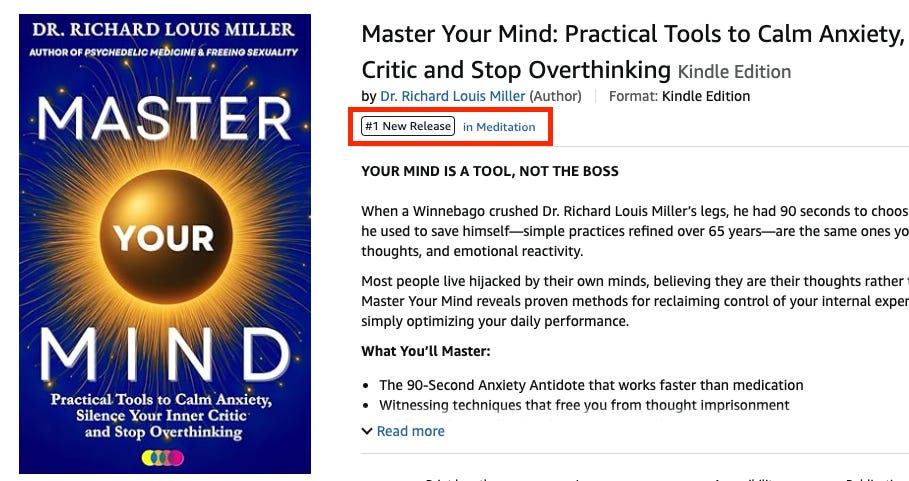
You Don’t Need a New Life. You Need a New State
In this conversation, Dr. Richard Louis Miller and Light Watkins explore the significance of community and tribal living, especially in challenging times. They delve into the concept of presence, emphasizing its role in personal fulfillment and the importance of inner work. Watkins shares insights on how to cultivate presence through mindfulness and meditation, highlighting the necessity of rest for the nervous system. The discussion also addresses common challenges like overthinking and disrupted sleep, offering practical tools for improvement. Finally, they provide guidance for beginners looking to embark on their inner work journey, advocating for a less is more approach to meditation and self-care practices.TakeawaysHuman beings thrive in community and tribal settings.Presence is a key factor in personal and professional success.Meditation is about cultivating presence, not just calmness.Stress is the main barrier to experiencing presence.Inner work involves resting the nervous system to promote healing.Quality of sleep is often compromised by stress and anxiety.Overthinking can be alleviated through consistent meditation practice.Starting with small, manageable meditation sessions is effective.The mind's busyness is often a response to stress, not a failure of will.Happiness and fulfillment are achievable with the right practices.Chapters00:00 The Importance of Tribal Living03:15 Understanding Presence08:45 Cultivating Inner Work and Presence13:16 The Role of Rest in Inner Work18:55 Overcoming Overthinking and Stress24:27 Starting Your Inner Work Journey26:22 The Skeptic's Journey to Simplicity27:18 The Anti-Focus Approach to Meditation29:16 Understanding the Mind's Directionality30:44 The Mind's Noble Intentions32:10 The Impact of the Nervous System on Thought34:01 Creating Inner Calm Amidst Chaos36:03 Stress vs. Intimacy: The Mind's Dilemma37:58 Bringing Stress into Intimacy39:23 Optimizing Inner Work for Consistency41:03 The Power of Incremental Progress43:15 Walking: A Simple Path to Wellness45:26 Best Practices for Inner Work47:54 Resources for Meditation and Inner Work48:31 The Possibility of Happiness This is a public episode. If you'd like to discuss this with other subscribers or get access to bonus episodes, visit www.mindbodyhealthpolitics.org/subscribe
If Psychedelics Are Here to Stay, Let’s Get It Right
In this conversation, Dr. Richard Louis Miller and Dr. Daniel Kruger discuss the importance of community living for well-being, the adverse effects associated with psychedelic medicine, and the significance of harm reduction strategies. They explore the nature of psychedelic experiences, the role of guides, and the future of psychedelics in therapy. The conversation emphasizes the need for practical advice for first-time users and the importance of addressing misinformation surrounding psychedelics.TakeawaysLiving tribally enhances physical and emotional well-being.Over 72% of Americans live paycheck to paycheck, highlighting financial stress.Many individuals experience adverse effects during psychedelic experiences, but these can vary in intensity.Harm reduction strategies are essential for those choosing to use psychedelics.A significant number of people have experimented with psychedelics, with estimates suggesting millions in the U.S.Best practices for first-time users include mental preparation and creating a safe environment.Testing substances for safety is crucial to prevent harmful experiences.The therapeutic component of psychedelics is vital for maximizing benefits.Misinformation about psychedelics can lead to distrust in legitimate research.Community-sourced advice can provide trustworthy information for safe psychedelic use.Chapters00:00 Introduction to Mind, Body, Health and Politics01:42 The Importance of Community Living02:00 Adverse Effects of Psychedelic Medicine04:27 Understanding Adverse Experiences in Psychedelics09:15 Harm Reduction and Psychedelic Use12:06 Lifetime Usage of Psychedelics13:38 Best Practices for First-Time Users17:17 Accessing Harm Reduction Resources20:02 The Role of Guides in Psychedelic Experiences22:22 Psychedelic Assisted Psychotherapy vs. Self-Experimentation26:58 The Future of Psychedelics in Therapy29:46 Survey Insights on Adverse Effects31:33 Cost-Benefit Analysis of Psychedelic Use34:58 Misinformation and Trust in Psychedelic Research38:30 Advice for Safe Psychedelic Use40:19 Testing for Safety in Psychedelic Substances41:36 Exploring Psychedelic Retreats This is a public episode. If you'd like to discuss this with other subscribers or get access to bonus episodes, visit www.mindbodyhealthpolitics.org/subscribe
A Hard Lesson From a Long Career
In this episode, Dr. Richard Louis Miller reflects on burnout through the lens of more than six decades in the helping professions.He explores why burnout is not a personal failure, but a predictable outcome of caring without boundaries — and why learning to care for oneself is essential for sustaining care for others.Drawing from clinical experience and personal stories, Dr. Miller speaks about the paradox of energy, the role of movement and connection in restoring vitality, and the importance of practicing what we teach.This episode is a reminder that self-care is not indulgent, selfish, or optional — it is a responsibility.In this episode, Dr. Miller discusses:Why people in helping roles are especially vulnerable to burnoutHow burnout develops when care flows in only one directionThe paradox of energy: when rest helps and when movement restoresWhy exercise often increases energy rather than depleting itHow isolation worsens burnout and connection supports recoveryThe importance of social support during periods of fatigue or stressWhy boundaries protect long-term generosity and serviceHow saying no allows us to continue saying yes in meaningful waysThis conversation is especially relevant for caregivers, clinicians, educators, parents, and anyone who gives deeply to others — and wants to remain well enough to continue doing so. This is a public episode. If you'd like to discuss this with other subscribers or get access to bonus episodes, visit www.mindbodyhealthpolitics.org/subscribe
The Psychological Power of Movement
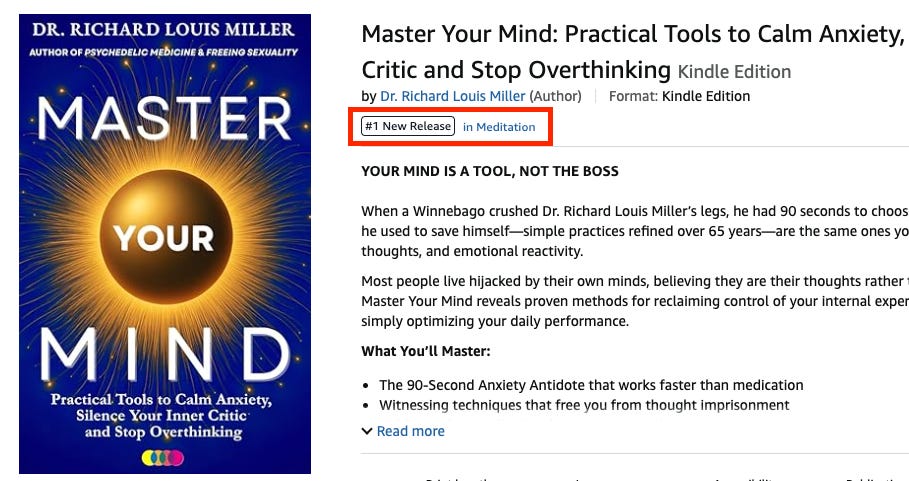
Why Exercise Changes More Than the BodyA reflection from Dr. Richard Louis MillerIn this solo episode, Dr. Richard Louis Miller reflects on the psychological, emotional, and physical impact of exercise — not as a fitness goal, but as a lifelong tool for emotional regulation, resilience, and well-being.Drawing from personal experience and decades of clinical practice, Richard explains why movement remains one of the most reliable ways to support mental health at any age.In this episode, Dr. Miller explores:How aerobic exercise directly improves mood and reduces anxietyWhy even short bouts of movement can produce hours of emotional upliftThe science behind heart rate, adrenaline, and nervous system balanceWhy starting small is more effective than waiting for motivationHow consistency matters more than intensityThe role of exercise in treating depression and emotional fatigueWhy movement supports healing during illness and recoveryHow exercise builds confidence, agency, and self-trust over timeThe importance of setting a regular time for movementWhy five minutes counts — and always hasKey takeawayExercise is not about performance or discipline.It is about supporting the nervous system, stabilizing mood, and choosing steady care over perfection.This episode is an invitation to begin — wherever you are — and to remember that a little, practiced consistently, becomes something powerful. This is a public episode. If you'd like to discuss this with other subscribers or get access to bonus episodes, visit www.mindbodyhealthpolitics.org/subscribe
The Tools We Forget We Have
SummaryIn this conversation, Dr. Richard Louis Miller reflects on the importance of human connection, the historical rise of dominators in society, and the interplay between religion and governance. He emphasizes the need for community and collaboration to counteract the divisive forces in the world, expressing hope for humanity's ability to unite and thrive together.TakeawaysConnection with others is vital for personal well-being.Human beings are inherently tribal and collaborative.A small group of dominators has historically controlled resources.The concept of property emerged from power dynamics.Religion and governance have a complex and often dangerous relationship.The separation of church and state is crucial for freedom.Community and connection can combat isolation and fear.We must reach out to others to foster relationships.Hope exists for humanity to rise above divisive forces.We share this planet and must work together as one people.Chapters00:00 Introduction and Personal Reflections02:53 The Importance of Connection06:12 The Rise of Dominators in Society09:05 The Historical Context of Power Dynamics12:00 Religion and Governance: A Dangerous Alliance15:50 The Call for Community and Connection20:11 Hope for Humanity's Future This is a public episode. If you'd like to discuss this with other subscribers or get access to bonus episodes, visit www.mindbodyhealthpolitics.org/subscribe

Is Monogamy Working the Way We Think It Is?
SummaryIn this episode of Mind, Body, Health and Politics, Dr. Richard Louis Miller engages in a thought-provoking conversation with Professor Eric Anderson about the complexities of monogamy and the psychological underpinnings of cheating. They explore the concept of cognitive dissonance, particularly how societal expectations of monogamy clash with biological impulses. Professor Anderson argues that men are evolutionarily wired to seek multiple partners, which creates a conflict when they enter monogamous relationships. This discussion is framed within the context of modern relationships, where emotional and physical fidelity are often viewed through different lenses, leading to misunderstandings and conflicts in expectations.The conversation delves into the historical context of monogamy, the impact of divorce on children, and the societal pressures that shape our views on relationships. Professor Anderson challenges traditional notions of fidelity, suggesting that emotional connections can be just as significant as physical ones. He emphasizes the need for a broader understanding of what constitutes cheating and how societal norms influence personal relationships. The episode concludes with a cliffhanger, hinting at a deeper exploration of the psychological processes that lead individuals from a commitment to infidelity, setting the stage for a future discussion.TakeawaysCognitive dissonance occurs when conflicting ideas exist in our minds.Men are biologically wired to seek multiple partners, creating tension in monogamous relationships.Emotional connections can be as significant as physical ones in defining fidelity.Divorce often has serious ramifications for children, affecting their future well-being.TitlesThe Truth About Monogamy: Cognitive Dissonance and CheatingAre We Wired for Monogamy? Exploring Human RelationshipsSound bites"We are the healthiest when we live in small tribes.""What do you do when two people you love hate each other?""We can't outrun our evolutionary desires."Chapters00:00 Introduction to Mind, Body, Health and Politics01:03 The Importance of Community and Collaboration02:27 Understanding Cognitive Dissonance03:24 Introducing Professor Eric Anderson04:11 Cognitive Dissonance and Monogamy06:04 Biological Imperatives and Sexual Desire10:03 The Impact of Divorce on Children15:14 Emotional vs. Physical Fidelity19:56 The Reality of Cheating24:52 The Psychological Process of Cheating38:59 The Complexity of Cheating Definitions51:58 Conclusion and Cliffhanger for Part Two This is a public episode. If you'd like to discuss this with other subscribers or get access to bonus episodes, visit www.mindbodyhealthpolitics.org/subscribe
How a Woman in Her 60s Became an Olympic Weightlifter
In this engaging conversation, Dr. Richard Louis Miller and Laura Eiman explore the profound impact of community on health and well-being, the journey of overcoming addiction to sugar, and the importance of strength training at any age. Laura shares her inspiring story of transformation, emphasizing the significance of mindset, nutrition, and empowering others, particularly women, to take charge of their health. The discussion highlights practical strategies for maintaining physical and emotional well-being, fostering connections, and embracing the aging process with enthusiasm and purpose.TakeawaysCommunity is essential for emotional and physical well-being.Isolation during the pandemic has increased anxiety and depression.Laura's journey into health and fitness began in her 40s after overcoming a sugar addiction.Mindset is crucial for overcoming challenges and achieving goals.Strength training can be started at any age and has numerous benefits.Nutrition plays a vital role in overall health and fitness.Empowering women through coaching can help them overcome personal struggles.Staying curious and open-minded is key to personal growth.Learning from the mindset of Navy SEALs and athletes can inspire resilience.It's never too late to make positive changes in life. TitlesTransforming Lives Through Community and FitnessOvercoming Addiction: A Journey to HealthSound bites"I want to be like these guys.""Do hard things every day.""Get off the white food."Chapters00:00 The Importance of Community in Health02:24 Laura's Journey to Health and Fitness09:02 Overcoming Addiction and Finding Purpose13:55 Mindset Lessons from Navy SEALs and Athletes20:00 The Power of Strength Training at Any Age27:45 Nutrition and Healthy Eating Habits35:47 Empowering Women Through Coaching53:12 Connecting and Inspiring Others This is a public episode. If you'd like to discuss this with other subscribers or get access to bonus episodes, visit www.mindbodyhealthpolitics.org/subscribe
Choosing Each Other Again
SummaryIn this conversation, Dr. Richard Louis Miller reflects on the importance of human connection, the historical rise of dominators in society, and the interplay between religion and governance. He emphasizes the need for community and collaboration to counteract the divisive forces in the world, expressing hope for humanity's ability to unite and thrive together.TakeawaysConnection with others is vital for personal well-being.Human beings are inherently tribal and collaborative.A small group of dominators has historically controlled resources.The concept of property emerged from power dynamics.Religion and governance have a complex and often dangerous relationship.The separation of church and state is crucial for freedom.Community and connection can combat isolation and fear.We must reach out to others to foster relationships.Hope exists for humanity to rise above divisive forces.We share this planet and must work together as one people.Chapters00:00 Introduction and Personal Reflections02:53 The Importance of Connection06:12 The Rise of Dominators in Society09:05 The Historical Context of Power Dynamics12:00 Religion and Governance: A Dangerous Alliance15:50 The Call for Community and Connection20:11 Hope for Humanity's Future This is a public episode. If you'd like to discuss this with other subscribers or get access to bonus episodes, visit www.mindbodyhealthpolitics.org/subscribe

What Meditation Is Really For
Why Meditation Is About Relationship, Not EscapeSusan Piver on breath, awareness, and strengthening human connectionEpisode SummaryIn this episode of Mind Body Health & Politics, I speak with Susan Piver, meditation teacher and author of The Wisdom of a Broken Heart, about what meditation truly offers in a distracted, isolated world.Susan shares how her online meditation community grew organically to tens of thousands of people seeking practice, presence, and connection. Together, we explore meditation not as a tool for self-improvement or avoidance, but as a way of relating differently to the mind, the breath, and one another.We discuss why the mind is a sense organ rather than the self, how meditation restores agency in an age that constantly pulls at our attention, and why practice does not remove pain—but helps us meet it without aggression or collapse.One line from Susan stayed with me:“I cannot defeat my enemies. But I can strengthen my friends.”In a culture overwhelmed by noise, fear, and division, this conversation is an invitation to clarity, steadiness, and genuine human presence.Timestamps00:00 — Why community is essential to mental and emotional health02:15 — Introducing Susan Piver and the Open Heart Project04:45 — How online meditation became a global community06:00 — The unexpected intimacy of practicing together online08:30 — What meditation actually is (and what it is not)12:30 — Why the mind is not the boss16:00 — Attention, breath, and reclaiming agency20:30 — Meditation, grief, and the danger of spiritual bypassing27:00 — Pain, loss, and meeting experience honestly30:45 — Meditation as opening to the world, not withdrawing from it34:00 — “I cannot defeat my enemies, but I can strengthen my friends”36:30 — A guided meditation with Susan Piver42:30 — Silence, presence, and closing reflections This is a public episode. If you'd like to discuss this with other subscribers or get access to bonus episodes, visit www.mindbodyhealthpolitics.org/subscribe
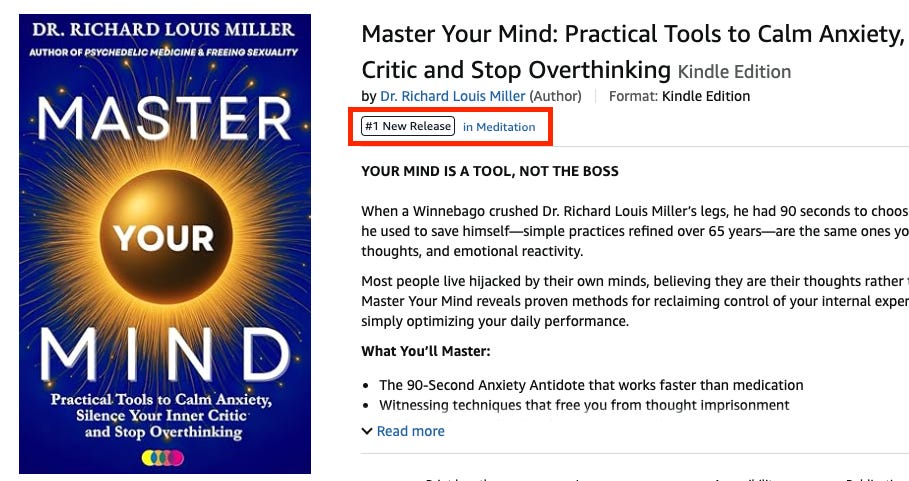
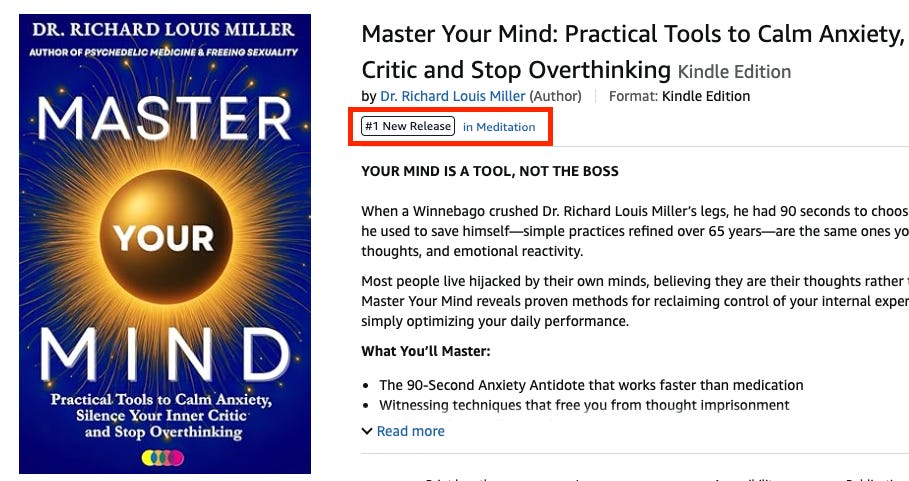
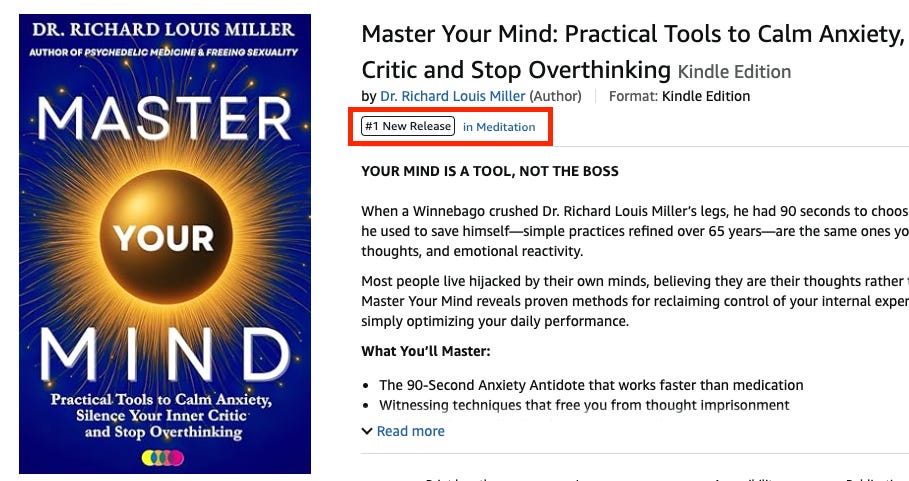
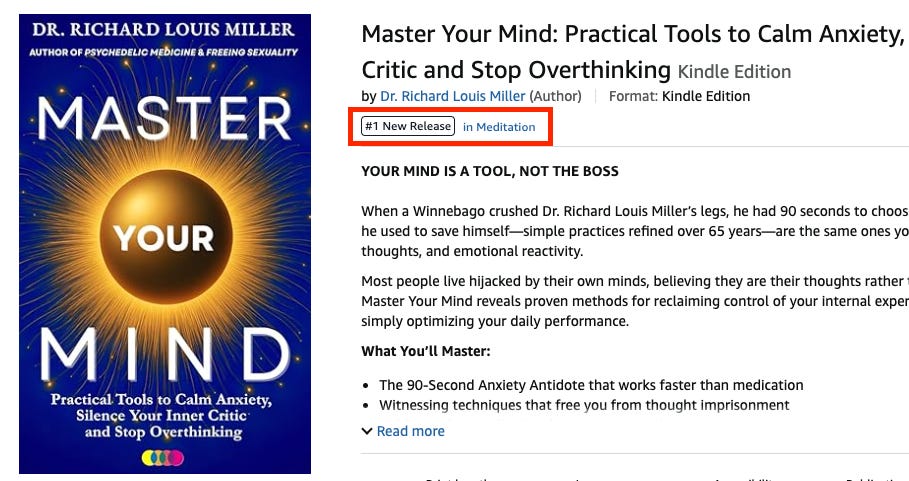
Three Simple Tools to Calm Anxiety and Quiet the Mind
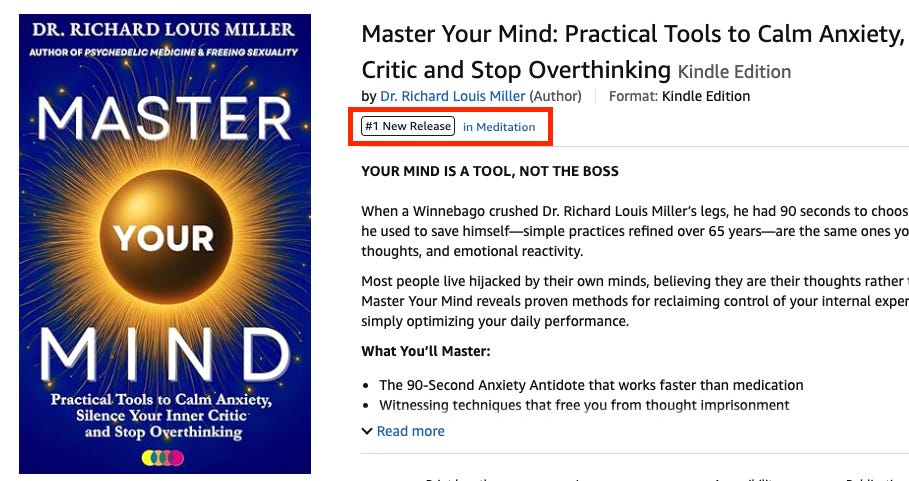
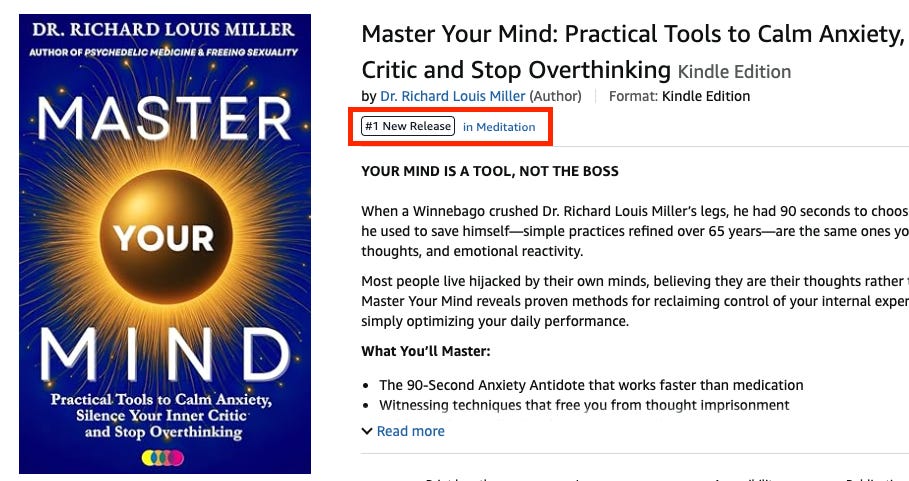
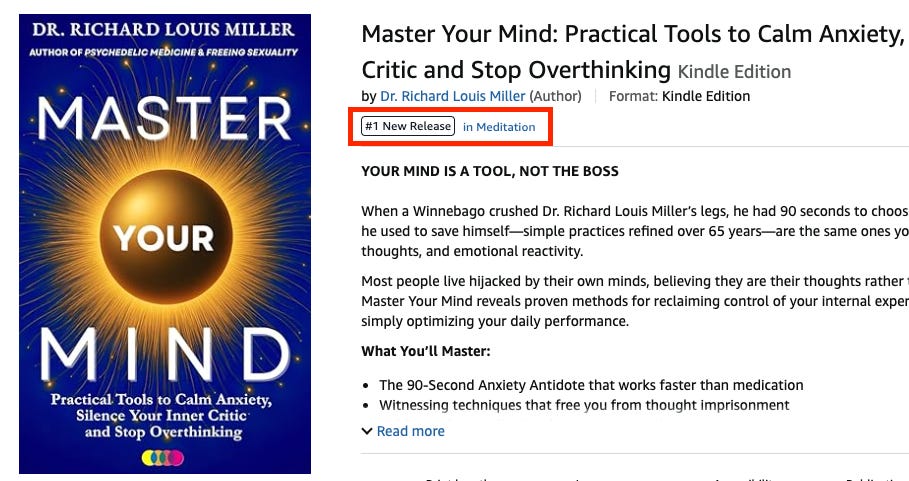
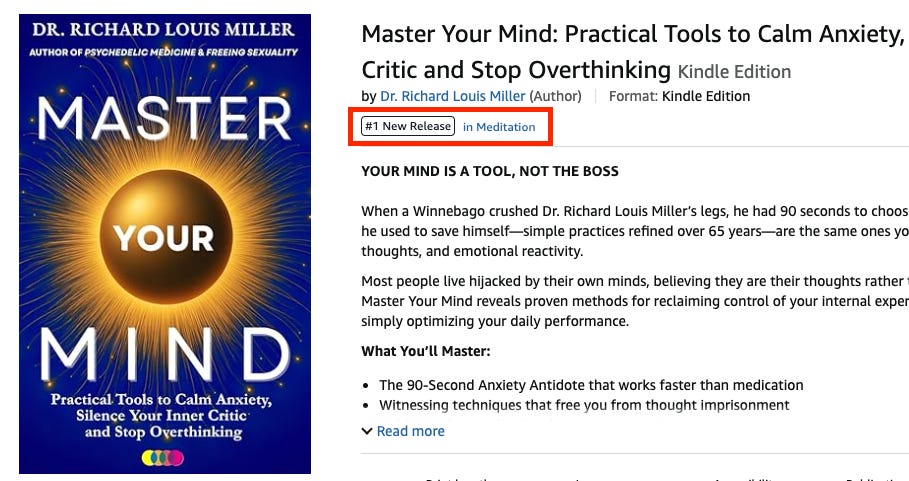
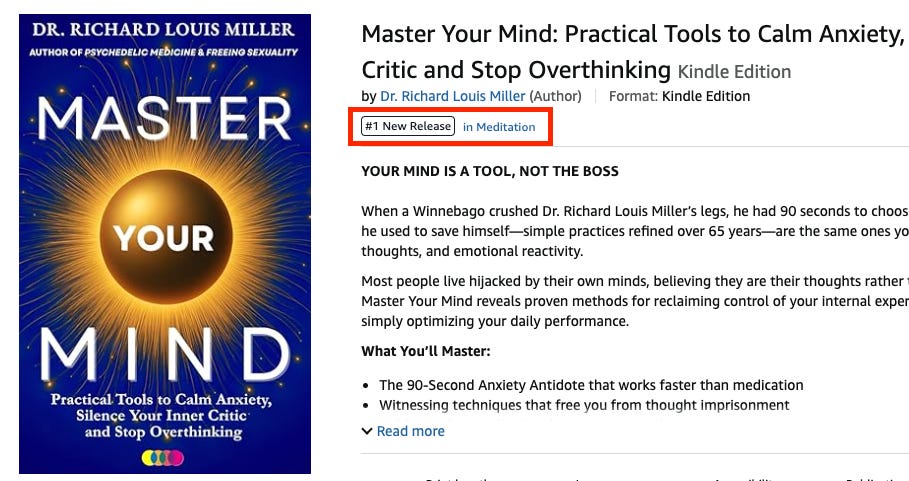
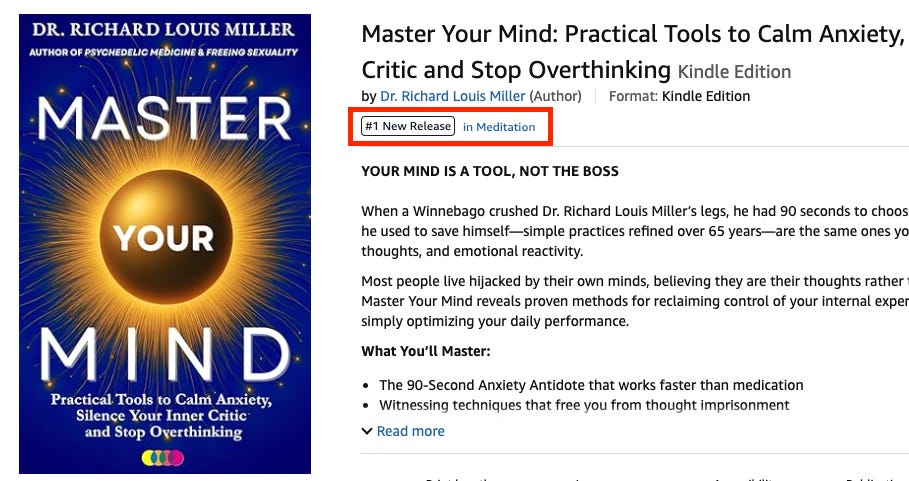
Three Simple Tools to Calm Anxiety and Quiet the MindEpisode SummaryIn this week’s episode of Mind Body Health & Politics, I speak directly to you about anxiety and intrusive thoughts—two of the most common struggles I’ve encountered in over 65 years of clinical practice.I share three simple, practical tools that require no special equipment, no long meditation sessions, and no expense. These are techniques you can use almost anywhere, at any moment, to calm your nervous system and regain control of your inner world.We explore conscious breathing, guided visualization, and a surprisingly powerful method for interrupting intrusive thoughts. These practices helped me save my own life during a severe trauma, and they remain the foundation of how I manage anxiety to this day.This episode is a reminder that you don’t need to do everything at once. A little something over a long period of time is a lot of something. This is a public episode. If you'd like to discuss this with other subscribers or get access to bonus episodes, visit www.mindbodyhealthpolitics.org/subscribe
Why Relationships Hurt — And Why That’s Not a Problem
Dr. Susan Campbell on Inconvenient Pain, Triggers & The PauseWhy conflict is normal — and how learning to “pause” can transform your closest relationships.Psychologist, author, and renowned couples therapist Dr. Susan Campbell returns to Mind Body Health & Politics for a powerful conversation about emotional pain, conflict, and the skills most of us were never taught.She and Dr. Richard Louis Miller explore why relationships inevitably hurt, why humans instinctively avoid emotional discomfort, and how this avoidance prevents us from growing. Instead of trying to “fix” or escape pain, Susan teaches how to feel it, understand it, and use it as a doorway to deeper connection.Susan explains why old childhood wounds get triggered in relationships, how the nervous system reacts under stress, and why even minor disagreements can unleash outsized reactions. She and Richard discuss the universal patterns couples fall into — denial, control, withdrawal, blame — and how practicing the pause interrupts these automatic behaviors.They also explore the deeper psychological landscape: why civilized cultures are addicted to control, how intimacy exposes our vulnerabilities, and why emotional courage is essential for personal and collective evolution.This conversation is honest, warm, practical, and deeply human. If you've ever wondered why conflict feels overwhelming — or how to navigate it with clarity and compassion — this episode offers tools that can change your relationships from the inside out.GuestDr. Susan Campbell — psychologist, couples therapist, group facilitator, and author of 12+ books including Getting Real, Truth in Dating, The Couples Journey, and From Triggered to Tranquil. She is internationally known for her work on honesty, emotional triggers, and relationship communication.Key TopicsWhy emotional pain is normal — not a sign something is “wrong”“Inconvenient pain” and why relationships activate our earliest woundsHow childhood patterns influence adult reactionsTriggers: what they are, why they happen, and how to recognize themThe body’s role in emotional reactions: fight, flight, freeze, control, or withdrawalWhy most of us avoid pain — and how this avoidance creates more sufferingThe Pause: how to interrupt spirals before real damage occursHow conscious breathing calms the nervous system after activationCompassionate self-inquiry: what to do after you pauseHow to identify your personal “control patterns”Saying no with kindness vs. protecting yourself with avoidanceExpansion of emotional capacity as a path to personal evolutionWhy our culture trains us to answer quickly — and how slowing down changes everythingHow relationships become mirrors that reveal unhealed woundsTeaching emotional intelligence to children — and why it mattersWhy genuine relating is more important than managing outcomesTimestamps00:00 — Why humans need community to thrive00:58 — Introducing Dr. Susan Campbell01:20 — Susan’s core message: expanding our capacity for emotional discomfort02:33 — What “inconvenient pain” really means03:45 — Why humans avoid painful truths04:19 — Normal frustrations inside relationships05:18 — Why our culture romanticizes ease — and misleads us06:40 — Pain as an opportunity for emotional growth07:51 — Childhood wounds and how relationships reactivate them09:30 — Real-life example: wanting different things at the same time10:55 — Triggered reactions: control, withdrawal, shutdown11:53 — How to recognize your trigger patterns13:45 — How to sit with discomfort instead of escaping it15:20 — How triggers mix the past with the present17:58 — The value of seeing your old patterns clearly19:51 — Why conflict escalates so fast20:26 — Susan’s signature tool: The Pause22:01 — Why talking while triggered never works23:55 — How to calm your nervous system during a pause25:30 — “You know the pause is working when you’re no longer blaming.”25:46 — Conscious breathing as emotional regulation26:36 — Why discipline leads to long-term harmony28:36 — Emotional skills we should teach children30:01 — Beyond the pause: compassionate self-inquiry31:14 — How self-compassion arises naturally after nervous-system calming33:22 — Why these tools should be taught in schools35:30 — Addiction to control in modern culture37:21 — Saying no with kindness39:14 — Control patterns: how we avoid discomfort41:27 — Why taking time to respond feels threatening in our culture43:28 — What happens when we fear uncomfortable outcomes45:51 — Susan’s final additional insight47:37 — Closing reflections and where to find Susan’s work This is a public episode. If you'd like to discuss this with other subscribers or get access to bonus episodes, visit www.mindbodyhealthpolitics.org/subscribe
What BDSM Can Teach Us About Happiness & Human Connection
What BDSM Can Teach Us About Happiness & Human ConnectionInside Dr. Alicia Walker’s research on BDSM, stigma, and deep community.Sociologist Dr. Alicia M. Walker joins Mind Body Health & Politics to discuss one of the most surprising findings in her career: people involved in BDSM report strikingly high levels of emotional well-being, connection, and life satisfaction.Drawing from the largest BDSM study ever conducted—over 100 in-depth interviews and more than 2,400 survey participants—Dr. Walker discovered that the happiness reported by practitioners has little to do with the sexual practices themselves. Instead, it comes from the psychology around BDSM: communication, consent, identity, clarity, and community.Richard and Dr. Walker explore why BDSM remains deeply stigmatized; how secrecy shapes family relationships; why communication in BDSM scenes is far more explicit than in most romantic partnerships; and how chosen communities of 30–50 people function as support networks in an age of loneliness.They discuss creativity, emotional expression, gender expectations, injury and consent, political identity, and the role of freedom from societal judgment. The conversation reveals something far deeper than kink: a blueprint for connection and honesty that many people crave but rarely experience.This episode is not about the behavior itself—it’s about what it means to be fully seen, accepted, and connected.GuestDr. Alicia M. Walker — Associate Professor of Sociology at Missouri State University; researcher of sexuality, relationships, and gender; co-author with Dr. Arielle Kuperberg; and author of Charmed: The Secret Lives of BDSM Practitioners.Key TopicsThe largest BDSM study ever conductedWhy BDSM practitioners report unusually high levels of happinessCommunication, consent, and clarity as core psychological toolsHow secrecy shapes family and social relationshipsBDSM communities as powerful antidotes to lonelinessIdentity formation through roles, dynamics, and self-understandingCreativity and emotional expression inside BDSM relationshipsThe stigma surrounding sexuality in AmericaMisconceptions created by media portrayalsPolitical and cultural factors influencing sexual shameThe importance of negotiated boundaries and safe wordsWhy many participants live “vanilla” lives outside BDSMHow BDSM might inform healthier mainstream relationshipsTimestamps00:00 — Why human beings are tribal animals—and how isolation harms us02:03 — Introducing Dr. Alicia Walker and her path to studying BDSM03:37 — What sparked the study and why interest was so high04:51 — The largest BDSM dataset ever collected06:27 — Why studying sexuality is still stigmatized in academia07:36 — Cultural baggage around BDSM and sexual expression09:42 — How peers and the public react to sexual research11:28 — Censorship and pressure inside academic institutions13:30 — Family reactions to sexual research and BDSM stigma15:08 — Defining BDSM: roles, dynamics, and consent17:13 — Bondage, domination, sadism, masochism — explained19:24 — Safe words, negotiation, and communication22:31 — How the study was conducted: surveys, interviews, recruitment24:33 — 24/7 dynamics vs. private, at-home BDSM26:24 — Play parties, munches, and public vs. private participation29:04 — Why most BDSM practitioners blend into everyday life30:09 — BDSM identities vs. mainstream sexual identities32:35 — The biggest surprise: universal happiness33:47 — Community networks of 30–50 people35:27 — Loneliness, third places, and the power of chosen family37:45 — Aging, community, and Richard’s reflections on longevity40:03 — Mutual support: airport pickups, holidays, emotional care42:12 — How families handle disclosure (or don’t)43:05 — The cost of secrecy and selective honesty46:03 — Why deeper involvement increases happiness48:19 — Identity clarity, self-understanding, and role expression49:43 — Gender expectations and emotional freedom52:26 — Creativity as a major contributor to well-being53:32 — Political leanings inside BDSM communities56:03 — How to safely get involved in BDSM58:23 — The importance of sober, mutual consent01:00:22 — Creativity, identity, and designing your own life01:03:36 — Injury, safety, and shared responsibility01:05:11 — Age, access, and how people find community01:07:08 — Closing reflections and learning from the BDSM community This is a public episode. If you'd like to discuss this with other subscribers or get access to bonus episodes, visit www.mindbodyhealthpolitics.org/subscribe
The Science of Self-Compassion with Dr. Kristin Neff
Dr. Kristin Neff on the Science of Self-CompassionHow self-kindness rewires your emotions, your health, and your ability to cope.Dr. Kristin Neff — pioneering researcher, psychologist, and author of Self-Compassion — joins Mind Body Health & Politics for a deep exploration into the one skill most of us were never taught: how to treat ourselves with warmth instead of judgment.She and Dr. Richard Louis Miller discuss why human beings evolved to be harsh toward themselves, how self-criticism keeps us stuck in a threat state, and why self-compassion isn’t “soft”—it’s a biological accelerator for resilience, calm, and emotional strength.Kristin explains the three pillars of self-compassion, how physical touch signals safety to the nervous system, and why just 20 seconds a day of self-kindness can measurably change your mental health.She also shares deeply personal stories—from her own divorce to raising her autistic son—and how practicing self-compassion allowed her to stay grounded through fear, shame, and uncertainty.Richard and Kristin explore mindfulness, cultural conditioning, evolutionary psychology, childhood wounds, the crisis of anxiety in America, and why being on your own side is one of the most powerful health interventions we have.This conversation is warm, practical, and profoundly human—an invitation to finally stop being your own worst critic.GuestDr. Kristin Neff — Associate Professor of Educational Psychology at the University of Texas at Austin; co-founder of the Center for Mindful Self-Compassion; author of Self-Compassion and Fierce Self-Compassion; and the world’s leading researcher on self-compassion.Key TopicsWhy we’re evolutionarily wired to be harsher with ourselves than with othersThe three components of self-compassion: mindfulness, common humanity, and kindnessHow physical touch activates the care system and quiets the threat systemWhy self-criticism creates anxiety but does not create motivationHow self-compassion improves immune function, inflammation, cortisol, and heart-rate variabilityThe difference between self-compassion, self-esteem, and self-appreciationHow cultural messages (“don’t get a big head”) distort our inner voiceUsing self-compassion in parenting—especially with neurodivergent childrenAutism, sensitivity, and the story of her son RowanHow shame dissolves when we remember our shared humanityWhy anxiety levels are rising nationwide—and how self-compassion protects usPractical tools: touch, gentle self-talk, mindful awareness, and 20-second practicesHow to take the Self-Compassion Scale and build a daily practiceTimestamps00:00 — Why human beings are tribal animals, and how isolation harms us02:27 — Introducing Dr. Kristin Neff & the concept of self-compassion03:16 — What self-compassion is and is not04:07 — Treating yourself as kindly as you treat others05:35 — Why we attack ourselves: evolution, fear, and defense mode07:51 — How compassion calms the nervous system08:32 — Richard’s own journey with cancer and gratitude09:30 — Kristin’s story: divorce, shame, and discovering self-kindness11:16 — How mindfulness allows compassion to arise13:31 — The three elements of self-compassion15:11 — Common humanity vs. self-pity16:31 — How self-talk rewires the brain17:58 — Self-compassion vs. self-esteem19:36 — Self-appreciation and acknowledging what you do well21:20 — Gratitude, wisdom, and interdependence22:57 — Richard’s cancer + heart failure story23:35 — How the immune system responds to compassion26:03 — Why culture discourages self-kindness27:28 — Being harsh to ourselves: a misunderstood attempt at safety28:53 — Childhood conditioning: “don’t get a big head”30:24 — Spare the rod, spoil the child—carried into adulthood31:14 — Is self-compassion a feeling or a motivation?33:14 — The neuroscience of compassion34:55 — Ego, self, and Buddhist misunderstandings35:30 — How to apply self-compassion during suffering36:58 — The power of physical touch37:28 — Touching the body where the emotion lives40:00 — How mammals regulate through contact41:00 — Dr. Neff’s self-compassion test43:22 — Anxiety epidemic in the U.S.44:10 — AI, uncertainty, and emotional overwhelm45:27 — The “inner ally” and asking yourself, “What do I need?”47:00 — Parenting Rowan: sensitivity, autism, and Mongolia50:14 — The Horse Boy story and healing in nature53:13 — Rowan today: independence, strengths, and challenges55:27 — What autistic children teach us about attunement57:21 — One of Rowan’s best lessons: “You’re not a terrible singer—you just sing terribly.”58:06 — Why 20 seconds of self-compassion a day is enough59:04 — Richard’s excitement to share the research60:00 — Where to find Dr. Neff + closing reflections This is a public episode. If you'd like to discuss this with other subscribers or get access to bonus episodes, visit www.mindbodyhealthpolitics.org/subscribe
The Fastest Way to Stop Making Yourself Miserable
In this short episode, Dr. Richard Miller explains why comparison quietly damages your peace—and the simple mental shift he teaches to break the habit before it steals your joy This is a public episode. If you'd like to discuss this with other subscribers or get access to bonus episodes, visit www.mindbodyhealthpolitics.org/subscribe
How to Create Meaning When Life Stops Making Sense
How to Create Meaning When Life Stops Making SenseA conversation on mood, purpose, community, and the pressures of modern life with Eric Maisel.Psychologist and author Eric Maisel joins Mind Body Health & Politics to explore one of the deepest struggles of modern life: how to create meaning in a world that feels increasingly overwhelming, isolating, and disconnected.Together, he and Dr. Richard Louis Miller discuss why so many people feel lost, how meaning is made rather than found, and why community—and creative connection—are essential for our emotional well-being.Eric shares insights from his decades of work with creative and performing artists, describing a new global initiative he’s helping build: the International Association of Creative and Performing Artists, a worldwide community designed to support creatives through loneliness, rivalry, depression, and the unique pressures of artistic life.Richard and Eric also talk about authoritarian family systems, the decline of the arts, the crisis of loneliness, existential wellness coaching, mood regulation, and why human beings must learn to “matter while we are here.”This conversation is a rich exploration of purpose, creativity, and the inner life we’ve forgotten to nurture.GuestEric Maisel — Psychologist, creativity coach, and author of more than 60 books including Redesign Your Mind, The Van Gogh Blues, Rethinking Depression, and The Power of Daily Practice.Key TopicsWhy meaning is a feeling—not something you “find”The modern crisis of loneliness and alienationWhy creative minds face unique psychological challengesRivalry, comparison, and depression in the artsThe International Association of Creative and Performing ArtistsHow community protects mental healthExistential wellness coaching and life purposeAuthoritarianism inside familiesThe role of moods and how we can influence themStoicism, existentialism, and internal agencyHow sleep thinking boosts creativityThe pressures on artists in the age of AIWhy “doing the next right thing” anchors purposeCreating personal meaning through valuesDesigning the “room of your mind” to change your thoughtsWhy many people feel they don’t matter—and how to reclaim inner worthTimestamps00:00 — Why human beings are tribal animals and need community01:10 — Introducing Eric Maisel: psychologist, author of 60+ books01:50 — Eric’s radar: a new global community for creative and performing artists03:37 — What the ideal worldwide organization would look like05:45 — Challenges creatives face: loneliness, rivalry, anxiety, depression06:40 — What artists truly need: hope, connection, meaning08:00 — Are the arts under attack?12:22 — Power outage pause — resuming the conversation13:00 — Do artists have unique sensitivities? The creative personality15:40 — Creative identity vs. the “almost-artist” (artist manqué)16:03 — Eric’s next radar theme: multiple life purposes vs. a single purpose17:20 — Meaning as a feeling, not a destination18:24 — Learning from past meaningful experiences20:00 — Creating value-based meaning; the Churchill example22:02 — Do we choose our moods? Richard and Eric debate24:00 — Richard’s story of surviving a life-threatening accident25:54 — The high bar of mood control — but it is possible26:18 — A second real-life example: childbirth without a C-section27:04 — Richard’s current AFib episode — choosing the mood anyway28:27 — Can most people handle modern life? The overwhelm of the mind29:50 — Stoicism and existentialism: ancient tools for modern crises31:27 — Why mainstream psychiatry avoids existential issues31:55 — Label culture and the limits of the DSM33:19 — Coaching creative clients: guilt, pressure, and overwhelm34:30 — Eric’s daily routine: writing at 5:30 a.m.35:14 — The importance of “sleep thinking” for creativity37:28 — Writing in chunks: completing one thousand-word piece38:41 — Afternoons, rest, cooking, and life rhythm39:46 — Richard proposes a new term: “accumulated intelligence”40:30 — Using AI to assist the writing process41:16 — Accumulated intelligence as humanity’s collective memory42:10 — How the new artist organization will include global suffering communities43:21 — Richard’s Ukrainian heritage and the role of war in creativity44:26 — Introducing Timothy Snyder and the book On Tyranny45:59 — Family authoritarianism and childhood wounds47:48 — Why the only solution is often to leave the authoritarian48:25 — Gender dynamics, dominance, and archaic biases49:07 — Leadership, archetypes, and political psychology49:20 — Break: Richard invites listeners to explore MBHP archives51:06 — Returning: Richard promotes Eric’s work51:33 — Redesigning the “room of your mind” — the core of Redesign Your Mind53:59 — Life purpose statements — doing the “next right thing”55:20 — Creating a personal life-purpose icon55:56 — Closing reflections and gratitude This is a public episode. If you'd like to discuss this with other subscribers or get access to bonus episodes, visit www.mindbodyhealthpolitics.org/su
Comparison Is a Form of Self-Harm We Don’t Recognize
In this short episode, Dr. Richard Miller explains why comparison quietly damages your peace—and the simple mental shift he teaches to break the habit before it steals your joy This is a public episode. If you'd like to discuss this with other subscribers or get access to bonus episodes, visit www.mindbodyhealthpolitics.org/subscribe
The Future of Healing May Not Come from a Pill
Psychotherapist Gisele Fernandes-Osterhold joins Dr. Richard Louis Miller to discuss a groundbreaking psilocybin-assisted therapy study for young adults with anorexia nervosa at the University of California, San Francisco.Together, they explore how psychedelics can help restore connection between mind, body, and community—and how true healing extends beyond the individual to include family, culture, and environment.The study, led by UCSF’s Tripper Lab, is one of the first in the world to focus on the developing brain and the inclusion of families in psychedelic therapy. Gisele explains how this approach moves away from blame and control toward empowerment, self-awareness, and compassionate healing.She and Richard also discuss the cultural factors that shape body image, the impact of social media, the rising rates of eating disorders since the pandemic, and why anorexia remains one of the deadliest mental health conditions.“Recovery isn’t just gaining weight. It’s gaining yourself.” — Gisele Fernandes-OsterholdThis conversation is a powerful reminder that healing is not isolation—it’s reconnection.GuestGisele Fernandes-Osterhold — Director of Facilitation for Psychedelic Therapy at the University of California, San Francisco; faculty at the California Institute of Integral Studies; and researcher at the Tripper Lab, UCSF.Key TopicsThe UCSF psilocybin study for young adults (ages 18–25) with anorexia nervosaWhy including family in therapy can support long-term healingHow psilocybin-assisted therapy reduces cognitive rigidity and self-critical thought loopsUnderstanding anorexia beyond weight—seeing it as a disorder of identity and controlTrauma, intergenerational pain, and the importance of family systemsThe role of social media in shaping self-image and body dysmorphiaHow the pandemic amplified isolation and eating disorders among adolescentsShifting from authoritarian treatment models to trauma-informed careWhy “non-directive” therapy helps patients rediscover their own motivation to healA new paradigm of recovery centered on autonomy, compassion, and communityTimestamps00:00 — The importance of community and connection02:00 — Introducing Gisele Fernandes-Osterhold and the UCSF Tripper Lab03:30 — Inside the psilocybin-assisted therapy study for anorexia nervosa06:00 — Understanding anorexia as a life-threatening mental health disorder08:30 — Why the study includes diverse participants and families11:00 — The impact of anorexia on families and caregivers15:00 — Family inclusion as a healing model18:00 — Psilocybin therapy protocol and study design23:00 — The psychology of “parts work” and the path to self-integration29:00 — How psilocybin reduces rigid, self-destructive thought loops32:00 — The influence of culture, media, and pandemic isolation35:00 — Understanding suffering and motivation in eating disorders40:00 — Extending psychedelic research toward obesity and body image45:00 — How to apply for the UCSF clinical trial47:00 — Redefining success: recovery as engagement with life50:00 — Trauma-informed, patient-centered therapy54:00 — Mary Oliver’s “The Summer Day” — a poetic close on life’s preciousness This is a public episode. If you'd like to discuss this with other subscribers or get access to bonus episodes, visit www.mindbodyhealthpolitics.org/subscribe

Beyond Profit: The Human Cost of Capitalism — with David McNally
Beyond Profit: The Human Cost of Capitalism — with Dr. David McNallyHistorian Dr. David McNally joins Dr. Richard Louis Miller to explore the deep relationship between capitalism, slavery, and community — and why the path forward may depend on reclaiming our capacity for cooperation and hope.Together, they trace how capitalism evolved from feudal systems, how slavery became its brutal engine, and how modern life still reflects those same dynamics of exploitation and insecurity. They discuss the moral cost of wealth built on oppression, the erosion of academic freedom, and the possibilities for new forms of collective ownership and economic justice.Through it all, McNally reminds us that hope is more powerful than anger and fear, and that history shows our greatest progress comes when people act together in community.Guest:Dr. David McNally — Cullen Distinguished Professor of History and Business at the University of Houston, and author of Slavery and Capitalism, Blood and Money, and Monsters of the Market.Key Topics:How capitalism emerged from feudalism through the expulsion of peasants from common landsWhy slavery was not a premodern system but central to modern global capitalismThe immense wealth generated by enslaved laborThe psychological and moral consequences of exploitationLiving paycheck to paycheck as a modern form of economic bondageHow fear and insecurity maintain systems of controlThe importance of academic freedom and independent thoughtCollective action as the most powerful form of resistanceReviving the commons and exploring alternatives to capitalismWhy hope remains the foundation of social transformationTimestamps:00:00 — The Importance of Community and Connection02:22 — Understanding Capitalism and Its Historical Context07:20 — The Shift from Feudalism to Capitalism13:00 — Slavery in the Context of Capitalism20:11 — The Moral Dilemma of Enslavement24:07 — The Wealth Generated by Slavery24:47 — Exploring Alternatives to Capitalism29:00 — The Monopoly Game of Capitalism30:53 — The Power of Collective Action34:56 — Living Paycheck to Paycheck: A Modern Form of Slavery40:45 — The Assault on Academic Freedom50:19 — Freedom Dreams and Cultural Resistance This is a public episode. If you'd like to discuss this with other subscribers or get access to bonus episodes, visit www.mindbodyhealthpolitics.org/subscribe
Modern Psychedelics and the Lost Art of Community
The Psychology of Love and Connection with Dr. Rick HansonPsychologist Dr. Rick Hanson joins Dr. Richard Louis Miller to explore how compassion, community, and love can rewire the human brain — and why our survival as a species may depend on it. Together, they discuss the “two wolves within us,” how positive neuroplasticity turns fleeting moments of kindness into lasting change, and what it takes to heal both personally and collectively in a divided world.Guest: Dr. Rick Hanson – Psychologist, Senior Fellow of the Greater Good Science Center at UC Berkeley, and author of Hardwiring Happiness, Resilient, and Buddha’s BrainKey Topics:The duality of human nature: love vs. hateHow to “feed the wolf of love” through daily practicePositive neuroplasticity and the science of emotional rewiringBuilding compassion in polarized timesWhy community is essential to mental healthHow wealth inequality and power distort human connectionThe link between poverty and psychological sufferingSimple daily tools for calm, resilience, and empathyThe surprising role of playfulness in healingTimestamps:00:00 — Introduction: Humanity’s tribal nature and the need for connection02:15 — Meet Dr. Rick Hanson03:44 — The parable of the two wolves06:42 — Feeding the wolf of love vs. the wolf of hate08:07 — The power of brain science and compassion10:03 — Physical health as the foundation for mental well-being13:18 — The father-son dynamic and emotional intelligence17:04 — Keeping your “dad hat” on in relationships20:33 — How to stay in touch with the wolf of love under pressure21:33 — The longing for a better world22:05 — Rick’s top psychological tools for well-being24:38 — Getting on your own side25:38 — Taking in the good and letting it land29:18 — Linking positive experiences to old wounds34:35 — Why painful memories persist36:12 — How the media exploits our negativity bias38:33 — Vulnerability to manipulation and fear42:33 — Wealth concentration and its social consequences46:10 — From individual healing to collective action47:58 — Poverty as the biggest factor in mental health50:04 — Lessons from other nations’ social models53:14 — Why one in three adults in America isn’t registered to vote55:08 — The limits of traditional psychotherapy59:36 — What separates high responders from low responders01:02:21 — Repetition, practice, and rewiring behavior01:05:21 — Breathing as the foundation of change01:10:22 — Stop whining, start climbing: love as actionLinks & Resources:🌐 Website — rickhanson.net📘 Books — Hardwiring Happiness, Resilient, Buddha’s Brain🎧 Podcast — Being Well with Dr. Rick Hanson and Forrest Hanson This is a public episode. If you'd like to discuss this with other subscribers or get access to bonus episodes, visit www.mindbodyhealthpolitics.org/subscribe
The Psychology of Love and Connection with Dr. Rick Hanson
The Psychology of Love and Connection with Dr. Rick HansonPsychologist Dr. Rick Hanson joins Dr. Richard Louis Miller to explore how compassion, community, and love can rewire the human brain — and why our survival as a species may depend on it. Together, they discuss the “two wolves within us,” how positive neuroplasticity turns fleeting moments of kindness into lasting change, and what it takes to heal both personally and collectively in a divided world.Guest: Dr. Rick Hanson – Psychologist, Senior Fellow of the Greater Good Science Center at UC Berkeley, and author of Hardwiring Happiness, Resilient, and Buddha’s BrainKey Topics:The duality of human nature: love vs. hateHow to “feed the wolf of love” through daily practicePositive neuroplasticity and the science of emotional rewiringBuilding compassion in polarized timesWhy community is essential to mental healthHow wealth inequality and power distort human connectionThe link between poverty and psychological sufferingSimple daily tools for calm, resilience, and empathyThe surprising role of playfulness in healingTimestamps:00:00 — Introduction: Humanity’s tribal nature and the need for connection02:15 — Meet Dr. Rick Hanson03:44 — The parable of the two wolves06:42 — Feeding the wolf of love vs. the wolf of hate08:07 — The power of brain science and compassion10:03 — Physical health as the foundation for mental well-being13:18 — The father-son dynamic and emotional intelligence17:04 — Keeping your “dad hat” on in relationships20:33 — How to stay in touch with the wolf of love under pressure21:33 — The longing for a better world22:05 — Rick’s top psychological tools for well-being24:38 — Getting on your own side25:38 — Taking in the good and letting it land29:18 — Linking positive experiences to old wounds34:35 — Why painful memories persist36:12 — How the media exploits our negativity bias38:33 — Vulnerability to manipulation and fear42:33 — Wealth concentration and its social consequences46:10 — From individual healing to collective action47:58 — Poverty as the biggest factor in mental health50:04 — Lessons from other nations’ social models53:14 — Why one in three adults in America isn’t registered to vote55:08 — The limits of traditional psychotherapy59:36 — What separates high responders from low responders01:02:21 — Repetition, practice, and rewiring behavior01:05:21 — Breathing as the foundation of change01:10:22 — Stop whining, start climbing: love as actionLinks & Resources:🌐 Website — rickhanson.net📘 Books — Hardwiring Happiness, Resilient, Buddha’s Brain🎧 Podcast — Being Well with Dr. Rick Hanson and Forrest Hanson This is a public episode. If you'd like to discuss this with other subscribers or get access to bonus episodes, visit www.mindbodyhealthpolitics.org/subscribe
Building Community with MDMA: Charley Wininger's 20-Year Experiment
Building Community with MDMA: Charles Wininger's 20-Year ExperimentPsychotherapist Charles Wininger shares 20 years of experience leading group MDMA sessions in New York, detailed protocols for creating safe communal experiences, and his vision for a nationwide simultaneous experience to rebuild community connections.Guest: Charles Wininger - Psychotherapist for 35 years, psychonaut for 50 years, author of "Listening to Ecstasy: The Transformative Power of MDMA"Key Topics:Why community is literally life or deathComplete protocols for group MDMA experiencesThe "serious fun" middle way between therapy and ravesGround rules: consent, boundaries, and safetyWhy mixing substances changes everythingCouples using MDMA 2-3x weekly at micro-dosesPlanning a nationwide simultaneous experienceThe Fireside Project's 24/7 psychedelic supportTimestamps:00:00 Introduction - Tribal animals need community01:01 Meet Charles Wininger01:59 "Community is the medicine"03:55 MDMA as the "chemical of connection"06:22 Healing a 7-year rift between friends10:12 Structuring safe group experiences12:14 "Serious fun" - the middle way13:55 Selecting participants carefully15:02 Ground rules and safety protocols18:45 Respecting boundaries and consent20:50 What people fear most: safety24:04 Creating "chill space" for solitude25:10 No mixing substances policy27:16 Saturday sessions with Sunday integration29:04 Managing the "Tuesday blues"31:33 Lowering doses with age33:31 Coming out of the "chemical closet"38:17 Why not mix ketamine or cannabis40:29 Psilocybin combinations in therapy43:03 Community ripple effects48:09 Couples using MDMA 2-3x weekly52:21 One day weekly for relationship57:52 Fireside Project's free support line01:00:40 Helicopter rides during earthquakes01:03:38 Connect with CharlesLinks:Website: higherpurpose.communityBook: listeningtoecstasy.comContact: [email protected] This is a public episode. If you'd like to discuss this with other subscribers or get access to bonus episodes, visit www.mindbodyhealthpolitics.org/subscribe
The Poem That Made a Room Full of Men Cry
The Poem That Made a Room Full of Men CryDr. Jed Diamond joins Dr. Miller for a conversation about isolation, authoritarianism, and why building community may be our only defense against tyranny. Includes the Father Earth poem by Clarissa Pinkola Estés.Guest: Dr. Jed Diamond - Author of 17 books, men's health advocate, in the same men's group for 46 yearsTimestamps:00:00 Introduction - Tribal living and community01:33 Meet Dr. Jed Diamond04:10 Same-sex groups and intergenerational wisdom08:06 Isolation and loneliness since COVID12:12 Why Jed predicted Trump's presidency in May 201617:21 Military on American streets18:02 The scapegoating pattern23:27 Father Earth poem introduction24:22 Father Earth by Clarissa Pinkola Estés (full reading)31:22 Depression epidemic warning36:07 The Zen community response to violence42:06 Jed's daily walking practice for community44:00 The 10,000 step community walks47:39 MenAlive.com and Jed's work This is a public episode. If you'd like to discuss this with other subscribers or get access to bonus episodes, visit www.mindbodyhealthpolitics.org/subscribe
Why Marriage Is Failing America's Poor (And Making Inequality Worse)
Why Marriage Is Failing America's Poor (And Making Inequality Worse)Economist Michael Tanner reveals the marriage gap between rich and poor, why rural poverty is worse than urban, and how the collapse of traditional economies is creating a generation of unmarriageable men.Guest: Michael Tanner - Senior Fellow at the Foundation for Research on Equal Opportunity, author of research on marriage and povertyTopics Discussed:What poverty really means in AmericaWhy Scandinavian equality comes with lower living standardsThe two-class marriage system emerging in AmericaWhy women face a "bigger gamble" in marriage than menRural poverty worse than urban povertyThe Arkansas Walmart layoffs and opioid crisisCriminal justice removing 1.5 million Black men from marriage poolHalf of Fort Bragg, CA on food assistanceTimestamps:00:01 Introduction - 72% of Americans living paycheck to paycheck01:24 What is poverty in America?02:36 Two definitions of poverty - subsistence vs self-sufficiency05:08 Census Bureau's flawed poverty measurements07:12 Real destitution affects 3-4% of population08:18 Teachers living in cars in California11:16 Social Darwinism vs humanistic approaches to poverty14:54 The myth of lazy poor people16:26 Bottom 20% have almost no social mobility18:03 Living in a world of scarcity19:02 Could billionaires' wealth solve poverty?21:43 Marriage and poverty - the white paper23:53 Why marriage helps men more than women27:30 Marriage gap between rich and poor31:01 Rise of single, uneducated men33:38 Political vulnerability of disconnected men33:54 Arkansas: Middle-class homes turned to garbage38:37 Robotics and the future of work43:15 Fort Bragg: 1,200 families at food bank47:23 COVID's lasting damage to small towns50:57 "Poverty is natural - prosperity must be created"Resources:Research: freopp.org/whitepapers/does-marriage-reduce-poverty/Twitter: @TannerOnPolicy This is a public episode. If you'd like to discuss this with other subscribers or get access to bonus episodes, visit www.mindbodyhealthpolitics.org/subscribe
The Architect Who Proved Community Cures Loneliness
They Feed 30 People for $90 (How Cohousing Actually Works)Architect Charles Durrett reveals the economics and social dynamics of cohousing communities, plus Iceland's revolutionary approach to neurodiverse living where autism isn't a limitation but simply a different way of being.Guest: Charles Durrett - Principal architect at The Cohousing Company, coined the term "cohousing" in 1985, designed 55+ communities, author of 16 books on community designTopics Discussed:How cohousing communities feed 30 people for $90Why 34 houses share one lawnmower (and it works)The first U.S. cohousing community 35 years laterIceland's Sólheimar: 45 neurodiverse, 45 neurotypical residentsWhy people with autism drown at 166x the normal rate"Smiles per half hour" as a community metricBreaking bread 4-5 times weekly builds communityFrom isolation to internationally selling artistTimestamps:00:00 Introduction - Encouraging community for 20 years00:59 Meet Charles Durrett - Pioneer of cohousing01:40 The first U.S. cohousing community in Davis02:36 What is cohousing? Six defining principles05:00 No hierarchy, all consensus07:28 Book came out 1988, coined "cohousing"08:37 35 years later - how is that first community?10:47 Copenhagen study: Majority of seniors want cohousing13:45 Personal meetings and interpersonal sharing15:28 Common dinners 4-5 times weekly16:26 Cooking rotation - once a month for 20-30 people17:10 How they feed 30 for $9020:12 What is a neuro-inclusive community?23:13 90 people total at Sólheimar24:02 Started in 1930, Chuck wrote the book26:04 "Smiles per half hour" metric29:02 Artists who knew nothing become internationally known32:13 Financial model for neurodiverse communities35:12 Why they bought their own swimming pool38:07 Final thoughts - self-determination is key41:12 Learning to interview people with autismResources:Website: cohousingco.comBook: Neuro-Inclusive Community Design This is a public episode. If you'd like to discuss this with other subscribers or get access to bonus episodes, visit www.mindbodyhealthpolitics.org/subscribe
The Psychedelic Renaissance: 6 Leaders on Integration, Ethics & Access
The Psychedelic Renaissance: 6 Leaders on Integration, Ethics & AccessAn unprecedented panel discussion featuring six pioneers of psychedelic medicine, moderated by Dr. Richard L. Miller. From underground roots to FDA trials, from ketamine clinics to ibogaine centers, these leaders reveal the challenges and breakthroughs shaping the future of psychedelic therapy.Panelists: • Matt Xavier - Author of "The Psychedelic DJ," pioneering music curation in psilocybin therapy • Wendy Tucker - Board Chair, Shulgin Foundation, preserving the lab where 200+ psychedelics were created • Sam Mandel - CEO, Ketamine Clinics Los Angeles (35,000+ infusions since 2014) • Tom Feegel - CEO, Beond Ibogaine Center, Cancun (11 MDs on staff) • Dori Lewis - Co-founder, Elemental Psychedelics & Colorado's 2nd legal psilocybin center • Joshua White - Founder, Fireside Project (30,000+ psychedelic support calls)Timestamps: 00:00 Introduction - The tribal nature of healing 02:30 The psychedelic renaissance and 50 years of suppressed science 03:30 Matt Xavier - From DJ to psychedelic therapist 09:59 Wendy Tucker - Preserving the Shulgin legacy 15:05 Sam Mandel - Building ketamine infrastructure 20:29 Tom Feegel - Medical ibogaine treatment 27:24 Dori Lewis - Colorado's legal psilocybin program 31:37 Joshua White - Free psychedelic support for all 40:15 Integration: "Polishing the nuggets" from the journey 42:49 Tom's comprehensive integration approach 47:24 Joshua's personal ibogaine integration story 50:19 Sam on insurance-covered integration 57:49 The ethics crisis in psychedelic therapy 01:00:40 Why facilitators must experience their own medicine 01:06:47 "Good people cause harm" - Dori's crucial insight 01:14:45 Access crisis: How to scale beyond the wealthy 01:19:45 Final thoughts and invitationsKey Takeaways: • Psychedelics are tools, not magic bullets - integration is essential • Well-intentioned practitioners can cause harm without proper training • Touch consent and boundaries must be established before sessions • The field needs peer support models to increase access • Community and accountability prevent isolation and abuseResources:Fireside Project Support Line: firesideproject.orgShulgin Foundation: shulginfoundation.orgKetamine Clinics LA: ketamineclinics.comBeond: beond.usElemental Psychedelics: elementalpsychedelics.comSubscribe to Mind Body Health Politics for weekly conversations challenging conventional wisdom about health, consciousness, and human potential. Visit mindbodyhealthpolitics.org for 20+ years of archived episodes. This is a public episode. If you'd like to discuss this with other subscribers or get access to bonus episodes, visit www.mindbodyhealthpolitics.org/subscribe
The 9-Year-Old Who Fired His Therapist | Michael Ostrolenk on Environmental Design vs. Willpower
At age 9, Michael Ostrolenk looked at his overweight, chain-smoking psychiatrist and asked his mother: "He can't help himself. How's he gonna help me?" Then he walked out and never looked back.Now 54, Michael completes 50-mile rucks with weighted vests and trains Navy SEALs through SEALFIT and Unbeatable Mind Academy. After 43 years in martial arts and decades as a performance coach, he's identified why 72% of Americans are failing at health—and it's not about willpower.In this conversation, Michael reveals:Why willpower is a terrible strategy for changeThe "via negativa" approach that makes failure impossibleHis 4-pillar system (physiological, psychological, social, environmental)Why he gets blood work every 3-6 months (and what markers matter)The pull-up bar trick that transformed his client's military fitness testHow removing M&Ms matters more than resisting themThe connection between circadian biology and mental healthWhy "normalizing pathological behaviors" is destroying our healthPlus: The surprising parting wisdom from someone who trains special operators—and why kindness might be the most powerful intervention of all.Guest Bio: Michael Ostrolenk is a licensed therapist and Master Coach in Resilience, Leadership, and Elite Performance, with over three decades of experience guiding high performers, special operators, and visionary leaders. He specializes in integrating psychological, physiological, and relational frameworks to optimize human potential. Co-creator of elite training programs with SEALFIT and Unbeatable Mind Academy, and affiliated with Apeiron Zoh precision medical clinic in Austin, Texas.Connect with Michael: Website: https://www.michaeldostrolenk.com/ LinkedIn: https://www.linkedin.com/in/michaelostrolenkresiliencemastery/ Instagram: @mostrolenk Podcast: Resilience Reimagined on Spotify This is a public episode. If you'd like to discuss this with other subscribers or get access to bonus episodes, visit www.mindbodyhealthpolitics.org/subscribe
Traditional therapy failed this grieving mother
Dr. Heather Lee: When Traditional Therapy Fails, Sacred Medicine SucceedsMind Body Health Politics Episode - Dr. Richard Lewis MillerEpisode DescriptionA mother lost her 2-year-old to cancer and spent two years bedbound with grief. Traditional therapy, medication, and family support all failed her. Then she discovered Dr. Heather Lee's psilocybin therapy in Colorado—and everything changed. What happened next will challenge everything you think you know about healing trauma and grief.Dr. Heather Lee is Colorado's 22nd licensed psychedelic facilitator and author of the upcoming book The Psilocybin Sessions: 10 True Tales of Women's Wisdom Awakening. Her legal, clinical work with sacred medicine is producing results that conventional medicine struggles to explain.Timestamped Chapters00:00 - The Epidemic of Isolation and Why We Need Community03:00 - Dr. Heather Lee's Revolutionary Approach to Healing05:00 - The Grieving Mother's Two-Year Journey Through Hell08:00 - When Her Deceased Child Appeared During the Session11:00 - The Goosebumps Moment: When Spirit Confirmed the Healing14:00 - Why People Fly from South Africa for This Treatment17:00 - The Art of Psilocybin Dosing: Why 4 Grams Is the Sweet Spot20:00 - How Colorado Became the Gold Standard for Legal Psychedelics23:00 - The Documentary "Last Journey": Cancer Patients Find Peace28:00 - The Forgiveness That Decades of Therapy Couldn't Unlock32:00 - When Clouds Spelled "FORGIVE" in the Sky35:00 - Building the Conscious Conversation Collective40:00 - Working in Service of the MushroomsKey InsightsTraditional therapy's blind spot: Some wounds require soul healing, not just cognitive processingThe safety profile: Psilocybin is safer than anything in your medicine cabinetColorado's licensing system: Rigorous year-long training with Johns Hopkins and NYU researchersThe demographic shift: Most clients are women 50+ seeking wisdom and healingIntegration is crucial: Follow-up sessions ensure lasting transformation This is a public episode. If you'd like to discuss this with other subscribers or get access to bonus episodes, visit www.mindbodyhealthpolitics.org/subscribe
Broken Healthcare: Solutions from Dr Ira Byock
The Forgiveness Trap: Why "Forgive and Forget" Perpetuates the Very Harm It Claims to HealDescription: Most people think forgiveness means welcoming harmful people back into your life. Veronica Monet reveals why this approach actually perpetuates cycles of abuse—and what real healing looks like.Guest Bio: Veronica Monet is a former high-end escort turned therapist and domestic violence counselor. Having survived childhood sexual abuse in what she describes as "a family of pedophiles," she now specializes in Internal Family Systems therapy and helping survivors break generational cycles of trauma. She's the author of the upcoming book "The Pedophile Who Loved Me: My Treacherous Path to True Forgiveness."Key Topics:Why religious forgiveness often enables continued abuseHow shame drives harmful behavior underground instead of stopping itThe difference between true forgiveness and dangerous reconciliationBreaking generational cycles of sexual abuse in familiesInternal Family Systems and how trauma creates "split" personalitiesWhy our approach to pedophiles may be creating more victimsThe hidden prevalence of incest in "normal" familiesHow to heal families and communities without enabling perpetratorsTIMESTAMPS: [00:00] Intro: Living in Tribes vs. Isolation [02:00] Polyamory as Community Support System [05:00] The Real Meaning of "Many Loves" [06:00] From Sex Work to Trauma Therapy [08:00] "The Pedophile Who Loved Me" - Why the Title Matters [10:00] The Dangerous Side of Religious Forgiveness [13:00] "Where Does the Misery Stop?" - Generational Trauma [16:00] Walking the Line Between Compassion and Accountability [20:00] How Trauma Creates Split Personalities 25:00] Multiple Personalities vs. Sub-Personalities [31:00] The Soul-Killing Nature of Child Sexual Abuse [37:00] Creating Safety for People to Come Out of Denial [42:00] Why Pedophiles Repeat and What We're Missing [48:00] Education Level and Sexual Abuse Patterns [52:00] Sex Work Safety vs. Other Professions [57:00] Why She Wouldn't Recommend Sex Work Today [1:05:00] Final Message: Healing Requires Treating Perpetrators as People This is a public episode. If you'd like to discuss this with other subscribers or get access to bonus episodes, visit www.mindbodyhealthpolitics.org/subscribe
Why Drug Prohibition Has Never Worked (Lessons from 200 Years of Failure)
Dr. Lauren Rosewarne on Perversion, Porn, and What We Won't Talk AboutDescription:Pop culture isn't just entertainment—it's become our default sex educator. Dr. Lauren Rosewarne breaks down how algorithms profit from our sexual confusion and why "perversion" is actually universal human experience.Guest Bio: Dr. Lauren Rosewarne is a media scholar at the University of Melbourne who has built her career studying topics most academics avoid: perversion, masturbation, pornography, and how pop culture becomes our informal sex educator. Author of numerous books including "Part-Time Perverts," "Cheating on the Sisterhood," and research on masturbation in popular culture, she examines how entertainment fills the gaps left by formal education—particularly around sexuality and human behavior.Key Topics:Why pop culture has become our default sex educatorHow algorithms track sexual curiosity and profit from shameThe myth of "perversion" and why sexual interests are universalMedia representation of masturbation and female sexuality suppressionPornography consumption patterns revealing hidden curiositiesThe feedback loop between audience clicks and content creationViolence in entertainment vs. the death of musicals and romanceSexual assault statistics and what they reveal about societyCapitalism as the root cause of inequality and social problemsTIMESTAMPS: [00:00] Intro: Why We Live in Isolation Instead of Tribes [02:25] Does Media Lead Us or Do We Lead Them? [07:20] The Algorithm Knows What You Click On[11:49] Why Musicals Died and Violence Took Over [15:10] The Problem with Calling Things "Perversion" [22:35] Why We're All Perverted (And That's Normal) [26:21] Masturbation Gets a Bad Rap in Pop Culture [33:57] The Orgasm Gap Mirrors the Economic Gap [37:45] Are 43 Men in California Programming America's Sexual Taste? [44:13] The Novelty Factor in Human Curiosity [46:30] One in Four Women Will Be Raped: What This Says About Us [51:30] Why Capitalism Is the Root of Most Problems [56:52] 20% of Americans Can't Read But They Can Vote [01:02:35] What Lauren Learned Writing "Cheating on the Sisterhood" This is a public episode. If you'd like to discuss this with other subscribers or get access to bonus episodes, visit www.mindbodyhealthpolitics.org/subscribe
The Forgiveness Trap: Why "Forgive and Forget" Perpetuates the Very Harm It Claims to Heal
The Forgiveness Trap: Why "Forgive and Forget" Perpetuates the Very Harm It Claims to HealDescription: Most people think forgiveness means welcoming harmful people back into your life. Veronica Monet reveals why this approach actually perpetuates cycles of abuse—and what real healing looks like.Guest Bio: Veronica Monet is a former high-end escort turned therapist and domestic violence counselor. Having survived childhood sexual abuse in what she describes as "a family of pedophiles," she now specializes in Internal Family Systems therapy and helping survivors break generational cycles of trauma. She's the author of the upcoming book "The Pedophile Who Loved Me: My Treacherous Path to True Forgiveness."Key Topics:Why religious forgiveness often enables continued abuseHow shame drives harmful behavior underground instead of stopping itThe difference between true forgiveness and dangerous reconciliationBreaking generational cycles of sexual abuse in familiesInternal Family Systems and how trauma creates "split" personalitiesWhy our approach to pedophiles may be creating more victimsThe hidden prevalence of incest in "normal" familiesHow to heal families and communities without enabling perpetratorsTIMESTAMPS: [00:00] Intro: Living in Tribes vs. Isolation [02:00] Polyamory as Community Support System [05:00] The Real Meaning of "Many Loves" [06:00] From Sex Work to Trauma Therapy [08:00] "The Pedophile Who Loved Me" - Why the Title Matters [10:00] The Dangerous Side of Religious Forgiveness [13:00] "Where Does the Misery Stop?" - Generational Trauma [16:00] Walking the Line Between Compassion and Accountability [20:00] How Trauma Creates Split Personalities 25:00] Multiple Personalities vs. Sub-Personalities [31:00] The Soul-Killing Nature of Child Sexual Abuse [37:00] Creating Safety for People to Come Out of Denial [42:00] Why Pedophiles Repeat and What We're Missing [48:00] Education Level and Sexual Abuse Patterns [52:00] Sex Work Safety vs. Other Professions [57:00] Why She Wouldn't Recommend Sex Work Today [1:05:00] Final Message: Healing Requires Treating Perpetrators as People This is a public episode. If you'd like to discuss this with other subscribers or get access to bonus episodes, visit www.mindbodyhealthpolitics.org/subscribe
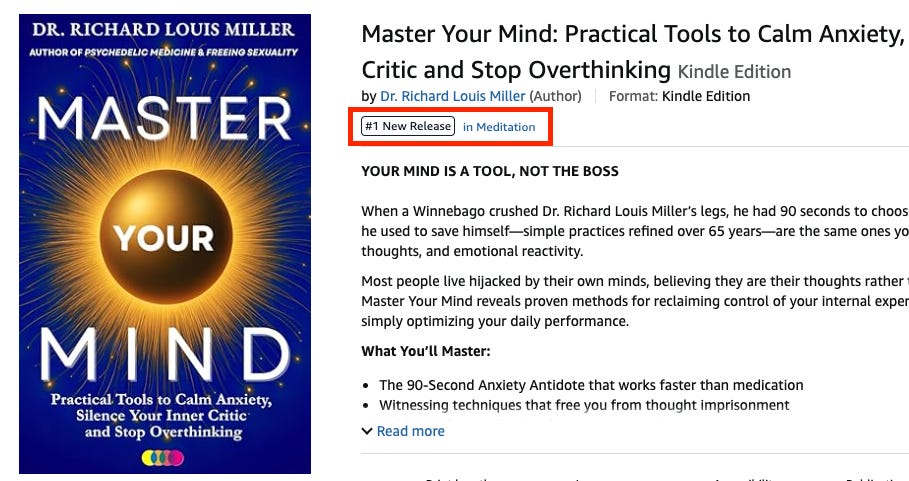
The day I realized my mind was running my life
Dr. Alex Belser, clinical scientist and psychologist formerly at NYU and Yale, reveals why 98% of psychedelic therapy happens underground—and the dark history the field doesn't want you to know. Guest Bio: Dr. Alexander Belser is a clinical scientist, psychologist, and psychedelic researcher. Author of EMBARK Psychedelic Therapy for Depression (Oxford University Press) and Queering Psychedelics: From Oppression to Liberation, he has been a leader for LGBTQIA+ advocacy in psychedelic spaces. Key Topics:The economics forcing psychedelic therapy underground Hidden history of conversion therapy with LSD Current threats to LGBTQ+ research Solutions for accessible psychedelic healingTIMESTAMPS: [00:00] Cold Open Montage [01:20] Welcome & the return to tribal living [02:24] Dr. Belser introduction - Brooklyn, NY [04:13] The future of community psychedelic medicine [06:02] Johnson & Johnson's $32,000/year ketamine vs. generic [07:42] Why 98% of psychedelic therapy is underground [09:21] Harm reduction approach to underground therapy [12:51] The economics don't add up - $5,000 minimum per session [15:02] Why FDA requires two therapists in the room [21:43] The hidden history of LGBTQ oppression with psychedelics [22:14] "Tim Leary said LSD is a specific cure for homosexuality" [23:44] Teenage conversion therapy - 800μg doses [25:15] "The transcripts are terrifying" [26:07] Living male-female dyad requirements [27:29] "There's a war on trans folks in the United States" [28:59] All LGBTQ research being shut down [31:54] Intersectional violence in NYC [35:50] The masculinity crisis and violence [37:17] Post-traumatic sexual stress disorder theory [41:41] Embrace Pleasure book - reclaiming psychedelic sexuality [43:29] Unwanted complications vs. adverse effects [45:29] Sexual boundary violations in psychedelic therapy [48:15] Why silence enables abuse [50:15] The small percentage of predators [54:43] Empowerment model for participants [57:44] Mandatory disclosure laws proposal [59:59] Who should avoid psychedelics [01:04:59] Should therapists have psychedelic experience? [01:12:13] Final thoughts: "The future is unwritten" Resources:EMBARK Psychedelic Therapy Queering Psychedelics NYU Langone Center for Psychedelic Medicine Dance Safe (harm reduction) The Fireside Project (peer support)Connect with Dr. Belser: Email: [email protected] Subscribe for weekly interviews: mindbodyhealthpolitics.org This is a public episode. If you'd like to discuss this with other subscribers or get access to bonus episodes, visit www.mindbodyhealthpolitics.org/subscribe
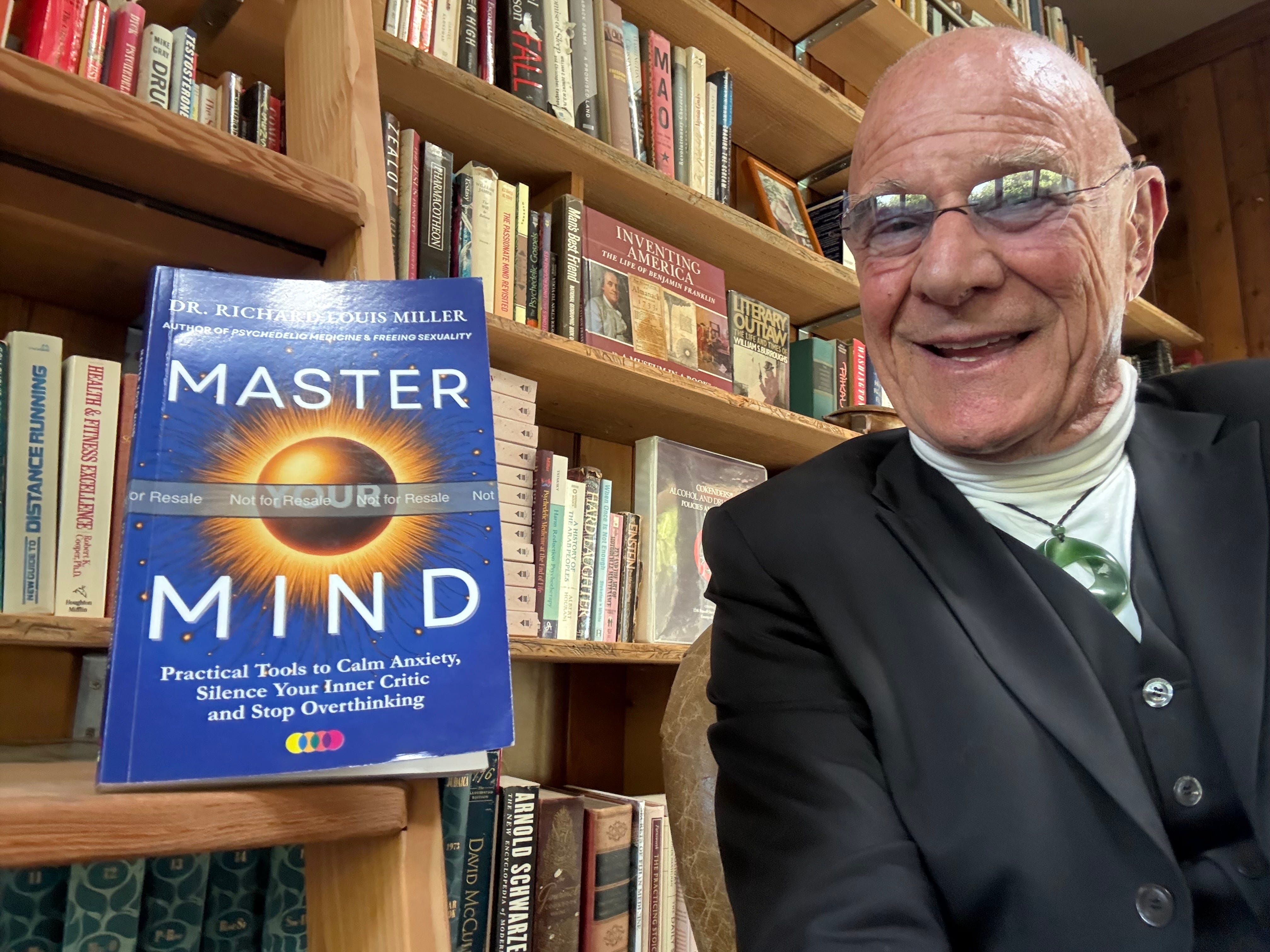
Perversion, Porn, and What We Don't Talk About with Dr. Lauren Rosewarne
Dr. Lauren Rosewarne on Perversion, Porn, and What We Won't Talk AboutDescription:Pop culture isn't just entertainment—it's become our default sex educator. Dr. Lauren Rosewarne breaks down how algorithms profit from our sexual confusion and why "perversion" is actually universal human experience.Guest Bio: Dr. Lauren Rosewarne is a media scholar at the University of Melbourne who has built her career studying topics most academics avoid: perversion, masturbation, pornography, and how pop culture becomes our informal sex educator. Author of numerous books including "Part-Time Perverts," "Cheating on the Sisterhood," and research on masturbation in popular culture, she examines how entertainment fills the gaps left by formal education—particularly around sexuality and human behavior.Key Topics:Why pop culture has become our default sex educatorHow algorithms track sexual curiosity and profit from shameThe myth of "perversion" and why sexual interests are universalMedia representation of masturbation and female sexuality suppressionPornography consumption patterns revealing hidden curiositiesThe feedback loop between audience clicks and content creationViolence in entertainment vs. the death of musicals and romanceSexual assault statistics and what they reveal about societyCapitalism as the root cause of inequality and social problemsTIMESTAMPS: [00:00] Intro: Why We Live in Isolation Instead of Tribes [02:25] Does Media Lead Us or Do We Lead Them? [07:20] The Algorithm Knows What You Click On[11:49] Why Musicals Died and Violence Took Over [15:10] The Problem with Calling Things "Perversion" [22:35] Why We're All Perverted (And That's Normal) [26:21] Masturbation Gets a Bad Rap in Pop Culture [33:57] The Orgasm Gap Mirrors the Economic Gap [37:45] Are 43 Men in California Programming America's Sexual Taste? [44:13] The Novelty Factor in Human Curiosity [46:30] One in Four Women Will Be Raped: What This Says About Us [51:30] Why Capitalism Is the Root of Most Problems [56:52] 20% of Americans Can't Read But They Can Vote [01:02:35] What Lauren Learned Writing "Cheating on the Sisterhood" This is a public episode. If you'd like to discuss this with other subscribers or get access to bonus episodes, visit www.mindbodyhealthpolitics.org/subscribe
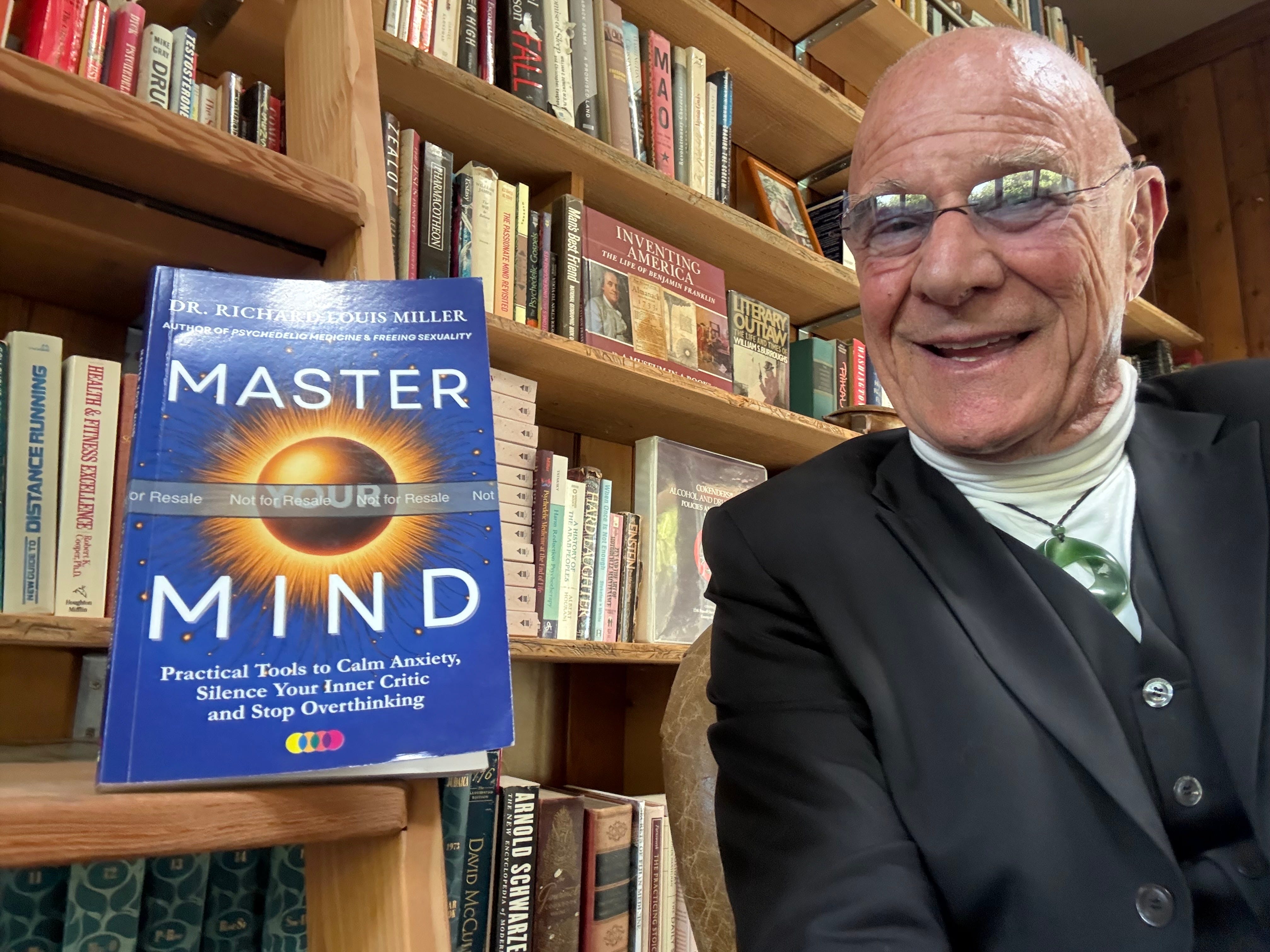
11 Strangers, One Week—What Group Psychedelic Therapy Actually Looks Like | Dr. Jarrett Rose
Dr. Jarrett Rose reveals groundbreaking research from inside a week-long psychedelic retreat in Jamaica where 11 strangers took escalating doses of psilocybin—and discovered something clinical trials are missing entirely.Guest Bio:Dr. Jarrett Rose is an Assistant Professor of Sociology at SUNY Polytechnic Institute studying psychedelic culture and group therapy dynamics. A former high school dropout who was medicated with Ritalin against his will, he earned his PhD from York University in Toronto and now conducts participant-observation research in real-world psychedelic settings. He recently published groundbreaking research on collective effervescence in psychedelic therapy and is collaborating with Dr. Daniel Kruger on psychedelic community studies.Key Topics:- Why 99% of psychedelic therapy happens in groups, not clinical trials- The economics making individual therapy impossible for most people- How "collective effervescence" amplifies healing outcomes beyond individual sessions- Escalating doses: 3-5g, then 5-7g, then 7-10g over one week- Building therapeutic community vs. sterile medical settings- Social integration as crucial missing piece in clinical researchTIMESTAMPS:[02:48] Dr. Rose introduction - from Utica to Toronto[04:00] Personal balance: golf, surfing, and academic life[07:00] "I failed out of high school" - ADHD and Ritalin[10:47] From dropout to PhD: the inspiration story[11:00] Dr. Miller's Cokenders program - Ritalin to cocaine pipeline[12:00] Marriage across borders: Utica to Toronto love story[15:45] Dr. Miller's wife's cancer journey and dense breast tissue warning[19:00] Radical transparency in personal conversations[20:00] Why individual psychedelic therapy costs are unsustainable[21:00] The 99% reality: underground and group-based therapy[23:00] Myco Meditations Jamaica research methodology[26:00] "From Isolation to Social and Psychedelic Integration" study[28:00] Clinical trials vs. real-world group dynamics[30:00] 11 strangers becoming therapeutic allies[32:00] Opening up about "deepest, darkest fears"[33:00] Collective effervescence in healing communities[34:00] Collaboration with Dr. Daniel Kruger on psychedelic surveys[36:00] The dosing protocol: escalating 3-5g to 7-10g[38:00] Integration circles: 11 participants, 8-9 therapists[40:00] The price reality: $8,000-$10,000+ per retreat[42:00] 70% of Americans living paycheck to paycheck[44:00] Vision for accessible group therapy clinics[47:00] Howard Becker's social learning theory of drug use[49:00] Brotherhood of Eternal Love and Timothy Leary connection[51:00] Modern surfers and medicalized psychedelic useResources:Journal article: "From Isolation to Social and Psychedelic Integration: A Sociology of Collective Effervescence and Therapeutic Community in Psychedelic‐Assisted Therapy" (Sociology of Health and Illness 2025)Myco Meditations Jamaica retreat program This is a public episode. If you'd like to discuss this with other subscribers or get access to bonus episodes, visit www.mindbodyhealthpolitics.org/subscribe
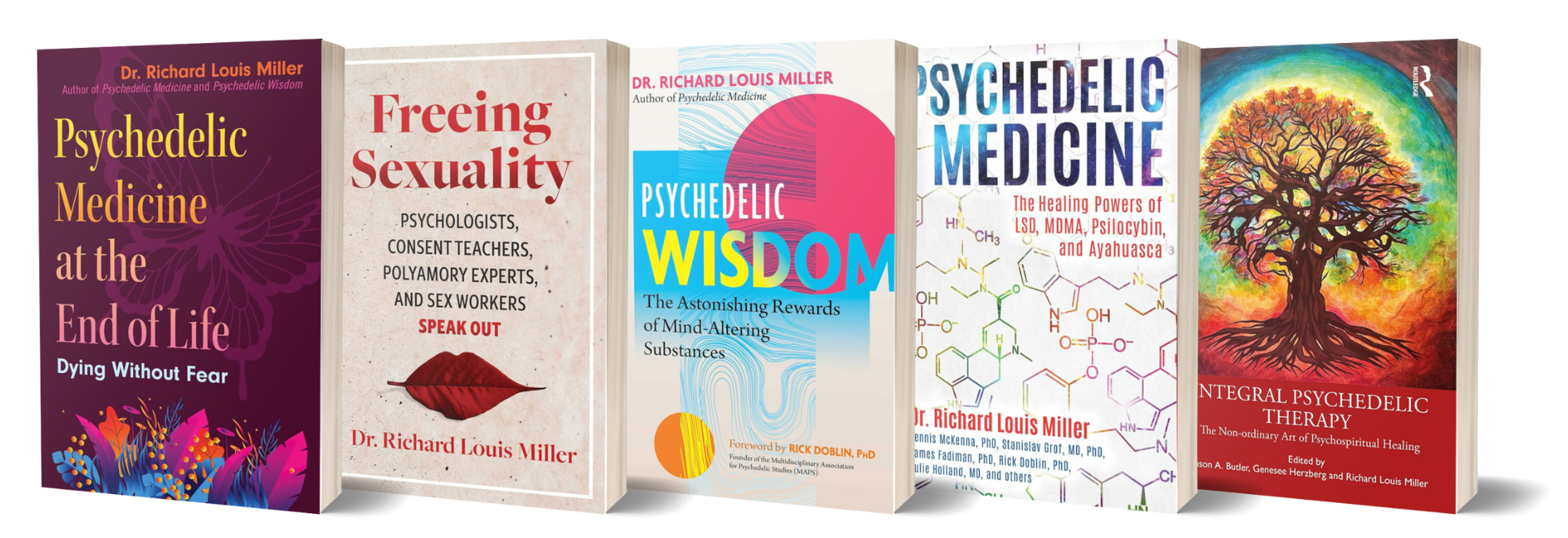
Dr. Alex Belser | Why Psychedelic Therapy Costs $5,000 Per Session
Dr. Alex Belser, clinical scientist and psychologist formerly at NYU and Yale, reveals why 98% of psychedelic therapy happens underground—and the dark history the field doesn't want you to know. Guest Bio: Dr. Alexander Belser is a clinical scientist, psychologist, and psychedelic researcher. Author of EMBARK Psychedelic Therapy for Depression (Oxford University Press) and Queering Psychedelics: From Oppression to Liberation, he has been a leader for LGBTQIA+ advocacy in psychedelic spaces. Key Topics:The economics forcing psychedelic therapy underground Hidden history of conversion therapy with LSD Current threats to LGBTQ+ research Solutions for accessible psychedelic healingTIMESTAMPS: [00:00] Cold Open Montage [01:20] Welcome & the return to tribal living [02:24] Dr. Belser introduction - Brooklyn, NY [04:13] The future of community psychedelic medicine [06:02] Johnson & Johnson's $32,000/year ketamine vs. generic [07:42] Why 98% of psychedelic therapy is underground [09:21] Harm reduction approach to underground therapy [12:51] The economics don't add up - $5,000 minimum per session [15:02] Why FDA requires two therapists in the room [21:43] The hidden history of LGBTQ oppression with psychedelics [22:14] "Tim Leary said LSD is a specific cure for homosexuality" [23:44] Teenage conversion therapy - 800μg doses [25:15] "The transcripts are terrifying" [26:07] Living male-female dyad requirements [27:29] "There's a war on trans folks in the United States" [28:59] All LGBTQ research being shut down [31:54] Intersectional violence in NYC [35:50] The masculinity crisis and violence [37:17] Post-traumatic sexual stress disorder theory [41:41] Embrace Pleasure book - reclaiming psychedelic sexuality [43:29] Unwanted complications vs. adverse effects [45:29] Sexual boundary violations in psychedelic therapy [48:15] Why silence enables abuse [50:15] The small percentage of predators [54:43] Empowerment model for participants [57:44] Mandatory disclosure laws proposal [59:59] Who should avoid psychedelics [01:04:59] Should therapists have psychedelic experience? [01:12:13] Final thoughts: "The future is unwritten" Resources:EMBARK Psychedelic Therapy Queering Psychedelics NYU Langone Center for Psychedelic Medicine Dance Safe (harm reduction) The Fireside Project (peer support)Connect with Dr. Belser: Email: [email protected] Subscribe for weekly interviews: mindbodyhealthpolitics.org This is a public episode. If you'd like to discuss this with other subscribers or get access to bonus episodes, visit www.mindbodyhealthpolitics.org/subscribe