Mind Body Health & Politics
365 episodes — Page 2 of 8
The Scientists Who Drank Their Own Medicine - Mike Jay
Discover how scientific self-experimentation went from heroic standard practice to career-ending stigma—and what we lost about consciousness research in the process.Why 19th-century scientists routinely self-experimented with psychoactive substancesHow the 1962 FDA amendments changed scientific culture foreverThe underground networks continuing psychedelic research outside institutionsWhat the MDMA therapy rejection reveals about modern scientific politicsLinks & Resources:"Psychonauts" by Mike Jay"Free Radicals: How a Group of Romantic Experimenters Gave Birth to Psychedelic Science"Full interview available on Mind Body Health & Politics podcastImperial College London psychedelic researchNative American Church peyote ceremoniesTimestamped Chapters: (00:00) - Introduction: The Scholar's Privilege (02:00) - When Self-Experimentation Was Standard Practice(05:00) - Humphrey Davy and the Birth of Psychedelic Science (11:00) - Freud, Cocaine, and Neurasthenia (15:00) - William James and the Stream of Consciousness (20:00) - Barry Marshall: The Last Nobel Prize Self-Experimenter (25:00) - How the FDA Changed Everything in 1962 (30:00) - UK Government vs. Psychedelic Research (35:00) - MDMA Therapy and Medical Double Standards (40:00) - The Underground Networks Filling the Gap This is a public episode. If you'd like to discuss this with other subscribers or get access to bonus episodes, visit www.mindbodyhealthpolitics.org/subscribe

The Healer's Secret - Why You Can't Give What You Don't Have | Satya
In this illuminating conversation, Dr. Richard Miller speaks with Satya, a Portuguese healer and former professional surfer, about the vital importance of self-care for those in helping professions. From the healing power of small communities to the ongoing work of trauma integration, this discussion offers practical wisdom for sustaining oneself while serving others.About Our GuestSatya is a 47-year-old healer based in Portugal who transitioned from professional surfing to founding the Awareness Facilitator School, which combines psychotherapy, meditation, quantum physics, ancient philosophies, and bodywork. Her approach emphasizes helping clients "rise in consciousness" rather than treating them as patients.Key Topics & Timestamps02:10 - Life in a small Portuguese surfer village and the healing power of community10:23 - Satya's journey from professional surfer to healer13:42 - The profound impact of ayahuasca on healing deep trauma17:33 - Dr. Miller's parallel journey creating Wilbur Hot Springs as a nature sanctuary22:26 - The importance of self-care for healers and caregivers26:56 - Practical approaches to maintaining well-being: silence, rest, and food30:15 - Satya's personal healing journey with childhood sexual abuse35:12 - Dr. Miller shares his own experience with childhood sexual trauma39:46 - The Awareness Facilitator School and its approach to healing43:04 - Nutrition practices for optimal health and healing48:06 - Important health information about breast cancer detection51:26 - The importance of strength training as we age55:41 - Final message: "Don't abandon yourself" This is a public episode. If you'd like to discuss this with other subscribers or get access to bonus episodes, visit www.mindbodyhealthpolitics.org/subscribe
Racial Trauma's Hidden Impact | Dr. Monnica Williams
Renowned psychologist Dr. Monnica Williams reveals how racial trauma affects people of color daily, and offers three practical actions anyone can take to create positive change.How subtle, everyday racism leads to lasting psychological injury through "microaggressions"Why many of us are conditioned not to see racism, even when it's happening right in front of usThe shocking study showing it took 80 phone calls for a Black man to find a therapist who would see himThree practical steps everyone can take to combat racism and promote healingLinks & ResourcesHealing the Wounds of Racial Trauma by Dr. Monnica WilliamsMind Body Health Politics Archives - Listen to our full 20-year archive freeThe Kenneth Clark Doll Study - The landmark research mentioned in our conversationAmerican Psychological Association's Apology for Role in Promoting RacismTimestamped Chapters(00:00) - Introduction to Dr. Monnica Williams: Social Justice Royalty (01:00) - Growing Up with Civil Rights Activist Parents (03:00) - Understanding Racial Trauma: When Racism Becomes Injury (05:00) - The Shocking Truth About Finding Therapists for People of Color (08:00) - What Is a Microaggression? Small Acts with Major Impact (12:00) - The Academic Battle to Recognize Racial Trauma (15:00) - 2024 Election: Why Some People Vote Against Their Interests (17:00) - Personal Stories: Witnessing Racism Over Six Decades (26:00) - Police Encounters: From Traffic Stops to Trauma (31:00) - Self-Examination: Questions to Uncover Your Own Biases (34:00) - The Shortage of Therapists of Color: A Systemic Problem (39:00) - Study Reveals Most White People Never Stand Up Against Racism (43:00) - Three Things Anyone Can Do to Create Positive Change (47:00) - Closing Thoughts: The Ongoing Work of Building JusticeSuggested YouTube Title Options:The Hidden Impact of Racial Trauma (And 3 Ways to Make a Difference)"I Don't Want to See That Look" - How Racism Creates Lasting TraumaStop Ignoring These Microaggressions - They're Harming People Every Day This is a public episode. If you'd like to discuss this with other subscribers or get access to bonus episodes, visit www.mindbodyhealthpolitics.org/subscribe
Rick Doblin - SPECIAL - Healing War Trauma with MDMA
MDMA-assisted therapy could be key to healing Ukraine's war trauma—and might even help mend our own divided society's psychological wounds.Key Insights:MAPS' Phase 3 clinical trials showed 72.6% of severe PTSD patients no longer qualified for diagnosis after MDMA therapyGroup therapy combined with MDMA shows enormous promise for healing communities facing widespread traumaEpigenetic research suggests processing trauma with psychedelics could prevent passing trauma to future generationsAmerica's social division is creating its own psychological "war zone" that might benefit from psychedelic-assisted healingLinks & Resources:MAPS - Multidisciplinary Association for Psychedelic StudiesPsychedelic Science 2025 - Denver, June 16-20, 2025Mind Body Health & PoliticsSuperhumans Center UkraineTimestamps:(00:00:00) - Introduction: Four Decades of Psychedelic Medicine Advocacy(00:03:00) - The Dark History Behind Drug Prohibition and Criminalization(00:05:42) - Inside Ukraine: Air Raid Sirens and Everyday Resilience(00:09:00) - Why MDMA Works: Revolutionary Results from PTSD Clinical Trials(00:16:00) - "I Don't Think I'll Have to Go to Nepal Now": Patient Transformation Stories(00:24:00) - From Underground to Mainstream: Political Science of Psychedelic Medicine(00:32:00) - Visiting the Cemetery of Flags: Confronting Ukraine's Massive Trauma(00:38:00) - Beyond Individual Therapy: Scaling MDMA Treatment for an Entire Nation(00:45:00) - Group Therapy's Multiplier Effect: Learning Through Others' Healing(00:50:00) - Transforming Relationships: MDMA's Potential for Couples and Families(00:54:00) - America's Own War Zone: How Social Division Creates Collective Trauma(00:59:00) - From Self-Actualization to Self-Transcendence: Maslow's Psychedelic Evolution(01:02:00) - The Astronaut Perspective: Seeing One Planet of People, Not Countries This is a public episode. If you'd like to discuss this with other subscribers or get access to bonus episodes, visit www.mindbodyhealthpolitics.org/subscribe
Black Psychedelic Revolution | Dr. Nicholas Powers
Dr. Nicholas Powers reveals how psychedelics could help heal generational trauma in communities of color while reinvigorating social movements at a critical political moment.In This Episode:- Why the "Black psychedelic revolution" is currently a celebrity trend but needs to become accessible to working-class communities- How the constant psychological burden of "the white superego" creates trauma in communities of color- Why writing is a powerful tool for liberation and reclaiming your mind from today's attention economyLinks & Resources:- [The Black Psychedelic Revolution by Nicholas Powers](https://www.blackpsychedelicrevolution.com/)- [Mind Body Health & Politics Archive](https://mindbodyhealthpolitics.org/)Chapters:(00:00) - Intro: Understanding the Black Experience in America(08:00) - The Weight of History: Carrying Ancestral Trauma(15:00) - The Current State of Psychedelics in Communities of Color(21:00) - Backlash Politics: Post-Election Mourning and Resistance(30:00) - Resilience Stories: Finding Strength After Defeat(38:00) - Addiction, Environment, and the "Rat Park" Experiment(45:00) - Writing as Liberation: Reclaiming Your Mind from Digital HarvestingMind Body Health & Politics is in its 21st year. All episodes are archived and available at mindbodyhealthpolitics.org. New episodes go live Tuesday Mornings. This is a public episode. If you'd like to discuss this with other subscribers or get access to bonus episodes, visit www.mindbodyhealthpolitics.org/subscribe
The Hidden 99%: What Underground Psychedelic Therapy Teaches Us
While clinical trials capture headlines, 99.9% of psychedelic experiences happen outside laboratory walls. Dr. Matthew Lowe shares groundbreaking research revealing that self-guided psychedelic use can deliver the same benefits as clinical settings, including reductions in depression and anxiety.The world's largest naturalistic psilocybin study with 8,000+ participantsHow home use of magic mushrooms can match clinical outcomesWhy shame reduction may be a key mechanism in psychedelic healingPsychedelics' complex history with marginalized communitiesLinks:Unlimited Sciences: Research organization studying observational/naturalistic psychedelic usePsychedelic Info Line: 888-210-3553 (Free consultation service)Study Reference: "Naturalistic psilocybin use is associated with persisting improvements in mental health and well-being" (Frontiers in Psychiatry) - Open Access Link(00:00) - Intro: The 99% of Psychedelic Use We Don't Study (01:50) - The World's Largest Naturalistic Psilocybin Study (06:30) - Real-World vs. Clinical Settings: Surprising Findings (10:22) - Adversity in Psychedelic Experiences: What Goes Wrong (14:01) - Dosage Considerations and Setting (18:51) - The Queer Community's Complex History with Psychedelics (26:19) - From Weaponization to Healing: A Research Gap (33:15) - Healing Shame and Self-Acceptance Through Ayahuasca (38:24) - The Case for Inclusive Research and Representation (42:39) - The Value of Naturalistic Research for Harm Reduction (46:00) - Free Psychedelic Education Resources (47:37) - Political Impact on Marginalized Communities This is a public episode. If you'd like to discuss this with other subscribers or get access to bonus episodes, visit www.mindbodyhealthpolitics.org/subscribe

How to Save Your Life in the Hospital | Dr. Julie Siemers
"Medical error has been declared the third leading cause of death in the literature, and this has been for several decades." - Dr. Julie SiemersA 45-year nursing veteran reveals shocking statistics about preventable deaths, hospital errors, and patient harm that everyone should know before their next doctor's visit. Dr. Julie Siemers exposes alarming research about surgical mistakes, missed diagnoses, and medication errors, while offering practical strategies to protect yourself and loved ones from becoming victims of a broken healthcare system.Learn:* Why 80% of cardiac arrests in hospitals are completely preventable* The disturbing truth about foreign objects left in surgical patients* How to effectively question doctors and nurses about treatment plans* Why bringing an advocate to appointments could save your life* The critical resource to check your hospital's safety grade before admissionTimestamps:(00:00) Introduction and Shocking Statement(00:42) Welcome to Mind, Body, Health Politics(01:32) Introducing Julie Seamers and Her Book(02:46) Julie Seamers' Nursing Journey(03:57) Medical Errors and Patient Safety(07:30) The Importance of Patient Advocacy (11:07) The Role of Family Members as Advocates(13:41) Hospital Safety Ratings and Questions to Ask(16:01) Personal Stories and Experiences(18:30) The Importance of Hand Washing(33:31) Medication Safety and Communication(36:21) Final Thoughts and ResourcesResources:- [HospitalSafetyGrade.org](https://www.hospitalsafetygrade.org/) - Check your hospital's safety rating- [DrJulieSiemers.com](https://www.drjuliesiemers.com/) - Blog and additional resources- ["Surviving Your Hospital Stay" by Dr. Julie Siemers](https://www.amazon.ca/Surviving-Your-Hospital-Stay-Educators/dp/B0CKGN6FJC/) - Available on Amazon- Connect with Dr. Julie: [LinkedIn](https://www.linkedin.com/in/juliesiemers/) | [Instagram](https://www.instagram.com/drjuliesiemers/) This is a public episode. If you'd like to discuss this with other subscribers or get access to bonus episodes, visit www.mindbodyhealthpolitics.org/subscribe
The 5 Most Common Psychedelic Risks | Dr. Daniel Kruger
"You might feel like you're dying... you might think that the state you're in is going to last forever." - Dr. Daniel KrugerA groundbreaking University of Michigan study of 1,200+ psychedelic users reveals shocking statistics about adverse effects, from sexual misconduct to psychological crises. Dr. Daniel Kruger shares critical findings about what really happens when people use psychedelics outside clinical settings, and why people still take these risks despite the dangers.Learn:* Why 74.3% of users experience profound sadness* The troubling 1-in-20 risk of misconduct with underground guides* How to prepare for common psychological challenges* The shift from recreational to therapeutic motivations* Why legal risks remain significant despite policy changesTimestamps:(00:00) - The Alarming Stats No One Talks About(04:19) - Why People Risk Everything for Psychedelics(10:15) - The Dark Truth About Underground Guides(15:36) - Sadness & Fear: Feature or Bug? (The Debate)(21:01) - Near-Death Experience: Why It's Almost Guaranteed(28:17) - The Legal Risk (33% Know Someone Arrested)(32:43) - From Terror to Transformation (Personal Story)(38:42) - Why Clinical Access Costs "Tens of Thousands"(46:47) - The Future of Safe Psychedelic Use(52:53) - Essential Safety Advice for Users This is a public episode. If you'd like to discuss this with other subscribers or get access to bonus episodes, visit www.mindbodyhealthpolitics.org/subscribe

Kim Stanley Robinson: A Science Fiction Prophet Predicts What’s After Capitalism
In this eye-opening conversation with legendary science fiction author Kim Stanley Robinson, we explore practical paths to meaningful change in an age of crisis. From local climate action groups to worker-owned cooperatives, Robinson reveals how working alternatives to capitalism are hiding in plain sight.00:00 Capitalism vs. Feudalism: A Comparison00:41 Introduction to Mind, Body, Health, and Politics01:35 Kim Stanley Robinson on Climate Change and Local Action04:29 Capitalism, Climate, and Utopia: Interconnected Themes11:27 Historical Perspectives: Genghis Khan and Social Systems14:56 Marxism and Its Challenges19:18 Examples of Alternative Systems23:48 The Role of Democracy and Progressive Taxation28:02 Literacy and Communication in Modern Society30:19 The Influence of Right-Wing Talk Radio32:06 The Power of Oral Tradition and Social Media34:44 The Art of Compression in Communication36:08 The Value of Long-Form Novels38:45 Local Government and Community Involvement40:01 The Village Homes Experiment47:13 Reflections on the Current Political ClimateLinks & ResourcesA Sci-Fi Writer Returns to Earth: ‘The Real Story Is the One Facing Us’ NY TimesVillage Homes Cooperative, Davis, CACool Davis Climate Action GroupMondragon Cooperative CorporationKerala's Panchayat System of Local GovernanceMinistry for the Future by Kim Stanley Robinson This is a public episode. If you'd like to discuss this with other subscribers or get access to bonus episodes, visit www.mindbodyhealthpolitics.org/subscribe
Ivor Cummins on the truth about cholesterol, insulin & nutrition
Chemical engineer turned health researcher Ivor Cummins shares shocking discoveries about metabolic health, cholesterol myths, and institutional bias in medicine. With 25+ years of complex problem-solving experience and a Stanford innovation certificate, Cummins brings his analytical expertise to expose gaps in modern medical understanding. Author of "Eat Rich, Live Long" and creator of MetabolicDuo.com, his research has challenged conventional wisdom on cardiovascular disease, diabetes, and obesity. Learn why this leading voice in metabolic health says everything we've been told about nutrition is wrong.00:00 Debunking Nutrition Myths00:30 Introducing Ivor Cummins00:52 The Philosophy of Skepticism02:21 Ivor's Journey into Health Skepticism03:01 Challenging Medical Expertise05:37 Discovering Metabolic Syndrome08:49 Questioning Government and Institutions14:26 The Profit Motive in Health and Medicine15:51 Technocratic Dystopia and Global Agendas29:25 The Importance of Cash and Self-Sufficiency31:00 The Five Biggest Lies: Nutrition and Climate31:18 The Cash Conundrum: CBDC and Financial Control32:22 Pandemic Industry: Lies and Data36:38 The Big Lie: Framing Russia and Putin39:44 Mask Mandates: Science or Social Control?53:26 The Fight for Cash: Practical Steps58:24 Conclusion and Final ThoughtsLinks & Resources"Eat Rich, Live Long: Mastering the Low-Carb & Keto Spectrum for Weight Loss and Longevity" by Ivor Cummins and Dr. Jeffry GerberMetabolicDuo.com - Latest health and longevity platformWebsite: https://thefatemperor.com/YouTube: The Fat Emperor (250,000+ subscribers)Twitter: https://twitter.com/FatEmperorFacebook: https://www.facebook.com/TheFatEmperorInstagram: https://www.instagram.com/ivorcummins/Key Topics for Further Research:"The Transmission of Epidemic Influenza" by Dr. Hope-Simpson (referenced in interview)Professor Reaven's work on Syndrome X (Metabolic Syndrome)Serum ferritin as metabolic syndrome markerGGT and insulin resistanceCholesterol science and statinsSwedish mortality data (1918-present) This is a public episode. If you'd like to discuss this with other subscribers or get access to bonus episodes, visit www.mindbodyhealthpolitics.org/subscribe

What Every Patient Needs to Know About Cancer Detection - with Dr. Chadi Nabhan
Can a simple ultrasound save your life when mammograms miss the mark? Should you get a colonoscopy every year, or is that too extreme? In my latest interview with distinguished hematologist-oncologist Dr. Chadi Nabhan, author of over 300 medical articles and abstracts, we dive deep into the complex world of cancer screening, prevention, and treatment."Cancer is not one disease," Dr. Nabhan emphasizes. "Many cancers are curable, while some are not. They're not equal, and we can't treat them all the same way."In this episode Dr. Miller engages with Dr. Chadi Nabhan, a distinguished hematologist and oncologist, discussing the complexities of cancer, the importance of early detection, and the nuances of patient communication. Dr. Nabhan emphasizes that cancer is not a singular disease but a collection of various conditions, each requiring tailored approaches to treatment and screening. The conversation also highlights personal stories related to cancer experiences, advocating for proactive communication between patients and healthcare providers to ensure comprehensive care. In this conversation, Dr. Chadi Nabhan discusses various aspects of cancer, focusing on prostate cancer, melanoma, and the importance of screening and mental health in cancer treatment. He emphasizes the need for personalized patient care, the complexities of cancer screening, and the emotional journey patients undergo. The discussion also highlights the role of exercise in managing cancer-related fatigue and the importance of regular skin examinations for early detection of skin cancers.Chapters00:00 Introduction to Mind, Body, Health and Politics02:19 Understanding Cancer: A Comprehensive Overview05:09 The Importance of Early Detection and Screening13:23 Personal Stories: Real-Life Experiences with Cancer20:51 Navigating Doctor-Patient Communication27:00 Prostate Health: Understanding Risks and Treatments36:41 Prostate Cancer Debate: Understanding Gleason 639:23 Symptoms and Screening for Prostate Cancer40:47 The Trade-offs of Prostate Cancer Screening44:09 Testosterone and Prostate Cancer: A Controversial Discussion51:50 Melanoma: Personal Stories and Early Detection54:29 Skin Cancer: Importance of Regular Skin Exams01:01:41 The Emotional Journey of Cancer Treatment01:06:16 Exercise as a Remedy for Cancer Fatigue This is a public episode. If you'd like to discuss this with other subscribers or get access to bonus episodes, visit www.mindbodyhealthpolitics.org/subscribe
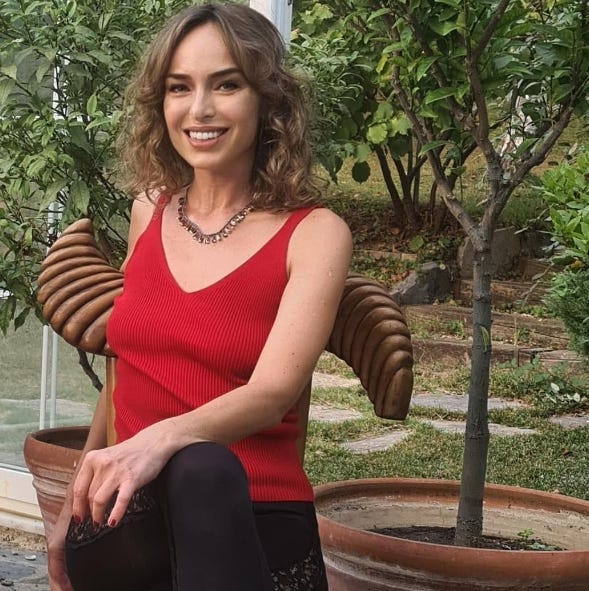
From Stock Broker to Wellness Influencer
When I first connected with Ebru Şinik (@ebrusinik) on Instagram, something special resonated. Here was someone halfway across the world speaking the same language of health, persistence, and joy that I've championed for decades. Through her posts and our growing digital friendship, I witnessed her remarkable ability to beam light and positivity while delivering serious, science-based wellness education to thousands.Our paths seemed destined to cross.In our recent conversation I shared with her how my grandmother had lived in Istanbul in 1908, speaking Turkish with such fluency that decades later she could still converse with Turkish visitors. Now, Ebru is transforming wellness education in her beloved Istanbul through an inspiring blend of modern science and ancient wisdom.Twenty years ago, Ebru was a successful stock broker battling chronic health issues. Today, she's a leading voice in preventive medicine, training the next generation of wellness practitioners and transforming corporate culture across Turkey. Her journey offers valuable lessons for anyone seeking to improve their health and find their true calling.Follow Ebru Şinik (@ebrusinik) on InstagramIn our wide-ranging discussion, Ebru shares:How daily meditation and breathing practices transformed her health when conventional approaches failedThe science-based morning routine that keeps her vibrant at 51Her work bringing wellness programs to major companies like Microsoft, Apple, and GoogleThe importance of treating our bodies as our "only asset" in this world This is a public episode. If you'd like to discuss this with other subscribers or get access to bonus episodes, visit www.mindbodyhealthpolitics.org/subscribe

Psychedelic Medicine's Delicate Balance
In this episode, we dive deep into the world of psychedelic science with Dr. David Nichols, one of the foremost experts in the field. Dr. Nichols shares his insights on the current state of LSD research, the challenges faced by researchers, and the potential of psychedelics in treating various mental health conditions. We also discuss the recent FDA decision on MDMA and the future of psychedelic medicine.Dr. David E. Nichols is a Distinguished Professor Emeritus at Purdue University and a pioneer in psychedelic research. With over five decades of experience, he offers a unique perspective on the past, present, and future of psychedelic science.Chapters:00:00 Introduction to Psychedelic Science 02:03 The Current State of LSD Research 06:12 Challenges in LSD Research 10:13 Comparing LSD and Psilocybin 14:02 Therapeutic Uses of Psychedelics 16:45 Adverse Effects of Psychedelics 20:03 The Role of Set and Setting 25:04 Understanding Paranoia in Psychedelic Experiences 29:59 The Future of Psychedelic Medicine 34:00 FDA Decisions and Political Influences 39:02 The Importance of Therapy in Psychedelic Use 43:04 Closing Thoughts and Optimism for the Future This is a public episode. If you'd like to discuss this with other subscribers or get access to bonus episodes, visit www.mindbodyhealthpolitics.org/subscribe

Navigating Boundaries
In this episode of Mind, Body, Health and Politics, Dr. Richard Miller sits down with Rev. Dr. Adam Robersmith to discuss the fascinating concept of "public intimacy." From clergy to sex workers, actors to activists, we explore how different professions navigate the delicate balance between personal authenticity and professional boundaries. Join us for a thought-provoking conversation that touches on polyamory, religious ostracism, and the importance of being true to oneself.Chapters: 0:00 Introduction and Adam's Background 3:42 What is Public Intimacy? 8:15 Boundaries in Different Professions 14:30 Dr. Miller's Anecdotes: Therapy and Hot Springs 21:05 Polyamory and Religious Communities 29:18 The Harm of Ostracism and Hypocrisy 37:50 The Gemstone Metaphor: Facets of Identity 45:23 Advice for Clergy and Public Figures 52:10 Dr. Miller's Social Media Success Story 57:30 Closing Thoughts on Self-KnowledgeDon't forget to like, comment, and subscribe for more insightful conversations on Mind, Body, Health and Politics. Visit our website at mindbodyhealthandpolitics.org for free archives and more resources! This is a public episode. If you'd like to discuss this with other subscribers or get access to bonus episodes, visit www.mindbodyhealthpolitics.org/subscribe
Mushroom Magic: Nature's Medicine
From Shiitake to Psilocybe, Mushrooms are Nature's Healing PowerhousesI was recently joined by the world-renowned mycologist – my friend – Christopher Hobbs, from his new location in Santa Cruz, California. We discussed the vast potential of mushrooms for healing and wellness.Dr. Christopher Hobbs is a fourth generation, internationally known herbalist and mycologist, licensed acupuncturist, herbal clinician, research scientist, consultant to the dietary supplement industry, expert witness, botanist, public speaker, and author of over 20 books and numerous articles with over 40 years of experience.He is the author of the recent book Christopher Hobbs’s Medicinal Mushrooms, the Essential Guide, with German and English editions.He earned his Ph.D. at UC Berkeley with research and publication in evolutionary biology, biogeography, phylogenetics, the chemistry of plants and fungi, and ethnobotany, and is now faculty at the University of Massachusetts, Amherstwww.christopherhobbs.comhttps://www.youtube.com/@chrisrhobbsChapters00:00 Introduction to Mind, Body, Health, and Politics 00:40 Meet Christopher Hobbs: Mycologist Extraordinaire 01:31 The Health Benefits of Mushrooms 03:30 How to Incorporate Mushrooms into Your Diet 06:08 Growing Your Own Mushrooms 15:39 Mushrooms and Cancer: A Natural Remedy 22:05 Exploring Psychedelic Mushrooms 32:30 MDMA and Psychedelic Therapy 42:50 Healthy Aging with Mushrooms 48:21 Conclusion and Final Thoughts This is a public episode. If you'd like to discuss this with other subscribers or get access to bonus episodes, visit www.mindbodyhealthpolitics.org/subscribe

The hidden dangers of long-term psychiatric drugs
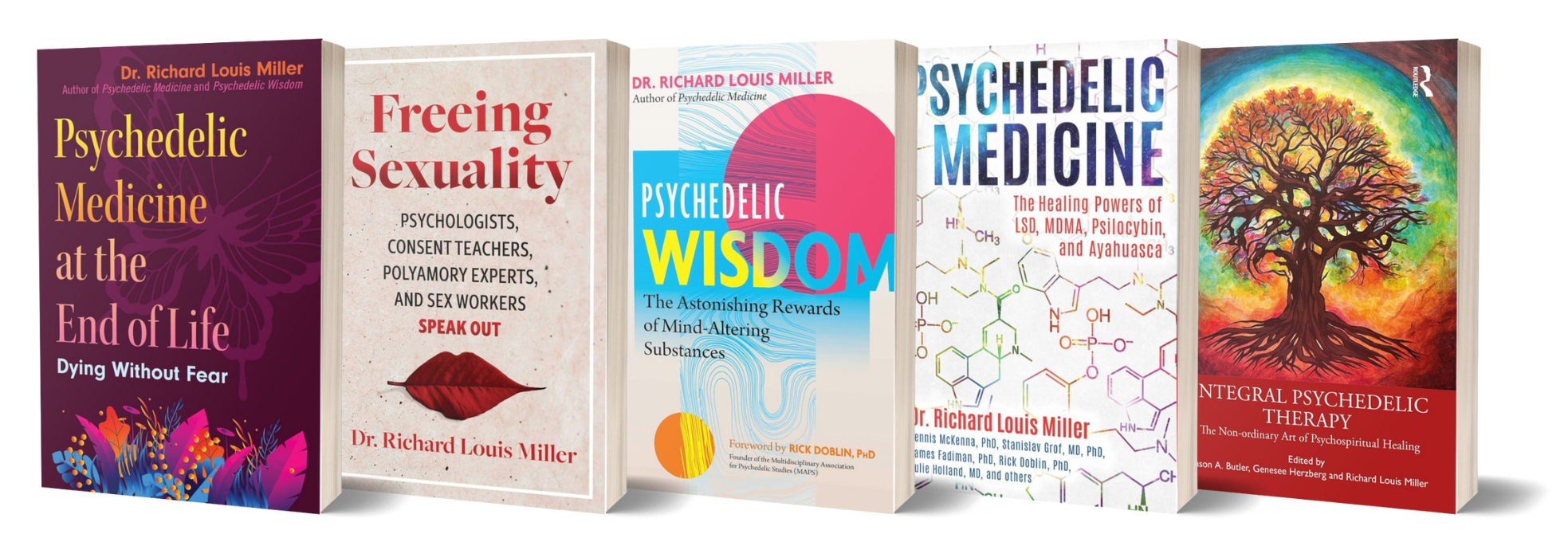
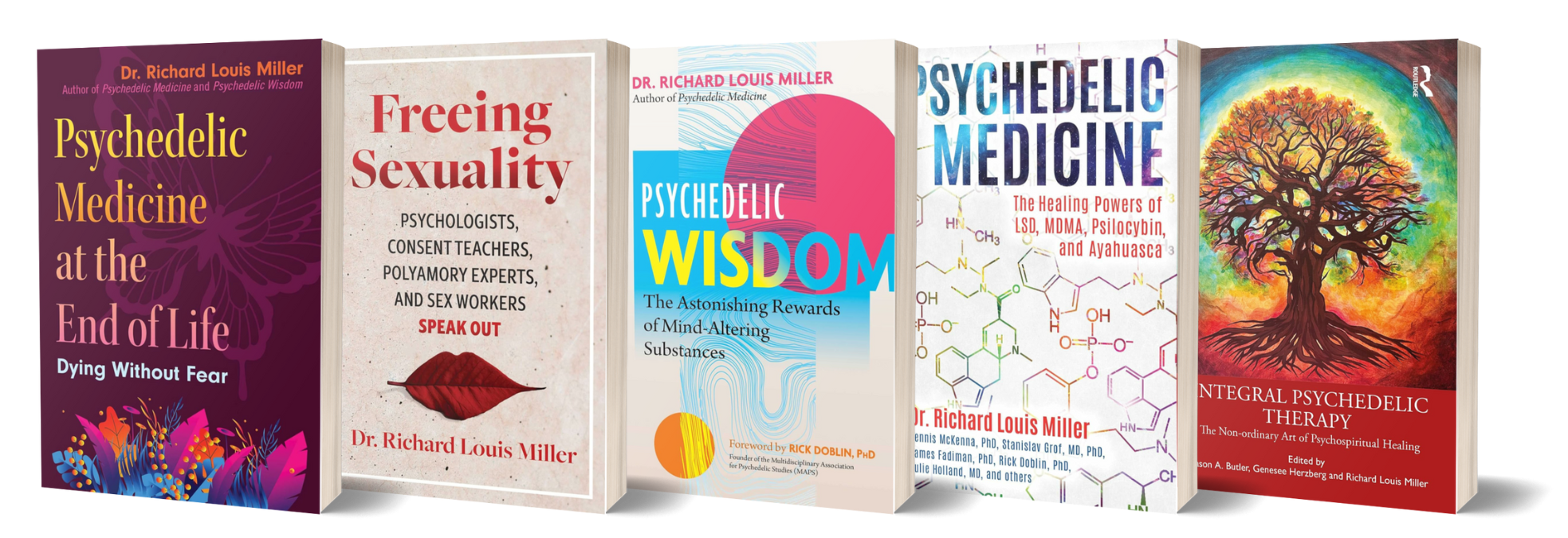
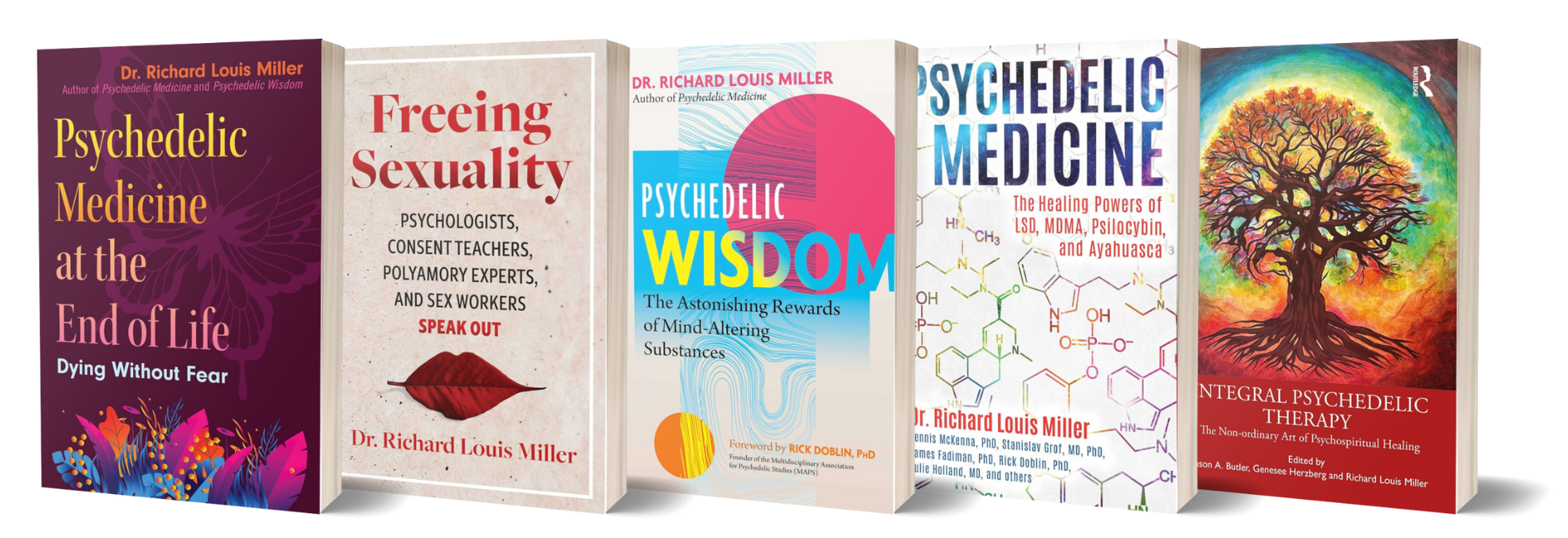
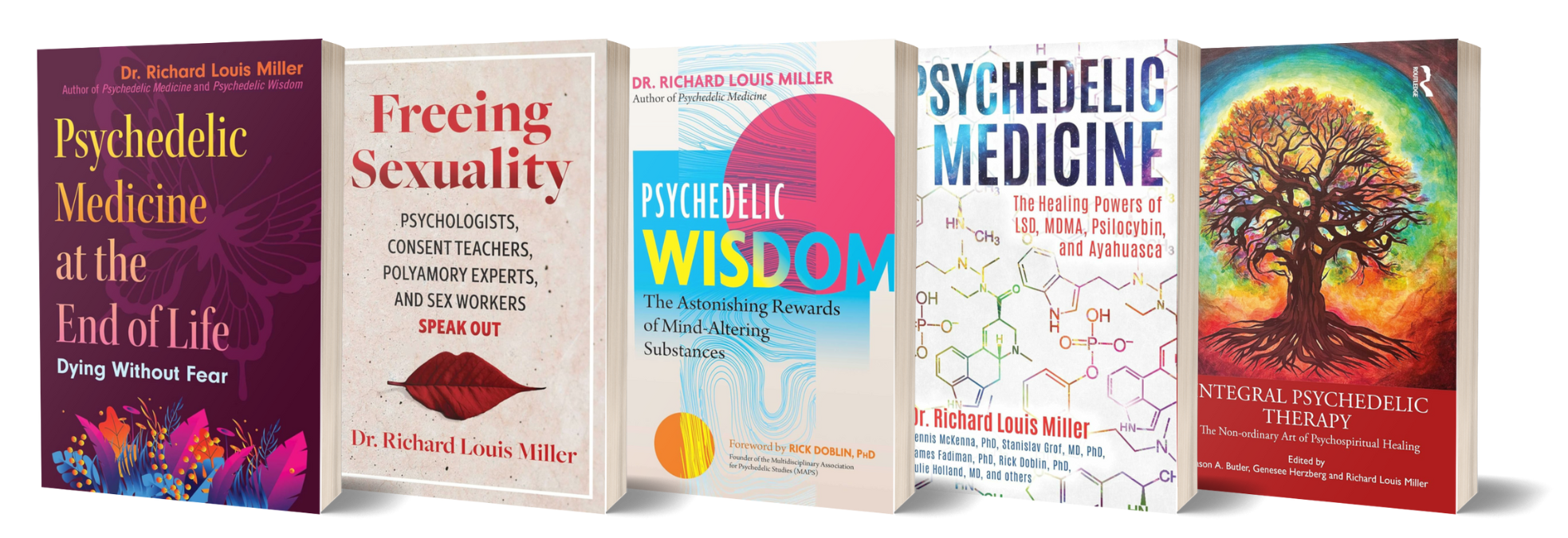
Dear Friends,With over six decades of experience as a clinical psychologist, I've seen many trends come and go in mental health treatment. But rarely have I encountered information as potentially game-changing as what I'm sharing with you today.In 2010, I interviewed journalist Robert Whitaker about his book Anatomy of an Epidemic on my NPR-affiliated radio show. The revelations in that conversation were so profound that I recently invited him back for an update, 14 years later.This follow-up interview may be the most important broadcast in my 20-year history of hosting this program.Whitaker's research exposes how the pharmaceutical industry has influenced American psychiatry, leading to the widespread prescription of antidepressants (SSRIs) to tens, if not hundreds of millions of people worldwide. He ushers ample data to show that these medications are not only often ineffective but may be making many patients worse.Major media outlets are not covering this story. To me this suggests a concerning alliance between Big Pharma, psychiatry, and the press. I urge you to listen to this interview. After listening, I encourage you to explore Whitaker's website, madinamerica.com, for more in-depth information.I’m not trying to be sensationalistic. My aim is to empower you with knowledge that the mainstream media isn't providing. I believe you deserve to know the full story about treatments that may profoundly impact your well-being.Remember, good health is worth fighting for. Sometimes that fight begins with seeking out uncomfortable truths.Until next time,Dr. Richard Louis MillerP.S. If you find this information valuable, please share it widely. The more people who understand this issue, the better chance we have of creating positive change in our approach to mental health treatment.Mind Body Health & Politics is a reader-supported publication, where I share the tools and insights I've gathered over my 64-year career. To receive my weekly digest, consider becoming a free or paid subscriber.Links:* Mad in America (Robert Whitaker's website): Mad in America* "Anatomy of an Epidemic" by Robert Whitaker: Amazon* STAR*D Study (mentioned in interview): NIMH STAR*D Study Overview and PubMed STAR*D Study Results* World Health Organization report on mental health treatment: WHO Mental Health Report* United Nations Special Rapporteur on Health report: UN Special Rapporteur on Health* British Medical Journal article on STAR*D study reanalysis: BMJ Open STAR*D Reanalysis* Psychiatric Times article discussing STAR*D reanalysis: Psychiatric Times STAR*D Reanalysis* NIMH study on natural recovery rates from depression: NIMH Study on Depression RecoveryThe Hidden Cost of Normalizing Obesity: A Personal and Professional PerspectiveAs someone who once weighed 300 pounds, I understand the emotional toll of obesity firsthand. However, we must address a concerning trend: the normalization of being overweight in our society.With 72% of Americans now overweight or obese, we're seeing this reflected in media and workplaces. But normalizing a health risk is dangerous.This isn't about shame or blame. It's about recognizing that excess weight compromises our immune system. Every pound of unnecessary fat diverts energy our bodies could use to fight disease and maintain health.We need to have honest conversations about weight and health, balancing compassion with the urgency of addressing this public health crisis. Our immune systems – and our lives – may depend on it.My Books:* Freeing Sexuality: Psychologists, Consent Teachers, Polyamory Experts, and Sex Workers Speak Out* Psychedelic Wisdom: The Astonishing Rewards of Mind-Altering Substances* Psychedelic Medicine: The Healing Powers of LSD, MDMA, Psilocybin, and Ayahuasca* Integral Psychedelic Therapy (co-edited with Jason A. Butler & Genesee Herzberg) This is a public episode. If you'd like to discuss this with other subscribers or get access to bonus episodes, visit www.mindbodyhealthpolitics.org/subscribe
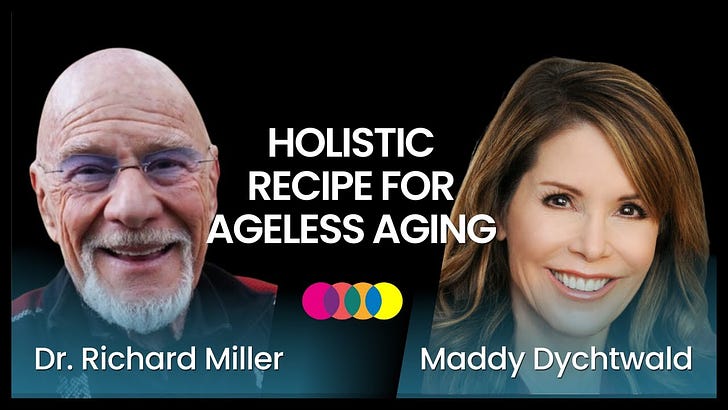
Maddy Dychtwald on Ageless Aging
Dear Friends,How can we age gracefully in a world that seems intent on making us feel obsolete? This week, I spoke with Maddy Dychtwald, co-founder of Age Wave and author of Ageless Aging: A Woman's Guide to Increasing Healthspan, Brainspan, and Lifespan, about the multifaceted approach to healthy aging.Maddy emphasizes that aging is more than just a number:"There's three different kinds of aging. First there's that chronologic aging... Second is the physiologic or biologic aging. That's how our bodies are aging... But then there's the positive side of aging, which I bet you're experiencing, and that is the psychological or emotional aging."This holistic view resonated deeply with me. As someone who's been around the block a few times (85 years, to be exact), I've learned that maintaining health is about more than just diet and exercise. It's about cultivating a positive attitude, staying socially connected, and finding purpose in our later years.One of Maddy's insights that particularly struck me was about the power of our mindset:"By feeling and thinking and acting more positive about your own aging... it could add up to seven and a half years to your life and... it's not just about lifespan. It's also about healthspan."Imagine that - seven and a half extra years just from changing our attitude! It's a powerful reminder that our thoughts shape our reality, even when it comes to aging.But it's not all in our heads. Maddy also shared practical advice on everything from exercise to hormone replacement therapy. For instance, did you know that we start losing muscle mass as early as our late thirties? That's why Maddy suggests:"Strengthening muscle... getting out those stretch bands, picking up those weights a couple, three, four times a week. It's a really good move."As someone who lifts weights four times a week and does aerobics six or seven times a week, I couldn't agree more. Remember, friends: it's never too late to start investing in your health.Maddy also highlighted the importance of social connections:"Social connections is a viable part of this holistic recipe for ageless aging... the science points directly to the fact that low social interaction is the equivalent of smoking 15 cigarettes a day."This aligns with what I've always believed - that we humans are tribal animals, meant to live in communities where we sustain one another.I encourage you to follow Maddy on Twitter, Facebook, LinkedIn, Instagram, and TikTok for more insights on aging gracefully. Her wisdom is truly ageless.Remember, good health is worth fighting for, and it's essential for life, liberty, and the pursuit of happiness.Golden light,Dr. Richard Louis MillerMind Body Health & Politics is a reader-supported publication, where I share the tools and insights I've gathered over my 64-year career. To receive my weekly digest, consider becoming a free or paid subscriber.Links:* Maddy Dychtwald's Website* Age Wave Website* Ageless Aging: A Woman's Guide to Increasing Healthspan, Brainspan, and Lifespan (Amazon link)The Homeless Dilemma: What Would You Do?I want to share a personal struggle I face regularly, and I'm curious how you handle it.When I go to the supermarket and there's a homeless person outside, I very often go into a kind of internal conflict. And the conflict is between two voices in my head:One voice says, "Go into the store and buy some food and give it to that person."The other voice says, "Give them the few dollars they're asking for, even though you know there's a good chance that they're going to buy alcohol or drugs with it."There's a part of me that says, you don't give money to a person who's got trouble with alcohol and drugs because they're going to use it for alcohol and drugs. Give them food.But then there's another part that says, the person is so down and out, if you give them money for alcohol or food... Why not let them have a drink or a drug? Maybe it'll make them feel better for a few minutes.This is a tough decision, and I go through it every time. Sometimes I give them a few bucks, and sometimes I go in and buy food.I don't know how you all handle it. You might let me know, or comment on Instagram.My Books:* Freeing Sexuality: Psychologists, Consent Teachers, Polyamory Experts, and Sex Workers Speak Out* Psychedelic Wisdom: The Astonishing Rewards of Mind-Altering Substances* Psychedelic Medicine: The Healing Powers of LSD, MDMA, Psilocybin, and Ayahuasca* Integral Psychedelic Therapy (co-edited with Jason A. Butler & Genesee Herzberg) This is a public episode. If you'd like to discuss this with other subscribers or get access to bonus episodes, visit www.mindbodyhealthpolitics.org/subscribe

Sasha Cobra on Reconnecting with Our Natural State of Love and Sexuality
Dear Friends,For years, I've observed what I call a "post-traumatic sexual stress disorder" gripping our nation. It's not just about sex – it's about the very fabric of our society. We're a culture living on edge, with 70% of us barely making it paycheck to paycheck. This constant stress, this sword of Damocles hanging over our heads, it's more than economic – it's deeply traumatic, and it seeps into every aspect of our lives, including our sexuality.Imagine, for a moment, that the very act of making love could heal not just our bodies, but our minds, our spirits, and even our society. It sounds almost too good to be true, doesn't it? And yet, after my recent conversation with Sasha Cobra, I find myself pondering this possibility.Sasha, a world-renowned teacher and healer featured on Netflix, brings a perspective on sexuality that's at once ancient and revolutionary. As we spoke, I was struck by how her words seemed to peel back layers of cultural conditioning, revealing a truth that's been hiding in plain sight: we are, at our core, sexual beings."Everything in existence makes love to create," Sasha told me. It's a simple statement, but one that carries profound implications. If creation itself is an act of love, then aren't we, as creators in our own right, constantly engaged in this cosmic dance of sexuality?But here's the problem: we've forgotten how to dance.Sasha's work offers a intriguing antidote to this collective trauma. She speaks of lovemaking not as a mere physical act, but as an energetic exchange capable of clearing "all the trauma, the unprocessed feelings, the negating beliefs, everything that is unlike love in the body." It's a powerful idea – that by reconnecting with our fundamental nature as sexual, energetic beings, we might heal not just ourselves, but our relationships and our society.We've become a culture afraid to feel. We run from discomfort, numb ourselves with distractions, and in doing so, cut ourselves off from the very experiences that could heal us. Sasha's work is a call to return to our bodies, to feel deeply, to engage fully with life and with each other.The idea of being so open and vulnerable can be frightening. But Sasha reminded of why I've dedicated my life to this work. Because beneath the fear, beneath the trauma and the stress, there's a fundamental truth: we are beings capable of profound love, connection, and healing.For those intrigued by these ideas, Sasha offers an online membership program called Enrg Tune, focused on healing and transformation through energetic practices. It's an opportunity to explore this realm of conscious sexuality in a guided, supportive environment.As always, I encourage you to approach these concepts with both an open mind and a critical eye. The intersection of sexuality, energy, and healing is complex and deeply personal. What resonates for one may not for another, and that's perfectly okay.I'd love to hear your thoughts. Watch and comment on the video:How do you see the role of energy and conscious sexuality in your own life? In our society? Are we ready, do you think, to reclaim this fundamental aspect of our nature?Golden light,Dr. Richard Louis MillerMind Body Health & Politics is a reader-supported publication, where I share the tools and insights I've gathered over my 64-year career. To receive my weekly digest, consider becoming a free or paid subscriber.Links:* Enrg Tune - Sasha’s online membership program for healing, growth and transformation. * Seed of Transformation - 3 day intensive in Tulum, Mexico, exploring the way we relate to ourselves, to others and to sexual energy. * Getting Intimate - a free video series - 20+ hours of intimate conversations that bring awareness, understanding and compassion to life's struggles and challenges. My Books:* Freeing Sexuality: Psychologists, Consent Teachers, Polyamory Experts, and Sex Workers Speak Out* Psychedelic Wisdom: The Astonishing Rewards of Mind-Altering Substances* Psychedelic Medicine: The Healing Powers of LSD, MDMA, Psilocybin, and Ayahuasca* Integral Psychedelic Therapy (co-edited with Jason A. Butler & Genesee Herzberg) This is a public episode. If you'd like to discuss this with other subscribers or get access to bonus episodes, visit www.mindbodyhealthpolitics.org/subscribe
My blueprint for a long, healthy life.
Dear Friends,Each of us has a decision to make: whether we want to put in the time and energy to be healthy, or if we're just going to let the chips fall where they may. Being healthy is a lifestyle choice.You might get lucky and stay healthy for years without effort, but most Americans end up with diabetes, heart disease, cancer, or other health issues well before they reach old age. The choice is yours. If you do choose a healthy lifestyle, I won't sugarcoat it – it's a lot of work. However, today I offer you my personal Immunity Builder Program – a system that has worked for me and can work for you too. Watch the video or read on for the first steps to building a stronger immune system and living a healthier life:1. Exercise: Move Your Body, Boost Your HealthExercise is part of every healthy person's lifestyle. If you're not getting 10,000 steps a day through your work, you need to find a way to incorporate exercise into your routine. Schedule it, do it alone or with friends. Instead of hanging out in bars or restaurants, get together with friends for bike rides, walks, or other active pursuits. Choose friends who are active – if you choose friends who sit around drinking and smoking all day, guess what you'll end up doing?If you're exercising alone, set a specific time every day. Start with 10 minutes and add two minutes each day. Before you know it, you'll be up to 50 minutes a day. Remember, we're thinking lifestyle here – how can you build this into your daily routine?2. Nutrition: Fuel Your Body RightNutrition is the fuel for your body, and you want the cleanest fuel you can get. Avoid processed foods – if you see a long list of ingredients on a package, put it back on the shelf. Real food doesn't come with a laundry list of additives. Broccoli, kale, peas, beans – they're just themselves.Use your common sense and read labels. If it has a lot of stuff you can't pronounce, it's probably not supporting your immune system.Forget soft drinks – they're basically sugared water. Did you know that adding just one soft drink to your daily diet, while keeping everything else the same, can lead to a 45-pound weight gain in three years? Sugar is inflammatory and causes problems in the body. The same goes for most processed carbohydrates. I know, I love bread too – (I could eat a whole loaf in one sitting). But we need to focus on clean, unprocessed foods.3. Sleep: Create Your CaveSleep is crucial for rest and recovery. To get quality sleep, you need to transform your bedroom into a sleep sanctuary. No computers, phones, or TVs in the room. Make it dark, cozy, and cool – like a cave. If street noise is an issue, use earplugs. If you can't make the room completely dark, wear an eye mask.4. Abdominal Breathing: Your Anti-Anxiety SuperpowerWhen we get anxious, we tense up and our breathing becomes shallow. Abdominal breathing, also called diaphragmatic breathing, loosens everything up. It's faster than a speeding Valium, I promise you!How to do it? Practice 30 seconds, four or five times a day, every single day. Watch my video to learn how:Next time anxiety hits, you'll have a powerful tool to handle it.Mind Body Health & Politics is a reader-supported publication, where I share the tools and insights I've gathered over my 64-year career. To receive my weekly digest, consider becoming a free or paid subscriber.5. Mind Control: Become the Boss of Your ThoughtsHere's a secret: we are the boss of our minds, not the other way around. The mind is a tool that we get to direct. We tell it what to think, what kind of movies to play. But many of you might be thinking, "That sounds good, but it doesn't work for me. My mind keeps producing ideas and pictures I can't stop."That just means you haven't developed the skill of mind control yet. Like any skill, it takes practice. Spend a few minutes several times a day telling your mind what to do. Count numbers, make up a story, visualize a color filling your body. It doesn't matter what you tell your mind to do, as long as you're telling it what to do. With practice, you'll become the boss of your thoughts.6. Purpose: Find Meaning in the EverydayIt's crucial to have a purpose in life, to find something you enjoy doing and find meaningful. And I mean literally anything. Winston Churchill famously built a huge rock wall in his backyard over many years. He also painted. The activity doesn't matter – what matters is that you find it meaningful and enjoyable.It could be cleaning the house, making your bed, or helping a friend regularly. The key is to decide on your purpose in advance. Wake up knowing what you're going to do that day that gives you a sense of meaning. This positive outlook and sense of purpose contribute significantly to building your immune system.7. Social Contacts: Nurture Your TribeWe humans are tribal animals. We love doing things together, whether it's going to ball games, joining sewing circles, or playing sports. But you know what we love most? Eating together.
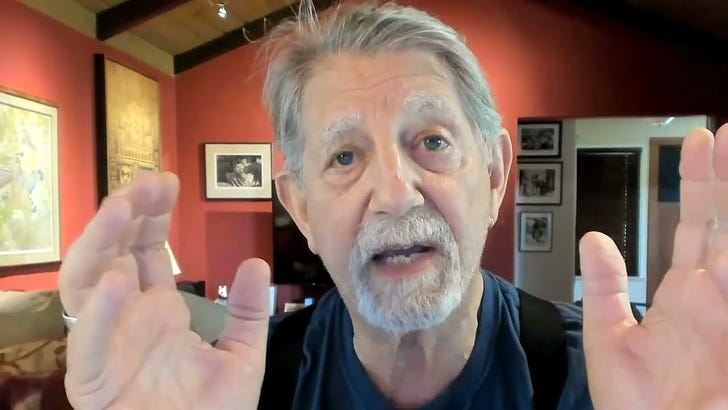
Peter Coyote on Buddhism's Practical Wisdom for Modern Life
Dear Friends,How can we find peace and purpose amid the turmoil and distraction of the modern world? Actor, author, and Zen Buddhist priest Peter Coyote believes the answer lies in the timeless wisdom of Buddhism – translated for our modern lives.In my latest interview, Peter and I explore:* The Buddhist concept of "dependent origination" and its relevance to our interconnected world* How meditation can help us contain and investigate our emotions, leading to more dignified living* The power of "radical optimism" in the face of life's uncertainties* Applying Buddhist principles to navigate personal and societal challenges"Buddha discovered that everything in the world is connected to everything else," Peter told me. "He called it dependent origination. You can understand it immediately when you understand that we've never been separate from oxygen, from sunlight, from water, from microbes in the soil."This interconnectedness forms the foundation of Buddhist thought and practice. But how does it apply to our daily lives?Peter's new book, Zen in the Vernacular, strips away the cultural trappings to reveal the core of Buddhist teachings in accessible, everyday language. He shared with me how these ancient principles can serve as a "creative problem-solving mechanism and moral guide" for the stresses of modern life.One key concept is the practice of meditation, which Peter describes not as an escape, but as a tool for facing our inner world head-on:"When you meditate, you develop a faith that's based on experience, that you can sit with whatever comes up, investigate it, let it come. You don't have to invite it for tea and let it go. Everything's always changing."This ability to sit with our thoughts and emotions without being controlled by them can lead to profound changes in how we interact with the world.Perhaps most inspiring is Peter's concept of "radical optimism" – a philosophy born from Buddhist principles:"Radical optimism is based on one incontrovertible fact: we never know how things are going to turn out... Keeping my spirits up and my energy up and my shoulder to the wheel keeps me in play."While cynicism prevails in much of the media and cultural landsacape, this reminder of the power of hope and action is truly refreshing.This week, I invite you to reflect on how Buddhist principles might apply to your own life. How might the concept of interconnectedness change your perspective on a current challenge? Share your thoughts in the comments on YouTube.Golden light,Dr. Richard Louis MillerMind Body Health & Politics is a reader-supported publication, where I share the tools and insights I've gathered over my 64-year career. To receive my weekly digest, consider becoming a free or paid subscriber.Links:* Zen in the Vernacular - Peter’s BookHow to Stop Torturing Yourself with Thoughts of the Past and FutureThe most common way my patients make themselves unhappy is by dwelling on the past and worrying about the future. While it's possible to think about the past and future without causing emotional pain, many people fall into the trap of self-torture.They dwell on painful memories, things they wish they had done differently, and moments they criticize themselves for or feel ashamed about. The past is gone, and nothing can be done to change it. Yet, they continue to think about it, causing themselves emotional discomfort.Others play the "what if" game with the future:* What if the market crashes?* What if I get fired?* What if my partner leaves me?These hypothetical scenarios bring people down and make them feel terrible.The best thing to do is practice being in the present moment.How do you do it? Practice.By staying present and avoiding dwelling on the past or worrying about the future, you can reduce emotional pain and lead a happier life.Watch on comment on Instagram:My Books:* Freeing Sexuality: Psychologists, Consent Teachers, Polyamory Experts, and Sex Workers Speak Out* Psychedelic Wisdom: The Astonishing Rewards of Mind-Altering Substances* Psychedelic Medicine: The Healing Powers of LSD, MDMA, Psilocybin, and Ayahuasca* Integral Psychedelic Therapy (co-edited with Jason A. Butler & Genesee Herzberg) This is a public episode. If you'd like to discuss this with other subscribers or get access to bonus episodes, visit www.mindbodyhealthpolitics.org/subscribe

From conflict to collaboration with Stewart Levine
Dear Friends,In a world rife with division, how can we turn conflict into collaboration?Lawyer-turned-“resolutionary” Stewart Levine has spent over 35 years mastering the art of transforming breakdowns into breakthroughs. From feuding business partners to disgruntled employees to divorcing couples, he's been in the trenches of impossible situations - and emerged with relationships intact and millions of dollars saved.Now, he's distilled his hard-won wisdom into practical tools anyone can use to resolve and prevent conflict. As the author of the international bestseller Getting to Resolution: Turning Conflict Into Collaboration and the founder of Resolution Works, Stewart is on a mission to make the world a more collaborative place.In my latest interview, Stewart and I explore:* The hidden costs of unresolved conflict and the power of "resolutionary thinking"* Why the legal system often impedes real communication and problem-solving* The key principles and skills for authentic, empathetic dialogue* How to craft agreements that foster alignment, trust and shared vision* Improving your most important personal and professional relationships"Conflict lives inside of us as an emotional presence," Stewart told me. "You can't give that to somebody else to resolve. It's something you need to dig into to purge yourself of."In a polarized age, Stewart's message couldn't be more timely."We as human beings are seeking connection," he said. "We want connection. We don't quite know how to do it. But in many ways, it's built into our biology."The problem, he believes, is our adversarial "win-lose" paradigm. "If you get yours, then I'm not going to get mine. And I think that's a great fallacy." Instead, he advocates for an abundance mindset focused on giving people what they need.So how do we get to that magical place called win-win? It starts with resolutionary thinking:"Honoring feelings when we're in a disagreement with other people. Giving people the opportunity to tell their story from beginning to end... Recognizing that the other person was probably trying to do the best they possibly could, just like we were. So giving the opportunity for our compassion, empathy to arise."While the tools are simple, the impact can be profound. "I like to look around and see that I don't have any ongoing conflicts in my life," Stewart reflected. "I pride myself on good relationships, positive relationships over time."This week, I'm inviting my listeners to examine a conflict in your own life. What would it look like to approach it with resolutionary thinking? Share your reflections in the comments on YouTube.Golden light,Dr. Richard Louis MillerMind Body Health & Politics is a reader-supported publication, where I share the tools and insights I've gathered over my 64-year career. To receive my weekly digest, consider becoming a free or paid subscriber.Show NotesStewart’s WebsiteBooks:* Getting to Resolution: Turning Conflict Into Collaboration* The Book of Agreement: 10 Essential Elements for Getting the Results You Want* Collaboration 2.0News & Notes: The Endocannabinoid System and Physical ExerciseNew research sheds light on how sustained physical exercise activates the body's endocannabinoid system, triggering a phenomenon known as a "runner's high" that can reduce pain, induce mild sedation, increase euphoria, and have anxiolytic effects. Endocannabinoids, which are like the body's own cannabis, are now understood to be the primary driver behind these exercise-induced psychophysical effects, more so than endorphins as previously thought.A review by Matei et al. summarizes evidence that the anxiolytic and euphoric aspects of the runner's high depend on activation of specific cannabinoid receptors in the brain and periphery, not opioid signaling from endorphins. While endorphins are also released during exercise, the authors argue they cannot sufficiently cross the blood-brain barrier to alter mood and pain perception the way endocannabinoids can.As the famous surrealist Salvador Dali once quipped, "I don't need drugs. I am drugs" - a fitting sentiment for the natural high induced by the body's own cannabinoid-like molecules during physical activity.Dealing with Depression: The Importance of MovementLet’s talk about depression. Depression can be exhausting. Unlike some other illnesses, depression can tire you out, making it difficult to carry out daily tasks and deal with the condition itself. In severe cases, known as clinical depression, individuals may struggle to even get out of bed for weeks at a time.The key to managing depression is finding ways to get yourself moving. Movement is crucial in combating the symptoms of depression. The more you move, the better. However, when you're exhausted, it can be challenging to find the motivation to take action.To overcome this hurdle, consider:* Asking a friend or family member to visit and encourage you* Reaching out to a support group or call service* Finding an organization that can
The fight for MDMA therapy
Dear Friends,In the early 1980s, as a clinical psychologist, I had a remarkable experience as a patient of Dr. Robert Cantor, the founder of the Pacific Graduate School of Psychology. He legally administered MDMA to me over a period of a year and a half, and the benefits were profound. My heart opened, my empathy increased, and my defenses lowered. At the time, therapists across the United States were reporting amazing results using MDMA with couples, claiming they achieved more progress in a few sessions than in years of traditional therapy.However, in 1985, amid growing concerns about recreational use – as well as misinformation about its neurotoxicity – the Drug Enforcement Administration (DEA) emergency scheduled MDMA as a Schedule I substance, effectively banning its use for any purpose, including medical research.Around that time, Dr. Rick Doblin, founder of the Multidisciplinary Association for Psychedelic Studies (MAPS), went before the government to seek approval for MDMA's medicinal use. Despite promising early research, the FDA rejected his proposal. Now, 39 years later, MAPS and its spinoff Lykos Therapeutics are still fighting for approval, only to face a significant setback this week. An FDA governmental advisory committee voted 10-1 in favor of advising against recommending that MDMA be approved as medicine by the FDA in its upcoming August meeting. This decision comes after decades of rigorous clinical trials that have demonstrated MDMA's potential as a catalyst for psychotherapy in treating post-traumatic stress disorder (PTSD) and other mental health conditions. There is still a remote chance that the FDA will vote against its own advisors.The government's main reason for this denial is that current MDMA studies fail to meet the gold standard of medical testing: the double-blind study. In this design, neither the administrators nor the patients know if they are receiving the actual medicine or a placebo. The FDA argues that a high percentage of subjects quickly determine whether they are in the placebo or experimental group based on the powerful effects of MDMA, compromising the study design.However, this reasoning is flawed. While the double-blind issue is valid, it should not be grounds for disqualification, especially when the medicine is demonstrably effective in approximately 80% of cases. The core question should be whether the positive effects are due to the medicine itself or a placebo effect enhanced by patients' awareness that they have received the active drug. In my view, this distinction is less important than the fact that patients are experiencing real benefits. If both the medicine and placebo effects are contributing to positive outcomes, that should be celebrated, not penalized.The government's position appears to be clouded by the emotional stigma surrounding MDMA as a "party drug," despite the fact that many substances have both therapeutic and recreational applications. This bias should not prevent MDMA from being used as a powerful catalyst in a professional therapeutic context, where it could potentially help hundreds of thousands, if not millions, of people.Ultimately, the government's role should be to prioritize the wellbeing of its citizens and support interventions that can provide the greatest benefit to the most people. Allowing emotion and politics to override scientific evidence and real-world therapeutic outcomes is a disservice to public health.The fight for MDMA therapy is not over, but the struggle has already spanned four decades. It is time for the government to adopt a more nuanced, compassionate approach and allow this promising treatment to become accessible to those who desperately need it. Golden light,Dr. Richard Louis MillerShow Notes* Patients with terminal illnesses often face debilitating anxiety, depression, and existential distress* Psilocybin therapy has shown remarkable potential to alleviate end-of-life suffering in clinical trials* "Right to Try" laws in over 40 states allow access to experimental drugs for the terminally ill, but the DEA is blocking access to psilocybin* Dr. Sunil Aggarwal, a Seattle palliative care physician, is fighting a landmark legal case to win psilocybin access for his dying patients* Some patients resort to underground psychedelics out of desperation; clinical psilocybin therapy would be far safer and more beneficial* The case pits the DEA's scheduling of psilocybin against state laws and patient autonomy at the end of life* Eight states and D.C. have filed amicus briefs supporting Dr. Aggarwal's case, arguing the DEA has overstepped* A summer decision from the Ninth Circuit Court of Appeals could be a pivotal moment for psychedelic medicine* The case highlights the need for a more compassionate, integrated approach to end-of-life care that addresses spiritual and existential dimensions* Responsible, mindful use of psychedelics may help change both how we live and how we approach deathSubscribe for exclusive in

The Right to Die Well with Dr. Sunil Aggarwal
What if you were facing a terminal illness, wracked by anxiety and depression, and knew that a safe, promising treatment existed - but was denied to you?This is the heart-wrenching reality for many of Dr. Sunil Aggarwal's patients. A palliative care physician in Seattle, Dr. Aggarwal is fighting a landmark legal case for the right to treat his dying patients with psilocybin-assisted therapy.Psilocybin, the active ingredient in magic mushrooms, has shown remarkable potential in easing end-of-life distress. But despite the "Right to Try" laws passed in over 40 states, the DEA is blocking access - even for those with just months to live."We're slowly trying to chip away at a mentality that says there's no way forward except research," Dr. Aggarwal told me. "Psychedelic substances - we already recognize they have great utility. Everybody knows the FDA has said twice that psilocybin is a breakthrough therapy."In my latest interview, Dr. Aggarwal and I explore:* The anguish of terminal illness and the failure of medicine to adequately address existential suffering* The immense promise of psilocybin therapy to relieve anxiety, depression, and fear of death in the dying* The David vs. Goliath legal battle for patients' "right to try" psilocybin when time is running out* The evolution of psychedelics from counterculture to cutting-edge medicine* The importance of mindful, responsible use of psychedelics in a supportive clinical settingIn a life-or-death struggle that epitomizes the phrase "health is political," Dr. Aggarwal is taking on the DEA to defend his patients' right to access a treatment that could bring them peace in their final days. Eight states and D.C. have filed briefs supporting his case, but the DEA remains intransigent."When you are told you have an incurable disease, that all we can do is extend your lifespan for a certain amount of time, the psycho-spiritual toll that places on somebody's mind is very high," Dr. Aggarwal told me.Some of his patients – desperate for relief from crushing anxiety and depression – seek out psilocybin on the underground market. "I can offer harm reduction strategies, but I don't think that's good enough," he said. "We should be caring for people a little differently when death is staring them in the face."Dr. Aggarwal's own journey has taken him from the NIH to NYU to founding an integrative medicine clinic in Seattle. Trained as an MD and PhD in medical geography, he sees access to psilocybin in the context of public health, the environment, and human rights."It's heartbreaking that dying patients continue to suffer when they could be getting relief," says Kathryn Tucker, Dr. Aggarwal's attorney and director of advocacy at the National Psychedelics Association. "The DEA has interposed itself to nullify duly enacted state and federal law. It's way out of its lane."As we wait for a decision from the Ninth Circuit Court of Appeals this summer, Dr. Aggarwal hopes his case can be a tipping point. "As a society, we spend a lot of time trying to help people live well, but we also should be helping people to die well," he told me. "Psychedelics can remind us there might be a whole other vista beyond our limited vision."This week, I'm inviting my listeners to share their views: Should terminally ill patients have the "right to try" psychedelics if they may ease their suffering? Takeaways* Patients with terminal illnesses often face debilitating anxiety, depression, and existential distress* Psilocybin therapy has shown remarkable potential to alleviate end-of-life suffering in clinical trials* "Right to Try" laws in over 40 states allow access to experimental drugs for the terminally ill, but the DEA is blocking access to psilocybin* Dr. Sunil Aggarwal, a Seattle palliative care physician, is fighting a landmark legal case to win psilocybin access for his dying patients* Some patients resort to underground psychedelics out of desperation; clinical psilocybin therapy would be far safer and more beneficial* The case pits the DEA's scheduling of psilocybin against state laws and patient autonomy at the end of life* Eight states and D.C. have filed amicus briefs supporting Dr. Aggarwal's case, arguing the DEA has overstepped* A summer decision from the Ninth Circuit Court of Appeals could be a pivotal moment for psychedelic medicine* The case highlights the need for a more compassionate, integrated approach to end-of-life care that addresses spiritual and existential dimensions* Responsible, mindful use of psychedelics may help change both how we live and how we approach deathSubscribe for exclusive interviews with leading scientists, researchers, and health professionals on the frontiers of mind-body medicine and the politics of health. Get the latest insights in psychedelic science, integrative medicine, and beyond.Links and ResourcesDr. Sunil Aggarwal:* AIMS Institute (Advanced Integrative Medical Science Institute)* Twitter* InstagramOrganizations & Concepts:* Right to Try Law

Beating Depression with Exercise
Dear Friends,Have you ever felt like giving up when faced with a seemingly insurmountable challenge?I know I have. But what I've learned through my own experiences is that persistence and consistent effort can work wonders.It all started with a devastating motorcycle accident that left me with both legs crushed. As I lay on the highway, I closed my eyes and prepared for the worst. But then, a voice inside me said these words:"You can still make a contribution."That was the moment I decided to fight for my life.The doctors told me I'd never walk again, but I refused to accept that. After a grueling surgery, in which I had to persuade the surgeon not to amputate my legs, I set an ambitious goal for myself: to complete a triathlon within two years. It started with a single step, then two, then three. I kept pushing myself, day after day, week after week. And you know what? I did it. I completed that triathlon, even though I had to use crutches.But my journey wasn't just about physical recovery. You see, exercise isn't just good for your body; it's also incredibly powerful for your mind. I often cite a study from Duke University, first brought to my attention by the great Robert Whitaker (author of Anatomy of an Epidemic), which found that exercise can be even more effective than medication for treating major depression.The key is to start small and be consistent.Whether it's a brisk walk around the block or a few push-ups during your work breaks, every little bit counts.As I like to say, "A little something over a long period of time is a lot of something."So, my challenge to you is this: set a small goal for yourself and stick to it. Whether it's physical, mental, or emotional, find something that you can work towards each and every day. And remember, you're not alone in this journey. We're all in this together.I'd love to hear from you:What small goal will you set for yourself today?Share your thoughts in the comments below or send me a message on social media. Let's inspire each other to keep pushing forward, one step at a time.Golden light,Dr. Richard L. MillerTakeaways* Exercise can be as effective as medication for treating major depression, according to a Duke University study.* Persistence and consistent effort are key to overcoming even the most daunting challenges.* Setting small, achievable goals and working towards them every day can lead to significant progress over time.* Exercise is not only beneficial for physical health but also for mental and emotional well-being.* Sharing our experiences and supporting one another can help us stay motivated and inspired on our journeys.Mind Body Health & Politics brings you exclusive interviews with leading scientists, researchers, and health professionals, exploring the frontiers of mind-body medicine and the politics of health. Get the latest insights in psychedelic science, integrative medicine, and beyondLinks and Resources* Anatomy of an Epidemic: Magic Bullets, Psychiatric Drugs, and the Astonishing Rise of Mental Illness in America, by Robert Whitaker* Duke University Study: Exercise May Be Just As Effective As Medication For Treating Major Depression This is a public episode. If you'd like to discuss this with other subscribers or get access to bonus episodes, visit www.mindbodyhealthpolitics.org/subscribe
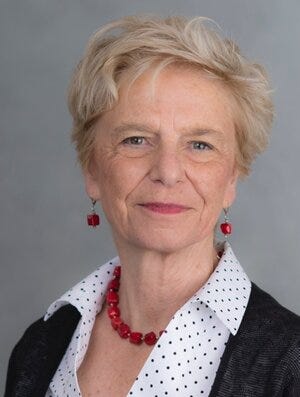
Dr. Harriet De Wit on Amphetamines, MDMA, and Surprising New Microdosing Results
Why is MDMA so effective at treating PTSD?Does microdosing LSD affect depressed individuals differently than those with a more positive outlook?Some of us have been waiting for answers to these kinds of questions about psychedelics for more than 50 years. As a young academic in the 1960s, I had my own life-changing experiences with psychedelics, which set me on a new career path as a clinical psychologist. But like many of my generation, I watched with dismay as these powerful tools were demonized and criminalized in the decades that followed, driven underground by a combination of political backlash and cultural stigma.Now, we find myself in the midst of a remarkable resurgence of interest in psychedelic medicine. From the halls of academia to the pages of mainstream media, there is a growing recognition that compounds like LSD, psilocybin, and MDMA may hold tremendous potential for treating a wide range of mental health conditions, from depression and addiction to PTSD and end-of-life anxiety.Thanks to brave researchers like Dr. Harriet de Wit, we're finally getting more answers.Dr. de Wit, a Professor of Psychiatry and Behavioral Neuroscience at the University of Chicago, spent decades studying various drugs before focusing on the therapeutic potential of psychedelics. However, when she first began exploring LSD microdosing, she was cautious about openly discussing her research. "I was very nervous about doing LSD research to begin with because of the stigma," she revealed. To minimize attention, she referred to her first study as a "serotonin agonist" study, even though she still named it as LSD in the description. The approval process for her study took nearly two years.Her groundbreaking work has been published in prestigious journals like Neuropsychopharmacology and Biological Psychiatry.In my latest interview, Dr. de Wit shares fascinating insights on:* MDMA's unique effects on our sensitivity to negative emotions in other people’s faces* The dose-dependent effects of LSD microdosing on mood and cognition* The importance of controlled research to maximize benefits and minimize risksDr. DeWit's research shows that these compounds have the ability to reshape neural pathways and facilitate deep emotional healing."MDMA is technically not a psychedelic, but it does have unique effects that make it useful in therapy."But to fully realize this potential, we will need to do more than just demonstrate their efficacy in clinical trials. We will need to develop new models of care that integrate psychedelic therapies into the broader landscape of mental health services, while ensuring that they are delivered safely, ethically, and not just for the wealthy.We may also need to challenge long-held assumptions about the nature of mental illness and the ability to consciously control the healing process."Microdosing LSD under controlled conditions allows for the study of its effects without the influence of expectations." – Dr. Harriet de WitFor Dr. DeWit, this process of integration is not only necessary but inevitable. "I would like to go on forever," she told me with a smile. "It's fascinating to ask all these questions, and there seems to be an infinite number of them."One of the most pressing needs is for continued funding and institutional support for rigorous, well-designed studies that can provide definitive answers to the many questions that remain.This week, I’m inviting my listeners to share their most pressing unanswered questions about psychedelics. Please share them on YouTube, or send me a Direct Message on Instagram.While you’re there, be sure to follow and subscribe so you don’t miss my answers.Takeaways* Harriet DeWit has a long and distinguished career in science, particularly in psychedelic science.* Her research has focused on amphetamines, MDMA, and microdosing LSD.* MDMA has unique effects, including increased sociability, empathy, and a reduction in the feeling of rejection.* Microdosing LSD at low doses has shown potential therapeutic benefits.* There are risks and limitations associated with these substances, including the potential for misuse and exclusion of individuals with cardiovascular issues from research studies.* Individual responses to microdosing LSD vary, with the subsensate cutoff point ranging between 10 and 15 micrograms.* Microdosing can lead to increased energy and arousal, but not necessarily distortions or emotional effects.* Microdosing has potential as an antidepressant, but further research is needed.* Measures used in microdosing research include self-report questionnaires and EEG.* Caution and responsible use of psychedelics are necessary due to their powerful effects.Mind Body Health & Politics brings you exclusive interviews with leading scientists, researchers, and health professionals, exploring the frontiers of mind-body medicine and the politics of health. Get the latest insights in psychedelic science, integrative medicine, and beyond.Links and Resources* Harr

How I ditched my cane at 85
In this special monologue episode, Dr. Richard L. Miller shares his secret to a happy life: taking control of your mind. Drawing from his 64 years of experience and personal struggles, Dr. Miller emphasizes the importance of persistent practice in managing thoughts and emotions. He recounts how "mind control" and "Dog Yoga" helped him overcome physical challenges following a motorcycle accident and the recent pandemic. With his trademark wisdom and humor, Dr. Miller invites listeners to join his growing Instagram community and submit their questions for future episodes. Discover why 1.1 million viewers have already tuned in to learn how to master their minds and improve their lives. This is a public episode. If you'd like to discuss this with other subscribers or get access to bonus episodes, visit www.mindbodyhealthpolitics.org/subscribe

After Earth Day
Obi Kaufmann, artist, writer, and conservationist, discusses California's ecology, water management, and biodiversity. Kaufmann challenges conventional environmentalism, questioning the language used to describe nature and the paradox of trading nature to save it. He emphasizes the importance of indigenous-led ecological thought and the resilience provided by biodiversity. Kaufmann shares insights from his book "The State of Water" and his upcoming release "The State of Fire: Why California Burns." This is a public episode. If you'd like to discuss this with other subscribers or get access to bonus episodes, visit www.mindbodyhealthpolitics.org/subscribe

Starch-Based Solutions for Optimal Health with Dr. John McDougall
I sit down with the trailblazing Dr. John McDougall, a leading expert in plant-based nutrition and the author of the groundbreaking book, "The Starch Solution." Dr. McDougall shares his decades of experience as a physician and researcher, revealing the power of a whole-food, starch-based diet in preventing and reversing chronic diseases, promoting sustainable weight loss, and optimizing overall health. Discover how shifting away from animal products and processed foods and embracing starches like rice, potatoes, and corn can transform your life and the planet. Dr. McDougall also delves into the environmental impact of our dietary choices, the role of the food industry in shaping public perception, and practical tips for adopting a plant-based lifestyle. To learn more about Dr. McDougall's work and access a wealth of resources, visit his website at www.drmcdougall.com. This is a public episode. If you'd like to discuss this with other subscribers or get access to bonus episodes, visit www.mindbodyhealthpolitics.org/subscribe

Cathy Reisenwitz on Authoritarianism and the Psychology of Power
Cathy Reisenwitz is a writer and creator of the Sex and the State substack publication. She has been featured on TV and in various publications such as TechCrunch, The Week, VICE, and Daily Beast. In this podcast episode, Cathy discusses the concept of authoritarianism and its impact on society. She explores the traits of an authoritarian personality, including a focus on conformity, lack of diversity, and a preference for in-groups. Cathy also delves into the connection between violence and authoritarianism and how it relates to social and political ideologies. The episode highlights the differences between authoritarianism and liberalism, emphasizing the pro-social nature of the latter. Overall, the discussion sheds light on the complexities of authoritarianism and its implications for society. This is a public episode. If you'd like to discuss this with other subscribers or get access to bonus episodes, visit www.mindbodyhealthpolitics.org/subscribe
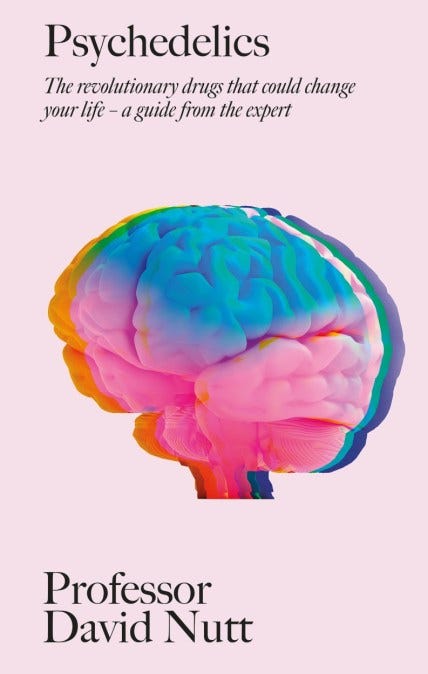
From Prohibition to Prescription
Podcast Episode: David Nutt - Psychedelics and Mental HealthGuest: Professor David Nutt Short Bio: David Nutt is a psychiatrist specializing in the effects of drugs on the brain. He has made significant contributions to our understanding of how psychedelics work and their clinical applications. He co-founded the first academic psychedelic research center and has recently launched his book "Psychedelics: The Revolutionary Drugs That Could Change Your Life – A Guide from the Expert."In the podcast episode, Professor David Nutt delves into the history of psychedelic prohibition, discussing its significant impact on research and clinical treatment. He underscores the potential of psychedelics as a potent treatment for various mental health conditions, such as depression, PTSD, and addiction. The conversation explores the adverse effects of psychedelics, the suppression of science, and the evolving societal attitudes towards these substances. Further, Professor Nutt shares insights about his forthcoming trial that uses psilocybin to treat heroin addiction. He believes in the power of psychedelics to assist individuals in reframing their attitudes and lifestyles. This is a public episode. If you'd like to discuss this with other subscribers or get access to bonus episodes, visit www.mindbodyhealthpolitics.org/subscribe

Reality Check
Dr. Robert Strahan, a highly accomplished psychiatrist, shares his insights on the crucial topic of adverse effects in psychedelic medicine. With a diverse background spanning forensic psychiatry, integrative medicine, and leadership roles in prestigious institutions, Dr. Strahan emphasizes the importance of transparency, proper screening, and preparation when considering psychedelic treatments.Explore the potential risks and benefits of psychedelics, the significance of set and setting, and practical strategies for managing challenging experiences. Gain valuable insights into the future of psychedelic-assisted psychotherapy and the need for a comprehensive approach to patient care.Don't miss this thought-provoking conversation that delves into the intersection of psychedelics, mental health, and personal well-being. Subscribe to MindBody Health and Politics for more cutting-edge discussions on science, spirit, and society. This is a public episode. If you'd like to discuss this with other subscribers or get access to bonus episodes, visit www.mindbodyhealthpolitics.org/subscribe

Unveiling the Shadows: Jules Evans on Challenging Psychedelic Experiences
Jules Evans is an author and researcher with a particular interest in psychedelic medicine and adverse effects. He has personal experience with a challenging trip that led him to explore mental health and philosophy. Jules is dedicated to understanding the risks and harms associated with psychedelics and finding ways to support individuals who have had challenging experiences. This is a public episode. If you'd like to discuss this with other subscribers or get access to bonus episodes, visit www.mindbodyhealthpolitics.org/subscribe
Chris Ryan on Rethinking Monogamy and Human Nature
Chris Ryan, author of Sex at Dawn and Civilized to Death, and host of Tangentially Speaking podcast, questions the concept of normative heterosexual monogamy as a sustainable way of people living together. He argues that understanding human nature as a promiscuous species can lead to more compassion and self-awareness in relationships. Ryan discusses the cultural and historical influences on our perception of monogamy and challenges the assumption that it is a natural and universal behavior. He highlights the importance of considering hunter-gatherer societies and anthropological evidence in understanding human sexual behavior. This is a public episode. If you'd like to discuss this with other subscribers or get access to bonus episodes, visit www.mindbodyhealthpolitics.org/subscribe
Dr. Kelan Thomas on Psychedelics, Serotonin, and Heart Health
Kelan Thomas, pharmacologist and pharmacist, explores the potential risks and benefits of psychedelics in a podcast episode. He discusses the effects of different substances on receptors in the body and the importance of understanding their mechanisms of action. The conversation delves into topics such as the combination of psychedelics with SSRIs, the potential risks of heart valve problems, and the use of MDMA in therapeutic settings. Kelan emphasizes the need for responsible use and provides insights into the effects and potential risks of various substances. This is a public episode. If you'd like to discuss this with other subscribers or get access to bonus episodes, visit www.mindbodyhealthpolitics.org/subscribe

Valerie White on Love, Relationships, and Polyamory
Valerie White, a polyamory advocate, chronicles the challenges and joys of living in a polyamorous polycule. She discusses the dynamics of her relationship with her partner Ken and his other partner Peg, highlighting the importance of open communication and therapy in navigating jealousy and evolving relationship dynamics. Valerie also shares insights on the Polyamory Foundation, a grant-making organization that supports individuals in the polyamory community. Throughout the episode, Valerie emphasizes the significance of not sweating the small stuff and embracing the uniqueness of each individual in a polyamorous relationship.Valerie White is the executive director of SFLDEF, a board member of the Polyamory Foundation, and the founding president of UU's for Polyamory Awareness. She has also served as the past president of the Vermont ACLU chapter. This is a public episode. If you'd like to discuss this with other subscribers or get access to bonus episodes, visit www.mindbodyhealthpolitics.org/subscribe
Jessica Fern Building Secure Attachments in Polyamorous Relationships
In this episode, relationship expert Jessica Fern delves into the challenges and joys of open relationships. She discusses strategies for navigating jealousy and provides insights into the future of non-monogamous relationships. Jessica highlights the significance of having a guide and support system when embarking on this social experiment. The conversation also explores the necessity for new terminology to describe various relationship dynamics, as well as the influence of societal movements on the acceptance of non-monogamy. Throughout the episode, Jessica offers practical advice on strengthening attachment, establishing rituals, and cultivating secure relationships. This is a public episode. If you'd like to discuss this with other subscribers or get access to bonus episodes, visit www.mindbodyhealthpolitics.org/subscribe
Rachel Lehmann-Haupt on Single Motherhood by Choice
Rachel Lehmann-Haupt, an expert in single motherhood and author, chronicles the journey of being a single mom by choice. In this episode, we examine the challenges and joys of single motherhood, discussing topics such as reproductive choice, community support, and the importance of acceptance. We also explore the cultural changes needed to fully embrace different family structures and highlights the need for flexibility in the workplace. This is a public episode. If you'd like to discuss this with other subscribers or get access to bonus episodes, visit www.mindbodyhealthpolitics.org/subscribe

Paul Austin on Microdosing Psychedelics and Social Innovation
Paul Austin, psychedelic advocate and founder of the Third Wave, discusses the benefits of microdosing and the importance of integrating it with healthy lifestyle habits. Our conversation also touches on the challenges of income inequality and the need for social change. Paul chronicles the role of psychedelics in catalyzing personal and collective transformation, emphasizing the importance of reconnecting with nature and reestablishing a reciprocal relationship with the environment. This is a public episode. If you'd like to discuss this with other subscribers or get access to bonus episodes, visit www.mindbodyhealthpolitics.org/subscribe
Psychedelic Therapy and the Path to Self-Discovery with Dr. Neal Goldsmith
In this episode, psychotherapist and researcher Dr. Neal Goldsmith takes us on a journey exploring the nature of consciousness and the universe. We delve into the world of psychospiritual development and the transformative potential of psychedelics, and discuss the importance of breathing and the developmental process in therapy. Neal speaks about the need for a deep understanding of oneself and the universe to become a good therapist. He challenges the notion that psychedelics alone can lead to mature development, and explores the balance between suggestibility and grounded emergence – emphasizing the safety and effectiveness of tribal models for spiritual growth.Dr. Neal GoldsmithWe also explore the role of psychedelics in personal growth and the question of whether they can obviate the need for "hard work" in spiritual practices. Neal shares insights on transcending childhood "demons" through blissful psychedelic experiences and the potential implications of psychedelics in medicine, science, and society.Finally, Goldsmith and I critique capitalism and discusses the negative impact of campaign finance on American politics.Neal's philosophy centers around healing the rift between humans and nature, integrating opposites, and embracing spirituality and science. His clinical approach emphasizes spiritual maturity and natural unfolding, fostering a broader view of reality and the awakening of one's true self.About the Guest: Neal M. Goldsmith, Ph.D. is a social psychologist, author, and licensed psychotherapist specializing in psychospiritual development. He is a personality theorist, strategic planner, policy researcher, public speaker, and salonier. Dr. Goldsmith has authored dozens of popular and scholarly articles and curates and hosts innovative workshops, salons, and conferences. He frequently speaks on psychotherapy and resistance to change, adult developmental psychology, psychedelics research, therapy and policy, and the post-modern future of society. Dr. Goldsmith's first book, Psychedelic Healing: The Promise of Entheogens for Psychotherapy and Spiritual Development (Inner Traditions, 2011), describes the influence of psychedelics on the development of his personality theory and clinical practice. He is currently working on his second book, Psyche Therapy: Soul, Death, Love. This is a public episode. If you'd like to discuss this with other subscribers or get access to bonus episodes, visit www.mindbodyhealthpolitics.org/subscribe

Dr. Ben Sessa on The Psychedelic Renaissance and the Future of Mental Health
I'm thrilled to share my recent interview with Dr. Ben Sessa, a leading figure in the field of psychedelic research and the author of The Psychedelic Renaissance.Dr. Ben Sessa is a qualified medical professional who obtained his medical degree from University College London in 1997. He has been a member of the Royal College of Psychiatrists since 2002. With a specialization in Child and Adolescent Psychiatry from Oxford in 2005, Dr. Sessa has worked in various mental health services, including Child and Adolescent Mental Health Services and Adult Addictions and the Veterans Trauma Service. He has academic ties to Bristol University and Imperial College London since 2006.Dr. Sessa has held significant positions in the field of psychedelic medicine, including being a former co-founder, Chief Medical Officer, and Head of Psychedelic Medicine at Awakn Life Sciences from 2020 to 2023. He is trained in MDMA, psilocybin, and ketamine therapy. As the founder of Breaking Convention, Europe's largest psychedelic conference, Dr. Sessa has played a pivotal role in promoting psychedelic research and education.In addition to his clinical work, Dr. Sessa is actively involved in drug policy reform and provides advice to the UK government. He has made regular media appearances, sharing his expertise in the fields of cannabis and psychedelic medicines. Dr. Sessa has presented at national and international conferences and has published extensively in both academic and popular press. For more information on his publications, books, and media inputs, please visit his website.Dr. Sessa provides valuable insights into the history and current state of psychedelic research. We discuss the development of the field, from the early days of pioneering studies to the present psychedelic renaissance. He highlights the importance of patient demand and the need for alternative treatments in driving this resurgence.Join me in this enlightening discussion as we dive into the realm of psychedelic research and its potential to revolutionize mental healthcare. This is a public episode. If you'd like to discuss this with other subscribers or get access to bonus episodes, visit www.mindbodyhealthpolitics.org/subscribe
Dr. David Smith on Drug Addiction, Decriminalization, and the Side Effects of Psychedelic Medicines
Dr. David Smith, founder of the Haight Ashbury Free Clinic, shares his perspective on the relationship between psychedelics and addiction. He challenges the theory that psychedelics directly lead to addiction, emphasizing the influence of other factors such as predatory drug dealers. Join the conversation to explore the complexities of this topic and gain insights into the therapeutic potential of psychedelics. This is a public episode. If you'd like to discuss this with other subscribers or get access to bonus episodes, visit www.mindbodyhealthpolitics.org/subscribe
Unveiling the Complex World of Psychedelic Science with Dr. Robin Carhart-Harris
Dr. Robin Carhart-Harris, a leading researcher in psychedelic science, examines the impact of psychedelics on the brain and discusses the future of mind-altering therapies, while delving into topics such as brain connectivity, suggestibility, and harm reduction. This is a public episode. If you'd like to discuss this with other subscribers or get access to bonus episodes, visit www.mindbodyhealthpolitics.org/subscribe
Inside the World's Largest Legal Psilocybin Therapy Center
This is a free preview of a paid episode. To hear more, visit www.mindbodyhealthpolitics.orgDive into the intricacies of psychedelic side effects, integration processes, and societal 'matrix' on 'Mind, Body, Health, and Politics'. Join Dr. Richard Miller and Dr. Mariavittoria Mangini in a compelling dialogue that unravels the challenges and necessities of transparent and informed discussions in the field of psychedelic medicine.

Mariavittoria Mangini on Integrating the Psychedelic Experience
This is a free preview of a paid episode. To hear more, visit www.mindbodyhealthpolitics.orgDive into the intricacies of psychedelic side effects, integration processes, and societal 'matrix' on 'Mind, Body, Health, and Politics'. Join Dr. Richard Miller and Dr. Mariavittoria Mangini in a compelling dialogue that unravels the challenges and necessities of transparent and informed discussions in the field of psychedelic medicine.

Richard Dixey on Meditation, Reflexive Reactivity, and Rediscovering Our Humanity
This is a free preview of a paid episode. To hear more, visit www.mindbodyhealthpolitics.orgRichard Dixey, research scientist and meditation practitioner, examines the concept of reactivity and its effects on our daily lives. He chronicles the journey of rediscovering our humanity through meditation, exploring the power of self-awareness and the potential for personal transformation.

Jahan Khamsehzadeh on Psychedelic Risks, Ethics Concerns, and The Importance of Anger
This is a free preview of a paid episode. To hear more, visit www.mindbodyhealthpolitics.orgJahan Khamsehzadeh, psychedelic guide and addiction specialist, chronicles psychedelic risks like trauma and impaired judgment while examining how certain leaders justify unethical actions through "spiritual bypassing" and "guru syndrome" mentalities that condemn anger, a vital emotion for positive change.

Expanding Psychedelic Medicine Access with Enthea Founder Sherry Rais
This is a free preview of a paid episode. To hear more, visit www.mindbodyhealthpolitics.orgPsychedelic medicine pioneer Sherry Rais joins Dr. Richard Miller to discuss expanding access through insurance coverage. The Enthea founder shares her quest to navigate psychedelic reimbursement and reduce human suffering.

Celebrating the Life and Legacy of Dr. Roland Griffiths
This is a free preview of a paid episode. To hear more, visit www.mindbodyhealthpolitics.orgIn this episode, Dr. Richard Louis Miller celebrates the life and legacy of Dr. Roland Griffiths, a pioneering figure in the field of psychedelic medicine. Dr. Griffiths persisted in conducting groundbreaking research on psychedelics, even during a time when they were heavily stigmatized and restricted. His research focused on the therapeutic potential of substances like psilocybin in treating anxiety and depression. Dr. Miller reflects on his early interview with Dr. Griffiths and highlights the profound impact of his work on the psychedelic renaissance happening today.
Susanne G. Seiler on Reviving Psychedelic Therapy and Building Community
This is a free preview of a paid episode. To hear more, visit www.mindbodyhealthpolitics.orgSusanne Seiler, Swiss psychedelic therapist and activist, explores how Switzerland maintained psychedelic therapy through the ban, highlights forgotten women leaders, and fosters community through interdisciplinary salons, sharing insights on unity, love, and believing in human goodness.

Elisabeth Sheff on Polyamorous Relationships and Challenges Faced
This is a free preview of a paid episode. To hear more, visit www.mindbodyhealthpolitics.orgElisabeth Sheff, a renowned expert in polyamorous relationships, chronicles the intricacies of non-monogamy and its effects on families. She delves into the emotional complexities, societal stigma, and advantages of polyamory, while discussing related topics like fluid bonding and coming out to family members.