Mind Body Health & Politics
365 episodes — Page 3 of 8
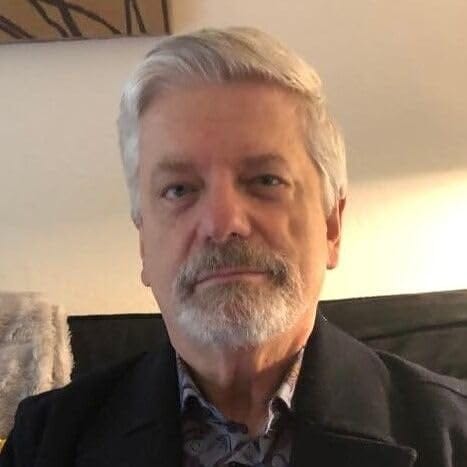
Mike Marinacci on the Hidden History of Psychedelic Churches
This is a free preview of a paid episode. To hear more, visit www.mindbodyhealthpolitics.orgMike Marinacci, author and historian, chronicles the little-known history of fringe churches and cults who pioneered psychedelic sacraments despite jail time while examining their influences on religious freedom today.
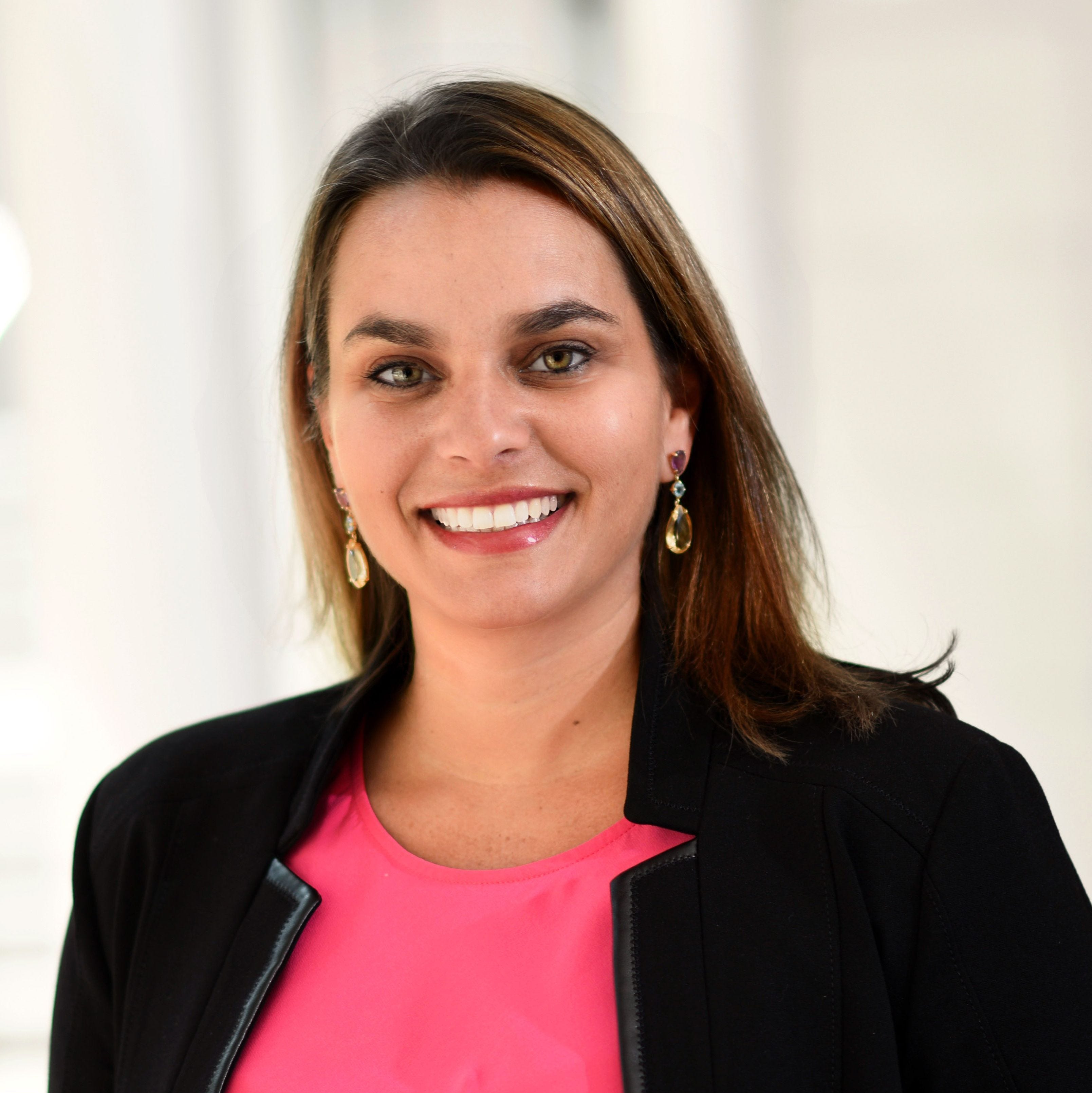
Amy McGuire on Psychedelic Medicine, Youth Mental Health, and Finding Meaning
This is a free preview of a paid episode. To hear more, visit www.mindbodyhealthpolitics.orgAmy McGuire, director of the Center for Medical Ethics and Health Policy at Baylor College of Medicine, chronicles the mental health crisis while exploring psilocybin and MDMA research into depression, PTSD, and anxiety. She traces the nuances of psychedelic legalization and medicalization.

Sean Lawlor on Psychedelic Bypassing and Confronting the Shadow Side
This is a free preview of a paid episode. To hear more, visit www.mindbodyhealthpolitics.orgSean Lawlor, psychedelic therapist and author, chronicles the concerning trend of "psychedelic bypassing" - avoiding discussion of adverse effects and unethical behavior in the name of protecting psychedelics' public image. He examines egregious examples like facilitators justifying abuse, backlash against constructive criticism, and "guru syndrome." Lawlor and Dr. Richard Miller explore the vital need for transparency regarding psychedelic risks to uphold ethics amid today's open access.

Rachel Harris, PhD: *Swimming in the Sacred*
This is a free preview of a paid episode. To hear more, visit www.mindbodyhealthpolitics.orgToday's guest Dr. Rachel Harris joins Dr. Richard Louis Miller to discuss her latest book, Swimming in the Sacred: Reclaiming the Mystical Essence of Psychedelic Therapy. They explore Rachel's interviews with elder underground psychedelic guides who have been serving plant medicines for decades.
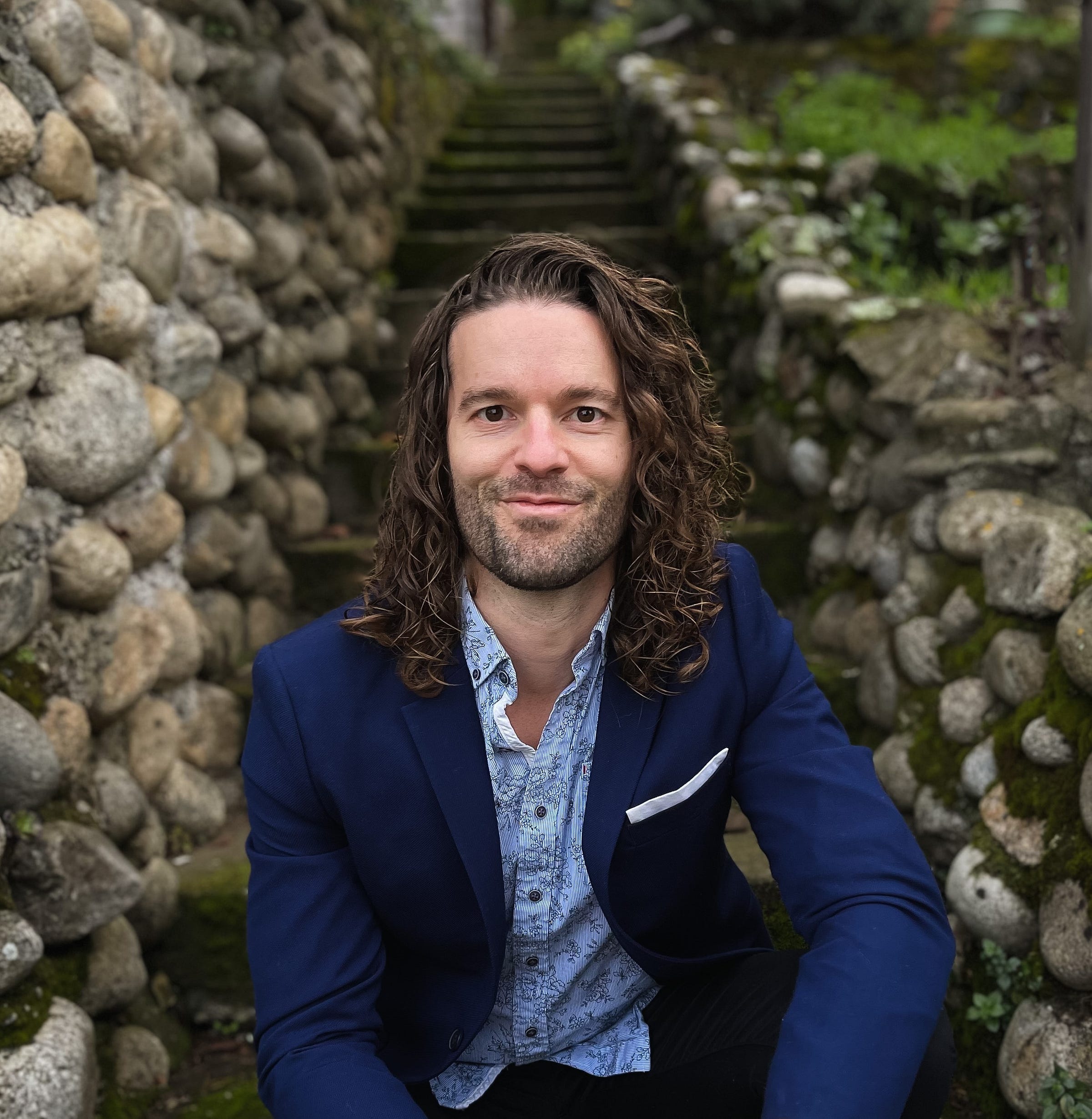
Heath Schechinger: Navigating the Realities of Consensual Non-Monogamy
This is a free preview of a paid episode. To hear more, visit www.mindbodyhealthpolitics.orgClinical psychologist Heath Scheckinger examines polyamory and consensual non-monogamy, chronicling the practical realities and ethical dilemmas in these alternative relationship styles while exploring cultural biases and the pull towards normalcy in relating.

The Overlooked Dangers of Psychedelics
This is a free preview of a paid episode. To hear more, visit www.mindbodyhealthpolitics.orgDr. Nick Cozzi, acclaimed psychopharmacologist, chronicles the overlooked physiological and psychological dangers of psychedelics like LSD, DMT, and psilocybin while exploring proper precautions for safe use.

Freedom to Explore Our Minds
This is a free preview of a paid episode. To hear more, visit www.mindbodyhealthpolitics.orgPsychiatrist Dr. Michael Mithoefer, a pioneering psychedelic therapy researcher, chronicles the dramatic effectiveness of MDMA-assisted psychotherapy for PTSD while examining the need for careful precautions to minimize adverse effects and risks. He explores integrating psychedelic medicine into mainstream practice, managing overwhelming emotions that may surface, avoiding unrealistic expectations, and fostering proper set, setting and integration.

Beyond 'Ecstasy'
This is a free preview of a paid episode. To hear more, visit www.mindbodyhealthpolitics.orgPsychiatrist Dr. Michael Mithoefer, a pioneering psychedelic therapy researcher, chronicles the dramatic effectiveness of MDMA-assisted psychotherapy for PTSD while examining the need for careful precautions to minimize adverse effects and risks. He explores integrating psychedelic medicine into mainstream practice, managing overwhelming emotions that may surface, avoiding unrealistic expectations, and fostering proper set, setting and integration.
Hacking the Fabric of Consciousness
This is a free preview of a paid episode. To hear more, visit www.mindbodyhealthpolitics.orgAndrés Gómez Emilsson of Qualia Research Institute joins us to discuss innovating at the frontiers of psychedelic science. We explore Andrés' work mathematically mapping DMT experiences and collaborating with physicists to interpret objects in psychedelic realms. Andrés also shares his research developing technology to induce therapeutic psychedelic states through sound, light and vibration. Additional topics include using meditation to cultivate well-being, engineering benevolent machine consciousness, and prescribing psychedelics to eradicate cluster headaches.
Conscious Passage: A Listener's Story of Psychedelics at Life's End
This is a free preview of a paid episode. To hear more, visit www.mindbodyhealthpolitics.orgListener John Ivey shares his wisdom facing a terminal cancer diagnosis, and how psychedelics unveil insight even at life’s end. With poise and courage, John discusses embracing impermanence consciously with plant medicines’ aid, not numbing his final days. He reflects on healing our planet and ourselves, our shared karma, and psychedelics as a catalyst for creativity amid declining health. John inspires by exemplifying responsibility for spiritual unfolding in living and dying, not relinquishing control. His moving story offers hope that psychedelics can provide a lucid, gracious passage.

The 10 Radical Principles of Burning Man
This is a free preview of a paid episode. To hear more, visit www.mindbodyhealthpolitics.orgIn this episode, Dr. Richard Louis Miller interviews Marian Goodell, CEO of Burning Man, about the history and principles of the iconic cultural event. Goodell discusses the origins of Burning Man as a solstice bonfire ritual on a San Francisco beach, and how it has evolved into a global movement centered around radical inclusion, gifting, and communal effort. She also talks about the challenges of maintaining Burning Man's ethos in the face of commercialization and political polarization, and how the organization aims to inspire positive social and cultural change through its principles. This episode offers a fascinating insight into the philosophy and culture of one of the world's most unique and influential events.

Psychedelic Safety Protocols
This is a free preview of a paid episode. To hear more, visit www.mindbodyhealthpolitics.orgIn this episode, Dr. Richard Louis Miller speaks with returning guest Dennis McKenna, an ethnobotanist who is working to digitize and preserve indigenous plant knowledge from the Amazon. They have an in-depth conversation about the potential adverse effects of psychedelics - emotional, physiological, and relating to boundaries/ethics. Topics include how set, setting, preparation, and integration influence the psychedelic experience and minimize risks. Other themes include reality-checking insights, persisting perceptual effects, appropriate therapist boundaries, assessing risks versus benefits, and societal views on trauma and sexuality.Overall the episode covers how psychedelics can catalyze change and growth, but also the importance of safe, structured use and integration. Dennis shares insights from decades of research to paint a full picture of psychedelics.
'Don't Hold it Alone'
This is a free preview of a paid episode. To hear more, visit www.mindbodyhealthpolitics.org"Nature will be just fine. This is about saving us and our relationship with nature." - Tony LaiHow Tony Lai came to discover Gross National Happiness and the rights of nature movements.The importance of shaping laws to promote values that will enable nature to thrive and flourish.The stages of legibility in the legal system and what giving agency means.Recognizing that nature will be just fine, and that saving nature is about saving us and our relationship with it.The revolution in value and the potential for regenerative finance, law, and governance.The importance of participatory processes and building intentional communities.Tony Lai's experience living in the Embassy Network and experimenting with different governance systems.The potential of AI and large language learning models to foster greater understanding among peoples.
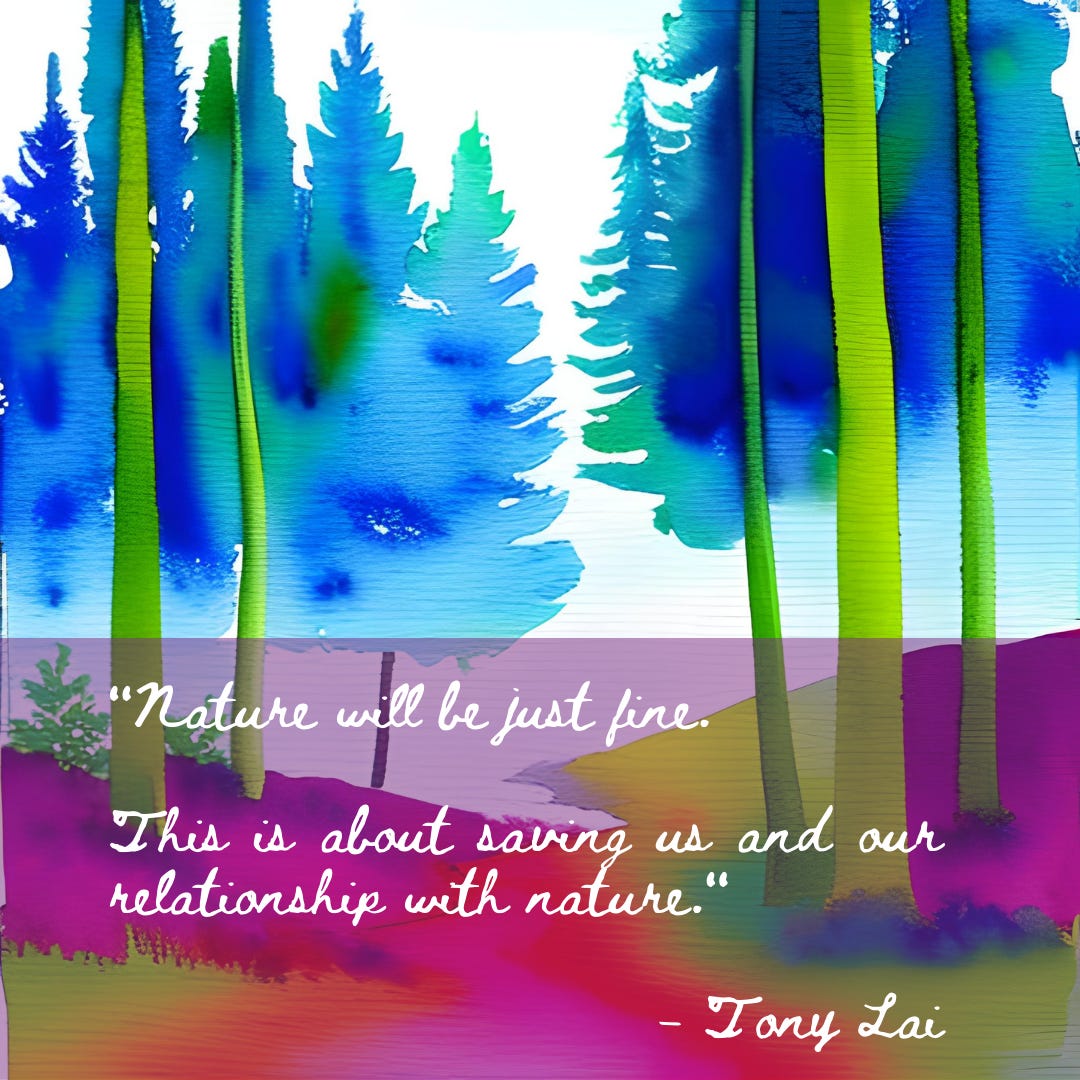
Stepping into the Unknown
"Nature will be just fine. This is about saving us and our relationship with nature." - Tony LaiHow Tony Lai came to discover Gross National Happiness and the rights of nature movements.The importance of shaping laws to promote values that will enable nature to thrive and flourish.The stages of legibility in the legal system and what giving agency means.Recognizing that nature will be just fine, and that saving nature is about saving us and our relationship with it.The revolution in value and the potential for regenerative finance, law, and governance.The importance of participatory processes and building intentional communities.Tony Lai's experience living in the Embassy Network and experimenting with different governance systems.The potential of AI and large language learning models to foster greater understanding among peoples. This is a public episode. If you'd like to discuss this with other subscribers or get access to bonus episodes, visit www.mindbodyhealthpolitics.org/subscribe
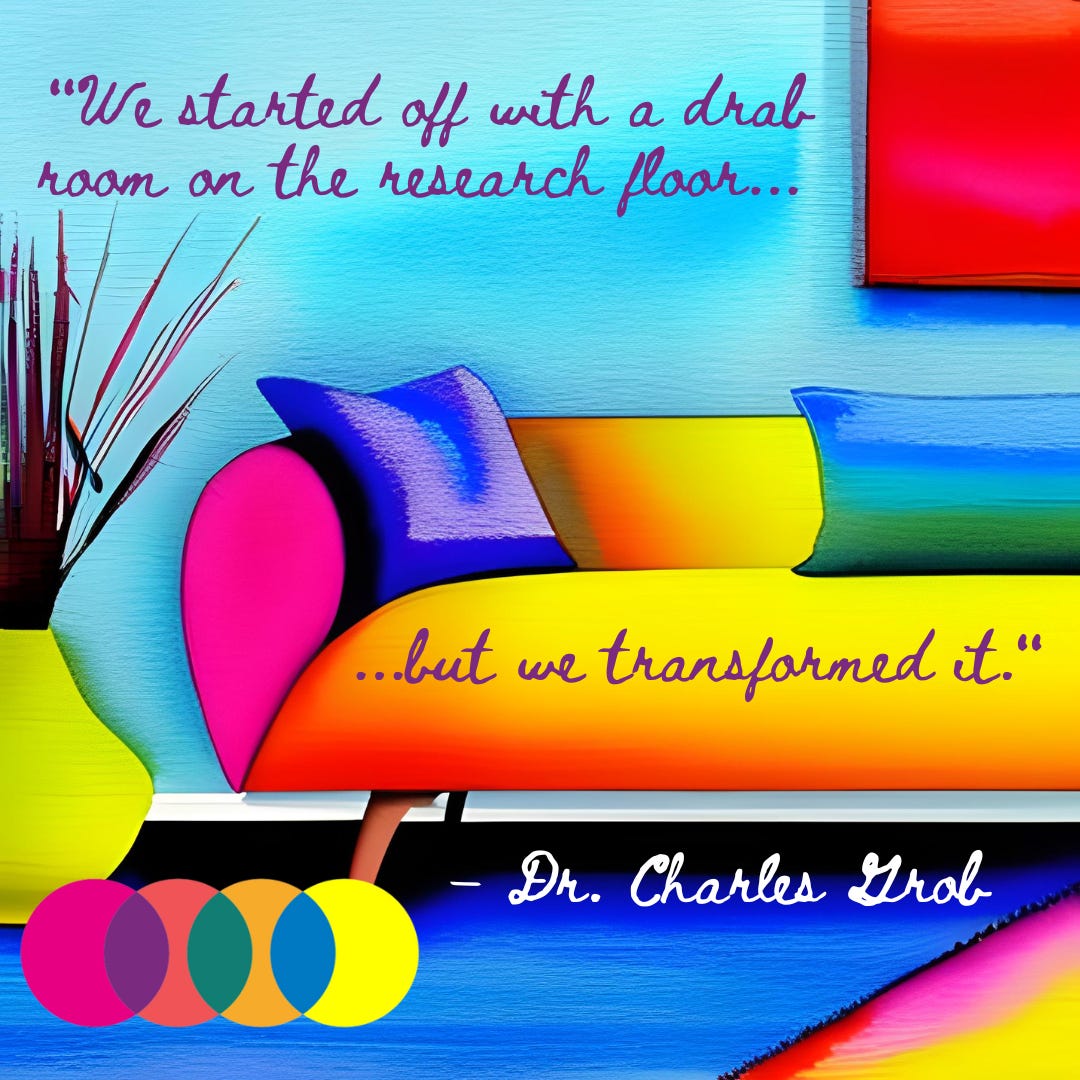
Exploring the Potential of Psychedelic Therapy with Dr. Charles Grob
This is a free preview of a paid episode. To hear more, visit www.mindbodyhealthpolitics.orgDear listeners,This week, I am attending the historic MAPS psychedelic science conference in Denver—along with my guest, UCLA psychiatrist and psychedelic researcher Charles Grob. Thanks to the research of pioneers like Grob, we are winning hearts and minds in the mainstream. Nixon’s failed War on Drugs appears ending. On Thursday, June 22, at 12 pm MT, I will take to the Rick Doblin stage to announce a nationwide campaign to decriminalize psychedelics locally. I believe that these medicines have the potential to boost morale in depressed areas like my own home town of Ft. Bragg, which is why I have begun my efforts there. We appear to be succeeding, based on the positive response by city officials and local media.But the fight continues on several new fronts. First, new industries emerging where psychedelics are legal see unethical actors—unqualified “therapists” and profit-driven pharmaceutical companies. As Dr. Grob reminds us in this week’s interview, we need oversight.We are also hearing more stories of adverse effects in vulnerable groups. We lack data—both scientific and anecdotal. I’m soliciting stories of negative experiences for my forthcoming series, and invite you to share yours.Yet despite risks and adverse effects, we must continue to expand access. Criminalization prevents honest, law-abiding citizens from accessing these profound tools. With open yet responsible guidance, psychedelics’ healing promise can be fulfilled.These treatments aren’t for everyone; we need more trained professionals and standards for guides—whether from government or private certifying bodies. But above all, we need open and honest discussion. I aim to provide transparent information. Toward this end, I will soon be making my transcripts and videos accessible to all subscribers. If you are a paid subscriber, I would like your input on what kind of premium/exclusive content you would like me and my team to produce. Please email my producer your suggestions at [email protected] with your ideas. Golden light,Dr. Richard L. MillerKey Takeaways:* Dr. Charles Grob's research has focused on end-of-life care, building upon the work of researchers from previous generations, such as Stan Grof.* Psychedelic research still faces regulatory hurdles and needs further study.* Eric Kast learned in the 1960s that set and setting were crucial for optimizing outcomes and minimizing harm.* Diversity and inclusion are crucial for ethical research.* For-profit companies may prioritize profits over patients, so government oversight is needed to balance commercial interests with public health.* Trained health professionals are preferred to ensure safety.* Close screening and monitoring are needed to minimize risks, especially for vulnerable groups.* With care and responsibility, psychedelic tools may help revive well-being and human connection in times of deepest despair.Links and references:* Psychedelic Wisdom* MAPS psychedelic science conference* Charles Grob* Stan GrofThe podcast and abbreviated notes are always freely available thanks to our paid subscribers. Please share this post to show your support for transparency.The following article distills the key points from this show into a condensed form. Consider becoming a paid subscriber to access the full transcripts, and support our broadcast.The therapeutic potential of psychedelicsNew studies on psilocybin and MDMA have shown promising results for applications such as end-of-life care and the treatment of anxiety and depression, including the work of my most recent guest, Dr. Charles Grob of UCLA medical school.Much of Dr. Grob’s seminal research has focused on end-of-life care, building upon the work of researchers from previous generations, such as Stan Grof.Dr. Grob points out that “the use of a psychedelic treatment model for people experiencing significant anxiety approaching the end of life really started in the early 1960s.”One pioneer was Eric Kast, a physician in Chicago, who obtained LSD from Sandoz Pharmaceuticals to treat chronic pain and anxiety in terminally-ill patients. Kast learned that set and setting were crucial for optimizing outcomes and minimizing harm. Set refers to a person’s mindset and intention. Setting refers to the environment and conditions.“Kast understood how to safely administer the drug. He treated many patients with chronic pain and found impressive results, including reduced pain, less anxiety, and improved quality of life.”While promising, psychedelic research still faces regulatory hurdles and needs further study. As Grob told me, “The D.E.A. has strict rules for studying Schedule 1 drugs.”Researchers follow strict protocols to obtain and store substances like psilocybin and MDMA. Grob said he hopes that “the government creates funding and oversight for optimal safety.”More research is also needed to understand benefits and risks, especi

Everything is as it should be.
As a clinical psychologist for over 50 years, I’ve heard and witnessed many stories of transformation. Few are as remarkable as that of Hunt Priest, an Episcopal priest I interviewed for my series on psychedelic-assisted therapy for end of life distress.“My mother’s maiden name was Bishop,” Priest told me with a wry smile.Between that and his last name, it seems God may have been trying to tell him something about his vocation.However, Priest found his priestly calling relatively late, entering seminary in his late 30s. It was not until his 50s that he experienced a radical transformation of mind, body, and spirit through psychedelics.In 2016, at age 52, Priest volunteered for a Johns Hopkins study exploring the effects of psilocybin on religious professionals.“I was psychedelically naive,” he admitted, noting that he had been scared of LSD as a youth. “The 60s passed me by.”Lying on a couch, staring at an egg-shell colored ceiling, Priest felt first discomfort, then a familiar “electrical current” in his thigh—recalling a feeling he had experienced during an intense, 5-day meditation retreat the year before. His guides in the study had laid hands on him, invoking a flood of electricity that seared through his body.“There was a blockage, a backlog of stuck energy in my throat, like a bottleneck in the system,” he said.The electrification intensified when they put their hands on his head and feet. Then the current broke through a blockage in his throat.“When it broke open, I started speaking in tongues. The sounds just poured out of me.”Speaking in tongues, Priest notes, is “A very Christian, Pentecostal experience,” but unusual in his own Episcopal Church.He felt bathed in love and connection. In that liminal space, Priest glimpsed the nature of healing and energy transference activated in the ritual of prayer.“So much of what I’d learned in seminary and talked about as a priest, I knew was real,” he said. “What happens when we pray with people and lay hands on them - that transfer of energy - it’s real.”For Priest, the experience affirmed his faith in the endless mystery of the divine. At the same time, it shattered previous notions about who God is.He emerged with eyes opened to the greater cosmos within - and all around us - murmuring the one truth his heart had always known: “Everything is okay. Everything is as it should be.”I was struck by how this unassuming priest found solace in the spaces between church doctrine and radical openness that many never dare explore. His story highlights our shared longing for transcendence and healing in a crisis of modern spirituality.More than that, it highlights our human need for guides on the path—someone walking ahead, lighting the way through darkness. For Hunt Priest, that light led to places far beyond what he ever imagined.Read on our listen to hear the full story.Golden light,Dr. Richard L. MillerShow notes:* How Hunt came to discover psychedelics. 9:59* Hunt participated in a research project with religious professionals, and was required to be "psychedelically naive".* He received a capsule of psilocybin as part of the study and had a religious experience.* The power of psychedelics. 11:53* Hunt describes his experience as "very religious" and "very embodied".* He had an experience of electrical current in his left thigh during a meditation retreat that was connected to his psilocybin experience.* The importance of good healthy religion. 15:23* Hunt believes that good healthy religion is about "story, myth, ritual, community".* He emphasizes the importance of spiritual exploration.* The importance of inclusion and cooperation among religions. 26:35* Hunt believes that the church can be a resource for people.* He emphasizes the importance of inclusion and cooperation among different world religions.* The role of psychedelics in end-of-life care. 45:21* Hunt discusses his vision for the use of psilocybin in end-of-life care.* He believes that hospice is not a peaceful, holy death.* Questioning pre-modern understanding of the cosmos. 38:50* Hunt questions pre-modern understanding of the cosmos.* He believes that the fear of dying is foundational and that the church is to be blamed for it.Links and references:* Psychedelic Wisdom* LigareThe podcast and articles are always freely available thanks to our paid subscribers. Please share this post to show your support for transparency. The following article distills the key points from this show into a condensed form.Mind Body Health & Politics is a reader-supported publication. To receive new posts and support my broadcast, consider becoming a free or paid subscriber.The Radical Calling of Hunt PriestHunt Priest never imagined that he would embark on a radical new calling in his mid-50s."I would never have thought I'd be doing what I'm doing right now, even 10 years ago," he said.Quitting a stable job as rector of a parish church, he founded Ligare, a Christian psychedelic society, to share the lessons of his own
From Taboo to Transformation: How Psychedelic Societies Are Shifting the Narrative Globally
Dear listeners,For decades, psychedelics were taboo—demonized and pushed into the shadows by misguided policies. Though I began hosting radio programs on psychedelic science as early as 2005, at the time I felt largely alone in my advocacy.Just before one of my shows, as my guest—medical anthropologist Marcia Rosenbaum—and I prepared to discuss harm reduction on-air, my producer looked up at me and said that the White House was on the line.The White House? What could they want?It turned out the Drug Czar himself wanted to argue against our stance. It was too late to include him as a panelist on the show, but he called in nonetheless. His interruption illustrated how desperately the government has clung to control of the narrative, monitoring even small forums, like my local public radio broadcast, for dissent.Almost 20 years later, their grip is slipping. Prominent voices are coming out of the "psychedelic closet," recognizing these substances as tools for expanding human potential rather than threats.The Global Psychedelic Society (GPS), a decentralized network connecting the leaders of Psychedelic Societies around the world to educate the public on benefits and risks of psychedelic medicines, promoting responsible use over fearmongering. I recently interviewed the Society’s founder, Mike Margolies, and Director, Jessica ‘Jaz’ Cadoch about the important work. I’m excited to be partnering with the GPS, to bring visibility and resources to local psychedelic communities worldwide. I will be raising awareness about the fundraising efforts to provide training for community catalysts in this emerging space, and they will be connecting me with the dozens (if not hundreds) of global psychedelic societies across the globe as part of my comprehensive effort to document the potential adverse effects of psychedelic medicines. In my view, this is how we win the war—through community, transparency, and ultimately, cultural change.Together we'll help people find the support I lacked when starting out. If you are likewise looking to “find the others,” please consider making a donation of the GPS Fund.Golden light,Dr. Richard L. MillerShow notes:* Intro to Mind Body Health and Politics. (0:00)* Psychiatrists vs. Psychedelic Communities. (4:59)* How did Mike and Jaz get into psychedelic community activism? (11:00)* The problem with charging money for education. (20:26)* Dealing with burnout in the psychedelic space. (24:43)* The seven laws of money. (30:29)* Questions about the business model of the Psychedelic Association. (34:47)* Book on psychedelics and the adverse effects. (42:24)* Why are psychedelics banned in other countries? (46:16)* Jaz’s offer of help. (53:34)* How to get involved in politics (58:31)* Anyone can grow mushrooms in their house. (1:06:45)Links and references:* Psychedelic Wisdom* The Global Psychedelic Society* GPS Fund* Psychedelic SeminarsThe podcast and abbreviated notes are always freely available thanks to our paid subscribers. Please share this post to show your support for transparency.The following article distills the key points from this show into a condensed form. Consider becoming a paid subscriber to access these full articles weekly, and support our broadcast.A Global Shift: Regulation, Decriminalization and Cultural ChangeThe soul of the psychedelic societies movement is a belief in our right to change our consciousness—freely and safely. Though once taboo, psychedelics are now transforming medicine and culture. Some countries are even decriminalizing personal use while regulating medical access.I saw glimmers of this openness firsthand on a trip to Israel many years ago with MAPS founder Rick Doblin. There, we met with top scientists and public figures, including Supreme Court members, who were interested in the potential to use MDMA for PTSD in their traumatized soldiers. Despite their keen interest, they feared retaliation from the United States if they didn't comply with our global War on Drugs. Racist policies from decades past still wield control, limiting access to healing.Yet the pillars of science, medicine, and society are aligning. By coming out of hiding and raising our voices, we make truth and justice inevitable.While psychedelics hold promise to heal individuals and society, some fear the movement's soul risks being lost to commercialization and controversy. As Mike Margolies, co-founder of the Global Psychedelic Society, told me recently, "If I think about the psychedelic future that I want to see, what's the first touch point someone should have? I think it's in community."Margolies is a psychedelic community catalyst and conversation creator, who has worked full-time in psychedelic education and community building since 2015, when he founded Psychedelic Seminars, an events and media platform for nuanced, open and honest conversations. On the PsychSems stage, he has interviewed and featured a range of leaders including Michael Pollan, Johns Hopkins researchers, advoca

Dr. George Greer on the Promise and Peril of Psychedelic Medicine
This is a free preview of a paid episode. To hear more, visit www.mindbodyhealthpolitics.orgShow Notes:* Dr. George Greer talks about the most interesting and important thing happening in the psychedelic world right now: the Bipartisan Congressional Psychedelics Advancing Therapies (PATH) Caucus. This caucus aims to pass legislation for a carve-out from the NIH budget to support psychedelic research. (03:46)* Dr. Greer shares his pioneering research on MDMA-assisted couples therapy, which yielded insights and strengthened relationships with minimal side-effects. (07:00)* Dr. Greer emphasizes the importance of mindset, setting, and therapy in achieving positive outcomes from psychedelic experiences. (12:30)* Dr. Greer explains the difference between psychedelic and psycholytic therapy. (12:30)* Dr. Greer talks about the risks and benefits of using psychedelics as a catalyst for growth and healing. (12:30)* Dr. Greer stresses the importance of responsible use of psychedelics, including screening, preparation, and integration, to minimize harm and maximize benefit. (12:30)* Dr. Greer talks about the potential unwanted psychological complications of psychedelic therapy, including psychosis and trauma. (12:30)* Dr. Greer discusses the challenges of funding psychedelic research and the need for responsible guidance to realize the promise of this field. (12:30)Links and Resources* Heffter Research Institute* Bipartisan Congressional Psychedelics Advancing Therapies Caucus* MDMA Studies for PTSD Treatment (Multidisciplinary Association for Psychedelic Studies)* Apollo Pact* NYU Psilocybin Cancer Anxiety StudyJohns Hopkins Psilocybin Research:* Mount Sinai Medicine PTSD Research

Psychedelic Sexuality
This is a free preview of a paid episode. To hear more, visit www.mindbodyhealthpolitics.orgDear listeners,Why is that conversations about the most important issues are always the hardest to have? Why do we struggle to have meaningful heart-to-hearts with our loved ones about life and death, pleasure and pain, sexuality and psychedelic medicines?In my own life, I’ve tried to be as open about these topics as possible, but I’ve often encountered resistance – both internal and external. Every once in a while, however, I find someone who is so open and honest in their manner of speaking that even I am caught off guard as I’m drawn into new depths of awareness about myself and my relationships with other people. This week’s episode features that kind of conversation.Leslie Grace, RN, is a transformational coach and psychedelic integration guide who works with leaders, entrepreneurs, and visionaries to unlock their life force so they can become powerful, inspired agents of change. Her work incorporates psychedelic healing, Hakomi somatic therapy, and conscious sexuality practices and is informed by her background in Vajrayana Tibetan Buddhism. Leslie gratefully escaped her Catholic upbringing and former career as a Registered Nurse in end-of-life care to be drawn into the world of plant medicine and has never looked back. With 15 years of intentional psychedelic exploration, her primary authority is her own intuition. She lives in the San Francisco Bay Area and offers both private and group transformational containers. Expand your possibilities by getting in touch at [email protected] interview covers a range of fascinating topics, from hospice work and end-of-life transitions to tantric education and psychedelic sexuality.Grace shares her personal experiences and insights on approaching death with open arms, the power of sexual energy, and the journey to sexual empowerment. She also teaches us about a practice called the “Five Minute Game,” which you will want to try with your partner as a way of unlocking new levels of sexual pleasure.Don’t miss this episode, and join our tribe of premium subscribers if you would prefer to read the transcript.Golden light,Dr. Richard L. Miller The podcast and abbreviated notes are always freely available thanks to our paid subscribers. Please share this post to show your support for transparency.Links and references:* Connect with Leslie Grace: Facebook / Instagram / Email* Hakomi Institute* SAGE Institute* Integral Psychedelic Therapy: The Non-Ordinary Art of Psychospiritual HealingSummaryIntroduction Democracy and Republic00:00:00 - The importance of maintaining awareness and the right to vote for the preservation of democracy and republic.Hospice Work00:03:35 - Introduction of Leslie Grace and her multiple roles, including being a nurse and hospice worker, and in helping people transition.00:10:28 - Leslie's experience with a patient who wanted a shaman from an ayahuasca circle to come and help him transition.00:11:42 - The importance of making peace with family and loved ones and approaching death with open arms.00:12:46 - Leslie's experience with a patient who had a peaceful and elegant transition.00:14:23 - The use of morphine to help patients relax into the experience.Tantric Education00:15:57 - Leslie's personal story of her quarter life crisis and her journey to becoming a tantric educator.Hands-On Teaching of Sexuality00:31:27 - Leslie Grace describes hands-on teaching of sexuality and her experience with tantric massage.Repression of Sexuality00:41:04 - Leslie Grace talks about the repression of sexuality by religion, specifically Catholicism, and her personal journey to unravel her relationship with the church and allow herself to be more expressed.00:42:34 - Dr. Miller discusses his theory on penetration and dominance in sexual intercourse; Leslie Grace responds and discusses conscious sexuality.Adverse Effects and Safety00:50:44 - Discussion on psychedelic medicine and Leslie Grace's work as a psychedelic guide; Dr. Miller asks about adverse effects and checklists for vetting clients.01:01:51 - Discussion on different types of psychedelic therapeutic experiences and which medicines are being used predominantly.Seeking Psychedelic Testimonials: The Good, the Bad, and the Ugly.We are currently looking for first-hand accounts of adverse effects of psychedelics—from ‘bad trips,’ to unwanted physiological complications, to abusive practices by guides, therapists, and shamans.The interviews from this series will go into a forthcoming book on the topic—perhaps the first book its kind.Please contact me if you would like to be interviewed.Mind Body Health & Politics is a reader-supported publication. To receive new posts and support my work, consider becoming a free or paid subscriber.TranscriptWithin the below transcript, the bolded text is Dr. Richard L. Miller, and the regular text is Leslie Grace. Edited transcript provided by Vergili.us – the podcast →

One billion anxious and depressed individuals
This is a free preview of a paid episode. To hear more, visit www.mindbodyhealthpolitics.orgDear listeners,Did you know that an estimated one billion people around the world suffer from some form of mental health issue? Who among us believes that our current system for treating such widespread anxiety and depression is adequate?Whenever I openly discuss psychedelic medicines with my guests on this broadcast, I am taking a risk. However, I believe it is important to shed as much light on this topic as possible, rather than keeping people in the dark about their healing potential—or the potential harms when taken by the wrong people or in the wrong ways.My guest this week, Neil Gehani, contacted the show after reading our newsletter announcement seeking people who had profound psychedelic healing experiences. We must include the usual disclaimer that we do not endorse any illegal experimentation. Instead, we aim to become a node in a broader network that shares information so that the public can make informed decisions."If you are always craving and always avoiding, you will never be able to enjoy and be present in the moment." - Neil Gehani Neil is a first-generation Indian immigrant who came to the United States at the age of 16. He grew up in India, where he attended a military boarding school beginning at the age of 4 and a half. He earned his engineering and MBA degrees in Ohio, and soon after moved to California to work in the technology sector. Over the past 15 years, he has been a software engineer and product management leader, holding three Head of Product positions and founding two companies.In recent years, he has focused on mental health due to his own personal journey and the numerous challenges he faced while seeking help. He is now building MindLumen (mindlumen.xyz), which aims to democratize safe access to ethical care. Psychedelic-assisted therapy changed his life, and he wants to use his skills and experience to help others navigate the complex process safely. Neil has moderated panels, spoken publicly, and is involved in policy work to decriminalize psychedelics everywhere.Neil invites our listeners to connect with him on LinkedIn.We too invite our listeners to connect with us by email or social media, to assist in our ongoing efforts to enlighten the public – including information on the adverse effects of psychedelics. That is the subject of our forthcoming series, and will be the topic of my next book.Please, don’t be a stranger. Reply to this email if you have a story to share, or know someone who may be interested in participating in this series of interviews.Golden light,Dr. Richard L. MillerThe podcast and abbreviated notes are always freely available thanks to our paid subscribers. Please share this post to show your support for transparency.Show notes:* How Neil’s first psychedelic experience with MDA in 2017 transformed his way of thinking and relating to other people.* Neil’s journeys with high doses of various substances, including MDMA, Psilocybin and LSD.* What inspired Neil to create the MindLumen platform, and the mission of helping others navigate a complex process.* to help people suffering from mental health issues and anxiety to experience the therapeutic benefits of psychedelics.* Why living in the present moment is key to enjoying life.Links and references:* linkedin.com/in/gehanineil* twitter: @mindlumen* MindlumenSeeking Psychedelic Testimonials: The Good, the Bad, and the Ugly.We are currently looking for first-hand accounts of adverse effects of psychedelics—from ‘bad trips,’ to unwanted physiological complications, to abusive practices by guides, therapists, and shamans.The interviews from this series will go into a forthcoming book on the topic—perhaps the first book its kind.Please contact me if you would like to be interviewed.Mind Body Health & Politics is a reader-supported publication. To receive new posts and support my work, consider becoming a free or paid subscriber.TranscriptDr. Richard L. Miller (00:15): Today, we are honored to have Neil Gehani with us. He contacted us after reading our newsletter, where we were looking for people who have had psychedelic experiences that have made profound changes in their lives. Welcome to Mind Body, Health and Politics, Neil.Neil Gehani (03:10): Thank you. Thank you, Richard, for having me here.Dr. Richard L. Miller (03:13): Neil, you came over to this country from India when you were, what, four and a half years old?Neil Gehani (03:22): Well, I was actually in India. I was sent to India at a military boarding school. At four and a half I was handed off to a flight attendant and they took care of me and dropped me off to my uncles in Mumbai. And then he dropped me off in a train and I was picked up by somebody, some strangers in Puna, and that's where I went to school. So I didn't see my family for nine months out of a year from the time I was four and a half till the time I graduated high school. I came to this c
The Good, the Bad & the Ugly of Psychedelics
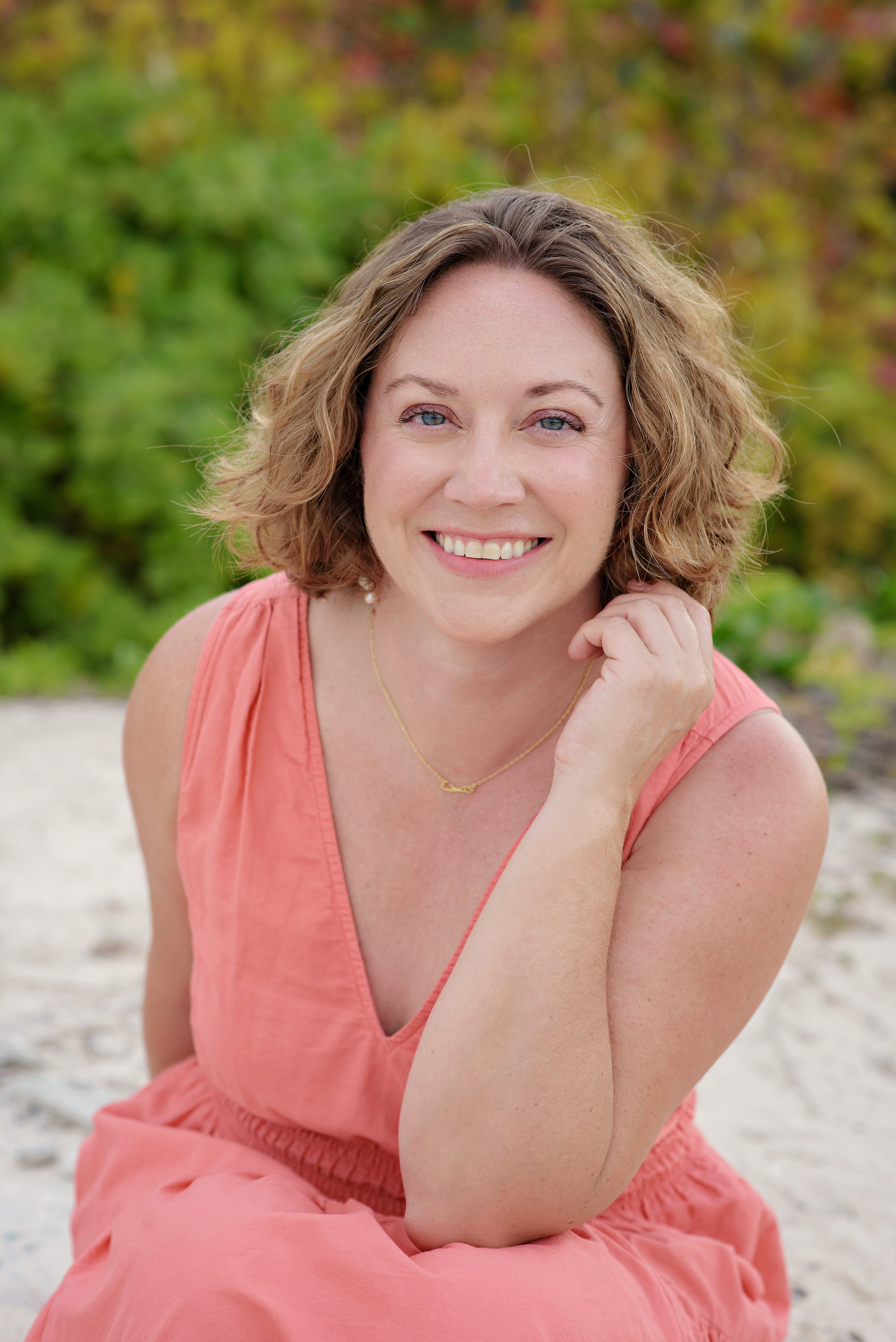
This is a free preview of a paid episode. To hear more, visit www.mindbodyhealthpolitics.orgAre you curious about the potential benefits and risks of using psychedelics in therapy, creativity, and personal development? Dennis McKenna, a renowned ethnopharmacologist and expert in psychedelic medicine, returns to our podcast to explore this fascinating and complex topic.Psychedelics have been used for centuries in traditional healing practices around the world, but their modern resurgence has brought both excitement and concern. Research suggests that they may hold promise for treating a range of mental health conditions, such as depression, anxiety, and PTSD, as well as for enhancing creativity and spiritual experiences. However, their use also carries risks, and much remains unknown about their long-term effects and optimal dosing and administration.In this episode, Dennis McKenna draws on his extensive experience and knowledge to provide a nuanced and informative discussion on the therapeutic and creative potential of psychedelics. Whether you are a seasoned user or a curious skeptic, this episode will expand your understanding and appreciation of the power of psychedelic medicines.“And there is no such thing as a bad trip.”Dennis McKenna has conducted research in ethnopharmacology for over 45 years. His research has been focused on the interdisciplinary study of Amazonian ethnopharmacology, primarily in the Peruvian Amazon. His doctoral research (University of British Columbia,1984) investigated the comparative ethnopharmacology of ayahuasca and oo-koo-he, two tryptamine-based hallucinogens used by indigenous peoples in the Northwest Amazon.He is a founding board member of the Heffter Research Institute and was a key investigator on the Hoasca Project, the first biomedical investigation of ayahuasca. He was part of the original Scientific Strategy Team at Shaman Pharmaceuticals in the early 90s. He is the younger brother of Terence McKenna. From 2000 to 2017, he taught courses on Ethnopharmacology and Plants in Human affairs as an adjunct Assistant Professor in the Center for Spirituality and Healing at the University of Minnesota. In the spring of 2019, in collaboration with colleagues in Canada and the US, he incorporated a new non-profit, the McKenna Academy of Natural Philosophy. In collaboration with colleagues he organio landmark conferences in 2017 and 2022, the Ethnopharmacologic Search for Psychoactive Drugs (see ESPD50.com and ESPD55.com) He emigrated to Canada in the spring of 2019 together with his wife Sheila, and now resides in Abbotsford B.C.Show notes:* Protecting our democracy* Psychedelics are catalysts for challenging our assumptions* Integration is a crucial part to healing* Are people dying from psychedelics?* How entheogens were discovered* Albert Hoffman discovering LSD* Is microdosing effective or a placebo?* Experimenting with psychedelics* The risk in taking these medicines* Could psychedelics give us an internal focus of the mind?Links and references:* Psychedelic Wisdom* Psychedelic Medicine* The Secret Chief Revealed* Brotherhood of the Screaming Abyss* ESPD55.comWant the episode transcript and video? Join our Tribe!Mind Body Health & Politics is a reader-supported publication. To receive new posts and support my work, consider becoming a free or paid subscriber.
Rocking the Counterculture Movement
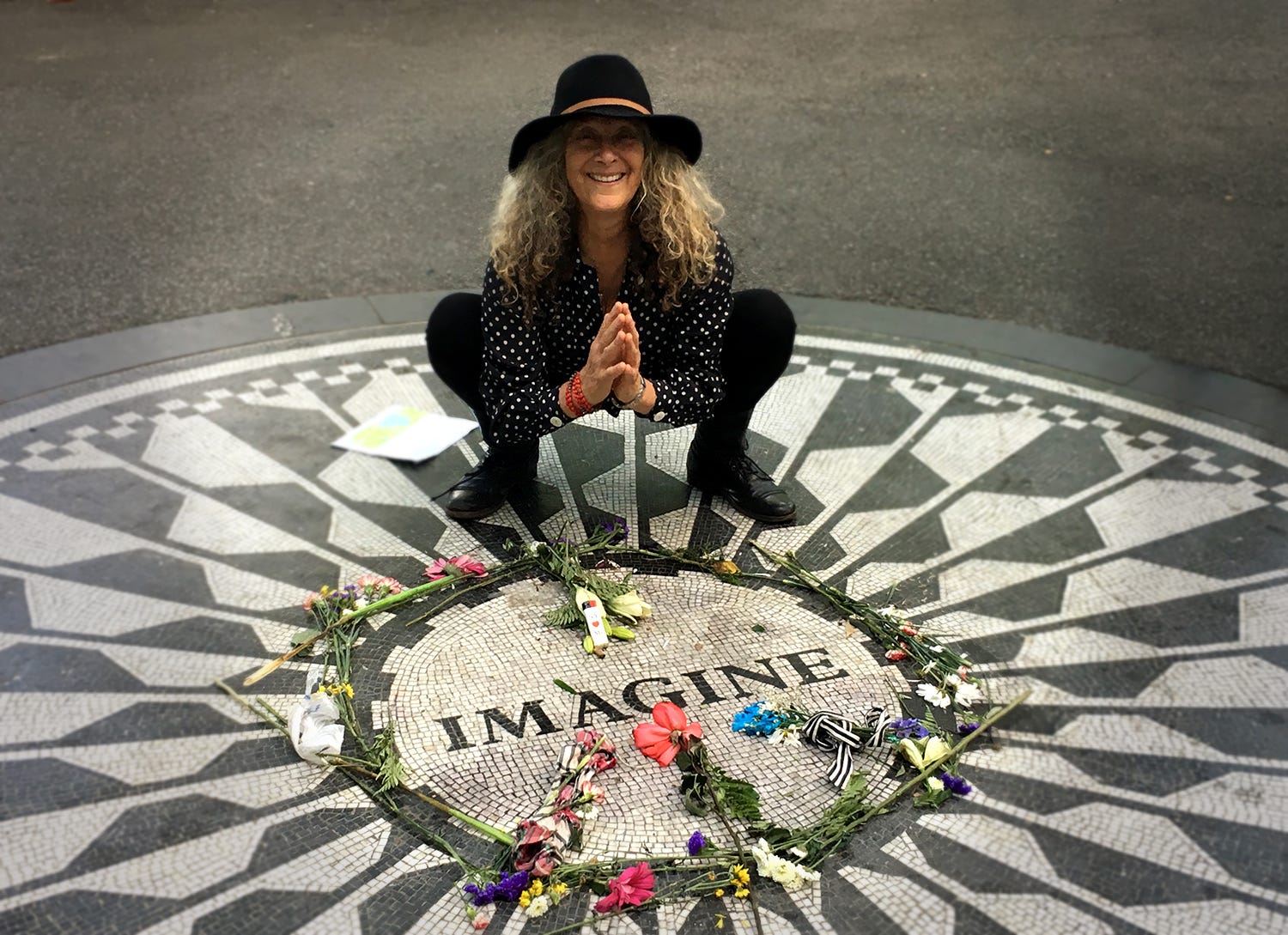
Get ready to go on a wild ride with Denise Kaufman, a social justice activist, musician, and yoga teacher, as she takes us back to the counterculture movement of the 1960s and 70s. From her involvement in the free speech movement at UC Berkeley to her time with the notorious Merry Pranksters, Kaufman shares personal stories that will leave you spellbound. But that's not all! Kaufman also reveals the secret to a healthy spine and shares simple exercises that can alleviate back pain. This episode of "Mind Body, Health and Politics" is not one to be missed. Tune in for a captivating conversation about movement, social activism, and leading by example."I was having deep experiences of connecting to a oneness that was so much deeper and more potent than anything I had ever experienced before."Denise Kaufman: a true renaissance woman and an original member of the Bay Area psychedelic rock scene in the '60s. Born in San Francisco in 1946, Denise has had an adventurous and exploratory approach to life, dedicating herself to social justice causes and counterculture experiences from a young age. Her journey includes being arrested during the Free Speech Movement, touring with Ken Kesey and the Merry Pranksters, and founding San Francisco's OG all-girl band, the Ace of Cups, who opened for musical icons like Jimi Hendrix, The Band, and Janis Joplin.Denise's commitment to community and spirituality also extends to her work as a trained yoga teacher, whose students have included Madonna, Sting, Kareem Abdul-Jabbar, Quincy Jones, and Jane Fonda. Her teachings focus on slow, deep stretching practices that encourage mobility, fluidity, and an expansive, open spirit.In recent years, the Ace of Cups reunited and released three new albums that have garnered critical acclaim from Rolling Stone, Billboard, and NPR All Things Considered, among others. Denise's passion for music, yoga, and organic farming has led her to divide her time between Venice Beach and Kauai, where her family runs a small organic farm. At 76 years old, Denise continues to learn, channel inspiration, and connect with those around her, embodying the free-spirited, community-oriented ethos of the counterculture movement she helped shape.Show notes:* The free speech movement, LSD, and the Merry Pranksters* Life on the Merry Pranksters bus* Kool-aid Acid Tests and their influence on the evolution of rock concerts* Exploring consciousness without psychedelics* Getting committed and playing music* The all-girl rock band The Ace of Cups* Denise’s little slice of heaven* Making choices that do less harm to your body* The importance of mobility and stretching* Got back pain? Try yoga!Links and references:* Psychedelic Wisdom* Psychedelic Medicine* Walk the Walk USA* On the Road* Grace Beats Karma* Squat EverywhereWant the episode transcript and video? Join our Tribe! This is a public episode. If you'd like to discuss this with other subscribers or get access to bonus episodes, visit www.mindbodyhealthpolitics.org/subscribe

Psychedelic Safety and Self-Experimentation with Dennis McKenna and Dr. Richard L. Miller
Are you curious about the potential benefits and risks of using psychedelics in therapy, creativity, and personal development? Dennis McKenna, a renowned ethnopharmacologist and expert in psychedelic medicine, returns to our podcast to explore this fascinating and complex topic.Psychedelics have been used for centuries in traditional healing practices around the world, but their modern resurgence has brought both excitement and concern. Research suggests that they may hold promise for treating a range of mental health conditions, such as depression, anxiety, and PTSD, as well as for enhancing creativity and spiritual experiences. However, their use also carries risks, and much remains unknown about their long-term effects and optimal dosing and administration.In this episode, Dennis McKenna draws on his extensive experience and knowledge to provide a nuanced and informative discussion on the therapeutic and creative potential of psychedelics. Whether you are a seasoned user or a curious skeptic, this episode will expand your understanding and appreciation of the power of psychedelic medicines.“And there is no such thing as a bad trip.”Dennis McKenna has conducted research in ethnopharmacology for over 45 years. His research has been focused on the interdisciplinary study of Amazonian ethnopharmacology, primarily in the Peruvian Amazon. His doctoral research (University of British Columbia,1984) investigated the comparative ethnopharmacology of ayahuasca and oo-koo-he, two tryptamine-based hallucinogens used by indigenous peoples in the Northwest Amazon.He is a founding board member of the Heffter Research Institute and was a key investigator on the Hoasca Project, the first biomedical investigation of ayahuasca. He was part of the original Scientific Strategy Team at Shaman Pharmaceuticals in the early 90s. He is the younger brother of Terence McKenna. From 2000 to 2017, he taught courses on Ethnopharmacology and Plants in Human affairs as an adjunct Assistant Professor in the Center for Spirituality and Healing at the University of Minnesota. In the spring of 2019, in collaboration with colleagues in Canada and the US, he incorporated a new non-profit, the McKenna Academy of Natural Philosophy. In collaboration with colleagues he organio landmark conferences in 2017 and 2022, the Ethnopharmacologic Search for Psychoactive Drugs (see ESPD50.com and ESPD55.com) He emigrated to Canada in the spring of 2019 together with his wife Sheila, and now resides in Abbotsford B.C.Show notes:* Protecting our democracy* Psychedelics are catalysts for challenging our assumptions* Integration is a crucial part to healing* Are people dying from psychedelics?* How entheogens were discovered* Albert Hoffman discovering LSD* Is microdosing effective or a placebo?* Experimenting with psychedelics* The risk in taking these medicines* Could psychedelics give us an internal focus of the mind?Links and references:* Psychedelic Wisdom* Psychedelic Medicine* The Secret Chief Revealed* Brotherhood of the Screaming Abyss* ESPD55.comWant the episode transcript and video? Join our Tribe!Mind Body Health & Politics is a reader-supported publication. To receive new posts and support my work, consider becoming a free or paid subscriber. This is a public episode. If you'd like to discuss this with other subscribers or get access to bonus episodes, visit www.mindbodyhealthpolitics.org/subscribe

Revolutionizing Climate Action – Martin E. Wainstein
"We need optimism, because sooner or later, we will realize that we are all in this together. It doesn't matter which country we're in, we share one planet."Are you concerned about the future of our planet and the impact of climate change? In this episode we speak to Martin Wainstein, co-founder of Open Earth, about the challenges we face and how we can work together to create a sustainable future. From financial innovation to nature-based currency and the importance of collaboration, Wainstein shares his insights on the urgent need for systemic thinking and paradigm shifts in our approach to climate change. Join this thought-provoking conversation on the most pressing issues of our time and discover how you can make a difference. Let's work together to protect our planet for generations to come."We must think outside the box and reconsider so many things we take for granted in our human system."Martin Wainstein is the founder and Executive Director of the Open Earth Foundation, a research and deployment non-profit focusing on digital innovations and open collaborations around planetary-scale projects such as developing a global climate accounting system—Open Climate. Martin held appointments at the Yale Center for Business and the Environment and the Tsai Center for Innovative Thinking at Yale, where he launched and led the Yale Open Innovation Lab. His PhD work focused on the transformation of the global energy business system.Show notes:* What does the Open Earth Foundation Do?* Social Darwinists vs. the Humanists* 50 things you can do to contribute towards the climate change solution* Open Solar and Other Open-Source Programs of Open Earth* Informing the Public Without Demoralizing Them* Playing the Infinite Game – Collaborating for our survival* The North/South Divide in Climate Change DiscussionsLinks and references:* Psychedelic Wisdom* Psychedelic Medicine* Open Earth Foundation* 50 Ways to Reduce Climate Change: A Different Kind of ListWant the episode transcript and video? Join our Tribe!Mind Body Health & Politics is a reader-supported publication. To receive new posts and support my work, consider becoming a free or paid subscriber.https://www.mindbodyhealthpolitics.org/subscribe This is a public episode. If you'd like to discuss this with other subscribers or get access to bonus episodes, visit www.mindbodyhealthpolitics.org/subscribe

Breaking the Taboo: Psychedelics as Tools for Healing at the End of Life – Thomas B. Roberts
We sit down with Thomas B. Roberts, a prominent professor in the field of Psychedelic Studies, to continue our series on the profound potential of psychedelics in end-of-life healing – including how they can ease our fears and anxieties surrounding death. Roberts discusses the four stages of the Psychedelic Renaissance and how he got into this field, despite the risk to his career before diving deep into death and dying research.Join us as we explore the place of psychedelics in end-of-life healing and discuss the current research being conducted in this field. Don't miss it!“I hope people will try to use organizations that exist to have sessions and [start] talking about psychedelics”Thomas B. Roberts, PhD, an accomplished scholar and educator in the field of educational psychology. Dr. Roberts is widely recognized as the originator of the celebration of Bicycle Day, an annual event commemorating the first intentional LSD trip taken by Swiss chemist Albert Hofmann in 1943.Starting in 1981, Roberts taught Psychedelic Studies, predominantly as a seminar in NIU’s Honors Program, making it the world’s first such course. He has also authored several influential publications, including "Psychedelic Sacramentals," "Psychedelic Horizons," "The Psychedelic Future of the Mind," and "MindApps: Multistate Theory and Tools for Mind Design."In addition to his academic pursuits, Thomas B. Roberts has served as the co-archivist of "Huxley to Huston Psychedelic Sacrament Quotations" and maintained a private psychedelic email list since 1994. He has delivered lectures and speeches on psychedelics and related topics in several countries worldwide. Listeners can find out more about Roberts' work and background on his Amazon author page, NIU academia page, and Inner Traditions author page.Show notes:* The academic field that could have killed his academic career* The four stages of the Psychedelic Renaissance* Placebo ability and the power to consciously heal* The place of psychedelics in end of life healing* Comparing Near Death, Ego Death and Physical Death Experiences* Does religion create a fear of death?* How psychedelics can ease our end-of-life fears* Why psilocybin over LSD?* The current research being conducted on psychedelics and healingLinks and references:* Psychedelic Wisdom* Psychedelic Medicine* The Symington Study* Ligare* Heffter Videos* Harvard Divinity School Videos* California Institute of Integral StudiesWant the episode transcript and video? Join our Tribe!Mind Body Health & Politics is a reader-supported publication. To receive new posts and support my work, consider becoming a free or paid subscriber. https://www.mindbodyhealthpolitics.org/subscribe This is a public episode. If you'd like to discuss this with other subscribers or get access to bonus episodes, visit www.mindbodyhealthpolitics.org/subscribe
Discovering the Meaning of Life in the Process of Dying – Gisele Fernandes-Osterhold
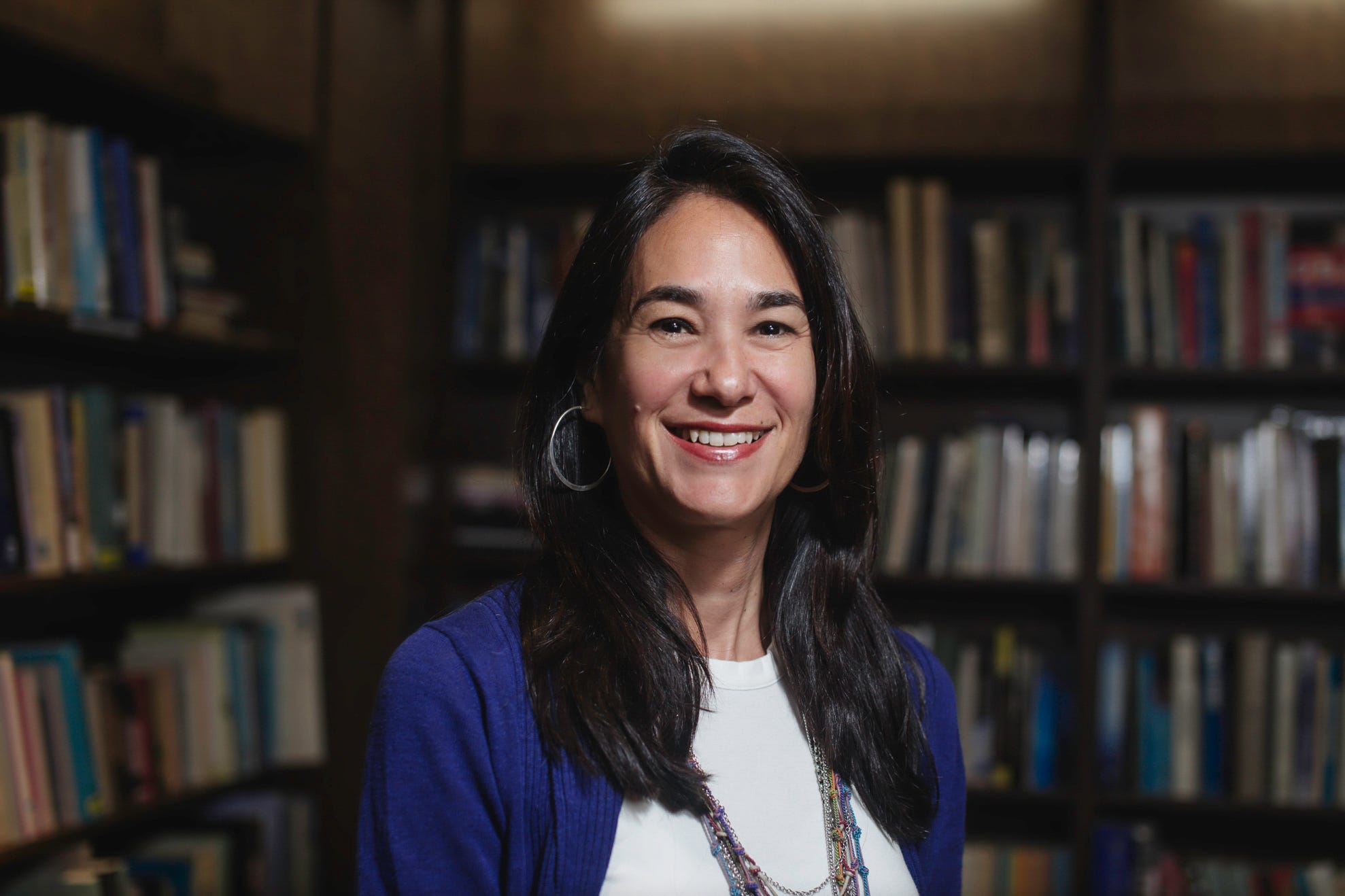
Our guest, Gisele Fernandes-Osterhold, has an impressive background in psychotherapy and a deep commitment to helping people navigate end-of-life fears. Her extensive experience in this field has given her a unique perspective on the ways in which we can find meaning and healing in the process of dying. In her role as Director of Facilitation for Psychedelic Therapy Studies at UCSF, Gisele is at the forefront of exploring the potential of psychedelic medicine to alleviate anxiety and depression associated with chronic illness and death. Her work is leading the way in this emerging field, and she is passionate about sharing her insights with others.Despite the fact that our culture tends to shy away from discussions about death, Gisele believes that these conversations are crucial for our well-being and growth. By embracing a more open and honest approach to this important topic, we can better understand the true meaning of life and find greater peace and acceptance in the face of mortality.“The theme of death always brings me in touch with how we're living.”Gisele Fernandes-Osterhold is a psychotherapist, the director of facilitation for psychedelic therapy studies at the University of California San Francisco, a faculty member at the California Institute of Integral Studies, a mentor at the Center for Psychedelic Therapies and Research and a clinical supervisor at the Alchemy Institute. Active in the mental health field for over 25 years, Gisele is specialized in the treatment of trauma, using an integrative approach rooted in Somatic, Humanistic-Existential and Transpersonal psychologies. Her vision for healing and wholeness is also informed by embodied spirituality, yoga, dance and traditions of her native Brazil. Being an immigrant to the United States and a woman of color, Gisele holds a deep dedication to diversity and inclusion processes and education.Show notes:* Living fully and mindfully* The benefits of working with death at a young age* Confronting Death: Awakening to Life's Meaning* We are a death phobic culture, but what does that mean?* Easing the transition of death and conversations had with those who are dying* The role psychedelics can play in easing the fear and anxiety around death* A new study involving psilocybin treatment with people with Parkinson’s * Believe in the power of healing, and that lies inside of each of us* “If the concrete physical death can destroy us, the topic of death can save us”* Psychedelics and our relationship with chronic pain* If you can walk, you can danceLinks and references:* Psychedelic Wisdom* Psychedelic Medicine* USCF Translational Psychedelic Research Program* Talking about People through DanceThank you for reading Mind Body Health & Politics. This post is public so feel free to share it.Want the episode transcript and video? Join our Tribe!Have a Healing Story to Share?We’d love to hear from you on political and health issues, and are currently soliciting stories from individuals, couples, and families who would like to share their healing stories with psychedelics.Mind Body Health & Politics is a reader-supported publication. To receive new posts and support my work, consider becoming a free or paid subscriber. This is a public episode. If you'd like to discuss this with other subscribers or get access to bonus episodes, visit www.mindbodyhealthpolitics.org/subscribe

Beyond the Trip: The Power of Group Therapy in Psychedelic Research – Brian Anderson
We take another deep dive into the world of psychedelic research with our guest, Brian Anderson, this week. Is there a place for group therapy with psychedelic medicine and treatment? Brian just concluded a clinical trial to study just that. Working with HIV/AIDS survivors, Brian and his team focused on the efficacy of group therapy following psychedelic treatment. The outcome was generally positive, not just for the trial participants but also for Brian and his fellow researchers, who have a renewed curiosity and optimism about what we can offer those seeking help from past trauma. The burning question on everyone's mind: will the government allow psychedelic research and trials to continue? Tune in to find out!“I'm certainly more optimistic about how we can find ways to make psychedelic healing fit into conventional settings and do that in respectful and safe ways.”Brian Anderson, MD MSc, is a psychiatrist and assistant clinical professor in the UCSF Department of Psychiatry and Behavioral Sciences. He is affiliated with the UC Berkeley Center for the Science of Psychedelics and UCSF Neuroscape. In 2018 he led a pilot clinical trial of psilocybin-assisted group therapy for demoralized long-term AIDS survivors. His research includes clinical trials as well as observational methods to assess the safety, clinical implementation, and regulation of the uses of psychedelics and other controlled substances.Show notes:* How Brian Anderson got involved with Psychedelic research* Why research focuses on Psilocybin rather than LSD* Is psychedelic group therapy in the near future?* Brian’s study with HIV/AIDS survivors* The impact dosage and preparatory work has on trail participants* Some unwanted consequences to psilocybin treatments* The headline of his trail* Will the government allow psychedelic research and trails to continue?Links and references:* Psychedelic Wisdom* Psychedelic Medicine* So You Want to be a Psychedelic Researcher?* clinicaltrials.gov* Pragmatic Trial of Psilocybin Therapy in Palliative CareWant the episode transcript and video? Join our Tribe!Mind Body Health & Politics is a reader-supported publication. To receive new posts and support my work, consider becoming a free or paid subscriber.https://www.mindbodyhealthpolitics.org/subscribe This is a public episode. If you'd like to discuss this with other subscribers or get access to bonus episodes, visit www.mindbodyhealthpolitics.org/subscribe
Transform Your Perception of Healthcare: Why Treating the Whole Person Matters – Dr. Ira Byock
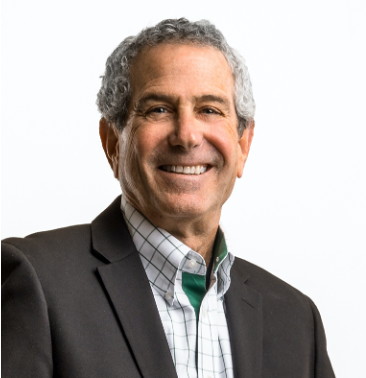
Are you curious about palliative care? Do you know what it is or when to ask for it? Palliative care is a field that seeks to improve the quality of life for individuals facing serious illnesses or nearing the end of their lives. In this episode, we explore the world of palliative care with a leading expert in the field, Dr. Ira Byock, M.D. From the evolution of palliative care to the use of psychedelics, this episode will challenge your perceptions and offer new insights into how we can provide the best care possible for those facing life's most challenging moments.“The potential for people to be well as they die should be the next big thing in American culture!”Ira Byock, M.D. is a leading medical authority and public advocate for improving care through the end of life. Dr. Byock is an active emeritus professor of medicine and community & family medicine at Dartmouth’s Geisel School of Medicine and has been involved in hospice and palliative care since 1978. His research has contributed to conceptual frameworks for the lived experience of illness; measures for subjective quality of life during illness; and counseling methods for life completion. He is a past president of the Academy of Hospice and Palliative Medicine.From 1996 to 2006 Dr. Byock directed a national grant project of the Robert Wood Johnson Foundation that developed prototypes for concurrent palliative care within mainstream health care. From 2003 to mid-2013, he led the palliative care program at Dartmouth-Hitchcock Medical Center and the Dartmouth health system based in Lebanon, N.H. Dr. Byock has authored numerous articles in academic journals, and his first book, Dying Well, has become a standard in the field of hospice and palliative care. The Four Things That Matter Most is widely used as a counseling tool within palliative care as well as pastoral care. The Best Care Possible presents the potential for health care transformation. Dr. Byock lectures nationally and internationally.Show notes:* What is Palliative Care?* How palliative care has evolved* Treating Sharon who had Cystic Fibrosis* When Richard was hit by a Winnebago* Why treating the whole person is so important* The cost of palliative care is less than you would think* When can you ask for palliative care?* The use of psychedelics in palliative care* The fundamental nature of health and illness is not medical – It's personalLinks and references:* Psychedelic Wisdom* Psychedelic Medicine* The Best Care Possible* Taking Psychedelics SeriouslyWant the episode transcript and video? Join our Tribe!Mind Body Health & Politics is a reader-supported publication. To receive new posts and support my work, consider becoming a free or paid subscriber.https://www.mindbodyhealthpolitics.org/subscribe This is a public episode. If you'd like to discuss this with other subscribers or get access to bonus episodes, visit www.mindbodyhealthpolitics.org/subscribe
From Overcoming Heroin Addiction to Decriminalizing Sex Work – Randy Hencken
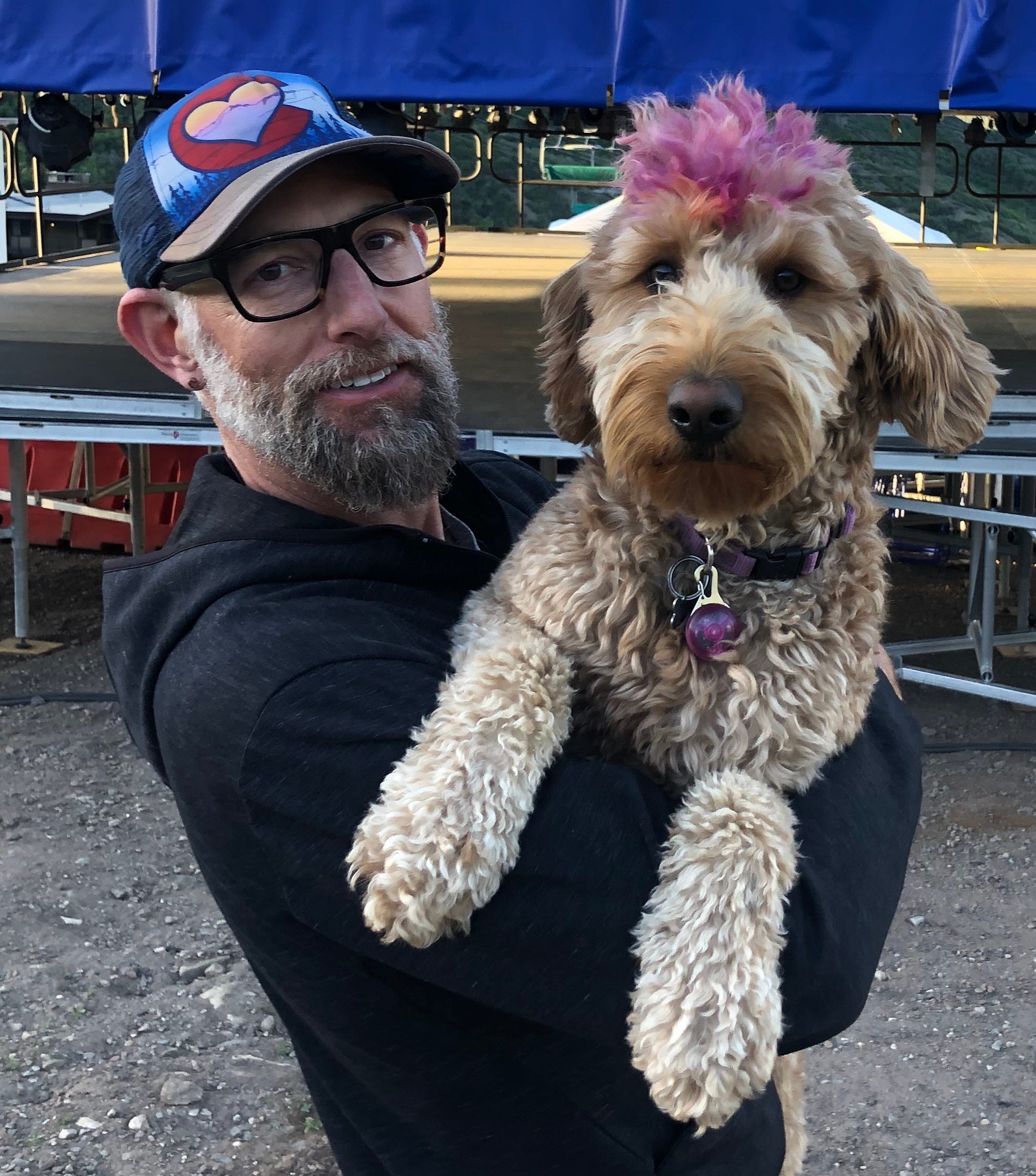
Addiction, psychedelic medicine, legalization and the decriminalization of sex work… Our guest, Randy Hencken, is no stranger to big ideas and challenging the status quo. As we discuss the topic of psychedelic medicines, our conversation naturally transitions to the decriminalization of sex work. Randy's experience with advocacy and political strategy in both fields provides valuable insight into the differences and similarities between these two areas of reform, and how they can inform each other in the pursuit of greater social justice.“I learned that people aren't evil in most cases, that they just have different opinions they have different values”Randy Hencken, is a business strategist for Prisms AI and recently a political consultant for Decriminalize Sex Work. He was a co-founder of Blue Frontiers, an organization that aimed to build a floating city in French Polynesia, and previously served as the Executive Director of The Seasteading Institute. In addition, Randy was the Chairman of the Board for Students for Sensible Drug Policy and the Communication Director for the Multidisciplinary Association for Psychedelic Studies (MAPS), where he organized the first MAPS Psychedelic Science Conference in San Jose in 2011. He was also the Associate Director for the Ibogaine Association based in Mexico. Randy holds a Masters degree in Communication Studies and a Bachelor's degree in Business Management from San Diego State University. He is joining the show to discuss his successful overcoming of addiction to heroin and cocaine using the psychedelic medicine Ibogaine in 2001. Randy resides in Snowmass Village, Colorado with his wife and doodle, and spends as much time as he can outdoors, snowboarding, skiing, mountain biking, and white water rafting. He has led a camp at Burning Man for the past 20 years. He is also hosting two adventures bookending the Psychedelic Science conference in Denver this June, 2023. Learn more at about these excursions at www.ps23co.comShow notes:* Randy’s battle with Heroin* How Randy kicked the habit with Iboga* Is it time psychedelic freedom political party?* Psychedelics have become mainstream now* Adjusting post Ibogaine treatment* The Dangers of Ibogaine and a possible solution* A really clear path between wanting to legalize drugs and decriminalize sex work* Legalization vs. Decriminalization* A case study: New Zealand* Should sex workers be licensed?* The work Decriminalize Sex Work (DSW) does* Psychedelic Science 2023 Colorado Mountain AdventuresLinks and references:* Psychedelic Wisdom* Psychedelic Medicine* Psychedelic Science 2023 Colorado Mountain Adventures* Prisms.aiWant the episode transcript and video? Join our Tribe!Mind Body Health & Politics is a reader-supported publication. To receive new posts and support my work, consider becoming a free or paid subscriber.https://www.mindbodyhealthpolitics.org/subscribe This is a public episode. If you'd like to discuss this with other subscribers or get access to bonus episodes, visit www.mindbodyhealthpolitics.org/subscribe

Join the Journey into Consciousness with John Buchanan
What does the current state of the world and addiction treatment programs have to do with Whitehead's process philosophy? John Buchanan, president of the Helios Foundation, brings them all together. He joins us to explore his personal healing journey, the use of psychedelics with terminal patients, and the possibility of life after death. John emphasizes the importance of understanding interconnectedness and taking deliberate action, which he has learned throughout many pivotal moments in his life. Our thought-provoking conversation offers insights into the complexities of our world and the importance of developing a holistic perspective in order to make positive change. Don't miss this intriguing conversation that offers a unique perspective on the world and the universe we inhabit.“You know, we have a lot of choices in life and maybe there's choices in death too.”John H. Buchanan received his master’s degree in humanistic/transpersonal psychology from West Georgia College and his doctorate from the Graduate Institute of the Liberal Arts at Emory University. He has been trained and certified as a Holotropic Breathwork practitioner by Stan and Christina Grof. His book, "Processing Reality: Finding Meaning in Death, Psychedelics, and Sobriety", based upon his continuing interests in process philosophy and transpersonal psychology, was published in the fall of 2022. Buchanan has contributed a number of journal articles and book chapters on similar topics, and in 2020 was contributing co-editor for "Rethinking Consciousness: Extraordinary Challenges for Contemporary Science". Dr. Buchanan also serves as president of the Helios Foundation.Show notes:* We're living in a troubled world right now* Five pivotal events that shaped John’s thinking* John’s first psychedelic experience* Working with Whitehead’s process philosophy* Alternative modes of consciousness* The use of psychedelics with terminal patients* Ego Death VS. DyingLinks and references:* Psychedelic Wisdom by Dr. Richard L. Miller* Psychedelic Medicine by Dr. Richard L. Miller* Coke Enders Alcohol and Drug Program* Parapsychology, Philosophy, & Spirituality by David Griffin* Processing Reality: Finding Meaning in Death, Psychedelics, and Sobriety by John BuchananWant the episode transcript and video? Join our Tribe!Mind Body Health & Politics is a reader-supported publication. To receive new posts and support my work, consider becoming a free or paid subscriber.https://www.mindbodyhealthpolitics.org/subscribe This is a public episode. If you'd like to discuss this with other subscribers or get access to bonus episodes, visit www.mindbodyhealthpolitics.org/subscribe

Decriminalize Sex Work – Ariela Moscowitz
Sex work is a complex and multifaceted topic that is often surrounded by stigma and misconceptions. For many people, the idea of selling sex is morally reprehensible, and they believe that it should be illegal. However, there is a growing movement that argues that current laws often do more harm than good. Our guest, Ariela Moscowitz, is a passionate advocate for the rights of those involved in consensual adult sex work. Her work for the organization Decriminalizing Sex Work (DSW) functions to create a better future for sex workers and end sex trafficking.This episode will provide an eye-opening exploration of the importance of decriminalizing sex work and its potential to improve the lives of countless individuals. We will have an open and honest discussion about the industry and the impact of current laws on sex workers and sex trafficking victims. Join us as we tackle this important topic. Together, we can work to make a safer, healthier, and better society for all.“Decriminalizing sex work does not lead to a proliferation of folks engaging in sex work or trafficking in any way. On the contrary, decriminalization promotes health and safety, and we need to be realistic about that.”Ariela Moscowitz is communications director at Decriminalize Sex Work (DSW), national organization pursuing a state-by-state strategy to end the prohibition of consensual adult prostitution in the United States. DSW works with local organizations, advocates, and lobbyists to build community support and convince legislators to decriminalize consensual adult sex work in an effort to end human trafficking, improve public health, and promote community safety. Ariela has a long history of working with marginalized groups and “a particular interest in working to promote access to justice for those who might otherwise be denied it.” She has worked at domestic violence shelters in Burlington, VT, and Miami, FL, in various capacities, and lived in Philadelphia, PA, for several years where she worked with unhoused women and children. She joined DSW from Americans for Immigrant Justice, a non-profit law firm based in Miami, dedicated to protecting the human and legal rights of immigrants. Ariela currently resides in Miami with her son.Show notes:* About the organization Decriminalize Sex Work* What is sex trafficking?* How decriminalization will help end sex trafficking* The problem with “supply and demand”* The entrapment and “end demand” models for laws* Progress against the war on sex* An acceptable form of discrimination in this country* Decriminalization to improve folks' livesLinks and references:* Psychedelic Wisdom* Psychedelic MedicineWant the episode transcript and video? Join our Tribe!Mind Body Health & Politics is a reader-supported publication. To receive new posts and support my work, consider becoming a free or paid subscriber.https://www.mindbodyhealthpolitics.org/subscribe This is a public episode. If you'd like to discuss this with other subscribers or get access to bonus episodes, visit www.mindbodyhealthpolitics.org/subscribe
How many hours have you spent in the company of somebody dying? – Charles Bush
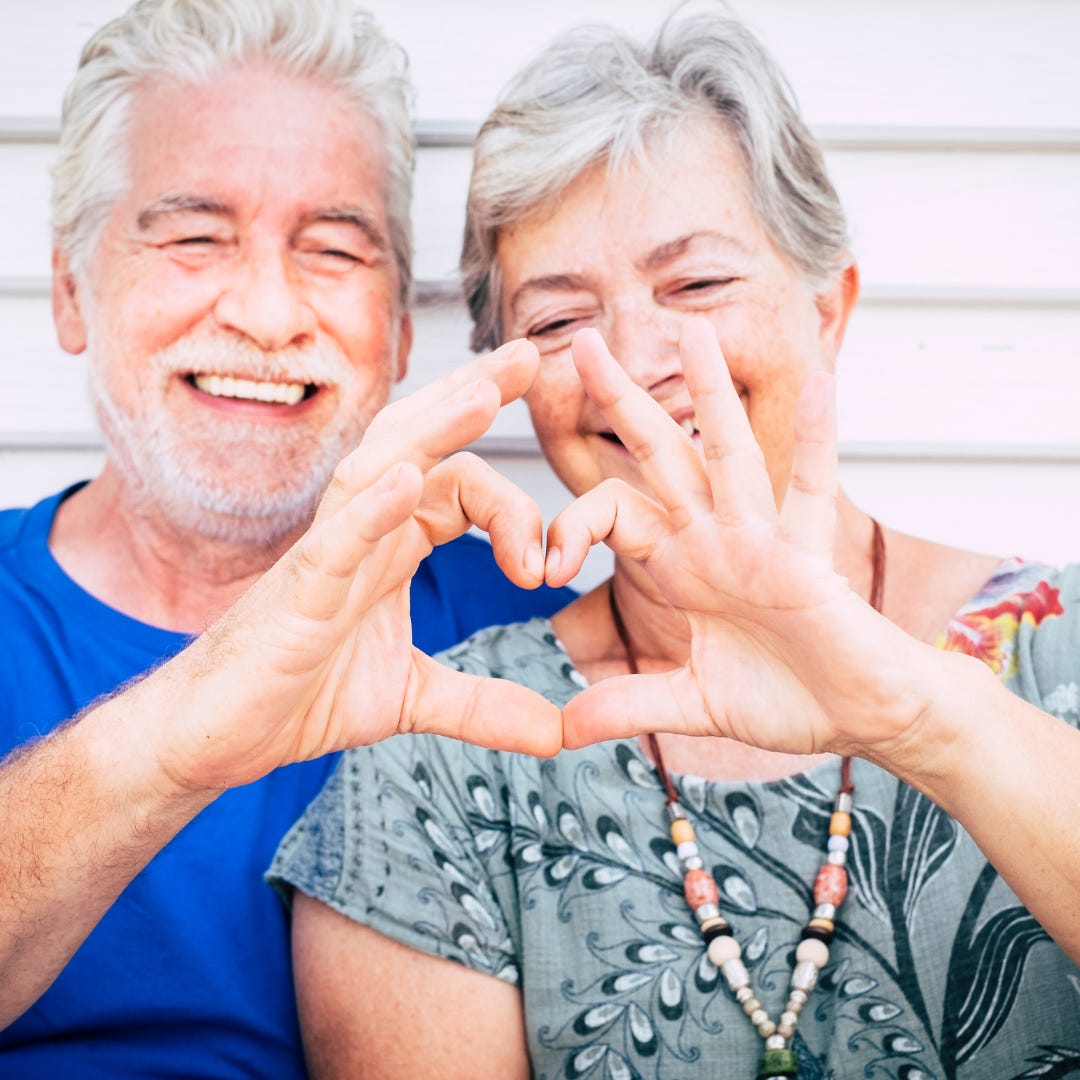
What does it take to build community and connection at the end of our lives? In this episode, we sit down with our guest Charles Bush to discuss his experiences working with those nearing the end of their lives. Charles shares his insights on the ideal end-of-life experience, emphasizing the universal desire for connection and love, which is something we all could use more of in these times.Charles' insights and experiences working with seniors provide valuable lessons that we can all learn from. As we explore the positive effects of psychedelic medicines in promoting a good dying experience, Charles emphasizes the importance of intimacy in creating a safe and supportive environment. Join us for this enlightening conversation on the importance of community and connection, especially as we age and approach the end of our lives."Dying [should] become a real event for all of us instead of a tucked away secret that more often than not is marked by a certain kind of dismay and confusion"– Charles BushCharles Bush has lived on the Mendocino Coast for nearly four decades. Before coming to the Coast, he managed large residential service operations on college campuses. He co-founded Mendocino's successful and long-lived Community School. He retired from his position as director of Chamisa Mesa School near Taos, New Mexico, and became the Executive Director of the Redwood Coast Senior Center, where he served for several years.Show notes:* Serving lunches to seniors* The experience of working at a senior center* Creating community* The ideal end-of-life experience* The one thing almost everyone says before the go* The connection between good dying and good drug taking* Different psychedelic experiences which build community* A gentle caring and a touching intimacy* Do you think about dying?* Dying is nothing compared to grieving* Dying is rooted in psychedelic or sacramental experience* Would you take a psychedelic right as you died?Links and references:* Psychedelic Wisdom* Psychedelic MedicineWant the episode transcript and video? Join our Tribe!Mind Body Health & Politics is a reader-supported publication. To receive new posts and support my work, consider becoming a free or paid subscriber. https://www.mindbodyhealthpolitics.org/subscribe This is a public episode. If you'd like to discuss this with other subscribers or get access to bonus episodes, visit www.mindbodyhealthpolitics.org/subscribe

A Psychedelic Healing Journey with Heather A. Lee
Last year, on the same day she graduated from her psychedelic Assisted psychotherapy program, our guest – Heather A. Lee – received a breast cancer diagnosis. Taking a dose of her own medicine, Heather has been on a unique healing journey with psilocybin as part of her psychospiritual healing. Heather's journey reflects on the transformative power of psychedelics and the importance of embracing mortality to truly live. Tune in to hear Heather's inspiring experience and insight as a psychedelic-assisted psychotherapist.“I'm completely in this place of faith and trust at my core. At my core, I don't have any fear around those things. It's like I've released them.”Heather Lee is one of the first certified psychedelic assisted psychotherapists. She has been leading mind/body wellness programs and retreats for over 30 years. Her clients have included such acclaimed clients at the Golden Door, Four Seasons and One & Only.Show notes:* Heather’s first job with planned parenthood* This incredible year of vagabonding* Cancer and psychedelics* Changing the fear based pattern of thinking* Becoming a Psychedelic-Assisted Psychotherapist* The inward journey with psilocybin* The importance of integration* Psychedelics to enhance your marriage* Conquering the fear and anxiety around death* Reframing and affirmations* Medicine Woman Retreats and Heather's workLinks and references:* Psychedelic Wisdom* Psychedelic Medicine* Medicine Woman RetreatsWant the episode transcript and video? Join our Tribe!Subscribe now: https://www.mindbodyhealthpolitics.org/subscribe This is a public episode. If you'd like to discuss this with other subscribers or get access to bonus episodes, visit www.mindbodyhealthpolitics.org/subscribe
It isn't about the medicine, it's the experience – Anthony Bossis
We live in an exciting time for psychedelic research. While mental health is often the focus of these medicines, what about their use at the end of life? Our guest, Anthony (Tony) Bossis focuses specifically on those nearing end of life or in palliative care.Tony is clearly passionate about what he does as we delve into cutting-edge research being conducted on the use of high-dose psilocybin for inducing peak experiences and its potential in end-of-life care. He explores the role of psychedelics in fighting demoralization and the fear of death, how we can expand the reach of psychedelic therapies, and the current political state of psychedelic research. His interests and experience make this a captivating and thought-provoking listen for all.“It's always funny to be a scientist talking about love all the time, but I'm glad I am.”Anthony P. Bossis, Ph.D., is a clinical psychologist and clinical assistant professor of psychiatry at NYU School of Medicine, an adjunct professor of classics and religious studies at the University of Ottawa, and an investigator at The Lundquist Institute for Biomedical Innovation. Since 2006, he has been conducting FDA-approved clinical research with the psychedelic compound psilocybin. Dr. Bossis was director of palliative care research and co-principal investigator on the 2016 clinical trial demonstrating a significant reduction in emotional distress from a single psilocybin session in persons with cancer or near the end of life, specifically, a rapid decrease in depression, anxiety, hopelessness, and demoralization along with improvements in spiritual well-being and quality of life. He is the study director and lead therapist on an FDA-approved clinical trial investigating a psilocybin-generated mystical experience with religious leaders.Dr. Bossis is a training supervisor of psychotherapy at NYU-Bellevue Hospital and the co-founder and former co-director of the Bellevue Palliative Care Service. He is on the faculty of The Center for Psychedelic Therapies and Research at the California Institute of Integral Studies and has a long-standing interest in comparative religion, mystical experience, and the interface of psychology and spirituality. His primary psychedelic research interests are the treatment of end-of-life existential distress and advancing our understanding of consciousness, meaning, and spirituality. Dr. Bossis is on the editorial board of the Journal of Humanistic Psychology and a guest editor (with Charles Grob, M.D.) for the journal’s Special Series on Psychedelics. He maintains a private psychotherapy and consulting practice in NYC.Show notes:* High dose psilocybin studies* Having a peak experience* The use of psychedelics with end of life* Fighting demoralization* A scientist speaking about love* Can we escape fear of death?* Work with near death experiences* The risks of psychedelic use* Research with psychedelics and Alzheimer's* How to expand psychedelic therapy* How Tony got into this work* The present political state of psychedelic research* This is a remarkable time in the worldLinks and references:* Psychedelic Wisdom* Psychedelic MedicineWant the episode transcript and video? Join our Tribe!Mind Body Health & Politics is a reader-supported publication. To receive new posts and support my work, consider becoming a free or paid subscriber. https://www.mindbodyhealthpolitics.org/subscribe This is a public episode. If you'd like to discuss this with other subscribers or get access to bonus episodes, visit www.mindbodyhealthpolitics.org/subscribe

The Final Journey – Julie McFadden
Join us as we explore the work of a hospice nurse and peek behind the curtain on a truly rewarding profession. “The Hospice Nurse Julie” gives us a deeper understanding of what hospice is, and the difference it can make in the lives of patients and their loved ones. Julie McFadden, a former ICU nurse, shares the challenges she faces, how to respond to a patient's request for “Death with Dignity”, how this career changed her life, and the sometimes unexpected "surge and rally" at the end of life. It is easy to see why her videos went viral, Julie brings joy and passion to what is often seen as a dark topic. Her determination to make a difference in the lives of her patients shines through.“To me, hospice is about living. It provides you a space to live out the rest of your life.”Julie McFadden, BSN, RN has been a nurse for 15 years. Julie is an experienced ICU, and now Hospice/Palliative Nurse. Julie has been featured in Newsweek, USA today, The Atlantic, The Business Insider, Medscape, People, Buzz feed, and several other articles worldwide. Julie has been passionate about normalizing death through education to the masses using social media. Her tiktok has 1.1 M followers, and you can find her on all social media platforms (Instagram, Facebook, and YouTube) at Hospice Nurse Julie.You can find her on TikTok, Instagram, and YouTube.Show notes:* What caused Julie to move from ICU to hospice?* What Hospice Really Is* “Can you take me out?”* The surge and rally at end of life* What it means to “see spirits”* What percentage of people are in acceptance and ready to die gracefully?* Is it uncertainty that leads to fear?* The most challenging part of her work* “I won't stop being a hospice nurse no matter what.”* Going Viral over death and dyingLinks and references:* Psychedelic Wisdom* Psychedelic Medicine* Follow Hospice Nurse Julie on TikTokWant the episode transcript and video? Join our Tribe!Mind Body Health & Politics is a reader-supported publication. To receive new posts and support my work, consider becoming a free or paid subscriber.https://www.mindbodyhealthpolitics.org/subscribe This is a public episode. If you'd like to discuss this with other subscribers or get access to bonus episodes, visit www.mindbodyhealthpolitics.org/subscribe

Can Psychedelics Increase Our Creativity? – Creon Levit
It is often fun to bounce ideas between good friends. This conversation with Creon Levit is no different. Creon’s interests are vast, but one thing is for certain, he is working towards a better future. Looking at psychedelic use beyond treatment for mental illness, Creon shares with us the notable tech giants, and their possible inspirations, as well as a glimpse into his daily diet and routine.“Your friendship is one of the highlights of my life. And so thank you for everything.”Creon Levit worked for NASA as a research scientist for 32 years doing high performance computing, data visualization, computational aeronautics, quantum chemistry, and spacecraft optics. For the last eight years he has been chief technologist and Director of R&D for Planet Labs - a satellite imaging company that has built, launched, and operates almost 500 earth-imaging satellites.Creon was good friends with Terrence McKenna, Sasha Shulgin, and John C. Lilly and has had a long interest in the intersection between psychedelics and technology.Show notes:* An applied physicist at NASA for 30 years – introducing Creon Levit* Cyber Security and surveillance* Psychedelics and technology* The use of psychedelics for creativity* The fallout for using some of these substances* Whats the big deal in talking about these things?* Are we in planetary conflict?* How Creon changed his physiology ** This is not medical advice- Always seek the advice of your health care provider before undertaking a new health care regimenLinks and references:* Psychedelic Wisdom (Dr. Richard L. Miller)* Psychedelic Medicine (Dr. Richard L. Miller)* Steve Jobs (Walter Isaacson)* How the Hippies Saved Physics (David Kaiser)* Peter Attia: What if we're wrong about diabetes?Want the episode transcript and video? Join our Tribe!Mind Body Health & Politics is a reader-supported publication. To receive new posts and support my work, consider becoming a free or paid subscriber.https://www.mindbodyhealthpolitics.org/subscribe This is a public episode. If you'd like to discuss this with other subscribers or get access to bonus episodes, visit www.mindbodyhealthpolitics.org/subscribe
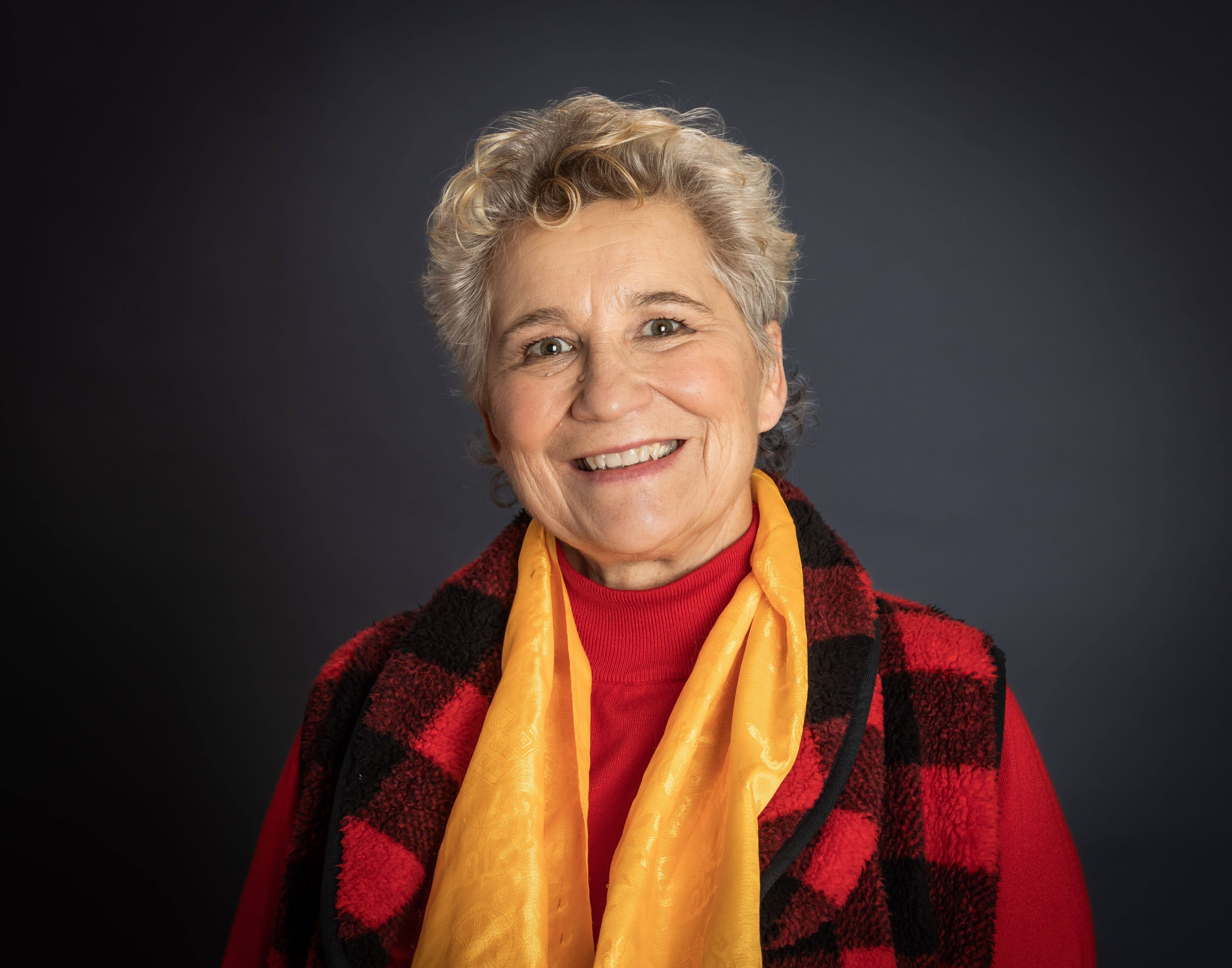
Radical Awakening with the Practical Shaman – Renee Baribeau
“I'm the practical shaman, I want people to eat up the plate of food from this life.”Renee Baribeau, the Practical Shaman, is an author, Wind Whistler, inspirational mentor, respected business coach, dynamic spiritual teacher, and keynote speaker. Renee is well known for her no-nonsense, “tell it like it is” approach in her Shamanic Apprenticeship Program. Her Nautilus Gold, Award-winning Hay House book, Winds of Spirit: Ancient Wisdom Tools for Navigating Relationships, Health, and the Divine helps others to achieve successful lifestyle practices by aligning to their sacred Magnetic North. Renee holds an executive marketing leadership position within the behavioral health industry.Show notes:* Renee’s first dismemberment experience* Her early experiences with plant medicine and alcoholism* Being radically awake and totally present* The relationship between being radically awake and planning for the future* Shamanistic practices with people who are terminally ill* What is Karma?* Clearing up ancestral hurt* The Winds of Spirit* The different kinds of winds* Exercises that we can use to be better attuned to what the winds might be telling us* Other ways to call the winds* What the geographic winds mean in our lives* How can people prepare when they're coming to the end of a season of life?* “If you're going to eat a bowl of ice cream, eat it with a lot of love”Links and references:* Psychedelic Wisdom* Psychedelic MedicineWant the episode transcript and video? Join our Tribe!Mind Body Health & Politics is a reader-supported publication. To receive new posts and support my work, consider becoming a free or paid subscriber.https://www.mindbodyhealthpolitics.org/subscribe This is a public episode. If you'd like to discuss this with other subscribers or get access to bonus episodes, visit www.mindbodyhealthpolitics.org/subscribe

The Metaphysics of Psychedelics – Peter Sjöstedt-Hughes
It is human nature to seek a deeper understanding of our world and our connection to it. Often we look to philosophy or psychedelic experiences to find answers to life’s questions – what happens when the two intersect? Our guest, Peter Sjöstedt-Hughes, has dedicated his life to that very interaction. From exploring the philosophical history and the substances great philosophers may have used to how these principles apply in today’s world, Peter brings light to a field that is often overlooked in today’s psychedelic renaissance.“People did say I had a lot to lose about 10 years ago, they said 'don't mention this it’s a career killer.' But actually, it sort of made my career many ways.”Dr Peter Sjöstedt-Hughes is philosopher of mind and metaphysics who specializes in the thought of Spinoza, Nietzsche, and Whitehead, and in fields pertaining to altered and panpsychological states of consciousness. He is a research fellow and lecturer at the University of Exeter where he has co-founded the Philosophy of Psychedelics Exeter Research Group, the ambit of which includes taught modules, conferences, workshops, and publications. Peter is the author of Noumenautics, Modes of Sentience, editor of Bloomsbury's Philosophy and Psychedelics volume, the TEDx Talker on ‘psychedelics and consciousness’, and he is inspiration to the inhuman philosopher Marvel Superhero, Karnak. Show notes:* Bringing Psychedelics into Philosophy* There is a struggle going on, on the planet, between two groups of people* Psychedelics and culture* Do you believe that life ends?* What Spinoza means by the intellectual love of God* The influence of psychedelics on philosophers today* The integration of philosophy and psychology* Something practical and something theoreticalLinks and references:* Psychedelic Wisdom (Dr. Richard L. Miller) AVAILABLE NOW* Psychedelic Medicine (Dr. Richard L. Miller)* Follow Peter on Twitter* Philosophy and Psychedelics (Dr. Peter Sjöstedt-Hughes)Want the episode transcript and video? Join our Tribe!Mind Body Health & Politics is a reader-supported publication. To receive new posts and support my work, consider becoming a free or paid subscriber.https://www.mindbodyhealthpolitics.org/subscribe This is a public episode. If you'd like to discuss this with other subscribers or get access to bonus episodes, visit www.mindbodyhealthpolitics.org/subscribe

Is There Too Much Hype Around Psychedelics? –Don Lattin
The book Changing Our Minds is an experiential tour through a social, spiritual, and scientific revolution that is redefining our culture’s often-confusing relationship with psychoactive substances. Its author (and my guest), Don Lattin, is well-researched and well spoken on the subject of psychedelic medicine. Speaking both from professional and personal experiences, he values these drugs for their healing potential, but cautions us – are psychedelics too popular now? Are we giving these powerful substances the respect they need?“I think there's a danger in us forgetting that these drugs are not something to take lightly”Veteran San Francisco based journalist, Don Lattin, is an award-winning journalist and author of six books, including The Harvard Psychedelic Club, published by HarperCollins in 2010, and Changing Our Minds – Psychedelic Sacraments and the New Psychotherapy, released in 2017 by Synergetic Press. Don has been writing about psychedelics for newspapers and magazines since the 1970s. In addition to his books, you can read his work on Lucid News.Thank you for reading Mind Body Health & Politics. This post is public so feel free to share it.Show notes:* How Aldous Huxley experimented with LSD at the end of his life* Dying with consciousness* Psychedelic research groups* The genesis of the fear of death* End of life transition with psychedelics* The most terrifying experiences, if you have a proper guide, are the best experiences* Questions that would be beneficial to ask yourself near the end of life* These drugs are not something to take lightly* Treatments Don has tried personally* The most effective immediate cure for depression* Microdosing with mushrooms and LSDLinks and references:* Psychedelic Wisdom (Dr. Richard L. Miller) AVAILABLE NOW* Psychedelic Medicine (Dr. Richard L. Miller)* A Really Good Day (Ayelet Waldman)* God on psychedelicsWant the episode transcript and video? Join our Tribe!Mind Body Health & Politics is a reader-supported publication. To receive new posts and support my work, consider becoming a free or paid subscriber.https://www.mindbodyhealthpolitics.org/subscribe This is a public episode. If you'd like to discuss this with other subscribers or get access to bonus episodes, visit www.mindbodyhealthpolitics.org/subscribe

Everything You Want to Know About Magic Mushrooms – Jahan Khamsehzadeh
In this highly informative episode our guest, Jahan Khamsehzadeh, gives us the nitty gritty on the ingestion and use of Psilocybin (often referred to as the “magic mushroom”.) Jahan lays out his research in a way that is not only understandable but comprehensive. Our topics include: how the medicine affects consciousness, proper dosing and safety, frequency of experience, potential negative effects, who should not take the medicine, anxiety regarding end-of-life transitioning, effects on sexuality, and so much more. This is a must-listen for all those interested in this topic.“The point of psychedelic experiences is to have a good life.”Jahan Khamsehzadeh, Ph.D. completed his dissertation on psychedelics at the California Institute of Integral Studies (CIIS) in San Francisco. His book, “The Psilocybin Connection: Psychedelics, the Transformation of Consciousness, and Evolution of the Planet—An Integral Approach” was published by North Atlantic Books and distributed Spring 2022 by Penguin Random House. The Audible version became the #1 new audiobook on mushrooms on Amazon. He earned his Masters in Consciousness and Transformative Studies from John F. Kennedy University, and his Bachelors from the University of Arizona with a major in Philosophy and minors in Physics, Psychology, and Mathematics. Aside from academic work, he has undergone several major trainings, including graduating from the Hakomi somatic-psychotherapy program and training within the Mazatec mushroom tradition. He assisted the Psychedelic-Assisted Psychotherapy Certificate training at CIIS for two years and mentored at the newly emerging School of Consciousness Medicine. He is a consultant for the Synthesis Psychedelic Guide training and a teacher for the PsiloHealth psychedelic peer supporter training. He works as a facilitator for legal psilocybin mushrooms ceremonies in Jamaica with Atman Retreats and offers integration sessions as part of his private practice. Jahan has been on dozens of podcasts talking about different cross section on psychedelics—from therapy and history to sexuality and development. To learn more about his practice, please visit www.PsychedelicEvolution.org.Thank you for reading Mind Body Health & Politics. This post is public so feel free to share it.Show notes:* Why study Psilocybin?* Near the end of life anxiety and psilocybin* Creating an interconnected brain state* Easing the fear of death* Death is the greatest day of your life* LSD VS. Psilocybin* Establishing different doses with Psilocybins* Good old fear again- why a guide is important* The intersection of sex and psychedelics* The negative side effects of psilocybin* How often can one safely take psilocybin?* Heart conditions and psychedelics* If I died tomorrow, could I die with peace?* Jahan Khamsehzadeh – A universe of five brothersLinks and references:* Psychedelic Wisdom (Dr. Richard L. Miller) AVAILABLE NOW* Psychedelic Medicine (Dr. Richard L. Miller)* Roland Griffiths from John Hopkins* Beyond the Narrow Life (Kile M. Ortigo)* Free online psychedelic trainingWant the episode transcript and video? Join our Tribe!Have a Healing Story to Share?We’d love to hear from you on political and health issues, and are currently soliciting stories from individuals, couples, and families who would like to share their healing stories with psychedelics.Mind Body Health & Politics is a reader-supported publication. To receive new posts and support my work, consider becoming a free or paid subscriber. This is a public episode. If you'd like to discuss this with other subscribers or get access to bonus episodes, visit www.mindbodyhealthpolitics.org/subscribe

Interested in clinical trials for psychedelic medicine? – Andrew Penn
Our guest, Andrew Penn, is a prominent researcher at the University of California-San Francisco, and he brings us up-to-date information on the clinical research happenings with psychedelic medicine. Andrew’s insights on the research being conducted, the risks and benefits of psilocybin and MDMA, and his first-hand experience as a psychedelic nurse create a compelling listen for anyone interested in these powerful substances. While it is clear that psychedelics hold a great deal of potential in the treatment of depression and PTSD, it is also clear that a lot more research is needed. Be it in a lab or in practice, Andrew works to promote healing within. He leaves us with a thought that is near and dear to the heart of this program – that “the thing about psychedelic experiences is they can create this experience of reunification, that people feel like they are attached to something larger than themselves.”“We can feel connected to something bigger and more important, and, perhaps that experience of reconnection has the potential to healing.”Andrew Penn, MS, PMHNP is a Clinical Professor in the University of California, San Francisco, School of Nursing where his teaching has received the UCSF Academic Senate Distinction in Teaching Award, among other recognitions. He has practices as a psychiatric/mental health nurse practitioner, treating veterans at the San Francisco Veterans Administration Hospital. As a researcher, he collaborates on psychedelics studies of psilocybin and MDMA in the Translational Psychedelics Research (TrPR) lab at UCSF.A leading voice in nursing, he is a cofounder of the Organization of Psychedelic and Entheogenic Nurses (OPENurses.org), advocating for the perspective of nurses in psychedelic therapy. He has published on psychedelics in the American Journal of Nursing, Frontiers in Psychiatry, and The Journal of Humanistic Psychotherapy. An internationally invited speaker, he has lectured at SXSW, Aspen Health Ideas Festival, the Singapore Institute of Mental Health, and Oxford University.Thank you for reading Mind Body Health & Politics. This post is public so feel free to share it.Show notes:* What’s going on at UCSF in the area of psychedelic research* Developing psilocybin treatment for depression* The decriminalization movement that we're seeing* The physiological effects of psychedelic medicines* MDMA for PTSD* Potential changes to the FDA’s schedule of drugs* The importance of caution* Negative side effects to be aware of* Psychedelic and entheogenic nurses* Creating connection with psychedelicsLinks and references:* Psychedelic Wisdom (Dr. Richard L. Miller) PREORDER NOW* Psychedelic Medicine (Dr. Richard L. Miller)* Roland Griffiths on MBHP* Interested in participating in a clinical trial? - Find out moreWant the episode transcript and video? Join our Tribe!Have a Healing Story to Share?We’d love to hear from you on political and health issues; and are currently soliciting stories from individuals, couples, and families who would like to share their end of life healing stories with psychedelics.Mind Body Health & Politics is a reader-supported publication. To receive new posts and support my work, consider becoming a free or paid subscriber. This is a public episode. If you'd like to discuss this with other subscribers or get access to bonus episodes, visit www.mindbodyhealthpolitics.org/subscribe
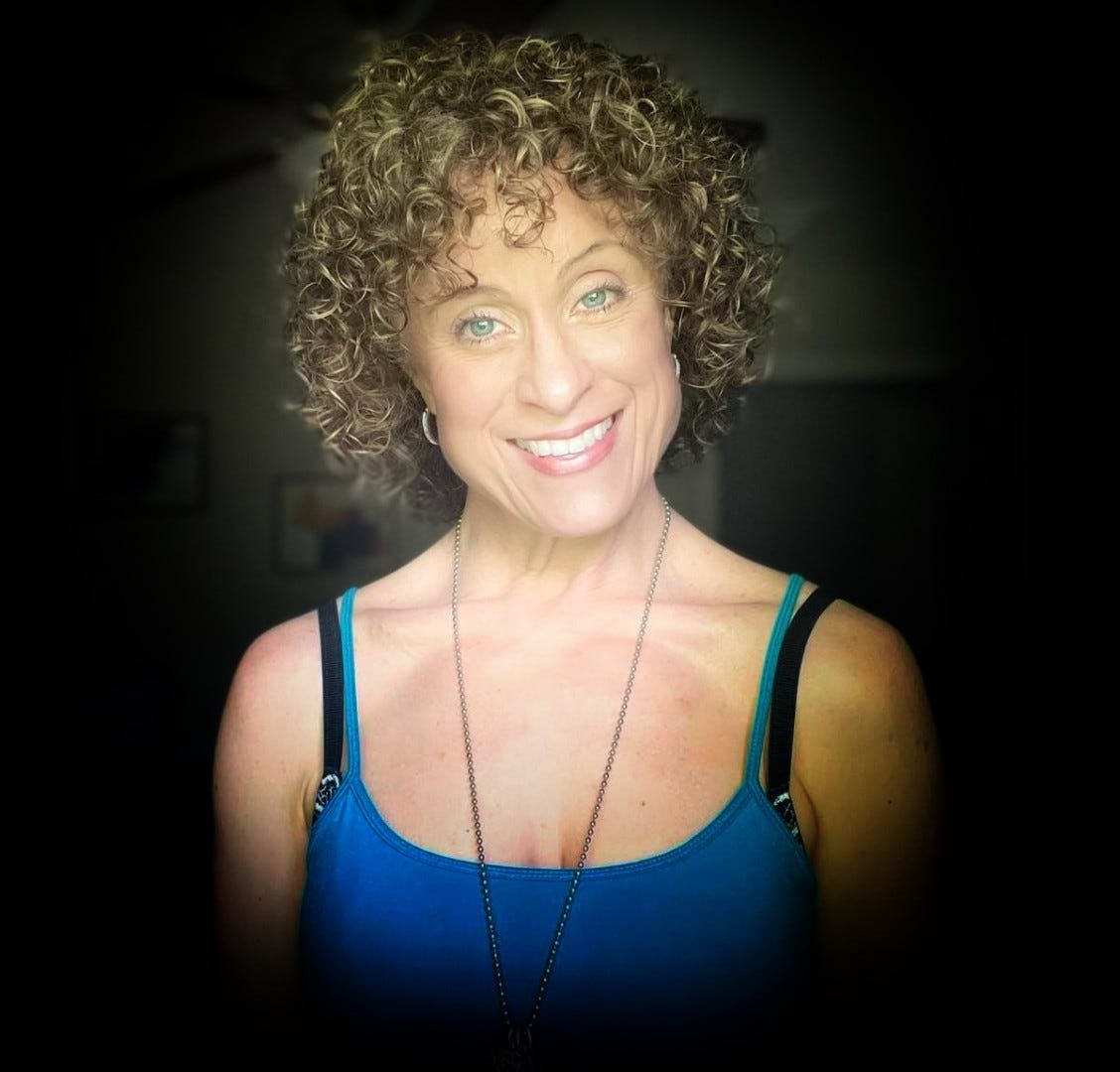
Dying with Joy – Catherine Durkin Robinson
If you want to have a happy evening sitting around with friends or family, you don't talk about religion, sex, money, and politics. Another topic, perhaps, is death and dying. Death is a part of all of our lives and something that we should feel normal discussing. What if we had someone to walk alongside us and make the prospect of the end of life something less scary? That is exactly the role an end-of-life doula takes. My Guest, Catherine Durkin Robinson, works as a death doula – offering her services to those with a terminal diagnosis and those who want to learn about the dying process alike. Talking about death and owning the process could very well be the key to breaking out of our fear and making it a sacred, almost joyful event.“We're talking about reducing fear, reducing anxiety, so that they can have a more joyful death.”Catherine Durkin Robinson is a death doula and educator. She graduated from the University of Vermont's End-of-Life Doula program and belongs to National End-of-Life Doula Alliance. She was also a longtime hospice-trained volunteer and registered pre-need counselor in the state of Florida before relocating to Chicago in July 2022. Her varied career includes 30 years as a political organizer, 10 years as an educator at the high school and college level, and 10 years as a newspaper columnist in Tampa.Currently, she serves people at end of life and teaches classes at colleges and community organizations through her private practice, Anitya Doula Services, in Chicago. She also serves as a death doula with the Diaspora Psychedelic Society in Jamaica.Show notes:* What is a doula?* Becoming an end of life doula* The people who seek out a death doula* Catherine’s goal is to normalize the conversation about end-of-life* “Doula for a Day” with Richard* What an advanced care directive is* Your familiarity with the dying process* End of life and psychedelics* More and more places are decriminalizing plant medicine* Dying joyfully, rather than consciouslyLinks and references:* Psychedelic Wisdom- PREORDER NOW* Psychedelic Medicine* Diaspora Psychedelic Society* The National End-of-Life Doula Alliance “NEDA”* Compassion and ChoicesThank you for reading Mind Body Health & Politics. This post is public so feel free to share it.Want the episode transcript and video? Join our Tribe!Mind Body Health & Politics is a reader-supported publication. To receive new posts and support my work, consider becoming a free or paid subscriber.https://www.mindbodyhealthpolitics.org/subscribe This is a public episode. If you'd like to discuss this with other subscribers or get access to bonus episodes, visit www.mindbodyhealthpolitics.org/subscribe
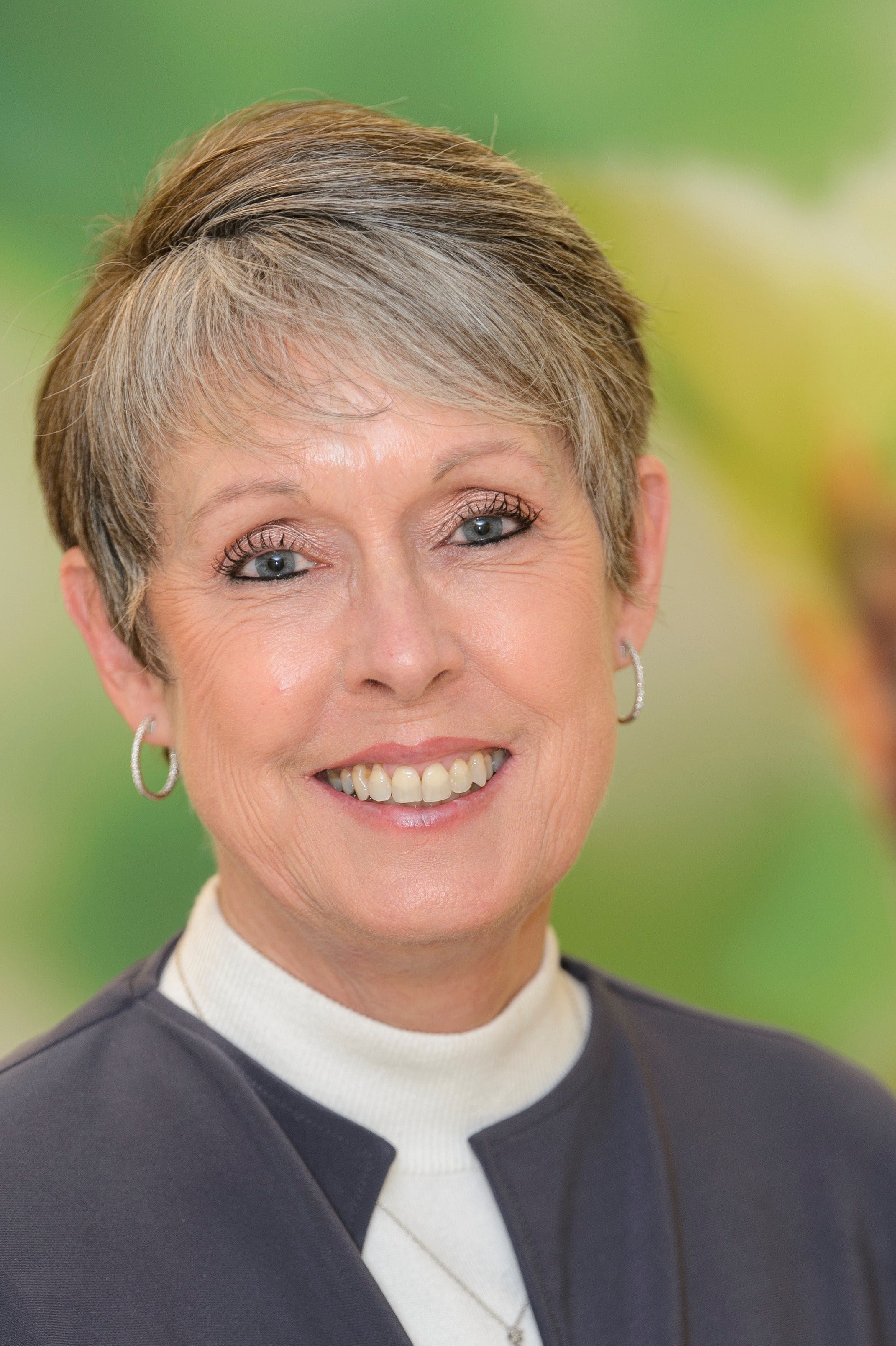
Through the end of life – Siobhan Greene
Conversations about the end of life are hard and often uncomfortable – but needed. Have you talked with your loved ones about the topic; Where you would like to be? Who should be taking care of you? These are all questions our guest, Siobhan Greene, advocates for in her work. While death and dying is uncomfortable, it is a natural process that we all go through in life. It is Siobhan’s hope that if we talk about it, we may be better equipped, as a society, to have a deepened understanding of it.“These are the topics that are incredibly relevant to all of us yet difficult sometimes to lean into and to understand”Siobhan Greene, began serving as President/CEO for Hospice Giving Foundation in August 2013. She specializes in nonprofit executive and financial management, board governance, marketing, and fundraising. Dedicated to the movement to improve quality care at end of life, Siobhan is an active member of the Serious Illness Funders Collaborative, a national collective examining the system of end-of-life care, and she facilitates local professional collaboratives addressing needs in Monterey County. Her past professional experience includes working with children, mental health services, and at-risk community groups. Before joining HG Foundation, Siobhan was Executive Director of CASA of Monterey County for 11 years and currently serves on CASA’s Board of Directors. Siobhan began her career working in in-patient psychiatric services in the Bay Area prior to moving the Monterey Peninsula. Siobhan was President of the Rotary Club of Carmel-by-the-Sea (2016) and is past-commissioner for Monterey County’s Juvenile Justice Commission having been chair in 2012. Siobhan served on California CASA Board of Directors focusing on statewide system improvement for children in foster care; is past-chair of and continues to be active with the Monterey Bay Association of Fundraising Professionals; and has served on AFP’s National Philanthropy Day local organizing committee for over 10 years.Show notes:* Hospice and encouraging community* When does the end of life process begin?* A conversation through the end of life* The Hospice Giving Foundation* Palliative Care vs. Hospice Care* Talking about end of life* Treating people as a whole person* Conversations with your family * Is there a place for psychedelics in end of life?* An act of love to let somebody care for you during your final daysLinks and references:* Psychedelic Wisdom* Psychedelic Medicine* End of Life Option Act* Go Wish GameThank you for reading Mind Body Health & Politics. This post is public so feel free to share it.Want the episode transcript and video? Join our Tribe!Have a Healing Story to Share?We’d love to hear from you on political and health issues, and are currently soliciting stories from individuals, couples, and families who would like to share their healing stories with psychedelics.(Learn more about Wilbur Hot Springs)Mind Body Health & Politics is a reader-supported publication. To receive new posts and support my work, consider becoming a free or paid subscriber. This is a public episode. If you'd like to discuss this with other subscribers or get access to bonus episodes, visit www.mindbodyhealthpolitics.org/subscribe

Imagine the Future We Want – Sandy Turner
Can you imagine your way to a better future? That is exactly what our guest, Sandy Turner, is hoping to achieve through his participation in Transition Towns. These areas are transitioning away from individualistic private property, huge corporations, and extreme inequality, and transitioning towards cooperation, regenerative systems, social and environmental justice, and community creativity. As this concept expands, we hope that together we can create stronger communities and a better society for all, because after all – good health is worth fighting for and is essential for life, liberty, and the pursuit of happiness.“Being a friendly neighbor... that's what attracts me to Transition Towns.”Sandy Turner has lived in Northern California for 50 years and most of that has been in Mendocino County. In 2011, he helped start a Transition Town in Ukiah that was called Transition Ukiah Valley. He was one of 7 people on the steering committee for the project. Transition Ukiah Valley also had 6 or 8 groups of people focused on a variety of topics who put on films, potlucks, community bike rides, Skill Shares, and Free Markets collaborating with the Mendo Free Skool and the Mendocino Environmental Center. Since then, Sandy moved to the Mendocino Coast and has helped start a Transition Mendo Coast group (TMC). This group has held a Farm Helping Day and popular game nights for the community. TMC has also planted fruit trees at a local emergency preparedness HUB.Show notes:* What is a Transition Town?* How Transition Towns get started* How people can join the movement* Building a community* What if… * Use imagination, creativity, and play to help build the futureLinks and references:* Psychedelic Wisdom* Psychedelic Medicine* Daily Acts* Transition Towns* Transition Mendo Coast Facebook* From What Is to What If- Rob Hopkins Thank you for reading Mind Body Health & Politics. This post is public so feel free to share it.Want the episode transcript and video? Join our Tribe!Have a Healing Story to Share?We’d love to hear from you on political and health issues, and are currently soliciting stories from individuals, couples, and families who would like to share their healing stories with psychedelics.(Learn more about Wilbur Hot Springs)Mind Body Health & Politics is a reader-supported publication. To receive new posts and support my work, consider becoming a free or paid subscriber. This is a public episode. If you'd like to discuss this with other subscribers or get access to bonus episodes, visit www.mindbodyhealthpolitics.org/subscribe
These people are people in need of support – Sarko Gergerian
Our guest, Police Lieutenant Sarko Gergerian of the Winthrop Massachusetts Police Department, is fighting for change. Change in policy, change in the way drugs are classified, and a change in the way officers can reach out for help. He dreams of a day when first responders have access to the mental health care they need and the War on Drugs is over. Sarko is not only a peace officer in Massachusetts, he is also a psychotherapist, Karate Professor, and advocate for psychedelic medicines – having experienced firsthand the healing potential they have. We discuss the challenges first responders face, the domestic violence problem, and the changes that are being made to make our nation a better place.“This is one of the most amazing countries on earth, in my opinion. And it deserves reverence and care. And we need to keep working to make it better”Sarko Gergerian is a master's level clinical mental health counselor with a background in philosophy, religion, and psychology, and is currently doing doctorate-level work at Pacifica Graduate Institute in Depth, Jungian and Archetypal Psychology. He is trained in psychedelic-assisted psychotherapy and holds the 100-hour certificate from the Multidisciplinary Association of Psychedelic Studies (MAPS). He is the first working peace officer in the country to complete an experiential training component sanctioned by the Federal Government which allowed entry into an expanded state of consciousness by MDMA during psychotherapy and the first to earn the Certified Addiction Recovery Coach (CARC) credential from the Commonwealth of Massachusetts.Sarko currently works as a police peace officer at the rank of Lieutenant and a psychotherapist. In these roles, he founded one of the first Guardianship police models in the country known as C.L.E.A.R. He is a certified police peer professional who works to not only find and help civilians stay out of cages and caskets, but also connect with first responders so they do not succumb to job-related stress injury. In his lifetime, he has worked as a certified personal trainer, natural bodybuilding competitor/coach, and mental health first aid instructor. He is a published thinker, national trainer, and international speaker. He is an activist working to bring the War on Drugs to an end.Sarko believes that a strong therapeutic alliance is foundational to psychotherapy. He uses empathy, active listening, and proper questions to engage in meaningful therapeutic dialogue, which is always trauma-informed, strengths-based, and person-centered. He believes that resilience and capacity expansion in all of the domains of wellness should be central to self-care. In addition to policing and psychotherapy, he holds professor-level rank in American Kenpo Karate (AKK) and is a certified Heart Math meditation instructor and trainer.Show notes:* The first working police officer in the United States to earn the certified addiction recovery coach credential – Police Lieutenant Sarko Gergerian* The different types of education police offers should have* The Federal Bureau of Narcotics made everything worse- how has policing adapted?* Could safe supply be the answer to our drug problems?* The war on drugs is a terrible war* Moral injury and the domestic violence problem* These people are people in need of support* How did a police officer come to realize the potential benefits of psychedelics?* The wheels of change go very, very slowly* The positive impact of Martial Arts* The importance of firearms training for police officersLinks and references:* Psychedelic Wisdom* Psychedelic Medicine* Good Cop, Bad War* Entheo Bliss* EcstaticThank you for reading Mind Body Health & Politics. This post is public so feel free to share it.Want the episode transcript and video? Join our Tribe!Have a Healing Story to Share?We’d love to hear from you on political and health issues, and are currently soliciting stories from individuals, couples, and families who would like to share their healing stories with psychedelics.(Learn more about Wilbur Hot Springs)Mind Body Health & Politics is a reader-supported publication. To receive new posts and support my work, consider becoming a free or paid subscriber. This is a public episode. If you'd like to discuss this with other subscribers or get access to bonus episodes, visit www.mindbodyhealthpolitics.org/subscribe
Spreading Compassion and Understanding –Andrew Tatarsky
What does it mean to reduce harm in treatment? For years we have had many methods to treat substance abuse; abstinence programs, as a disease… yet we have more drug overdoses today than ever before. There is a drive to embrace a new way of thinking, and that is in harm reduction. Our guest, Dr. Andrew Tatarsky, has dedicated his life to this epidemic and has developed an Integrative Harm Reduction Psychotherapy treatment for drug and substance abuse. He meets people where they are, listens with compassion, and works to create a relationship with those he treats, so they feel safe and can heal. Dr. Tatarsky walks with his patients on their journey as they figure it out together – and couldn’t we all use someone to walk with when we are struggling?“If the treatment isn't more appealing than the symptom or the drug? Why should somebody go to treatment?”Andrew Tatarsky is an internationally recognized leader in the treatment of problematic substance use and other potentially risky behaviors. He has specialized in the field of substance use treatment for 35 years working as a counselor, psychologist, program director, trainer, advocate and author. He has devoted his career to developing a comprehensive psychobiosocial understanding of the broad spectrum of substance use problems and an integrative harm reduction psychotherapy approach to treating this spectrum.Dr. Tatarsky is Founder and Director of the Center for Optimal Living in NYC, a treatment and professional training center based on Integrative Harm Reduction Therapy (IHRP) for the spectrum of substance misuse and other high-risk behaviors. He earned his doctorate in clinical psychology from the City University of New York and is a graduate of New York University's Postdoctoral Program in Psychotherapy and Psychoanalysis. He is a member of the medical and clinical advisory panels to the Office of Alcoholism and Substance Abuse Services of New York State. Dr. Tatarsky is a founding member and twice past-president of the Division on Addiction of New York State Psychological Association.Show notes:* Richard’s Introduction to Harm Reduction programs* How harm reduction emerged* The failures of abstinence based disease model treatment* The addiction as a disease model* Is it an impulse control disorder?* The Psychobiosocial interaction in our habits* What place does detoxification have in harm reduction?* Finding motivation to change* The most important variable in psychotherapy is the alliance between the patient and the therapist* Coffee addictions* What is driving harm reduction today?* Can someone succeed with controlled use?* Harm Reduction Therapy is compassionate pragmatismLinks and references:* Psychedelic Wisdom* Psychedelic Medicine* Harm Reduction Psychotherapy – Andrew Tatarsky* G. Alan Marlatt* Coke Enders Alcohol and Drug Program* Games Alcoholics Play – Claude SteinerWant the episode transcript and video? Join our Tribe!Mind Body Health & Politics is a reader-supported publication. To receive new posts and support my work, consider becoming a free or paid subscriber.https://www.mindbodyhealthpolitics.org/subscribe This is a public episode. If you'd like to discuss this with other subscribers or get access to bonus episodes, visit www.mindbodyhealthpolitics.org/subscribe

Are we in a war on sex? – Cathy Reisenwitz
Sitting down with Cathy Reisenwitz was a wonderful peek into sex work and the intellectual ideas revolving around it. Cathy’s journey from an evangelical, to a sugar baby, and now a thriving journalist is a testament to anyone working to forge their own path in life. From her personal story to politics, the impact of socioeconomic status, masculinity, and choice – we talk about it all in this week's program. “As the war on drugs [is] kind of ramping down, I believe, the war on sex is ramping up.”Cathy Reisenwitz is a writer with bylines in VICE, Reason, the Daily Beast, The Week, and other publications. Her newsletter is Sex and the State on Substack – a newsletter about power. Cathy works to end loneliness and foster human connection through her writing.Show notes:* Coming from Huntsville, Alabama- Author and Journalist Cathy Reisenwitz* As the war on drugs is ramping down the war on sex is ramping up* The laws surrounding sex work vs. sex trafficking* The attitudes towards sex growing up in Madison County* Cathy’s journey from evangelical life to sex work in the nation’s capital* How the Sex work industry is similar to the food industry* How the SESTA/FOSTA law impacted sex work* What it means to be a Sugar Baby vs. an Escort* The importance of a contract* Masculinity and sexuality* Sex in the State* The impact sex work has had on her life and futureLinks and references:* Psychedelic Wisdom* Psychedelic MedicineThank you for reading Mind Body Health & Politics. This post is public so feel free to share it.Want the episode transcript and video? Join our Tribe!Mind Body Health & Politics is a reader-supported publication. To receive new posts and support my work, consider becoming a free or paid subscriber.https://www.mindbodyhealthpolitics.org/subscribe This is a public episode. If you'd like to discuss this with other subscribers or get access to bonus episodes, visit www.mindbodyhealthpolitics.org/subscribe

Is Food Friend or Foe? – Jemma Richards
Coming to you from across the pond, I had the pleasure of speaking with Jemma Richards from the Love This Food Thing podcast. Now in the show’s fifth season, Jemma opens the door to conversations about food, creating a “smorgasbord” of stories for people to relate to and find support in. While we live thousands of miles away from each other, we found common ground in our ideas on food, society, and our desire to create a community of like-minded people. Through her show, much like mine, Jemma works to promote healing through the modality of sharing stories and encouraging conversation. I encourage you to check out her podcast and blog after this episode, as I am certain you will enjoy it as much as I enjoyed our deep conversation.“I'm trying to open up the conversation and have something for everybody.”Jemma Richards is the creator and host of the Love This Food Thing Podcast. The podcast pivots on the premise, “food: friend or foe?” After years of eating disorders but now recovered, Jemma decided to open up the conversation to find out how other people manage their relationship with food, and how it affects their behavior. Jemma believes that eating disorders are symptomatic of an imbalanced relationship with the Self, but if properly understood and recovered from, they can be powerful healing tools. Alongside hosting the podcast, she is also a voiceover artist and writer who shuttles between London and the lovely British seaside.Show notes: Trigger Warning: This episode contains talk of eating disorders* Introducing “Love This Food Thing” podcast host – Jemma Richards* Richard and Jemma’s personal struggles with food* Her “ah-ha” moment where she found help* Healing is more about incorporating it into one’s system* Is bread the healer of the world or a method of control?* The reasons behind a plant based diet* Are we eating too much?* How Jemma promotes healing with her podcast* What five foods would you take to an island of your choice?* Cultural differences regarding food in the United States and the United Kingdom* The economics behind healthy eating* Pending issues in the food supply chain* An idea for community initiatives and gardens* Using social media to promote communityLinks and references:* Psychedelic Wisdom* Psychedelic Medicine* Love This Food Thing Podcast* Past episodes mentioned: Sylvia Earle https://open.substack.com/pub/mindbodyhealth/p/renowned-oceanographer-dr-sylvia-444?r=1lcdpn&utm_campaign=post&utm_medium=webThank you for reading Mind Body Health & Politics. This post is public so feel free to share it.Want the episode transcript and video? Join our Tribe!Mind Body Health & Politics is a reader-supported publication. To receive new posts and support my work, consider becoming a free or paid subscriber. https://www.mindbodyhealthpolitics.org/subscribe This is a public episode. If you'd like to discuss this with other subscribers or get access to bonus episodes, visit www.mindbodyhealthpolitics.org/subscribe
Living With Breast Cancer – Dr. Jennifer Shin
As you may know, October is Breast Cancer Awareness Month. Almost everyone will be touched at some point by a breast cancer diagnosis – either personally, or through a loved one. My listeners may not know that I recently experienced my own cancer scare with metastatic melanoma of the nodular kind – a serious condition that is often deadly. In my case, however, it was a wonderful experience because I had to deal with the fact that I may be what we call “dying.” I’m pleased to say that I rose to the challenge by reminding myself that there really is only now – there is no future and there is no past. I am now cancer-free, but the experience reminded me that we are all living on borrowed time.Awareness is a crucial component of raising consciousness, and sometimes it takes a serious wake-up call to motivate a positive change of mind. I recently spoke with Dr. Jennifer Shin, a medical oncologist at Massachusetts General Hospital, specializing in the care of patients with breast cancer. Dr. Shin has just co-authored Living with Breast Cancer: The Step-by-Step Guide to Minimizing Side Effects and Maximizing Quality of Life, which provides a great service for anyone looking to raise their consciousness around this topic, or any potentially terminal diagnosis.“Palliative care is, in a nutshell, helping people to live well when they have a serious diagnosis like cancer.” – Dr. Jennifer ShinDr. Shin is also a palliative medicine physician and the co-director of the MGH Palliative Care Outpatient Clinic. As the first dual-trained oncologist and palliative care clinician at MGH, she leverages her clinical skills and perspectives to bring innovative approaches to improve treatment, quality of life, and outcomes in total cancer care. She enjoys teaching residents and fellows and oversees the palliative care education for the internal medicine residents at MGH. Her book encompasses the diagnosis and treatment of breast cancer, supportive care of symptoms from cancer and cancer therapies, and coping with cancer through the progression of cancer and the end of life. As a practicing breast oncologist and palliative care physician, she finds great joy in working with and learning from her patients and colleagues. She is inspired by her patients who allow her to accompany them on their journey toward finding a renewed sense of meaning and hope.I hope this interview will find its way to the listeners who need it most, and I encourage you to share it with others who could benefit from this awareness.Show notes:* October is Breast Cancer Awareness Month* My introduction to cancer through metastatic melanoma* The positive aspects of the cancer diagnosis - Living with the belief that I was on my way to another place.* What is palliative care? Helping people feel well at the end of life* The interdisciplinary functions of palliative care* What happens following a breast cancer diagnosis?* Answering the hard questions: Am I going to die?* How can we get rid of it?* The stages of cancer, and what they mean for survival* How optimal screening and removal decisions are made* The low risks of radiation imaging procedures* The treatment paths for different stages. * When to do chemotherapy vs. surgery. * Considerations around mastectomies – why can’t you just cut the cancer out?* How common is breast cancer and what causes it?* Managing the unwanted complications of breast cancer treatment* Managing depression, preventative factors, exercise and weight loss* Empowering people through education.Links and references:* Living with Breast Cancer: The Step-by-Step Guide to Minimizing Side Effects and Maximizing Quality of Life by Dr. Jennifer Shin, et al.* Breast Cancer Awareness Month* Psychedelic Wisdom* Psychedelic MedicineWant the episode transcript and video? Join our Tribe!Have a Healing Story to Share?We’d love to hear from you on political and health issues, and are currently soliciting stories from individuals, couples, and families who would like to share their healing stories with psychedelics.(Learn more about Wilbur Hot Springs)Mind Body Health & Politics is a reader-supported publication. To receive new posts and support my work, consider becoming a free or paid subscriber. This is a public episode. If you'd like to discuss this with other subscribers or get access to bonus episodes, visit www.mindbodyhealthpolitics.org/subscribe
The Shameless Psychiatrist- Dr. Lea Lis
What do sex education and psychedelics have in common? Both need to be approached without shame or guilt. Drawing inspiration from the Burning Man community (as a 10-time visitor) for both getting rid of sexual shame and her work in the field of psychedelics, our guest – Dr. Lea Lis – works to promote a “No Shame” lifestyle. From running her psychedelic treatment center in the Hamptons to helping parents navigate sex talks with their children, Dr. Lis wants everyone to be their authentic selves. We sit down to talk about her new book “No Shame: Real Talk With Your Kids About Sex, Self-Confidence, and Healthy Relationships", but whether you have kids or not, it's about owning your own sexual values and living life shameless.“And in life, you always have to focus on the pearls. Like, no matter what's happened to you, you can always find the pearls of it, and you focus on those. Otherwise, you're gonna live your life and misery.”Dr. Lea Lis is known as the "Shameless Psychiatrist." She is a medical doctor who is a double board-certified Adult and Child Psychiatrist, and has been working with families since the beginning of her psychiatric career. She wrote a book called "No Shame: Real Talk With Your Kids About Sex, Self-Confidence, and Healthy Relationships" (2022) as a guide for parents as they seek to help their children through the maze of sexuality and intimate relationships in the 21st century. She has spent more than a decade as a psychiatrist working with parents and children in almost every imaginable type of family, and believes that children thrive in loving and respectful environments. It’s that simple—and that complicated. Her goal is to help all parents raise strong, secure, and resilient children who become strong, secure, and resilient adults—an aspiration that resonates across the lines of identity and sexuality. Dr. Lis recently opened Hampton Insight Institute (HII), a private practice that offers Ketamine Assisted Psychotherapy (KAP) in Southampton, New York. HII provides psychedelic therapy for people suffering from different disorders, such as depression, anxiety, and post traumatic stress disorder.Show notes:* Introducing double board certified psychiatrist- Dr. Lea Lis* How Burning Man has influenced her work* Dr. Lis’ thoughts on Ketamine Therapy* Zoom therapy vs. in-person treatment* What are shame and guilt?* Some examples of shame – Weight and Height* Living a “No Shame” lifestyle* Creating compassionate discussions about sex with children* How cultural hypocrisy affects us* Different parenting styles – authoritarian, permissive, neglectful* Other topics of major shaming between parents and children* How culture and socioeconomic status affect shame* The use of Ketamine as a way of treating shame* Cognitive reframing with your children* How parents can teach honesty and integrity* Is giving kids money a disincentive to creating contributing members of society?* Reach out and look for psychedelic practitioners in your areaLinks and references:* More MBHP Content* No Shame – Dr. Lea Lis* Burning Man* Fantastic Fungi* Roland Griffiths Interview on Mind, Body, Health, and Politics* Virginia Satir* Tall Girl (Netflix)* Leo Zeff – The Secret Chief* The Year of Living Danishly – Helen RussellThank you for reading Mind Body Health & Politics. This post is public so feel free to share it.Want the episode transcript and video? Join our Tribe!Mind Body Health & Politics is a reader-supported publication. To receive new posts and support my work, consider becoming a free or paid subscriber. https://www.mindbodyhealthpolitics.org/subscribe This is a public episode. If you'd like to discuss this with other subscribers or get access to bonus episodes, visit www.mindbodyhealthpolitics.org/subscribe