Message to Kings - A Biblical History of Man
395 episodes — Page 8 of 8

1284 BC: Judge Ehud and the Word of God
All while the oppression of Israel continued under the rule of Eglon, King of Moab, God had a judge in mind who was fashioning and forging a sword for a political assassination which would overthrow Eglon. In an account filled with symbolism, Ehud arrives to pay tribute to Eglon, but instead assassinates Eglon with his double-edged sword in an upper room and escapes and blows a shofar and rallys Israel to assist him in surrounding Eglon's army and takes them down and frees Israel.
1290 BC: The Sodomy of Benjamin
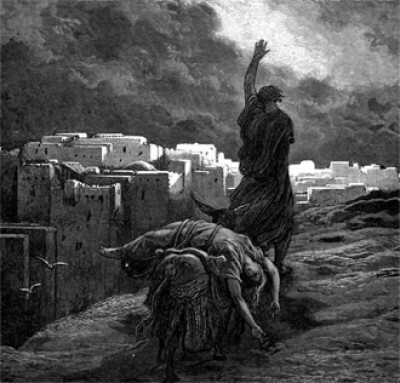
After the death of Othniel, Israel's cycle of sin continues. Due to their unfaithfulness, God sold Israel into the hands of Eglon, King of Moab. Eglon subjugated Israel and oppressed the people. In addition to the oppression of Israel, a famine occurs which causes a man and his wife to flee from Bethlehem to Moab. The man's name was Elimelek and his wife was Naomi. After this, a disturbance occurs in Gibeah which results in the near destruction of the tribe of Benjamin.
1342 BC: Judge Othniel and his wife Acsah
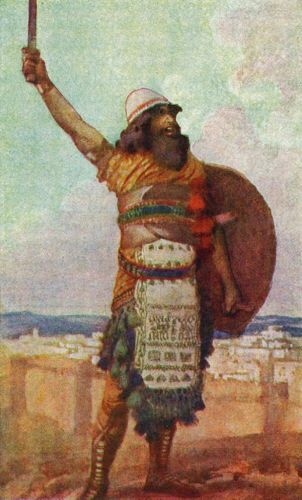
Following the death of Joshua, Judah invades the land. Caleb offered his daughter in marriage to anyone who captured Kiriath Sepher. Othniel, the son of Kenaz, captured the city and received Acsah as his wife. Following the invasion, Acsah approached her father in a beautiful picture of women approaching the throne of God to ask for an inheritance. Next, the cycle of sin begins and the first of the oppressions of Judges began with an invasion of the Arameans, who oppressed Israel for 8 years. After 8 years, Othniel was raised up as the first Judge who brought peace to Israel for 40 years.
1350 BC: 10 Shekels and a Shirt and the Birth of a Principality
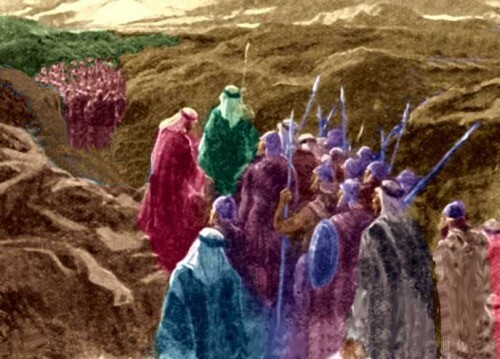
Following the death of Joshua, Israel begins its slide into immorality and godlessness. In this episode, we cover the birth of apostasy in Northern Israel with the idolatry of Dan and sellout of the Levitical priesthood by Jonathan, grandson of Moses, and conclude the episode with a tribute to Paris Reidhead's famous word 'Ten Shekels and a Shirt.'
1368 BC: The Diplomacy of Phinehas and the Conclusion to Joshua
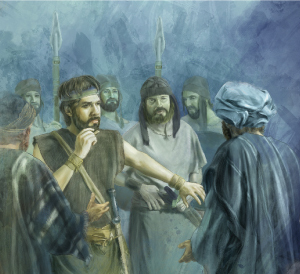
After the division of the land at Gilgal, the Reubenites, Gadites and half-tribe of Manasseh returned to their land east of the Jordan. Upon re-crossing the Jordan, these tribes built an alter. After discovering the alter, all of Israel assembles to go to war with these tribes. Israel sends a diplomatic force led by Phinehas, who performs brilliantly and prevents a civil war. In addition, we will be discussing the final two messages of Joshua and concluding our look at the life and times of Joshua.
1393 BC: Caleb and the Anakites
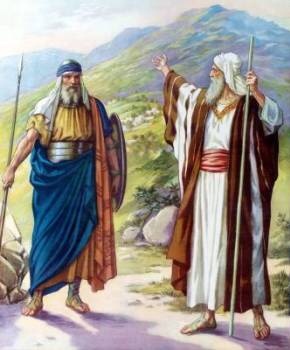
Following Joshua's Northern Military Campaign, the nation goes to Gilgal for the land distribution as commanded by Moses. Joshua is giving out the land grant for Judah, when Caleb steps forward and demands his inheritance. His faith-filled declaration is inspiring and powerful. In response to his declaration, Joshua blessed Caleb. In turn, Caleb and Judah take Hebron and defeat the three sons of Anak.

Podcast Christmas Special: The Prophecy of the Virgin Birth
Taking a break from the Joshua timeline and celebrate the Christmas season, we are going to discuss the historic context of the famous Isaiah 7 prophecy regarding the virgin birth. Possibly in the middle a siege, Isaiah confronts King Ahaz, a wicked demonized king, to prophesy victory in battle. After this prophecy, Isaiah asks Ahaz to request a sign from God. Ahaz rejects the sign, but God gives one anyways: 'The virgin will conceive and give birth to a son, and will call him Immanuel...'
1397 BC: Joshua's Northern Campaign
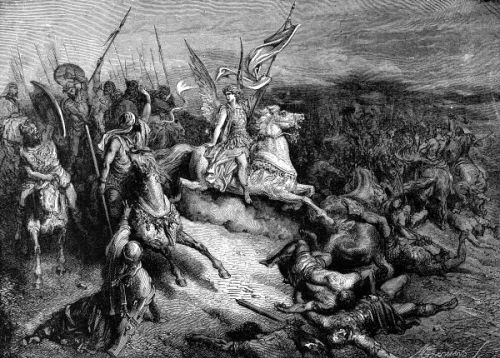
After the destruction of Southern Canaan, Jabin, King of Hazor, rallied the remaining northern Canaanite kings to attack Joshua. Joshua learns of the gathering of forces and he marches north and surprises them at the Waters of Merom. In another biblical suddenly, Joshua destroys these armies and begins his northern campaign to conquer the rest of Canaan.
1400 BC: Sun Stand Still
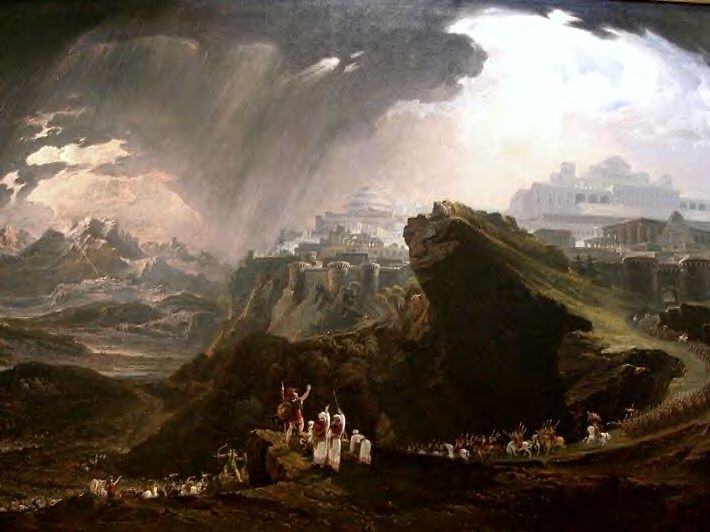
When Adoni-Jesek learns of the defection of the Gibeonites, he rallies the remaining five Amorite kings and attacks them. In defense of their servants, Joshua marches with his entire army to the rescue of the Gibeonites. In a three day battle, full of angelic warfare and heavenly wonders, Joshua subdued the five kings of the Amorites.
1400 BC: Achan and Ai
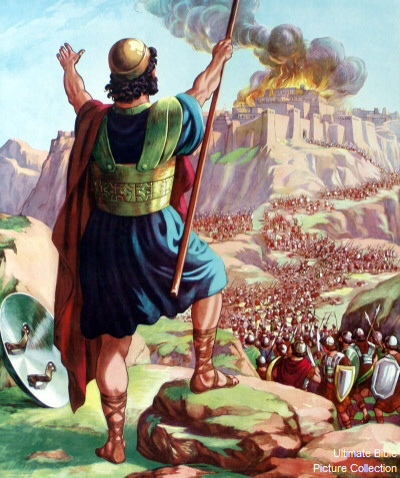
After the fall of Jericho, The Israelites attack Ai and are defeated. After severe repentance, God reveals to Joshua that devoted things were brought into the camp. It was revealed Achan took devoted things from Jericho: gold, silver and a robe from Babylonia. Achan's action surrendered legal rights to victory in battle. In turn, Israel did some house cleaning and redevoted the camp of Israel to God. After dealing with their sin, Joshua led the Israelites in a complete envelopment of Ai and its total destruction.
1400 BC: The Fall of Jericho
Following the crossing of the Jordan, Joshua prepares to besiege Jericho. While he was doing some recon work, a stranger approached him. Initially, unaware of the identity of the stranger, it is revealed he is the Jesus Christ himself, the commander of the Lord's army. Following specific orders, the Lord himself brings down the walls of Jericho. This episode covers the fall of Jericho and the abundance of grace poured out upon the sole survivor and her family from Jericho.
1400 BC: Crossing the Jordan
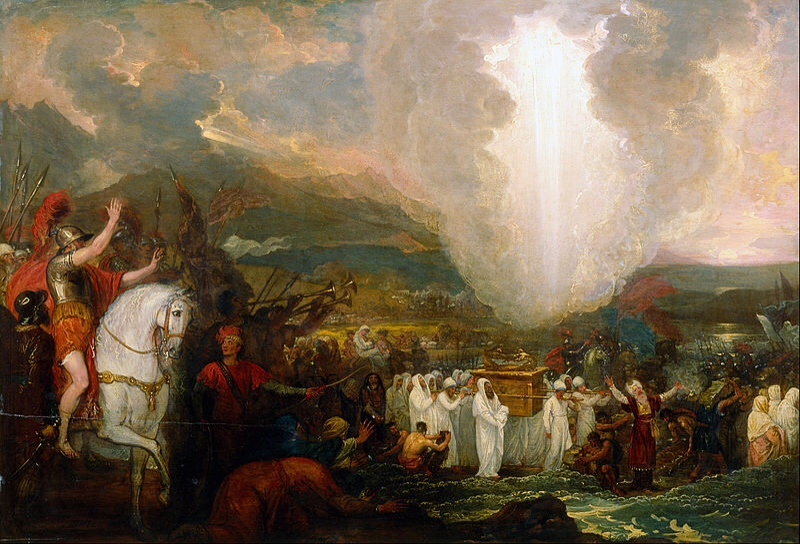
After the spies return, the entire armed camp of Israel, six hundred thousand strong, marched to the Jordan. The priest led the way. When the priests carrying the Ark of the Covenant step foot into the Jordan River, a wonder occurs. God halts the Jordan River and makes the waters pile up. In this episode, we will discussing this scene and the piling up of the waters, the symbolism of this event and the recording of the testimony for future generations.
1400 BC: Joshua, Courage and Rahab
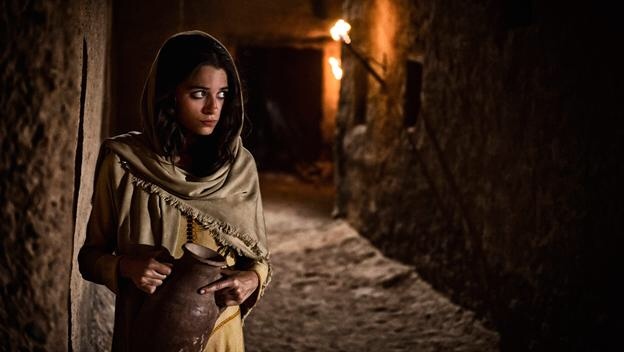
Moses has died and the Israelites are wrecked. After the time of mourning had passed, God commands Joshua to prepare to cross the Jordan. Specifically, he told him over and over, BE STRONG and COURAGEOUS. In this episode, we will be discussing the spiritual concept of COURAGE and the Bible's James Bond mission and the prostitute Rahab.
1400 BC: The Daughters of Zelophehad
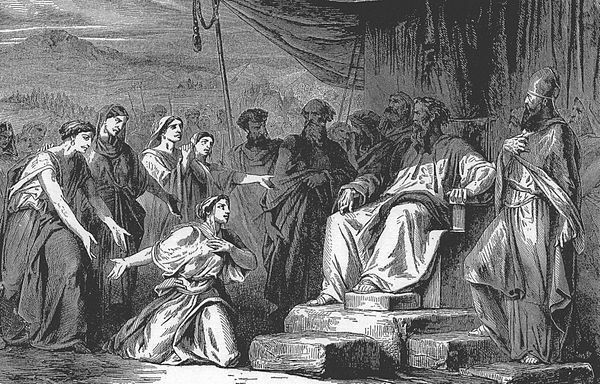
One of the final acts of Moses was to perform another census. The census, prior to the invasion of Canaan, removed the inheritance of Zelophehad, a Levite, who died without sons. In a bold move against the law, the five daughters of Zelophehad boldly addressed their claim for their inheritance. Comparing the other census' of Israel and inheritances of those who follow Jesus, Jannel addresses how the daughters of Zelophehad are significant today.Guest Speaker: Jannel Heaston
1400 BC: The Death of Moses
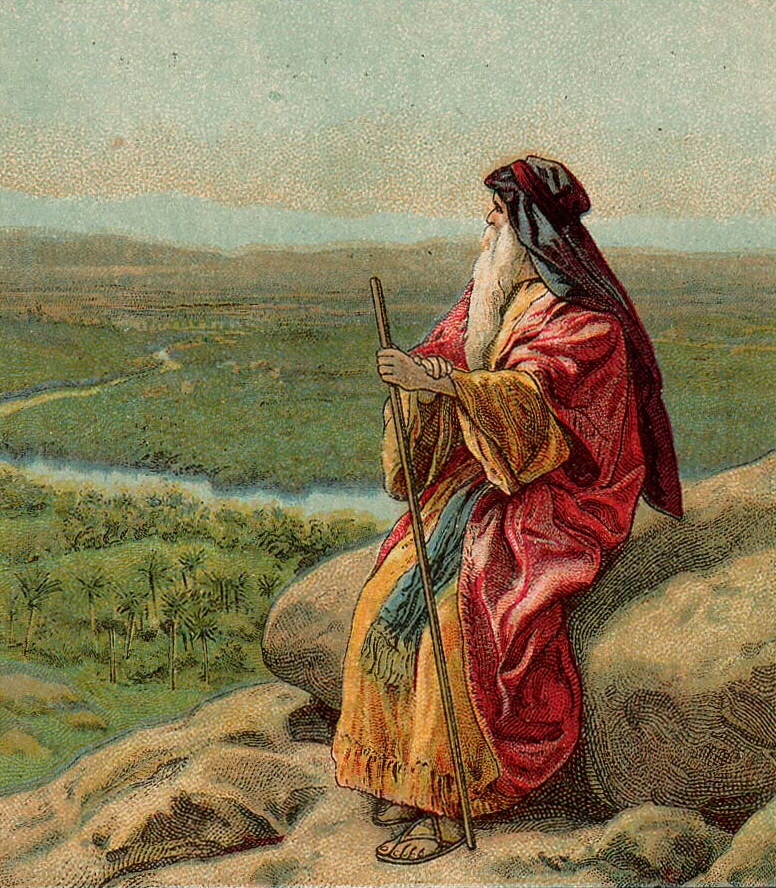
In this episode, we will be covering the final messages of Moses and his mysterious death. The book of Deuteronomy is a collection of these final messages. We will be covering parts of these messages with prophetic significance for Israel. After these messages are complete, Moses climbs Mt. Nebo and has a supernatural experience and dies on the mountain and God himself buries him.
1400 BC: Balaam Part 2
Following the prophecies of Balaam, Balaam gives false counsel to Balak to entice the Israelites into sin. Balak sends his women to seduce the Israelites. The Israelites take the bait and a plague breaks out among the people killing 24,000 people. To stop the plague, Phinehus takes a spear to the primary sinner in the camp and later leads the armies of God to take vengeance on the Midianites. Among the dead, was the five kings of Midian and Balaam. Balaam, the greatest sorcerer of his age, has been killed but his legacy lives on for thousands of years...
1400 BC: Balaam Part 1
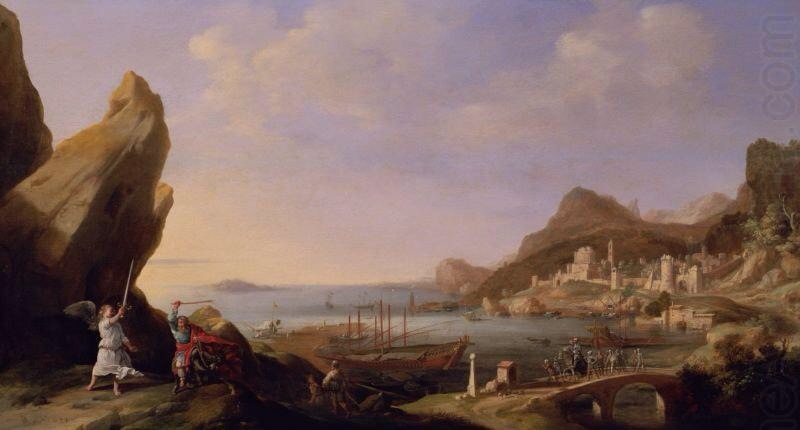
In this episode, we will be discussing the mysterious account of Balaam and his prophecies and the spiritual concept of witchcraft. Balaam, a sorcerer from the Euphrates River, receives payment to curse Israel, travels to Canaan, gets rebuked by a donkey and the Angel of the Lord and later encounters God and gives the following famous prophecy: 'I see him, but not now; I behold him, but not near. A star will come out of Jacob; a scepter will rise of out Israel.'
1400 BC: Wars with King Sihon and King Og
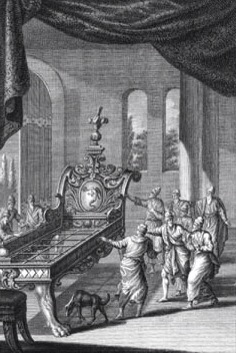
The Israelites have emerged from the wilderness. Opposing the Israelites is two kings and their kingdoms. Instead of allowing the Israelites to pass through their land, King Sihon of Heshbon and King Og of Bashan war against Moses. In this episode, we will explore these wars from a historical perspective.
1400 BC: Moses' Sin and the Bronze Snake
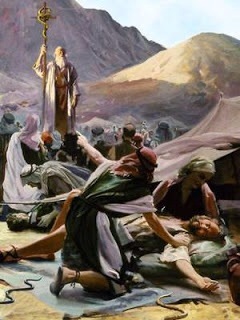
After Korah's rebellion, the Israelites begin their journey from Kadesh Barnea to Eastern Canaan. In this episode, we be covering the final events of the wilderness: Moses sin, the death of Mariam and Aaron, the destruction of Aram and the bizarre account of the bronze snake.
1420 BC: The Sons of Korah
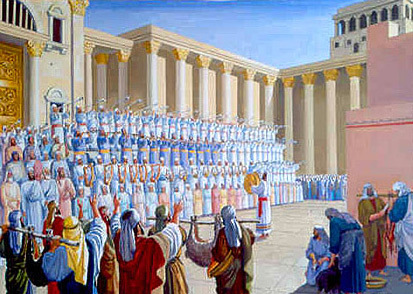
In the previous episode, Korah led a rebellion against God and Moses. The consequence of the rebellion was judgment. The judgment included an earthquake, fire from heaven and a plague. The actions of Moses and Aaron saved the rest of the community. What we find out later is that Korah's sons survive this incident. Not only did they survive, but they testify to God's mercy and grace. Over four hundred years later, over 10% of the psalms were written by the Sons of Korah. This episode is dedicated to telling their story.Guest Speaker: Jannel Heaston
1420 BC: Korah's Rebellion
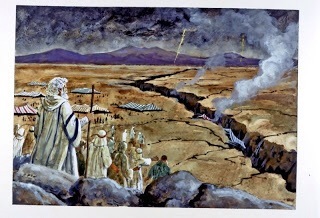
In the wilderness, Korah led a rebellion against Moses, Aaron and God himself. According to Jewish history, Korah was a wealthy prestigious man in Egypt, but in the wilderness he was a Levitical servant. Instead of surrendering his life to God, Korah challenged God. In this podcast, we will cover Korah's Rebellion. Guest Speaker: Jannel Heaston

Podcast Special: Church History Talk with Lance Ralston
Taking a break from the normal story-line, in this episode, I will be interviewing Lance Ralston. Lance is the author and producer of the History of the Christian Church Podcast. In this episode, Lance and I will be discussing the church, history and podcasting.
1438 BC: The Spies, The Nephilim and Rebellion
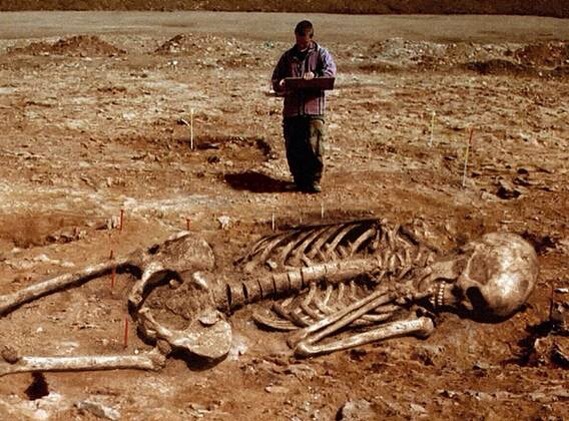
The Israelites finally made it to Cannan. Prior to invading the land, a spy from every tribe was sent to spy out the land. All of the spies reported a land of milk and honey, great fruit, giants, and walled cities. Joshua and Caleb responded in faith, but the other spies believe more in the fear of man, than in the fear of God. The result was catastrophic.
1439 BC: The Ten Commandments, the Law and the Tabernacle
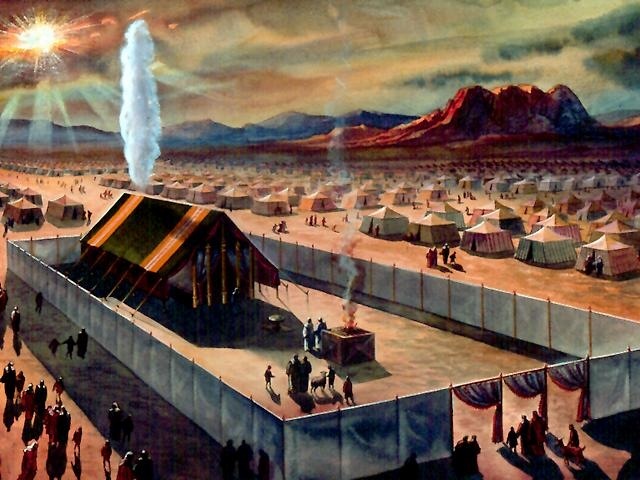
During their stay at St. Sinai, God gave Moses the Ten Commandments and The Law. The ten commandments summarize all of the laws. Jesus revealed many years later, that God was interested in the heart and spirit of the law and he explained the full depth of the law and how impossible it was for man to fulfill it. Only Jesus was able to fulfill the law, whose length and depth covered the breath of human sin. Sin had to be atoned for. The law was given to reveal the power of sin, while Jesus came to give us authority over sin. Jesus came to atone for sin and empower us to live an abundant life.
1439 BC: The Encounter at Mt Sinai
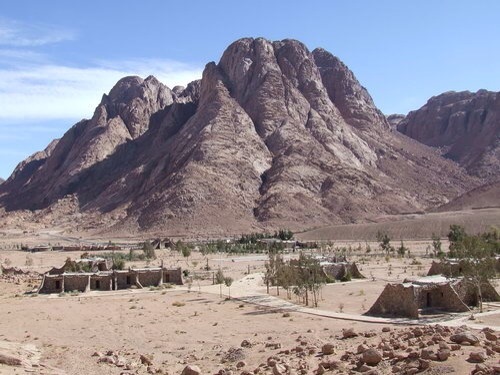
After the Red Sea crossing, God led the Israelites to St Sinai. At Mt Sinai, God himself came down like fire upon the mountain and encountered the people. God's desire was to reveal himself to the nation of Israel and build a relationship and develop his purpose for them was a royal priesthood, but instead of drawing closer to God, they turned away from him and worshipped idols. While the people turned from God, Moses ran toward him encountering his glory over and over. Our revelation of God can only be in proportion to our relationship with him.

1440 BC: The Wilderness
After the Red Sea crossing and worship experience, the Israelites embarked into the desert and began the long journey to Canaan. What comes next is a season of testing and revelation. This episode will cover the five events leading up to the encounter at Mt. Sinai. What began as a short journey to Canaan will end up lasting forty years due to the unfaithfulness of the Israelites.

1440 BC: The Exodus
In this episode, we will shift our vantage from the personal perspective to a national and spiritual perspective and address the spiritual warfare of the Exodus. God will be tearing down the ten principalities of Egypt and concluding the matter with the destruction of Pharaoh's chariot army in the Red Sea. We will be discussing the first passover and the judgments of God and man's response to the wonders of God.
1480 BC: Moses in the Wilderness
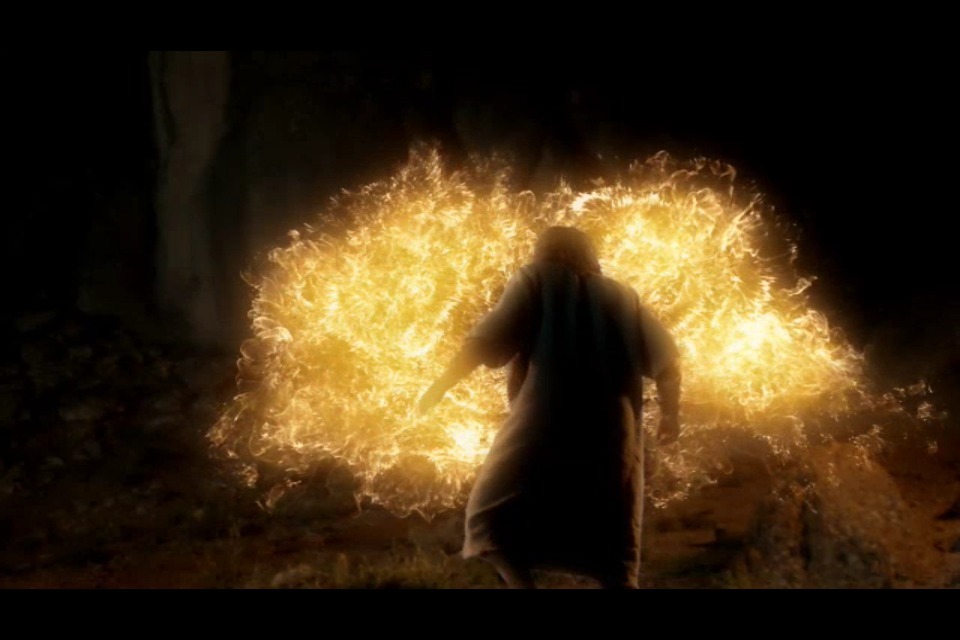
After forty years in Egypt as royalty, Moses will spend the next forty years in the wilderness being training by God alone to build the character to sustain the next forty years. In the wilderness, he will learn the character of Jesus, until one day he will reach the end of the wilderness, the end of the flesh, the end of his wandering, when his dreams were fully submitted to God, where God will reveal himself and his next assignment and his destiny.
1520 BC: The Royal Training of Moses
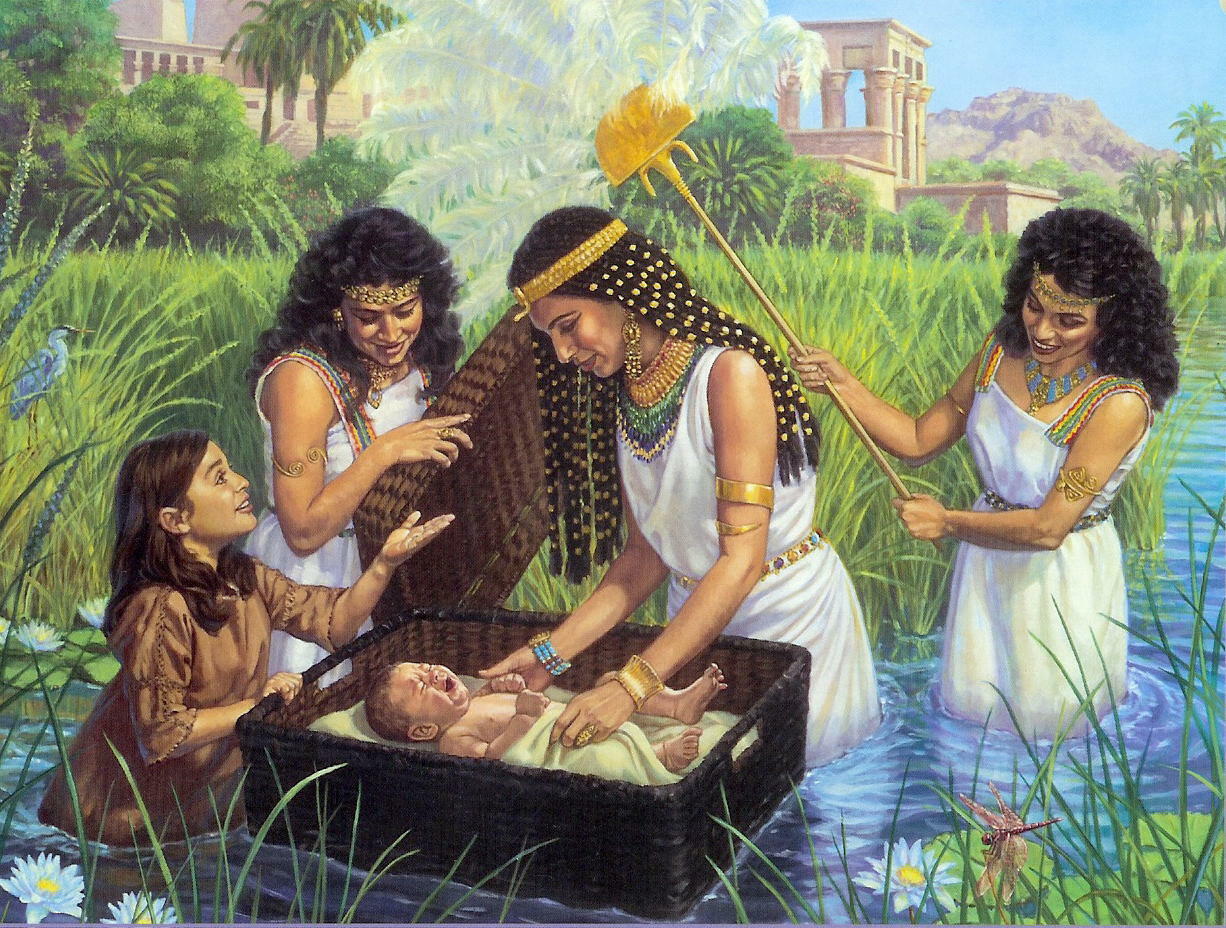
Moses was born to a Levi named Amram. Amram is a slave in Egypt and his people, the Hebrews are impressed slave laborers. The Pharaoh of Egypt is fearful of the multiplying and numerous Hebrews. Instead of recruiting them and incorporating them into his empire, he enslaves them and abuses them. He enslaves them and orders the death of their boys at the time of Moses birth. Amram wisely places his child in a small ark and drifts him into the direction of Pharaoh's daughter, who can't help but adopt Pharaoh as her own. Moses is raised as royalty in the house of his enemy and lives there for forty years until he escapes to Midian. Josephus provides some questionable, but interesting history, of the missing years of Moses life.
1500 BC: Job
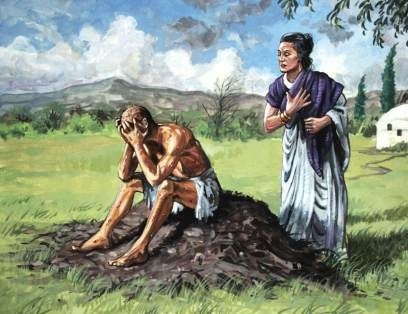
Around the time of Abraham, Isaac and Jacob lived a relative of Abraham who was blessed more than any man in the East. He was tried and tempted by Satan, with the permission of God himself. The Book of Job is story of his long suffering and faith in God. He lost everything that he valued except his faith in God. In the middle of his suffering, he is confronted by his wife and three friends, another man and finally God himself. This podcast is an account of his suffering and a summary of the philosophical and spiritual debates with his friends concluded by the words of God.
1500 BC: The Descendants of Ham
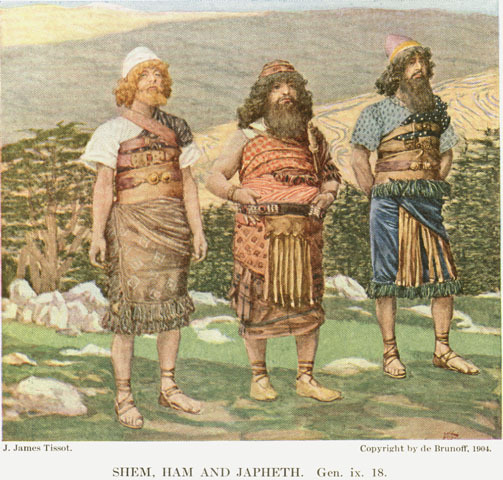
In order to set the stage for the Hebrews and their arrival on the world stage, we must paint a picture of world as of the date of 1500 BC. In order to do this, we will be discussing Africa and Canaan and its colonization back to the descendants of Ham, son of Noah. Ham's sons and their families and descendants are responsible for the civilizations - the Hittites, Canaanites, Egyptians and other African nations. We will spend considerable time on the Canaanites, the future enemies of Israel and reference the Canaanite curses and how they impact the descendants of Abraham.
1500 BC: The Descendants of Shem
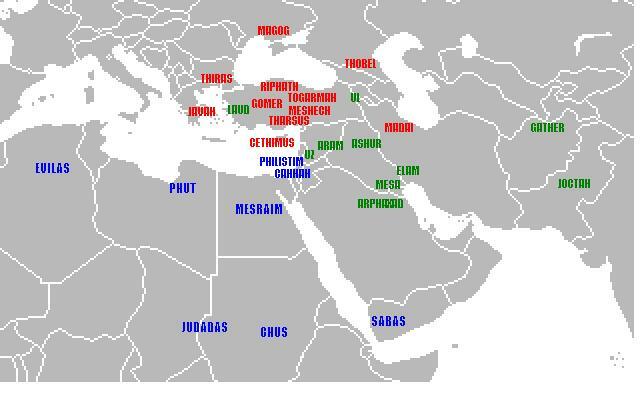
In order to set the stage for the Hebrews and their arrival on the world stage, we must paint a picture of world as of the date of 1500 BC. In order to do this, we will be discussing the Eastern World and its colonization back to the descendants of Shem, son of Noah. Shem's sons and their families and descendants are responsible for the colonization of Assyria and Babylon in Mesopotamia and India and Pakistan and as far away as China. We will be discussing the roots of these civilizations and we will conclude with a mysterious Biblical figure called Melchizedek.
1500 BC: The Descendants of Japheth
In order to set the stage for the Hebrews and their arrival on the world stage, we must paint a picture of world as of the date of 1500 BC. In order to do this, we will be discussing the Western World and its colonization back to the descendants of Japheth, son of Noah. Japheth's sons and their families and descendants are responsible for the Greek settlements of Mycenae and the Minoan Civilization. We will be discussing the roots of these civilizations and especially the fall of the Minoans.
Podcast Special
Tune in to this episode and get a behind the scenes look at the Message to Kings Podcast. This is not a regular podcast, but a special podcast dedicated to thank yous, notes on history podcasts, updates on this podcast, facebook, help needed and a note on the next four podcasts.
1706 BC: Joseph
Jacob loves Rachel far more than Leah and he favors Rachel's sons, Joseph and Benjamin, over his other sons. This treatment is evident when Jacob gives his son a treasured coat. Then, Joseph starts getting dreams of his greatness when his father and sons bow down to him. In his immaturity, he tells them his God inspired dreams. In jealousy, they want to kill him and eventually sell him into slavery in Egypt. Follow guest speakers Joseph Rosko and Julio Morimoto as they tell the story of Joseph from a favored son to a slave to the second most powerful man in the world.
1789 BC: Jacob Part 2
Jacob falls in love with Rachel and he agrees to work seven years for her father, Laban, to marry her but the deceiver is deceived. At the wedding, Laban marries off Leah, Rachel's sister to Jacob instead. In the morning, Jacob awakens to see Leah. Upon confronting Laban, he agrees to work another seven years for Rachel. After additional years of labor for Laban after fulfilling his obligation, he and his family and their children flee back to Canaan only to face Esau again, an all night wrestling match and the foreign peoples of Canaan. Guest Speaker: Jason Ross
1836 BC: Jacob
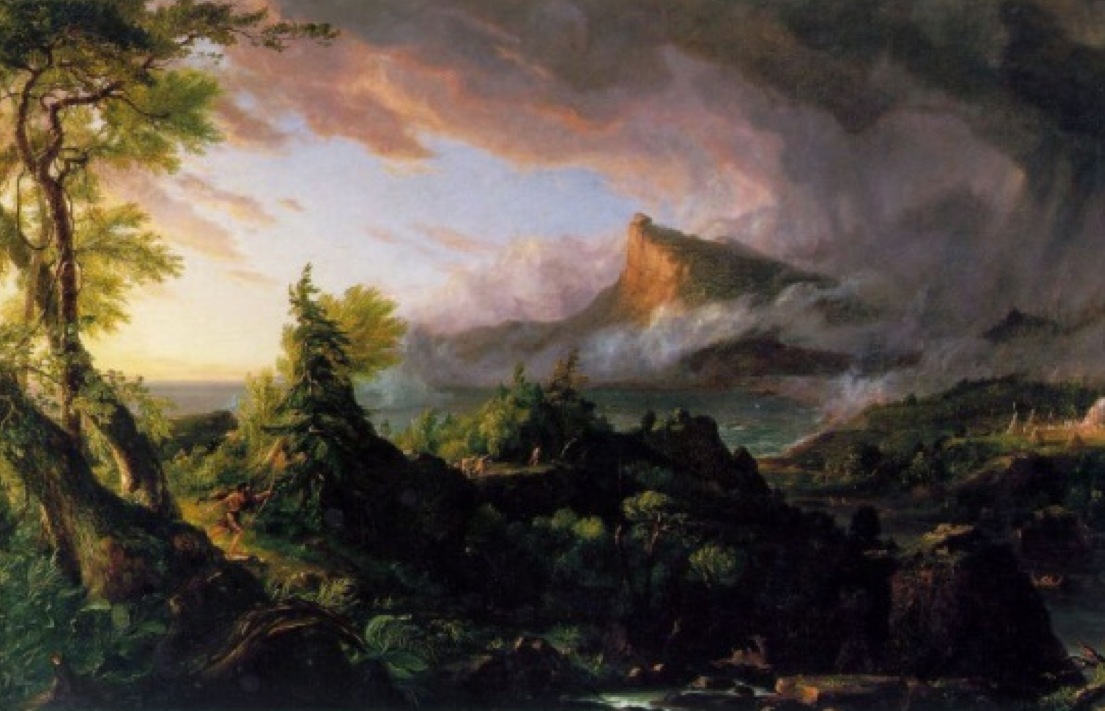
Isaac and Rebekah have twins - Esau and Jacob. Isaac favors Esau and Rebekah favors Jacob resulting in a competition for the family blessing. Jacob deceives his brother to obtain the family birthright. Esau forfeits his blessing for lentil soup. In revenge, Esau threatens to kill his brother. Jacob runs to Haran and falls in love with Rachel, but the deceiver receives his due. Guest Speaker: Jason Ross
1871 BC: Isaac
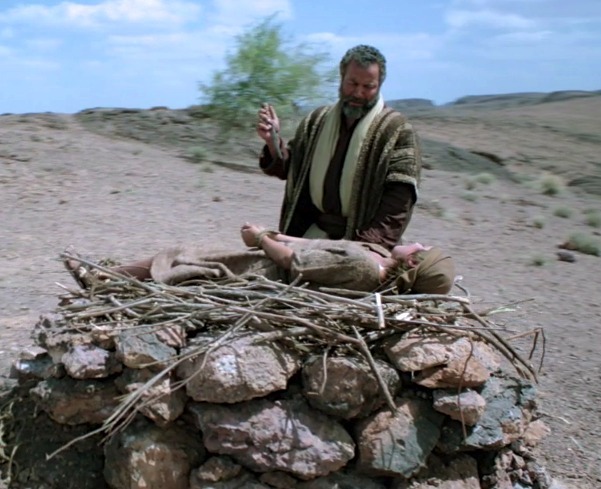
Abraham has his treasured son, Isaac, but he is asked to sacrifice him to God. Through his faithfulness, God gives man a glimpse into the redemption of mankind through Jesus Christ over 1800 years later.
1893 BC: The Legacy of Abraham
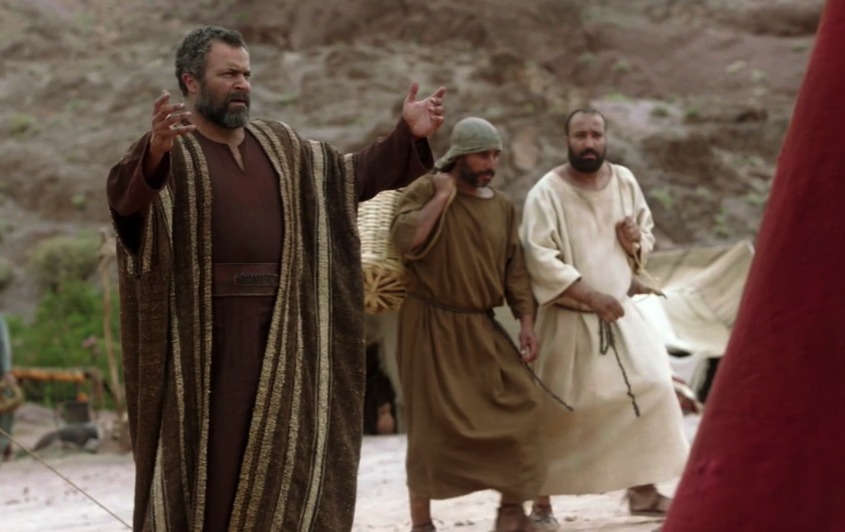
During this episode, we discuss the spiritual concept of prophecy, testing and Abraham's walk with God and the fulfillment of God's promises over his life.
1898 BC: Sodom & Gomorrah
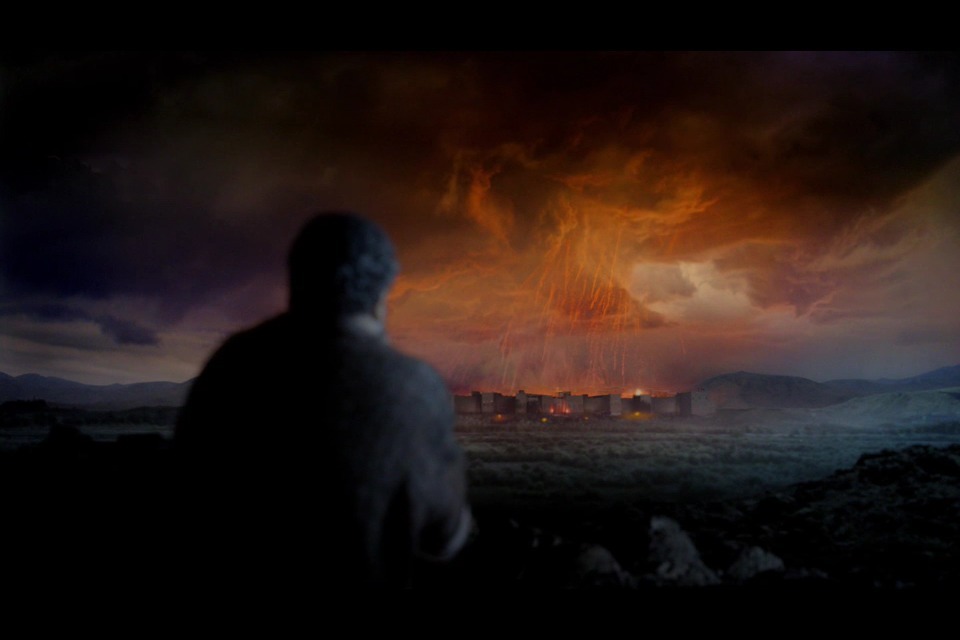
Following Abraham's obedience to move to Canaan. He must flee to Egypt due to a famine, then watch Lot move away, rescue Lot from an army and rescue Lot through prayer for Sodom and Gomorrah.
1921 BC: Abraham
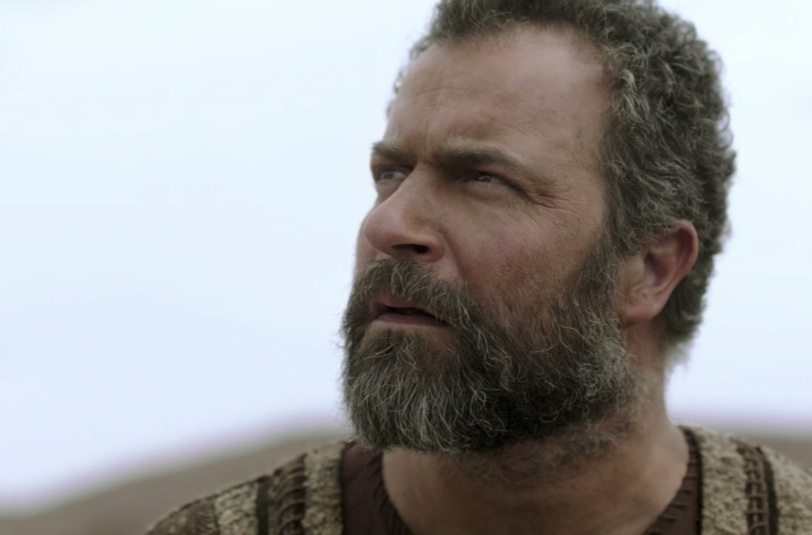
God called Abraham from Mesopotamia to the promise land. He promised to make him into a great nation and to bless those who bless him. Abraham was to leave his lifestyle and father's house and legacy of idol worship to serve the one true God.
2240 BC: Babel
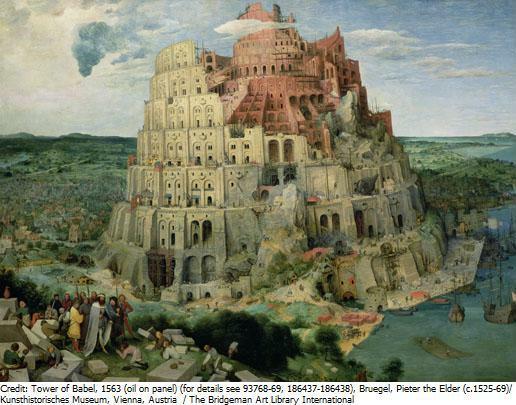
Following the flood, mankind is born again as Noah and his family step forth from the ark. The command is to colonize the world. Prior to colonizing the planet, there was a misstep at Babylon. This is the account of the rebellion at Babel.

2347 BC: Noah
After the fall from grace in heaven and on earth and the ejection from the garden, man began to multiply and subdue the earth, but in the process demonic forces corrupted the planet and defiled the land. Due to this defilement, God was forced to hit the reset button on the planet and redeem mankind through one family - Enter Noah.

Pre-History: War in Heaven
Before we begin the history of man, the forces at work inside the Garden of Eden have to be addressed. In this episode, we will explore the original sins in heaven and earth, war in heaven, the creation of the world and the first prophecy in the Bible.
Introduction
Welcome to the very first Message to Kings Podcast...Message to Kings is a history podcast dedicated to telling a chronological Biblical history of man. The primary focus will be the Biblical events and characters of history supported with historical references and external events. Combining a story-telling style with an historical focus, Message to Kings strives to incorporate spiritual concepts, parallels, prophecies and practical applications from history to our world today.