
Message to Kings - A Biblical History of Man
395 episodes — Page 7 of 8
1010 BC: David is King in Hebron
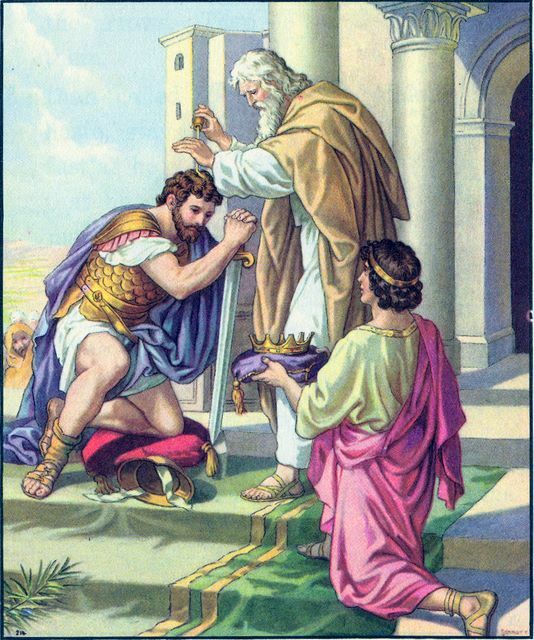
After waiting fifteen years from the original anointing by Samuel, David marched into Hebron and is crowned king of Judah. In this episode, we take a creative look at David visiting the Cave at Machpelah and a visit to the city of Jebus and the future city of Zion.
1010 BC: The Battle of Gilboa and the Death of Saul
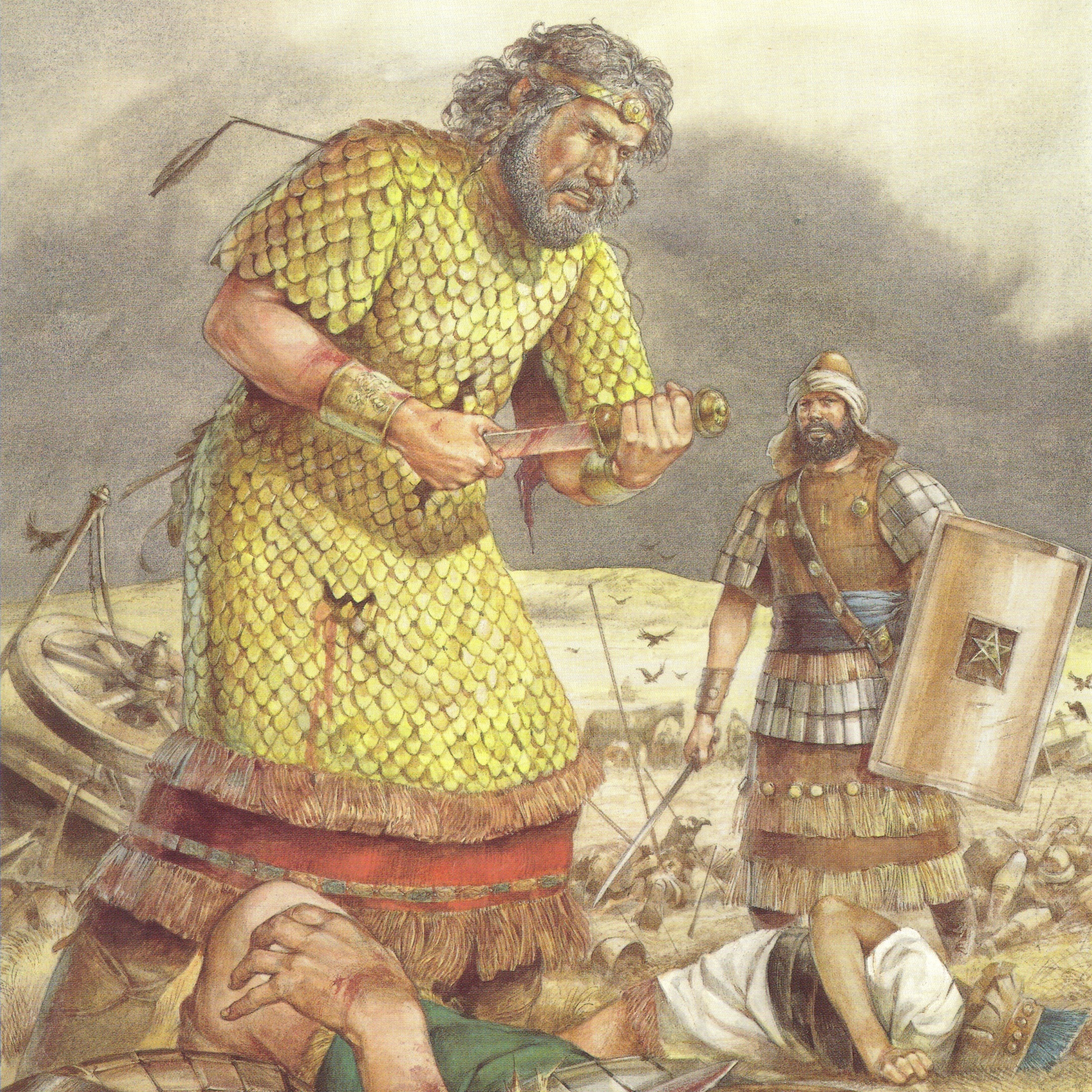
While David is fighting the Amalekites, Saul and the Army of Israel faces off against the Philistines at Mt Gilboa. Saul takes his forces up a mountain to take away the advantage of the Philistine horseman and chariots, but is quickly overwhelmed and surrounded. In this episode, we cover the battle and the last actions of Saul and the immediate fallout of the battle.
1010 BC: David and the Amalekites
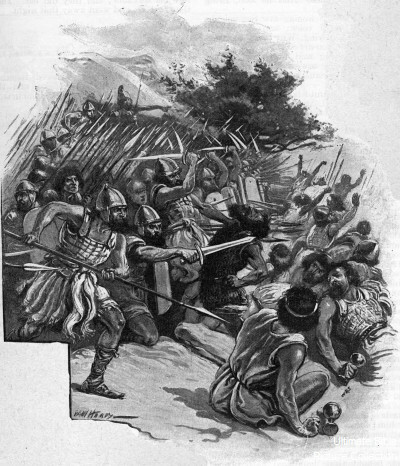
Even as Saul is terrified of the huge Philistine army and he visits the witch of Endor, David is commanded to join the Philistine army by Lord Achish of Gath, who David has befriended and faked an alliance with for over a year. Before David can put a plan into action, he is commanded to return to Ziklag by the other Philistines who do not trust David. Upon his return to Ziklag, a very large Amalekite army had overtaken Ziklag and had taken hostage the women and children of David's men and burned Ziklag. In this episode, we cover the detailed historical account of Josephus as David comes upon and surprises the Amalekites and fulfills the Lord's word to pursue, overtake and rescue the families and possessions and all that had been lost in David's season of fear.
1010 BC: Saul and the Witch of Endor
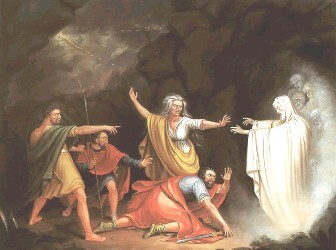
Four armies are marching in the region of Israel. The Philistines have assembled to destroy King Saul and his army. David was called upon by King Achish to march with the Philistines. Saul assembled all of Israel to oppose the Philistines at Mt. Gilboa. In addition, there is a nomadic Amalekite army about to raid Southern Judea and Philistia, including Ziklag. When Saul sees the hordes of Philistines, he is terrified and when he fails to obtain counsel from God, he calls upon someone to find a witch to help him. The result is Saul and the Witch of Endor.
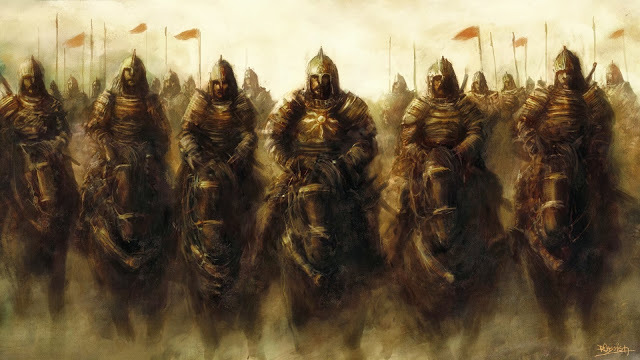
1015 BC: David and the Spirit of Fear
What the enemy could not do in the natural, he successfully achieved in spirit. According to 1 Samuel 27, David thought to himself 'one of these days I will be destroyed by the hand of Saul. The best thing I can do is to escape to the land of the Philistines. Then Saul will give up searching for me anywhere in Israel, and I will slip out of his hand.' A single lie of fear broke into David's heart and was believed. In this episode, we discuss how David stepped out of God's will as he made a decision based upon fear.
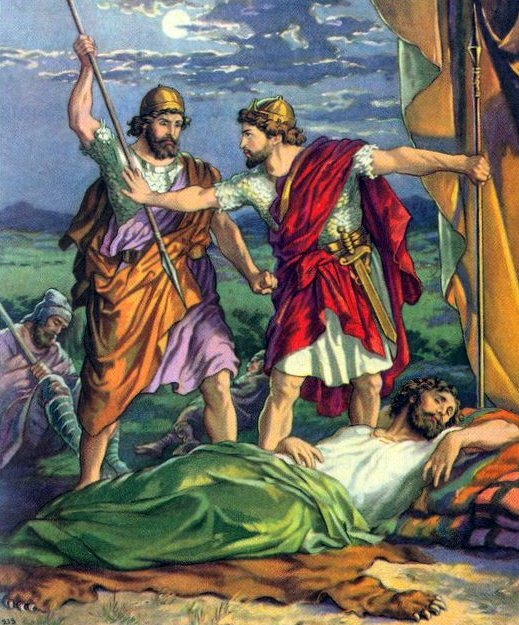
1016 BC: David and the Spirit of Honor part 2
David tries to find peace and rest in Judah, but the Ziphites rally against David and call upon Saul to attack David. Saul marched toward David with 3,000 troops and established a camp near David's men. In the middle of the night, David and Abishai sneak up on Saul's camp and David has another opportunity to kill Saul and become king.
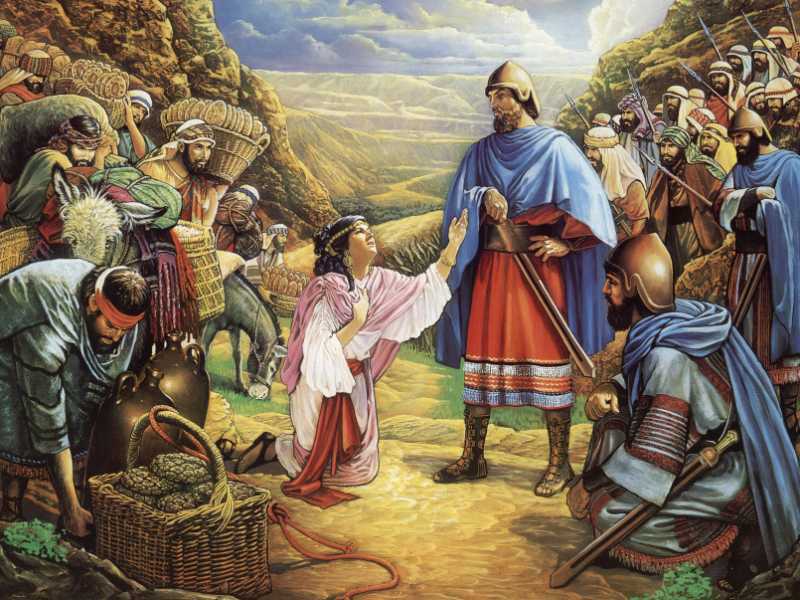
1016 BC: David, Abigail and that fool Nabal
After the death of Samuel, all of Israel goes to Ramah and pays their respects to the great prophet. Then, David and his men return to Judah and ask for provisions from a rich man named Nabal, who lived near the monument to Saul at Carmel. Nabal refuses David and rudely sends the men away and cuts David with his words. David, in turn, marches with 400 men to kill Nabal and the men of his household. Before David can get to Nabal's house, Abigail, the wife of Nabal, intercedes with her actions.
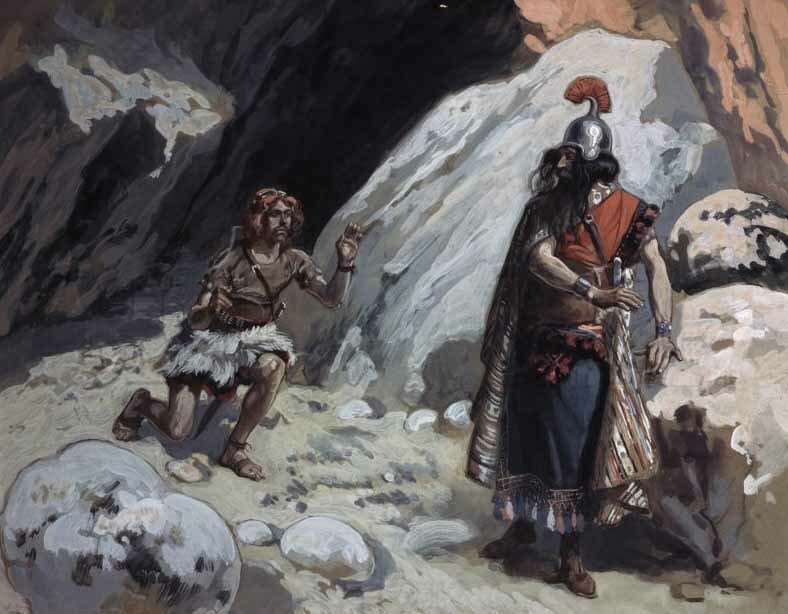
1017 BC: David and the Spirit of Honor
In this episode, we take a brief look at the mobile camp of David and explore a prophecy that sets the scene at the cave at En Gedi, where Saul is delivered, naked, to David for judgment. Instead of taking Saul's life, David shows mercy and grace. We conclude this episode with the mercy and grace of David and the spirit of honor over his life.
1017 BC: David and the Mighty Men
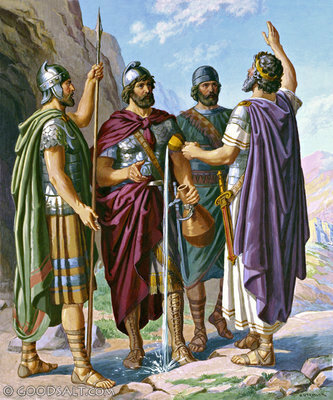
After Saul kills the priests at Nob, he pursues David. David saves the town of Keilah from the Philistines, but is forced to flee when Saul pursues him. Over the next year or two, Saul pursues David and David flees from him, all the while, David is training up his group of misfits and turning them into the mighty men. In this episode, we cover the making of the MIGHTY MEN and begin and conclude the episode with the making of THE THREE.
1018 BC: David in the Cave at Adullam
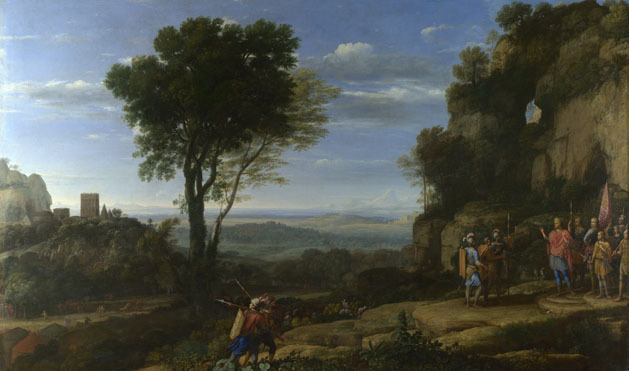
After the scene at Gath, David is full of the spirit of God and he journeys to Judah, the tribe of his people, and he hides in the cave at Adullam. At Adullam, David worships God alone, until his family shows up and 400 distressed, in debted and discontented men show up. David will take these 400 and turn them into the future leaders of Israel, but it is in the cave of Adullam that God reveals HOPE to David and God keeps his promises for only days before David was without food and in prison.
1018 BC: Abiathar and the Chaos at Nob
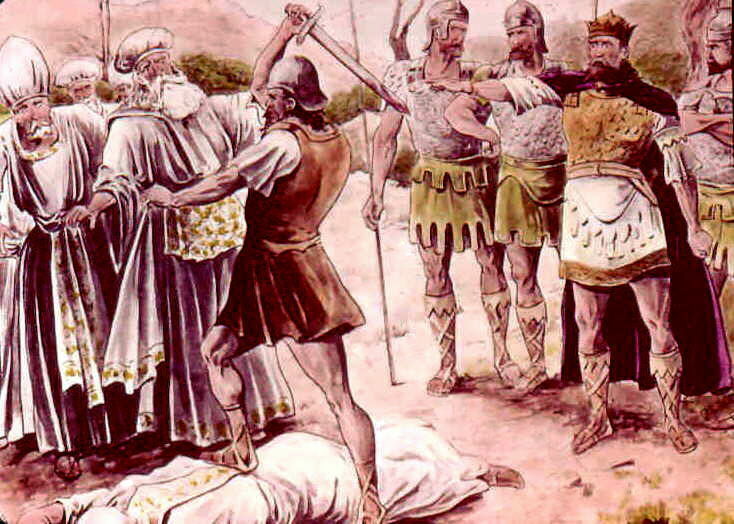
Saul, in his jealousy, hunts for David. He learns that Ahithopel, the high priest, was last scene with him. In his rage, he summons all of the priests to Gibeah for a confrontation. When they arrive at Gibeah, Saul orders the death of all of the priests of Israel because they helped David. In this episode, we conduct an audio drama from the perspective of the lone survivor, Abiathar, the son of Ahithopel.
1018 BC: David and the Angel of the Lord
After David's failure at reconciliation with King Saul, he flees to Nob, the town of the priests. In Nob, David receives assistance from the high priests by receiving consecrated bread and the sword of Goliath. David leaves soonafter, because he is spotted by Doeg, Saul's chief herdsman. David flees to Gath, where David's life is threatened and he is thrown in prison. But, it is in prison and in Gath, where David experiences God's presence and deliverance.
1018 BC: David and the Stone Ezel
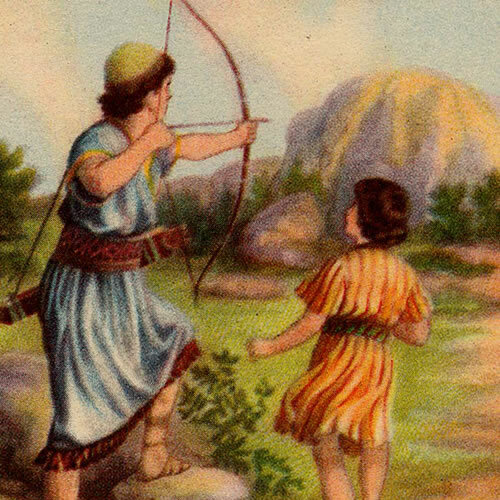
In this episode, David makes one final attempt to reconcile to King Saul. David goes to Jonathan and asks him to inquire with the King as to his feelings toward David. During the New Moon feast, Jonathan approached his father, while David hid at the Stone Ezel. When Saul noticed David wasn't at the feast, Saul flies into a rage and attacks his son Jonathan for protecting David. In an emotionally charged moment, Jonathan and David say goodbye to each other at the Stone Ezel and David's journey takes an abrupt change of course.
1018 BC: Samuel and the Spirit of Prophecy
David recounts his emotional and spiritual experience in Psalm 59 as he flees from Saul. He ends up in Rammah under the protection of Samuel and the school of the prophets. Saul finds out where David is and sends soldiers to arrest David. In this episode, we discuss what happens when Saul comes after David and the Spirit of Prophecy.
1020 BC: David in the Court of Saul and the Season of Contradicton
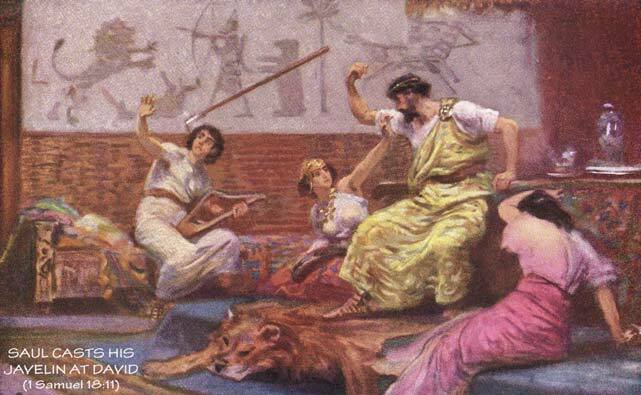
After David marries Michal, Saul only gets more jealous of David. He orders his son Jonathan and his attendants to kill David. David flees from Saul, but Jonathan takes up his case with Saul and David is restored to his place. All seems back to normal in the court of Saul, until the Philistines attack and David defeats them and David is Israel's hero again. In a fit of rage, as David was playing his lyre for Saul, Saul hurls his spear at David. David dodges the spear and flees to his room. Saul orders David to be killed, but David escapes out of the window out of the palace of Saul and the protection of Israel into his wilderness years. We conclude this episode with a look at the concept of Christian contradictions and the upside down Kingdom of Jesus.
1025 BC: David and Jonathan
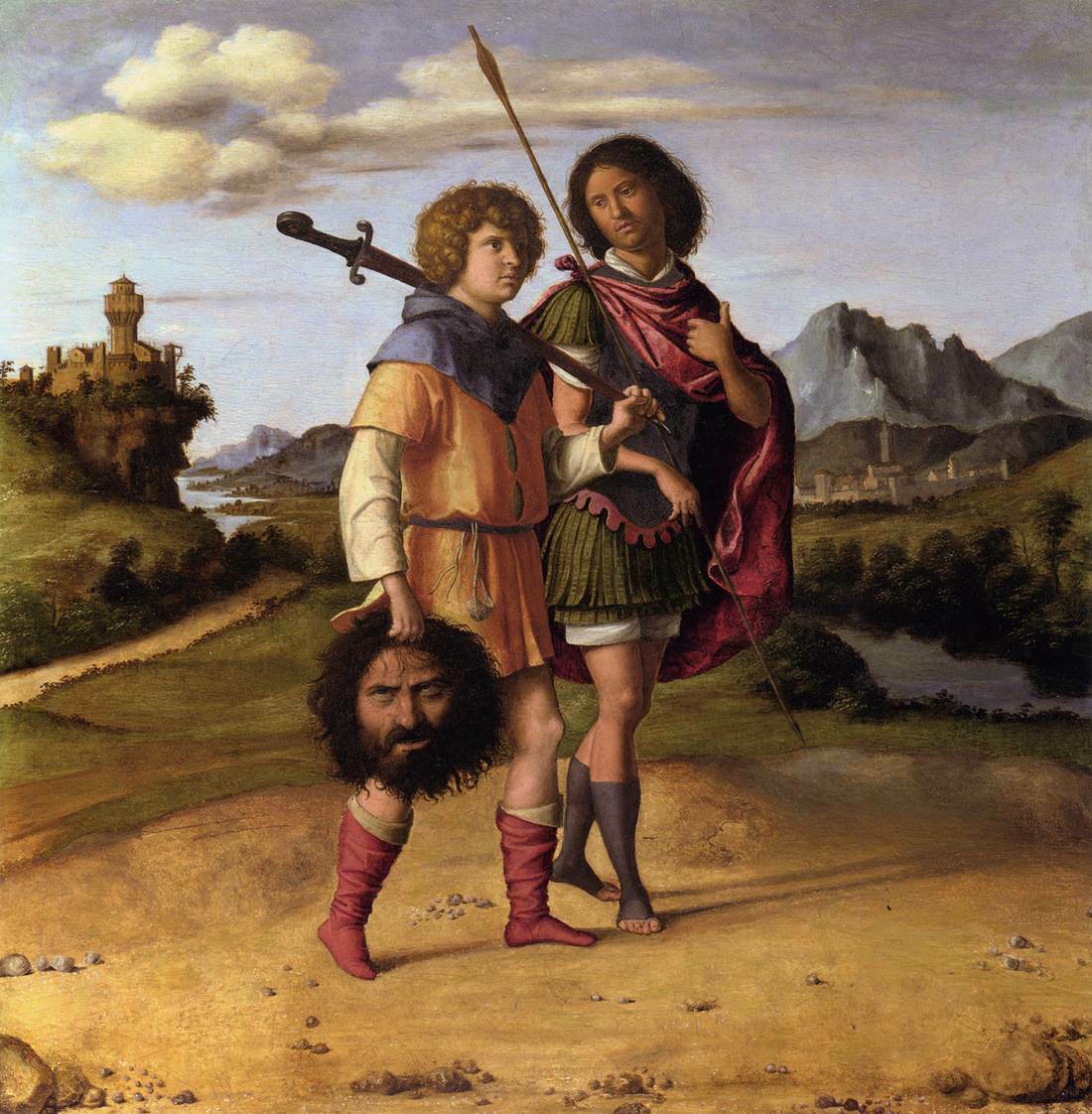
After David beheads Goliath, there are a few peculiar verses. In this episode, We will discuss these verses as well as David's relationship with Jonathan. Not only did David take on and kill Goliath, but on the same day, he made his best friend - Jonathan.
1025 BC: David and Goliath
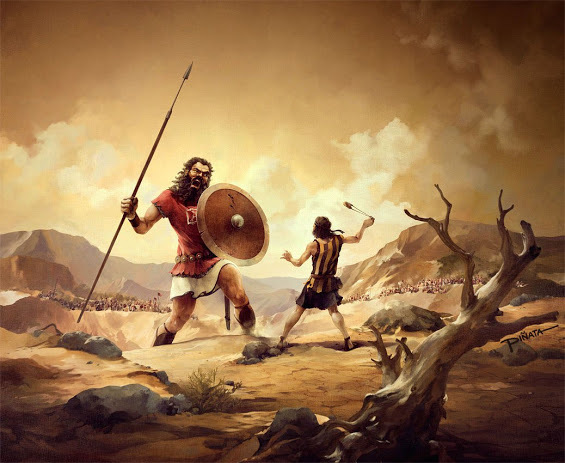
In this episode, we cover the conflict between David and Goliath from a Jewish Traditional perspective. Pulling from Louis Ginzberg's work, the LEGENDS OF THE JEWS, we cover the background of Goliath and read his account of the encounter between David and Goliath.

Podcast Special: 'A Man After God's Heart' interview with Scott Buss
In this podcast special, we conduct an interview with Scott Buss regarding the heart of David and his heart for worship. Scott Buss is an accomplished classically trained musician who has dedicated his life to the worship of God. In this interview, he discusses his journey and his testimony of worship and puts into context the concept of spiritual warfare which occurs during times of worship.
1040 BC: Saul, the Amalekites and Generational Sin
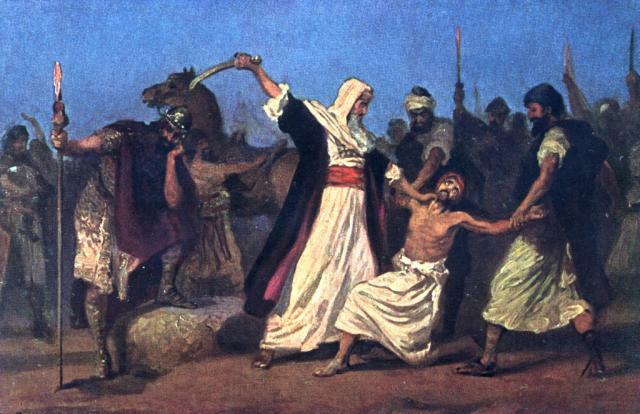
After defeating Israel's enemies on every side, Saul turns his attention erroneously inwardly in a campaign against the Gibeonites breaking the long standing treaty with these people, and upon the word of the Lord from Samuel, he attacks the Amalekites. In this episode, we cover Saul's disobedience, arrogance, pride and the consequences for him and Israel and how his sin impacted future generations.
1051 BC: The Battle of Michmash part 2
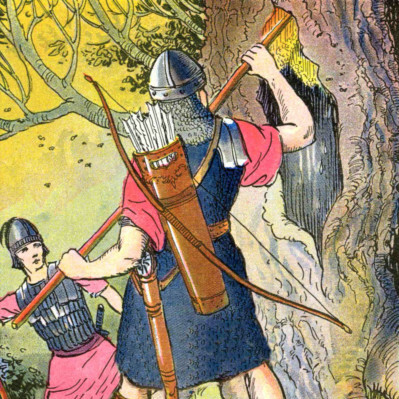
As Jonathan attacked the Philistines, the Philistines melted away in all directions. The previously surrendered Israelites turned on the Philistines and those Israelites who fled in the hills attacked their flanks. Saul called for the high priest to inquire of God, but the answer was too long in coming, so he attacked the fleeing Philistines, who now, were fighting against themselves as well. As the Israelites attacked, Saul made a vow, 'cursed be anyone who eats today, until I get my vengeance upon my enemies.' In this episode, we see what happens to Saul's vengeance fast and its parallel in the Book of Judges.

1051 BC: The Battle of Michmash and the Courage of Jonathan
Jonathan sneaks out of the Israelite camp with his armor bearer and goes to pick a fight with the better armed and more numerous Philistines. He approaches a Philistines garrison at the Michmash pass, with cliffs on either side and in one of the most unwise military strategies of all time, Jonathan and his armor bearer attack the Philistines, showing outrageous courage and bravery and boldness. God, who is drawn to faith, answers by delivering Jonathan and bringing victory to Israel. Coverart by Jeff Brown
1025 BC: The Lion and the Bear and the Lyre
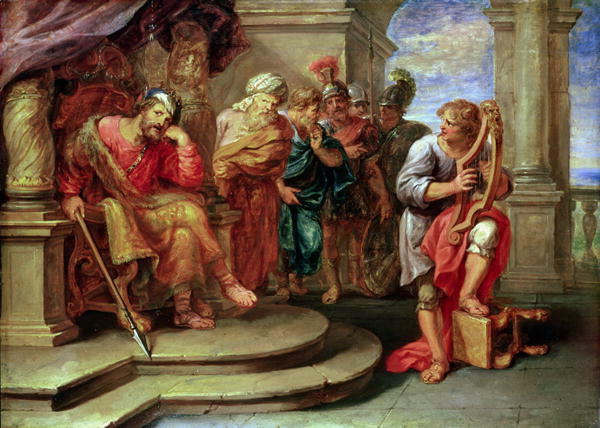
In this episode, we conduct a creative interpretation of David's fight in the wilderness against a lion, as referenced by David in 1 Samuel 17:34 and conclude this episode with David playing his lyre before Saul. Even at the age of fifteen, David was slaying demons and casting them away in worship.
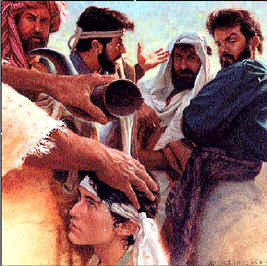
1025 BC: The Anointing of David
After God rejects Saul as king, God sends Samuel to Bethlehem to anoint one of the sons of Jesse as the next king of Israel. Jesse has seven sons pass before Samuel, but Samuel doesn't anoint them. He asks Jesse 'are there more sons?' Jesse responds 'there is the youngest, out with the sheep.' David is called in and anointed the next king of Israel at the age of fifteen.
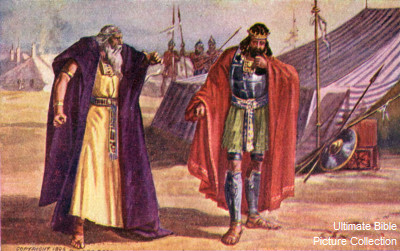
1051 BC: King Saul's Folly
After the defeat of Nahash and the renewal of the kingship, King Saul dismisses his huge army and only keeps a standing force of 3,000 men. With his small army, he turns it west and attacks the Philistines. This violent act stirs up the Philistines and they show up in force with over 300,000 men. Saul and his army flee and hide and many surrender to the Philistines. Saul, in his fear and without waiting completely for Samuel, steps in front of the Levites and conducts a Levitical sacrifice to gain God's approval. As Saul completes the sacrifice, Samuel arrives. Instead of receiving God's favor, Saul, by ignoring God's law and disobeying Samuel, he receives God's judgment.
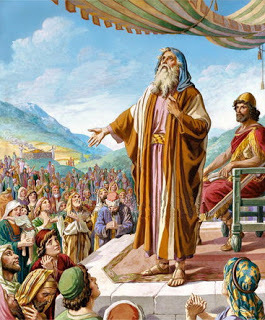
1052 BC: King Saul Renewed as King
After the defeat of Nahash the Ammonite, Samuel calls the people to Gilgal. Here Samuel conducts 'his final address' where he steps down from his role as Judge and renews the kingship of Saul. In 'his final address,' he gives the people a history lesson, teaches them his three secrets to his walk with God and convicts the people for their asking for a king and God confirms it wondrously.
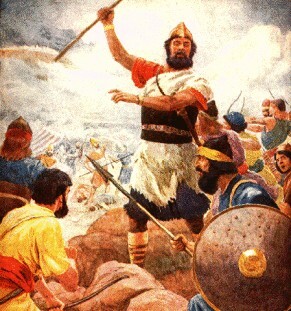
1052 BC: King Saul vs Nahash the Ammonite
A military power parks an army outside of Jabesh Gilead, a large Israelite town east of the Jordan, and their leader's name is Nahash the Ammonite. Nahash threatens to destroy the city, unless they surrender and allow him to gouge out the right eye of every Israelite. Word is sent throughout Israel and when Saul receives word of the threat of Nahash, the spirit of the Lord comes upon him. When the spirit of the Lord comes upon him, Saul tears apart his ox and sends parts of it throughout Israel and threatens the people with their lives if they do not come to the aid of Jabesh Gilead. The response was fantastic: 330,000 Israelite men show up to fight for Saul. What follows is military brilliance on the part of Saul: he splits his army in three and leads them in a daring night attack to rescue Jabesh Gilead.
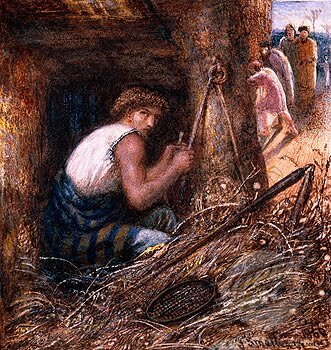
1052 BC: King Saul is hiding in the baggage
After Saul was anointed king of Israel in private, Samuel calls the people together publically at Mizpah. Samuel called the people together, tribe by tribe and clan by clan until Saul, the son of Kish was chosen to be their king. Saul could not be found. After Saul was found missing, the question was poised before God, 'has the man come here yet?' and the answer was 'Yes, he has hidden himself among the baggage…' Guest Speaker: Jannel Heaston

1052 BC: Samuel, the Word of Knowledge, and the Anointing of Saul
After Israel asks for a king, a man of Benjamin loses his donkeys, and ends up before Prophet Samuel. Samuel prepares a meal for this man, whose name is Saul, and anoints him the first official King of Israel. In this episode, we will cover the very detailed ministry of Prophet Samuel.
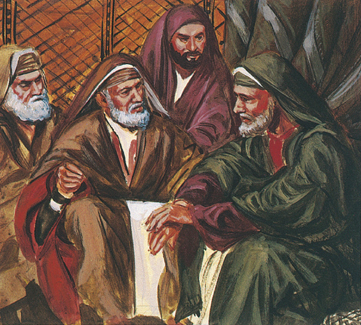
1052 BC: Israel Asks for a King
After the events at Mispah, Samuel goes on to become a most exceptional prophet, priest and Israel's last judge. Samuel grows old and Israel looks for the next judge, but Samuel's sons were corrupt. It was at this moment, that Israel asked for a king and for all of the wrong reasons. God's answer was clear, 'you are rejection my leadership.' Despite this rejection, God would grant them their request - King Saul.Guest Speaker: Jason Ross

1091 BC: Samuel's Prayer Movement
After the Ichabod season and the return of the Ark of the Covenant, Samuel calls a prayer meeting. All of Israel goes to Mispah in sack cloth and ashes to repent and seek God, while their overlords, the Philistines, go to Mispah with swords and violence on the mind. The result was not a physical confrontation as much as a spiritual one, as breakthrough occurs when Samuel conducts the first unhindered burnt offering in years and the power of the blood of the lamb is displayed for all...
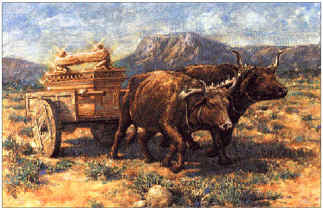
1092 BC: The Captivity of the Ark and the Ichabod Season
In fulfillment of prophecy, judgment was coming to Eli and his sons. The Philistines attack Israel and Israel loses four thousand men in the first day of battle. In a last ditch effort to save themselves, the Israelites bring the Ark of the Covenant in battle the second day. Instead of bringing them victory, thirty thousand Israelites die in battle with Hophi and Phineus and on the same day Eli dies and the Ark of the Covenant is captured by the Philistines.The rest of the episode, we cover the captivity of the Ark of the Covenant in Philistia and what happens when we treat God's presence like a good luck charm, we look at God as our prize and we treat God with contempt.
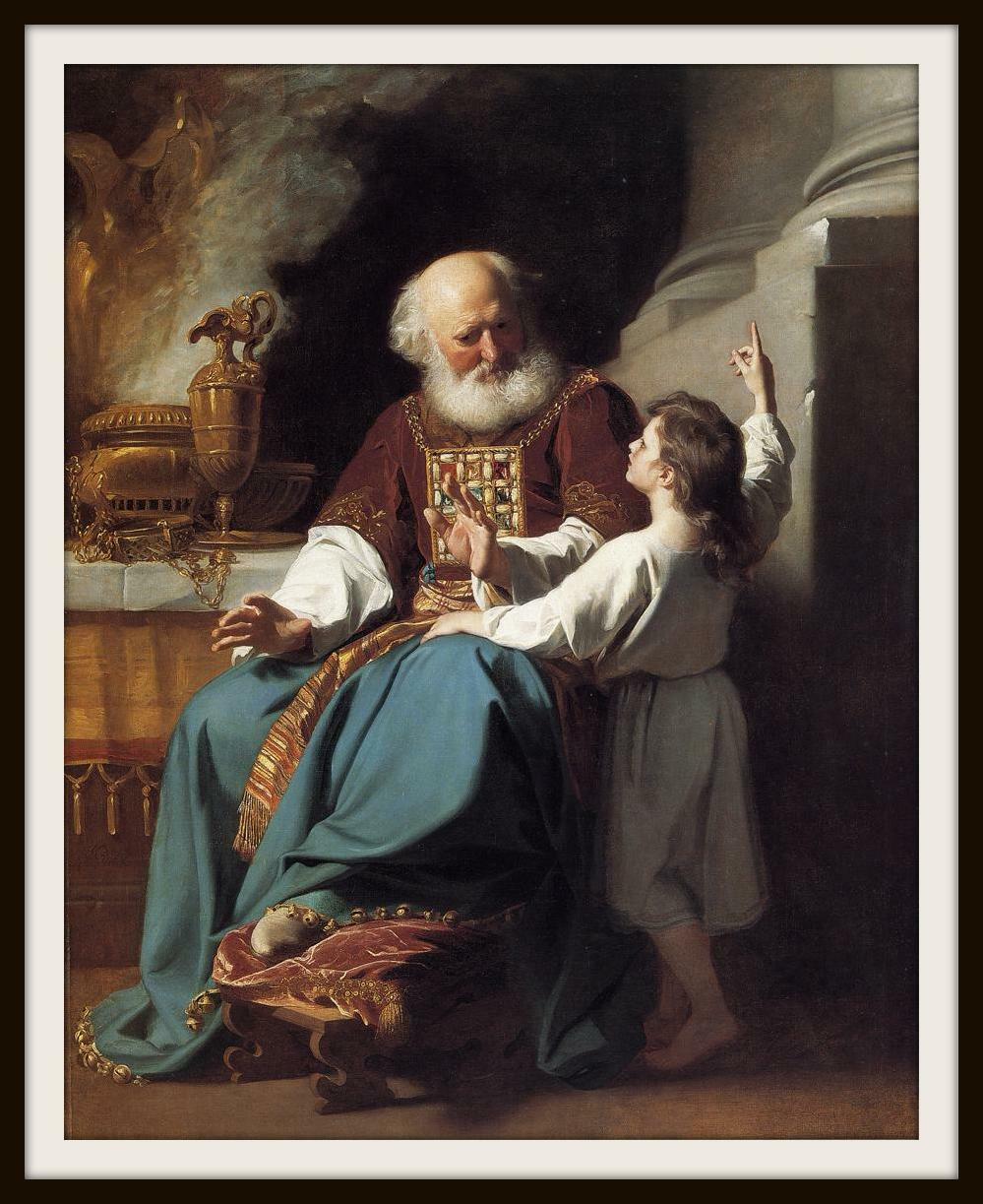
1092 BC: The Calling of Samuel
The young boy Samuel grew up in the house of the Lord, all the while, Hophi and Phineus continued to desecrate the sacrifices of Israel. As sin increased and the defilement of the priesthood continued, Samuel grew in the anointing and purposes of God. In this episode, we cover the call of Samuel by God himself.
1100 BC: Hannah's Prayer and the Birth of Samuel
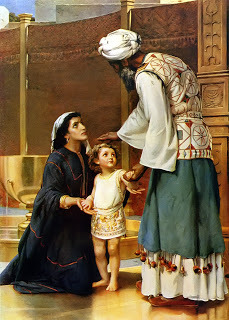
At the end of the Era of Judges, a woman by the name of Hannah was barren. Her husband married another woman as well named Peninnah, who bore him many children. In her distress, Hannah poured out her soul to the Lord in a dramatic account in Shiloh in front of the high priest Eli. The Lord was so moved by her prayer and dedication of a future son, God answered her prayer and gave her a son, whose name would be Samuel, and her story is memorialized for all time at the beginning of the book 1 Samuel. Guest Speaker: Jannel Heaston
Podcast Special: Historypodcasters.com 'Terrible Leaders' King Manasseh Special
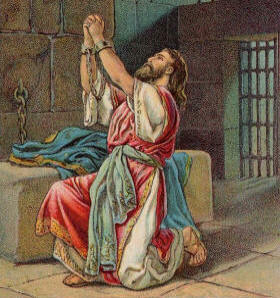
About a month back, the historypodcasters.com website featured this podcast among others in a history collage titled 'Terrible Leaders.' A 9 minute special episode was put together on Israel's worst king, King Manasseh, but it was difficult to narrow the episode to 9 minutes. The original recording was 17 minutes, so we are publishing the unabridged recording for the subscribers of the podcast.
1100 BC: Judge Samson and Delilah
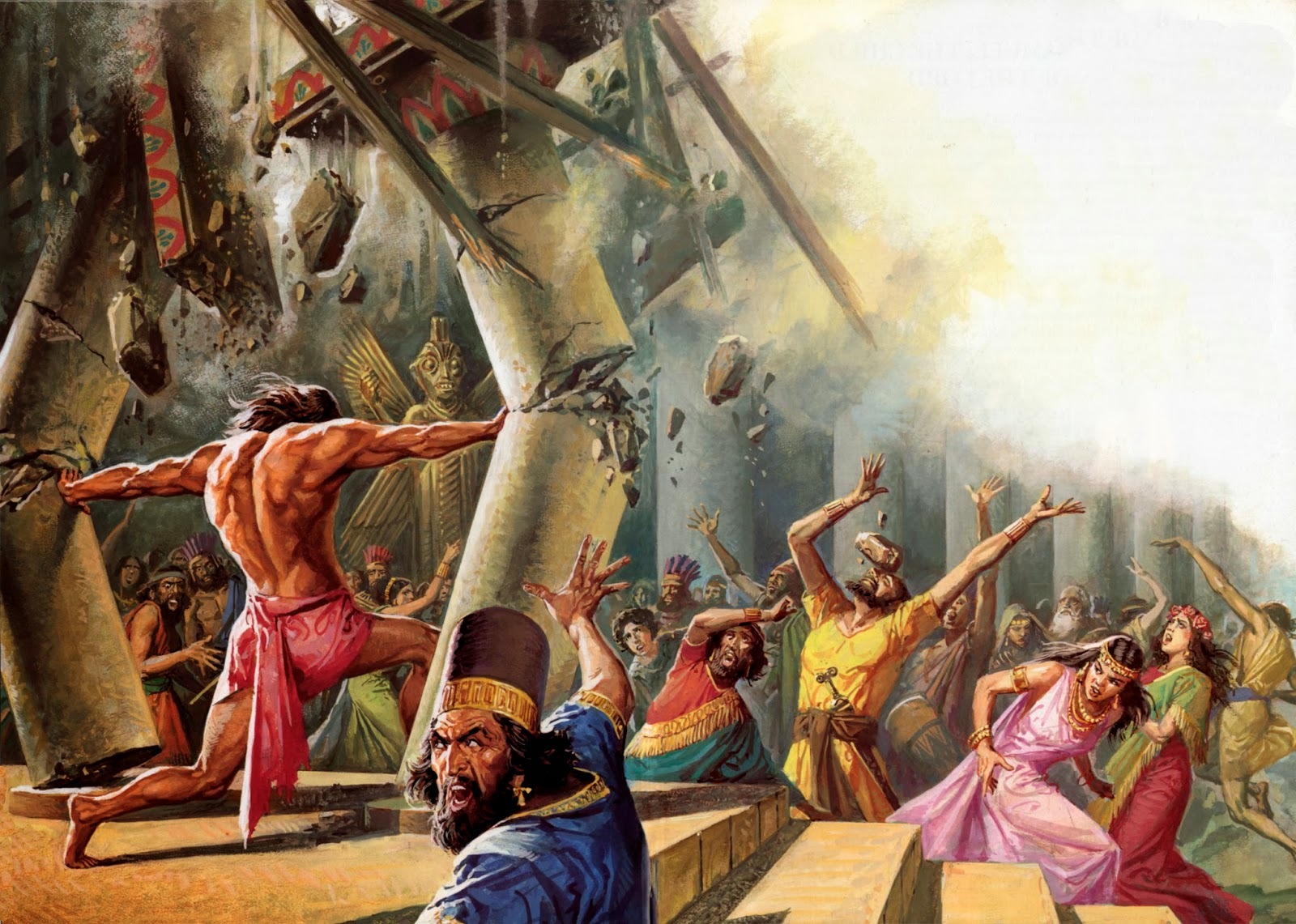
Samson had been completely undefeated in every battle, until he met a prostitute named Delilah. He loved Delilah and Delilah loved money. When the Philistine rulers offered Delilah 5500 shekels of silver for the secret of Samson's great strength, she received the challenge and pulled every trick in her spiritual and physical armory to destroy Samson. In this episode, we cover her four pronged attack on Samson and the end of Samson.
1100 BC: Judge Samson and the Gates of Gaza
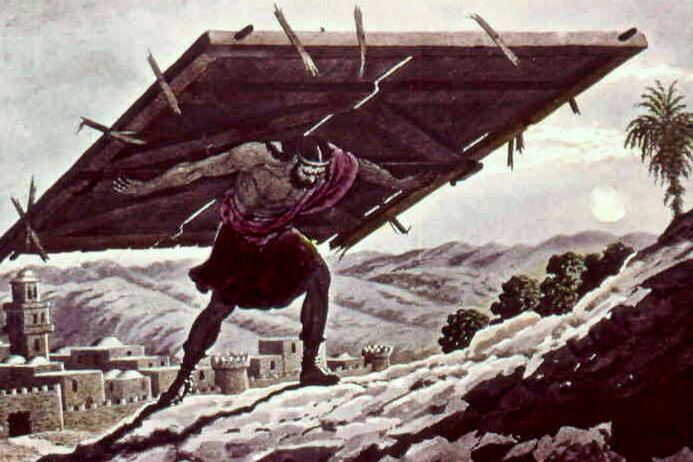
In this account, we take a fictional look at the account of Samson and the Gates of Gaza from Judges 16:1-3. Samson went to Gaza to be with a prostitute, but the Philistines set a trap for him. Cornered at the gate of Gaza, Samson showed supernatural strength when he tore the gate from its hinges and carried it deep into Israel to Hebron.
1100 BC: Judge Samson part 2
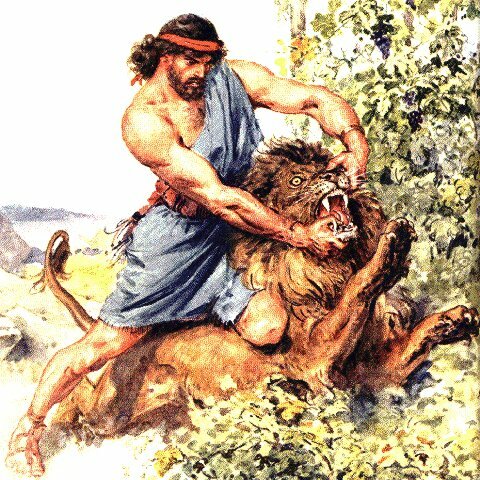
In this episode, we continue our look at the account of Judge Samson. Here are Samson's first words in the Bible, 'I have seen a woman, now get her for me.' Against the law, Samson desired to marry a Philistine woman in Timnath, but when a riddle goes bad, a simple wedding feast goes from a family conflict to violence in a city to the destruction of a national harvest to a national armed conflict.
1100 BC: Judge Samson part 1
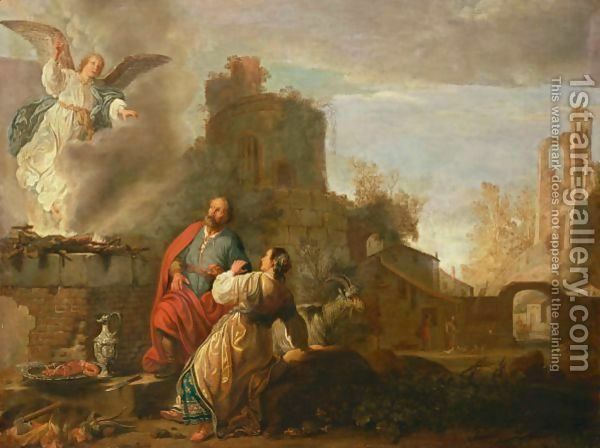
In this account, we will cover the heavenly visitation to the wife of a Danite man, named Manoah. In the visitation to the nameless barren wife, God told her she would bear a child and the rule of his life was to be a Nazirite. The lifetime Nazirite vow was the secret to their son's unnatural strength. Nine months later, she gave birth to their son whose name was Samson and his calling was to begin to deliver Israel.
1100 BC: Judges Ibzan, Elon and Abdon and the Priesthood
In this episode, we will discuss the last three minor Judges, Ibzan, Elon and Abdon, and the priesthood under the high priest Eli in Shiloh. A look at the minor Judges reveals the destructive trend toward monarchial government, while Eli and the priesthood continues to conduct the sacrifices and priesthood functions.
1100 BC: Judges Tola, Jair and Jephthah
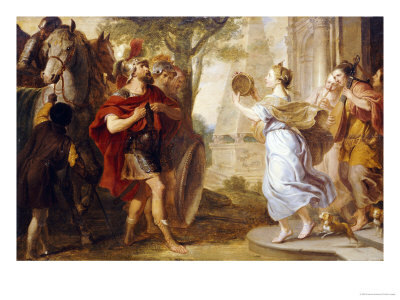
After the death of Abimelek, two minor Judges, Tola and Jair, lived and judged regions of Israel. After these minor Judges, Jephthah freed Israel from an Ammonite invasion, but in the process Jephthah made a foolish vow and later nearly destroyed the tribe of Ephraim. We conclude this account, not with the character flaws of Jephthah, but with a personal account reflection of Jephthah's calling.
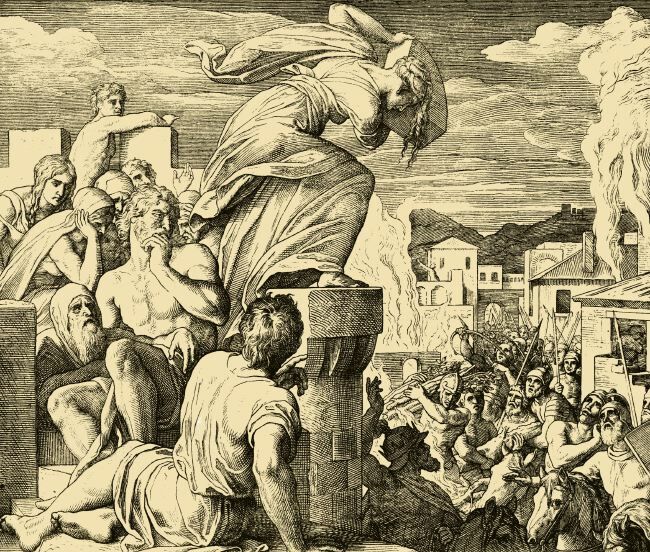
1141 BC: The Treachery of Abimelek, the son of Gideon
After the death of Gideon, Israel falls away from God again. This time, anarchy reigns, in the form of the selfish and ambitious Abimelek. Abimelek persuades the town of Shechem to support him, over his 70 brothers. The leaders of Shechem give him cursed silver, which he used to hire a mercenary army and he goes and kills his 70 brothers and is crowned king in Shechem, but he only reigns for 3 years when his own people turn on him fulfilling the curse of Jotham. In this episode, we present the opposites: humble christian leadership vs. selfish ambition
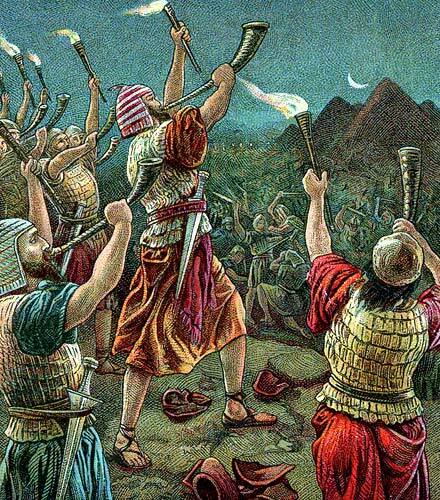
1184 BC: Judge Gideon and the 300 part 2
After God reduces Gideon's army to 300, Gideon is terrified but God comforts him. He goes down to the Midianite camp, where he hears a dream and interpretation which overwhelms him and causes him to spontaneously worship. Next, the Spirit of the Lord overtakes Gideon and empowers him to surround the Midianite camp in a wild attack with shofars and torches and empty vessels. The remaining account covers this attack and remainder of the pursuit of Midian and the peace of Gideon.
1184 BC: Judge Gideon and the 300 part 1
The Midianites and other nations invade Southern Israel and ravage it. After 7 years of oppression, Israel cries out to God. In turn, God calls upon a most unexpected hero and judge - Gideon. In this account, we discuss Gideon's calling and his relationship and testing of God and how Gideon ended up with 300 men.
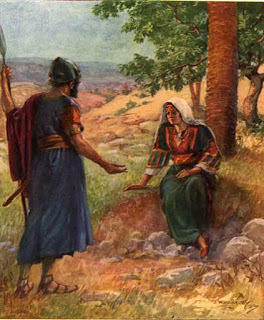
1184 BC: Judge Deborah and Barak
Jabin and Sisera, possibly client kings of the Hittites, invade and take over Northern Israel and hold it hostage for 20 years. After 20 years of oppression, Israel cries out to God and God sends both a prophetess, named Deborah, and a Judge, named Barak. In this episode, we cover the deliverance of Israel by Prophetess Deborah and Judge Barak and we discuss another assassination by a woman named Jael.
1204 BC: Shamgar and the 600 Hundred Philistines part 2
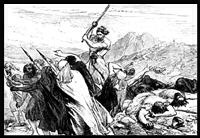
Approaching our one anniversary, this two part story is a dramatization account of what could have been from the limited Biblical entry about Shamgar from Judges 3:31.
1204 BC: Shamgar and the 600 Hundred Philistines part 1
Approaching our one year anniversary, this two part story is a dramatization account of what could have been from the limited Biblical entry about Shamgar from Judges 3:31.
1249 BC: The Bronze Age Collapse
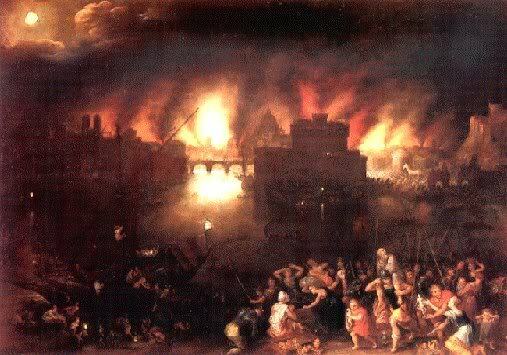
In this episode, we are going to discuss the collapse of empires, specifically the Mycenaeans and Hittites and cover the time period called the Bronze Age Collapse or Ancient Dark Ages. It is a fascinating time when civilizations vanished from history. We will discuss possible historical reasons and add in biblical history and some Jewish traditional stories to round out the account.
1249: The Hittites and the Fall of Troy
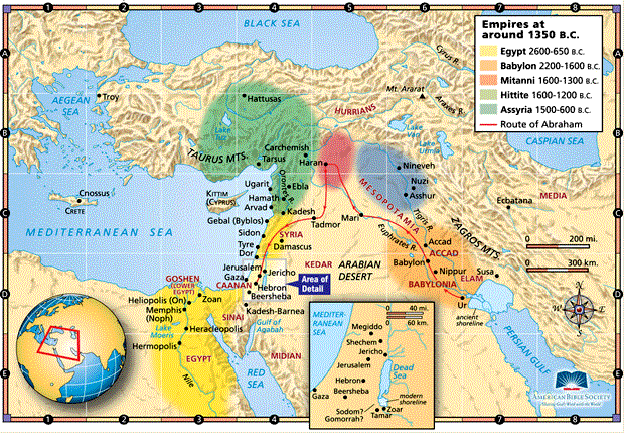
Continuing our history break, in this episode we will discuss the state of world empires at this time and go into detail covering the Hittite Empire and the Fall of Troy and conclude this episode with Paul's deep speech in Athens in 50AD when he declared:Acts 17:26 From one man he made all the nations, that they should inhabit the whole earth; and he marked out their appointed times in history and the boundaries of their lands.
1249 BC: Ramesses II and the Battle of Kadesh
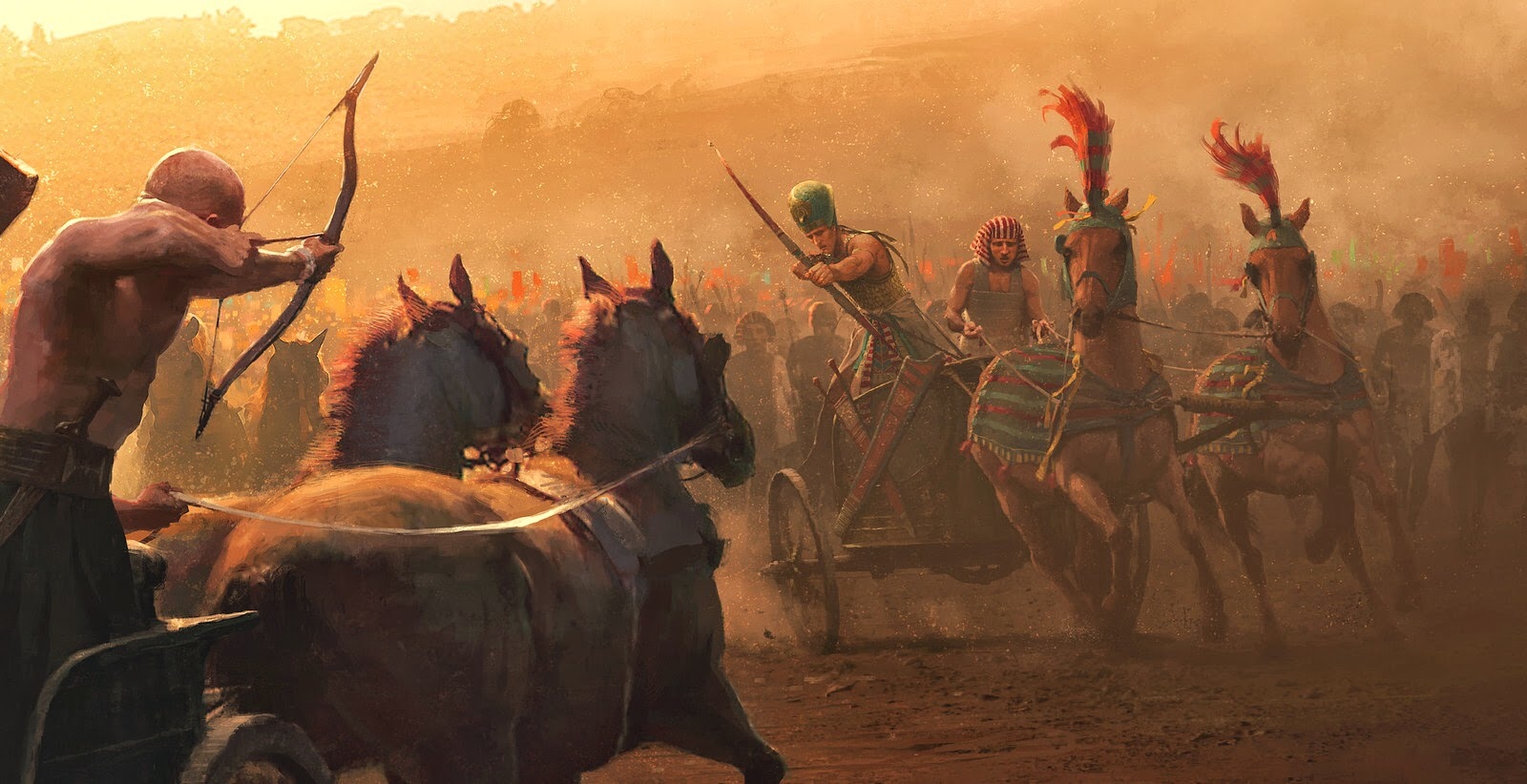
During the timeline of Judge Ehud, Ramesses II led Egypt to its territorial high water mark in history. In the thirteenth year of his reign, Ramesses II was declared a god on earth and within a year of this declaration he was engaged in a battle for his life with the Hittite empire, in the battle of Kadesh. After the battle, Judge Ehud watching from afar could have easily seen the results of what happens when rulers of the earth declare themselves a god.
1284 BC: Ruth and Boaz
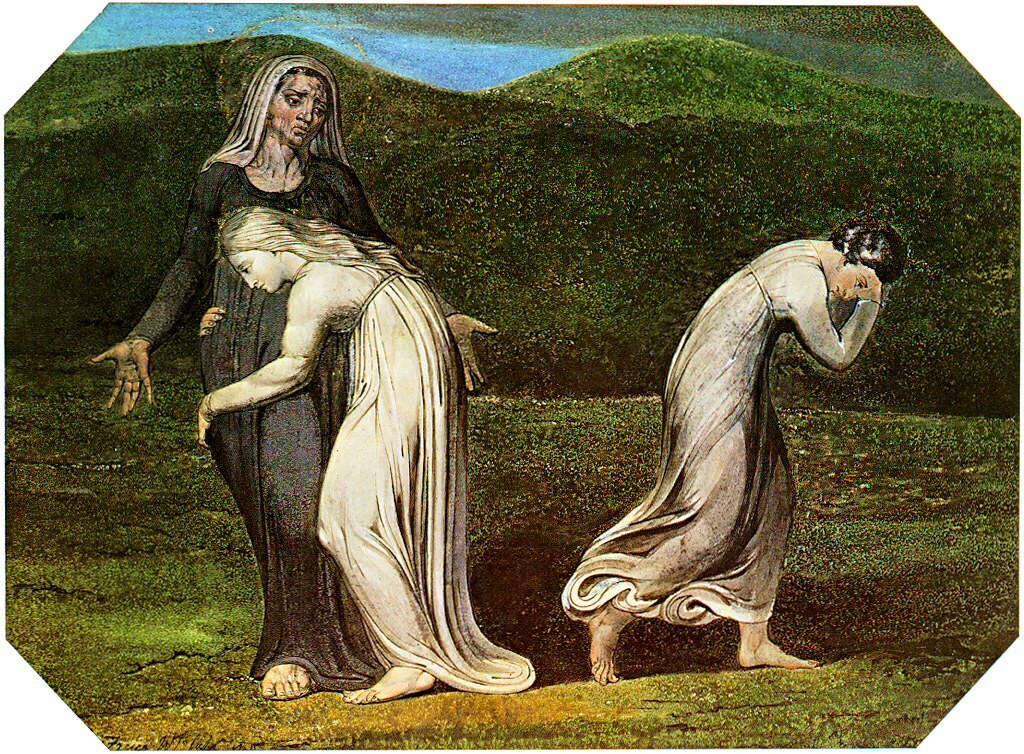
While they were in Moab, Naomi's husband dies and her two sons marry Moabite women. Next, Naomi's two sons die and she is left with her two daughters-in-law. After the famine ends and Eglon is defeated, Naomi decides to return to Bethlehem. On a road headed out of Moab, Naomi tells her daughters-in-law to leave her and go back to their people. Orpah cries and leaves Naomi, but Ruth clave to Naomi. In Ruth's defining moment, she doesn't allow Naomi's offense to overwhelm her faithfulness. She says to Naomi, 'where you go, I will go, your God will be my God, where you die, I will die…' Ruth stays with Naomi and the rest of the account is her encounter with Boaz and redemption of their family.