
Let's Talk Micro
256 episodes — Page 3 of 6

TBT: Fabimycin: an antibiotic candidate
Originally published on October 13, 2022, this episode features Luis in conversation with Dr. Paul Hergenrother from the University of Illinois. Dr. Hergenrother discusses Fabimycin, an antibiotic candidate targeting gram-negative bacteria. What is Fabimycin's mechanism of action? Which bacteria is it active against? Is there any intrinsic resistance? Tune in to find out! Link to article: https://pubs.acs.org/doi/10.1021/acscentsci.2c00598 Questions? Feedback? Send those to [email protected] Want to support the podcast? Here's how: Venmo: https://venmo.com/u/letstalkmicro Buy me a Ko-fi: https://ko-fi.com/letstalkmicro
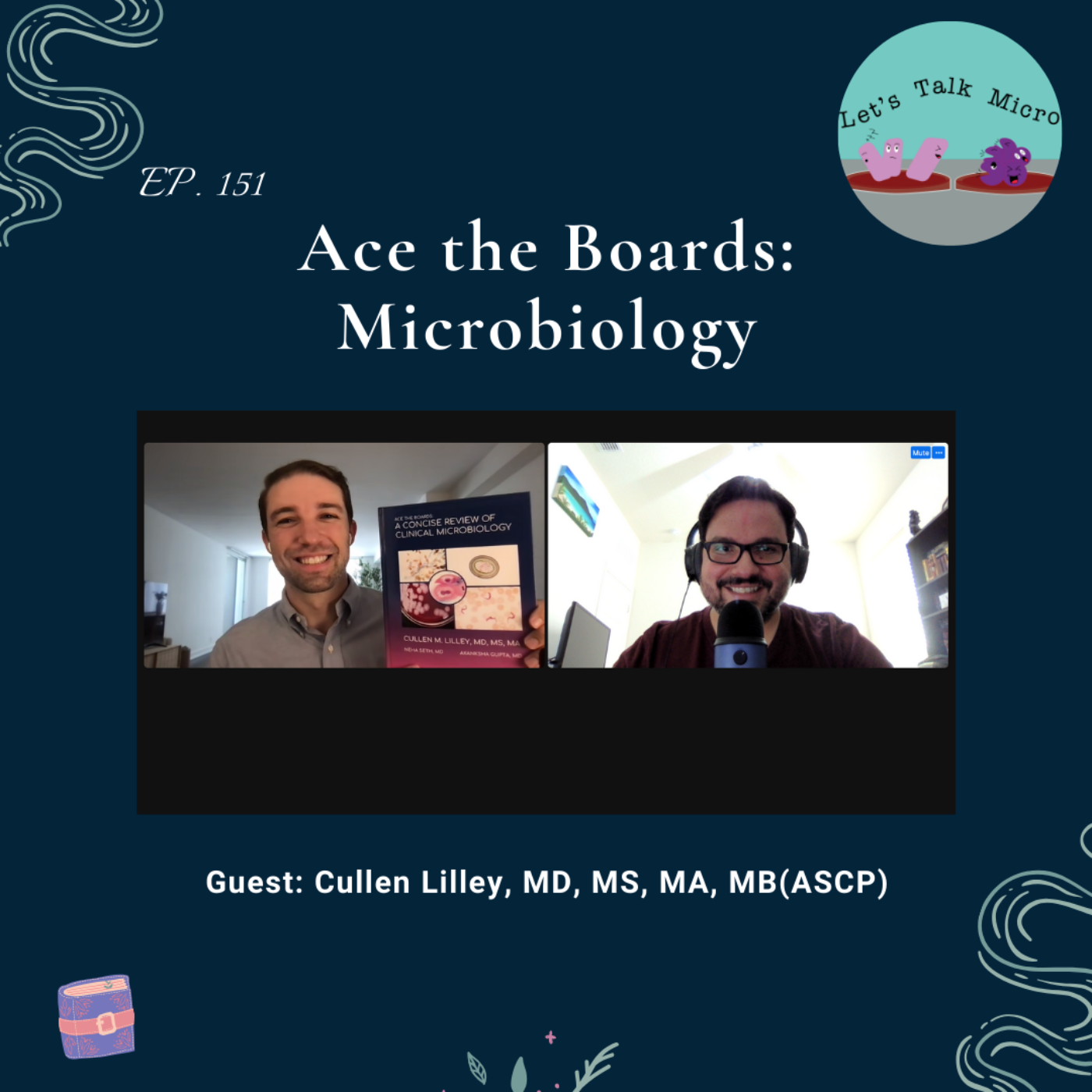
S3 Ep 151151: Ace the Boards: Microbiology
A great way to end season 3! In this episode Dr. Cullen Lilley talks to Luis about his textbook : A Concise Review of Clinical Microbiology . Dr. Lilley is a pathology resident, with a Microbiology background, and a Let's Talk Micro listener! Tune in to learn about what is in this microbiology textbook, what is Ace my Path, what are the roles of a pathologist and more. Link to Ace My Path: https://www.acemypath.com Link to textbook: https://a.co/d/gGDiZ8Z Questions? Feedback? Send those to [email protected] Want to support the podcast? Here's how: Venmo: https://venmo.com/u/letstalkmicro Buy me a Ko-fi: https://ko-fi.com/letstalkmicro
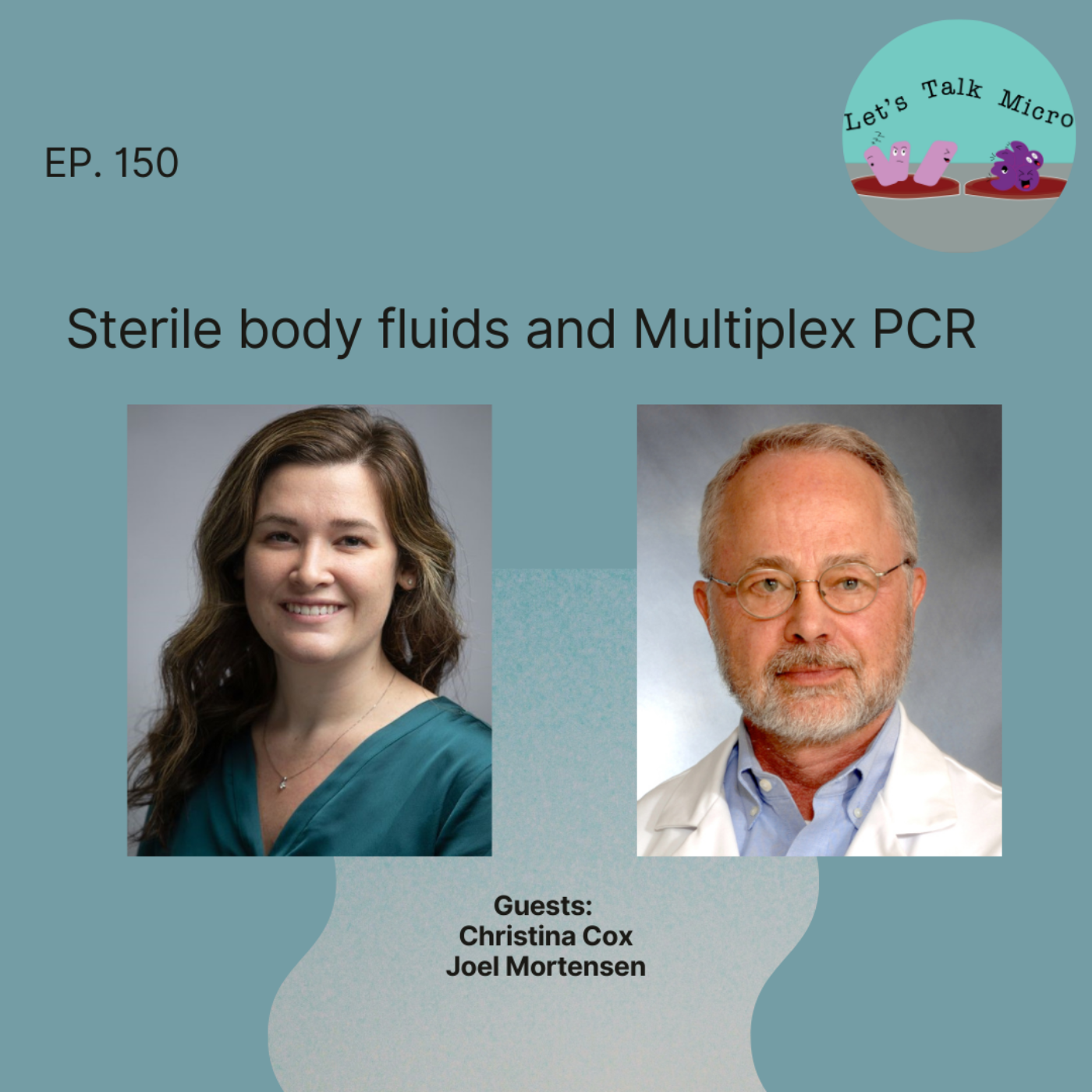
S3 Ep 150150: Sterile body fluids and Multiplex PCR
In the laboratory we routinely use molecular testing to identify organisms in blood cultures. We also incubate body fluids in blood culture bottles. What if we could use those same tests to identify organisms from body fluids? In this episode Christina Cox and Joel Mortensen join the podcast to talk about this. They performed a study where they used the cobas® eplex system (GenMark) to identify organisms recovered from sterile body fluid cultures. Tune in to hear about the results and the applications of this in the clinical laboratory. Link to article: https://doi.org/10.1128/jcm.01611-23 Questions? Feedback? Send those to [email protected] Want to support the podcast? Here's how: Venmo: https://venmo.com/u/letstalkmicro Buy me a Ko-fi: https://ko-fi.com/letstalkmicro

Spotlight: Respiratory cultures
In this episode of Let's Talk Micro, we're revisiting the topic of respiratory cultures — a cornerstone in clinical microbiology. We'll go over the different types of respiratory specimens, common pathogens recovered, and how to handle yeast when it shows up in cultures. We'll also cover rejection criteria — when a sample should not be processed — and the pitfalls that can affect interpretation. Tune in for a practical walkthrough of respiratory culture workups, from specimen processing to recognizing clinically significant organisms and their impact on patient care. This episode was originally released in 2022. Article on sputum rejection, as discussed by Dr. Prinzi in this episode: https://journals.asm.org/doi/pdf/10.1128/jcm.16.4.627-631.1982 Check out the website: https://www.letstalkmicro.com/ Questions? Feedback? Send those to [email protected] Want to support the podcast? Here's how: Venmo: https://venmo.com/u/letstalkmicro Buy me a Ko-fi: https://ko-fi.com/letstalkmicro
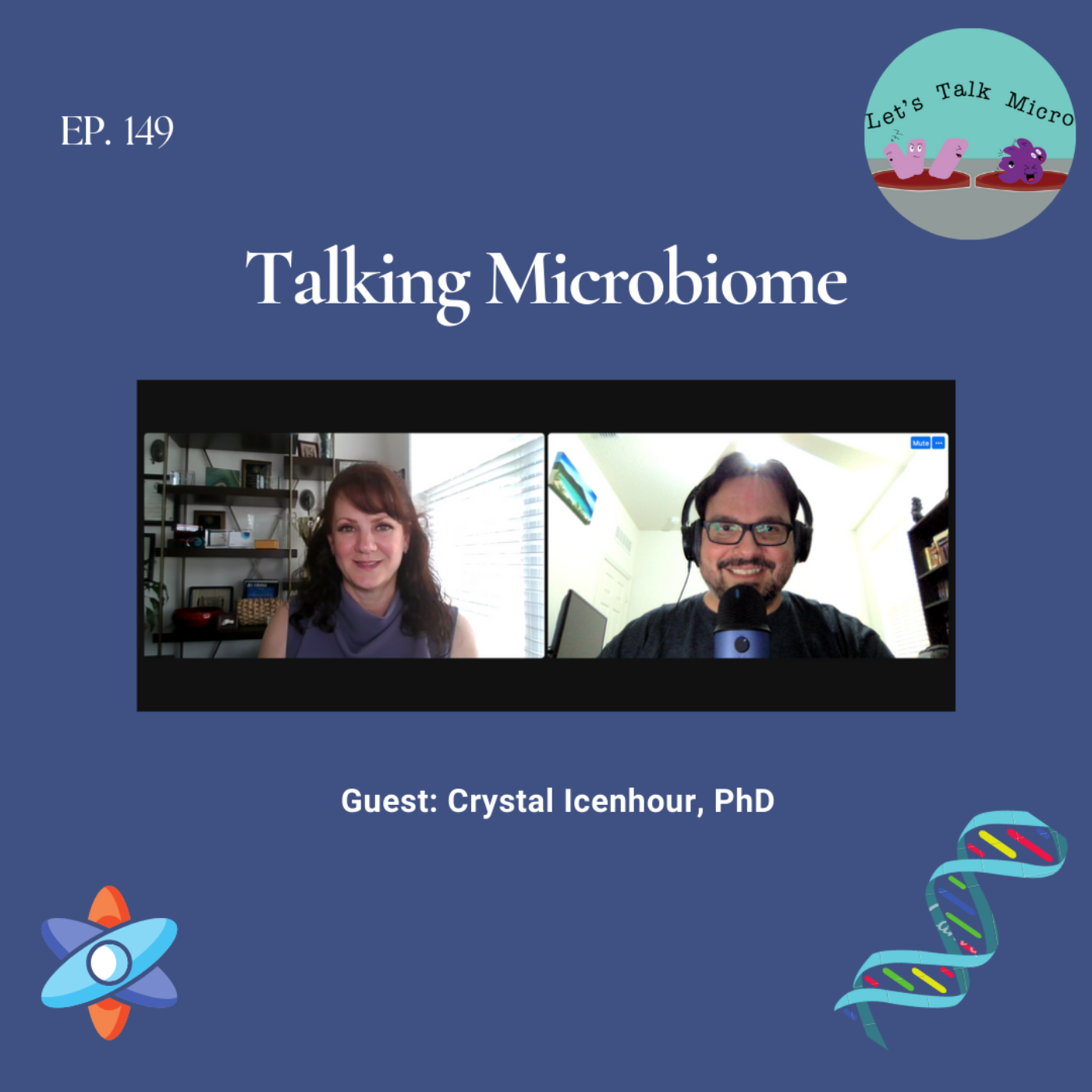
S3 Ep 149149: Talking Microbiome
In this episode Luis is joined by Dr. Crystal Icenhour to talk about the microbiome, more specifically, the human microbiome. What organisms typically make up the microbiome? Do they change between areas of the body? What are some applications for the microbiome? Tune in for another great episode. Questions? Feedback? Send those to [email protected] Want to support the podcast? Here's how: Venmo: https://venmo.com/u/letstalkmicro Buy me a Ko-fi: https://ko-fi.com/letstalkmicro
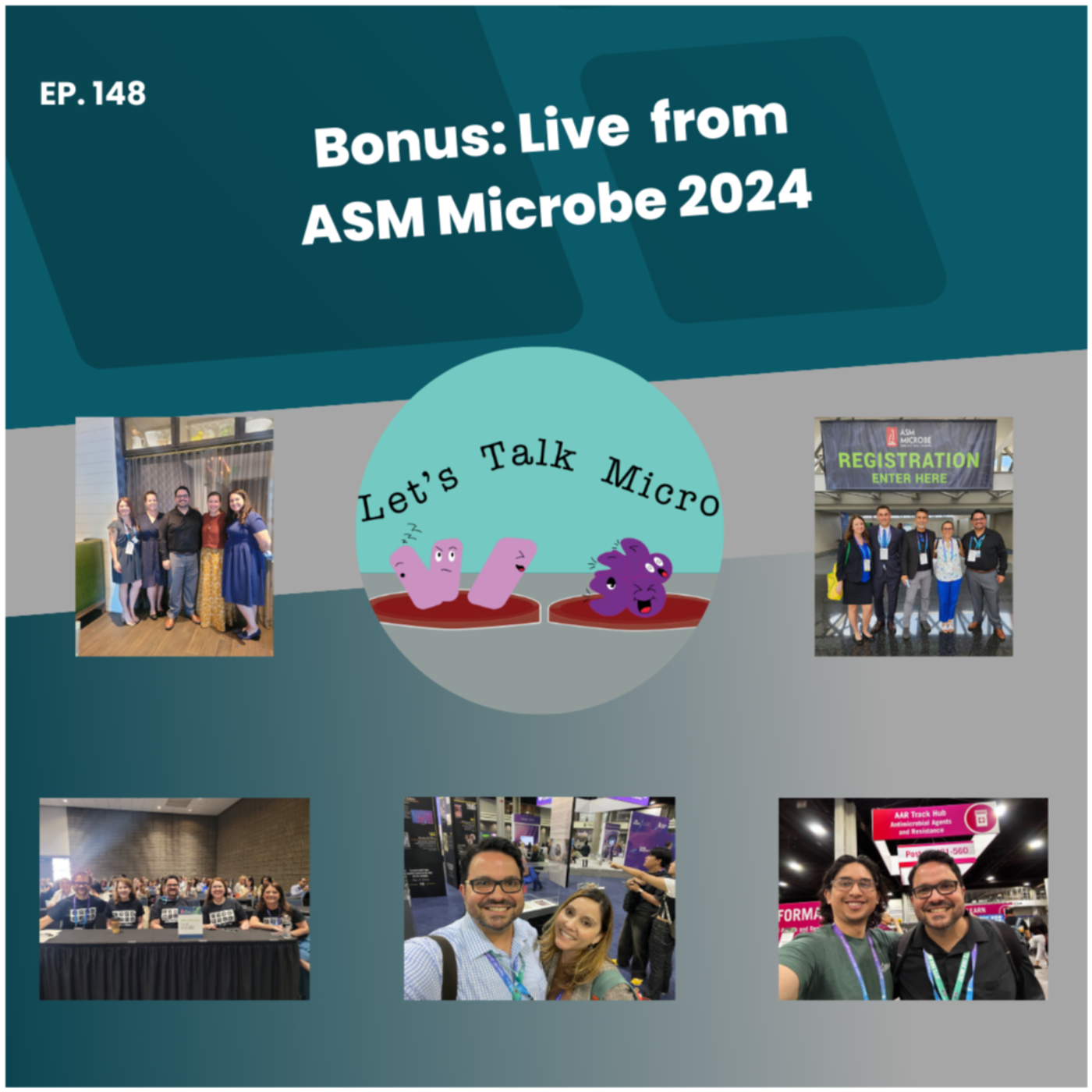
S3 Ep 148148: Bonus: Live from ASM Microbe 2024
ASM Microbe 2024 took place in Atlanta Georgia from June 13-17. Check out this bonus episode where Luis discusses his two events, favorite posters, and more. Questions? Feedback? Send those to [email protected] Want to support the podcast? Here's how: Venmo: https://venmo.com/u/letstalkmicro Buy me a Ko-fi: https://ko-fi.com/letstalkmicro

S3 Ep 147147: Research in Medical Laboratory Science: moose, bears, ESBL, and more
Research in MLS? In this episode Grace Leu-Burke, director of the Medical Laboratory Sciences (MLS) program at the University of Alaska in Anchorage, returns to the podcast. She talks to Luis about the research program the MLS students are involved in. They culture scat from moose, bears, and geese, perform identification and susceptibility testing, and more. What kind of antimicrobial resistance is found in this sample population? Tune in to learn more about this research. Link to JAM meeting registration: https://www.labjam.org/event/cc75ef76-49db-4175-8440-d194382bcf05/websitePage:d132f4da-b01b-4c7c-9ea8-5866e2b0f8ca Title of Grace's Talk: "Emerging Antimicrobial Resistance, A One Health Model" Thursday July 11th at 9:30am Questions? Feedback? Send those to [email protected] Want to support the podcast? Here's how: Venmo: https://venmo.com/u/letstalkmicro Buy me a Ko-fi: https://ko-fi.com/letstalkmicro
S3 Ep 146146: Urinary Tract Infections (UTIs)
In this episode Luis talks to Dr. Madeline Barron about urinary tract infections (UTIs). Clinical Microbiologists work closely with urine cultures and recover many organisms and perform susceptibility testing. However some questions come to mind. What causes a UTI ? What organisms are typically seen in UTIs? Any treatment options other than antimicrobials? Tune in to find out. Madeline Barron's article: https://asm.org/articles/2024/may/why-urinary-tract-infections-uti-recur Questions? Feedback? Send those to [email protected] Want to support the podcast? Here's how: Venmo: https://venmo.com/u/letstalkmicro Buy me a Ko-fi: https://ko-fi.com/letstalkmicro

S3 Ep 145145: Talking AMR: Polymyxins (lipopeptides)
Luis and Andrea are back to talk AMR! This time they are joined by Dr. Alyssa Walker to go over polymyxins . As usual they go over important questions such as mechanism of action, intrinsic resistance, applying the interpretation of one drug to another, and more. What media used in the laboratory has colistin in it? Don't miss another great episode. Questions? Feedback? Send those to [email protected] Want to support the podcast? Here's how: Venmo: https://venmo.com/u/letstalkmicro Buy me a Ko-fi: https://ko-fi.com/letstalkmicro
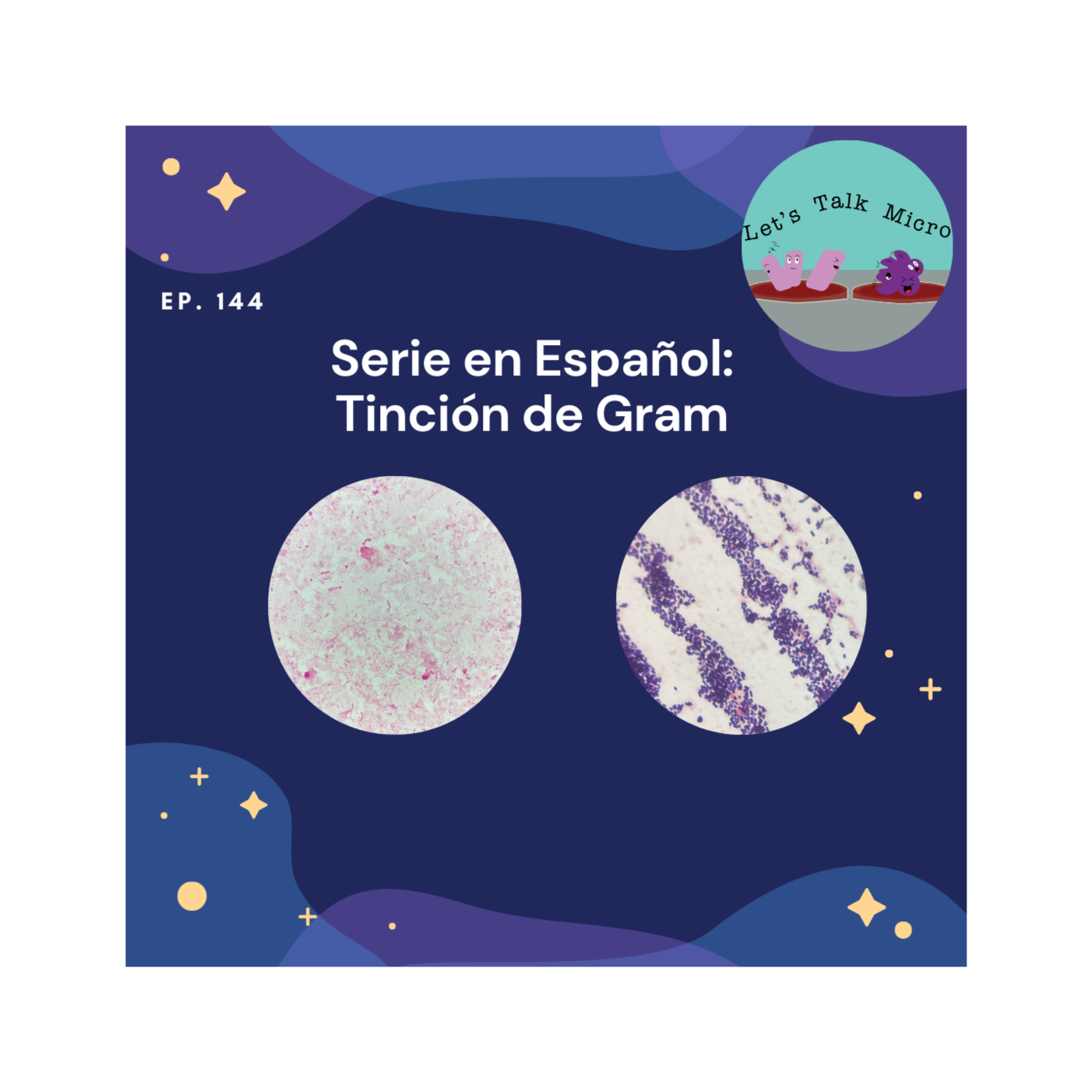
S3 Ep 144144: Serie en Español: Tinción de Gram
Regresa la serie en Español. Luis y Maridaliz discuten la tinción de gram. Cómo se prepara la laminilla? Cúales son los reactivos y el proceso? Qué diferencia hay entre bacterias gran-positiva y gram-negativa? Sintonizen a este episodio para aprender sobre una de las pruebas mas importantes en Microbiología Clínica. Preguntas? Comentarios? Envíen un correo electrónico a [email protected] Desean apoyar al podcast? Pueden hacerlo de la siguiente forma: Venmo: https://venmo.com/u/letstalkmicro Buy me a Ko-fi: https://ko-fi.com/letstalkmicro

S3 Ep 143143: Navigating your Path
Have you been in a job or career that you feel is not a good fit for you? Perhaps you want to try something different but do not know how to get there? Sometimes you might be dreading going to work or just feel unhappy. In this episode Luis talks to Dr. Duane Newton. Duane is a microbiologist with extensive training and at one point in his career he describes feeling "miserable". What did he do to change that? Tune in to this episode to listen to how Duane navigated his path to find himself in a happy place. He shares his story and also gives advice on how you can navigate your own path. Dr. Newton's website: https://dwnconsult.com Questions? Feedback? Send those to [email protected] Want to support the podcast? Here's how: Venmo: https://venmo.com/u/letstalkmicro Buy me a Ko-fi: https://ko-fi.com/letstalkmicro

S3 Ep 142142: UAA MLS : Microbiology and Research
In this episode Luis talks to Grace Leu-Burke, Program Director and professor at the University of Alaska in Anchorage (UAA) Medical Laboratory Sciences Program. She joins the podcast to talk about her career and talks about the MLS program at UAA. She goes over the Microbiology curriculum, the importance of biochemical testing, and more. She also talks about the research that her students are conducting involving moose and stool samples. Link to UAA MLS program: https://www.uaa.alaska.edu/academics/college-of-health/departments/school-of-allied-health/medical-laboratory-science/index.cshtml Questions? Feedback? Send those to [email protected] Want to support the podcast? Here's how: Venmo: https://venmo.com/u/letstalkmicro Buy me a Ko-fi: https://ko-fi.com/letstalkmicro
S3 Ep 141141: AR Isolate Bank
As a microbiologist, you might have worked on a project or validation that involved organisms from the AR Isolate Bank. You might have asked where they came from and you were told that they were obtained from the Center for Disease Control and Prevention (CDC). What is the Antimicrobial Resistance Isolate Bank (AR Bank)? What organisms are part of this bank? What are they used for? In this episode Luis is joined by two guests from the CDC to answer these questions and more. Links to the AR Isolate Bank website and more: AR Isolate Bank - https://wwwn.cdc.gov/arisolatebank/ CDC's site on AR Isolate Bank - https://www.cdc.gov/drugresistance/resistance-bank/index.html AR Isolate Bank's email: [email protected] The National Action Plan for Combating Antibiotic-Resistant Bacteria - https://www.cdc.gov/drugresistance/us-activities/national-action-plan.html 2023 Breakpoint Implementation Toolkit (2023 BIT) - https://clsi.org/meetings/ast/breakpoints-in-use-toolkit/?gad_source=1&gclid=EAIaIQobChMI2-rJ3vqKhAMVXVxHAR1nkACvEAAYASAAEgIi3PD_BwE Questions? Feedback? Send those to [email protected] Want to support the podcast? Here's how: Venmo: https://venmo.com/u/letstalkmicro Buy me a Ko-fi: https://ko-fi.com/letstalkmicro
S3 Ep 140140: Talking AMR: Tetracyclines
The next episode of the AMR series is here! Luis and Andrea are joined by Dr. Brandon Hill to talk about the Tetracyclines. What is the mechanism of action of this antimicrobial group? What drugs are part of it? Is there any intrinsic resistance? Tune in for another great episode where we "break down" antimicrobials. Questions? Feedback? Send those to [email protected] Want to support the podcast? Here's how: Venmo: https://venmo.com/u/letstalkmicro Buy me a Ko-fi: https://ko-fi.com/letstalkmicro
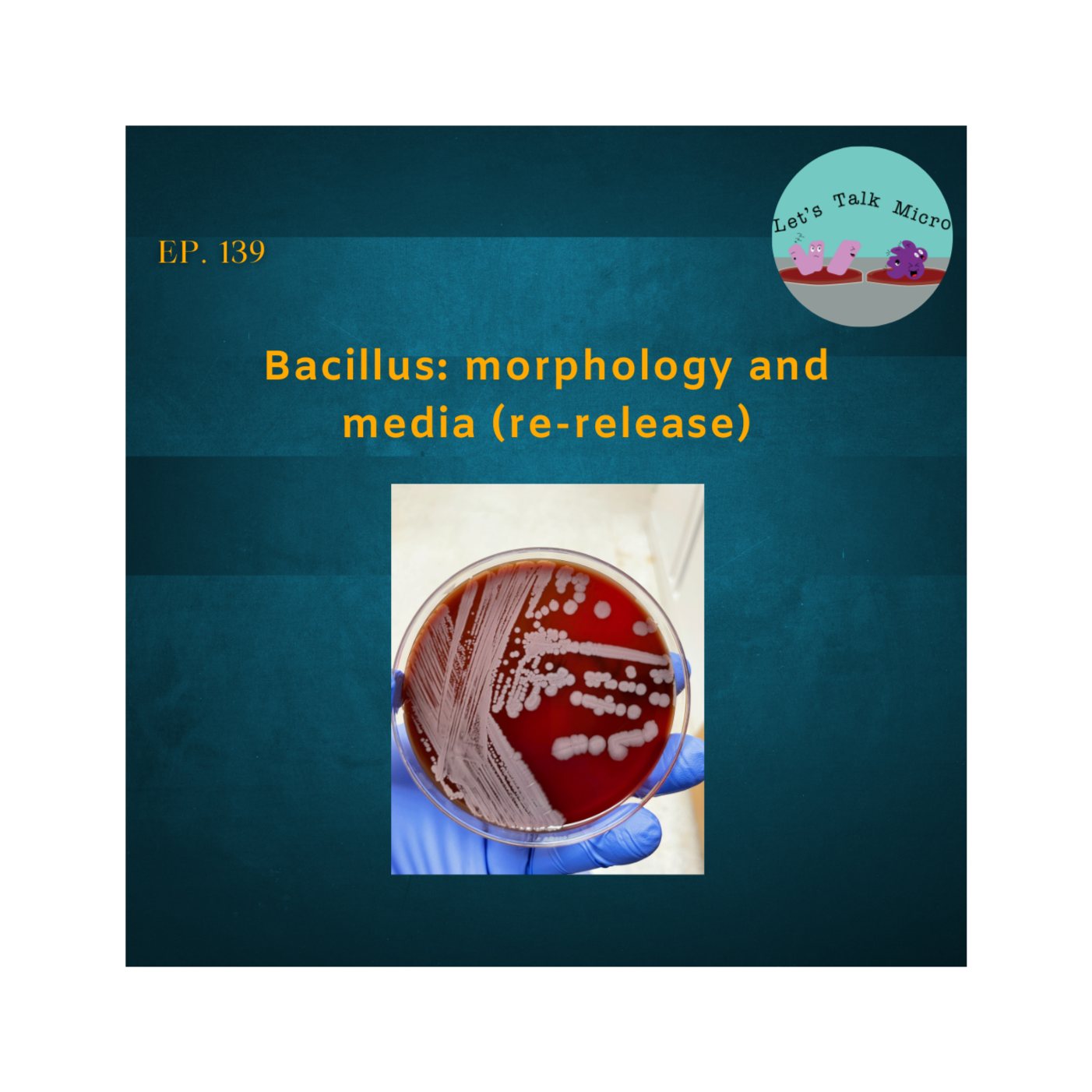
S3 Ep 139139: Bacillus: morphology and media
Originally released as episode 76, in this episode Luis continues going over Bacillus. Now that we know its groups and what diseases they are implicated on, it's time to talk about media and morphology. What do the colonies look like? What is MYP agar? PEMBA? Tune in to find out. Questions? Feedback? Send those to [email protected] Want to support the podcast? Here's how: Venmo: https://venmo.com/u/letstalkmicro Buy me a Ko-fi: https://ko-fi.com/letstalkmicro
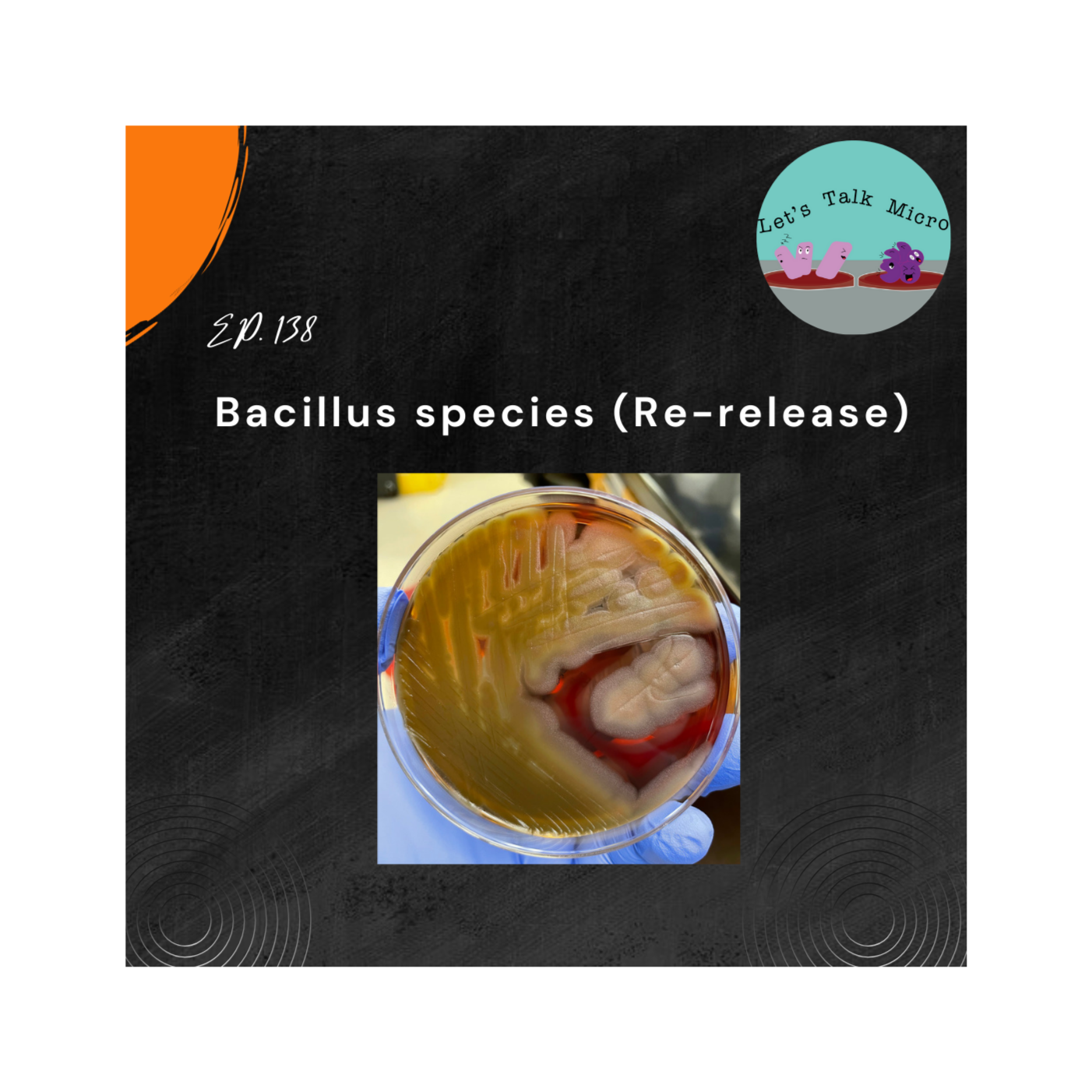
S3 Ep 138138: Bacillus species
Originally released as episode 75, in this episode Luis talks about Bacillus and related genera. What are the species that are part of this genus? Which species cause food poisoning? What about endophthalmitis? What are spores? Tune in to find out. Questions? Feedback? Send those to [email protected] Want to support the podcast? Here's how: Venmo: https://venmo.com/u/letstalkmicro Buy me a Ko-fi: https://ko-fi.com/letstalkmicro
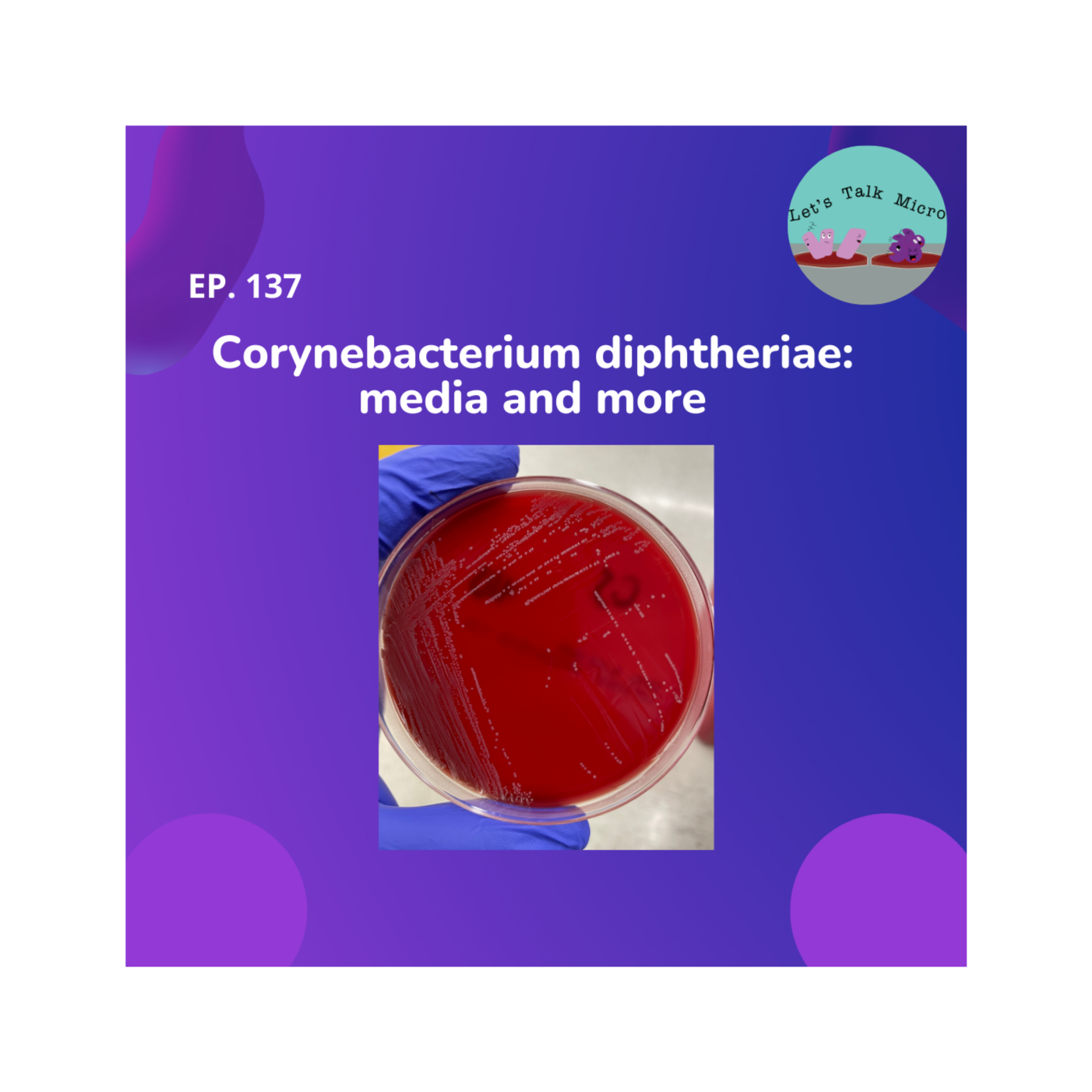
S3 Ep 137137: Corynebacterium diphtheriae: media and more
In this episode Luis continues going over Corynebacterium. In the last episode he mentioned some media that is used to isolate Corynebacterium diphtheriae. Have you heard of cystine tellurite agar? How about Tinsdale agar? What type of testing is there for the diphtheria toxin?What test systems can identify C. diphtheriae? Tune in to learn more about this organism and how this media works. Questions? Feedback? Send those to [email protected] Want to support the podcast? Here's how: Venmo: https://venmo.com/u/letstalkmicro Buy me a Ko-fi: https://ko-fi.com/letstalkmicro
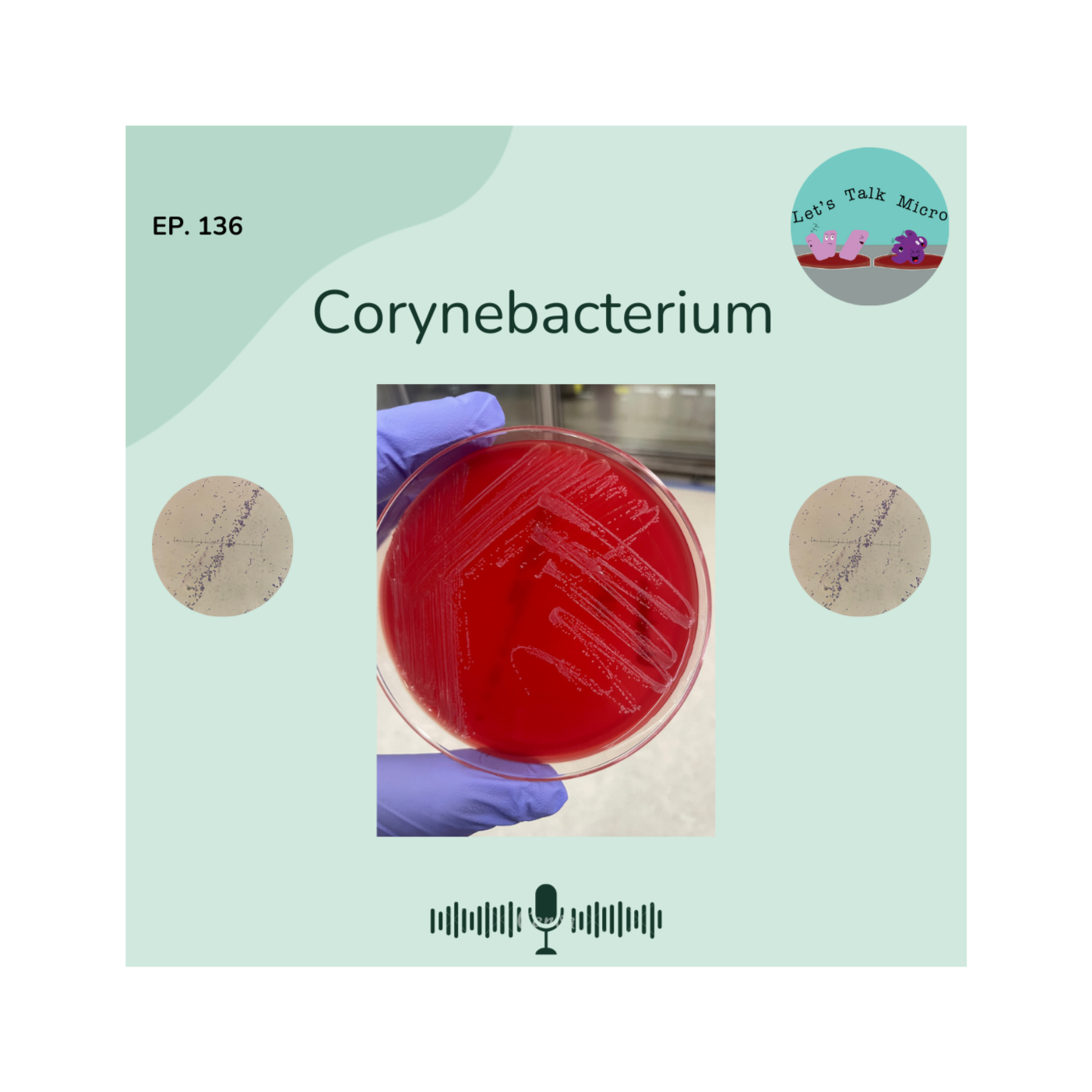
S3 Ep 136136: Corynebacterium
Back to the gram-positive rods! This week Luis goes back to gram-positive rods: Corynebacterium this time. The episode starts with an overview: gram stain, biochemicals, morphology, and species. What do you know about Corynebacterium diphtheriae? Does it always cause diphtheria? What is a pseudomembrane? Tune in and download this episode to learn about this genus that has some species commonly seen in the laboratory. Questions? Feedback? Send those to [email protected] Want to support the podcast? Here's how: Venmo: https://venmo.com/u/letstalkmicro Buy me a Ko-fi: https://ko-fi.com/letstalkmicro
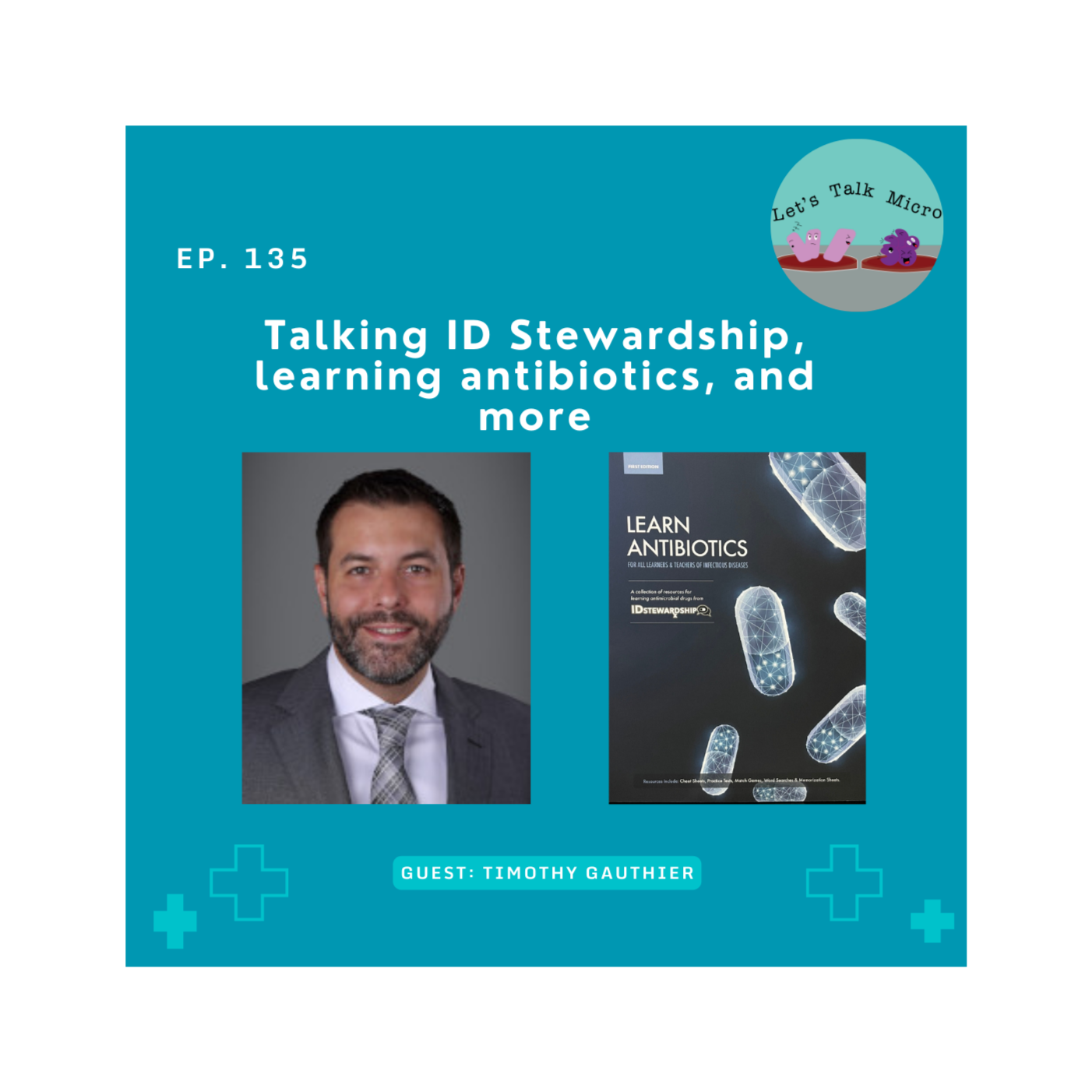
S3 Ep 135135: Talking ID Stewardship, learning antibiotics, and more
What is antimicrobial stewardship ? What is a hospital antibiogram? In this episode Dr. Timothy Gauthier joins the podcast and talks to Luis about antimicrobial stewardship. Dr. Gauthier is a pharmacist and creator of the IDstewardship.com and Learnantibiotics.com websites. He is also the author of a book titled Learn Antibiotics. Luis asks him about what antibiotics are used to treat certain organisms. Don't miss this great episode. Timothy Gauthier's information: X: @IDstwerdship Websites: IDstewardship.com Learnantibiotics.com Book available on Amazon: https://a.co/d/9ikuZ10 Questions? Feedback? Send those to [email protected] Want to support the podcast? Here's how: Venmo: https://venmo.com/u/letstalkmicro Buy me a Ko-fi: https://ko-fi.com/letstalkmicro

S3 Ep 134134: Doctor of Public Health (DrPH)
What is the Doctor in Public Health (DrPH) degree? What kind of work does it prepare you to do? What concentrations does this degree has? In this episode Luis talks to Dr. Jill Roberts, an associate professor at the University of South Florida (USF). Dr. Roberts is the director of the DrPH with a concentration in Public Health and Clinical Laboratory Science and Practice degree program at USF. What are the prerequisites for this degree? What are the career options? Are you able to pursue this degree if you have a background in Clinical Laboratory ? Tune in to find out. Link to USF's DrPH in Public Health and Clinical Laboratory Science and practice: https://health.usf.edu/publichealth/apply/doctoral/drph-phclsp Dr. Robert's contact info: [email protected] Questions? Feedback? Send those to [email protected] Want to support the podcast? Here's how: Venmo: https://venmo.com/u/letstalkmicro Buy me a Ko-fi: https://ko-fi.com/letstalkmicro
S3 Ep 133133: Teaching Microbiology in High School
Microbiology in high school ? Must people take biology in high school, but microbiology is not typically an option. Those of you that are microbiology lovers, would you have taken it had there been an option? Well, check out this episode where Meredith Townsend, a high school teacher joins the podcast to talk to Luis about teaching microbiology to her students. She talks about the curriculum, grading, how does it help the students, and more. Want to reach out to Meredith Townsend? See below: [email protected] --- contact me and we can get you in the Google Group! https://mertownsend34.wixsite.com/mrstownsendteaches --- here is my teaching blog! https://a.co/d/4Q3X3VK --- ABC's of Microbiology: A coloring book for future science nerds @Mer_Townsend - X username mrs_townsend_teaches --- Instagram Want to support the podcast? Here's how: Buy me a Ko-fi : https://ko-fi.com/letstalkmicro Venmo: https://venmo.com/u/letstalkmicro

S3 Ep 132132: Listeria: media and more
In this episode Luis continues going over Listeria: testing and media. First he goes over two test systems that can detect Listeria in blood, and then he goes over media. Have you heard of Oxford or Palcalm agar? How about chromogenic agar for Listeria? Tune in to continue learning about this critical organism. Questions? Feedback? Email those to [email protected]
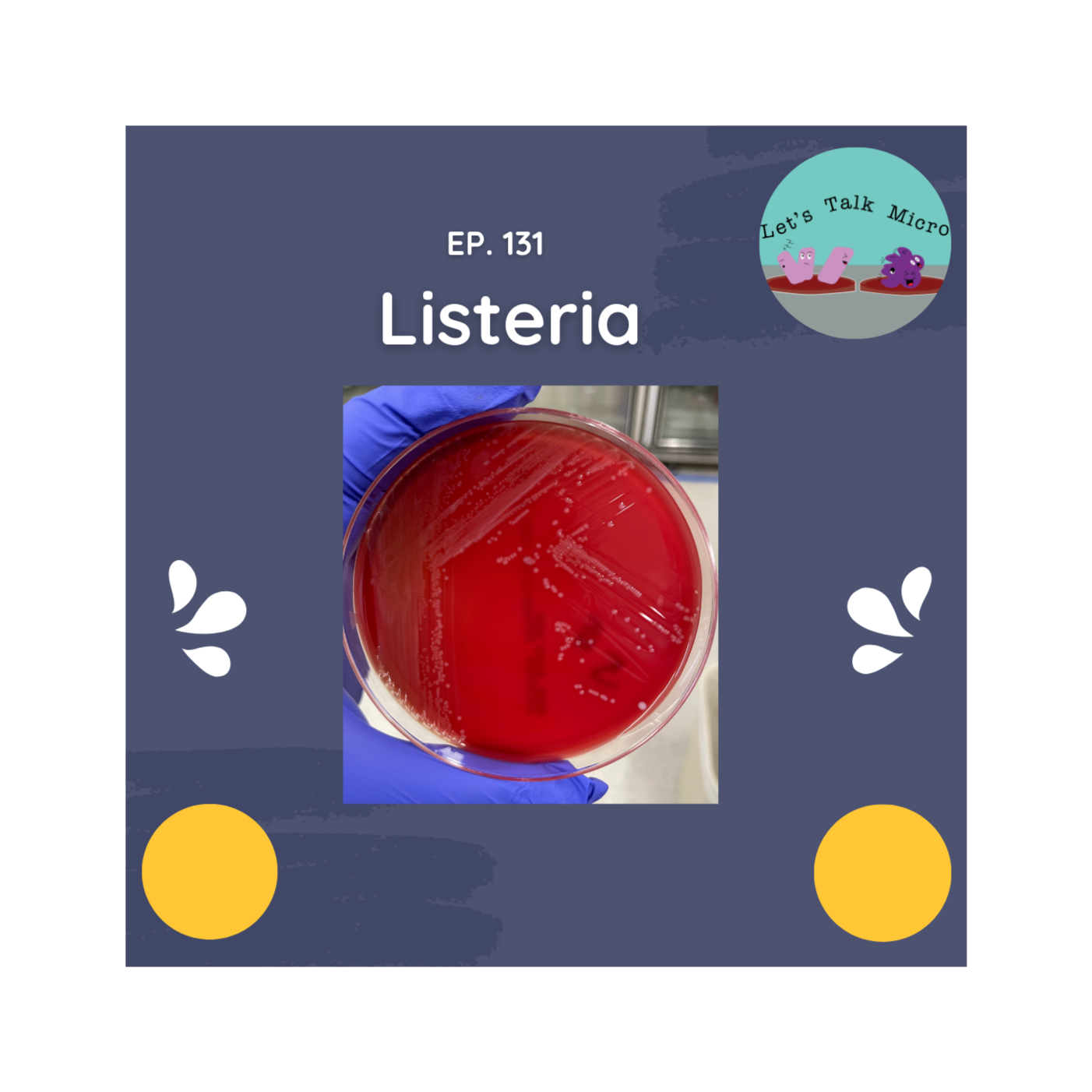
S3 Ep 131131: Listeria
Luis is talking micro in this episode. We continue our journey over gram-positive rods. This time is about Listeria. What are the virulence factors of Listeria? What is its morphology? Biochemicals? Tune in to learn about this critical organism, its resemblance to another pathogen, ways of identifying it, atypical presentations, and more. Questions? Feedback? Send those to [email protected]
S3 Ep 130130: ABMM Certification
You requested it and it is here! Dr. Kristen Smith joins the podcast to talk about the American Board of Medical Microbiology (ABMM) certification. What is the ABMM certification? How does it help you professionally ? What are the requirements? CPEP fellowship? Tune in to listen to Dr. Smith answer these questions and more. Link to American Society for Microbiology ABMM information: https://asm.org/certifications/american-board-of-medical-microbiology-abmm Link to ClinMicroNow: https://www.clinmicronow.org Questions? Feedback? Email [email protected]

S3 Ep 129129: AR Lab Network, GN7F panel, and more
Are you familiar with the Center for Disease Control and Prevention (CDC) Antimicrobial Laboratory Network( AR Lab Network)? How about the ThermoFisher Sensititre? In this episode, Amelia Bhatnagar from the CDC joins the podcast to talk about a study that was performed to evaluate the Sensititre GN7F panel. She discusses the study and explains to the listeners what the AR Lab Network is. Tune in to learn more about this study, the AR Lab network, and the importance of evaluating the performance of Antimicrobial Susceptibility Testing (AST) systems. Link to study: https://journals.asm.org/doi/10.1128/jcm.00799-23 Link to AR Lab Network: https://www.cdc.gov/drugresistance/ar-lab-networks/domestic.html "HAI" Activity within the AR Lab Network: https://www.cdc.gov/hai/hai-ar-programs/activities/AR-lab-network.html The AR and Patient Safety Portal: https://arpsp.cdc.gov/profile/antibiotic-resistance?tab=ar-lab-network Questions? Feedback? Send those to [email protected]
S3 Ep 128128: Talking AMR: Aminoglycosides
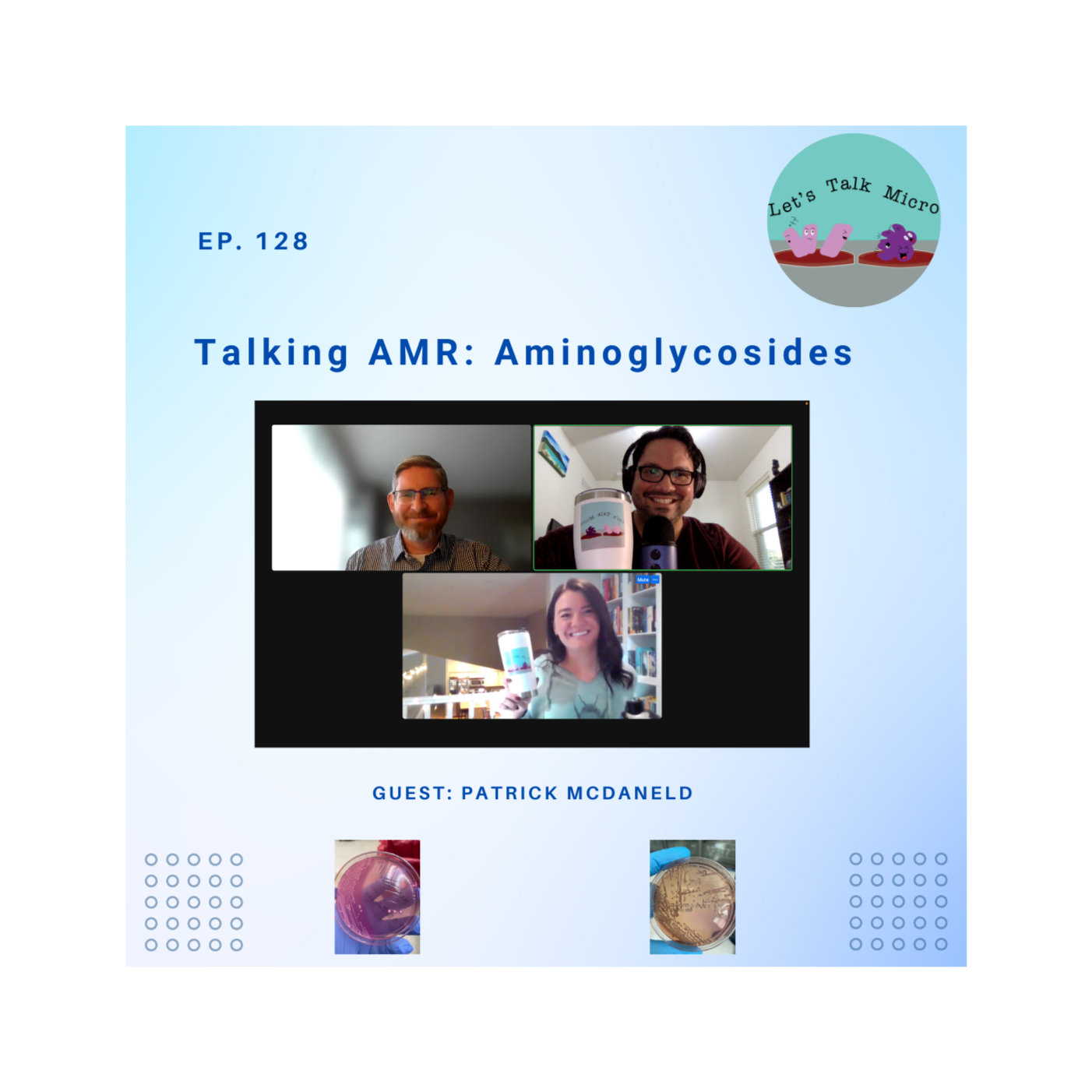
The next episode of the AMR series is here! In this episode Luis and Andrea are joined by Dr. Patrick McDaneld to discuss aminoglycosides. We go over mechanism of action, what drugs are part of this class, what organisms does it have activity against, and more. We invite you to check the CLSI M100 and get familiarized with it. Questions? Suggestions? Email those at [email protected]

S3 Ep 127127: Next-generation sequencing
The field of Microbiology continues to change. Organisms were primarily identified in the clinical laboratory by biochemical testing. Then MALDI-TOF came to the lab and was incorporated to the workflow. Now labs are bringing next-generation sequencing (NGS). What is NGS? How does it work? Have you heard of Nanopore technologies? In this episode Dr. Jose Alexander and Daniel Navas from Advent Health Orlando, join the podcast to talk about NGS. They brought it to their laboratory and discuss the whole process, including the validation, challenges and more. Have any feedback or suggestions? Send those to [email protected]

S3 Ep 126126: Talking Variovorax durovernensis
Have you heard about Variovorax durovernensis? The field of Microbiology is one that continues to change, sometimes at a fast pace. With MALDI-TOF and whole genome sequencing making rapid advances, we now learn more of existing organisms and discover novel ones. Tune in to learn about how this novel species was discovered, including the testing performed and the reason behind its name. Link to article: https://www.sciencedirect.com/science/article/pii/S2590170223001152 Questions or feedback? Send an email to [email protected]
S3 Ep 125125: Manual of Clinical Microbiology
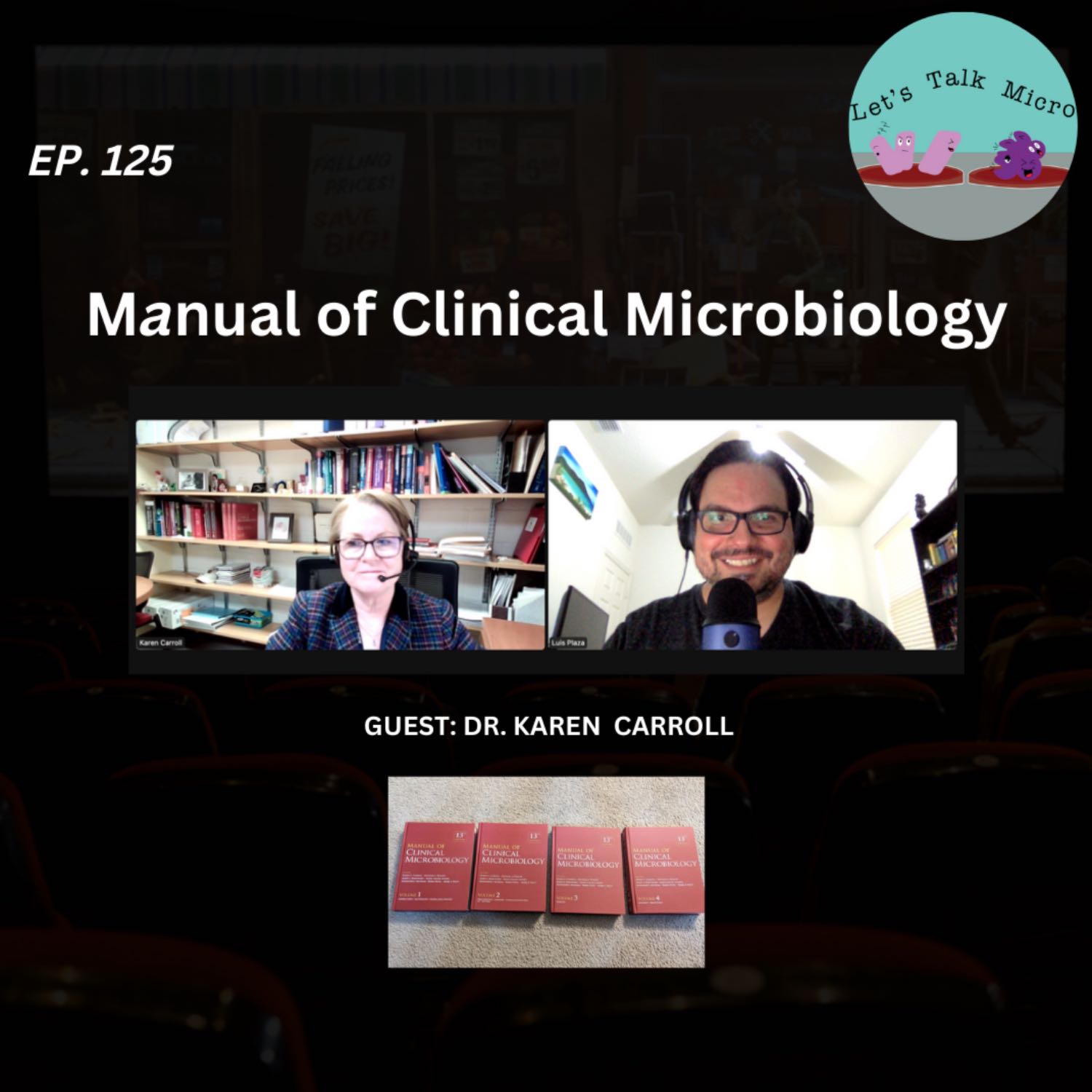
Are you familiar with the Manual of Clinical Microbiology (MCM)? If you work in a clinical microbiology laboratory you might be familiar with it. Last year the 13th edition was released. What content is in the MCM? Where is the information obtained from? What is new in this edition? Is it available online? Dr. Karen Carroll, one of the editors-in chief joins the podcast to discuss this important resource. Link to ClinMicroNow : https://www.clinmicronow.org Feedback? Suggestions? Please email those to [email protected]
S3 Ep 124124: Collaboration with Breakpoints podcast: Talking AUR, CAP breakpoint requirements, and more
It is 2024. Is your laboratory using current breakpoints? Are you familiar with the requirements? This episode features a collaboration with Breakpoints: The SIDP Podcast. In it I join the podcast along with two other guests to talk about those requirements among other things. Check out the Breakpoints podcast: https://sidp.pinecast.co More information on breakpoints toolkit: https://clsi.org/meetings/ast/breakpoints-in-use-toolkit/
S3 Ep 123123: Streptococcus agalactiae (re-release)
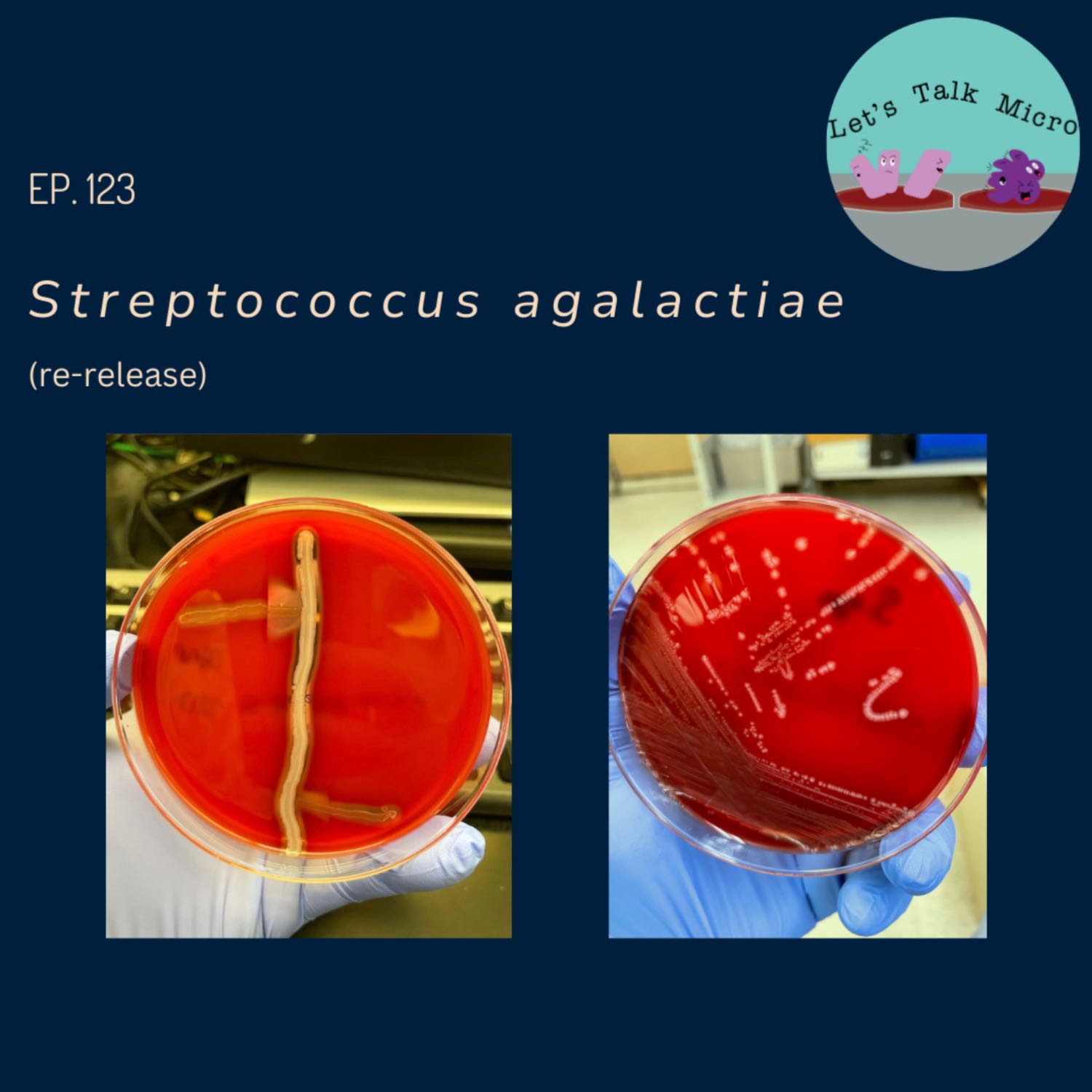
Originally published as episodes 36 and 37, in this episode I go over Streptococcus agalactiae. I discuss morphology, biochemicals, and testing among other things. What is the Lancefield group of this organism? What is the significance of this organism in neonates? Any organisms that morphologically resemble it? Tune in to find out.
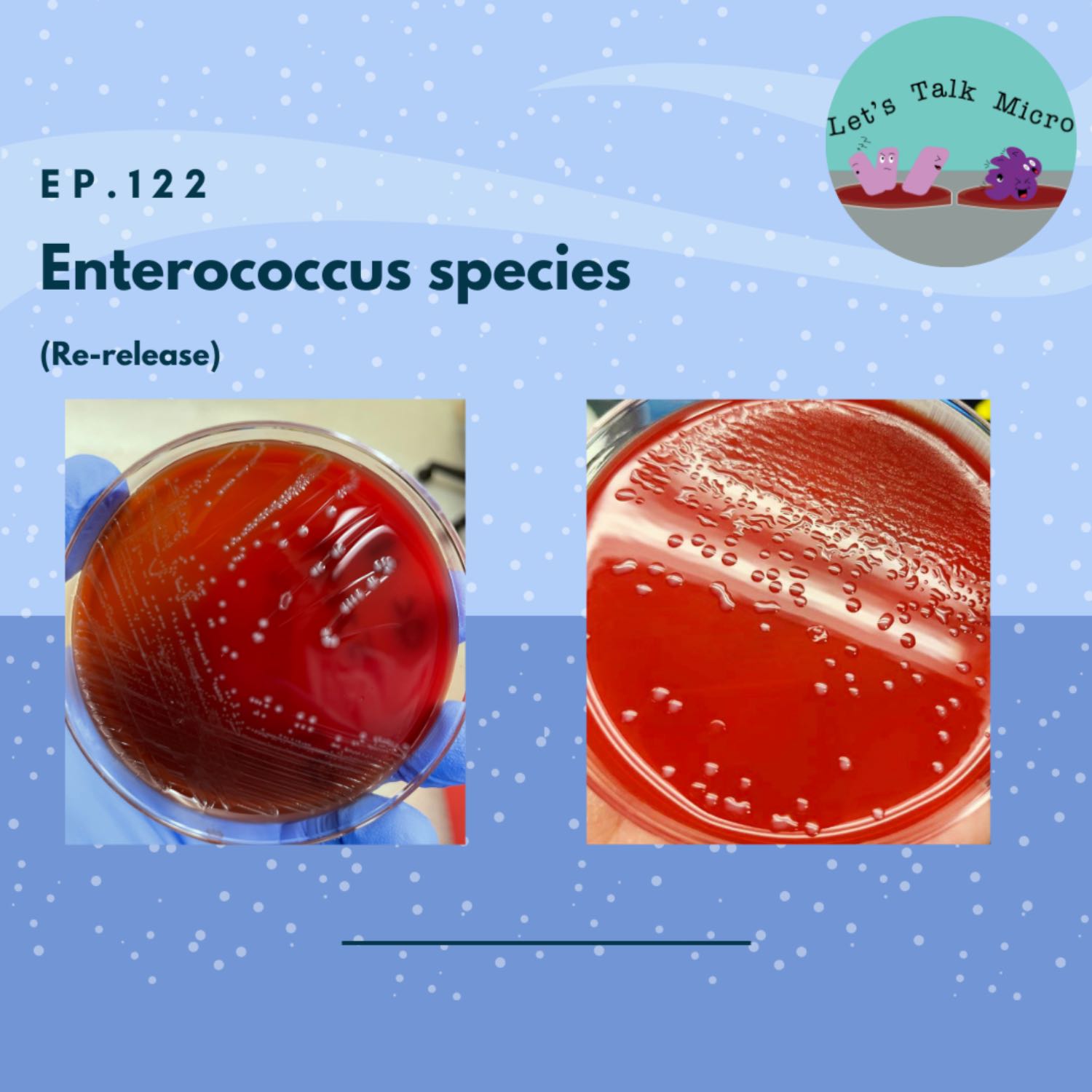
S3 Ep 122122: Enterococcus species (re-release)
Originally released as episode 53, in this episode I go over Enterococcus species. What are the most clinically significant species of Enterococcus? Morphology? Biochemicals? Tune in to find out more about these organisms, and why are they so significant in healthcare settings.
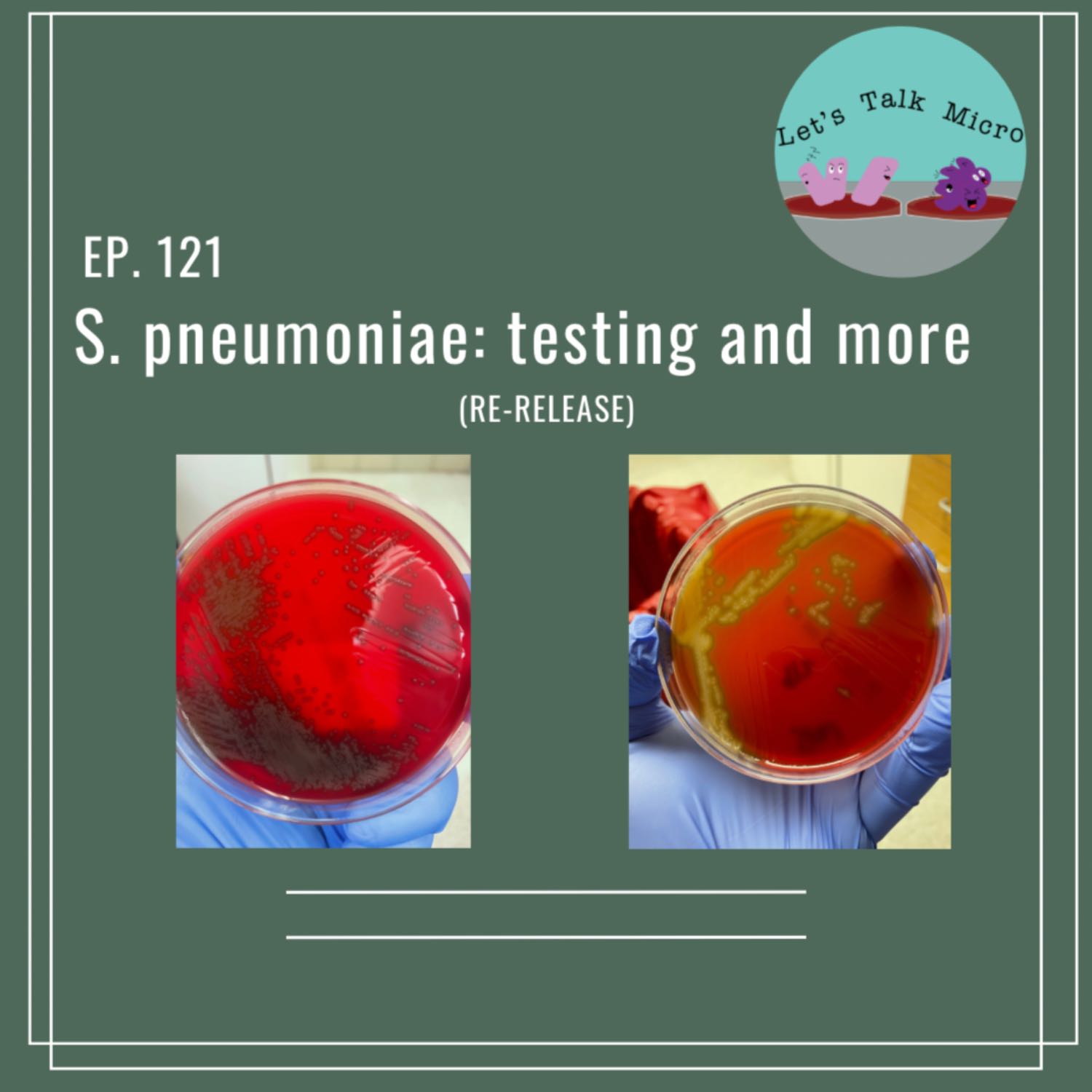
S3 Ep 121121: S. pneumoniae: testing and more (re-release)
Originally released as episode 58, in this episode I continue going over S. pneumoniae. This time I go over a popular antigen test. I also discuss molecular testing, including limitations and the importance of correlating the gram stain with the result. Also, have you heard of Streptococcus pseudopneumoniae?
S3 Ep 120120: Talking AMR: Fluoroquinolones
The AMR sub-series is back! Dr. Minkey Wungwattana joins Luis and Andrea in the podcast to talk about fluoroquinolones. What is the mechanism of action of this class of antimicrobials? What organisms do they have activity against? What about breakpoints for Salmonella? Tune in to find out. Link to breakpoints episode that Andrea mentioned: https://rss.com/podcasts/letstalkmicro/475955/
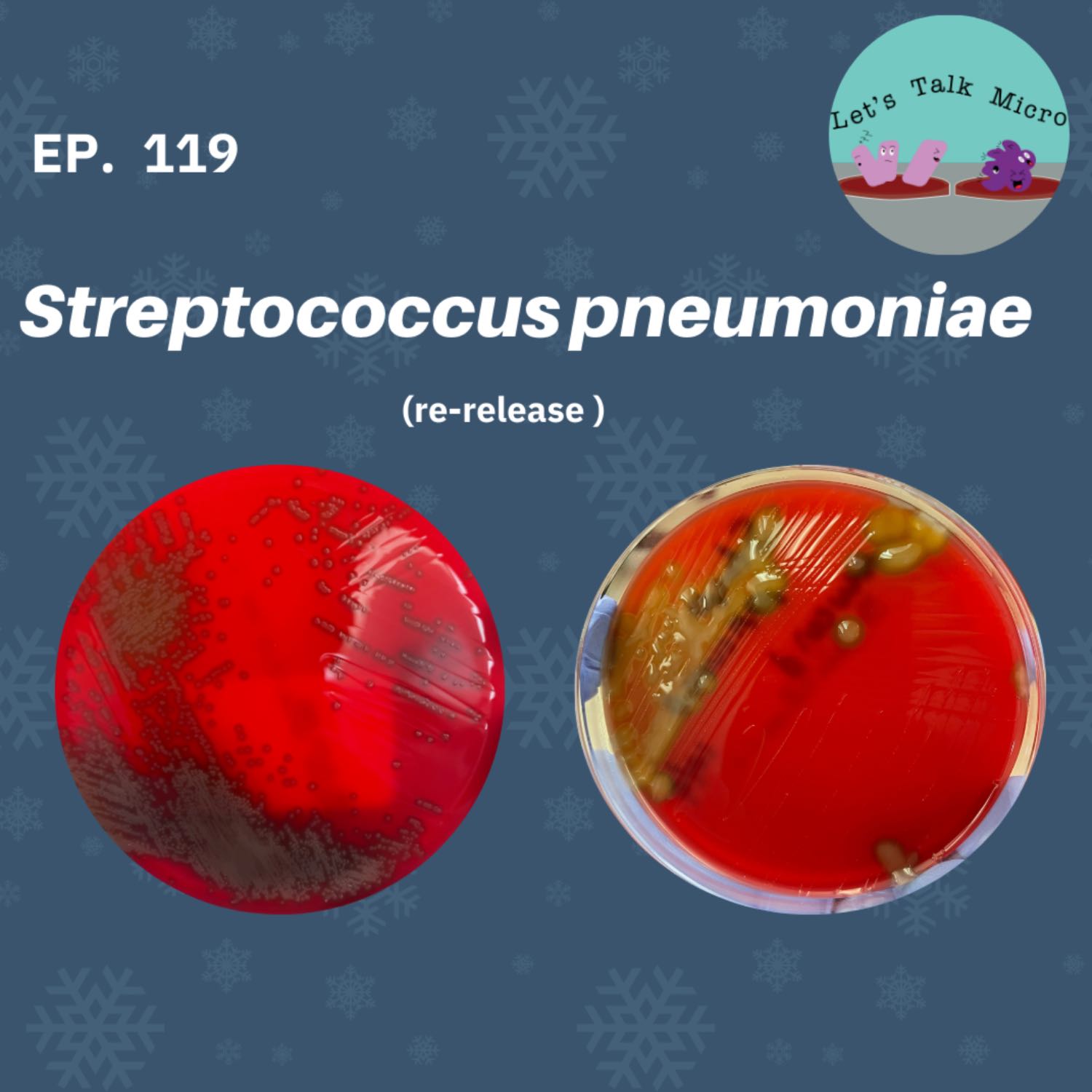
S3 Ep 119119: Streptococcus pneumoniae (re-release)
This episode was originally published as episode 57. In it I go over Streptococcus pneumoniae: gram stain, morphology, diseases, and more. What is optochin? What is the bile solubility test? Tune in to find out.
S3 Ep 118118: Talking urine culture orders
This episode features a conversation with Lisa Parlich, an Infection Preventionist, with a background in Medical Laboratory Sciences. Lisa joins the podcast to talk about an order for urinalysis that was implemented in her hospital. This order is the Urinalysis with Hold order panel. Those of you that work in the laboratory might be familiar with the Urinalysis with reflex to culture order, where if an urinalysis meets the positive criteria for a culture, an order for an urine culture is reflexed, How does this new order differ from traditional orders? How does it help the patients ? How does it work? Tune in to find out.
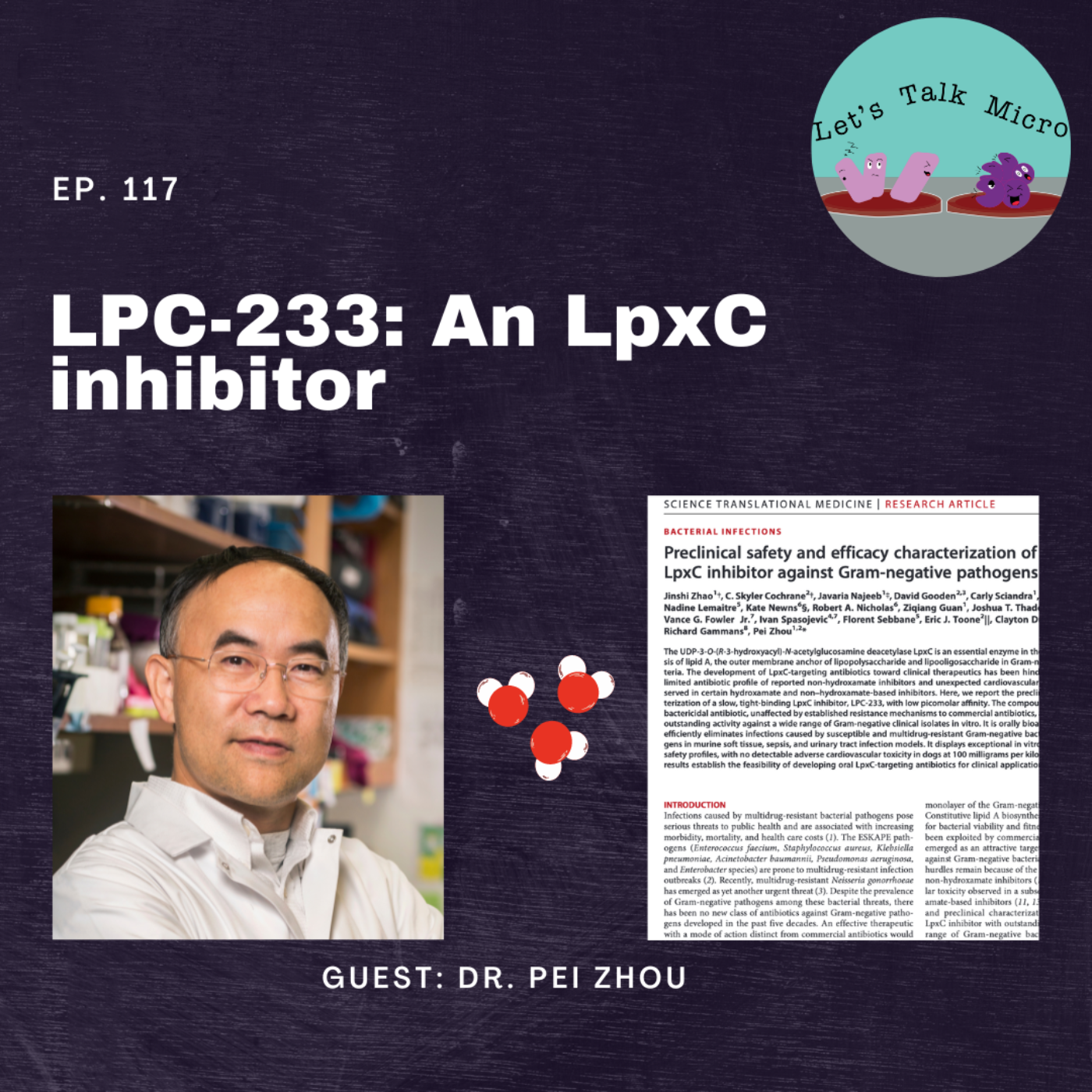
S3 Ep 117117: LPC-233: An LpxC inhibitor
In this episode, Dr. Pei Zhou from the Duke University School of Medicine joins the podcast to talk about LPC-233. This is a compound that shows bactericidal activity against some gram-negative rods. LPC-233 is an LpxC inhibitor. What is LpxC? How does LPC-233 works? What are some challenges of developing LpxC inhibitors? Tune in to find out. Link to article: https://doi.org/10.1126/scitranslmed.adf5668 Questions? Feedback? Send those to [email protected] Want to support the podcast? Here's how: Venmo: https://venmo.com/u/letstalkmicro Buy me a Ko-fi: https://ko-fi.com/letstalkmicro
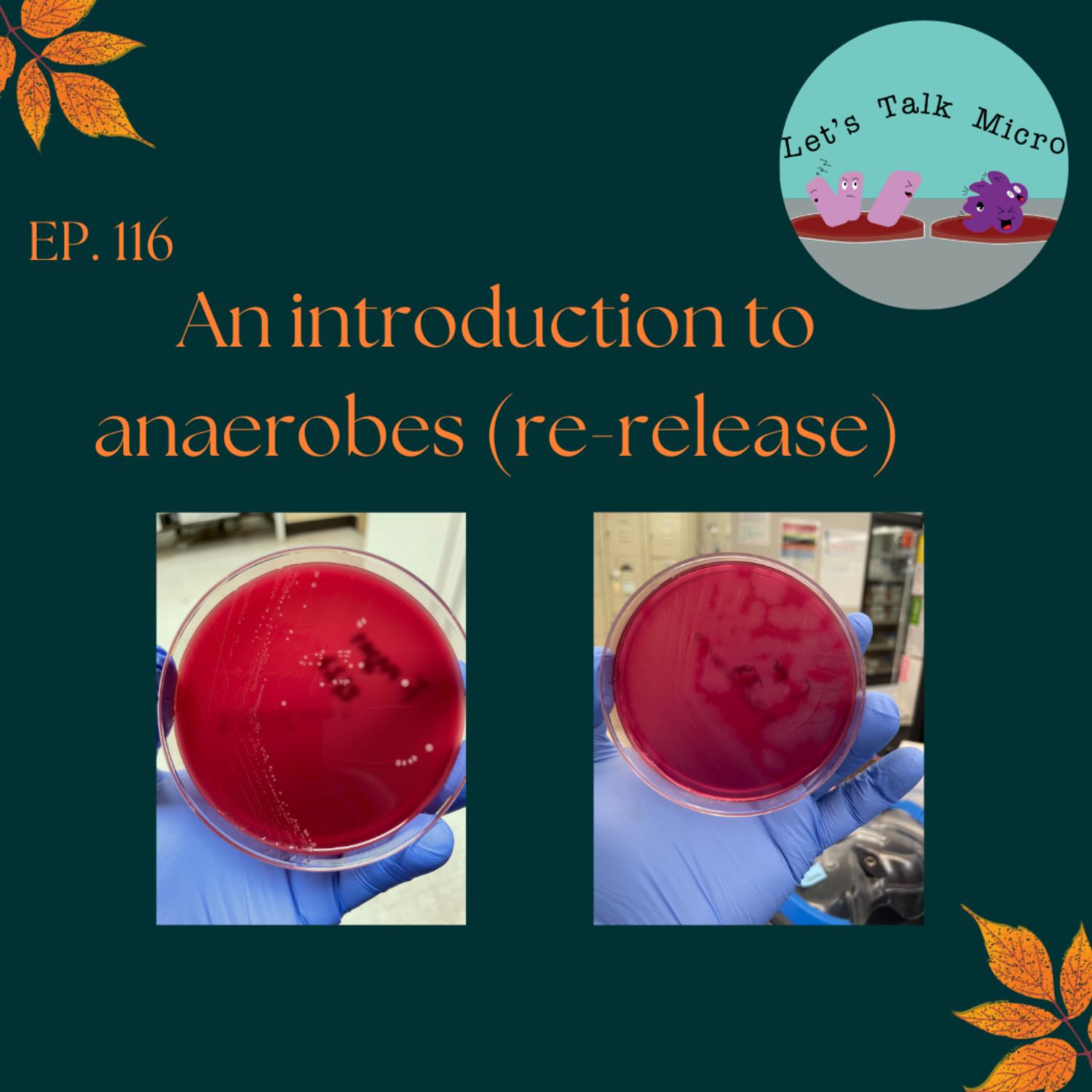
S3 Ep 116116: An introduction to anaerobes (re-release)
Originally released in 2021, in this episode I go over anaerobes. What are some examples of anaerobes? Why can't they grow aerobically ? What is a facultative anaerobe? Tune in to learn more.

S3 Ep 115115: Talking MALDI-TOF MS PT.2 : pros and cons
In this episode I continue talking about MALDI-TOF MS. This time I go over the advantages and disadvantages. How has MALDI-TOF helped Clinical Microbiology? How does it compare to traditional identification methods and the workflow? What about disadvantages? Tune in to find out.

S3 Ep 114114: Collaboration with ID:IOTS podcast: Talking Laboratory and more
This episode features a collaboration with Jame and Callum from the ID:IOTS podcast. They are two infectious disease physicians that just like Let's Talk Micro, their goal is to share information and help educate the audience. We join forces to talk about the laboratory. We start by going over what a Medical laboratory Scientist does ( I talk about what I do). We also go over questions like what do we expect to see in a laboratory requisition. Do we add media based on what the source or the requisition indicates? How can we improve communication between the laboratory and providers? Tune in to find out. ID:IOTS podcast page: https://idiotspodcasting.buzzsprout.com Please download and review episodes
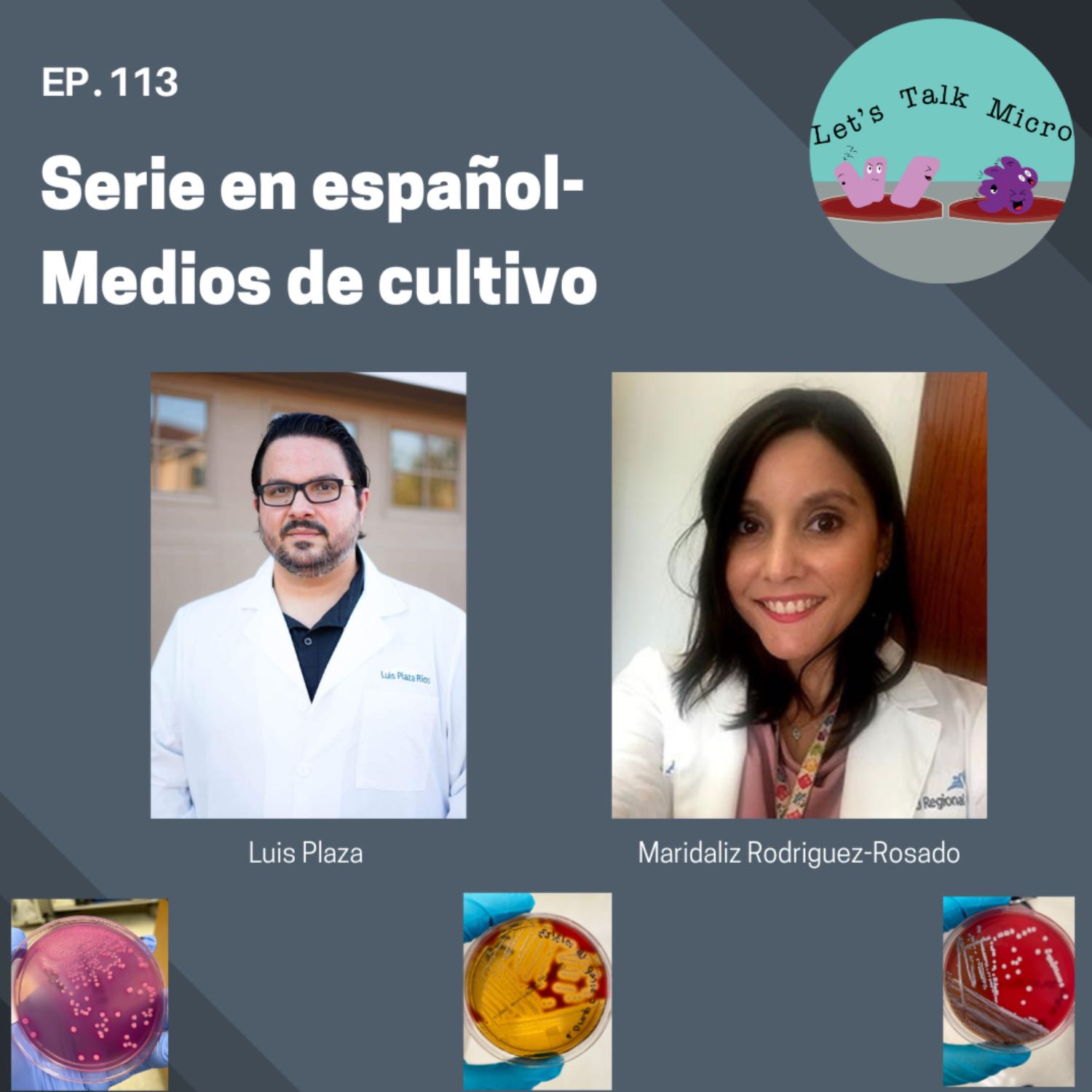
S3 Ep 113113: (Spanish) Serie en español- Medios de cultivo
Luego de un episodio introductorio , Luis y Maridaliz regresan nuevamente con un episodio para la serie en español . En este episodio discuten medios de cultivo. Qué son los medios de cultivo? Cómo estos medios ayudan a los microorganismos? Cuáles son selectivos? Cuáles son diferenciales? Sintonizen para aprender sobre estos medios, las condiciones que los microorganismos necesitan para crecer, y más.
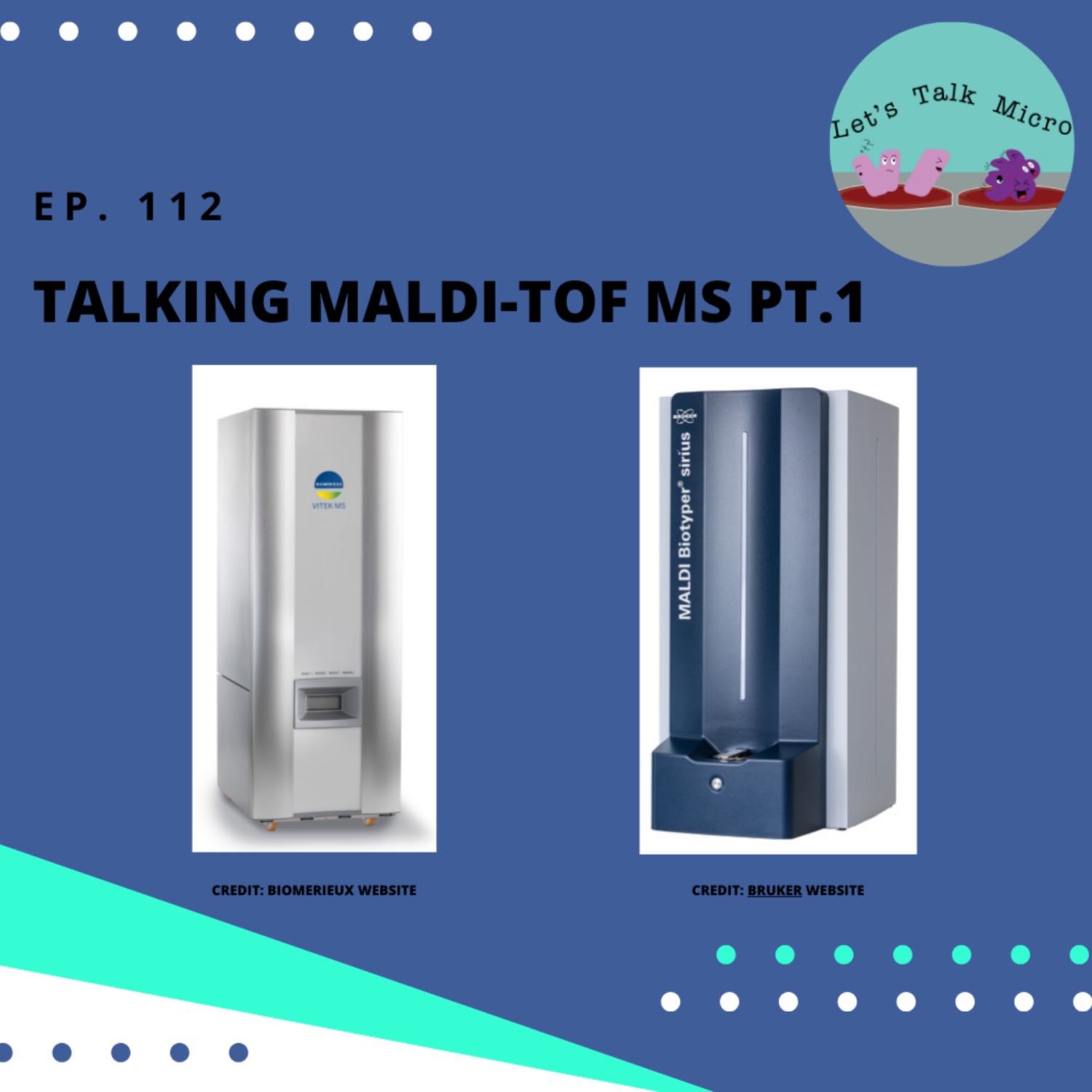
S3 Ep 112112: Talking MALDI-TOF MS PT. 1
Following the webinar on MALDI-TOF MS, we think that now it is a good time to go over MALDI-TOF MS. This topic was discussed two years ago, but since there are new listeners, now is a good time to go over it again. Are you familiar with MALDI-TOF? How does it work? How does it help Clinical Microbiology? Tune in to find out.

S3 Ep 111111: Marburg virus
This episode features a conversation with Dr. Caterina Miraglia, a professor from the University of Massachusetts Dartmouth. Dr. Miraglia published a review article about Marburg viruses in 2019, in order to educate fellow Medical Laboratory Scientists about these type of viruses. What is Marburg virus? What is Marburg virus disease? Is there any treatment or prevention? Tune in to find out.
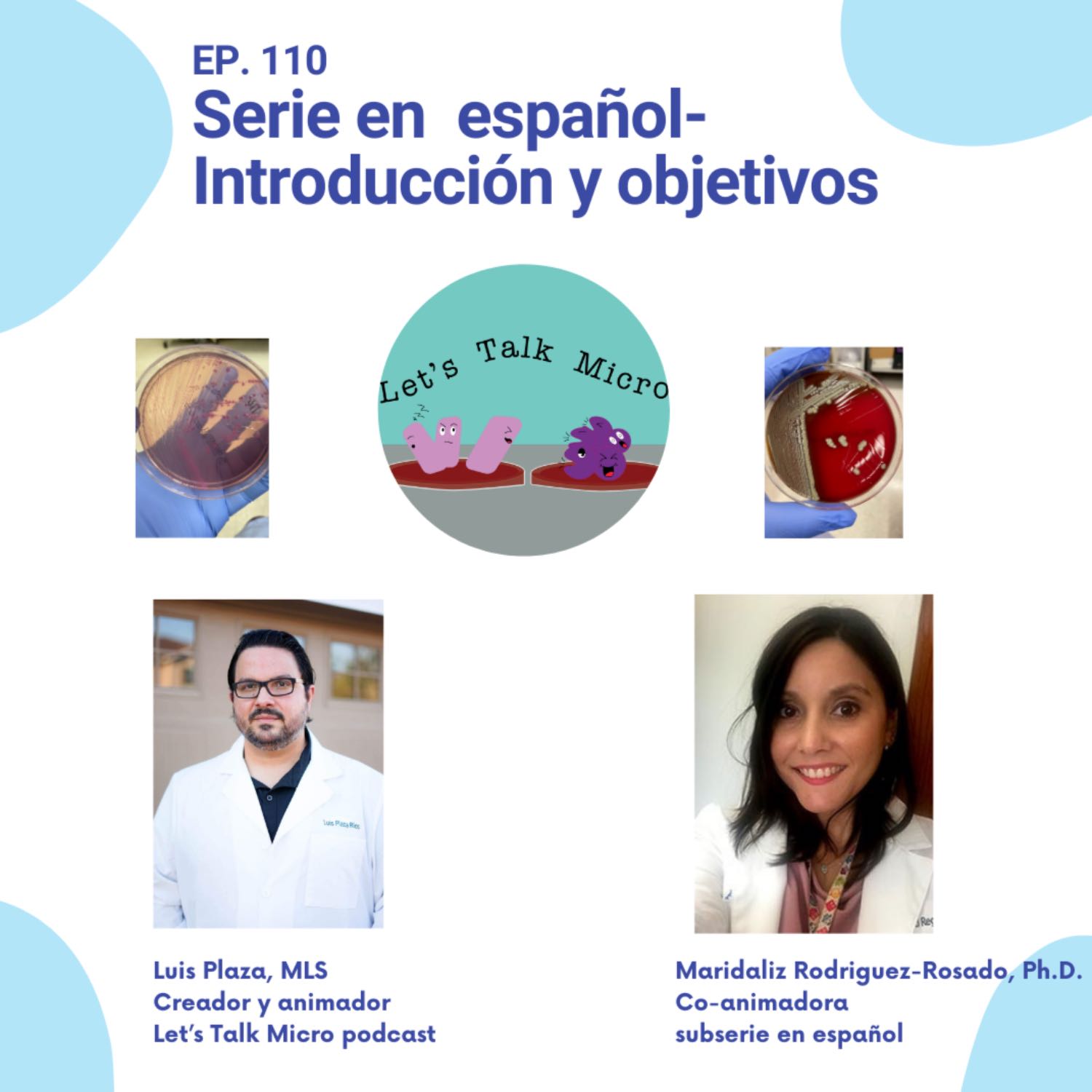
S3 Ep 110110: (Spanish) Serie en español- Introducción y objetivos
Let's Talk Micro fue creado con el objetivo de compartir información y aprender, enseñando todo de la manera mas simple posible. Siendo fiel a esa misión , hoy comienza una serie dentro del podcast para la población que habla español . Luis Plaza, el creador y animador del podcast, se une a la Dra. Maridaliz Rodriguez para hablar de microbiología . En este episodio Luis y Maridaliz hablan de su profesión y del objetivo de esta serie.
Special updates
This is a short episode to update listeners about an upcoming sub-series in Spanish. Staying true to Let's Talk Micro's goal of sharing information and learning, this sub-series is meant to do that for the Spanish speaking audience. Episodes will be released about every five weeks on a different day as regular episodes.
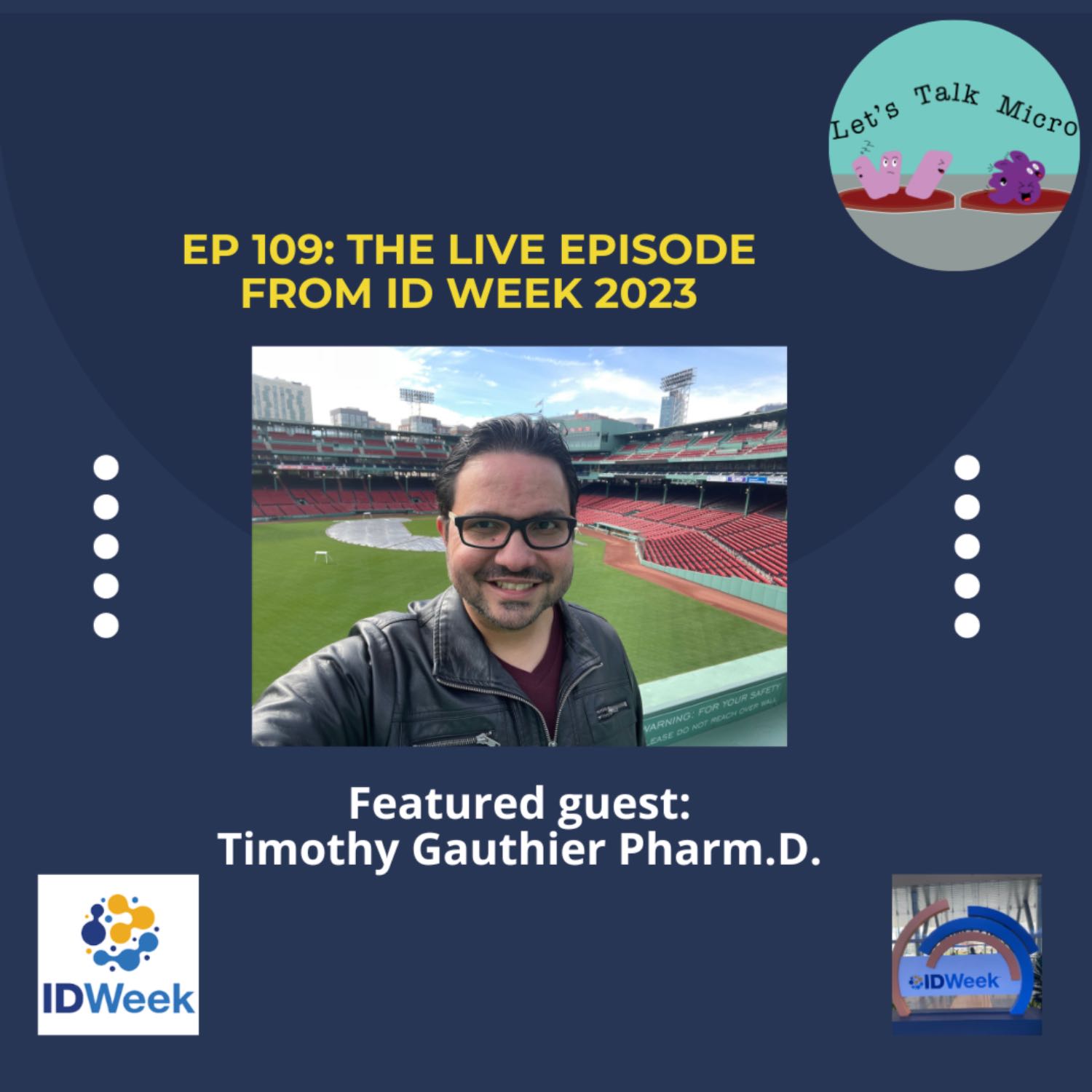
S3 Ep 109109: The Live Episode from ID Week 2023
This episode is the one that was recorded live from ID Week 2023 in Boston. In it I talk about my favorite posters, talks, and also about my experience as a first time attendee. This episode also features a short talk with Dr. Timothy Gauthier, a Pharmacist that spends time teaching about antibiotics via a blog and publications.

S3 Ep 108108: A Pediatric Hospital in Guinea Pt.2
This is the second part of the interview with Dr. Joel Mortensen and his experience at a hospital in Guinea. In this episode he continues talking about training laboratory personnel and teaching essential things like quality control. He also talks about issues like supplies and electricity and future plans. Are you trained in hematology and chemistry and speak French? Are you interested in helping out with training? You can email the podcast and your information will be forwarded or you can reach out to Hope Ignited. Let's Talk Micro email: [email protected] to Hope Ignited: https://www.hopeignited.org
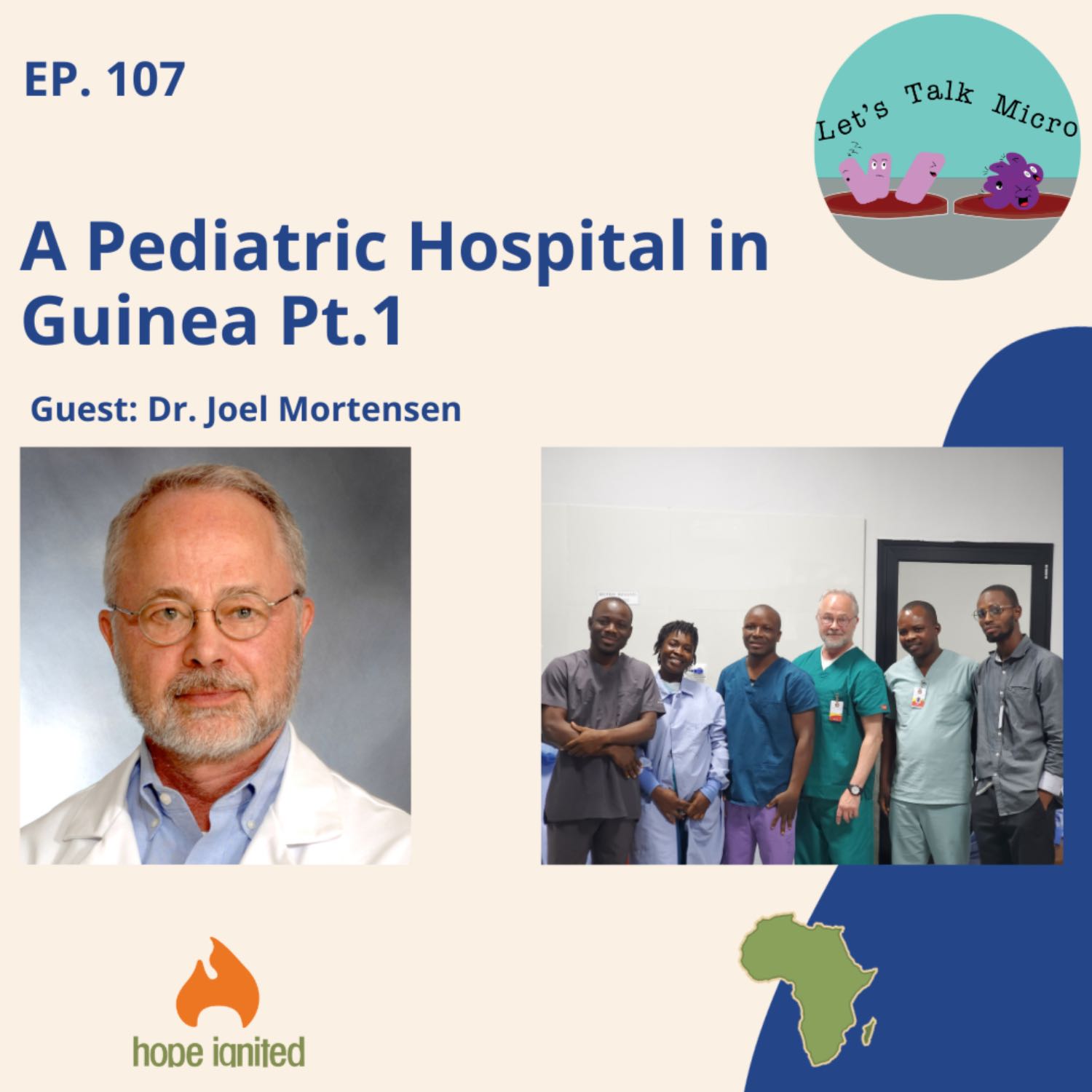
S3 Ep 107107: A Pediatric Hospital in Guinea Pt.1
This episode features an interview with Dr. Joel Mortensen. He is the Director of the Diagnostic Infectious Diseases Testing Laboratory at Cincinnati Children's Hospital. Dr. Mortensen volunteered to train laboratory personnel to perform microbiology testing at a pediatric hospital that was being built in Guinea, West Africa. Tune in to learn about this hospital, hear about his experience, the challenges he encountered, and more. This is part one of a two part series. Link to Hope Ignited: https://www.hopeignited.org
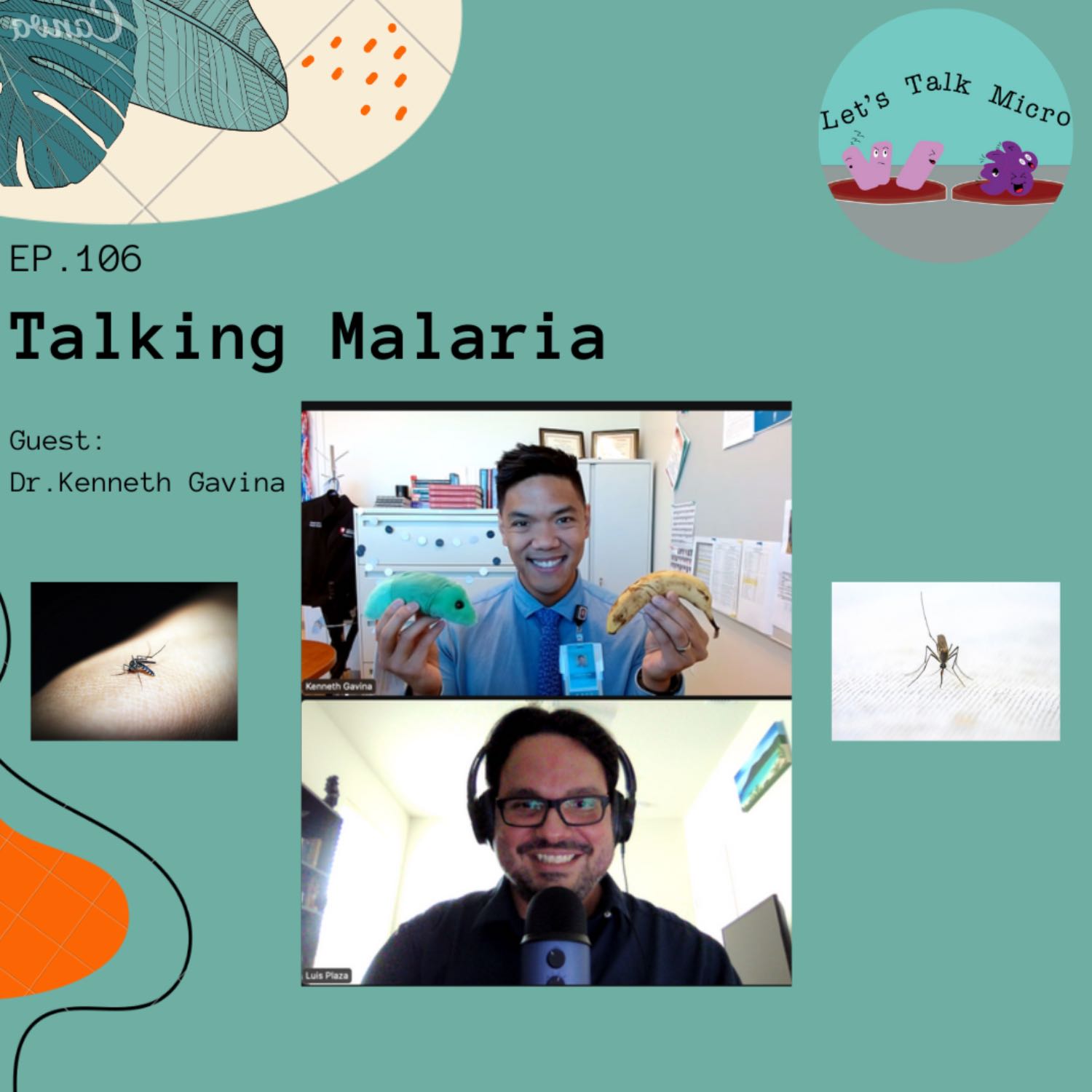
S3 Ep 106106: Talking Malaria
We have heard or recent cases of malaria in the United States. What better than to do an episode about it? Dr. Kenneth Gavina, from the Indiana University School of Medicine, joins the podcast to talk about it. Tune in to learn about its life cycle, transmission, prevention, its relationship to pregnancy, and more.Link to CDC's life cycle: https://www.cdc.gov/malaria/about/biology/index.htmlLink to Future of Malaria Research Symposium: https://publichealth.jhu.edu/malaria-research-institute/2023-future-of-malaria-research-symposium
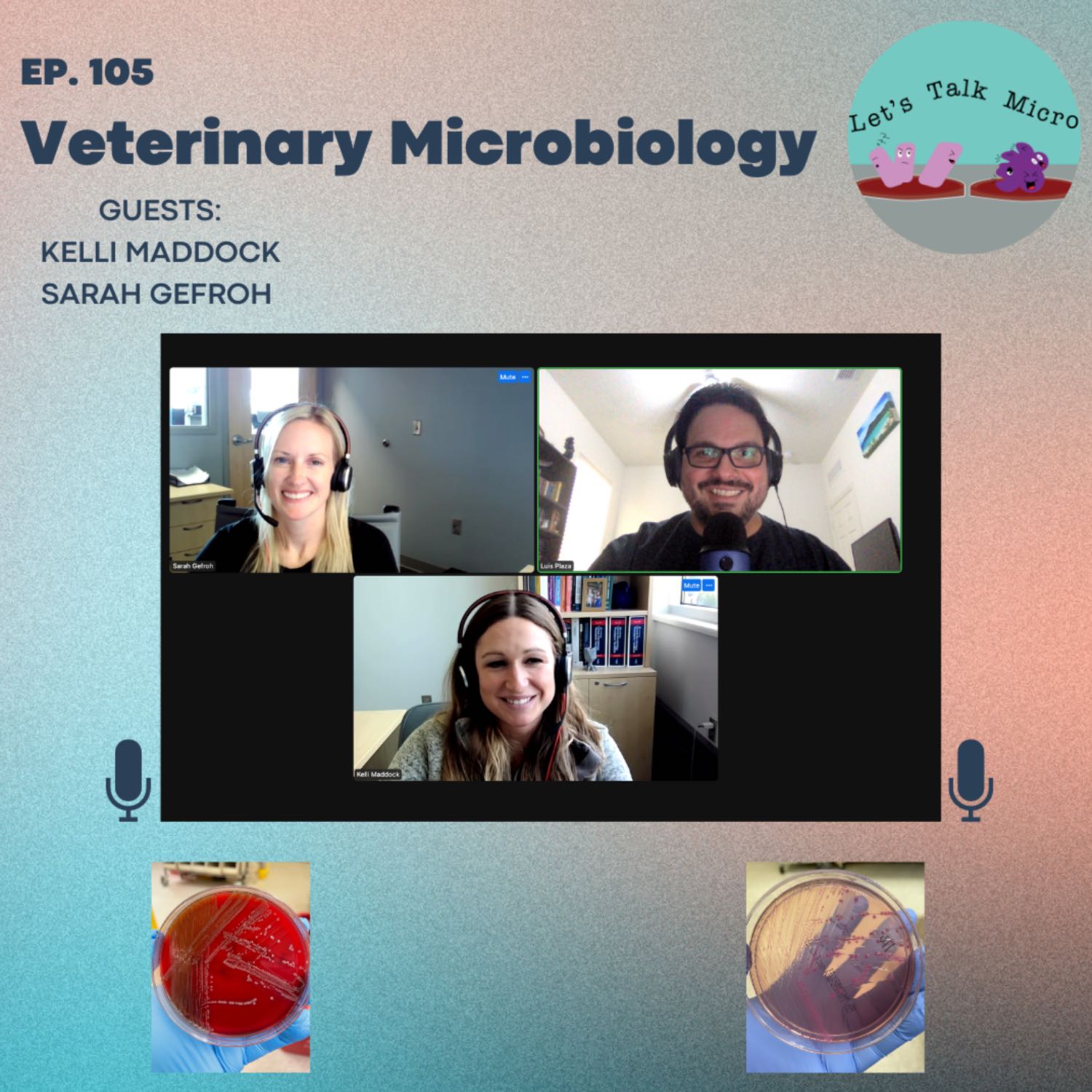
S3 Ep 105105: Veterinary Microbiology
Have you worked in a veterinary laboratory? What kind of training do you need? Are you able to work in one as an MLS? Have you thought about what a culture from a veterinary specimen might look like? How do you work those up? What about antimicrobials and guidelines? Kelli Maddock and Sarah Gefroh from the North Dakota State University Veterinary Diagnostic Laboratory join the podcast to answer these questions. They are Medical Laboratory Scientists with experience in human medicine that switched to veterinary medicine.