
Let's Talk Addiction & Recovery
150 episodes — Page 3 of 3
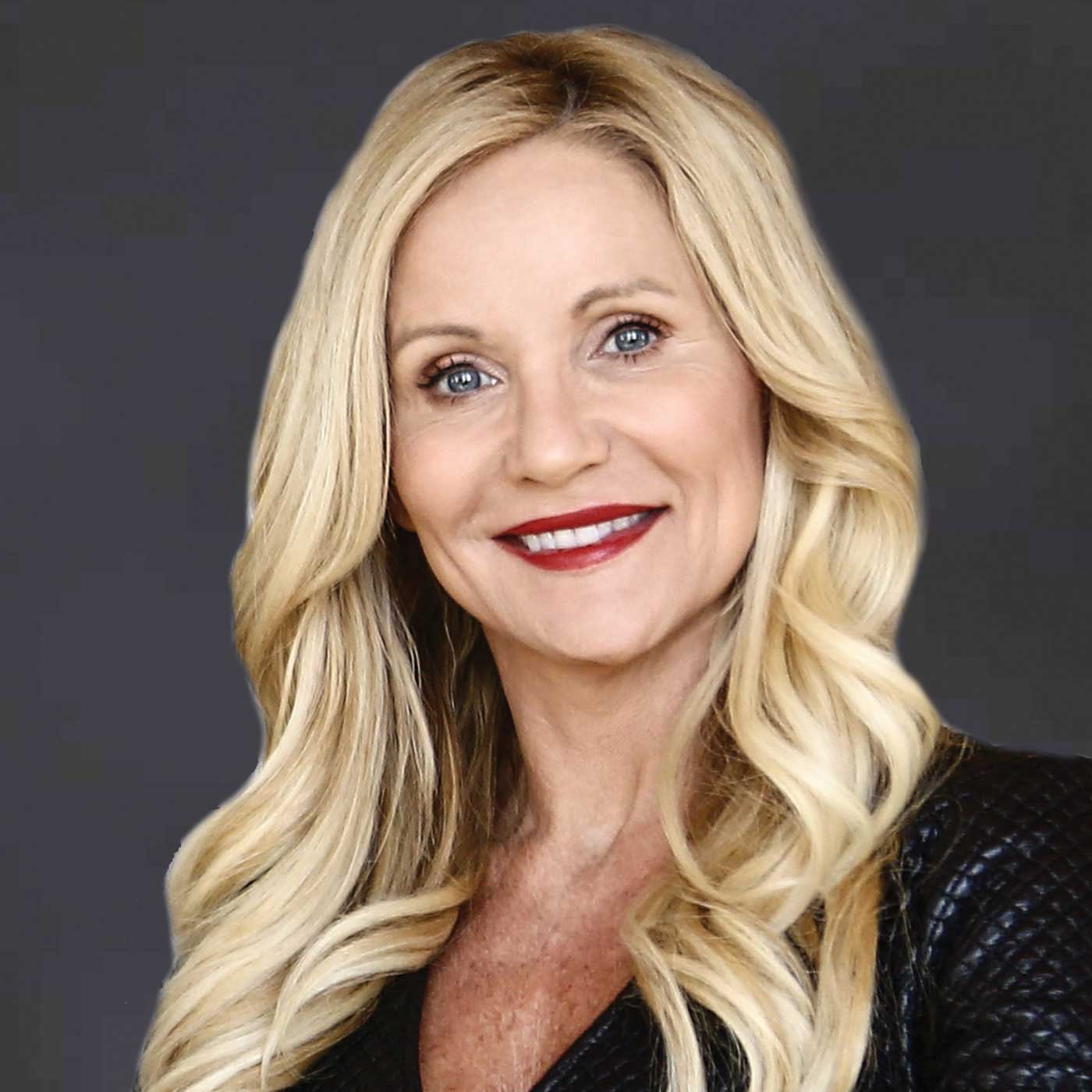
Ep 54Eliminating Stigma: The First Lady of North Dakota Speaks Out
A self-described introvert thrust into an extrovert's job as the First Lady of North Dakota, Kathryn Burgum has clearly found her voice as a leading advocate for addiction recovery. Listen in as Burgum talks with host William C. Moyers about the intersection of her personal recovery experience and her public persona and platform. She explains why she's on a mission to eliminate stigma: every recovery story shared creates a pathway for others to find the help and support they need and deserve.
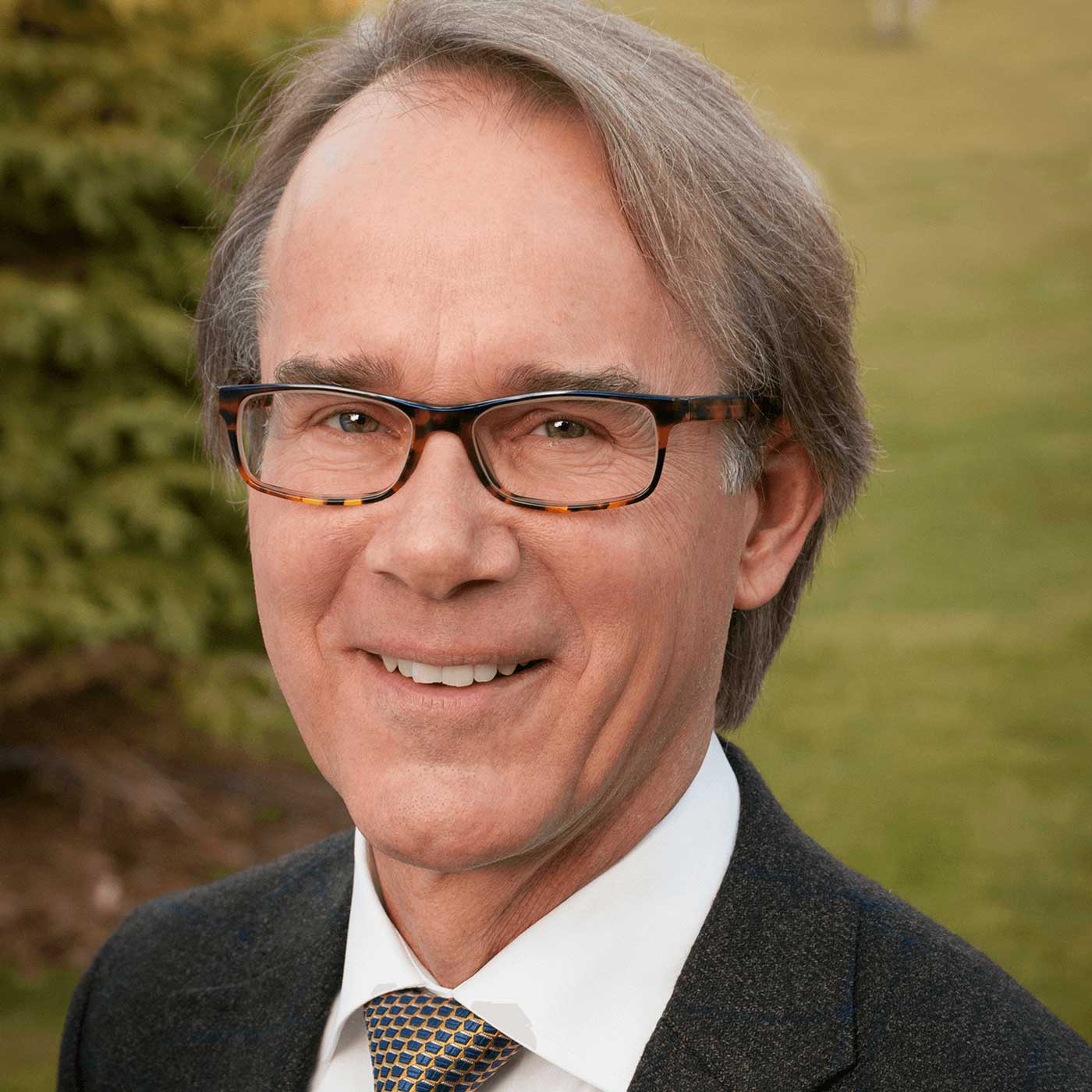
Ep 53Precision Treatment: Addiction Medicine Gets Personal
As science further reveals the neurobiology of addiction, treatment providers are able to tailor increasingly customized care for patients. Listen in as host William C. Moyers talks with addiction psychiatrist Marvin D. Seppala, MD, about the most promising advancements in personalized treatment for substance use disorders. Learn how technology, genetics and predictive analytics can be used to help shape an individual's treatment course, from specific medicines to therapeutic approaches.
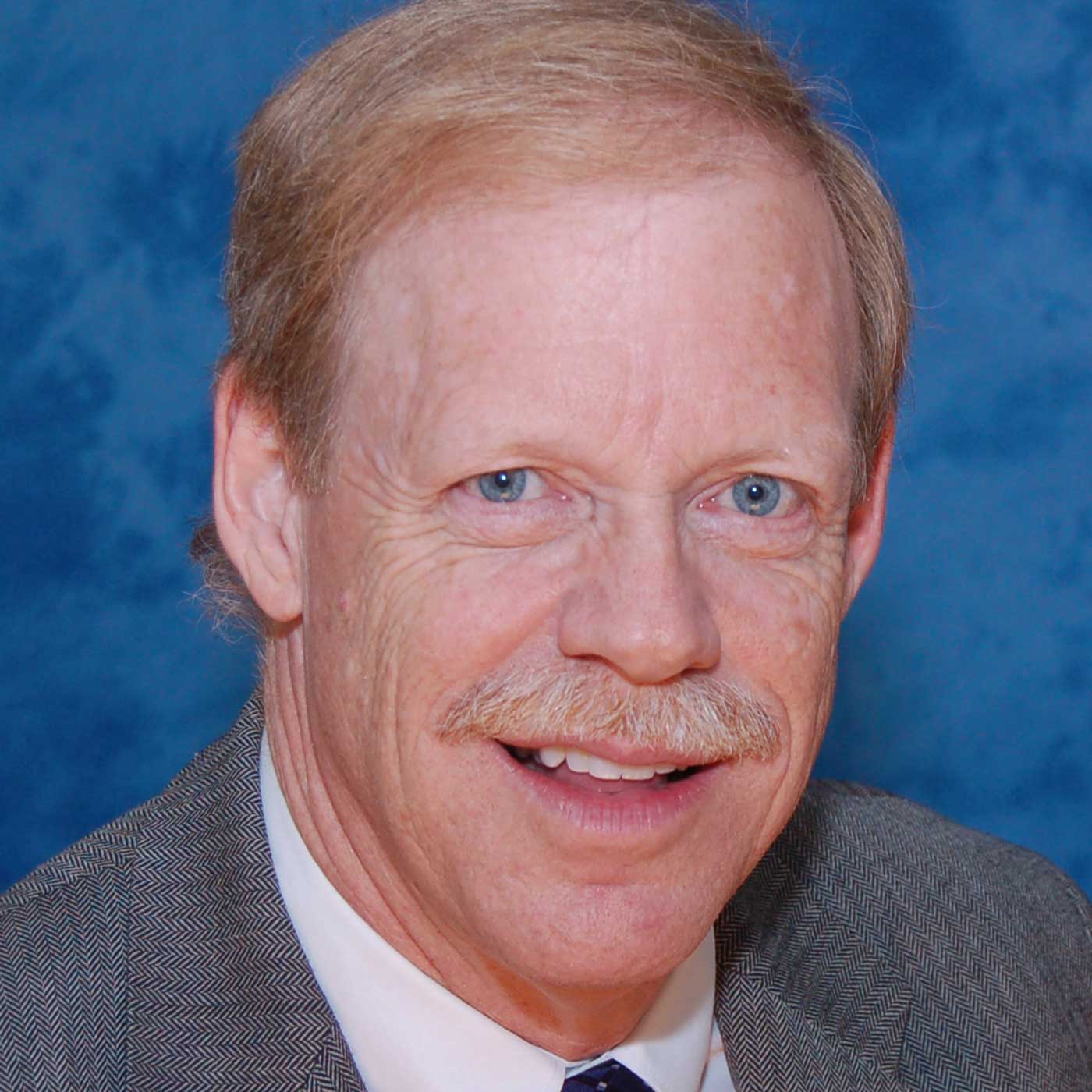
Ep 52What Kids Need to Know about the Grown-Up Problem of Addiction
Children who experience the trauma of parental addiction tend to blame themselves for what's happening. But caregivers and educators can help kids understand the truth: addiction is an illness that isn't caused by anything a child has done or not done. Listen in as host William C. Moyers asks children's therapist Jerry Moe about his work with Sesame Street in Communities to create developmentally appropriate messaging and resources to help kids everywhere who are impacted by parental addiction.

Ep 51An Exclusive Interview with Susan Ford Bales: The Story behind the Betty Ford Center
Photojournalist, author, philanthropist and daughter of Former First Lady Betty Ford, Susan Ford Bales recounts the 1978 family intervention that led to her mother's treatment for addiction. Listen in as she tells host William C. Moyers the moving story behind the founding of the Betty Ford Center—her family's unconditional love, her mother's extraordinary courage, and the never-give-up legacy of healing and hope exemplified and endowed by Betty Ford.
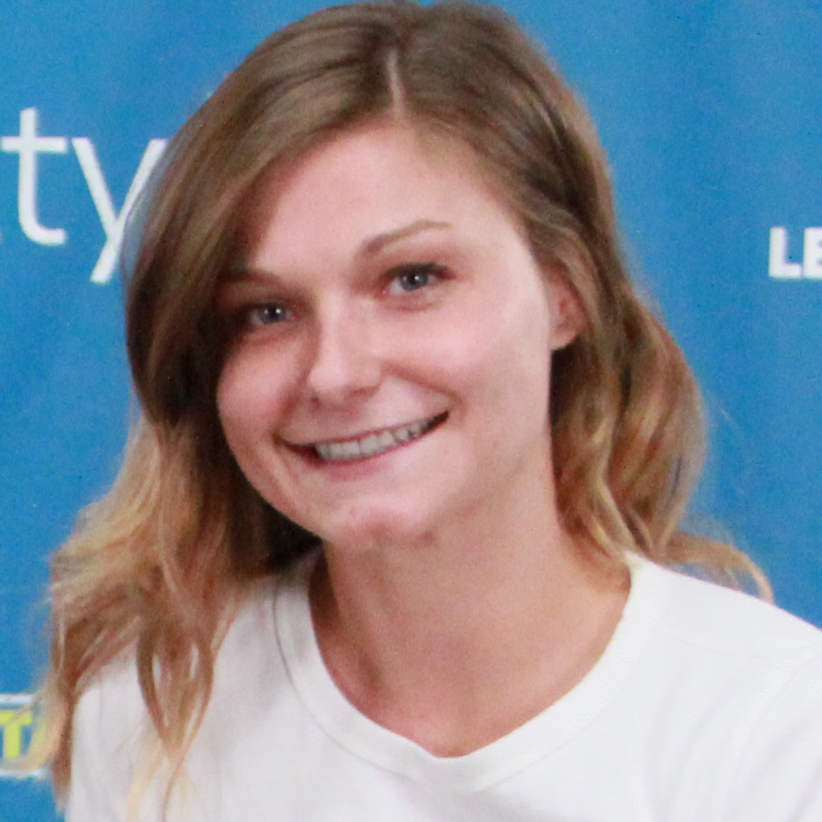
Ep 50A Second Chance at Life: Getting Sober at Age 24
With her first sip of alcohol as a teen (tasted horrible, felt great), Holly S. discovered something she wasn't even looking for: a ready anesthetic for life. Listen in as Holly talks with host William C. Moyers about drinking away her college years while knowing, deep inside, she had a serious problem. Holly describes how her father's death gave her a second chance at life, why asking for help was the hardest part and what it's like when sobriety is your new normal at age 24 (hint: wonderful).

Ep 49Hope Gets Real: Finding Recovery at Age 22
Tucker R. "crash-landed" into rehab at age 22. It was his fourth try at treatment, and this time, he was ready to do a few things differently. Like actually take suggestions. Listen in as Tucker talks with host William C. Moyers about what it's like to be a young man in recovery from alcohol and heroin addiction. He explains how he's found his people—as part a thriving collegiate recovery program—and why community and connection are so important in building his new, hope-powered life.
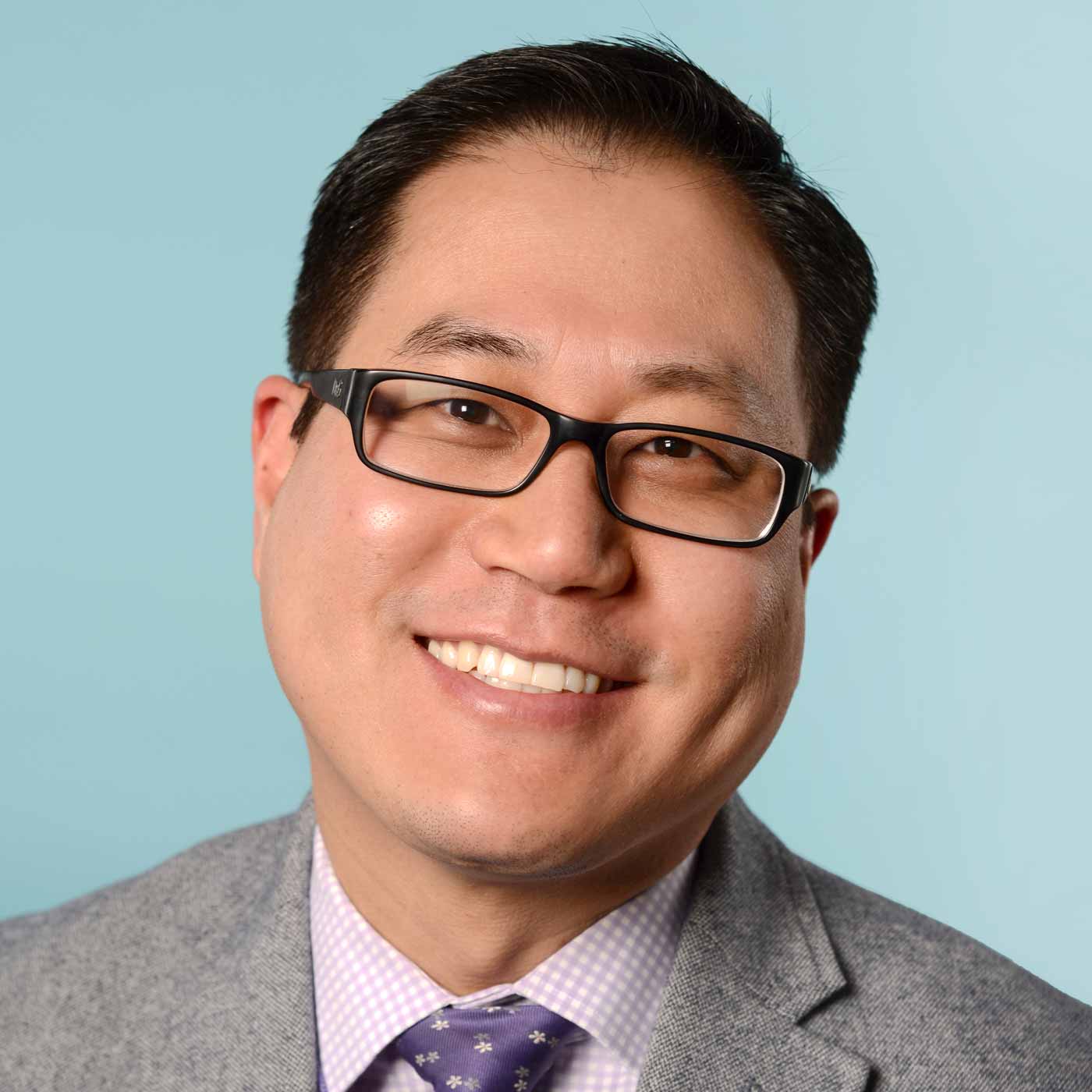
Ep 48Youth at Risk: A Convergence of Concerning Trends
For adolescents today, social media can amplify ordinary feelings of inadequacy or loneliness into fatalistic thinking and even an increased vulnerability to risky or harmful behaviors. What's a parent to do? Listen in as host William C. Moyers talks with psychiatrist Joseph Lee, MD, about the convergence of cultural polarization, family stressors, technology and other influences on the health and well-being of youth, specifically in relation to mental health and substance use.
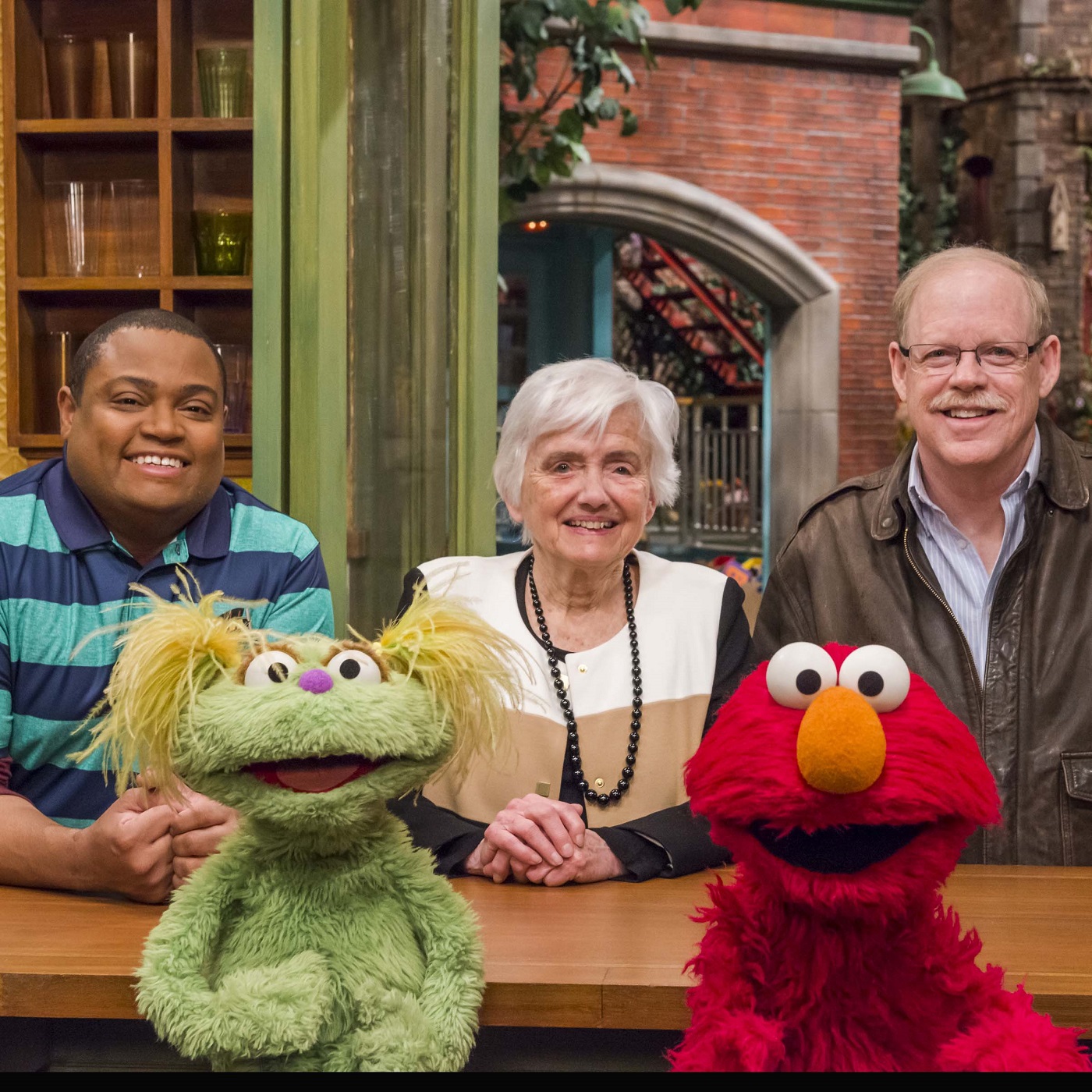
Ep 47How Sesame Street Is Helping Kids Hurt by Parental Addiction
Nearly one in three children in America grow up in homes impacted by addiction—and most have no idea that other kids wake up with the same worries every day. Sesame Street's newest Muppet, Karli, is helping millions of kids affected by parental addiction feel a little less alone. Listen in as host William C. Moyers talks with beloved children's advocate and clinician Jerry Moe, who collaborated on Karli's storyline and other resources to help kids and families heal from the hurt of addiction.
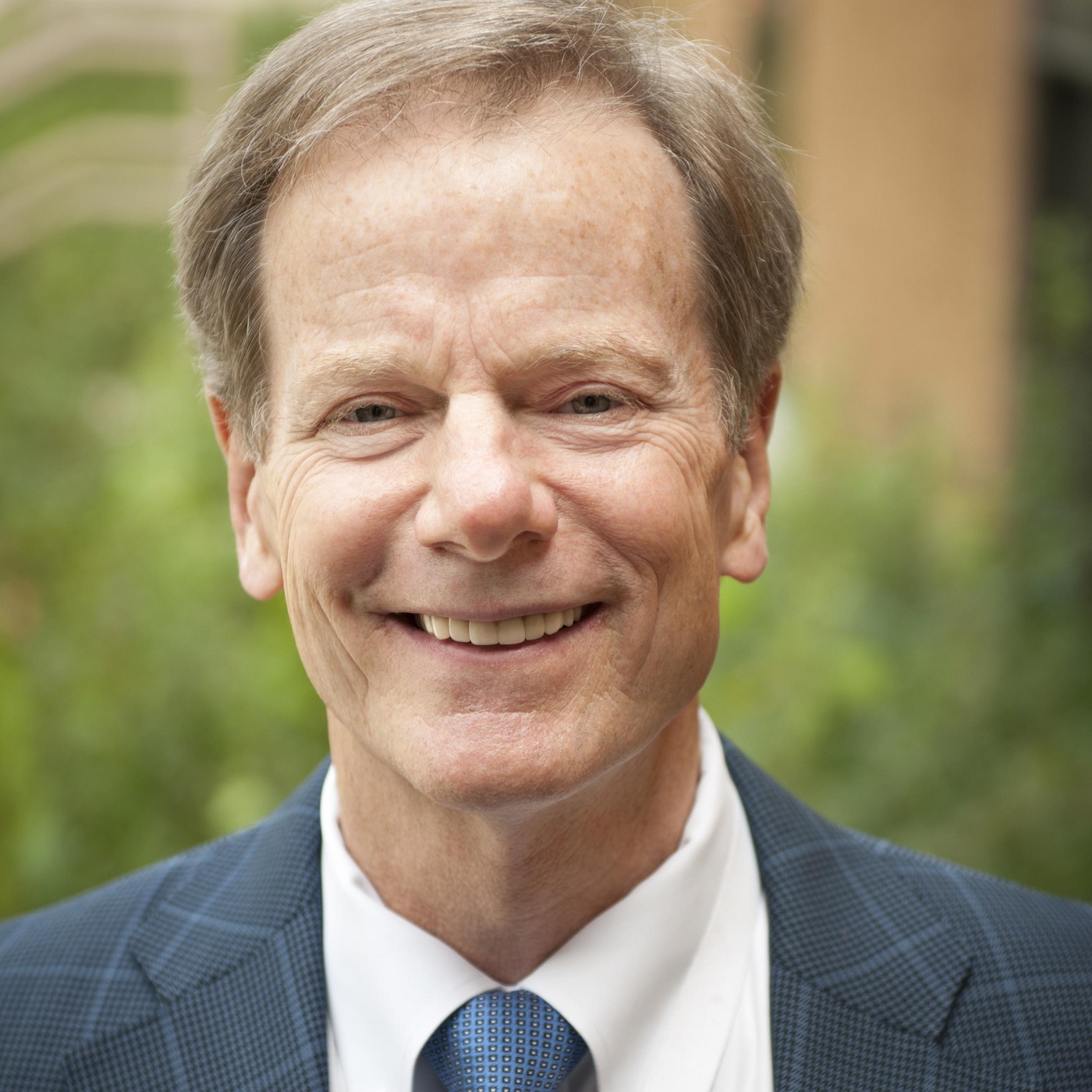
Ep 46Why Medical Students Need to Learn about Addiction
While addiction is recognized as America's No. 1 public health problem, very few medical schools require or even offer education on substance use disorders. Listen in as host William C. Moyers talks with three medical students who shadowed clinicians and patients during weeklong educational "residencies" at Hazelden Betty Ford treatment centers. The students share what they learned about the pervasive, complex and treatable disease of addiction—and how to best help future patients and their families.

Ep 45Addiction Recovery Tools, Technology and Apps
Research reveals more every day about the complexities of addiction recovery, including the importance of sober support and relapse prevention strategies. Fortunately, new technologies put many of these game-changing recovery tools within reach for millions. Listen in as addiction clinician Janelle Wesloh talks with host William C. Moyers about the most promising innovations in recovery support—coaching, apps, tools and activities—and why daily encouragement is such a powerful motivator.
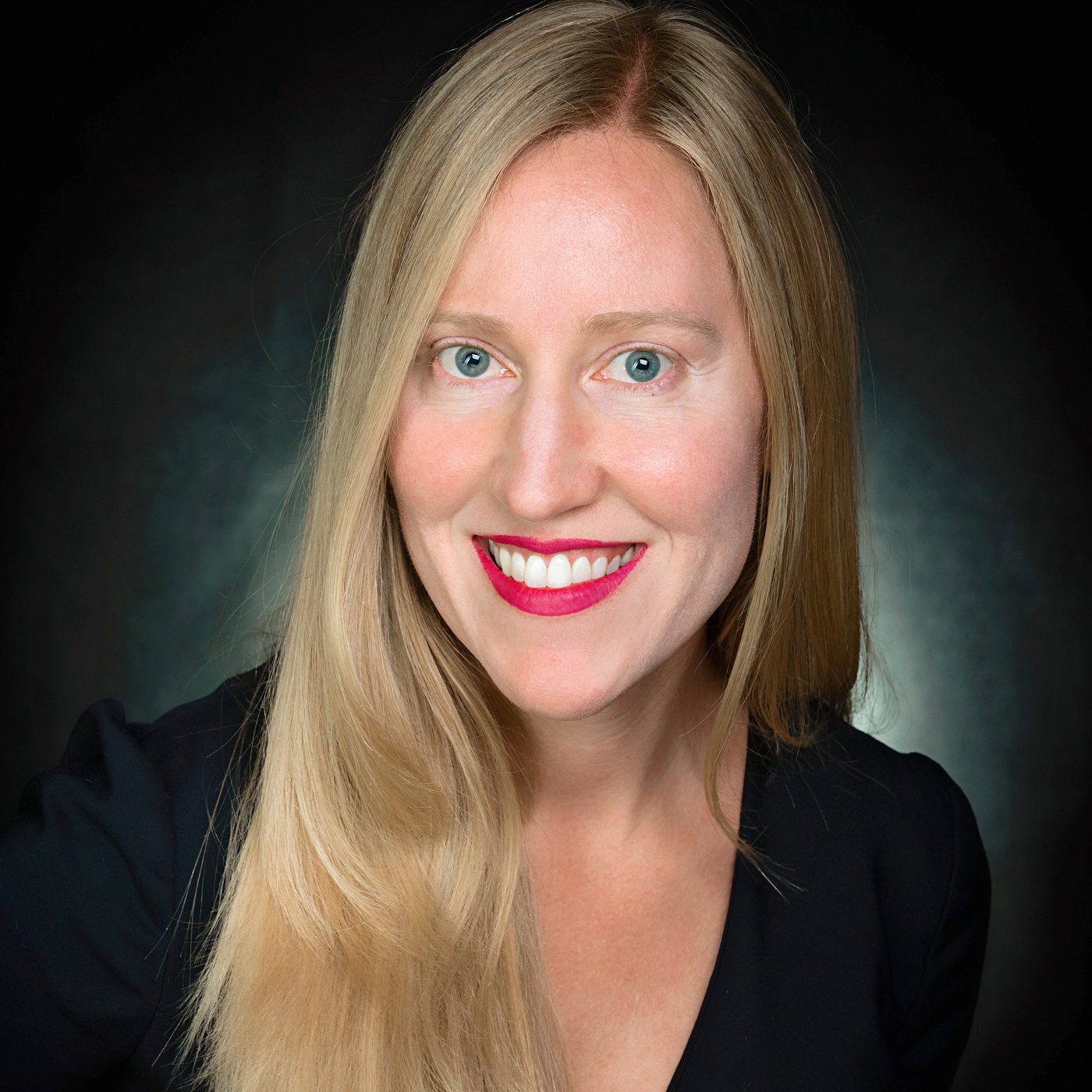
Ep 44Overcoming Addiction: Why It's Different for Women
Women are far less likely than men to access treatment for addiction, and women who do seek care are far more medically compromised by the time they enter rehab than their male counterparts. Addiction psychiatrist Kristen Schmidt, MD, talks with host William C. Moyers about factors that influence the progression and treatment of substance use disorder among women. The doctor's advice for women in active addiction? Substance use disorder is a disease, and you are worthy of care and healing.
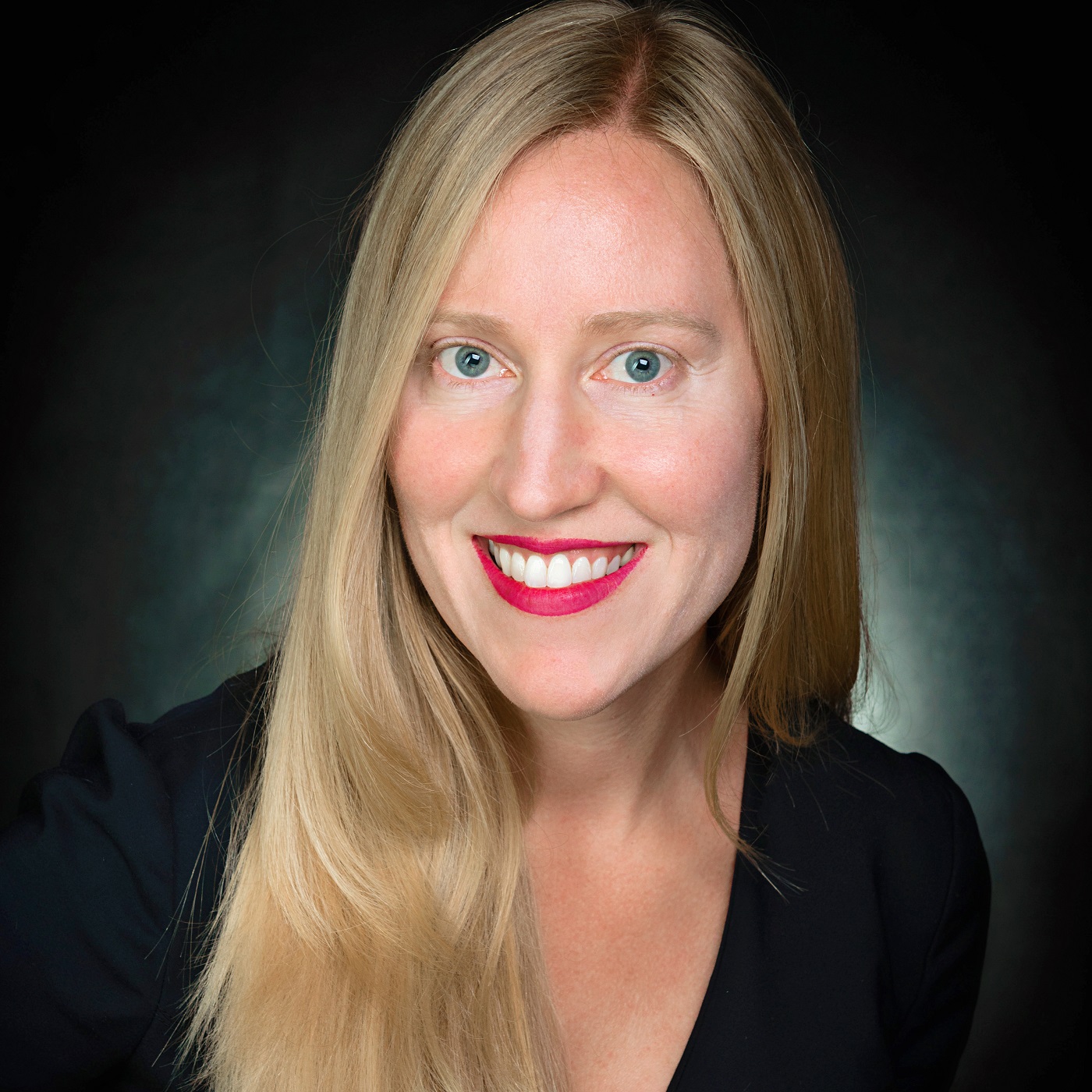
Ep 43Trauma-Informed Care in Addiction Treatment
The correlation between trauma and substance use disorders is off the charts. And it's a combination that complicates the addiction treatment and recovery process for many patients. Listen in as psychiatrist Kristen Schmidt, MD, talks with host William C. Moyers about the use of trauma-informed practices in addiction treatment, approaches that take into account the different ways patients experience the symptoms of trauma. Concepts of safety, strength and worth are key to trauma-informed care.
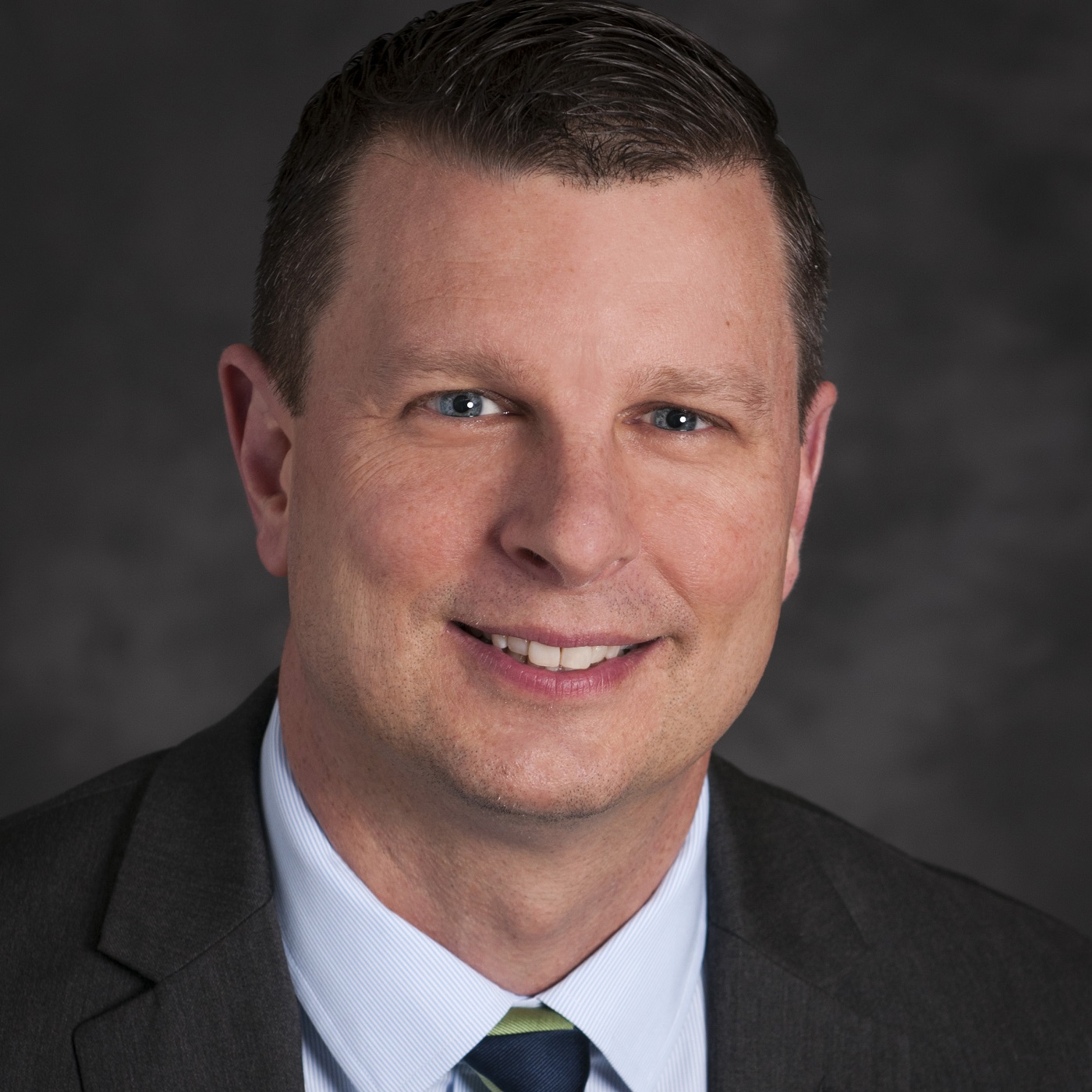
Ep 42Finding the Right Treatment Program
Treatment for alcohol and other drug addiction comes in many different varieties. So what are your best options when you or your loved one need help? Addiction recovery expert Christopher Yadron, PhD, joins host William C. Moyers to discuss today's most-effective addiction treatment programs, including: specific treatment modalities for opioid, alcohol and meth addiction, important mental health considerations, group therapy and other therapeutic approaches, relapse prevention and long-term recovery support.
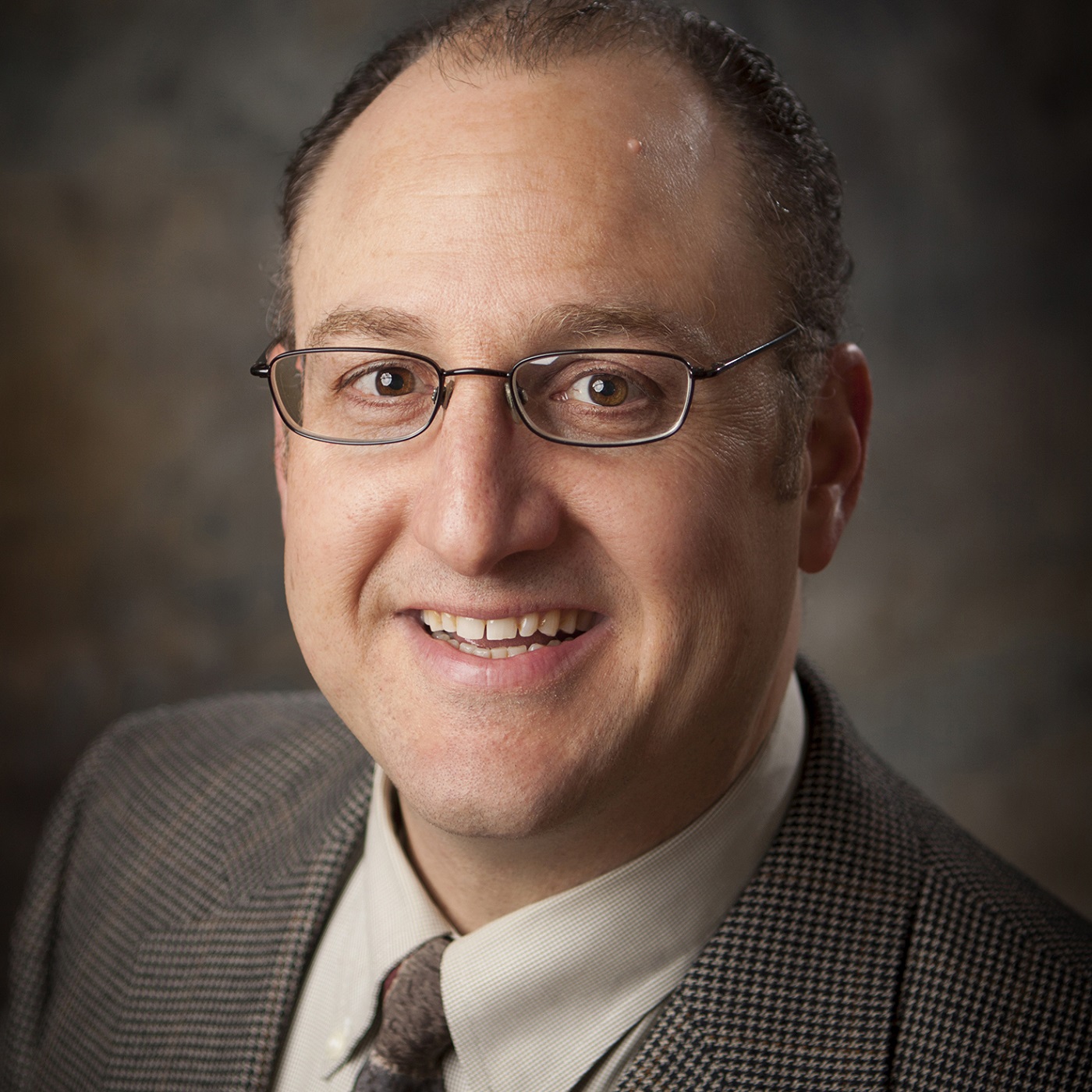
Ep 41Adverse Childhood Experiences (ACEs) and Addiction
Emerging evidence shows a strong correlation between adverse childhood experiences (ACEs) and mental health issues—especially addiction—in adulthood. Psychiatrist Stephen Delisi, MD, talks with host William C. Moyers about long-term effects of childhood trauma on health and resilience. Dr. Delisi explains why many clinicians now use a 10-question ACEs survey with patients to identify childhood risk factors including neglect, abuse and growing up in a family with addiction or mental illness.
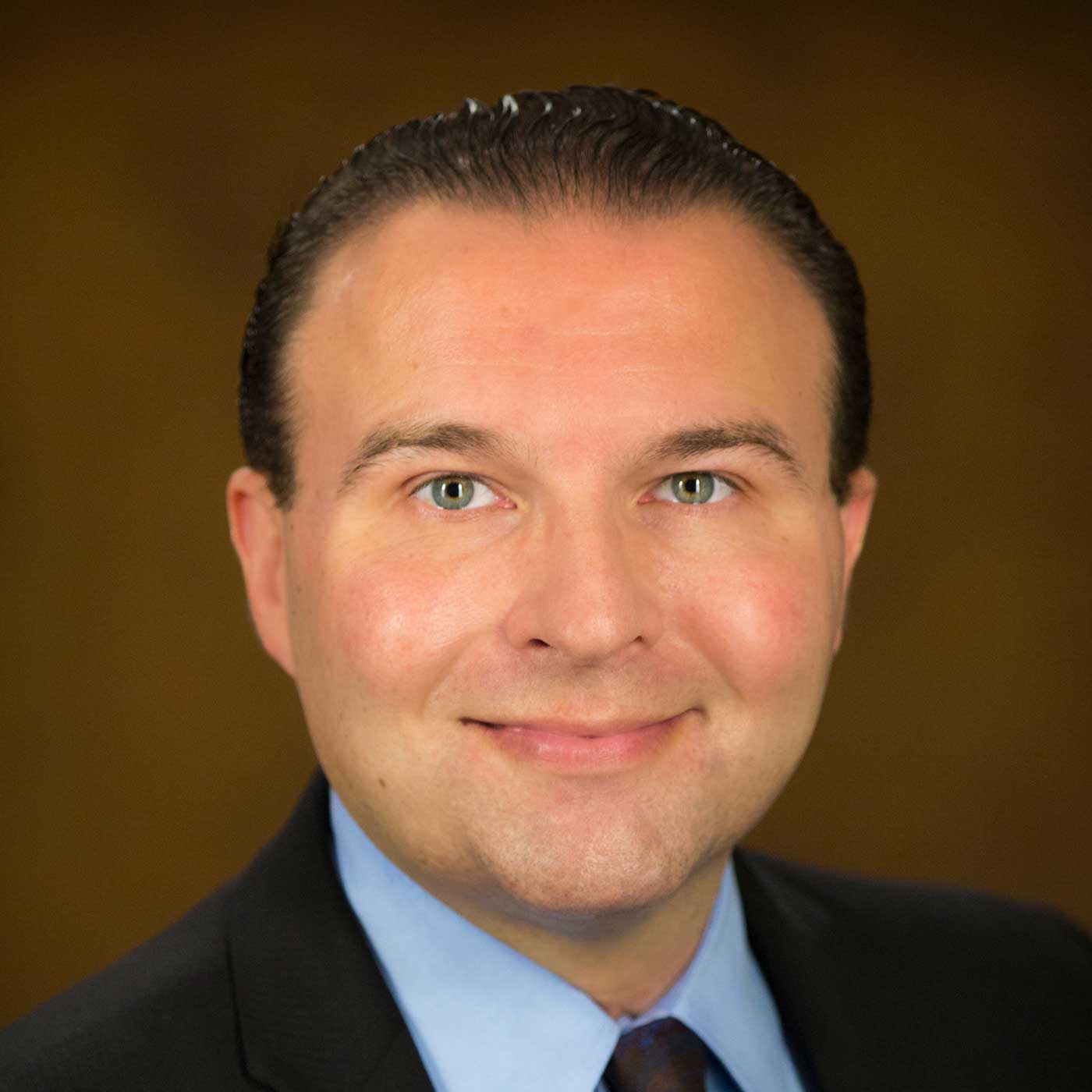
Ep 40Preventing Burnout in Health Care
Job stress and emotional exhaustion among physicians, nurses, therapists, addiction counselors and other health care providers pose a major threat to quality care and patient safety. Listen in as educator and recovery advocate Joseph Skrajewski talks with host William C. Moyers about the prevalence of burnout syndrome in the health care field, including the increased risk of developing addiction. Learn the signs and symptoms of professional burnout as well as practical prevention strategies to ensure well-being.
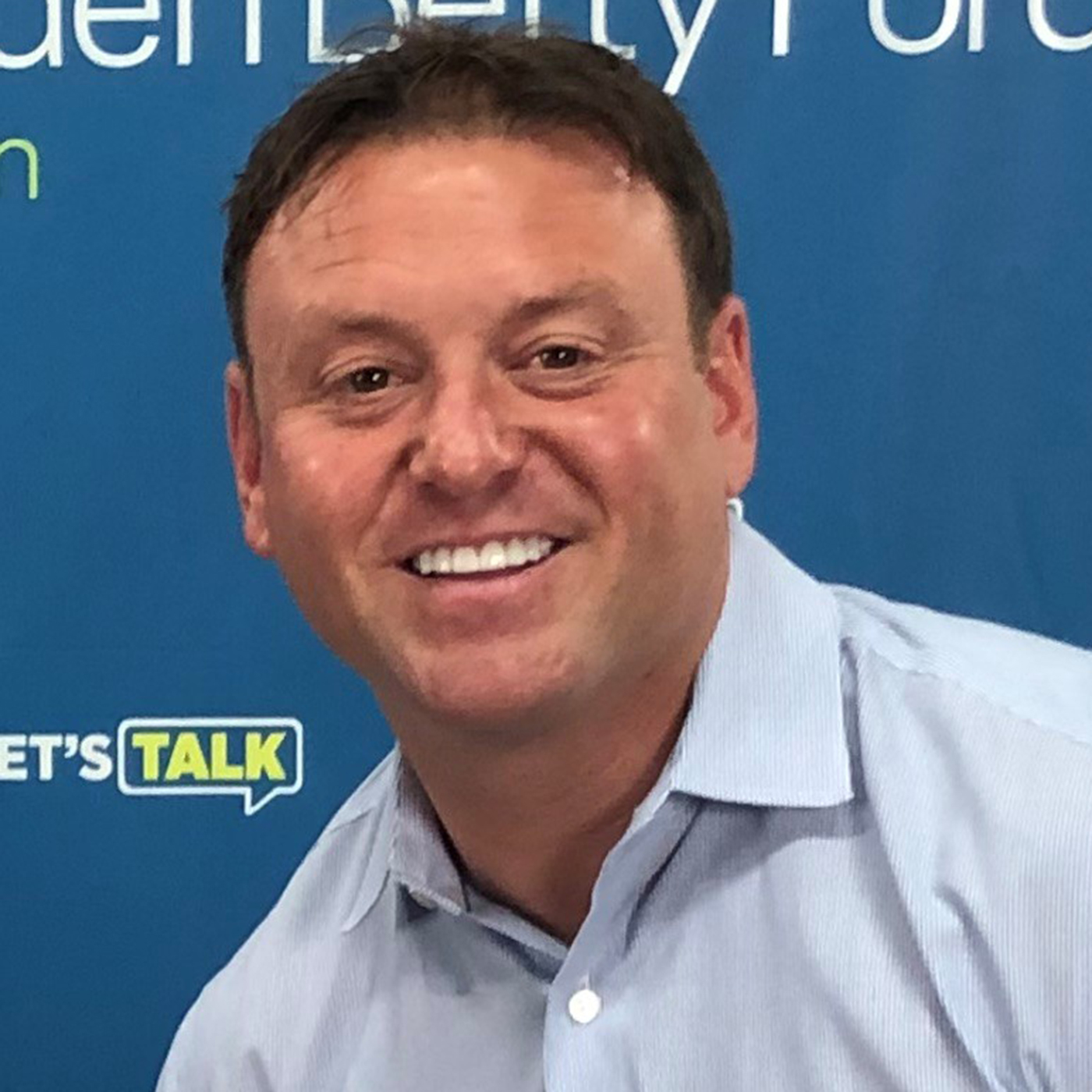
Ep 39Is It Time for an Intervention?
Anyone who's watched as alcohol or other drugs take over a family member's life understands the dilemma: would an intervention help to turn things around, or might it make matters worse? Listen in as addiction clinician and intervention specialist Drew Horowitz talks with host William C. Moyers about the intervention process—what happens, who is typically involved, when to take action, how to prepare and what you need to know about treatment and recovery.
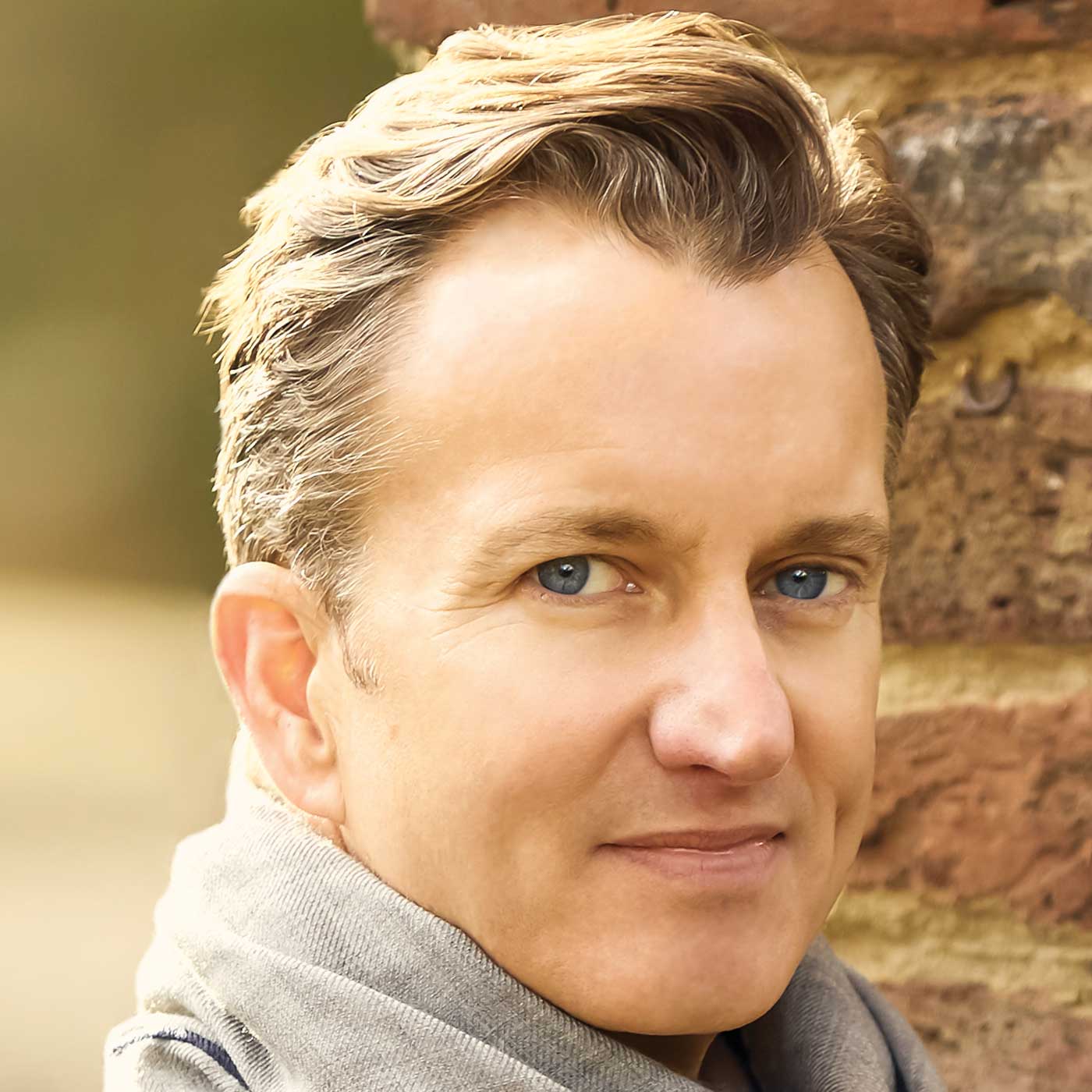
Ep 38Wealth, Fame and Power(lessness): The Secret to Purposeful Living
Listen in as host William C. Moyers talks with celebrated psychotherapist for the rich and famous, Paul Hokemeyer, PhD, about his book, Fragile Power: Why Having Everything Is Never Enough. Hokemeyer explains why insecurity, shame and emotional pain are part of the human condition, no matter the size of your fan base or bank account. More important, he shares that empathy (available to everyone) is the true super power because it fosters mutual understanding, connection and authenticity.
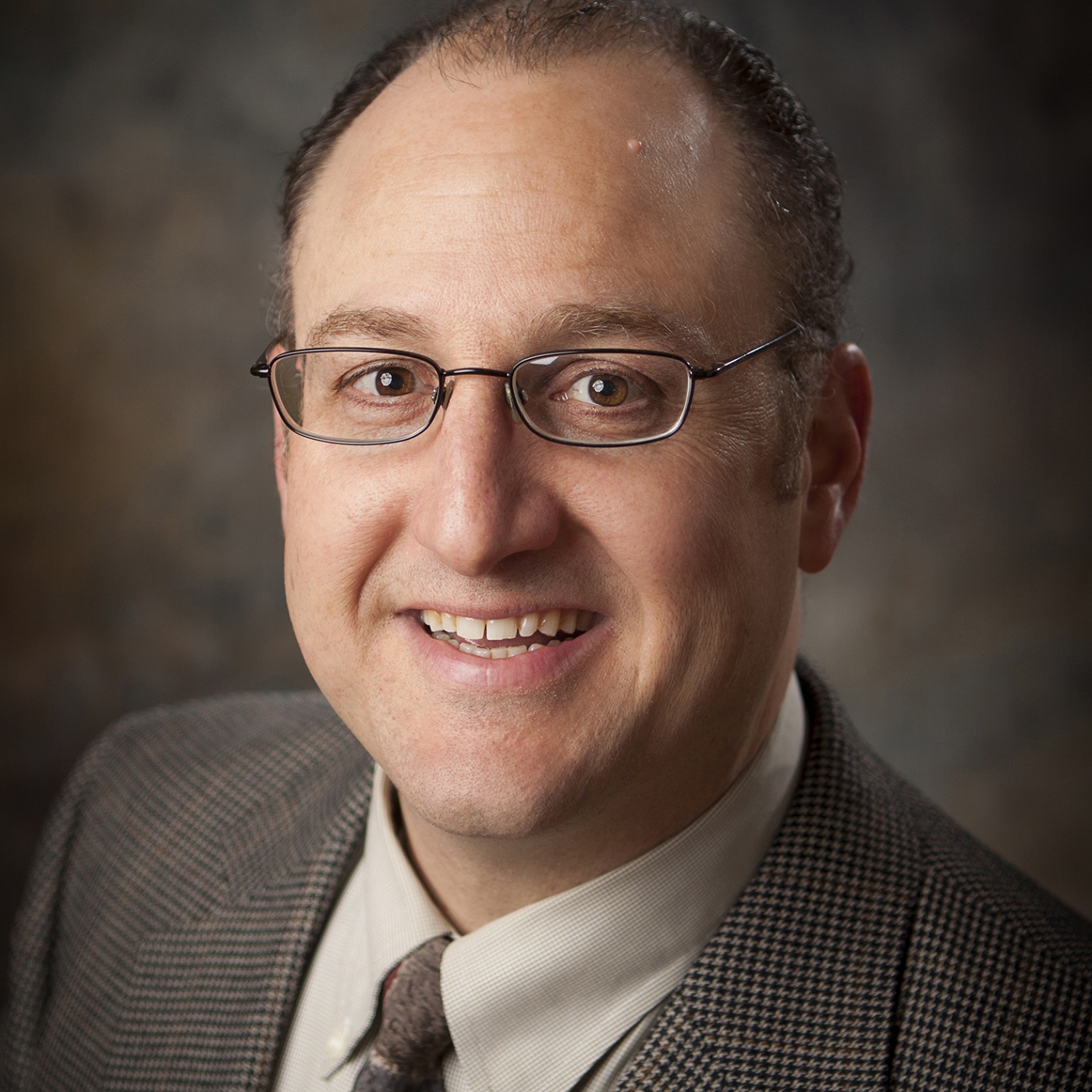
Ep 37Warning Signs and Symptoms of Alcoholism
When is a drinking problem actually addiction? What are the physical and psychological symptoms of alcohol dependence? Can genetics or family history predispose a person to alcohol addiction? Listen in as psychiatrist Stephen Delisi, MD, talks with host William C. Moyers about the warning signs of alcohol use disorder (the term doctors now use for alcoholism), including physical and mental health symptoms, the process of withdrawal and effective treatment options.
Ep 36Reimagining Life after Addiction
Listen in as host William C. Moyers talks with three young adults about the process of rebuilding their lives after struggling with the disease of addiction. Panelists describe how and why they made the turn away from addiction to seek help, and share the biggest lessons learned along the way—about shame, adversity, strength, perspective and gratitude. The best thing about getting clean and sober as a young adult? You can actually become the person you always wanted to be.

Ep 35How Indie-Rocker Johnny Solomon Got Clean and Sober
Acclaimed singer/songwriter Johnny Solomon opens up with host William C. Moyers about the mix of self-doubt, addiction and undiagnosed bipolar disorder that led him further and further away from the person he wanted to be—and the healing he found (and continues to find) by reaching out for help and support. Now in long-term recovery, Solomon guides others along that healing path as an addiction and mental health counselor. An unexpected bonus of recovery: he's writing more music than ever.

Ep 34This Is What Long-Term Recovery Feels Like
Listen in as three people in long-term recovery from addiction talk with host William C. Moyers about reclaiming their lives from alcohol and other drugs. With candor and humility, each describes the hope and healing they've experienced in Twelve Step recovery as well as the challenges they continue to navigate one day at a time. So what's the secret to staying sober? Hint: it has a lot to do with gratitude, giving back and being of service to others.
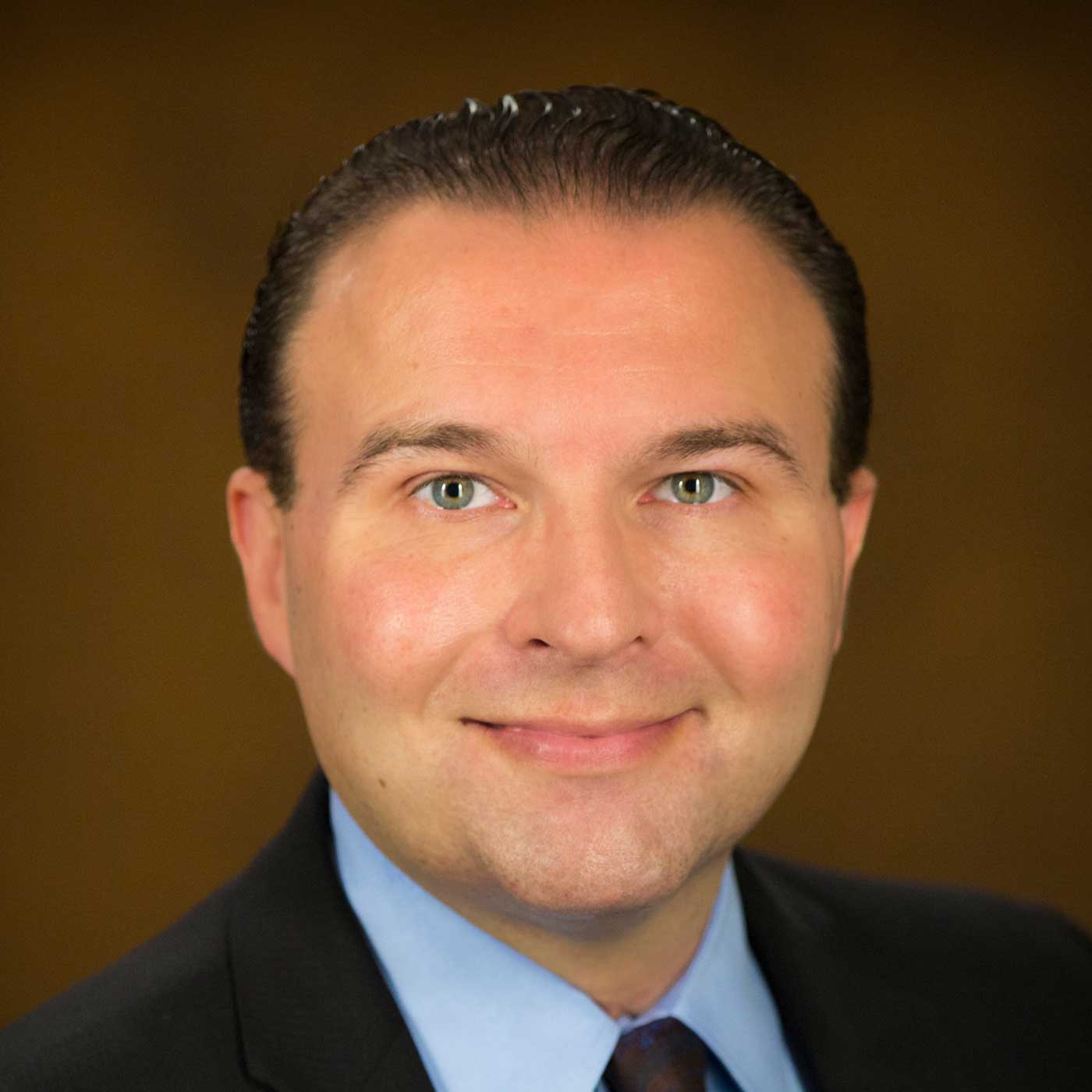
Ep 33Making Inroads against Addiction through Professional Education
Unique programs at Hazelden Betty Ford treatment centers bring medical students, physicians, pharmacists, psychologists, social workers and other professionals to campus for intensive, week-long educational "residencies" on addiction and recovery. Listen in as the program director, Joseph Skrajewski, talks with host William C. Moyers about the importance of equipping more health and human services professionals with the knowledge and skills to recognize and respond to the challenges of addiction.
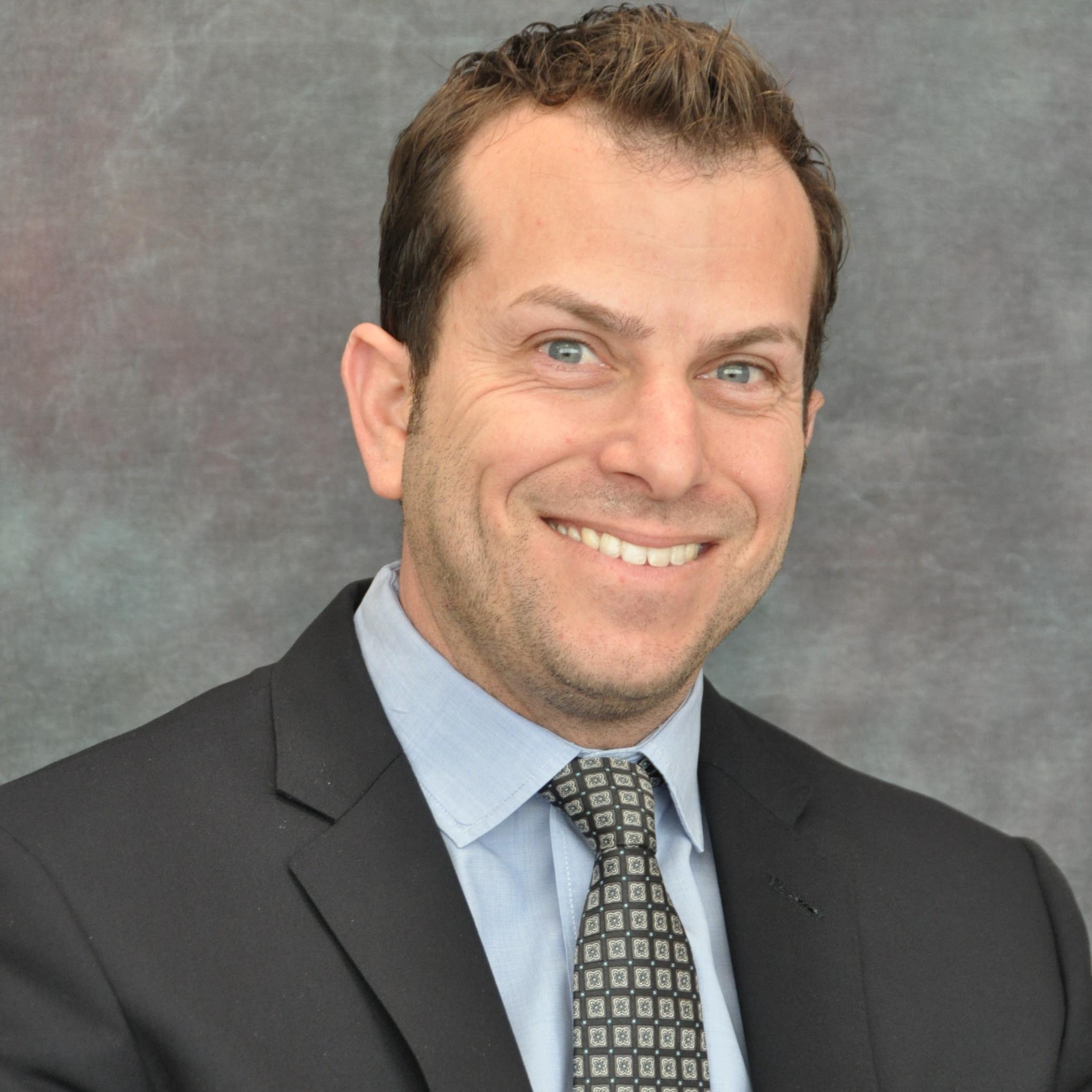
Ep 32How and When Outpatient Rehab Works Best
Learn why outpatient addiction treatment has become an increasingly viable option, especially for people with opioid use disorder. Recovery expert and clinician Matthew Polacheck, PsyD, joins host William C. Moyers to discuss the growth of outpatient addiction treatment programs, the importance of individualized care, and the vital role of peer support and for a healthy and thriving recovery.
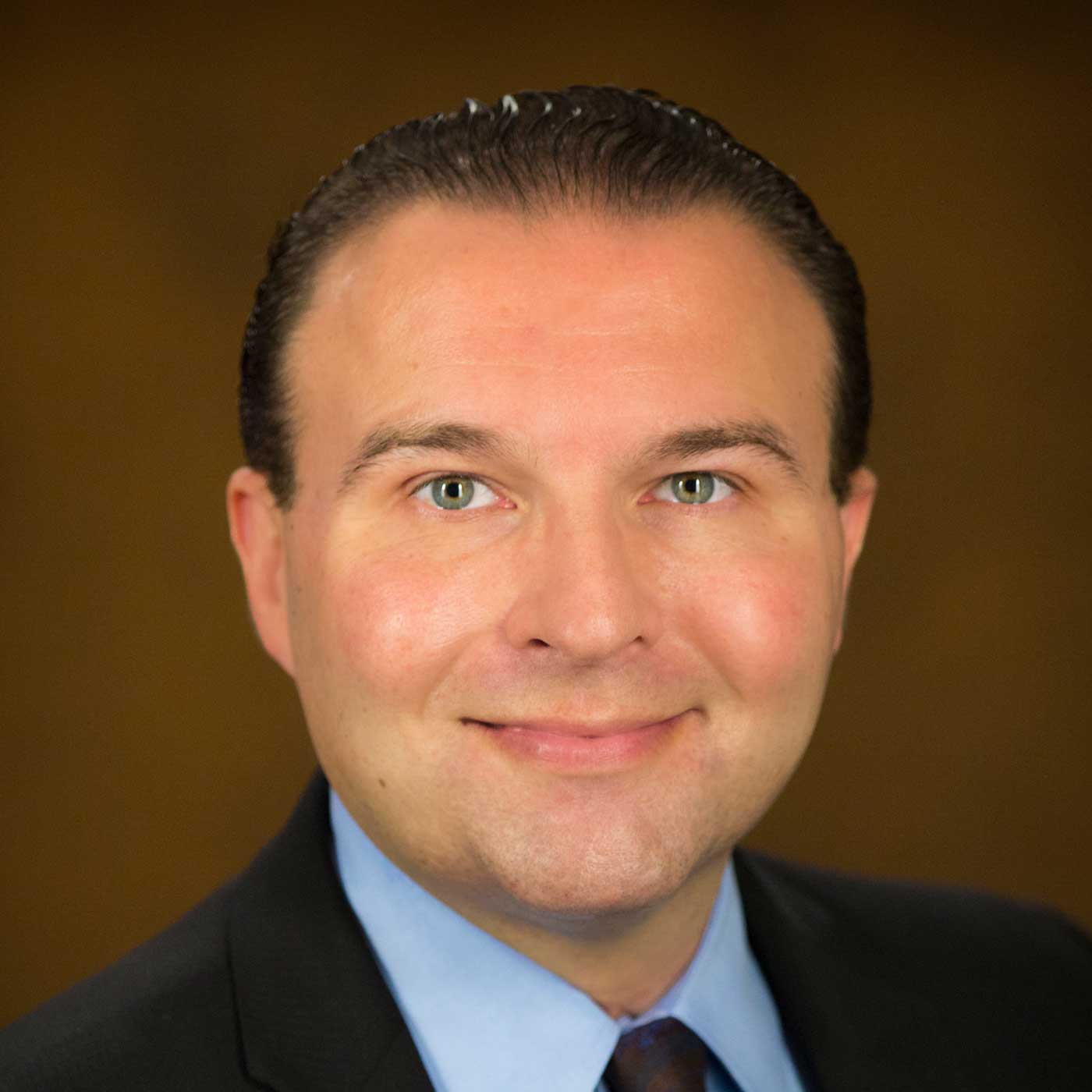
Ep 31What's the Difference between Sobriety and Recovery?
Listen in as Joseph Skrajewski, Wall-Streeter-turned-addiction-educator, talks with host William C. Moyers about the difference between being sober and being in recovery. Discover why sobriety from alcohol or other drug use becomes, for many, the starting place for ongoing personal transformation. Learn more about the role of addiction treatment, the risk of relapse and the importance of addiction recovery support.
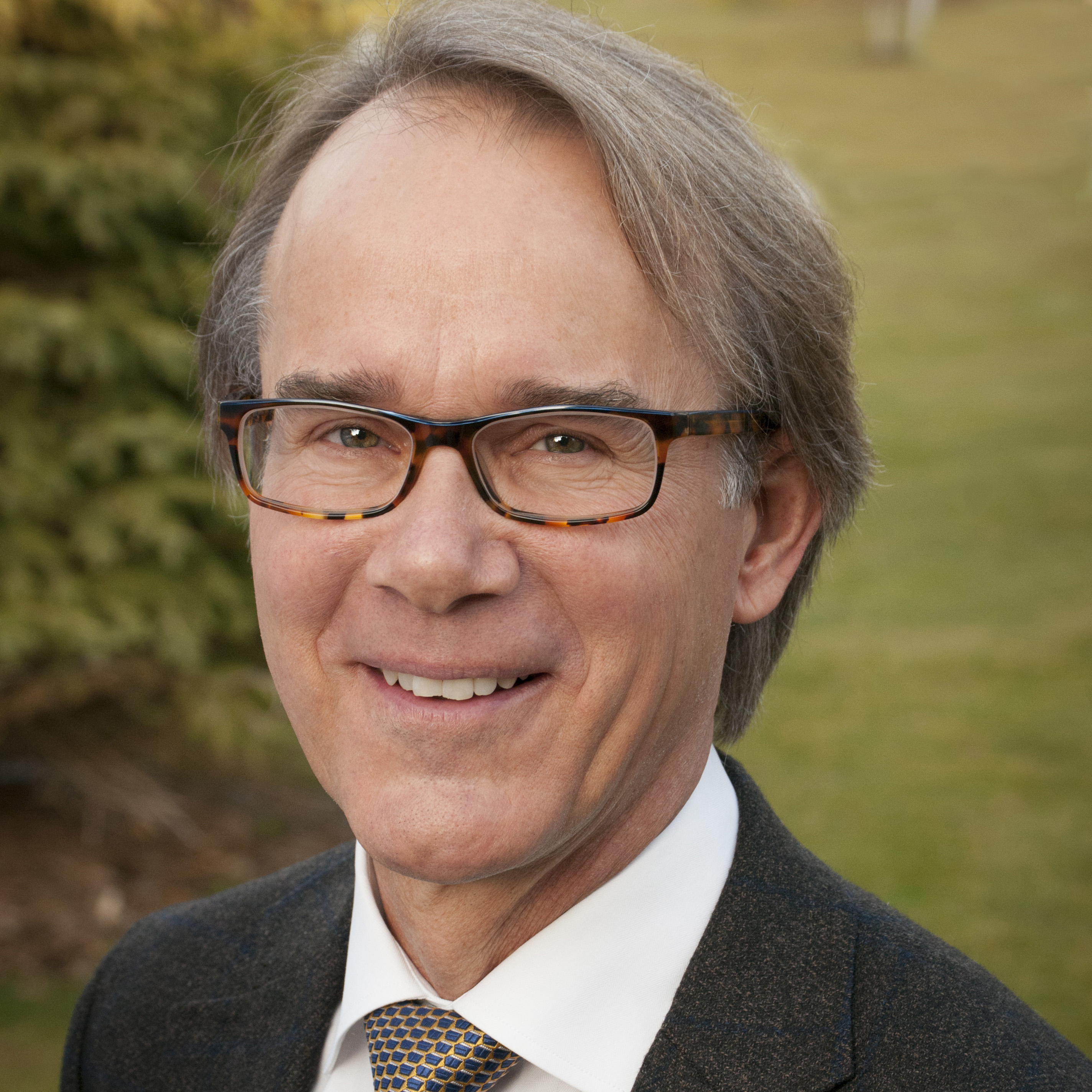
Ep 30Alcoholism: A Doctor Discusses Alcohol Withdrawal, Detox and Treatment
Why is alcohol withdrawal so dangerous? How long does alcohol detox take? What's involved in treatment for alcoholism? Listen in as host William C. Moyers asks addiction recovery expert Marvin D. Seppala, MD, about the symptoms and complications of alcohol withdrawal, the process for safely detoxing from alcohol and the most effective ways to treat mild, moderate or severe alcohol use disorder.
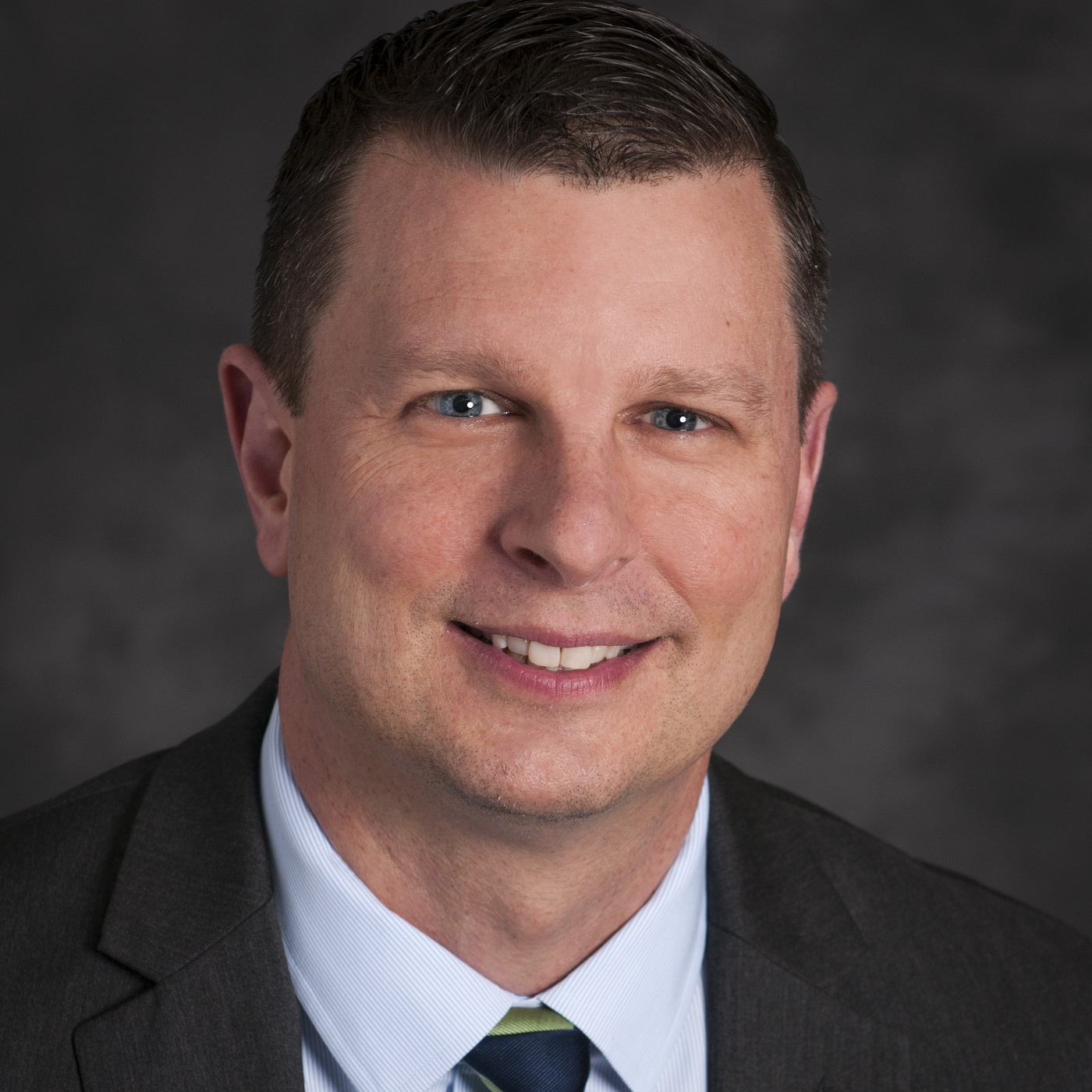
Ep 29Why Is Meth So Addictive?
Get the facts about methamphetamine, the powerfully addictive street drug made from combinations of unspecified dangerous chemicals. Methamphetamine is inexpensive, illegal and goes by names like crystal meth, speed, crank, ice and glass. Listen in as host William C. Moyers talks with addiction expert Christopher Yadron, PhD, about the health risks and side effects of using crystal meth, signs and symptoms of meth addiction, and effective options for treatment and recovery.
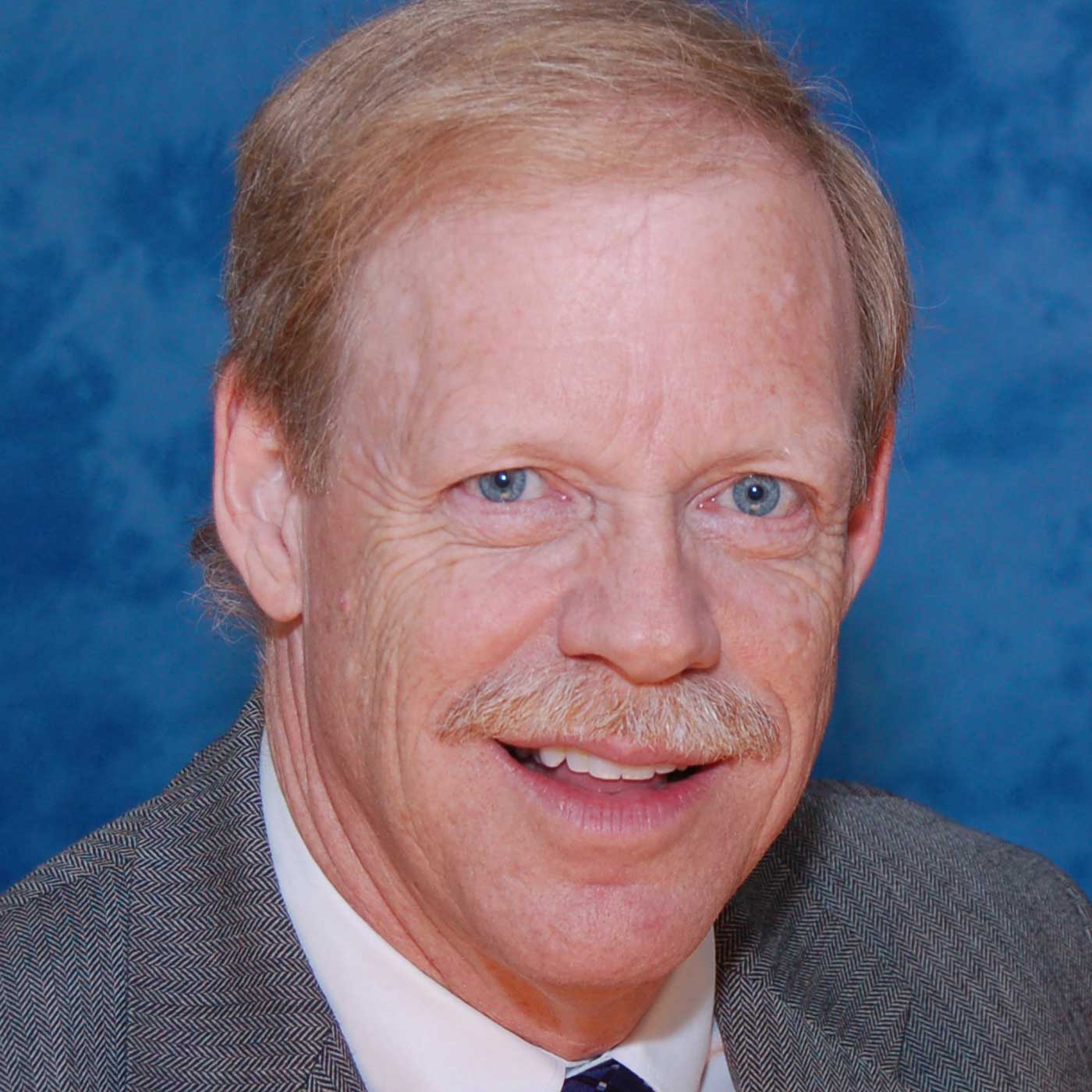
Ep 28When a Child Grows Up with Addiction
Addiction to alcohol or other drugs takes a heavy toll on families, including the loving relationship between a parent and young child. Children's counselors Jerry Moe and Helene Photias join host William C. Moyers to discuss the impact of a loved one's alcoholism or other drug addiction from a child's perspective. Learn why addiction is described as a family disease, what kinds of help and support are most effective, and how to involve children in the recovery process.
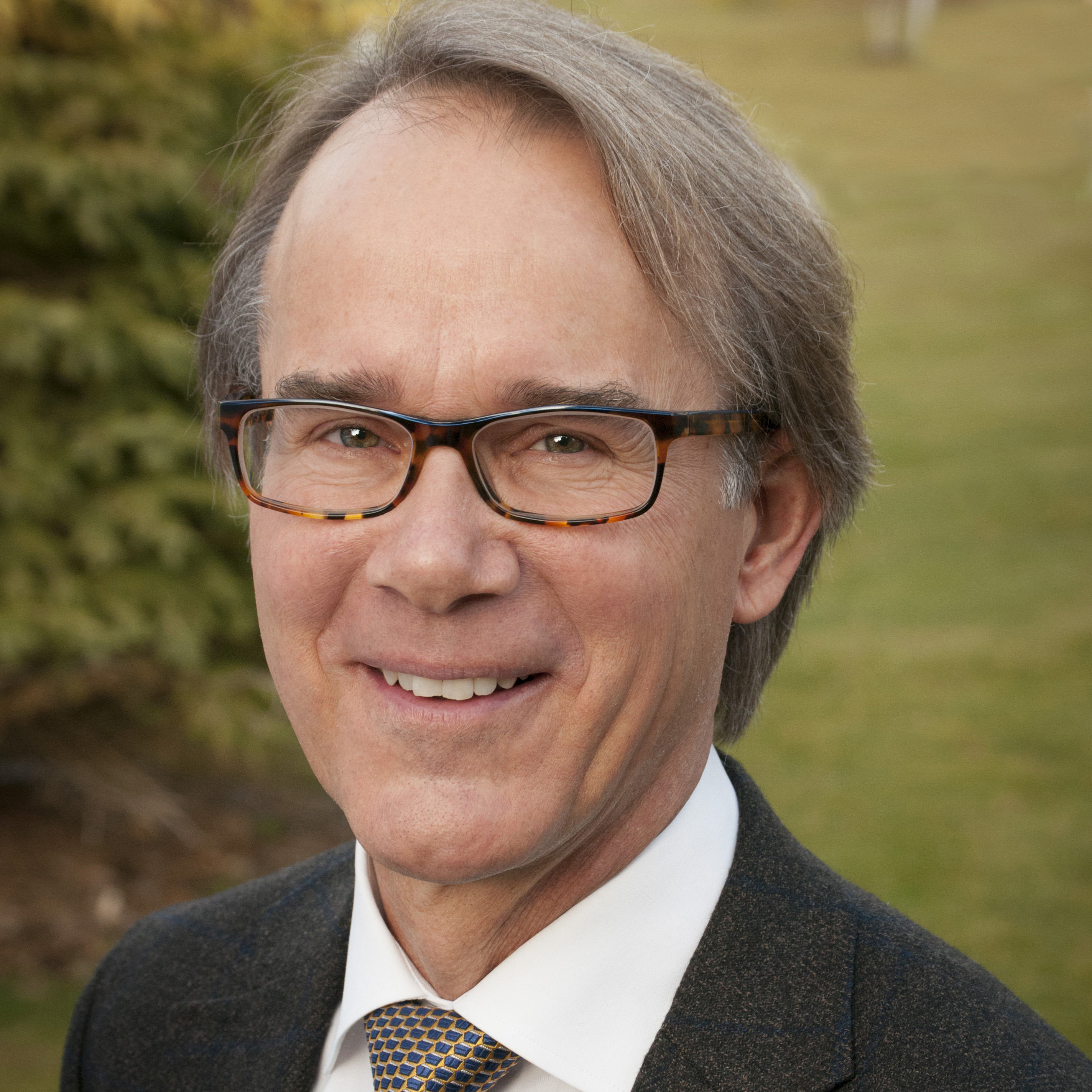
Ep 27Health Risks of Marijuana Use
While the long-term public health impact of marijuana legalization is yet to be determined, many experts agree that marijuana use is risky for some people and addictive for others. Listen in as host William C. Moyers talks with psychiatrist Marvin D. Seppala, MD, about the health risks of marijuana (especially for teens), the difference between heavy use and marijuana addiction, and how to find help if you're concerned about marijuana use or dependence.
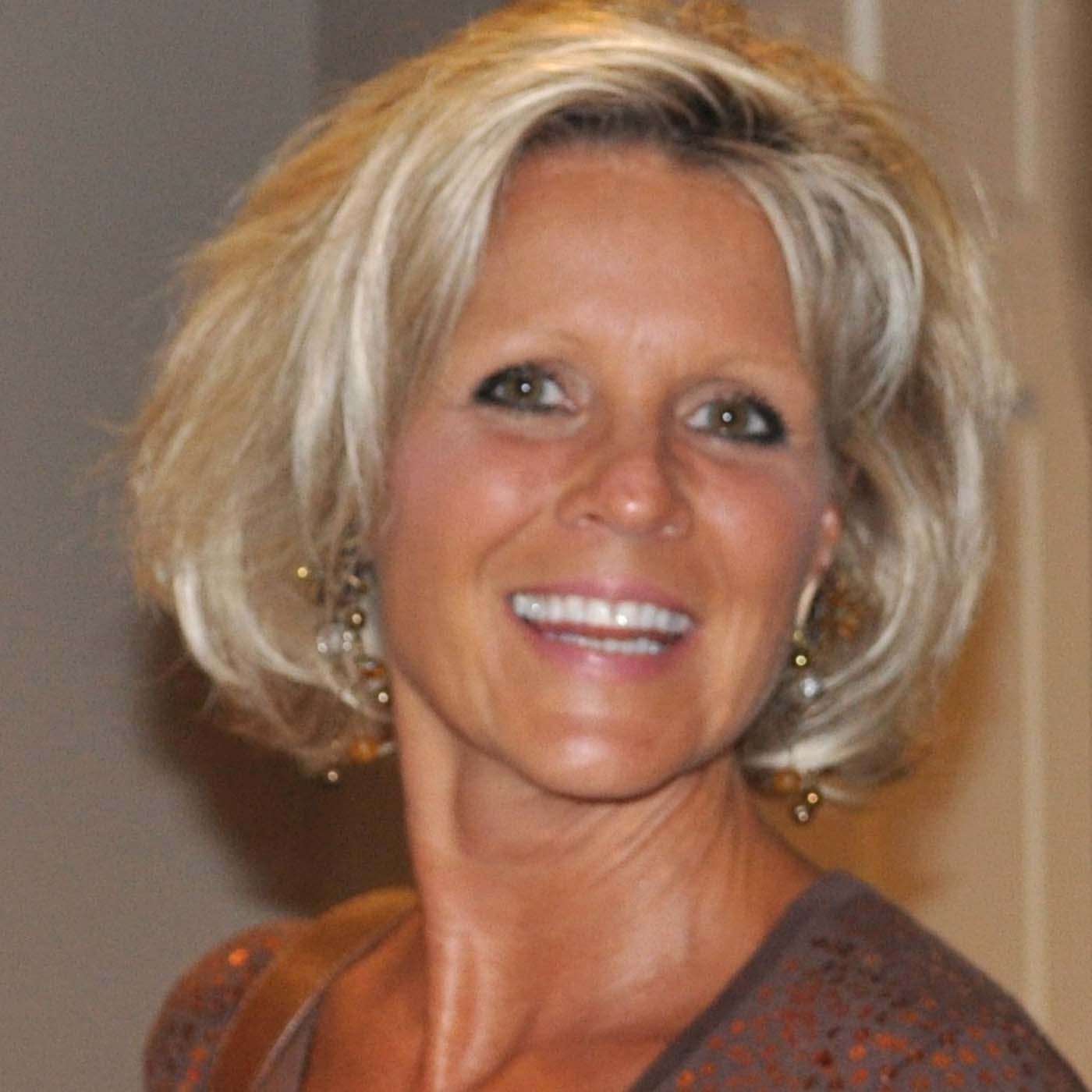
Ep 26Shedding the Shame and Blame: A Mom's Story of Love for Her Addicted Child and Her Healing Journey
Listen in as Sandy Swenson—author, advocate and mom of an addicted child—shares her story and lived experiences with host William C. Moyers. Sandy talks about how understanding the distinction between her son and the disease enabled her to love her child and help him fight the disease. She also shares the importance of self-care as a mom of an addicted child—shedding the shame, blame and guilt to heal and transition from a place of helplessness to a place of strength and hope.
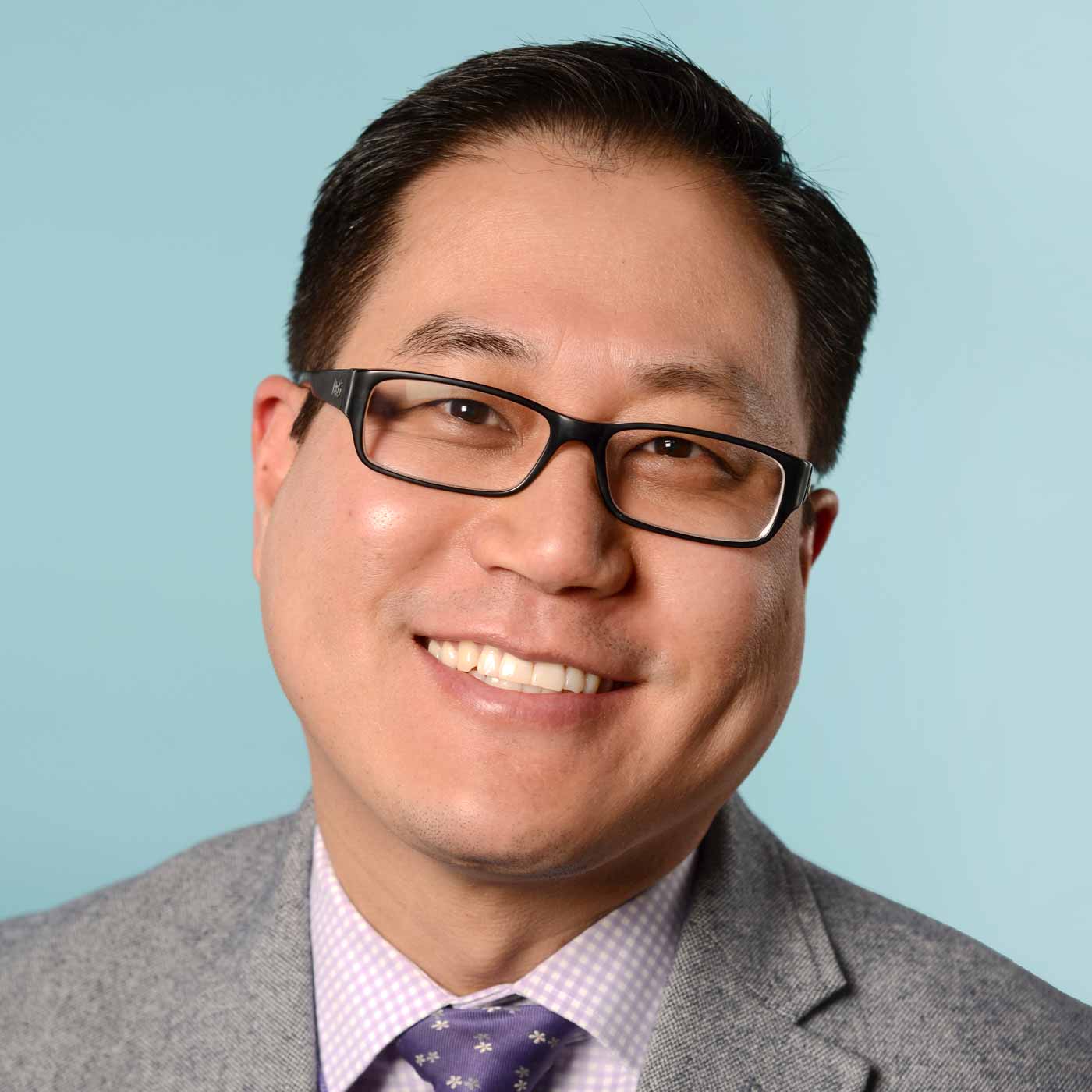
Ep 25Quality Standards in Addiction Treatment
As anyone who has searched for addiction treatment knows, there's no shortage of options, approaches and specialty programs available. What's missing are quality standards that consumers can use to determine the most effective care for their situation. Listen in as host William C. Moyers talks with psychiatrist and author Joseph Lee, MD, about what consumers need to know—and should expect—when considering treatment providers and programs.
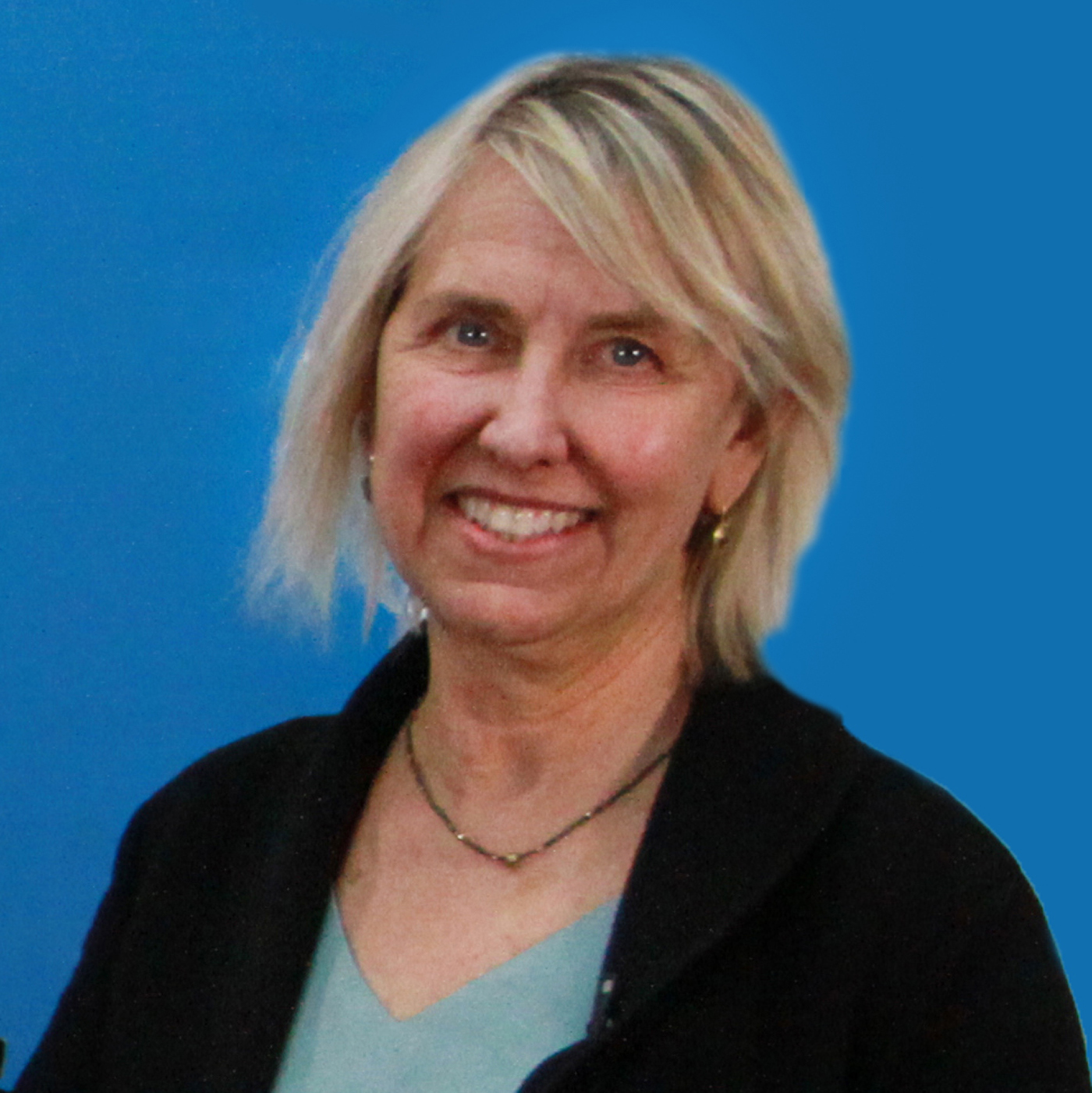
Ep 24Addiction Recovery and Support for Families
Learn where to find help if your family is faced with addiction. Just as the alcoholic or addict needs help to get well, families need support to heal from the harm of addiction. Listen in as host William C. Moyers talks with therapists Sarah Schwalbach and Julia Edelman about the importance of addiction recovery support for families. They will discuss the recovery process, rebuilding trusting relationships, relapse prevention and helpful resources.
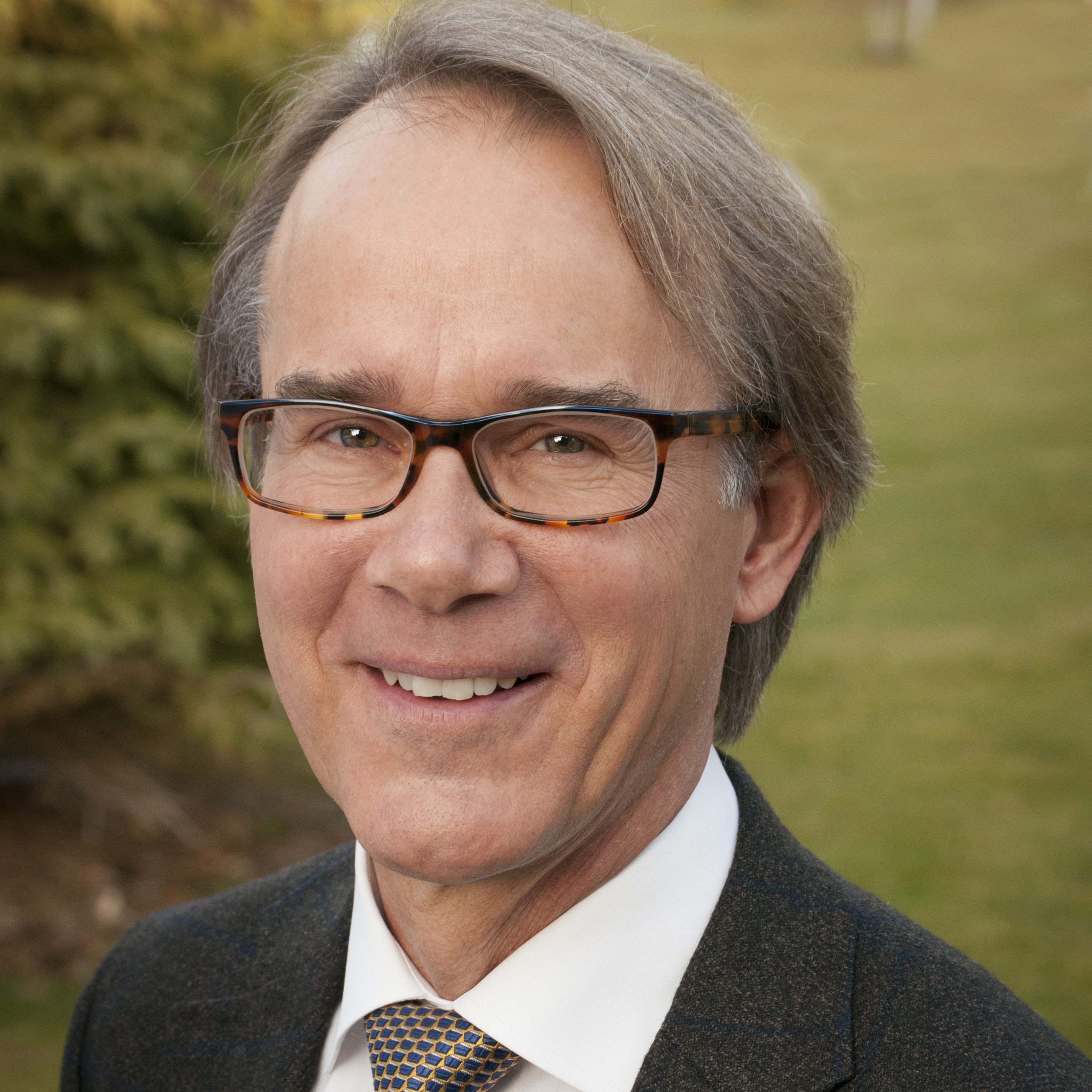
Ep 23Addiction and Your Spirit: Recovering Hope
Addiction is defined as a disease of the body, mind and spirit, but the spiritual aspects of recovery often take a backseat to treating the physical and psychological symptoms. Listen in as noted psychiatrist and addiction recovery expert Marvin D. Seppala, MD, talks with host William C. Moyers about spirituality and healing: practicing honesty, humility and compassion; leaning on others for help; experiencing positive emotions (joy, love, awe); and living with greater purpose and meaning.
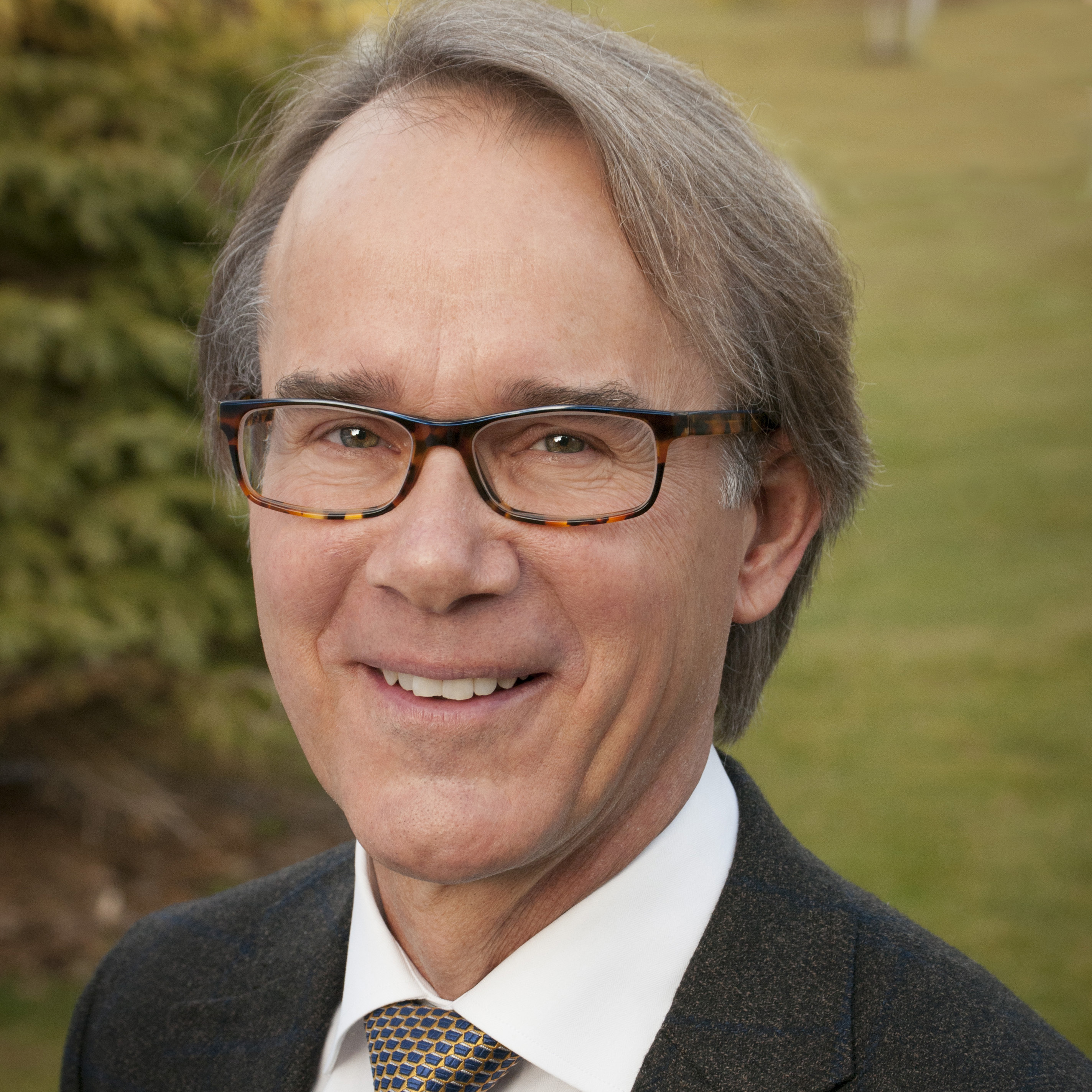
Ep 22How Addiction Affects Your Body and Mind
Learn how addiction to alcohol or other drugs hijacks the brain and why people in active addiction continue drinking or using substances despite devastating effects. Recovery expert Marvin D. Seppala, MD, joins host William C. Moyers to discuss the disease of addiction in easily understandable terms: the role of dopamine in the brain's reward center; effects of alcohol and other drugs on the brain, liver, heart and mental health; genetic and other risk factors for addiction.
Ep 21What's the Harm in Vaping?
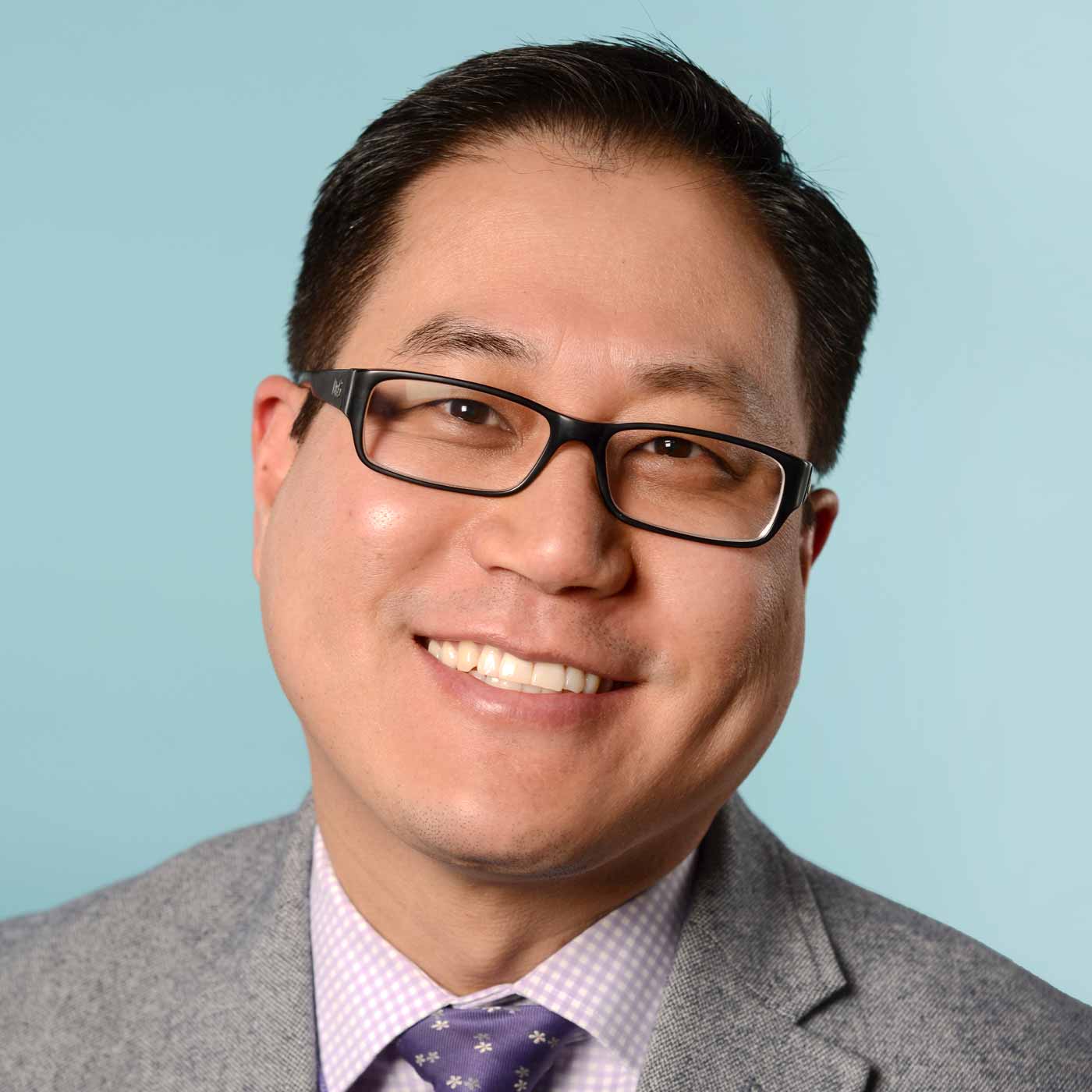
Vaping nicotine rather than smoking the drug is widely promoted as a safe way to wean off cigarettes, but the popular practice is exposing a new generation to risky substance use. Listen in as host William C. Moyers talks with President and CEO Joseph Lee, MD, about the difference between vaping and smoking, types of vaping devices used for nicotine and other drugs, and the harmful health effects of vaping—especially for teens.
Ep 20Family Roles When Addiction Takes Hold
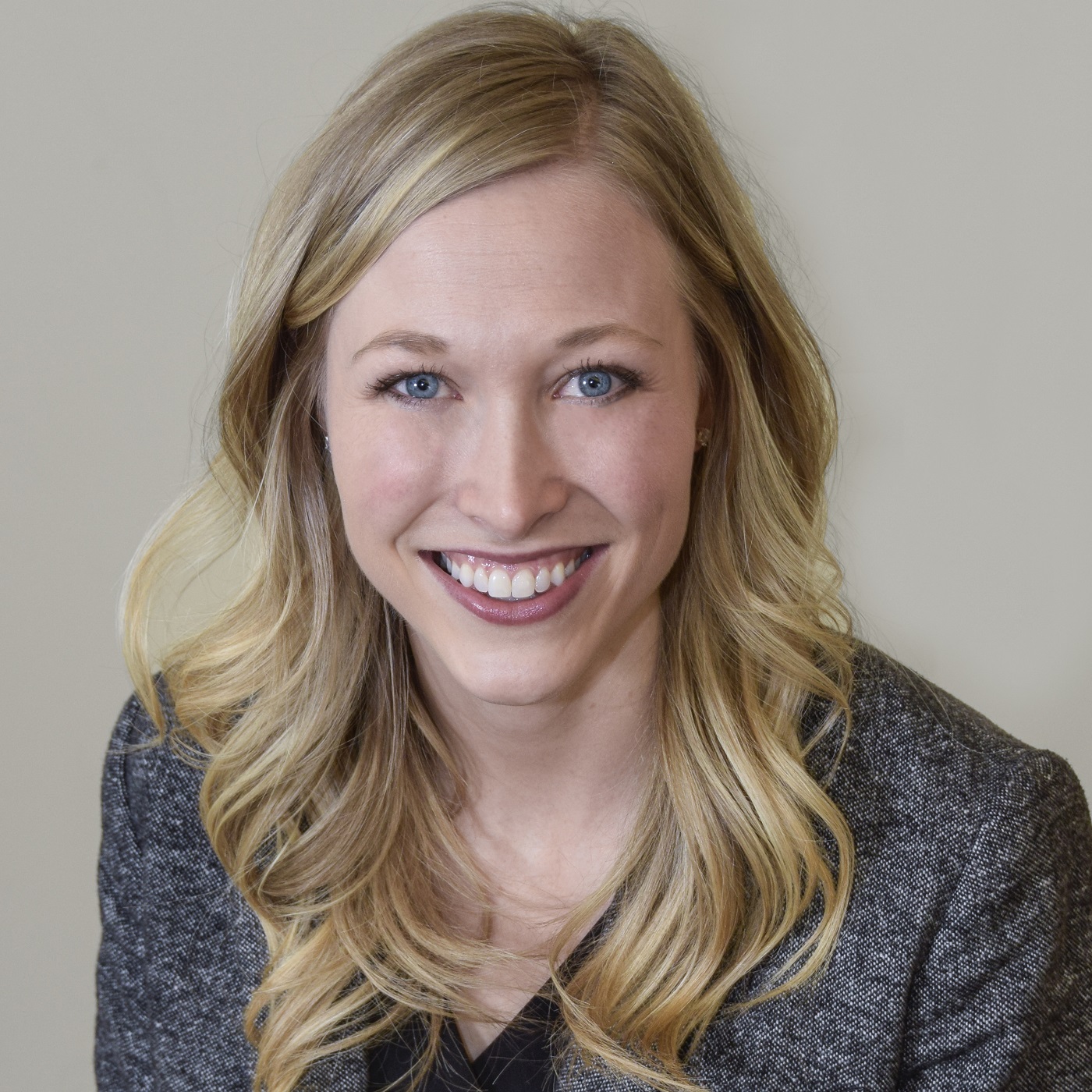
With the best of intentions, families can fall into unhealthy roles when attempting to cope with a loved one's alcohol or drug addiction. Enabling, denying, blaming and preoccupation are common coping behaviors. Listen in as host William C. Moyers talks with therapists Sarah Schwalbach and Julia Edelman about how addiction affects the family system, what it means to "detach with love" and why helping a loved one who has addiction starts with getting help for yourself.
Ep 19Cross Addiction: Substance Use Disorders and Compulsive Behaviors
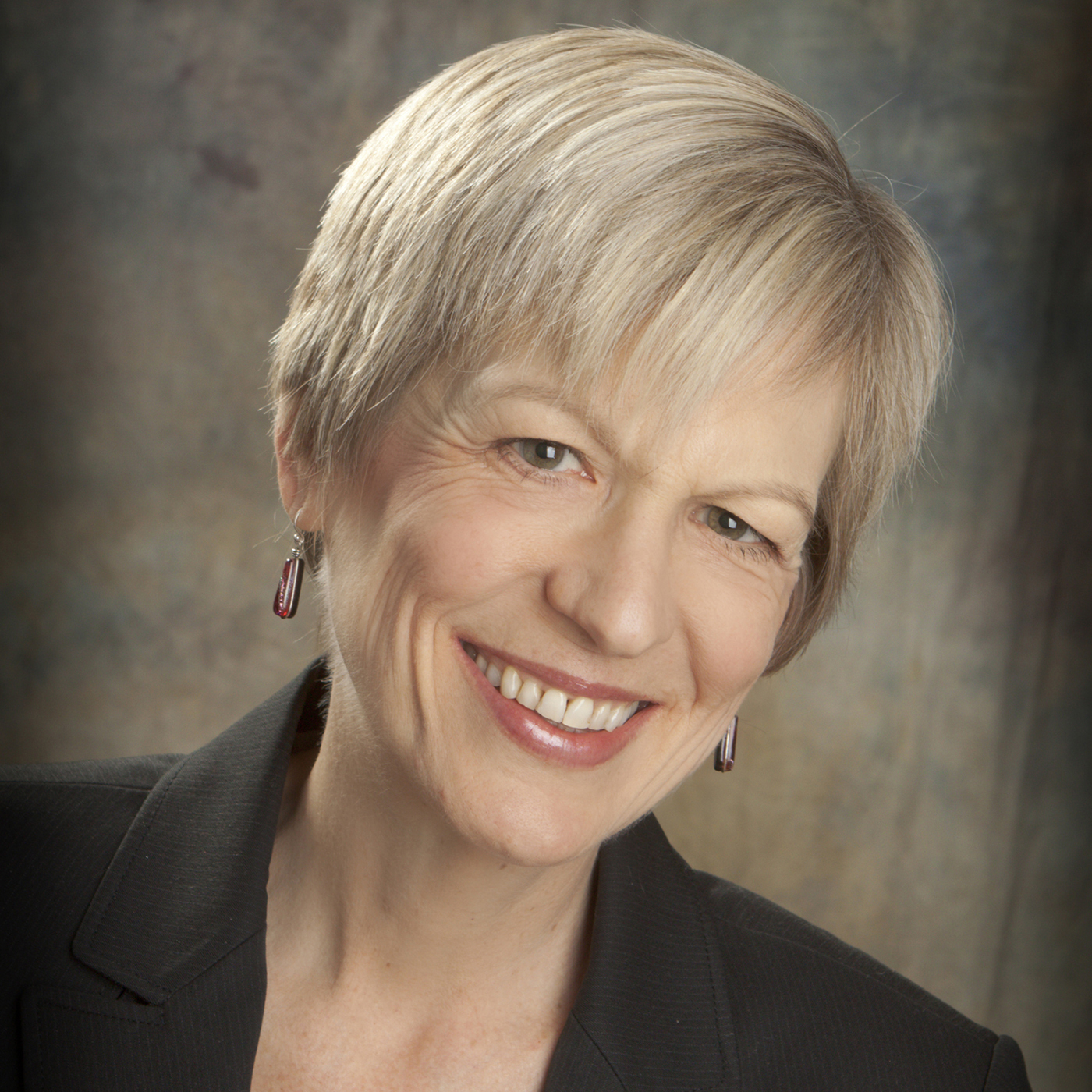
Two different types of activities—substance use and compulsive behavior—increase dopamine output, producing a "feel good" sensation that can trigger and reinforce addiction. Host William C. Moyers talks with recovery expert Brenda Iliff about cross addiction (addiction interaction disorder), the condition of replacing one problematic substance or behavior with another. Iliff explains why addictive behaviors around food, sex or gaming thrive in secrecy and where to find recovery help and support.
Ep 14Addiction and Recovery for Older Adults
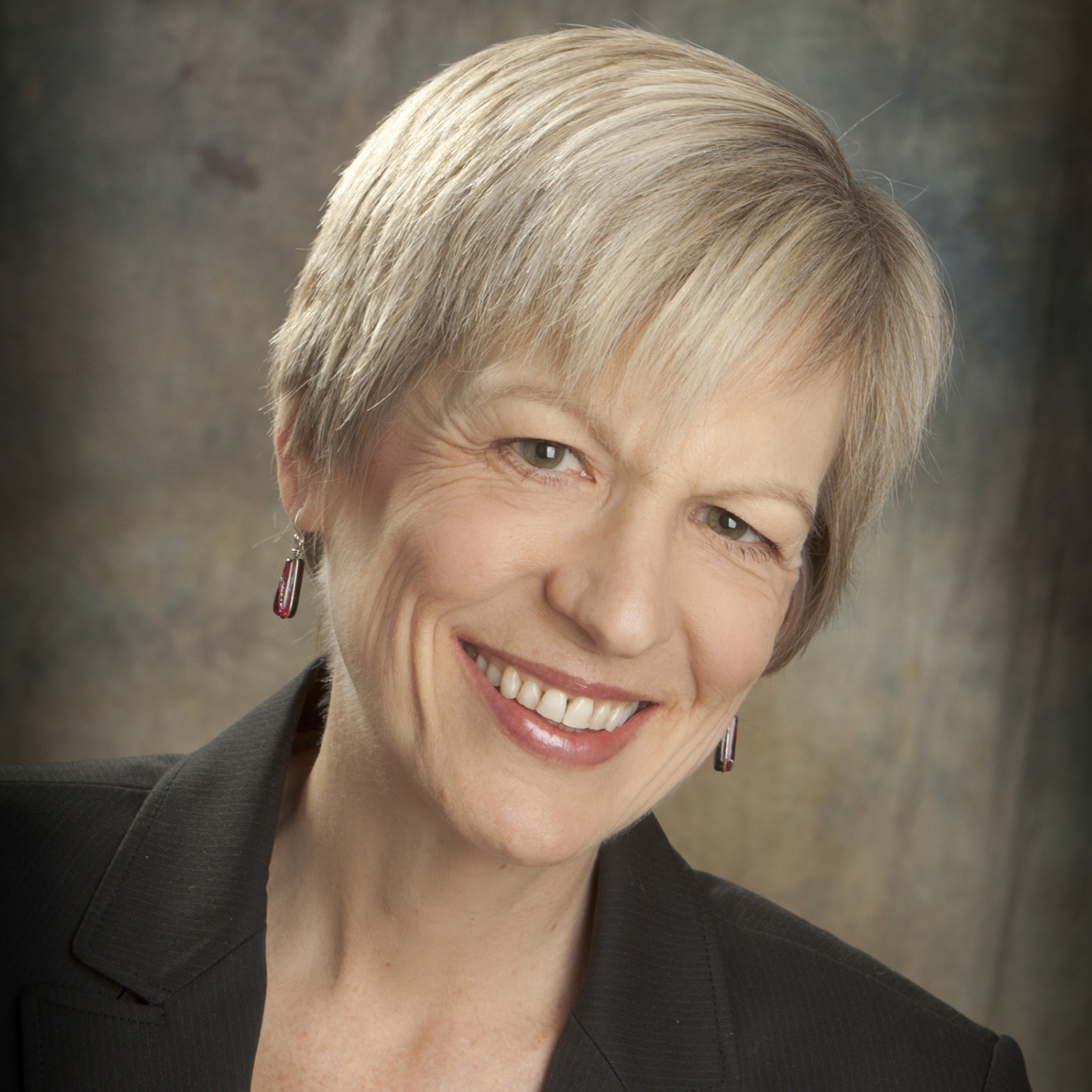
America's older generations are increasingly at risk of developing substance use disorders. Listen in as Brenda Iliff, executive director of the Hazelden Betty Ford treatment center in Naples, Florida, joins host William C. Moyers to discuss the growing prevalence of addiction among older adults. She describes how age-related issues can hasten problematic drinking or drug use and offers helpful advice about initiating a conversation if you're concerned that your loved one may need treatment.

Ep 13Mobilizing Against Addiction: Local Efforts Address the Opioid Crisis
Some of the most promising approaches to the nation's opioid epidemic are being forged in courthouses, correctional institutions, hospital emergency rooms and town hall meetings in communities across the country. Jordan Hansen, manager of clinical strategies and programming for the Hazelden Betty Ford Foundation, joins host William C. Moyers to report on several successful efforts at the local level to effect change, advance addiction recovery and build a healthier tomorrow.
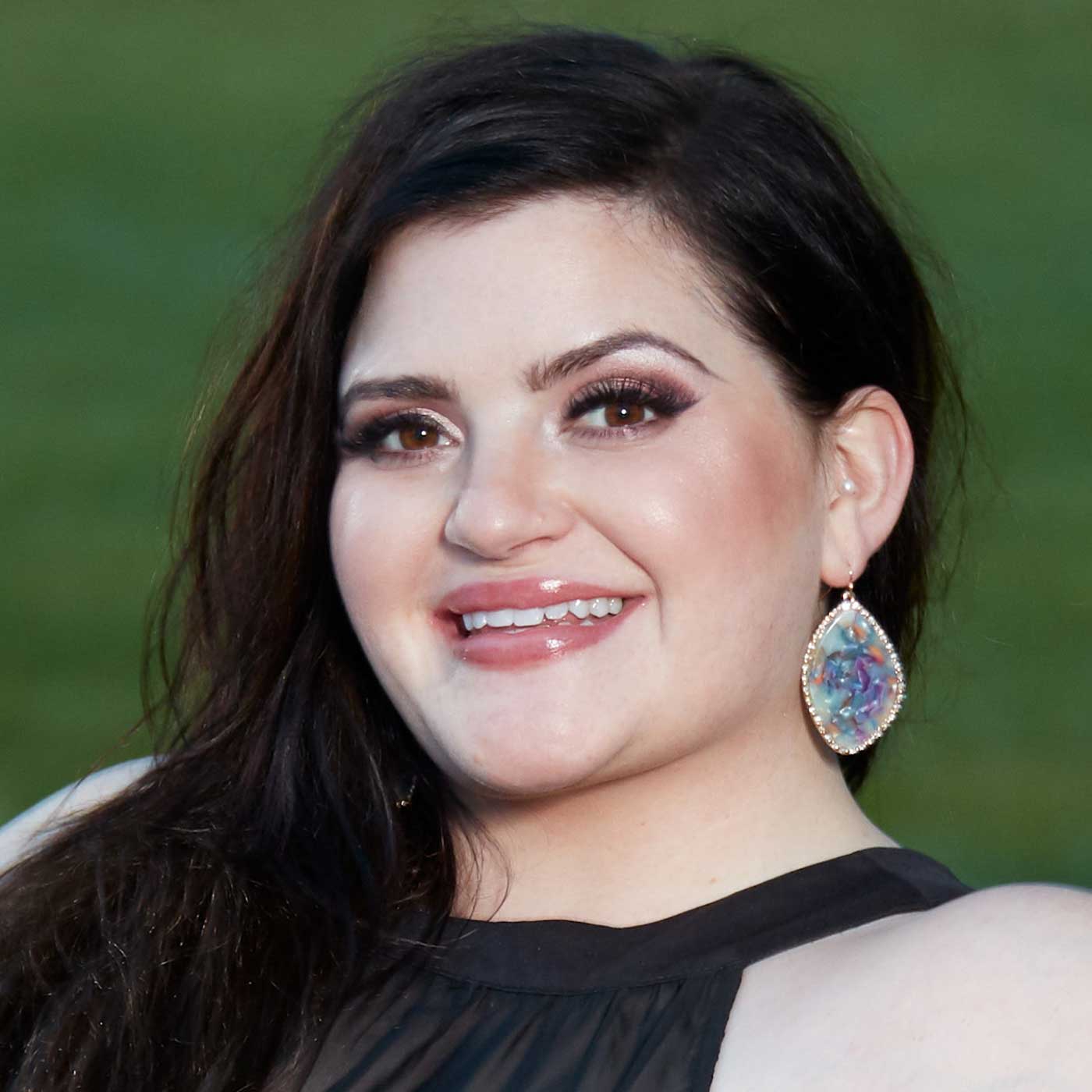
Ep 12Opioid Rehab: A Nurse's Story of Addiction, Truth and Healing
When Linda P. was prescribed Percocet to relieve her debilitating migraine headaches, the powerful opioid drug quickly became her go-to remedy for all of life's struggles. Listen in as Linda tells host William C. Moyers why shame kept her trapped in addiction for years until she was able to ask for help. Linda also discusses why a medication-assisted treatment program along with a combination of inpatient and outpatient rehab proved the best path for her in finding lasting freedom from opioid addiction.
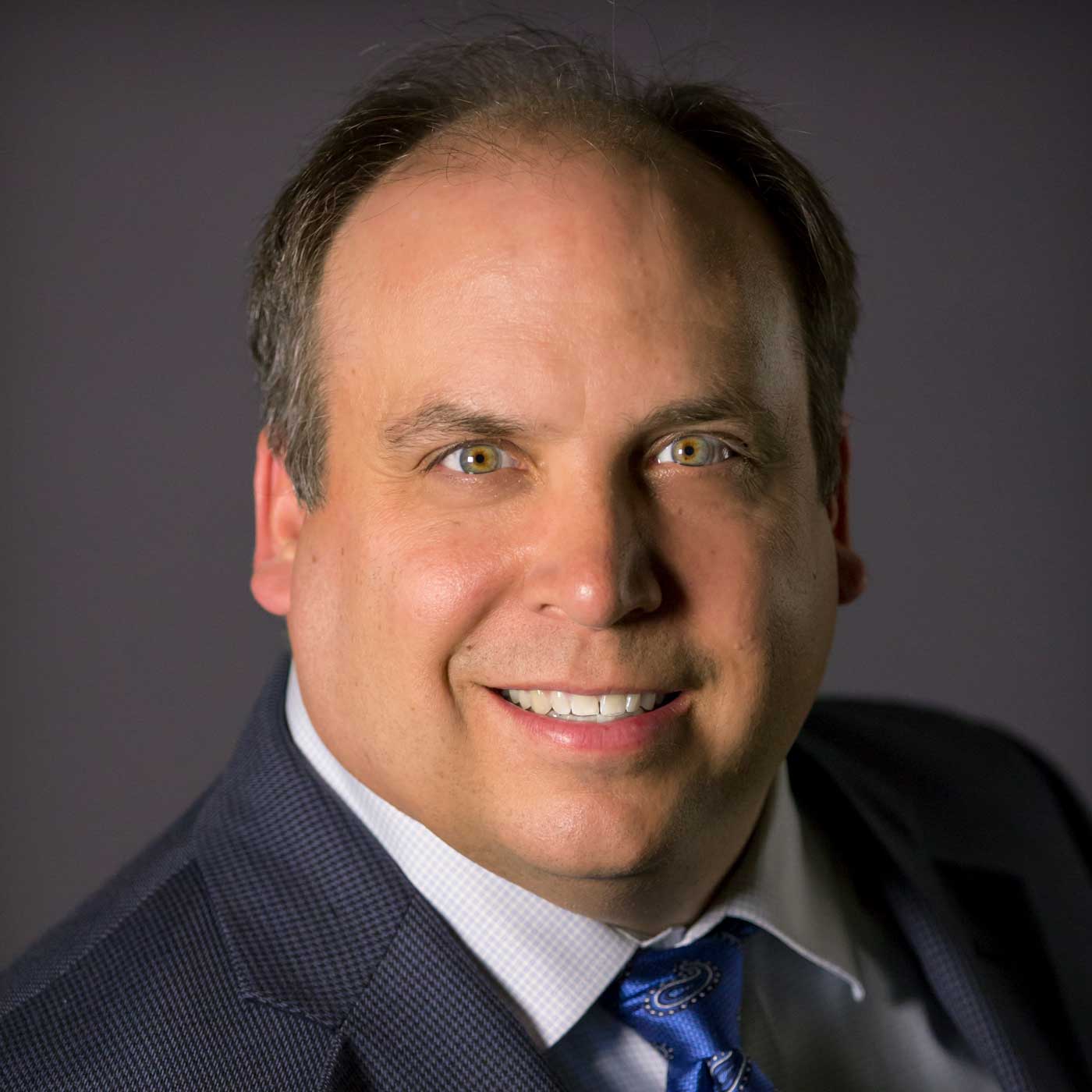
Ep 11Rehab Evolution: Following the Science to Help More People
While a "cure" for alcohol and drug addiction remains elusive, clinicians are getting closer to understanding how to help more people successfully reclaim their lives from the chronic disease. John Driscoll, senior vice president of recovery services for the Hazelden Betty Ford Foundation, joins host William C. Moyers to discuss evidence-based rehab advancements and core elements of effective treatment designed to help patients learn how to successfully manage the symptoms of their disease.
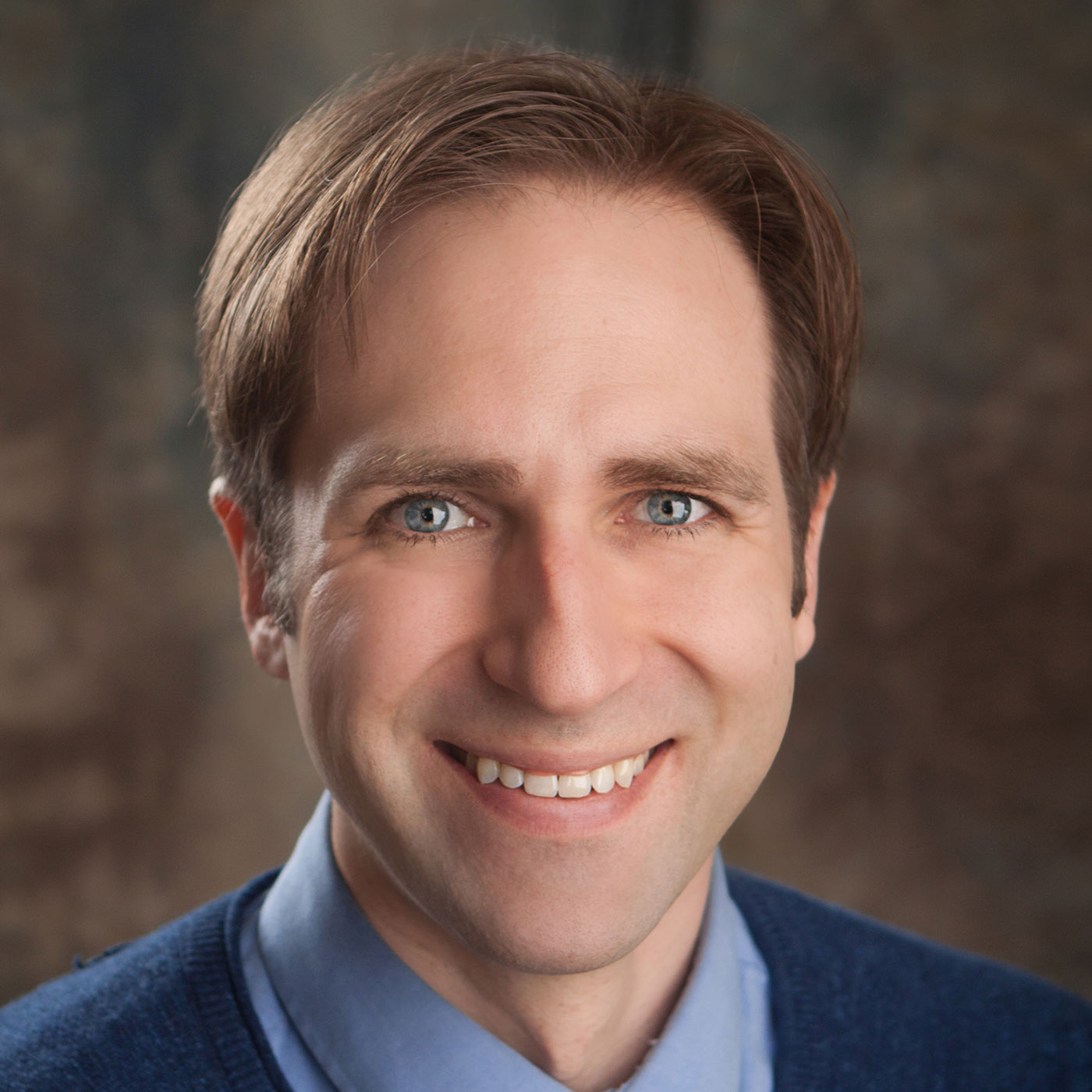
Ep 10Getting Sober and Staying Sober: How to Make Recovery Stick
Psychologist Michael Tkach, director of recovery management for the Hazelden Betty Ford Foundation, joins host William C. Moyers to discuss the latest research and science on what it takes to stay sober. Three factors seem to make the biggest difference in building lasting recovery from addiction: meaningful engagement with a supportive community, healthy new routines and structure, and enough self-compassion to overcome negative emotions and thought patterns that can lead to a setback.
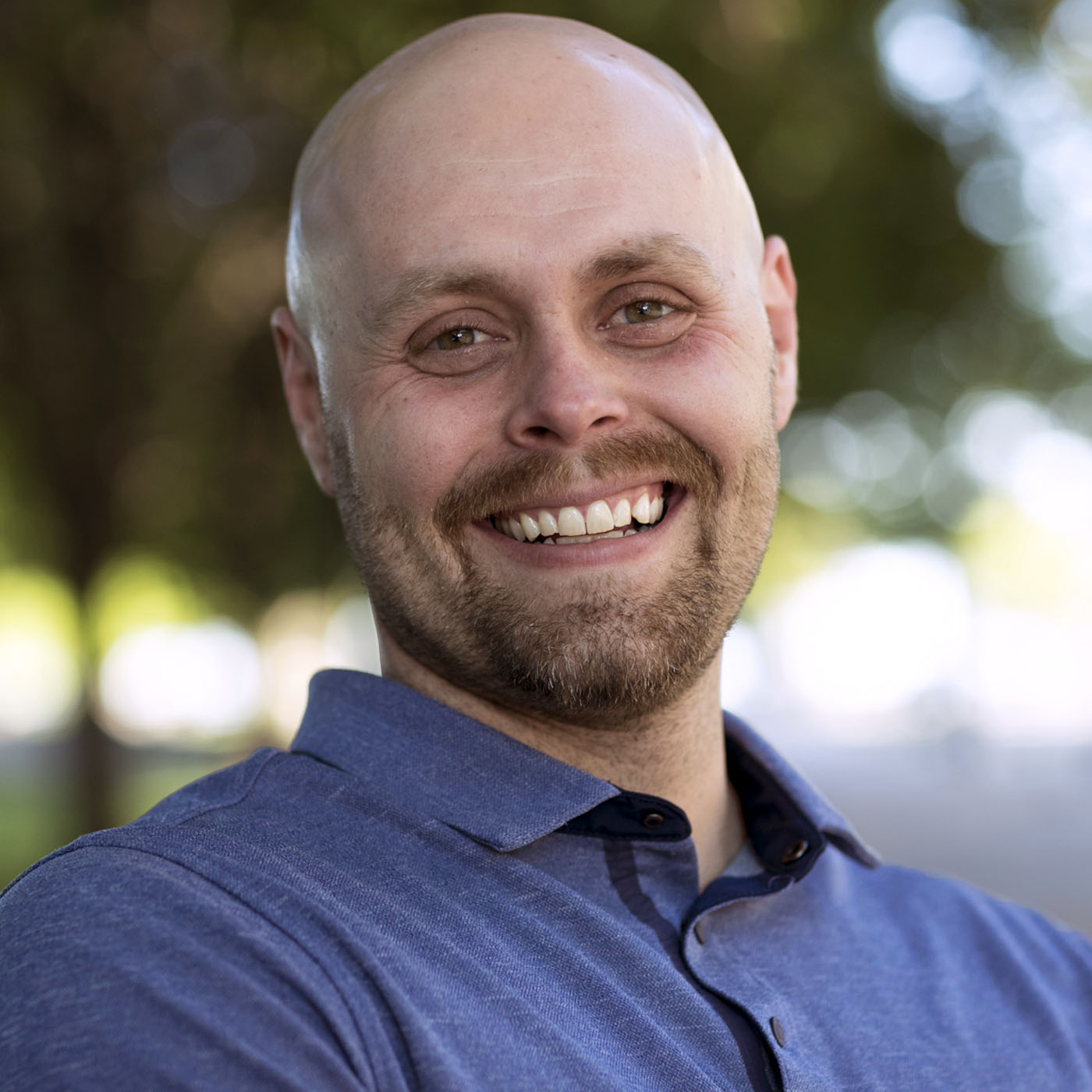
Ep 9Overcoming Opioids: How Josh C. Got His Life Back from Heroin
A car accident left Josh C. paralyzed at age 18, crushing his plans to play college football along with his sense of self and purpose. Listen in as Josh shares his story of opioid addiction, treatment and recovery with host William C. Moyers. Josh explains how years of heroin use did a number on his physical, mental and emotional health and undermined his attempts to stay clean, and he describes how a comprehensive, medication-assisted treatment program helped him get into long-term recovery.
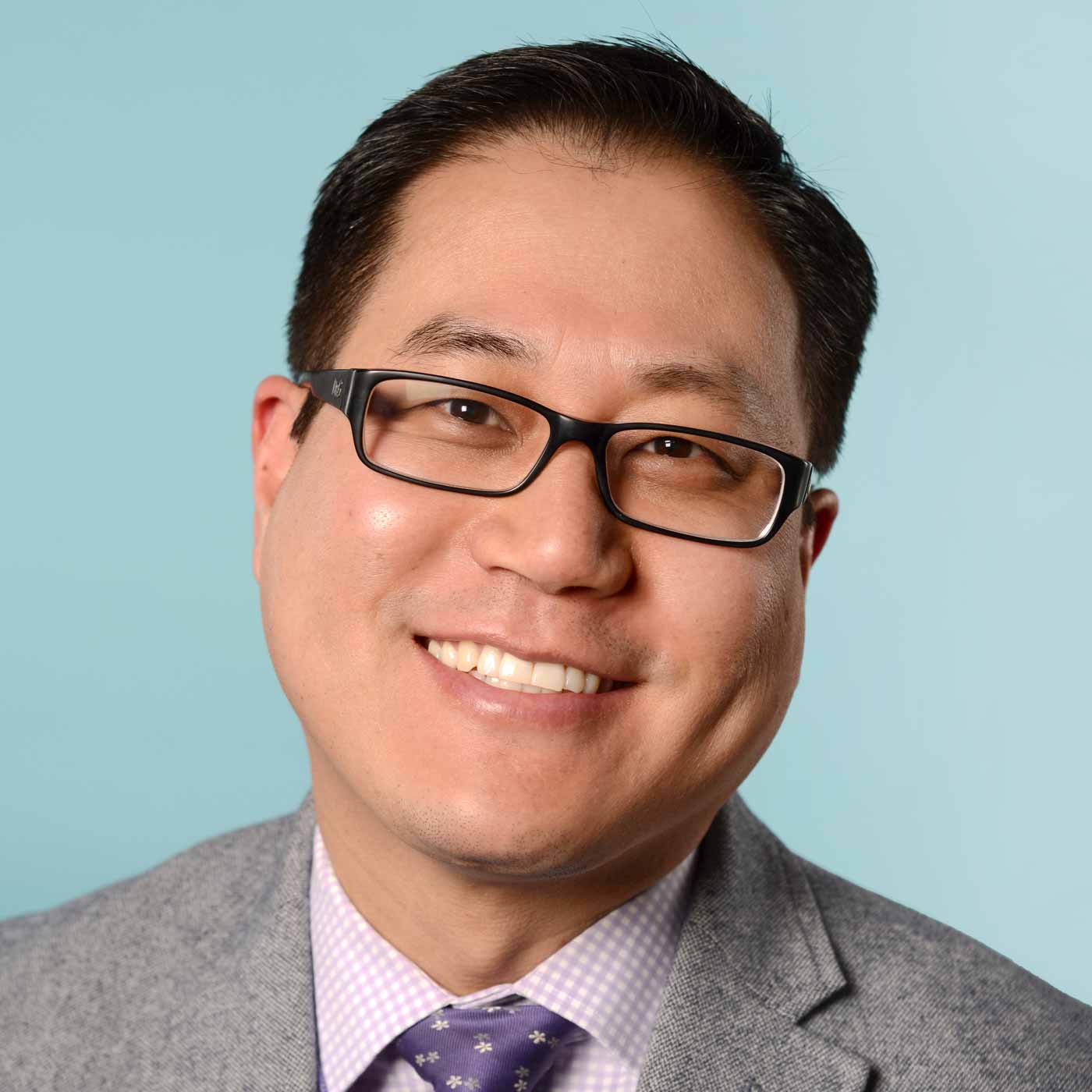
Ep 8Addiction Prevention: What's a Parent to Do?
Psychiatrist and author Joseph Lee, MD, medical director of the Hazelden Betty Ford Foundation's Youth Continuum, joins host William C. Moyers to discuss what puts young people at risk for substance use and what parents can do to minimize the probability of addiction. By modeling certain values in the home, parents can create a culture that encourages children to develop the communication, relationship and resiliency skills they need to make healthy choices in adolescence and beyond.
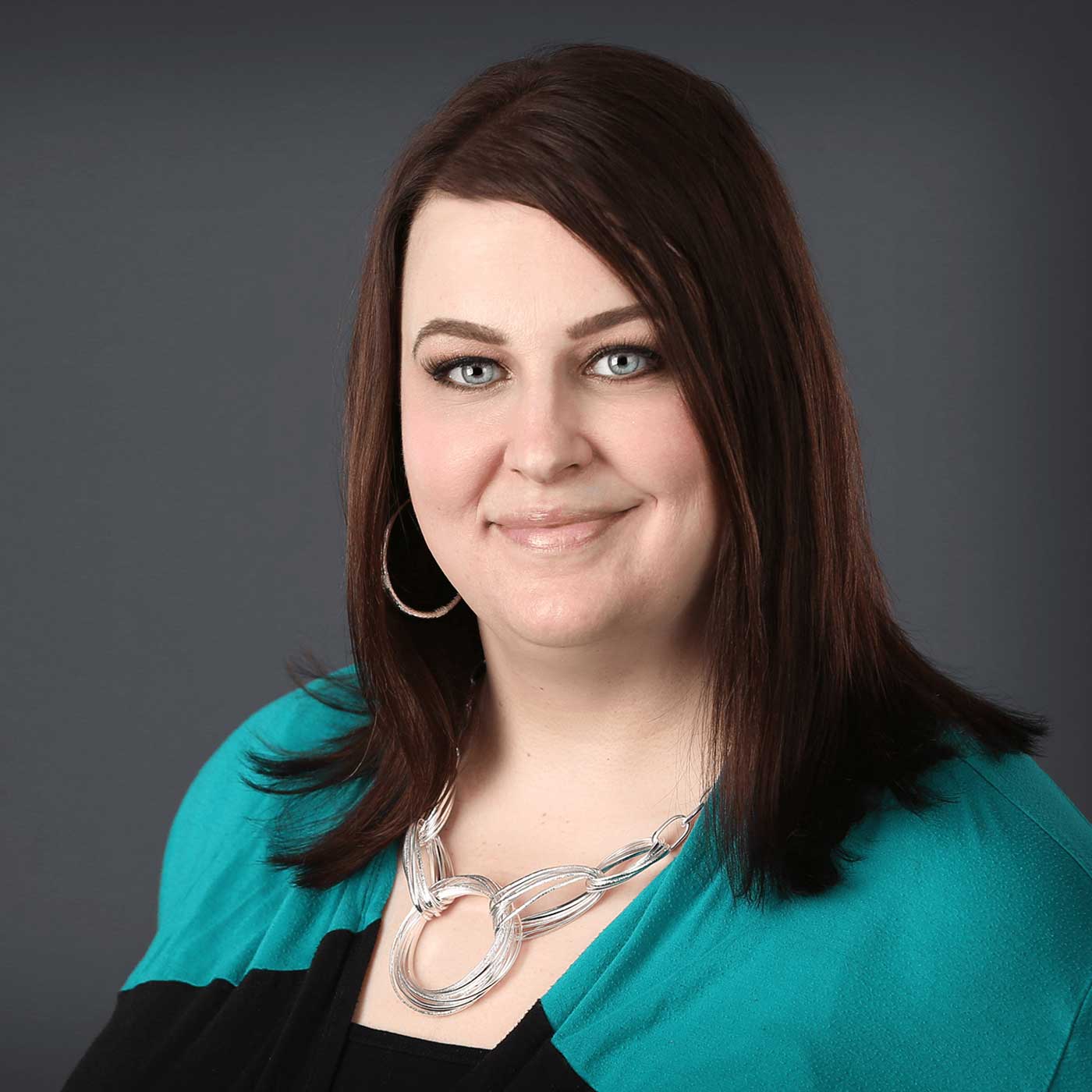
Ep 6Teens, Technology and Overuse, Part 1
The faster, smarter, more mobile technologies used by teens are changing so rapidly that the impact on adolescent development isn't fully understood. But there are plenty of early warning signs—from an increased risk of sleep disorders and anxiety to a greater susceptibility to drug addiction. Prevention expert Jessica Wong joins host William C. Moyers to look at emerging research around risks associated with too much tech use and to discuss practical ways parents can foster healthier behaviors.
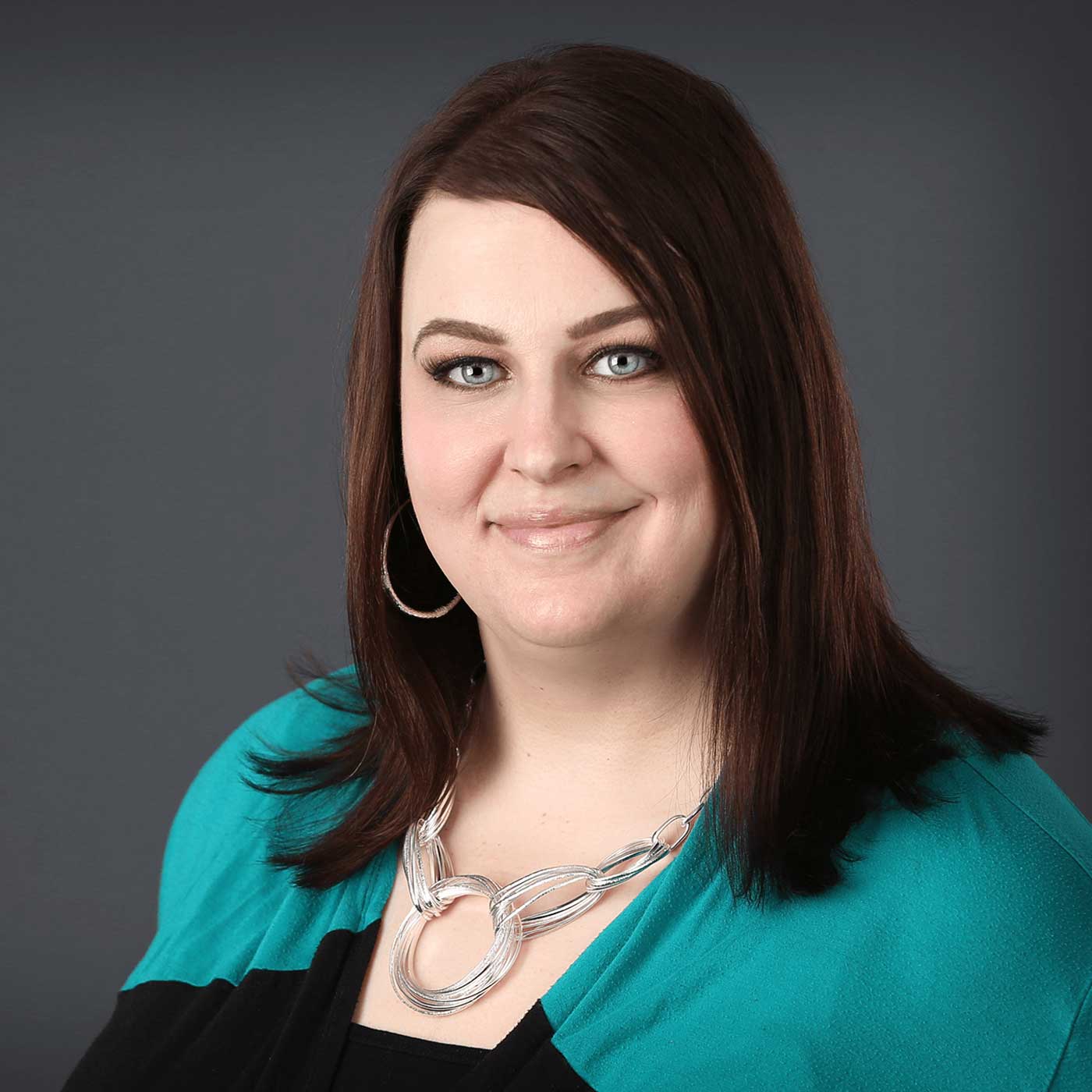
Ep 7Teens, Technology and Overuse, Part 2
Researchers are beginning to identify how the use of smartphones, computers and other technology changes the way the adolescent brain develops—especially areas of the brain responsible for decision-making, risk assessment, impulse control and processing emotions. Prevention expert Jessica Wong joins host William C. Moyers to discuss the potential consequences of overuse and overreliance, including feelings of isolation, anxiety or depression.

Ep 5Combining What Works: Medication-Assisted Treatment for Opioid Addiction
In the midst of the nation's opioid addiction epidemic, advancements in treatment that combine evidence-based psychotherapies along with use of certain medications offer patients and families cause for real hope. As a clinical innovator in the field of addiction treatment, psychiatrist Marvin D. Seppala, MD, joins host William C. Moyers to explain why medication alone isn't an effective solution in treating such a complex, chronic condition.
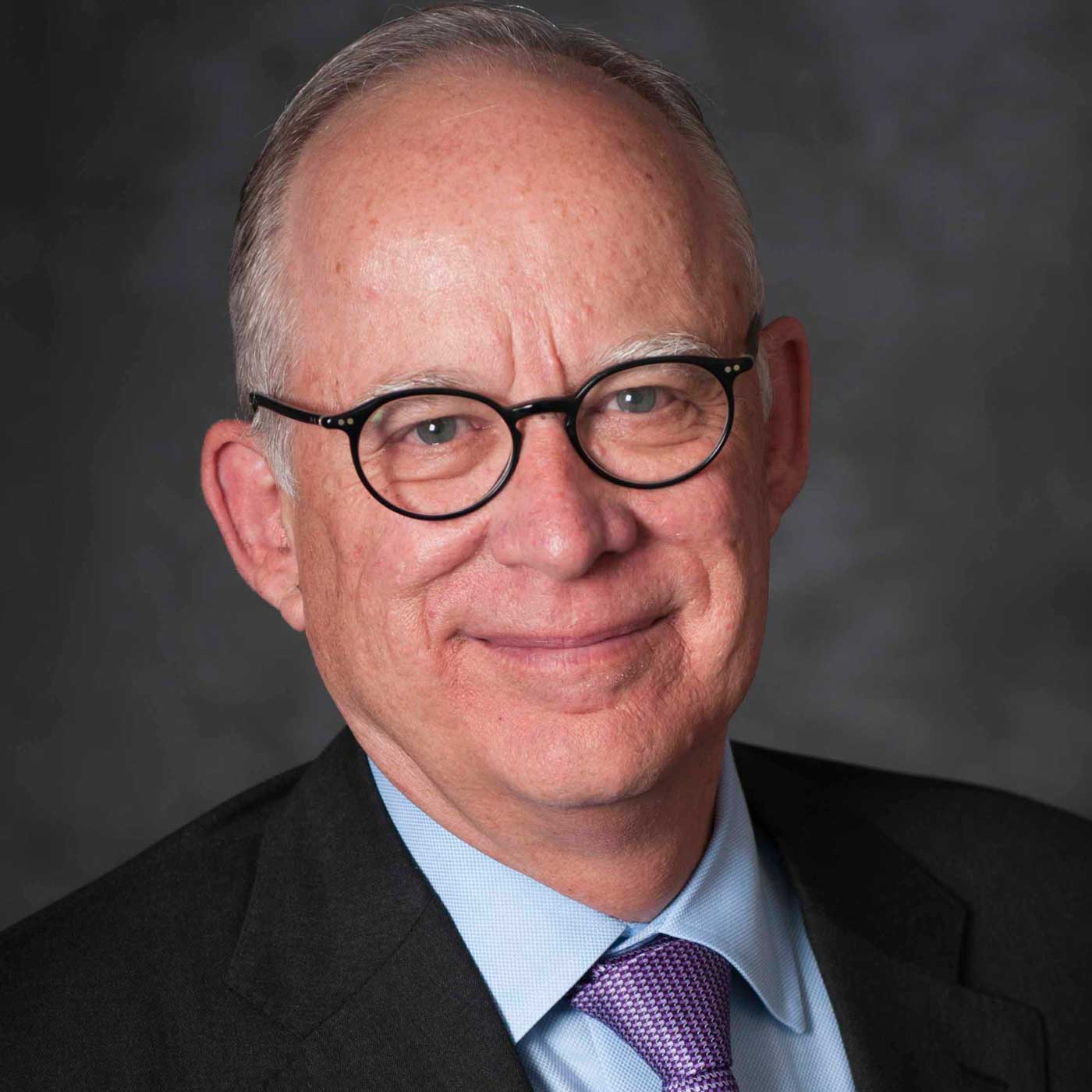
Ep 4Consumer Beware: Not All Addiction Treatment Is the Same
From insurance fraud to deceptive marketing to patient brokering, the largely unregulated field of addiction treatment is rife with unscrupulous and unethical—even illegal—business practices. Mark Mishek, JD, president and CEO of the nonprofit Hazelden Betty Ford treatment centers, and Marvin D. Seppala, MD, chief medical officer, join host William C. Moyers to discuss the need for industry reforms, professional standards and consumer protections. Until such reforms are in place, consumers should proceed with caution and ask pointed questions when seeking care.

Ep 3Women, Alcohol and Addiction
Millions of women in the U.S. engage in drinking behavior that poses a substantial risk to their health and well-being, particularly young women in their late teens and early twenties. Addiction researcher Audrey Klein, PhD., joins host William C. Moyers to take a closer look at what's behind the increased rates of binge and heavy drinking among women, why addiction progresses more rapidly for women than men, and what kinds of medical, mental health and other complications are associated with hazardous drinking for women. Klein also addresses the shame factor: Women typically wait longer than men to seek help for addiction, resulting in a more severe progression of the disease.
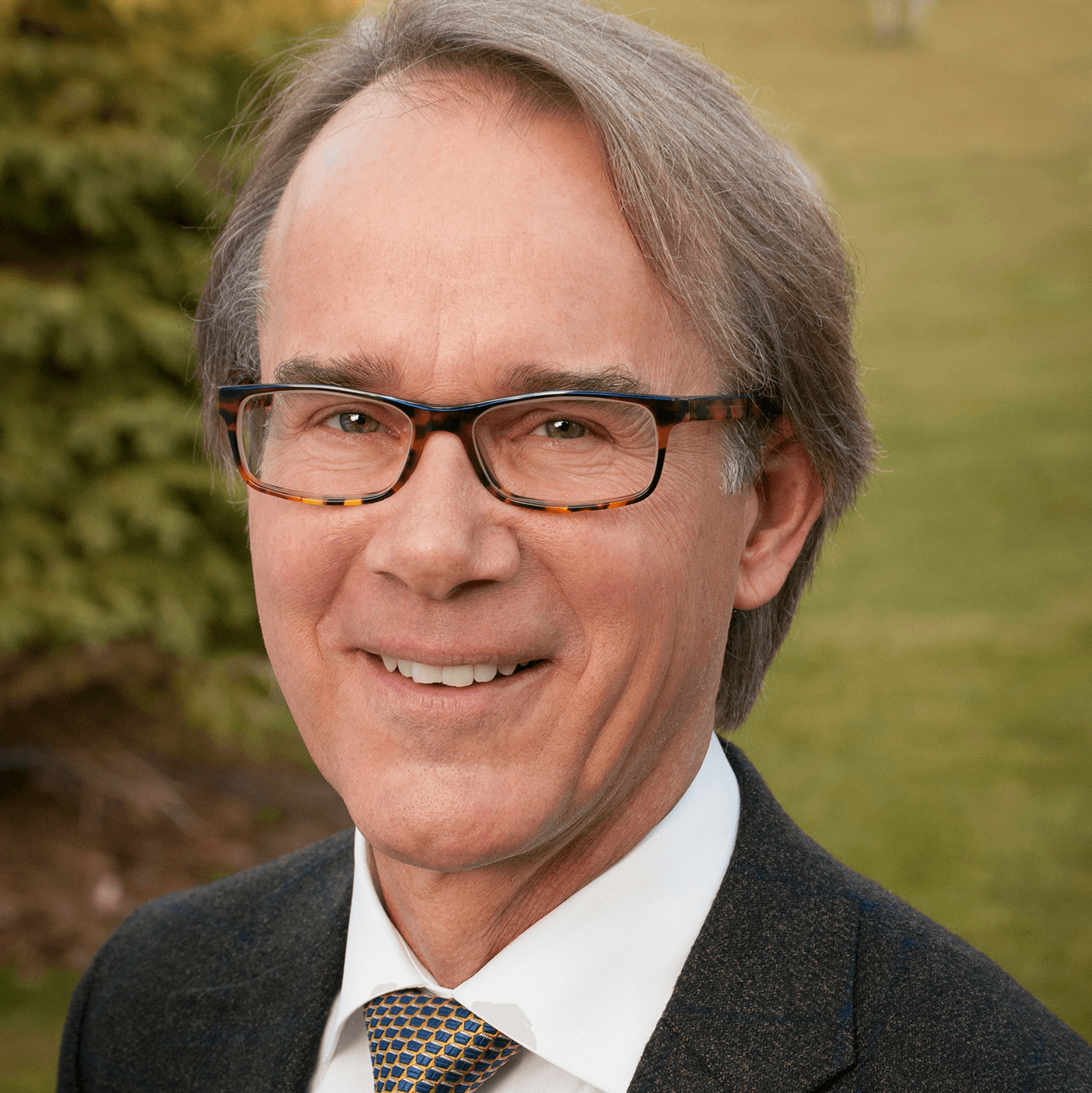
Ep 2Addiction Treatment Outcomes
Comparing addiction treatment success rates across different care providers and approaches might seem like an apples-to-apples assessment, but it's not. For the most part, the addiction treatment field lacks consistently reported—and, in some cases, scientifically valid—ways of measuring the impact of treatment services. Psychiatrist Marvin D. Seppala, MD, and addiction researcher Audrey Klein, PhD, join host William C. Moyers armed with key questions consumers should ask treatment providers about their results: How do they define success? (Length of sobriety? Quality of life indicators?) What percentage of their patients get better? How do they conduct patient follow-up? (By phone? How frequently? For how long post-treatment?)
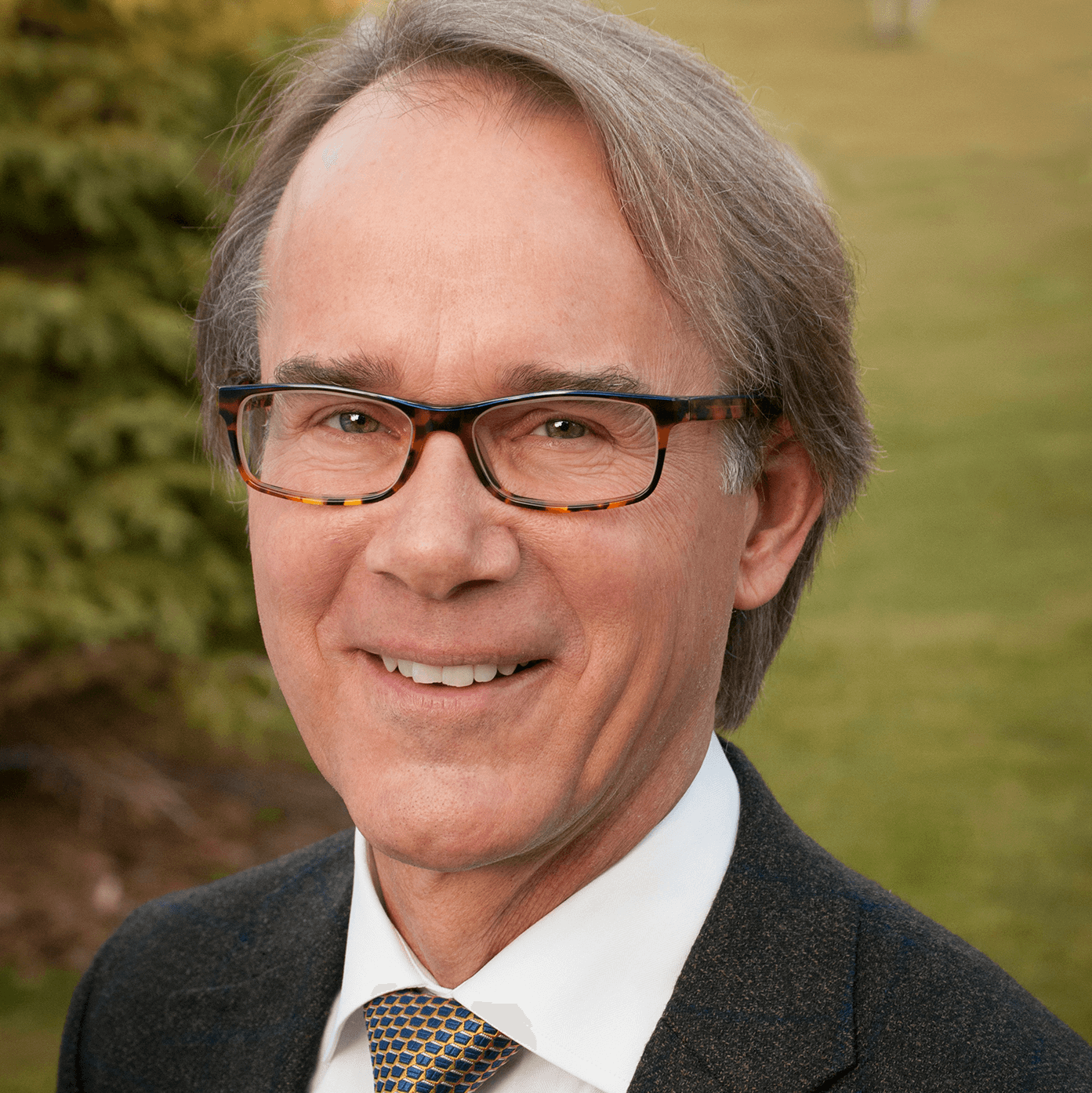
Ep 1Opioid Addiction and Treatment
Why are opioids so addictive? What makes opioid drugs so lethal? Is rehab effective for opioid addiction? From the frontlines of the nation's opioid epidemic, psychiatrist Marvin D. Seppala, MD, joins host William C. Moyers to discuss the role of science and compassion in responding to the opioid addiction crisis. As chief medical officer for the Hazelden Betty Ford Foundation, Dr. Seppala led the organization's development of innovative protocols targeting opioid use disorders. Hospitals and treatment providers around the country are adopting the treatment protocols which address issues related to opioid detox, drug craving, treatment engagement and ongoing recovery support.