
Let's Talk Addiction & Recovery
150 episodes — Page 2 of 3

Ep 104What to Make of Ketamine: Dangerous Drug or Miracle Medicine?
Ketamine is the source of some controversy: it works wonders for depression, and fast. But it's also addictive and potentially triggering for people in recovery. It's proven to effectively treat severe depression that won't respond to other medications. But because it affects so many receptor sites in the brain, and because it causes hallucinations and other psychedelic effects, there's a lot to consider. Former Chief Medical Officer Marvin Seppala, MD, joins host William C. Moyers to discuss.

Ep 103Life After Birth: What to Do About Postpartum Depression and How to Find Help
It's common for moms to feel a little "off" after giving birth—the hormonal changes can cause something called the "baby blues," where mom is a little sadder than usual. But another possibility is postpartum depression, which interrupts the mom's mood for an extended period of time, making it hard to get out of bed or care for herself and her newborn. How can she start to feel better without self-medicating? Host William C. Moyers invited Chief Medical Officer Alta DeRoo, MD, to weigh in.
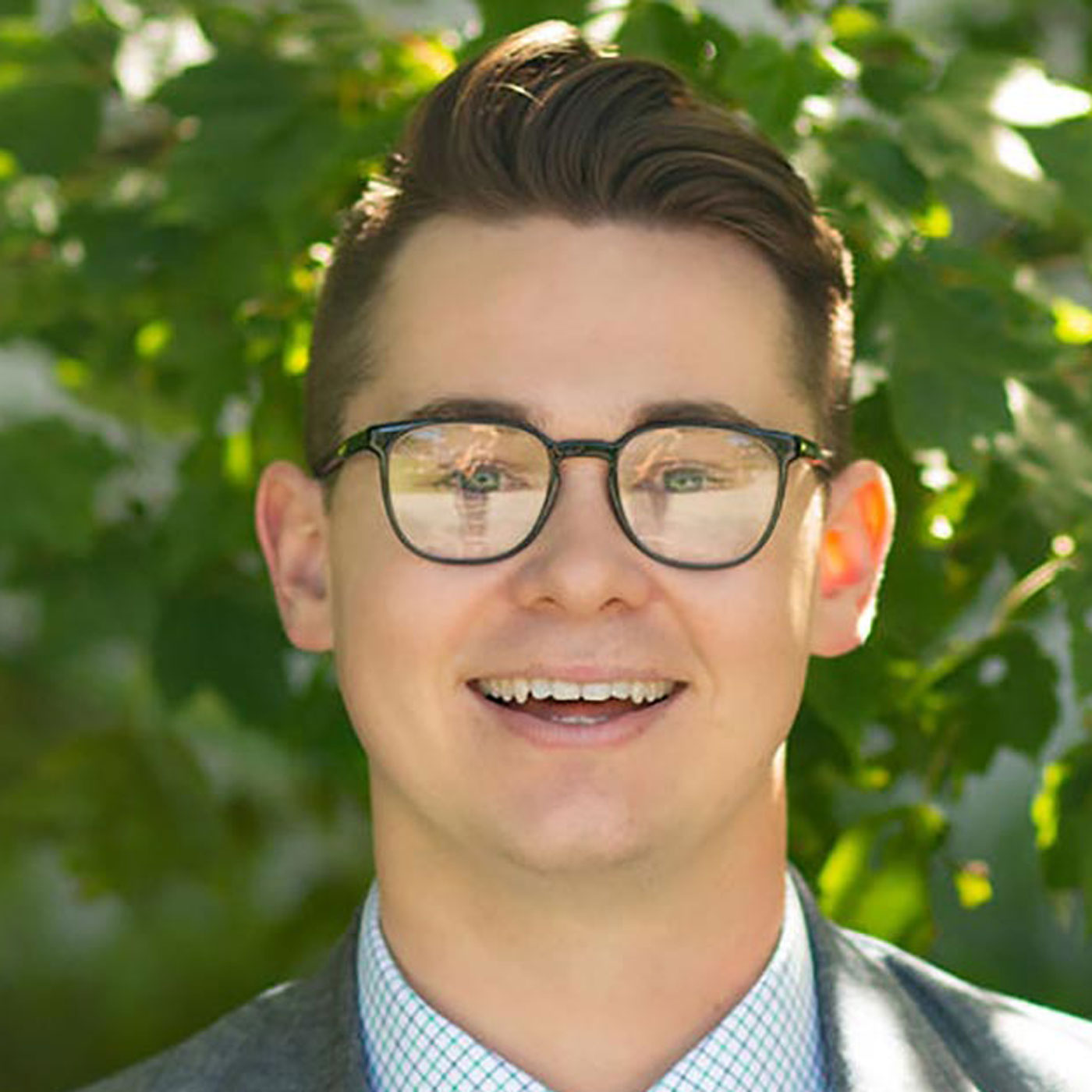
Ep 102Opioid Prevention: How to Help Teens Flourish and Make Healthier Decisions
How can we prevent opioid and drug use among teens? We can dispel the myths around alcohol and nicotine use. We can show them the data, and teach them about the countless effects to the mind and body. We can hold 60 one-minute conversations, rather than one 60-minute conversation, and encourage teens to choose their health and happiness above all else. Want to get started? Tune in for this conversation between prevention specialist Ian Groves and host William C. Moyers.
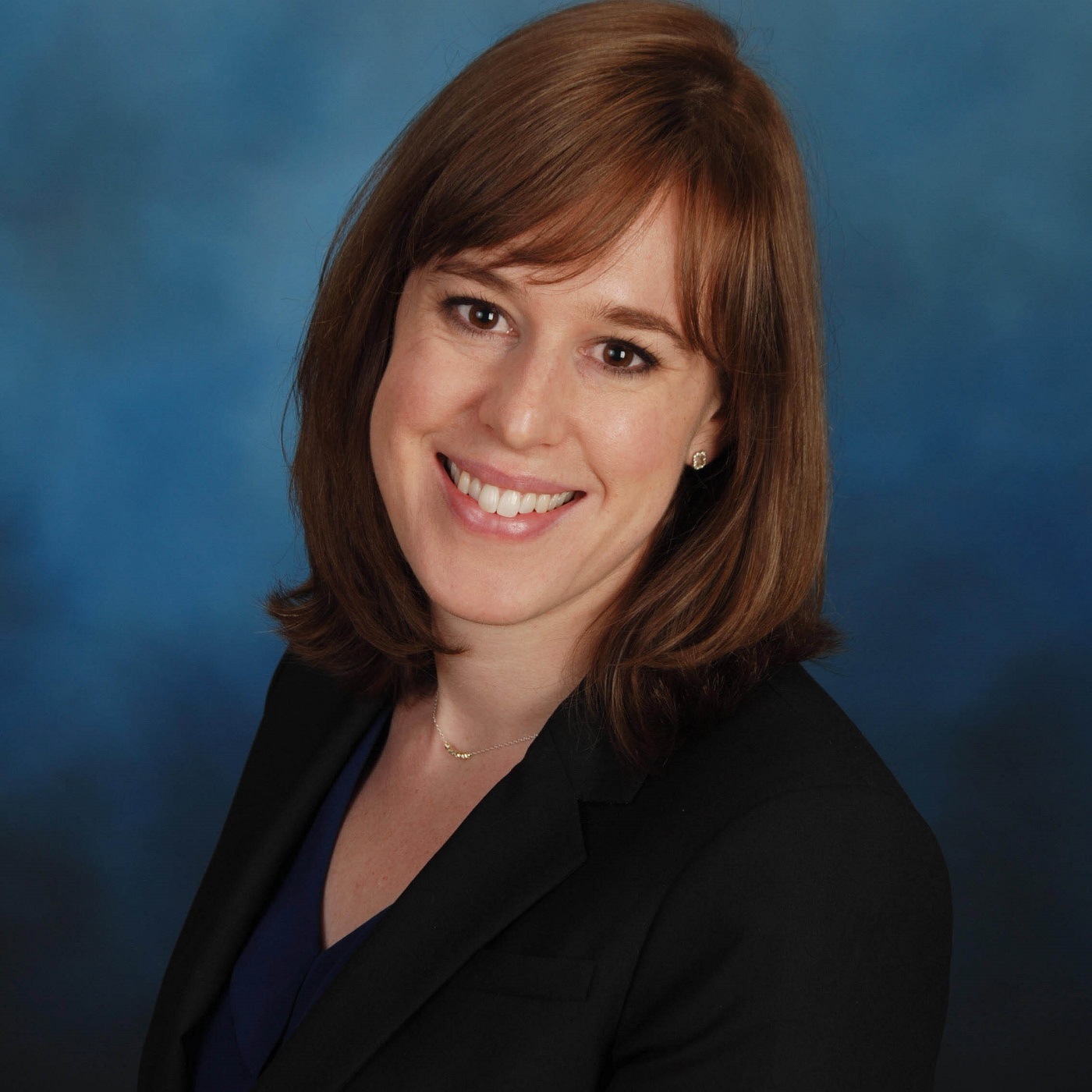
Ep 101Youth Mental Health: How to Help Young People through the Lingering Pandemic
The pandemic has affected everyone, but young people have been particularly vulnerable to its mental health effects. Teens have been trapped at home and isolated from their friends during a life stage where they seek to express individuality. They've been cut off from academics, extracurriculars and hobbies like never before, and they feel bombarded by rules and regulations. How can adults help out? Dr. Sara Polley sits down with host William C. Moyers to discuss.

Ep 100What Can You Expect to Happen during the Treatment Process?
The prospect of entering into addiction treatment can be wildly intimidating. Many don't know what to expect from their treatment experience, and they may delay or avoid the process if they can't picture what's to come. What do those early days in treatment look like? How is addiction treated, and how is a person made to feel comfortable? Those questions and more are answered by Vice President Tessa Voss and Clinical Director Cecelia Jayme. Tune in.

Ep 99How to Choose the Right Treatment Program for You and Your Family
Searching for the right treatment program can be overwhelming. It's unfamiliar territory, and it's hard to know who to trust or which information to attend to. "How will we pay for treatment? Why do those mental health services matter? What will keep my loved one safe and sober?" The questions are endless. To simplify the process, Vice President Tessa Voss and Clinical Director Cecelia Jayme sit down with host William C. Moyers to answer those questions and more. Tune in.

Ep 98How to Keep Kids Healthy: Honest Conversations and Modern Prevention Plans
Much has changed in the world of prevention since the days of "Just Say No." Now the conversation is nuanced and fact-based, and the methodologies are backed up by data. Kids are given the information, and then they're trusted to make the healthy decision. How else has prevention evolved? How do we empower kids to make the healthy choice? Tune in for this fascinating conversation between Deirdre Flynn, manager of Hazelden Betty Ford's Prevention Solutions, and host William C. Moyers.

Ep 97Champions for Children: Jerry Moe's Legacy and Alliance with First Lady Betty Ford
After announcing his retirement, Jerry Moe, the national director of the Children's Program, revisits the incredible impact the program has made for countless children and families. He recounts Mrs. Betty Ford's vision and involvement, and her hopeful words to Jerry all those years ago: "This is really important. We have an opportunity to transform people's lives." And indeed they did. Tune in to hear the full story, the lasting legacy Jerry will leave and where the program is headed next.

Ep 96The Chance to Be a Kid Again, and an Era of Wonderment, Healing and Love
The Children's Program is a delicate balancing act: it has to respect the gravity of addiction, but it also needs to be a safe space for healing—for having fun and being a kid again. That balancing act was perfected through the years by director Jerry Moe. And now that he's retiring, he reflects on the program's importance with host William C. Moyers, sharing some of his fondest memories that he and those children will cherish forever, and making room for the next generation of hope and healing.

Ep 95The Family Grieving Process: How to Heal and Find Meaning within the Madness
Sara Polley, MD, watched her dad struggle with addiction for much of her life, and she had grown to expect bad news. When she learned of his death, some part of her felt relieved—his suffering was finally done, and he had found peace. Now she serves as a medical director for Hazelden Betty Ford, and she speaks with host William C. Moyers about the family grieving process: it's a storm of emotions, but it's also an opportunity to find empathy, meaning and grace.
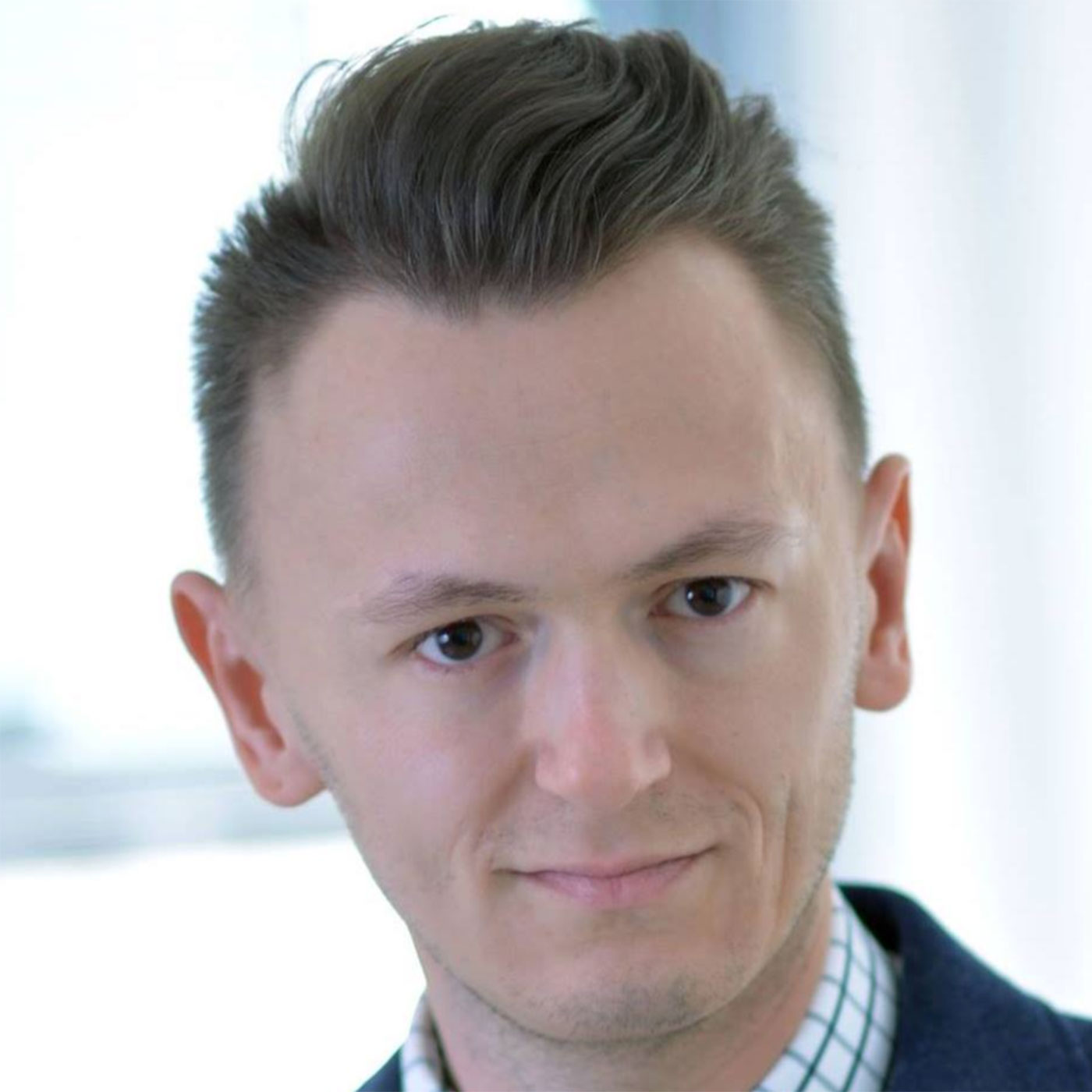
Ep 94Stress Relief or Something More? When Casual Drinking Becomes Problematic
Stress is as natural and persistent as the moon and the tides, and people often unwind with a drink. The rough edges of the day are quickly smoothed out by the depressant effects on the mind and the body, and for many, it's the preferred way to relax: a cold beer after work or a glass of red to pair with dinner. But can that small and modest habit become something dangerous? Join host William C. Moyers and Damir Utrzan, PhD, to learn more.

Ep 93The Science and Spirit of Recovery: A Farewell Conversation with Marvin Seppala, MD
Before he retired as Chief Medical Officer Dr. Marvin Seppala shared a few of his quintessential lessons and memories from the past 40 years. To name a few: Our pressing need to belong and be loved. The timeless and abiding wisdom behind the Twelve Steps. And the opportunity now for science to further their legacy. Tune in for this wonderful conversation between Dr. Seppala and host William C. Moyers, longtime coworkers and friends.
Ep 92Jeff Goldring Speaks about His Ongoing Recovery
Jeff Goldring has a uniquely intimate perspective on addiction and recovery. His family's storied history is all about distilled spirits and he himself works for Sazerac, one of the world's most recognized producers of alcohol products. Now with twenty years of sobriety, he joins host William C. Moyers to talk about the convergence of those two worlds and the pillars to his long-term recovery. Tune in.

Ep 90The Healing Power of Love, Communication and Acceptance
Addiction passed from one generation to the next, and Reyna watched her family succumb to alcohol-related disease and death. She never had a chance to speak up, and she was never given the words to speak out. Then Miaveya, her 10-year-old daughter who attended the Children's Program, came along and taught her. Now they both sit down with host William C. Moyers and share their experience with the disease and how, in the end, acceptance and open communication win out.
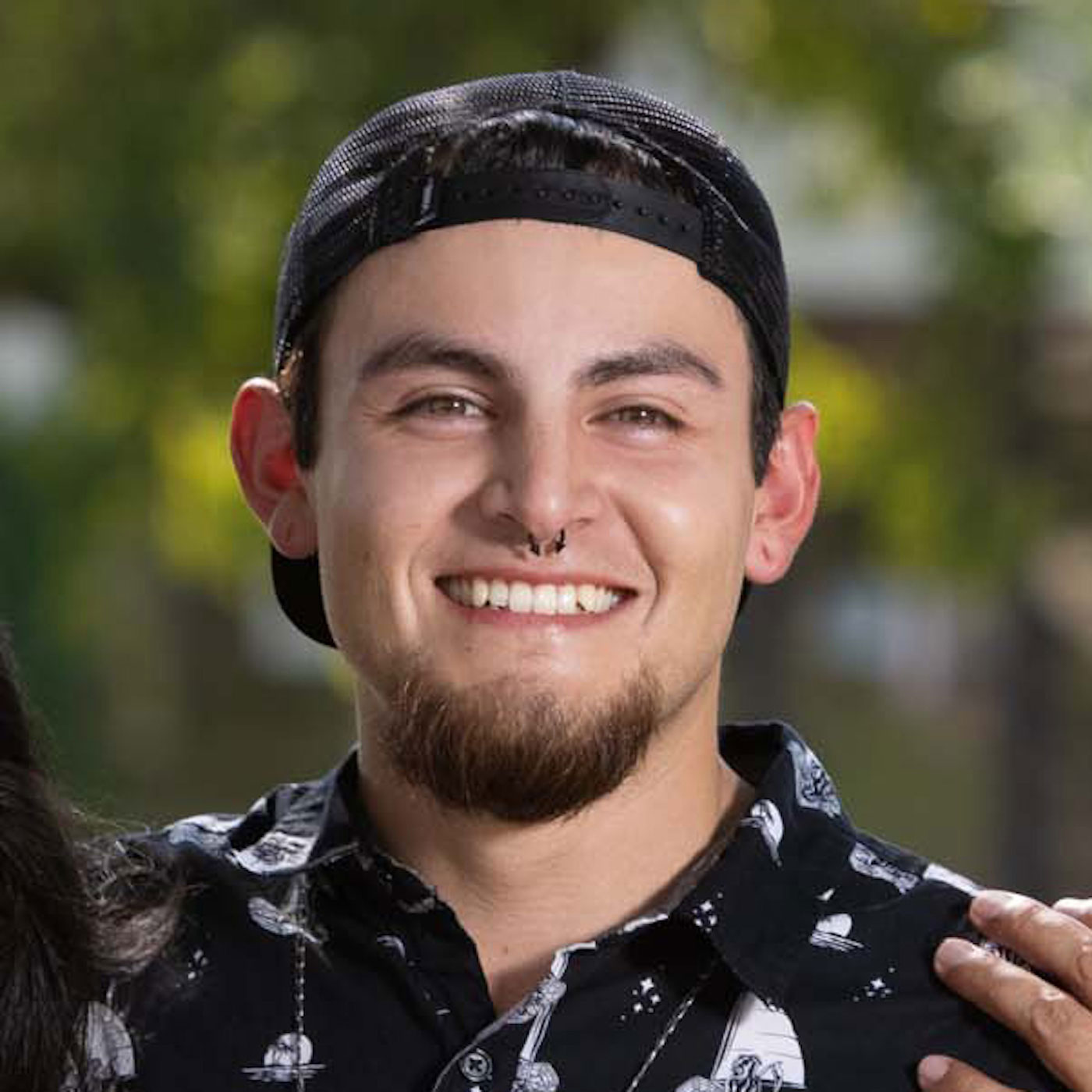
Ep 91The Moment Everything Changed: Edgar's Story of Asking for Help
Edgar was sitting at the family dinner table—sick, sleepless and withdrawing from drugs at 5 a.m.—while his father was getting ready for work. Until this point, Edgar had hidden his addiction from both his parents. But something compelled him in that moment, and it took only one act of fearlessness to completely change his life. Now he sits down with host William C. Moyers to reflect on that pivotal moment, appreciating the world of difference that recovery makes.

Ep 89Hope in Every Language: A Family's Combined Efforts to Heal
Host William C. Moyers speaks with two incredibly supportive parents, José and Juanita, and their son Edgar who is now in recovery. They describe the family journey through addiction and into recovery, from first gaining awareness of the disease at the Spanish Family Program to now supporting one another at every turn. Tune in to hear their invaluable perspectives on the importance of family, the lifelong journey of recovery and practicing self-care to best support one another.

Ep 88Improving the Human Condition, and Grace as a Conduit for Change
Dr. Joseph Lee spent his mornings in the inner city of Baltimore providing basic necessities to lower-income students, then he spent his afternoons treating dignitaries and elites. It opened his eyes, and he vowed on the spot to treat every patient equally. Now the CEO and President of Hazelden Betty Ford intends to uplift as many people as possible. Speaking with host William C. Moyers, he revisits those watershed moments, spotlighting the power of a hopeful story to change thousands of lives.
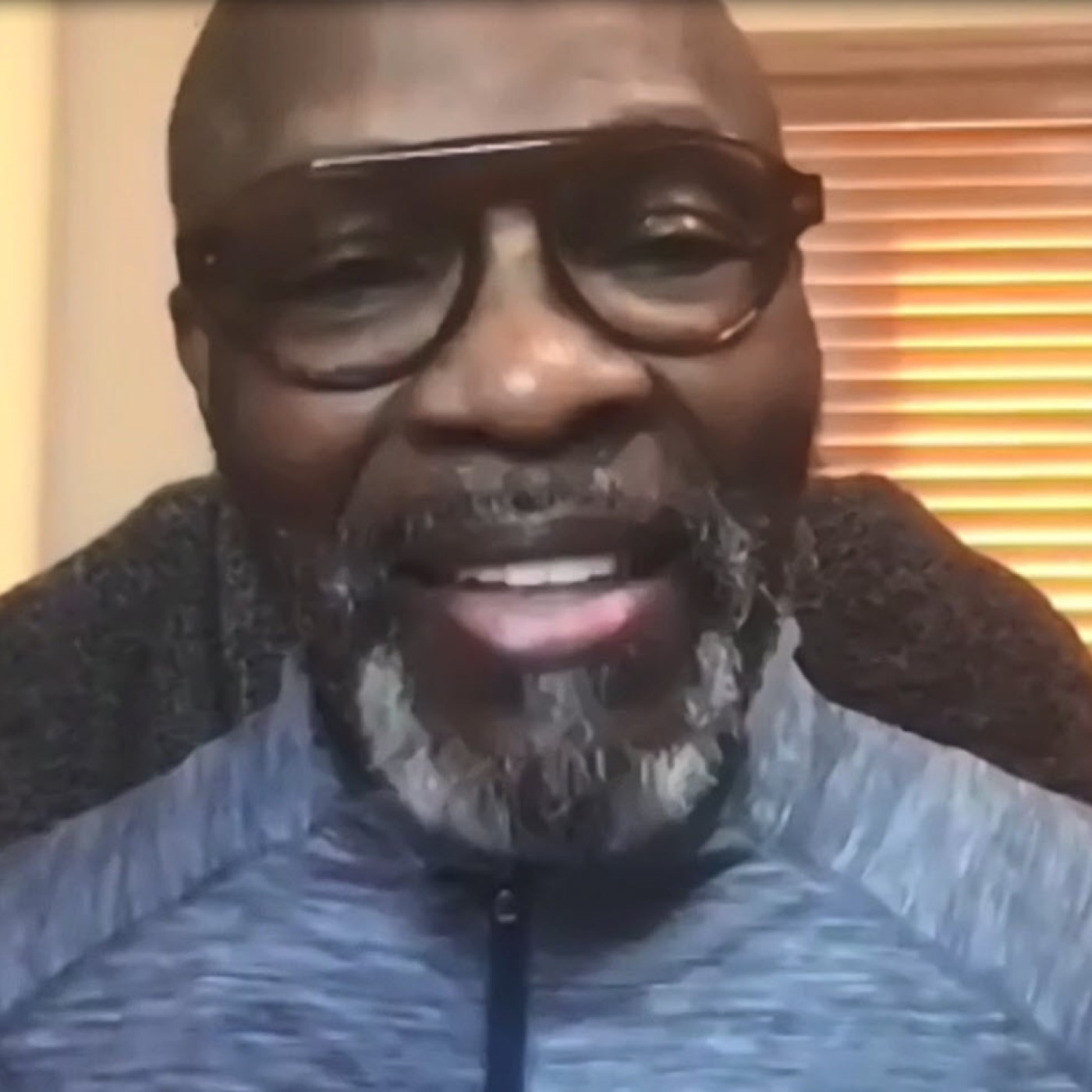
Ep 87A Candid Conversation about Race, Recovery and Personal Transformation
Peter Hayden, PhD, always sees an opportunity to help. Even when his family is blindsided by tragedy—the likes of which no parent should endure—he somehow uses the experience to protect complete strangers. Now he shares his story with host William C. Moyers, reflecting on his nearly 50 years in recovery, the biggest difference makers and the undeniable truths that connect us with a higher purpose.

Ep 86Never Too Famous: Andrew Zimmern's Story and His Principles for Humble Recovery
Before he won his Emmy and James Beard awards, and before he became a famous TV personality, Andrew Zimmern was essentially homeless, living in an abandoned New York City apartment and nearly drinking himself to death. How did he transform from hopeless soul into hopeful citizen? Tune in for this honest conversation between William C. Moyers and Andrew Zimmern, where they revisit his past and discuss his personal strategies for lasting recovery—top among them, the daily salvation of gratitude.

Ep 85A Closer Look: The Mental Health Realities for Military Veterans
Returning service members and military veterans often confront trauma and other mental health challenges, and when they don't receive help, it often ends in tragedy—with more than 6,000 military veterans dying every year to suicide. Army veteran and psychologist Dustin Brockberg, PhD, sheds light on the issues, speaking with host William C. Moyers about the tough emotional realities, mental health challenges and support opportunities for veterans and their families.
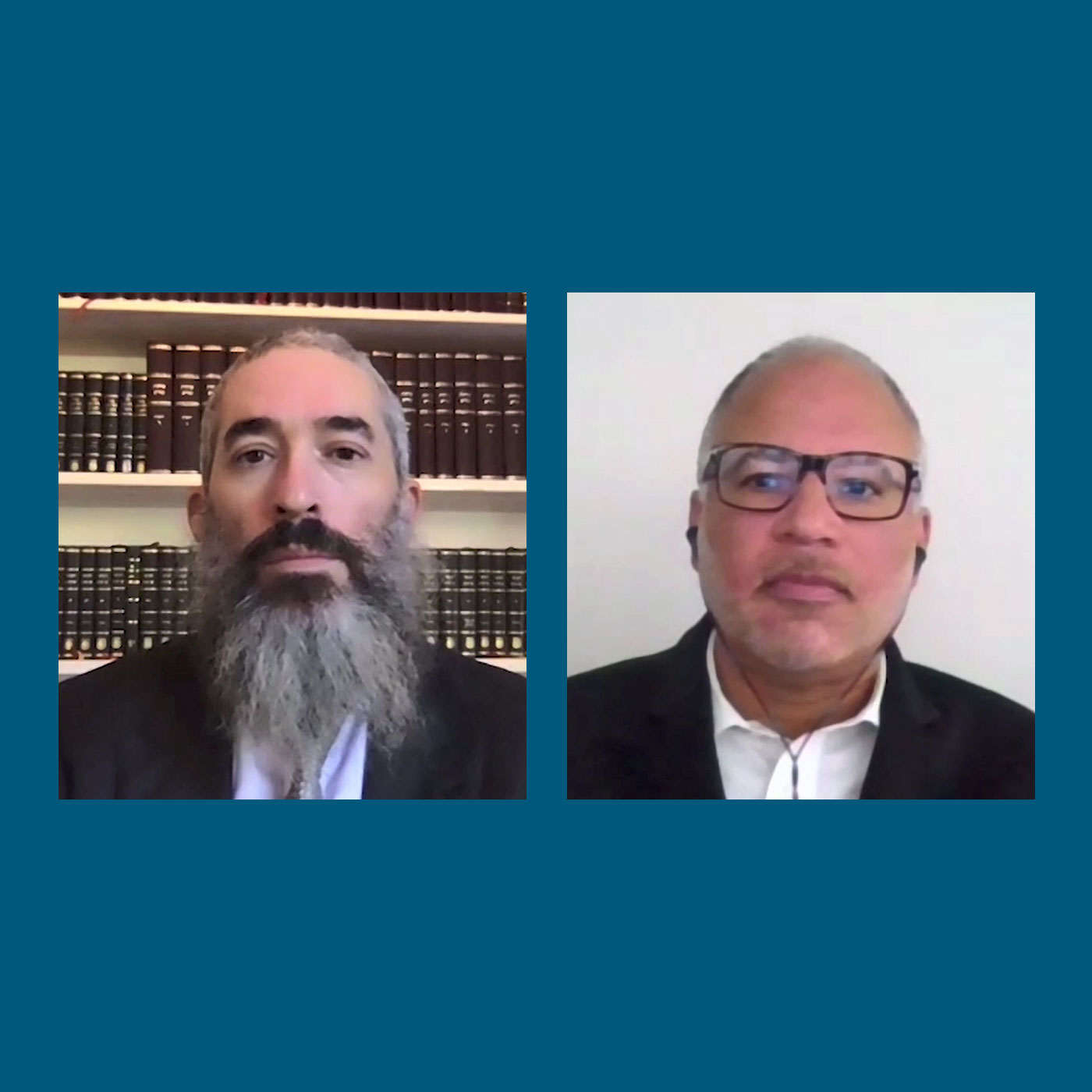
Ep 84How Faith Leaders Are Planning to Disrupt the Opioid Epidemic
Rabbi Schusterman used to view addiction as a "moral failure," and he admits that his opinions were manipulated by stigma. Now he sees the opportunity to completely change the narrative, and he's leading a movement among faith leaders to dismantle that stigma. Alongside Chris Thrasher from the Clinton Foundation, Rabbi Schusterman sits down with host William C. Moyers to discuss: How can faith leaders interrupt the opioid epidemic, where does hope come in and what does "hope" really mean?

Ep 83Everything You Need to Know about Gender-Responsive Care
Addiction affects men and women differently, and women's stories often involve very specific kinds of trauma. To learn more about these differences (and how to respond to them), host William C. Moyers spoke with author, advocate and expert Stephanie Covington, PhD. Listen in and learn about the different kinds of trauma, the benefits of specialized services and the latest developments in gender-responsive care.
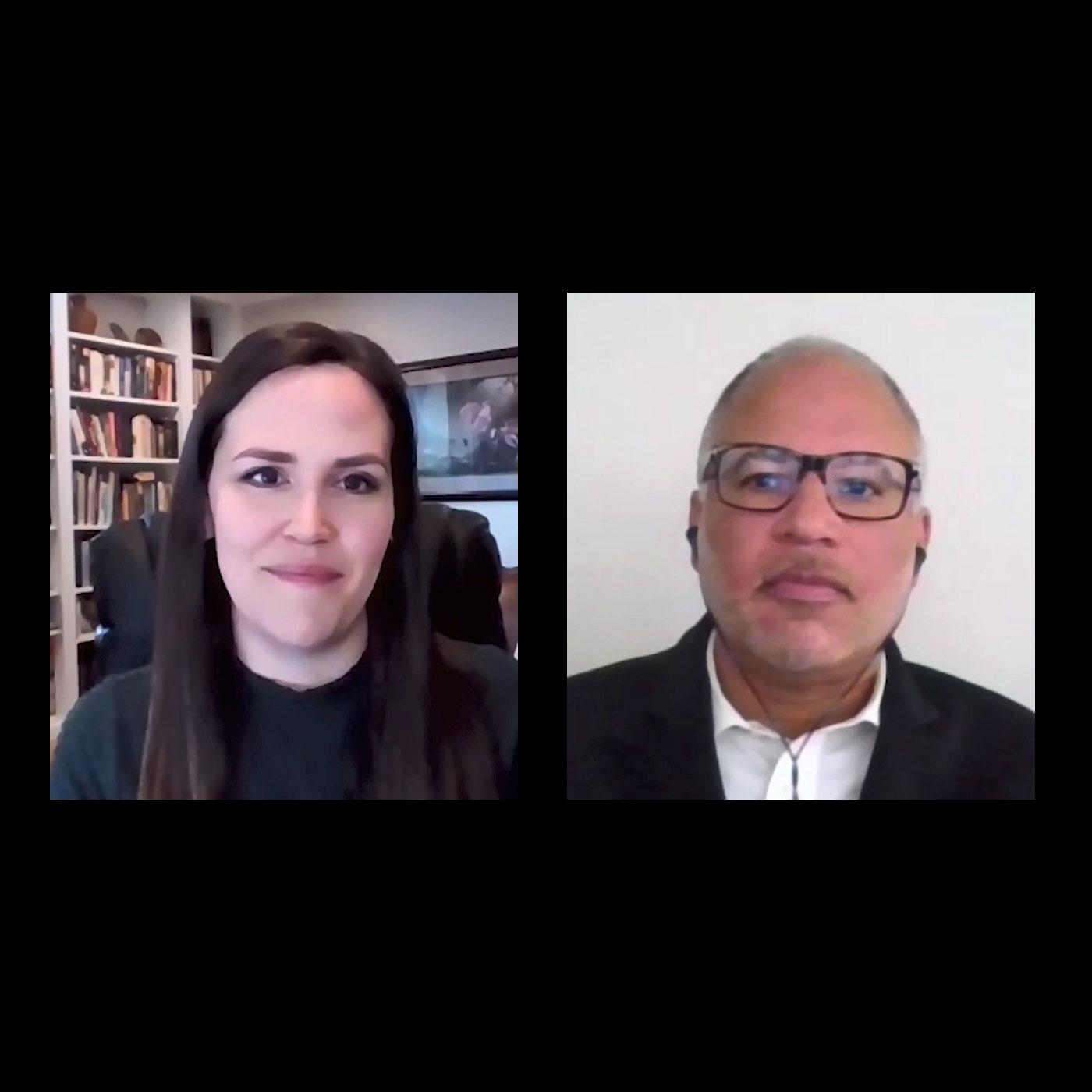
Ep 82The Other 90 Percent: Saving People Who Can't Access Treatment
Beyond the statistics related to addiction, there are precious human lives that need and deserve help. But only 10 percent of the addicted population will ever receive treatment. How can we help the other 90 percent? One answer: the Lazarus drug, which reverses the effects of opioid overdose. Host William C. Moyers talks with Ginny Atwood Lovitt and Chris Thrasher, who are working tirelessly to distribute this medication as quickly and widely as possible.

Ep 81A Support System to Heal the Family
The family can recover together. Without a reliable system in place, though, the family will default to negativity, often digging up the past and reliving old memories. That's why expert interventionist Debra Jay co-created Structured Family Recovery, where family members all join the same team to uplift the positive and work toward shared recovery. In this episode, Debra Jay and host William C. Moyers explore the inner workings of the family recovery team and why it works so well.
Ep 80The Populated Intersection between Trauma and Addiction
In the expert opinion of Dr. Stephanie Covington, it's unwise to ignore trauma when treating addiction and co-occurring disorders. In fact, a failure to address PTSD will leave a person vulnerable to relapse and re-traumatization. In this episode, host William C. Moyers and Dr. Covington chat about the intersection between trauma and addiction, the high frequency of their combination and the best approaches for treating both.
Ep 79The Opportunity and Aftermath of Distanced-Learning
The pandemic has had profound effects on every student and educator, and has demonstrated the inviolable need for close relationships. Angela Jerabek, founder and executive director of the BARR Center, sits down with host William C. Moyers to discuss the greatest strengths, liabilities and lessons for education systems around the country. And, as we reframe our ideas of school and learning, she considers where we should go from here.

Ep 78Compelling Interventions That Motivate the Entire Family
Best-selling authors and interventionists Jeff and Debra Jay share their profound wisdom on the process of getting a loved one sober. They sit down with host William C. Moyers to discuss the new edition of their best-selling book, Love First: A Family's Guide to Intervention, and share the essential lessons behind its prevailing theme—united against addiction, the family becomes a wonderful resource for lasting change.

Ep 77Building Trust and Recovery within Communities of Color
"If we can see good, then goodness will come," believes Peter Hayden, PhD. So he founded a safe, culturally informed treatment center for the Black community that also provides housing, job opportunities and cultural training. Tune in for this brilliant conversation among old friends, as host William C. Moyers and Dr. Hayden investigate the importance of trust between patients and providers, and discuss how to lay the bedrock for healing and recovery within communities of color.
Ep 76Breakaway to Recovery: NHL Icon Grant Fuhr's Story
Early in his National Hockey League hall-of-fame career, goalie Grant Fuhr realized his cocaine use had crossed the line. He needed help. But was he ready to face the underlying causes? Listen in as Fuhr talks with host William C. Moyers about the soul-searching work of addiction rehab and what it took to get himself back in the game. "There's nothing easy about asking for help," says the five-time Stanley Cup champ. "But treatment definitely works, and recovery is a phenomenal thing."

Ep 75Legal Marijuana: Higher Potency Brings Higher Risks
As more states legalize recreational marijuana, the availability of high-potency cannabis products raises the potential for health risks—including addiction. Listen in as host William C. Moyers talks with Hazelden Betty Ford "addictionologist" Vic Vines, MD, about health implications of high-potency marijuana. Like any addictive substance, marijuana can be used by some people without major consequence. For others, dependence can develop along with mental health issues and cognitive impairment.
Ep 74Parenting in Recovery: Accentuate the Positive
Parenting involves navigating a multitude of issues, even when everything's running smoothly for a family. Add a major stressor—like the challenges of early recovery—and it doesn't take much for family interactions to deteriorate. Listen in as family systems research scientist Kate Gliske, PhD, talks with host William C. Moyers about parenting skills that foster positive interactions. Pro tips: Teach through encouragement. Set effective boundaries. Focus on quality connections with your kids.

Ep 73Person-Centered Addiction Care for LGBTQ+ People
Studies indicate that members of the LGBTQ+ community experience substance use and co-occurring mental health disorders at twice the rate of the general population. Listen in as host William C. Moyers talks with clinician Princess Drake, PsyD, about related risk factors including historical trauma and the fear of "not being accepted for who you are." Drake discusses the importance of person-centered, culturally competent addiction treatment and inclusive peer recovery support communities.

Ep 72How Person-First Language Reduces Stigma
Words can hurt, and words can heal—especially words used by health care professionals concerning substance use and mental health disorders. Listen in as psychiatrist Stephen Delisi, MD, talks with host William C. Moyers about the power of choosing person-first language to reduce bias, stigma and shame (internalized stigma) around the disease of addiction. Quite literally, the difference between using the term "alcoholic" or "a person with alcohol use disorder" can be life-changing.
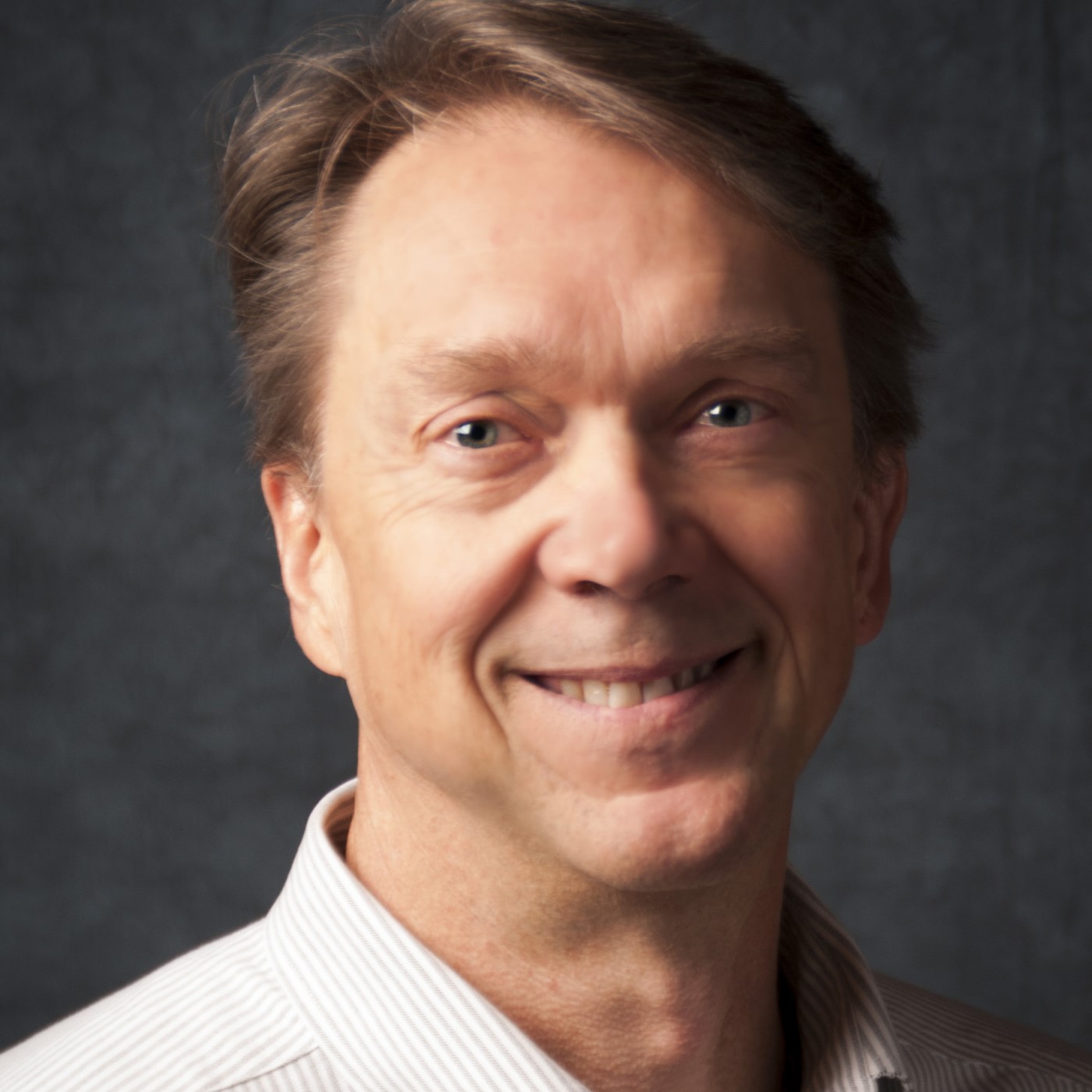
Ep 71Emerging Adults and Mental Health Issues
Even before the stress and isolation of pandemic life, troubling mental health trends started to surface among America's young people. Of all age sectors, emerging adults (ages 15-23) are experiencing the biggest upsurge in symptoms of depression and anxiety. What's going on? How can parents best help? Listen in as host William C. Moyers talks with psychologist Tim Portinga, PsyD, about the influence of peers, technology, school and substance use—and the importance of face-to-face family time.
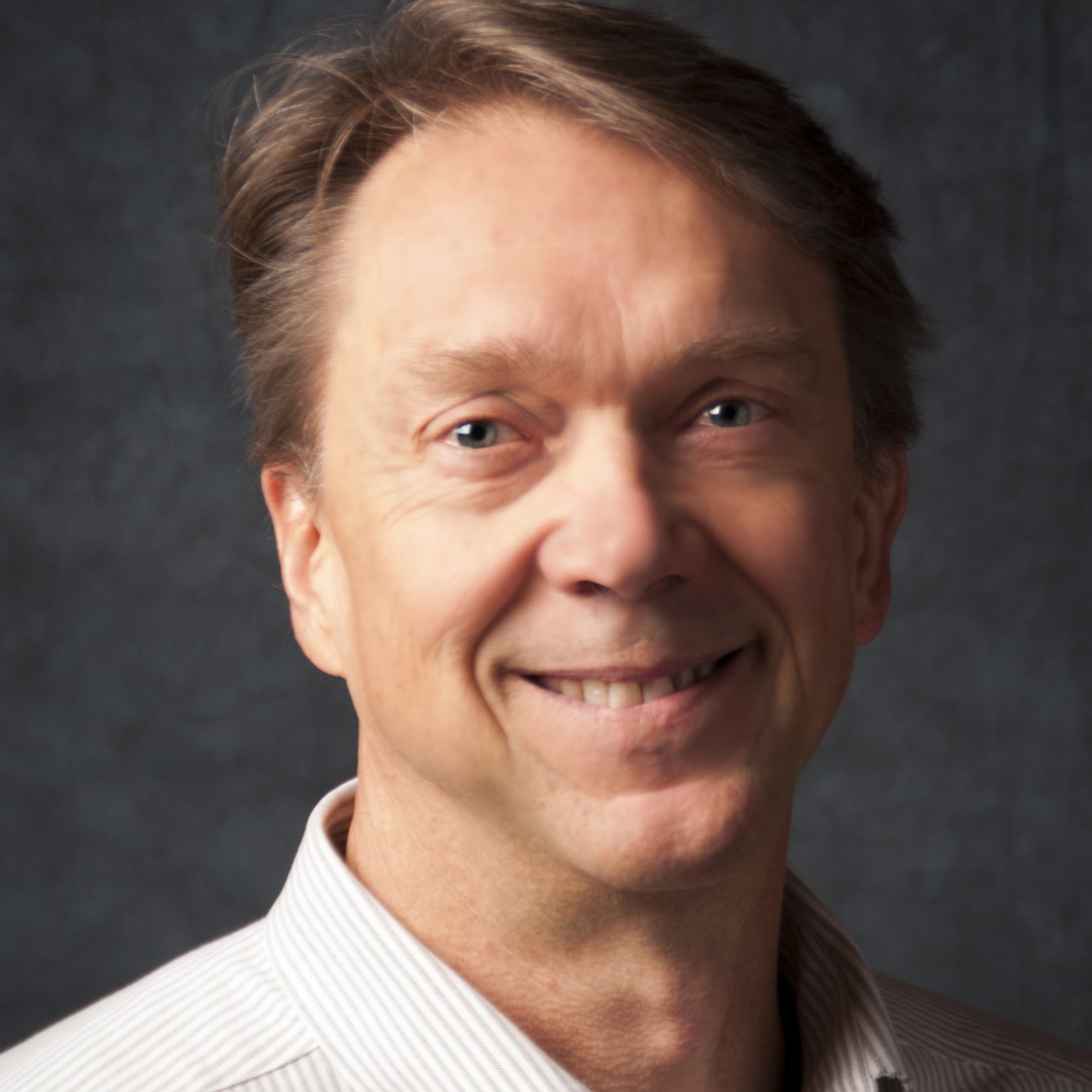
Ep 70What If Your Teen's in Trouble with Drugs?
Where have you been? What were you doing? Who were you with? Even though these questions come from a place of love and concern, parents who suspect their teen is drinking or using drugs could actually push their child further away with this approach. Listen in as host William C. Moyers talks with psychologist Tim Portinga, PsyD, about adolescence, substance use and family issues. The good news? Addiction treatment works for young people, and with time and effort, families can rebuild trust.

Ep 69Together, We Will Overcome Addiction
In championing transformational growth, innovation and collaboration, Mark G. Mishek has positioned the Hazelden Betty Ford Foundation like no other organization in the world to effectively address the complex challenges of addiction at every turn. Listen in as host William C. Moyers talks with the widely admired president and CEO about parity, partnerships and public awareness—progress that translates into exponentially more patients, families and communities finding freedom from addiction.
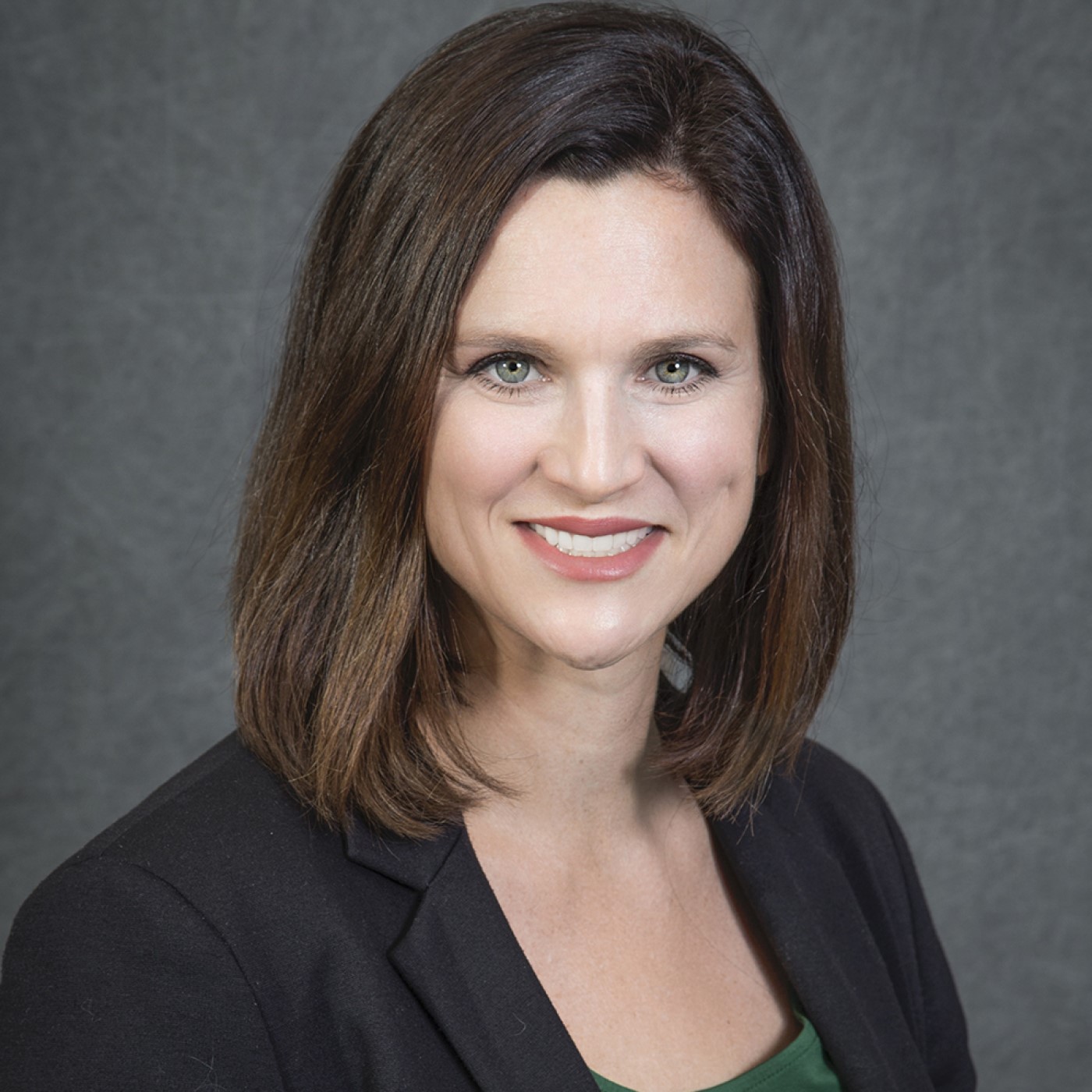
Ep 68Recovery Parity: From Coverage to Integration
After a decades-long struggle, federal legislation now deems addiction treatment an essential health care benefit, mandating insurance coverage on par with other medical conditions. So why do advocates view this as only a first step toward achieving recovery parity? Listen in as host William C. Moyers talks with attorney Emily Piper about the biggest challenges and opportunities involved in efforts to fully integrate addiction treatment and recovery support within all aspects of health care.

Ep 67How's Your Mental Health? Self-Care and Support Resources
"How are you?" has never been such a loaded question. From the COVID-19 pandemic to civic and racial strife to the economic downturn, everyone's on stress-overload. Listen in as host William C. Moyers talks with clinician Princess Drake, PsyD, about practical mental health self-care strategies and helpful professional resources. The takeaway? Pay attention to your mental health needs and reach out if you're struggling: "It's okay to not be okay," says Drake. "Even therapists need therapists."

Ep 66Why Virtual Rehab Is Here to Stay
While the COVID-19 pandemic accelerated the expansion of telehealth treatment services, experts predict continual advances and growth in virtual care for substance use disorders. Listen in as host William C. Moyers talks with clinician Jennifer Nelson, who has been instrumental in Hazelden Betty Ford's rapid escalation of telehealth care. Nelson outlines technical, clinical and logistical measures involved in ensuring patient engagement, safety and confidentiality in the virtual care setting.

Ep 65A Tour of the Betty Ford Center with Susan Ford Bales
Sharing poignant memories and historical context at every turn, Susan Ford Bales guides you on this singular walking tour of the Betty Ford Center in Rancho Mirage, California. The daughter of first lady Betty Ford offers a behind-the-scenes look at the heralded addiction treatment center her mother co-founded in 1982. Listen in as she leads host William C. Moyers along the Center's brick-lined path honoring patients and goes on to point out important milestones of Betty Ford's lifesaving work.
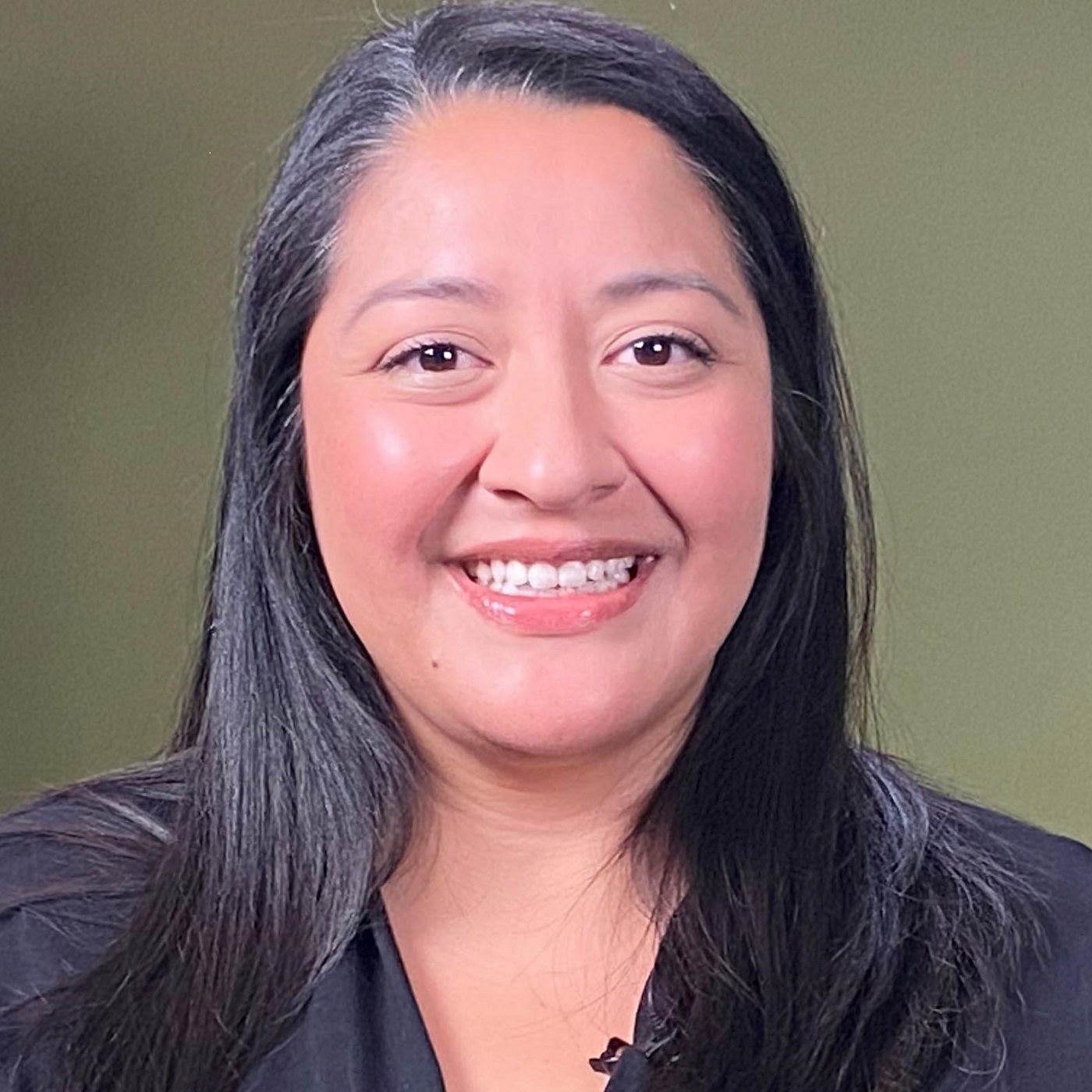
Ep 64How a Car Accident Sent Her to Prison--and Saved Her Life
Blackout drunk and behind the wheel, Jessica H. caused an accident that sent her first to the hospital and then to a jail holding cell. As a social worker, Jessica knew her drinking was problematic, but she didn't see herself as "an alcoholic"—until, locked up and awaiting release on bail, the truth became inescapable. Listen in as Jessica tells host William C. Moyers why "everything is better" in recovery, so much so that she now devotes her life to helping others find freedom from addiction.

Ep 63Telehealth: Making Treatment a Virtual Reality for More People
Accelerated in part by the COVID-19 pandemic, online addiction treatment and recovery services have rapidly become more widely available. But how effective is virtual addiction care? Are patients showing up and staying connected? Are counselors seeing outcomes comparable to in-person care? Are health insurers covering online programs? Yes, yes and yes. Learn more as host William C. Moyers talks with Hazelden Betty Ford's Bob Poznanovich about promising new telehealth solutions for addiction.

Ep 62Precautionary Measures: Providing Addiction Treatment Amid COVID-19
In the first chaotic days of the coronavirus pandemic, addiction treatment providers found themselves contending simultaneously with two potentially fatal illnesses: substance use disorders and COVID-19. Listen in as host William C. Moyers talks with Vic Vines, MD, a regional medical director at Hazelden Betty Ford, about pivots and precautionary measures taken to ensure patient and staff safety—and to keep the doors to lifesaving treatment open amid the pandemic.

Ep 61Healing from Trauma and Addiction: A Conversation with "Blackout Girl"
At age 12, Jennifer Storm was raped after drinking beer and passing out. Alcohol and drugs then became Storm's escape route from feelings of fear, shame and anger over the assault. She got sober at age 22 but recovery from sexual violence would be a longer haul. Storm's best-selling memoir, Blackout Girl, serves as a survivor's guide to healing from addiction and trauma. Listen in as she talks with host William C. Moyers about her recovery and how trauma-informed care can help other survivors.

Ep 60Is It Addiction? Questions to Ask Yourself
Known medically as "substance use disorder," addiction is a complex, chronic disease marked by compulsive alcohol/drug use that leads to actual changes in the brain. In other words, addiction involves more than the misuse of alcohol or other drugs. Listen in as host William C. Moyers talks with clinician Christopher Yadron about telltale signs of disease progression—physical, behavioral, social and spiritual indicators. His most important takeaway? Addiction is treatable and help is available.

Ep 59Betty Ford's Healing Legacy: A Conversation with Susan Ford Bales
Former First Lady Betty Ford put a stunning new face on recovery in 1978 when she openly sought treatment for addiction. Four years later, she cofounded the Betty Ford Center to help other women, men and families find recovery. Daughter Susan Ford Bales tells host William C. Moyers about Betty Ford's healing work and advocacy—from providing top-quality patient care to establishing innovative services for children affected by addiction to educating medical students about substance use disorders.

Ep 58Addiction Treatment: Evolving Care and Closing the Access Gap
Far too many people who have addiction aren't getting the care they need and deserve. But advances in virtual services, outpatient care, targeted medicines and health care partnerships offer new paths forward in addiction treatment delivery and access. Listen in as host William C. Moyers talks with Mark Mishek, president of the Hazelden Betty Ford Foundation. Learn about telehealth solutions, clinical innovation counselor education and other efforts underway to reach and help more people.

Ep 57A Nurse's Healing Story: Admitting Her Truth about Addiction
Nina O. knew all about addiction. As a child, she grew up in a family hurt by substance use. As a nurse, she recognized addiction as a chronic disease. And yet Nina thought she was somehow immune, even as she diverted narcotics from work to sustain her drug dependence. Listen in as Nina tells host William C. Moyers how shame and stigma kept her from admitting her truth and seeking help—and why other health care workers need to know treatment works and recovery is within reach.

Ep 56Help for Children in Families with Addiction
When a parent is in active addiction—no matter how they might try to hide the situation—a child can sense that something's wrong. Why is Mom sleeping all the time? Where has Dad gone? Without answers, kids tend to blame themselves for whatever's going on at home, says children's counselor Cynthia Galaviz-Olivas. Listen in as she talks with host William C. Moyers about self-care skills she teaches children who grow up with addiction in the family. Hint: Kids need to let out their feelings.

Ep 55New Frontiers in Addiction Medicine: Genetic Research and Biomarkers
What if a simple blood test indicated the most-effective treatment medication for individuals with alcohol or opioid addiction? "Biomarker" research underway by Mayo Clinic and Hazelden Betty Ford aims to provide that very insight. Listen in as host William C. Moyers talks with addiction psychiatrist Marvin D. Seppala, MD, about how these scientific investigations at the genetic and cellular level will inform precision treatment for patients and lead to development of new addiction medications.