
Latino USA
693 episodes — Page 8 of 14

The Migrant Student Club
Over 300,000 students in the U.S. migrate every year to work in agriculture, from spring to fall. At a high school in South Texas, when these students return, they gather at the Migrant Student Club to discuss their experiences and get support from a migrant student counselor. At a special gathering of the club we met Reyes, who started picking asparagus in Michigan to help support his family when he was 9 years old. And over the course of his last semester of school, we follow him as he works to graduate, financially support his family, and deal with an unexpected twist: the pandemic. This episode originally aired in 2020.See omnystudio.com/listener for privacy information.

Mariana Enríquez On Using Horror to Process Historical Trauma
Mariana Enríquez is one of the best-known writers of a growing literary trend in Latin America that uses the horror genre to denounce the violent realities of the region—past and present. Mariana was born in Buenos Aires in 1973, just a few years before a military junta took over the democratic government in Argentina, and grew up in a country under a brutal dictatorship. She retreated to books and writing to process that historical trauma. In this episode, Mariana shares how her connection with horror started, how she uses the genre to speak of her reality, and she reads from her latest novel Our Share of Night.See omnystudio.com/listener for privacy information.

Portrait Of: Linda Ronstadt
We continue to celebrate our 30th anniversary, bringing you the voices of some of the most influential Latinos and Latinas in the last three decades. In this episode, we catch up with music legend Linda Ronstadt, known as the “First Lady of Rock.” We talk to her about her memories growing up in Tucson, Arizona, and her decision to return to the traditional Mexican music of her childhood. Linda brings us into her life after retiring from music, and her memoir “Feels Like Home: A Song for the Sonoran Borderlands,” which reckons with her family history.See omnystudio.com/listener for privacy information.
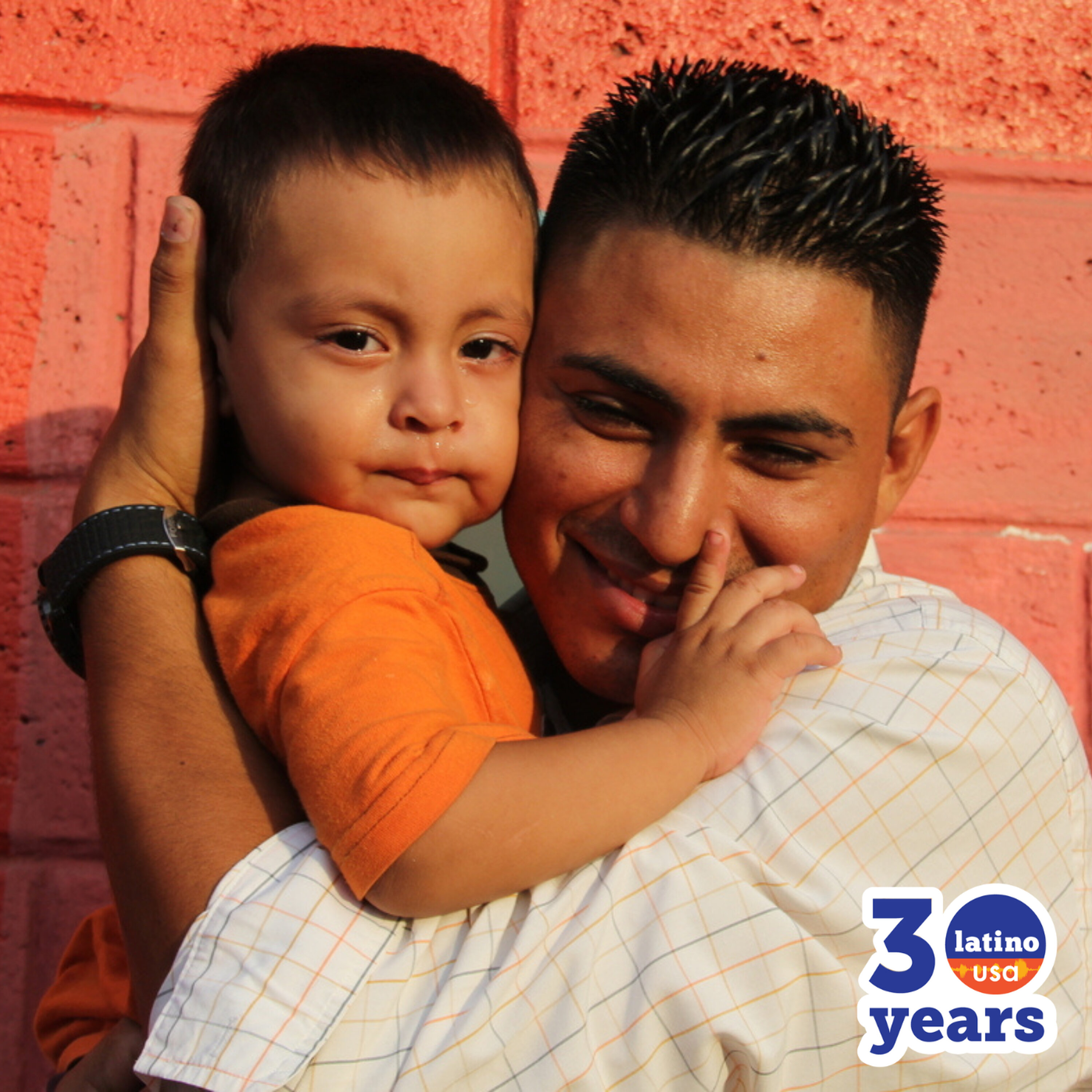
Gangs, Murder, and Migration in Honduras
We start today’s episode at El Edén—the center in San Pedro Sula, Honduras, where child migrants are processed after being deported from Mexico and elsewhere. Then, before diving into the reasons why Hondurans leave for Mexico and the United States, Maria Hinojosa and Latino USA producer Marlon Bishop talk about some of the history of Honduras. This story was produced in association with Round Earth Media. German Andino, in Honduras, co-reported this story with Marlon. This Peabody award-winning episode originally aired in 2014.See omnystudio.com/listener for privacy information.
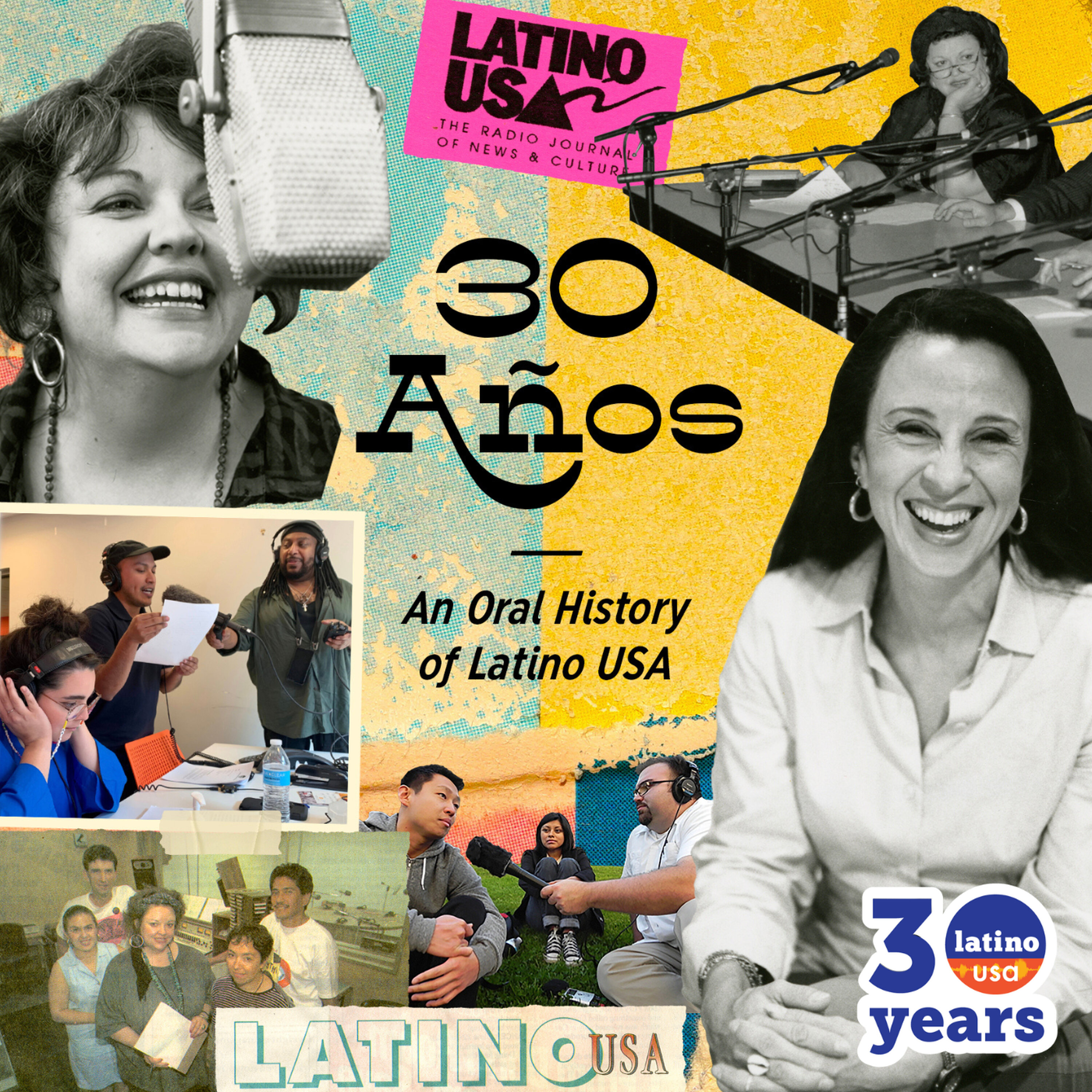
30 Años: An Oral History of Latino USA
On May 5th, 1993, the first episode of Latino USA aired on more than 50 public radio stations across the U.S. Thirty years later, we look back at the creation of Latino USA, the struggle to showcase Latino voices in public media, and the show’s transformations throughout a changing political landscape in the country. In this oral history of our show, three former Latino USA staff join Maria Hinojosa and go behind the scenes to reflect on what it took to keep Latino USA going over three decades. Press play, and join us as we celebrate 30 Years of Latino USA! #LatinoUSA30 #LUSA30See omnystudio.com/listener for privacy information.
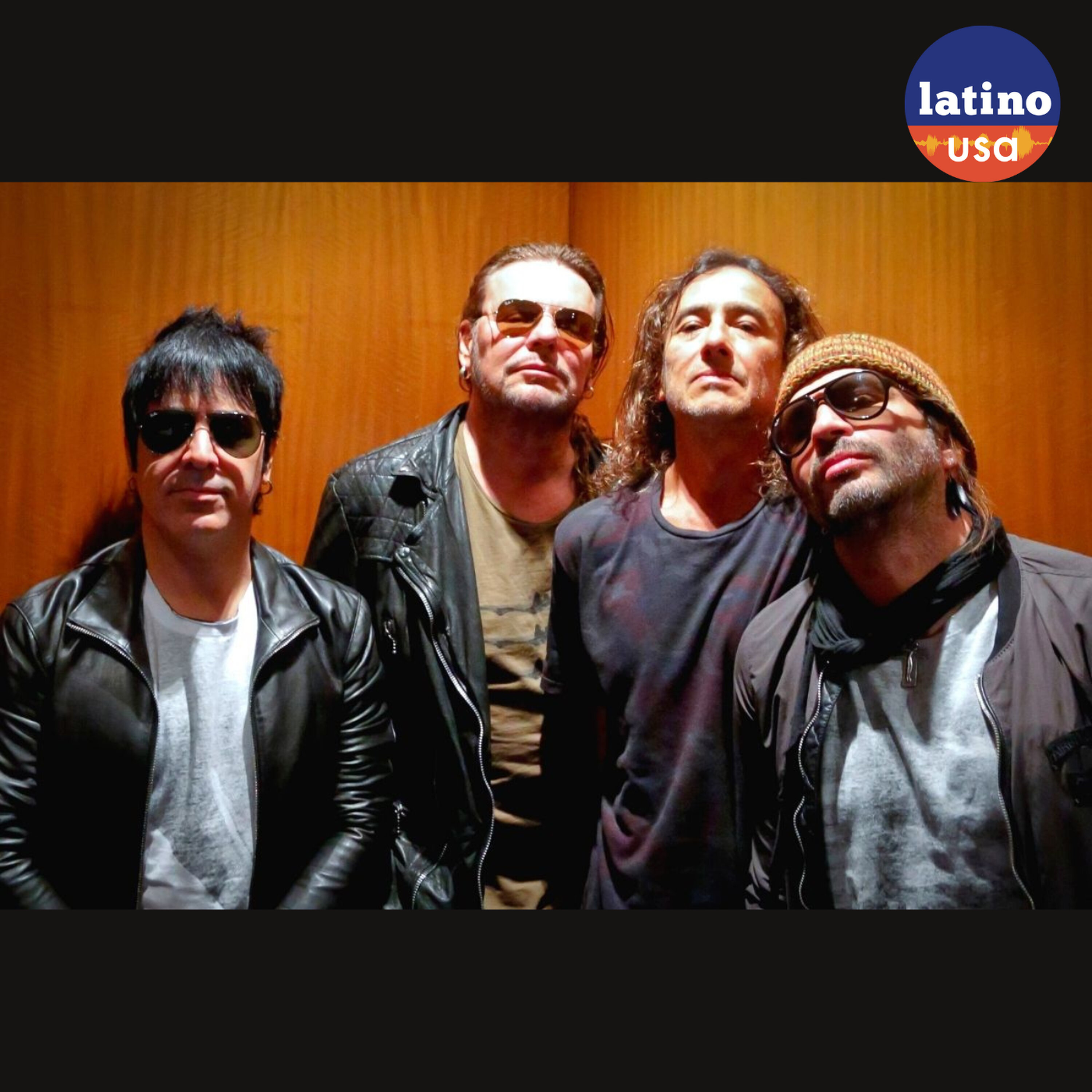
How I Made It: Maná
The rock en español group, Maná, is one of the most successful Spanish-language rock bands of this generation. They've sold over 40 million records worldwide, and this year their "Rayando El Sol" tour broke records previously held by the Eagles and Kanye West, when they played seven sold-out shows at the Forum in Los Angeles. But the band didn’t start out playing stadiums—it all began when one member started an English-speaking band three decades ago in Guadalajara, Mexico. Latino USA sits down with drummer Alex Gonzalez, who tells us how they got their start and became Maná. This episode originally aired in December 2019.See omnystudio.com/listener for privacy information.
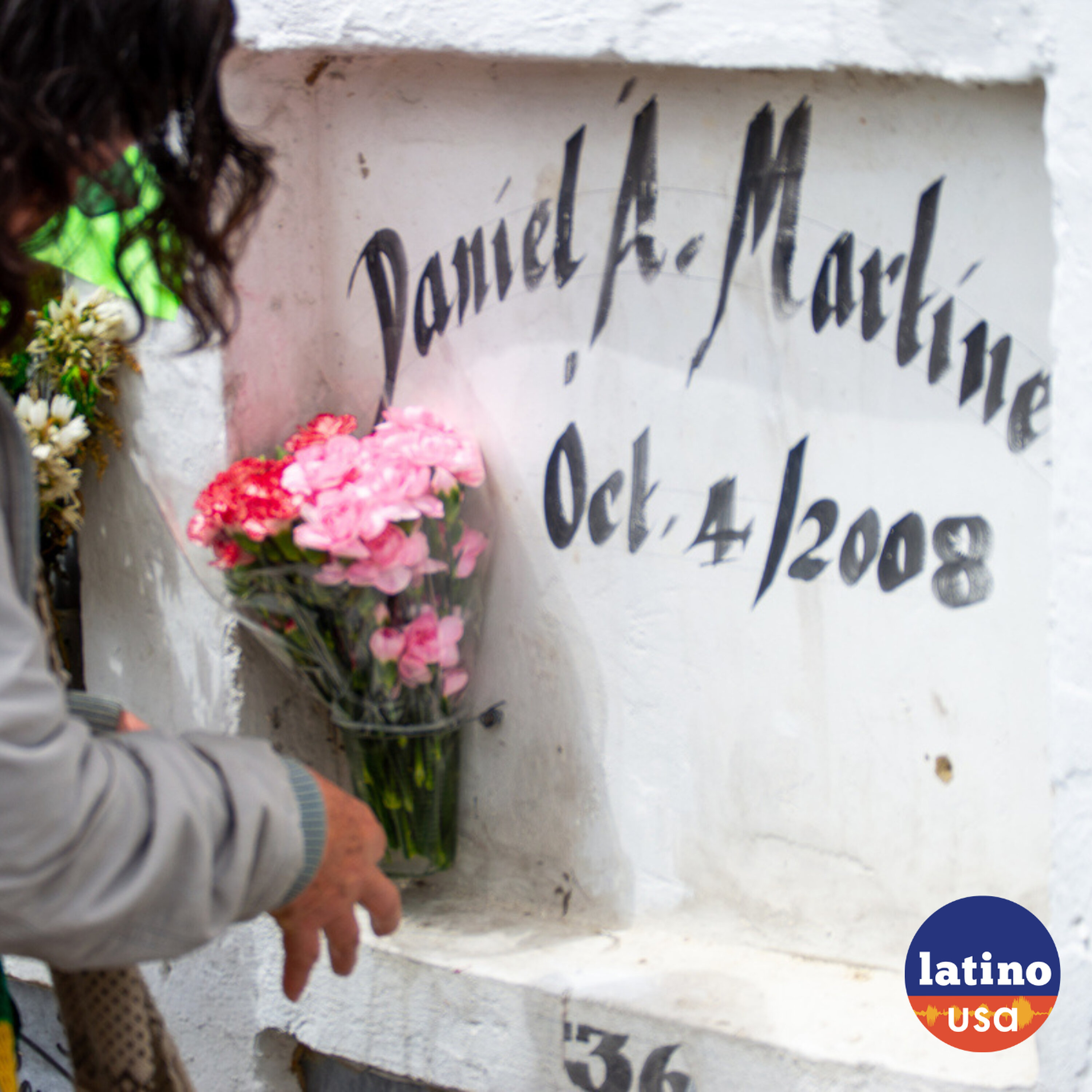
Colombia's Secret War Against Civilians
Years ago, Gloria Martinez’s son went out to look for a job and never came back. Gloria would spend months searching for him, and she wasn’t alone—many others, mostly young men from rural and poor urban areas, also mysteriously disappeared. In 2008, the “false-positives” scandal broke—and revealed that the Colombian military had been systematically killing innocent civilians as part of a body-count policy they adopted in the conflict against the FARC, a leftist guerilla group. But over a decade after the scandal was exposed, relatives of the victims continue to seek justice. This episode originally aired in December 2019.See omnystudio.com/listener for privacy information.
Motive
This week Latino USA brings you an episode of the Motive podcast, from WBEZ Chicago. Chicago gangs: Real people. Real stories. A way forward. The new season of Motive explores violence on the streets of Chicago and the former gang members working to stop it. You can subscribe to the Motive podcast here.See omnystudio.com/listener for privacy information.
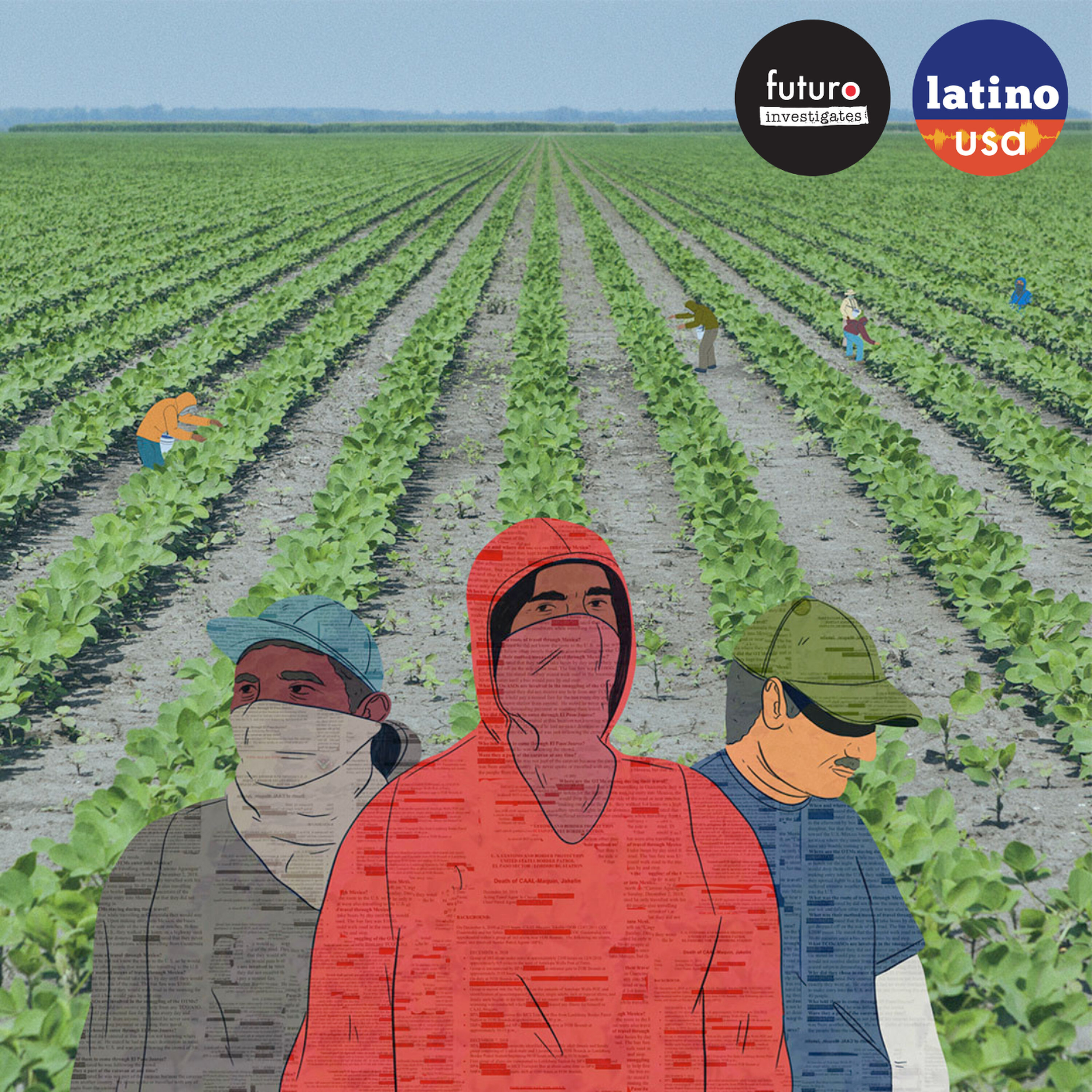
Head Down: Part II
At the Summit of the Americas in Los Angeles last year, President Joe Biden outlined his plan to reduce the number of migrants seeking asylum at the Southern border. His administration, Biden said, would help “American farmers bring in seasonal agricultural workers from Northern Central American countries under the H-2A visa program.” What does that mean for a program that’s already plagued with wage theft and abuse? In the last installment of our two-part investigative series “Head Down,” we shift the focus to look at the systems put in place by the U.S. government and why they’re constantly failing foreign agricultural workers in the H-2A visa program. As a result, we uncover millions of dollars in stolen wages that, instead of being returned to the workers, end up in the coffers of a U.S. government agency.See omnystudio.com/listener for privacy information.

The Pulso Podcast
This week Latino USA brings you an episode of The Pulso Podcast. Texas 1951. Farmworker Pete Hernandez walks into a bar with a rifle and shoots another man. He is taken to court for murder, but when the state refuses to allow any Latinos on the jury, a rebellious team of Hispanic lawyers signs up for a wild ride that will take them all the way to the Supreme Court, and change the definition of what it means to be Hispanic in the U.S. This episode was Produced & Written by Charlie Garcia, it was edited by Liz Alarcon. Original music by Julian Blackmore. Audio Engineering & Mixing by Julian Blackmore and Charlie Garcia. Special thanks to LULAC historian David Contreras. You can subscribe to The Pulso Podcast here.See omnystudio.com/listener for privacy information.
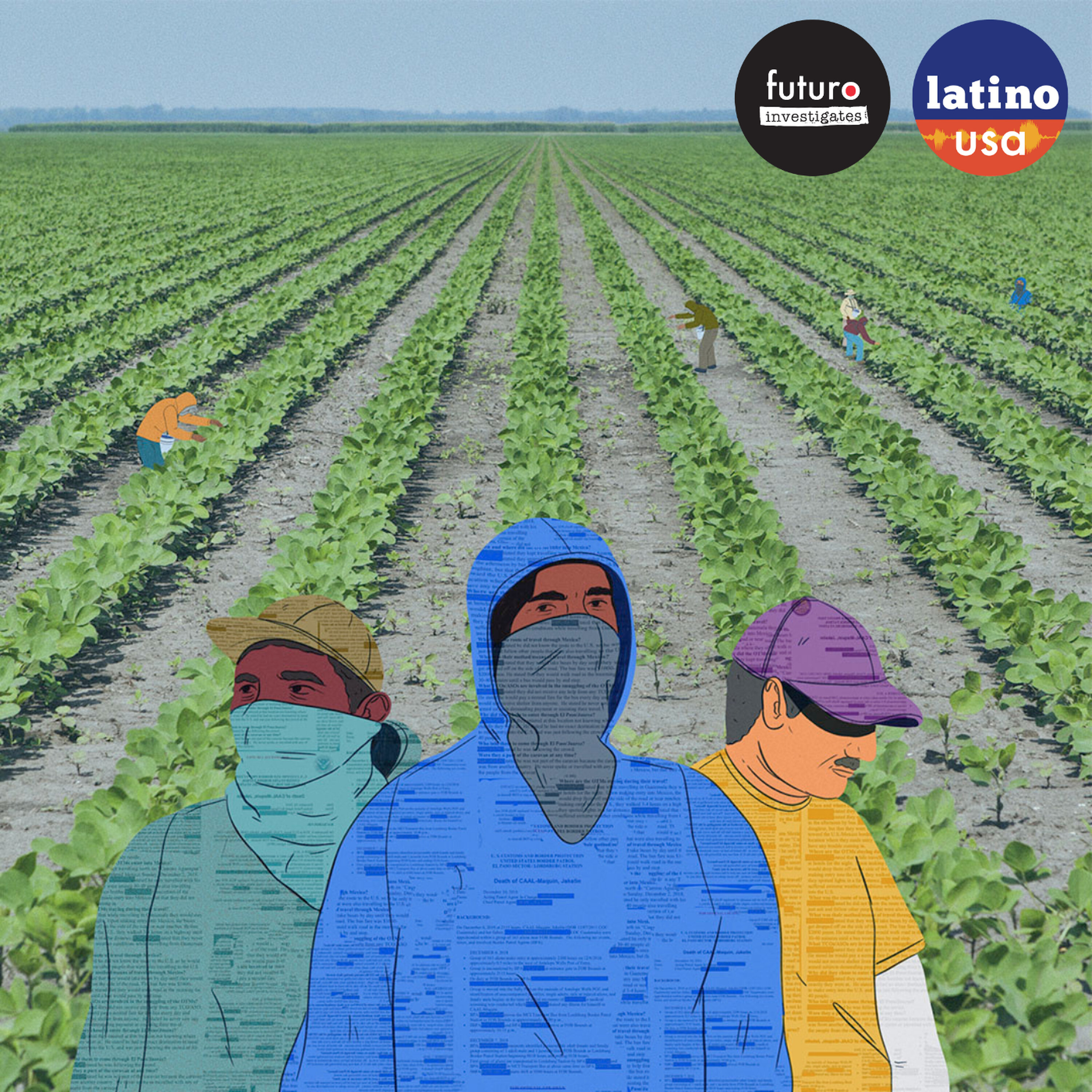
Head Down - Part 1
In 2018, Diego and Mario joined the U.S. government-sponsored H-2A visa program, leaving their families in their home country of Mexico to harvest blueberries at a farm in North Carolina for six months. They had no idea they were about to become victims of human trafficking and that their lives would be derailed forever. In the first episode of two-part special “Head Down,” we go deep into how a visa program that brings more than 300,000 foreign agricultural workers to the U.S. every year is plagued with abuse and wage theft. All of this while the U.S. government plans to expand it.See omnystudio.com/listener for privacy information.
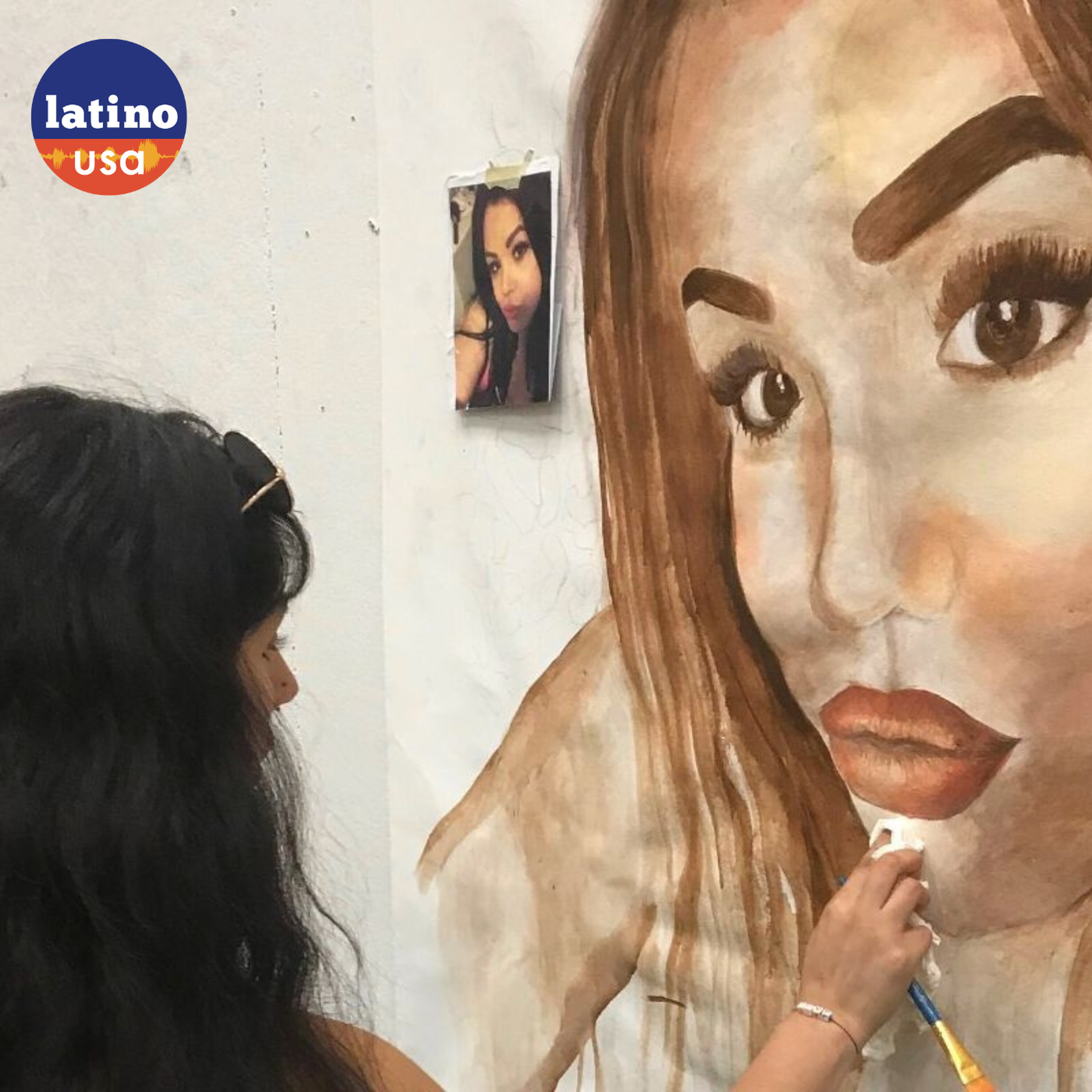
Kate's Summer
The summer of 2020 was filled with uncertainty as more than 20 million people in the U.S. were left unemployed — including Kate Bustamante’s parents. Bustamante is a 20-year-old student at Santa Ana College in Santa Ana, California. She’s always worked part-time and attended school as long as she can remember. But this summer was different. Overnight, Bustamante dropped out of classes and became her family’s breadwinner. In this personal piece Bustamante, through diary recordings and personal reflections, takes us into her world and what she went through over the summer. The episode originally aired in November 2020.See omnystudio.com/listener for privacy information.

Portrait Of: Gloria Estefan
Gloria Maria Milagrosa Fajardo Garcia was a shy, quiet young woman who joined a band named the Miami Latin Boys. Although she had no plans of international fame, and intended to continue her studies, life had different plans for her. The Miami Latin Boys became The Miami Sound Machine, Emilio and Gloria married, and the newlywed, Gloria Estefan began to take over the spotlight. The rest, is music history. In this portrait of: Gloria Estefan, Latino USA sits down with the icon to discuss her life, her relationships, how she overcame trauma, and how she manages to be excited about everything she does, after so many years. This episode originally aired in November 2020.See omnystudio.com/listener for privacy information.
Party Crews: The Untold Story
This week on Latino USA we’re bringing you an episode from the newly released podcast series Party Crews: The Untold Story. For many Latinx kids in the ‘00s, the party crew scene was a safe space to express themselves as they came of age in the grit and glitter of Los Angeles. A space to make friends, forget about your problems, and dance the night away. But the scene wasn’t always physically safe. There were shootings and police raids. Many adults saw the scene as gang-adjacent and the media-fueled negative stereotypes of kids who were out of control. One of the teens who got caught in that easy narrative was Emmery Muñoz, after she was murdered in 2006. Host Janice Llamoca goes on a Y2K-filled journey back in time to her own party crew days to find out what this scene meant for teens like her and Emmery, and why – to this day – Emmery’s case remains unsolved. From IHeart, VICE, and LAist Studios as part of the My Cultura Podcast Network. You can subscribe to Party Crews: The Untold Story here.See omnystudio.com/listener for privacy information.
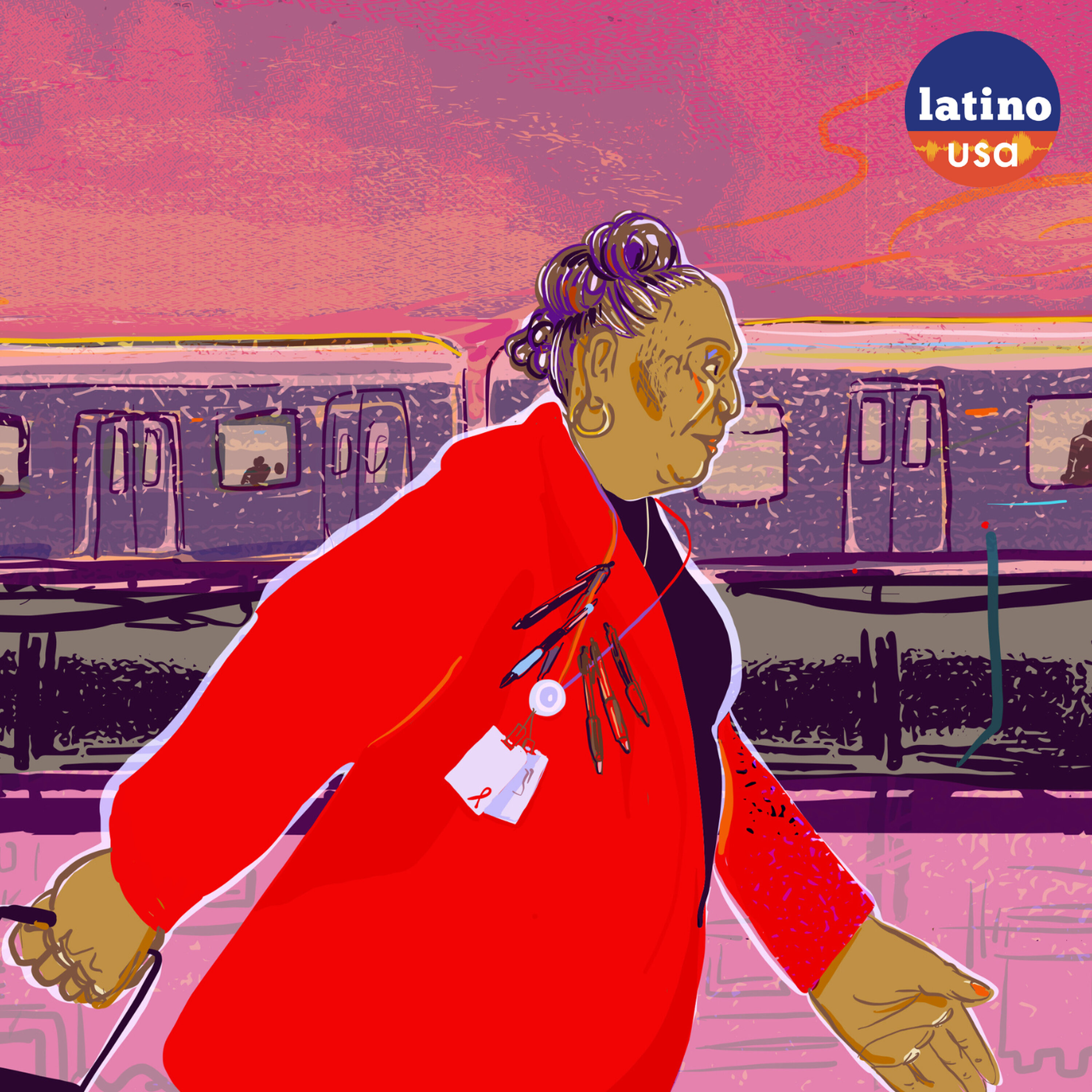
Lorena’s 'Alcance'
When pioneering trans activist Lorena Borjas first arrived in the U.S. in late May of 1981, she found both community and an epidemic. Through her experiences on Roosevelt Avenue in Queens, NY, Lorena developed a personal approach to connect trans Latinas and trans sex workers to critical medical and legal resources. Decades later, it would be another massive health crisis—COVID-19—that would take the life of this beloved community leader, putting into stark relief her vast legacy. Now, her closest friends paint an intergenerational portrait of Lorena, as a trailblazer, a mentor, and a mother. This award-winning episode originally aired in May 2021.See omnystudio.com/listener for privacy information.
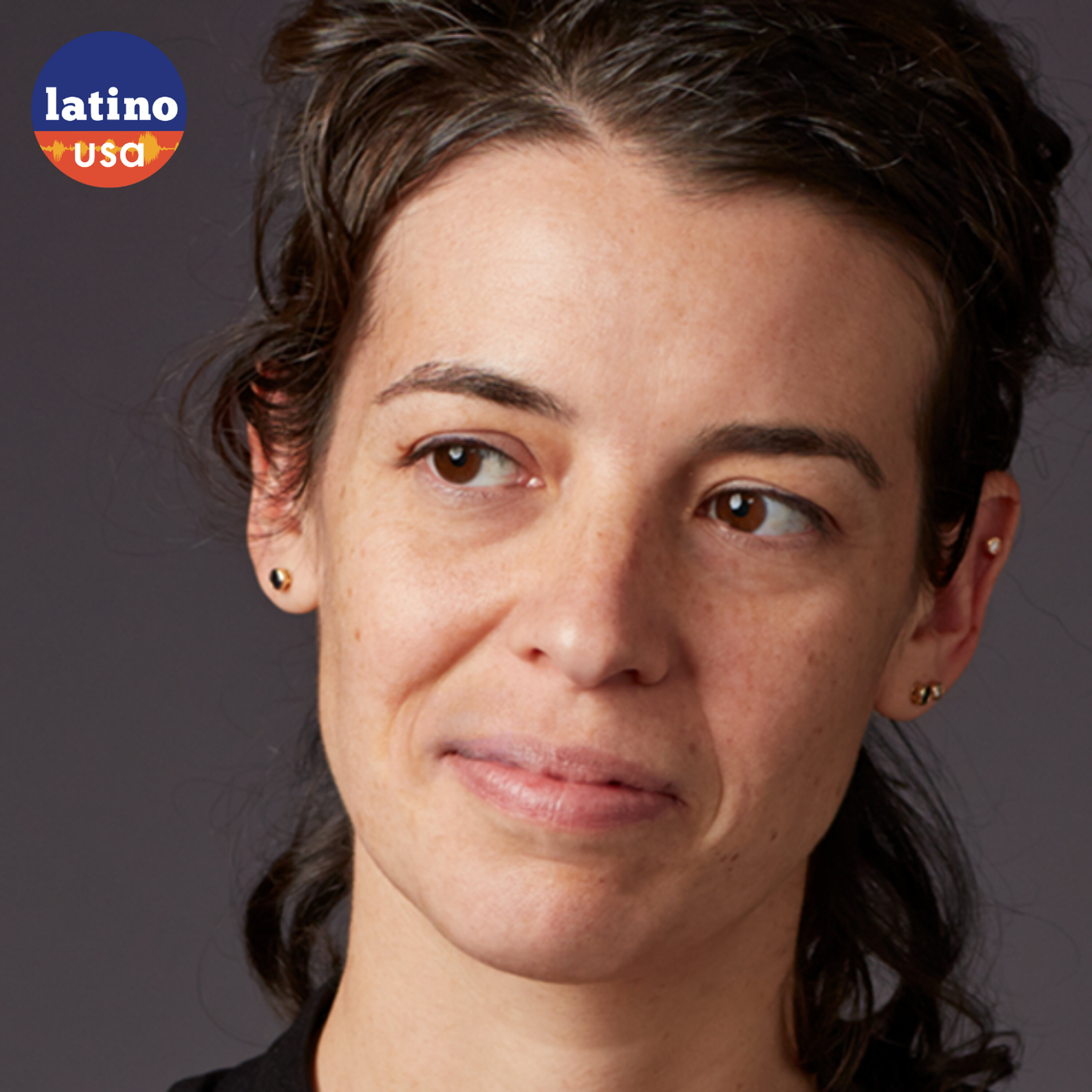
Quiara Alegria Hudes on Writing Through Grief and Joy
In 2018, Pulitzer Prize-winning playwright Quiara Alegria Hudes decided to take a break from the theater world. Tired of a white, male-dominated landscape, Quiara turned inward, leaning on her memories and stories of the women in her family. The result was Quiara’s first memoir: “My Broken Language.” In 2022, Quiara returned to the stage with the play adaptation of her memoir. On this episode of Latino USA, we talk to Quiara about her memoir, her play, and how grief and joy intertwine in the stories she is bringing to the stage.See omnystudio.com/listener for privacy information.
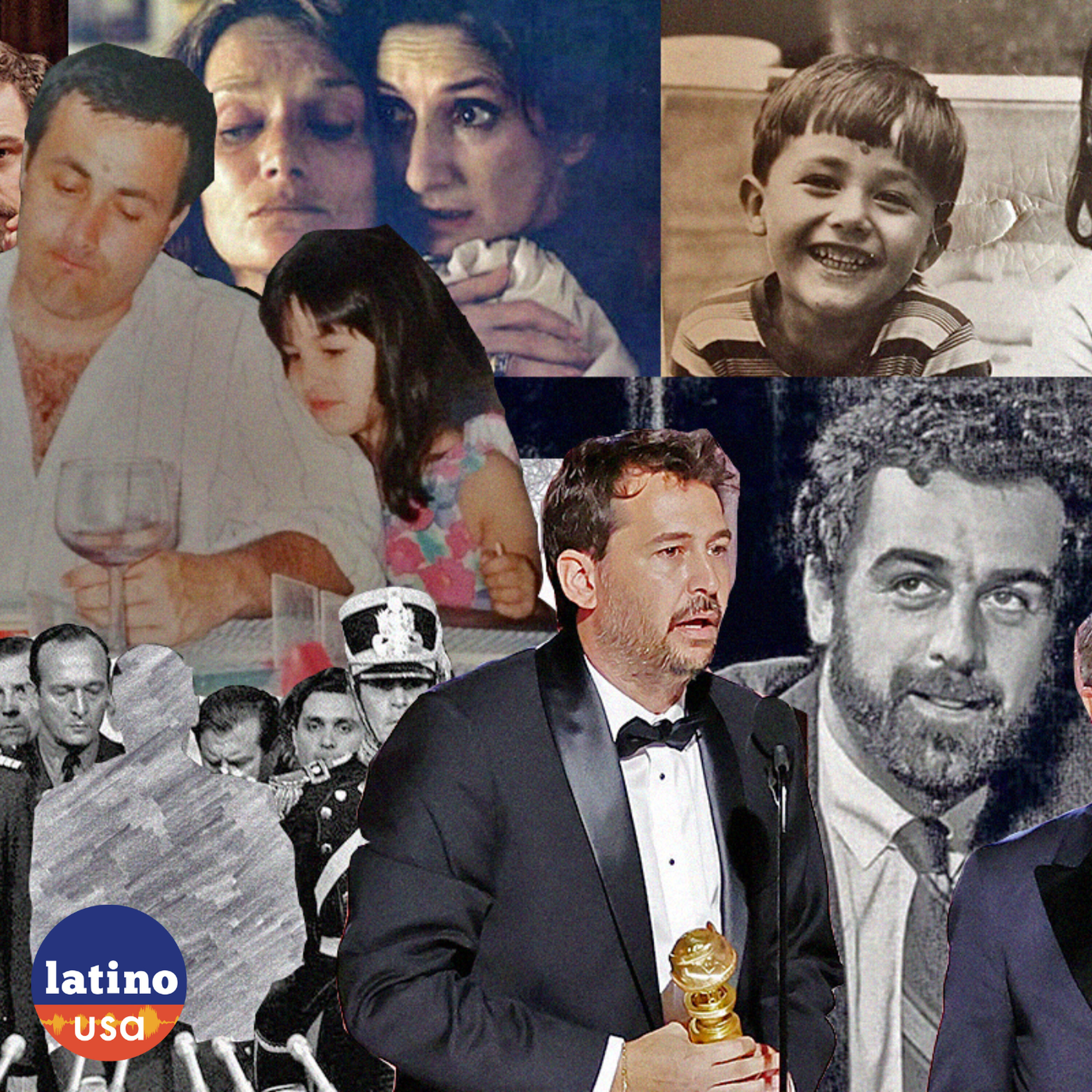
'Argentina, 1985': History and Memory
Antonia Cereijido interviews former prosecutor of the International Criminal Court Luis Moreno Ocampo about his real life experience, which inspired the Oscar- nominated film Argentina, 1985. They discuss the relevance of the film today given that democracy is under attack in many parts of the world and the role of movies in helping to process painful and unspoken histories, which for both Moreno Ocampo and Cereijido are deeply personal.See omnystudio.com/listener for privacy information.
State of Exception: An Abolitionist Poet Visits El Salvador
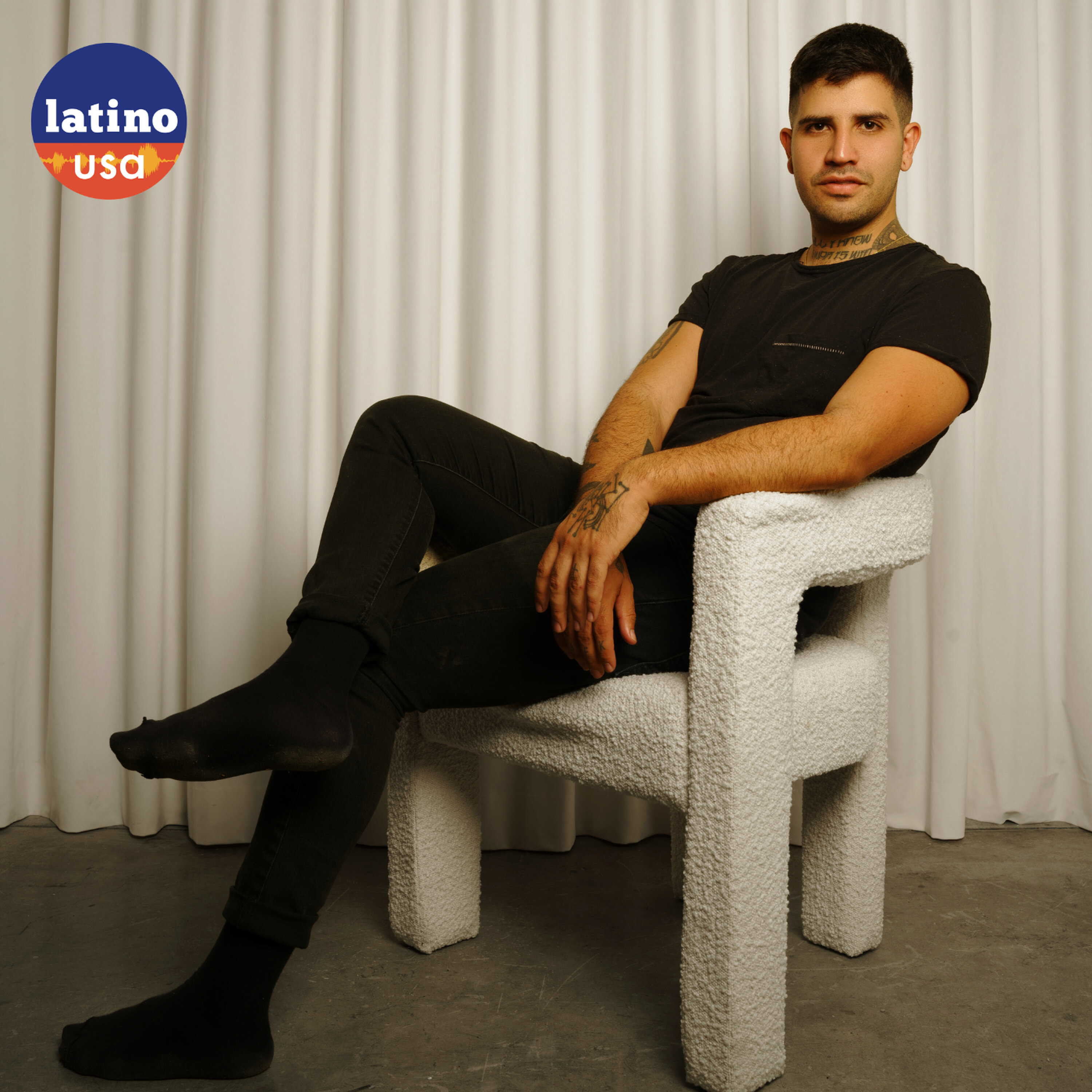
Christopher Soto is a Salvadoran-American poet, activist and prison abolitionist. He is based in Los Angeles, but has remained tied to his parent’s home country. Throughout his life, Christopher has taken many trips to El Salvador, but during his most recent visit to the Central American country in the summer of 2022, things were very different: the country’s president Nayib Bukele had declared a state of exception to address rising homicide rates attributed to criminal gangs. More than 65,000 people have been arrested since then, many of them arbitrarily. On this episode of Latino USA, Christopher Soto takes us to El Salvador during a state of exception and we hear about the deep connections between the United States and El Salvador’s carceral culture, as well as the importance of poetry within the prison abolitionist movement.See omnystudio.com/listener for privacy information.
Villano Antillano and Ana Macho Dream of Queer and Trans Futures
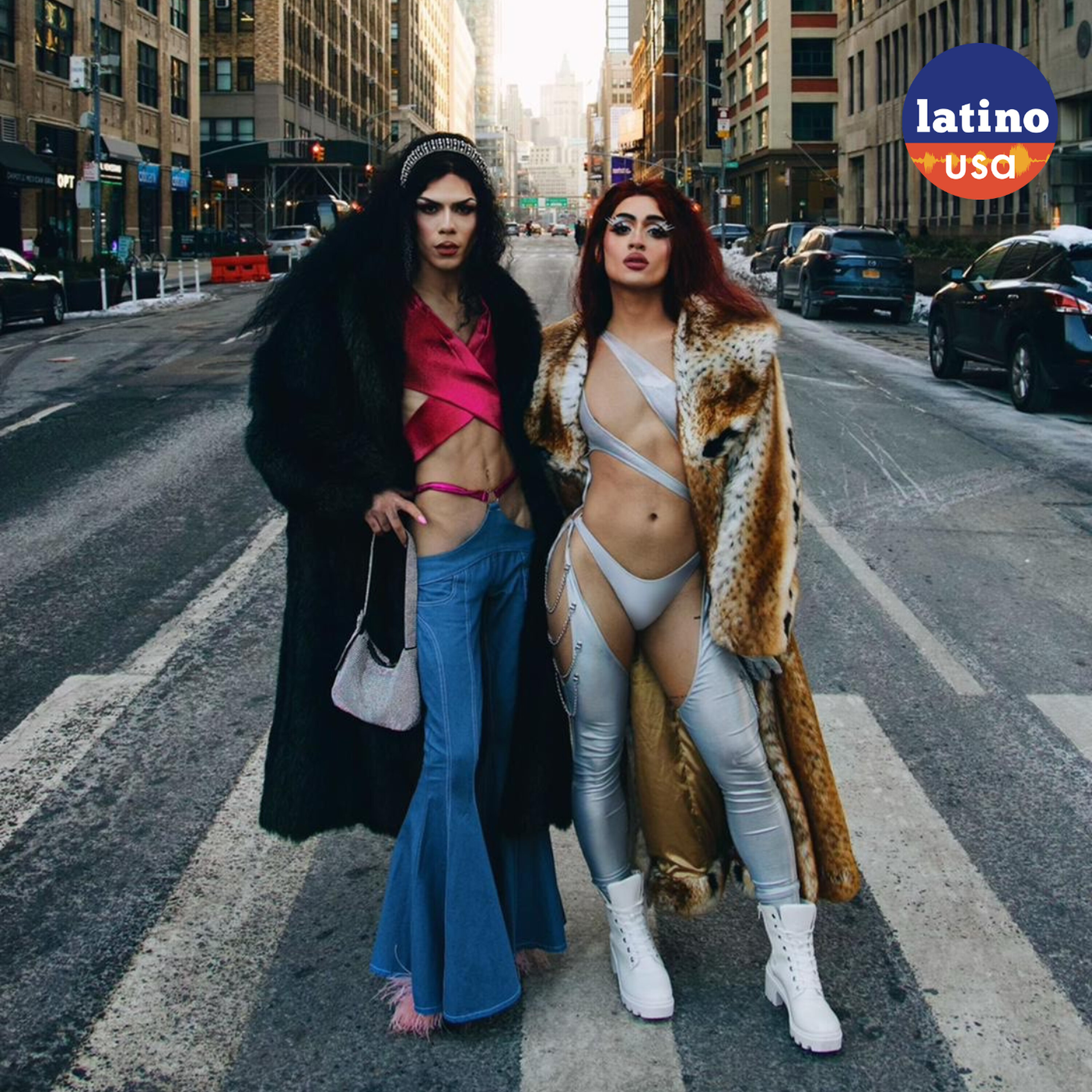
Villano Antillano and Ana Macho are two Puerto Rican trans and non-binary musicians making waves in the music industry. In their latest projects, Villano Antillano’s debut album “Sustancia X” and Ana Macho’s “Realismo Magico,” both artists use elements of magical realism and science fiction to dream of queer and trans empowerment. In this intimate conversation, we hear the two artists bring some humor into the difficult realities of navigating a transphobic industry, and we dive deep into the sonic worlds of their latest albums.See omnystudio.com/listener for privacy information.
An Unwinnable War
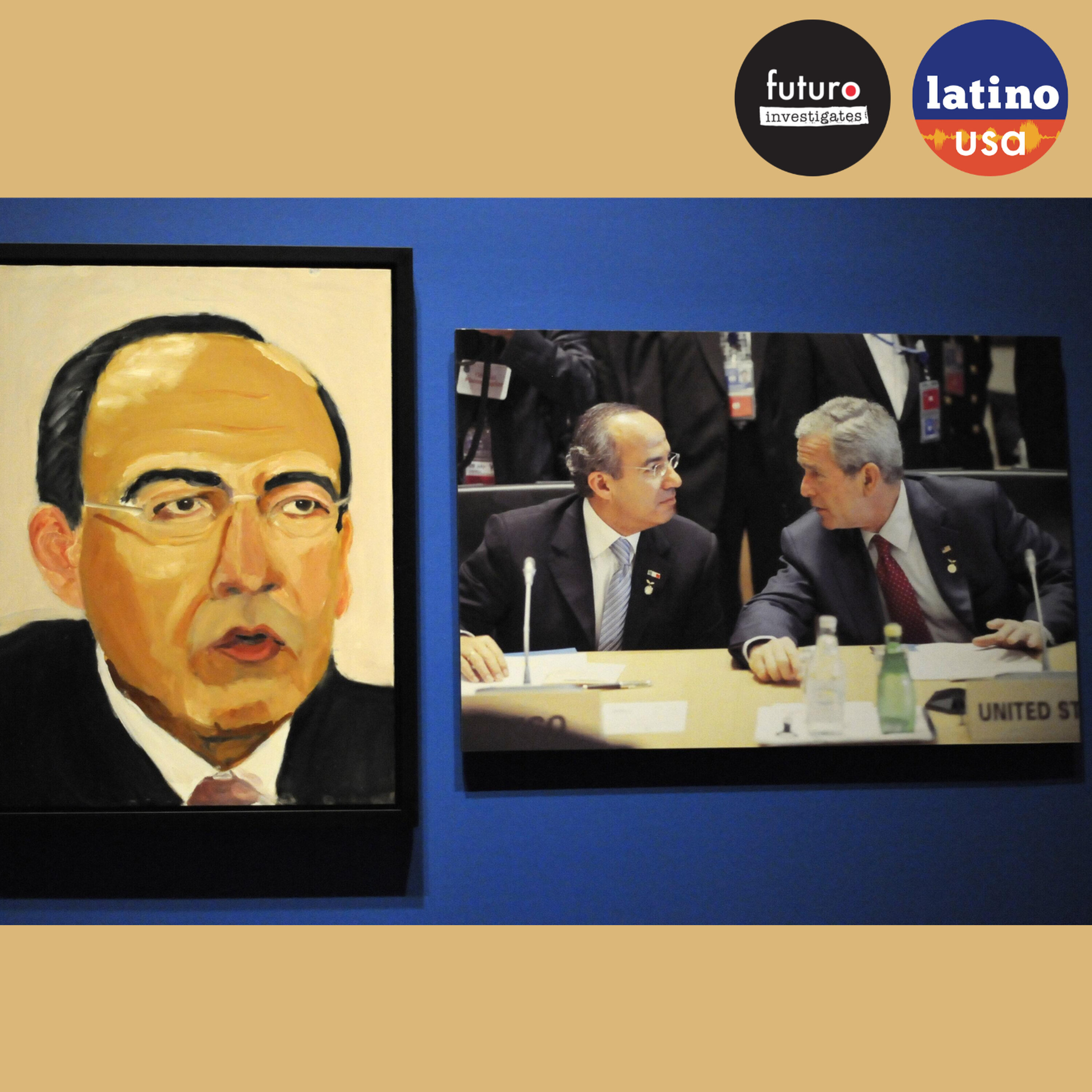
This week Latino USA shares an episode of the USA v. García Luna podcast, from Futuro Investigates and Lemonada Media. Genaro García Luna’s trial is over, but Maria and Peniley’s investigative work is not. In this episode, they learn that a U.S. senator has requested the DEA and the FBI information on García Luna, including the names of the U.S. officials who vetted him. We listen to some of our series’ protagonists react to the guilty verdict, and Peniley digs into what’s next for García Luna. Finally, our hosts reflect on why the war on drugs was always unwinnable, and they get into some chisme, going behind the scenes of this series. To hear more of USA v. García Luna, head to futuroinvestigates.org.See omnystudio.com/listener for privacy information.
'Suavemente' — The Merengue War
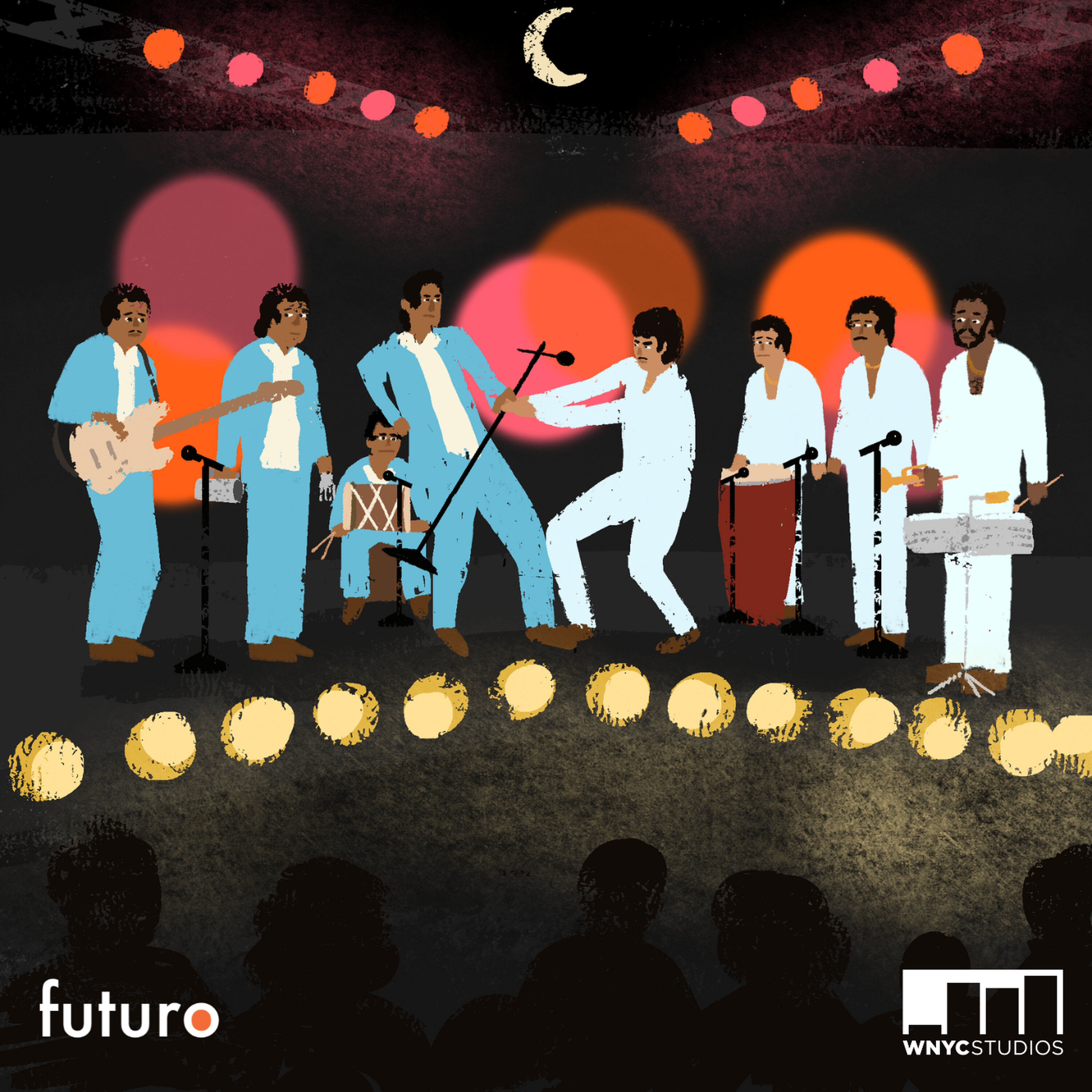
For this week’s Latino USA, we’re bringing you an episode from the newly released podcast series from WNYC Studios and Futuro Studios, La Brega, The Puerto Rican Experience in Eight Songs. By the end of the 1990s, merengue ruled supreme on the radio and TV in Puerto Rico, but the road to get there was long and complicated, coinciding with the growing Dominican population to the island and culminating in perhaps what was the pinnacle of its popularity and takeover in Puerto Rican music, at home and abroad: Elvis Crespo’s “Suavemente.” Journalist Ezequiel Rodríguez Andino shares the story of merengue’s ubiquity and how the shift from salsa to merengue brought to the surface serious class and racial tension that still remains today. You can subscribe to La Brega here.See omnystudio.com/listener for privacy information.
How I Made It: Ayodele Casel
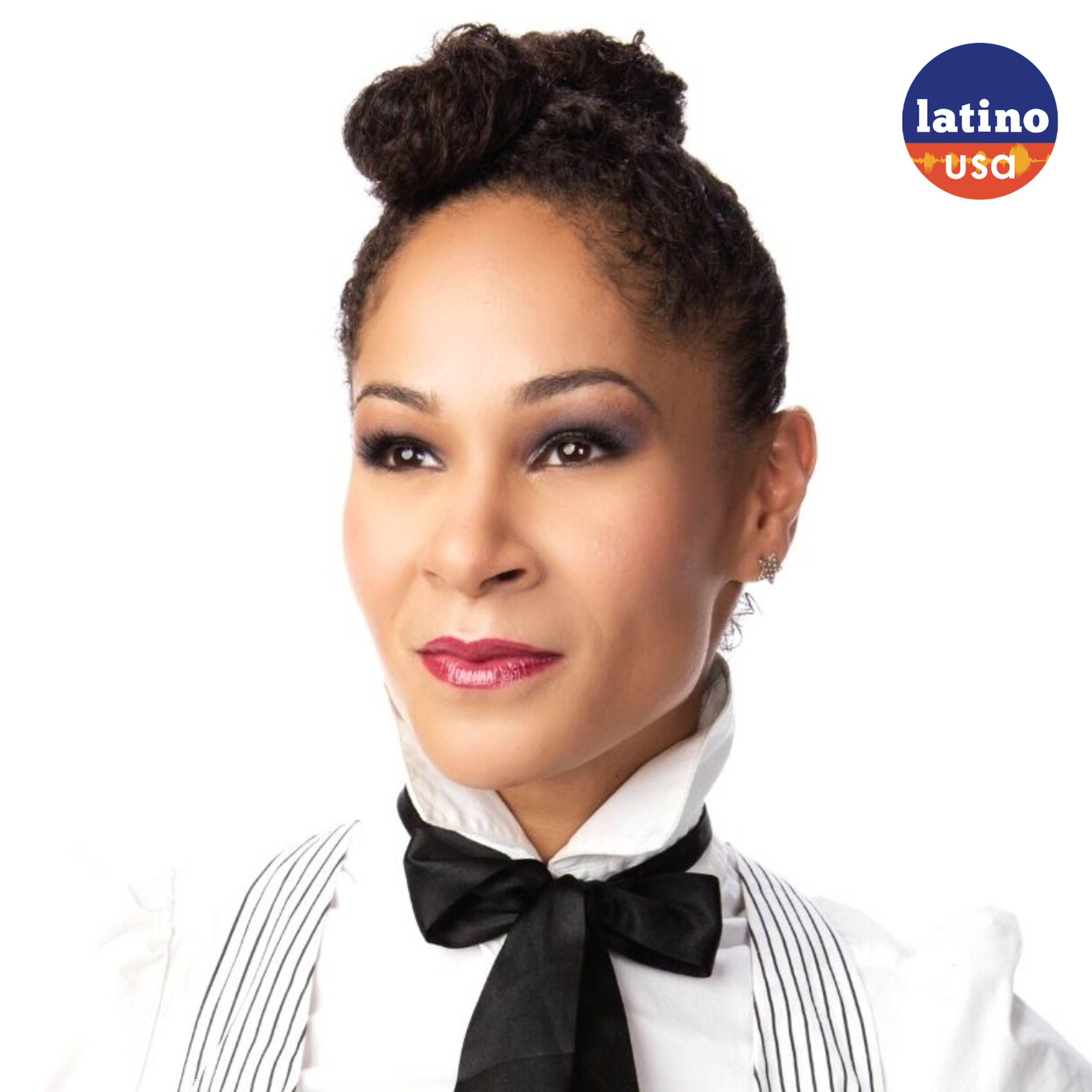
For Ayodele Casel tap dancing is magic. As a young high school student, she dreamed of one day dancing like Ginger Rogers as she recreated Ginger’s moves in her bedroom But it wasn’t until Ayodele Casel was a sophomore at the NYU Tisch School of the Arts that she took her first tap dancing class. That was her entry point into the art form which would eventually lead to a more than 20-year career as a professional tap dancer. As a Black and Puerto Rican woman, Ayodele Casel didn’t see herself reflected in the mainstream image of tap dancers because the form has been largely whitewashed through systematic racism. For that reason, she works tirelessly to remind her audiences that tap is deeply rooted in Black art and culture. In this episode of “How I Made It,” Ayodele takes us through her tap journey and reclaims tap dancing as a Black art form. This episode originally aired in November of 2021. See omnystudio.com/listener for privacy information.
Teresa Urrea: The Mexican Joan of Arc
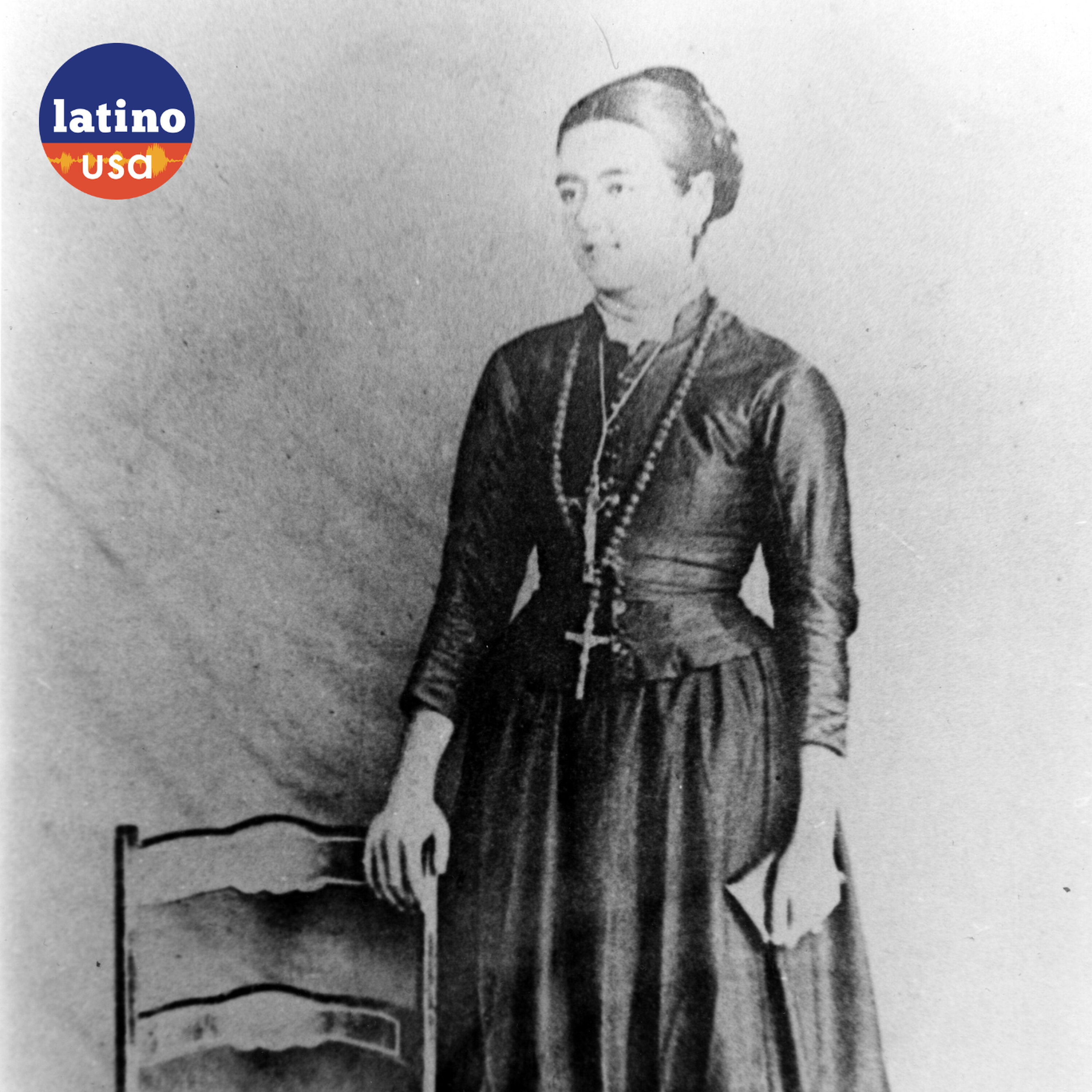
In the late 1800s, Teresa Urrea was a superstar. She was a ‘curandera,’ or healer, a revolutionary, and a feminist. At only 19 years old she was exiled from Mexico by dictator Porfirio Diaz, who called her the most dangerous girl in the country, and moved to El Paso, Texas. She also had a miraculous power: she could heal people through touch. Her vision of love and equality for all people regardless of gender, race, and class inspired rebellions against the dictatorship of Porfirio Diaz, earning her the title the Mexican Joan of Arc. In this episode, we follow Teresa Urrea’s life, and honor the legacy of a revolutionary woman decades ahead of her time. This episode originally aired in November 2021.See omnystudio.com/listener for privacy information.
Daniel Suárez: Making History With NASCAR
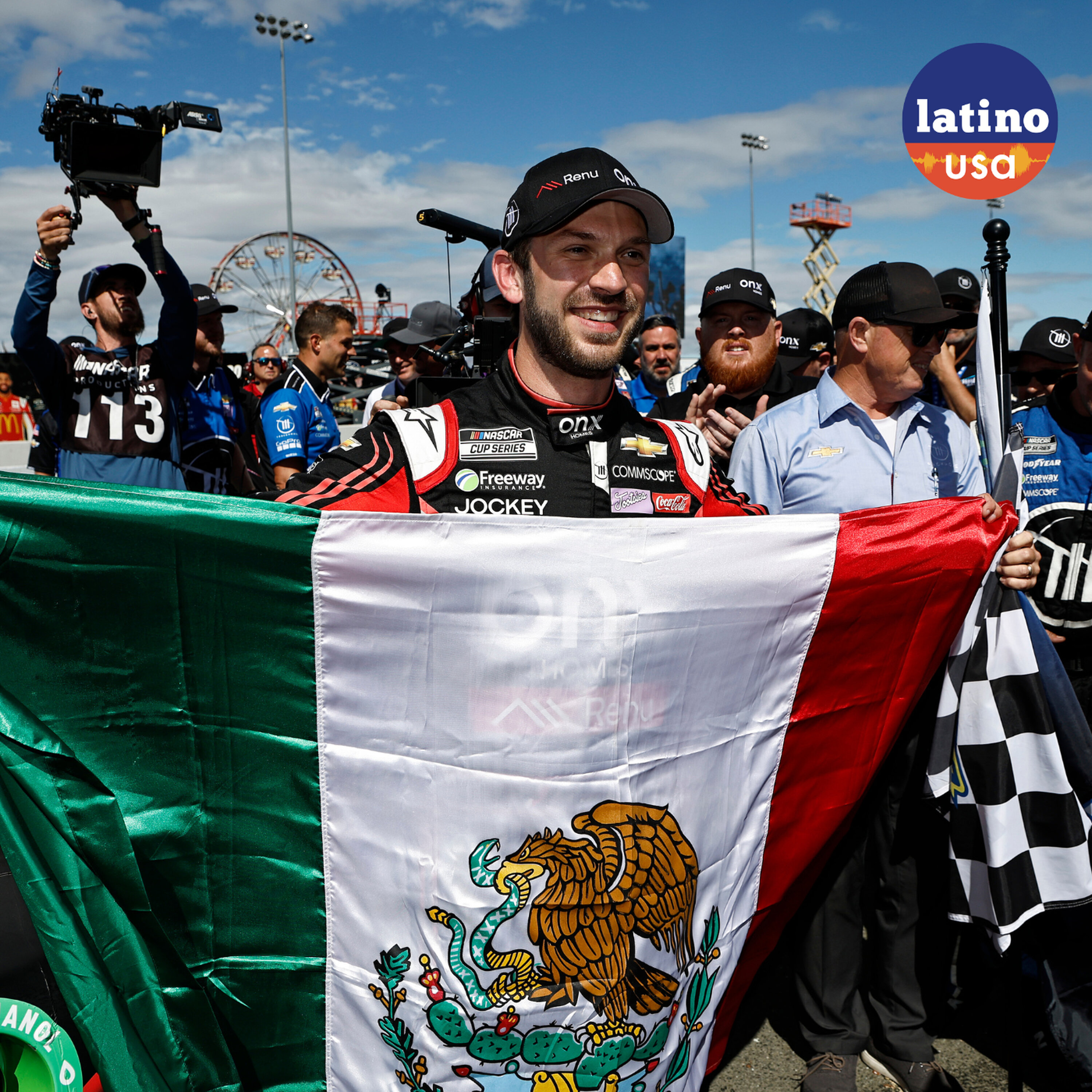
Daniel Suárez made history in 2022 when he became the first Mexican-born driver to win a NASCAR Cup Series race, but the road to this feat has been anything but smooth. On this episode of Latino USA, Daniel Suárez talks about breaking barriers, the role his family played along the way, and how he’s trying to bring more Latinos to NASCAR.See omnystudio.com/listener for privacy information.

I Wonder If I Take You Home: Freedom in Freestyle
For this week’s Latino USA, we’re bringing you an episode from the newly released podcast series from WNYC Studios and Futuro Studios, La Brega, The Puerto Rican Experience in Eight Songs. Created by Nuyorican street kids in the mid-80s, freestyle music became the sound and story of second-generation Boricuas. Hip-hop and pop, Latin Caribbean rhythms and instruments, all came together in freestyle. The sound was ubiquitous in New York and later in Orlando, FL. Young Puerto Rican women became the face of the genre. They sang about love, heartbreak, and their sexual desires. In Lisa Lisa & Cult Jam’s “I Wonder If I Take You Home” —a huge hit in the genre— a young woman sings about that on her own terms and without shame, opening up mother-daughter conversations that weren’t happening. You can subscribe to La Brega here.See omnystudio.com/listener for privacy information.
Digging Into Mexican Food With Chef Margarita Carrillo
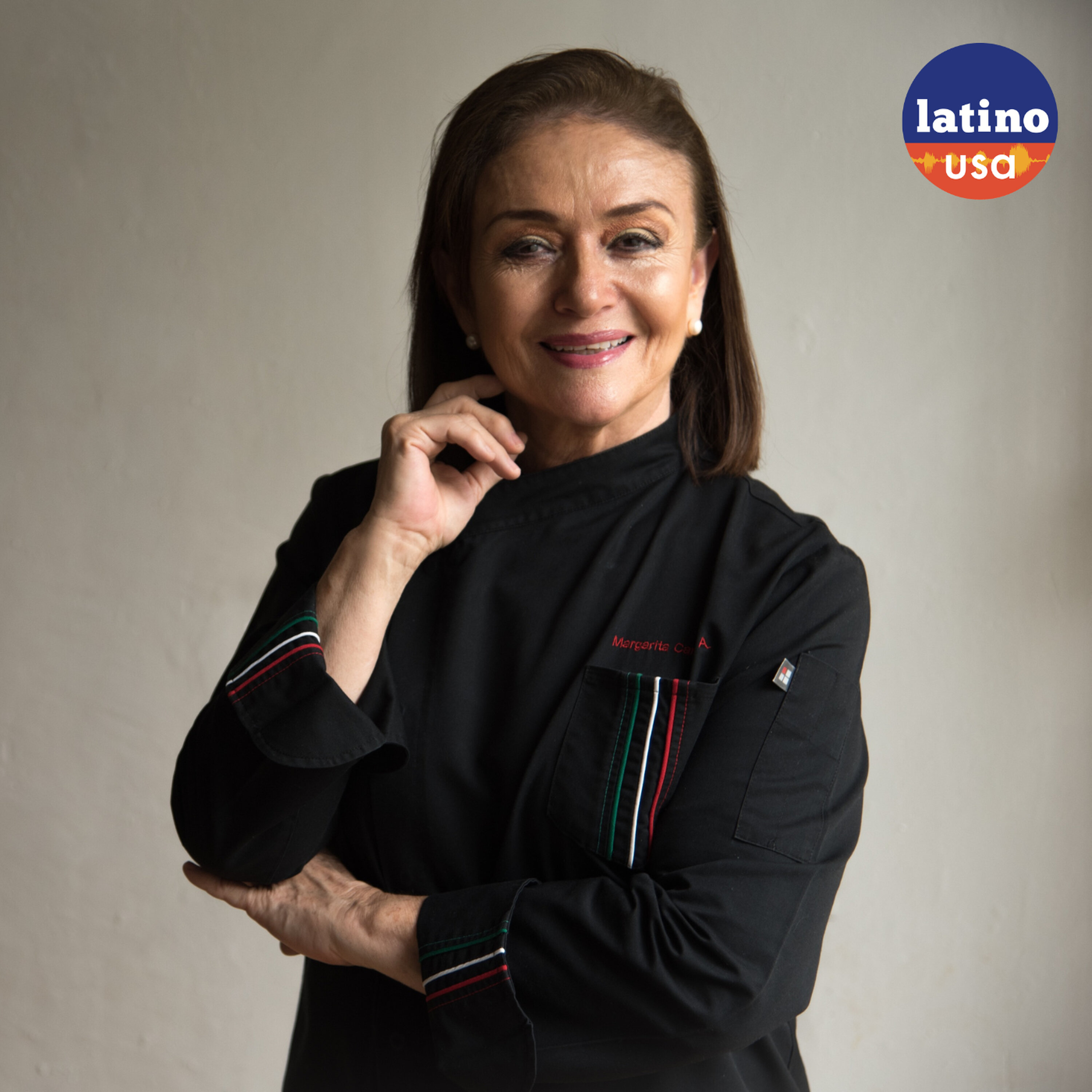
The food of Mexico is diverse, complex, and beloved across the world. Don’t just take it from us—in 2010, traditional Mexican cuisine was added to UNESCO’s list of Intangible Cultural Heritage. Mexican chef and cookbook author Margarita Carrillo Arronte was a big advocate of this move. Throughout her career, she’s been committed to exploring Mexican cuisine and showcasing it on the world stage. Her latest release, “The Mexican Vegetarian Cookbook,” dives into Mexico’s legacy of plant-based cooking. On this episode of Latino USA, Margarita joins the show to talk about the rich history of Mexican food.See omnystudio.com/listener for privacy information.

Portrait Of: Jorge Drexler
Uruguayan singer-songwriter Jorge Drexler knows what it's like to live different lives within one. An ENT doctor until his early 30s, he then decided to leave medicine behind, as well as his life in Uruguay, to pursue a music career in Spain. He became the first Uruguayan to win an Oscar with his song “Al otro lado del río.” In this episode of Latino USA, the multiple award-winning musician walks us through key moments in his career, including the creative process behind his latest album “Tinta y tiempo”—and drops a few gems about his personal life on the way.See omnystudio.com/listener for privacy information.
Valle de Sueños: The Beginning of the End
This week Latino USA shares the first episode from the Valle de Sueños podcast. We launch Valle de Sueños on Our Lady of Guadalupe feast day to honor those who have journeyed and kept their resiliency, faith, and love despite the treacherous path to citizenship. Our Lady represents strength, hope, and access to a kind, loving world, which represents the dreams of those who sacrifice their lives as migrants. In episode 1, our host Laura Peña introduces the binational community of Matamoros, Mexico, and Brownsville, Texas from her perspective as a borderland native. After providing contextual background of the complex humanitarian situation at the beginning of the new Biden Administration, she begins telling the story starting on Day 1 of the humanitarian operation to close the Matamoros refugee encampment. Would the first group of migrants be allowed into the U.S.? The listener is left in suspense. You can subscribe to Valle de Sueños here.See omnystudio.com/listener for privacy information.
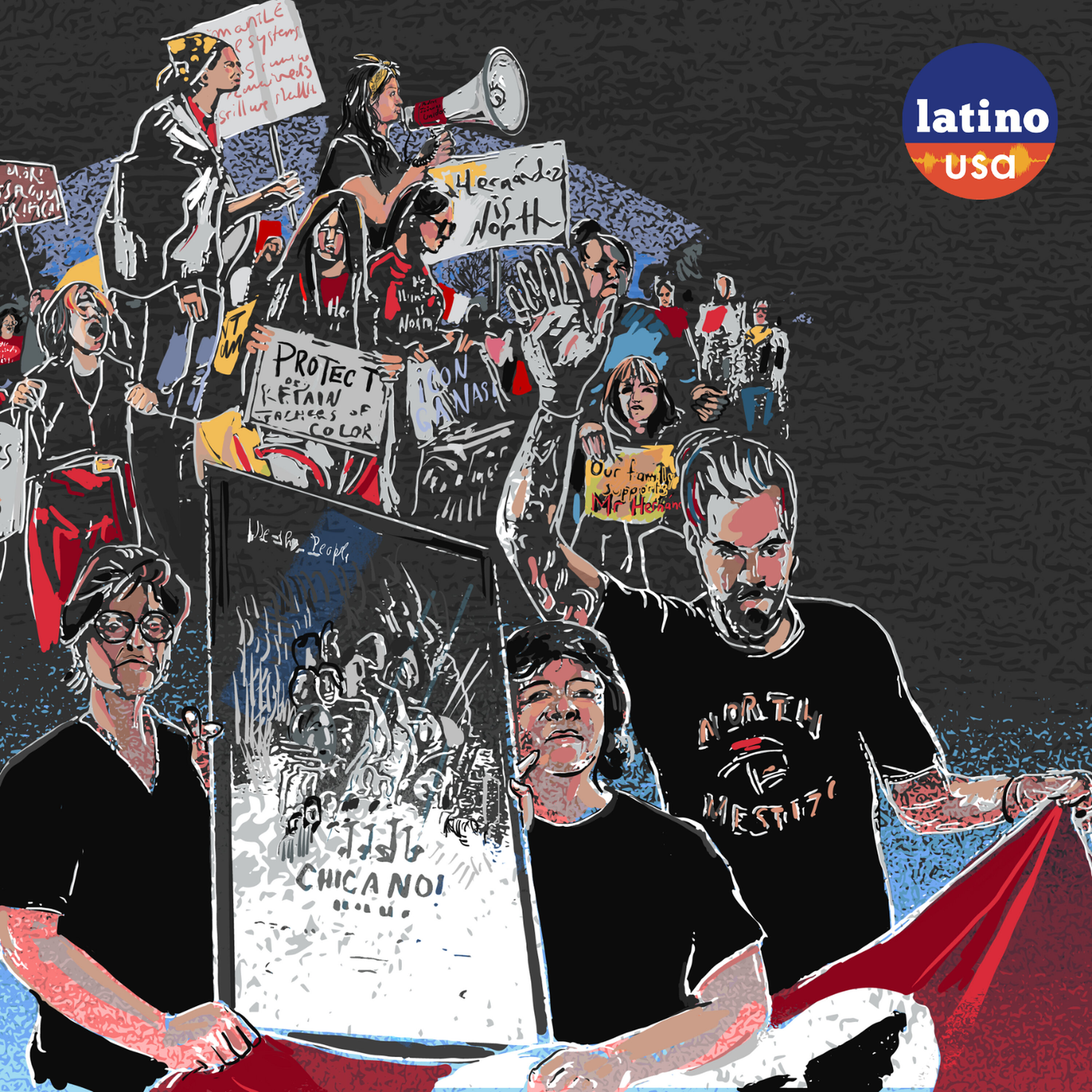
'La Lucha Sigue': Chicano Teachers Now and Then
More than 25 years ago, two teachers in New Mexico were fired for refusing to stop teaching Chicano History in their classrooms; today, that history repeats itself in Denver, Colorado. What are students missing out on when they don’t learn about their history in school? In this episode of Latino USA, we present a conversation between teachers Tim Hernández and Nadine Córdova. They talk about their shared struggles, the relevance of Chicano History in the classroom, and the lessons they’ve learned from this experience. Plus, we hear from two of Nadine's and Tim's former students.See omnystudio.com/listener for privacy information.
“El gran varón” — ¿Quién era Simón?
Esta semana en Latino USA, te compartimos un episodio del nuevo podcast “La Brega: La experiencia boricua en 8 canciones”, producida por WNYC Studios y Futuro Studios. Inicialmente, "El gran varón" fue prohibida por algunas estaciones de radio, pero a pesar de esto, se convirtió en un éxito; muchos la consideran una de las salsas más conocidas de todos los tiempos. Omar Alfanno explica que la canción fue realmente inspirada por un rumor sobre un amigo de la vida real. Sólo años más tarde se dio cuenta de que sus letras contenían una profecía escalofriante. En este episodio, la presentadora Alana Casanova-Burgess analiza la letra de “El gran varón” y cómo esta canción que critica a un padre por rechazar a su hijo cuir ha lastimado y a la vez ayudado a la comunidad LGBTQ+ y sus familias. Te puedes suscríbir a La Brega aquí.See omnystudio.com/listener for privacy information.
El Gran Varón: Who Was Simón?
For this week’s Latino USA, we’re bringing you an episode from the newly released podcast series from WNYC Studios and Futuro Studios, La Brega, The Puerto Rican Experience in Eight Songs. Gabby Rivera was 7 when Willie Colón released “El Gran Varón” in 1989. She remembers her father playing in the Bronx. The cinematic arc of the song would stick with her: Simón, depicted as a trans queer person, is shunned by their father and dies alone of what’s assumed to be AIDS. “El Gran Varón” was first banned by some radio stations but became an international hit anyway. Many call it one of the most well-known Latin songs of all time. Its songwriter explains that it was inspired by a rumor about a real-life friend. Only years later did he realize his lyrics contained an eerie prophecy. You can subscribe to La Brega here.See omnystudio.com/listener for privacy information.
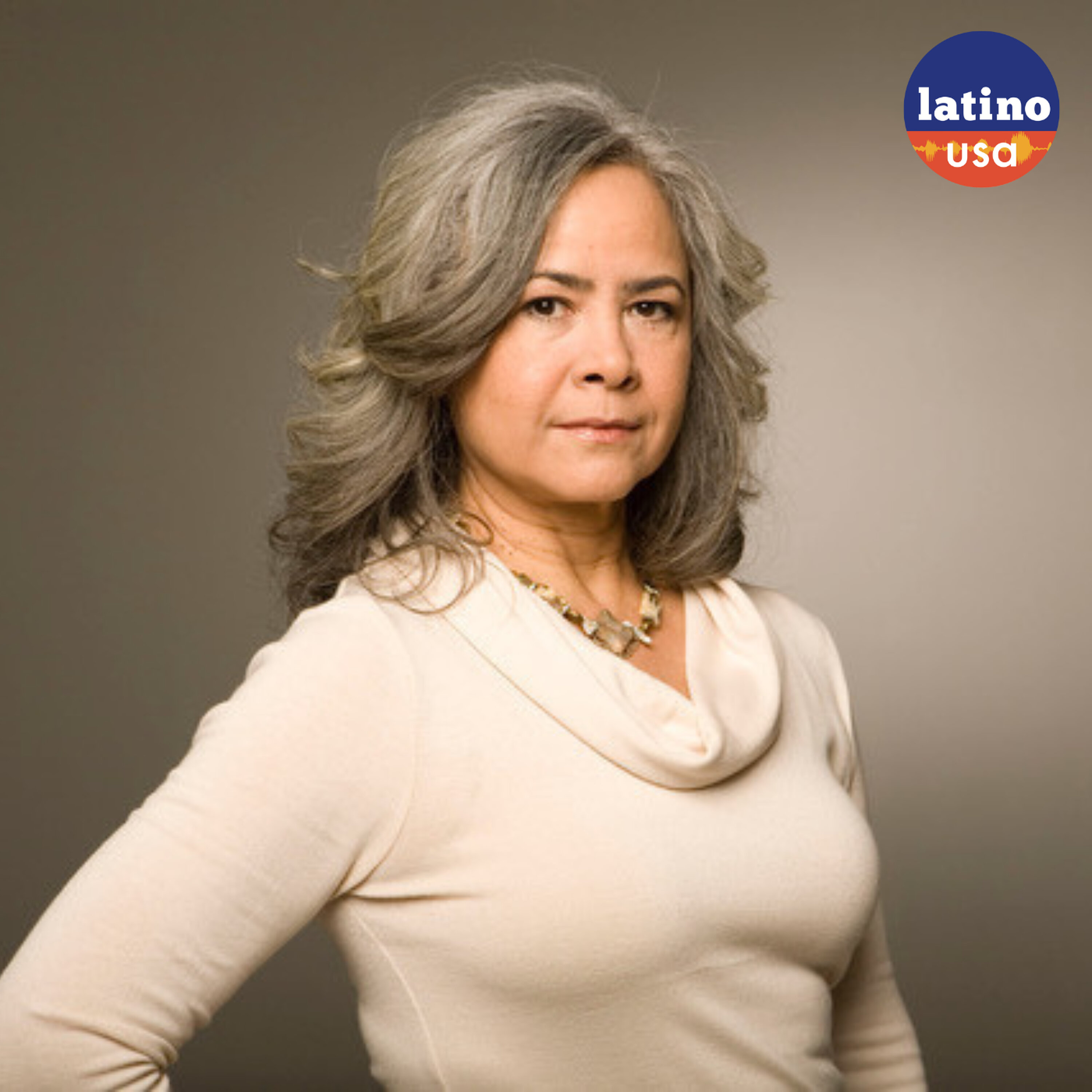
Portrait Of: Esmeralda Santiago LIVE in NYC
In 2018, Latino USA teamed up with the Unterberg Poetry Center at the 92nd Street Y to put on an event honoring the 25th anniversary of Esmeralda Santiago's coming-of-age classic "When I Was Puerto Rican." In conversation with producer Antonia Cereijido, Santiago talks about what it's like to live through a hurricane, the #metoo movement, and learning to not care about what other people think of you.See omnystudio.com/listener for privacy information.
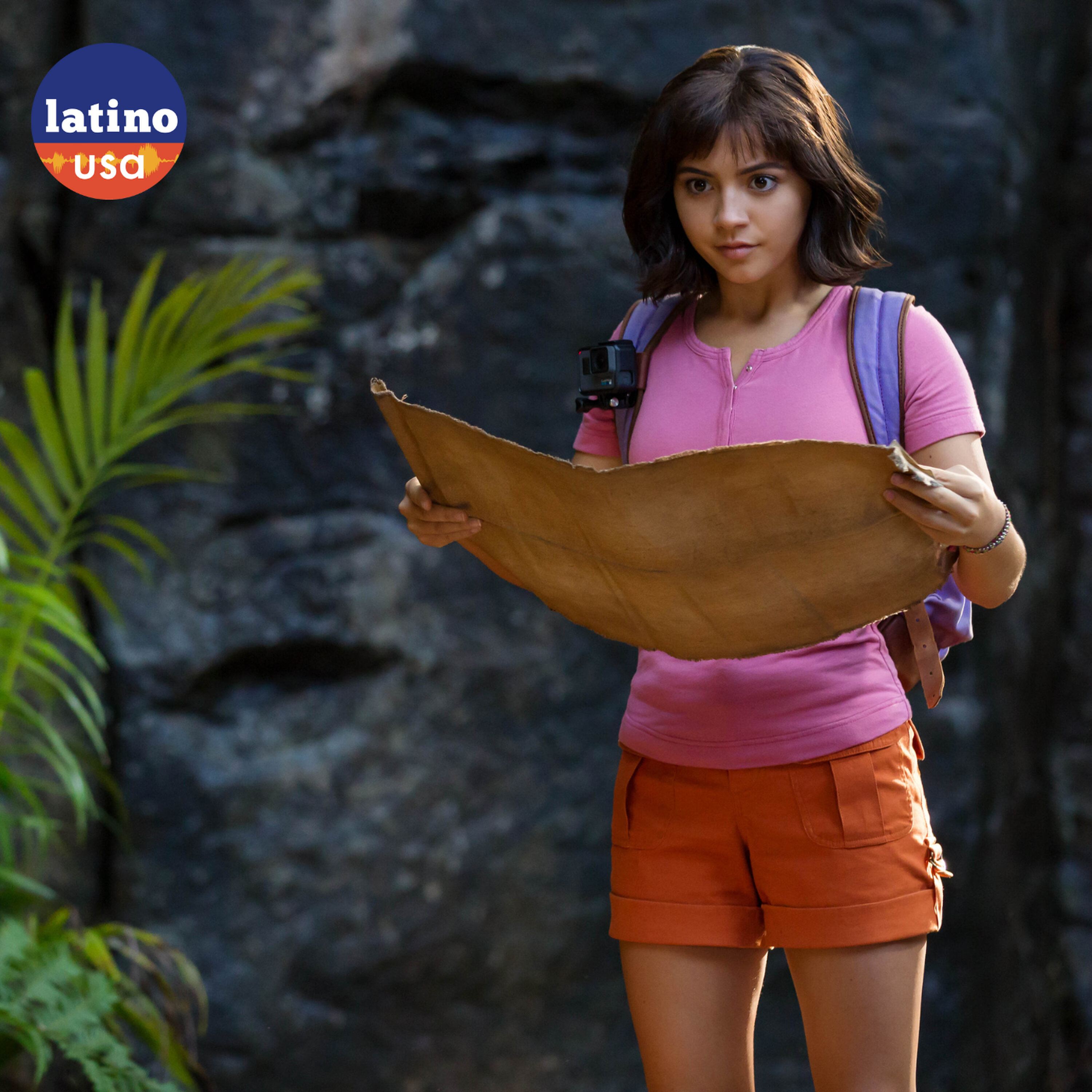
The Breakdown: The Legacy of ‘Dora the Explorer’
In 1998, three television writers tasked with creating the next hit children's show came up with the idea of a young girl who would go on adventures and ask questions directly to the audience. With the help of consultants, they created a seven-year-old Latina girl named Dora Márquez and the show, "Dora the Explorer." Almost 20 years later, Dora is reimagined as a teenager in a new live-action film called “Dora and the Lost City of Gold.” While some of the elements in Dora’s world are still fictional, the live-action film grounds Dora in reality. In this segment, Latino USA dives into the legacy of "Dora the Explorer" then and now.See omnystudio.com/listener for privacy information.
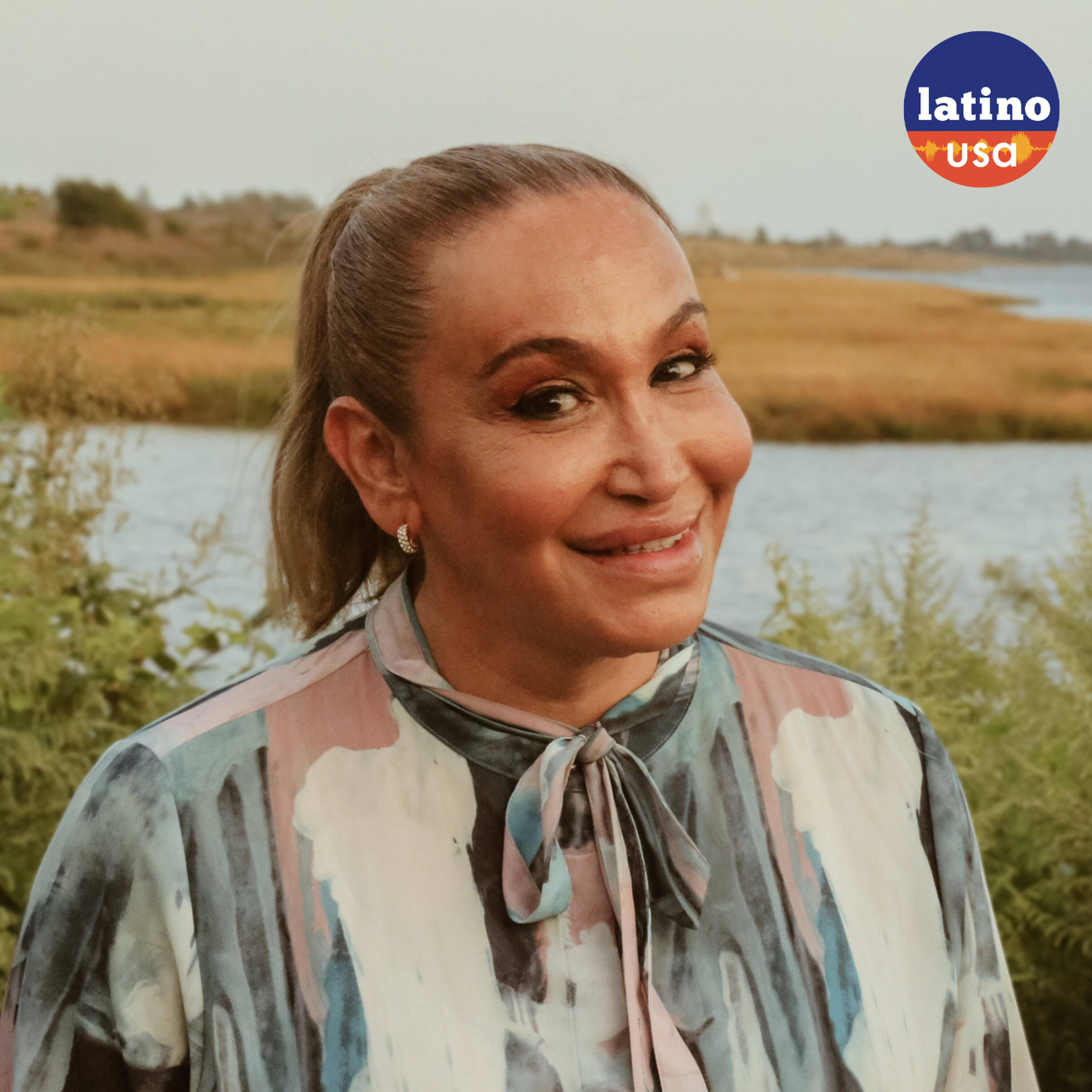
Cecilia Gentili's Revolutionary Ask
Trans activist, actress and author, Cecilia Gentili, knows the power of stories. Whether she is working at her company Trans Equity Consulting, writing an op-ed for the New York Times, or portraying a character on television, Cecilia believes that sharing her story is a way to advocate for the change she hopes to see. On this episode of Latino USA, Cecilia shares about her new memoir, “Faltas,” which is written as a series of letters to people in her hometown in Argentina. Cecilia talks about how joy and grief intertwine through the narrative, and how sharing her childhood stories is her revolutionary cry to support trans youth.See omnystudio.com/listener for privacy information.
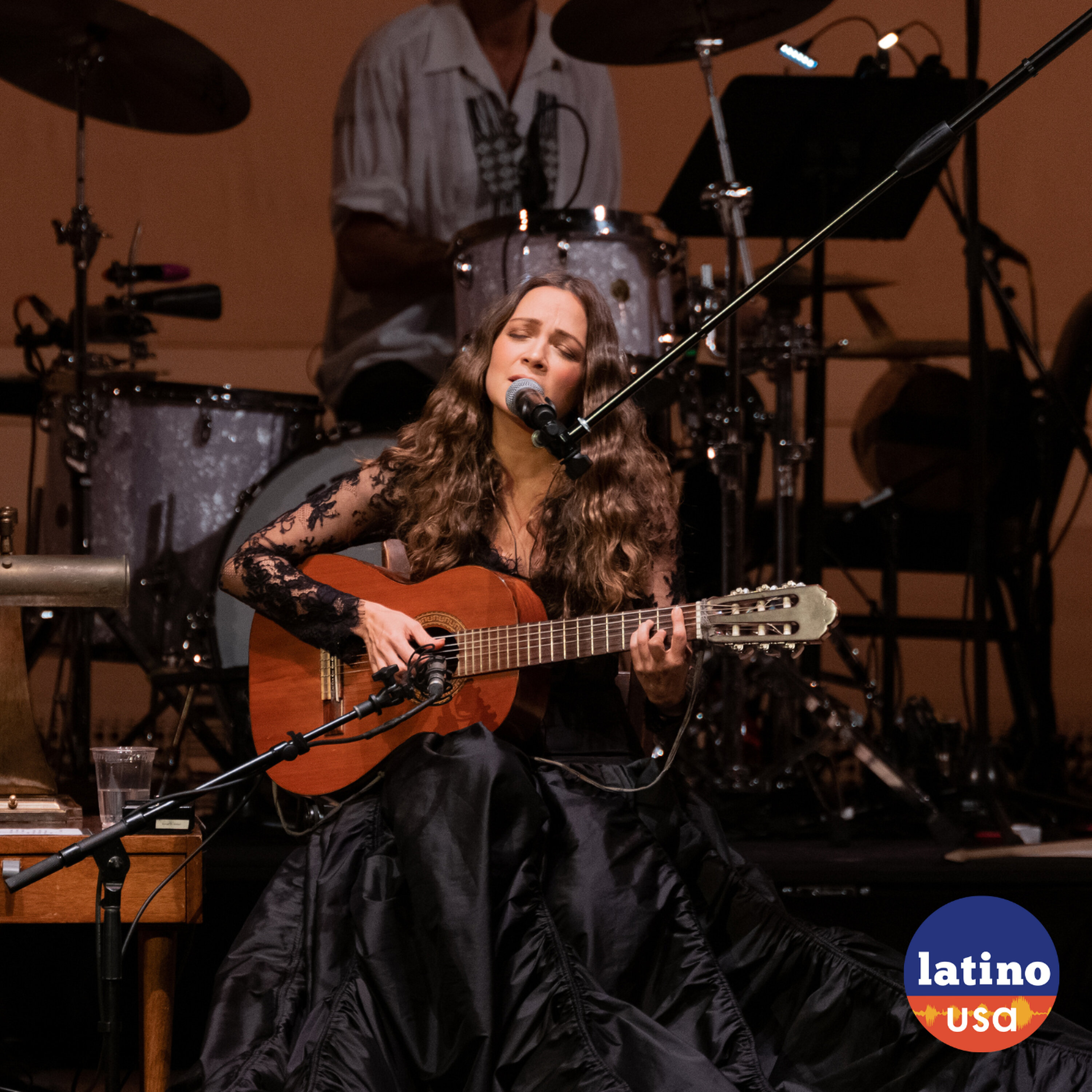
Into Natalia Lafourcade's Inner Garden
Mexican singer-songwriter Natalia Lafourcade embraces contrasts in her music. Look no further than her latest album, “De Todas las Flores,” where Natalia found herself both processing death and celebrating life. Prior to this, Natalia released a number of critically acclaimed albums that drew from Latin American musical history. Her journey led her to Carnegie Hall in New York City, where she premiered her latest music in a special live performance late last year. Just days before this show, Natalia sat down with Latino USA to talk about her new album, her career, and the value of slowing down to tend to one’s inner garden.See omnystudio.com/listener for privacy information.
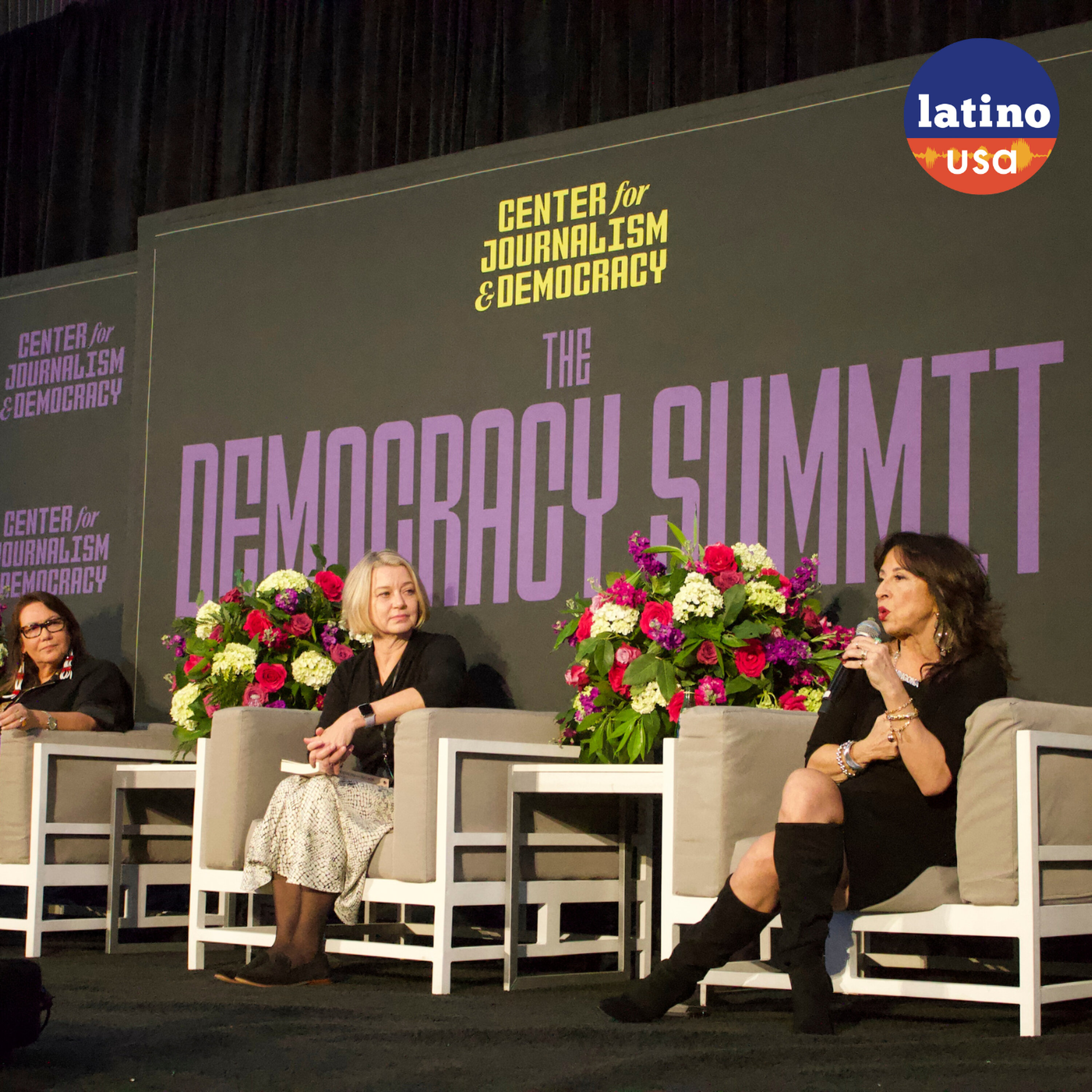
The Call Is Coming From Inside the House
Last November, Maria Hinojosa visited Howard University in Washington, DC to celebrate its inaugural Democracy Summit. The Summit was organized by the Center for Journalism and Democracy, which was founded by Pulitzer Prize-winning journalist Nikole Hannah-Jones. Maria sat down with journalist Jodi Rave Spotter Bear and historian Kathy Roberts Forde for a panel discussion about the history of journalistic blindspots and how the mainstream media often fails to see the dangers of white nationalism. It was one of many panel discussions that took place that day. We bring you an edited version of the conversation, moderated by Professor Dr. Jason Johnson.See omnystudio.com/listener for privacy information.
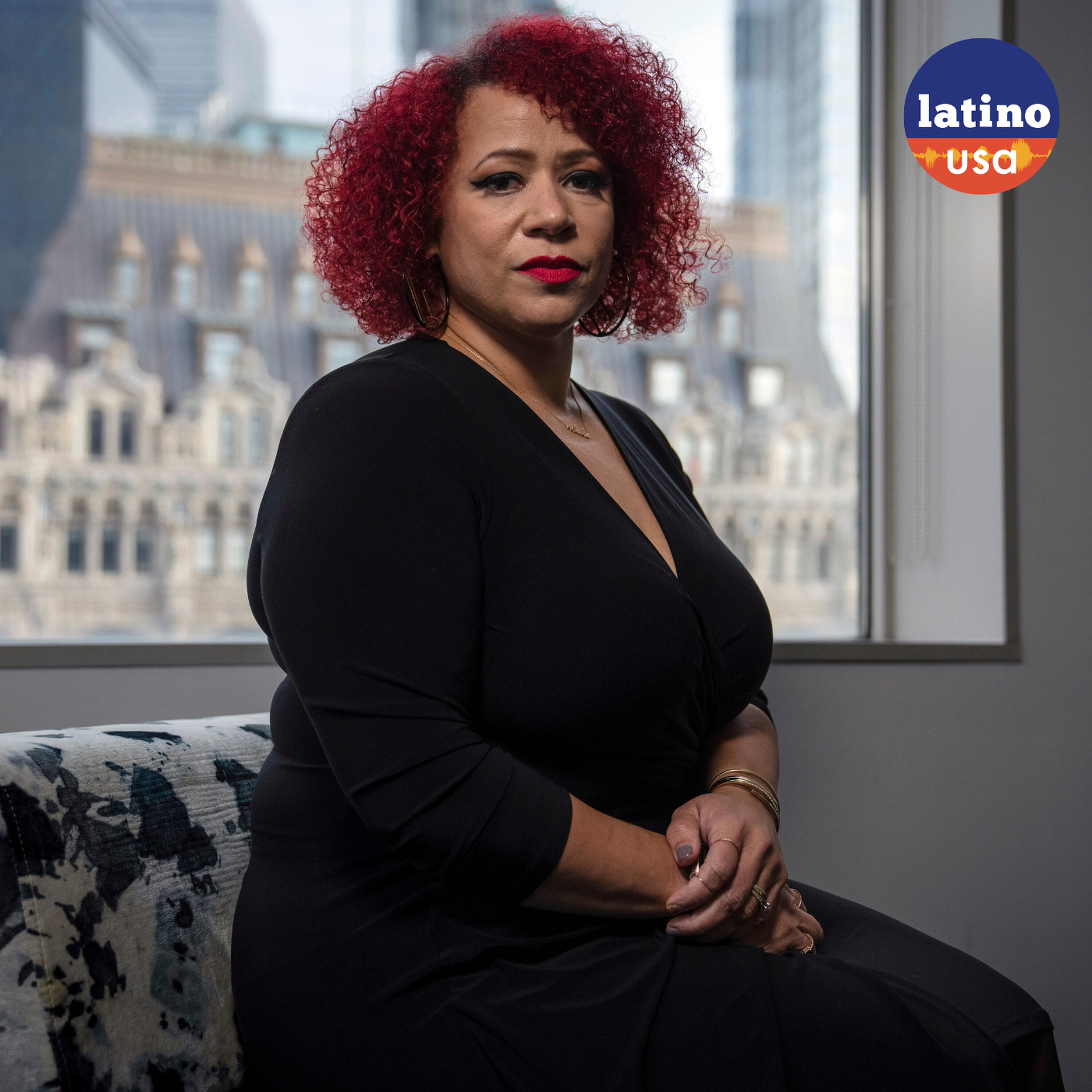
Nikole Hannah-Jones: Beyond the 1619 Project
Pulitzer Prize-winning journalist Nikole Hannah-Jones rose to instant recognition when she published the 1619 Project in 2019. Since then she’s received countless praise, awards, and recognition, but the project also engulfed her into a media firestorm with many on the far-right going after her and her work, with some states even banning the teaching of the 1619 Project. In this conversation with Maria Hinojosa, Nikole Hannah-Jones reflects on how she’s pushed ahead despite controversy, and talks about trying to fit in at predominately white institutions and the importance of intersectionality. We also take a trip to her 1619 Freedom School in her hometown of Waterloo, Iowa.See omnystudio.com/listener for privacy information.
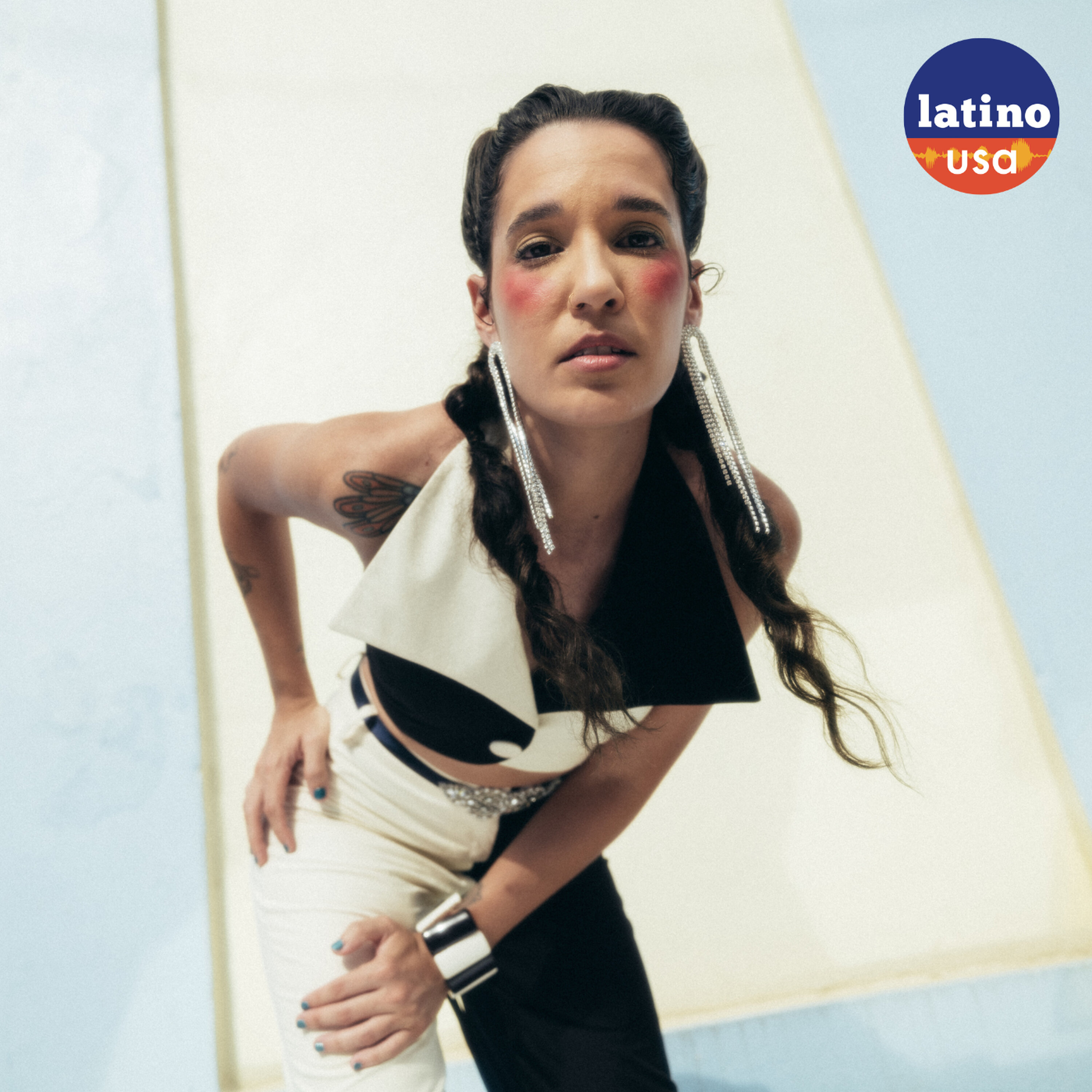
iLe on Song and Protest
For Puerto Rican singer-songwriter Ileana Cabra — known by her stage name, iLe — music has always been a way to reflect and comment on the world around her. iLe began her musical career singing with her brothers in their renowned rap group Calle 13. But in 2016, iLe decided to go solo. She would go on to release three studio albums, using those platforms to explore many musical genres with deep roots in Latin America and the Caribbean: from boleros and salsa, to pop and reggaeton. As a songwriter, iLe puts her lyricism at the forefront, delving into themes of patriarchy and colonialism in her music. In this episode iLe walks us through the evolution of her music as a form of protest, and how she is daring herself to show a more personal side in her most recent album, “Nacarile.”See omnystudio.com/listener for privacy information.
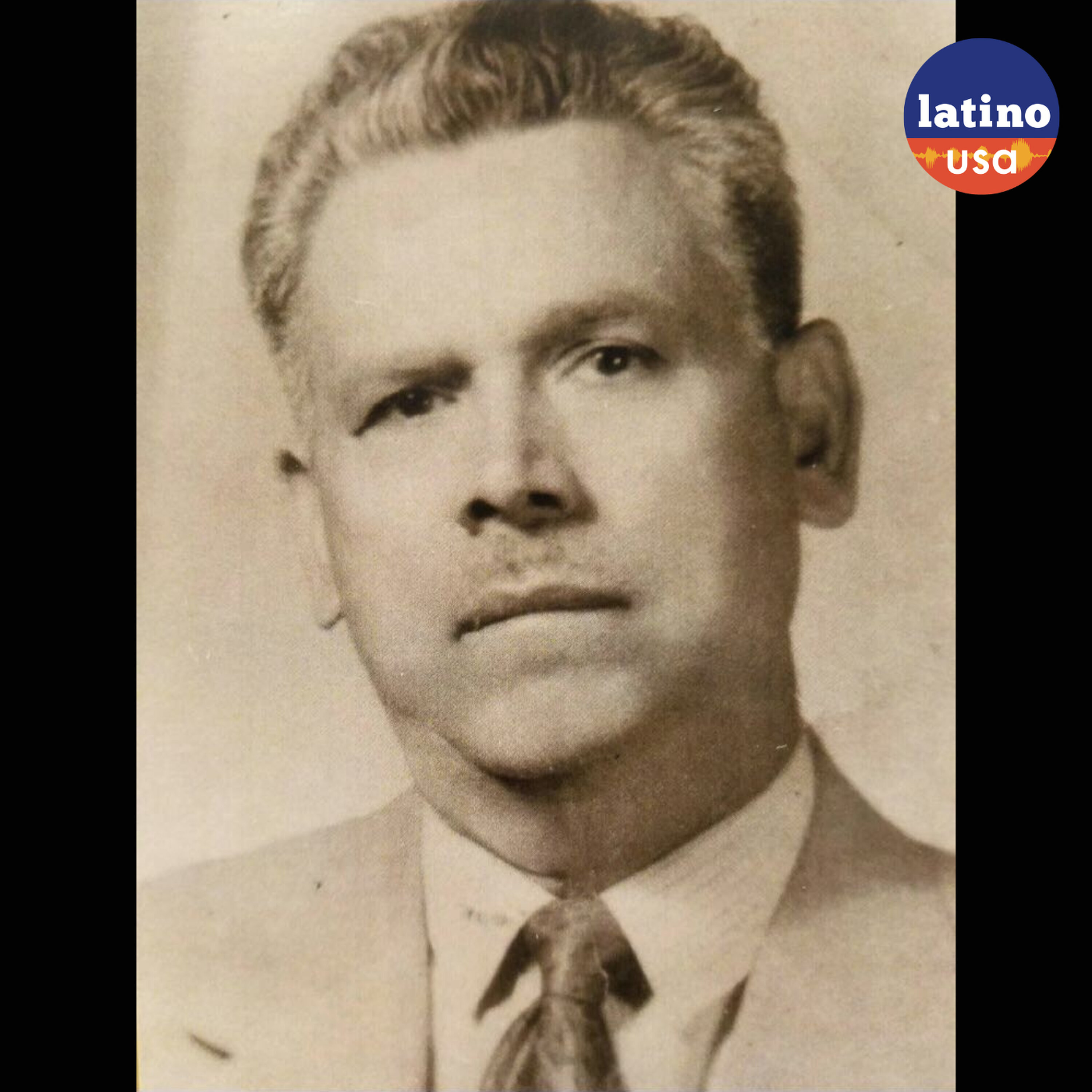
Nacho's Special
Nachos: They’re one of the most popular snack foods in the United States, and the name is instantly recognizable worldwide. Bright yellow nacho cheese is now a staple at countless sports events and movie nights, serving as a flavor of nostalgia to many. But nachos’ immense popularity over the years has overshadowed their true history. The first nachos weren’t invented in ballparks or designed for concession stands. They were created 80 years ago in a small town in Mexico, along the south Texas border. And they weren’t made to be a big hit. Still, nachos would end up bigger than anyone could have ever imagined.See omnystudio.com/listener for privacy information.
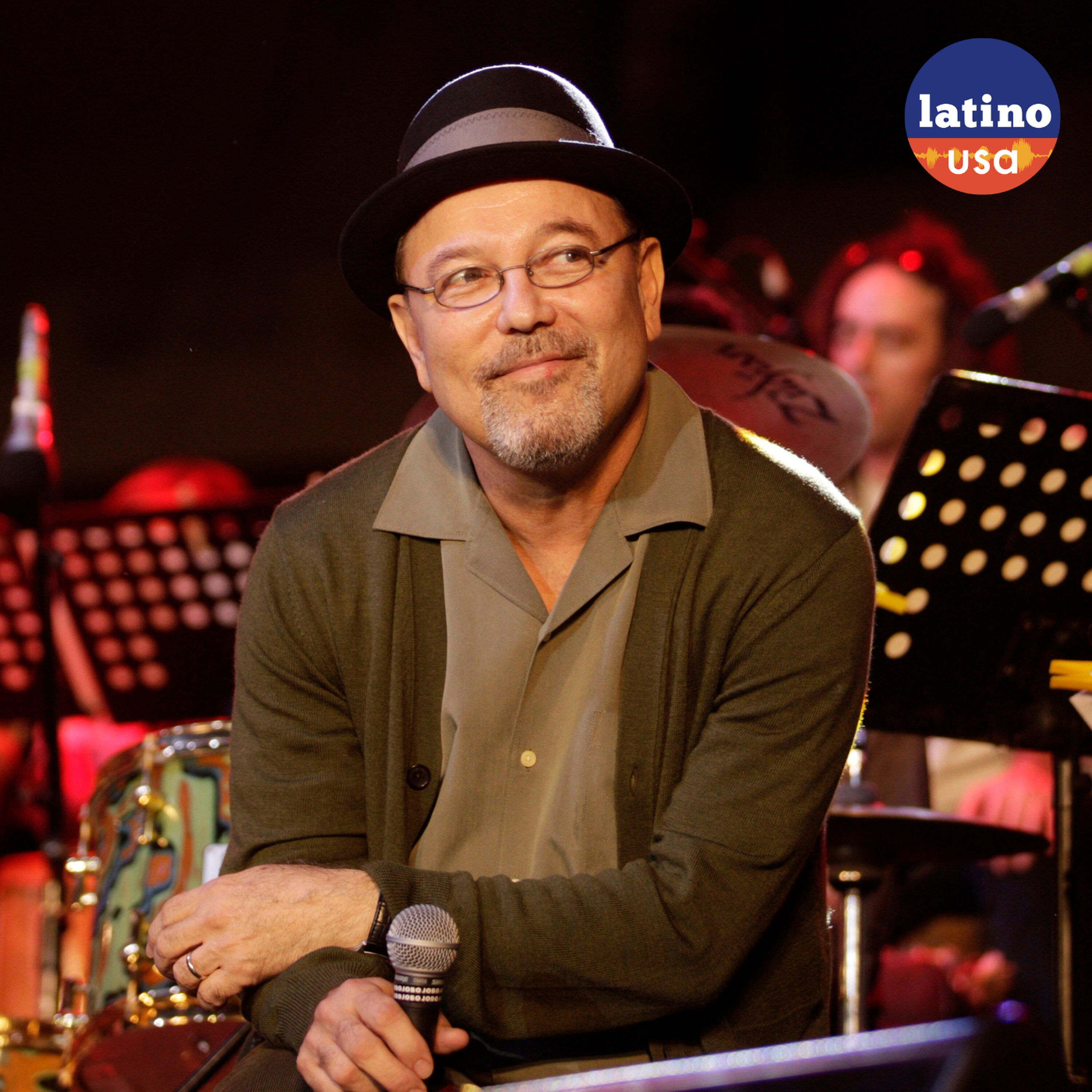
Portrait Of: Rubén Blades
Rubén Blades is a singer, songwriter, actor, lawyer, and politician. He was born in Panama and became a New Yorker in 1974. After four decades in the public eye and some of the best-selling records in salsa history, his unique storytelling across music styles has kept him relevant to this day. Latino USA sits down with the author of the popular song “Pedro Navaja” to discuss highlights of his monumental career. This episode originally aired on October 2018.See omnystudio.com/listener for privacy information.
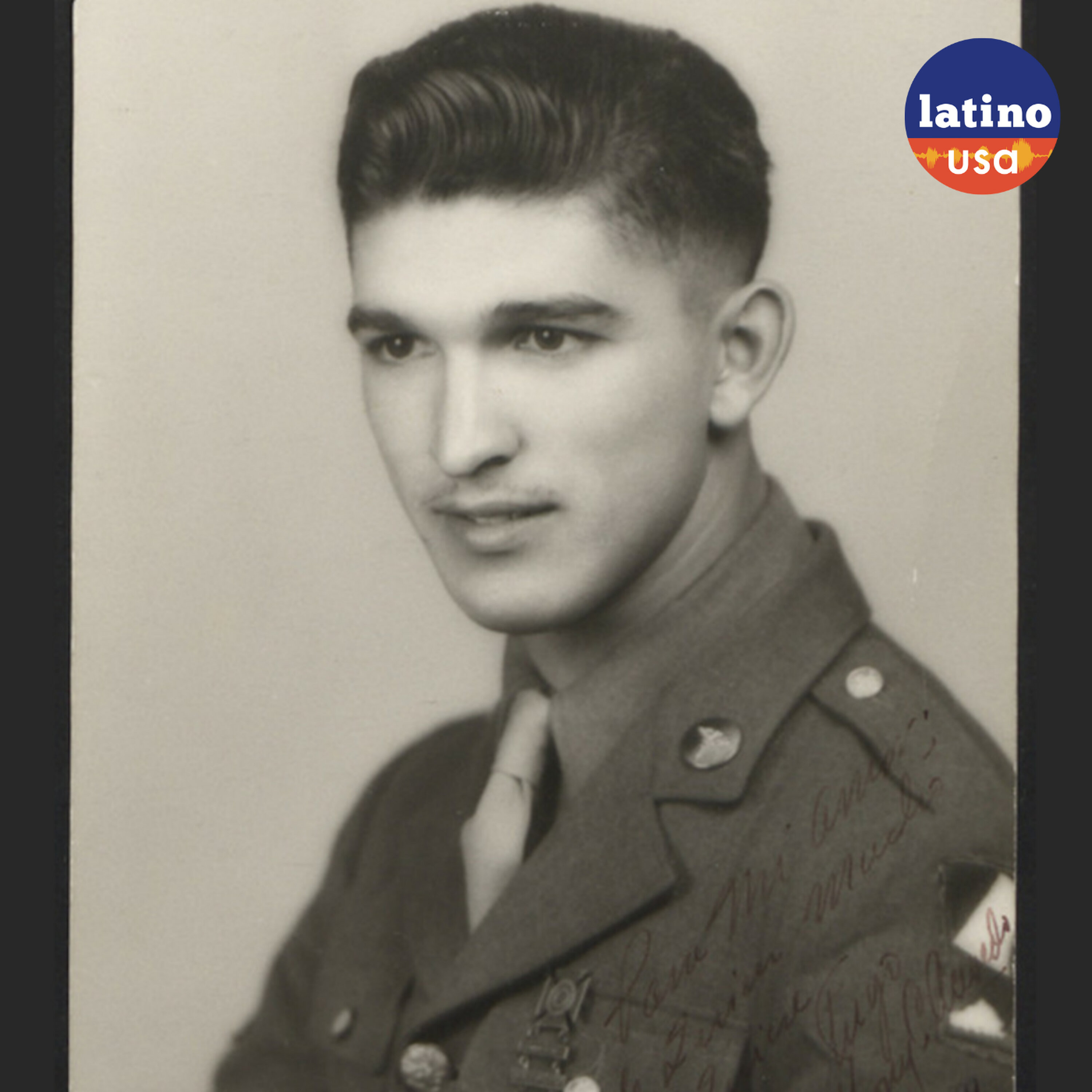
The Diary of an ‘Undesirable’
In 1945, 20-year-old Anthony Acevedo was held in captivity with other American soldiers inside a Nazi concentration camp called Berga. There, the soldiers were used as slave laborers, building tunnels for underground fuel factories. It was during this time that the Mexican-American medic kept a secret diary and documented the horrors he witnessed inside the camp. Acevedo held on to his war diary until 2010, when he donated it to the United States Holocaust Memorial Museum (USHMM) in Washington, D.C. That same year, he registered as a Holocaust survivor with the museum—the first and only Mexican-American to do so. This episode originally aired in May 2018.See omnystudio.com/listener for privacy information.

¡Cómete Ese Miedo! With Maria Hinojosa
This week on Latino USA we feature this interview with Maria Hinojosa on the Brown Enough podcast. Cómete ese miedo —or eat your fear— is what Pulitzer Prize-winning journalist Maria Hinojosa's husband told her to do when imposter syndrome sneaks up on her. But across her decades-long career, she's learned to embrace the pressure. Today, she talks to Christopher Rivas about how her parents' experience in the US shaped how she thinks about this country. Plus, what she hopes for the next generation of Brown journalists. Her new young adult book Once I Was You: Finding My Voice and Passing the Mic is out now. Subscribe to Brown Enough here.See omnystudio.com/listener for privacy information.
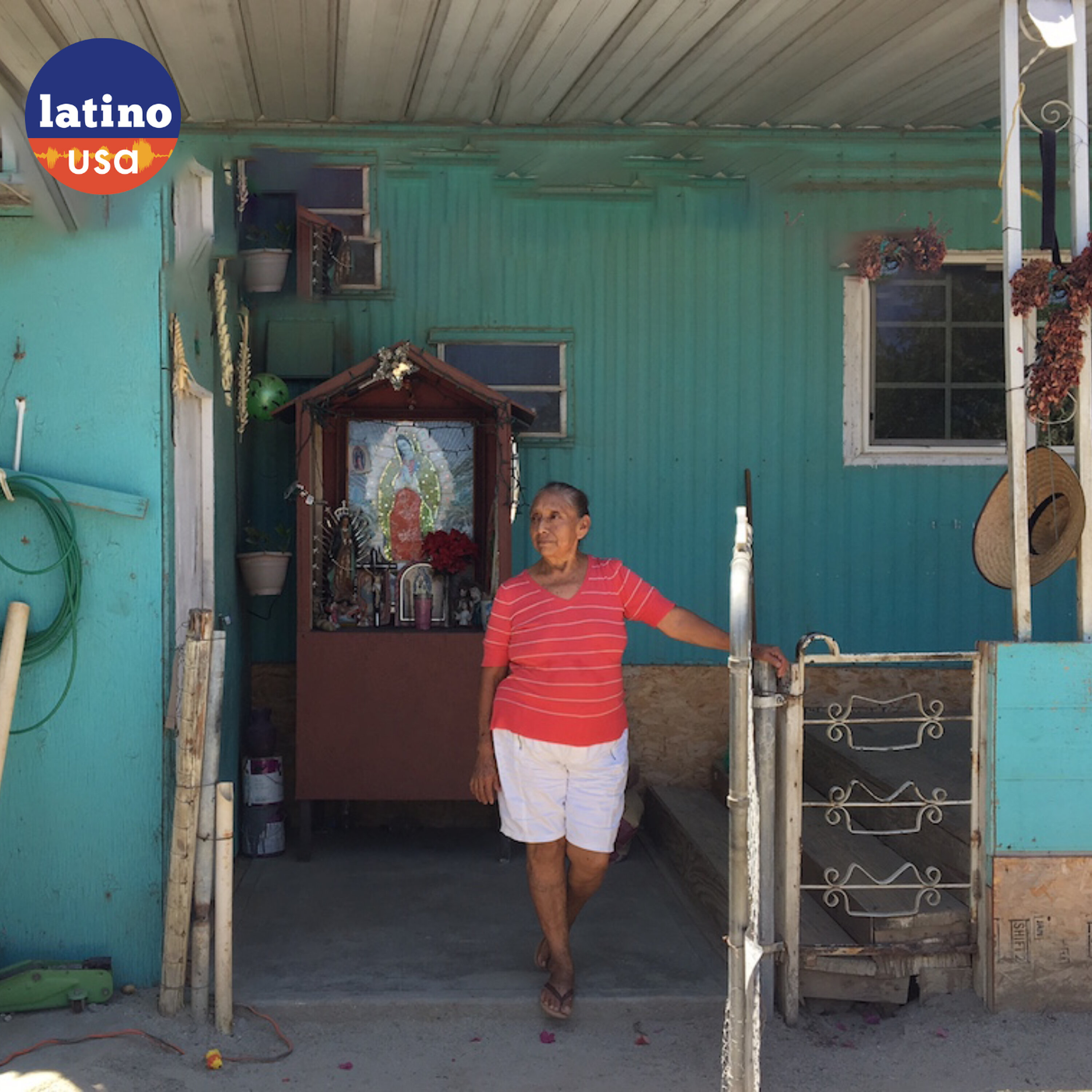
Valley of Contrasts
In most of the country, when someone says they are going to Coachella it means they are going to a music festival. But for many who grew up in the Coachella Valley in California, their experience has nothing to do with music. Coachella is divided into two parts. On the west Side, there are beautiful homes with large front and backyards. On the east side, you find the mobile homes of the mostly immigrant Mexican and Mexican American communities. The differences between the two sides are stark but there is one difference that has a particularly harsh health impact: access to clean water. This episode originally aired in 2017.See omnystudio.com/listener for privacy information.
USA v. García Luna: Episode 2 ‘The Mexican Hoover’
From CSI to Donna Summer, García Luna was fascinated by anything American. Several U.S. officials said that García Luna was the person they trusted the most in the Mexican government. They called him "The Mexican Hoover," after John Edgar Hoover, the FBI’s first director. But soon, García Luna was facing accusations of corruption. In this episode, Peniley and Maria tell us exactly how far back those suspicions go as well as his obsessions, his childhood dreams, and how it all led to him heading the Mexican equivalents of the DEA, FBI, NSA and prison systems put together. To hear more of USA v. García Luna, head to futuroinvestigates.org.See omnystudio.com/listener for privacy information.
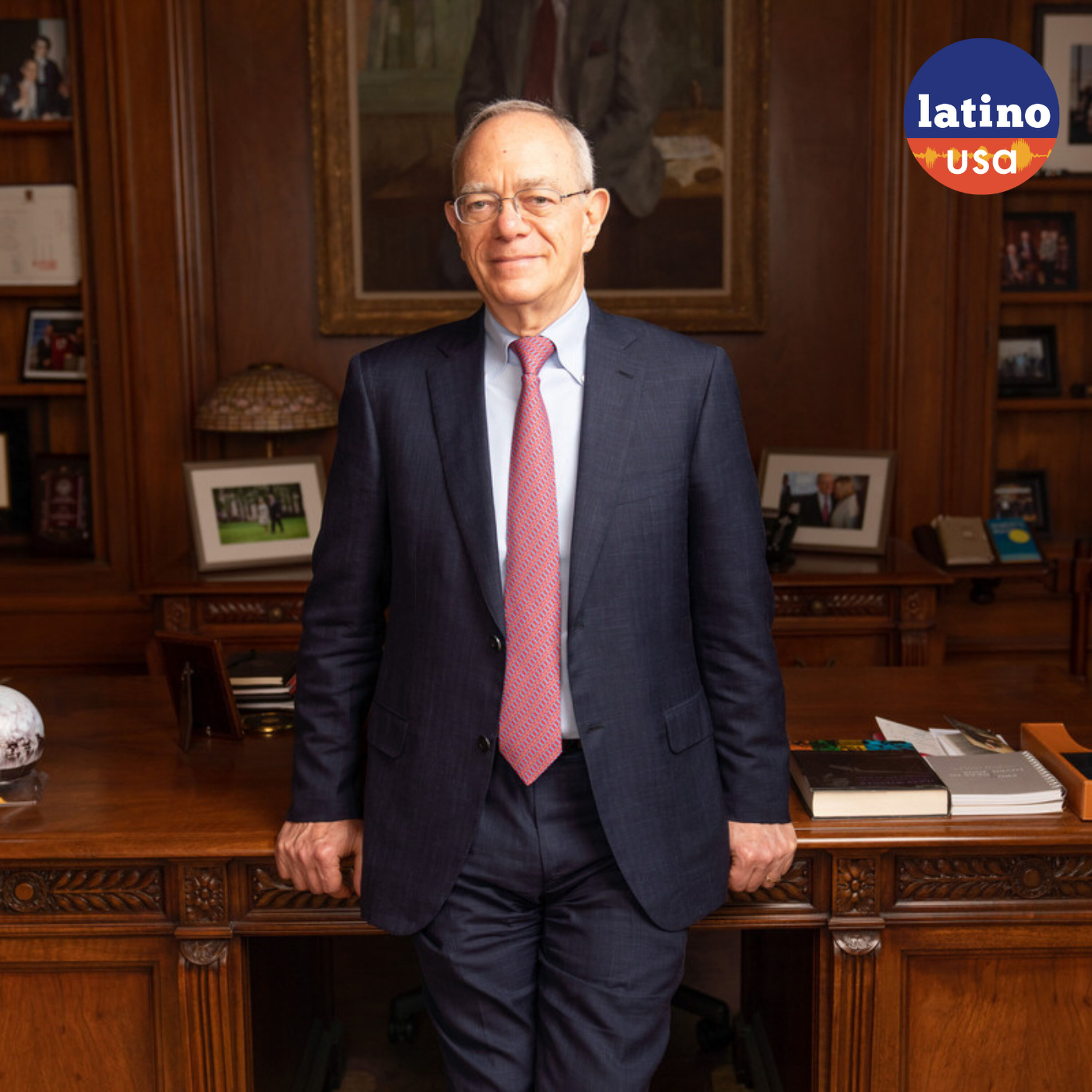
Rafael Reif on Leading —and Leaving— MIT
When Rafael Reif steps down as president of the Massachusetts Institute of Technology at the end of December 2022, there will no longer be a Latino president at the helm of a top university in the United States. But for Reif, his tenure and the journey that brought him to it, is one that is defined by more than just his identity. In this conversation with Maria Hinojosa, Reif reflects on the legacy he wants to leave as MIT president. He talks about how his upbringing in Venezuela shaped his outlook on education, and shares his message for Latino and Latina students pursuing higher education.See omnystudio.com/listener for privacy information.
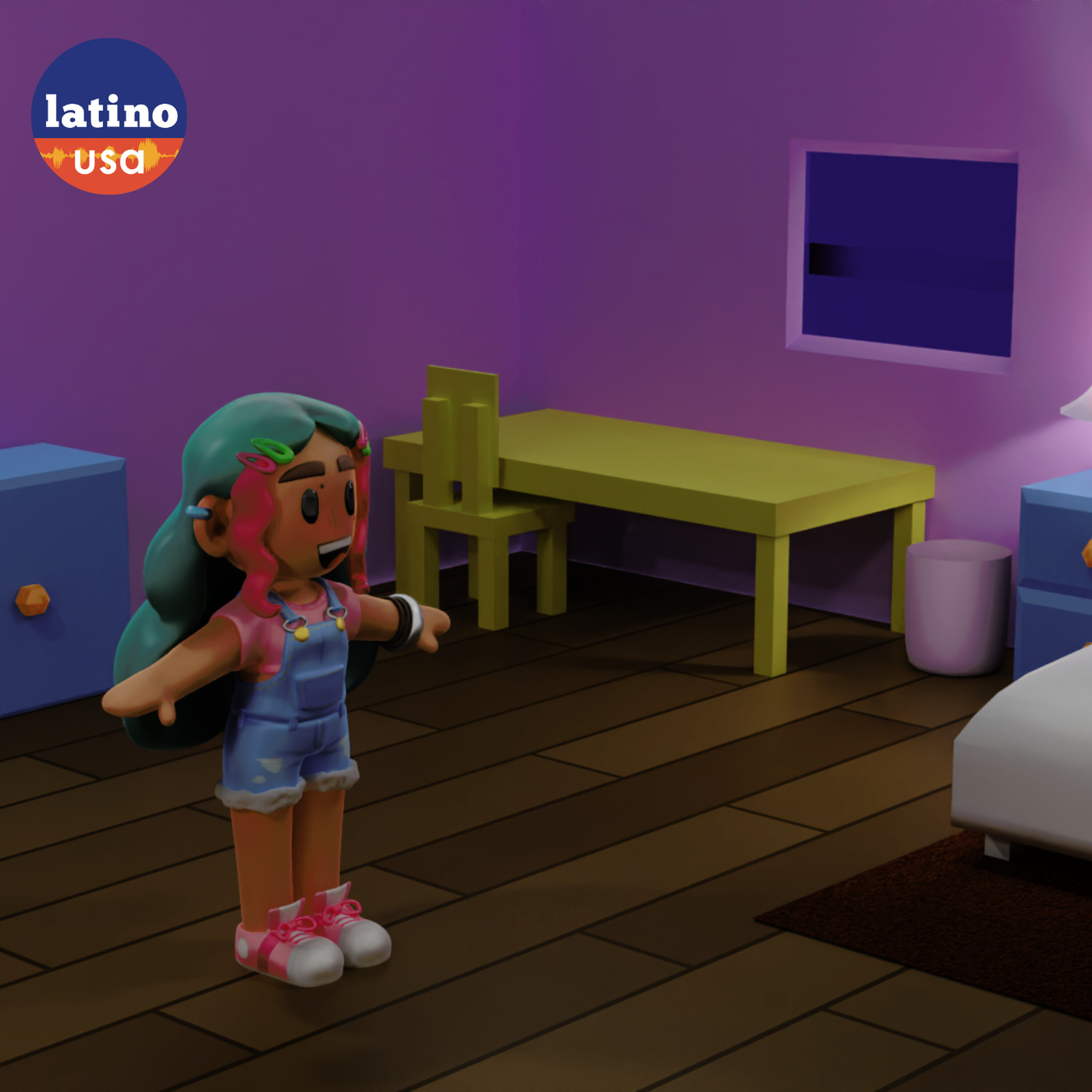
Identity, Language and Community Through Video Games
After a challenging experience as a computer science major, Samantha fell in love with making video games. But more than the technical aspects of video games, she is interested in storytelling. Now, Samantha works as a game writer and narrative designer to develop the ways a player experiences the story of the game. And she’s bringing her Mexican and Puerto Rican heritage to the video games she creates. Because, for the most part, the stories of people like Samantha have not been told in video games. In this episode of Latino USA, Samantha shares her journey of finding her way into the video game industry and the joys of bringing her whole self to the games she creates.See omnystudio.com/listener for privacy information.
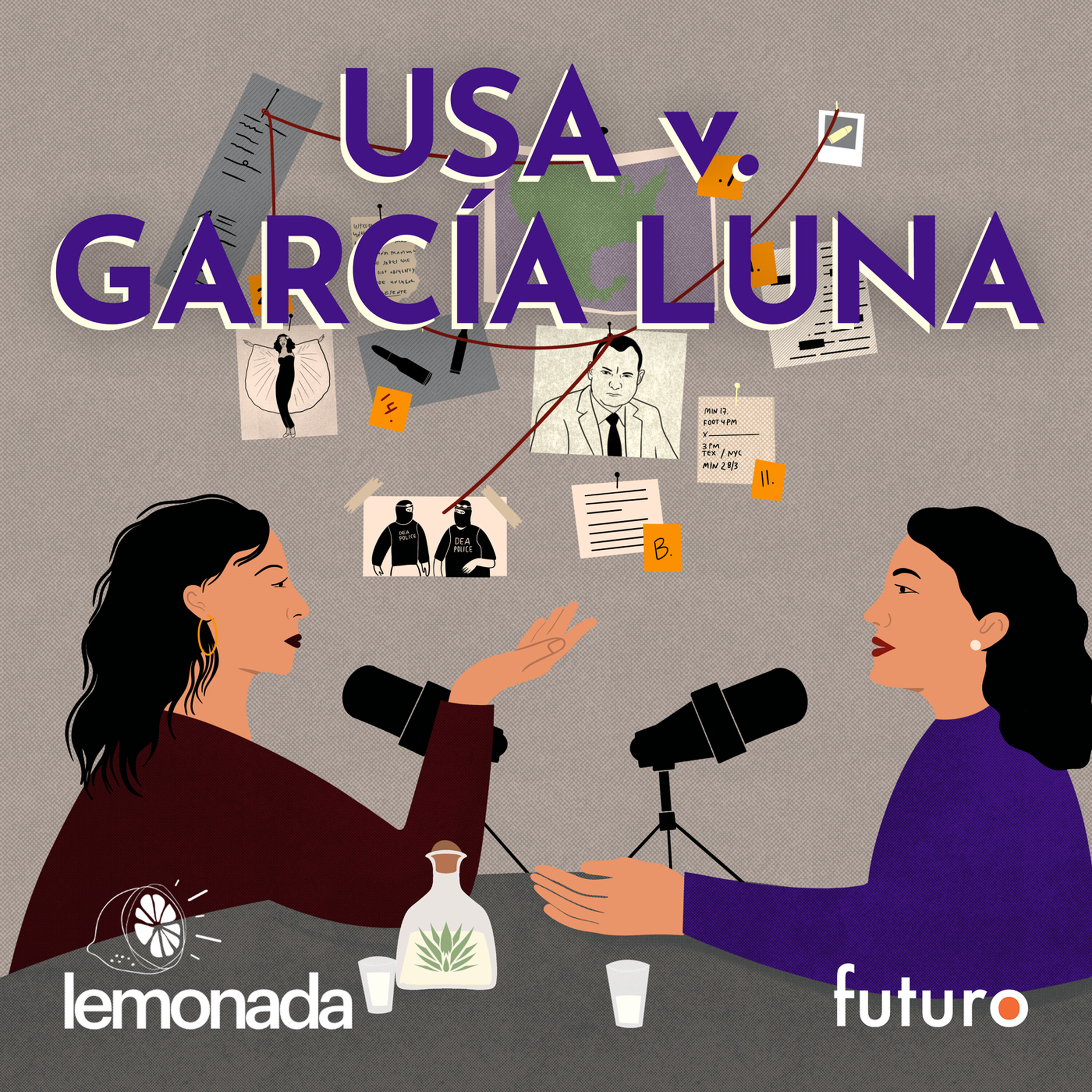
USA v. García Luna: Episode 1 ‘Untouchable’
A Mexican-American journalist and a Cuban-Mexican investigative reporter walk into a recording studio with a bottle of tequila, and reveal an investigation where true crime meets telenovela. “USA v. García Luna” tells the story of Genaro García Luna: The most powerful Mexican government official ever to face trial in the UnitedStates for his alleged ties to infamous drug lord Joaquín “El Chapo” Guzmán. It’s the result of a 10-year investigation and a shared journalistic obsession where Pulitzer Prize-winner Maria Hinojosa and Emmy Award-winner Peniley Ramírez tackle how U.S. money funds the drug war. To hear more of USA v. García Luna, head to futuroinvestigates.org.See omnystudio.com/listener for privacy information.

Feeling Like the Other
In the special presentation of the In The Thick political podcast produced by Futuro Media, Maria and Julio are joined by Daniela Pierre-Bravo, reporter for MSNBC’s Morning Joe, to discuss her new book, “The Other: How to Own Your Power at Work as a Woman of Color.” They talk about overcoming imposter syndrome and biases within our own communities. They also unpack the inequities and systemic issues in workplaces that contribute to feelings of otherness for Black and brown women.See omnystudio.com/listener for privacy information.
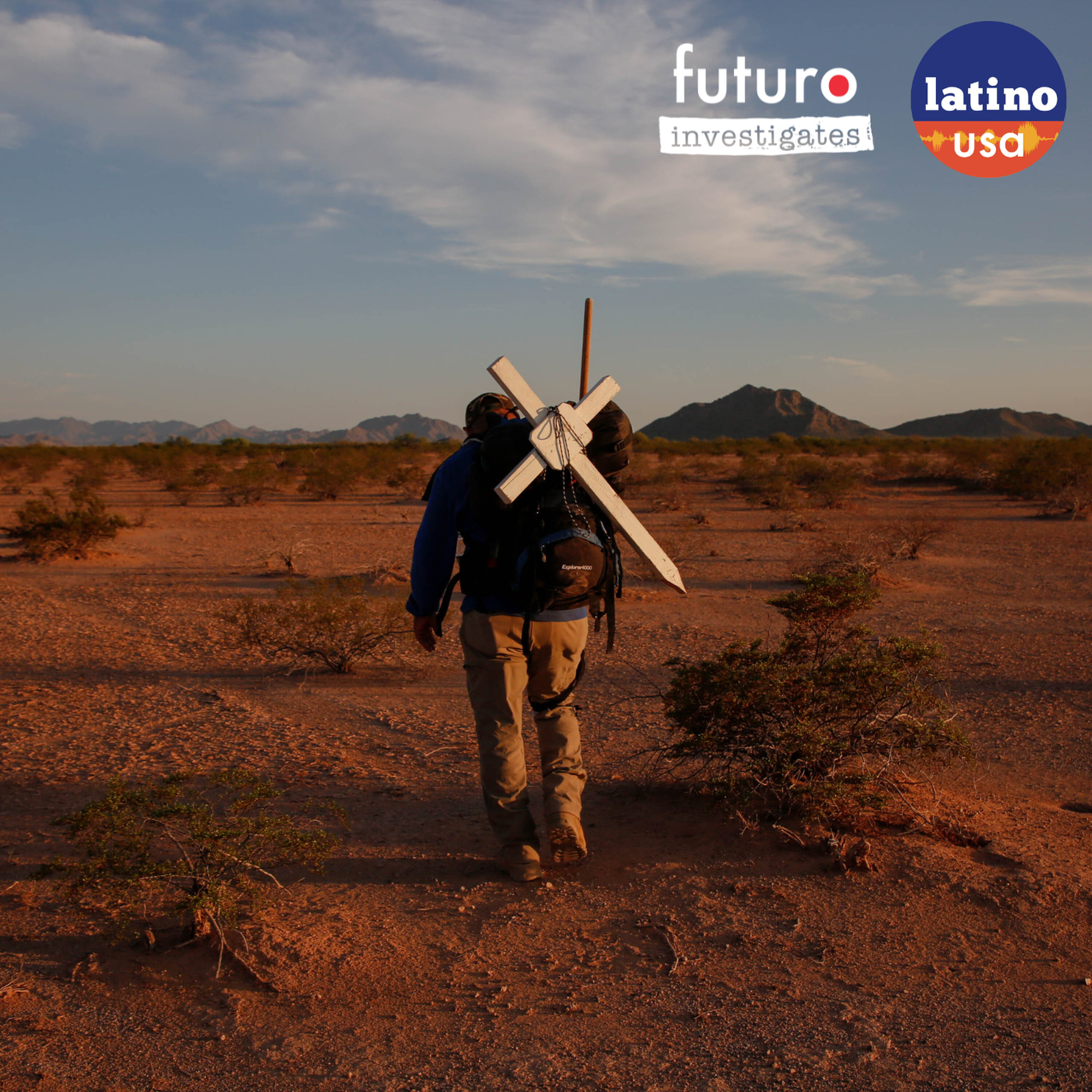
Death by Policy: Crisis in the Arizona Desert
In this year-long investigation from Futuro Investigates, we dig into how the Border Patrol’s decades-long deterrence policies create a deadly funnel, pushing migrants to cross through the Sonora Desert in southern Arizona—one of the deadliest terrains in the country. More than 4,000 remains have been recovered, and many have disappeared here. While the actual death toll is unknown, experts say it is likely much higher. As a result, volunteer organizations go to the most dangerous areas to search for missing people. We question why volunteers have to take on this work, and how this crisis fuels the Border Patrol’s budget.See omnystudio.com/listener for privacy information.
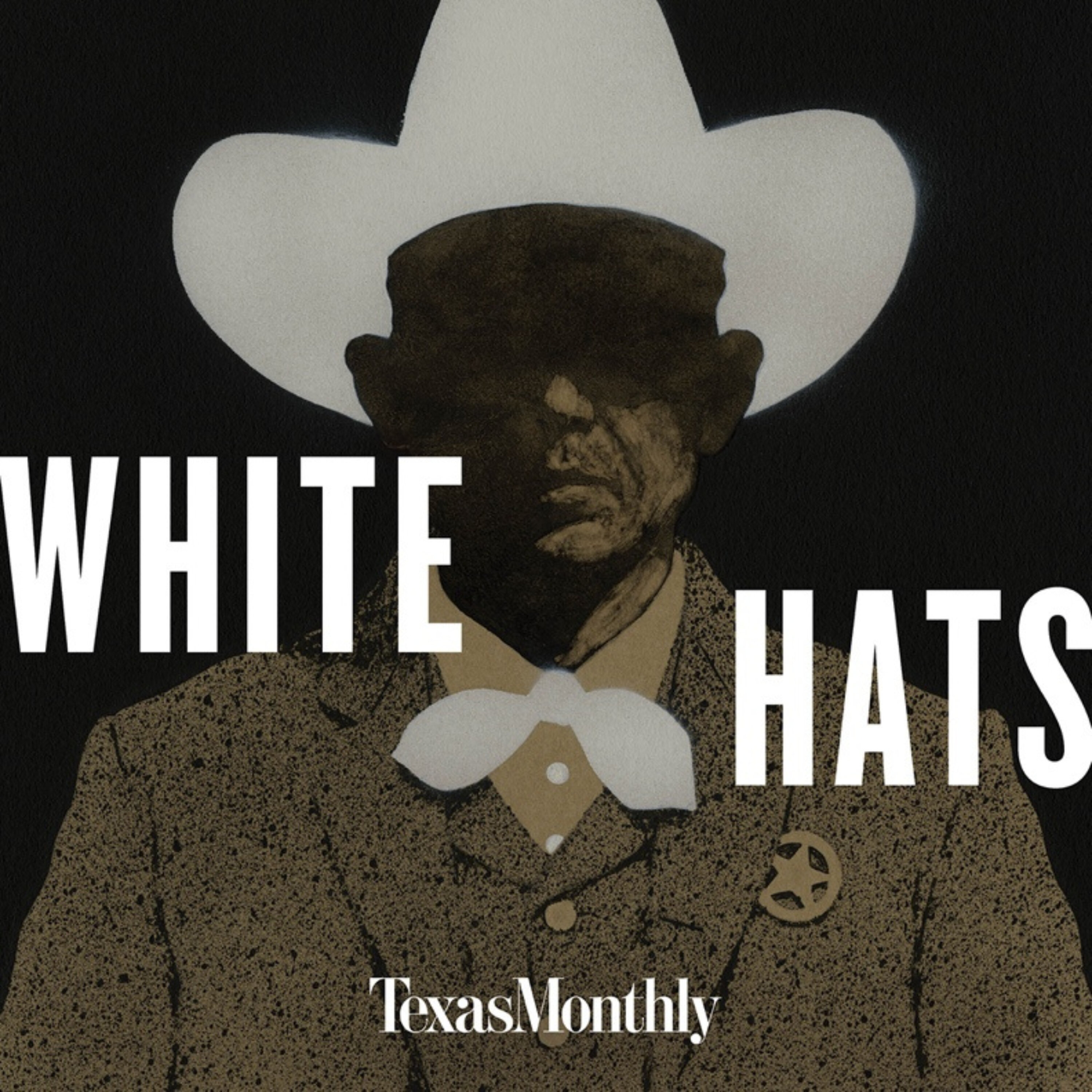
White Hats: Rangers and 'Rinches'
Today, we are sharing with Latino USA listeners the first episode of “White Hats,” a new podcast by Texas Monthly. In this episode Host Jack Herrera visits the Texas Ranger Hall of Fame and Museum in Waco, searching for how the Rangers became such enduring Texan symbols. Then he drives to the Rio Grande Valley, where historian Trinidad Gonzales recalls the Rangers’ role in a century-old family tragedy and discovering how his family history was part of the bigger story of Texas.See omnystudio.com/listener for privacy information.