
Latino USA
693 episodes — Page 10 of 14
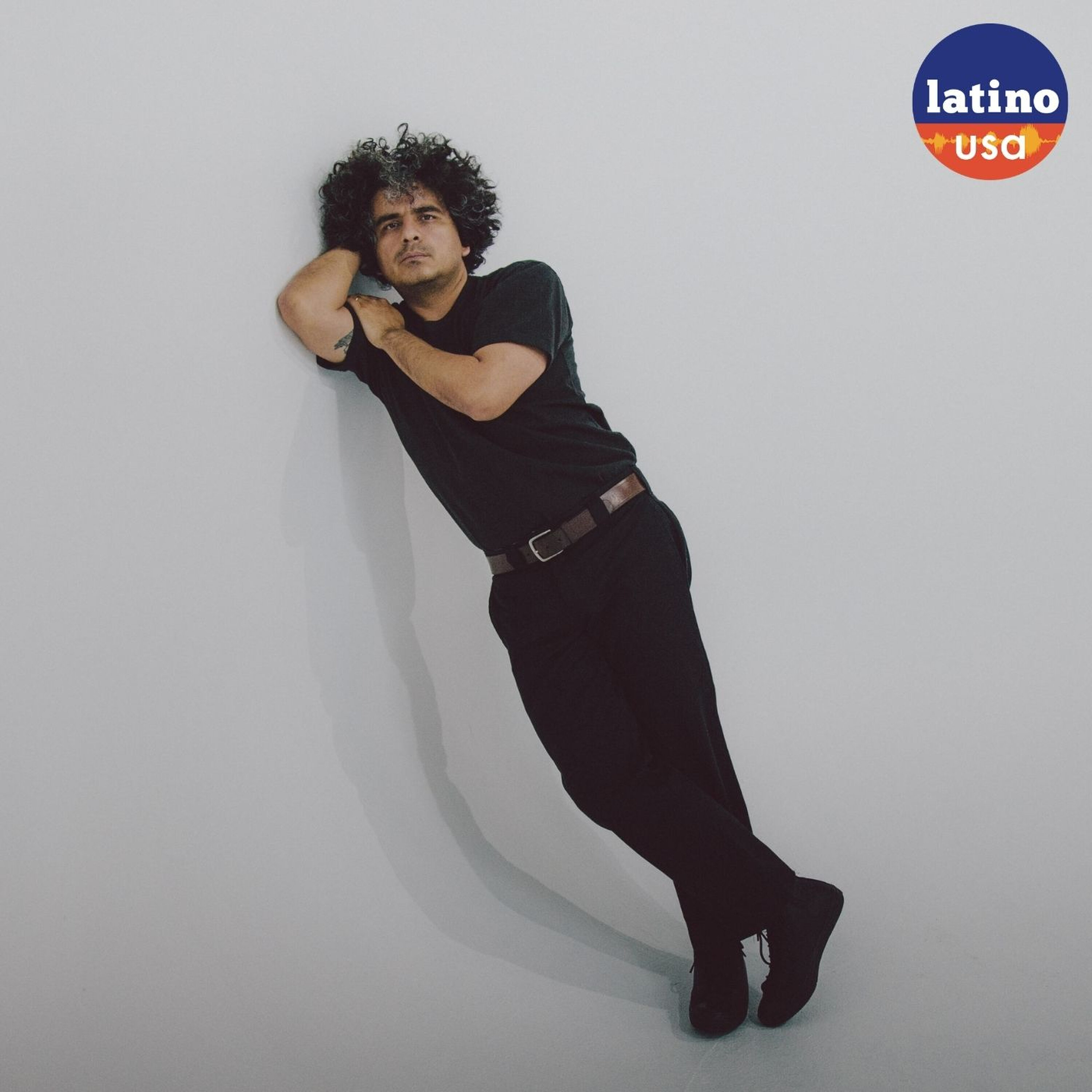
Helado Negro’s Expanding Universe
When Roberto Carlos Lange chose his stage name, he didn’t want to limit himself. Helado Negro represented something unknown and unexpected—and for over a decade, that’s what he set off to explore in his music. Helado Negro’s dreamy, psychedelic soundscapes explore themes of relationships and love, along with his own cultural heritage. Since his debut in 2009, Helado Negro has released seven albums, including his most recent, 2021’s “Far In.” Made during the early days of the pandemic, “Far In” is an exaltation of community and friendship. But the album’s release also coincided with a new chapter in Roberto’s life. Last year, he traded New York City for a new home in Asheville, North Carolina. And at the same time, Roberto began reflecting on his music, his audiences, and his career—along with healing from a lingering sense of burnout. In this episode of Latino USA, Roberto gets real about his journey in music, his relationship to his work, and what it’s like sharing his own life through his art.See omnystudio.com/listener for privacy information.
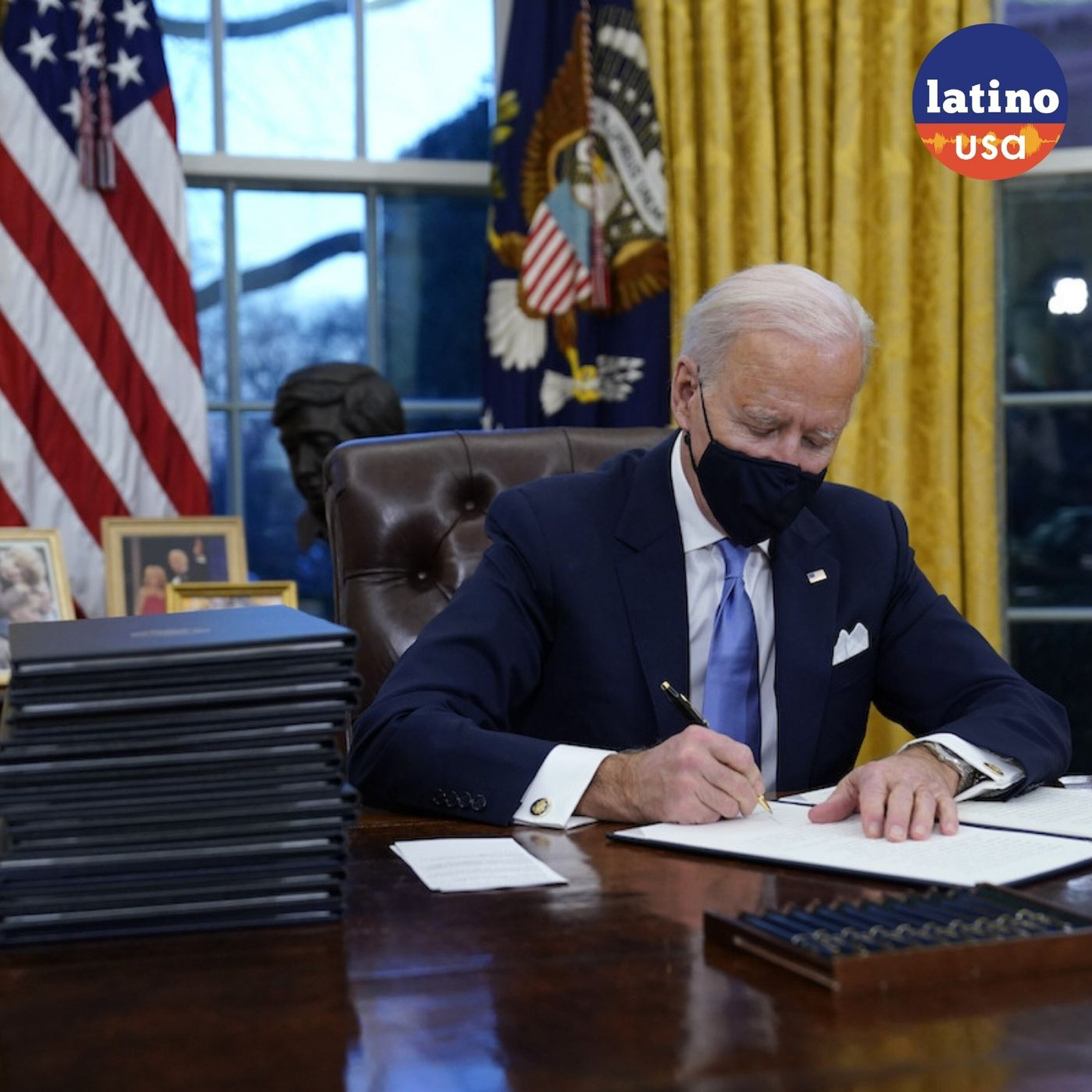
An Immigration Midterms Check
In collaboration with the award-winning In The Thick political podcast, Maria Hinojosa and Julio Ricardo Varela explore current immigration policy under the Biden Administration with guest Camilo Montoya-Galvez, immigration reporter for CBS News. They talk about Trump-era policies like Title 42 and Remain in Mexico, as well as the detention of migrant children and the treatment of refugees seeking asylum. Finally, they discuss what Democrats need to do moving forward to reimagine the nation’s immigration system.See omnystudio.com/listener for privacy information.
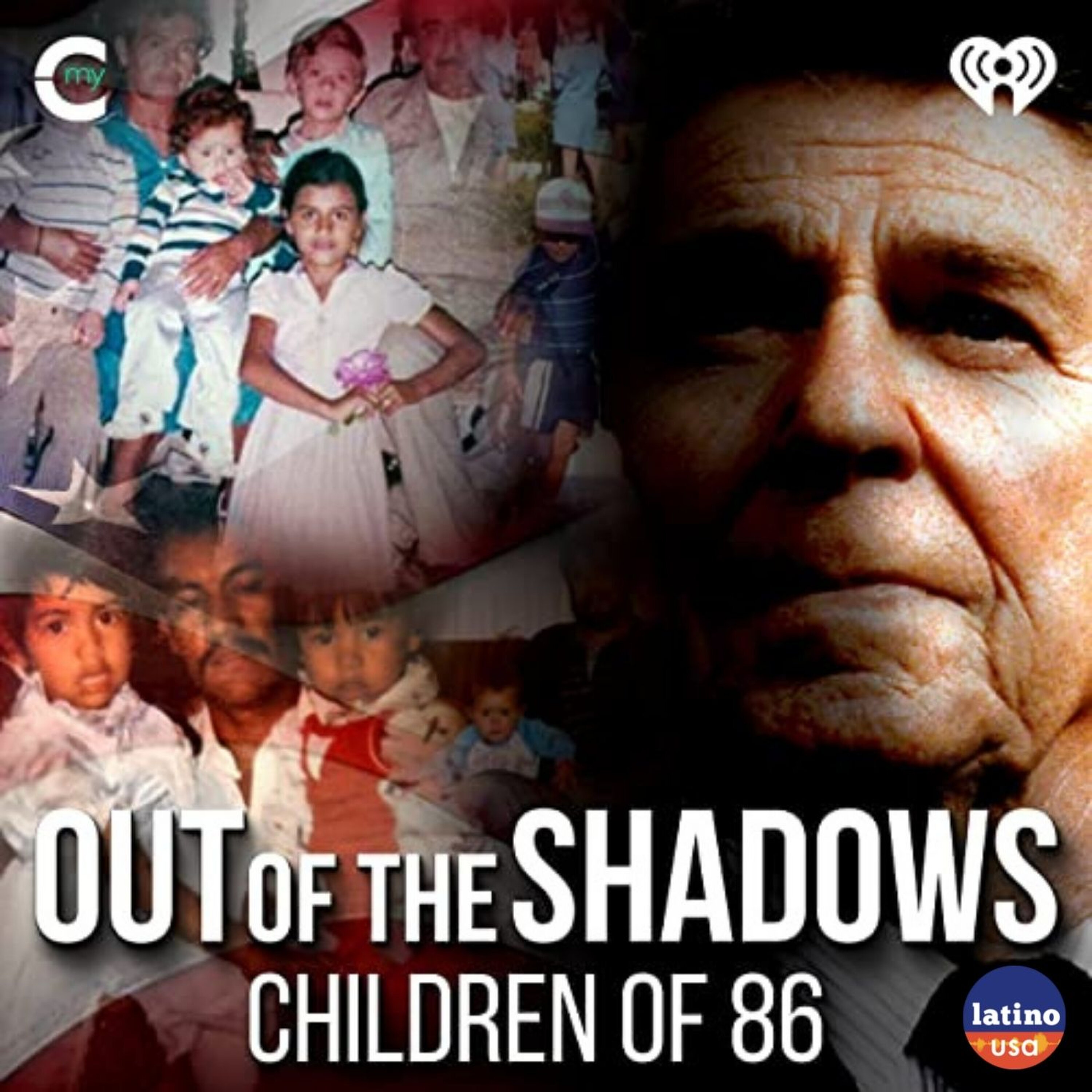
Out of the Shadows: Children of 86
From My Cultura Network and IHeart Podcasts Hosts Patty Rodriguez and Erick Galindo reflect on their lives as children of immigrants. They realize that a pivotal moment in their parents and their lives was in fact the signing of IRCA in 1986. That moment defined a generation. To subscribe to Out of the Shadows: Children of 86, click here.See omnystudio.com/listener for privacy information.
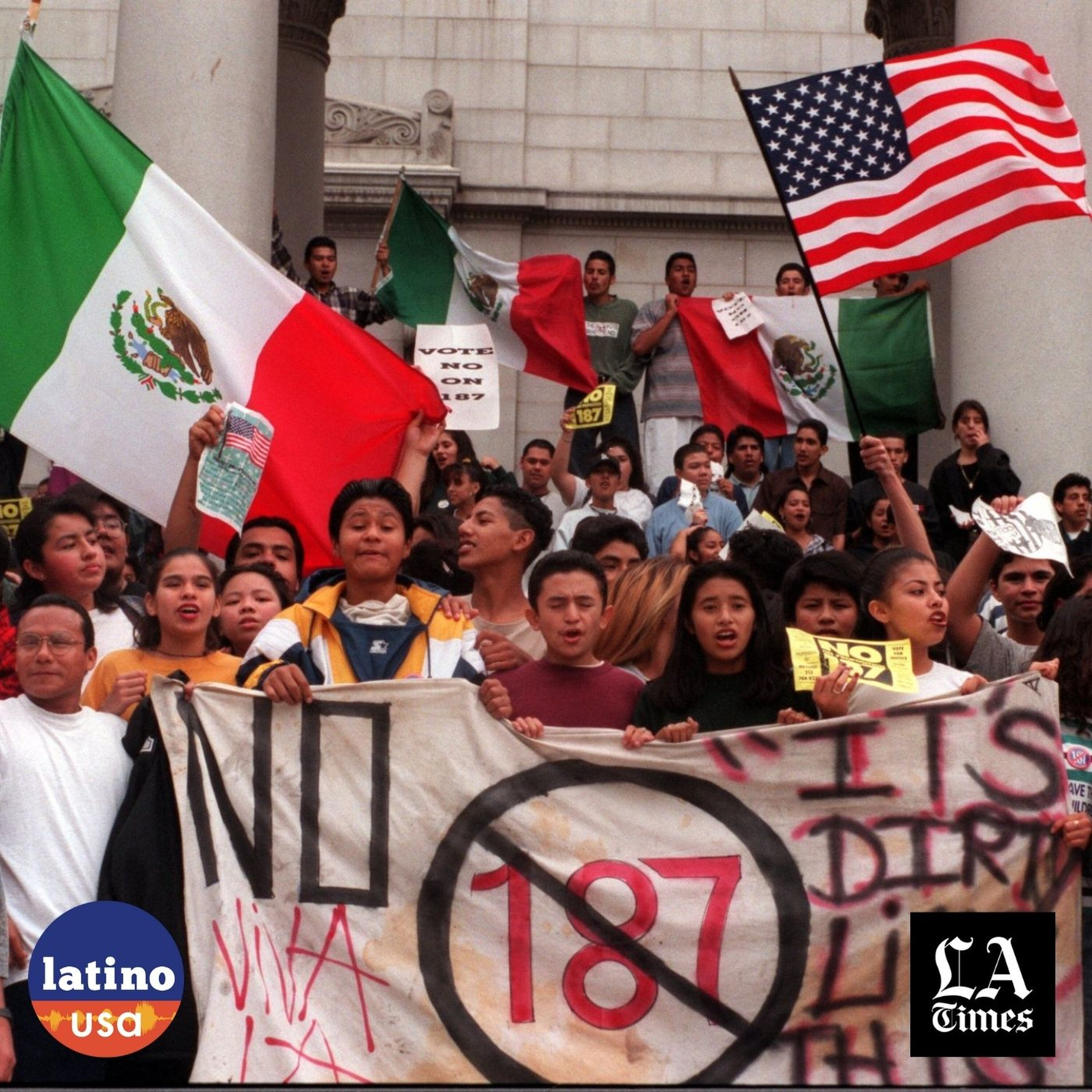
The Battle of 187
It’s 1993 in California. Dr. Dre is on the radio. The state is in a budget deficit. And a group of Orange County residents collects signatures to put a tough proposition on the ballot that would deny undocumented immigrants access to public services and education. You could say it was the first shot in today’s culture war over immigration. From Futuro Studios and Los Angeles Times, the story of Proposition 187 and how it continues to affect our culture and politics today. A three-part miniseries hosted by LA Times columnist Gustavo Arellano. This podcast was originally broadcast by Latino USA on November 1, 2019.See omnystudio.com/listener for privacy information.
After Uvalde
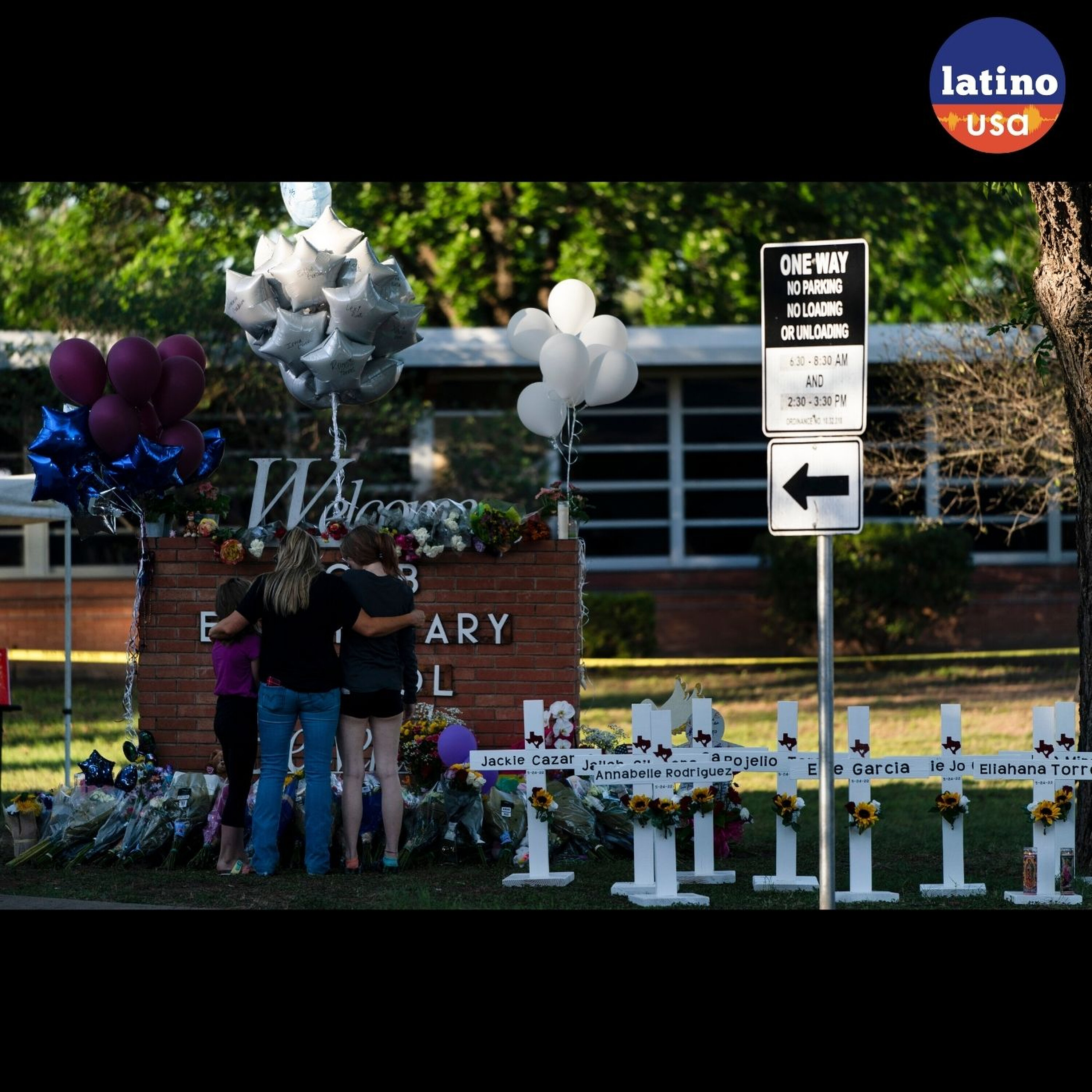
In this special collaboration with In The Thick, Maria Hinojosa and Julio Ricardo reflect on the mass shooting that occurred in Uvalde, Texas on Tuesday. They process the heartbreaking news that an 18-year-old man opened fire at an elementary school killing two teachers and 19 children. They also get into the systemic issues of gun control, policing, and how this intersects with immigration.See omnystudio.com/listener for privacy information.
Imperfect Paradise: The Forgotten Revolutionary
From LAist Studios Oscar Gomez was a star of the 1990s Chicano student movement and then, unexpectedly, he died. A rattling event in host Adolfo Guzman-Lopez’s life spurs him to investigate Oscar’s death. To subscribe to Imperfect Paradise, click here.See omnystudio.com/listener for privacy information.
Limbo
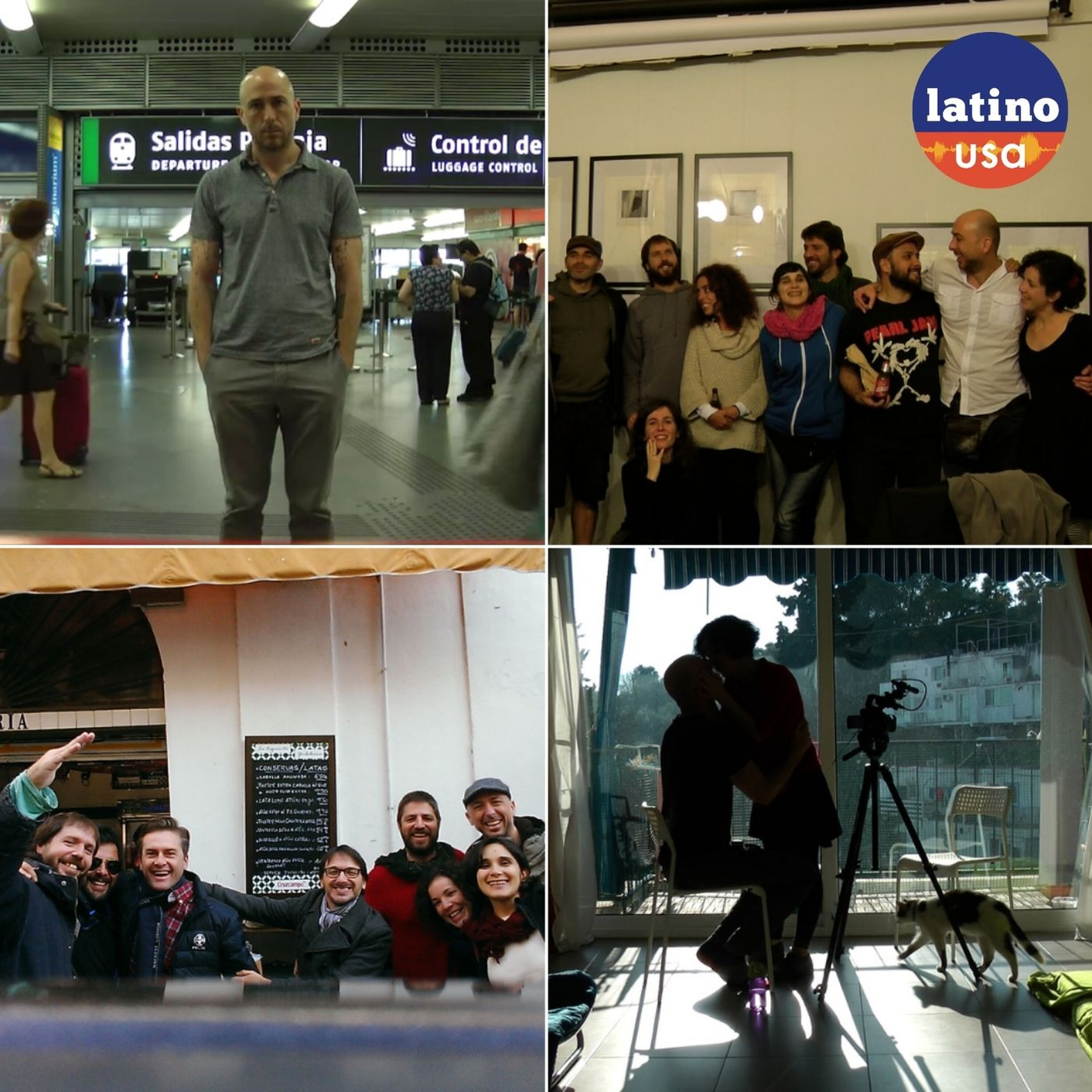
There are two kinds of immigrants: the ones who don’t look back and the ones who spend their lives looking back. Miguel Macias has been both over the course of his life. “Limbo” follows Miguel’s migration journey after moving to the United States from Spain in 2001, when he was 25 years old. As we learn about the struggles that come with remaining connected to the homeland, and the life-long dilemma of whether to return one day, “Limbo” dives into the ways in which migration and depression interlock. “Limbo” is a love story, but also a story about belonging, purpose, achievement, and the things that matter in life.See omnystudio.com/listener for privacy information.
Bodies Without Limits: Tattooing With Tamara Santibañez
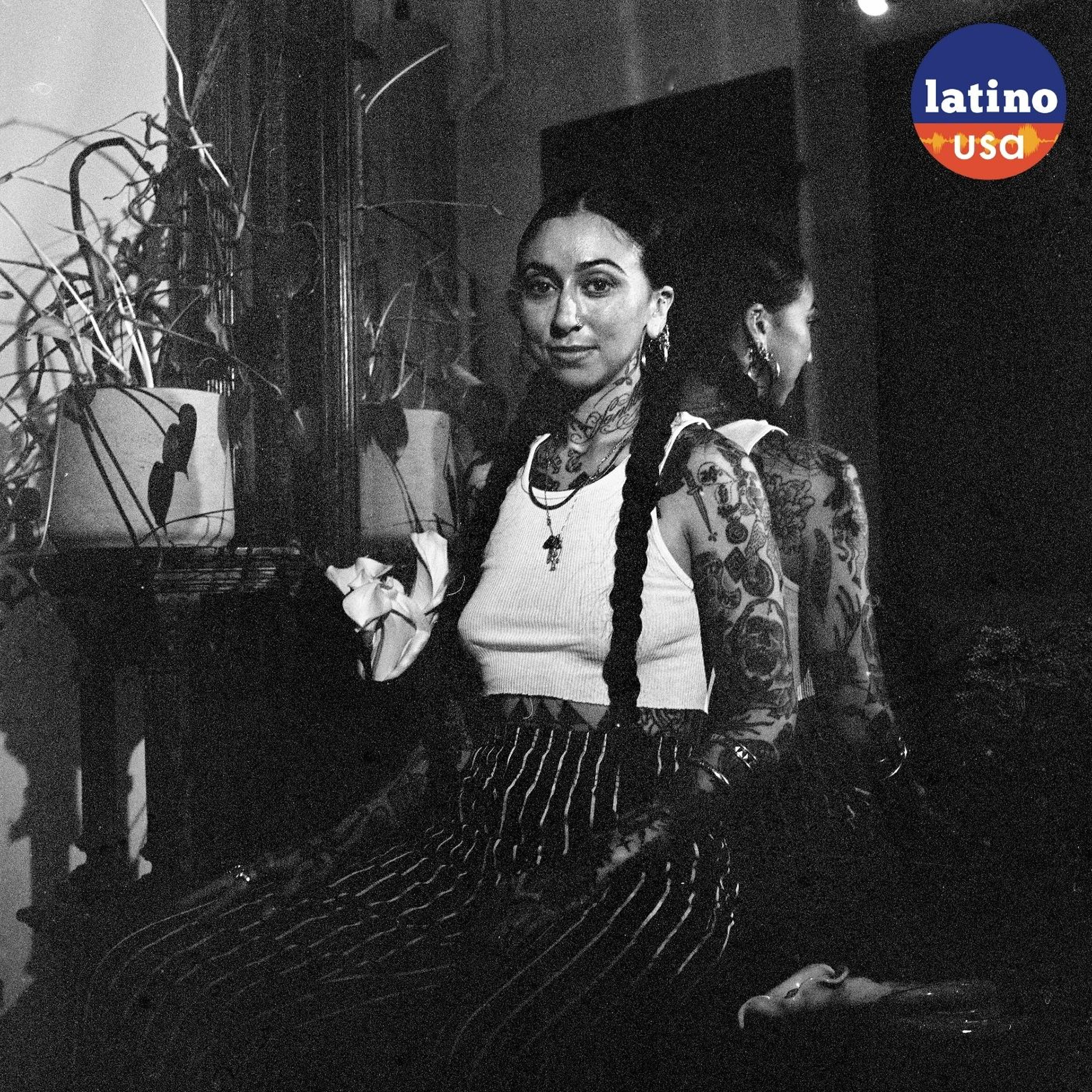
If you’re looking for a sign to go get that tattoo you’ve been dreaming of — well, this is it. Tattoo and multimedia artist Tamara Santibañez believes that tattooing can work for anyone who wants it. The art form has existed for thousands of years, and it’s more than a tool for creative expression. In their book, “Could this be Magic? Tattooing as Liberation Work,” Tamara makes the case that tattooing holds deep meaning and even deeper potential: tattoos are a way to reclaim personal and collective histories, help heal trauma, and present one’s truest self to the world. Tamara developed their tattooing ethos across their 13-year-long career. Originally from Georgia, Tamara moved to New York City as an art student and soon after pivoted into the world of body art and tattooing. Tamara developed a specialty in black and white, fine-line tattooing — their style draws from their Mexican-American heritage, and from popular Chicano tattooing styles that originated within the prison system on the West Coast. In this episode of Latino USA, Tamara discusses their own journey in tattooing, the histories behind the art form, and the possibilities that await when taking ink and needle to skin.See omnystudio.com/listener for privacy information.
Genias in Music: Violeta Parra
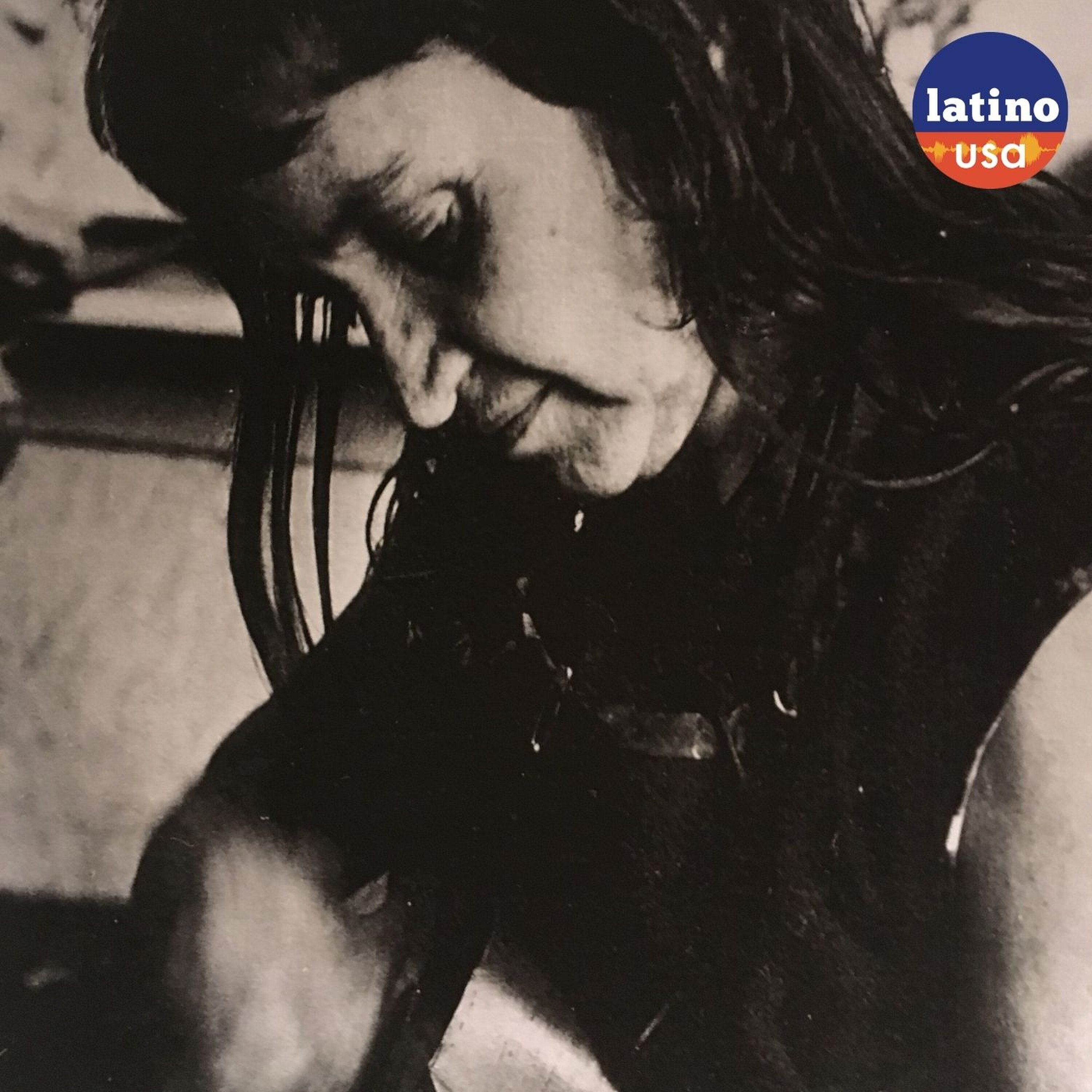
Violeta Parra changed music in her native Chile and beyond. She is known as the “Mother of La Nueva Canción,” a political folk music movement that swept Latin America in the late 1960s. Most people might have heard a version of her masterpiece “Gracias a la vida,” which has been covered countless times across the world. But behind that anthem of gratitude there is a deeply existential and complex musician who presented love as an ethical principle in her songs, even when her own life was marked by loss and illness. In the latest episode of our Genias in Music series —about the lives and work of notable women musicians— we dive into the complexities of Violeta Parra, a pioneer of political folk music in Latin America.See omnystudio.com/listener for privacy information.
Growing Up With The Tiarras
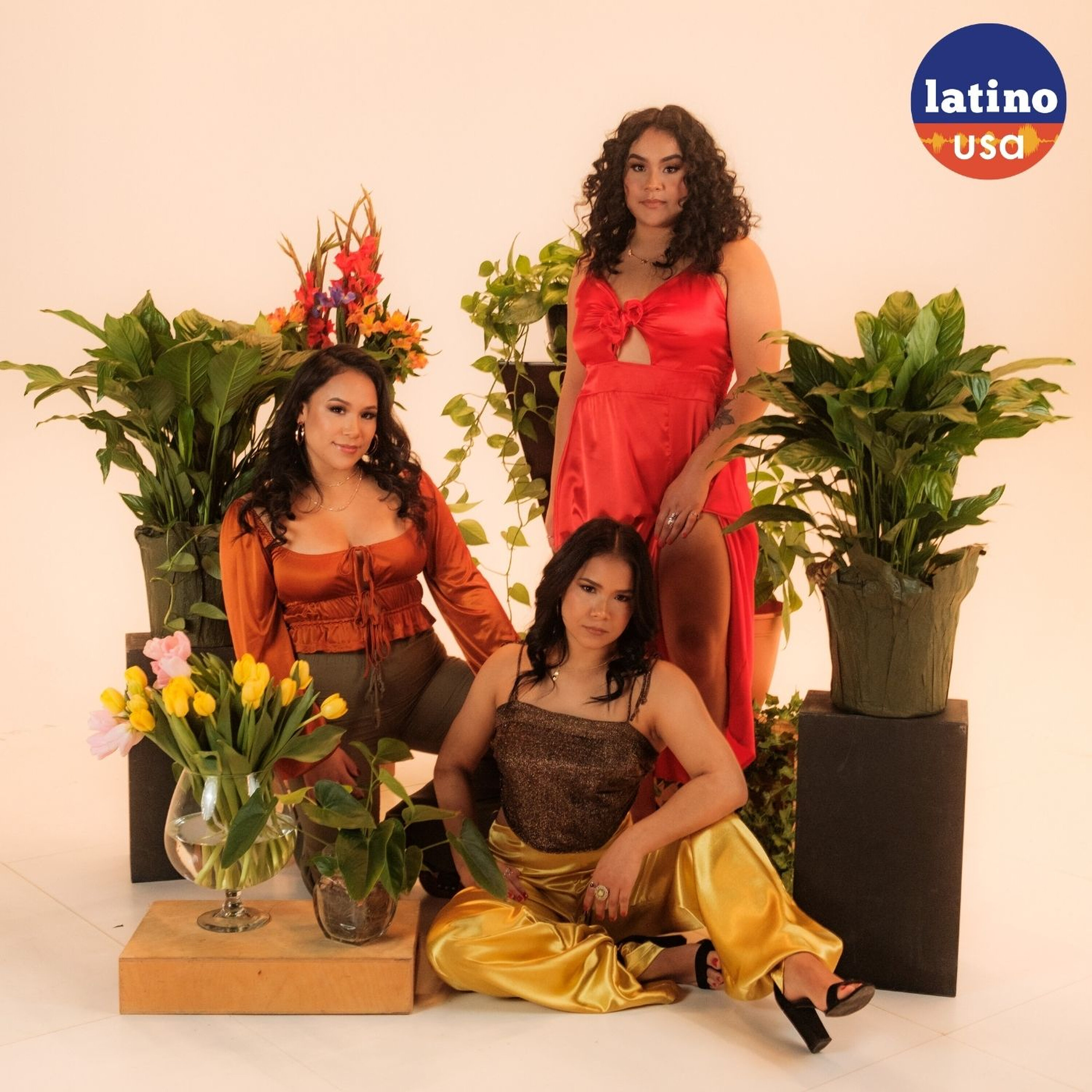
The Tiarras have been playing together since they were just little girls, but they’ve been sisters forever. The band is arguably best known for writing and performing catchy tunes that dive into themes of Latina empowerment, self-love and they’re not afraid to get political. On this episode of Latino USA, these hermanas tell us more about the role sisterhood plays in their creative process and why they hope their art and journey inspires future generations of Latinos and Latinas.See omnystudio.com/listener for privacy information.
Disinformation and Misinformation
To kick off Latino USA's 2022 election cycle coverage, Maria Hinojosa and Julio Ricardo Varela are joined by Maria Teresa Kumar, founding president and CEO of Voto Latino, and Jaime Longoria, manager of research and training for the Disinfo Defense League at Media Democracy Fund for a conversation about misinformation and disinformation in the Latino community. They get into who is behind these disinformation campaigns, their impact on communities and the organizing that is being done to counter these issues.See omnystudio.com/listener for privacy information.
Portrait Of: Elizabeth Acevedo
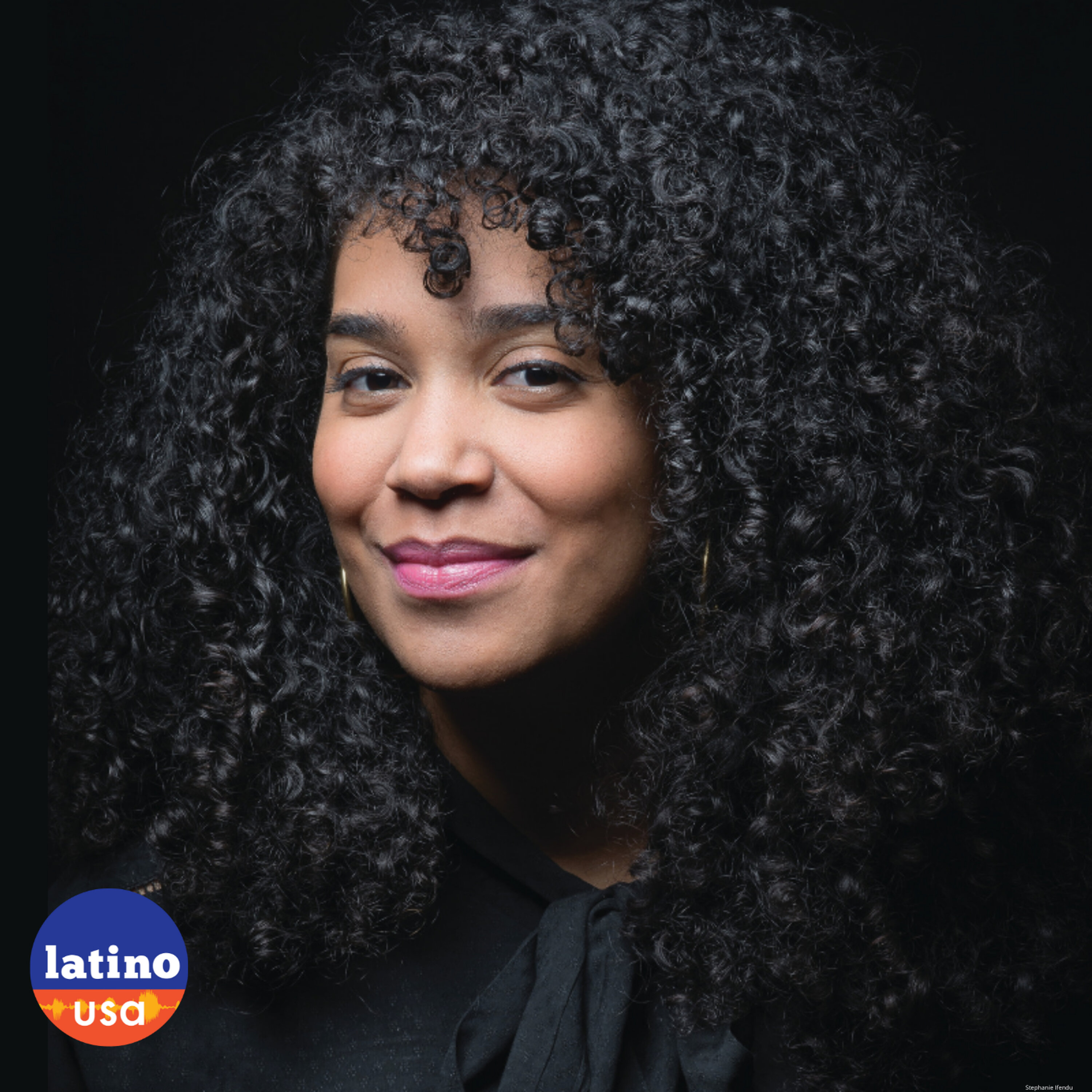
Elizabeth Acevedo is a Dominican-American poet and award-winning author. Her debut young adult novel "The Poet X" made the New York Times bestseller list in 2018. With the Fire on High —Acevedo’s second novel— tells the story of an Afro-Latina who dreams of becoming a chef. We sit down with Elizabeth Acevedo to talk about how storytelling became an important part of her life, her identity, and the impact of her success. This episode was originally broadcast on May 28, 2019.See omnystudio.com/listener for privacy information.
A Child Lost in Translation
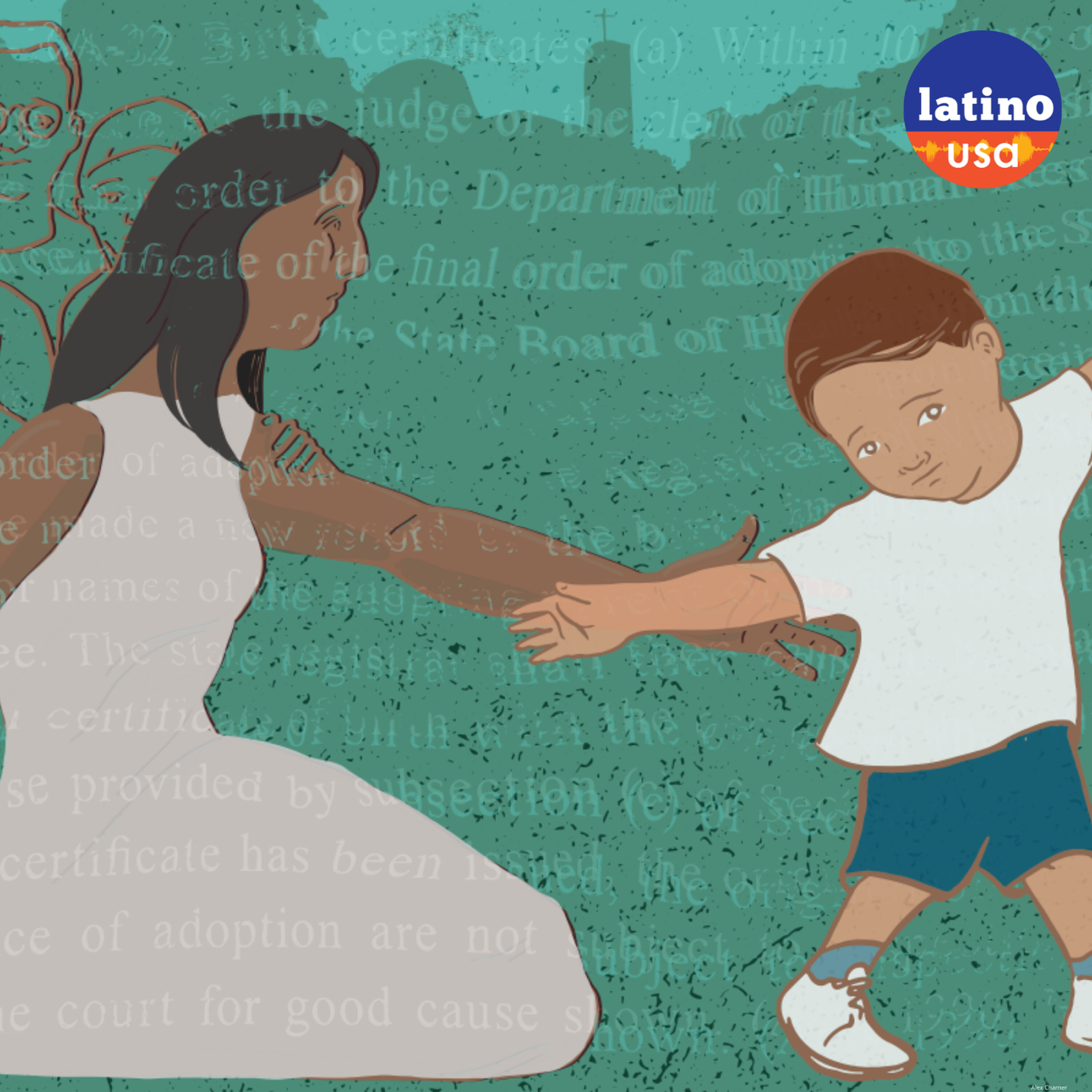
The following Latino USA story was originally broadcast on May 31, 2019. It was also the recipient of a 2020 Gracie Award from the the Alliance for Women in Media. Huntsville, Alabama has a small, but growing Latino population. It's where Teresa Matías, a single working immigrant mother from Guatemala, lived with five sons. In 2015, Teresa joined a local Catholic church, baptized her sons and found them godparents. The godparents of her youngest son would take a special liking to him. Over the next year, a series of events would begin to unravel —in which the godparents got lawyers and judges involved— eventually resulting in Teresa giving up complete parental rights to her youngest son. But in all these meetings, Teresa, who knows only a few words in English and grew up speaking a Mayan language, never had a proper interpreter. Latino USA chronicles Teresa's story and how she ended up making a life-changing decision without full consent and proper translation.See omnystudio.com/listener for privacy information.
New Hope for Melissa Lucio
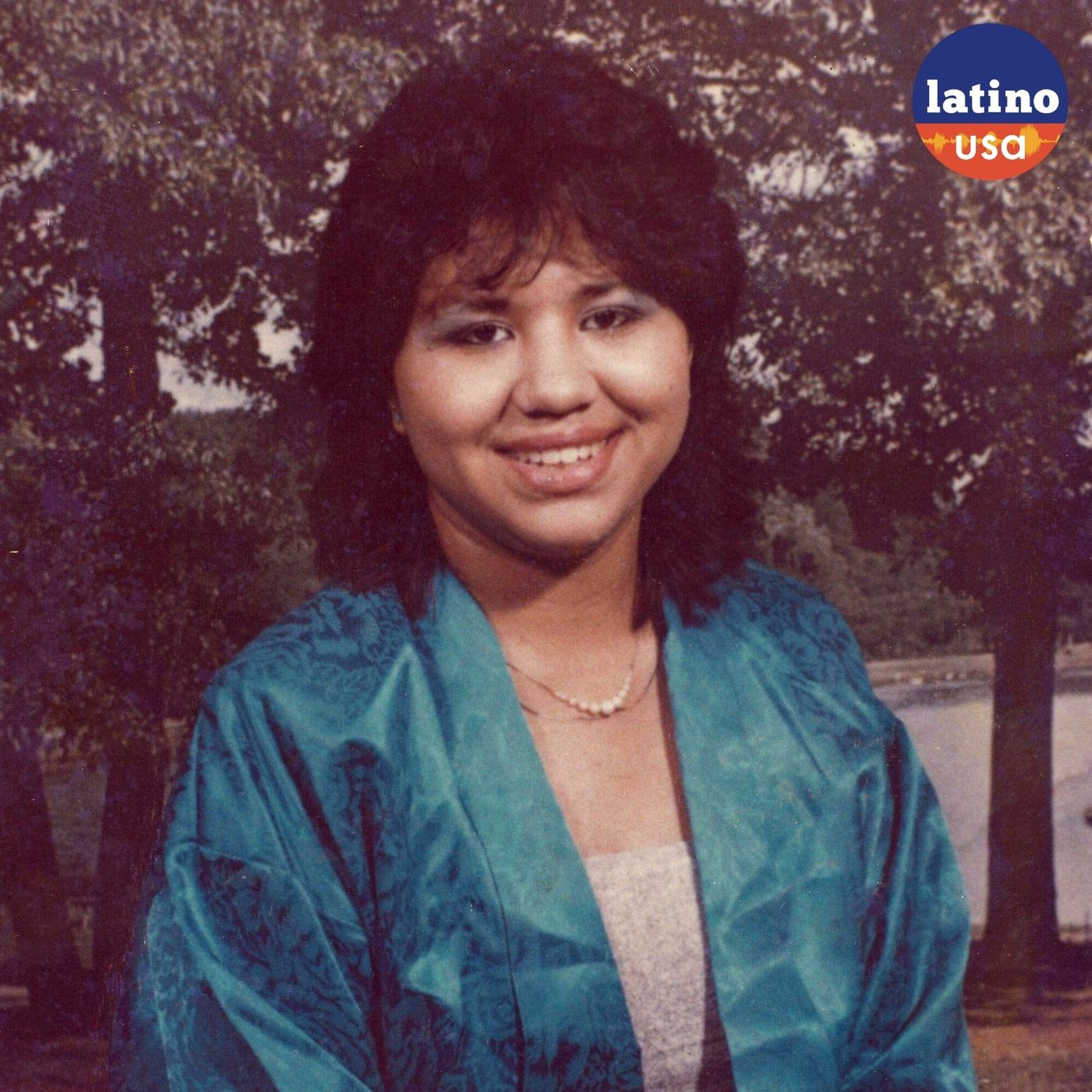
Latino USA provides an update to a story we recently did about Melissa Lucio, the first Latina on death row in Texas.See omnystudio.com/listener for privacy information.
Doris Anahi Muñoz Chooses Herself
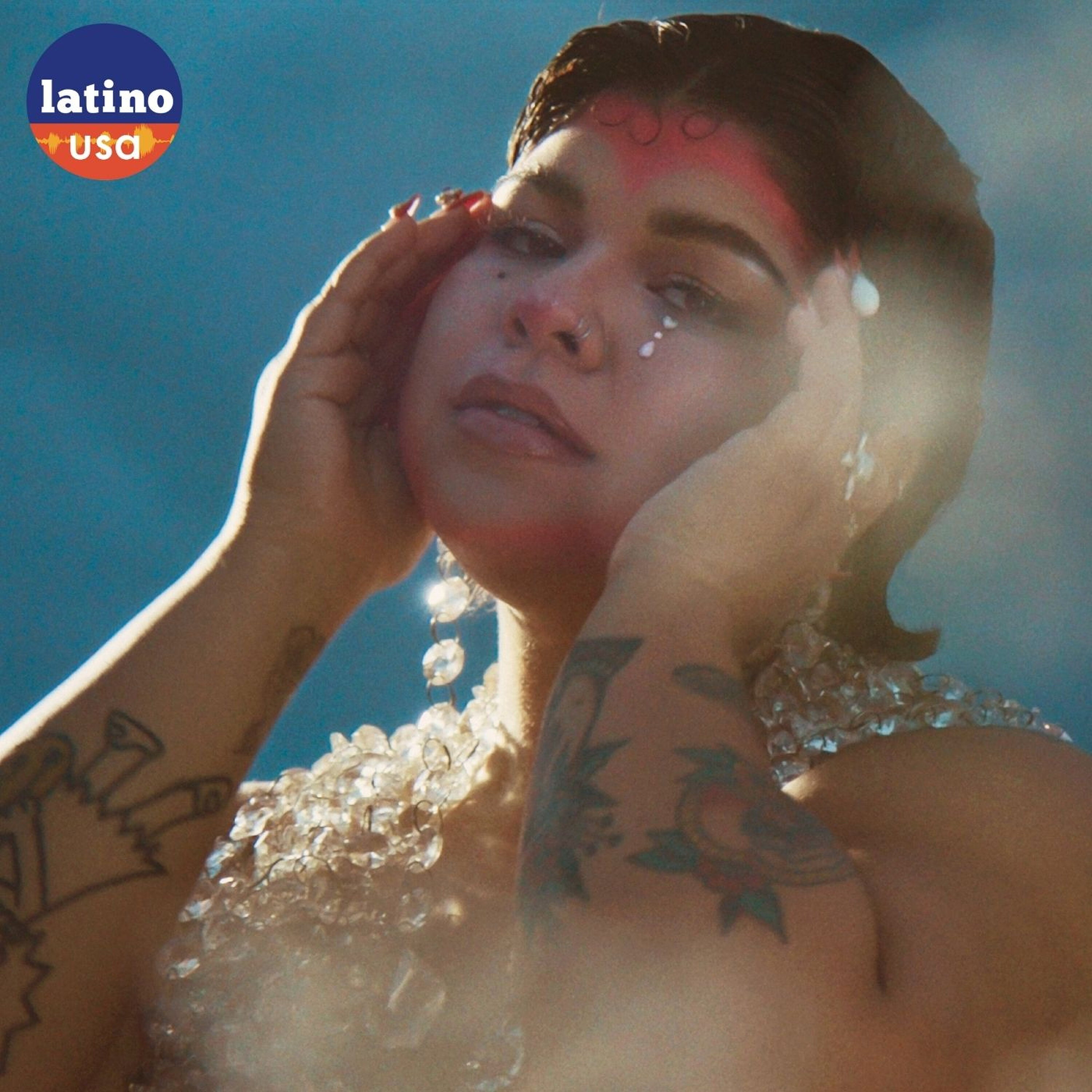
Doris Anahi Muñoz always sang. In fact, singing was her first career choice. But reality hit when she realized in her teenage years that she had to secure a career so that she could provide for her undocumented parents. Her dream of becoming a singer came to a halt. Instead, she got involved in the music industry from behind the scenes and became very successful: at 23 years old, she founded her own music management company representing indie Latino emerging artists and launched a series of fundraising concerts for immigrant communities. But soon after she realized she was unhappy.That’s when Doris decided it was time to choose herself and step onto the stage as a singer and musician.See omnystudio.com/listener for privacy information.
Chisme: An Ancestral Language
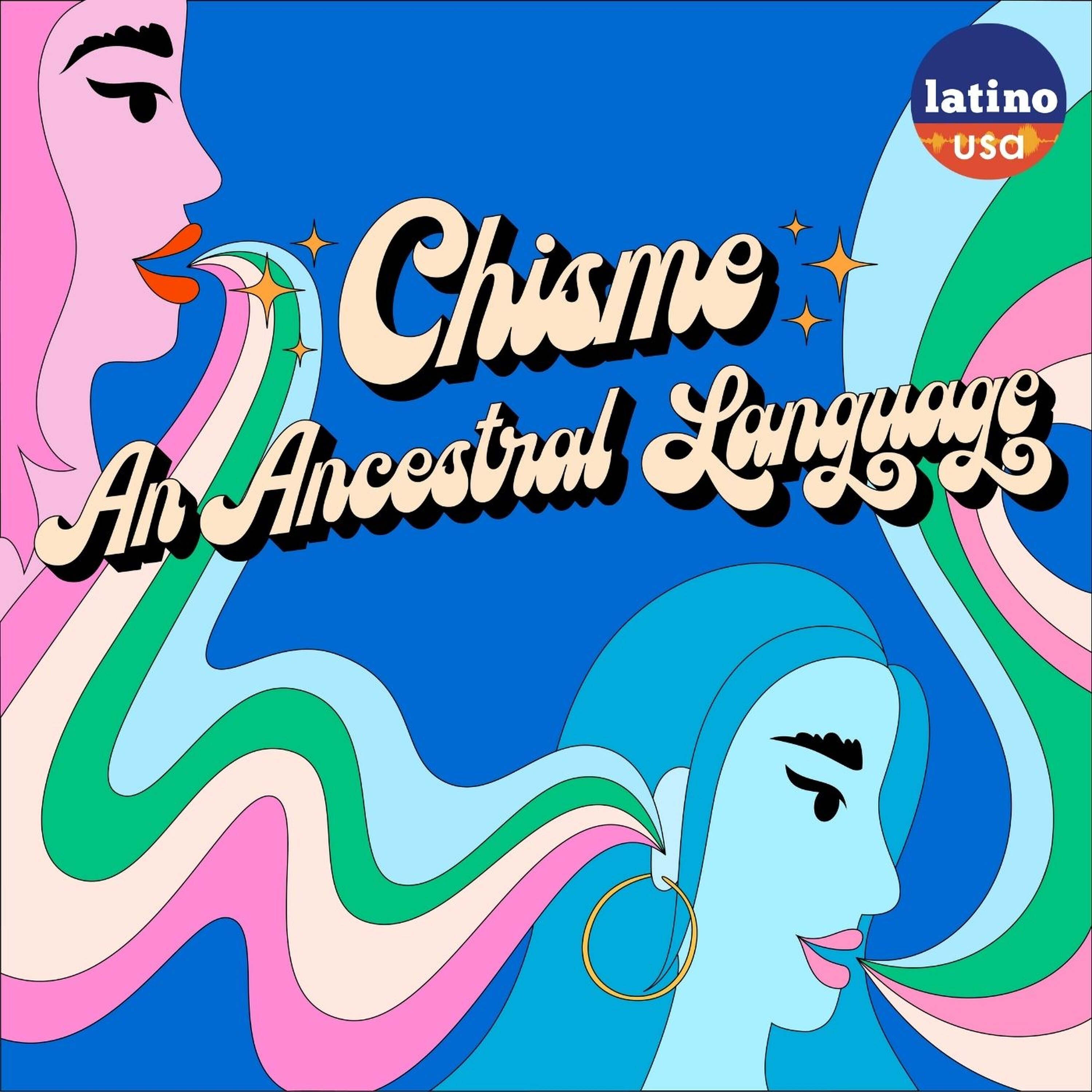
When Elisa Baena and Monica Morales-García first met on their first day as Latino USA fellows, they realized they were speaking a shared language — an ancestral tongue. They were chismeando! Chisme is the Spanish word for gossip. It happens when you speak about someone in their absence, sharing information that’s supposed to be private and not necessarily factual. In this episode of Latino USA, Elisa and Monica travel deep into a chismosa’s universe. They talk to professional chismosas from reality TV, entertainment news and academia to understand why chisme is so central in the lives of Latinas and Latinos.See omnystudio.com/listener for privacy information.
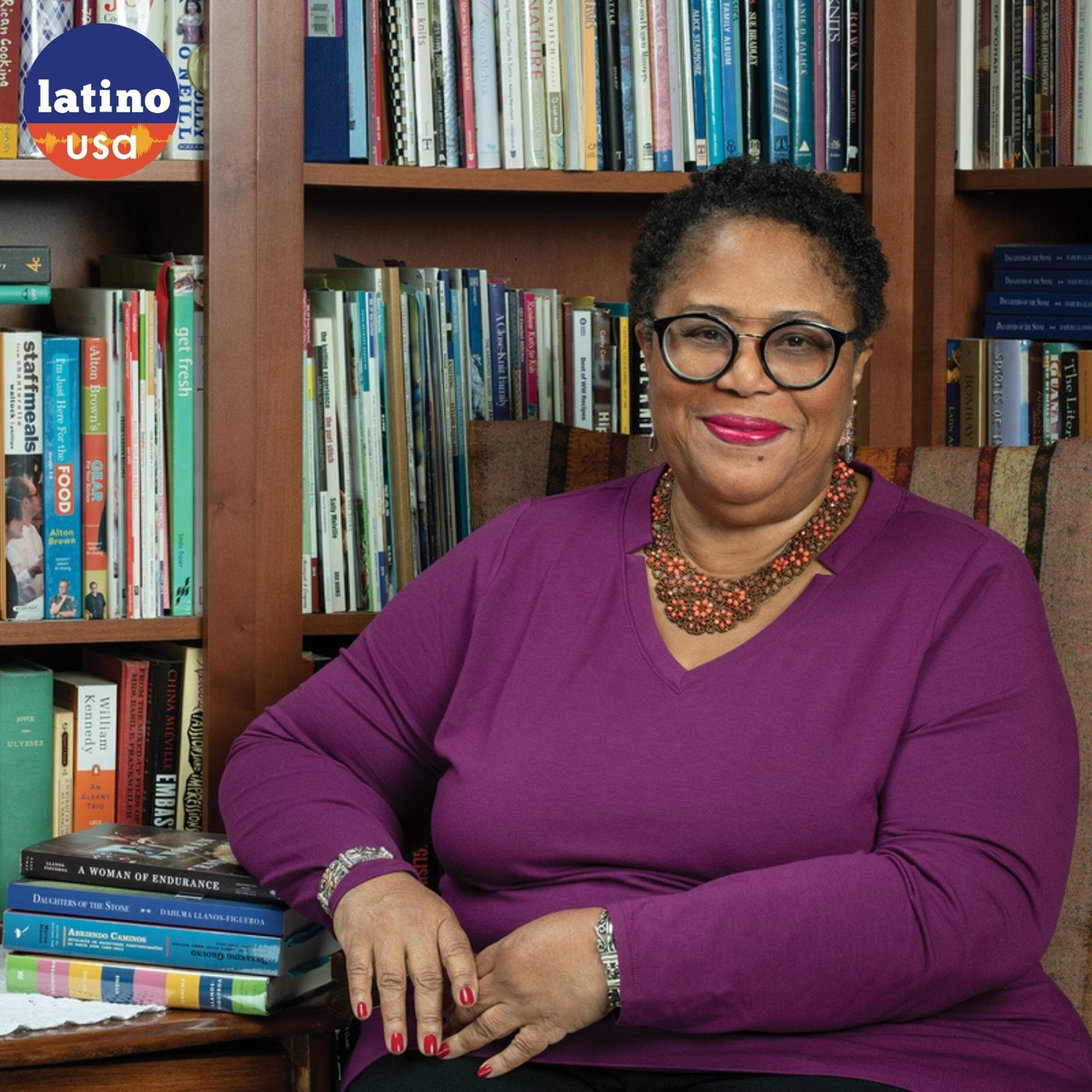
The Story Not Told With Dahlma Llanos-Figueroa
Dahlma Llanos-Figueroa grew up listening to the stories of her rural Afro Puerto Rican community of Puerto Rico, but when she moved to New York, she realized that not everybody had access to this kind of storytelling. After a long career as school teacher and librarian, Dahlma realized that she needed to write the stories her mostly Dominican and Puerto Rican students in the Bronx were missing. Dahlma shares how she found her writing voice and gives us a sneak peak of her new novel, A Woman of Endurance, which centers the experience of an enslaved woman in Puerto Rico.See omnystudio.com/listener for privacy information.
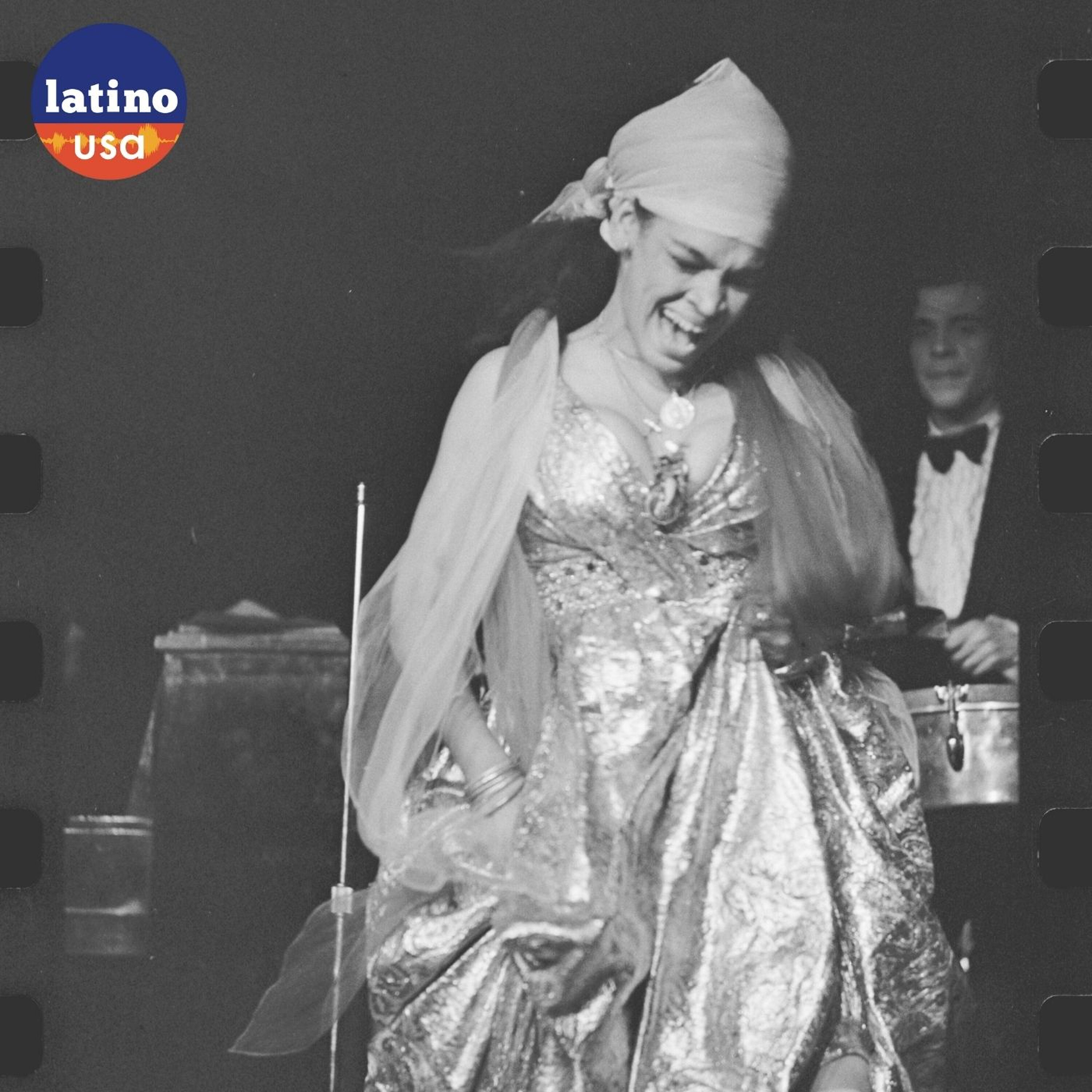
Genias in Music: La Lupe
La Lupe was a legendary Afro-Cuban singer who was once known as the “Queen of Latin Soul.” She was one of the top performers in Havana cabarets amid the Cuban Revolution and became a legendary figure in New York after fleeing Cuba. She worked with some of Latin music’s biggest names, including Tito Puente, and was known for explosive boleros like “Qué Te Pedí” and “La Tirana.” By the mid-1970s, Lupe’s label was acquired by Fania Records and she was pushed aside. She earned the reputation of being difficult to manage and there were rumors that she was a drug abuser, even though her family and friends have consistently denied these claims. Changing tastes in Latin music coupled with her strained reputation led her career to decline by the 80s. This episode of Latino USA is part of our Genias in Music series, remembering notable women and their contributions to their fields throughout history. We question some of the myths about La Lupe that attempted to delegitimize her music and look at how her identity as an Afrolatina influenced the racist and sexist characterizations of her as “possessed,” “crazy” and “on drugs.” But by singing and moving in the ways she was known for, she was resisting her erasure and claiming her space –– whether audiences understood it or not.See omnystudio.com/listener for privacy information.
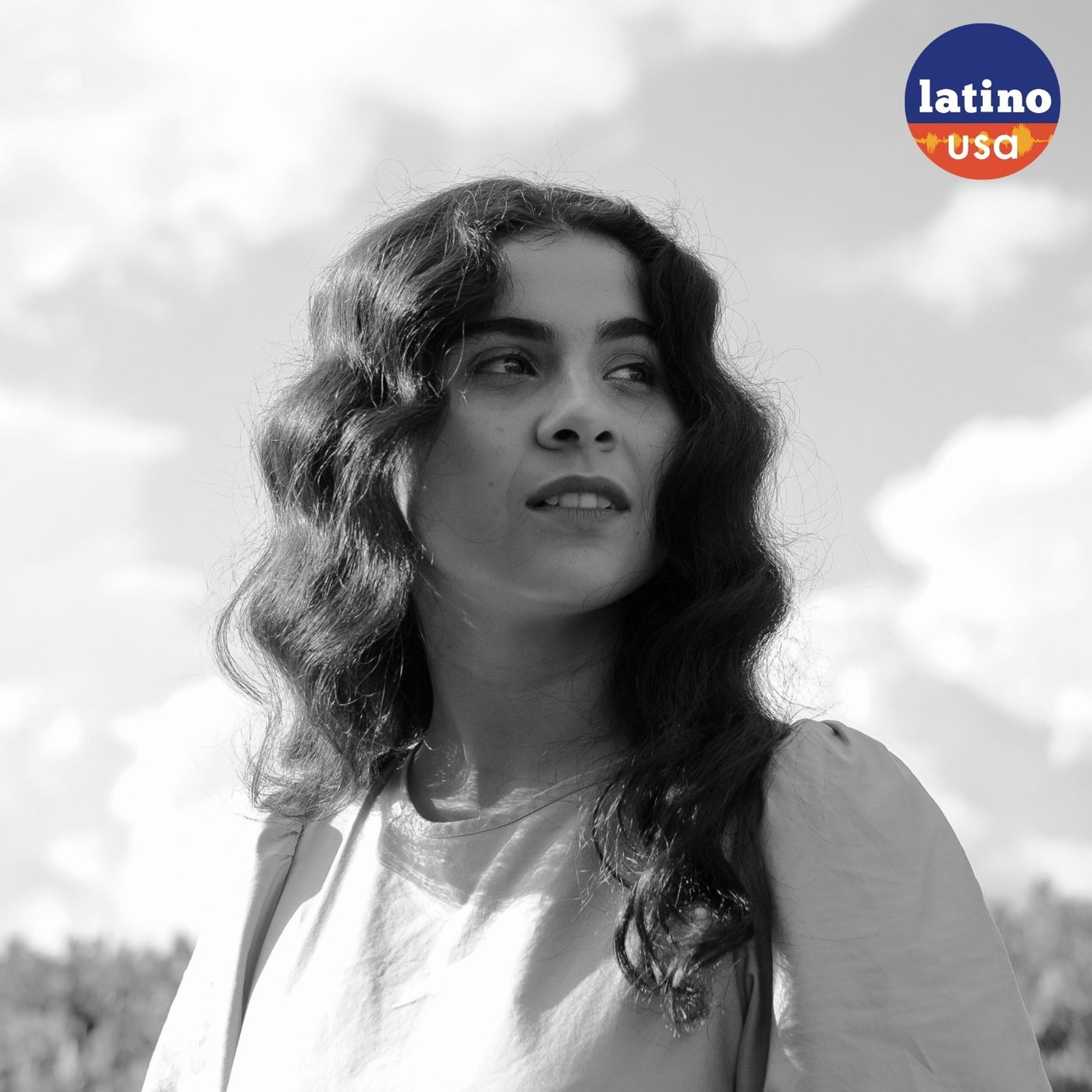
Silvana Estrada Finds Freedom in Music
Silvana Estrada has spent her entire life surrounded by the sounds of music: the tuning of a violin, the strumming and plucking of guitar strings, the bowing of a big-bellied double bass. The 24-year-old singer and composer grew up in the mountains of Veracruz, Mexico. Music was a way for Silvana to connect with the world around her. “Marchita” —written and recorded entirely in Spanish— draws from Silvana’s jazz background and the folkloric Mexican music she grew up with. The album confronts themes of heartbreak and love, and it’s a product of Silvana’s own pursuit of creative freedom. On this episode of Latino USA, Silvana talks about connecting with audiences across the country, finding inspiration in the world around her, and forging her own musical path.See omnystudio.com/listener for privacy information.
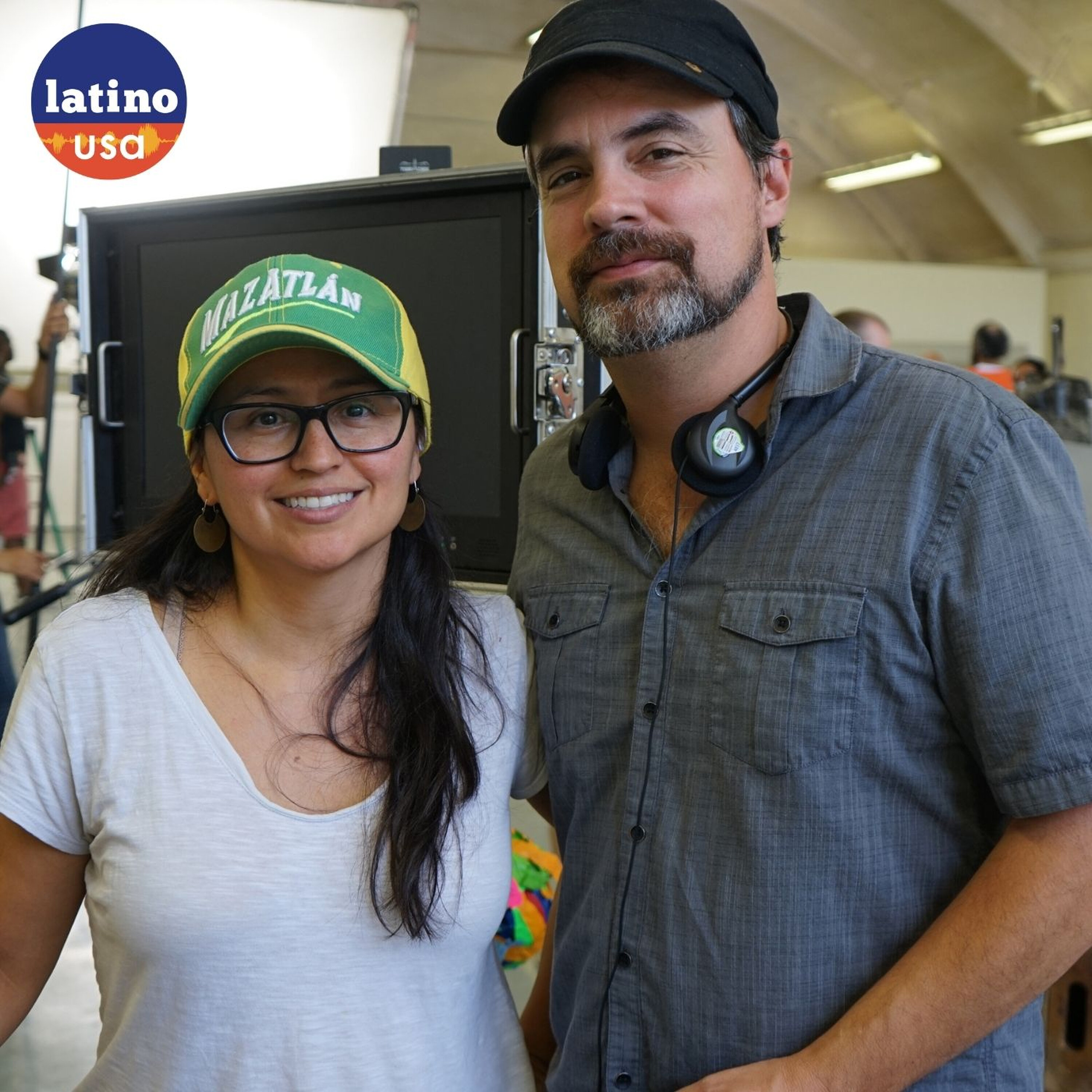
Cristina Ibarra and Alex Rivera, Through Each Other’s Eyes
Independent filmmakers Cristina Ibarra and Alex Rivera have won many awards throughout their careers, but in 2021 they made history: they became the first married couple to each receive the MacArthur Genius Grant at the same time. In an intimate conversation, Cristina and Alex take us through their journey as filmmakers—from their early experimental student films and developing their craft, to their directorial collaboration in the hybrid film The Infiltrators, which won the audience award at Sundance in 2019. They also share a glimpse into their life as partners and parents, while discussing the power of film to change narratives about Latino identity and representation.See omnystudio.com/listener for privacy information.

Being Seen on Screen
Latino USA presents a recent episode of Latino Rebels Radio that focuses on media representation in our community. Host Julio Ricardo Varela welcomes Stacie de Armas, the Senior VP of Strategic Initiatives & Consumer Engagement for Nielsen, to explain what Latino representation looks like in media, what audiences want and what needs to be done for more diverse programming. To subscribe to Latino Rebels Radio, which is also produced by Futuro Media, click here.See omnystudio.com/listener for privacy information.

Rodeo
Rodeo —the Spanish word for “rounding up”— is a multi-million dollar sport in the United States, but it’s rooted in the riding, roping, and cattle ranching skills brought by Mexican cowboys to the Southwest hundreds of years ago. Today, most of the top professional rodeo athletes are white, but if you take a closer look, there are a large number of Mexican-American cowboys who live and breathe the sport. In this episode from our archives, Latino USA visits the Tucson Rodeo, also known as La Fiesta de Los Vaqueros, and follows one family’s dreams to turn their kid into a rodeo champion. This episode was originally broadcast on April 7, 2017.See omnystudio.com/listener for privacy information.
We Are Here: Mapping Indigenous Migrant Languages
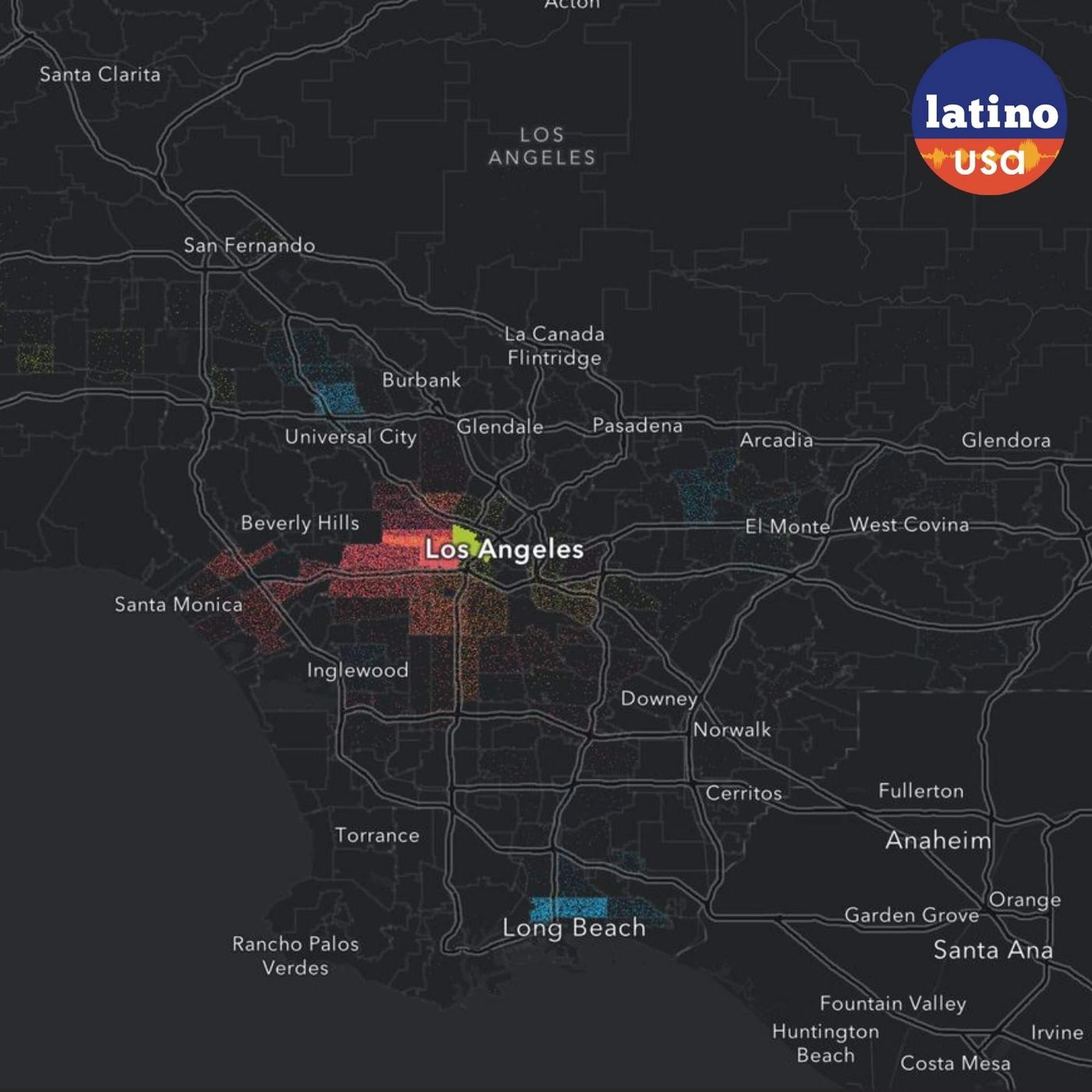
For years, the U.S. Census has undercounted Indigenous migrants, grouping them under the label of “Hispanic” or “Latinos.” This is a problem for communities whose first language is not Spanish or English, but Zapotec, Chinantec, K’iché or any of the various Indigenous languages that are being spoken across the country today. The Indigenous, women-led organization Comunidades Indígenas en Liderazgo, or CIELO, decided to start counting their own community, and put themselves on the map of Los Angeles. In this episode, Janet Martinez from CIELO and Mariah Tso, a Diné cartographer from UCLA, tell us how they built the “We Are Here” map, and why a visual representation of Indigenous migrant languages matters.See omnystudio.com/listener for privacy information.
The Race to Save Melissa Lucio
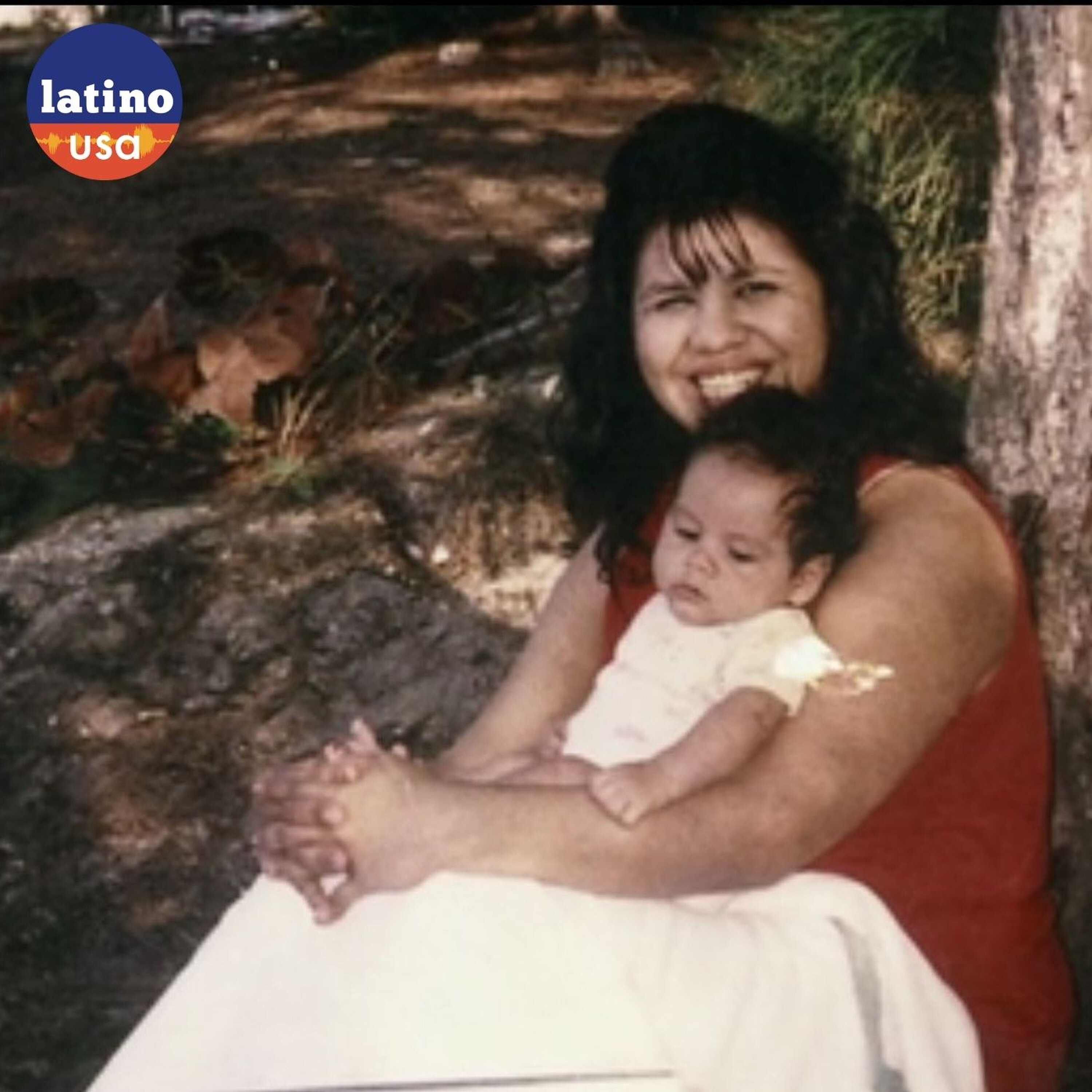
On April 27, 2022, Melissa Lucio could become the first Latina sentenced to death to be executed in Texas. In 2008, Melissa was convicted for the death of her two-year old daughter Mariah Alvarez. However, her family and others believe Melissa is innocent and argue that she did not have an adequate defense. In fact, in 2019, the Fifth Circuit Court of Appeals seemed inclined to give Melissa another chance and opened the door for the possibility of a new trial, but the state of Texas appealed that decision and the court backtracked. Now, there aren’t many legal options for Melissa, and her family is racing to save her life.See omnystudio.com/listener for privacy information.
Xochitl Gonzalez and the Art of Traversing Worlds
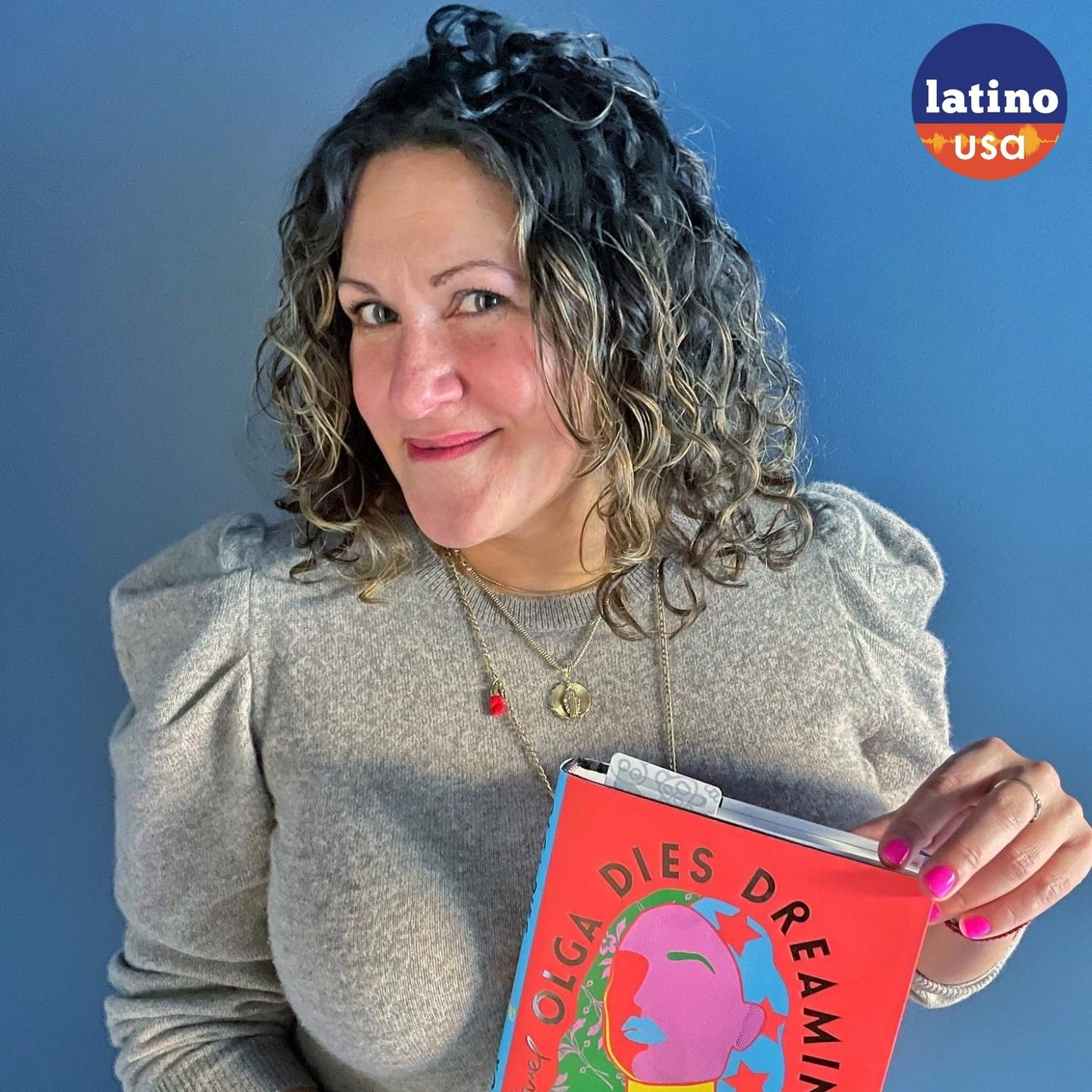
On the night of the presidential elections in 2016, Xochitl Gonzalez was at the Javits Center in New York City attending an event in support of Hillary Clinton’s presidential nomination. She was talking to “other very liberal, Democratic volunteers” when the subject of Puerto Rico came up. Xochitl, born and raised into a Nuyorican family, was stunned and frustrated when she realized that nobody knew anything about the injustices her family’s ancestral home had gone through. It was then and there that she decided that her first book would be about the experiences of the Puerto Rican diaspora. Xochitl’s debut novel, Olga Dies Dreaming (2021) tells the fictional story of a Nuyorican family from Brooklyn. Olga, the main character of the novel, is an amalgamation of Xochitl’s own life experiences as a daughter of Latino militant activist parents and her career as a wedding planner for wealthy New Yorkers. In this episode of Latino USA, Xochitl sits down with Maria Hinojosa to discuss why she wanted her first book to be so autobiographical but also highly political. And how she decided to leave her wedding business behind to fulfill her dream of writing.See omnystudio.com/listener for privacy information.
Genias in Music: Maria Grever
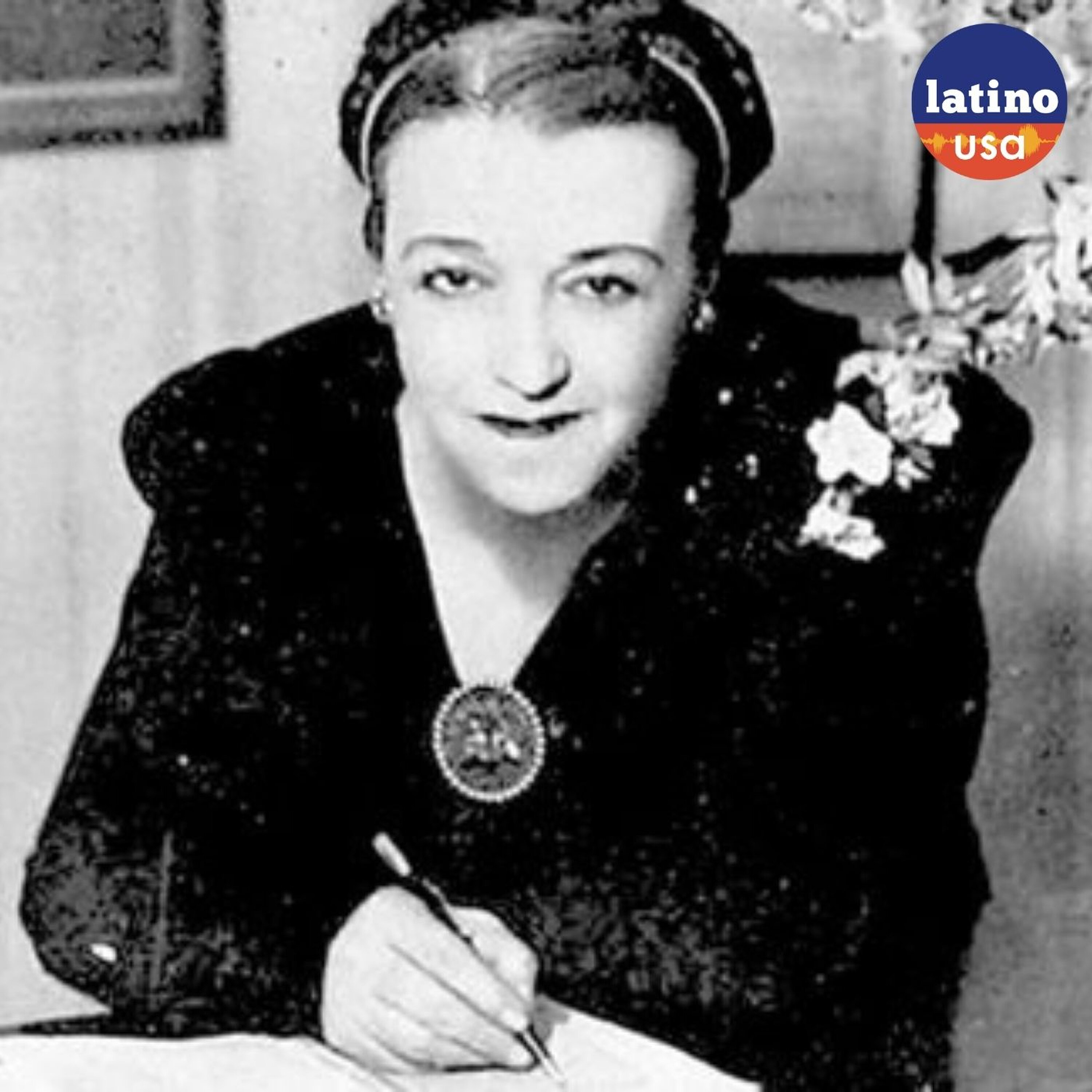
In 1916, Maria Grever set foot in New York City with her two children in tow. She was a Mexican composer whose husband allegedly sent her to the city to escape political turmoil amidst the Mexican Revolution. But Maria Grever wasn’t just any composer. She composed anywhere from 800 to 1,000 songs spanning from the early 1920s until her death in 1951. She composed numerous top charting hits, scored for the big movie houses, wrote operas and Broadway musicals, yet many have never heard her name. While her accolades are many, Maria Grever the person is a mystery, making her one of the most famous unknowns in music history. In this episode of Latino USA, we go on a quest to find out everything we can about this prolific composer and why it’s important to remember the women who came before us.See omnystudio.com/listener for privacy information.
Machinery of Corruption and Impunity
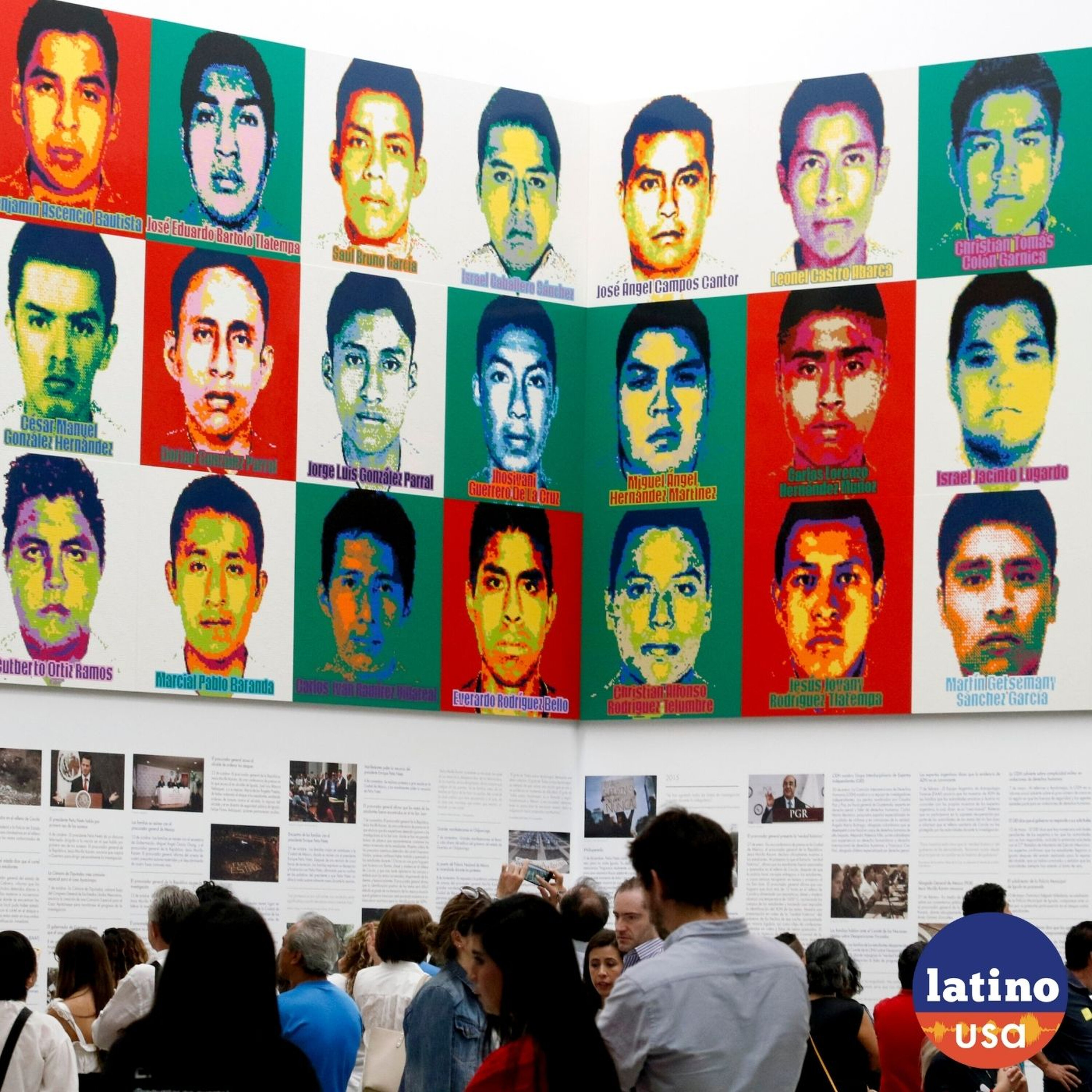
Latino USA presents another episode from the In The Thick podcast. In this episode, Maria and Julio are joined by Anayansi Diaz-Cortes, senior reporter and producer at Reveal, and Kate Doyle, senior analyst at the National Security Archive. They discuss Reveal’s new series “After Ayotzinapa”, a three-part investigation into the disappearance of 43 students from a Mexican teacher’s college in 2014. They also unpack the role of the U.S. in Mexico’s drug war, and the human consequences of corruption. You can listen to the full series here. See omnystudio.com/listener for privacy information.
The Moving Border: Even Further South
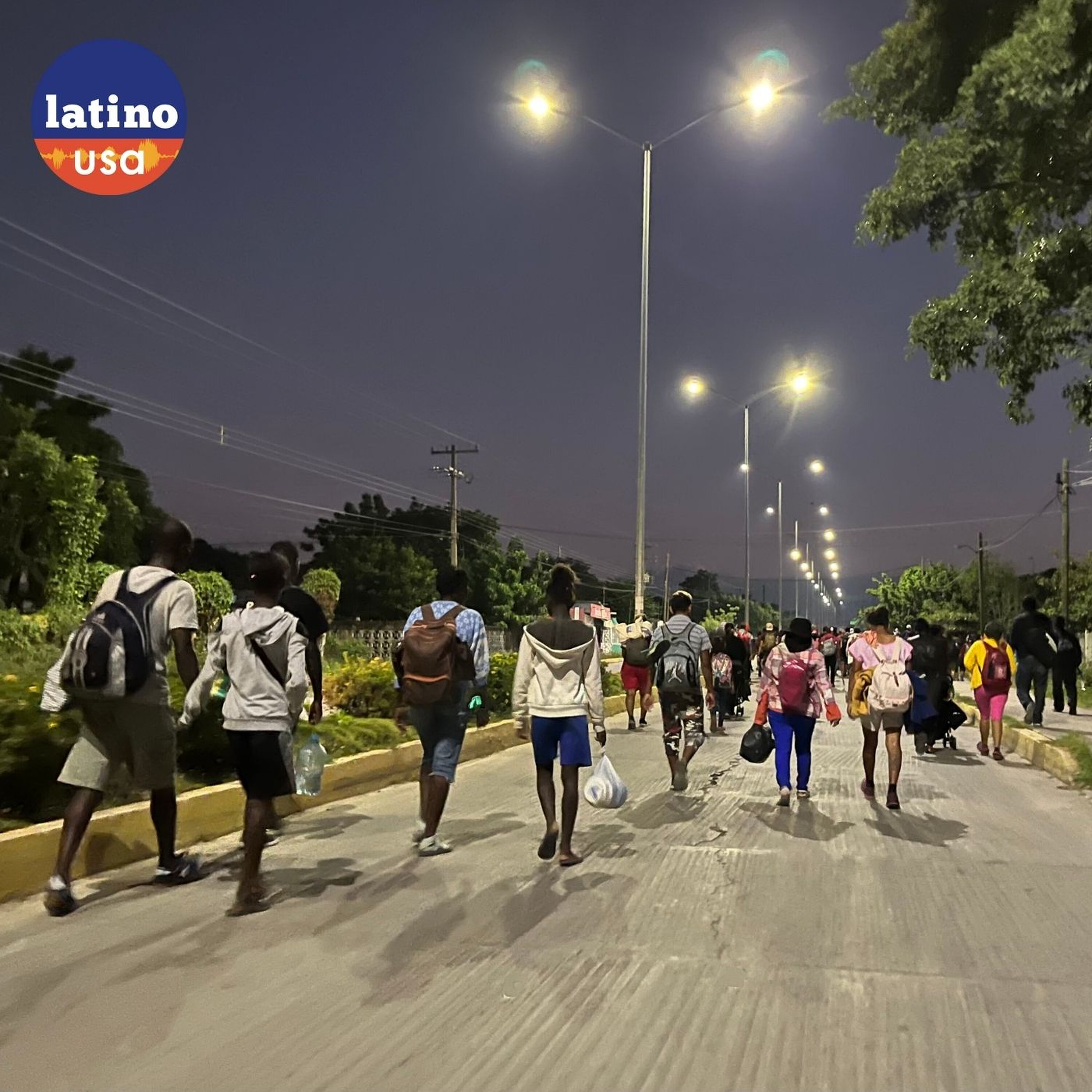
After two years, Maria Hinojosa returns to Mexico’s southern border for the latest episode of the award-winning series The Moving Border. In 2020, the series revealed how a complex web of policies, created by the United States under the Trump presidency and supported by Mexico's own government, had created a virtually impenetrable policy wall for asylum seekers. This time, the series explores changes – or the lack of – after the first year of the Biden administration, and their effect on migrants who have spent months, sometimes years, trying to make it through Mexico into the U.S. Finding that the demographic of asylum seekers arriving in Mexico has changed, the report shifts even further south, traveling to the Darién Gap, the jungle at the border between Colombia and Panama, where hundreds of people arrive daily, risking their lives in hopes of making it one step closer to the U.S.See omnystudio.com/listener for privacy information.
The Worlds within Angelica Garcia’s Voice
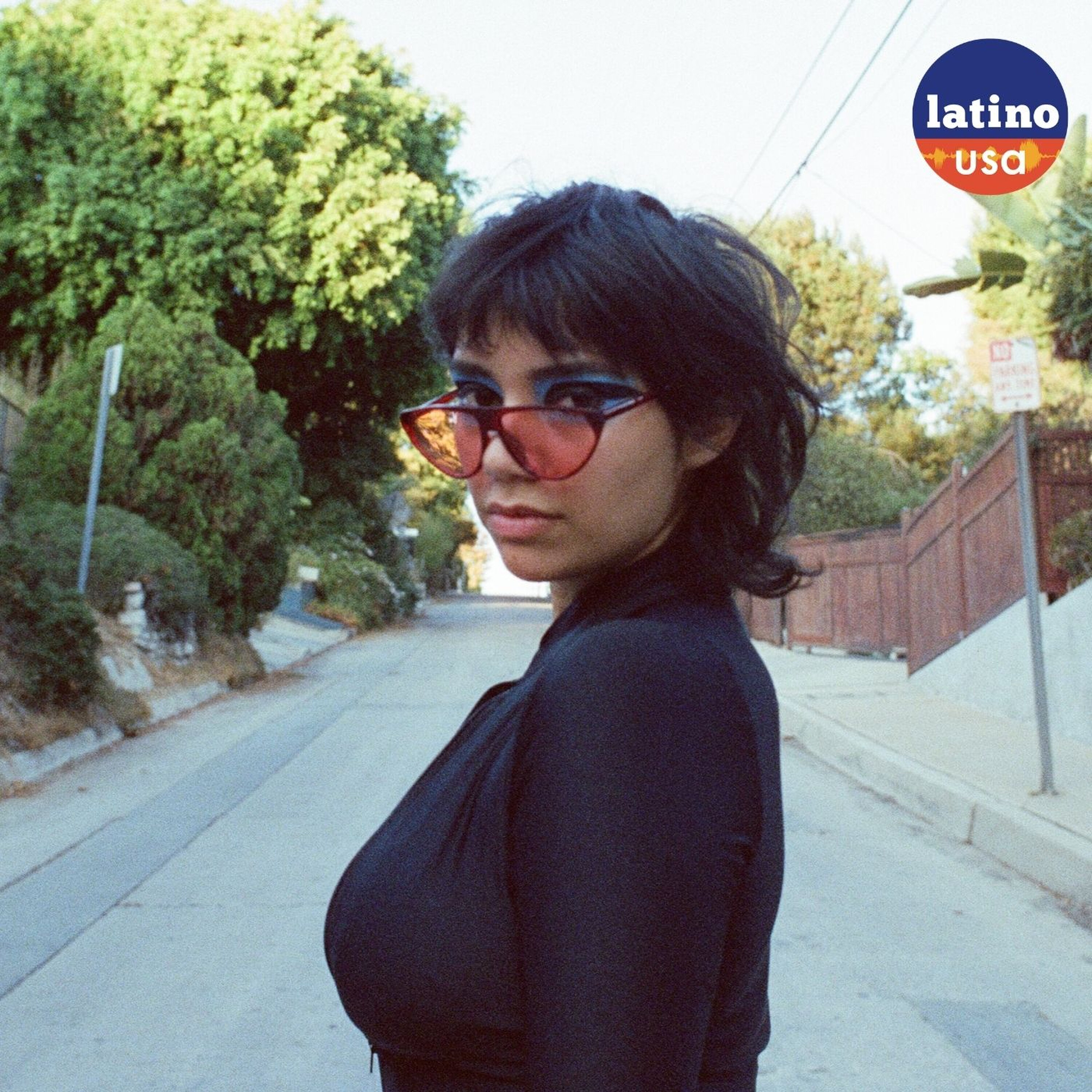
Angelica Garcia’s music is as colorful and eclectic as her many influences, ranging from traditional rancheras, folk and blues to electronic and pop music. In this intimate portrait, Angelica takes us into the worlds that shape her sound: the family parties in El Monte, California, where she first learned to sing; the empty church in Richmond, Virginia where she wrote her first songs; and her current practices of journaling and meditation that lead her to dynamic compositions. As she shares the inspiration behind her songs, Angelica reflects on her relationship with her voice: the memories it holds, and the lessons it has taught her as an artist.See omnystudio.com/listener for privacy information.

Lights, Camera… ¡Acción! A Latino Take on the Oscars
2021 was a big year for Latinos in Hollywood, and now they’re getting some awards season love. With this year’s nominations, the Academy Awards are shining a spotlight on some Latino artists, with hit films like "Encanto" and "West Side Story" in the running for some of the evening’s biggest prizes – and to possibly even make some history. But many critics find it worth asking: is this the kind of representation Latinos and Latinas have been looking for in Hollywood? And after being systematically shut out of the Oscars for nearly a century, is this recognition from the Academy something we should be striving for, anyway? On this episode of Latino USA, Latino and Latina film critics Clayton Davis, Cristina Escobar, and Jack Rico step up to the mic for a roundtable about Latinos in film this past year. Ahead of Hollywood’s biggest night, they discuss the honors (and snubs) for Latino-led films this awards season. They also talk about importance of diversity in criticism, and push the conversation past the topic of “representation” to envision a more inclusive future for Latinos in Hollywood and the film industry as a whole. So sit back, get your popcorn ready, and lights, camera… action!See omnystudio.com/listener for privacy information.
What’s Love Got to Do With Alexis Daria?
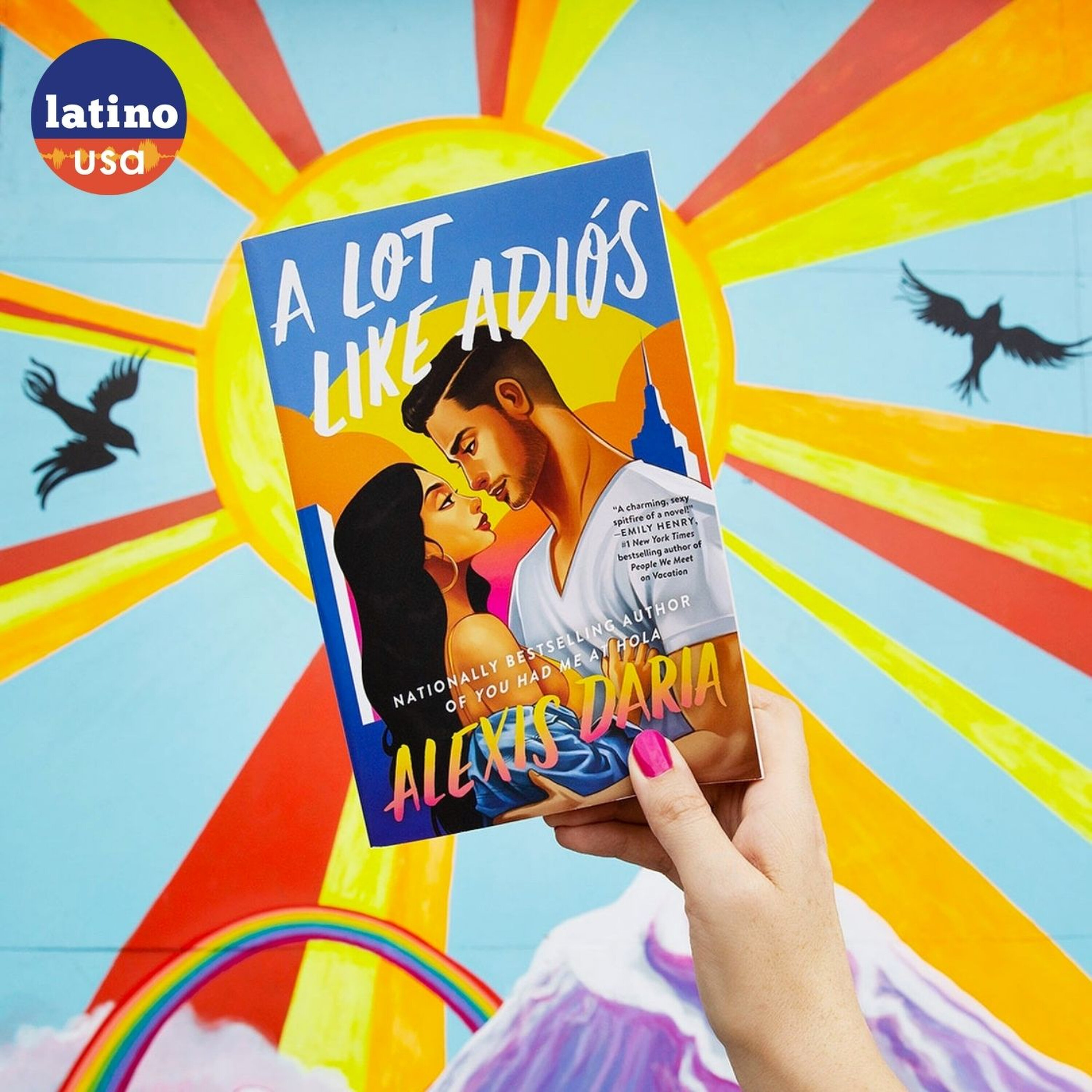
Alexis Daria now writes love stories about Latina and Latino characters that reflect and celebrate her friends and family. In this episode of Latino USA, Daria takes us through her early morning writing process, reads an excerpt from A Lot Like Adiós, and asks us to ponder, what is so silly about a love story?See omnystudio.com/listener for privacy information.
An Unexpected Home
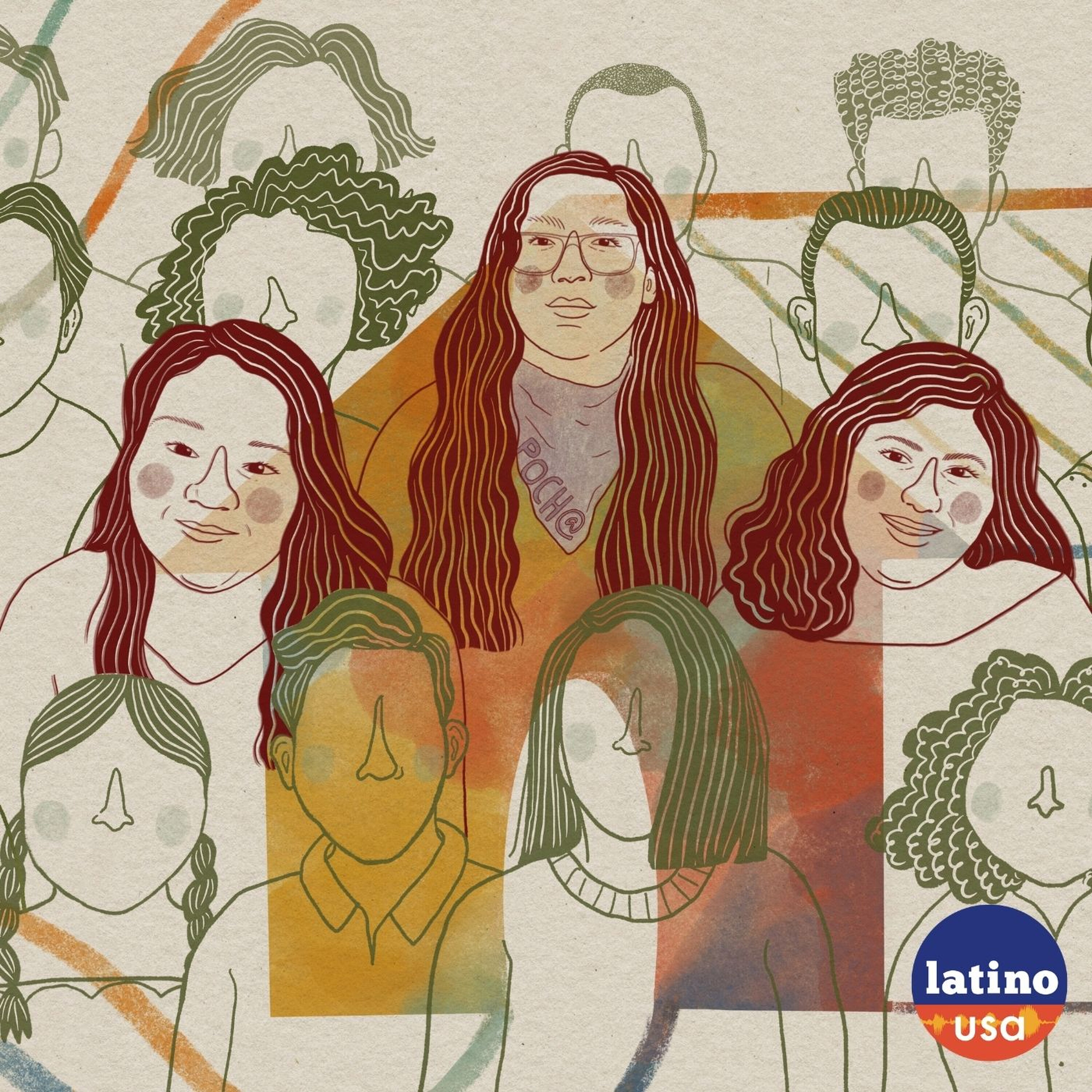
This year marks the 10th anniversary since the policy of Deferred Action for Childhood Arrivals (DACA) was put in place. It has been described as “extraordinarily successful,” benefiting more than 800,000 people. However, it still doesn’t offer a pathway to legal permanent residency or citizenship. This instability has driven many young immigrants to return to their countries of origin, even if it means abandoning the life they knew. In this episode of Latino USA, you will hear the untold stories of forced return through the voices of Maggie, Madaí and Esme, three women who are trying to form a life in Mexico after growing up in the U.S. and who found their community where they least expected it.See omnystudio.com/listener for privacy information.
Through the Cracks
When 8-year-old Relisha Rudd disappeared from a homeless shelter in Washington, D.C. in 2014, nobody noticed. By the time police appeared at the homeless shelter where Relisha lived with her family, 18 days had passed since she’d been seen at school or in the shelter. Click here to subscribe for more episodes of Through the Cracks.See omnystudio.com/listener for privacy information.
A Border Drawn in Blood
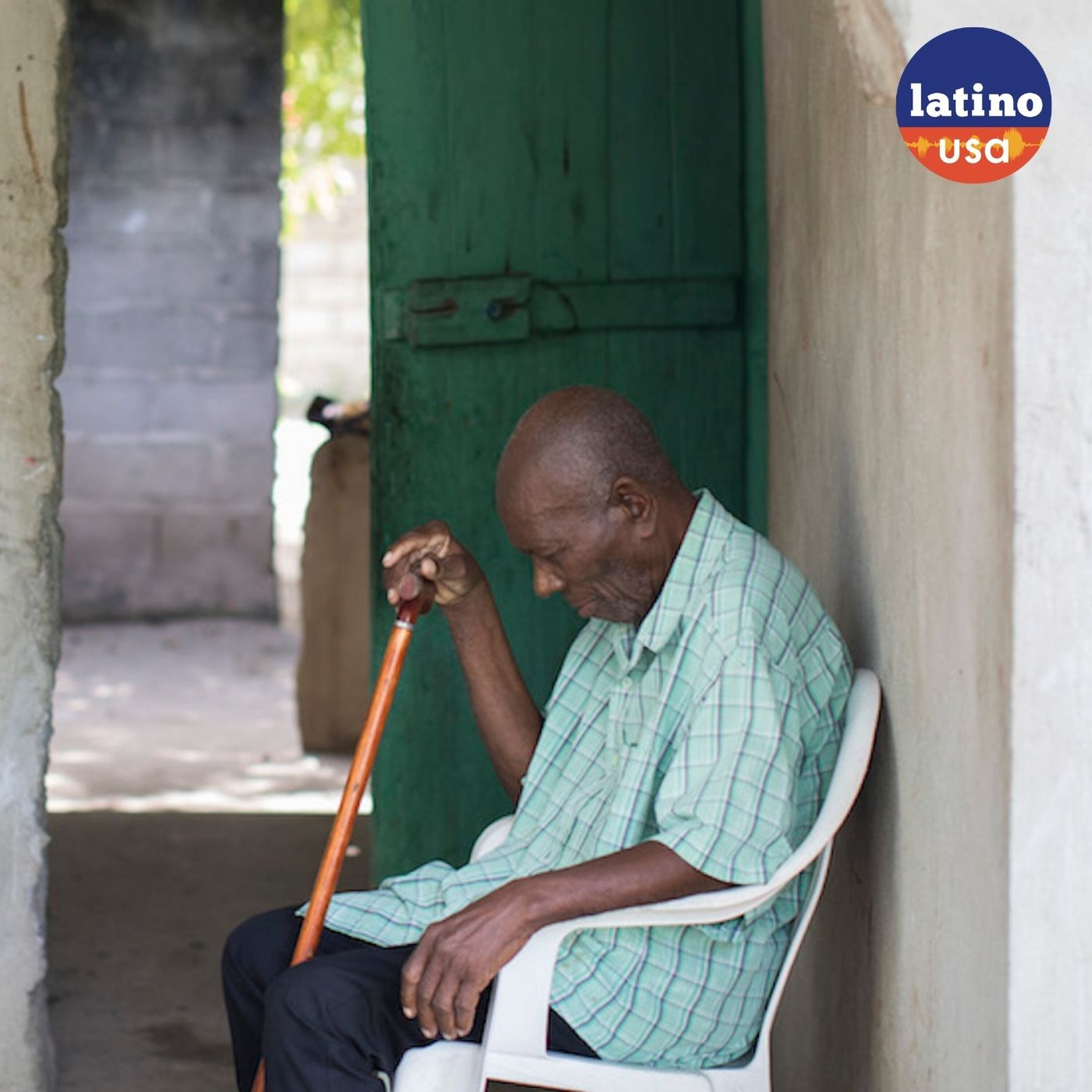
From the Latino USA archives, producer Marlon Bishop travels to the Dominican-Haitian border to unpack the history of what happened during the Perejil Massacre of 1937—and what are the consequences today. This episode originally aired on October 6, 2017.See omnystudio.com/listener for privacy information.
Indigenous Science With Jessica Hernandez
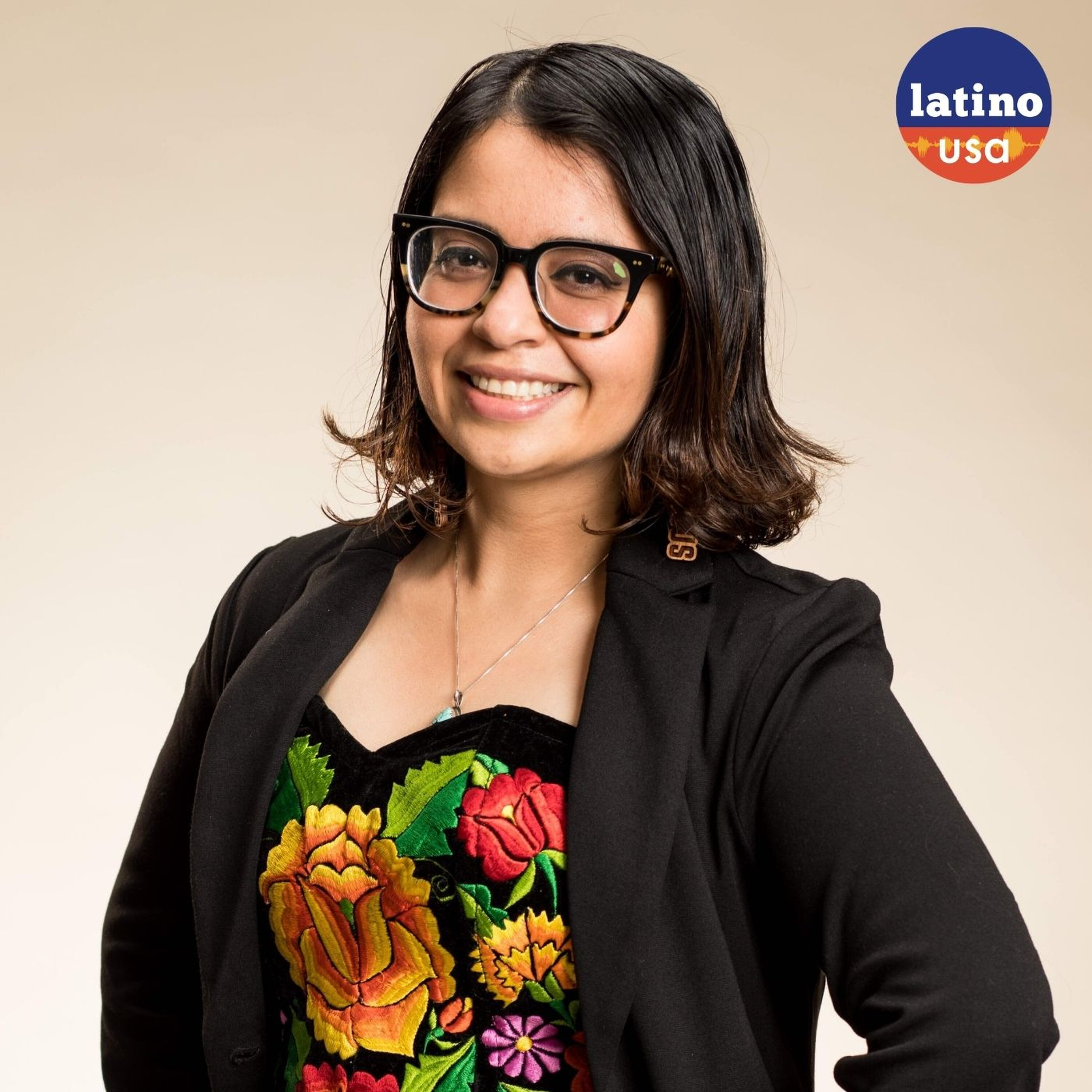
As a Zapotec and Maya Ch’orti’ environmental scientist, Dr. Jessica Hernandez has always found academia to be a hostile place. She had looked forward to sharing what she learned from her grandmother and father about nature as an undergraduate student, but her lived experiences and knowledge were dismissed and sometimes mocked by her professors. Now, Dr. Hernandez is working to change how we think about environmental sciences by centering Indigenous science to heal our planet, because she knows Western conservationism isn’t working.See omnystudio.com/listener for privacy information.
Doctora Polo: 'This Is Who I Am'
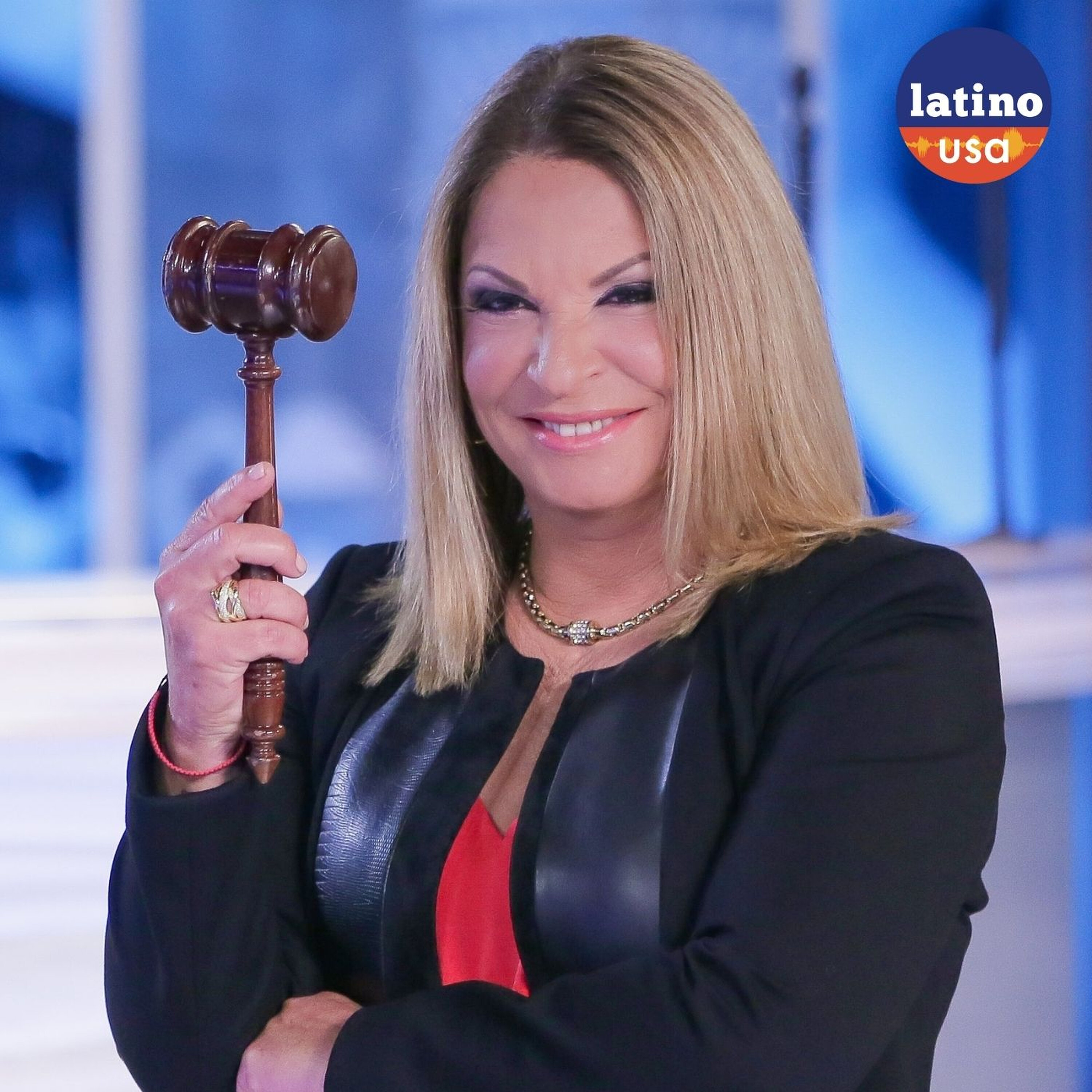
If some Latinos hear "la doctora," it doesn’t evoke the image of a medical doctor. Instead, it’s that of a Cuban American attorney-turned-show host who sings her own theme song. In 2001, Doctora Polo had been practicing family law for over 20 years in Miami when she was hired to host a new court show on Telemundo that would later become "Caso Cerrado." It often aired for multiple hours a day on Telemundo and was nominated for a Daytime Emmy. In this episode of "Latino USA," Doctora Polo reflects on her role as a Latina entertainer and the phenomenon of "Caso Cerrado" in Latinx pop culture.See omnystudio.com/listener for privacy information.
The Fiesta Theory — Ídolo: The Ballad of Chalino Sánchez
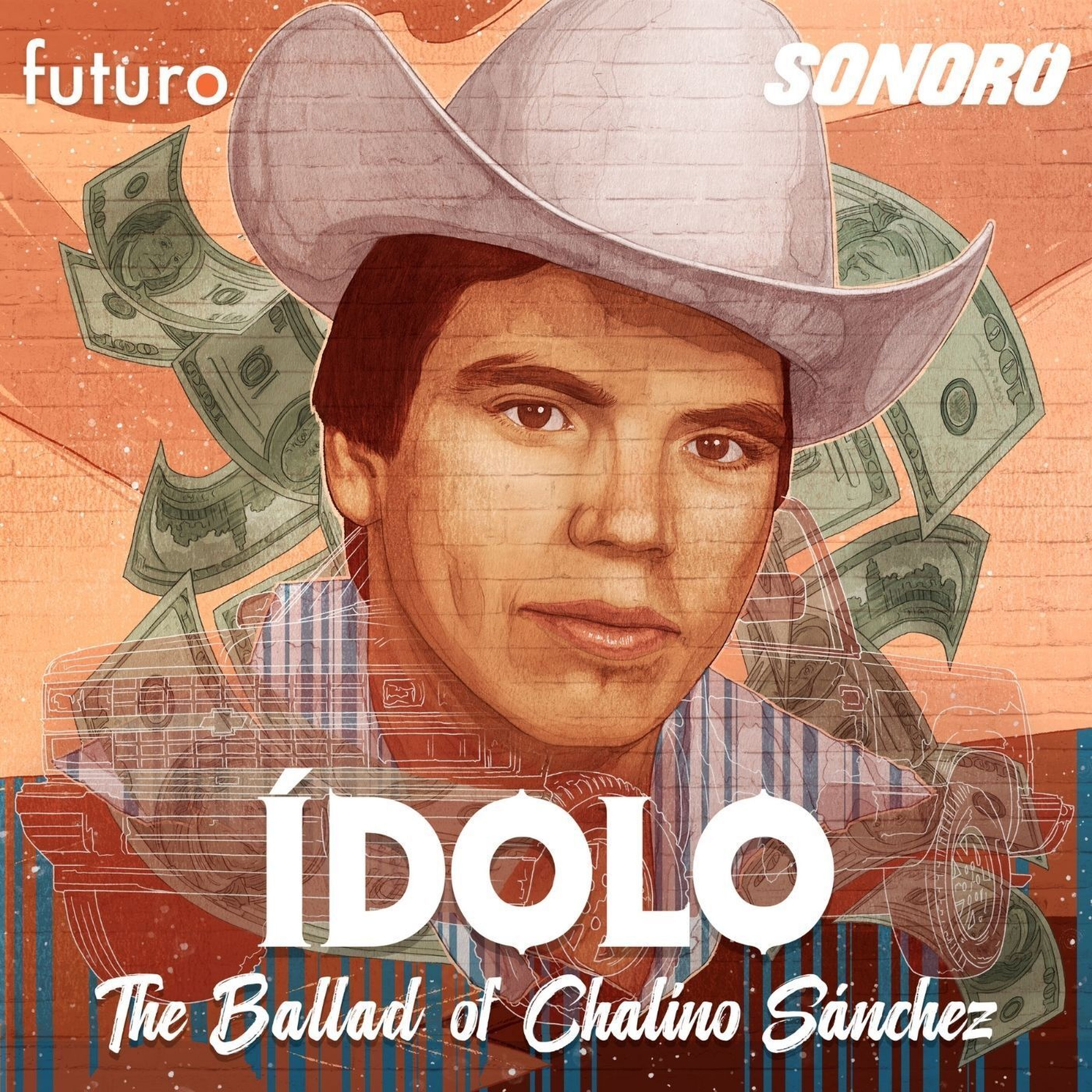
From Futuro Studios and Sonoro Chalino grew up surrounded by violence in a humble town in Sinaloa. But his life takes a turn for the worse when a group of men attack his sister. That day he promises to avenge her. Years later, when he is given his first pistol, Chalino is believed to have stalked one of the attackers at a party. This event gives rise to the first theory about who could have killed Chalino. For more episodes, subscribe here.See omnystudio.com/listener for privacy information.
Death Note — Introducing Ídolo: The Ballad of Chalino Sánchez
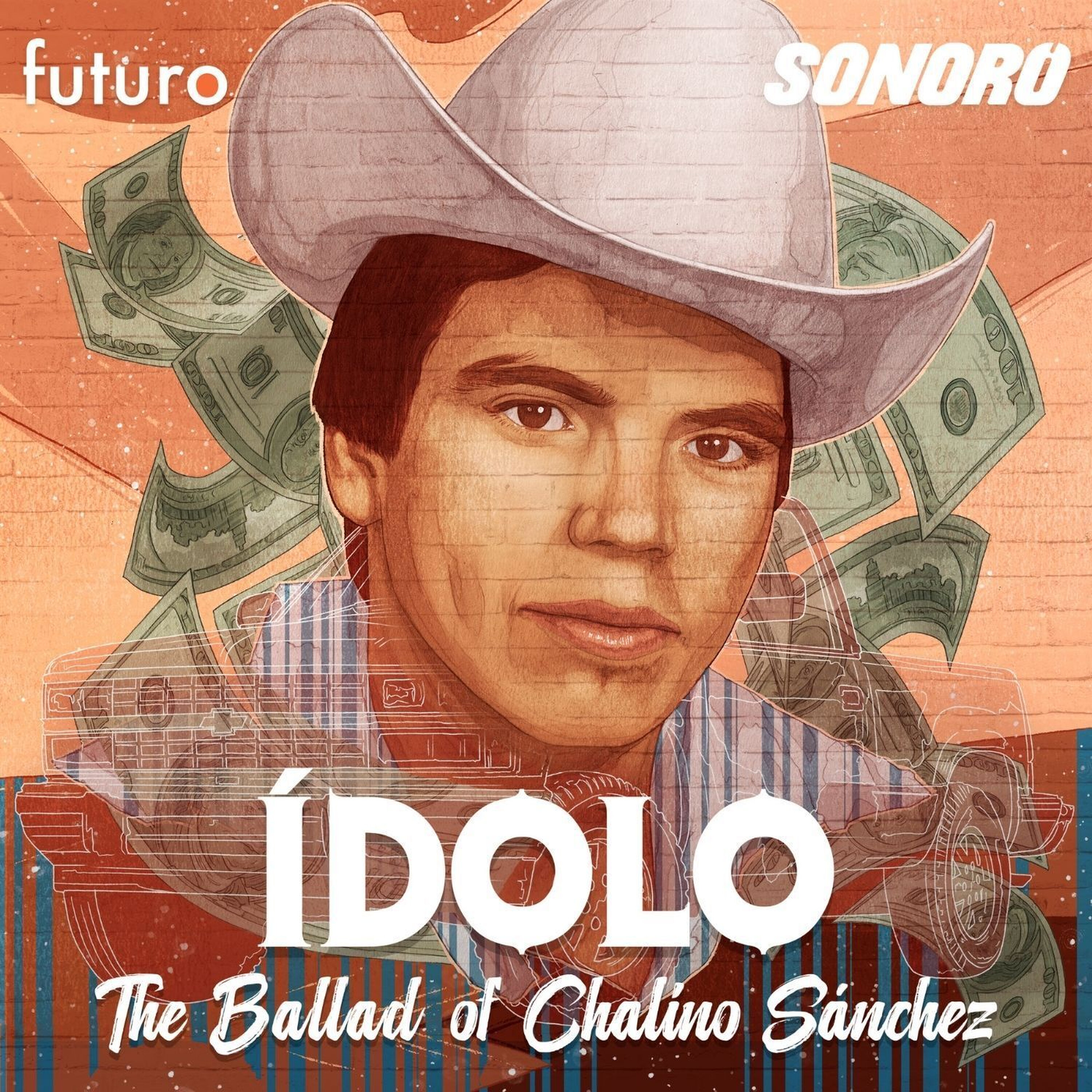
From Futuro Studios and Sonoro Narcocorrido superstar Chalino Sánchez sings to a sold-out crowd for the first time in Sinaloa. It's the best night of his career until someone hands him a note. His face turns pale and his smile slowly disappears. That night, after the show, Chalino will be executed. But who killed him and why? We begin a journey to understand Chalino's life and impact, and the theories behind his unsolved murder. For more episodes, subscribe here.See omnystudio.com/listener for privacy information.
The Rise of Chile's Center-Left
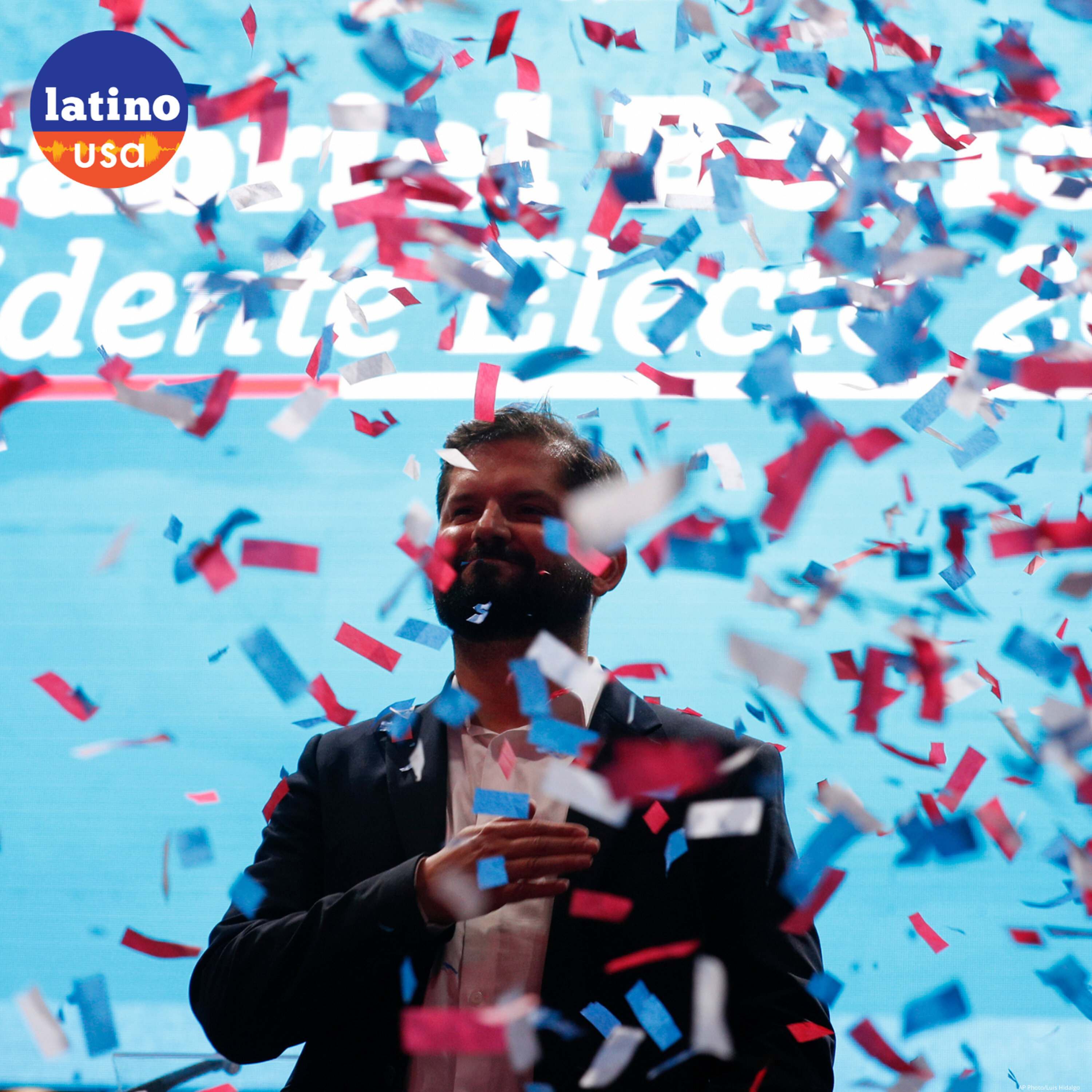
Latino USA is featuring a recent Latino Rebels Radio episode where host Julio Ricardo Varela welcomes Chilean historian and journalist Camila Vergara to discuss Chile’s historic elections and how new political mechanisms will be required to loosen the grip of reactionary forces in an effort to radically redraft the Constitution. For more Latino Rebels Radio shows, subscribe here.See omnystudio.com/listener for privacy information.
After Ayotzinapa: The Missing 43
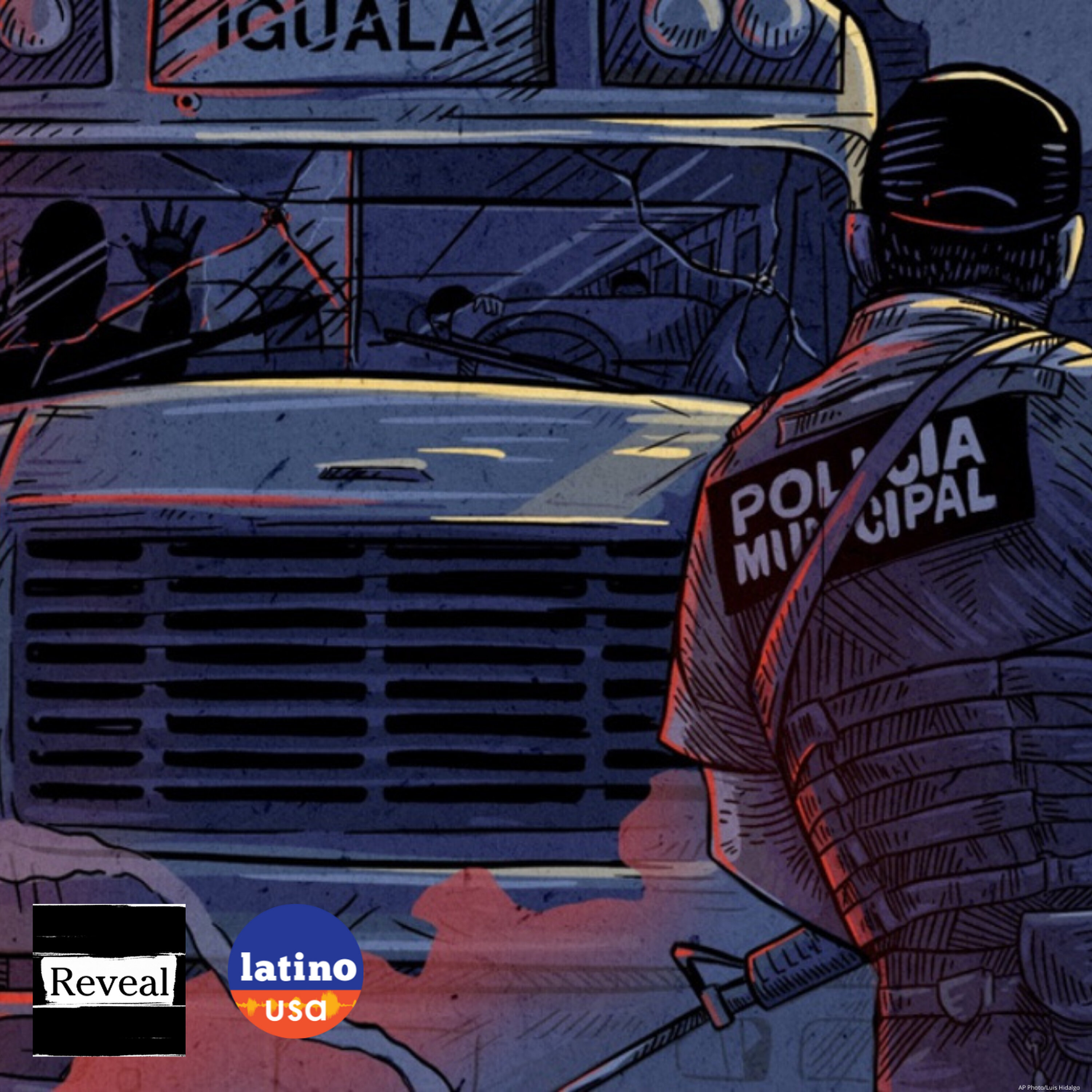
It has been over seven years since 43 students from the Ayotzinapa Rural Teachers’ College in Guerrero, Mexico, were taken by armed men in the middle of the night. They were never seen again. Their disappearance sparked mass protests, as the 43 became symbols of Mexico’s unchecked human rights abuses. In recent decades, tens of thousands of people have gone missing in Mexico, and almost no one has been held accountable. The culture of impunity is so ingrained that families often don’t go to police for help, believing they’re either corrupt or too afraid to investigate. In the first part of a three-part investigation of the Ayotzinapa case, Reveal’s Anayansi Diaz-Cortes and Kate Doyle from the National Security Archive take us inside the investigation into the attack on the students. For parts two and three, go to the Reveal podcast feed.See omnystudio.com/listener for privacy information.
Fighting for Tejano Music With Veronique Medrano
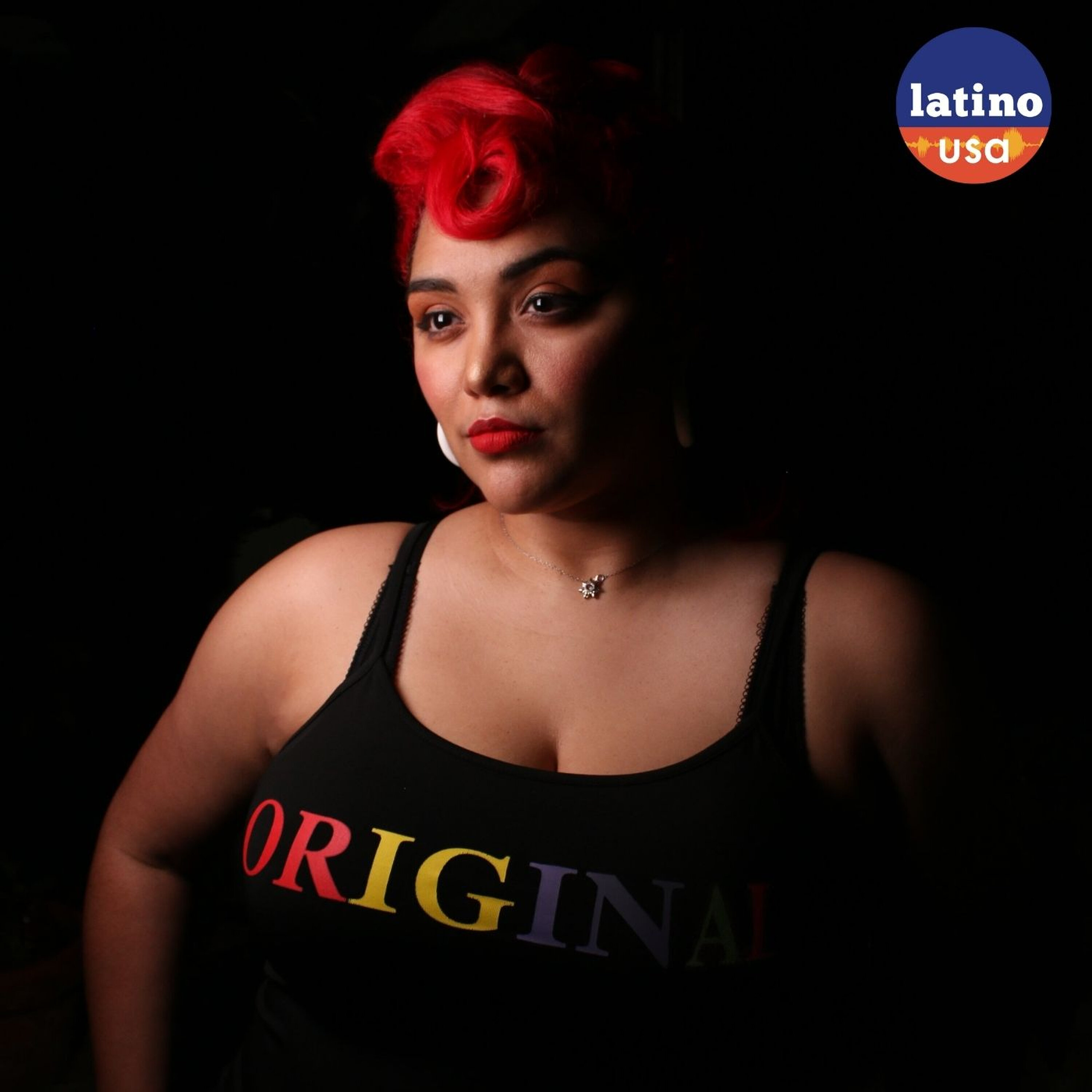
Veronique Medrano is a Tejano and Spanish Country singer from Brownsville, Texas in the Rio Grande Valley. Veronique finds inspiration as an artist from her experiences living on the border, her Mexican-American identity and her everyday life. On this How I Made It segment, Veronique walks us through the origins and diversity of Tejano music, being a woman in a male-dominated industry and the importance of archiving and preserving the genre for future generations.See omnystudio.com/listener for privacy information.
Benjamin Alire Sáenz Discovers the Secrets of His Universe
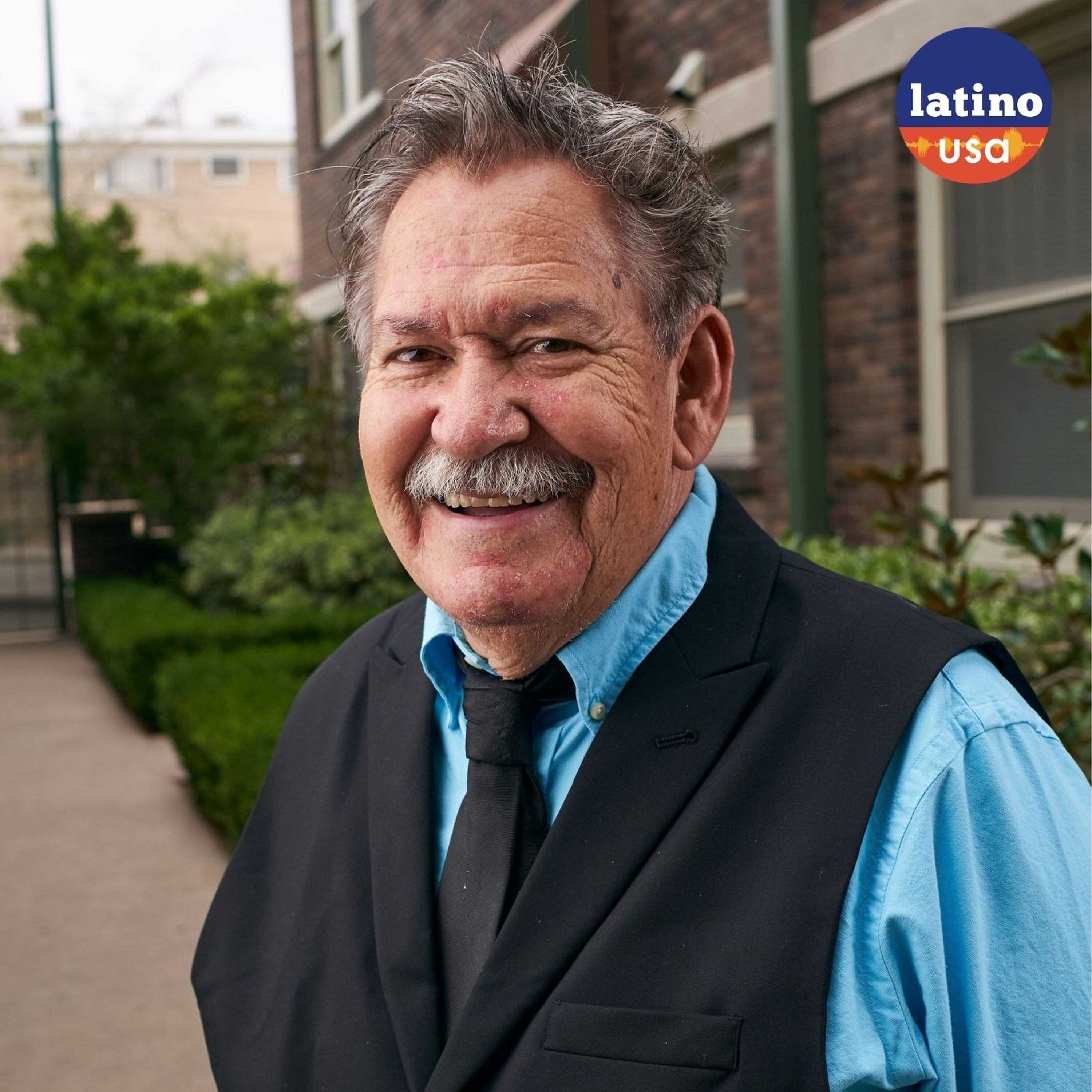
Two boys, Mexican-American, 1987, El Paso, Texas… and they fall in love. That’s the pitch behind Benjamin Alire Sáenz’s bestselling young adult novel, “Aristotle and Dante Discover the Secrets of the Universe.” Nearly a decade later, Benjamin would release the book’s sequel, “Aristotle and Dante Dive into the Waters of the World,” to wide acclaim. For both books, Benjamin drew inspiration from his life growing up near the border in New Mexico. But he didn’t immediately begin writing full-time—Benjamin was a priest for several years until he left the order just before turning 30. He eventually followed his calling to be a writer and moved to El Paso, where he would write several award-winning books including “Aristotle and Dante.” The novels would become a massive, queer young adult hit that spoke to hundreds of thousands of readers around the world. Benjamin, a gay Latino man himself who came out just a few years before the book was published, found solace in the characters, too. On this episode of Latino USA, Benjamin talks about his journey from the borderlands to the priesthood and back to El Paso again. He also discusses “Aristotle and Dante Discover the Secrets of the Universe”—the book that he says saved his life and became a surprise international phenomenon along the way.See omnystudio.com/listener for privacy information.

White Supremacy Is Evergreen
For this special Latino USA presentation of In The Thick, Maria and Julio are joined by Keeanga-Yamahtta Taylor, historian, writer and professor at Princeton University, and Adam Goodman, professor at the University of Illinois Chicago, for a conversation about the deep-rooted history of white supremacy in this country. They discuss their chapters in a new anthology titled A Field Guide to White Supremacy, and also get into how white supremacy manifests in our society today, from the immigration system to policing. You can subscribe to In The Thick here.See omnystudio.com/listener for privacy information.
The Elusive Freedom of Juan Castillo
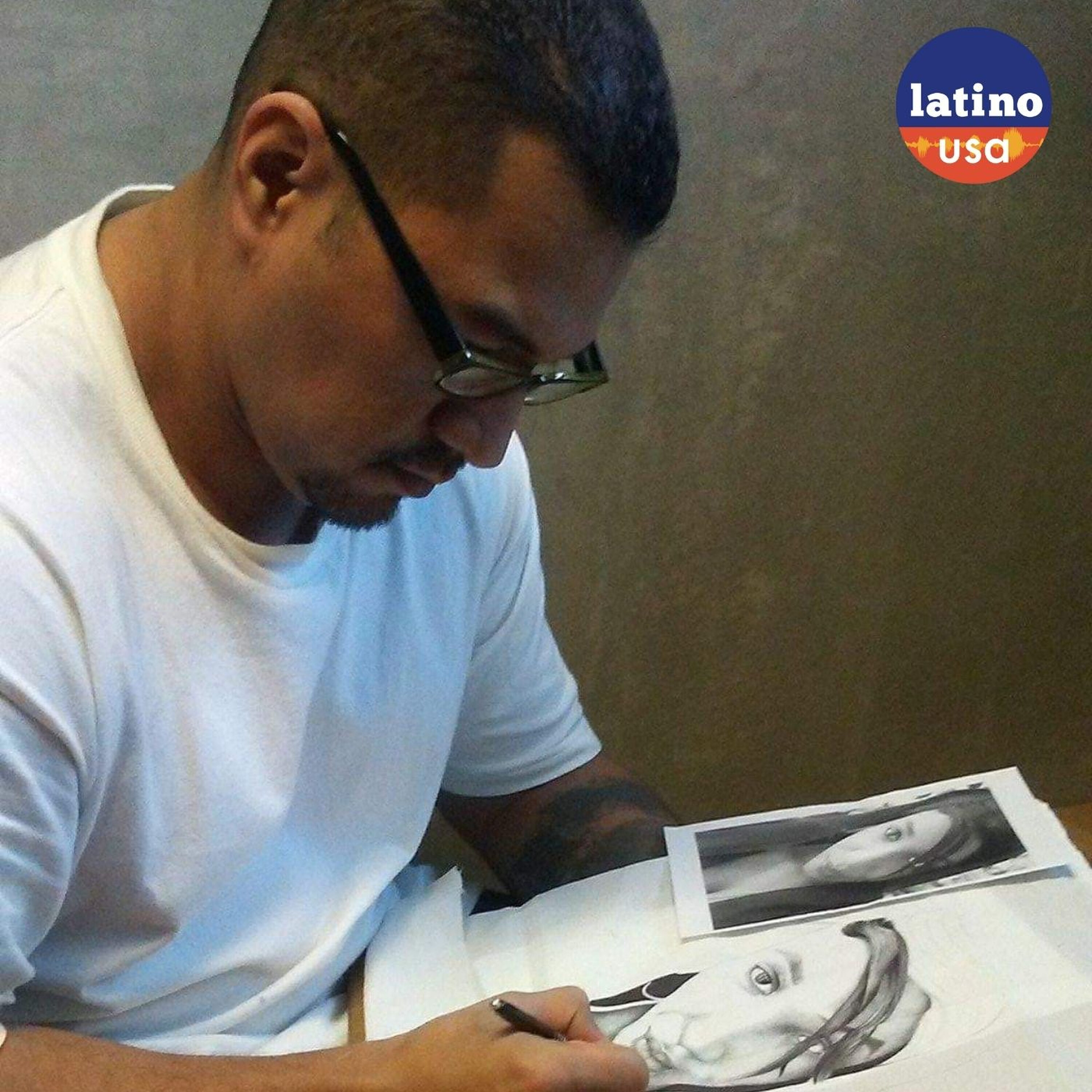
Juan Castillo escaped the Civil War in El Salvador and fled to the U.S. in search of freedom. He was barely a teenager when he arrived and soon fell into the wrong crowd. After being accused and convicted of a murder he denies having committed, he’s been striving to make a life in prison for the last 26 years. Now, as ICE is trying to deport him, he’s fighting to not only find freedom again, but remain in the only country he knows. Juan tells the story of how he transformed his life, became a religious guide for fellow prisoners and detainees, and relied on art and literature to reach beyond the bars that confine him.See omnystudio.com/listener for privacy information.
Selling the Fantasy With José Hernandez
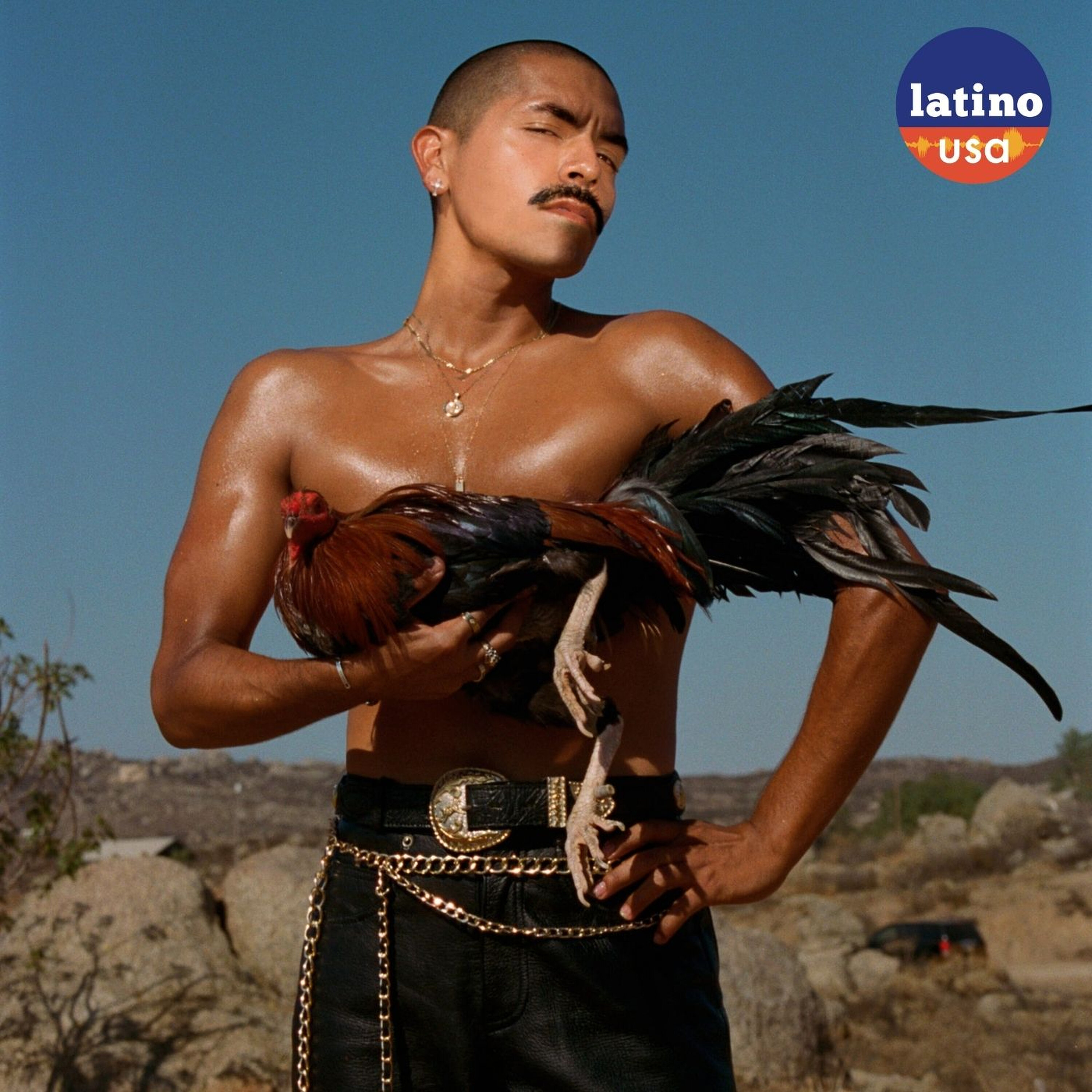
José Hernandez began modeling a couple years ago after a photoshoot of his went viral in 2018. The main image showed him holding a rooster, glammed up in a look that can only be described as Queer Chicano Chic, with glowing skin, a tight fade, cowboy boots, and a luscious mustache. Since then José has been booked and busy. He’s worked with brands such as NYX Cosmetics, Facebook, and Grindr, and walking down the runways at LA and New York Fashion Week. Though beauty standards in the modeling industry are among the most narrow in fashion, José is challenging those preconceptions and embracing his own aesthetic in his modeling, influenced by Mexican rancheros and 90s L.A. street style. In this episode of Latino USA, José Hernandez speaks about beauty, community, and representation—not only on the runway, but behind the scenes, where he believes it truly matters.See omnystudio.com/listener for privacy information.
Tango Resiste
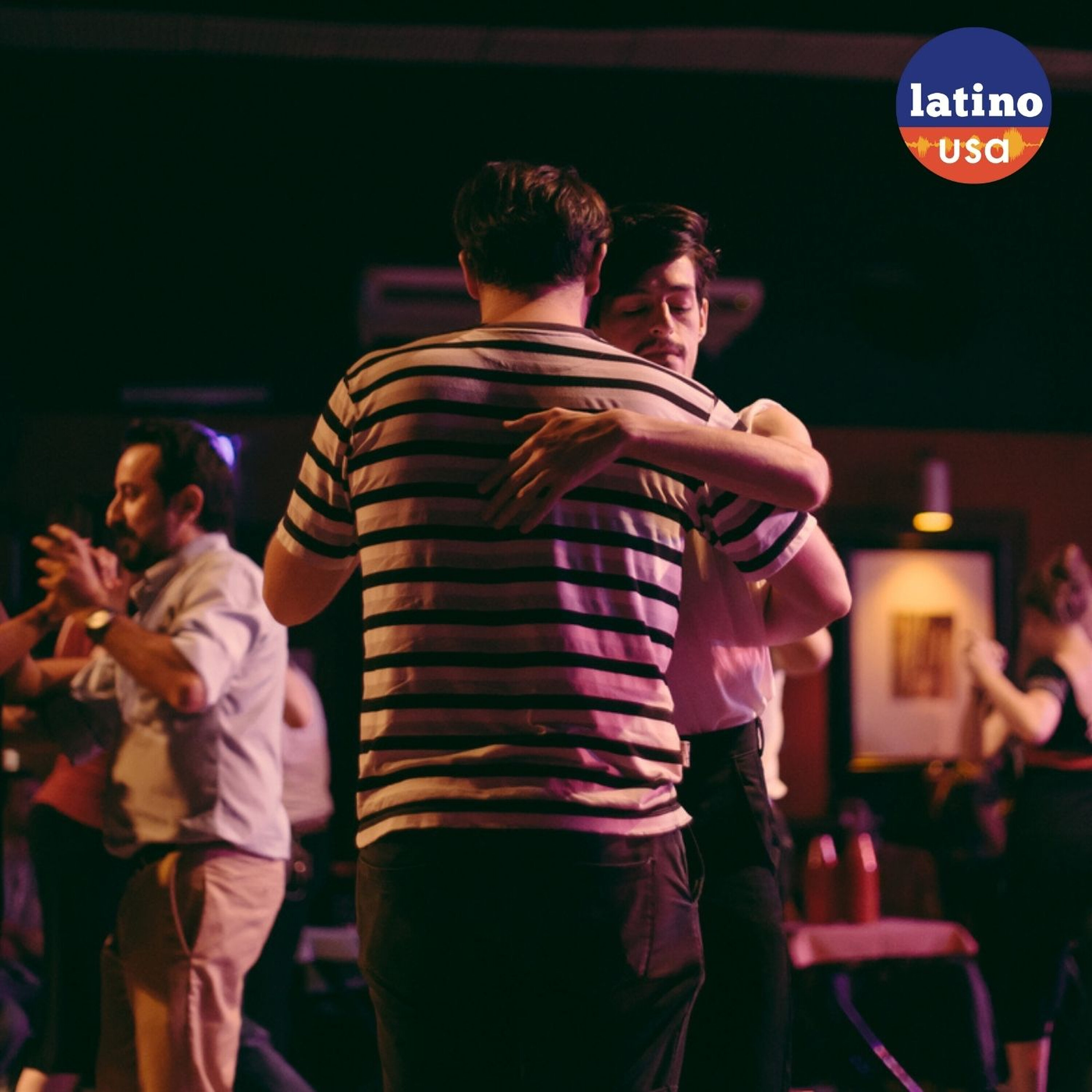
While tango is usually pictured as a dance between a white man in an elegant black suit and a white woman in high heels, and a tight red dress, the reality of tango goes much deeper. Born in the brothels and dance halls of Buenos Aires’ lower caste, this music and dance is actually rooted in Argentina’s African and queer subcultures. Before it became the defining music of Argentina, tango was actually condemned by elites and the Catholic church, which saw it as obscene and transgressive. The dance’s reign was also threatened by the worldwide phenomenon of rock n’ roll and then all but buried by Argentina's Dirty War. When tango began its revival in the 1980s and 90s, a new era of tango artists began challenging rigid norms established in the early half of the 20th century. Breaking from traditional gender roles and shining a light on the Black history of tango, these artists aimed to invoke tango’s past to make way for a more inclusive future. In this episode, we travel to Argentina and meet three women who will help us to understand the controversial roots of tango and how they are helping to give new life to a dance very much rooted in tradition.See omnystudio.com/listener for privacy information.

How I Made It: KAINA
Chicago is a breeding ground for diverse sounds: it is the birthplace of house music and has a thriving indie hip-hop scene. One of the city's up-and-coming artists is Kaina Castillo. Known simply as KAINA, the 23-year-old singer-songwriter blends genres like soul and rock, creating dreamy soundscapes. A Latina of Venezuelan and Guatemalan descent, she writes about struggling with her identity, all while uplifting her immigrant roots. In this "How I Made It" segment, KAINA tells us about what it was like growing up with a small family, making a name for herself in Chicago’s vibrant music scene and the inspiration behind her music. This podcast originally aired on October 8, 2019.See omnystudio.com/listener for privacy information.

A Day in the Life of Pitbull
Armando Christian Pérez —better known as Pitbull— is a rapper, entrepreneur, motivational speaker, brand ambassador and has a whole host of other job titles. As his nearly two-decade-long career has diversified, his image and brand have solidified. He rose to prominence off bilingual records hits like "Culo" and "Toma" in the early 2000s and became a household name thanks to wedding and quinceañera classics like "Give Me Everything" and "Time of Our Lives." Today, the Latino demographic that helped catapult Pitbull to the top music charts is facing greater open discrimination than at any other point during Pitbull's career. During a day with Pitbull, the Cuban-American entertainer opens up about his thoughts on the state of immigration, why he won't stop making music with Chris Brown, and how country music is not just for white folk. This podcast episode originally aired on October 11, 2019.See omnystudio.com/listener for privacy information.

How I Made It: Yasser Tejeda & Palotré
The musical genres most people associate with the Dominican Republic are merengue and bachata. Yet, there's another set of rhythms that are essential to the spirit of the country, and that's Afro-Dominican roots music. That's where the band Yasser Tejeda & Palotré come in. They blend some of the country's black roots rhythms like palo, salve and sarandunga, with jazz and rock to bring a new spin to local sounds—and to reimagine what it means to be Dominican. In this segment of "How I Made It," the band's frontman Yasser Tejeda walks us through the inspiration behind their latest album "Kijombo," and the making of the single "Amor Arrayano," which is all about love across the Dominican-Haitian border. This podcast episode originally aired on February 25, 2020See omnystudio.com/listener for privacy information.

Alzheimer’s in Color
Latino USA and Black Public Media bring you Alzheimer’s in Color, a 2021 Gracie Awards winner. It’s the story of Ramona Latty, a Dominican immigrant, told by her daughter Yvonne, and it mirrors countless other families of color navigating a disease that is ravaging the Latino community. It’s been four years now since Ramona was diagnosed. Four years of the lonely journey, which in the end her daughter walks alone, because her mom has no idea what day it is, how old she is or where she is. Ramona lives in a nursing home and COVID-19, and months of separation have accelerated the disease, and Yvonne’s despair. This podcast episode originally aired on September 11, 2020.See omnystudio.com/listener for privacy information.