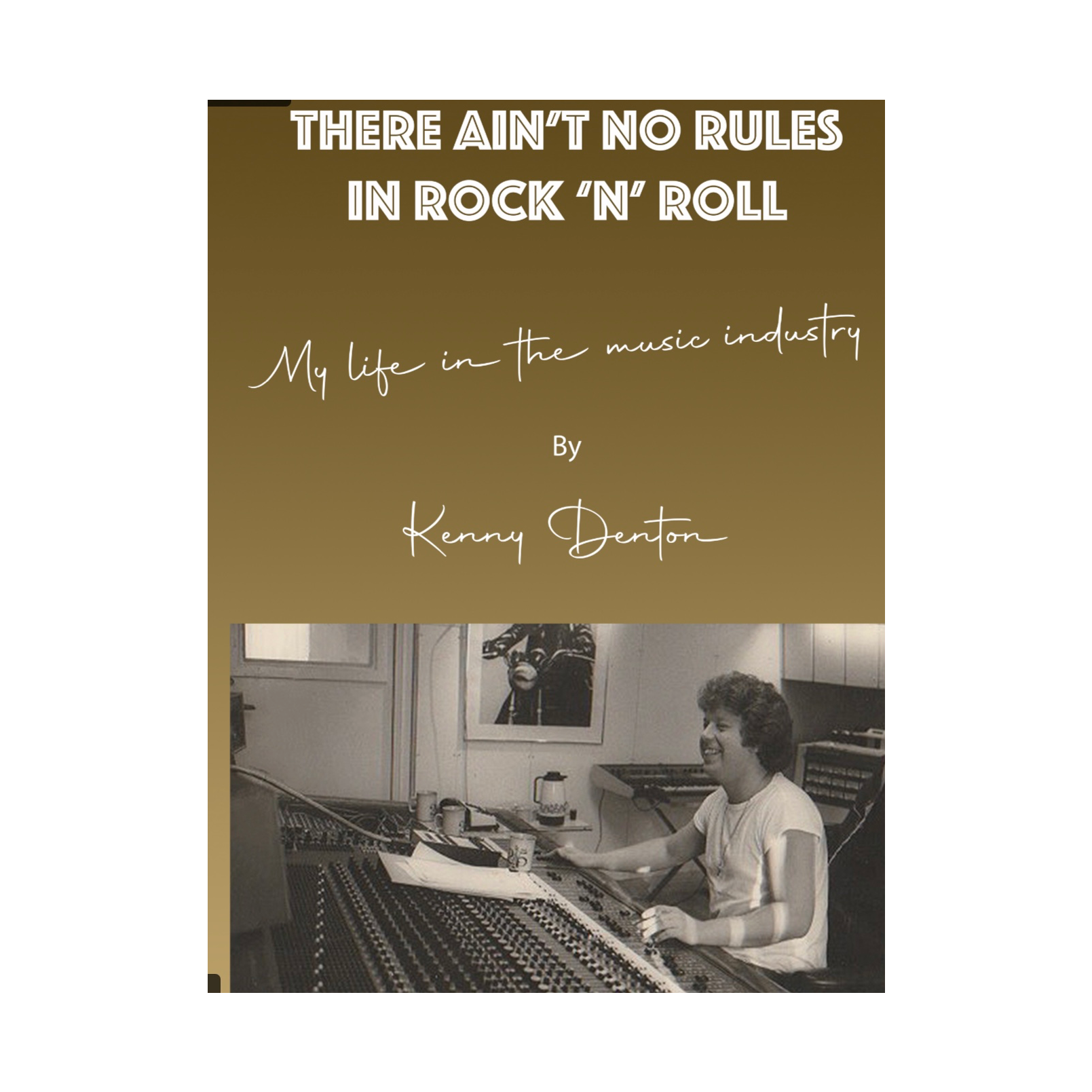
Kenny Dentons" There Ain't No Rules In Rock n Roll" Stories From My 45 Years in The Music Industry.
78 episodes — Page 2 of 2
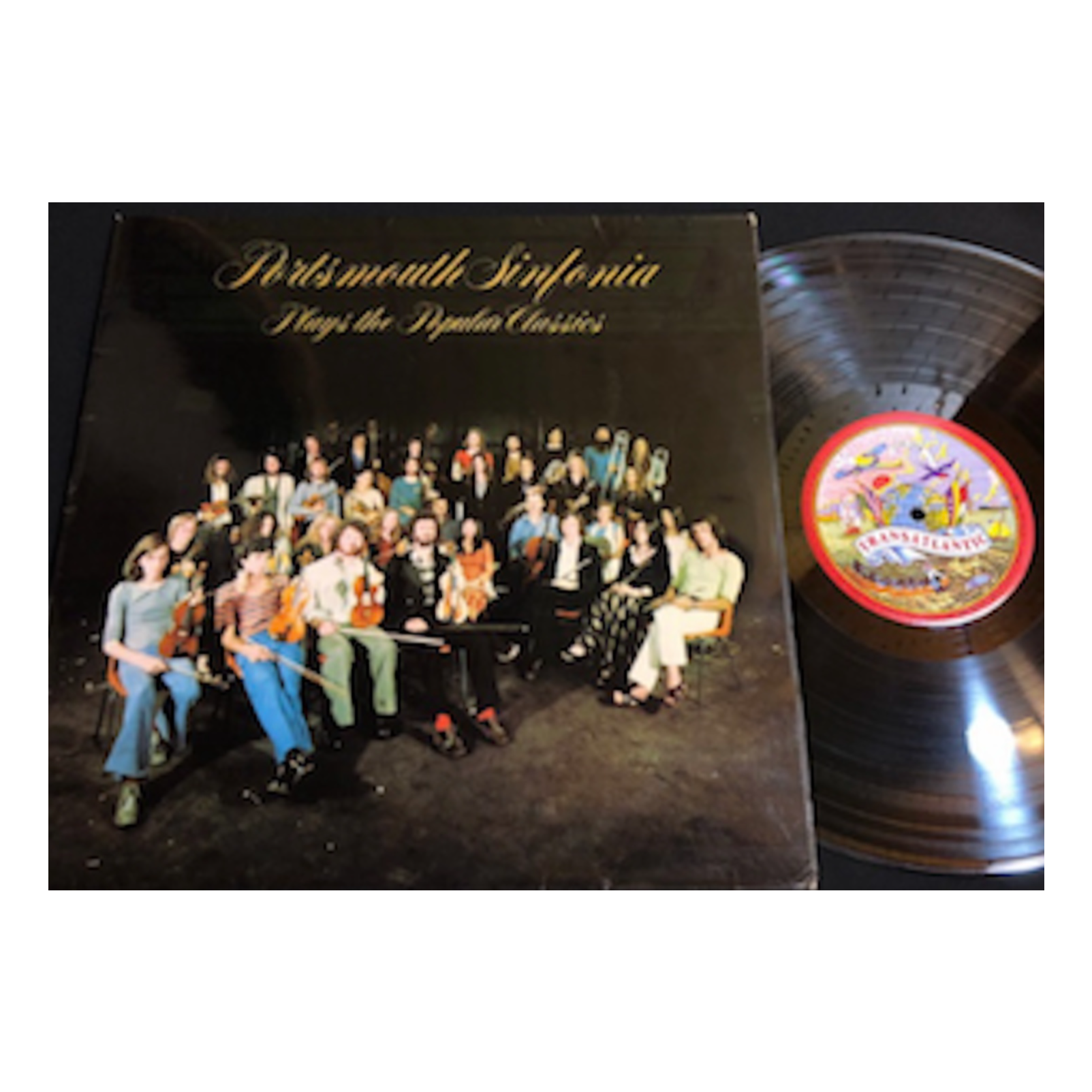
S3 Ep 9The Portsmouth Sinfonia.. The Orchestra Where Practicing Was Forbidden. Many More Stories In My Memoir "There Ain't No Rules In Rock n Roll"
In the 1970s a group of students from the Portsmouth School of Art decided to start a rather unconventional orchestra named the Portsmouth Sinfonia. Their foundational concept was refreshingly inclusive: the Sinfonia welcomed virtually anyone who wished to participate regardless of talent or experience. Inevitably, it drew individuals with minimal musical background and, intriguingly, musicians that chose to embrace instruments completely foreign to them. As one might imagine, this eclectic blend of members resulted in an ensemble with a distinctly idiosyncratic character. Initially conceived as a one-time, tongue-in-cheek performance art project, the orchestra remarkably evolved into a cultural sensation over the subsequent decade, including memorable concerts, the release of LPs, the creation of a film and even a chart-topping single. Eventually their public performances came to an end in 1979, marking the conclusion of an era for this remarkable musical phenomenon. In 1974, I was introduced to the album titled The Portsmouth Sinfonia Plays the Popular Classics. This particular album held a special place in my music collection, as it was produced by none other than Brian Eno, who also happened to be one of the clarinet players within the ensemble. It remains one of the most comically entertaining albums I've ever had the pleasure of listening to. Surprisingly, this album proved to be incredibly versatile and valuable in certain social situations. It had the remarkable ability to elicit laughter when shared with friends, serving as a delightful source of amusement. Additionally, it came in handy for discreetly encouraging guests who had overstayed their welcome to make their exit gracefully. Furthermore, for those times when you felt a need to test the patience of your neighbours or perhaps engage in a bit of playful provocation, The Portsmouth Sinfonia Plays the Popular Classics unquestionably emerged as the perfect auditory choice. In the late 70s I was in the studio booking office at Wembley, when I overheard the secretary Miriam on the phone, she was taking a booking for a jingle on behalf of a maker of a famous box of chocolates. By now I had a real dislike for working on jingles, I was about to beat a hasty retreat from the office, when I heard Miriam confirm to the client the details of the session. “... so, Studio One 7 ‘til 10. Artist, The Portsmouth Sinfonia.” I turned around before she had finished the word Sinfonia and much to Miriam’s surprise, who knew how much I disliked these mini-TV nightmares, told her, “I’ll do that one please, please.” A few days later, with the studio set and ready, about 50 members of the orchestra arrived. Once seated, they started to run through the music they intended to record. I was desperately trying not to laugh too loud as I set about getting a recording level. The music we were tasked with recording was astonishingly brief, lasting only a minute. Achieving the right balance took a few run-throughs. By the time we reached the third attempt, the director turned to me with a hint of impatience and inquired, “How long is this going to take?” The Full Story & Many More Are In My Memoir "There Ain't No Rules In Rock n Roll" Available Form Amazon in Paperback and Kindle.
S3 Ep 7Elvis’s Stepbrother? & The Murder of Singer “Orion” More stories in Kenny Denton's Memoir. "There Ain't No Rules In Rock n Roll" Or My Blog Kennydenton.com
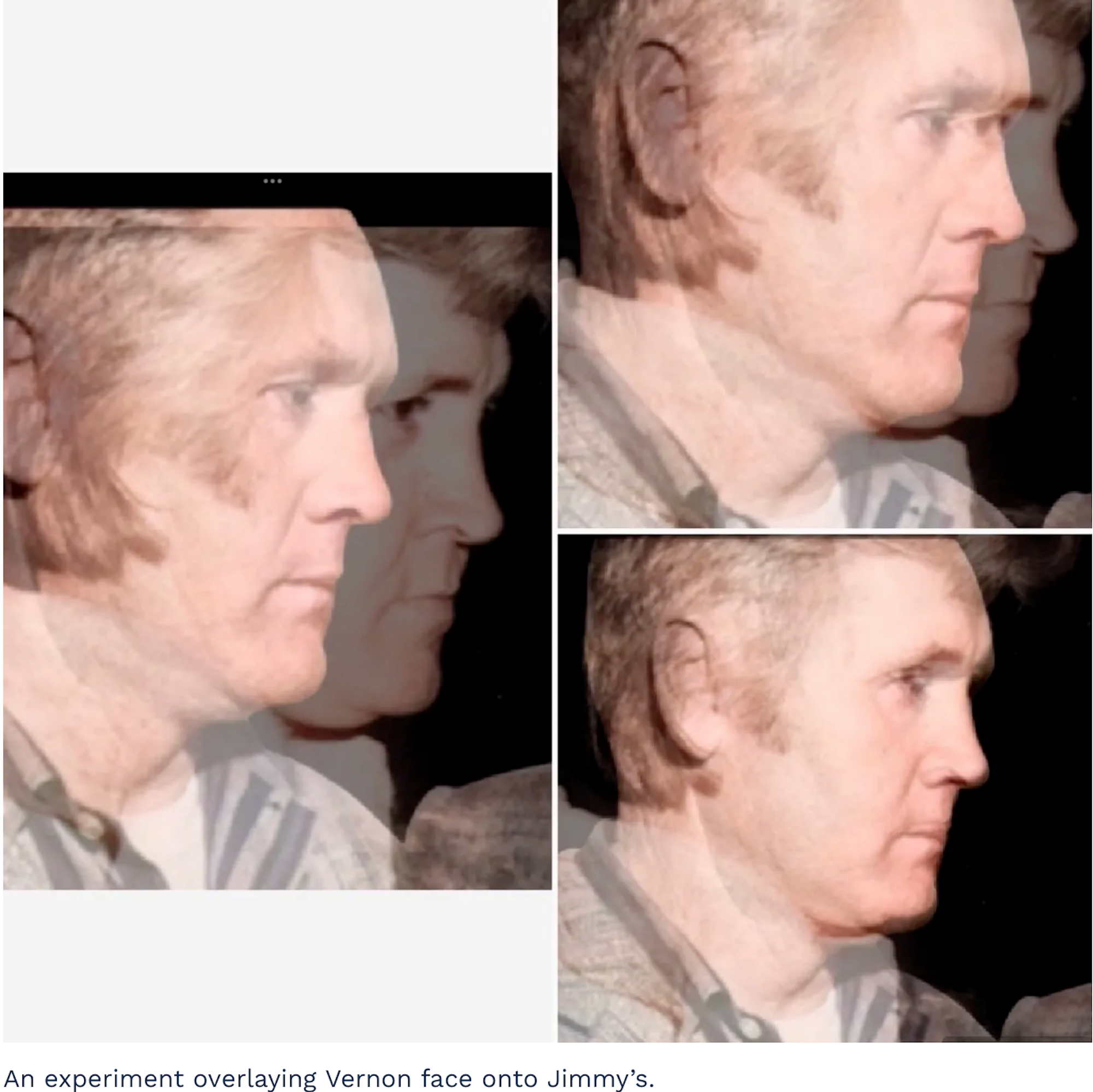
More stories in Kenny Denton's Memoir. "There Ain't No Rules In Rock n Roll" Or My Blog Kennydenton.com Elvis’s Stepbrother? & The Murder of Singer “Orion”Date: 1980Place: Nashville TennesseeArtist: Orion AKA Jimmy EllisArtist: Wayne JacksonWhile visiting Nashville in 1980I came cross this bizarre story about Orion and the possibility of him being Elvis’s stepbrother in 1980, when I had the pleasure of meeting a remarkable man, John Singleton, the brother of Shelby Singleton—a renowned record producer and entrepreneur. Shelby was best known for acquiring the rights to Sun Records from Sam Phillips, though this excluded Elvis Presley’s recordings. John and his wife embodied the essence of Southern hospitality. John had a collection of cars, one of which was a yellow taxi cab. While unremarkable in New York, this car stood out as one of a kind in Nashville. Every time we arrived at a restaurant in that bright yellow “eye-mobile,” heads would turn, fascinated by the unusual sight.Shelby Singleton Achieved his first hit single with Brook Benton’s The Boll Weevil Song and went on to produce numerous chart-topping records. He worked with renowned artists such as Jerry Lee Lewis, Ray Stevens, and Charlie Rich. Notably, Singleton acquired the master recording of Hey Paula by Jill and Ray, renamed them Paul and Paula, and saw the song spend three weeks at number one on the Billboard Hot 100. In 1968, he achieved another worldwide hit with Jeannie C. Riley’s Harper Valley PTA. The following year, Singleton purchased the Sun Records catalog, excluding Elvis Presley’s recordings. From that point forward, much of his career focused on releasing and repackaging the Sun catalog, including a significant amount of previously unreleased material. Meeting Shelby Singleton Not long after, I was introduced to Shelby himself, a man you might describe as a real character. He took me to his recording studio, which, despite being named Singleton Sound Studios, was designed to evoke the legendary Sun Studios. Shelby had mastered the art of selling Sun Records memorabilia—T-shirts, drink mats, and more, all featuring reproductions of Sun singles. The studio even made it onto the Nashville coach tour itinerary.Playfully, I pointed out, “But the real Sun Studio is in Memphis.” With a knowing grin, Shelby replied, “The guests don’t seem to know or care. They love buying the memorabilia—and besides, it saves them a three-hour drive to Memphis.”Introducing Orion Knowing I was a huge Elvis fan, Shelby soon introduced me to a new album he’d produced called Reborn featuring an artist named Orion. He played me a couple of tracks, and I was utterly blown away. It was the most astonishing Elvis impersonation I had ever heard. Shelby explained the album’s unique promotional angle: it subtly hinted at the theory that Elvis hadn’t actually died but had instead chosen to step away from the limelight while continuing to record. Skeptical, I said, “I don’t think people will believe that story.” Shelby countered with a grin, “There are three million Elvis fans out there who want to believe he’s still alive. That’s who I made the record for.” The story grew even stranger when I learned about the origins of Orion. Back in January 1979, author Gail Brewer-Giorgio had begun writing a novel about a fictional music superstar named Orion, who faked his own death to escape the pressures of fame. The plot was eerily similar to the circumstances surrounding Elvis’s death, sparking endless intrigue.It an interesting questionDoes this story ring true, who knows, but one thing is for sure, Jimmy Ellis had a very interesting life albeit a sad one.
S3 Ep 6The Hidden Mentors Behind The Recording Studio. Forward From Kenny Denton's Memoir "There Ain't No Rules In Rock n Roll"
Ben Matthews, memories of meeting Kenny Denton for the first time From Kenny Denton's memoir "There Ain't No Rules In Rock n Roll"I remember the first time I met Kenny; I was sticking postage stamps on to seven-inch record envelopes in the reception area of the small record company I worked at. Suddenly, the entrance door swung open and in walked Kenny - a man of short stature, adorned with thick, curly brown hair and sporting flares contributing to his very distinctive style. His infectious smile, stretching as wide as his lapels, lit up the room, and clearly, everyone was delighted to see him. It quickly became apparent why Kenny was so well-liked, he possessed a warmth and kindness rarely encountered in the cut-throat world of the music industry. Fast forward a year or so and fate threw me an unexpected opportunity: the company acquired a recording studio and, despite my total lack of experience, I found myself at the helm of its operations. It was here that Kenny took me under his wing and selflessly gifted me the benefit of his years of experience in studios around the world. From here we forged a remarkable friendship that endures to this day, punctuated by countless collaborative musical endeavours. During these sessions there was always time for Kenny to tell me a tale or two from his incredible past adventures, each narrative a masterclass in comedic timing, that never failed to leave me doubled over in laughter. With each anecdote, my appetite for more grew insatiable and Kenny, ever the raconteur, obliged without hesitation. In the midst of uproarious laughter, I'd often jest that Kenny ought to immortalise these tales in a book, they're brilliance too potent to remain undocumented. His response was always tinged with a knowing smile, as if the notion had crossed his mind before. I am delighted to declare that the day has finally arrived. Within these pages lies a treasure trove of anecdotes, offering a rare glimpse behind the curtain at some of the music industry's most iconic figures. Prepare to be enthralled, amused and perhaps even astonished, as Kenny's chronicles unfurl in all their glorious detail. It's worth noting some of the names of the people involved have been changed to protect the guilty. Ben Matthews
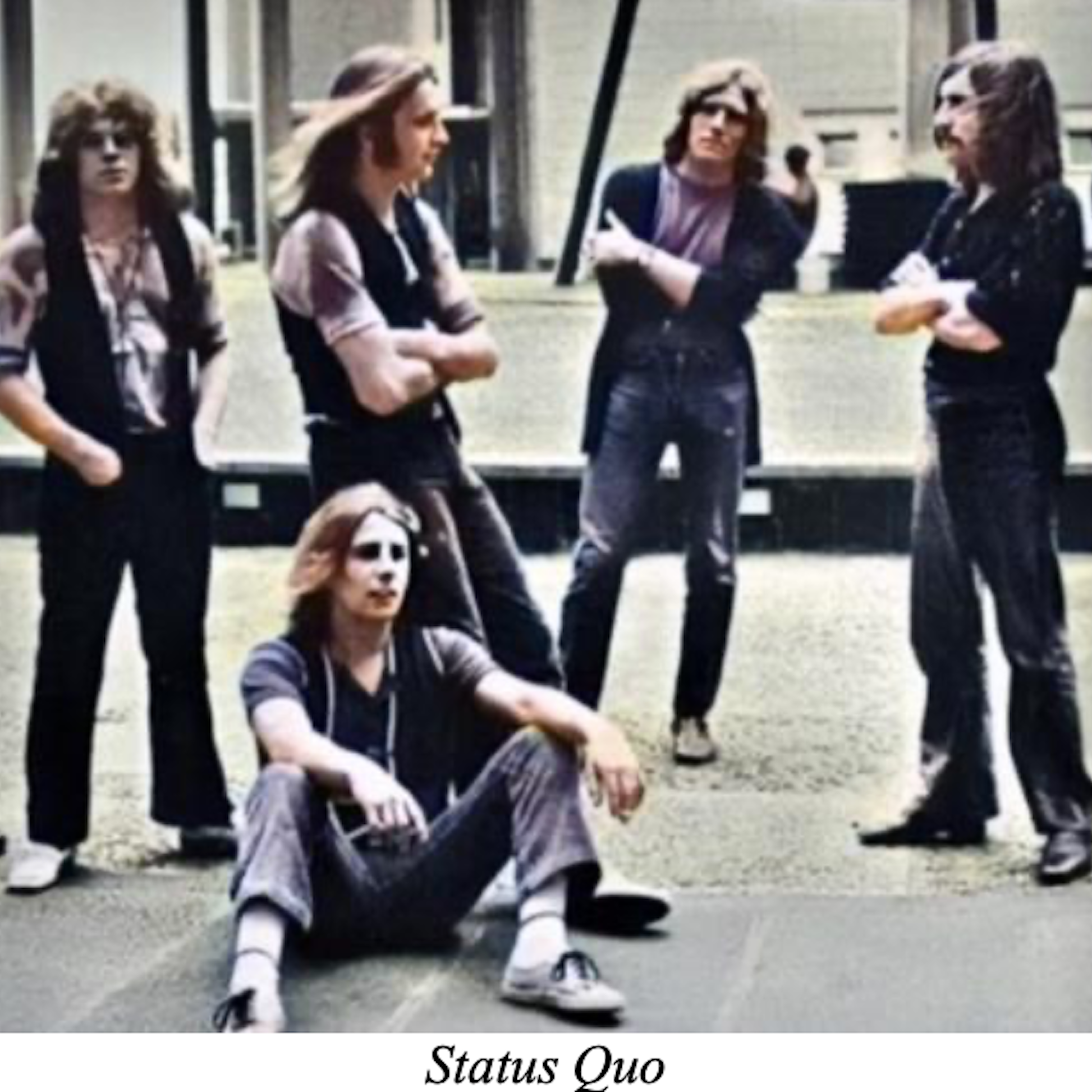
S3 Ep 5"Status Quo". A Bentley. A Prefab & A Bunch of Really Great Guys To Work With.. The Full Story In Kenny Denton's Memoir. "There Ain't No Rules In Rock n Roll"
EWorking with Quo proved to be an absolute joy. The band members were an incredible set of individuals to collaborate with. Unlike some of the other groups, there were no disputes; instead, they radiated a real sense of enjoyment which was completely contagious. These down-to-earth, affable guys genuinely relished the process of creating their music.During those times, bands like Quo led a nomadic existence, constantly touring to build a fan base and scrape together just enough to sustain their chosen path. Securing a record deal and gaining access to a studio was a monumental achievement in itself. Should you be lucky enough to have a hit record it would be the icing on the cake, a real moment of triumph.The sessions were scheduled from 4 p.m. until midnight. As the days progressed, the work settled into a routine, each session would commence with a playback of the previous night's recordings followed by a round of hilarious anecdotes from their experiences on tour. Even now, half a century later, some of these stories are best left untold.John Schroeder had the role of producer with Status Quo at that time. He was a recognised British composer, arranger, songwriter and record producer, known particularly for his work in pop and easy listening music.John began his career as an A&R assistant to Norrie Paramor at Columbia Records. Notably, he co-wrote the song “Walking Back to Happiness.” Sung by Helen Shapiro, it was a UK number one in 1961. During the mid-1960s, Schroeder transitioned to Pye Records and, alongside Johnny Pearson, formed the instrumental ensemble Sounds Orchestral. Their rendition of “Cast Your Fate to the Wind” secured international acclaim, peaking at No. 5 on the UK charts. Interestingly, although in 1968 he orchestrated Quo's inaugural hit with “Pictures of Matchstick Men,” Schroeder might have appeared an unconventional choice for a rock band such as Quo, however, given his position as an in-house producer at Pye, he undertook the projects that came his way. John came across as a softly spoken, polite and unassuming individual, sporting a hairstyle that resembled an explosion in a bird's nest. His demeanour was very much in line with Pye's in-house producers during that era. When not occupied with their personal projects, they seemed to display minimal interest, if any, in the bands they were overseeing, their focus appeared solely directed at fulfilling contractual obligations.The Full Story In Kenny Denton's Memoir. "There Ain't No Rules In Rock n Roll"
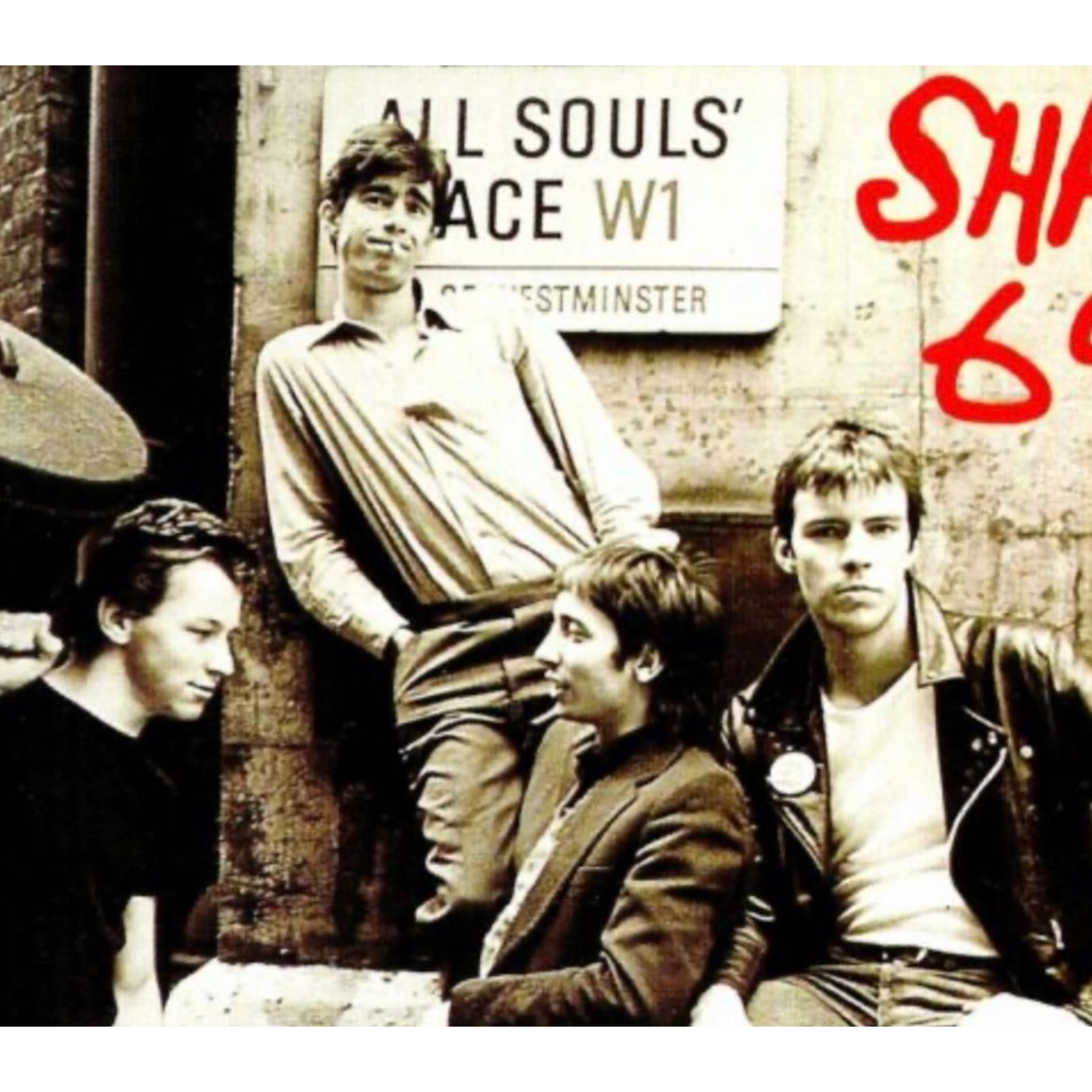
S3 Ep 1Sham 69: The Band That Couldn't Count to Four Together. From Kenny Denton's memoir "There Ain't No Rules In Rock n Roll" This story seriously highlights the title of my book.
Sham 69: Got What It Takes To Be A StarPlace – De Lane Lea Studios, EnglandTime – 1977Artist – Sham 69Engineer – Rafe McKennaIn early 1977 whilst working at De Lane Lea the managing director, Louis Elman, set up a new production arm to the studio complex, it was to be called Delben Music and to be headed up by Ben Nesbit. Ben had just retired from his position as the MD of Feldman’s music publishing company, but continued to personally represent Bob Dylan’s publishing for Europe. Delben music placed a large advert in Melody Maker, a weekly music magazine, stating they were looking for talent. The banner headline read, “Do you think you have got what it takes to be a star?” Followed by “then contact Kenny Denton” plus the phone number and a postal address. On publication date our phone lines became jammed and soon after we received a mountain of post. One of the first calls I received was from a young guy called Jimmy Purcey. I told him he needed to send in a demo tape before he could audition.He explained he didn’t have one but his enthusiasm was overwhelming and the band’s name, Sham 69, was strangely attractive. I was impressed by his confidence and decided to give him the allotted three-hour studio time for an audition. These auditions were also a great opportunity for the young tape operators to have a chance to practice recording artists. I would oversee the setting up and advise on mic positioning, compression and general recording advice. I decided to let Rafe McKenna engineer this session. Rafe had worked with me on many sessions as my tape assistant.The session The band arrived on time, which was about as professional as they got.Once set up we started to run through the only song the band had in their repertoire.Unfortunately it was apparent immediately that the whole thing was a sham, I could see where they had got their inspiration for the band name.It was impossible for them to all come in together after the drummer’s count of four.“One, two…” The guitar would come in.“OK, let’s try again. After four.”“One, two…” The bass would come in.After fifteen minutes or so I explained that I didn’t care what happened after the song started, but I insisted that the band should all start playing at the same time.I told Rafe to rehearse the intro over and over until they got it right and I would come back in an hour or so. When I returned, to my amazement the band had mastered the art of all coming in at the same time, but that was about all. On listening to a complete run through of their song, I was dumfounded by what I heard.It was obvious that a six-foot cannon placed three feet in front of the band couldn’t hit anything worth saving. I called the singer Jimmy into the control room. I said, “The bass player, he can’t play a thing.”“I know” he said, “He’s only got little fingers and can’t reach the notes.” I explained to Jimmy that I thought perhaps the band needed to spend a few more months rehearsing and that just owning and holding instruments didn’t mean that they would play themselves.After an excruciating three hours we finally got something resembling a recording so Rafe mixed the track and gave them a couple of copies.We wished them all the best as they went on their way, not expecting to ever hear from them again.SurpriseIt was less than a year later that Polydor records signed the band and Sham 69 entered the charts with their first of several hits.This is a true example of “There Ain’t No Rules In Rock n Roll.” In the next few years Rafe would go on to have a very successful career as an engineer. He has recorded artist such as UB 40. Wishbone Ash, Foreigner, Bad Company, 10cc., Wet Wet Wet and Big Country to name a few.
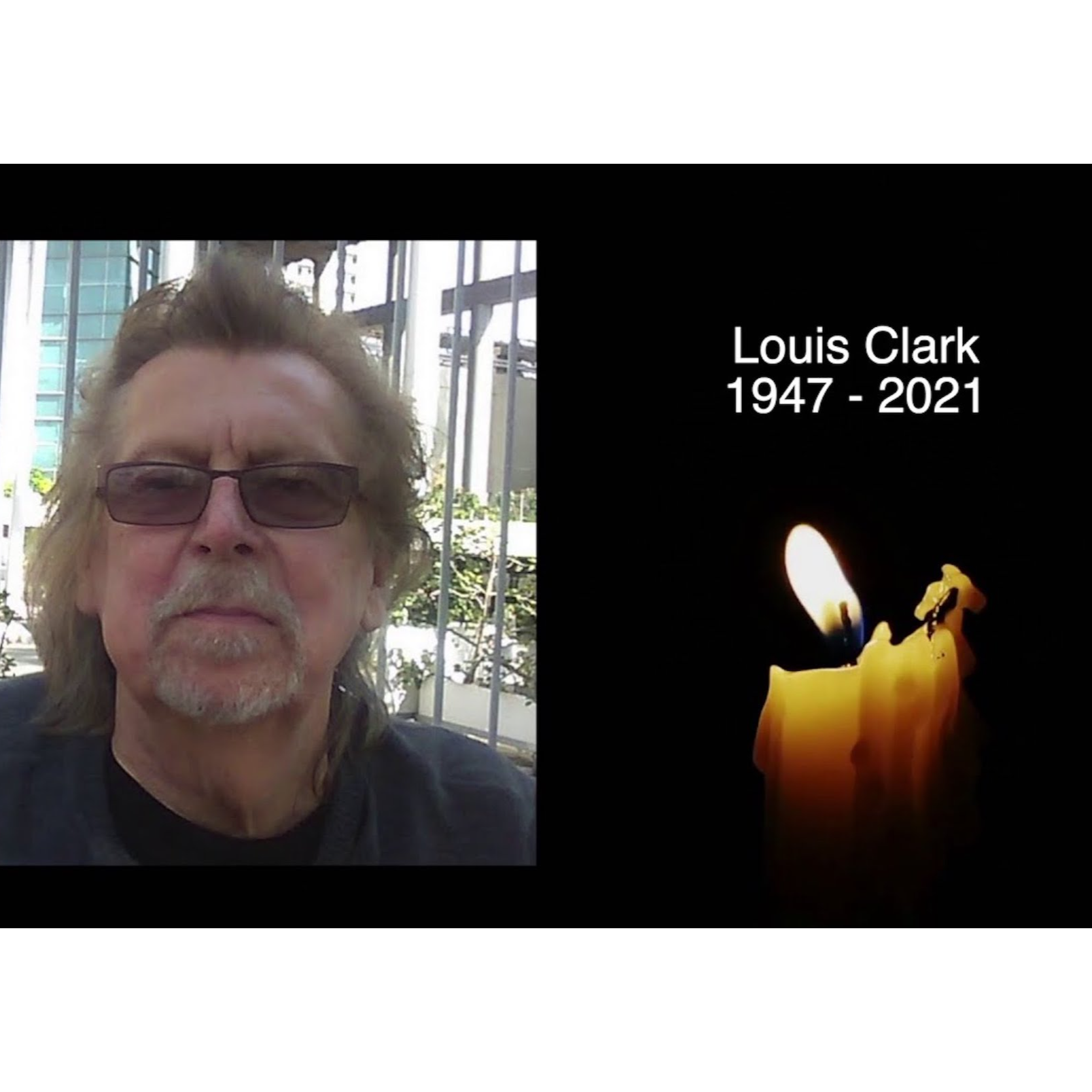
S3 Ep 4The Orchestral Maverick. The Life and Genius 0f Louis Clark. The Full Story Is In Kenny Denton's memoir "There Ain't No Rules In Rock n Roll"
ELouis or Lou Clark was born on February 27 , 1947 and sadly departed on February 13 , 2021. He was a remarkable English music arranger and keyboard player who also happened to be a dear friend. His legacy is most prominently associated with his contributions to ELO and his work on Hooked on Classics. Throughout his career, he collaborated with a diverse array of artistes, including luminaries like Roy Orbison, Ozzy Osbourne, Roy Wood, and the renowned band America. Although working on the ELO album Eldorado wasn’t exactly my favourite gig, it did introduce me to Lou Clark. During the mid to late 70s and into the early 80s, Lou and I collaborated as partners on numerous music projects. It was during this time that I introduced Lou to my close friend and manager, Stuart Taylor. Remarkably, Stuart and Lou immediately formed a strong relationship. Stuart, a maestro at pitching creative concepts to record companies, came up with a ground-breaking idea: Lou would craft arrangements of ABBA songs for a 100- piece orchestra paired with a rock" rhythm section. The envisioned album was supposed to bear the title ABBAPHONIC. Unfortunately, despite Stuart's determined efforts, finding a record company that shared his enthusiasm for this innovative project proved elusive. In no time, Stuart came up with an alternative concept: to reinterpret Status Quo songs aptly naming the new project Quophonoic. He managed to secure sufficient funding from Quo's management and publishers to record a couple of tracks, which he intended to use as a persuasive tool when approaching record companies. The hope was that these recordings would demonstrate the album's sales potential. Lou diligently set to work on composing the arrangements and an impressive orchestra and rhythm section, featuring two drummers, were booked for EMI’s Studio One at Abbey Road. Just as the first run-through of the music had commenced, Francis Rossi and Rick Parfitt from Status Quo walked into the control room. Lou's brilliant arrangements had seamlessly melded the sounds of ELO and Status Quo with a massive rock orchestra, creating something truly astonishing. As the final chord reverberated, Francis was so impressed that he exclaimed, “Jesus, did I fucking write that?” Despite the exceptional quality of the recordings, Stuart's efforts to interest major record companies, once again, led to disappointment. We could only surmise that any reluctance stemmed from concerns about the high recording costs and uncertainty regarding potential sales. It's worth noting that Lou eventually brought this unique project to fruition, albeit some years later after achieving success with Hooked on Classics. By 1978, Lou became increasingly disheartened with the music industry. This became evident during my next meeting with him. I gave him a call, informing him of my upcoming album project which I really needed his arrangement skills for, so we arranged for me to visit him. I arrived at his home in Birmingham and pretty soon Lou opened up to me about his grievances with how Jeff Lynne was treating him and the rest of the band. It appeared that Jeff was claiming credit for everything on ELO singles and albums. Over lunch, we discussed my forthcoming album project. He agreed to work on the project and I was pleased to hand him a cheque in advance, which he greatly appreciated. It was evident that he was facing financial difficulties, he had even mentioned the possibility of returning to teaching.
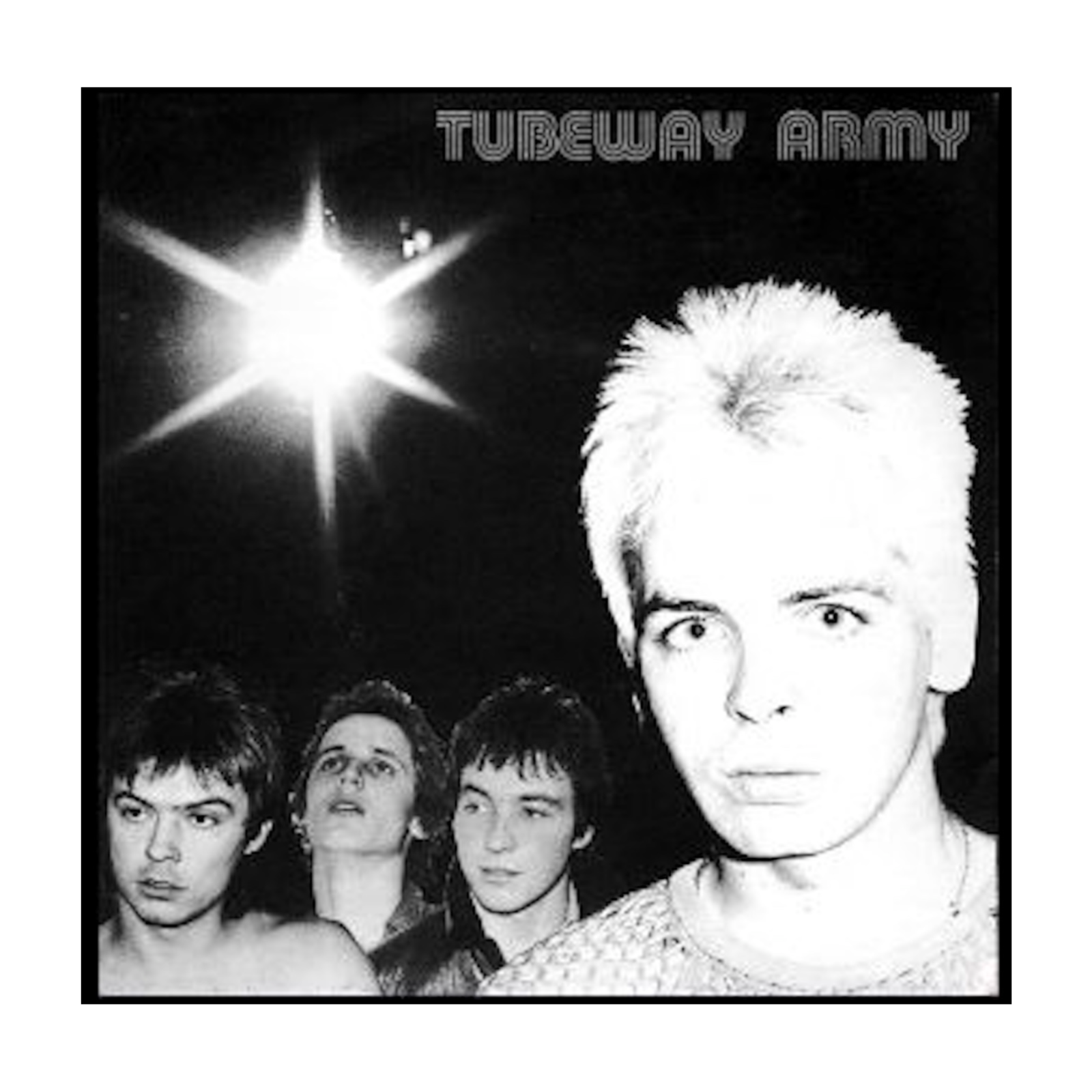
S3 Ep 3Gary Numan & Tubeway Army & How He Accidentally Discovered The Synthesizer. The Full Story In Kenny Denton's Memoir "There Ain't No Rules In Rock n Roll"
Following the release of Tubeway Army’s initial single, the label was on the look out for someone to produce their second single. My manager Stuart Taylor, with his keen eye for talent, suggested that we attend one of Tubeway Army’s performances to assess if I might be a suitable fit to work with the band. If that turned out to be the case, Stuart intended to propose to Andrew and Beggars Banquet that I take on the role of producer for their forthcoming recording. In March 1978, Stuart and I ventured out to Dingwalls in Camden Town to catch a live performance by Tubeway Army. On arrival, we found ourselves supplementing a sparse crowd of approximately eight people. The band was energetically playing through a set of somewhat forgettable songs. However, the thing that stood out was undoubtedly their frontman, Gary Numan. Numan possessed an undeniable star quality. With his guitar worn low like a gun slinger, he exuded an air of toughness and confidence. His closely cropped blond hair bore him an uncanny resemblance to Heinz from The Tornados, a heartthrob of many teenage girls in the 60s. Undeniably Numan had that all-important star quality. Despite this, it was the drummer who stood out as the star of the band in my estimation. This young musician played with a level of excitement behind the drum kit that harked back to the early days of Keith Moon, the legendary drummer of The Who. Stuart and I were in alignment regarding the band’s potential, even though we couldn’t quite put our finger on precisely what it was that set them apart. After the show, we patiently waited before making our way backstage to introduce ourselves. The band members, as it turned out, were quite amiable and easy-going. Although the frontman, Gary, appeared somewhat reserved, the overall atmosphere was friendly and approachable. The following day, Stuart had a conversation with Andrew about our impressions of the band. Andrew, in turn, relayed our feedback to the record company, leading to the finalisation of a deal. I was entrusted with the responsibility of producing the band’s upcoming recordings.
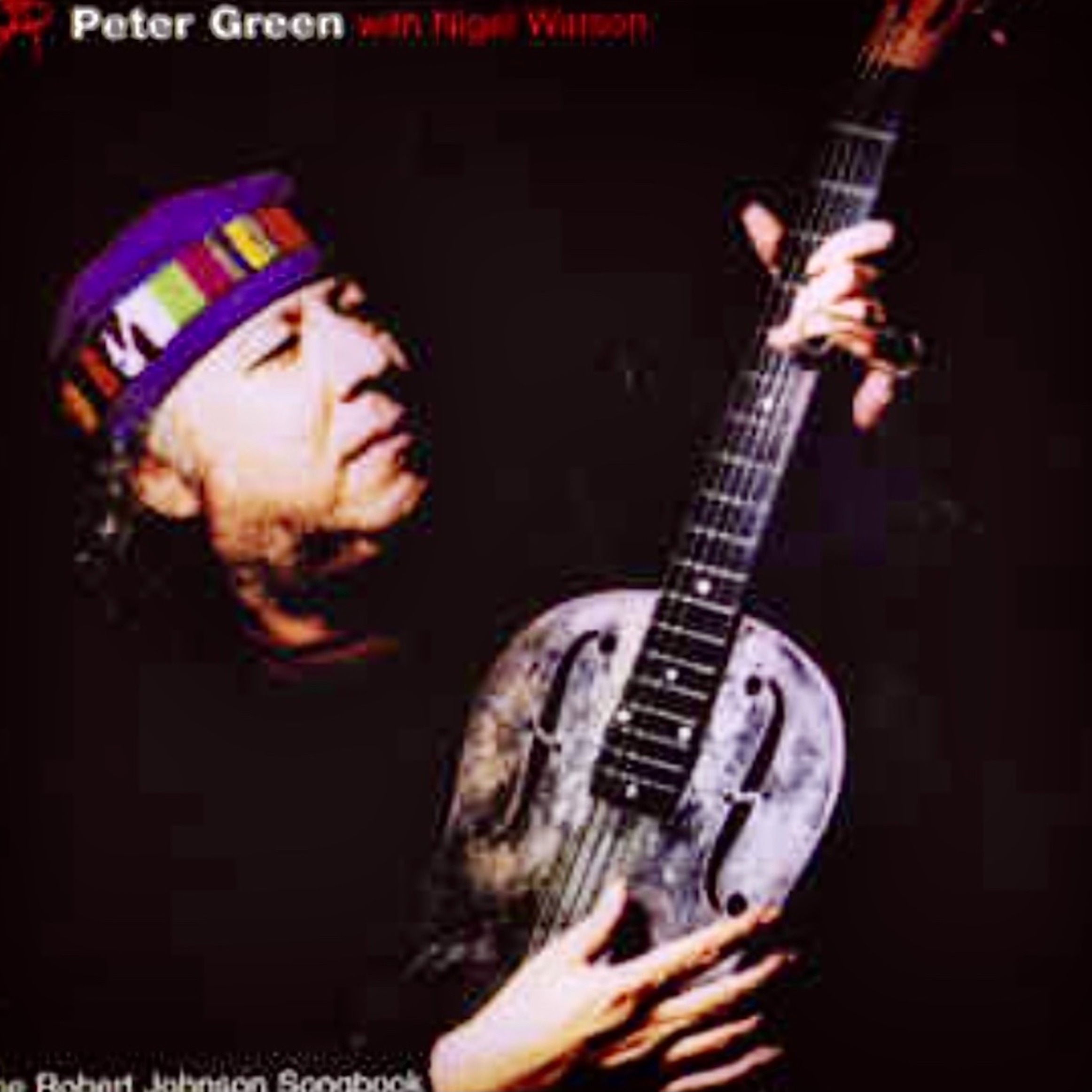
S3 Ep 2Peter Green & The Madness of Recording of The Robert Johnson Songbook Album.. You Can Read The Full Story in Kenny Denton's memoir "There Ain't No Rules In Rock n Roll"
Peter Green and the Splinter Group In the 90s I owned my own recording studio in West London. It was here I received a call from my close friend Stuart Taylor, who was managing a band named The Splinter Group featuring Peter Green. He wanted to schedule studio time to mix a recording of their instrumental track, “Walk Don't Run.” This recording had been initially produced by the renowned drummer, Cozy Powell at a different studio but Cozy had grown dissatisfied with the band's overall situation and decided to part company. As a long-time admirer of Peter Green, the opportunity for me to collaborate with him was a genuine honour. Despite my knowledge of Peter's eventful history, I was genuinely taken aback when I met him. Instead of the image of a legendary guitarist, he resembled Mr. Smee from Peter Pan. His wispy sideburns peeked out from beneath a tightly fastened bandana around his head and his clothes, draped over his slightly overweight torso, looked like they had been discarded by Oxfam. Initially, engaging in conversation with Peter was quite challenging for me but, as our acquaintance deepened, I encountered a remarkable individual with a genuinely warm and gentle character. He had a profound passion for music as well as a mind deeply immersed in a world of his own creation. I couldn't help but develop a deep admiration for him. His constant musings on life always fascinated me. I once asked Peter whether he believed in an afterlife. After a lengthy silence, during which he gazed at the ceiling, he responded, “I'm not certain I believe in this one.” My initial responsibility as the engineer was to prepare the multi-track for mixing. The first ten tracks were dedicated to drums, bass and rhythm guitar, all of which where in good shape. Peter had recorded various takes of his guitar solos, so I meticulously listened to each one and selected the most exceptional sections. I then combined these sections into a single cohesive guitar solo. With the backing track sounding complete, I began to integrate Peter's guitar into the mix. While adding reverb to the guitar using one of my many electronic effects units, Peter inquired, “How many different types of echoes does the module have?” I replied, “There’s over 200 in this one.” Peter decided he wanted to hear every one of them. So, with the multi-track machine set to loop, playing the track repeatedly, I changed the reverb setting every ten or 15 seconds. We carefully listened to every variation, noting down the ones Peter favoured. After a thorough exploration of reverb options, Peter settled on his preferred choice. I then carefully balanced the level of his guitar with the rest of the instruments. Following this adjustment, Peter remarked, “The drums are too loud.” I promptly reduced the drum volume. He continued, “Now the bass is too loud, can we lower it?” I complied and decreased the bass level. Then he mentioned, “The rhythm guitar is too loud, please bring it down.” At this point, Peter's lead guitar dominated the mix. As a result of the changes he wanted me to make, he soon realised that his guitar was excessively loud, prompting us to backtrack on all our previous adjustments. As time progressed, I pulled Stuart aside, and together we discreetly devised a plan to reach a settlement. We would finish this mix with Peter then, later I would remix the track again by myself. When the finalised master was delivered, everyone appeared more than happy with the result. “Not long after, Stuart approached me once more with a proposal. He asked if I would consider producing an album featuring Robert Johnson songs for Snapper Records. You Can Read The Full Story in Kenny Denton's memoir "There Ain't No Rules In Rock n Roll"
S2 Ep 11Dave Miller The Only Interview About The Early Days With Bill Haley and Essex Records & The Birth of White Rock n Roll
In 1951, Philadelphia, PA became the home of Holiday & Essex Records, a company founded by Dave Miller. This record label gained significant recognition by the local music scene, largely thanks to its early releases featuring Bill Haley and The Comets. Dave initially transformed the band's name from the Four Aces of Western Swing to Bill Haley and the Saddlemen. Later on, he suggested changing the name to the Comets, drawing inspiration from Halley's Comet. The same year Miller inked a deal with Bill Haley for his Holiday Records label marking the inception of a new musical genre with Haley recording the first-ever track in this emerging style. The song was a rendition of Jackie Brenston's “Rocket 88.” Notably, this event occurred around three years prior to Sam Phillips being recognised for producing the pioneering rock 'n' roll crossover record, where a white artiste covered a track originally recorded by a black artist.
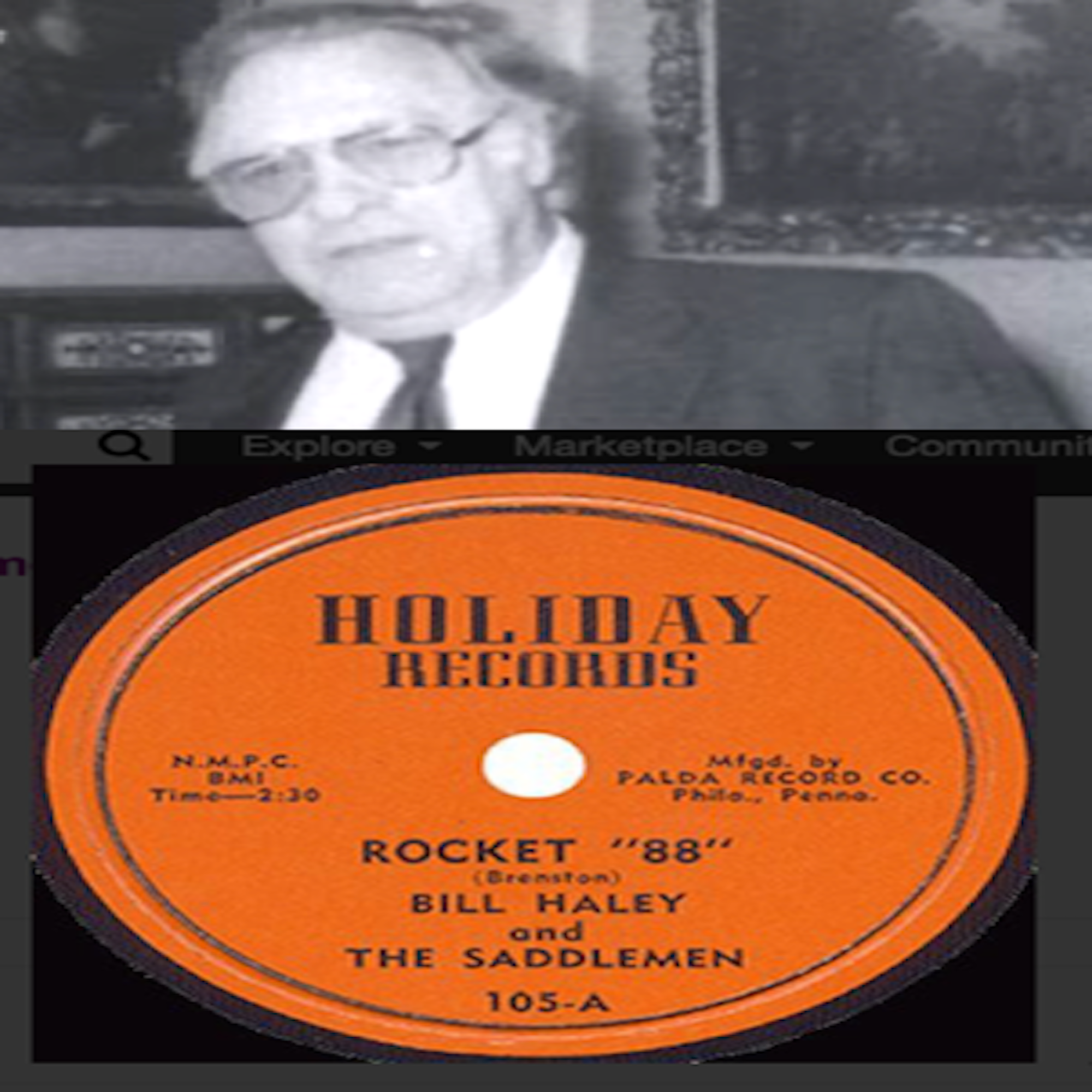
S2 Ep 10Dave Miller The Unsung Hero of Rock n Roll. The Full Story is in Kenny Denton's memoir "There Ain't No Rules In Rock n Roll"
I first met Dave Miller at Pye in 1969 when he was deeply engrossed in recording for his Damil label. He was a robustly built man with silver hair, possessing a voice that resonated like that of a seasoned American voiceover artist. When engaged in conversation, he exuded humour, wit, entertainment and a deep well of worldly wisdom. Among the individuals I've had the privilege of encountering, Dave was one of the three exceptional minds I've come across, the other two being Jack Fishman and Dr Shyam Singha. Despite their remarkable qualities, all three of these modest individuals would likely have disagreed with my assessment. Miller has been the subject of numerous articles and stories over the years, often depicted as a smooth operator and occasionally compared to Colonel Tom Parker, the infamous manager of Elvis Presley. Born as David Leonart Kleiber in 1925 in Germany, both he and the Colonel emigrated to the USA during the 1930s and, on their arrival, adopted new names. They both shared a talent for shrewd business dealings, making the most of every financial opportunity that came their way. In 1949, Dave Miller established the Palda Record Company in Philadelphia. a label featuring various acts, including The Navy Shipmates, The Four Aces and The Blind Boys of Alabama, all experiencing modest sales locally. Dave, with an unrelenting passion for promoting records, seized every opportunity to produce and distribute a diverse range of content, from children's audio stories to recordings of local wedding ceremonies. In 1951, Philadelphia, PA became the home of Holiday & Essex Records, a company founded by Dave Miller. This record label gained significant recognition by the local music scene, largely thanks to its early releases featuring Bill Haley and The Comets. Dave initially transformed the band's name from the Four Aces of Western Swing to Bill Haley and the Saddlemen. Later on, he suggested changing the name to the Comets, drawing inspiration from Halley's Comet. The same year Miller inked a deal with Bill Haley for his Holiday Records label marking the inception of a new musical genre with Haley recording the first-ever track in this emerging style. The song was a rendition of Jackie Brenston's “Rocket 88.” Notably, this event occurred around three years prior to Sam Phillips being recognised for producing the pioneering rock 'n' roll crossover record, where a white artiste covered a track originally recorded by a black artist. Dave has often been associated with the decision to turn down “Rock Around the Clock,” but he consistently denied this accusation. An interview with the Comet’s bass player, Marshall Lytle supports this so my belief in his denial is justifiable. In the interview, when asked about song selection whilst recording with Miller, Lytle clarified that Bill Haley was primarily responsible for choosing most of the material. Whilst Dave Miller occasionally made suggestions, they were just that - suggestions. Lytle mentioned that “Rocket 88” was one of the songs that Dave Miller suggested, but when it came to choosing songs like “Rock the Joint” and others, it was Bill that had the final say. Given this insight, I’m sure that if Bill Haley had wanted to record “Rock Around the Clock” with Dave Miller, he would have done so. The fact that song choices were largely determined by Bill Haley himself underscores the idea that Miller's involvement in song selection was not as controlling as some accounts might suggest. Throughout the years, Dave frequently recounted tales from his early days, which I often suspected were embellished and exaggerated. Surprisingly, in 1979, after listening to Bill Haley's perspective on the same events, it became evident that if anything, Dave had downplayed the stories. Bill remarked, “Miller was an absolute wild man. Do you know he's the one who essentially invented Payola?The Full Story is in Kenny Denton's memoir "There Ain't No Rules In Rock n Roll"
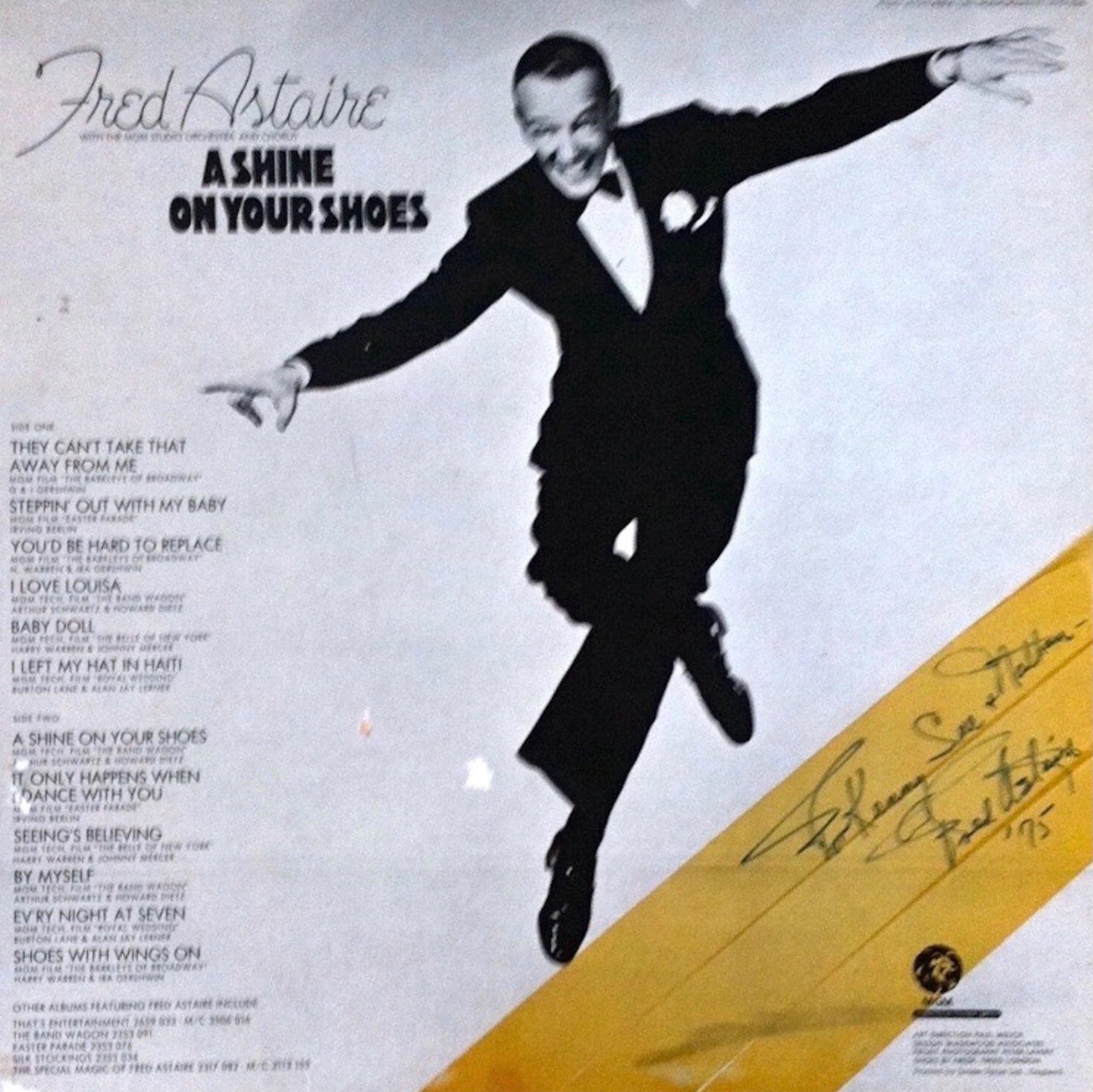
S2 Ep 9Bing Crosby & Fred Astaire. “The bigger the star the nicer they are” The Full Story In Kenny Denton's memoir "There Ain't No Rules In Rock n Roll"
The Full Story In Kenny Denton's memoir "There Ain't No Rules In Rock n Roll"The Photograph is Fred's Autograph To My Loverly Wife Sue and Our Son Nathan. Bing Crosby.In the summer of 1975, within the walls of De Lane Lea/ Music Centre in Wembley, a remarkable event unfolded, Bing Crosby and Fred Astaire were collaborating as a duet on an album. There was an air of uncertainty surrounding Bing's reputation for being challenging to work with in the studio, but this was swiftly dispelled during their time at the Music Centre. Here is a glimpse of the Bing Crosby I had the privilege to encounter. During a break in recording, Bing embarked on the short journey from the studio to our in-house restaurant for a well-deserved lunch. Just outside the studio, Peter Wilson, a member of the studio staff, was engaged in a phone conversation with his mother. It was her birthday and he was partaking in the time-honoured tradition of sharing birthday wishes with his dear old mum. As the studio was playing back the recording it could be heard clearly from where Peter was telephoning. He held the phone aloft so that his mother could hear Bing’s glorious voice resonating from the studio's speakers, evidently, she was an ardent fan. Unbeknownst to Peter, Bing was approaching, with a gentle curiosity, Bing inquired, “Who's that on the phone?” Peter, perhaps a touch nervously, replied, “It's my mother, it's her birthday today.” Responding with a wink and a warm smile, Bing took the phone from Peter and with such grace and kindness, he proceeded to sing the remainder of the song directly into the phone, serenading Peter's mother from afar. As the final notes of the song trailed off, Bing simply offered, “God bless,” and handed the phone back to a bewildered Peter. Overwhelmed and nearly rendered speechless by the surreal encounter, Peter managed to find his voice and exclaimed, “Mum, THAT was Bing Crosby!” This extraordinary and impromptu gesture by Bing showcased his genuine and kindhearted nature, leaving an indelible memory for Peter, his mother and anyone who has the privilege of hearing this heart-warming tale.Fred AstaireAfter completing the duet album with Bing Crosby, Fred Astaire decided to extend his stay at the studio by an additional week to work on his own solo album. Amid this productive period, Fred received heart-wrenching news - his mother had just passed away back at home in the USA. Despite this profound loss, Fred remained steadfastly committed to his work and obligations, including completing his solo album and fulfilling various scheduled TV interviews. A tribute to his professionalism and dedication during this challenging time.During a quiet moment over lunch in the studio restaurant, Fred shared a poignant memory of his mother, illustrating his enduring bond with her. He recounted a tale from 1957 when he had written a song titled “Life is Beautiful” The song had been recorded and sung by Tony Bennett and was poised for release as a single. As the songwriter, Fred received a copy of the finished recording from the record company. Filled with pride and anticipation, Fred sent the record to his mother in Philadelphia, eager to hear her reaction. After a few days, he made a call to inquire, “Mum, what do you think?” Her response was uniquely motherly and laced with affection. She exclaimed, “Fred, it's marvellous! How on earth did they get your voice to sound like that?” Mums can be so wonderful.Being present at both fo these stories it made me think “The bigger the star the nicer they are”
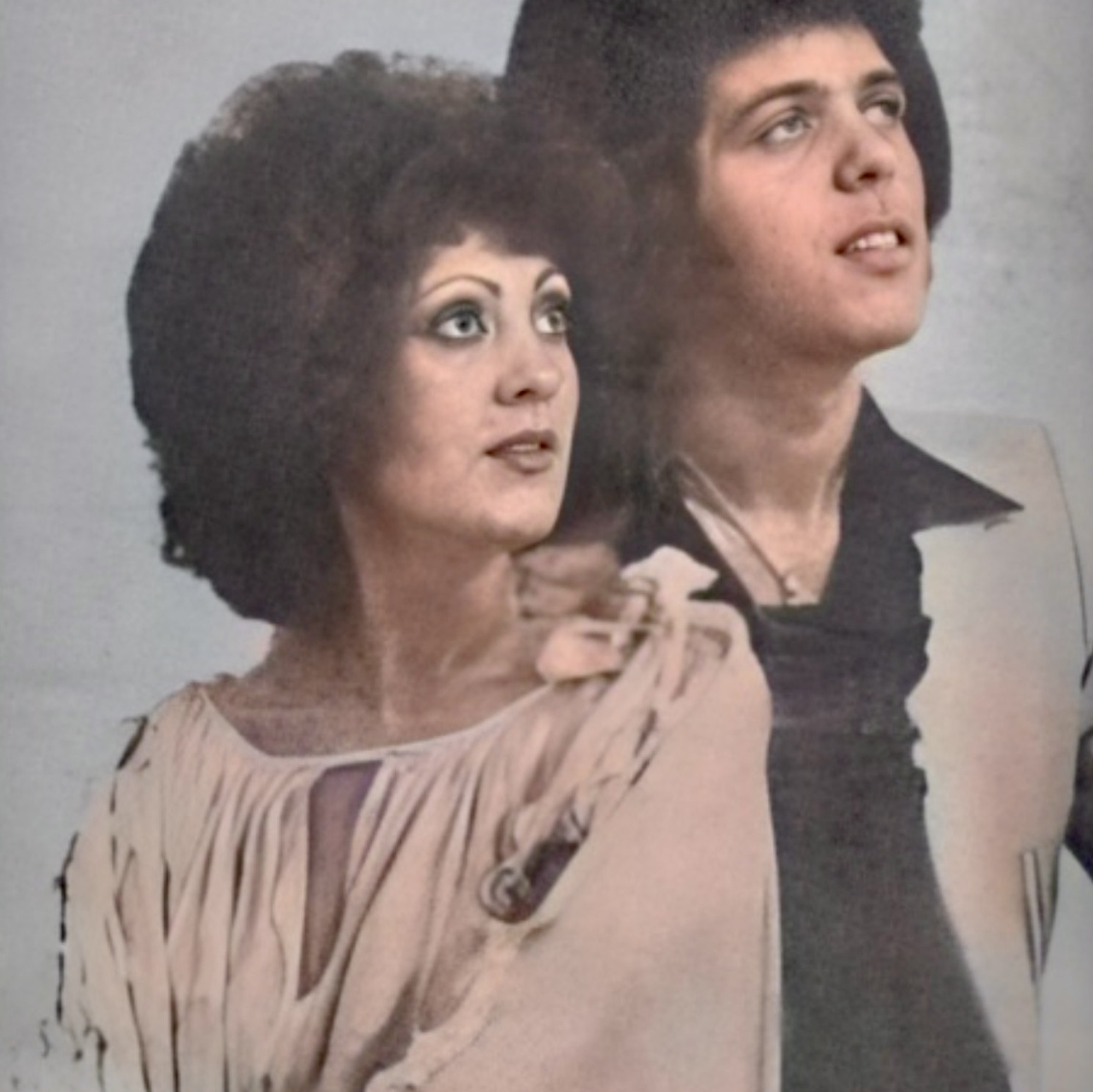
S2 Ep 7New Faces Winners, Koffee n Kreme, Meet Their Fate The_24 Hour Collapse of The 70s Pop Career New Faces Winners. How they Met Their Fate From Kenny Denton's memoir. Read The Full Story In "There Ain't No Rules In Rock n Roll"
Firstly UK Only? I would like to point out that the following story New Faces Winners, Koffee n Kreme, Meet Their Fate may only hold interest to my UK friends as the act never gained any international notoriety. The mid 70s During the mid 70s I was very busy working as an engineer at De Lane Lea, but in what spare time was left I would spend writing songs and record them with anyone I could. Having gained a few single releases under various fictitious names, my efforts came to the attention of Louis Elman – the managing director of De Lane Lea Studios Wembley. Louis was starting a brand new production arm to the studio to be called Delben Music. It would be headed up by Ben Nesbit who had just retired from his position as the MD of Feldman’s Music Publishing Company. The birth of Delben Music and their new talent scout I was happy to be given the job as a talent scout, being tasked with finding promising new acts for the company, although my engineering work for the studio would always come first. At the end of 1974, Delben music took out a large advert in Melody Maker, the best-selling music weekly paper at the time. The banner headline read “Do you think you have got what it takes to be a star?” This was followed by “contact Kenny Denton,” and a dedicated studio switchboard phone number was added as well as the postal address of the studio. From the moment the ad appeared in the paper the phone lines were jammed solid, followed by an avalanche of mail in the next few days. Buried deep amongst the hundreds of letters that arrived every week, there would occasionally be an act that I believed would be worth bringing in for an audition. Time for Koffee n Kreme I received a very professional package from someone called Christy Lee, who managed a duo called Koffee n Kreme. I wasn’t aware at the time but In 1963 Christy and her band, The Beat Chics, supported The Beatles on the their first tour of Spain. Koffee was Lance Ellington and Kreme, Beth Hannah, they both looked good and both had excellent voices. Lance was the son of Ray Ellington who was a popular singer, drummer and band leader throughout the 50’s and 60’s. The Goons The Ray Ellington Quartet & The Goons had a regular musical segment on The Goon Show from 1951 to 1960, he also had a small speaking role in many episodes. The Goon Show was a British radio comedy programme, produced and broadcast by the BBC Home Service from 1951 to 1960 and starred Spike Milligan, Peter Sellers, Harry Secombe and Michael Bentine The Show was a ground-breaking series which revolutionised comedy and has influenced comedians ever since. Audition time I contacted Christy and asked them to come in for an audition. Being pleased with the results, I invited Ben Nesbit down to the studio to listen to the tracks and introduced him to them to the duo and Christy. Ben saw gold with this clean-cut good-looking duo with a positive pushy manager and so quickly offered them a recording contract which they all duly signed. Koffee n Kreme Image © The Stage Media Company Limited We then set about making a single. We chose a Neil Sedaka song called “My World (Keeps Getting Smaller Every Day).” I had Louis Clark, the renowned string arranger for The Electric Light Orchestra, to write the parts for the rhythm section and orchestra track. Enter Don Arden . It’s safe to say Don Arden was a hard-nosed businessman. Ian MacLagan said the Small Faces (who had fourteen hit singles and five hit albums in the UK plus commercial success across mainland Europe, Australia, and New Zealand) were on “£20 a week, that was it. Never got a penny from records, never got a penny from gigs.”

S2 Ep 6Rock Manager Patrick Malynn"s Hilarious Night Of Embarrassment. From Kenny Denton's memoir "There Ain't No Rules In Rock n Roll" Read The Full Story Including, Recording With Bill Haley & Wonderful Haley Personal Stories.
Patrick was a tall, elegant Irishman and what one would call a dapper dresser with the ability to speak at a volume most people couldn't even shout at. Many believed this was due to a slight hearing impediment, though he would never admit to it. Malynn was commonly known in the industry as Paddy Malynn, but if someone made the mistake of calling him Paddy to his face, he would go ballistic. During a phone conversation with him one day, I attempted to address him as Patrick but the moment I uttered “Pat,” he began talking over me, mistakenly believing I had said “Pad,” he promptly hung up. His touchiness was a recurring trait over the years with this remarkable, larger-than-life character. One of my cherished tales featuring Paddy, oops, I mean Patrick, unfolded when my wife Sue and I received an invitation to dine with him at his preferred restaurant. Our rendezvous point was his top-floor apartment in Clifton Gardens, Maida Vale. The residence was comfortably furnished, its walls were adorned with valuable paintings by renowned artists. We were scheduled to convene at his flat at 8 p.m. on that Saturday evening. On our arrival, Patrick promptly inquired about our drink preferences. Sue responded, “I'll have a glass of medium white wine, please. "Suzie, I only have champagne. What type of champagne would you prefer?” he replied, in a characteristically extravagant manner. The TV was on, and Dallas was playing in the background. Patrick, fixated on the screen, speculated several times about the favours he could offer the more glamorous female cast members. While intermittently gazing out the window, he shared that his girlfriend had been at his apartment for the past 24 hours and she had to return home this afternoon to rest due to complete exhaustion. His insinuations implying that the past 24 hours had been a continuous indulgence in physical pleasure. For the subsequent hour, Patrick maintained a watchful eye out of the window, reiterating his narrative about his girlfriend's exhaustion and emphasising,"If she doesn't arrive within the next ten minutes, we'll have to go; otherwise, we risk losing our restaurant table reservation.” Ten more minutes elapsed until Patrick at last declared, “Well, that’s it let's go. Leave your car here, we'll take my Rolls-Royce.” As Patrick locked his apartment door, I went ahead, down the stairs with Sue following closely behind. Once we reached the ground floor and opened the main front door, we encountered a stunning lady adorned in a mink coat, her finger poised to press one of the doorbells. She gazed at me saying, “Hello, are you Mr. Malynn? I'm your escort for the evening.” Patrick's hurried descent down the stairs could be heard as I responded, “I believe Mr. Malynn will be here any moment.” Patrick, arriving behind me at the front door, appeared flustered and evidently embarrassed as he urged, “Kenny, take your car and follow me.” It was apparent that Patrick's sudden change of plans regarding transportation was motivated by the need to privately explain to the young lady the events of their eventful last 24 hours together. Although we arrived at the restaurant a bit late, our table wasn't ready, so we took a seat in the bar and perused the menu. Patrick and the young lady skilfully maintained the facade of being long-time friends when Mario, the maître d', approached to greet Patrick. "Hello, Patrick, how are you?” Mario asked, shaking Patrick's hand. Patrick promptly introduced the rest of us to the maître d', who proceeded to playfully touch the top of Patrick's head, messing with his hair. In a booming voice, Mario exclaimed, “This is incredible Patrick! My friend had a similar procedure and his head was swollen for weeks, but yours... it's remarkable, Patrick, it looks so real the best I've ever seen no one would ever know.” This incident marked the first and only time I witnessed Patrick rendered speechless.
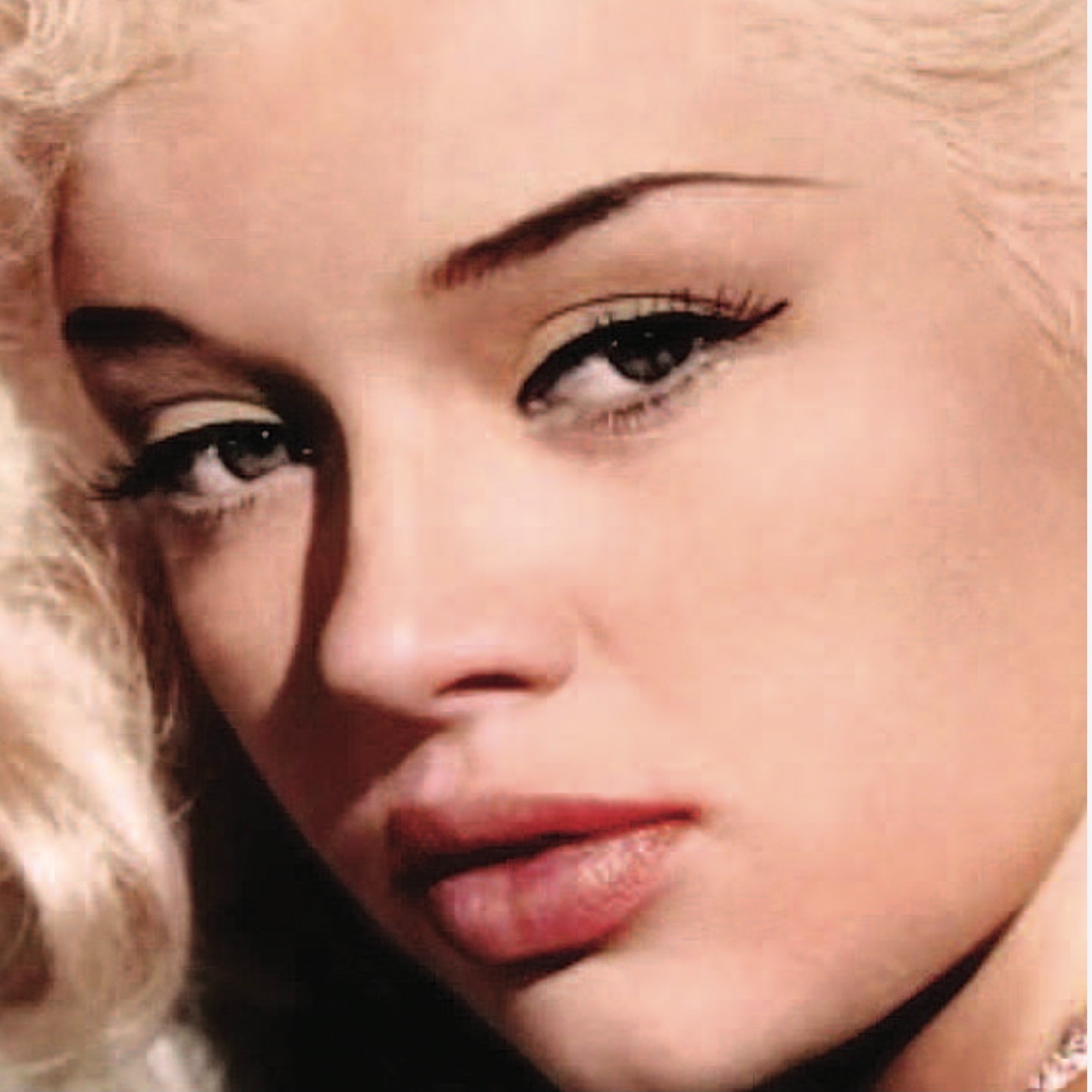
S2 Ep 5Diana Dors – Oh For Fluck’s Sake. From Kenny Denton's memoir "There Ain't No Rules In Rock n Roll"
Place -Studio Two, Pye Recording Studios, LondonTime – 1970Guest visitor – Diana DorsDiana Dors, born Diana Fluck, was Britain’s answer to Marilyn Monroe. Her likeness appears on the cover of the Beatles album Sgt. Pepper’s Lonely Hearts Club Band. After her death in 1984 she was acclaimed as a national treasure.Talking about her real name she once said,“They asked me to change my name. I suppose they were afraid that if my real name, Diana Fluck, was in lights, and one of the lights blew…”Whilst working on a session in studio two with Dave Hunt and the producer Miki Dallon, who was working on an album with the artist Don Fardon, Diana Dors called in to see Don.During a break in recording Diana told the following story from her early days.After returning to England from Hollywood many years before, she was invited back to her hometown of Swindon, to be honoured by the Mayor in a ceremony to celebrate her achievements in the movie industry.He was to open his speech with,“We are here today so we can welcome back from Hollywood and honour a truly unique star, the World knows her as Diana Dors but to us she will always remain our very own, Diana Fluck.”At this point Diana now rising from her chair said,“The speech actually went like this. The Mayor, who was slightly nervous of making the obvious mistake said, we are here today so we can welcome back from Hollywood and honour a truly unique star, the World knows her as Diana Dors, but to us she will always remain our very own, DIANA CLUNT.”We all collapsed with laughter, I could see Diana enjoyed telling the story as, I am sure, she had done many times before.I only wished someone at the time had asked her what her reaction was on that day.
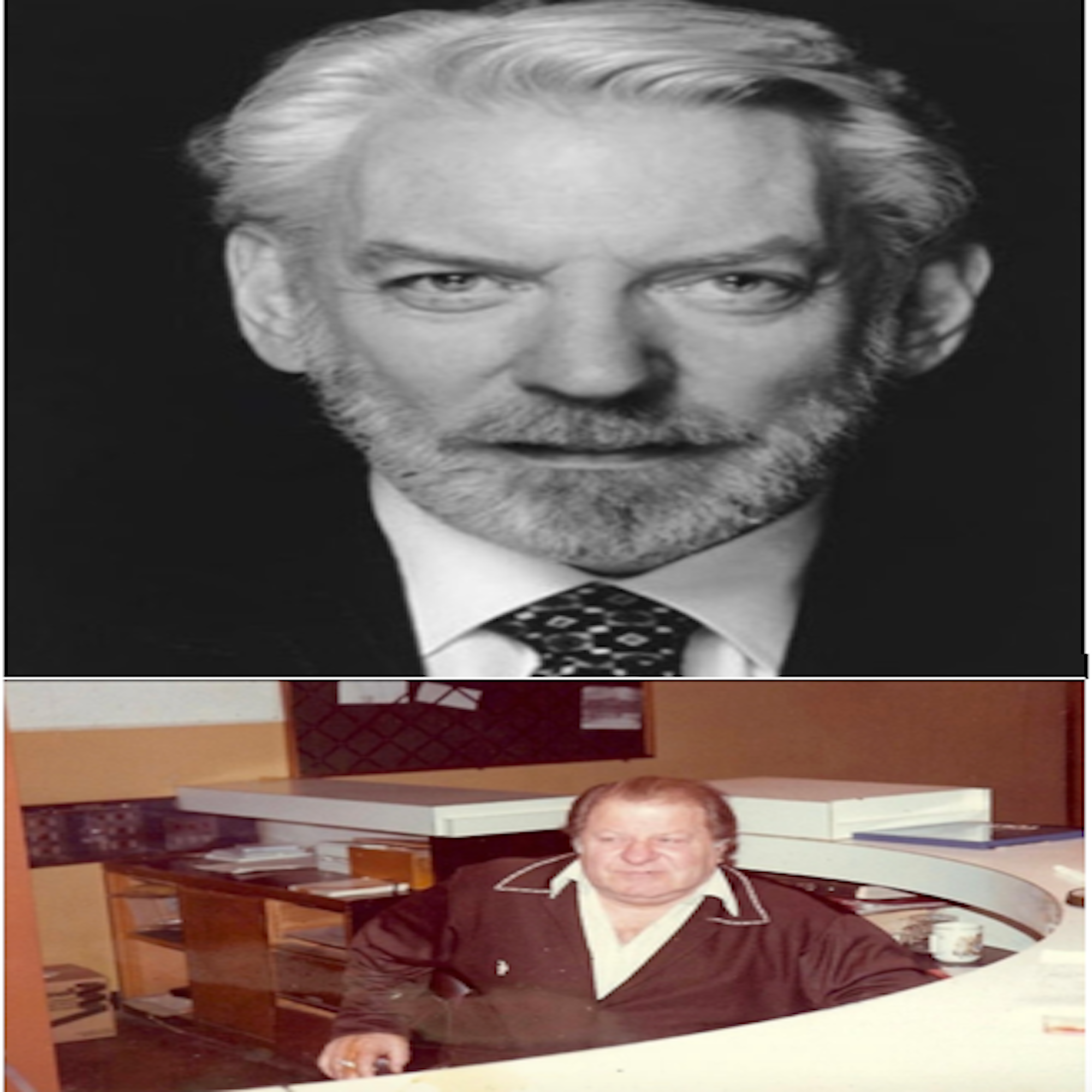
S2 Ep 4Donald Sutherland & Advice From a Worldly-Wise Security Guard. From Kenny Denton's memoir "There Ain't No Rules In Rock n Roll"
From Kenny Denton's memoir "There Ain't No Rules In Rock n Roll"In the mid to late 70s, should you have been working at the legendary studio De Lane Lee/CTS in Wembley after 5.30pm or on weekends, you would be greeted at the front desk by the security guard known as Albert Agras. Albert was a wonderful likeable person with large cartoon type characteristics; highlighted with a nose that was a similar shape, but twice the size of the actor Karl Malden.Albert was a compulsive gambler and believed he was truly a master orator and a true oracle on the universe and all within it.Should the last session finish before midnight he would head directly to the Victoria Casino in London, and mostly lose whatever money he had. On one rare occasion he had a large win. On returning to his home at around 2am, Albert awoke his wife to tell her of his good fortune and that the new kitchen she had wanted for so long could be ordered the next day. Not being able to go back to sleep due to the adrenalin of his lucky streak racing through his veins, he got up got dressed and returned to the casino, where of course he lost all of his earlier winnings. The next morning at breakfast Albert’s wife was ecstatic with the news of his win and wanted to order the kitchen immediately. Albert, down a hole of no return, inquisitively remarked,“Winnings? kitchen? I have no idea what you are talking about, you must have been dreaming.”Donald SutherlandAlbert decides to give Mr. Sutherland the Canadian actor whose film career spanned more than fifty five years some of his Worldly wise knowledge.Sutherland rose to fame after starring in films such as The Dirty Dozen, M*A*S*H, Kelly’s Heroes and Klute.He continued to star in hit movies including The Eagle Has Landed, National Lampoon’s Animal House, Invasion of the Body Snatchers, JFK and The Hunger Games to mention just a few.In 1979 Jerry Goldsmith was given the responsibility of recording the music for the movie The First Great Train Robbery, starring Sutherland. Even with such a rich history of life nothing could have prepared him for a meeting with Albert the Oracle.One evening I arrived late at the studio, I went to the reception desk to check if there were any messages left for me, they were always pinned on the message board.Sutherland, a giant of a man, was leaning on the reception desk speaking to someone on the phone.As he finished the call, I overheard Albert engaging him in conversation.I wasn’t aware of the conversation between them both before I arrived, but I could now hear Albert referring to Sutherland as Oddball, the character Sutherland played in the movie Kelly’s Heroes.Albert, with his all knowing and authoritative voice said,“Oddball, let me tell you this, there are only two types of people in this world.”Sutherland, looked mystified as Albert continued speaking and said,Yep, BIG WANKERS and LITTLE WANKERS!”I was dumbfounded by this and although it was hard to gage Sutherlands reaction, I think it was one of complete bewilderment, naturally.Many famous artists whilst at the studio were exposed to Albert’s worldly-wise utterances.
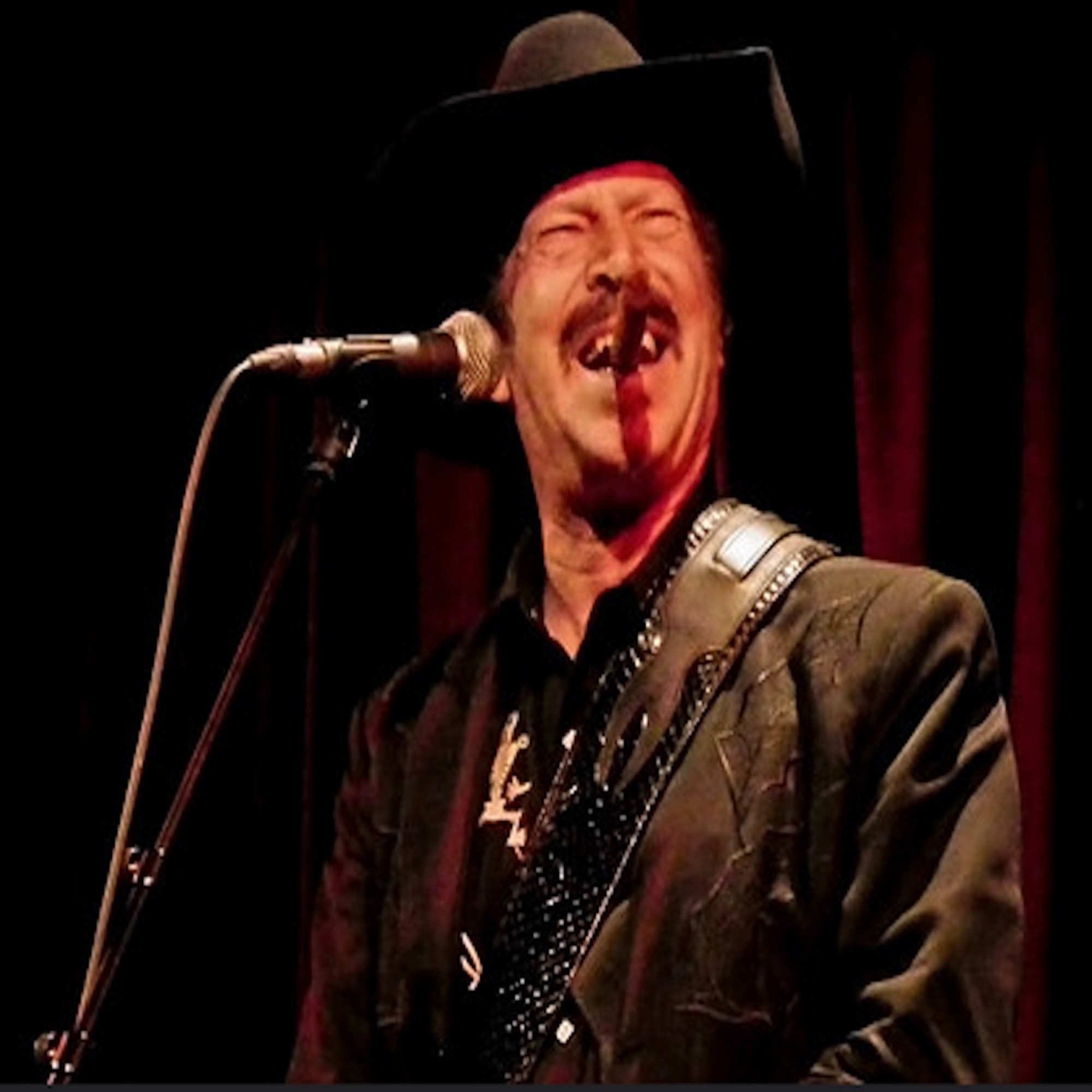
S2 Ep 3“Kinky Friedman. The Lone Star New York "Too Much Ain't Enough" The Full Story In Kenny Denton's memoir "There Ain't No Rules In Rock n Roll"
Kinky Friedman, The Lone Star New York "Too Much Ain't Enough "The Full Story In Kenny Denton's memoir "There Ain't No Rules In Rock n Roll" Kinky Friedman was a Texas country singer, novelist, songwriter, humorist, and politician. “I support gay marriage because I believe they have right to be just as miserable as the rest of us.” Kinky Friedman, the Texas folk hero known for his flamboyant career as a singer-songwriter, satirist, raconteur, and one-time gubernatorial candidate in 2006—during which he humorously claimed to be “pro-football” rather than pro-life or pro-choice—died on June 26 2024 at Echo Hill, his ranch near Medina, Texas. He was 79. In the early 80s and whilst on a trip to New York I read a review about a bar in town called The Lone Star Cafe. It seems that The Lone Star was a haven for Texas-style bad behaviour in New York City. It was a raucous, often-overcrowded place with free-flowing tequila, a pretty good barbecue and boasted a roster of great performers such as Willie Nelson and Roy Orbison.This sounded like an irresistible evening. On arriving at The Lone Star, the outside of the building looked somewhat out of place in this swanky part of town. The roof was decorated with a huge forty-foot statue of an iguana and a sign below that read, “Too Much Ain’t Enough.” The inside was much smaller than I expected. The bar area was crowded so I made my way upstairs where there were some tables behind a circular balcony, this overlooked the undersized step-on stage below. Appearing that night was Kinky Friedman & The Texas Jew boys.I found myself a good table almost overlooking the stage and whilst waiting for Kinky to arrive I ordered a beer and some food. On the next table was a young couple. I could hear the young man continuously raving to his lady friend about Kinky Friedman and what a great show we were about to see, he sounded like he was Kinky’s biggest fan. This continued until Kinky and his band arrived on stage. Having finished my meal, with my arms crossed leaning on the balcony, I had a perfect view as the band stepped on stage to a rapturous welcome. They forged into their first number They Ain’t Makin’ Jews Like Jesus Anymore. At the end of the first number, as the applause was dying down, Kinky lit a huge cigar and proceeded to insult various members of the audience, which seemed to go down very well with everyone except the people he was offending. This monologue was only broken every minute or so by Kinky taking a big puff on his cigar and telling everyone if they wanted to see a great show come to 53rd and 3rd the following Friday. After about ten minutes and for the umpteen time of Kinky telling everyone if they wanted to see a great show, he would be appearing at 53rd and 3rd on the following Friday, the young man on the next table lunged out of the dark and shouted, ”How about a fucking show tonight?” And disappeared back into the darkness as quick as he had appeared. I was still in my crossed arms position leaning on the balcony when Kinky looked in my direction, our eyes met with laser precision. At this point he proceeded to take off his guitar and still looking straight at me said, “Someone up there don’t like me.” Now everyone in the place was focused on me. At this point a voice from downstairs in the audience shouted, I don’t like you either Kinky.” The place erupted but within seconds the same guy screamed out, “Cause Kinky I love ya!” The crowd went crazy. I now noticed the couple on the next table seemed to have left a little earlier than they had planned. There was no way to make it known that the real rebel amongst us had, in true Elvis tradition, left the building. I decided to retire into the darkness and look for the nearest exit.. I assume the slogan outside “Too Much Ain’t Enough” only applied to Texans. I had definitely had enough of good old Texas hospitality for one evening.
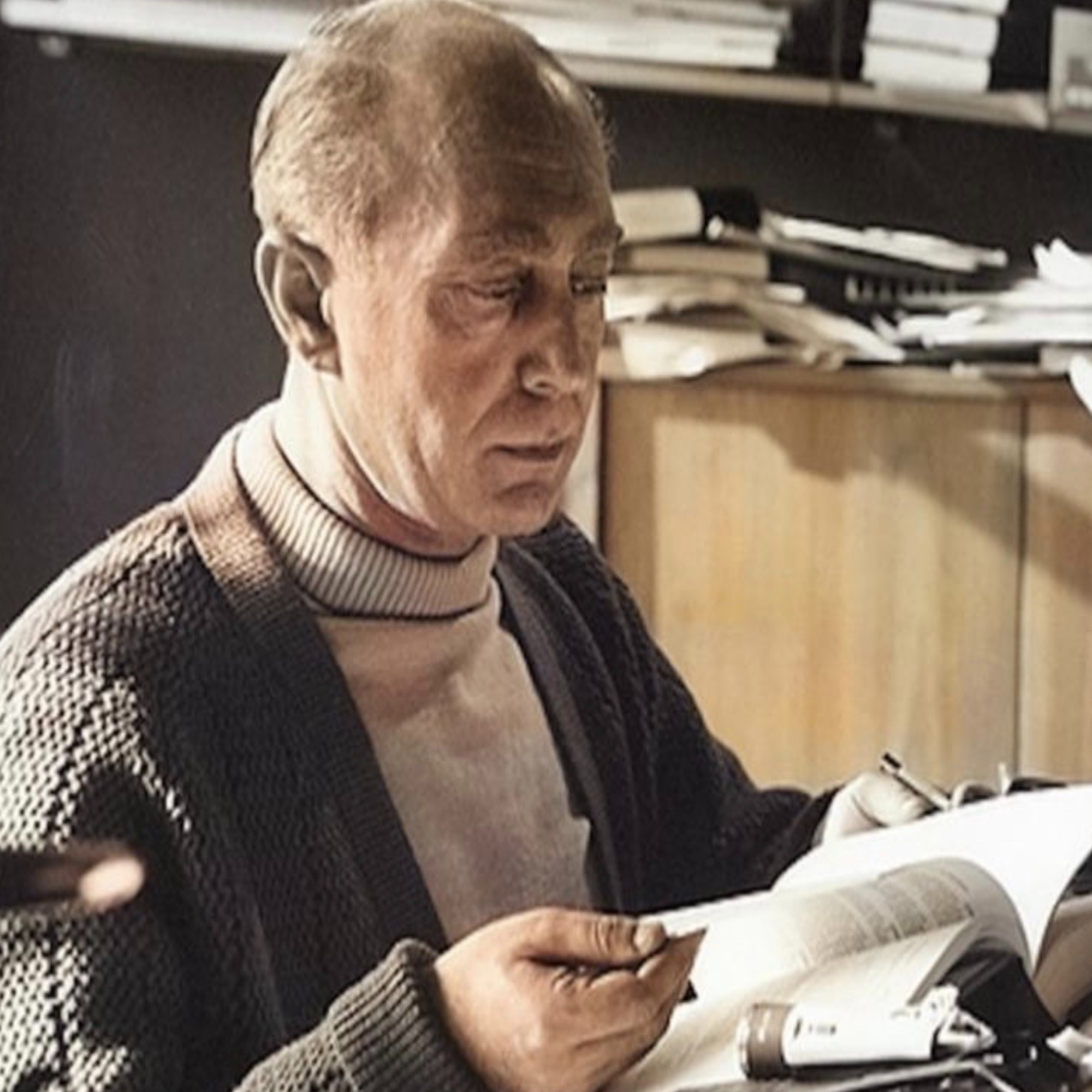
S2 Ep 2Jack Fishman. Hit Songwriter. Spy Catcher & The Master of The Sting. Read The Full Story Is In My Book " There Ain't No Rules In Rock n Roll"
Jack Fishman was a songwriter, journalist, spy catcher, and bestselling author whose career spanned music, film, and investigative reporting. As a songwriter, he co-wrote major hits including If Paradise Is Half as Nice, If I Only Had Time, and Help Yourself, with total record sales exceeding ten million. A tireless workaholic, he was also credited with exposing Kim Philby, one of the Cold War’s most notorious spies. Because British libel laws blocked publication of the story in the UK, Fishman worked with contacts at the New York Daily News to break it in the United States. Fishman also managed the gifted composer Roy Budd, collaborating with him on film themes for Soldier Blue and Get Carter. Knowing there was virtually no music budget for Get Carter, Jack persuaded a reluctant Budd to compose and perform the score with his trio for expenses only. The gamble paid off: the soundtrack became a cult classic and propelled Budd toward major film success. I first met Jack when he booked studio time to edit the quarter-inch master tape of the Get Carter soundtrack album. I knew of him by reputation—he was in his late forties, slim, with receding hair and an intense manner of speaking. Midway through the session, I offered to fetch tea and sandwiches from a nearby café. Jack insisted on paying. Despite earning far more than my £7/10 a week, he handed me a single shilling—5p—though tea cost around 7p and sandwiches about 10p. Too embarrassed to correct him, I accepted the coin, made up the difference myself, and returned with the order, even giving him tuppence change. In later years we worked together often, became good friends, and even wrote songs. In 1973, after returning from America, Jack excitedly told me about The Sting, which featured The Entertainer by Scott Joplin. Unable to secure the European rights, Jack booked studio time and had Roy Budd record a cover of the hit arrangement by Marvin Hamlisch. Budd preferred not to use his own name, so Jack invented the credit “The Ragtimers” and secured a rush release on Pye Records. Since Joplin had died more than fifty years earlier, the composition was in the public domain. On Jack’s release, the writing credit read “Joplin and Fishman,” not “Joplin and Hamlisch” as in the U.S. version. The record quickly climbed the charts, alarming the American company preparing to release Hamlisch’s recording with the film. Furious at Fishman’s claim to a share of the credit, they launched legal action—only to discover they were effectively suing Leeds Music, a publishing company they themselves owned. With no practical alternative, they paid Jack his royalties in full. Shrewd, relentless, and commercially astute, Jack Fishman had a formidable business instinct, always determined to maximise his percentage in every deal.Read The Full Story Is In My Book " There Ain't No Rules In Rock n Roll"Thank for taking the time to visit my Podcast. Kenny Denton
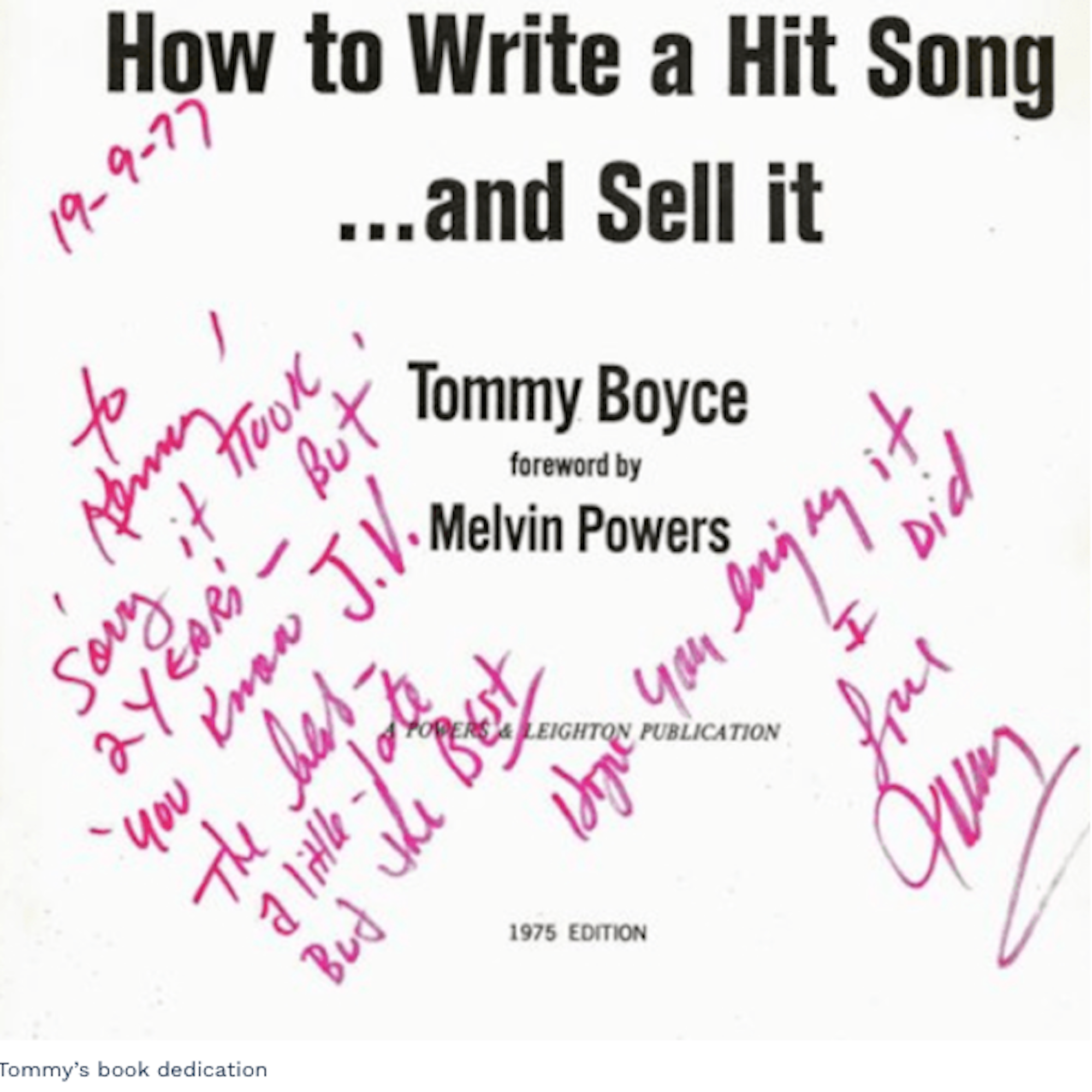
S2 Ep 1 "Tommy Boyce" The Chaotic Genius of The Monkees Hitmaker. The Full Story Is In My Book " There Ain't No Rules In Rock n Rol"l
This Deep Dive is only an overview the full more in depth story is in my book "There Ain't No Rules In Rock n RollTommy Boyce was a wonderful complex character. So I wanted to capture the time I spent with him, without understating or exaggerating who he was. On completing my story, I contacted Caroline Boyce and asked her if she would be kind enough to read through my text and said if she wanted anything changed, to let me know. I also said, I would not publish if she was unhappy in anyway. I was so overwhelmed when I received Caroline’s endorsement, which confirmed I had captured the essence of Tommy. Caroline’s reply"Hi Kenny “OH MY GOD … You had me laughing out loud as it wasn’t hard to visualize this at all; he was exactly like that in real life too and would give you the shirt “literally” off his back … life was magical, exciting and a performance and it was wonderful to experience the world through his eyes. This touched me sooooooooooooooooo much; well written really capturing the essence of Tommy thanks so very much for sharing this with me I absolutely loved reading it and it brought back some funny and super fond memories of Tommy; he truly was one of a kind with a giving heart that surpassed anyone’s I’ve ever known. He is so sadly missed so thanks for helping to keep his memory and legacy alive Thanks again, and have a happy holiday season and keep me posted xoxo”Tommy Boyce’s first big success as a writer was Be My Guest for Fats Domino. Then in 1961 with Curtis Lee he co-wrote, Under The Moon of Love and Pretty Little Angel Eyes, which were produced by the legendary Phil Spector. In 1964 Tommy teamed up with Bobby Hart and had their first hit together with Lazy Elsie Molly by Chubby Checker, closely followed by Jay and the Americans’ Come A Little Bit Closer, a top 10 record later in the same year. In 1966 they recorded the demos for the pilot of a new TV show called The Monkees. TV producers Bert Schneider and Bob Rafelson had the idea of casting a rock ‘n’ roll band that could star in its own weekly television series. Schneider and Rafelson placed an advert in Variety looking for four young men who would be selected to serve as members of the band: Michael Nesmith, Peter Tork, Davy Jones and Micky Dolenz all passed the auditions. There is a rumour that Charles Manson was one of the applicants that were turned down at the auditions, this is not true. The infamous Manson dabbled in writing songs and his musical career gained some notoriety after The Beach Boys and Guns ‘n’ Roses recorded songs he had written. Boyce and Hart were hired to write several songs and record the backing tracks and vocals for the band’s first album titled The Monkees. Davy, Micky, Peter and Michael replaced their vocals later Boyce and Hart went on to write over 300 songs and sell more than 42-million records.

S1 Ep 10Alisha's Attic. A Deep Dive Into "Secrets In The Attic" The Full Story In My Book "There Ain't No Rules In Rock n Roll"
“I taught them everything they know, but not everything I know.” James Brown. I was on the rebound from my Cajun experience when an associate, Laurie Jay, asked me if I would meet with a couple of girl singers. He was thinking of offering them a management deal and asked me if, assuming I liked their material, I would produce some tracks he could to play to a record company in order to obtain a deal. He told me should a record company be interested I would get the job of producing the album. Laurie had started his career as a drummer playing with The Shadows, The Echoes (1960-62), Dusty Springfield, Chuck Berry, Gene Vincent and Jerry Lee Lewis, he also fronted Laurie Jay combo (1962-1965). He later went on to manage Elkie Brooks, Billy Ocean and Shirley Bassey. Most people that had worked with him would say he was difficult to work with, something I found out for myself, but he was a true character and really did have a great ear for talent. The girls, Shelly and Karen Poole came to my studio for a meeting and introduced themselves. We all got on really well and discussed what kind of music we liked and chatted about life in general. I told them of my recent upset with my Cajun artist, “How could he do that to you?” Karen asked.I wish I had had a crystal ball, I would have told them, You’ll both do the same to me in a couple of years.” The girls were very pretty and full of charm with fabulous singing voices although the demos they played were very amateurish. The Plan I decided to choose and work on just one song, it was called Natural Thing. Next it was contacting my good friend and music programmer, the very talented Danny Saxon. Danny and I had teamed up a few years before, writing and recording with many varied artists such as Anthony Newley and Fleetwood Mac’s Peter Green. Danny was a key ingredient, with his musical talent and programming skills, he was instrumental (excuse the pun) to all my Cajun recordings. We had written many great songs and worked really well together for many years. I called Danny and told him about Laurie’s new act and the overal plan but warned him that there was no budget. He also knew Laurie very well and was slightly cautious. But Danny was a good friend and, despite his misgivings, agreed to work with me on the recording. Within the next few weeks, we had completed the track and everyone seemed very pleased. Silence Then everything went silent and around a year passed with only minimal contact from the girls or their management. Eventually Karen phoned and asked if she and her sister could come and have a meeting. In the meeting they revealed that they were very frustrated with their management and desperately wanted to get back in the studio to record some new tracks. They brought along a cassette with three demo songs recorded on a four-track cassette machine at home by Karen’s boyfriend Terry. The recordings were, as you would expect, very poor, but the songs had something very special.There was one great lyric in one of the songs that really knocked me out – Dreaming With A Capital D. I contacted Danny again to tell him the girls had called me and wanted our help. I explained that I really believed in the girls and their new material. I was sure that we would get them a record deal and we would all share in the success. After listening to the demo Danny really didn’t share the same excitement for the project as I did However, once again, his belief was in me rather than the girls so he agreed to work with me on the project for free. Another freebie & Getting a deal: The Full Story In My Book "There Ain't No Rules In Rock n Roll"

S1 Ep 9The Deceptive Art of Getting A Record Deal. The Full Story In My Book "There Ain't No Rules In Rock n Roll"
Finding an A&R Person. Finding an A&R person in any record company, who believes in your product as much as you do, is a rare commodity to say the least. I have never heard of any artist being signed to a label on their first approach to a label. George Martin and EMI, like every other label at that time, had previously turned down The Beatles. When Brian Epstein approached Martin again, he convinced him that if he signed the band, with his record shop connections, he could guarantee he could fix a chart entry. Although “Love Me Do” only reached number seventeen in the UK chart, Epstein had kept his word. Finding Someone Who Believes. Between the years 1978 and 1979, I had spent around £15000 of my own money, recording an album with an artist whom I truly believed in. I tried various record companies, but sadly I could not find anyone who shared my enthusiasm for the product. That was until I ran into my old friend and once manager, Dave Meyers. Meyers listened to the album and loved it; he was surprised that I was unable to create any record company interest. I told him so far everyone had turned it down. He told me, “You must be going about it the wrong way; give me six weeks and I’ll get you a deal and get your money back.” Even though I knew Dave was a bit of a bullshitter, he had a charm that was irresistible, a real-life Svengali. Anyone that had ever been involved with him, would tell you the same. I must admit that the thought of any reimbursement of my investment and a release for the product sounded very attractive.Now, the Split. Meyers set about explaining how he would go about getting the deal. His immediate investment would be in the region of three to four thousand pounds. Once we had received an advance from a record company, he wanted his money back first, my investment would be repaid second and then the artist would receive his payment. All other profits after that from sales would be split; half to the artist, the remainder being split equally between Dave and me, in perpetuity. How the Deal Would be Achieved. Dave would arrange meetings with all the A&R departments heads every PolyGram Record company throughout Europe. He would start in France, then on to Belgium, Holland, Spain until all had been visited. The journey would end with a meeting with the MD, Mr. Odo von Stein, the head Of Deutsche Grammophon and PolyGram in Germany. At each of the previous meetings along the way, he played one or two tracks from the album, then left a cassette copy of the entire album for them to listen to at their leisure. Crucially he would tell them that Odo, in Germany, loved the album and he would be contacting them soon for their reaction. Clinching the deal. Dave set off on his journey, visiting each country, playing the A&R heads the songs and finally arriving in Germany for his meeting with Odo von Stein. He played the tunes to Odo then cleverly told him that every European PolyGram Company wanted to sign this artist and on that basis that he was looking for a very substantial deal. Meyers urged Odo to listen to the whole album then telex (the old fashioned email) all of the European offices and ask for their reaction to this product. Meyers then arranged a second meeting in a few week’s time, giving Odo time to contact the various PolyGram territories. Odo did as Meyers suggested and contacted his A&R departments throughout Europe As they had already been told that Odo loved the album they were desperate not to offend the head of their organisation. Every A&R department, without exception, telexed Odo back with an in-depth review, saying they thought the album was sensational and that they wanted to release it as soon as possible. Finalising the deal. Dave returned to Germany for his second meeting with Odo to negotiate the deal.
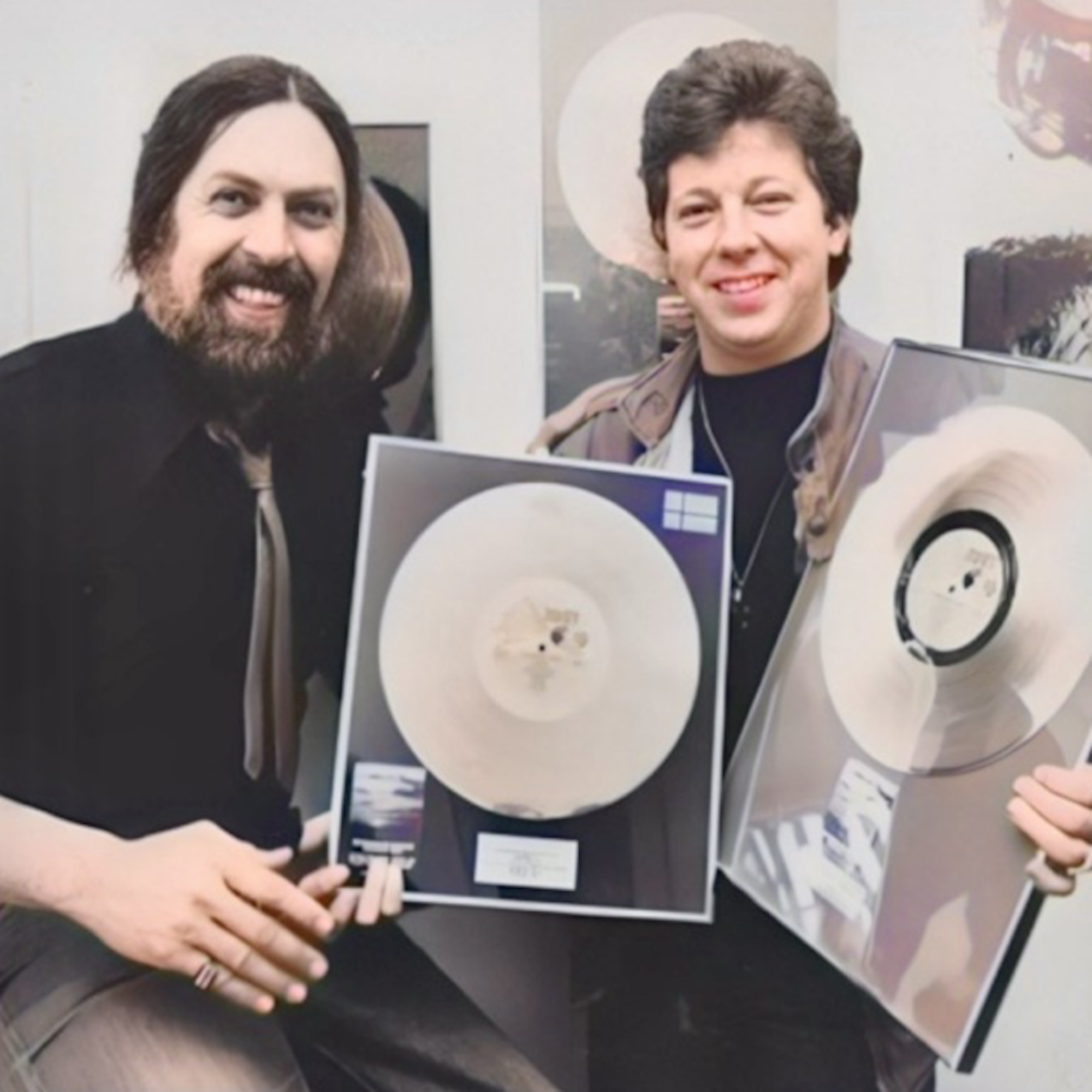
S1 Ep 8Augie Meyers A Texan Legendary Musician. The Full Story In My Book "There Ain't No Rules In Rock n Roll"
https://youtu.be/7IBVBw3-Wxo?si=v0APnkEe_RM6DtvC Augie Meyers, renowned in Texas music lore, gained fame as the keyboardist for both The Sir Douglas Quintet and The Texas Tornados. BOB DYLAN once said of Augie. “Augie’s my man, he’s like an intellectual who goes fishing using bookworms. Seriously though he’s the shining example of a musician, Vox player or otherwise, who can break the code. His playing speaks volumes, speaks in tongues actually. He can bring a song, certainly any one of mine, into the real world. I’ve loved his playing going all the way back to the Sir Doug days. What makes him so great is that internally speaking, he’s the master of syncopation and timing and this is something that cannot be taught. If you need someone to get you through the shipping lanes and there’s no detour, Augie will get you right straight through. Augie’s your man.” In 1981, I found myself producing an album at Pye Studios in London for Sonet Records, Sweden when an interesting opportunity arose. The record company informed me that one of their artistes, Augie Meyers, a talented American artiste known for his keyboard and accordion skills, was passing through London. They inquired if there was a way to involve him in the album I was working on. Despite our tight budget and schedule. The record company was persistent, offering to cover any extra costs and studio time. Intrigued, I contacted Augie and invited him to the studio for the following day. The next afternoon the control room door swung open. In walked a towering six-foot-two Texan, Augie Meyers, with his accordion in hand. He greeted us with a simple, “Hi, I'm Augie Meyers, am I in the right place?” Augie entered the room with a slight limp, his weathered face revealing a life rich in experiences. Beneath his Stetson hat, a three-foot ponytail cascaded down his back like a dookie rope. Little did I know then that this encounter would mark the beginning of a deep friendship, making Augie an honorary member of my family to this very day. Following a cordial “howdy,” Augie retrieved his accordion from its case and began playing along with the track in the control room. To my astonishment, the instrument's tone and Augie's skilled performance harmonised perfectly with the track.. Augie ventured down into the studio and we began rehearsing with the track playing. During the initial run-through, Augie voiced his frustration about his headphones only working in one ear. I promptly had the assistant swap them out for a different pair. On the second take, the same issue persisted. “I can still only hear the track in one ear,” Augie informed me again. Concerned, I had the assistant change the headphones once more. Once again, on the third take, the problem recurred. Frustrated, I descended into the studio, donned a further set of headphones and had the assistant run the tape. Finally, I confirmed that the headphones were working flawlessly on both sides and handed my functional set to Augie. He put them on, glanced at me and remarked, “Nope, still only working on one side,” before promptly returning them. I couldn’t understand what was going on, I had just tested them myself and they were functioning perfectly on both sides. “Augie,” I said, puzzled, “They’re working on both sides.” “Oh, it's okay, Kenny, it must be me,” He then swept his hair back from over his ear, revealing to my astonishment that he was missing an ear. This marked my initial encounter with Mr. Meyers' wonderful sense of humour. Later, I learned that his limp and the absence of his ear were the result of his battle with polio during childhood. My initial reservations about having Augie participate in the recording turned out to be entirely unfounded.
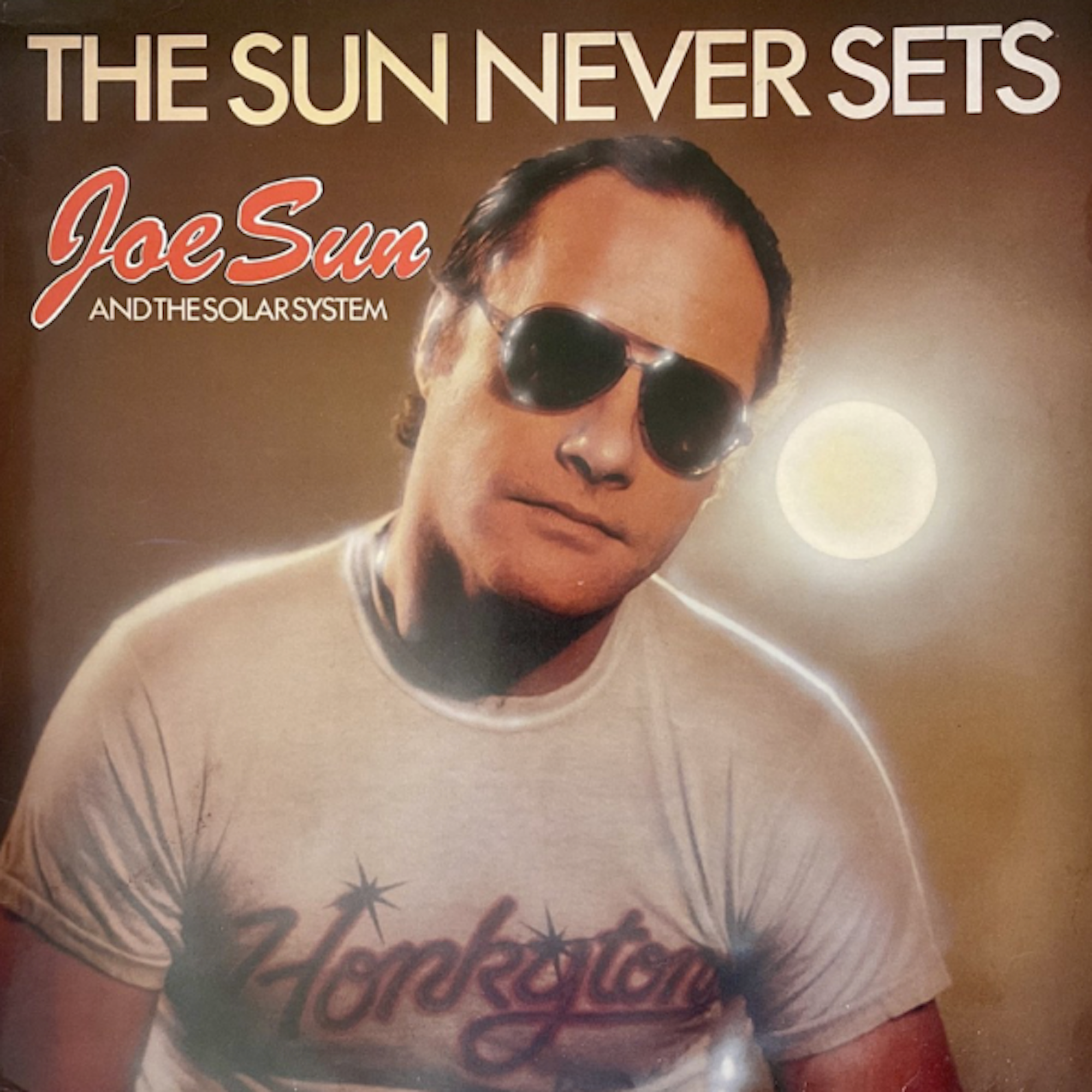
S1 Ep 7Joe Sun A Respected American Country Singer-Songwriter. The full story is in my book "There Ain't No Rules In Rock n Roll"
Joe Sun was a respected American country singer-songwriter who recorded for Ovation and Elektra Records, placing 14 singles on the Billboard Hot Country Songs chart. Over his career he released 15 albums, toured the USA and Europe, voiced national Budweiser radio ads, produced two Grammy-nominated foreign albums (1989/90), and appeared as Tommy Fratter in the film Marie alongside Sissy Spacek and Morgan Freeman.I first met Joe in Nashville in 1984 after Sonet asked me to produce an album with him. True to form, he arrived at my hotel room and immediately challenged me: “What does an English guy like you know about country music?” I replied, “Not as much as you — but my job is to bring out the best in you.” That set the tone for a relationship that was productive, if occasionally strained.The next day he played me his songs. I heard echoes of Jerry Reed — who famously wrote “Guitar Man” and “U.S. Male” for Elvis Presley — and while Joe confidently declared each song “one hell of a great song,” I felt some were stronger than others. Still, there was solid material.That evening Joe took me to The Bluebird Cafe in Nashville’s Green Hills. Before performing, he spoke at length about his past successes. Onstage, however, he delivered well and the audience responded warmly. During the break, I was confronted by an aggressive patron who announced he felt like punching me. Using humour rather than confrontation, I managed to defuse the situation — with no help from Joe, who had discreetly distanced himself. Looking back, I sometimes wondered if it had been a test.We booked sessions at Glaser Sound Studios in Nashville. Joe had rehearsed with his band, Solar System, yet on recording day I discovered he had hired top Nashville session players instead. “The record has to feature big names,” he insisted. It meant starting from scratch. After replacing an unsuitable engineer and dealing with scheduling chaos, we completed the basic tracks and vocals. Visiting Texas musician Augie Myers joined us, though local players were less than welcoming.I later persuaded Joe to bring in his own band for backing vocals — they were grateful simply to be included. But creative differences persisted. I told Sonet I couldn’t continue in Nashville and proposed finishing the album in London with Joe’s band. They agreed.Recording at Sonet’s London studio was far smoother. Without Nashville politics or ego clashes, Joe and the band worked professionally, and the album — titled The Sun Never Sets — came together well.Mixing at Park Studios in Sweden nearly ended in catastrophe. While editing late one night, I accidentally erased Joe’s entire harmonica solo on “The Light That Shines the Brightest.” With Joe in Nashville, re-recording wasn’t possible. I painstakingly constructed a new solo from fragments elsewhere in the track. To my immense relief, Joe never noticed.The album achieved modest chart success with the single “Bad for Me,” though it was far from a major hit. Listening back years later, I realised it was better than I’d remembered. Still, I’ve often wondered whether our difficult first meeting shaped the project’s outcome. Unlike many artists I’ve worked with, Joe and I never stayed in touch after its completion.Joe Sun passed away on October 25, 2019, in Palm Bay, Florida — perhaps finally reaching the place where the sun never sets.

S1 Ep 6The Recording of “In The SummerTime” & Mungo Mania: The full story is in my book "There Ain't No Rules In Rock n Roll"
Mungo’ Jerry's greatest triumph was with the track “In the Summertime” which dominated the UK charts for seven weeks during the early 1970s. Additionally, this song clinched the number one position in 26 countries globally. Their subsequent release, “Baby Jump” also claimed the top spot in the UK and maintained its position for two weeks. Initially known as The Good Earth, the band underwent a name transformation to Mungo Jerry on the insistence of Pye’s new label - Dawn Records. Terry Evennett served as the recording engineer for the project and Barry Murray as both the band's producer and label manager. Barry played a pivotal role in the band’s success. While he was initially working on new album tracks, he made the decision to mix a single for an immediate release, with Terry already committed to another recording session, Howard Barrow stepped in to handle the mixing. Barry was unwavering in his insistence, much to the band's displeasure, that the single should be “In the Summertime.” The only challenge was that the recording itself was a mere two minutes long. Howard came up with an innovative idea to solve the problem. He extended a microphone cable from the studio all the way to his Triumph TR6 Roadster parked on the ramp outside the building, placing a microphone near the exhaust. Around ten seconds of the car's revving engine noise were recorded and seamlessly added to the end of the two-minute track. He then edited the entire song back in from the beginning after the engine sound. The edited track could now be faded out at three minutes and 30 seconds, creating the final version. This unconventional approach marked the debut release on the newly established Dawn label. Barry had devised a clever strategy when launching the record, releasing it on a maxi-single. Essentially, this format was akin to an EP, containing three to four tracks played at 33 1/3 rpm. It would be packaged in a picture sleeve and priced slightly higher than a standard 45 rpm single. On release the record skyrocketed to the number one spot, reigning for a remarkable seven weeks and ushering in the era of Mungo Mania. What struck me as curious was that, apart from the lead singer Ray Dorset, the remaining band members still maintained their day jobs. When I queried guitar player Paul King about his continued employment, he offered the response, “Who knows how long this will all last?” I never established whether he referred to the chart success or the dynamics within the band. With each subsequent recording session, the growing tension between Ray and the rest of the group became increasingly evident. Ray basked in the praise from the press and fans, seemingly starting to believe that “Mungo Mania” was solely attributable to his efforts. During one session, Ray rushed into the studio, brandishing a children's music songbook that featured “In the Summertime” among its contents. His excitement inadvertently or perhaps deliberately irritated the rest of the band as he raved about it nonstop. A calmly composed Barry Murray, leisurely enjoying his peanut butter and banana sandwich, astutely pointed out the oddity of a children's songbook incorporating the lyrics “When the sun goes down, you can make it, make it good in a lay-by.” That shut Ray up for a bit, much to the band’s delight.
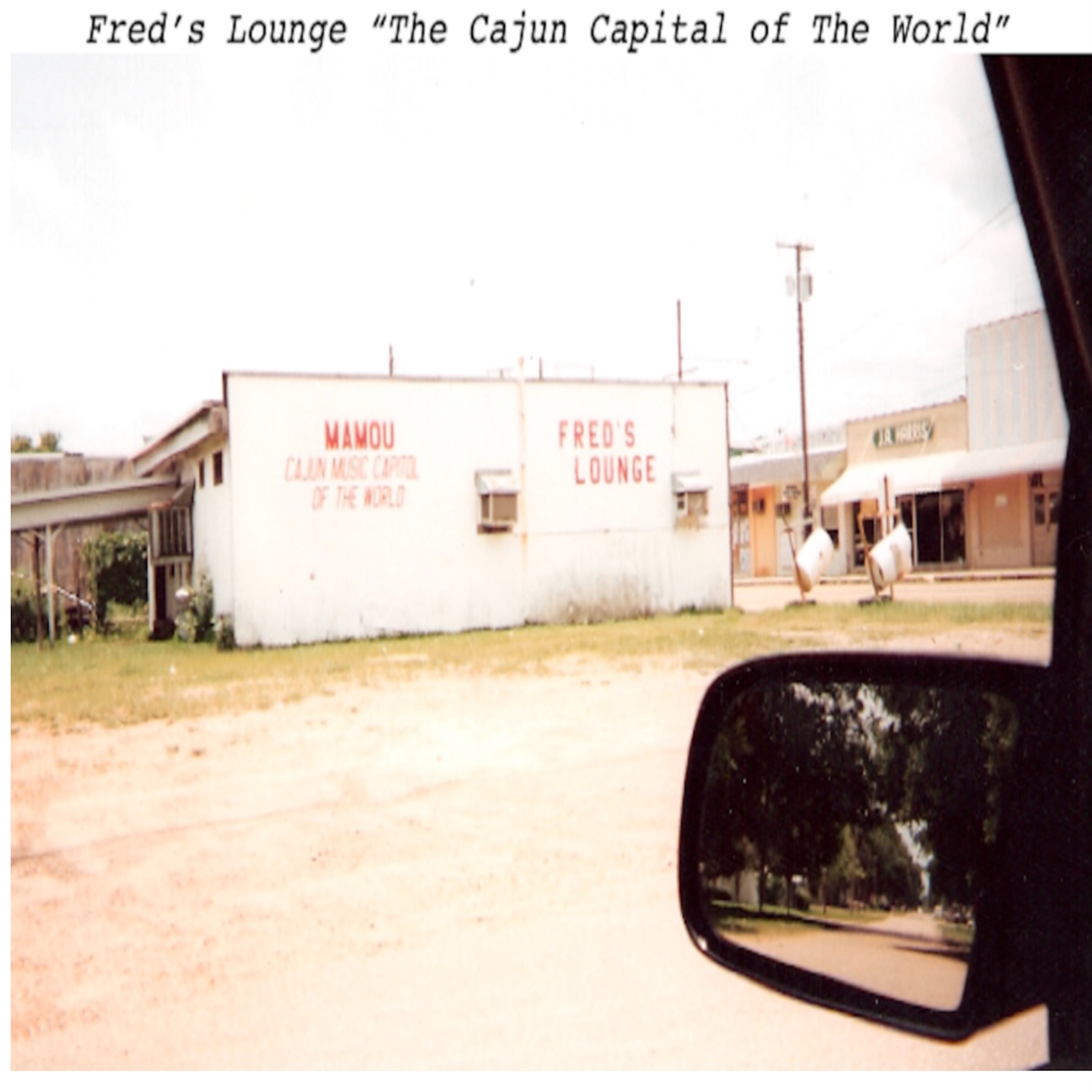
S1 Ep 5Kenny Denton's Cajun Adventures The Search for Talent in Louisiana From My Book "There Ain't No Rules In Rock n Roll "
My relationship with Sonet Records in Sweden gave me the opportunity to work with Rockin' Dopsie. I also got to produce the Queen Ida album On A Saturday Night, Queen. Both Dopsie and Ida were seasoned artists in this foot-stomping, body-moving music. In 1992 I had an idea. I wanted to find a young Louisiana musician or band and mix the traditional Cajun music from Louisiana with a more modern computer-based recording style aimed at the younger record buying public. With naivety still playing a big part in my life I set off and headed to Southwest Louisiana to search the clubs and bars for a likely candidate. Rather than go straight to Louisiana I first stopped off in Austin, Texas to spend a few days with some good friends. I explained my idea to my Texas pals but they showed some serious trepidation about my safety, travelling into Cajun country by myself. To ease their concerns, I promised I would call them each day to confirm all was well I set off for Louisiana and headed for Mamou, a small town reputed to be the Cajun capital of the world, I hoped this would be the perfect place to start my search for a young artist. I arrived in Mamuo around 7.30 on a Saturday evening; it was like a ghost town waiting for a ghost. I found Fred’s Lounge Bar on Sixth Street and Chestnut, this was the place where it was all supposed to happen, the hub of the Mamou Cajun scene. On arriving at the bar, I stopped the car and looked out the window only to find to my dismay that Fred's was closed. Apparently, this musical feast started early on a Saturday morning and ended around lunchtime. As I cruised through the town in my brand-new red Chevrolet hire car the few people that were around were staring at me, this highly conspicuous stranger in their midst. I stood out like a rare steak on a vegetarian’s plate. This was making me feel quite uneasy, Mamuo really didn’t feel exactly alive with hospitality. With Fred’s lounge closed for the day and feeling tired, I decided to it was time to find somewhere to stay for the night but the only building I could locate claiming to be a hotel was a dilapidated two-storey hovel. With my sense of adventure and my overwhelming tiredness outweighing my common sense, I took a deep breath and decided I would stay there for the night. As I approached the entrance it was with mixed emotions I discovered it too was closed. Nearby there was a shop with a sign that said, "Honk and Go," it was a drive-in store where you just honked your car horn and someone from the store would come and serve you. I honked, I ordered a coke and a pack of cigarettes and asked the guy if there was a hotel locally, “Wont somewar carlean?” he replied. “I certainly do” I replied, “Wheell l i b, ya hav tar heyd bak ta Lafayette." As dusk was descending this seemed like a very good idea. Just as I was leaving, I spotted another bar, it looked promising, proclaiming to have live music. Unfortunately with all the pickup trucks and their rifles hanging in the back windows coupled with nightfall about to arrive, my enthusiasm to enter the nightlife of Mamuo was somewhat curbed. Heading back to the interstate I was totally absorbed in the music pumping from my car radio, but I did I notice in front of me a large pickup truck. There were three locals standing up in the back of the truck and I could see the customary rifle swinging in the rear window. The three men started making gestures and shouting in my direction, they looked about as friendly as a shark with a leg in its mouth. I had no desire to overtake them so I tried to keep my distance but as soon as I slowed down so did they. After what seemed like a lifetime of cat and mouse, they took a left turn off the road and with a huge sigh of relief I put the pedal to the metal until I arrived in Lafayette. It was only now the reality, danger and insanity of the task I was attempting began to dawn on me.
James Garner A Star Encounter. The full story is in my book There Ain't No Rules In Rock n Roll" Stories From My 45 Years in The Music Industry.
One evening the session had finished early and everyone else had left, this was due to Gigi having to go for a photo session. I remained in the control room making a couple of phone calls, when Jimmy arrived wondering where everybody was. I explained where Gigi had gone and that she wouldn’t be back that evening. Jimmy asked if I wasn’t busy would I like to go for a drink, I jumped at the chance, and we headed for the local watering hole. On entering the bar Jimmy asked what I would like to drink, I insisted on buying the first round explaining that many years before he had helped pay for a breakfast for me. Looking very bewildered, knowing that we had never met before these sessions, he went and sat down, and I brought the drinks over. Jimmy’s first question was, “What was that about a breakfast?” I explained to him that when I was a kid, I hitchhiked with a couple of friends to a place called Southend-on-Sea. We spent nearly all of our money having a good time, then spent the night sleeping in a bus shelter. Early the next morning my friends decided to hitch back to London but I wanted to spend a bit more time there, it felt like being on holiday. I was starving but the few pence I had left was nowhere near enough to get any food. I sat outside one of the arcades, which had a machine with six movie stars photos on. Each movie star had a winning amount. The two highest payouts were Ava Gardner this was a 10 pence pay-out, and James Garner was the jackpot, 12 pence. A light would flash very fast behind each photo and stop at random on one of the pictures, if you could guess which star the light would stop on you would win. I sat staring at the photos on this machine for a long time, wondering what it must be like to be a movie star, when I noticed the machine wasn’t so random after all. A sequence was occurring. Every five minutes the light would stop twice on Ava, always after the second stop on Ava, the very next stop was the jackpot, James. I invested a penny in the theory, and within the next hour I made more than enough to have a big breakfast and get a bus back to London. Having listened to my story Jimmy said jokingly, ‘Well it looks like the rest of the nights on you”. The rest of the evening was just fantastic talking about movies, music and life. I mentioned one of my favourite films, which he had made, was Skin Game with Louis Gossett, Jr. and Susan Clark. He told me he’d seen it for the first time in ages a few nights before on TV in his hotel room. When talking about music I mentioned how much I loved country music and Nashville. Apparently one of his best friends was Waylon Jennings. Jimmy said, “Let’s go back to the studio and get to a phone, I’ll give him a call”. “Jimmy, I would have no idea what to say to him but thank you anyway”. Today I wished I had. The evening sadly came to a close, but it would be something I would remember all my life. Looking back, the only other thing was I wished I had asked of Jimmy, and I know he would have had no problem doing it for me, was to let me record him for my answering machine message. How cool would it have been to have James Garner on my answering machine saying, “Hi this is Jim Rockford, Kenny can’t get to the phone right now so please leave a message?”Unbeknown to me, Jimmy had spoken to Blake Edwards, the Director of the movie Victor Victoria and recommended that I take over the recording of the music. This was of course a very kind gesture, but that was not the way the engineer at the time, John Richards, saw it. I adored John he really was the best in his field. It took me sometime to assure him that I was not trying to encroach on his territory. For the full story There Ain't No Rules In Rock n Roll" Stories From My 45 Years in The Music Industry.
Isle of Wight 1970 Jimi Hendrix, Teo Macero, Arrogance and a Death Threat and Rock's Unwritten Rules. A Deep Dive Into Kenny Dentons" There Ain't No Rules In Rock n Roll." Stories From my 45 Years in The Music Industry.
EThe Pye Mobile was booked to record the entire Isle of Wight festival. We got there on Monday 25th of August and on arriving went to check out the site but didn’t start fully setting up until Wednesday 26th of August. Judas Jump were already performing and Neville and Alan were busy on stage setting up mics whilst Vic and I were in the truck checking that mic feeds were arriving to the desk correctly. There was a hard-wired onstage headset with mic attached, this was plugged into a large orange box that housed the Neumann U67 mic power packs. This was to allow us to have communications between the truck and the stage. As this was not always the most reliable method of communicating, it was one of my jobs to run between the two locations relaying messages. The arrival of the Boss: Judas Jump had nearly finished their set when a guy appeared at the front door of the truck where I was sitting next to the eight track machines. With a stern New York accent, he said to me “Is the tape running?” My immediate thought was he was the band’s manager so I replied politely “Sorry, not at the moment.” Run the fucking tape.” he growled. I looked over at Vic who gave me the OK, so I did. The arrogant American walked off and Vic continued to check and mark up the desk, trying to make sure that we would encounter as few problems as possible during the next few days. The next act Kathy Smith had taken to the stage when Vic said, “Kenny, we are wasting tape, stop the machine.” so I did. It seemed pointless trying to record anything whilst we were still setting up. To my surprise the American guy appeared again, this time he entered the back of the truck next to Vic. Looking over at me he snarled, “Is that tape running?”“No,” I replied, he went ballistic screaming, “Run the fucking tape and leave it fucking running.” I immediately shouted back, “He’s my boss,” pointing at Vic, “not you, I do what he tells me.”Vic gave me a sheepish glance and said, “Kenny, start the tape in record.” He then turned to Vic saying, “Anymore from that kid, he’s off the truck for the rest of the gig.” Once he had left Vic told me that the American was Teo Macero and that Columbia USA were the clients paying for the mobile services and he was here to oversee the recording on their behalf. This brief encounter ensured a silence remained between Mr. Macero and I until the following Sunday. “Someone is going to try and kill Hendrix tonight.” On the Sunday morning, I saw Teo shaking hands and saying goodbye to various people. This seemed odd to me with still some major acts yet to perform. I didn’t expect him to speak to me at all, so I was not only surprised when he did, but was astounded by what he said, which went something like this. “Young man, I am leaving this morning and although we didn’t get off to a good start, I would just like to say thanks for all the work and long hours you have put in, also don’t go on the stage when Hendrix is on tonight.” “Why?” I asked. He replied, “Someone is going to try and kill him tonight.” “Really!” I said, with a bewildered tone to my voice.“Just be careful.” he continued. A feeling of uneasiness remained between us as we shook hands. As I watched him walk away I felt a huge relief that he was leaving. Today I realise he wasn’t the arrogant bastard I thought he was at the time; he was just a guy doing his job, but not all of it! Macero is credited for supervising Leonard Cohen’s live recording at this festival, but the fact is he had already left hours before Cohen went on stage. I do also appreciate his concern about me being on stage when Hendrix was appearing. The rest of this Jimi Hendrix's – The prophecy fulfils? Available in my book There Ain't No Rules In Rock n Roll
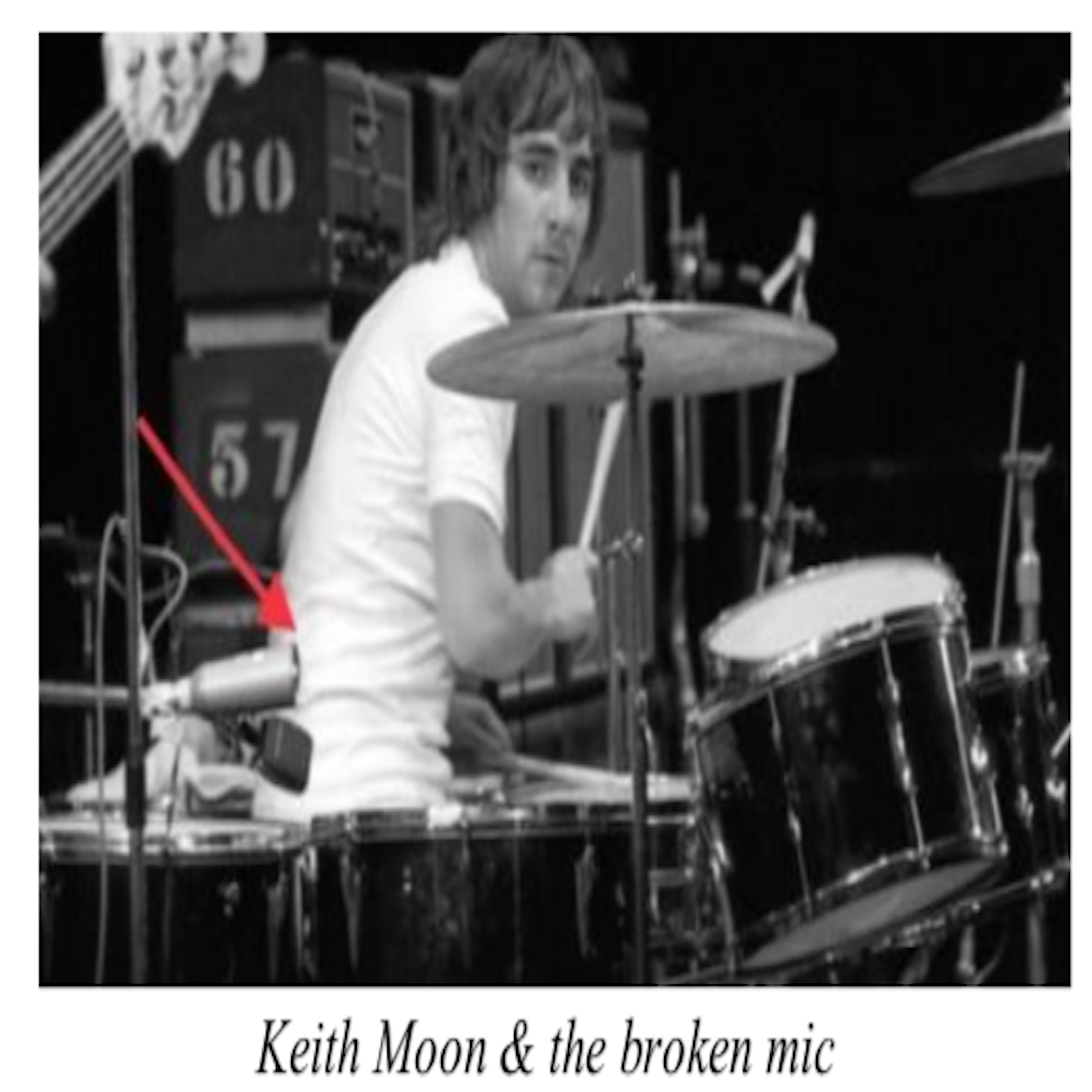
S1 Ep 2The Who. The I O W 1970 From, Kenny Dentons" There Ain't No Rules In Rock n Roll" Stories From My 45 Years in The Music Industry.
t was around 2 am, when The Who finally took to the stage but within three or four minutes of the opening song there was a problem. Vic shouted out to me that Keith Moon had hit the large tom-tom mic with his drum stick and busted it. He told me to get up on stage and put another mic on the drum pronto. I ran to the backstage entrance to find it guarded by several large and rather frightening looking Hells Angels. One of them, a six-foot longhaired ape of a man covered in leather and tattoos said to me, “No one goes on stage while the band’s playing.” I explained the problem we had on stage but unfortunately it appeared that this was not negotiable. I rushed back to tell Vic that I couldn’t get onto the stage due to the primate situation, he yelled, “I don’t give a shit! Get on the stage and get a mic on that tom.” I rushed to the back of the stage again to be greeted by the same mandrill who gave me the same grunts as before, enhanced with a “Now fuck off.” I ran back to explain to Vic there was no way I could get on the stage. 42 I was to become close friends with Vic over the next 19 years and this would be one of the few times I would ever see him really angry or hear him raise his voice. He screamed, “Go back and tell that fucking ape the recording is going to be fucked, he will be personally responsible and the band will be furious with him.” Returning to the stage once again, this time equipped with Vic's precise instructions, I repeated them word for word. I tactfully omitted the reference to the guy's heritage. Thankfully, this approach proved effective and I was promptly granted access. As I reached the stage, The band was in the midst of an energetic performance, unleashing such a powerful surge of noise that made it impossible to discern the actual song they were playing, the stage reverberated as though a minor earthquake were underway. The band's outlines were all I could see as they were illuminated from the front by intensely brilliant white lights, while the audience remained obscured in the darkness beyond. I was fully aware there was the looming presence of over 600,000 individuals that lay beyond this blinding radiance. At this moment, a paralysis overcame my entire body, it suddenly dawned on me that there was no way I could just casually stroll on to the stage, in front of such an enormous audience, locate a spare microphone and replace the broken one - especially while Moon was in the midst of his somewhat dynamic performance. Given Moon's well-known reputation, there was a real chance that he might stop playing midway through a song and tell me to fuck off. Recognising the potential scenario, I was left with only one viable choice: to delegate this task to someone else. Looking around for a likely victim I spotted Neville nearby. I approached the prime candidate and bellowed into his ear that Vic had dispatched me to instruct him to replace the microphone. Nev's expression instantly changed, his face registering a mixture of astonishment and trepidation, likely fuelled by his awareness of Moon's unpredictable behaviour. It was apparent that he was undergoing the same rush of terror that had engulfed me - it seemed that Neville may have required a change of underpants. Nev began to conjure up various excuses, but I was resolute in conveying Vic's insistence that the task needed immediate attention. We looked over and sure enough, the Neumann U67 microphone head had been shattered and lay on the ground. As I stood by, Nev, with evident nervousness, navigated around the drum kit on his hands and knees. Displaying remarkable courage, he picked up the fractured microphone head and proceeded to attach a replacement head to the remaining body. With the mission accomplished, I swiftly returned to Vic, carefully omitting the specifics of Nev's involvement.
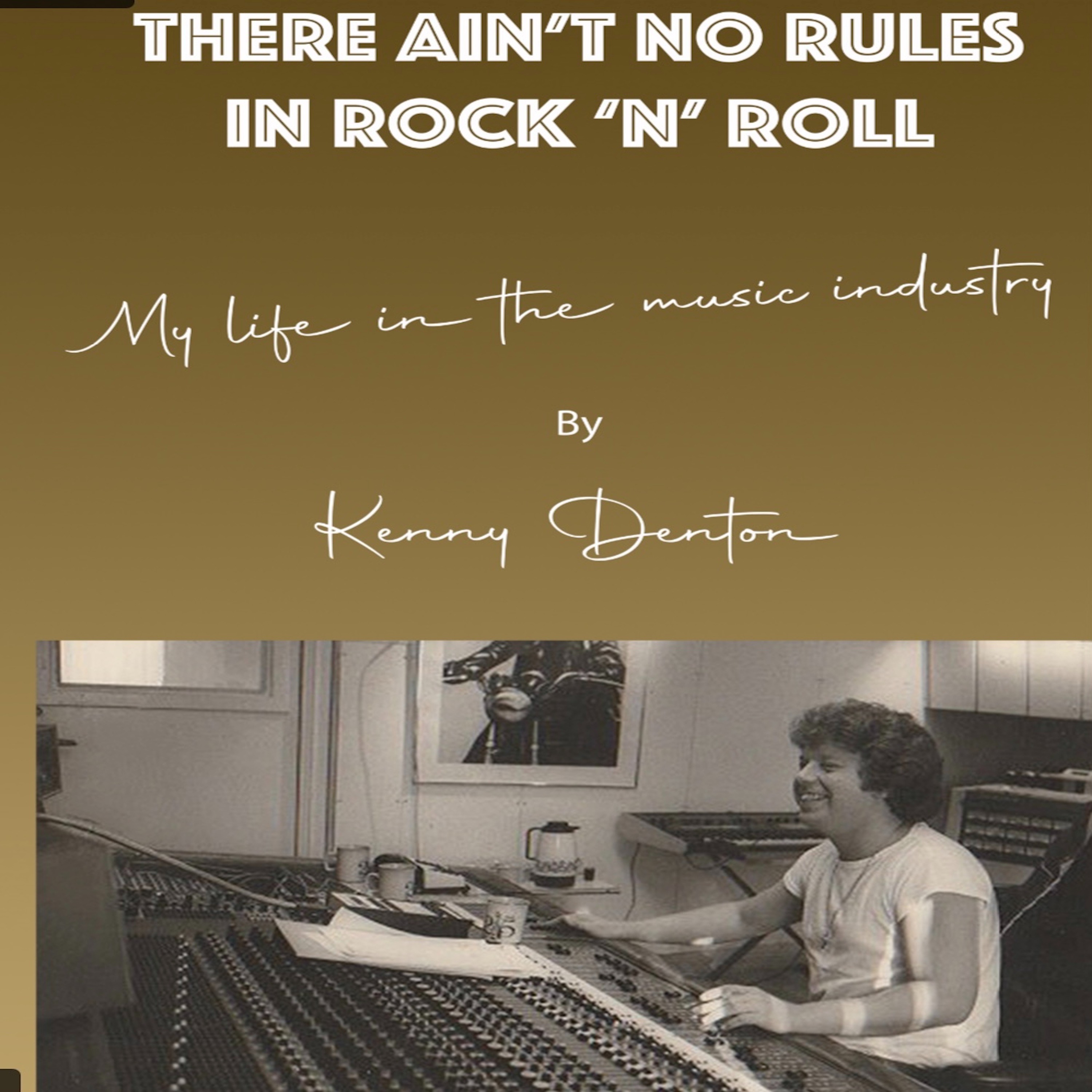
Kenny Dentons" There Ain't No Rules In Rock n Roll" Stories From My 45 Years in The Music Industry.
For over 40 years I had the privilege to work with some of the most amazing, talented, crazy and often deluded people in the world of music and movies. I've spent endless hours stationed behind the mixing desk, orchestrating the recording and production processes for a diverse spectrum of artistes. From the remarkably gifted to those whose creative spark may have flickered less brightly, I've navigated them all. It began in 1969, at Pye Studios in London, where I was fortunate to learn the art of recording from some of the most acclaimed engineers of the time. I subsequently moved on to De Lane Lea Studios, an expansive state-of-the-art facility acclaimed as the world's largest purpose-built studio. Both Pye and DLL functioned as my educational institutions for mastering the intricacies of sound recording. Significantly, they also served as platforms for me to immerse myself in the realm of record production and song writing, where I gleaned insights from the luminaries who frequented the recording studio and consistently topped the charts.Throughout the years, I've regaled friends and family with countless anecdotes from this captivating journey. As moments turned into memories, the notion to preserve these tales began to crystallise, prompting a profound appreciation for the intricacies of the human mind. It's a marvel that commences its workings long before one's birth and doesn’t stop until the moment one sits down to write a Podcast or book.Compiling an accurate timeline of my narratives became achievable through consulting my diaries. Spanning from 1971 to 2009, I consistently maintained these journals, not out of any historical intent, but merely to log the sessions I worked on and the overtime hours I accrued. Unexpectedly, they have emerged as indispensable references, furnishing precise dates and contextual details to my various escapades. Reflecting on my experience within this captivating industry, I've arrived at a simple realisation: You may have been in the business for 5 minutes or for 20 years, you could be very gifted or have no talent at all but to achieve success you must remember one crucial thing.There Ain't No Rules in Rock ‘n’ Roll.Within these podcasts you will discover, 1) Which major record company executive warned me of Jimi Hendrix's impending death just three weeks before his died. 2) Learn how Bill Haley intervened to save Chuck Berry's life. 3) Find out how I ended up sharing a pint of beer in a pub with a grizzly bear who sold 250,000 singles without ever charting. 4) Uncover the story of the singing waiter who defied the odds to become one of the biggest artists in history. 5) Find out how I ended up sharing a pint of beer in a pub with a grizzly bear who sold 250,000 singles without ever charting. 6) Explore how John Lennon and Yoko Ono played a role in naming the band Hot Chocolate. 7) Experience the challenges of producing an album with the legendary guitarist Peter Green. 8) Read about the unexpected encounter I had with movie star James Garner, who unknowingly bought me breakfast when I was a teenager. 9) Discover the truth behind Mungo Jerry's hit single "In The Summertime." 10) Learn why Bing Crosby made a heartwarming phone call that touched many lives. 11) Find out what Fred Astaire's mother thought of his singing voice. 12) Explore the remarkable story of the hit songwriter, journalist, and spy catcher who executed an incredible sting operation inspired by the movie "The Sting." 13) Delve into my close friendship with Tony Newley and the true identity of Anthony Newley. 14) My crazy adventure in Louisiana's Cajun country, where I believe I came across Snow White’s and Dopey’s offspring. 15) How I found out that you can always tell a Texan BUT! You can’t tell him much. 16) And much more.