
Journal of Biophilic Design
112 episodes — Page 3 of 3
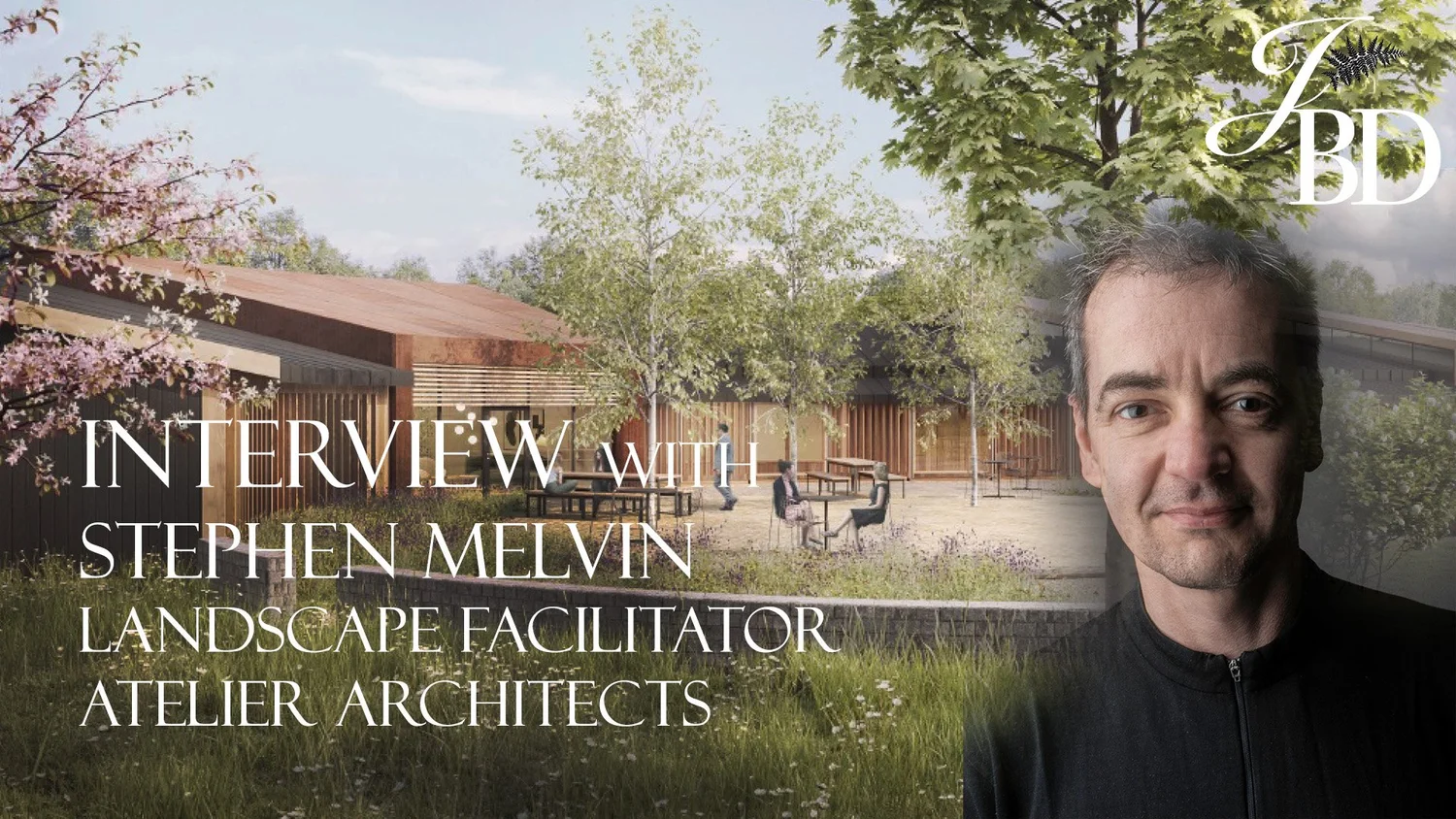
Pioneer Nature Method in Architecture
How can we work with the landscape more as architects and designers to not only create beautiful spaces but ones that also have a positive impact on our and nature’s wellbeing? We speak with Stephen Melvin, of Atelier Architects who desribes himself as a “landscape facilitator”. How he looks at how the landscape itself is structured and presents itself and then see how to weave the design into the natural space. He has developed the “Pioneer Nature Method” which he tells us about in this podcast. Steve highlights the need to respect that underlying process of nature that will outlive us, how we need to build in and with the landscape and really consider how our buildings can live with nature. By talking through images shown in the video accompanying this podcast (viewable on YouTube and also on the Journal of Biophilic Design website here), he shows us a project as a case study, so we can follow his thought processes from concept through to render, looking at different aspects from materials, light, air to how people will use the space and also how it represents the client’s aims too.These are beautiful airy, light, inspiring spaces that positively impact the environment they are in, rejuvenating land that had been weakened by former use, and also redirecting attention to ancient woodland and more. Steve also shares with how his personal meditation practice alongside his love of rock climbing, particular ice-climbing has really made an inherent difference to how he perceives and senses landscape and therefore influences how he designs and builds.To find out more about Stephen and his practice visit his website or contact him directly: Atelier Architecture & Design [email protected] 01442 828201, mobile 07970 701130Atelier Architecture + Design Ltd: Company Page Admin | LinkedInStephen Melvin | LinkedIn Credits: with thanks to George Harvey Audio Production for the calming biophilic soundscape that backs all our podcasts. Did you know our podcast is also on Audible, Amazon Music, Spotify, iTunes, YouTube, Stitcher, vurbl, podbay, podtail, and most if not all the RSS feeds?Facebook https://www.facebook.com/journalofbiophilicdesign/Twitter https://twitter.com/JofBiophilicDsnLinkedIn. https://www.linkedin.com/company/journalofbiophilicdesign/Instagram https://www.instagram.com/journalofbiophilicdesign

Chris Packham - Why we need to build with Nature in Mind
With our countryside fast vanishing under concrete, there is much we can do to mitigate the loss by placing the natural world at the heart of development and planning. “Housing developments and houses themselves should be designed to provide space for both wildlife and people” – The Wildlife Trusts. But how do we get to this mindset? We were very excited to be joined by Chris Packham, naturalist, television presenter, writer, photographer, conservationist, campaigner and filmmaker. A very much respected presenter of BBC’s BAFTA Award-winning Springwatch, Autumnwatch and Winterwatch series. In our discussion, we talk about Biophilic Design and he makes an urgent call about why we need to bring nature into our built environment. “If we are not in contact with nature, how are we ever going to learn to love or recognise its true value.”We were joined in this podcast by the insightful environmental correspondent Hartley Milner, who right at the start of the podcast asks about the current government legislation, policy change, the new watchdog being set up and how much is government spin. Chris, with his extensive knowledge of ecology, explains that really the governance is not enough, we need a collective sea-change in political attitudes, where those who govern us recognise an urgent need to address these issues. “Does it have to hurt us a lot more before we do anything? We are brilliant at cures, but not so good at prevention, which is an indictment of our collective intelligence that we wait to fall over before we pick ourselves up”. This is one of the compelling reasons for Biophilic Design implementation. It is an integral part of that prevention I would argue. Surrounding ourselves with nature and patterns of nature, encourages positive memory, association and understanding and appreciation of nature. If we experience it in our everyday built environment we will naturally want to protect the living world we share our planet with, and depend on. “Our planet is on fire,” he says. “One to one contact with nature is essential”.Chris also gives us ideas on how we can bring nature up close and personal in our own gardens, however small. “You might have a tiny patch of garden, but collectively, they are not. Did you know that all the gardens in the UK add up to an area the size of Suffolk?” Chris says that if we can help enable the individual to make a difference, then communities, then collectively all together, we can make a significant difference enabling us to live and survive more sustainably.We talk about how we can design and build good quality affordable housing, new developments and communities with nature in mind. “Ask for help, reach out to those ecologists for help, let’s work in partnership. If you have the energy and ambition to build more sustainably and green, don’t just go 60% to make it green, go 100% and make it green and fruitful,” he says.Wouldn’t it be amazing to see a whole raft of architects, developers, planners and designers who are able to create amazing spaces, offering everyone access to nature, even in intensely urbanised areas, improving health, and air quality, reducing temperature, encouraging biodiversity? We are running out of time. A better way of designing needs to be mandatory.Wouldn’t it be amazing if every new build had swift bricks (which cost the same as ordinary ones), bat boxes, and fruit trees for instance? I suggest that maybe we need a simple “takeaway kit” for some developers to just plug and play an implementation. We need to build housing that will work today and tomorrow. The whole ethos of Biophilic Design is summed up when Chris says how we should be giving people the chance to live an harmonious co-existence with nature. When we have first-hand experience of nature, it surprises us, it fills us with awe and wonderment. We have discussed elsewhere on this podcast series, just what happens in our brains when we are close to nature (sights, sounds, smells, light, air, senses, evolutionary psychologyl, and physiological changes for instance), it is humbling to hear first-hand from someone so passionate about the natural world, that together we can really make a difference. So, listeners (and readers), I’m going to ask you. What will you do today?To find out more about Chris Packham, visit his website on https://www.chrispackham.co.uk If you like this, would you like to register for our newsletter? https://mailchi.mp/4001fc945c4f/untitled-pageCredits: with thanks to George Harvey Audio Production for the calming biophilic soundscape that backs all our podcasts. Did you know our podcast is also on Audible, Amazon Music, Spotify, iTunes, YouTube, Stitcher, vurbl, podbay, podtail, and most if not all the RSS feeds?Facebook https://www.facebook.com/journalofbiophilicdesign/Twitter https://twitter.com/JofBiophilicDsnLinkedIn. https://www.linkedin.com/company/journalofbiophilicdesign/Instagram https://www.instagram.com/journalofbiophilicdesign
Rooted in Nature - how Biophilic Design helps us flourish
Can we make the world a better place by design? Nicole Craanen definitely thinks so (and so do we). Nicole is founder of Rooted in Nature and believes that connection to nature, especially through Biophilic Design supports human wellbeing. Quoting E.O.Wilson “the crucial first step to survival in all our organisms is habitat selection. If you get the right place, everything else is likely to be easier”, she explores in this podcast, just how we are rediscovering how we can design close to nature to help create better spaces for us to live and work in, and this is especially true in healthcare. Just how important is it that everyone understands the impact that design has on us? Should we be using biophilic design as a tool for equity? How can we design spaces where people “flourish”, because, as Nicole says, there is a lot of “not flourishing” going on.We have many studies proving just how beneficial Biophilic Design is, which underlines that deep innate connection that we have to the space around us. All this research is helping us determine habitats that support us in the built environment. It is also helping advocate the environmental stewardship aspect of Biophilic Design as a sustainable design practice.When she travelled to India, the experience shifted the way she looked at design. Her love of learning and specialisms in anthropology and architecture, alongside her love of photography, all came together in the school of human ecology at Wisconsin and she has gone on to inspire many architecture practitioners to see the interconnectivity of spaces and people in them.How are we not designing for the people who have to be there? In this podcast we also discuss Healthcare. What is the single most important reason we need Biophilic Design in these spaces? Stress. We need Biophilic Design to relieve stress. Nicole has spent many hours working in hospitals she says: “Hospitals are heavy places. It is the one place where the entire lifecycle is experienced. Staff experience stress alongside patients. She’s seen it where staff lose a patient and then have to turn around and go straight to the next room.” How can we relieve that? Maybe one of the underused design traits is “prospect and refuge”. It is something, here at the JBD, we advocate. Creating spaces where, particularly in healthcare, emotion can come out. We want to be creating environments, where people can feel ‘held in space’. It’s not just the physical side, the economic side, we need to put at the forefront the emotional side of the space. There is a different way. We just need to feel it, to experience it, once we have, we don’t want to go back.Nicole also takes architects and design practitioners into the forest, where (just as an anthropologist would do) she encourages people to look, observe, explore, not judge, just witness, to explore the senses. There are subtle shifts we then experience, and when we walk back into a building, we look at what’s missing.To find out more about Nicole, visit her website: https://www.rootedinnature.org To find out more about Biophilic Design, visit: https://journalofbiophilicdesign.comIf you like this, would you like to register for our newsletter? https://mailchi.mp/4001fc945c4f/untitled-pageCredits: with thanks to George Harvey Audio Production for the calming biophilic soundscape that backs all our podcasts. Did you know our podcast is also on Audible, Amazon Music, Spotify, iTunes, YouTube, Stitcher, vurbl, podbay, podtail, and most if not all the RSS feeds?Facebook https://www.facebook.com/journalofbiophilicdesign/Twitter https://twitter.com/JofBiophilicDsnLinkedIn. https://www.linkedin.com/company/journalofbiophilicdesign/Instagram https://www.instagram.com/journalofbiophilicdesign
Biophilic Design Awards
For Elliott Bennett, editor of i-Plants Magazine and founder of The Biophilic Design Awards, Biophilic Design gives us an holistic approach to bringing positivity and energy into the built environment on multiple levels, and if we can make it affordable and sustainable, then even better. Plants can be a luxury item, but, Elliott, argues, they really boost the overall environment. Coming from a B2B background, actually selling and installing plants into buildings, he descirbes just how "alive' people become when you install living plants into a building. It's simple, plants are alive, when you bring plants into a space, you bring life. It's the same with the wider principles of Biophilic Design, bringing patterns of nature and our living planet into a space, you bring life and energy of the outdoors. Last year's winners of the Biophilic Design awards were Plant Designs London who installed a multi-level atrium with 10,000 live plants throughout the offices and building. We've included images on www.journalofbiophilicdesign.com if you would like to take a look. If you're looking for some Biophilic Design inspiration for your interior landscaping installations, why not take a look at the previous winners of The Biophilic Design awards. You can also enter THIS year, BEFORE 15th May 2022. Link below. We speak with Elliott Bennett, editor of i-Plants Magazine and founder of The Biophilic Design Awards on how he got into the plant world and why, for him, Biophilic Design is a key to unlocking better interiors for companies and staff. To apply for The Biophilic Design awards, BEFORE 15 MAY 2022, click on this link: https://apply.mykaleidoscope.com/scholarships/Biophilicdesignawards22 For I-Plants Magazine : https://iplantsmagazine.com/ To apply for The Biophilic Design awards, BEFORE 15 MAY 2022, click on this link:https://apply.mykaleidoscope.com/scholarships/Biophilicdesignawards22For I-Plants Magazine : https://iplantsmagazine.com/f you like this, please subscribe! Please register for our newsletter : https://mailchi.mp/4001fc945c4f/untitled-page Credits: with thanks to George Harvey Audio Production for the calming biophilic soundscape that backs all our podcasts. Did you know our podcast is also on Audible, Amazon Music, Spotify, iTunes, YouTube, Stitcher, vurbl, podbay, podtail, and most if not all the RSS feeds?Facebook https://www.facebook.com/journalofbiophilicdesign/Twitter https://twitter.com/JofBiophilicDsnLinkedIn. https://www.linkedin.com/company/journalofbiophilicdesign/Instagram https://www.instagram.com/journalofbiophilicdesign

What can we learn from Ancient Roman balneology?
In Biophilic Design we speak about the importance of how the environment we are in affects our senses. This sensorial approach is a key feature of a human-centric mode of design. Why we would consider designing spaces which harm our minds, physical health and negatively affect our ability to focus or be creative is beyond me. Thankfully, this disconnect between understanding how to create spaces harmonious to our senses is losing ground, with the advent of the Biophilic Design movement. This was one of the main reasons I was excited to interview Dr Giacomo Savani, who specialises in ancient Roman balneology. What is that you might ask? Balneology, as he explains in this podcast, is the study of baths and bathing, how water, springs and spas also can heal. Readers of our Journal and listeners to the podcast, will probably have some understanding of the concept of the “Blue Mind”, how water has such a positive effect on us. Dr Savani has taken this a few steps further and looked at the physical and sensorial aspects of ancient Roman bathing, and we discuss in this podcast, how we might learn from their experiences and design practices and bring aspects into our designs today. Dr Savani gives us a description of what a Roman bath would look like, how it was designed, what elements of bathing it included (the experience of moving from the gym area, to hot, to warm, to cold temperature differences for instance) but makes an important point that they were EVERYWHERE from small towns and villas to military outposts and cities. It was a real social centre, and the experience in these baths was shared by people of different social and cultural backgrounds as well. He also describes a bathing house in Pompeii where in the baths themselves in the area closer to the pool, they created a more natural environment, a nature simulation. They painted trees, bushes, and natural elements with the experience of bathing. It would have given the bather the impression of being in a natural pool. In the Renaissance, there was literally a rebirth in interest in the ancient world, physicians were reading ancient medical treatises. Then, the remains of the ancient baths in the city of Bath were discovered in the mid-18th century which further inspired the interest. If you listen on, you will find out where you can visit and experience an ancient Roman bath. What if there were places we could all go to in every city and town, even now, to hang out, unwind, and meet with friends and business colleagues, but the focus and purpose is water? We go on to discuss how we can bring this ancient practice into modern-day environments and how we might benefit from it. To contact Dr Giacomo Savani [email protected] University of St Andrews: https://www.st-andrews.ac.uk/classics/people/gs245/ To view his art: https://www.giacomosavani.com/ Twitter: https://twitter.com/GiacomoSavani Instagram: https://www.instagram.com/giacomo.savani/ Link to the digital edition of the book Life in the Roman World: Roman Leicester: https://romanleicester.com/roman-leicester/life-in-the-roman-world-roman-leicester/ Link to buy a physical copy of the book (all money goes to support outreach activities in Leicestershire): https://shop.le.ac.uk/product-catalogue/books-and-gifts/leicester-leicestershire/roman-leicester If you like this, please subscribe! Please register for our newsletter on our website https://journalofbiophilicdesign.com/podcasts-journal-of-biophilic-design Credits: with thanks to George Harvey Audio Production for the calming biophilic soundscape that backs all our podcasts. Did you know our podcast is also on Audible, Amazon Music, Spotify, iTunes, YouTube, Stitcher, vurbl, podbay, podtail, and most if not all the RSS feeds? Facebook https://www.facebook.com/journalofbiophilicdesign/ Twitter https://twitter.com/JofBiophilicDsn LinkedIn. https://www.linkedin.com/company/journalofbiophilicdesign/ Instagram https://www.instagram.com/journalofbiophilicdesign
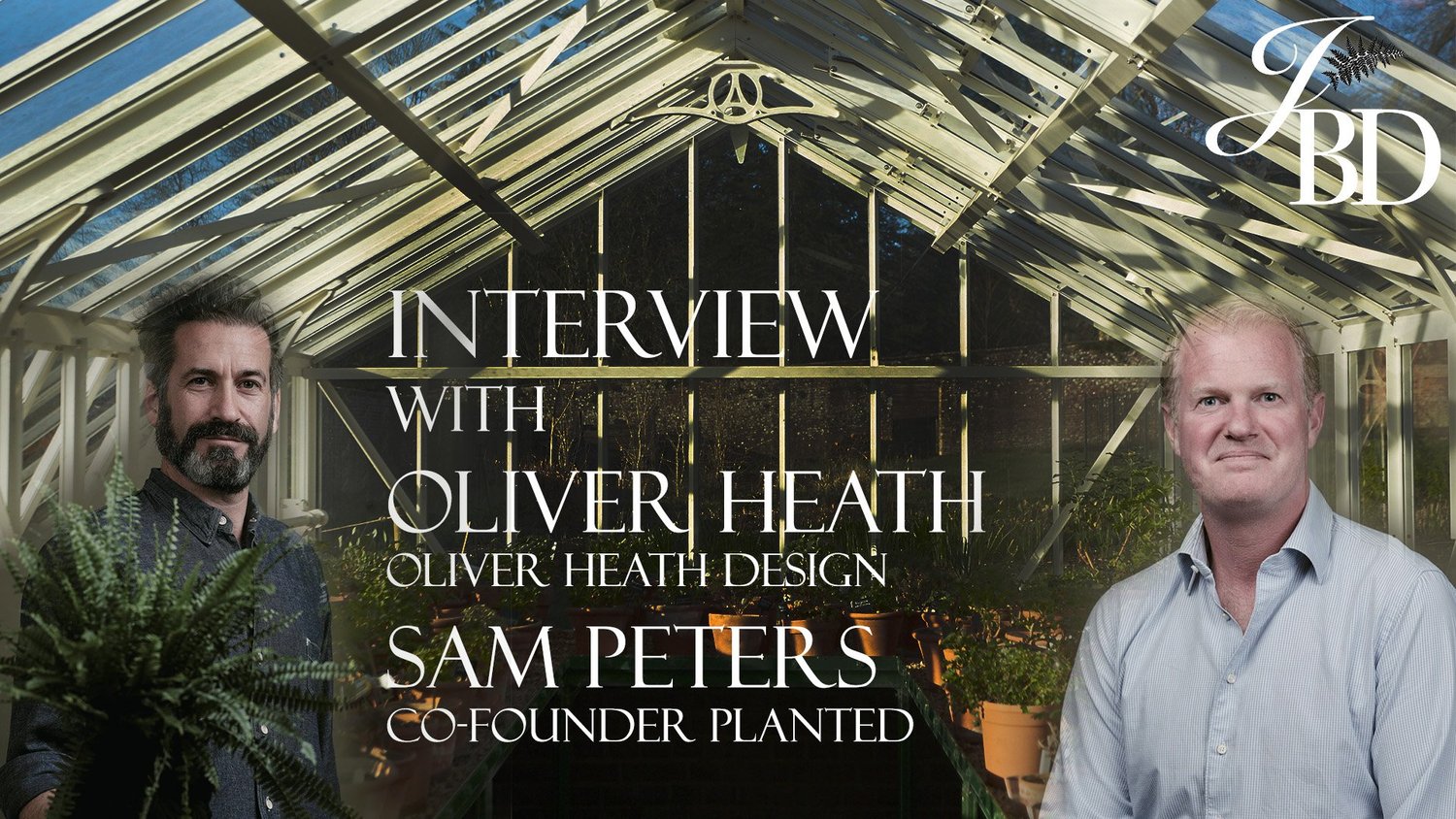
Planted Country - Save our Soil
Listeners to our podcast will likely really love this. There’s a great free event taking place on the first bank holiday here in the UK, from April 30th to May 2nd 2022. Planted Country is being hosted at the beautiful National Trust property here in the UK, at Stourhead with its 600 year old chestnut trees. It’s free to attend, and if you love nature, love design, good food and you love beautiful spaces, then come to Planted Country, you're going to love it.Based around the principles of biophilic design, Planted Country will be exploring the health and creative benefits of connecting with nature, presenting sustainable design, a high-calibre talks programme entitled Save our Soil, nature-based workshops and a botanical market. The event will be exploring the importance of looking after the land for farming, for food and for nature, and the role that design can play in designing spaces which are much more sympathetic and empathetic to nature and part of our city and wildlife.We speak with the co-founder Sam Peters and biophilic design advisor, Oliver Heath to find out how the event builds on their inaugural event, Planted Cities, which they held last year in London’s Kings Cross, and what Planted Country will explore in this more Rural setting on the Wiltshire-Somerset border. The theme is Save our Soil We are in a climate emergency. Planted Country is also going to be looking at things from literally what is the land beneath our feet, what is soil? Why is it so important, why should we protect it? What does it give us? What does it give the planet? What can we store in it? Conversations around carbon capture, biodiversity, water. What does farming look like in the future? How can farmers be part of the huge solution here? There will be a series of talks, looking at regenerative farming, rewilding and more. Also exploring how architects and designers are really starting to look at local vernacular materials and the role they play in mitigating embedded carbon, as well as the beauty and sense of place they bring.As Oliver says at the end: “It's essential. If we strengthen that connexion to nature, there are benefits for the way that we live in cities and the resilience that it can bring to the spaces that we live in, but also how it can support our physical, mental and social wellbeing. Nature plays such a fundamental role in how we're going to shape happier, healthier, more resilient futures.” To book tickets and find out more visit: https://planted-community.co.uk/events-countryFor more information about Oliver Heath visit our previous podcasts with him, such as this one: https://journalofbiophilicdesign.com/podcast-journal-of-biophilic-design/oliver-heath-designing-a-healthy-home and https://www.oliverheath.com And our previous interview with Sam Peters who gives us a background on what Planted is all about: https://journalofbiophilicdesign.com/podcast-journal-of-biophilic-design/planted-cities To view other podcasts and more information and the journal itself visit www.journalofbiophilicdesign.com Credits: with thanks to George Harvey Audio Production for the calming biophilic soundscape that backs all our podcasts. Did you know our podcast is also on Audible, Amazon Music, Spotify, iTunes, YouTube, Stitcher, vurbl, podbay, podtail, and most if not all the RSS feeds?Facebook https://www.facebook.com/journalofbiophilicdesign/Twitter https://twitter.com/JofBiophilicDsnLinkedIn. https://www.linkedin.com/company/journalofbiophilicdesign/Instagram https://www.instagram.com/journalofbiophilicdesign

My Green Pod - How to have a Biophilic Lifestyle
My Green Pod started off as an ethical lifestyle publication circulated with National Geographic Green in 2009, and now it's distributed to over 77 million people with the Guardian. The journey of the founder, Jarvis Smith, is a fascinating one, and one that is inspiring to fellow environmentalists. We chat to Jarvis about his Shamanic training, his epiphany on the set of an observational documentary on a rubbish tip and how we can each make conscious decisions that will help this beautiful planet we are living on. We also look at his office which was designed by Biophilic Design expert, Oliver Heath, and explore some of the features, from the living wall to the paint colours and materials used, and importantly what it feels like to work there. Jarvis’ life journey is incredibly inspiring, after having a life changing experience which was caught on film, he has made it his life’s work to try and help make our planet a better place to live on. “I committed that I would dedicate my life's work not only personally, but in business to educating, transforming, inspiring other human beings to live more consciously and become aware of what we now know is a climate crisis. In 2006, when this show happened, or when we won there, no one really even knew what sustainability meant, let alone climate crisis.” So he put all his skills and experiences together, from publishing, brand relationships and advertising and now My Green Pod works with some of the biggest ethical, sustainable brands in the world, like Patagonia, Interface and others. My Green Pod is like a home, where you can come back to, learn from the excellent blogs and content, and also benefit from the research they’ve done on the brands there. Jarvis, like us here at the Journal of Biophilic Design, advocates that if we all lived our purpose, if we committed that purpose to mitigating the climate crisis, and if we were totally willing to give that time to fix the problem the world would be a completely different place. That's part of what my Green Pod is about, it is not only inspiring people to make life choices which are better for people and planet, but also to try and underwrite an opportunity for them to be able to connect with their purpose and then offer that skill set to mitigating the climate crisis. We talk about switching out your normal cleaning products for eco-friendly ones. While each “product” you might be using has a small amount of toxins in it, it’s the amalgamation of a whole bunch of them which is harmful to your health, and especially to our planet. Part of Biophilic Design, for me, is to bring in natural smells, materials on as many different levels as we can, to help us live better and healthier, not only for our own wellbeing but also for that of our planet. Throughout the whole podcast, Jarvis gives a very impassioned and inspirational view of how we can live differently. It’s true change does start with us. We just need to know where to start. To find out more visit My Green Pod www.mygreenpod.com and The Pea Awards: peaawards.com. For more about Jarvis and his Music visit: thephoenixrose.co.uk; jarvissmith.comTo scroll through our other podcasts, have a look here on our main podcast page. www.journalofbiophilicdesign.com Please do subscribe to our FREE newsletter on the site.Credits: with thanks to George Harvey Audio Production for the calming biophilic soundscape that backs all our podcasts. Did you know our podcast is also on Audible, Amazon Music, Spotify, iTunes, YouTube, Stitcher, vurbl, podbay, podtail, and most if not all the RSS feeds?Facebook https://www.facebook.com/journalofbiophilicdesign/Twitter https://twitter.com/JofBiophilicDsnLinkedIn. https://www.linkedin.com/company/journalofbiophilicdesign/Instagram https://www.instagram.com/journalofbiophilicdesign
The Asklepeion - Healing and “Biophilic Design” in the Ancient World
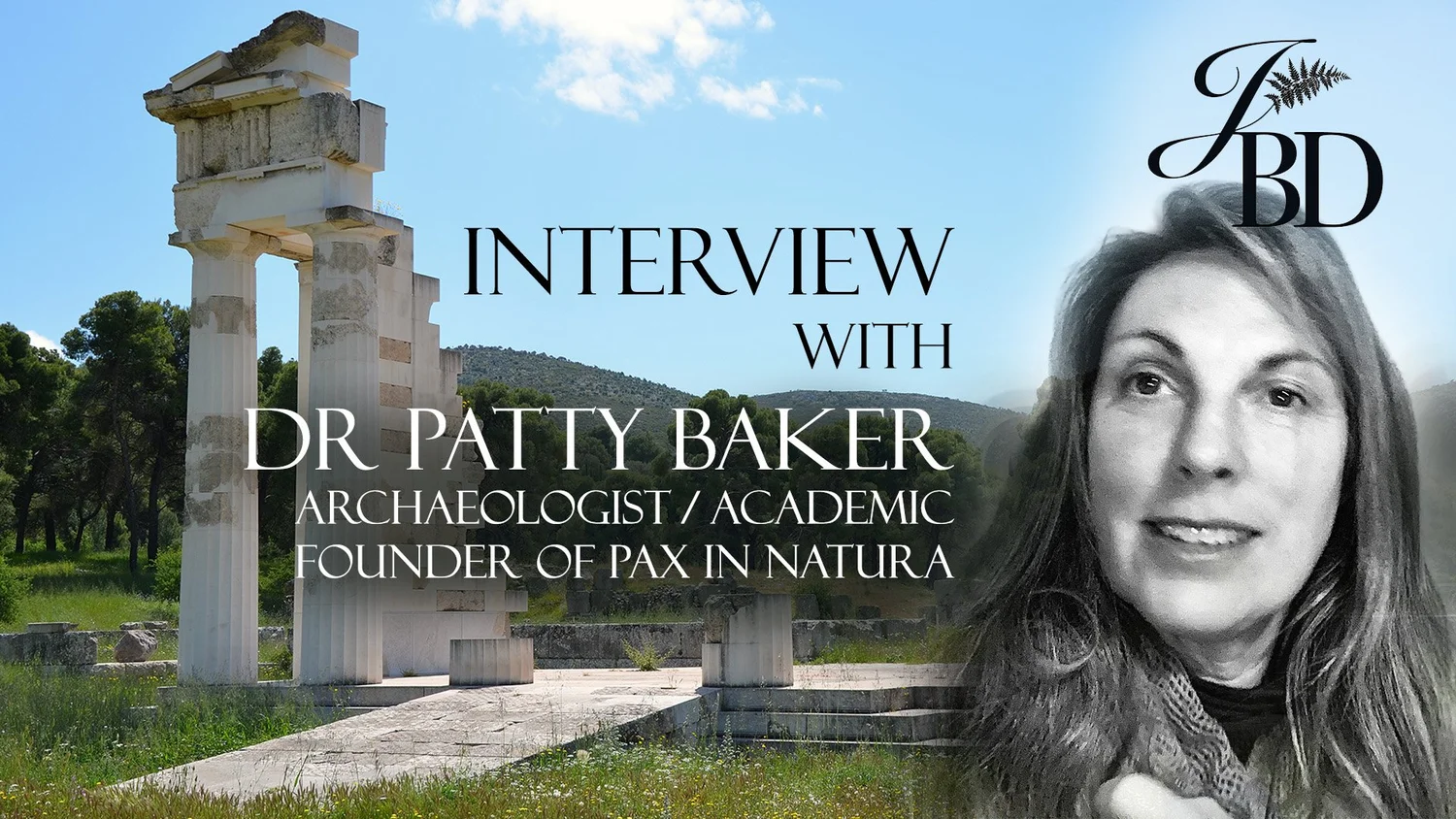
Did you know that the principles of “Biophilic Design” have been around for a long time? We might not have called it that, but architects were using the concepts in their built environment. We speak with expert Dr Patty Baker on the ancient world places of healing, particularly the design of the Asklepeion which were buildings and spaces sacred to the god of healing, Asklepios. In this podcast you'll learn who Asklepios was and how his sanctuaries and places of healing were designed to help aid rest, recuperation and healing. We speak about how the ancient Greeks and Romans had healing centres everywhere, how they brought the “outside” in, how nature played a big part in providing the positive and beautiful setting for these health centres.If you fancy a Google, have a look at the Asklepios sanctuary at Epidaurus. As with all the Asklepeia (plural of Asklepeion), they are set in beautiful tranquil locations, sometimes there would be sounds of water as a trickling stream gurgles past, there would have been a garden where the trees, and scent of the flowers and herbs would have floated softly to the visitor of the sanctuary. Part of the healing ritual was that you were required to take a bath and sleep in the healing space. Rest and sleep were deemed important part of the healing process, and the peace afforded by the location and design of the sanctuary would help this. They felt that the whole body needed treating, inside and outside the body and also that our senses were key to all this. So it wan’t just what you heard, and could smell, the fresh air but also what you saw. These sanctuaries were surrounded by green and that “fresh” and healthy view was a key to healing. There was one school of thought which believed that everything we looked at, including colours, actually “entered” you, so it was important when you were healing that you saw only wholesome views (nothing sad, dirty, disturbing). Even then, they understood the importance of peaceful and beautiful nature views, even if they didn’t quite understand the cognitive processing back then.There were water gardens, colonnades to walk along in the shade to shelter from the mediterranean sun, wall paintings, gardens and places to relax (interestingly we would call this zoning in Biophilic Design). So what’s the point of all this? The simple, elegant and breathable design plus the embracing of nature in these spaces could be used as inspiration and maybe even templates in some aspects of our healthcare centres today, and maybe even our homes and schools. Wouldn’t it be amazing if we could have Biophilic Healthcare centres all over the world? The Maggie’s Cancer Care centres are examples that they really do work and can transform people’s experience into a positive one when dealing with healthcare issues (see our podcast with the CEO of Maggie’s on our series too: “Why Biophilic Design should be essential in Healthcare”, and is the reason I began this podcast series).CONNECT - If you are interested in finding out more about health in the ancient world and also how nature played a big part in the Ancient Greek and Roman world, have a listen to our earlier podcast with Dr Patty Baker, Biophilic Design in the Ancient World on the Journal of Biophilic Design podcast series. AND be sure to check out Dr Baker’s website and connect with her at : www.paxinnature.com or Linkedin. Her YouTube series is excellent too.p.s. we touched on the medieval Islamic period when Galen was writing in the 9th century AD and their garden designs, but we will revisit this in another podcast another day, so be sure to subscribe on here, our website and maybe also YouTube?

Biophilic Cities - how Architectural Technologists can use Biophilic Design to support people and planet
We all have a choice how we can design. How can we make things better? How can architects and town planners design differently? When we are faced with a “blank canvas” how can we create a building and environment that will benefit the people, views, wildlife and our planet? It’s all possible. I interview Robert Bedner of Cura Design who shares with us his fascinating journey working with Renzo Piano, and Sverre Fehn. We discuss Martin Heidegger, Kellert, Stefano Bolero, Terrapin Bright Green and more. Robert shares that Heidegger said an architect should take a “walk in the woods”, and look back and see the marks of your feet in the soil. Those are the only steps an architect should leave.Robert Bedner is an architectural technologist and founder of Cura Design, an architectural practice which designs with sustainability at the forefront of everything they do. Cura Design have been in practice for over 14 years and completed over 150 projects throughout the Southwest UK, London and abroad. Robert has spoken about Biophilic Design at the CESW Exeter Climate Summit 2018, The 13th Biennial European Town and Town Planners Conference 2019, and the Sustainable Earth 2021 - Climate Emergency - the Race to Net Zero. Robert calls for architecture and design to enhance and protect nature, the more we are connected to nature, the better it will be for our wellbeing, health, spirits. It is what life is all about to begin with.There are already strong movements across so many different disciplines. We need to stop thinking of the world as a resource for us. Rather we should be considering our role as shepherding, valuing the sun, the trees and birds. These aren’t things that you sell, we need to recognise our connection to them to remember why we are here. “If people can see the world more like that, the rest will follow.” It is important for cities to design biophilically - it is future of urban design. We need to bring nature back into the urban environment. It is good for biodiversity, it is healthy for people. Simple things like green roofs do so much for wildlife, bringing the temperature down in the middle of cities, it also insulates the roof. It’s happening. For instance the Javits Center in New York now has a green roof, and it’s saving them money. It’s good for the building, and people like being up there. Robert goes on to discuss various Biophilic City designs, what’s happening in Plymouth, Paris with its high rise urban farming (imagine having your salad from the green roof, from the same place you are), a hotel in Singapore which is covered in plants where a brown field site has now increased in animal and plant life by over 1000 per cent (even on the 20th floor residents can see squirrels walking by), in Vietnam he describes some spectacular architecture, how engineers created fantastic passive ventilation systems in Germany. Lots of positive designs, where once there was just concrete.Everyone who is involved in Design and construction, planners, structural engineers, TV people, are building in the landscape and in nature. We need to design sensitively. Leaving the place better than when we started. Did you know an Oak tree is home to over 3000 different life forms? Personally I really hope, that town planners, surveyors, commissioners, politicians, will increasingly feel emotionally involved at a civic level so they really understand why this biophilic change in urban planning needs to happen.To find out more about Cura Design visit https://www.curadesign.com Come and meet Robert Bedner and Cura Design at Future Build 1-3 March 2022, on stand B78 at ExCeL London.

Creating Positive Spaces with Biophilic Design
How do we reduce distraction at work? How do we entice our staff back into the office? Why do they need to come in? How can zoning help? What are non-rhythmic sensory stimuli? How can biomorphic shapes help us do our best work? What is the business case for Biophilic Design? These and many other questions are answered in this podcast with Oliver Heath and Tanja Künstler. Oliver is founder of Oliver Heath design, and co-author of a new seminal guide from Interface “Creating Positive Spaces”. Tanja is concept designer for Interface. Between them they share some essential insights from the guide and how, by employing a Biophilic Design and human-centred approach to refreshing our office, we can create a workplace where we we will do our best work.We have an opportunity right now to rethink how we design the workplace as we bring people back to the office. How we cater for different sensory thresholds of our workforce is a key element in designing better. There are essentially two different kinds of work activities: focus and collaboration. We need to design zones or spaces which allow people to carry out these tasks to the best of their ability. Did you know it takes 23 minutes to get back to the task in hand once we’ve had a distraction? The more distractions we have the harder it is to focus to get the work done, our cortisol stress hormones, we get tense. In fact businesses lose $588 billion due to distraction in the workplace. So how can we design better?Have a listen to how the Allegro offices in Warsaw were designed using colours, contrasts, calm spaces and how the Linkedin offices in Paris included local place-making design elements to bring an holistic human-centred approach to these incredibly compelling office spaces.The concepts and theories underlying Biophilic Design, from natural light to patterns, all inform an improved way of designing. Considering our 7 senses, which are the 5 we know plus 2 more: vestibular and proprioception. You’ll have to read the guide and listen to the podcast to explore these in greater detail, but essentially by designing for these two senses we link our design to our early evolution, walking through forests, over rocks and down rivers and streams. Putting soundscapes in at different levels, making zones, creating restorative blue spaces, etc. On pages 42ff you will see an excellent table to help design of different sensory thresholds. Be sure to check it out. To read a copy download the link here: https://info.interface.com/whitepapers-en_GB#Sensory_Wellbeing or here https://blog.interface.com/en-uk/designing-for-cognitive-sensory-wellbeing/ For more about Interface and what they do, plus links to more essential Design Guides, have a wander through their main website https://www.interface.com/EU/en-GB/homepage?r=1 To find out more about Oliver Heath Design visit their website https://www.oliverheath.com To register for their Biophilic Design course, visit his site here https://oliverheathdesignschool.thinkific.com/courses/biophilic-design-in-the-home?ref=e64a07
Psychoacoustics - an introduction; the importance of Biophilic Design for our ears and brains
What is psychoacoustics and why should we care about it? Paige Hodsman, concept developer for Saint-Gobain Ecophon explains how the psychology of how we perceive sound is essential for our health and wellbeing. She explains how humans react to sound stimulus directly relates to our performance at work for instance. This helps us understand how people respond to their environment and how we can design better spaces. Did you know that biophilic improvements to a space has a positive impact on our brains through our hearing too? The vast experience of humans have been outside, in fact we are particularly suited to being in a natural environment, in fact neuronal activity is greater when we hear natural sounds.Paige looks at how our physical world produces responses in our bodies, how the materials used in our environment affect how sound waves behave. When these sound waves enter our ears, what next? The pitch, quality and type of sound makes a difference to our brains. By using research conducted by pscyho-acousticians we can learn how different sounds are processed, what happens inside the ear, how the mechanical sound wave becomes an electrical impulses that then feed through the nervous system and therefore affect our brains.At 14.10 Paige describes just HOW the sound waves enters our eardrum and how it then is translated into perception. If we soften the environment it is better for our brains. Lots of reflective surfaces, for instance in hospitals, some environments in schools, offices and homes, disorient us, which triggers responses in our brains saying something might be wrong. If you think about it, our early lives on the plains, we were constantly listening out for predators, attacks, thunderstorms, danger, threats, as well as where food is. Anything which is cacophonous triggers that perception of threat, and therefore also triggers our fight or flight mode. So being in a constantly noisy environment keeps our adrenalin levels high and our hormones racing, putting pressure on our nervous system, bodies and overall health. At 34.38 Paige looks closer at good biophilic acoustics after having discussed the bre office project, which is a case study lead by Oliver Heath on how we can design a better office using human-centric design bringing nature, textures, materials, temperature control and more into an office environment. Essentially how we can bring “home” to the office. (We covered this here if you would like to watch the video - or search ‘bre biophilic office project’ on our ‘podcast’ page on our website www.journalofbiophilicdesign.com or on YouTube). How we can mimic nature in our built environment by bringing the best of an outdoor environment inside. Did you know that opening a window is one of the best natural sound absorbers? But if you can’t open a window or door how do you recreate that “sound” absorption. You need the right levels of absorption in a space, and companies like Ecophon who produce sound-baffling panels (which we print images and virtual nature windows on) are excellent methods of creating better acoustics environments. Also you can introduce water sounds, bird song, wind in the trees. Paige makes an important point, you also need to think about where the sound is pumped out from. For instance you don’t want water coming from above your head, you want it emanating from a believable height (otherwise you might think you’ve got a leak in the building!), also from a psychological perspective, having a visual to enhance the sound is excellent (so images of what the sound comes from, e.g. a waterfall, or fountain, stream, seascape, etc) or a real water feature is excellent.Let us know what kinds of acoustic environments work best for you, email us on [email protected] or message our Linkedin page, or engage with us on Instagram or FB.

Office-based Urban Farming
One of my favourite things is picking fresh herbs from my windowsill. My erratic cooking skills are much improved by the addition of a fancy sprig of basil popped on the top of a pile of scatty spaghetti. While this might not be urban farming at scale, it certainly makes me feel good. This is one of the reasons I was excited to interview Square Mile Farms. They bring vertical hydroponic farms to the workplace. I spoke with Ben Dean, Chief Operating Officer at Square Mile Farms about the idea behind the company and what they are doing. Being able to grow more food locally has to be an essential key to help improve food security and sustainability. One of the best ways to help reconnect us with food is to help us get closer to it, by encouraging us all to harvest our own. How do we do that? That is where Urban Farming comes in. It is literally just that, growing produce in a city or built-up environment, whether that’s a roof top, vacant walls, basements, indoors even. You can grow produce on any piece of land which is currently not serving a purpose. Ben shares with us in the podcast how Square Mile Farms are helping more people take part in urban farming even inside our buildings. He tells us how, by providing a simple facility, for instance in existing corporate environments, this can encourage community, fun and even provide mini moments of meditation and zen in a busy office, school, healthcare or any indoor space.One of the advantages of a hydroponic system is that you can grow them up the wall, and the range of herbs and vegetables you can grow is amazing. From kale to parsley, basil to coriander and sage. Imagine picking the leaves for your own mint tea, of course you might fancy then branching out to farm bees on your office roof for the honey to accompany it! They take about 3 to 4 weeks from seedlings to a proper mature plant, which, when you cut some of the plant off for your salad, they grow back!This is a lovely Biophilic Design solution, and one which for instance in an end-of-life care facility, seeing life growing around you is positive. Even in offices, where for decades we have had lead grey offices which might seem ridiculous now, but bringing Biophilic design into your office can also entice your staff back in. Square Mile Farms have been rushed off their feet recently, where office designers are looking for something different, and with COP26 echoing in our ears, the discussions of food sustainability, a hydroponic solution is a brilliant way of doing that. If you take a look at the images that accompany this podcast, you’ll see the beauty you can create with the lighting as well.