
How I Built This with Guy Raz
871 episodes — Page 14 of 18

Ep 220Fitbit: James Park
In 2006, James Park had what he describes as a "lightning bolt" moment when he first used a Nintendo Wii. Fascinated by its motion-tracking controller, James wondered if you could take the technology out of the living room and into the streets. Three years later, he and co-founder Eric Friedman launched the Fitbit Tracker, which allowed users to track their steps and compare progress with others. Sales took off, and Fitbit dominated the wearables market until the Apple Watch came along, forcing James and Eric to re-imagine the brand. Today, against a cloudy economic backdrop, James hopes Fitbit can grow into its role as a health and wellness service. See Privacy Policy at https://art19.com/privacy and California Privacy Notice at https://art19.com/privacy#do-not-sell-my-info.

Ep 219How I Built Resilience: Live with Simon Sinek
Each week, Guy is hosting online conversations with founders and entrepreneurs about how they're navigating these turbulent times. Today's conversation is with Simon Sinek, whose books about business — including "Start with Why," and "The Infinite Game" — offer guidance to founders that is especially timely right now. See Privacy Policy at https://art19.com/privacy and California Privacy Notice at https://art19.com/privacy#do-not-sell-my-info.

Ep 218Brooklinen: Vicki and Rich Fulop
On the first day of their Vegas vacation in 2012, Rich and Vicki Fulop sat down on their hotel bed and immediately had the same thought: "These sheets are really nice!" The fabric was the perfect blend of cool, crisp, and soft, but the sheets turned out to be way too expensive to buy. So, Vicki and Rich wondered if it was possible to make high-end linen at reasonable prices; linen that would appeal to a younger market, "not just our moms." After many stumbles, they built Brooklinen into a $100 million brand, and are hopeful they can withstand today's economic turbulence. See Privacy Policy at https://art19.com/privacy and California Privacy Notice at https://art19.com/privacy#do-not-sell-my-info.

Ep 217How I Built Resilience: Live with David Neeleman and Tristan Walker
Each week, Guy will be hosting brief online conversations with founders and members of the How I Built This community about how they're navigating these uncertain times. This past week, Guy spoke with two former guests: David Neeleman of JetBlue Airways, and Tristan Walker of Walker & Company. David described how Azul Airlines, his Brazil-based company, has been directly impacted by the COVID-19 crisis, and Tristan explained how he's innovating from home. See Privacy Policy at https://art19.com/privacy and California Privacy Notice at https://art19.com/privacy#do-not-sell-my-info.

Ep 216Sweetgreen: Nicolas Jammet and Jonathan Neman
Nicolas Jammet and Jonathan Neman met at Georgetown University in 2003 and quickly bonded over their frustration at the lack of healthy food on campus. So during their senior year, along with a third friend, Nathaniel Ru, they decided to open a 500 square-foot restaurant serving fresh salads made with organic produce. They had no idea what they were doing and almost ran out of money five months in. But today, Sweetgreen has over 100 locations, and is using new technology to re-imagine the fast-casual model, even as it faces unprecedented challenges from the coronavirus crisis. See Privacy Policy at https://art19.com/privacy and California Privacy Notice at https://art19.com/privacy#do-not-sell-my-info.

Ep 215How I Built Resilience: Live with Susan Griffin-Black
Each week, Guy will be hosting brief online conversations with founders and members of the How I Built This community about how they're navigating these uncertain times. This past Friday, Guy spoke with Susan Griffin-Black, founder of EO Products. Susan's company has made a full pivot by only producing hand sanitizer and hand soap from their facilities in San Rafael, California. As she continues to run her business, Susan told Guy about protecting her employees while trying to make enough hand sanitizer for her community and frontline workers.See Privacy Policy at https://art19.com/privacy and California Privacy Notice at https://art19.com/privacy#do-not-sell-my-info.

Ep 214S'well: Sarah Kauss
In 2009, Sarah Kauss had a well-paying job in real estate development, but she was itching to do something more. On a hike in Tucson with her mom, she got an idea for a business while swigging warm water from a metal thermos: why not design a water bottle that kept cold things cold and hot things hot, but was also beautiful to look at? Just six years after launch, S'well reportedly made $100 million; but today, Sarah is especially focused on how the brand can help eliminate plastic waste around the world. See Privacy Policy at https://art19.com/privacy and California Privacy Notice at https://art19.com/privacy#do-not-sell-my-info.

Ep 213How I Built Resilience: Live with Jeni Britton Bauer
Each week, Guy will be hosting brief online conversations with founders and members of the How I Built This community about how they're navigating these uncertain times. This past Friday, Guy spoke with Jeni Britton Bauer, founder of Jeni's Splendid Ice Creams. Jeni's company battled a Listeria outbreak in 2015 that almost broke her business, but she bounced back stronger than ever and is confident her company will survive this crisis, too.See Privacy Policy at https://art19.com/privacy and California Privacy Notice at https://art19.com/privacy#do-not-sell-my-info.

Ep 212Sierra Nevada Brewing Company: Ken Grossman
Ken Grossman was experimenting with beer before he was old enough to buy it. As a high school student in the late 1960s, he bought his first home brewing kit and mixed the ingredients in a bucket, hiding his early batches from his mother. About ten years later, before most Americans knew what craft beer was, Ken decided to build a brewery in Chico, California. With $50,000, a few piles of scrap metal and some hand-me-down dairy tanks, Ken and his partner built Sierra Nevada Brewing Company, and crafted a beer with a distinctive, hoppy bitterness. Today, as the third largest craft brewer in the U.S., Sierra Nevada Brewing Company – like so many other businesses – faces unprecedented challenges due to the Coronavirus crisis. See Privacy Policy at https://art19.com/privacy and California Privacy Notice at https://art19.com/privacy#do-not-sell-my-info.
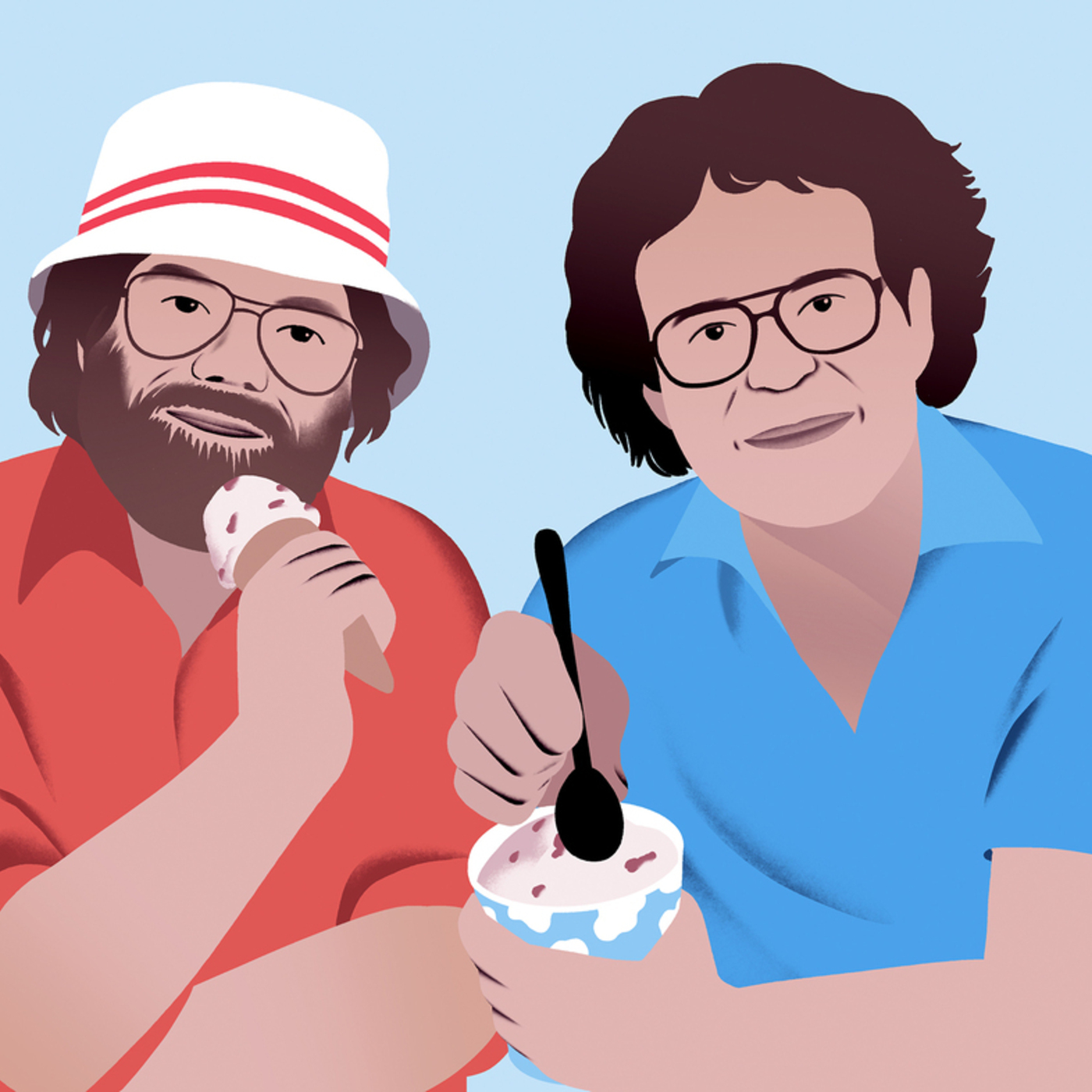
Ep 211Ben & Jerry's: Ben Cohen And Jerry Greenfield (2017)
In the mid-1970s two childhood friends, Ben Cohen and Jerry Greenfield decided to open an ice cream shop in Burlington, Vermont. Their quirky little shop packaged and sold unusual flavors like Honey Coffee, Mocha Walnut, and Mint with Oreo Cookies. In 1981, the regional brand spread across the country after Time magazine called it the "best ice cream in America." Today, Ben & Jerry's is one of the top selling ice cream brands in the world. And, like the original founders, the company doesn't shy away from speaking out on social issues. PLUS for our postscript "How You Built That," we check back with Clay McCabe of Zipper Rescue, a repair kit that helps people fix their broken zippers at home. See Privacy Policy at https://art19.com/privacy and California Privacy Notice at https://art19.com/privacy#do-not-sell-my-info.

Ep 210Birchbox: Katia Beauchamp
When Katia Beauchamp and Hayley Barna launched Birchbox from business school in 2010, they set out to disrupt the beauty industry by delivering monthly samples in a box. Even though people told them the idea would never work, Birchbox attracted hundreds of thousands of subscribers and enthusiastic buzz as a subscription pioneer. But the speedy success was overwhelming for Katia; over the years the company endured plenty of growing pains as it found its distinctive voice in the beauty industry. PLUS in our postscript "How You Built That," after noticing that many of her female friends hated buying cars, Athena Staton launched SheCar, a personalized online service for used car buyers. See Privacy Policy at https://art19.com/privacy and California Privacy Notice at https://art19.com/privacy#do-not-sell-my-info.

Ep 209Live From The HIBT Summit: Stacy Madison of Stacy's Pita Chips
Our ninth episode from the 2019 How I Built This Summit features Stacy Madison, co-founder of Stacy's Pita Chips. In this live conversation with Guy, Stacy explains how pita chips became a passion--even though they didn't start out that way. We'll be releasing one more episode from the Summit in the next few weeks, so keep checking your podcast feed.See Privacy Policy at https://art19.com/privacy and California Privacy Notice at https://art19.com/privacy#do-not-sell-my-info.

Ep 208Stripe: Patrick and John Collison (2018)
Brothers Patrick and John Collison founded and sold their first company before they turned 20. They created software to help eBay users manage inventory online, which set them on a path to help make e-commerce frictionless. Today, John and Patrick are the founders of Stripe, a software company that used just a few lines of code to power the payment system of companies like Lyft, Warby Parker, and Target. PLUS in our post-script "How You Built That," we check back with Kirby Erdely, who saw a problem with flying beach umbrellas and developed a new kind of tent stake—with a twist. See Privacy Policy at https://art19.com/privacy and California Privacy Notice at https://art19.com/privacy#do-not-sell-my-info.

Ep 207Video Artist: Casey Neistat
When Casey Neistat was a teenager, the odds were against him; he had dropped out of high school, was washing dishes to pay rent, and was a father by age 17. But he eventually scraped together enough money to buy a camera and an iMac, and began churning out short films that went viral even before YouTube took off. Despite having to start his career over several times – Casey Neistat became a brand name in social media and advertising, and is now one of the biggest names on YouTube, with an audience of nearly 12 million. PLUS in our post-script "How You Built That," Pat Erley explains how struggling with a perpetually stopped-up sink inspired him to design Dripsie, a no-clog sink strainer. See Privacy Policy at https://art19.com/privacy and California Privacy Notice at https://art19.com/privacy#do-not-sell-my-info.

Ep 206Live From The HIBT Summit: Jeni Britton Bauer of Jeni's Splendid Ice Creams
Our eighth episode from the 2019 How I Built This Summit features Jeni Britton Bauer, the founder of Jeni's Splendid Ice Creams. In this live conversation with Guy, Jeni talks about maintaining authenticity while growing her company, and how Columbus, Ohio played a key role in her company's success. We'll be releasing a few more episodes from the Summit, so keep checking your podcast feed. See Privacy Policy at https://art19.com/privacy and California Privacy Notice at https://art19.com/privacy#do-not-sell-my-info.

Ep 205Lululemon Athletica: Chip Wilson (2018)
After noticing more and more people sign up for yoga in the late 1990s, Chip Wilson bet everything on an athletic apparel company aimed toward young professional women. What started as a small pop-up store in Vancouver eventually became the multibillion-dollar brand Lululemon Athletica, spawning a new fashion trend and forever changing what women wear at the gym. PLUS in our post-script "How You Built That," we check back with Kate Westervelt who took an overwhelming experience and turned it into a gift box for new moms--filled with essential items women need to recover from childbirth See Privacy Policy at https://art19.com/privacy and California Privacy Notice at https://art19.com/privacy#do-not-sell-my-info.

Ep 204Eventbrite: Julia Hartz
In the early 2000s, Julia Hartz was helping develop TV shows for MTV and FX Networks, and seemed headed for a promising career in television. All of that changed in 2003 when she went to a wedding and found herself sitting next to a serial entrepreneur named Kevin. They started dating, and Julia eventually quit her job and joined Kevin in the Bay Area. In 2006 they married, and co-founded the online ticketing service Eventbrite out of a warehouse closet. 14 years after launch, Eventbrite is a publicly-traded company with 1,100 employees and offices around the world. PLUS in our post-script "How You Built That," Tomo Delaney describes how raising two picky eaters led him to create Noshi For Kids; brightly colored fruit puree that kids can paint with. See Privacy Policy at https://art19.com/privacy and California Privacy Notice at https://art19.com/privacy#do-not-sell-my-info.

Ep 203Live From The HIBT Summit: David Neeleman of JetBlue Airways
Our seventh episode from the 2019 How I Built This Summit features David Neeleman, the founder of JetBlue Airways. In this live conversation with Guy, David talks about the benefits of having ADD, and why he thinks it's important to talk to the passengers on his airlines. We'll be releasing a few more episodes from the Summit, so keep checking your podcast feed.See Privacy Policy at https://art19.com/privacy and California Privacy Notice at https://art19.com/privacy#do-not-sell-my-info.

Ep 202Panera Bread/Au Bon Pain: Ron Shaich (2018)
In the early 1980s, Ron Shaich bought a small, struggling Boston bakery chain called Au Bon Pain, and built it out to 250 locations nationwide. Ron then saw an opportunity to build something even bigger: Panera Bread. It was the start of "fast casual" – a new kind of eating experience, between fast food and restaurant dining. Today, Panera Bread has over 2,000 stores, and $5 billion in annual sales. PLUS, for our postscript "How You Built That," we check back with Lisa Dalton, who turned a relationship mishap into a game-changing braille label that solves a daily problem for blind consumers. See Privacy Policy at https://art19.com/privacy and California Privacy Notice at https://art19.com/privacy#do-not-sell-my-info.
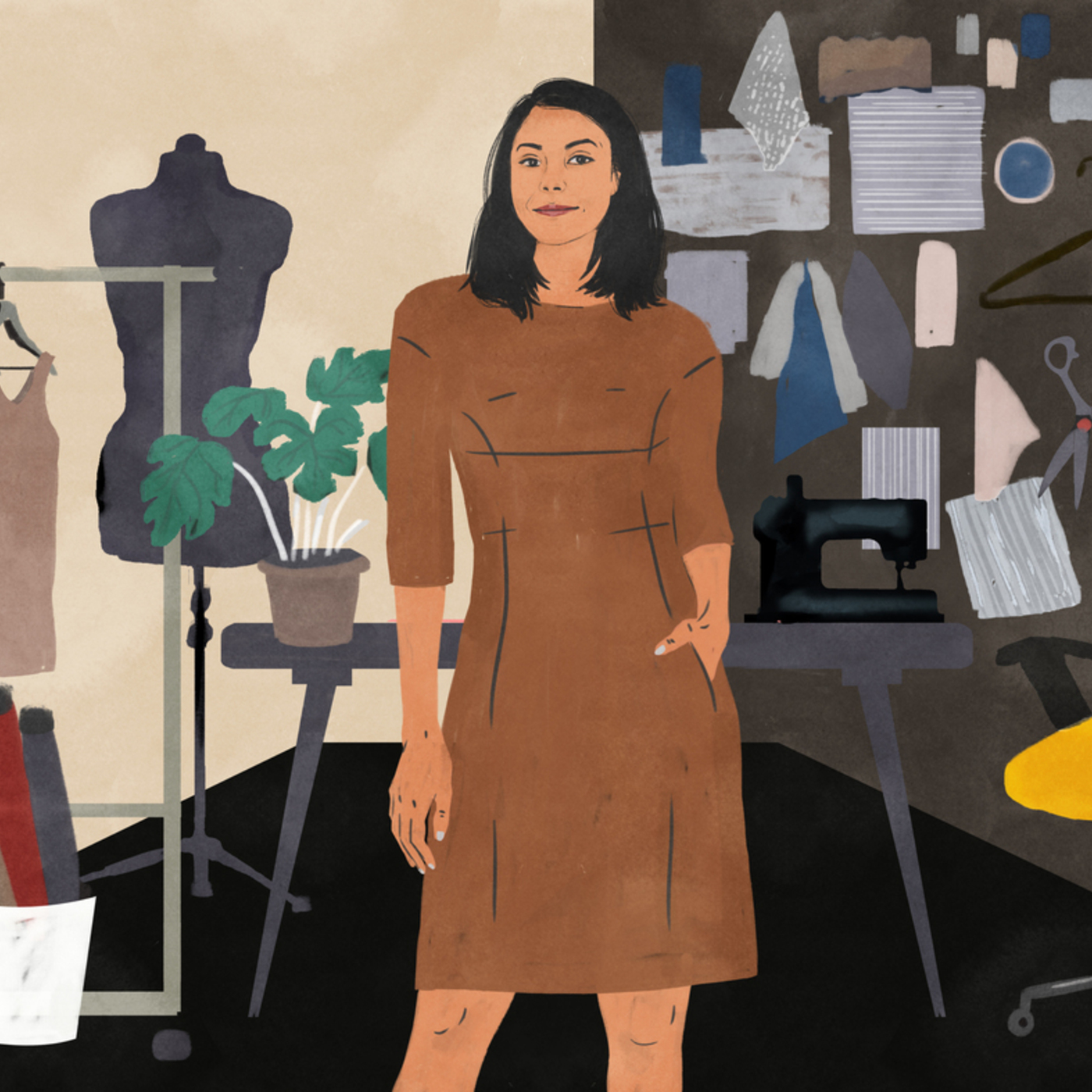
Ep 201M.M.LaFleur: Sarah LaFleur
When she was working corporate jobs in New York City, Sarah LaFleur hated getting dressed in the morning; the choices in her closet felt overwhelming, many items didn't fit right or wore out too quickly. So in 2011 she launched a line of clothing for working women that would be simple, elegant, and well-tailored. She had no experience in fashion but partnered with a top-line designer, Miyako Nakamura, to create M.M.LaFleur. Today it's a multi-million dollar company with loyal customers from Capitol Hill to Silicon Valley. PLUS in our post-script "How You Built That," Taylor Mali explains how he created Metaphor Dice, which ease the pain of writing the first line of a poem. See Privacy Policy at https://art19.com/privacy and California Privacy Notice at https://art19.com/privacy#do-not-sell-my-info.

Ep 200Live From The HIBT Summit: Stewart Butterfield
Our sixth episode from the 2019 How I Built This Summit features Stewart Butterfield, the co-founder of Flickr and Slack. Both companies emerged out of failure. In this live conversation with Guy, Stewart describes how he pivoted from two unsuccessful video games into two multi-million dollar brands. We'll be releasing a few more episodes from the HIBT Summit over the next few weeks, so keep checking your podcast feed.See Privacy Policy at https://art19.com/privacy and California Privacy Notice at https://art19.com/privacy#do-not-sell-my-info.

Ep 199Wikipedia: Jimmy Wales (2018)
During the dot-com boom of the late 1990s, Jimmy Wales was running an internet search company. That's when he began to experiment with the idea of an online encyclopedia. In 2001, Wales launched Wikipedia, a website where thousands of community members could contribute, edit, and monitor content on just about anything. Today, the non-profit has stayed true to its open source roots and is one of the ten most visited websites in the world. PLUS in our post-script "How You Built That," we check back with Leigh D'Angelo, who explains how her sister's break up inspired them to create a dating app—for dog owners. See Privacy Policy at https://art19.com/privacy and California Privacy Notice at https://art19.com/privacy#do-not-sell-my-info.

Ep 198Happy Family Organics: Shazi Visram
While she was a student at business school, Shazi Visram ran into an old friend-- a new mother of twins. The friend confided she felt like a bad mom because she had no time to make her kids healthy meals. That gave Shazi her initial idea: why not make organic pureed baby food, and sell it frozen instead of jarred? People told her she was crazy to take on Gerber, but she convinced dozens of friends and family to invest in Happy Baby. 15 years later, the brand is known as Happy Family Organics and reportedly makes more than $200 million a year. PLUS in our post-script "How You Built That," after learning that many restaurants use gallons of running water to defrost food, Dylan Wolff invented CNSRV WTR-- a recirculating tub that keeps water from going down the drain. See Privacy Policy at https://art19.com/privacy and California Privacy Notice at https://art19.com/privacy#do-not-sell-my-info.

Ep 197Spindrift: Bill Creelman
Bill Creelman graduated from college in 1996 with a business plan — to sell smoked fish from Nantucket. But over time, that idea morphed unpredictably into a brand that sold cocktail seasonings and supplies. After selling that company to liquor giant Diageo, Bill wanted to stay in the beverage industry. As a way of kicking his Diet Coke habit, he started making sparkling water with a fresh squeeze of lemon or grapefruit. That deceptively simple idea grew into Spindrift, a beverage that came with huge production challenges. Today, the company has an annual revenue topping $100 million. PLUS in our post-script "How You Built That," Gaurav Chawla loved home-made chai but hated how long it took to make. So he quit his engineering job and started the five-year process to create Chime — an automatic chai brewer that uses tea and spices from India. See Privacy Policy at https://art19.com/privacy and California Privacy Notice at https://art19.com/privacy#do-not-sell-my-info.

Ep 196Live From The HIBT Summit: Marcia Kilgore
Our fifth episode from the 2019 How I Built This Summit features serial entrepreneur Marcia Kilgore, founder of Bliss, FitFlop, BeautyPie and more. The animating question behind all of Marcia's business ideas is 'So What?'— if she can't answer it, she doesn't pursue it. We'll be releasing more episodes from the HIBT Summit over the next few weeks, so keep checking your podcast feed!See Privacy Policy at https://art19.com/privacy and California Privacy Notice at https://art19.com/privacy#do-not-sell-my-info.

Ep 195Dell Computers: Michael Dell (2018)
Before it became fashionable to start a tech company in your dorm room, Michael Dell did exactly that. In 1983, he began selling upgrade kits for PC's out of his dorm at UT Austin. A few months later he dropped out of school to focus full time on the PC business. At age of 27, he became the youngest CEO to head a Fortune 500 company. Today, Dell has sold roughly 700 million computers. PLUS in our post-script "How You Built That," we check back with Vanessa and Casey White, who turned their grandfather's pierogi recipe into Jaju Pierogi, hand-made Polish dumplings that are sold across the Northeast. See Privacy Policy at https://art19.com/privacy and California Privacy Notice at https://art19.com/privacy#do-not-sell-my-info.

Ep 194Chicken Salad Chick: Stacy Brown (2018)
For many of us, chicken salad is just another sandwich filling, but Stacy Brown turned it into a $75 million business. In 2007, she was a divorced mother of three looking for a way to make ends meet. So she started making chicken salad in her kitchen and selling it out of a basket, door-to-door. She eventually turned that home operation into Chicken Salad Chick, a chain that now has close to 150 locations in the U.S. PLUS in our post-script "How You Built That," we check back with Ofer and Helene Webman who developed the Tonewood Amp, a device that can change the way an acoustic guitar sounds without bulky pedals and amps. See Privacy Policy at https://art19.com/privacy and California Privacy Notice at https://art19.com/privacy#do-not-sell-my-info.

Ep 193Live From The HIBT Summit: Tariq Farid Of Edible Arrangements
Our fourth episode from the 2019 How I Built This Summit features Tariq Farid, founder of Edible Arrangements. In a live conversation with Guy, Tariq talks about flowers, fruit, and family—and how he wouldn't be where he is without the sacrifices and support of the people he loves the most. We'll be releasing more episodes from the Summit in the new year, so keep checking your podcast feed!See Privacy Policy at https://art19.com/privacy and California Privacy Notice at https://art19.com/privacy#do-not-sell-my-info.
Ep 192Steve Madden: Steve Madden (2018)
Steve Madden fell in love with the shoe business in the 1970's, when he sold platform shoes at a neighborhood store in Long Island, New York; that was in high school. About 15 years later, he struck out on his own, designing and selling shoes with a high-end look at affordable prices. As his business—and his ambitions—began to grow, he got involved in a securities fraud scheme and wound up serving two and-a-half years in prison. In 2005, he returned to Steve Madden, where he helped the company grow into a business valued at $3 billion. PLUS in our post-script "How You Built That," we check back with "kid-preneur" Gabrielle Goodwin and her mom Rozalynn who invented GaBBY Bows—double snap barrettes that don't slip out of your hair. See Privacy Policy at https://art19.com/privacy and California Privacy Notice at https://art19.com/privacy#do-not-sell-my-info.

Ep 191Live From The HIBT Summit: Kevin Systrom & Mike Krieger Of Instagram
Our third live episode from the 2019 How I Built This Summit features Kevin Systrom and Mike Krieger, co-founders of Instagram. They talk to Guy about what they've been doing since they stepped down from the company, and whether they think social media can still help make a kinder world. In the new year, we'll release more episodes from the HIBT Summit, so keep checking your podcast feed!See Privacy Policy at https://art19.com/privacy and California Privacy Notice at https://art19.com/privacy#do-not-sell-my-info.

Ep 190Tate's Bake Shop: Kathleen King
Kathleen King was 11 years old when she started baking cookies to sell at her family's farm stand on Long Island. After college, she opened a small bake shop, and eventually started selling her cookies to gourmet grocery stores in Manhattan. But after twenty years of running a small business, she wanted more time for herself. She brought in two partners to grow sales, but the partnership was a disaster – and after bitter lawsuits, Kathleen was forced to start over from scratch. 18 years later, Tate's Bake Shop – the second cookie brand that she built out of the crumbs of the first – sold for $500 million. PLUS in our post-script "How You Built That," Thomas Althaus made his wife a bracelet and earrings out of a tin can for their tenth wedding anniversary. What began as a lighthearted gift became Canned Goods—a recycled jewelry company that donates one can of food to charity for each piece sold. See Privacy Policy at https://art19.com/privacy and California Privacy Notice at https://art19.com/privacy#do-not-sell-my-info.

Ep 189Live From The HIBT Summit: Troy Carter
Our second episode from the 2019 How I Built This Summit features founder and investor Troy Carter, who re-started his career in the music business after becoming Lady Gaga's manager. In a live conversation with Guy, he offers advice on staying hungry, being humble, and admitting when you don't know the answer. Every Thursday through the new year, we'll release new episodes from the HIBT Summit, so keep checking your podcast feed!See Privacy Policy at https://art19.com/privacy and California Privacy Notice at https://art19.com/privacy#do-not-sell-my-info.

Ep 188Minted: Mariam Naficy (2018)
In 2000, Mariam Naficy sold her first company, an online cosmetics store called Eve.com, for $110 million. Several years later, she got the entrepreneurial itch once again: she founded Minted.com, an online stationery store that solicits designs from artists all over the world. Today Minted is one of the biggest crowdsourcing platforms on the Internet. PLUS in our post-script "How You Built That," we check back with Christopher Rannefors who created BatBnB, a sleek wooden box that hangs on your house and provides a safe home for mosquito-eating bats. See Privacy Policy at https://art19.com/privacy and California Privacy Notice at https://art19.com/privacy#do-not-sell-my-info.

Ep 187Live From The HIBT Summit: Sara Blakely Of Spanx
Our first episode from the 2019 How I Built This Summit features Sara Blakely, founder of Spanx. In front of a live audience, she tells Guy how she stayed confident in the earliest days of building the business, and why one day she still wound up sobbing on the floor of Office Depot. Every Thursday through the new year, we'll release new episodes from the HIBT Summit, so keep checking your podcast feed!See Privacy Policy at https://art19.com/privacy and California Privacy Notice at https://art19.com/privacy#do-not-sell-my-info.

Ep 186Live Episode! OtterBox: Curt Richardson
In the 1980s and 90s, Curt Richardson started making simple plastic boxes in his garage in Fort Collins, Colorado. They were originally designed to keep small items dry while you're fishing or skiing, and Curt and his wife Nancy called them "Otter Boxes." But after the launch of the Blackberry and the iPod, Curt started tailoring the boxes to fit and protect the breakable devices – and OtterBox evolved from an outdoor goods supplier into a company tightly adhered to the tech industry. With the rise of smartphones, Otter Products grew by more than 1000% in just five years. Today, it controls a massive share of the phone case market and sells more than $1 billion in cases each year. This interview was recorded live at the Paramount Theatre in Denver, Colorado. See Privacy Policy at https://art19.com/privacy and California Privacy Notice at https://art19.com/privacy#do-not-sell-my-info.

Ep 185Outdoor Voices: Tyler Haney
In 2013, Tyler Haney was a 24-year-old graduate of the Parsons School of Design in New York. One day on a jog, she realized that her workout outfits looked, and felt, like they were made for competitive athletes. Tyler envisioned a brand of athletic wear for more everyday activities, like walking the dog or hiking with friends. She launched Outdoor Voices and she got her two-piece "kit" — a crop top and leggings – into a few specialty boutiques. Soon afterward, her brand made it into J. Crew stores and took off. Today, Outdoor Voices has raised close to $60 million from investors and has around 350 employees. PLUS in our postscript "How You Built That," after a lunch with some new moms turned into baby bedlam, Beth Fynbo created Busy Baby Mat — a placemat that would securely stick on any table, keep toys off the floor, and provide a fun surface for babies to eat and draw. See Privacy Policy at https://art19.com/privacy and California Privacy Notice at https://art19.com/privacy#do-not-sell-my-info.

Ep 184Remembering Jake Burton Carpenter
The founder of Burton Snowboards, Jake Burton Carpenter, has died. He was 65 years old. We are grateful that Jake shared his story with us in 2017 and we are republishing it as a tribute to his life and career in which he elevated snowboarding into an international sport. In 1977, 23-year-old Jake Carpenter set out to design a better version of the Snurfer, a stand-up sled he loved to ride as a teenager. Working by himself in a barn in Londonderry, Vermont, he sanded and whittled stacks of wood, trying to create the perfect ride. He eventually helped launch an entirely new sport, while building the largest snowboard brand in the world. See Privacy Policy at https://art19.com/privacy and California Privacy Notice at https://art19.com/privacy#do-not-sell-my-info.
Ep 183Crate & Barrel: Gordon Segal (2017)
In 1962, Gordon Segal—with his wife Carole—opened a scrappy Chicago shop called Crate & Barrel. That store turned into a housewares empire that has shaped the way Americans furnish their homes. PLUS in our post-script "How You Built That," we check back with Ashlin Cook, whose love for dogs inspired her to create Winnie Lou: a Colorado business that sells healthy dog treats. See Privacy Policy at https://art19.com/privacy and California Privacy Notice at https://art19.com/privacy#do-not-sell-my-info.

Ep 182Evite: Selina Tobaccowala
At the height of the first dot-com boom, Selina Tobaccowala and college friend Al Lieb were determined to start a tech company. After a few false starts, they landed on the idea for Evite—an on-line invitation business that within its first year, attracted a million followers and $37 million in investment. When the tech bubble burst, Selina and Al were forced to lay off dozens of employees before selling Evite in 2001. But the company has survived to this day, and Selina remains a role model for women in tech. PLUS in our postscript "How You Built That," Jamia Ramsey describes how her frustration with pink ballerina tights led her to create Blendz, apparel for dancers that matches darker skin tones. See Privacy Policy at https://art19.com/privacy and California Privacy Notice at https://art19.com/privacy#do-not-sell-my-info.

Ep 181Live Episode! Luke's Lobster: Luke Holden and Ben Conniff
Luke Holden grew up in Maine, working on lobster boats and in his father's lobster processing plant. But his parents pushed him to find a more stable career, so after college, he moved to New York and got a job in finance. One of the things he missed most about home was lobster rolls, so he decided to open his own lobster shack as a side project. Luke posted an ad on Craigslist looking for help, and linked up with Ben Conniff, a history major with a passion for food but no restaurant experience. Ben and Luke opened a 200-square-foot take-out restaurant in the East Village in 2009. Ten years later, Luke's Lobster has over 500 employees, and more than 40 locations in the U.S. and in Asia. This show was recorded live at the Back Bay Events Center in Boston. See Privacy Policy at https://art19.com/privacy and California Privacy Notice at https://art19.com/privacy#do-not-sell-my-info.

Ep 180FUBU: Daymond John (2018)
Daymond John grew up during the 1980s in the heart of hip hop culture: Hollis, Queens. In his early 20s, he was working at Red Lobster and trying to figure out how to start a business. Eventually, he stumbled on the idea of making clothes for fans of rap music. In 1992, he started FUBU (For Us By Us) and began selling hats outside of a local mall. Three years later, FUBU was bringing in $350 million in sales. Today, he's a judge on Shark Tank, and a motivational speaker and author. PLUS in our post-script "How You Built That," we check back with Loren and Lisa Poncia who turned a 100 year-old family business into an organic beef supplier: Stemple Creek Ranch. See Privacy Policy at https://art19.com/privacy and California Privacy Notice at https://art19.com/privacy#do-not-sell-my-info.

Ep 179LÄRABAR: Lara Merriken (2018)
In 2000, Lara Merriken was 32, recently divorced, and without a job when she decided to make energy bars by mixing cherries, dates, and almonds in her Cuisinart. Eventually, she perfected the recipe and launched her company: LÄRABAR. After just two years, the company was bringing in millions in revenue. In 2008, she sold to General Mills, but stayed on to help grow LÄRABAR into one of the biggest energy bar brands in the U.S. PLUS in our post-script "How You Built That," we check back with Gerry Stellenberg who combined his knack for technology with his love of pinball to create a company for modern pinball enthusiasts called Multimorphic. See Privacy Policy at https://art19.com/privacy and California Privacy Notice at https://art19.com/privacy#do-not-sell-my-info.

Ep 178Gimlet Media: Alex Blumberg and Matt Lieber
Alex Blumberg made his early career by helping build two of the most successful shows in radio and podcasting: Planet Money and This American Life. In 2014, convinced that podcasts could make money, he walked away from the safe umbrella of public media to start a new media company with co-founder Matt Lieber. Every doubt, triumph and humiliation of building the business was documented on the podcast Startup, which included the back-and-forth over how the company got its name: Gimlet. Many more successful podcasts followed, and five years after launch, Gimlet sold to Spotify for roughly $200 million. PLUS in our postscript "How You Built That," after years of researching how women's shoes wreak havoc on the joints, Casey Kerrigan quit her job in medicine to start 3D printing more comfortable designs: Oesh Shoes. See Privacy Policy at https://art19.com/privacy and California Privacy Notice at https://art19.com/privacy#do-not-sell-my-info.

Ep 177Live Episode! Milk Bar: Christina Tosi
For Christina Tosi, baking wasn't just a delicious childhood hobby – it was a daily creative outlet and a way to blow off steam. After college, she went to culinary school and honed her pastry technique at high-end restaurants in NYC. But she also craved the opportunity to make unfussy, nostalgic desserts like the ones she grew up eating. So in 2008, Christina opened her first Milk Bar bakery in the East Village, with the help of her mentor, Momofuku chef David Chang. Soon, people from around the country were calling her up, begging for her gooey pies, confetti birthday cakes, and pretzel-potato-chip cookies. Today, Milk Bar has spread to 16 locations, and reportedly brings in tens of millions of dollars a year. This show was recorded live at The Town Hall in New York City. See Privacy Policy at https://art19.com/privacy and California Privacy Notice at https://art19.com/privacy#do-not-sell-my-info.

Ep 176The Knot: Carley Roney & David Liu (2018)
When Carley Roney and David Liu got married, they had a seat-of-the-pants celebration on a sweltering Washington rooftop. They never planned to go into the wedding business, but soon saw an opportunity in the market for a fresh approach to wedding planning. In 1996, they founded The Knot, a website with an irreverent attitude about "the big day." The Knot weathered the dot.com bust, a stock market meltdown, and eventually grew into the lifestyle brand XO Group, valued at $500 million. PLUS in our postscript "How You Built That," we check back with Tyson Walters who got so tired of his St. Bernard shedding everywhere that he created a zip-up body suit for dogs: the Shed Defender. See Privacy Policy at https://art19.com/privacy and California Privacy Notice at https://art19.com/privacy#do-not-sell-my-info.
Ep 175Live Episode! Walker & Company: Tristan Walker
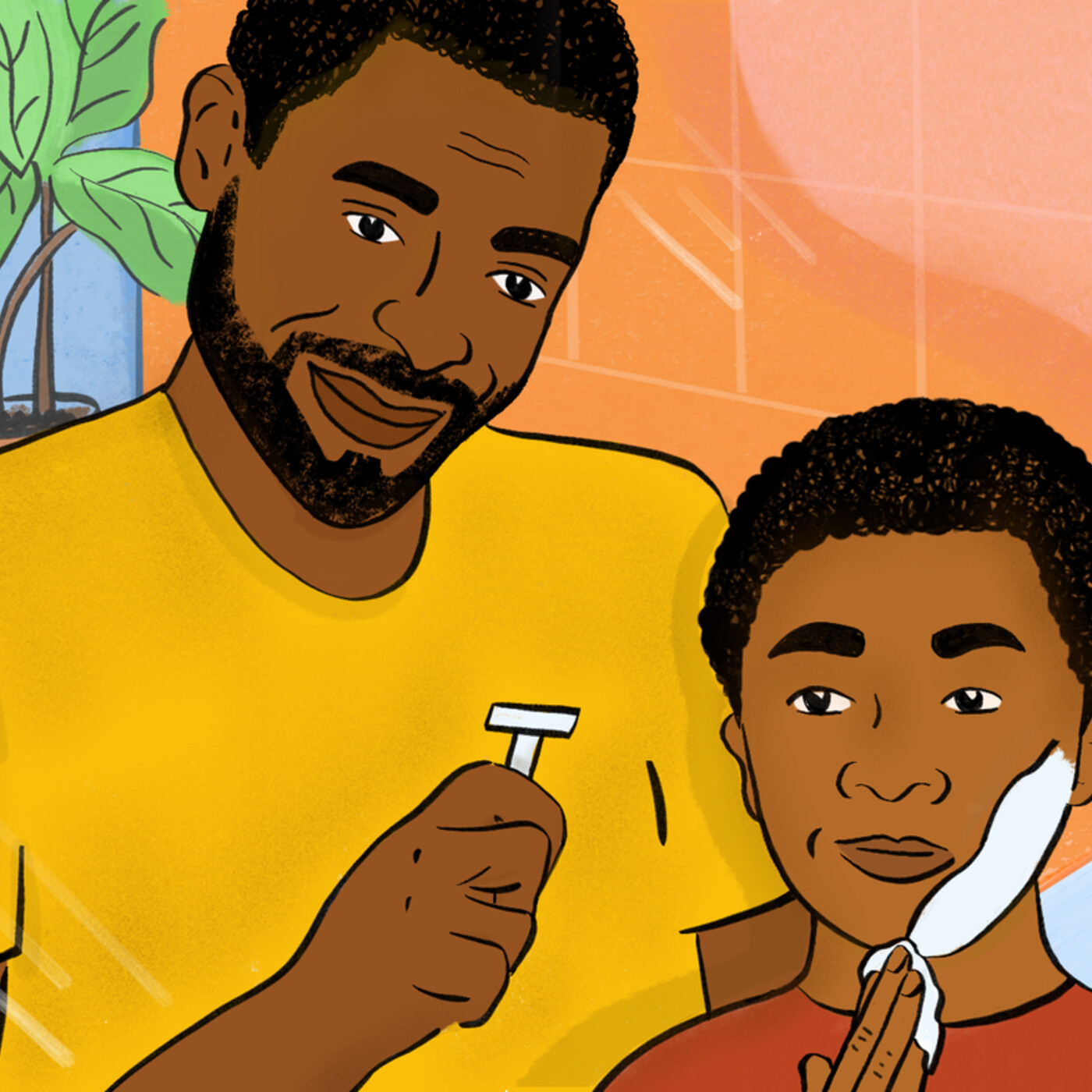
The very first time Tristan Walker shaved, he woke up the next morning with razor bumps all over his face. "I was like, what is this?" he remembers saying. "I am never shaving again—ever." He soon discovered that like him, many men of color were frustrated by the lack of shaving products for coarse or curly hair. Fifteen years after that first disastrous shave, and after countless meetings with doubtful investors, Tristan launched Bevel, a subscription shaving system built around a single-blade razor. Eventually his brand Walker & Company grew to include 36 hair and beauty products, used by millions of men and women across the U.S. In 2018, Walker & Company was sold to Proctor & Gamble, and Tristan became P&G's first black CEO. Recorded live in Washington, D.C. See Privacy Policy at https://art19.com/privacy and California Privacy Notice at https://art19.com/privacy#do-not-sell-my-info.

Ep 174Headspace: Andy Puddicombe and Rich Pierson
Andy Puddicombe is not your typical entrepreneur – in his early twenties, he gave away everything he owned to train as a Buddhist monk. But after ten years, he decided he wanted to bring the benefits of his meditation techniques to more people. While running a meditation clinic in London, Andy met Rich Pierson, who had burned out on his job at a high-powered London ad agency. Together, they founded Headspace in 2010. Nine years later, Headspace's guided meditation app has users in 190 countries and an annual revenue of over $100 million. PLUS in our postscript "How You Built That," how a quick fix to a broken pair of sunglasses inspired Jensen Brehm and Nikolai Paloni to create an armless set of shades: Ombraz Sunglasses. See Privacy Policy at https://art19.com/privacy and California Privacy Notice at https://art19.com/privacy#do-not-sell-my-info.

Ep 173Stitch Fix: Katrina Lake (2018)
In 2010, Katrina Lake recruited 20 friends for an experiment: she wanted to see if she could choose clothes for them that accurately matched their style and personality. That idea sparked Stitch Fix, an online personal shopping service that aims to take the guesswork out of shopping. Today, it has about three million customers and brings in more than a billion dollars in annual revenue. PLUS in our postscript "How You Built That," we check back with Justin Li, who created wearable equipment to keep cool and hydrated called IcePlate. See Privacy Policy at https://art19.com/privacy and California Privacy Notice at https://art19.com/privacy#do-not-sell-my-info.

Ep 172Dippin' Dots: Curt Jones
In the late 1980s, Curt Jones was working in a Kentucky lab, using liquid nitrogen to flash-freeze animal feed. He wondered if he could re-invigorate his favorite dessert by pouring droplets of ice cream into a vat of liquid nitrogen and – voila! – out came cold and creamy pellets that he soon branded Dippin' Dots. The novelty treat spread to fairs, stadiums and shopping malls, and eventually grew into a multi-million dollar brand. But a few years ago, Curt was forced to walk away after the company was hit with debt, recession and a punishing lawsuit. PLUS in our postscript "How You Built That," how Nadine Habayeb hopes to popularize puffed water lily seeds from India with her snack brand Bohana. See Privacy Policy at https://art19.com/privacy and California Privacy Notice at https://art19.com/privacy#do-not-sell-my-info.
Ep 171The Life Is Good Company: Bert and John Jacobs
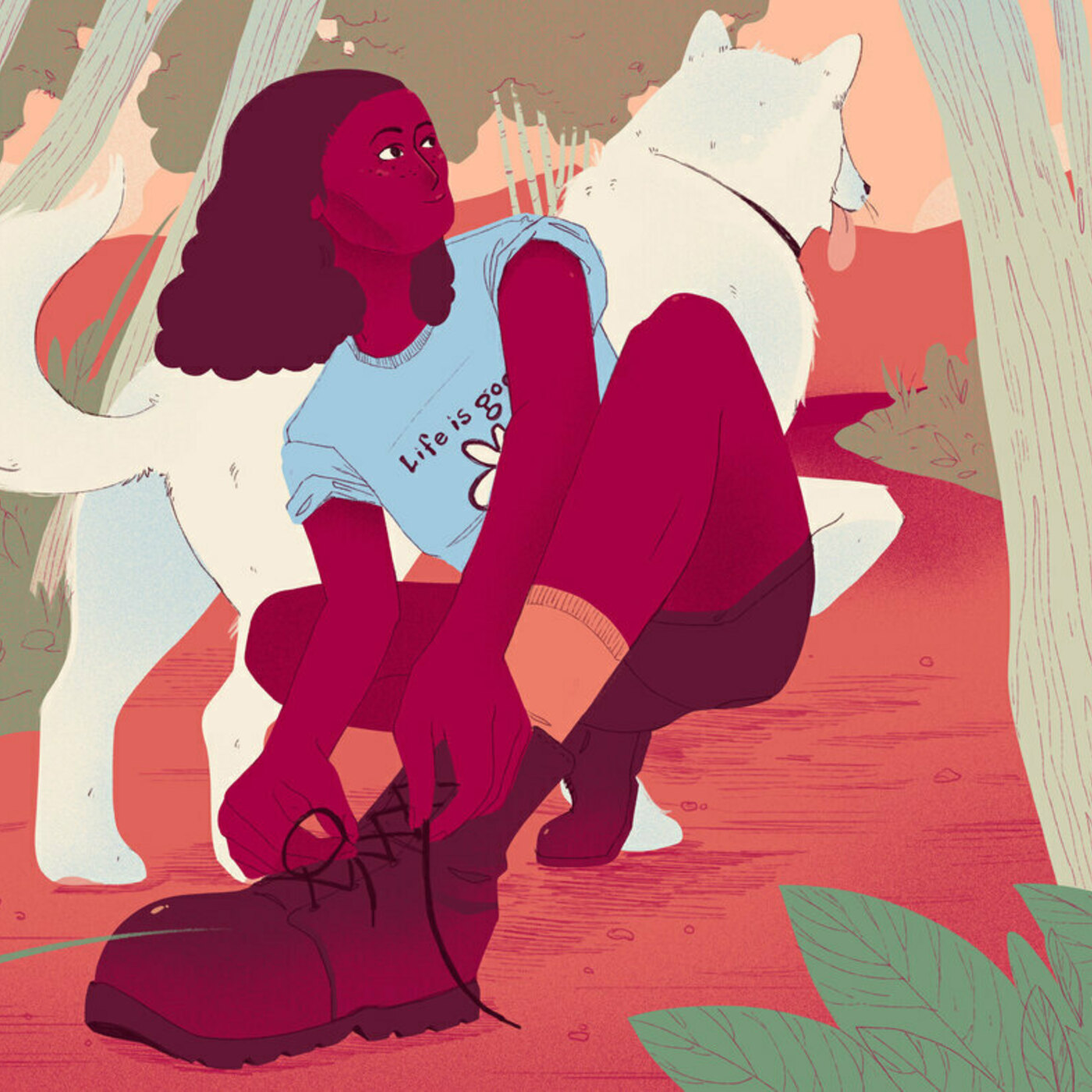
In the late 80s, brothers Bert and John Jacobs were living as nomads, traveling from college to college selling t-shirts out of their van. It wasn't a sustainable living – until one day, they created a new design. It was a simple sketch of a grinning face, with three words printed underneath: Life Is Good. The optimistic message was deeply personal to the brothers, who grew up in what they describe as a dysfunctional home – and it also resonated with customers, who started buying Life Is Good designs printed on just about anything, from towels to tire covers. Today, the Life Is Good Company has a reported annual revenue of $100 million. PLUS in our postscript "How You Built That," Jim Malone of CounterEv Furniture describes how he turns reclaimed wood from bowling alleys into tables and chairs for fast-casual restaurants. See Privacy Policy at https://art19.com/privacy and California Privacy Notice at https://art19.com/privacy#do-not-sell-my-info.