
How I Built This with Guy Raz
871 episodes — Page 11 of 18
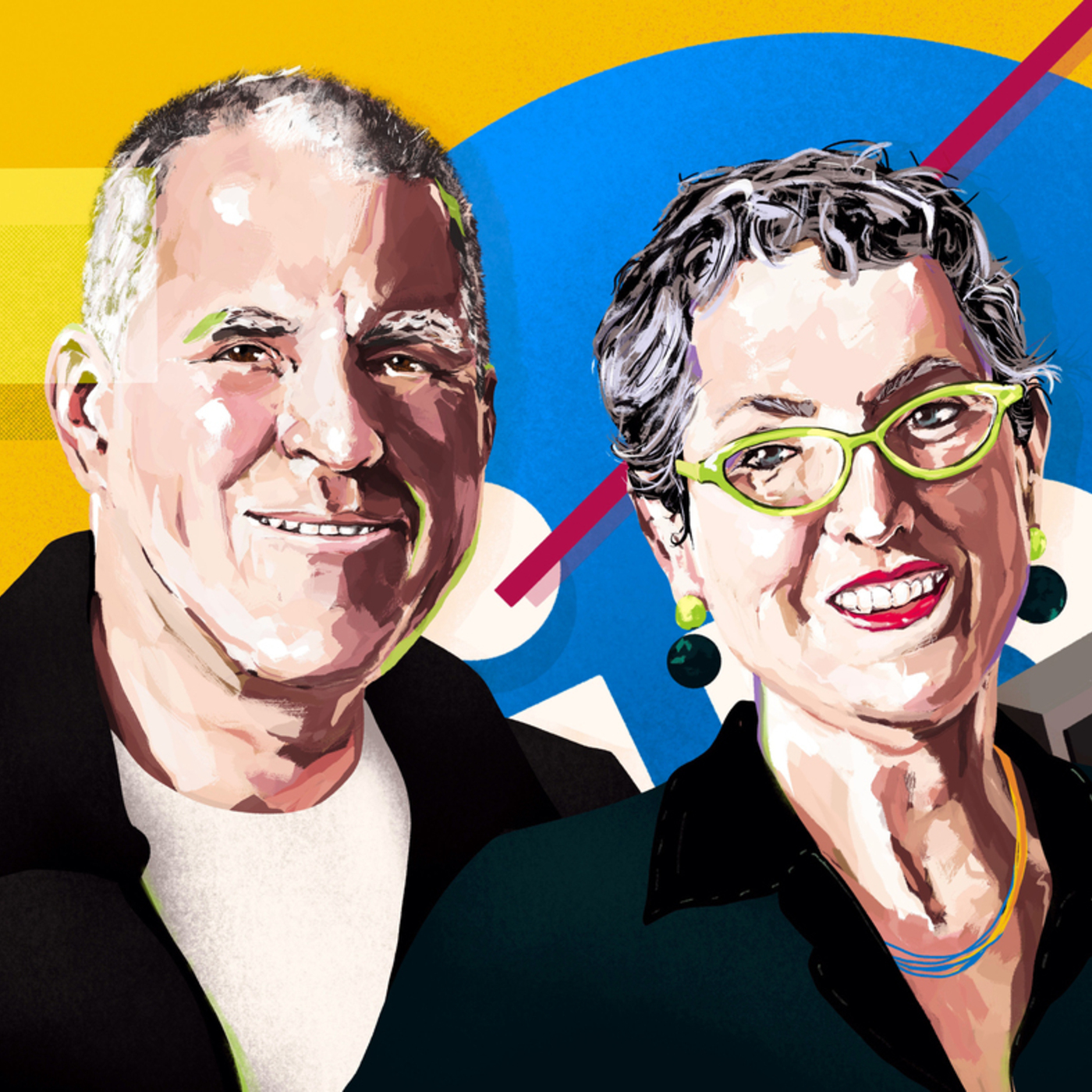
Ep 369Lynda.com: Lynda Weinman and Bruce Heavin
After falling in love with the first Apple Mac computer in 1984, Lynda Weinman found a new career: using the new technology to teach web graphics. She published a best-selling book on the topic, and then—along with her husband Bruce Heavin—decided to host a web design workshop in the small town of Ojai, California. When the class sold out, the partners realized their straightforward approach to digital design was in high demand. Despite having no business background, Lynda and Bruce continued to expand their vision, eventually offering instructional videos on a range of topics through their streaming platform, Lynda.com. In 2015, the company sold to LinkedIn for 1.5 billion dollars. See Privacy Policy at https://art19.com/privacy and California Privacy Notice at https://art19.com/privacy#do-not-sell-my-info.

Ep 368Springfree Trampoline: Keith Alexander & Steve Holmes (2019)
In the late 1980s, a New Zealand engineer named Keith Alexander wanted to buy a trampoline for his kids. After his wife said they were too dangerous, Keith set out to design his own—a safer trampoline, without metal springs. He tinkered with and perfected the design over the course of a decade. But he was daunted by the challenge of bringing his invention to market; and he almost gave up. At that point Steve Holmes, a Canadian businessman, bought the patent to Keith's trampoline, and took a big risk to commercialize it. Since the start of the pandemic, sales of Springfree Trampolines doubled, and since their launch, the company has sold nearly 500,000 trampolines worldwide. See Privacy Policy at https://art19.com/privacy and California Privacy Notice at https://art19.com/privacy#do-not-sell-my-info.
Ep 367Live From The HIBT Summit: Rashad Robinson
We have our final main stage event from the 2021 How I Built This Virtual Summit, and it's Guy's conversation with Rashad Robinson, President of Color Of Change, the nation's largest leading racial justice organization. In this live interview, Rashad talks about finding strength and purpose through activism—an initiative that has no clear end. According to Rashad, activism does not have to center around sadness and tragedy; activism is about the power of the people, recognizing victories, celebrating moments of joy, and implementing self and community care. See Privacy Policy at https://art19.com/privacy and California Privacy Notice at https://art19.com/privacy#do-not-sell-my-info.
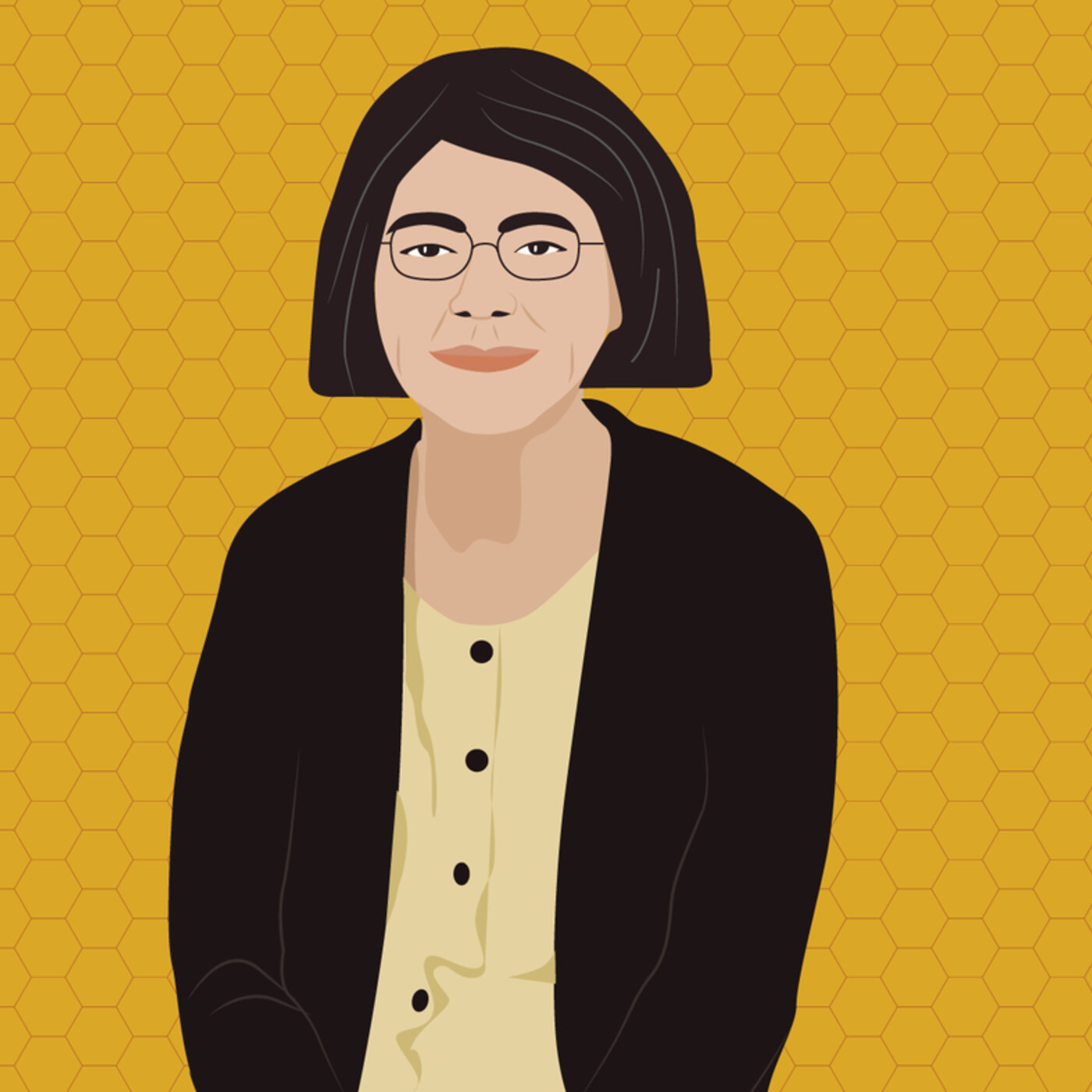
Ep 366Burt's Bees: Roxanne Quimby (2019)
In the 1970s, Roxanne Quimby was trying to live a simpler life – one that rejected the pursuit of material comforts. She moved to Maine, built a cabin in the woods, and lived off the grid. By the mid-80s, she met a recluse beekeeper named Burt Shavitz and offered to help him tend to his bees. As partners, Roxanne and Burt soon began selling their "Pure Maine Honey" at local markets, which evolved into candles made out of beeswax, and eventually lip balm and skin care products. Today, Burt's Bees can be found in thousands of grocery stores and drugstores around the U.S. See Privacy Policy at https://art19.com/privacy and California Privacy Notice at https://art19.com/privacy#do-not-sell-my-info.
Ep 365Live From The HIBT Summit: Adam Grant
We have another episode from the 2021 How I Built This Virtual Summit, and it's Guy's interview with organizational psychology professor and author Adam Grant. He's known for his books Think Again, Give and Take and Originals. Adam is also the host of the podcast WorkLife. In this live conversation, Adam explains why entrepreneurs should take a scientific approach to decision-making and why admitting you're wrong goes a long way to learning what's right. We'll be releasing more episodes from the Summit throughout the month of August, so keep checking your podcast feed.See Privacy Policy at https://art19.com/privacy and California Privacy Notice at https://art19.com/privacy#do-not-sell-my-info.
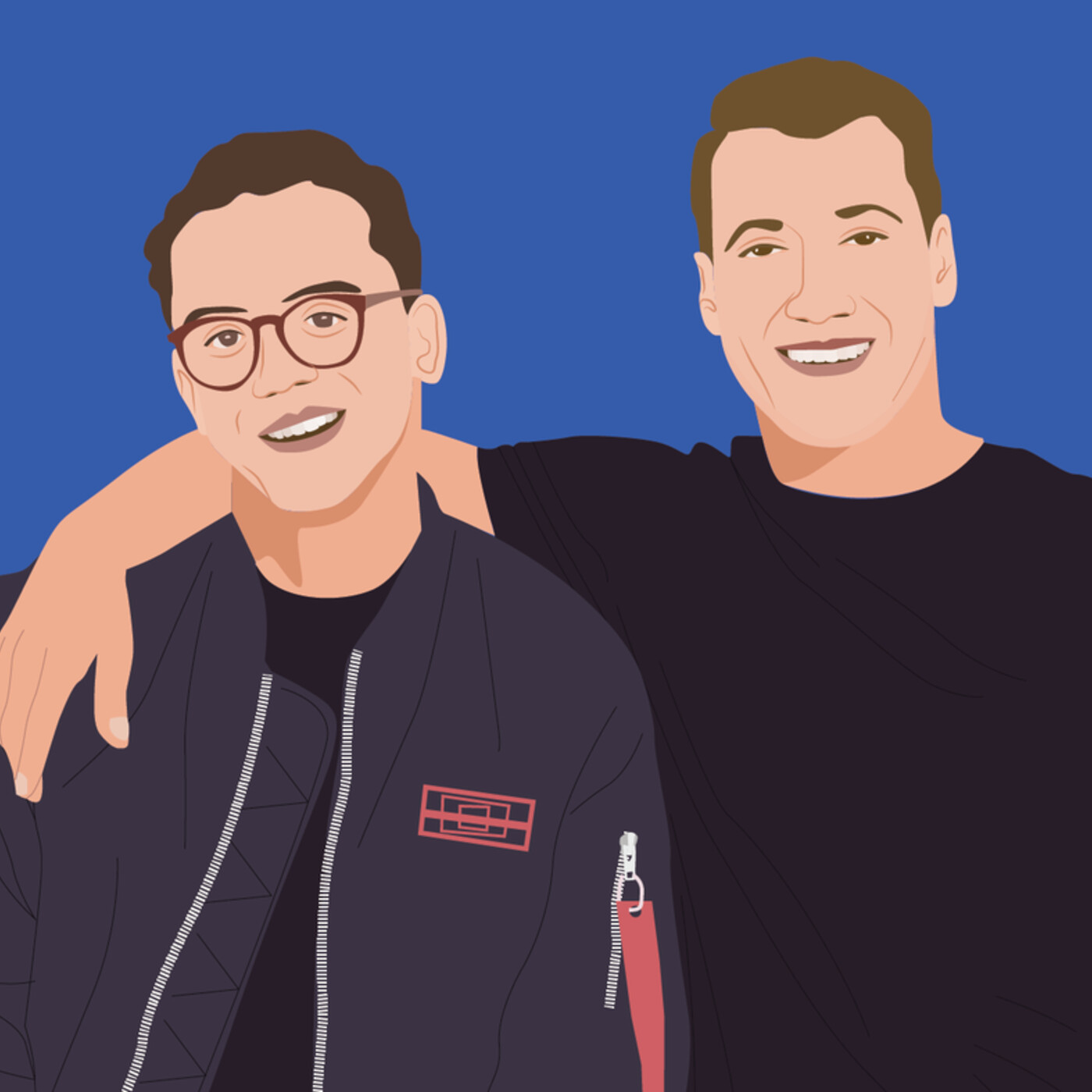
Ep 364Logic: Logic & Chris Zarou (2018)
In 2010, Logic the rapper—born as Sir Robert Bryson Hall II—released his first official mixtape titled "Young, Broke & Infamous." At 20 years old, Logic certainly was young and broke, and while crashing on a friend's couch, he poured himself into his music. Logic's career could have fizzled if it wasn't for Chris Zarou, a young college athlete-turned-manager who had no more experience in the music business than Logic. Undeterred, the two decided to work together, continuing to use free music and social media to build Logic's reputation as a talented, fast-flowing rapper with a hopeful message. In 2012, Logic signed to Def Jam Records and in 2014 dropped his debut album "Under Pressure," which shot to number 4 on the Billboard charts. His third album in 2017 went platinum and included the breakout single "1 800 273 8255." See Privacy Policy at https://art19.com/privacy and California Privacy Notice at https://art19.com/privacy#do-not-sell-my-info.
Ep 363Live From The HIBT Summit: Brené Brown
We have another episode from the 2021 How I Built This Virtual Summit, and it's Guy's interview with professor, author, and host of the Unlocking Us podcast, Brené Brown. In this live conversation, Brené talks about how vulnerability is vital for good leadership, and how she sees gratitude as a driving force for improving office culture. We'll be releasing more episodes from the Summit throughout the month of August, so keep checking your podcast feed.See Privacy Policy at https://art19.com/privacy and California Privacy Notice at https://art19.com/privacy#do-not-sell-my-info.

Ep 362Stacy's Pita Chips: Stacy Madison (2019)
In the 1990's, Stacy Madison and her boyfriend Mark Andrus were selling pita sandwiches from a converted hot dog cart in Boston. They decided to bake the leftover pita into chips, adding a dash of parmesan or cinnamon-sugar. At first they handed them out for free, but soon discovered that people were happy to pay for them. So they eventually decided to leave the sandwich cart behind and launch Stacy's Pita Chips. They hoped the brand might grow into a modest regional business—but it kept growing. Roughly ten years after the launch, Stacy's sold to PepsiCo for $250 million. See Privacy Policy at https://art19.com/privacy and California Privacy Notice at https://art19.com/privacy#do-not-sell-my-info.

Ep 361Live From The HIBT Summit: Gary Vaynerchuk
We have another episode from the 2021 How I Built This Virtual Summit, and it's Guy's interview with internet content guru Gary Vaynerchuk. In this live conversation, Gary talks about his innovative approaches to marketing and branding, and his belief that you can make money from pretty much anything online, as long as you're passionate about it, and put in the work. We'll be releasing more episodes from the Summit throughout the month of August, so keep checking your podcast feed. See Privacy Policy at https://art19.com/privacy and California Privacy Notice at https://art19.com/privacy#do-not-sell-my-info.

Ep 360Serial Entrepreneur: Gary Vaynerchuk
Growing up in New Jersey in the 1980's and 90's, Gary Vaynerchuk honed his business skills trading baseball cards and selling wine at his dad's liquor store. He discovered the potential of Youtube early on and launched Wine Library TV, an unfiltered, in-your-face wine review series that boosted the family business and branded Gary as an early social-media guru. From there, his marketing career exploded, and suddenly Gary Vee seemed to be everywhere: consulting, speaking, vlogging, tweeting, and publishing best-selling books, all while growing what is now a sprawling media company, VaynerX. His energy can be exhausting and his critics think he's full of it, but Gary shrugs them off; he credits much of his success to his immigrant upbringing and his parents' strong work ethic. See Privacy Policy at https://art19.com/privacy and California Privacy Notice at https://art19.com/privacy#do-not-sell-my-info.
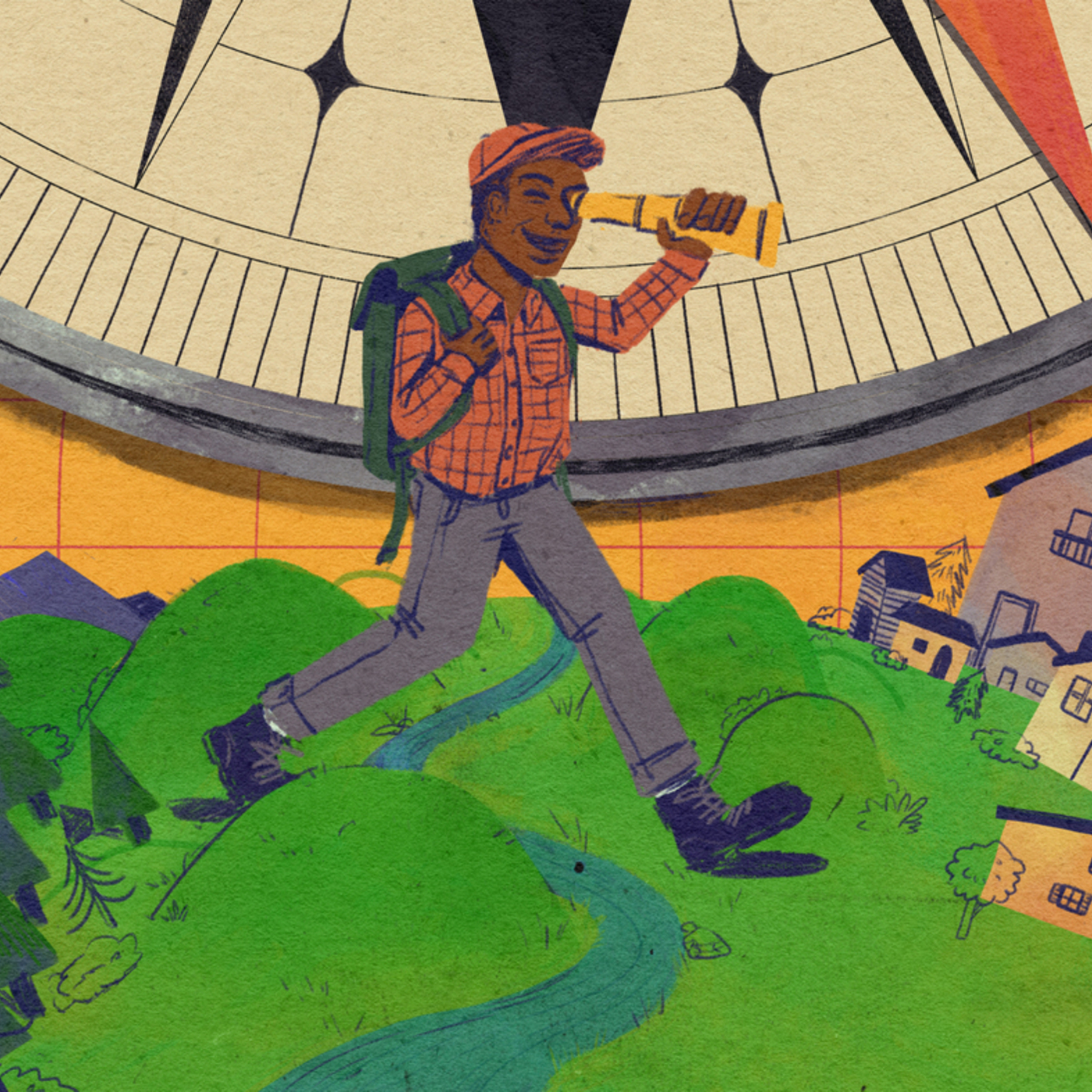
Ep 359Robert Reffkin: Compass
Robert Reffkin had a hard time fitting in when he was growing up: raised by a single mom in Berkeley California, he was both bi-racial and Jewish, and had to learn to "feel comfortable with being uncomfortable." Even though he was a self-described C student, he was admitted to Columbia and landed a series of prestigious investment banking jobs, but often felt like he was failing. Then in 2012, Robert was tasked with writing a business plan as part of a job interview, but the plan was so intriguing that he was encouraged to launch it as an actual business. So with a partner, Robert launched Compass, a real estate company that focused on building technology to make agents' jobs easier. Less than ten years after launch, Compass is a publicly traded real estate brokerage with about 20,000 agents, valued at around $6 billion. See Privacy Policy at https://art19.com/privacy and California Privacy Notice at https://art19.com/privacy#do-not-sell-my-info.
Ep 358Live From HIBT Summit: Payal Kadakia, Tristan Walker, and Perry Chen on Innovation
Our second episode from the 2021 How I Built This Virtual Summit is from our innovation panel with Payal Kadakia of ClassPass, Tristan Walker of Walker and Company, and Perry Chen of Kickstarter. In this live conversation with Guy, the panel talks about how innovation doesn't require newness, but rather, authenticity. We'll be releasing more episodes from the Summit, so keep checking your podcast feed. See Privacy Policy at https://art19.com/privacy and California Privacy Notice at https://art19.com/privacy#do-not-sell-my-info.

Ep 357Bobbi Brown Cosmetics: Bobbi Brown (2018)
Bobbi Brown started out as a makeup artist in New York City, but hated the gaudy color palette of the 1980s. She eventually shook up the industry by introducing "nude makeup" with neutral colors and a natural tone. In 1995, Estée Lauder acquired Bobbi Brown Cosmetics and Bobbi remained there for 22 years, until she realized the brand was no longer the one she had built. See Privacy Policy at https://art19.com/privacy and California Privacy Notice at https://art19.com/privacy#do-not-sell-my-info.
Ep 356Mailchimp: Ben Chestnut
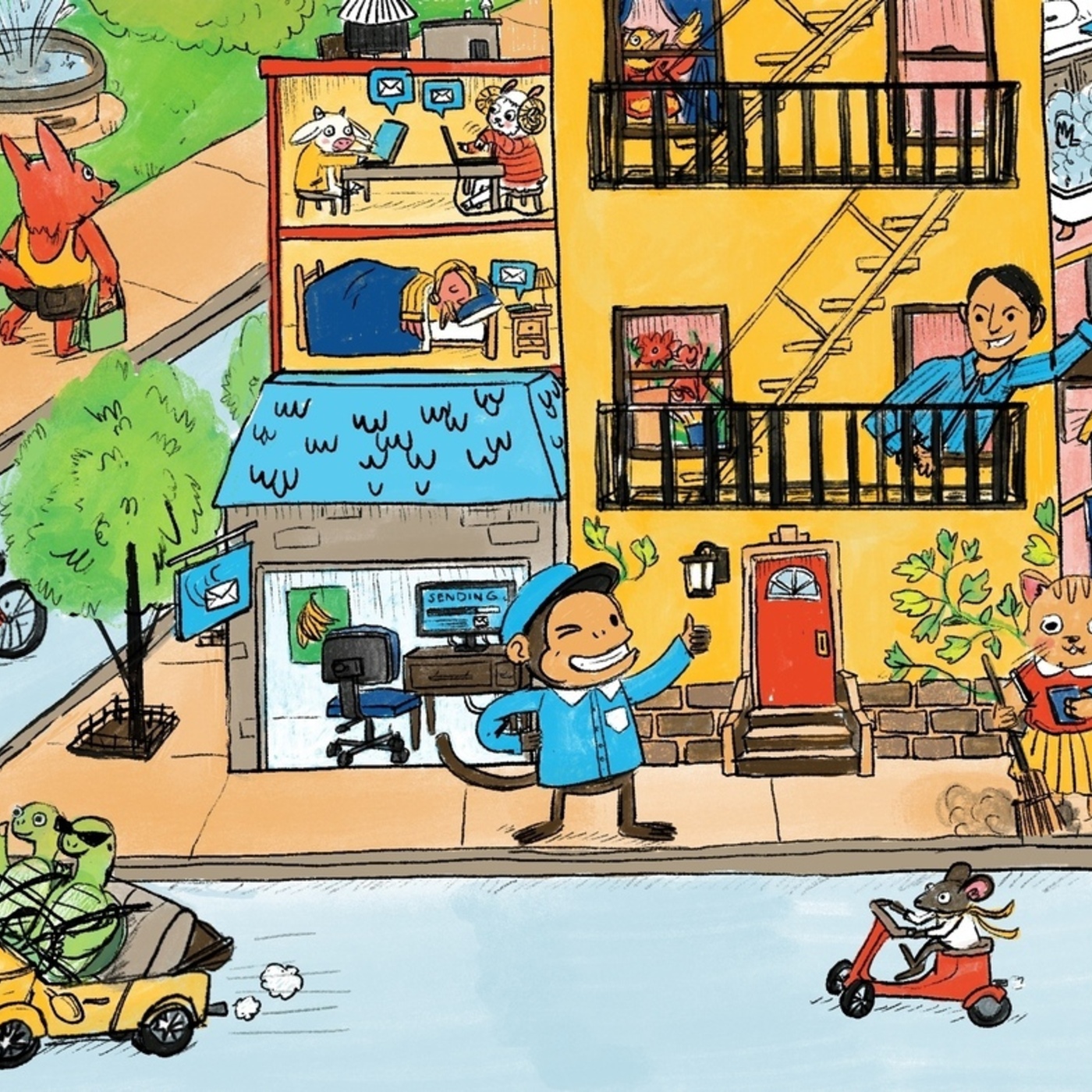
In the late 1990s, Ben Chestnut was a struggling young designer interning at an appliance company, when somebody suggested that he try designing for the internet instead. A few years later, Ben and two co-founders launched a web design agency, only to discover that the service they'd included almost as an afterthought—email marketing—was taking off among their small-business clients. The founders named that service Mailchimp and pivoted to it full-time in 2007, choosing a winking monkey as their mascot, and stumbling onto the Freemium model before it became mainstream. But their most impeccable timing came in 2014, when they decided to sponsor a new podcast called Serial, a move that catapulted the winking monkey into popular culture. Over the years, despite management jitters and a public reckoning over office culture, Mailchimp has remained profitable and self-funded, with revenue of $800 million in 2020.See Privacy Policy at https://art19.com/privacy and California Privacy Notice at https://art19.com/privacy#do-not-sell-my-info.

Ep 355Numi Organic Tea: Reem Hassani and Ahmed Rahim
When they were in their 20s, Reem Hassani and her brother Ahmed Rahim were not the kind of people you'd expect to launch a multi-million dollar business. Reem was a California artist moonlighting as a substitute teacher, and Ahmed had been living the bohemian life of a photojournalist in Europe. But these two children of immigrants from Iraq had an idea: to introduce the dried lime tea they remembered from their childhood to the U.S. Working out of Reem's 600-square-foot apartment in Oakland, the siblings learned all about the challenges of lining up importers, packagers, and retailers to launch a premium loose-leaf tea brand—meant to be slowly steeped and savored. More than twenty years after it's launch in 1999, Numi Organic Tea is a privately held B Corporation that sells tens of millions of dollars of Fair Trade, organic tea every year. See Privacy Policy at https://art19.com/privacy and California Privacy Notice at https://art19.com/privacy#do-not-sell-my-info.

Ep 354Casper: Philip Krim
In the early 2000's, Philip Krim launched an e-commerce business out of his college dorm, selling everything from window blinds to eczema cream to yes, mattresses. Years later, inspired by online successes like Warby Parker and Harry's, Philip and his partners launched Casper, a DTC company that designed its own mattresses, compressed them into boxes, and helped turn a mundane purchase into an Instagrammable adventure. Within months, sales began to take off; and soon, copycat brands crowded into the DTC mattress space, creating competition and buzz in a previously sleepy sector. (Pun unavoidable) Despite these challenges, Casper's valuation soared to $1 billion in 2019, only to shrink by half for its 2020 IPO. Today, Philip says he's focused on the future, with ambitions to build Casper into a one-stop-brand for all things sleep-related. See Privacy Policy at https://art19.com/privacy and California Privacy Notice at https://art19.com/privacy#do-not-sell-my-info.
Ep 353Live From The HIBT Summit: Cynt Marshall, Chieh Huang, and Sadie Lincoln on Leadership
Our first episode from the 2021 How I Built This Virtual Summit is from our leadership panel with Cynt Marshall, CEO of the Dallas Mavericks, Chieh Huang, CEO and co-founder of Boxed, and Sadie Lincoln, CEO and co-founder of Barre3. In this conversation with Guy, the panel talks about the importance of showing vulnerability, and how leaders can build trust within their teams. We'll be releasing more episodes from the Summit, so keep checking your podcast feed.See Privacy Policy at https://art19.com/privacy and California Privacy Notice at https://art19.com/privacy#do-not-sell-my-info.

Ep 352ARRAY: Filmmaker Ava DuVernay
By her early thirties, Ava DuVernay was already a successful entrepreneur, having founded her own film publicity agency in Los Angeles. But after years of watching other people make films, she started to get an itch to tell her own stories onscreen. Ava's first films were rooted in deeply personal experiences: growing up with her sisters in Compton, performing Hip Hop at Open Mic Night at the Good Life Café in L.A. Her self-funded and self-distributed projects began to draw attention, and in 2012, Ava won the award for best directing at the Sundance Film Festival. She went on to direct powerful projects like Selma, 13th, and When They See Us; and through her production and distribution company ARRAY, she's created a movement that is helping change how movies are made—and who gets to make them.See Privacy Policy at https://art19.com/privacy and California Privacy Notice at https://art19.com/privacy#do-not-sell-my-info.

Ep 351Expedia & Zillow: Rich Barton
In the early 90s, Rich Barton arrived to work at Microsoft just as the world wide web was taking off. He wound up pitching Bill Gates on an idea that was transformative at the time: to let everyday travelers book their own flights and hotels by giving them online access to previously hidden reservation systems. Expedia launched from inside Microsoft but was so successful at transforming the travel industry that it was spun out into a public company with Rich as CEO. Then in 2005, Rich moved on to a new idea with some Expedia colleagues, co-founding Zillow as a way to "turn on all the lights" in another sprawling industry: real estate. When the site launched in 2006, so many people tried to look up their home-value "Zestimates" that the site crashed within hours. By 2020, pandemic-era interest in housing saw Zillow accessed almost 10 billion times. See Privacy Policy at https://art19.com/privacy and California Privacy Notice at https://art19.com/privacy#do-not-sell-my-info.

Ep 350Jovial Foods: Carla Bartolucci
Carla Bartolucci grew up in an Italian-American household, eating fresh gnocchi and ravioli made by her mother, and lobster caught by her father. She met her husband Rodolfo while studying abroad in Italy; and by the early 1990's, the two of them were running a small sandwich shop in Mystic, Connecticut. They eventually partnered with the Italian company Bionaturae to sell whole wheat pastas, sauces and olive oil in the U.S. When that partnership ended in a lawsuit, Carla decided to launch her own brand of pasta, made from gluten-free grains and a prehistoric wheat called Einkorn. Jovial Foods has since grown into a multi-million dollar brand that includes organic tomatoes, olive oil, and snacks.Very sadly, Carla passed away unexpectedly last month after a brief illness. We're sharing this interview in celebration of her remarkable life and career.See Privacy Policy at https://art19.com/privacy and California Privacy Notice at https://art19.com/privacy#do-not-sell-my-info.

Ep 349JetBlue Airways: David Neeleman (2019)
In the mid-90s, David Neeleman wanted to launch a new airline. He had already co-created a regional airline out of Salt Lake City that was acquired by Southwest. And despite his admiration of Southwest's business model, Neeleman felt there was a market for a different kind of budget airline. He envisioned flights to cities other budget airlines avoided and excellent customer service, with high-tech amenities. In 2000, he launched JetBlue and in its first year, the company flew over 1 million people, and cultivated a loyal customer following. Then came the 2007 Valentine's Day ice storm. See Privacy Policy at https://art19.com/privacy and California Privacy Notice at https://art19.com/privacy#do-not-sell-my-info.
Ep 348Meet The HIBT Fellows: Dinesh Tadepalli & Jennifer Zeitler
As a part of the 2021 How I Built This Summit (At Home) we have selected 10 Fellows, and we'd like to introduce you to all of them. In this episode: Dinesh Tadepalli is the co-founder of Incredible Eats, which he hopes will reduce plastic use, and reinvent the way we eat. Also, Jennifer Zeitler founded Let's Goat Buffalo, to offer a natural alternative to harmful chemicals and heavy machinery for land management; that solution: goats.How I Built This Summit - information and tickets at:http://summit.npr.orgSee Privacy Policy at https://art19.com/privacy and California Privacy Notice at https://art19.com/privacy#do-not-sell-my-info.
Ep 347Policygenius: Jennifer Fitzgerald
Some of the world's biggest industries sell products that we all need...but don't want to think about. That's what drew Jennifer Fitzgerald to insurance: she wanted to help people understand the often bewildering world of protecting themselves in case of emergencies. In 2013, she and her partner Francois de Lame left their stable and lucrative consulting jobs to create Policygenius, an online marketplace for insurance that lets consumers compare rates and learn everything they need to know to make informed decisions about their financial future. At the beginning, Jennifer couldn't convince investors to take a chance on the company, and faced rejection after rejection as she tried to hold on to a handful of customers. But by building a relationship with the financial blogging community—and leaning in to a few well-placed financial technology puns—Policygenius got a foot in the door. By 2020, Jennifer and her team had raised over $100 million, and the company now has more than 30 million users.How I Built This Summit - information and tickets at:http://summit.npr.orgSee Privacy Policy at https://art19.com/privacy and California Privacy Notice at https://art19.com/privacy#do-not-sell-my-info.
Ep 346Meet The HIBT Fellows: Kaitlin McGreyes & Nicole Argüelles
As a part of the 2021 How I Built This Summit (At Home) we have selected 10 Fellows, and we'd like to introduce you to each of them. In this episode: Kaitlin McGreyes founded Be Her Village to be a gift registry for expectant families that provides more than just...stuff. And Nicole Argüelles founded Alli to address period poverty and provide easy access to personal care and hygiene products in public spaces.How I Built This Summit - information and tickets at:http://summit.npr.orgSee Privacy Policy at https://art19.com/privacy and California Privacy Notice at https://art19.com/privacy#do-not-sell-my-info.
Ep 345Meet The HIBT Fellows: Mark Atlan & Zach Correa
As a part of the 2021 How I Built This Summit (At Home) we have selected 10 Fellows, and we'd like to introduce you to each of them. In this episode: Mark Atlan co-founded ZappCare to help make sure that people living on tribal lands have access to health and medical services close to their homes. And Zach Correa hopes to connect users of lemonGRAFT to the people in their own neighborhood that grow fresh produce.How I Built This Summit - information and tickets at:http://summit.npr.orgSee Privacy Policy at https://art19.com/privacy and California Privacy Notice at https://art19.com/privacy#do-not-sell-my-info.
Ep 344Diapers.com & Jet.com: Marc Lore
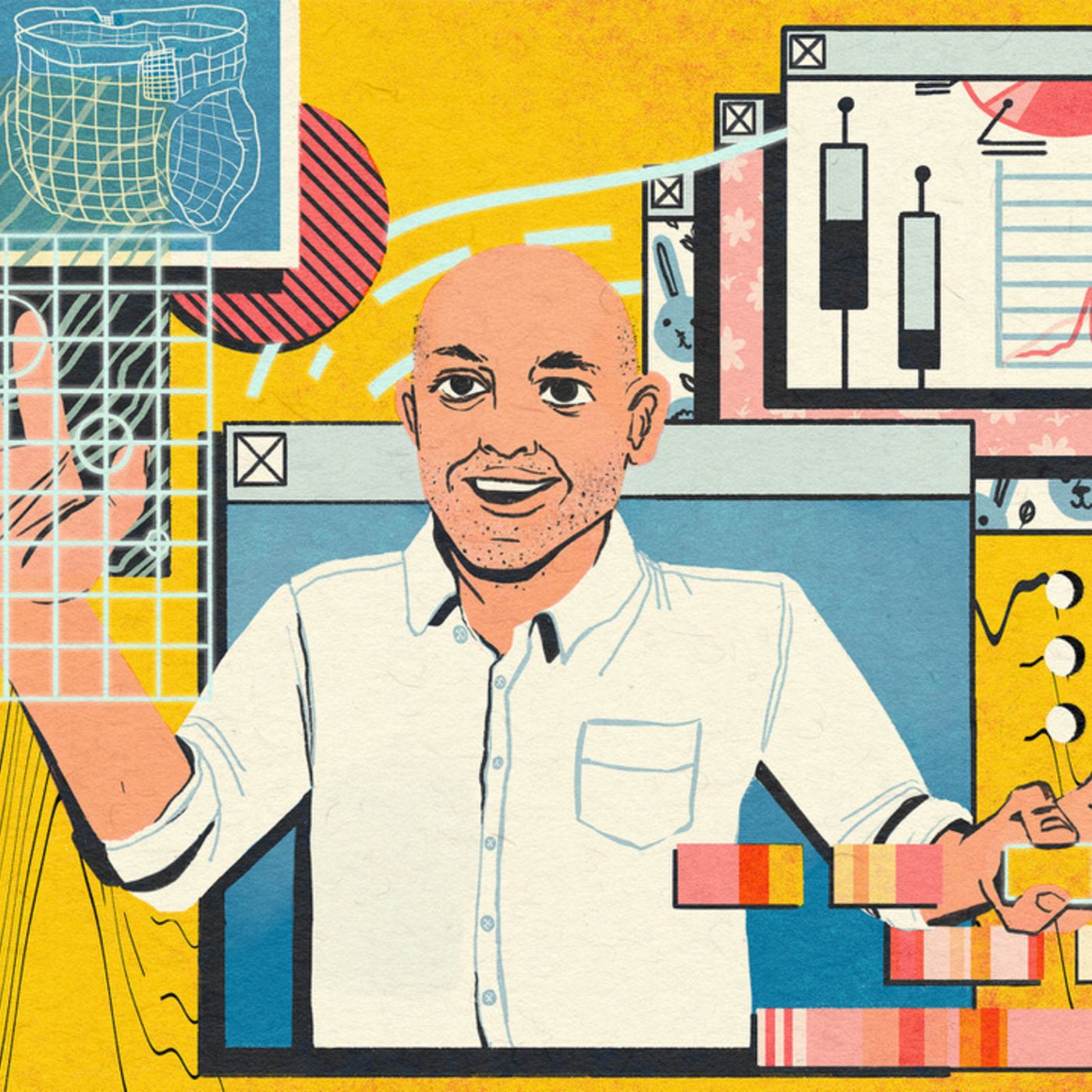
Around 2003, after forays into banking, baseball cards, and—believe it or not—bobsledding, Marc Lore landed on an idea for an e-commerce business: a website to make it simple for parents to order diapers. The only problem, as he quickly discovered, was that it's impossible to make money selling diapers on the internet. But Marc and his co-founder had a strategy: they'd lose money on diapers, but make it up by selling other baby products. By 2010, Diapers.com was such a competitive threat that Amazon acquired the company for over $500 million. In 2015, Marc launched another e-commerce venture and Amazon competitor called Jet.com. Walmart bought Jet.com less than a year later in a deal valued at $3.3 billion.How I Built This Summit - information and tickets at:http://summit.npr.orgSee Privacy Policy at https://art19.com/privacy and California Privacy Notice at https://art19.com/privacy#do-not-sell-my-info.
Ep 343Meet The HIBT Fellows: Katie Mitchell & Celena Gill
As a part of the 2021 How I Built This Summit (At Home) we have selected 10 Fellows, and we'd like to introduce you to them over the next couple weeks. In this episode: Katie Mitchell and her mother Katherine opened a book shop in Atlanta called Good Books, that centers Black authors and brings books into the community. And in Washington, D.C., Celena Gill and her three sons, Collin, Ryan, and Austin, started the home fragrance and candle company, Frères Branchiaux.How I Built This Summit - information and tickets at:http://summit.npr.orgSee Privacy Policy at https://art19.com/privacy and California Privacy Notice at https://art19.com/privacy#do-not-sell-my-info.
Ep 342Meet The HIBT Fellows: Pierre Paul & Toby Egbuna
As a part of the 2021 How I Built This Summit (At Home) we have selected 10 Fellows, and we'd like to introduce you to them over the next couple weeks. In this episode: Pierre Paul, founder of a company called We Hear You that's developing a sign language translator that turns American Sign Language into audible speech and vice versa. Also, Toby Egbuna, co-founder of Chezie, a platform for job seekers aimed at creating career opportunities for people from under-represented groups.How I Built This Summit - information and tickets at:http://summit.npr.orgSee Privacy Policy at https://art19.com/privacy and California Privacy Notice at https://art19.com/privacy#do-not-sell-my-info.

Ep 341Cisco Systems & Urban Decay: Sandy Lerner (2018)
In the pre-Internet 1970's, Sandy Lerner was part of a loosely-knit group of programmers that was trying to get computers to talk to each other. Eventually, she and Len Bosack launched Cisco Systems, making the routing technology that helped forge the plumbing of the Internet. But when things turned sour at the company, she was forced to leave, giving her the chance to start something entirely new: an edgy line of cosmetics called Urban Decay.How I Built This Summit - information and tickets at:http://summit.npr.orgSee Privacy Policy at https://art19.com/privacy and California Privacy Notice at https://art19.com/privacy#do-not-sell-my-info.

Ep 340Live Episode! Clubhouse: Paul Davison and Rohan Seth
After selling both of their social app companies and rethinking their day jobs, Paul Davison and Rohan Seth knew they should not get into the volatile business of social media again. Despite exploring more practical ideas in other industries, they were found themselves drawn to the potential of live social audio, and decided they had to build another social app. What they didn't know was that, as they launched Clubhouse in March 2020, a global pandemic would create a new market of people looking for virtual spaces to connect. Today, despite issues with chat moderation, an invitation-only launch and increasing competition from established media companies, Clubhouse has continued to grow and now has over 10 million users. This interview was recorded live as part of a virtual event in April 2021.How I Built This Summit - information and tickets at:http://summit.npr.orgSee Privacy Policy at https://art19.com/privacy and California Privacy Notice at https://art19.com/privacy#do-not-sell-my-info.
Ep 339Eleven Madison Park: Daniel Humm
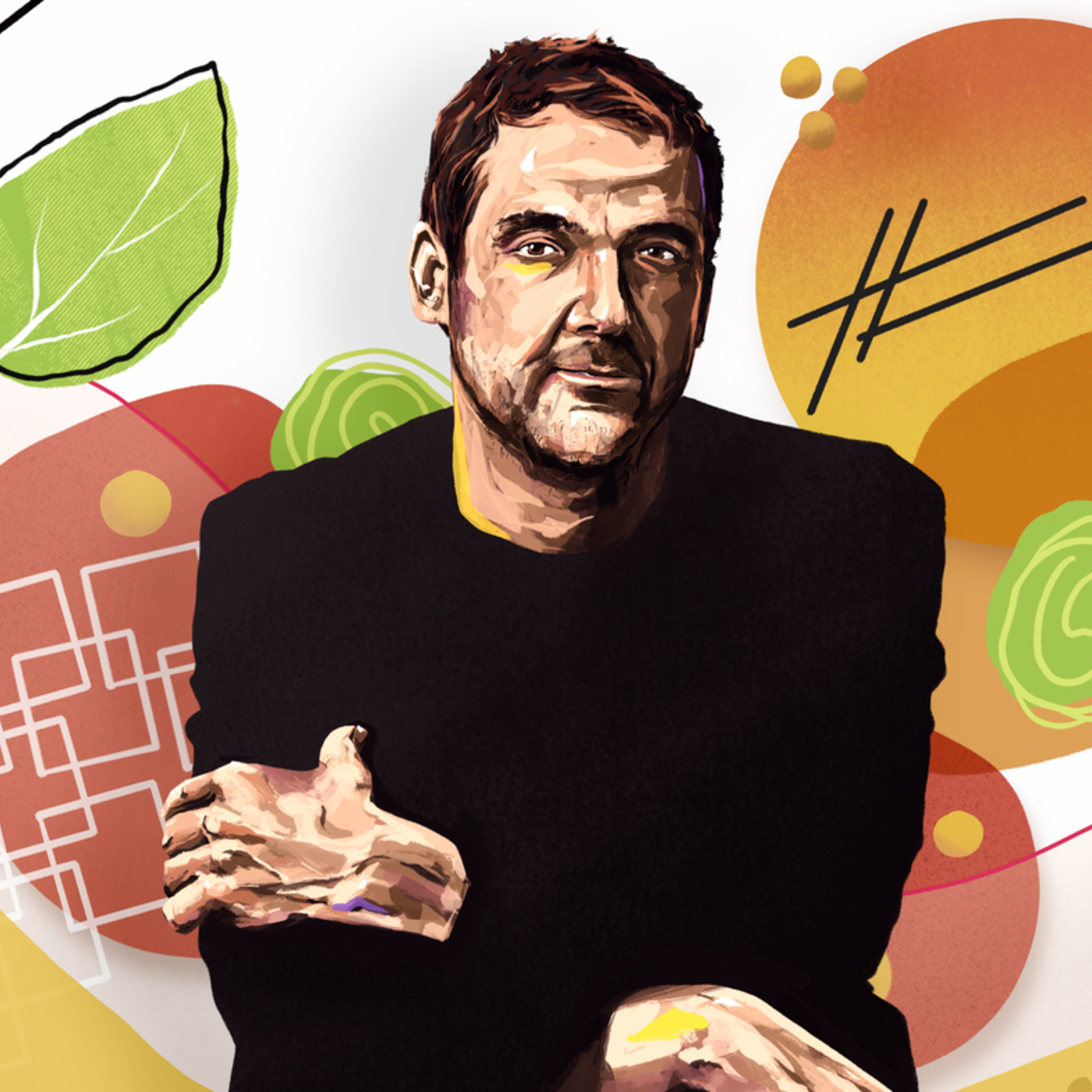
Daniel Humm dropped out of school at 14 to become a competitive cyclist, and supported himself by cutting vegetables and making soup stock at fine restaurants in Switzerland. When he eventually realized he'd never become a world-class cyclist, he pivoted to the equally competitive world of fine dining, and soon became a rising young chef in Switzerland, and then San Francisco. In 2006, he was wooed to New York to re-imagine the restaurant Eleven Madison Park, and began drawing raves for his painterly presentations of duck, foie gras, and suckling pig. The restaurant was recognized in 2017 as the world's best, but was forced to shut down during the pandemic. When it reopens in June, it will generate a new buzz in gastronomy: this time by revamping its menu to be entirely plant-based. How I Built This Summit - information and tickets at:http://summit.npr.orgSee Privacy Policy at https://art19.com/privacy and California Privacy Notice at https://art19.com/privacy#do-not-sell-my-info.

Ep 338Live Episode! Wellness Coach and Podcaster: Jay Shetty
Jay Shetty was living the life of a rebellious teen in London when a friend talked him into attending a talk by a Hindu monk. It was a life-changing event, and started Jay on a path to become a monk himself and join an ashram in India. He left monastic life after three years, but took many of its lessons with him, and decided to share them with others. His YouTube videos began to spread on social media and eventually evolved into a podcast, and the best-selling book Think Like a Monk. Today Jay runs a wellness and coaching business, and provides life guidance to millions of people around the world. This interview was recorded live as part of a virtual event in March 2021.How I Built This Summit - information and tickets at:http://summit.npr.orgSee Privacy Policy at https://art19.com/privacy and California Privacy Notice at https://art19.com/privacy#do-not-sell-my-info.

Ep 337Pipcorn: Jennifer and Jeff Martin
While working at a farmers market in Chicago, Jennifer Martin had a Jack-in-the-Beanstalk moment—a chance encounter with some tiny kernels, which wound up growing into a small giant of a business: Pipcorn, snacks made of heirloom corn. Along with her brother Jeff and sister-in-law Teresa, Jennifer launched the brand in 2012, hand-popping mounds of popcorn and hand-stamping the packaging. Within a few months, the team was featured on Oprah, and within a few years, they were on Shark Tank, but each time the publicity nearly derailed them, forcing them to scramble to meet demand. Today, Pipcorn has expanded to include crackers, dippers, and cheese balls, and is sold in more than 10,000 stores across the country.How I Built This Summit - information and tickets at:http://summit.npr.orgSee Privacy Policy at https://art19.com/privacy and California Privacy Notice at https://art19.com/privacy#do-not-sell-my-info.

Ep 336How I Built Resilience: Bayard Winthrop of American Giant
Bayard Winthrop is the CEO and founder of American Giant, known for its American-made hoodies, t-shirts and jeans. When the pandemic brought on production holds and storefront closures, Bayard found himself working from his car parked in front of his house. He speaks with Guy about the growth American Giant saw last year due to the increased demand for comfortable work-from-home clothing, and he offers advice on how to incentivize other companies to produce their clothing in the US. These conversations are excerpts from our How I Built Resilience series, where Guy talks online with founders and entrepreneurs about how they're navigating turbulent times. How I Built This Summit - information and tickets at:http://summit.npr.orgSee Privacy Policy at https://art19.com/privacy and California Privacy Notice at https://art19.com/privacy#do-not-sell-my-info.
Ep 335SoulCycle: Julie Rice & Elizabeth Cutler (2019)
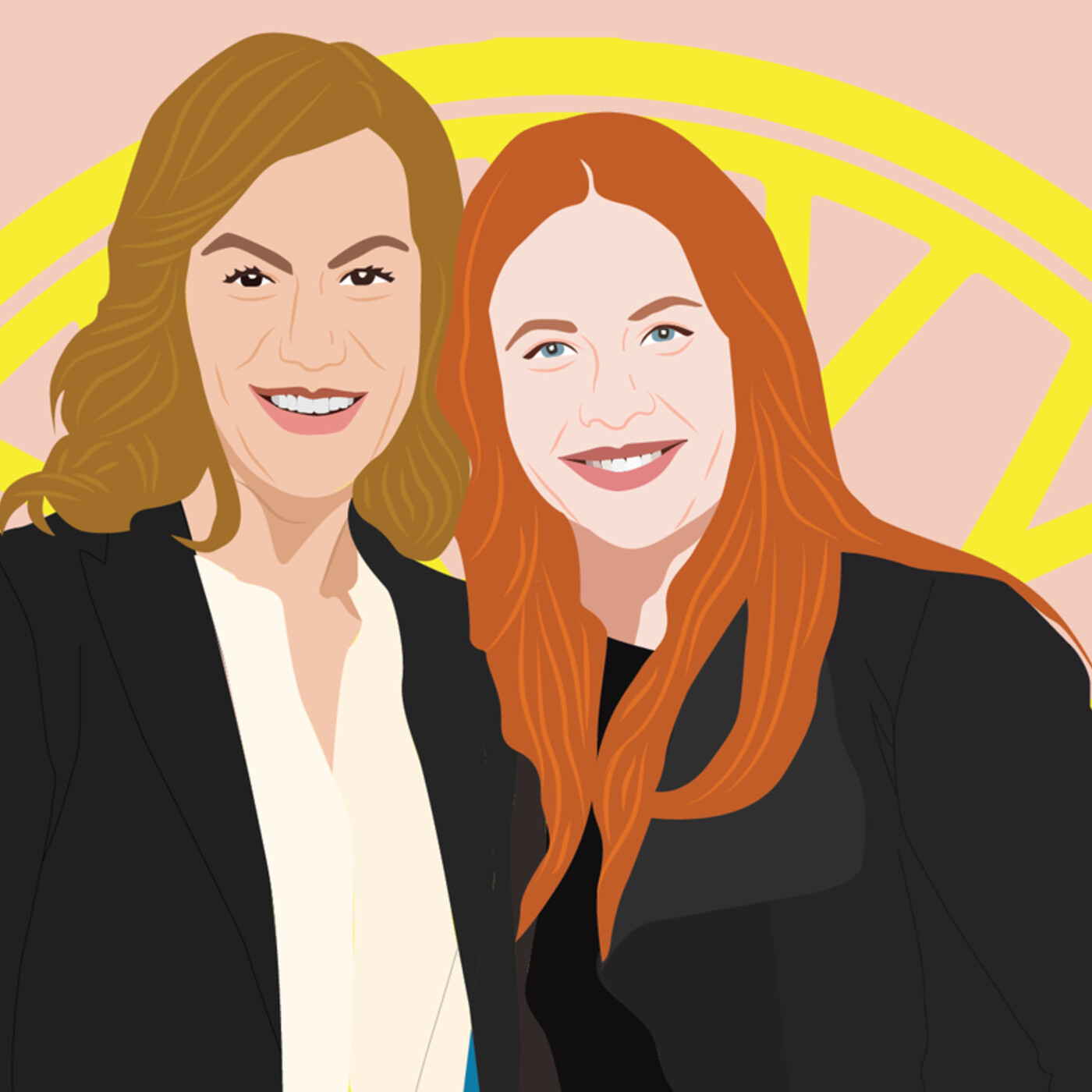
Before Elizabeth Cutler and Julie Rice met, they shared a common belief: New York City gyms didn't have the kind of exercise classes they craved, and each of them wanted to change that. A fitness instructor introduced them over lunch in 2005, and before the meal was done they were set on opening a stationary bike studio, with a chic and aspirational vibe. A few months later, the first SoulCycle opened in upper Manhattan. Since then, SoulCycle has cultivated a near-tribal devotion among its clients, with studios across the United States and Canada.How I Built This Summit - information and tickets at:http://summit.npr.orgSee Privacy Policy at https://art19.com/privacy and California Privacy Notice at https://art19.com/privacy#do-not-sell-my-info.

Ep 334How I Built Resilience: Lindsay Peoples Wagner of The Cut
Lindsay Peoples Wagner got her first taste of the fashion industry interning at Teen Vouge, where she cleaned massive closets filled with the season's latest trends. She eventually went on to serve as the publication's editor-in-chief for nearly three years. During this pandemic, she left her job at Teen Vouge and took on two new roles: the editor-in-chief of The Cut, a digital publication, and the co-founder of the Black in Fashion Council. Lindsay shares how the Black in Fashion Council is addressing inequalities within the fashion industry, and offers advice for young journalists trying to break into publishing. These conversations are excerpts from our How I Built Resilience series, where Guy talks online with founders and entrepreneurs about how they're navigating turbulent times.See Privacy Policy at https://art19.com/privacy and California Privacy Notice at https://art19.com/privacy#do-not-sell-my-info.
Ep 333Robinhood: Vlad Tenev
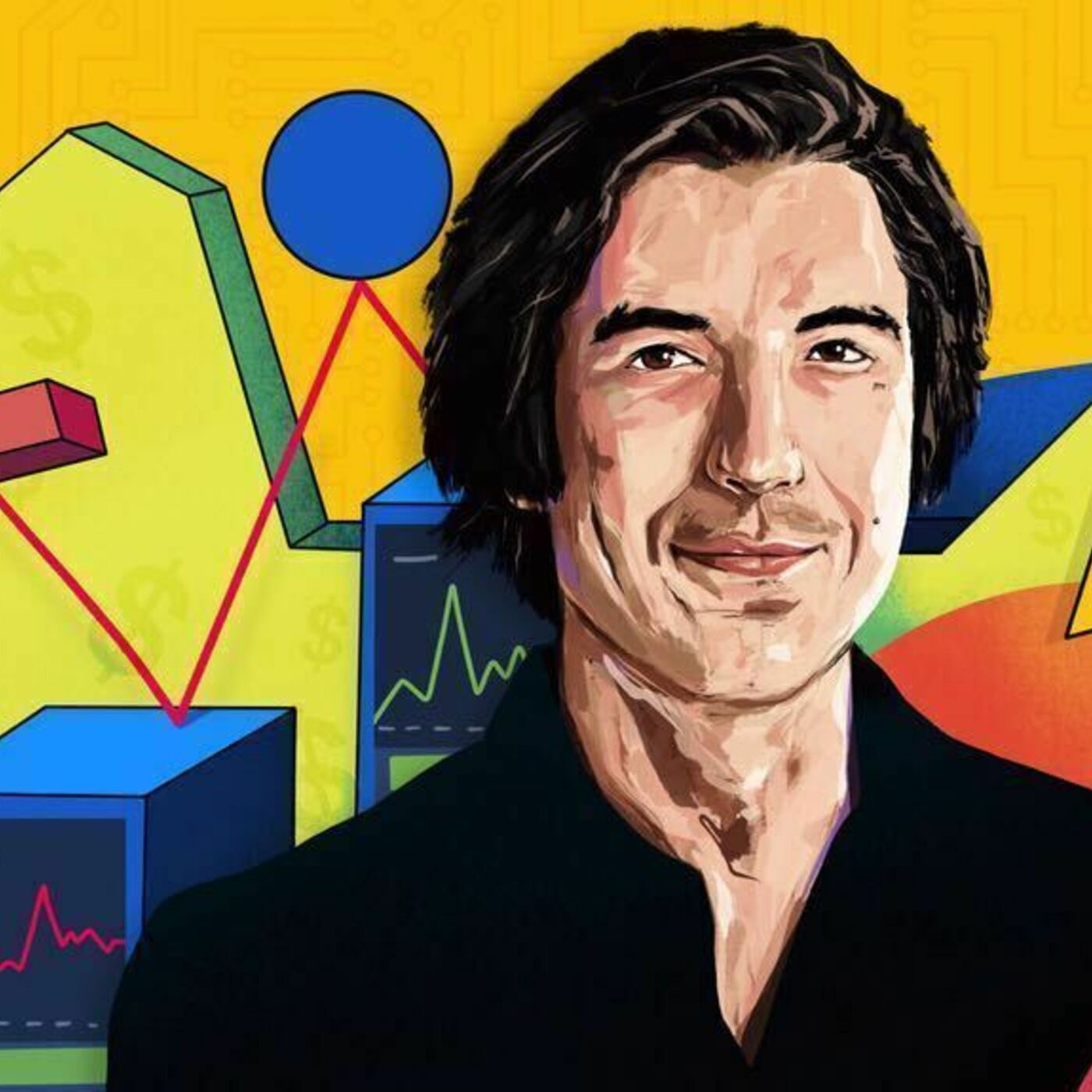
Before Robinhood became one of the most loved and most hated stock trading platforms in the U.S., it was just another tech startup, launched by two mathematicians with an audacious idea: make stock trading mobile, make it fun, and make it free—with no commissions, and no minimum balances. In 2013, Vlad Tenev and Baiju Bhatt decided to pursue this idea full-time. They sidelined their first business—selling software that shaved milliseconds off high-speed trades—and began building an app aimed at anyone with a smartphone and a few extra dollars to invest. After launching in 2015, Robinhood steadily attracted users and rave reviews, but soon drew criticism for its business model, which came under even more scrutiny after the GameStop trading frenzy in January. Despite these challenges, Robinhood has grown to 13 million users and is now poised for a lucrative IPO.How I Built This Summit - information and tickets at:http://summit.npr.orgSee Privacy Policy at https://art19.com/privacy and California Privacy Notice at https://art19.com/privacy#do-not-sell-my-info.

Ep 332How I Built Resilience: Ethan Diamond of Bandcamp
In the early 2000s, the online music community was defined by MySpace, illegally downloaded music, and poorly made band websites. Then came Bandcamp – a music marketplace where fans can directly and easily support their favorite musicians. The company has steadily grown since its launch in 2007, but last year traffic and sales surged. CEO and co-founder Ethan Diamond talks with Guy about launching a virtual concert space in the pandemic and why the company started Bandcamp Friday, a monthly event where all processing fees are waived and all funds go directly to the artists. These conversations are excerpts from our How I Built Resilience series, where Guy talks online with founders and entrepreneurs about how they're navigating turbulent times.See Privacy Policy at https://art19.com/privacy and California Privacy Notice at https://art19.com/privacy#do-not-sell-my-info.

Ep 331Food52: Amanda Hesser
In the early 1990s, as Amanda Hesser's college friends were interviewing for their first cubicle jobs, she chose a different path: one that led straight into the kitchens of Europe, where she cooked traditional recipes and learned the rhythm of the seasons from a crusty French gardener. By 24, she had landed a book deal and one of the most coveted jobs in journalism: writing about food for the New York Times. But over time she grew restless, and in 2008, gave up that dream job—and the stability that went with it—to become an entrepreneur. When her first business fizzled out, Amanda took a financial risk by pivoting again to launch a new company: Food52. Part food blog, part e-commerce site for all things kitchen and home, Food52 is now valued at roughly $100 million and achieved profitability for the first time in 2020—during the pandemic.How I Built This Summit - information and tickets at:http://summit.npr.orgSee Privacy Policy at https://art19.com/privacy and California Privacy Notice at https://art19.com/privacy#do-not-sell-my-info.
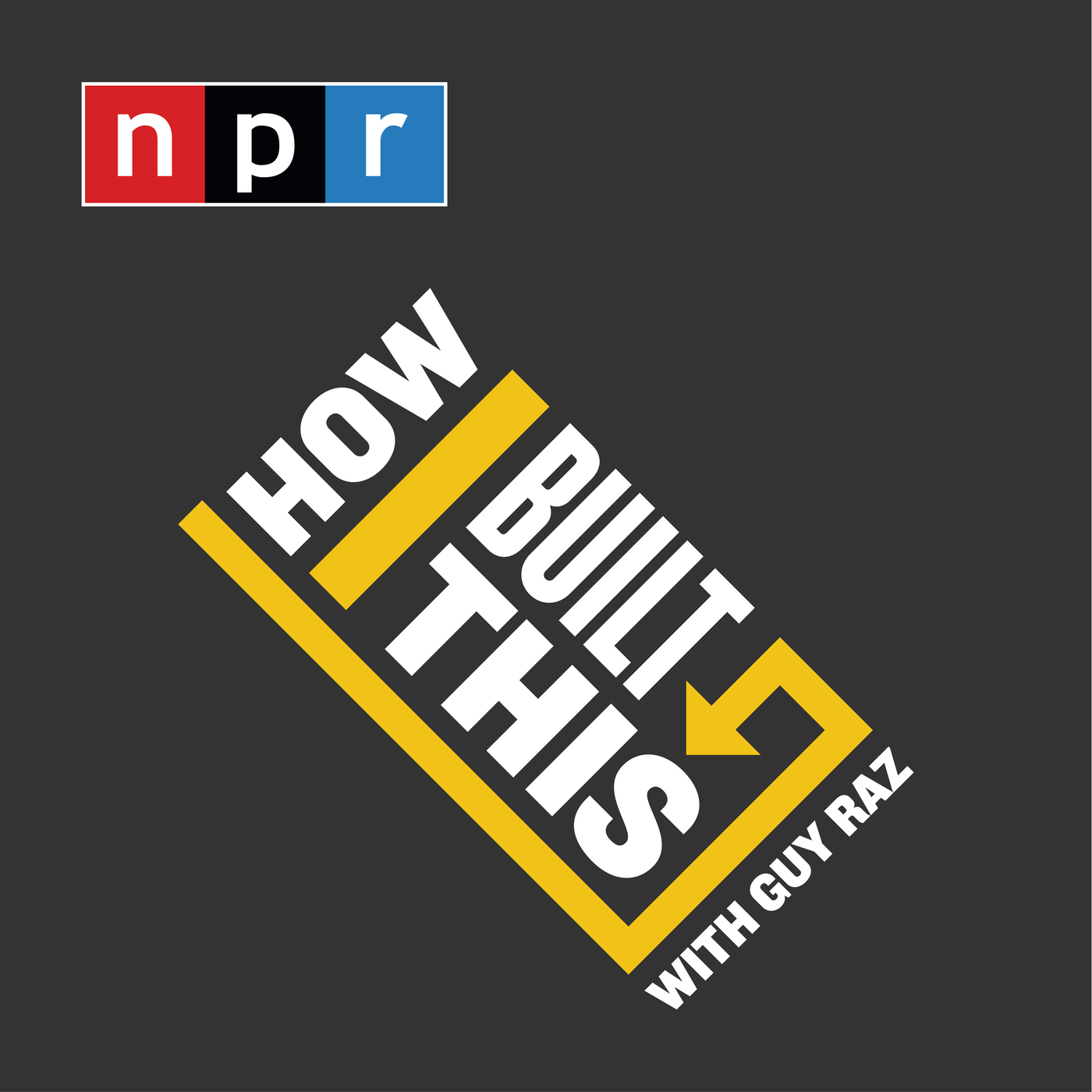
Ep 330How I Built Resilience: Kara Goldin of Hint
After giving up diet soda, Kara Goldin started adding fresh fruit to her drinking water to make it more fun. This inspired her to create Hint water, a line of unsweetened flavored water beverages that are now available in over 30,000 stores nationwide. Kara shares how sales have almost doubled as Hint invested in e-commerce during the pandemic, and offers her advice for entrepreneurs trying to break into saturated market spaces like the beverage industry. These conversations are excerpts from our How I Built Resilience series, where Guy talks online with founders and entrepreneurs about how they're navigating turbulent times.See Privacy Policy at https://art19.com/privacy and California Privacy Notice at https://art19.com/privacy#do-not-sell-my-info.

Ep 329UPPAbaby: Bob and Lauren Monahan
As a product developer, Bob Monahan worked with some iconic brands: the Pump at Reebok, the Taurus and Mustang at Ford. When he moved on to work at a baby products company, he happened to discover another set of wheels that caught his eye: a sleek-looking stroller that could accommodate a car-seat or a bassinet. Bob was itching to start his own venture, so in 2006, with the help of his wife Lauren, he launched UPPAbaby and started selling a European-style stroller at an "entry-level luxury" price. As a dad himself, Bob guessed that other dads would be intrigued by UPPAbaby's design; meanwhile, big-name celebrities started to use the stroller, and photos of them pushing it helped accelerate sales. The brand grew quickly, and 15 years after its launch, UPPAbaby employs over 100 people and sells strollers in more than 50 countries.How I Built This Summit - information and tickets at:http://summit.npr.orgSee Privacy Policy at https://art19.com/privacy and California Privacy Notice at https://art19.com/privacy#do-not-sell-my-info.

Ep 328How I Built Resilience: Vivian Ku, Restaurateur
Vivian Ku is a Taiwanese-American restaurateur who owns three different Taiwanese restaurants in Los Angeles. After the pandemic halted her plans for expansion, Vivian decided to close her two restaurants until May and pivoted her expansion plans into a breakfast pop-up. Vivian talks to Guy about why she decided to serve Taiwanese food and the pros and cons of opening a restaurant during a pandemic. These conversations are excerpts from our How I Built Resilience series, where Guy talks online with founders and entrepreneurs about how they're navigating turbulent times.See Privacy Policy at https://art19.com/privacy and California Privacy Notice at https://art19.com/privacy#do-not-sell-my-info.

Ep 327Hinge: Justin McLeod
In 2010, Justin McLeod was in business school, still trying to get over a bad breakup that had happened years before. Determined to solve his own problem and convinced that the best way to meet people was through friends of friends, he built an app to replicate that experience. Gradually, Hinge grew into a streamlined swiping platform that yielded mixed results: good dates, bad hookups, mismatched swipes, and missed opportunities. Disappointed with this outcome and inspired by a sudden twist in his own love life, Justin redesigned Hinge as an app for finding meaningful relationships, with the tag line "designed to be deleted." Today, Hinge is owned by Match Group and is one of the most popular dating apps in the U.S.How I Built This Summit - information and tickets at:http://summit.npr.orgSee Privacy Policy at https://art19.com/privacy and California Privacy Notice at https://art19.com/privacy#do-not-sell-my-info.

Ep 326How I Built Resilience: Lisa Baird of National Women's Soccer League
Lisa Baird stepped in as commissioner of the National Women's Soccer League in March 2020 and just two days into her job the entire multi-billion dollar sports industry went dark. Lisa talks with Guy about the difficulties the league overcame to launch their Challenge Cup tournament last summer, and the need for equal coverage of women's sports. These conversations are excerpts from our How I Built Resilience series, where Guy talks online with founders and entrepreneurs about how they're navigating turbulent times.See Privacy Policy at https://art19.com/privacy and California Privacy Notice at https://art19.com/privacy#do-not-sell-my-info.
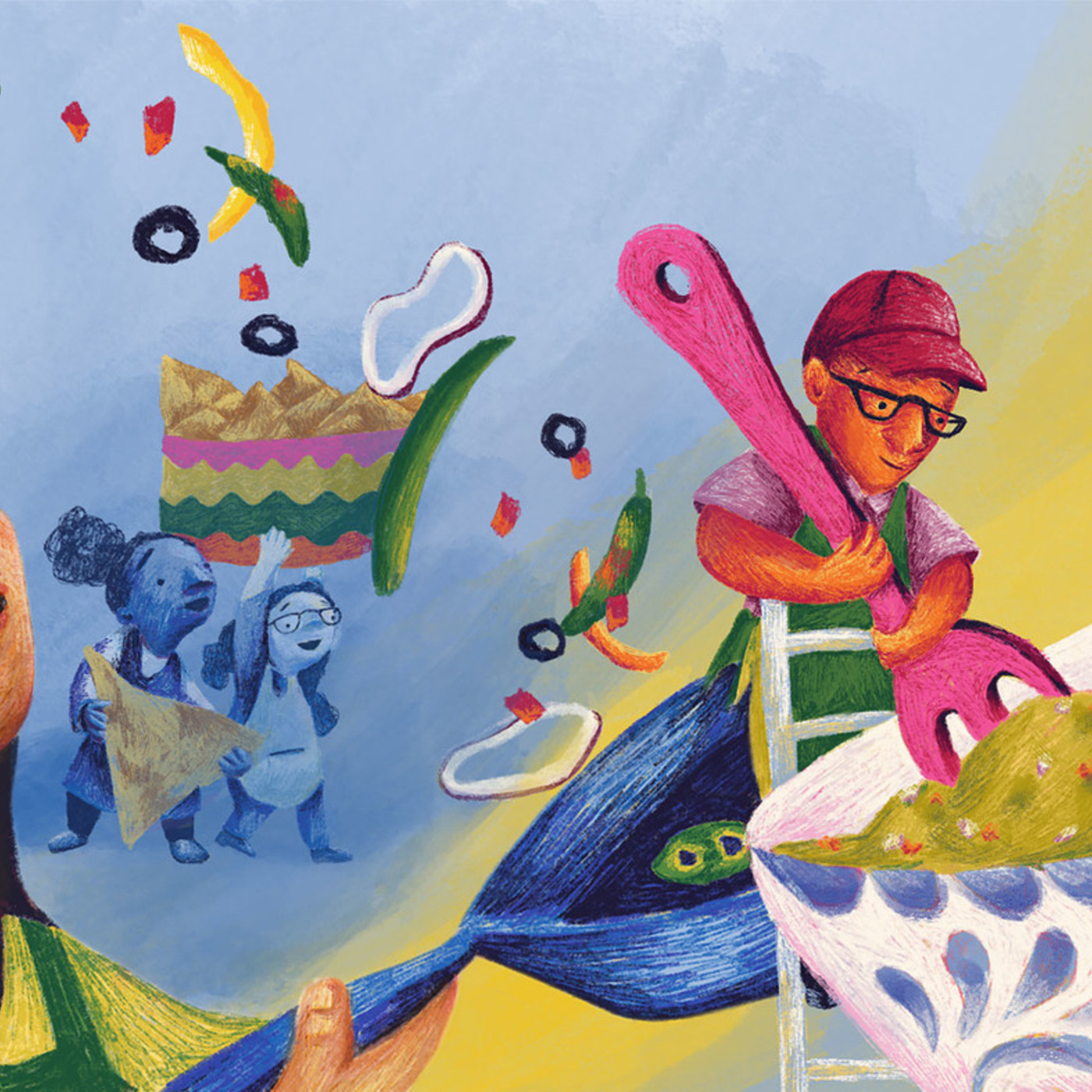
Ep 325Siete Family Foods: Miguel and Veronica Garza
Miguel and Veronica Garza grew up in Laredo, Texas, in the kind of family that did almost everything together. So when Veronica realized that a grain-free diet was helping her cope with debilitating health issues, the rest of the family—all six of them—adopted the same paleo-friendly diet. Soon Veronica was making her own almond flour tortillas at home and selling them at a CrossFit gym that the Garza family had launched in Laredo. The grain-free tortillas were a hit, and by 2016, Siete Family Foods products were being sold in Whole Foods Markets across the country. Today, Veronica and Miguel head the company with the help of the whole family, and Siete has become one of the fastest-growing Mexican-American food brands in the U.S.How I Built This Summit - information and tickets at:http://summit.npr.orgSee Privacy Policy at https://art19.com/privacy and California Privacy Notice at https://art19.com/privacy#do-not-sell-my-info.

Ep 324How I Built Resilience: Shan-Lyn Ma of Zola
With the wedding industry dramatically impacted by the pandemic, co-founder and CEO of Zola, Shan-Lyn Ma decided to pivot. Instead of just wedding planning, Zola would expand to include livestreaming virtual weddings as well as an e-commerce marketplace for home goods. Shan-Lyn talks with Guy about her forecast for the wedding industry this year and how to get more girls interested in entrepreneurship. These conversations are excerpts from our How I Built Resilience series, where Guy talks online with founders and entrepreneurs about how they're navigating turbulent times.See Privacy Policy at https://art19.com/privacy and California Privacy Notice at https://art19.com/privacy#do-not-sell-my-info.
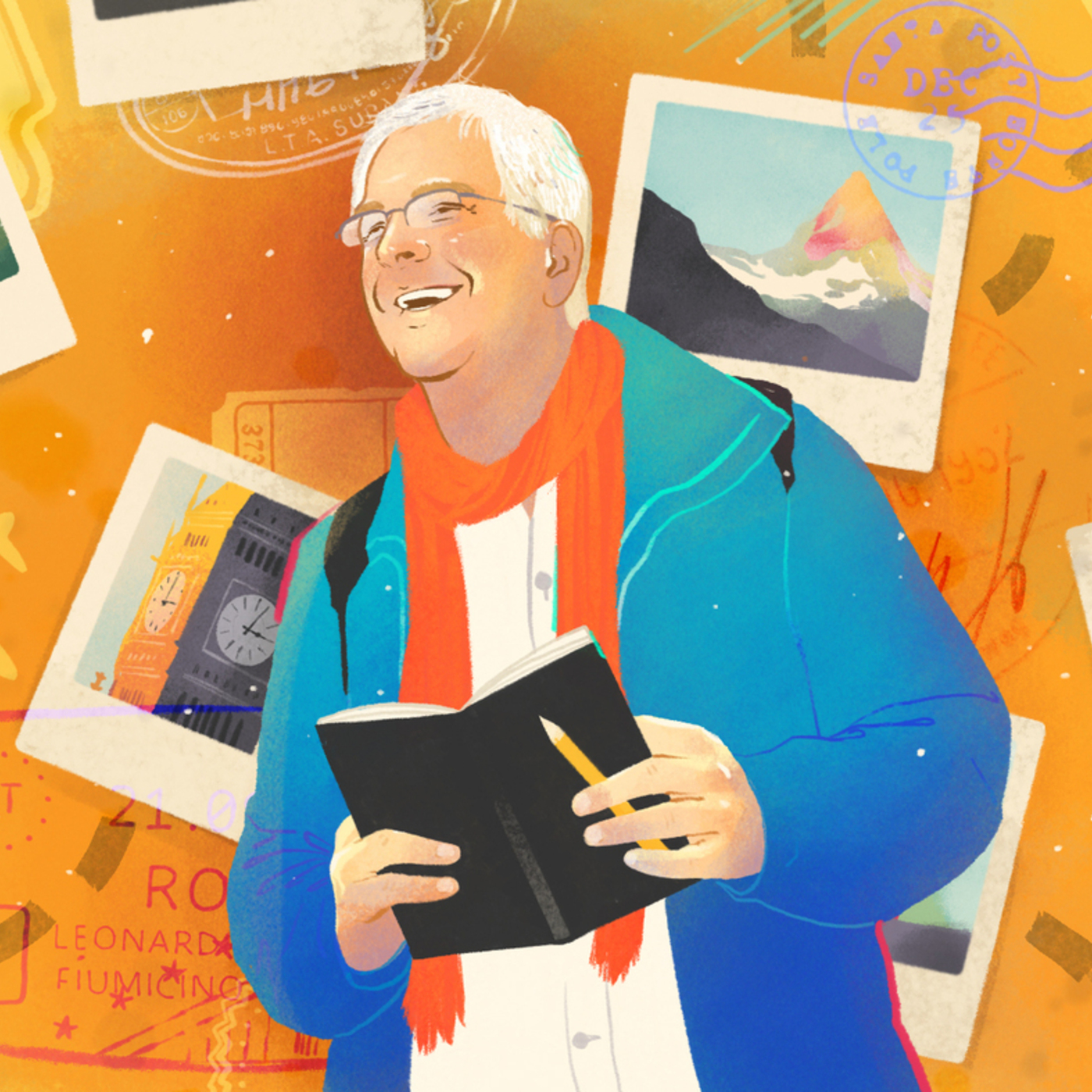
Ep 323Rick Steves' Europe: Rick Steves
Rick Steves spent the summer after high school backpacking through Europe on two dollars a day—sleeping on the floor, sneaking into museums, and subsisting on a diet of bread and jam. When he came home, he found people were hungry for tips on how to visit Europe on the cheap, so he began teaching classes, and was soon hawking a self-published guidebook out of his car. Eventually, he started leading minibus tours and hosting a travel show on Public TV, steadily growing his business even though he was giving away most of his content. Despite the challenges of the pandemic, his no-frills approach to travel has persisted as a powerful brand, with 70 guidebooks, an ever-popular travel show, and—in 2019—an annual revenue of $100 million. For more information on the HIBT Fellowship visit: https://summit.npr.org/fellowsSee Privacy Policy at https://art19.com/privacy and California Privacy Notice at https://art19.com/privacy#do-not-sell-my-info.

Ep 322How I Built Resilience: Alex Lieberman and Austin Rief of Morning Brew
Six years ago, Morning Brew started out as a fun business newsletter Alex Lieberman and Austin Rief wrote for their classmates out of their University of Michigan dorm room. The company now has over 2.5 million subscribers with multiple newsletters and a podcast, and last year Business Insider paid about 75 million dollars for a majority stake in Morning Brew. Alex and Austin talk to Guy about the organic unpaid marketing they relied on in college to build up their readership, and they predict shifts in how we will consume news in the next five years. These conversations are excerpts from our How I Built Resilience series, where Guy talks online with founders and entrepreneurs about how they're navigating turbulent times.See Privacy Policy at https://art19.com/privacy and California Privacy Notice at https://art19.com/privacy#do-not-sell-my-info.

Ep 321Canva: Melanie Perkins (2019)
When she was just 19 years old, Melanie Perkins dreamt of transforming the graphic design and publishing industries. But she started small, launching a site to make yearbook design simpler and more collaborative. Her success with that first venture—and an unexpected meeting with a VC investor—eventually landed her the backing to pursue her original idea, and the chance to take on software industry titans like Adobe and Microsoft. Today, Melanie's online design platform Canva is valued at $6 billion, joining the list of Australia's "unicorn" companies.For more information on the HIBT Fellowship visit: https://npr.org/fellowsSee Privacy Policy at https://art19.com/privacy and California Privacy Notice at https://art19.com/privacy#do-not-sell-my-info.

Ep 320How I Built Resilience: Troy Carter of Q&A (June, 2020)
Music manager and entrepreneur Troy Carter spoke to Guy last June, as the pandemic was worsening and the country was shaken by racial unrest. Troy spoke about the profound impact of these events on him personally, as well as on the music industry. These conversations are excerpts from our How I Built Resilience series, where Guy talks online with founders and entrepreneurs about how they're navigating turbulent times.See Privacy Policy at https://art19.com/privacy and California Privacy Notice at https://art19.com/privacy#do-not-sell-my-info.