
How I Built This with Guy Raz
871 episodes — Page 15 of 18

Ep 170Aden + Anais: Raegan Moya-Jones (2019)
Cotton muslin baby blankets are commonplace in Australia, where Raegan Moya-Jones grew up. But when she started a new life and family in NYC, she couldn't find them anywhere. So in 2006, she started the baby blanket company Aden + Anais, which now makes more than $100 million in annual revenue. We first ran this episode in 2017 – but about a year later, Raegan's role as leader and co-founder took a dramatic turn. She fills Guy in on what happened in this special updated episode. PLUS in our postscript "How You Built That," we check back with Brian Sonia-Wallace, who started the business Rent Poet, and makes a living writing spontaneous poetry at weddings, corporate events, and other gatherings. See Privacy Policy at https://art19.com/privacy and California Privacy Notice at https://art19.com/privacy#do-not-sell-my-info.

Ep 169Stonyfield Yogurt: Gary Hirshberg (2017)
In 1983, two hippie farmers decided to sell homemade organic yogurt to help raise money for their educational farm in New Hampshire. As the enterprise grew into a business, it faced one near-death experience after another, but it never quite died. In fact it grew — into one of the most popular yogurt brands in the US. PLUS in our postscript "How You Built That," we check back with Carin Luna-Ostaseski, who became the first American woman to start a Scotch whisky company after she created her own blend called SIA Scotch. See Privacy Policy at https://art19.com/privacy and California Privacy Notice at https://art19.com/privacy#do-not-sell-my-info.

Ep 168Serial Entrepreneur: Marcia Kilgore (2018)
After high school, Marcia Kilgore moved to New York City with $300 in her pocket and no real plan. One step at a time, she became a successful serial entrepreneur. First, she used her high school bodybuilding experience to find work as a personal trainer. Then she taught herself to give facials, and eventually started her own spa and skincare line, Bliss. The spa became so popular that it was booked months in advance with a list of celebrity clientele. After selling her shares in Bliss, Marcia went on to start four new successful companies: Soap & Glory, FitFlop, Soaper Duper, and Beauty Pie. PLUS in our postscript "How You Built That," we check back with Emma Cohen, who explains how she helped develop and market The Final Straw, a collapsible metal drinking straw. See Privacy Policy at https://art19.com/privacy and California Privacy Notice at https://art19.com/privacy#do-not-sell-my-info.
Ep 167Shopify: Tobias Lütke
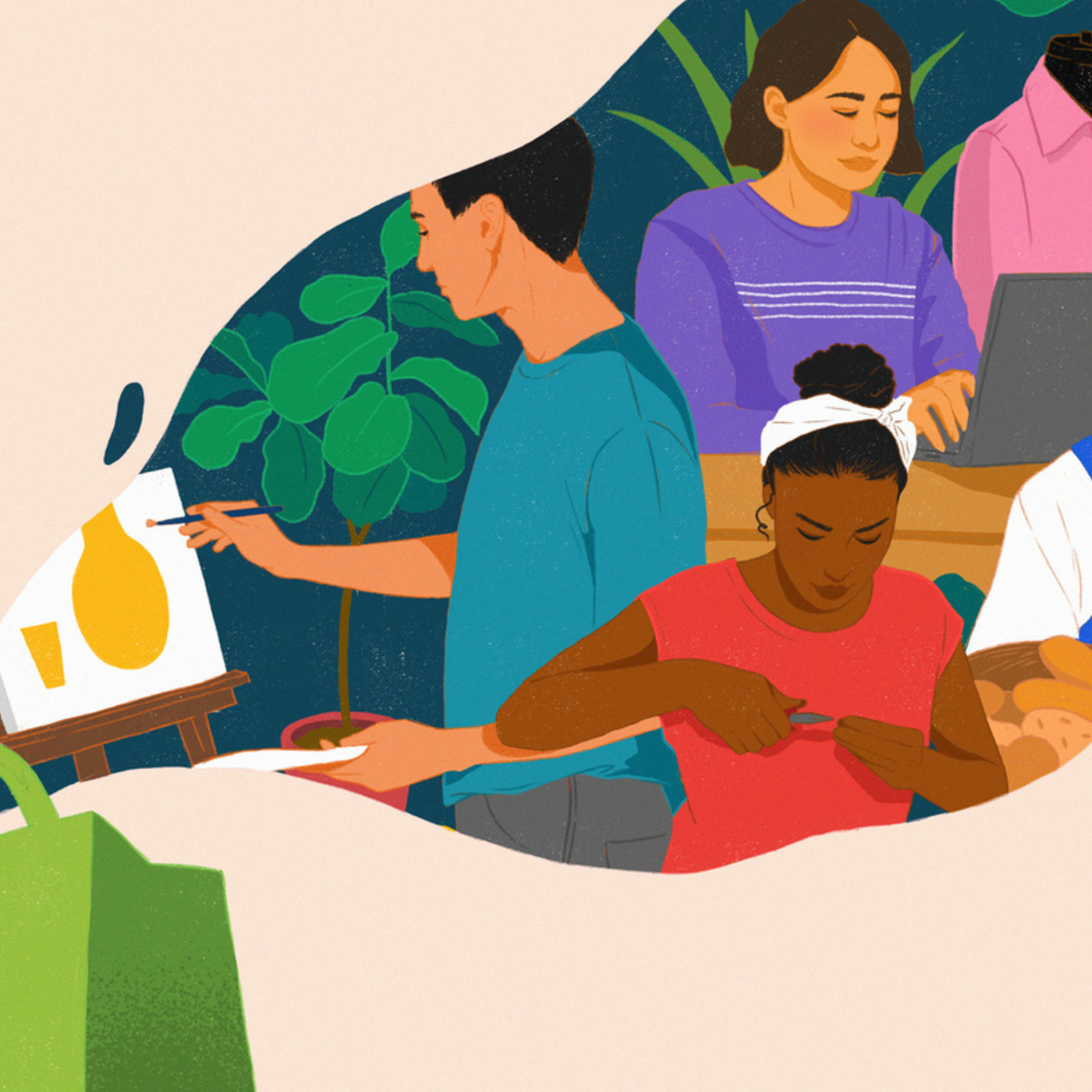
In 2004, German programmer Tobias Lütke was living in Ottawa with his girlfriend. An avid snowboarder, he wanted to launch an online snowboard shop, but found the e-commerce software available at the time to be clunky and expensive. So he decided to write his own e-commerce software. After he launched his online snowboard business, called Snowdevil, other online merchants were so impressed with what he built that they started asking to license Tobi's software to run their own stores. Tobi and his co-founder realized that software had more potential than snowboards, so they launched the e-commerce platform Shopify in 2006. Since then, it has grown into a publicly-traded company with over 4,000 employees and $1 billion in revenue. PLUS in our postscript "How You Built That," after Barb Heilman invented a device that easily releases child car seat buckles, she started a business with her daughter Becca Davison called Unbuckle Me. See Privacy Policy at https://art19.com/privacy and California Privacy Notice at https://art19.com/privacy#do-not-sell-my-info.

Ep 166Live Episode! Angie's BOOMCHICKAPOP: Angie & Dan Bastian
Angie and Dan Bastian weren't trying to disrupt an industry or build a massive company – they just wanted to put aside some money for their kids' college fund. In 2001, Dan stumbled across an internet ad touting kettle corn as a lucrative side-business, so he and Angie decided to take the plunge, investing $10,000 in equipment. At first, they popped kettle corn in front of local supermarkets in the Twin Cities and at Minnesota Vikings games. Eventually, they moved indoors to Trader Joe's, Target, and Costco – and got a crash course in how to run a business along the way. Angie's Kettle Corn eventually took on a bold new name: BOOMCHICKAPOP. And in 2017, the company was acquired for a reported $250 million. Recorded live in St. Paul, Minnesota. See Privacy Policy at https://art19.com/privacy and California Privacy Notice at https://art19.com/privacy#do-not-sell-my-info.
Ep 165Dyson: James Dyson (2018)
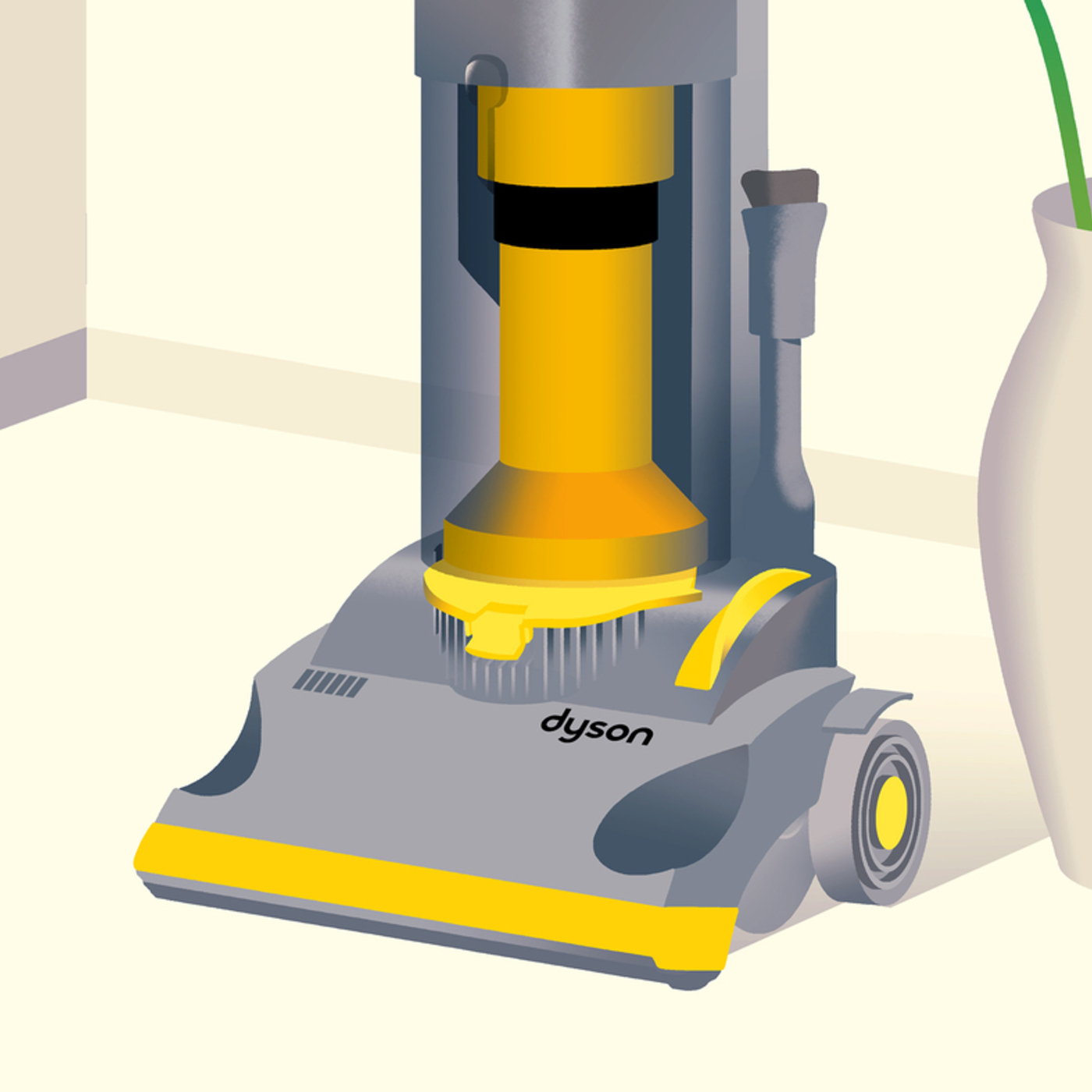
In 1979, James Dyson had an idea for a new vacuum cleaner — one that didn't use bags. It took him five years to perfect the design, building more than 5,000 prototypes in his backyard shed. He then tried to convince the big vacuum brands to license his invention, but most wouldn't even take his calls. Eventually, he started his own company. Today, Dyson is one of the best-selling vacuum brands in the world, and James Dyson is a billionaire. PLUS for our postscript "How You Built That," we check back with television producer Mike Sorrentino, who created an iPhone case called EyePatch that cleans and protects the phone's camera. See Privacy Policy at https://art19.com/privacy and California Privacy Notice at https://art19.com/privacy#do-not-sell-my-info.

Ep 164EO Products: Susan Griffin-Black & Brad Black
In the early 1990s, Susan Griffin-Black was working for Esprit in San Francisco. On a business trip to London, she walked into a Covent Garden apothecary shop, picked up a bottle of lavender oil and took a whiff. The aroma — "like being in a beautiful garden" — literally changed her life. That was the inspiration to develop her own line of essential oil products. For 15 years, she and her husband and co-founder Brad Black barely scraped by, but the business eventually thrived. And though their marriage ultimately ended, their partnership continues. PLUS for our postscript "How You Built That," Lia Heifetz of Barnacle Foods describes how she and her partners turned Alaskan bull kelp into pickles and salsa. See Privacy Policy at https://art19.com/privacy and California Privacy Notice at https://art19.com/privacy#do-not-sell-my-info.

Ep 163Teach For America: Wendy Kopp (2017)
In 1989, college senior Wendy Kopp was trying to figure out how to improve public education in the US. For her senior thesis, she proposed creating a national teaching corps that would recruit recent college grads to teach in needy schools. One year later, she launched the nonprofit, Teach for America. Today, TFA has close to 60,000 alumni and continues to place thousands of teachers across the country. PLUS in our postscript "How You Built That," we check back with 19-year-old CEO Abby Kircher who turned a peanut butter obsession into Abby's Better Nut Butter. See Privacy Policy at https://art19.com/privacy and California Privacy Notice at https://art19.com/privacy#do-not-sell-my-info.
Ep 162Dave's Killer Bread: Dave Dahl
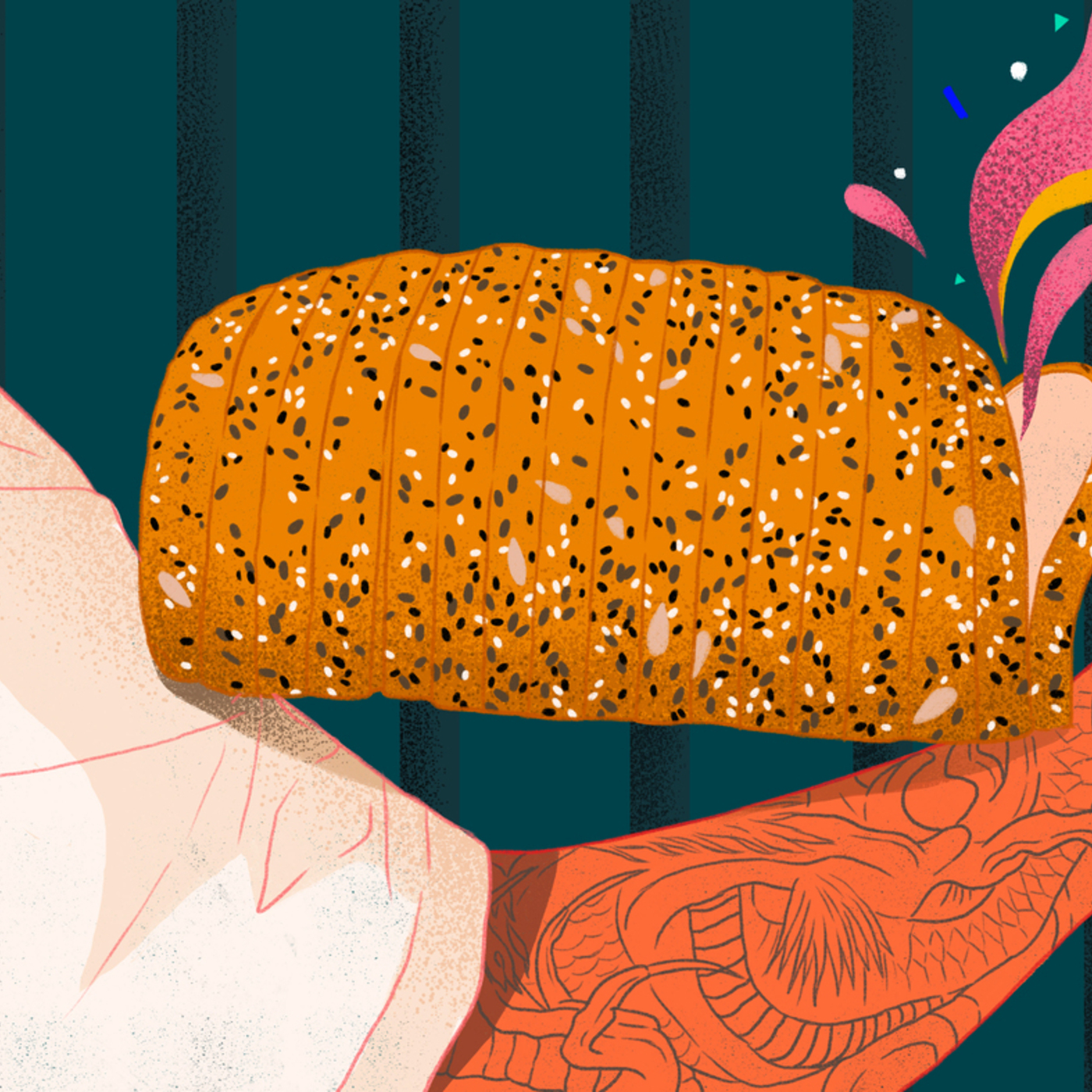
Dave Dahl's entrepreneurial journey began in prison. In 1987, he was addicted to drugs and incarcerated for home burglary. For 15 years he bounced from one sentence to the next. But in the mid-2000s, Dave returned to his family bakery where he was inspired to make bread – organic, nutty, and slightly sweet. He sold the loaves at farmers markets and shared his story of recovery on the package – a branding decision that attracted fans and media attention. In 2015, the Dahl family sold the business for $275 million dollars. Today, Dave's Killer Bread sells over a dozen types of bread in grocery stores nationwide. PLUS in our postscript "How You Built That," armpit entrepreneurs Jason and Erica Feucht tell us how they turned whiskey and vodka into the natural deodorant Pit Liquor. See Privacy Policy at https://art19.com/privacy and California Privacy Notice at https://art19.com/privacy#do-not-sell-my-info.
Ep 161Yelp: Jeremy Stoppelman
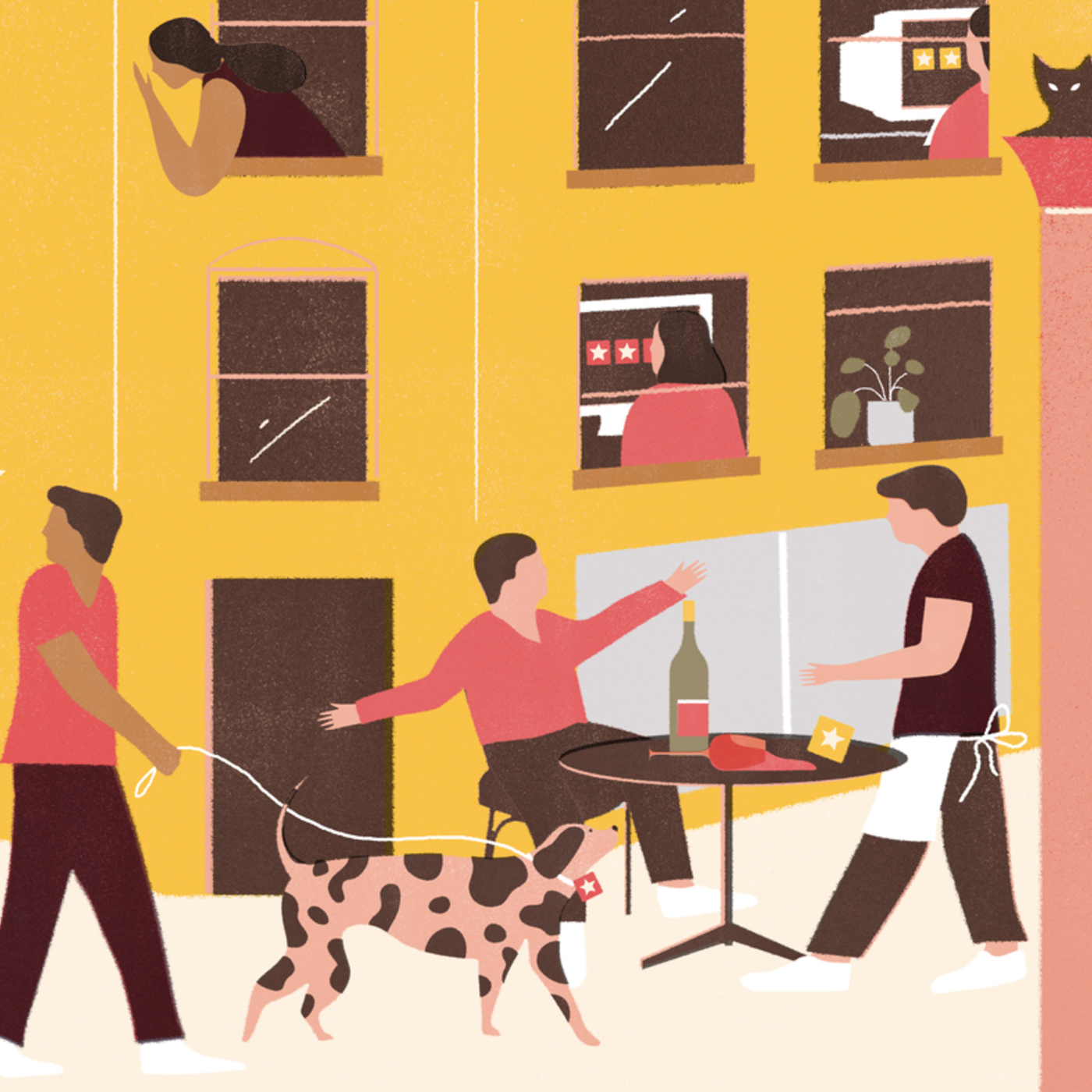
In 2004, two former Paypal engineers, Jeremy Stoppelman and Russ Simmons, were spit-balling new internet ideas. Out of their brainstorm came a site where you would email your friends asking for local business recommendations. The launch was a flop, but they discovered that people seemed to enjoy writing reviews not just for friends, but for the general public. Fifteen years later, Yelp is a publicly traded company with more than 4,000 employees and over 140 million monthly visitors. PLUS in our postscript "How You Built That," Liz Bales explains how putting cat food inside plastic mice became her full-time business and why it could revolutionize the way humans feed their cats. See Privacy Policy at https://art19.com/privacy and California Privacy Notice at https://art19.com/privacy#do-not-sell-my-info.

Ep 160Chesapeake Bay Candle: Mei Xu (2017)
Twenty-five years ago, after Mei Xu emigrated from China to the U.S., she loved going to Bloomingdale's to gaze at their housewares. She eventually started making candles in her basement with Campbell's Soup cans, an experiment that led to the multi-million dollar company Chesapeake Bay Candle. PLUS in our postscript "How You Built That," we check back with Dan Kurzrock and Jordan Schwartz, who turned up-cycled beer grain into a snack bar called ReGrained. See Privacy Policy at https://art19.com/privacy and California Privacy Notice at https://art19.com/privacy#do-not-sell-my-info.
Ep 159Allbirds: Tim Brown & Joey Zwillinger
Growing up, Tim Brown discovered he was very good at two things: design and soccer. While playing professional soccer in New Zealand, he was turned off by the flashy logos on most athletic gear. He started making simple canvas shoes for his teammates, but soon discovered a better material: soft merino wool from his country's plentiful sheep. Meanwhile, on the other side of the world, his future business partner Joey Zwillinger was frustrated that most companies lacked a genuine commitment to sustainability. In 2015, Tim and Joey teamed up to create Allbirds, a company with two ambitious goals: create the world's most comfortable shoes, and do it in a way that was completely carbon-neutral. Today, just three years after launch, Allbirds is worth $1.4 billion. PLUS, for our postscript "How You Built That," how Kirby Erdely saw a problem with flying beach umbrellas and developed a new kind of tent stake—with a twist. See Privacy Policy at https://art19.com/privacy and California Privacy Notice at https://art19.com/privacy#do-not-sell-my-info.

Ep 158Live Episode! Tofurky: Seth Tibbott
Seth Tibbott may be the only founder in the world who grew his business while living in a barn, a teepee, and a treehouse. His off-the-grid lifestyle helped him save money as he started to sell tempeh, a protein made of fermented soybeans. Throughout the 1980s he barely scraped by, but things took a turn in 1995, when he discovered a stuffed tofu roast made in Portland, Oregon. Knowing vegetarians had few options at Thanksgiving, Seth named the roast Tofurky and started selling it at co-ops in the Pacific Northwest. Nearly 25 years later, Tofurky sells plant-based protein around the world, and has estimated sales of $40 million a year. Recorded live in Portland, Oregon. See Privacy Policy at https://art19.com/privacy and California Privacy Notice at https://art19.com/privacy#do-not-sell-my-info.

Ep 157Stacy's Pita Chips: Stacy Madison
In the 1990's, Stacy Madison and her boyfriend Mark Andrus were selling pita sandwiches from a converted hot dog cart in Boston. They decided to bake the leftover pita into chips, adding a dash of parmesan or cinnamon-sugar. At first they handed them out for free, but soon discovered that people were happy to pay for them. So they eventually decided to leave the sandwich cart behind and launch Stacy's Pita Chips. They hoped the brand might grow into a modest regional business—but it kept growing. Roughly ten years after the launch, Stacy's sold to PepsiCo for $250 million. PLUS in our postscript "How You Built That," how Prerak Juthani and some friends from college took organic chemistry to the next level with REACT!, a board game that aims to demystify the stigma of molecular science. See Privacy Policy at https://art19.com/privacy and California Privacy Notice at https://art19.com/privacy#do-not-sell-my-info.

Ep 156Zappos: Tony Hsieh (2017)
Computer scientist Tony Hsieh made millions off the dot-com boom. But he didn't make his mark until he built Zappos — a customer service company that "happens to sell shoes." Now Zappos is worth over a billion dollars and known for its completely unorthodox management style. PLUS in our postscript "How You Built That," we check back with Mike Bolos and Jason Grohowski, who brought the office desk closer to the light by creating Deskview, a portable desk that attaches to a sheer window with a suction cup. (Original broadcast date: January 23, 2017). See Privacy Policy at https://art19.com/privacy and California Privacy Notice at https://art19.com/privacy#do-not-sell-my-info.

Ep 155Belkin International: Chet Pipkin
Chet Pipkin was the kind of kid who loved to take things apart and put them back together. As a young man in the early 1980s, he started hanging out in mom-and-pop computer shops, where he realized he could meet a growing need by selling the cables that connect computers to printers. That simple idea became the main ingredient in Chet's secret sauce: instead of making his own computers, he would make the accessories needed to make them work. Belkin International eventually grew into a massive manufacturer of electronic goods — last year, it sold to a subsidiary of Foxconn for more than $800 million. PLUS in our postscript "How You Built That," how Clay McCabe decided to rebrand his dad's zipper repair business into Zipper Rescue, a repair kit that helps people fix their broken zippers at home. See Privacy Policy at https://art19.com/privacy and California Privacy Notice at https://art19.com/privacy#do-not-sell-my-info.

Ep 154Framebridge: Susan Tynan (2017)
Susan Tynan's experience in the ephemeral e-market of LivingSocial made her want to start a business that she could touch and feel. After being charged $1600 to frame four posters at her local framing store, she decided to create a mail-order framing company that offers fewer designs at lower prices. Framebridge is now five years old and still feeling growing pains, but is slowly reshaping the rules of a rigid industry. PLUS in our postscript "How You Built That," we check back with Len Testa, who created an app that uses real-time data to help people avoid long lines at Orlando area theme parks. (Original broadcast date: November 27, 2017) See Privacy Policy at https://art19.com/privacy and California Privacy Notice at https://art19.com/privacy#do-not-sell-my-info.

Ep 153Live Episode! Peloton: John Foley
John Foley started climbing the rungs of the corporate ladder at a young age, first as a fast food server and eventually as an e-commerce executive. Still, at 40, he couldn't climb out of bed fast enough to make it to his favorite spin class. John couldn't understand why there wasn't a way to bring the intensity and motivation of a boutique fitness class into the home. Having never worked in the exercise industry, he teamed up with a few friends to create a high-tech stationary bicycle called the Peloton Bike. Today, Peloton has sold close to half a million bikes, with a valuation as high as 4 billion dollars. Recorded live in New York City. See Privacy Policy at https://art19.com/privacy and California Privacy Notice at https://art19.com/privacy#do-not-sell-my-info.

Ep 152Bumble: Whitney Wolfe (2017)
At age 22, Whitney Wolfe helped launch Tinder, one of the world's most popular dating apps. But a few years later, she left Tinder and filed a lawsuit against the company alleging sexual harassment. The ensuing attention from the media – and cyberbullying from strangers – prompted her to launch Bumble, a dating app where women make the first move. Today, the Bumble app has been downloaded close to 30 million times. PLUS in our postscript "How You Built That," we check back with Michael Dixon, whose business Mobile Vinyl Recorders uses portable record lathes to cut vinyl at parties, weddings, and music festivals. (Original broadcast date: October 16, 2017) See Privacy Policy at https://art19.com/privacy and California Privacy Notice at https://art19.com/privacy#do-not-sell-my-info.

Ep 151Men's Wearhouse: George Zimmer
In 1970, George Zimmer was a college graduate with no real job prospects and little direction. That's when his father, an executive at a boy's clothing company, asked him to go on an important business trip to Asia. It was that trip that propelled him into the world of men's apparel. In 1973, the first Men's Wearhouse opened in Houston with little fanfare. But by the mid-80s, George Zimmer managed to carve out a distinct niche in the market – a place where men could buy a good quality suit, at "everyday low prices," along with all the shirts, ties, socks, and shoes they need. With George as the face of the brand, Men's Wearhouse became a multi-billion dollar empire with hundreds of stores across the U.S. But then, in 2013, a bitter battle forced him to give it all up. PLUS in our postscript "How You Built That," we check back with two brothers from Guinea, West Africa who founded a company that makes Ginjan, a spicy-sweet juice from their childhood that mixes pineapple and ginger. See Privacy Policy at https://art19.com/privacy and California Privacy Notice at https://art19.com/privacy#do-not-sell-my-info.

Ep 150Chez Panisse: Alice Waters
In the 1960s, Alice Waters studied abroad in France – and discovered a culinary world far from the processed food popular in America. When she returned to California, she tried to find restaurants to recreate her experiences abroad, but she couldn't. In 1971, she opened a small restaurant in Berkeley called Chez Panisse, where she focused on serving fresh, local ingredients. Just a few years later, Chez Panisse was named one of the best restaurants in America, and became one of the hottest locations for fine dining in the Bay Area. Despite her success, Alice chose not to turn Chez Panisse into a restaurant empire. Instead, she continued to insist on cooking with food raised locally, sustainably, and ethically. Today, most chefs agree Alice Waters and Chez Panisse sparked the farm-to-table movement in the restaurant industry. PLUS in our postscript "How You Built That," how Piersten Gaines took the trauma out of salon visits for women with highly textured hair. See Privacy Policy at https://art19.com/privacy and California Privacy Notice at https://art19.com/privacy#do-not-sell-my-info.

Ep 149Springfree Trampoline: Keith Alexander & Steve Holmes
In the late 1980s, a New Zealand engineer named Keith Alexander wanted to buy a trampoline for his kids. After his wife said trampolines were too dangerous, Keith set out to design his own — a safer trampoline, without metal springs. He tinkered with and perfected the design over the course of a decade. But he was daunted by the challenge of bringing his invention to market — and he almost gave up. At that point Steve Holmes, a Canadian businessman, bought the patent to Keith's trampoline, and took a big risk to commercialize it. Today, Springfree Trampoline generates over $50 million in annual sales and has sold over 400,000 trampolines. PLUS in our postscript, "How You Built That," how Cyndi and Chris Hileman created a candle in a planter pot that can later be used to grow wildflowers. See Privacy Policy at https://art19.com/privacy and California Privacy Notice at https://art19.com/privacy#do-not-sell-my-info.
Ep 148Compaq Computers: Rod Canion (2019)
In 1981, engineer Rod Canion left Texas Instruments and co-founded Compaq, which created the first IBM-compatible personal computer. This opened the door to an entire industry of PCs that could run the same software. PLUS for our postscript "How You Built That," we check back in with Danica Lause, who turned a knitting hobby into Peekaboos Ponytail Hats: knit caps with strategically placed holes for a ponytail or bun. (Original broadcast date: May 22, 2017). See Privacy Policy at https://art19.com/privacy and California Privacy Notice at https://art19.com/privacy#do-not-sell-my-info.

Ep 147Away: Jen Rubio
In early 2015, Jen Rubio was racing through an airport to catch a flight when her suitcase broke, leaving a trail of clothing behind her. She tried to replace it with a stylish, durable, affordable suitcase — but she couldn't find one. So she decided to create her own. In less than a year, Jen and her co-founder Steph Korey raised $2.5 million to build their dream travel brand: a line of sleek, direct-to-consumer suitcases simply called Away. Jen's hunch that the brand would emotionally resonate with young, jet-setting customers paid off. Today, Away has become a cult luggage brand that has sold more than one million suitcases. PLUS in our postscript "How You Built That," how Jon Maroney made sledding easier for adults and more dynamic for kids with a pair of sleds that strap to your legs. See Privacy Policy at https://art19.com/privacy and California Privacy Notice at https://art19.com/privacy#do-not-sell-my-info.

Ep 146Logic: Logic & Chris Zarou
In 2010, Logic the rapper, born as Sir Robert Bryson Hall II, released his first official mixtape titled "Young, Broke & Infamous." At 20 years old, Logic certainly was young and broke, and while crashing on a friend's couch, he poured himself into his music. Logic's career could have fizzled if it wasn't for Chris Zarou, a young college athlete-turned-manager who had no more experience in the music business than Logic. Undeterred, the two decided to work together, continuing to use free music and social media to build Logic's reputation as a talented, fast-flowing rapper with a hopeful message. In 2012, Logic signed to Def Jam Records and in 2014 dropped his debut album "Under Pressure," which shot to number 4 on the Billboard charts. His third album in 2017 went platinum and included the breakout single "1 800 273 8255." PLUS in our postscript "How You Built That," we check back in with Cassy Burnvoth who built a skincare company using an unlikely ingredient – beef tallow. See Privacy Policy at https://art19.com/privacy and California Privacy Notice at https://art19.com/privacy#do-not-sell-my-info.

Ep 145Squarespace: Anthony Casalena
Like many classic technology stories, Squarespace started in a college dorm room. In 2003, 21-year-old Anthony Casalena created a website-building tool for himself. But after hearing some positive feedback from friends, he decided to put the tool online and start a business. For years, Anthony ran Squarespace almost entirely on his own but the stress took a toll and he reached the limits of what he could accomplish by himself. The journey to hiring a staff and scaling the company had its own set of growing pains for Anthony, including difficulty letting go of control, and learning how to manage other people. Today, Squarespace has grown to more than 800 employees, and valued at $1.7 billion. PLUS in our postscript "How You Built That," how Kate Westervelt took an overwhelming experience and turned it into a gift box for new moms – filled with essential items women need to recover from childbirth. See Privacy Policy at https://art19.com/privacy and California Privacy Notice at https://art19.com/privacy#do-not-sell-my-info.

Ep 144Eileen Fisher: Eileen Fisher (2017)
In 1983, Eileen Fisher signed up for a fashion trade show with no experience, no garments, no patterns or sketches – nothing but a few ideas for a women's clothing line focused on simplicity. Within three weeks, she came up with 12 pieces, a logo, and a name: Eileen Fisher. Today, the Eileen Fisher brand is still known for its elegant and minimalist designs, but it has grown to more than 60 locations and makes over $300 million in annual revenue. PLUS in our postscript "How You Built That," we check back with Glenn Auerbach who invented nICE mug, a container made entirely from ice that keeps drinks cold. See Privacy Policy at https://art19.com/privacy and California Privacy Notice at https://art19.com/privacy#do-not-sell-my-info.
Ep 143Burt's Bees: Roxanne Quimby
In the 1970s, Roxanne Quimby was trying to live a simpler life – one that rejected the pursuit of material comforts. She moved to Maine, built a cabin in the woods, and lived off the grid. By the mid-80s, she met a recluse beekeeper named Burt Shavitz and offered to help him tend to his bees. As partners, Roxanne and Burt soon began selling their "Pure Maine Honey" at local markets, which evolved into candles made out of beeswax, and eventually lip balm and skin care products. Today Burt's Bees can be found in nearly every grocery store and drugstore around the U.S. PLUS, in our postscript "How You Built That," Leigh Isaacson explains how her sister's break up inspired them to create a dating app – for dog owners. See Privacy Policy at https://art19.com/privacy and California Privacy Notice at https://art19.com/privacy#do-not-sell-my-info.
Ep 142TOMS: Blake Mycoskie (2019)
Blake Mycoskie started and sold four businesses before age 30. But only in Argentina did he discover the idea he'd want to pursue long term. After seeing a shoe drive for children, he came up with TOMS — part shoe business, part philanthropy. PLUS for our postscript "How You Built That," we check back in with Dillon Hill, who built Gamers Gift to help bedbound and disabled patients enjoy a wide range of places and experiences through virtual reality. See Privacy Policy at https://art19.com/privacy and California Privacy Notice at https://art19.com/privacy#do-not-sell-my-info.

Ep 141JetBlue Airways: David Neeleman
In the mid-90s, David Neeleman wanted to launch a new airline. He had already co-created a regional airline out of Salt Lake City that was acquired by Southwest. And despite his admiration of Southwest's business model, Neeleman felt there was a market for a different kind of budget airline. He envisioned flights to cities other budget airlines avoided and excellent customer service, with high-tech amenities. In 2000, he launched JetBlue and in its first year, the company flew over 1 million people, and cultivated a loyal customer following. Then came the 2007 Valentine's Day ice storm. PLUS in our postscript "How You Built That," how Lisa Dalton turned a relationship mishap into a game-changing braille label that solves a daily problem for blind consumers. See Privacy Policy at https://art19.com/privacy and California Privacy Notice at https://art19.com/privacy#do-not-sell-my-info.

Ep 140Canva: Melanie Perkins
When she was just 19 years old, Melanie Perkins dreamt of transforming the graphic design and publishing industries. But she started small, launching a site to make yearbook design simpler and more collaborative. Her success with that first venture — and an unexpected meeting with a VC investor — eventually landed her the backing to pursue her original idea, and the chance to take on software industry titans like Adobe and Microsoft. Today, Melanie's online design platform Canva is valued at over $1 billion, joining the list of Australia's "unicorn" companies. PLUS for our postscript "How You Built That," how Tristan Corriveau collected used bars of soap from a hotel and recycled them into liquid soap with The One Gallon Soap Company. See Privacy Policy at https://art19.com/privacy and California Privacy Notice at https://art19.com/privacy#do-not-sell-my-info.

Ep 139Bonobos: Andy Dunn
When Andy Dunn was in business school, his housemate Brian Spaly created a new type of men's pants: stylish, tailored trousers that fit well in both the hips and thighs. Together, they started the men's clothing company Bonobos, which became an instant hit due to the pants' signature flair and innovative e-commerce experience. But within a few years, Andy hit challenging roadblocks, including a struggle with depression and a falling-out with his co-founder and friend. Despite many moments of crisis, Andy steered Bonobos to massive success, and in 2017, it was acquired by Walmart for a reported $310 million. PLUS for our postscript "How You Built That," how Amy and Brady King created an easy-to-assemble portable shelter meant to provide natural disaster relief and help house people experiencing homelessness. See Privacy Policy at https://art19.com/privacy and California Privacy Notice at https://art19.com/privacy#do-not-sell-my-info.
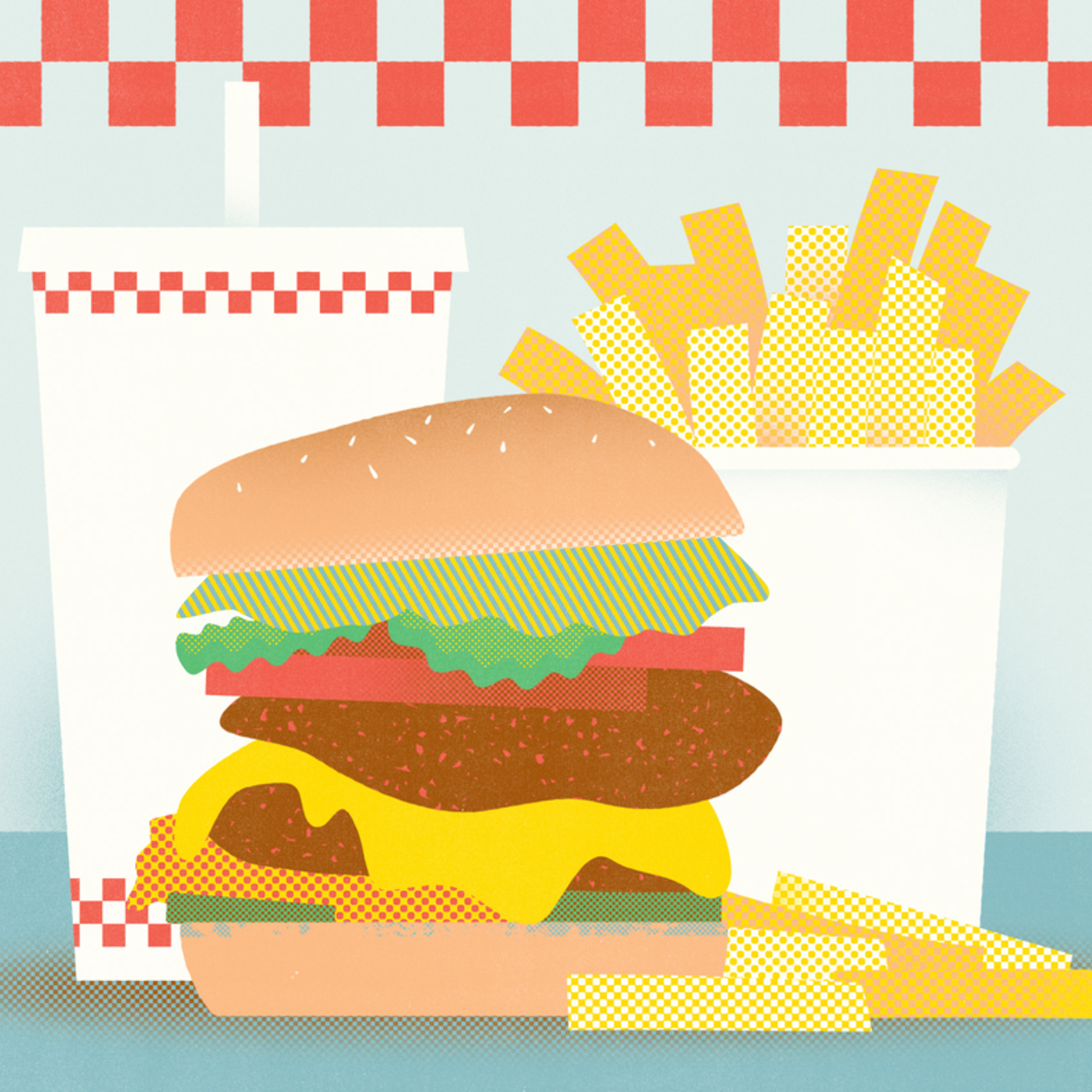
Ep 138Five Guys: Jerry Murrell (2019)
Jerry Murrell's mother used to tell him, you can always make money if you know how to make a good burger. In 1986 — after failing at a number of business ideas — Murrell opened a tiny burger joint in Northern Virginia with his four sons. Five Guys now has more than 1,500 locations worldwide and is one of the fastest growing restaurant chains in America. PLUS for our postscript "How You Built That," we check back in with Hannah England, who turned a common parenting problem into Wash. It. Later. — a water-tight bag for soaking soiled baby clothes before they stain. (Original broadcast date: June 5, 2017) See Privacy Policy at https://art19.com/privacy and California Privacy Notice at https://art19.com/privacy#do-not-sell-my-info.

Ep 137SoulCycle: Julie Rice & Elizabeth Cutler
Before Elizabeth Cutler and Julie Rice met, they shared a common belief: New York City gyms didn't have the kind of exercise classes they craved, and each of them wanted to change that. A fitness instructor introduced them over lunch in 2005, and before the meal was done they were set on opening a stationary bike studio, with a chic and aspirational vibe. A few months later, the first SoulCycle opened in upper Manhattan. Today, SoulCycle has cultivated a near-tribal devotion among its clients, with studios across the United States and Canada. PLUS for our postscript "How You Built That," how "kid-preneur" Gabrielle Goodwin and her mom Rozalynn invented a double-face double snap barrette that doesn't slip out of little girls' hair, no matter how much they play around. See Privacy Policy at https://art19.com/privacy and California Privacy Notice at https://art19.com/privacy#do-not-sell-my-info.

Ep 136Remembering Herb Kelleher
The co-founder and former CEO of Southwest Airlines, Herb Kelleher, has died. He was 87. We are grateful Herb shared his story with us in 2016. We are republishing it as a tribute to his life and career, in which he transformed the US airline industry. More than 50 years ago, competitors sued to keep Herb Kelleher's new airline grounded. After a 3-year court fight, the first plane took off from Dallas. Today Southwest Airlines is the country's largest domestic airline. See Privacy Policy at https://art19.com/privacy and California Privacy Notice at https://art19.com/privacy#do-not-sell-my-info.

Ep 135Kickstarter: Perry Chen (2018)
In the early 2000s, Perry Chen was trying to put on a concert in New Orleans when he thought, what if fans could fund this in advance? His idea didn't work at the time, but he and his co-founders spent the next eight years refining the concept of crowdfunding creative projects. Today Kickstarter has funded over 155,000 projects worldwide. PLUS for our postscript "How You Built That," we check back in with Dustin Hogard who co-designed a survival belt that's full of tiny gadgets and thin enough to wear every day. (Original Broadcast Date: July 31, 2017.) See Privacy Policy at https://art19.com/privacy and California Privacy Notice at https://art19.com/privacy#do-not-sell-my-info.

Ep 134The Chipmunks: Ross Bagdasarian Jr. & Janice Karman (2017)
Years after his father created a hit singing group of anthropomorphic rodents called The Chipmunks, Ross Bagdasarian Jr. made it his mission to revive his dad's beloved characters. Over the last 40 years, Ross Jr. and his wife Janice have built The Chipmunks into a billion dollar media franchise – run out of their home in Santa Barbara, California. PLUS for our postscript "How You Built That," we check back in with Alexander Van Dewark, who created a portable mat that helps people mix cement without a wheelbarrow or a paddle. (Original Broadcast Date: September 18, 2017.) See Privacy Policy at https://art19.com/privacy and California Privacy Notice at https://art19.com/privacy#do-not-sell-my-info.
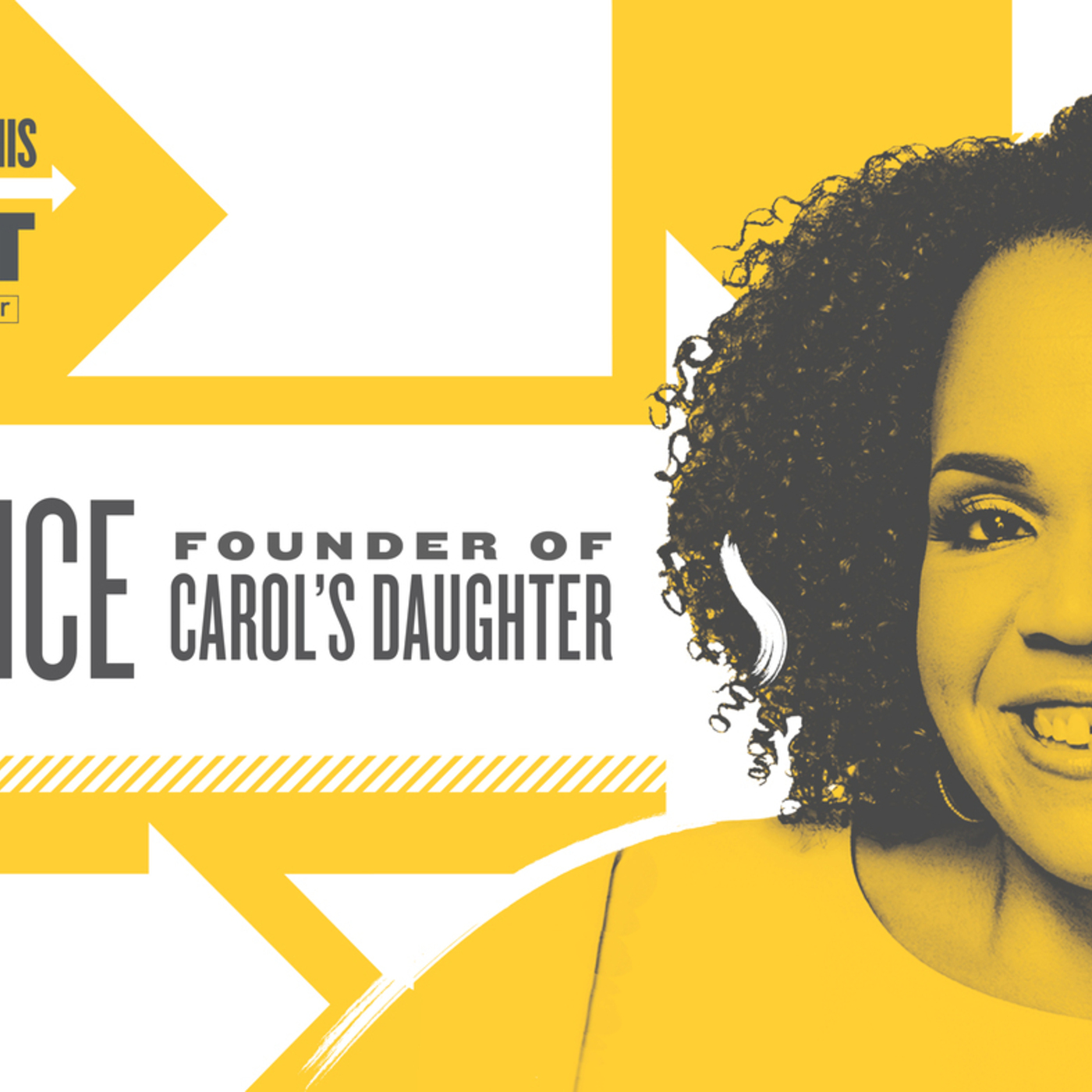
Ep 133Lisa Price Of Carol's Daughter At The HIBT Summit
It's our final episode in our series from this year's How I Built This Summit! Today, we're featuring Lisa Price of the beauty brand Carol's Daughter. When Lisa sat down with Guy Raz in October, she described how her business expanded well beyond her Brooklyn kitchen. As it grew, she decided "not to sit at the head of the table," and deferred to the experts. She later came to regret that.See Privacy Policy at https://art19.com/privacy and California Privacy Notice at https://art19.com/privacy#do-not-sell-my-info.

Ep 132Live Episode! Dollar Shave Club: Michael Dubin
At the end of 2010, Michael Dubin was working in marketing when he met a guy named Mark Levine at a holiday party. Mark was looking for ideas to get rid of a massive pile of razors he had sitting in a California warehouse. Michael's spontaneous idea for an internet razor subscription service grew into Dollar Shave Club, and his background in improv helped him make a viral video to generate buzz for the new brand. Just five years after launch, Unilever acquired Dollar Shave Club for a reported $1 billion. Recorded live in Los Angeles. See Privacy Policy at https://art19.com/privacy and California Privacy Notice at https://art19.com/privacy#do-not-sell-my-info.

Ep 131Stitch Fix's Katrina Lake At The HIBT Summit
Today we have another live episode from the How I Built This Summit, featuring Katrina Lake of Stitch Fix. Katrina sat down with Guy Raz in front of a live audience in San Francisco in October to discuss building culture at a billion-dollar company, and why it's important – even for the CEO – to "rehire" yourself every year. We have one more episode from the Summit coming up next Thursday; stay tuned for Guy's conversation with Lisa Price of Carol's Daughter.See Privacy Policy at https://art19.com/privacy and California Privacy Notice at https://art19.com/privacy#do-not-sell-my-info.

Ep 130Burton Snowboards: Jake Carpenter (2017)
In 1977, 23-year-old Jake Carpenter set out to design a better version of the Snurfer, a stand-up sled he loved to ride as a teenager. Working by himself in a barn in Londonderry, Vermont, he sanded and whittled stacks of wood, trying to create the perfect ride. He eventually helped launch an entirely new sport, while building the largest snowboard brand in the world. PLUS for our postscript "How You Built That," we check back in with Jane Och, who solved the problem of guacamole turning brown by designing a container that removes air pockets: the Guac-Lock. (Original broadcast date: October 23, 2017) See Privacy Policy at https://art19.com/privacy and California Privacy Notice at https://art19.com/privacy#do-not-sell-my-info.
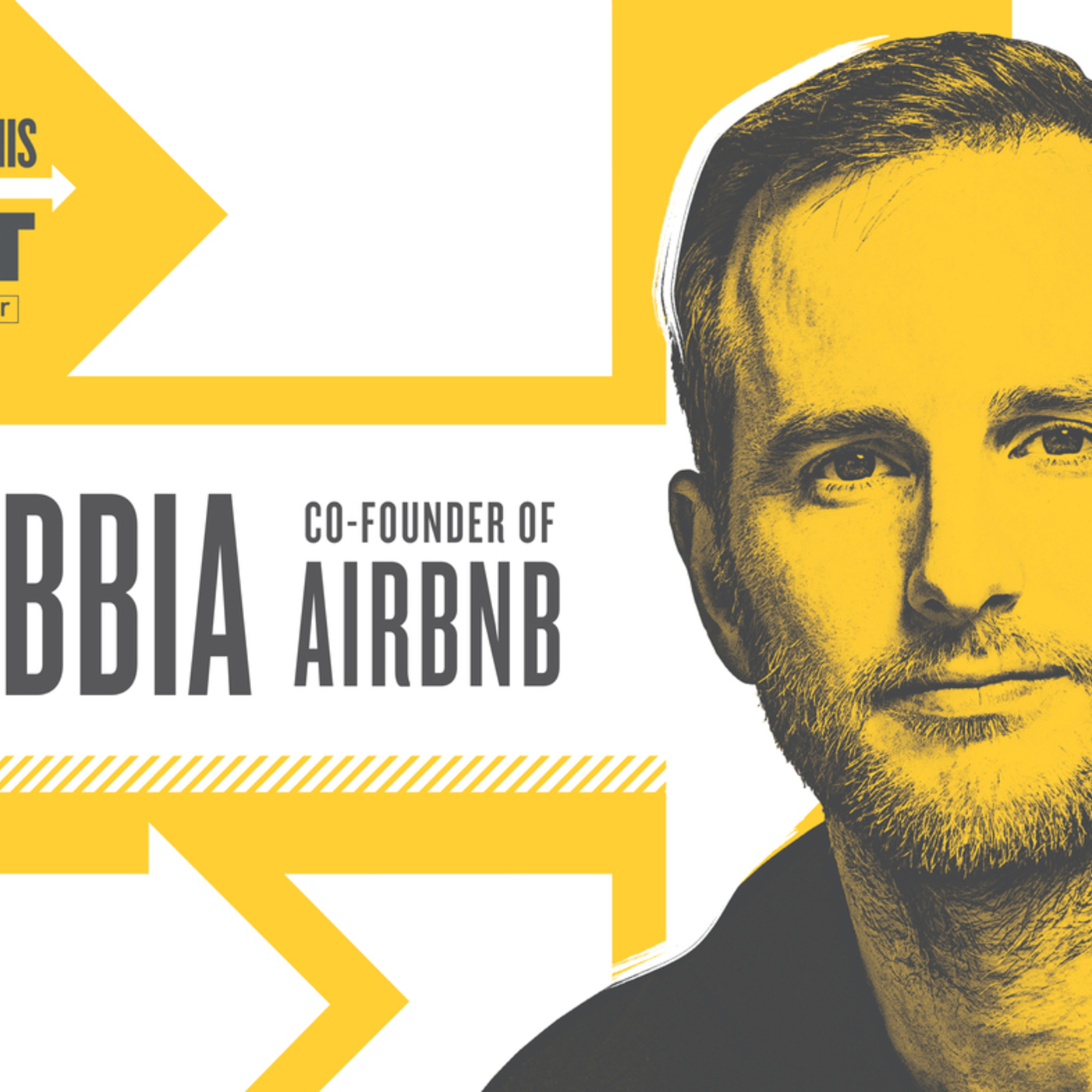
Ep 129Airbnb's Joe Gebbia At The HIBT Summit
Next in our series of episodes from the How I Built This Summit: Joe Gebbia, co-founder of Airbnb. Joe sat down with Guy Raz in front of a live audience in San Francisco, and talked about why he and his co-founders pursued their idea despite overwhelming feedback that it would never work. We're publishing another two episodes from the Summit – so keep checking your podcast feed every Thursday.See Privacy Policy at https://art19.com/privacy and California Privacy Notice at https://art19.com/privacy#do-not-sell-my-info.
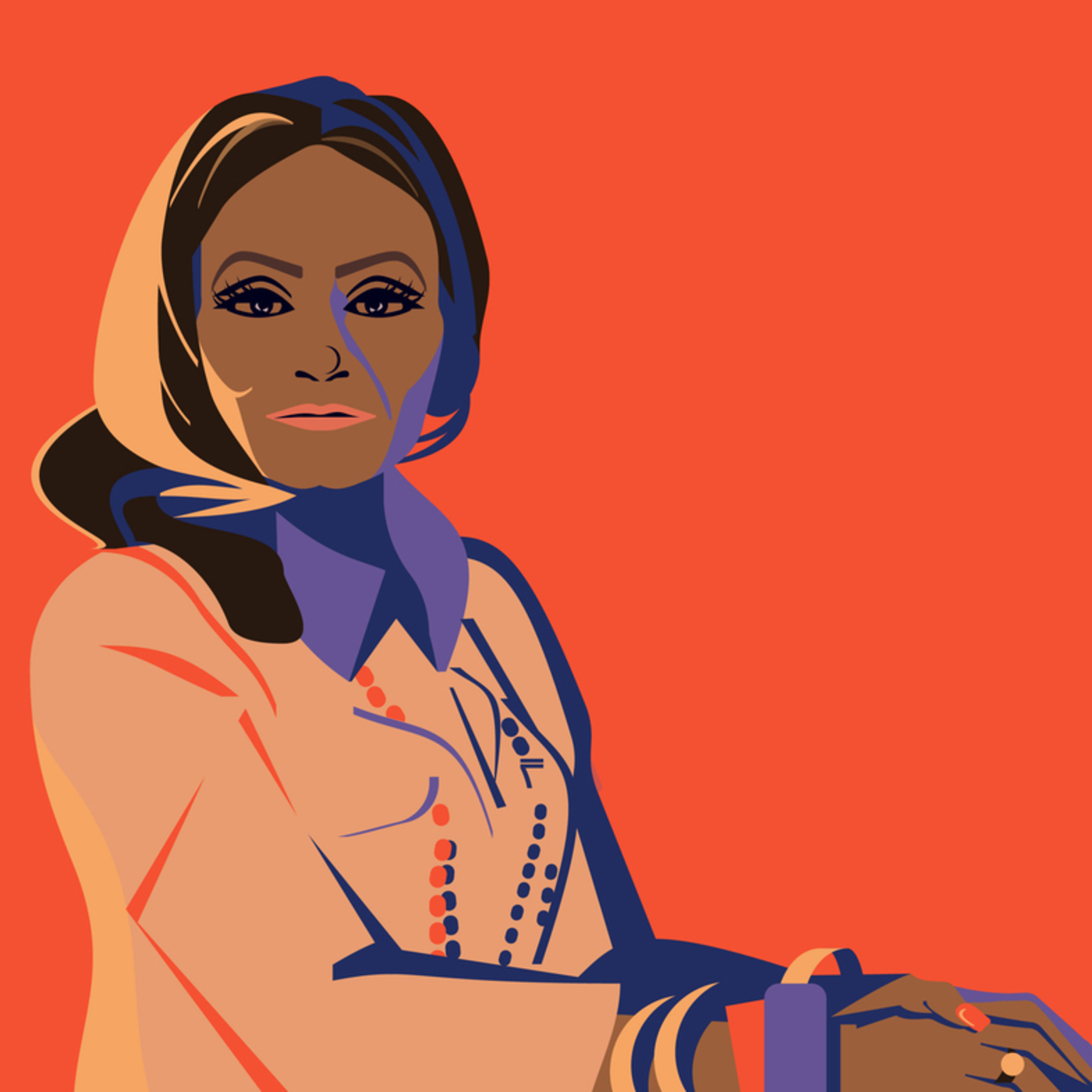
Ep 128ActOne Group: Janice Bryant Howroyd
In the late 1970s Janice Bryant Howroyd moved to Los Angeles and began temping as a secretary. She soon realized there were many other young people in situations similar to hers. So with $1,500 in her pocket, Janice rented an office in Beverly Hills and created the staffing company ACT-1. Today, ActOne Group is an international workforce management company, making Janice Bryant Howroyd the first African-American woman to own a billion-dollar business. PLUS in our postscript "How You Built That," how Ofer and Helene Webman developed a device that can change the way an acoustic guitar sounds without bulky pedals and amps. See Privacy Policy at https://art19.com/privacy and California Privacy Notice at https://art19.com/privacy#do-not-sell-my-info.
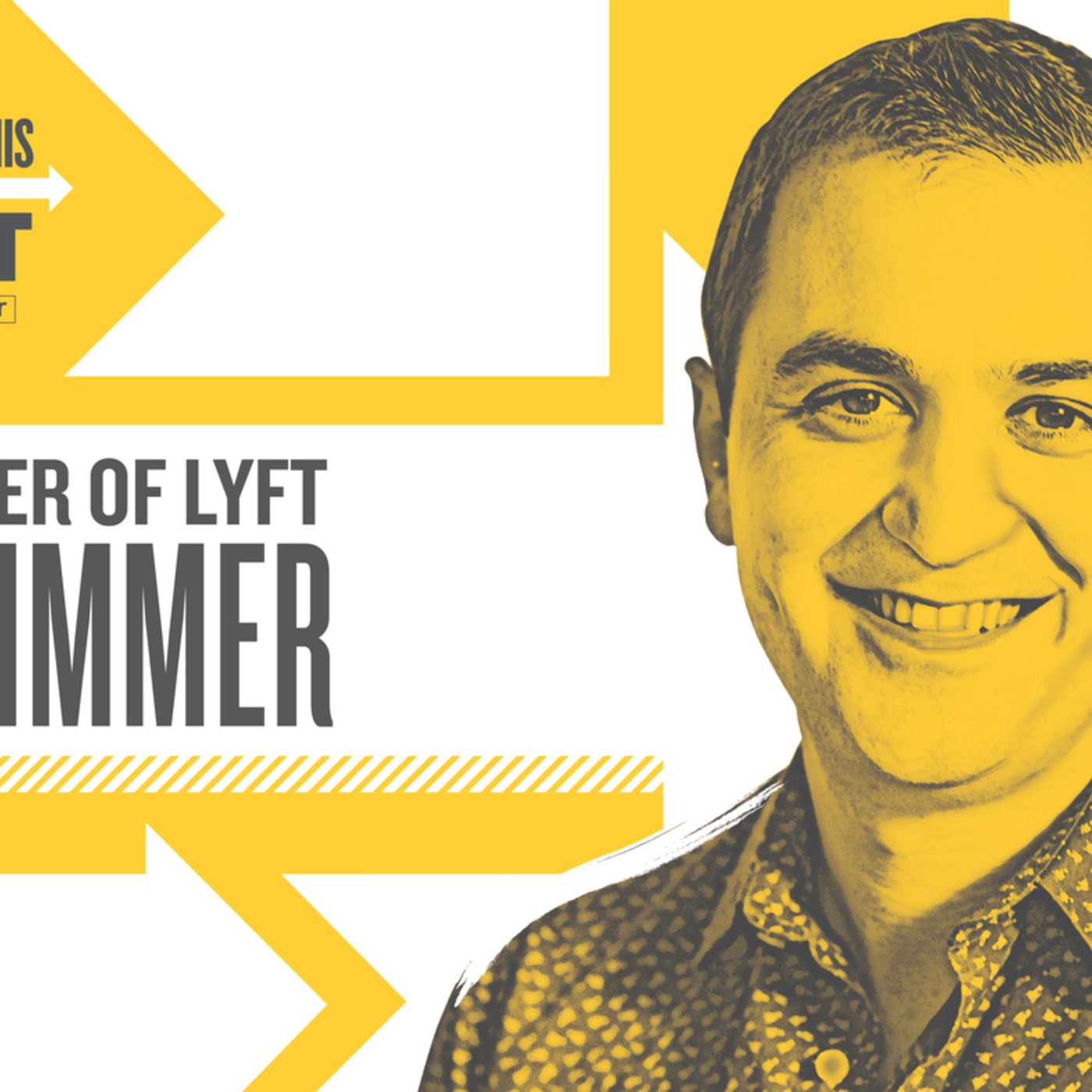
Ep 127Lyft's John Zimmer At The HIBT Summit
Next up in our series of episodes from the How I Built This Summit: John Zimmer, co-founder of Lyft. John sat down with Guy Raz in front of a live audience in San Francisco last month to talk about Lyft's visions for the future of transportation – and their fierce competition with Uber. Coming up next month: three more episodes from the Summit – so keep checking your podcast feed every Thursday.See Privacy Policy at https://art19.com/privacy and California Privacy Notice at https://art19.com/privacy#do-not-sell-my-info.

Ep 126Live Episode! Glossier: Emily Weiss
In 2010, while working as a fashion assistant at Vogue, Emily Weiss started a beauty blog called Into The Gloss. She quickly attracted a following of devoted readers hooked on the blog's intimate snapshots of style makers' beauty routines. Within a few years, Emily realized her readers were hungry for a new beauty brand, one that listened to them directly, and understood their lives. Without any prior business experience, she won over investors and found the perfect chemist to create Glossier, a line of beauty and skincare products with a focus on simplicity. Today, just four years after launch, Glossier is valued at an estimated $400 million. Recorded live in New York City.See Privacy Policy at https://art19.com/privacy and California Privacy Notice at https://art19.com/privacy#do-not-sell-my-info.
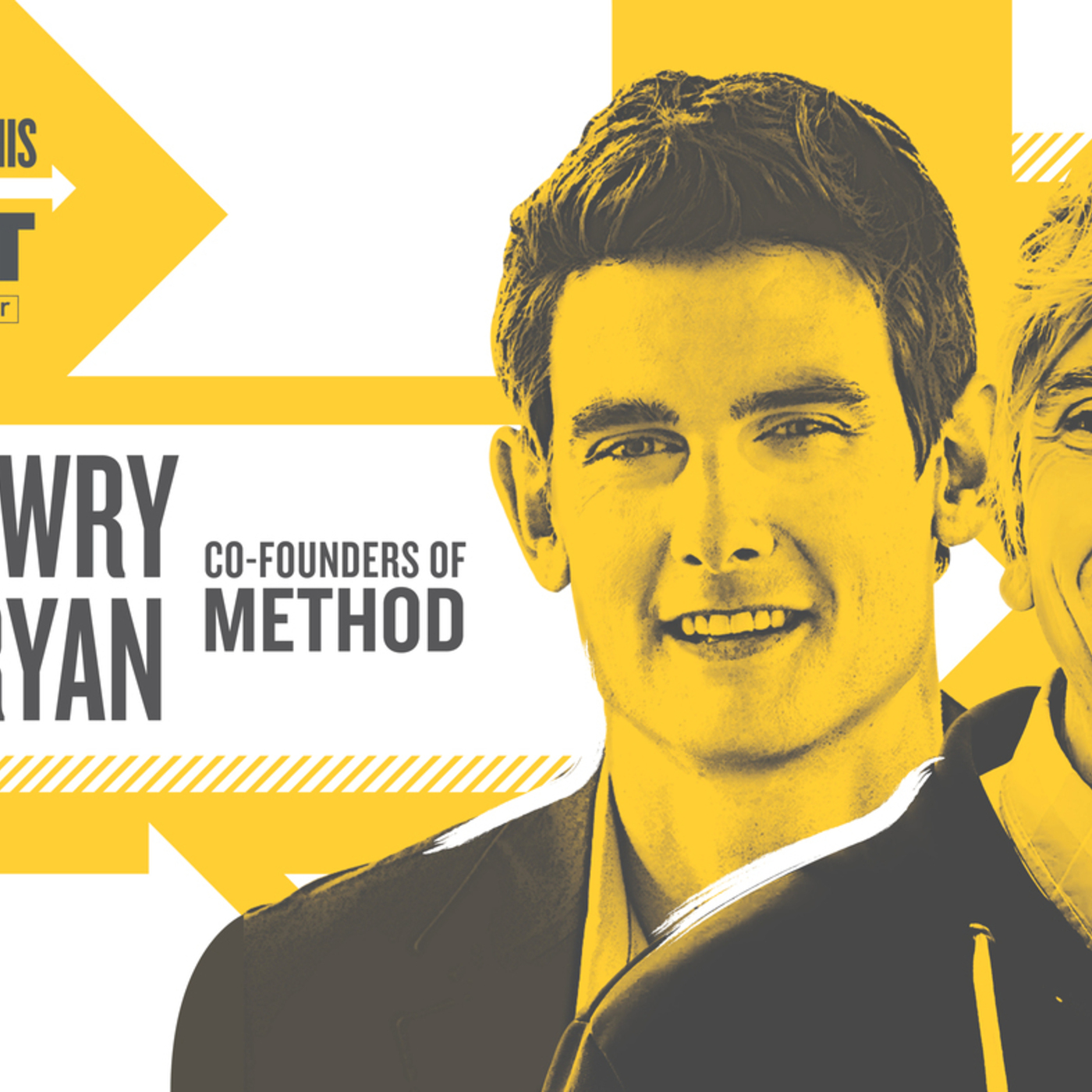
Ep 125Method's Adam Lowry And Eric Ryan At The HIBT Summit
This episode from the How I Built This Summit features Adam Lowry and Eric Ryan, co-founders of Method cleaning products. Adam and Eric joined Guy Raz live on stage at the Summit in San Francisco, to talk the highs and lows of their business partnership. Every Thursday until mid-December, we'll be releasing more episodes from the Summit – so keep checking your podcast feed.See Privacy Policy at https://art19.com/privacy and California Privacy Notice at https://art19.com/privacy#do-not-sell-my-info.

Ep 124Whole Foods Market: John Mackey (2018)
In 1978, college drop-out John Mackey scraped together $45,000 to open his first health food store, "Safer Way." A few years later he co-founded Whole Foods Market — and launched an organic food revolution that helped change the way Americans shop. PLUS in our postscript "How You Built That," we check back in with Steve Humble, whose company Creative Home Engineering makes hidden secret passageways in people's homes ... just like in the movies. (Original broadcast date: May 15, 2017.) See Privacy Policy at https://art19.com/privacy and California Privacy Notice at https://art19.com/privacy#do-not-sell-my-info.
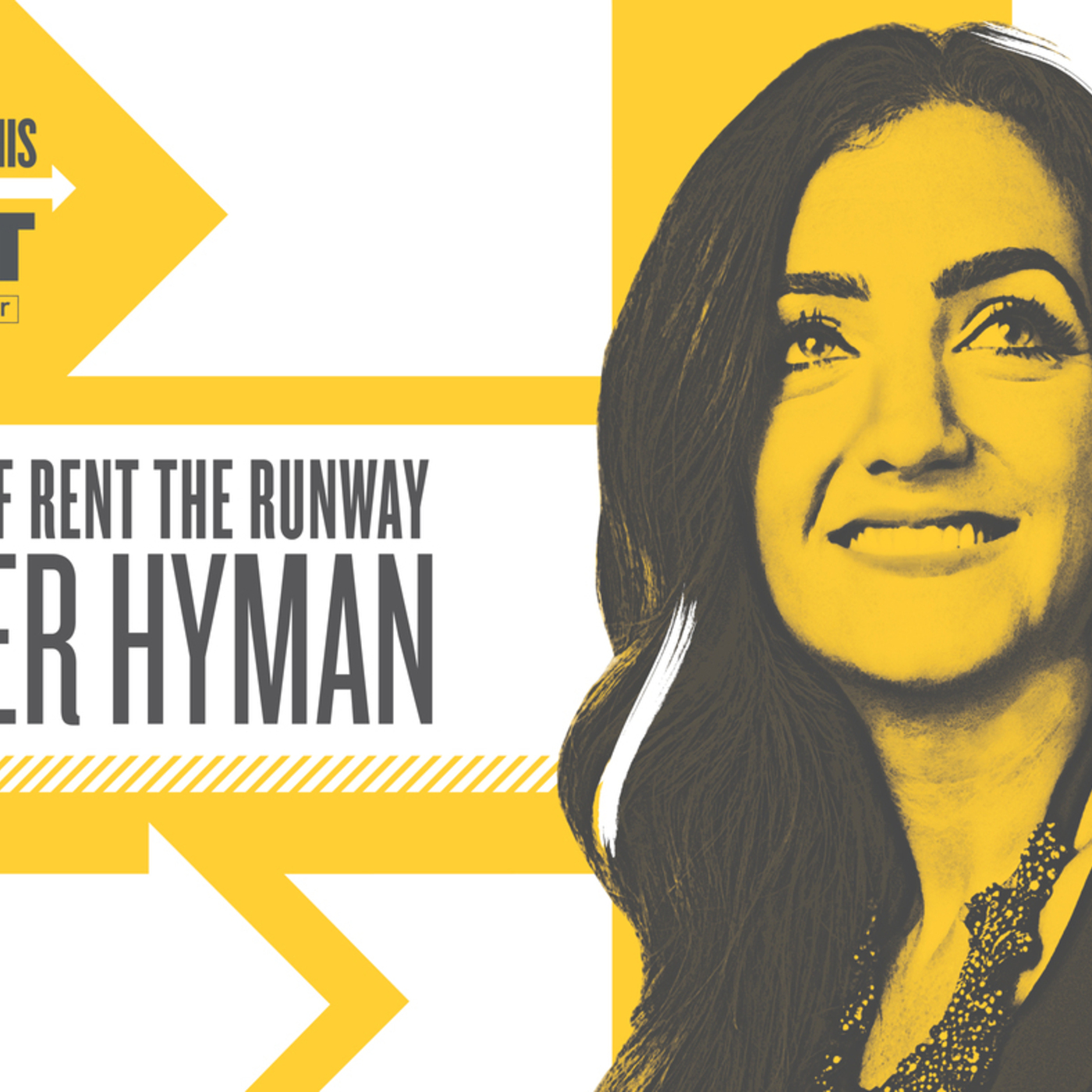
Ep 123Rent The Runway's Jenn Hyman At The HIBT Summit
Our first episode from the How I Built This Summit features Jenn Hyman, co-founder of Rent The Runway, a designer clothing rental service that pulls in $100 million a year. When Jenn sat down with Guy Raz for a live interview at the Summit in San Francisco, she shared her long term strategy for launching the company in phases, plus her advice for aspiring entrepreneurs. Every Thursday until mid-December, we'll be releasing episodes from the Summit – so keep checking your podcast feed.See Privacy Policy at https://art19.com/privacy and California Privacy Notice at https://art19.com/privacy#do-not-sell-my-info.

Ep 122DoorDash: Tony Xu
In 2013, Tony Xu was brainstorming ideas for a business school project when he identified a problem he wanted to solve: food delivery. For most restaurants, it was too costly and inefficient, leaving most of the market to pizza and Chinese. Tony and his partners believed they could use technology to connect customers to drivers, who would deliver meals in every imaginable cuisine. That idea grew into DoorDash, a company that's now delivered over 100 million orders from over 200,000 restaurants across the country. PLUS in our postscript "How You Built That," we hear from the winner of our 2018 HIBT Summit Pitch Competition: Ashlin Cook. She combined her love for dogs with an entrepreneurial itch to create Winnie Lou: a Colorado business that sells healthy dog treats in independent pet stores and from a food truck. See Privacy Policy at https://art19.com/privacy and California Privacy Notice at https://art19.com/privacy#do-not-sell-my-info.

Ep 121Barre3: Sadie Lincoln (2017)
Sadie Lincoln and her husband, Chris, had what seemed like the perfect life – well-paying jobs, a house in the Bay Area, two kids. But one day they decided to sell everything and start a new business called Barre3: a studio exercise program that blends ballet with pilates and yoga. Today, Barre3 has more than 100 studios across the country. PLUS in our postscript "How You Built That," we check back with Alexander Harik, who turned his mom's recipe for fragrant Middle Eastern za'atar spread into Zesty Z: The Za'atar Company. (Original broadcast date: September 11, 2017.) See Privacy Policy at https://art19.com/privacy and California Privacy Notice at https://art19.com/privacy#do-not-sell-my-info.