
Heredity Podcast
182 episodes — Page 2 of 4
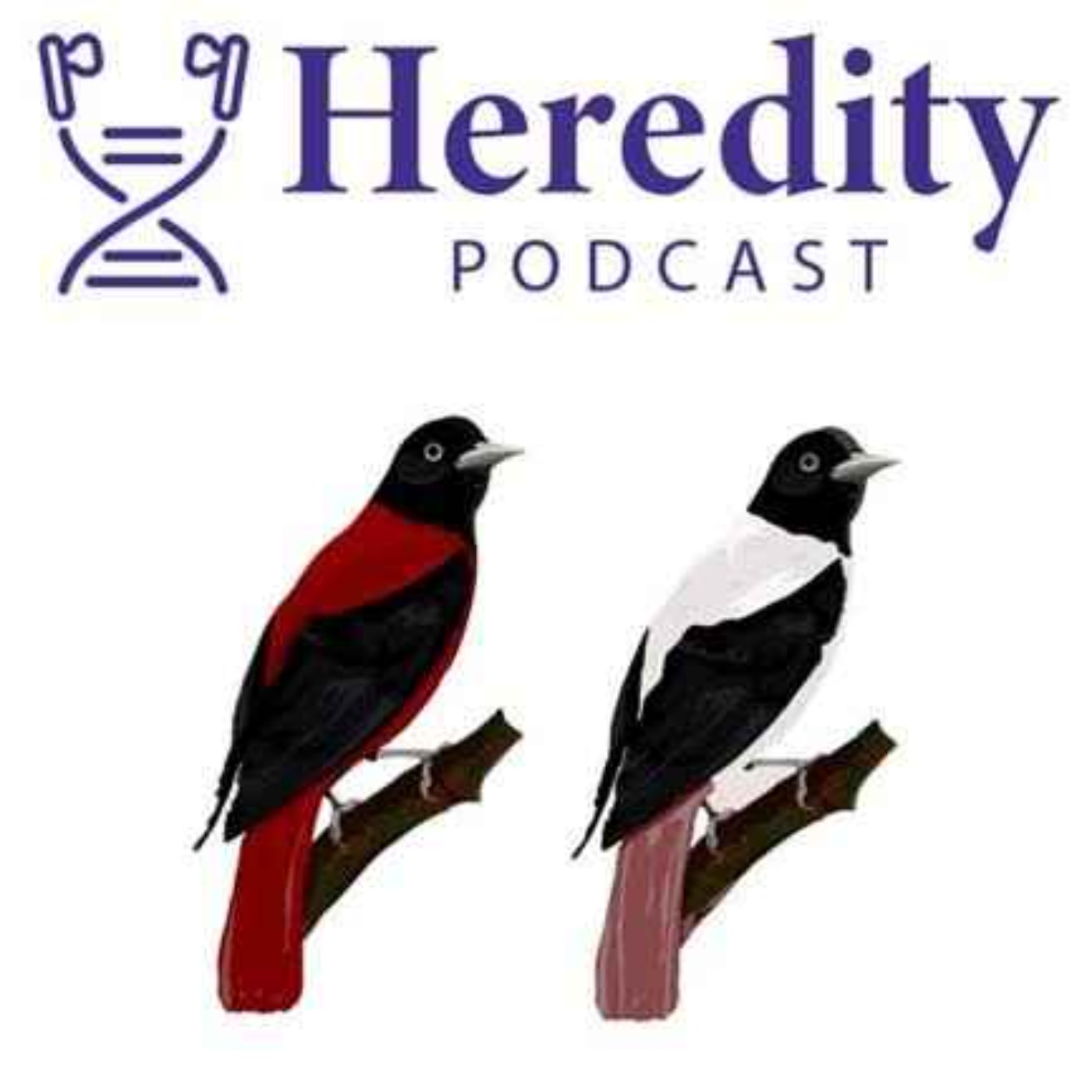
Asian oriole museomics
The genetic material locked within museum collections could help us better understand and conserve the world around us. In this episode PhD student Mario Ernst (Natural History Museum, Berlin) and Dr Knud Jønsson (Natural History Museum of Denmark) explain how, as they tell us about their work on a charismatic group of birds: the Asian orioles. This episode explores the recent Heredity paper: “Utilizing museomics to trace the complex history and species boundaries in an avian-study system of conservation concern” Hosted on Acast. See acast.com/privacy for more information.
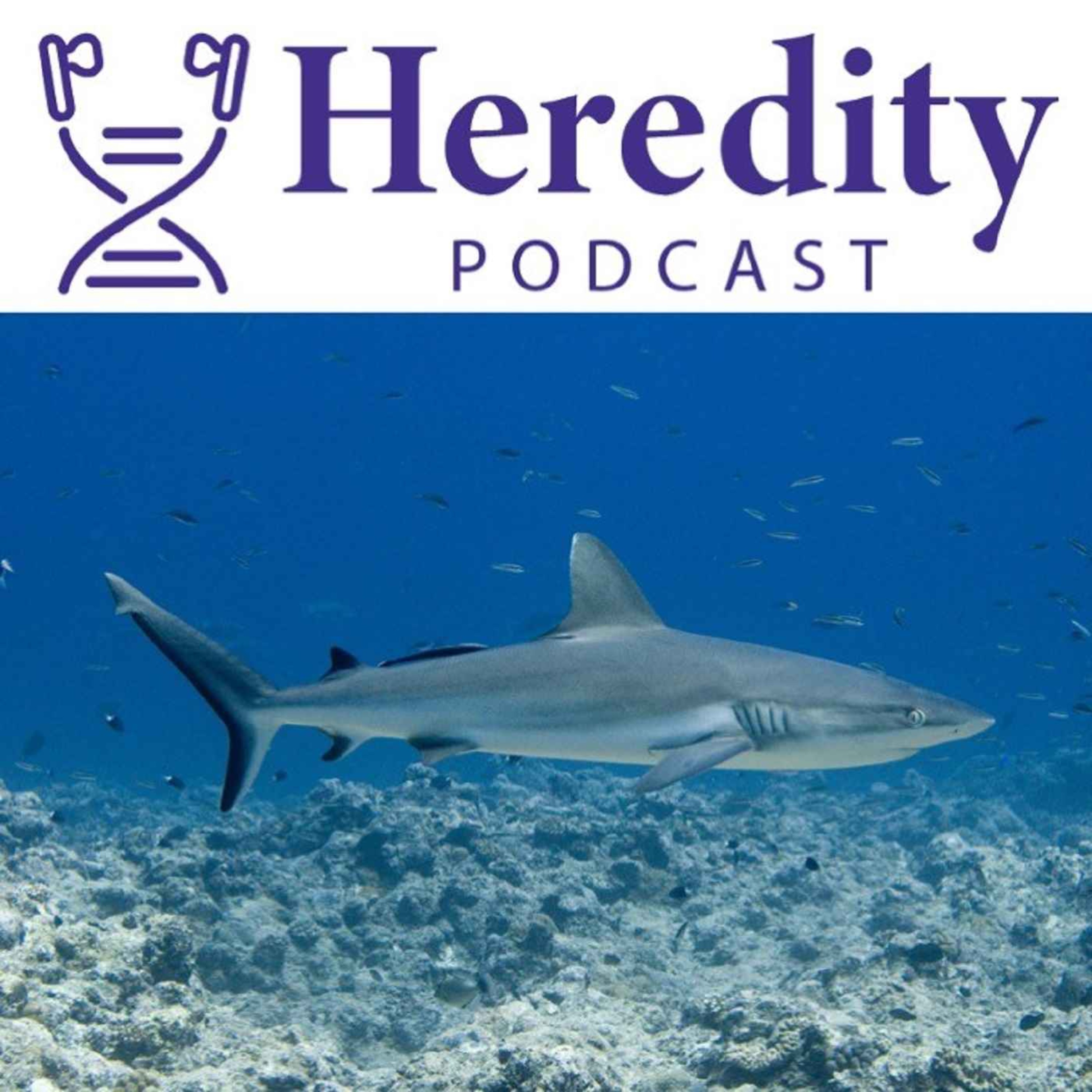
Grey reef shark demographics
Hidden within shark genomes are clues to the evolution of marine biodiversity hotspots. In this episode, Dr Paolo Momigliano (University of Vigo), tells us about his work on the grey reef shark: from fishing in the tropical waters of the Coral Triangle to detailed demographic modelling. This episode explores the recent Heredity paper: “Genomic insights into the historical and contemporary demographics of the grey reef shark” https://www.nature.com/articles/s41437-022-00514-4 To find out about the Genetics Society’s art competition for UK primary and secondary schools, visit: https://genetics.org.uk/hap-pea-birthday-mendel/ Hosted on Acast. See acast.com/privacy for more information.

Recast: Getting to know Heredity
In this episode we revisit an inspiring episode that answers the question: why should you publish in Heredity? Hosted on Acast. See acast.com/privacy for more information.
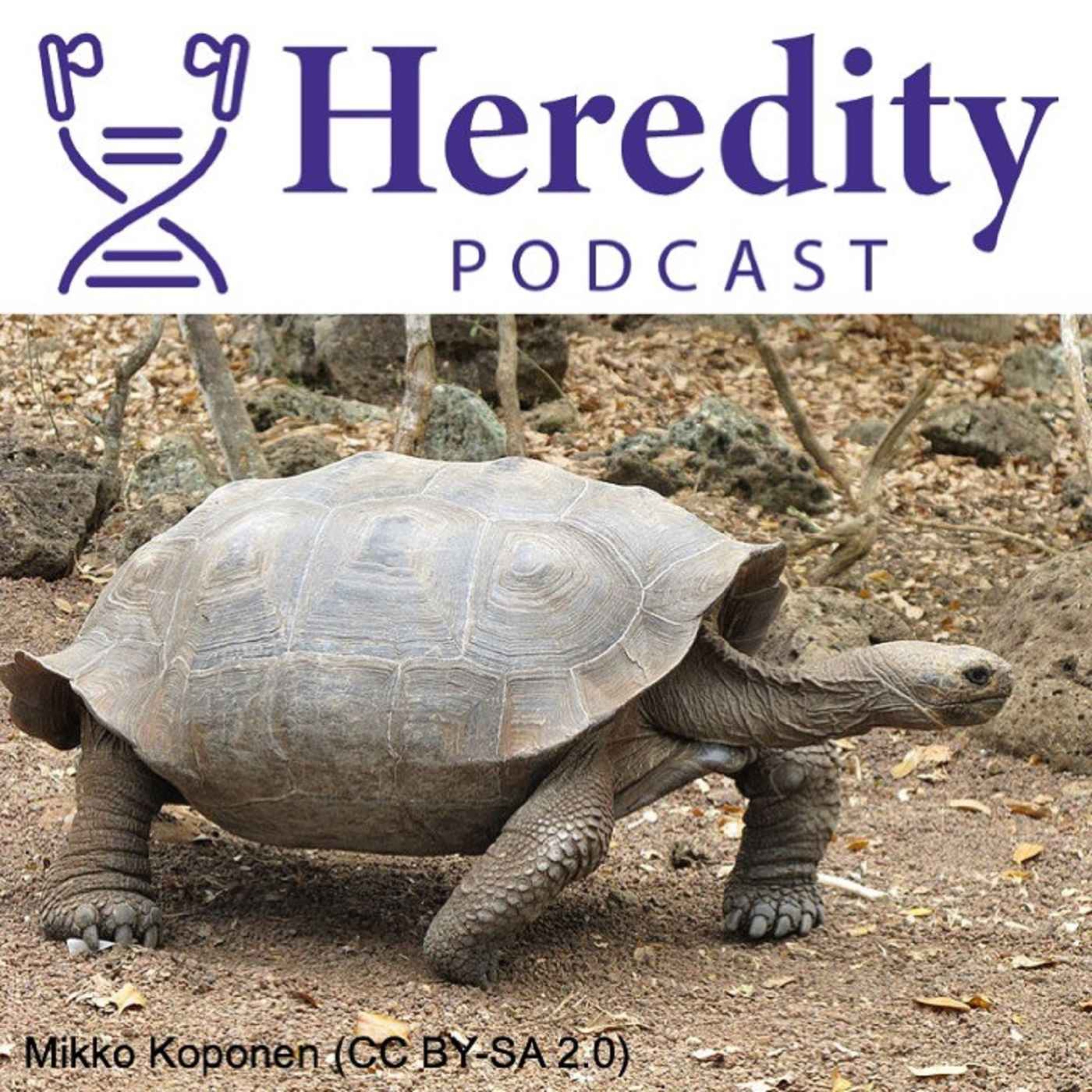
Galápagos giants
The giant tortoises of the Galápagos archipelago form one of the most iconic evolutionary systems in the world. But is all as it appears? Join Dr Evelyn Jensen (Newcastle University) and discover how museum specimens are reshaping our understanding of this famous radiation. This episode explores the recent Heredity paper: “A new lineage of Galapagos giant tortoises identified from museum samples” https://www.nature.com/articles/s41437-022-00510-8 Hosted on Acast. See acast.com/privacy for more information.
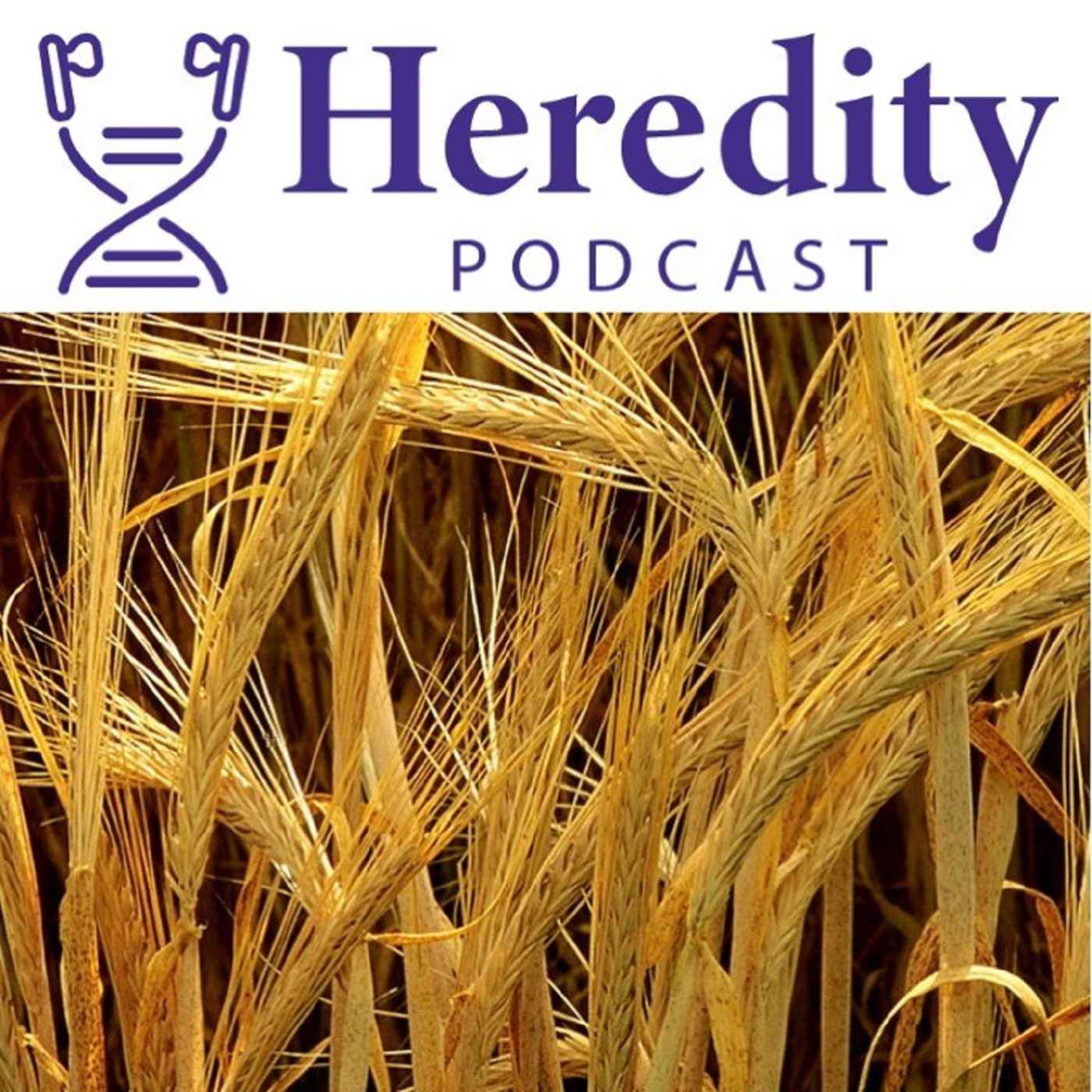
Wild barley relatives
Barley is one of the world’s oldest and most important cultivated cereal grains. But it’s long history of domestication has resulted in greatly reduced genetic diversity, which isn’t ideal for plant breeding efforts. So, in this episode, Che-Wei Chang and Prof. Karl Schmid (University of Hohenheim) discuss their quest to find useful genetic variation in wild barley relatives. This episode explores the recent Heredity paper: “Physical geography, isolation by distance and environmental variables shape genomic variation of wild barley (Hordeum vulgare L. ssp. spontaneum) in the Southern Levant” https://www.nature.com/articles/s41437-021-00494-x Hosted on Acast. See acast.com/privacy for more information.
The best student-led papers in Heredity, Vol. 2
Every year Heredity publishes some outstanding student-led papers, and to recognise the quality of this work the journal runs a student paper prize. So, what makes a paper stand out? Find out, as we hear from overall winner Dr Allie Graham and 2nd runner-up Johanna Denkena. Explore the full Student Prize Longlist Collection here: https://www.nature.com/collections/bedbicdicb Hosted on Acast. See acast.com/privacy for more information.
PopGroup 55 Special
In this episode we explore the 55th Population Genetics Group Meeting. Tune in to get a taste of what this conference has to offer as we hear from organisers, plenary speakers, and student prize winners. This episode was made in collaboration with Mike Pointer, host of the Abstract Bioscience podcast. Hosted on Acast. See acast.com/privacy for more information.
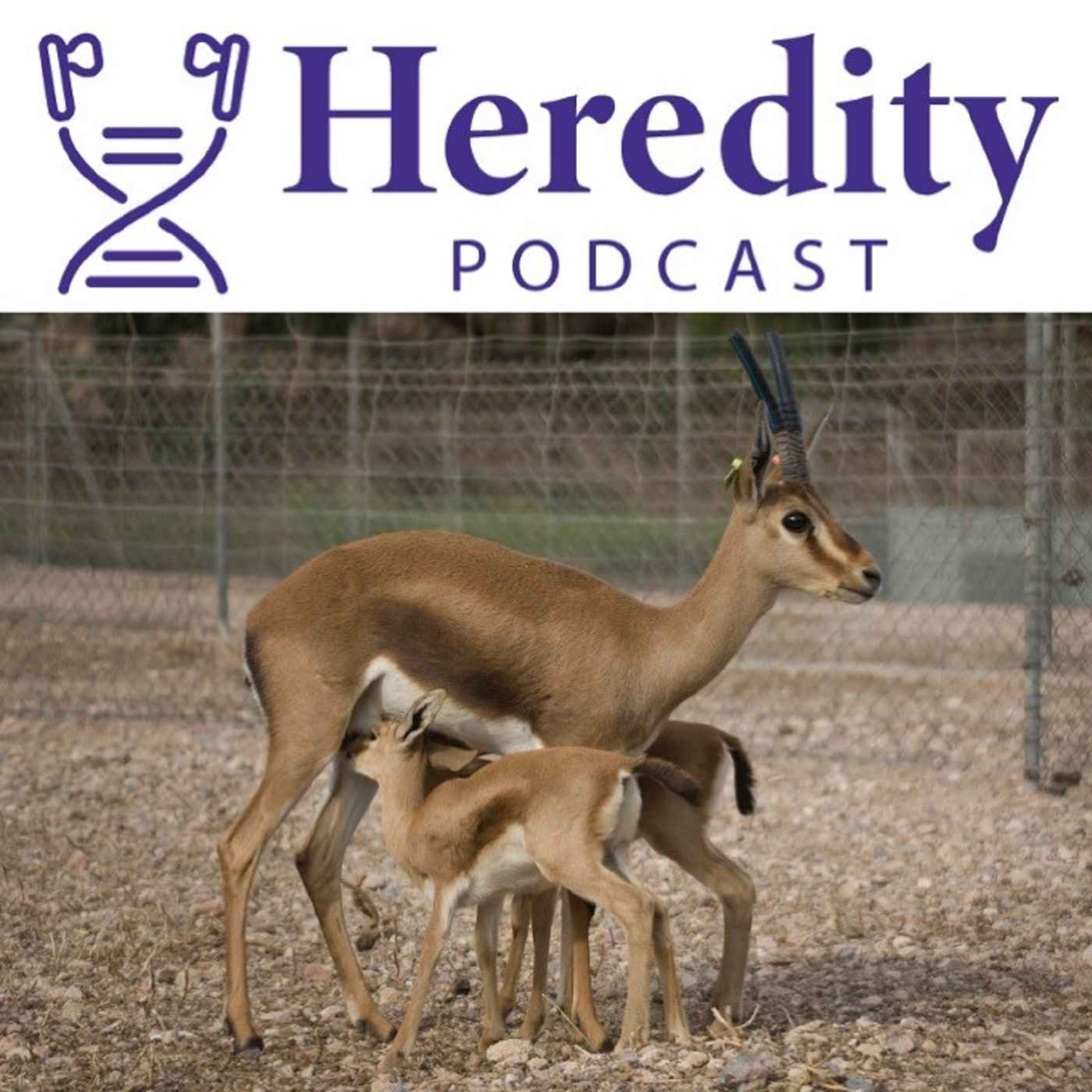
Genetic Purging
Inbreeding depression is often considered to be a bad thing, especially in conservation programmes. However, that may not always be the case. In this episode Dr Eugenio López-Cortegano (University of Edinburgh), Dr Eulalia Moreno (Estación Experimental de Zonas Áridas) and Prof. Aurora García-Dorado (Universidad Complutense de Madrid) discuss a surprising benefit of inbreeding in small, endangered populations. In this episode we explore the recent Heredity paper: “Genetic purging in captive endangered ungulates with extremely low effective population sizes” https://www.nature.com/articles/s41437-021-00473-2 Hosted on Acast. See acast.com/privacy for more information.
The Best of 2021
Join host James Burgon as he shares his highlights from the past year of the Heredity Podcast. Hosted on Acast. See acast.com/privacy for more information.
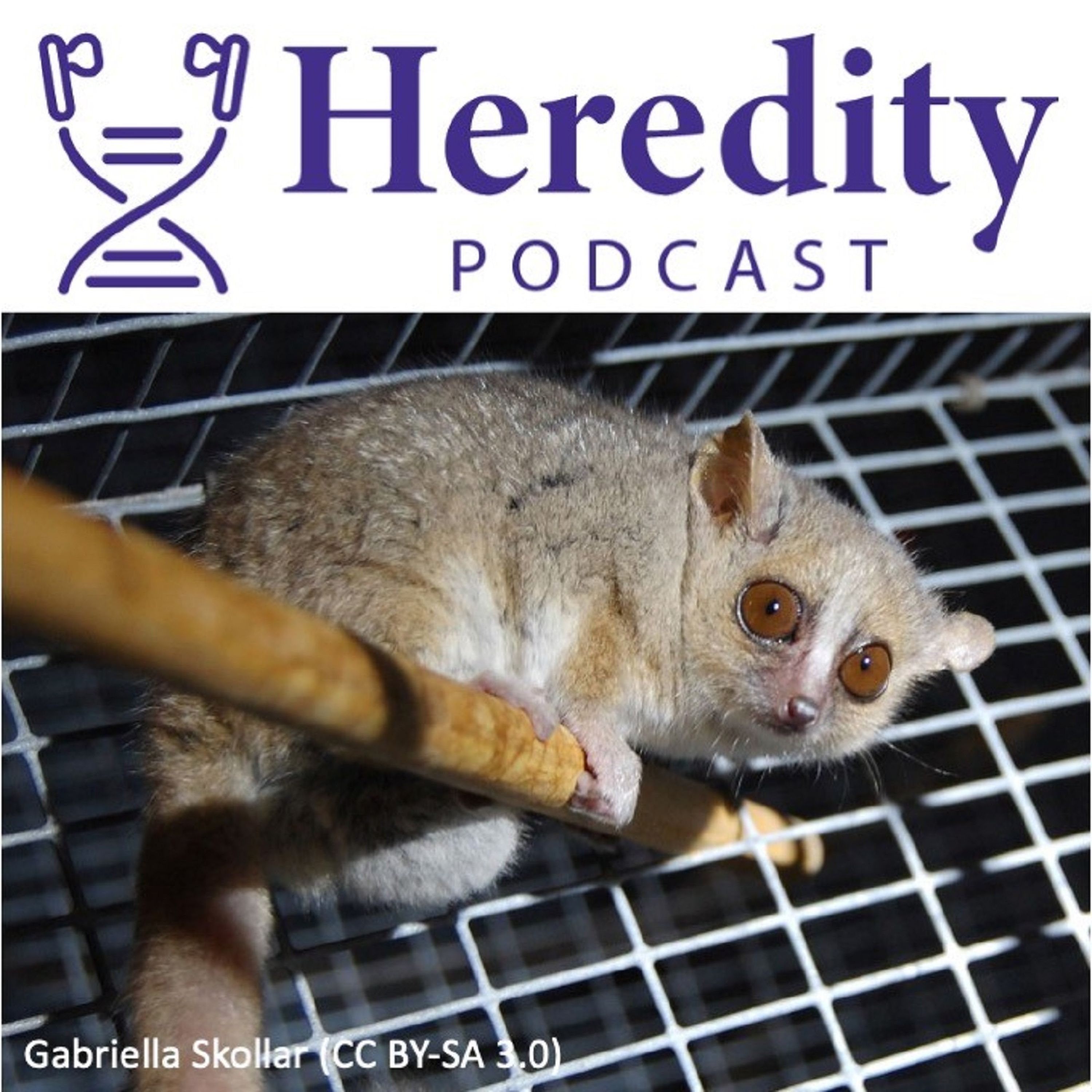
Surprising little lemurs
Join Prof. Anne Yoder (Duke University), Dr Mario dos Reis (Queen Mary University of London) and Dr George Tiley (Duke University) as they discuss their recent work looking at mutation rates in the gray mouse lemur. It’s a story that takes us from a house party to the bleeding edge of genetics research, with a detour through the scandalous sex lives of mouse lemurs. In this episode we explore the recent Heredity paper: “Pedigree-based and phylogenetic methods support surprising patterns of mutation rate and spectrum in the gray mouse lemur” https://www.nature.com/articles/s41437-021-00446-5 Hosted on Acast. See acast.com/privacy for more information.
PopGroup55: Norwich
The Population Genetics Group Meeting comes to Norwich this January (05th – 07th). In fact, it's coming to a lot of places. Tune in to find out how this beloved genetics conference is adapting to the COVID era with online talks, local meetups and “Twitter posters”. This episode features friend of the podcast Mike Pointer, one of this year’s PopGroup organisers and host of the Abstract Bioscience podcast. PopGroup registration closes on 12th December. Hosted on Acast. See acast.com/privacy for more information.
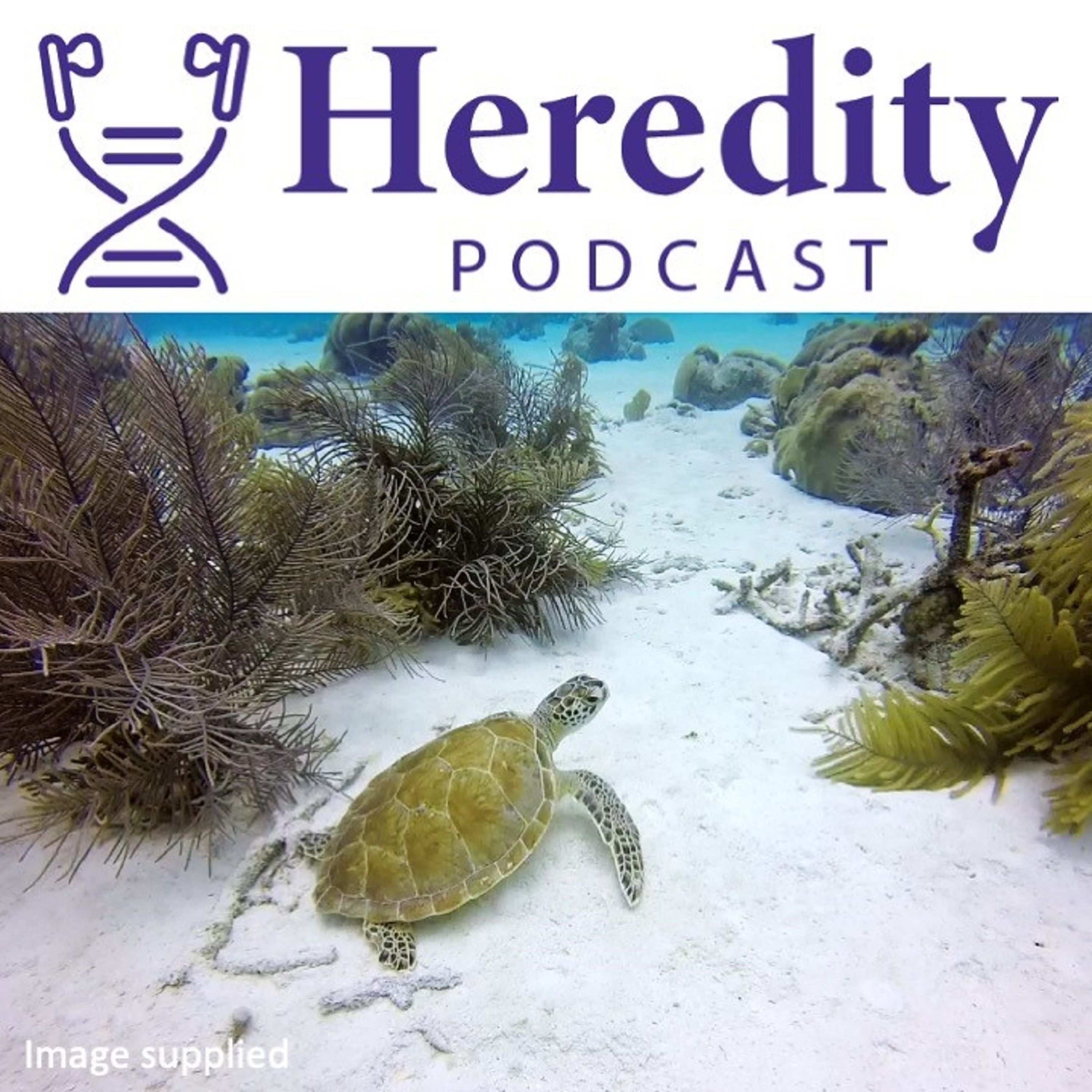
A genomic approach to oceanography
Can we really understand ancient shifts in oceanic currents by looking at the population genetics of migratory species? Find out in this episode, as Dr Jurjan van der Zee (University of Groningen) discusses his search for a warm-water corridor between the Atlantic and Indian oceans in the genomes of green turtles. In this episode we explore the recent Heredity paper: “The population genomic structure of green turtles (Chelonia mydas) suggests a warm-water corridor for tropical marine fauna between the Atlantic and Indian oceans during the last interglacial” https://www.nature.com/articles/s41437-021-00475-0 Hosted on Acast. See acast.com/privacy for more information.
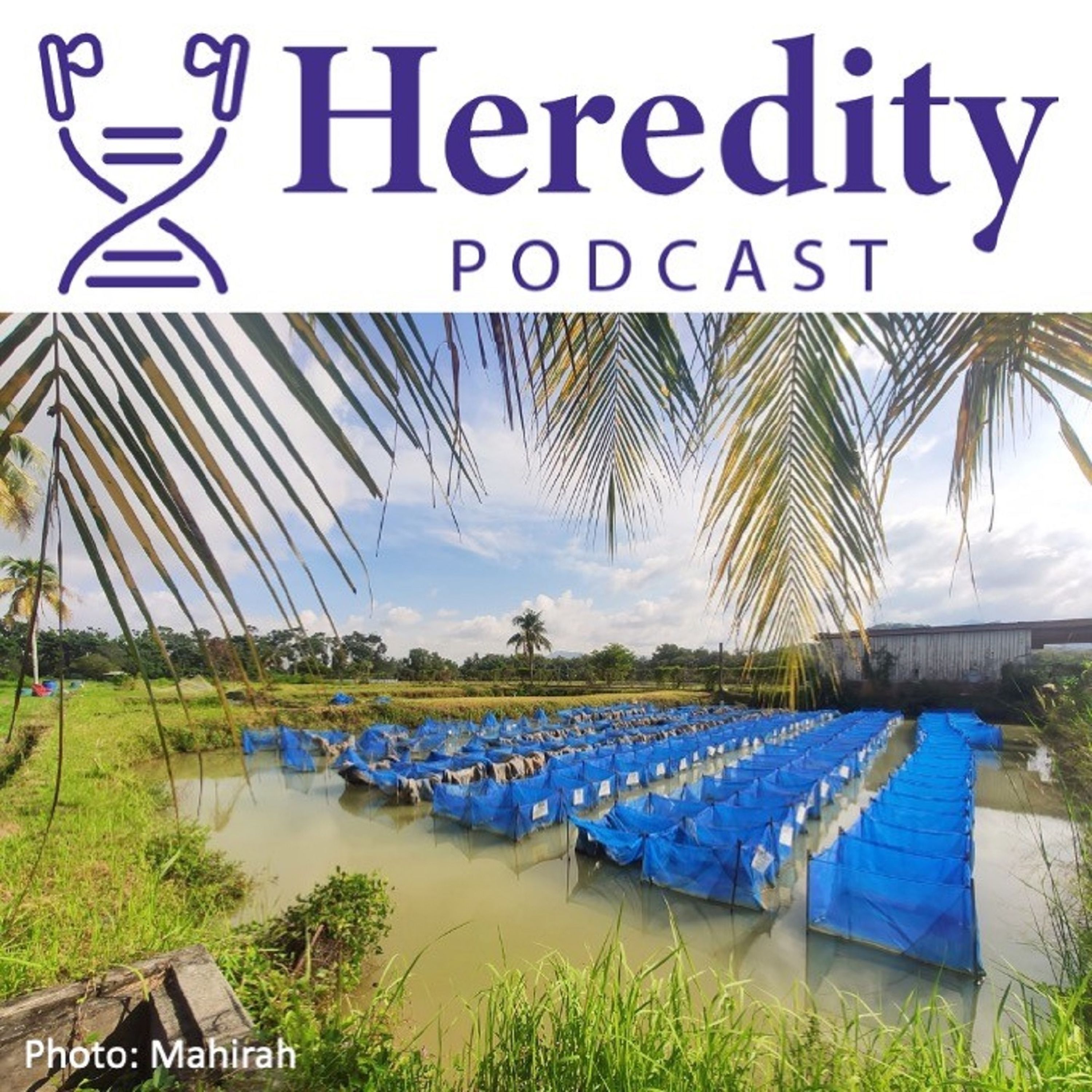
Resisting the Tilapia Lake Virus
Nile tilapia are the third most important farmed fish worldwide, but the emergence of the Tilapia Lake Virus (TiLV) threatens its sustainable production. In this episode, Dr Agustin Barría (The Roslin Institute) discusses his recent collaboration, where they used a natural outbreak of TiLV to investigate the genetic architecture of disease resistance. In this episode we explore the recent Heredity paper: “A major quantitative trait locus affecting resistance to Tilapia lake virus in farmed Nile tilapia (Oreochromis niloticus)” https://www.nature.com/articles/s41437-021-00447-4 Hosted on Acast. See acast.com/privacy for more information.
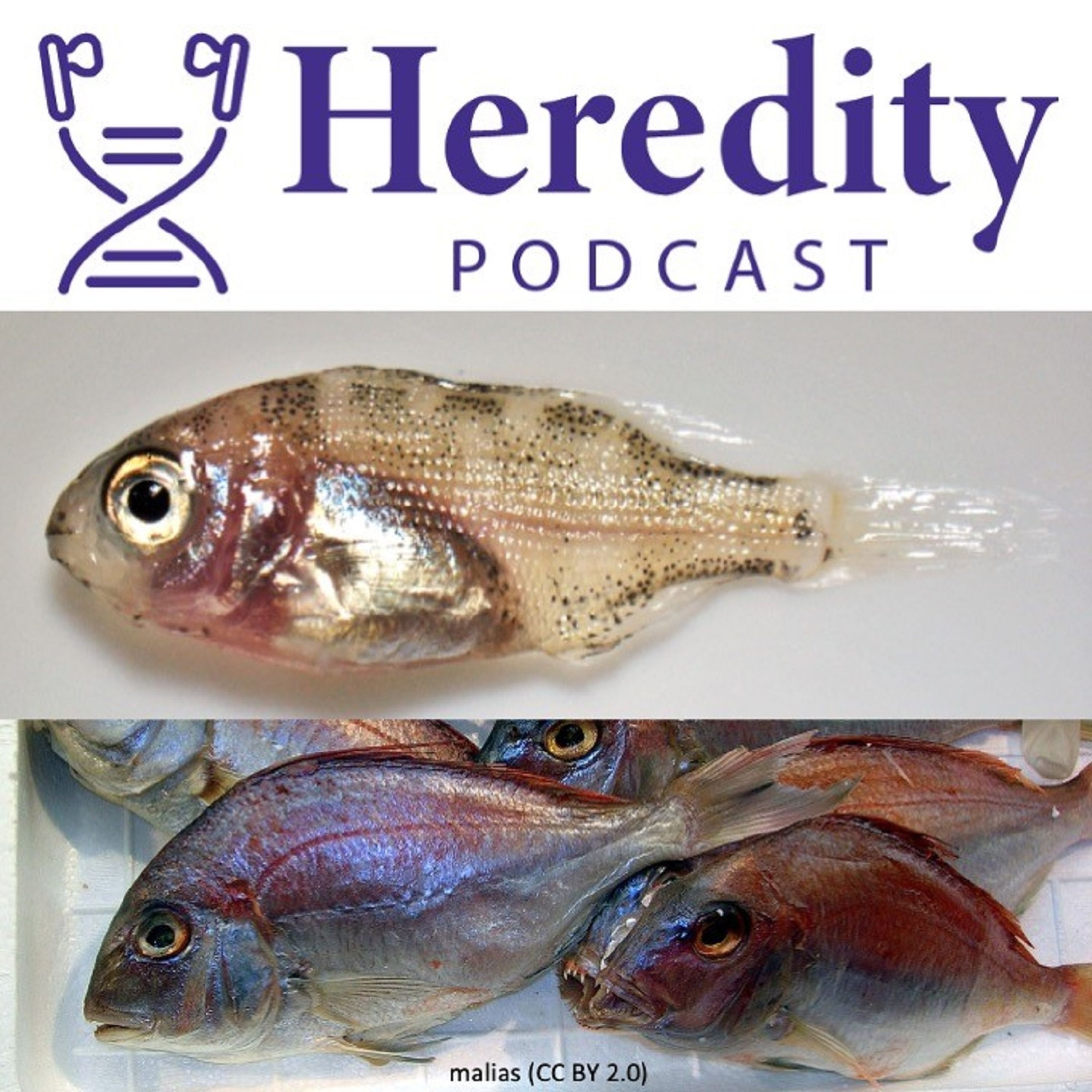
Why's that fish transparent?
Red sea bream are an important fish in Japan, for both culinary and cultural reasons. But there’s a problem: transparent fish are appearing in fish farms! Join Dr Eitaro Sawayama (Nihon University) and find out how he uncovered the causative gene for this deformity, and what his work means for red sea bream aquaculture.In this episode we explore the recent Heredity paper: “Identification of the causative gene of a transparent phenotype of juvenile red sea bream Pagrus major” https://www.nature.com/articles/s41437-021-00448-3 Hosted on Acast. See acast.com/privacy for more information.
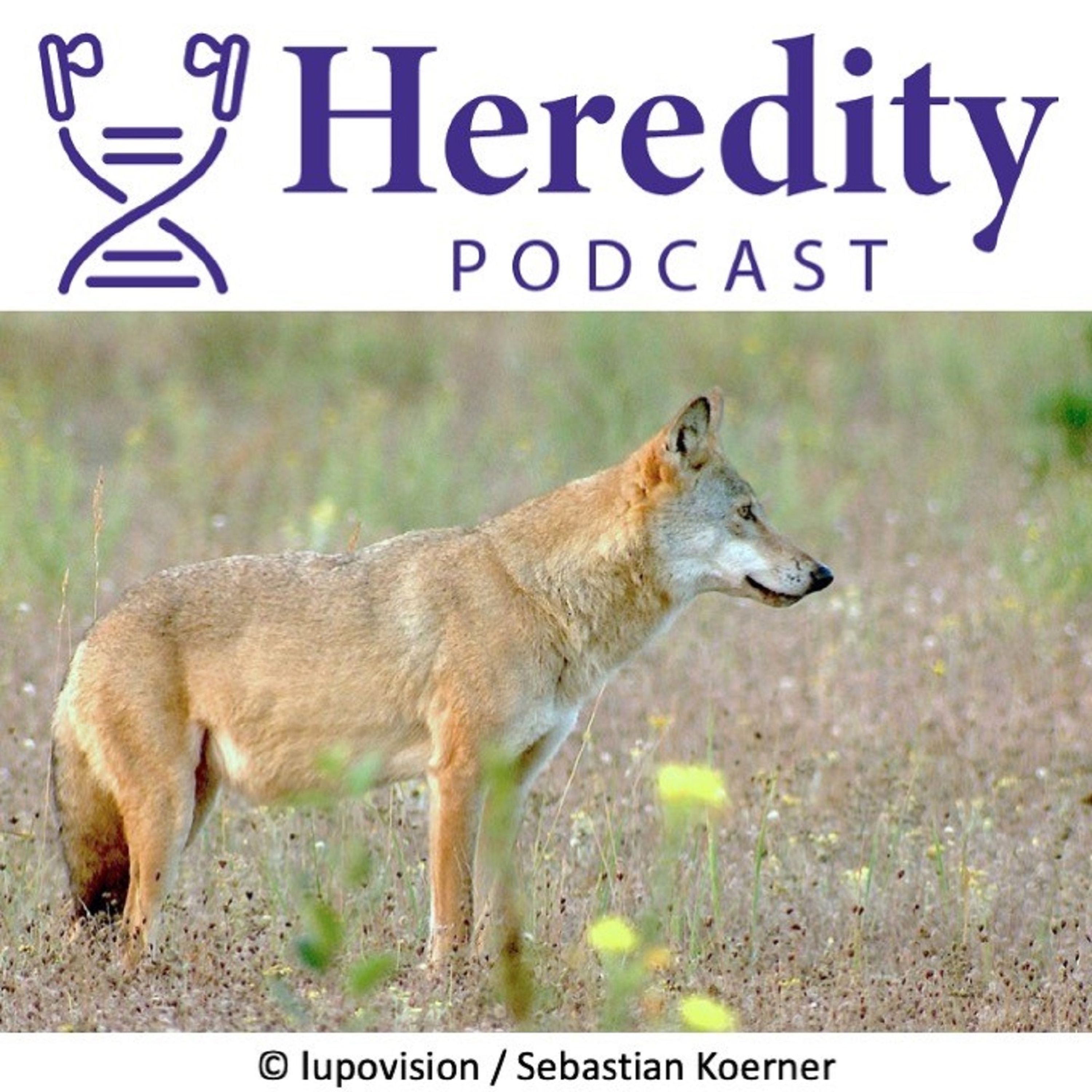
The return of wolves
After more than 150 years, wolves once again roam the Germany countryside! Of course, a lot has changed in that time. Join Anne Jarausch (Senckenberg Research Institute and Natural History Museum Frankfurt) as she discusses her recent work looking at the genetics of this ongoing, rapid and natural wolf recolonisation. In this episode we explore the recent Heredity paper: “How the west was won: genetic reconstruction of rapid wolf recolonization into Germany’s anthropogenic landscapes” https://www.nature.com/articles/s41437-021-00429-6 Hosted on Acast. See acast.com/privacy for more information.
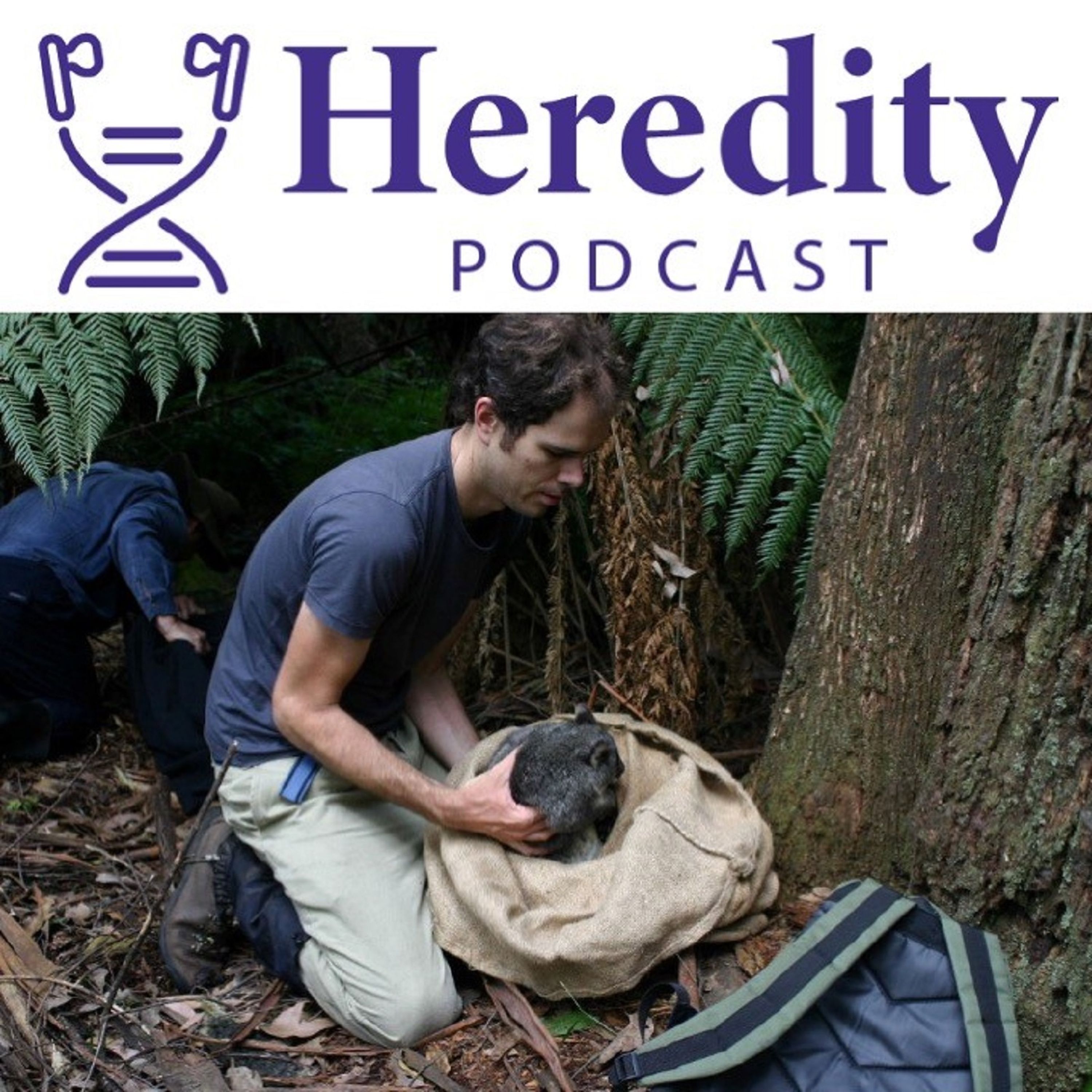
New editor on the board: an interview with Prof. Sam Banks
Join us as we talk to the newest member of the Heredity editorial board: Prof. Sam Banks (Charles Darwin University). Discover his eclectic research tastes, hear about his recent Heredity paper on Australia’s threatened brush-tailed rabbit-rat, and be inspired by his passion for population genetics and ecology. This episode discusses the recent Heredity paper: “Population genomics and conservation management of a declining tropical rodent”https://www.nature.com/articles/s41437-021-00418-9 Hosted on Acast. See acast.com/privacy for more information.
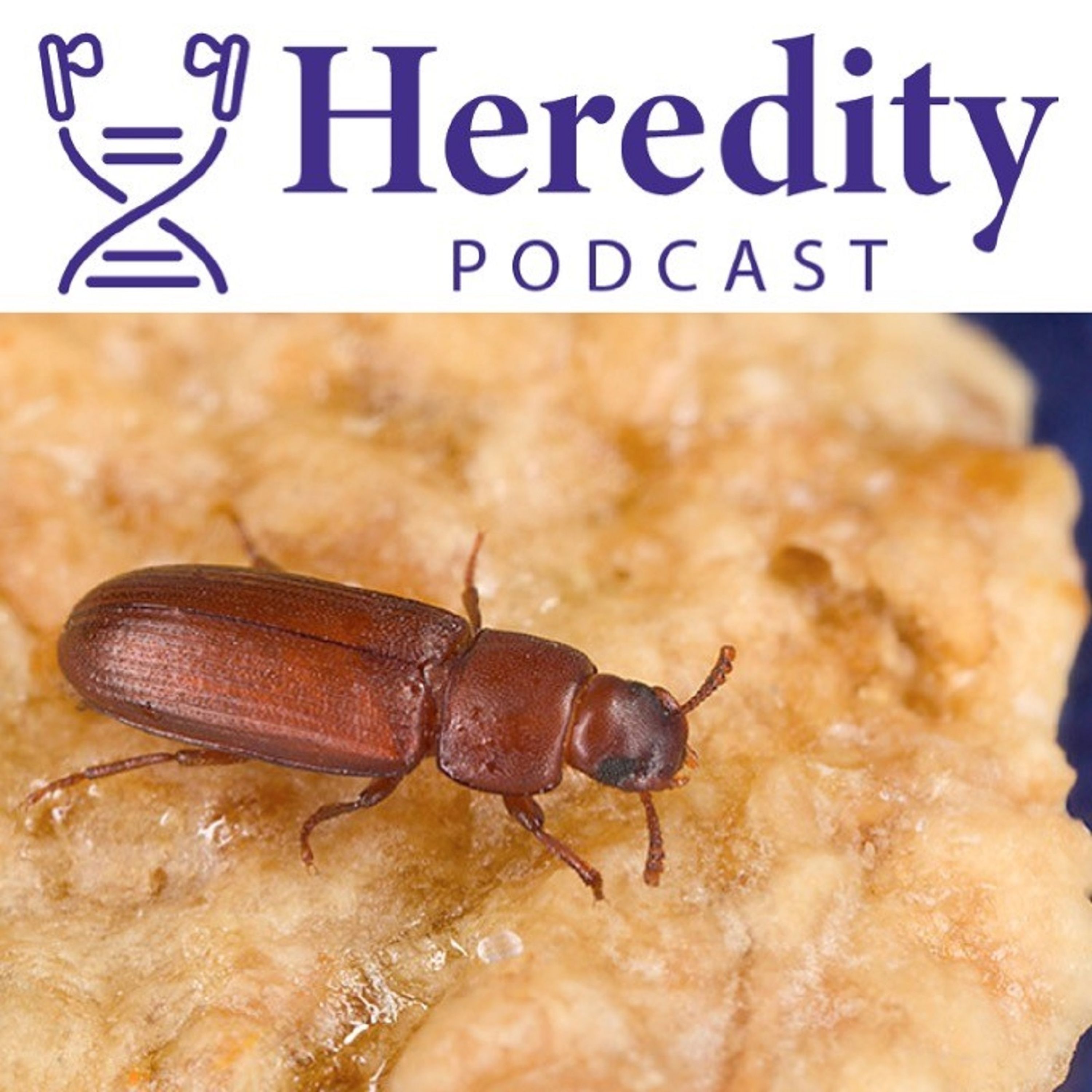
A pest with potential
A scourge to many in agriculture, flour beetles in the genus Tribolium may be the best model system you’re not using. Join PhD student Michael Pointer, Prof. Matthew Gage and Dr Lewis Spurgin (University of East Anglia) as they discuss the importance of Tribolium beetles across a remarkable range of research fields… and their great untapped potential as a model system in evolution and ecology. In this episode we explore the recent Heredity review: “Tribolium beetles as a model system in evolution and ecology” https://www.nature.com/articles/s41437-021-00420-1 Hosted on Acast. See acast.com/privacy for more information.

Tales from the field
From Antarctic voyages to tropical cloud rainforests, join us as we revisit some of the best fieldwork experiences shared on the Heredity Podcast. Hosted on Acast. See acast.com/privacy for more information.
Maternal matters
Join Dr Milan Vrtílek (Czech Academy of Sciences) and Dr Pierre Chuard (Bishop's University) as they venture into the world of maternal effects – a form of inheritance that goes beyond genes. We also discuss the importance of preregistering studies for robust, reproducible science and explore the often-overlooked value in finding negative results. In this episode we explore the recent Heredity article: “The role of maternal effects on offspring performance in familiar and novel environments” https://www.nature.com/articles/s41437-021-00431-y Hosted on Acast. See acast.com/privacy for more information.
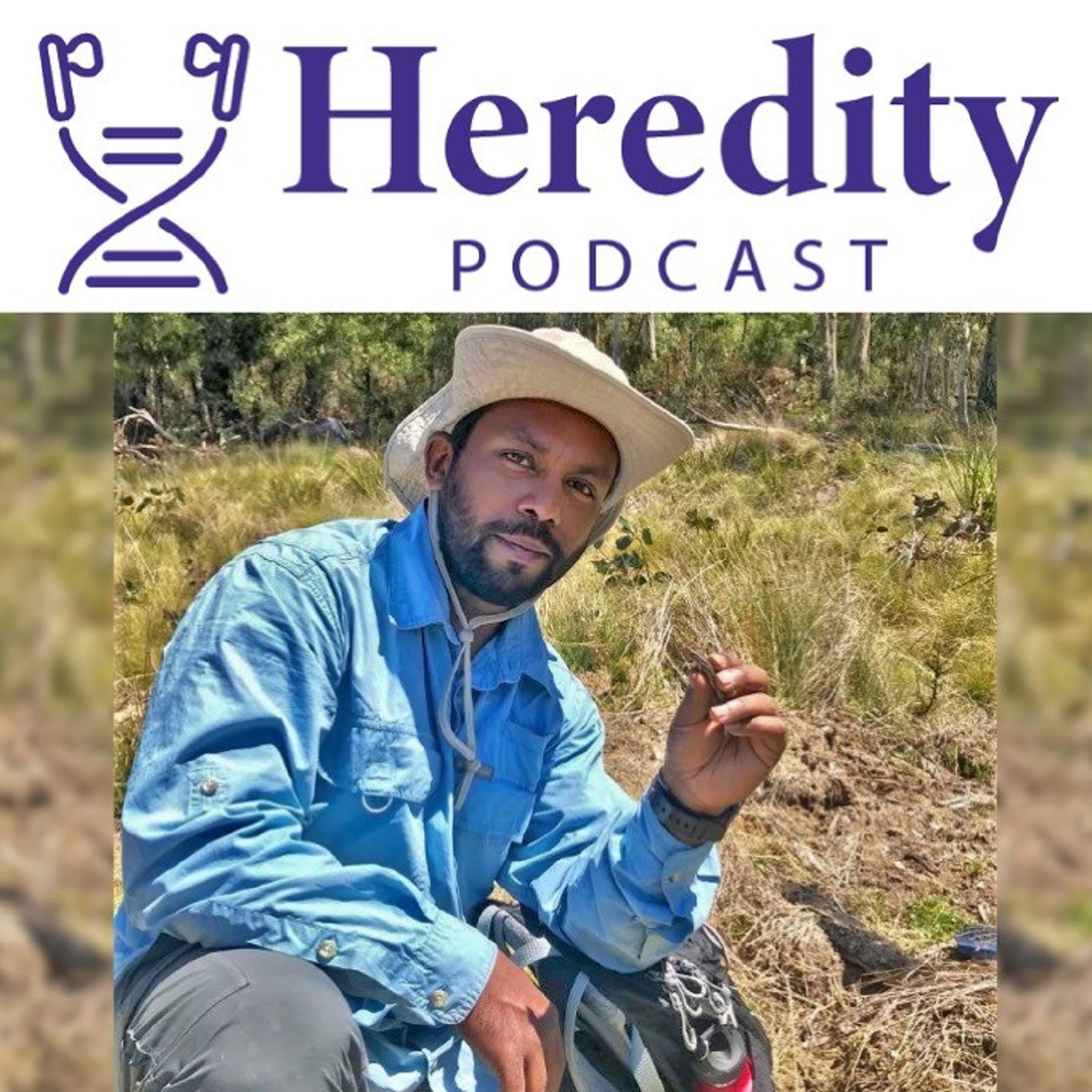
Reversing sex
Delve into the complex processes behind biological sex determination with Duminda Dissanayake and Clare Holleley (University of Canberra/CSIRO), and discover what happens when a developing lizard embryo receives conflicting signals. In this episode we explore the recent Heredity paper: “High elevation increases the risk of Y chromosome loss in Alpine skink populations with sex reversal” https://www.nature.com/articles/s41437-021-00406-z Hosted on Acast. See acast.com/privacy for more information.
When less is more: adaptive loss of function
There are many ways to break a gene, and that’s not always a bad thing. In this episode Grey Monroe and Pádraic Flood discuss their recent paper on the population genomics of adaptive loss of function, and recount the unexpected origins of their collaboration. In this episode we explore the recent Heredity review article: “The population genomics of adaptive loss of function” https://www.nature.com/articles/s41437-021-00403-2 Hosted on Acast. See acast.com/privacy for more information.

Recast: Good dog, bad dog – is it all in the genes?
In this episode we revisit the nature vs. nurture debate in one of humanity's closest companions – Dogs! Why do they do the things they do? Are their behaviours hardwired into their DNA? Tune in and listen to Dr Juliane Friedrich, Dr Pamela Wiener and Dr Marie Haskell as they discuss complex genetic behaviour traits in German shepherd dogs and how their research has shaped the way they view their own pets behaviour. In this episode we explore the Heredity paper: “Genetic dissection of complex behaviour traits in German Shepherd dogs” https://www.nature.com/articles/s41437-019-0275-2 Hosted on Acast. See acast.com/privacy for more information.
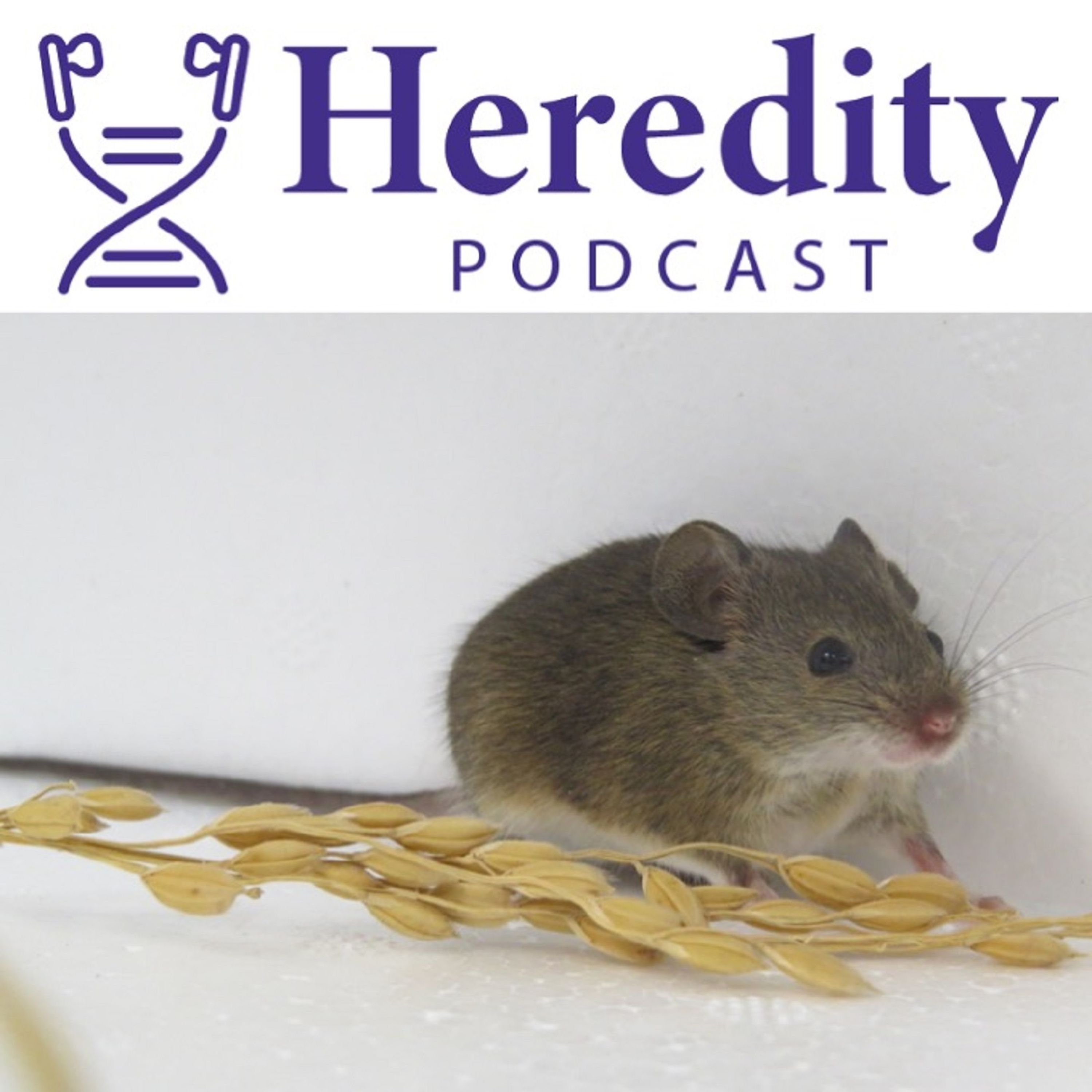
History according to mice
Etched into the genomes of the humble house mouse are clues to some of the most important migrations in human history. Join Prof. Hitoshi Suzuki and Dr Naoki Osada (Hokkaido University) as they explain how they used the Eurasian house mouse, Mus musculus, to trace the prehistorical movement of ancient human populations.In this episode we explore the recent Heredity paper: “House mouse Mus musculus dispersal in East Eurasia inferred from 98 newly determined complete mitochondrial genome sequences” https://www.nature.com/articles/s41437-020-00364-y Hosted on Acast. See acast.com/privacy for more information.

PopGroup 54 Special
In this episode we explore the 54th Population Genetics Group Meeting with two of its organisers: Prof. Andrea Betancourt and Eve Taylor-Cox (University of Liverpool). We also hear from the winner of the best student talk: Gabriela Montejo-Kovacevic (University of Cambridge). Listen now to hear about great new research and the trials of hosting an online conference. Hosted on Acast. See acast.com/privacy for more information.
The evolution of the sexes
Why did different sexes evolve? It’s a question as old as biology, but Prof. Dr Elvira Hörandl (University of Göttingen), with the help of biochemist Dr Franz Hadacek, may have discovered an important piece of the answer. In this episode we explore the recent Heredity review article: “Oxygen, life forms, and the evolution of sexes in multicellular eukaryotes” Hosted on Acast. See acast.com/privacy for more information.
Getting to know Heredity
In a bumper episode, filled with editorial expertise and top writing tips, discover why you should publish in Heredity in 2021! Hosted on Acast. See acast.com/privacy for more information.
The Best of 2020
Join host James Burgon as he shares his highlights from the past year of the Heredity Podcast. Hosted on Acast. See acast.com/privacy for more information.
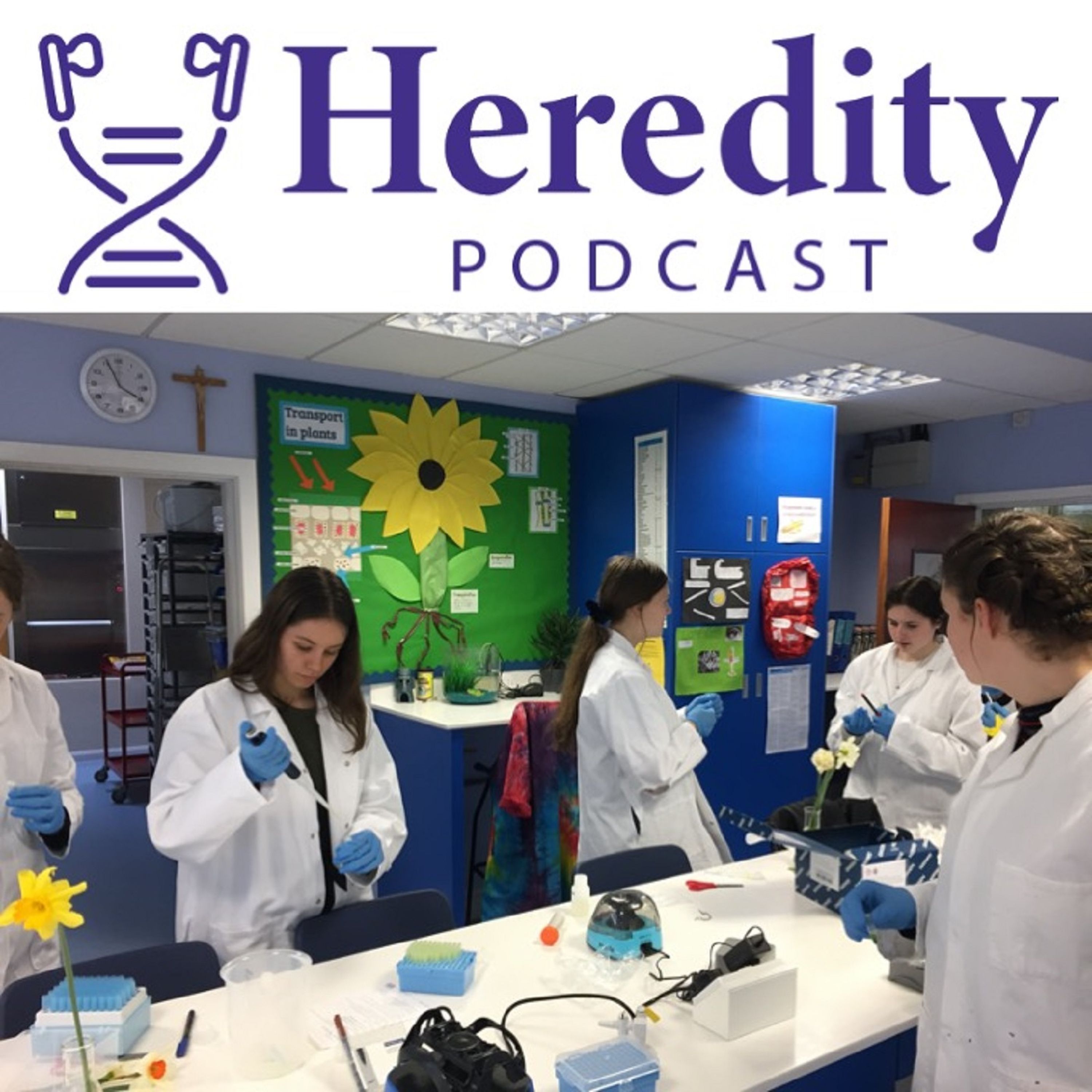
Inspiring the Next Gen
When Jon Hale, a teacher at Beaulieu Convent School in Jersey, asked himself “how do we inspire the next generation of scientists?”, he came up with an incredibly ambitious plan. It involved a Royal Society Partnership Grant, daffodils, and some of the most cutting-edge genome sequencing technology available. In this episode Jon tells us about his transformative school-based initiative, and two of his students, Daisy (17) and Caitlin (17), explain how they took ownership over their first real research project. Hosted on Acast. See acast.com/privacy for more information.

Plant Quantitative Genetics: from Theory into Practice
In this episode we discuss the new Heredity Special Issue, Plant Quantitative Genetics: from Theory into Practice, with guest editors Dr Alison Bentley (CIMMYT) and Dr Lindsey Compton (University of Birmingham). Join us as we delve into the reviews, perspectives and research papers that explore the opportunities and applications of quantitative genetics in a range of plant species, and one paper that asks the question: how can we inspire the next generation of plant scientists? Hosted on Acast. See acast.com/privacy for more information.
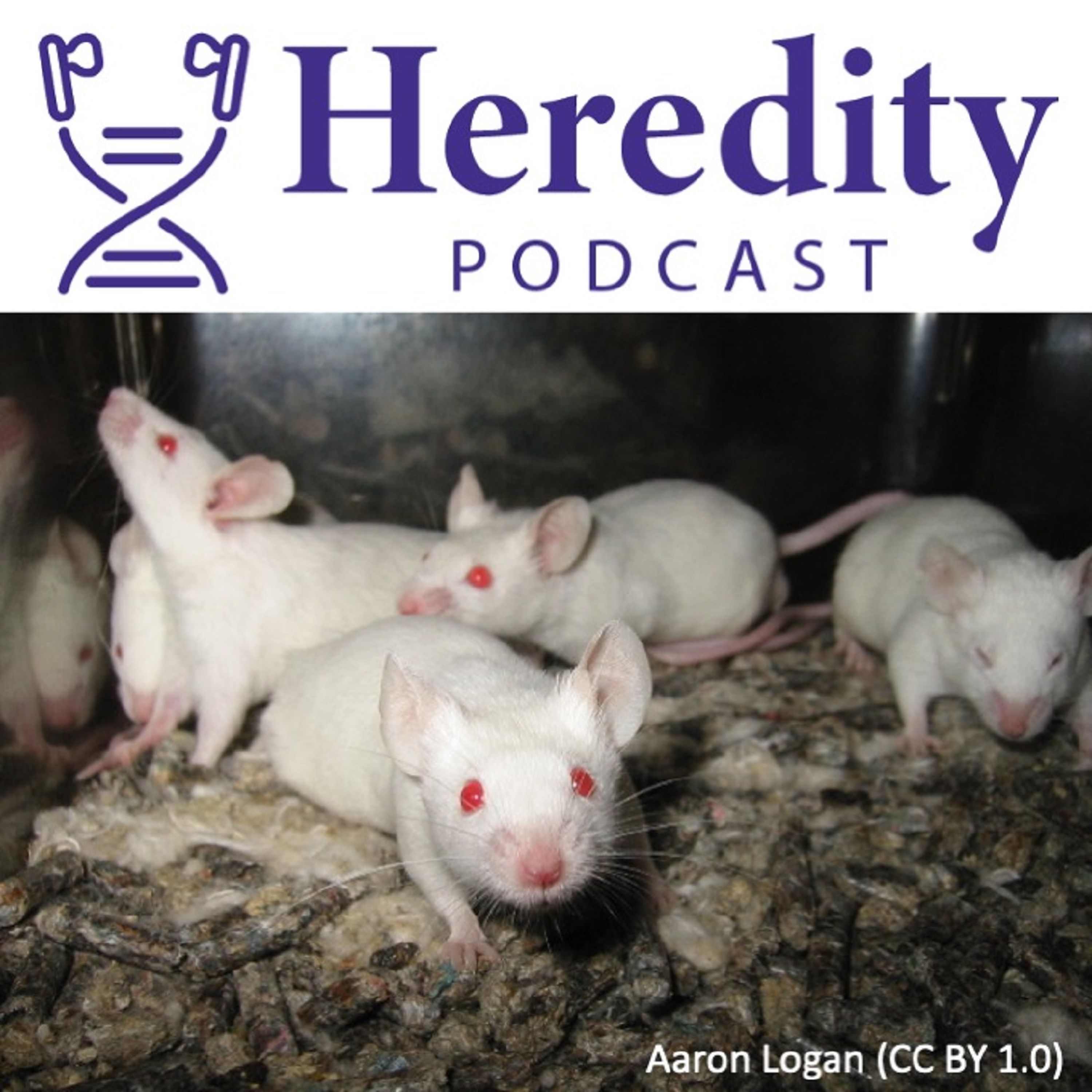
Are all lab mice the same?
For over a century, inbred mice have been at the heart of genetics research. They are undoubtedly one of the most important models in all of biology. But are the mice from inbred lines really as genetically identical as often assumed? Find out in this episode as we hear from Dr Jobran Chebib and Prof. Peter Keightley (University of Edinburgh). Hosted on Acast. See acast.com/privacy for more information.
The best student-led papers in Heredity
In September Heredity unveiled the winners of its first ever prize for best student-led paper. In this episode we explore this collection of outstanding research with the help of Emily Baker, The Genetics Society’s postgraduate representative, the overall winner, Donald McKnight, and the Editor-in-Chief of Heredity Prof. Barbara Mable. Tune in to hear some fascinating science and learn some top-tips for writing a prize-winning manuscript. Explore the full Student Prize Longlist Collection here: https://www.nature.com/collections/iihfghjfei Hosted on Acast. See acast.com/privacy for more information.
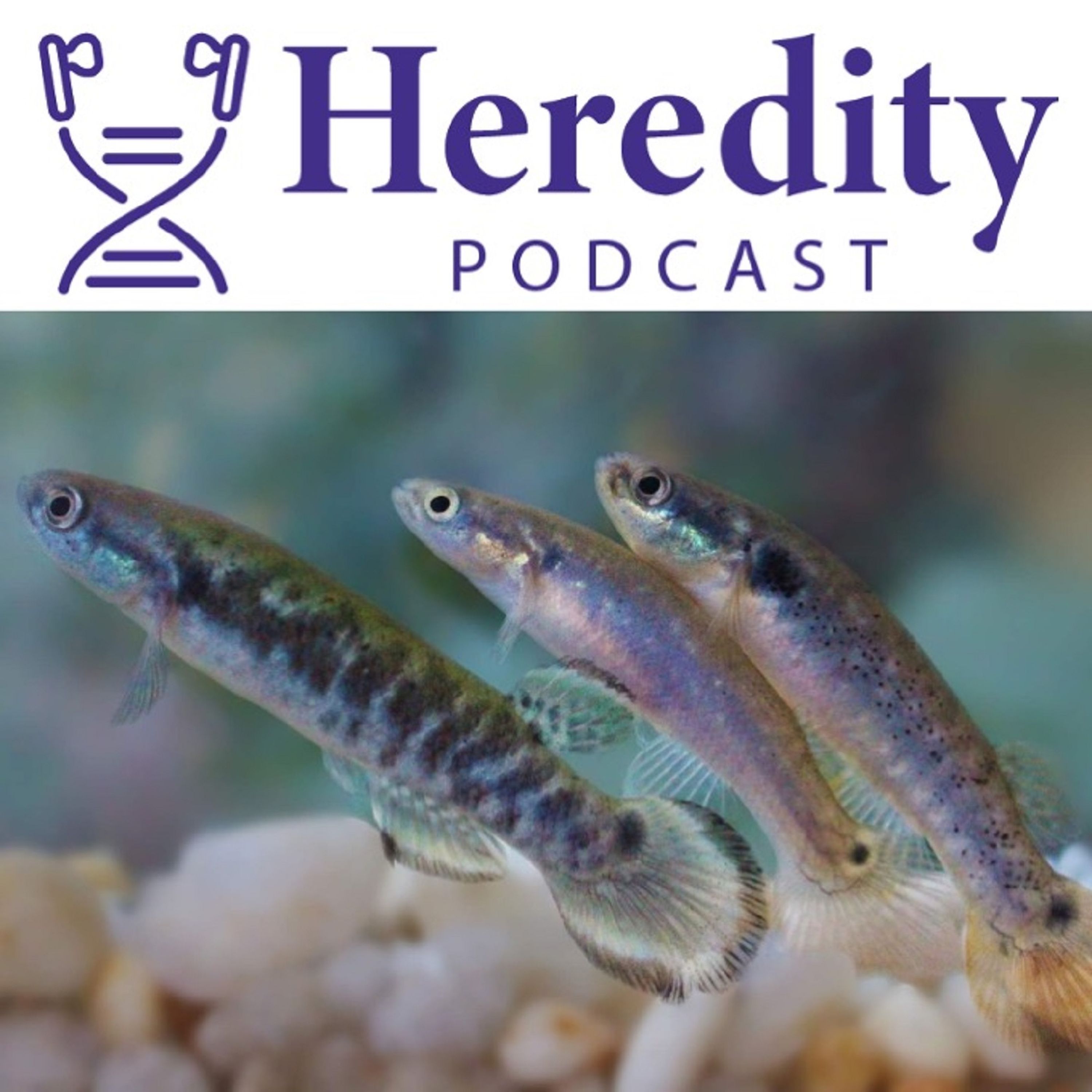
More than meets the eye
Within the Brazilian mangroves resides some of the most unique organisms on Earth: killifish. Specifically, two species within the genus Kryptolebias, which are the only known vertebrates to reproduce through self-fertilisation. What impact does this unusual mating system have on their population genetic structure? Dr Waldir Berbel-Filho ventured into the inhospitable mangroves to discover the answer. Hosted on Acast. See acast.com/privacy for more information.
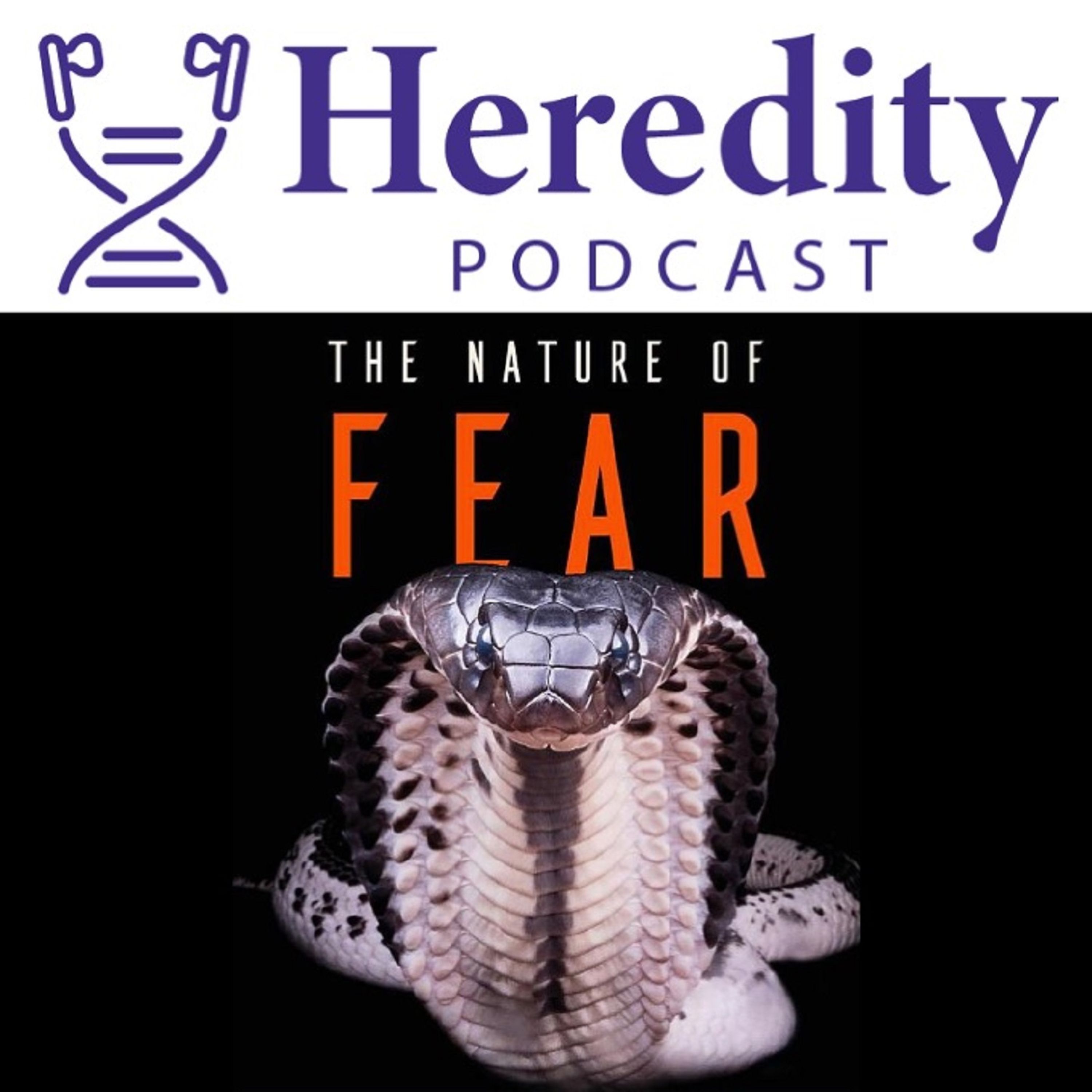
The Nature of fear with Prof. Dan Blumstein
Join Prof. Daniel Blumstein (UCLA) as he discusses his new popular science book The Nature of Fear: Survival Lessons from the Wild. Prof. Blumstein has scoured the animal kingdom in search of better ways for us to live wisely with this primordial emotion and cope with risk. It’s a journey that’s involved diving with giant clams, biking through tiger country, and developing an inordinate fondness for marmots. Hosted on Acast. See acast.com/privacy for more information.
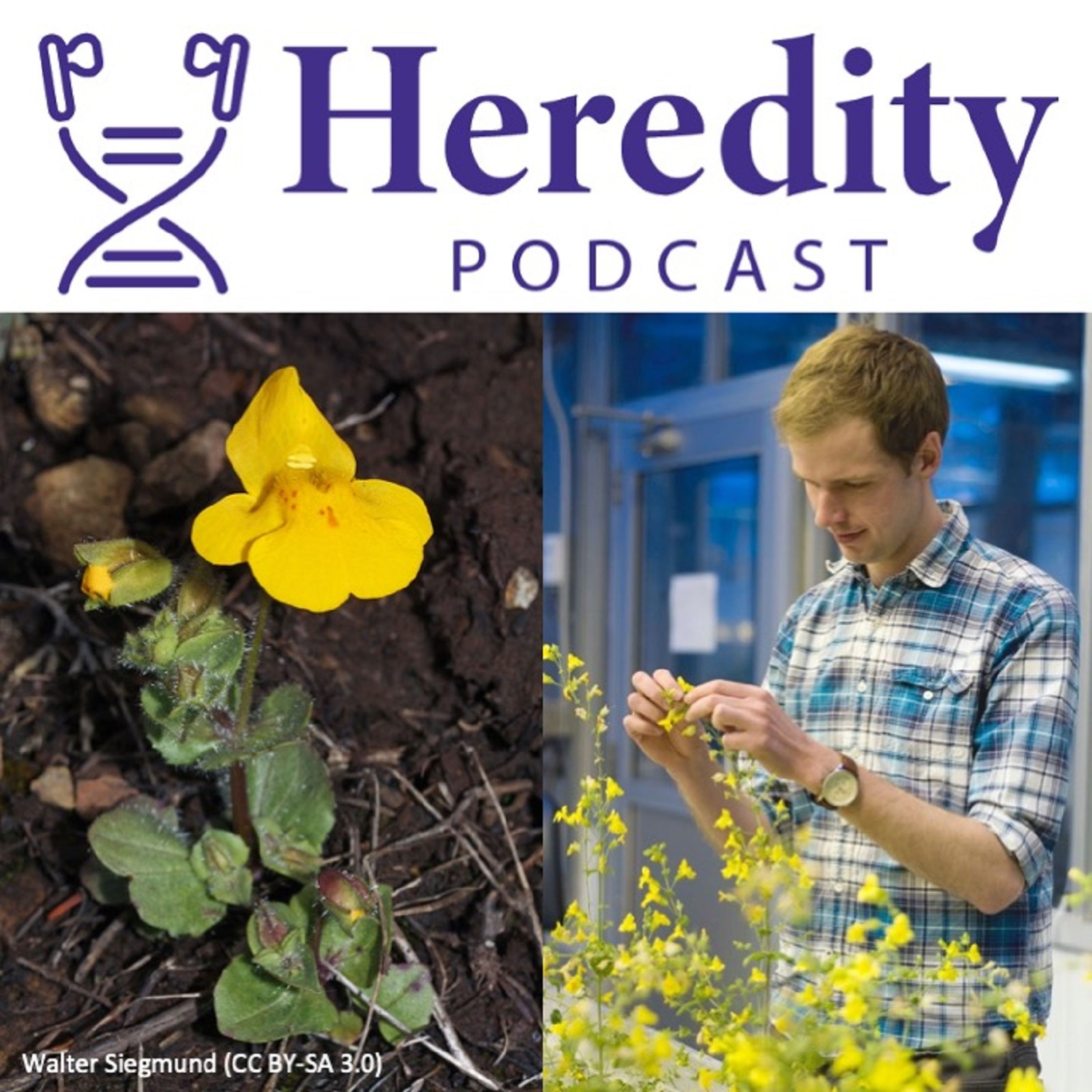
Meet the monkey flower: an emerging model
The genetic structure of a population can shape an organism’s ecology and evolution. However, that structure often changes depending on the geographic scale you’re looking at. In this episode Dr Alex Twyford (University of Edinburgh) discusses the complicated genetic structures displayed by an emerging model – the yellow monkey flower, Mimulus guttatus. A proud botanist, Dr Twyford also explores the issue of ‘plant blindness’: the unfortunate tendency of biologists to overlook the research value, and potential, of plant systems. Hosted on Acast. See acast.com/privacy for more information.
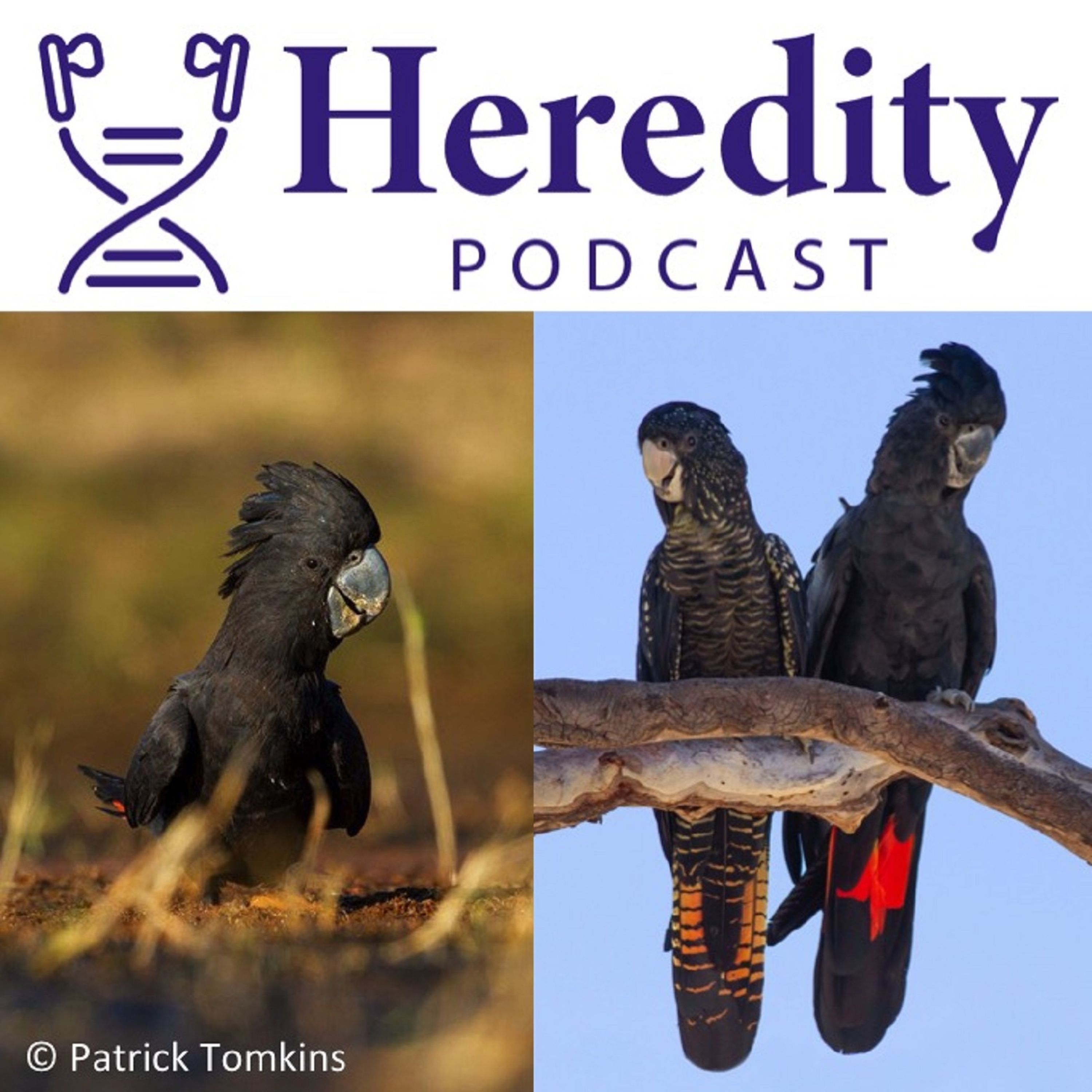
Hidden in plain sight
Museum collections play a vital role in active research and conservation programmes, and in this episode we’re going to explore a prime example of just how valuable they can be. Join Kyle Ewart (University of Sydney; Australian Museum Research Institute) and Leo Joseph (Australian National Wildlife Collection, CSIRO) as they discuss their recent research on the iconic red-tailed black-cockatoo, and their discovery of a new subspecies that was hidden in plain sight. Hosted on Acast. See acast.com/privacy for more information.
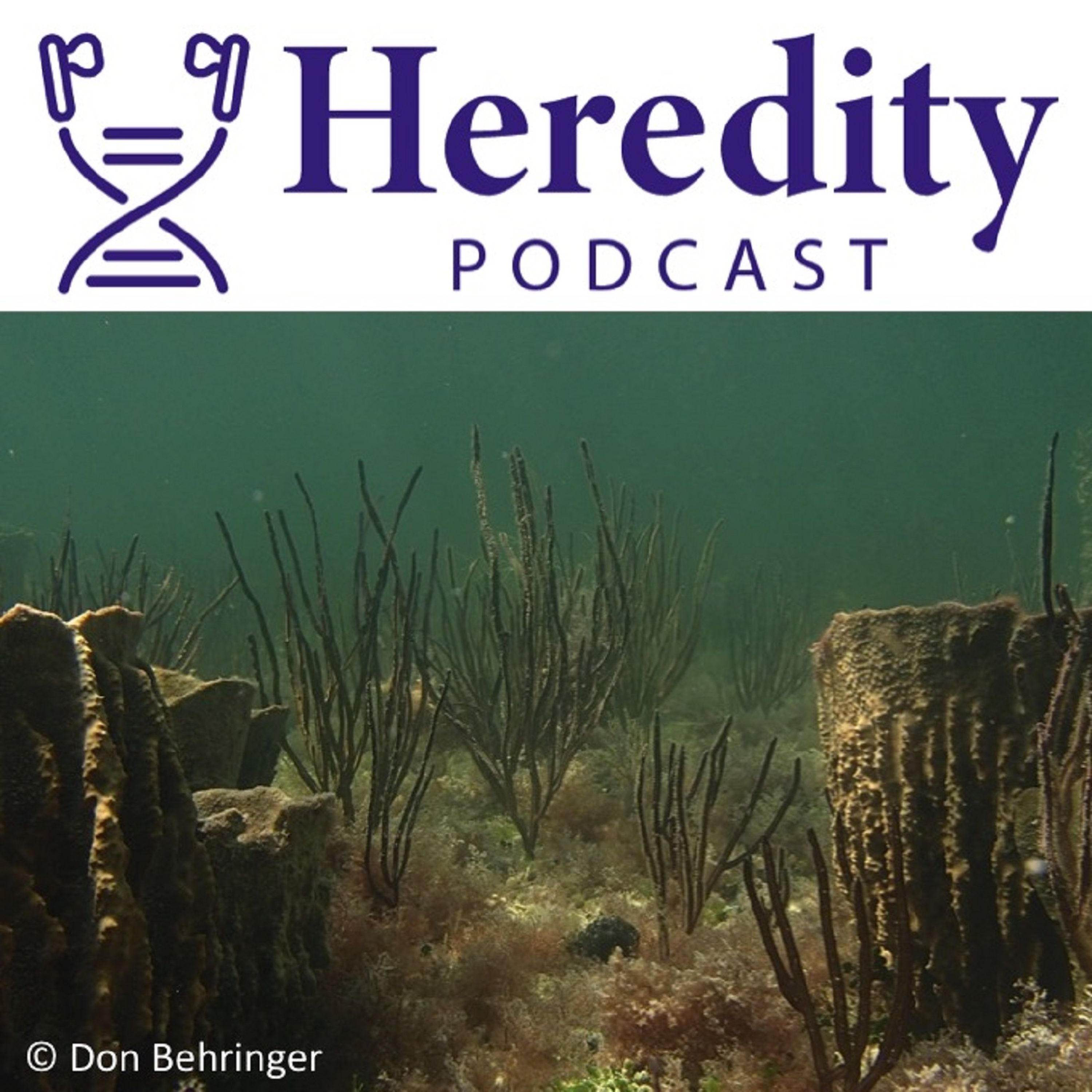
In search of sponges
Motivated by a series of mass mortalities, a team of marine biologists voyaged across the Caribbean in search of a poorly understood organism – the vase sponge. Join Dr Sarah Griffiths (Manchester Metropolitan University) and Prof. Donald Behringer (University of Florida) as they discuss the complex population genetic structures they uncovered, and the potential impact of their spongy discoveries on marine conservation and restoration efforts. Hosted on Acast. See acast.com/privacy for more information.
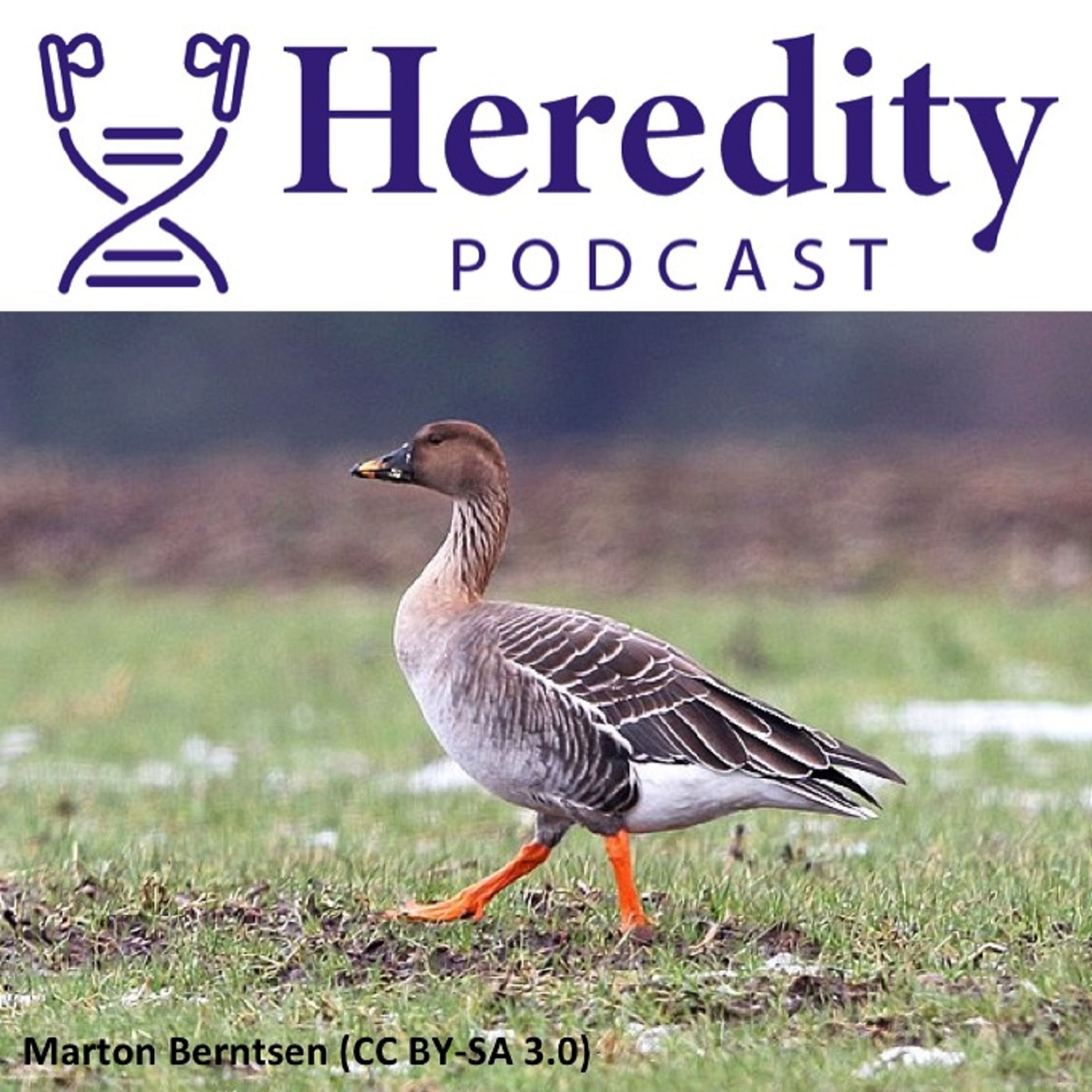
Reversing speciation?
Speciation is often considered unidirectional: a continual process of divergence interrupted only by extinction events. However, this isn’t entirely true. In this episode Dr Jente Ottenburghs (Wageningen University) discusses the curious case of the bean geese: where speciation appears to have stopped and, perhaps, begun to reverse. Hosted on Acast. See acast.com/privacy for more information.
Alternative Entry Points
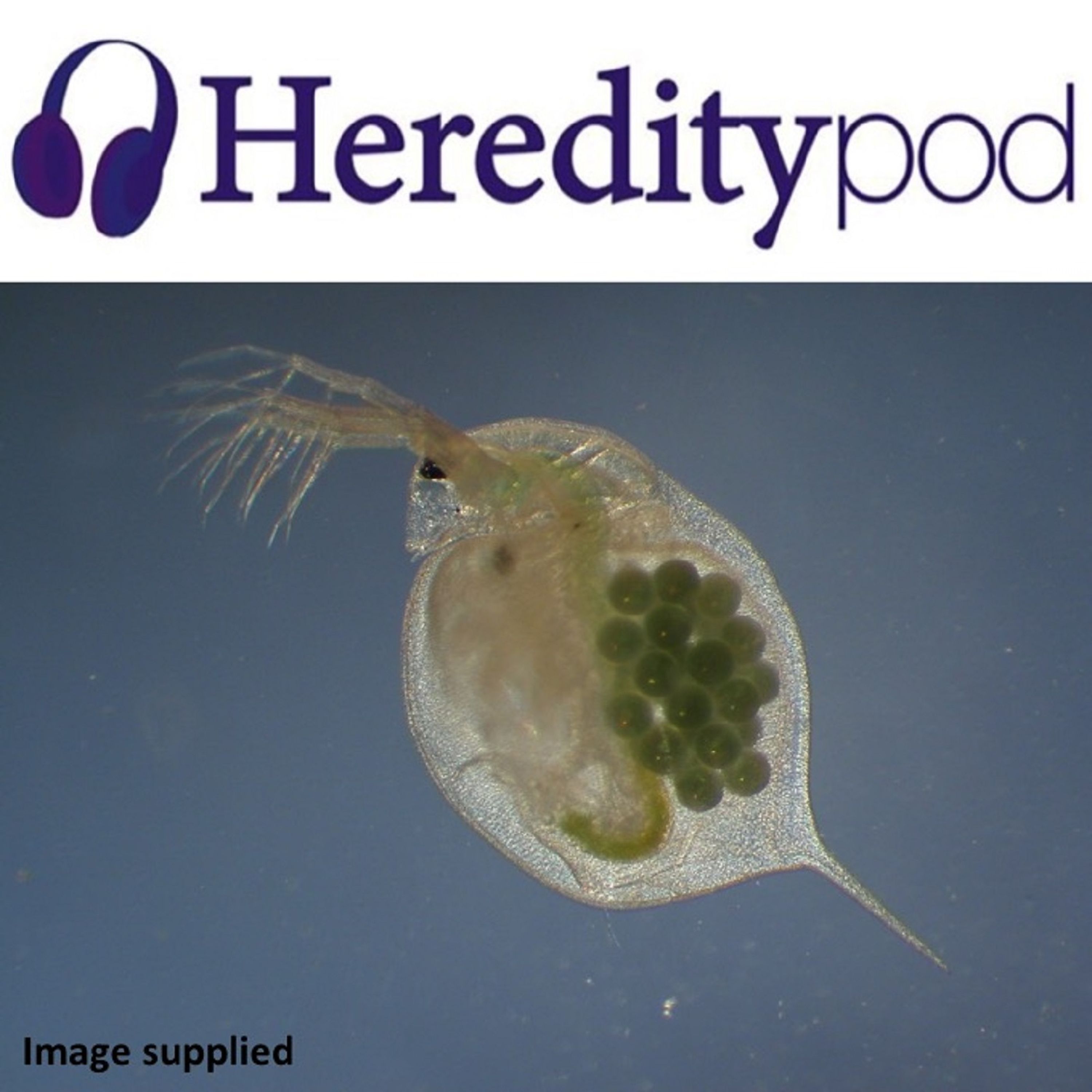
The antagonistic co-evolution that characterises host-parasite relationships is one of the most fascinating interactions in genetics. In this episode, Dr Gilberto Bento discusses one such interaction, the Daphnia–Pasteuria host–parasite system, and the discovery of an alternative route of bacterial infection associated with a novel resistance locus. Dr Bento also talks about his experience of leaving academia to find an alternative career in science. Hosted on Acast. See acast.com/privacy for more information.
Inversions: an interview with Dr Rui Faria
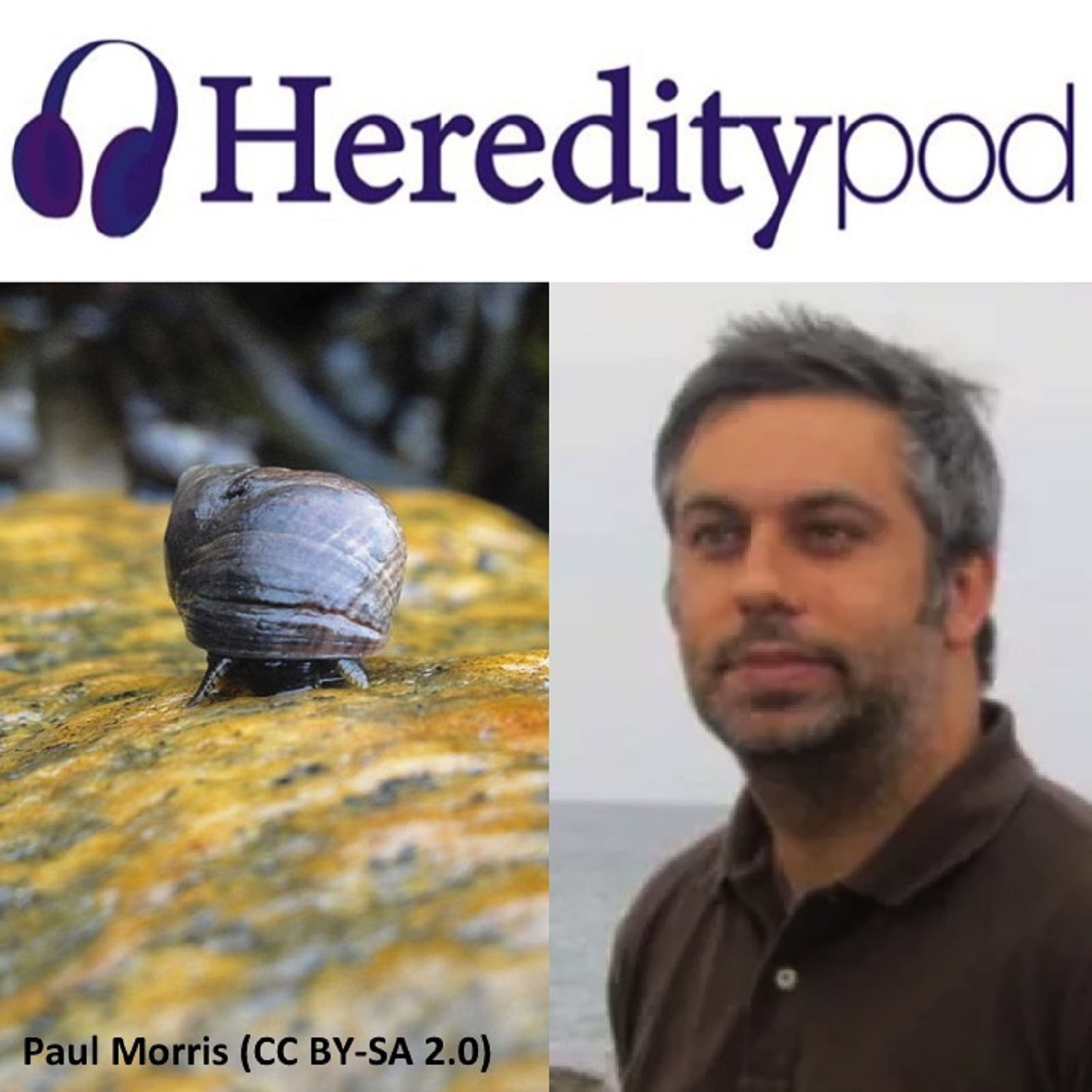
In episode five of our editorial series we meet Dr Rui Faria from the Research Center in Biodiversity and Genetic Resources at the University of Porto (Portugal). Dr Faria’s research looks at the role of chromosomal inversions in the generation of biological diversity, focusing on Littorina snails as a model. And, in a more personal inversion, Dr Faria took his first steps behind a scientific journal when he joined the Heredity Editorial team in May 2019: tune in to discover how he made the leap and what he thinks makes a great paper submission. Hosted on Acast. See acast.com/privacy for more information.

Resistance is female
The arms race between the highly toxic rough-skinned newts of North America and the garter snakes that prey upon them is a literal textbook example of evolution in action. However, it appears that a piece of the genetic puzzle underpinning this interaction has been overlooked, until now. In this episode, PhD candidate Kerry Gendreau (Virginia Tech) and Dr Michael Hague (University of Montana) discuss their recent work showing that toxin resistance in garter snakes is sex-linked, and the implications this has for a system that is taught to almost every biology student. Hosted on Acast. See acast.com/privacy for more information.
Targeted conservation of endangered chimps
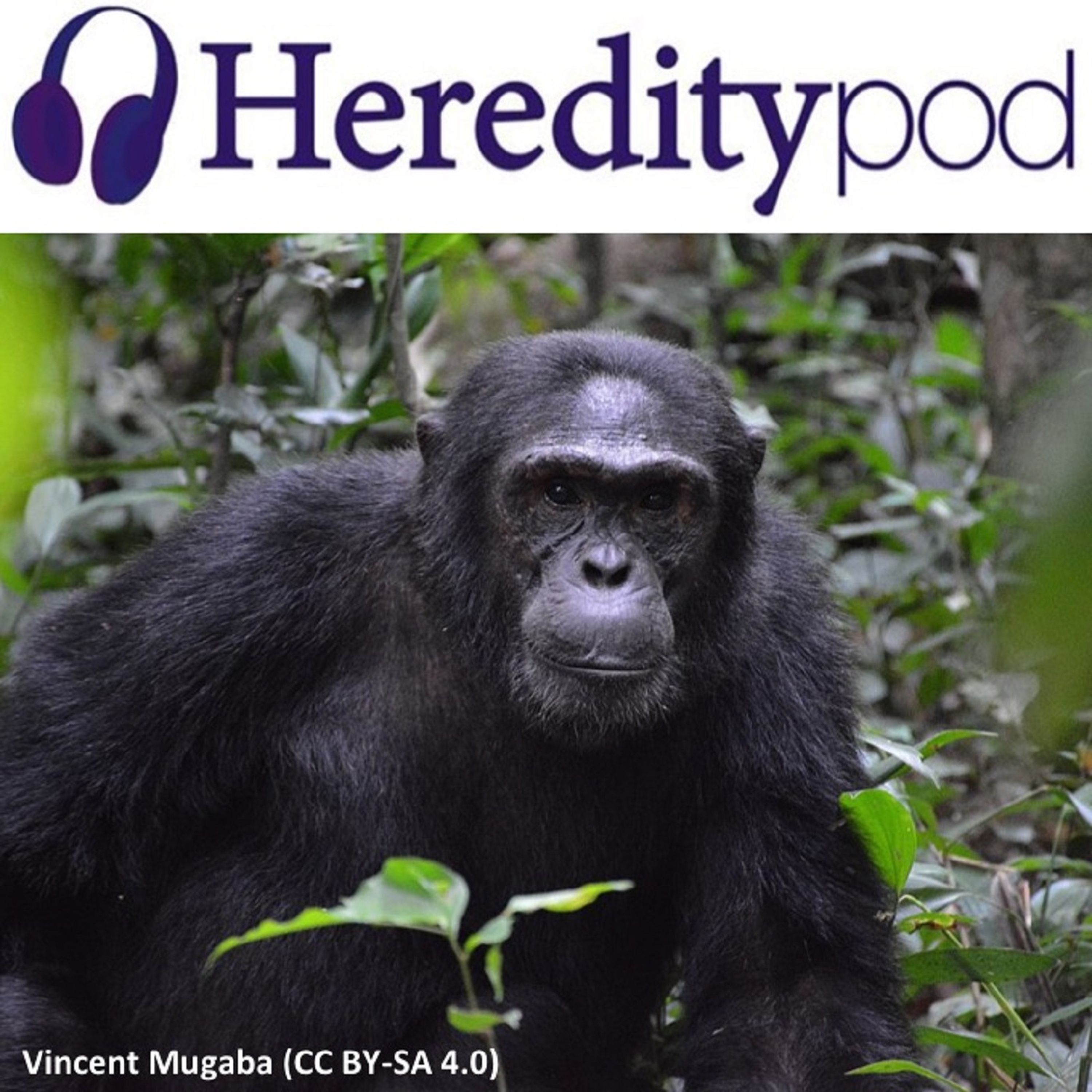
Chimpanzees are humanities closest cousins, and they’re close to disappearing. In this episode we hear from Peter Frandsen (Copenhagen Zoo, University of Copenhagen) and Claudia Fontsere (Barcelona Biomedical Research Park), who are developing new genetic tools to aid in the conservation of this iconic species. Hosted on Acast. See acast.com/privacy for more information.
Size matters for specialisation
What impact does the initial size of a population have on an organism’s ability to adapt to its environment? In this episode we investigate this question with Dr Yashraj Chavhan and Prof. Sutirth Dey from the Indian Institute of Science Education and Research (IISER) in Pune, India. Their results hold important insights for many aspects of population genetics. Hosted on Acast. See acast.com/privacy for more information.

Can mutational meltdown help us defeat COVID-19?
The world is currently gripped by COVID-19, but could an often overlooked population genetic theory hold one of the keys to defeating it? In this episode we speak to Prof. Michael Lynch (Arizona State University) about a recent Comment he penned with Prof. Jeffrey Jensen, where they consider mutational meltdown as a potential SARS-CoV-2 treatment strategy. Hosted on Acast. See acast.com/privacy for more information.

Drift and selection in paradise
French Polynesia is a South Pacific paradise, and thanks to an eccentric aviculturist it is also host to an interesting evolutionary experiment. In 1937, Eastham Guild released silvereye birds on Tahiti, from where they dispersed to other islands. Now they form the perfect system for testing the roles of drift and selection in rapid morphological divergence. Join Ashley Sendell-Price (University of Oxford) as he discusses his resent research on silvereyes, and stick around for some views on LGBTQ+ communities in STEM at the end. A Genetics Society Heredity Fieldwork Grant supported Ash’s research, find out more about the scheme here: https://genetics.org.uk/grants/heredity-fieldwork-grant/ Hosted on Acast. See acast.com/privacy for more information.
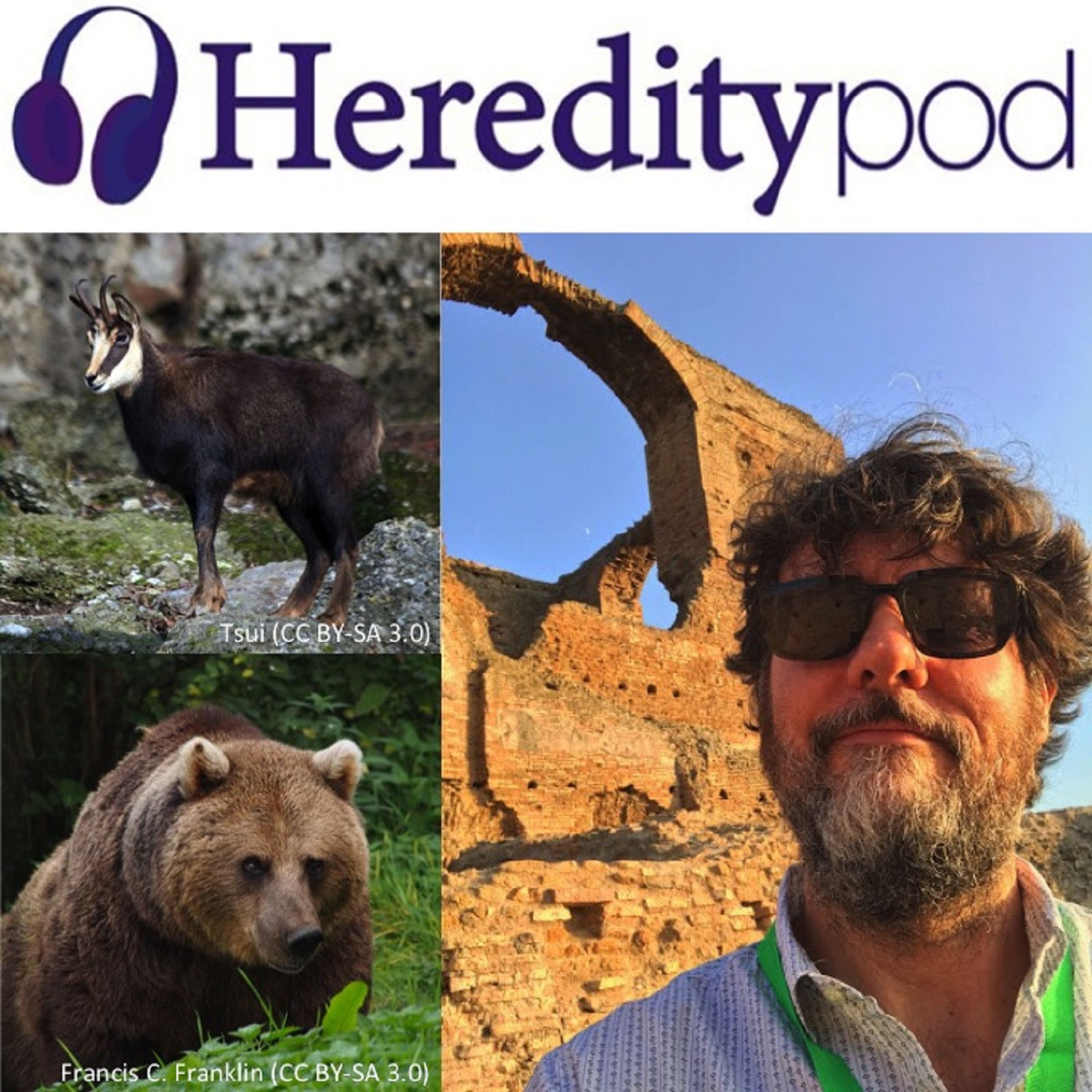
Human impacts: an interview with Dr Giorgio Bertorelle
In episode four of our editorial series we meet Dr Giorgio Bertorelle from the University of Ferrara, Italy. An animal population and conservation geneticist, Giorgio is fascinated by the impact human activities have on the evolution of animal genomes. Hosted on Acast. See acast.com/privacy for more information.
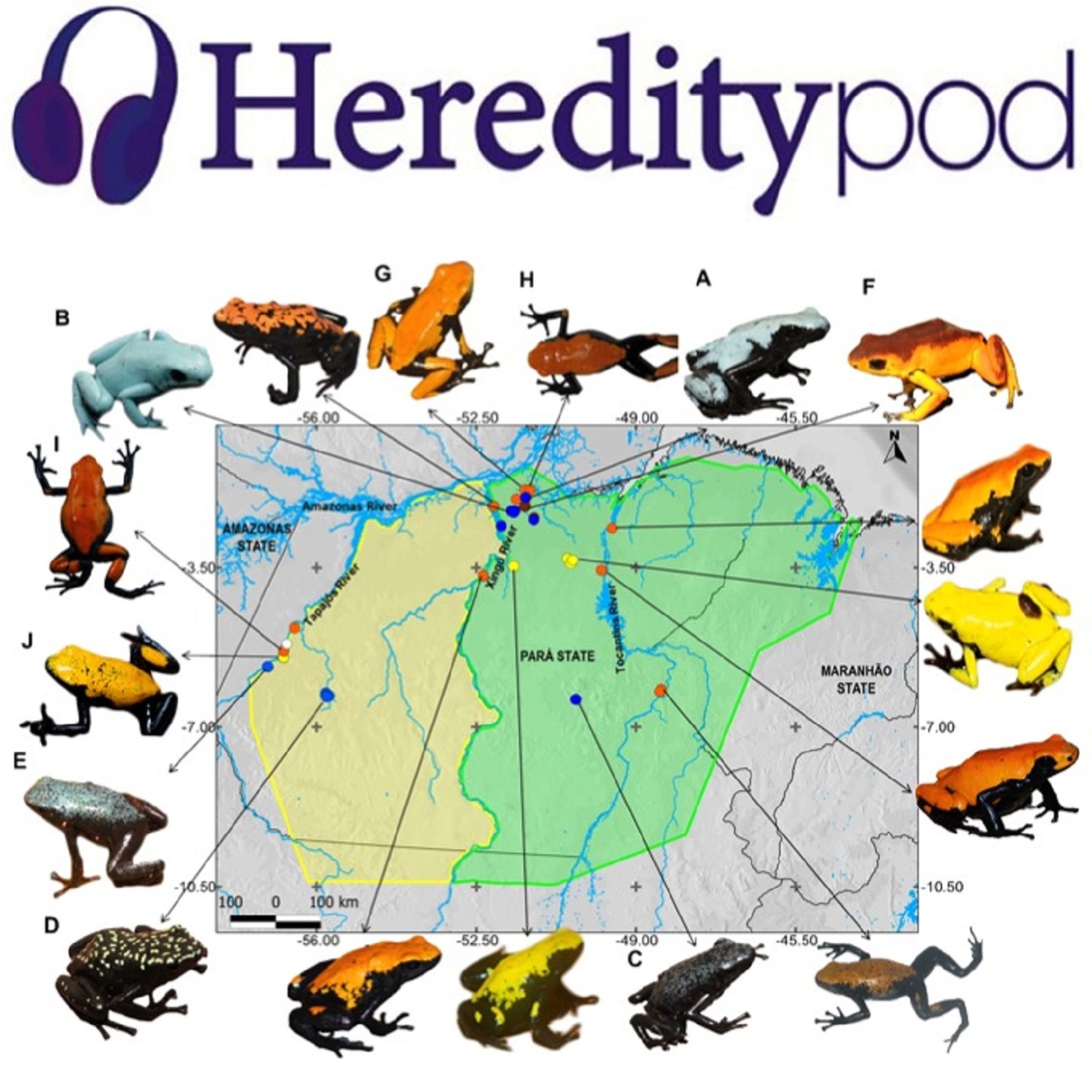
Fantastic frogs and where to find them
Poison dart frogs are an iconic group of tropical animals. But how and when did their spectacular warning colourations evolve? And are they really a signal to predators? In this episode we explore these questions with Diana Rojas and Adam Stow, as they discuss their recent forays into the depths of both Amazonia and modern molecular methods to unravel the evolutionary history of colour diversification in the splash-backed poison frog, Adelphobates galactonotus. Hosted on Acast. See acast.com/privacy for more information.
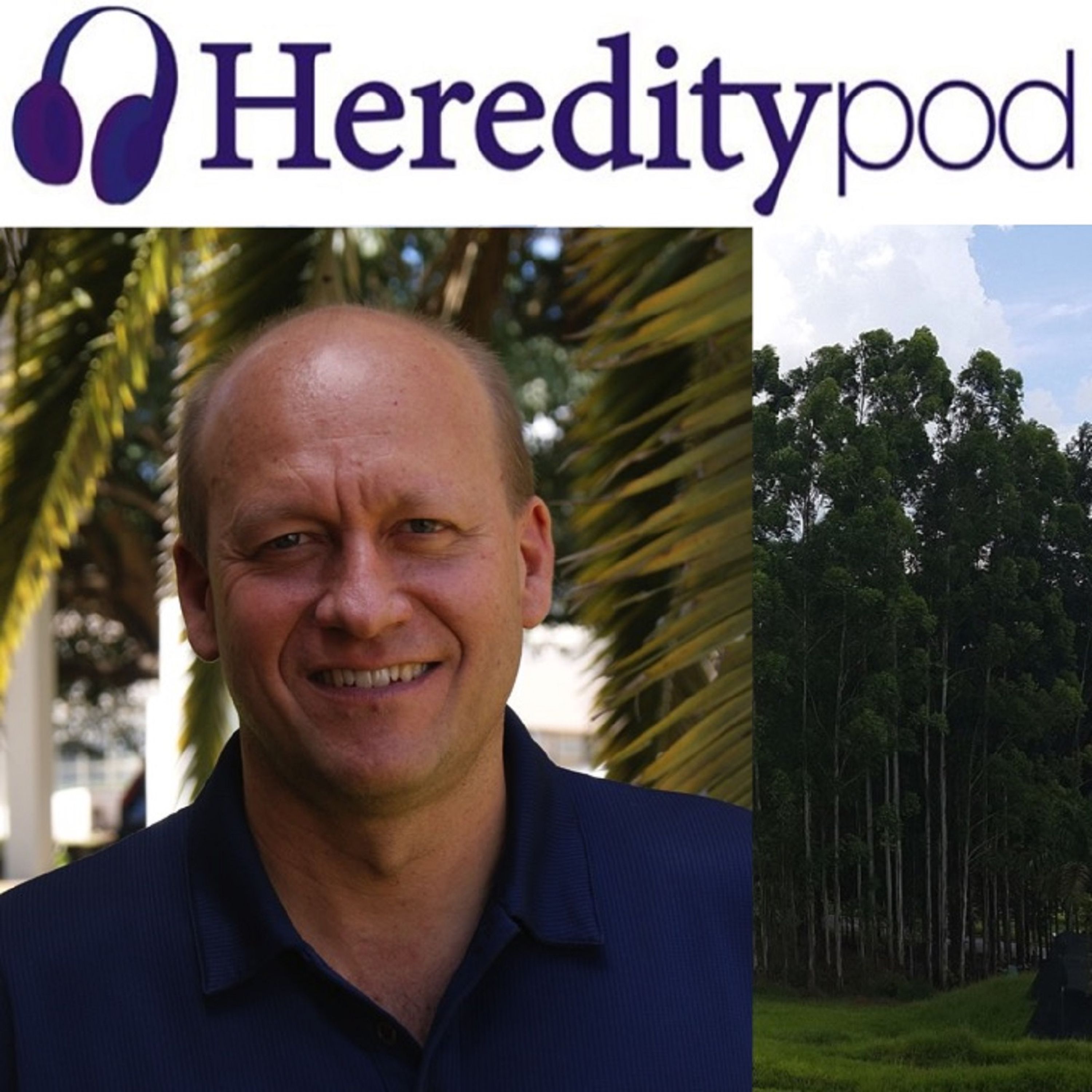
An engineer’s eye: an interview with Prof. Dario Grattapaglia
In episode three of our editorial series we meet forest engineer turned plant geneticist Prof. Dario Grattapaglia. A highly experienced researcher and editor, Dario brings a unique and heavily applied focus to his work. His story and views on publishing are sure to inspire many! Hosted on Acast. See acast.com/privacy for more information.

PopGroup 53 special!
Every winter population geneticists gather for the Population Genetics Group Meeting. This year, the 53rd meeting took place at the University of Leicester, and with the help of Michael Pointer, a PhD student at the University of East Anglia, we are going to bring you the highlights! From world-renowned researchers to rising stars, settle in and listen to the best of PopGroup 53! Hosted on Acast. See acast.com/privacy for more information.
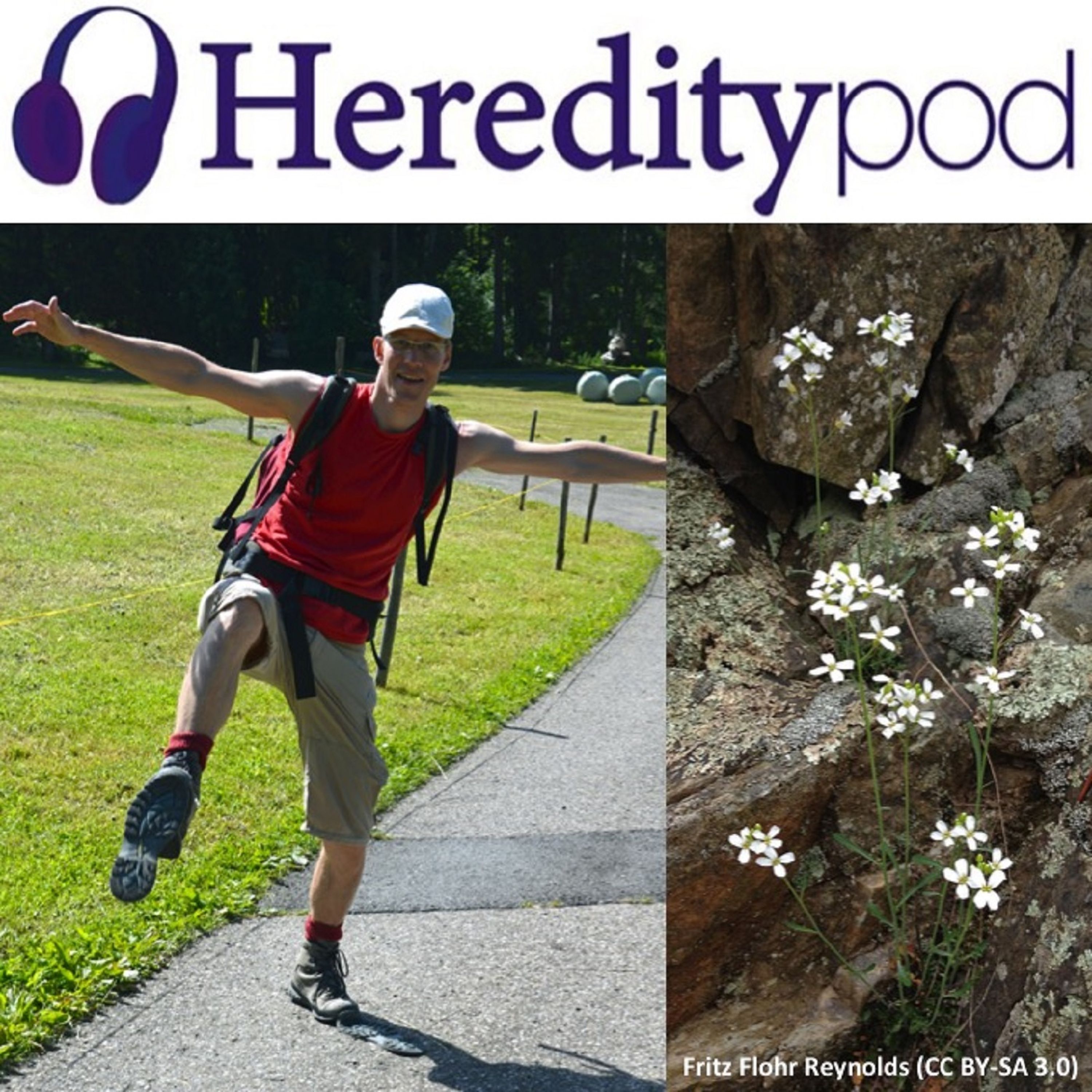
Multiple perspectives: an interview with Dr Marc Stift
In episode two of our editorial series, we meet Dr Marc Stift (University of Konstanz). A plant evolutionary geneticist with three years under his belt at Heredity, Marc has also authored five papers in the journal (so far). This gives him valuable perspectives from both sides of the process. What has he learnt? What tips can he give for writing a successful manuscript? And what makes him scientifically tick? Tune in to find out. Hosted on Acast. See acast.com/privacy for more information.

Tristyly: A most complex marriage arrangement
Charles Darwin described it as the most complex mating system in the natural world. Famed statistician Ronald Fisher was fascinated by it. And this episode’s interviewees braved 40 °C heat and caimans to unravel some of its mysteries. What is it? Tristyly — a rare and mysterious plant mating system. Tune in to hear what Dr Nicolay Cunha and Prof. Spencer Barrett learnt about this system from the pickerel weeds of Brazil’s Pantanal. Hosted on Acast. See acast.com/privacy for more information.