Show overview
Heredity Podcast has been publishing since 2012, and across the 14 years since has built a catalogue of 182 episodes. That works out to roughly 60 hours of audio in total. Releases follow a monthly cadence.
Episodes typically run ten to twenty minutes — most land between 15 min and 22 min — though episode length varies meaningfully from one episode to the next. None of the episodes are flagged explicit by the publisher. It is catalogued as a EN-language Science show.
The show is actively publishing — the most recent episode landed 2 weeks ago, with 8 episodes already out so far this year. The busiest year was 2020, with 24 episodes published. Published by Aicha Hanna.
From the publisher
An official journal of the Genetics Society, Heredity publishes high-quality articles describing original research and theoretical insights in all areas of genetics. Research papers are complimented by News & Commentary articles and reviews, keeping researchers and students abreast of hot topics in the field. Hosted on Acast. See acast.com/privacy for more information.
Latest Episodes
View all 182 episodesSpecial Issue on Structural Variation
Pangolin popgen & the illegal wildlife trade
American mink & the use of pangenomes
Where your publication fees go, with Jonathan Pettit
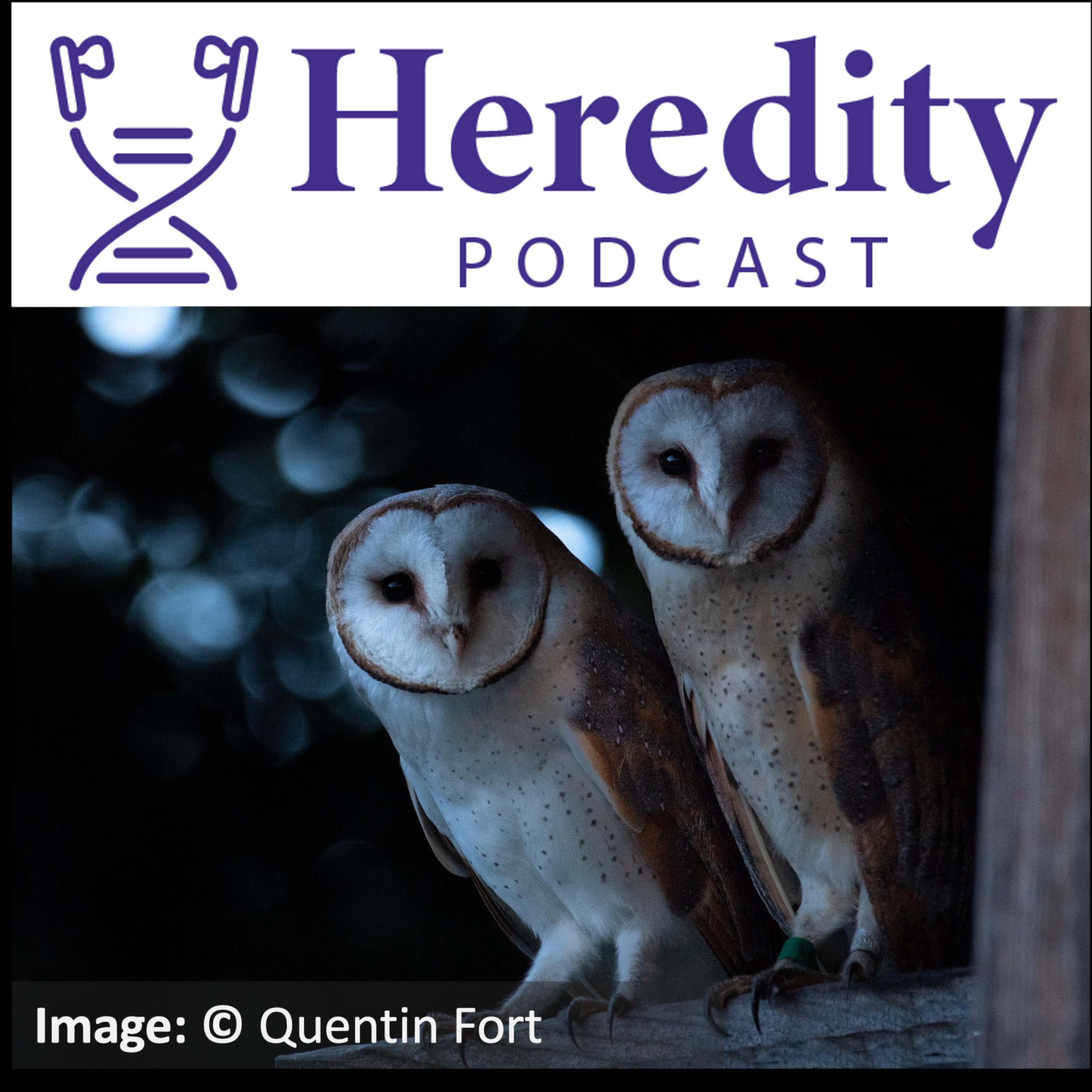
Student Paper Prize 2025 - Inbreeding in European Barn Owls
The Student Paper Prize for 2025 was won by Eléonore Lavanchy. Eléonore discusses her work, the winning paper and inbreeding in European Barn Owls. Hosted on Acast. See acast.com/privacy for more information.
PopGroup 59 - part 2
Episode 2/2 from the 59th Popgroup meeting in Lille. Plenary speakers Claire Mérot and Denis Roze discuss their experience of the conference and the content of their talks. Hosted on Acast. See acast.com/privacy for more information.
PopGroup 59
Episode 1/2 from the 59th Popgroup meeting in Lille. Plenary speaker Florencia Camus talks about her experience of the conference and the content of her talk. Hosted on Acast. See acast.com/privacy for more information.
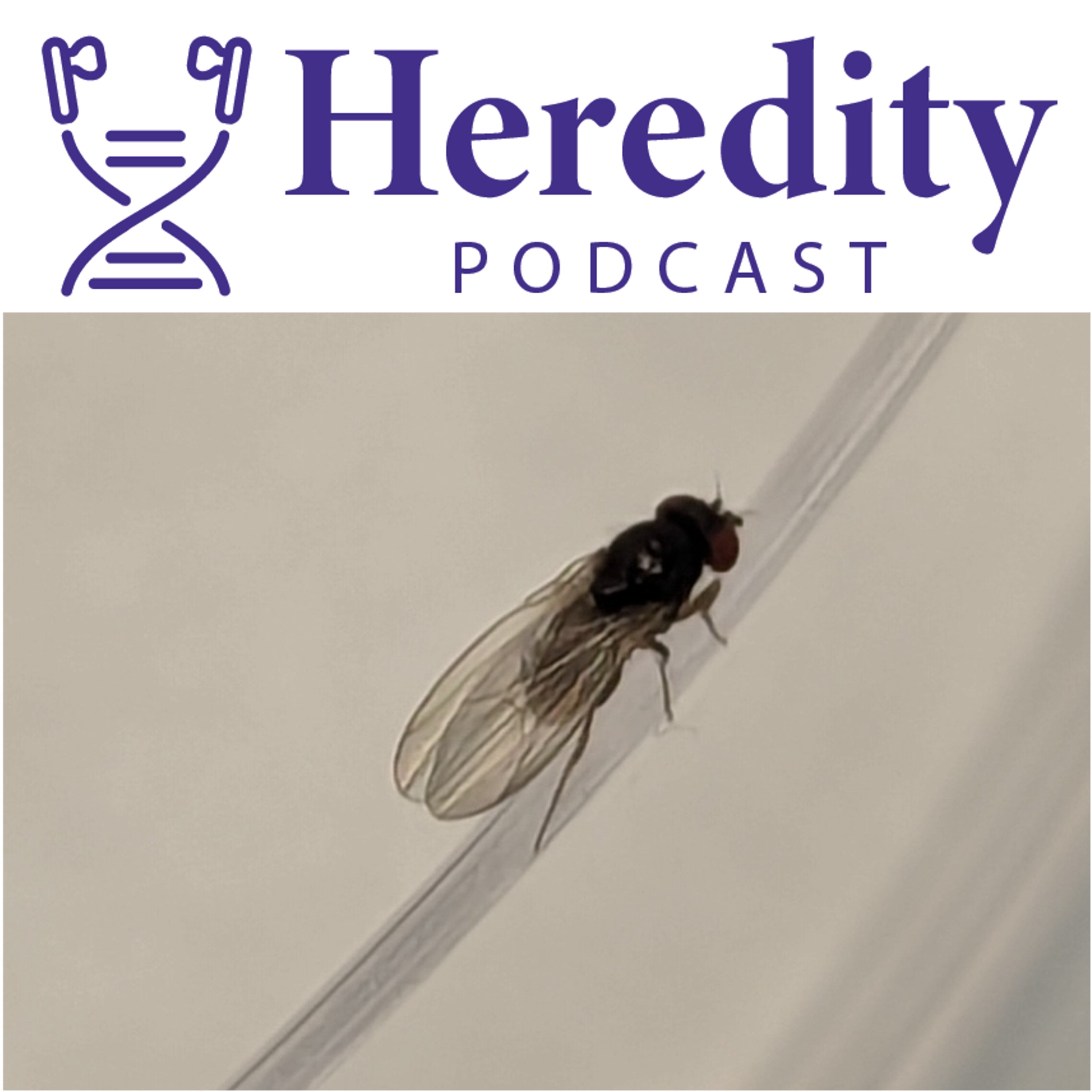
Sexual selection in a warming world
Reproduction involves decisions about when to mate and who with. We know that high temperatures affect fertility, but how does this affect mating decisions and sexual selection within populations? Tilly Pembury Smith and Rhonda Snook tell us about their work using fruit files. Hosted on Acast. See acast.com/privacy for more information.
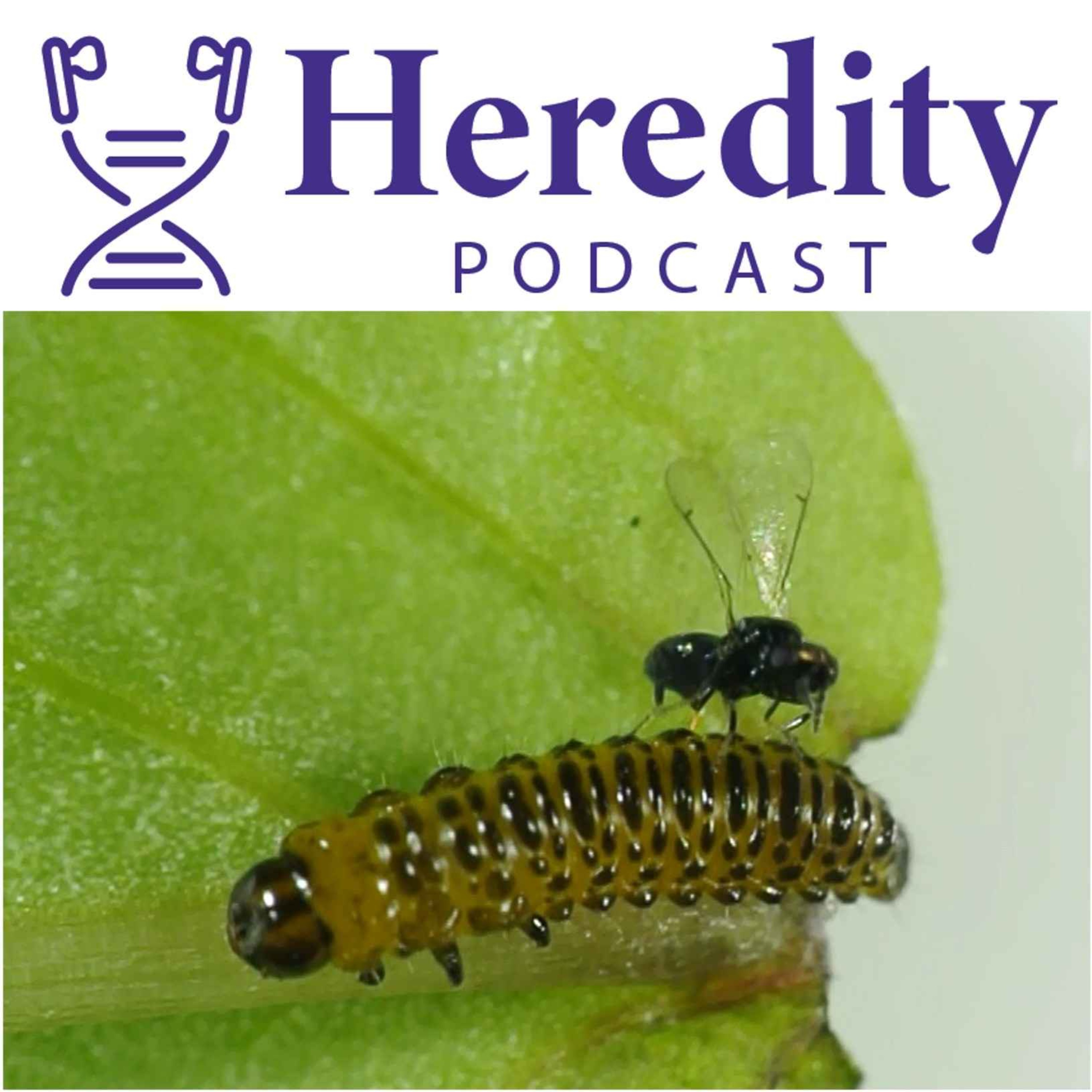
Resisting parasitoids: beetle v wasp
Parasites and parasitoids are large drivers of evolutionary change. We hear from Peter Hambäck (Stockholm University) about his work on how beetle larvae combat a parasitoid wasp that wants to lay its eggs inside them. Hosted on Acast. See acast.com/privacy for more information.
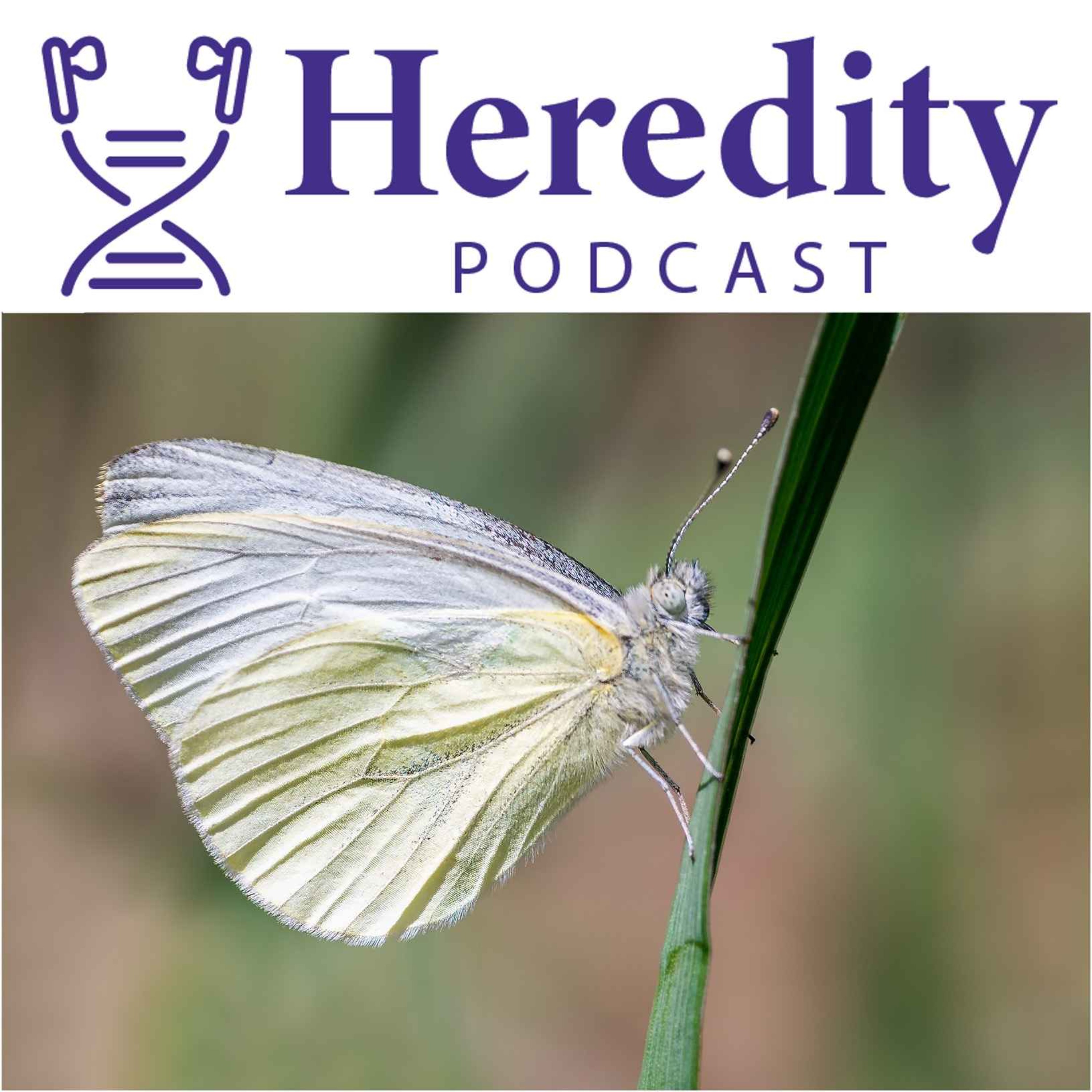
The consequences of invasion
We often hear that invasive species are bad for the ecosystems they invade, but the consequences can seem remote and hard to grasp. In this episode we hear from Nitin Ravikanthachari and Carol Boggs about their study system where an invasive plant has very tangible effects for a native butterfly. Hosted on Acast. See acast.com/privacy for more information.
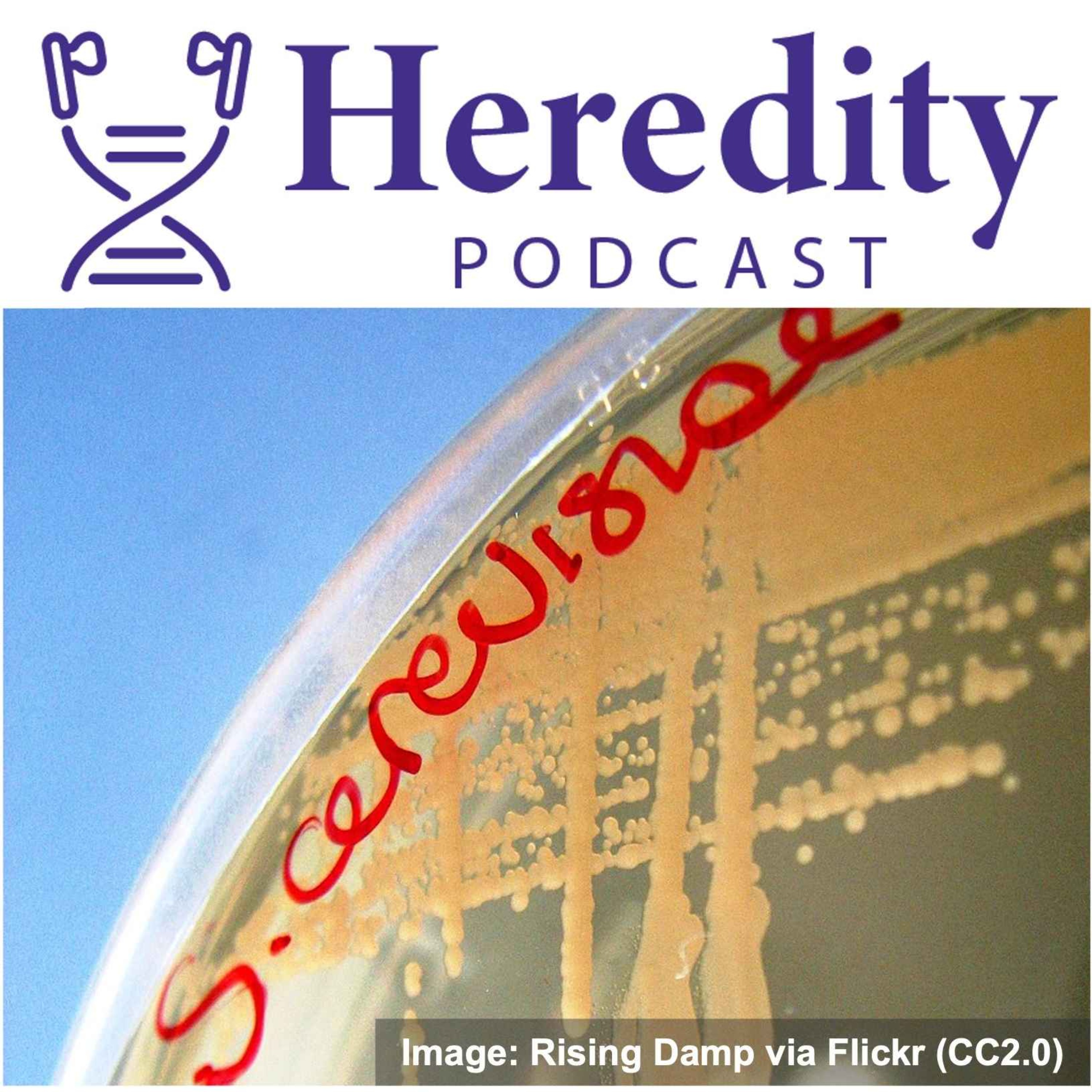
Sex in a warming world: temperature and meiosis
Organisms are sensitive to temperature, but reproduction is likely to be affected at lower temperatures than survival. We're joined by Jessica McNeill & Caiti Smukowski Heil to talk about their work on meiosis in yeasts. Hosted on Acast. See acast.com/privacy for more information.
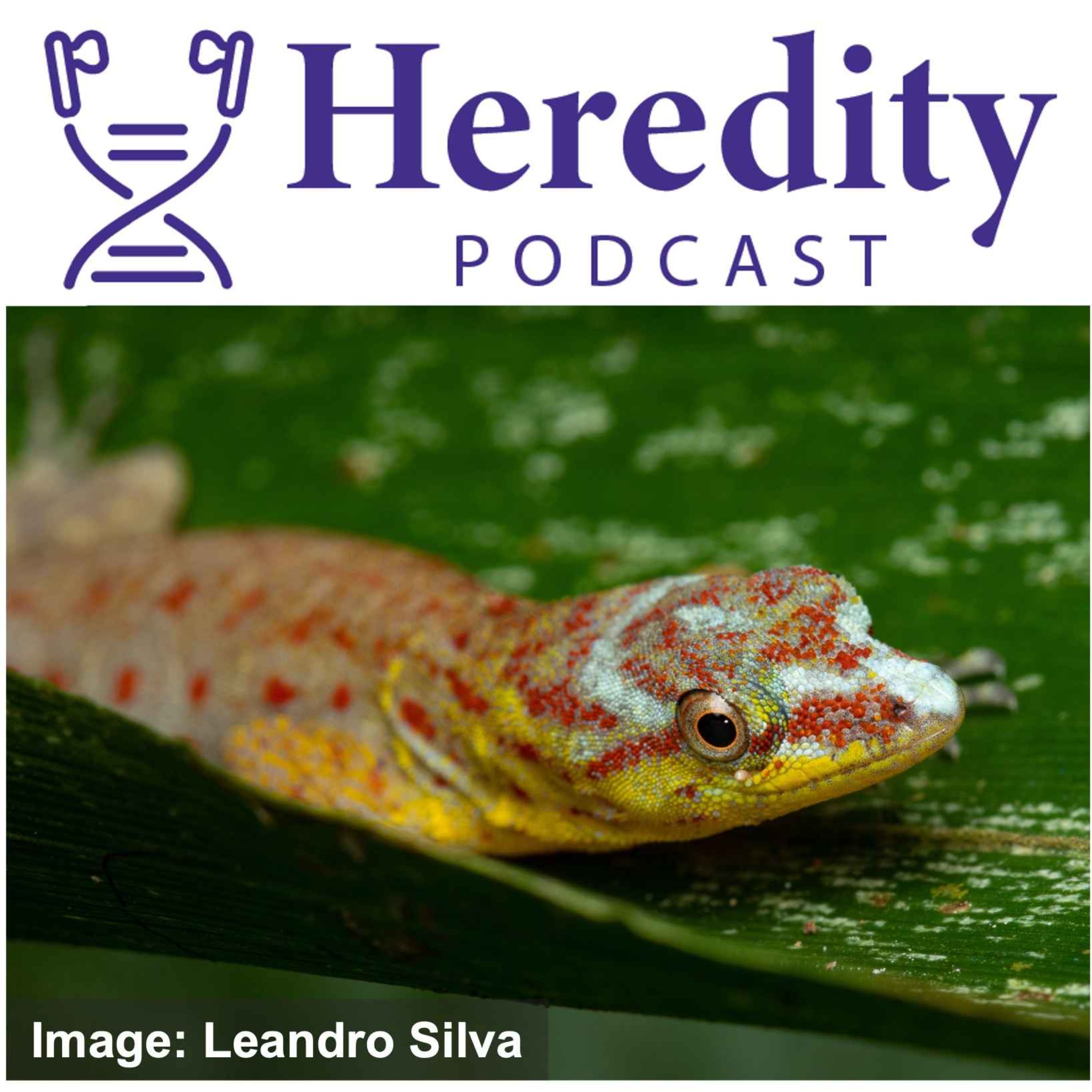
Genomic responses to past and future change
The genomes of organisms can tell us about evolutionary processes in the past - but can they also give clues about the future? André Yves and Fernanda Werneck tell us about their work on climate adaptation in Amazonian lizards. Hosted on Acast. See acast.com/privacy for more information.
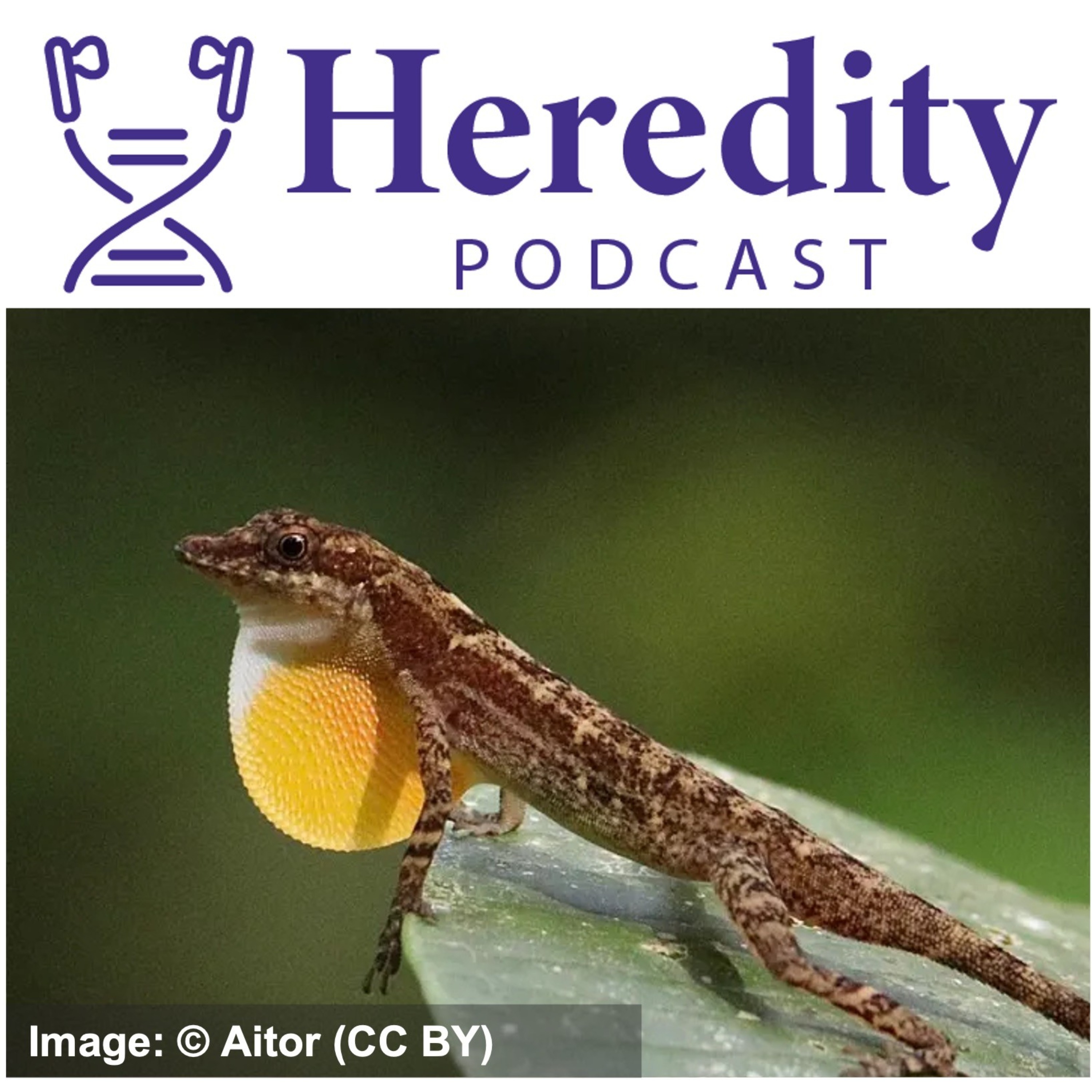
Colourful signals in Anolis lizards
Many Anolis lizards have a sail of colourful skin on their throats which they use to communicate, but how does something like that evolve? Find out with researchers Renata Pirani, Carlos Arias and Mike Logan. Hosted on Acast. See acast.com/privacy for more information.
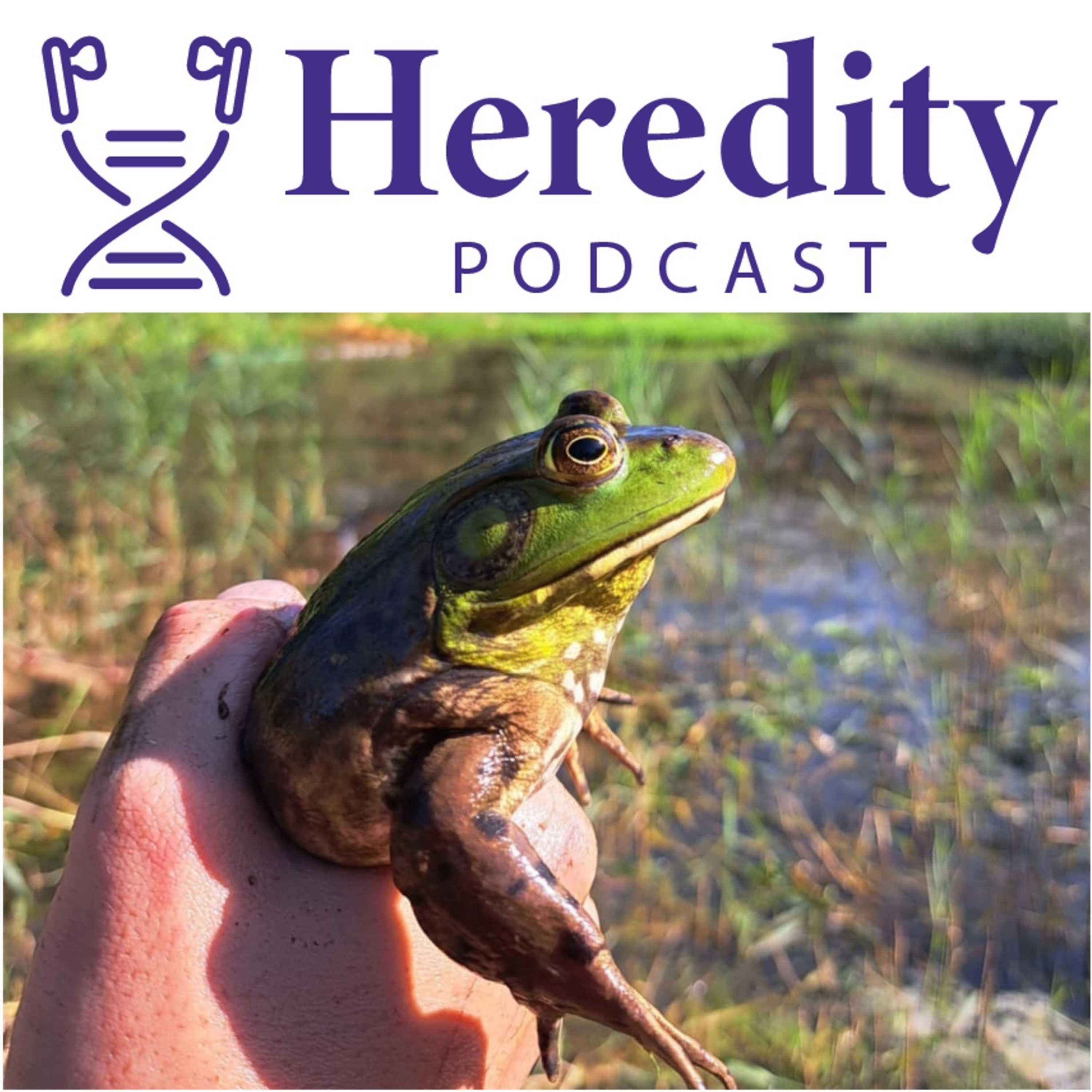
The American Bullfrog invasion of Belgium
Biological invasions are a huge issue in contemporary biology. In this episode we hear from Teun Everts and Rein Brys, who are studying the American Bullfrog invasion of Belgium. Hosted on Acast. See acast.com/privacy for more information.
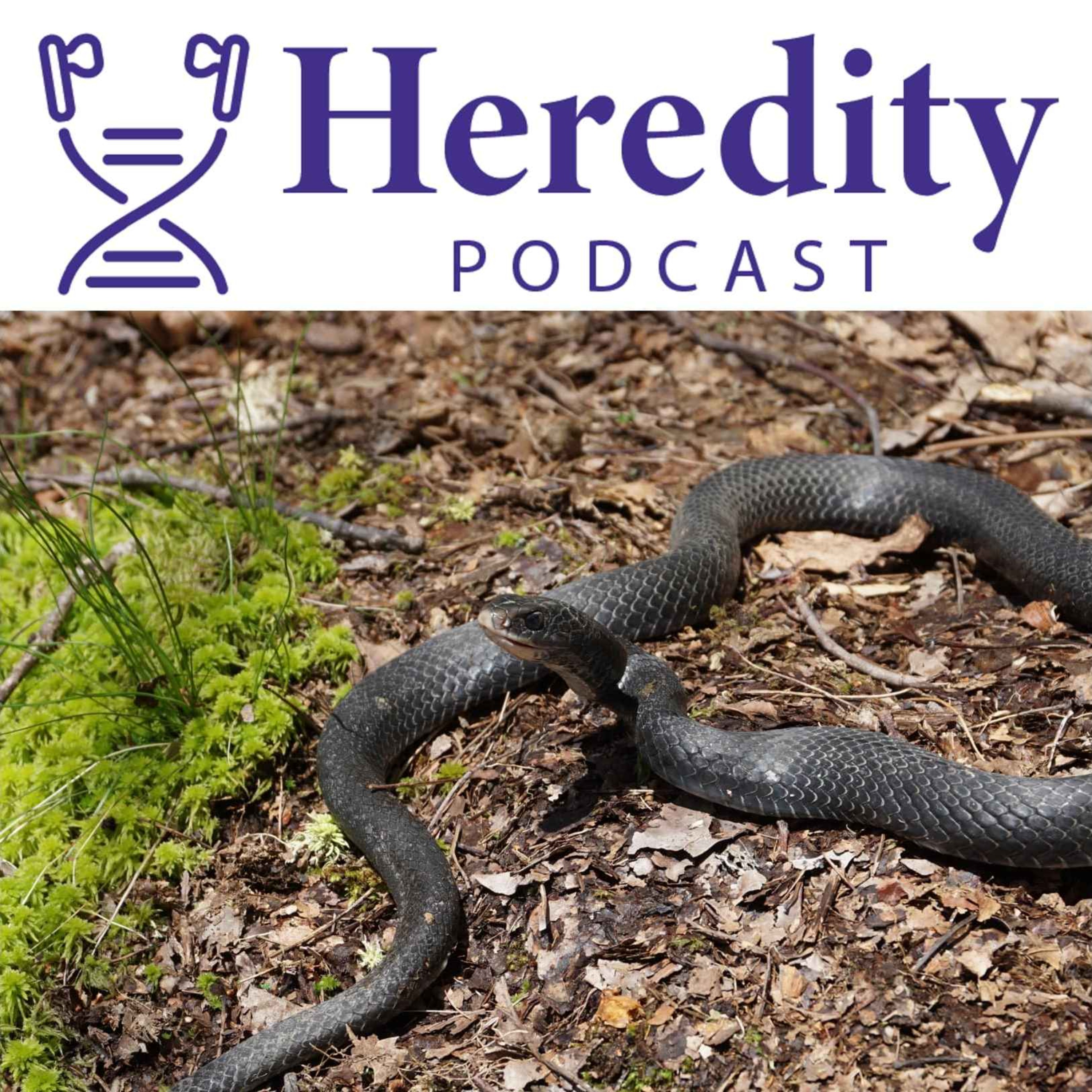
Where, what and how? Phylogeography of American snakes
Frank Burbrink and Ed Myers talk about their recent work on American Racers. Spatial patterns, hybridisation and why the shapes of evolutionary trees might be more complex than we thought. Hosted on Acast. See acast.com/privacy for more information.
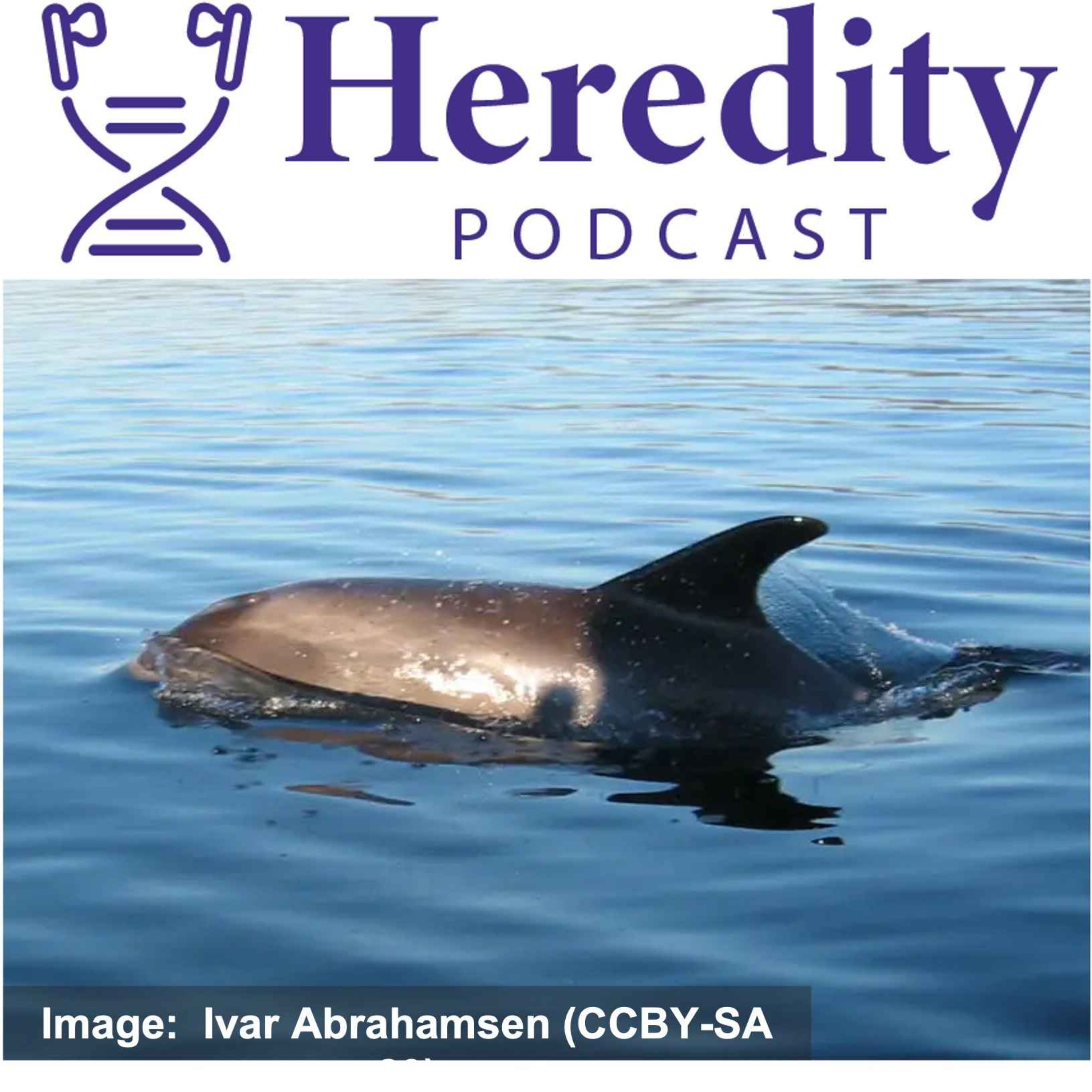
White-beaked dolphin conservation genetics
Continuing the recent theme of conservation genetics, we return to the sea with Marc Gose and Rob Ogden. They discuss their work on the white-beaked dolphin, and the importance of international collaboration to manage populations that span borders. Hosted on Acast. See acast.com/privacy for more information.
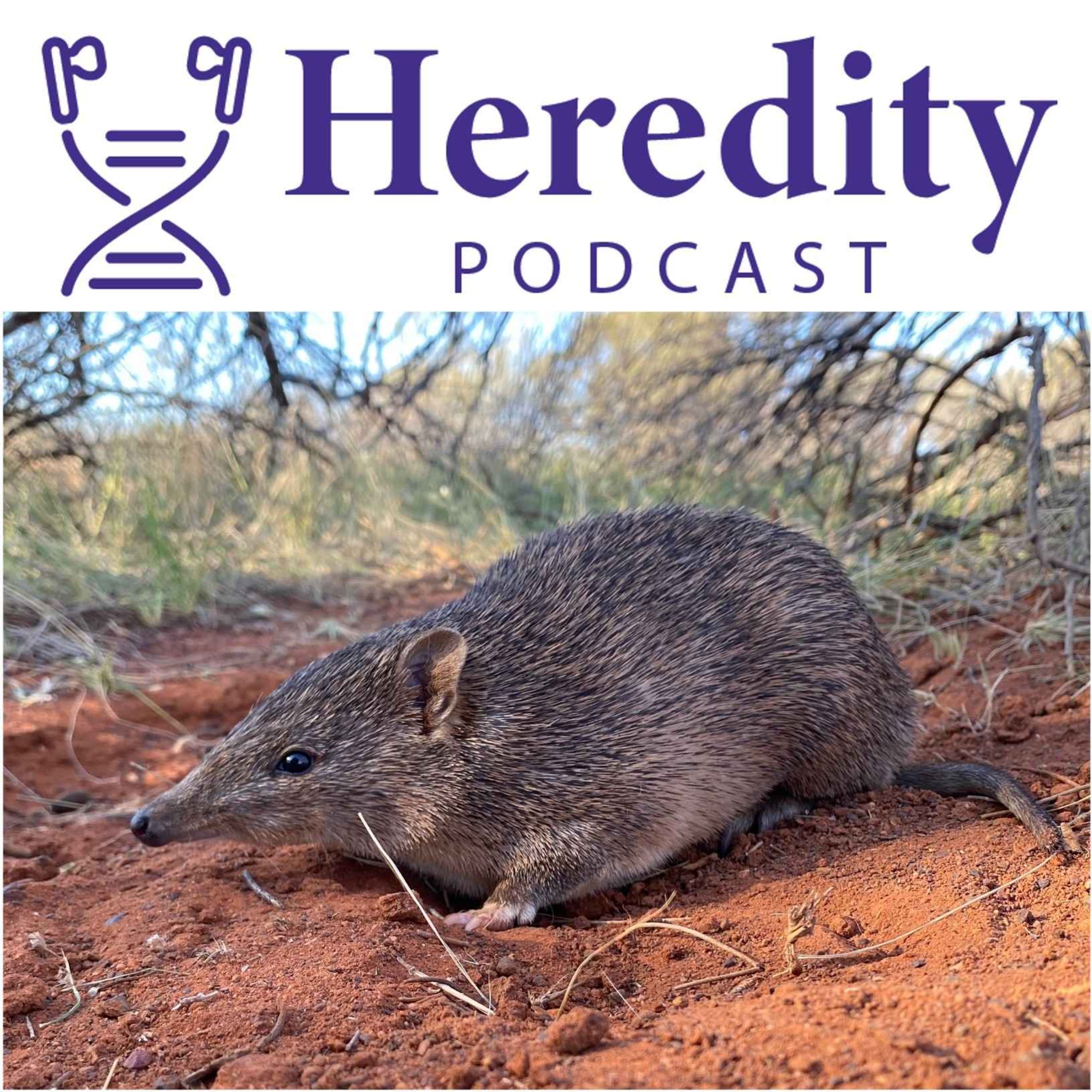
Golden bandicoot and Australian conservation genomics
Best student paper of 2024 winner Kate Rick, along with Brenton Von Takach and Kym Ottewell, discuss the use of genomics in Australian conservation efforts, and their study on the golden bandicoot. Hosted on Acast. See acast.com/privacy for more information.
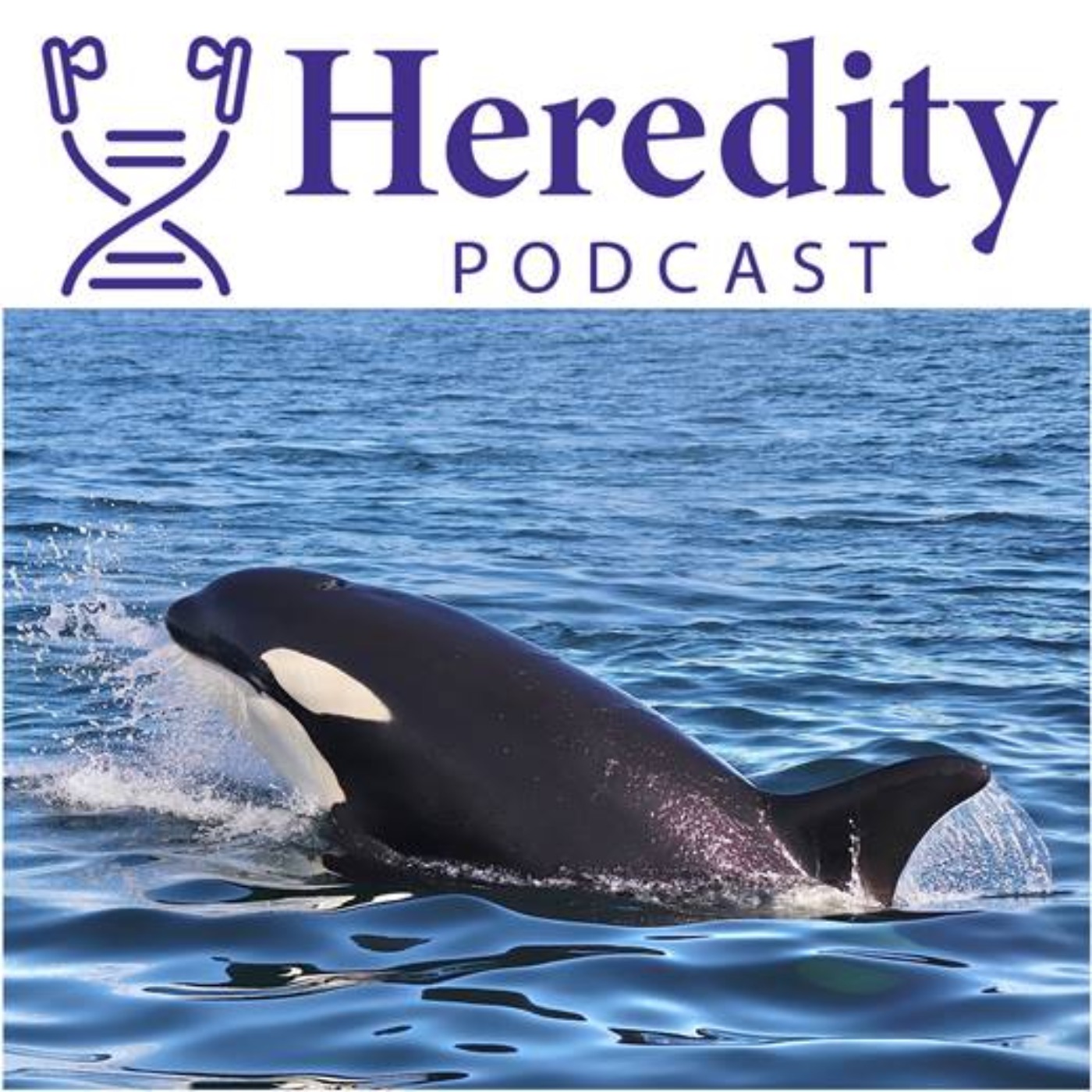
Population dynamics of Atlantic orcas
Chérine Baumgartner and Andy Foote discuss working with orcas and their recent paper on diet and population dynamics in North Atlantic killer whales Hosted on Acast. See acast.com/privacy for more information.
Popgroup 2025, with Katja Guschanski
Katja Guschanski discusses working with mammal evolution, museomics and her plenary talk at Popgroup 2025 Hosted on Acast. See acast.com/privacy for more information.
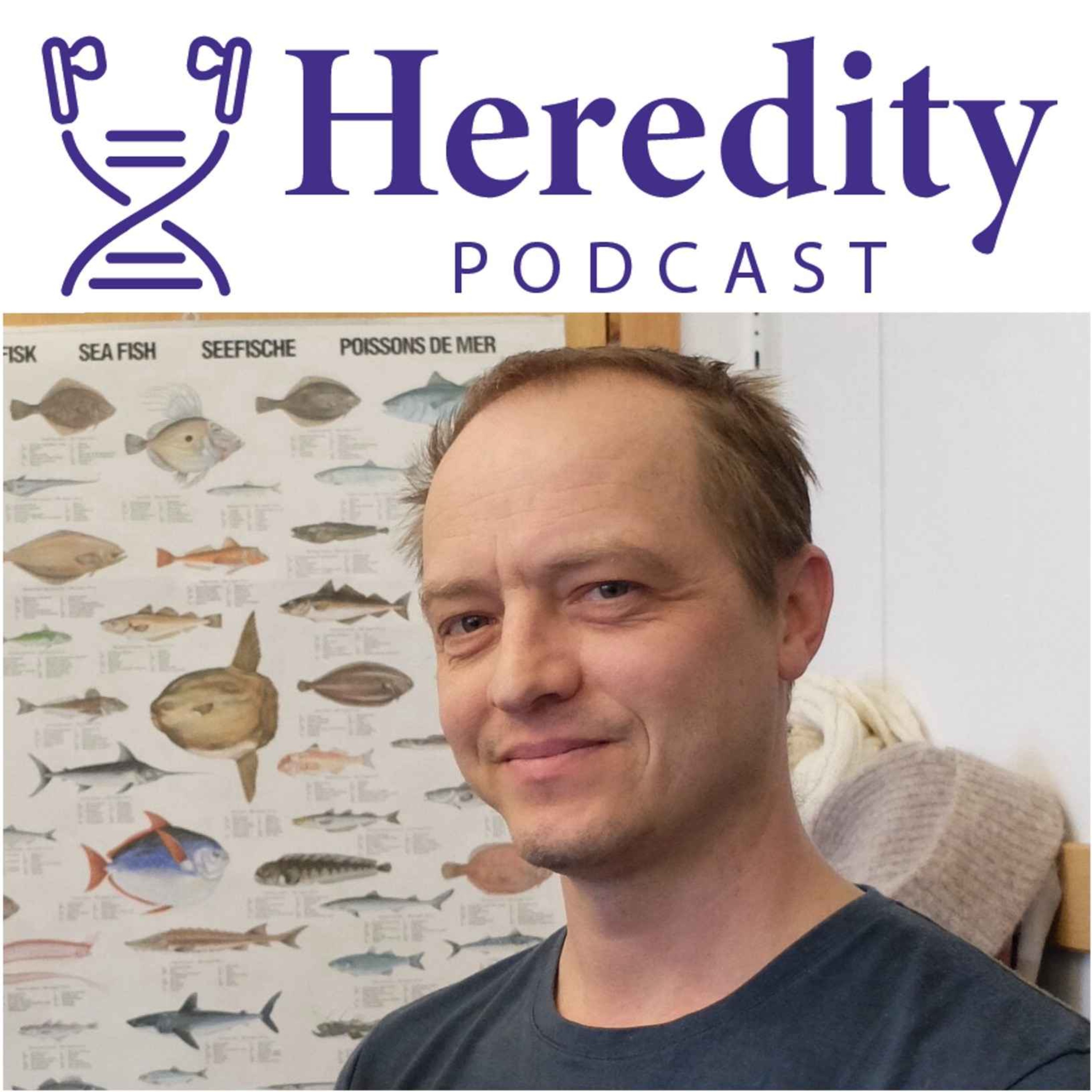
Meet the editors: Bastiaan Star
Meet Heredity editor Bastiaan Star (University of Oslo), we talk about his work with ancient fish DNA and why he enjoys working with Heredity. Hosted on Acast. See acast.com/privacy for more information.