
Hanselminutes with Scott Hanselman
1,014 episodes — Page 1 of 21
Compile after Class Crossover Episode
Robots, Nukes, and AI: A Career at the Frontier with Maynard Holliday
Language Model Builder with Felix Rieseberg
AI and the Software Supply Chain with Endor Lab's Varun Badhwar
Stack Overflow for the Agent Era - with VP of Product Alex Lato
Who is left behind when AI moves fast? with Dr. Chinasa T. Okolo
The space between the Commits with Zed and DeltaDB's Nathan Sobo
Braille Is Freedom with Bristol Braille's Ed Rogers
"Observabilitying" the Future of Software with Charity Majors
Cloud Commitments Without the Lock-In with Archera's Aran Khanna
How IBM Z Is Modernizing Mainframes with Skyla Loomis
Making opinionated AI tooling decisions with Nimbalyst's Greg Hinkle
The Joy of Unplugging Cables: Kelly Shortridge on Security Resilience
Why Tori Westerhoff says we should talk to strangers

Ep 1041Building the Internet with sendmail's Eric Allman
In this episode, in association with the ACM ByteCast, Scott talks with Eric Allman, one of the foundational figures of the early internet. Best known for creating Sendmail, the mail transfer agent that powered a large portion of global email infrastructure through the formative years of the network, Allman helped shape how messages move across the internet. Their conversation explores the origins of internet email, the messy realities of building software that must operate at planetary scale, and what lessons today’s engineers can learn from the systems and design decisions that quietly underpin modern computing.

Ep 1040A cognition engine for science with Allen Stewart
Scott Hanselman sits down with Allen Stewart, Partner Director of Software Engineering at Microsoft, to explore how AI agents with persistent memory are transforming scientific research and software engineering. Allen explains how his team built an AI system that learns from every investigation turning a 12-day autonomous drug discovery run into reusable knowledge that makes future research exponentially faster. Instead of starting from scratch each time, the AI inherits hypotheses, methodologies, and findings from previous work, saving hundreds of millions of tokens and weeks of effort.

Ep 1039Agentic Workflows with Don Syme
In this episode, Scott talks with Don Syme about the emerging world of agentic developer workflows and what it means when coding tools move from autocomplete helpers to collaborators. They explore how modern tools like GitHub Copilot and GitHub Agentic Workflows are evolving into systems that can plan, execute, and iterate on tasks across a codebase, and what that means for software design, type systems, and developer responsibility. https://github.github.com/gh-aw/

Ep 1038Inference Engineering with Baseten's Philip Kiely
This week on the show, Scott talks to Philip Kiley about his new book, Inference Engineering. Inference Engineering is your guide to becoming an expert in inference. It contains everything that Philip has learned in four years of working at Baseten. This book is based on the hundreds of thousands of words of documentation, blogs, and talks he's written on inference; interviews with dozens of experts from our engineering team; and countless conversations with customers and builders around the world. https://www.baseten.co/inference-engineering/

Ep 1037That's good Mojo - Creating a Programming Language for an AI world with Chris Lattner
What does it take to design a programming language from scratch when the target isn’t just CPUs, but GPUs, accelerators, and the entire AI stack? In this episode, I sit down with legendary language architect Chris Lattner to talk about Mojo — his ambitious attempt to rethink systems programming for the machine learning era. We trace the arc from LLVM and Clang to Swift and now Mojo, unpacking the lessons Chris has carried forward into this new language. Mojo aims to combine Python’s ergonomics with C-level performance, but the real story is deeper: memory ownership, heterogeneous compute, compile-time metaprogramming, and giving developers precise control over how AI workloads hit silicon. Chris shares the motivation behind Modular, why today’s AI infrastructure demands new abstractions, and how Mojo fits into a rapidly evolving ecosystem of ML frameworks and hardware backends. We also dig into developer experience, safety vs performance tradeoffs, and what it means to build a language that spans research notebooks all the way down to kernel-level execution.
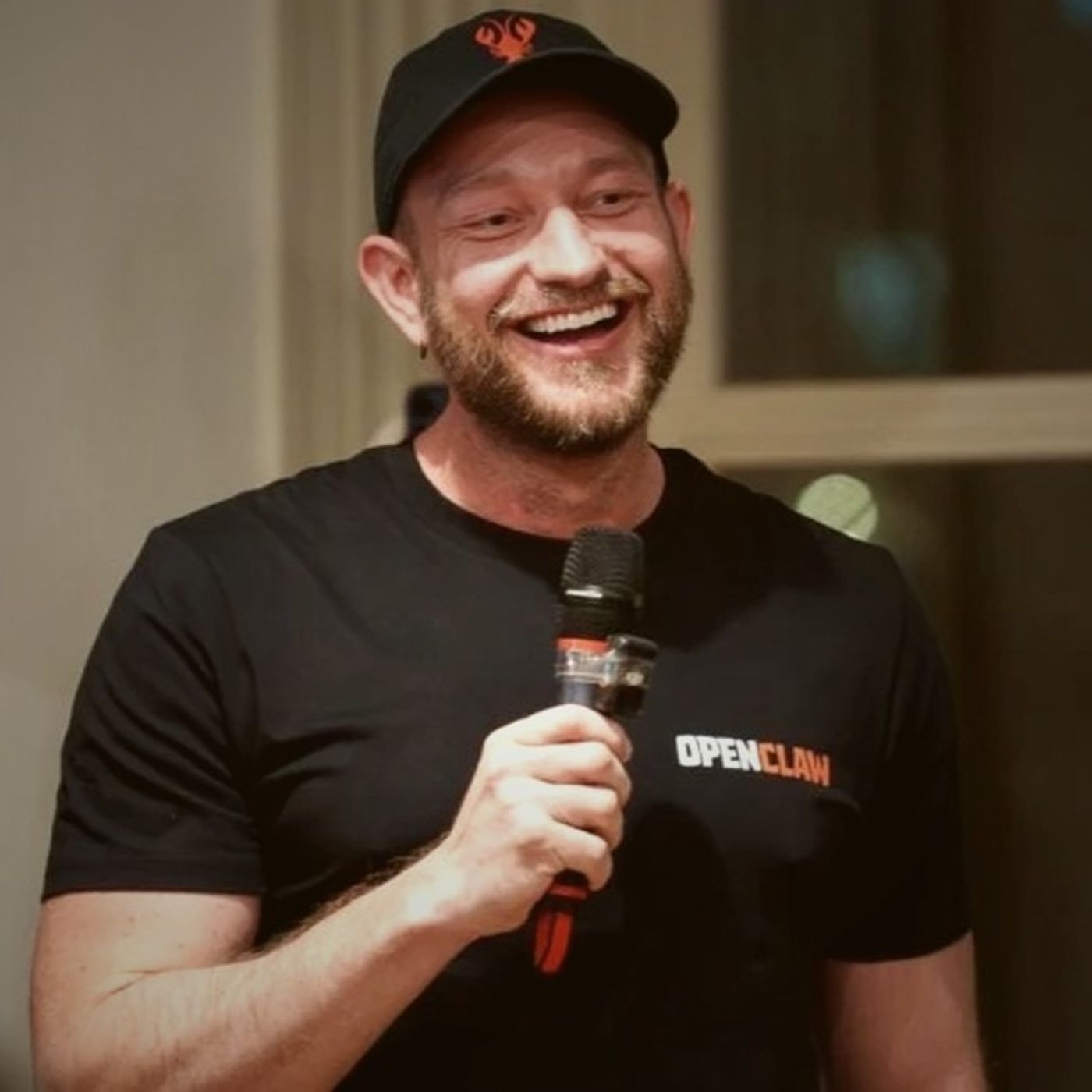
Ep 1036The Rise of The Claw with OpenClaw's Peter Steinberger
There’s a new wave of AI tools that don’t just live in the cloud, don’t just autocomplete code, and don’t just sit in a browser tab. They reach into your local environment, understand your context, and act more like a thinking companion than a chatbot. In this episode, I talk with Peter Steinberger, founder of OpenClaw, about the rise of “The Claw” and what it means to build AI that feels fast, personal, and deeply integrated into your workflow. We explore why OpenClaw is having a moment, how developer expectations are shifting from prompts to agents, and what it takes to design tools that balance power, safety, and usability. Peter shares the architectural choices behind OpenClaw, the tradeoffs between local and cloud inference, and his perspective on privacy, ownership, and latency in a world of ever-larger models. This is a conversation about control. Who owns your context? Where does your data live? And what happens when AI stops being a destination and starts becoming an ambient layer across everything you do?

Ep 1035The AI Vampire with Gas Town's Steve Yegge
AI is making developers dramatically more productive...so why is everyone so exhausted? In this episode, Scott talks with Steve Yegge, legendary blogger and creator of Gas Town, a multi-agent orchestrator he describes as "Kubernetes for coding agents." Steve shares his theory of the "AI Vampire," that working alongside AI drains human energy Colin Robinson-style (What We Do In The Shadows), even as output skyrockets. They dig into what happens when you're managing ten or twenty Claude Code instances at once, who actually captures the value of a 10x productivity boost, and why the most important thing developers can do right now might be to close the laptop and go for a walk.

Ep 1034Kinder Code Reviews with AI? with Qodo's Nnenna Ndukwe
Code reviews are one of the most powerful tools teams have for maintaining quality — but they're also one of the most emotionally charged parts of the development process. With AI coding agents generating more code than ever, the review bottleneck is growing fast. But what if AI-assisted reviews could not only keep up with the volume, but actually be kinder about it? Scott talks with Nnenna Ndukwe, Developer Relations Lead at Qodo, about how AI code review is evolving beyond glorified linting into something that understands context, catches what matters, and delivers feedback developers actually want to read. They explore what happens when the same AI writes and reviews its own code, and whether thoughtful AI review can make code review culture healthier for everyone...not just faster.https://www.qodo.ai/
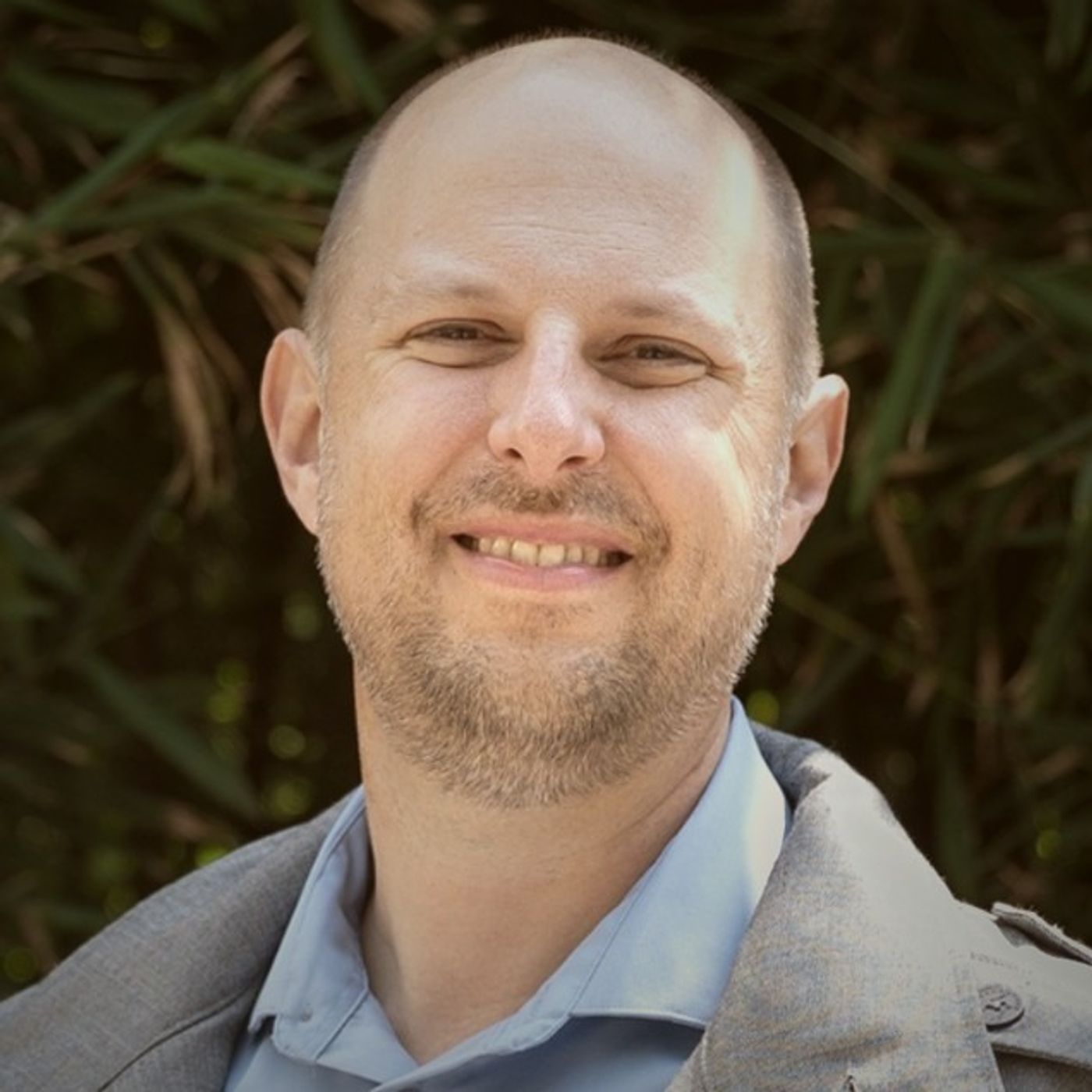
Ep 1033Run your AI Agent in a Sandbox, with Docker President Mark Cavage
Sandboxing is having a moment. As agents move from chat windows into terminals, repos, and production-adjacent workflows, the question is no longer “What can AI generate?” but “Where can it safely run?” In this episode, Scott talks with Mark Cavage, President of Docker, about the resurgence of sandboxes as critical infrastructure for the agent era and the thinking behind Docker’s newly released sandbox feature.They explore why isolation, reproducibility, and least-privilege execution are becoming table stakes for AI-assisted development. From protecting local machines to enabling trustworthy automation loops, Scott and Mark dig into how modern sandboxes differ from traditional containers, what developers should expect from secure agent runtimes, and why the future of “AI that does things” will depend as much on boundaries as it does on model capability.Learn more about Docker Sandboxes here: https://dockr.ly/4avCKTW

Ep 1032Where is AI taking us? - with The Pragmatic Programmer Gergely Orosz
AI is moving faster than our collective ability to metabolize it. Between copilots, agents, vibe coding, and the ever-shifting definition of “senior engineer,” developers are asking a deeper question. Where is this all actually going? In this episode, Scott sits down with Gergely Orosz, author of The Pragmatic Engineer and longtime observer of how software gets built inside high-performing teams, to separate signal from hype.They dig into what AI is really doing to day-to-day engineering work. Productivity boosts versus skill atrophy. The changing expectations for junior developers. Whether “AI-first” companies are structurally different or simply marketing-forward. Gergely brings his trademark data-driven pragmatism, grounded in conversations with hundreds of engineering leaders navigating hiring freezes, agent experiments, and the reshaping of career ladders.Scott and Gergely also explore the human side. What happens to craftsmanship when code is abundant. How we teach the next generation to think, not just prompt. Why developer experience may matter more, not less, in an AI-accelerated world. Along the way, they consider whether we are watching a platform shift on the scale of cloud and mobile, or something even bigger.https://www.pragmaticengineer.com/

Ep 1031Fabulous Adventures in Data Structures and Algorithms with Eric Lippert
Join Scott and Eric Lippert for a lively tour through Fabulous Adventures in Data Structures and Algorithms, a fresh take on timeless topics that flips the script on how programmers think about core tools of the trade. Eric shares why he wrote a book that avoids the predictable interview-prep regurgitations, and instead dives into clever, lesser-known data structures and algorithmic ideas that he’s encountered over a long career in language design and tooling. You’ll hear how immutability can make data structures both simpler and faster, why backtracking shows up everywhere from tree search to puzzle solving, and how a deeper understanding of performance and abstraction can change the way you architect code. Along the way Eric reveals how to reconnect joy with problem solving, find surprising patterns that scale across domains, and build intuition that serves you long after the syntax fades from memory. https://www.manning.com/books/fabulous-adventures-in-data-structures-and-algorithms

Ep 1030Vjekoslav Krajačić on File Pilot and a return to fast UIs
Modern computers are faster than ever, yet much of our software feels slower, heavier, and more frustrating to use. In this episode of Hanselminutes, Scott talks with Vjekoslav Krajačić, creator of File Pilot, about bringing speed and responsiveness back to everyday tools.Vjekoslav built File Pilot as a reaction to bloated file managers and laggy interfaces, focusing on instant feedback, keyboard-first workflows, and a UI that feels immediate. We talk about what actually makes software feel fast, why modern frameworks often work against that goal, and how users instinctively know when an app respects their time.This is a conversation about restraint, craft, and why fast UIs still matter.https://filepilot.tech
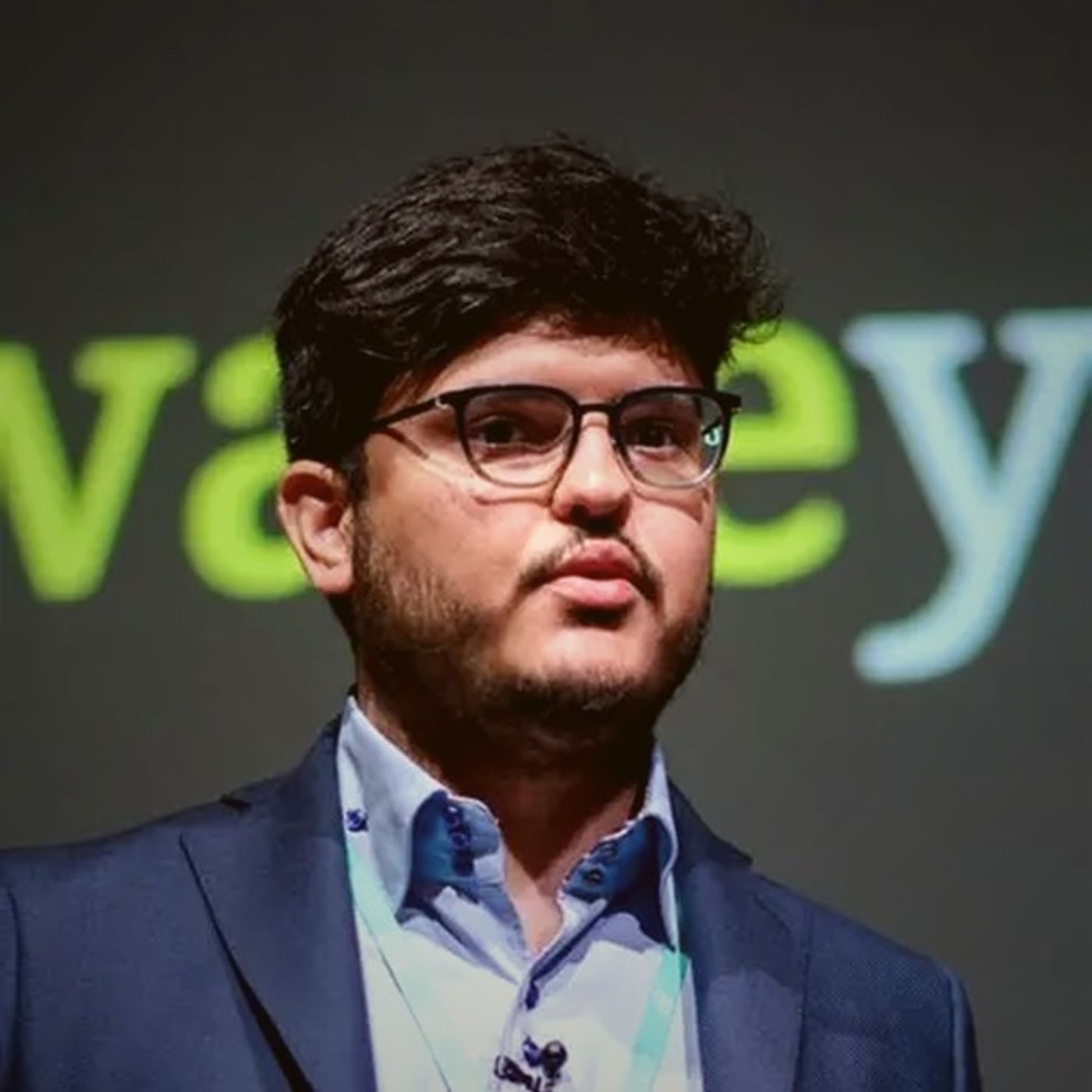
Ep 1029Loris Cro on the Rise of Zig
Why are so many developers suddenly talking about Zig? Is it just another systems language, or is something deeper happening?Scott sits down with Loris Cro, one of the community voices behind Zig, to explore why this relatively young language is getting so much attention from systems programmers, game developers, and performance-obsessed engineers alike. We dig into Zig’s radical focus on simplicity, explicitness, and control...and why not having features like a garbage collector or hidden magic is actually the point.Loris explains how Zig approaches memory safety, cross-compilation, and interoperability with C in a way that feels refreshingly honest, and why Zig’s philosophy resonates in a world increasingly shaped by complex toolchains and opaque abstractions. Along the way, we talk about the cultural moment Zig is emerging into, what developers are really asking for in 2025, and whether Zig represents a return to fundamentals, or a glimpse of the future.

Ep 1028Trusting Agentic AI with Dr. Dawn Song
In this partnership episode between Hanselminutes and the ACM Bytecast, Scott talks with Dr. Dawn Song, MacArthur Fellow and leading researcher in computer security and AI and co-director at the Berkeley Center for Responsible Decentralized Intelligence about how privacy-preserving computation, fairness, and accountability can help us design intelligent systems we can actually trust.https://agenticai-learning.org
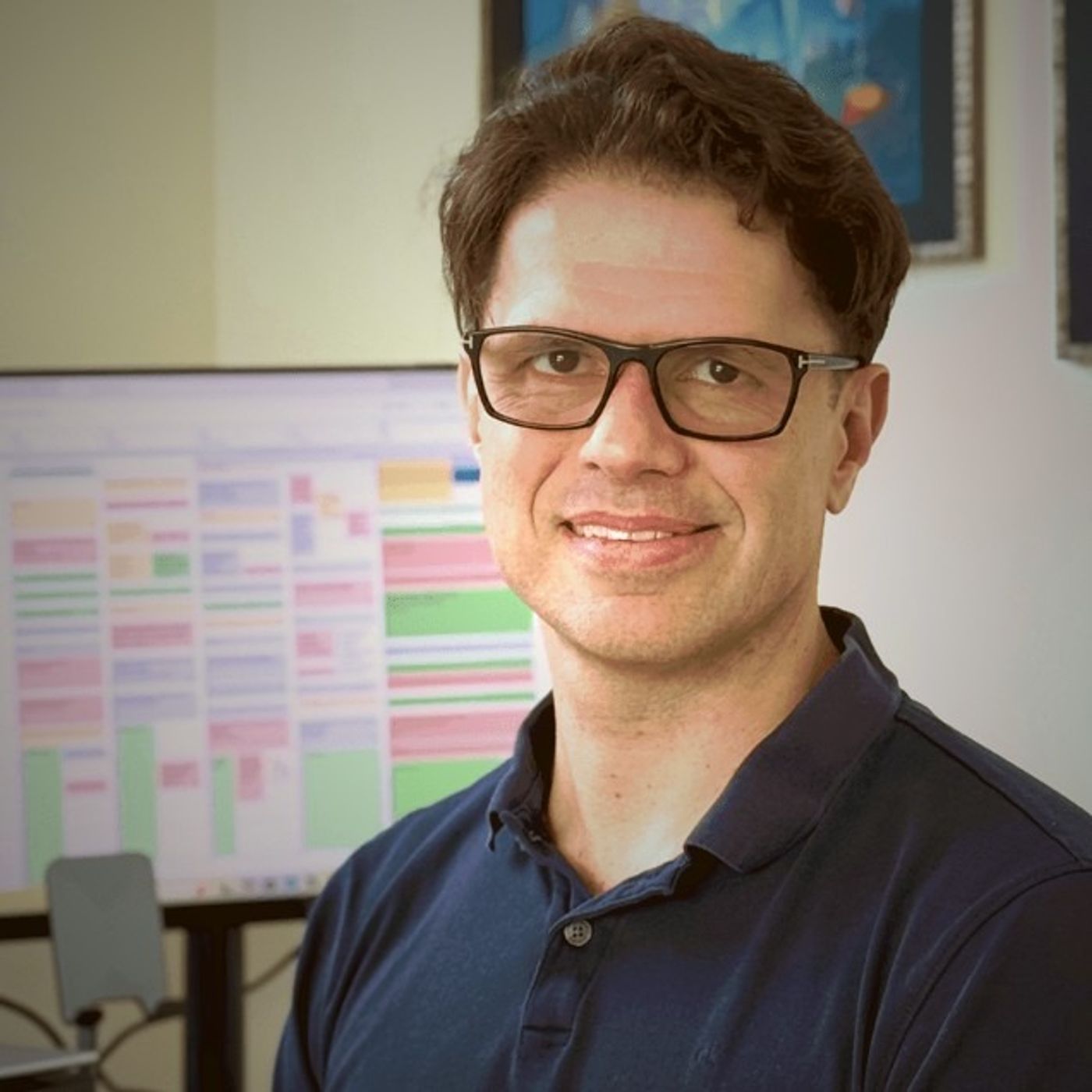
Ep 1027Human Agency in a Digital World with Marcus Fontoura
Marcus Fontoura has led engineering teams at IBM, Yahoo, Google, and Microsoft...building the very systems that power our digital lives. Now, as the author of Human Agency in a Digital World, he’s asking a more profound question: how do we stay in charge of the technology we create? Scott and Marcus explore what it means to move from being passengers to pilots in an age of automation — through ethics, education, and intentional design.https://fontoura.org

Ep 1026Daniel Temkin and the Beauty of Esoteric Languages
What happens when code stops being useful and starts being art? Scott talks with artist and programmer Daniel Temkin about his new book Forty-Four Esolangs, a deep dive into the world of esoteric programming languages...systems designed not to ship software, but to provoke thought. They explore how absurdity, constraint, and humor reveal something profound about how we think in code.https://danieltemkin.com

Ep 1025The Digital Runway: IT at the Philadelphia Airport with Camille Tomlin
Scott sits down with Camille Tomlin, Head of IT at Philadelphia International Airport, to explore the intersection of aviation, technology, and leadership. They discuss how airports are transforming digitally — with IoT, data analytics, and smart infrastructure — and how Camille leads a team that bridges city government, airlines, and millions of passengers every year.

Ep 1024C++ is Still Here, Still Powerful with Gabriel Dos Reis
In a world of Rust, Go, and Python, why does C++ still matter? Dr. Gabriel Dos Reis joins Scott to explain how C++ continues to shape everything from GPUs and browsers to AI infrastructure. They talk about performance, predictability, and the art of balancing power with safety...and how the language’s constant evolution keeps it relevant four decades in.

Ep 1023Why Postgres? and why now? with Claire Giordano
Postgres has quietly become the world’s favorite database...running startups, governments, and global clouds alike. Scott talks with Claire Giordano, long-time Postgres advocate and technologist, about the database’s unlikely rise from academic roots to modern dominance. They explore its design philosophy, the open-source community that fuels it, and why Postgres keeps winning even in the age of AI and hyperscale data."Talking Postgres" podcast: https://talkingpostgres.comhttps://www.postgresql.org/
Ep 1022The Past Still Boots with the Interim Computing Museum's Stephen Jones
Scott talks with Stephen Jones of the new Interim Computing Museum, about the craft of bringing old computers back to life. From wire-wrapped boards to tape drives and terminals, this episode dives into why running the old systems — not just displaying them — matters for understanding how modern computing came to be.Support, Visit, and Donate to the ICM at http://icm.museum

Ep 1021Cheat Codes for Junior Engineers with Kat Excellence
This week Scott talks to Kat who shares her tactical wisdom from her blog Katexcellence.io, where she decodes the early-career engineering experience with clarity and wit. From learning to build without motivation, to balancing depth and velocity, to navigating layoffs and early‑career uncertainty, Kat distills lessons from her own journey through Big Tech and beyond. She offers practical strategies for making an impact early, staying resilient, and turning challenging experiences into growth opportunities.https://katexcellence.io/

Ep 1020AI-Powered Migration plus Raw Experience with Mike Rousos
On this episode of Hanselminutes, Scott Hanselman talks with cloud migration and app modernization expert Mike Rousos about the challenges and opportunities of bringing decades-old applications into the modern era. They discuss practical strategies for app modernization, how AI and GitHub Copilot are reshaping developer workflows, and what it takes to transform legacy software into systems ready for the future.

Ep 1019The Game Designers Workbook with Bobby Lockhart
On this episode of Hanselminutes, Scott talks with Bobby Lockhart, game designer and coauthor of The Game Designer’s Workbook. They explore the craft of game design, from turning ideas into playable experiences to balancing creativity with structure, and discuss how the principles in the workbook can help both aspiring and seasoned designers build better, more engaging games.https://www.gamedesignersworkbook.com

Ep 1018Competence builds confidence with .NET Principal Engineer Safia Abdalla
On this special episode of Hanselminutes, Scott reunites with .NET Principal Engineer Safia Abdalla, nearly 500 episodes and a decade after her first appearance on the show. They reflect on the arc of her career and the evolution of the developer landscape, discussing how building competence fuels confidence, how anxieties can compound in high-pressure environments, and what strategies help engineers sustain both technical excellence and personal growth over time.

Ep 1017Push your ideas to the web with Netlify CEO Mathias Biilmann
On this episode of Hanselminutes, Scott Hanselman sits down with Netlify CEO Mathias Biilmann, who coined the term Jamstack, to talk about the future of web development in the age of AI. Recorded shortly before the announcement at Netlify Deploy, the conversation explores Netlify’s new AI Workflow, how it connects to the Jamstack philosophy, what it means for developers building modern applications, and how AI-powered automation can streamline shipping dynamic, performant sites at scale.https://www.netlify.com/deploy

Ep 1016The Importance of Pair Programming with Tuple's Johnny Marler
In this episode of Hanselminutes, Scott Hanselman talks with Tuple engineer Johnny Marler about the craft and culture of pair programming. They explore how intentional collaboration can sharpen problem-solving, reduce context switching, and build trust between teammates—especially in remote environments. Johnny shares lessons from developing Tuple, developing with native code on Windows, insights from the Zig community, and why pairing remains one of the most underrated tools in a developer’s toolkit.https://tuple.app/hanselminutes
Ep 1015Can AI save DevOps? with SystemInit's Adam Jacob
In this episode of Hanselminutes, Scott Hanselman sits down with Adam Jacob, co-founder of SystemInit and creator of Chef, to explore the provocative question: Can AI save DevOps? Together, they unpack the growing complexity of modern infrastructure, the limits of human-scale operations, and how AI-driven systems might reshape the way we build, deploy, and maintain software. From declarative intent to autonomous remediation, Adam shares his vision for a future where DevOps isn't just automated—it’s intelligent.https://systeminit.com

Ep 1014Making Video Games in 2025 with Celeste's Noel Berry
In this episode of Hanselminutes, Scott sits down with Noel Berry, co-creator of Celeste, to explore his philosophy and process for making games in 2025, without relying on big commercial engines. Noel shares why he prefers building lightweight, custom tools over heavyweight platforms like Unity or Unreal, how modern C#, SDL3, and open‑source libraries empower small teams, and the creative freedom that comes from owning every layer of the stack. From crafting bespoke level editors to ensuring long‑term portability, Noel offers a candid look at the technical choices and personal values shaping his latest projects, including City of None.https://noelberry.ca/posts/making_games_in_2025/

Ep 1013The Ultimate Home Arcade with Polycade's Tyler Bushnell
This week Scott welcomes Tyler Bushnell, founder of Polycade, to talk about reimagining the arcade experience for modern homes. Drawing on his family's Atari legacy, Tyler shares how Polycade blends retro charm with sleek design and modern game libraries—all while encouraging face-to-face connection. From Kickstarter roots to Techstars growth, we explore how Polycade became a favorite among creators and why the future of gaming might look more social than ever!https://www.polycade.com

Ep 1012How to Lead with Value with Dr. Morgan Depenbusch
Today we chat with Dr. Morgan Depenbusch and dive into the mindset shift that can transform your career and relationships at work. Instead of pushing harder to be heard or constantly proving yourself, what if the key is simply leading with value? Dr. Depenbusch and Scott unpack what “value” really looks like in practice—whether it’s helping teammates cut through noise, reframing presentations for executives, or positioning yourself in interviews. You’ll hear why this approach earns trust, reduces stress, and creates more opportunities than self-promotion ever couldhttps://www.morgandepenbusch.com/

Ep 1011Focus Friend by Hank Green is #1 in the App Store with Bria Sullivan
In this episode, Scott sits down with Bria Sullivan, developer and founder of Honey B Games, to unpack the viral success of Focus Friend—the cozy productivity app that dethroned ChatGPT at the top of the App Store. Co-created with Hank Green, Focus Friend gamifies focus with a sock-knitting bean companion, offering users a whimsical yet effective way to reclaim their attention. Bria shares the app’s origin story, the design philosophy behind its ADHD-friendly features, and how iteration and storytelling shaped its meteoric rise. It’s a conversation about building with empathy, designing for delight, and what it means to make tech that gives people their time back.https://www.yourfocusfriend.com/

Ep 1010Inside the Maker Mindset with Roboticist Aaed Musa
From wrist‑mounted CD launchers to rope‑driven quadrupeds, Purdue engineering student and YouTuber Aaed Musa turns wild ideas into precision‑crafted reality. On Hanselminutes, he joins Scott Hanselman to share the art, grit, and storytelling behind his most ambitious projects — and why iteration is his superpower.https://www.aaedmusa.com/

Ep 1009Learning to Code with AI and Steve Klabnik
Steve Klabnik wasn't a fan of AI. He knows how to code at high and low levels...but then he tried again. Now he's making more, shipping more, coding more, and having more fun. Is this a moral choice or a techincal one or both?

Ep 1008How is AlmaLinux OS is community-driven? with benny Vasquez
In this episode, Scott Hanselman sits down with benny Vasquez, Chair of the AlmaLinux OS Foundation, to explore the project's journey since the shift away from CentOS. benny shares insights into how AlmaLinux stays community-driven, transparent, and enterprise-ready—all while navigating the evolving world of open-source licensing. It's a candid and thoughtful conversation about trust, sustainability, and what it takes to build an OS that listens to its users.https://www.almalinux.orgKey TopicsIntroduction to benny Vasquez and AlmaLinux (00:07.87)The Evolution of CentOS and Birth of AlmaLinux (01:00.03)The Role of CentOS Stream and Enterprise Linux Ecosystem (03:27.08)Why AlmaLinux Stepped In and the Red Hat Source Code Shift (05:19.77)Differences Between AlmaLinux and Red Hat (08:33.74)Open Source Governance and Neutrality in AlmaLinux (14:05.99)Sustainability and Longevity of the AlmaLinux Project (24:07.31)Adopting AlmaLinux for VFX and Desktop Use (26:37.99)The Importance of Hardware Support and Adaptability (28:14.02)Upcoming Events: AlmaLinux Day Vancouver (33:48.05) Main TakeawaysCommunity-Driven Replacement for CentOS: AlmaLinux emerged as a community-driven distro to fill the gap left by CentOS after Red Hat's change in focus, ensuring enterprise-grade Linux remains accessible.Open and Neutral Governance: AlmaLinux prioritizes a meritocratic and community-focused governance structure to maintain independence and serve diverse user needs.Adaptability and Innovation: By addressing omitted features and bugs faster than traditional vendors, AlmaLinux thrives as a flexible solution for enterprises and personal use, offering extended hardware support.Commitment to Longevity and Sustainability: The AlmaLinux OS Foundation is focused on creating a project that outlasts its current contributors by setting up governance for long-term stability.Embracing Enterprise and Desktop Markets: Though AlmaLinux is enterprise-focused, it demonstrates significant adoption in both server and desktop environments, especially in industries like VFX. Notable Quotes"AlmaLinux emerged to fill a void, ensuring enterprise-grade Linux users didn’t lose their stability and compatibility." – benny Vasquez"The key for us is not just building compatibility with Red Hat but allowing for innovation and hardware support that suits the community’s needs." – benny Vasquez"We have to maintain neutrality in our governance so that no one organization can unduly influence AlmaLinux." – benny Vasquez"Making it independent in a way that it will outlast me and all of the current contributors is the ultimate success for me." – benny Vasquez"Linux is known for not leaving folks behind, and that’s an ethos we adhere to with AlmaLinux." – benny VasquezResources MentionedAlmaLinux.org: https://almalinux.org (Download and contribute to the project)AlmaLinux Day Vancouver (August 9th): https://almalinux.org/blog/SIGGRAPH Conference: https://s2023.siggraph.org/Additional MentionsFedora ProjectWSL (Windows Subsystem for Linux)Azure and AWS sponsorshipsThinkPads and Linux Distros for older hardwareThese show notes were automatically generated from the podcast transcript.

Ep 1007Breaking Barriers in Tech with Brenda Darden Wilkerson
In this episode of Hanselminutes, Scott Hanselman chats with Brenda Darden Wilkerson, the President and CEO of AnitaB.org, about her journey in technology and advocacy for diversity, equity, and inclusion in the tech industry. Brenda shares her inspiring story of entering computer science by accident, overcoming societal perceptions, and her impactful work advancing tech education in Chicago Public Schools. Together, Scott and Brenda explore pivotal topics such as access to technology, unconscious bias, the transformative power of exposure, and the role of AI in the modern era. They also discuss the significance of the Grace Hopper Celebration and its global influence on women technologists.Key Topics with TimestampsBrenda’s Journey into Tech (00:49)How Brenda accidentally discovered computer science and the systemic barriers she overcame.Access, Exposure, and Opportunity (02:55)The impact of access and exposure in shaping careers and creating pathways for innovation.Breaking Gender Norms in STEM (06:40)The historical assumptions around computers being "for boys" and dispelling these myths.The Role of Luck and Preparedness (08:19)How preparedness and access create opportunities for success in technology.AI’s Impact on Creativity and Knowledge (10:35)Brenda’s perspective on AI as a tool, not a replacement for human ingenuity.Diversity in Tech and Creating Curricula (14:11)Encouraging creativity, diverse backgrounds, and inclusive thinking in tech education.The Ripple Effect of Representation (19:29)Representation’s impact on individuals and their broader communities.Grace Hopper Celebration: Breaking Myths and Building Networks (21:33)How the conference fosters inclusivity and dispels misconceptions in tech spaces.Community and Collaboration Beyond Events (28:03)The power of year-round networks and online platforms for fostering innovation and connection.Main TakeawaysAccess and exposure are key catalysts for innovation. Brenda’s journey highlights how transformative opportunities spark enduring passion and remarkable careers.Representation dispels myths. The Grace Hopper Celebration is a powerful example of visibility's impact on inspiring and sustaining individuals in tech.Diverse perspectives lead to impactful solutions. We need cross-disciplinary individuals who bring unique expertise and creativity to solve complex problems.AI should complement human creativity, not replace it. Maintaining foundational knowledge and critical thinking is essential in the age of AI.Building inclusive systems helps everyone succeed. Systemic change, such as inclusive curricula and diverse pipelines, is essential for sustainable equity in tech.Notable Quotes“The assumption was that computers were for boys. That creates the myths we have to dispel.” – Brenda Darden Wilkerson“Luck is being prepared plus opportunity. How can we create luck for others?” – Scott Hanselman“If you don’t take time to research reality, you perpetuate the images presented to you.” – Brenda Darden Wilkerson“The highest and best use of tech is at service of people.” – Brenda Darden Wilkerson“More than one thing can be true at the same time.” – Brenda Darden WilkersonResources MentionedAnitaB.org (Organization advancing women in tech): AnitaB.orgGrace Hopper Celebration (Women in tech conference): GHC.AnitaB.orgTED Talk: Sir Ken Robinson – Do Schools Kill Creativity?Grace Hopper Celebration Dates:November 4-7: Chicago, U.S.December 2-4: Bangalore, IndiaCall to ActionInterested in advancing diversity in tech or making connections with like-minded individuals?Join the AnitaB.org membership community for discussions, resources, and collaboration opportunities.Check out the upcoming Grace Hopper Celebration in person or engage with their network online.These show notes were automatically generated based on the podcast transcript.

Ep 1006The Art of Assembly: Exploring Low-Level Mastery with Randall Hyde
In this episode of Hanselminutes, Scott Hanselman talks with Randall Hyde, renowned for his expertise in programming and assembly language. Known as the creator of the Lisa Assembler and the author of The Art of Assembly Language and Write Great Code series, Randall shares his journey from developing in assembler for early computing systems to working on modern nuclear reactor control systems. He discusses the evolution of software development, the value of assembly language in today's programming landscape, teaching methodologies, and the balance between low-level understanding and high-level productivity.Key TopicsRandall Hyde's Academic and Professional Background (00:02.72)Assembly Language Beginnings with the Lisa Assembler (00:33.45)The Evolution of Randall's Work from Games to Nuclear Engineering (04:54.99)The Importance of Understanding Low-Level Machine Behavior (06:46.75)How Assembly Language Has Evolved and Its Modern Relevance (16:11.62)HLA (High-Level Assembler) as a Teaching Tool (20:20.46)The Rise of ARM Architectures and Changing Processor Technology (29:24.59)The Need for Efficient Code in the Multi-Core Era (33:31.42)Main TakeawaysLow-Level Understanding is Foundational: Randall emphasizes that understanding machine organization and low-level behavior is essential to writing better high-level code.Practical vs. Academic Learning: College enforces learning through structure, but much of coding excellence comes from individual, rigorous practice in understanding how systems work under the hood.Evolving Utility of Assembly Language: While assembly language isn’t a daily tool for most programmers, knowing it provides critical insights into low-level optimizations essential for performance-critical applications.Shift in Performance Gains: Modern compilers and multi-core systems have reduced the performance advantages of assembly, yet efficient code writing remains vital as architecture advances slow down.Accessible Education: Randall’s approach – from pioneering HLA as a bridge to assembly to his comprehensive Write Great Code series – has focused on making low-level concepts easier for new learners to grasp.Resources MentionedThe Art of Assembly Language by Randall HydeWrite Great Code Series (Volumes 1-4) by Randall HydeVolume 2: Thinking Low-Level, Writing High-LevelRANDALLHYDE.COM: Hyde's website for books, support materials, and resourcesNo Starch Press (Publisher): NoStarch.comFollow along for more insights, tips, and conversations with industry leaders. These show notes summarize key moments in the podcast for easy reference and understanding - these show notes were generated by a custom gpt-4o-nano model trained in previous episodes of Hanselminutes