
Geeks, Geezers, and Googlization Show
430 episodes — Page 8 of 9

S2 Ep 48Recruiting in a World of Talent Poverty
Imagine a workplace where projects replace jobs, skills replace job titles, workers pitch their skills, and employers bid on them to create the best possible match. Despite significant investments in workforce planning, results have fallen short of expectations. Many organizations are living in #TalentPoverty. Skill gaps grow. Gig workers are replacing full-time and part-time workers. How will the "total talent" mindset disrupt and change the way organizations hire and people work? What is the role of the recruiter in 2025? How will a business model like Upwork disrupt traditional staffing and recruiting? Listen to Allegis Global Solutions' Head of Recruiting Innovation Craig Fisher shares his vision for the future of work, staffing, and recruitment.

S2 Ep 47Beyond the Resume: Video Screening
The hiring process is broken. The reliability of the resume and interview is no better than flipping a coin. Can video screening fix it? For starters, a 1-minute video interview is worth 1.8 million words. Compare that to a resume containing 400 to 800 words, and an interview taking 45 minutes or more. When combined with AI, NLP (natural language processing), and machine learning, video screening is becoming more accurate than humans and a whole lot faster too, both essential hiring ingredients in today's Age of Googlization. Because hiring employees is one of the most rewarding or costly activities a business does, it's no surprise that video interviewing is one of the hottest trends among recruiters, and job seekers too. Listen to Benjy Gillman, from video screening tool MyInterview, discuss how AI-assisted video interviewing is rocking the world of recruitment and what their research shows.

S2 Ep 46A Cure for the Common Company Culture
Toxic workplace cultures cost US businesses $223 Billion in the past 5 years and drove 20% of employees out of their jobs. Investment in growing engagement through pizza on Friday and purchasing more motivational posters is DOA. Long gone are the days when company culture was what the C-Suite said it was. Today the link between organizational culture and profitability is not just an HR thing anymore but a business imperative. Summery founder and CEO Erin Michelson has a cure for what she calls "common culturitis?" Erin joins us on this episode and shares how behavioral science and AI have emerged as the C-Suite's best friend as it begins to laser-focus on managing culture and meeting investor expectations. The heart and soul of Summery lie within its proprietary The Kind Quiz. Complete the 5-minute quiz and receive a free 3-page overview of your kindness profile. Click here to get started!

S2 Ep 459 Faces of HR Meets Future of HR
Candidates hate it. Most recruiters aren't satisfied either. But more than 98% of Fortune 500 companies use an ATS (applicant tracking software) to recruit workers. As we approach 2020, what HR tech is working and what's not in the world of talent acquisition? HR needs to morph, evolve, and adapt to new demands and challenges. What are the 9 Faces of HR and will they help drive change? If anyone should know, it's Kris Dunn, who has been involved with filling 4500 professional grade positions a year! Kris Dunn is CHRO and a partner at Kinetix, what he calls the best RPO company in the world. He's also the author of new book 9 Faces of HR.

S2 Ep 44Moms Return to Work After Career Break
Are you a working Mom on a career break (or an employer seeking more skilled workers?) Then don't miss this episode of Geeks Geezers and Googlization. Listen to serial entrepreneur and philanthropist Reena Gupta share her vision and platform that gives working Moms the means to gain financial independence and businesses a vibrant source of fresh talent. Her timing is perfect. Companies need qualified workers and aspire to build a diverse workforce. Moms, educated and talented workers, want to work. Unfortunately demand and supply lines don't currently align so well...until now. Mom Relaunch brings Moms and Employers together.

S2 Ep 43Why Does Everyone Still Love to Bash Millennials?
Millennials are possibly the most maligned generation in modern history. Why? The oldest Millennials are 40-something, the youngest in their 20s. They are the largest, most educated and diverse generation ever. Millennials are the 2nd largest electorate and largest active generation in the workforce, expected to make up 3 out of every 4 workers by 2025. And yet older generations blame them for everything gone wrong, even for things far out of their control. Join us on this episode when Generational Guru Sherri Ellott Yeary meets Millennial trapped in a Baby Boomer host Ira Wolfe and Gen X co-host Keith Campagna as they discuss how to crack the Millennial code.

S2 Ep 42Why Are We Still Talking about Candidate Experience?
After spending $250 Billion on HR technology for recruitment, interviewing, and assessments, the candidate experience should be spectacular. But it's not. In fact, it sucks. More than ½ job candidates drop out during the application process. Nearly 60% of applicants never hear from the employer. Did HR technology cause the dissatisfaction? Can HR tech heal itself? Will AI-assisted technology cure what ails struggling talent acquisition efforts? HR and Recruiting "Nerd" Matt Charney visits Geeks Geezers and Googlization and shares why he feels nothing has changed in HR tech for over a decade … and explains why that might be about to change.

S2 Ep 41HR Must Learn to Spell CX
CX. Just what HR needs, another acronym! But don't swipe left just yet. Bad candidate experience is almost single-handedly killing your talent acquisition efforts. Plain and simple - job seekers aren't happy. Half of them encounter a negative experience with your company or your website even before they apply. Seven out of 10 leave and never apply again. Worse, they tell 7 friends…and those friends tell 7 more. Another 50 percent quit your application before hitting submit. Bad CX (candidate experience) pushes top talent away, drives up costs, creates negative publicity, and lowers customer revenue. It's a destructive, expensive, counter-productive strategy. In this episode, we're joined by Delta CX author Debbie Levitt. She exposes the 4 Horsemen of Bad CX - frustration, confusion, disappointment, and distraction, how they send the wrong message to job candidates, and offers tips to deliver great CX.

S2 Ep 40Unleash Your Curiosity, The Skill That Just Keeps Giving
If you could pick just one job skill to learn, develop, and grow, it should be curiosity. Curiosity is so important that you might say that curiosity lies behind the FATE of humanity. We simply can't perform our jobs or stay relevant in the race between man and machine without - you guessed it, curiosity. It drives nearly every skill on the must-have job skill lists for tomorrow. And yet parents, business leaders, and our current education system teach the curiosity out of us despite the call for more innovation, growth mindset, and STEM. It's time to unleash curiosity. Crack the code. Uncover what's holding you back. Tune into this episode when The Googlization Guy, Ira S Wolfe, meets "Cracking the Curiosity Code" author Dr. Diane Hamilton. Unleash Your Curiosity with the Curiosity Code Index! Click here to learn more.

S2 Ep 39An Athlete's Fight to End Gender Discrimination
Rhonda Leeman Taylor is taking the same competitive fight and lessons of leadership, teamwork,and perseverance she learned on the ice to beat an even tougher opponent - gender discrimination in our communities and business. As young female hockey player she learned that female athletes, like female workers, just don't get treated equally or fairly. They don't get the same pay or the same respect, on or off the field. In this episode Rhonda shares her #MeToo moment when she was propositioned by a male president. She laughed at her assailant, and that awkward moment resulted in a "golden handshake," effectively ending her career path. At that moment Rhonda skated from the ice to HR, pursuing her life-long passion to end gender discrimination. Rhonda's new book Offside was just released last week (Oct 5).

S2 Ep 38HR Tech: Transformative, Scary, and Weird
Congratulations Geeks Geezers and Googlization. To celebrate Season 2, my co-host Keith Campagna is live on the floor of #HRTechConf 2019. Keith's observation: Technology is ubiquitous. Automation is not only inevitable but integral to HR's survival. The crescendo of AI-driven technologies is only adding fuel to unprecedented transformation and disruption. HR technology is pushing everyone into uncharted territory, a world of unknown unknowns. The future will be transformative, different, scary, and even weird. Listen now as Ira and Keith discuss what's going on in the world of HR technology and recap a year of conversations that included interviews with thought leaders about technology, artificial intelligence, education, mindfulness, marketing, the future of work, and lots of disruption. (You can listen all our shows here or on your favorite podcast.) We're also excited to welcome XOR as our newest sponsor. Check them out here.

S2 Ep 37Design a Company Culture Employees Love
Josh Levine has a disturbing message for HR and executives in the C-Suite: ignore company culture at your own risk. New SHRM stats prove his point. 1 out of 4 Americans dread going to work. Nearly 1/2 of all workers are thinking about leaving. A bad company culture is not only bad for employees. It's bad for business. Company culture is the difference between a vibrant business and one that flounders. (Yes, we talk about the rise and fall of WeWork and Uber too!) Listen while Josh discusses his new book Great Mondays: How to Design a Company Culture That Employees Love. Where do you start? Click play. Buy Great Mondays View SHRM's 2019 Culture Report

S2 Ep 36The Evolution of Leadership: Lead with Purpose
"Leadership needs to evolve," says our guest John Dame. "Leaders need to lead with purpose." Employees need leaders who they can trust, deliver compassion, provide stability, offer hope. Creating such a company culture that attracts, engages, inspires, and retains workers takes more than a few motivational posters and a wordsmithed vision statement hung in the lobby and break rooms. Listen to John describe how he helps both emerging and experienced leaders lead with purpose.

S2 Ep 35Mindful Leadership: A Business Imperative
Pandit Dasa, a former monk, has an extraordinary vision for Workforce 2030, quite different than the dystopian view of robots and machines kicking us out of jobs over the next decade. Pandit imagines a workforce where leaders and managers inspire, support and encourage; where ego battles don't stifle progress; where colleagues celebrate each other's success ; and employees develop positive social connections at work. But he also warns that without all of us being more mindful, our workplaces will become more toxic.

S2 Ep 34Conflict Management Can Be Like Fertilizer
"Conflict can be like fertilizer. It stinks while you're in it, but in the long run, it fosters growth," says our guest Kira Nurieli, founder of Harmony Strategies Group. During this episode Kira reveals 3 crucial skills every manager and employee must learn to resolve and leverage conflict management. She describes why she recommends "Circles" strategy and how she has applied it to boost productivity, increase engagement, and help people feel like they matter.

S2 Ep 33Artificial Intelligence and HR
How would you explain artificial intelligence to your 4 year old or 95 y/o mother? That might seem like a silly question to ask our guest Ben Eubanks when our audience includes so many HR professionals and business executives. Sadly, it's not. Because according to the author of "Artificial Intelligence for HR," 90% of HR leaders don't have a firm grasp on what AI is and how it works. That's a huge problem because more than half a billion dollars flowed into AI-enabled HR technology last year alone. Listen as we talk about: What is AI for HR? How will AI disrupt jobs and work? What skills will we need?

S2 Ep 32Using HR Tech to Humanize Recruitment
HR has a human bandwidth problem. The demand for talent is skyrocketing at the same time companies struggle with unprecedented competition for labor. Unfortunately inefficiencies and task-intensive workloads overwhelm recruiters and HR, diverting them away from engaging top talent quickly and frequently - even when they come knocking. There simply aren't enough hours in the day or resources available to do what's needed to deliver a spectacular candidate experience. The solution is simple: Use HR tech to humanize recruitment. During this episode ConveyIQ CEO Danielle Weinblatt walks us through the critical human touch points of recruitment, identifies which ones can be automated and improved, freeing up humans to personalize and humanize the candidate experience.

S2 Ep 31Leadership When SHIFT Hits Your Plane
When Dave Sanderson sat down on that plane 10 years ago, he had no clue that he was about to experience a "plane crash moment" that would alter his life forever. Prior to that day, Dave had no flight or rescue training. But his lifelong investment in personal development and a belief that you must lead yourself to lead others paid off. Dave was literally the last passenger off the plane that day and the first to realize it was time to pay it forward. You don't want to miss a minute of this episode when Dave shares his thoughts and life lessons learned during this life-changing experience and how that plane crash led him to a life of helping others learn to lead, succeed, and pay it forward.

S2 Ep 30Your Recruiting Sucks, Stop Lying and Fix It!
Talent acquisition is at the tipping point. The way talent acquisition gets done should scare the SHIFT out of management. Recruiting is broken and for many companies, that means it's either game over or game on. The labor market looks nothing like it did 20 years ago. Heck, it's almost unrecognizable to what it was like just 5 years ago. And yet HR and TA still functions like it has for decades long gone. That's why we turned to our guest Tim Sackett, author of The Talent Fix and one of HR's favorite bloggers, for some answers and solutions. First of all, It's time for talent acquisition professionals to stop lying to themselves. The labor market has moved beyond post-and-pray job listings, and yet nearly 100% of companies still use this same-old-strategy to advertise job openings. And while HR technology is accelerating, it's often Finance and IT that drives the selection and owns the solution, not HR. That's nuts ...and bad for business. What do and your company need to do to fix your talent acquisition? Whether you aspire to become a top-notch recruiter or you have 30 years under your belt, don't miss this episode.

S2 Ep 29Prediction Isn't My Job, Rehearse the Future
What good is a futurist if he can't predict? According to our guest Frank Diana, "prediction isn't my job." That seems to be a pretty odd thing for a futurist to say. But Frank's response unleashed a flood of ideas when he said "It's my job to help people rehearse for the future." Frank belongs to a growing community of thought leaders from all walks of life and backgrounds who are trying to help people make sense of a world of unknown unknowns. "Connecting the dots has never been so complicated." What does it take to rehearse for success when the future holds a world of unknown unknowns? Listen now.

S2 Ep 28Leading Change with Empathy
The American Workplace is Broken. Eighty-three percent of workers say they're stressed about their jobs and 50 percent say it's interfering with their sleep. We can no longer expect our employees to compartmentalize their personal emotions and still show up to work at their very best. In fact, in this new age of HR, care for the whole employee should be the biggest goal. Leadership must change the way they manage and communicate with people. What is causing all this stress and disruption? For this episode, we called upon Lise Schwartz. She is an executive leadership coach who is passionate about helping individuals and organizations understand and drive change in both work and personal lives. Listen as Lise talks about how you can drive change in the workplace.

S2 Ep 27Video Learning: What You Need, When You Need It| Season 02:027
When you purchase a device and you need help learning how to use it, it's likely you tap your screen and search YouTube. When employees want to learn a new skill, they typically have to request time off or wait weeks or months for training. That's all about to change as eLearning companies are adapting to the the way workers want to learn, train, and reskill. Video is transforming learning management systems (LMS). Within the next 60 seconds, 3.5 million videos will be watched on YouTube. Many of those videos are how-to videos. Likewise, many organizations are opting to turn their LMS into a company YouTube. By offering micro-courses on everything from coding, how to build an Excel spreadsheet, increasing emotional intelligence or dealing with workplace sexual harassment, videos are transforming elearning, now a $35 Billion industry in North America. Listen to this episode with L&D insider Scott McKenzie from EJ4 share why video is a must for training, re-training and re-skilling workers and an essential ingredient for attracting and retaining top talent. Read more about Scott here. Check out EJ4.

S2 Ep 26Did the Future Come Too Soon for HR? Lessons From #SHRM19 | Season 2:026
The future came too soon for HR, according to HR veteran and one of HR's top bloggers Mike Haberman. He joined us just a few days after #SHRM19. Mike attended quite a few session on AI at the conference including mine (Ira S Wolfe) and offers his unique perspective. Mike was one of the 1st people in HR talking about artificial intelligence. Although "HR is catching up", he's dismayed by how many HR folks he sees struggling with HR technology and social media. His big take-away: many of the young people attending chose HR as a profession, instead of the accidental HR path that so many others took.

S2 Ep 25DREAMS Big! It's Time to Reinvent Education | Season 2:025
The demand for skilled workers is skyrocketing. Workers need new and better skills. Unfortunately education is tied with prisons and churches when it comes to innovation according to Noelle Kellich, Head of Teaching and Learning, and Henry Fairfax, Head of The Revolution School in Philadelphia, which just opened its doors in September. The goal: break the status quo and prepare students for the future of work in an interconnected world. Noelle and Henry helped develop a unique experiential curriculum from the ground up, where students learn algebra, trigonometry, physics, statistics, debate, oral and written communication, critical thinking, and social and legal systems—all by actively investigating and doing. For example, instead of memorizing facts and formulas in the classroom, students learn in the context of the real world: by participating in a study of Philadelphia traffic. Graduates will be able to creatively and confidently think through problems, not just recite facts. It's time to DREAMS big: Diversity, Resilience, Engineering, Arts, Math, and Science. Listen now as Noelle and Henry share the "secret sauce" for educating students and workers for a future world. Learn more about The Revolution School here.

S2 Ep 24Did Google Just Blow Up Your Recruitment Strategy Again? | Season 2: 024
Happy birthday Google for Jobs! It's been 2 years since you disrupted recruitment marketing forever. To "celebrate" Google recently announced another major algorithm update. This time mobile-first indexing goes into effect for all new websites...and it will gradually impact all websites. What does mobile-first mean to your company job listings, career sites, and job applications? How will it impact your job listing rankings and employment brand? Listen to SEO experts Cyrus Shepard (MOZ), Megan Boyd (Main Street ROI), and show host/recruitment marketing expert Ira Wolfe explain the impact of Google for Jobs, Mobile-First Indexing, and Google My Business on recruitment and share best practice tips for getting job listings and career sites ranked #1. FREE Resources: ebook Google My Business for Recruiters YouTube Our Guests: Cyrus Shepard Email cyrus at moz.com LinkedIN Twitter YouTube Megan Boyd Linkedin Twitter Website

S2 Ep 23Warning! We're Living in Future Shock | Season 2: 023
50 years ago Alvin Toffler warned us about Future Shock, a time when "too much change in too short a period of time" would leave us overwhelmed, disconnected, and suffering from shattering stress and disorientation. Feeling the pain? According to trends-expert Daniel Levine, Future Shock is really here and now we're now experiencing the 1st After Shock. His solution: learn to embrace the trend of acceleration. How? You'll have to download and click play!

S2 Ep 22How Do You Unlock Employee Potential? | Season 02:022
Unemployment rates are at record lows. Employee turnover is at a 10-year high. Your competitors have undoubtedly placed targets on the backs of your top talent. Without training and development, these workers are 12X more likely to quit your company. It's time to unlock employee potential. The future of work and the future of your company depends on it. Join us during this "live" episode recorded at Cornerstone OnDemand #CSODconf19 when Chief Marketing and Strategy Officer Heidi Spirgi shares her views on the future of work, future of learning, and leadership.

S2 Ep 21Can Podcasting Open A Recruiter's Door to Top Talent? | Season 2 : 021:
Hey Recruiters? Looking for a way to attract and engage more top talent? I'll bet you never thought about podcasting for talent! Podcasting might just be that secret sauce recruiters need to reach more candidates. Podcasts are all the rage. More than 1/2 the population listens regularly and 2/3 of listeners are prime working age. Join us for this week's episode when Podcast Expert Michael Greenburg, founder of Call for Content, shares his secrets for successful podcasting, how companies and HR can start right away with little experience and almost no budget, and how it can help build your authority and employer brand.
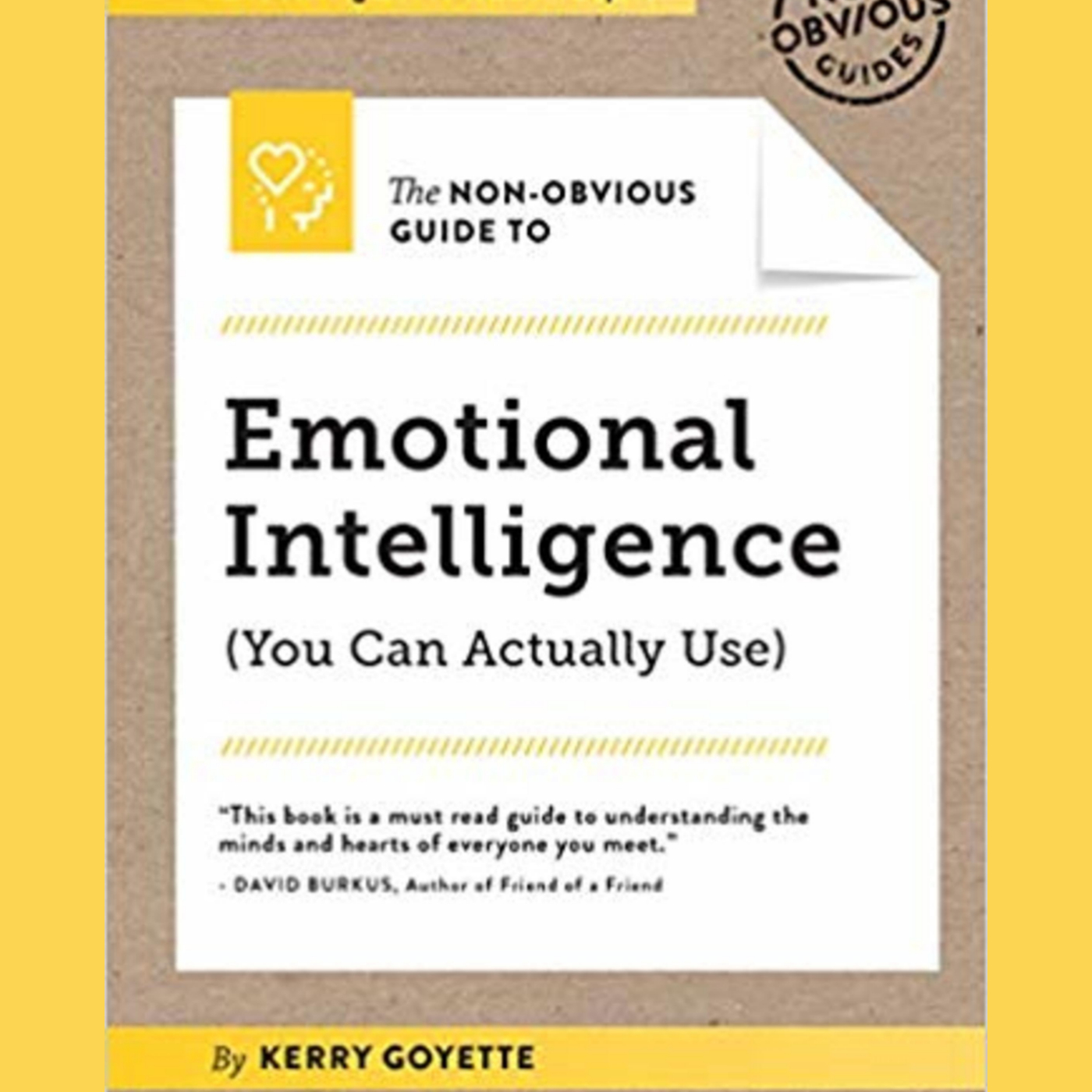
S2 Ep 20Season 2:020 Save Your Job: Boost Your Emotional Intelligence
Worried about a robot taking your job? Boosting your emotional intelligence may be your ticket to a long, lucrative career. With machines becoming more intelligent every day, it is essential that all of us focus on skills and abilities that are uniquely human. EI or Emotional Intelligence is one of those uniquely human abilities. Also called EQ, it may also be the one human skill that can save your job! Join us on this episode of Geeks, Geezers, and Googlization when special guest Kerry Goyette discusses her new book "Non-obvious Guide to Emotional Intelligence." Learn why emotional intelligence matters more than ever. Listen how EI can empower your employees, develop leadership, and help you and others avoid them falling victim to 6 career derailers.

S2 Ep 19Season 2: 019 Millennials, Labor, and 2020 Economic Trends
Wondering where emerging trends will lead our economy and labor markets in 2020? You'll want to tune in and hear from our guest today, Alan Beaulieu from ITR Economics. Why listen? His firm boasts an incredible 94.7% accuracy rate in forecasting business trends, including the 2008 Great Recession - 3 full years before it occurred. We recorded this as talk about Tariffs, Immigration, and the 2020 Election (TIE) threaten to disrupt our businesses, the unemployment hit its lowest rate in 50 years, and job openings exceeded job seekers for 13 consecutive months. What does this mean for employers and workers? Will automation ease the crunch for employers? Should workers start preparing for layoffs or new opportunities? What does this mean for new jobs? And what about those darn Millennials? You don't want to miss ALan's surprising answer!
S2 Ep 18Season 2: 018 Crippling Costs of Caregiving Crisis
A caregiver crisis is growing at an alarming rate ... and we're not just talking about a lack of caregivers. Every day workers are forced to choose between being a good employee and being a good son, daughter, and parent. For some, it's a stress-filled, losing battle. Employees lose. Employers lose. Caregiving experts Jisella Dolan from Home Instead Senior Care and Zack Demopoulus, Raising 'Rents Podcast, discuss why employers must care and offer tips to create a Caregiver Friendly Workplace.

S2 Ep 17Season 2: 017 People Analytics: Can Data Save The H in HR?
Technology, globalization, and shifting demographics are emasculating the traditional ways and means of recruitment. Are candidates instantly engaged? Did they find it easy to navigate the job listing and apply? To win the race for talent, digital marketing tools like eye-tracking and ethnographics are helping companies revolutionize the candidate experience. Alathea principal Maja Ninkovic reveals how data-driven recruitment is helping companies navigate HR disruption.

S2 Ep 8Bonus Episode: Pre-Employment Testing: Junk or Science?
Listen to this podcast before using another pre-employment testing! Are pre-hire tests just junk marketing or based on predictive science? In this special episode of Geeks, Geezers, and Googlization, podcast host Ira S Wolfe switches roles with Jonathan Denn, Vistage Chair and author of Drumbeat Business Productivity Playbook, to chat about the myths, facts, and science surrounding pre-employment testing and the opportunity and challenges they present for businesses today.
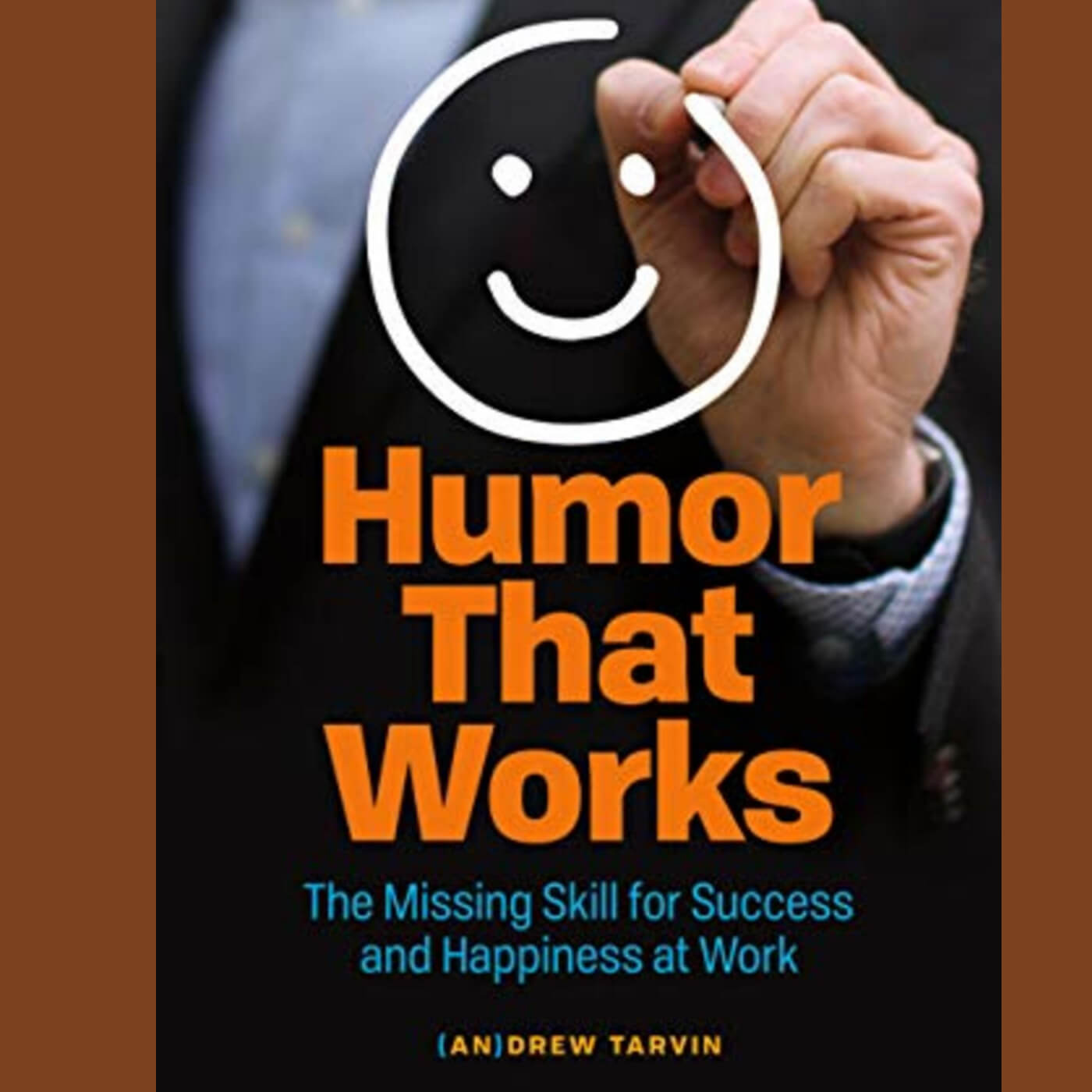
S2 Ep 15Season 2: 016 Knock, Knock! Humor That Works
Humor Engineer is not an oxymoron. It's a new role every worker should master, according to the first Humor Engineer and Humor That Works author Andrew (Drew) Tarvin. With 83% of Americans stressed at work and 70% disengaged, humor at work is a necessity, not a nice-to-have. Humor improves our productivity. It helps us get better results. It connects us with people. It might save you from losing your job to a machine! Listen now as @DrewTarvin shares the what and why of humor at work.

S2 Ep 14Session 2: 014 Engaging Top Talent with Digital Age Job Descriptions
The recruitment process is a terrible experience for most job candidates beginning with job descriptions. Ongig co-founder Rob Kelly has a better idea. Imagine posting your next job listing using video, images, company reviews, chatbots, and even maps to engage more candidates and dramatically increase apply rates. Tune in and find out how to transform the boring, unreadable, gender biased job description into engaging, effective digital job ads that tell your company story and sell your jobs. Questions for Rob? Email: [email protected] Website: www.ongig.com Blog: https://blog.ongig.com/ Twitter: @RobKellySF

S2 Ep 13Season 2: 013 Why Is HR Still Fighting for a Seat at the Table 25 Years Later?
Is your organization struggling with people problems? Then don't miss this episode of Geeks Geezers and Googlization. For 25 years, Human Resources has been fighting for respect, for the proverbial seat at the table. But management still views HR as the compliance cops, payroll administrators, and the department to avoid. Why? HR Strategist Ed Krow joined us for this podcast to discuss why HR continues to be its own worst enemy and recommends steps it can take to be not only seen, but heard and respected in the C-Suite. Changing the "cringe" perception when it comes to the thought of HR departments The general perception of HR departments can be summed up by what a conference go-er said to Ed after a speaking session. He spoke about how frustrated he was with HR, as it "made his life more difficult by offering little assistance and roadblocks at every turn." It's this common and often all too accurate perception of HR that limits the reach of HR's voice when it comes to their company's C-Suite. If HR truly wants to make the changes that will turn the tide on this reality and gain a seat at the table, they're going to have to wake up to the progressive HR movement that is happening. HR needs to be on the train of the current progressive HR movement, or they're going to get left behind. It's time to be proactive and offer solutions to internal problems. As Ed states, "Business owners don't want to hear about problems. They want to hear about solutions." HR should be so much more than a hiring, firing, and "necessary evil" department to CEOs. For those ready to disrupt HR, arm yourself with the knowledge of today's ever-changing technology, notice the problems within your organization, and come up with solutions that propel your company towards success. One of the most important things to remember is the position of the CFO and CEO and what they truly care about. What is it they want to hear? Once you walk outside the doors of HR, turnover rates and hiring processes are not the topics that turn the heads of CEOs and CFO's. What's going to make HR stand out is when they're able to identify how turnover directly affects their company, create innovative solutions to reduce these ill effects, and then show the higher-ups the fiscal result from these actions and how their creative problem-solving benefited the company as a whole. These are the conversations that will allow the voice of Human Resource Departments to be heard and give them a seat at the table that's noticed. Questions for Ed? Website: https://www.edkrow.com LinkedIn: https://www.linkedin.com/in/edkrow/ Twitter: @EdKrowHR
S2 Ep 12Season2 : 012 HR, UX, and World of Unknown Unknowns
Jeff Gothelf, author of "Sense and Respond," shared his favorite stat - Amazon releases new software updates every 11.6 seconds - during this episode of Geeks Geezers and Googlization. Amazon and companies like Netflix set the new consumer standard for service. Human Resources (HR), however, responds with an industrial age approach, built for a completely different time and pace of operations. To win the race for talent, HR must embrace change and be agile to survive a world of unknown unknowns.

S2 Ep 11Season 2: 011 Hacking HR: Saving "Technology Refugees"
Are you a "technology refugee? HR evangelist Enrique Rubio stopped by this week's Geeks Geezers Googlization show to chat about his article "Do humans have room in the future of work?" We wasted no time diving into a conversation about the future of HR, how we must bring HR up to speed, and how technology is racing forward faster than we can keep up. Enrique shared his vision for Hacking HR: to build a global community where HR, business, and technology leaders help make HR better then ever. Connect with Enrique LinkedIn https://www.linkedin.com/in/rubioenrique/ Twitter @erubio_p Hacking HR https://hackinghr.io/

S2 Ep 10Season2: 010 HR & People Analytics: Where's the Proof?
People analytics is consistently one of the top 2 trends in HR today (the other being candidate experience), but despite the fact that more than 70% of CEOs identify human capital as a key source of competitive advantage (IBM), only 5% invest in big data (TATA). And while 70% of companies intend to increase automation, only one-third use People Analytics to determine the impact on performance outcomes! That's why we're grateful that Reed Shaffner, Cornerstone OnDemand's VP of Product Strategy, agreed to stop by the Geeks Geezers and Googlization Show to talk about the Future of People Analytics. In another fast paced show, Reed shared best practices for getting started, even if you're a small business, and how many organizations are using analytics to solve business problems associated with turnover, retention, pay equity, and skill gaps. People Analytics - A new venture for most HR departments, it refers to the information that companies use to make decisions regarding their employees and workforce. When the right questions and strategies are in place, the information collected through people analytics can allow companies to prepare for the future, move the right employees to the right positions, and make overall better decisions for the company as a whole. On the hiring end, predictive analytics through people analytics helps recruiters see if applicants could be a good fit for the company. Internally, these analytics are a great way to show which pay structures are working for employee performance and if pay is equal and fair across the board. Reed gave us a great example on the show of analytics at work when it comes to salaries and pay structures. When Google came out with their pay equality announcement, they were able to do so because of the analytics used to detect areas where they were underpaying women or minorities. A similar case was Amazon, who realized that the algorithm in their system was causing inequality within pay scales. People analytics is not only showing where areas of improvement are within these giant tech companies, it's also giving them a chance to accept responsibility and change things within their company for the better. So, when it comes to implementing people analytics in a way that works just as well as the above example, where should you start? Reed keeps it simple and to the point with this question, "Are you collecting the right data in the first place?" The answer is quite basic and gets to the root of why you would want to use analytics in the first place. "Pick one or two focused questions that you, as a company, really want answered." Figuring out what these two questions are will obviously differ for every organization depending on the size and niche of the company. However, if you want to gather quality data that is actually useful, you have to start by answering this question first. Once you start asking the right questions, other benefits of people analytics start coming through the pipeline- analytics that answer questions such as, "How do I invest in the right people, get them to stay with the company, and also predict roles that might open up in the future?" So, once you have the right questions in place, and the right data coming through, how should you go about analyzing it in a way that is useful for the company? There are a few things that need to be in place for "successful analytics" to happen. Make sure the right people have access to the data: Does everyone need access? No, but you bet that the HR, Recruitment, and Front End Management departments certainly should! Analytics is a partnership between groups such as these, and keeping communication between these departments open is a huge must when it comes to aggregating the right data. For some companies, hiring a data scientist can be a great investment. Reed warns companies to do their research and not hire just anyone who says they have a magical fix for deciphering data. You want someone tested, skilled, and able to go through the company's data to decipher the right information. At the end of the day, people data is business data. If you want to set your business up for success, whether you're a titan of industry or a small business with less than 200 employees, people analytics is certainly key when it comes to the future of work.

S2 Ep 9Season 2 : 009 AI, Video & Emergence of Microlearning
First of all, before I jump into this week's Geeks Geezers and Googlization podcast about the evolution of L&D (learning and development), who would ever think that content creation would be associated with Human Resources? For the record ...when I'm talking about content, I'm not talking traditional HR paperwork! But just as a recruiter is now a marketer, human resources and microleanring go together like two peas in a pod. As the race for talent heats up, winning companies are focused on training employees. The emergence of microlearning is on. AI and video are fueling a revolution. But can it solve the shortage of skilled workers? Grab a drink, sit back, and get ready to learn about the future of learning at work. There is mounting pressure to train both new hires and current employees faster. It's created a shift in the way companies source, build, curate and deliver the right content at the right time. With technologies like AI and video fueling a revolution, microlearning has evolved from a buzzword to workforce development solution. And who better to help us understand what's happening in learning and development than Dr. Summer Salomonsen, head of Content Studios at Cornerstone OnDemand? What is microlearning? It's no longer the 8 hour classroom workshops of yesteryear nor the Powerpoint presentations of a decade ago. Organizations are longer confident that the information presented by trainers as they click through bullet points slide-by-slide is sinking in and making a difference. Instead microlearning is an approach to learning development that experts like Dr. Summer Salomonsen and the team at Cornerstone do incredibly well. While microlearning is not an entirely new idea in and of itself, it is, by definition, a way to describe how the average human brain learns. It's this learning process that Dr. Salomonsen uses to stir up a new generation of workplace engagement in learning. As much as microlearning has advanced the cause, it's also true that L&D in general is being told to step up their game. With the current workforce inundated by Millenials and Gen Z, the learning audience of today can "sniff out sub-par content in 7 seconds flat." For strategic learning to take place and be effective, the content has to be top of the line, to the point, and seamless. As much as microlearning best practices have advanced, Dr. Salomonsen points out that learning is not a construct but a concept. We are always learning, day in and day out, task by task, micro-bit in time by micro-bit in time. Those all day workshops that we used to send employees off to are increasingly ineffective and mind-numbing. On Cornerstone's end, the embodiment of microlearning comes in the form of mixed media, auditory snippets, and learner videos (just to name a few - think TED and TEDx Talks!). They focus what problems need to be solved right now within their learning programs so that employees have a sense of relief and a gratefulness for the information that is being delivered to them. Going a little deeper in our discussion with Dr. Summer and our focus on the future of work, it was inevitable that the subject of AR and VR would come up. While it's currently getting a bit of use within response training, manufacturing as well as hospital type simulations, is it something we should expect to see on the horizon for HR? As we discuss in the show, it's not quite there yet. One reason is the investment required for the technology and the cost of developing content for virtual reality. "It's important to remember that it's just tech but tech like this continues to push our industry forward," said Salomonsen. Ways to contact Dr. Summer Salomonsen? LinkedIn Cornerstone OnDemand

S2 Ep 7Season 2: 007 Workplace Violence: Tips to Prevent and Survive
Workplace Violence: Is it something that social media and news outlets have normalized within our culture? Current statistics state that over the course of a year, an average of 15 people will lose their lives because of workplace violence, and a staggering 38,500 employees will be attacked from perpetrators while on the job. Yet, while this problem continues to ravage the workforce, 70% of U.S. businesses have no plan in place to protect their employees or customers. Workplace violence experts Jeffrey M Miller and Robert Sollars stopped by the Geeks, Geezers, and Googlization show this week to discuss why workplace violence is on the rise and what companies must do to anticipate, prevent, and neutralize its risk to ensure everyone's safety and well-being. One of my biggest questions for the duo is whether they believe that workplace violence is really on the rise these days or if we are just made more aware because of the media blaring continuous feeds of violent actions through youtube, television, and various internet platforms. As a culture with constant access to every breaking story, no matter how recent or simply recycled it is, have we become so desensitized that we think workplace violence is an issue undeserving of awareness in our lives? As someone who's quite an authority on the subject, Jeffrey gives us the answers to these questions. CEO of WCI Consulting, Jeffrey focuses on creating threat management systems within businesses to help employees survive and suffer reduced injury in the event of a workplace attack. Helping businesses to define and put into practice specific emergency procedures as well as teaching them to notice and react properly to early warning signs, is what he does best. Additionally, Robert's 36 years in the security field combined with his in-depth knowledge of the vast amount of early warning indicators in a disgruntled or disrupted individual makes him an equal authority on the posed question. The consensus between both men is that protecting the workplace from violence starts with assessing your company's individual needs and determining the issues most likely to arise. While acts of workplace violence may seem random, often they are not, and there are hundreds of signs and indicators that should set off warning signals and aid in the prevention of these types of attacks. Prevention doesn't simply start with co-workers reporting possible causes for concern, such as angry or resentful comments, violent obsessions, or sudden and unusual behaviors. As far as Robert is concerned, prevention starts right at the beginning of an employee's relationship with the company - the hiring process. Businesses need to know who they are hiring, no matter what level or type of business they are. On the opposite end of things, businesses can't simply put zero tolerance and no weapons policies in place and expect that to be enough. If a perpetrator of workplace violence feels wronged in some way and is seeking to take action, the only thing a "no weapons on premises" sign is going to do is tell them that nobody on the inside is armed and able to properly defend themselves against an assault. It would seem that having a threat assessment plan or team in place to discuss and monitor employees exhibiting one or many of what Robert calls the "24 Warning Sign" behaviors, while also tracking to see if there is an aggressive progression of the behavior and then, if needed, decide upon a course of corrective action before the employee reaches a point of no return would be ideal as a more effective preventative solution than a write-up or paragraph in the employee handbook. Contact Today's Guests: Robert Sollars (480) 251-5197 https://robertdsollars.com/ Jeffrey Miller http://attackproofmycompany.com/ [email protected]

S2 Ep 5Season 2: 005 How to Plug Company Career Site Leaks
David Searns, Haley Marketing CEO, stopped by Geeks Geezers and Googlization this week to discuss the staffing industry's post-Indeedageddon era. (For those of you who don't know, effective 1/7/19 Indeed no longer allows staffing firms and recruiters to post jobs for free.) Indeed is just the tip of a growing challenge staffing and businesses face when it comes to attracting job seekers and qualified workers. Misunderstanding how Google for Jobs works, delivering poor candidate experience, the lack of good recruitment marketing metrics, and low unemployment all contribute to forcing costs up & staffing ROI down. But the biggest culprit for most companies is a leaky company career site. Haley Marketing works with recruitment companies around the world, training them to recruit and engage talent by implementing effective marketing strategies. With "Indeedagedon" and the current low unemployment rate causing companies distress when it comes to receiving applicants for their positions, recruitment departments are looking for other strategies that will drive candidate traffic to their job posts. So now that Indeed has turned the tables when it comes to job posting, how can Google for jobs be utilized in its place? David says the most important thing when it comes to making use of Google's job board is to make sure that your job is not only posted on your website, but that it's also optimized for readability so that it can be indexed by Google Careers. Additionally, make sure that any career sites you're using are also being indexed by Google. Aside from optimizing your job post for Google's job boards, when it comes to recruitment marketing, David starts each case with what he calls "the four pillars" of recruitment marketing. Your Career Site: What are you doing to ensure that every job-seeker looking at your page applies? Job Advertising: What strategies do you have in place for advertising? Social Recruiting: Do you have a social platform plan in place that's engaging passive job seekers and interesting them in your company? Your Employment Brand: What does Glassdoor, Indeed reviews, or Google say about you? How do you believe you'll attract candidates to your company if your employment brand is unknown or poorly represented? In addition to these pillars, David points out that companies currently having the hardest time when it comes to finding and keeping great candidates are the ones who continue to ignore their candidates' recruitment experience, the application process, mobile application availability, and pay disparity within their workforce. If you want your company to acquire top talent, it's not only important to address the above issues, it's absolutely vital. If your job posting isn't available on mobile, or if your application questions are archaic and unnecessarily lengthy, you're not going to engage or keep talent. Want to find out more about Haley Marketing? Contact them at – haleymarketing.com Or call: 888.696.2900

S2 Ep 6Season 2: 006 How to Make Google for Jobs Work for You
According to our guest Venkat Janaparaddy, CEO of Jobiak, over 80% of jobs are not getting indexed by Google. That's a huge problem because 73% of job seekers start their job search on Google! That's why Venkat came up with an AI-machine learning solution that helps companies get their jobs indexed by Google without adding complicated code (job schema) and then getting those job listings ranked higher. How does Google for Jobs work? How can you get Google for Jobs to work for you? Listen!

S2 Ep 4Season 2: 004 -Job Descriptions & Accidental HR Manager
Job Descriptions are the most unlikely topic for a fun but informative podcast. And yet, our guest today, Karen Young, CEO of HR Resolutions, managed to turn the dull, dreaded job description into a lively conversation. Listen to Karen share why the job description is the hub of talent management, not a legal document only taken out of the drawer only when it's time to post jobs and terminate employees. Karen is also the author of Stop Knocking on my Door: Drama Free HR to Help Grow Your Business Karen's book is also known as "the primer for the accidental HR manager." In case it's not clear, Accidental HR Managers are the people that have either fallen into their HR position because of the way they moved up in a company or because of their experience in a similar position- the managers who have "fallen" into the position and didn't necessarily start out with the intent to ever work in HR. Without prior recruitment training or experience, these are the Human Resource Managers that are Googling answers to their HR questions and crossing their fingers. Helping these "accidental managers" to succeed, is Karen. The first item on her list of advice? The proper writing of the dreaded job description, aka the "hub of the wheel" when it comes to recruitment. On the show, we go in depth about the information a job description should include, as well as what's important and what isn't when it comes to the "essential skills" that should be listed. Additionally, we discuss how a job description can be the key to a drama free HR department. You might be asking how a drama free HR department could EVER be a possibility. Turns out, a drama free workplace starts with a clear job description. When written well, job descriptions can be used for discipline, medical issues, and in workman's compensation cases. Karen states that "If we have crystal clear expectations from the start between the employee and employer, when things go awry we have an easy way to approach the employee." The conversation with this employee might go as easily as asking the question, "do you remember when we discussed your responsibilities as written in the job description? Let's revisit that conversation and get back on track with our mutual expectations of each other." Having a clear set of written expectations laid out before the candidate is even hired gives one the ability to be able to avoid large amounts of drama as well as have an easy segue into a conversation that involves correcting behaviors. Another important thing to remember when it comes to writing a job description is to involve current employees in the writing. Why? Because no one knows the ins and outs of the position like the employees who work it! It's an easy way to increase your employee's sense of well-being by letting them feel listened to and needed. Want to contact Karen Young? Email her at: [email protected] Or visit: www.hrresolutions.com This show is broadcast live on Wednesday's at 1PM ET on W4CY Radio – (www.w4cy.com) part of Talk 4 Radio (http://www.talk4radio.com/) on the Talk 4 Media Network (http://www.talk4media.com/). You can reach Karen at karen at HRResolutions.com or visit HR Resolutions. You can purchase "Stop Knocking on My Door: Drama Free HR" on Amazon.

S2 Ep 3Season 2: 003 Are 3rd Party Recruiters Worth The Money?
Is working with a 3rd party recruiter worth it? If yes, when is the right time to hire a recruiter and what are reasonable expectations? As more and more companies turn to search firms, or "headhunters," executive recruiters during this historic period of low employment, we took the opportunity to ask those questions and many more to our show guest Hugh Gallagher from The Gallagher Group. We go behind the scenes with Hugh, exploring what employers should expect and how they can be better prepared. The Geeks Geezers and Googlization Show is broadcast live on Wednesday's at 1PM ET on W4CY Radio – (www.w4cy.com). You can view all episodes on Geeks, Geezers, and Googlization or on your favorite podcast platform.

S2 Ep 2Season 2: 002 Job Hunting: Time to Go Back to School
Job hunting used to be so easy. Send a resume. Fill out an application. Schedule an interview. Get hired. Today, it's become a lot more complicated. Both job seekers and employers seem to be like 2 ships passing in the night. That's why we're excited to welcome Courtney Kirschbaum CEO of Job Hunt School, to the Geeks, Geezers, and Googlization Show. Courtney takes us behind the scenes of her job hunting "school" and shares tips and insights about building a compelling resume to get you in the door for your next job. Job School was created for those that have been out of the job hunting game and need advice on how to attract recruiters to themselves. A completely online course, Job Hunt includes live coaching, Q&A sessions, and mentoring calls all aimed at the goal of helping job seekers to develop their "brand". Courtney goes on to explain that with recruiters now using Linkedin and similar online platforms in their sourcing of candidates, it's vital that your profile stands out and grabs their attention. Job hunting has gone from an audition to a sales pitch, and you have to market what you have to offer or you're going to lose out to someone else that has the ability to market themselves. Credentials and resumes matter, but they're yesterday's news. Instead, you want to grab the attention of the employer, show off what you have to offer, and get them excited about giving you a future in their company. Courtney's statement that "job seeking is just another name for sales and marketing" really defines the entire backbone of the lessons that she teaches. The things you write, how you write, what you post, and how you present yourself is your brand and it's what will lead employers to taking an interest in you. If you're a job-seeker and not sure where to start, Courtney leaves us with this advice: "The job-seeker who comes in with an upbeat, optimistic, and willing to do what it takes type attitude; these are the types of people who get the great job offer with a great salary." Closing thoughts- on your online profile, avoid negativity and showcase your attitude as bright, enthusiastic, and optimistic. Position yourself as someone who recruiters would want to be a part of their team!

S2 Ep 1Season 2: 001 Candidate Experience or Resentment 2019
Founded in 2011, Talent Board wanted to shed light on companies that were attempting to improve the candidate experience. About 3 ½ years ago, our guest on today's show, Kevin Grossman, was approached with the offer to run and scale the program. Working with hundreds of employers around the world, Talent Board is a not for profit institution that works to continue educating employers on how to elevate the candidate experience during the recruitment process. Regardless of company size and culture, companies that are investing more in communication have access to more qualified candidates, as well as higher rates of retention. In 2018, 60% of candidates received an automated email turning them down. 20% of candidates received a personal email with the news. 10% of candidates received a phone call. Now, obviously for large scale companies or any business that hires in mass quantities throughout the year, a personal phone call to each rejected candidate is not feasible. Often, automation needs to be used when it comes to turn-down responses. However, it's important to remember that tech is only as good as how it is being utilized. For example, triggering automated responses at the right time and tweaking the automation so that they are more personalized in style can make all the difference. Another concerning issue is in regards to companies "ghosting" candidates. Over 52% of candidates claim that they didn't receive any sort of response to their application. Not an automated cold email, nor a personal email, and definitely not a phone call! Businesses would be wise to remember that candidate resentment from a poor interview experience directly affects the chance that they will continue purchasing or consuming products from the company itself, as well as risking their resentment spreading into negative reviews of the business among family and friends. Power has shifted to candidates, and if companies don't acknowledge this, they may just start to see a shift in their retention of, and access to, qualified candidates. At the end of the day, it's not automation or tech that's killing the candidate experience. It's the absence of communication and the lack of providing them with definitive closure at the end of the day. Candidates just want to know - are you going to choose me or not? Check out Kevin Grossman and the rest of Talent Board at: www.thetalentboard.org

S1 Ep 9012 Is The Diploma A Bad Hiring Credential?
Our guest today is Danny Iny, author of Leveraged Learning and CEO of the online business education company, Mirasee. With his works followed by over 100,000 experts and professionals, Keith and I were excited to have him on the show. In the context of education, a core part of Danny's belief is that the college degree is a "generic magic ticket to the successful life, costs too much and delivers too little." The college degree as a measurement tool is no longer working, and the disruption resulting from this fact is obvious. So how do people stuck between these two schools of thought and looking to follow a non-traditional and non-college path obtain the careers that they desire? If you're looking for the answer, listen in as we dive in to explore this further. I brought up this statistic to Danny as a segue into what he calls the "signals" of the disruption. "Working minimum wage in the late 1970's- a typical student with a four-year degree could pay off their entire tuition by working 182 hours. That's a part time, summer job. Currently, it requires working full time for 990 hours just to pay off a community or state college." This is a perfect example of the "signals" that Danny has been looking at as far as the future disruption of education in the workforce. In this case, the signals are clearly showing the deterioration of the college degree's value, and that a degree is only as good as your abilities. In and of itself, a college degree is merely a piece of paper and no longer holds the value or weight that it used to. For example, 30 years ago, a college degree was a way to sort through candidates and decide who was qualified or considered valuable enough to spend time interviewing. A degree showed employers that you checked the required boxes for the offered position. It also used to be that only a small minority of the population went to university, and the value of a degree and what it said about a person, was extremely worthwhile. However, things have changed drastically over the years. Herein lies the issue. In the education and employment sectors, we're in this place where the old way is falling apart, but there isn't anything that's fully replacing it yet. With online courses, or even Youtube, one has the ability to learn anything. Unfortunately, with the vast differences in the value that courses offer and the incompletion rate statistics on such courses, simply taking an online course doesn't show that you know enough or have the abilities to be truly considered for a position. So what can someone do to succeed when they've followed the non-traditional path of abstaining from college? Danny's advice is this, "You have to construct the signal yourself, and you can do this by building a portfolio that demonstrates what you know how to do and how well you know how to do it." Regardless of what the old scope or structure of recruiting looks like, there is plenty of opportunity to take advantage of this changing market and use it to propel yourself into the exact career field that you desire. When talking about the non-traditional education paths available, I asked Danny what he's seen available and how someone should go about choosing the right course or learning tools to help them achieve their career goals. His response? "Start by thinking backwards." "Start from the end and think, where do I want to be, or where do I want to go in my life and career? In order for the right doors to open, what do I need to know how to do, and how well do I need to be able to do it?" Once you have the answers to these questions, find people in that field whom you admire or would like to work with and ask them for 10 minutes to explain to you what they've done to get where they are. Show them what you think the path is that you need to take, and ask them if you're on the right track. If you are, ask what online courses or forms of education you should use to get where you want to go and to where they currently are. People that are already out there practicing the skills they've learned and leading successful careers will know exactly what it takes in this non-traditional and non-college age to get there.

S1 Ep 8011 Social Media, AI, MeToo & Employment Law
Today, Keith and I are happy to have Eric Meyer on the show discussing social media as it applies to at-will employment and HR. A partner in the employment group at FisherBroyles LLP, Eric Meyer is a volunteer EEOC mediator, a paid private mediator, and publisher of "The Handbook." https://www.theemployerhandbook.com/ We start off the conversation with this simple and relatable question - "How has social media changed in the last few years, and how should employers be using social media?" Eric's take on this is that it's common knowledge that businesses can gain a huge economic advantage from responsibly using social media platforms, and if they are using these platforms, it should come as an obvious fact that companies need to be training their employees to use social media responsibly. This training should cover everything from how one can adjust their privacy settings to instilling awareness in employees that whether or not they are on the clock, they are still accountable for the things they post, tweet, and type. For example, if an employee goes home at the end of the day and posts something that is discriminatory, racist, or simply paints the company in a bad light, then the company has every right to fire them. This is a working example of "at-will" employment. As far as the recruiting aspect of social media, Eric recommends to companies that they create and implement a standardized set of hiring criteria that is applied evenly across the candidate board. This set of hiring criteria is non-negotiable and applies to every applicant being considered for the position. What comes across the desk of the final person making the hiring decision should be clear facts and credentials regarding the candidate, a picture painted from the company's absolute hiring standards and not based on a person's race, religion, etc. Moving forward, I asked Eric what his thoughts or suggestions are on how employers should be handling #MeToo and discrimination complaints. First, Eric states that it's extremely important for companies, managers, and employees to take these complaints seriously. Again, having a clearly written company handbook that states what is tolerated in the workplace and what is not, as well as a list of the avenues that one can go down to place their complaint, is essential. Additionally, it's worthy to note that each complaint case is different and should be handled accordingly. There are instances in which an employee may consider something said to them as discrimination, when in fact, it wasn't, by legal or company standards. In these cases, educating the employee or providing counseling while striving to not make them feel like their complaint was unnecessary, is important. Aside from these great thoughts, and steering our talk towards technology, I ask Eric to consider the fact that we know that tech's pace of change is going to continue happening, and it's going to keep happening quickly. Knowing this, what impact does he see Artificial Intelligence making in the workplace and are they positive changes? His response was solid. "Using AI for recruiting is only as good as those programming it." For instance, consider Amazon's great debacle when it came to light that their algorithm was ignoring a high percentage of female applicants. AI in anything, especially recruiting, ultimately comes back to the humans creating the program, codes, and algorithms. So, Eric advises that companies make certain that they are auditing their hiring processes and not inadvertently discriminating against a certain class. Summing up our conversation, I ask Eric what he sees coming up next in employment law. He believes that the next big thing in 2019 will be the Supreme Court taking up an LGBTQ case and using it to define the instances that violate anti-discriminatory laws in regards to these classes. Contact Eric Meyer https://www.theemployerhandbook.com/ https://www.facebook.com/TheEmployerHandbook/ https://twitter.com/Eric_B_Meyer https://www.linkedin.com/in/emeyer

S1 Ep 7Episode 010: Employee Well Being Builds Bottom Line
With 300 million people worldwide suffering from depression and with depression and anxiety disorders costing over 1 trillion dollars each year, I thought a discussion with Dave Quinn of Being Well 365 would be of great value to our listeners. Excited to have him on the show, Keith and I discuss with Dave some of the startling statistics when it comes to employee disengagement related to stress and depression issues. Did you know... 80% of workplace stress affects relationships with family and friends 35% of employees miss 3-5 days of work per month because of workplace stress 71% of employees constantly spend time thinking about or actively looking for another job Keith started our conversation with this thought- "There is a massive element missed in job/life integration. For employers, doesn't it make sense to help the employees that they already have lead a better life?" Well, in Dave's opinion, the U.S. spends billions of dollars each year on wellness programs that simply are not working. With a former career in economic development, Dave witnessed fellow colleagues, himself, and their families affected by work stress and started looking for a solution. Wanting to make more of a difference in people's lives, he developed a program focused on helping businesses retain their current employees and cut down significantly on recruitment and turnover costs by focusing on the mental and emotional state of these same employees. With the mantra "Wellness isn't a destination, it's a decision you make daily," Dave created Being Well 365 with the idea that this mindset can help add many quality and productive years to one's life. Instead of throwing money into wellness tech that doesn't focus on the person, Being Well 365 brings the human element into a company and gets to the heart of why its employees are disengaged and stressed. Being Well 365 approaches anxiety and depression issues with employees by meeting them where they are, talking to them about what it is that's causing stress, and teaching them techniques and skills to better cope with what they're going through. Beyond that, they assess the different departments in a company, looking for pain points, current fires that need to be extinguished, and possible issues that could be on the horizon. After assessing, they offer solutions in the form of different workflow suggestions, day-day department changes, or simply just environmental improvements like loosening the reins on confining cubicles and break time rules, or introducing more "movement" into the office in the form of walking desks or walking breaks. Of course, it's up to the CEO's to make the ultimate decision to hire Being Well 365, and convincing them relies on them not only buying into the culture that these mental and emotional issues should be talked about and dealt with in a positive manner, but also showing them the financial benefits of an effective wellness program. Dave says, "We show them the cost of not taking care of these problems and how ignoring these issues leads to higher turnover and recruitment rates. We show them what they're losing from not investing back into their current staff." Contact Dave Quinn and Being Well 365 Website: www.Beingwell365.com