
Gastropod
298 episodes — Page 4 of 6
Guest Episode: How Much Water Do You Actually Need a Day?
Guest Episode: Body Stuff with Dr. Jen Gunter. Think you know how your body works? Think again! Dr. Jen Gunter is here to shake up everything you thought you knew — from how much water you need to drink to how often you need to poop and everything in between. Join us weekly for this TED original series that will tell you the truth about what's *really* going on inside you. This episode: You know the old rule that you need to drink eight glasses of water every day? It's simply a myth, says Dr. Gunter. She explains the amazing way your kidneys keep your system in balance — and how you can really tell if you're dehydrated. Want to hear more from Dr. Gunter? Check out her podcast Body Stuff, from the TED Audio Collective. Learn more about your ad choices. Visit podcastchoices.com/adchoices
First Class Fare
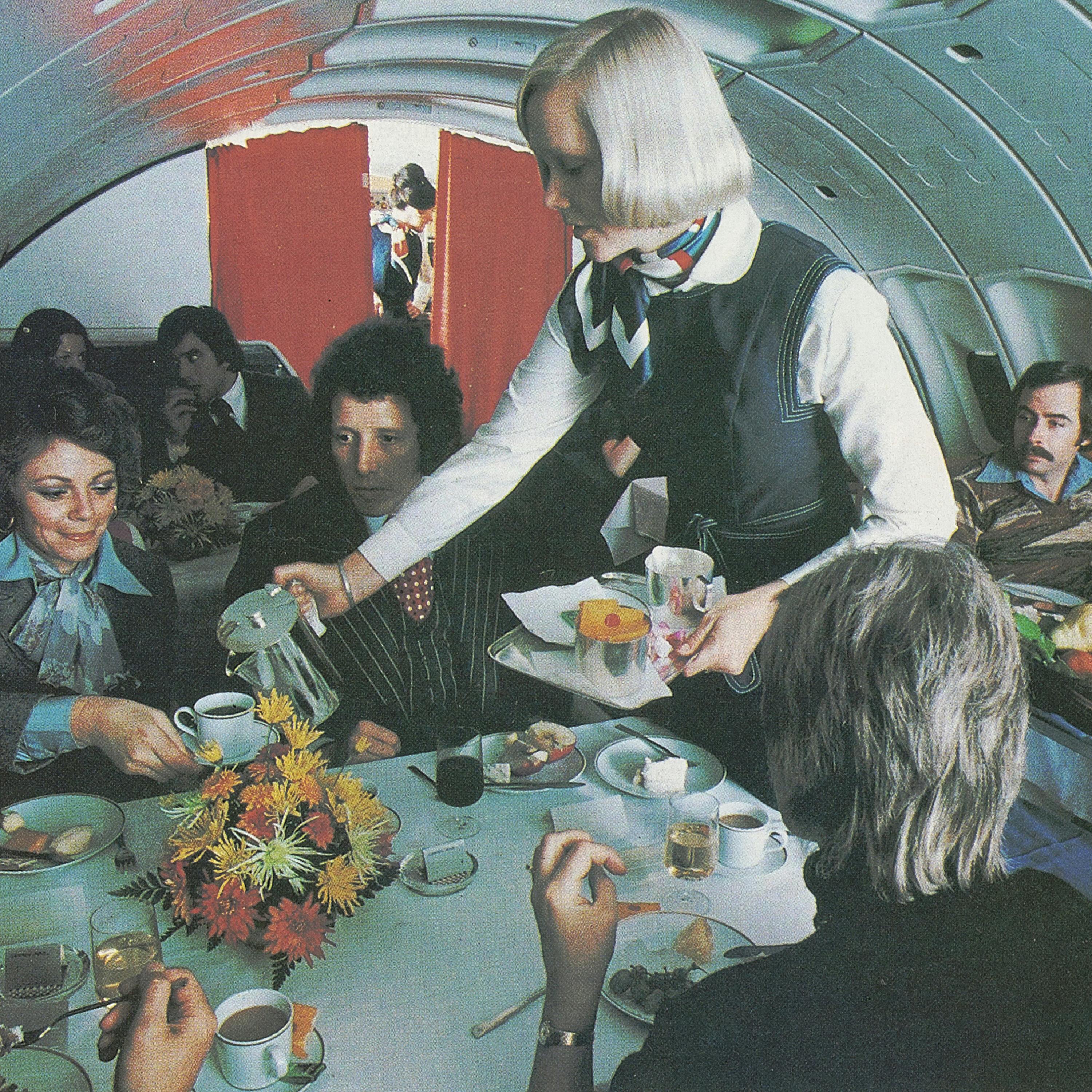
Like most people around the world, you probably didn’t do much flying this past year. Maybe you miss the bustle of airports and the joy of seeing friends in far-off places—but chances are, you probably don’t miss the food handed out on planes: those sad little tinfoil-covered trays of rubbery chicken breasts, tired lettuce, and frozen cherry tomatoes. They’re a far cry from airline meals decades ago, in the golden age of flying, when lobster thermidor and rack of lamb were served on real china. So what happened? How did a zany Henry VIII look-alike revolutionize airline food, and why were stewardesses serving flaming cherries jubilee onboard? What does the tradition of serving nuts on a flight have to do with NASA? How does sitting in the pressurized cabin of a plane roaring 36,000 feet above sea level affect our taste buds, and how are airlines trying to use sensory science to make food taste better? Plus: A grisly tale to explain why both pilots can never eat the same meal! Buckle up, and enjoy the ride. Learn more about your ad choices. Visit podcastchoices.com/adchoices
Guest Episode: How To Save a Planet
Guest Episode: Does climate change freak you out? Want to know what we, collectively, can do about it? Us too. How to Save a Planet is a podcast that asks the big questions: what do we need to do to solve the climate crisis, and how do we get it done? Join us, journalist Alex Blumberg and scientist and policy nerd Dr. Ayana Elizabeth Johnson, as we scour the Earth for solutions, talk to people who are making a difference, ask hard questions, crack dumb jokes and — episode by episode — figure out how to build the future we want. Learn more about your ad choices. Visit podcastchoices.com/adchoices
You're Wrong About Prohibition
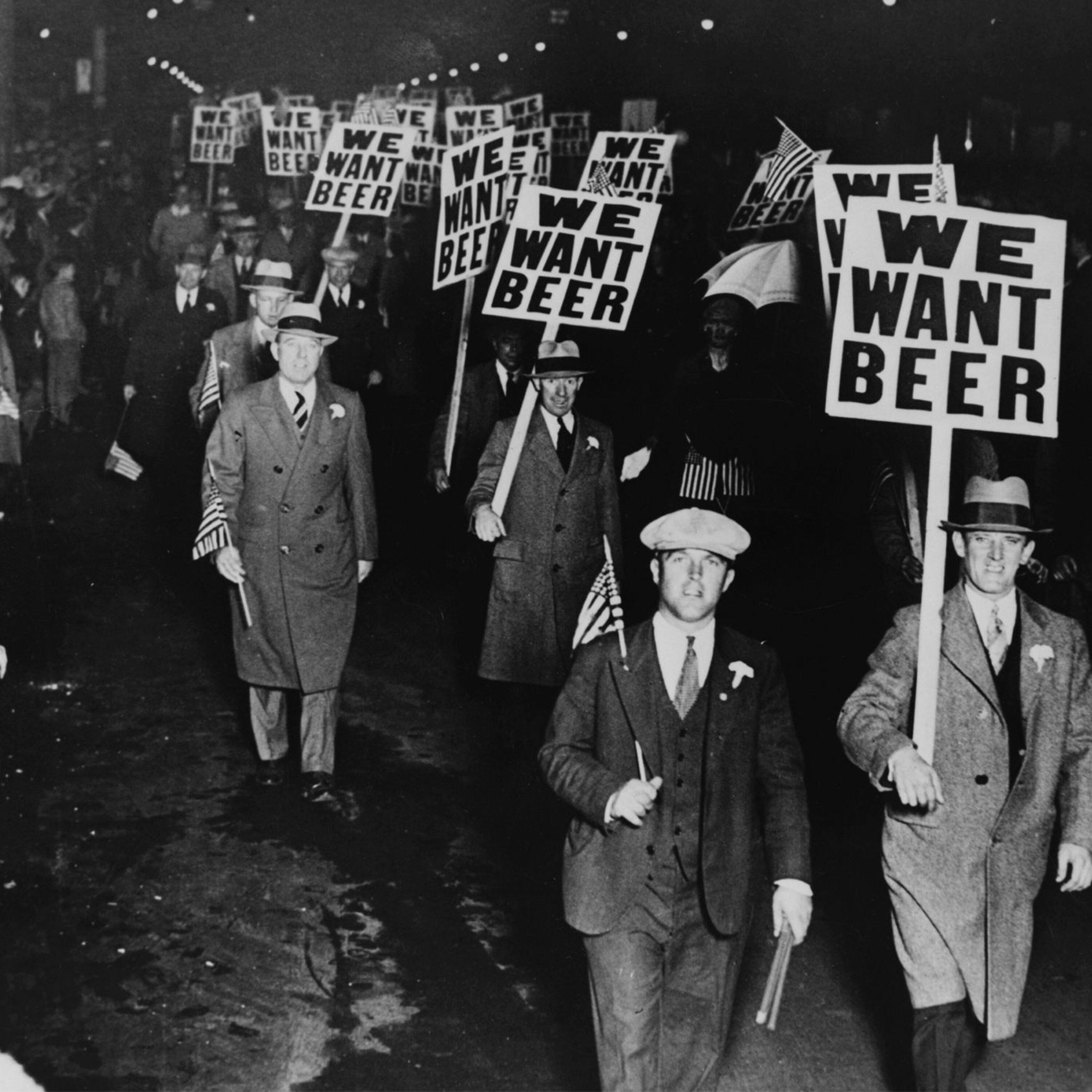
For most of us, Prohibition seems like a peculiar American experiment—a doomed attempt by straight-laced religious conservatives to ban alcohol, and, with it, fun. But as it turns out, we've got it all wrong: Prohibition was actually a progressive struggle that united powerless and oppressed people around the world—Leo Tolstoy, Frederick Douglass, Mahatma Gandhi, and Chief Little Turtle, among others—against a system designed to exploit them. Listen in now as historian Mark Schrad reveals the real reasons that Prohibition became "the most popular, most influential, and longest-lived international social-reform movement in the history of the world"—and historian Lisa Lindquist-Dorr tells us about the rum-runners, Cuban entrepreneurs, and corrupt judges who kept booze flowing during those dry years. Learn more about your ad choices. Visit podcastchoices.com/adchoices
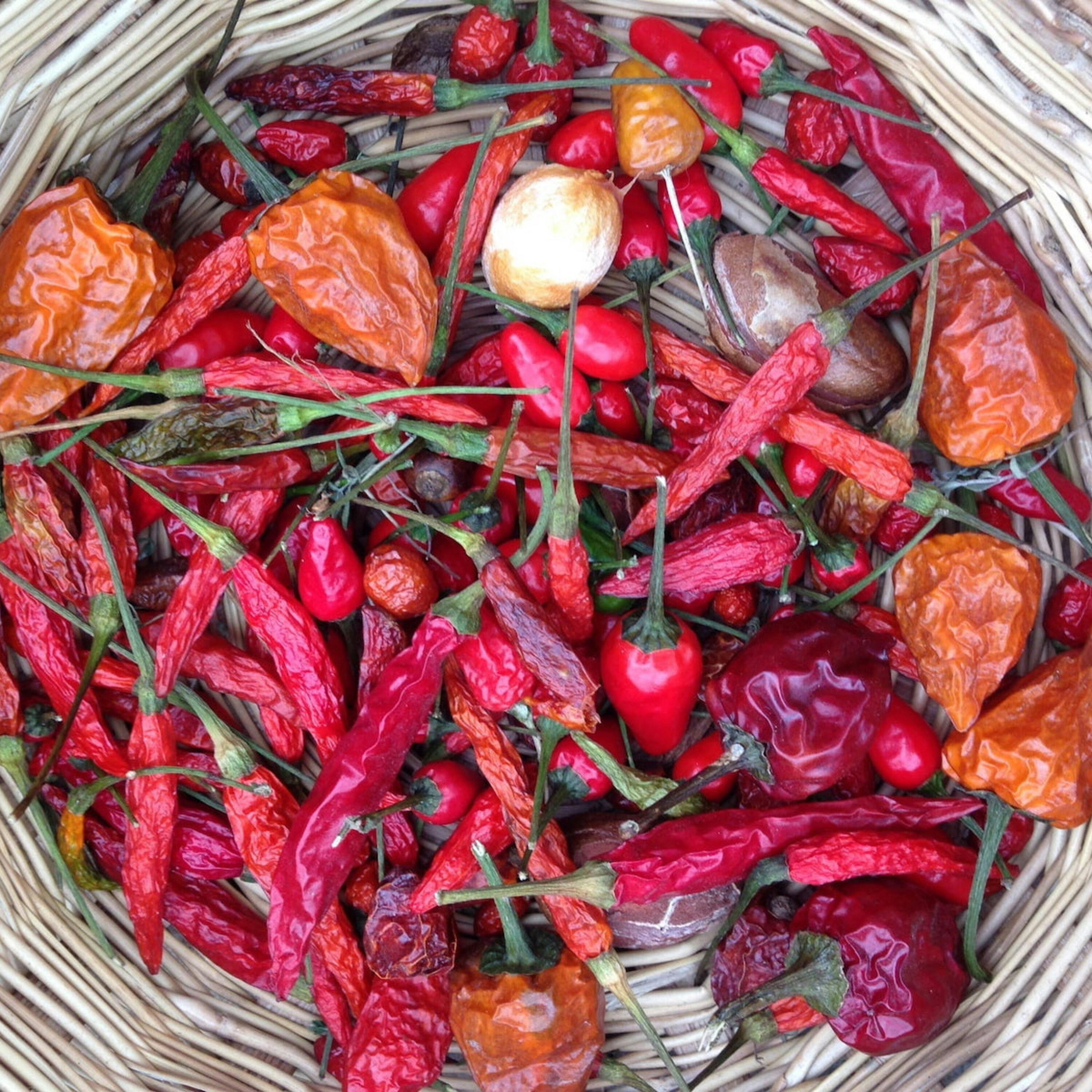
So Hot Right Now: Why We Love the Chile Pepper
Perhaps no other plant is as entwined with pain and pleasure as the chile pepper. But why does it burn—and why on earth do we crave that uncomfortable sensation? How did capsaicin's fungus-fighting, digestion-enhancing, and adrenaline-triggering powers convince early hunter gatherers in South America to fall in love with the chile's tiny berry ancestors, and then European colonists to spread chiles around the world? Plus, new insights into the rise of the “superhots,” chilehead competitions, and a murder-by-Carolina-Reaper attempt right here on team Gastropod. Who survived to tell the tale? Listen in to find out! Learn more about your ad choices. Visit podcastchoices.com/adchoices
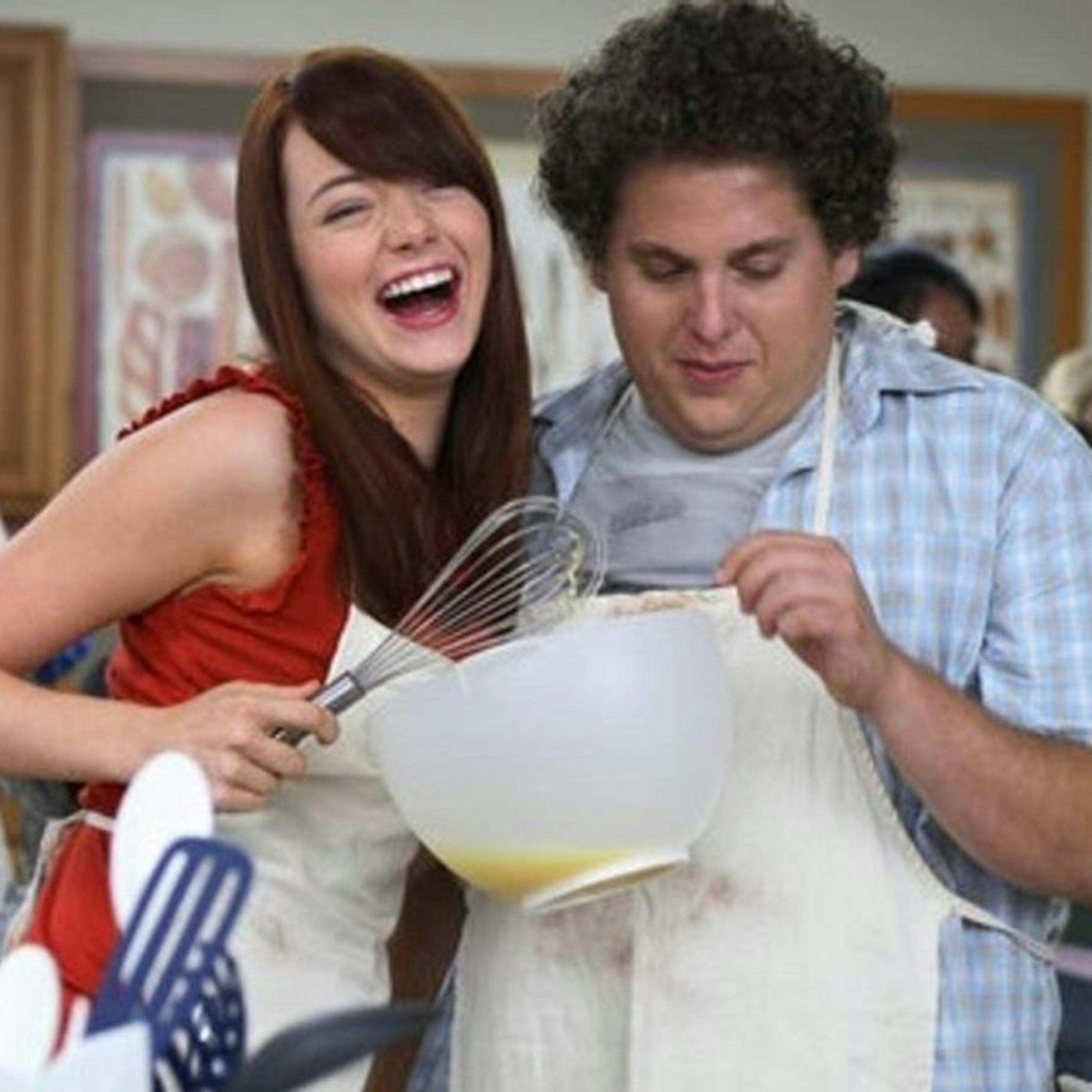
Easy A: The SuperRad Story of Home Economics
If you grew up in the U.S., you might remember home economics class as the source of deflated muffins and horrifically distorted sewing projects. You might, like Jonah Hill’s character in Superbad, have thought of home ec as “a joke” that everyone takes “to get an A.” But it wasn’t always so—and, in fact, the field of home economics began as a surprisingly radical endeavor. This episode, we talk with Danielle Dreilinger, author of the new book The Secret History of Home Economics: How Trailblazing Women Harnessed the Power of Home and Changed the Way We Live. How did women a century ago use home economics as a backdoor to build careers as scientists? How did home ec trailblazers electrify rural towns, design the modern kitchen, and create the first nutritional guidelines? And what does Sputnik have to do with the field's decline? Can today's home ec once again meet the lofty goals set by its founders? Learn more about your ad choices. Visit podcastchoices.com/adchoices

Where There's Smoke, There's ... Whiskey, Fish, and Barbecue!
As anyone who’s spent time by a crackling campfire or a barbecue pit can attest, the scent of smoke is unmistakable—and surprisingly mysterious. Smoke clings to clothing but vanishes in the breeze. You see it, but you can’t hold it. It’s fantastic in whiskey and terrible in toast. So what exactly is smoke—and what does it do to our food and drinks? What’s the difference between cold and hot smoked salmon—and what's a red herring? Is Liquid Smoke made from real smoke? And how did barbecue— smoked meat, cooked low and slow—become a uniquely American tradition? Learn more about your ad choices. Visit podcastchoices.com/adchoices
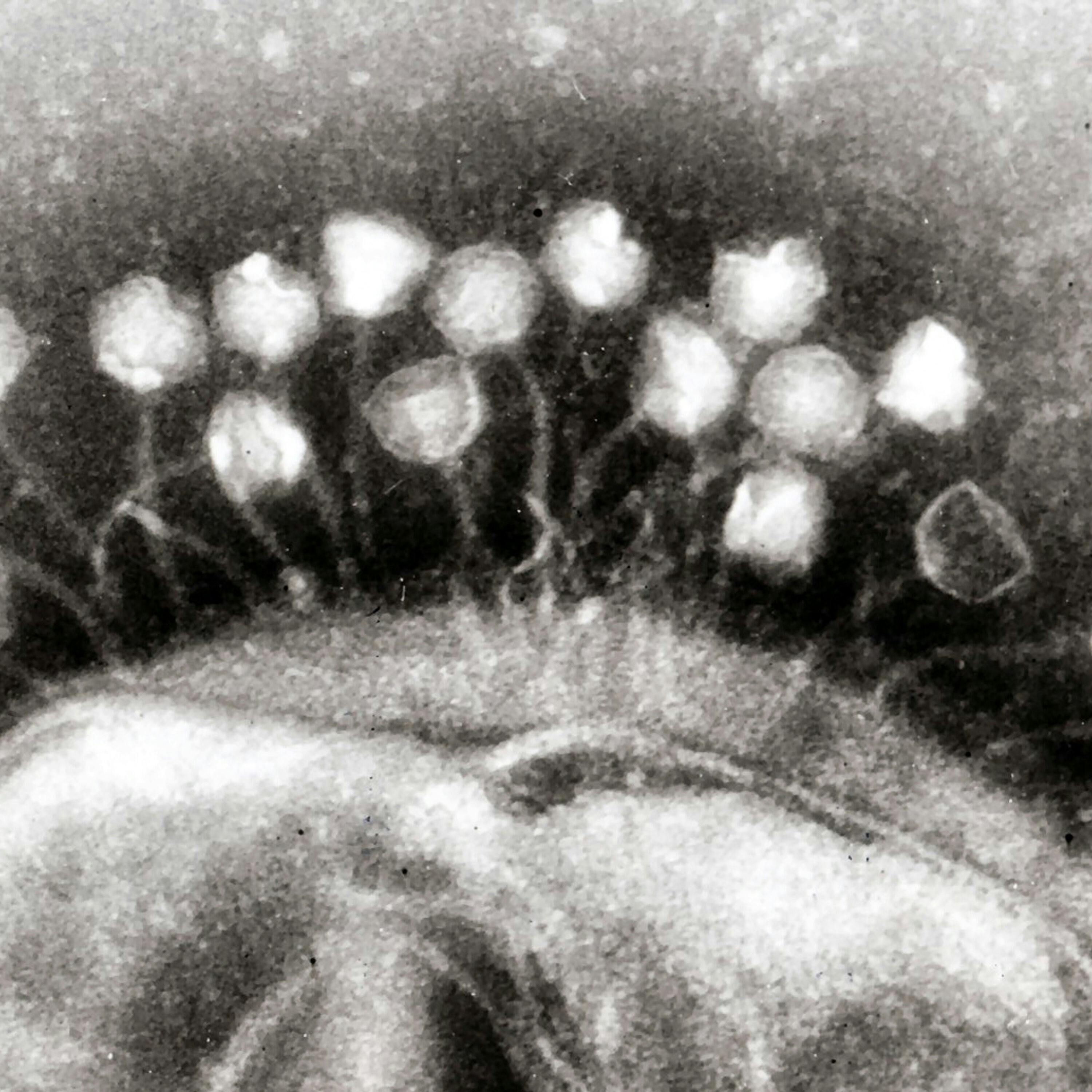
Phage Against the Machine
If you thought food poisoning was just a matter of the occasional stomach upset from a dodgy shrimp or two, the CDC has some unsettling numbers for you: foodborne bacteria is responsible for at least 48 million cases of illness, more than 130,000 hospitalizations, and 3,000 deaths a year in the U.S. alone. And those numbers aren't going down. But wait: a new fighter has entered the ring! Say hello to the bacteriophage, a small-but-mighty bacteria-busting virus that can wipe out entire colonies of harmful pathogens—and that is starting to be sprayed on packages of cold cuts near you. While most Americans haven’t heard of phages (as they’re commonly called), they’ve been saving lives in the former Soviet Union for decades now. So why has it taken so long for the U.S. to get on board? How do these teeny-tiny bacteria fighters work, and what’s their connection to Elizabeth Taylor and chlorinated chicken? Should we—and could we—get our food systems on the phage train? Learn more about your ad choices. Visit podcastchoices.com/adchoices
Guest Episode: Mission: ImPASTAble from The Sporkful
Learn more about your ad choices. Visit podcastchoices.com/adchoices
Why Thai?
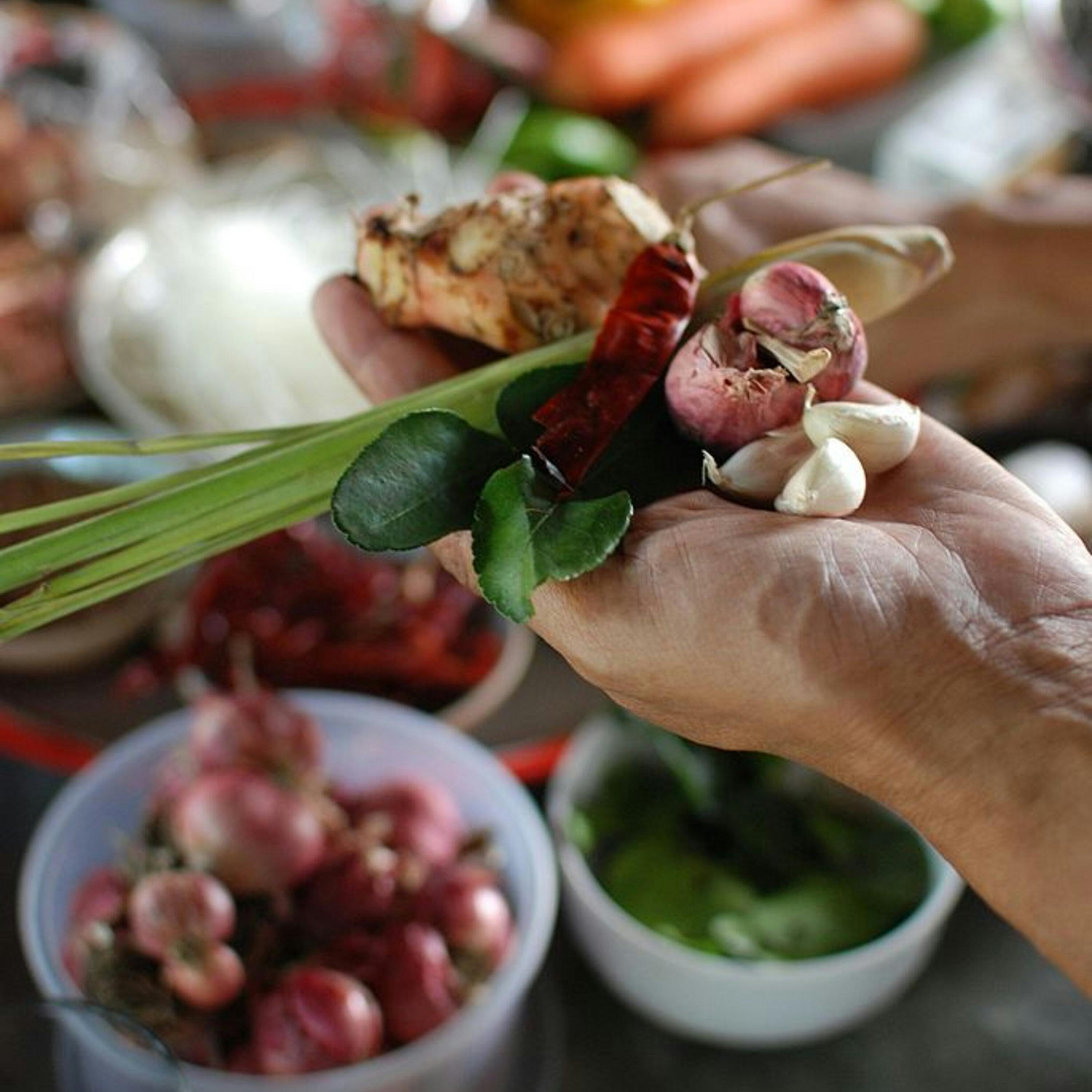
It’s hard to imagine the American restaurant landscape without Thai food: Tom yum and pad see ew are practically household names, and pad thai is the ultimate quarantine comfort food. (It's apparently zombie apocalypse comfort food, too, as shown on the Walking Dead.) According to the Thai Embassy, more than 50 percent of all Thai restaurants abroad are located in the United States and Canada. So why did the U.S.—and Los Angeles in particular—become the epicenter of Thai food’s global rise? How did Cold War politics and a shortage of ingredients lead to the creation of shrimp curry recipes made with anchovy paste and sour cream—as well as the jackfruit industry in Mexico? What does this all have to do with one street kid from Bangkok? Listen in now for these stories and more: it's a vacation for your tastebuds! Learn more about your ad choices. Visit podcastchoices.com/adchoices

Hot Tips
If you live in the United States, you’re familiar with a curious mathematical ritual that takes place at the end of every restaurant meal—it’s time to tip, with all the stress the process entails. How much should you leave? Who's getting that money? Is it enough? (And will you look like an idiot if you start counting on your fingers?) Unlike many other countries, where people tip by rounding up to the nearest ringgit or krona—or don’t even tip at all—it’s become standard in the U.S. to leave an extra 20 percent of the bill's total for your server. But how did we get here? How did tipping, a practice with roots in feudal Europe, become so ubiquitous in the United States while nearly disappearing from its home continent? And what does the abolition of slavery in the U.S.—and Herman Cain—have to do with the sub-minimum tipped wage of $2.13 today? Is tipping fair—and is there anything we can do about it? Learn more about your ad choices. Visit podcastchoices.com/adchoices
TV Dinners
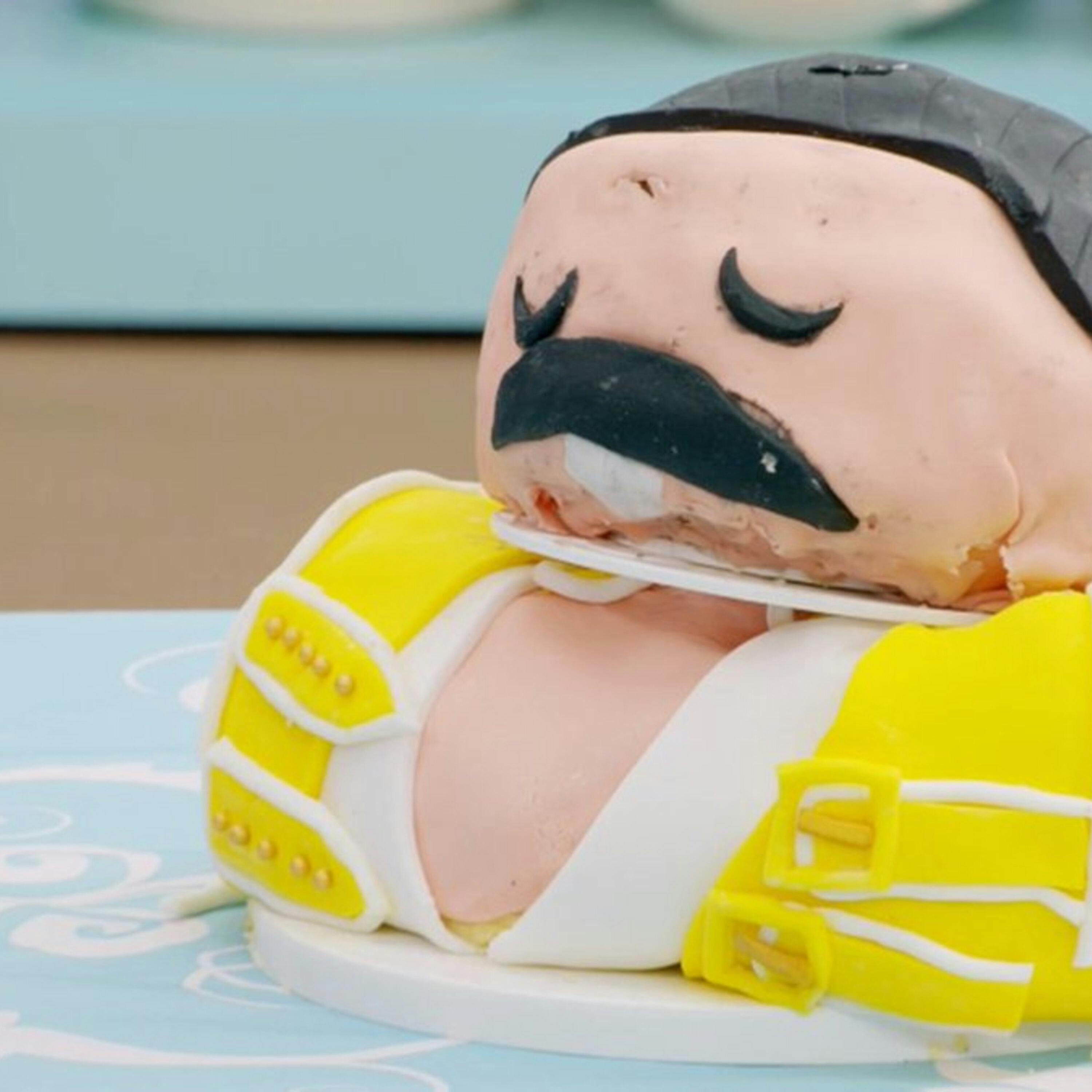
Cue the dramatic music, it’s quiz time: Can you identify the people behind these catchphrases? “Yum-O!” “Pukka!” “Bam!” “Peace, love, and taco grease!” The answers are below—but if you’ve already caught on, then you’re well aware of how entrenched TV chefs are in mainstream pop culture. But how did a medium where you can’t actually smell or taste the food get so popular? What was the very first food TV show, and how has food TV changed—and changed us? Learn more about your ad choices. Visit podcastchoices.com/adchoices
The Brightest Bulb
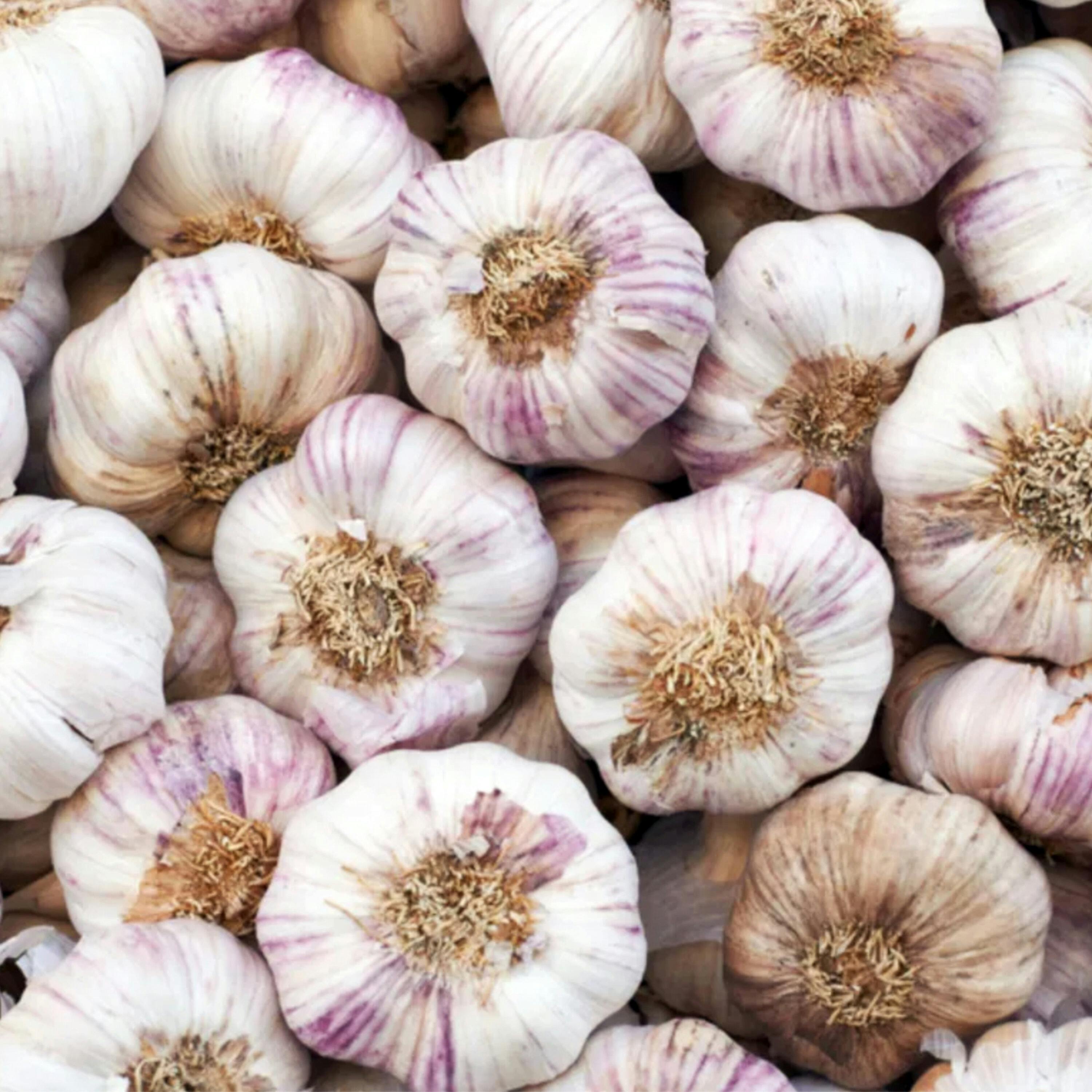
Imagine, for a moment, a world without garlic: garlic-free garlic bread, tzatziki sans Allium sativum, a chili crisp defanged. If this sounds like the makings of a horror story to you, you’re not alone. Garlic consumption in the U.S. has quadrupled since 1980, and people around the world have been enjoying the stuff for thousands of years. But alliums smell like sulfur, and sulfur is something humans are born *not* liking—so why did we start adding garlic, onions, and their kin to our food? This episode, we join microbiologist Rob Dunn and food safety specialist Ben Chapman to follow along as they conduct the world's first experiment designed to figure out whether alliums started out as a food safety additive designed to keep our lamb stew safe for longer, and only later turned into a flavor we crave. Plus, why did the British government send garlic to the trenches in WWI? What do fetal sniffing, Egyptian fertility tests, Korean mythology, and the world’s first-recorded labor strike have to do with the stinking rose? Listen in now for all this and more! Learn more about your ad choices. Visit podcastchoices.com/adchoices
Like Water in the Desert
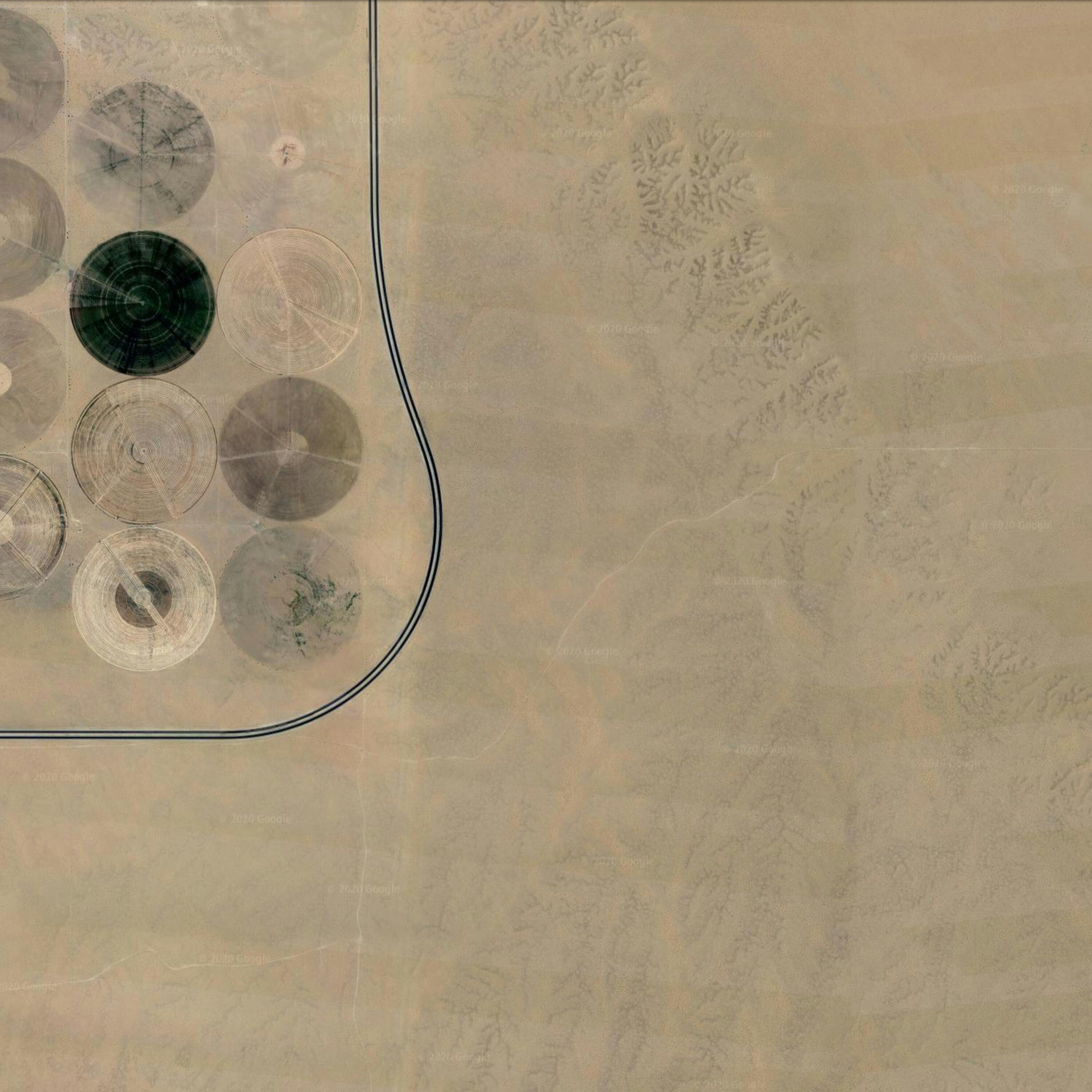
Over the past century, we've transformed the arid lands of the American west into year-round, well-irrigated agricultural powerhouses. Today, fruits, nuts, and nearly all of our leafy greens are grown in the desert, using water diverted, stored, and supplied at taxpayer expense. This intense irrigation is having an impact: Reservoir levels are dropping, rivers are drying up, and the state of Arizona is literally sinking. With the help of agroecologist Gary Nabhan, farmers Ramona and Terry Button, and others in the region, we ask the big questions: Should we be farming in the desert? What would a water-saving system even look like? And does a tiny bean that smells like desert rain hold the secret to survival in a hotter, drier world? Learn more about your ad choices. Visit podcastchoices.com/adchoices
The Magic Cube
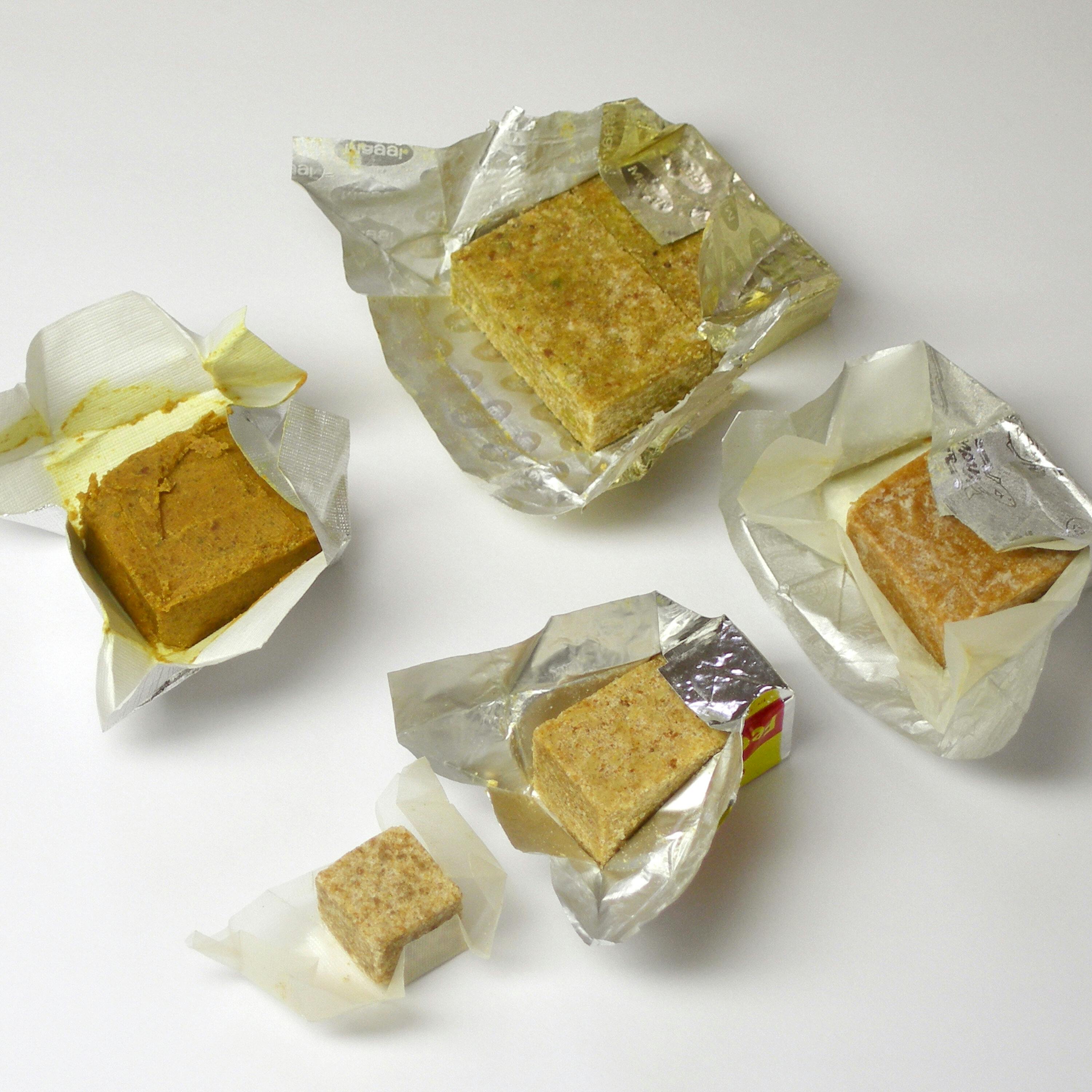
You could call it the Swiss Army knife of the kitchen: bouillon is a handy ingredient, whether it comes as bottled brown gloop, or a cube wrapped up in shiny foil like a tiny present. Today, cooks around the world rely on this secret ingredient to add depth, flavor, and umami to their cooking. It wasn’t always so; like many of today’s packaged shortcuts, condensed bouillon got its start in the 1800s, when nutrition science was just taking off. How did the (mistaken) discoveries of a German chemist pave the way for these umami bombs—and what is umami anyway? How did bouillon brands like Maggi and Knorr become part of national dishes as far afield as Nigeria, India, and Mexico? And how did the invention of these early "essences of meat" lead to the creation of the love-it-or-hate-it spreads Marmite and Vegemite? Listen in now for all that, plus a matriarchal subterranean master race with electrical superpowers! Learn more about your ad choices. Visit podcastchoices.com/adchoices
The Big Apple Episode
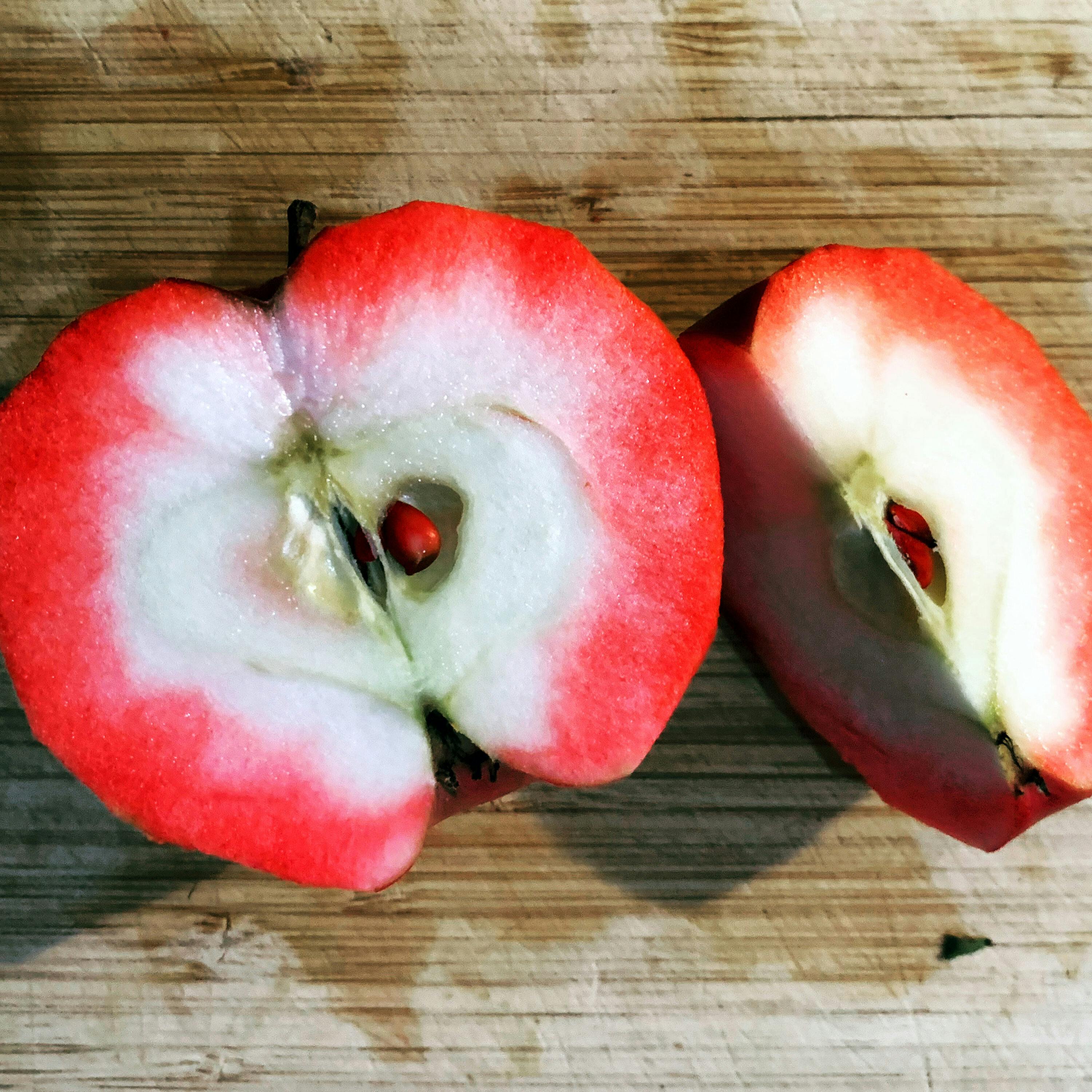
There’s nothing more American than apple pie—or is there? We might prescribe an apple a day and call our largest city the Big Apple, but this legendary fruit originally hails from the mountains of Kazakhstan. This episode, Michael Pollan (something of a legend himself) tells us how apples become so important on the American frontier, and what cider (the alcoholic kind) had to do with it. We talk to apple fan Amy Traverso and apple detective Dan Bussey to figure out how many thousands of apple varieties used to grow in America, and why are there only a handful—including the notorious Red Delicious, which, while red, is far from delicious—in supermarkets today? All that, plus we get out in the orchard with Soham Bhatt to learn about the cider renaissance that's sweeping the nation. Learn more about your ad choices. Visit podcastchoices.com/adchoices
The Hangover: Part Gastropod
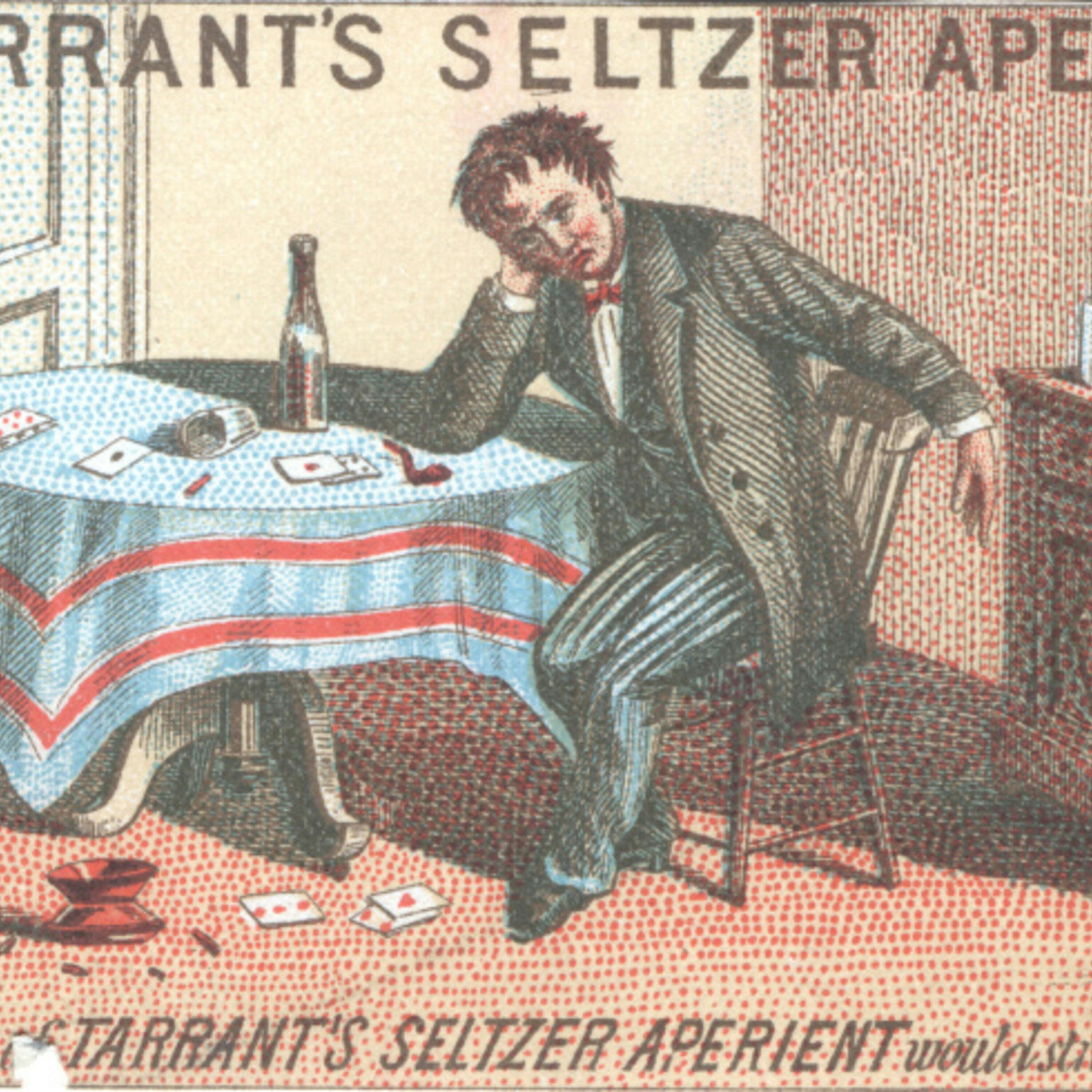
Morning fog. Gallon-distemper. Busthead. These are all names for alcohol's age-old after-party: the hangover. But, aside from being a physical (and painful) manifestation of regret, what exactly is a hangover? What's happening in our bodies—and specifically in our livers—and can science do anything about it? Learn more about your ad choices. Visit podcastchoices.com/adchoices

Snack Attack!
To snack or not to snack? And what counts as a snack, anyhow? Plus the great meal vs. snack smackdown: is grazing good, or does eating between meals lead to waistline expansion? We’re asking deep questions about not-so-substantial foods in this crispy, crunchy, and highly craveable episode. Along the way, we uncover snacking’s early connections to pirate’s booty, reveal which of your favorite snacks started their lives as cattle feed, and tell the shocking, true story of the woman who never snacks. Learn more about your ad choices. Visit podcastchoices.com/adchoices
This Spud's For You
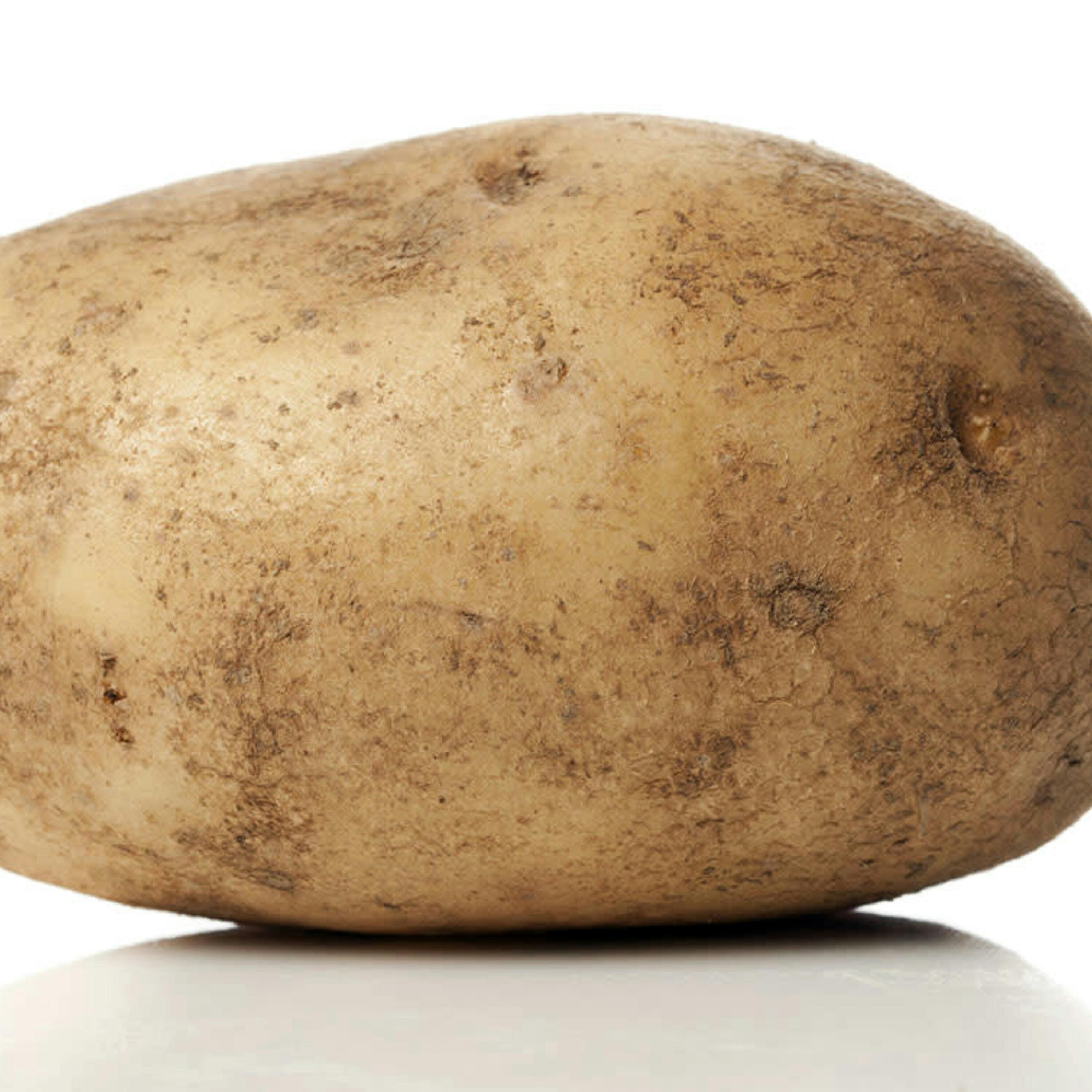
Fried, roasted, mashed, steamed: it's hard to imagine life without the crispy, fluffy comfort blanket of potatoes. But until the late 1500s, no one outside the Americas had ever encountered this terrific tuber, and initially Europeans, particularly peasant farmers, didn't trust it at all. Or did they? This episode, we tell the story of the potato's rise to global dominance once it set sail from its native Andean home—and the stories behind that story! From tax evasion and population explosions to soup kitchens and potato bling, listen in now as Rebecca Earle, author of the new book, Feeding the People, helps us uncover the delightful myths and even more incredible true history of the spud. Learn more about your ad choices. Visit podcastchoices.com/adchoices

Moo-Dunnit: How Beef Replaced Bison on the American Plains—and Plate
Saddle up, folks: Today’s episode involves the cowboys' lullabies and meat riots that helped make beef an American birthright. With the help of Joshua Specht, author of Red Meat Republic, we tell the story of how and why the 30 million bison that roamed the Plains were replaced with 30 million cows. You'll never look at a Porterhouse steak—the first cut of beef invented in America—the same way again. Learn more about your ad choices. Visit podcastchoices.com/adchoices
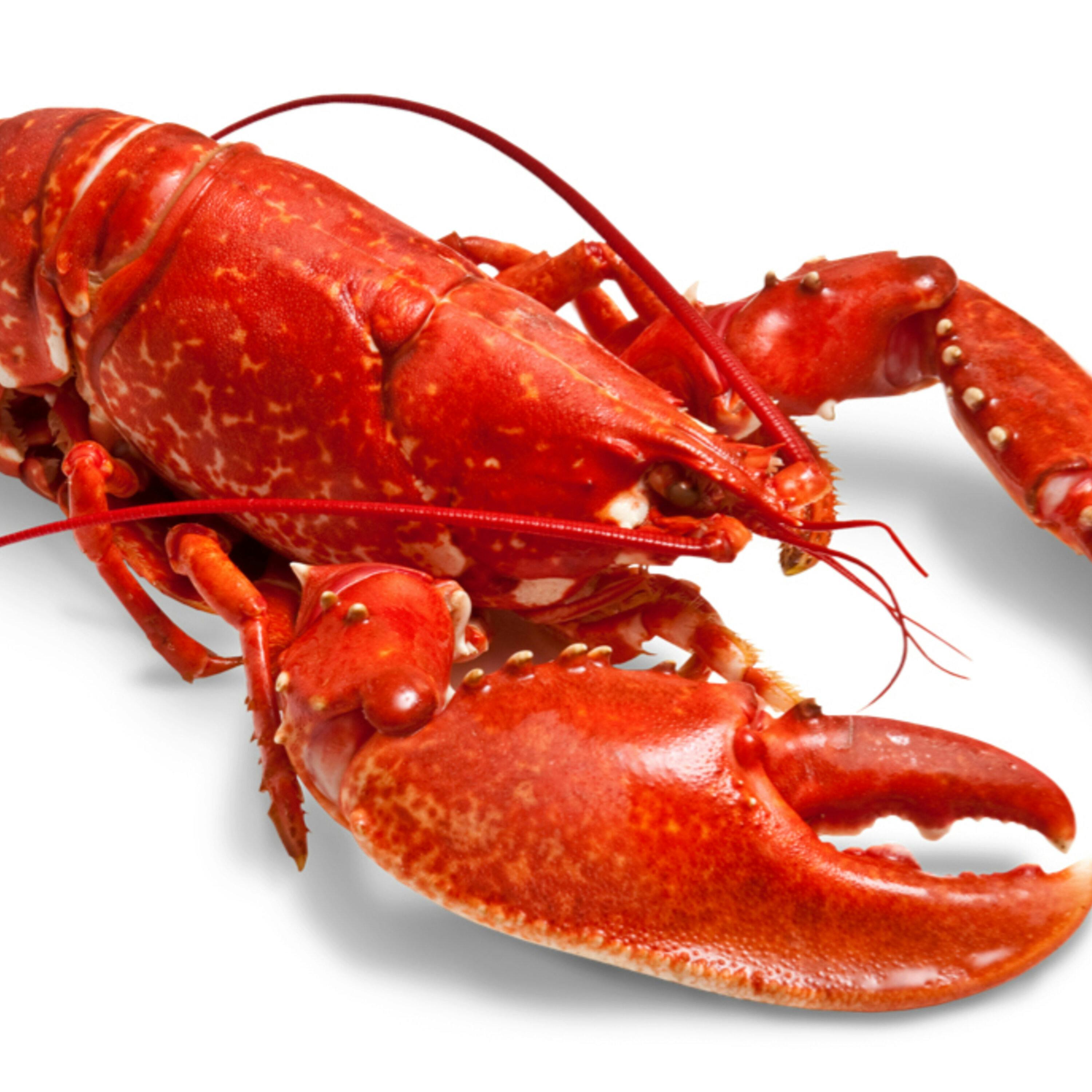
What the Shell? Cracking the Lobster's Mysteries
Consider the lobster roll: tender chunks of lobster bathed in butter or mayo, sandwiched between two slices of a squishy bread roll… Have we caught your attention yet? Lobster is a summertime staple in New England, a fixture on casino and cruise ship buffets, and a steady partner for steak in the classic surf 'n' turf. Today, the American lobster industry is the single most valuable fishery in the country—but it wasn’t always so. This episode, we're cracking the lobster's many mysteries, including how it went from prison fare to fancy food. There's also the question of what lobster eyes have to do with both the International Space Station and the belief in Intelligent Design, plus the rollicking tale of why it took scientists so long to locate the lobster penis—and what makes lobster sex so, well, steamy? Listen in now for the lobster lore you never knew you needed to know! Learn more about your ad choices. Visit podcastchoices.com/adchoices
Guest Episode: Rocky Road with Science Diction
This episode, Gastropod is bringing you a guest: Science Diction, a bite-sized podcast about words, and the science stories behind them. They answer questions like: what does the word “meme” have to do with evolutionary biology? And why do we call it the Spanish flu when it wasn’t from Spain? Science Diction is doing a series on food words, and this episode is all about Rocky Road. Grab a spoon and enjoy! We’ll be back in just one week with our regularly scheduled Gastropod episode. Learn more about your ad choices. Visit podcastchoices.com/adchoices
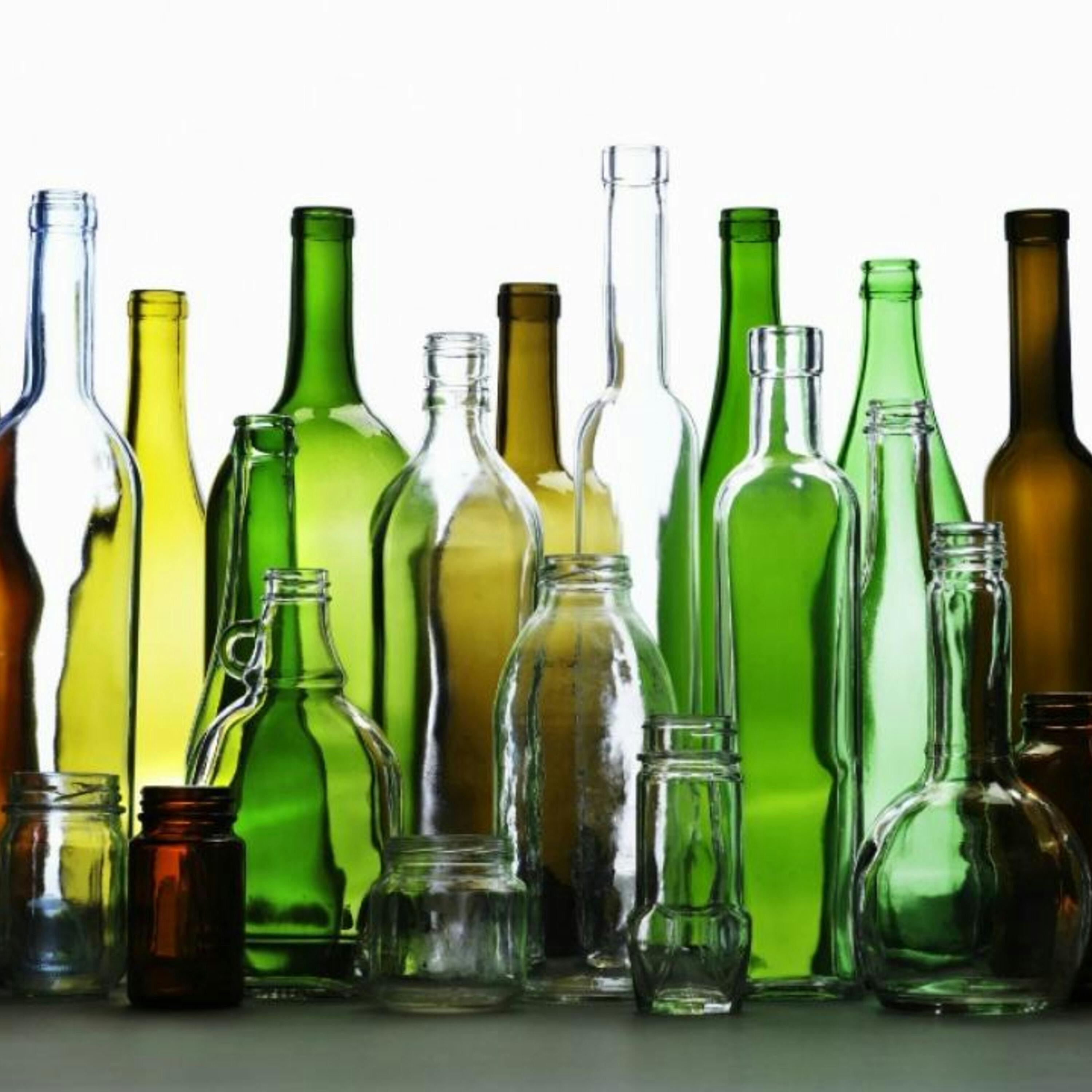
Shatter-Proof: How Glass Took Over the Kitchen—and Ended Child Labor
Cheers! The lively clink of glass on glass is a must for any festive gathering, whether you’re sipping champagne in a flute or lemonade in a tumbler. We rely on glass in the kitchen—for baking perfectly browned pies, preserving jams and pickles, and so much more. But glass wasn’t always so cheap and ubiquitous: to ancient Egyptians and Romans, this was precious stuff—it was high fashion to own a clear wine goblet in ancient Rome. Later, Venetians so prized their glass know-how that they imprisoned their glassmakers on an island. So how did glass go from fragile and precious tabletop ornament to an oven-ready kitchen workhorse? How did the inventions of a glassmaker in Toledo, Ohio, transform the peanut butter and ketchup industries, as well as put an end to child labor? And are we running out of sand to make glass? Learn more about your ad choices. Visit podcastchoices.com/adchoices
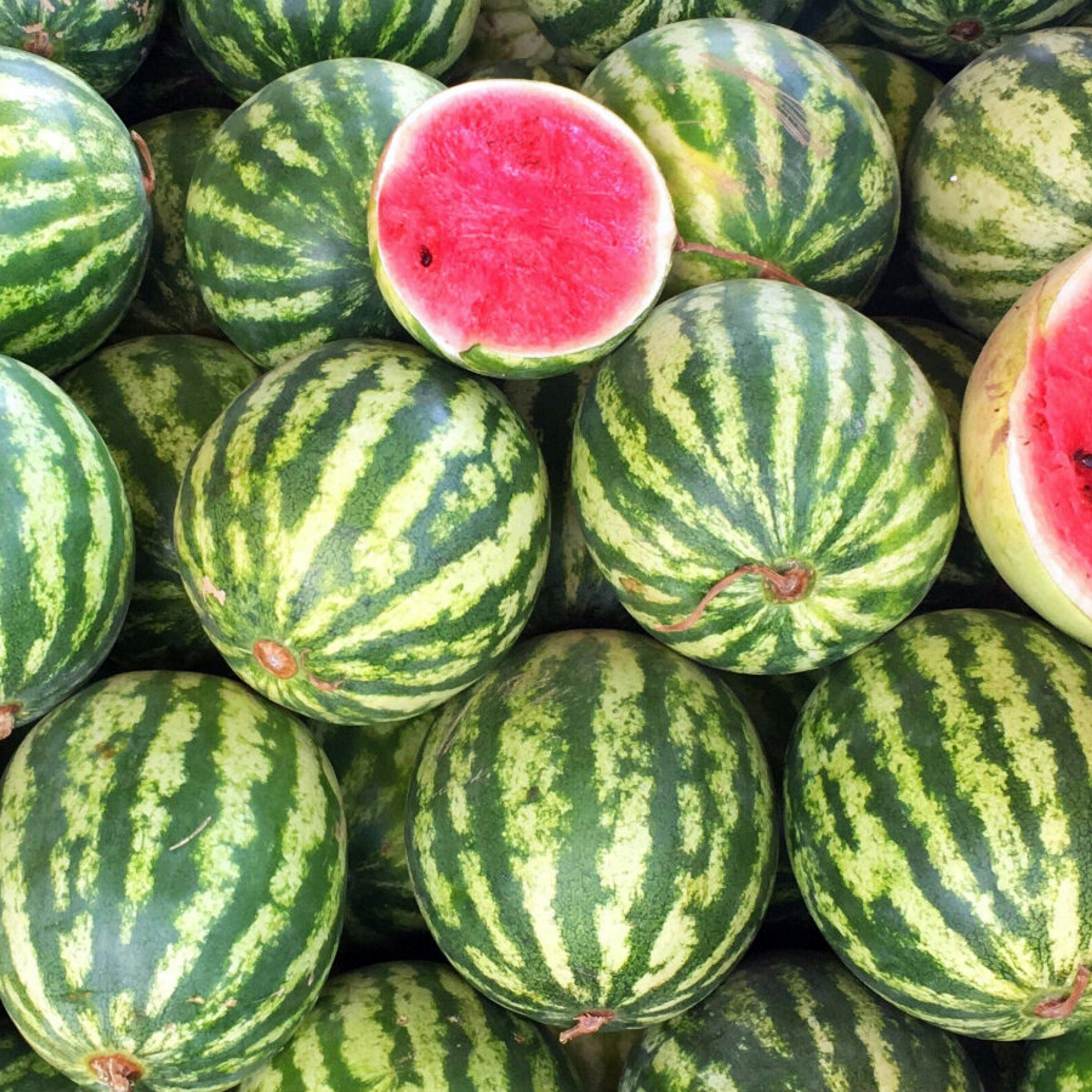
The Most Dangerous Fruit in America
It's the epitome of summertime: there’s nothing like a cold, juicy slice of red watermelon on a swelteringly hot day. But, once upon a time, watermelons were neither red nor sweet—the wild watermelon has white flesh and a bitter taste. This episode, we scour Egyptian tombs, decaying DNA, and ancient literature in search of watermelon's origins. The quest for tasty watermelon continues into modern times, with the rediscovery of a lost (and legendarily sweet) varietal in South Carolina—and the Nigerian musical secret that might help you pick a ripe one. But the fruit's history has often been the opposite of sweet: watermelons have featured in some of the most ubiquitous anti-Black imagery in U.S. history. So how did the watermelon become the most dangerous—and racist—fruit in America? Learn more about your ad choices. Visit podcastchoices.com/adchoices
Dig for Victory
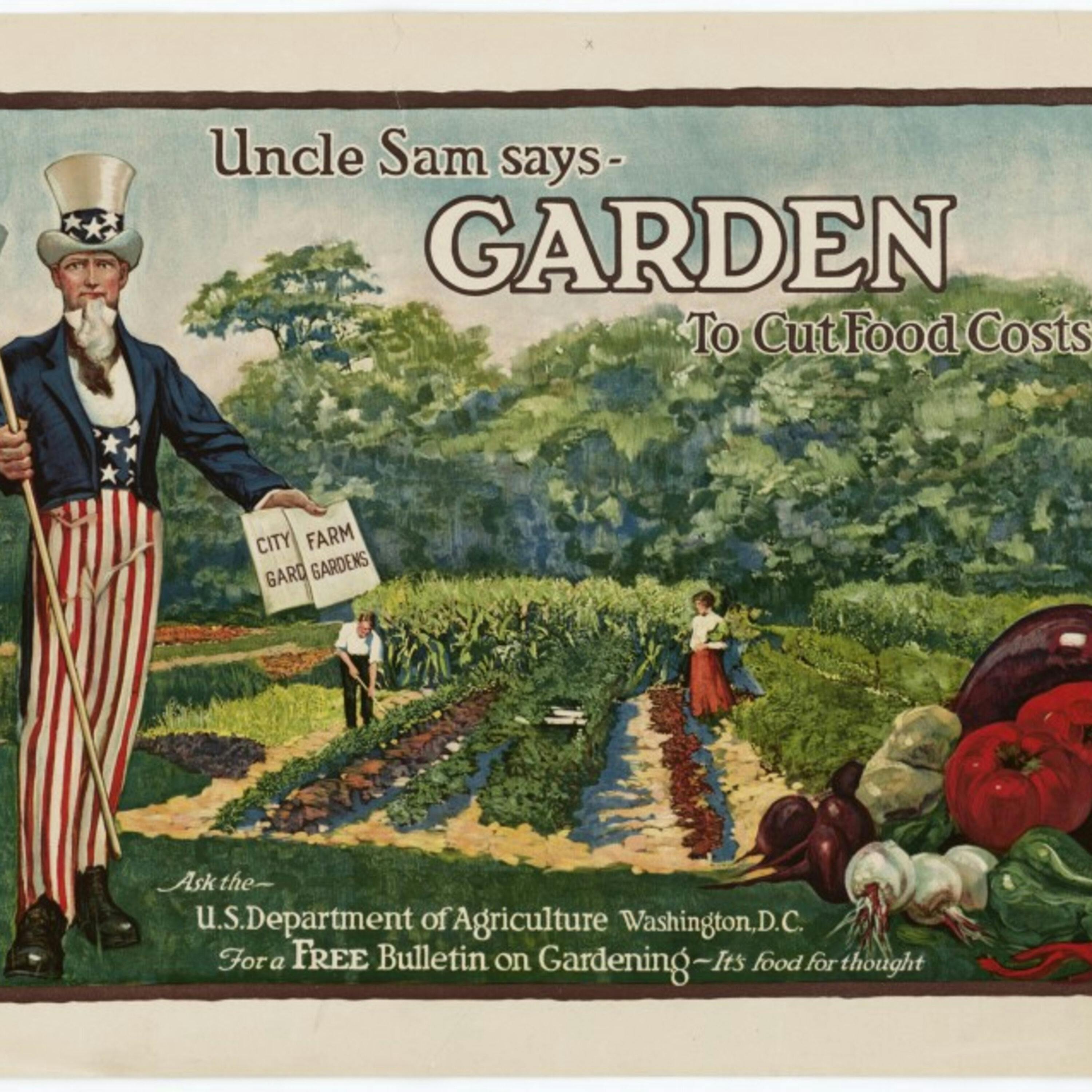
You’ve seen the news: vegetable seeds are selling out. All that quarantine ennui has combined with anxiety about the gaps on supermarket shelves to create a whole new population of city farmers in backyards and windowsills across America. And everyone from the Los Angeles Times to Forbes to CBS has dubbed these brand new beds of beets and broccoli "COVID-19 Victory Gardens." But what war is your pot of basil fighting? This episode, historian Anastasia Day helps us explore the history of urban gardening movements—and shatter some of the nostalgic myths about those original World War II-era Victory Gardens. One thing is true: in 1943, more than 43 percent of the fresh produce eaten by all Americans came from Victory Gardens. So, can a combination of vegetable patches, community gardens, and urban farms help feed cities today? Or is growing food in the city just a feel-good distraction from the bigger problems in our food system? And does the hype about high-tech vertical farms live up to environmental and economic reality? Listen in as farmers and activists Leah Penniman and Tepfirah Rushdan, food writer Tamar Haspel, and researchers Neil Mattson and Raychel Santo help us dig in to the science on urban agriculture, and harvest some answers—as well as a tomato or two. Learn more about your ad choices. Visit podcastchoices.com/adchoices
Shared Plates: How Eating Together Makes Us Human
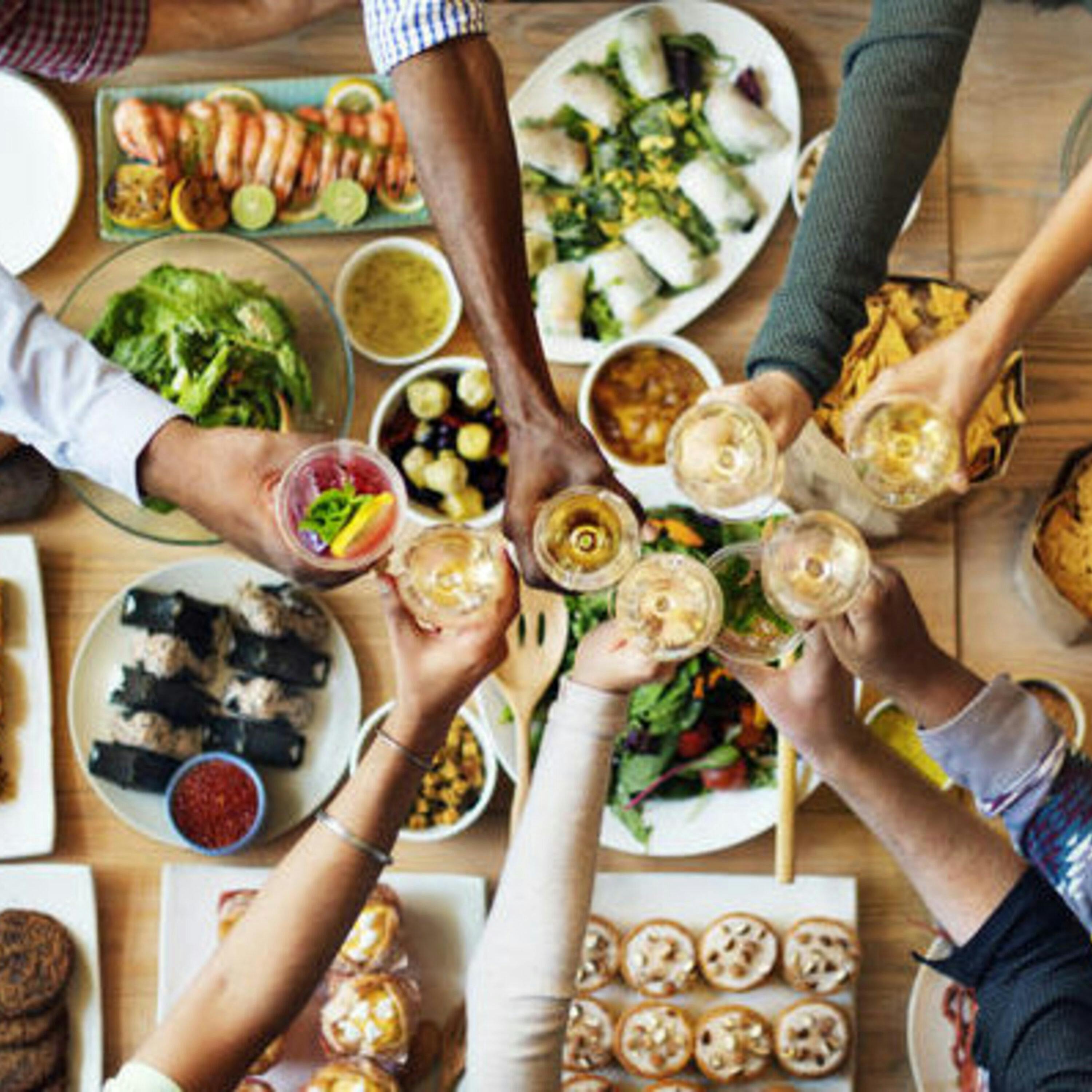
We love eating dinner together with friends and extended family, and we miss it! But why does sharing a meal mean so much—and can we ever recreate that on Zoom? As we wait for the dinner parties, cookouts, and potlucks of our post-pandemic future, join us as we explore the science and history of communal dining. Scientist Ayelet Fishbach shares how and why eating together makes us better able to work together, and evolutionary psychologist Robin Dunbar and archaeologist Brian Hayden demonstrate how it actually made us human—and led to everything from the common cow to the pyramids. Plus we join food writers Nichola Fletcher and Samin Nosrat for the largest in-person banquet of all time, with Parisian waiters on bicycles, as well as the world’s biggest online lasagna party. Learn more about your ad choices. Visit podcastchoices.com/adchoices
Pizza Pizza!
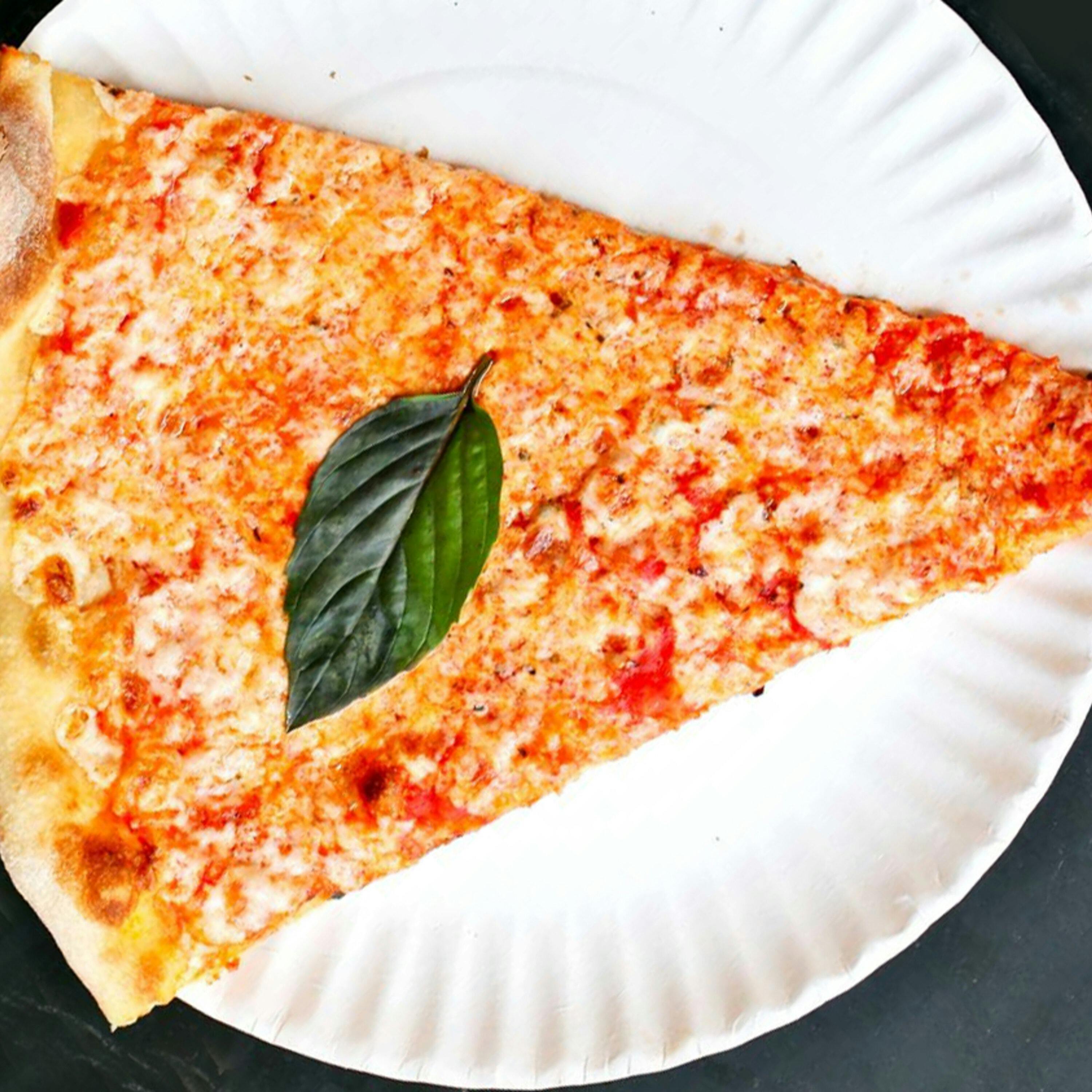
At last, an episode on pizza! But that raises a tricky question: what exactly is pizza? As it turns out, the original pizzas from eighteenth-century Naples looked nothing like a standard slice—they were more like a focaccia, topped with oil, herbs, anchovies, or whatever else was on hand. Even after these first pizzas met the tomato, the dish was a local peculiarity—most Italians thought pizza was gross and weird until just a few decades ago. So how did we get from Neapolitan subsistence snack to today's delivery staple? Listen in this episode as we travel with historian Carol Helstosky, author of Pizza: A Global History, and Francisco Migoya, head chef at Modernist Cuisine, from Italy to New York to Brazil and beyond, to tell the story of how pizza conquered the world. All that, plus the tough questions: is Chicago deep dish really pizza? How about bananas on top? What about (gasp) a donut pizza? Learn more about your ad choices. Visit podcastchoices.com/adchoices
Eating the Wild: Bushmeat, Game, and the Fuzzy Line Between Them
It's a safe bet that your recent media diet has included the words "wet market," "zoonotic disease," and "pangolin," as experts take a pause from discussing COVID-19's spread and impact to speculate on the virus's origins. This episode, we're digging into the larger story behind those words, that of our relationship to eating wild animals: how and why have our attitudes to wild meat shifted over time? Why is it that deer shot by a hunter in the U.S. is game, but monkey caught in the Democratic Republic of Congo is bushmeat? With the help of Gina Rae La Cerva, author of the new book, Feasting Wild, we explore what we gain and lose by eating wild, from the lost primeval forests of Europe to Robin Hood, and from smoked monkey to bird spit. Learn more about your ad choices. Visit podcastchoices.com/adchoices
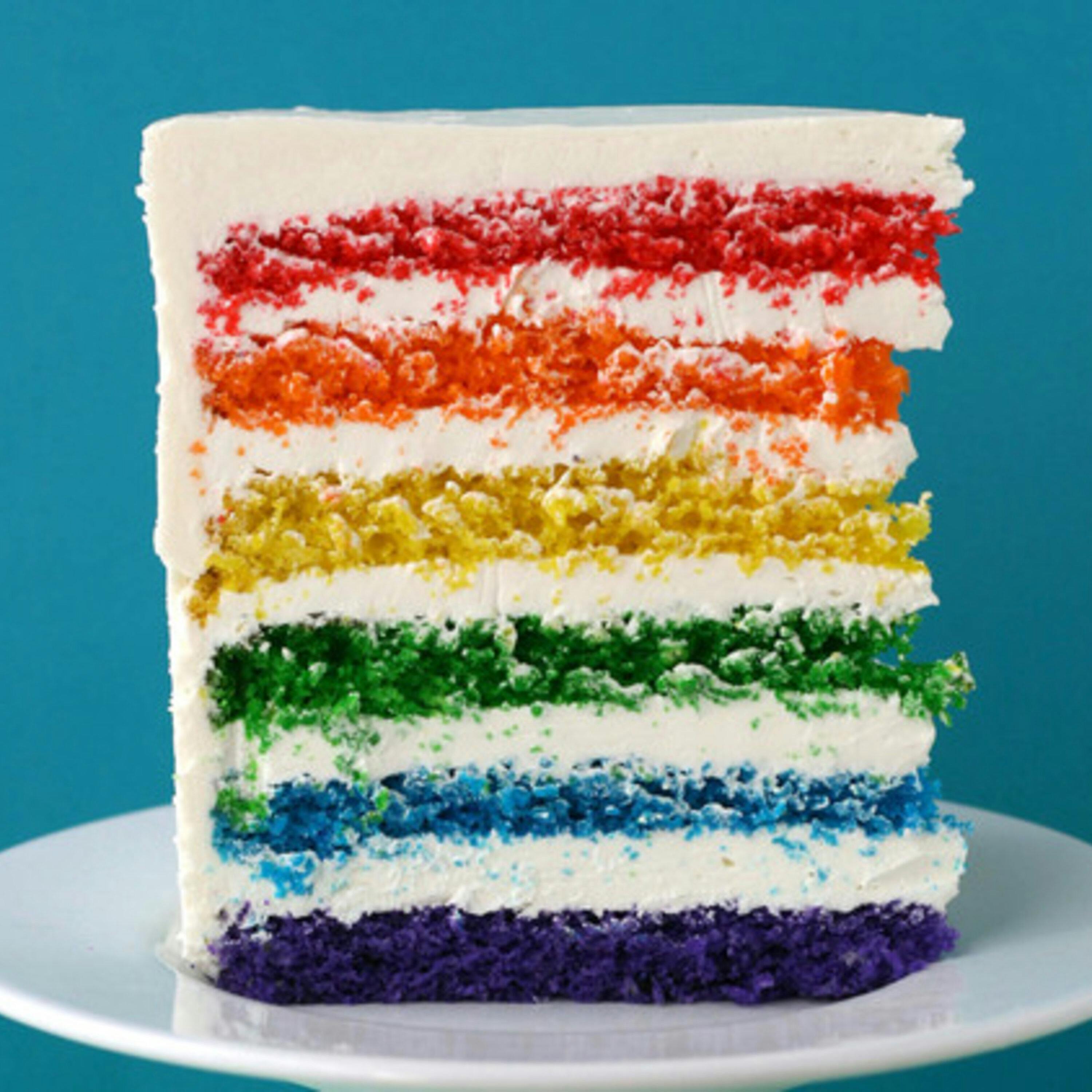
Eating the Rainbow: Or, the Mystery of the Orange Oranges, the Red M&Ms, and the Blue Raspberry
From stripy fuchsia beets to unicorn doughnuts, the foods available today on grocery store shelves and in cafe displays are more brightly colored than ever. But this hasn't always been the case. This episode of Gastropod, we offer three stories that explore the colors of our cuisine: How did a food fight between Florida and California turn oranges (the fruit) that perfect bright orange (the color)? Why did US consumers freak out about the food dye Red #2, and what was the impact on our M&Ms? And finally, who invented the blue raspberry? All that, plus one very sexy indigo-hued blossom. Learn more about your ad choices. Visit podcastchoices.com/adchoices
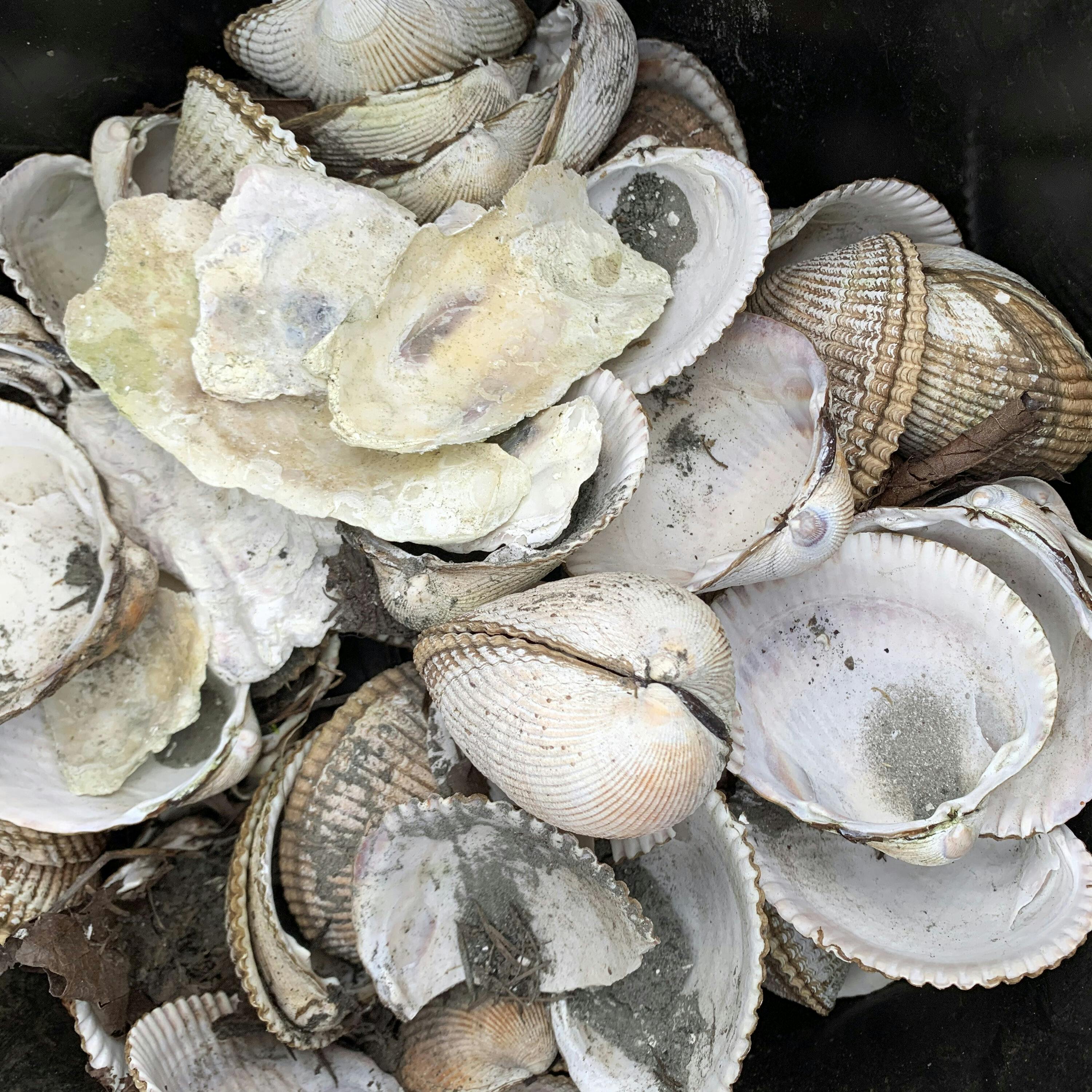
A Tale To Warm The Cockles Of Your Heart
You might have heard of Molly Malone, selling cockles from a wheelbarrow in Dublin, or of Mary, Mary, Quite Contrary, with her cockle shells and pretty maids all in a row—but the chances are most Gastropod listeners have never actually tasted a cockle. And, apparently, you're missing out! For the Native American tribes in the Puget Sound, where cockles used to be abundant, they're a treasured treat: meatier, sweeter, and richer-tasting than other shellfish. But they're also disappearing, and no one knows why—or how to save them. This episode, we join the team of intrepid marine biologists and tribal leaders on a mission to restore the cockle, on a journey that involves cockle viagra, a cockle vampire, and some carefully choreographed simultaneous spawning. Listen in now for a story of shellfish science and cultural history that will warm the cockles of your heart—and perhaps inspire the revival of other indigenous foods. Learn more about your ad choices. Visit podcastchoices.com/adchoices
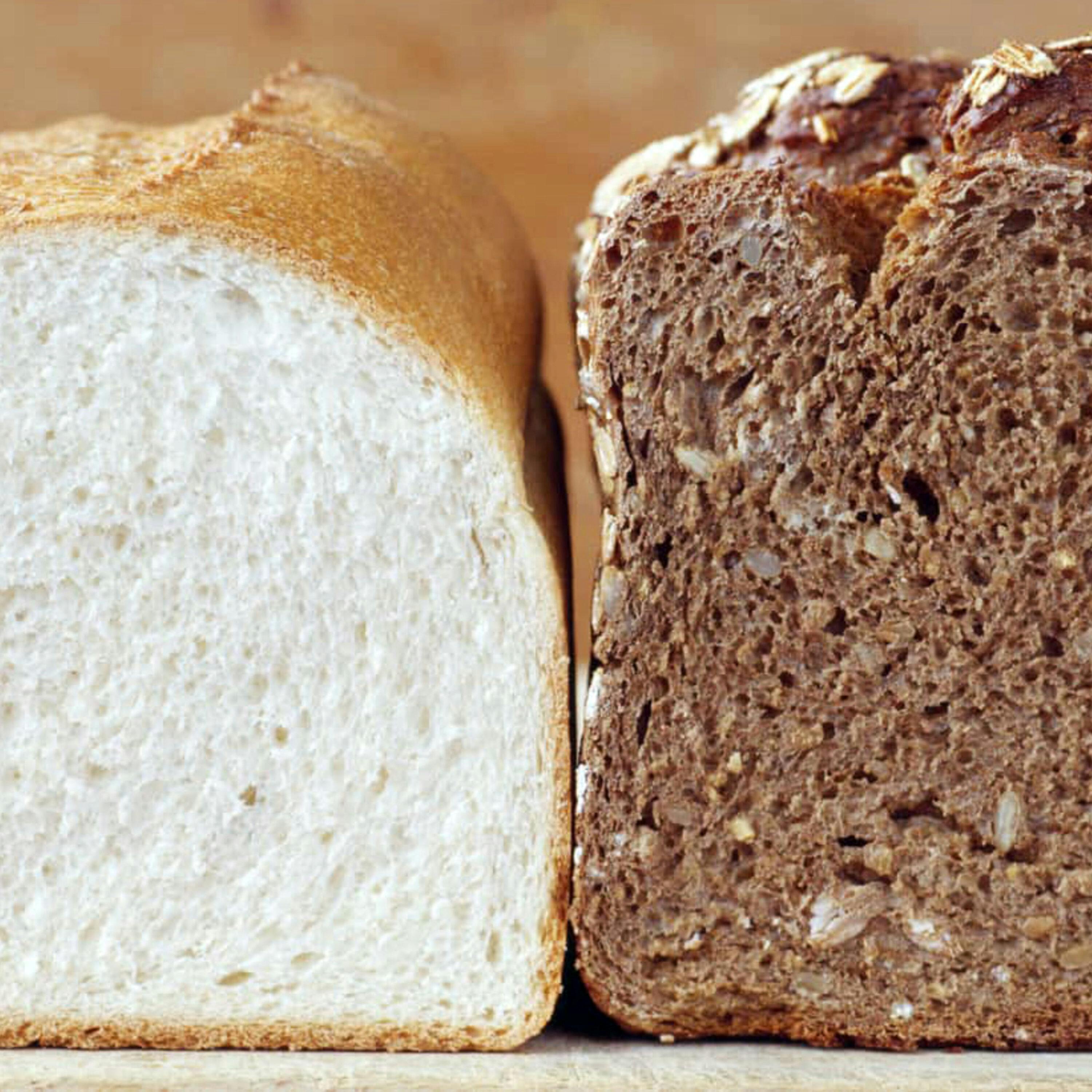
White vs. Wheat: The Food Fight of the Centuries
White or whole wheat: while today the question is most frequently asked at the sandwich counter, the debate over the correct answer goes back literally thousands of years. In the past century, though, as white flour and thus white bread became more accessible, the debate became increasingly heated: "Science finds that white bread develops criminals,” reported newspapers in the 1920s, while anti-white bread activists at the time claimed that eating too many slices would causing blindness and facial deformity. But whole-wheat bashers had their retorts ready: "Whiteness and purity go hand in hand," proclaimed health writer Dr. Woods Hutchinson. "The whitest possible of white bread" is "not only much more appetizing, but ... more nutritious and more wholesome than any black, brown or brindled staff of life." White vs. wholewheat: this episode, we dive into the world's longest-running, highest-stakes food fight. Along the way: the invention of sliced bread, the science behind Wonder Bread's curious bounce, and a light dusting of eugenics. Listen in now as Aaron Bobrow-Strain, author of White Bread: A Social History of the Store-bought Loaf, unpacks the anxieties and values underlying the bread wars, while wheat breeder Steve Jones introduces us to the "approachable" loaf that he hopes will win the battle for once and for all. Learn more about your ad choices. Visit podcastchoices.com/adchoices
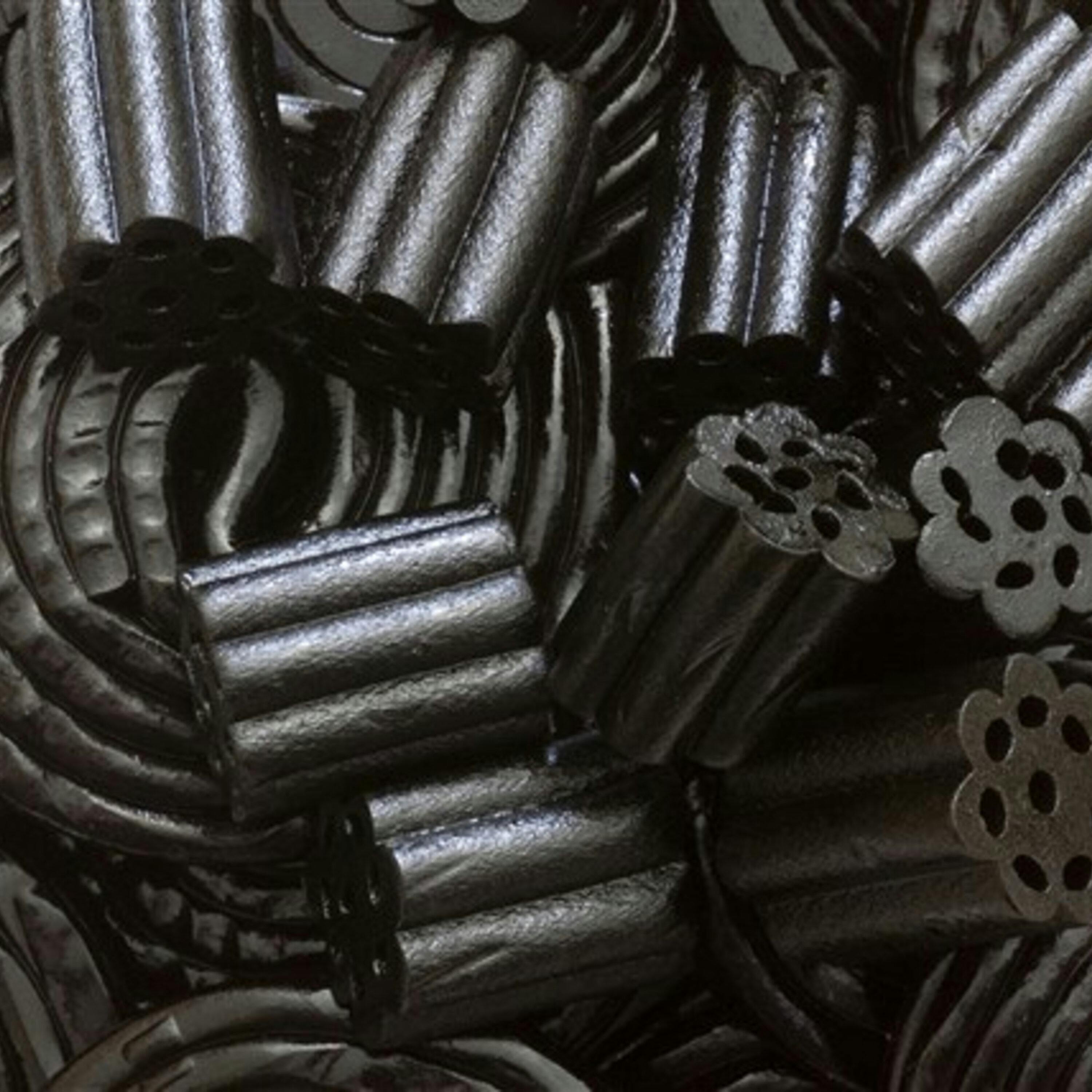
Licorice: A Dark and Salty Stranger
Licorice is a polarizing candy: there are those who pick out the black jelly beans, those who think Twizzlers are better than Red Vines, and those who won't travel without a supply of salty dark lozenges. The dark and chewy treat begins life as a plant root that is more than fifty times as sweet as sugar. This episode, we tell the story of how a traditional remedy become England's first branded candy, and we get to the bottom of a medical mystery (licorice poisoning!) in a tale that involves both Tutankhamun and Henry VIII. Learn more about your ad choices. Visit podcastchoices.com/adchoices
To Fight Climate Change, Bank on Soil
Our glaciers are melting, our forests are on fire, our harvests are increasingly decimated by either floods and drought. We are in a climate emergency that threatens our very survival, and it is, frankly, incredibly depressing. But this episode, we’ve got the story of one of the most exciting, seemingly feasible efforts to reduce atmospheric carbon—by storing it in the soil. The solution involves refreshing beer, crusty bread, and sweet, crunchy broccoli—and a complete reinvention of modern agriculture, including domesticating entirely new crops. And the impact could be huge: because a third of Earth’s ice-free surface is farmland, scientists say that banking just a tiny bit more carbon beneath our fields would help remove billions of tons of CO2 from the atmosphere. Join us this episode on our quest to discover how switching to no-till, regenerative agriculture and breeding brand new perennial crops can help restock soil carbon, produce delicious grains and greens, and—maybe—save the world. Learn more about your ad choices. Visit podcastchoices.com/adchoices
Move Over Gin, We’ve Got Tonic Fever
Just a few decades ago, gin & tonics were considered rather stodgy and boring, the drink of suburbanites at the golf club. Today, the century-old drink is hot again. In part, that’s due to a boom in craft gin distilling—a ginaissance! But there’s also been a new wave of experimentation with gin’s life partner, tonic water. This episode, we focus on the tonic side of the equation. Which genius came up with the idea of combining quinine, a malaria drug, with soda water and sugar in order to create this refreshing beverage? How did the bark of a South American tree end up in everything from hair-restoring shampoo to cocktails? And is it true that the G&T began life as a pleasant way for the Anglo-Indian elite to take their anti-malarials? This episode, we take a sip of tonic’s history with Kim Walker and Mark Nesbitt, authors of the new book Just the Tonic: A Natural History of Tonic Water. Listen in for all that, plus beef-infused tonic wines, Aperol spritzes, and the gin & tonic’s true origin story. Cheers! Learn more about your ad choices. Visit podcastchoices.com/adchoices
The United States of McDonald’s
McDonald’s is mind-boggling. According to Adam Chandler, author of the recent book, Drive-Thru Dreams, it sells roughly 75 burgers every second and serves 68 million people every day—equivalent to 1 percent of the entire world’s population. “The golden arches are thought to be, according to an independent survey, more recognizable as a symbol than the Christian cross is around the world,” Chandler told us. This episode, we tell the story of McDonald’s—but more importantly, we explore what it has to say about who we are. To do that, we’re also joined by historian Marcia Chatelain, author of the new book Franchise: The Golden Arches in Black America, who helps us unpack the troubled but fascinating relationship between McDonald’s and African Americans. Why did taxpayers end up funding the spread of McDonald’s into the inner city “food deserts” it now dominates? Who invented the hamburger and how did it become America’s national cuisine? From a bustling barbecue stand in San Bernardino to Ray Kroc’s location-scouting airplane rides, and from the McNugget to the McJob, this episode we figure out how McDonald’s became so ubiquitous, and what that means for America. Learn more about your ad choices. Visit podcastchoices.com/adchoices
Dinner Plate Invasion: Lionfish, Tiger Shrimp, and Feral Pigs, Oh My!
Across America, feral pigs are on the rampage, wrecking fields of crops, hunting local wildlife to extinction, and even attacking humans. In the United Kingdom, Japanese knotweed is taking over the landscape: banks deny mortgages to infested properties, and the government regulates its disposal with the same precautions it takes for low-level nuclear waste. Humans are to blame—we introduced invasive species such as these to their new homes. But some conservation biologists and chefs think humans can also be the solution: by eating the invaders. Are we ready for a menu of Asian shore crab and bullfrogs—and can our appetite really make a difference, or might the approach lead to unforeseen consequences? This episode, we forage an invasive menu with chef Bun Lai, and then argue the case with conservation biologists Joe Roman and Sara Kuebbing. Listen in now! Learn more about your ad choices. Visit podcastchoices.com/adchoices
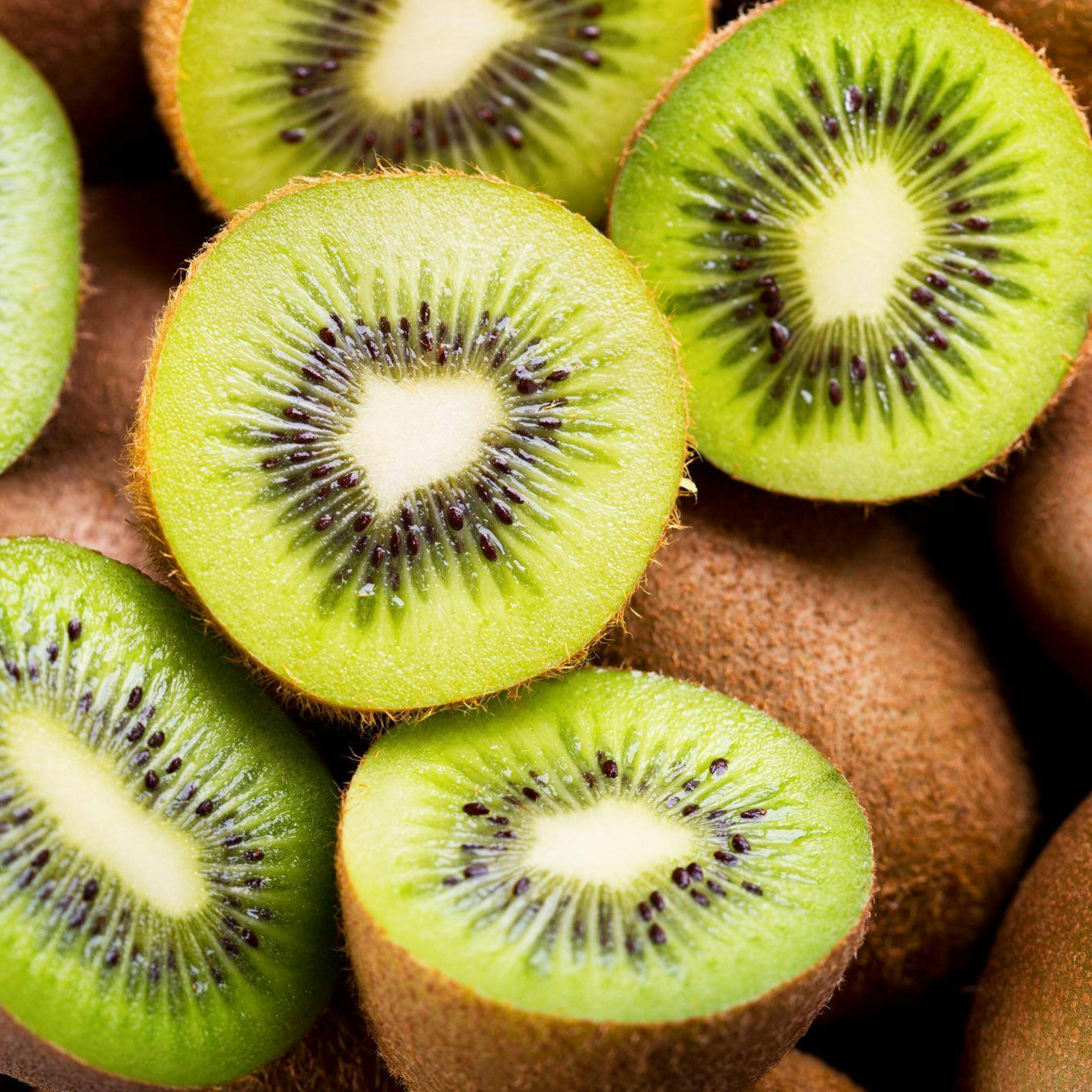
Meet the Queen of Kiwi: the 96-Year-Old Woman Who Transformed America’s Produce Aisle
The produce section of most American supermarkets in the 1950s was minimal to a fault, with only a few dozen fruits and vegetables to choose from: perhaps one kind of apple, one kind of lettuce, a yellow onion, a pile of bananas. Today, grocery stores routinely offer hundreds of different fruits and vegetables, many of which would be unrecognizable to time travelers from a half century ago. What changed, and how did Americans learn to embrace spaghetti squash, sugar snap peas, and kiwi fruit? This episode, we tell the story of the woman behind this transformation: Frieda Caplan, the Queen of Kiwi. Learn more about your ad choices. Visit podcastchoices.com/adchoices
Are Insect Guts the Secret to the Most Delicious Kimchi?
This side dish of spicy, bubbly, funky pickled vegetables is such a staple in Korea that no meal is considered complete without it—but, recently, kimchi has found its way into burgers, pasta, grilled cheese, and even tacos. This episode, we trace the behind-the-scenes story of the “kimchi diplomacy” that turned Korea’s favorite fermented cabbage into an international food trend. And then, because we’re Gastropod, we take part in our very own cutting-edge science experiment to understand one of kimchi science’s most mysterious questions: where do the microbes that transform the sugars in cabbage into such tangy, savory flavors actually come from? Is it our hands? The soil? Or could the secret to all that deliciousness actually lie in the stomach of beetles and bugs? Listen in this episode for kimchi secrets, kimchi explosions, and a little bit of kimchi K-pop, too. Learn more about your ad choices. Visit podcastchoices.com/adchoices
Menu Mind Control
At its most basic, a menu is simply a way for a restaurant to communicate its offerings and their prices to its customers. But, perhaps even more importantly, says Alison Pearlman, author of a new book on menus called May We Suggest, a menu has to persuade diners that they want what the restaurant is selling. So how do menus do that—and are they somehow subconsciously manipulating our choices? Are there universal principles of effective menu design that savvy diners can identify and outsmart? Listen in this episode as we decode the history and science of the not-so-humble menu. Learn more about your ad choices. Visit podcastchoices.com/adchoices
Of Ghost Foods and Culinary Extinction
The earliest humans favored juicy, meaty mammoth at mealtimes. Ancient Romans loved their favorite herb, silphium, so much that they sprinkled it on everything from lamb to melon. In the 19th century United States, passenger pigeon pie was a cherished comfort food, long before chicken pot pie became commonplace. And, for dessert, Americans a century ago might have enjoyed a superlatively buttery Ansault pear, reckoned to be the greatest pear ever grown. What did these foods beloved by previous generations taste like? Well, apart from some written descriptions, we’ll never know: they’re all extinct. Join us this episode as culinary geographer Lenore Newman takes us on a tour of lost foods—and the lessons they can teach us as we fight to save our current favorite foods from disappearing forever. “Shooting wild pigeons in Iowa,” illustration from the 2 July 1867 edition of Frank Leslie’s Illustrated Newspaper (vol. XXV, no. 625, p. 8), from “Large-scale live capture of Passenger Pigeons Ectopistes migratorius for sporting purposes: Overlooked illustrated documentation,” by Julian Hume. “This project started because of a bird,” Lenore Newman told Gastropod. “And that bird was Martha.” Newman’s project is a new book titled Lost Feast: Culinary Extinction and the Future of Food; Martha was a passenger pigeon and the last living member of her species—an “endling,” as such lonely creatures are evocatively called. Her death, on September 1st, 1914, represented the first time that humanity watched a species disappear, in full awareness of the concept of extinction and our role in causing this particular one. “There was no denying it was us,” said Newman: somehow, together, we had eaten so many pigeons that we had wiped the most abundant bird in North America off the face of the planet. But the passenger pigeon wasn’t our first culinary extinction. This episode, Newman takes us on a tour through the foods we have eaten to their end, such as the Pleistocene megafauna, which early humans destroyed as our numbers spread around the world, and the leek-flavored silphium that was so valuable its last stalks were hoarded, alongside gold and jewels, by Roman emperors. In each case, we sift through the evidence that points to human appetite as the leading cause of extinction, and unpack the response of a bewildered, bereft humanity. Gold coin from Cyrene, from between 308-250 BC; the tails side depicts silphium. The Romans clung to the belief that their beloved silphium could perhaps spontaneous reappear someday; the idea that that something could be gone forever was simply, at the time, inconceivable. The concept of extinction—along with its mirror, evolution—wasn’t formulated until the end of the eighteenth century, and it finally gave humans a framework within which to understand their actions. But, as Newman describes, the pace of culinary extinctions has only increased since then, with thousands and thousands of varieties of plants and breeds of animals vanishing in the early 20th century. Why have we allowed so many of the foods we love to vanish? What impact has their loss had—and what lessons can it teach us for the future? Listen in this episode as Newman helps us tackle these morbid questions, leaving us with some hope, as well as a whole new perspective on chicken.Episode NotesLenore Newman‘s Lost Feast Lenore Newman holds a Canada Research Chair in Food Security and Environment at the University of the Fraser Valley, where she is currently an associate professor of geography and the environment. Her most recent book is Lost Feast: Culinary Extinction and the Future of Food; prior to that, she authored Speaking in Cod Tongues: A Canadian Culinary Journey. The Ansault pear, painted by Deborah G. Passmore on 10/13/1897, from the collection of the USDA National Agricultural Library in Beltsville, Maryland. The post Of Ghost Foods and Culinary Extinction appeared first on Gastropod. Learn more about your ad choices. Visit podcastchoices.com/adchoices
Tiki Time!
Tiki bars are hot these days: you can enjoy a fruity tropical drink while surrounded by faux-Polynesian décor in most major cities around the U.S. and elsewhere, with new tiki spots opening every month. The trend is a revival of a nearly century-old American tradition—but the knowledge of how to make these classic tiki cocktails had been all but lost over the intervening decades. It took an amateur sleuth who went on a deep dive into cocktail archaeology and recipe cryptography to bring back the lost flavors. But, while the drinks he rediscovered are delicious, does the classic tiki bar interior, adorned with carvings that resemble traditional Polynesian gods, stand the test of time? Listen in for tales of Hollywood celebrities, backyard luaus, and a savvy restaurateur with a wooden leg. Learn more about your ad choices. Visit podcastchoices.com/adchoices
What’s CRISPR Doing in our Food?
You’ve probably heard the hype: CRISPR will revolutionize biotech, cure disease, resurrect extinct species, and even create new-and-(not-so)-improved humans. But what is CRISPR—and what’s it doing in our food? The first generation of genetically modified crops, or GMOs, were labelled “Frankenfoods” by critics and are banned in the European Union. Can CRISPR succeed where fish-tomatoes failed? And what’s yoghurt got to do with it? Listen in this episode for the CRISPR story you haven’t heard—and for a taste of our CRISPRized future. Learn more about your ad choices. Visit podcastchoices.com/adchoices
Happy Birthday to Us: Gastropod Turns Five
We launched Gastropod in September 2014, which means we’re turning five this month, and that’s approximately 100 in podcast years. We’re celebrating our birthday with a special episode featuring highlights from the past five years’ worth of episodes, as chosen by you, our listeners—served up alongside a generous slice of cake science and history. Join the party and listen in now as we revisit fan favorites and behind-the-scenes highlights from our first half-decade, and then sit down with this souvenir list: 25 of our favorite fun facts from Gastropod, or five for each of the five years we’ve been making the show! Learn more about your ad choices. Visit podcastchoices.com/adchoices
Celebrate Mexico’s True National Holiday with the Mysteries of Mole
In the United States, Cinco de Mayo is an excuse for margarita-fueled partying. But in Mexico, that date—the anniversary of a military triumph over Napoleon on May 5, 1862—is marked by a parade and not much else. The real celebrations happen on September 16, which is Mexican Independence Day. At Gastropod, we’re always down to party, so here’s to Mexico’s true national holiday—and its true national dish: mole! But what is mole? Listen in this episode as we trace mole’s complicated evolution from medieval Moors to the invention of the blender, and from something that had been considered peasant food to a special occasion showstopper. Rachel Laudan is a food historian and author of Cuisine and Empire: Cooking in World History—but, when she started researching mole, the first document she uncovered was hardly deep in the archives. When she first visited Mexico in the 1990s, Laudan went to a restaurant famous for its mole. “And, of course, they had the statutory place mat with the story of mole poblano being invented in a convent in the eighteenth century,” she told us. According to the origin story on the place mat, some nuns, in a panic because an archbishop was visiting and they had nothing to serve him, threw a bunch of spices in a pot and somehow came up with the perfect rich, chocolate-brown sauce. “That, to me, just sounds like propaganda,” said Fernando Lopez, one of three siblings whose father founded Guelaguetza, an Angeleno restaurant that is a temple to Oaxacan mole. He believes mole is far too complex to have been created overnight. Plus, mole comes in many varieties and colors. Guelaguetza serves six kinds of mole—mole negro, mole rojo, mole coloradito, mole amarillo, mole verde, and mole estofado—but Sandra Aguilar-Rodriguez, associate professor of Latin American history at Moravian College in Pennsylvania, told us that she could name ten versions off the top of her head, and that each town in the south of Mexico will have its own variation on the classic recipes. So where does this delicious and extremely labor-intensive sauce come from? This episode, with the help of chef Iliana de la Vega, Rachel Laudan, Sandra Aguilar-Rodriguez, and the Lopez siblings, we trace the varied elements that make up mole: the indigenous tradition of hand-ground sauces, the Old World ingredients and Baroque aesthetic, the surprising Islamic influence, and, yes, the nuns. And we tell the story of how mole was elevated from its humble, southern origins to become a sophisticated sauce that doubles as Mexico’s national dish. Plus, we’ve got the expert verdict on jarred mole pastes, for those of you who can’t face spending two to three days roasting and grinding nuts, chiles, and spices. Learn more about your ad choices. Visit podcastchoices.com/adchoices
Running on Fumes: Strawberry’s Dirty Secret
This episode, we tell an age-old tale: an innocent young berry heads west to make its fame and fortune—but sells its soul in the process. In order for our hero, the strawberry, to defeat its nemesis, a fungus called wilt, the aromatic red fruit makes a deal with the devil—and duly becomes America’s favorite berry. But its success relies on fumigants, toxic gases injected into the soil that kill everything in their path. So what are fumigants; what’s their effect on farm workers, local communities, and the environment; and can the strawberry break free of their poisonous grip? Listen in this episode to find out! Learn more about your ad choices. Visit podcastchoices.com/adchoices
Omega 1-2-3
Based on all the hype, you’d be forgiven for believing that the fish oils known as omega-3s are solution to every problem. Heart disease, dementia, depression, even obesity—the list of ailments that experts claim a daily dose of omega-3 can help prevent seems endless. And with more than ten percent of Americans taking a capsule of fish oil daily, omega-3s are one of the most profitable supplements in the world, too. Listen in this episode, as author Paul Greenberg and scientist JoAnn Manson help us figure out what these supposedly miracle molecules are, and what consuming them is doing to our bodies—and to our oceans. Learn more about your ad choices. Visit podcastchoices.com/adchoices
Meet Sharbat, the Ancestor of Sorbet, Syrup, Shrub, Sherbet, and Pretty Much Everything Else Cool
Many of you won’t have heard of sharbat, the delightfully tangy, refreshingly icy Persian drink. But most of you will have tasted at least one of its many descendants: sorbet, sherbet, syrup, shrub, and even the julep. So, what is sharbat? How did it inspire so many variations on cooling deliciousness? And how did Persians manage to make ice in the middle of the desert—thousands of years before the invention of mechanical refrigeration? Find out while keeping cool in this special episode of Gastropod, sponsored by McCormick. Learn more about your ad choices. Visit podcastchoices.com/adchoices
Super Fry: The Fight for the Golden Frite
Shoestring, waffle, curly, or thick-cut: however you slice it, nearly everyone loves a deep-fried, golden brown piece of potato. But that’s where the agreement ends and the battles begin. While Americans call their fries “French,” Belgians claim that they, not the French, invented the perfect fry. Who’s right? This episode, we take you right into the heart of the battle that continues to be waged over who owns the fry—who invented it, who perfected it, who loves it the most? And then we take you behind the scenes into another epic fight: the struggle for the perfect fry. Can food scientists create a fry with the ultimate crispy shell and soft inside, one that can stay that way while your delivery driver is stuck in traffic? Plus, the condiment wars: does mayo really have the edge over ketchup? Listen in now to find out! Learn more about your ad choices. Visit podcastchoices.com/adchoices
Eat This, Not That: The Surprising Science of Personalized Nutrition
This episode, we’ve got the exclusive on the preliminary results of the world’s largest personalized nutrition experiment. Genetic epidemiologist Tim Spector launched the study, called PREDICT, to answer a simple but important question: do we each respond to different foods differently? And, if so, why? How much of that difference is genetic, how much is due to gut microbes, and how much is due to any one of the dozens of other factors that scientists think affect our metabolic processes? You’ve heard of personalized medicine, will there be such a thing as personalized diets? And should there be? Can teasing out the nuances of how each individual body processes different foods make us all healthier? To find out, we signed ourselves up as study participants, sticking pins in our fingers, weighing our food, and providing fecal samples, all for science—and for you, dear listeners. Listen in now as we take part in this ground-breaking study, discover our own differences, and find out the early results! Learn more about your ad choices. Visit podcastchoices.com/adchoices
Guts and Glory
What does it mean when your stomach rumbles? How do our bodies extract nutrients and vitamins from food? Does what you eat affect your mood? Digestion is an invisible, effortless, unconscious process—and one that, until recently, we knew almost nothing about. On this episode of Gastropod, we follow our food on its journey to becoming fuel, from the filtered blood that helps slide food into the stomach, to the velvet walls and rippling choreography of the small intestine, to the microbial magic of the colon and out the other end. And we do it by visiting the world’s most sophisticated artificial gut at dinner time—a plumbing marvel named TIM that chews, swallows, squeezes, farts, and poops just like the real thing. Learn more about your ad choices. Visit podcastchoices.com/adchoices