The Most Dangerous Fruit in America
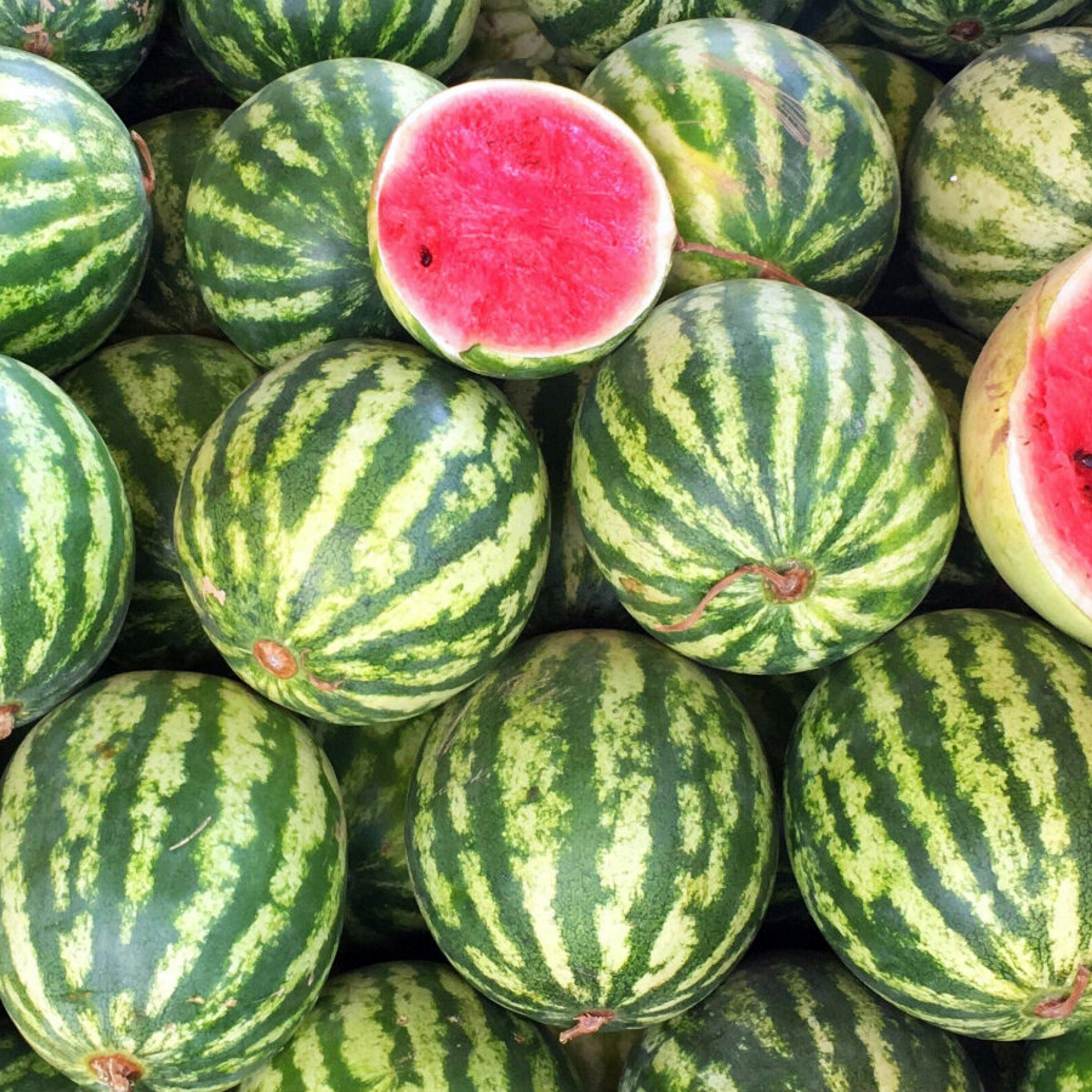
It's the epitome of summertime: there’s nothing like a cold, juicy slice of red watermelon on a swelteringly hot day. But, once upon a time, watermelons were neither red nor sweet—the wild watermelon has white flesh and a bitter taste. This episode, we scour Egyptian tombs, decaying DNA, and ancient literature in search of watermelon's origins. The quest for tasty watermelon continues into modern times, with the rediscovery of a lost (and legendarily sweet) varietal in South Carolina—and the Nigerian musical secret that might help you pick a ripe one. But the fruit's history has often been the opposite of sweet: watermelons have featured in some of the most ubiquitous anti-Black imagery in U.S. history. So how did the watermelon become the most dangerous—and racist—fruit in America?
Audio is streamed directly from the publisher (podtrac.com) as published in their RSS feed. Play Podcasts does not host this file. Rights-holders can request removal through the copyright & takedown page.
Show Notes
It's the epitome of summertime: there’s nothing like a cold, juicy slice of red watermelon on a swelteringly hot day. But, once upon a time, watermelons were neither red nor sweet—the wild watermelon has white flesh and a bitter taste. This episode, we scour Egyptian tombs, decaying DNA, and ancient literature in search of watermelon's origins. The quest for tasty watermelon continues into modern times, with the rediscovery of a lost (and legendarily sweet) varietal in South Carolina—and the Nigerian musical secret that might help you pick a ripe one. But the fruit's history has often been the opposite of sweet: watermelons have featured in some of the most ubiquitous anti-Black imagery in U.S. history. So how did the watermelon become the most dangerous—and racist—fruit in America?
Learn more about your ad choices. Visit podcastchoices.com/adchoices