Future Tense
244 episodes — Page 5 of 5

When development aid goes wrong - propping up bad regimes
For many people, the provision of overseas aid is a democratic imperative and a universal good. But what if the situation is more complicated than that?

The fall of cash & the rise of central bank digital currencies
Physical cash still plays an important role in the financial system, but could it be replaced by a digital alternative? Governments around the world are looking to Central Bank Digital Currencies, but there are concerns around privacy and loss of financial freedom.

Drones, witnessing and the view from above
Advocates claim drones make war safer for civilians and soldiers by making it more technical and precise. But drones are also being used as a “witness” of conflict by activists keen to tell different stories about warfare and the heavy price often paid by civilians.

Banning books and floating suburbs
Banning books belongs in the dark ages and is anathema to modern liberal democracy, but in the United States there’s a widespread campaign underway to censor what students can read. Also, why is the UN involved in a project to build a floating neighbourhood on the South Korean coast?

Fashion’s fast future
Fashion is getting even faster, but there are also efforts underway to rein-in the waste and make fabrics from more environmentally-friendly materials.

Space pollution, stunted high-rise and the joy of missing out
As Earth’s upper atmosphere becomes more congested, it’s also becoming more polluted, and the impact could be dire. Also, why doing without could make for a fuller future; and what’s behind China’s ban on really tall buildings?
The opportunity costs of global pollution
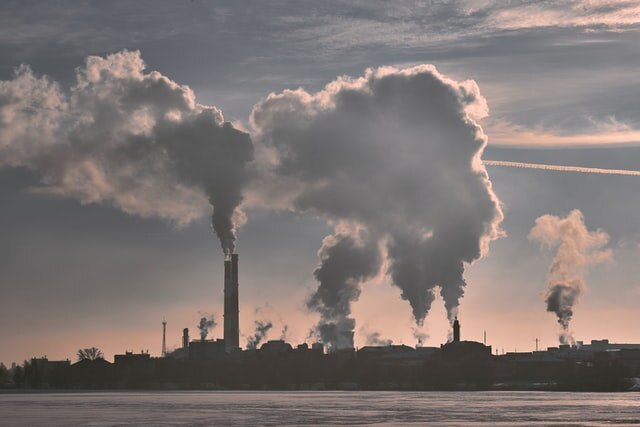
Pollution has long been seen as a health problem, but increasingly its being redefined as an opportunity cost to both individuals and society - and as a burden on future generations.
Rare Earths and the difficulties of supply
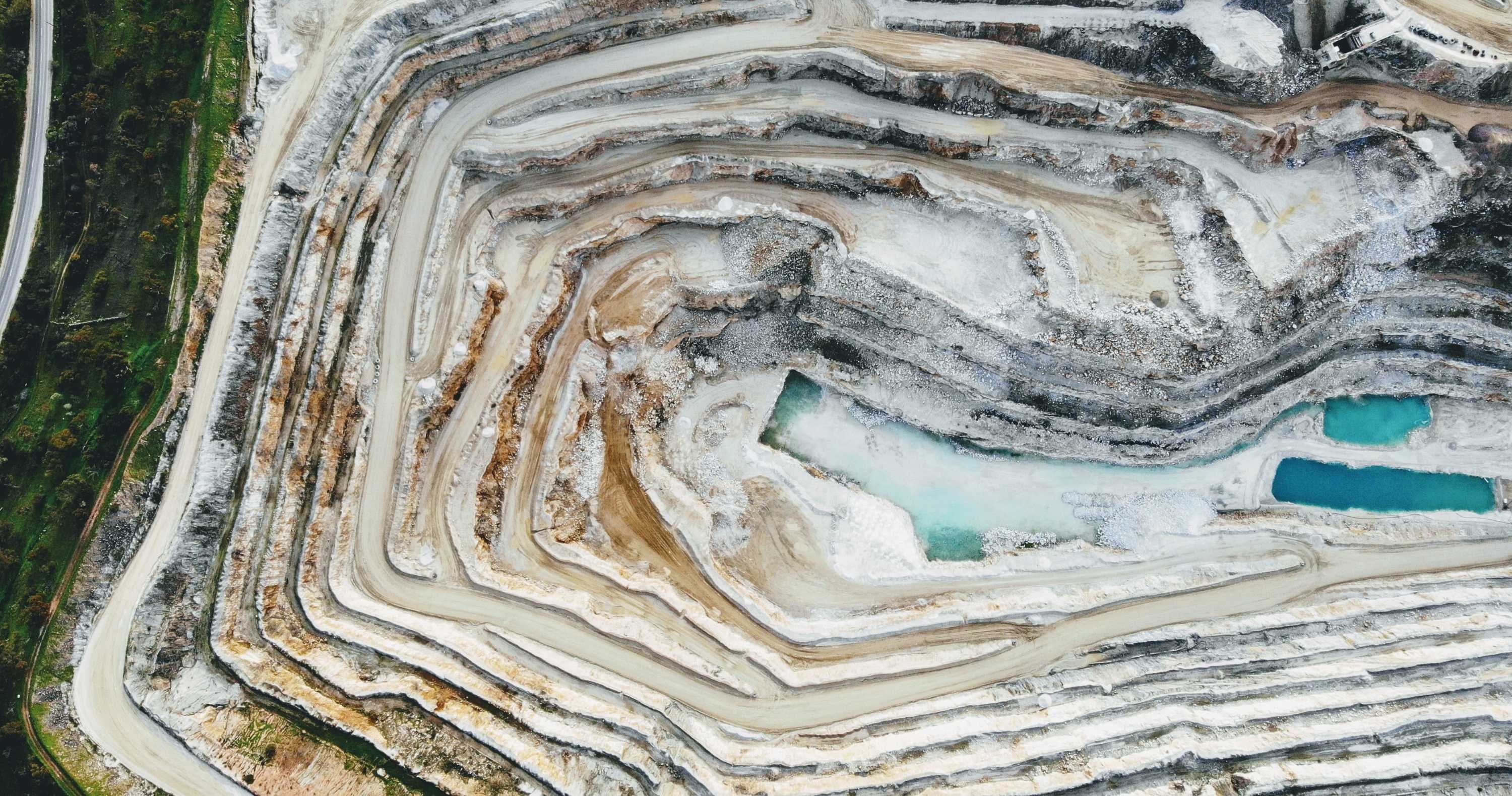
Rare Earths are essential to modern life, but their extraction comes at a price. So, how do we clean-up mining efforts & build a diverse network of suppliers without destroying the environment?

Is dumbness our destiny?
Most of us are healthier, wealthier and better educated than ever before. We have greater access to knowledge and expertise than any previous generation. So, why do humans keep doing stupid things? And why is the world awash with conspiracy? Have we already passed “peak intelligence”? And if so, what can we do to ensure a smarter future?

Litigating our way out of climate change
Responses to climate change are often marked by frustration as much as fear. Those seeking to end our fossil-fuel dependency are increasingly turning to litigation to force the hands of companies and governments - often on human rights grounds. But do the courts have a legitimate role to play in leading the way? Or is this a form of judicial activism?

The power of storytelling – a cautionary tale
Stories like opinions have become a necessity of modern life. Everybody is encouraged to have an opinion and everybody – in the vernacular of countless motivation speakers – is encouraged to be the “hero of their own story”. But are we in danger of making too much of them? If the story becomes the central device for much of our communication, do we risk losing our sense of objective reality?

Is the process of ageing inevitable?
Some animals, like sea sponges, can live for hundreds, perhaps thousands of years. They also never get cancer. Understanding why that’s the case has led scientists to question conventional notions of ageing. The idea that future humans may never grow old now seems theoretically possible.

Rewilding to safeguard biodiversity
Rewilding is a conservation approach based on the reintroduction of lost animal species to their natural habitats. Its original manifestation was controversial because it centred on apex predators like wolves. But the approach has matured and advocates believe it now has a crucial role to play in securing future biodiversity levels.

Social media: harm and transformative justice
Despite increased safety features, policies and content moderation practices, social media platforms continue to be sites where people perpetrate and experience harm. A new approach to platform governance called Transformative and Restorative Justice could help address the underlying causes of harmful behaviour and promote safer and more inclusive digital communities.

Coming to terms with noise
When the global pandemic struck the world’s major cities were plunged into silence. But were they? New research casts doubt on just how quiet it really got when people were suddenly forced from the streets. It adds to our complex understanding of noise and sound and how both will shape our future.
Geopolitics in a post fossil-fuel world
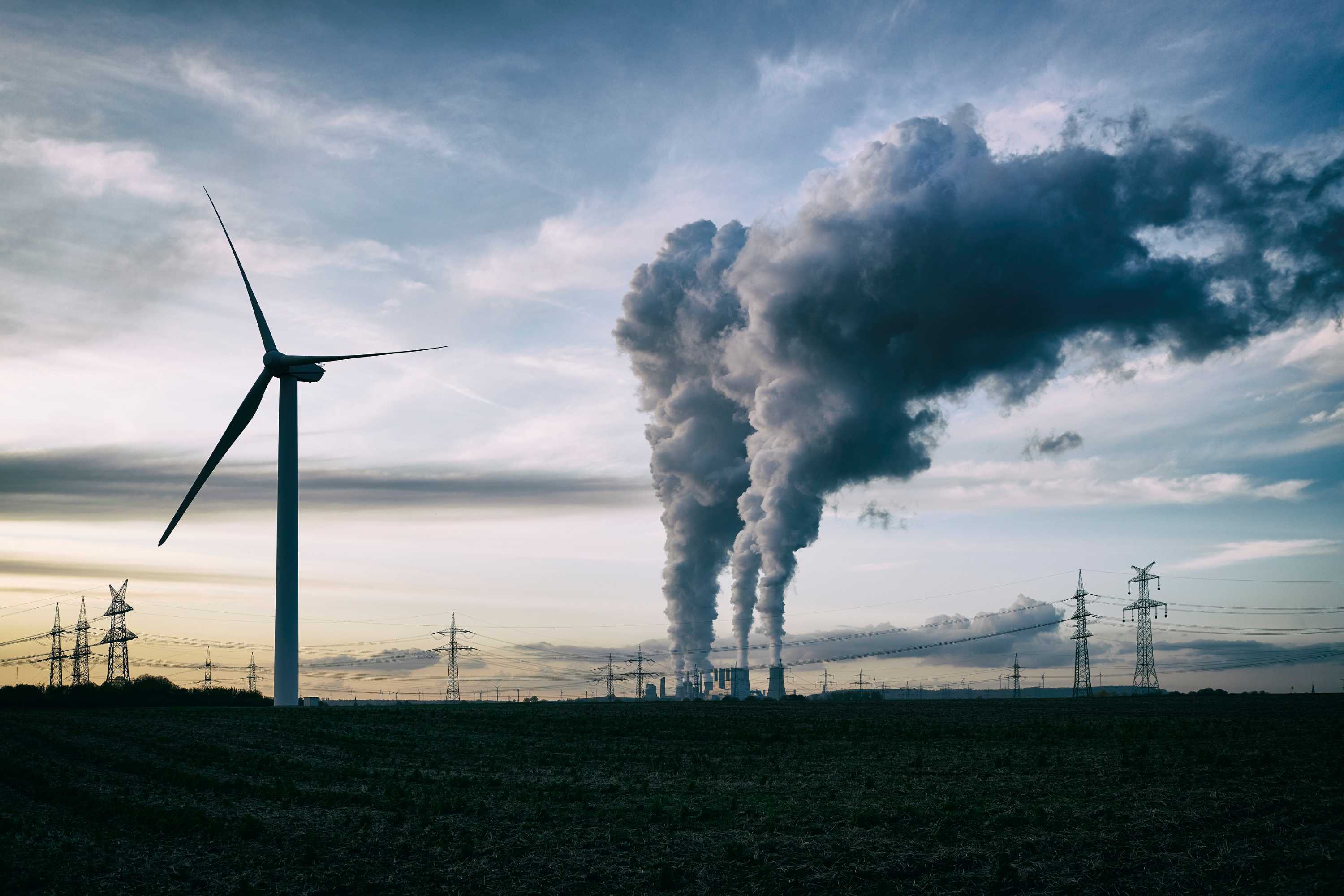
What will the global political landscape look like when the world’s dependency on fossil fuels is finally over? Adjustments are already being made, but for so-called “petrostates” like Saudi Arabia and Russia, the prospects look particularly bleak. Experts warn of new inequalities and shifting power dynamics. They also warn of a fall in available energy levels as nations transition to renewables.

Our adolescent future and reassessing human rights
Paul Howe has a novel theory that could help explain the current state of humanity. Adolescence, he says, isn’t so much a time of life as a state of mind – and it’s transforming our adult world. Also, why an emphasis on human rights has failed to reduce global inequality; and redefining minimalism as “intentional living”.

The new globalisation
Historian and economist, Marc Levinson, argues we’ve entered the fourth age of globalisation. An era, he says, that will be driven by the movement of “bits and bytes, not goods”. Also, should fintech companies be marketing their wares to children as young as six? And why is NASA planning to open fire on a pair of asteroids?
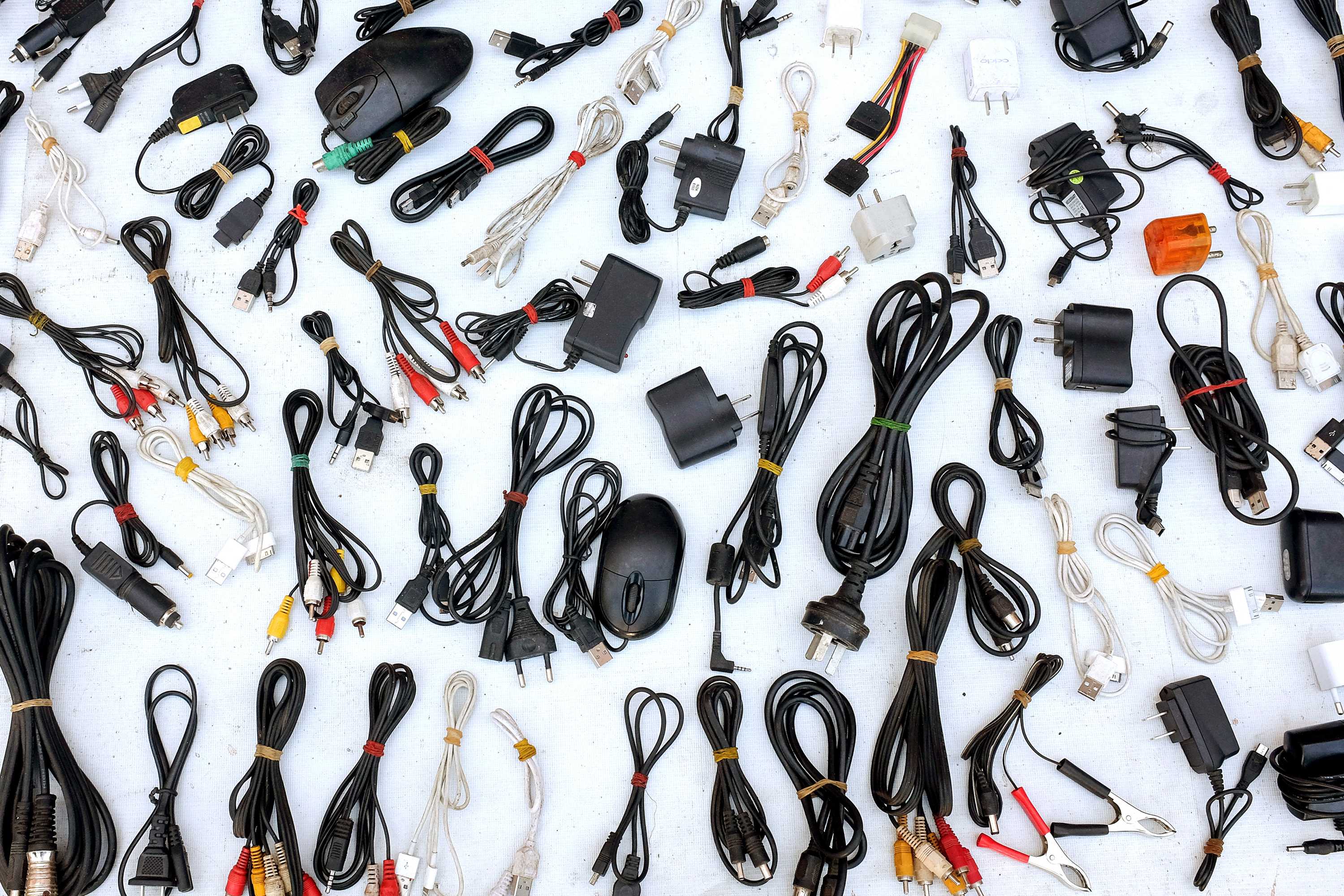
Technology: Questions of ethics and fairness
The technology sector has a long history of designing devices to lock in customers and accelerate consumption. But “planned obsolescence” as it’s called is facing a push-back. We also speak with Margaret Mitchell, who helped set up the AI ethics group at Google, only to find she was shown the door when the company’s bosses didn’t like what she had to tell them.

An international approach to regulating AI
Simon Chesterman argues for a new global agency to regulate the development of artificial intelligence. One that would also ensure an equitable distribution of its benefits. Professor Chesterman, the Dean of the Law at the National University of Singapore, says discussion around AI has been dominated by the US, Europe and China, but smaller Asian nations also want a seat at the table.
An update on nuclear energy
If you think coal is controversial, spare a thought for nuclear energy. It may not be everybody’s choice as a replacement for fossil fuels, but the technology is evolving, new reactors are being built and researchers are working on making them smaller and mobile. In this episode we give an overview on the size and scale of the nuclear energy sector - and the changes and challenges it faces.

The positive side of monitoring
Surveillance has become mainstream in the 21st century. It’s now so ubiquitous that many of us no longer notice its intrusion in our personal lives. But not all forms of monitoring are designed to exploit and/or contain. In this episode we look at several interesting monitoring technologies designed to assist and heal.

Disappearing cookies and a shortage of chips
Google has affirmed its decision to ban all third-party cookies from its popular Chrome browser by the end of 2023. Cookies have long under-pinned the business model for online marketing. Some analysts are predicting a “cookiepocalypse”. But others say that’s hard to swallow. Also, the world is currently facing a global shortage of computer chips. We examine why that’s occurred and when the blockage is likely to shift.

Planning for a problematic future
We all know the value of planning, but in a complex, complicated and often confounding world it can be difficult knowing how to start. Scenario Planning is planning tool for uncertain situations - find out what it entails and how it might benefit organisations and businesses.

The atomisation of religious belief
The big traditional religions of the world are losing followers, but not just, as is commonly thought, to atheism and secularism. Religion as such won't die any time soon because human beings are “hard-wired” to believe in the religious and the supernatural. Some analysts say the world is experiencing a shift toward individualistic spiritual expression, including a return to paganism.

Should we really aim for sustainable development?
The terms “sustainability” and “sustainable development” are now so commonplace as to be meaningless – according to the sceptics. Worse still, a focus on sustainability, they say, can actually mask the very real problems we have in dealing with climate change and managing the world’s diminishing resources.
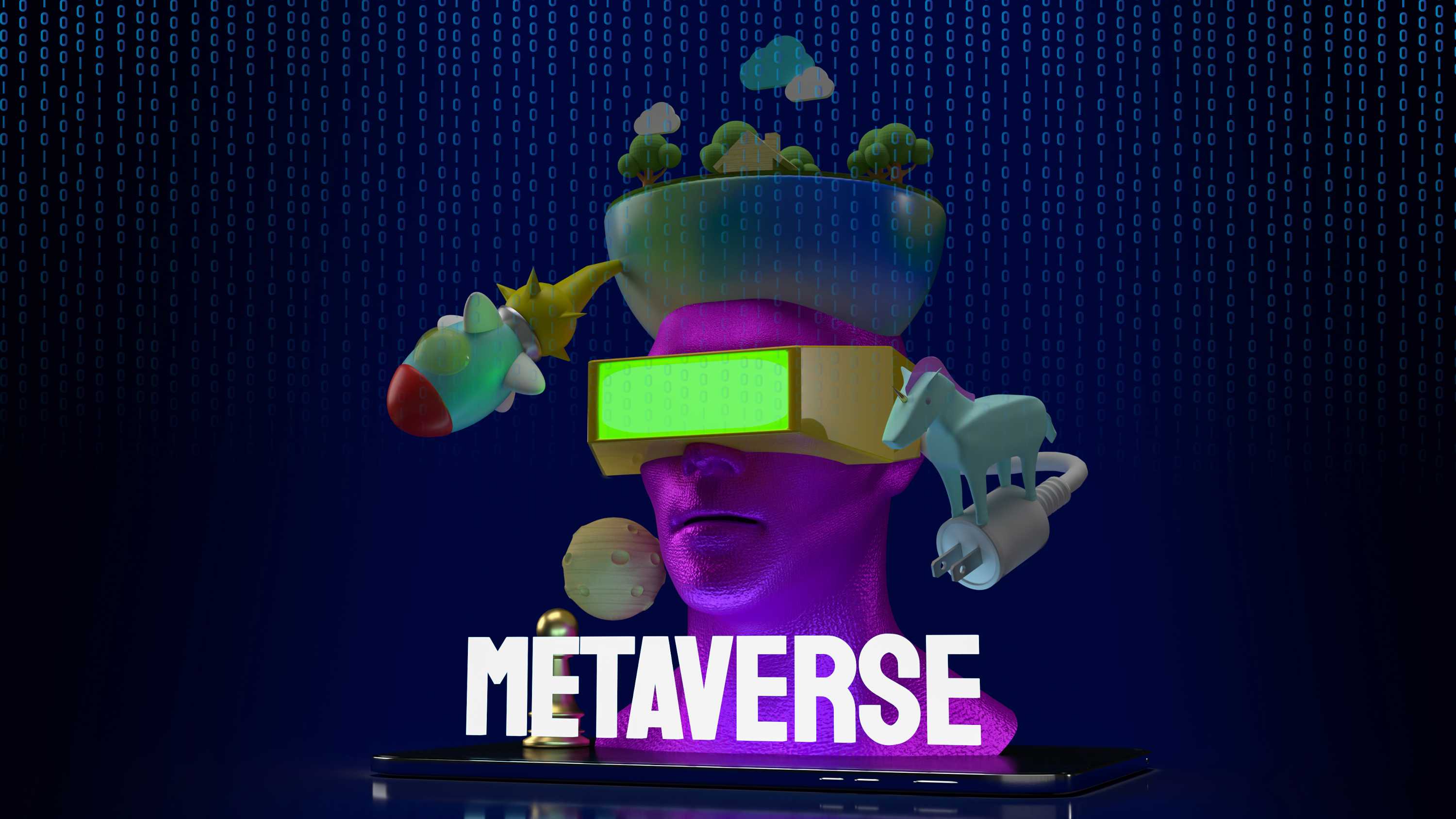
The Metaverse – turning life into one big online experience
Facebook’s CEO has spoken about changing the social media platform into a “metaverse” company and he’s pledged billions to the cause. The metaverse is a term Silicon Valley uses for the next stage of the internet: a world in which all activities are conducted in an immersive Virtual Reality environment. But would Zoom-weary humans want to live in such a world? And is it really just a cover for surveillance capitalism?

Big tech’s big challenge
New legislation aimed at curbing the power and influence of the big technology companies has been drawn up in both the United States and Europe. While in China, the government has already implemented sweeping changes to the way Chinese technology companies can operate in the PRC and beyond. So, have we now entered a new age of tech regulation?
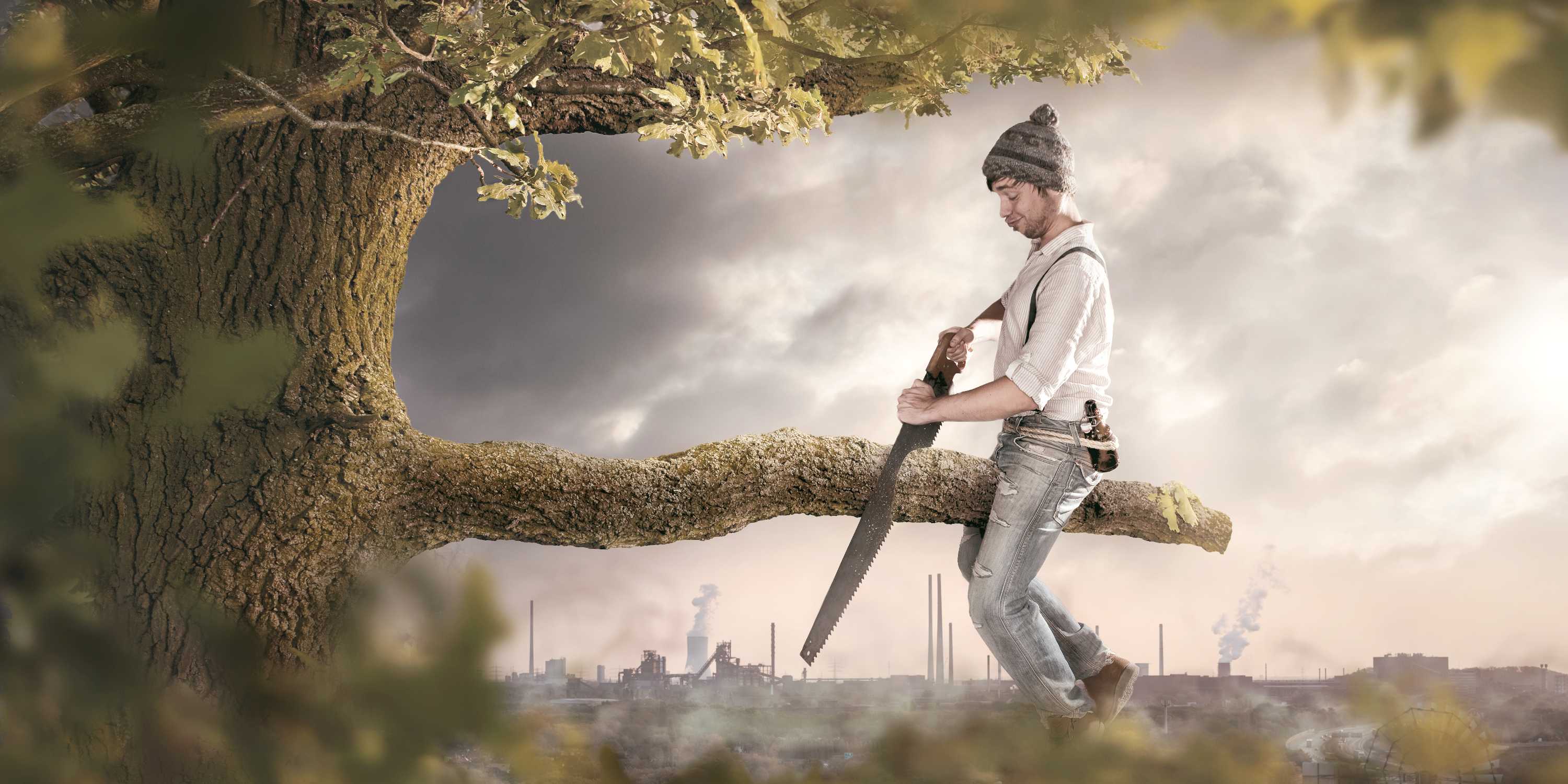
Our long-term battle with short-term thinking
Is our inability to think long-term influenced by the sheer number of threats we face? In times of crisis, it seems, human beings find it harder to think beyond their immediate difficulties. We investigate. Also, new research on why threats of punishment often fail to deter bad behaviour; and we get an update on Seabed2030, the global initiative to map the ocean floor.

Link rot, pay walls and the perils of preservation
The cliché is that once something goes online, it’s up there forever. But the truth is that the Internet has a memory problem and some of what we’re losing – or could potentially lose – has significance and value. While archivists struggle with the challenge of preserving our digital record, the rise of pay walls present a particular problem.

AI inventors; “Affectivism” and the problem with Virtual Reality
An Australian court has given inventor status to a piece of Artificial Intelligence. It’s big news in the tech sector, but does it have real world significance? Also, a new research discipline called "Affectivism" – what is it and how will it influence our understanding of human behaviour? And why one New York researcher has labelled Virtual Reality the “rich white kid with famous parents” who “never stops failing upward”.

Bitcoin: silly speculation or the future of finance?
Almost every week, Bitcoin makes the headlines. Rollercoaster prices, environmental concerns and even the latest scams regularly make the news. But the sheer proliferation of stories surrounding Bitcoin has made it hard to understand what’s happening, let alone the technology itself. This week, Edwina Stott unpicks some of the biggest headlines in Bitcoin to get to the bottom of what’s really going on and what it means for the future.

A new alliance of democracies
President Joe Bidden wants to establish a new alliance of democracies to counter the rise of authoritarianism. He’s planning a global summit for later this year. But is such an alliance achievable in a 21st century marked by heightened geo-economic interdependency? Or is it simply a nostalgic yearning for the past? And if such an alliance could be formed, is the United States really up to the job of leading it?
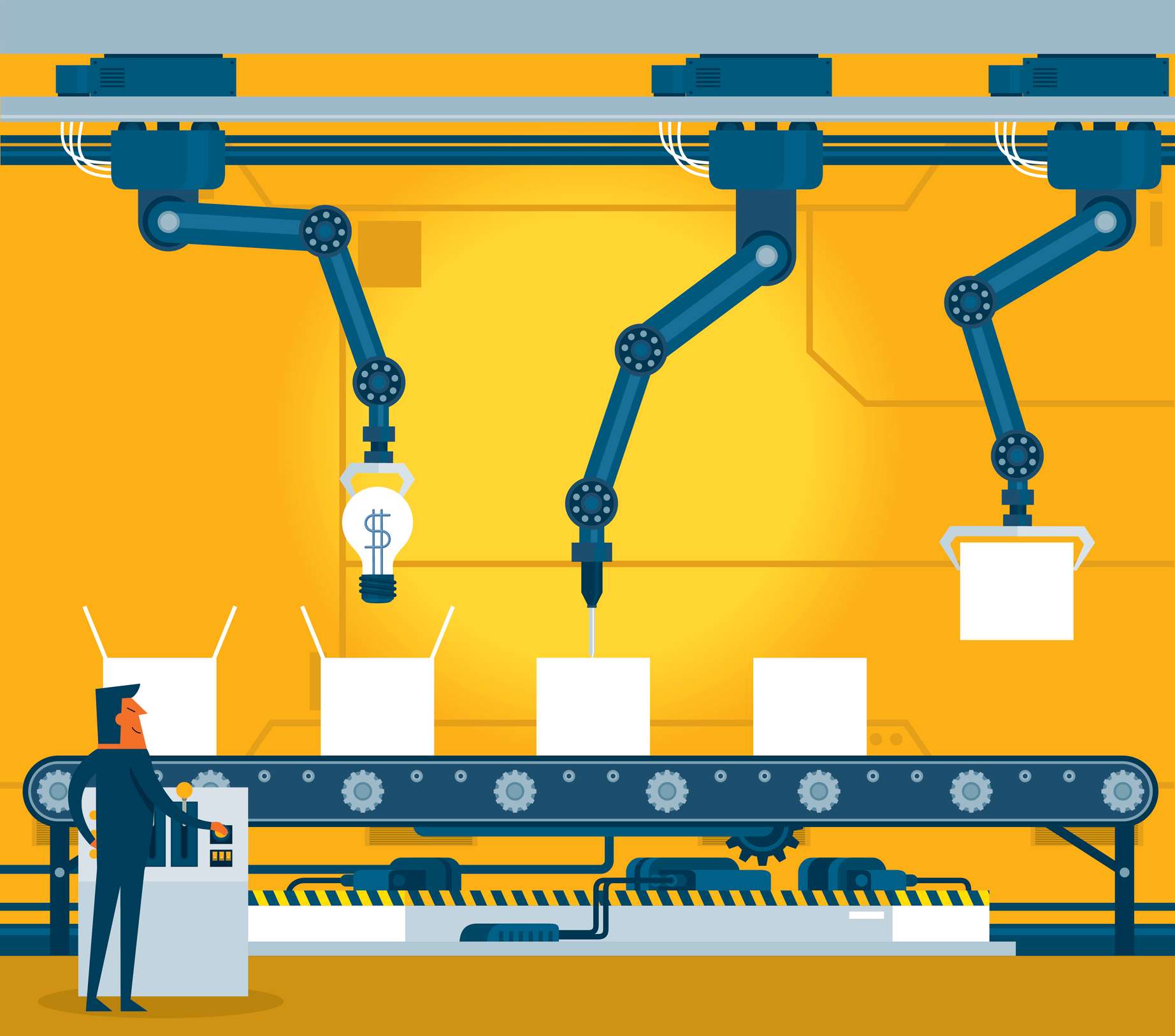
Outsourcing, automation and the messiness of global labour
Automation and outsourcing are dirty words for many people in Western countries worried about their future employment prospects. Developing countries are seen to be the major beneficiaries of off-shore labour, with multinationals hoovering up increased profits. But the reality is a lot more complex and even messy. Now, even developing countries are starting to feel the pain.

The trouble with Tech-driven farming
New technologies are transforming agriculture, but getting farmers to experiment with different tech combinations remains an issue. A technologically-infused approach can bring benefits, but it also carries risks. In the developing world it can sometimes undermine traditional farming practices and increase inequality.

Ransomware – a very 21st century crime
The rush to go digital during Covid-19 has coincided with a marked rise in ransomware attacks. Some have a political dimension, some are merely opportunistic, but all make sound business sense from a criminal perspective. We discuss the ins and outs of ransomware operations and meet a man whose job is to negotiate with the criminals.
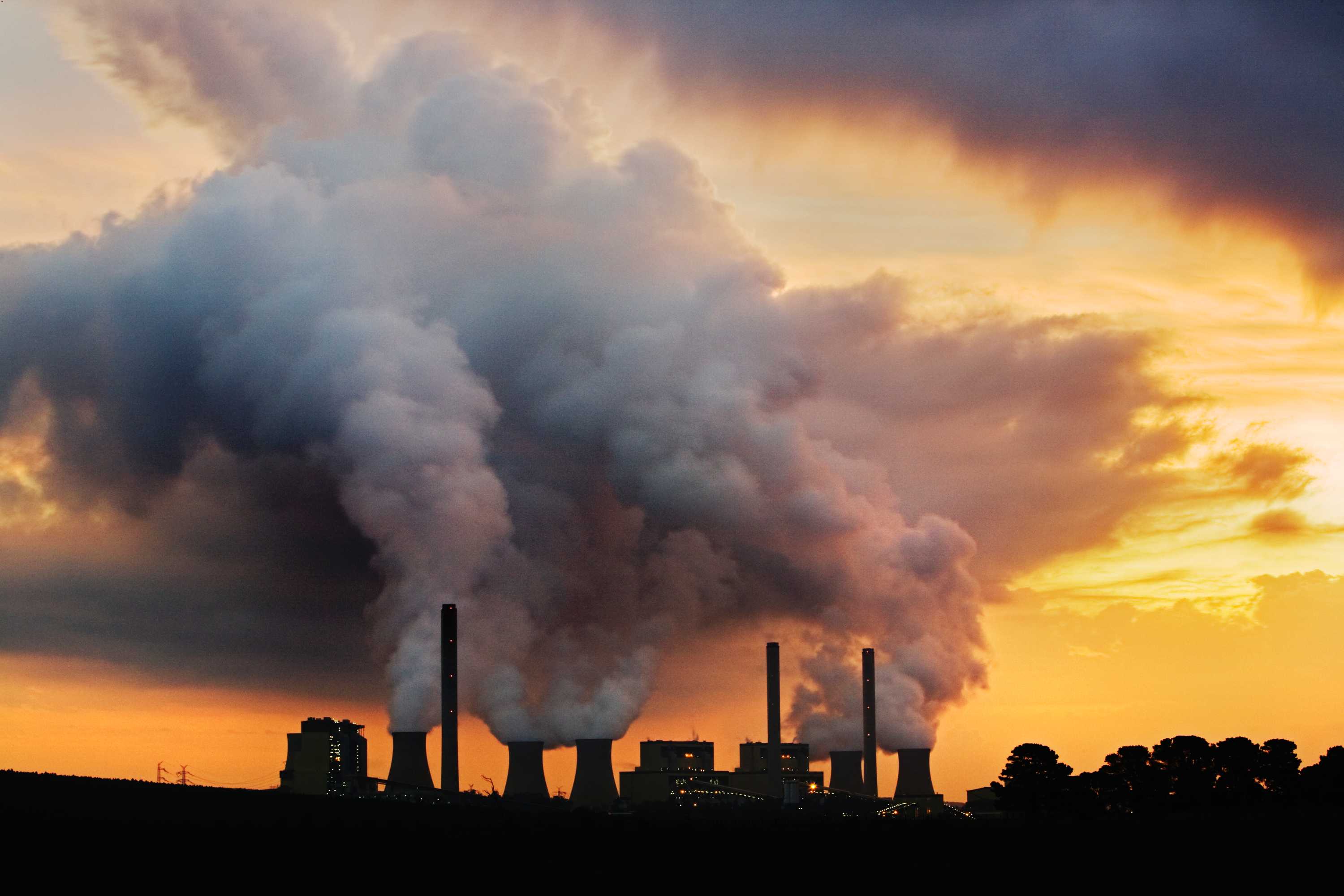
A non-proliferation treaty for fossil fuels
It’s time to attack the “supply side” of fossil fuels, activists argue. And the best way to do that is by establishing a fuel non-proliferation treaty similar to the one used for nuclear weapons. But what would it entail and could it ever work? Also, the sticky relationship between online personalisation and consent; and a call for CEOs to become the next target of automation.
Litigating our way out of climate change
Responses to climate change are often marked by frustration as much as fear. Those seeking to end our fossil-fuel dependency are increasingly turning to litigation to force the hands of companies and governments - often on human rights grounds. But do the courts have a legitimate role to play in leading the way? Or is this a form of judicial activism?

Some foresight about the future of foresight
Trying to predict the future is a timeless and time-consuming pursuit. Artificial Intelligence is increasingly being enlisted to the cause, but so too are “super-forecasters” – a new coterie of individuals with remarkable predictive powers. But what are their limits and what does their rise say about the still popular notion of collective intelligence – the wisdom of the crowd? Future Tense looks at the changing role of humans in forecasting.

What role will hydrogen play in our future?
Hydrogen is the energy du jour. It’s seen as a clean, smart alternative to fossil fuels, and major investments in its future are being made around the globe.
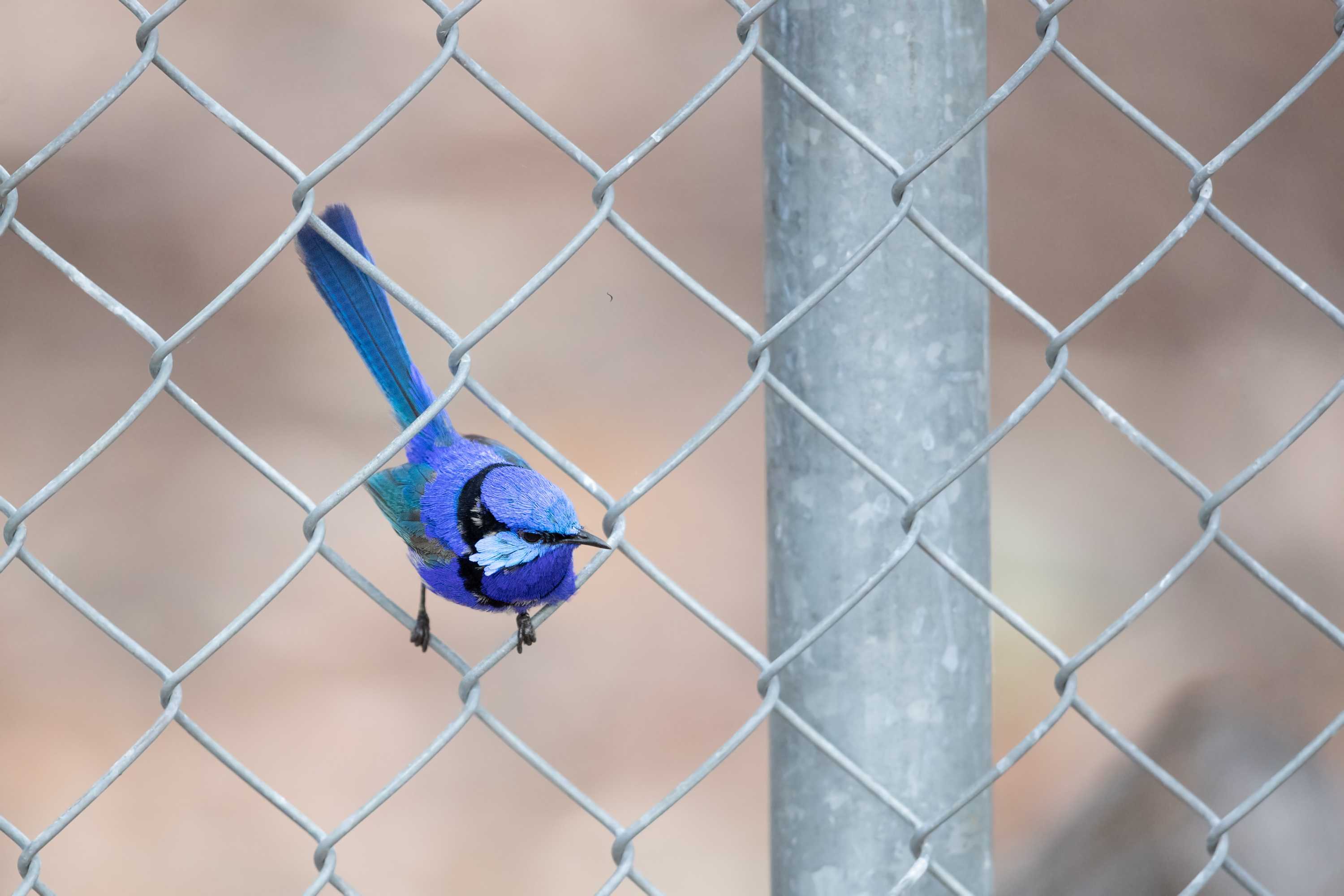
Rewilding: part two
In this edition we examine the natural forces at play in Europe where abandoned farmland is increasingly being reclaimed by wildlife. We also hear about Rewilding in an urban context.
Rewilding to safeguard biodiversity
Rewilding is a conservation approach based on the reintroduction of lost animal species to their natural habitats. Its original manifestation was controversial because it centred on apex predators like wolves. But the approach has matured and advocates believe it now has a crucial role to play in securing future biodiversity levels.
Is the process of ageing inevitable?
Some animals, like sea sponges, can live for hundreds, perhaps thousands of years. They also never get cancer. Understanding why that’s the case has led scientists to question conventional notions of ageing. The idea that future humans may never grow old now seems theoretically possible.
Is dumbness our destiny?
Most of us are healthier, wealthier and better educated than ever before. We have greater access to knowledge and expertise than any previous generation. So, why do humans keep doing stupid things? And why is the world awash with conspiracy? Have we already passed “peak intelligence”? And if so, what can we do to ensure a smarter future?