Future Tense
244 episodes — Page 4 of 5
Embracing serendipity and breaking free of algorithmic shackles
Clive Thompson has invented a new search tool called the Weird Old Book Finder. It's about… finding weird old books, what else? It's also about embracing serendipity and breaking free of algorithmic shackles. Also, why the development of Google Glass was both a cautionary tale and a punchline; and the vulnerabilities of super fast finance.
ChatGPT — the hype, the limitations and the potential
ChatGPT is a controversial new language assistant powered by AI. It can write essays, do coding and even structure complex research briefs, all in a matter of seconds. To its detractors ChatGPT and other AI-text generating tools represents the beginning of the end of human creativity and a future of universal plagiarism. To the less exuberant, it's a sophisticated new educational tool that has significant flaws and needs to be used judiciously. It's also likely to force a rethink of how we assess students and what it means to be genuinely creative.
Deep Fakes and moral panic
Deep fake videos and audio are growing in sophistication and the technology to make them is readily available online. Many fear they damage our ability to tell truth from fiction and are a threat to democracy. In this episode we provide a reality check. We also look at research into how such fakes can be detected.
Managerialism and our obsession with hierarchy
Managerialism is a Neo-liberal philosophy that critics accuse of bloating both the public and private sectors with unnecessary management.It's also accused of having bred a separate highly-paid management class, devoid of expertise. But is it too late to curb its influence and make organisations less hierarchical?
A global pandemic treaty; communication vulnerabilities; and talking to the animals
The world will soon have a universal pandemic treaty, but will all countries sign on and will it prevent future lockdowns? Also, how vulnerable are our undersea cables? And could technology one day allow us to talk with animals?
The climate change "winners"
It might be an uncomfortable idea for many, but in the short term climate change will produce "winners" as well as losers. Some countries, companies, communities and species will actually benefit from a warming world. But in what ways and for how long?
Coming to terms with noise
When the global pandemic struck the world’s major cities were plunged into silence. But were they? New research casts doubt on just how quiet it really got when people were suddenly forced from the streets. It adds to our complex understanding of noise and sound and how both will shape our future.
Should we really aim for sustainable development?
The terms “sustainability” and “sustainable development” are now so commonplace as to be meaningless – according to the sceptics. Worse still, a focus on sustainability, they say, can actually mask the very real problems we have in dealing with climate change and managing the world’s diminishing resources.
Fashion’s fast future
Fashion is no longer du jour – of the day – it’s of the second. Online platforms are using real-time data and analytics to micro-target what we buy and what we wear. At best, it’s a form of hyper-personalisation, matching people to their clothing preferences. At worst, it risks turbo-charging our already fast fashion industry. But there are also efforts underway to rein-in the waste and make fabrics from more environmentally-friendly materials.
The future of satire is no laughing matter
Satire is society’s release valve and it allows us to reflect on just about anything. It’s been around for thousands of years, but social media, shameless leaders and an appetite for outrage are all having an impact on this ancient form of social commentary. So is satire's power dwindling? Or is it evolving for the future?
Forgetting, not memory, moves us forward
Forgetting is the only safe response to the world's problems, from a geopolitical perspective, according to author and journalist David Rieff. Sometimes it’s too dangerous to remember. And forgetting is also a good thing in your personal life, say scientists. It moves us forward. The science of memory is giving way to the science of forgetting. Forgetting used to be seen as a failure of the brain, but new research suggests it’s a crucial part of the way our minds function.
A Right to Disconnect ... from work
A global push is underway to try and install a Right to Disconnect – allowing workers to strike a healthier balance between work-time and own-time. Working from home during the pandemic arguably raised expectations that people were available 'around the clock'. But did it in fact help spark a reassessment of how we work? Various organisations and governments are also exploring the idea of a four-day week — prioritising productivity over office hours.
The cultural impact of streaming; and the "digital horder" within
Australian writers and screen producers fear a significant cultural loss unless US streaming services are forced to increase local content. Quotas of up to 30 per cent exist in Europe and Canada, so why is Australia lagging behind? Also, "digital horders" – why many of us find it so difficult to have an online purge. And why we need to put soil at the centre of future conservation efforts.
The trouble with tech-driven farming
New technologies are transforming agriculture, but getting farmers to experiment with different tech combinations remains an issue. A technologically-infused approach can bring benefits, but it also carries risks. In the developing world it can sometimes undermine traditional farming practices and increase inequality.
Noise: the invisible ocean pollutant
We used to think our oceans were largely silent but sound is one of the most important senses for marine life. It helps animals feed, breed, communicate and navigate. But human made underwater noise is getting in the way and is now a major global pollutant.
Should individuals bear the largest burden for climate action?
It's a common refrain: we all have a responsibility to deal with climate change. But does putting the onus on individuals risk allowing governments and businesses to avoid responsibility? What is the right balance between an individual and a systemic approach to climate action — and how much do the two intertwine? And how do we get beyond ideology in our communications around climate action?
Why corporations need to think more about society and less about profit
Do corporations have a role in promoting the common good? Legal expert William Magnuson says they once did and now need to rediscover their true social purpose. He mounts a counterintuitive argument for why big business should think less about money and more about society. Also, new research on the effectiveness of Carbon, Capture and Storage.
The positive side of monitoring
Surveillance has become mainstream in the 21st century. It’s now so ubiquitous that many of us no longer notice its intrusion in our personal lives. But not all forms of monitoring are designed to exploit and/or contain. In this episode we look at several interesting monitoring technologies designed to assist and heal.
The complexities of oversimplification
Have technologists lost the art of keeping it simple? Do the devices they design actually make our lives more complicated, not less? Striving for simplicity could positively impact many aspects of modern life. But oversimplification risks stereotyping individuals and confusing our sense of historical perspective.
Community electricity grids and building better batteries
When the consumers of power also become its generators a whole new level of complexity opens up. The transition from fossil fuels means completely rethinking our traditional systems of energy storage and distribution. Also, the new Australian battery that could put an end to our dependence on lithium.
The Great Regression and the "kidification" of adulthood
Many commentators bemoan the adolescent nature of modern society. Adults, they suggest, are acting like juveniles and thereby eroding our culture and destroying our politics. We hear two arguments to the contrary. Also, philosopher William MacAskill on his new book “What We Owe The Future”.
New ways to move about cities
The way we are getting around cities is changing. There’s strong developer competition in the flying taxis market; the overall size of vehicles is getting smaller as we transition from petrol to electric; and on-demand public transport is on the rise.
Understanding tech-facilitated abuse; and problems in space
Abuse facilitated by digital technology is on the rise. Abuse is abuse, no matter who commits it and what form it takes, but we need to better understand the peculiarities of this specific kind of abuse. New research in Australia suggests that many of us are the perpetrators as well as the victims. Also, regulating rocket launches and minimising space pollution – low Earth orbit may be reaching a tipping point.
Food security in a precarious world
As food security issues increase across the world, expenditure on agri-food research and development is going the other way – in fact, funding in some western countries is now back at 1980s levels. We also hear about a refrigeration initiative in Rwanda that could help increase food nutrition levels in the developing world and significantly cut food wastage.
Have data breaches become just another cost of business?
Data breaches are on the rise, and it seems social media is a growing point of vulnerability. The consequences aren’t just financial, in some cases lives are at risk.People are also becoming increasingly wary about corporations gathering their personal data - as seen by the fate of Google's envisaged futuristic smart city development in Toronto.

Air conditioning: keeping us cool but making the planet hotter
Around two billion air conditioners are currently in use across the globe but the amount of electricity they use is not sustainable, so what are some alternatives?
The opportunity costs of corporate welfare
Public money is being used to bankroll already wealthy private corporations. So, is there any real benefit to taxpayers?
Xenobots - the tiny robots with enormous potential
They’re small, robotic in nature and formed from living frog cells. Xenobots could play an important part in future health care treatments. But whether or not they represent a new form of life is open to debate. And also, how young people access news content – it’s complicated! We hear about the latest research from the Reuters Institute for the Study of Journalism.
How ancient trees could help in the fight against climate change
Unlike animals, trees don't have a biological clock, under ideal conditions they can live for thousands of years. Scientists say understanding how ancient trees have survived could help us protect forests from the ravages of climate change. But working out how to propagate them is the tricky part.

Airships return to the skies and a serious problem that could cripple long-range space travel
They were once the very symbol of modernity, but over the past eighty years, Airships have become objects of curiosity and nostalgia. Now, several new airship ventures look likely to put the zip back into zeppelins. Also, why our bones could be the greatest barrier to colonising Mars.
The strange case of the trees that grow metal and how to harvest them
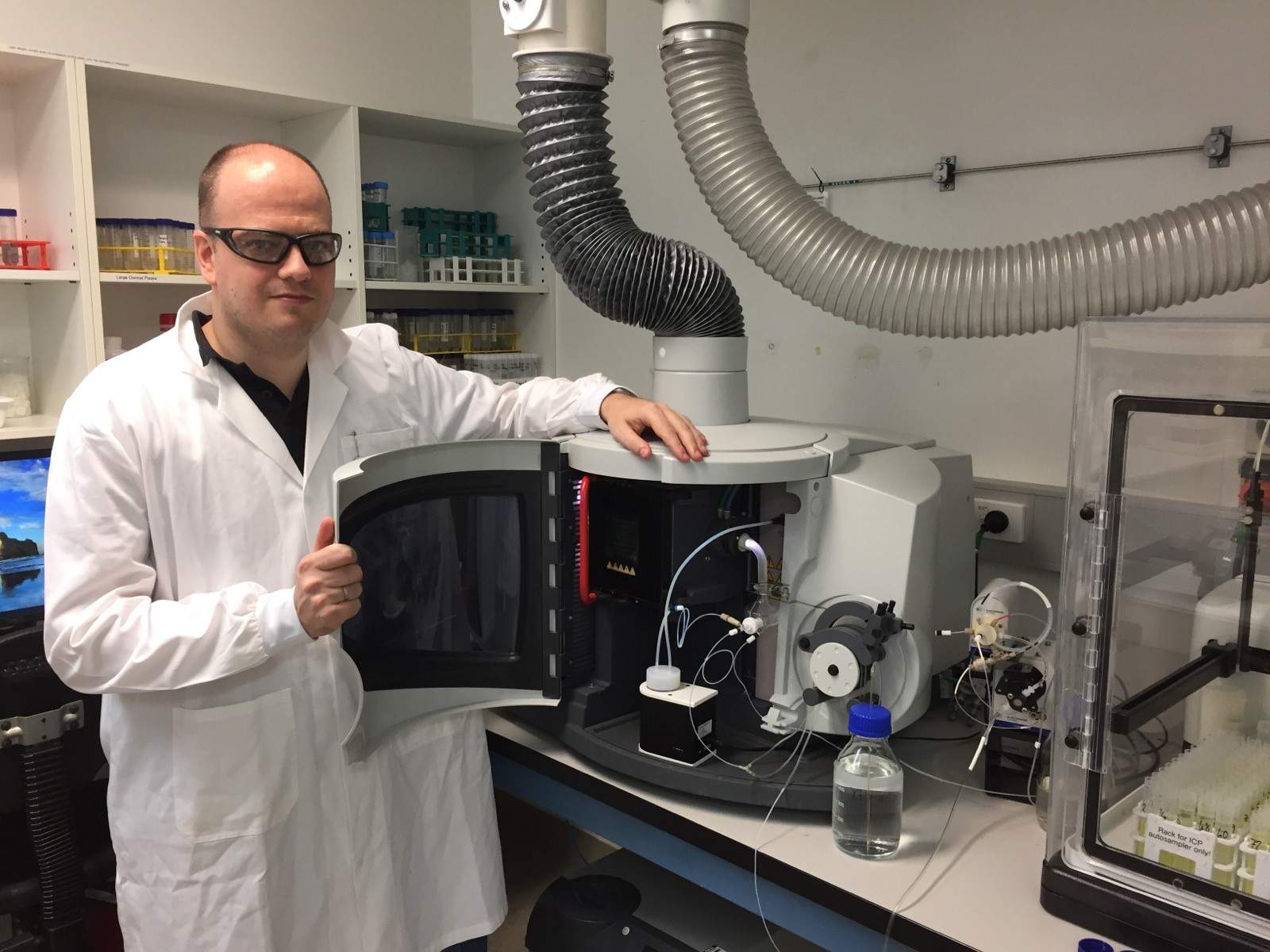
Agromining is a new process for extracting large quantities of metals such as cobalt and nickel from the sap and leaves of rare plants known as hyperaccumulators. Australian scientists have already established a test farm in Malaysia and it’s hoped the technology will one day provide poor communities with a new source of income, while also helping to rehabilitate former mining sites. Also, why do some people get sick after using Virtual Reality and is that holding back the technology? And a new approach to data storage and processing called Edge Computing.
eDNA monitoring; 'telehealth' for animals; and using animals as early warning system for disasters
Scientists have perfected a system for better sampling animal DNA in the wild. The new process promises a less-invasive way of measuring biodiversity. We also look at the predictive powers of animals and how tracking their movements enmass could help foretell impending disasters. And how remote health monitoring technology can help wildlife and livestock.
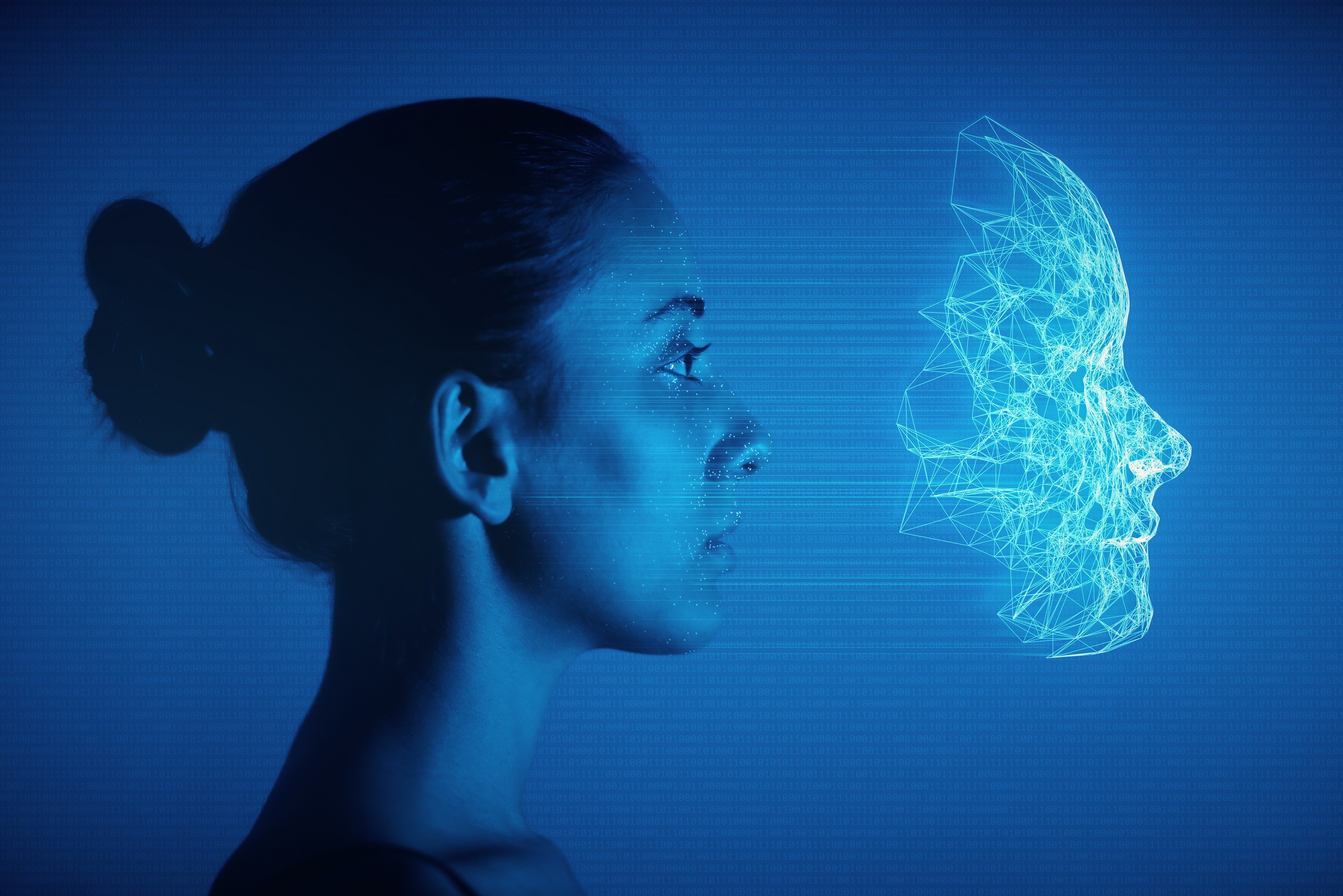
The Digital Self, Web3 and reclaiming your online identity
How is our sense of identity changing as our online and offline experiences increasingly merge? What grounds a person’s online persona (or personas) to the physical world? And is such a tie important?
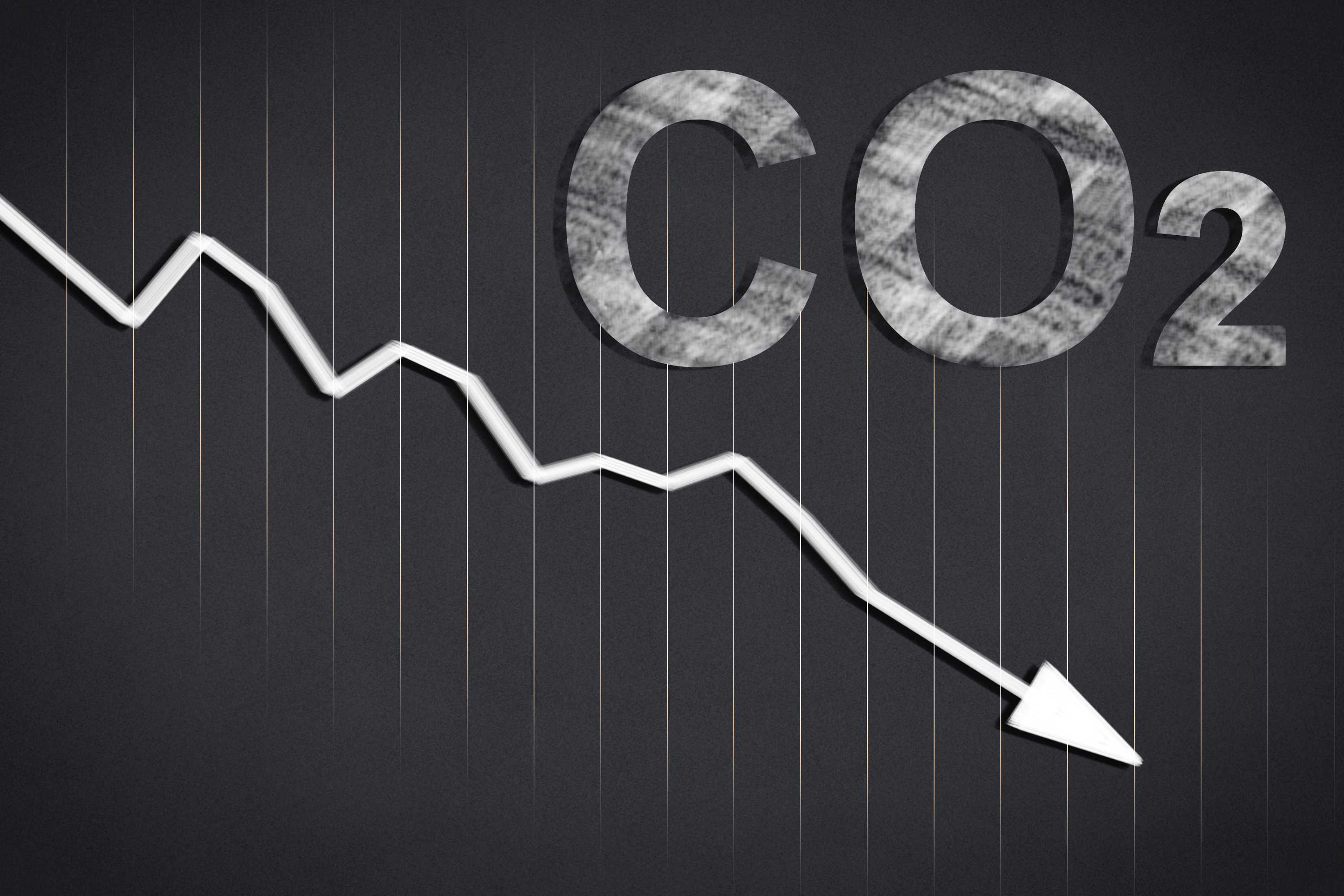
The real worth of net zero is debateable
Net Zero isn’t just a climate target, it’s become a badge of commitment in the global effort to bring down Greenhouse Gas emissions. But its real worth is debateable, with some environmentalists and climate scientists arguing it’s now an impediment to genuine change. Treating Net Zero as an end in itself, they say, has to stop.

Emotional Intelligence and the promise of a better workplace
It’s not enough to be smart. If you’re to avoid being automated out of a job in future, you’ll need to develop your Emotional Intelligence. New research suggests more and more companies see an organisational benefit in promoting such skills. But is the rhetoric being backed up with training? Also, a reality check on the “great resignation” - has the pandemic really spawned a new era of job mobility?
Algorithmic audiencing, bioluminescent lighting and the virtues of a circular city
We examine the role algorithms play in limiting free-speech; we hear about the development of bacteria-driven lighting in France; we explore how the shape of our cities can influence weather patterns; and we learn about new research that applies a chemical approach to the simulation of touch.
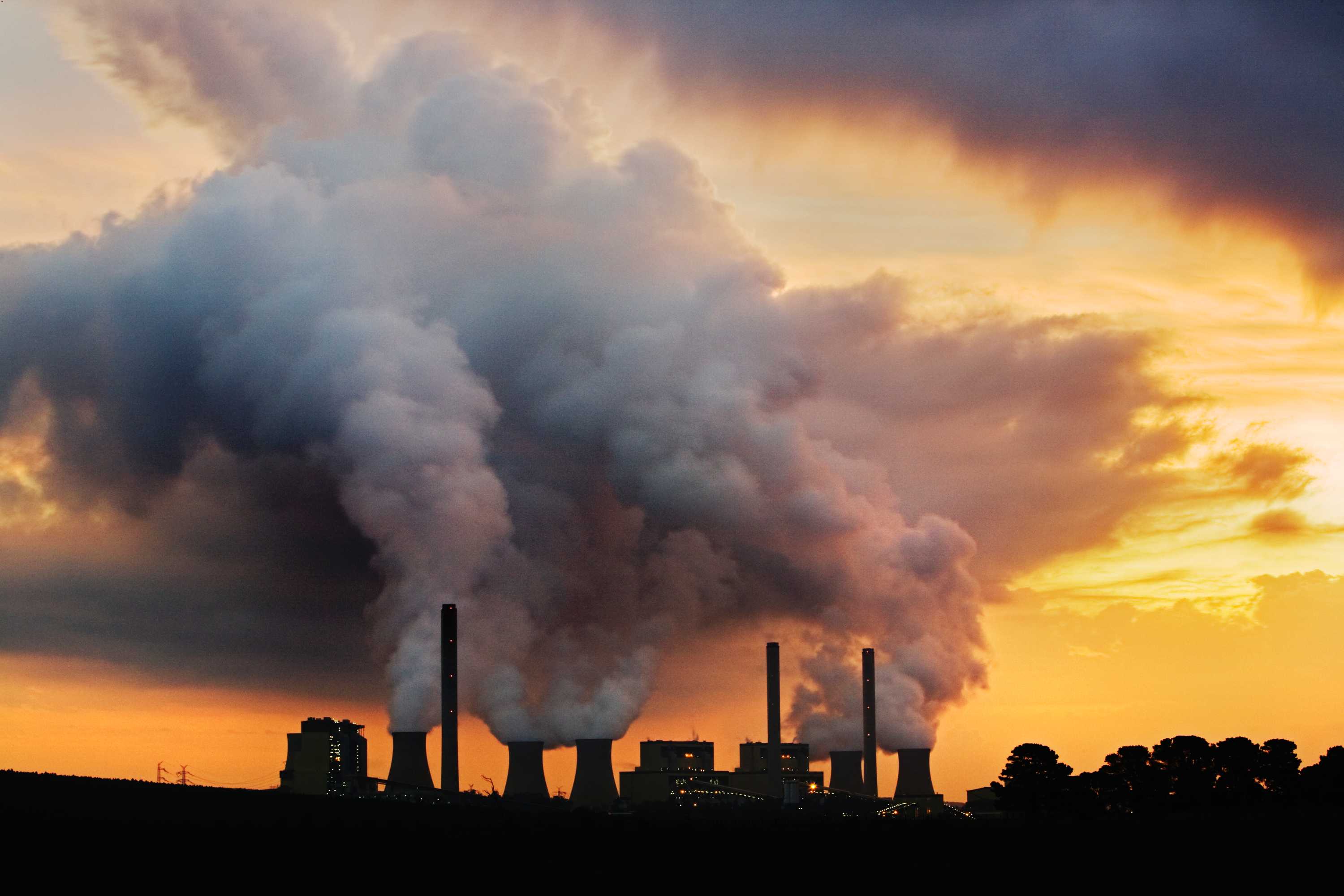
A non-proliferation treaty for fossil fuels
It’s time to attack the “supply side” of fossil fuels, activists argue. And the best way to do that is by establishing a fuel non-proliferation treaty similar to the one used for nuclear weapons. But what would it entail and could it ever work? Also, the sticky relationship between online personalisation and consent; and a call for CEOs to become the next target of automation.
Reembracing the spirit of public service
The Future is Public is a global campaign aimed at creating a new narrative around public service. It’s about curbing the dominance of Neoliberalism in public policy. While in Australia, there are expectations the new government in Canberra will decrease the use of external consultants and make changes to the way government departments and agencies operate.

Cities – the hot beds of evolution
Urban life has not only reshaped what it means to be human, cities are also changing animals. Rats in different parts of New York are evolving separately. Ecologist Rob Dunn describes cities as accelerators of evolution. Also in this episode, how city administrators compete for dominance using the same approach as social media influencers. And why house-flipping has gone algorithmic.
Disinformation and propaganda in a time of conflict
The crisis in Ukraine, like all wars, is a testing ground for new tactics and weapons. It’s also a conflict fought off the battlefield – on people’s computers, televisions and smartphones So, what have we learnt about the power of propaganda and disinformation during the current conflict? Also, the urge to shut-down – why governments of varying persuasions keep pulling the plug on their own internet services.
The Earth BioGenome Project; the church of women; and what do we really think about facial recognition technology?
In this program we explore an ambitious science project aimed at to documenting the genomes of all known creatures; we'll hear why the future of the Anglican church is female; and explore the latest research into public perceptions of facial recognition technology.

The population conundrum
Concerns that we'll soon have too many people on the Earth sit alongside apprehension that we are facing a looming demographic crisis. So how do we address both issues without further damaging the planet?
Does data science need a Hippocratic oath?
The use and misuse of our data can have enormous personal and societal consequences, so what ethical constraints are there on data scientists?

Cliodynamics, the Hinge of History and why all history is revisionist
The idea that history is circular is called Cliodynamics and it’s currently in vogue with many commentators on international affairs. But do such theories help or hinder our understanding of history and its predictive powers?

Big data and farming – the promise and the fear
Boosting your productivity by up to 25% - what industry wouldn't want to do that? That’s the future big tech promises for agriculture – one where extensive data is gathered on every aspect of the supply chain. But farmers are worried about privacy. And there are also questions about environmental impacts of big ag getting into big data.
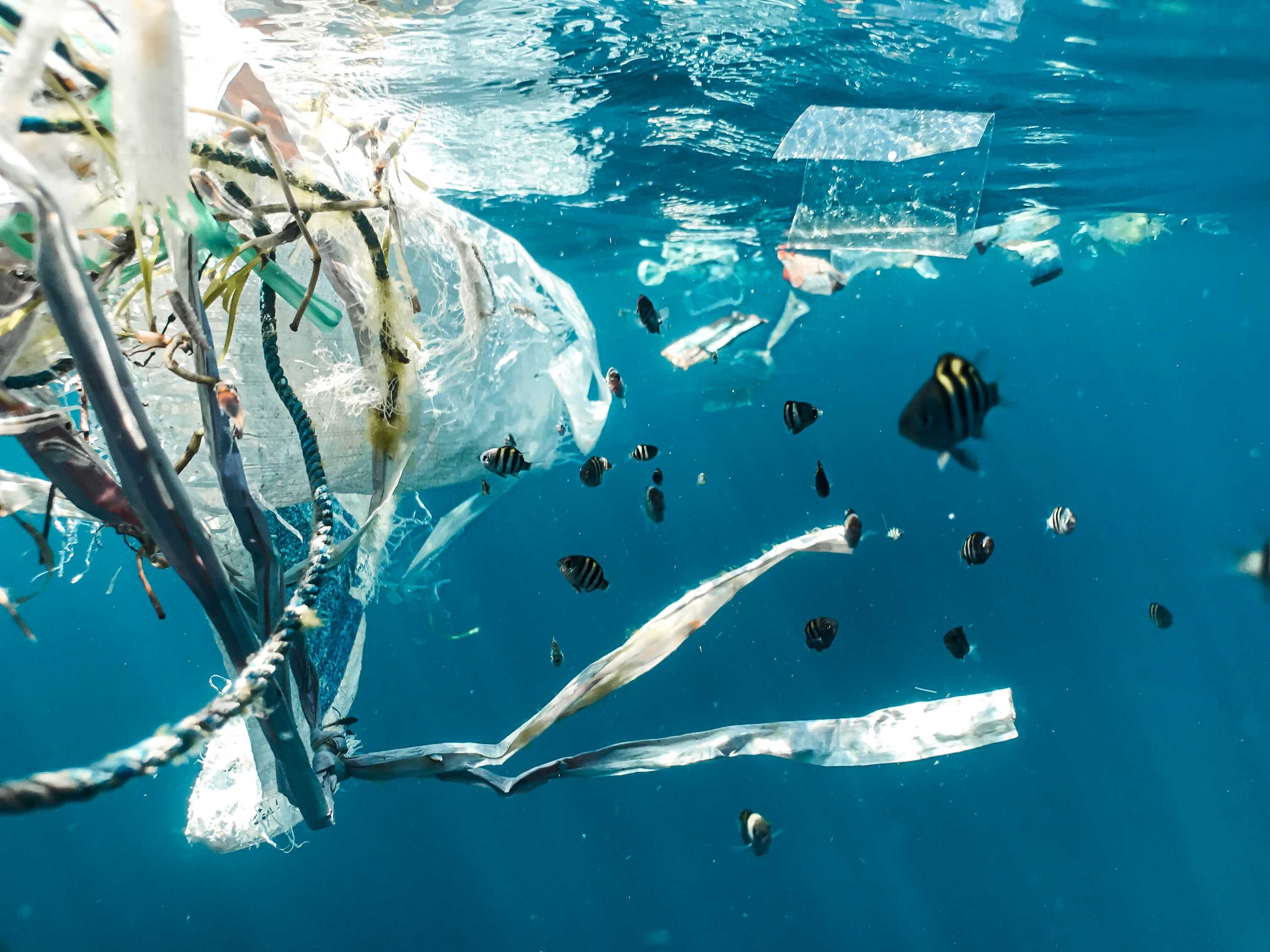
A slow move towards a plastic free future
Over the past two decades we’ve become increasingly sensitive to the overuse of plastic and more concerned about its environmental impact – but to what effect? Feel-good campaigns aside, the signs for the future are far from promising.

Are Sovereign Wealth Funds the best way of safeguarding the future?
There are currently around 150 of these funds in the world worth in excess of $USD 9 trillion.
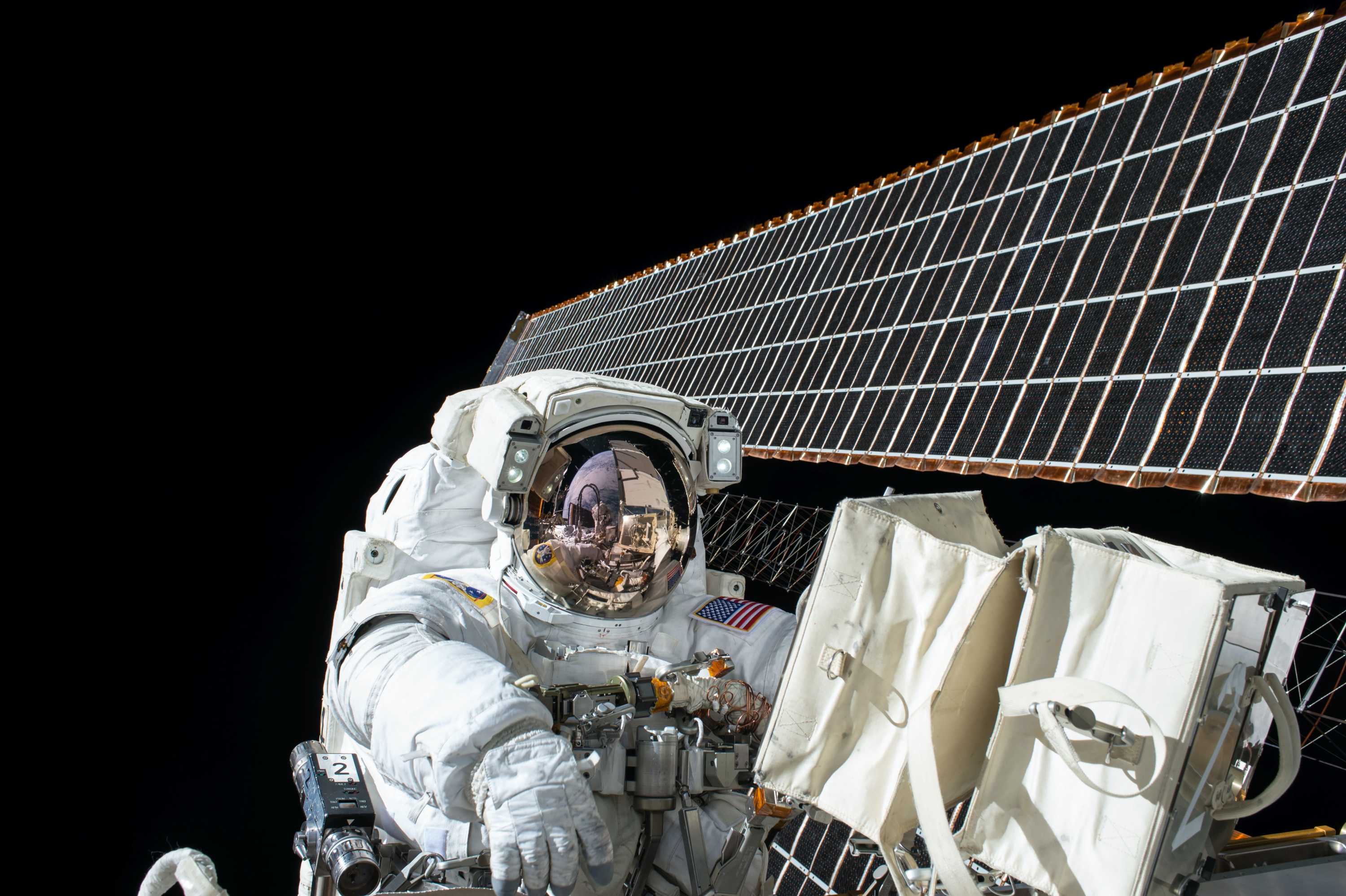
Space-based Solar: energy above the clouds
Scientists are busy testing ways to build a giant solar farm in space. Also, what to do about the increasing levels of space junk finding its way into our oceans?
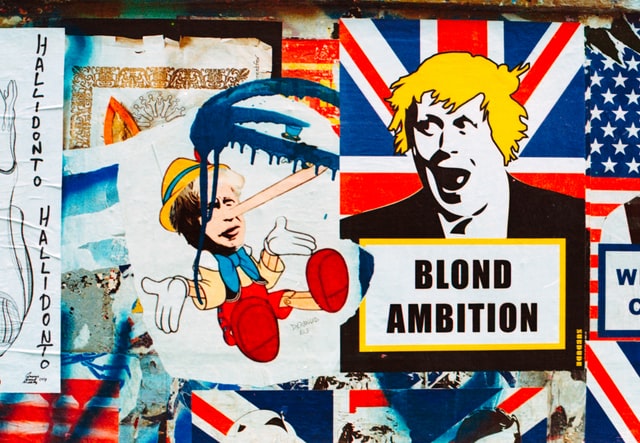
The future of satire is no laughing matter
Satire has been around for thousands of years, but is its power dwindling?
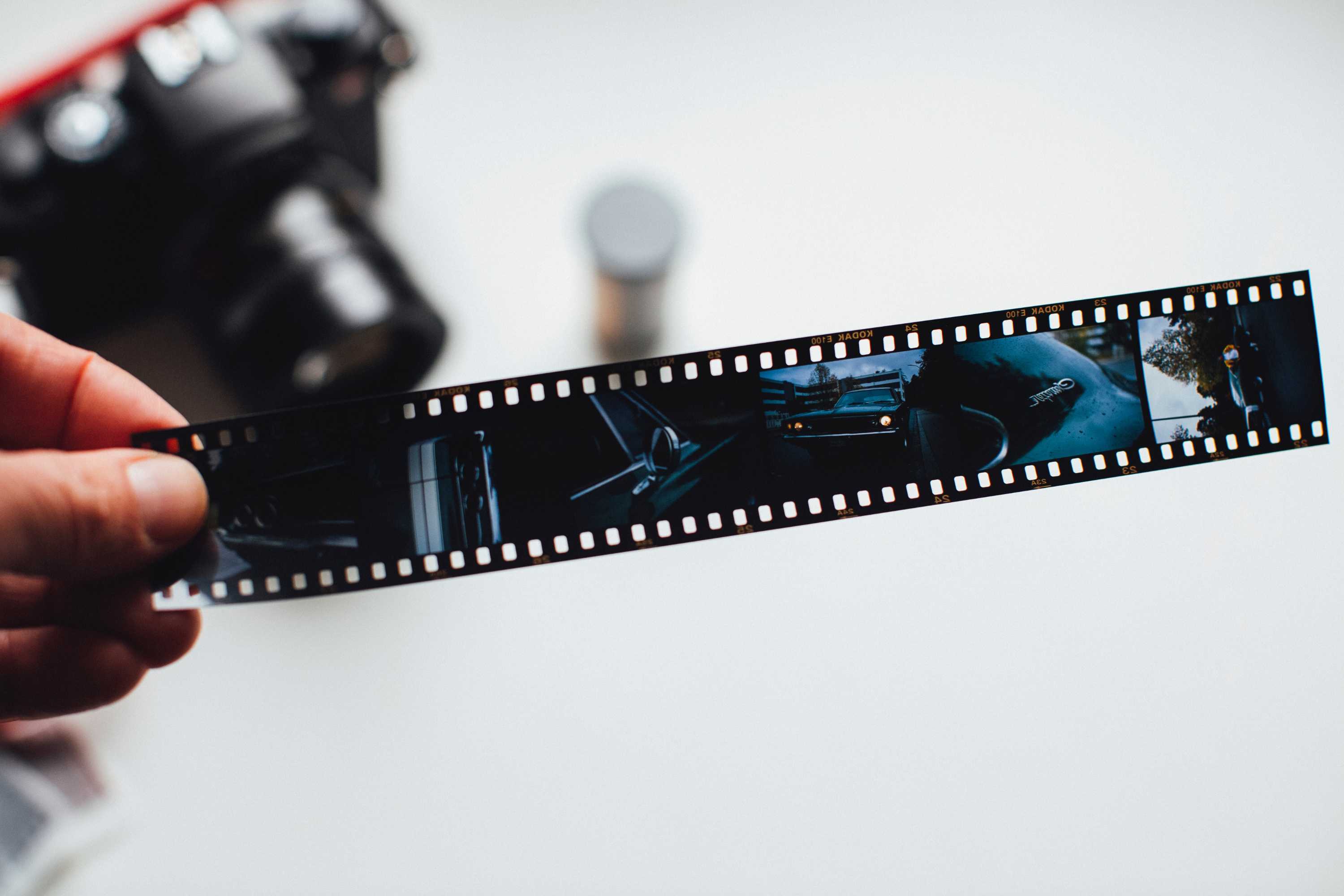
Forgetting, not memory, moves us forward
Forgetting is the only safe response to the world's problems, from a geopolitical perspective, according to author and journalist David Rieff. And forgetting is also a good thing in your personal life, say scientists. It moves us forward.