
Future of Agriculture
475 episodes — Page 4 of 10
FoA 356: Seven Business Ideas for Ag Entrepreneurs
Try Acres for Free: https://www.acres.co/FoA 334: Cybersecurity in Agribusiness with Mike Moore of Ever.AgFoA 310: Investment Models with Hannah Senior of Innovating AgtechFoA 351: Agritourism and Adding Value on the Farm with Allan RobinetteFoA 355: Tule Technologies Acquired by CropX with Tom Shapland and John GatesFoA 301: Funding Innovation for Agriculture, People, and Planet with Suma Reddy of Future AcresSeven business opportunity ideas i've been thinking about lately: Security: Data security, cybersecurity, farm/ranch/rural crime securityAcquiring small/medium sized ag-related businessesPremium produceFarmer feedback and on-farm validationSoftware/outsourcing of farm regulatory/compliance Commercialization of university tech transferVenture studio in partnership with established industryBonus: independent education/analysis/insights of farmland investments: platforms, REITs, syndicates, physical deals, etc.Plus, a spotlight segment featuring David Gorder!
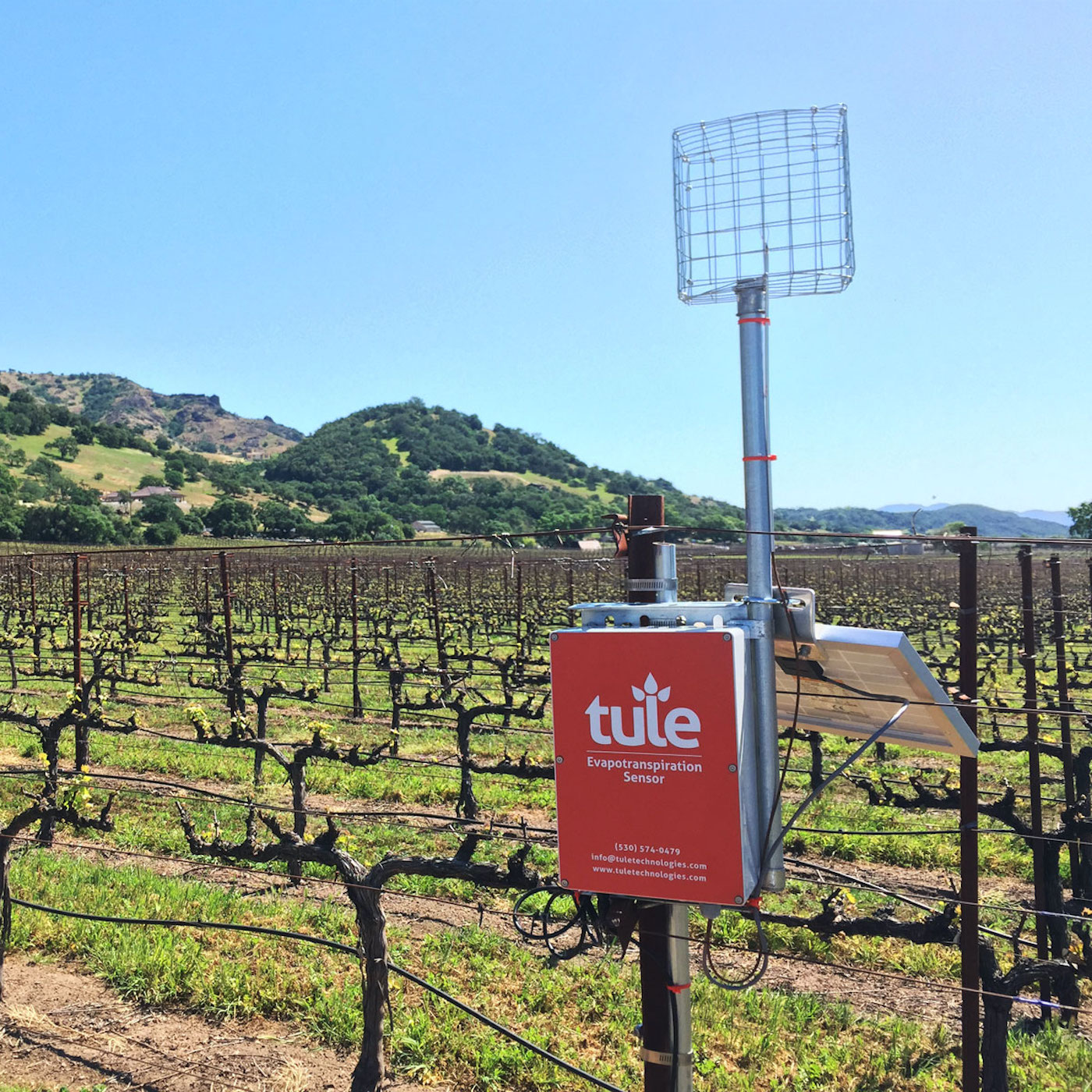
FoA 355: Tule Technologies Acquired by CropX with Tom Shapland and John Gates
Try Acres for free: https://www.acres.co/Tule Technologies: https://tule.ag/CropX: Today’s episode features Tom Shapland of Tule Technologies and John Gates of CropX. We have a great episode for you talking about Tule’s technology, Tom’s entrepreneurial journey, The decision on both sides for Cropx to acquire Tule, M&A in agtech and integration lesson, and the future of artificial intelligence in agtech. Tom is the co-founder and CEO of Tule Technologies, which is now part of CropX. As a graduate student at UC Davis, Tom developed the underlying technology that Tule commercialized which is a way to measure water use of crop plants over a broad area. Specifically they measure actual crop evapotranspiration or ET and he’ll talk a lot more about that. He founded Tule in 2013 after finishing his PhD work in this area. He went out and started talking to customers and getting sales early, which you’ll find is an important part of his entrepreneurial journey. Him and his co-founder Jeff LaBarge went the Y Combinator program, which is our second episode this month with a YC alum. Joining us from CropX is senior vice president and global head of product John Gates. John also has a background in academia. He was a professor of Hydrology at University of Nebraska. He evenutally joined CropMetrics as their Chief Scientist and stayed on with CropX after they acquired CropMetrics a few years ago. You’ll hear from Tom first about Tule’s technology and trajectory, and then we’ll invite John in to talk about the acquisition and much much more.

FoA 354: The Gap Between Information and Implementation with Robert Saik of AGvisorPRO
Try Acres for free: https://www.acres.co/AGvisorPRO: https://getagvisorpro.com/Today’s episode features AGvisorPRO CEO Robert Saik. Rob is a well-known outspoken champion of agriculture, a Distinguished Agrologist, Professional Agriculture Consultant, and a veteran entrepreneur who has been on this show twice before in episodes 095 and 166. He has leveraged these strengths to found over 15 companies in the areas of Farming, Agri-Retail, Distribution, Media and Ag Tech. He was the founder and CEO of The Agri-Trend/Agri-Data Group of Companies which was acquired by Trimble. He also served as CEO of DOT Technology Corp (Autonomous Farming) through the acquisition of DOT Robotics by Raven Industries.Robert is the founder and CEO of award-winning AGvisorPRO, a technology platform that connects those seeking agriculture advice with trusted experts who can provide answers now. Rob describes AGvisorPRO as a connectivity ecosystem that combines elements of other tools like Uber, e-harmony, Twitter and FaceTime to connect seekers of agricultural knowledge with relevant experts.
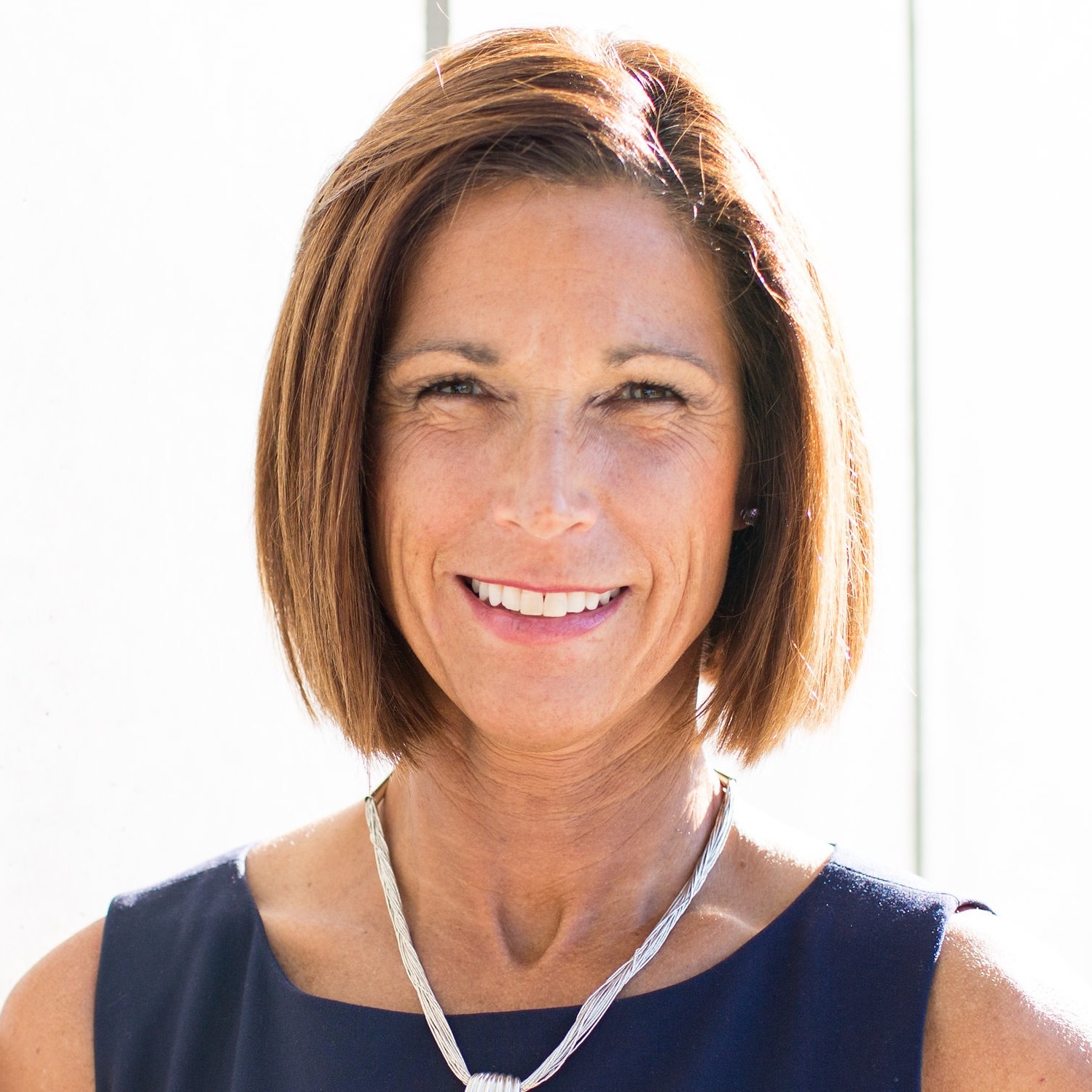
FoA 353: Connecting Tech Entrepreneurs to the Produce Industry with Vonnie Estes
Try Acres for free: https://www.acres.co/IFPA's Fresh Field Catalyst Accelerator: https://www.freshproduce.com/resources/technology/fresh-field-catalyst/"Taste is King" on the Fresh Takes on Tech podcast: https://www.freshproduce.com/resources/technology/takes-on-tech-podcast/episode-56-taste-is-king/"Locally Grown Through Vertical Farming on the Fresh Takes on Tech podcast: https://www.freshproduce.com/resources/technology/takes-on-tech-podcast/episode-59-locally-grown-through-vertical-farming/ "Traceability is Crucial to the World Produce Industry" on the Fresh Takes on Tech podcast: https://www.freshproduce.com/resources/technology/takes-on-tech-podcast/episode-55-traceability-is-crucial-to-the-world-produce-industry/"New Innovations are Improving All Aspects of Our Produce Supply Chain" on the Fresh Takes on Tech podcast: https://www.freshproduce.com/resources/technology/takes-on-tech-podcast/episode-68-live-from-the-global-show-2022-part-four/"The Future of Automation is in the Fields" on the Fresh Takes on Tech podcast: https://www.freshproduce.com/resources/technology/takes-on-tech-podcast/episode-57-the-future-of-automation--is-in-the-fields/ Today’s episode features Vonnie Estes, vice president of innovation at the International Fresh Produce Association or IFPA. You probably noticed in our opening segment more than just Vonnie’s voice. That’s because we will be playing clips of some of the entrepreneurs and mentors that participated in IFPA’s Fresh Field Catalyst this past year. You see, Vonnie reached out about coming back onto the podcast to talk about how applications are open for their second cohort. After talking to Vonnie and hearing about how the first cohort went, I realized this would be a great chance to talk about tech and innovation in the produce industry in general. Our conversation today covers some of the challenges facing this industry, including water, labor, food safety, traceability, quality, compliance and more. And you’ll hear from entrepreneurs and industry leaders about differentiation, consumer preferences, indoor ag, traceability, and automation and robotics. Before we dive in, I want to make it clear that the intention of the accelerator is to attract companies that already have a product in the market somewhere. That could be a market outside of agriculture, or perhaps in row crops, or maybe in produce but in another geography. So they’re looking for companies that already have some traction, but maybe haven’t directed much focus to produce yet but think that there might be value in that market. If that sounds like you or someone you know, applications close soon: March 20 of 2023. I’ll link to the application in the show notes. You may remember hearing from Vonnie back in episode 270 of this podcast. To refresh your memory, she has held leadership positions at prominent companies including DuPont, Monsanto, and Syngenta along with start-ups including DNAP, Emergent Genetics, and Caribou Biosciences. She has a BS in Horticulture from New Mexico State and a Masters in Plant Pathology from UC Davis. In addition to Vonnie, you’re going to hear clips from some of the entrepreneurs and mentors in the program’s first cohort. These clips came from Vonnie’s podcast called Fresh Takes on Tech. You definitely want to go check that out. I’ll link to it in the show notes as well.
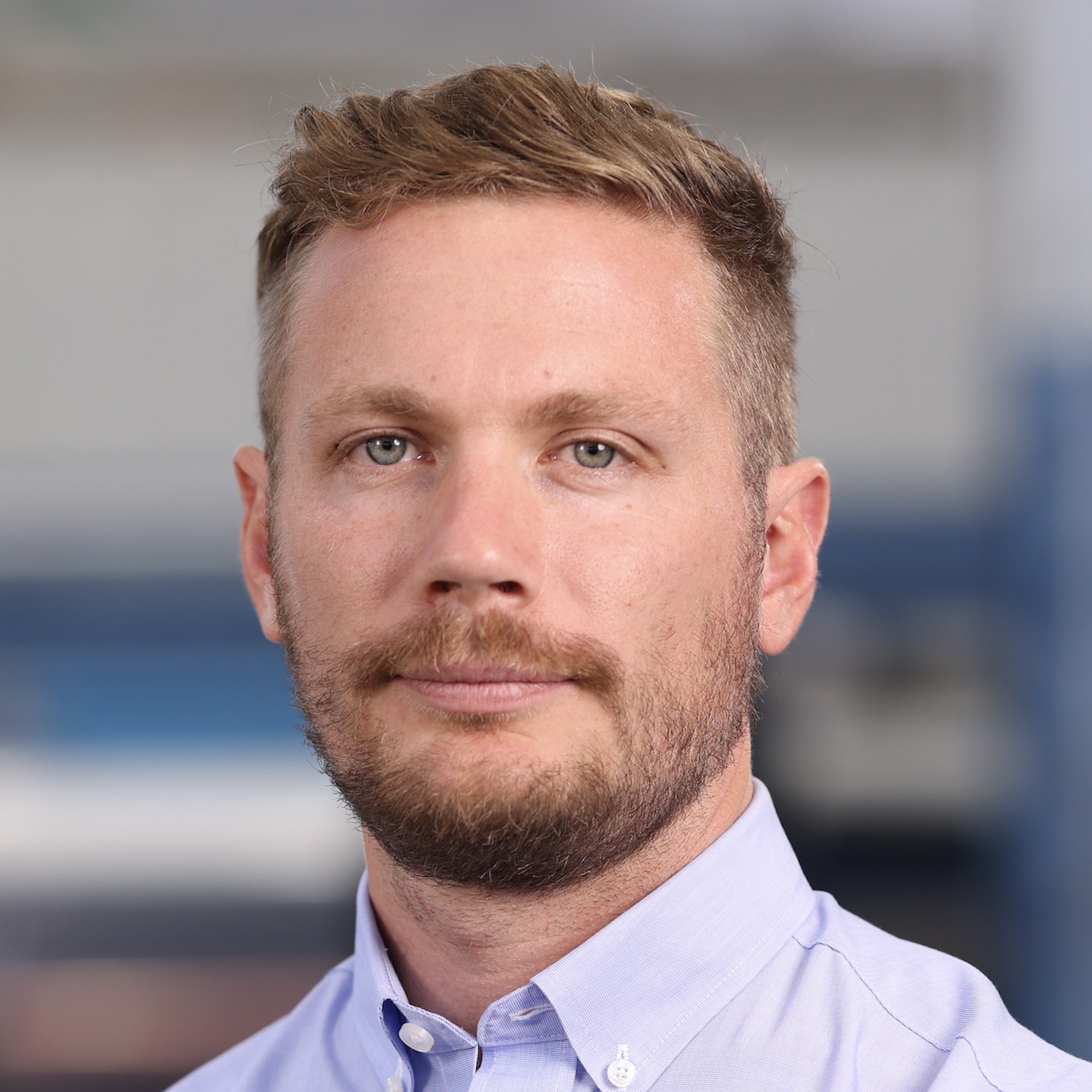
FoA 352: Autonomous Electric Crop Dusters with Michael Norcia of Pyka
Try Acres for free: https://www.acres.co/PYKA: https://www.flypyka.com/Michael Norcia is CEO of Pyka, which as I mentioned earlier is an autonomous electric aircraft company. Michael has a deep technical background in autonomous flight, having contributed to a wide variety of manned/unmanned electric aviation projects at Joby, Cora, and Kittyhawk. In 2017, Michael co-founded Pyka with the goal of combining two of his lifelong passions: electric aviation and business. This is a really fascinating interview that not only features some pretty mind blowing technology, but also a great example of finding product-market fit, overcoming regulatory hurdles, and taking a futuristic idea and converting that into a real business that solves real problems in the present day. For those of you who are entrepreneurial, I think you’ll be especially inspired, and you’ll probably also enjoy the questions I ask him about his Y-Combinator experience towards the end of the episode.
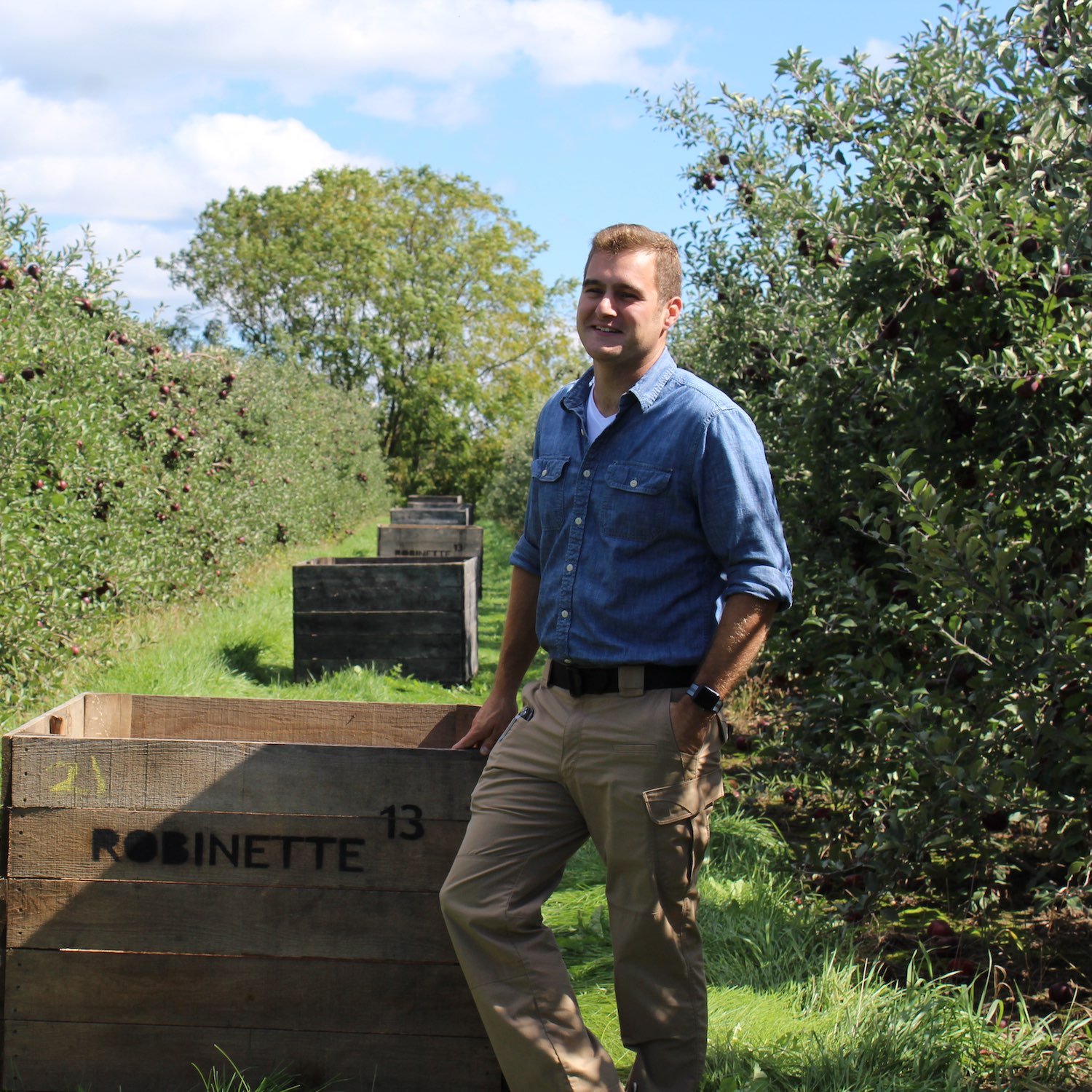
FoA 351: Agritourism and Adding Value on the Farm with Allan Robinette
Try Acres for FREE: https://www.acres.co/Robinette's Apple Haus & Winery: https://robinettes.com/The Land Podcast - The Pursuit of Land Ownership and Investing https://podcasts.apple.com/us/podcast/the-land-podcast-the-pursuit-of/id1572511098 Exodus Outdoor Gear: https://exodusoutdoorgear.com/ Hello fellow ag nerds! Thanks for joining me for another episode of the Future of Agriculture podcast. My name is Tim Hammerich and every week you and I get to hear from the farmers, founders, innovators and investors shaping the future of the ag industry.Today’s episode features Allan Robinette. Allan is a fifth generation fruit grower and orchard manager at Robinette’s Apple Haus & Winery in Grand Rapids, Michigan. They grow primarily peaches, apples, and sweet cherries and sell everything retail. We get into all sorts of interesting value-added concepts here including u-pick, farm retail, operating a bakery, winery and cider mill, corn mazes, gift boxes and a lot more. This one was a blast for me who grew up in direct-to-consumer agriculture and still dreams of owning an enterprise in this part of the industry some day. I hope you enjoy it as much as I did.

FoA 350: How to Get the Word Out in Ag with Sarah Mock and Travis Martin
Try Acres for FREE: https://www.acres.co/Magnetic Ag Newsletter: https://magnetic-ag.com/"Farm and Other F Words" https://bookshop.org/p/books/farm-and-other-f-words-the-rise-and-fall-of-the-small-family-farm-sarah-k-mock/16922376Imagine Content and Consulting: https://newsletter.imagine-content.com/"AEI.Ag Presents" podcast: https://aei.ag/podcast/"Agtech - So What?" podcast: https://www.agtechsowhat.com/One important change to agriculture that we probably don’t talk about enough is the changing ag media landscape. Farmers and those of us who work in agriculture traditionally would read industry publications and listen to farm broadcasters on the radio to get ag information. Those programs were funded by agribusinesses who new they had a fairly captive audience. Well as you know all of that has been turned on its head in the past 20 years. Now companies can have much more direct contact with their target audience, whether that’s a potential customer, a trade association member, a potential investor, collaborator, or any number of important people you might want to interact with. That’s awesome, right? But it also means ther are no more captive audiences. You have to earn attention. And that’s becoming increasingly difficult to do. After years of interacting with those of you who listen to this show, I know that for the most part you have an honest intention to improve the future of agriculture. In order to do that you absolutely will need to know how to get the word out there. That’s what today’s episode is all about. Sarah Mock joined me back on episode 210 to talk about the future of ag media. She jokes that she is slowly working her way through every job in ag, having worked for USDA, RFD-TV, Farmers Business Network, and others. Today she’s an independent contractor who does research, content, journalism and a number of other interesting projects in agriculture including producing podcasts like AEI Presents and Agtech, So What? She is also the author of two books that I personally recommend: “Farm and Other F Words” and “Big Team Farms”. Travis Martin started his career in agribusiness, and ended up finding his love for marketing while working at Elanco. Since leaving the company in 2018 he has worked for a variety of agtech companies in both full time and contractor roles, including a couple companies you’ve heard on this podcast like Leaf Agriculture and Advanced Agrilytics. In 2020 he started a weekly newsletter called Magnetic Ag that really is different from just about any content you’ll see anywhere else in agriculture. Still going strong, over 12,000 people read Magnetic twice a week. That led to Travis staring his own content and consulting business for agricultural clients called Imagine Content & Consulting. I’m very lucky to have Sarah and Travis on the show, and I really think this topic and their advice is important for all of us, no matter whether you see yourself as a creator or not. One quick clarification before we jump in. This was recorded in December of 2022, so when we say “this year” - we mean 2022.
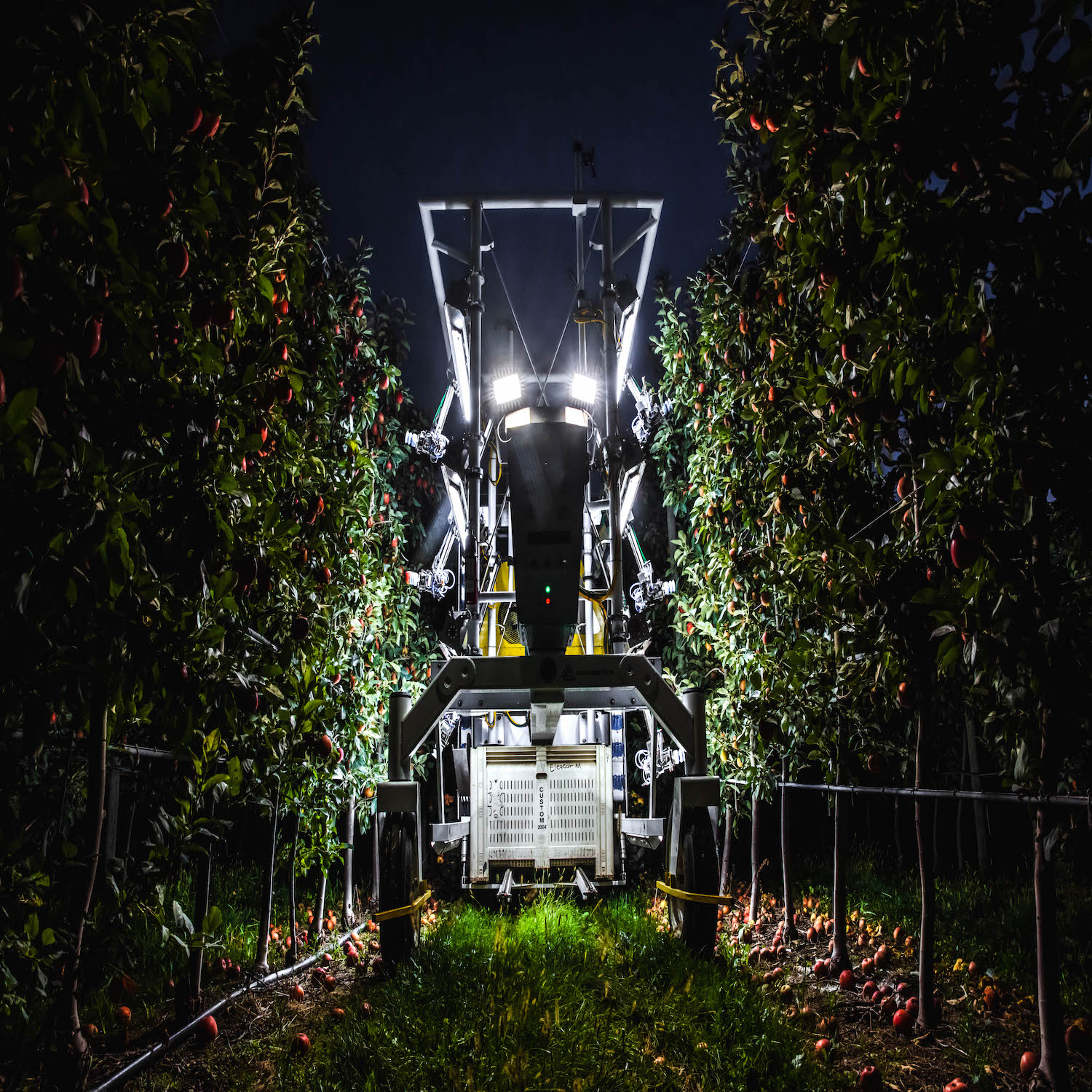
FoA 349: Robotic Harvesting and Beyond with Kyle Cobb of advanced.farm
Try Acres for free: https://www.acres.co/advance.farm website: https://advanced.farm/ Today’s episode features Kyle Cobb, president and co-founder of advanced.farm. They describe themselves as a 21st-century ag equipment company centered around robotics, with a current focus on automating harvest and postharvest in fresh fruit. advanced.farm is based in Davis, California and has raised over $35M of venture investment led by Kubota, Yamaha, Catapult Ventures and Impact Ventures. Before advanced.farm, Kyle was a Co-Founder of Greenbotics, a cutting-edge platform for robotic solar panel cleaning that was acquired by SunPower in 2013.Kyle and I talk about the journey that led him and his team to robotic harvesting, the challenges of bringing this type of technology to the market, why Kyle is convinced that now is the perfect time for robotics in agriculture, how they’ve approached raising money and much more.

FoA 348: Investing in the Future of Fertilizer with Sarah Nolet of Tenacious Ventures [Agtech - So What? Crossover]
Try Acres for free: https://www.acres.co/Agtech - So What? Podcast: https://www.agtechsowhat.com/Tenacious Ventures: https://tenacious.ventures/Today’s episode features a conversation on the future of fertilizer with Sarah Nolet. Both of us have been exploring the future of fertilizer on our respective podcasts, and we thought it would be fun to do a joint episode to talk about what we’ve learned. So you’re going to get not only Sarah and I’s thoughts, but also some highlights from episodes that provide insights into the future of fertilizer.Sarah Nolet is an internationally recognized food systems innovation expert and co-founder of Tenacious Ventures, a high-support, high conviction, sector-specific agrifood tech venture firm. Sarah has been instrumental in building the early stage agtech ecosystem - from advising dozens of startups, designing accelerator programs and consulting to established agribusinesses, to helping industry, universities and government develop and implement forward-looking initiatives in food system innovation. Sarah is also the host of the AgTech...So What? podcast, telling stories of innovators building the food system of the future.Sarah holds a Masters in System Design and Management from MIT, and a Bachelor of Science in Computer Science and Human Factors Engineering from Tufts University.

FoA 347: Upcycled Fruit with Ben Moore of The Ugly Company
Try Acres: https://www.acres.co/The Ugly Company: https://www.theugly.company/The Business of Food Newsletter: https://jenniferbarney.substack.com/Today's episode features Ben Moore, founder of The Ugly Company, an upcycled dried fruit snack company. Ben is a 4th generation California farmer tackling the complex problem of food waste. Through Ugly Fruit, Ben is on a mission to achieve zero waste at farms by upcycling unmarketable fruit directly from farms to consumers. Ben had an epiphany while in his tractor plowing culled fruit. Ben reasoned that much of this fruit is perfectly good to eat and a shame being dumped. So, he did some research on ways to bring stone fruit to use as a value-added product. It’s another way for consumers to minimize food waste – some of the listeners may have heard of grocery ecommerce companies like Misfit Market and Imperfect Foods where you can purchase slightly off-spec food. The two main problems with food waste is food insecurity – getting nutritious foods transported to those in need that is shelf stable and able to withstand varying storage conditions, and second, emissions problems – the EPA estimates food that is dumped contributes 170 million metric tons of carbon dioxide.In order to solve the problem the way Ben envisions he is tackling the challenge of operational scale. We learn that stickers on fruit are an operational nightmare and that current dehydrator operators don’t have the capacity or automation to make the business economically feasible. So Ben is building it himself. It’s a single ingredient snack with no added sugars or preservatives which is a huge differentiator from a lot of other dried fruit snacks and trail mixes that contain sugar and other additives.

FoA 346: Comparing 13 Different Carbon Programs with Dr. Alejandro Plastina
Visit Acres: https://www.acres.co/"How to Grow and Sell Carbon Credits in US Agriculture" https://www.extension.iastate.edu/agdm/crops/html/a1-76.html Dr. Alejandro Plastina is an Associate Professor/Extension Economist in the Department of Economics at Iowa State University (ISU). His area of specialization is agricultural production and technology, with an emphasis on farm business and financial management. His research focuses on the socioeconomic drivers of conservation practices, voluntary pest resistance management, carbon programs, and agricultural productivity.Prior to joining ISU in 2014, Dr. Plastina was Senior Economist at the International Cotton Advisory Committee in Washington, DC. He graduated with a BA in Economics from the University of La Plata (Argentina) in 2000, and an MS in Statistics and a PhD in Agricultural Economics from the University of Nebraska-Lincoln in 2005 and 2007, respectively.I reached out to Alejandro when I was trying to make heads or tails of the various carbon programs that have been popping up in recent years. I wanted to know what the differences were for these programs and I found his report titled “How to Grow and Sell Carbon Credits in US Agriculture” to be one of the best resources out there. The first thing you ought to know is there are a lot of differences between carbon programs. Alejandro and his colleagues analyzed the terms associated with 13 of these programs, and he joins me today to share from a high level some of their big takeaways. If you want more detailed information to compare programs, I will link to his report in the show notes. Keep in mind that it is more than a year old so some things have changed. Also at the end of today’s interviews I ask directly for Alejandro’s advice for farmers comparing programs and he has some great tips for you there as well.

FoA 345: Alphabet's Moonshot to Scale Sustainable Agriculture via Machine Learning with Dr. Elliott Grant of Mineral
Visit our quarterly presenting sponsor, Acres: https://www.acres.co/Mineral website: https://mineral.ai/Dr. Elliott Grant is the CEO of Mineral, which is Alphabet's bet in sustainable agriculture. Mineral is applying the latest breakthroughs in artificial intelligence (AI) to the existential challenge of sustainably doubling the planet’s crop productivity. Elliott and I really get past the buzzwords here and into the details of what exactly this technology is enabling on a practical level, and how it has the potential to impact agriculture and the way we do business. From my personal perspective, AI and ML have been talked about since way early on in this podcast, but it often felt like marketing to make their tool seem special. But it does feel like we’re hitting this tipping point now, where there are some really impactful technologies emerging, that can only exist because of the explosion in data collection and advancements in AI and ML, and I find that to be one of the most exciting aspects of agtech today. Elliott is a recognized business leader and innovator in food and agritech. He was the founder and CEO of HarvestMark, the world leader in fresh food traceability; the CEO of ShopWell, a pioneering personalized nutrition company; and served as the Vice Chair of the Produce Marketing Association. Elliott is a manufacturing engineer by training. He earned a PhD and MEng in Engineering from Cambridge University, and is a named inventor on 36 US patents covering topics ranging from cryptography and food traceability, to satellite image analysis and plant phenotyping.

FoA 344: Farmland Data with Dr. Aaron Shew of Acres by AcreTrader
Try Acres for free: https://www.acres.co/Today we hear from AcreTrader with data science director Dr. Aaron Shew. Aaron is unique in that he has an extensive background in agriculture, economics, remote sensing and GIS and of course, data. In his current capacity, Aaron works with a team of software engineers, data scientists, and land experts to build advanced land analytics tools. He has master’s degrees in geography and agricultural economics and a doctorate in environmental dynamics from the University of Arkansas. He has more than 15 years of experience in the agriculture industry with 10 years of research experience focused on agricultural production and geospatial technologies.Aaron and I talk about the origins of the Acres tool, how it has already been helpful to AcreTrader which has 123 farms under management and ambitious goals to grow that number, why they would want to share this with the world - there’s even a free version that I’ve used - it’s pretty cool, and how this access to better data and insights will impact the farmland market more broadly.

FoA 343: Artficial Intelligence, Knowledge Graphs, and a Cloud for Agriculture with Krishna Kumar of CropIn
Sound Agriculture: https://www.sound.ag/CropIn: https://www.cropin.com/Software is Feeding the World Newsletter: https://www.rhishipethe.com/newsletterToday’s episode features Krishna Kumar of CropIn. Krishna shared with me CropIn’s 12 year journey in the agtech world, which I think is in some ways representative of agtech’s journey more generally. They started by building applications for farmers and companies with a vested interest in agricultural supply chains. From scaling their digital solutions to now 500 crops and 10k varieties in 92 countries, they realized they were capturing a lot of data and built what they call the Data Hub. They also started to build artificial intelligence models which now exist for 22 commodities in 13 countries. Krishna gives some examples of the wide range of use cases for those AI models.Now, CropIn is entering the next phase of the 12-year old company. A few months ago, the company announced the launch of a cloud platform with integrated apps. Founded in 2010, Cropin’s other products are live in 92 countries, it is partnered with over 250 B2B customers and it has digitized 26 million acres of farmland. It claims the world’s largest crop knowledge graph from the data I mentioned of more than 500 crops and 10,000 crop varieties.In short, CropIn wants to help make it easier for companies to build their own AI models by providing the data and infrastructure needed, which Krishna says is roughly 80% of the work. Like many people lately, I’ve been playing with OpenAI’s ChatGPT platform lately. It has really opened my eyes to what’s coming. The chance to really pull together data sets into optimal answers in a user friendly way. I have no doubt we will see a similar trajectory in agtech, and companies like CropIn are doing interesting work to that end.One interesting aspect to this story is CropIn’s ambition to build a knowledge graph for agriculture. This is a term that I was not familiar with a year ago, but i’ve learned about knowledge graphs this past year from reading Rishi Pethe’s tremendous newsletter Software is Feeding the World. He explains the concept in his 116th edition in September. I’ll link to that in the show notes, I highly recommend it to understand this episode even better. He revisited it again in his 2022 recap edition which is 126, and I thought I’d just read his excerpt that he included in both editions. Here are Rhishi’s words: “How can knowledge graphs work in agriculture?Knowledge graphs can incorporate both structured (for example, coming from a spreadsheet, or precision agriculture equipment) and unstructured data (a twitter feed, images, YouTube video, bulletin board information, books etc.) Knowledge graphs can be successful and valuable if they can uncover new insights by automatically incorporating new data sources, understanding the context, finding new connections, and continuously evolving and learning.Building a data set of crops and varieties is a necessary and an early step to building a valuable knowledge graph in agriculture. It is an extremely hard challenge to go from data, to context, to connections, to new and surprising insights using knowledge graphs. It will take some unknown (aka long) amount of time.” - Rhishi Pethe, Software is Feeding the WorldWith that in mind, here is my conversation with Krishna Kumar, Co-Founder and Chief Executive Officer of Cropin, an Agtech pioneer building the first global Intelligent Agriculture Cloud. Krishna founded Cropin in 2010, long before the terms “agritech” or “agtech” became fashionable or were widely understood. Over the last 12 years, Krishna has been pioneering the development and adoption of digital technologies and predictive intelligence to transform the agriculture ecosystem through their enterprise customers worldwide.
FoA 342: Leading from the farm: insights from farmer innovators
Visit Sound Agriculture: https://www.sound.ag/XtremeAg: https://www.xtremeag.farm/ Farmer innovators featured on this show: Kristjan Hebert Greg Bethard Mike & April Clayton Paul Greive Zack Smith Peter van Wingerden Trey Hill Claire Smith Jesse Pella Patrick Smith Kelly Garrett Mike Evans

FoA 341: California Cotton and Climate Coalition with Cannon Michael and Rebecca Burgess
Sound Agriculture: https://www.sound.ag/California Cotton & Climate Coalition: https://californiacottonandclimatecoalition.com/Bowles Farming Company: https://bfarm.com/FiberShed: https://fibershed.org/Today’s episode is about the work being done by the California Cotton and Climate Coalition or C4. This is an example of a group of people that aren’t interested in the hype and greenwashing that goes on in so many “sustainability” circles. They are doing the hard work of bringing the right people together, collaborating, and collecting the data to find ways to evolve the cotton industry in California. I think this is a model many other ag industries can learn from. Today you’ll hear from Cannon Michael, President and CEO of Bowles Farming Company in Los Banos, California. He is the 6th generation of his family to work in the family farming business, which has farmed in California for over 160 years. After working in commercial real estate, Cannon joined the family farm in 1998, and they have since diversified from three crops to over twenty. Cannon is an advocate for California agriculture, intelligent water policy and environmental stewardship. Joining Cannon and I is Rebecca Burgess. Executive Director of Fibershed, a 501(c)3 focused on regionalizing the textile system and supporting growers to be more economically viable while rebuilding carbon stocks in the soil and providing transparency into the supply chains of textile brands. Rebecca has two decades of experience working at the intersection of ecology, fiber systems, and regional economic development. Her work as a vocationally trained weaver and self-trained natural dyer initially led her into wondering how the industrially made clothes reflected her values of transparency, connection, land stewardship, etc. Started working in wool with using sheep for regenerative grazing then was encouraged to expand into cotton as well.

FoA 340: Building farm-ready robots with Hunter Jay of Ripe Robotics
Sound Ag: https://www.sound.ag/ Ripe Robotics: https://www.riperobotics.com/ Today’s episode features Hunter Jay, CEO and cofounder of Ripe Robotics, a startup working on autonomous harvesting of fruit. The prototype is in small scale commercial trials, and will be ready to scale up in 2023 & 2024. The company has 2 commercial trial partners and another 30 companies on its waitlist, who spend a combined $85m USD on picking annually.Most of you have probably heard about robotic apple picking startups in the past, some that are still going and others that have failed. But one thing I really appreciate about today’s episode is Ripe’s commitment to keeping costs low and iterating fast. I think this is what it’s going to take to find automation that works for specialty crops like stone fruit. Hunter is a software engineer, and has a particular focus on artificial intelligence. He previously founded a mobile game startup, and whenI asked him about that company is where i’ll drop you into today’s conversation with Hunter Jay of Ripe Robotics.

FoA 339: Carbon neutral foods with Ann Radil and Jim Jarman of Neutral
Sound Agriculture: https://www.sound.ag/Neutral Foods: https://www.eatneutral.com/Jennifer Barney's "The Business of Food" newsletter: https://jenniferbarney.substack.com/When I first read about Neutral Foods, I thought “that’s really smart branding”, but can they really back it up? And if so, how? And what’s in it for the farmer to incentivize them to make changes that benefit society, but may or may not benefit them? That’s really what today’s episode is all about. We’re about to bring on Jim Jarman, =vice president of product and commercialization at Neutral, and Ann Radil, head of carbon removal to answer these questions.Neutral Foods was founded by Matt Plitch, whose mission is to build the world’s first carbon neutral food company. He gained early investment from Bill Gates’ Breakthrough Ventures and other celebrity investors like Mark Cuban and LeBron James. Matt wanted to start with milk, which has 93% household penetration. The product, Neutral Milk is organic milk that strives to reduce carbon emissions within the whole supply chain, to become carbon neutral. The way they are going about their mission is by working directly with farmers. A typical dairy they work with is ~75 - 250 head, and what they do is provide financial support and subject matter expertise on things like manure management, feed, feed production, waste water management and more. They work with the farmer’s goals, and have 3rd party monitoring and measurement that quantifies the changes being made, and verifies the emissions reductions. Neutral Foods, as a consumer facing brand is already well on their way with nationwide distribution at Spouts, Whole Foods and Target. You can find their products in the organic milk section, and their retail price is in line with the set. They are very clear on their packaging that they are working towards operational carbon neutrality but that they purchase offsets today as a starting point.

FoA 338: Animal Feed as a Food Waste Solution with Justin Kamine of Do Good Foods
Visit Sound Agriculture: https://www.sound.ag/Do Good Foods: https://dogoodfoods.com/Harborview Farms: https://www.harborviewfarms.net/Trey Hill Interview: https://youtu.be/FRC1Ca9klGA Future of Agriculture YouTube Channel: https://www.youtube.com/channel/UClJpE4tdH2NN6Plj1UIWNwA Justin Kamine co-founded Do Good Foods with his brother Matthew to combat climate change by fighting food waste. They’ve created a closed-loop system with state-of-the-art infrastructure designed to upcycle surplus grocery food (after community donations occur) into nutritious animal feed. Do Good Foods first product, Do Good Chicken, is raised using this healthy feed can be purchased locally, giving consumers an opportunity to make an immediate environmental impact and Do Good...for Plate & Planet.™ The Kamine brothers’ company builds on the family’s 40-year heritage of over $3.5B of infrastructure of solving macro environmental problems. And stay tuned to the last half of today’s episode where you’ll hear directly from farmer and Harvorview Farms CEO, Trey Hill who has been using Sound Agriculture's SOURCE on his 10,000 acre farm in Chesapeake Bay area of Maryland.

FoA 337: Synthetic biology for nature-based and data-driven farming with Travis Bayer and Adam Litle of Sound Agriculture
Visit Sound Agriculture's website: https://www.sound.ag/ Our featured guests today are Sound Agriculture's CEO Adam Litle, as well as co-founder and CTO Travis Bayer. If you’re thinking you’ve heard all about Sound from previous episodes of this podcast, that’s great! But I will assure you there is a lot more you haven’t heard yet and this episode is well worth your time. Adam and Travis really do a great job of capturing a huge trend for the future of agriculture: the convergence of biology and data science and other modern technologies to create innovative products that work with nature. But, their products are commercialized with the farmer customer in mind. There are some real nuggets in here that you definitely don’t want to miss.Some quick background: As CEO, Adam Litle leads the Sound Agriculture’s strategy and overall company execution. He joined Sound to help serve both producers and consumers with more sustainable, differentiated crops. Prior to Sound, Adam was on the founding team and served as Chief Revenue Officer of Granular, the leading farm management software company acquired by Corteva in 2017.Before that he was General Manager of the cellulase enzyme business at Codexis, a publicly-traded industrial biotech company serving the healthcare and agriculture industries. He began his career as an investment banker at Barclays Capital. Adam has a JD/MBA from the University of Michigan and BA from Yale University.Travis Bayer co-founded Sound Agriculture in 2013 to identify science-based solutions to today’s complex agricultural challenges. Travis’ career has focused on understanding how to harness the diversity of the earth’s natural systems to enable a more sustainable world. His approach to discovery combines a deep knowledge of molecular biology, biochemistry, and biophysics with an innately creative spirit. He has authored and invented more than 50 research publications and patents, and spent five years at Imperial College London and University of Oxford as a lecturer and associate professor, respectively.He received a PhD in biochemistry and biophysics from Caltech, and a B.S. in molecular biology from University of Texas at Austin.We spend the first part of today’s episode talking about the SOURCE product, its significance, and where it fits into the marketplace. Then we shift gears into talking about their approach to data and technology and what this blend of biology and software means for the future of agriculture. First though, I asked Travis how all of this got started when he co-founded Sound Agriculture with Eric Davidson back in 2013.
FoA 336: Agtech for grain marketing and risk management with Dakota Hoben of Farmers Risk
Sound Agriculture: https://www.sound.ag/Farmers Risk: https://farmersrisk.ag/ Today’s episode features Dakota Hoben, co-founder and CEO of Farmers Risk. This is an interesting look at a new startup that is taking on a complicated topic: grain marketing. As many of you know, buying and selling grain is where I started my career, so I’m always curious about companies in this space, but frankly, always a little skeptical as well. Just knowing how many variables are at play in these decisions, not least of which being the farmer’s emotions. But that said, I am impressed by Dakota, and the approach they are taking, and I think he makes some really strong points in this interview. Dakota knew from a young age that the only industry he was truly passionate about was agriculture. Growing up on a grain and livestock farm in Southeast Iowa before heading to Iowa State to study Agricultural Business and International Agriculture, he watched family, neighbors, and other farmers ride the marketing roller coaster, but didn’t know he would become an integral part of the solution to this problem. Before Farmers Risk, Dakota and co-founder Eric Barnard were co-workers at Granular.

FoA 335: Farming isn't natural, but it can be more sustainable with Alex Smith of the Breakthrough Institute
Visit Sound Agriculture: https://www.sound.ag/The Breakthrough Institute: https://thebreakthrough.org/ Alex Smith Bio & Articles: https://thebreakthrough.org/people/alex-smith"To Decarbonize Food Production, Washington Must Invest" https://thebreakthrough.org/issues/food-agriculture-environment/to-decarbonize-food-production-washington-must-invest "The Problem With Alice Waters and the 'Slow Food' Movement" https://jacobin.com/2021/12/organic-local-industrial-agriculture-farm-to-table/ "Fraudulent Foods" https://thebreakthrough.org/journal/no-17-summer-2022/fraudulent-foods I’m very pleased to be joined today by Alex Smith, senior food and agriculture analyst at The Breakthrough Institute, which is a global research center that identifies and promotes technological solutions to environmental and human development challenges.Today’s episode might challenge you a little bit. Before I interview guests I ask them to fill out a brief pre-interview form to help me dig into the right areas during the conversation. One way I can tell if I’m going how much I’m going to enjoy an interview is based on how they approach one question in particular. That question is: “What are the top arguments of the critics of the work you do?”. Many times that will be left blank or answered very generically, but it’s when someone gives a thoughtful answer to this question that I really get excited to dig in. Alex gave one of the most comprehensive questions I’ve ever had to this question. And I think I’ll just read this to you, as both a trigger warning for some of you, and way to intrigue most of you. Here is Alex’s answer: “I think a relatively common critique that I give real weight to is that my work (and Breakthrough's more broadly) has tunnel vision for GHG/land-use and not other enviro/ecological or animal welfare/ethics issues.Another important critique is that by supporting the technologies and practices of large-scale agricultural production, I effectively justify the expropriation of land and concentration of power into the hands of the largest agricultural corporations, landowners, and interest groups.By advocating for mass-production of food (see my and Ted Nordhaus's essay in Jacobin Magazine), I miss out on the problems of nutrition and diet-related diseases.A critique from the right is that the focus on industrial policy and even public R&D is significantly less important that getting the government out of the way of the ag sector and letting private entities be successful.Finally, in arguing for sustainable intensification and productivity growth, how do you limit the expansion of agricultural production due to rebound effects? Basically, given jevons paradox, do we need to have very strong conservation policy that will likely run counter to the interests of ag producers/businesses who want to expand production due to more productive practices?”Talk about doing an interviewer's work for him! What a great answer by Alex. With that, let’s dive into the conversation. Alex joined Breakthrough as a research analyst in the food and agriculture program in 2019 after completing a dual MA/MSc in International and World History from Columbia University and the London School of Economics and Political Science. In his masters, Alex studied and wrote about American foreign policy, French colonialism, and environmental history. Alex is interested in the entangled nature of politics, power, and geography and the central role that food and agriculture have played across time and space.

FoA 334: Cybersecurity in Agribusiness with Mike Moore of Ever.Ag
Visit our sponsor: https://www.sound.ag/EFC Systems by Ever.Ag: https://www.efcsystems.com/ CropLife, "Top 6 Questions (and Answers) Every Agribusiness Should Be Asking About Cyberattacks and Data Security": https://www.croplife.com/iron/software/top-6-questions-and-answers-every-agribusiness-should-be-asking-about-cyberattacks-and-data-security/ Farm Progress, "Protect your farm from cyberattack": https://www.farmprogress.com/management/protect-your-farm-cyberattack I’ve been wanting to do something on cybersecurity for a while, but just hadn’t really happened upon the right guest. Then last month I read an article on CropLife called “The Top 6 Questions Every Agribusiness Should Be Asking About Cyberattacks and Data Security”. As a read the six questions I thought “those are just about exactly the six questions I would want to ask a cybersecurity expert on my podcast. And the author was Mike Moore who you’re about to hear from. Mike is the Senior Vice President of the agribusiness division at Ever.Ag and has been serving as such since 1997 under the EFC Systems brand. At the start of his tenure, his initial focus was developing the technology and infrastructure services division to help guide and direct the technology needs for client partners. Although his responsibilities have broadened, he is still passionate about helping ag retailers better serve their customers in a secure and efficient way. Before we dive in, some context: the most common type of cyber attack is what’s called a ransomware attack. In this case the criminal inserts malware on your system, and is able to essentially lock it down until they are paid a ransom. The second common type of attack involves extracting data that can be sold. There’s been some notable examples in recent years including JBS, which reportedly paid hackers an $11 million ransom last year. Speaking at Husker Harvest Days last month, FBI agent Eugene Kowel said an attack on a farm in January 2021 contributed to the loss of nearly $9 million. This is a real issue that everyone in ag should be vigilant about, and it seems to be getting worse. Mike and I talk about how these attacks happen, what to watch out for, and some important tips for reducing your vulnerability.

FoA 333: Farm Labor Challenges in Specialty Crops with Mike and April Clayton of Red Apple Orchards
Visit our sponsor: https://www.sound.ag/April Clayton Twitter: https://twitter.com/AppleApril111April the Apple Gal YouTube: https://www.youtube.com/channel/UC2DOJG_0BOYGv00KAw-CuxQ/videosApril on “Real Food, Real People”: https://realfoodrealpeople.org/april-clayton-002/April on “The Farm Traveler”: https://thefarmtraveler.com/2020/04/22/podcast-episode-53/April on “What The Farm”: https://farmercitygirl.libsyn.com/144-april-clayton-organic-orchardist I’ve been following April Clayton on Twitter for a while, she is @AppleApril111, and she puts out some great content about their life and work at Red Apple Orchard, where they grow organic apples and conventional cherries. She also has a PhD in Analytical Chemistry from my alma mater UC Davis, so she’s actually Dr. April Clayton farm. Her and her husband are the second generation on their Washington fruit orchard. A recent exchange on Twitter with April prompted me to reach out to her for this interview. She shared a video of a block of organic apples that she said they were considering not harvesting, due, in part to the labor situation. I wondered, just how expensive does labor have to be to make it not worth it to harvest certified organic fruit? Or was it that the labor was simply non-existent? Or were there other factors at play here I wasn’t aware of? I also wondered if this meant the futuristic looking robotic apple pickers that I always see demo videos of might just be close to being an option for farmers like the Claytons. These are the types of questions you’re going to get some answers on today. I really enjoyed this conversation with April and Mike. These are the types of conversations that really help to provide the depth and nuance and complexity of an issue like farm labor.

FoA 332: Field Information Infrastructure with Dan Rooney, Ph.D. of LandScan
Visit our sponsor: https://www.sound.ag/LandScan: https://landscan.ai/Today’s episode with LandScan founder and CEO, Dan Rooney. We could spend the entire episode going through Dan’s background and expertise in this field, but I wanted to get right to the interesting work he’s doing at LandScan, a company they’ve been working on quietly since 2019. They’ve developed what they call “the most advanced and practical site characterization and analysis technology. These multiple layers are a series of digitally synchronized tools and techniques that create a unique understanding of the relationship between crop performance and the growing environment”. Dan will tell us all about this in today’s episode and makes a compelling case for why this is a critical missing piece in digital agriculture. Just a little bit on Dan’s impressive background: He is a scientist, inventor, and entrepreneur who has a PhD in Environmental Monitoring with an emphasis on remote sensing and spatial information analysis from the University of Wisconsin-Madison and a master’s in Soil Physics from Texas A&M. Following his master’s Dan’s early career with with a geotechnical firm where he built sensors for deep subsurface characterization. He was drawn to apply his discoveries from that field to near-surface applications which of course led him to agriculture. After his PhD, he dove right into entrepreneurship. And that is where today's episode begins.

FoA 331: Building Local Frozen Fruit Supply Chains with Alex Piasecki of Seal the Seasons
Visit our sponsor: https://www.sound.ag/Seal the Seasons: https://sealtheseasons.com/The Business of Food Newsletter: https://jenniferbarney.substack.com/Today’s episode features Alex Piasecki, co-founder and COO of Seal the Seasons, a retail consumer brand of packaged frozen fruit and vegetables. Seal The Seasons is aptly named as its mission is to bring locally grown produce to your grocery store 12 months a year. They do this by sourcing high quality fruit and vegetable varieties from local growers and leveraging grower hubs for processing, packaging and distribution within the local region. It’s a different model than the bigger frozen companies where some of the competition is sourcing from outside the US.The business idea started at the Farmers Market in North Carolina where as a college student Alex’s partner and Seal the Seasons founder Patrick Mateer, was working for a non-profit that donated unsold produce to the local community. When there would be excess produce either because of a rainstorm or by not selling out, the vendors would be stuck with all this produce so the idea of freezing for distribution year around came about.So, these college students got together to form a business case, and won an entrepreneurship award at UNC and then launched the business in 2016. Since then a lot has happened.Today, Seal the Seasons operates in 6 regional markets across the country and offers a way for local growers to diversify their customer base. We get into what types of produce Seal the Seasons sources, what they look for in grower-partners they work with, and the goal behind the operation which is to rebuild connections among American consumers and the growers that feed them.This story was put together by my guest co-host for today’s episode, Jennifer Barney. Jennifer is back after she first co-hosted with me for the episode we did in August where she featured Teffola. To refresh your memory, Jennifer is a consumer-packaged goods (CPG) expert. She lives in the Central Valley of California and got her start in the food industry 16 years ago when she founded the almond butter brand Barney Butter. She successfully grew the brand to nationwide retail distribution and then sold the company. After exiting Barney Butter, Jennifer has since become an advisor and consultant to startups and ag leaders who want to get closer to the consumer with their own brands and innovations. She writes an email newsletter that I recommend called The Business of Food where she shares food industry knowledge including business modeling, growth tips, and what to focus on at the early stages of business. You can subscribe to that for free at jenniferbarney.substack.com.
FoA 330: 10 Former Guests That Have Been Acquired...and what we can learn from them
Visit our sponsor: http://www.CalgaryAgbusiness.comOver the past couple of weeks, two former guests of this podcast, Vence and TeleSense, have announced that they have been acquired. This prompted a random idea in my head to do an episode called 10 former guests that have been acquired. But I first wondered: have there even been ten yet? A quick scan of previous episodes and a little bit of Googling revealed that there have been at least 10 that have been acquired in some form or fashion. So I spent a day going back through and re-listening to each of their episodes, researching when they were acquired and by whom, and trying to pull out insights that might indicate what about these companies allowed them to get to the finish line so to speak. That’s what I have to share with you today. Vence, acquired by Merck Animal HealthFoA 246: Unlocking Grazing Potential with Virtual Fencing https://open.spotify.com/episode/0NT9F695WJRmUAcUCEleKT?si=dJ2uquAERvujkUWWa7qa0A FoA 308 (Startup Spotlight features Vence at the end of the episode) https://open.spotify.com/episode/3yHmD4onWH7DZb7wKWSi44?si=VG4HzoD1SxmYvdUrkgMYkQ Merck Animal Health to Acquire Vence https://www.businesswire.com/news/home/20220922005501/en/Merck-Animal-Health-to-Acquire-Vence TeleSense, acquired by UPL (Decco Post Harvest)FoA 239: Sensors for Predicting Grain Quality with Naeem Zafar of TeleSense https://open.spotify.com/episode/6JxVEuUQq9NjufgLXrOlZR?si=3K3UWVLFQvqbHzf_oH99tg UPL’s Post-Harvest Solutions Subsidiary, Decco Post Harvest, Acquires TeleSense to Strengthen Offering to Combat Food Waste https://www.prnewswire.com/news-releases/upls-post-harvest-solutions-subsidiary-decco-post-harvest-acquires-telesense-to-strengthen-offering-to-combat-food-waste-301626128.html SWARM Technologies, acquired by SpaceXFoA 228: Solving the Rural Connectivity Problem with Dr. Sara Spangelo of SWARM Technologies https://open.spotify.com/episode/4aiIkwElCMh2wyJjs46vaA?si=U14f6XkgTQqHRwmNskdehw SpaceX to acquire SWARM https://techcrunch.com/2021/08/09/spacex-to-acquire-satellite-connectivity-startup-swarm-technologies/ SWARM continues to aim skyward one year after SpaceX deal https://www.fierceelectronics.com/iot-wireless/swarm-continues-aim-skyward-one-year-after-spacex-deal Harvest Profit, acquired by John DeereFoA 080: Bootstrapping a Farm Management Software Company with Nick Horob of Harvest Profit https://open.spotify.com/episode/0rj3IUMkpgLaugMeZdeRHr?si=6CohmDmOTPWdVCTLepN8AQ John Deere has acquired Harvest Profit, provider of farm profitability software https://www.deere.com/en/news/all-news/2020nov12-harvest-profit-acquisition/ PastureMap, acquired by Soilworks Natural CapitalFoA 064: Technology for Grazing Management with Byron Palmer and Christine Su of PastureMap https://open.spotify.com/episode/3xM2A3U9dFrHXaEMZgHEFq?si=UmsJcyH_QHCpplP1aHq2HQNew regen ag-focused fund Soilworks makes its debut with PastureMap acquisition https://agfundernews.com/breaking-new-regen-ag-focused-fund-soilworks-makes-its-debut-with-pasturemap-acquisition A New Chapter for PastureMap https://blog.pasturemap.com/a-new-chapter-for-pasturemap SoilWorks Capital https://soil.works/ FarmlandFinder, acquired by EasyKnock and Growers EdgeFoA 78: The Zillow of Farmland with Terva CEO Steven Brockshus https://open.spotify.com/episode/2yeMqpsqb8vvla2m6OtbyD?si=gaQKJnvmSEqkpT3IBLIuqA FoA 156: From Law to Corporate to Investor to Startup Strategist with Dan Cosgrove https://open.spotify.com/episode/64mAqdHLAQ0kxe32hD9yY1?si=xvcVSEhSQmuFrU79Xk-FYQ FoA 238: 5 Barriers Limiting Agtech (and the companies breaking through them) https://open.spotify.com/episode/07JwrBGszh55MR6frwiqe9?si=xct9WJJtSkOCNiX27CQtVA Here’s why a residential real estate platform acquired FarmlandFinder https://agfundernews.com/heres-why-a-residential-real-estate-company-just-acquired-farmlandfinder Growers Edge Acquires FarmlandFinder Software Assets https://www.agriculture.com/news/business/growers-edge-acquires-farmlandfinder CropMetrics, acquired by CropXFoA 165: Irrigating Confidently with Lee Addams of CropMetrics https://open.spotify.com/episode/348u835gb2mVmxm2gqwW4S?si=-IBQMZrmS66rYDB9TQMxPA CropX Acquires CropMetrics to Expand Market Presence https://www.prnewswire.com/news-releases/cropx-acquires-cropmetrics-to-expand-us-market-presence-300985649.htmlCoverCress, acquired by Bayer FoA 213: CoverCress is Reinventing the Cover Crop https://open.spotify.com/episode/0DyAhSnDng406YeFEidVNx?si=iE4kwAniT1GUGDXrDfBobg Bayer expands existing investment to acquire majority share in sustainable lower carbon oilseed producer CoverCress Inc. https://www.bayer.com/media/en-us/bayer-expands-existing-investment-to-acquire-majority-share-in-sustainable-lower-carbon-oilseed-producer-covercress-inc/Brief: Exit for CoverCress as Bayer buys majority stake in gene-edited cover crop startup https://agfunde

FoA 329: Predictive Analytics for Soil Biology with Mike Tweedy of Pattern Ag
Visit our sponsor: http://www.CalgaryAgbusiness.comPattern Ag: https://www.pattern.ag/FoA 170: Genetic Testing for Soil with Dr. Poornima Parameswaran: https://aggrad.libsyn.com/foa-170-genetic-testing-for-soil-with-dr-poornima-parameswaran-of-trace-genomics Today’s episode features a conversation with Mike Tweedy, VP of sales for Pattern Ag. Pattern Ag is a predictive analytics company that uses DNA sequencing of the soil to see the actual biology in farmers’ fields that they claim has never been available until now. They take the unknown such as very specific pathogens that rob top end yield - like soybean sudden death syndrome and corn rootworm which we’ll talk a lot about today - as well as beneficial microbes and make them known. They are based in California but focused exclusively on corn and soybeans at this time. Mike is the vice president of sales and leads the midwest commercial team. He’s a sales guy, but he’s also an ag guy with a long pedigree in the industry. He spent his early career with large agribusinesses like American Cyanamid, BASF and Syngenta. Then pivoted his career into startups in 2010. Before Pattern Ag, he was the Vice President of Crop Protection Sales at Indigo. We nerd out a little bit on soil and agronomy in this episode, but I think this also sheds some light on how much room there still is for innovation in this area of soil biology. Especially when you put it in the context of the recent episode we had about plant breeding. The combination of advancements in these two fields of plant breeding and soil biology are really critical for the future of ag in my opinion.
FoA 328: Value Added Processing with Darren Bondar of Hempalta and Chris Theal of Phyto Organix
Visit our presenting sponsor: http://www.CalgaryAgbusiness.comHEMPALTA: https://www.hempalta.com/Phyto Organix: https://phytoorganixfoods.com/ We often get excited about the future of agriculture being more diverse and distributed and differentiated, but this is not going to happen by just planting new crops. Entire value chains need to be created to facilitate rich and diverse crop rotations and food choices. A critical piece of this is processing. These are the entrepreneurs that tap directly into the demand, innovate on the operations side, and develop relationships with farmer suppliers. I’m excited to feature two of these entrepreneurs on today’s show. First you’re going to hear from Darren Bondar, president and CEO of Hempalta, which is an agricultural technology company focused on innovative hemp processing and product creation. It is one of the only commercial-scale hemp processors in North America able to manufacture high-value hemp products.After Darren, you’ll hear from Chris Theal, founder, president and CEO of Phyto Organix Foods, which is an independent Alberta-based innovator, processor, developer and distributor of conventional and organic plant-based protein for the food and beverage industry. Our project will source yellow peas to produce high purity, protein isolate from our wet fractionation facility in Strathmore Alberta.I really enjoyed both of these conversations, and here are the three reasons these stories have my attention: For all of the people talking about regenerative agriculture and sustainable practices, very few are actually creating real markets that can make those changes work for the average farmer. In my humble opinion, it’s more likely to be processors like these that facilitate change than it is the headline-grabbing carbon markets. These companies want to buy directly from growers. They are bringing real opportunities to farmers rather than just the vague promises of future benefits that a lot of new ideas to agriculture seem to have. This is not your typical silicon valley type capital I innovation. These are the real nuts and bolts advancements that I think agriculture needs. What do you think about the future of value added processing? How do you like this narrative format compared to more of an interview format?

FoA 327: Plant Breeding's Past, Present and Future with Marcel Bruins, Ph.D.
Visit our quarterly presenting sponsor: https://www.CalgaryAgbusiness.com Bruins Seed Consultancy: https://www.bruinsseedconsultancy.com/"20 Most Famous Plant Breeders": https://european-seed.com/2022/07/20-most-famous-plant-breeders-1-5/Dr. Marcel Bruins studied Plant Breeding at Wageningen University in The Netherlands, followed by a PhD award on Fusarium resistance in wheat. He worked for 10 years with a vegetable seed company as Manager Plant Variety Protection. He then served for 7 years as Secretary-General of the International Seed Federation (ISF), lead the Secretariat of the International Grain Trade Coalition (IGTC) through a phase of transition and continued working as their Scientific Advisor. Besides being the Editorial Director of the ‘European Seed’ magazine, he also operates as an independent consultant, helping out companies and non-profit organizations with their questions on seed, grain, trade facilitation, intellectual property and international outreach.I came across his work from a series of article he recently published in European Seed called “20 Most Famous Plant Breeders”. I really enjoyed that series and we talk a little bit about it towards the end of today’s episode. I’ll of course link to those in the show notes. Beyond that, Marcel and I also talk about what has changed about plant breeders, how they balance grower demands (like pest management) with consumer demands (like flavor and nutrition), how the field of plant breeding will need to adjust to big challenges like climate change, and how new technologies will change the game.
FoA 326: Regenerative Agriculture in Specialty Crops with Silas Rossow of California Ag Solutions
Visit our presenting sponsor: www.CalgaryAgbusiness.com California Ag Solutions: https://www.calagsolutions.com/Livestock Water Recycling: https://www.livestockwaterrecycling.com/ Joining us on today's episode is Silas Rossow, president of California Ag Solutions, which is a crop consulting company that helps growers leverage technologies and production practices that meet the needs of the crop and the goals of the farmer. Silas says they're known for their in depth understanding of the ecological environments where their growers operate, and their ability to use biomimicry and other nature based approaches that we will talk about. Silas received his college education at Cal Poly, San Luis Obispo and grew up around agriculture his whole life. Driving tractors, irrigating fields, and figuring out how crops grow was a valuable education. He started at CA Ag Solutions in 2008 and in 2014, he began managing the day-to-day operations. He says his drive to seek out the very best practices for California farmers comes from his love of agriculture and technology. In today’s episode we discuss regenerative practices in specialty crops, especially tree crops, although Silas works in plenty of other crops as well, we discuss how water becomes a factor in decisions to implement these practices, and the toughest transition of all, which is the mindset shift that this approach requires.Also, stay tuned for a bonus segment at the end of today's episode featuring Livestock Water Recycling CEO Karen Schuett.
FoA 325: Electrified and Distributed Fertilizer Production with Nico Pinkowski of Nitricity
Visit our presenting sponsor: www.CalgaryAgbusiness.comNitricity: https://www.nitricity.co/Today’s episode features Nico Pinkowski, co-founder and CEO of Nitricity, which is a company electrifying and distributing the production of fertilizer. As it is done today, fertilizer emits as much as 5-7%/yr of total global GHG emissions. The company can trace its beginnings back to Stanford University where Nico received his PhD in Mechanical Engineering. Nitricity and Nico have been awarded numerous awards and grants from Stanford, MIT, Caltech, ASU, Forbes 30 under 30, NSF, USDA, and ARPA-e SBIR, and a recent $20M venture finance round. We’ll start off with a fascinating history of fertilizer production, then talk more about Nitricity’s solution, how they’ve developed it, and how they’re bringing it to market with farmers and retailers.
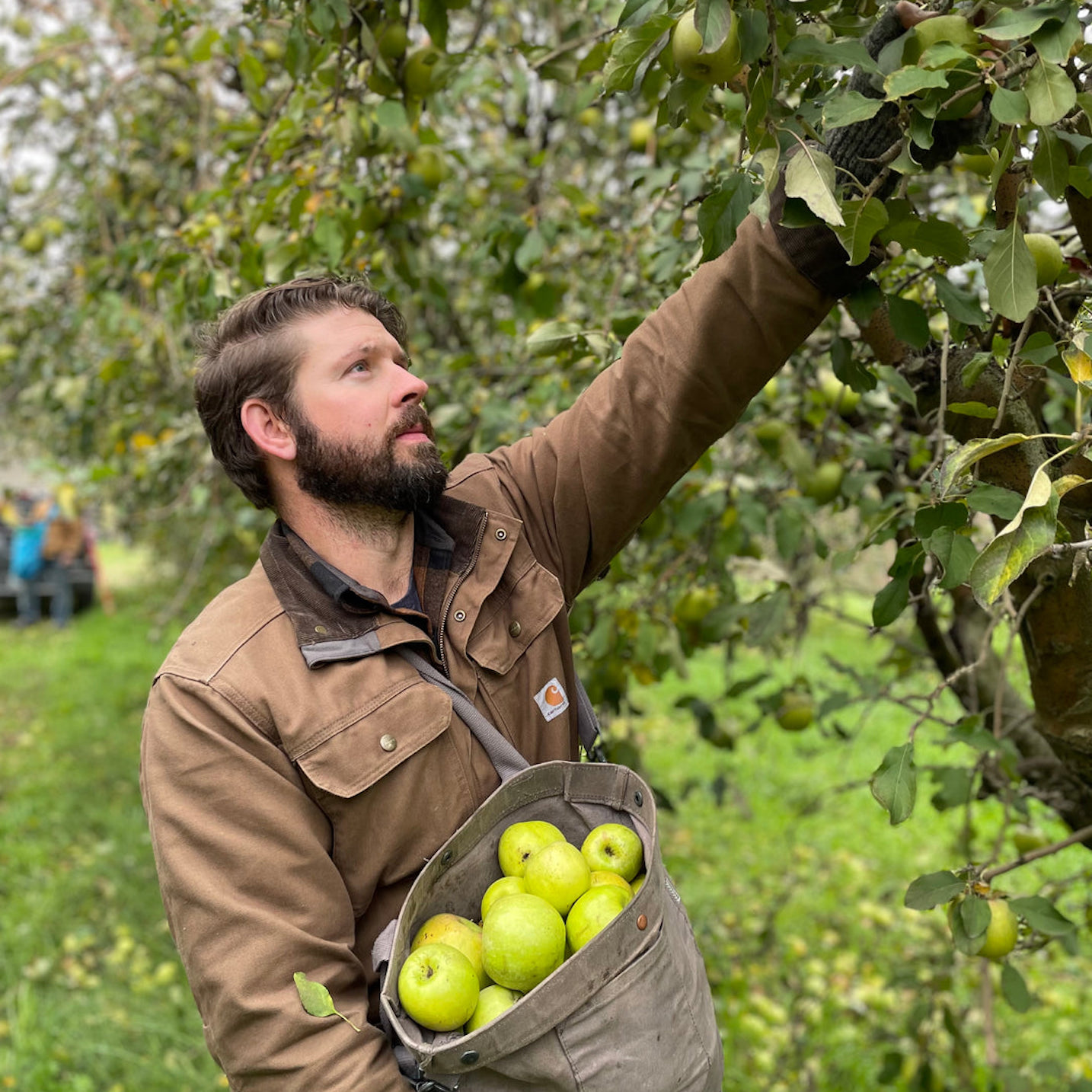
FoA 324: Dry Farmed Orchards, Wild and Heritage Apples and Natural Cidermaking with Brendan Barnard of Posterity Ciderworks
Visit our presenting sponsor: www.CalgaryAgbusiness.comPosterity Ciderworks: https://posterityciderworks.com/Brendan Barnard Twitter: https://twitter.com/IntractableLionPosterity Ciderworks Twitter: https://twitter.com/posteritycider Kris Barnard Twitter: https://twitter.com/KrisMBarnard FoA 318: The Budding American (Hard) Cider Industry with Greg Peck, Ph.D. https://player.captivate.fm/episode/49237ec9-117d-4d16-9569-0672b5e9aecaToday’s episode features Brendan Barnard of Posterity Ciderworks. To set some context here, a lot of the episodes on this show are focused on efforts to scale solutions: venture capital, commodity crops, hardware and software. And those are incredibly important to continue to find ways to improve our global food system. But I think too often there’s a tendency in agriculture to think something has to have the potential to reach some sort of global scale and FEED THE WORLD in order to matter. If you’ve listened to many of these episodes, you already know that I believe innovation and progress can many different forms. Some will look like solutions that can improve the way millions or billions of people eat. Others, which I equally enjoy, are stories of craft, of skill, of care, of community. Stories that are delightfully unscalable, but no less important. Many times, these are the stories that can teach us the most about agriculture and the most about ourselves. I think we have a story like that for you today. It also helps that it ties together a few passions of mine: cider, nature, and value-added agriculture. Today’s episode speaks to several of the seven consumer values we talked about in episode 300, especially the need for a connection to an authentic source. Brendan and his wife Kris were living in the bay area working in tech. They had some fruit trees in their backyard and seven years ago Brendan dove headfirst into cider making. Eventually they bought property in Calaveras County, about 140 miles away with a long term plan of eventually starting an orchard-based cidery. Today, that is alive and well as Posterity Ciderworks. Some changes in the timeline led them to start sourcing apples from what he calls feral orchards, which have somehow survived and even thrived for decades with no care. These feral orchards have also spawned wild trees which Brendan and Kris also forage from for their low intervention, fine ciders that really reflect the place they are grown. They make these ciders with no sulfites, no added sugars, no preservatives and no artificial flavorings or colors. All of this while raising a family and starting and expanding their own dry-farmed, non-conventional silvopastured orchard. We’ll talk all about that, but first just a couple of cider terms to be aware of. We will mention abv, which is alcohol by volume. Yes, this is hard cider, not apple juice. The ABV goes up with higher sugar content which is fermented into alcohol. Those sugars are measured in fruit via a system called brix, which is another term you will hear mentioned. Finally, Brenan will talk about racking, which is just moving the fermenting cider from one container to another, which is usually done to get it off the lees, which is the dead yeast and other particles that settle at the bottom of the container. Or to move it to a barrel, bottle, or other secondary fermentation container.
FoA 323: The Changing Venture Capital Landscape with Mark Blackwell of Builders VC
Visit our quarterly presenting sponsor: www.CalgaryAgBusiness.comBuilders VC: https://www.builders.vcFoA 169: Investing in Farmland with Carter Malloy of AcreTrader https://player.captivate.fm/episode/2d02dd15-9faa-469b-8b5d-5b99233a3a53FoA 188: Fintech Meets Agtech to Invest in Farmland https://player.captivate.fm/episode/44a98802-07c3-4295-87c0-e0965881e5b2Joining us on today’s episode is Mark Blackwell of Builders VC. Mark is actually based in Calgary, but Builders is a Silicon Valley - based venture fund that focuses on modernizing antiquated industries. So they focus in not only agriculture, but also healthcare, industrials, real estate and construction. They have a portfolio of over 60 companies, investing from seed to series a. The team has a long history of investing in agtech before they founded Builders when they invested as part of Kosla Ventures in companies such as Granular and the Climate Corp. Mark and I talk a lot about the current state of venture capital, and what areas of agtech he’s most excited to invest in companies with bold visions and strategic plans. I’ll warn you, this episode gets a little into the weeds of venture capital. I’m by no means any sort of an expert on this, but if you’re unfamiliar, here’s a quick and very basic primer: Venture capitalists start and manage funds to invest in startup companies. They are backed by investors, called limited partners or LPs that give them money to place these bets. When VCs have money from their investors that they have not yet deployed to startups, they call that money dry powder. VCs do take a management fee from those investments, but the real money is made when a company exits. In other words it is sold or goes public. That is why we’ll talk about M&A activity which is mergers and acquisitions. When companies in their portfolio exits, that is when the VC can return the fund, or provide returns to their investors and themselves. We also reference SPACs at one point in this conversation, which could be a whole other podcast, but just know that stands for special purpose acquisition company and it is a vehicle that allows companies to go public that was super popular a year ago, but has fallen out of favor based on a number of factors I won’t get into here. Ok hopefully that provides good context for this insightful conversation with Mark Blackwell. Mark is a general partner and lead of the Canadian Office at Builders. Previously, he was a product manager at SolarWinds which he joined when they acquired GNS3 Technologies where Mark had been the COO. He also had a background in venture capital and investment banking before that.
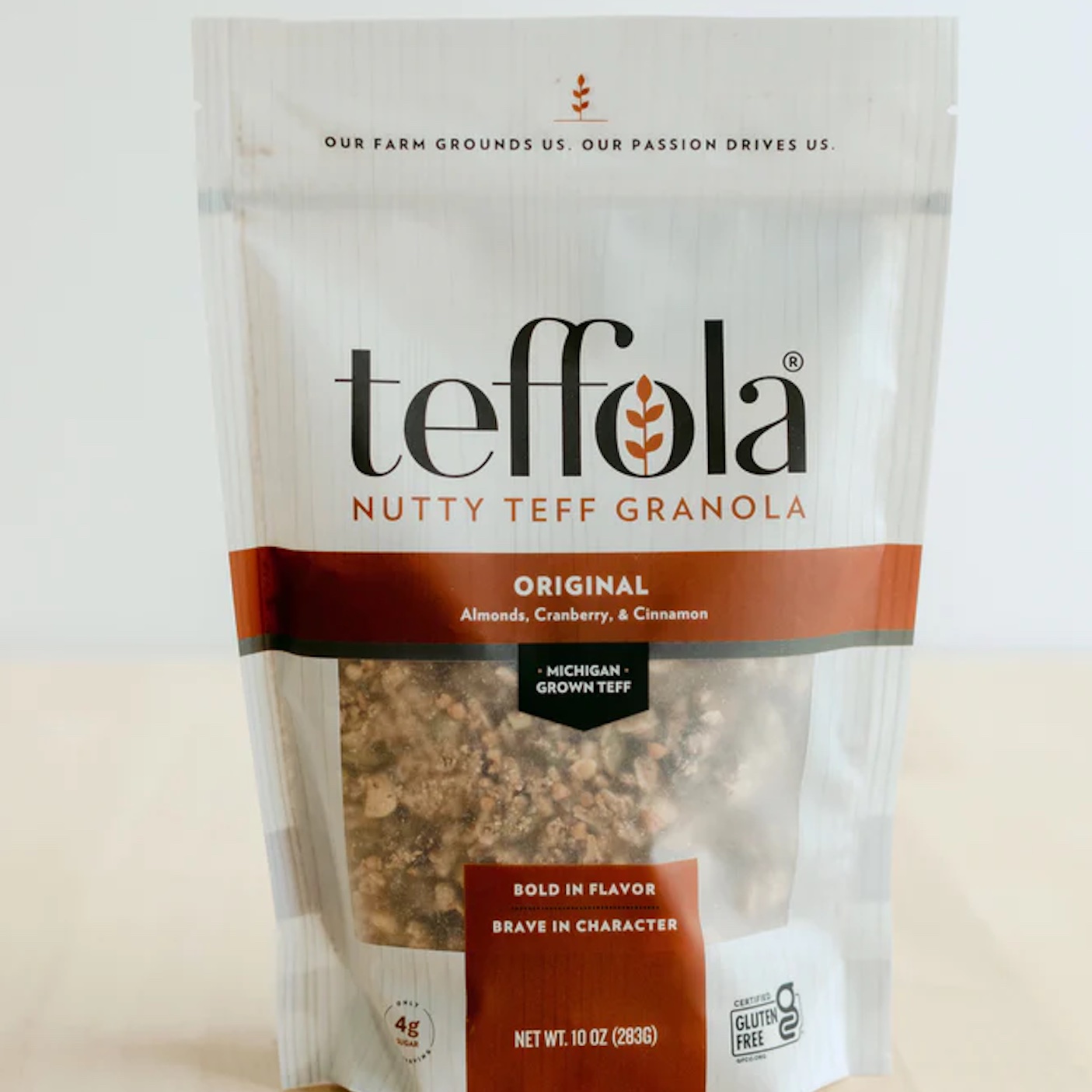
FoA 322: Commodity Crops to Value Added CPG with Claire Smith and Jennifer Barney
Visit our quarterly presenting sponsor: www.calgaryagbusiness.com Teffola: https://www.eatteffola.com/The Business of Food Newsletter: https://jenniferbarney.substack.com/FoA 221: Bringing Commercial Quinoa Production to Colorado: https://player.captivate.fm/episode/fd94a32f-7554-46b4-9ba5-bfc50a371680Claire Smith is the founder of the ancient grain granola brand Teffola. She comes from a 7th generation farming family in Michigan where Tenera Farms has been farming wheat, corn, and soy since 1837. In 2015 Tenera Farms started planting teff, a tiny grain rich in protein and fiber and a key ingredient in the Ethiopian bread injera. Why the farm began growing this obscure grain, how they became processors, and how that lead Claire to start making and marketing granola is the subject of this interview.Today’s episode is all about ancient grains and building a consumer packaged goods or CPG business on top of an established farm. These are two things I know very little about, so lucky for you and for me, we have a guest co-host joining us on the show today, Jennifer Barney. Several months ago, someone shared a post on LinkedIn called “Ag Companies Launching Food Brands”. Long time listeners of this show will know that is something I’m really fascinated by, so I immediately subscribed to the newsletter that produced the post. It turns out that newsletter called “The Business of Food” was created by Jennifer Barney. After reading several of her newsletters I reached out about collaborating, and here she is co-hosting her first episode.Jennifer is a consumer-packaged goods (CPG) expert. She lives in the Central Valley of California and got her start in the food industry 16 years ago when she founded the almond butter brand Barney Butter. Jennifer successfully grew the brand to nationwide retail distribution and then sold the company. After exiting Barney Butter, Jennifer has since become an advisor and consultant to startups and ag leaders who want to get closer to the consumer with their own brands and innovations. She writes an email newsletter called The Business of Food where she shares food industry knowledge including business modeling, growth tips, and what to focus on at the early stages of business.

FoA 321: Vertical Farming in a Skyscraper with Dan Houston of AgriPlay
Thank you to our quarterly presenting sponsor: www.CalgaryAgBusiness.comAgriPlay: https://www.agriplay.com/A4 Systems: https://a4.systems/Joining us for today's episode is Dan Houston, president of AgriPlay. Dan has over 17 years of experience in commercial real estate. He is a partner in a company called A4 Systems, which looks for industry issues that can use their expertise in data and technology. They have started two companies in agriculture: the first being HerdWhistle, a feedlot management system. And the second being AgriPlay which is building vertical farms in commercial real estate space. AgriPlay’s first big project, after their distressed environment lab where they have been testing all of this, is the Calgary Tower. Phase one is 65,000 square feed of vertical farms starting operations this coming September. But as you’re about to hear, their vision stretches far beyond this starting point. Dan claims they already have agreements with wholesale buyers of the produce and plans to expand production over the next year. Most of you have already heard the case for indoor farming. If not you can check out previous episodes like 71, 146, 185, 193, and 307.
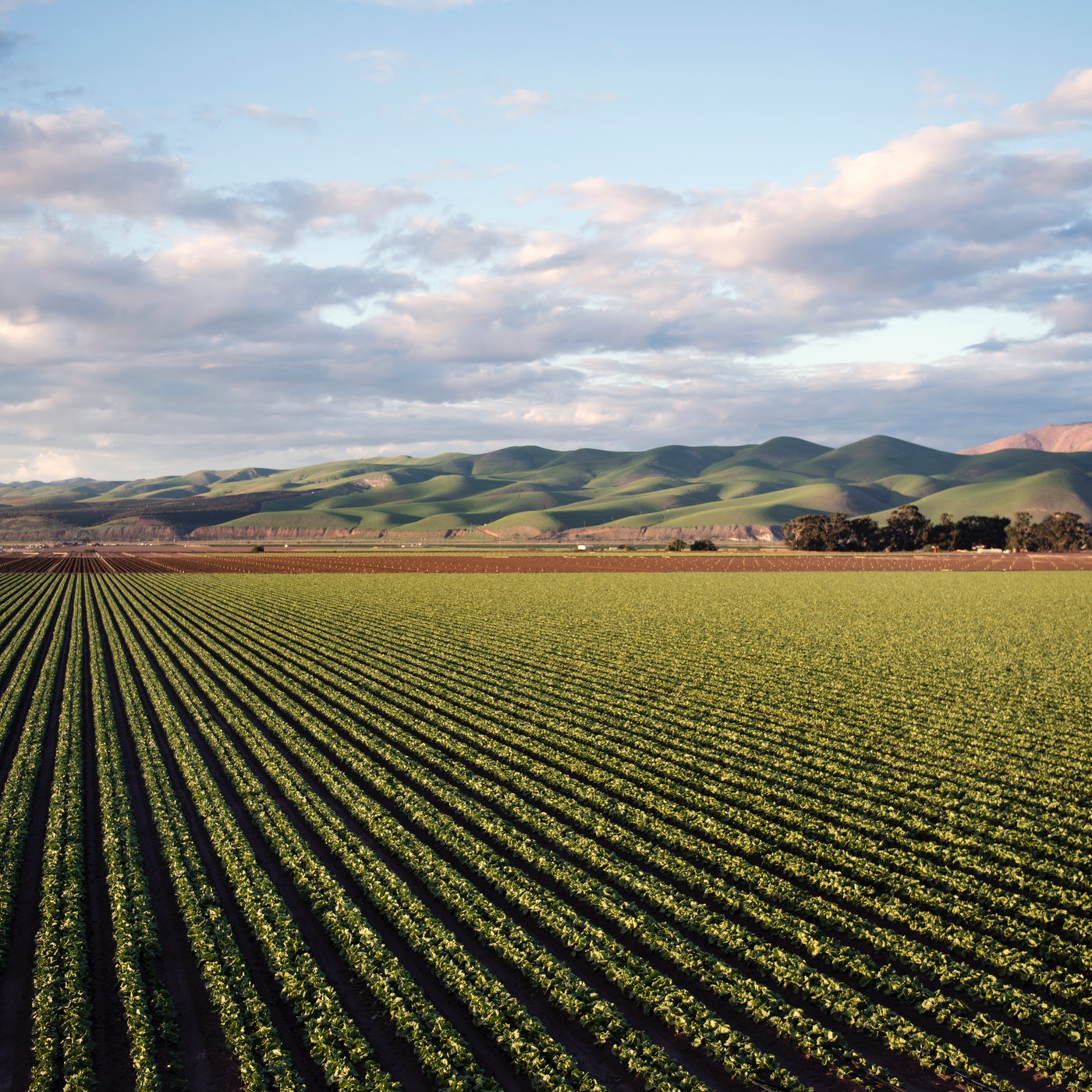
FoA 320: Farmland Investment and Management with Skye Root of Root Agricultural Advisory
Thank you to our quarterly presenting sponsor: www.CalgaryAgBusiness.comRoot Agricultural Advisory: RootAgAdvisory.com Skye Root on LinkedIn: https://www.linkedin.com/in/skye-root-cfa-5064463/ Skye Root is the founder of Root Agricultural Advisory where he manages and grows farmland portfolios throughout the Western USA. Prior to starting his company he worked as a senior vice president for Westchester Group Investment Management, a global farmland asset manager. And before that he was a water rights consultant for WestWater Research, a leading advisory firm in the water rights industry. In today’s episode we talk farmland and water, and the perception of more outside institutional money being deployed in rural areas. And when we say institutional money, we are talking about large organizations such as banks, pension funds, or insurance companies who are usually investing on behalf of their stakeholders. Skye is unique in that he grew up in a very rural part of eastern Oregon on a farm and ranch so he really understands the perspectives of both the producers and the investors looking to get into this industry.
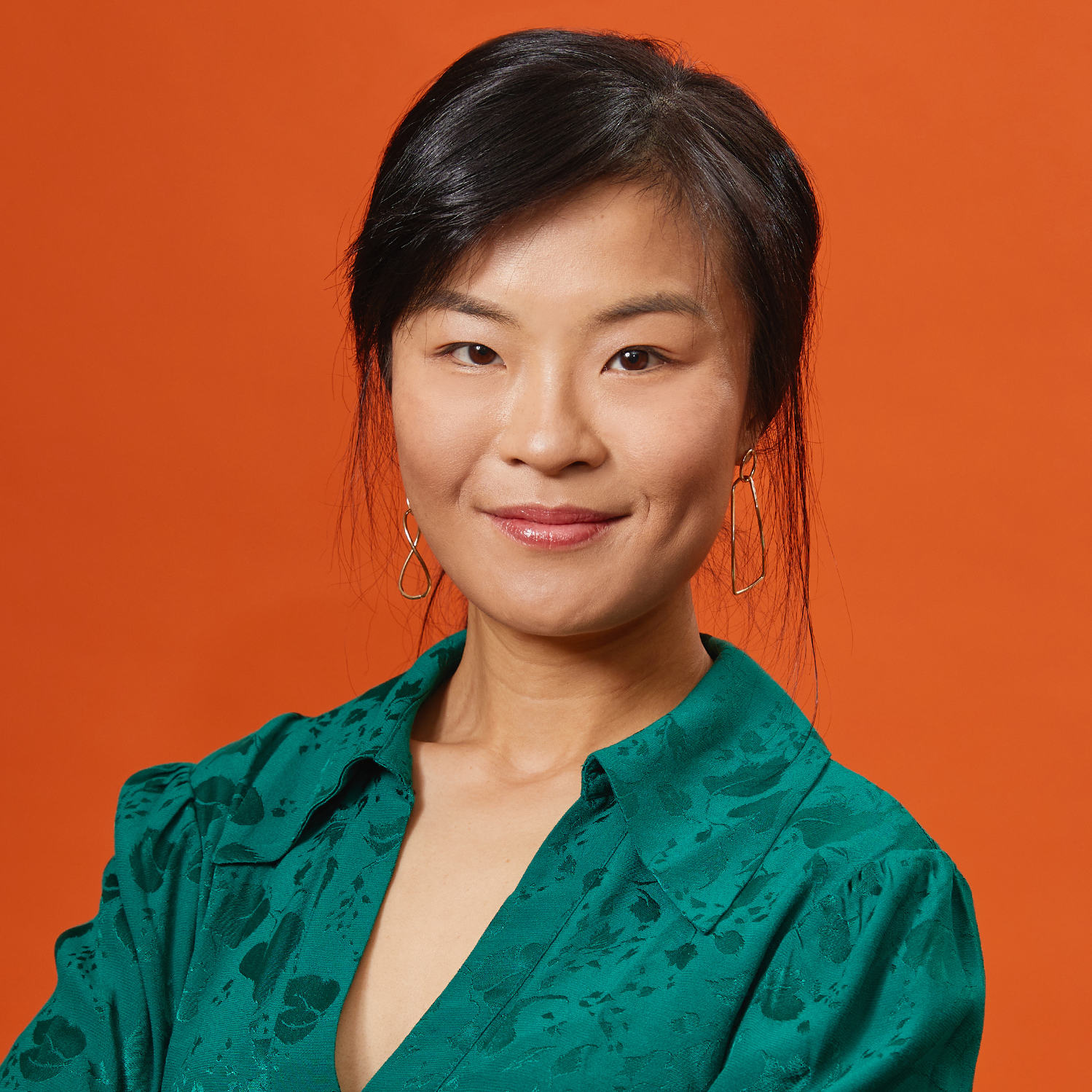
FoA 319: Cell-Based Milk with Fengru Lin of TurtleTree
Thank you to our quarterly presenting sponsor: www.CalgaryAgBusiness.comTurtleTree: https://turtletree.com/"From Farms to Incubators" https://bookshop.org/books/from-farms-to-incubators-women-innovators-revolutionizing-how-our-food-is-grown/9781610355759 Joining us on today’s episode is Fengru Lin, co-founder of TurtleTree, which is based in both Singapore and California. The company describes itself as “a biotech company dedicated to producing a new generation of nutrition—one that’s better for the planet, better for the animals, and better for people everywhere. Utilizing its proprietary, cell-based technology, the company is creating better-for-you milk ingredients sustainably and affordably, with benefits that extend beyond the dining table and into the heart of humanity.”When I first heard this description I was highly skeptical about their ability to compete with what I know is a very efficient dairy industry. But what I learned from Fengru shed a lot of light on where companies like TurtleTree still have a place in the future of agriculture. In my opinion, that includes cultivating high value proteins for things like ingredients and supplements and pharmaceuticals. Another aspect I find very valuable about what TurtleTree is doing is trying to close the gap between infant formula and real human breast milk. We’ve seen issues with formula supply chains recently, and TurtleTree’s approach can apply to all forms of milk, including human milk. This is the fifth and final episode in the series I’ve been doing over the past year with Amy Wu who is the author of the book “From Farms to Incubators: Women Innovators Revolutionizing How Our Food is Grown”. Amy is passionate about featuring women leaders in agtech and I have been glad to share that passion with her and all of you by featuring Joanne Zhang in episode 263, Ponsi Trivisvavet in episode 273, Shely Aronov in episode 290, Ros Harvey in episode 304, and of course Fengru today. I highly encourage you to purchase a copy of Amy’s book, as it not only includes these guests but also several other former guests of this podcast: like Pam Marrone, Fatma Kaplan, Sarah Nolet, Mariana Vasconcelos, Christine Su, and others. Alright, let’s get to our featured conversation with Fengru Lin, co-founder and CEO of TurtleTree - and yes, we are going to ask her where the company name came from. Since founding the company in 2019, TurtleTree has become a top player in the alternative protein industry with $40 million in startup funding. Fengru is an alumna of Singapore Management University where she studied Information Systems Management and Marketing. Before starting TurtleTree, she held positions with Google and Salesforce.
FoA 318: The Budding American (Hard) Cider Industry with Greg Peck, Ph.D.
Thank you to our quarterly presenting sponsor: Calgary, Alberta! www.CalgaryAgBusiness.com Greg Peck research: https://hardcider.cals.cornell.edu/Cider Chat Podcast: https://ciderchat.com/ Today is an episode I’ve been very excited about for a long time because it combines three of my biggest passions: cider, farming, and this podcast. It’s part history of apples and cider, part analysis of the growing cider industry, and part personal indulgence of asking an expert if I’m crazy to dream of one-day owning an orchard-based cider company. Dr. Greg Peck is a pomologist, cider expert, and an associate professor in the School of Integrative Plant Sciences at Cornell University. His research addresses the challenges of sustainably and profitably producing tree fruits, and has conducted research in fruit-crop production systems in California, Washington, New York, and Virginia. He really has become a leader and expert in cider in the U.S., and received the American Cider Association’s 2018 Grower Advocate of the Year Award. As you can already tell, this episode was selfish for me in a lot of ways as a hobbyist cidermaker myself who has planted a dozen or so apple trees. But there’s some really great stuff in here that touches on history of agriculture, local agritourism, wine, climate change, and farm economics. Enjoy this episode with Dr. Greg Peck.
FoA 317: Modern Dairy Management with Greg Bethard of High Plains Ponderosa Dairy
Thank you to our quarterly presenting sponsor, Merck Animal Health Ventures: https://www.merck-animal-health.com/animal-health-ventures/ Prime Future Weekly Newsletter: https://primefuture.substack.com/ Video of High Plains Ponderosa Dairy: https://www.youtube.com/watch?v=s91pH9wNKOw Today’s episode covers some really progressive concepts in modern agriculture, and specifically modern dairy. Greg Bethard is the CEO of High Plains Ponderosa Dairy in Kansas. You’re going to hear from the lens of a producer how they are finding ways to lower their carbon footprint, produce both dairy and beef using the same resources, drive costs lower, and partner with companies like Shell to take their operation to the next level.
FoA 316: Poultry Tech with Alan Beynon of Poultry Sense and Arjun Ganesan of Ancera
Thank you to our quarterly presenting sponsor, Merck Animal Health Verntures: https://www.merck-animal-health.com/animal-health-ventures/ Poultry Sense: https://www.poultrysenseltd.com/ Ancera: https://www.ancera.com/ For the first half of today's episode you’ll hear an interview with Alan Beynon, founder of Poultry Sense. Then in the second half you’ll hear from Ancera founder & CEO Arjun Ganesan, who I’ll formally introduce a bit late in the episode. Alan Beynon is a veterinarian in the UK who started Prognostix, which used to be called Poultry Sense, in 2016. As Alan will describe, he saw a lot of opportunity in the use of sensors and data to improve animal welfare and efficiency. Merck Animal Health Ventures invested in the company in 2019 and then ended up acquiring them in 2021. We talk a little bit about that part of Alan’s story as well. Connecticut-based Ancera is a pioneer in microbial-based risk assessment and monitoring solutions. So what does that mean? They have a proprietary technology that enables near real-time, rapid detection and quantification of microbial threats across all points in the food production process, from farm-to-consumer. If that’s still sounding vague, the way I sort of understood it in my mind was that biological interactions are more complex than chemical interactions. So for any type of biological intervention it’s important to know more than just did it work or did it not work. We need more data about the dynamics at play, and that’s what Ancera does for their customers. Founder and CEO Arjun Ganesan shares details as well as some specific use cases.

FoA 315: Building Local and Regional Food Systems with Philip Giampietro of Walden Local Meat Co
Philip Giampietro is the CEO and president of Walden Local Meat Company. Founded in 2014, Walden is New England and New York's leading brand of locally raised, sustainable meat. They are part of the first cohort of companies to legally reincorporate as a public benefit corporation or B-Corp. Philip says their purpose is to “make local work," with a more specific mandate to: 1) Connect adjacent rural and urban communities, 2) Produce the healthiest products possible with leading standards of animal welfare and environmental sustainability, and 3) Create incentives for farmers to move to more regenerative practices — those that are not simply "do less harm" but those that provide a net positive benefit to the environment and surrounding communities. Before Walden, Philip was a Director at Bain Capital and held various positions in private equity and consulting. Thank you to our quarterly presenting sponsor, Merck Animal Health Ventures: https://www.merck-animal-health.com/animal-health-ventures/ Walden Local Meat Co: https://waldenlocalmeat.com/ *SUBSCRIBE TO JANETTE BARNARD'S PRIME FUTURE NEWSLETTER: https://primefuture.substack.com/ Join the FoA Community: www.Patreon.com/agriculture We have a great show for you today about what it takes to build a regional food system that can scale in today’s market that has very high expectations when it comes to taste, flavor, convenience, health, social and environmental impact, and beyond. Walden Local Meat has been building their company serving the Northeast U.S. since 2014. They have a great story about what it takes to make this approach work, and where they see the future of local and regional food systems headed. Some of you may know that I grew up in a direct-to-consumer specialty livestock business, so this concept is definitely of interest to me and near and dear to my heart.

FoA 314: The Value of Farm Data with Jason Tatge of AGI Digital (Farmobile)
Thank you to our quarterly presenting sponsor, Merck Animal Health Ventures: https://www.merck-animal-health.com/animal-health-ventures/ AGI: https://www.aggrowth.com/ Farmobile: https://www.farmobile.com/ Today’s episode is a fascinating look at the value of farm data. Jason Tatge has been thinking about farm data for decades now, and you’re going to hear about the early days of trading data over the phone, to how that concept is basically what we know today as carbon credits and NFTs. He’ll also talk about how Ag Growth International or AGI is using Farmobile’s platform to connect data from all sorts of equipment including things like grain bins and dryers to reach unprecedented levels of interoperable farm data. Some really interesting topics to cover on today’s show, make sure you stay to the end to hear his vision for where all this stuff is going. Jason is currently serving as a Senior Vice President for AGI Digital. AGI Digital is the collection of technology assets that have been acquired by AGI. These include the companies of Intellifarms, Farmobile and CMC Hazard Monitoring. AGI, for those that don’t know, provides global equipment solutions for seed, fertilizer, grain, feed and food processing systems.They are a global equipment leader with several brands across five main areas: Grain, Fertilizer, Food, Feed and Seed. Jason came to AGI by way of acquisition of his company Farmobile last year. He started his career though, in the same way I did: as a commodities trader. After seven years of that work, he was a co-founding employee of Farms.com, and then started his own company called Farms Technology, which was an electronic marketplace with automated hedging capabilities. He sold that company to DuPont Pioneer in 2012. JOIN THE FOA COMMUNITY: www.Patreon.com/agriculture
FoA 313: Farming Seaweed to Reduce Cattle Emissions with Joan Salwen of Blue Ocean Barns
Thank you to our quarterly presenting sponsor, Merck Animal Health Ventures: https://www.merck-animal-health.com/animal-health-ventures/ Blue Ocean Barns: https://blueoceanbarns.com/ Today’s episode features Joan Salwen, co-founder and CEO of Blue Ocean Barns. Joan grew up in the long shadow of her family’s Iowa farm where she harvested cherries and cared for the sheep. During 20 years as a Managing Director at Accenture, Joan managed $50M+ client relationships and led the firm's Atlanta practice for organization and change strategy. In 2015, Joan transitioned to Stanford, where she built a team that energized university, market and government interest in seaweed as a solution to climate change. She founded Elm Innovations, a non-profit platform for exploring the potential of the seaweed-livestock connection and ultimately co-founded the commercial engine for it, Blue Ocean Barns in 2019. I’m very excited to share today’s episode with you. There is so much here. Not only does this project have incredible incredible potential to reduce methane emissions. But also this is an incredible entrepreneurial journey Joan went through to resurrect old research in this area, support further research, commercialize the venture, then figure out how to grow, process and distribute the product at a scale that could be meaningful for the future of agriculture.
FoA 312: Digital Supply Chains with Scott Sexton of EverAg and Dairy.com
Thank you to our quarterly presenting sponsor, Merck Animal Health Ventures: https://www.merck-animal-health.com/animal-health-ventures/ EverAg: https://www.ever.ag/ Dairy.com: https://www.dairy.com/ Prime Future: https://primefuture.substack.com/ Today’s episode is really a unique opportunity to hear from someone who has been working on what it means to digitize agriculture supply chains for over two decades. I can’t think of anyone who better understands the potential here for our industry, but also the reality of the challenges that lie ahead than Scott Sexton of EverAg and Dairy.com. Dairy.com is a leading provider of software, risk management, and market intelligence solutions for the dairy industry. The company was formed in 2000 by investors that included eight of the largest dairy cooperatives, and since that time continued to grow based off just that initial investment and their own earnings until they brought in an outside investor just a few years ago in 2019 and started expanding into some new areas that Scott will talk about with this new umbrella company called EverAg. I’m very pleased to bring back everyone’s favorite co-host, creator of the Prime Future Weekly newsletter, ruminants lead at Merck Animal Health Ventures, and my good friend Janette Barnard. Join the FoA Community: www.Patreon.com/agriculture
FoA 311: The Role of Earthworms in Agricultural Soils with Jan Willem van Groenigen
Thank you to our quarterly presenting sponsor, Merck Animal Health Ventures: https://www.merck-animal-health.com/animal-health-ventures/ Jan Willem van Groenigan https://www.wur.nl/en/Persons/Jan-Willem-prof.dr.ir.-JW-Jan-Willem-van-Groenigen.htm Follow him on Twitter: https://twitter.com/JWvanGroenigen YouTube videos: https://www.youtube.com/watch?v=YJz4ijSeqjg https://www.youtube.com/watch?v=vt77IvHaZuY https://www.youtube.com/watch?v=6em_8iFfKIk Jan Willem van Groenigan is a professor of Soil Biochemistry at Wageningen University in The Netherlands. He is a trained soil fertility specialist, and him and I originally connected about some soil carbon sequestration work that he was a part of. You’ll hear from one of his co-authors about that on a future episode. But when he told me that he was spending a lot of his time these days focused on the role of earthworms in agricultural soils, I knew I had to get him on the show to talk about that topic. He has been a part of several studies on earthworms such as their effect on crop yields, soil fertility, and greenhouse gas emissions, all of which we will talk about in today’s episode. I found his comments on phosphorous to be particularly interesting and important. First though, I’m going to drop you into the conversation where he gives you some more background in his own words, and we’ll take it from there. Enjoy this conversation about earthworms with Jan Willem van Groenigan. Join the FoA Community: www.Patreon.com/agriculture

FoA 310: Investment Models with Hannah Senior of Innovating Agtech
Thank you to our quarterly presenting sponsor, Merck Animal Health Ventures: https://www.merck-animal-health.com/animal-health-ventures/ Innovating Agtech: https://soundcloud.com/user-73017811 SomaDetect: https://somadetect.com/ Books: Adventure Finance, Farm and Other F Words, The Third Plate Today’s featured guest is Hannah Senior. Hannah grew up in a farming community but followed a career into corporate life working with multinational companies, including 5 years with the retailer Tesco. She completed an MBA at Stanford University before returning to the UK and agriculture, when she acquired PBS International, a company which makes products for plant breeders and seed producers around the world. She describes her professional expertise as a stool with three legs, spanning agricultural technology, entrepreneurship & plant breeding. Hannah holds Board and advisory positions with several AgriTech companies including Crop Health and Protection, the UK’s government-backed Agritech centre for Crops, and is Vice President of the National Association of Plant Breeders (although if this goes out in late August I’ll be President by then!). She is the host of two podcasts: Plant Breeding Stories, which interviews a diverse range of people in and around plant breeding, and Innovating AgTech is an audio documentary about how to better align interests in AgTech entrepreneurship between the environment, farmers, entrepreneurs and investors. I first connected with Hannah as she was putting together this Innovating Agtech documentary-style podcast, and was very eager to both listen to the six-part series, and share some of her takeaways and perspectives with you here today. Join the FoA Community: www.Patreon.com/agriculture
FoA 309: Farm Business Analytics with Patrick Smith and Dan Maycock of Loftus Labs
Thank you to our presenting sponsor Merck Animal Health Ventures! https://www.merck-animal-health.com/animal-health-ventures/ Loftus Labs: https://www.loftuslabs.com/ FoA Community: www.Patreon.com/agriculture. Today’s episode is all about farm business data and analytics. The story is different from others you’ve probably heard about though, in that Loftus Labs is not selling a product. They offer a service to help farmers to build customized processes to gain deeper insights into their unique business. Long time listeners might recall my interest in there being a “Geek Squad for agriculture”, this is like what I had in mind, but actually a lot better. Patrick Smith and Dan Maycock are two of the co-founders of Loftus Labs. Pat is a fourth generation farmer and the CEO of Loftus Ranches in the Yakima Valley in Washington state. They grow primarily hops and apples, and they are vertically integrated: selling hops to breweries around the world, and packing and marketing apples both in partnership with other growers in the area. You probably know that Washington and apples go hand in hand, but you may not know that the Yakima Valley is the most important hops growing region in the world. The 50-mile stretch of the valley where Loftus is located grows 75% of the nation’s hops and about 25-30% of the world’s production annually depending on the year. Our conversation today is about the data and business analytics journey that Pat has gone down and what led him to form Loftus Labs with a cofounding team that includes our other guest today, Dan Maycock. Dan’s background is in data engineering with companies you will have heard of like Boeing and Amazon. Their business is really interesting, and I think directly addresses the some aspects of agtech that often get overlooked. Such as the fact that every farm is different and needs customized solutions, and that the many of the tools already exist and what are lacking are implementation partners and support.
FoA 308: The World's First Floating Farm with Peter and Vincent van Wingerden
Thank you to our presenting sponsor Merck Animal Health Ventures! https://www.merck-animal-health.com/animal-health-ventures/ Floating Farm: https://floatingfarm.nl/ Vence: https://vence.io/ We have a fascinating story today about the world’s first floating farm. To some of you that may sound far fetched or maybe even like a gimmick, but I assure you it’s anything but. And it can open our minds to new possibilities for what and where a farm can be. Even a livestock farm. Today's episode features both Peter and Vincent van Wingerden. Peter has a background in engineering and started his company to build large buildings on the water. His experience in New York City in 2013 prompted him to focus full time on the concept of a floating farm. He’ll talk more about that in the moment. Joining Peter is his son Vincent, who also happens to work in agtech with Microsoft. Vincent is a Technical Architect for data and AI and ag is one of the sectors he is working in. It was so great to have both Peter and Vincent on the interview to talk about the floating farm, and about agricultural technology and sustainability more broadly. Stay tuned to the end of the episode for a short profile on Vence, a company we featured by in 246 and has since become a portfolio company of Merck Animal Health Ventures. Support the Future of Agriculture podcast by joining the FoA community! www.Patreon.com/agriculture

FoA 307: Vertical Farming Beyond the Hype with John Purcell of Unfold
Thank you to our presenting sponsor Merck Animal Health Ventures! https://www.merck-animal-health.com/animal-health-ventures/ Unfold website: https://unfold.ag/ John Purcell LinkedIn: https://www.linkedin.com/in/jppurcell/ Unfold Twitter: https://twitter.com/Unfold_Ag John Purcell, Ph.D. has worked in agriculture for over 30 years, including long career at Monsanto and then Bayer. For the past dozen or so years before leading Unfold he worked in their vegetable seed division. His earlier work led to innovations for crops such as corn, cotton, and wheat. John earned his Ph.D. in Molecular and Cellular Biology from the University of Massachusetts in Amherst and worked as a post-doctoral researcher at the USDA before going into industry. He is also part owner of a family ranching operation in Montana. John started thinking about genetics for vertical farming while still at Bayer, but they decided that the vertical farming industry was so different, it not only needed it’s own products, but it’s own company focused on it. It was at that time that Bayer and investment company Temasek formed Unfold as it’s own independent startup focused exclusively on vertical farming. John was tasked with building this company from scratch. **JOIN THE FOA COMMUNITY: www.patreon.com/agriculture