
DevReady Podcast
338 episodes — Page 7 of 7
DevReady Podcast E38 - Using Navy Principles in a Startup with Kurt Alexander
On this episode of the DevReady Podcast, Andrew and Anthony talk to Kurt Alexander, founder of Quick Safety, a company dedicated to making electrical regulatory compliance easy. Born and raised in Wyoming, Kurt describes a childhood that fostered his analytical nature. A Navy veteran, he worked on nuclear submarines while he was in the service. Working in sonar, he learned a lot about electrical engineering before launching careers in consulting, furniture, retail, and eventually the tech space. Over the course of the episode, Kurt tells the story of Quick Safety and how it has revolutionized the electrical industry in Australia. Beyond just explaining the mechanics and the need for Quick Safety’s digital electrical tests, Kurt offers advice to startups on how to stay focused, why you have to hunt for opportunity, and why you need to empower your business first. A main takeaway is that you need to know your customers. They have to understand the value of your product. Quick Safety is an electrical regulation compliance company that streamlines the testing process so electricians can determine the safety of systems more quickly, efficiently, and reliably. This all helps the homeowner and asset owner to avoid potentially life-threatening electrical situations. Topics Covered: ●Kurt’s time in the military during the Cold War. ●The issues that the electrical industry faces. ●The 8 tests that electrical regulators have to conduct on new dwellings. ●You have to actually seek out opportunity; it doesn’t just come to you. ●Founders have an opportunity to connect and make things happen online. ●The difference between incubators and accelerators. ●Quick Safety validates the test information. ●Quick Safety’s tech makes electrical tests easier and protects electricians and homeowners. ●You have to attribute the cost of your product back to the asset. ●People get a little too focused and fixed on the product. ●Data dumping to get the support of tech companies. ●Ensuring all your processes are correct to drive revenue and empower your business. ●People are happy to share, but you can lead the conversation, too. ●The effectiveness of “small teams” and load sharing. Key Quotes: ❏“89 days was the longest that we stayed submerged.” (6:32) ❏“I made the mistake of spending too much time in the business instead of on the business.” (15:00) ❏“My time on the forklift gave me a chance to think—what do I really want to do?” (19:01) ❏“The retail industry is more consumer-focused.” (24:15) ❏“You have to put yourself out there and you have to network.” (36:10) ❏“Most of the electricians prior to Quick Safety were doing all the math in their heads.” (46:50) ❏“The real target customer is the asset owner.” (51:05) ❏“If you’re going to be pushing your product, you have to make it as easy as possible for a customer to come on and off of that system.” (56:25) ❏“Your vision and product should be developing all the time.” (1:00:10) ❏“You only have to develop the nucleus of your company once.” (1:10:31) ❏“You want to get from conception to revenue as quick as you can.” (1:11:05) ❏“The real drivers in the team are those that will take responsibility.” (1:21:45) Social Media Clips: 1.Kurt’s career experience leading up to Quick Safety. (14:00 - 16:00) 2.What the state electrical regulators actually do. (27:20 - 28:51) 3.Incubators and accelerators. (38:40 - 40:31) 4.Founders and their relationships with tech companies. (1:03:50 - 1:06:45) Contact Kurt: ●Find Kurt on LinkedIn: https://www.linkedin.com/in/kurtalexander/?originalSubdomain=au ●www.quicksafety.com.au
DevReady Podcast E37 - Growing Your Business with CX with Brendan Tremble
On this episode of the DevReady Podcast, Andrew and Anthony talk to Brendan Tremble, founder and director of CX consulting at FT Executive. Brendan explains the concept of CX and how it relates to growing your business and customer base. Brendan also shares some of the things startups should expect when structuring their culture, processes, and products around the values that are informed by best customer experience. Brendan leads one of the top consulting firms in Australia. Topics Covered: ●CX (Customer Experience) Consulting. ●Working with startups. ●The core competencies of customer experience. ●Culture as a driver of customer satisfaction. ●How do you measure customer focus? ●Avoiding transactional relationships in your customer base. ●Attracting and keeping customers with CX-based values. ●Understanding the different life cycles of the customer. ●Collecting data to improve customer processes. ●You need to know WHO your customer is. Key Quotes: ❏“Customer needs change every day.” (3:25) ❏“You need your team around you to be about it.” (6:45) ❏“It’s a lot cheaper to keep a customer than to go out and get a new one.” (12:00) ❏“You need to actually have customer-centric values.” (14:45) ❏“Product development people understand the life cycle of the product.” (20:55) ❏“It’s not just collecting metrics — it’s how you’re using them.” (22:30) ❏“Process improvement people make the best CX people.” (25:05) ❏“Customer experience is really process improvement for customers.” (32:40) ❏“Trying to do everything doesn’t really serve anyone.” (39:10) ❏“You have to know which questions to ask.” (43:58) Contact Brendan: Check out Brendan’s company: www.ftexecutive.com.au Find Brendan on LinkedIn. The Books Brendan Mentions: ●Design Thinking ●Sprint by Jake Knapp ●Outside In by Harley Manning and Kerry Bodine ●Chief Customer Officer 2.0 by Jeanne Bliss
DevReady Podcast E36 - Making Crowdfunding Work for Your Business with Matt Vitale
Summary: Our guest on this episode of the DevReady podcast is Matt Vitale, Co-founder of Birchal equity crowdfunding. Matt and the other co-founders combined their knowledge from their different industries to create Birchal with the goal of making the site mainly focused on the companies and facilitating a seamless process for the transaction from beginning to end. Birchal was an integral part of the lifting of the Australian government’s restrictions on equity crowdfunding several years ago, and they continue to impact related legislation as the company and the industry continue to grow in popularity and scope. The Birchal team has a very specific process for reviewing companies who are interested in posting campaigns on the site which includes both objective and subjective filters to ensure that the idea is viable before it is presented to potential investors. Through the expression of interest process, companies are able to gauge interest and receive pledges before ultimately launching their campaigns. Birchal is Australia’s leading crowdfunding platform, accounting for more than half of the monies invested through crowdfunding last year. For more information about hosting a campaign on Birchal or if you have further questions for Matt, don’t hesitate to reach out. Topics Covered: ●How Birchal was formed ●Equity crowdfunding ●How government regulation has impacted and continues to impact the industry ●The process that companies go through in order to post campaigns on Birchal ●Which businesses should pursue crowdfunding ●Getting feedback from interested investors ●Guiding companies to appropriate valuations ●Crowdfunding as a vehicle for fundraising ●Which campaigns are successful during COVID ●How to handle investors who are ready to cash out their investments ●The healthy tension between the company and their investors Key Quotes ❏“It took about 5 years for the government to realize it wanted to do this and then pass the legislation to do it.” (2:55) ❏“Looking back, it was a very effective execution of building technology for what is often a fairly complicated process.” (4:39) ❏“It’s all about finding the relevant audience for each company and treating each campaign as a discrete project.” (9:47) ❏“It’s all about momentum.” (15:16) ❏“When we started the platform, we decided to quite deliberately describe the businesses that we want to work with as those that have a strong consumer proposition.” (18:58) ❏“It’s about finding an audience that will derive benefit from your success.” (20:58) ❏“Things are worth what people are willing to pay for them.” (22:38) ❏“You want to give them enough information so they’re interested in you and then have this opportunity for engagement.” (26:29) ❏“Every campaign that we host has at least a handful of investors that are investing over $10,000.” (31:27) ❏“Crowdfunding is still open for business.” (37:24) ❏“The trouble that we have is with the law.” (44:54) Contact Matt: https://www.birchal.com/ [email protected]
DevReady Podcast E35 - Understanding the Market for Your Startup Idea with Ahron Young
On this episode of the DevReady Podcast, Andrew and Anthony speak with Ahron Young, the founder and CEO of Ticker TV, a Melbourne-based news streaming service. Just out of high school, Ahron got a job at a local newspaper. There he got his toes wet in journalism. This continued with a job at a local TV station, and the Russian news service, RT then Sky News. Ahron chose the name Ticker because it scrolls at the bottom of the screen, but it’s also our heart. He describes his time building Ticker as an alternative to morning cable news, targeted directly at millennials. Ahron gives advice for breaking into the field, building value and discovering the market for your idea. He runs a successful TV service with just over 30 people on his team. He intends to grow Ticker into a global company. He also advises us to look out for our mental health, especially in the tech world. “Don’t expect yourself to be a winner,” he says, “but it’s just as important to learn to forget as it is to learn.” Topics Covered: ●Ahron’s background in commercial TV. ●The importance of marketing. ●Working at RT and how it was the best and the worst experience. ●Be wary of who you bring in for equity because it’s difficult to get rid of people. ●We really don’t have long attention spans anymore — too many are fighting for it. ●Where Ahron got the idea for Ticker TV. ●Ticker TV is a news service that looks to answer “what do people want from the news?” ●Working in a corporate environment, and how it hurts your individuality. ●As long as you deliver what people want, the rest doesn’t matter. ●You need to understand who you are, and establish your identity. ●The average age of a startup founder in Australia is 54. ●What you forget is just as important as what you learn. ●Structuring the business in its early stages. ●Working in a culture where people take ownership of their work. ●Get bigger, and faster, and better — or someone else will. ●COVID has been difficult, but Ticker’s business has not struggled. ●Identify your brand and really pump it out. Key Quotes: ❏“Journalism is a lifestyle choice, and it basically owns you.” (03:30) ❏“The floor manager at RT pulled out a gun.” (07:55) ❏“We are members of the business communities to which we are a part of.” (10:05) ❏“It’s never been an open opportunity: it’s always been something you’ve had to fight for and strive for.” (12:25) ❏“You can’t fight a fleeing customer base in court.” (16:50) ❏“It’s all about looking for gaps in the marketplace.” (21:30) ❏“Every time talent meets the corporate world, something gives: and it’s usually the talent.” (25:35) ❏“When you love what you do, it’s hard to realize when you need to ask for help.” (28:45) ❏“In the end, TV is your graphics package, your audio, your presenters, and your studios: nothing else matters.” (37:55) ❏“It’s up to you to know the time to forget and the time to remember.” (47:10) ❏“It doesn’t matter how you structure it, you’re not starting a business on your own. You need a team around you. (54:30) ❏“Don’t ever create a barrier to entry for yourself.” (1:02:05) ❏“We want to start Ticker in 10 other countries.” (1:14:00)
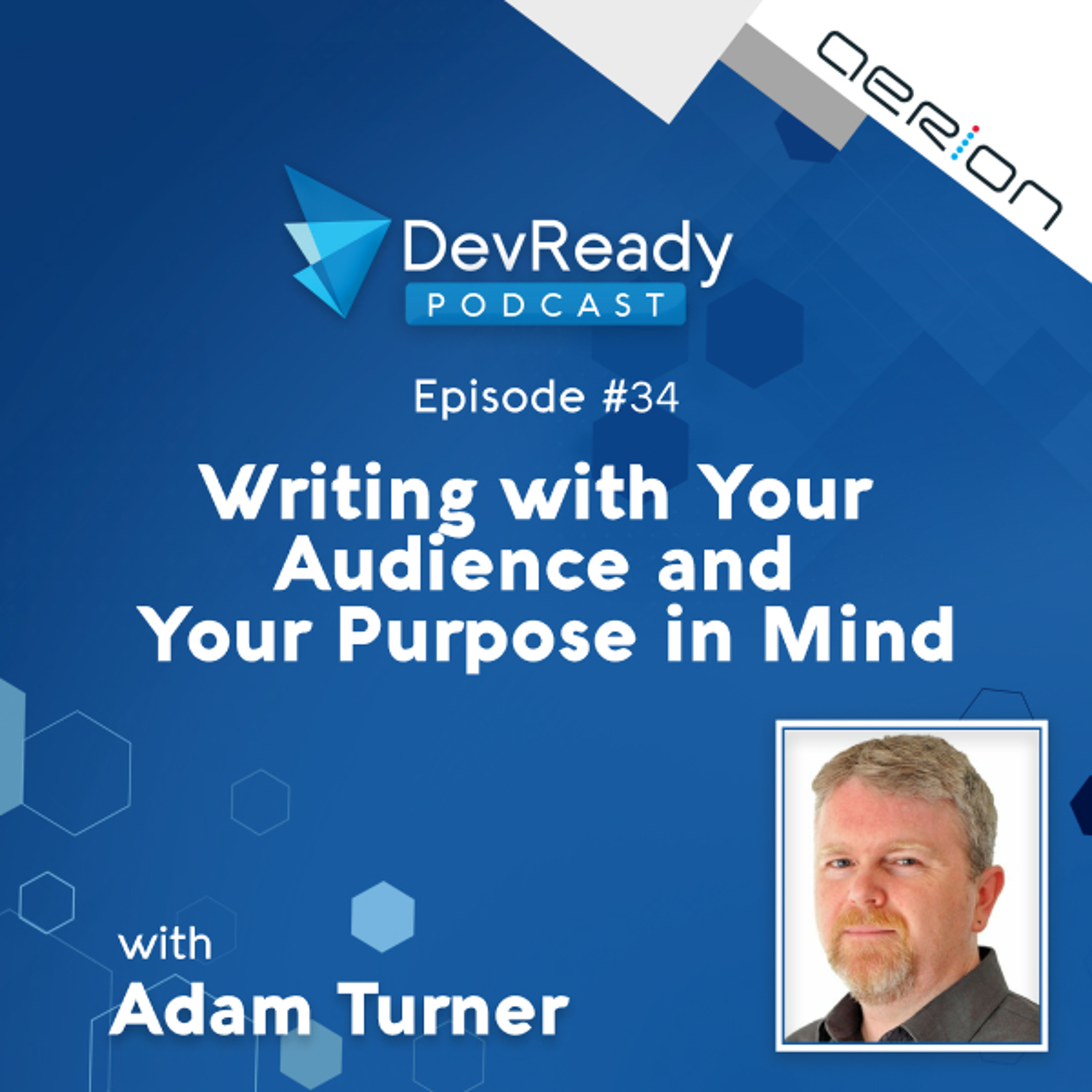
DevReady Podcast E34 - Writing with Your Audience and Your Purpose in Mind with Adam Turner
On this episode of the DevReady Podcast, Andrew and Anthony speak with Adam Turner, freelance technology journalist who writes for the Sydney Morning Herald. Starting out working for The Age, he developed a passion for tech and decided to go freelance – writing consumer tech for magazines like PC Authority and MacWorld, along with biztech for publications like the AFR and CRN. He also has his own tech news podcast called Vertical Hold. Adam dives deep into the world of freelance writing and explains some of the nuances in building credibility. He spends a bulk of the episode breaking down helpful tips as well as scathingly criticizing the cumbersome tech writing of today. His main points here are that writing needs to be concise and engaging. There are tricks, but ultimately it’s a skill. Topics Covered: ● How to start selling your name and your business in press releases. ● The importance of the brief on a press release. ● Understanding what you want for the outcome. ● It’s all about the hook, for journalism and everything else. ● General advice for making your writing better. ● Why reading a lot makes you a better, more engaging writer. ● You need to understand the style you want to capture. ● It’s all about writing concisely and engagingly. ● The move now is away from academic language to tight, engaging writing. ● You must have something to say — it’s the most important thing. Key Quotes: ❏ “If you’re writing a thought leadership post, you’re helping them know stuff.” - (12:20) ❏ “If they see your press release and it reads like an ad: swipe.” - (14:10) ❏ “It’s not easy to write about yourself and not about yourself at the same time.” - (15:46) ❏ “When you’re talking to a journalist, you’re talking to them in 5 second increments, if you’re lucky.” (18:20) ❏ “Sometimes you have to throw out the line you worked really hard for.” (21:16) ❏ “Don’t get too bogged down in it.” (24:10) ❏ “Have a look at what your competitors are doing as well.” (28:25) ❏ “Every word and every paragraph needs to be doing a job -- if it’s not, get rid of it.” (34:10) ❏ “I always find more mistakes on a printed page than I do on a screen.” (39:00) ❏ “If I get stuck, I go back to the beginning.” (40:25)

DevReady Podcast E33 - Knowing the Product, the Problem, and the Portability with Mark Milanese
On this episode of the DevReady Podcast, Andrew and Anthony speak with Mark Milanese, founder at OneLenz, a tech platform that connects startups to VCs and investors. Over the course of the episode, the guys speak with Mark about how companies should approach investors, what things young startups should consider, and how to avoid common pitfalls when seeking funding. The main takeaways here are that it’s very hard to build a successful product on a weak platform. Spend the time (and money) hammering out all the details first and you’ll be much more likely to find success when it comes time to seek investment rounds. If you know the value that your product brings to the market and to your customers, it’ll be much easier to grow. Learn the tech, know the problem that your product solves for your base, and figure out how to fail. Investors will be impressed with your tenacity. Topics Covered: Startups need to chase clients, not funding. Where to start if a founder comes to OneLenz for investment. People need guidance in getting the requirements right. Your first version doesn’t need to be perfect, but it needs to be good enough to get feedback on. Founders should definitely bring in a tech consultor to save money in the long run. Global founders are ambitious and relentless. You need to know what your value is to your customer. The best thing to do is to fail fast. Don’t try to be everything to everyone. If someone hands you a big check, they’re going to run right through you. Building a product is a full-time job. People are understanding the value of meeting digitally through Zoom now. Key Quotes: “Where you start depends on your tech.” (10:50) “You need to know how to link what you want to what you can deliver.” (13:30) “What’s your business, what’s your business model…how big do you want to go?” (18:40) “You’re still on the phone 24/7.” (20:15) “You gotta learn how to fail fast…and move on.” (23:20) “You’ll want to be on the VC’s radar at least six months out.” (27:15) “I’d rather chase sales than chase investor’s money.” (31:00) “Keep your job as long as you can.” (44:00) “It’s all about the kind of business you want.” (48:00)

DevReady Podcast E32 - Transforming Business for the Future with Saleem Qureshi
On this episode of the DevReady Podcast, Andrew and Anthony speak with Saleem Qureshi, investor and CEO of Assessment Fund, based in London. They talk about the need for digital transformation in the wake of COVID, the very apparent digital divide, and the tools (and rationale) for successful digital transformation. COVID has pushed virtually all companies to consider a work-from-home model, and this is necessarily changing the way we do business. Saleem suggests that companies that want to survive need to lean into those changes and really understand how they can transform digitally. Ultimately, the companies that fail to do this will be left behind. Saleem also talks about how education is tied intimately to the problems businesses are facing in digital transformation, but there may be tools around the corner. The world is digitizing — and that doesn’t just mean going online — and it’s up to the young companies to have the hard conversations they need to transform. A new economy is being created, even though we don’t know what it will look like. To best prepare and future-proof ourselves, businesses need to have conversations about who they are, and who they will be going forward. The digital divide will eventually shrink, but only when companies successfully transform into the digital age. Topics Covered: ●The problems in trying to digitize the world. ●Bringing education up to digital speed. ●The importance of digital transformation in staying alive. ●Focus on the value you deliver to your customers. ●Preparing pre-IPO companies prepare for their IPOs. ●Educating the boardroom on the financial impact of tech. ●Work-from-home models changing the world. ●Unemployment in the future. ●The new economy that is being created. ●Problems in the developing world. ●Some of the issues that work-from-home is bringing to the table. ●Demand to move to the bigger cities. ●The main concerns for digital transformation. ●Volkswagen is transforming itself into a software company. ●Digital transformation is transforming the business model. Key Quotes: ❏“We wanted to understand ‘what is intelligence?’” (01:35) ❏“The people are still analog.” (2:40) ❏“Turn your data into dollars.” (10:00) ❏“Digital transformation actually increases your value.” (12:25) ❏“The boardroom is not tech savvy.” (15:20) ❏“It’s the vendor’s responsibility to sell the board on the tech.” (18:00) ❏“We need to talk to people in the same language that they use.” (21:00) ❏“The stock prices of companies are going up.” (25:25) ❏“Work-from-home is going to test people’s ability to upskill themselves.” (26:30) ❏“You can either stay relevant or you can not be counted.” (28:08) ❏“You don’t really need a four-year degree anymore because the education sector is so far behind.” (28:50) ❏“It’s easy for small companies to transform; it’s difficult for large companies to transform.” (39:45) ❏“The real value is in giving the customer the life they want, and the car is just a tool to get there.” (41:10) ❏“Everybody must be transforming the way they do business.” (44:00)

DevReady Podcast E31 - Product Design, From Prototype to Profit with Hamed Ghajarnia
On this episode of DevReady Podcast, Andrew and Anthony speak with Hamed Ghajarnia, Managing Director and polymer engineer at DreamLaunch, a company that helps people bring hardware visions to life. During the conversation, Hamed speaks to the processes surrounding idea generation and execution for hardware needs. He also breaks down what it’s like for a new company to wrestle with their software and hardware development needs. They discuss the value of investing in research early on in the design process, and the difficulty in trying to bring a new idea to market rather than capitalizing on the existing competition. Hamed also breaks down the nature of prototypes and how businesses can best use them to develop great products. The key takeaway from their conversation with Hamed is that, like many others they’ve had on the show, listening to the customer is paramount. There is no skill more valuable than being able to hear what a customer’s needs are and allowing that information to inform your processes at every step. That’s how you can guarantee success.

DevReady Podcast E30 - ’Sweat Equity’ and Real Value with Paul Lange
On this episode of DevReady Podcast, Andrew and Anthony speak with Paul Lange, “Business Growth Accelerant”, about working in private equity, the life of buying companies to scale, and the importance of understanding how to grow your business. When looking to draw investors, what you really need to be able to do is demonstrate that you can sell what you want to sell. “Sweat-equity” is great but investors care about real valuation. Paul lays out a 9-point strategy for growing your business and prepare for success from the perspective of an investor: 1.Figure out ways to minimize your risks. a.Find out what’s in it for you. b.“Where’s the exit?” c.“Show me the money”: demonstrate the capital-building potential. 2.Taking money (because you cannot really “make” money). a.Structures: get the structures of your company right. b.Systems: the balance of formalized and personable. c.Scalability: so you can grow beyond your local market. 3.Making it happen: all about people. a.Who’s on the team? b.Where’s your niche? (The target market.) c.Traction: Why, what, and how you do what you do Some tips from Paul: 1.Spend one day writing out your plan, and get it on paper. 2.Iterate, iterate, iterate. 3.It has to be good enough to start — and then start! The strategy for implementing all nine of his points: ask yourself the question, answer the question, and question the answer. Rinse and repeat until you really like what you have. Topics Covered: ●Private equity firms. ●Managing buyouts. ●The dizziness associated with taking on a multi-million dollar portfolio. ●Money should be the last thing that’s “in it for you” in your business. ●Your vision needs to extend beyond your business. ●The effectiveness of collaborative campaigns. ●How to minimize the risks in your business. ●The importance of understanding the marketplace. ●Folding a business into yours to mutually grow. ●Understanding how much it costs to scale even a small business. ●Sweat-equity is not nearly as valuable as real valuation. ●There’s no right or wrong about structures: just put some thought into it. ●The result of systems is that they put the focus on your values. ●Small business owners need to divide and conquer. ●Hire based on values not skills. ●Think about who you really want on your board. ●Define very clearly who you add value to. ●Measuring traction. ●The experience is what keeps people coming back. Key Quotes (Time Stamps): ❏“I don’t want to fly C-130s: I want to be Top Gun!” - (6:30) ❏“Before you get into anything, you need to have your exit strategy nailed down.” (8:00) ❏“I tell most people: ‘how about you try selling your way out of your funding issues.’” (9:45) ❏“Business is not built to last -- think about where your exit is gonna be.” (15:15) ❏“At the end of the day, an investor and an business owner are looking to put money into their wealth account.” (19:00) ❏“Whenever possible, we will put the smallest amount of money on the table.” (22:45) ❏“I know people who have bootstrapped a business on a grand.” (30:15) ❏“To really be random and fluid, you need a solid structure underneath you.” (36:40) ❏“You cannot effectively scale without the systems in place.” (43:45) ❏“There are different levels of exit.” (47:10) ❏“Passion is teachable.” (49:50) ❏“Even the Catholic Church doesn’t have 100% of the religious market.” (55:10) ❏“If you can’t measure it, you can’t demonstrate it.” (1:02:35) ❏“A restaurant is only as good as its last meal.” (1:07:45) ❏“Perfection is procrastination.” (1:10:50)

DevReady Podcast E29 - Suits and Sneakers: Strategy and Technology Combined with Anne Miles
In this episode, startup founder Anne Miles talks about her journey with her company, Suits and Sneakers — where she started, what has worked and what hasn’t, and where she’s headed in the future. The name “Suits and Sneakers” comes from the essence of her business: the combination of strategic people like project managers (suits) and the technology, creative, and production people (sneakers). Suits and Sneakers was birthed so that advertising and marketing specialists don’t get lost in the shuffle and was, at the beginning, intended to be a directory. Through a series of events, Anne ended up setting up a format so that people could tell her directly what they need and she has been doing manual matching since then. Anne talks about where her company fits in the market; somewhere between a directory and a PR agency with hands-on services. The three discuss the advantages and disadvantages of investors and Anne shares why she hesitates to have them and is instead leaning toward an advisory board. They also talk about the pros and cons of Wordpress, how to use technology in light of your customers, beta testing, and IP rules. At the end, Andrew and Anthony ask Anne what advice she would give herself two years ago and they provide a bit of their own advice as well.

DevReady Podcast E28 - The Journey from Idea to Product with Philip Nowell
In this episode Andrew and Anthony get to know Philip Nowell of Ontogo. Philip shares his knowledge of entering the medical device industry. With his experience as a surgeon and passion for medical devices, Philip began working in the private sector. In 2003 he led and developed Cook Medical, a medical device company based in the United States. Once he retired and moved to Australia, Philip saw a demand for guiding others through the regulatory world of medical devices or along the journey of creating new commercial products. That’s how Ontogo came into being. Ontogo is a network of professionals who have practiced their knowledge base, not theorized it. And with their expertise, they give real guidance to clients struggling to see their product ideas realized. Philip tells Andrew and Anthony how to start off right, when creating a new product. From testing your product idea, evaluating the market, and preparing for investors, Philip gives detailed steps to save you time, money, and help you avoid common mistakes. The best take away from this episode: understand your market acceptance. Is there a market for your product? Is there a problem and have you solved it? If not, you are only investing in an idea not a product.

DevReady Podcast E27 - Ins and Outs of Startup Investing with Angel Investor Hamish Hughes
On today’s episode, Andrew and Anthony speak with angel investor Hamish Hughes about how he got his start as an investor, and how the process of seeking investment rounds actually works. After a short stint in politics, he was drawn to the VC world based on how popular it was in the UK. Moved by how under-developed the industry was in Australia, he took up investing work there. Hamish discusses the role that investors play in the early stages of startup development and takeoff, and he shares some of his own stories. He explains some of the things that startups really need to consider before even approaching an investor, how to contact investors successfully, and how to scale after funding the founding of the company. Andrew and Anthony also pick Hamish’s brain about the world of VC investing, what makes companies successful, and how to avoid failure (if you’re in the 10% of companies that succeed). The best takeaways from today’s episode are centered around demystifying the investment process, as well as some of the tips Hamish offers up to debunk investing myths. Best practice is to have a good idea, don’t worry about others stealing it, and don’t expect investors to buy into something if the potential for return is not high. And above all: be actionable. There are a hundred million dollar ideas—but only some are executed.

DevReady Episode 26 - The FinalCall Startup Journey with Paul Arnost
On today’s episode, Andrew and Anthony speak with CEO and founder of FinalCall, Paul Arnost. Paul’s interest out of high school was initially as a heavy metal vocalist, proving you can be anything. Shortly after, he worked his way into a career in the banks before starting a career in the tech world. Over the course of this episode, Paul and the hosts get into many different topics related to success as a startup. Paul explains the concept of designing processes, business agility, and the need to communicate better. Paul is the founder of a company that helps real estate agencies connect homebuyers to their respective homes while saving them time and money. He goes into the ins and outs of the conception of that idea, some of the roadblocks he hit along the way, and how he was able to find success, even amid the COVID pandemic. During their conversation, Andrew and Anthony also get into many of the issues that plague tech startups in general, including workflow, project management, and delivery problems. They also list some red flags to look out for in the beginning phases. Paul laments working with many companies who struggled on the delivery front, and he opines that delivery is paramount to making the client happy. If you can just commit to always delivering the product, a lot of the other things will fall away. They also spend a little time talking about investors and how people manage to get their startups off the ground. Paul signs off with some advice on how to stay motivated as an entrepreneur. The risks are real, and the stress is high, but the rewards are great. Paul has left us his email for anyone who wants to reach out to him.

DevReady Podcast E25 - Stewart Bird
On today’s episode, Andrew and Anthony speak with Aurecon’s Digital Futures Leader, Stewart Bird. The three talk about forging client-focused initiatives, dealing with challenges in the corporate world, and looking into the future to adapt for a digital and automated world. In addition to the world of automation, Andrew and Anthony hear from Stewart about how mindset might be the number one change agent in business. The learning mindset, or the growth mindset, is what pushes business to improve their processes and continue to find ways to add value to their brand. “By doing, you’re learning,” they say. They incorporate McKinsey’s Three Horizons to group and plan their research and development. Stewart also talks a good deal about this idea called the “Prosumer”: that customers are moving away from business that still happens transactionally. They are instead looking for relationships to connect in a human way with their partners. This kind of thing comes as a challenge, but Stewart spends a good portion of the rest of the interview describing some tactics for how to do that, including streamlining your processes internally and looking for ways to incorporate technology that will make your job easier. Finally, the hosts ask Stewart to share some parting wisdom. He ultimately says to listen to your customers. If you don’t have a “finger on the pulse,” you’re going to be dead in the water. This means being flexible to adapt to change. It means looking for ways to automate processes and checking for faulty designs. It means going out in the field to see what your customers really want. That’s the only way you can truly add value to your brand. And you have to trust them. Think externally: what will this lead to? Prepare for those changes as your projects develop and your ideas come to fruition, because you’re going to want your customers to keep coming back to your business. Make it easier on them. Show that you care about who they are. And deliver your best work possible.

DevReady Podcast E24 - William Strange
On today’s episode, Andrew and Anthony speak with William Strange about his company, Sports Performance Tracking (SPT), his history of entrepreneurship, and the future of tech. From Melbourne, Will got his start in real estate, he saw successes in the industry and moved over to the property development side of things. Not long after, in 2013, he founded a subscription-underwear business for men. He was able to land an investment on Shark Tank for his subscription company Three65. Ultimately, he ended up selling Three65 shortly after his appearance on Shark Tank. Will explains that in order to be successful, you need to build your processes so that anyone can do it. Create the infrastructure that will allow the buyer down the road to jump on production with little friction. Andrew and Anthony discuss the stages that an entrepreneur must walk through, including the conception stage, research and development, and testing the prototypes for the initial product delivery. Born out of the idea of GPS tracking bikes and cars, William developed the GPS tech necessary to track the movements of high-performing athletes. Ultimately, this required him to develop his own hardware because vehicle-based GPS was limited in its ability to monitor precision movements. Unfortunately, Will didn’t have the software, either. So he not only needed to develop the hardware, but the software as well. Trying to deliver this product proved to be more difficult than he imagined at first. Will also goes into how the COVID pandemic has impacted his cash flow and his team. Beyond this, Will discusses how the business world is likely going to be changed by the impact of the COVID-19. Most businesses are going to reevaluate their expenses when it comes to office space and overhead because most are still able to work from home and keep the company alive. There is some concern about monitoring employees, however. In conclusion, the hosts reflect with Will on the future of business in the tech industry and look forward to more conversations about the marriage of tech and sports.

DevReady Podcast E23 - Terry Wilson
In this weeks episode of the DevReady Podcast, we spoke to Terry Wilson from Chat Metrics | Conversation as a Service - CaaS | Live Chat | Lead Generation. When developing a #Saas product, we can sometimes focus all our energy on the building the tech. But in the end, like every other business, we need to understand how to market, nature and convert our leads. Chatbots is a new piece of tech that many businesses have begun putting in the corner of their websites. If you have a chatbot, have you considered the experience that your customers and prospects are having with the bot? Terry is an advocate for live chat, having real people talk to your customers and helping them engage and interact with your webpage and service offerings. Love to hear your thoughts below. Would you prefer to talk to a bot or a real person?

DevReady Podcast E22 - Miriana Taflaga
In this week's episode of the DevReady Podcast, we were joined Miriana Taflaga, Principle - Experience Design from Symplicit. During this episode, we explored how Human-Centred design can dramatically increase your likelihood of success. In simple terms... Work with your users! Throughout our journey of designing and developing software solutions, we have heard this time and time again. "We want it to be perfect before we show users." Are you making the same mistake?

DevReady Podcast E21 - Adam Jacoby
On this week's episode of the DevReady Podcast, we interviewed Adam A. Jacoby, founder of MiVote, Chairman Esport Mogul (ASX:ESH), 2 X Codex World's Top 50 Innovator, Director Global & Strategic Innovation Swinburne University of Technology Innovation Precinct. This story of a non-tech founder describes what it takes to deliver upon a moonshot idea. Through MiVote, Adam's objective is to reimagine what democracy could be when delivered through a startup company. In this episode, you will learn about the highs, lows and everything in between for a startup entrepreneur.

DevReady Podcast E20 - Joana Inch
In this weeks episode of the DevReady Podcast, we were joined by Joana Inch from Hat Media Australia talking about all things marketing. Joana and her team at Hat Media help SaaS businesses better execute their marketing and social media campaigns. In the episode, we discussed how understanding your niche and buyer personas could dramatically increase your marketing results. With competition ever increasing in the SaaS space, it has never been more important to create great content that answers your customer's questions and solves their pain points.

DevReady Podcast E19 - R&D Tax Incentive with Alex & Caitlin
Would you like 43.5% of every dollar that you invest in innovation paid back to you? On this week's episode of the DevReady Podcast, we were joined by Caitlin Harvey and Alexander Paykin from RnD360 Advisory Group. During this conversation, we took a deep dive into the R&D Tax Incentive. - What you need to know - How you need to structure your business - Assessing your likely eligibility - The rules and regulations - And we even explored the significnt benefit of setting your startup up as Early Stage Innovation Company (ESIC)

DevReady Podcast E18 - How PR can help non-techs
"Right now, your chances being published in the media and building your profile is HUGE" - Jules Brooke from Handle Your Own PR. We enjoyed talking to Jules about her tech journey so much that we had to invite her back to explore how PR can help non-techs build their brand and business profile. Have you ever wanted to be published in the Fin Review or share your story on the Evening News? In this weeks episode of the DevReady Podcast, we took a deep dive into how to write an article and then get it in the hands the right journalists. PR is a powerful awareness exercise and it has never been easier to get published. Through the pandemic, the media is getting about 4x as much traffic and half as much content sent to them. To learn more how you can utilise PR to build your brand, check out the full Episode

DevReady Podcast E17 - The startup Journey of Handle Your own PR
On this week's episode of the DevReady Podcast, we were joined by Jules Brooke, founder of Handle Your Own PR. Handle Your Own PR is a #SaaS and educations business helping small business manage and run their PR campaigns. Jules discussed the challenges that she faced when running a development project as a non-tech and even how she had to SELL THE HOUSE to continue to fund the development process. Here is her advice for non-tech building tech: * Always start with a plan * Release in small bites * Have a Roadmap in place * Get a great team around you "Regardless of the journey, it will be the best thing that you will ever do, ". - Jules Brooke
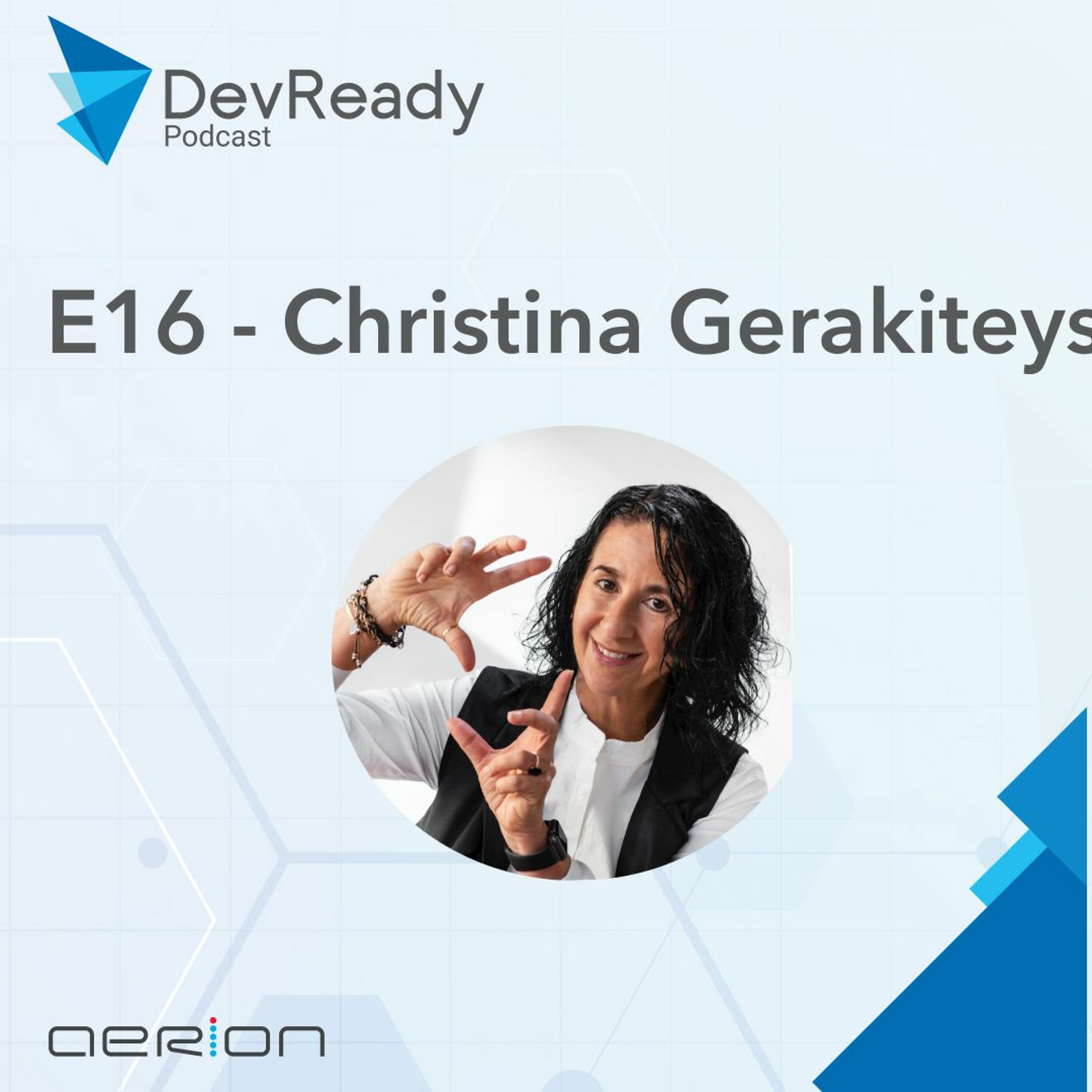
DevReady Podcast E16 - Christina Gerakiteys
In the DevReady Podcast this week we were joined by Christina Gerakiteys, CEO of SingularityU Australia, to discuss how they are helping startups and businesses utilise technology to better serve humanity. Christina shared how we can all shoot for that moonshot idea and create new and innovative possibilities with technology to impact a billion people. In this inspiring look at technology, Christina shared many stories the will open up your eyes to the possibilities that are around us.

DevReady Podcast E15 - Jacinta Outlaw
We are all overload by data. They say "data is the new oil", but does that lend us to capturing data for the sake of capturing data? In today's episode of the DevReady we joined be Jacinta Outlaw from The Fifth Element. During this episode, we explored how startups and businesses can better utilise and collect data to increase their value and solve greater problems. Learn how Jacinta and her team help businesses understand the value of data and how to better engineer your tech products with data partners in mind. A great episode about how we can strategically position of businesses to capture data and solve bigger problems.

DevReady Podcast E14 – Neville Christie
“Opportunity is everywhere, except most of us have our eyes closed” – Neville Christie In Today’s Special Episode of the DevReady Podcast. Neville joined us to talk about the current state of the economy given the coronavirus crisis. 78 years young, Neville has been involved in 44 venture, 41 successful. A profound track record by anyone’s account. During this episode, Neville shared his amazing journey of how he was forced to become the family breadwinner at the young age of 12. By 13, Neville had begun 3 business, the 3rd of which was collecting and producing Scallop shell ashtrays. Selling them door-to-door, Neville turned this 5c item into a 75c sale! He then turned this profit into buying and selling newspapers at the local pub, later falling into the business microloans. At 13, Neville was making 5X the average wage! In this episode, we take a deep dive into how Purpose has played a major part in Neville’s success and he shared what entrepreneurial life could look like in the aftermath of COVID-19.

DevReady Podcast E13 - Daniel Mumby
In today's episode of the DevReady Podcast, we had Daniel Mumby "That StartUp Guy" join us again. In this episode, we discussed an approach to building a team around you to increase your likelihood of investment and long term success in your tech venture. Dan's advice for founders; build a team of advisors and ensure that they meet the following criteria: 1. Walked the path before and 2. are emotionally invested in your success If you are a non-tech looking build tech consider finding advisors that can help across the following areas: 1. Technical 2. Industry knowledge 3. Sale 4. Knows your target customers 5. Understand the numbers

DevReady Podcast E12 - Craig McFarlane
In today's episode of the DevReady Podcast, we were joined by Craig McFarlane, Director - Education and Professional Services at Essilor Asia-Pacific, Middle East, Mediterranean-CIS, Russia & Africa at Essilor Group. In his time at Essilor, Craig has been instrumental in moving the organisational training from face-to-face to blended (online and offline) and now even microlearning approaches. Craig shared his number one tip from building tech within an organisation. Keep it simple at the start! Take it one step at a time and build a robust solution that will allow you to expand your product in the future. This is great advice for any non-tech looking to build better technology.

DevReady Podcast E11 - Jamie Skella
In today's episode of the DevReady we had Jamie Skella join us. Thank you, Jamie, for taking the time to share your journey of developing digital products in both corporate and startup environments. At 13, Jamie first embraced technology as an online gamer and later played for Australia's top-ranked esports teams. Jamie has now gone full circle, where he now manages Mogul, Australia's first publicly listed esports company. We first met Jamie when he was running Horizon State, Winner of the World Economic Forum Technology Pioneer award, joining the likes of Google, Airbnb, and Spotify. Voted 7 of 100 on a list of world-changing technologies by The Australian.
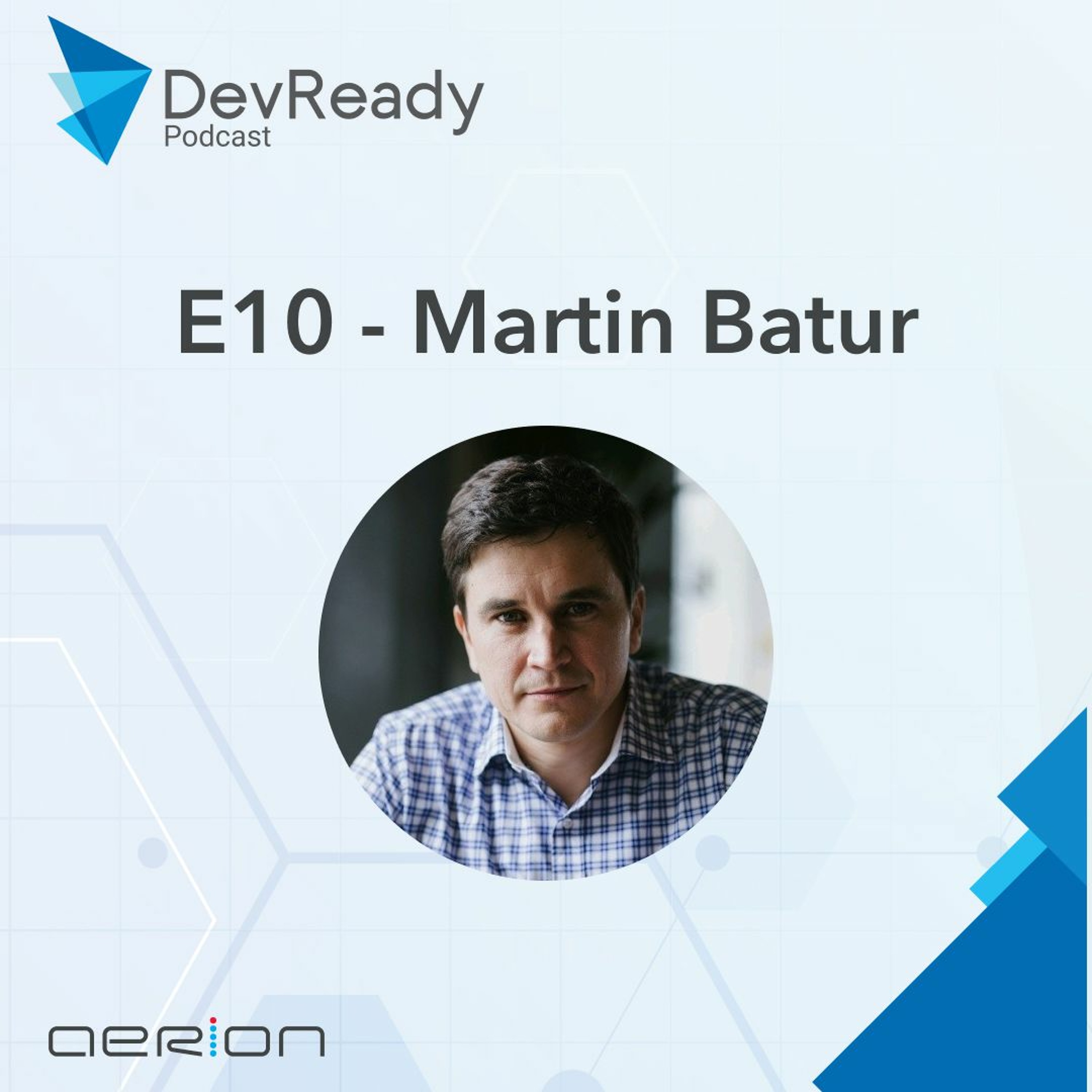
DevReady Podcast E10 - Martin Batur
Thank you Martin Batur for joining us on the DevReady Podcast. Martin is the Co-Founder of GigSuper, a startup out of Melbourne that is helping the self-employed understand the importance of Superannuation. Did you know that over 1.3+ million Australians are self-employed and that 75% are NOT currently contributing to Super? Worst of all 20% have a NO super at all! GigSuper aims to solve this problem by educating the market and providing an innovative SaaS product to help self-employed folks build their super balance. In this episode, Martin shared how they approached the development of their product as non-techs. Learn about what they would have done differently if they had the opportunity to start all over again.

DevReady Podcast E09 – Brian Ruddle
Thank you Brian Ruddle for joining us on the DevReady Podcast this week. Brian is from Impact Innovation where they have been helping startups and corporate with their product innovation for over 13 years now. Brian has been involved in 4 successful startups, is an advisor in the startup space and is now the Chair of Innovation Management Standards at @standards Australia. In today’s episode, Brian shares his model describing Idea Complexity. The Idea complexity model provides a great framework to ask the right questions, explore our assumptions and validate ideas and business cases within a structured approach. This is a great episode for anyone that has had that lightbulb moment and looking for a model to maximise their potential of success.

DevReady Podcast E08 - Tim Walmsley
In this week’s episode of the DevReady, we had Tim Walmsley join us from BenchOn. Tim shared his story of how he has continued to pivot his business, operations and even target customer to solve a major problem that we can all have in our businesses. Staff under-utilisation. Tim shared how this non-tech SOLD THE HOUSE and went all-in on his vision. In 2019, 4 years into the business BenchOn was name the “Defence Connect Australian Defence Industry Start-Up of the Year for 2019”. In this episode, Tim shared some great insights into what it really takes to create value.

DevReady Podcast E07 - Stewart Marshall
Thank you Stewart Marshall for joining us on the DevReady Podcast this week. In this episode, we discussed some of the key challenges that a SaaS business can face. Did you know that 10/11 SaaS businesses fail and that in every SaaS category there is an average of 10 competitors? Through this podcast, you will learn about how to get ahead in this highly competitive landscape. If you run own a SaaS business or a looking to build a SaaS product this is a MUST listen.

DevReady Podcast E06 - Cary Gee
In today's Episode of the DevReady Podcast we interviewed Cary Gee, founder of BOTTY Limited. Cary shared his story of how he went from growing and exiting a 200+ stores restaurant chain across Asia to now running his second tech Company. In 3 short years, this non-tech has grown the Botty team to over 25+ dev and engineers working across contextual AI and Machine Learning supporting 1,000+ clients. Through the Podcast Cary shared a great insight into how big questions have shaped entrepreneurial journal. If you are a non-tech looking to convert your ideas into a successful business, this Podcast will provide you with some significant insights.

DevReady Podcast E05 - Dan Mumby
It is never about the technology. In this episode of the DevReady Podcast, we interviewed Daniel Mumby "That StartUp Guy" - 15x founder, Startup Mentor, Angel Investor and Author of the book titled, "Before you quit your day job" In the episode we discussed how focusing on the tech can actually limit your ability to succeed. We looked at the importance of a strategic plan, understanding your business model and how to deliver a product and service that your customers will love, need and desire. This is a must-listen for anyone that is building a technology product.

DevReady Podcast E04 - Robert Venter
In this week’s episode of the DevReady Podcast, we interviewed Robert Venter. Robert, thank you for coming on to the Podcast and sharing your journey. Robert is the founder and CEO of Eazi-Tender. In 2015 Robert set out on the journey to develop an all in one platform to solve the problem of having to work with multiple software packages with little integration in the project management space. Throughout his journey, Robert engaged with several tech partners and was even invited to Silicon Valley accelerator to realise his dream. However, success wasn’t realised until he discovered that the problem he was attempted to solve needed refinement. A core focus on a single problem that could add significant value to a large client base. If you are a non-tech building tech, this episode drives home the importance of understanding what your customers really need.
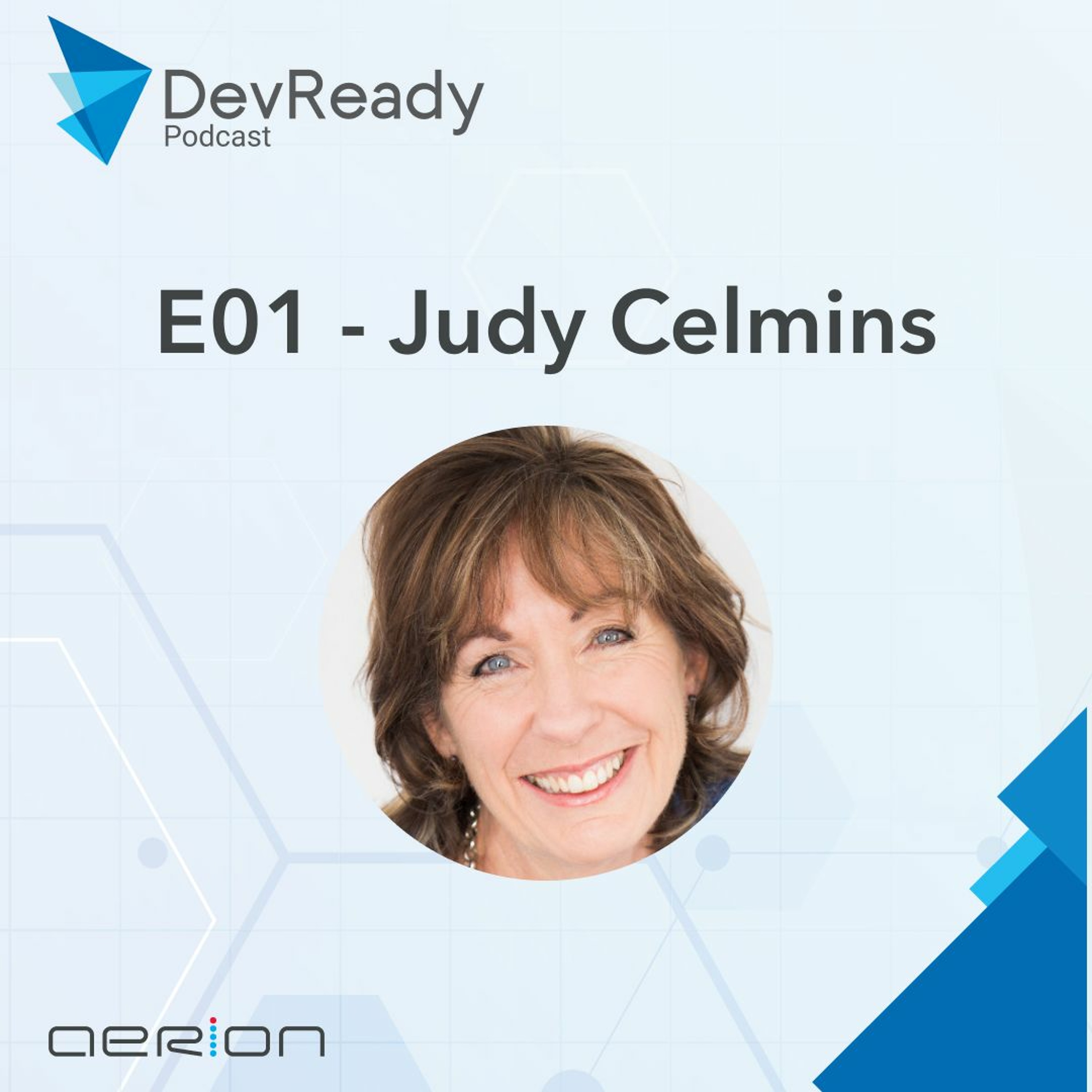
DevReady Podcast E01 - Judy Celmins
We have just launched our new DevReady Podcast. Our first interview is with Judy Celmins of Engage4Insights. She shares her story about jumping into the development of their own app, It’s a great story with plenty of interesting takeaways. Visit our website, or follow us on social media for more insights Website: https://aerion.com.au LinkedIn: https://www.linkedin.com/company/aeri... Medium: https://medium.com/aerion-technologies Twitter: https://twitter.com/aeriontech Facebook: https://www.facebook.com/aerionTech EDM Dance Party by Alex Menco | https://alexmenco.net Music promoted by https://www.free-stock-music.com Creative Commons Attribution 3.0 Unported License https://creativecommons.org/licenses/...
DevReady Podcast E02 - Mellonie Francis
Today's Podcast is with Mellonie Francis, a non-tech founder of Find Book Beauty. Learn about her journey that started out building an MVP with a website builder. This led to engaging technical advisor and dev team which she later had to sack. If you are looking to take an Idea to Software this is a must listen. Visit our website, or follow us on social media for more insights Website: https://aerion.com.au LinkedIn: https://www.linkedin.com/company/aeri... Medium: https://medium.com/aerion-technologies Twitter: https://twitter.com/aeriontech Facebook: https://www.facebook.com/aerionTech
DevReady Podcast E03 - Nick Coster
Validating and Idea can be one of the biggest challenges when building a new product. Are we solving a problem that our customers actually value? Are solving the problem with the right solution? Let's face it, we all can fall in love with our ideas and sometimes this can mean we jump into delivery way too early. In this episode of the DevReady podcast we interviewed Nick Coster. Nick is from Brainmates, where he and his team help product owners deliver products that customers love. Nick shared a step by step approach to designing and validating solutions with our target customers. If you have an idea and want to deliver a technology solution, this is a must listen. Visit our website, or follow us on social media for more insights Website: https://aerion.com.au LinkedIn: https://www.linkedin.com/company/aeri... Medium: https://medium.com/aerion-technologies Twitter: https://twitter.com/aeriontech Facebook: https://www.facebook.com/aerionTech