Delta: HealthTech Innovators
58 episodes — Page 1 of 2
Ep 57How OpenEvidence Became a $12 Billion AI Healthcare Giant | Full Breakdown
OpenEvidence just hit a $12 billion valuation — here's the full story of how it happened. Daniel Nadler sold his first company, Kensho, to S&P Global for $550 million. Then he turned his attention to one of the most broken systems in the world — medical information.Hosts Roupen Odabashian, MD and Osama Hyder break down the full story of OpenEvidence — the AI-powered clinical decision support platform now used by 40% of US physicians, handling 358,000 queries per day.We cover Daniel's origin story from Toronto to Harvard PhD, the Federal Reserve, and the founding of Kensho in 2013. We explore the $550M S&P acquisition, his parallel career as a published poet and MoMA PS1 board member, co-founder Zachary Ziegler's background, the Mayo Clinic partnership, domain-specific AI architecture, the USMLE 100% score debate, and the explosive growth that followed.The second half dives into the funding roadmap (Series A–D), product expansion into AI Scribe and DeepConsult, the direct-to-physician business model, monetization strategy, competitive analysis, network effects, and bear case risks.Whether you're a physician, a health tech founder, or an AI investor — this is the most in-depth breakdown of OpenEvidence you'll find anywhere.Subscribe for weekly deep dives: deltahealth.tech | Sponsored by PMWC 2026 — use code DELTAHEALTH at pmwcintl.comTimestamps: 00:00 - Hook: Who is Daniel Nadler & Why OpenEvidence Matters 01:46 - Welcome & Host Introductions 05:48 - Daniel Nadler's Origin Story 12:10 - Harvard PhD & The Federal Reserve 17:00 - Founding Kensho Technologies (2013) 22:00 - S&P Global Acquires Kensho for $550M 29:38 - Poetry & Art Career (MoMA PS1) 31:29 - The Information Crisis in Medicine 48:25 - The Founding of UpToDate 1:02:26 - ChatGPT Launches (November 2022) 1:15:00 - Zachary Ziegler's Background 1:21:00 - Self-Funding & Founding OpenEvidence 1:27:46 - The Mayo Clinic Partnership 1:34:46 - Technical Architecture: AI, RAG & Citations 1:46:00 - USMLE 100% Score & The Debate 1:53:30 - Growth: 358,000 Queries Per Day 2:08:00 - Funding Roadmap: Series A Through D 2:40:00 - Future of AI & The Physician Relationship 2:45:17 - Product Expansion: AI Scribe & DeepConsult 3:05:00 - Direct-to-Physician Approach 3:17:20 - Business Model & Monetization 3:32:15 - Competitive Analysis & Network Effects 3:47:00 - Bear Case & RisksHosts: Roupen Odabashian: [email protected] | linkedin.com/in/roupen-odabashian-md-frcpc-fasco-183aaa142 Osama Hyder: [email protected] | linkedin.com/in/sam-hyder
Ep 56How Doximity Built a $9B Monopoly Doctors Actually Love | The Full Story
In this episode, we dive deep into the incredible story of Doximity—the "LinkedIn for Doctors" that captured 80% of US physicians and became one of healthcare's most under-the-radar success stories.Thank you for the sponser of today’s episode🎟️ PMWC Conference – Use code DELTAHEALTH at pmwcintl.com for a discount!🔑 What You'll Learn:How founder Jeff Tangney went from Epocrates (the first medical app on iPhone, endorsed by Steve Jobs) to building DoximityWhy Doximity succeeded where competitors like Sermo and Osmosis failedThe brilliant business model that keeps physicians happy while generating billionsHow COVID-19 transformed Doximity's telehealth tools from 1M calls/month to 1M calls/dayStrategic acquisitions: Curative (staffing), Amion (scheduling), and Pathway (AI clinical decision support)The explosive launch of Doximity GPT and the AI scribe warsThe controversial Open Evidence lawsuit shaking up healthcare AI⚠️ Disclaimer: This is not financial advice. Do your own due diligence.Doximity Links🌐 Website: doximity.com📈 Investor Relations: investors.doximity.com💼 Doximity LinkedIn: linkedin.com/company/doximity📱 Doximity App (iOS): apps.apple.com/us/app/doximity/id393714498🏥 Curative (Physician Staffing): curative.com🩺 Pathway Medical: pathway.mdHostsRoupen Odabashian LinkedIn: linkedin.com/in/roupen-odabashian-md-frcpc-fasco-183aaa142/Email: [email protected] Hyder LinkedIn: https://linkedin.com/in/sam-hyderEmail: [email protected]🎧 Subscribe for more deep dives into the playbooks of successful healthcare companies!#Doximity #HealthTech #DigitalHealth #Telemedicine #PhysicianNetwork #StartupStory #HealthcareAI #LinkedInForDoctors
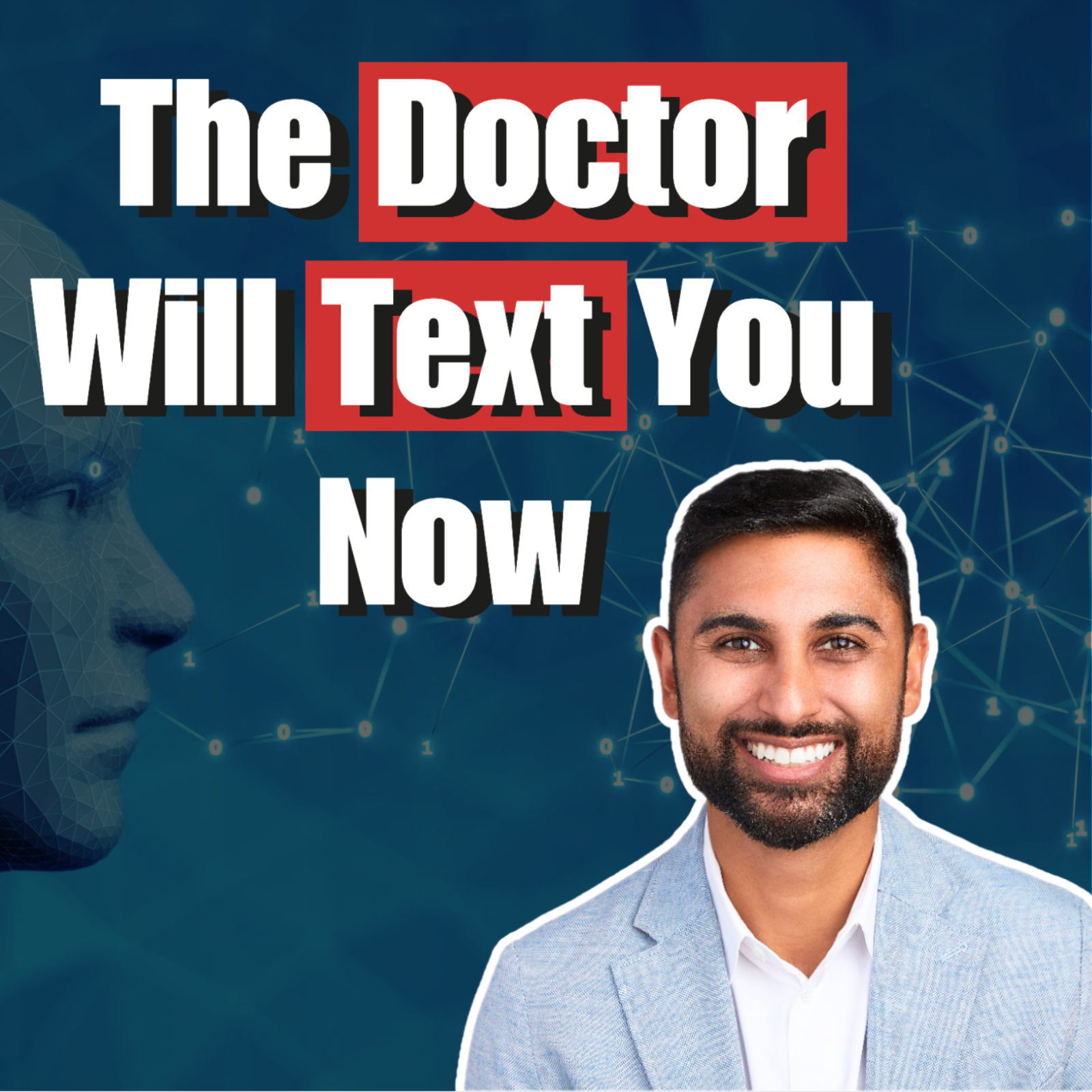
Ep 55The Doctor Will Text You Now: How Councel Health is Scaling the "Clinician Cockpit" with AI
Join us for an insightful conversation with Dr. Rishi Khakhkhar, Chief Medical Officer at Counsel Health, as we explore how this AI-enabled virtual care company is transforming the way patients access healthcare through chat-based, physician-supervised medical AI.In this episode, we dive deep into:- How Counsel Health combines medical AI with real physicians for safe, supervised care- The patient journey: from AI-powered intake to physician consultation- Asynchronous vs. synchronous care and what it means for busy patients- Emergency escalation protocols and patient safety in AI-enabled care- The "clinician cockpit" - AI tools built for physicians by physicians- The future of longitudinal patient-physician relationships in virtual care- Counsel Health's $35M Series A led by Andreessen Horowitz and Google VenturesDr. Khakhkhar shares his journey from ER physician at Mount Sinai during COVID-19 to helping build the next generation of telemedicine, and why he believes AI will help physicians focus on what matters most - the human moments of care.Timestamps00:00 – Introduction01:28 – Dr. Khakhkhar's Background & How He Joined Counsel Health04:48 – The Patient Journey: From AI Chat to Physician09:00 – Longitudinal Care & the Patient-Doctor Relationship12:00 – Asynchronous vs. Near-Synchronous Care15:00 – Emergency Escalation & Patient Safety Protocols19:00 – AI as a Team Member, Not a Replacement22:00 – Dr. Khakhkhar's Journey: COVID-19 & Virtual Care24:22 – Funding: $35M Series A from a16z & Google Ventures27:00 – The Clinician Cockpit: AI Tools for Physicians31:00 – Isolating the Human Moment in MedicineLinkedIn: https://www.linkedin.com/in/rishi-khakhkharAbout Counsel HealthFounded by Dr. Muthu Alagappan (former CMO of Notable Health, Stanford MD), Counsel Health is an AI-enabled virtual care company on a mission to be the primary doctor for the next billion people on earth.Company Website: https://www.counselhealth.comCompany LinkedIn: https://www.linkedin.com/company/counselhealthFounder LinkedIn (Dr. Muthu Alagappan): https://www.linkedin.com/in/muthualagappan Host: Dr. Roupen Odabashian, MD, FRCPC, FASCOHematology-Oncology Physician | Healthcare Innovation EnthusiastConnect with Us:🎙️ Podcast: Delta HealthTech Innovators💼 Host LinkedIn: https://www.linkedin.com/in/roupen-odabashian-md-frcpc-fasco-183aaa142📧 Email: [email protected] on:🍎 Apple Podcasts: https://podcasts.apple.com/us/podcast/delta-healthtech-innovators/id1703827145▶️ YouTube: https://www.youtube.com/@RoubenOdabashianMD🎧 Spotify: https://open.spotify.com/show/2vYC26pNkZVIhsqloNcCm9
Ep 54 Preventing Dialysis Access Failure: How Auvi Labs is Building a Wearable Ultrasound Device
Preventing Dialysis Access Failure: How Auvi Labs is Building a Wearable Ultrasound Device | Rishab Veldur & Kevin VolkemaIn this episode, I sit down with Rishab Veldur (CEO) and Kevin Volkema (COO) from Auvi Labs to discuss how they're tackling a critical problem in dialysis care. 40% of dialysis patients experience fistula or graft failure within their first year—leading to endless hospitalizations and life-threatening situations.Auvi Labs is building "Beacon," a wearable ultrasound patch that patients can use for just 10 minutes a day to detect early signs of access failure. We dive deep into their journey from a university capstone project to launching clinical pilots, the challenges of building a healthcare startup, and their unique approach to networking and building clinical partnerships.Whether you're a healthcare founder, engineer, or just interested in medtech innovation, this episode is packed with actionable insights.Timestamps • 00:00 – Introduction • 01:00 – The Problem: Dialysis Access Failure • 03:15 – From Acoustic Device to Wearable Ultrasound • 10:06 – The 20-Patient Pilot Study • 11:52 – How to Find Clinical Pilots • 17:40 – Networking Playbook for Healthcare Founders • 21:01 – The Power of a Founder Newsletter • 23:45 – Business Model & Value-Based Care • 29:19 – Biggest Risks & Clinical Integration Challenges • 36:04 – Bottlenecks for ScalingKey Takeaways 1 Start with the problem, not the solution – They pivoted from an acoustic device to ultrasound after learning what patients and physicians actually needed 2 Healthcare is relationship-based – Cold outreach has low success; invest in building genuine connections over time 3 Skip the big conferences early on – Niche events and reaching out to researchers on Google Scholar yields better results 4 Use your student email – Everyone wants to help students 5 Send a newsletter – Share highs AND lows to bring people along on your journey 6 Value-based care is the path – Working with kidney contracting entities can bypass traditional CPT code reimbursementGuest Links • 🌐 Website: auvilabs.com • 💼 Rishab Veldur (CEO) LinkedIn: https://www.linkedin.com/in/rishab-veldur/ • 💼 Kevin Volkema (COO) LinkedIn: https://www.linkedin.com/in/kevinvolkema/Host • 💼 Roupen Odabashian LinkedIn: https://www.linkedin.com/in/roupen-odabashian-md-frcpc-fasco-183aaa142/ • 📧 Email: [email protected]#healthcarestartup #medtech #dialysis #wearables #digitalhealth #medicaldevice #startup #healthcare #founders
Ep 53Dr. Amit Phull - Building Physician-First AI Tools at Doximity
Join us for an incredible conversation with Dr. Amit Phull, Chief Physician Experience Officer at Doximity, as we explore how the largest professional medical network in the United States is revolutionizing healthcare with AI-powered tools built by physicians, for physicians.In this episode, we dive deep into:- How Doximity grew to serve over 80% of U.S. physicians- The development of HIPAA-compliant AI tools including Doximity GPT- The importance of clinician input in healthcare technology- Real-world impact: How AI is saving physicians hours and improving patient care- The acquisition of Pathway (Montreal-based company) and integration of clinical decision support- Privacy-focused AI scribe technology generating millions of notes- Lessons learned from product failures and successesDr. Phull shares his unique journey from computer engineering to emergency medicine, and how maintaining both clinical practice and tech expertise positions him to bridge the gap between technology and healthcare delivery.Timestamps[00:00:00] Introduction & Welcome[00:01:24] Dr. Phull's Journey: Computer Engineer to Emergency Physician[00:04:00] Role as Chief Physician Experience Officer[00:06:41] Why Maintaining Clinical Practice Matters[00:11:04] Introduction to Doximity Tools & Platform[00:14:52] The Secret Sauce: Clinician-Driven Development[00:18:44] Doximity GPT Evolution & HIPAA Compliance[00:22:21] Acquiring Pathway AI (Montreal)[00:28:41] AI Scribe: Privacy-First Documentation[00:30:52] Lessons from Product Failures[00:36:18] Success Story: 10% to 90% Prior Auth Approval RateAbout Our GuestDr. Amit Phull, MDChief Physician Experience Officer, DoximityBoard-Certified Emergency Medicine PhysicianAdjunct Lecturer, Northwestern University Feinberg School of MedicineDr. Phull combines deep expertise in medicine, technology, and strategy. He completed his MD at University of Virginia (where he also earned a BS in Computer Science), finished emergency medicine residency at Northwestern, and has been with Doximity since 2014. He continues to practice emergency medicine while leading physician experience strategy for the nation's largest medical professional network.LinkedIn: https://www.linkedin.com/in/amit-phull-09931667/Doximity Website: https://www.doximity.comDoximity LinkedIn: https://www.linkedin.com/company/doximityMy email: [email protected]: https://youtu.be/ElB-a5Mubm4
Ep 52Why Clinicians Must Learn Tech: OB-GYN to CMO Journey | Healthtech
Why do 30% of patients take medications differently than what's in their medical records? Dr. Eve Cunningham, Chief Medical Officer at Cadence, reveals the shocking gaps in traditional healthcare—and how remote patient monitoring is revolutionizing chronic disease management for 70,000+ patients across 20 health systems.In this episode, we dive deep into:✅ The hidden cost of episodic vs. continuous care✅ How a practicing OB-GYN broke into healthtech leadership✅ Why 20% of medication changes are actually DOWN-titrations✅ The future of AI-powered clinical decision support✅ Real outcomes: 18% fewer hospitalizations, $183/month savings per patientTimeStamps:Dr. Cunningham spent 20 years leading physician groups at Kaiser Permanente, CommonSpirit, and Providence before joining Cadence—a remote patient monitoring company backed by $141M from General Catalyst and Thrive Capital. She shares candid insights on physician leadership, technology transformation, and why clinicians MUST develop technical competency.🎯 Perfect for healthcare entrepreneurs, medtech founders, physicians exploring innovation, and anyone building the future of digital health.KEY TOPICS COVERED:Remote patient monitoring at scale (70,000+ patients)Clinical AI and machine learning in chronic disease managementBreaking into healthtech from clinical practiceValue-based care and Medicare reimbursement (CPT codes 99453, 99454, 99457, 99458)Medication reconciliation and polypharmacy managementVirtual care infrastructure: telehealth, virtual nursing, hospital-at-homeTechnology adoption in large health systemsThe emerging clinician-engineer hybrid roleDeprescribing and down-titration opportunitiesSocial determinants of health and caregiver engagementPUBLISHED OUTCOMES:📊 New England Journal of Medicine: Catalyst validates Cadence's model: https://catalyst.nejm.org/doi/abs/10.1056/CAT.24.0521CONNECT WITH DR. EVE CUNNINGHAM:LinkedIn: https://www.linkedin.com/in/evecunninghammd/🔗 CONNECT WITH CADENCE:Company LinkedIn: https://www.linkedin.com/company/cadencerpmWebsite: https://www.cadence.care/Published Research: https://www.cadence.care/outcomes-report-2024
Ep 51AI-Powered Residency Screening: How RankRX Uses LLMs to Fix Unfair Application Filtering
MalkeAsaad, plastic surgery resident and founder of Rank RX, shares how he built an AI platform using large language models to revolutionize residency application screening. From med school in war-torn Aleppo to Mayo Clinic and MD Anderson, Malke discusses the unfair filtering system that inspired Rank RX—where Nobel Prize laureates get rejected for missing a cutoff by one point—and how AI can make hiring more objective and efficient.What you'll learn:- Why the current residency application system is broken (Nobel Prize winner rejected for 1-point score gap)- How Rank RX uses AI/LLMs to screen 1,000–2,000 applications (30–80 pages each) in minutes- Building a tech team as a physician entrepreneur without coding background- Customer acquisition strategies for healthcare startups (networking, ads, vendor screening)- Market validation: assessing if your solution solves a real problem people will pay forTimestamps- 0:00 – Unfair residency filtering: Nobel Prize winner rejected for 1-point gap- 1:14 – Malke Assad’s journey: From Aleppo to leading U.S. institutions- 3:45 – Rank RX: How AI/LLMs bring objectivity to application screening- 4:21 – How it works: Custom scoring and program-driven selection criteria- 8:36 – Real-world usage: Positive feedback and automated recommendation letter analysis- 10:32 – Building a tech team without a coding background- 17:35 – Key advice for physician entrepreneurs: Turning ideas into scalable companies- RankRX Website: https://www.rank-rx.com/- Malke Assad LinkedIn: https://www.linkedin.com/in/malke-asaad-43b908177- The Match Guy Website: https://thematchguy.thinkific.com

Ep 50From FDA Clearance to 1 Billion Views: How This Medical Device Startup Went Viral
When Sahil and his brother started Otoset in their mid-20s, they had no idea their FDA-cleared ear cleaning device would generate over 1 billion social media views and force them to completely pivot their business model.In this episode, Sahil shares the unexpected journey from building a B2B medical device company to creating "the front door to ear care", a direct-to-consumer healthcare network serving 40 million Americans with chronic ear wax issues.🔑 KEY TAKEAWAYS:→ How they became some of the youngest founders to get FDA 510(k) clearance→ The unexpected social media virality that changed everything→ Why they pivoted from partner clinics to owning their own locations→ Marketing strategies: organic content, influencers, and patient education→ The critical role of FDA clearance as a competitive differentiator→ Building credibility before scaling consumer marketing→ Finding the right mentors in healthcare entrepreneurship💡 WHO THIS IS FOR:✓ HealthTech & MedTech founders navigating FDA pathways✓ Startups exploring direct-to-consumer healthcare models✓ Entrepreneurs learning to leverage social media for medical products✓ Anyone interested in the consumerization of healthcare📊 BY THE NUMBERS:- 40 million Americans affected by ear wax buildup- 1 billion+ views across social media- $99 cash-pay model (first treatment)- 20-30 patients/day in company-owned clinics- Expanding to 50+ major metrosTimestamps:00:00 - Introduction: The Brother's Ear Wax Problem01:21 - What is Otoset? The First FDA-Cleared Ear Cleaning Device03:22 - Why FDA Clearance Matters & How They Got It06:56 - The Unexpected Social Media Explosion08:55 - The Strategic Pivot: B2B Device to D2C Healthcare Network11:36 - Business Model: $99 Cash-Pay & Building Owned Clinics15:18 - Beyond Ear Care: Hearing Health & Expansion Plans17:15 - Marketing Strategy: Organic, Influencers & Patient Education20:33 - Building Credibility Before Scaling Consumer Marketing22:35 - Biggest Lesson: Find Healthcare Entrepreneur Mentors Early24:33 - Final Thoughts & Key Takeaways📌 Key Resources & Links🔗 Otoset Website: https://otoset.com/🔗 Otoset Linkedin: https://www.linkedin.com/company/visitallears/🏥 Find a Certified Clinic: https://otoset.com/pages/find-clinic💼 Connect with Sahil: https://www.linkedin.com/in/sahildiwan/
Ep 49AI in Medicine is BROKEN: Stanford PhD Exposes the 95% Accuracy Lie | LLMs in Healthcare
Is AI really ready to replace doctors? Stanford PhD researcher Suana reveals shocking truths about medical AI that Big Tech doesn't want you to know. When she tested leading AI models like GPT-4, Claude, and DeepSeek on modified medical questions, their accuracy plummeted by up to 40%!In this eye-opening conversation, we dive deep into:❌ Why 95%+ accuracy on medical exams means nothing in real clinical practice❌ How AI models fail when there's "no right answer" (which happens constantly in medicine)❌ The dangerous gap between flashy headlines and clinical reality✅ How doctors can safely use AI as a co-pilot (not replacement)✅ The future of medical AI evaluation and what needs to changeSuana is a 3rd-year PhD student at Stanford in Biomedical Data Science, pioneering real-world evaluation methods for medical AI. Her research on MedELM and benchmarking is reshaping how we think about AI deployment in healthcare.🔬Key Research Discussed:JAMA Open publication on AI robustness in medical diagnosisMedELM: 35-dataset benchmark suite for real clinical tasksWhy MedQA and USMLE-style tests don't reflect actual patient care⚠️ CRITICAL TAKEAWAY: AI models are trained to always give an answer, even when "none of the above" is correct—a potentially dangerous flaw in medical decision-making.📚 Resources Mentioned:MedELM Leaderboard (public repository available)Research on medical AI evaluation standardsReal-world hospital deployment considerationsTimestamps:0:00 - Introduction: Why Medical AI Evaluation is Broken1:04 - Suana's Journey: From Computer Science to Healthcare AI2:32 - The 3 Critical Problems with Current AI Benchmarks8:28 - The Research: Testing AI with "None of the Above"17:24 - Shocking Results: AI Accuracy Drops 8-40%19:02 - Why AI Can't Say "I Don't Know"23:10 - Take-Home Message: Use AI as Co-Pilot, Not Replacement24:58 - Real Clinical Examples: When AI Actually Helps28:12 - MedELM: The Future of Medical AI Evaluation34:35 - Final Advice for Doctors, Patients & DevelopersWhether you're a physician, healthcare worker, AI developer, or patient curious about medical AI, this conversation will change how you think about artificial intelligence in healthcare.Paper link: https://jamanetwork.com/journals/jamanetworkopen/fullarticle/2837372
Ep 48From $60K/Month Revenue Recovery to YC Success: How Ember is Fixing Healthcare's $10B Fraud Problem
Healthcare revenue integrity is broken, and Charlene, CEO of Ember, is fixing it with AI. In this episode, she reveals how hospitals lose millions due to inefficient billing processes and how her platform helps recover 51% of initially denied claims. From her background at Google Health to building a YC-backed startup that's generating over $60,000 per month in additional revenue for clients, Charlene shares the secrets behind focusing on one specific problem and executing flawlessly.Key topics covered: Healthcare revenue cycle management, AI in medical billing, startup focus strategies, building in regulated industries, and the future of healthcare fraud detection. Perfect for healthcare executives, CFOs, startup founders, and anyone interested in healthtech innovation.Timestamps0:00 Introduction & Ember Overview1:05 What is Revenue Integrity in Healthcare?2:31 Ambient Listening & Clinical Documentation4:10 Product Implementation & Integration Process6:02 Real Results: $60K+ Monthly Revenue Recovery8:33 Technical Deep Dive: How Ember Works10:28 Charlene's Background & Healthcare Industry Insights12:53 The $10B Healthcare Fraud Problem16:17 Y Combinator Experience & Startup Focus18:22 Building the Right Team (3-Year Journey)21:44 Future Vision for Ember22:41 Advice for Healthcare Entrepreneurs
Ep 47How AI Turns Messy EHR Into Clear Survival Predictions
Can AI forecast ICU risk from the first 36 hours of EHR data?University of Washington researcher Sihan explains TrajSurv, a survival-prediction model that converts noisy, irregular ICU time series into interpretable latent trajectories using Neural Controlled Differential Equations (NCDEs) and time-aware contrastive learning aligned to SOFA. We cover how trajectories outperform snapshots, handle missingness without heavy imputation, and remain clinically legible via vector-field feature importance and trajectory clustering.Validated on MIMIC-III and eICU with reported C-index ≈0.80 and cross-cohort ≈0.76, TrajSurv points to safer escalation, de-escalation, and bed allocation in the ICU.In this episode: survival prediction basics; limits of Cox/RSF vs deep time-series models; NCDE explained in plain language; first-36h feature set (53 labs/vitals/demographics); metrics (C-index, Brier, dynamic AUC); interpretable clustering linked to outcomes; and what’s next—adding interventions for counterfactual simulation and extending to oncology.Link to the paper: https://arxiv.org/abs/2508.00657Timestamps00:00 Why trajectories beat snapshots in EHR01:00 Guest intro: Sihan, UW Biomedical Informatics01:40 Survival prediction 101 and clinical use03:40 From Cox/RSF to deep learning on time-varying data05:03 What is TrajSurv (pronounced “traj-surf”)?06:16 NCDE explained with the “ship + weather” analogy08:14 Handling irregular sampling and missing data09:14 Time-aware contrastive learning aligned to SOFA10:47 Datasets: MIMIC-III and eICU; first 36h features (labs, vitals, demo)12:40 Results: C-index ≈0.80; cross-cohort ≈0.76; interpretability14:30 Workflow: CDS, monitoring, escalation, de-escalation16:15 Why humans miss multi-variable long-horizon trends18:21 Latent trajectory clustering and survival differences23:18 Next: interventions, counterfactuals, oncology applications25:40 ClosingRoupen Odabashian LinkedIn: https://www.linkedin.com/in/roupen-odabashian-md-frcpc-abim-183aaa142/Sihang Zeng: https://www.linkedin.com/in/zengsh/#HealthcareAI #ClinicalDecisionSupport #EHR #ICU #SurvivalAnalysis #DeepLearning #NCDE #MIMICIII #eICU #SOFA
Ep 46How AI Fixes Medical Record Errors | $125B Healthcare Problem Solved
Medical documentation errors cost U.S. hospitals over $70 billion in denied claims and $55 billion in lawsuits every year. In this episode, we sit down with Dimitri, Founder & CEO of WorkDone Health, a Y Combinator-backed startup that’s building the "Grammarly for medical records."WorkDone Health automates chart review, compliance checks, and billing validation in real-time, preventing errors before they cost hospitals money—or compromise patient safety. We explore:Why CFOs are the first to feel the pain of documentation errorsHow AI-powered compliance and quality checks reduce denialsLessons from Y Combinator and scaling a healthcare startupWhy WorkDone could be the antidote to insurance AI denialsIf you’re a healthcare leader, investor, or builder in healthtech, this episode shows the future of clinical documentation.Timestamps:0:00 – Intro: The cost of documentation errors ($70B in denials, $55B lawsuits)1:00 – Dimitri’s journey: From physics to healthcare AI3:00 – The problem: Reactive vs. proactive documentation review5:15 – Real-world example: Left vs. right shoulder conflict7:00 – Sepsis bundle case study9:00 – How WorkDone Health prevents denials in real time12:00 – Impact on CFO metrics: denials, lawsuits, billing cycle14:30 – The “antidote” to insurance AI claim denials18:00 – How the tool works: real-time vs. batch checks22:00 – Prioritization of alerts: reducing physician burden27:00 – Vision: “Grammarly for medical documentation”29:00 – Lessons from Y Combinator for healthtech startups32:00 – HIPAA compliance and why it matters from Day 137:00 – Future of WorkDone: API integrations with EMRsDimtry Karpov: https://www.linkedin.com/in/dmitrykarpov/WorkDone: https://www.linkedin.com/company/workdonehealth/WorkDone: https://www.wrkdn.com/Roupen Odabashian: https://www.linkedin.com/in/roupen-odabashian-md-frcpc-abim-183aaa142/
Ep 45Fixing the $1 Trillion Healthcare Bottleneck with AI
In this episode, we sit down with Chuck Feerick, founder and CEO of Latitude Health, a MedTech startup tackling one of the most overlooked — yet critically expensive — problems in healthcare: prior authorization and utilization management.Chuck shares how a personal experience in his early 20s inspired him to transform the way health plans make care decisions, using AI to reduce administrative burdens and accelerate patient access to treatment. With a background spanning health plan operations, venture capital, and startups, Chuck brings a 360° perspective on what it really takes to build a successful health tech company.We dive into:The $1 trillion administrative crisis in U.S. healthcareWhy prior authorization delays hurt patients and providersHow Latitude Health uses AI to empower—not replace—cliniciansThe real challenges of selling to health plansWhat every health tech founder must understand about procurement, ROI, and building painkiller productsThe future of AI in care decision-makingWhether you're a health tech entrepreneur, investor, or healthcare executive, this conversation is full of practical insights on solving big, unsexy problems with massive impact.00:00 – Intro: Can AI Fix Healthcare?01:03 – Meet Chuck Feerick, Founder of Latitude Health02:15 – A Personal Story That Sparked a HealthTech Mission04:10 – The Broken Prior Authorization Process Explained06:32 – Automating Utilization Management with AI08:44 – What Latitude Health Actually Does10:05 – How Patients, Providers & Payers Benefit12:20 – Chuck’s Journey: Operator, Investor, Founder14:15 – Lessons from VC for Startup Fundraising in MedTech16:01 – How to Sell to Payers: Complex Sales in Healthcare18:30 – The Role of AI vs. Human in Clinical Decision Making21:04 – How Latitude Uses LLMs to Structure Medical Data23:19 – Training AI with Clinicians: Nurses, Doctors, CMO Input25:12 – Building a HealthTech Startup the Right Way27:00 – Tackling Long Sales Cycles in Healthcare28:42 – AI is Moving Fast — Building for Flexibility30:18 – The Unsexy Problem That Needed Solving33:07 – Why Utilization Management Is the Key to Controlling Costs35:45 – Administrative Waste: The $1 Trillion Opportunity37:02 – Why Latitude Focuses on High-Impact Painkiller Tools38:49 – Consumers, Behavior, and the ROI of Innovation41:00 – Closing Thoughts: What Founders Must Understand About HealthcareRoupen Odabashian:LinkedIn: https://www.linkedin.com/in/roupen-odabashian-183aaa142/X: https://twitter.com/RoupenMDEmail: [email protected] (Tiko) Bdoyan:LinkedIn: https://www.linkedin.com/in/chuckfeerickWatch Our Podcast at:https://youtu.be/Xj89GFyPpxw#MedicalStartup #Telehealth #SimulatedPatients #Fundraising #MedicalSchoolTools #CME #AIinMedicalEducation #CasperExam
Ep 44Revolutionizing MedTech: How SimAI Is Changing Medical Education Forever
In this episode, we dive deep into the future of MedTech and HealthTech innovation with Tikran Bdoyan, co-founder of SimAI, an AI-driven platform transforming medical education through realistic virtual patients.Learn how SimAI is:Reducing training bottlenecks in healthcareAccelerating student evaluation and feedbackSupporting medical schools, residency programs, and CME globallyHelping international students and telehealth teams scale their trainingWe also explore:SimAI’s journey through Y CombinatorFundraising in hard-to-crack spaces like healthcare and edtechThe growing role of AI in clinical education and patient simulationTimestamps:00:00 – Intro: Why MedTech Needs Disruption01:07 – Meet Tikran Bdoyan, Co-Founder of SimAI02:22 – The Problem in Medical Education Today04:11 – What is SimAI? AI Patients Explained06:03 – From Reddit Post to Startup Breakthrough07:36 – The Global Demand for AI in Clinical Training09:15 – Why Medical Exams Are Outdated11:27 – Real-Life Benefits of SimAI for Students & Professionals13:35 – Getting into Y Combinator: SimAI’s Journey15:40 – The Power of Focus and Realistic Expectations18:01 – Why Healthcare Sales Cycles Are So Slow19:38 – Customizing AI Patients for Schools21:25 – Instructor Tools & Performance Insights23:16 – Use Cases: Residency, CME & Telehealth25:12 – Fundraising in MedTech & EdTech: The Challenges27:06 – Finding Product-Market Fit in Counseling28:55 – SimAI’s Global TAM: US, India, Canada, IMGs31:00 – New Trends: AI-Augmented Practitioners32:54 – The Future of AI in Medical Education (10-Year Outlook)34:51 – Standardizing Bedside Manner Evaluation36:27 – Cost & Limitations of Simulated Patients38:19 – What Tikran Wishes He Knew Before Starting40:00 – Final Advice: Do More, Compete LessRoupen Odabashian:LinkedIn: https://www.linkedin.com/in/roupen-odabashian-183aaa142/X: https://twitter.com/RoupenMDEmail: [email protected] (Tiko) Bdoyan:LinkedIn: https://www.linkedin.com/in/tigran-bdoyan/Watch Our Podcast at https://youtu.be/7rmuSgTqkYw#MedicalStartup #Telehealth #SimulatedPatients #Fundraising #MedicalSchoolTools #CME #AIinMedicalEducation #CasperExam

Ep 43HealthTech Fundraising Secrets: AI-Driven Pitch + Investor Outreach 🇺🇸
Unlock proven strategies for HealthTech & MedTech startups to raise capital efficiently—from designing a lean deck and model to implementing AI powered outreach. In this episode, Jeff Fidelman, Harvard trained banker turned venture advisor, reveals why "Fundraising as a Service" is the next game changer in investor relations.Dive into:• Common funding mistakes founders make (like skipping the ask 😳)• Structuring your pitch (deck + model + valuation = 🟢)• Navigating SAFE vs. convertible notes• How AI reduces your MVP time & fundraising cost👉 Ideal for startup founders, HealthTech entrepreneurs, and media tech innovators ready to scale with smart capital strategies.Timestamps:00:00 Why fundraising execution matters01:06 Meet Jeff Fidelman – HealthTech fundraising guru02:03 Jeff’s path: from Morgan Stanley to venture banking05:03 Why founders fail at decks & modeling07:00 What "Fundraising as a Service" really means10:42 Don’t forget to ASK for money13:00 How investors evaluate your ROI14:28 Customer vs. investor psychology19:06 Equity dilution: how much you should give22:18 SAFE vs. Convertible Notes—founder friendly?23:50 The 3 critical slides: Problem, Market, Solution27:43 Use anecdotes to sell your story30:42 Funding sources in 2025: VC, angels, family offices35:27 How AI is accelerating MVPs & fundraising processRoupen Odabashian:LinkedIn: https://www.linkedin.com/in/roupen-odabashian-183aaa142/X: https://twitter.com/RoupenMDEmail: [email protected] Fidelman:LinkedIn: https://www.linkedin.com/in/jeffreyfidelman/Watch Our Podcast at YouTube#HealthTech, #MedTech, #StartupFundraising, #VentureCapital, #PitchDeck, #StartupTips, #Founders, #SAFEvsConvertible, #StartupEquity, #StartupDilution, #RaisingCapital, #HealthcareStartups, #FundraisingStrategy, #InvestorRelations, #StartupMVP, #AIForStartups, #SeedFunding, #SeriesA, #StartupMistakes, #JeffFidelman
Ep 42Healthcare Documentation with Commure | Dr. Mitchell & Ian Shakil | Health Tech Podcast
In this special episode of the Health Tech Podcast, we dive into the future of clinical documentation with Ian Shakil, founder of Augmedix, and Dr. Bill Mitchell, a practicing oncologist and real-world user of Augmedix’s ambient AI scribe.Discover how ambient AI is transforming the way physicians interact with electronic health records, saving hours per day, reducing burnout, and enhancing patient care. Learn about the journey of building Augmedix, the power of human-in-the-loop AI, and what differentiates this platform in a crowded health tech landscape.🔔 Don’t forget to like, subscribe, and hit the bell icon to stay updated on the future of healthcare innovation!🚀 What You’ll Learn:What is Ambient AI in healthcare?How AI scribes work in real clinical settingsTime savings and impact on burnoutBuilding a startup in a tough health tech marketHow Augmedix integrates with EHRsKey strategies for entrepreneurs in health techRoupen Odabashian:LinkedIn: https://www.linkedin.com/in/roupen-odabashian-183aaa142/X: https://twitter.com/RoupenMDEmail: [email protected]🎙 Featured Guests:Dr. Bill Mitchell – Medical Oncologist, Private Practice, Charlotte, NCIan Shakil – Founder of AugmedixLinkedIn: https://www.linkedin.com/in/ishakil/⏱️ Timestamps:00:00 – Intro: What is Augmedix?00:52 – The founder’s advice: “The obstacle is the way”01:21 – Meet Dr. Bill Mitchell, oncologist & AI scribe user02:14 – What is ambient documentation?03:24 – How the AI captures notes in real time04:20 – From Dragon to AI: The clinical experience05:41 – The impact on patient interaction and documentation quality06:49 – Cutting 40% of clinic time with AI08:11 – Becoming a beta user through Cardinal/Vista09:08 – Legal protection and accuracy through real-time capture10:50 – How Augmedix improves workflow for support staff12:00 – From point solution to AI platform: Augmedix’s evolution14:04 – Differentiation from competitors16:06 – Integration with life sciences and value-based care17:57 – Why most ambient scribe startups will fail19:57 – Ambient’s effect on patient perception21:47 – Peer-to-peer learning through enhanced notes22:59 – Why Ian Shakil founded Augmedix26:43 – Behind-the-scenes: Ambient AI’s real value28:44 – Advice for future health tech founders30:09 – Co-creating with clinician champions31:10 – Closing remarksAugmedix: https://www.augmedix.com/Commure: https://www.commure.com/Watch Our Podcast at YouTube: https://youtu.be/UvRvLbGMkG0#HealthTech #AmbientAI #Augmedix #DigitalHealth #AIscribe #EHR #HealthcareInnovation #MedTech #PhysicianBurnout #OncologyCare #StartupStory #MedicalAI #HealthIT #ClinicalDocumentation
Ep 41From Athlete to HealthTech CEO: How Rook is Revolutionizing Wearables in MedTech | Startup Story
Discover how wearables are transforming healthcare. In this in-depth interview, we explore the inspiring journey of biomedical engineer and entrepreneur Marco, founder and CEO of Rook. Learn how this HealthTech startup integrates data from 300+ wearable devices to give clinicians and developers real-time insights for better patient outcomes. Hear about the challenges of data standardization, the importance of regulatory compliance (HIPAA, GDPR, SOC 2), and how AI is reshaping the future of MedTech. If you’re passionate about healthcare innovation, digital health, or launching a successful startup, this conversation offers valuable lessons on leveraging wearables to enhance patient care.Roupen Odabashian:LinkedIn: https://www.linkedin.com/in/roupen-odabashian-183aaa142/X: https://twitter.com/RoupenMDEmail: [email protected] BenitezLinkedIn: https://www.linkedin.com/in/marcobzg/00:00 – Why Wearables Are the Future of Home Care00:34 – Meet Marco: Athlete Turned HealthTech Founder01:49 – The Birth of Rook: Making Health Data Useful04:25 – Big Pharma Experience & the Value of Clinical Data07:09 – Pivoting from Fitness to HealthTech09:42 – How a Doctor Sparked Rook’s Big Break10:20 – What Rook Does: API for 300+ Wearables12:54 – Challenges of Data Integration & Compliance14:42 – Startup Struggles: Fundraising in Tough Times17:59 – How to Win Over HealthTech Investors21:55 – Future of Wearables + AI in Healthcare24:01 – Personal Story: How Sleep Tracking Changed My Life26:40 – What’s Next: Making Data Truly Actionable27:18 – Advice for Aspiring HealthTech FoundersWatch Our Podcast at YouTube: https://www.youtube.com/watch?v=KkKcFp0j7bI#HealthTech, #MedTech, #Wearables, #DigitalHealth, #HealthcareInnovation, #Startups, #BiomedicalEngineering, #RemotePatientMonitoring, #AIInHealthcare, #StartupStory, #HealthStartup, #MedicalDevice, #HealthAPI, #HealthcareEntrepreneur, #HealthData, #MarcoRook, #TechForGood, #FoundersJourney, #RookHealth, #FutureOfHealthcare
Ep 40How AI Voice Agents Are Disrupting MedTech & HealthTech: Infinitus Founder Shares His Journey
Get ready for an in-depth conversation with Ankit Jain, Founder of Infinitus Systems and former Director of Engineering at Google, as he reveals how voice AI is revolutionizing the healthcare industry. Discover how Infinitus tackles administrative burdens, short-staffed teams, and critical patient interactions through advanced AI-driven solutions. Drawing on Ankit’s diverse background, including roles at SimilarWeb and Qura, this interview dives into the challenges and triumphs of launching a successful Health Tech startup. Whether you’re a physician, hospital executive, or aspiring entrepreneur, learn how AI voice agents are poised to redefine workforce efficiency, patient engagement, and cost savings in healthcare.Roupen Odabashian:LinkedIn: https://www.linkedin.com/in/roupen-odabashian-183aaa142/X: https://twitter.com/RoupenMDEmail: [email protected] Jain:LinkedIn: https://www.linkedin.com/in/jainankit/00:00 - Introduction00:03 - Welcome to Delta: Driving Healthcare Innovation00:36 - Special Guest: Ankit Jain, Founder of Infinitus Systems01:18 - Ankit’s Background & Journey01:46 - From Google & SimilarWeb to Healthcare AI02:15 - The Idea That Led to Infinitus Systems03:12 - Why Healthcare Needs AI Voice Agents03:40 - The Problem with Phone Calls & Faxes in Healthcare04:10 - How AI Can Solve Workforce Challenges05:15 - Lessons from Big Tech & Startups05:48 - Key Takeaways from Google, Qura, and SimilarWeb06:16 - Learning from Mistakes: The 18-Month Setback07:16 - Overcoming Challenges in Healthcare Innovation07:45 - Why Healthcare Moves Slowly & How to Navigate It08:15 - The Real Cost-Saving Opportunity in Healthcare09:09 - What Hospitals & Clinics Look for in New Tech10:11 - How Infinitus AI Agents Work10:42 - Automating Tedious Tasks for Medical Teams11:15 - Real-Life Example: Saving 35 Minutes Per Call12:13 - AI Helping Patients: Reducing Missed Appointments13:05 - AI’s Future in Healthcare13:40 - How AI Can Improve Preventive Care & Patient Engagement14:15 - The Future of AI Workforce Management15:18 - Advice for Entrepreneurs & Innovators16:20 - Key Lessons from Failures & Career Growth17:30 - Where AI & HealthTech Are Headed Next18:03 - Closing Thoughts18:30 - Final Words & Where to Learn More About InfinitusWatch our podcast at YouTube: https://youtu.be/F5yCWY_5hgs#MedTech, #HealthTech, #Startup, #AI, #VoiceAI, #HealthcareInnovation, #DigitalHealth, #InfinitusSystems, #MedicalTechnology, #ArtificialIntelligence, #HealthcareAI, #HealthTechStartup, #AnkitJain, #HospitalTech, #FutureOfHealthcare, #DoctorEntrepreneur, #MedicalInnovation, #TechTrends, #healthcaretech

Ep 39Revolutionizing Healthcare with Generative AI: How Knowtex is Transforming MedTech & HealthTech
In this episode of Delta HealthTech Innovators, we explore the future of healthcare with special guest Caroline Zhang, Founder and CEO of Knowtex. Learn how this cutting-edge startup uses generative AI to streamline medical documentation and billing, so clinicians can focus on what truly matters, patient care. Caroline shares her journey from medical scribe to Stanford AI expert, highlighting the importance of staying user-focused to drive real healthcare innovation.If you’re a MedTech or HealthTech enthusiast or just curious about AI in healthcare this conversation provides key insights into building an AI-driven product, integrating with EHR systems, and ensuring HIPAA compliance. Don’t miss out on the latest developments in digital health, tune in now to discover how Knowtex is revolutionizing patient care!Roupen Odabashian:LinkedIn: https://www.linkedin.com/in/roupen-odabashian-183aaa142/X: https://twitter.com/RoupenMDEmail: [email protected] Zhang:LinkedIn: https://www.linkedin.com/in/czhang21/00:00 – Intro00:03 – Collaboration in Healthcare00:37 – Guest Introduction01:17 – Caroline’s AI & Healthcare Background01:55 – Knowtex Generative Voice AI02:38 – Founder Journey03:16 – In-Depth on Knowtex03:50 – Personal Scribe Experience05:09 – Challenges: Idea to Product06:22 – Multi-Language Support08:08 – Market Readiness09:24 – Billing Automation11:51 – Plans and Offers14:11 – Direct-to-Physician Model15:51 – Why Healthcare17:11 – Future Potential of AI20:09 – Lessons for Founders23:12 – ROI & Case Studies25:30 – ConclusionWatch Our Podcast at YouTube: https://youtu.be/m1vY404H4YQ?si=xZPjEyikqCaq0VbU#medtech , #HealthTech, #Startup, #GenerativeAI, #MedicalDocumentation, #MedicalBilling, #HealthcareInnovation, #PatientCare, #EHR, #HIPAA, #DigitalHealth, #AIinHealthcare, #Entrepreneurship, #HealthTechPodcast
Ep 38How This MedTech Startup Is Transforming Prostate Cancer Care with AI | Interview with Artera CEO
In this exclusive interview, discover how Artera, a pioneering MedTech startup, is harnessing AI to revolutionize prostate cancer treatment and reshape the future of personalized medicine. Join me, Dr. Roupen—a physician and oncologist passionate about healthcare innovation—as I chat with Artera’s CEO, Dr. Andre Esteva. Learn how their AI-driven tests, validated by rigorous clinical trials and supported by major investors like Marc Benioff, are changing the game for both clinicians and patients.We explore how Artera secured insurance reimbursement, overcame the biggest hurdles in HealthTech, and integrated seamlessly into clinical workflows. Dr. Esteva also shares powerful insights on building cross-functional teams, fostering values-based organizational culture, and scaling efficiently in the ever-challenging startup landscape.If you’re excited about AI in Healthcare, Cancer Therapy, and digital health breakthroughs, this episode is a must-watch. Don’t miss these invaluable lessons on turning cutting-edge research into a market-ready product that truly elevates patient outcomes. Subscribe now for more inspiring conversations with industry leaders who are making a real delta in healthcare!Roupen Odabashian:LinkedIn: / roupen-odabashian-183aaa142X: / roupenmdEmail: [email protected] EstevaLinkedIn: https://www.linkedin.com/in/andre-esteva-phd-ab6b2438/0:00 - Introduction: Collaboration in healthcare innovation0:42 - Guest Introduction: Dr. Andre Esteva, CEO of Artera1:20 - Artera AI Prostate Test: Transforming cancer treatment3:09 - AI’s Early Impact: Detecting melanoma with technology5:06 - Lessons from Salesforce: Values-based company building6:49 - Artera’s Core Values: Patient success and efficiency10:38 - What is Artera?: Revolutionizing personalized medicine13:07 - AI in Oncology: Unlocking hidden insights in cancer care14:38 - Validation and Guidelines: NCCN and clinical trials15:41 - Startup Challenges: Data access and reimbursement hurdles20:00 - Funding Success: Marc Benioff’s support for Artera22:40 - Advice for Innovators: Start with a clear clinical vision27:16 - Closing Thoughts: The future of MedTech innovationWatch Our Podcast at YouTube#MedTech, #HealthTech, #Startup, #AI, #ProstateCancer, #PersonalizedMedicine, #Oncology, #DigitalHealth, #HealthcareInnovation, #AIinHealthcare, #PrecisionMedicine, #HealthcareStartup, #CancerCare, #MedicalAI, #DrRoupen, #Artera, #Innovation, #CancerTherapy, #Entrepreneurship, #techtalk
Ep 37MedTech Disruption: AI Agents Transforming Healthcare
Explore how AI-powered care coordination is reshaping healthcare. Hear from Helpcare AI’s founder Huzaifa Sial on building a HealthTech startup, boosting patient outreach, and leveraging Y Combinator for next-level innovation. Learn about administrative automation, real-time patient engagement, and the promise of preventive medicine through cutting-edge technology.Roupen Odabashian:LinkedIn: https://www.linkedin.com/in/roupen-odabashian-183aaa142/X: https://twitter.com/RoupenMDEmail: [email protected] Sial:LinkedIn: https://www.linkedin.com/in/hsial/0:03 – Introducing Delta: Collaboration in Healthcare0:39 – Guest Introduction: Huzaifa Sial1:14 – Vision Behind Helpcare AI3:39 – Motivations and Key Drivers4:48 – Administrative Burdens & Preventive Medicine8:29 – How Helpcare AI & Agents Work11:57 – AI Agents Handling Administrative Tasks15:14 – Enhancing the Patient Experience19:04 – Achievements & Growth Milestones22:24 – Lessons from Y Combinator25:25 – Unique Value of YC Guidance32:38 – AI Outpacing Human Efforts in Outreach38:05 – Closing Thoughts and GratitudeWatch Our Podcast on Youtube#HealthTech, #MedTech, #Startup, #AI, #HealthcareAI, #CareCoordination, #PreventiveMedicine, #YCAlumni, #DigitalHealth, #Innovation, #HealthcareInnovation, #MedicalAI, #ArtificialIntelligence, #HealthcareSolutions, #HealthcareTech, #FutureOfMedicine, #DigitalTransformation, #HealthcareStartups, #AIAutomation, #VirtualAssistants, #HealthcareRevolution, #HealthTechGrowth, #DisruptiveInnovation, #HealthTechTrends
Ep 36Cutting-Edge MedTech: Navigation Sciences CEO on Clear Surgical Margins & Startup Success
Explore how Navigation Sciences streamlines surgical navigation for lung cancer and other tumors, ensuring precise margins through advanced MedTech solutions. Gain insider insights on FDA pathways, fundraising strategies, and the vital collaboration among startups, researchers, and policymakers driving healthcare innovation.0:00 – Show Introduction & Host Welcome0:26 – Guest Introduction (Alan Lucas, Navigation Sciences CEO)1:00 – Overview: Minimally Invasive Surgical Instruments & Implants2:28 – What Is Navigation Sciences? Soft-Tissue Navigation Explained4:32 – Surgical Margins & Why Precision Matters6:02 – Real-Time Navigation: Electromagnetic Sensors & 3D Modeling8:10 – Future Applications (Head & Neck, Liver, Neurosurgery)9:22 – Building & Protecting Intellectual Property10:15 – Funding & Early-Stage Financing Strategy12:40 – Roadmap to FDA (Feasibility Study & Next Steps)14:15 – Founders vs. Investors: Finding the Right Partners15:50 – The New England Executive Network: Connecting MedTech Leaders18:18 – Wrap-Up & Closing RemarksRoupen Odabashian:LinkedIn: https://www.linkedin.com/in/roupen-odabashian-183aaa142/X: https://twitter.com/RoupenMDEmail: [email protected] Our Podcast on Youtube#MedTech, #HealthTech, #Startup, #HealthcareInnovation, #SurgicalNavigation, #ClearMargins, #LungCancer, #Fundraising, #FDA, #Collaboration, #MinimallyInvasive, #MedicalDevice, #Innovation, #TechTrends, #HealthcareTech
Ep 35AI Breakthrough in MedTech: Inside Dyania Health's Game-Changing HealthTech Innovation
Dive into an enlightening conversation with Eirini Schlosser, the visionary founder and CEO of Dyania Health, a cutting-edge HealthTech startup that's transforming the MedTech industry through innovative AI-powered solutions. In this in-depth interview, we explore how Dyania Health leverages advanced Artificial Intelligence (AI) and Natural Language Processing (NLP) to automate manual chart reviews, saving healthcare professionals hours and enhancing patient care.Learn how this groundbreaking technology is accelerating clinical trials, improving patient outcomes, and reshaping the future of digital health. Eirini shares her entrepreneurial journey from a background in biochemistry and investment banking to pioneering a successful healthcare startup. She discusses the challenges of implementing AI in healthcare, building a multidisciplinary team, and securing significant startup funding in the competitive MedTech sector.If you're passionate about healthcare innovation, medical technology, and the transformative power of AI in healthtech, this episode is a must-watch! Gain valuable insights and advice for aspiring entrepreneurs looking to make a real impact in the world of healthcare and technology.Don't forget to like, share, and subscribe to our channel for more inspiring interviews with leaders making a difference in healthcare.Roupen Odabashian:LinkedIn: https://www.linkedin.com/in/roupen-odabashian-md-frcpc-abim-183aaa142/X: https://x.com/RoupenMDEmail: [email protected] our podcast on Youtube00:00 - Introduction and Mission Statement 00:40 - Meet Eirini, Founder of Dyania Health 01:11 - The Challenge of Manual Chart Reviews 03:29 - Founding Dyania Health and Early Funding 05:43 - Leveraging AI and NLP in Healthcare 07:27 - Overcoming Investor Challenges 10:22 - Building Strong Investor Relationships 13:10 - Clinical Trials and AI Applications 17:22 - Processing Large Patient Data 19:47 - Team Building During the Pandemic 23:04 - Engaging Healthcare Systems 24:12 - Training AI with Medical Expertise 26:04 - Data Challenges and IP Protection 28:17 - Uniqueness of Dyania Health's Model 30:23 - Staying Ahead in MedTech Innovation 31:59 - Success with Cleveland Clinic 32:27 - Advice for Healthcare Innovators 33:42 - Closing Remarks#AI, #MedTech, #HealthTech, #Startup, #DyaniaHealth, #ArtificialIntelligence, #ClinicalTrials, #NLP, #MedicalTechnology, #HealthcareInnovation, #HealthcareStartups, #Entrepreneurship, #DigitalHealth, #HealthcareAI, #AIinHealthcare, #HealthTechStartup, #MedTechInnovation, #healthcareentrepreneurs
Ep 34Revolutionizing Medical-Legal Record Review with AI | Interview with Quench Inc. Founders
In this insightful episode of Delta, host Dr. Roupen—a practicing Oncologist with a deep passion for healthcare innovation—engages in a compelling conversation with Dr. Michael Lesh and Dr. Mandar Karhade, the visionary founders of Quench. Quench is at the forefront of transforming the tedious and time-consuming process of medical record review in the medical-legal field through the power of generative AI.About Quench: Founded by leading physicians and data scientists in clinical AI, Quench is building software that saves healthcare professionals and attorneys from the time-consuming task of organizing and sorting through thousands of pages of disorganized medical records. This allows them to focus on efficient review and expert analysis.SmartChart empowers individuals to find the needle in the haystack while swiftly extracting, summarizing, and creating accurate chronologies from large, disorganized PDFs in minutes, not days. Reach out to Quench at [email protected] early access to Quench: https://www.projectquench.ai/Follow Quench on LinkedIn: https://www.linkedin.com/company/projectquench-inc/Watch our Podcast in Youtube: https://youtu.be/34hA20SOCu8Timestamps:00:00 - Introduction00:40 - Meet the Founders of Quench01:16 - Guest Introductions05:00 - Dr. Michael Lesh’s Background07:00 - Transition from Medicine to Entrepreneurship09:03 - The Birth of Quench12:00 - Challenges in Medical Record Review14:16 - Leveraging AI to Streamline Workflows18:20 - Ensuring Data Accuracy and Reliability22:07 - Balancing Technology with Medical Expertise25:26 - Vertical AI Solutions in Healthcare29:36 - Advice for Aspiring Healthcare Entrepreneurs33:27 - Navigating Healthcare Systems36:45 - The Future Vision for Quench40:00 - Final Thoughts and Takeaways44:26 - Closing RemarksRoupen Odabashian:LinkedIn: / roupen-odabashian-183aaa142X: / roupenmdEmail: [email protected]#healthcareinnovation#MedicalRecordReview#AIinHealthcare#PhysicianBurnout#QuenchAI#GenerativeAI#MedicalLegal#DrMichaelLesh#Mandar#HealthcareTechnology#ElectronicMedicalRecords#PhysicianEntrepreneurs#StartupAdvice#HealthcareStartups#MedicalAI#HealthcarePodcast#DeltaPodcast#RupenUrologist#MedicalRecordAI#PhysicianWorkflow#MedicalDeviceInnovation#EntrepreneurshipJourney#HealthcareChallenges#AIImplementation#FutureOfHealthcare
Ep 33From Fee-for-Service to Value-Based Care: The Evolution of Healthcare Payment Models
In this episode, we dive deep into the fascinating journey of healthcare payment models and how they're transforming to enhance patient care, reduce costs, and improve the well-being of healthcare providers.What You'll Learn:The Traditional Fee-for-Service Model: Understand how paying for each individual service led to a focus on quantity over quality.The Rise of HMOs in the 1970s: Explore how Health Maintenance Organizations aimed to control costs and emphasize preventive care.Introduction of DRGs in the 1980s: Discover how Diagnosis-Related Groups incentivized hospitals to improve efficiency.Standardizing Physician Payments in the 1990s: Learn about the Resource-Based Relative Value Scale (RBRVS) and its impact on fair compensation.Pilot Programs of the Early 2000s: See how initial experiments set the stage for significant reforms.Transformations from the Affordable Care Act: Delve into Accountable Care Organizations (ACOs) and Bundled Payments that shifted the focus to value-based care.The Leap with MACRA in 2015: Understand how the Medicare Access and CHIP Reauthorization Act pushed providers toward quality improvements.The APM Framework's Four Categories: Get to know the roadmap guiding the shift from volume to value.The Quadruple Aim of Healthcare: Grasp how improving patient experience, population health, reducing costs, and enhancing provider well-being are interconnected.Marginal Utility in Health Economics: Learn why more services don't always mean better outcomes.Why This Matters:The evolution from Fee-for-Service to Alternative Payment Models reflects a significant shift toward value-based care. This journey impacts everyone—patients, providers, insurers—and aims to achieve the Quadruple Aim of better outcomes, better experiences, lower costs, and improved provider well-being.• 00:00 - Introduction• 00:36 - Fee-for-Service Model Refresher• 01:07 - Health Maintenance Organizations (HMOs) in the 1970s• 02:43 - Diagnosis-Related Groups (DRGs) in the 1980s• 04:21 - Resource-Based Relative Value Scale (RBRVS) in the 1990s• 06:12 - Medicare Modernization Act and Pilot Programs in the 2000s• 07:35 - Affordable Care Act (ACA) in 2010 and Accountable Care Organizations (ACOs)• 09:00 - Bundled Payments• 10:55 - Medicare Access and CHIP Reauthorization Act (MACRA) in 2015• 12:10 - ConclusionRoupen Odabashian:LinkedIn: https://www.linkedin.com/in/roupen-odabashian-183aaa142/X: https://twitter.com/RoupenMDEmail: [email protected]#DeltaHealthTech#HealthcarePaymentModels#ValueBasedCare#FeeForService#HealthcareInnovation#AlternativePaymentModels#QuadrupleAim#PatientCare#HealthcareProviders#HealthEconomics#AccountableCareOrganizations#HealthcareReform#MedicalBilling#HealthcareSystem#PatientExperience#HealthcarePolicy#HealthcareCosts#HealthcareHistory#MACRA
Ep 32Breaking Down Healthcare Payment Models: Fee-for-Service and Coding Systems Explained
In this episode of Delta Health Tech Innovators, Dr. Roupen dives deep into the critical topic of fee-for-service payment models in healthcare. Understanding these payment systems is crucial for entrepreneurs, startups, and anyone navigating the healthcare space. Dr. Rupen breaks down complex concepts like CPT codes, ICD codes, and the challenges with fee-for-service models that incentivize procedures over patient outcomes.Whether you're a seasoned healthcare entrepreneur or just beginning your journey, this episode offers bite-sized insights to help you innovate and improve healthcare delivery. Tune in to learn how coding systems and reimbursement models impact the industry and how you can navigate these intricacies to drive patient-centered care.Don't forget to subscribe, share with your colleagues, and stay tuned for more episodes on healthcare finance and innovation!00:00 Introduction to Delta and Healthcare Innovation00:38 Breaking Down Healthcare Concepts01:13 Importance of Understanding Payment Models01:41 Overview of Payment Models and Coding Systems02:23 Explanation of Fee-For-Service (FFS) Payment Model03:04 Fee-For-Service Analogy: Mechanic Shop04:12 Incentives and Issues in Fee-For-Service Model04:52 History of Coding Systems in Healthcare05:32 CPT Codes: What Are They?06:07 ICD-10 Codes and Their Role in Healthcare06:54 HCPCS and NDC Codes Explained07:33 How Reimbursement Works in Healthcare08:12 Variables Affecting Reimbursement: Provider, Location, Payer09:23 Challenges with Fee-For-Service Model10:10 Example of Overuse of Services in Fee-For-Service11:26 Incentives for Additional Procedures and Biopsies12:41 Consequences of Fee-For-Service for Healthcare Costs13:19 Transition to Value-Based Care13:57 Importance of Understanding Payment Models for Entrepreneurs#HealthcareInnovation #FeeForService #HealthcareEntrepreneurs #HealthTech
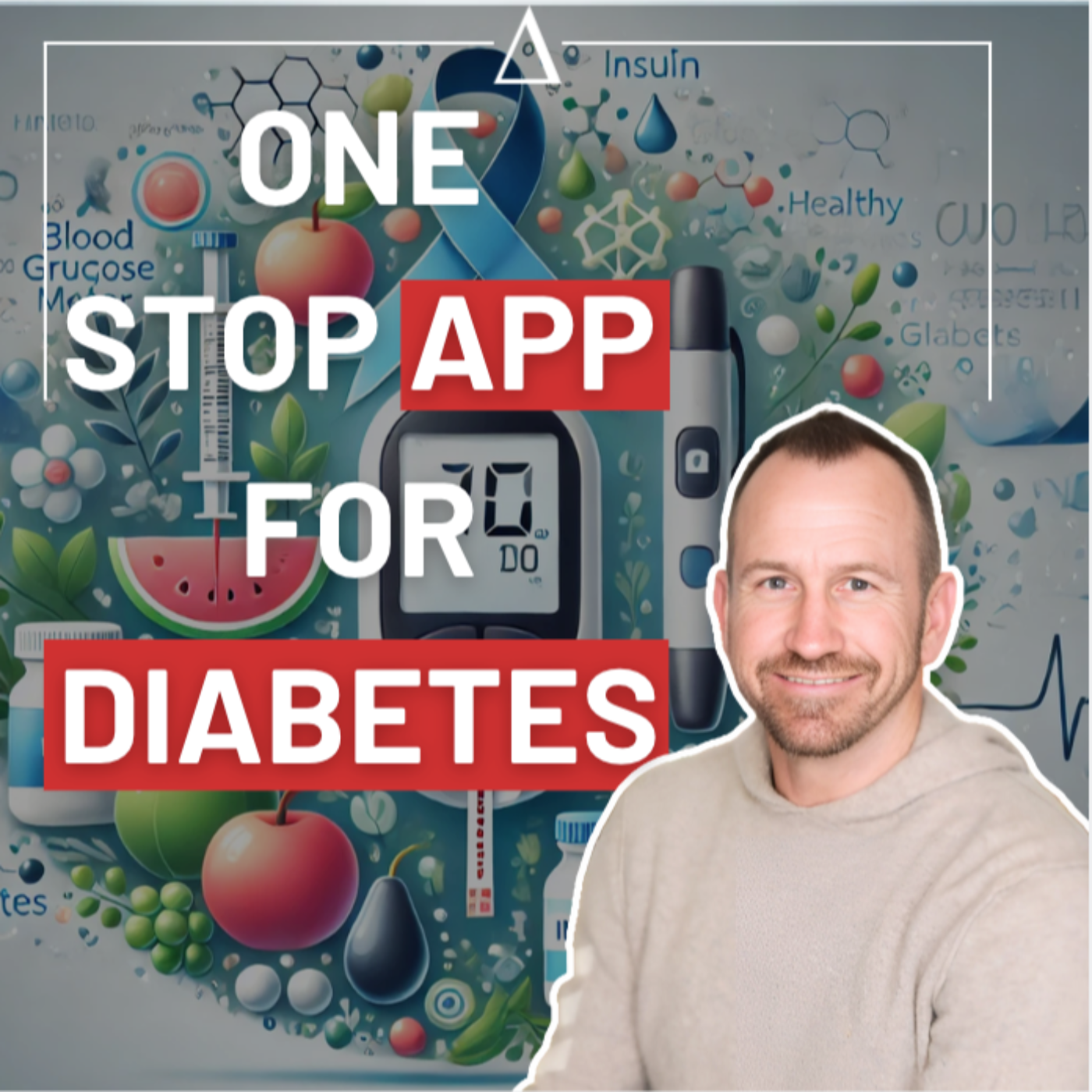
Ep 31DiabeticU: The MedTech Startup Revolutionizing Diabetes Management | HealthTech Innovation
Join us for an insightful conversation with Matthew, the founder of Diabetic U—a groundbreaking MedTech startup transforming diabetes management. Discover how Diabetic U consolidates health data from over 300 devices, including Dexcom G6 and G7, into one user-friendly app offering personalized meal and exercise plans. Matthew shares his personal journey with diabetes, the inspiration behind the app, and how it's set to disrupt the HealthTech industry. Learn about assembling a top-notch clinical advisory board, their go-to-market strategy, and what sets Diabetic U apart from competitors. Don't miss this deep dive into the future of diabetes care!Time Stamps:00:00 - Introduction00:56 - Overview of Diabetic U: An All-in-One Diabetes Management App02:29 - Consolidating Health Data in One Place03:25 - Demonstration of Diabetic U's User Interface04:02 - Navigating the Diabetic U App: Bite-Sized Lessons and Daily Schedule09:49 - Diabetic U for Non-Diabetics and Future Plans10:31 - The Inspiration Behind Diabetic U: Matthew's Personal Journey14:07 - Surprising Foods Affecting Blood Sugar16:18 - From Idea to Action: Building Diabetic U17:59 - Assembling the Team: Finding Technical Partners21:59 - Building a Clinical Advisory Board25:28 - Validating the Market: Early User Feedback27:45 - Go-To-Market Strategy for Diabetic U30:33 - What Makes Diabetic U Different from Competitors33:58 - Enhancing Provider Insights: Data Integration35:37 - Challenges in Diabetes Management Platforms38:18 - Personalizing Care and Lifestyle Changes40:36 - Closing Remarks and Final Thoughts
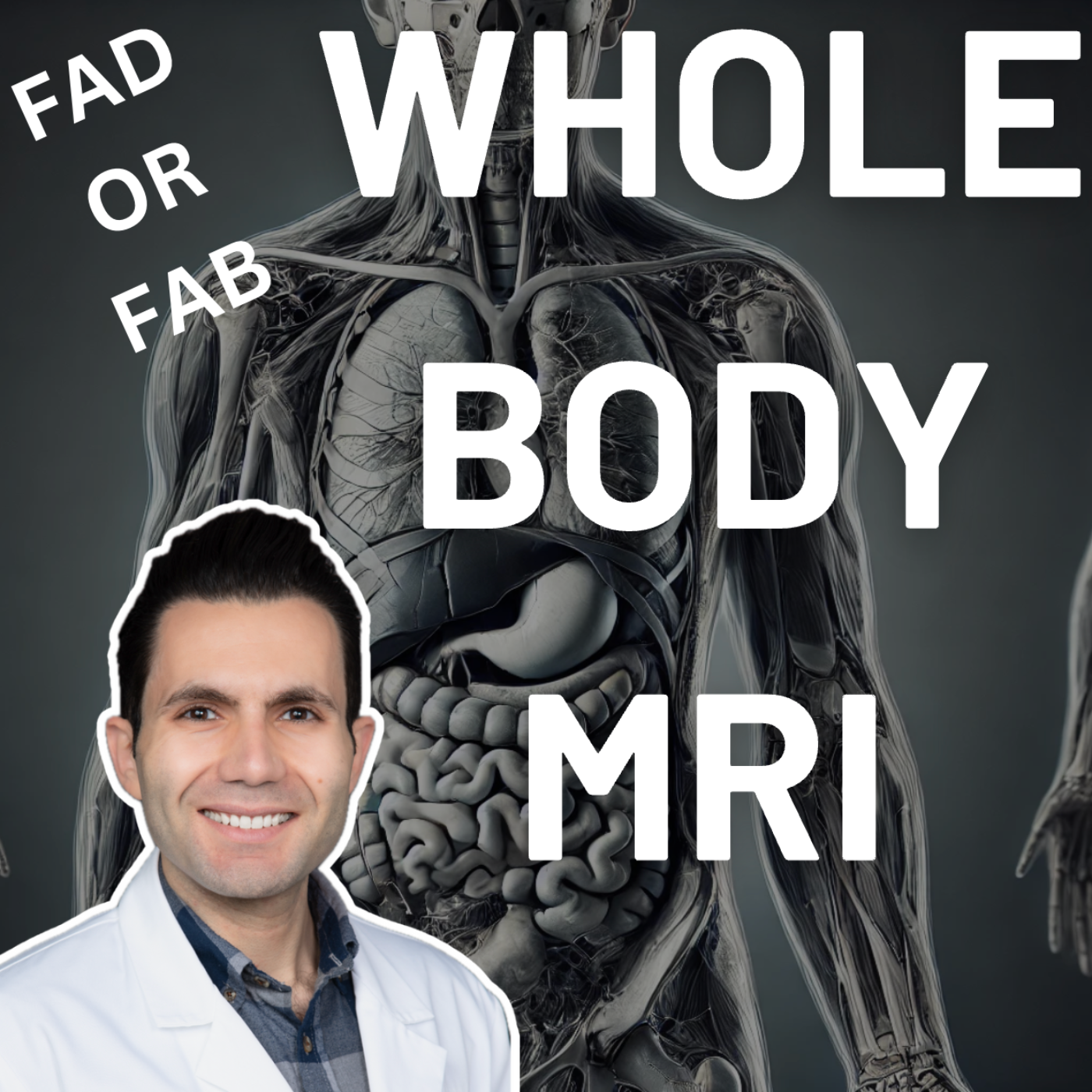
Ep 30WHOLE BODY MRI: Is it the Future of Cancer Screening or not?
In this episode, we talk about whole-body MRI and cancer screening. Whole Body MRI is an imaging technique that offers comprehensive body scans without the risks of radiation exposure. Join us as we explore:- What is Whole Body MRI, and how does it work?- How Whole Body MRI compares to traditional imaging tools like CT scans and X-rays.- The potential of Whole Body MRI in early cancer detection and cancer prevention.- Can Whole Body MRI detect more than just cancer? Discover its role in diagnosing conditions like rheumatoid arthritis and heart disease.- Why major institutions, including MD Anderson and NCCN, don't currently recommend Whole Body MRI for routine cancer screening.- The pros and cons of Whole Body MRI: Early detection vs. overdiagnosis and healthcare costs.- How AI technology could transform Whole Body MRI screening.The future of cancer prevention and the need for more studies on Whole Body MRI effectiveness.- Is Whole Body MRI worth it for cancer screening? Should it become more widely available? Watch the full episode to learn more!If you’ve had a Whole Body MRI, let us know your experience in the comments. Share your thoughts on whether this imaging technology should be part of routine cancer screenings.Read our LinkedIn article here: https://www.linkedin.com/pulse/whole-body-mri-comprehensive-approach-cancer-growing-roupen-4on1e/Time stamps:00:00 - Introduction and Disclaimer01:15 - What is Whole Body MRI?02:32 - How much do we spend on cancer prevention VS cancer treatment?05:05 - What are the cancer screening tools?07:26 - What do professional societies say about using whole-body MRI in cancer screening?10:08 - The pros and the cons & the barriers of using whole body MRI15:45 - My opinion about whole body MRI#WholeBodyMRI #CancerScreening #CancerPrevention #MedicalImaging #MRI #HealthTechnology #Oncology #EarlyDetection #AIInHealthcare #PreventiveMedicine #WholeBodyScan #Radiology #AIInMedicine
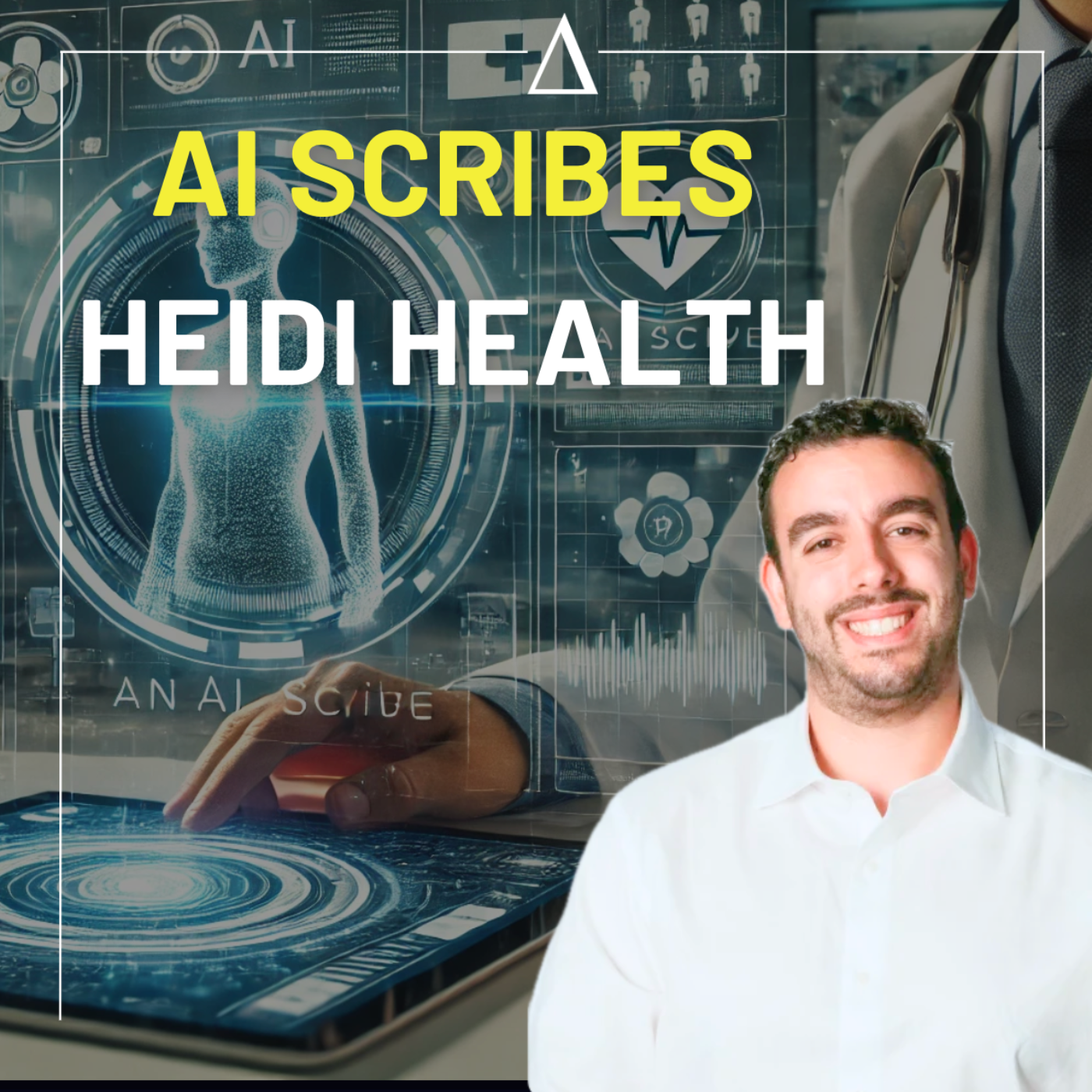
Ep 29Healthcare Documentation using AI Scribes: A Conversation with Dr. Kelly from HEIDI HEALTH
In this episode of the Delta podcast, we sit down with Dr. Kelly, CEO of Heidi Health, to explore the transformative power of AI scribes in healthcare. Discover how Heidi Health's AI scribe technology is reshaping the way physicians manage documentation, allowing them to focus more on patient care. Dr. Kelly shares insights into the customization features of Heidi Health, the future of AI scribes, and the journey from idea to execution in creating an AI-driven healthcare tool. Tune in to learn how AI scribes are revolutionizing the healthcare industry and what the future holds for this innovative technology.00:00 - Introduction01:05 - Welcoming Dr. Kelly and Overview of Heidi Health01:31 - What is Heidi Health and Its Role in Healthcare02:57 - Customization in Healthcare and the Importance of Personalized Notes06:29 - Comparing Heidi Health to a Junior Resident in the Clinic07:55 - The Future of AI Scribes in Healthcare08:54 - Upcoming Features and Enhancements for Heidi Health13:29 - Multiplayer Feature: Collaborative Note-taking in Healthcare Teams16:38 - Integration and Usability: Desktop App and Chrome Extension18:57 - Balancing Free and Paid Features for Clinicians21:23 - Selling to Organizations vs. Individual Clinicians21:45 - Dr. Kelly's Background and the Origin of Heidi Health28:20 - Building Teams as a Physician Entrepreneur30:46 - The Importance of Intellectual Curiosity in Innovation32:09 - Networking and Finding the Right Co-founders38:06 - The Challenges of Starting a Company in Healthcare39:06 - Final Advice for Physicians and Entrepreneurs43:56 - Closing Remarks and ReflectionsRoupen Odabashian LinkedIn: https://www.linkedin.com/in/roupen-odabashian-md-frcpc-abim-183aaa142/Heidi Health Website https://www.heidihealth.com/LinkedIn Page: https://www.linkedin.com/company/heidihealth/Dr. Thomas Kelly LinkedIn: https://www.linkedin.com/in/tomkeykong/Subscribe to our YouTube Channel @Delta: HealthTech Innovators #AIScribe, #Healthcare, #HealthTech, #HeidiHealth, #Documentation, #MedicalInnovation, #ArtificialIntelligence, #PhysicianTools, #HealthcareAI, #MedicalScribe, #HealthCareTechnology, #AIInMedicine, #MedicalNotes, #DigitalHealth, #HealthTechInnovation
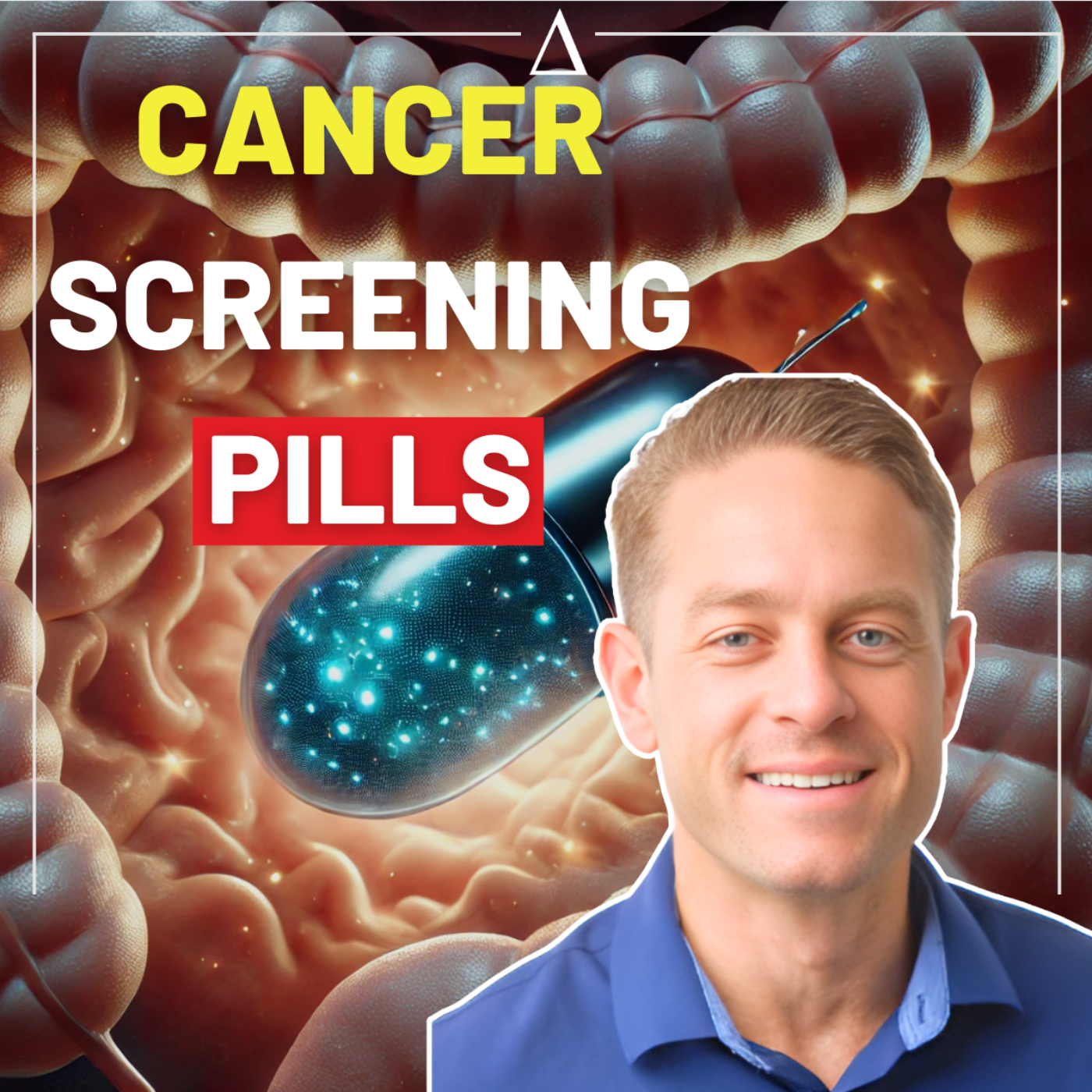
Ep 28Revolutionizing Cancer Screening with Endiatx: A Conversation with Chris Green | Delta Podcast
Welcome to another episode of Delta, where we delve into the cutting-edge innovations in healthcare and health tech. In this episode, we sit down with Chris Green, the Chief Business Officer of Endiatx, to discuss their groundbreaking work in addressing gastric cancer through PillBot.Join us as we explore the incredible journey of Endiatx over the past nine months, including their achievements in human trials in New Zealand and their strategic relationships with clinical advisors like Dr. Kumabri from the Mayo Clinic. Discover the future vision of Endiatx and how their innovative PillBot technology aims to revolutionize cancer screening and improve patient outcomes globally.Chris also shares valuable fundraising advice for medical device startups, the importance of building rapport during pitches, and insights into the challenges and successes of social media marketing, including a shoutout to Adam Savage for his recent coverage of the PillBot.Don't miss this insightful conversation that highlights the intersection of technology, healthcare, and the relentless pursuit of better cancer screening solutions.00:00 - Introduction01:30 - Welcoming Chris Green and Background of Endiatix02:28 - Achievements and Developments in the Last Nine Months05:19 - Human Trials and Choosing New Zealand09:24 - Importance of Clinical Advisors and Relationship with Dr. Kumbari12:10 - Future Vision and Business Model of Endiatix14:23 - Personal Reflection on Cancer Screening16:55 - Fundraising Advice for Medical Device Startups19:09 - Building Rapport in Pitches20:26 - Excitement About Endiatix's Development and Team Building25:46 - Learning Programming and Continuous Self-Improvement27:15 - Social Media Marketing and Success with Adam SavageRoupen Odabashian: LinkedIn: https://www.linkedin.com/in/roupen-odabashian-183aaa142/ X: https://twitter.com/RoupenMD Email: [email protected] Green: https://www.linkedin.com/in/christopher-duncan-green/Endiatx website: https://endiatx.com/#Endiatx #Healthcare #HealthTech #GastricCancer #CancerScreening #Technology #MedicalInnovation #PillBot #HumanTrials #ClinicalAdvisors #Fundraising #Startups #AdamSavage #TEDTalks #MayoClinic #FutureOfMedicine #MedicalDevice #InnovationInHealthcare
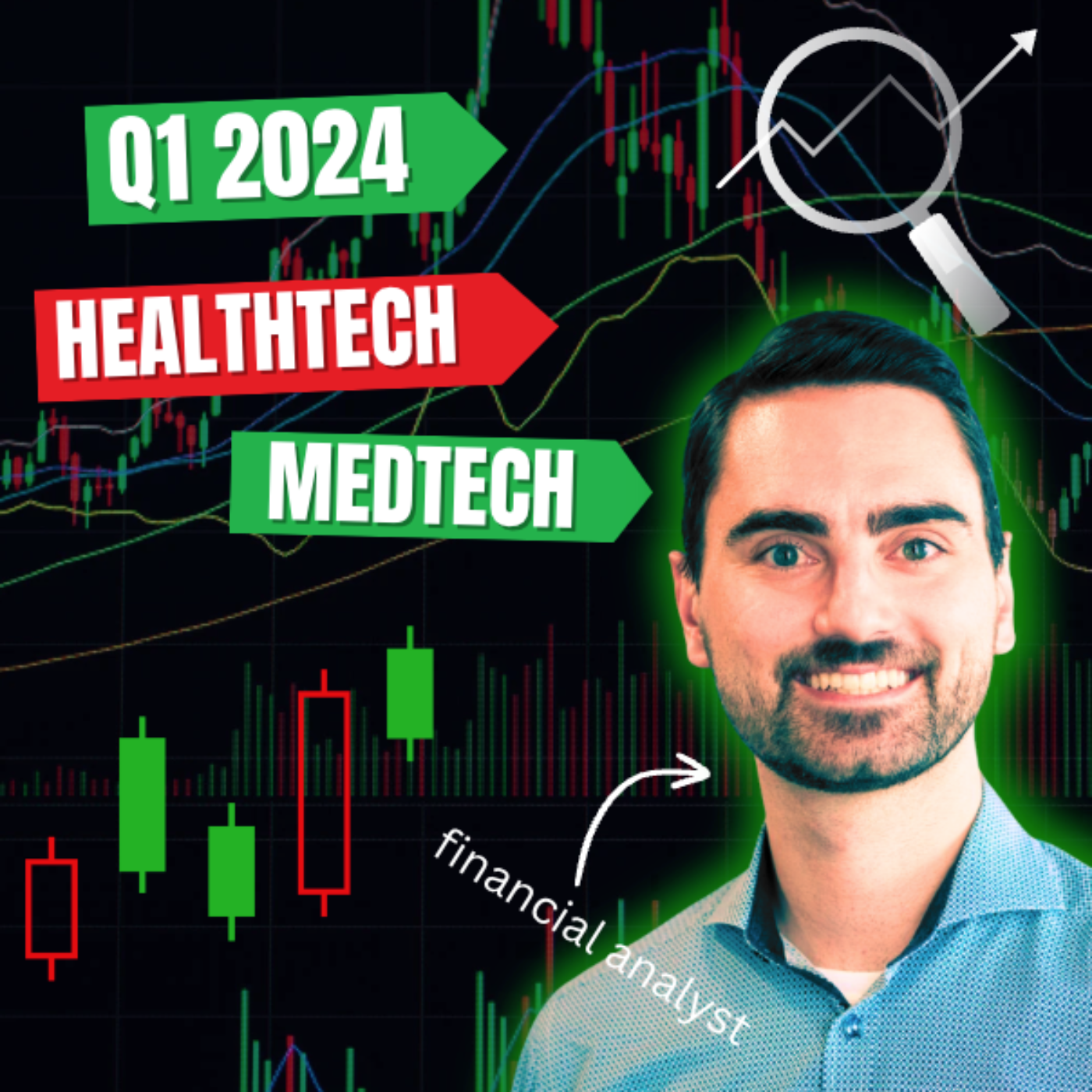
Ep 27HealthTech Q1 2024 Insights : Aaron DeGagne on Key Trends and Innovations
Welcome back to the DeltaHealth Tech Podcast! In this episode, we sit down with Aaron DeGagne, a senior financial analyst from PitchBook, to discuss the latest trends and innovations in HealthTech and MedTech for Q1 2024.Aaron shares key insights on notable VC deals, mergers and acquisitions, and emerging technologies in the healthcare sector. We delve into the impact of AI on medical diagnostics, the growing interest in whole-body scans, and the advancements in cardiac arrest prevention.Aaron also highlights the exciting developments from companies like Health.io and Page.ai Diagnostics.Tune in for an in-depth analysis of the HealthTech and MedTech landscape and what to expect in the coming months.Timestamps00:00 - Introduction01:01 - Welcome Aaron DeGagne from PitchBook01:18 - Key Events in HealthTech and MedTech Q1 202403:32 - AI in HealthTech and MedTech05:44 - Trends in Oncology and Cardiovascular Innovations06:50 - Comparison of Q1 2024 with Previous Years08:42 - Emerging Trends in Whole Body Scans11:13 - Roupen's Thoughts on Whole Body MRI16:28 - Innovations in Cardiac Arrest Prevention18:25 - Future of Cardiac Arrest Technologies20:36 - Spotlight on Health.io24:45 - Spotlight on PGI Diagnostics29:32 - Challenges in Digital Pathology29:50 - Closing RemarksRoupen Odabashian:LinkedIn: https://www.linkedin.com/in/roupen-odabashian-md-frcpc-abim-183aaa142/X: https://x.com/RoupenMDEmail: [email protected] DeGagne:LinkedIn: https://www.linkedin.com/in/aaron-degagne-cfa-6a3bb838/Pitchbook:LinkedIn: https://www.linkedin.com/in/pitch-book-a102b9183/PitchBook Website: https://pitchbook.com/data#HealthTech #MedTech #VC #Innovation #HaloHealth #Healthcare #AI #Diagnostics #Oncology #Cardiology #Startups #Q12024 #DigitalHealth #PrecisionMedicine #CardiacArrest #WholeBodyScan #PitchBook
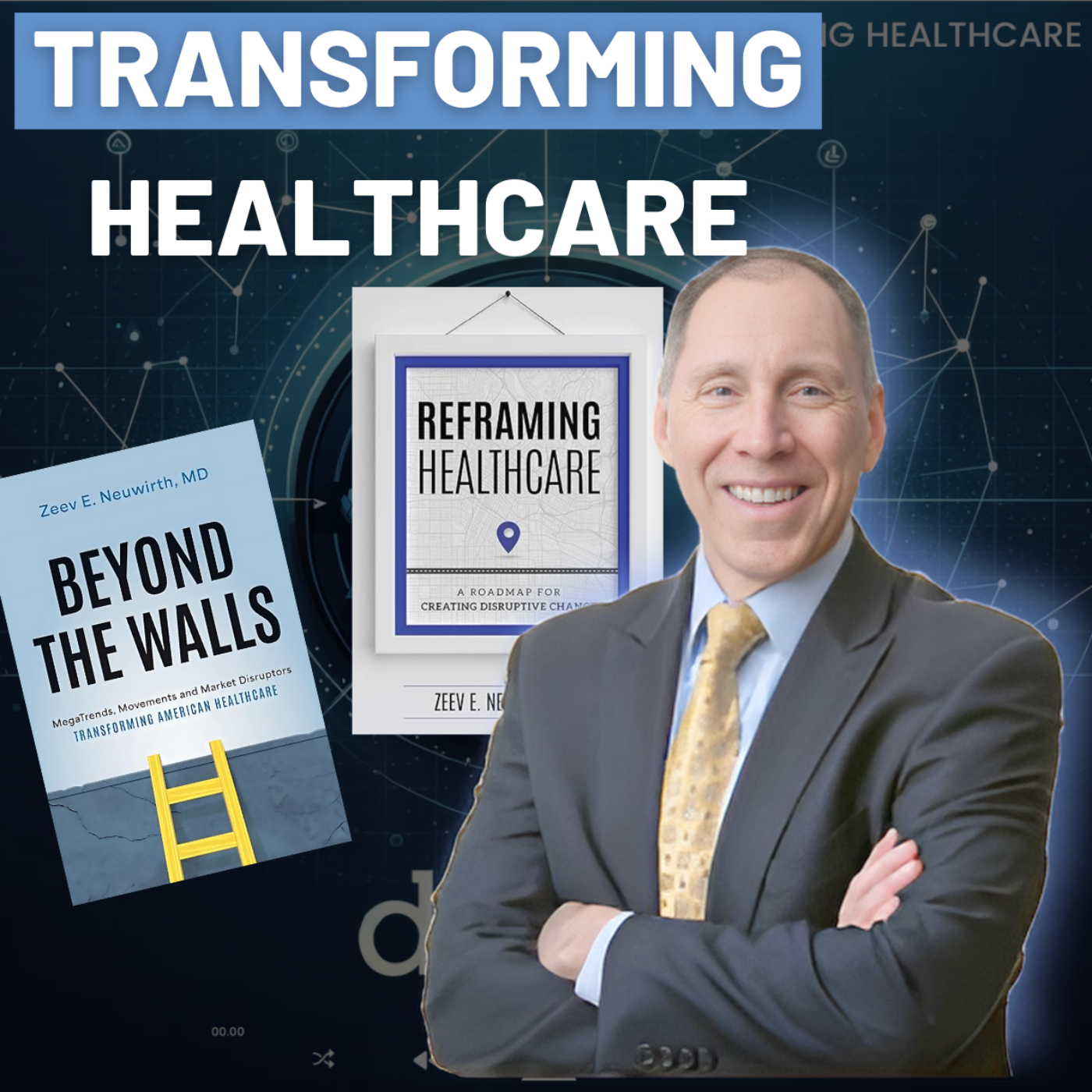
Ep 26Exploring the Future of Healthcare with Healthtech Innovations
Welcome to our channel! In this video, we dive into the fascinating world of Healthtech and its transformative impact on the healthcare industry. Join us as we explore how cutting-edge technologies are revolutionizing patient care, enhancing efficiency, and creating a more human-centered healthcare system.Our guest, Dr. Zeev Neuwirth, MD, a seasoned healthcare executive and author, shares his invaluable insights on the need for disruptive change in healthcare. With over 15 years of clinical practice and another 15 years in healthcare leadership, Dr. Neuwirth discusses his experiences, including the profound moments that shifted his career from practicing medicine to spearheading innovation.In this video, we cover:The pressing need for humanizing healthcare and addressing burnout among healthcare professionals.The pivotal role of technology in transforming care delivery, from digital health solutions to AI advancements.The importance of business model transformations, including the shift from fee-for-service to capitated payment models.Innovative approaches to primary care and the critical need for better resourcing and support for primary care physicians.The potential of home-based care and the essential pillars for successful implementation.Dr. Neuwirth also introduces key concepts from his books, "Reframing Healthcare" and "Beyond the Walls," providing a roadmap for creating a more efficient, effective, and compassionate healthcare system.Timestamps:00:00 - Introduction01:18 - Dr. Zeev Neuwirth's Background and Accomplishments02:23 - Hitting the Wall: Personal Experiences Leading to Career Shift12:16 - Summary and Key Messages from "Reframing Healthcare"13:02 - Transformative Steps and Examples in Healthcare Innovation17:41 - The Impact of Digital Health and Leadership Challenges19:49 - The Need for Humanistic Leadership in Healthcare26:39 - Business Model Transformations and Technology Integration30:31 - The Concept of Hospitals as Platforms32:44 - Thoughts on Walmart Exiting Healthcare39:24 - The State of Primary Care in the US41:10 - The Future of Primary Care and Necessary Reforms43:05 - Pillars of Hospital-at-Home and Implementation Challenges49:53 - Potential of Home-Based Care and Payment Reforms50:39 - Final Thoughts and Messages for Healthcare Executives53:42 - Closing RemarksYouTube episode: https://www.youtube.com/watch?v=Vk_VPbXYPN8Roupen Odabashian: LinkedIn: https://www.linkedin.com/in/roupen-odabashian-183aaa142/ X: https://twitter.com/RoupenMD Email: [email protected] Zeev NeuwirthLinkedIn: https://www.linkedin.com/in/zeevneuwirth/Website: https://zeevneuwirthhealth.com/Podcast: https://podcasts.apple.com/us/podcast/creating-a-new-healthcare/id1272768725#Healthcare #Healthtech #Innovation
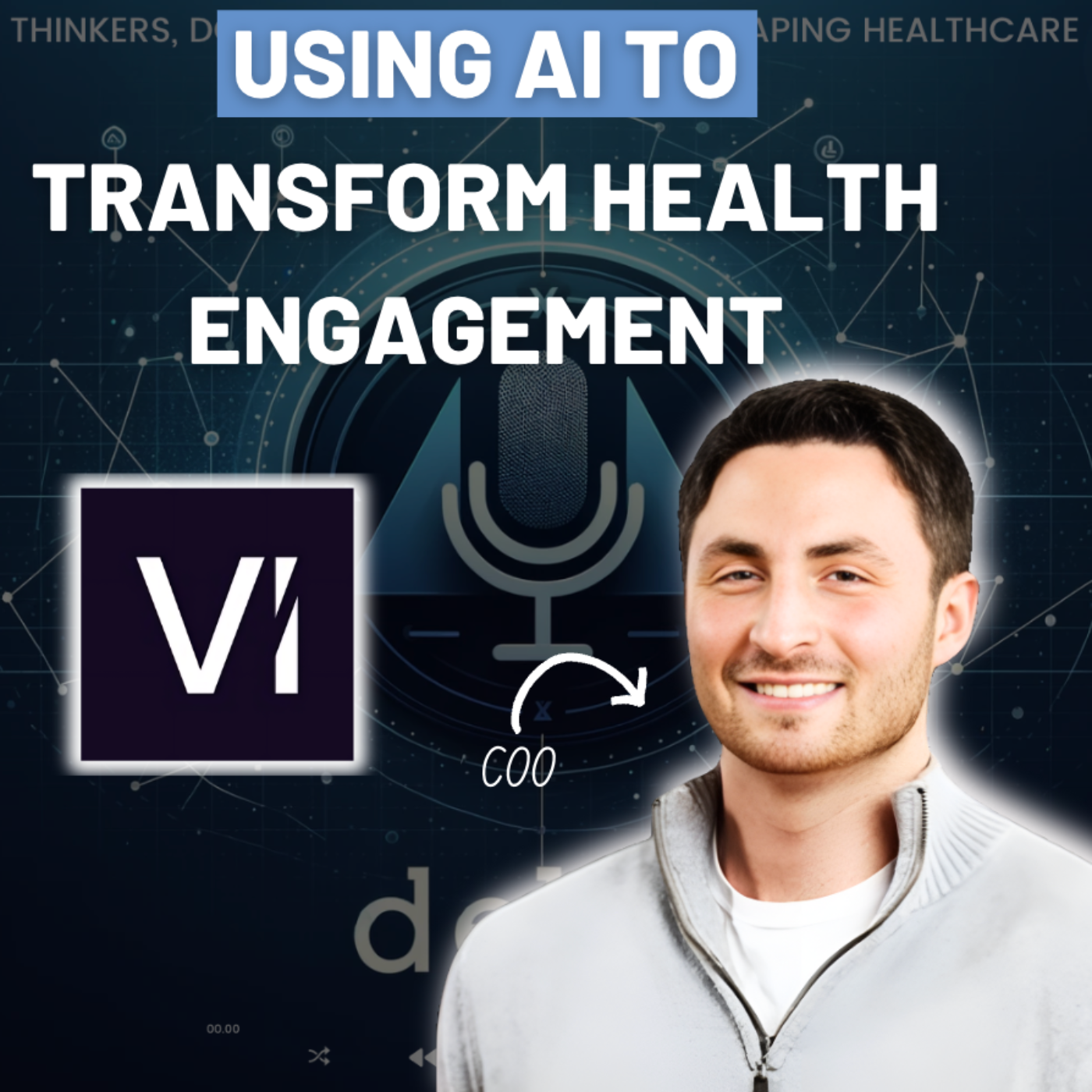
Ep 25Vertical AI for Healthcare: How AI is Transforming Health Engagement"
In this episode, we dive deep into the intersection of healthcare and AI with Spencer Honeyman, the Chief Commercial Officer at VI. Discover how AI is revolutionizing patient engagement, retention, and health outcomes in major health organizations, including health plans, health systems, and care management programs.In this video we coverWhat inspired Spencer to join VIThe problem VI is solvingDetails about VI's products and ideal customersSuccess stories and case studiesCustomer examplesSales and marketing tips from SpencerAdvice on hiring and firing in the industrySelling and marketing in healthcareTimestamps:00:00 - Introduction01:12 - Inspiration Behind Joining Vee V02:31 - Challenges in Patient Engagement03:20 - The Biggest Challenges in Engagement05:12 - Scope and Importance of Patient Engagement06:54 - Unique Approach to Patient Engagement09:38 - Vee V's Solutions and Products13:02 - Population-Level Implications15:21 - Precision and Personalization in Healthcare17:52 - Issues with Current Evidence Generation in Medicine18:59 - Examples and Case Studies22:31 - Case Study: National Health Plan27:55 - Case Study: Behavioral Health Clinic28:36 - Tips for Healthcare Entrepreneurs30:40 - B2B Marketing in Healthcare33:20 - Complexity of Healthcare Ecosystem34:20 - Building Effective Teams37:12 - Personal Branding and Networking39:06 - Value of Personal RelationshipsWatch the episode on YouTube: https://youtu.be/ocmy-PZa73cRoupen Odabashian: LinkedIn: https://www.linkedin.com/in/roupen-odabashian-183aaa142/ X: https://twitter.com/RoupenMD Email: [email protected] Spencer Honeyman LinkedIn: https://www.linkedin.com/in/spencer-honeyman-98208717/ Vi Labs: Website: https://vi.co/ #Healthcare #AI #PatientEngagement #HealthOutcomes #HealthcareInnovation #HealthTech #PredictiveAnalytics #DigitalTherapeutics #HealthSystems #WellnessPrograms #Pharma #PersonalizedCare #PrecisionMedicine #HealthTechnology
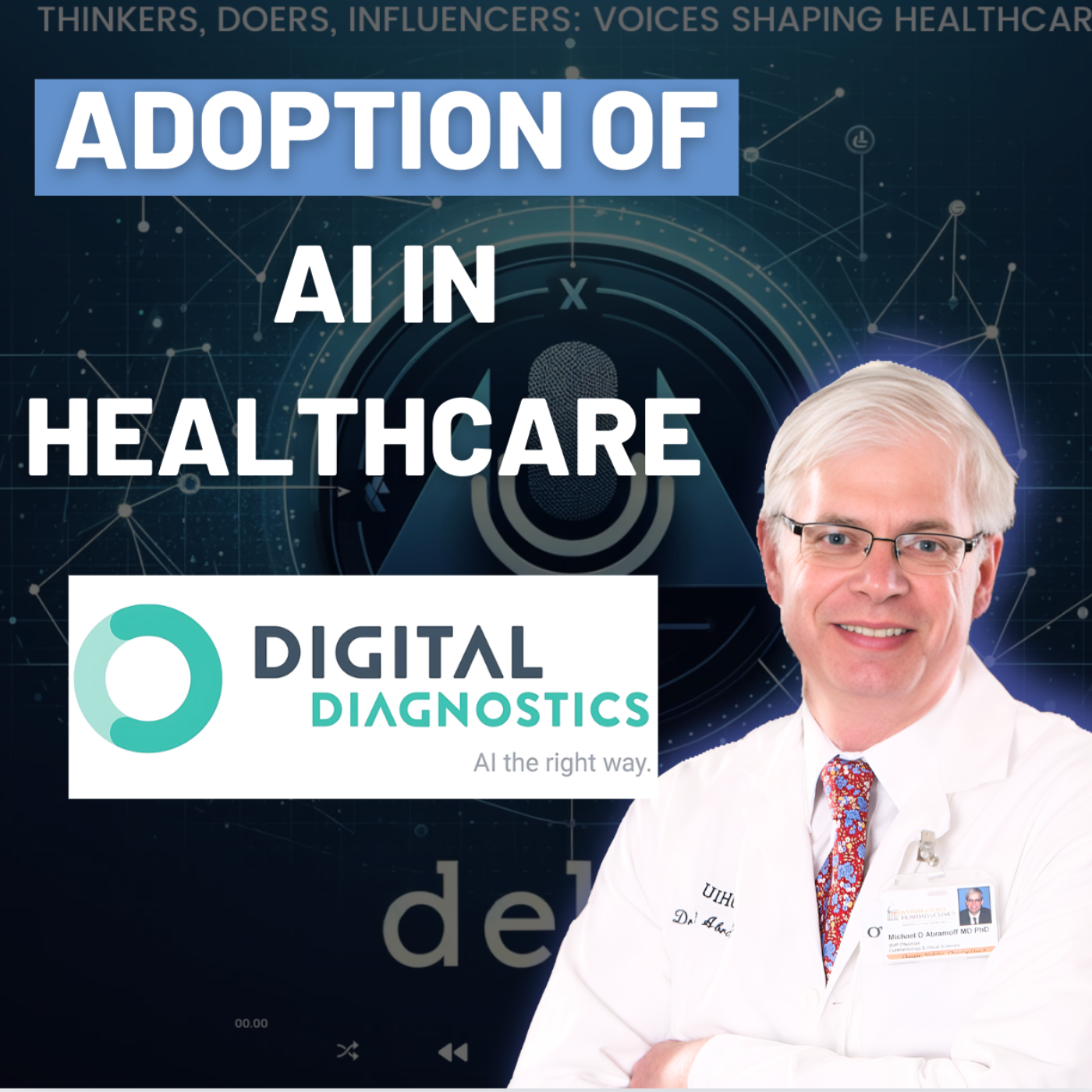
Ep 24Scaling the Adoption of AI in Healthcare with Dr. Abramoff
Welcome to the Delta Healthcare Podcast! In this episode, we dive deep into the transformative world of AI in healthcare with our esteemed guest, Dr. Abramoff. A pioneer in medical AI, Dr. Abramoff shares his extensive insights on the current state, challenges, and future prospects of AI integration in the healthcare industry. Join us for an enlightening conversation that explores how AI can revolutionize patient care, improve outcomes, and streamline medical processes.Together we discuss about AI in Healthcare:The importance of continuous updates and funding for AI systems to keep up with changing medical landscapes.The intricacies of fee-for-service versus value-based care models in the context of AI reimbursement.How to measure and ensure the ethical deployment of AI in healthcare.Timestamps:00:00 - Introduction01:18 - Welcoming Dr. Abramoff02:10 - Understanding Reimbursement Models in Healthcare04:59 - Challenges in Adopting AI in Healthcare12:22 - Importance of Reimbursement for AI Adoption15:36 - Types of AI Insurance May Cover18:09 - Continuous Updates and Funding for AI Systems21:46 - Issues with AI in Fee-for-Service Models31:26 - Physicians as Innovators: Balancing Clinical Work and Startups38:28 - Examples of Successful AI Reimbursements41:08 - Conclusion and Encouragement to Read the PaperDr. Roupen Odabashian:LinkedIn: https://www.linkedin.com/in/roupen-odabashian-183aaa142/X: https://twitter.com/RoupenMDEmail: [email protected]. Michael AbramoffLinkedIn: https://www.linkedin.com/in/michael-d-abramoff-036b61a/X: https://x.com/MichaelAbramoffDigital Diagnostics: https://www.digitaldiagnostics.com/
Ep 23Venture Capital in HealthTech: A Conversation with Amit Garg
Join us on this enlightening episode of the Delta HealthTech Podcast as we dive deep into the world of healthcare innovation through the lens of venture capital (VC)Roupen Odabashian, a dedicated physician and podcaster, hosts Amit Garge, a seasoned technology professional with over two decades in Silicon Valley focusing on seed-stage investments in digital health.In this episode, you'll discover:🚀 The exciting trends and opportunities in digital health.🩺 The role of physicians in shaping healthcare startups.💡 Strategies for evaluating and investing in health tech ventures.🤖 How AI is transforming healthcare practices.🌍 Insights from global healthcare systems and their impact on investment strategies.🏥 The challenges and triumphs of driving innovation in healthcare.YouTube link: https://youtu.be/tIletOOwEi0Timestamps:00:01 - Introduction by Roupen Odabashian01:33 - Guest Introduction and Acknowledgment01:36 - Discussing Startups and Investments in Healthcare01:54 - Exploring the Scope of Digital Health04:14 - The Role of Physicians in Healthcare Startups04:31 - Investment Focus on Software in Healthcare06:31 - Importance of Team Composition in Healthcare Startups08:50 - Assessing Startup Pitches and Memorable Pitches13:23 - Challenges and Realities of HealthTech Investment16:44 - Addressing Healthcare Challenges with Technology18:28 - Future Perspectives on Cancer Treatment and Prevention23:59 - Evaluating Early-Stage Companies in Healthcare27:08 - Administrative Challenges in Healthcare29:08 - AI Applications in Healthcare34:09 - The Ideal of Preventive and Inbound Healthcare35:46 - Discussing the Complexities of Healthcare Administration37:56 - Challenges in Healthcare Innovation and Market Entry39:08 - Discussing the Broader Challenges Faced by HealthTech Companies43:18 - Personal Experience and Impact on Investment Choices47:58 - Building Sustainable Businesses with a Mission49:10 - Closing Thoughts and Ways to Connect with Tao VenturesRoupen Odabashian:LinkedIn: https://www.linkedin.com/in/roupen-odabashian-183aaa142/X: https://twitter.com/RoupenMDEmail: [email protected] Garg:LinkedIn: https://www.linkedin.com/in/amgarg/Tau Ventures:LinkedIn: https://www.linkedin.com/company/tauventures/Website: https://tauventures.com/

Ep 22Breakthroughs in Seizure Monitoring with AI: A Deep Dive with Enlighten AI's Founder
In this compelling episode of our DeltaHealth Tech Podcast, we explore groundbreaking advancements in seizure monitoring facilitated by AI, featuring an in-depth discussion with Himanshu Misra, the founder of Enlighten AI. Misra shares his deeply personal journey that led him to innovate in the field of epilepsy treatment after the tragic loss of his son to the condition. Enlighten AI develops software solutions that enhance the monitoring and management of seizures, allowing for real-time data analysis and improved treatment personalization.The episode delves into how the software, deemed a medical device by the FDA, functions by aggregating neurological data from various devices and translating it into actionable insights for physicians. Misra explains the significance of integrating patient and caregiver inputs to provide a comprehensive view of seizure activities, which can significantly influence treatment decisions. The technology not only tracks seizures but also aids neurologists in optimizing medication dosages based on precise data-driven insights.As we navigate through Misra's narrative and the technical aspects of Enlighten AI’s platform, the conversation also covers the emotional and operational challenges faced while steering a startup in the complex landscape of healthcare innovation. This episode is a must-watch for anyone interested in the intersection of AI, patient care, and personal passion driving technological advancements in healthcare.00:00 Introduction with Roupen Odabashian01:00 Introduction to Enlightened AI and its goals03:00 Overview of Enlightened AI's software platform05:00 Discussing the patient journey with the platform07:00 How patients interact with the platform09:00 Integration of medical devices with the platform11:00 Device data integration and transmission details13:00 Data types collected by the platform15:00 Provider perspective on platform usage18:00 Access and alert customization for providers25:00 Business model and patient affordability28:00 Detailed business model discussion30:00 Differentiating seizures without EEG technology32:00 Challenges and research in progress35:00 Founding journey and initial challenges37:00 Lessons learned from building the companyRoupen Odabashian: LinkedIn: https://www.linkedin.com/in/roupen-odabashian-183aaa142/ X: https://twitter.com/RoupenMD Email: [email protected]: @DeltaHealthinnovators Himanshu Misra: LinkedIn: https://www.linkedin.com/in/himanshumisraphd/Website: https://enlitenai.com/
Ep 21Unlocking Efficiency in Healthcare with AI: A Deep Dive
Join me as we uncover how AI can assist healthcare professionals without replacing the crucial human touch. In this insightful episode, we delve into a Stanford study led by Dr. Garcia, focusing on "Artificial Intelligence Generated Draft Replies to Patient Inbox Messages."Discover how AI tools are not just automating responses but are intelligently supporting physicians and nurses by handling repetitive administrative tasks.This allows healthcare workers to preserve their creative energies for more complex patient care decisions.Learn about the integration of AI into electronic health records, how it categorizes patient queries, and drafts preliminary responses that clinicians can review and approve, ensuring personalized patient communication.Don't forget to like, subscribe, and comment to support our journey through AI's evolving role in healthcare!Resources:Garcia P, Ma SP, Shah S, et al. Artificial Intelligence–Generated Draft Replies to Patient Inbox Messages. JAMA Netw Open. 2024;7(3):e243201. doi:10.1001/jamanetworkopen.2024.3200:00 - Introduction to the study on using AI to help physicians answer patient queries4:13 - Background on physician workload and need for AI assistance9:07 - Details of the study methodology including participants and AI models used13:17 - Results on clinician utilization and response rates16:37 - Objective and subjective measures used in the studyYouTube: https://youtu.be/cwx8iHRW8bkRoupen Odabashian:LinkedIn: https://www.linkedin.com/in/roupen-odabashian-183aaa142/X: https://twitter.com/RoupenMDEmail: [email protected] to our YouTube Channel: https://www.youtube.com/channel/UC-Hh10eJh50_e-In55HwsQA
Ep 20Exploring Billion-Dollar Opportunities in Healthcare: Insights and Strategies
Join Aaron and Roupen as they dive deep into the current state of the health tech investment landscape, exploring the decline of late-stage funding for unicorns and the shift towards profitability and enterprise models.Discover the growing interest in digital therapeutics and telehealth investment opportunities, alongside insights on challenges faced by startups in this space. Gain valuable perspectives on the potential for AI in healthcare and the increasing trend of consolidation in the digital health industry. Plus, uncover actionable strategies for startups amidst market uncertainty, including considerations for potential mergers and acquisitions.Don't miss this enlightening discussion on navigating the billion-dollar opportunities in healthcare!0:03 - Introduction1:48 - Acknowledgment of PitchBook5:37 - Decline in late-stage funding for health tech unicorns8:50 - Shift in focus towards profitability for VC investments10:01 - Transition from virtual care hype to AI hype12:14 - Physician skepticism and slow adoption of AI in healthcare13:21 - Discussion on failed health tech company, Olliday15:38 - Expectation of market consolidation in certain health tech sectors16:23 - Lack of barriers to entry in digital therapeutics market20:11 - Interest from pharma companies in digital therapeutics21:46 - Emerging interest in specific health tech categories25:26 - Speculation on potential IPOs in 202429:25 - Inquiry about turnover in leadership within health tech companies31:42 - Exploring growth strategies beyond IPOs33:35 - Future opportunities and challenges in the health tech space36:23 - Conclusion and gratitude to the guestApple: https://podcasts.apple.com/ca/podcast/delta-healthtech-innovators/id1703827145 Spotify: https://open.spotify.com/show/2vYC26pNkZVIhsqloNcCm9 Roupen Odabashian: LinkedIn: https://www.linkedin.com/in/roupen-odabashian-183aaa142/ X: https://twitter.com/RoupenMD For sponsorships please Email: [email protected] Subscribe to our YouTube Channel: https://www.youtube.com/channel/UC-Hh10eJh50_e-In55HwsQA
Exploring Billion-Dollar Opportunities in Healthcare: Insights and Strategies
Join Aaron and Roupen as they dive deep into the current state of the health tech investment landscape, exploring the decline of late-stage funding for unicorns and the shift towards profitability and enterprise models. Discover the growing interest in digital therapeutics and telehealth investment opportunities, alongside insights on challenges faced by startups in this space. Gain valuable perspectives on the potential for AI in healthcare and the increasing trend of consolidation in the digital health industry. Plus, uncover actionable strategies for startups amidst market uncertainty, including considerations for potential mergers and acquisitions. Don't miss this enlightening discussion on navigating the billion-dollar opportunities in healthcare! 0:03 - Introduction 1:48 - Acknowledgment of PitchBook 5:37 - Decline in late-stage funding for health tech unicorns 8:50 - Shift in focus towards profitability for VC investments 10:01 - Transition from virtual care hype to AI hype 12:14 - Physician skepticism and slow adoption of AI in healthcare 13:21 - Discussion on failed health tech company, Olliday 15:38 - Expectation of market consolidation in certain health tech sectors 16:23 - Lack of barriers to entry in digital therapeutics market 20:11 - Interest from pharma companies in digital therapeutics 21:46 - Emerging interest in specific health tech categories 25:26 - Speculation on potential IPOs in 2024 29:25 - Inquiry about turnover in leadership within health tech companies 31:42 - Exploring growth strategies beyond IPOs 33:35 - Future opportunities and challenges in the health tech space 36:23 - Conclusion and gratitude to the guest Roupen Odabashian: LinkedIn: https://www.linkedin.com/in/roupen-odabashian-183aaa142/ X: https://twitter.com/RoupenMD For sponsorships please Email: [email protected] Arron DeGagne: LinkedIn: https://www.linkedin.com/in/aaron-degagne-cfa-6a3bb838?utm_source=share&utm_campaign=share_via&utm_content=profile&utm_medium=ios_app Pitchbook: LinkedIn: https://www.linkedin.com/company/pitchbook/ Subscribe to our YouTube Channel: https://www.youtube.com/channel/UC-Hh10eJh50_e-In55HwsQA

Ep 19Massive Cybersecurity Breaches in Healthcare: Impact & Prevention Strategies
In this critical episode, we delve into the alarming cybersecurity breaches at major health tech companies, including 23andme and United Healthcare, which have compromised the personal information of millions. Discover the shocking extent of the data breaches, with details on how hackers accessed and exploited sensitive patient data, affecting nearly every facet of the U.S. healthcare system.Join us as cybersecurity expert and CEO of Strike Graph Justin Beals. They discuss the incidents at UnitedHealth Group's subsidiary, Change Healthcare, where an astounding 6 terabytes of data were stolen, and the aftermath of these security failures, including a forced return to paper charting that disrupted medical practices nationwide.We also talk about important concepts such as social engineering and ransomware attacks and the lucrative nature of these breaches facilitated by cryptocurrency payments. The discussion will also cover the legal and trust issues that companies like 23andme face post-breach, offering valuable insights into the steps necessary to regain patient trust and enhance data security in the rapidly evolving digital landscape of healthcare.00:00 - Introduction02:13 - Discussing the Importance of Security in Health Tech05:12 - United Healthcare Data Breach Overview06:56 - Effects of the Breach on Hospital Operations11:55 - Consequences of the Breach for a Large Organization13:50 - Explaining Social Engineering17:18 - Measures Taken by UnitedHealthcare Post-Breach19:22 - Trust Issues with UnitedHealthcare Post-Breach21:10 - Switching to 23andMe Data Breach Discussion24:48 - Importance of Unique Passwords for Security25:19 - Methods of Managing Passwords30:03 - Impact of the Breach on 23andMe's Stock32:21 - Summary of Lessons from Health Tech Security BreachesRoupen Odabashian: LinkedIn: https://www.linkedin.com/in/roupen-odabashian-183aaa142/ X: https://twitter.com/RoupenMD For sponsorships please Email: [email protected] Justin Beals LinkedIn: https://www.linkedin.com/in/jubeals/ Strike Graph: Webstie: https://www.strikegraph.com/ LinkedIn: https://www.linkedin.com/company/strikegraph/ Subscribe to our YouTube Channel: https://www.youtube.com/channel/UC-Hh10eJh50_e-In55HwsQA
Ep 18Navigating CYBERSECURITY and HealthTech Startup with Justin Beals
It is important for HealthTech startups to know that a single CYBERSECURITY attack in the healthcare sector can cost businesses approximately $10.1 million. Many HealthTech startups that are innovating in this space are required and obligated to adhere to standards such as HIPAA and SOC2Failing to implement robust security standards and experiencing breaches in patient information can severely impact even the most successful unicorn companies, leading to significant devaluation.Today's guest is Justin Beals, the CEO Strike Graph, a comprehensive platform designed to empower companies and healthtech startups with the necessary tools for creating, managing, and evaluating a strong compliance program.This platform focuses on enhancing customer confidence which, in turn, can significantly increase revenue and facilitate smoother integration within the healthcare sector.This episode is brought to you by Mesh Ai:https://welcome.meshai.io/For sponsoring future episodes, please email us at [email protected] stamps:00:00 - Introduction02:25 - Introduction to Striking Graph03:26 - Understanding HIPAA Compliance03:46 - Exploring SOC 2 Compliance07:17 - GDPR Explained09:30 - ISO 27001 Overview10:50 - HITRUST Certification Discussion12:16 - Innovation in Healthcare: Compliance Differences Between SaaS and Medical Devices14:20 - Timeline and Requirements for Achieving HITRUST Certification16:35 - Estimating Costs for HIPAA and SOC 2 Compliance18:10 - Common Pitfalls in Scaling Compliance Programs23:21 - Ensuring System Security Post-Compliance Implementation31:35 - Strike Graph's Role in Enhancing Healthcare Security Compliance33:31 - Advice for Health Tech Startups at the Beginning of Their JourneyWatch on YouTube: https://youtu.be/6HGzrYBnTvgRoupen Odabashian:LinkedIn: https://www.linkedin.com/in/roupen-odabashian-183aaa142/X: https://twitter.com/RoupenMDFor sponsorships please Email: [email protected]:Justin Beals:LinkedIn: https://www.linkedin.com/in/jubeals/Strike Graph:Website: https://www.strikegraph.com/LinkedIn: https://www.linkedin.com/company/strikegraph/HealthTech Cybersecurity startup, healthcare tech startups, health tech startups, health tech companies, healthercare tech startups
Ep 17HealthTech Startup: Innovating Clinical Decision-Making with AvoMD
There is an increasing complexity of clinical decision-making in Healthcare. In response to this challenge, AvoMD a healthtech startup has developed a point-of-care application specifically designed to assist physicians in systematizing clinical decision-making. The app aligns with the latest guidelines and protocols from the hospitals or clinics where physicians practice, offering a streamlined and individualized approach to patient care. AvoMD not only facilitates the decision-making process by providing immediate access to relevant guidelines and risk calculators but also enables real-time documentation of the clinical decisions as they are made. Today's guest is Dr Saperstein, an accomplished physician entrepreneur with an interesting background, that combines both, medicine and tech who took the lead to improve healthcare for the benefit of many people. This episode is brought to you by Mesh AI:https://welcome.meshai.io/ For sponsoring future episodes, please email us at [email protected] Time stamps:1:18 - The start of AvoMD12:47 - Showcasing AvoMD's Impact13:08 - Demystifying "No Code" for the Everyday Physician15:21 - Securing the First AvoMD First Customer17:03 - The Imperative of Customization in Healthcare Solutions21:59 - Exploring AvoMD's Broader ROI: Beyond Time Savings28:41 - Embracing the "Fail Fast" Philosophy in HealthTech Innovation35:26 - Navigating the Fundraising Landscape for Health Tech Ventures37:07 - Merging Paths: The Intersection of Entrepreneurship and Medicine39:11 - Reflecting on the Most Rewarding Facets of the AvoMD Journey41:42 - The Art of Team Building: Insights on Hiring and Firing Roupen Odabashian:LinkedIn: https://www.linkedin.com/in/roupen-odabashian-183aaa142/X: https://twitter.com/RoupenMDFor sponsorships please Email: [email protected] Yair Saperstein, MD MPHLinkedIn: https://www.linkedin.com/in/yair-saperstein/AvoMD:Website: https://www.avomd.io/LinkedIn: https://www.linkedin.com/company/avomd/

Ep 16ASTHMA Beyond Inhalers: How This HealthTech Startup Is Changing the Lives of ASTHMA Patients
How can we revolutionize asthma care beyond the use of inhalers? What monitoring options are available that help patients monitor their condition and take preventive measures before needing to go to the hospital?Today, we will talk about Keva Health, a company formed when the founders' daughter was diagnosed with asthma at the age of 3. Keva Health is a pioneering company that provides solutions to assist with monitoring and improving health outcomes for asthma patients by offering real-time feedback, enabling them to monitor their condition closely. Beyond that, it helps healthcare providers to monitor their patients effectively. Join me today as we talk to Jyotsna Mehta, the founder of Keva Health. This Episode is brought to you by MeshAI MeshAI is a scheduling software for healthcare workers, including medical students, residents, physicians, and nurses, it alleviates administrative burdens by leveraging AI algorithms for scheduling shifts. Website: https://welcome.meshai.io For sponsoring future episodes, please email us at [email protected] Time stamps: 2:06 - The Start of Kava Health 5:50 - Kava Health Technology 9:58 - Downloading and Using the App 14:07 - Associated Medical Devices 16:18 - Alert System for Patients 21:59 - Ensuring Patient Adherence 25:40 - Overcoming Healthcare Challenges 27:59 - Acquiring the First Customer 33:27 - Tips for Seeking Funding 40:09 - Challenges as a Female Founder 43:43 - Integrating AI with the Platform 46:21 - Final Thoughts and Advice Roupen Odabashian: LinkedIn: https://www.linkedin.com/in/roupen-odabashian-183aaa142/X: https://twitter.com/RoupenMD Jyotsna Mehta LinkedIn: https://www.linkedin.com/in/jyotsna-mehta-905b413/ Keva Health LinkedIn: https://www.linkedin.com/company/kevahealth/ Learn More about: https://www.youtube.com/watch?v=eVza3B6v6iU Website: https://www.kevahealth.com Publications: https://www.kevahealth.com/wp-content/uploads/2023/01/RPM-Asthma-CHEST-2022.pdf

Ep 15Gut Microbiome: DECODING HEALTH Mysteries with AI
The human gut microbiome, a vast community of trillions of bacteria, profoundly influences health by closely interacting with our diet. Despite increased research in the past decade linking gut bacteria to various health aspects, translating this knowledge into practical benefits has been challenging due to the microbiome's complexity. Jona, led by health technology and AI expert Leo Grady, is at the forefront of this effort. Their innovative AI technology analyzes individual microbiome profiles, interprets data, and synthesizes scientific understanding, providing personalized insights to help individuals understand and improve their health at a fundamental level, alleviate symptoms, and prevent chronic diseases. Join us today as we delve into this fascinating topic with Leo Grady, whose expertise at Jona is unlocking new understandings of the gut microbiome's impact on our health. This Episode is brought to you by MeshAIhttps://welcome.meshai.io For sponsoring future episodes, please email us at [email protected] stamps: 02:47 - Introduction to Jona's Inception06:33 - Jona's Unique Technology09:46 - Jona and the FDA13:47 - Understanding the Costs15:08 - The Inspiration Behind Jona19:13 - Learning from Mistakes24:18 - Team Building and Hiring Insights26:20 - Mentorship and Personal Growth29:17 - Strategies for Scaling Jona Roupen Odabashian: LinkedIn: https://www.linkedin.com/in/roupen-odabashian-183aaa142/ X: https://twitter.com/RoupenMD Leo Grady LinkedIn: https://www.linkedin.com/in/leo-grady-a745517/ X: htps://twitter.com/lgrady00Jonas website: https://jona.health/ LinkedIn: https://www.linkedin.com/company/jona-health/about/Instagram: https://www.instagram.com/jonahealth/
Ep 14Navigating the Patent Maze - Insights from Attorney Peter Fasse
Welcome to today's episode of our podcast, where we dive into the intricate world of intellectual property and innovation. Joining us is a distinguished guest, Peter Fasse, a seasoned patent attorney from the renowned law firm Fish & Richardson.Peter's expertise lies at the intersection of law and cutting-edge technology. He has dedicated his career to guiding clients through the complex landscape of patent prosecution, specializing in a myriad of fields including biotechnology, healthcare, medical devices, and an array of green technologies. His proficiency extends to assisting a diverse range of clients, from ambitious startups to established multinationals, in crafting competitive global patent strategies and building robust, defensible patent portfolios.Peter is a principal at Fish & Richardson, a global leader in intellectual property law. This firm, established in 1878, is renowned for its comprehensive services in litigation, prosecution, post-grant review proceedings, and counseling for patents, trademarks, copyrights, and trade secrets. Fish has more than 450 attorneys and technology specialists across the U.S., Europe, and China.This Episode is brought to you by MeshAIhttps://welcome.meshai.ioFor sponsoring future episodes please email [email protected] stamps:00:00 - Introduction02:45 - Defining Patents in HealthTech: Types and Importance08:38 - Costs of Obtaining Patents for HealthTech Startups25:55 - Protecting IP During FDA Approval Process33:54 - Patentability of Medical AI and AI Algorithms37:47 - Challenges and Pitfalls in the HealthTech Patenting Process51:07 - Advice for Physician Entrepreneurs and HealthTech Founders on PatentYouTube: https://youtu.be/miRx79nIyioRoupen Odabashian:LinkedIn: https://www.linkedin.com/in/roupen-odabashian-183aaa142/X: https://twitter.com/RoupenMDFor sponsorships please Email: [email protected] FasseLinkedIn: https://www.linkedin.com/in/peter-fasse-2207911/Website and contact: https://www.fr.com/team/j-peter-fasse/Fish & Richardson:LinkedIn: https://www.linkedin.com/company/fish-&-richardson-p-c-/Website: https://www.fr.com/
Ep 13Tiny Titans: Exploring the Transformative Impact of Nanobots in Modern Medicine
Cancer, one of the most lethal diseases of the twenty-first century, continues to challenge the medical community. Conventional treatments like chemotherapy and radiation can be effective, but they often come with many side effectsNow Imagine tiny robots, meticulously designed, capable of targeting cancer cells at their very core – the DNA. These nanobots offer a level of precision in treatment that traditional methods can't match, potentially reducing the need for harsh chemotherapy and radiation. This is not a dream, but it is true due to companies like DNA Nanobots.However, the potential of DNA nanobots extends far beyond the treatment of cancer. They could be engineered to detect specific molecules or markers associated with various diseases, leading to earlier and more accurate diagnoses. Today we talk to Chris Lucas, the Chief Science Officer of DNA Nanobots. With a deep-seated background in technology commercialization and DNA nanotechnology, Chris is not just riding the wave of innovation – he's helping to create it.Join us today on Delta, as we dive into the exciting and rapidly evolving world of DNA Nanobots.This Episode is brought to you by MeshAI https://welcome.meshai.ioMeshAI is a scheduling software for healthcare workers, including medical students, residents, physicians, and nurses, it alleviates administrative burdens by leveraging AI algorithms for scheduling shifts. MeshAI automates the creation of equitable schedules, efficiently assigns the most suitable staff for each shift, and facilitates easy shift trading among healthcare professionals. MeshAI is more than just a scheduling tool; it's specifically designed to cater to the unique training requirements of each residency program. Time stamps:00:00 - Introduction02:00 - What are DNA Nanobots, how do they work, and where is the technology currently?05:24 - Applications of DNA Nanobots technology.07:59 - Personal journey into the DNA Nanobots space and the motivation for starting the company.24:55 - DNA Nanobots' distinctiveness in the crowded field of nanotechnology in medicine.29:48 - The role of artificial intelligence in enhancing DNA Nanobots technology and its development.34:51 - Current treatments approved using DNA Nanobots technology.36:23 - Approach to FDA approval and challenges in regulatory compliance for medical technologies.37:33 - Challenges in innovating within the biotech space.48:39 - Personal motivation and ultimate goals for DNA Nanobots.Find us on YouTube: https://youtu.be/ChYP7muspicRoupen Odabashian:LinkedIn: https://www.linkedin.com/in/roupen-odabashian-183aaa142/ X: https://twitter.com/RoupenMDFor sponsorships please Email: [email protected] Lucas, Ph.D.LinkedIn: https://www.linkedin.com/in/chrislucasdnananobots/DNANanobots website:https://dnananobots.com/

Ep 12SteadiWear: Revolutionizing Tremor Management with Innovative Stabilization Technology
Tremor is a common movement disorder characterized by involuntary, rhythmic muscle contractions that lead to shaking movements in one or more parts of the body. It is most commonly seen in the handsThe impact of a tremor on an individual's life can be significant. It can interfere with daily activities like writing, drinking, eating, or using a phone or computer. This not only affects physical abilities but can also have emotional and social repercussions. People with tremors may experience frustration, embarrassment, and even social isolation due to the challenges they face.There are various types of tremors, each with its own characteristics and causesTraditional treatment options include medications such as beta-blockers or antiepileptic drugs for essential tremors, and Parkinson's disease treatments often involve dopamine-enhancing drugs. In more severe cases, surgical interventions like deep brain stimulation are considered.However, we will talk about SteadiWear. A company that is at the forefront of an innovative approach to managing these tremors. Unlike medication or surgery, which can have significant side effects or involve invasive procedures, SteadiWear develops non-invasive devices designed to provide immediate tremor stabilization.Without further due lets talk to the CEOs of SteadiWear.For sponsorships please Email: [email protected] stamps:02:04 - Introduction to Steadiwear: The Beginning of a Journey05:48 - The Role of Startup Accelerators in Steadiwear's Growth08:19 - Overcoming Obstacles: Setbacks and Strategic Pivots12:39 - Behind the Technology: How Steadiwear Operates16:44 - Navigating Regulatory Approvals in MedTech22:11 - Marketing Strategies in the Healthcare Sector26:14 - The Process of Creating Healthcare Products33:34 - Challenges in Securing Funding for Healthcare Innovations41:39 - User and Physician Feedback: Insights and Impacts45:29 - Looking Ahead: Future Plans for Steadiwear48:21 - Strategies for Scaling Up in the Health Tech Industry49:11 - Expert Advice for Aspiring MedTech EntrepreneursYouTube: https://youtu.be/Bjub-lCWx1MRoupen OdabashianLinkedIn: https://www.linkedin.com/in/roupen-odabashian-183aaa142/X: https://twitter.com/RoupenMDMark EliasLinkedIn: https://www.linkedin.com/in/mark-elias-11a7506a/Emile Maamary:LinkedIn: https://www.linkedin.com/in/emile-maamary/SteadiWearWebsite: https://steadiwear.comLinkedIn: https://www.linkedin.com/company/steadiwear-inc-/X: https://twitter.com/steadiwear

Ep 11Transforming Pathology with AI: PaigeAI's Breakthrough in Cancer Care
Pathology is the study of cells under a microscope, it is a critical field in healthcare, particularly in cancer diagnosis. However, a significant challenge in pathology is the inconsistency in reports and occasional disagreement between pathologists. This can lead to variations in cancer diagnosis and treatment, impacting patient care. To address these critical issues, One such groundbreaking approach is the integration of Artificial Intelligence (AI) in pathology, which is Pioneered by companies like PaigeAI. PaigeAI, is a company in the field of digital diagnostics, they are using next-generation computational technology, machine learning, and artificial intelligence to revolutionize cancer diagnosis. PaigeAI's platform and AI applications, including the Paige Prostate Suite and Paige Breast Suite, have been instrumental in streamlining pathology workflows. They provide actionable diagnostic insights that directly affect patient care. With their solutions, they have shown a remarkable 70% reduction in cancer detection errors and a substantial decrease in the time taken for diagnosis. As the first company to receive FDA approval for an AI application in pathology, PaigeAI has set a new standard in the field. Join me today as we talk to Dr. Moye the CEO of PaigeAI Time stamps: 1:33 AI in Cancer Care: Revolutionizing Diagnosis 4:25 Improving Cancer Diagnostics with AI and Machine Learning 10:45 The Role of AI in Predicting Biomarkers and Treatment Responses 24:28 Navigating Healthcare Economics: The Path to AI Integration 34:01 Measures does Paige.AI take to ensure the accuracy of its results 38:44 Every test has its limitations 40:33 Personal Journey: From Science to AI-Driven Healthcare Entrepreneurship 43:41 Challenges of integrating AI in pathology 47:20 Building Teams for Healthcare Innovation: Bridging Technology and Medicine YouTube: https://youtu.be/eqsZduM_4skRoupen Odabashian: LinkedIn: https://www.linkedin.com/in/roupen-odabashian-183aaa142/ X: https://twitter.com/RoupenMD For sponsorships please Email: [email protected] Andy Moye, PhD LinkedIn: https://www.linkedin.com/in/andymoye/ Paige.AI Website: https://paige.ai X: https://twitter.com/paige_ai

Ep 10AI-Powered Scheduling Revolution: Shahram Yousefi and Mesh AI in Health Tech part 2
Today's episode is part 2 of my interview with Prof. Shahram Yousefi, the CEO of Mesh AI.Mesh AI is a groundbreaking platform designed to revolutionize healthcare scheduling, addressing a critical challenge in the industry: clinician burnout. By leveraging advanced algorithms and user-friendly interfaces, Mesh AI enables seamless, one-click scheduling for healthcare providers. This innovative approach not only saves time but also empowers clinicians with more control and flexibility over their schedules, leading to improved work-life balance and overall job satisfaction.Join me today as we talk about navigating fundraising challenges in healthcare, the importance of Mentorship, and insights gained from Shahram's journey.Find this episode on YouTube: https://youtu.be/Tk5UP8SgcLoTime stamps:2:36 Navigating Fundraising Challenges in the HealthTech Industry6:51 The Pursuit of Mentorship for Beginners in HealthTech10:35 Insights Gained: What I Wish I Knew at the Start of My HealthTech Journey13:43 Strategies for Persuading Hospitals to Invest in Your HealthTech Product21:40 Final Thoughts and TakeawaysRoupen Odabashian:LinkedIn: https://www.linkedin.com/in/roupen-odabashian-183aaa142/X: https://twitter.com/RoupenMDEmail: [email protected] (Sean) YousefiLinkedIn: https://www.linkedin.com/in/shahramy/X: https://twitter.com/profyousefiwebsite: https://welcome.meshai.io/Today's Episode Sponsors:Supportful: Find Top talented software engineers that can help you with many aspects of your projectLinkedIn: https://www.linkedin.com/company/supportful-world/Website: https://www.supportful.world/

Ep 9AI-Powered Scheduling Revolution: Shahram Yousefi and Mesh AI in Health Tech part 1
In today's episode, I had the honor of interviewing Prof. Shahram Yousefi, the CEO of Mesh AI.Mesh AI is a groundbreaking platform designed to revolutionize healthcare scheduling, addressing a critical challenge in the industry: clinician burnout. By leveraging advanced algorithms and user-friendly interfaces, Mesh AI enables seamless, one-click scheduling for healthcare providers. This innovative approach not only saves time but also empowers clinicians with more control and flexibility over their schedules, leading to improved work-life balance and overall job satisfaction.Join me today as we delve into the intricacies of healthcare scheduling and talk to Dr. Yousefi’s advice on switching from academia to entrepreneurship and building great teamsTime stamps:3:22 - The Genesis of MeshAI: Unraveling the Origin Story5:49 - Behind the Brand: The Story Behind MeshAI's Name7:46 - Exploring MeshAI: Understanding Its Core Functions and Services12:51 - Future Horizons: Envisioning MeshAI's Evolution and Impact19:43 - The Shift from Academic Research to Entrepreneurship24:55 - The Art of Team Building: Strategies for Recruiting in a Startup EnvironmentYouTube Linke: https://youtu.be/U1gWijtyLzgRoupen Odabashian:LinkedIn: https://www.linkedin.com/in/roupen-odabashian-183aaa142/X: https://twitter.com/RoupenMDEmail: [email protected] (Sean) YousefiLinkedIn: https://www.linkedin.com/in/shahramy/X: https://twitter.com/profyousefiwebsite: https://welcome.meshai.io/Today's Episode Sponsors:Supportful: Find Top talented software engineers that can help you with many aspects of your projectLinkedIn: https://www.linkedin.com/company/supportful-world/Website: https://www.supportful.world/#MeshAI, #HealthcareInnovation, #ClinicianWellbeing, #HealthcareScheduling, #TechInHealthcare, #BurnoutPrevention, #HealthcareManagement, #DigitalHealth, #HealthcareTech, #EmployeeSatisfaction, #WorkLifeBalance, #HealthcareSolutions, #PatientCare, #StressManagement, #HealthcareIndustry