CR101 Radio - Podcast Network
1,391 episodes — Page 19 of 28
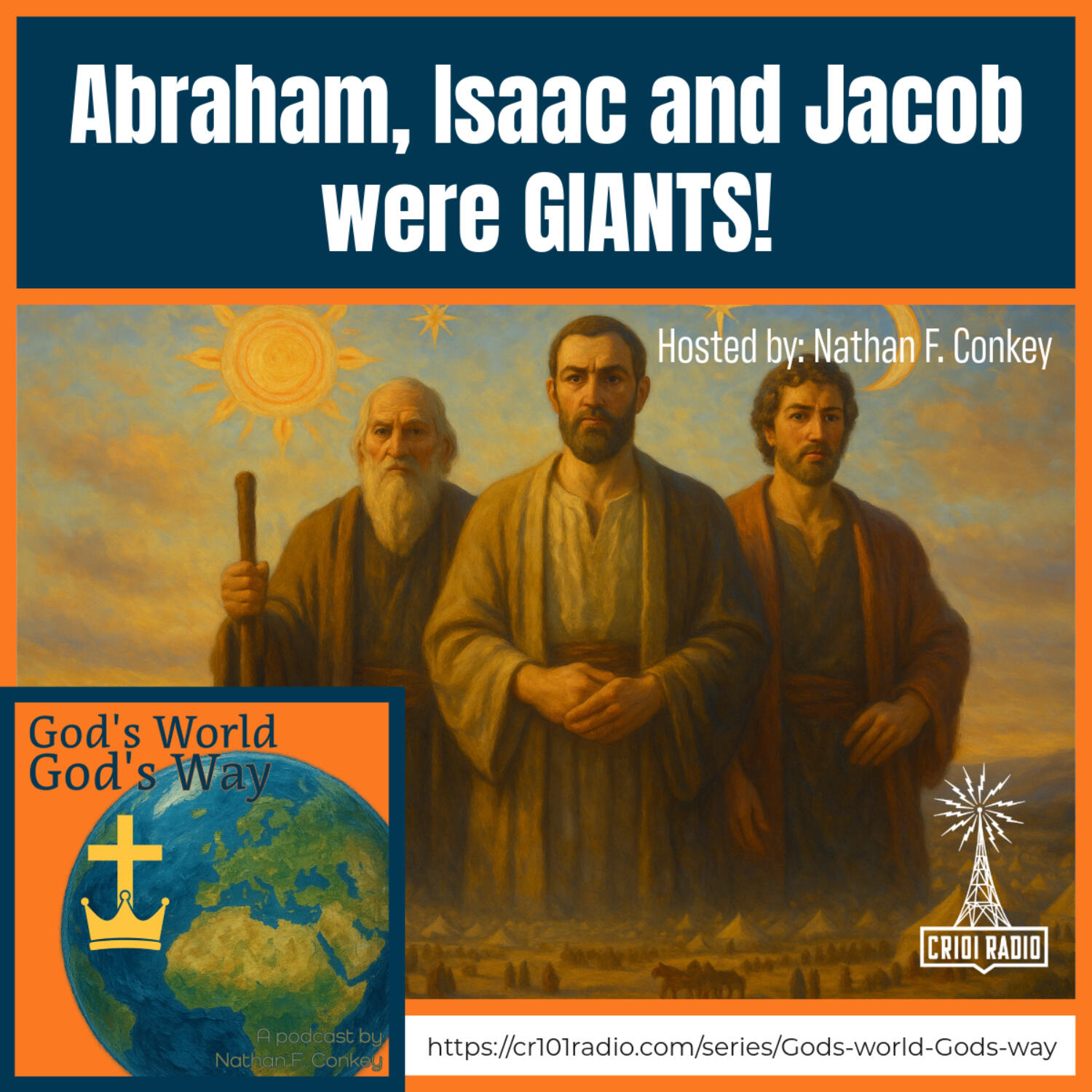
How Big Were Abraham, Isaac, and Jacob?
This episode powerfully reframes how we imagine the patriarchs Abraham, Isaac, and Jacob—not as small, wandering desert nomads, but as towering figures of immense wealth, power, and influence. Scripture paints Abraham as a “mighty prince” with vast herds, treasure, skilled workers, and a household numbering in the thousands, complete with a private army of 318 trained men. He stood before kings as an equal, negotiated treaties, managed a thriving economy, and led an entire community that functioned like a small moving city. Isaac, too, was so blessed and prosperous that the king of the Philistines declared him “much mightier than we.” Jacob, once a lone traveler with a staff, returned with immense herds, wealth enough to gift his brother Esau hundreds of animals without strain, and ultimately bore the divine name “Israel”—“Prince with God.” The real “scale” of these men is not about their physical height but about the staggering scope of their authority, wealth, and God-given responsibility. They were spiritual and temporal princes who ruled households, trained armies, administered justice, and represented God before kings. Their greatness, far from being mythic exaggeration, is recorded in the biblical text itself—if only we enlarge our mental picture to match its scale. By measuring them rightly, the biblical stories come alive in their true historical and theological weight: these were not peasants or background characters, but titans of history chosen and blessed by God to shape nations.
Conspiracies
Are secret conspiracies behind the world’s chaos—or is the truth much closer to home? In this episode, we dive into Chalcedon Position Paper No. 229 to confront the temptation to blame hidden cabals, political factions, or social classes for society’s downfall. While conspiracies may exist, Scripture tells us the real problem is sin—universal, personal rebellion against God’s law. Join us as we expose the spiritual cost of scapegoating and distraction, and rediscover the only real solution: repentance, regeneration, and a return to the lordship of Jesus Christ. The battle isn't against shadows—it's against sin.
Is the Underdog Always Innocent?
Modern thinking often treats the underdog as automatically innocent—but Scripture says otherwise. Leviticus 19:15 warns us not to show bias, whether for the poor or the powerful. Righteousness isn't determined by status, race, or discrimination—it comes from faith and obedience to God. Sin is universal, and all are accountable before Him. Justice must be based on God’s Word, not on appearances or social standing. As Jesus said, “Judge righteous judgment” (John 7:24).
Episode #113 (January 13, 1986)
In this episode of Easy Chair, R.J. Rushdoony tackles the growing cultural obsession with a risk-free world—from absurd liability lawsuits threatening ski resorts to the dangerous reluctance to confront terrorism as war. Along the way, he reviews books on covert operations, communist resistance, and the forgotten legacy of Prince Henry the Navigator—all while challenging modern myths about safety, freedom, and authority.
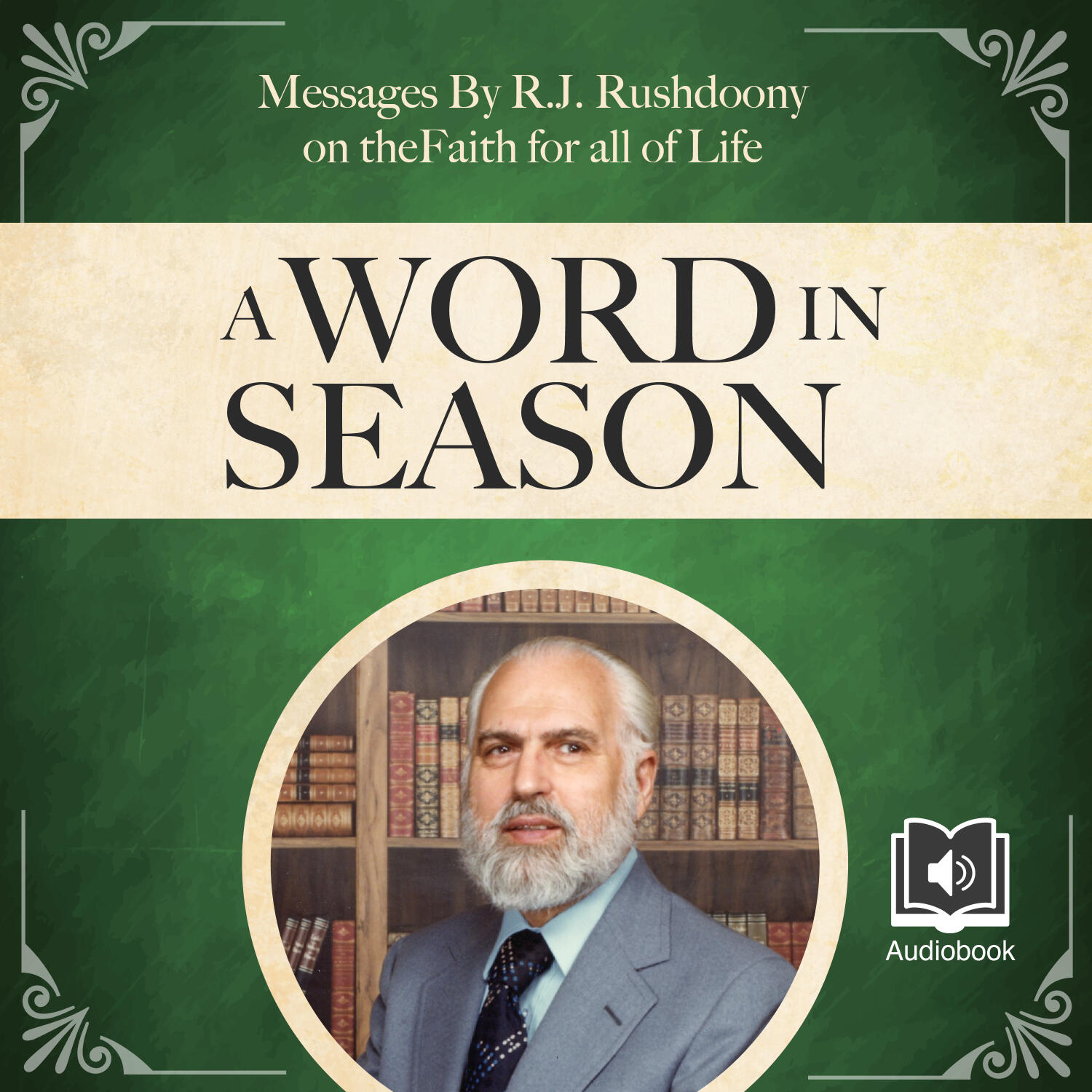
Trashiness
Many today demand a cleaner world while living filthy lives—dropping trash, ignoring personal discipline, yet blaming others for pollution. Scripture speaks to this hypocrisy: “There is a generation that are pure in their own eyes, and yet is not washed from their filthiness” (Prov. 30:12). True uncleanness begins in the soul. When we reject God and live for ourselves, we become trashy people—regardless of our words or wealth. Adam's sin trashed Eden, and unless we repent and let God cleanse us, we too face judgment. Clean lives begin with clean hearts.
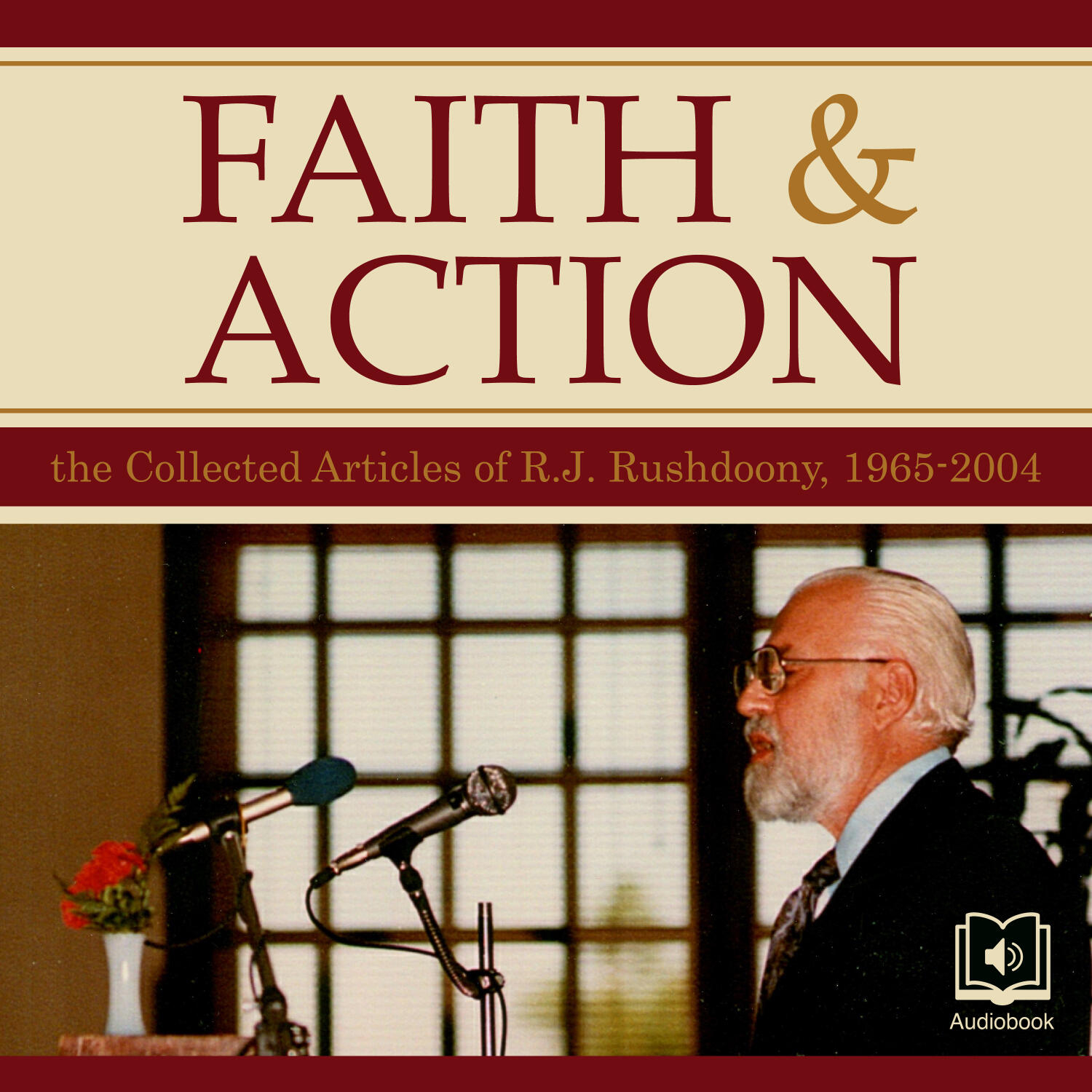
Consequences of Selective Obedience
What happens when obedience to God becomes a matter of personal convenience? In this episode, we dive into R.J. Rushdoony’s piercing warning in “The Consequences of Selective Obedience.” When we pick and choose which parts of God’s law to follow, we’re not just being inconsistent—we’re declaring ourselves gods, sowing the seeds of cynicism, lawlessness, and even terrorism. Join us as we unpack how selective obedience undermines faith, fuels despair, and paves the way for cultural collapse—and how only wholehearted submission to Christ can reverse the tide.
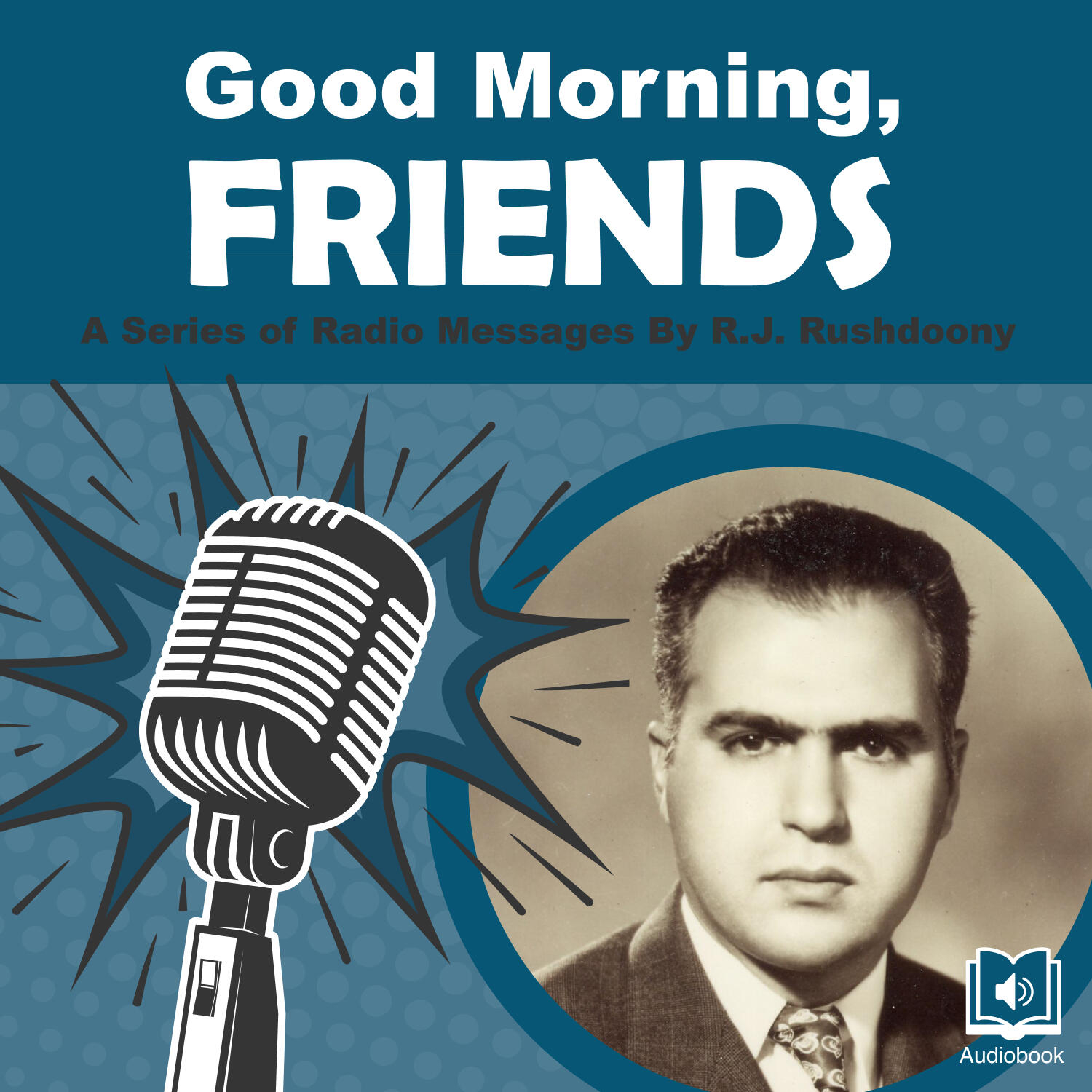
The Shepherd
Why would the Almighty God lower Himself to be compared to a sheepherder—one of the most overlooked, underappreciated figures in both the Bible and the modern world? In this episode, we explore the radical love of the Good Shepherd: a Savior who doesn’t just manage from afar, but walks with us, sleeps among us, guards us in our weakness, and gives His life for the sheep. Join us as we consider the dignity of divine humility and why it changes everything to say, “The Lord is my shepherd.”
Wisdom
A professor recently shared how shockingly ignorant college students are about history and religion—some confusing Mohammed with the pope or Peter as a Jewish god. But worse than the ignorance was the indifference. Their only moral rule? “Don’t hurt people”—a vague, self-serving standard rooted in humanism, not truth. Scripture teaches that wisdom begins with fearing the Lord and learning His Word. Without that, knowledge and morality collapse into selfishness. Humanism may claim to love humanity, but it breeds arrogance and moral chaos. Real wisdom starts by turning back to God, His instruction, and His truth.
Unity (Doctrine of the Church)
In the final hours before the cross, Christ’s prayer in John 17 reveals the heartbeat of His mission—our unity in Him. Not a unity of institutional sameness, but of shared life in the truth, sanctified by the Word, grounded in the love and purpose of the triune God. In this sermon, Rushdoony unfolds the meaning of being kept in God’s name, the nature of eternal life as knowing God here and now, and the church’s calling to reflect the unity of the Trinity—not by erasing differences, but by living in harmony under Christ’s lordship. This is unity not as a strategy, but as a witness to the world that Jesus is Lord.
Selective Obedience
What happens when we obey God only when it’s convenient? In this episode, we explore the life of Mary, Queen of Scots—not as a historical curiosity, but as a mirror of modern faith. R.J. Rushdoony unpacks how Mary’s tragic downfall stemmed from selective obedience—a pattern of choosing personal desires over God’s law, all while maintaining religious appearances. From royal courts to contemporary churches, the same principle drives spiritual weakness and cultural collapse. Join us as we confront the subtle rebellion in our own hearts and ask: are we truly faithful—or just frequently so?
Is Charity Illegal?
In 1981, California farmer Skip Pescosalido gave away half a million pounds of oranges to the poor—only to face a federal lawsuit for it. Why? Because his charity defied bureaucratic quotas. In this episode, R.J. Rushdoony explores the shocking case where generosity became a crime, exposing how central planning threatens both freedom and compassion. Tune in to hear why true charity cannot exist without liberty—and why, in today’s America, even giving oranges can land you in court.

The Needed Change
Across once-peaceful towns, crime and moral decay are growing—but stricter laws won’t solve it. The real problem lies in the hearts of people. Laws can’t stop theft or porn if sin is welcomed inwardly. What we need isn’t just legal reform but a spiritual transformation—a shift from humanism to true Christianity. Real change begins not in courts or capitols, but in our own hearts. The Bible, not flattery, shows us who we are—and who we’re called to be. Look there first. That’s where the needed change starts.
Sin and Evil
What’s the difference between sin and evil—and why does it matter? In this episode, we examine Chalcedon Position Paper No. 90 to uncover the theological and cultural consequences of confusing these two vital terms. While evil can include disaster, disease, and death, sin is always personal: it’s rebellion against God’s law. Modern society talks endlessly about “evils” but refuses to name sin—because to do so means facing guilt, responsibility, and God Himself. Join us as we explore how denying sin leads to false solutions, bloated governments, and moral collapse—and why any true hope begins with repentance and a return to God’s law.
Apostolic Succession (Doctrine of the Church)
What holds the church together in a time of doctrinal confusion and ecclesiastical fragmentation? In this message, Rushdoony challenges popular misunderstandings of apostolic succession—whether mechanical, mystical, or self-declared—and calls us back to the biblical pattern: succession in truth, in calling, and in order. Rooted in Christ’s gifts to His church, apostolic succession is not about clerical prestige but covenantal faithfulness, the unity of doctrine, and the continuity of Christ’s lordship in His body through every generation.
Profane Living
A nurse in a major city reported that, in two years of emergency cases, only once did she hear a patient pray before surgery—despite most being church members. Instead, there was only fear and profanity. This reveals a deeper issue: many live as though God doesn’t exist. Profanity isn’t just foul language—it’s living apart from God. When we treat life as secular, ignoring God's Word, we misuse our very purpose. Profane living is choosing separation from God—the source of life—and that leads only to death. It's time to root out the profane and live fully under God’s rule.
Are We Profaning the Sabbath?
This episode of Out of the Question explores how Christians often misunderstand or mishandle the Fourth Commandment concerning the Sabbath, reducing it to a list of rules rather than seeing it as a divine gift of rest and dependence on God. Andrea Schwartz and Pastor Charles Roberts discuss how profaning God’s name or His Sabbath stems from treating what is sacred with irreverence, and how both the Old and New Testaments emphasize the Sabbath’s deeper purpose—resting in God’s provision rather than human self-sufficiency. They draw from Scripture, the catechisms, and R. J. Rushdoony’s Institutes of Biblical Law to explain that the Sabbath was not originally a day of worship but of rest, later expanded in meaning through Christ. Violating the Sabbath was a serious offense because it symbolized rebellion against God’s created order, while obedience brought blessing and life. The hosts reflect on how earlier generations, guided by “blue laws” and a communal sense of sacred time, recognized the Sabbath’s importance in ways largely lost today. They contrast that historical reverence with modern society’s busyness and self-determination, which have eroded any sense of true rest. The conversation connects Sabbath principles to stewardship, economics, and even ecology—extending rest to families, servants, animals, and the land itself. Ultimately, they argue that rediscovering the Sabbath’s meaning is crucial for Christians today: not as legalistic restraint, but as a joyful acknowledgment of God’s sovereignty and care. Profaning the Sabbath, they conclude, is not just breaking a rule—it is severing oneself from the rhythm of creation and the blessings God intends for His people.
Power Poles
When power poles first brought electricity to farms, they were seen as symbols of progress and blessing. Today, many see them as eyesores—forgetting the light, water, and growth they represent. This shift reflects a deeper issue: a lack of gratitude. Ungrateful hearts see only flaws, never blessings. But Scripture calls us to thankfulness—to recognize all we’ve received from God and others. True conservation and progress begin with gratitude. Grateful people don’t tear down—they build up.
Trees and Babies
In Fairfax County, Virginia, you need a permit to cut down a tree—but not to abort an unborn child. This contradiction reveals a deeper issue: a culture that claims to love nature while legalizing the destruction of human life. Such thinking often masks a hatred of humanity and rebellion against God. Scripture warns that hypocrites use words to destroy, and today’s so-called love for trees and animals can be a cover for deeper hostility—toward people, godly order, and ultimately, God Himself. But it is God's will—not man’s—that will stand, and His justice will not be mocked.
How Big are the Big Corporations?
Think big business is the real Goliath? Think again. In this episode, R.J. Rushdoony breaks down the myth of corporate bigness and points the finger where it truly belongs: Washington, D.C. With facts in hand, he reveals that even giants like GM are dwarfed by the federal bureaucracy. Inflation? Regulation? Centralized power? It’s not big business that’s gutting the economy—it’s big government. Tune in for a reality check on where the real threat lies.
Trials By Ordeal (Remastered)
Rushdoony exposes the pagan roots and theological flaws of trial by ordeal, contrasting its reliance on nature as judge with the biblical insistence that only God is sovereign over justice. Where ancient and medieval ordeals trusted boiling water or poison to reveal guilt, the biblical law of jealousy (Numbers 5) rested not on superstition, but on divine judgment in the absence of evidence. This chapter cuts to the heart of the matter: law rooted in nature exalts fallen creation, while biblical law submits all—man, nature, and judgment—to God’s sovereign authority.
Sheep
In a culture that prides itself on independence and strength, being compared to sheep doesn’t sound like a compliment—and it isn’t. In this episode, we take a closer look at what Scripture really means when it calls us sheep: not as a sentimental image, but as a sobering truth about our tendency to wander, follow blindly, and remain helpless without a shepherd. Join us as we explore how our weakness highlights Christ’s care—and why it’s good news that “the Lord is my shepherd.”
The Blessing Plot - The Real Deceiver Unmasked
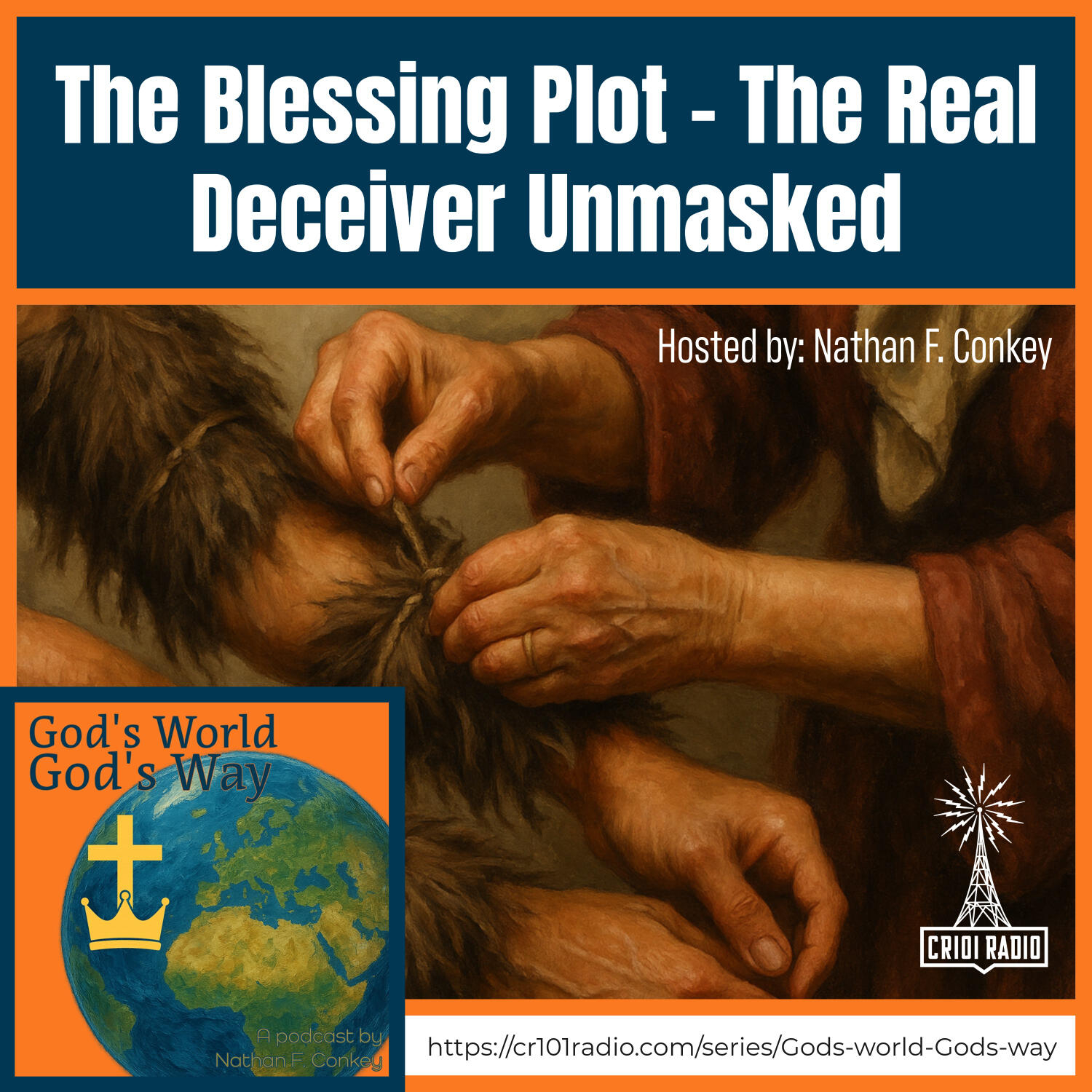
In this episode of God’s World, God’s Way, Nathan Conkey takes listeners deep into Genesis 27—the dark, complex story of Isaac’s attempted blessing of Esau. Though most Bibles label the chapter “Jacob’s Deception,” the episode exposes a far more troubling reality: Isaac, the patriarch of promise, was himself plotting rebellion against God. Driven by appetite and favoritism, Isaac schemed in secret to bless the son God had rejected, revealing a man whose body and soul had grown blind—physically, morally, and spiritually. His obsession with “delicious food” becomes a symbol of his deeper corruption: a man whose god had become his belly, and whose actions threatened to derail the covenant line of Christ itself. Against this backdrop, the episode re-examines Jacob and Rebekah’s so-called “deception.” Far from a selfish act of trickery, their intervention emerges as a desperate, faith-driven attempt to prevent Isaac’s blasphemous defiance of God’s revealed will. Drawing on parallels with Sarah, the Hebrew midwives, Rahab, and Zipporah, Nathan argues that faith sometimes demands decisive—and even deceptive—action to preserve God’s covenant purposes. The story is not a moral tale of good versus bad, but a sobering revelation of divine sovereignty working through human weakness, where Rebekah’s courage and Jacob’s obedience avert disaster and ensure that God’s promise, “the elder shall serve the younger,” stands unbroken.
The Opposite of Sin
What is the opposite of sin? It's not just moral restraint or inner piety—it’s obedience to God’s law in faith. In this episode, we unpack Chalcedon Position Paper No. 33 and rediscover a profound biblical truth: the antonym of sin is not passivity, but action—faithful, covenant-keeping action. We’ll explore how doing God's commandments—our mitzvah—is at the heart of Christian vocation, a life of purpose rooted in the Word. From the confusion of ambition and calling to the collapse of cultural obedience, we expose how forgetting this truth has left both church and society aimless—and how recovering it is essential to real reformation.
Episode #112 (December 23, 1985)
From Mongol favor toward Christian bureaucrats to Puritan family diaries and forced abortions in Communist China, R.J. Rushdoony weaves a tapestry of history, theology, and social critique. This episode explores the unintended consequences of Christian complicity with power, the moral collapse behind statist population control, and the legacy of faithful living amid injustice. With insights from books on medieval monasteries, revolutionary America, biblical counseling, and opium-fueled imperialism, Rushdoony offers a sobering yet hope-filled reminder: godliness, not politics, is the path to true gain.
The Christ Child
Some say this world is too dark to raise children in—but God didn’t think so. He sent His Son into a world far worse. Christ came as a child to begin a new humanity, a new creation. Children, Scripture says, are like arrows—meant to shape the world for God’s Kingdom. We’re not raising them for a hopeless world, but for Christ’s eternal reign. Because the Christ child has come, we raise our children with joy, purpose, and hope—in God’s world, under Christ our King.
The Christ Child
Some say this world is too dark to raise children in—but God didn’t think so. He sent His Son into a world far worse. Christ came as a child to begin a new humanity, a new creation. Children, Scripture says, are like arrows—meant to shape the world for God’s Kingdom. We’re not raising them for a hopeless world, but for Christ’s eternal reign. Because the Christ child has come, we raise our children with joy, purpose, and hope—in God’s world, under Christ our King.
Doctrine of Selective Depravity, Part 3
Is evil something that lives in certain people—or a condition common to all? In Part 3 of The Doctrine of Selective Depravity, R.J. Rushdoony exposes how the idea that only certain classes or races are depraved leads not only to injustice, but ultimately to violence, tyranny, and salvation by murder. From Marxism to modern politics, this belief shapes our laws, corrupts our institutions, and fuels endless cycles of blame and bloodshed. Join us as we examine the false gospel of group guilt and recover the only true answer: redemption in Christ, justice under God’s law, and the humbling truth that all have sinned.
The Fright Peddlers
For generations, we’ve been warned by so-called experts that the world is running out—of fuel, resources, and time. These fear-driven messages breed hopelessness and push us to trust in human planners instead of God. But Scripture reminds us not to fear man, who is like grass, and not to forget the Lord, our Maker. The world is God’s creation, and He alone governs its future. The real danger isn’t running out of oil—it’s running from God’s Word, where the true answers are found.
Love of God and His Word
What does it mean to truly love the Word of God? In this episode, we step into the heart of Psalm 119—a psalm overflowing with devotion to Scripture. More than commands and rules, God’s Word is the psalmist’s comfort, delight, and lifeline in a world of heaviness and doubt. Together, we’ll explore why loving God’s Word is essential to a peaceful, steadfast life—and how the Bible isn’t just a book, but a conversation with the One who holds all things in His hands.
Honor Thy Father and Mother
Disrespect for parents is a sign of a society in decline. God commands us to honor father and mother, promising life to those who do. When we reject our roots, we undermine the very foundation of life and family. As Paul notes, this is the first commandment with a promise—because it shapes all human relationships. A culture that mocks parents is not just rude; it's headed toward ruin. Strong families are the first line of defense for any lasting society.
The Death of a Lady
She was once financially secure, then lost it all during her husband's long illness. Quietly and with dignity, she worked as a maid—never complaining, never bitter. Always neatly dressed, always gracious, always faithful. Her life embodied Paul’s words: “Godliness with contentment is great gain” (1 Tim. 6:6). In God’s eyes, she was rich. While many choose self-pity and discontent, she chose faith, grace, and quiet strength. She lived richly and died peacefully—a reminder that true wealth is found in contentment and godliness. Her life asks us: why not live the same way?
One Flock, One Shepherd (Doctrine of the Church)
Christ’s promise of “one flock, one shepherd” is more than a vision of church unity—it is a declaration of the kingdom’s cosmic reach. In this powerful message, Rushdoony unfolds the true meaning of Ezekiel’s prophecy and Christ’s words in John 10, showing that the Messiah’s coming inaugurates nothing less than a new creation. The unity of the church begins not with institutional merger, but with fidelity to the voice of the Shepherd, whose reign brings peace, justice, and restoration to every sphere of life.
Doctrine of Selective Depravity, Part 2
Is evil something “they” do—or something that lives in all of us? In Part 2 of The Doctrine of Selective Depravity, R.J. Rushdoony exposes how the world’s tendency to locate sin in certain groups—whether political, racial, or social—leads not to justice, but to murder, tyranny, and self-righteousness. From Marx to Hitler, from modern ideologies to media narratives, the blame game replaces repentance, and the result is always more bloodshed. But the Gospel offers a better way. Join us as we explore why salvation doesn’t come through scapegoats, but through Christ—and why only God's law can lead from division to dominion.
"That Thy Days May Be Long"
The Fifth Commandment ties honoring parents to the promise of long life—for individuals and nations. Respecting our roots prepares us to bless the future. A society that dishonors parents often neglects its children too, living on debt and expecting future generations to pay. But Scripture calls us to gratitude, productivity, and stewardship. When we honor the past and build faithfully, we help secure a long and fruitful future under God.
Is Being Human a Disaster?
A brilliant author declares that life is meaningless, justice is an illusion, and being human is a disaster. In this episode, R.J. Rushdoony takes aim at modern hopelessness and the worldview that kills faith, purpose, and joy. With piercing clarity, he reminds us that ideas have consequences—and that a world without God becomes a world without hope. Tune in to hear why, despite the cynics, this is still God’s world—and freedom under Him is our true calling.
Loosing and Binding (Doctrine of the Church)
What does it mean to bind and loose in Christ’s name? In this deeply pastoral and theologically rich message, Rushdoony reveals that Matthew 18 is not simply a manual for church discipline, but a powerful charter for restoration, justice, and mercy in the body of Christ. Binding and loosing are not about authoritarian control, but faithful service—grounded in truth, humility, and reconciliation. Whether confronting sin, forgiving a brother, or confronting the evils of our time, the church’s power lies not in the sword, but in its faithfulness to God’s Word and its exercise of the keys of the kingdom.
National Defense
Psalm 127 teaches that without God, all national efforts are in vain—and that true defense begins with building godly homes. Children are described as arrows, weapons for God’s Kingdom, meant to shape the future through faith and obedience. When we raise godly children, we prepare leaders who will shape society and justice. In the end, strong families rooted in God are the most powerful defense a nation can have.
The Freedom to Sin
What if the freedom to sin is not a flaw in God's design—but a vital part of His purpose? In this episode, we explore Chalcedon Position Paper No. 78 and uncover why Eden’s forbidden tree wasn’t a trap, but a test—an opportunity to choose obedience and learn the high cost of rebellion. From the coercive schemes of statist control to the errors of antinomianism, we examine humanity’s failed attempts to eliminate sin through law or indulge it under grace. True freedom, we’ll discover, includes the freedom to fail—but even more, the grace to be redeemed. Join us as we wrestle with judgment, liberty, and the hard road to divine wisdom.
What Good Is Prayer Without Action?
This episode of Out of the Question revisits R.J. Rushdoony’s 1966 essay Social Unrest and highlights its continued relevance in today’s climate of violence and societal upheaval. Rushdoony argued that prayer alone is not sufficient; it must be coupled with active Christian responsibility to restrain evil and uphold justice. Simply retreating into sentimentality or saying “I’ll pray about it” while avoiding action is, he maintained, a form of disobedience. The discussion stresses that prayer should not be a substitute for action but must be informed by God’s Word and applied through faithful obedience to His law in everyday life, whether in personal responsibility, family, or civil society. The hosts connect these principles to current events, showing how permissiveness, shallow theology, and reliance on humanistic systems have led to chaos, from violent crime to collapsing communities. They emphasize that true mercy cannot exist without justice, and that God has ordained civil government to restrain evil and enforce righteous order. Christians are called not to retreat but to advance the kingdom by applying God’s standards in practical, concrete ways—beginning with their own lives and families. Faithful obedience, not passive religiosity or sentimental “niceness,” is what God requires to confront evil and preserve a godly society.
Which Savior?
Most people long for wealth—but only for themselves. They chase riches while resenting others who have them. Whether rich or poor, sinful hearts remain greedy and self-centered. No economic plan can fix that. Only God can change the heart. History shows that when faith fades, crime and disorder rise—and then people look to government to save them. But the real question is: who is your Savior? If it’s Christ, no other can take His place.
A Story Without an Ending
John, a successful Christian businessman, married Jane, a former actress drawn to glamour and the party life. Though she briefly embraced church life, she soon left, calling it dull. John kept hoping she’d return, even as she disrupted his future and his son, Junior, stole from him and rejected his guidance. Friends blamed Jane, but the real issue was John’s heart — he was in love not with Jane herself, but with the illusion of glamour she represented. As Proverbs says, “As a man thinks in his heart, so is he.” John's tragedy was self-made.
Every Idle Word (Remastered)
In a world that dismisses divine law, words lose their weight—but Scripture tells a very different story. In this powerful chapter, Rushdoony confronts the devastating consequences of careless, slanderous speech, showing that even our "idle words" fall under the judgment of God. Slander is not merely rude or socially disruptive—it is a violation of God's justice, a theft and a murder by the tongue. From courtroom injustice to cultural gossip, Rushdoony exposes how false witness permeates humanistic societies and reveals that true accountability begins with the words we speak.
Light
What happens when the light breaks in? In this episode, we reflect on how the shafts of God’s truth reveal the hidden dust of our lives—not to shame us, but to heal and renew. From childhood memories in a sunlit barn to the deeper call of Scripture, we explore how God's light exposes, cleanses, and restores. If you're weary from darkness, fear, or simply too much busyness, this is your invitation: throw open the windows and let the light in.
Remembering God
We often ignore God while living off His blessings, much like ungrateful in-laws mocking the one who supports them. Yet Scripture says, “Remember the Lord your God.” If we wouldn’t tolerate such ingratitude, why should He? It’s time we remember Him — with thanks and obedience.
Original Sin
What if humanity's greatest problem isn’t just moral failure—but rebellion masked as salvation? In this episode, we uncover the devastating reach of original sin as defined in Chalcedon Position Paper No. 76. Far more than a theological concept, original sin is the daily impulse of fallen man to replace God’s law with his own word, His will with human autonomy. From fear and debt to statism and false gospels of “love,” we’ll explore how the drive to be our own gods has shaped history—and how only Christ, the Second Adam, restores the right pattern: “Not my will, but Thine be done.”

Episode #111 (December 21, 1985)
From a call to prayer for persecuted Christians behind the Iron Curtain to the forgotten truths about medieval households, R.J. Rushdoony takes listeners on a provocative journey through Soviet elitism, historical revisionism, the feminization of sainthood, and the erosion of parental rights in America. Along the way, he examines forgotten principles of constitutional government, the legal perils of public faith, and how Christianity reshaped the very meaning of “family.” Thoughtful, unsparing, and rich in historical insight, this episode challenges Christians to wake up and take action.
Doctrine of Selective Depravity, Part 1
Why do modern ideologies always seem to need a scapegoat? Whether it's blaming a class, a race, or a political group, today's culture thrives on dividing the world into “good guys” and “bad guys.” In this episode, we unpack R.J. Rushdoony’s Doctrine of Selective Depravity—a powerful critique of this humanistic mindset. Rushdoony argues that true change doesn't come through blaming others, but by confronting the reality of universal sin and our need for redemption in Christ. Don’t miss this deep dive into the roots of cultural division—and the only path to lasting renewal.
Peace Among Ourselves
In 1 Thessalonians 5, Paul urges respect for godly authority and commands, “Be at peace among yourselves.” True peace starts with humility — in the church, in the home, and in our hearts. Yet, many quarrel over petty things, placing their own will above unity. The root of conflict is often pride, not principle. Real peace comes when we stop insisting on our way and start saying, “Thy will be done.”

The New Rushdoony Biography
On September 14, 2025, Andrea Schwartz welcomes Mark Rushdoony and Martin Selbrede for Episode 59 of the Chalcedon Podcast to announce Mark’s forthcoming, heavily documented biography of his father, R. J. Rushdoony—now at the printer and expected in Vallecito in October. Expanded from Mark’s 2015–16 “brief biography” essays, the book draws deeply on journals, letters, and personal papers to provide a reliable touchstone amid myths and internet rumors. It traces Rushdoony’s roots through Armenia—the first Christian nation—and shows how Armenian history (including Urartu’s check on Assyria) and a family line of ministry shaped his kingdom-centered vision. Mark also addresses painful family chapters candidly, not to sensationalize, but to set the record straight and explain the man’s enduring joy, resilience, and refusal to be embittered. Selbrede underscores why biography matters: truth is lived by whole persons, not abstractions, and Christians must know the “rock from which we were hewn.” The episode highlights Rushdoony’s practical impact—courtroom testimony, congressional hearings, and pivotal roles in defending Christian education and homeschooling (e.g., Texas cases)—and explains why younger audiences are experiencing a “flight to quality” in his uncompromising application of Scripture to all of life. Listeners are encouraged to read the biography both to understand Rushdoony’s legacy and to “stand on shoulders,” carrying forward faithful scholarship and action in church, family, and society.
To Give Subtilty to the Simple
We live in an open world—open to voices, distractions, and influences that shape us before we even notice. But what happens when we’re so open that nothing takes root? In this episode, we unpack Proverbs 1 and explore Solomon’s urgent call to the “simple”—those unfenced souls easily trampled by the world—to gain subtilty, the spiritual discernment that slips past snares and clings to God’s wisdom. Join us as we examine how true wisdom doesn’t close us off, but grounds us in holy fear, giving us discernment, discretion, and the strength to walk wisely through a world full of noise.