
CR101 Radio - Podcast Network
1,391 episodes — Page 14 of 28
S6 Ep 42Problems
This episode identifies three subtle but pervasive problems people create for themselves. First and most destructive is self-pity, which makes the self the center of all interpretation, inflates expectations of God and others, and inevitably leads to constant feelings of hurt. Second is the habit of giving unasked-for advice, a self-righteous tendency to tell others how to live while refusing correction ourselves, which naturally offends people and accomplishes little good. Third is the mishandling of money not money itself, but the attitudes of irresponsibility, pride, or manipulation that often accompany it. These three failings lie at the root of many personal troubles, yet people prefer to blame external factors rather than acknowledge how their own sinful patterns contribute to their difficulties.
S6 Ep 41Self-Sufficiency
This episode explains that the common English rendering of “contentment” in 1 Timothy 6:6–8 can mislead modern readers, since the Greek word autarkeia actually means sufficiency or self-sufficiency, not passive acceptance of lack. Paul’s point is not that believers should tell the needy to “be warmed and filled” without help as James condemns but that godliness paired with the basic material necessities for independent living constitutes “great gain.” The word for “gain,” porismos, refers to provision, underscoring that Paul rejects any false spirituality that despises material goods. Instead, he affirms that the truly Christian standard is a union of godliness and economic self-sufficiency having enough to meet one’s needs responsibly while living under God’s rule.
S1 Ep 126Easy Chair No. 126, July the 11th, 1986 "South Africa, Sanctions, and the Crisis of Western Policy
In this broadcast, R.J. Rushdoony and Otto Scott discuss the geopolitical and economic crisis in South Africa in the mid-1980s. They emphasize that external pressures, particularly Western sanctions and disinvestment campaigns, threaten to destabilize the country, creating suffering for both white and black South Africans. Scott highlights the strategic importance of South African minerals to Western defense and industry, warning that mismanagement or aggressive sanctions could strengthen the Soviet Union’s global position. The discussion also addresses the role of American “alienated intellectuals” and liberal activism, which, according to the speakers, impose ideological agendas without understanding local realities, undermining U.S. interests while exacerbating crises abroad. Rushdoony and Scott further contrast South Africa’s deeply Christian societal foundations with the liberal and secular humanist outlooks prevalent in the West. They argue that the media selectively portrays violence to advance ideological narratives while ignoring context and broader atrocities, creating skewed public perception. Both stress that faith, courage, and a realistic understanding of foreign cultures are essential for responding to complex international issues. Despite the grim outlook, Scott maintains a cautious optimism, noting that unexpected change is always possible and encouraging the Christian community to act faithfully and courageously."
S1 Ep 153The Crisis of Authority
What happens when no one believes in legitimate authority anymore? In this episode, R.J. Rushdoony traces how the collapse of faith in God as sovereign has led to lawlessness, revolution, and social decay. From the guillotine of 1793 to today’s culture of defiance, Rushdoony shows that without God’s law, power becomes terror and order dies. Tune in to hear why true authority begins with obedience to the only wise God.
S6 Ep 40Thou Shalt Not Steal
This episode argues that while Christians profess belief in the commandment “Thou shalt not steal,” they frequently violate it through coercion, deception, or unfair expectations rather than overt robbery. Examples include a church pressuring a pastor’s wife to serve as a free organist to cut costs, and Christian schools underpaying teachers while claiming it is “sacrifice for the Lord’s work” practices the author labels as theft, since they force others to bear burdens for someone else’s benefit. No “good cause,” he insists, can justify taking what rightfully belongs to another. Citing Scripture and the Westminster Larger Catechism, he argues that Christian institutions are obligated to uphold justice, fairness, and a commitment to preserving the well-being of others. When churches and schools themselves engage in theft, they contribute to the moral decay of society. True exaltation of a nation or any community comes only through righteousness: faith and obedience to God’s law.
S1 Ep 126Subversion of Words
In Subversion of Words, Rushdoony argues that revolutionary movements advance by corrupting language, redefining familiar terms like republic, love, and especially God to mask humanism, statism, and rebellion against biblical truth. He contends that apart from orthodox Christianity, most religions are effectively atheistic, replacing the personal, sovereign God with man, fate, nothingness, or the state, while still exploiting biblical language to maintain credibility. Modern churches, he warns, often participate in this deception by preaching revolution under Christian vocabulary, substituting socialism for salvation and statism for God. Tracing this linguistic corruption through thinkers like Nietzsche and Hegel, Rushdoony frames the conflict as Christ versus Caesar, insisting that true reform begins with restoring honest language grounded in Scripture and submitting once again to the living and triune God revealed in His Word. #SubversionOfWords #Rushdoony #ChristianWorldview #BiblicalTruth #Statism #Humanism #ChristVsCaesar #Theology #FaithAndCulture

Why Do Christian Movies Often Fall Flat? (guest Ryder Harnett)
Why do so many “Christian” films feel preachy, cheesy, and weirdly unreal? In OOTQ 370, Andrea Schwartz talks with filmmaker and composer Ryder Harnett about the real reasons Christian movies often fall flat, and it is not budget. They unpack “jellyfish theology,” tidy conversion scenes that do not match real life, sermon-in-the-middle dialogue, and why audiences can tell when they’re being hit over the head instead of drawn into a story. Ryder argues that Christians are called to excellence, not propaganda, and that Scripture itself is not sanitized or “safe,” so Christian storytelling should not be either. They even dig into horror and spiritual warfare, and why confronting darkness can be one of the most biblical ways to tell the truth. If you’ve ever cringed through a “faith film,” this episode will put words to what you’ve felt and challenge what Christian art could become. #OutOfTheQuestion #ChristianFilms #FaithAndCulture #ChristianWorldview #Storytelling #BiblicalWorldview #FilmCritique #RyderHarnett #Chalcedon #Theology #ChristianArt #Reformed #Theonomy #Reconstruction
Relationship of the Look-say Teaching to Idolatry (Remastered)
Rushdoony and Samuel Blumenfeld argue that progressive public education especially John Dewey’s “look-say”/whole-word approach functions as a modern form of idolatry by replacing the primacy of God’s Word with the primacy of the image, training children to guess meaning from pictures rather than read words accurately. Blumenfeld contends this shift is not neutral pedagogy but a deliberate program to “dumb down” literacy so a managerial elite can rule a collectivist society: high literacy produces independent thinkers, while look-say produces functional illiteracy, inaccurate reading, and a weakened ability to reason, speak precisely, and even pray coherently. They connect alphabetic literacy to God’s providence in history language exists because God communicates with man, Scripture is written Word (not “comic-book” images), and propositional truth in words points to a created universe with real meaning; therefore efforts to dissolve precision in language (whether in reading, journalism, or “new math” relativism) are ultimately efforts to dissolve meaning itself and with it Christianity, absolutes, and order. The conversation broadens to the cultural fruits of this program loss of poetry and cadence, garbled public speech, broken chronology in “social studies,” and youth reduced toward animal appetites under evolutionary/humanist premises while insisting that man uniquely seeks meaning because he is made in God’s image, and when God is discarded, human evil becomes truly satanic in a way animals never do. Their practical conclusion is a call to resistance through Christian schools and homeschooling, recovering phonics, accurate reading, rich language, and a Word-centered education that refuses the image-idol and restores disciplined thought, truth, and godly dominion. #ChristianEducation #BiblicalWorldview #Rushdoony #SamuelBlumenfeld #JohnDewey #LookSay #WholeWord #Phonics #Literacy #Idolatry #WordOfGod #MeaningAndTruth #Homeschool #ChristianSchools
S6 Ep 39Covetousness
Covetousness This episode highlights Paul’s strong and often overlooked condemnation of covetousness, which he ranks alongside sexual immorality, idolatry, theft, and drunkenness, even instructing believers not to associate or eat with a professing Christian marked by this sin. Covetousness envy in action is widely tolerated today and even encouraged through politics, advertising, and social attitudes that punish the successful and legitimize resentment. Scripture, however, consistently views envy as a mark of a reprobate mind and a form of idolatry, because it places personal desire above God’s will. Paul regards it as a dangerous poison that breeds hatred, disturbs church unity, and destroys brotherly love. Ultimately, the author warns that covetousness is most destructive not when we see it in others but when it secretly thrives within us.

S3 Ep 48A Happy New Year
As we say goodbye to a year marked by trouble, disaster, and anxiety, it is tempting to hope that the coming year will somehow be different and finally grant us rest, peace, and happiness, yet honesty compels us to admit that the new year will almost certainly resemble the old, with its share of griefs, uncertainties, aging bodies, political disappointments, and economic strain; therefore, if we are to have a truly happy new year, it must be not because circumstances improve, but in spite of them. Happiness is not produced by time, conditions, or external change, but by inner security rooted in faith, and the unhappiest people are not those struck by disaster, but those who wait endlessly for life to become favorable before they will allow themselves peace. The years remain the same and offer little hope, but the Lord remains the same, and therein lies our confidence; when we stop waiting for conditions to change and instead wait upon the unchanging God, life itself is transformed. God does not promise happiness through altered circumstances, but through contentment in Him, teaching us to give thanks in all things and to seek first His kingdom and righteousness, trusting that everything truly needed will be added in His time and according to His will.
Prosperity is guaranteed, but will you pay the price?
Psalm 1 isn’t poetry for the wall—it’s a promise for real life. God guarantees prosperity to the man who rejects wicked counsel and delights in His law day and night. No shortcuts, no cheap grace—just radical obedience and unstoppable blessing. Choose counsel wisely, brother. 🌳 #Psalm1 #ChristianMen #BiblicalProsperity #GodsWorldGodsWay #FaithInAction #BuildAlegacy
S1 Ep 118Who Is Congress Working For?
Congress is supposed to serve the people, but in 1982 it voted itself enormous tax benefits and perks including deductions for housing, food, servants, and utilities while ordinary Americans faced rising unemployment and stagnant wages. These special privileges allowed members to shield tens of thousands of dollars from taxation, essentially giving themselves a hidden pay raise while discussing higher taxes for the public. Such actions undermine the constitutional principle of representation and weaken civil government, creating a situation where citizens must be protected from their own legislators. True representation requires Congress to be subject to the same laws as the people it serves, not to self-serving exemptions. #Congress #Representation #TaxFairness #GovernmentAccountability #NoSpecialPrivileges #PublicVsPoliticians #CivilGovernment #FairTaxes #WeThePeople #AccountableLeadership"
S1 Ep 125The Marxist Separation of Church and State
In The Marxist Separation of Church and State, Rushdoony clarifies the stark contrast between the historic American understanding of the First Amendment and the Marxist reinterpretation now increasingly accepted in public life and even within the church. Marxism defines “separation” as the enforced isolation and impotence of the church, barring it from education, public influence, and moral authority, while granting the state total jurisdiction over all spheres of life. By contrast, the American view restrains the state, not the church, protecting the church from state control rather than silencing its voice. Rushdoony warns that courts, legislators, and even pastors have embraced this humanistic presupposition, treating biblical teaching on abortion, sexuality, and public morality as forbidden “politics.” Against this retreat, he insists that God’s sovereignty knows no boundaries, that Scripture commands the church to speak God’s law to rulers and nations, and that silencing the church in the name of neutrality is not orthodoxy but surrender. #ChurchAndState #Rushdoony #BiblicalWorldview #ChristianWitness #GodsSovereignty #Humanism #FaithInPublicLife #BiblicalLaw
S6 Ep 38Contentment
This episode reflects on our tendency to complain about everything from the weather to the imperfections of others while expecting perfection for ourselves. Paul counters this attitude by teaching that “godliness with contentment is great gain,” meaning that true richness lies not in getting our way but in cultivating a grateful, trusting heart. Yet the author stresses that contentment never means accepting evil; Scripture does not endorse moral passivity. Like Elijah and Joshua, believers must confront idolatry and compromise, acting in the fear of God rather than the fear of man. Genuine contentment is inseparable from righteousness and obedience, recognizing that even life’s inconveniences come from a God who provides better than we deserve. Thus Hebrews 13:5 reminds us to reject covetousness, be content with what God gives, and rest in His promise never to leave or forsake His people.
S6 Ep 37Listening
This episode emphasizes that when Scripture commands us to “hear,” “listen,” or “hearken,” it is calling for obedience, not mere attention. Drawing from Deuteronomy 18 and its repetition in Acts 3, the author notes that God will “require it” of anyone who refuses to obey the words of the coming Prophet, Jesus Christ. Just as a mother’s “Now listen to me” really meant “Obey,” the Bible uses the term in the same sense: hearing God’s Word is meant to produce action. Preaching, therefore, is not for passive reflection but for life-changing obedience. And if earthly parents discipline disobedient children, we should not imagine God will overlook those who disregard His commands. Because the Father declares of Jesus, “Hear Him,” the passage ends with the searching question: Are you truly listening?
S1 Ep 152The Self-Righteousness of Satan
Satan’s greatest lie isn’t rebellion it’s self-righteousness. In this episode, R.J. Rushdoony reveals how the devil's message, “Ye shall be as gods,” fuels modern moral chaos. When every man becomes his own lawgiver, truth dies and culture crumbles. Tune in to hear why Satan’s gospel is alive in today’s humanism and why only God’s law can save us.
Christian Discipline: Need for Training in the Home, School, and Church (Remastered)
Christian Discipline: Need for Training in the Home, School, and Church (Christian Education: Christian Schools) True Christian discipline is not about punishment, but about living under Christ’s authority. Rooted in the word disciple, discipline shapes character through self-control, ordered homes, faithful churches, and purposeful schools. When authority is grounded in God’s Word not personalities discipline brings freedom, clarity, and growth. In the home, school, and church, discipline trains hearts and minds to live responsibly before God, cultivating inner obedience that lasts far beyond external rules.
S6 Ep 36Taking up the Cross
This episode clarifies that when Jesus commands believers to “take up their cross” in Matthew 16:24, He is not referring to general suffering or persecution but to the rejection of self-centeredness and the submission of one’s will to God. Paul expresses the same truth in Galatians 5:22–24, teaching that those who belong to Christ have crucified their self-willed nature to live under the Spirit’s rule. The author notes that, by nature, people behave like spoiled children expecting God to endorse their desires, treating worship and obedience lightly, and acting as though God owes them something. True cross-bearing, however, means denying ourselves, recognizing our responsibilities to God and His Kingdom, and focusing on what we owe Him not what we presume He owes us.
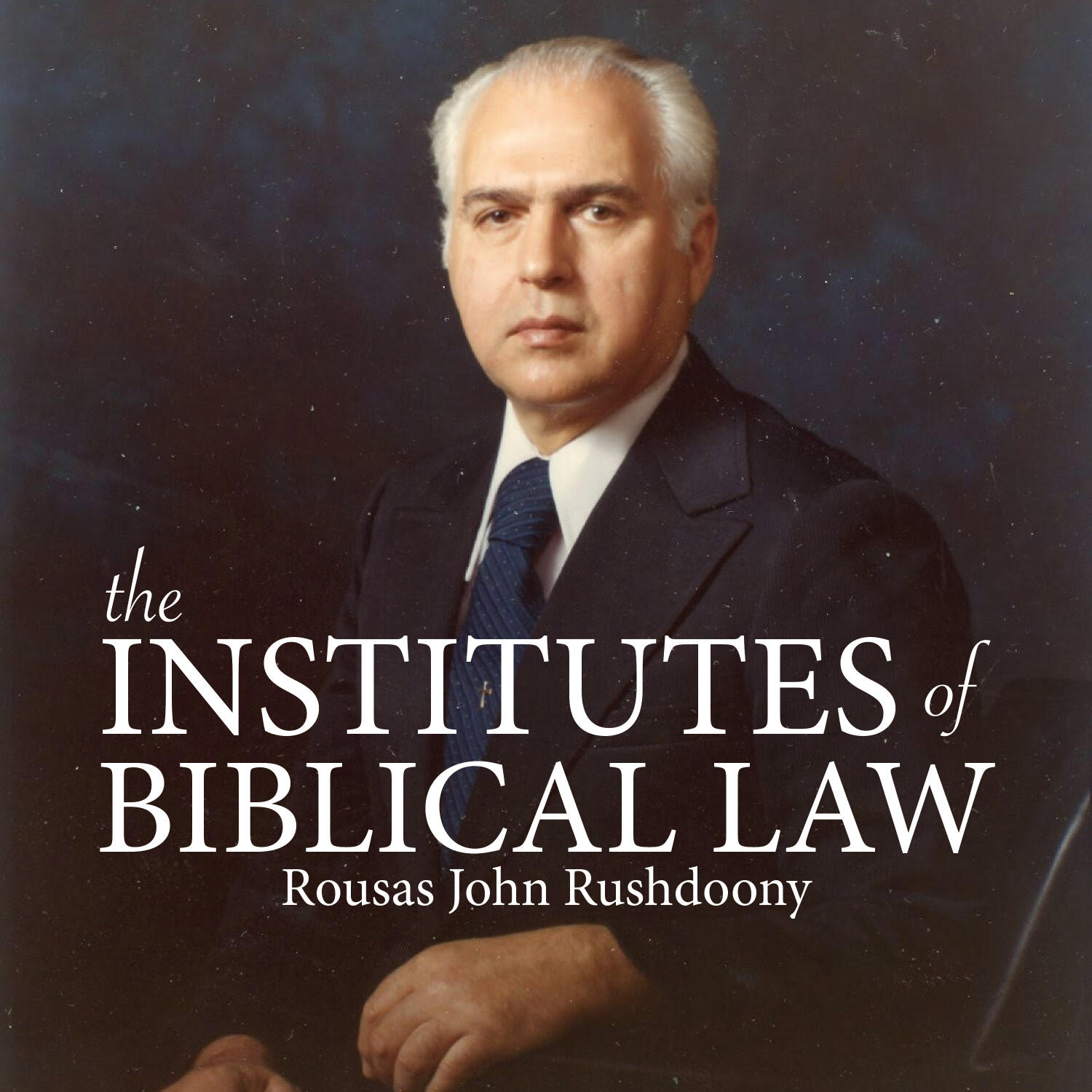
S1 Ep 121The Law and the Ban (Remastered)
God’s covenant law, grounded in His faithfulness and sovereignty, applies to all men without exception, declaring blessings for obedience and curses for rebellion (Deut. 7:9–15), with Christ Himself standing as the covenant Lord who brings both salvation and judgment to all humanity; the “ban” reveals the ultimate consequence of covenant-breaking the end of communion and the placing of individuals or nations under judgment while affirming that true community, progress, and blessing exist only within submission to God’s rightful claims; history, Scripture, and experience alike testify that nations and peoples flourish to the degree they honor God’s law and fall to the degree they reject it, making clear that to forsake the law is to forsake victory, blessing, and life itself, whereas obedience to Christ the King brings enduring prosperity and dominion under God. #BiblicalLaw #Covenant #GodsJustice #BlessingAndCurse #ChristianWorldview #Theonomy #LawAndGospel #ChristTheKing
S6 Ep 35Joy to the World
This episode observes that Christianity has produced more and more joyful music than any other faith, with Christmas carols standing as its richest expression. Carols like the “January Carol” celebrate Christ’s victory over sin and death, portraying Him as the one who ends strife, reconciles God and man, and brings life, righteousness, and peace. Their message is essentially “Joy to the World,” because the birth of Jesus inaugurates salvation and the coming glory. True joy, the author concludes, belongs only to those in whom Christ Himself has come to dwell.

S3 Ep 47How to Pray: Part 19 - Prayer and the Word of God
True prayer is inseparable from God’s Word, because communion with Him grows as we learn to hear and trust what He has spoken, and Psalm 62 vividly illustrates this union of prayer and Scripture. Writing in a time of crisis, likely during Absalom’s revolt, David rejects all human sources of security both the common people and their leaders as “altogether lighter than vanity,” and confesses that God alone is his salvation, strength, and refuge. Fully aware of his own sin and unworthiness, David nevertheless rests in God’s mercy and sovereign power, declaring that his glory and hope are found not in himself but in the Lord. Though outwardly he appears weak and doomed, like a tottering wall, he knows by faith that he stands secure upon an unshakable rock. From this confidence he exhorts God’s people to trust Him at all times and to pour out their hearts before Him, teaching that honest prayer flows from repentance, faith, and a deep confidence in God’s revealed Word, which assures us that power belongs to God and mercy to Him alone.
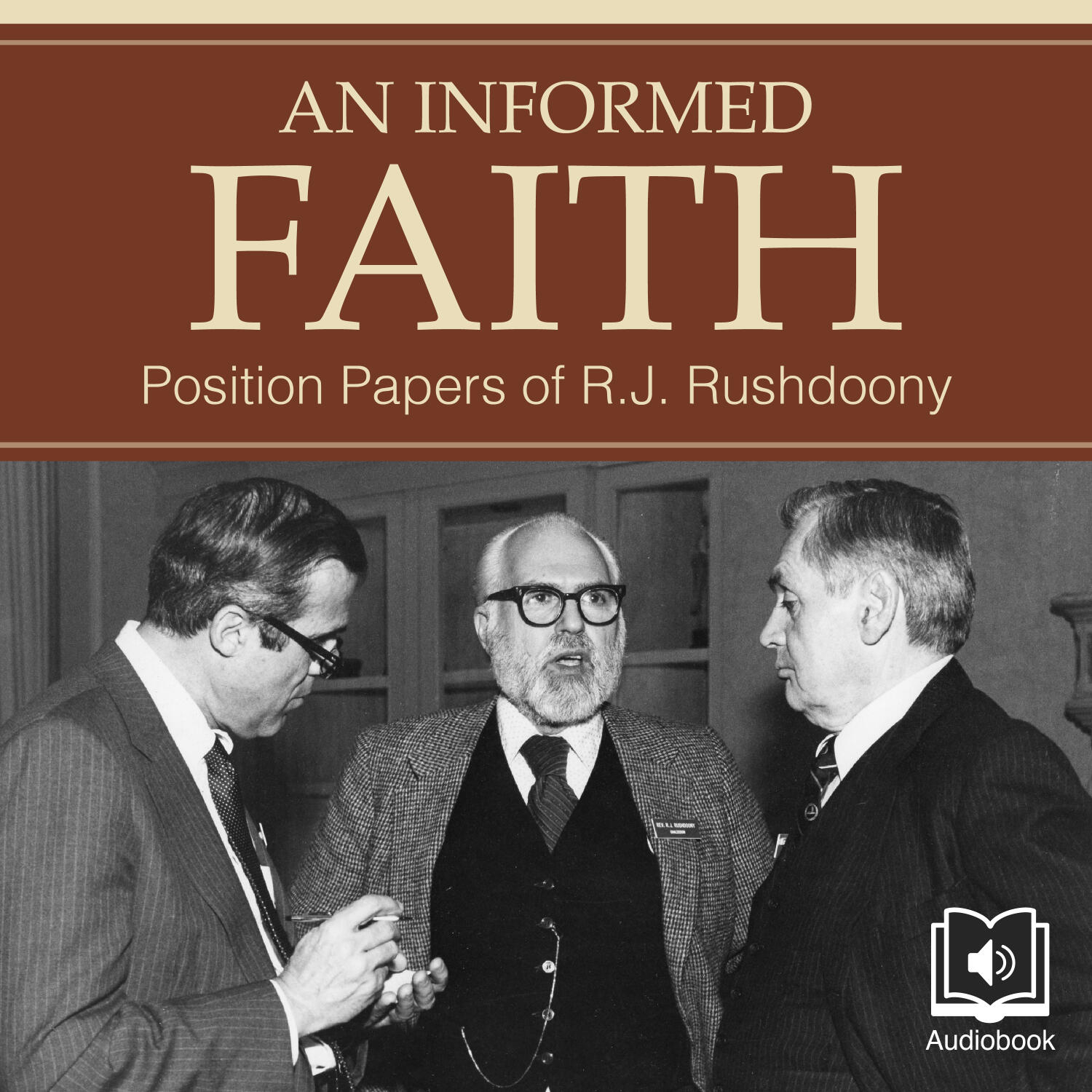
S1 Ep 160Heresy
Heresy originally meant choice placing personal opinion above God’s revealed truth. Throughout history, heresies have taken many forms, but they share a common root: redefining God, Christ, or salvation to fit human philosophy rather than Scripture. From ancient Gnosticism and Arianism to modern process theology, heresy consistently undermines revelation, incarnation, and God’s authority. When man reshapes theology, truth erodes. Orthodoxy is not rigidity it is faithfulness to the God who has spoken.
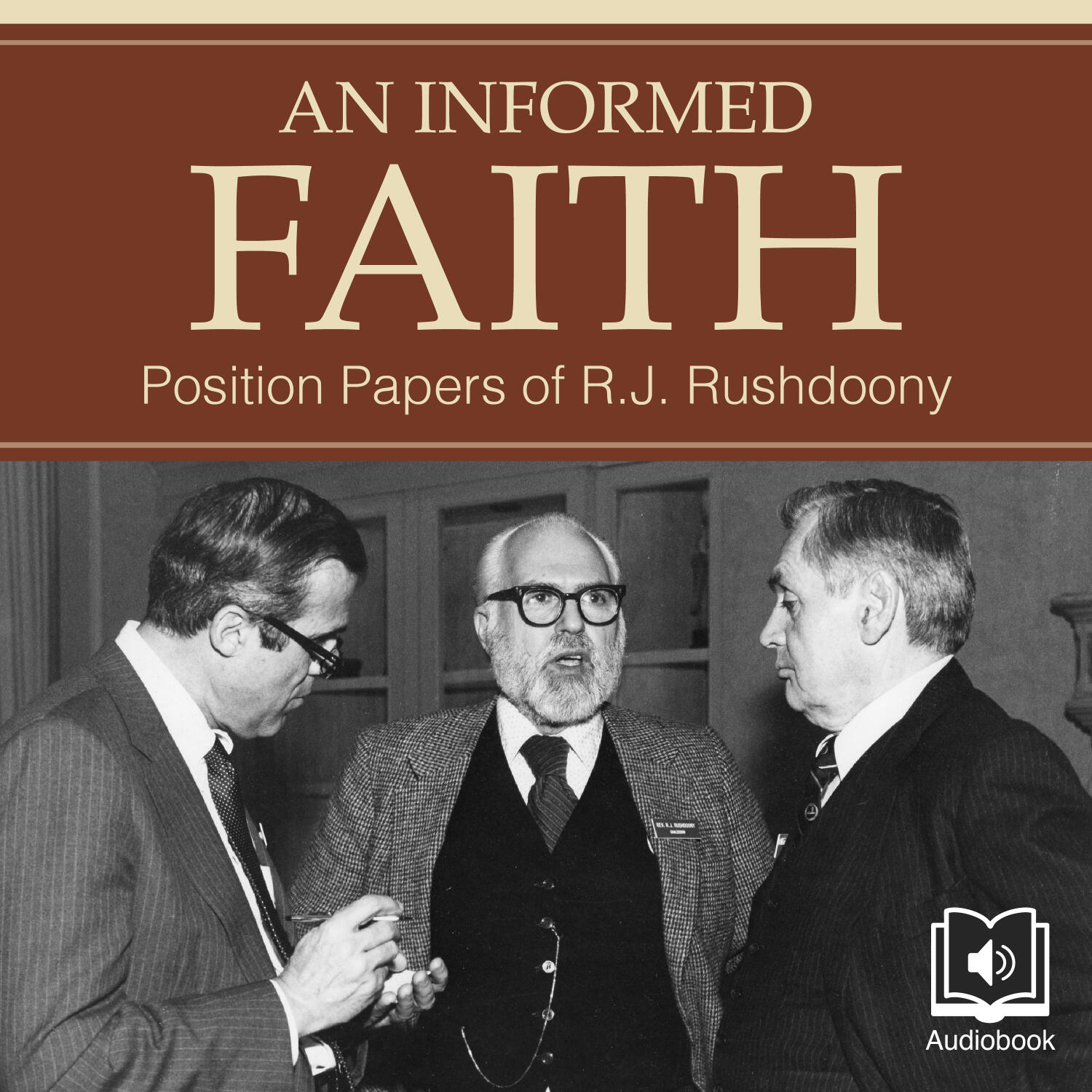
S1 Ep 151The Question of Authority
In this episode, we examine R.J. Rushdoony’s bold challenge to the rising tyranny of statist authority. Prompted by President Carter’s 1980 call for military draft registration including potentially for women Rushdoony reminds Christians that true authority belongs to God alone. Drawing from Scripture and America’s founding principles, he defends the family as God’s first government, condemns statist interventionism, and exposes how modern man, by rejecting responsibility, invites both judgment and slavery. When the state commands what God forbids, or forbids what God commands, the Christian response must be clear: “We ought to obey God rather than men” (Acts 5:29). Tune in to hear how Rushdoony equips the church to resist compromise and reclaim Biblical dominion starting with the question of who truly has the right to command.
S1 Ep 125The Bible in the Curriculum: A Separate Subject or Foundation for Each Subject (Christian Education: Christian Schools)
The Bible cannot be treated merely as one subject among others, but must be the foundational presupposition of every subject, because it alone gives meaning, coherence, and unity to all knowledge: it does not replace empirical study, but without first submitting to God’s Word, no fact can be truly understood, since apart from God all facts become brute, meaningless, and ultimately dissolve into chance and nothingness. To exclude Scripture is therefore not neutrality but rebellion, repeating the sin of Eve by seeking knowledge apart from God and making man the final authority. History, law, science, mathematics, chronology, and every discipline presuppose order, rationality, and truth realities that only exist because all things were created and governed by the God of Scripture. Humanistic autonomy inevitably leads to relativism, anarchy, and cultural decay, as seen wherever God’s Word is removed from education and public life. The Bible must be taught directly as God’s binding command-word, not as inspirational literature, and it must also govern every field of study, shaping the curriculum’s direction and purpose. Since Christ alone is King and Lord, His Word alone is law, and any education that does not begin with the fear of the Lord becomes “vain babbling,” producing not knowledge but confusion and death. Apart from the God of Scripture there is no unified universe, no curriculum, and finally no knowledge at all only chance whereas in Him all truth, learning, and life hold together.
S6 Ep 34The Living God
This episode rejects the modern claim that all religions lead to the same destination, contrasting biblical faith with Hinduism through the insights of Hindu scholar A. Bharati. Hinduism, the author notes, emphasizes the impersonal and abstract, and its caste system denies universal human rights revealing a profound gulf between it and Christianity. In contrast, the Christian faith centers on a personal God and a personal Savior who cares intimately for His people, having already demonstrated His love through Christ’s atoning work and continuing to meet their daily needs. Scripture assures believers that God will never leave or forsake them, making Him a present Helper rather than a distant abstraction. For this reason, early Christians proclaimed Him as the living God and the passage ends by asking whether the reader is truly alive to Him.

S1 Ep 369What’s It Like Being Rushdoony’s Grandson? (guest Isaac Rushdoony)
In this episode of Out of the Question, Andrea Schwartz sits down with Isaac Rushdoony—grandson of R.J. Rushdoony and son of Chalcedon president Mark Rushdoony—for a down-to-earth conversation about family legacy, ordinary faithfulness, and extraordinary vocation. Isaac shares childhood memories of life on the Chalcedon property, what “Rush” was like as a grandfather (more smiles than people might expect), and how a lifetime in fire service—from helitack and Black Hawks to battalion chief—has shaped his view of calling, community, and crisis. Along the way, they draw compelling parallels between fighting wildfires and equipping Christians: you don’t wait for the flames to pull out the manual—you train, stock tools, and get ahead of the fire. The result is a hopeful, practical look at Chalcedon’s mission “for all of life,” the challenge of reaching the next generation, and why victory belongs to faithful men who show up, serve locally, and build for the future. #OutOfTheQuestion #Chalcedon #Rushdoony #RJRushdoony #ChristianReconstruction #BiblicalWorldview #FaithForAllOfLife #Vocation #Calling #ChristianLeadership #SelfGovernment #KingdomWork #Localism #FamilyLegacy #CALFIRE #FireService #Dominion #ToolsNotToys #NextGeneration #Reconstruction
S1 Ep 124Suicidal Humanism
In Suicidal Humanism, Rushdoony exposes the deadly illusion behind modern humanism: the belief that eliminating God, guilt, and divine law through technology, psychology, and the socialist state will usher in a perfect world. Drawing on figures like Bertrand Russell and Freud, he shows how humanism seeks to medicalize sin, erase religion, and enthrone man as his own god, only to produce despair, lawlessness, and self-destruction instead of peace. Far from solving humanity’s problems, technological power intensifies them, because the core issue is not systems or science but sinful man himself. The tragic rise in suicide, violence, and moral collapse especially among youth reveals humanism’s suicidal end, while the biblical alternative calls men back to God’s law as the true foundation for order, blessing, and hope, affirming that rejecting God is ultimately a love of death, but obedience to His Word brings life. #SuicidalHumanism #Rushdoony #ChristianWorldview #BiblicalLaw #Humanism #FaithAndCulture #GodsLaw #MeaningAndHope
S6 Ep 33The Everyday Sin
This episode highlights gossip as a neglected yet serious sin that Scripture equates with harming or even “murdering” a neighbor, drawing on Leviticus 19:16. Through vivid examples, the author shows how talebearing destroys lives: a pastor caring for his bedridden wife with the help of a young Christian girl loses his ministry after malicious rumors spread, while the true gossip remains unpunished; likewise, another pastor is falsely accused of financial misconduct yet forced out despite the accuser being exposed as a liar. These stories illustrate how gossip injures the innocent, damages reputations, and undermines justice. The author warns that although churches may tolerate talebearers, God does not He views gossip as a grave violation, and those who ignore His Word in this matter will face His judgment.

How to Pray: Part 18 - Striving in Prayer
Is prayer supposed to feel like work? In this episode, we look at the strange but biblical idea of prayer as wrestling—not with God, but with ourselves. Drawing from the examples of Jacob, Paul, and the saints of Scripture, we explore why true prayer often requires struggle, surrender, and even tears before it yields the peace and joy of victory. Join us as we consider what it means to strive in prayer and find strength in the God who hears.
S6 Ep 32A Cheap God
This episode urges believers to stop approaching God with small, timid requests, likening such prayer to a fable about a poor peddler who, when granted anything by heaven, asked only for a cup of coffee and a doughnut revealing the smallness of his soul. Many Christians pray the same way, treating the Maker of heaven and earth as though He were a “cheap God” who provides only the bare minimum. John Newton’s hymn answers this mentality by reminding believers that they come before a King and should therefore bring “large petitions,” for God’s grace is abundant and no request is too great. True prayer includes bold petitions, intercession for others, and continual renewal of strength, all of which show that God is not stingy but a generous wellspring of blessing for His people.

S3 Ep 46How to Pray: Part 18 - Striving in Prayer
Is prayer supposed to feel like work? In this episode, we look at the strange but biblical idea of prayer as wrestling not with God, but with ourselves. Drawing from the examples of Jacob, Paul, and the saints of Scripture, we explore why true prayer often requires struggle, surrender, and even tears before it yields the peace and joy of victory. Join us as we consider what it means to strive in prayer and find strength in the God who hears.
The Bible in the Curriculum: A Seperate Subject or Foundation for Each Subject (Remastered)
Rushdoony argues that the Bible must be taught as a subject and function as the integrating foundation for every subject, because Scripture is not a “devotional add-on” but God’s authoritative “command-word” that alone gives meaning, coherence, and true knowledge in a created, law-governed world. Drawing on Van Til, he insists that without the God of Scripture facts become “brute” and ultimately meaningless, so education that treats God as optional collapses into relativism, autonomy, and cultural barbarism “every man doing what is right in his own eyes.” He contrasts theonomy (God’s rule) with autonomy (self-rule), warns that atheism logically ends in anarchy (as even Marx feared in debating Stirner), and concludes that a Christian curriculum must move in a single, unified direction under Christ’s kingship: we do not “prove” God or the Bible as if we were judges over Him; rather, we teach from the presupposition that the Triune God is Lord of all truth, so mathematics, history, law, and every discipline are properly understood only in submission to His revealed Word. #ChristianEducation #ChristianSchools #BiblicalWorldview #VanTil #PresuppositionalApologetics #Theonomy #Curriculum #ChristIsKing #ScriptureAlone #FaithAndLearning #KingdomOfGod #Rushdoony
Will Wishing or Legislating Make It So?
In this episode, R.J. Rushdoony critiques the modern obsession with wishful thinking and state control. From workshops that promise wealth through “positive wishing” to bloated licensing agencies that regulate everything but common sense, Rushdoony asks: Can foolishness be outlawed—or must freedom include the right to fail? Tune in to hear why real growth requires liberty, not legislation, and why state supervision is no substitute for character and responsibility.
Laymen
What role do laymen truly have in the church? This episode explores the biblical calling of laypeople—not as spectators or second-class members, but as active participants in Christ’s body. Scripture calls all believers to serve, sacrifice, and take responsibility. When pastors or laymen shirk this shared duty, the church suffers. In God’s eyes, there are no sidelines—and no excuses.
March to a Dumping Ground
Mark Aldanov’s The Fifth Seal warns that without faith, humanity is heading toward a chaotic “dumping ground” of meaninglessness and moral relativism. Existentialism, the dominant philosophy, denies universal laws and leads to social breakdown. Attempts to replace Christianity with new faiths fail, leaving humanism—the “second faith”—exhausted. Only a return to Biblical faith and God’s law can restore order and true dominion for man. The choice is clear: live as isolated, self-made “gods” in chaos or submit to God’s sovereign rule and purpose.
Belonging
What does it mean to truly belong to the church? This episode explores Paul’s honest picture of the early Christian community—flawed, divided, and sinful, yet still the beloved body of Christ. Belonging to the church means being part of God’s appointed people, despite its messiness. It’s not problem-free, but it is a blessed reality. To walk away is to walk away from what God has joined together.
The Cult of Victimization
Why is victimhood the new path to virtue—and what does that say about our culture’s morality? In Chalcedon Position Paper No. 71: “The Cult of Victimization,” R.J. Rushdoony exposes how modern identity—political, personal, even religious—is built on the false gospel of self-pity. From Romanticism to revolutions, from national grievances to personal traumas, Rushdoony traces how a satanic inversion of truth has replaced responsibility with resentment and holiness with masochism. In this episode, we uncover how a world obsessed with victim status is rejecting Biblical salvation—deliverance, not defeat. Tune in to hear how the devil’s party preaches suffering without redemption… and why Christ offers something radically different.
Is the Church Obsolete?
Is the church obsolete? For Christ, any church that abandons His Word, denies the faith, or promotes unbelief and revolution is not just outdated—it’s useless and marked for judgment. This episode explores what makes a church truly alive: faithful preaching, worship, and obedience to Christ. When churches become tools for political agendas, they serve not God, but His enemies. A church without Christ is worse than obsolete—it’s dangerous.
Mummified Christians
Are today’s churches filled with “mummy Christians”? This episode takes a hard look at faith without action, drawing on the blunt words of General William Booth and Charles Spurgeon. Many believers occupy space but do little to live out their faith—and Scripture calls that dead. Christ spoke more words of judgment than comfort, not to condemn but to awaken. Maybe it’s time we listened.

How to Pray: Part 17 - Consequences of Prayer
Prayer isn’t just a spiritual exercise—it’s a test of our love. In this episode, we explore how prayer draws us close to God, strengthens our love for others, and becomes the very measure of our faith. If we neglect prayer, are we also neglecting love itself? Join us as we reflect on what Scripture reveals about the power, purpose, and profound consequences of a prayerful life.
The Test of Preaching
Is preaching meant to please people—or to please God? This episode reflects on Charles Spurgeon’s bold, unflinching ministry and the resistance he faced for preaching hard truths. Many want sermons that “uplift” without convicting, but true preaching must honor God, not man. The real test isn’t how it makes us feel—but whether it’s faithful to His Word.
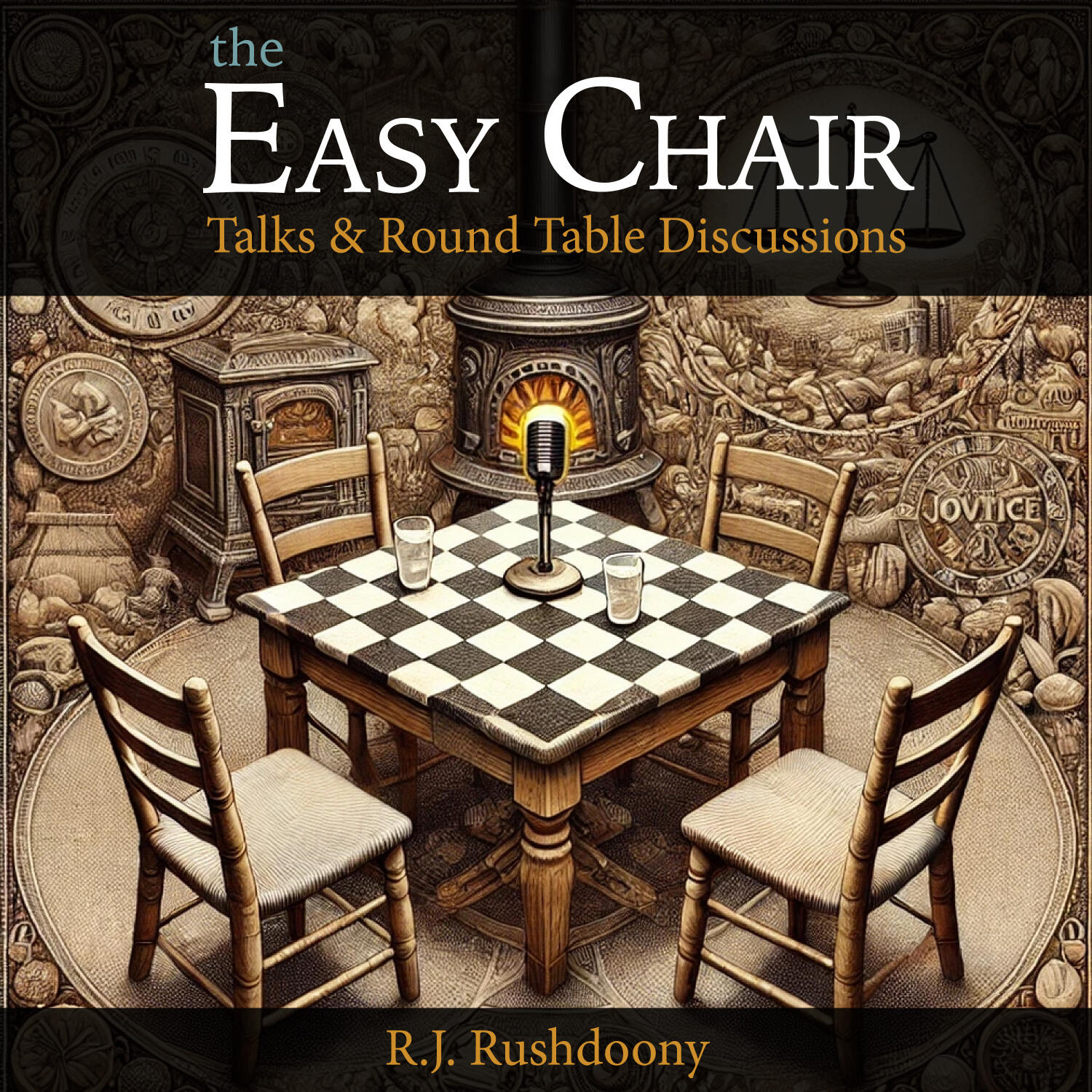
Episode #124 (June 2, 1986)
In this eclectic and incisive episode of The Easy Chair, recorded June 2, 1986, R.J. Rushdoony draws a direct line from Romanticism’s reckless idealism to the political, educational, and moral chaos of modern life. From butterfly-chasing libertines and forged poetry to suicidal revolutionaries and the failures of public education, Rushdoony exposes how utopian fantasies erode law, virtue, and reality itself. He also surveys privatization efforts in the UK, chronicles Christian alternatives to state welfare, and calls attention to legal battles threatening Christian schools. Tune in for sharp cultural critique, forgotten history, and a rallying cry for Christian action.
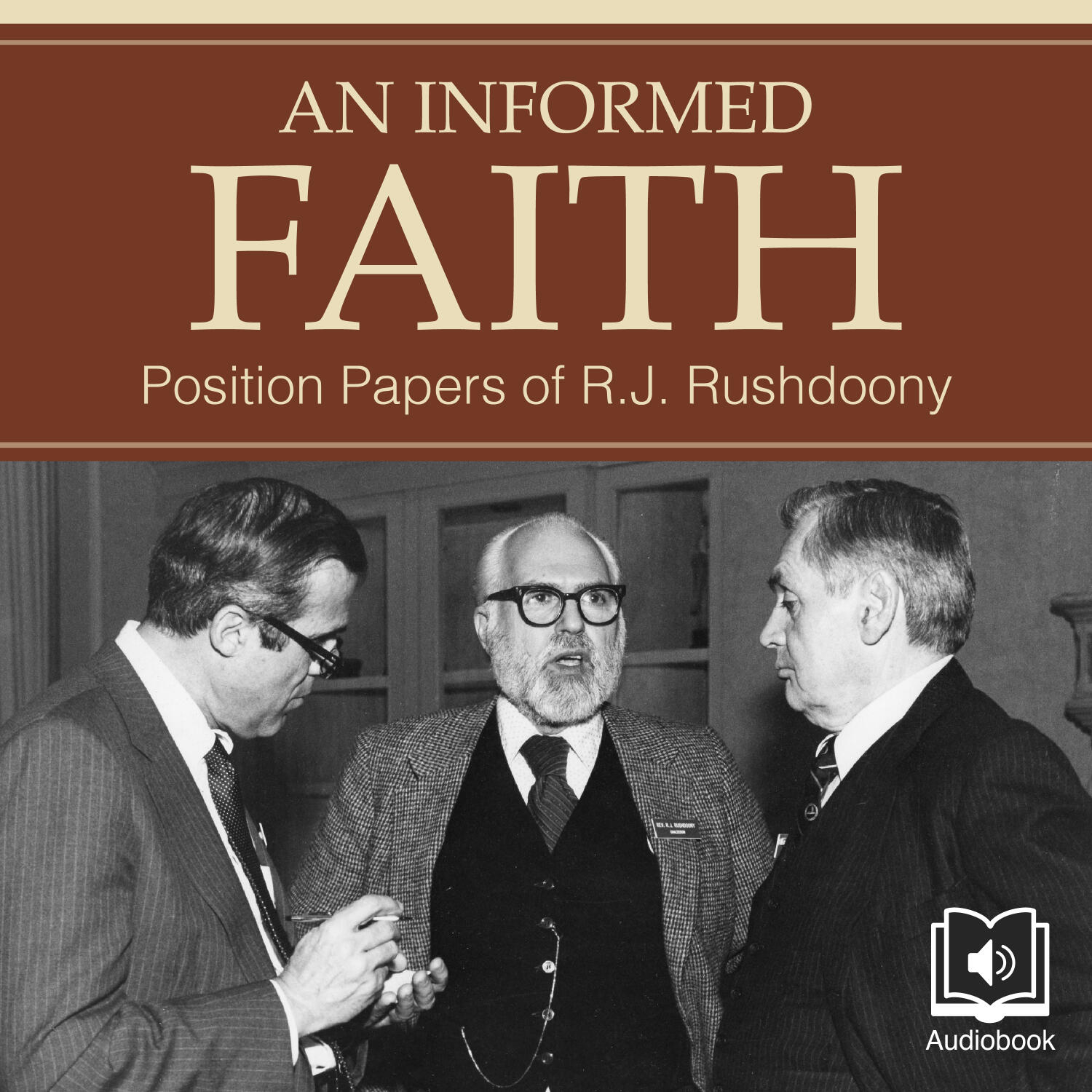
False Morality and False Reform
What if the real moral crisis behind today’s lawsuits and social reforms isn’t corporate corruption—but the death of personal responsibility? In Chalcedon Position Paper No. 92: “False Morality and False Reform,” R.J. Rushdoony challenges both conservatives and liberals with a piercing question: Are we justifying sin in the name of justice? From tobacco lawsuits to victim-culture protests, Rushdoony traces how modern society has inverted morality—replacing repentance with blame, and true reform with legal theater. Join us as we unpack the difference between Biblical justice and the counterfeit morality of an age desperate to call sinners “victims.”
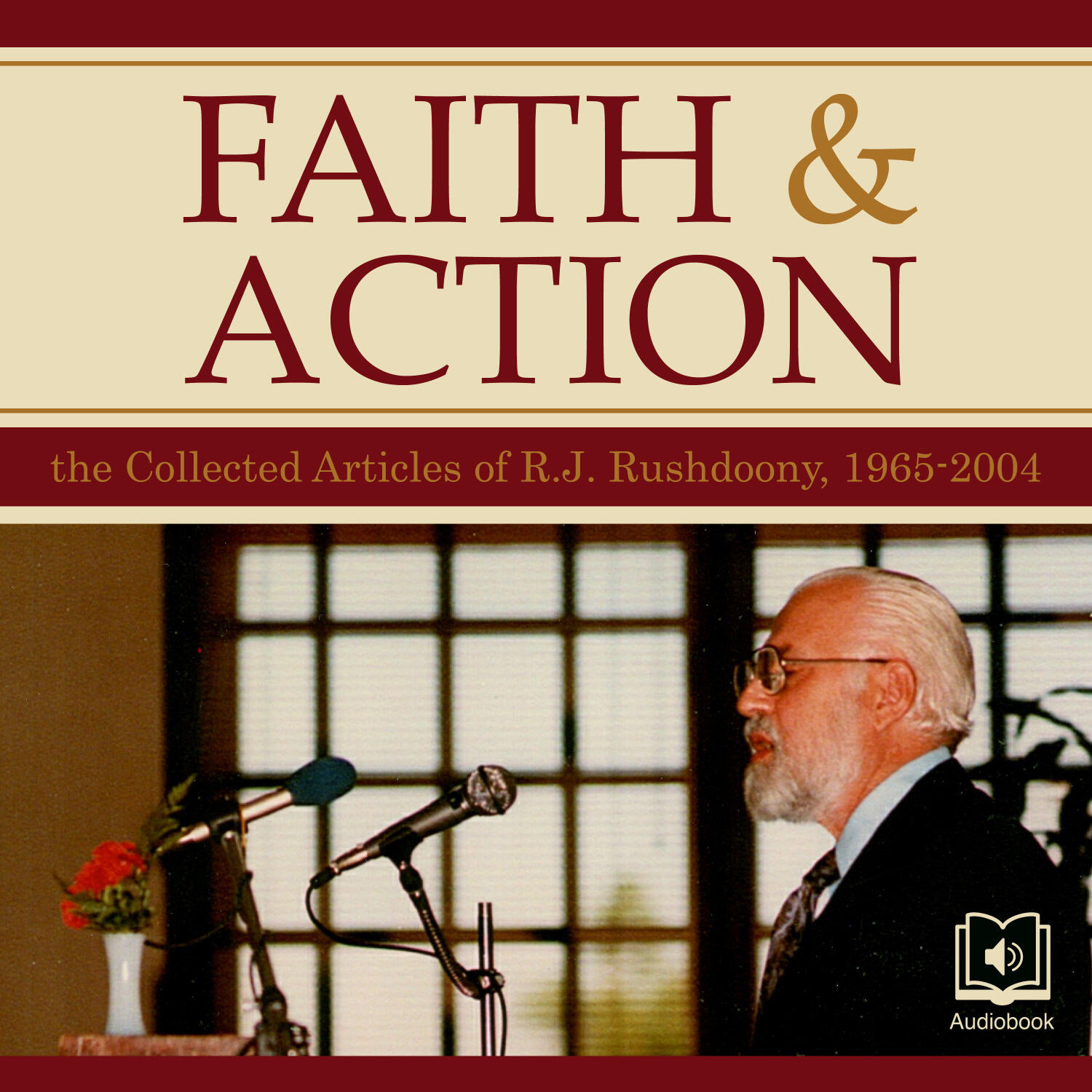
Humanism and Change
Humanism drives modern change by trusting man alone to solve society’s problems without God. Thinkers like Machiavelli and Erasmus believed in progress through human effort, rejecting divine renewal. Humanism makes man, not God, the source of law and morality, leading to moral relativism and decay. Sadly, it even influences the church, limiting Scripture to private life. True Christianity must apply God’s Word fully and reclaim dominion under God, not humanistic ideals.
Blindness
Spiritual blindness is more dangerous than we think. This episode contrasts true faith with the self-deception of those blind to their own sin—like the pastor who delighted in his empty sermons. As Isaiah warns, a blind generation stumbles toward judgment. But while the blind have no future, those in Christ—though they may suffer—are “more than conquerors.” Sight begins with the light of God’s truth.
Double Honor
Why are godly pastors often underappreciated—and underpaid? This episode explores Paul’s command to give “double honor” to faithful ministers, exposing how stinginess toward pastors often reflects a deeper dishonor toward God. From withheld salaries to leftover generosity, many churches rob both God's servants and His glory. If we truly honor the Lord, we’ll honor those who labor in His Word.

How to Pray: Part 16 - Amen
One word. Four letters. A lifetime of faith. In this final episode of our How to Pray series, we reflect on the meaning and power of the word “Amen.” Far more than a polite way to end a prayer, amen is a bold declaration of trust in the unshakeable promises of God. It is our Yes to His Yes in Christ—the echo of Heaven in the voice of faith. Join us as we close this series the way all true prayer ends: in confidence, surrender, and praise. Amen and amen.
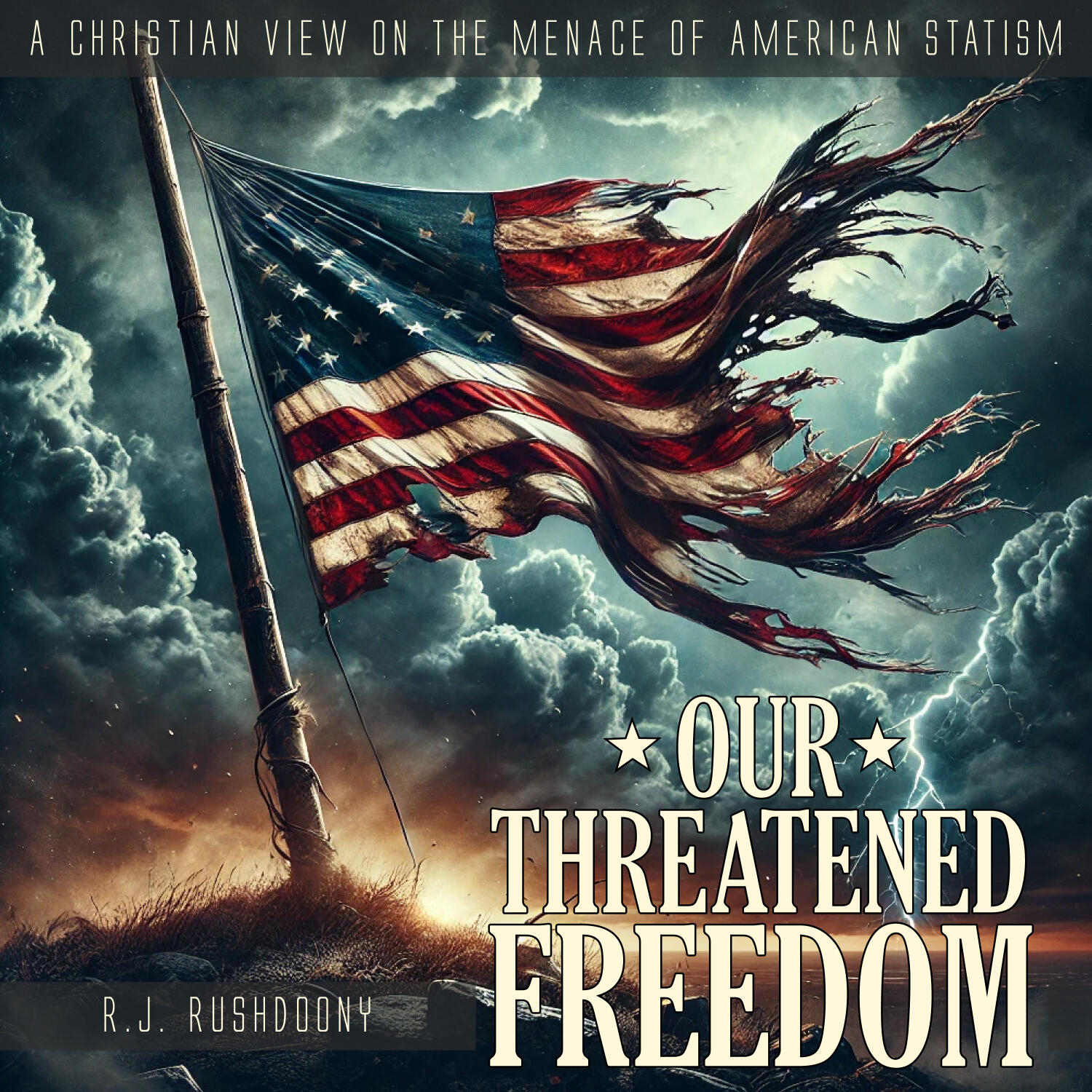
Are Criminals Afraid of the Law?
In this episode, R.J. Rushdoony asks a blunt but crucial question: Who fears the government more—criminals or the law-abiding? Drawing from Romans 13, Rushdoony reminds us that civil authority exists to be a terror to evildoers, not to honest citizens. But today, the roles are reversed. From repeat offenders laughing at weak enforcement to citizens dreading audits and permits, government has shifted from protector to predator. Tune in to hear why a just society demands a return to biblical justice—and fear where it belongs.
The Departing Pastor
What happens when a successful church loses its pastor—not to scandal or burnout, but to purpose? This episode tells the story of a pastor who left a thriving ministry because his church loved comfort more than calling. They wanted growth without sacrifice, preaching without application, and ministry without mission. His departure raises the hard question every church must ask: Are we here to serve ourselves—or to serve Jesus Christ?
Our Man-Centered Folly
This report warns against man-centered autonomy rooted in original sin—trying to be one’s own god—which leads to moral chaos and failed solutions like the UN. Without God’s truth, values collapse into subjective opinions, causing social decay. True peace comes only by abandoning self-rule and being renewed by Christ under God’s sovereign law.