Show overview
Conversations in Equine Science has been publishing since 2022, and across the 4 years since has built a catalogue of 107 episodes. That works out to roughly 50 hours of audio in total. Releases follow a fortnightly cadence, with the show now in its 7th season.
Episodes typically run twenty to thirty-five minutes — most land between 24 min and 32 min — and the run-time is fairly consistent across the catalogue. None of the episodes are flagged explicit by the publisher. It is catalogued as a EN-language Science show.
The show is actively publishing — the most recent episode landed 3 weeks ago, with 12 episodes already out so far this year. The busiest year was 2023, with 35 episodes published. Published by Nancy McLean.
From the publisher
Kate Acton (from Ireland) and Nancy McLean (from the USA) discuss equine research projects and studies to help bridge the gap between the scientific community and the general community of horse owners, trainers and enthusiasts.
Latest Episodes
View all 107 episodesGame-Changer for Equine OA? 2.5% Polyacrylamide Hydrogel Shows Long-Lasting Relief
Ertugliflozin’s Impact on Laminitic Horses
Steroid Use and Insulin Dysregulation in Horses.
Do Horses Get Headaches?
Why My Gelding Chews the Reins: The Cortisol Connection
Get Back On: The Neuroscience of Remounting After a Fall
The Equine Limbic System

S7 Ep 205Horse Brain Science - Part 3
This is a continuation of our study on Equine Neurology and Ethical Horse Training and Management.
S7 Ep 4Inside the Horse Brain: How Equine Minds Think, Feel, and React
In this episode Nancy McLean explores Dr. Stephen Peters' book Horse Brain Science, comparing human and equine brain anatomy and function. She explains brain size and cortical folding, then walks through the four main lobes (frontal, parietal, temporal, occipital), the amygdala and hippocampus, and the brainstem. The episode connects these brain differences to horse behavior and training—why punishment fails, how pressure and removal or positive rewards work, and how understanding sensory processing, memory, and fear responses can improve ethical horsemanship.
S7 Ep 2Horse Brain Science: Rethinking Training with Neuroscience
This episode introduces equine neurobiology through the work of Dr. Stephen Peters, explaining core concepts like neurons, neurotransmitters, neuroplasticity, and how sensory processing affects learning and behavior. It shows how applying neuroscience can reduce stress, build trust, and improve training and welfare, and previews a follow-up episode on brain anatomy.

S7 Ep 2Equine Hoof Trim Research
In this episode Nancy talks about using a grinder for hoof trimming. Ida Hammer teaches online and in person Hoofcare classes. Check her website out at www.mackinawdells2.com
S1 Ep 1Trust the Horse: Study Shows Horses Decide When to Wear Blankets
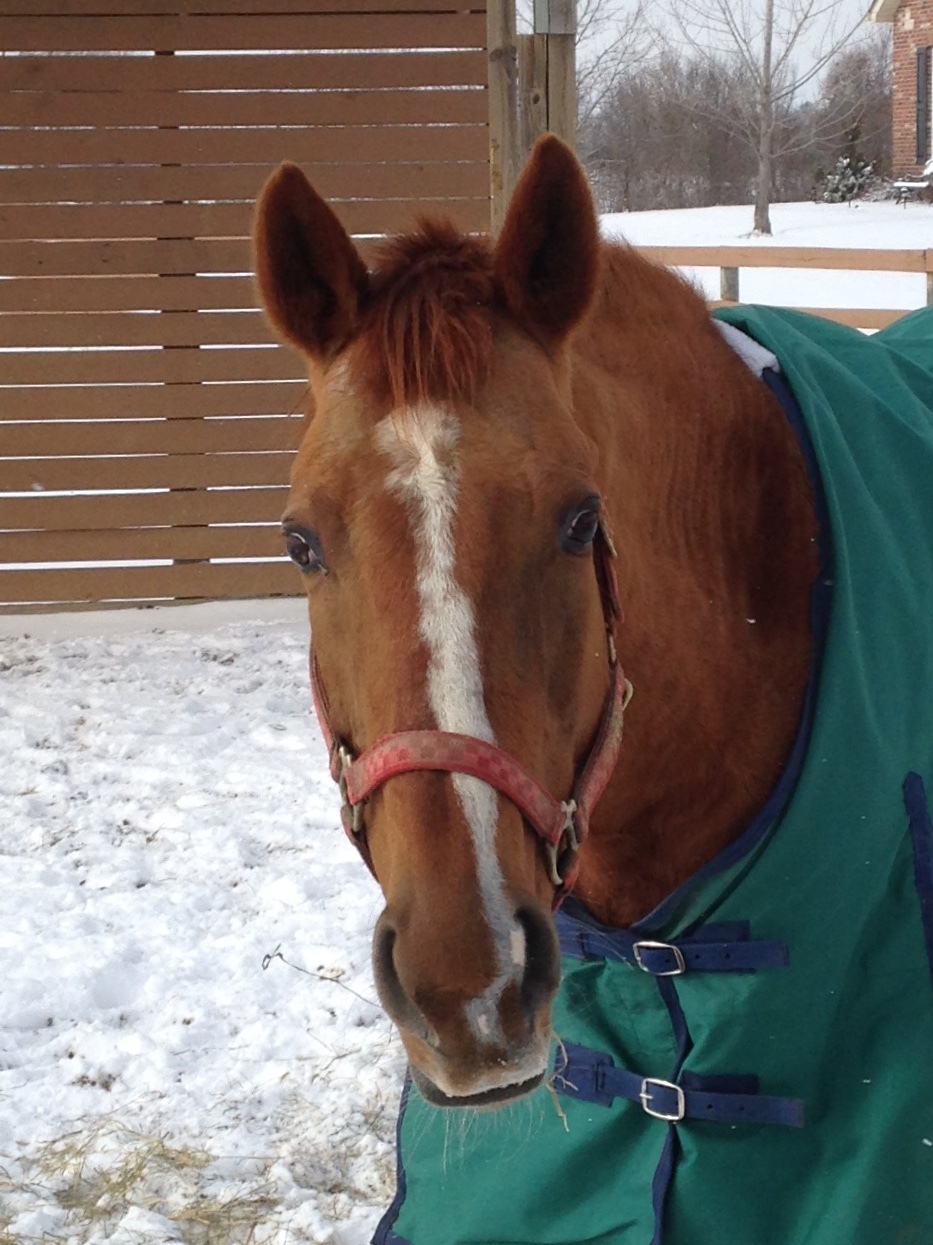
This episode reviews a 2019 study where 23 horses were trained to use symbols to indicate whether they wanted a blanket put on, left on, or removed. Researchers tested horse choices across a range of temperatures, wind, rain, and seasons to see how weather and individual factors influenced blanket preference. Key findings: horses overwhelmingly chose blankets at very low temperatures (below −10°C/14°F) and tended to reject blankets above about 10°C/50°F, with most preferring no blanket around 20°C/68°F. Wind, precipitation, clipping, age, and individual variation also affected choices. The episode emphasizes observing each horse and adjusting blanketing to weather and the horse’s needs.
S1 Ep 1Steroids and Insulin: The Hidden Trigger of Catastrophic Laminitis
In this episode Nancy McLean checks into recent equine herpes cases and focuses on new research linking corticosteroid (triamcinolone) joint injections to insulin spikes and severe laminitis. They review the case of Fiona, a competitive mare who developed fatal laminitis after sacroiliac injections, and summarize ongoing studies at NC State funded by the Chromatic Fund. The researchers are comparing single high-dose versus repeated low-dose steroid protocols, finding undiagnosed insulin dysregulation in many sport horses and recommending insulin testing before steroid treatments. The clinical study is expected to conclude by spring 2026.
S1 Ep 1EHV-1 Outbreak Explained: Symptoms, Risks, and What Horse Owners Should Do
This episode breaks down the current EHV-1 (EHM) outbreak in the U.S., covering clinical signs, transmission, and incubation periods. Listeners will learn about vaccine limitations, why quarantine and low-stress management matter, and practical biosecurity measures—cleaning, disinfectants (70% alcohol, hydrogen peroxide, chlorhexidine), and when to avoid bleach on dirty surfaces. Advice emphasizes keeping horses home when possible, monitoring for fever and limb swelling, and consulting your veterinarian for case-specific guidance.

S1 Ep 1Knowing When to Let Go: Owners, Vets, and Pain in Aging Horses
Hosts Nancy McLean and Kate Acton discuss a 2025 study on how owner–veterinarian interactions affect recognition and management of pain in horses, using owners’ stories and vets’ perspectives to highlight subtle behavioral signs and practical decisions. The episode emphasizes the importance of knowing each horse’s normal behavior, keeping compassionate communication open with veterinary teams, planning for aging horses, and making welfare-focused choices. Research Link: https://www.cambridge.org/core/journals/animal-welfare/article/owners-everyday-interactions-with-their-horse-painrelated-issues-and-those-of-veterinary-concern/8709217EEB13EFA934E783A03204E973?utm_campaign=shareaholic&utm_medium=email_this&utm_source=email

Ep 203Episode 201 Part 2 of Identifying Effective States of Horses
Nancy and Kate conclude their discussion on the current research and the Flying Lead Change book by Kelly Wendorf. Sign up for the Kelly Wendorf clinic at the InStride episode page link.

S6 Ep 200Identifying affective states of horses.
Nancy and Kate discuss identifying and measuring the emotional states of horses. Link to research: https://doi.org/10.1093/tas/txaf033 Book by Kelly Wendorf: Flying Lead Change. Instride Podcast: https://podcasts.apple.com/us/podcast/in-stride/id1602148957
S1 Ep 1Unlocking the Secrets of Sarcopenia in Senior Horses
In this episode of Conversations in Equine Science, Kate and Nancy explore a compelling research paper titled "Retirement Risk Factors, Exercise Management, and Muscle Mass in U.S. Senior Horses" by Elisa Herbst. Published in May 2023, this paper dives into the intricacies of managing the health and exercise of senior horses in the U.S., examining factors such as retirement risk, exercise routines, and muscle mass preservation. The hosts discuss key insights from an extensive survey involving over 2,700 respondents, highlighting the distinctions between equine professionals and hobby horse owners. They delve into the challenges faced by senior horses, such as sarcopenia and exercise management, drawing parallels with aging in humans while emphasizing the importance of physical activity and proper nutrition for maintaining muscle mass and overall health. The episode sheds light on the significance of continued care and management as horses age, underscoring the role of dynamic mobilization exercises and hoof health in prolonging the vitality and quality of life of senior equines. Listeners are encouraged to consult with equine veterinarians and professionals before implementing changes based on this research.
S1 Ep 1Equine research on icing the laminitic hoof.
S6 Ep 200Horseshoe effects on equine gait.
This episode Kate and Nancy discuss a scoping review of 46 research papers on the effects of horseshoe type on equine gait. Open Access Research Reference/Link: Aoun, R., Takawira, C., & Lopez, M. J. (2025). Horseshoe effects on equine gait-A systematic scoping review. Veterinary surgery : VS, 54(1), 31–51. https://doi.org/10.1111/vsu.14162