Contrabass Conversations
1,171 episodes — Page 24 of 24
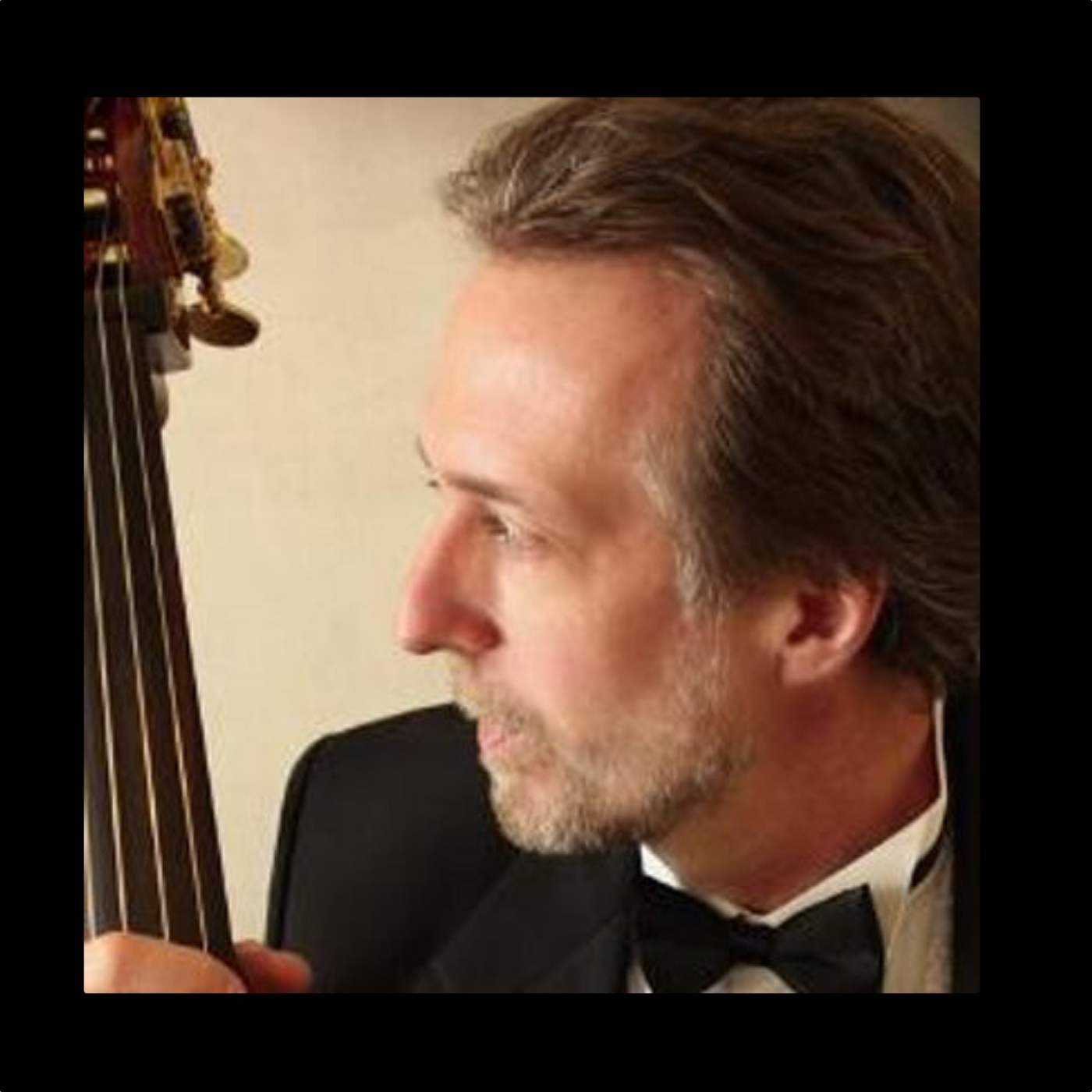
Ep 1919: Greg Sarchet Interview
Greg Sarchet considers himself fortunate to have had an array of musical experiences and training, from studying with his first teacher, jazz luminary Rufus Reid, to receiving degrees from the Juilliard School (where he was a student of Michael Morgan), to hundreds of television/radio commercial recordings. His strong interest in researching the double bass and ongoing international exchange efforts were recognized by a 1996 Chicago Artists International Program award which sent him to the Czech Republic, Germany, and Austria for performances, masterclasses, and archival research. These and other exchange activities have allowed him to build an extensive library of unpublished, out-of-print, and contemporary double bass works, as well as a first-hand understanding of Europe's leading teaching methods. Since 1986, he has been a member of the Lyric Opera of Chicago Orchestra. Additionally, he frequently serves as Principal Bass with Chicago Opera Theater and the Chicago Chamber Orchestra. He maintains a limited private studio for high school and adult pupils. Briefly, his musical foundation was laid by his first double bass teachers, Rufus Reid and Todd Coolman. The musical values and priorities they, among others, instilled in him have led him to a wide variety of professional opportunities ranging from recordings with the Chicago Symphony Orchestra, Mannheim Steamroller, Smashing Pumpkins, and hundreds of television and radio commercials.
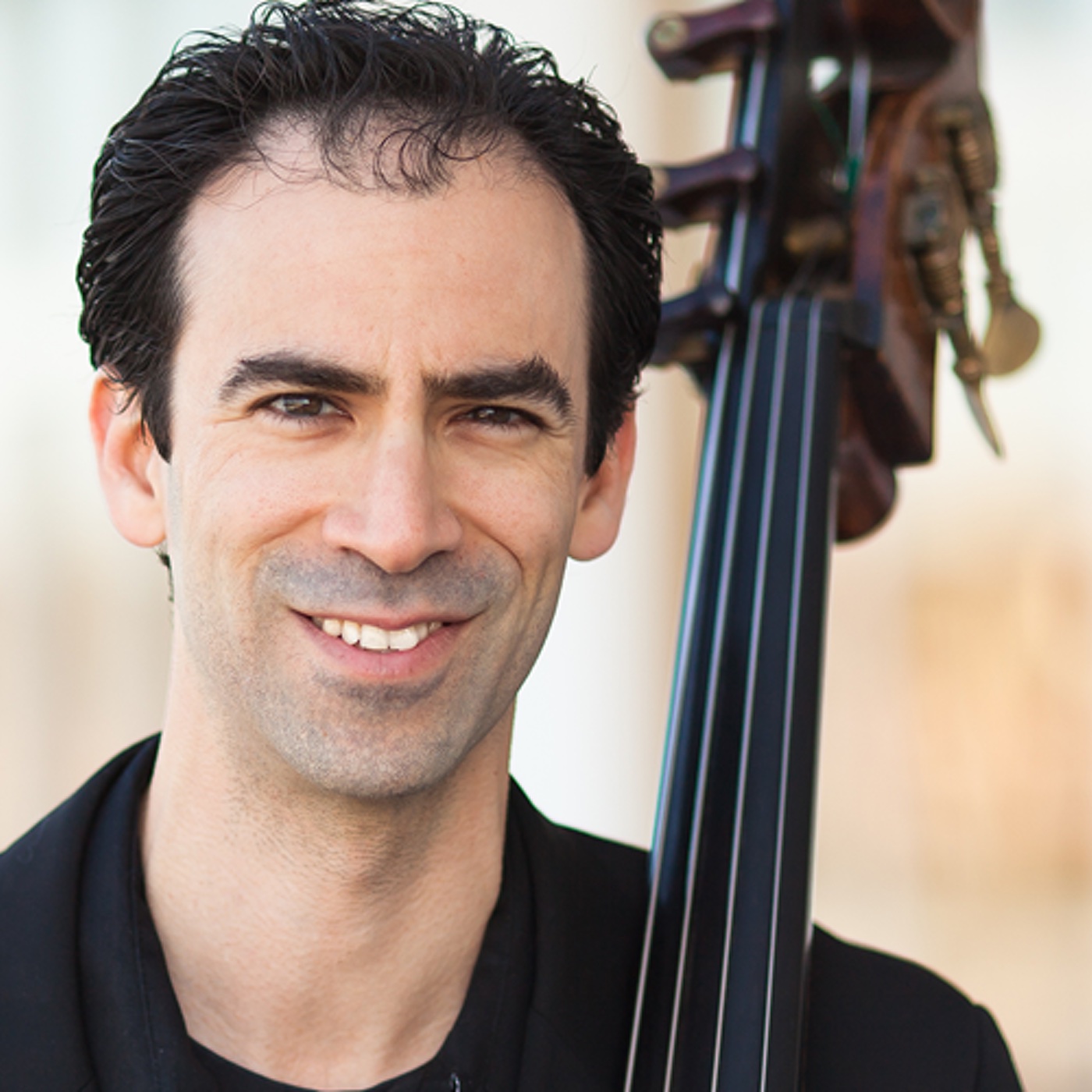
Ep 1818: Ira Gold Interview part 2
Ira Gold made his Carnegie Hall solo debut in 2011, performing the Vanhal Bass Concerto with the Catholic University of America Symphony Orchestra. Prior to joining the National Symphony in 2005, Mr. Gold performed with several American orchestras, as section bass with the Minnesota Orchestra and as guest principal bassist with the San Francisco Symphony and Detroit Symphony. He has attended festivals such as the Grand Teton Music Festival, Domaine Forget Music Academy, Bach Festival Leipzig, Aspen, and Tanglewood. Mr. Gold spent several summers at the International Festival Institute at Round Top both as a student and faculty. He is continually in demand for recitals and master classes, including recent visits at The Juilliard School, Boston University Tanglewood Institute, Penn State University, University of North Texas, the International Society of Bassists Convention, and the Manhattan School of Music. Mr. Gold maintains a studio of private students, has taught lessons and coached chamber music in the National Symphony Orchestra Youth Fellowship program, and has been a member of the double bass faculty at the Peabody Conservatory since 2009. He is also a co-founding member of Peabody Bass Works, a one-week bass camp held every July at Peabody. An active chamber musician, Mr. Gold has performed with the East Coast Chamber Orchestra, the NSO Millennium Stage Prelude Series, Peabody Conservatory faculty, and the New Orchestra of Washingon. He earned his Bachelor of Music degree at Boston University's College of Fine Arts, and his Master of Music degree at Rice University's Shepherd School of Music, where he won the strings division of the 2005 Concerto Competition. His primary teachers include Edwin Barker and Paul Ellison, and additional studies with Albert Laszlo, Kenneth Harper, Dennis Whittaker, Mark Shapiro, and Harry Lantz.
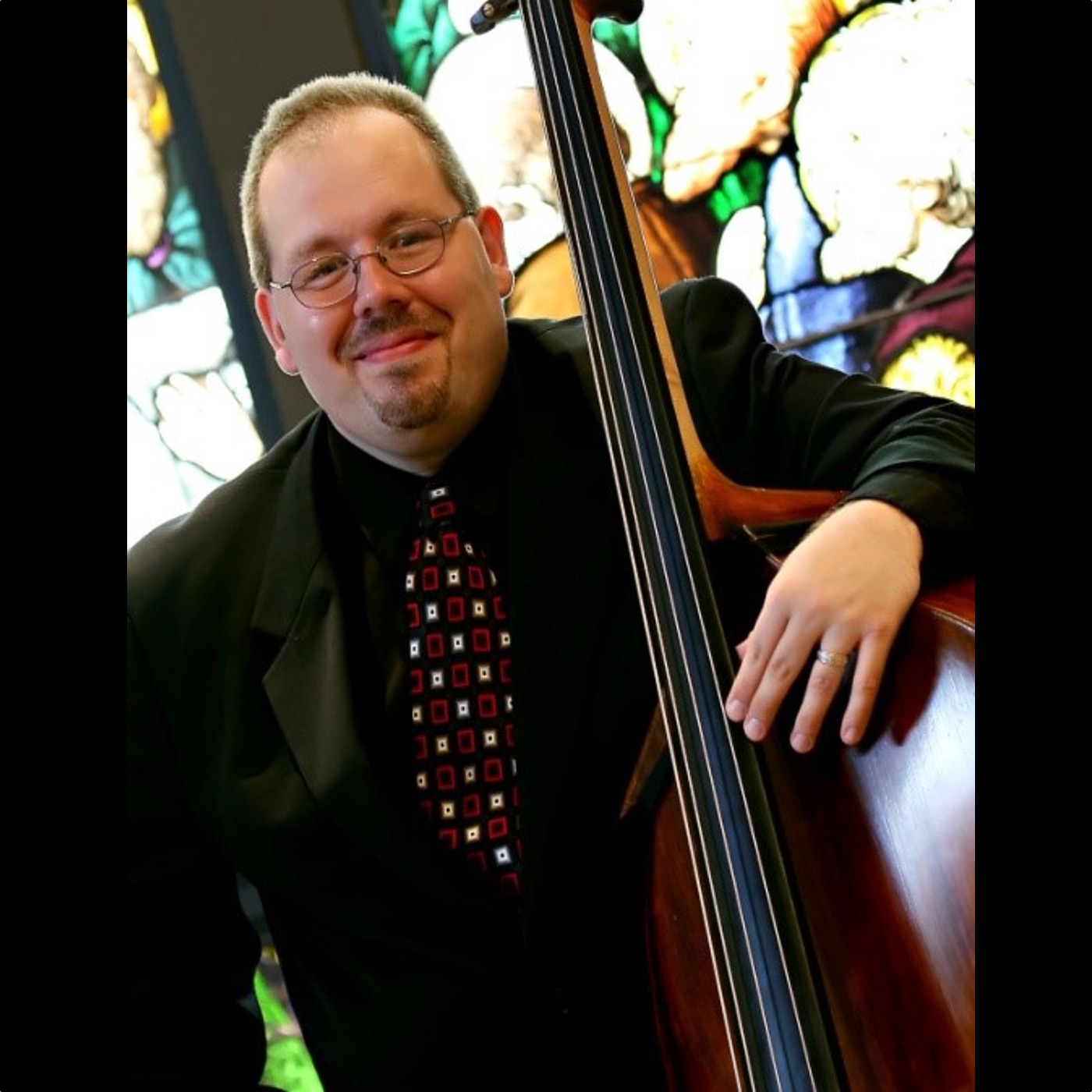
Ep 5Music Episode: Phillip Serna recital
bonusHere is a full-length recital showcase featuring a performance from double bassist Phillip Serna. Visit Phillip online at www.phillipwserna.com Northwestern University School of Music Presents a Doctoral Recital Phillip Woodrow Serna, double bass In Partial Fulfillment of the Requirements for the Degree Doctor of Music in Double Bass Performance Double Bass Student of Michael Hovnanian Viola da Gamba Student of Mary Springfels assisted by: Shirley Trissell, piano Sunday, April 27, 2003, 8:30 p.m. Regenstein Recital Hall 60 Arts Circle Drive Evanston, Illinois Sonata in E-Minor, Op.38 (1862-1865) Johannes Brahms For Violoncello and Piano (1833-1897) Allegro non troppo Allegretto quasi Menuetto Allegro SHORT INTERMISSION Sonata No.2 in E-Minor, Op.6 Adolf Mišek For String Bass and Piano (1875-1955) I. Con fuoco II. Andante cantabile III. Furiant: Allegro energico IV. Finale: Allegro appassionato SHORT INTERMISSION Sonata (1956) František Hertl For String Bass and Piano (b. 1906) I. Allegro moderato II. Andantino III. Rondo: Alla polka, moderato [ENCORE] Vocalise, Op.34, No.14 Serge Rachmaninoff (1873-1943) Program Notes Johannes Brahms' Sonata in E-Minor, Op.38 (1862-1865) In the summer of 1862, Johannes Brahms composed the first two movements of the Sonata for Piano and Violoncello, Op. 38. He later added the final Allegro in June of 1865. Intended as an "homage to J.S. Bach," Brahms based the principal themes of the outer movements on Contrapuntctus 4 and Contrapunctus 13 from "The Art of Fugue." Indeed, beyond these thematic references, fugal interplay is the prevailing device employed throughout the work. The sonata was first performed in July of 1865, and submitted for publication to both Breitkopf & Härtel and Simrock in September of the same year. Breitkopf & Härtel refused to publish the work. Simrock soon accepted it, however, and it was probably published in early 1866. Brahms' famous description of the work, which accompanied his submission to Simrock, remarks that it is "a violoncello sonata which, as regards both instruments, is certainly not difficult to play. David Cardon, Discordia Music Discordia Music, a publishing company run by Professor Michael Hovnanian, publishes the edition used for this performance. Discordia specializes in publishing new works and transcriptions for the double bass, as well as to publish premium quality, well-researched, scholarly editions of music part of the standard double bass solo literature. Adolf Mišek's Sonata No.2 in E-Minor, Op.6 The typesetter, composer, conductor, and double bass player Adolf Mišek was born in Modletin, Czechoslovakia in 1875. At age 15, Mišek attended the Academy of Vienna, later conducting as choirmaster of The Czech Choir ,,Tovaovský" and Slavonic Chorus. Additionally, he conducted The Czech Academic Orchestra in Vienna. From 1890 to1894 Mišek was a student of the famous lecturer, Franz Simandl (1840-1912), who in Mišek's time was associated with the Vienna Conservatory, an institution that Mišek would later be engaged as bass professor. From 1920 to 1934 Mišek returned to his place of birth in Bohemia. He returned to Prague where he built a career as a soloist with the National Theatre. He died in Prague in 1955. Mišek composed various works in different genres for voice, violin, chamber ensembles, and lastly for the double bass. His works for bass include a Scales Study, Legend op. 3 for Double Bass and Piano, a Capriccio (1899), Concert Polonaise, Sonata No.1 in A Major, Op. 5, Sonata No.2 in e minor, Op. 6, Sonata No.3 in F Major, and a Concert in C-major. František Hertl's Sonata (1956) Composer and double bassist František Hertl was an active member in Czech music throughout his career. From 1920 to1926, Hertl studied double bass at the Prague Conservatory with Professor Fr. Cerny, also studying composition from 1933 to1936. Hertl was solo double bassist in the Czech Philharmonic Orchestra (1929-1935) and Czechoslovak Radio Orchestra Prague (1935-1950). Hertl was director as well as performing member of the Czech Nonet from 1936 to 1950 and 1963 to1966 in addition to his duty as conductor of the Radio Orchestra in Brno (1950-1961). As a pedagogue, Hertl was professor at the Prague Conservatory (1951-1961), at the Leoš Janácek Academy of Music Arts in Brno (1954-1961), and at the Academy of Music in Prague (1953-1973). Hertl wrote 35 compositions for orchestra including a Czech Suite (1947), Czech Dances (1947), and a Symfonietta for Oboe and Small Orchestra. Hertl composed a Sonata for Violoncello and Piano as well as various choral works. Hertl also composed a Concert Polka (1948) and a Concert for Double Bass (1957) premiered by František Pošta in 1958. He additionally composed a Prelude, Burlesca, Nocturno, and Tarantella (1969). As pedagogical works, Hertl wrote a Double Bass School (1962) and 20 Studies (1965) for Double Bass. The Sonata for Double bass and Piano (1956) was first recorded by his pupil Pavel Horak, a member o
Ep 1717: Andrew Anderson Interview part 3
Andrew Anderson performs in nearly 150 concerts every year and teaches over a dozen students of all levels each week. Andrew Anderson is a member of the Grant Park Symphony Orchestra and the Lyric Opera of Chicago Orchestra, the Chicago Philharmonic, and performs regularly with Music of the Baroque. He has performed with the Minnesota Orchestra, Detroit Symphony, Fort Worth Symphony, Columbus Symphony, American Ballet Theater, and New World Symphony. He has held positions in twelve different orchestras across seven states, serving as principal bass in four of them. Andrew has performed recitals at Wheaton College, radio broadcasts on WDCB Jazz, and at the Chicago Cultural Center with the Chicago Bass Ensemble and also with bass voice, Andrea Silvestrelli. Andrew served both as Principal Bass and as a Soloist with the National Repertoire Orchestra in 2003. Andrew has presented at the Chicago Bass Festival every year since its inception. Andrew enjoys teaching positions at the Chicago College of Performing Arts at Roosevelt University and The Wheaton Conservatory in addition to his private studios in Northwest Indiana and at the String Academy of Chicago in downtown Wheaton, Illinois. Information on Andrew's studios can be found on his website www.andersonbassworks.com. Andrew has a Bachelor of Music Degree from the University of Michigan, a Master of Music Degree from Indiana University, and served as a doctoral teaching fellow at the University of North Texas. Andrew's teachers include Stuart Sankey, Lawrence Hurst, Jeff Bradetich, Larry Zgonc, Bill Clay,Steve Molina, and his father Dave Anderson. Andrew studied string pedagogy with Robert Culver at the University of Michigan, and low string pedagogy at Indiana University with Helga Winolt. Andrew often appears as a sectional coach at DePaul University, the Elgin Youth Symphony, the Chicago Youth Symphony and Midwest Young Artists, and for nearly a decade has been a coach for the Elgin Youth Symphony's Chamber Music Institute. Andrew has supported public school music programs with benefit recitals in and around his hometown of Portland, Oregon. From 2011 to 2014 Andrew started a before school string ensemble at Westminster Christian School in Elgin, Illinois where he volunteered as the director. Andrew moved to Lowell, Indiana in 2014 where he now lives with his wife Rose, and their three sons.
Ep 1616: François Rabbath Interview
Born in Aleppo, Syria into a musical family of six boys and three girls, François discovered the double bass at the age of thirteen when one of his brothers brought an instrument home and allowed him to experiment with it. When the family moved to Beirut, Lebanon he found an old copy of Edouard Nanny's Contrabass Method in a tailor shop and with some difficulty, since he read neither music nor French, began to teach himself. After nine years of work in Beirut, François saved enough money to move to Paris for a year. He was eager to go to the Paris Conservatory, meet with Monsieur Nanny and show him what he was able to do with the bass. When he applied at the Conservatory he was disappointed to learn that Nanny had died in 1947. He was also told that auditions were to be held in three days and that he would never have enough time to learn the required pieces. He asked for the music anyway and returned three days later to finish first among the applicants. However, his stay at the Conservatory was a brief one, since it didn't take very long to see that he was not only far ahead of the other students but of the professors as well! François Rabbath's uniqueness stems from his refusal to accept any traditional limitations. Whether performing his own fascinating compositions, the music of others or the classical repertoire, one is always moved by his profound musicianship and dazzling virtuosity. You quickly discover that he brings you such a sense of security that the most difficult passages sound effortless. The importance of François Rabbath to the development of double bass playing can be compared with that of Paganini to the violin. Since the early 1800s when Nicole Paganini established the violin as a virtuoso instrument, solo violinists have practiced the most brilliant of instrumental art. Meanwhile, the development of double bass playing had been seriously neglected. The great and popular 19th century composers did not consider the bass worth their attention and in turn the bass repertoire did not attract potential virtuoso performers with enough genius to change the situation. It demanded an artist with the unique qualities of François Rabbath to break this impasse. http://www.liben.com/FRBio.html
Ep 1515: Ira Gold Interview
Ira Gold made his Carnegie Hall solo debut in 2011, performing the Vanhal Bass Concerto with the Catholic University of America Symphony Orchestra. Prior to joining the National Symphony in 2005, Mr. Gold performed with several American orchestras, as section bass with the Minnesota Orchestra and as guest principal bassist with the San Francisco Symphony and Detroit Symphony. He has attended festivals such as the Grand Teton Music Festival, Domaine Forget Music Academy, Bach Festival Leipzig, Aspen, and Tanglewood. Mr. Gold spent several summers at the International Festival Institute at Round Top both as a student and faculty. He is continually in demand for recitals and master classes, including recent visits at The Juilliard School, Boston University Tanglewood Institute, Penn State University, University of North Texas, the International Society of Bassists Convention, and the Manhattan School of Music. Mr. Gold maintains a studio of private students, has taught lessons and coached chamber music in the National Symphony Orchestra Youth Fellowship program, and has been a member of the double bass faculty at the Peabody Conservatory since 2009. He is also a co-founding member of Peabody Bass Works, a one-week bass camp held every July at Peabody. An active chamber musician, Mr. Gold has performed with the East Coast Chamber Orchestra, the NSO Millennium Stage Prelude Series, Peabody Conservatory faculty, and the New Orchestra of Washingon. He earned his Bachelor of Music degree at Boston University's College of Fine Arts, and his Master of Music degree at Rice University's Shepherd School of Music, where he won the strings division of the 2005 Concerto Competition. His primary teachers include Edwin Barker and Paul Ellison, and additional studies with Albert Laszlo, Kenneth Harper, Dennis Whittaker, Mark Shapiro, and Harry Lantz.

Ep 1414: John Grillo Interview part 3
John started playing Double Bass at the age of 11. He attended The Julliard School during high school and was a scholarship student at Indiana University School of Music in Bloomington, Indiana where he studied with Lawrence Hurst. After graduating from IU, he attended the Manhattan School of Music completing his Masters Degree with Timothy Cobb. Mr. Grillo performed at The Tanglewood Music Center from 1994 to 1996. Other festivals include the National Repertory Orchestra, Festival di Due Mondi in Italy, and Pacific Music Festival in Japan. John is Principal Double Bass of the Princeton Symphony and is a substitute with the Philadelphia Orchestra. John was a member of the New World Symphony from 1999-2002. His other professional engagements include performances with the New Jersey Symphony, Boston Symphony Orchestra, Pittsburgh Opera, Wheeling Symphony, Memphis Symphony, and the Sarasota Opera. John was a faculty member with The Pittsburgh Music Academy from 2002-2006. Future engagements include the Iris Orchestra, Philadelphia Virtuosi, Pennsylvania Ballet, The Princeton Festival, The Philly Pops, Opera New Jersey and the Princeton Symphony.
Ep 1313: Weldon Anderson Interview
This episode features the first part of an interview that Jason recently did with double bassist Weldon Anderson. Weldon has worked in many styles of music, from traditional classical bass playing to very experimental forms of music. The first part of this interview discusses Weldon's early years on the instrument and how he became involved Pittsburgh's Squonk Opera. Weldon Anderson was a member of the Squonk Opera when they secured a run on Broadway in New York City, and Weldon and Jason discuss the unique situation of getting to Broadway by creating your own show. What an unusual and very interesting trajectory! Visit the Squonk Opera to learn more about this ensemble http://squonkopera.com Click here to read the Ben Brantley review of the Squonk Opera ____________ The music of double bassist Donovan Stokes is featured throughout the episode from his recent album Gandaha. A former student of David Murray and Edgar Meyer, Donovan manages to blend several styles of bass playing and create his own compelling compositions. I am a real fan of Donovan's, and I can't wait to hear more of his playing. Visit http://donovanstokes.com for more information on this extremely talented and creative bassist. About Donovan: Fluent on electric bass and double bass, Dr. Donovan Stokes currently teaches bass and composition in the Department of Music at Valdosta State University in Valdosta, GA and bass in the Schwob School of Music at Columbus State University in Columbus, GA. He earned his D.M.A and M.M from Indiana University Jacobs School of Music and his B.M. from Vanderbilt University. An active soloist, composer, and clinician Stokes is a specialist in the use of amplified and electronically manipulated double bass and performs regularly both as a soloist and a sideman in a variety of musical genres, venues and collaborations.

Ep 1212: Kathryn Nettleman interview
This week's episode features double bassist Kate Nettleman. Kate was based here in the Chicago area at the time of this recording, but she moved on to become Principal Bass of the Hong Kong Philharmonic and then to a section position in the Minnesota Orchestra. About Kate Kathryn Nettleman - as a young student of Neil Courtney, Assistant Principal Bass with the Philadelphia Orchestra, she performed with numerous local ensembles including the Philadelphia Youth Orchestra. During this time she twice received the New Jersey Governor's Award in Arts Education. She attended The Juilliard School as a full-scholarship student of Homer Mensch and following graduation spent a year studying with Don Palma at the Yale University School of Music. For several summers she performed in the Aspen Music Festival and the Spoleto (USA) Music Festival. Ms. Nettleman then spent two seasons in the New World Symphony in Miami Beach, during which time she was involved in a wide variety of solo and chamber music performances, musical outreach projects, and served as co-chair of a concert series. In 2001, she was awarded by her colleagues there the "NWS Musician of the Year Award for Artistic Leadership." The following year she served as a section member in the Naples Philharmonic Orchestra, where she was active as a performer in introductory musical programs for elementary and middle school children. Currently living in Chicago, Ms. Nettleman performs regularly with many local ensembles including the Chicago Symphony Orchestra, Saint Louis Symphony Orchestra, Lyric Opera of Chicago, Symphony II, and Grant Park Symphony. She serves as a volunteer friendly visitor to the elderly through Resurrection Health Care Home Health Services. In addition to making music, she enjoys running, gardening, reading, and vegetarian cooking and baking. You will be hearing some duets on this episode that Kate and Jason recorded at the 2007 Whitewater Winter Bassfest.
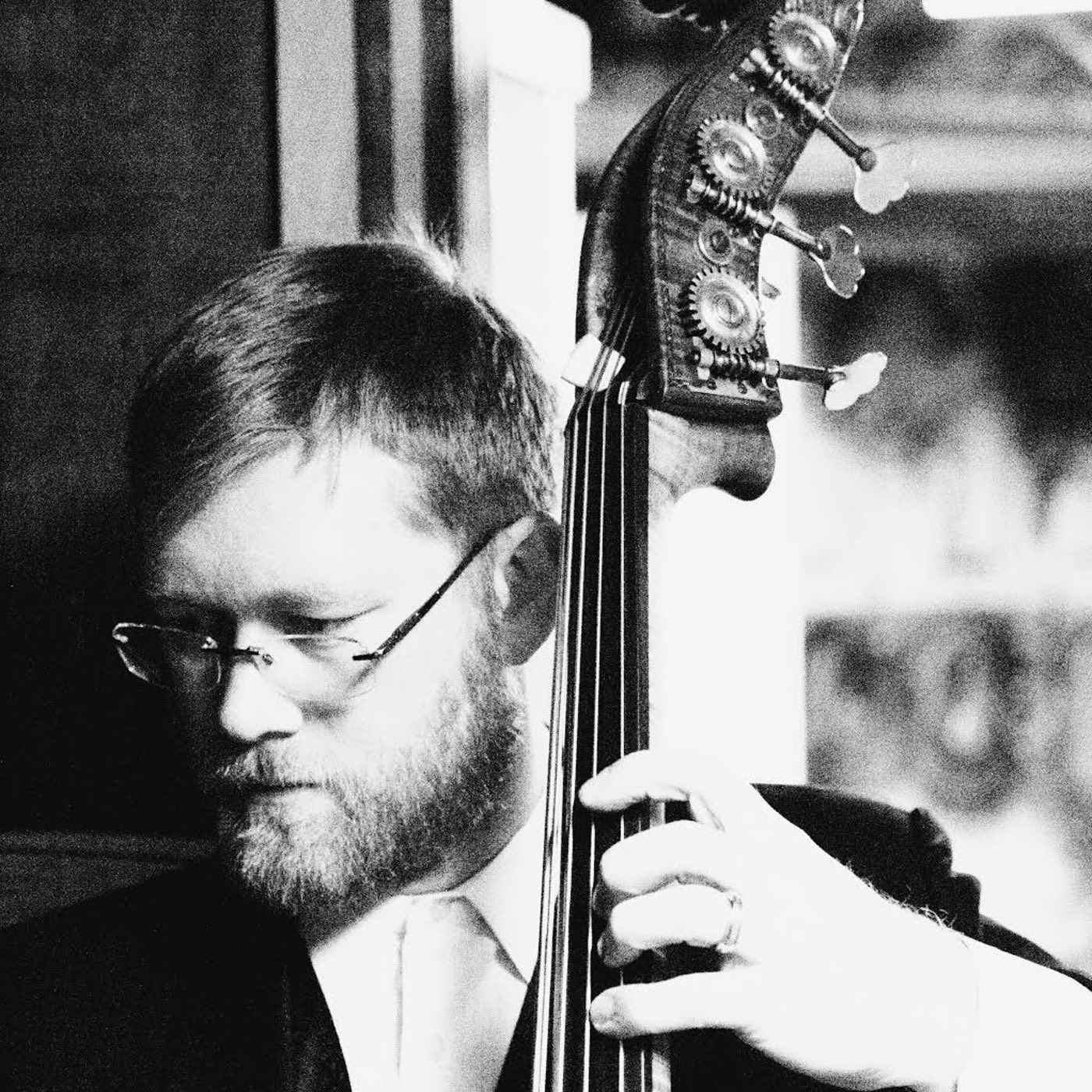
Ep 1111: Andrew Anderson Recital Showcase
bonusThis week's episode features a series of tracks from double bassist Andrew Anderson. Andy was our guest on episodes 4 and 7. Andy used a different set-up for each set of tracks, and he describes the strings and other differentiating factors between each track. This is a very interesting episode, and I hope you enjoy it! Track sequence: Koussevitzky Concerto mvt 1 Koussevitzky Concerto mvt 2 Failing Bottesini Concerto No. 2 mvt 1 Frescobaldi Sonata Paganini Moses Fantasy Monti Czardas
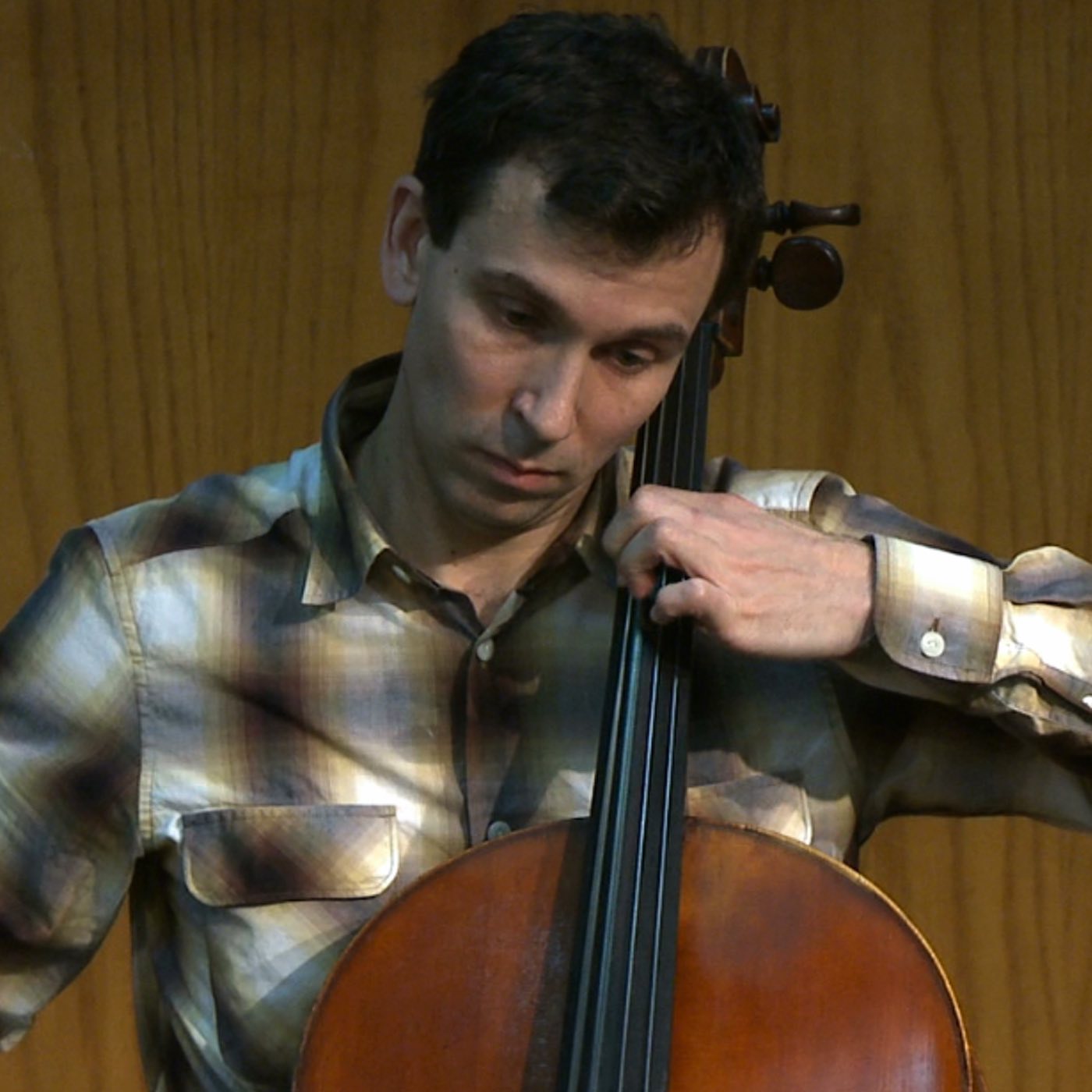
Ep 1010: Bjorn Berkhout Interview
This episode of Contrabass Conversations features an interview with composer Bjorn Berkhout. Bjorn discusses his musical training, his various compositions for bass, and the challenges of writing for the double bass. Musical selections from his pieces Steamworks and Rise are also played on the show this week. To find out more about Bjorn's activities, visit http://bjornb.com/. To order Bjorn's double bass music, visit discordia-music.com. We also play a track called Big Green Horn by the band Death Chariot. Visit them online at deathchariot.com, or e-mail [email protected] to get in touch.
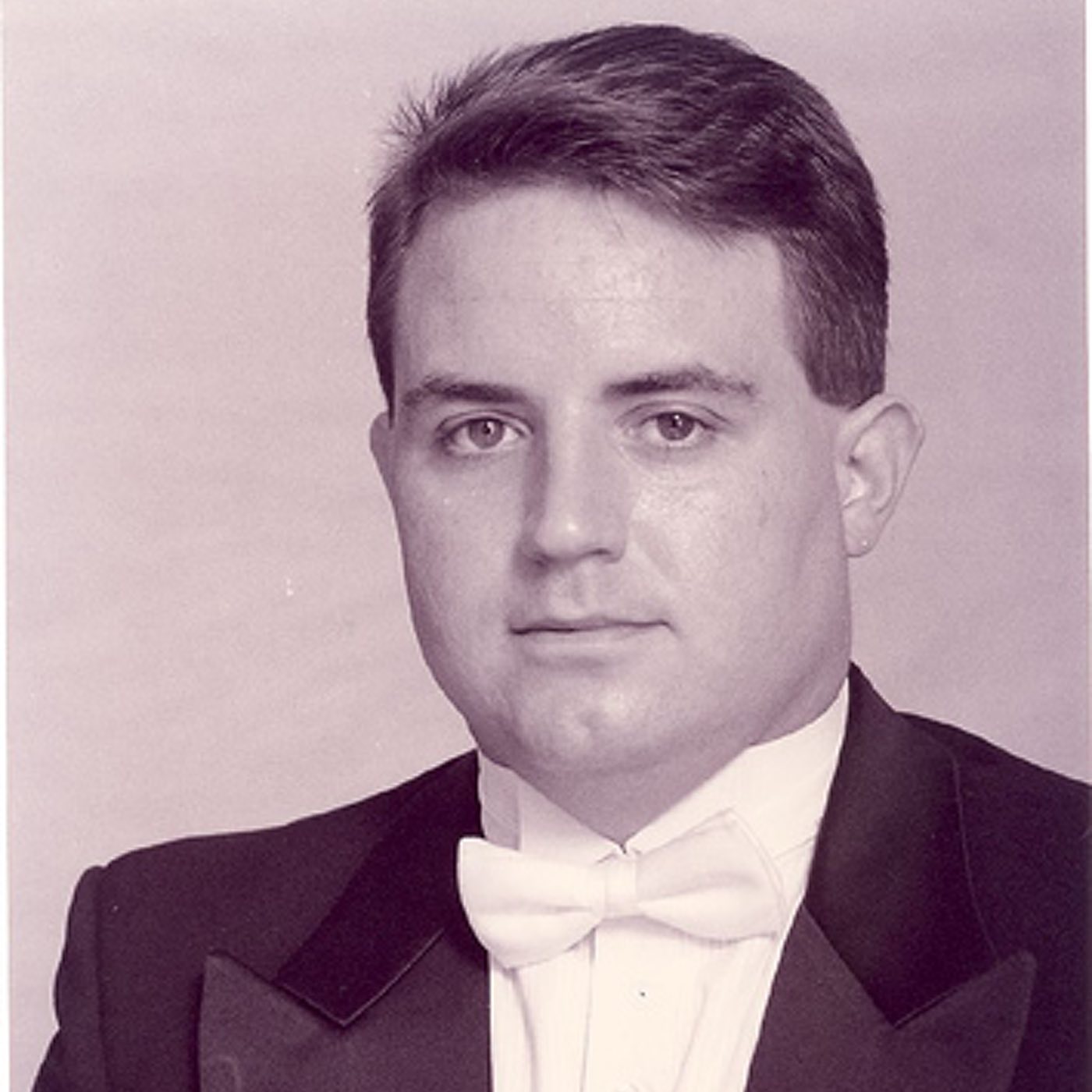
Ep 99: John Grillo Interview part 2
We start this episode with Schgweik Farht, one of the movements from David Anderson's seven double bass duets. You will also hear the Bach Gigue from the third cello suite and the second movement of the Schubert Arpeggione Sonata. John will be assisted by Peter Guild- Double Bass(member Pittsburgh Symphony) on the Anderson duets and by pianist Alaine Fink on the Schubert. In this second part of our interview with John Grillo, Jason and John discuss the gear John plays on, his thoughts on French and German bow, his experiences in the opera pit, and his experiences with freelancing. John also offers advice to music school students on how to establish a freelance career in various metropolitan areas. About John: John started playing Double Bass at the age of 11. He attended The Julliard School during high school and was a scholarship student at Indiana University School of Music in Bloomington, Indiana where he studied with Lawrence Hurst. After graduating from IU, he attended the Manhattan School of Music completing his Masters Degree with Timothy Cobb. Mr. Grillo performed at The Tanglewood Music Center from 1994 to 1996. Other festivals include the National Repertory Orchestra, Festival di Due Mondi in Italy, and Pacific Music Festival in Japan. John is Principal Double Bass of the Princeton Symphony and is a substitute with the Philadelphia Orchestra. John was a member of the New World Symphony from 1999-2002. His other professional engagements include performances with the New Jersey Symphony, Boston Symphony Orchestra, Pittsburgh Opera, Wheeling Symphony, Memphis Symphony, and the Sarasota Opera. John was a faculty member with The Pittsburgh Music Academy from 2002-2006. Future engagements include the Iris Orchestra, Philadelphia Virtuosi, Pennsylvania Ballet, The Princeton Festival, The Philly Pops, Opera New Jersey and the Princeton Symphony.
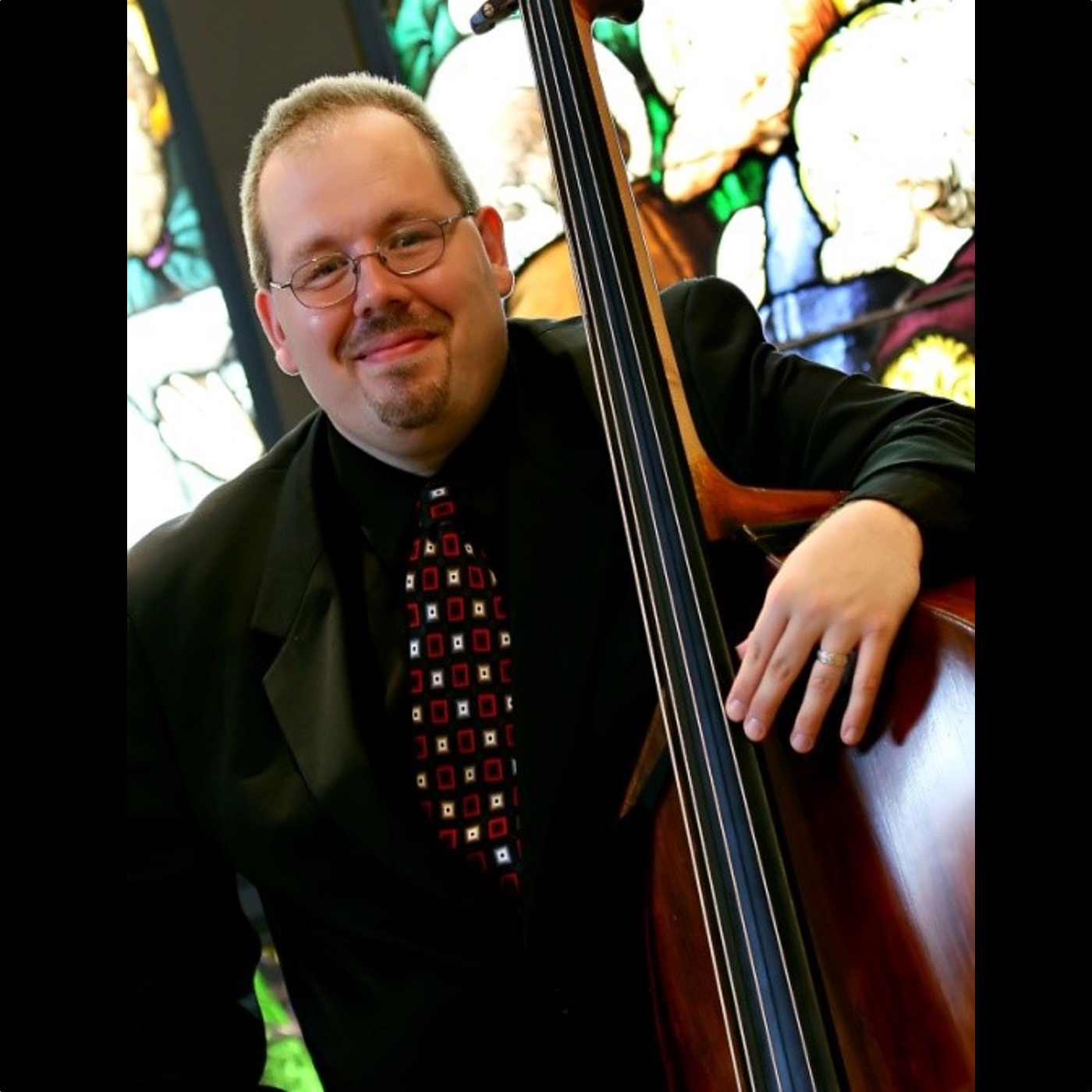
Ep 88: Phillip Serna Interview part 2
On this episode of the show we continue our interview with double bassist Phillip W. Serna. Phillip is an active double bass and viola da gamba performer, clinician, and pedagogue in the Chicago metropolitan area. In this episode of Contrabass Conversations, Phillip gives general student advice, practice tips, advice on choosing schools, and much more. Visit him online at http://www.phillipwserna.com/ News & Notes: Jason talks about some of the more popular features of his blog, including the recital showcase and bass video archive. Listen to the end of the podcast for some of the worst instrumental playing you'll ever hear in your life! Music played: Music from Phillip Serna Prokofiev Quintet mvt 2 Rachmaninoff Vocalise
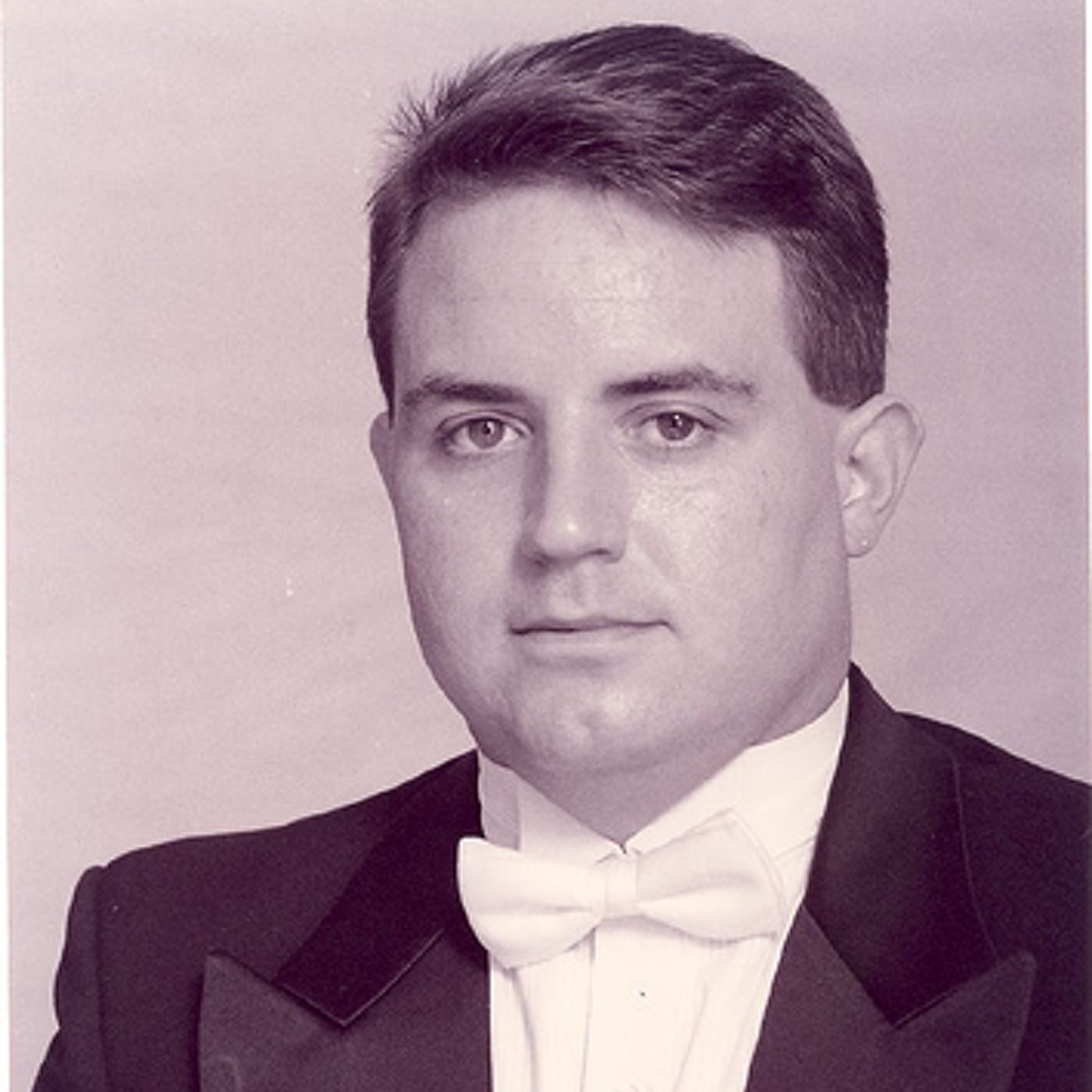
Ep 6John Grillo Recital Showcase
bonusThis is a special Recital Showcase edition of Contrabass Conversations featuring the music of John Grillo. John was interviewed on Contrabass Conversations episode 6. This episode is a live performance of John's complete recital, which was performed in Pittsburgh, PA in 2006. Recital Program: Bach Suite No. 3 for Solo Violincello Allemande Sarabande Bourrees I and II Gigue John Grillo, Double Bass Schubert "Arpeggione" Sonata Allegro Moderato Andante Allegro John Grillo, Double Bass Alaine Fink, Piano David Anderson-Seven Double Bass Duets Kibbles & Kibitz Parade of the Politically Prudent Pigs Gustav's 11 O'clock Dance Schgweik Farht Lament Blue Cheeze Rush Hour Peter Guild- Double Bass(member Pittsburgh Symphony) John Grillo - Double Bass Stanley Chepaitis-Slow Dance Duet for Violin and Double Bass (Transcription-John Grillo) Stanley Chepaitis- Violin John Grillo - Double Bass Stanley is a violin professor at the Indiana University of Pennsylvania. Original piece written for violin and cello. About John: John started playing Double Bass at the age of 11. He attended The Julliard School during high school and was a scholarship student at Indiana University School of Music in Bloomington, Indiana where he studied with Lawrence Hurst. After graduating from IU, he attended the Manhattan School of Music completing his Masters Degree with Timothy Cobb. Mr. Grillo performed at The Tanglewood Music Center from 1994 to 1996. Other festivals include the National Repertory Orchestra, Festival di Due Mondi in Italy, and Pacific Music Festival in Japan. John is Principal Double Bass of the Princeton Symphony and is a substitute with the Philadelphia Orchestra. John was a member of the New World Symphony from 1999-2002. His other professional engagements include performances with the New Jersey Symphony, Boston Symphony Orchestra, Pittsburgh Opera, Wheeling Symphony, Memphis Symphony, and the Sarasota Opera. John was a faculty member with The Pittsburgh Music Academy from 2002-2006. Future engagements include the Iris Orchestra, Philadelphia Virtuosi, Pennsylvania Ballet, The Princeton Festival, The Philly Pops, Opera New Jersey and the Princeton Symphony.
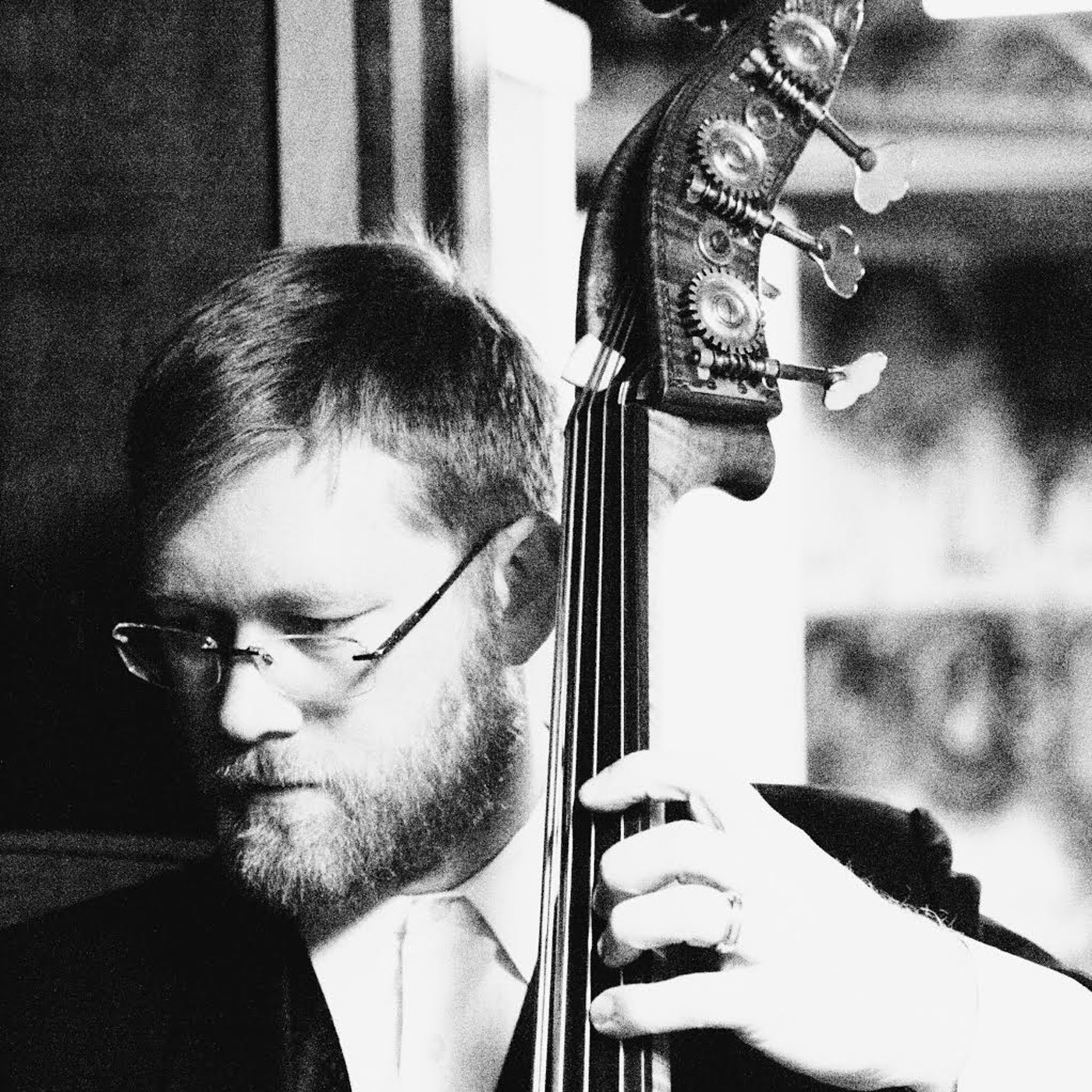
Ep 77: Andrew Anderson Interview part 2
Andrew Anderson performs in nearly 150 concerts every year and teaches over a dozen students of all levels each week. Andrew Anderson is a member of the Grant Park Symphony Orchestra and the Lyric Opera of Chicago Orchestra, the Chicago Philharmonic, and performs regularly with Music of the Baroque. He has performed with the Minnesota Orchestra, Detroit Symphony, Fort Worth Symphony, Columbus Symphony, American Ballet Theater, and New World Symphony. He has held positions in twelve different orchestras across seven states, serving as principal bass in four of them. Andrew has performed recitals at Wheaton College, radio broadcasts on WDCB Jazz, and at the Chicago Cultural Center with the Chicago Bass Ensemble and also with bass voice, Andrea Silvestrelli. Andrew served both as Principal Bass and as a Soloist with the National Repertoire Orchestra in 2003. Andrew has presented at the Chicago Bass Festival every year since its inception. Andrew enjoys teaching positions at the Chicago College of Performing Arts at Roosevelt University and The Wheaton Conservatory in addition to his private studios in Northwest Indiana and at the String Academy of Chicago in downtown Wheaton, Illinois. Information on Andrew's studios can be found on his website www.andersonbassworks.com. Andrew has a Bachelor of Music Degree from the University of Michigan, a Master of Music Degree from Indiana University, and served as a doctoral teaching fellow at the University of North Texas. Andrew's teachers include Stuart Sankey, Lawrence Hurst, Jeff Bradetich, Larry Zgonc, Bill Clay,Steve Molina, and his father Dave Anderson. Andrew studied string pedagogy with Robert Culver at the University of Michigan, and low string pedagogy at Indiana University with Helga Winolt. Andrew often appears as a sectional coach at DePaul University, the Elgin Youth Symphony, the Chicago Youth Symphony and Midwest Young Artists, and for nearly a decade has been a coach for the Elgin Youth Symphony's Chamber Music Institute. Andrew has supported public school music programs with benefit recitals in and around his hometown of Portland, Oregon. From 2011 to 2014 Andrew started a before school string ensemble at Westminster Christian School in Elgin, Illinois where he volunteered as the director. Andrew moved to Lowell, Indiana in 2014 where he now lives with his wife Rose, and their three sons.
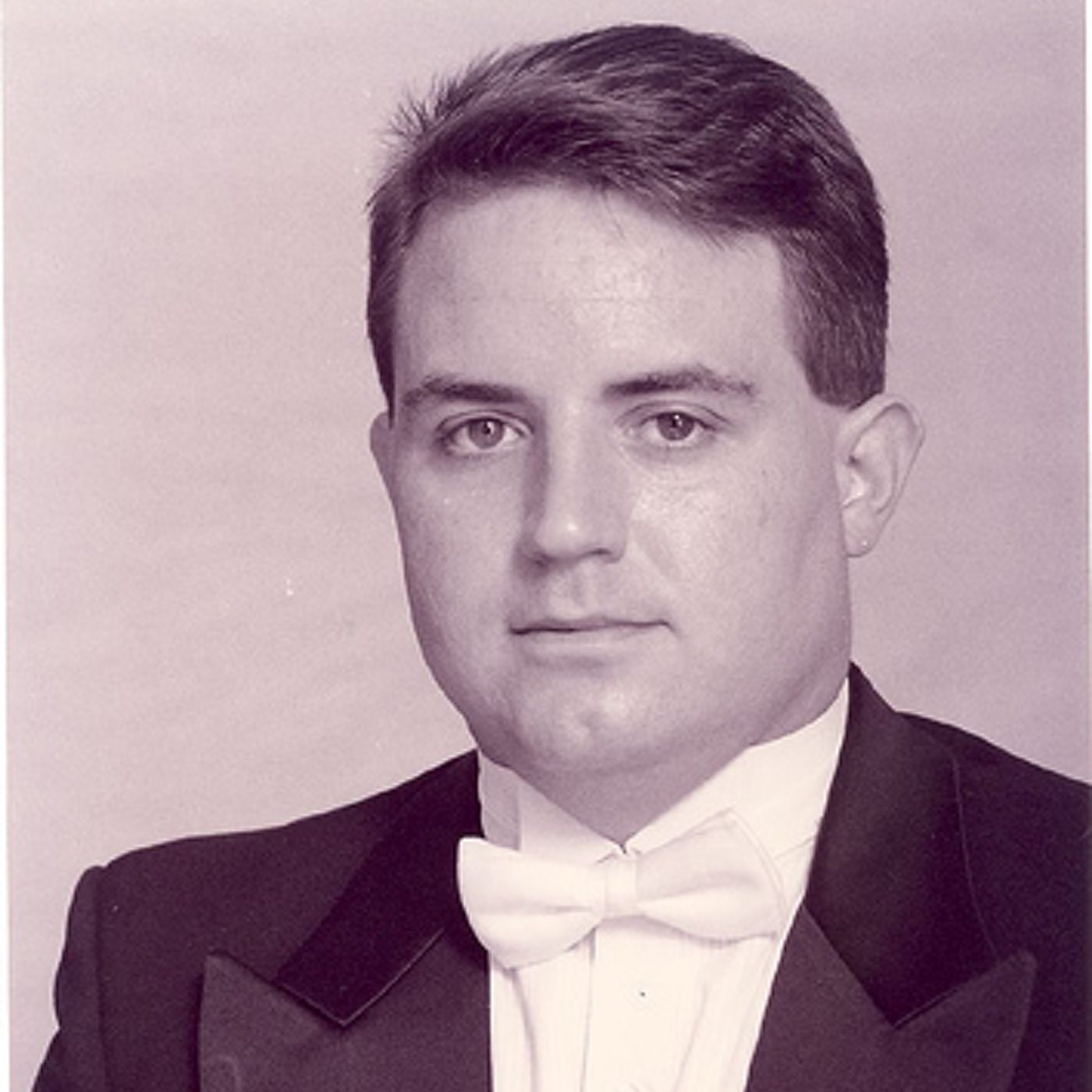
Ep 66: John Grillo Interview
This week's Contrabass Conversations episode features an interview and musical performances from double bassist John Grillo. John has got some great insight into the world of the bass, and this interview was both a lot of fun to do and very informative and interesting. About John: John started playing Double Bass at the age of 11. He attended The Julliard School during high school and was a scholarship student at Indiana University School of Music in Bloomington, Indiana where he studied with Lawrence Hurst. After graduating from IU, he attended the Manhattan School of Music completing his Masters Degree with Timothy Cobb. Mr. Grillo performed at The Tanglewood Music Center from 1994 to 1996. Other festivals include the National Repertory Orchestra, Festival di Due Mondi in Italy, and Pacific Music Festival in Japan. John is Principal Double Bass of the Princeton Symphony and is a substitute with the Philadelphia Orchestra. John was a member of the New World Symphony from 1999-2002. His other professional engagements include performances with the New Jersey Symphony, Boston Symphony Orchestra, Pittsburgh Opera, Wheeling Symphony, Memphis Symphony, and the Sarasota Opera. John was a faculty member with The Pittsburgh Music Academy from 2002-2006. Future engagements include the Iris Orchestra, Philadelphia Virtuosi, Pennsylvania Ballet, The Princeton Festival, The Philly Pops, Opera New Jersey and the Princeton Symphony. Double bass tracks for this episode consist of excerpts from David Anderson's Seven Double Bass Duets and Slow Dance by Stanley Chepaitis. Complete information: David Anderson-Seven Double Bass Duets Kibbles & Kibitz Parade of the Politically Prudent Pigs Gustav's 11 O'clock Dance Schgweik Farht Lament Blue Cheeze Rush Hour Peter Guild- Double Bass(member Pittsburgh Symphony) John Grillo - Double Bass Stanley Chepaitis-Slow Dance Duet for Violin and Double Bass (Transcription-John Grillo) Stanley Chepaitis- Violin John Grillo - Double Bass Stanley is a violin professor at the Indiana University of Pennsylvania. Original piece written for violin and cello.
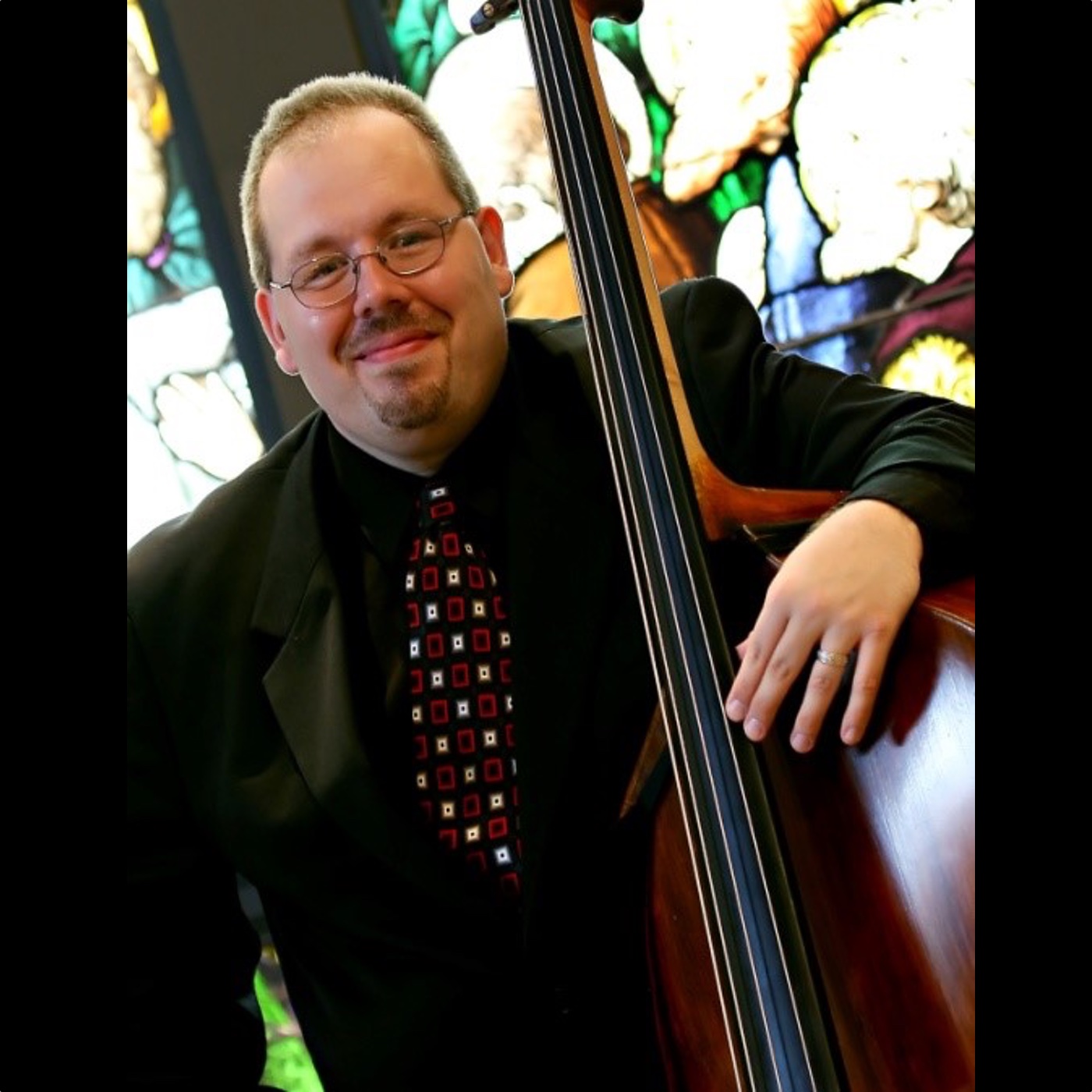
Ep 55: Phillip Serna Interview
This show features an interview with double bassist Phillip W. Serna. Phillip is an active double bass and viola da gamba performer, clinician, and pedagogue in the Chicago metropolitan area. In this episode of Contrabass Conversations, Phillip discusses his early years studying the bass, his training in Houston, TX, San Francisco, CA, and Chicago, IL, and general student advice. Visit him online at http://www.phillipwserna.com/ News & Notes: One of my crazy gig stories was excerpted for an article in Double Bassist magazine. Music played: Music from Phillip Serna Scott Worthington - Disrepresentation http://members.cox.net/stwbass [email protected]
Ep 44: Andrew Anderson Interview
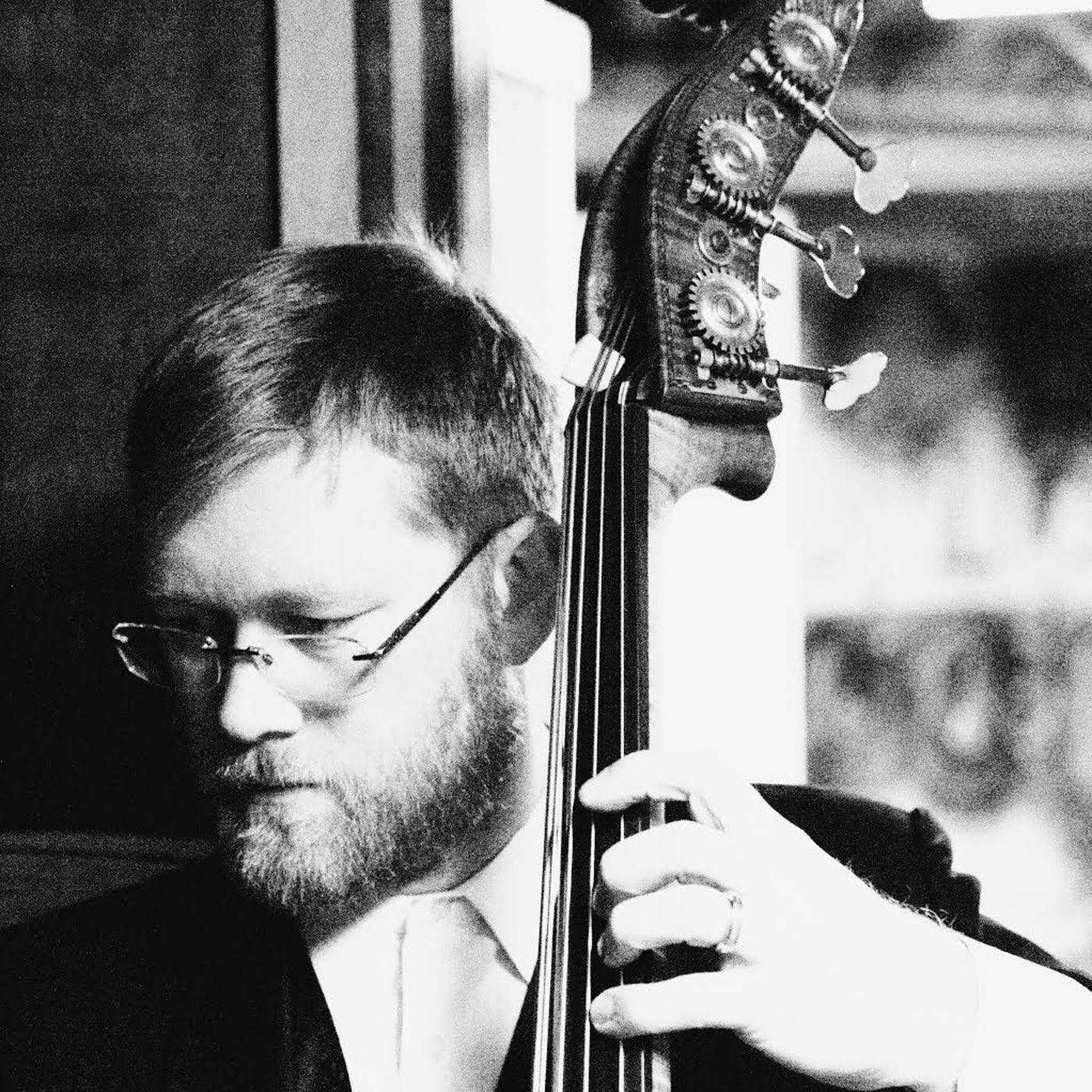
This episode features part 1 of an interview with double bassist Andrew Anderson. Andy is a member of the double bass sections of the Lyric Opera of Chicago and Grant Park Symphony Orchestra. In this episode, Andy discusses his early training and college years studying the double bass. Some listener feedback closes this episode of Contrabass Conversations.
Ep 33: Freelance Tips and Great Tracks
Music played on this podcast is available from the Podsafe Music Network. Check them out at http://music.podshow.com. Jason starts this week's episode by playing Tu Cha Cha Cha by Antonin Bastian. Check out Antonin's blog at http://dr-vibe.blogspot.com/. Listener feedback from Ed in Sydney, Australia. Jason discusses the January performance of the IRIS Chamber Orchestra. Jason discusses the ins and outs of some aspects of the freelance music world. The comments are geared toward classical double bass players, but the information may be of value to all instrumentalists. The last track played on this episode is Spherical by saxophonist Evan Tate. There is a great bass solo by Henning Sieverts on this track. Check out Evan's website here.
Ep 22: Audition news and more
In this episode of Contrabass Conversations, Jason discusses the gear he is using to record Contrabass Conversations. For this episode he is using: iRiver IFP-899 Sony ECM MS957 (the price has really dropped since I bought it six years ago!) Last episode Jason use the same microphone into his laptop through a Griffin iMic . The results are actually much cleaner into the iRiver than into the laptop. Music played on this podcast: Agnus Dei by double bassist Peter Lawson This is an excerpt from a very interesting piece written by a very creative double bassist. For more information on this and other works by Peter Lawson you can e-mail him at [email protected]. Peter studied with Michael Hovnanian at Northwestern University (Michael now teaches at Roosevelt University) and with Rob Kassinger at DePaul University. He is a great double bassist, a great composer, and an all-around great guy. CORRECTION: Although Peter plays with the Madison Symphony, he is not a member of this ensemble. He won an audition in the past for this organization but had to turn the position down due to scheduling concerns, so although he does perform with this group, he is not a member. Jason discusses several auditions coming up for the double bass. Although there aren't many jobs this month, there are several summer festivals holding auditions: North Carolina School of the Arts Artist/Teacher of Bass beginning Fall 2007 National Repertory Orchestra Audition tour in January and February Festival runs from 6/10-8/5 in 2007 Detroit Symphony Orchestra Orchestra Fellow - 2007-08 Season deadline for tapes: 2/6/07 AIMS Festival Orchestra in Graz, Austria 7/10-8/11 in 2007 Live auditions 2/25-3/31 in various North American cities taped auditions acceptable Huntsville Symphony Orchestra Audition for Bass 5 per-service position for more information, e-mail [email protected] Kent/Blossom Chamber Music Festival 7/1-8/12 in 2007 Tanglewood Music Center The Boston Symphony Orchestra's Academy for Advanced Musical Study 6/21-8/20 in 2007 apply online New World Symphony National Audition Tour January through March in 2007 apply online Another great program always worth checking out is the Aspen Music Festival and School. The best place to find current audition information is at musicalchairs.info.
Ep 11: Welcome to the Show!
Hello, and welcome to Contrabass Conversations, your weekly podcast for double bass interviews, resources, news, and music! Contrabass Conversations is a new project by Jason Heath. You can find all information for this show at http://contrabassconversations.com. This show will be released every Monday. Most shows will be in an interview format, but these first few shows will be with Jason alone. The show will not exceed 30 minutes in length. I would rather have people wanting more Contrabass Conversations than begging for less! When I am doing a show alone the length will be around 15-20 minutes, and when I have a guest, shows will be around 20-30 minutes in length. Topics covered in these shows will include profiling specific excerpts, solos, and audition lists, double bass techniques and practice strategies, and general advice for pursuing developing one's ability on the bass and pursuing a professional career on the bass. I already have some great guests lined up for this show, but I would like to interview YOU for this show! People from all walks of life, from students and amateurs to professional performers and pedagogues all have valuable information to share, and I plan on interviewing representatives from all of these groups of people. Link of the week: http://talkbass.com Talkbass is the best double bass and electric bass forum available online. Please visit them, participate, and support them. They are a great resource. Paul Determan (founder of Talkbass) and I used to play in the South Dakota Symphony together. For more double bass and general music information, visit my blog: http://doublebassblog.com