Commonwealth Club of California Podcast
2,452 episodes — Page 10 of 50
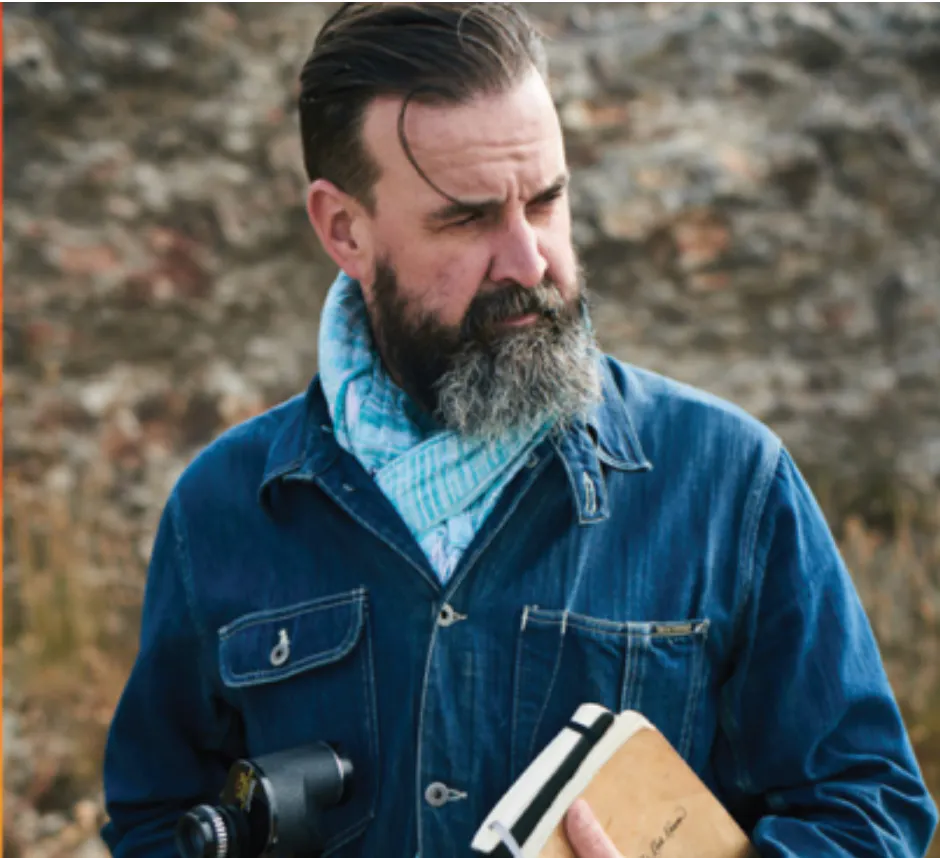
Obi Kaufmann—The State of Fire: Why California Burns
How do we live with fire? Join us for a talk about stewardship, resilience and hope. Fire is an essential part of California's ecology. Humans have been using it to shape the California landscape for thousands of years. But today many Californians' relationship to fire is one of fear. Obi Kaufmann, author of the best-selling California Field Atlas, now asks: How do we live with fire? What makes fire essential to a healthy and biodiverse Golden State, and how do we benefit from its teachings? With the same solution-minded ethic as his much-admired The State of Water: Understanding California's Most Precious Resource, Kaufmann presents fire as a force of regeneration rather than apocalypse. He considers the long history of ecological burns, the varied ways fire behaves across the state, and the lessons we can learn from California's largest fires of recent decades. Organizer Andrew Dudley A People & Nature Member-led Forum program. Forums at the Club are organized and run by volunteer programmers who are members of The Commonwealth Club, and they cover a diverse range of topics. Learn more about our Forums. Learn more about your ad choices. Visit megaphone.fm/adchoices
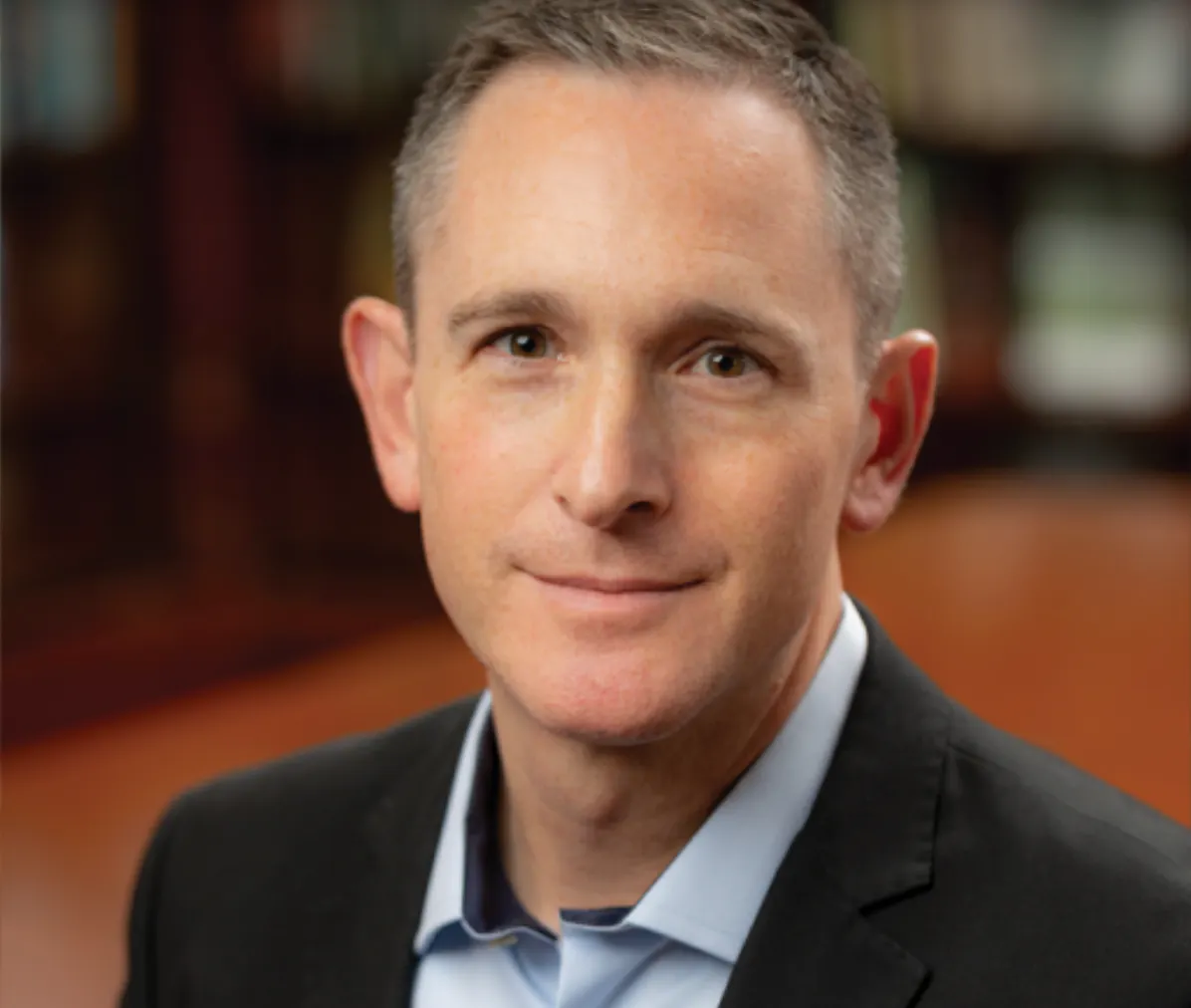
Seth Rockman: A Material History of American Slavery
How interdependent were the Northern industrial economy and Southern slave labor in pre-Civil War America? Historian and Brown University history professor Seth Rockman says the traditional way of thinking about the United States in the early 19th century—that of a nation with an industrializing North and agricultural South—overlooks the economic ties that held together the nation before the Civil War. He says it misses slavery’s long reach into small New England communities, and it fails to recognize the role of Northern manufacturing in shaping the terrain of human bondage in the South. Rockman, in his new book Plantation Goods, looks at the shirts, hats, hoes, shovels, shoes, axes, and whips made in the North for use in the South. By following the stories of material objects, such as shoes made by Massachusetts farm women that found their way to the feet of a Mississippi slave, Rockman says it was a national economy organized by slavery—a slavery that outsourced the production of its supplies to the North, and a North that outsourced its slavery to the South. Examining producers and consumers linked in economic and moral relationships across great geographic and political distances, Rockman explores how people in the 19th century thought about complicity with slavery while showing how slavery structured life nationwide and established a modern world of entrepreneurship and exploitation. Organizer: George Hammond A Humanities Member-led Forum program. Forums at the Club are organized and run by volunteer programmers who are members of The Commonwealth Club, and they cover a diverse range of topics. Learn more about our Forums. Learn more about your ad choices. Visit megaphone.fm/adchoices
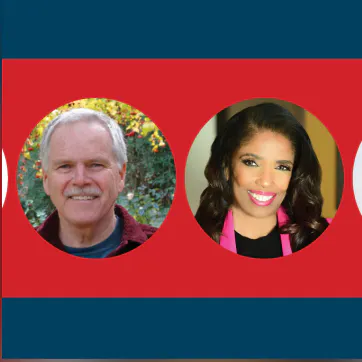
Can a City Department Be a Hub for Community Problem Solving, "Can a City Department Be a Hub for Community Problem Solving, Innovation and Social Change?
ELessons learned from former community-oriented department heads, a civil rights attorney and a former controller who has ideas about making the city more flexible and responsive. About the Speakers Margaret Brodkin is one of the nation’s leading children’s advocates. She was the executive director of Coleman Advocates for Children and Youth for 26 years, leading systems change work in juvenile justice and social welfare, budget advocacy, and parent and youth organizing. In 2004, she was appointed by Mayor Newsom as the director of the San Francisco Department of Children, Youth and Their Families (DCYF), where she developed innovative models for coordination, partnerships, service delivery, policy and civic engagement. Sheryl Davis is a passionate advocate for equity, and educational opportunity. Davis is the creator of Everybody Reads, a summer learning, family literacy and reading development initiative centering BIPOC youth. Throughout her career and many roles, she has continued to design programs and curriculum centered around social justice, racial equity, student wellness and achievement. Davis is an adjunct professor at the University of San Francisco and senior advisor at the Institute for Race, Power and Political Economy at The New School. Ed Harrington was controller for the City and County of San Francisco from 1991 to 2008 and the general manager of the San Francisco Public Utilities Commission from 2008 to 2012. During that time he was also chair of the Water Utility Climate Alliance, president of the Government Finance Officers Association and a member of the Financial Accounting Foundation Board. Since his retirement Harrington has worked extensively with governmental and nonprofit organizations. He is on the boards of SPUR and the Children’s Funding Project and is an adviser to California’s Funding the Next Generation. Saidah Leatutufu-Burch, Ed.D. (“Dr. Sai”) is a Black and Indigenous Samoan organizer, cultural orator, and a dedicated disruptor of anti-Black racism and systems rooted in white supremacist ideology. A daughter of San Francisco, Dr. Sai values racial equity, justice, and the power of the people. Most recently, Dr. Sai served as the director of the Dream Keeper Initiative at the San Francisco Human Rights Commission—a $60 million-annual effort aimed at advancing prosperity, equity and community well-being across San Francisco’s diverse Black communities. Passionate, outspoken and insightful, Areva Martin is an award-winning civil rights attorney, national bestselling author and one of the country's leading influencers shaping public discourse on issues of race, politics and the law. She is the founder and managing partner of Martin & Martin, LLP, one of Los Angeles’ premier Black, female-owned law firms. She is one of the nation’s leading attorneys on reparations and restorative justice. Areva is an on-air legal commentator and host of the daily news and opinion streaming and radio talk show "Areva Martin in Real Time" on KBLA. Commonwealth Club World Affairs of California is a nonprofit public forum; we welcome donations made during registration to support the production of our online programming. This program contains EXPLICIT language. Learn more about your ad choices. Visit megaphone.fm/adchoices
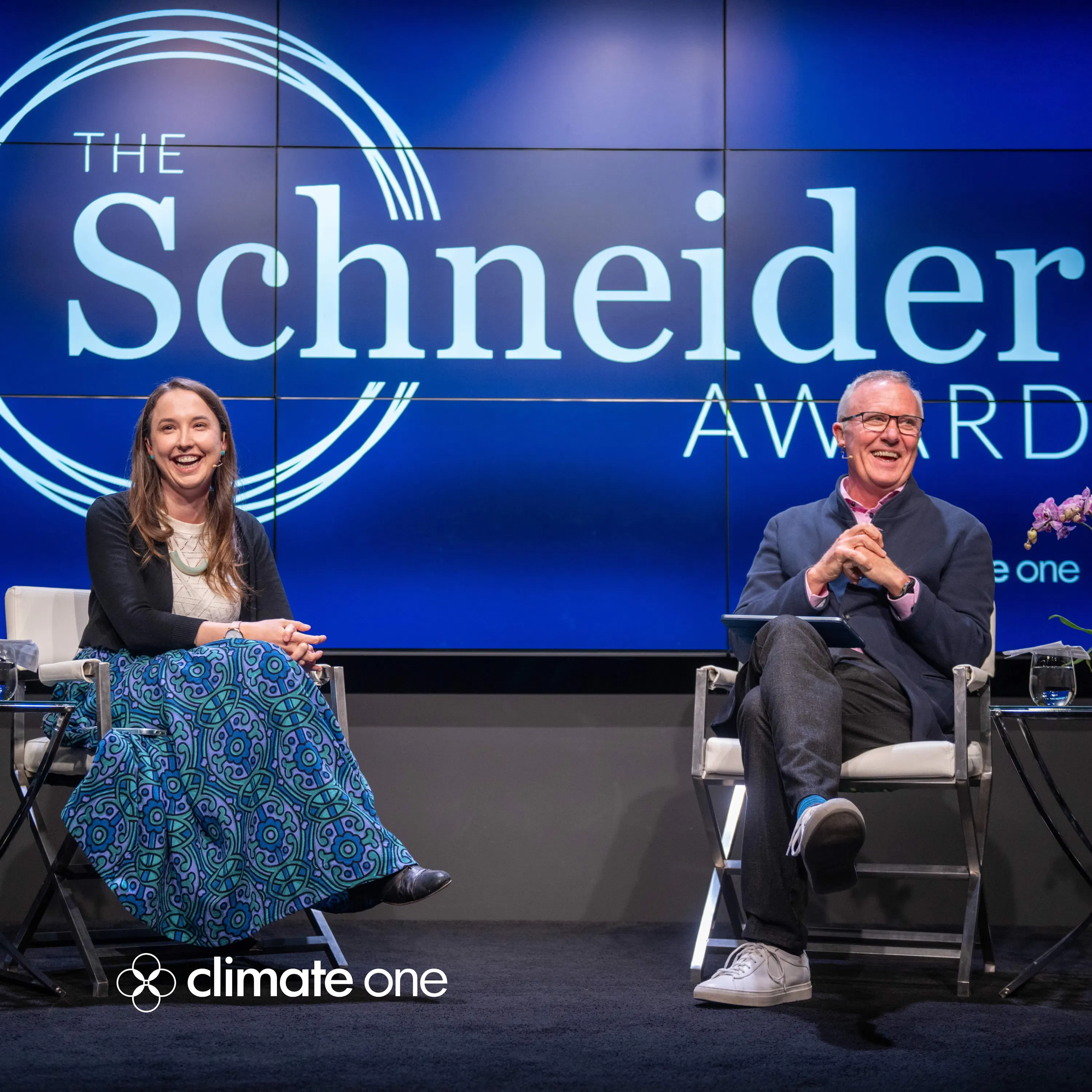
CLIMATE ONE: Leah Stokes: 2024 Schneider Award Winner
Every year we highlight the work of a scientist who excels in communicating their work to the world. Climate One is delighted to present the 2024 Stephen H. Schneider Award for Outstanding Climate Science Communication to political scientist and energy expert Leah Stokes. Her rare ability to communicate complex information to both academic audiences and the general public has established her as one of the most influential voices in climate action and clean energy policy. “What I've started to think about is not how can I make my impact as small as possible, like a carbon footprint, trying to shrink, but actually how can I make my impact as big as possible by joining with others in campaigns to try to change policies and laws so that we're not just trying to make marginal, incremental improvements on a fossil fuel-based energy system, but actually change the system towards clean electricity,” she says. Guests: Leah Stokes, Anton Vonk Associate Professor at UC Santa Barbara; Senior Policy Advisor, Rewiring America; Co-host of the podcast “A Matter of Degrees” Rebecca Solnit, Author, journalist, and activist Support Climate One by going ad-free! By subscribing to Climate One on Patreon, you’ll receive exclusive access to all future episodes free of ads, opportunities to connect with fellow Climate One listeners, and access to the Climate One Discord. Sign up today for just $5/month. For show notes and related links, visit our website. Learn more about your ad choices. Visit megaphone.fm/adchoices
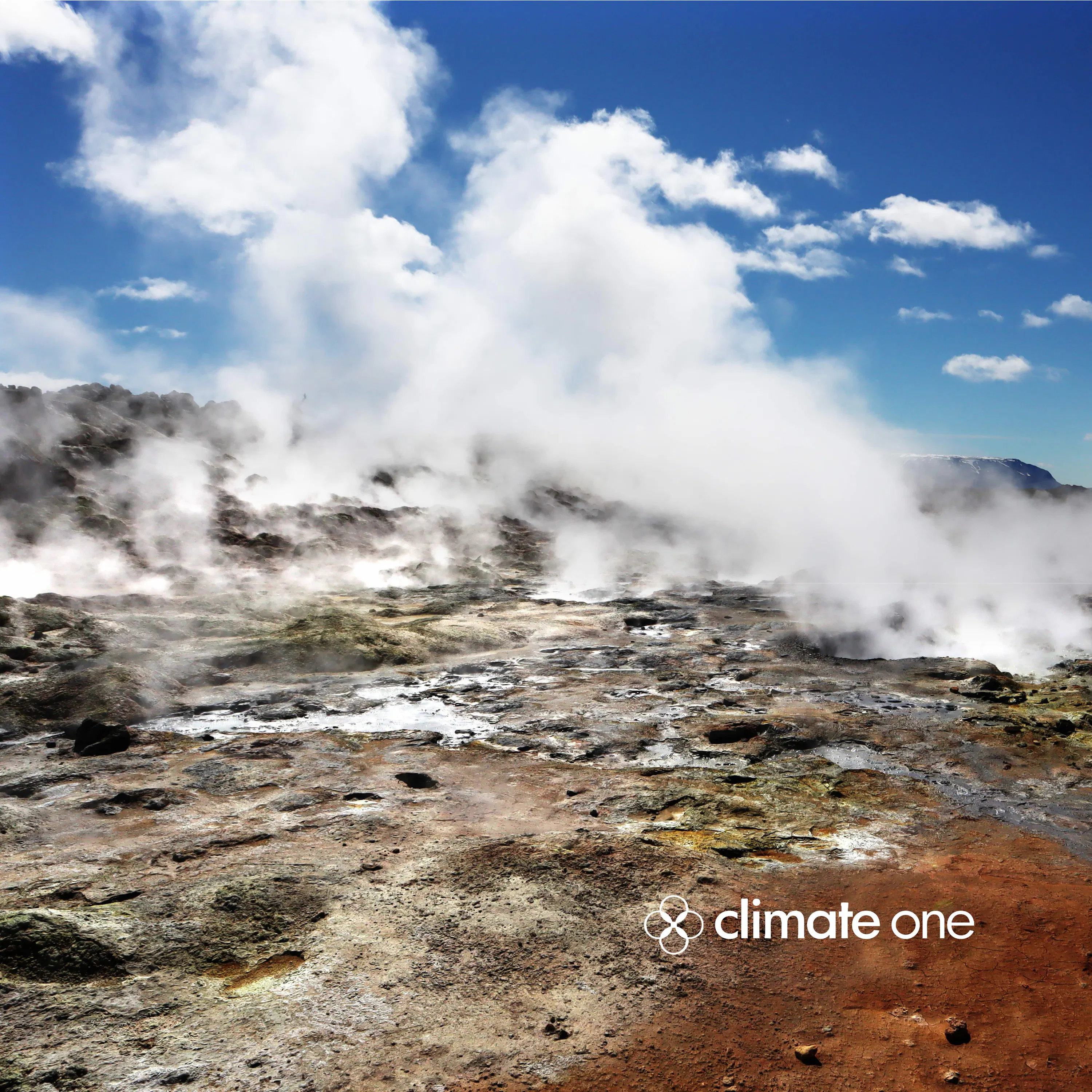
CLIMATE ONE REWIND: Geothermal — So Hot Right Now
When most people hear the phrase renewable energy, they imagine fields full of solar panels or giant spinning wind turbines. But another source may be heating up: geothermal. Twenty years ago, it was thought that geothermal could provide at most 10% of any given area’s electricity, and only in very limited regions. There were also environmental concerns about depleting groundwater. But new technological advances may have unlocked the potential for scalable geothermal energy just about anywhere. And in a bit of irony, those technological advances came from the oil and gas industry. This episode originally aired February 23, 2024, and features content from contributing producer David Condos. Guests: Amanda Kolker, Laboratory Program Manager for Geoscience and Geothermal Technologies, NREL Jamie Beard, Founder of Project InnerSpace Lauren McLean, Mayor of Boise Support Climate One by going ad-free! By subscribing to Climate One on Patreon, you’ll receive exclusive access to all future episodes free of ads, opportunities to connect with fellow Climate One listeners, and access to the Climate One Discord. Sign up today for just $5/month. For show notes and related links, visit our website. Learn more about your ad choices. Visit megaphone.fm/adchoices
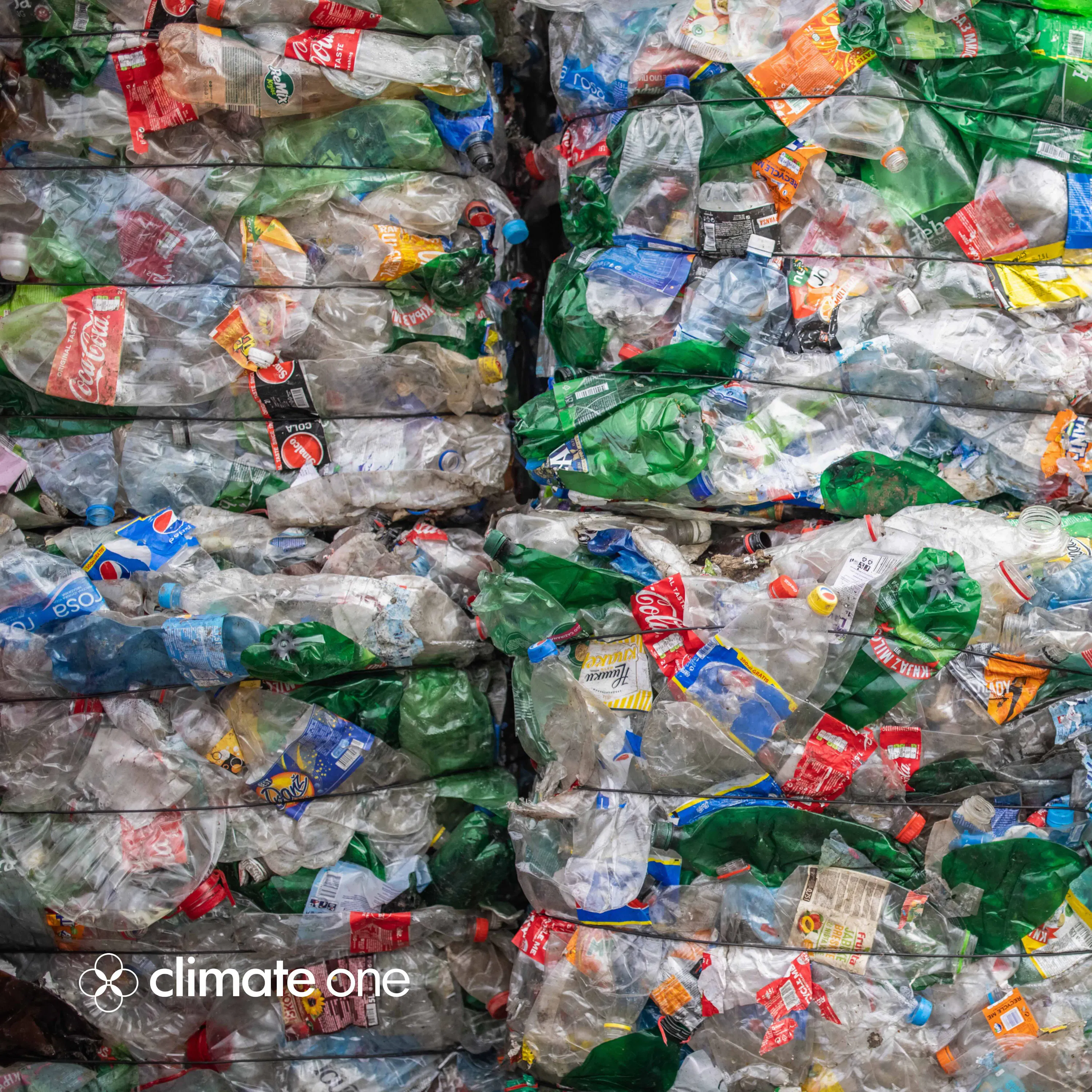
CLIMATE ONE REFRESH — Big Plastic: The New Big Oil
Plastics are everywhere. And while we’ve known for a long time that plastics and our environment aren’t a good mix, it's becoming apparent that they’re massive climate polluters too. The production of plastics alone produces about 4% of global greenhouse gas emissions. After what is often a single use, the resulting waste continues releasing the greenhouse gasses ethylene and methane as it breaks apart. Yet, as petrochemical companies pay lip service ending fuel production, they are pouring resources into plastics production. How do we wrap up our reliance on plastics? This episode originally aired on May 10, 2024, following the fourth negotiating session of the Global Plastics Treaty. This update includes a new interview with David Azoulay on the latest treaty negotiations. Guests: Diane Wilson, Founder and Director, San Antonio Bay Waterkeeper Jane Patton, U.S. Fossil Economy Campaign Manager, Center for International Environmental Law Susannah Scott, Professor of Chemistry, University of California, Santa Barbara David Azoulay, Director of Environmental Health, Center for International Environmental Law Support Climate One by going ad-free! By subscribing to Climate One on Patreon, you’ll receive exclusive access to all future episodes free of ads, opportunities to connect with fellow Climate One listeners, and access to the Climate One Discord. Sign up today! For show notes and related links, visit our website. Learn more about your ad choices. Visit megaphone.fm/adchoices
Jeff Jarvis: How We Can Reclaim the Internet
The internet stands accused of dividing us, spying on us, making us stupid, and addicting our children. In response, the press and panicked politicians seek greater regulation and control, which some fear could ruin the web before we are finished building it. Jeff Jarvis is convinced we can have a saner conversation about the internet. Examining the web’s past, present and future, he says that many of the problems the media lays at the internet’s door are the result of our own failings. The internet did not make us hate; we brought our bias, bigotry and prejudice with us online. That’s why even well-intentioned regulation will fail to fix hate speech and misinformation and may instead imperil the freedom of speech the internet affords to all. Jarvis says that once we understand the internet for what it is—a human network—we can reclaim it from the nerds, pundits, and pols who are in charge now and turn our attention where it belongs: to fostering community, conversation,and creativity online. Join us as he comes to Commonwealth Club World Affairs and discusses these issues, raised in his new book The Web We Weave. Learn more about your ad choices. Visit megaphone.fm/adchoices
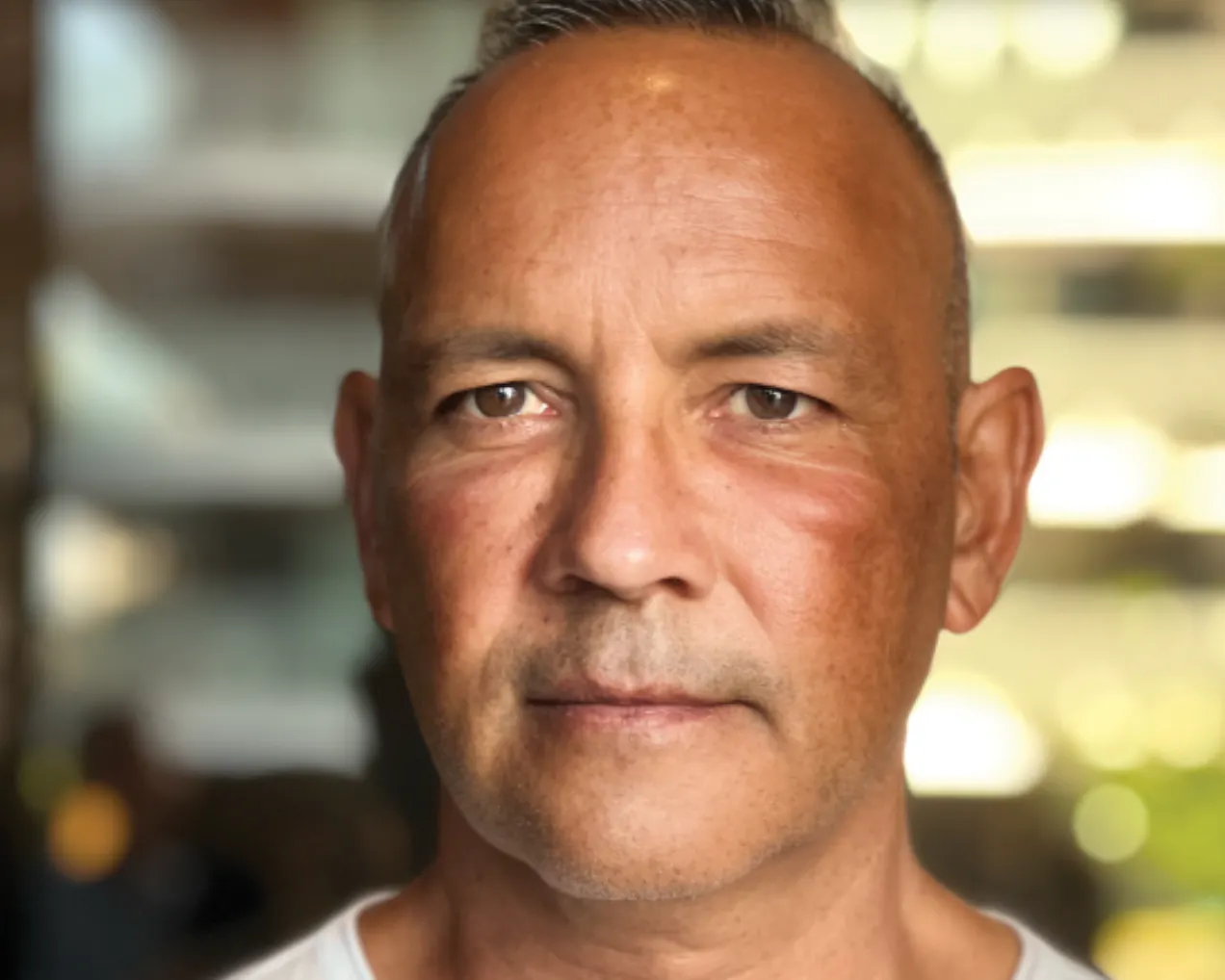
The Power of Human Connection: Photographer Harry Williams on the Michelle Meow Year-End Special
Join us for our celebratory year-end Michelle Meow Show special. We'll start with a conversation with local photographer/artist Harry Williams, who photographs the people of San Francisco. We'll explore human connections and how community engagement can preserve our dignity and compassion for each other. We'll end our program with a special performance by SNOWW. Then stick around for a fun reception and holiday cheer. About the Speaker Harry Williams says his work "is rooted in capturing the resilience and humanity of marginalized communities, presenting them in a way that commands attention and challenges perceptions." He spent more than a year photographing on the corner of Jones and Ellis Streets in San Francisco’s Tenderloin district, a neighborhood known for its abundance of single-occupancy residence (SOR) housing and its association with drugs and crime. "This body of work speaks to more than one community; it reflects a reality familiar to cities and small towns alike, where certain neighborhoods undergo shifts that can displace the people who have long called them home. As these areas change, often becoming less accessible to those who built their lives there, a profound cultural and personal loss occurs. . . . Through these images, I seek to preserve the spirit and stories of these communities, highlighting their strength and significance in ways that demand respect and remembrance. Ultimately, I hope that these monumental images confront viewers with both the beauty and strength of communities often sidelined, making space for empathy, connection, and reflection." SNOWW is a celebrated Chinese artist whose talents span electronic music production, DJing, singing, and songwriting. She is the founder of Fake Gentle and The Hormones bands, as well as the creative force behind the E-Motion label. With her distinctive musical style and a keen ear for melody, SNOWW has emerged as an influential figure in the contemporary electronic music scene. In SNOWW’s musical universe, the vast electronic soundscapes resonate like a storm of snow, seamlessly intertwining with her warm and evocative voice. Her work combines elements of Deep House, Chillwave, and classical music, crafting an immersive listening experience that feels both intimate and expansive. Her music takes listeners on a dreamlike journey, reflecting the harmony between the digital and natural worlds. As a devoted advocate for melody, SNOWW infuses her compositions with rich and intricate emotional layers. She brings a unique perspective to electronic and rock music, continually exploring diverse sound elements in her creations. In 2021 and 2022, SNOWW was invited to perform at the South by Southwest (SXSW) Music Festival for two consecutive years in its online showcases. The Commonwealth Club thanks Gilead Sciences, Inc. for its generous support of The Michelle Meow Show. Learn more about your ad choices. Visit megaphone.fm/adchoices
Week to Week Holiday Special: The New Era
Join us in-person or online for the holiday special edition of our Week to Week political roundtable. We'll do a year-end wrap-up of political news, just one month after one of the most epochal elections in recent history. It's an understatement to note that we have many things to discuss—a new mayor in San Francisco, a new administration and Congress in Washington, a new political environment all around. Be around other politically interested citizens and we'll all examine what has changed, what hasn't, and maybe what should. Commonwealth Club World Affairs of California is a nonprofit public forum; we welcome donations made during registration to support the production of our online programming. See other upcoming Week to Week political roundtables, as well as audio and video of past Week to Week programs. Learn more about your ad choices. Visit megaphone.fm/adchoices
CLIMATE ONE: This Year in Climate: 2024
2024 set new records for extreme heat around the world in what is already the warmest decade on record. According to the World Meteorological Organization, sea-level rise and ocean heating are accelerating along with the loss of ice from glaciers. We continue to see extreme weather of all kinds wreak havoc on communities across the world. In spite of the growing disruption, countries continue to miss their self-imposed climate targets. And in November, the U.S. re-elected Donald Trump to the presidency, a move that will almost certainly slow the transition to cleaner forms of energy. And yet, the transition continues. As the year winds down, Climate One hosts Greg Dalton and Ariana Brocious look back upon recent climate progress and pitfalls and revisit some of our most illuminating interviews of 2024. Guests: Karen Hao, Contributing Writer, The Atlantic Shelley Welton, Presidential Distinguished Professor of Law and Energy Policy, University of Pennsylvania Carey School of Law and the Kleinman Center for Energy Policy Justin J. Pearson, District 86 State Representative, Tennessee General Assembly Aja Barber, Author, “Consumed: The Need for Collective Change: Colonialism, Climate Change and Consumerism” Jamie Beard, founder of Project InnerSpace Mitzi Jonelle Tan, Climate Justice Activist Tzeporah Berman, Chair, Fossil Fuel Non-Proliferation Treaty John Morales, Hurricane Specialist, WTVJ NBC6 Miami Rob Bonta, Attorney General of California Emily Raboteau, Author, “Lessons for Survival: Mothering Against ‘the Apocalypse’” Jane Goodall, Ethologist, conservationist Support Climate One by going ad-free! By subscribing to Climate One on Patreon, you’ll receive exclusive access to all future episodes free of ads, opportunities to connect with fellow Climate One listeners, and access to the Climate One Discord. Sign up today for just $5/month. For show notes and related links, visit our website. Learn more about your ad choices. Visit megaphone.fm/adchoices
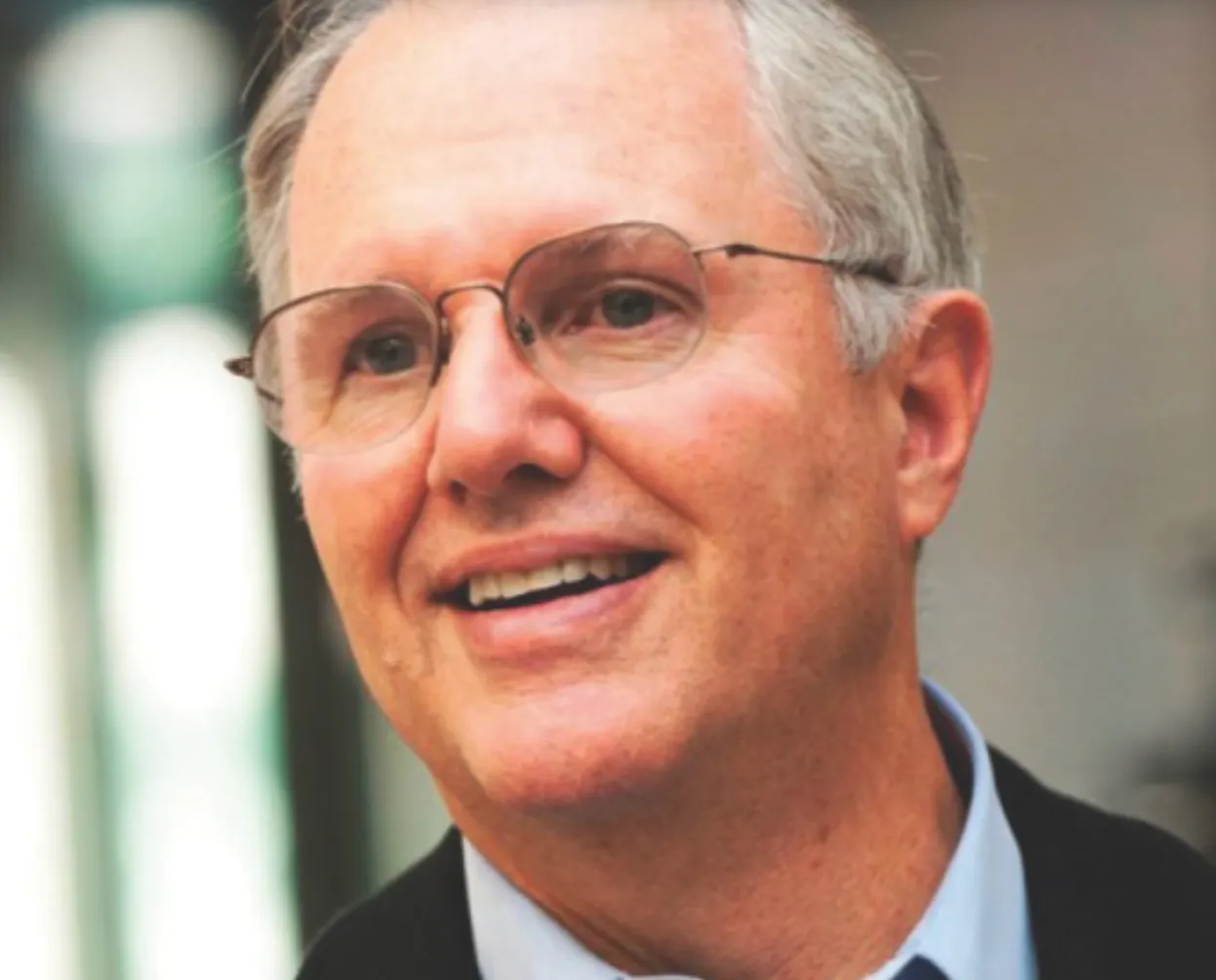
Craig Mundie with Sam Altman: Artificial Intelligence, Hope, and the Human Spirit
In his final book, the late Henry Kissinger joined forces with two leading technologists to mount “a profound exploration” (says Walter Isaacson) of the epochal challenges and opportunities presented by the revolution in artificial intelligence—a breakthrough that they believe dramatically empowers people in all walks of life while also raising urgent questions about the future of humanity. Kissinger and his coauthors, technologists Craig Mundie and Eric Schmidt, argue that as AI absorbs data, gains agency, and intermediates between humans and reality, it will help us to address enormous crises, from climate change to geopolitical conflicts to income inequality. It might well solve some of the greatest mysteries of our universe and elevate the human spirit to unimaginable heights. But it will also pose challenges on a scale and of an intensity that we have never seen—usurping our power of independent judgment and action, testing our relationship with the divine, and perhaps even spurring a new phase in human evolution. Join us in person or online for this in-depth talk between Mundie and Sam Altman, CEO of OpenAI, about charting a course between blind faith and unjustified fear while navigating the age of AI. Learn more about your ad choices. Visit megaphone.fm/adchoices
What Is Cultural Appropriation?
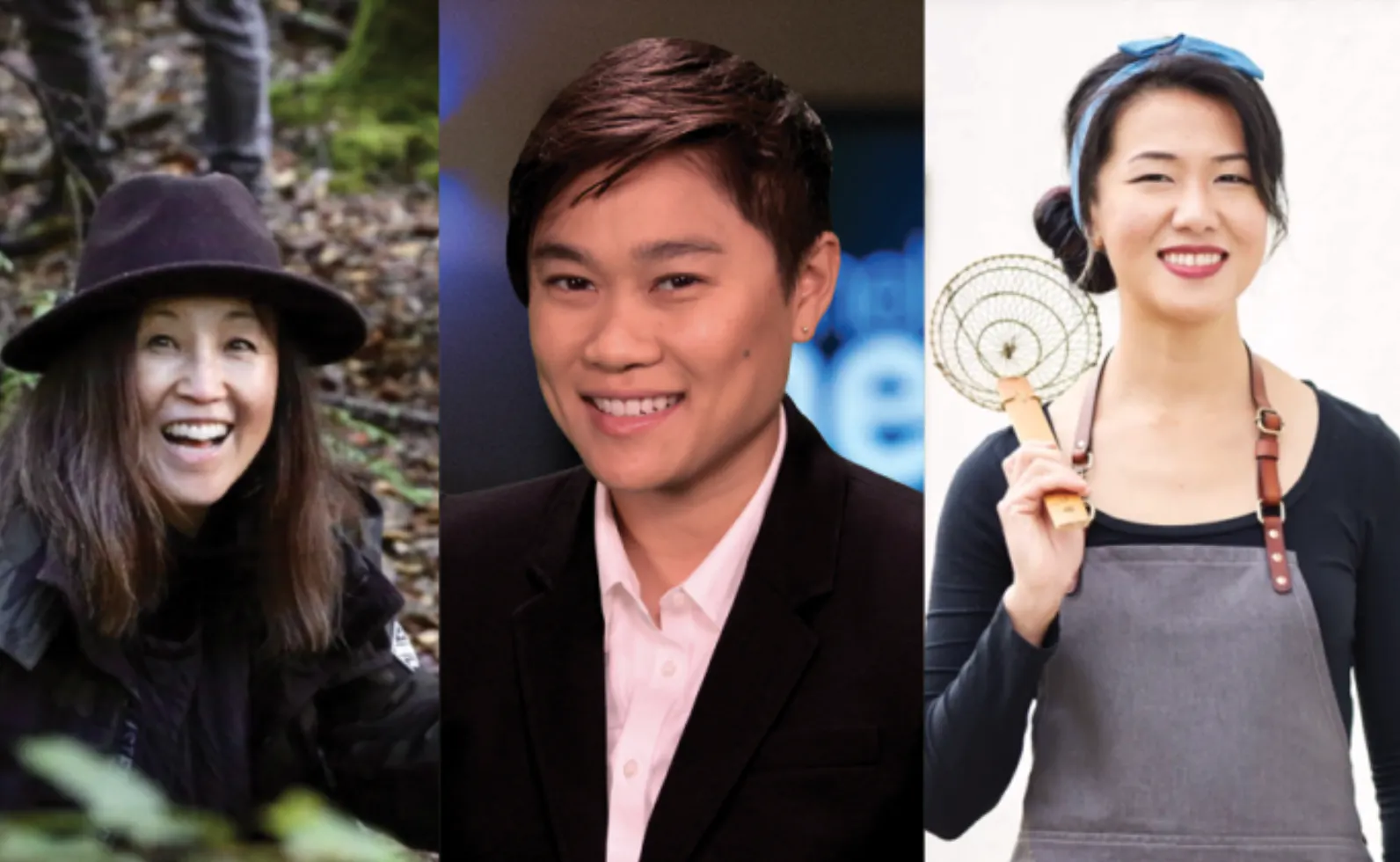
In recent headline news, actor Simu Liu called out a boba tea company for cultural appropriation saying “There’s an issue of taking something that’s very distinctly Asian in its identity and quote-unquote ‘making it better.’” The comment generated a lot of feedback from consumers who then chimed in to add their thoughts on what cultural appropriation, especially in food, actually means. Join us for a lively discussion with Bay Area brand founders on what their thoughts are on cultural appropriation. See more Michelle Meow Show programs at Commonwealth Club World Affairs of California. Learn more about your ad choices. Visit megaphone.fm/adchoices

CLIMATE ONE: Transfer of Power: Life After Coal
For over a century, coal fueled much of the country and served as the economic backbone for many rural communities. But with the rise of more affordable wind and solar energy, coal is in decline, leaving these towns increasingly vulnerable. As jobs disappear, coal-dependent communities are faced with the threat of economic collapse and depopulation. To adapt, many are working to diversify their economies, seeking new industries and opportunities for the future. Today, we’ll visit coal communities across the country, where locals and leaders are actively exploring ways to rebuild and ensure no one is left behind in the energy transition. This episode also features field reporting from Climate One and Caitlin Tan of Wyoming Public Media on the transition from coal to nuclear power in Kemmerer, Wyoming. Guests: Chris Levesque, CEO, TerraPower Brian Muir, Kemmerer City Administrator Tony Skrelunas, Executive Director of the Division of Economic Development, Navajo Nation Mike Eisenfeld, Energy and Climate Program Manager, San Juan Citizens Alliance Support Climate One by going ad-free! By subscribing to Climate One on Patreon, you’ll receive exclusive access to all future episodes free of ads, opportunities to connect with fellow Climate One listeners, and access to the Climate One Discord. Sign up today for just $5/month. For show notes and related links, visit our website. Learn more about your ad choices. Visit megaphone.fm/adchoices
Humanities West Presents Arias from Heaven: The 100th Anniversary of Puccini’s Death
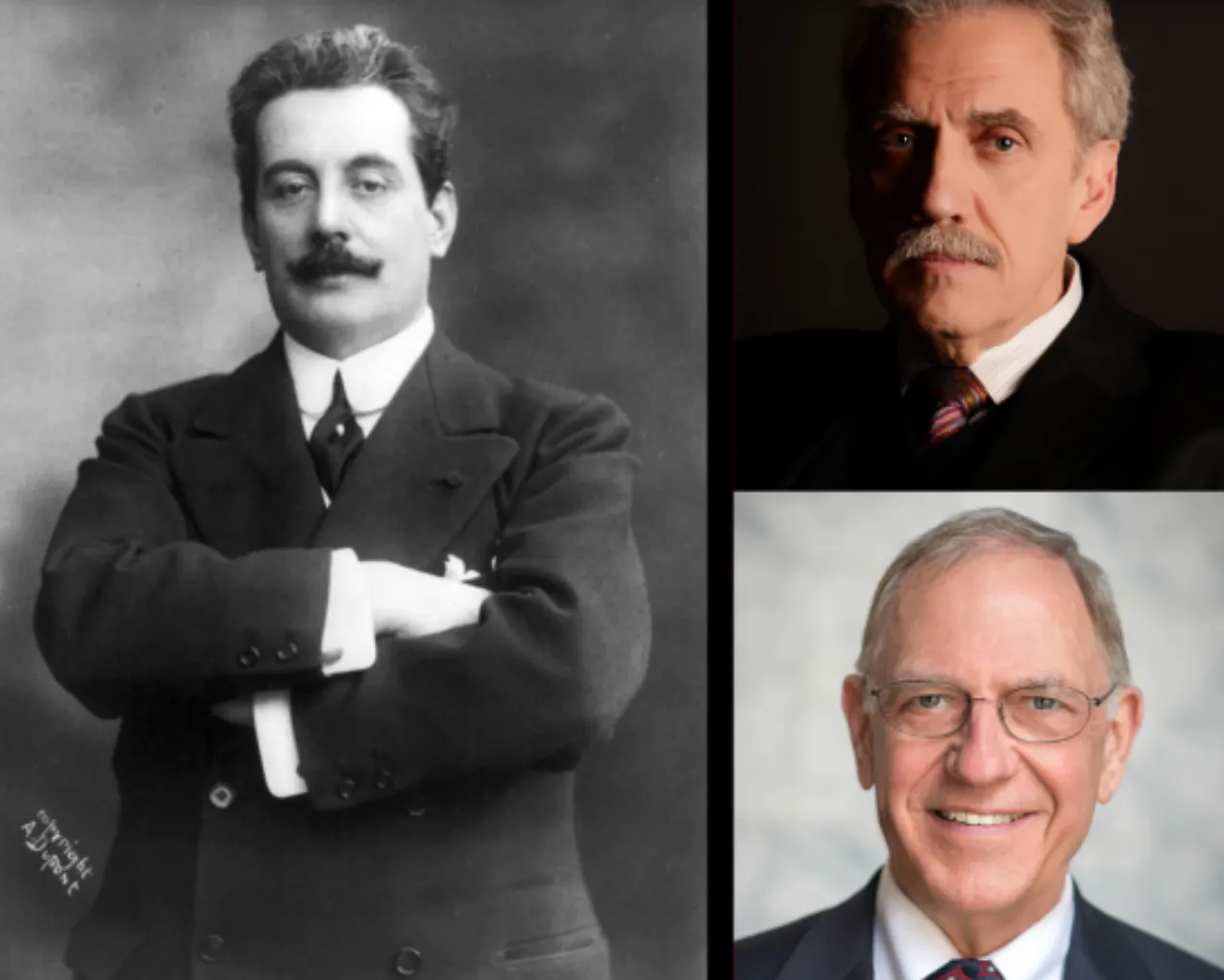
Humanities West and the Italian Cultural Institute celebrate the life and art of Giacomo Puccini (December 22, 1858 to November 29, 1924) on the 100th anniversary of his death. His operas La Bohème, Tosca, Madama Butterfly and Turandot are among the most beloved and most often-recorded operas of all time. His arias are famous for both their emotional resonance and their melodic beauty—even among millions who have never listened to a complete opera. Puccini was born into a centuries-old family of Italian composers, and he began his successful career just as Verdi was completing his, quickly inheriting Verdi’s renown as the greatest living composer of Italian opera. We have brought the internationally praised scholar and musicologist Gabriele Dotto from Italy to share the stage with San Francisco Opera’s favorite Kip Cranna to tell some of the stories behind the composition of Puccini’s heavenly arias. Giacomo Puccini and the Impact of Early 20th Century Media Gabriele Dotto will trace the rapid rise of sound recordings and film as competitors for opera theaters and the traditional business of music publishers. Puccini and his publisher, Casa Ricordi, demonstrated an extraordinary combination of artistic creation and commercial activity, using new and efficient strategies to market Casa Ricordi’s opera repertoire to a globally expanding audience and “branding” Puccini as the publishing house’s most iconic composer. Puccini Before Fame: The Composer in His Youth Clifford (Kip) Cranna will discuss Puccini’s boyhood experiences, his musical training and his operatic influences. Cranna will demonstrate that some of the music Puccini wrote as a student was eventually recycled in his later operas. He will also concentrate on Puccini’s first two operas, the rarely performed Le Villi and Edgar, which were composed before his first big hit Manon Lescaut—the beginning of his enduring fame and operatic stardom. OrganizerGeorge Hammond A Humanities Member-led Forum program. Forums at the Club are organized and run by volunteer programmers who are members of The Commonwealth Club, and they cover a diverse range of topics. Learn more about our Forums. In association with Humanities West and the Italian Cultural Institute Learn more about your ad choices. Visit megaphone.fm/adchoices

'Who's Afraid of Nathan Law' Film Screening and Q&A
Nathan Law was a leader of Hong Kong’s Umbrella Revolution when he was still only 21 years old. By the age of 23, he was the youngest lawmaker ever elected in the history of Hong Kong. By the age of 26, he was “Most Wanted” under the government’s National Security Law. Join us for a screening of Who’s Afraid of Nathan Law? followed by a Q&A with Nathan Law (participating remotely) and director Joe Piscatella, and learn more about the courage, resilience and youthful idealism of Nathan Law, a young man who mortgages his own future to try to save his home. As a college freshman, shy Nathan Law discovers an identity in activism. As one of the organizers of a student strike demanding that Hong Kong be allowed to elect its own leader (something promised to them back in 1998), Law leads five days of student boycotts with a message of peaceful civil disobedience. When the strike suddenly becomes the Umbrella Revolution, Law is unexpectedly thrust into a leadership role that shuts down Hong Kong for 79 days and captures the attention of the world. When the movement falters, the government charges Law for his role in the Umbrella Revolution, but his entire generation in Hong Kong has been awoken. Riding the enthusiasm of the student movement he helped spark, Law makes the impossible transition from protest leader to elected official, becoming the youngest lawmaker in Hong Kong’s history, where he continues his fight for democracy from inside the government. Fearful of his message gaining traction beyond students, the government disqualifies Law on a technicality and sends him to jail. As Hong Kong continues to see the erosion of its freedom, a new movement is launched. Whereas the Umbrella Revolution was driven by hope, this new movement is driven by desperation. Nathan’s message of civil disobedience is overshadowed by a new generation of protestors who no longer feel that peaceful demonstrations can save Hong Kong, As Hong Kong descends into the biggest political crisis in modern Chinese history, Nathan must decide his role and his future. Find out how it happened and what could happen next. Learn more about your ad choices. Visit megaphone.fm/adchoices
Farmers Markets, Food Banks and Chefs: Sample Your Food System!
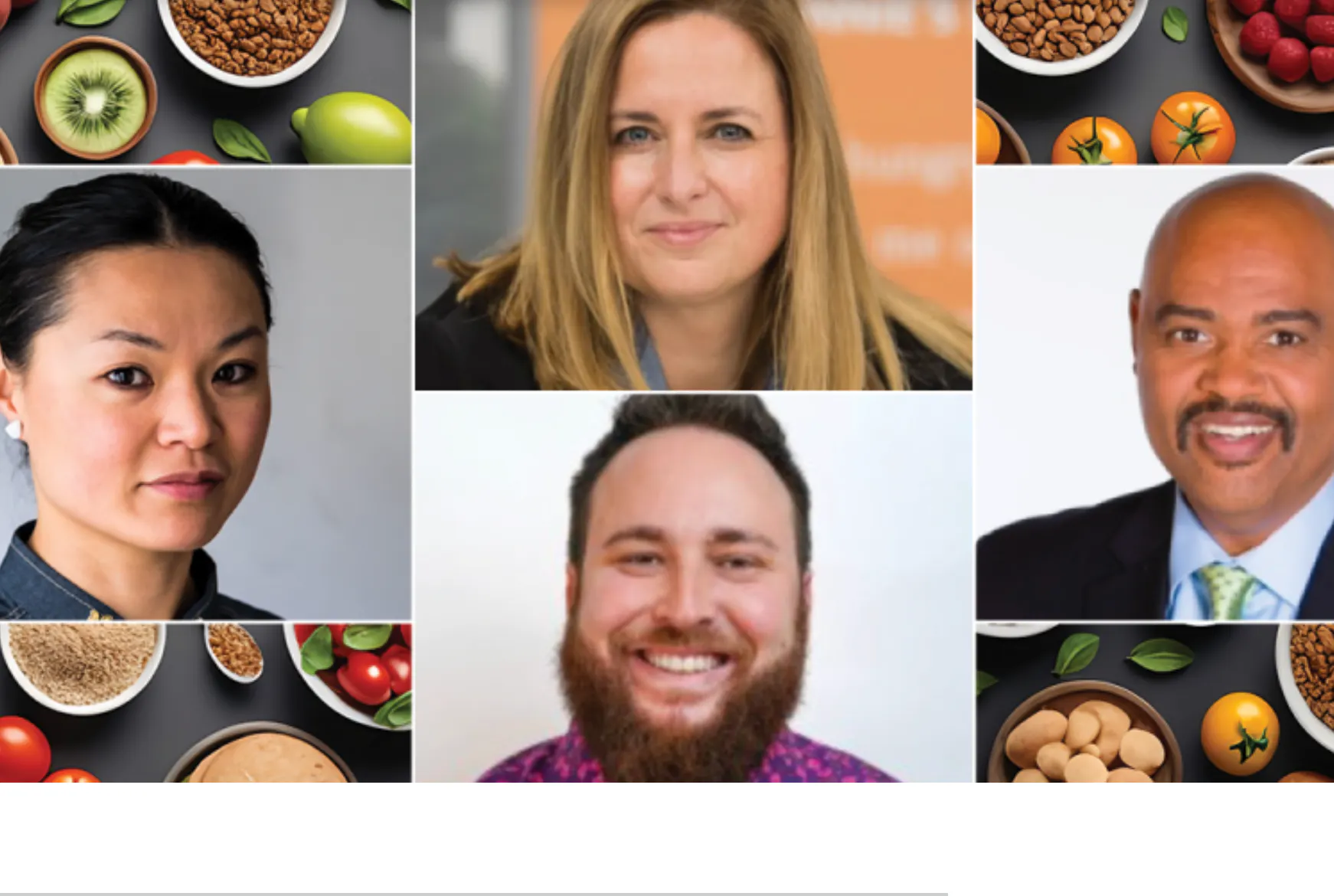
Meet this amazing group of people who help bring food to your and your neighbor’s tables. This interactive program will include delicious samples from Sway and Curtis Aikens plus a panel discussion. It will be a fun, informative event that might change how you view our Bay Area food system. Andy Naja-Riese, CEO of the Agricultural Institute of Marin County, will discuss how we can strengthen our local food system in a changing climate. Chef Curtis Aikens, a former host and founding chef of The Food Network, will explain the Marin City HEAL Collaborative CAT, its three food system priorities, and how that ties into farmers markets and food banks. Ms. Tanis Crosby will discuss the mission of the San Francisco-Marin Food Bank to end hunger with a commitment to equity, collaboration and community. And Sway, founder of Forest & Flour, will share their journey into the allergen-free world and discuss how food nourishes environmental health, playing a vital role in bridging tradition, modernity, resilience and social justice. Organizer: Patty James A Nutrition, Food & Wellness Member-led Forum program. Forums at the Club are organized and run by volunteer programmers who are members of The Commonwealth Club, and they cover a diverse range of topics. Learn more about our Forums. Learn more about your ad choices. Visit megaphone.fm/adchoices

AI in Healthcare: Will the Reality Match the Hype?
The 14th annual Lundberg Institute Lecture features Robert Wachter of UCSF and his predictions about what advances artificial intelligence will make, and will not make, in health care. Why has health care not undergone the kind of digital transformation that has completely remade industries ranging from retail to entertainment to travel? Wachter will discuss health care’s bumpy road to digital nirvana, and why, to paraphrase Hemingway, generative AI may lead to medicine’s “gradually, then suddenly” moment. Join us for a preview of the ideas Dr. Wachter discusses in his latest book on AI and health care. Learn more about your ad choices. Visit megaphone.fm/adchoices
Congressman Hakeem Jeffries: The ABCs of Democracy
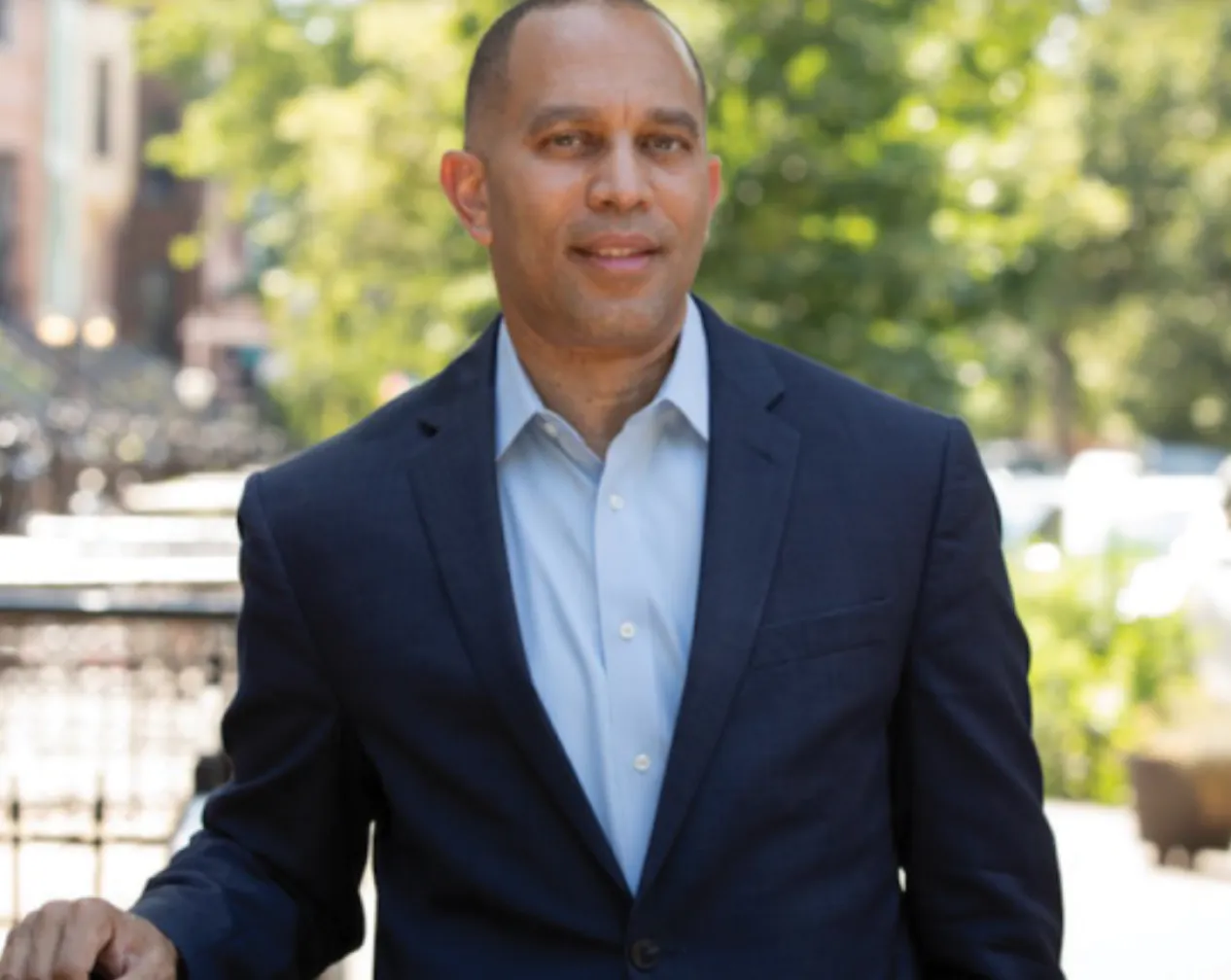
“American values over autocracy. Benevolence over bigotry.”—So begins the rousing finale of the first floor speech delivered by Congressman Hakeem Jeffries upon his historic elevation as House Democratic Leader, affirming the values of our great country one letter of the alphabet at a time. His words provide a reminder of what will keep the United States the greatest democracy in the history of the world. In his new illustrated book for all ages, Jeffries employs clever and memorable turns of phrase to paint an alphabetic road map for a brighter American future and warn of the perils of taking a different path. Jeffries (D-NY) has served as the House minority leader since 2023, when he succeeded San Francisco’s Rep. Nancy Pelosi as leader of House Democrats. He is the first Black party leader in either chamber of the U.S. Congress. Learn more about your ad choices. Visit megaphone.fm/adchoices
CLIMATE ONE: What Trump 2.0 Means for the Climate
On the surface, climate policy couldn’t face a worse future than under a second Trump administration. As a candidate, Trump said on his first day back in office: “I want to drill, drill, drill.” So, what are environmental organizations, including those aligned with the Republican party, doing to keep making progress on addressing climate change? And what do Trump’s cabinet picks say about the incoming administration’s attitude toward energy policy? Guests: Abigail Dillen, President, Earthjustice Heather Reams, President, Citizens for Responsible Energy Solutions For show notes and related links, visit our website. A brief correction was made to this episode on 29 December 2024. Learn more about your ad choices. Visit megaphone.fm/adchoices

AI, Art and New Technology: Threat or Opportunity
Explore the intersection of art, artificial intelligence, and new technology. Through the diverse perspectives of three incredible artists, we will delve into unique opportunities that new technology presents for creative expression, activism, and the artists' evolving role in the 21st century. This event will offer exciting opportunities to interact with the artists and a realistic portrait-drawing robot built on 60,000 lines of code. Together, we will gain insight into the future of art and AI by fostering a deeper understanding of how technology is reshaping the art world, culture, and humanity's creative landscape. Learn more: Read this New York Times article "Visions of A.I. Art From OpenAI's First Artist in Residence," including comments from speaker Hugh Leeman. Learn more about your ad choices. Visit megaphone.fm/adchoices
Jonathan Alter: Trump on Trial
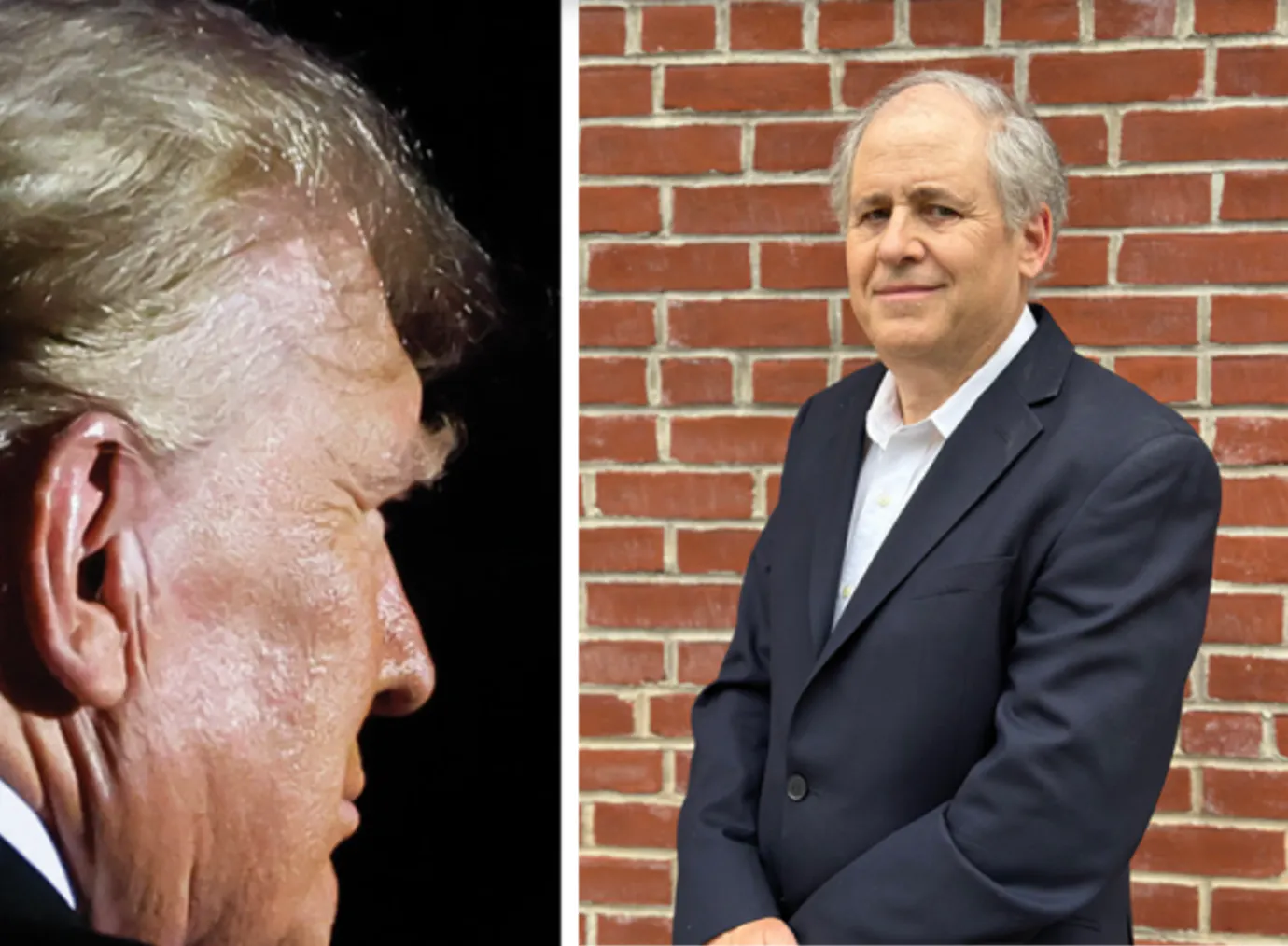
ERegardless of who won the presidential election on November 5, one thing remains on the calendar: Former President Donald Trump heads back to court on November 26 for sentencing. Bestselling author and presidential historian Jonathan Alter had a front-row seat to Trump’s felony trial, one of just a handful of journalists allowed in the courtroom. For 23 days, he sat just feet away from Trump, watching the spectacle of the century. In his new book American Reckoning, Alter shares everything he witnessed—from eviscerating takes on the colorful characters to the chilling legal ups and downs—to offer a barbed account of the trial and its aftermath, including fresh reporting about the historic events of the summer of 2024. While experiencing a crisis of faith in the good sense of the American people, Alter chronicles the shaping of his political consciousness and his bracing, unpredictable relationships with Jimmy and Rosalynn Carter, Bill and Hillary Clinton, Barack Obama, John McCain, and Joe Biden, whose decision to stand down in favor of former prosecutor Kamala Harris put the criminal trial front and center as Americans render their own verdict at the polls. Join us for a special online-only program as we hear from someone with a front-row seat to history. This program contains EXPLICIT language. Learn more about your ad choices. Visit megaphone.fm/adchoices
Humanities West Presents Classical Music in the 21st Century
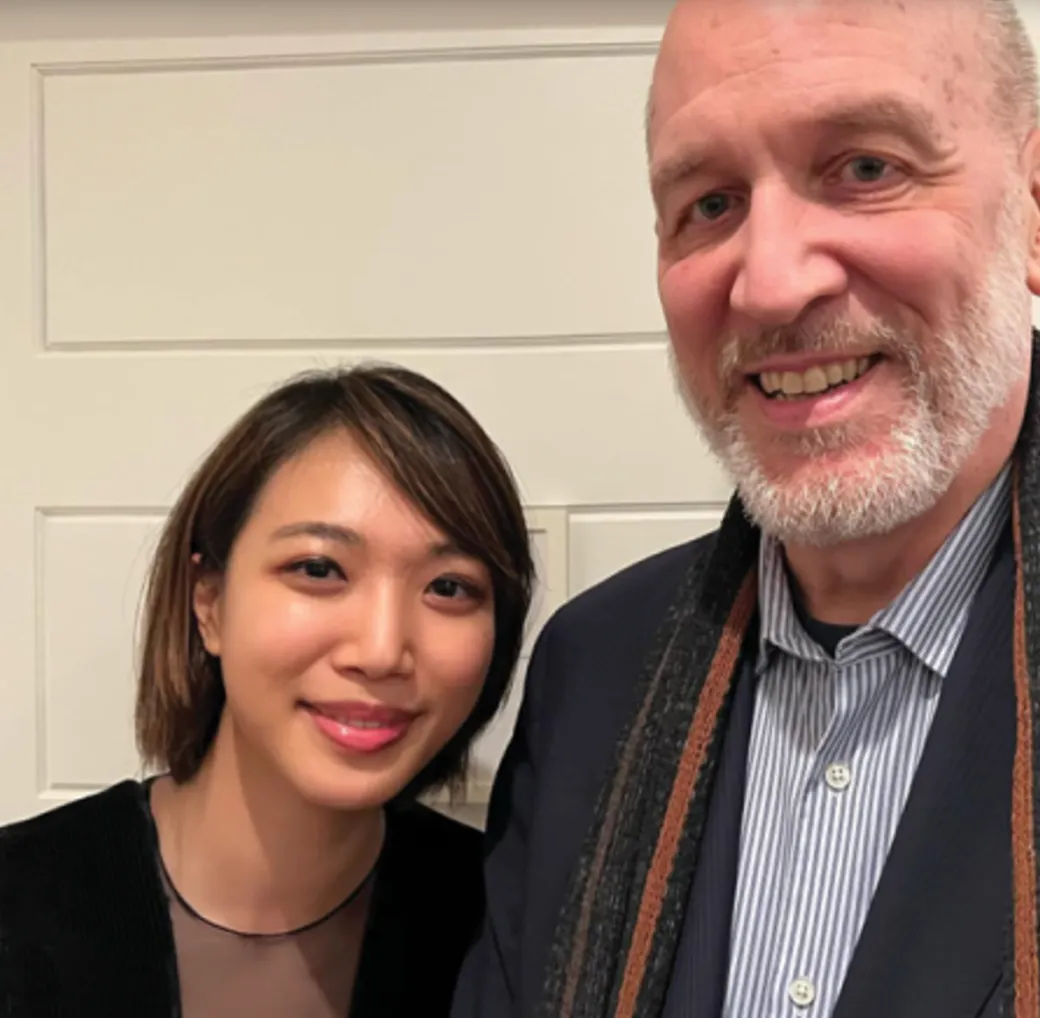
Each generation of classical music lovers may wonder if their generation will be the last to truly enjoy the fusion of beautiful sound and emotional depth expressed by the master composers and performers of this centuries-old artistic tradition. Changing economic and social pressures in the early 21st century dented the interest in classical music in the West, a trend exacerbated by the COVID pandemic. But other forces of change are also at work, including a rapidly increasing interest in Asia following upon the worldwide success, among other performers, of Lang Lang and Yuja Wang (both of whom were discovered and whose early careers were managed for several years by Earl Blackburn). Blackburn will explore what it means to make a career work in today’s classical music industry and will discuss the principles that help thousands of great artists continue to grow both artistically and commercially. Decades ago careers in classical music necessitated getting a powerful agent. Now the tables have flipped somewhat. The creation of classical music has become much more of a collaboration among artist, agent, concert presenter and the audiences who enjoy this art form. Everyone involved is given a chance to test what it means to exercise their imaginations, creating beauty out of sound. Blackburn will be joined in this discussion by one of his artists, the prize-winning violinist Nancy Zhou, who will also perform. Organizer: George Hammond A Humanities Member-led Forum program. Forums at the Club are organized and run by volunteer programmers who are members of The Commonwealth Club, and they cover a diverse range of topics. Learn more about our Forums. Learn more about your ad choices. Visit megaphone.fm/adchoices

Genevieve Guenther: The Language of Climate Politics
It is possible that the only news we hear about more than politics is the climate crisis, and sometimes it is politics about the climate crisis? But what are we hearing and saying about climate change, and is it what we think we’re hearing and saying? Genevieve Guenther, founder of the nonprofit organization End Climate Silence, has engaged journalists in efforts to improve coverage of environmental crises in their reporting. Publishers Weekly called her new book, The Language of Climate Politics: Fossil Fuel Propaganda and How to Fight It, a “revelatory study.” In it, she puts forth powerful new ways to talk about the climate crisis that she says will help create transformative change. Guenther argues that the climate debate is not neatly polarized, with Republicans obstructing climate action and Democrats advancing climate solutions. Partisans on the right and the left often repeat the same fossil-fuel talking points, and she says this repetition produces a consensus upholding the status quo, even as global heating accelerates. Guenther says big energy interests weaponize the discourses of science, economics, and activism, co-opting and twisting climate language to help “greenwash” their plans for ongoing extraction. But all too often climate scientists, economists, and even advocates will unwittingly echo the assumptions of their supposed political opponents. This apparent agreement between foes, filtered through the news media, not only influences views about the climate crisis but also enables powerful decision makers to justify the policy actions that threaten us all. Guenther says she knows how to transform it and equip people with powerful new terms that will enable them to fight more effectively for a livable future. Organizer: Andrew Dudley A People & Nature Member-led Forum program. Forums and chapters at the Club are organized and run by volunteer programmers who are members of Commonwealth Club World Affairs, and they cover a diverse range of topics. Learn more about our Forums. Learn more about your ad choices. Visit megaphone.fm/adchoices
CLIMATE ONE REWND: You Gonna Finish That? Saving Good Food from Going Bad
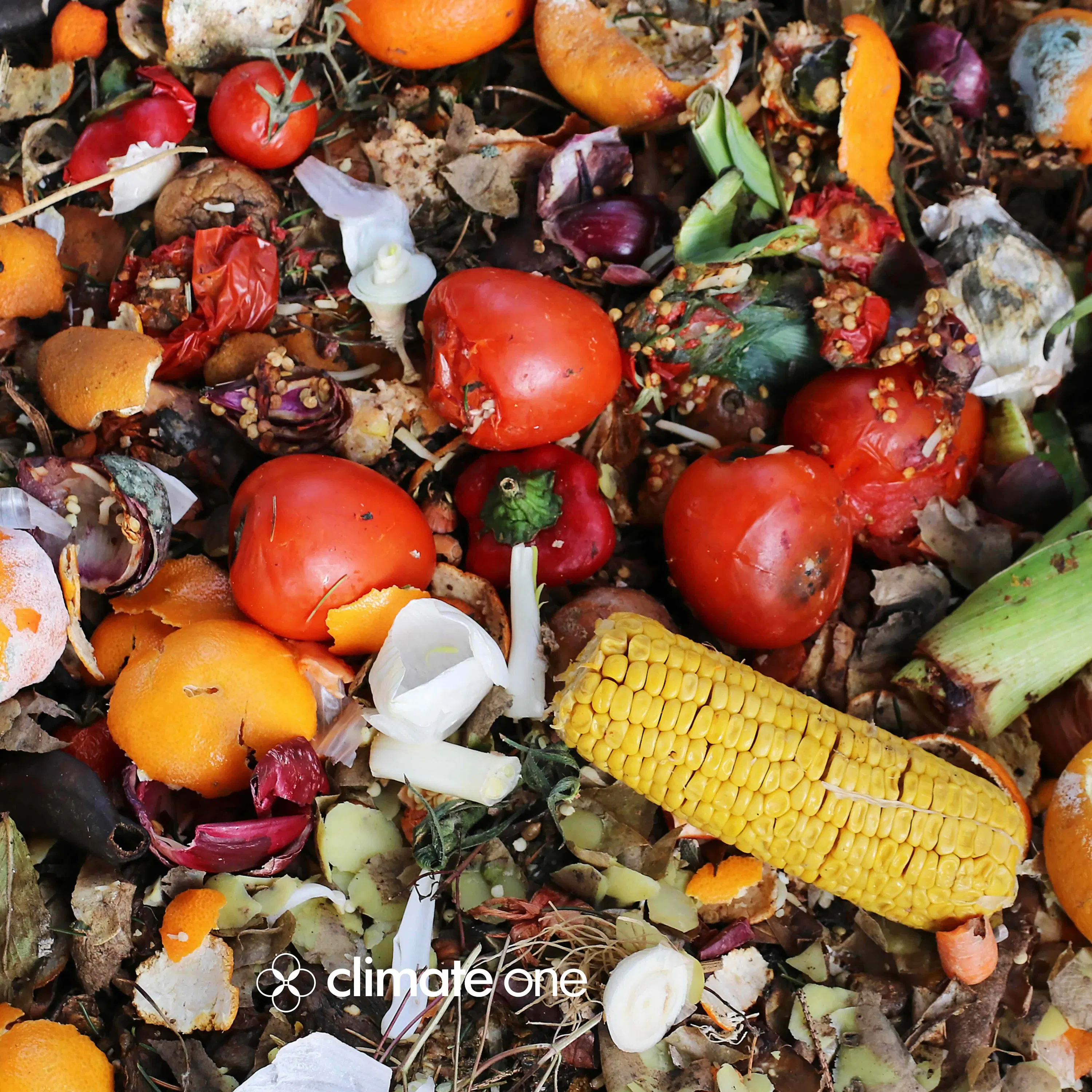
Globally, one-third of food produced every year is wasted. That’s enough to feed about 2 billion people — twice the number of people who are undernourished. The global food system also accounts for a whopping one-third of the world’s greenhouse gas emissions. These two problems — waste and emissions — are intricately linked: Climate disruption exacerbates food insecurity. And industrial food production contributes to the climate crisis. When food is wasted, it’s also a waste of land, water and energy. In this episode, we talk with experts about how to fix the broken system and hear from some of the people on the ground recovering food before it goes to waste. How can we address both climate and food insecurity at the same time? This episode also features a news story produced by Harvest Public Media contributor Peter Medlin, a reporter with WNIJ Northern Public Radio. Guests: Dawn King, Senior Lecturer, Brown University Lisa Moon, CEO, The Global Food Banking Network Norma Alonso, ABACO, Cooperation Manager James Leyson, Managing Director for Global Impact and Operations, Scholars of Sustenance 🎟️ Join Climate One live in San Francisco on December 9 for our celebration of 2024 Schneider Award Winner Leah Stokes! Tickets are on sale now. Support Climate One by going ad-free! By subscribing to Climate One on Patreon, you’ll receive exclusive access to all future episodes free of ads, opportunities to connect with fellow Climate One listeners, and access to the Climate One Discord. Sign up today for just $5/month. For show notes and related links, visit our website. 🦃 Happy Thanksgiving! Learn more about your ad choices. Visit megaphone.fm/adchoices

From Silence to Solutions: Changing the Conversation about Domestic Violence
Journalism can be a powerful force for change, especially in helping people understand the complex causes and impacts of domestic violence. Reporting that includes the diverse experiences of survivors can help shine a light on solutions. This Domestic Violence Awareness Month, join us for a special event, "From Silence to Solutions: Changing the Conversation about Domestic Violence." Come together with a community of journalists, survivors, and advocates who want to change the conversation about domestic violence so that we can end it. The program will feature an interactive discussion with survivors and journalists, introduce a Journalists’ Playbook on covering domestic violence, and be followed by a networking reception. For more info about the toolkit for journalists, by journalists and survivors of domestic violence: https://journalists.letsenddv.org/ Learn more about your ad choices. Visit megaphone.fm/adchoices
Community Town Hall: Preparing for 2025
The national results of the recent general election caused a wave of shock through many progressive organizations in the country and here in the Bay Area. Join us for a live town hall with speakers from leading LGBTQ organizations, including SF AIDS Foundation, LYRIC, NCLR, SF Pride, El/La Para Translatina, SF HRC, EQCA, SF Office Transgender Initiative and more to come. They'll discuss the election results, its impact on various LGBTQ communities, and plans to respond. Fireside Chats: Immigration Nicole Santamaria, executive director, El/La Para Translatina—Moderator Jennicet Gutierrez, co-founder and co-executive director, Familia TQLM Okan Sengun, co-founder, Center for Immigrant Protection Yuan Wang, executive director, Lavender Phoenix State of LGBTQIA+ Honey Mahogany–Moderator Imani Rupert-Gordon, NCLR Tyler TerMeer, SF AIDS Foundation Suzanne Ford, SF Pride Lance Toma, executive director, San Francisco Community Health Center TGNC Youth, Families, and Gender Affirming Care Gael Lala-Chavez, executive director, LYRIC—Moderator Dr. Alexis Petra, founder, Transclinique Lizette Trujillo, proud mother to a transgender son, volunteer for the Southern Arizona Gender Alliance/Fluxx Shay Franco-Clausen, political director EQCA Indigo Jensen, youth speaker, advocate Special Guests: Dr. Marcy Adelman Roma Guy Ani Rivera, commissioner, San Francisco Department on the Status of Women See more Michelle Meow Show programs at Commonwealth Club World Affairs of California. Thanks to our sponsors: SF Pride Alaska Airlines SF Human Rights Commission Robert Holgate Partners: NCLR SF AIDS Foundation LYRIC SF Community Health Center El/La Para Translatina CIP- Center for Immigration Protection LGBT Asylum Office of Transgender Initiatives Parivar Bay Area Lavender Phoenix Learn more about your ad choices. Visit megaphone.fm/adchoices
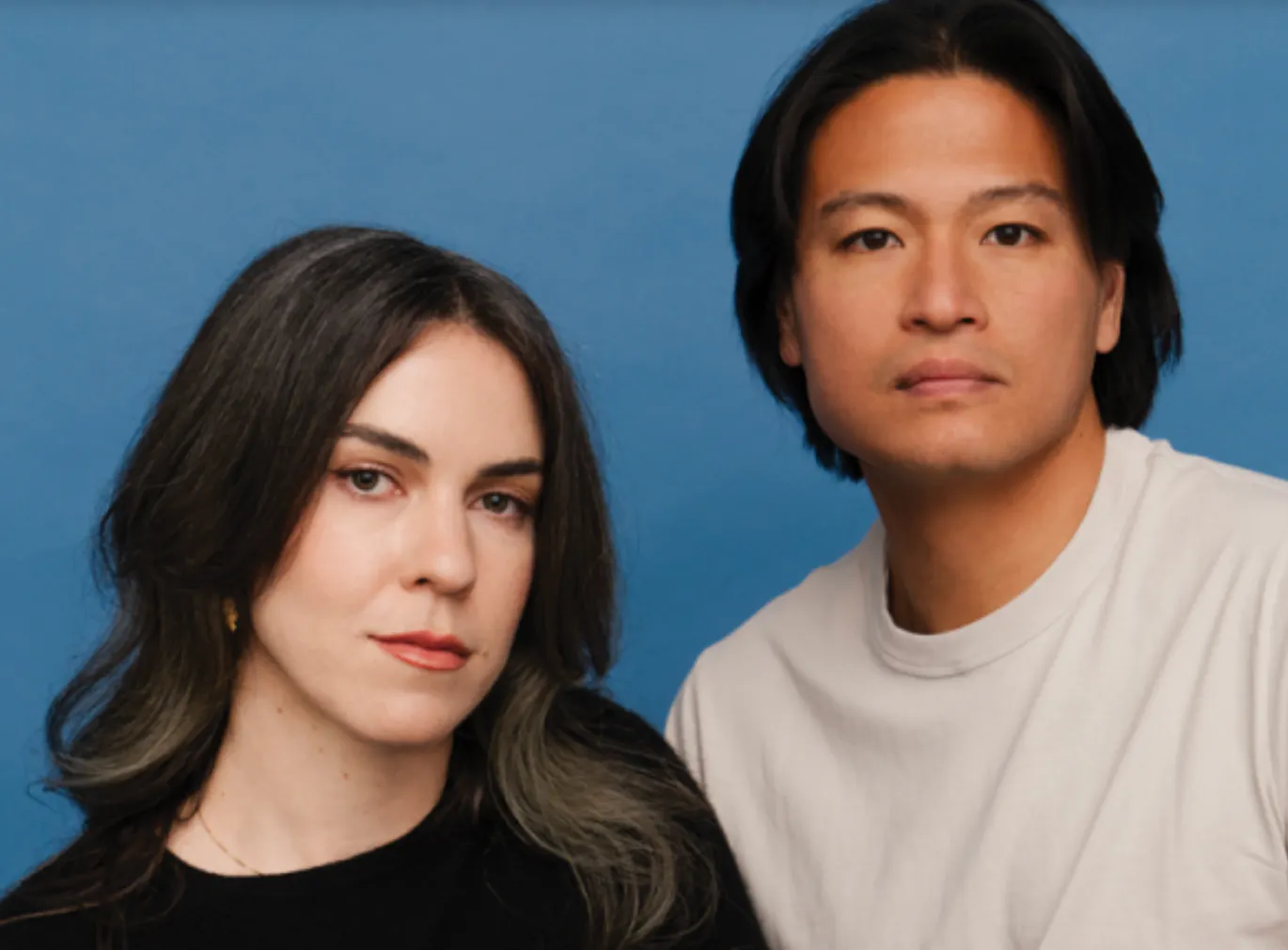
Kate Conger and Ryan Mac: How Elon Musk Destroyed Twitte
Rising star New York Times technology reporters, Kate Conger and Ryan Mac, tell for the first time what they say is the full and shocking inside story of Elon Musk’s unprecedented takeover of Twitter and the $44 billion deal’s seismic political, social and financial fallout The billionaire entrepreneur and Tesla CEO Elon Musk has become inextricable from X. the social media platform that until 2023 was known as Twitter. Started in the mid-2000s as a playful microblogging platform, Twitter quickly became a popular nexus of global politics, culture and media—where the retweet button could instantly catapult any idea to hundreds of millions of screens around the world, unleashing raw collective emotion like nothing else before. While its founder had idealistically dreamed of building a "digital town square," he detested Wall Street and never focused on building a profitable business. Musk joined the platform in 2010 and, by 2022, had become one of the site’s most influential users, attracting more than 80 million followers with a mix of provocations, promotion of his companies, and attacks on his enemies. To Musk, Twitter—once known for its almost absolute commitment to free speech—had badly lost its way. He blamed it for the proliferation of what he called the “woke mind virus” and claimed that the survival of democracy and the human race itself depended on the future of the site. By April 2022, he was its largest shareholder, and soon made an unsolicited offer to purchase the company for the unimaginable sum of $44 billion dollars. Backed into a corner, Twitter’s board accepted his offer—but Musk quickly changed his mind, forcing Twitter to sue him to close the deal in October. The richest man on earth controlled one of the most powerful media platforms in the world—but at what price? Before long Twitter would be gone for good, replaced by something radically different, as Musk remade the company in his own image from the ground up. Join us in-person or online as Conger and Mac follow the inner workings of the company as Musk lays siege to it, first from the outside as one of its most vocal users, and then finally from within as a contentious and mercurial leader. Musk has shared some of his version of events, but Conger and Mac have uncovered the full story through exclusive interviews, unreported documents, and internal recordings at Twitter following the billionaire’s takeover. This program is part of our Good Lit series, underwritten by the Bernard Osher Foundation. This program contains explicit language. Learn more about your ad choices. Visit megaphone.fm/adchoices
The Future of Downtown, What's Good SF! Summer Series
Join us for a lively discussion on the future of San Francisco's downtown. Featuring leaders in the post-pandemic San Francisco revival story, our program will explore the challenges and opportunities facing downtown San Francisco, the progress that has been made and what is around the corner that could turbocharge or derail the next chapter of our city. Discover the city’s post-pandemic hidden triumphs and where we should be looking for approaches and policies to shape a more resilient and vibrant urban core. We’ll be talking: entertainment zones and pop-ups, new jobs and revamping spaces. Don’t miss this opportunity to hear from key voices driving the transformation of San Francisco's heart, and join the conversation on how we can collectively reimagine our city's downtown for a brighter future. UP NEXT. . . Save the date: August 29, 5:30 p.m.: "California Volunteers," the role of community and service in San Francisco's revival. Coming soon: "A Thriving, Natural City," how should we shape a sustainable San Francisco future? "What's Good, SF!” is a compelling series delving into the post-pandemic revitalization of San Francisco. Through three insightful programs, the series navigates the city's landscape of opportunity and challenge. Join us as we uncover the stories of resilience, adaptation and transformation that define San Francisco's journey toward a new, vibrant and sustainable future. Learn more about your ad choices. Visit megaphone.fm/adchoices
Election 2024: The Voters Have Spoken—A Week to Week Special
EThe 2024 fall general election has just ended. Who won? Who lost? Why did anyone win or lose? Which party controls Congress, the White House, most state houses? And what happens next? Will there be a peaceful transition of power? Join us for the post-election special edition of our Week to Week political roundtable. Enjoy and learn as our panel of political experts explains what happened and what to expect, and answers your questions. See other upcoming Week to Week political roundtables, as well as audio and video of past Week to Week programs. This program contains EXPLICIT language, Learn more about your ad choices. Visit megaphone.fm/adchoices
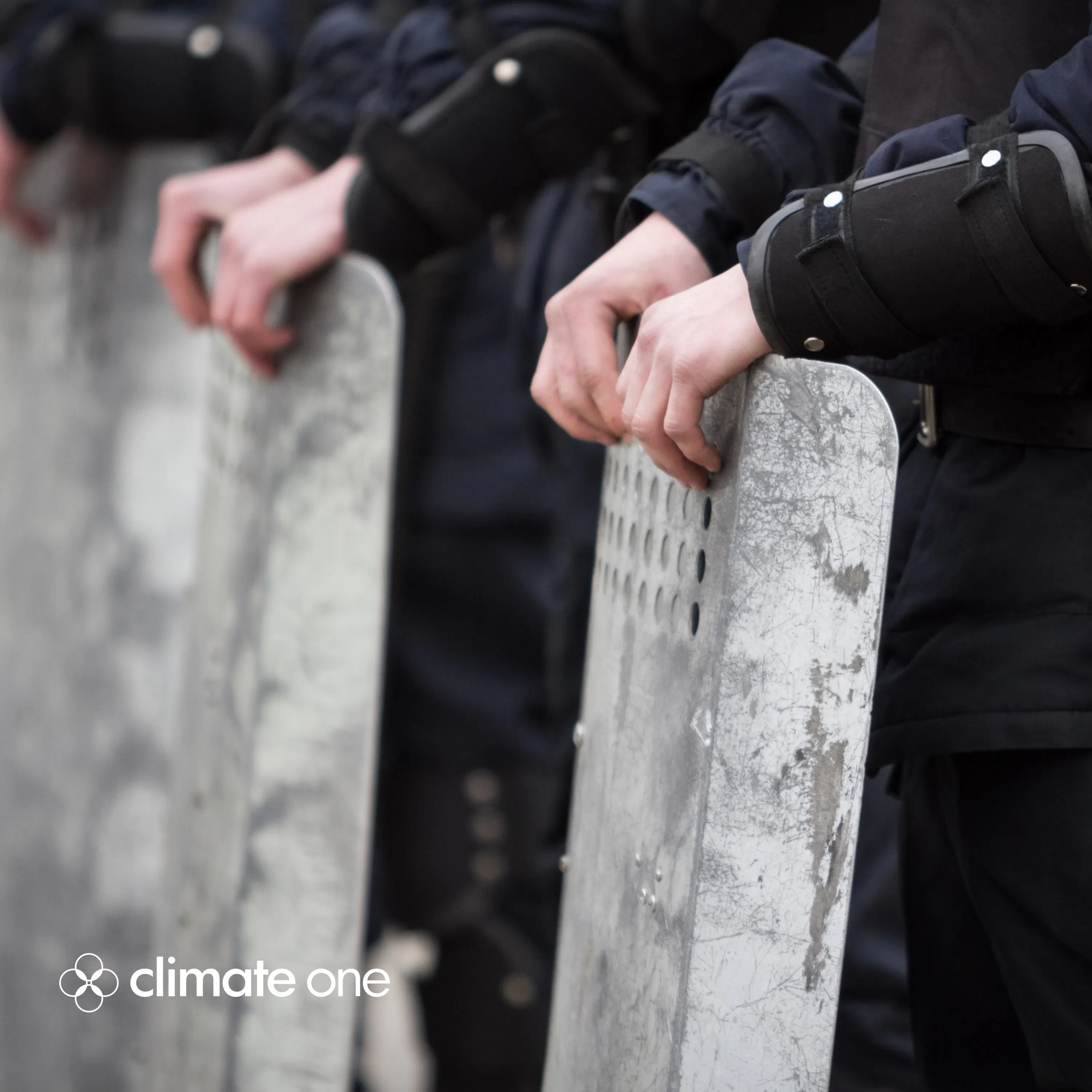
CLIMATE ONE: Heroic Lives of Climate Defenders
Climate advocacy is a dangerous business. According to Global Witness, every week, somewhere in the world, between three and four environmental activists are killed. And even when they don’t suffer bodily harm, they are routinely arrested and jailed for speaking out. They are also sued in civil cases, bogging them down for years or even bankrupting them and their families. Each personal story in this episode is unique, but the physical threats and legal weapons fossil fuel companies and governments wield against them are eerily similar. And yet, the voices of climate defenders will not be silenced. Guests: Alfred Brownell, Founding President, Global Climate Legal Defense (CliDef) Laura Furones, Senior Advisor, Land and Environmental Defenders Campaign, Global Witness Nicole Figueiredo de Oliveira, Executive Director, Arayara Sarah Benn, Medical Doctor and Climate Activist 🎟️ Join Climate One live in San Francisco on December 9 for our celebration of 2024 Schneider Award Winner Leah Stokes! Tickets are on sale now. Support Climate One by going ad-free! By subscribing to Climate One on Patreon, you’ll receive exclusive access to all future episodes free of ads, opportunities to connect with fellow Climate One listeners, and access to the Climate One Discord. Sign up today for just $5/month. Learn more about your ad choices. Visit megaphone.fm/adchoices
Journalism and Its Role in Civic Life
Through its direct contact with the public and its protection by the First Amendment, news media has long been considered the “fourth branch of government.” As the media landscape continues to change and partisan news becomes increasingly popular, many journalists are examining their own profession and responsibilities. Investigative reporter Bigad Shaban, himself the son of immigrants and educators, wants folks to understand the importance of media in a civil society. Bigad, in conversation with San Francisco State’s Dr. Laura Moorhead, talks to an audience of high school journalism students about the belief he has in his profession. Bigad discusses his beginnings as a journalist, what he’s learned over an 18-year career, and why a healthy democracy relies on a news media to hold it responsible. This program is part of the Commonwealth Club World Affairs’ civics education initiative, Creating Citizens. Learn more about your ad choices. Visit megaphone.fm/adchoices
California’s Ethnic Studies Controversy: Launch of a Curricular Alternative
“Ethnic studies” is an ideological battleground in higher education, and now California is bringing its 1.6 million high school students into the fray. Every one of them must take an ethnic studies course to graduate, starting in the fall of 2025. But what will the course teach them? The State Department of Education’s original model curriculum—now candidly dubbed the “Liberated Ethnic Studies Curriculum”—was criticized for its anti-capitalist agenda, embrace of critical-race themes, and alleged antisemitism. Reaction was so intense that Governor Gavin Newsom vetoed the original curricular mandate legislation. A second State Model Curriculum toned down some of the original emphases. The final legislation signed by the governor had a local-option twist: school districts are free to determine the ethnic studies curriculum used in their schools. As a result, the skirmish over ethnic studies can now be replayed district by district. Independent Institute has created what it calls a balanced curriculum for the consideration of districts throughout the state. The “Comparative Cultures Ethnic Studies Curriculum” portrays the full tableau of American ethnic history, dark moments as well as instances of triumph and personal success. It explores contending schools of thought. Animated not by ideology but by balance, this curriculum builds on years of research and pedagogical insight. This panel will include a survey of California’s ethnic studies controversy, and presentation of the "Comparative Cultures Ethnic Studies Curriculum" by its project leader Williamson M. Evers, followed by a panel discussion and Q&A. This program is part of our American Values Series, underwritten by Taube Philanthropies. Learn more about your ad choices. Visit megaphone.fm/adchoices
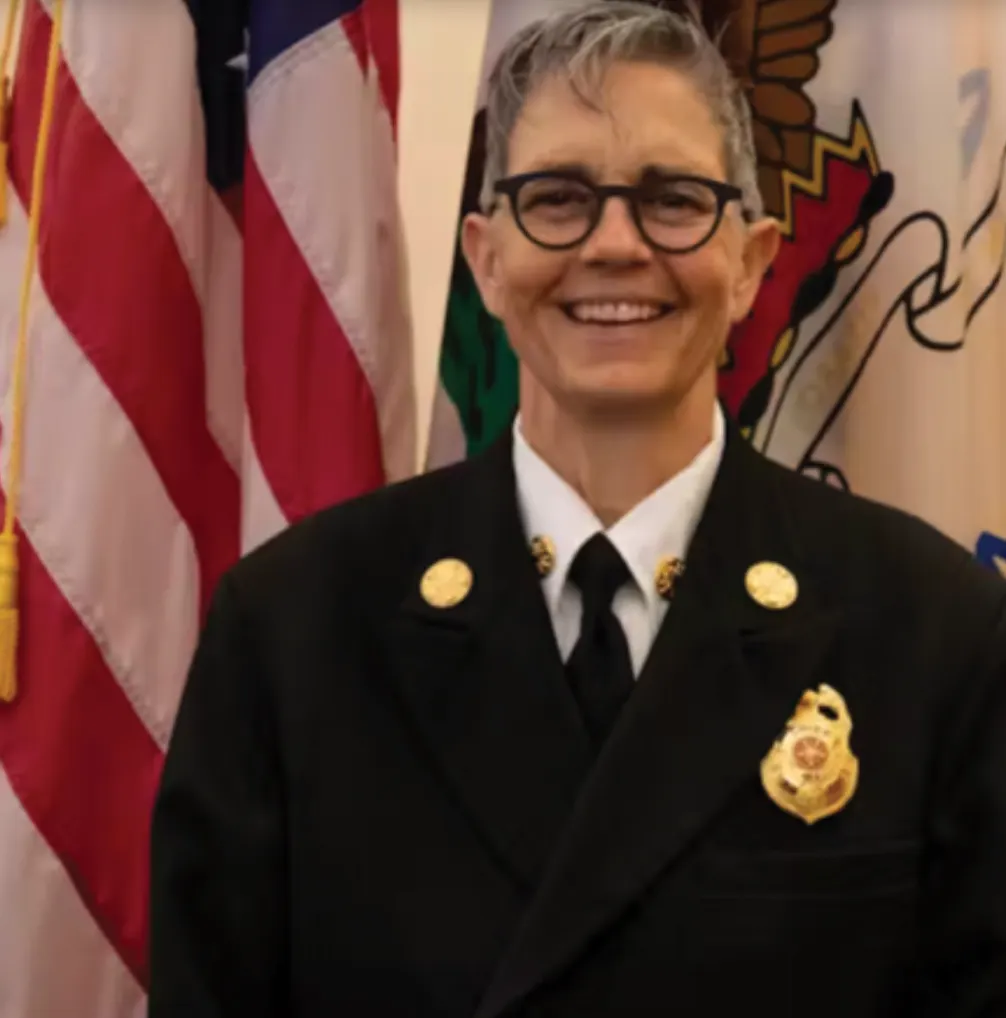
What's Next for Former S.F. Fire Chief Jeanine Nicholson
EJoin us for a heart-to-heart talk with Jeanine Nicholson, the first out LGBTQ chief of the San Francisco Fire Department, who retired in August. We'll hear about her pathbreaking career, her thoughts on the current political scene, and learn about breaking barriers while in the public eye. After our talk, stick around for a wine reception. Jeanine Nicholson retired in 2024 after 30 years in the San Francisco Fire Department (SFFD), five of which she spent as chief. She began her career in 1994 as a firefighter EMT and over the years became a firefighter paramedic, lieutenant, captain, battalion chief and deputy chief prior to her appointment as chief by Mayor London Breed in May 2019. Chief Nicholson was the first out LGBTQ Chief in SFFD history. Chief Nicholson led the department through the COVID pandemic and economic downturn. She established a safety, health and wellness office for her members, emphasized the importance of mental and physical wellbeing and expanded resources in the Behavioral Health Unit. She also led the department’s campaign to remove PFAS from firefighter gear while a deputy chief and continued her advocacy while chief. She is a breast cancer survivor and spent time teaching cancer prevention across the country to the fire service. She oversaw the procurement of land and development of plans for a new SFFD training facility. She took on the autonomous vehicle companies that were operating in San Francisco without regulations or limitations and successfully advocated for public safety as a priority in their deployment. Under Chief Nicholson’s leadership, community paramedicine expanded to meet the social and behavioral needs on the street. This programming became a model for agencies across the country, as an alternative to policing and emergency room overcrowding. During her tenure, she established a Diversity, Equity, and Inclusion Office. She emphasized equity in department processes and hired more than 640 new SFFD members. Nicholson established a program and partnership with community called City EMT for at-risk youth. The program includes an EMT class and wrap-around services and culminates with an opportunity to apply for a paid internship on an ambulance in the SFFD. The SFFD has offered approximately 25 percent of graduates a full time career. Those are a lot of accomplishments during her career. Come find out how and why she did it. See more Michelle Meow Show programs at Commonwealth Club World Affairs of California. This program contains EXPLICIT language. Learn more about your ad choices. Visit megaphone.fm/adchoices
CLIMATE ONE: Where Do We Go From Here? COP29 and the Path Ahead
For the third year in a row, the world’s most important climate conference is taking place in a country whose largest source of export revenue is fossil fuel. This year, over 190 countries are assembling in Baku, Azerbaijan. And despite nearly 30 years of pledges and promises, the UN’s recent Emissions Gap Report shows virtually every country failing to deliver on its promises. Ever since the Paris Agreement was signed at the 21st Conference of Parties (COP), the focus of this annual meeting has been implementation: How can the nations of the world possibly deliver on their promises to cut emissions when the economic interests in doing so aren’t aligned? In the meantime, the poorest countries, who contributed least to the problem, are getting hit hardest by devastating climate impacts, like droughts, floods, and the resulting poverty and civil unrest. COP29 is being billed as “the finance COP.” So, what do the richest owe the poorest? Guests: Mitzi Jonelle Tan, Climate Justice Activist Todd Stern, Former United States Special Envoy for Climate Change 🎟️ Join Climate One live in San Francisco on December 9 for our celebration of 2024 Schneider Award Winner Leah Stokes! Tickets are on sale now. Support Climate One by going ad-free! By subscribing to Climate One on Patreon, you’ll receive exclusive access to all future episodes free of ads, opportunities to connect with fellow Climate One listeners, and access to the Climate One Discord. Sign up today for just $5/month. For show notes and related links, visit our website. Learn more about your ad choices. Visit megaphone.fm/adchoices
Elderhood in a Post-Election Era
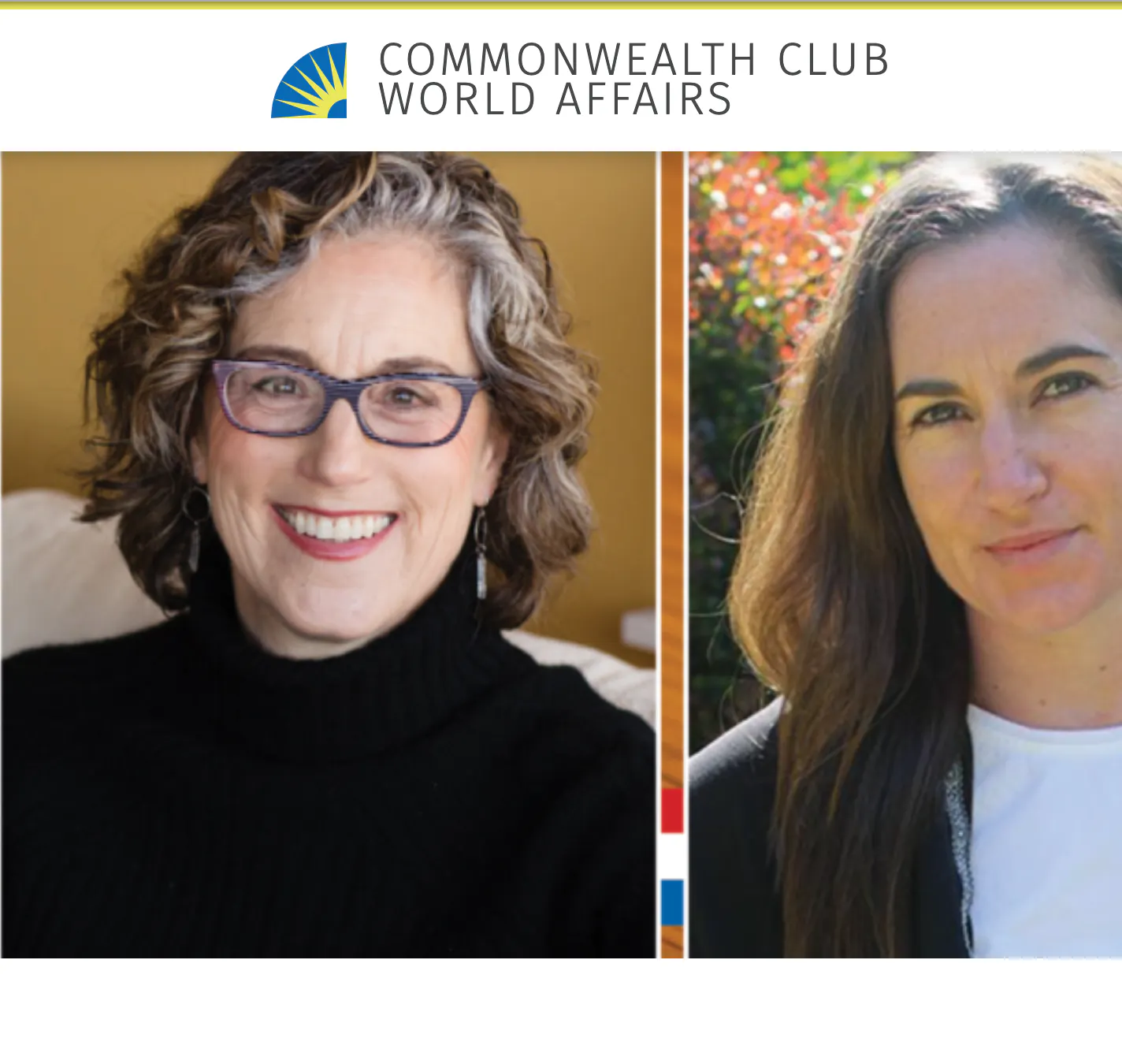
EPulitzer Prize finalist Louise Aronson returns to the Commonwealth Club World Affairs stage to discuss the enduring themes of her New York Times bestselling book, Elderhood, and what to expect in the aftermath of the 2024 presidential election. What are the practical and existential implications of aging in a political era defined by polarization and increasing instability? How can individuals look out for their health and families regardless of the election outcome? Aronson is joined by fellow writer Jenara Nerenberg, in a follow-up conversation from their first lively event together five years ago. Nerenberg is the celebrated author of Divergent Mind and a forthcoming book on the psychology of groupthink. About the Speakers Louise Aronson, MD MFA, is a leading geriatrician, writer, educator, professor of medicine at UCSF and the author Elderhood: Redefining Aging, Transforming Medicine, and Reimagining Life. A graduate of Harvard Medical School, Dr. Aronson currently runs the integrative aging practice and age self-care integrative medical group visit program at the UCSF Osher Center for Integrative Health. She has received the Gold Professorship in Humanism in Medicine, the California Homecare Physician of the Year award, and the American Geriatrics Society Clinician-Teacher of the Year award. Her writing credits include The New York Times, The Atlantic, The Washington Post, JAMA, Lancet, and the New England Journal of Medicine, and her work in aging has been featured on NPR, NBC, CBS, and The New Yorker. Jenara Nerenberg is the bestselling author of Divergent Mind, hailed as "extraordinary, jaw-dropping" by Library Journal; she is an Aspen Ideas Brave New Idea speaker and the author of a second forthcoming book on the psychology of groupthink. A celebrated writer covering the intersection of psychology and society, Jenara's work has been featured in the UC Berkeley Science Center's Greater Good magazine, Fast Company magazine, CNN, NPR, BBC and elsewhere. Nerenberg speaks widely on social science topics, including at universities, libraries, companies and organizations around the world. She is a graduate of UC Berkeley and the Harvard School of Public Health; she grew up in San Francisco and, as a millennial, can now be found on Instagram. Organizer: Denise Michaud A Grownups Member-led Forum program. Forums at the Club are organized and run by volunteer programmers who are members of The Commonwealth Club, and they cover a diverse range of topics. Learn more about our Forums. This program contains EXPLICIT language. Learn more about your ad choices. Visit megaphone.fm/adchoices
CLIMATE ONE: In the Eye of the Storm: TV Meteorologists Talk Climate
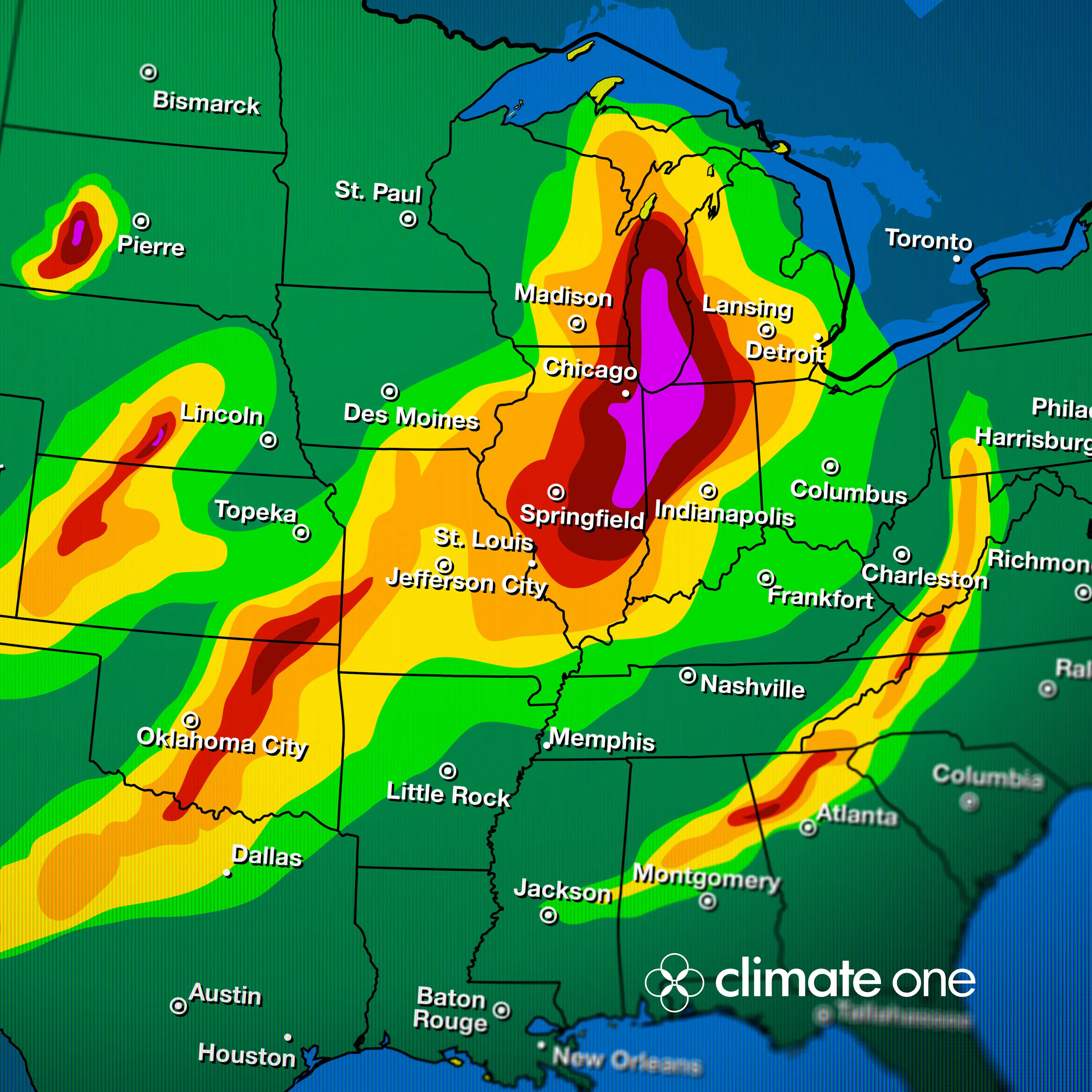
When it comes to communicating climate science, weathercasters are uniquely positioned to connect the facts to viewers’ experiences. TV meteorologists are trusted members of their communities, and they’re often the only scientists the general public hears from regularly. How they communicate can shape public understanding and depoliticize a topic that has become disturbingly divisive. But in some parts of the country, politics continues to get in the way of the facts. So how do weathercasters effectively communicate weather and climate information in a way that resonates across political lines? Guests: John Morales, Hurricane Specialist, WTVJ NBC6 Miami Bernadette Woods Placky, Climate Central Chief Meteorologist, Climate Matters Director; VP of Engagement Chris Gloninger, Senior Climate Scientist, Woods Hole Group, Inc. Amber Sullins, Chief Meteorologist, ABC15 Phoenix 🎟️ Join Climate One live in San Francisco on December 9 for our celebration of 2024 Schneider Award Winner Leah Stokes! Tickets are on sale now. Support Climate One by going ad-free! By subscribing to Climate One on Patreon, you’ll receive exclusive access to all future episodes free of ads, opportunities to connect with fellow Climate One listeners, and access to the Climate One Discord. Sign up today for just $5/month. For show notes and related links, visit our website. Learn more about your ad choices. Visit megaphone.fm/adchoices
Community Roast and Exit Interview with SF Pride Board President Nguyen Pham
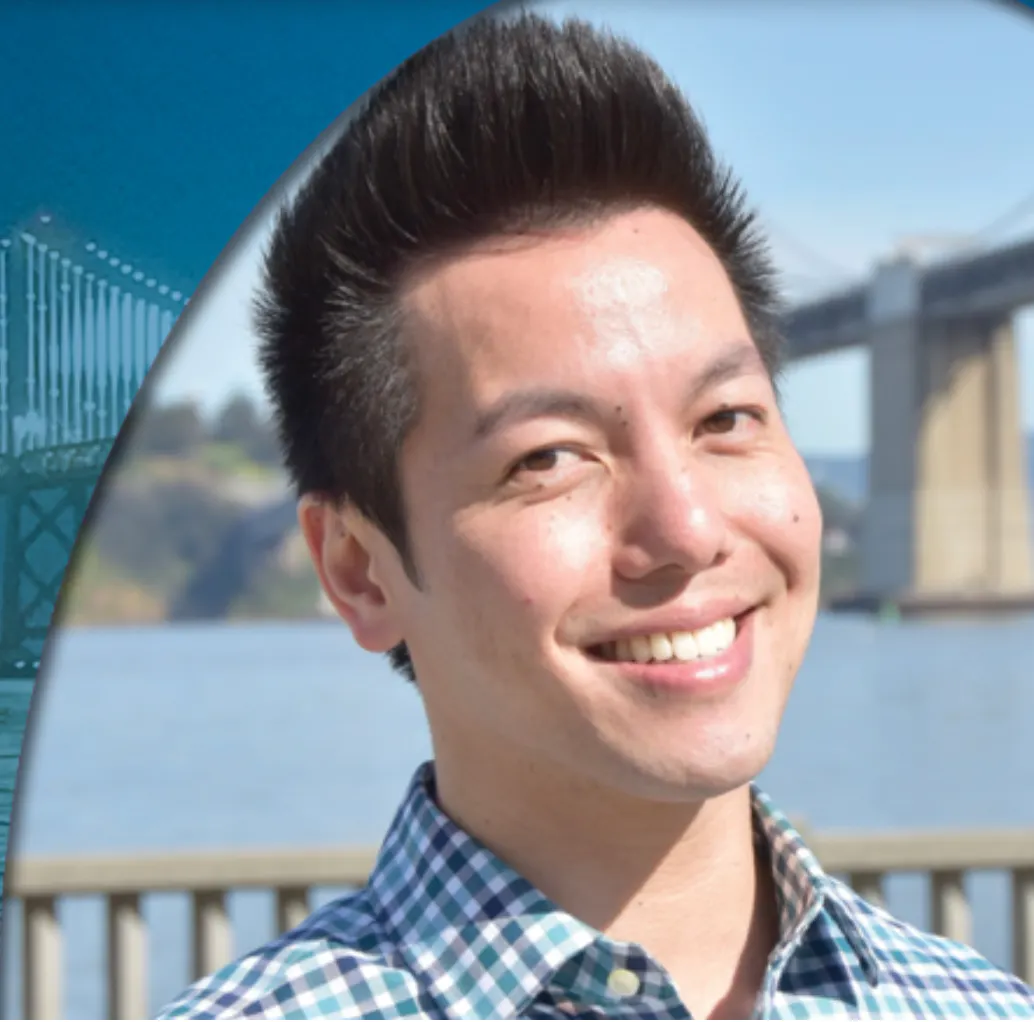
ECommonwealth Club World Affairs is pleased to host a special evening with SF Pride Board President Nguyen Pham. Nguyen finishes his last term with SF Pride this year, after serving for a total of 8 years on the board of SF Pride. As president emeritus of San Francisco Pride, a nonprofit that produces the SF Pride Celebration and Parade, Nguyen Pham has proudly led the iconic organization through pivotal moments in the modern LGBTQ+ equity movement. Prior to his election as president, he served as vice president and secretary of the organization, comprising a record eight consecutive years of board service. In 2019, he helped to produce the inaugural SF Pride Golf Tournament, SF Pride’s most lucrative board-led annual fundraiser to date. He continued that tradition with the tournament's sixth annual convening in 2024, which was a resounding success. Nguyen is also director of philanthropy at Frameline, a San Francisco-based arts organization aimed at changing the world through the power of LGBTQ+ cinema. In 2024, Nguyen became the first person of color as well as the first openly LGBTQ+ president of the Mensa Foundation, a charitable organization working to unleash intelligence for the benefit of humanity. Additionally, he is in his 23rd consecutive year as a performer with CHEER San Francisco, the Official Cheer Team of the City and County of San Francisco, and an all-volunteer nonprofit performance group that raises charitable funds globally for community members facing life-challenging conditions. Adding to his overloaded plate, Nguyen produces and emcees local and national events on a pro bono basis to raise charitable funds for numerous nonprofits. A proud Bay Area native, Nguyen earned his BA from UC Berkeley and his MBA from San Francisco State University. Join us for a fun and informative talk with Nguyen Pham. See more Michelle Meow Show programs at Commonwealth Club World Affairs of California. THIS PROGRAM CONTAINS EXPLICIT CONTENT. Learn more about your ad choices. Visit megaphone.fm/adchoices
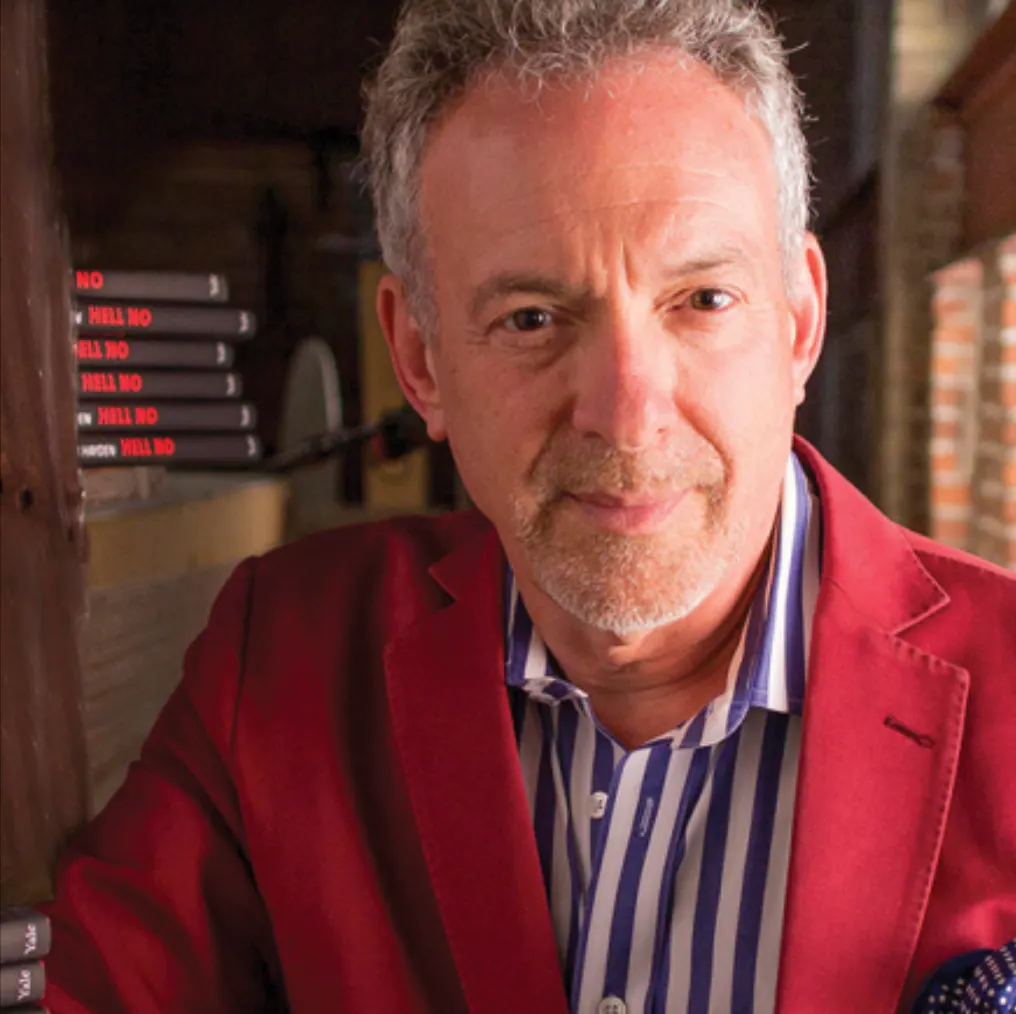
Steve Wasserman: Tell Me Something, Tell Me Anything
In this post-print age, does the written word still hold power? During his decades-long career in publishing, Steve Wasserman has worn nearly every possible hat in the industry—editor, agent, reviewer, literary festival co-founder, publisher—serving as a midwife to the art and ideas of some of the most influential cultural juggernauts of recent decades, from Linda Ronstadt to the late Christopher Hitchens. This fall, this literary tastemaker joins us in his new role as an author to discuss the provocative people and events in his new memoir, Tell Me Something, Tell Me Anything, Even If It’s a Lie. Hear Wasserman’s hot takes, ranging from the frontlines of progressive politics to the higher gossip of the literati. The intellectual terrain within his orbit is as capacious as its geography—with deep-dives into the readerly culture of Los Angeles to the art of the Russian avant-garde and featuring cameos from a constellation of extraordinary cultural figures—Susan Sontag, Orson Welles, Barbra Streisand, and Gore Vidal among them. With his trademark wit, Wasserman reflects on the vitality of activism, journalism, and the world of books. As a man of letters presiding over the twilight of the Age of Print, he interrogates the hegemony of Amazon, the collapse of newspapers, and the consequences of both for our civic discourse. Learn about his life lived on the crest of major cultural turning points for both medium and message. See why, throughout all of the highlights and lowlights, Wasserman has maintained a stalwart conviction of the transformative potential of the written word. Organizer: George Hammon A Humanities Member-led Forum program. Forums at the Club are organized and run by volunteer programmers who are members of The Commonwealth Club, and they cover a diverse range of topics. Learn more about our Forums. This program is part of our Good Lit series, underwritten by the Bernard Osher Foundation. Learn more about your ad choices. Visit megaphone.fm/adchoices
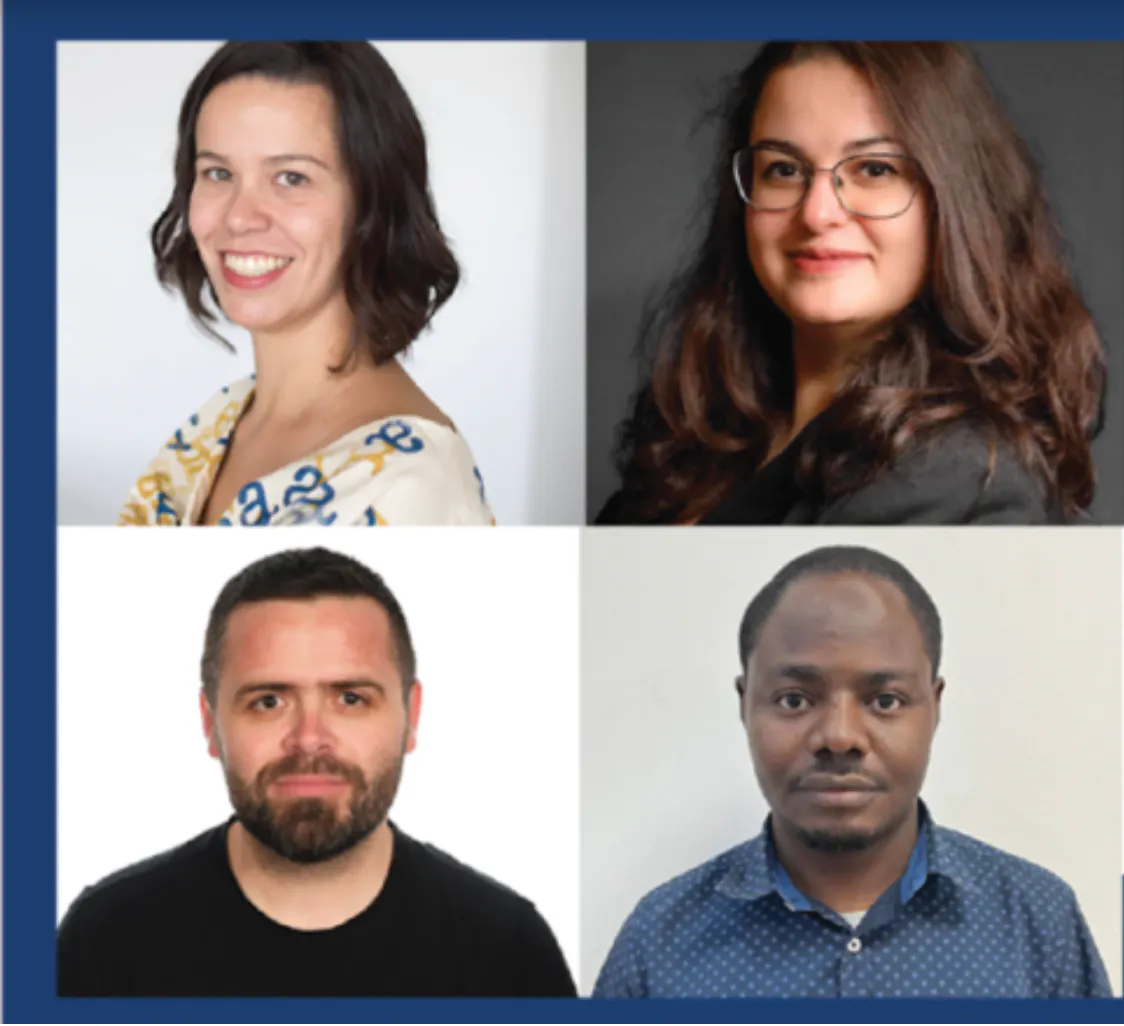
Global Glare: U.S. Elections Through the Eyes of International Journalists
In a world in which elections are shaping the future of more than half the planet’s population, 2024 stands out as a pivotal year for global democracy. But how do international journalists see America’s electoral landscape, and why does it matter so deeply to their home countries? Join an insightful conversation, hosted by Commonwealth Club World Affairs and the World Press Institute, featuring journalists from Brazil, Bulgaria, Finland, India, Italy, Kosovo, Nigeria, Peru, South Africa and Ukraine. They’ll draw on their experiences covering their own national elections to offer fresh perspectives on U.S. politics. This discussion will explore common themes in election reporting across borders, highlighting the lessons learned from home that shape their views of American democracy. These journalists will also shed light on how U.S. elections reverberate globally, influencing political trends and media coverage in their own countries. At a time when democracy is at a crossroads, join us for an international look at how the world views America’s most defining political event. World Press Institute was founded in 1961. WPI has been the premier organization in the United States providing international journalists with the opportunity to broadly investigate the country—its values, traditions of a free press, institutions, customs, regions, and peoples. WPI now has more than 600 alumni from 100 different countries around the globe. Organizer: Frank Price An International Relations Member-led Forum program. Forums at the Club are organized and run by volunteer programmers who are members of The Commonwealth Club, and they cover a diverse range of topics. Learn more about our Forums. Presented by Commonwealth Club World Affairs and the World Press Institute. Learn more about your ad choices. Visit megaphone.fm/adchoices

CLIMATE ONE REWIND: Artificial Intelligence, Real Climate Impacts
Artificial intelligence can do some pretty amazing things, including for the climate. AI can help optimize the electric grid, make heating and cooling buildings more efficient, and pinpoint exactly where greenhouse gas emissions are coming from all around the world. On the other hand, the energy use of AI is massive and growing. A recent study estimates that in just a few years, the extra energy needed will equal whole countries the size of Sweden or Argentina. How do we make sure the benefits of AI outweigh its energy costs? Guests: Karen Hao, Contributing Writer, The Atlantic Gavin McCormick, Cofounder and Executive Director, WattTime; Cofounder, Climate TRACE Priya Donti, Assistant Professor, MIT; Co-founder and Chair of Climate Change AI Amy McGovern, Professor of Computer Science, University of Oklahoma 🎟️ Join Climate One live in San Francisco on December 9 for our celebration of 2024 Schneider Award Winner Leah Stokes! Tickets are on sale now. Support Climate One by going ad-free! By subscribing to Climate One on Patreon, you’ll receive exclusive access to all future episodes free of ads, opportunities to connect with fellow Climate One listeners, and access to the Climate One Discord. Sign up today for just $5/month. This episode originally aired on April 19, 2024. For show notes and related links, visit our website. Learn more about your ad choices. Visit megaphone.fm/adchoices
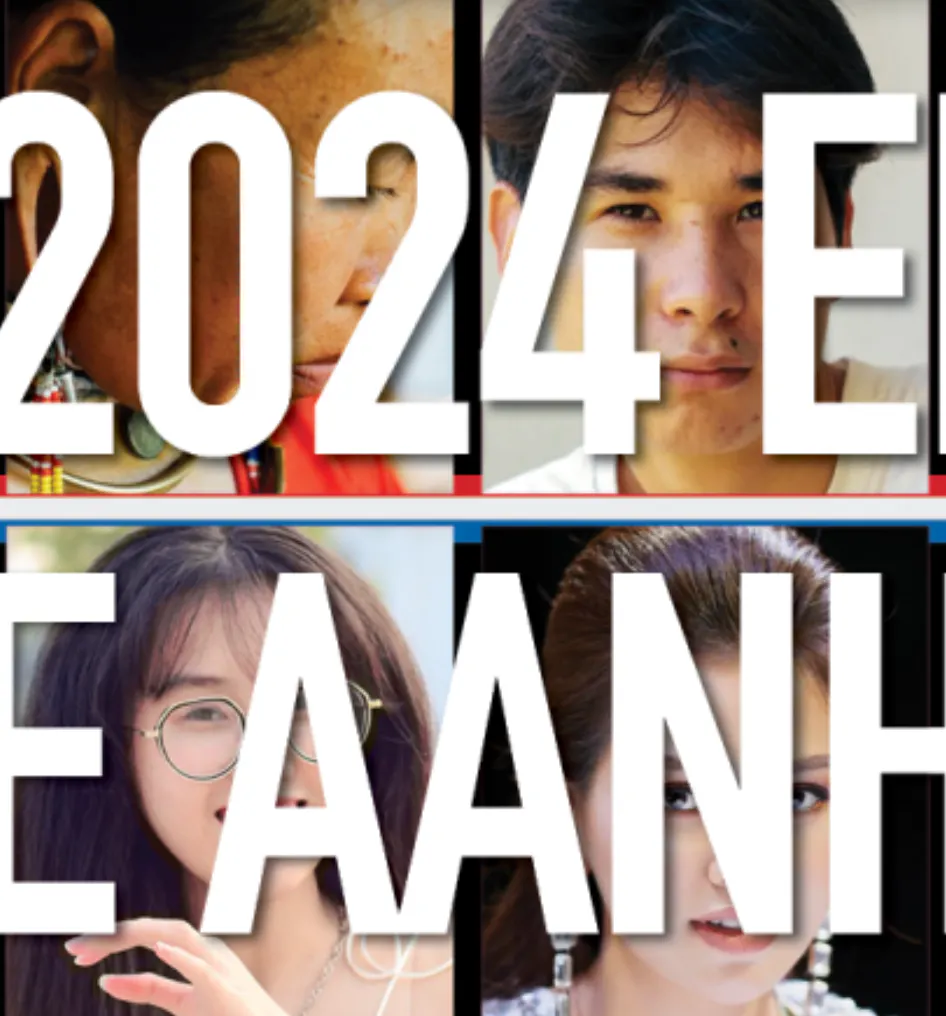
The 2024 Election and the AANHPI Vote
According to APIA Vote and TargetSmart, Asian American, Native Hawaiian and Pacific Islanders have had the largest increase in voter registration of any racial group in the country from January to June, compared to the same time back in 2020. This statistic alone is enough to expect AANHPI voters to have an impact on this year's election—whether local, statewide or federal. Join us for a conversation to understand the issues that are important to AANHPI voters as they cast their votes, some for the very first time, in this election. Learn more about your ad choices. Visit megaphone.fm/adchoices
Educating During Turbulent Times
Schools throughout the country have been roiled by unrest as they have struggled to navigate the passions and provocations ignited by political controversies at home and violent conflicts around the world. Confronted with protests, accusations of impropriety, and increased scrutiny of their methods and motives, school officials have contended with questions about how best to prioritize freedom of expression and allow access to a wide array of knowledge and opinions, while ensuring student safety and fostering trust and respect. Now, as we begin a new academic year with an acrimonious election season in full swing and violence continuing around the globe, many educators are understandably concerned about their responsibilities, their rights and the risks involved in teaching during such a turbulent time. But some also see this as a unique opportunity to reinforce the core tenets of education in a democracy by transcending fear and using real-world conflict to directly involve students in the hard work of learning how to think critically, act ethically, and exist in community with people whose values and opinions may differ from their own. How should we respond? Don’t miss this important conversation, as our panel of deeply experienced educators explores the impact on youth, society, and ourselves when we do—and do not—allow young people to grapple with the complexities of controversial issues as a part of their education. We especially invite educators and students to join us. Please come early to enjoy a reception before the program, with complimentary wine, soft drinks and light snacks. This program is part of the annual Back-to-School series from Creating Citizens, the civics education initiative at Commonwealth Club World Affairs. Learn more about your ad choices. Visit megaphone.fm/adchoices
A Nature Positive San Francisco Future: What's Good SF! Series
Join us for the third installment of the "What's Good, SF!” series as we delve into the future of San Francisco and how sustainability, biodiversity and access to nature can help us flourish. From navigating climate change to improving public health, how we shape and integrate our natural world is critical—holding immense potential to support our people, places and ecosystems. A thought-provoking discussion will bring together visionary civic leaders who are reimagining how our city can evolve to become a thriving, eco-friendly metropolis. From brand new partner collaborations like Reimagining SF to ambitions for accessible nature woven into our urban fabric, discover the plans and aspirations for nature’s place in the revitalization of San Francisco. Don't miss this opportunity to be part of the conversation on how San Francisco can lead the way in creating a sustainable, vibrant, and inclusive future for the whole city. "What's Good, SF!” is a compelling series delving into the post-pandemic revitalization of San Francisco. Through three insightful programs, the series navigates the city's landscape of opportunity and challenge. Join us as we uncover the stories of resilience, adaptation and transformation that define San Francisco's journey toward a new, vibrant and sustainable future. Part 1: Future of Downtown Part 2: People Power & Service This program is generously supported Levi Strauss & Co. Learn more about your ad choices. Visit megaphone.fm/adchoices
'Hollywoodgate' Film Screening and Q&A
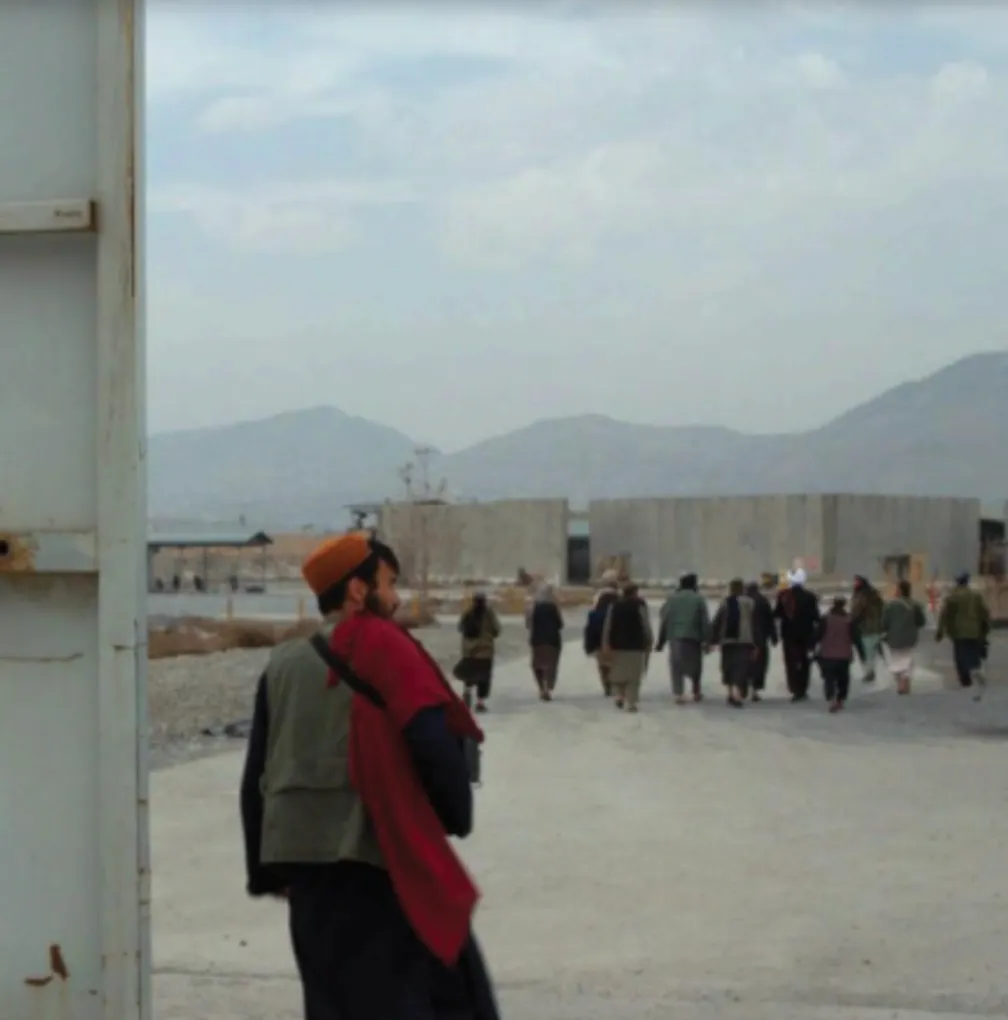
Not since the fall of Saigon has a U.S. evacuation proven so devastating and controversial as the one that ended U.S. involvement in Afghanistan. The documentary Hollywoodgate picks up where the rest of the world left off, in the immediate aftermath of the United States’ chaotic withdrawal from Afghanistan in August 2021. Days after the last U.S. plane leaves Afghan soil, the Taliban—now in control of the country—enter an American base in Kabul called Hollywood Gate, reputed to have been a secret CIA station. There they find a portion of the more than $7 billion in sophisticated American weaponry left in the country: numerous small arms and munitions, jet fighters, Black Hawk helicopters, and other military equipment. Much of it is damaged, but the base is also equipped with many of the parts needed to fix it. Director Ibrahim Nash’at’s unprecedented and audacious Hollywoodgate bears witness as the new head of Afghanistan’s air force, Mawlawi Mansour—a Taliban whose father was killed by the Americans—orders his soldiers to inventory everything and repair all they can. The men go to work restoring the weaponry and training themselves to use it. Among them is Mukhtar—a former Taliban fighter now aiming to build a high-ranking military career—who dreams of avenging the war. Following the screening of Hollywoodgate, we’ll have a Q&A with director Ibrahim Nash’at and producer Shane Boris. Learn more about your ad choices. Visit megaphone.fm/adchoices
CLIMATE ONE REWIND: What More Can I Do?
If you’re a climate-conscious person, you likely already know some of the main ways you can reduce your contribution to greenhouse gasses: buy less, eat less meat, ride your bike. But there are other, less obvious methods we don’t always think of: voting, having climate conversations, engaging with your local government, changing where your money is invested. And while our role as individuals does matter, we’re more powerful when we work together in collective action. Guests: Jon Foley, Executive Director, Project Drawdown Eliza Nemser, Executive Director, Climate Changemakers This episode also features excerpts from Cory Booker, Anna Lappé, Frances Moore Lappé, Saul Griffith, Monique Figueiredo, Jonathan Chapman, Jennifer Anderson, Tanya Gulliver Garcia, Vernon Walker, Abrar Anwar, Slater Jewell-Kemker, Kyle Gracey and Alec Loorz. 🎟️ Join Climate One live in San Francisco on December 9 for our celebration of 2024 Schneider Award Winner Leah Stokes! Tickets are on sale now. Support Climate One by going ad-free! By subscribing to Climate One on Patreon, you’ll receive exclusive access to all future episodes free of ads, opportunities to connect with fellow Climate One listeners, and access to the Climate One Discord. Sign up today for just $5/month. For show notes and related links, visit our website. Learn more about your ad choices. Visit megaphone.fm/adchoices
"Michael Mina: My Egypt, Cooking From My Roots
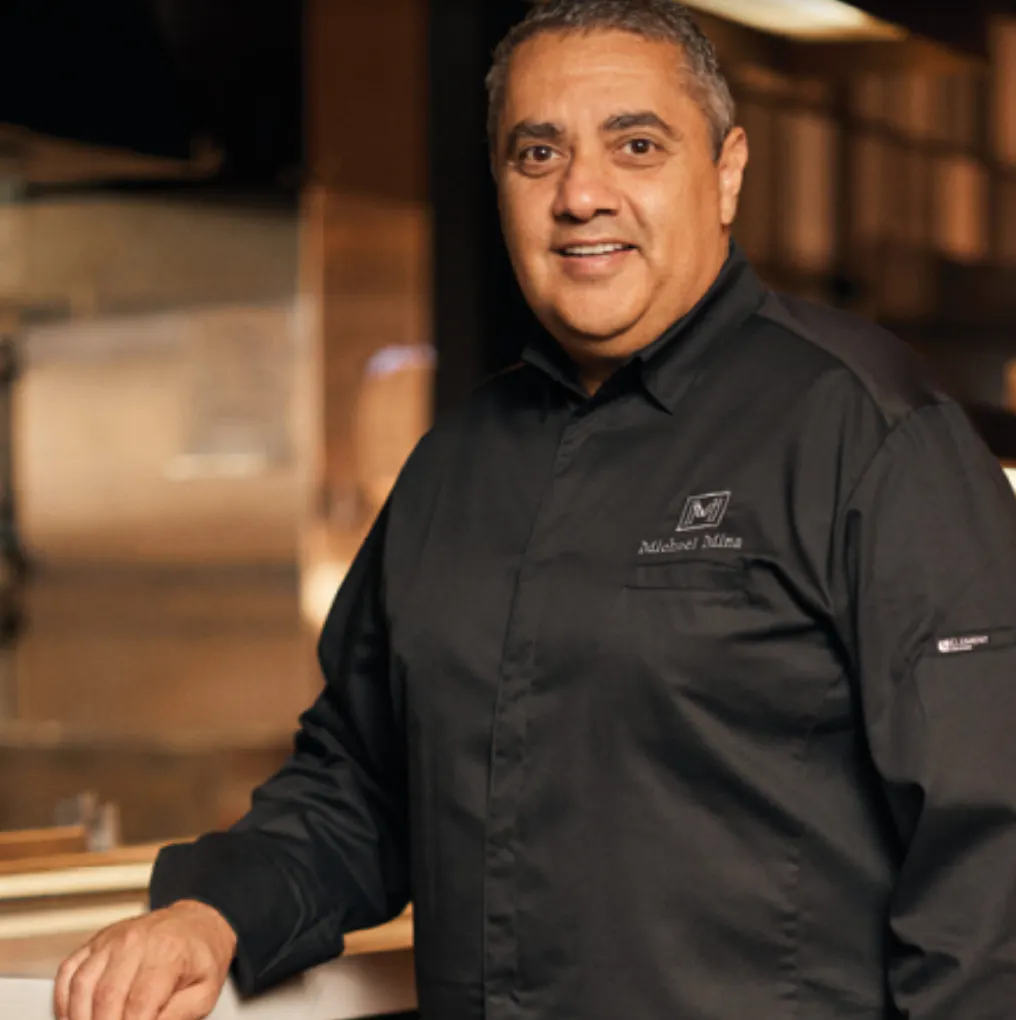
Join us for a lively conversation with a lauded chef operating at the top of his game, triumphantly returning to his roots and sharing a lifetime of recipes that capture the flavor and energy of Egypt. Growing up in a Middle Eastern household gave Michael Mina an innate understanding of how to cook with spice and use acidity to amp up flavors. But when he started working in restaurants, Mina went out of his way to cook everything but the Egyptian food he had grown up with. His family had left Cairo for the United States when he was two years old, and he felt the need to assimilate to thrive. Decades later, after making his name as a technique-driven California chef and opening dozens of acclaimed restaurants, Mina looked back to what got him excited to cook in the first place: dishes like his mom’s ta’ameya, or Egyptian falafel, and tables heavy with dips and spreads at family barbecues. Thus began years of travel back to Egypt and a new story in his cuisine. He’ll draw on stories from his new book My Egypt, taking us to contemporary Cairo and Alexandria to share the foundations of Egyptian cooking and hospitality, from the traditional breakfast of ful medames to the streetside meal of baladi bread stuffed with spiced hawawshi. Hungry to learn more? Join us in-person or online. This program is part of our Good Lit series, underwritten by the Bernard Osher Foundation. Learn more about your ad choices. Visit megaphone.fm/adchoices

"Charging Forward: Lithium Valley, Electric Vehicles and a Just Future
California’s Salton Sea region is home to some of the worst environmental health conditions in the country. Recently, however, it has also become ground zero in the new “lithium gold rush”—the race to power the rapidly expanding electric vehicle and renewable energy storage market. The immense quantities of lithium lurking beneath the surface have led to predictions that the region could provide a third of global demand. But who will benefit from the development of this precious resource? Join us as Chris Benner and Manuel Pastor, authors of the new book Charging Forward, show that the questions raised by Lithium Valley lie at the heart of the “green transition.” They weave together movement politics, federal policy, and autoworker struggles, stressing that getting the lithium out from under the earth is just a first step: the real question is whether the region and the nation will get out from under what they say has been the environmental degradation, labor exploitation, and racial injustice that have been as much a part of the landscape as the Salton Sea itself. What happens in Lithium Valley, the authors argue, will not stay there. This tiny patch of California is a microcosm of the broad climate challenges we face; Benner and Pastor argue that understanding Lithium Valley today is the key to grasping the future of our economy and our planet. About the Speakers Chris Benner is the director of the Institute for Social Transformation and the Everett Program for Technology and Social Change at UC Santa Cruz, where he is also the Dorothy E. Everett Chair in Global Information and Social Entrepreneurship and a professor of environmental studies and sociology. He has co-authored five books with Manuel Pastor, including Equity, Growth, and Community: What the Nation Can Learn From America’s Metro Areas and Solidarity Economics: Why Mutuality and Movements Matter. He lives in Santa Cruz, California. Manuel Pastor is the director of the Equity Research Institute at the University of Southern California, where he is also a distinguished professor of sociology and American studies and ethnicity. He is the inaugural holder of the Turpanjian Chair in Civil Society and Social Change. He has co-authored five books with Chris Benner, including Charging Forward: Lithium Valley, Electric Vehicles, and a Just Future. Pastor is also the author of State of Resistance: What California’s Dizzying Descent and Remarkable Resurgence Mean for America’s Future. He lives in Los Angeles. Organizer: Andrew Dudley A People & Nature Member-led Forum program. Forums and chapters at the Club are organized and run by volunteer programmers who are members of Commonwealth Club World Affairs, and they cover a diverse range of topics. Learn more about our Forums. Learn more about your ad choices. Visit megaphone.fm/adchoices
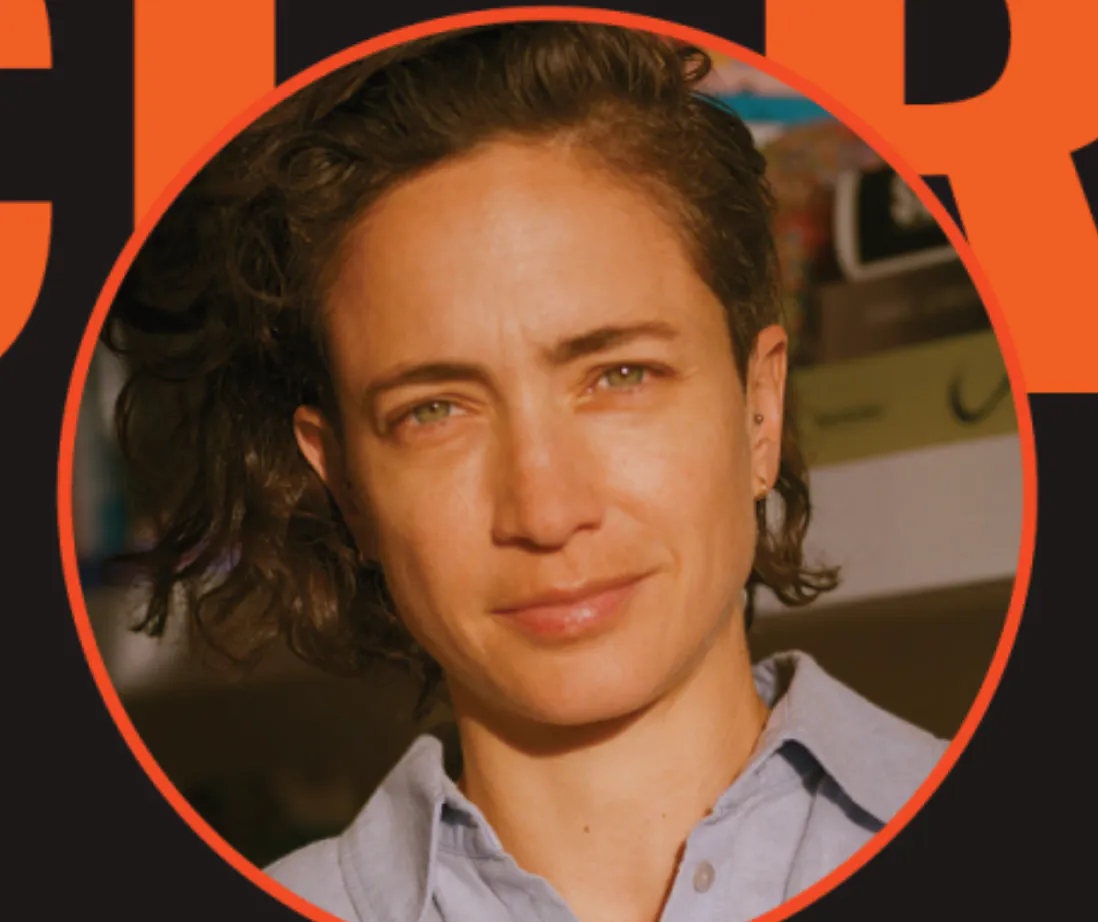
Paola Ramos: The Rise of the Latino Far Right and What It Means for America
Democrats have historically relied on the Latino vote, but recent elections have called that loyalty into question. In fact, despite his vociferous anti-immigrant rhetoric and controversial border policies, Trump won a higher percentage of the Latino vote in 2020 than he did in 2016. Now, journalist Paola Ramos pulls back the curtain on these voters, traveling around the country to uncover what motivates them to vote for and support issues that many liberals believe are at odds with their self-interest. From underdog GOP candidates, January 6th insurrectionists, evangelical pastors and culture war crusaders, Ramos met people aiming to influence this rightward shift. Ramos explores how tribalism, traditionalism, and political trauma within the Latino community has been weaponized to radicalize and convert voters who, like many of their white counterparts, are fearful of losing their place in American society. She met Monica de la Cruz, a Republican congresswoman from the Rio Grande Valley who won on a platform centered on finishing “what Donald Trump started” and pushing the Great Replacement Theory; David Ortiz, a Mexican man who refers to himself as a Spaniard and opposed the removal of a statue of a Spanish conquistador in New Mexico; Luis Cabrera, an evangelical pastor pushing to “Make America Godly Again;” Anthony Aguero, an independent journalist turned border vigilante; and countless other individuals and communities that make up the rising conservative Latino population. Join us in-person or online to hear from an award-winning journalist who will share her deeply reported exploration of how one of America's most powerful and misunderstood electorates may come to define the future of American politics. Learn more about your ad choices. Visit megaphone.fm/adchoices
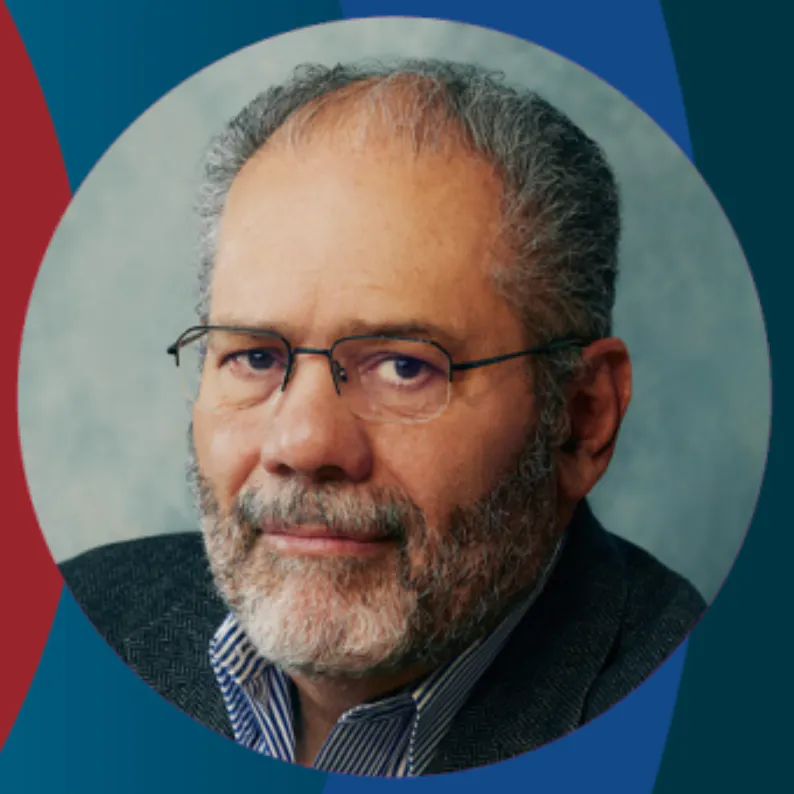
"October Surprise": What Could Derail Harris and Trump?
EWe're entering the final days of the 2024 presidential election, but a lot can change in a few weeks. Historically, several presidential contests have been upended in October. Coined the "October Surprise," for decades candidates have been tested at the finish line... and many have faltered. In 2016, the "Comey Letter" damaged Hillary Clinton's favorability, and in 2020, Hunter Biden's discovered laptop threatened to derail Joe Biden. In both of these elections, Donald Trump was trailing in the polls-as he is now with Kamala Harris-so could a last-second surprise ensure victory for Trump? On Tuesday, October 15, join us for a panel conversation about the final weeks of the 2024 presidential election, and what our political experts expect to see on election day, November 5. We'll hear from Rachel Bitecofer, political scientist, pollster, and election forecaster turned political strategist; Jonathan M. Metzl, professor of sociology and psychiatry and the director of the Department of Medicine, Health, and Society at Vanderbilt University; and Tara Setmayer, cofounder and chief executive officer of The Seneca Project, who will join Ray Suarez to discuss the state of the race. This program contains EXPLICIT language. Learn more about your ad choices. Visit megaphone.fm/adchoices

CLIMATE ONE: How To Dance With China
In the last two decades, China has made big commitments to renewable energy — and it’s delivered. Last year, China installed more solar panels than the U.S. has in its history. Solar panel exports increased 38%, and lower prices have all but killed solar manufacturing in the U.S. and EU. Chinese company BYD recently surpassed Tesla as the world's largest EV maker — with cars at just a fraction of the cost. This has leaders in the West fretting about competition, but isn’t this good news for the planet? How do we balance competition with global climate progress? Guests: Emily Feng, International Correspondent, NPR Alex Wang, Professor, UCLA School of Law; Co-Director; Emmett Institute on Climate Change and the Environment James Sallee, Professor, Resource Economics, University of California, Berkeley 🎟️ Join Climate One live in San Francisco on December 9 for our celebration of 2024 Schneider Award Winner Leah Stokes! Tickets are on sale now. Support Climate One by going ad-free! By subscribing to Climate One on Patreon, you’ll receive exclusive access to all future episodes free of ads, opportunities to connect with fellow Climate One listeners, and access to the Climate One Discord. Sign up today for just $5/month. For show notes and related links, visit our website. Learn more about your ad choices. Visit megaphone.fm/adchoices