Commonwealth Club of California Podcast
2,450 episodes — Page 9 of 49
March 11, "Week to Week Politics Roundtable: March 11, 2025
Join us for the latest edition of our Week to Week political roundtable. We're two months into the new administration in Washington, new leadership in San Francisco and elsewhere. Join us for some insight into the people, trends and topics driving the political news of the day. Enjoy and learn as our panel of political experts explains what happened and what to expect, and answers your questions. See other upcoming Week to Week political roundtables, as well as audio and video of past Week to Week programs. Learn more about your ad choices. Visit megaphone.fm/adchoices
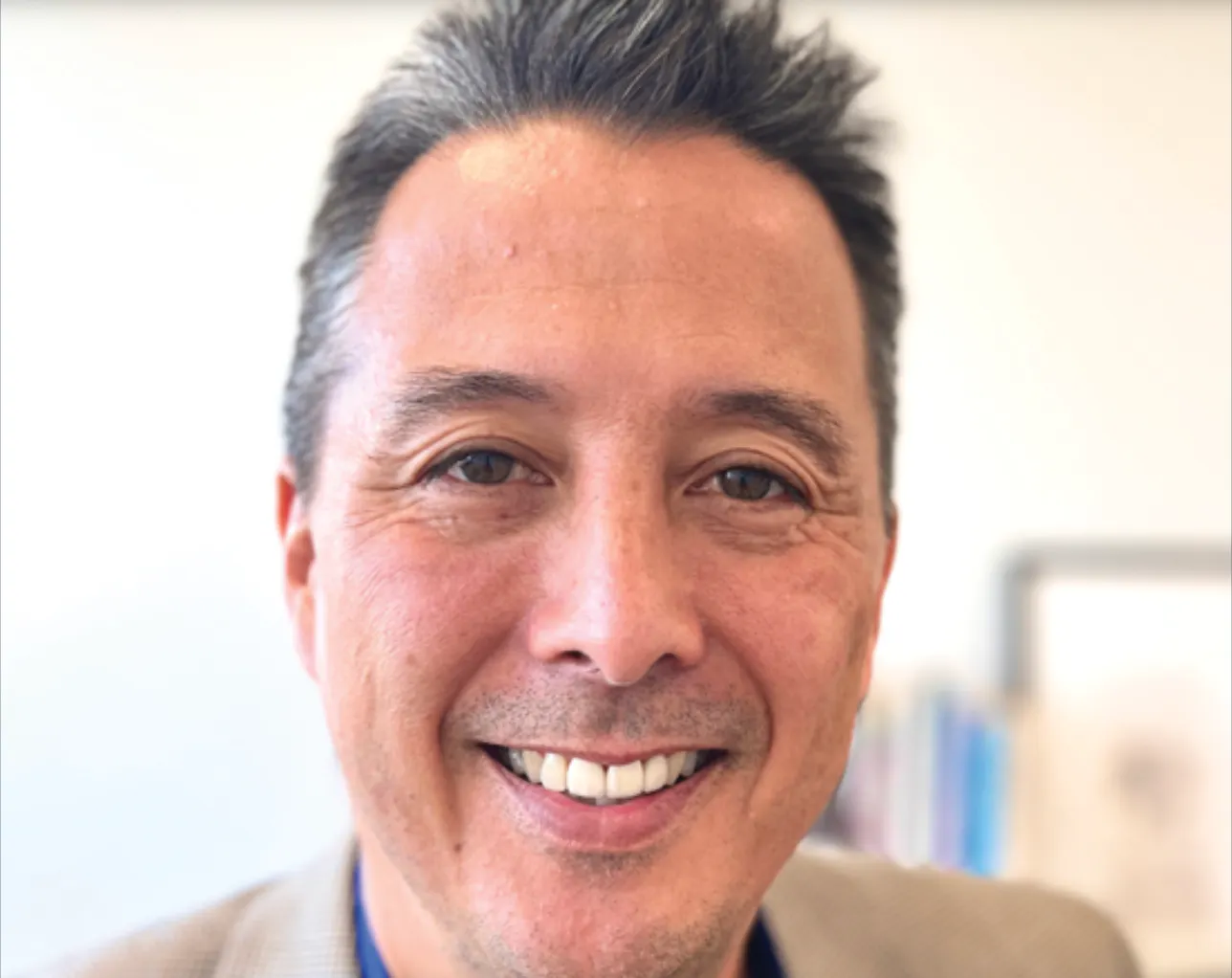
False Beliefs in a Post-Truth World: Psychological Causes and Antidotes
EWhy is the human brain so vulnerable to false beliefs and conspiracy theories despite evidence to the contrary? And what can be done to protect ourselves, our families, and society from our collective propensity to fall into these seductive traps? Dr. Joe Pierre, health sciences clinical professor at UCSF and a specialist in delusions and delusion-like beliefs, will be returning to the Club to discuss these issues with us. His first talk on the topic, a few years ago, was a sold-out, extremely informative success, so we asked him to return for a deeper look into the personal and societal effects of mistrust, misinformation, and motivated reasoning. Equally important, he is going to outline how we can avoid the pitfalls of acting on false beliefs, both as individuals and as a society. So if you've been puzzled by how "otherwise-intelligent" friends and relatives have fallen into the trap of a false belief, or if you're searching for a way to reach out to someone who has fallen for one, or if you're wondering how society can defend itself, join us for this event and discussion. We'll learn why "just the facts" doesn't usually work, and we'll learn how to view our ideological opponents with compassion while still vigorously defending society. Organizer: Eric Siegel A Personal Growth Member-led Forum program. Forums at the Club are organized and run by volunteer programmers who are members of The Commonwealth Club, and they cover a diverse range of topics. Learn more about our Forums. This program contains EXPLICIT language. Learn more about your ad choices. Visit megaphone.fm/adchoices
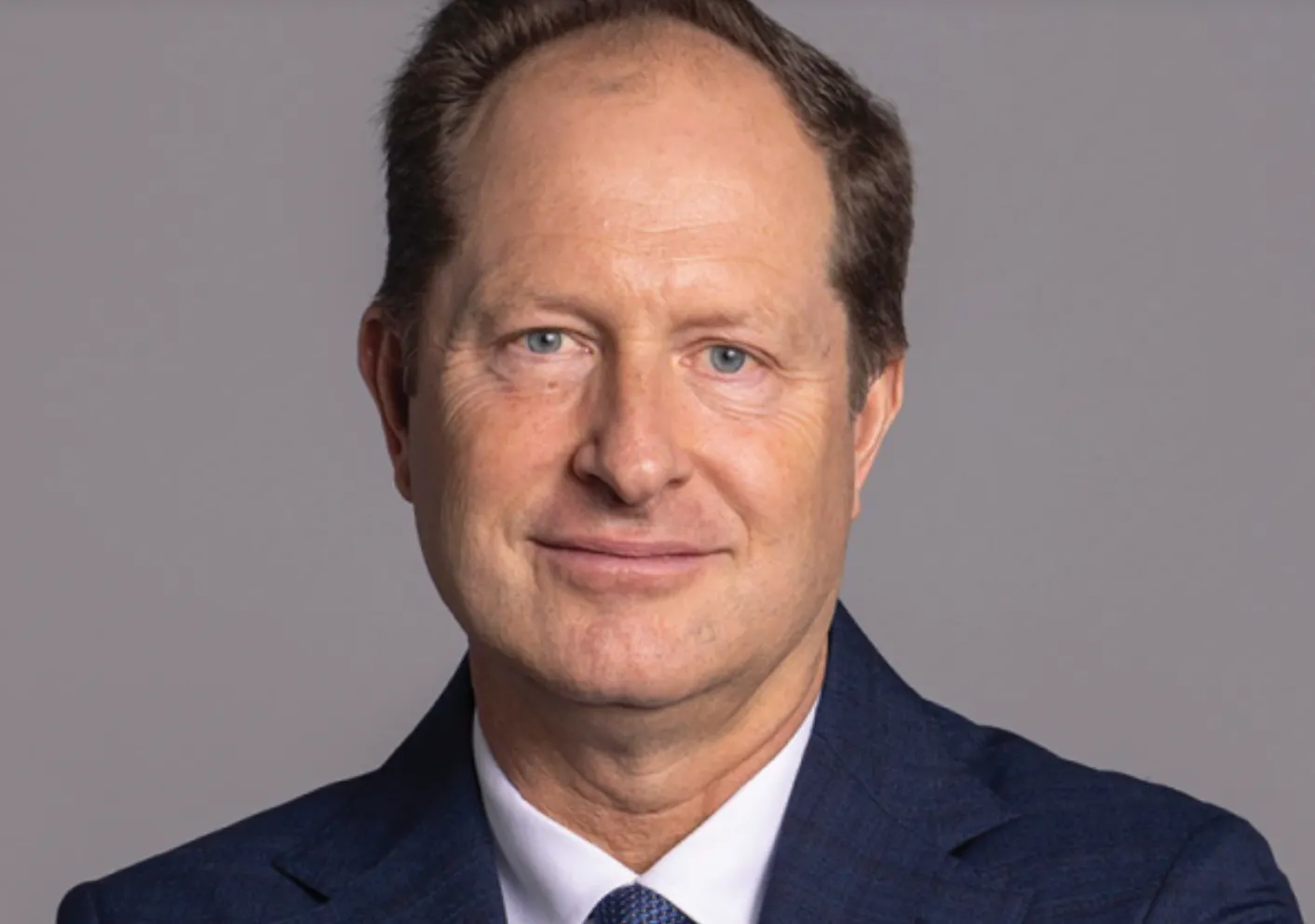
Former Ambassador Mark Brzezinski: The U.S., Poland and the Heart of Europe
In 1991–93, Mark Brzezinski was a Fulbright Scholar in newly post-communist Poland. Thirty years later he returned as the U.S. ambassador to Poland, a country embedded in the EU and NATO, and an ally deeply involved in providing support for Ukraine following Russia’s invasion of that country. Join us for an in-depth conversation with Brzezinski about Poland, Vladimir Putin, Ukraine, Germany, the European Union and more. Mark Brzezinski has worked in the private sector and in government positions. He previously was U.S. ambassador to Sweden, served on President Clinton’s National Security Council staff, worked in the law and capital management industries. He will be in conversation with Abraham Sofaer, the George P. Shultz Fellow in Foreign Policy and National Security Affairs, Emeritus. Learn more about your ad choices. Visit megaphone.fm/adchoices

CLIMATE ONE: Making Cents Out of Watts: What’s Driving Up Your Energy Bills?
A third of Americans say that they've skipped food, medicine, or something else to be able to afford their energy bills. Much of the increase in the cost of electricity is driven by rising demand from artificial intelligence and data centers, industrial onshoring and hotter temperatures. How does your electricity bill get calculated, and who’s in charge of setting those rates? Does public power serve consumers better than investor-owned utilities? And will rising electricity prices dampen the transition to cleaner sources of energy? Guests: Shelley Welton, Professor of Law and Energy Policy, University of Pennsylvania Severin Borenstein, Professor, Haas School of Business, UC Berkeley Kevin Miller, Reporter, Maine Public Radio On March 24, Google’s Chief Sustainability Officer Kate Brandt and Irina Raicu, Director of the Internet Ethics Program at the Markkula Center, will speak with Climate One about the development of sustainably powered artificial intelligence. Tickets are on sale through our website. And on April 22 and 24, Climate One will once again be hosting a series of SF Climate Week events at The Commonwealth Club! Join us for conversations with environmental luminaries such as Margaret Gordon, Jenny Odell, Project Drawdown, Grist, and Abby Reyes. Tickets are on sale now. Support Climate One by going ad-free! By subscribing to Climate One on Patreon, you’ll receive exclusive access to all future episodes free of ads, opportunities to connect with fellow Climate One listeners, and access to the Climate One Discord. Sign up today. For show notes and related links, visit our website. Ad sales by Multitude. Contact them for ad inquiries at multitude.productions/ads Learn more about your ad choices. Visit megaphone.fm/adchoices
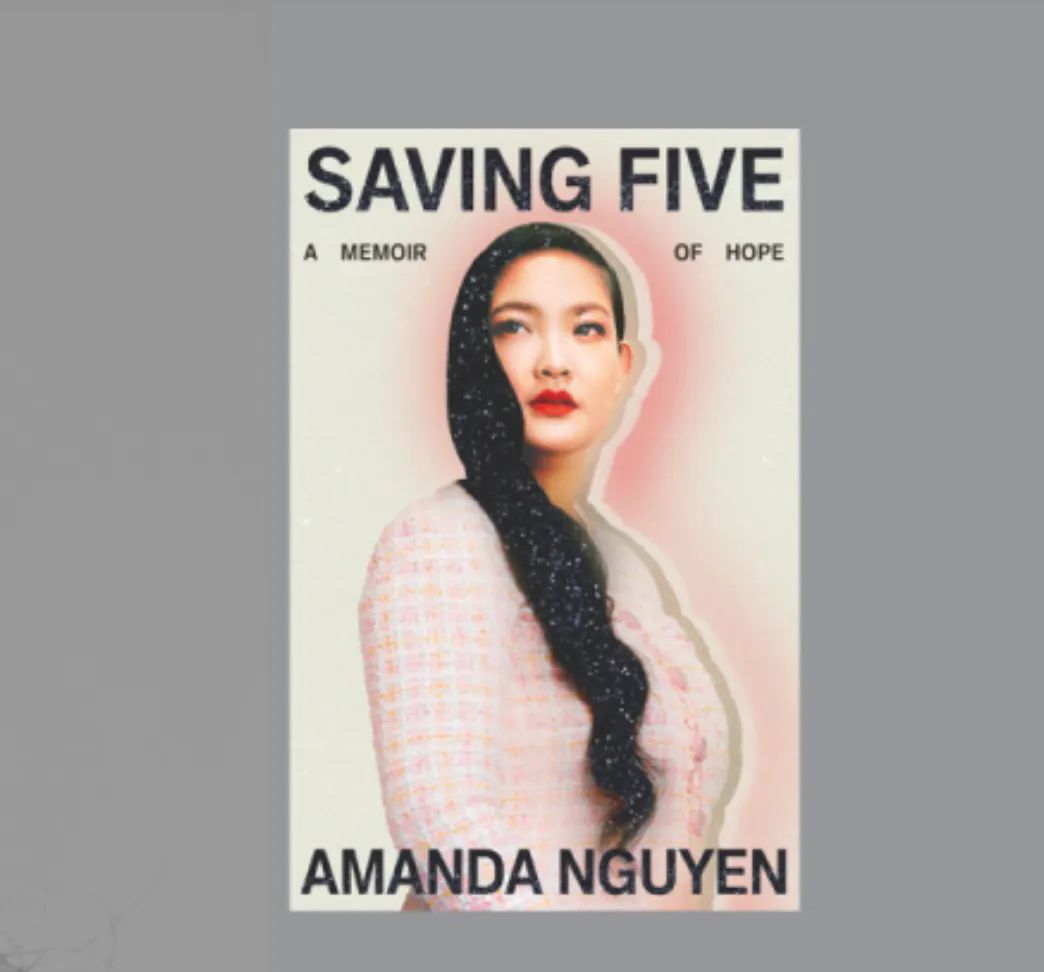
Amanda Nguyen: Saving Five, A Memoir of Hope
In 2013, the trajectory of Amanda Nguyen’s life was changed forever when she was raped at Harvard. Determined to not let her assault derail her goal of joining NASA after graduation, Nguyen opted for her rape kit to be filed under “Jane Doe.” But she was shocked to learn her choice to stay anonymous gave her only six months to take action before the state destroyed her kit, rendering any future legal action impossible. Nguyen knew then that she had two options: surrender to a law that effectively denied her justice, or fight for a change―not only for herself but for survivors everywhere. She comes to Commonwealth Club World Affairs to discuss the issues raised in her memoir of survival and hope, Saving Five, which braids the story of Nguyen’s activism―which resulted in Congress’s unanimous passage of the Sexual Assault Survivors’ Rights Act in 2016―with a second imagined adventure, of Nguyen's younger selves as they―at ages 5, 15, 22, and 30―navigate through dramatic incarnations of the emotional stages of her path toward healing, not only from her rape but from the violent turmoil of her childhood. Nguyen did go on to work at NASA and other scientific institutions, and in 2024, private space company Blue Origin announced that Nguyen would be the first Vietnamese woman to fly into space on one of its upcoming missions. Additionally, Nguyen ignited the Stop Asian Hate movement and continues to help others through Rise, her civil rights accelerator. For her groundbreaking contributions she was nominated for the 2019 Nobel Peace Prize and is a 2022 Time Woman of the Year. Our program will begin with an introduction by Rowena Chiu, a former assistant to Harvey Weinstein. In 1998, she was sexually assaulted by him at the Venice Film Festival, and was coerced into signing a non-disclosure agreement (NDA), which silenced her for over 20 years. In 2017, a New York Times journalist came to her home and doorstepped her husband of over a decade, revealing information about the assault and NDA. Rowena was featured in the subsequent Timesinvestigation, but she insisted on remaining anonymous. In 2019, she finally broke her story on the NBC "Today" Show, live in front of 3 million viewers. Rowena's story has featured in both the book and the movie, She Said. She has given over 1,000 media interviews across four continents, for international news outlets such as: ABC, BBC, CBS, and NBC. She has testified at the House of Commons, the Massachusetts State House, and attended the State of the Union. She is writing a memoir, a novel, and a screenplay, in addition to working as a global #MeToo activist, advocating for the rights of those who are oppressed or voiceless, in churches, schools, universities and workplaces around the world. Learn more about your ad choices. Visit megaphone.fm/adchoices
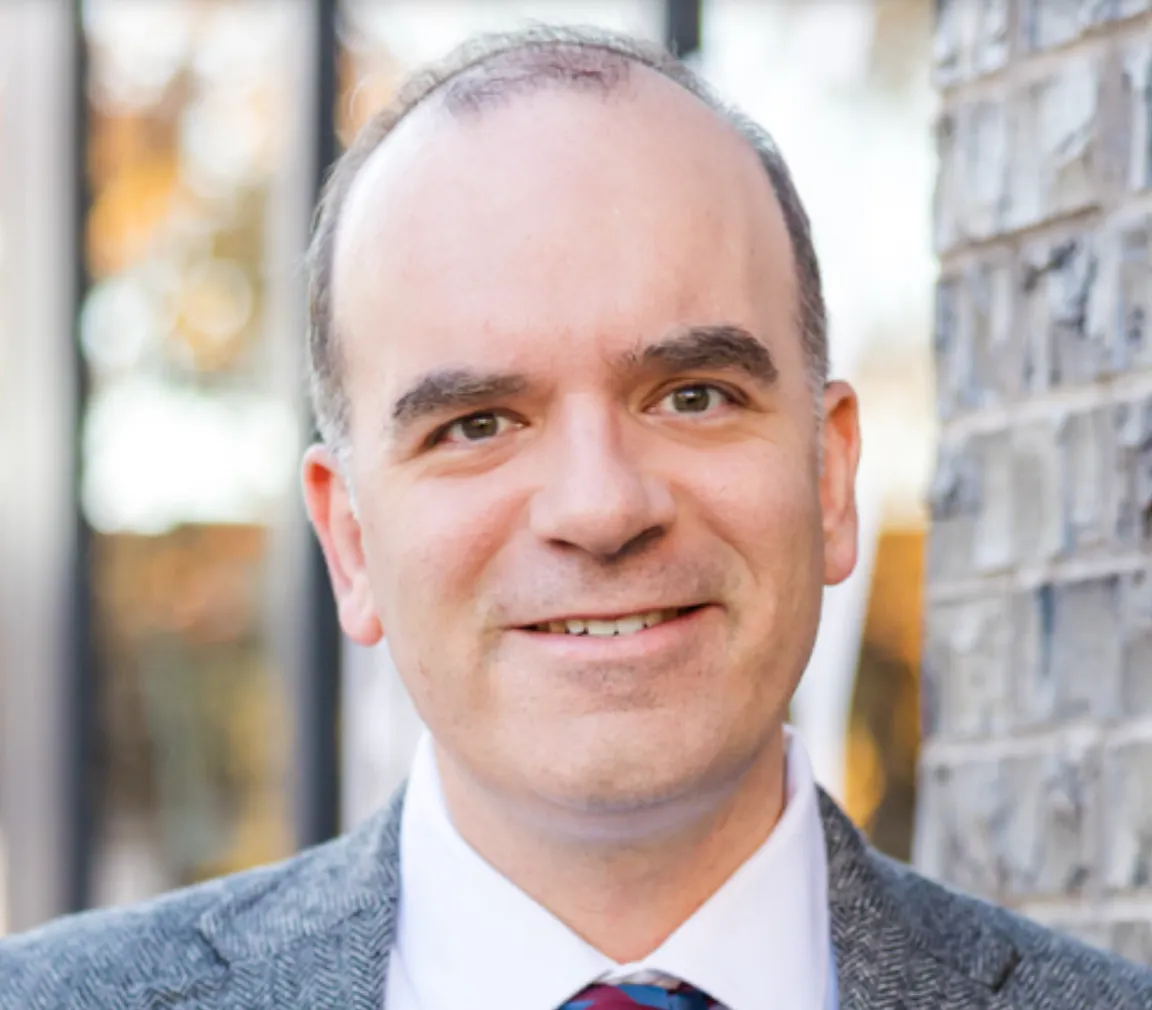
Yoni Appelbaum: How the Privileged and Propertied Broke America
Has America ceased to be the land of opportunity? Many people here take it for granted that good neighborhoods—with good schools and good housing—are only accessible to the wealthy. But in America, this wasn’t always the case. Though for most of world history, your prospects were tied to where you were born, Americans came up with a revolutionary idea: If you didn’t like your lot in life, you could find a better location and reinvent yourself there. Americans moved to new places with unprecedented frequency, and, for 200 years, that remarkable mobility was the linchpin of American economic and social opportunity. Join us as Yoni Appelbaum, historian and journalist for The Atlantic, argues that this idea has been under attack since reformers first developed zoning laws to ghettoize Chinese Americans in 19th-century Modesto, California. The century of legal segregation that ensued—from the zoning laws enacted to force Jewish workers back into New York’s Lower East Side to the private-sector discrimination and racist public policy that trapped Black families in Flint, Michigan, to Jane Jacobs’ efforts to protect her vision of the West Village—has raised housing prices, deepened political divides, emboldened bigots, and trapped generations of people in poverty. Appelbaum says these problems have a common explanation: people can’t move as readily as they used to. They are, in a word, stuck. Applebaum will cut through more than a century of mythmaking, sharing the surprising story of the people and ideas that caused our economic and social sclerosis and laying out commonsense ways to get Americans moving again. Learn more about your ad choices. Visit megaphone.fm/adchoices
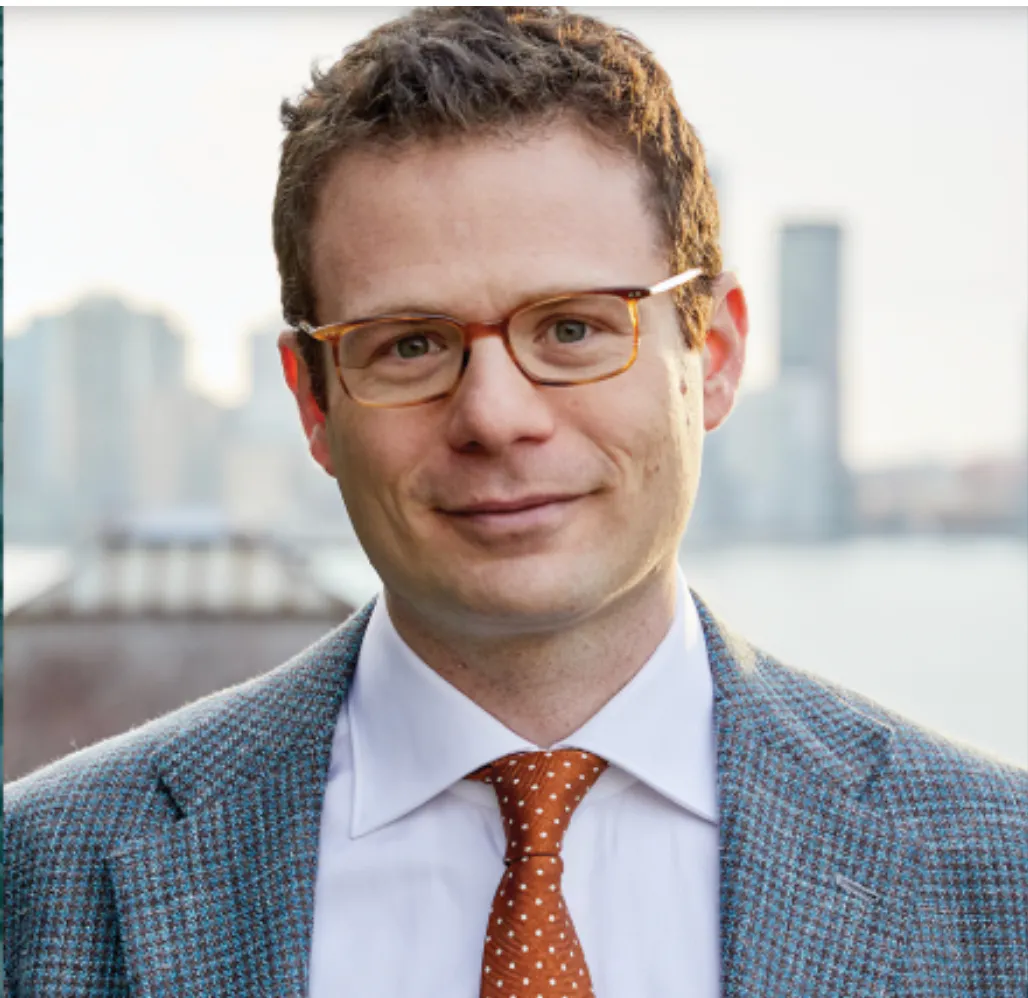
Edward Fishman: American Power in the Age of Economic Warfare
Economic warfare has become the primary way the United States confronts international crises and counters rivals. Sometimes it has achieved spectacular success; other times, bitter failure. The result we live with today is a new world order: an economic arms race among great powers and a fracturing global economy. It used to be that ravaging another country’s economy required blockading its ports and laying siege to its cities. Now all it takes is a statement posted online by the U.S. government. Edward Fishman, a former top State Department sanctions official and author of the new book Chokepoints, goes deep into the back rooms of power to reveal the untold history of the last two decades of U.S. foreign policy, in which America renounced the gospel of globalization and waged a new kind of economic war. As Vladimir Putin, Xi Jinping, and Ayatollah Khamenei wreaked havoc on the world stage, mavericks within the U.S. government built a fearsome new arsenal of economic weapons, exploiting America’s dominance in global finance and technology. Successive U.S. presidents have relied on these unconventional weapons to address the most pressing national-security threats, for good and for ill. Join us as Fishman shares a thrilling account of one of the most critical geopolitical developments of our time, demystifying the complex strategies the U.S. government uses to harness the power of Wall Street, Silicon Valley and Big Oil against America’s enemies. At the center of the narrative is an eclectic group of policy innovators: the diplomats, lawyers and financial whizzes who’ve masterminded America’s escalating economic wars against Russia, China and Iran. Commonwealth Club World Affairs of California is a nonprofit public forum; we welcome donations made during registration to support the production of our programming. Commonwealth Club World Affairs is a public forum. Any views expressed in our programs are those of the speakers and not of Commonwealth Club World Affairs. Learn more about your ad choices. Visit megaphone.fm/adchoices
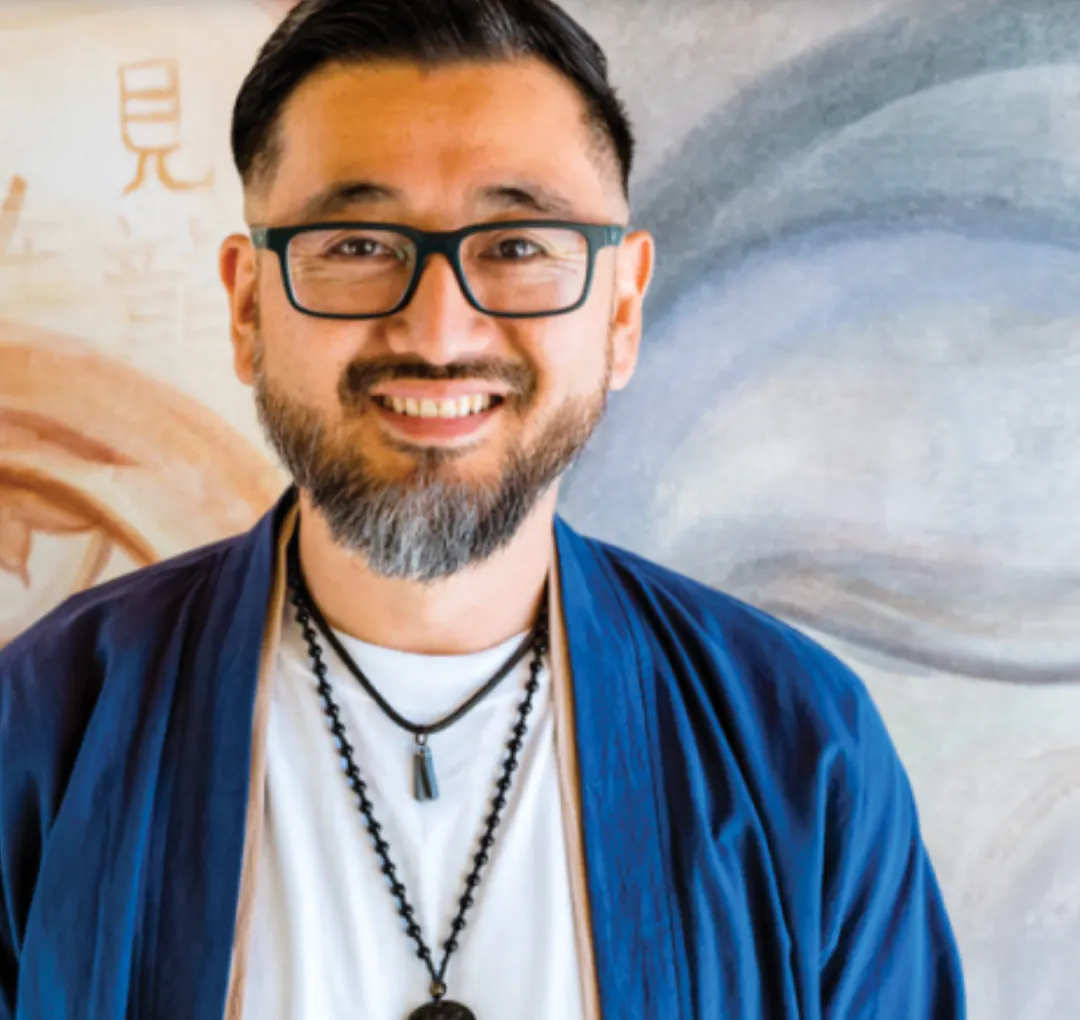
Constructive Conflict, Fierce Vulnerability: How to Disagree Without Being Disagreeable
If you find you're having unpleasant battles that create too much heat and too little light, or you're avoiding fraught discussions entirely, then come to this experiential event to learn the skill of nonviolent conflict management from Kazu Haga, the author of the acclaimed books Healing Resistance: A Radically Different Response to Harm and Fierce Vulnerability: Healing from Trauma, Emerging through Collapse. Find out how to deal with conflict in a way that repairs and deepens relationships instead of breeding resentment and anger. Kazu Haga is one of the most experienced trainers of Kingian nonviolence, which is derived from the work of Dr. Martin Luther King Jr. He'll show us the framework and outline a few specific steps for defusing an argument in ways that we can put to immediate use in our lives. We'll practice a few exercises and come away with a solid start and a path to better relationships and leadership. Organizer: Eric Siegel A Personal Growth Member-led Forum program. Forums at the Club are organized and run by volunteer programmers who are members of The Commonwealth Club, and they cover a diverse range of topics. Learn more about our Forums. Learn more about your ad choices. Visit megaphone.fm/adchoices

George Hammond: How Can We Be Sure We Have Free Will?
Many people are convinced our lives, and all actions in the universe, are totally determined. One question remains: How did they make up their minds that that is true? One decent definition of the difference between mind and matter is that minds make decisions. Even if you decide to let someone else make all your decisions for you, that itself is a decision. Which you can revoke at will. Join us at Monday Night Philosophy to remind yourself (in the Platonic sense) that there are indeed many reasons to recover your own agency, to realize that you make decisions all the time that are not determined by—even if they are influenced by—outside forces, and to refresh your awareness of the inner control over your own life that everyone inherently possesses, whether they sense it or not, whether they feel it or not. Because when you have recovered your former certainty that you have free will, you will also understand that one of the most intriguing and ironic uses of our free wills are our always temporary decisions to believe that we don’t have it. Organizer: George Hammond Commonwealth Club World Affairs of California is a nonprofit public forum; we welcome donations made during registration to support the production of our programming. A Humanities Member-led Forum program. Forums at the Club are organized and run by volunteer programmers who are members of The Commonwealth Club, and they cover a diverse range of topics. Learn more about our Forums. Commonwealth Club World Affairs is a public forum. Any views expressed in our programs are those of the speakers and not of Commonwealth Club World Affairs. Learn more about your ad choices. Visit megaphone.fm/adchoices
The Validity of Psychiatric Diagnosis: What’s in a Name?
This presentation by Dr. Descartes Li looks at some of the complexities and controversies about psychiatric diagnoses. It examines the DSM-5's "Harmful Dysfunction" definition, contrasting it with the NIMH's Research Domain Criteria (RDoC) project. The lecture also discusses philosophical approaches to understanding mental illness, including reductionism, cultural relativism, emergentism, and mechanistic approaches to psychiatric diagnosis. Finally, it outlines four perspectives for viewing mental disorders: disease, dimensional, behavioral, and life story, advocating for a comprehensive approach to diagnosis. About the Speaker Dr. Descartes Li is professor of psychiatry at the University of California, San Francisco, Weill Institute for Neurosciences. He currently serves as director of the UCSF Bipolar Clinic and the UCSF Electroconvulsive Therapy Service for the Department of Psychiatry and Behavioral Sciences. He is a dedicated teacher in the School of Medicine and internationally. He is a member of the UCSF Academy of Medical Educators. Organizer: Patrick O'Reilly A Psychology Member-led Forum program. Forums at the Club are organized and run by volunteer programmers who are members of The Commonwealth Club, and they cover a diverse range of topics. Learn more about our Forums. Learn more about your ad choices. Visit megaphone.fm/adchoices
Celebrating Black History Month with a Special Film Documentary: 'John Burris: The Godfather of Police Litigation'
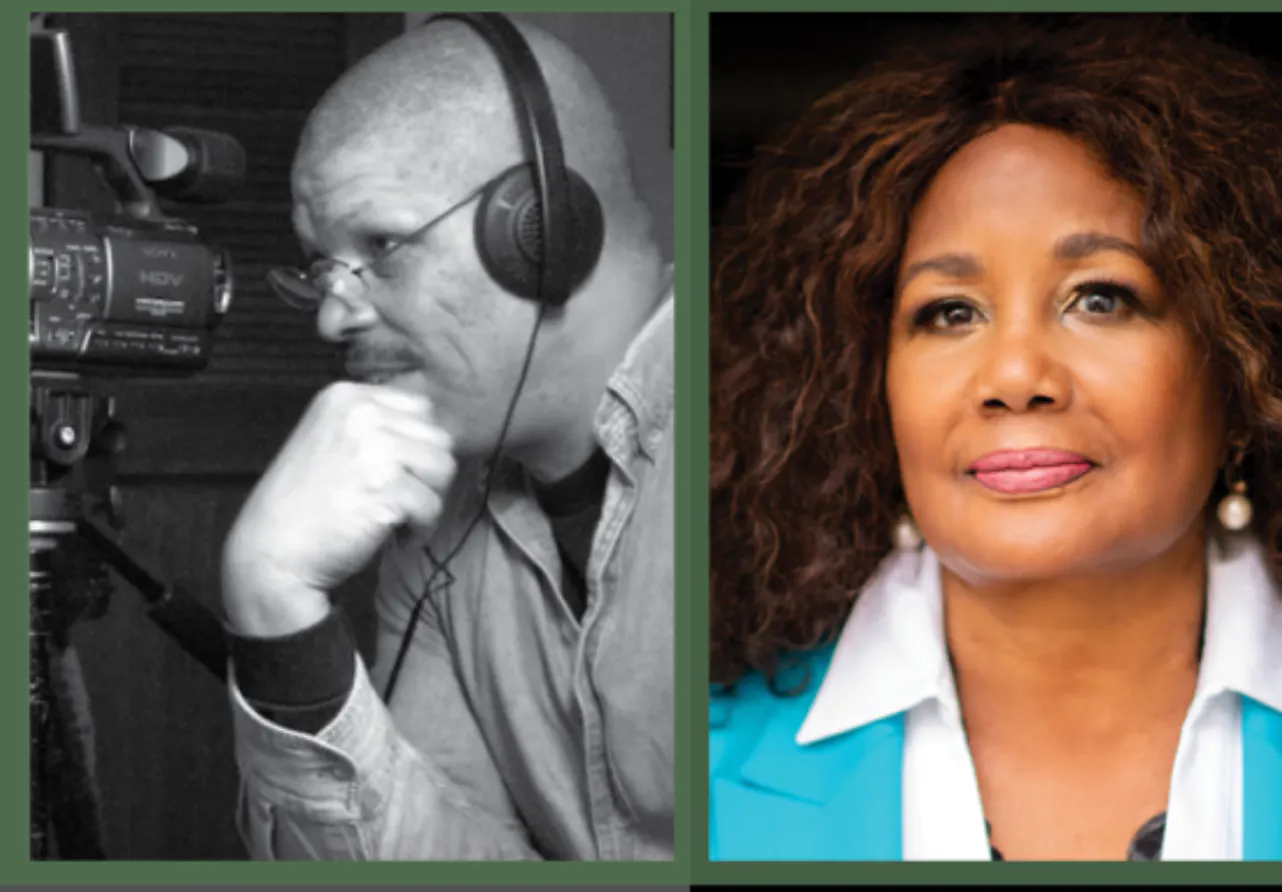
Please join us for a special film documentary screening and an intimate conversation with filmmaker Doug Harris and civil rights attorney John Burris. The film, John Burris: The Godfather of Police Litigation, highlights Burris’s life, police brutality, and Burris’s high-profile cases: Rodney King's civil trial, the Oakland Riders case, the Oscar Grant case, Barry Bonds, Mario Woods and among others. Filmmaker Doug Harris points out that the Burris film documentary “is very special—the majority of my previous biographical stories have been about people who are deceased, and this project has given me an opportunity to form a close bond with a living legend.” As Burris looks forward, he is “really working hard to pass the baton on to the next generation of attorneys to carry on this type of civil rights legal work.” Organizer: Robert Melton Commonwealth Club World Affairs is a nonprofit, nonpartisan civic forum. We welcome donations made during registration to support the production of our mission. An Arts Member-led Forum program. Forums at the Club are organized and run by volunteer programmers who are members of The Commonwealth Club, and they cover a diverse range of topics. Learn more about our Forums. Commonwealth Club World Affairs is a public forum. Any views expressed in our programs are those of the speakers and not of Commonwealth Club World Affairs. Learn more about your ad choices. Visit megaphone.fm/adchoices
Carl Zimmer: Air-Borne
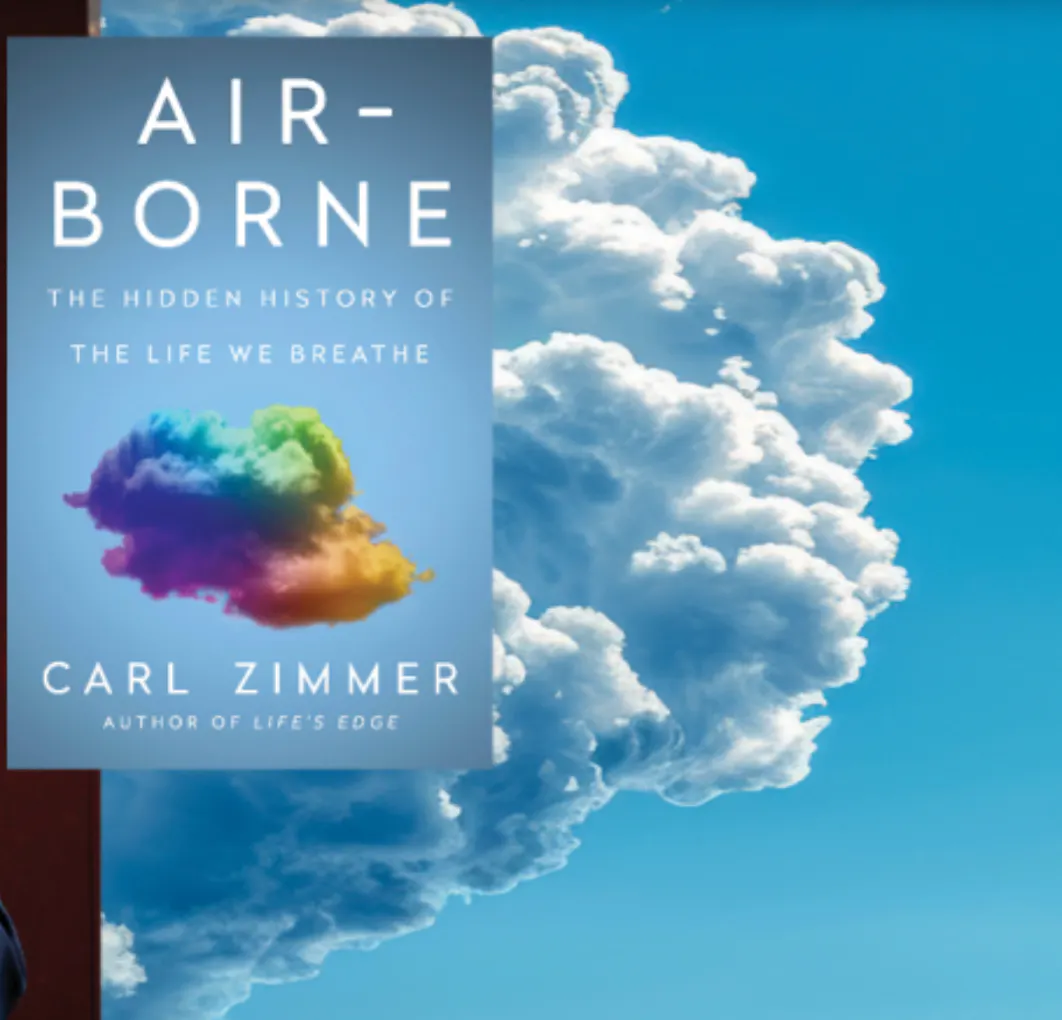
Take a breath. Just breathe. And then reserve your ticket for a special online-only talk with New York Times columnist Carl Zimmer, who will tell you all about what just went into your lungs. Zimmer will share the ideas that are in his new book Air-Borne, giving a fascinating, previously untold story of the air we breathe, the hidden life it contains, and invisible dangers that can turn the world upside down Every day we draw in two thousand gallons of air—and thousands of living things. From the ground to the stratosphere, the air teems with invisible life. This last great biological frontier remains so mysterious that it took more than two years for scientists to finally agree that the Covid pandemic was caused by an airborne virus. Zimmer will lead us on an odyssey through the living atmosphere and through the history of its discovery. From the tops of mountain glaciers, where Louis Pasteur caught germs from the air, to Amelia Earhart and Charles Lindbergh above the clouds, where they conducted groundbreaking experiments. Meet the long-forgotten pioneers of aerobiology, including William and Mildred Wells, who tried for decades to warn the world about airborne infections, only to die in obscurity. Zimmer also chronicles the dark side of aerobiology with gripping accounts of how the United States and the Soviet Union clandestinely built arsenals of airborne biological weapons designed to spread anthrax, smallpox and an array of other pathogens. Breathtaking, isn’t it? In Association with Wonderfest. Learn more about your ad choices. Visit megaphone.fm/adchoices

CLIMATE ONE: Is ESG BS?
Who’s responsible for climate change? Fossil fuel companies would like us to believe it’s all of us as individuals (after all, BP invented the idea of the personal carbon footprint). But many large corporations bear at least as much of the blame. And for a decade or so, there was a push for every company to disclose its own emissions — a kind of corporate carbon footprint — and “sustainability” became the word of the day. But corporate shareholders demand profits, and managers are held accountable if they don’t deliver. Auden Schendler spent over 25 years running sustainability programs at Aspen One, the company that owns one of the highest-end resorts in the world. He argues that those pushing corporate sustainability programs are living a “big green lie.” Can capitalism be cleaned up from the inside? What should corporations and their sustainability managers do instead? Guests: Auden Schendler, Climate activist; Author, “Terrible Beauty: Reckoning with Climate Complicity and Rediscovering Our Soul” Mindy Lubber, CEO, Ceres On March 24, Google’s Chief Sustainability Officer Kate Brandt and Irina Raicu, Director of the Internet Ethics Program at the Markkula Center, will speak with Climate One about the development of sustainably powered artificial intelligence. Tickets are on sale through our website. And on April 22 and 24, Climate One will once again be hosting a series of SF Climate Week events at The Commonwealth Club! Join us for conversations with environmental luminaries such as Margaret Gordon, Jenny Odell, Project Drawdown, Grist, and Abby Reyes. Tickets are on sale now. Support Climate One by going ad-free! By subscribing to Climate One on Patreon, you’ll receive exclusive access to all future episodes free of ads, opportunities to connect with fellow Climate One listeners, and access to the Climate One Discord. Sign up today for just $5/month. For show notes and related links, visit our website. Ad sales by Multitude. Contact them for ad inquiries at multitude.productions/ads Learn more about your ad choices. Visit megaphone.fm/adchoices
The Lost and the Found: Personal Insights on Homelessness
Since 1992, award-winning San Francisco Chronicle reporter Kevin Fagan has been covering homelessness and other major news stories. His coverage has included Willie L. Brown Jr., at 90 still one of the most influential politicians in the state. Both Fagan and Brown have insightful, candid views about homelessness and the personal, state and national resolve that will be required to end it. Now Kevin Fagan has written The Lost and the Found: A True Story of Homelessness, Found Family and Second Chances, that will be published in February by Simon & Schuster. Fagan brings the abstract issue of homelessness to life, with compelling personal portraits of people experiencing it. HIs "straight up, savvy and realistic" book has been praised by reviewers. Throughout Mayor Brown's storied career, and Kevin Fagan's stories about it, homelessness has loomed large, as it has for all of us. In conversation at this event, Fagan and Brown will discuss the book, homelessness, and ways to humanize and mitigate it. About The Speakers Willie Brown was a two-term mayor of San Francisco, legendary speaker of the California State Assembly and is widely regarded as one of the most influential African-American politicians of the late 20th century. Brown has been at the center of California politics, government and civic life for more than five decades. Kevin Fagan is a longtime, award-winning reporter at the San Francisco Chronicle. He has been nominated several times for the Pulitzer Prize, and won the James Aronson Award for Social Justice in Journalism and the John S. Knight Journalism Fellowship at Stanford University. During his career, he has covered homelessness, the 9/11 terror attacks, serial killers, California’s wildfires, and most recently the Nima Momeni trial. Organizer: Ian McCuaig A Social Impact Member-led Forum program. Forums at the Club are organized and run by volunteer programmers who are members of The Commonwealth Club, and they cover a diverse range of topics. Learn more about our Forums. Learn more about your ad choices. Visit megaphone.fm/adchoices
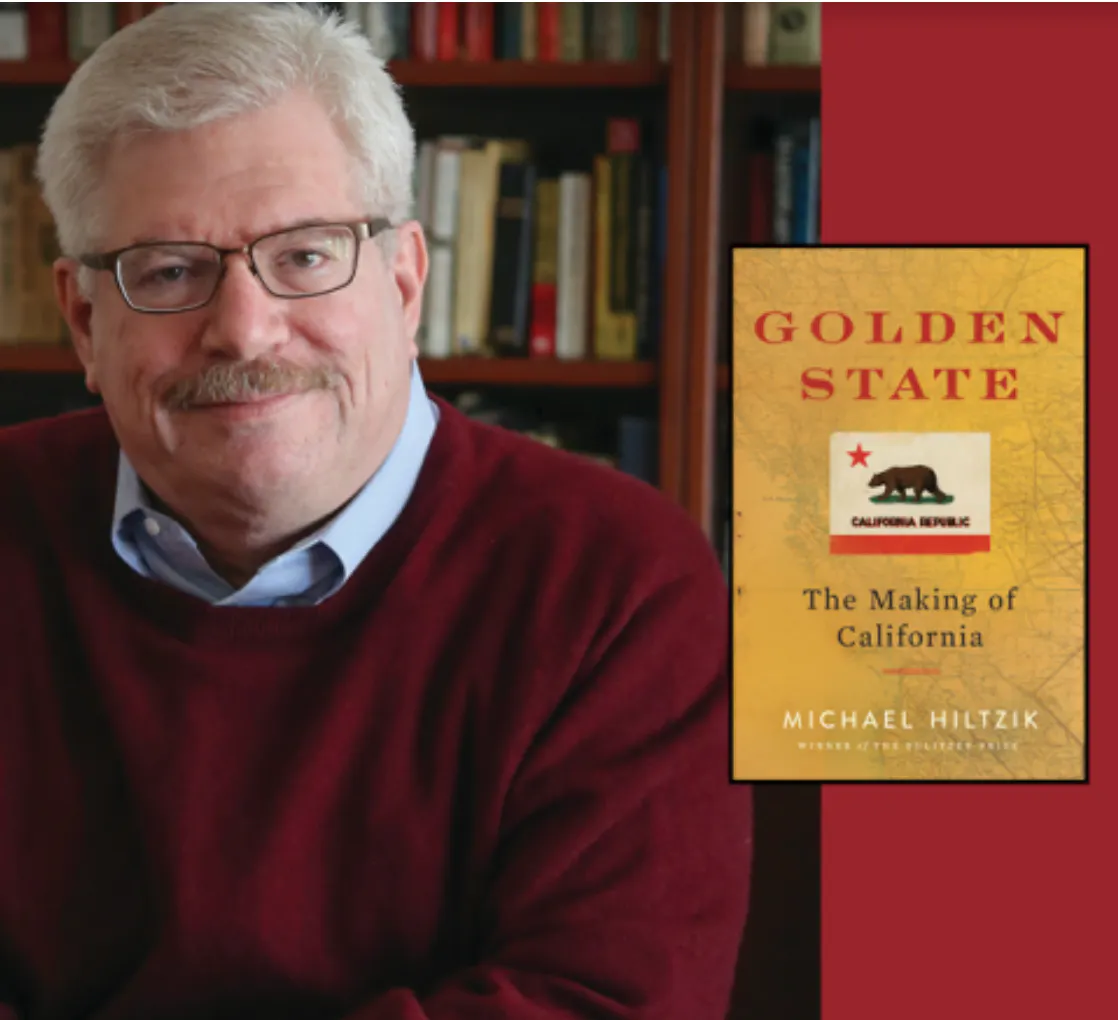
Michael Hiltzik: Golden State—The Making of California
California has long reigned as the land of plenty, a place where the sun always shines and opportunity always beckons. Even prior to its statehood in 1850, it captured the world’s imagination. We think of bearded prospectors lured by the promise of gold. We imagine its early embrace of immigrant labor during the railroad boom as prologue to its diverse social fabric today. But what lies underneath the myths is far more complicated. Thanks to his extensive research, Michael Hiltzik uncovers the unvarnished truth about the state we think we know well. From the Spanish incursions into what became known as Alta California to the rise of Big Tech, the history of California is one of stark contradictions. In rich, previously overlooked detail, we see its earliest statesmen wreaking havoc among native peoples while racing to draft their own constitution prior to statehood. And gold-hungry settlers venturing into the Sierra foothills only to leave with little, while a handful of their suppliers turn themselves into millionaire railroad magnates. Wars erupted over water as Los Angeles boomed, and early efforts to tame the vast landscape created a haven for fossil fuel extraction and environmental conservation alike. Hollywood politicians stoked fears, contributing to a centuries-long tradition of anti-Asian violence. And, quite remarkably, both legal redlining and free higher education took root at the same time. Hiltzik brings a fresh critical eye to his historical accounts—from the Spanish conquistadors to the Gold Rush to the state’s meteoric rise as a tech powerhouse and bulwark of progressivism—demonstrating why California has left an indelible mark on the United States and the world. Organizer: George Hammond A Humanities Member-led Forum program. Forums at the Club are organized and run by volunteer programmers who are members of The Commonwealth Club, and they cover a diverse range of topics. Learn more about our Forums. Learn more about your ad choices. Visit megaphone.fm/adchoices
AI and the Future of Citizenship: Preparing for a Digital Democracy
As artificial intelligence becomes an ever-present force in our lives, it’s clear that this technology is not going away. And as it continues to transform education, governance and civic engagement, one crucial aspect remains largely unexplored: how to develop informed, engaged citizens for a democracy shaped by artificial intelligence. This event brings together experts in artificial intelligence, democracy building, and civic education to explore how AI intersects with the ways people learn about democracy, government and civic responsibility. They will examine the potential benefits and risks of AI in shaping how citizens understand and interact with democratic processes in the digital age, as well as the shared responsibilities of all stakeholders—including AI developers, educators, and subject matter experts—in the vital work of cultivating informed and active citizens. Please join us as our panel explores these critical issues and offers insights and practical strategies for preparing future citizens in a rapidly evolving, AI-driven world. This program is part of Creating Citizens, the civics education initiative at Commonwealth Club World Affairs. Learn more about your ad choices. Visit megaphone.fm/adchoices
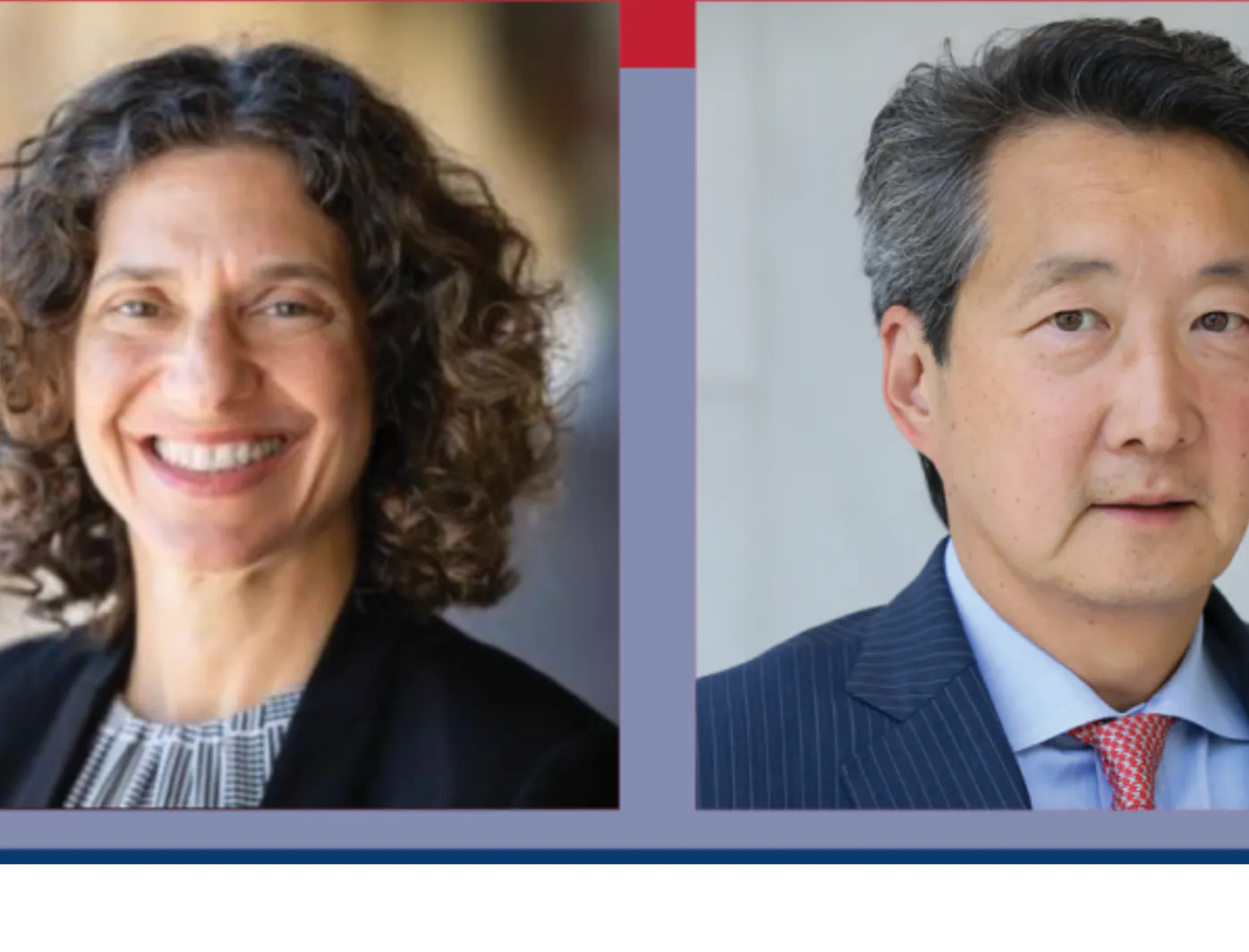
Korean Fallout: Impeachment, Nuclear Tests and K-pop
Against a backdrop of political chaos in South Korea and more nuclear tests by North Korea, what might be in store for the divided peninsula in 2025? Could Donald Trump reconcile with "Little Rocketman," Kim Jong Un? Will proposed tariffs hurt South Korea or will there be carveouts for a U.S. ally and regional rival to China? Caught among the world’s largest powers—including China, Japan, Russia, and the United States—Korea’s fate has always been closely connected to its geography and the strength of its leadership and society. Join us for a captivating discussion with Dr. Victor Cha and Prof. Ramon Pacheco Pardo, authors of Korea: A New History of South and North, a groundbreaking book that offers fresh insights into one of the world’s most dynamic and complex regions. As Korea continues to shape global dynamics—from pop culture to North Korea’s support of Russia’s war in Ukraine—understanding the latest developments and the history of the Korean peninsula has never been more essential. A timely, can’t-miss program, whether you're fascinated by Korean culture, geopolitics or regional security! Learn more about your ad choices. Visit megaphone.fm/adchoices

The Third Sex: A History of Transgender Peoples and Their Rights in South Asia
On January 20, 2025, and within hours of returning to power, the Trump administration issued an executive order that the U.S. government would recognize only two genders, male and female, defined at birth. In contrast, in 2014, the Supreme Court of India ruled that transgender people have the right to self-identify as male, female, or a “third gender.” The Transgender Persons (Protection of Rights) Act of 2019 in India allows transgender people to have a self-declared gender identity and receive a certificate of identity. It is currently estimated that there are more than 3 million third-gender people living in India alone. Similar rulings and laws have been passed in neighboring Bangladesh, Nepal and Pakistan. What are the implications and impacts on the transgender people of the rest of Asia and the United States? At a time when the current U.S. administration has issued an executive order recognizing only two genders, we will discuss this and other issues with Amrita Sarkar, one of the leading transgender activists of India, and Zia Jaffrey, author of The Invisibles: A Tale of Eunuchs of India. Amrita Sarkar is a leading activist who has been working for the transgender community and their wellbeing for more than two decades and has been involved in numerous capacity-building initiatives for the same communities at the national and international level. She is the one of the founding members and the Secretary of IRGT – A Global Network of Trans Women and HIV. She also has made two films on transgender issues. Amrita is a trained counsellor and had completed her post-graduation in social welfare. Zia Jaffrey is the author of The Invisibles: A Tale of the Eunuchs of India (Pantheon/Vintage). She has written cover stories, features, and book reviews for many publications, including Vogue, The Nation, The New York Times, The Washington Post, and Elle, where she ran the front of the magazine, wrote literary pieces, and cultivated new voices. Her work has been anthologized in several tomes, most recently, in PEN America’s India at 75, and Toni Morrison: The Last Interview and Other Conversations. She has covered South Africa's Truth and Reconciliation Commission hearings, AIDS, and the Israel/Palestine conflict, and is currently writing a book about Palestinian-Americans. Organizer: Kalidip Choudhury An Asia-Pacific Affairs Member-led Forum program. Forums and chapters at the Club are organized and run by volunteer programmers who are members of The Commonwealth Club, and they cover a diverse range of topics. Learn more about our Forums. Learn more about your ad choices. Visit megaphone.fm/adchoices

CLIMATE ONE: The $300M Lawsuit That Could Crush Dissent
Energy Transfer Partners, the company behind the Dakota Access Pipeline, is suing Greenpeace for $300 million. The pipeline company accuses Greenpeace of criminal behavior — trespassing, vandalism, and assault of construction workers — and inciting riotous behavior by protesters at Standing Rock in 2016. Greenpeace considers this legal action to be a “SLAPP suit” — a Strategic Lawsuit Against Public Participation — aimed at silencing not just Greenpeace, but civil protests everywhere. The trial is just getting underway in Morton County, North Dakota. In this episode we unpack not just this case, but the broader implications of such suits. Guests: Rolf Skar, National Campaigns Director, Greenpeace Montgomery Brown, Member, Standing Rock Grassroots Laura Prather, Chair of First Amendment Practice, Haynes Boone On March 24, Google’s Chief Sustainability Officer Kate Brandt and Irina Raicu, Director of the Internet Ethics Program at the Markkula Center, will speak with Climate One about the development of sustainably powered artificial intelligence. Tickets are on sale through our website. Support Climate One by going ad-free! By subscribing to Climate One on Patreon, you’ll receive exclusive access to all future episodes free of ads, opportunities to connect with fellow Climate One listeners, and access to the Climate One Discord. Sign up today. For show notes and related links, visit our website. Ad sales by Multitude. Contact them for ad inquiries at multitude.productions/ads Learn more about your ad choices. Visit megaphone.fm/adchoices

"Jazz, Music and Technology: A Black Historical Perspective
Join us in-person for a discussion with performance, as we delve into music and the technology revolution, hearing Black voices on how technology is impacting our music. African Americans have played an outsized and pivotal role in American and global music. At most of the shifts and transitions in music driven by technology and culture, Black Americans have been in the forefront. Join us for a discussion of the past, present and future of the mix of technology and music with a focus on African American innovation. In addition to the panel discussion, we will end with a short suite of performances by the presenters. About the Speakers Award winning recording artist Nicolas Bearde is a singer-songwriter, actor and educator whose career has spanned more than 35 years. Born and raised in Nashville, TN, the second of 7 children, he has toured the globe with many of today’s jazz legends, such as Bobby McFerrin, Nat Adderley, Jr., Bernard Purdie, Vincent Herring and more. His style is likened to Lou Rawls, Nat King Cole and Bill Withers and he is known for his “velvet voice,” wit and engaging rapport that has drawn audiences into his live performances around the world. As an educator, Nicolas has worked with the California Jazz Conservatory and Jazz Camp West teaching “Vocal Intensive” workshops, skills he honed on the road as a member of Bobby McFerrin’s wildly innovative a cappella ensemble, “Voicestra” for more than 10 years, and was the chair of “popular voice” for the Young Arts Foundation in Miami, Florida for 5 years. Phil Hawkins is a drummer and media producer living in San Francisco. He regularly performs with Ray Obiedo, Pete Escovedo and other local artists. Phil operates a media production business that offers audio recording, mixing, and mastering for videography, photography, and graphic design services. He has taught music production at the college level for more than 20 years. Glen Pearson is both a noted pianist as well as the current head of music studies at the College of Alameda. He began playing piano at age 6 and was playing professionally by age 15. He has appeared on stage, television and on recordings with such notables as Regina Belle, Jimmy Scott, Diane Reeves, Marlena Shaw, Bobby Hutcherson and Nicolas Bearde, and served for 11 years as the musical/band director for the world-renowned Boy’s Choir of Harlem. For the past 5 years he toured with The Count Basie Orchestra, who’s latest record, Basie Swings the Blues, netted “Best Large Jazz Ensemble Album” at the 2024 Grammy Awards. Organizer: Gerald Anthony Harris An Arts Member-led Forum program. Forums at the Club are organized and run by volunteer programmers who are members of The Commonwealth Club, and they cover a diverse range of topics. Learn more about our Forums. Bearde photo by James Barry Knox Photography; Pearson photo by Timothy Bryan Burgess; additional photos courtesy the speakers. Learn more about your ad choices. Visit megaphone.fm/adchoices

Living Longer, Living Better: The Art and Science of the New Longevity
Every day, 10,000 people in the United States turn 65—a statistic that underscores one of the most significant demographic shifts in history. But the story of longevity is not just about aging, it's about learning new ways of living, working, and thriving across all life stages. From doctor's offices to government policies to popular culture, far too many of us erroneously associate aging with decline. How can we redefine aging to prioritize quality of life? Research shows that individuals have far more control over how they age than anyone imagined. We are shifting from a paradigm of decline to one that more accurately embraces the full spectrum of human flourishing while acknowledging biological realities. In this timely discussion, Barbara Waxman, renowned gerontologist and creator of The Longevity Roadmap, joins award-winning broadcaster Michael Krasny to explore the fascinating journey that brought us to this critical juncture in human history. They'll examine our current challenges, unveil cutting-edge insights about longevity, and share practical strategies for building a more resilient, fulfilling life at any age. Join us to discover actionable tools to take control of your aging journey and thrive in an era of unprecedented possibilities as we unpack the history, challenges, and opportunities of this remarkable demographic gift unfolding before us. About the Speakers Barbara Waxman is a gerontologist, coach, and longevity advocate who has spent four decades transforming people's understanding of aging. As creator of The Longevity Roadmap, she translates cutting-edge research into practical frameworks. A graduate of Colgate University with Master's degrees in gerontology and public administration from USC, Waxman is an advisor to the Stanford Center on Longevity and Stanford Lifestyle Medicine. Her insights have been featured on "CBS This Morning," in The Wall Street Journal, and across national media. She is a member of the American College of Lifestyle Medicine and author of The Middlescence Manifesto. Michael Krasny is a literary critic, scholar, and broadcast journalist. He is the author of many books, including Off Mike, Spiritual Envy, and Let There Be Laughter; the co-author of Sound Ideas; and the creator and presenter of the audio lecture series Masterpieces of Short Fiction. He is the host of "The Podcast Conversations With Krasny" and former host of "Forum" on KQED Radio. Organizer: Denise Michaud A Grownups Member-led Forum program. Forums at the Club are organized and run by volunteer programmers who are members of The Commonwealth Club, and they cover a diverse range of topics. Learn more about our Forums. Learn more about your ad choices. Visit megaphone.fm/adchoices
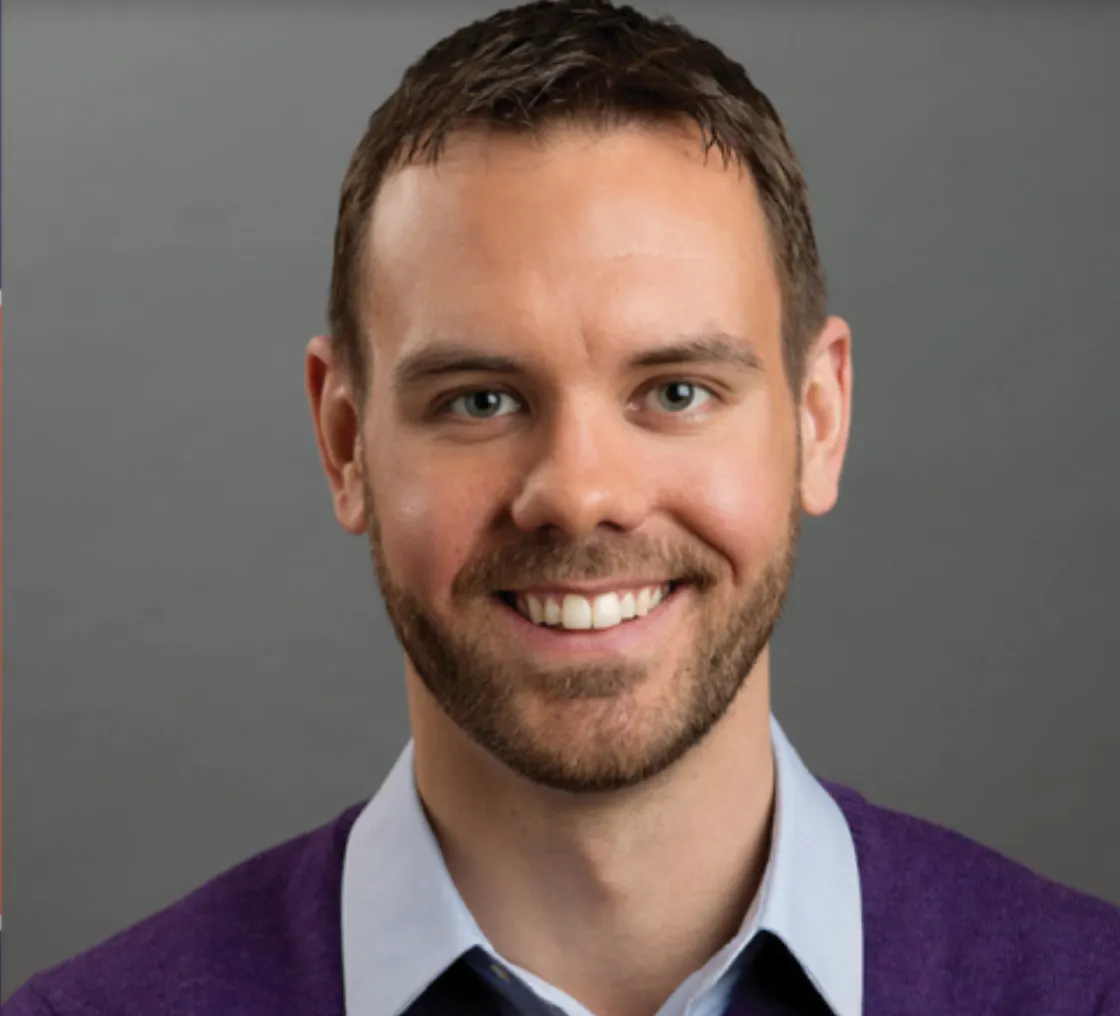
Kurt Gray: Outraged—Why We Fight About Morality and Politics
EJoin us for a new perspective that could rewrite our understanding of where moral judgments come from, and may reveal how we can overcome the feelings of outrage that so often divide us. It’s easy to assume that liberals and conservatives have radically different moral foundations. Kurt Gray, author of Outraged, showcases the latest science to demonstrate that we all have the same moral mind—that everyone’s moral judgments stem from feeling threatened or vulnerable to harm. Although we almost all care about protecting ourselves and the vulnerable, conflict arises when we have different perceptions of harm. We get outraged when we disagree about who the “real” victim is, whether we’re talking about political issues, fights with our in-laws, or arguments on the playground. In laying out a new vision of our moral minds, Gray tackles three common myths that he says prevent people from understanding themselves and those around them. For a long time, it was commonly believed that our ancestors were apex predators. In reality, we were more hunted than hunter. This explains why our minds are hard-wired to perceive threats, and why we’re so preoccupied with danger. Gray also examines new research that finds that our moral judgments are based more on gut feelings of harm than on rational thought. We condemn acts that feel harmful. Finally, Gray refutes the idea that facts are the best way to bridge divides. In moral and political arguments, facts often fail to convince others of our point of view, since our moral judgments are based on our subjective beliefs not on our objective observations. Instead, sharing stories of personal suffering can help to create more common ground. Join us in-person as Gray takes us on an insightful tour of our moral minds, drawing on groundbreaking research and fascinating stories to provide a new explanation for our moral outrage, and unpacking how to best bridge divides. If you want to understand the morals of the “other side,” ask yourself a simple question—what harms do they see? This program is supported by the Civic Health Project. This program contains EXPLICIT language. Learn more about your ad choices. Visit megaphone.fm/adchoices
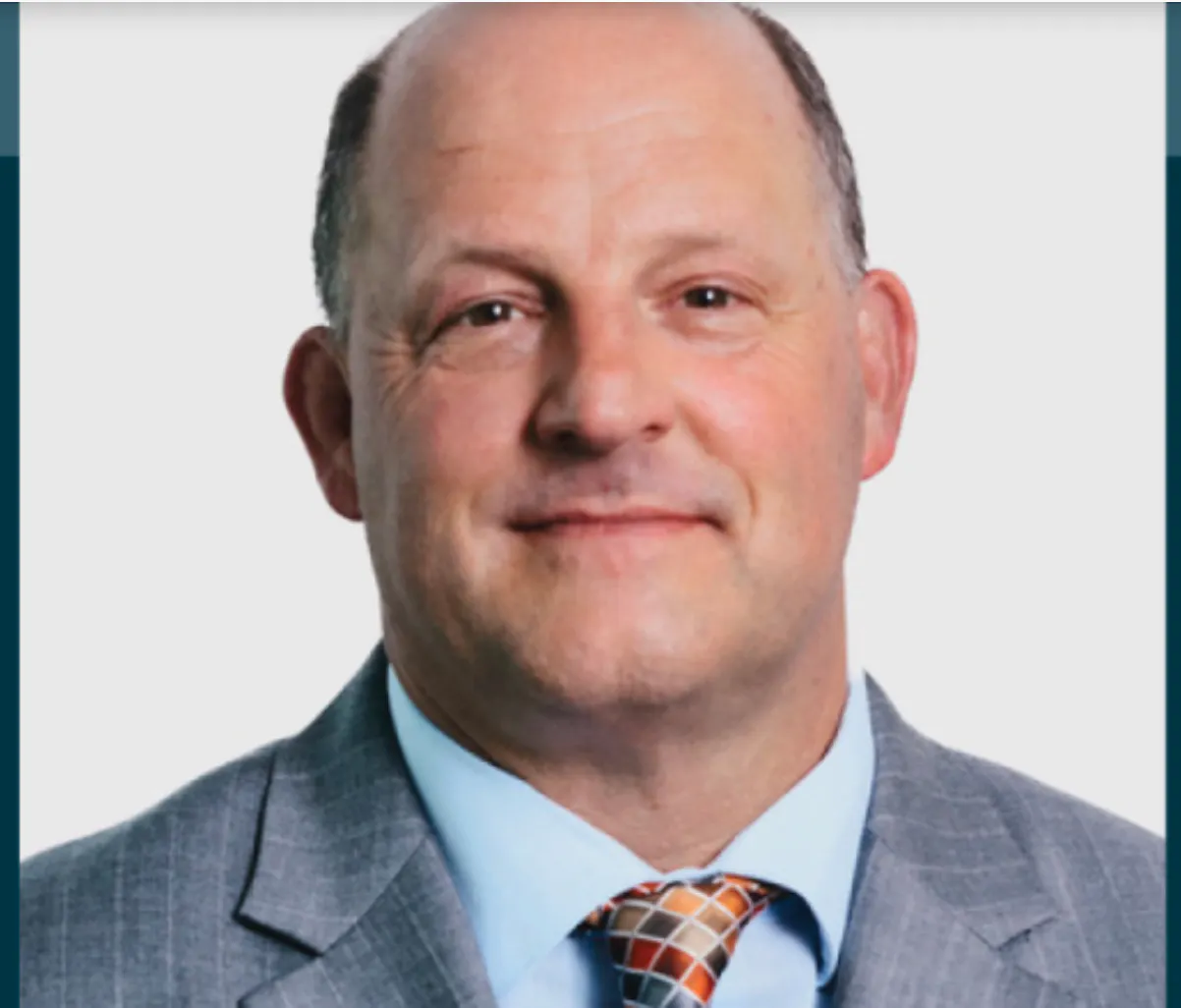
The Dynamic Challenges for Consumers and Banking Institutions in 2025
How has consumer and business banking changed in 2025? What can we expect in the future? Tim Myers, president and chief executive officer at Bank of Marin, will take us through the challenges that financial institutions, businesses and consumers will face in 2025. Join us for this important discussion. Organizer: Frank Price An International Relations Member-led Forum program. Forums at the Club are organized and run by volunteer programmers who are members of The Commonwealth Club, and they cover a diverse range of topics. Learn more about our Forums. Learn more about your ad choices. Visit megaphone.fm/adchoices

The 21st Anniversary of Marriage Equality: Now What Comes Next?
EIt is hard to believe that February 12, 2025, marks the 21-year anniversary of when then-San Francisco Mayor Gavin Newsom sparked a ground-breaking civil rights movement by legalizing same-sex marriage. In doing so, he not only changed our nation’s views on life, love and marriage, but demonstrated the power of how a community can change discriminatory laws in its pursuit for equality. Join us for a timely anniversary celebration and special screening of the award-winning film "Pursuit of Equality." We will take a look back at the pivotal case as many members of the LGBTQ community enter 2025 questioning if their rights are protected under a new administration. Some are asking what it will take to continue the fight for equality. This program contains EXPLICIT language. Learn more about your ad choices. Visit megaphone.fm/adchoices

CLIMATE ONE: Disasterology: Navigating Fossil-Fueled Chaos
From hurricanes on the East Coast to wildfires in LA, to floods in Vermont and storms in Texas, communities across the U.S. are facing a growing number of intense and devastating disasters. There are significant disparities in who has the means to evacuate during a disaster and who has the resources to rebuild once the storm has passed. Long after the immediate impact, the challenges continue, with many left to navigate a slow, complex, and often confusing recovery process. As the harsh reality of climate chaos sets in, how can we better integrate community mental health into the disaster recovery process to ensure that emotional and psychological needs are addressed alongside physical rebuilding? Guests: Adrienne Heinz, Clinical Research Psychologist, Stanford University School of Medicine Samantha Montano, Assistant Professor of Emergency Management, Massachusetts Maritime Academy; Author, “Disasterology: Dispatches from The Frontlines of the Climate Crisis” Ralph Hamlett, Alderman, Canton, North Carolina; Professor Emeritus of Political Communications, Brevard College Haley Geller, Photo stylist; Pasadena resident We’re excited to share two upcoming opportunities to see Climate One Live! On February 25, internationally recognized environmental and civil rights activist Catherine Coleman Flowers will join Climate One for a live conversation about the future of environmental justice. And on March 24, Google’s Chief Sustainability Officer Kate Brandt and Irina Raicu, Director of the Internet Ethics Program at the Markkula Center, will speak with Climate One about the development of sustainably powered artificial intelligence. Tickets to both shows are on sale through our website. Support Climate One by going ad-free! By subscribing to Climate One on Patreon, you’ll receive exclusive access to all future episodes free of ads, opportunities to connect with fellow Climate One listeners, and access to the Climate One Discord. Sign up today for just $5/month. For show notes and related links, visit our website. Ad sales by Multitude. Contact them for ad inquiries at multitude.productions/ads Learn more about your ad choices. Visit megaphone.fm/adchoices
Week to Week Politics Roundtable: New Trump Era in Washington
It's our anniversary! In February 2012, Week to Week debuted, starting an ongoing community with civil discussions about sometimes heated topics. Join us in-person or online for the latest edition of our Week to Week political roundtable, and get set to talk about new leadership in San Francisco, DOGE and executive orders in Washington, and much more. Come early for a pre-program social hour with wine and light bites, then enjoy and learn as our panel of political experts explains what happened and what to expect, and answers your questions. See other upcoming Week to Week political roundtables, as well as audio and video of past Week to Week programs. Learn more about your ad choices. Visit megaphone.fm/adchoices
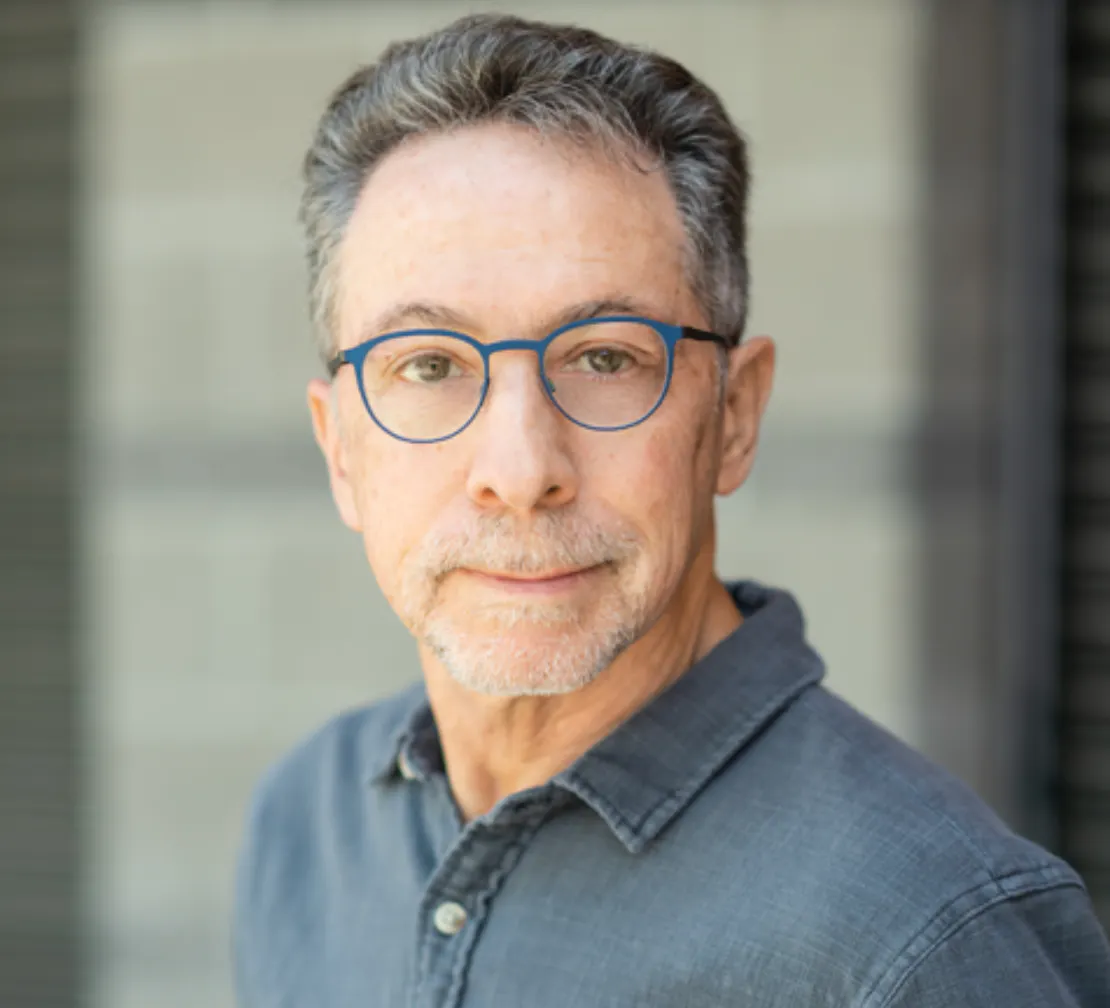
Charles Piller: Fraud and Tragedy In the Quest to Cure Alzheimer's
Award-winning investigative journalist Charles Piller joins us in San Francisco for an in-depth look at what he says is a world of fraud, corruption, deceit, and greed that have set back important work on treating Alzheimer’s disease. Nearly seven million Americans live with Alzheimer’s, a tragedy that is projected to grow into a $1 trillion crisis by 2050. While families suffer and promises of pharmaceutical breakthroughs keep coming up short, investigative journalist Piller says that we’ve quite likely been walking the wrong path to finding a cure all along—led astray by a cabal of self-interested researchers, government accomplices, and corporate greed. Drawing on the work in his new book Doctored, Piller highlights a whistleblower—Vanderbilt professor Matthew Schrag—whose work exposed a massive scandal. Schrag alleged that a university lab led by a precocious young scientist and a Nobel Prize–rumored director delivered apparently falsified data at the heart of the leading hypothesis about the disease. From there, based on years of investigative reporting, Piller says he’s exposed a vast network of deceit and its players, all the way up to the FDA. He points to evidence that hundreds of important Alzheimer’s research papers are based on false data. In the process, he says even against a flood of money and influence, a determined cadre of scientific renegades have fought back to challenge the field’s institutional powers in service to science and the tens of thousands of patients who have been drawn into trials to test dubious drugs. Learn more about your ad choices. Visit megaphone.fm/adchoices
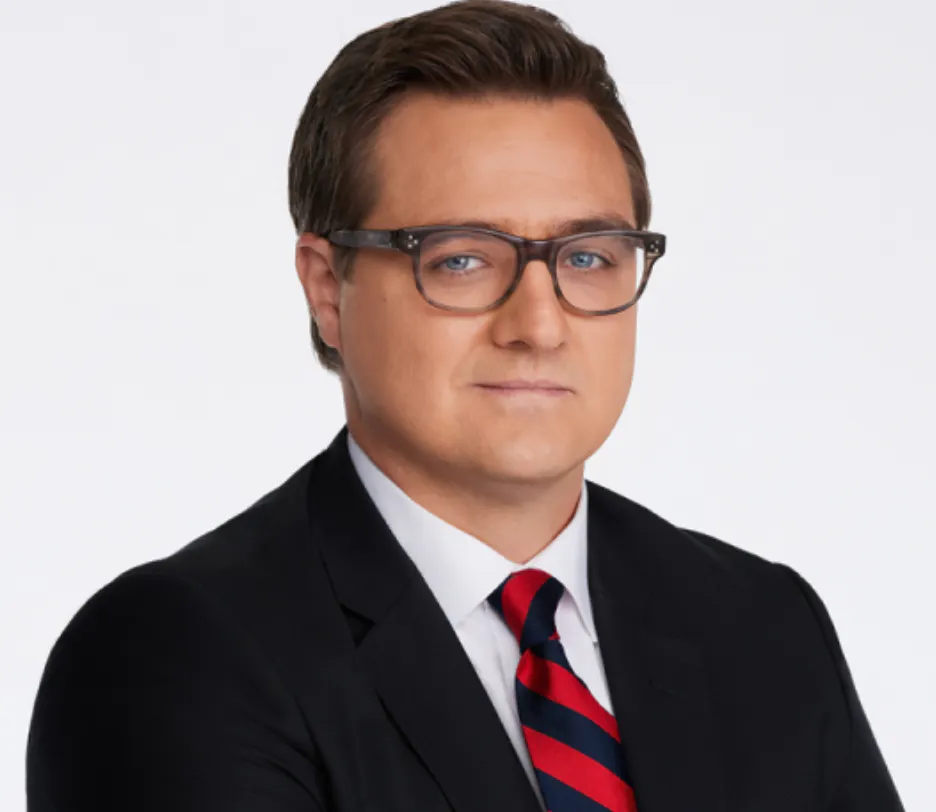
Chris Hayes: The Siren's Call
We all feel it—the distraction, the loss of focus, the addictive focus on the wrong things for too long. We bump into the zombies on their phones in the street, and sometimes they’re us. We stare in pity at the four people at the table in the restaurant, all on their phones, and then we feel the buzz in our pocket. Something has changed utterly: for most of human history, the boundary between public and private has been clear, at least in theory. Now, as MSNBC host and bestselling author Chris Hayes writes in The Siren’s Call, “With the help of a few tech firms, we basically tore it down in about a decade.” Hayes says “attention capitalism” has assaulted our minds and our hearts, and has reordered our politics and the very fabric of our society. He argues that we are in the midst of an epoch-defining transition whose only parallel is what happened to labor in the 19th century: attention has become a commodified resource extracted from us, and from which we are increasingly alienated. As Hayes writes, “Now our deepest neurological structures, human evolutionary inheritances, and social impulses are in a habitat designed to prey upon, to cultivate, distort, or destroy that which most fundamentally makes us human.” Join us in Silicon Valley to hear Chris Hayes discuss a single holistic framework that could wrest back control of our lives, our politics, and our future. Learn more about your ad choices. Visit megaphone.fm/adchoices
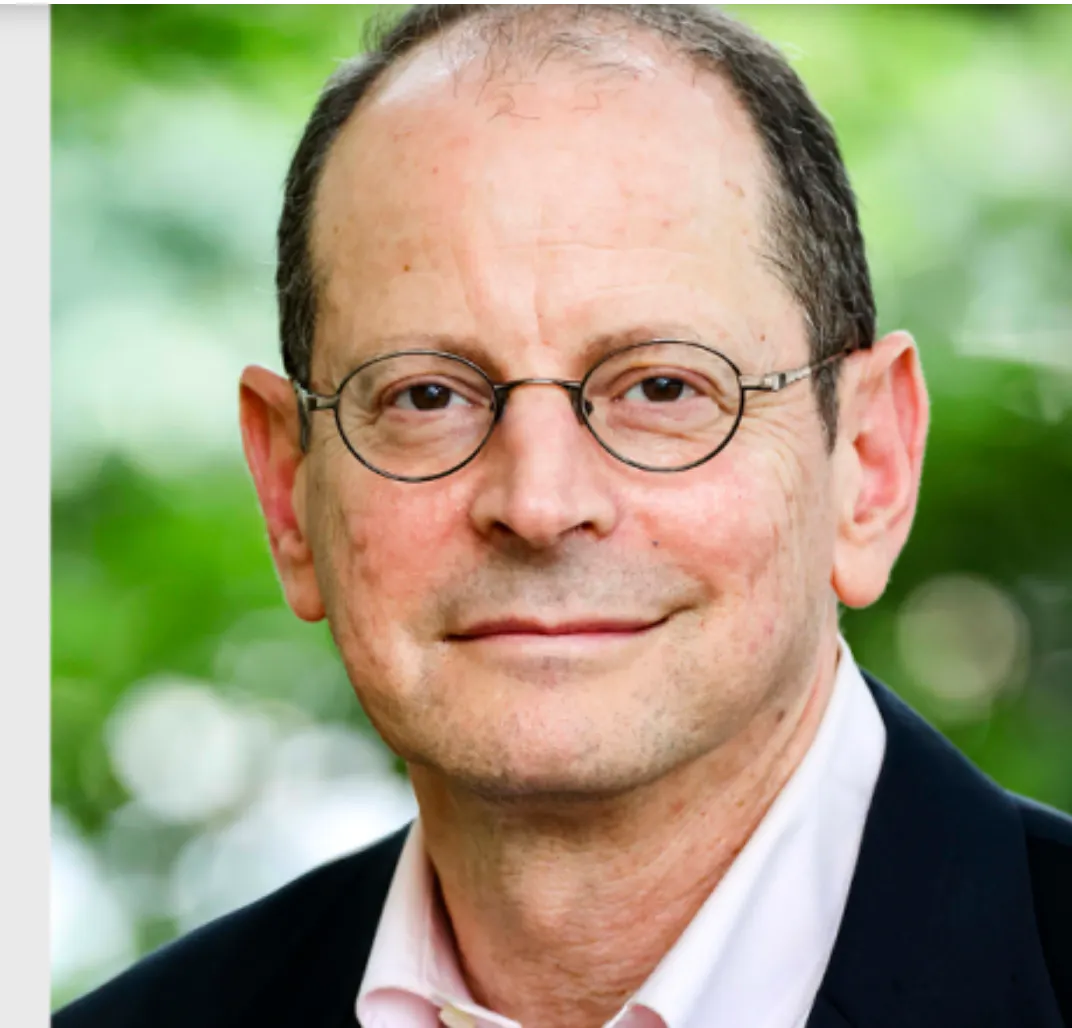
Jonathan Rauch: The Christianity-Democracy Break Up
The crisis of American Christianity has become a crisis for democracy, says award-winning journalist Jonathan Rauch. A lifelong atheist, he is warning that the waning of the church in this country is tied to the waning of our democracy. What happens to American democracy if Christianity is no longer able, or no longer willing, to perform the functions on which our constitutional order depends? In his provocative new book Cross Purposes: Christianity’s Broken Bargain with Democracy, Rauch reckons candidly with both the shortcomings of secularism and the corrosion of Christianity. Rauch says the mainline church—which he calls “thin Christianity”—isn’t able to inspire and retain believers. Worse, he says a “Church of Fear” has distorted white evangelicalism in ways that violate the tenets of both Jesus and James Madison. What to do? For answers, Rauch looks to a new generation of religious thinkers, as well as to the Church of Jesus Christ of Latter-day Saints, which has placed the Constitution at the heart of its spiritual teachings. Rauch addresses secular Americans who think Christianity can be abandoned, and Christian Americans who blame secular culture for their grievances. The two must work together, he argues, to confront our present crisis. He calls on Christians to recommit to the teachings of their faith that align with Madison, not MAGA, and to understand that liberal democracy, far from being oppressive, is uniquely protective of religious freedom. At the same time, he calls on secular liberals to understand that healthy religious institutions are crucial to the survival of the liberal state. Join us for a special online-only talk about mending the rift in American democracy. Learn more about your ad choices. Visit megaphone.fm/adchoices

Sahil Bloom: Designing Your Dream Life
Reject the default path, define your priorities, and achieve lasting happiness with this transformative guide to your dream life—that’s Sahil Bloom’s recipe for a life centered around five types of wealth. Bloom says that throughout your life, you’ve been slowly indoctrinated to believe that money is the only type of wealth; in reality, your wealthy life may involve money, but in the end, it will be defined by everything else. After three years of research, personal experimentation, and thousands of interviews across the globe, Bloom has created a groundbreaking blueprint to build your life around five types of wealth: time wealth, social wealth, mental wealth, physical wealth, and financial wealth. A life of true fulfillment engages all five types—working dynamically, in concert across the seasons of your journey. Through powerful storytelling, science-backed practices, and actionable insights, Bloom explores all of this in his book The 5 Types of Wealth. No matter where you are on your path—a recent graduate, new parent, midlife warrior, retiree, or anything in between—Bloom aims to help you act on your priorities to create an instant positive impact in your daily life, make better decisions, and design the life you’ve always dreamed of. Learn more about your ad choices. Visit megaphone.fm/adchoices
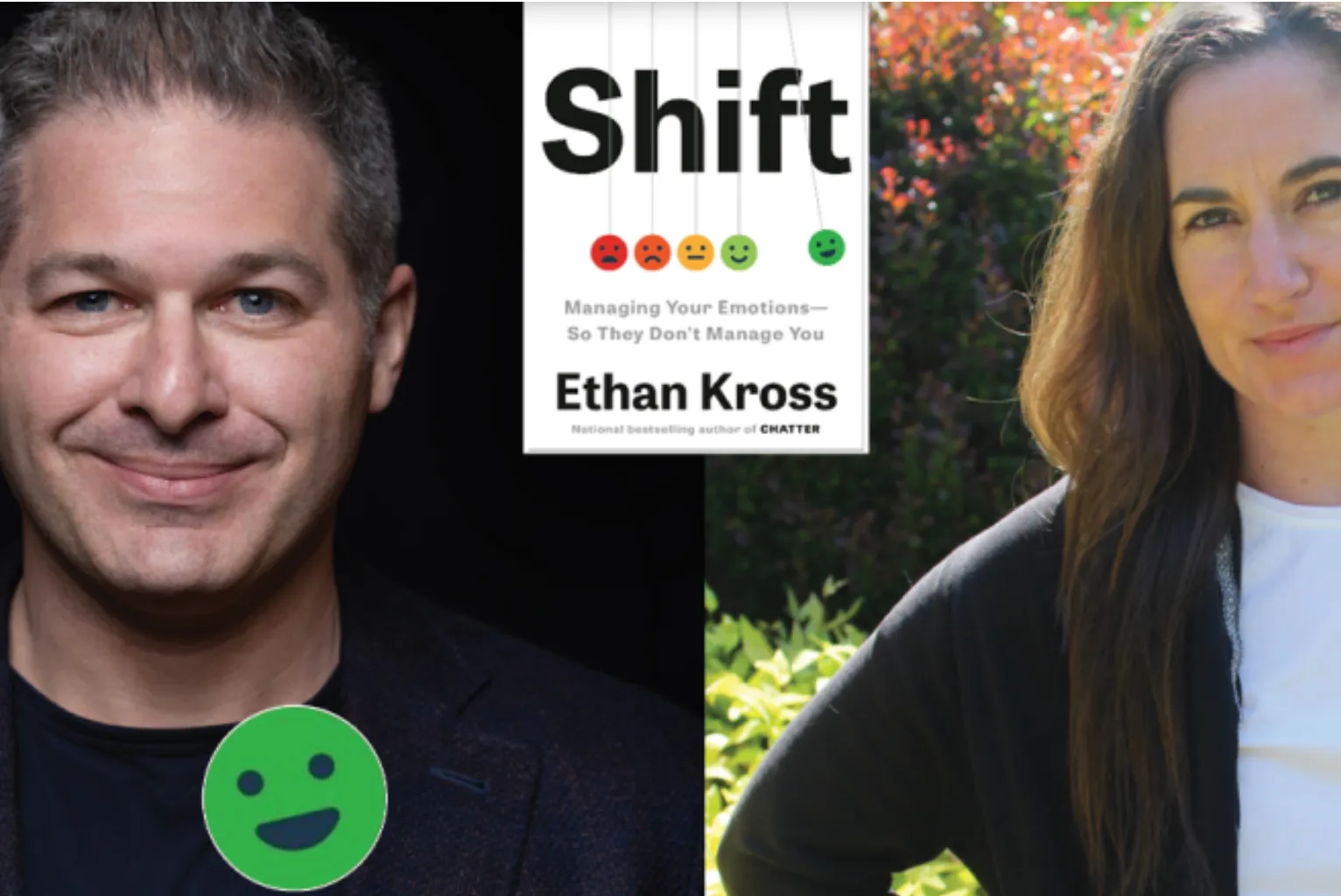
Shift: Managing Your Emotions so They Don't Manage You
Tension is high this time of year, personally and politically, and award-winning University of Michigan Professor Ethan Kross is in town for a special evening to help explore how emotions work and how we can manage them. An international speaker and bestselling author, his first book, Chatter, helped readers understand how to change the "voice" in our head. And now he returns with his new book, Shift, to help readers understand how emotions form, where they come from, and how we can regulate and master them. From our dinner tables at home to workplace conversations, emotional mastery can feel like a distant goal, but Kross says it's something we should all strive for. How can we learn to harness emotions as sources of powerful information? The term "emotional regulation" has now joined popular terminology, but what does it mean and how can we implement it at any age? Kross is joined by local celebrated psychology reporter Jenara Nerenberg, author of Divergent Mind and the forthcoming Trust Your Mind: Embracing Nuance in a World of Self-Silencing. About the SpeakersEthan Kross, Ph.D., is one of the world’s leading experts on emotion regulation. An award-winning professor and international bestselling author in the University of Michigan’s top-ranked Department of Psychology and its Ross School of Business, he is the director of the Emotion and Self-Control Laboratory. Ethan has participated in policy discussion at the White House, spoken at Ted Talks and SXSW, and consulted with some of the world’s top executives and organizations. He has been interviewed about his research on "CBS Evening News," "Good Morning America," "Anderson Cooper Full Circle," and NPR’s "Morning Edition." His research has been featured in The New York Times, The Wall Street Journal, The New Yorker, The New England Journal of Medicine, and Science. His first book, Chatter, has been translated into more than 40 languages. Jenara Nerenberg is the bestselling author of Divergent Mind, hailed as "extraordinary, jaw-dropping" by Library Journal; she is an Aspen Ideas Brave New Idea speaker and the author of a second forthcoming book on the psychology of groupthink. A celebrated writer covering the intersection of psychology and society, Jenara's work has been featured in the UC Berkeley Science Center's Greater Good magazine, Fast Company magazine, CNN, NPR, BBC and elsewhere. Nerenberg speaks widely on social science topics, including at universities, libraries, companies and organizations around the world. She is a graduate of UC Berkeley and the Harvard School of Public Health; she grew up in San Francisco and, as a millennial, can now be found on Instagram. Organizer: Denise Michaud A Grownups Member-led Forum program. Forums at the Club are organized and run by volunteer programmers who are members of The Commonwealth Club, and they cover a diverse range of topics. Learn more about our Forums. Learn more about your ad choices. Visit megaphone.fm/adchoices

Humanities West Presents Hannibal’s Carthage
The Phoenicians were the most civilized people of the Near East and the greatest businessmen and conduits of culture of the ancient world (e.g., they gave us all the alphabet). Their expansion westward across the Mediterranean, driven by the trade in metal ore, is told in myth, archaeology, and the accounts of the people they impacted (including the Berbers, Etruscans, Greeks and Romans). The Phoenician settlement at Carthage (modern Tunisia) soon became the most powerful and cultured city of the western Mediterranean, their ships dominating trade routes. Conflict thus became inevitable with the Etruscans, Greeks and Romans, which culminated in the three Punic Wars. In the Second Punic War, Hannibal terrorized the Romans like no other enemy they had ever encountered, but in the end the Romans erased Carthage entirely. Yet Carthage remains eternal: in myth, painting, literature and grand opera. Hannibal, Rome’s Nightmare Patrick Hunt will describe how Hannibal, the great Carthaginian general, weaponized nature—making Roman armies cross icy streams, and face fog and dust storms, in his almost two decade war against Rome in Italy starting in 218 BC. Brilliantly defeating multiple Roman legions even when outnumbered, Hannibal’s flexible craftiness and ability to get in the minds of his enemy, by employing a staggering arsenal of tactics, are still admired and emulated in modern warfare. It is likely that Roman legions would never have conquered their empire had Hannibal not first schooled Rome in his methods of professional warfare. Even Machiavelli created his famous dictum “better to be feared than loved” based on Hannibal. So it is fatefully ironic that the general who won so many battles, but could not win the war, only wanted Rome to leave Carthage alone. Hannibal’s policies ultimately failed when the Romans totally obliterated Carthage in 146 BC. Legendary Carthage Douglas Kenning will illustrate how mythology expresses in narrative the varied ways a people understand themselves and their world. In the case of Carthage we began with the Rape of Europa, which led to the stories of Phoenix and Cadmus, which led to the stories of the Phoenician princess Elissa, which led to the story of Dido and Aeneas as told by Virgil. Few mythic cycles were as important as this one in ancient times, being fundamental to any understanding of Carthaginian values and behavior (e.g., Hannibal casting himself as Hercules) and how the Romans viewed their international role and their foreign policy. And for this reason, few mythic cycles are as important across subsequent Western arts, especially painting and music. Organizer: George Hammond The Commonwealth Club of California is a nonprofit public forum; we welcome donations made during registration to support the production of our programming. A Humanities Member-led Forum program. Forums at the Club are organized and run by volunteer programmers who are members of The Commonwealth Club, and they cover a diverse range of topics. Learn more about our Forums. Commonwealth Club World Affairs is a public forum. Any views expressed in our programs are those of the speakers and not of Commonwealth Club World Affairs. Learn more about your ad choices. Visit megaphone.fm/adchoices

CLIMATE ONE: Solar Power to the People
At this moment, the cheapest way to create electricity is by pointing a solar panel at the sun. That’s good news for the climate. It’s also good news for communities who want to take control of their own electricity generation. In the heart of Brooklyn, UPROSE is helping to build a solar project that will be owned by the community, provide jobs, and help residents bring down their energy costs. In Puerto Rico, where hurricanes have devastated the power grid, community members are building solar microgrids to provide reliable electricity as the utility has proven they cannot. Meanwhile in conservative rural Virginia, Energy Right is helping farmers and rural communities adopt solar projects, touting a free market message about energy independence and security. Guests: Elizabeth Yeampierre, Attorney; Executive Director, UPROSE Skyler Zunk, CEO and Founder, Energy Right Arturo Massol-Deyá, Executive Director, Casa Pueblo de Adjuntas We’re excited to share two upcoming opportunities to see Climate One Live! On February 25, internationally recognized environmental and civil rights activist Catherine Coleman Flowers will join Climate One for a live conversation about the future of environmental justice. And on March 24, Google’s Chief Sustainability Officer Kate Brandt and Irina Raicu, Director of the Internet Ethics Program at the Markkula Center, will speak with Climate One about the development of sustainably powered artificial intelligence. Tickets to both shows are on sale through our website. Support Climate One by going ad-free! By subscribing to Climate One on Patreon, you’ll receive exclusive access to all future episodes free of ads, opportunities to connect with fellow Climate One listeners, and access to the Climate One Discord. Sign up today for just $5/month. For show notes and related links, visit our website. Ad sales by Multitude. Contact them for ad inquiries at multitude.productions/ads Learn more about your ad choices. Visit megaphone.fm/adchoices
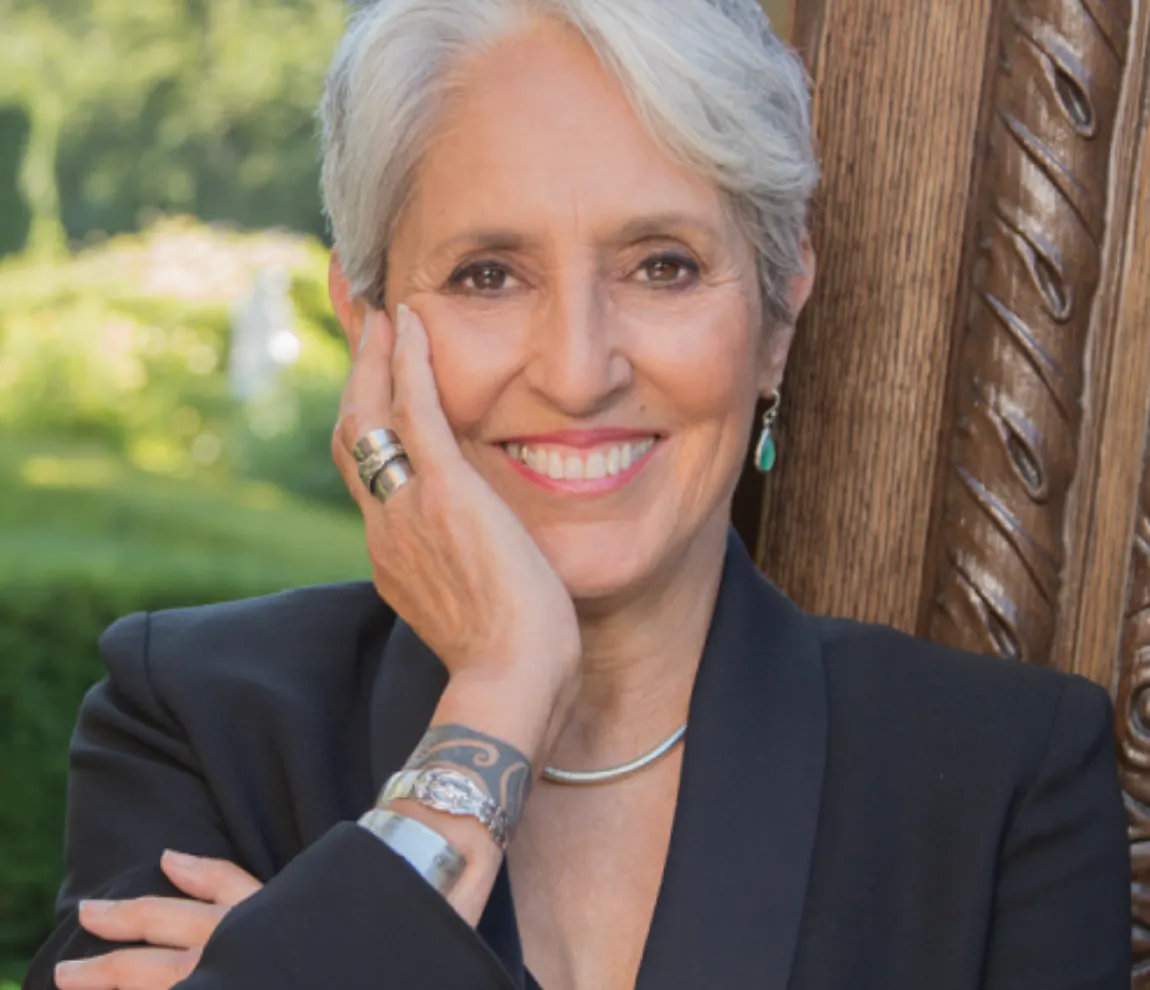
Joan Baez - Legendary Artist & Activist
Joan Baez returns to Commonwealth Club World Affairs nearly 45 years after she came here to discuss “Human Rights in the Eighties.” She's coming back not for a performance but for an in-depth talk about her personal thoughts and life experiences—the person behind the stardom. Baez has been writing poetry for decades, but she’s never before shared it publicly. Now in her book of poems When You See My Mother: Ask Her to Dance Baez shares poems about her contemporaries (such as Bob Dylan, Judy Collins, and Jimi Hendrix), reflections from her childhood, personal thoughts, and cherished memories of her family, including pieces about her younger sister, singer-songwriter Mimi Fariña. Speaking to the people, places, and moments that have had the greatest impact on her art, this collection is an inspiring personal diary in the form of poetry. Join us in-person to hear her discuss how, for the first time ever, she has shared revealing pivotal life experiences that shaped an icon, offering a never-before-seen look into the reminiscences and musings of a great artist. Note: This podcast contains explicit language. Learn more about your ad choices. Visit megaphone.fm/adchoices
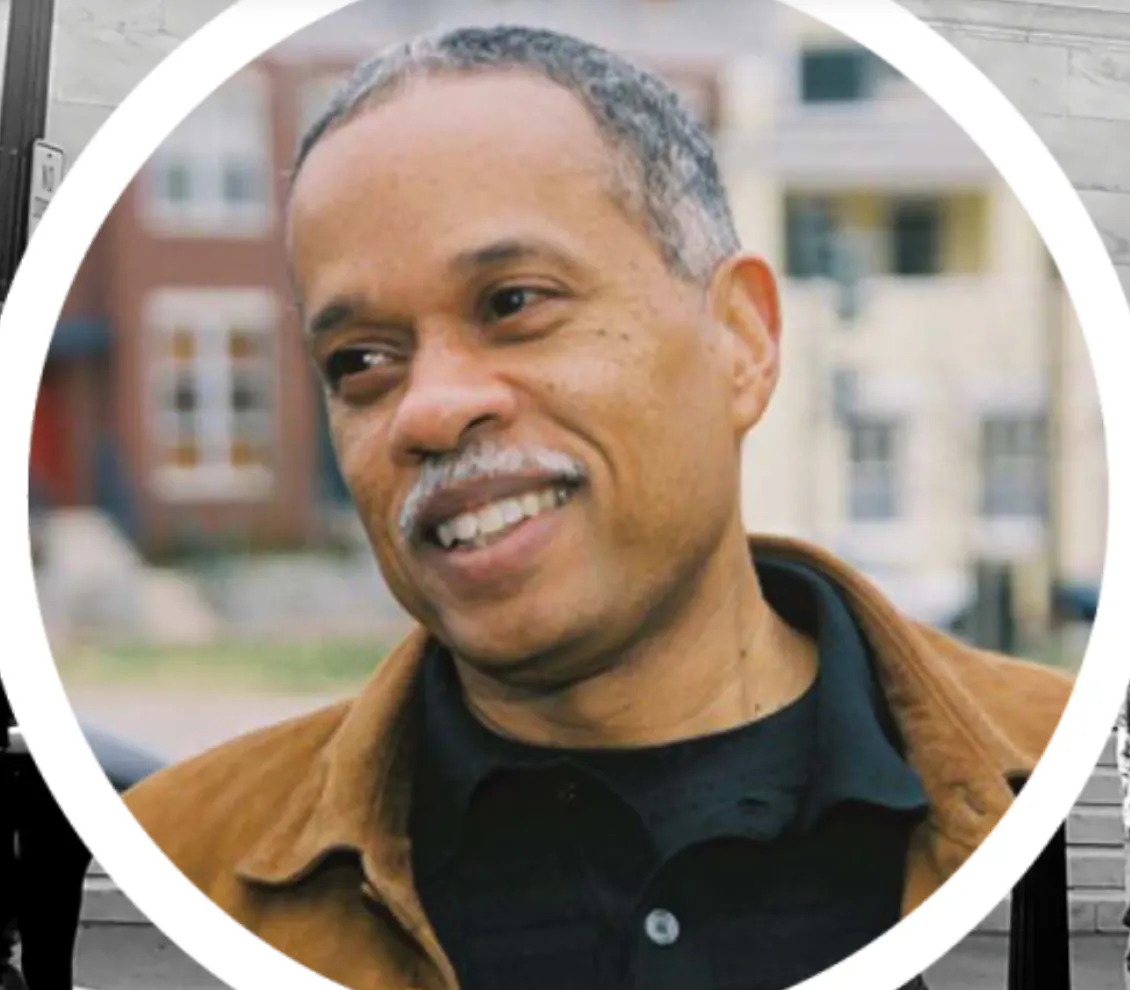
Juan Williams: The Rise of America's Second Rights Movement
More than a century of civil rights activism reached a mountaintop with the arrival of a Black man in the Oval Office. But hopes for a unified, post-racial America were deflated when Barack Obama’s presidency met with furious opposition. A white, right-wing backlash was brewing, and a volcanic new movement—a second civil rights movement—began to erupt. In the highly anticipated follow-up to his Eyes on the Prize, bestselling author Juan Williams turns his attention to the rise of a new 21st-century civil rights movement. In New Prize for These Eyes, Williams shines a light on this historic, new movement. Who are its heroes? Where is it headed? What fires, furies, and frustrations distinguish it from its predecessor? In the 20th century, Black activists and their white allies called for equal rights and an end to segregation. They appealed to the Declaration of Independence’s defiant assertion that “all men are created equal.” They prioritized legal battles in the courtroom and legislative victories in Congress. Today’s movement is dealing with new realities. Demographic changes have placed progressive whites in a new role among the largest, youngest population of Blacks, Hispanics, and Asians in the nation’s history. Williams says the new generation is social media savvy, and they have an agenda fueled by discontent with systemic racism and the persistent scourge of police brutality. Today’s activists are making history in a new economic and cultural landscape, and they are using a new set of tools and strategies to do so. Join us as Williams traces the arc of this new civil rights era, from Obama to Charlottesville to January 6th and a Confederate flag in the Capitol. It’s more than a recounting of history. Williams offers a forward-looking call to action, urging Americans to get in touch with the progress made and hurdles yet to be overcome. Learn more about your ad choices. Visit megaphone.fm/adchoices
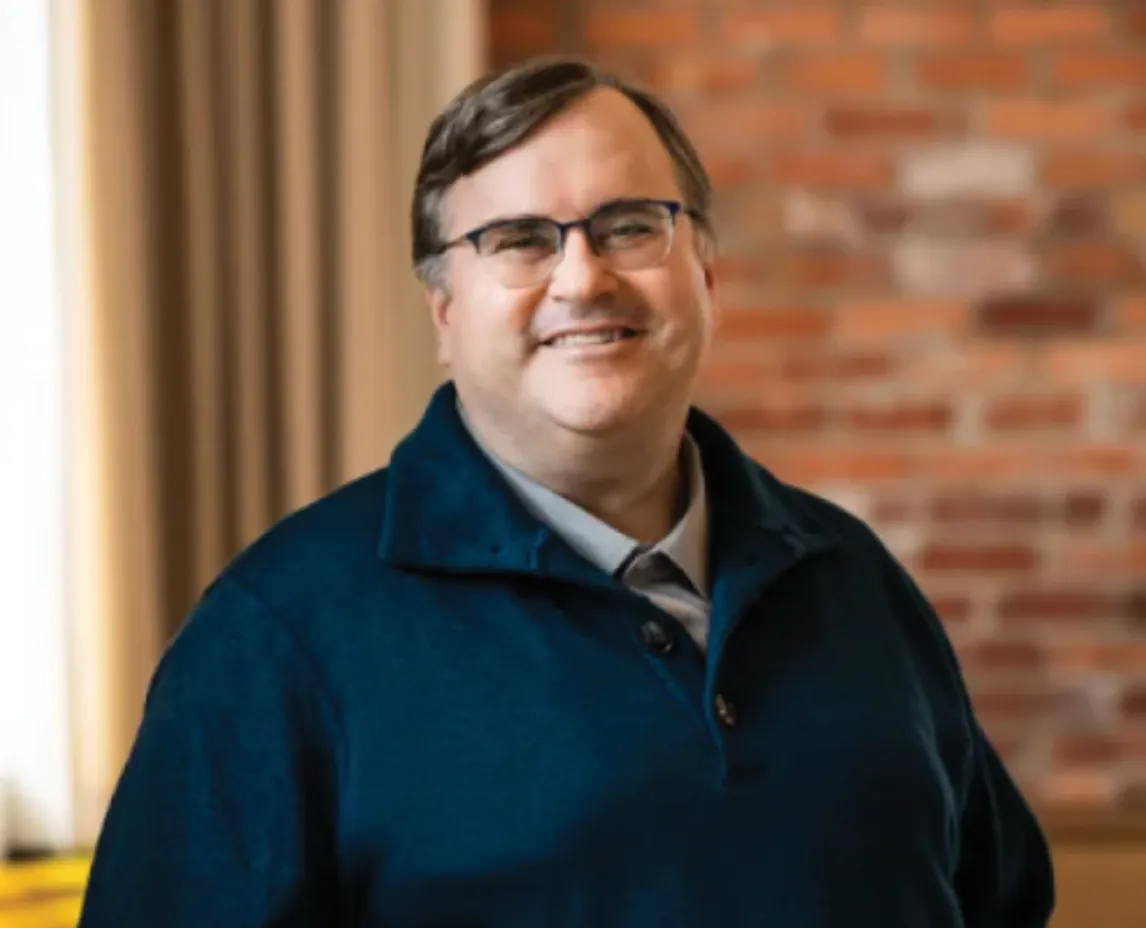
Reid Hoffman: Superagency and Our AI Future
The advent of artificial intelligence has spawned numerous nightmare scenarios of a runaway technology negatively affecting everything from jobs to national security to individual rights. Now Reid Hoffman shares his unique insider’s perspective on an AI-powered future, making the case for its potential to unlock a world of possibilities. Imagine AI tutors personalizing education for each child, researchers rapidly discovering cures for diseases like Alzheimer's and cancer, and AI advisors empowering people to navigate complex systems and achieve their goals. In his new book Superagency, Hoffman and co-author Greg Beato envision a world where these possibilities, and many more, become a reality. They offer a roadmap for using AI inclusively and adaptively to improve our lives and create positive change. While acknowledging challenges like disinformation and potential job changes, the book focuses on AI’s immense potential to increase individual agency and create better outcomes for society as a whole. Join us as Hoffman challenges conventional fears, inviting us to view the future through a lens of opportunity, rather than fear. It’s a call to action—to embrace AI with excitement and actively shape a world where human ingenuity and the power of AI combine to create something extraordinary. NOTE: This podcast contains explicit language. Learn more about your ad choices. Visit megaphone.fm/adchoices

‘Porcelain War’ Film Screening & Discussion
“Ukraine is like porcelain, easy to break yet impossible to destroy.” —Slava Leontyev Join us for a Q&A with the co-director and the producer. Under roaring fighting jets as war ravages their homeland, three artists—Slava, Anya and Andrey—stay behind in their native Ukraine, defiantly finding beauty amid destruction. Armed with art, cameras and—for the first time in their lives—guns, they show that while it’s easy to frighten people, it’s harder to destroy their passion for living. Nominated for an Academy Award for best documentary feature, Porcelain War has already won the 2024 Sundance Grand Jury Prize. The film is a stunning tribute to the resilience of the human spirit, embodying the enduring hope and passion of ordinary people living through extraordinary circumstances. From the Academy Award-winning producer of The Cove and the Emmy Award-winning producer of Chasing Ice, and the team behind the Grammy Award-winning Quincy, Porcelain War is one of the most decorated documentary features of 2024. We will have a discussion with co-director Slava Leontyev and producer Paula DuPré Pesmen. Learn more about your ad choices. Visit megaphone.fm/adchoices
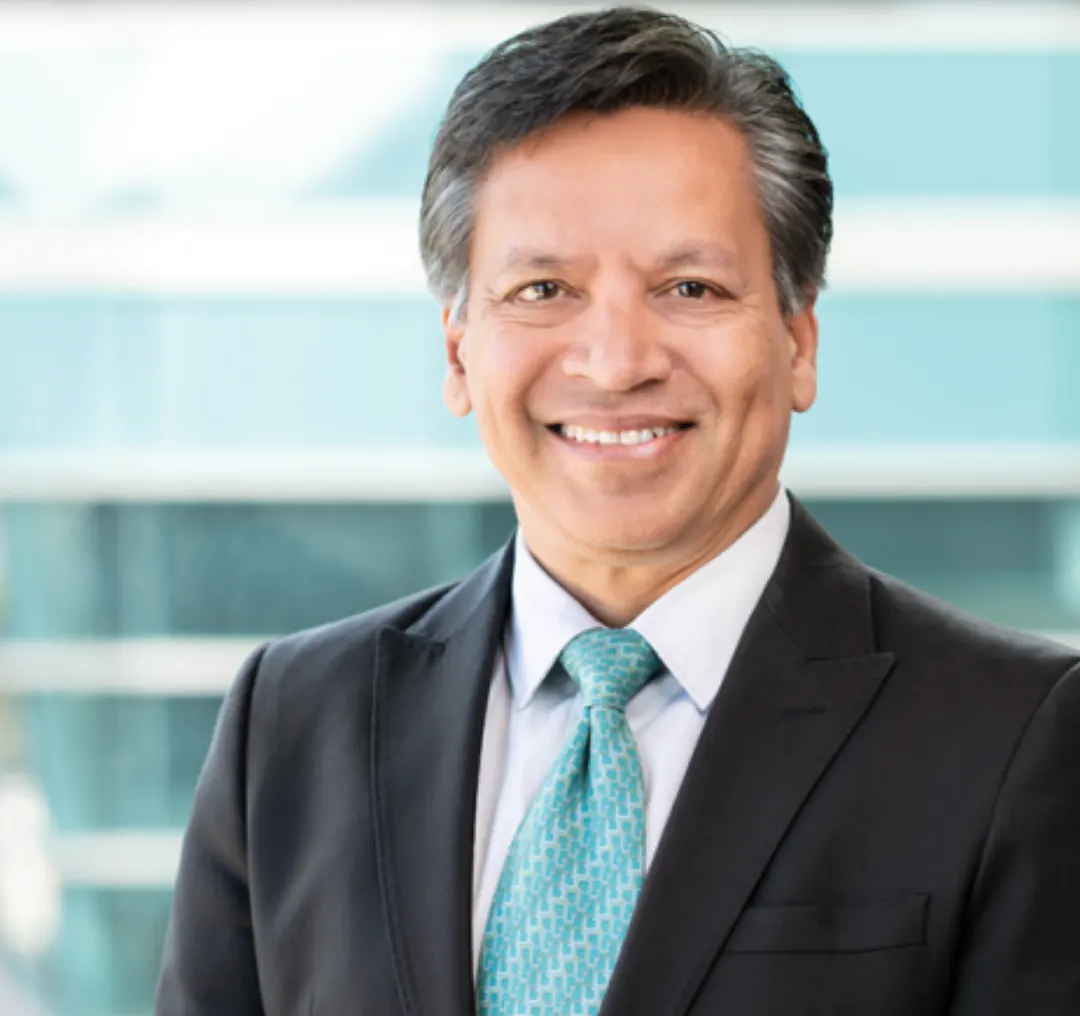
A Revolution in Medicine: The Science Fueling a New Age of Cures
Join us to learn about scientific achievements that might give you and your loved ones access to transformational treatment options today or in the near future. Maybe you've heard about CRISPR gene editing or stem cell therapy in the headlines—now you can find out what these and other technologies really mean for you. Can you imagine if your cells could be taken from a simple blood draw, reprogrammed in a lab dish, then infused back into your body to cure heart disease, treat Alzheimer’s, or shrink a cancer tumor? Or if a simple infusion could rewrite your genetic code to cure a DNA-driven disease? These scenarios may sound like science fiction, but such advances are happening now—forever changing our perspective of disease. No longer must we accept a dire health condition; we have the tools and technology to actually solve it for good. We encourage you to attend in-person so you can join us for a post-event wine and cheese reception, where you’ll have the chance to mingle with Dr. Deepak Srivastava and other world-recognized Gladstone scientists who are dedicated to overcoming disease. Organizer: Robert Lee Kilpatrick A Health & Medicine Member-led Forum program. Forums and Chapters at the Club are organized and run by volunteer programmers who are members of The Commonwealth Club, and they cover a diverse range of topics. Learn more about our Forums. Learn more about your ad choices. Visit megaphone.fm/adchoices
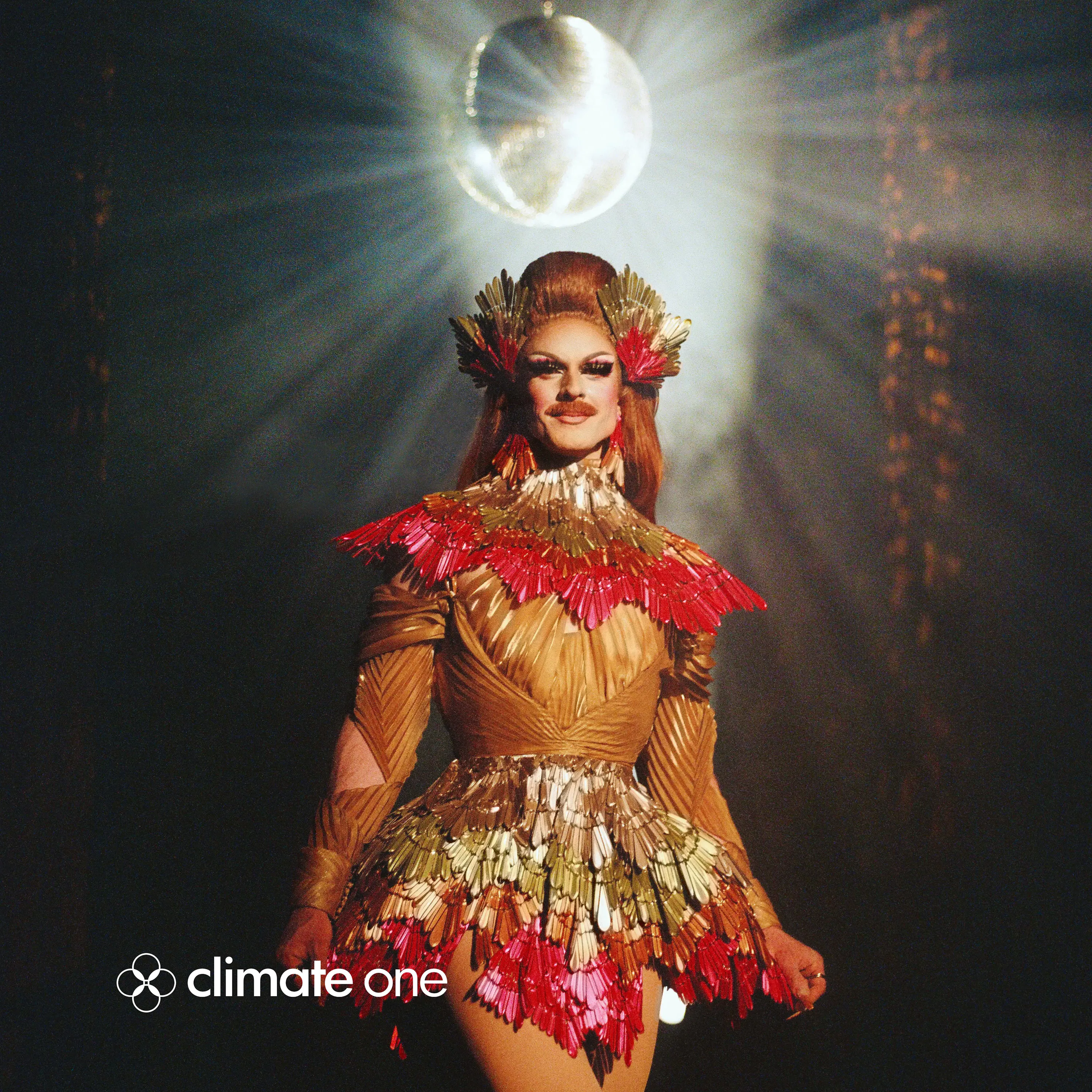
CLIMATE ONE: Drag Queen Pattie Gonia: Bringing Joy to Climate Action
When individuals want to take action on climate, it’s often in the form of electrifying a home, voting, or maybe even traditional activism. Those are very important, but we often overlook how individual skills and talents can also make a difference. This week we’re highlighting creative forms of climate action. Pattie Gonia is a drag queen, environmentalist and advocate for inclusivity and diversity in the outdoors who struts their message through national parks, in Pride events, and through the halls of Congress. Mike Roberts and Will Hammond Jr. wrote a sultry R&B song that will change the way you think about heat pumps… and an equally stimulating song about the power of geothermal energy. Together, they remind us that we don’t always have to take ourselves too seriously in order for our work to be meaningful and have impact. Guests: Pattie Gonia, Drag queen; Environmentalist Mike Roberts, Musician; Climate advocate Will Hammond Jr., Educator; Musician On February 25, internationally recognized environmental and civil rights activist Catherine Coleman Flowers will join Climate One for a live conversation about the future of environmental justice. Join us at noon in San Francisco for a can’t-miss show. Tickets are now available! Support Climate One by going ad-free! By subscribing to Climate One on Patreon, you’ll receive exclusive access to all future episodes free of ads, opportunities to connect with fellow Climate One listeners, and access to the Climate One Discord. Sign up today for just $5/month. For show notes and related links, visit our website. Ad sales by Multitude. Contact them for ad inquiries at multitude.productions/ads Pattie Gonia image credit Mitchell Overton Learn more about your ad choices. Visit megaphone.fm/adchoices
The Economy 2025: The Impacts of Tariffs, Tax Cuts and Trump
The Walter E. Hoadley Annual Economic Forecast, presented by Bank of America. Major changes are coming to tax, tariff, and regulatory policy in the wake of the November 2024 election. What impact will the new administration and Congress have on the economy in 2025? Will inflation be a big factor? How will our international trade fare? And will unemployment and consumer spending continue on their current paths? Our expert panel—including John H. Cochrane, the Rose-Marie and Jack Anderson Senior Fellow at the Hoover Institution; Mary Daly, the president and CEO of the Federal Reserve Bank of San Francisco; Susan Hyde, Robson Professor in the Travers Department of Political Science and co-director of the Institute of International Studies at UC Berkeley; Baie Netzer, senior investment strategist for Bank of America Private Bank; Adam Lashinsky, editor-at-large for The San Francisco Standard and contributing columnist for The Washington Post (moderator)—will give you insight to help you better understand the trends, policies, dangers and opportunities that lie ahead for your business and your wallet in 2025. Commonwealth Club World Affairs of California is a nonprofit public forum; we welcome donations made during registration to support the production of our programming. This event is underwritten by Bank of America. Learn more about your ad choices. Visit megaphone.fm/adchoices
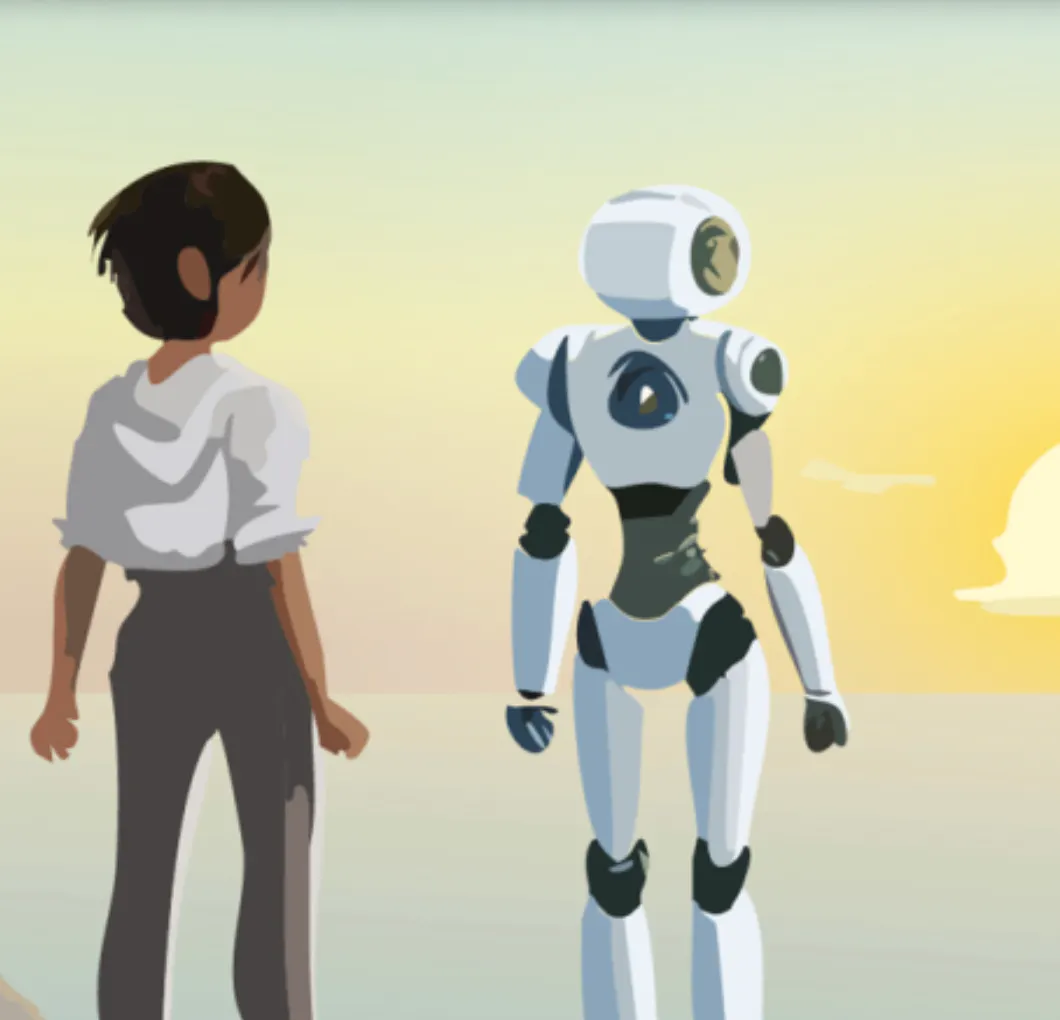
Silicon Valley Reads 2025—Empowering Humanity: Technology for a Better World
Join us for a thought-provoking conversation about technology and humanity with Silicon Valley Read’s featured authors Charlee Dyroff (Loneliness & Company), Dr. Fei-Fei Li (The Worlds I See: Curiosity, Exploration, and Discovery at the Dawn of AI), and Ray Nayler (The Mountain in the Sea). Attendees are invited to come early to see two robot dogs and visit the Euphrat Museum of Art, for their special exhibit where artists will be showcased around the theme "Encoding Empathy." Hosted by Santa Clara County Library District, Santa Clara County Office of Education, San José Public Library, and DeAnza College. Learn more about your ad choices. Visit megaphone.fm/adchoices
CLIMATE ONE: What Climate Progress Is Possible Now?
The second Trump administration has hit the ground running. The president has signed a flurry of executive orders targeting everything from birthright citizenship to pulling out of the Paris Climate Accords. This is a far different moment from the first Trump term. The president is more focused, his team is more focused, and energy policy is at the top of their action list. However, the renewable energy market is also much more mature, and the transition away from fossil fuels has been accelerated by three major climate-related bills passed during the Biden years. In this new political and economic landscape, how do climate advocates need to think and act differently to sustain progress? Guests: Dana R. Fisher, Director of the Center for Environment, Community, and Equity & Professor, School of International Service, American University Nathaniel Stinnett, Founder and Executive Director, Environmental Voter Project Arnab Datta, Director of Infrastructure Policy, Institute for Progress On February 25, internationally recognized environmental and civil rights activist Catherine Coleman Flowers will join Climate One for a live conversation about the future of environmental justice. Join us at noon in San Francisco for a can’t-miss show. Tickets are on sale now through our website. Support Climate One by going ad-free! By subscribing to Climate One on Patreon, you’ll receive exclusive access to all future episodes free of ads, opportunities to connect with fellow Climate One listeners, and access to the Climate One Discord. Sign up today for just $5/month. For show notes and related links, visit our website. Ad sales by Multitude. Contact them for ad inquiries at multitude.productions/ads Learn more about your ad choices. Visit megaphone.fm/adchoices
'America First' Foreign Policy Fights in Trump 2.0
The Chinese have a saying, or perhaps a curse: "May you live in interesting times." From Taiwan to Ukraine, the Middle East and now Greenland, Canada, the Panama Canal and the Gulf of Mexico—from existing conflicts and perhaps soon-to-be conflicts, these are interesting times we find ourselves living in. Who better to help us understand and navigate through the swirling news and events in the dawning of the new Trumpian Age than Professor Casimir Yost from the Walsh School of Foreign Service at Georgetown University and a senior fellow at the Institute for the Study of Diplomacy. We hope you can join us on Thursday, January 23, at 5.30 p.m. at Commonwealth Club World Affairs in San Francisco as our chair Dr. Kalidip Choudhury engages with Professor Yost to shed light on the conflicts we can and cannot expect in the age of Trump. About the Speaker Casimir Yost is a senior fellow in the Institute for the Study of Diplomacy and teaches in the Walsh School of Foreign Service at Georgetown University. From 2009 to 2013. Yost served on the National Intelligence Council (NIC), where he directed the Strategic Futures Group and its predecessor, the Long Range Analysis Unit. He is a member of the Council on Foreign Relations and on the Board of Directors of the American Ditchley Foundation. Organizer: Kalidip Choudhury The Commonwealth Club World Affairs of California is a nonprofit, nonpartisan public forum; we welcome donations made during registration to support the production of our programming. An Asia-Pacific Affairs Member-led Forum program. Forums and chapters at the Club are organized and run by volunteer programmers who are members of The Commonwealth Club, and they cover a diverse range of topics. Learn more about our Forums. Commonwealth Club World Affairs is a public forum. Any views expressed in our programs are those of the speakers and not of Commonwealth Club World Affairs. Learn more about your ad choices. Visit megaphone.fm/adchoices
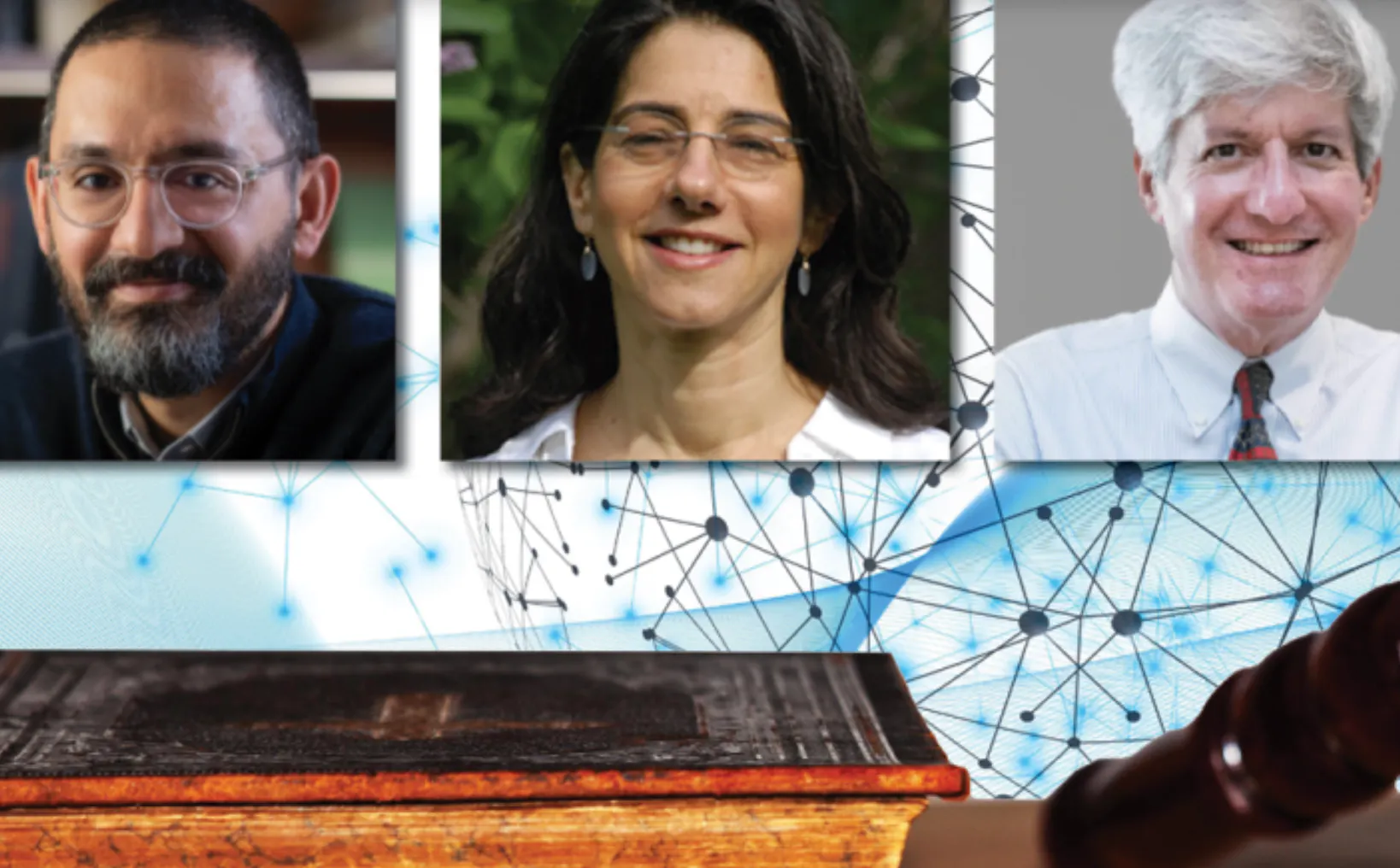
Plot Twist: Could Artificial Intelligence Be the Transformative Force for Justice?
Artificial Intelligence (AI) technology, from predictive analytics to advanced data systems, has emerged as a catalyst for innovation. Yet, the criminal justice system lags decades behind, as more than 3,000 counties in the United States continue to rely on outdated and manual case management systems, making the path to justice far from linear. This technological gap means that while other sectors move forward, many parts of the criminal justice system continue to struggle with inefficiencies and disparities that hinder true progress. Imagine a world where communities have access to the reliable data they need to create change and drive informed, fair decision-making; a world where AI bridges gaps and promotes transparency. But there’s a crucial question: How can we ensure this powerful tool closes the equity gap instead of widening it? The stakes are high, and ethical implementation is key. Despite the United States investing billions annually in policing, courts and corrections, outdated technologies and lack of access to high-quality data have often deepened existing disparities. If we—as a collective of public and private sectors, communities, and institutions—incorporate AI thoughtfully, we can catapult ourselves into a world where the criminal justice system is fully transparent, accessible and accountable to the people it serves. The technological gap in the criminal justice system is significant, impacting not just efficiency, but fairness and equity. Embracing new technologies—such as AI, public facing dashboards, and modern case management systems—can enhance transparency, and rebuild public trust. Addressing these challenges is crucial for creating more effective and equitable criminal justice systems nationwide. Join Amy Bach (Measures for Justice), Raffi Krikorian (Emerson Collective) and Tom Kalil (Renaissance Philanthropy) as we explore these opportunities and discuss the role of AI in reshaping a justice system that is fair, transparent, and accountable for all. Commonwealth Club World Affairs of California is a nonprofit public forum; we welcome donations made during registration to support the production of our programming. Learn more about your ad choices. Visit megaphone.fm/adchoices

CLIMATE ONE: LA Wildfires: Loss, Recovery and Resilience
The wildfires ravaging Los Angeles have caused incredible destruction — loss of life, thousands of homes and businesses gone or damaged and hundreds of thousands of people displaced. While the scale and speed of these fires may feel unprecedented, the dry, fire-prone foothills around LA burn often. Yet increasingly we see wildfires spurred by climate factors including warmer temperatures and weather whiplash — cycles of heavy precipitation followed by extreme drought. This week we hear what climate science says about current and future wildfire risk and about ways to support an equitable recovery from such destructive urban disasters. Guests: Moira Morel, Cinematographer; Altadena resident Hugh Safford, Research faculty, Department of Environmental Science and Policy, UC Davis Andrew Rumbach, Senior Fellow, Urban Institute Nick Mott, Multimedia journalist; Author of “This Is Wildfire” On February 25, internationally recognized environmental and civil rights activist Catherine Coleman Flowers will join Climate One for a live conversation about the future of environmental justice. Join us at noon in San Francisco for a can’t-miss show. Tickets are on sale now through our website. Support Climate One by going ad-free! By subscribing to Climate One on Patreon, you’ll receive exclusive access to all future episodes free of ads, opportunities to connect with fellow Climate One listeners, and access to the Climate One Discord. Sign up today for just $5/month. For show notes and related links, visit our website. Ad sales by Multitude. Contact them for ad inquiries at multitude.productions/ads Learn more about your ad choices. Visit megaphone.fm/adchoices
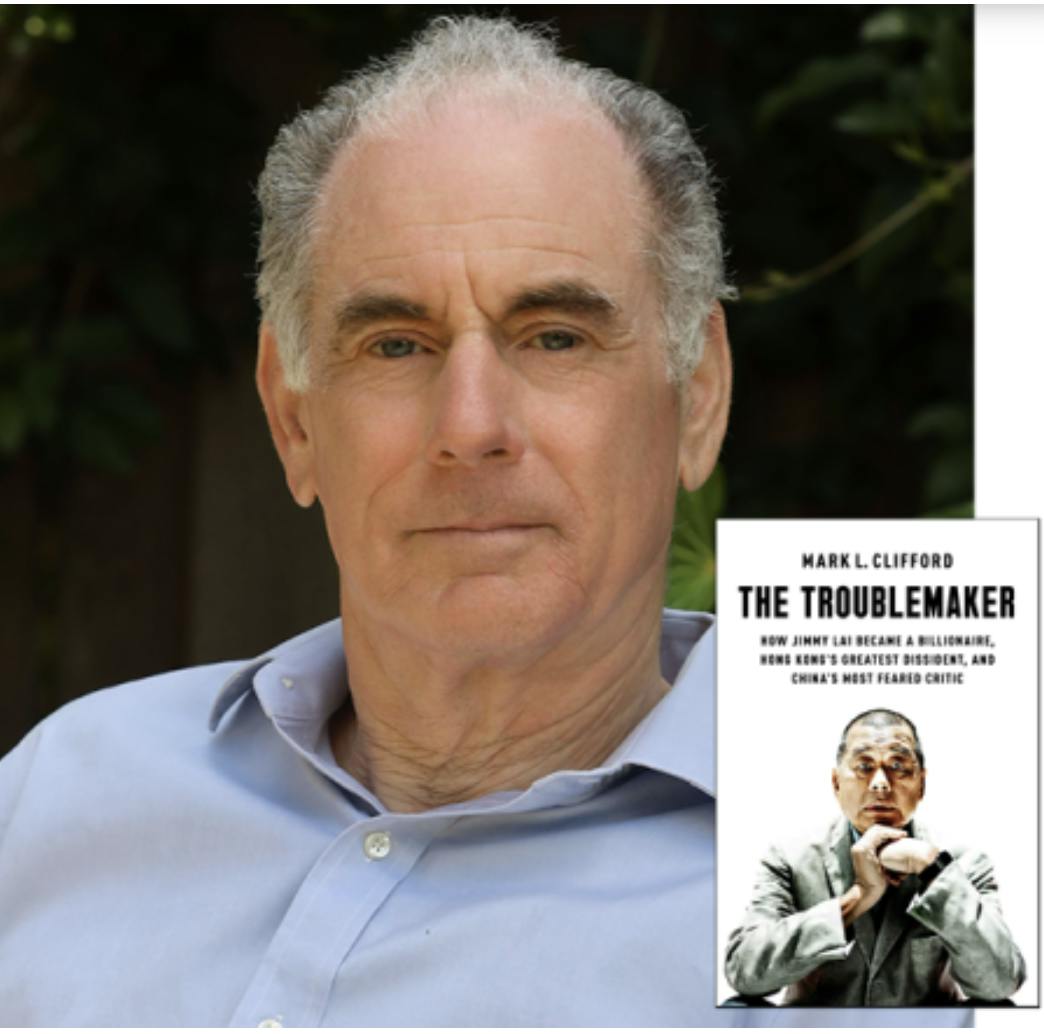
Mark Clifford: How Jimmy Lai Became Hong Kong's Greatest Dissident and China's Most Feared Critic
How did the billionaire businessman Jimmy Lai become one of Hong Kong’s leading activists for democracy—and China’s most famous political prisoner today? Jimmy Lai escaped mainland China when he was 12 years old, at the height of a famine that killed tens of millions. In Hong Kong, he hustled; no work was beneath him, and he often slept on a table in a clothing factory where he did odd jobs. At 21, he was running a factory. By his mid-twenties, he owned one and was supplying sweaters and shirts to some of the biggest brands in the United States, from Polo to The Limited. His ideas about retail led him to create Giordano in 1981, and with it “fast fashion.” A restless entrepreneur, as Giordano prepared to go public, he was thinking about a dining concept that would disrupt Hong Kong’s fast-food industry. But then came the Tiananmen Square democracy protest and the massacre of 1989. His reaction to the violence was to enter the media business to push China toward more freedoms. He started a magazine, Next, to advocate for democracy in Hong Kong. Then, just two years before the city was to return to Chinese control, he founded the Apple Daily newspaper. Its mix of bold graphics, gossip, local news, and opposition to the Chinese Communist Party was an immediate hit. For more than two decades, Lai used Apple and Next as part of a personal push for democracy—in weekly columns, at rallies and marches, and, memorably, sitting in front of a tent during the 2014 Occupy Central movement. Lai also took his activism abroad, traveling frequently to Washington, where he was well known in Congress and in political circles. China reacted with fury in 2019 when he met with Vice President Mike Pence and Secretary of State Mike Pompeo. A draconian new security law came into effect in Hong Kong in mid-2020, effectively making free speech a crime and censorship a fact. Lai was its most important target. Apple Daily was raided on August 10, 2020. He was arrested and held without bail before being convicted of trumped-up charges ranging from lighting a candle (“incitement to riot”) to violating a clause in his company’s lease (“fraud”). At the end of 2023, a lengthy trial began alleging “collusion with foreign forces” and printing seditious materials. China’s most famous political prisoner has been in jail for more than 1,100 days and could spend the rest of his life there. Join us to hear from Mark Clifford, author of The Troublemaker, and learn all about the billionaire behind bars. This program is generously supported by the Ken and Jaclyn Broad Family Foundation. Learn more about your ad choices. Visit megaphone.fm/adchoices
California Forever: Can Building New Cities Help Solve Our Housing Crisis?
California faces an urgent housing crisis: Median home prices are double the national average and while in 2016 it was projected that the state needed to build 3.5 million new homes by 2025 to meet demand, just one quarter of those have even been permitted. Is building new cities from scratch the solution—or is it just a Silicon Valley pipe dream? Join us for an eye-opening fireside chat with Gabe Metcalf, head of planning at California Forever, exploring why he sees greenfield development, rather than infill alone, as our best shot at addressing the housing crisis. Drawing upon years in his previous role as CEO of SPUR and now leading urban planning for California Forever’s controversial East Solano Plan—a proposed, VC-backed new city in Solano County—Metcalf will discuss why he believes that cities are humankind’s greatest invention and why building walkable, compact communities must become a normal form of development. Is it time to rethink our approach to building mass housing or will hurdles mean new cities never break ground? An essential discussion for residents, urban planners, environmental advocates and anyone invested in the Bay Area’s housing future. Learn more about your ad choices. Visit megaphone.fm/adchoices

CLIMATE ONE: Even Old Houses Can Learn New Elec-Tricks
If we include personal cars, along with appliances like water heaters, stoves and furnaces, more than 40 percent of U.S. greenhouse gas emissions come from individuals at the home level. The good news: no matter where you live, there are steps you can take to make your home cleaner, healthier and more comfortable. And thanks to the Inflation Reduction Act, there’s now a raft of federal incentives to help homeowners electrify their lives. Electrification has even become a theme on long running home improvement programs like “This Old House.” But with all the new technology and the federal tax credits, where to start? Guests: Ross Trethewey, Home Technology Expert, “This Old House” Ari Matusiak, Co-founder, President and CEO, Rewiring America Edith Buhs, Electrification Coach, Rewiring America; Decarbonization Advisor, Abode Energy Management Support Climate One by going ad-free! By subscribing to Climate One on Patreon, you’ll receive exclusive access to all future episodes free of ads, opportunities to connect with fellow Climate One listeners, and access to the Climate One Discord. Sign up today for just $5/month. For show notes and related links, visit our website. Ad sales by Multitude. Contact them for ad inquiries at multitude.productions/ads Learn more about your ad choices. Visit megaphone.fm/adchoices
Obi Kaufmann—The State of Fire: Why California Burns
How do we live with fire? Join us for a talk about stewardship, resilience and hope. Fire is an essential part of California's ecology. Humans have been using it to shape the California landscape for thousands of years. But today many Californians' relationship to fire is one of fear. Obi Kaufmann, author of the best-selling California Field Atlas, now asks: How do we live with fire? What makes fire essential to a healthy and biodiverse Golden State, and how do we benefit from its teachings? With the same solution-minded ethic as his much-admired The State of Water: Understanding California's Most Precious Resource, Kaufmann presents fire as a force of regeneration rather than apocalypse. He considers the long history of ecological burns, the varied ways fire behaves across the state, and the lessons we can learn from California's largest fires of recent decades. Organizer Andrew Dudley A People & Nature Member-led Forum program. Forums at the Club are organized and run by volunteer programmers who are members of The Commonwealth Club, and they cover a diverse range of topics. Learn more about our Forums. Learn more about your ad choices. Visit megaphone.fm/adchoices
Seth Rockman: A Material History of American Slavery
How interdependent were the Northern industrial economy and Southern slave labor in pre-Civil War America? Historian and Brown University history professor Seth Rockman says the traditional way of thinking about the United States in the early 19th century—that of a nation with an industrializing North and agricultural South—overlooks the economic ties that held together the nation before the Civil War. He says it misses slavery’s long reach into small New England communities, and it fails to recognize the role of Northern manufacturing in shaping the terrain of human bondage in the South. Rockman, in his new book Plantation Goods, looks at the shirts, hats, hoes, shovels, shoes, axes, and whips made in the North for use in the South. By following the stories of material objects, such as shoes made by Massachusetts farm women that found their way to the feet of a Mississippi slave, Rockman says it was a national economy organized by slavery—a slavery that outsourced the production of its supplies to the North, and a North that outsourced its slavery to the South. Examining producers and consumers linked in economic and moral relationships across great geographic and political distances, Rockman explores how people in the 19th century thought about complicity with slavery while showing how slavery structured life nationwide and established a modern world of entrepreneurship and exploitation. Organizer: George Hammond A Humanities Member-led Forum program. Forums at the Club are organized and run by volunteer programmers who are members of The Commonwealth Club, and they cover a diverse range of topics. Learn more about our Forums. Learn more about your ad choices. Visit megaphone.fm/adchoices