Commonwealth Club of California Podcast
2,452 episodes — Page 13 of 50
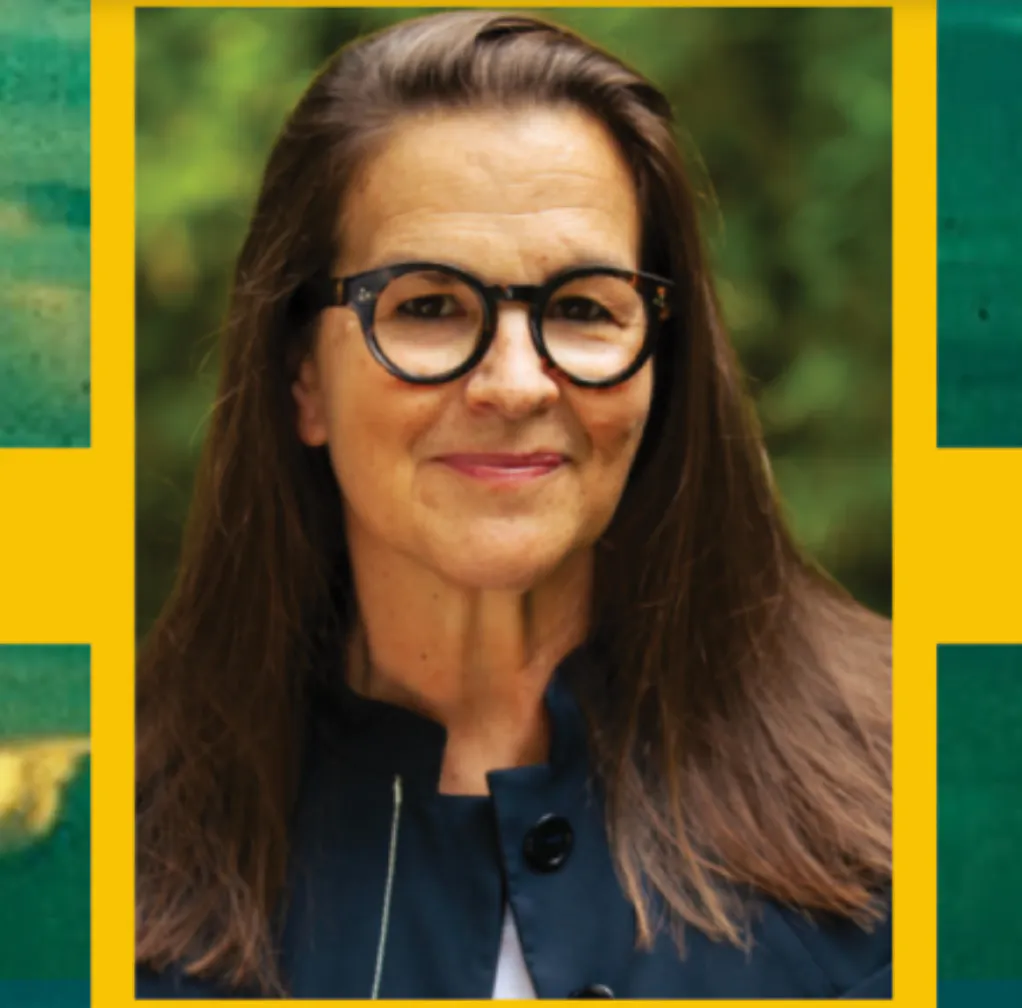
Annie Jacobsen - Nuclear War
Would you even have time to duck and cover? There is only one scenario other than an asteroid strike that could end the world as we know it in a matter of hours: nuclear war. And one of the triggers for that war would be a nuclear missile inbound toward the United States. Every generation, a journalist has looked deep into the heart of the nuclear military establishment: the technologies, the safeguards, the plans, and the risks. These investigations are vital to how we understand the world we really live in—where one nuclear missile will beget one in return, and where the choreography of the world’s end requires massive decisions made on seconds’ notice with information that is only as good as the intelligence we have. In her new book Nuclear War: A Scenario, Pulitzer Prize finalist Annie Jacobsen explores this ticking-clock scenario, based on dozens of exclusive new interviews with military and civilian experts who have built the weapons, have been privy to the response plans, and have been responsible for those decisions should they have needed to be made. Join us as Jacobsen returns for a new Club program examining the handful of minutes after a nuclear missile launch. Learn more about your ad choices. Visit megaphone.fm/adchoices

CLIMATE ONE: When California Dreams Hit Political Reality
The Golden State has staked much of its reputation on its green credentials, with state leaders touting its role on the leading edge of global and national climate progress. But California is falling behind in meeting its ambitious emission targets, and has been criticized for over-relying on emerging clean energy technologies that may not bear out. At the same time, the state is at increasing risk from severe wildfires, epic floods and other impacts worsened by burning fossil fuels. What can the nation learn from California’s attempts to mitigate climate disruption? Guests: Scott Wiener, California State Senator Nancy Skinner, California State Senator Liane Randolph, Chair, California Air Resources Board Mari Rose Taruc, Energy Justice Director, California Environmental Justice Alliance Eleni Kounalakis, Lieutenant Governor, California Jennifer Barrera, President & CEO, California Chamber of Commerce It's time for our annual spring appeal! At Climate One, we believe in the power of open conversations to drive positive change. Through our thought-provoking discussions and interviews, we strive not only to raise awareness of climate issues and solutions, but to also empower individuals — like each of our valued listeners — to take tangible steps toward a more sustainable future. You can show your support for Climate One by contributing to our spring fundraising campaign. Learn more about your ad choices. Visit megaphone.fm/adchoices
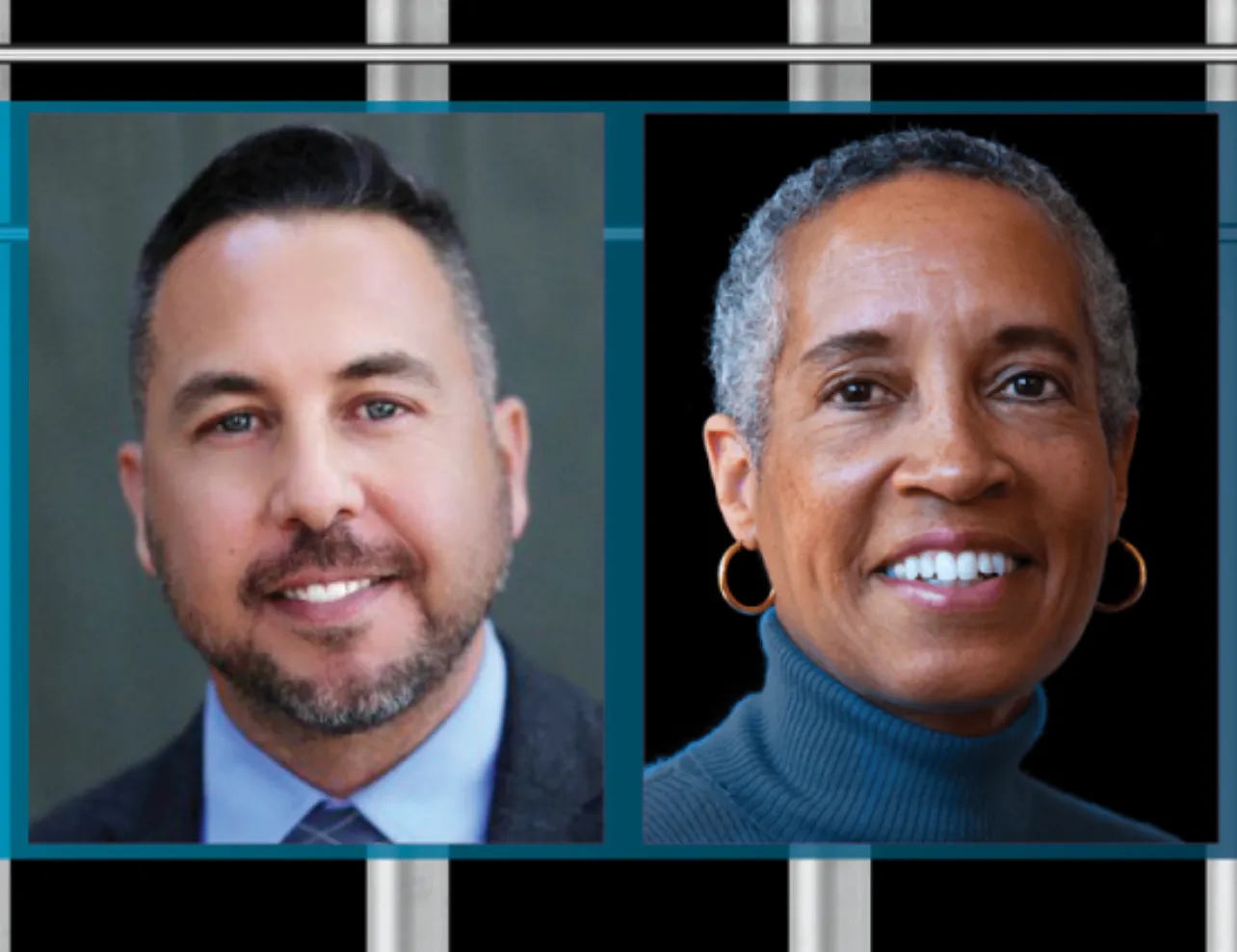
Excessive Punishment: How the Justice System Creates Mass Incarceration
How can we reimagine the justice system to support restoration instead of retribution? Our panelists believe the American criminal justice system cannot reduce its dependence on mass incarceration until we confront our impulse to punish in ways that are excessive, often wildly disproportionate to the harm caused. Instead, our panel will explore the transformative power of second chances, including those who have benefited from them—and those who advocate to ensure our system provides them. Prompting this discussion is the publication of a series of essays, Excessive Punishment: How the Justice System Creates Mass Incarceration, that trace how a maze of local, state and federal agencies have contributed to mass incarceration and deterred attempts at reform. Kevin McCracken from The Last Mile, Michael Mendoza, and Ken Oliver from the Checkr Foundation will join L.B. Eisen from the Brennan Center for Justice and retired Judge LaDoris Cordell for a thoughtful conversation on the second chances their organizations are providing and efforts to reform the existing criminal justice system. Learn more about your ad choices. Visit megaphone.fm/adchoices
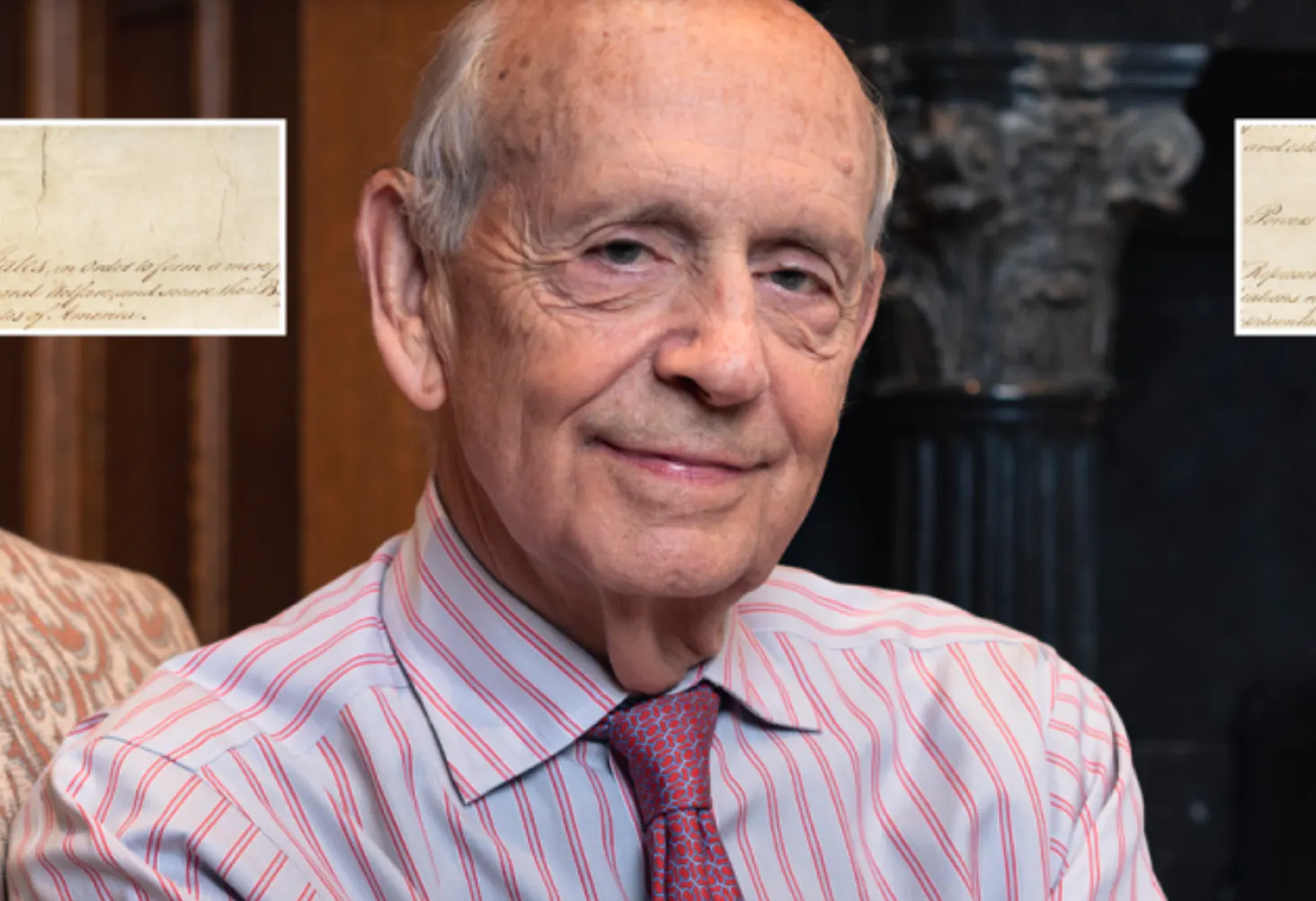
Justice Stephen Breyer: Reading the Constitution
What is a textualist, and why does that judicial philosophy dominate the current U.S. Supreme Court? Join us for a special online event as recently retired Supreme Court Justice Stephen Breyer gives us his provocative analysis that deconstructs the textualist philosophy of the current Supreme Court’s supermajority and makes his case for a better way to interpret the Constitution. Textualists claim that the right way to interpret the Constitution and statutes is to read the text carefully and examine the language as it was understood at the time the documents were written. This, however, is not Justice Breyer’s philosophy, nor has it been the traditional way to interpret the Constitution since the time of Chief Justice John Marshall. Justice Breyer recalls Marshall’s exhortation that the Constitution must be a workable set of principles to be interpreted by subsequent generations. Most important in interpreting law, says Breyer, is to understand the purposes of statutes as well as the consequences of deciding a case one way or another. He illustrates these principles by examining some of the most important cases in the nation’s history, among them the Dobbs and Bruen decisions from 2022 that he argues were wrongly decided and have led to harmful results for our country. Learn more about your ad choices. Visit megaphone.fm/adchoices
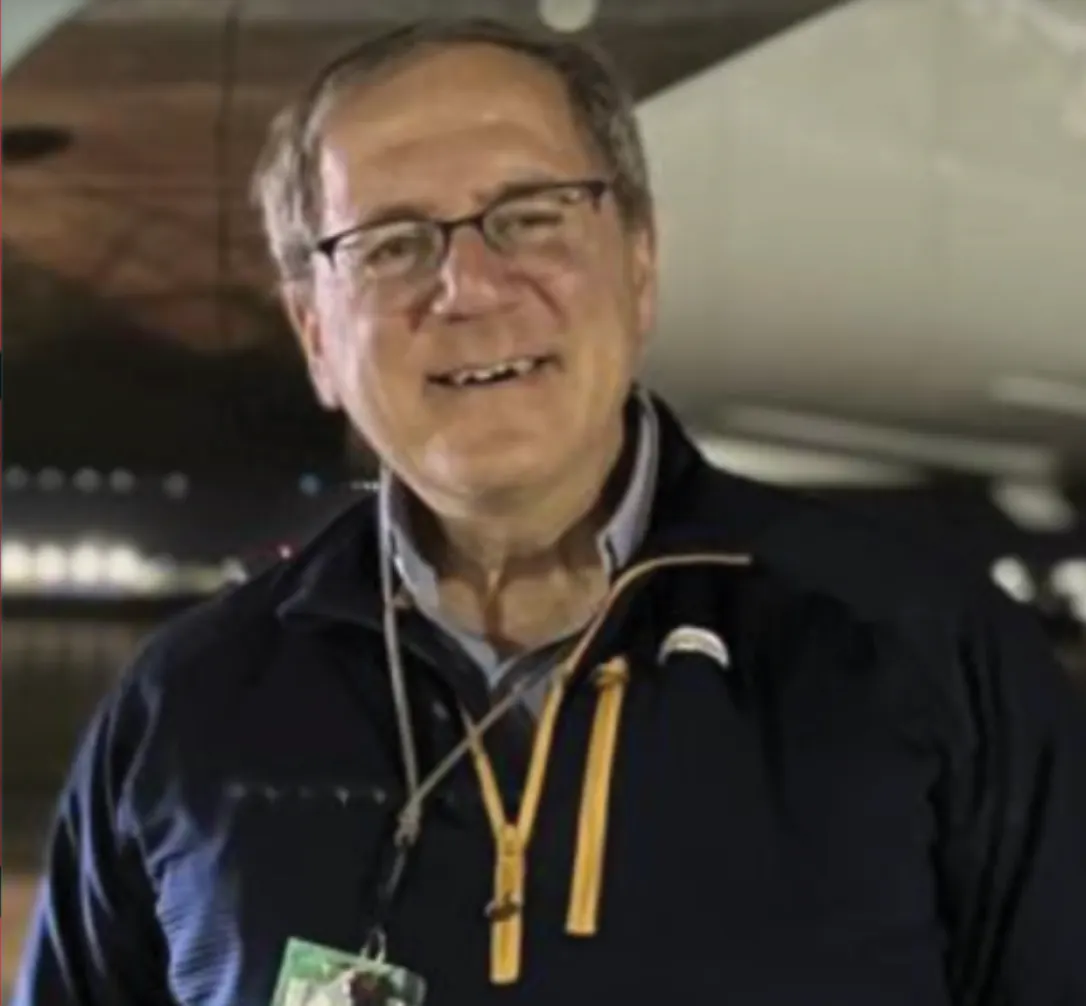
David Sanger: China's Rise, Russia's Invasion, and America's Struggle to Defend the West
Three decades after the end of the Cold War, the United States finds itself in a volatile rivalry with the other two great nuclear powers—Xi Jinping’s China and Vladimir Putin’s Russia—in a world far more complex and dangerous than that of half a century ago. New Cold Wars—the latest from the Pulitzer Prize–winning journalist and bestselling author David E. Sanger—is a fast-paced account of America’s plunge into simultaneous confrontations with two very different adversaries. For years, the United States was confident that the newly democratic Russia and increasingly wealthy China could be lured into a Western-led order that promised prosperity and relative peace—so long as they agreed to Washington’s terms. By the time America emerged from the age of terrorism, it was clear that this had been a fantasy. Sanger says now the three powers are engaged in a high stakes struggle for military, economic, political, and technological supremacy, with nations around the world pressured to take sides. Yet all three are discovering that they are maneuvering for influence in a far more turbulent world than they imagined. Based on an array of interviews with top officials from five presidential administrations, U.S. intelligence agencies, foreign governments, and tech companies, Sanger confronts the era’s critical questions: Will the mistakes Putin made in his invasion of Ukraine prove his undoing and will he reach for his nuclear arsenal—or will the West’s famously short attention span signal Kyiv’s doom? Will Xi invade Taiwan? Will both men deepen their partnership to undercut America’s dominance? And can a politically dysfunctional America still lead the world? From the battlefields of Ukraine—where trench warfare and cyberwarfare are interwoven—to the Taiwan headquarters where the world’s most advanced computer chips are produced and on to tense debates in the White House Situation Room, Sanger will explain America’s return to superpower conflict, the choices that lie ahead, and what is at stake for the United States and the world. Learn more about your ad choices. Visit megaphone.fm/adchoices
Antonio López: Civic Leader, Poet, and Mayor of East Palo Alto
In the early 1990s East Palo Alto was referred to as the “murder capital” of the United States. Thirty years later, the city has its youngest-ever mayor and has undergone a complete transformation, with zero homicides recorded in 2023. Mayor Antonio López believes that civics education and the energy of young people are keys to the continued growth of his city. Mayor López, in conversation with Commonwealth Club World Affairs’ own Issabella Romo, talks about the role of a mayor, his path into politics, and how being a poet has shaped his leadership style. Mayor López talks to students about upcoming elections, the importance of civic discussion, and why young people matter in a democracy. This program is part of the Commonwealth Club World Affairs’ civics education initiative, Creating Citizens. Learn more about your ad choices. Visit megaphone.fm/adchoices

CLIMATE ONE: REWIND: Building a Better Battery Supply Chain with JB Straubel and Aimee Boulanger
Batteries are a critical part of the transition away from fossil fuels. From electric vehicles to grid scale storage for wind and solar, demand for batteries is expected to grow 500% by 2030. In order to meet that demand, we’re going to need a lot more batteries. And while companies like JB Straubel’s Redwood Materials are building capacity for recycling, for now that means a lot more mining. With the battery supply chain only growing more critical as the electric vehicle market matures, we’re revisiting this critical episode from last summer exploring how to build a battery supply chain that meets demand while reducing harm. Guests: JB Straubel, Founder and CEO, Redwood Materials Aimee Boulanger, Executive Director, Initiative for Responsible Mining Assurance Support Climate One by going ad-free! By subscribing to Climate One on Patreon, you’ll receive exclusive access to all future episodes free of ads, opportunities to connect with fellow Climate One listeners, and access to the Climate One Discord. Support Climate One for just $5/month. For complete show notes, visit our website. This episode was underwritten by ClimateWorks. Learn more about your ad choices. Visit megaphone.fm/adchoices
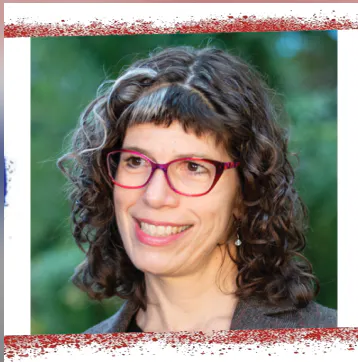
Saving Ourselves: From Climate Shocks to Climate Action
Scientists have known for decades that climate change is an existential crisis. For just as long, critics say there has been a complete failure of our institutions to rise to the challenge. Governments have struggled to meet even modest goals. Fossil fuel interests maintain a stranglehold on political and economic power. Even though we have seen growing concern from everyday people, civil society has succeeded only in pressuring decisionmakers to adopt watered-down policies. All the while, the climate crisis worsens. Is there any hope of achieving the necessary systemic change? Dana R. Fisher argues that there is a realistic path forward for climate action―but only through mass mobilization that responds to the growing severity and frequency of disastrous events. Spurred by the lack of progress, climate activism has become increasingly confrontational. Fisher examines the radical flank of the climate movement: its emergence and growth, its use of direct action, and how it might evolve as the climate crisis worsens. She considers when and how activism is most successful, identifying the importance of creating community, capitalizing on shocking moments, and cultivating resilience. Join us as Fisher offers timely insights on how activist social movements can take power back from deeply entrenched interests and create transformative climate action. About the Speaker Dana Fisher is director of the Center for Environment, Community, and Equity and a professor in the School of International Service at American University. Her previous books include Activism Inc.: How the Outsourcing of Grassroots Campaigns Is Strangling Progressive Politics in America and American Resistance: From the Women’s March to the Blue Wave. Her work has been profiled in the Washington Post, New York Magazine, and Wired. She has appeared on ABC Nightline, Morning Joe, PBS Newshour, CNN, and on various programs on NPR, the CBC, and the BBC. She has published works in The American Prospect, The Washington Post, TIME Magazine, The Nation, Business Insider, and at the Brookings Institution. Learn more about your ad choices. Visit megaphone.fm/adchoices

Special Southeast Asian New Year Celebration
We're honoring Southeast Asian thought leaders this year and will be having conversations with folks about their experiences and contributions as Southeast Asian artist and talent. This program includes a traditional senior blessing ceremony, performances, and a reception featuring Thai, Cambodian, Lao and Burmese food. About the Speakers Neo-soul singer Bochan (Bochan Huy) is a Cambodian American artist based in Oakland, California. Born in Cambodia, her musical stylings and influence is a culmination of her experience as both a refugee and diaspora raised in the melting pot of the Bay Area. Bochan grew up singing in her father’s Cambodian American bands. Honoring traditional style and stepping bravely away, she ushers in a new musical age. KP, also known as Khetphet Phagnasay, is a Lao-American actor, director, producer, and stuntman. He has worked on various projects, including the acclaimed Netflix series "Dahmer; Monster: The Jeffrey Dahmer Story," where he portrayed Sounthone, the father of a 14-year-old Laotian victim. He also shared a scene opposite Michelle Yeoh in The Brothers Sun.He has also been involved in films such as "God is an Astronaut," "Demon Fighter," "Street of Hope," and "Hollywood Road Trip," among others. He grew up in Oswego, Illinois, then moved to Waianae, Hawaii, before settling in Clovis/Fresno, California. He obtained his B.A. in Theatre Arts from California State University, Fresno, and pursued further education in Asian Theatre, focusing on acting, at the University of Hawaii, Manoa. KP has also traveled to Japan, Taiwan, and mainland China as a performer. Kevin Tancharoen is a director, writer, producer, and choreographer. His feature directing credits include Glee: The 3D Concert Movie for Fox and Fame for MGM. Tancharoen has directed multiple episodes of Marvel's Agents of S.H.I.E.L.D., HBO Max’s Warrior, The Flash, 12 Monkeys, Titans, Amazon’s Prison Break event series and Mortal Kombat: Legacy. He most recently directed on "The Mandalorian" spin-off "The Book of Boba Fett" for Lucasfilm as well as directing and executive producing Thai Cave Rescue, a limited series at Netflix from Jon M. Chu and SKG. Prior to his film and TV directing career, he directed Britney Spears' "Onyx Hotel" tour, choreographing her "Me Against the Music" video; remixed projects for Christina Aguilera, Jessica Simpson, and Tyrese; and contributed creatively to Britney Spears' "Dream Within a Dream Tour" and *NSYNC's "Pop Odyssey Tour.” Our thanks for the generous support of The Bamboo Organization for making this program possible. Learn more about your ad choices. Visit megaphone.fm/adchoices

CLIMATE ONE: Artificial Intelligence, Real Climate Impacts
Artificial intelligence can do some pretty amazing things, including for the climate. AI can help optimize the electric grid, make heating and cooling buildings more efficient, and pinpoint exactly where greenhouse gas emissions are coming from all around the world. On the other hand, the energy use of AI is massive and growing. A recent study estimates that in just a few years, the extra energy needed will equal whole countries the size of Sweden or Argentina. How do we make sure the benefits of AI outweigh its energy costs? Guests Karen Hao, Contributing Writer, The Atlantic Gavin McCormick, Cofounder and Executive Director, WattTime; Cofounder, Climate TRACE Priya Donti, Assistant Professor, MIT; Co-founder and Chair of Climate Change AI Amy McGovern, Professor of Computer Science, University of Oklahoma Support Climate One by going ad-free! By subscribing to Climate One on Patreon, you’ll receive exclusive access to all future episodes free of ads, opportunities to connect with fellow Climate One listeners, and access to the Climate One Discord. Join today for just $5/month. For show notes and related links, visit our website. Learn more about your ad choices. Visit megaphone.fm/adchoices
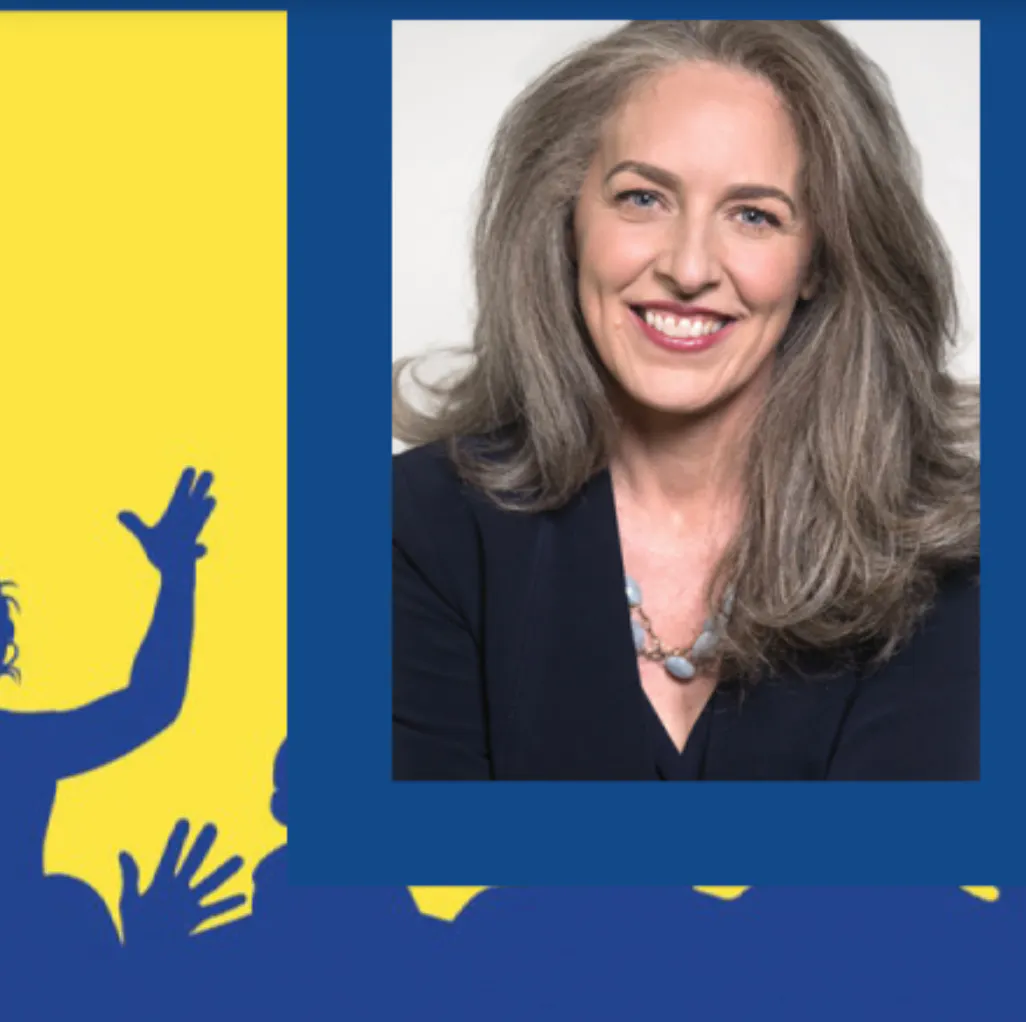
Susannah Fox: Rebel Health
Anyone who has fallen off the conveyer belt of mainstream health care and into the shadowy corners of illness knows what a dark place it is to land. Where is the infrastructure, the information, the guidance? What should you do next? Susannah Fox draws on 20 years of tracking the expert networks of patients, survivors, and caregivers who have come of age between the cracks of the health-care system to offer a way forward. Covering everything from diabetes to ALS to Moebius Syndrome to chronic disease management, Fox taps into the wisdom of these individuals, learns their ways, and fuels the rebel alliance that is building up our collective capacity for better health. Join us for a special online-only talk as Fox discusses the issues raised in her new book Rebel Health, an action-oriented and radically hopeful field guide to the underground, patient-led revolution for better health and health care. Fox says the next wave of health innovation will come from the front lines of this patient-led revolution. Fox identifies and describes four archetypes of this revolution: seekers, networkers, solvers and champions. She has collected tips, such as picking a proxy to help you navigate the relevant online communities or learning how to pitch new ideas to investors and partners or new treatments to the FDA. On a systemic level, this “rebel health” movement is a competitive advantage for businesses, governments and organizations to understand and leverage the power of connection among patients, survivors and caregivers. Learn more about your ad choices. Visit megaphone.fm/adchoices
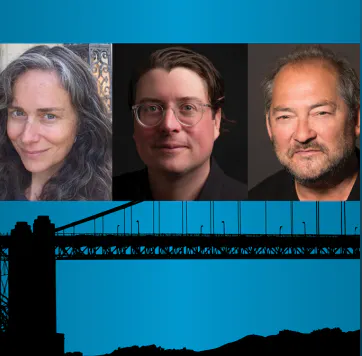
Overlooked Histories of the Bay and Beyond
Think you know the Bay Area? Our past is so much more diverse, more heartbreaking, and more inspiring than anything we are taught in school. Join us as we explore some of these histories with Heather Bourbeau, Gary Kamiya, and Liam O’Donoghue, three locals who are deepening our understanding of and relationship to this place we call home. Heather Bourbeau is an award-winning author whose latest poetry collection, Monarch, explores overlooked histories of the U.S. West where she was raised—California, Nevada, Oregon, and Washington. Gary Kamiya is an award-winning journalist of “Portals of the Past” that ran for more than 10 years in the San Francisco Chronicle and San Francisco Examiner. Liam O’Donoghue is an award-winning journalist and hosts the “East Bay Yesterday” podcast. MLF ORGANIZER George Hammond A Humanities Member-led Forum program. Forums at the Club are organized and run by volunteer programmers who are members of The Commonwealth Club, and they cover a diverse range of topics. Learn more about our Forums. This program is part of our Good Lit series, underwritten by the Bernard Osher Foundation. Learn more about your ad choices. Visit megaphone.fm/adchoices
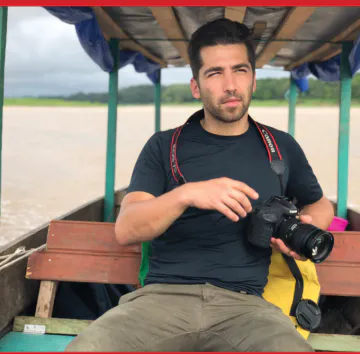
Jonathan Vigliotti: Stories from the Front Lines of Climate Change in Small-Town America
From massive forest fires in California to hurricanes in Louisiana, receding coastlines in Massachusetts and devastated fisheries in Alaska, the climate catastrophe is already here. Discussion of the climate crisis has always suffered from a problem of abstraction. Data points and warnings of an overheated future struggle to break through the noise of everyday life. Deniers often portray climate solutions as inconvenient, expensive and unnecessary. Many politicians, focused always on their next election, do not yet see climate as a winning issue in the short run, so they don’t take any action at all. But climate change, and its devastating consequences, has kept apace whether we want to pay attention or not. CBS News national correspondent Jonathan Vigliotti has seen that crisis unfold for himself, spending nearly two decades reporting across the United States (and the world) documenting the people, communities, landmarks, and traditions we’ve already surrendered. Vigliotti shares with urgency and personal touch the story of an America on the brink. In his new book, Before It’s Gone, Vigliotti traces his travels across the country, taking him to the frontlines of climate disaster and revealing the genuine impacts of climate change that countless Americans have already been forced to confront. This is the story of America, and Americans, on the edge, and a powerful argument that radical action on climate change with a respect for its people and traditions is not only possible, but also the only way to preserve what we love. Learn more about your ad choices. Visit megaphone.fm/adchoices
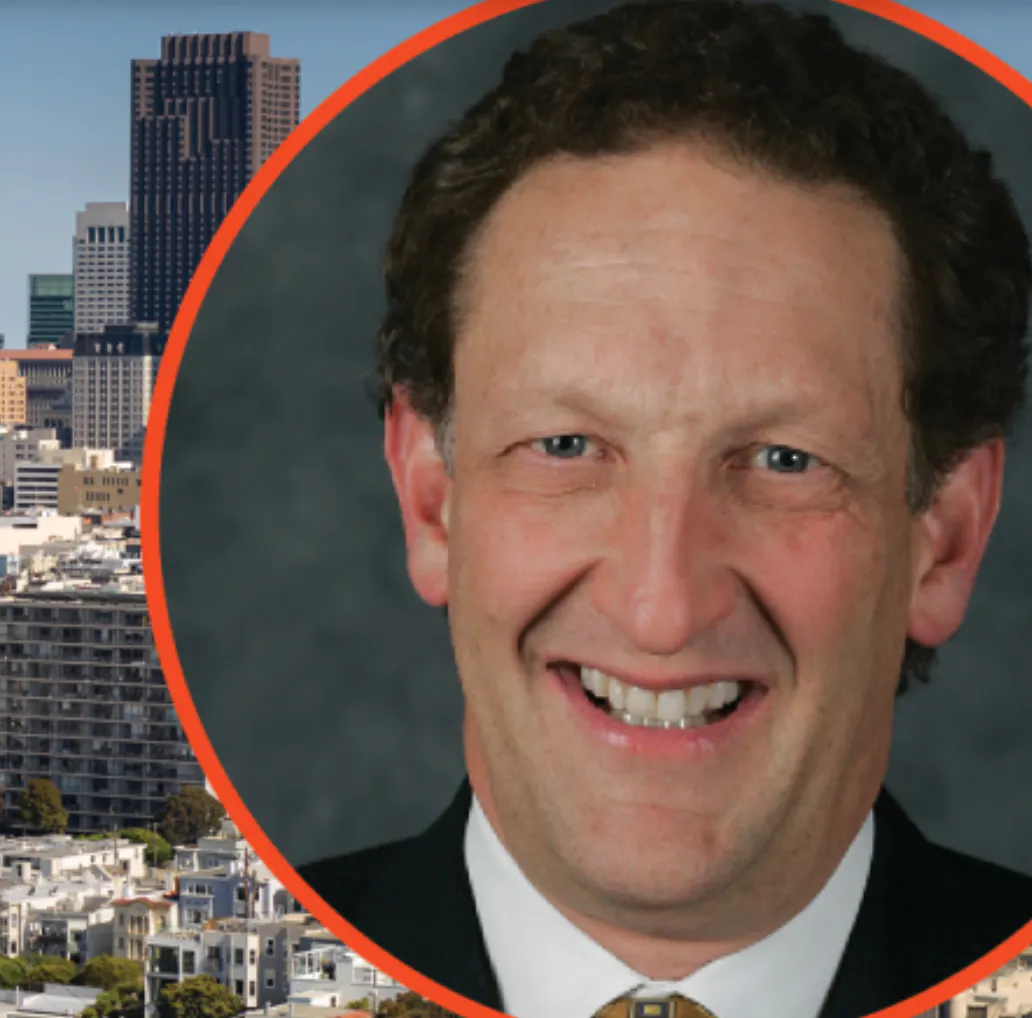
Larry Baer, San Francisco Giants CEO: Betting Big on the City
Is the future of San Francisco on the line right now? Since COVID hit, San Francisco has repeatedly made headlines across the world for the challenges the city faces. The pandemic, remote work, downtown retail woes and the perception of rising crime have all contributed to a “doom loop” narrative. In response, city boosters have acknowledged our city’s “boom and bust” cycles and looked forward to the city rising again. Join Larry Baer, president and CEO of the San Francisco Giants, in conversation with NBC Bay Area’s Raj Mathai to explore how San Francisco’s business community is responding and how they propose to ensure the city’s best days are still ahead. As co-chair of Advance SF, Baer spearheads a group of business leaders born, raised and living in San Francisco, just like him, who are betting big on the city’s future. From his work in the 1990s to keep the Giants in San Francisco to the Giants current role investing in and building Mission Rock, a new mixed-used neighborhood next to Oracle Park, Baer has been at the nexus of sports, business and innovation in the city for decades. And, of course, he will look ahead to the 2024 MLB season as it gets underway and we ask: Should we be betting big on the Giants? A fourth-generation San Franciscan, Baer has gained a national reputation as one of professional sports visionaries leading the San Francisco Giants. Baer joined the team in 1992 as the executive vice president after he and Peter Magowan led the effort to assemble a new ownership group that kept the Giants in the city. A limited partner and board member of the ownership group, Baer was named CEO on January 1, 2012. In his first year as president and CEO, the Giants won their second World Series Championship in three years. In 2014, the Giants won their third World Series title in five years. Baer is responsible for the overall day-to-day operations of the organization and serves as a key strategist and negotiator of the club’s major transactions. Learn more about your ad choices. Visit megaphone.fm/adchoices
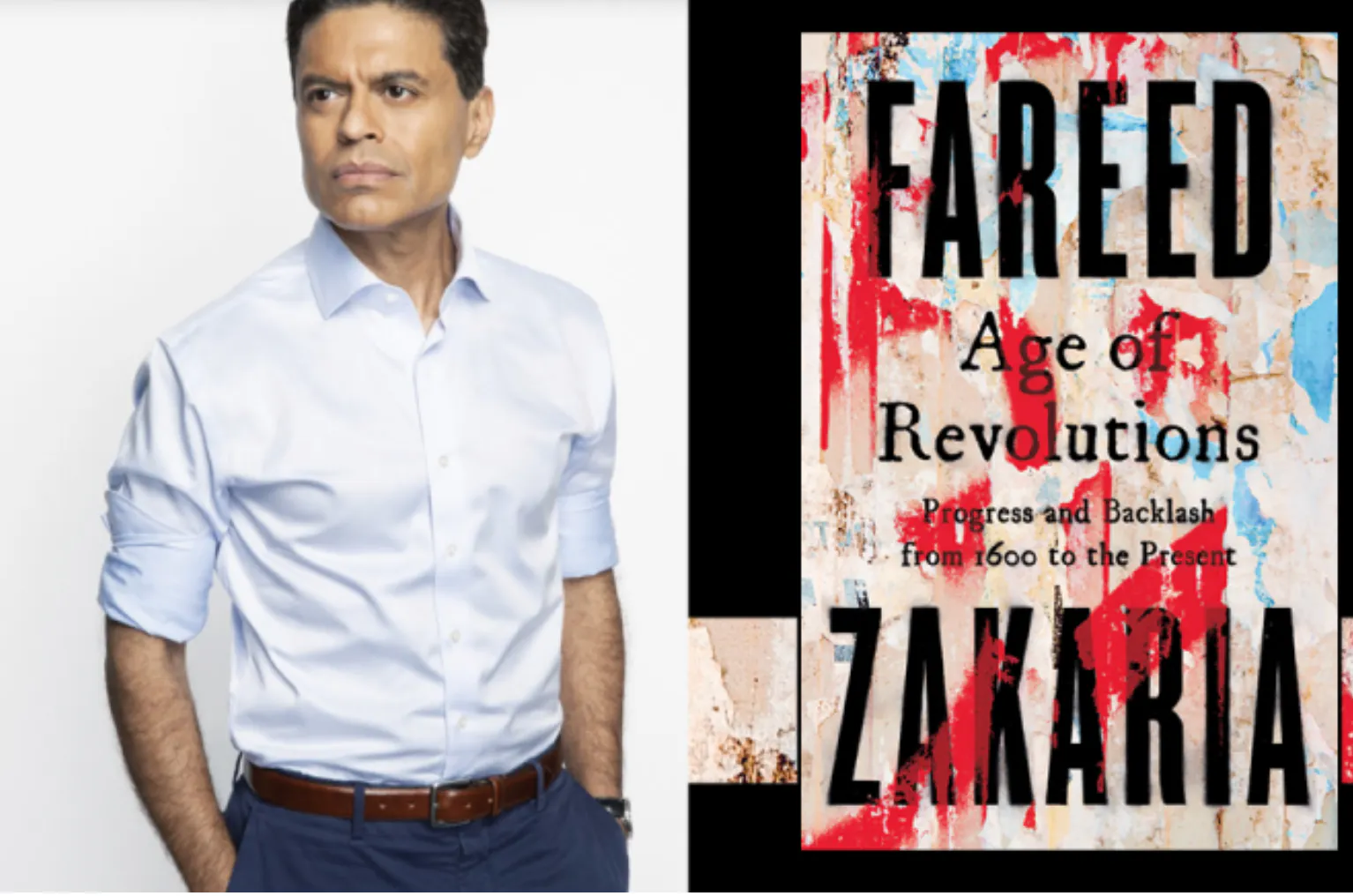
Fareed Zakaria: Age of Revolutions
What can we learn about the polarized and unstable world in which we live by exploring the revolutions―past and present―that define our age? Populist rage, ideological fracture, economic and technological shocks, war, and an international system studded with catastrophic risk―the early decades of the 21st century might be one of the most revolutionary periods in modern history. But it is not the first. Humans have lived, and thrived, through more than one great realignment. What are these revolutions, and how can they help us to understand our fraught world? CNN host and bestselling author Fareed Zakaria has investigated the eras and movements that have shaken norms while shaping the modern world. He says three such periods hold profound lessons for today. First, in the 17th-century Netherlands, a fascinating series of transformations made that tiny land the richest in the world―and created politics as we know it today. Next, the French Revolution, an explosive era that devoured its ideological children and left a bloody legacy that haunts us today. Finally, the mother of all revolutions, the Industrial Revolution, which catapulted Great Britain and the United States to global dominance and created the modern world. Zakaria, author of the new book Age of Revolutions: Progress and Backlash from 1600 to the Present, probes four present-day revolutions: globalization, technology, identity, and geopolitics. For all their benefits, the globalization and technology revolutions have produced profound disruptions and pervasive anxiety and our identity. And increasingly, identity is the battlefield on which the 21st century’s polarized politics are fought. All this is set against a geopolitical revolution as great as the one that catapulted the United States to world power in the late nineteenth century. Now we are entering a world in which the United States is no longer the dominant power. As they find themselves at the nexus of four seismic revolutions, people can easily imagine a dark future. But Zakaria says pessimism is premature. If we act wisely, he says, the liberal international order can be revived, and populism relegated to the ash heap of history. As few public intellectuals can, Zakaria combines intellectual range, deep historical insight, and uncanny prescience to once again reframe and illuminate our turbulent present. Don’t miss his return to Commonwealth Club World Affairs. Learn more about your ad choices. Visit megaphone.fm/adchoices
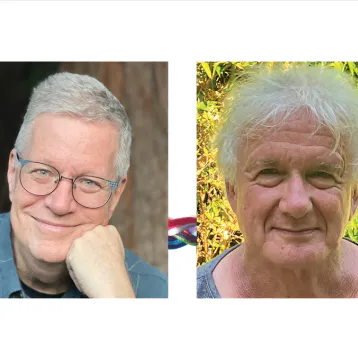
Perlmutter, Campbell and MacCoun on Third Millennium Thinking: Creating Sense in a World of Nonsense
Join a Nobel Laureate physicist, a psychologist and a philosopher for a conversation about the tools and frameworks that scientists have developed to keep from fooling themselves, to chart a course through the profusion of possibilities, to better understand the world, and to make intelligent decisions. These trust-building techniques, which the authors call Third Millennium Thinking, can be used to tackle problems both big and small. Ironically, the deluge of information over the internet has made it even harder to distinguish the revelatory from the contradictory. How do we make health decisions in the face of conflicting medical advice? Does that article on GMOs even show what the authors claim? How should we navigate our next Thanksgiving discussion with our in-laws, who follow completely different experts on climate? Based on a popular UC Berkeley course, Third Millennium Thinking offers a novel approach for making sense of the nonsense by thinking critically, making sound decisions, and solving problems—individually and collectively—using scientists’ tricks of the trade. MLF ORGANIZER George Hammond A Humanities Member-led Forum program. Forums at the Club are organized and run by volunteer programmers who are members of The Commonwealth Club, and they cover a diverse range of topics. Learn more about our Forums. Learn more about your ad choices. Visit megaphone.fm/adchoices
CLIMATE ONE: Nearly 2 Years In… Is the Inflation Reduction Act Delivering Yet?
In August 2022, Congress passed the biggest piece of climate legislation in our nation’s history: The Inflation Reduction Act, which put $400 billion into boosting the transition to a clean energy economy over the next ten years. The IRA has spurred companies to announce nearly $110 billion of investment in new factories to build EVs, batteries and renewable energy facilities. That’s driving investments, reshoring of manufacturing, and real change. This week we check in on the impact of the IRA in the last 18 months. What impact has the IRA really had on US emissions so far? Has the IRA distributed money to fulfill its climate justice initiatives? Guests: Trevor Houser, Partner, Rhodium Group Danny Kennedy, CEO, New Energy Nexus Bineshi Albert, Former Co-Executive Director, Climate Justice Alliance This piece also includes a reported feature from Emily Jones of WABE in Atlanta and Grist. Climate One will be celebrating SF Climate Week with a series of programs featuring California and the San Francisco Bay Area’s leading voices in policy, climate justice, and business. The week will showcase interviews with California Attorney General Rob Bonta, State Senators Nancy Skinner and Scott Wiener, and California Environmental Justice Association’s Energy Justice Director Mari Rose Taruc, among others, about the challenges and opportunities facing the nation’s innovation capital when it comes to addressing climate change. On Tuesday, Climate One will also be hosting an Action Lounge, where attendees will be able to join local climate and environmental organizations, apply for green jobs, and receive guidance from climate career coaches. See you there! Support Climate One by going ad-free! By subscribing to Climate One on Patreon, you’ll receive exclusive access to all future episodes free of ads, opportunities to connect with fellow Climate One listeners, and access to the Climate One Discord. Join today for just $5/month. For show notes and related links, visit our website. Learn more about your ad choices. Visit megaphone.fm/adchoices
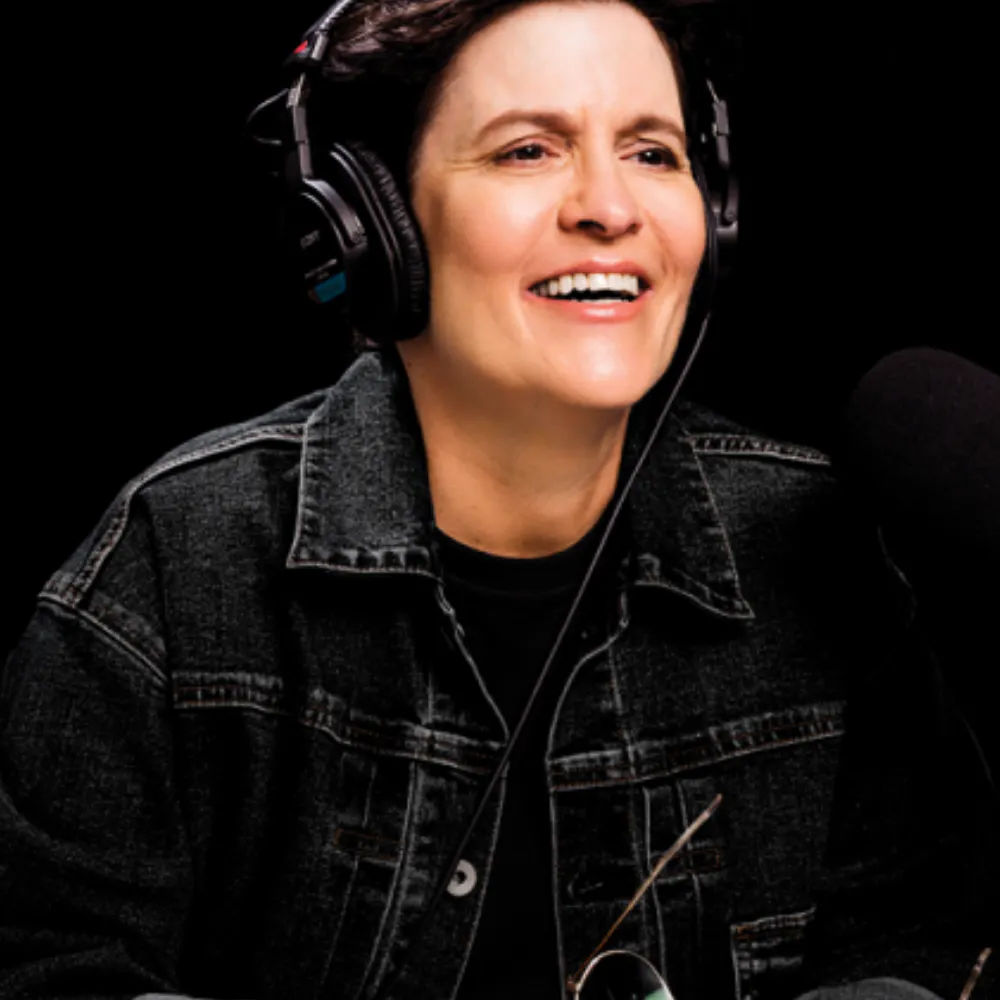
Kara Swisher with Reid Hoffman: Silicon Valley's Burn Book
EWhile tech titans bragged they would “move fast and break things,” Kara Swisher was moving faster and breaking news. She has been a fixture of the tech revolution, and her consistent scoops led Facebook’s Sheryl Sandberg to once say: “It is a constant joke in the Valley when people write memos for them to say, ‘I hope Kara never sees this.’” Now Swisher returns to talk about her new book, which is part memoir, part history and, most of all, a necessary recounting of tech’s most powerful players. She might know more inside tales than anyone else in Silicon Valley, and she’ll share the inside story of the Valley and the biggest boom in wealth creation in the history of the world. Despite tech’s many pitfalls, Swisher remains optimistic about its potential to help solve problems and not just create them. She calls upon the industry to make better, more thoughtful choices, even as a new set of powerful AI tools are poised to change the world yet again. Hear more from the chronicler of the high-tech revolution. Note: This podcast contains explicit language. Learn more about your ad choices. Visit megaphone.fm/adchoices
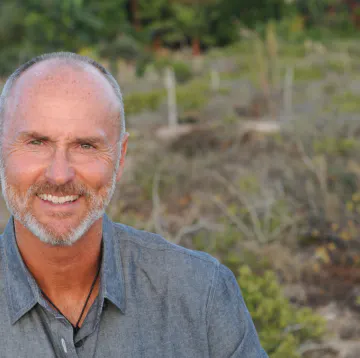
Chip Conley: Age Is Irrelevant
Chip Conley’s "modern elder movement" leads us to ask how life can get better with age. Join us for a conversation about tools to adjust our attitudes and perspectives. Drawing from his new book, Learning to Love Midlife: 12 Reasons Why Life Gets Better with Age, Conley will seek to motivate us to think differently. We will learn about his practices such as building your own “birds of a feather” community, stepping off the treadmill, letting go of what no longer serves you and the freedom that it brings. Chip Conley is on a midlife mission. After disrupting the hospitality industry, first as the founder of Joie de Vivre Hospitality, the second largest operator of boutique hotels in the United States, and then as Airbnb’s head of global hospitality and strategy, leading a worldwide revolution in travel, Conley co-founded MEA (Modern Elder Academy) in January 2018 in Baja California, Mexico. MLF ORGANIZER Elizabeth Carney A Business & Leadership Member-led Forum program. Forums and chapters at the Club are organized and run by volunteer programmers who are members of The Commonwealth Club World Affairs, and they cover a diverse range of topics. Learn more about our Forums. Learn more about your ad choices. Visit megaphone.fm/adchoices
What Do I Say? Condolences for Every Occasion
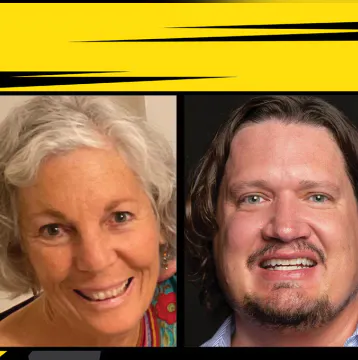
What do we say to a grieving friend? So often we either freeze and do nothing or blurt a common condolence and come away wondering if we’ve been of any real help. Join Dana Lacy Amarisa, author of the engaging and insightful book, Condolences Pocket Guide: What to Say and Not to Say to Grievers, in her unique presentation that reveals the source of the gap between what we say and what sad folks need—and the steps for bridging that gap. Drawing from her personal journey of loss and two decades of studying condolences, Amarisa will guide us through her unique and refreshing three-step approach to offering true help to those who are grieving. Through anecdotes and practical tips, learn the four types of condolences to avoid, discover those in your life who might be experiencing misunderstood losses, and come away with the skills and confidence to offer genuine consolation to a grieving friend. Dr. Nate Hinerman's unique approaches to research and treatment intermingle both the philosophical and psychological in human suffering, dying, loss, grief, depression, and anxiety. It is just this compassionate, therapeutic rapport and involvement with individuals and community-based education that he brings to the engaging discussion segment of this presentation. MLF ORGANIZER Denise Michaud A Grownups Member-led Forum program. Forums at the Club are organized and run by volunteer programmers who are members of Commonwealth Club World Affairs, and they cover a diverse range of topics. Learn more about our Forums. Learn more about your ad choices. Visit megaphone.fm/adchoices

Humanities West Presents In Search of Marcel Proust
EHumanities West completes its 2023–24 season by searching for the real Marcel Proust―featuring Adam Gopnik, who will give our first Vance E. Carney Memorial Lecture. Gopnik has been writing for The New Yorker for more than three decades and has often riffed poetic on Proust. From the September 17, 1990 issue: “. . . watching our building go co-op has been . . . a lot like the experience of reading Proust. You begin hopefully, you dream of new vistas of pleasure opening up before you, you think that your friends will think better of you for having done it . . . and then you get bogged down and the whole thing seems to go on forever.” From the June 14, 1999 issue: “As late as the nineteen-fifties, when most Americans already took it for granted that he was among the greatest of modern writers, a lot of people in France saw Proust as a slightly secondary figure―the way we might have seen a long-winded Scott Fitzgerald, or a Truman Capote who actually got his book written. In the past twenty-five years, though, all that has changed, and Proust has taken his deserved place among the French as at once the most magnanimous and the most exquisite of their novelists . . .” From the March 30, 2015 issue: “Everybody tries to climb Mt. Proust, though many a stiff body is found on the lower slopes, with the other readers stepping over it gingerly.” And from the May 3, 2021 issue: “If Proust, for Updike in the God-haunted nineteen-fifties, was the last Christian poet, we may see him now in more secular terms, as a writer who, perversely, sought serenity not in detachment and self-removal but in attachment and reattachment—a monk within a metropolitan monastery. 'Be here now' is the mystic’s insistence. 'Don’t be here now' is Proust’s material motto: be there then, again. Enjoy, emote, repeat, remember: there are worse designs for living.” Joshua Landy has also been writing and thinking about and teaching Proust for decades. He will explore several Proustian questions: How can we feel at home in the world? How can we find genuine connection with other human beings? How can we find enchantment in a world without God? Does an artist’s life shed light on her work? What can we know about reality, other people, and ourselves? When is not knowing better than knowing? Who are we really, deep down? And why does it matter to read about all this in a novel? Dora Zhang will focus on the famous Proust observation that "the only true voyage . . . would not be to visit new lands but to possess other eyes, to see the world with the eyes of another." In Proust’s novel the camera provides a crucial means for the narrator to step outside his habitual gaze and to possess other eyes, to look anew on familiar scenes and to see hidden truths therein. Zhang will explore this theme of estranging our vision by highlighting the role of photography in In Search of Lost Time. MLF ORGANIZER George Hammond A Humanities Member-led Forum program. Forums at the Club are organized and run by volunteer programmers who are members of The Commonwealth Club, and they cover a diverse range of topics. Learn more about our Forums. In association with Humanities West, the Stanford Humanities Center, and the Townsend Center for the Humanities at UC Berkeley. This program contains EXPLICIT content. Learn more about your ad choices. Visit megaphone.fm/adchoices
Oakland Forum: Ceasefire Oakland—A Plan for Public Safety
Join us for a conversation about reducing violence in Oakland and how we can all work together to keep each other safe. Pastor Billy Dixon leads At Thy Word Ministries and is co-chair of the Board of Directors of Faith in Action East Bay. He is an Oakland native and the son of a pastor. Dixon joined the U.S. Navy before becoming a correctional officer for 28 years. Later he attended seminary at Southwest Bible College, and in 2010 he took over the church his father had founded, At Thy Word Ministries. Dr. Holly Joshi is the City of Oakland's chief of violence prevention. She has vast leadership experience and a track record of successfully implementing evidence-based, violence prevention and intervention strategies. Prior to taking on leadership of the Department of Violence Prevention (DVP), Dr. Joshi served as senior director at GLIDE, a nationally recognized center for social justice, dedicated to fighting systemic injustices, creating pathways out of poverty and crisis, and transforming lives. At GLIDE she led the Center for Social Justice, a department focused on improving housing access, community health and safety, and gender and racial equity. Taking on the leadership of the DVP is a homecoming for Dr. Joshi who worked for the city from 2001–2015, holding diverse investigative and leadership roles within the Oakland Police Department, including child exploitation unit supervisor, Internal Affairs Division investigator, crime reduction team investigator, public information officer, and chief of staff. In this work she was widely recognized for her expertise in gender-based violence, commitment to progressive policing, and collaborative relationships across the city. Captain Frederick Shavies is the acting captain of Ceasefire. He is an 18-year veteran with the Oakland Police Department and a graduate of the 283rd FBI National Academy. Captain Shavies is an Oakland native who is passionate about reducing violence in his community. See more Michelle Meow Show programs at The Commonwealth Club of California. Produced in partnership with Fluid 510. Learn more about your ad choices. Visit megaphone.fm/adchoices
CLIMATE ONE: Elizabeth Kolbert on Hope, Despair, and Everything In Between
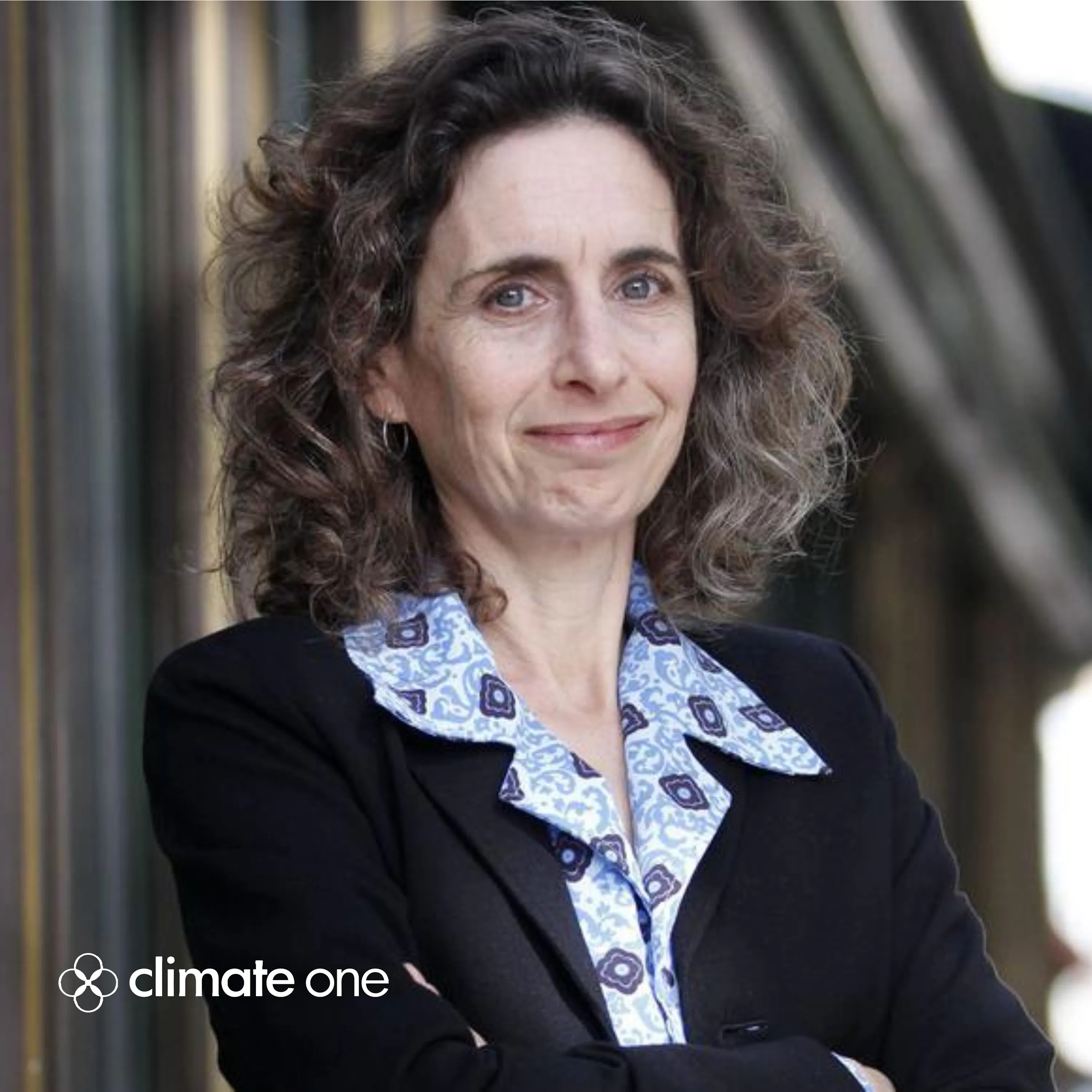
Even before Al Gore’s “An Inconvenient Truth” brought climate change to the mainstream, Pulitzer Prize-winning journalist Elizabeth Kolbert was on the beat. Her reporting in the early 2000s culminated in her book “Field Notes from a Catastrophe,” which sounded the alarm on the causes and effects of global warming. Nearly 20 years later, Kolbert is still bringing the climate story to the public with her new book “H Is for Hope: Climate Change from A to Z.” The book is told in bite size vignettes that paint a picture of our climate present, what the future may hold and where there may be space for hope. Guests: Elizabeth Kolbert, Journalist and Author Molly Wood, Climate Solutions Investor and Podcaster Sister True Dedication, Zen Buddhist Nun Rev. Lennox Yearwood, Jr., CEO, Hip Hop Caucus Support Climate One by going ad-free! By subscribing to Climate One on Patreon, you’ll receive exclusive access to all future episodes free of ads, opportunities to connect with fellow Climate One listeners, and access to the Climate One Discord. Join today for just $5/month. For show notes and related links, visit our website. Elizabeth Kolbert headshot copyright Elizabeth Kolbert Learn more about your ad choices. Visit megaphone.fm/adchoices
Global Demographics Behind the Headlines
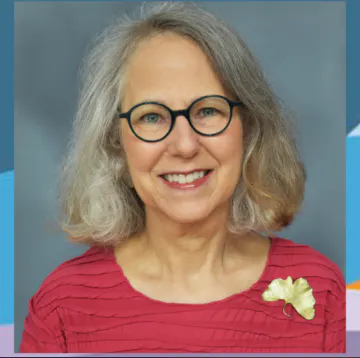
Please join us as Dr. Adele Hayutin takes us on a world tour of population change and its dramatic consequences. Her talk will offer many surprises and insights, such as China’s dramatic demographic plunge Africa’s population explosion Where declining birth rates lead to shrinking workforces Where aging populations strain economic wellbeing Why immigration is key to ensuring continued economic growth How increasing women’s participation in the workforce will be critical globally Drawing on her recent book, New Landscapes of Population Change: A Demographic World Tour, Dr. Hayutin will explore the divergent changes ahead for the world, its subregions, and individual countries, and she will demonstrate the urgent need for strategies that address these momentous shifts. She will examine global population dynamics and illuminate how these forces will combine over the next few decades in ways that threaten economic security and political stability, offering us a window on the future. About the Speaker Adele Hayutin, an Annenberg Distinguished Visiting Fellow at Stanford’s Hoover Institution, is a business economist specializing in comparative international demographics. Building on her experience in business and academia, Dr. Hayutin has developed an innovative comparative perspective that highlights surprising demographic differences across countries and illustrates the unprecedented speed and impacts of critical changes. Her recent book, New Landscapes of Population Change: A Demographic World Tour, illuminates the divergent changes ahead for the world. Dr. Hayutin was previously director of demographic analysis at the Stanford University Center on Longevity and chief economist at the Fremont Group. Hayutin received a BA from Wellesley College and holds an MPP and a Ph.D. in economics from the University of California,Berkeley. MLF ORGANIZER: Frank Price An International Relations Member-led Forum program. Forums at the Club are organized and run by volunteer programmers who are members of The Commonwealth Club, and they cover a diverse range of topics. Learn more about your ad choices. Visit megaphone.fm/adchoices
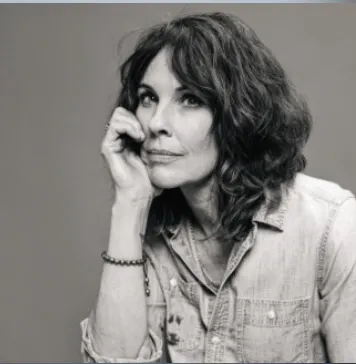
Caroline Paul: How Outdoor Adventure Improves Our Lives as We Age
Why slow down as you get older? Caroline Paul has always filled her life with adventure: From mountain biking in the Bolivian Andes to pitching a tent, mid-blizzard, on Denali, she has never been a stranger to the exhilaration the outdoors can hold. Yet through it all, she has long wondered, Why aren’t women, like men, encouraged to keep adventuring into old age? Now she is sharing her quest to understand not just how to live a dynamic life in a changing body, but why she says we must. She dives deep into the current research on aging and highlights the results with the stories of women like 93-year-old hiker Dot Fisher-Smith, 80-year-old scuba diver Louise Wholey, 52-year-old BASE jumper Shawn Brokemond, 64-year-old birdwatcher Virginia Rose, and the many septuagenarian Wave Chasers who boogie board together in the San Diego surf. These women aren’t experts. But their experiences and the scientific studies that back them up offer important insight into our own physical and emotional health as we age, showing that growing older is no reason for women to sell themselves short. She’s chronicled it all in her new book Tough Broad, a high-spirited call for women to embrace the outdoors, not back away from it, in their 50s, 60s, 70s, and beyond. Bring your taste for adventure and hear this New York Times-bestselling author share her funny, inspiring, deeply researched exploration into the science and psychology of the outdoors and our place in it as we age. MLF ORGANIZER: Denise Michaud A Grownups Member-led Forum program. Forums at the Club are organized and run by volunteer programmers who are members of Commonwealth Club World Affairs, and they cover a diverse range of topics. Learn more about our Forums. This program is part of our Good Lit series, underwritten by the Bernard Osher Foundation. Learn more about your ad choices. Visit megaphone.fm/adchoices
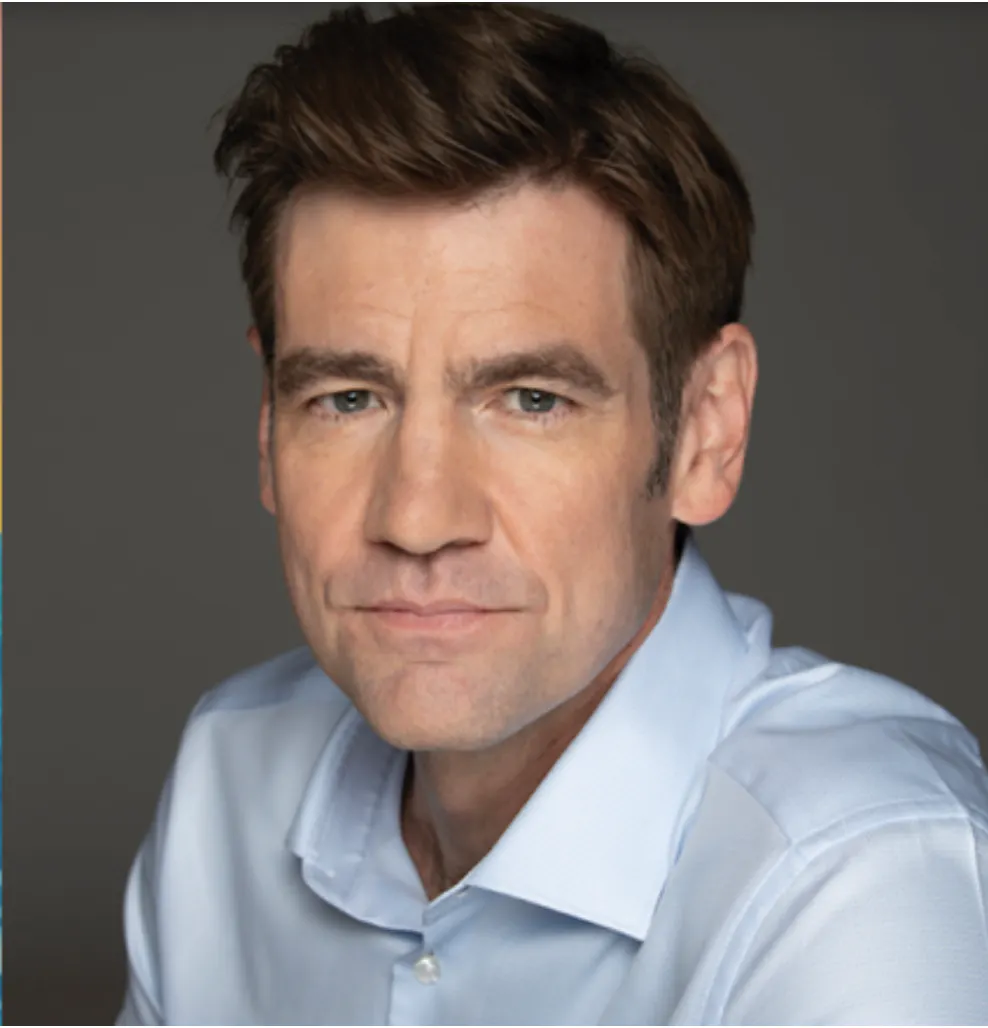
Chris Dixon: Building the Next Era of the Internet
Is it time for a vision of a better internet with a playbook to build the future? The internet of today is a far cry from its early promise of a decentralized, democratic network of innovation, connection and freedom. In the past decade, it has fallen almost entirely under the control of a very small group of companies like Apple, Google and Facebook. In Read Write Own, tech visionary Chris Dixon argues that the dream of an open network for fostering creativity and entrepreneurship doesn’t have to die and can, in fact, be saved with blockchain networks. He separates this movement, which aims to provide a solid foundation for everything from social networks to artificial intelligence to virtual worlds, from cryptocurrency speculation—a distinction he calls “the computer vs. the casino.” With lucid and compelling prose—drawing from a 25-year career in the software industry—Dixon shows how the internet has undergone three distinct eras, bringing us to the critical moment we’re in today. The first was the “read” era, in which early networks democratized information. In the “read-write” era, corporate networks democratized publishing. We are now in the midst of the “read-write-own” era, sometimes called web3, in which blockchain networks are granting power and economic benefits to communities of users, not just corporations. Join us to hear Dixon share his message for internet users, business leaders, creators, entrepreneurs—anyone who wants to understand where we’ve been and where we’re going. Dixon founded and leads a16z crypto, a division of the firm that he has grown from $300 million in 2018 to more than $7 billion of committed capital dedicated to investing in crypto and web3 technologies. Learn more about your ad choices. Visit megaphone.fm/adchoices

CLIMATE ONE: Rising Temperatures, Rising Prices: How Climate Drives Inflation
Climate change means extreme weather, shifting landscapes, and generally more instability. More and more, you can feel the impacts of climate disruption in your wallets. Drought is pushing up the cost of candy and leading to shipping delays in the Panama Canal. Globally, researchers say climate could add one percent to inflation every year until 2035. The costs of car insurance, health insurance and property insurance are rising. And whether it’s tea in the morning or wine in the evening, disrupted climate patterns and extreme weather are making certain foods more expensive. This week, we unpack how climate change drives inflation. Guests: Nicholas Stern, IG Patel Chair of Economics and Government, London School of Economics Jeremy Porter, Head of Climate Implications Research, First Street Foundation Avery Ellfeldt, Reporter, E&E News Lea Borkenhagen, Senior Vice President, EDF+Business Support Climate One by going ad-free! By joining Climate One on Patreon, you’ll receive exclusive access to all future episodes free of ads, opportunities to connect with fellow Climate One listeners, and even periodic engagements with Climate One staff. Join today for just $5/month. For show notes and related links, visit our website. Learn more about your ad choices. Visit megaphone.fm/adchoices
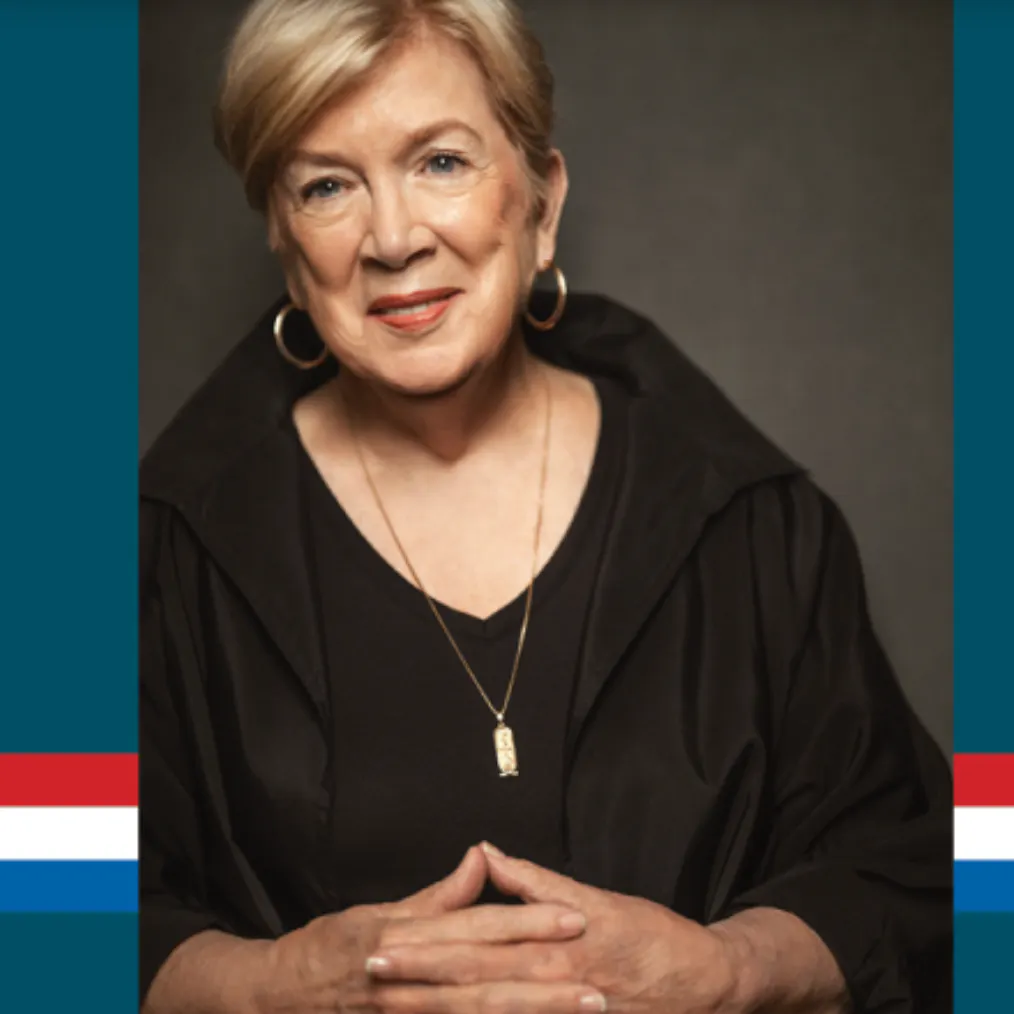
Jonna Mendez: Unmasking My Life in the CIA
When Jonna Hiestand Mendez first joined the CIA, she still needed her husband’s permission to open a bank account or shut off the gas to their apartment. Hired as a convenience to her CIA officer husband’s career, she began by performing secretarial duties for the agency. But she didn’t stay in the secretarial pool. Mendez's talent for espionage was clear, and she soon took on bigger and more significant roles at the CIA. She lived under cover and served tours of duty all over the globe, as well as at CIA headquarters. She confronted dangerous situations that called on her spy training: coming face to face with a rogue jihadi who had brought down an American plane, and helping steal a top-secret encryption machine from a Soviet embassy, among other high stakes situations. She became an international spy and ultimately the chief of disguise at the CIA’s Office of Technical Service—a kind of female American version of James Bond's famous "Q." Now, the bestselling co-author of The Moscow Rules and Argo tells her riveting, courageous story of being a female spy at the CIA and battling against the prevailing culture of sexism at the time, all while undertaking dangerous missions for America’s safety during the height of the Cold War. Learn more about your ad choices. Visit megaphone.fm/adchoices
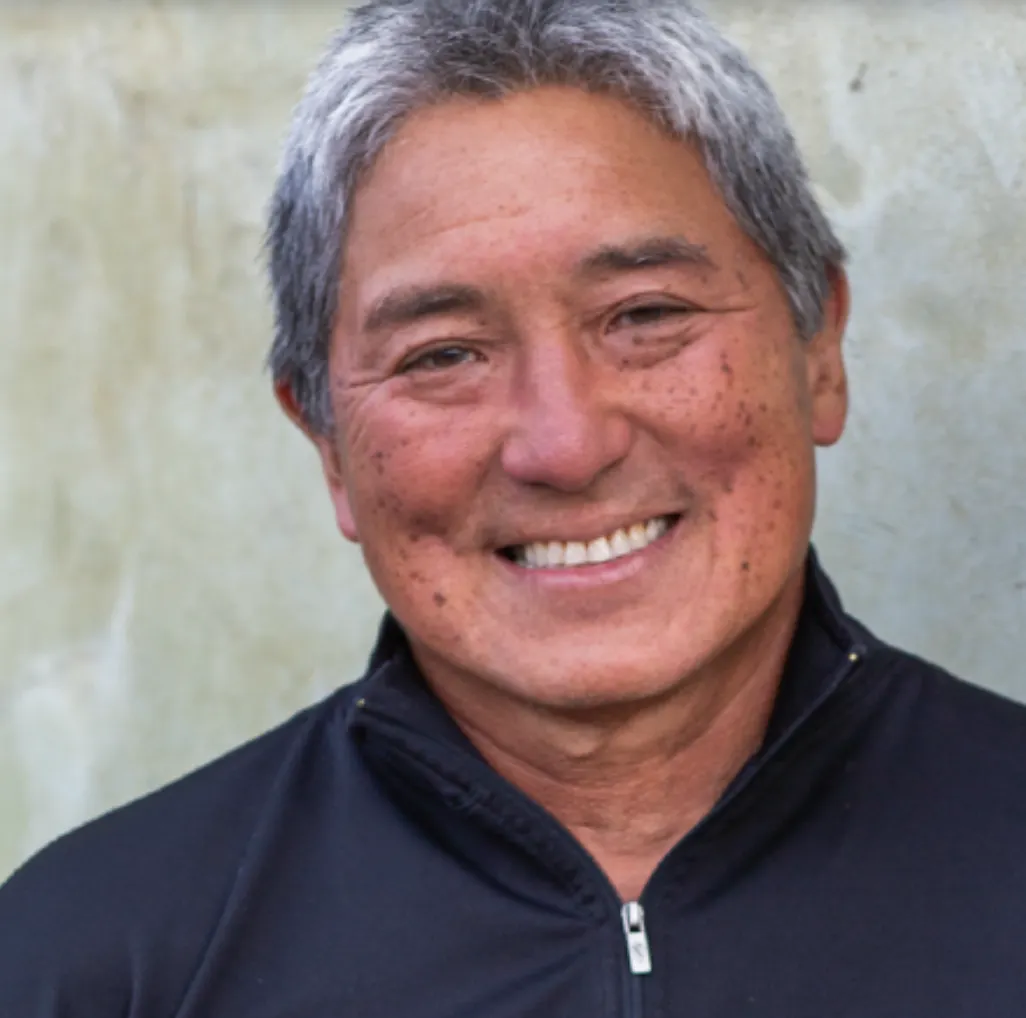
Guy Kawasaki: How to Make a Difference
EPrepare to be inspired and empowered by the one and only Guy Kawasaki! Former chief evangelist for Apple, rejuvenator of the Macintosh cult, and executive fellow of the Haas School of Business at UC Berkeley, Guy is truly revered for his wisdom—and he's also one of the friendliest people in Silicon Valley. Based on hundreds of interviews, Guy's new book, Think Remarkable: 9 Paths to Transform Your Life and Make a Difference, is a practical how-to-do-it guide about constructing a life that matters and that reflects our best selves. As Guy explains, it's not just about building a foundation of knowledge and relationships, then finding a worthwhile goal. It's also about how to "move beyond Eureka!" to sell ideas, lead a team, and inspire others. Don't miss this opportunity to learn all of these crucial skills! MLF ORGANIZER: Eric Siegel This program contains EXPLICIT language. Learn more about your ad choices. Visit megaphone.fm/adchoices
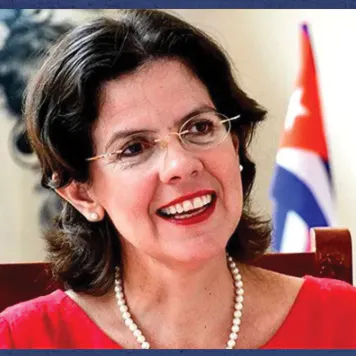
Ambassador of Cuba, Lianys Torres Rivera, on Embargo and Engagement
Fraught relations between neighbors are not unique. But with the stakes elevated on the international stage, and separated by just 90 miles, the United States and Cuba showcase one of the most strained and enduring neighborhood disputes. In the region where the Cold War almost turned nuclear-hot, is there any way to contend with a complicated history and still make nice? Join Commonwealth Club World Affairs for an unprecedented evening as we welcome the Cuban ambassador to the United States on her first visit to the West Coast. In our exclusive public program, Ambassador Lianys Torres Rivera, will shed light on one of our closest yet most controversial and closed-off neighbors: the Republic of Cuba. Ambassador Lianys Torres Rivera will share a perspective from Havana: What is the story behind record-breaking recent Cuban migration to the United States? Is there any hope for moving beyond the U.S. embargo of Cuba—now in its seventh decade and controversially expanded in the 1990s to sanction worldwide companies trading with the island? More than 30 years on since the fall of the Soviet Union—but in an era of rising geopolitical tensions—what can a relationship between the leader of the free world and our closest Communist neighbor look like? As ambassador to the United States, and a key negotiator in the bilateral discussions on bolstering U.S. engagement with Cuba during the Obama administration, Ambassador Torres Rivera will share insight into the process of renewing relations, the backsliding that followed and where we stand now. Hear how the U.S.-Cuba relationship could evolve as we look ahead to this pivotal election year in the United States and explore if California-Cuba collaborations could ignite. Come prepared with your questions for this very rare opportunity to speak directly with Cuba’s highest official in the United States. Learn more about your ad choices. Visit megaphone.fm/adchoices

Byron Tau: The U.S. Surveillance State's Hidden Alliance of Tech and Government
“That evening, I was given a glimpse inside a hidden world. . . . An entirely new kind of surveillance program—one designed to track everyone.” Hear a tale of strange bedfellows—the U.S. government, data brokers, tech companies and advertisers—involved in shaping the surveillance state and privacy. For the past five years—ever since a chance encounter at a dinner party—journalist Byron Tau has been piecing together a secret story: how the whole of the internet and every digital device in the world became a mechanism of intelligence, surveillance, and monitoring. Most people are somewhat aware that our modern world is awash in surveillance. But Tau says the true potential of our phones, computers, homes, credit cards, and even the tires underneath our cars to reveal our habits and behavior would astonish most citizens. All of this surveillance has produced an extraordinary amount of valuable data about every one of us. That data is for sale—and the biggest customer is the U.S. government. In the years after 9/11, the U.S. government, working with scores of anonymous companies, many scattered across bland Northern Virginia suburbs, built a foreign and domestic surveillance apparatus of breathtaking scope—one that can peer into the lives of nearly everyone on the planet. This cottage industry of data brokers and government bureaucrats has one directive—“get everything you can”—and the result is a world in which defense contractors have marketing subsidiaries and marketing companies have defense contractor subsidiaries. And the public knows virtually nothing about it. Reporter Byron Tau joins us for a special online-only talk to tell you—and probably the government—what he has learned. Learn more about your ad choices. Visit megaphone.fm/adchoices
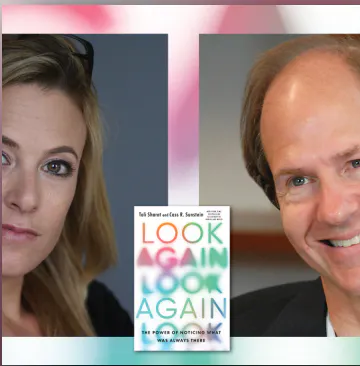
Tali Sharot and Cass Sunstein: The Power of Noticing What Was Already There
Neuroscience professor Tali Sharot and Harvard law professor (and presidential advisor) Cass R. Sunstein have investigated why people stop noticing both the great and not-so-great things around them and how to “dishabituate” at the office, in the bedroom, at the store, on social media, and in the voting booth. Have you ever noticed that what is thrilling on Monday tends to become boring on Friday? Even exciting relationships, stimulating jobs, and breathtaking works of art can lose their sparkle after a while. Sharot and Sunstein say that many people stop noticing what is most wonderful in their own lives. They also stop noticing what is terrible. They get used to dirty air. They stay in abusive relationships. People grow to accept authoritarianism and take foolish risks. They become unconcerned by their own misconduct, blind to inequality, and are more liable to believe misinformation than ever before. But what if we could find a way to see everything anew? What if you could regain sensitivity, not only to the great things in your life, but also to the terrible things you stopped noticing and so don’t try to change? For fans of Thinking Fast and Slow and The Power of Habit, Sharot and Sunstein offer a new study of how disrupting our well-worn routines, both good and bad, can rejuvenate our days and reset our brains to allow us to live happier and more fulfilling lives. Join us for a talk with Sharot and Sunstein about their work, based on decades of research in the psychological and biological sciences, and how they say it illuminates how people can reignite the sparks of joy, innovate, and recognize where improvements urgently need to be made. Learn more about your ad choices. Visit megaphone.fm/adchoices

CNN's Jim Sciutto: Russia, China, and the Next World War
A new global competition is taking place, and CNN Chief National Security Correspondent Jim Sciutto draws on his reporting from the front lines of political hotspots and warzones across the globe to explain history unfolding in front of us. The fall of the Berlin Wall in 1989 was the beginning of the beginning. Three decades later, Jim Sciutto said on CNN’s air as the Ukraine war began, that we are living in a “1939 moment.” The global order as we have long known it is now gone. Great powers are reinvigorated and determined to assert dominance on the world stage. As it escalates, this new order will affect everyone across the globe. Peace has been shattered by Russia’s invasion of Ukraine, but in reality, this affects every corner of our world—from Helsinki to Beijing, from Australia to the North Pole. This is a battle with many fronts: on the Arctic floor, in the oceans and across the skies, and in cyberspace. Sciutto argues that we are witnessing the return of great power conflict, “a definitive break between the post–Cold War era and an entirely new and uncertain one.” The world order that marked the last 30 years is shifting, and Sciutto will explain the realities of this new post–post–Cold War era, the increasingly aligned Russian and Chinese governments, and the flashpoint of a new, global nuclear arms race. He poses a question: that as we consider uncertain outcomes, we ask whether the West and Russia and China can prevent a new world war. Learn more about your ad choices. Visit megaphone.fm/adchoices

CLIMATE ONE: Climate Migration: Should I Stay or Should I Go?
The places that most people call home are coming under increasing threat from climate change. From rising seas and more frequent floods to stronger hurricanes and cyclones, to more devastating droughts and wildfires, the most habitable parts of our world are becoming far less so. Over time, our cities will be forced to transform — and hundreds of millions will have to move. People who have the means are already starting to relocate to places that market themselves as climate-proof. But not everyone will be able to leave. And many won’t want to. How do we handle the next great waves of migration? Guests: Abrahm Lustgarten, author, “On the Move: The Overheating Earth and the Uprooting of America” Sonia Shah, author, “The Next Great Migration: The Beauty and Terror of Life on the Move This episode also features reported pieces by MPR reporter Dan Kraker on “Climate Proof Duluth” and KUOW Public Radio in Seattle reporter John Ryan on “How a Northwest tribe is escaping a rising ocean.” Support Climate One by going ad-free! By joining Climate One on Patreon, you’ll receive exclusive access to all future episodes free of ads, opportunities to connect with fellow Climate One listeners, and even periodic engagements with Climate One staff. Join today for just $5/month. For show notes and related links, visit our website. Learn more about your ad choices. Visit megaphone.fm/adchoices

Seeing It All: Changing the World One Photo at a Time
Neuroscientist, writer and stage director Indre Viskontas will be joined by world-renowned photographer Jo-Anne McArthur and co-founder of the BigPicture photography competition and exhibit curator Rhonda Rubinstein for a conversation about the power of images to change how we see the world, raise awareness about the most urgent environmental issues, and spark action. This event will also feature the work of McArthur and other photographers in Seeing It All: Women Photographers Expose Our Planet, the latest publication from BigPicture and the California Academy of Sciences. Written by Rubinstein, Seeing It All features more than 125 photos by female BigPicture award recipients and jurors, whose incredible images illustrate the extraordinary complexity of the natural world and expose how we—humans, animals, nature—are living together now. Featuring a foreword by renowned oceanographer Sylvia Earle and essays by Indre Viskontas and Rebecca Solnit, this important book presents new perspectives of rarely seen animals, places, and conservation around the world. MLF ORGANIZER: Anne W. Smith Learn more about your ad choices. Visit megaphone.fm/adchoices
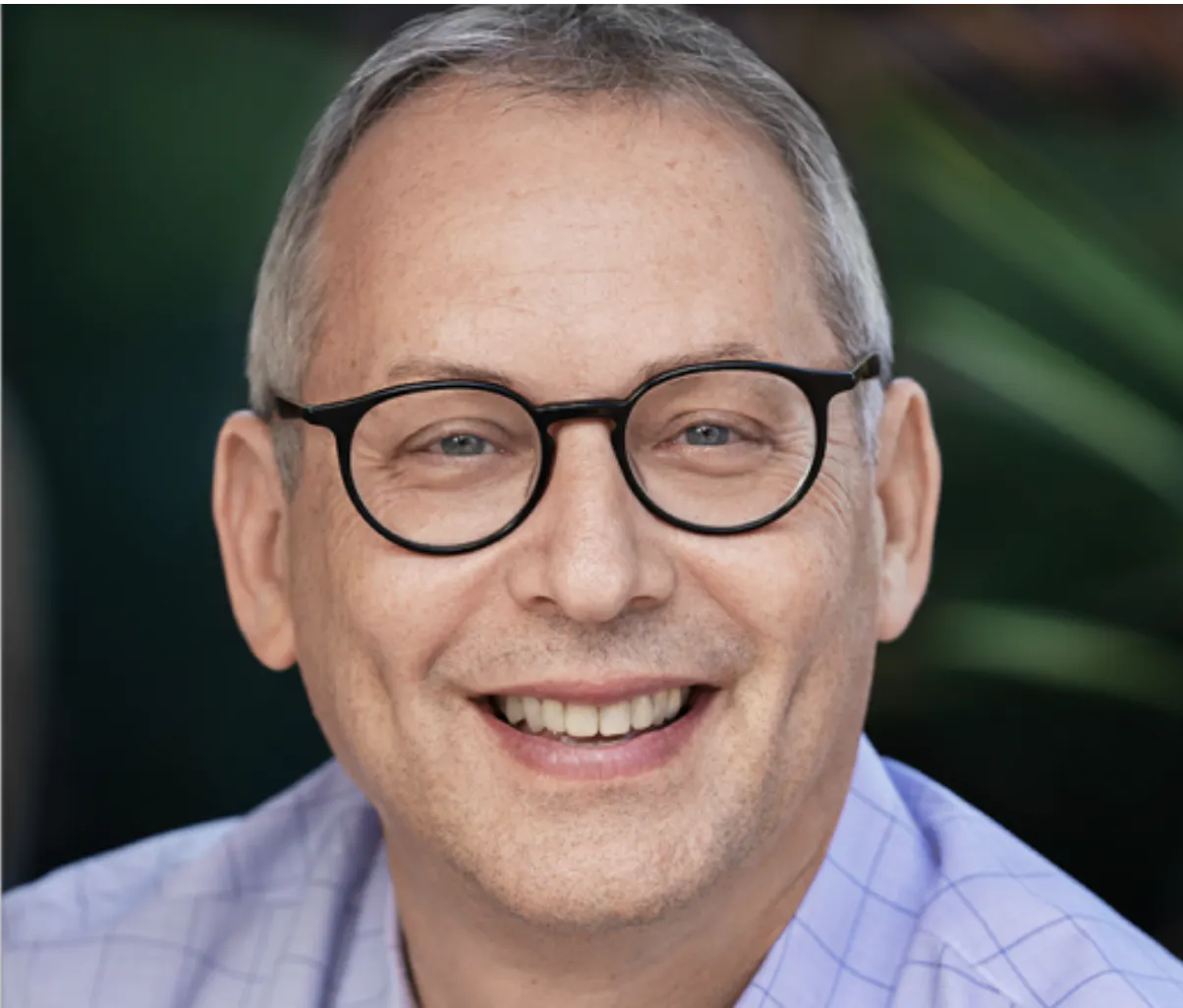
Rick Hasen: A Real Right to Vote
Throughout history, many Americans have been disenfranchised or faced needless barriers to voting. Part of the blame falls on the Constitution, which does not contain an affirmative right to vote. The U.S. Supreme Court failed to protect voting rights and limited Congress’s ability to do so. That’s why some are saying that the time has come for voters to take action and push for an amendment to the Constitution that would guarantee this right for all. Drawing on troubling stories of state attempts to disenfranchise military voters, women, African Americans, students, former felons, Native Americans, and others, UCLA law professor Richard Hasen argues that American democracy can and should do better in assuring that all eligible voters can cast a meaningful vote that will be fairly counted. He says a constitutional right to vote can deescalate voting wars between political parties that lead to endless rounds of litigation and undermine voter confidence in elections, and can safeguard democracy against dangerous attempts at election subversion like the one we witnessed in the aftermath of the 2020 presidential election. The path to a constitutional amendment is undoubtedly hard, especially in these polarized times. Join us as Hasen explains what’s in it for conservatives who have resisted voting reform and reveals how the pursuit of an amendment can yield tangible dividends for democracy long before ratification. Learn more about your ad choices. Visit megaphone.fm/adchoices
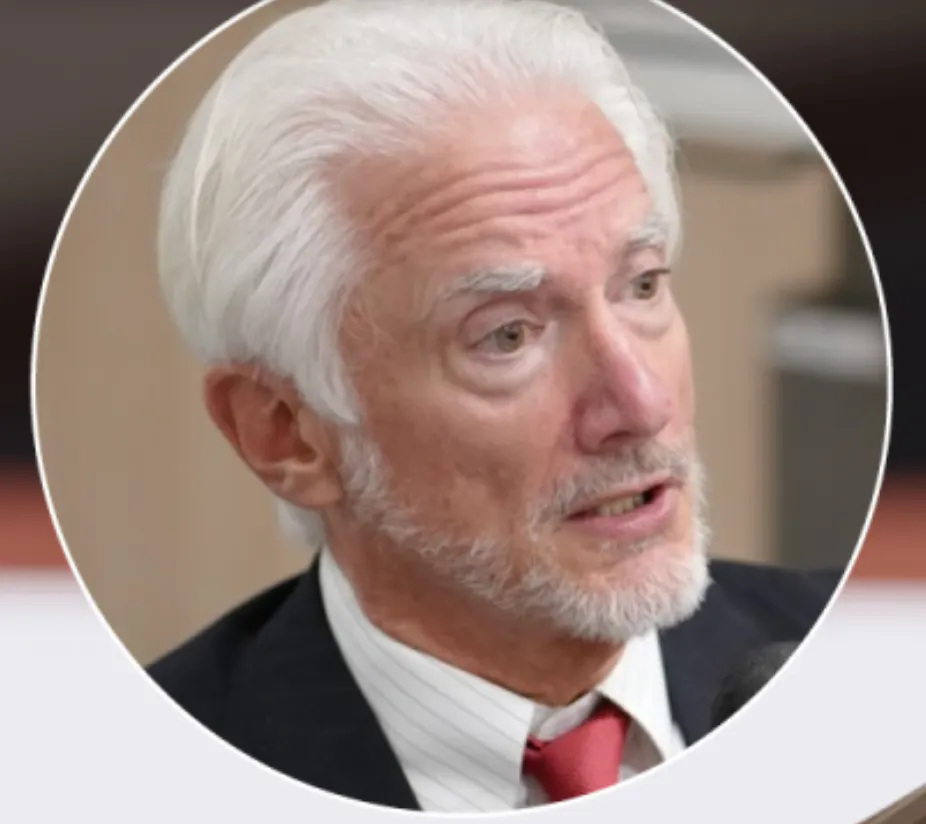
Jerry Kaplan: What You Need to Know About Generative AI
Have we finally discovered the holy grail of artificial intelligence (AI)—machines that match or exceed human intelligence? Advances in generative AI (GAI) have created a new class of computer systems that exhibit astonishing proficiency on a wide variety of tasks with superhuman performance, producing novel text, images, music, and software by analyzing enormous collections of digitized information. Soon, these systems will provide expert medical care; offer legal advice; draft documents; write computer programs; tutor our children; and generate music and art. These advances will accelerate progress in science, art, and human knowledge, but they will also bring new dangers. Which industries and professions will thrive—and which will wither? What risks and dangers will it pose? How can we ensure that these systems respect our ethical principles? Will the benefits be broadly distributed or accrue to a lucky few? How will GAI alter our political systems and international conflicts? And are we merely a stepping stone to a new form of nonbiological life, or are we just getting better at building useful gadgets? Join us for a provocative talk by Jerry Kaplan, author of Generative Artificial Intelligence: What Everyone Needs to Know, as he addresses these pressing questions. Learn more about your ad choices. Visit megaphone.fm/adchoices

CLIMATE ONE: Talk Isn’t Cheap: The Power of Conversation
As heat waves, storms, droughts and wildfires continue to worsen, talking can seem like a seriously insufficient climate solution. It’s fair to ask: Are we just engaged in blah, blah, blah? Too often, talking is one sided – more of a lecture aimed at conveying information or solely stating one's own point of view. And yet, when done right, real conversations and true listening can help us find common ground, which can then lead to collective action and change. So how do we make those conversations really count? In this week’s episode, we delve into some of our most insightful interviews, looking for the answer. Guests: Katharine Hayhoe, Chief Scientist, The Nature Conservancy Meera Subramanian, Journalist Faith Kearns, Scientist, California Institute for Water Resources; Author, “Getting to the Heart of Science Communications” Anand Giridharadas, Author, “The Persuaders” Chloe Maxmin, Co-Executive Director, Dirt Road Organizing John Cook, Senior Research Fellow, Melbourne Centre for Behaviour Change For show notes and related links, visit our website. 📞 Have you moved within the United States for climate-related reasons? Tell us about it! For the chance to have your climate migration story shared on Climate One, give us a call at 650 382-3869. Please keep your voicemail under two minutes and include your name and contact information so we know how to reach you if we decide to feature your story. Support Climate One by going ad-free! By joining Climate One on Patreon, you’ll receive exclusive access to all future episodes free of ads, opportunities to connect with fellow Climate One listeners, and even periodic engagements with Climate One staff. Join today for just $5/month. Learn more about your ad choices. Visit megaphone.fm/adchoices

The Risk It Takes to Bloom: A Discussion with Author Raquel Willis and Bia Vieira
In the wake of the release of author and activist Raquel Willis's debut memoir, The Risk it Takes to Bloom: On Life and Liberation, join us for a live discussion of what collective liberation means with Bia Vieira, CEO of the Women's Foundation California. About the Speakers Raquel Willis is an award-winning author, activist, and media strategist dedicated to Black transgender liberation. She has held groundbreaking posts, including director of communications for Ms. Foundation for Women, executive editor of Out Magazine, and national organizer for the Transgender Law Center. She co-founded Transgender Week of Visibility and Action and currently serves as an executive producer for iHeartMedia's "Outspoken," president of the Solutions Not Punishments Collaborative’s executive board, and a WNBA Social Justice Council member. Her debut memoir, The Risk It Takes to Bloom: On Life and Liberation, was released in late 2023 by St.Martin’s Press. Bia Vieira is CEO of Women’s Foundation California, where she leads the foundation’s work to advance gender, racial and economic justice. She has served the nonprofit and philanthropic sectors for more than 20 years, including senior-level positions at the Philadelphia Community Foundation and Grantmakers Concerned with Immigrants and Refugees. Originally from Brazil, she is a longtime activist in women’s, LGBTQI, Latine, immigrant, and arts and culture issues. Fluent in English, Spanish and Portuguese, Bia holds a Bachelor of Arts degree in Spanish and anthropology and a Master’s Degree in literature and linguistics, both from Temple University. She is a recognized expert on culture change and gender, racial, and economic justice issues and is a frequent commentator on the power of women’s philanthropy. Bia resides with her partner in Oakland, CA. See more Michelle Meow Show programs at The Commonwealth Club World Affairs of California. Presented by The Michelle Meow Show and Inforum at Commonwealth Club World Affairs. Learn more about your ad choices. Visit megaphone.fm/adchoices
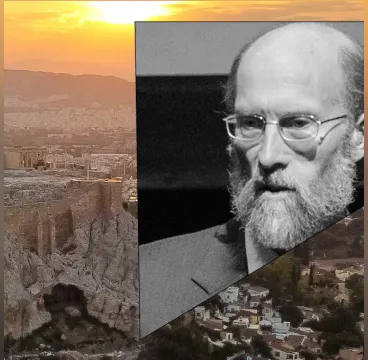
George Hammond: Who Are We?
Who are we? Good question. But difficult to answer definitively. Still, it is a question that is philosophically fruitful to ask, because the flip side of the question (who aren’t we?) has several clear answers that narrow the search for an answer to the main question. One example: It might be emotionally hard to accept, but it seems highly unlikely that we are the center of the universe, even though we all experience the totality of our lives through one perspective—our own—which has clearly made it very easy for almost all of us to fall for this illusion. That is one reason Monday Night Philosophy returns to the Commonwealth Club (this time on a Tuesday) to re-ask these age-old questions, to analyze the most popular of their age-old answers, and to present the logic that points to a different answer to the ancient question: Who are we? This rational perspective also makes it perfectly understandable why we experience the emotions we do, why we dream, why we’ve told ourselves these stories, how we try to egg ourselves on with them, why we have scared ourselves silly with them, and even how they explain away for us our otherwise embarrassing attraction to cruelty. MLF ORGANIZER: George Hammond Learn more about your ad choices. Visit megaphone.fm/adchoices
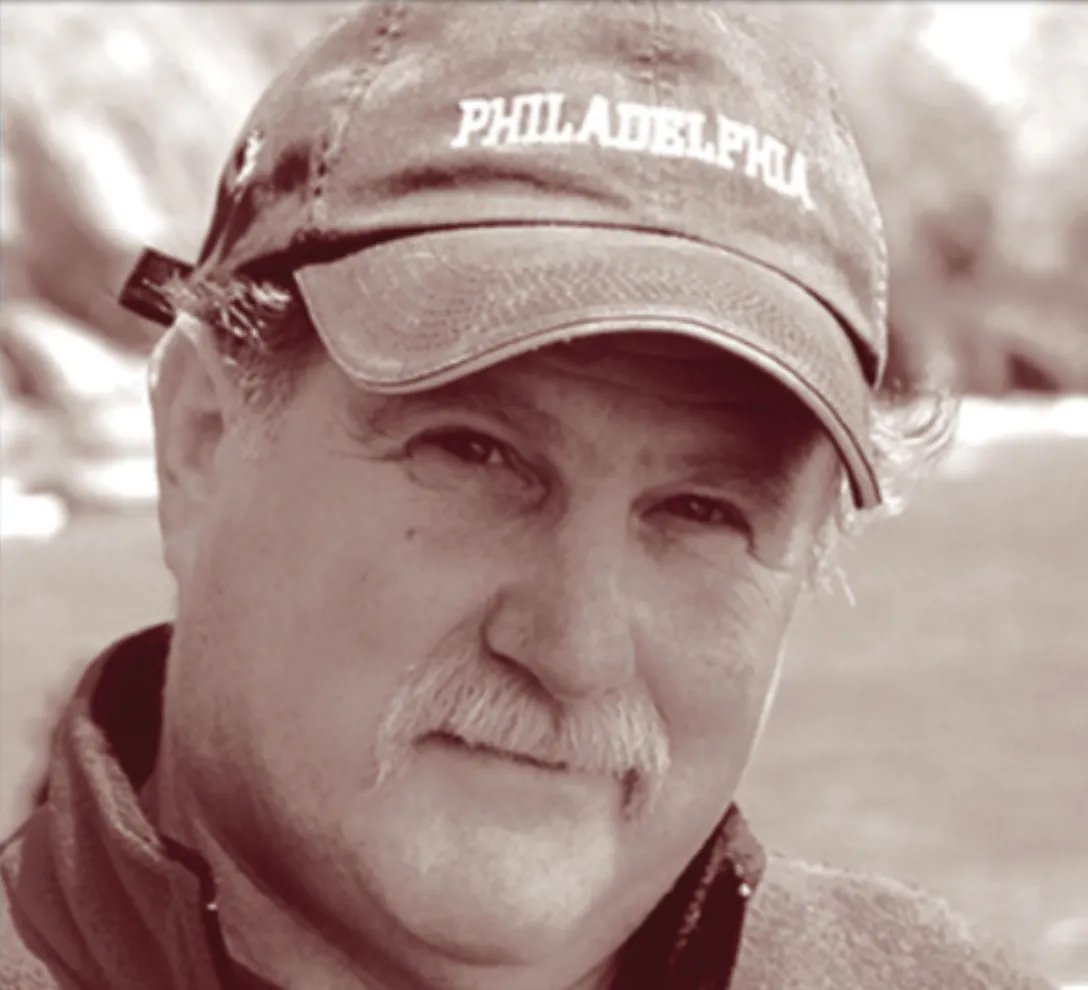
Richard Schwartz: Berkeley 1900―Daily Life at the Turn of the Century
Local historian Richard Schwartz returns to Commonwealth Club World Affairs to captivate you once again with his characteristic blend of serious history, fascinating images, and “telling details” stories. Schwartz shares eyewitness accounts and unique views of Berkeley from more than 120 years ago, which show how profoundly the landscape, culture, economy and social values of modern Berkeley have been shaped by what came before. Berkeley 1900 is his definitive account of a pivotal time in the life of one of America's most beloved cities. Join us to see how much has changed, and how much hasn’t, over almost 125 years. MLF ORGANIZER: George Hammond Learn more about your ad choices. Visit megaphone.fm/adchoices
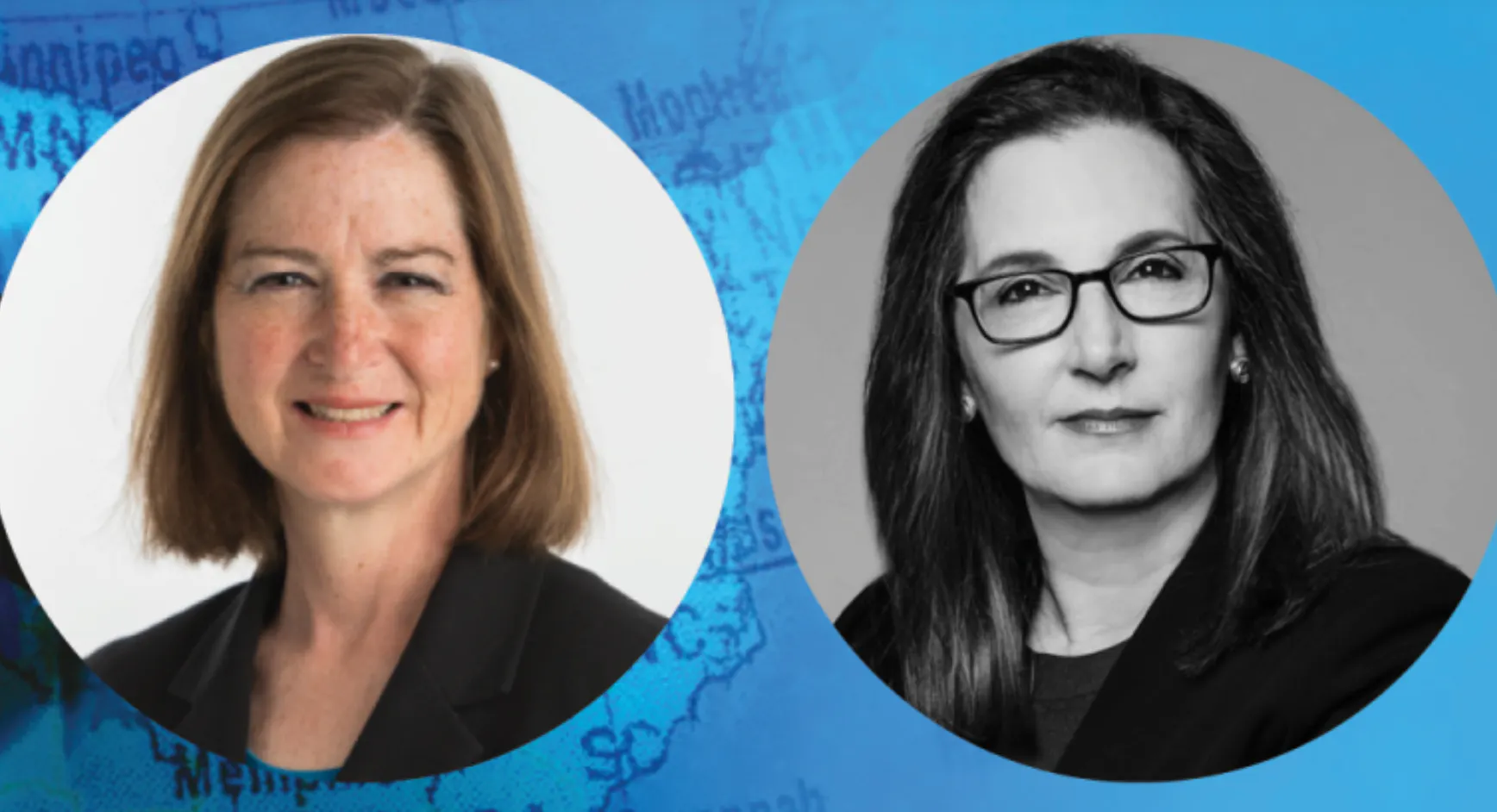
Barbara McQuade: How Disinformation is Sabotaging America
The epidemic of disinformation and misinformation sweeping through our society is like the weather: Everyone complains about it, but no one does anything about it. Now Barbara McQuade is changing that, offering solutions for countering disinformation and maintaining the rule of law. MSNBC's legal expert breaks down the ways disinformation has become a tool to drive voters to extremes, disempower our legal structures, and consolidate power in the hands of the few. Americans are strategically being pushed apart by disinformation—the deliberate spreading of lies disguised as truth—and it comes at us from all sides: opportunists on the far right, Russian misinformed social media influencers, and others. It's endangering our democracy and causing havoc in our electoral system, schools, hospitals, workplaces, and in our Capitol. Advances in technology including rapid developments in artificial intelligence threaten to make the problems even worse by amplifying false claims and manufacturing credibility. Legal scholar and analyst McQuade will join us to explain how to identify the ways disinformation is seeping into all facets of our society and how we can fight against it. She examines what she calls the "authoritarian playbook"—a history of disinformation from Mussolini and Hitler to Bolsonaro and Trump—and chronicles the ways in which authoritarians have used disinformation to seize and retain power. She reviews disinformation tactics, such as demonizing the other, seducing with nostalgia, silencing critics, muzzling the media, condemning the courts, and stoking violence, and she explains why they work. Is America particularly vulnerable to disinformation? Does it exploit our First Amendment Freedoms? What can be done to fight it and its effects? Don't miss this timely exploration of one of the most important forces in the world today. Learn more about your ad choices. Visit megaphone.fm/adchoices
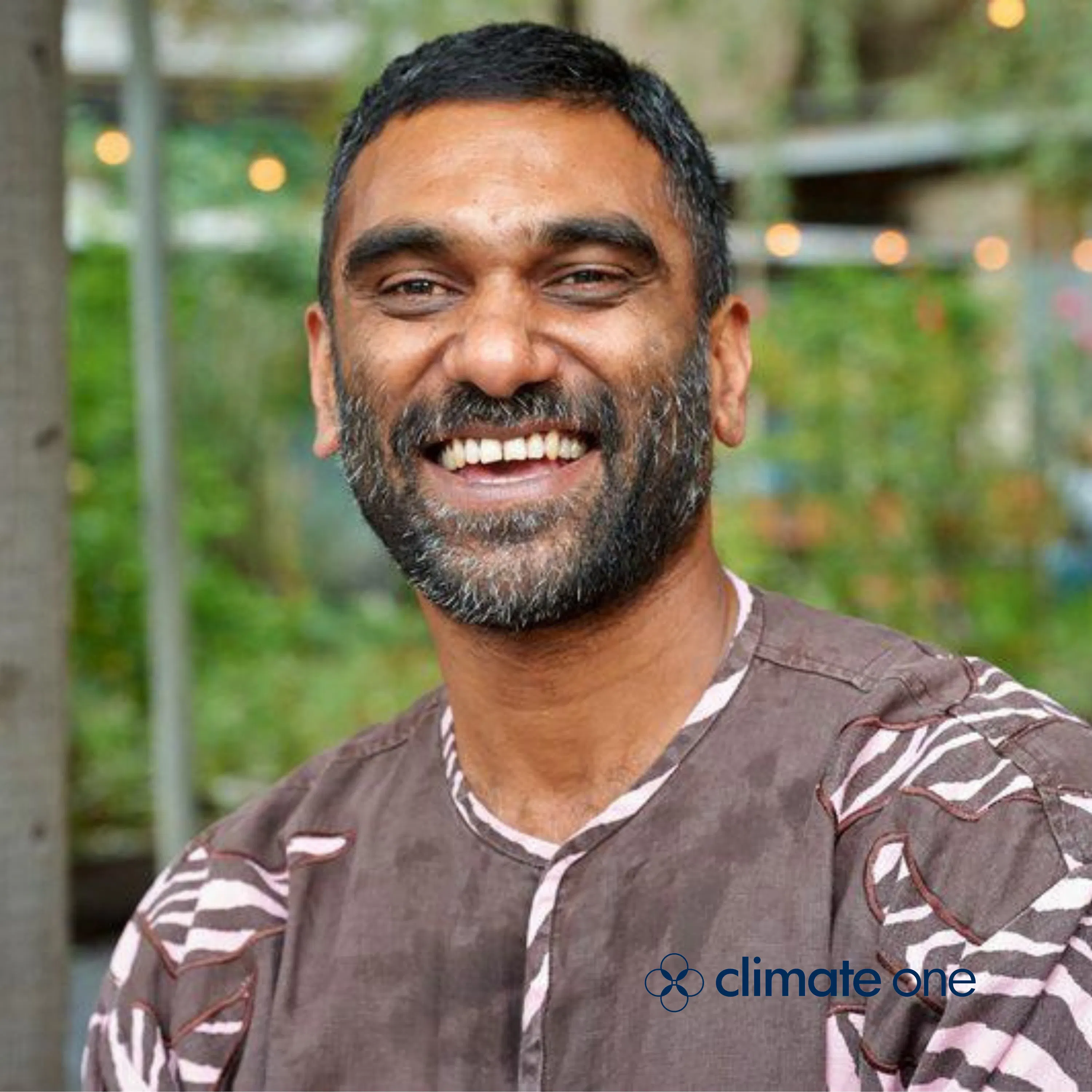
CLIMATE ONE: How Activism Can Win Bigger and Faster with Kumi Naidoo
Kumi Naidoo is a world renowned activist and climate leader. Before going on to lead Greenpeace International then Amnesty International, Naidoo was a 15 year old anti-apartheid activist in South Africa. The boycotts he organized led to him being a target of the Security Police. He fled South Africa and lived in exile in the UK. As a climate activist, Naidoo has been arrested for scaling oil rigs, has negotiated with heads of state, and rubbed shoulders with the most powerful people at the World Economic Forum in Davos. Now he’s a visiting scholar at Stanford’s Center on Democracy, Development and the Rule of Law, where he’s focusing on how activism can win bigger and faster. Guests: Kumi Naidoo, Human Rights and Environmental Justice Activist Alex Ajose Nixon, Spoken Word Poet Mystic, Hip Hop Artist and Educator Dana R. Fisher, Professor of Sociology, University of Maryland Tamara Toles O’Laughlin, President and CEO, Environmental Grantmakers Association 📞 Have you moved within the United States for climate-related reasons? Tell us about it! For the chance to have your climate migration story shared on Climate One, give us a call at 650 382-3869. Please keep your voicemail under two minutes and include your name and contact information so we know how to reach you if we decide to feature your story. Support Climate One by going ad-free! By joining Climate One on Patreon, you’ll receive exclusive access to all future episodes free of ads, opportunities to connect with fellow Climate One listeners, and even periodic engagements with Climate One staff. Join today for just $5/month. For show notes and related links, visit our website. Learn more about your ad choices. Visit megaphone.fm/adchoices
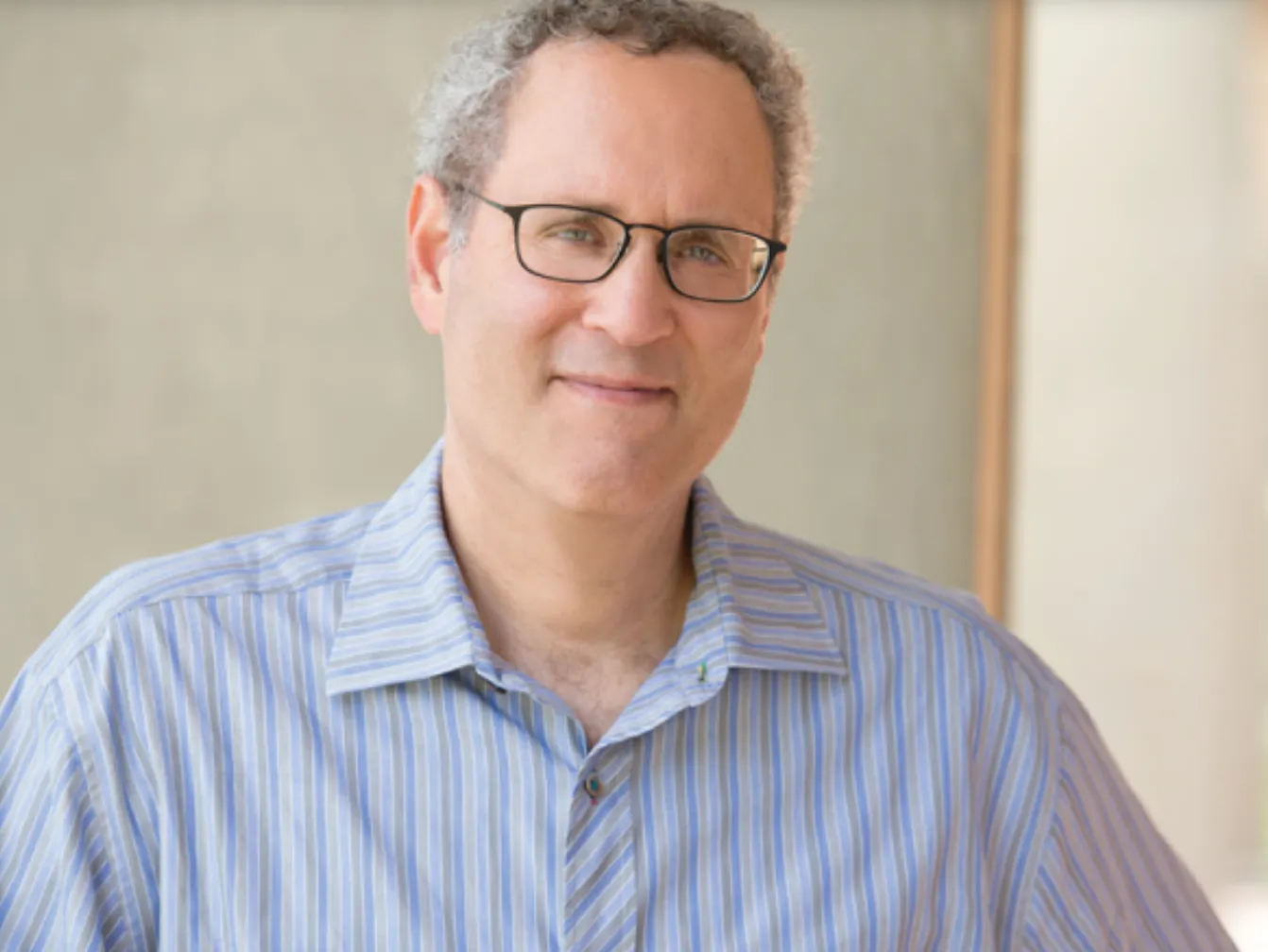
Michael Gerhardt: The Laws of Presidential Impeachment
President Joe Biden is being threatened with impeachment by the Republican-led U.S. House of Representatives. His predecessor, Donald Trump, was twice impeached by a Democratic-led House. Three presidents earlier, Bill Clinton was impeached. No president has ever been removed from office as the result of an impeachment, but it continues to be a high-profile way to go after the president of the United States. But what exactly is impeachment? Why is it included in the U.S. Constitution? How does the process work? Constitutional scholar Michael Gerhardt offers a comprehensive, nonpartisan, and up-to-date explanation of the Constitution’s various mechanisms for holding presidents accountable for misdeeds real and imagined. He is the author of the new book The Law of Presidential Impeachment, which draws on a lifetime of scholarly research, as well as Gerhardt’s unique experience as a witness and consultant in the impeachment trials of Bill Clinton and Donald Trump. Join us as Gerhardt offers new perspectives on impeachment, arguing that it cannot be properly understood in a vacuum, but must instead be viewed in the context of its coordination with such other mechanisms as criminal prosecutions, censure, elections, congressional oversight, and the Fourteenth and Twenty-Fifth Amendments. Learn more about your ad choices. Visit megaphone.fm/adchoices
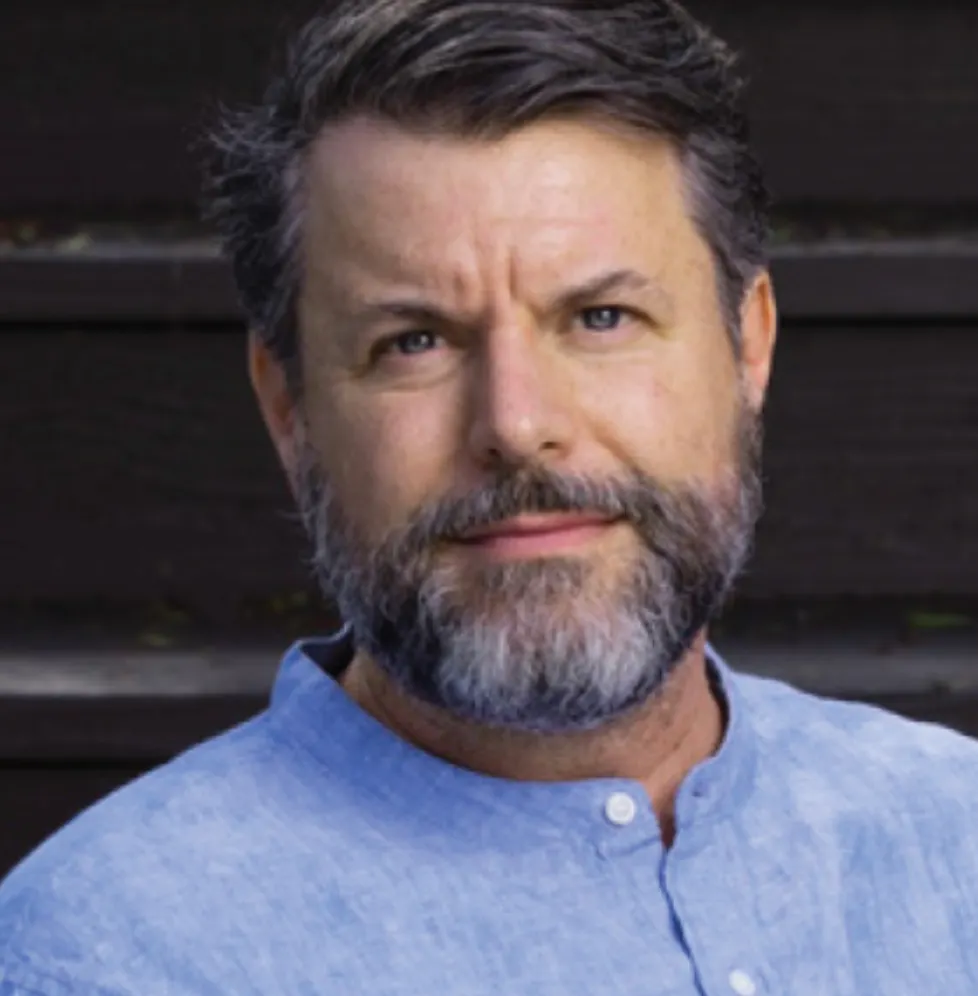
Charles Duhigg: How to Unlock the Secret Language of Connection
Come inside a jury room as one juror leads a starkly divided room to consensus. Join a young CIA officer as he recruits a reluctant foreign agent. And sit with an accomplished surgeon as he tries, and fails, to convince yet another cancer patient to opt for the less risky course of treatment. In his new book Supercommunicators, Charles Duhigg blends deep research and storytelling skills to show how people can learn to identify and leverage the hidden layers that lurk beneath every conversation. Duhigg says communication is a superpower, and the best communicators understand that whenever we speak, we’re actually participating in one of three conversations: practical (What’s this really about?), emotional (How do we feel?), and social (Who are we?). If you don’t know what kind of conversation you’re having, you’re unlikely to connect. "Supercommunicators" know the importance of recognizing—and then matching—each kind of conversation, and how to hear the complex emotions, subtle negotiations, and deeply held beliefs that color so much of what we say and how we listen. He says that our experiences, our values, our emotional lives—and how we see ourselves and others—shape every discussion, from who will pick up the kids to how we want to be treated at work. Learn why some people are able to make themselves heard, and to hear others, so clearly. From the writers’ room of "The Big Bang Theory" to the couches of leading marriage counselors, Duhigg will show how to recognize these three conversations—and teach the tips and skills needed to navigate them more successfully. Learn more about your ad choices. Visit megaphone.fm/adchoices
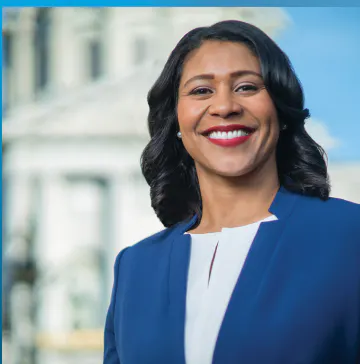
Mayor London Breed: The State of San Francisco
San Francisco Mayor London Breed returns to The Commonwealth Club World Affairs for a state-of-the-city program, taking stock of the city’s present and looking forward to its future. What can the city do to spur downtown revival? How can it reduce the problems of fentanyl, homelessness, and crime? She’ll also share her thoughts on ballot measures facing voters in the March elections, including Proposition C (making it easier to convert office properties into housing), Proposition E (expanding the ability of police to pursue suspects), Proposition F (identifying and requiring treatment for drug abuse disorder among people receiving cash assistance). Breed, elected in 2018, is the city’s 45th mayor and its first Black woman mayor. She was born and raised in San Francisco. Before she became mayor, Breed served as a member and president of the city’s Board of Supervisors. Learn more about your ad choices. Visit megaphone.fm/adchoices

'Island in Between': Taiwan Film Screening and Discussion
EThe rural Taiwanese outer islands of Kinmen sit merely 2 miles off the coast of China. Kinmen attracts tourists for its remains from the 1949 Chinese Civil War. It also marks the frontline for Taiwan in its escalating tension with China. Filmmaker S. Leo Chiang weaves lyrical vignettes of tourist visits and local life with his own narrative as someone negotiating ambivalent personal bonds to Taiwan, China, and the United States. Island in Between explores the uneasy peace in these islands, and contemplates Taiwan's uncertain future. The film was recently nominated for an Academy Award in the documentary short category. See more Michelle Meow Show programs at The Commonwealth Club of California. This program contains EXPLICIT CONTENT. Learn more about your ad choices. Visit megaphone.fm/adchoices

Oakland Forum: How Leaders Are Building Communities in Oakland
EJoin us for a new Commonwealth Club experience as we launch the first of our new series of Oakland Forums, taking place at Fluid 510 in downtown Oakland. In our inaugural program, we're featuring Oakland leaders discussing building community in this time of serious challenges facing Oakland and other big cities. About the Speakers Darin Balaban is a self-taught visual artist with a focus on painting, multimedia pieces, and large-scale murals. He is considered to be part of the new-wave "post-vandalism" movement, which blurs the line between street art tropes and contemporary abstraction. Balaban's art practice has led him to exhibit in multiple galleries and lead large-scale projects domestically. Shirley Gee is a managing partner at Angel Plus, LLC, a trusted validation firm of later stage, start-up corporations in anticipation of capitalization. Gee is an active Accredited Investor; chair of the Life Science Committee; a member of Technology Transfer Committee; and team lead for due diligence specializing in life science, medical devices, IOT, clean technology and renewal and alternative energy. Joe Hawkins is a noted Oakland-based community organizer, LGBTQ advocate, nonprofit executive, event producer, and social entrepreneur. Hawkins first came to national prominence as one of the first gay men to ever appear as a guest on the iconic Oprah Winfrey talk show during the early 90's, defending his right to parent his son as an out gay man. He is a co-founder and former co-chair of Oakland Pride and was voted Grand Marshall of both the San Francisco and Oakland Pride Parades. He worked as a founding program member and CEO of OpNet Community Ventures, one of America's first high-tech training programs, launched in 1995, for low income youth and youth of color in San Francisco. Hawkins was regional director for Innovative Housing, a shared housing nonprofit for low-income families and individuals in Marin County. He worked as the director of administration at AIDS Project of the East Bay (APEB), served on the Ryan White Planning Council and was a founding organizer of the East Bay AIDS Walk. In 2017, Joe co-founded and is the CEO of the Oakland LGBTQ Community Center. See more Michelle Meow Show programs at The Commonwealth Club of California. Produced in partnership with Fluid 510. THIS PROGRAM CONTAINS EXPLICIT CONTENT. Learn more about your ad choices. Visit megaphone.fm/adchoices

On the Road to Freedom: Through the Eyes of Young Leaders
Join Club Travel and Cinnamongirl, Inc. to hear a fresh and vibrant conversation between three amazing young people—two scholars and their mentor—who traveled on the Club’s trip “On the Road to Freedom: Understanding the Civil Rights Movement” in October 2023. The group spent time in Jackson, Little Rock, Memphis, Birmingham, Selma, and Montgomery. Hear about key events and people involved in the movement, and what it means for these young women in terms of what is happening today, their vision for the future, and for themselves. In partnership with Cinnamongirl Inc. Learn more about your ad choices. Visit megaphone.fm/adchoices
Paul Belonick: Restraint, Conflict, and the Fall of the Roman Republic
Strongly held values can stabilize a society. They can also splinter it. Paul Belonick explores the moral paradoxes of republican Rome and describes how aristocrats engaged in "performative politics," aggressively seeking self-advancement with a competitiveness that fueled the expansion of an empire. At the same time, Roman orators and authors emphasized the need for self-control, moderation and temperance. Scholars have long suggested that this moral obsession with self-control was merely a social marker of aristocratic status, but Belonick argues that the Roman focus on self-control was responsible for solidifying their peculiarly competitive, semi-formal government. As conflicts arose in Rome over how to apply these cultural values to novel circumstances, competitors saw each other as desecrating republican principles and therefore as targets to be eradicated. Belonick presents a fresh perspective on the republic’s collapse, by illustrating both sides of this Roman paradox: how values of self-control legitimized the Romans' competition and supported their fluid social structure and political institutions—but then tore the Republic apart. Join us, at a time when almost no one even mentions restraint, to rediscover how the values associated with restraint can both stabilize and de-stabilize political systems. MLF ORGANIZER: George Hammond A Humanities Member-led Forum program. Forums at the Club are organized and run by volunteer programmers who are members of The Commonwealth Club, and they cover a diverse range of topics. Learn more about our Forums. Learn more about your ad choices. Visit megaphone.fm/adchoices