
cloud2030
521 episodes — Page 5 of 11

Defending Against Complexity With Exercise
How do you manage complexity? Something we talk about a lot in Cloud2030 is how challenging it is to understand complexity, measure it and cope with it. Richard Cooke wrote a paper called “How Complex Systems Fail,” (http://how.complexsystems.fail) and in it he talks about complex systems having strong defense mechanisms against failure. That’s what we talked about today. How do we build defense mechanisms for complex systems, not by making them simpler, but by exercising them and testing them? We discuss the importance of testing, validation, and layer of abstraction and testing the layers in this conversation. If you deal with complex systems, this discussion will be fascinating and actionable. Transcript: https://otter.ai/u/SP-z7OAJWAmJlql8Dh62rNk2hlo Image: https://www.pexels.com/photo/man-woman-morning-young-4058411/

Distributed Ledger Drives Distributed Infrastructure
How is data center infrastructure adapted to edge distributed ledger technology workloads? We think through if those demands (blockchain, proof-of-stake coins, etc) are changing the way we look at data center infrastructure, and the short answer is yes. We also explore the impacts of the type of workloads that we're running and how we distribute them, rather than the type of equipment that we need to buy. This conversation quickly becomes one about what we want to do with our infrastructure, not what the infrastructure is. Transcript: https://otter.ai/u/KcT3ZF8ELbg5M3FrZmTSL7ycpX8 Image: https://www.pexels.com/photo/vehicle-on-the-road-3593923/

Why Jenkins in DevOps?
What kind of orchestration systems does the industry use for infrastructure, automation and controlling day to day operations? In today’s episode, we talk about infrastructure pipelines at the tooling level, and specifically the use of Jenkins and other CI pipelining tools for ops and orchestration. We dig into why and how you would do this, and what pieces are missing from the system. That conversation leads us into larger day to day challenges. If you are doing infrastructure ops and DevOps automation, you will get a lot out of this session. Transcript: https://otter.ai/u/dbTdHdYTIt5bU1G8SFghKSijhU0 Image: https://www.pexels.com/photo/barista-with-red-beard-with-pigtail-and-tattoo-6205639/

PCIv4, NFT, Metaverse, and Crypto! Oh My!
What is the intersection between augmented and virtual reality? In today’s episode, we discuss changes in payment systems, Metaverse, NFTs and micro payments. All of which have to do with PCI and how we handle process payments. We had a fascinating conversation about how all of these technologies intersect, and how one can drive another. Transcript: https://otter.ai/u/Jbj52Opa37Vwmci1myBC7LsSXtY Image: https://www.pexels.com/photo/selective-focus-photography-of-bears-reading-book-figurine-362685/

Content Moderation - Safe Social Media?
What type of speech can we control, allow and amplify? Today's episode was about content moderation in social media. The issues here are nuanced, but absolutely critical for our functioning society to get right. We discuss various interlocking issues, including what type of feedback loops we are creating and what the historical precedents for building safe systems are. Transcript: https://otter.ai/u/197TTpOUZd8p2Y6RzDGltLq13i4 Image: https://www.pexels.com/photo/man-wearing-brown-suit-jacket-mocking-on-white-telephone-1587014/

Governance As Code (pt 1 - identity)
Our discussion about governance as code today is one of a series that we're going to be starting. In today’s episode, we started out discussing what is Governance as Code. Then we dug into identity and how important it is to know who is doing what in a governance process. Special Guest: Kapil Thangavelu https://twitter.com/kapilvt Along the way, we touch on topics such as Infrastructure as Code, trust, logging, and audit - all essential components for governance. If this is your first time hearing about Governance as Code, you will learn a lot here. Even if you already know the topic, the back half of today’s podcast poses some fantastic conversations and questions. Transcript: https://otter.ai/u/X5xXz3Gw0ot23jFsccZr_k9w-D4 Image: https://www.pexels.com/photo/gray-airplane-control-panel-3402846/

Green Data Centers
What’s going on with green data centers, why does it matter, and how do we think about it in a wider context? In this short conversation, we discuss green data centers and creating carbon neutral infrastructure. This isn't just about servers using electrons - the actual conversation about making our infrastructure carbon neutral includes thinking about all of the components that go into our infrastructure. We also have an upcoming series of conversations on green data centers and carbon neutral infrastructure. Transcript: https://otter.ai/u/IYsPlr4r570MmOOW3WWLjenDlWk Image: https://www.pexels.com/photo/clear-light-bulb-planter-on-gray-rock-1108572/

WTF My MFA Is MIA
How do authorization systems need to be built and made resilient for distributed infrastructure? We discuss how having a single centralized authorization system is incredibly fragile compared to distributed edge infrastructure. Everything we build has some element of distributed component tree and resiliency in it, and we need to make sure that the authorization systems are included in that analysis. We explored how you can make MFA more resilient and how you can improve the security of authentication by building additional layers of trust based on behaviors. Transcript: https://otter.ai/u/KTg3WSqSKuswLIypoBwD4HyMzcA Image: https://www.pexels.com/photo/hand-holding-a-key-with-a-usb-flash-drive-5474298/

OSS, Promotions, and Lava Lamps
How can promotion boards be hostile or hurtful to open source technology? We talk about the dynamics of corporate support in open source technology, and if being rewarded for internal work at companies translates into challenges for open source technology. This discussion starts to peel apart what makes open source technology sustainable, and what it works for. We bring up an analogy of a lava lamp where things heat up and then cool down as part of a natural cycle, which can be a normal cycle for all software, and that led us back to how promotion boards work. We covered a lot of ground through the dynamics of corporate software governance and open source and interweaving those together. Transcript: https://otter.ai/u/nZS6rtcam88JUuqMctOiEyWq5G4 Image: https://www.pexels.com/photo/food-cold-drink-glass-5677999/

APIs With Composable State
What makes API's complex? In this episode, we talk about how we compose APIs into higher level systems, and how we think about the design elements that go into building durable, reusable API's. This is a classic topic for us, and in this discussion we looked beyond the API itself and started talking about the state of the system and how you manage that state. Transcript: https://otter.ai/u/Oae5e_ay0d_l48TmWk3PO3lpIDU Image: https://www.pexels.com/photo/a-nacho-chips-in-a-dipping-sauce-5848731/
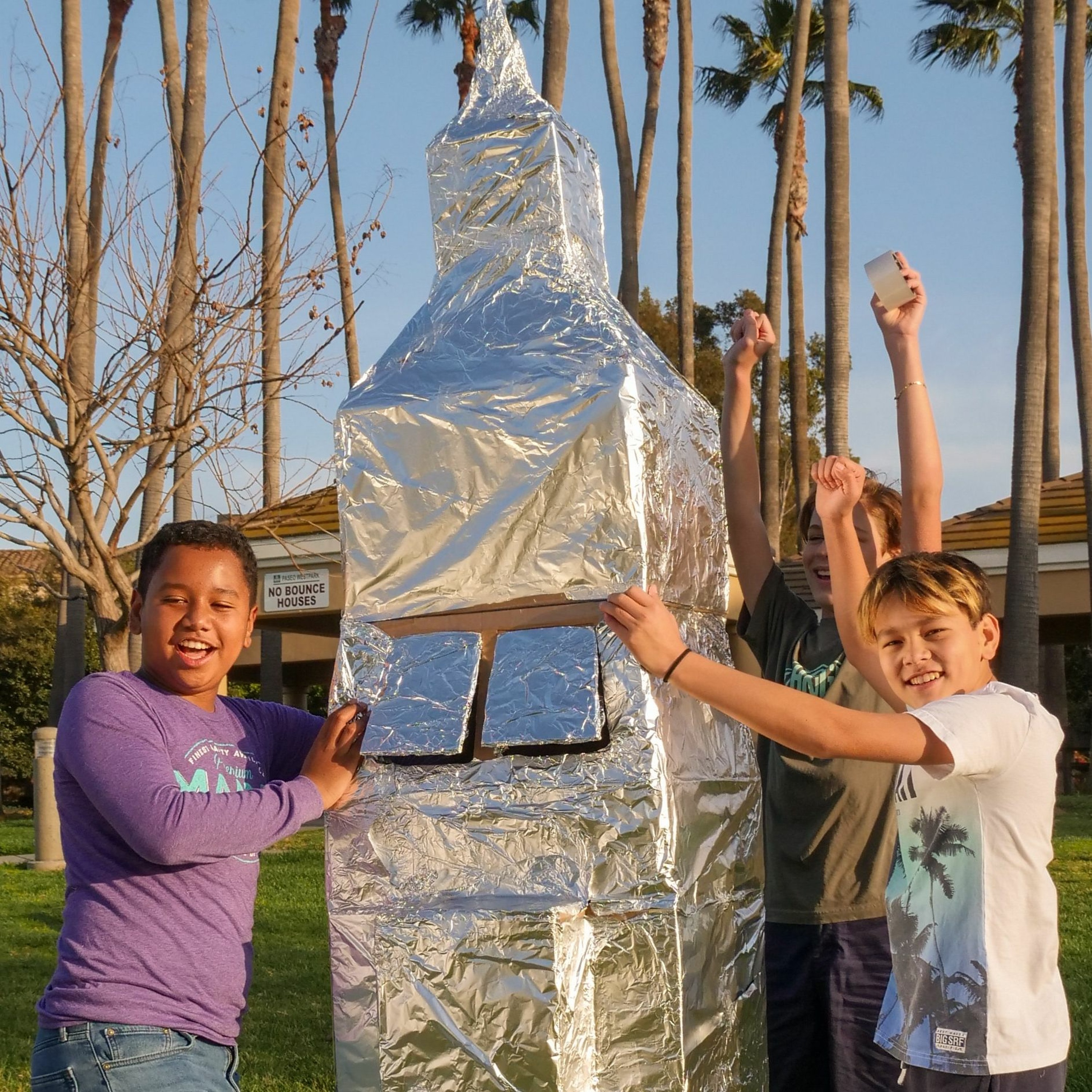
Musk, Twitter and Web3 Social Media
Will Elon Musk take over Twitter? What are the tech and societal motivations for creating distributed social media? In today’s episode, we discuss the future of social media and if we can create distributed social media and distributed user interactions. We also question how these systems could be monetized and controlled, and who would benefit from those changes. This is a fascinating discussion about how we will build human interaction in the future. Transcript: https://otter.ai/u/J2B4oRO5WTohJI1KqqNobfyZsdE Images: https://www.pexels.com/photo/a-group-of-boys-touching-a-spaceship-made-of-aluminum-foil-7105799/

Can Kubernetes Prevent Vendor Lock In?
How does Kubernetes create lock in versus how could Kubernetes be used to prevent lock in? Lock in is not always a bad thing. When you avoid committing to a single vendor, you may have to work to the lowest common denominator or deal with heterogeneity in your infrastructure. Heterogeneity is pretty normal, and you might have to do this work regardless, but when you commit to a vendor you get to focus on using the vendor’s strengths. In this episode, you’ll pick up some great tips on how to reduce your lock in when using Kubernetes. Transcript: https://otter.ai/u/vIo1p15bb6VmcrWjwgOLbM25nq4 Image: https://www.pexels.com/photo/silhouette-photo-of-person-holding-door-knob-792032/

Orchestration Automation Workflow [with Terraform]
Building reliable automation at scale for infrastructure presents challenges. In this episode, we discuss orchestration, workflow automation, and the reconciler pattern in the context of Terraform. We refer to the pattern of Terraform, automation, and orchestration systems as “TACOS” and today we dig into how you test it and check it against drift. These are real topics of operational concern for anybody building any type of infrastructure. Transcript: https://otter.ai/u/w-NA0HBsTc5NRaqWQQwlWUj4Whw Image: https://www.pexels.com/photo/person-holding-red-round-plate-with-food-8448079/

Does Your Metaverse Take MasterCard Or Visa
How are Metaverse environments built? Today we talk about how we use intellectual property to build these Metaverse environments, and who has access to what and who's going to create it. That turns into a discussion on how you're going to pay for it. Typically, Metaverse is framed as a platform, but we got interested in the content, media wars, and streaming platforms. Since we started the conversation at streaming media, that led us to payment platforms and transactions. It was fascinating that we couldn't talk about intellectual property without also talking about payment and purchase transactions. Transcript: https://otter.ai/u/Be5ZKdeQvvubwQhCFzhFAHTdtak Image: https://www.pexels.com/photo/girl-wearing-vr-box-driving-bicycle-during-golden-hour-166055/

Everything As Code !
What makes Everything as Code and Infrastructure as Code interesting? In today’s episode, we discuss what makes something code-like and the idea of Everything as Code, based on Patrick Dubois’ article “In depth research and trends analyzed from 50+ different concepts as code.” Reference: https://www.jedi.be/blog/2022/02/23/trends-and-inventory-of-50-as-code-concepts/ Some of our conclusions were practical, like if a concept is a process that is reproducible and auditable, that's what makes it code-like. And some other possible conclusions were that it's just marketing because it makes everything programmable. The reality is somewhere in the middle. Transcript: https://otter.ai/u/E1TezO2XutwJyS-vCNetslwWO4A Image: https://www.pexels.com/photo/man-in-grey-sweater-holding-yellow-sticky-note-879109/
How Lock In Creates Risk
Organizations take a risk when they get locked into a vendor. In today’s episode, we talk a lot about the risks of lock in, both in general and in the context of Oracle. That discussion takes us into a question of insurance, and if insurance policies could ultimately drive people to reduce lock in exposure. This was a fascinating discussion, not only about lock in but about what would drive organizations to fix their lock in problems. Transcript: https://otter.ai/u/zJf0WMUwJgamk7IpscHCsL2vsV4 Image: https://www.pexels.com/photo/closed-white-door-3119977/

Goldilocks Platforms [w James Urquhart]
A Goldilocks' balance challenges us to trade off prescriptive and flexible platforms. James Urquhart shares his experiences with Cloud Foundry, VMware, and Amazon about trying to find the right balance between building it yourself versus a prescriptive service approach. We’ve decided that there needs to be a middle zone with enough opportunity for customization, as well as enough pre-set, prescriptive methods to create sustainability. In this episode, we talk about that balance and how different processes have done it in industry. Transcript: https://otter.ai/u/OQBfCHldtYjUpqjKdkN3KjzLiR0 Image: https://www.pexels.com/photo/brown-teddy-bear-on-brown-wooden-bench-outside-207891/

Complexity vs Value [& Okta hack]
The Okta hack highlights the value versus complexity trade off. In today’s episode, we ask if the complexity of using single sign on is the right move in this context. We also think about how to deal with these interconnected systems that have high degrees of complexity. We also discussed API design, and whether or not we should have more rigid or flexible APIs. You can’t remove complexity from the system, but you can hide it. The structure of APIs will push complexity into either the users’ realm or the operators’ realm. Transcript: https://otter.ai/u/cftY6wlMTzAceT2EiHF4u4u0dpE Image: https://www.pexels.com/photo/photo-of-an-elderly-woman-flaunting-money-7884134/

Improving Automation Safety
Making automation safe is essential to making it usable at scale. How do we make automation safe? We found a lot of great insights drawing from space craft design, aircraft, aircraft design and other systems where safety is super important. Automation is a force multiplier. If we don't factor in safety when we build it,then we could create a lot of harm in systems from wasteful spending to actual injury. These designs have very real implications. Transcript: https://otter.ai/u/p9w4aKOqm3rpHhbDtRTaLgN3GIA Image: https://www.pexels.com/photo/toddler-using-scooter-on-road-1642055/

Data Center Users: Majors vs Miners
Majors versus minors are enterprise data centers versus blockchain, bitcoin and distributed ledger data centers. We dive into the differences in processing and environmental requirements for those two different use cases. While the idea of blockchain and distributed ledgers generate very different computational profiles, what we're building keeps coming back to the design of a data center is design of a data center. The exception is proof of work like Bitcoin. In those cases, it's really just how many CPUs you can run. For this episode, we focus on proof of stake data center infrastructure. This podcast is helpful to understand the difference between proof of work and proof of state. There's clear consensus on the call that that proof of work is not environmentally sustainable. So proof of stake is much more interesting. Transcript: https://otter.ai/u/uuPJSF_nWeDLF64lZlsGLOY8JWw Image: https://www.pexels.com/photo/man-holding-shovel-3285094/

Expanding GitOps beyond K8s
GitOps is a really important way of collaborating and communicating about infrastructure. But can GitOps escape from Kubernetes? While we did talk about Kubernetes too, we mainly talked about what it takes to implement GitOps outside of Kubernetes. We considered building a GitOps architecture and then having people understand and use it. We also cover the fundamental parts of GitOps like having a reconciler and a bunch of tools that drive clusters. Transcript: https://otter.ai/u/oq4D06Sd_rtUvXBVXC0Wx3KA2sQ Image: https://www.pexels.com/photo/people-with-mixed-reactions-sitting-with-buckets-of-popcorns-7234318/

Resourcing the Metaverse (+ Feedback aaS)
What resources does the Metaverse require? In this episode, we think of the metaverse as a distributed environment and ask if it could be owned by the people who are hosting the environments instead of centralized. One of the complicating factors is figuring out if the Metaverse is AR, VR, augmented or virtual systems. Consensus was that the augmented reality (AR) version of the Metaverse is probably the most valuable and the most accessible for building these systems out. But we kept mixing physical assets and intellectual property assets: the virtual furniture, environments, decorations and things that you would actually put in the virtual environment. While the infrastructure and software that will run the Metaverse is more necessary, the real estate is also interesting. Stay tuned for a bonus at 48 minutes where we had a good discussion about testing products and giving product feedback as a service Transcript: https://otter.ai/u/OhEqaGrH4S2Y9ywpTKVgrhhAn0Y Image: https://www.pexels.com/photo/room-chair-lot-356065/

Uses for Distributed Ledger Technology
Today's discussion was about distributed ledger technology (DLT), also known as blockchain and the technology behind Bitcoin. We had a balanced discussion: some people who were excited about the technology and others who were skeptical. That interplay really created one of the best conversations I've heard about DLT and its applications Throughout the conversation, we tested each other and we came back to basics. We didn't assume that blockchain was good because it was new, or that organizations like Banks or Ticket Sellers were bad. That neutrality really plays out by helping us consider how DLT can actually benefit people. Transcript: https://otter.ai/u/iox4ywvekE-3zWDDWyAPFkUGJtA Photo: https://www.pexels.com/photo/toasted-bread-beside-french-fries-1437568/

Is Complexity Real?
Today's episode is about measuring complexity. Complexity is a topic that we cover a lot. And in this case, we really went past the idea that we could measure complexity, and into looking at the causes and costs of complexity. We had a remarkable conversation about what it means to say something's too complex? What are the consequences of complexity? And what should we do about them? Ultimately, it’s about how how we measure the cost or the risk of complexity? In the end, we are reframing complexity in business terms and human terms. That is the important approach to looking at complexity. Transcript: https://otter.ai/u/qOBFHwMfUd0ELCnnD63AXcTLe9I Photo: https://www.pexels.com/photo/colorful-threads-on-spools-scattered-on-floor-5723513/

Is Web3 Legit?
Today's episode is about Web3. By now hopefully you've heard of Web3, but… what is Web3 really!?! That's exactly what this conversation is about! We really talked about how Web3 is more than tech bros marketing Bitcoin. There actually are real legitimate business interests around Web3. Uses like breaking transaction log jams when a small number of providers are actually controlling and running the internet. Or looking at ways to decentralize infrastructure and remove bottlenecks within transactions flows. You will be surprised at how much of the evolution of the Internet is captured in what Web3 could be. Transcript: https://otter.ai/u/j9LW8BlgtDoCMw5JyweGiyGIS5o Photo: https://www.pexels.com/photo/three-gray-and-white-xbox-controller-2106215/

Scaling Continuous Delivery
We went beyond what the Continuous Delivery Foundation is doing to talk about how to scale Continuous Delivery. Especially around the continuous reconciler pattern. So what does CD take beyond committing something in git? To make scalable continuous delivery systems and cross team continuous delivery systems means building things beyond GitOps that really scale and work for enterprise teams. The use cases are not just cloud native technologies, but really useful for established enterprise tech too. Transcript: https://otter.ai/u/JkTWNWtaaUEOHrd-bdHIP3rsmO8 Photo: https://www.pexels.com/photo/man-wearing-a-face-mask-putting-food-on-a-thermal-bag-4393667/

The Real Augmentation leading AR/VR
This discussion is about the infrastructure behind augmented reality. We really dive into how augmented reality will take place in our environment. And the spoiler is it AR is already here! We are actually building augmented reality systems everywhere and they're showing up in our daily lives. The group believes very strongly that the automotive space is already leading AR for a whole bunch of reasons, including ease, progress so far, and profit motives. We also talked about why it's so hard to build the networks of infrastructure that need to be consumed or make augmented reality so much easier. Transcript: https://otter.ai/u/1k7WpYtdpzpNVlf6FDzU_u7nIy8 Image: https://www.pexels.com/photo/woman-playing-a-virtual-reality-game-6498965/

Migrating Long Term Applications
How should we think about migrating legacy workloads to new infrastructure and modernize them? The group addresses this question methodically incuding how databases get linked, how they get used, how they get migrated, how important it is to maintain languages and what it would take to migrate in language. In the end, we look back on that conversation apply lessons learned to what we are building today, This is absolutely essential because new designs will become tomorrow's legacy! We'll be struggling to migrate those in 10 or 15 years too. So everything we can learn helps prevent that cycle. Transcript: https://otter.ai/u/sHB8507KjZlZPBMToBUCEKjPVQY Photo: https://www.pexels.com/photo/man-and-woman-climbing-a-mountainside-8968077/

Can machines update themselves?
We know that humans have trouble keeping systems updated, but… how can we address the challenge of knowing which updates are required and, critically, if the updates with break other systems? Even knowing if they worked is a really thorny problem! In this episode, we focus on actions about what’s going on and why this problem has persisted in industry for so long. Starting from the news of the day about CentOS 8 mirrors being taken down. That’s exactly the type of challenge we are facing when we think about where updates and repos are coming from. Transcript: https://otter.ai/u/rRMIT6kkTTtyWrzdBnuq63nvKuE Photo: https://www.pexels.com/photo/a-man-using-an-eye-examination-equipment-5996696/

Can We Measure Complexity?
We seem to be very worried about complexity in technology, but how bad is it really? Do we have a way of measuring complexity? Figuring out how to actually quantify it could help eliminate and manage it. We started by discussing mathematical concepts to capture the systemic nature of complexity. That turns out to be really hard, so we got into some really interesting thoughts about what it takes to manage and understand complexity. Is it even possible to measure complexity? The group is mixed. Transcript: https://otter.ai/u/qWkkgyKCXX89jcirBdni9ExkOq8 Photo: https://www.pexels.com/photo/random-objects-piled-up-for-balance-9304725/

What’s up with Containers for 2022?
This discussion sifts into tactical concerns for containers in the near term. We've gotten far with containers and Kubernetes. But what about process controls that we need to wrap around containers? We talked through how we need to be thinking about containers now that we have good control surfaces around them to make things work. If you were using containers and Kubernetes, this podcast will certainly inform your thinking. Transcript: https://otter.ai/u/NKNuTQQCXGXbVrZq_4pHazt4sZA Image: https://www.pexels.com/photo/person-holding-canned-beans-9902268/

Reliable License Models
We talk about software licensing in open source, and what it means to the broader market. In fact, we cover how it's changing what the market actually is! This is not not just open source licensing in general because at the end we didn't care about the license. We are more concerned about utility, serviceability and operability of the products we use. We need to understand whether or not we can rely on them! In short, the supply chain of the software was much more important than the licenses of the software Transcript: https://otter.ai/u/kH-vbVxoymH9GGdNEi3jvF07c5s Image: https://www.pexels.com/photo/gray-planes-right-wing-with-view-of-snow-covered-mountains-view-from-window-127441/

Serverless vs Digital Twins
We discussed the intersection of serverless and digital twinning. These two concepts are really tightly intermingled! We discarded the idea of a central single serverless hub managing everything; instead, we think sites would actually have a mesh of serverless, interconnected event processing and stream processing systems. This approach is much more function dependent, but really opens up a lot of interesting discussions and possibilities. We also discussed how to manage all of this meshed, serverless subscription modeling eventing, and digital twinning. Transcript: https://otter.ai/u/FWW3CwG6gMX0N06QXp9C-pZd-s8 Image: https://www.pexels.com/photo/two-young-girls-together-in-one-gray-hoodie-sweater-9532902/

Can DevOps Be More Collaborative / MSFT & Activision
We have a lot of questions about improving collaboration in organizations: How do we deal with change in organizations How can we get organizations to work together better? How do we encourage collaboration around the automation spaces that we're trying to build in DevOps. In our discussion, a lot came back to something as simple as version control! We also discuss how we handle coupling between systems. In order to collaborate, we have to couple systems. But if we couple them, we create complexity. This podcast includes our warm up conversation about Microsoft acquiring Activision because that is ALSO about how you integrate to organizations and business plans! This was news of the day and I think you'll be very interested in our take on it. Transcript: https://otter.ai/u/itNrmoL9MgG980D8CZdo9XWd-xI Image: https://www.pexels.com/photo/a-woman-playing-colored-powders-with-kids-7176471/
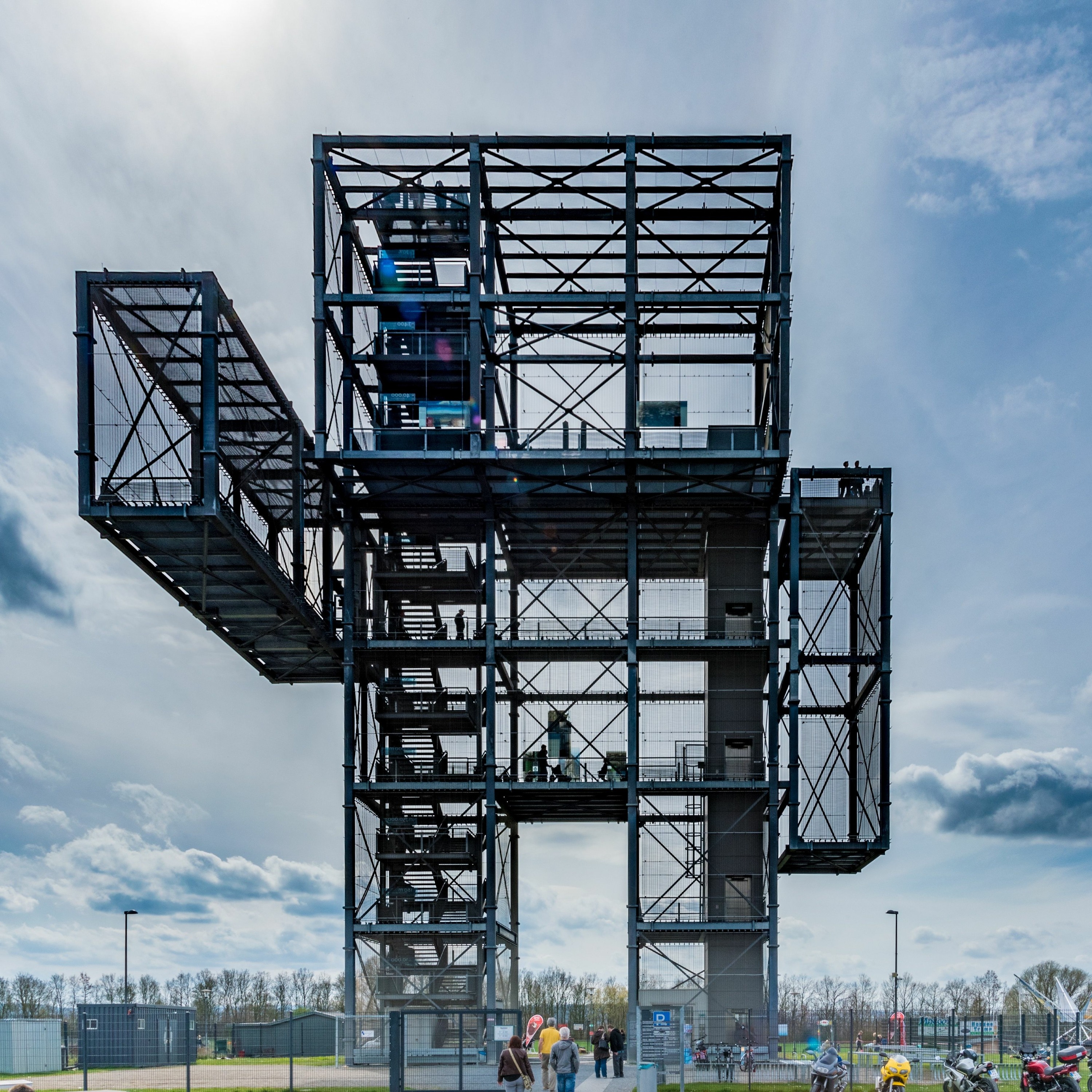
Using Blockchain for Edge Computing
We started talking about blockchain and the edge, but that is not where it ended up at all! Our fascinating journey started with web3, and surprisingly, it’s potential for distributed infrastructure and distributed web. That led us to edge: managing and trusting devices on the edge through distributed ledger (DLT). That led us to the distributed ledger landscape. The journey is important because some of these technologies will be essential for establishing trust in systems. In this conversation, we walk through the progression of these very important topics. See also: https://dltlandscape.org/

Building Green(er) Data Centers
What is a “green datacenter?” Can we make the IT infrastructure we use more environmentally sound? Maybe, but… it's a challenging problem because fundamentally running servers uses power. We went into how data centers use power with an eye to making them more efficient. But that’s only part of the story. We discussed ways to incent people to give up resources, CPU cycles, and idle servers. Those are the items that really help with savings. Ultimately, building a next generation infrastructure is more about the behaviors of the users as the efficiency of the equipment. In that case, what's holding us back? Transcript: https://otter.ai/u/RbDO1zLmb3JbEcmm6bsw6pihvQE Photo: https://www.pexels.com/photo/three-brown-cardboard-box-figures-on-brown-surface-799465/

Machine Learning in Operations
Today's episode is about how to trust machine learning in operations. This is a really serious issue because the attraction of machine learning is strong, but does not translate into operations. Why doesn’t it translate? Because operations is a closed loop process where we constantly get feedback and have to adapt and adjust. That makes it difficult to train models and hope that they work. This discussion gets into why that's the case and what we can do about it. Then we explore scenarios for machine learning and AI in operations. Transcript: https://otter.ai/u/UBjf5IVnKvebTfQgW1xlneZdjOU Photo: https://www.pexels.com/photo/high-angle-photo-of-robot-2599244/

Exploring Edge Applications
This episode explores applications for the edge. We really try to dig in on what will work in the edge from an application perspective. We also explore what's holding us back. Every time we have a conversation about Edge, we help undangle the components of Edge. In this discussion, we get more concise about what type of infrastructure is needed to build real edge applications. We also define where edge applications are expected to work and where they don't. Transcript: https://otter.ai/u/7uwv5Z3aupwE5ZGBXBEUqw9zkbE Photo: https://www.pexels.com/photo/red-and-black-robot-statue-185725/

Is Edge HCI Necessary?
To explore HCI at the edge, we started with SUSE’s Harvester. It’s an HCI integration of Kubernetes, KubeVirt, and Longhorn (their storage system) plus some PXE booting magic they threw in there. From there we explored how Kubernetes can fit into Edge HCI. That really morphed into Edge operations more generally. It’s not clear if hyperconverged infrastructure can or can't fit. We covered items like AWS Outpost which is Amazon’s edge. We included items for the cloud to edge migration from an application development perspective. There are a lot of fascinating ops and development topics throughout the conversation. Transcript: https://otter.ai/u/Y2OH7SuJhPp4VRQSBAJk31-0_eI Photo: https://www.pexels.com/photo/crop-person-packing-jeans-into-carton-container-4498143/

Resolving Software Dependency Chains
Dependency chains are complex and fragile when you're depending on software, hardware cloud services that go away or change. In this conversation, we really examine the challenge of having dynamic vendor relationships and what we can do to fix and protect our environments. It's really hard to fix what can be vulnerable when it also changes your software supply chain at any moment! And that can impact any device in your infrastructure!! We work through that problem means in practical terms. Transcript: https://otter.ai/u/mwpwVINGYfkQ5F5IERXgsM2oHsA Photo: https://www.pexels.com/photo/focused-kid-rotating-colorful-pyramid-puzzle-5063480/

What's Next for Cloud and Edge?
We reflected on 2021 and our four key panelists talked through what's coming for 2022. Instead of making broad predictions, we focused on the needs of the market. We felt there were many immediate needs around cloud outages and security challenges. Of course, we also discuss how the edge is coming up along with more physical integrations like for automotive, healthcare, and energy creation and storage. All are very big topics that are local presence related computing. Transcript: https://otter.ai/u/7IEszyeZEDGENz3JSzw_-4hmyVc Photo: https://www.pexels.com/photo/barefoot-boy-in-astrologer-costume-looking-through-spyglass-7139730/

A Pathway to Standardization
This episode was a fun and interesting ride from boring standards to locking APIs via NFTs! We started talking about “civilization technology” where standards and regulations are applied to infrastructure. We are expecting this to happen in cloud (eventually) because it allows us to create ecosystems around the infrastructure. The historical patterns that we see in railroads, buildings and electricity will emerge in IT too. Or maybe they won’t! We haven't yet seen standards emerging in cloud or open source. And we had some really significant conversations around the interactions between these systems that would drive or resist standardization. Transcript: https://otter.ai/u/-hhn6VEjtIQDl3UAHaCPUxCUaXo Photo: https://www.pexels.com/photo/slatted-wood-pathway-between-trees-1423827/

A Pathway to Green Data Centers?
How do we make data centers green because, fundamentally, they are going to use electricity. But the sources of that electricity, how we respond to shortages of electricity and cost signals about that electricity are all critical to consider. These are the questions that lead us to how a green data center or green infrastructure gets created. Our discussion also includes how infrastructure at the edge can play a role. Overall, there are A LOT of the factors that go into building and creating green infrastructure, including the motivations and signals that will hopefully change the market. Transcript: https://otter.ai/u/9eirv3Rs292n7M1m8d1VaRPPRgA Image: https://www.pexels.com/photo/clear-light-bulb-planter-on-gray-rock-1108572/

Evolution of Networking Systems
How do we evolve technology in the future? We centered the answer on networking, but in a very general way. The ability for a vendor to distribute technology and then connect things together and then build networks of that technology is a core component of how networking is evolving. Ultimately, this is about building technology systems. Sadly, that led us into a very dark place where we really thought through who's going to own all of that infrastructure and their motivations. How can we make sure that the people's needs and the systems and the vendors' needs are well aligned? Transcript: https://otter.ai/u/H8ik1HcmSExVBRklYbSCsV4yu2k Image: https://www.pexels.com/photo/shallow-focus-photography-of-keychains-1194036/

Software Supply Chains [#Log4Shell]
Our scheduled topic was supply chains generally, but the Log4Shell vulnerability dominated the discussion. We dove into the challenge of patching and fixing a library that is literally in nearly every device or service for years and years. That led us to supply chains in the context of software, and specifically Java Log4j. This is a critical topic and our conversation about it was very thoughtful. We really covered the angles of what it takes to produce and maintain a supply chain for software. Then we discussed alternatives and things to consider when you building anything: software products or physical products in which embedded systems and components impact your designs. Transcript: https://otter.ai/u/CJ8pYF1La6tetFasqZhEojo_zoY Image: https://www.pexels.com/photo/carton-container-with-eggs-in-rows-6294430/

Broader Impacts of AWS Outage
We discussed the Amazon outage of December 7. Instead of simply blaming Amazon, we went looking for how the outage impacted people globally. We considered how hyper scalars are being treated and how these outages can be avoided or understood. We focused on who is impacted and what companies who are building on top of Cloud providers can do going forward. We really took a classic Cloud 2030 approach for a very important and timely topic. Enjoy our discussion about the business impacts, understanding of the market and forward looking approach. Transcript: https://otter.ai/u/cY4fk8mWIovIfkwfT4LDw2uy4QY Image: https://www.pexels.com/photo/a-person-holding-a-pan-with-cooked-eggs-7719168/

What is Platform Engineering?
What is platform engineering? And why is it necessary and how to make it work compared to DevOps. In this conversation, we really hit on the challenges of creating automation teams for building automation in scalable ways. Frustratingly, we never really came up with a particularly good answer to “what is a platform team” and why you should care. Strangely, your organization is probably building one. Transcript https://otter.ai/u/zJeQbqXIyD8kZUxfKQdvQAfQGog Image: https://www.pexels.com/photo/building-construction-industry-technology-9617733/

A Path for Cloud Standardization?
We discuss standards, de facto standards, and cloud standards. It comes down to how we are creating repeatable results for the cloud marketplace. Ideally, we're creating marketplaces where standards can be shared. We’d consider Amazon as the primary example, but we also talk about hardware and Kubernetes which have their own marketplaces. Ultimately, we asked if we are creating standardized cloud infrastructure? The short answer is no. Transcript: https://otter.ai/u/kGT8pGfbslZRgFktM0pE3AifwWI Image: https://www.pexels.com/photo/measuring-guitar-pick-3988555/

Serverless At The Edge
Serverless at the edge, part one. This is a dynamic and engaged conversation with key questions like: What is serverless? Do we need serverless? How is edge serverless different than cloud serverless? We see edge environments as collecting data from sensors that needs to be heterogeneous, multi vendor, dynamic and centralized. But where centralized? I think that the serverless aspect of this really drives home the idea that we need to be able to make small, quick, easy updates into an edge environment into a sensor environment. But how we accomplish that is still to be defined. Transcript: https://otter.ai/u/XOOi-HhvbqC6NG16-7ns6j_hPLE Image: https://www.pexels.com/photo/man-in-white-long-sleeve-shirt-holding-a-serving-tray-3772524/

Securing Software Supply Chains
Today we talked about supply chains, but mainly security and the security aspects of supply chains because we have a very serious challenges here. We have made software and on boarding software for developers so easy, but haven't put the same efforts in how to manage production systems! The team really talked about what it takes to build production systems that respect security, supply chains, dependency graphs, and inclusion in a way that cross teams. It's an incredibly important topic, and it is the foundation of any successful supply chain hardening effort. Transcript: https://otter.ai/u/6zfld2gBpZMSGT8Vk_1Ka3pWtN0 Image: https://www.pexels.com/photo/light-city-road-traffic-10390684/