
cloud2030
521 episodes — Page 2 of 11
State Of VCs
We dive deep into the current state of the venture capital (VC) market, exploring the significant shifts and challenges faced by entrepreneurs and investors alike in the post-COVID landscape. Key topics discussed include: The decline in the allure of VC funding and the impact of "pump and flip" models The market volatility and caution among venture firms due to economic factors The changing focus of VCs towards sectors like healthcare, fintech, and deep tech The challenges in building sustainable, billion-dollar companies The rise of corporate venture capital and strategic investments The potential for rational valuation adjustments and market consolidation The importance of clearly articulating the problem being solved and achieving product-market fit The conversation provides valuable insights for founders navigating the evolving VC ecosystem, as well as investors seeking to adapt their strategies to the changing market dynamics. Join Rob and Rich as they explore the future of VC and the strategies needed to succeed in this dynamic landscape.
BootC created Bare Metal Containers [TechOps]
We dive deep into the technical details of BootC - a Red Hat-led technology that uses container-like definitions to describe machine boot processes. BootC is an important development, especially as companies embrace containers and seek a unified approach to machine configuration. RackN CTO, Greg Althaus, provides an in-depth overview of how BootC works, its key capabilities, and the potential benefits and challenges for operations teams. They explore topics like BootC's relationship to containers, the concept of immutability, different deployment methods, and the operational considerations around managing BootC at scale. This conversation offers a balanced, non-Red Hat perspective on BootC, highlighting both its technical merits and the significant operational work required to successfully adopt and integrate it. Listeners will come away with a nuanced understanding of this emerging technology and the factors organizations should weigh as they evaluate BootC for their infrastructure.

Reading Logs And Events [TechOps Series]
This episode explores the challenges of processing events and logs in technical operations. The discussion covers the importance of understanding the intent and purpose of building systems downstream from eventing and logging systems. Key topics include the trade-offs between real-time and delayed event processing, the principle of least privilege, and strategies for handling event buffering and dropping. The conversation also touches on security concerns related to event and log data. The episode concludes with plans for future discussions on adding events and logging to scripts to make them more useful.

Logging [TechOps Series]
We dive deep into logging, tracing, metrics, observability, with a specific filter for automation and systems and infrastructure. There's a real challenge here of how you capture information from a running system in a way that provides the right information at the right time. That fundamentally is the question that we are working to answer throughout this really fascinating discussion about logging. Transcript: https://otter.ai/u/msNO2gn1b0FP2lK7rSfplQrCrPQ?utm_source=copy_url
Eve Of A Nuclear Renaissance?
Reference: https://en.wikipedia.org/wiki/Pebble-bed_reactor Do nuclear power and a potential renaissance in nuclear power, driven by the voracious power demands for data centers, have the potential of becoming accepted, local and an economic boom for communities? If you're scratching your head thinking, no way, maybe this conversation will change your mind. Enjoy! Transcript: https://otter.ai/u/yUJapxBhVAhGnPUKgJDMqEJNt8I?utm_source=copy_url

Reading Logs And Events [Techops]
This TechOps episode explores the challenges of processing events and logs in technical operations. The discussion covers the importance of understanding the intent and purpose of building systems downstream from eventing and logging systems. Key topics include the trade-offs between real-time and delayed event processing, the principle of least privilege, and strategies for handling event buffering and dropping. The conversation also touches on security concerns related to event and log data. The episode concludes with plans for future discussions on adding events and logging to scripts to make them more useful.

Training Small LLMs
In this episode, we dive deep into the emerging world of building and training small language models. We'll discuss the benefits, risks, and challenges companies face as they work to create more targeted and efficient AI models. From managing hardware and power requirements to ensuring data privacy and governance, we'll cover the key considerations for enterprises looking to leverage the power of small language models. Join us as we unpack this fascinating topic and consider the implications for the future of AI and infrastructure operations. Transcript https://otter.ai/u/xJ5T-x70WUFQ55ZAsRQr57q6zwE Reference: https://www.composabl.com/
Process: Good, Bad And Ugly
This podcast episode explores the challenges of process improvement in IT operations, using examples from data centers, automotive, and cybersecurity. The discussion covers the slow evolution of secure boot, the difficulties cloud providers face in translating their processes to the broader market, and the emergence of vehicle-to-anything ecosystems. The group delves into the need for standardization and security in vehicle ecosystems, as well as the policy management and automation challenges enterprises face. The conversation also examines the balance of trust in technology versus human expertise, particularly around the use of AI and the risks of generative AI. The CrowdStrike incident is analyzed, with debate around the responsibility of CrowdStrike, Microsoft, and Delta's operational controls. The impact on cyber insurance and the need for broader risk management approaches are also discussed, highlighting the interconnectedness of process improvement and risk management, and the call for greater industry collaboration to address these challenges. Transcript: https://otter.ai/u/93JhNjmekqf0ttX21gsupz4OeBY?utm_source=copy_url

Containers Manager [TechOps]
In this episode, we continue our TechOps series, diving deep into the topic of container management. As containers become increasingly mainstream, the need to effectively manage and orchestrate these lightweight, purpose-built environments is crucial. We'll explore the distinctions between container management and orchestration, discussing the different tools, techniques and trade-offs involved. We'll also hear insights from the RackN team on how they've approached container lifecycle management within their own infrastructure management platform, Digital Rebar. This is a rich discussion that touches on everything from Kubernetes to system design trade-offs. So let's jump in and learn how to wrangle those containers!
Supply Chain Security [Tech Ops]
In this episode, we dive deep into a recent and highly sophisticated SSH intrusion attack that was discovered in the Linux kernel. We'll discuss how the attackers were able to inject a backdoor into a critical compression library, leveraging social engineering tactics to become a trusted maintainer over several years. The attack was designed to bypass security checks and evade detection, even from advanced techniques like eBPF monitoring. We'll explore the technical details of how the backdoor was triggered, the potential impact on various Linux distributions, and the broader implications for software supply chain security. This incident highlights the challenges of maintaining trust in open-source projects and the need for robust security measures to protect critical infrastructure. Join us as we unpack this fascinating case and consider the lessons it holds for the future of secure software development.
Software Bill of Materials [TechOps 006]
A software bill of materials is the idea that we can define and document exactly what goes into a system. We look at governance today and SBOMs as we put it together, both from a software and an operation side. From an operations perspective, it truly is a big challenge. This conversation is a little bit more theoretical than some of the TechOps discussions have been. Enjoy! Transcript: https://otter.ai/u/VXWwg-ltdlwYBFYI_jNCOUmJz6M?utm_source=copy_url

Advanced SSH [TechOps]
SSH and Secure Shell is one of those topics that people take for granted because it is a ubiquitous way to log in and access systems. True to form for the TechOps series, though, we break that down into much more detailed and granular components. We talk about how to secure it and what best practices are. We also discuss how to use it for tunneling, or, more specifically, not use it for tunneling, and why all of this matters to your operations environment. Listen to what new things we're doing that avoid having to have network access at all. Transcript: https://otter.ai/u/XSRBfnifZOF0-nlNU5Vo_hyoSVU?utm_source=copy_url

High Availability [TechOps Series]
Is high availability always a good thing? Today our discussion takes an operations perspective. We look at places where you were over or under committing high availability, where you were confusing disaster recovery for high availability, and perhaps even securing the wrong service or looking at it the wrong way. We cover all of these scenarios with practical, hands-on examples that I know you will get a lot out of. This is good prep for talking about HA clusters, because the idea of coordinating and monitoring systems is core to HA and HA clusters. In our journey with RackN, a lot of customers who thought they needed very aggressive HA systems, once they are confronted with the overhead of maintaining an HA system, have to ask if you really need it. We started with an active/passive HA implementation using third party monitoring to monitor for when the system failed and spin up the second system, creating a live streaming back up to the failover system. Transcript: https://otter.ai/u/vOVZadHvRTFCZGqcI2DC3nQzDgY?utm_source=copy_url

AI And Digital Twins
We dive into AI, manufacturing and how to improve manufacturing outcomes by better analyzing data. If you are interested in manufacturing or advanced applications of AI and digital twins - which is where we create accurate representations of physical items - this episode will hit all of your favorite topics! Transcript: https://otter.ai/u/xNB0GZQXB4hQMly991Wk1MwFhjw?utm_source=copy_url
UEFI Trust & Secure Boot Issue
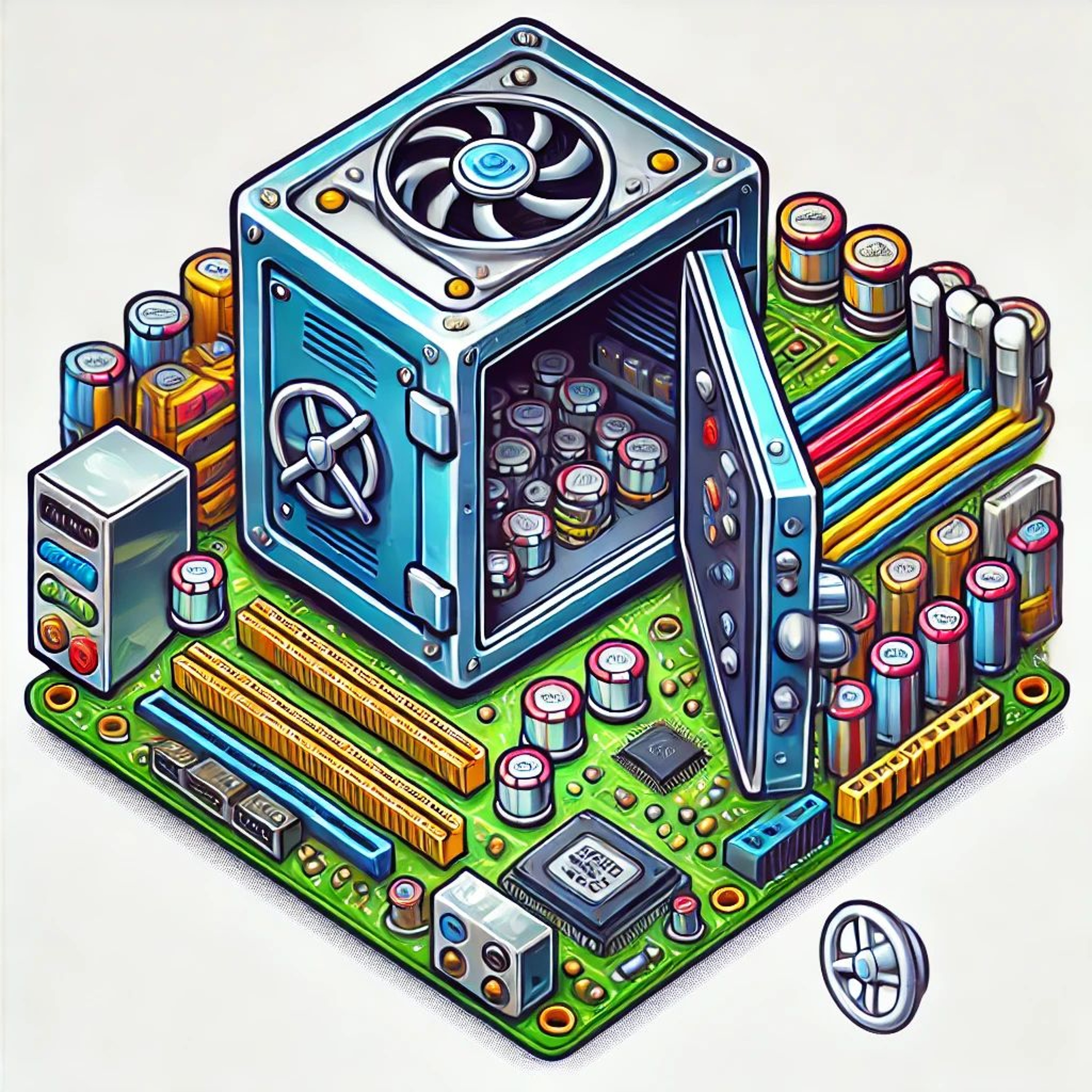
We explore the UEFI certificate issue in which secure boot is potentially compromised. Certificates that are included in most UEFI BIOSes have been compromised in ways that could easily be used as an attack vector, a very significant flaw and something that should be on your purview and radar to fix and patch. We're going to talk about what the issue is, why it's important, how secure boot works, and what you can do to mitigate this problem in your own infrastructure. An important episode for anybody running or managing desktops, data centers or any infrastructure of any type. Transcript: https://otter.ai/u/H15Z2NZDom8Hta8gHJn2mQwziFM?utm_source=copy_url

AI Platform Consolidation & Walled Gardens
We discuss the impact AI and data sovereignty data protection will have on platforms, consolidated management of your data like in Office by Microsoft or Google, on premises, and systems. This includes a whole bunch of data that you will want to use to train AI models to improve your day to day operations, but you probably don't want a lot of vendors pulling that data apart and transiting it. We have a fascinating discussion about how the market is impacting these forces. Transcript: https://otter.ai/u/gpyotjoYz5ev-1Q2yvokQi--ipg?utm_source=copy_url
Two But Rule by John Wolpert [Book Discussion]
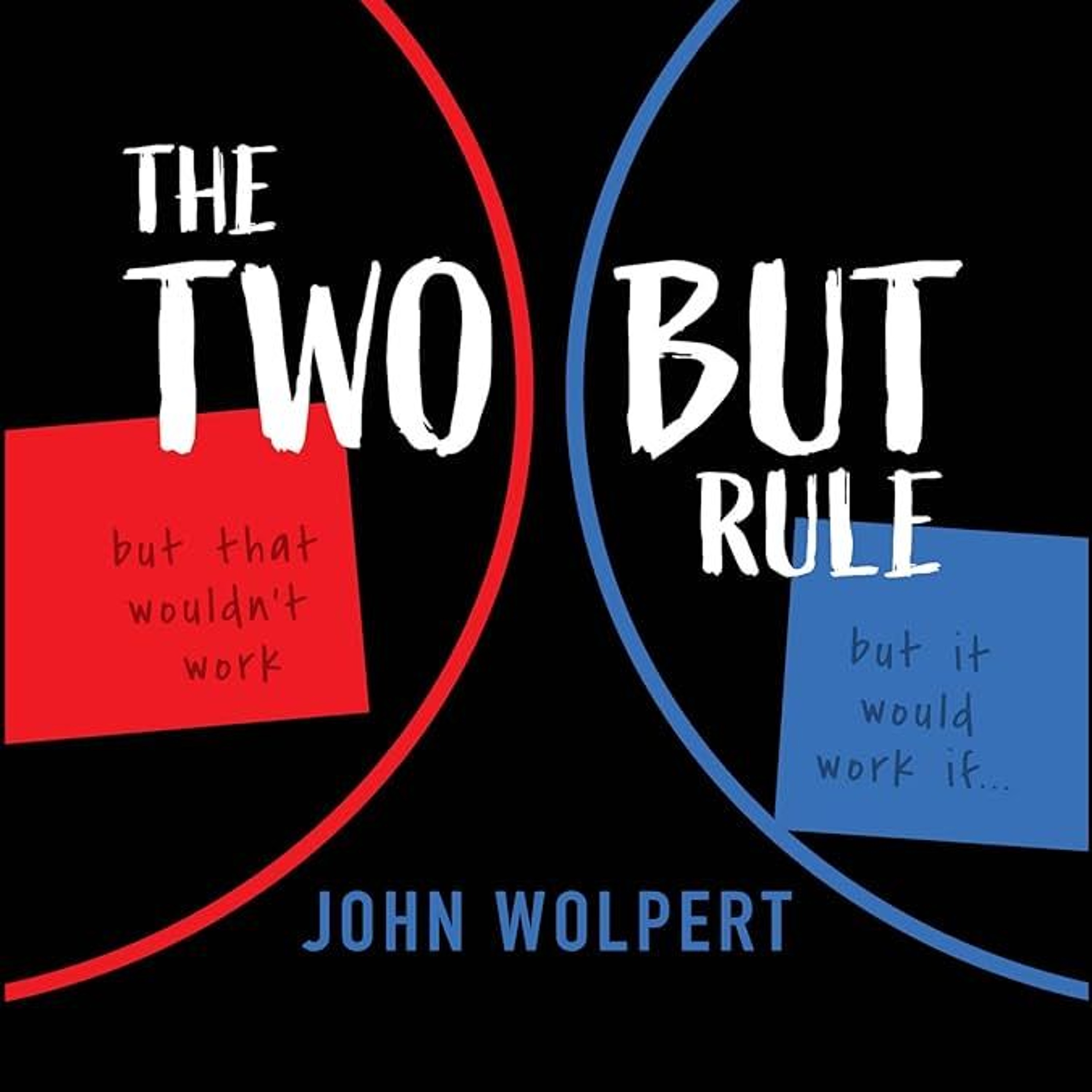
This episode is one of our book club episodes starring John Walpole, who wrote the Two But Rule, which is very tongue in cheek while also very serious about momentum thinking and using a negative bouncy discussion pattern. I like to think of it as a bouncy discussion pattern to really explore ideas and drive ideation in a positive way by asking and challenging people's ideas in a constructive way. Transcript: https://otter.ai/u/2-CzhoZXo1U9URwEc3xnrV-f6-w?utm_source=copy_url
Crowd Strike vs Operations Responsibility
This episode explores the intersection of infrastructure automation and security through the lens of the Crowd Strike outage. We'll discuss the tension between maintaining stable, reliable data center infrastructure and the need to embrace change and innovation. Recent events like the CrowdStrike outage demonstrate the paradox that infrastructure teams face. We'll dive into the importance of having multiple control planes and standardized processes that can adapt to rapid industry changes. Transcript: https://otter.ai/u/Wos9IOPfpSGPOYNT-A4muQccA5w

Containers And Walled Gardens
We start talking about walled gardens and the momentum and push that causes us to get into vendor active environments in this episode. This is going to be a multi-part discussion where we look at the drivers of AI in the future. In this case, we used up a lot of time before this recording talking about Kubernetes and what's next for Kubernetes and containers, as well as how that ecosystem has been shaping up. This conversation is about the wall gardens that could be broken down, and in some cases, have actually been built taller because of containerization and Kubernetes and infrastructure and how infrastructure works. After that background before going into the discussion, we pick it up on how these ecosystems and walled gardens are self reinforcing as well as chinks in the armor that will allow us to go back to interoperable standards. Transcript: https://otter.ai/u/oZiuGGiJwjsvycVosq4FA7-r4gc?utm_source=copy_url
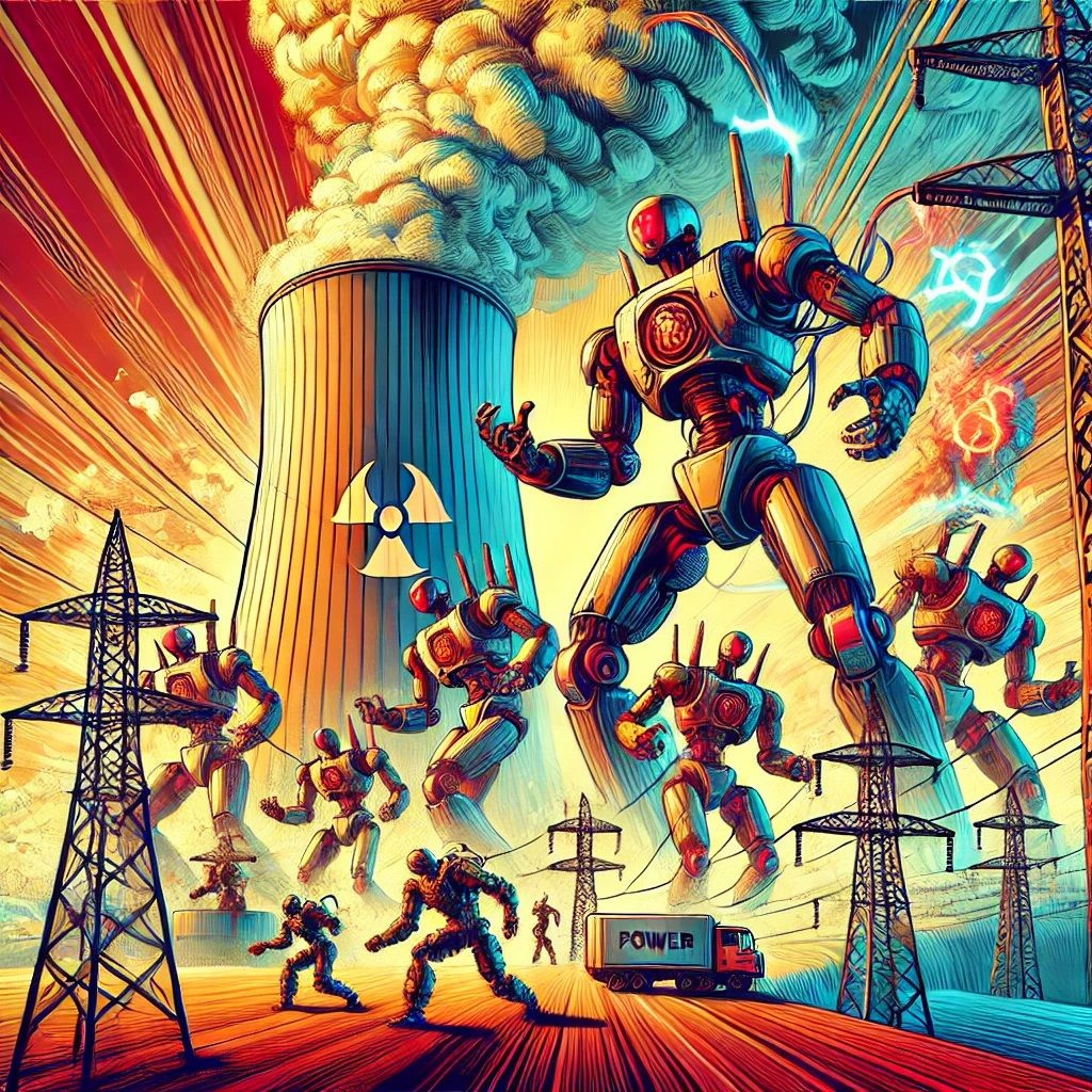
AI Power Consumption
Power, electrical power, and how the upcoming trend of AI data centers is intersecting as a load with generation, storage, transportation, Bitcoin mining and mining all use power. These are all highly interconnected in how we use and manage the grid, but are using power in different ways. Transcript: https://otter.ai/u/mszdgZE5_TG_H6lywY6S8-RqPsw?utm_source=copy_url

Hybrid & Analog Computing
Analog computing is the idea of non-digital computing. Not quanta, but non-digital, basically using analog circuits, either electrical circuits or potentially even mechanical or fluid circuits, to perform calculations and control systems. These are surprisingly common, especially in older devices, but less common in current and modern devices. But they're making a comeback, in part because they're very fast and efficient, but also because with AI tooling and digital twinning, we can design these circuits much more effectively. With 3D fabrication we can actually create these circuits more effectively if they're mechanical. Transcript: https://otter.ai/u/WRIb_V_hWt9KBcbCXYX6z_dD1Ps?utm_source=copy_url

Hello Crypto, R U OK?
We revisit where we are with Crypto - more specifically where we are with distributed ledger technology or DLT. We give pertinent and real examples of places where the core technology behind Crypto is thriving and making a big difference, as well as has regained its value. We discuss the human impacts of that and what went wrong. Transcript: https://otter.ai/u/1je6MzCQuv0U_9_MOaQtDNMWAQw?utm_source=copy_url
Silos Vs Systems
Martez Reed and I have an in depth conversation about the challenges of propagating technology inside of enterprises, this core challenge of selling silos and individual technologies. What Martez describes as beneficial tool sprawl versus building up systems and integrating things and end to end technology. This is what I've been calling infrastructure pipelining. We break down what's going on in the street related to Open Source technology, Kubernetes, other aspects of what's happening and how things fit together in an interesting and dynamic way. Transcript: https://otter.ai/u/2M4P8U1haMsoT2ahg3s4V4_sf-A?utm_source=copy_url
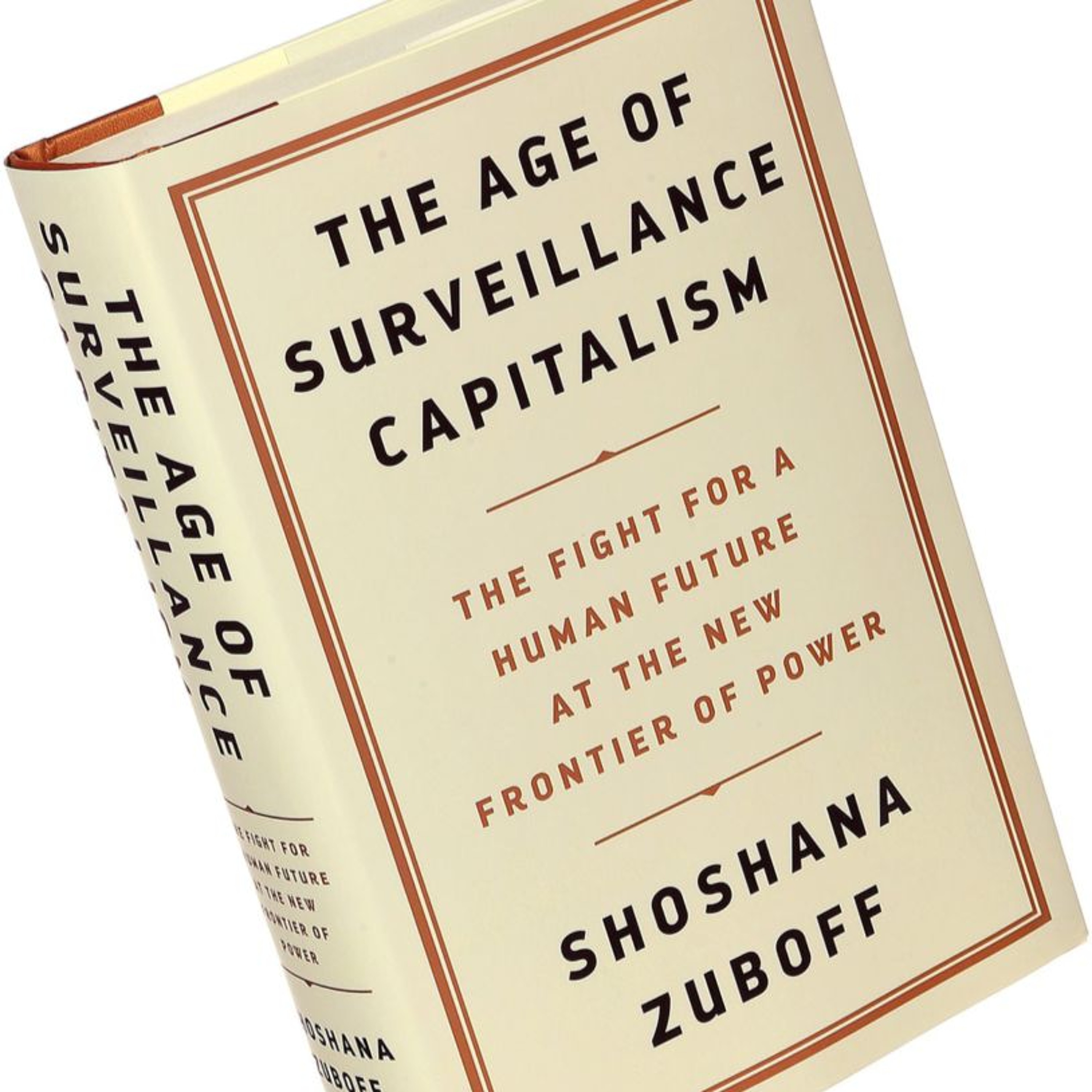
Surveillance Capitalism [Book Club]
We dive into Shoshana Zuboff’s book The Age of Surveillance Capitalism. Full of amazing insights, predictions and really insightful work, you can literally scan every page and read something fascinating. You don't need the book to follow today’s discussion. We start by watching Apple's new iPad ad before we dive into the book, and I highly recommend that you watch it as well, link in the show notes. It's a good tie into the surveillance capitalism discussion and I think you will enjoy our commentary about it. References: https://www.theverge.com/2024/5/8/24152236/apple-ipad-pro-commercial-artists-ai https://www.amazon.com/gp/product/1541758005/ref=ppx_yo_dt_b_search_asin_title Transcript: https://otter.ai/u/Y-bm0QL3Vnfjcy4hgmTIiqkUpNU?utm_source=copy_url
Building Infrastructure for AI Training & Inferencing
How do you define infrastructure to support inferencing? Today we discuss that and more, including training. We walk through what it's going to take to understand what to buy, what to build, how to build, how to put it together, and how hard it is to actually know what goes into the infrastructure behind an AI cluster. Importantly, exploring why we don't have the answers is the first phase of understanding. Transcript: https://otter.ai/u/2SIZyiLDtfyi_zGrol8qHvHc0gA?utm_source=copy_url
Out Of Band Management [TechOps Series]
We continue our TechOps series, this case diving deep and cheap into out of band management. One of the things about out of band management is that it quickly turns into an alphabet soup of protocol names, vendor names, specific pieces and even the way we talk about out of band management. We have different acronyms for the same action. In this conversation. Greg Althouse reckons CTO and my co-founder explores lessons learned and things that you need to understand for technical details and a really core understanding of how to build BMC integrations. We even cover why it's so hard to do this well. Even if you have no plans in ever touching an out of band interface, the architectural lessons will help you. Transcript: https://otter.ai/u/Feahh05PQI-1fxVXDRuiFDkgt5M?utm_source=copy_url

Understanding SystemD [TechOps]
System D is our topic for today discussing system processes, how do you manage and control processes, services, and fundamental components of Linux operating systems. In this discussion, we cover how to think about it, how it works, alternatives, process controls, and even how they get applied to containers. Containers were a nice bridge from our previous discussions when we were talking about container management systems. If you are interested in Linux and Linux management, Linux automation, this is a good episode for you! Transcript: https://otter.ai/u/KCK3f95lbUEAEzLgA60k-HbDlGk?utm_source=copy_url
Hello OT, Meet IT
Edge technology versus OT was the focus of discussion today, and in this conversation we cover infrastructure information technology versus operations technology, and the ongoing dilemma of edge sites specifically. This includes factories, retail locations, data center technology and 10th standard cloud with operational tech. Operational tech being vendor locked, narrowly controlled siloed technologies versus general purpose technology. In this case, we're talking about OT as specific vendor locked islands of technology versus IP, which is multipurpose, multifunction shared infrastructure technologies. This podcast addresses the tension and how to resolve it between those two technology approaches. Transcript: https://otter.ai/u/8-ufJsQAb0yrCXkZTBoUM8Detdc?utm_source=copy_url

Key Bridge vs Tech: Lessons Learned
In the wake of the Baltimore Key Bridge collapse, we discuss how we can improve resilience in the systems that we manage.
PXE, DHCP and O/S Provisioning (oh my)
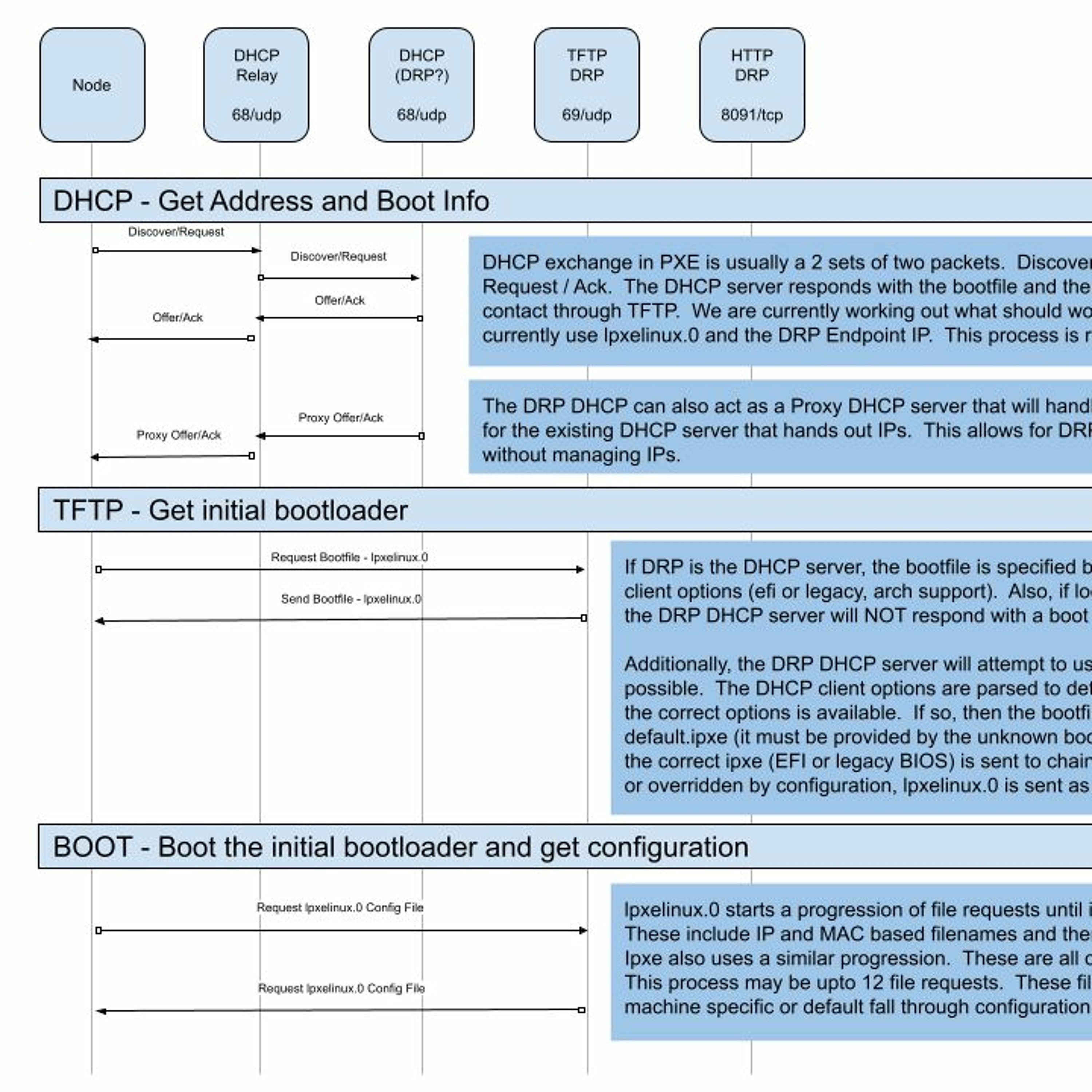
DHCP PXE is our subject today. We cover UEFI BIOS and all of the things necessary to do network installs of servers. This incidentally includes thin clients, PCs and other network switches. Specifically, we talked about the process of having secure and robust network provisioning. We go through all the pieces that you need to know how the processes work, both in legacy and in modern current systems Transcript: https://otter.ai/u/F1u-2ipyfIZ93yp5qdzcpArLtOg?utm_source=copy_url
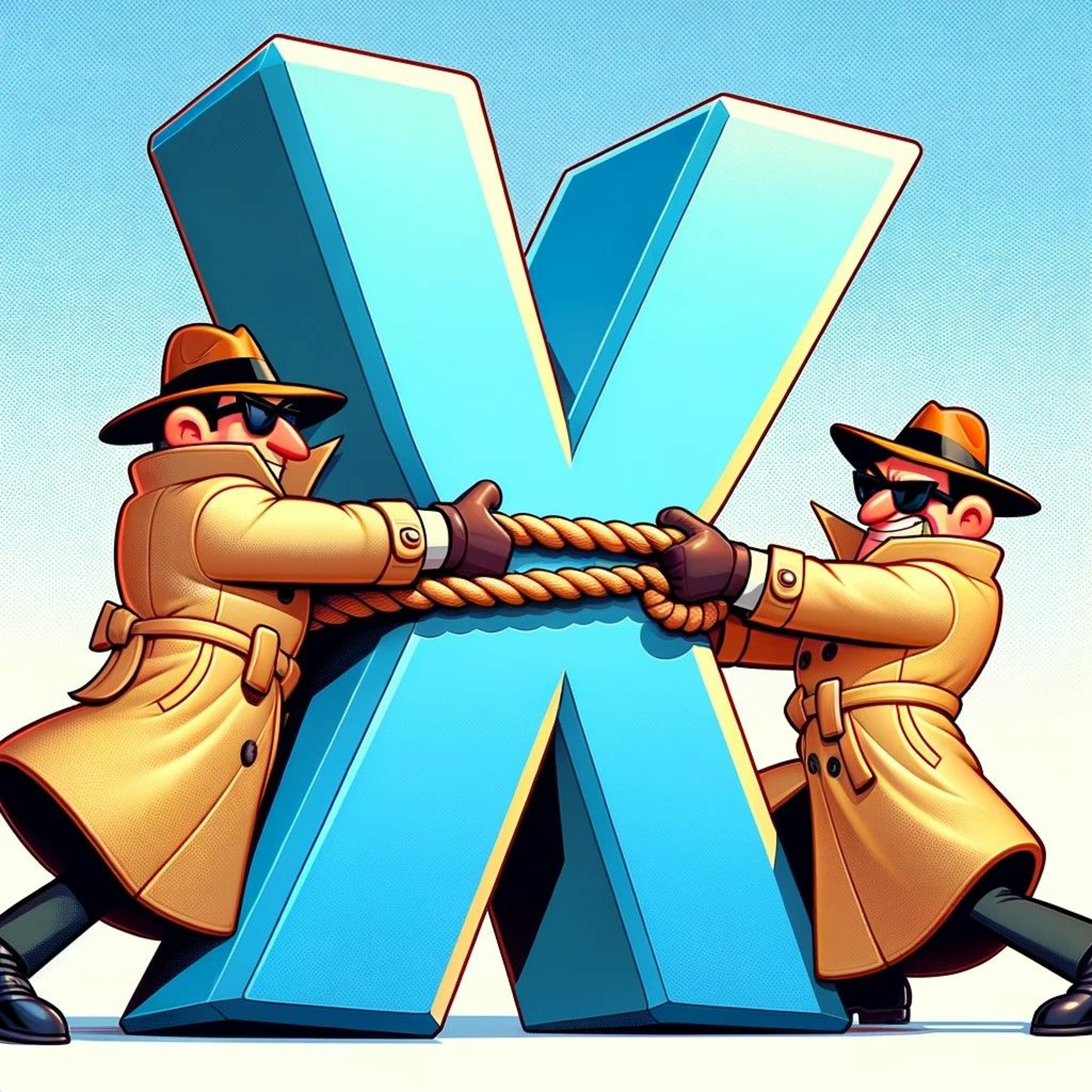
XZ Exploit Discussion
This episode really highlights the danger of contributor burnout and overload. But it also shows that we're not very good as an industry at sustaining work. Today we dissect what the XZ SSH intrusion attack is, how it happened, what the social engineering was, and the pressure that involved to make that happen. Transcript: https://otter.ai/u/kRqADDwa6DmoZcnQEmqQD1UaxZ8?utm_source=copy_url References https://www.openwall.com/lists/oss-security/2024/03/29/4 https://news.ycombinator.com/item?id=39865810 https://arstechnica.com/security/2024/04/what-we-know-about-the-xz-utils-backdoor-that-almost-infected-the-world/
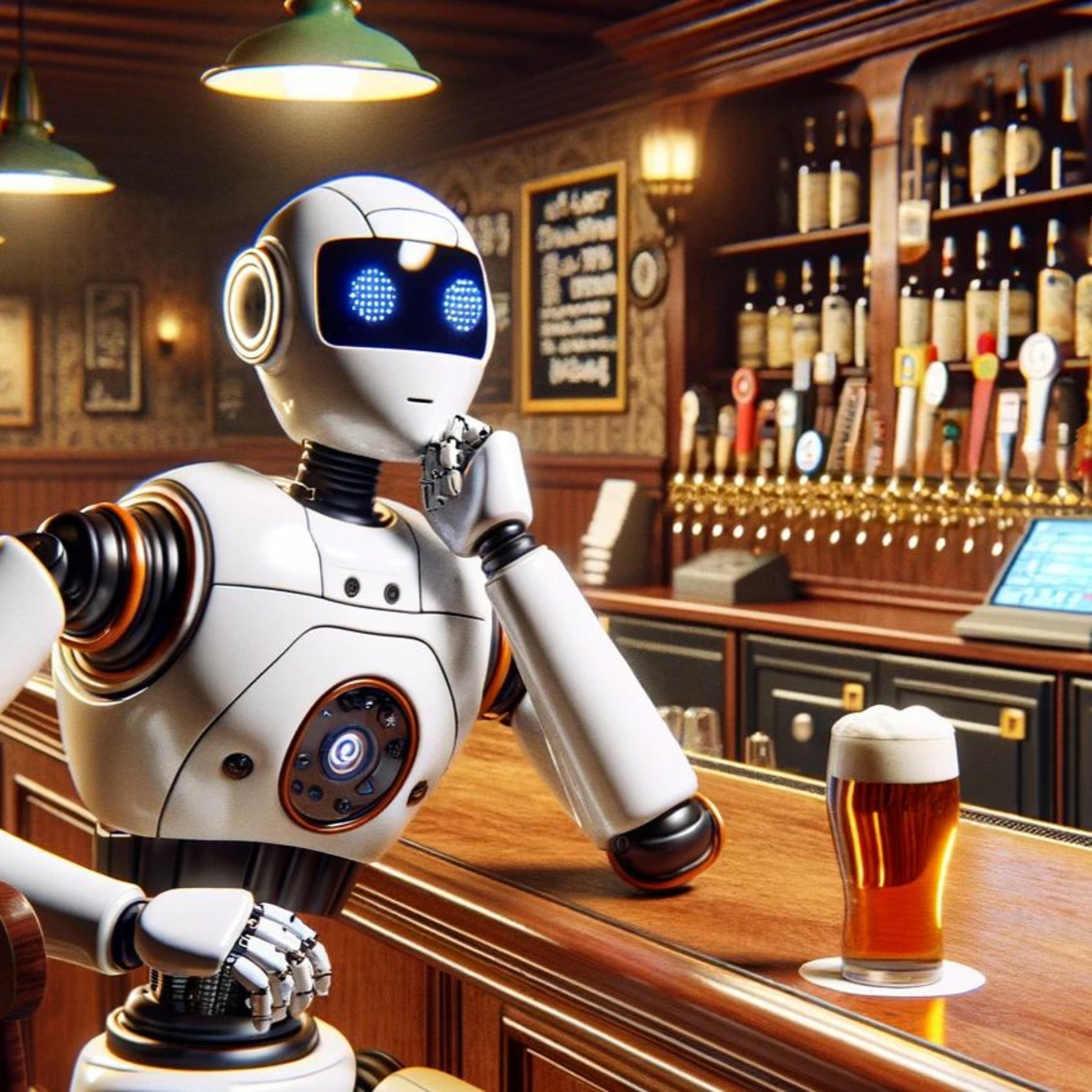
Figure.AI where Robots meet LLMs
We explore the synergy of humanoid robots and LLM AI. This episode delves into how robots can learn and interpret their environment in human-like ways, based on a key video listed below. Whether or not you view the video, the discussion offers deep insights into AI's evolving role in human interaction. Transcript: https://otter.ai/u/VqiTSDMDLAKcaF1XuAH8ExhJnLE?utm_source=copy_url References: https://youtu.be/Sq1QZB5baNw?si=dAxLQIws3xkra_mf https://spectrum-ieee-org.cdn.ampproject.org/c/s/spectrum.ieee.org/amp/prompt-engineering-is-dead-2667410624 https://arxiv.org/abs/2402.17764v1 https://www.emergentmind.com/papers/2402.17764
Dishing on Apple's Vision Pro
We delve into spatial computing today and discuss Apple's Vision Pro face computer. Everyone in the club2030 group is very interested in augmented reality and virtual reality, and the release of thApple Vision Pro, seems to meet many thresholds that make us surprisingly optimistic about its potential. We discuss aspects we like as well as what we thought was going to be a challenge. Whether you are already watching this space or are new to this concept of a spatial computer from Apple, you'll get a lot out of this conversation. Resources: https://www.barnesandnoble.com/w/rainbows-end-vernor-vinge https://www.tomsguide.com/reviews/rabbit-r1 Transcript: https://otter.ai/u/h61-B-2G9RdWT4gQuguLLDtkkx0?utm_source=copy_url
Compliance Death Curve [Working Session 1]
The compliance death curve is something I’ve been working on as an evolving concept that tries to explain how companies fight compliance governance and standardization efforts, something that is critical to platform team and infrastructure operations. Today we try to decompose some of the mathematics that I've been using into more universal, more easily understood components. We built a compliance flywheel that I found really fascinating which you can see an example of that work in our podcast description. It could also be helpful to check out my previously recorded compliance death curve talk that has been released. Resources: https://www.youtube.com/watch?v=4RUKsakKZI0 Transcript: https://otter.ai/u/k9q5ZZ81Hm-EAAtfkVVtKNNqXwE?utm_source=copy_url
API Consumption [TechOps 003]
TechOps series episode 3 covers how to automate against API's. We discuss exactly the ways in which you can use API's effectively, and ways you can run into trouble. We also discuss how we should be consuming API's, both as a consumer but also in times when we have produced API's. Many ideas discussed were pulled from learning how people consume our API's and what we can do to help make them better and safer. Enjoy this broader TechOps series where we are diving in deep in tips and techniques that improve your journey as an Automator. https://otter.ai/u/5akxcG83FBS1m9PBUnB4rjLzWac?utm_source=copy_url Image by Dall-E
Chriss Voss: Never Split the Difference [Cloud2030 Book Club]
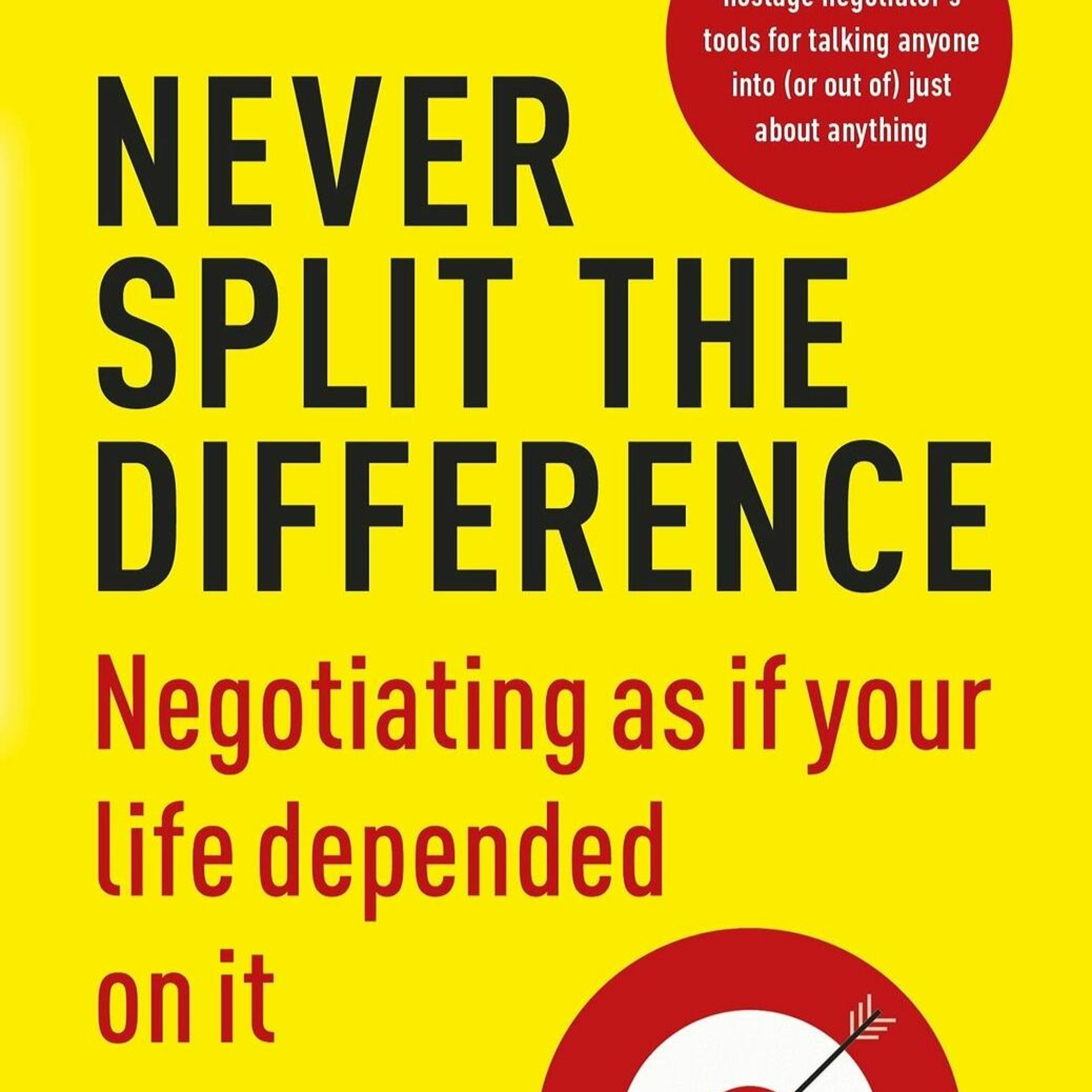
Our quarterly book club meeting we picked Never Split the Difference by Chris Voss. This book is about negotiation, which we found fascinating because we are all entrepreneurial in some way and handle sales. Next quarter, we'll talk about a related book that we brought up, which is The Two Butt Rule. https://otter.ai/u/g1zFW444R5NseB8rsVe4StMYWEU?utm_source=copy_url

Adaptability vs Agile Innovation
How can we understand agility and adaptability? In this discussion, we get very concrete about the differences between agility and adaptability and why that's important for you as you go on your own innovation journey. This includes looking for places where standards can be applied and accelerate your team, where it's too early, and learning iterations that we would call agile processes more appropriate. We also discuss how teams get caught in the middle between standardization and agility. Transcript: https://otter.ai/u/vsWqEiJpssWnyqlOCm4G-IuDi80?utm_source=copy_url Image by DALL-E
Data Ops Platforms [Does DevOps work in AI?]
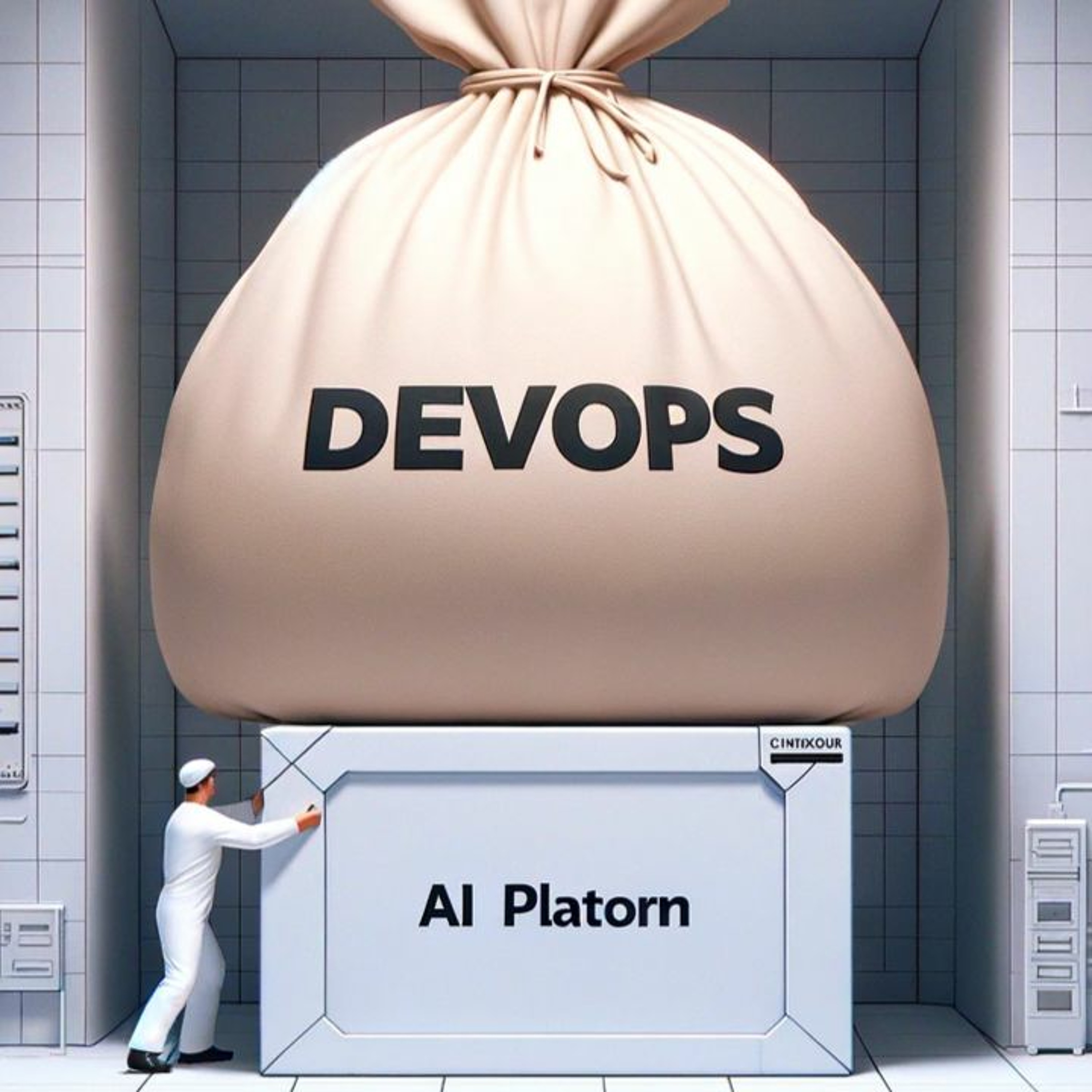
We dive into data operations in today’s episode! We cover the idea that with all of the work we're doing in AI and ML data analytics analysis, you actually have to steward your data. We also cover processes controls, like what we have with DevOps in infrastructure, but with similar types of concepts (governance controls automation) around how your data is flowing in your system. Transcript: https://otter.ai/u/pesotDnHCCD5lyPVx795EZIhTlA?utm_source=copy_url Image by DALL-E
Broadcom Creates Chaos & Opportunity
We dive into the chaos created by Broadcom’s acquisition of VMware. In this episode, we discuss what Broadcom is doing, why it's a problem, how enterprises are reacting, and what alternatives are on the market. We cover the whole mess in all its glory, and even provide some love for Broadcom. Resources: https://www.thestack.technology/vmware-is-killing-off-56-products-including-vsphere-hypervisor-and-nsx/ https://www.siderolabs.com/platform/saas-for-kubernetes/ Transcript: https://otter.ai/u/SO8PD-p8AHwwsKfGsNqolSoYTlk?utm_source=copy_url Image by DALL-E

Technical Ops Series Kickoff
Join us as we embark on a comprehensive journey to master intermediate and advanced skills crucial for operators, DevOps, and platform engineers. From scripting and service setup to running complex systems, we address the critical gap in training for building, automating, and maintaining resilient and robust systems. Over the coming months, the Cloud 2030 crew will delve into the core skill sets required in this rapidly evolving field. Our series will cover an array of topics, including tools, processes, and methodologies essential for excelling in tech operations. We plan to explore a variety of subjects, aiming to equip you with the knowledge to automate effectively and build resilient systems. This kickoff meeting sets the stage for a year-long exploration into the depths of tech operations, inviting you to contribute your expertise and curiosity. Prepare for an enlightening journey as we lay out our comprehensive Tech Ops agenda. Agenda: https://docs.google.com/document/d/1Yvr8loVNfkxKmaQN5XWEaskzrV9-OsJ4oeKnUcnQ90s/edit?usp=sharing Transcript: https://otter.ai/u/FP_1Ose_jJ7qLezuAVZjFovSyVE?utm_source=copy_url Photo by Bence Szemerey: https://www.pexels.com/photo/brown-wooden-frame-with-brown-metal-pipe-6804254/

DevOps and Legacy Buildings
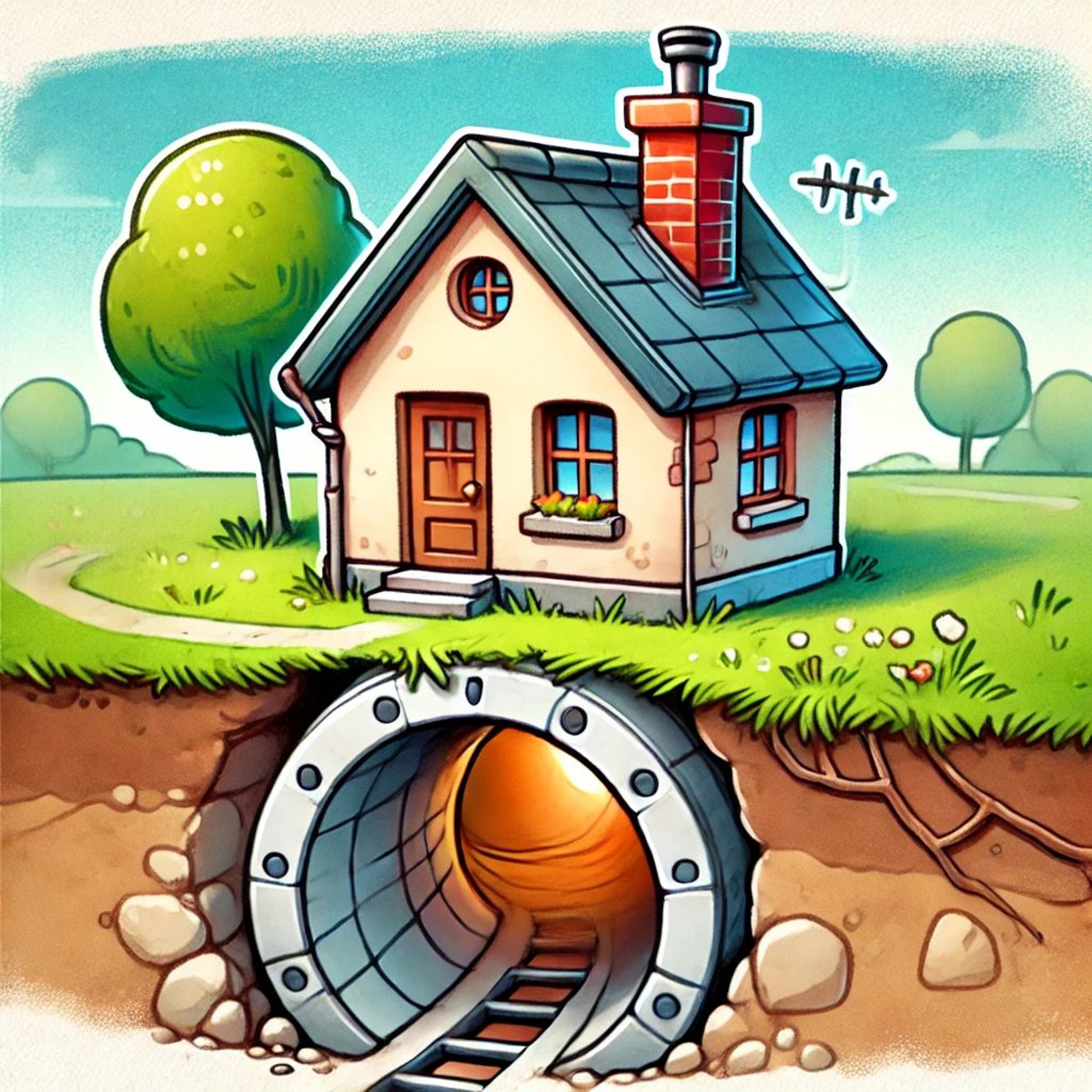
Departing from our typical podcast format, today’s episode is part of a presentation that I've been preparing about comparing 125 year old house building architecture to modern DevOps. We also analyze as things that work and don't work. There are a lot of home maintenance stories and comparison notes. Particularly in the back half of the episode we get into how this type of challenge relates to Operations Management. Refereces: https://nationalpost.com/news/canada/after-the-second-world-war-canada-thought-it-would-be-a-good-idea-to-install-cardboard-sewer-pipes Transcript: https://otter.ai/u/jf8at50nf0KKQG7DrlQAAbCdqH4?utm_source=copy_url Image by DALLE: Victorian house with the second floor redesigned in a modern style, featuring extensive use of glass. Each image also includes the porch with rockers and a poodle.

Time for SBOMS? What's Ahead for 2024?
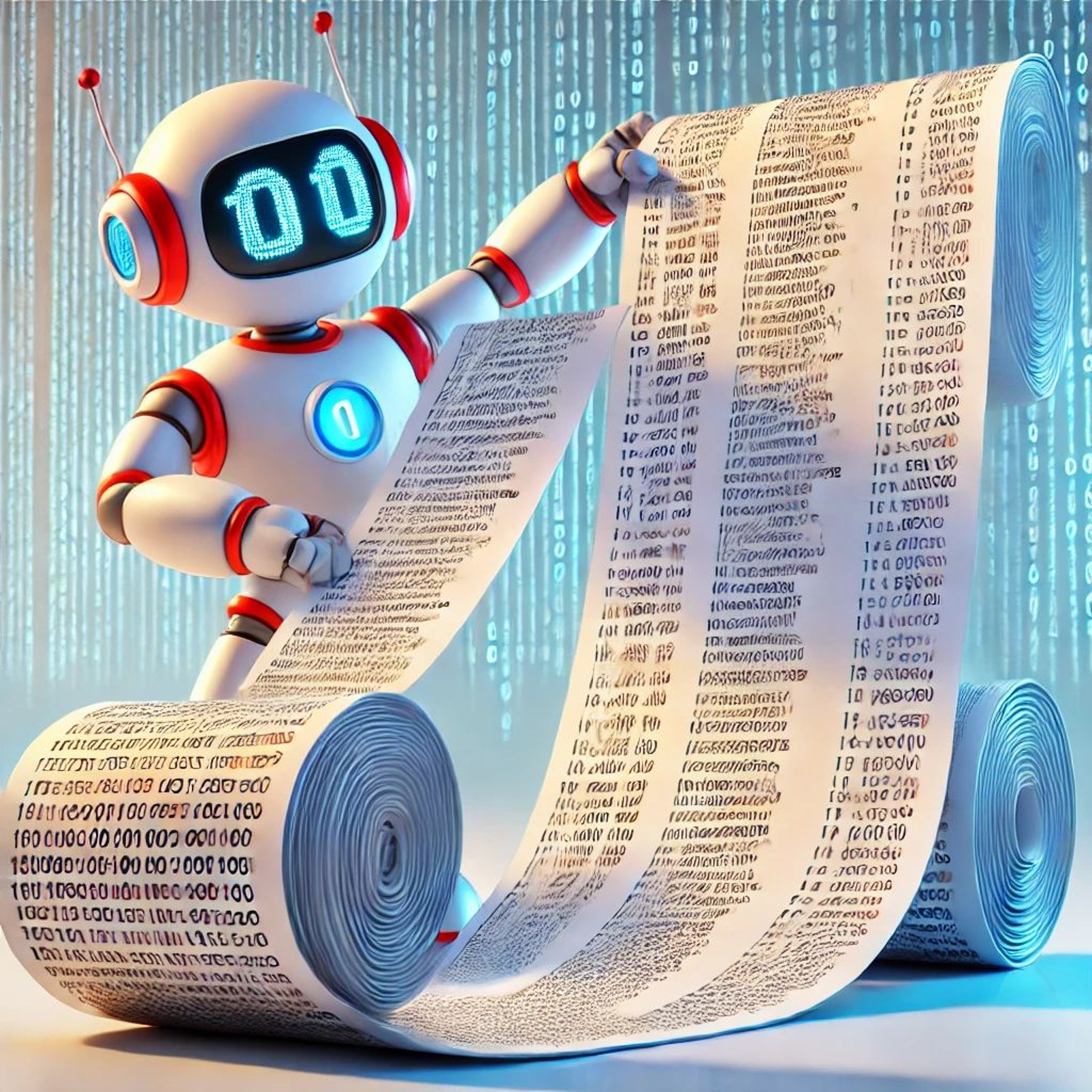
After a brief hiatus, thecloud2030 group is back and deep in tech, talking about things that we think are going to come on the tech front, sans AI. In this episode, we take some time to go through Kubernetes, hardware, software, bill of materials, and some governance. This includes a smattering of predictions to get your year started off with a bang. From there, we are going to be moving into our tech-ops series. Find more details about that in today’s outro! Resources: https://www.theregister.com/2023/12/27/bruce_perens_post_open https://developersalliance.org/open-source-liability-is-coming/ Transcript: https://otter.ai/u/UQyqHKJ9oNd1SquAWWNqGp6oAcE?utm_source=copy_url Image by DALLE: cartoon images of a robot reviewing a long bill of materials on a scroll of paper.
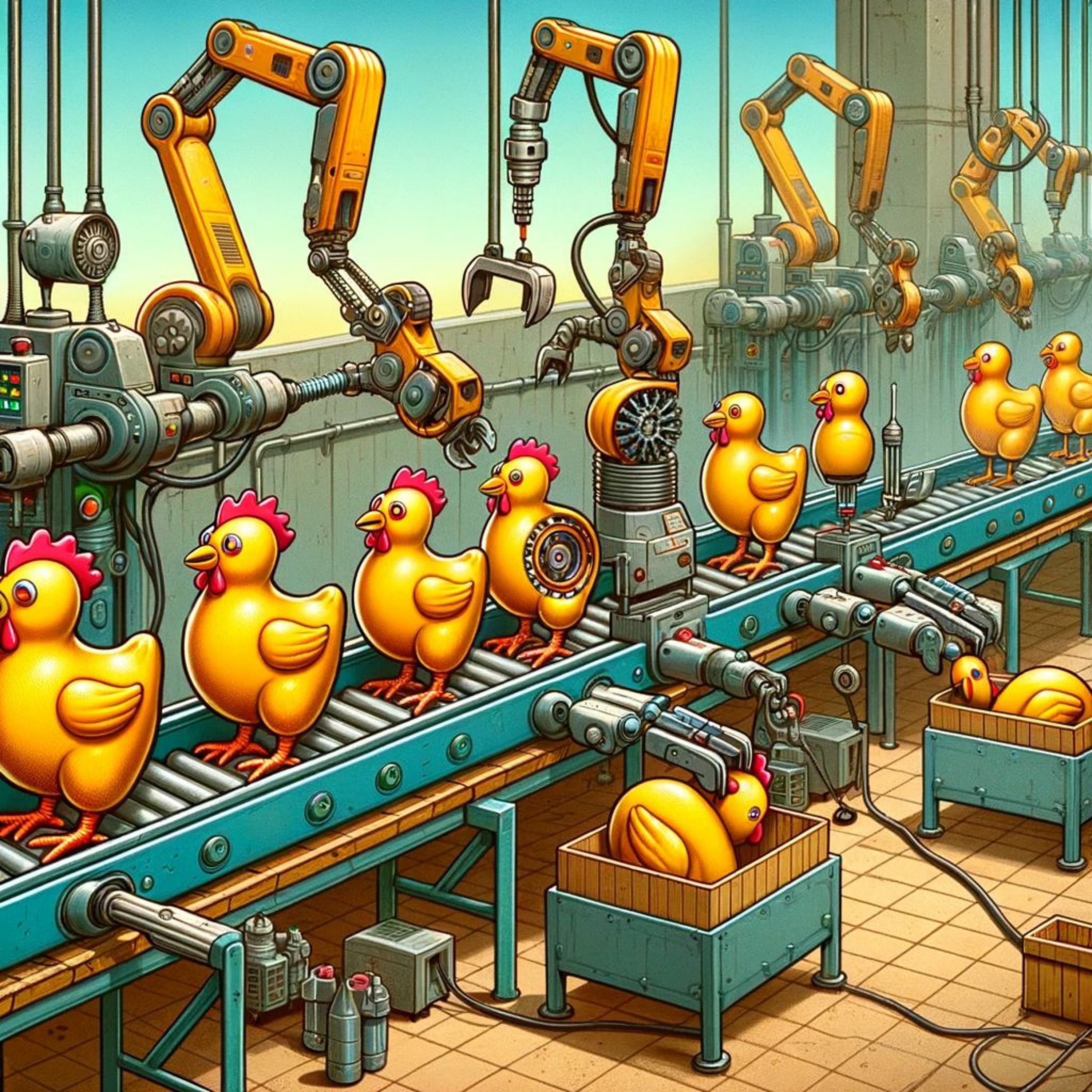
Innovation Agility Vs Adaptability
How can companies, enterprises and individuals become more innovative? We investigate the idea of innovation and disruption and continue past where we were with the three horizons model in our previous discussions. Today’s podcast focuses on breaking this apart into adapting an agile disruption, the use of standardization and the cognitive dissonance of innovation, even digging down into distinguishing between inventions and applications. Transcript: https://otter.ai/u/XCidE-0xG7zNmIC7FKEwRrJsPi4?utm_source=copy_url DALL-E Prompt: a factor of rubber chickens getting stretching and upgraded into cybertoys
Reflecting On Our 2023 Podcasts
Let's celebrate the work that we've done as a community in the Cloud2030 group this year, and talk about some really exciting things we have planned for next year for 2024. It's remarkable to look back on how this podcast has evolved from a meeting place during COVID, as a place where we could have those hallway tracks that we had been missing, into something that is really discussing technology at the forefront. The forefront of not just tech, but actually of the human and business implications of that technology. Transcript: https://otter.ai/u/d4Rq_a_tdyihTp5EyzOsnRbQ8jg?utm_source=copy_url Image by DALL-E

2023 Year In Review
This is our annual year review and prediction episode and it is a doozy. We talk through what has been an incredibly busy year in Open Source, cloud repre, repatriation, AI, ML, chatGPT. We laid down some really interesting insights and then looked forward not just into 2024 but two years of predictions and trends that we see happening. We cover what we think will be shaking, shaping and shaking the market. References https://basecamp.com/cloud-exit https://world.hey.com/dhh/the-big-cloud-exit-faq-20274010 Transcript: https://otter.ai/u/13Wdve1WQVCPjXtsf8QnJtg6r0M?utm_source=copy_url DALL-E Prompt: futeristic graphic of a hall of mirrors with 2023 turning into 2024 and the cast of the wizard of oz
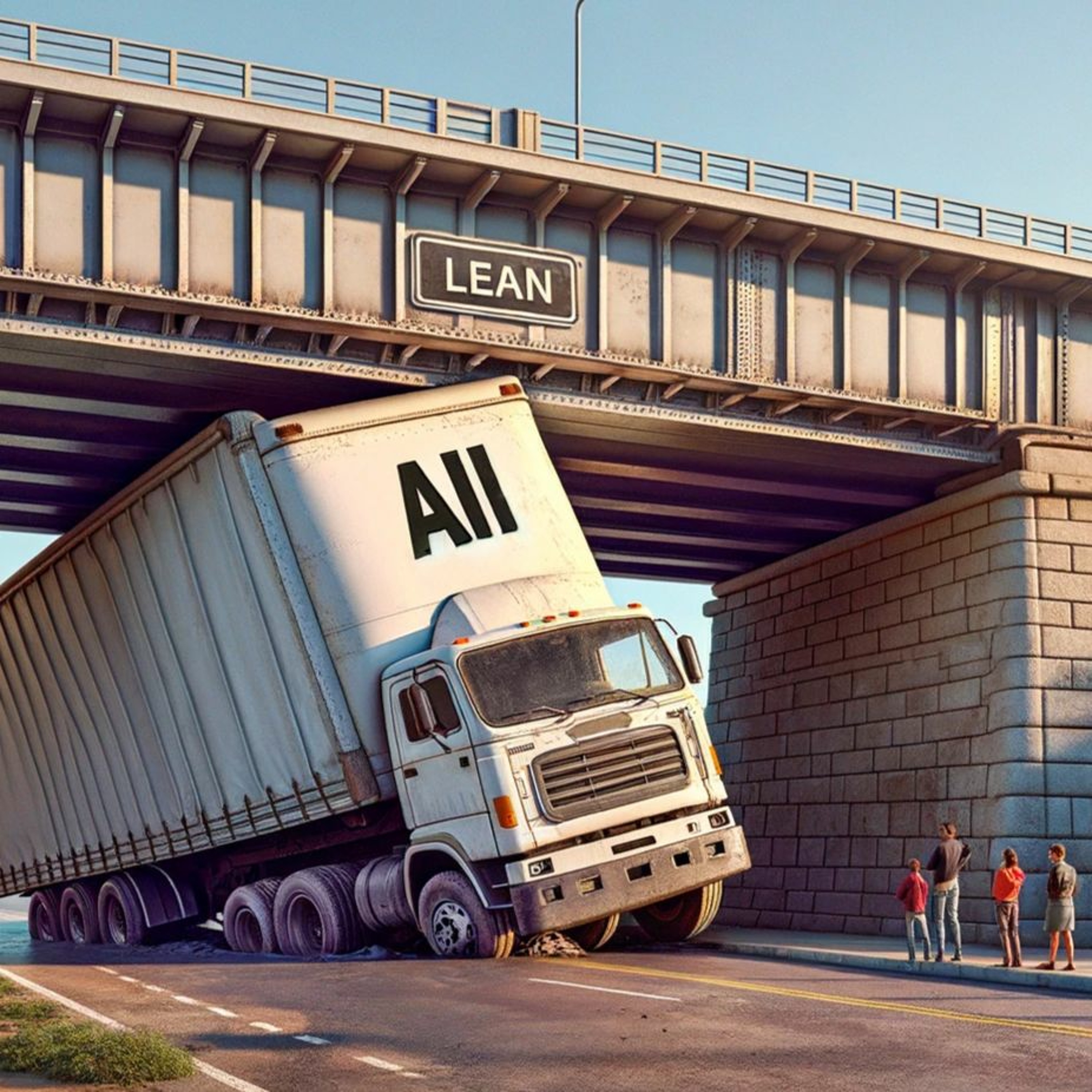
Lean In Data Science
How do we apply the principles of lean to data science and data engineering? We discuss this broadly into using AI and machine learning more generally. This is a topic that we had discussed over the summer and wanted to come back to six months later because so much has changed and transformed in the industry. What does agile lean process control look like in an infrastructure automation platform? How can we make these very difficult and challenging components of data and data management, more agile, more lean? I think you will get a lot out of this conversation considering our current hypercharged AI ml and LM environment. Transcript: https://otter.ai/u/1ZuALgSXcPw-bIf2GOumDFZH0UU?utm_source=copy_url DALL-E Prompt: please create a picture of a very large truck stuck under a low bridge. please label the truck as ai and the bridge as lean
Data Science in Context [Book Discussion]
If you haven’t had a chance to join in on our book groups, I strongly recommend you take a look at the upcoming books we are reading! Today we discussed Data Science and Context, which is a relatively academic book by a series of doctors, PhDs, Specter, Norvig, Wiggins and Wing. The book gets into some really fascinating analysis techniques, addressing both the practical and ethical implications of data science applications. We discuss the biases inherent in the book, the things that are missing and potentially disruptive to the core assumptions of the book. So even if you haven't read this book, I think you will find the discussion fascinating. This week I'm keeping our warm up discussion about open AI in the podcast. So you will get about 10 minutes of bonus content before the book group discussion as a warm up and it is very related. Our conversations about what has been going on with open AI, their board and Q* are directly related to the concluding ideas in our discussion about Data Science and Context. Transcript: https://otter.ai/u/qYBKNhDBKqaghEaxE-I-mz6xDvg?utm_source=copy_url Image: Data Science In Context cover
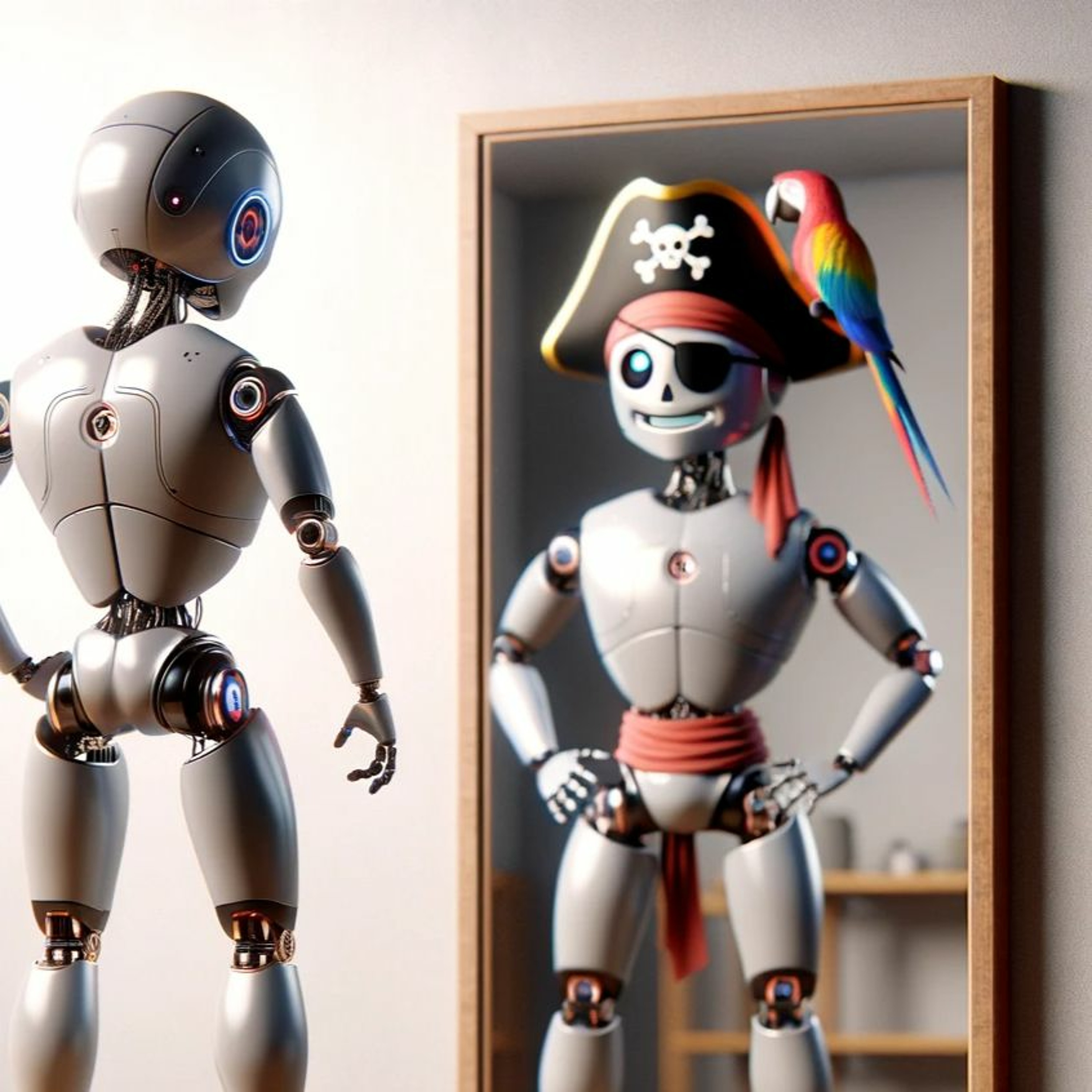
Identity vs Privacy? Trade-offs required?
How can digital identity be used to build better trust and systems in our daily transactions? There are really significant challenges and consequences to having a national guaranteed identity - a single identity provider. Knowing who you're interacting with, in every form, in every situation is not as simple as you might think. There's a lot of analogues to physical identity that are worth considering. What would it mean for us to not have privacy? Does identity mean we don't have privacy in our interactions? Who can we trust and what authority do they have? Transcript: https://otter.ai/u/o_43fyGjxu24Ur5rpzzy_D6aZCI?utm_source=copy_url Image by Dall-e prompte: a cartoon like image of a humanoid robot looking into a mirror and seeing a masked pirate version of itself

Time to Panic at Incidental Surveillance?
What incidental, or accidental, surveillance state is being created by all of the video and listening devices that are now embedded in our world? Today we talk through the ramifications of those networks being in private hands in which companies can actually review, analyze and monetize data from these systems. For example - autonomous vehicle cameras and delivery van cameras. This episode discusses the ramifications of this example and more. References: https://arstechnica.com/tech-policy/2023/11/five-big-carmakers-beat-lawsuits-alleging-infotainment-systems-invade-privacy/ https://www.vzbv.de/en/court-prohibits-linkedins-data-privacy-infringements https://last-chance-for-eidas.org/ Transcript: https://otter.ai/u/NszGAX95R70ydlW_fJcbDKAXwTM?utm_source=copy_url Image by Dall-e prompt: "1950s era cartoon of an autonomous car with a lot of cameras spying on people"

Predicting Innovation: Three Horizons Model
What is innovation? Today we continue this discussion, specifically drilling into the three horizons model for creating growth and value. We spend a lot of time talking about how companies innovate using that model, what it means and what are examples of it? How does that spark take place? We bridge you further down the innovation learning process in this meeting. Transcript: https://otter.ai/u/He9h2NVxazKMDN9a13TcurXsqXU?utm_source=copy_url Image by Dall-E prompt “please create a close up picture of a flock of birds navigating between three different horizons. the birds are smart and know which why they need to go”