
Classical Stuff You Should Know
311 episodes — Page 3 of 7
S1 Ep 210210: Children's Lit - Live at Paideia!
This episode was recorded live at the Paideia conference at Veritas Academy in 2022. In this episode, we roast a critic who hates fun things.
S1 Ep 209209: The Social Contract: Rousseau goes ham all over Christianity
Christians are bad for government, I guess.
S1 Ep 208208: War of the roses: The Battle of Agincourt
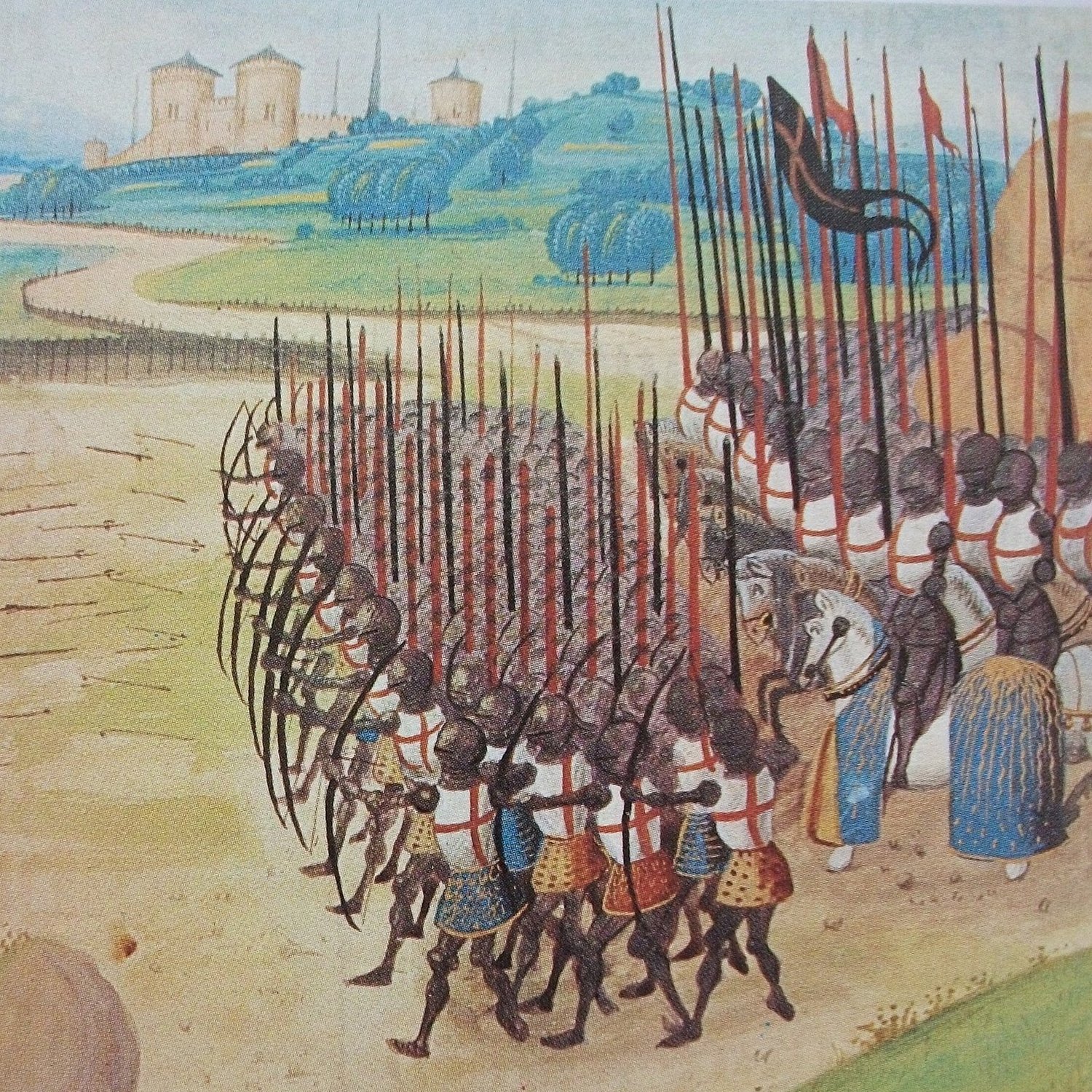
This episode is the continuation of the War of the Roses, and it tells the story of Henry V and The Battle of Agincourt.
S1 Ep 207207: Nietzsche, Leopardi, and the Meaning of Meaning
In this episode, we complete our series on "The Genealogy of Morals." We talk about the heritage of Schopenhauer and how that has affected Freddy's philosophy.
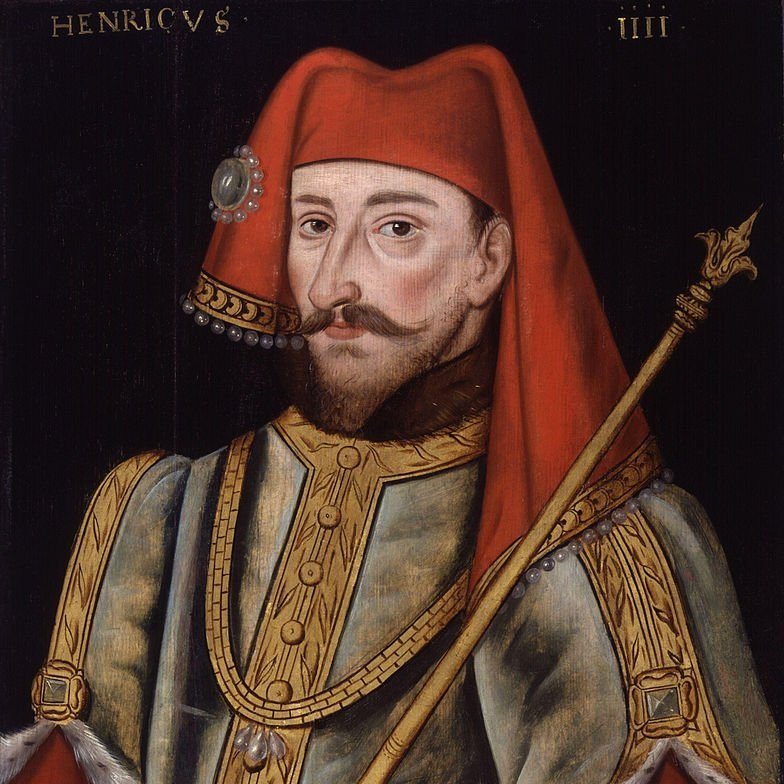
S1 Ep 206206: War of the Roses: The Roots
The long awaiting continuance of the Plantagenets series finally arrives! Graeme plunges us back into a little UK history.
S1 Ep 205205: The Social Contract 2: Electric Boogaloo
This is part two of the short series on Jean Jacques Rousseau's "The Social Contract." Just one more!
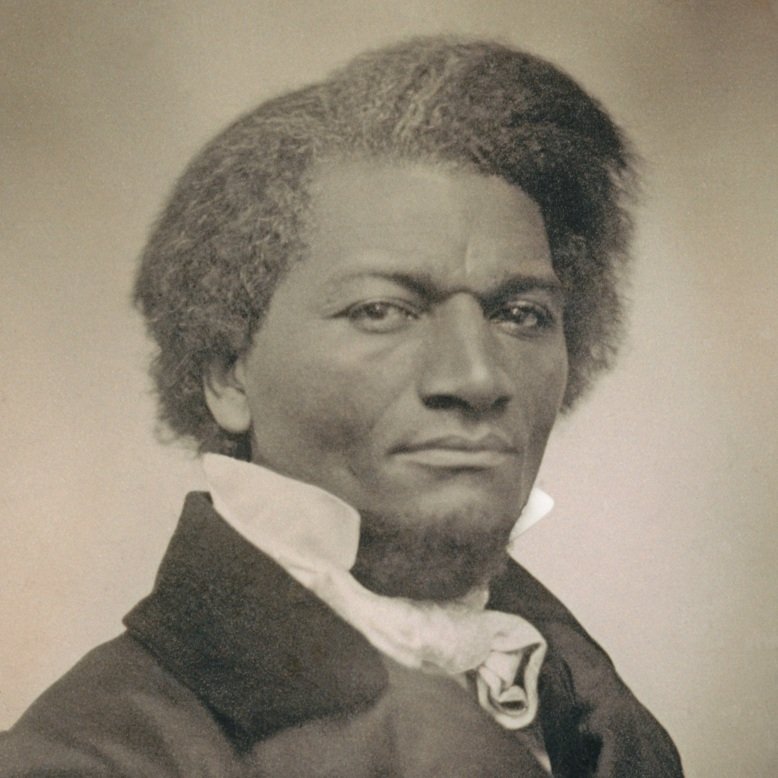
S1 Ep 204204: Frederick Douglass on the 5th of July
In this episode, Thomas walks us through the context and performance of Frederick Douglass's speech given to the ladies of the "Rochester Anti-Slavery Sewing Society" in Corinthian Hall on July 5th. The speech does not suck.
S1 Ep 203203: Bronowski's "The Origins of Knowledge and Imagination"
"WHAT IS MATH!?" hollers the girl on TikTok. Turns out she's right. Any system requires reference to an external system to make itself consistent, but any system is only a metaphor for the whole. Trust me, it makes sense. This is a cool episode about math and science.
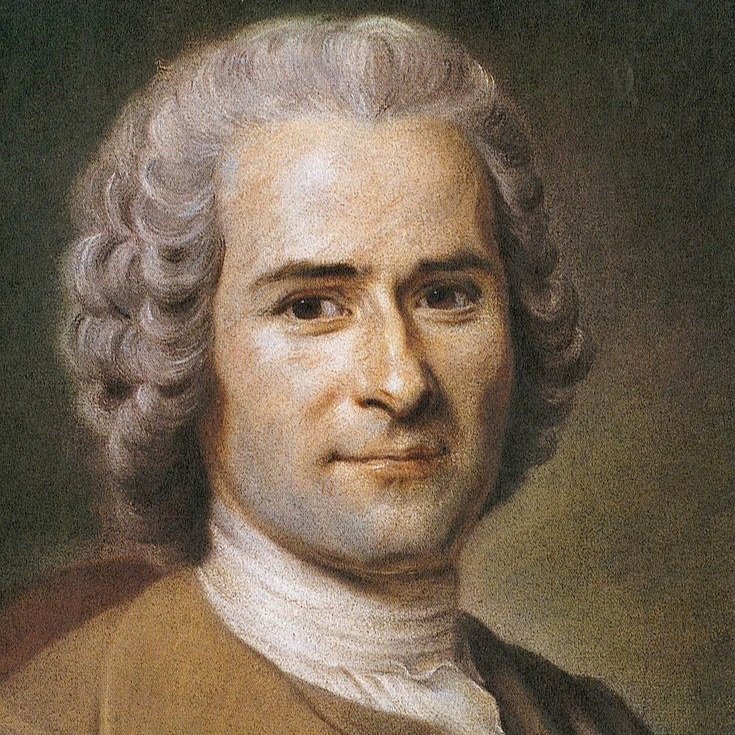
S1 Ep 202202: Jean-Jacques Rousseau's "The Social Contract" (Compact?)
Jean-Jacques Rousseau's "The Social Contract" laid the political ground for the French Revolution and probably the American Revolution too. This is just part 1 . . . MORE TO COME.
S1 Ep 201201: On the Genealogy of Morality
In this episode, we discuss Nietzsche's work, "On the Genealogy of Morality," in which he discusses the history of morality through tracing the words used to describe it. We also talk about a recent film that's pretty good, and poor poor Leopardi again. Join us!
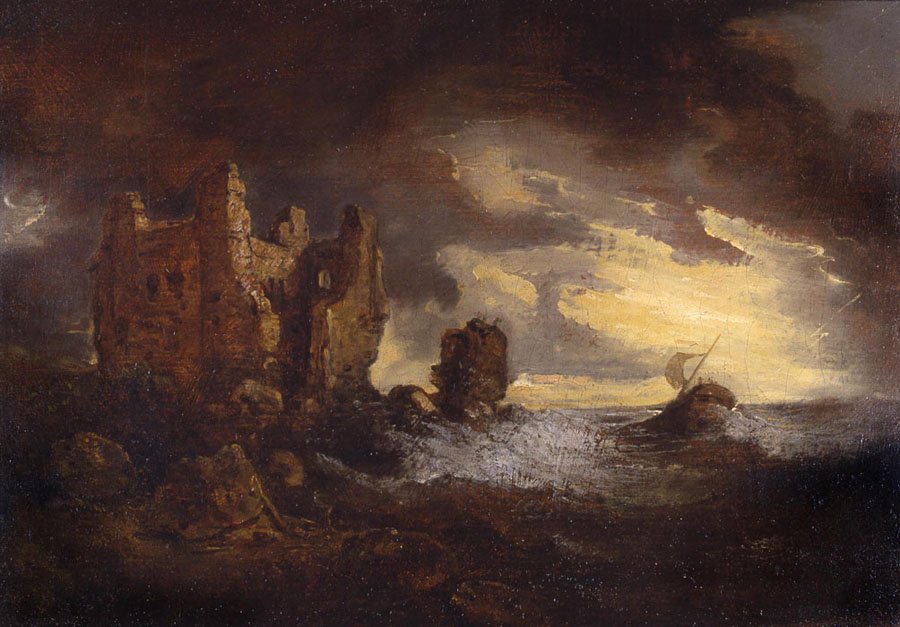
S1 Ep 200200: What are Wordsworth?
In this episode we track Wordsworth's view of how to stay happy in life, specifically through two poems: "Lines Written a Few Miles Above Tintern Abbey," and "Elegiac Stanzas Suggested by a Picture of Peele Castle in a Storm, Painted by Sir George Beaumont." Turns out he was idealistic when he was young and cranky when he was old. WHO KNEW
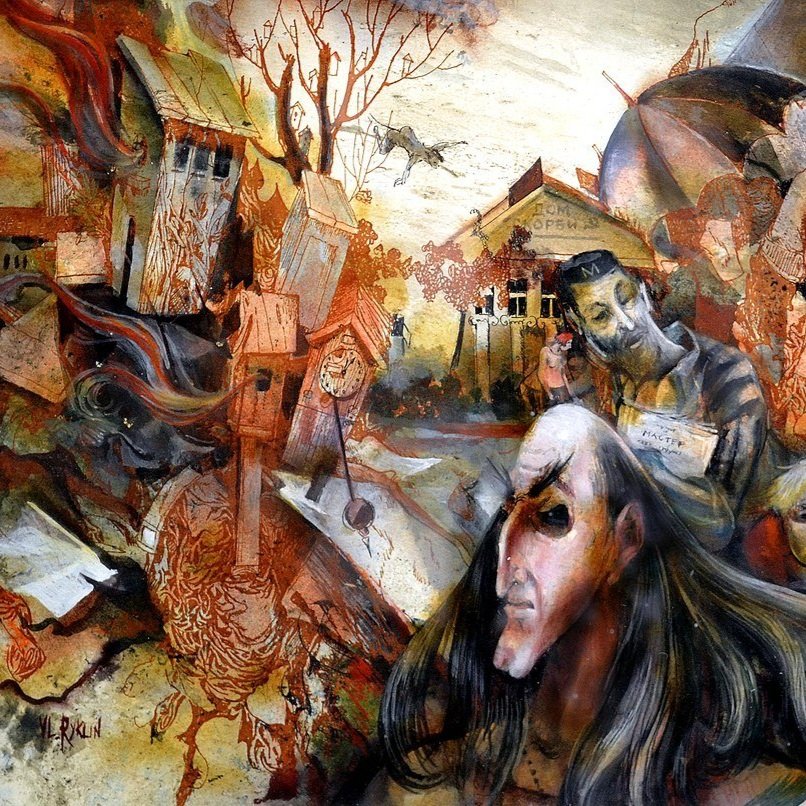
S1 Ep 199199: The Master and Margarita
During Stalin's regime in Russia there was one author daring enough to write a Satire . . . one that I can't quite nail down. I ask Graeme to help me.
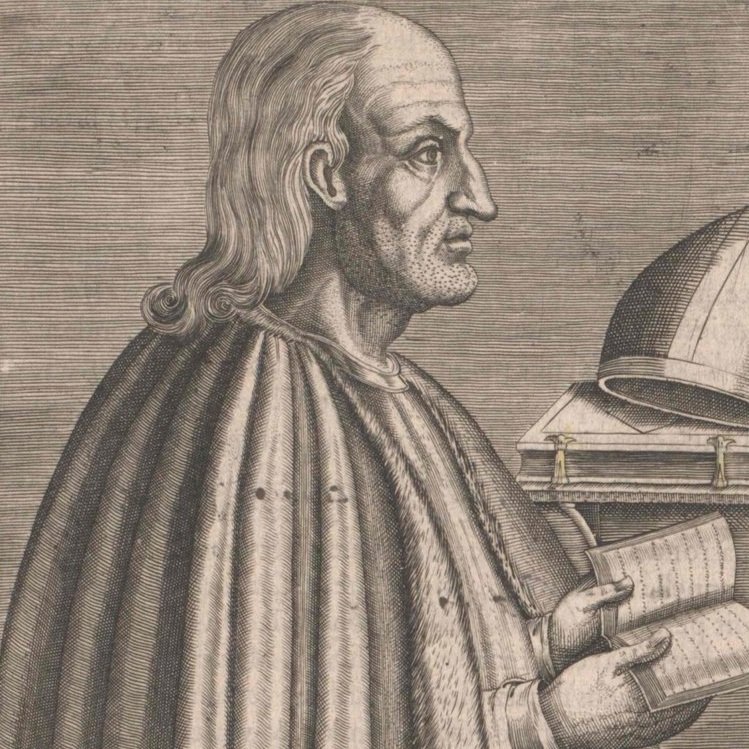
S1 Ep 198198: The Proslogion
The Proslogion contains Anselm of Canterbury's Ontological Argument, which is still argued about in philosophical circles today. It's not really convincing, except that it is.
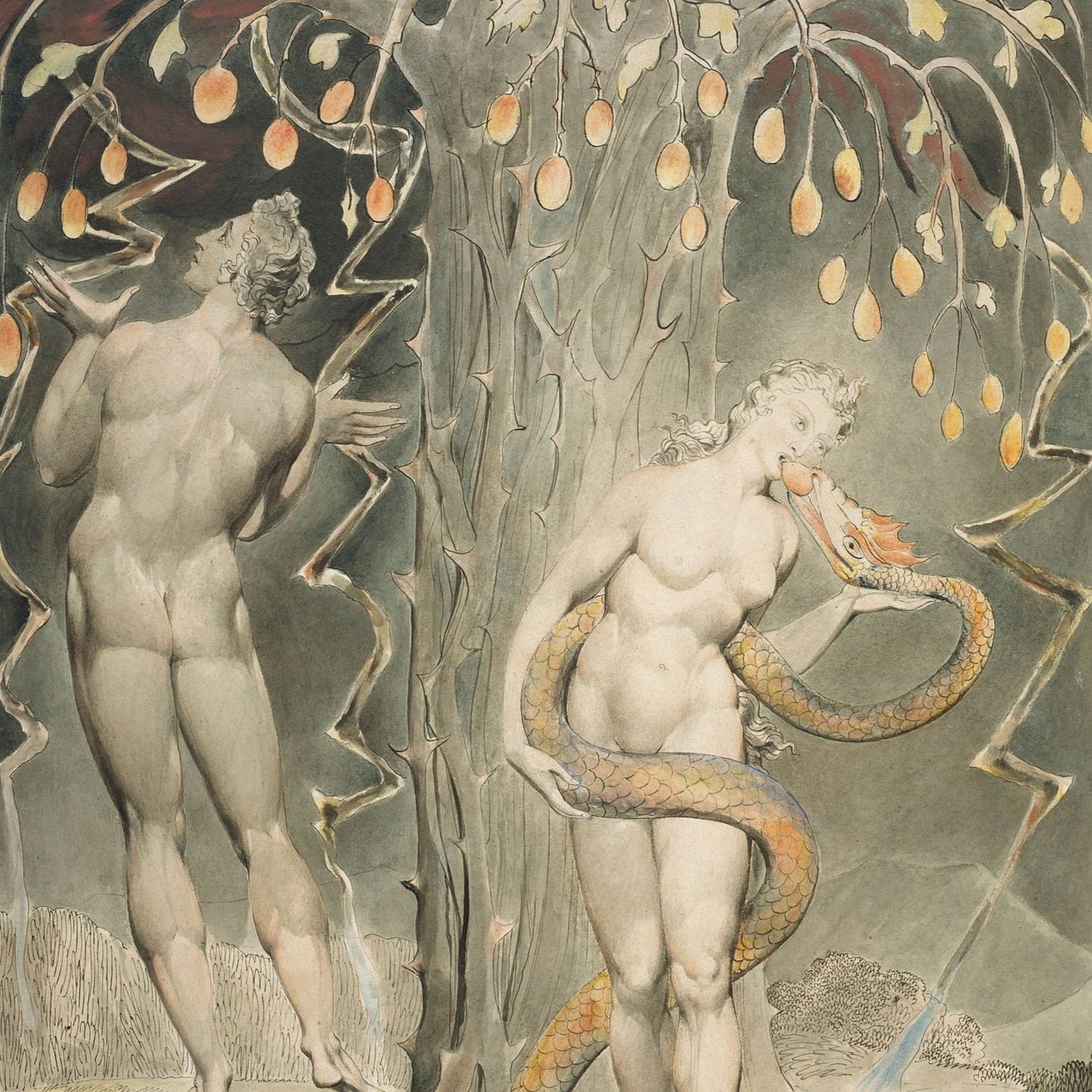
S1 Ep 197197: Sympathy and Satan
We discuss the romantic movement and how they interpret Paradise Lost to be other than what it really is. Also, we get cranky about bad guys.
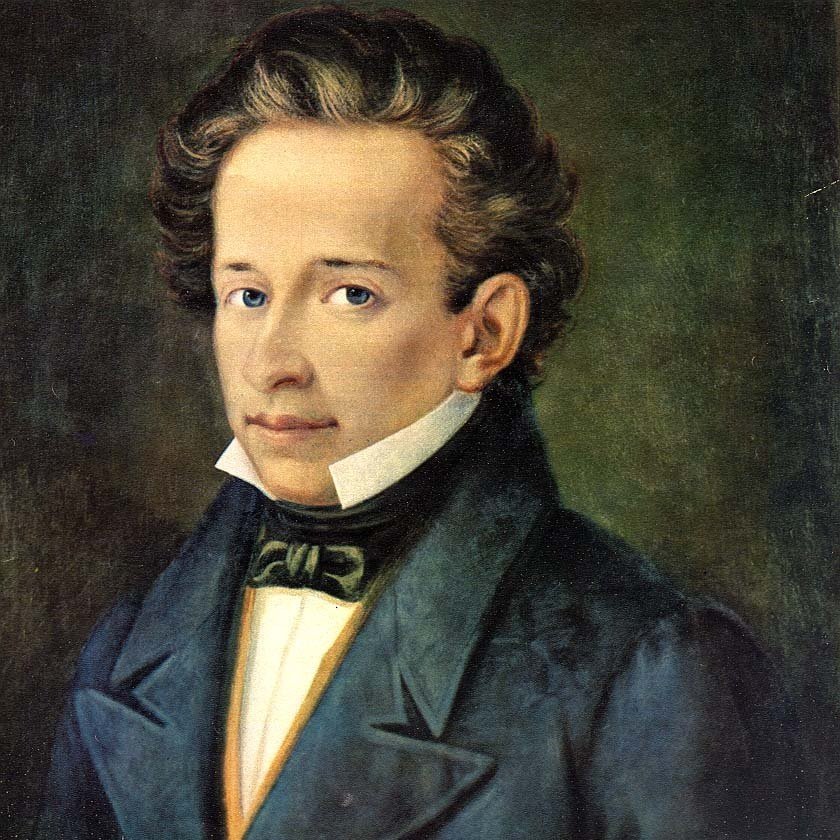
S1 Ep 196196: Giacomo Leopardi
This one is about an Italian hunchback who lives with his mom and writes nihilistic poetry about women he can't get. You can't make this stuff up.
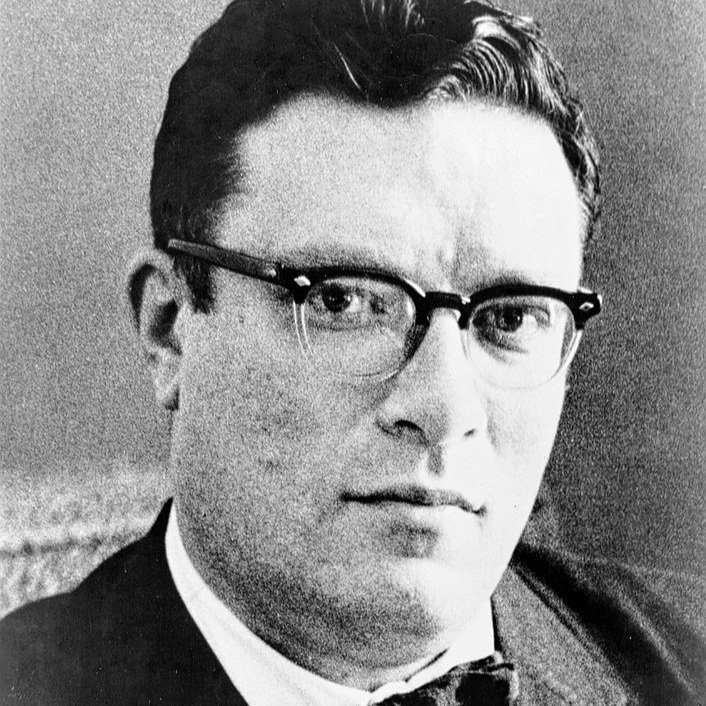
S1 Ep 195195: Isaac Asimov's "Foundation"
Asimov's excellent sci-fi trilogy is worth a read. Plus, space capitalism!
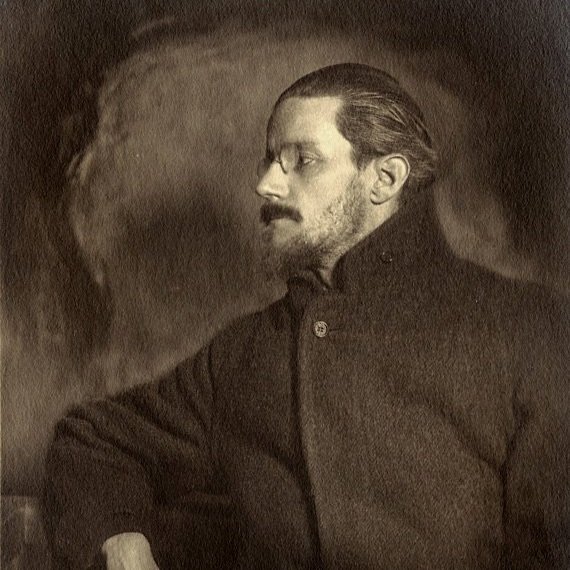
S1 Ep 194194: Ulysses, by James Joyce
I have finally tackled the (rumored) most difficult book in the English language. Feel free to send me any money you've got for the service I just rendered you.
S1 Ep 193An Interview with Joshua Gibbs
Thomas was kind enough to reach out to Joshua Gibbs for an interview, and the results speak for themselves. Joshua is a renowned figure in the classical world, and we're happy to have him (and his great big bushy beard) on the podcast.
S1 Ep 193193: So Your Parents are Thinking of Sending You to a Classical Christian School
Josh Gibbs decided to write a pamphlet to kids trembling at the notion of going to a classical school. We, clearly a bunch of children, decided to read it.
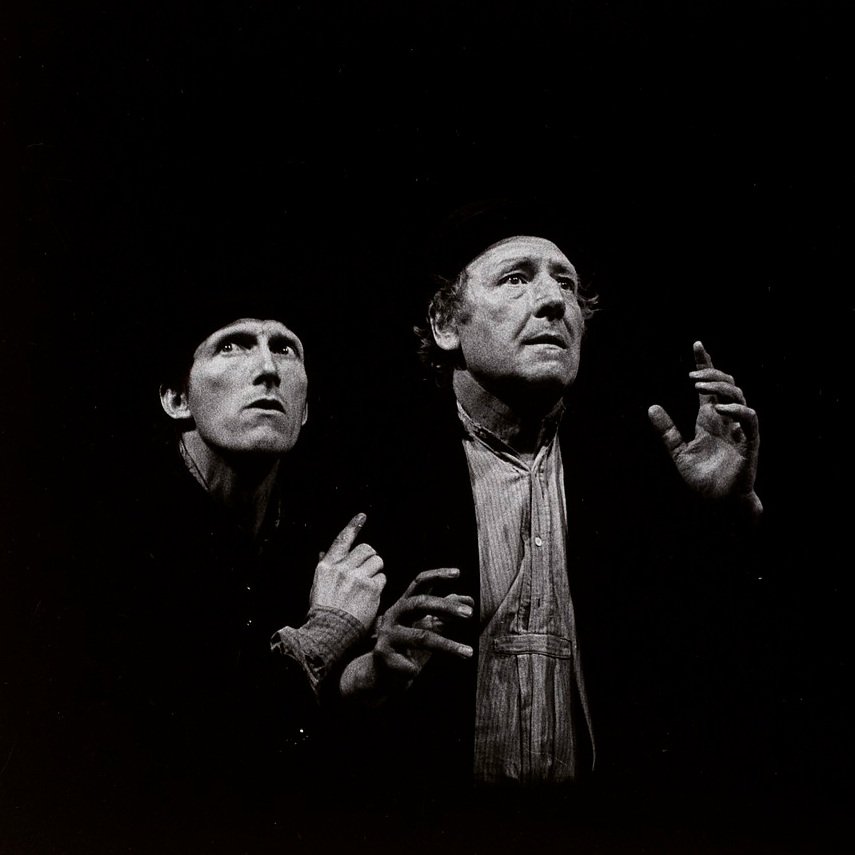
S1 Ep 192192: Waiting for Godot
Nothing to be done.
S1 Ep 191191: Atlas Shrugged and the Therapeutic Man
In this episode, drawing three books together, Graeme leads us through a discussion about Atlas Shrugged in light of the Therapeutic man . . . and Raskolnikov.
S1 Ep 190190: Herodotus IV: Cambyses "The Passable"
In this installment of Thomas's series on the Landmark Herodotus, we talk about the reign of Cambyses, who gave bad gifts, had bad spies, and couldn't pull back a fancy bow. He was cranky about it.
S1 Ep 189189: Leibniz and the best of all possible worlds
Leibniz's theory of the best of all possible worlds helps to explain the problem of evil in Theism. "Oh nuh uh" says Voltaire. He wrote Candide in response.
S1 Ep 188188: Four reasons why classical education can't happen
In this episode, we discuss David Hicks's (yep, THAT David Hicks, the one who wrote "Norms and Nobility") article "Is Classical Education Still Possible?" If we agree with him, it could mean that two of us are out of a job, and three of us are out of a podcast.

S1 Ep 187187: Atlas Shrugged: BECOME A TITAN OF INDUSTRY
In Ayn Rand's "Atlas Shrugged," a character gives a two-hundred-page-long speech on objectivism, her philosophy. Hey, if you're looking for an ethos that gives you both independence AND cash, you're in the right place.

S1 Ep 186186: The Tao Te Ching
This is our first real venture into eastern philosophy. The Tao Te Ching is from the 4th century BC, and lemme tell ya, I've never wanted to be simple like an infant more.
S1 Ep 185185: Causation
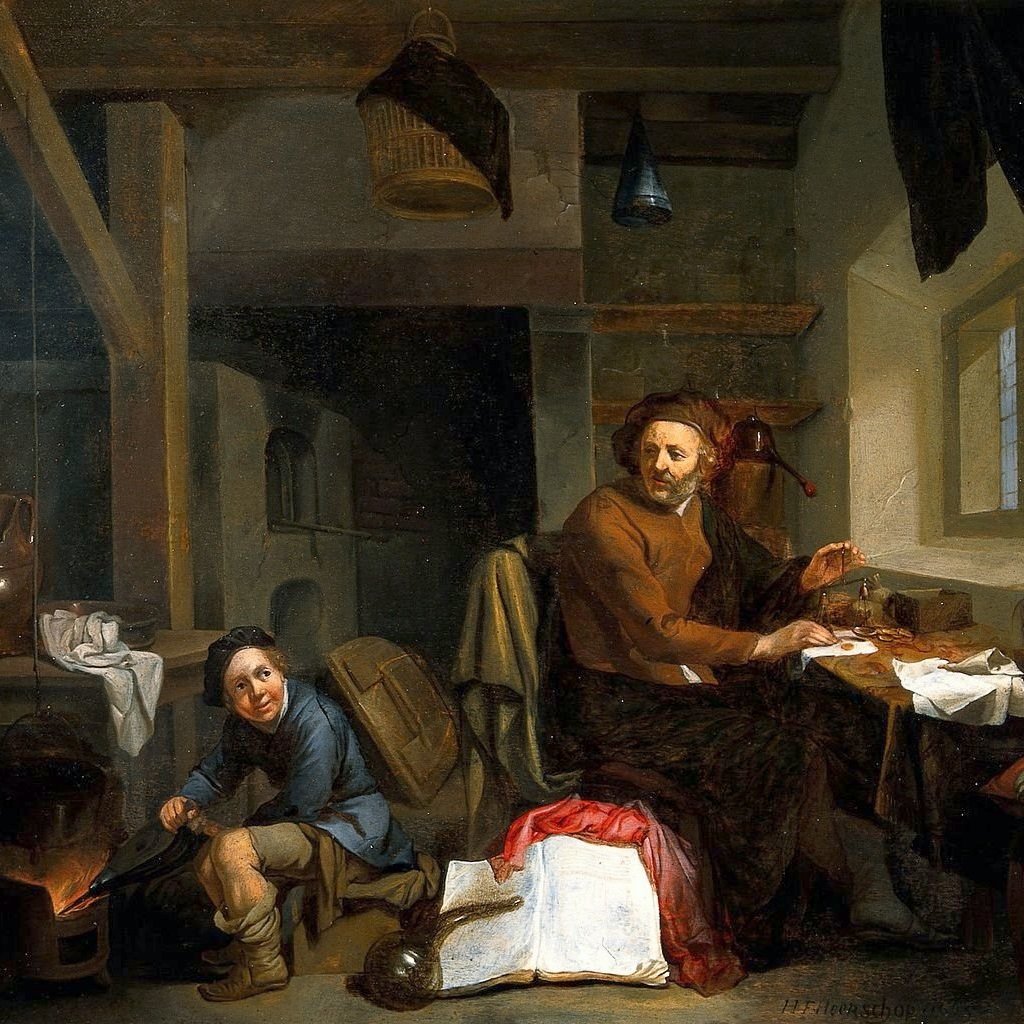
In this episode, we ponder the four causes and unravel the mysteries of the universe. Well, Thomas does. We ruffle his feathers while he does good work.
S1 Ep 184184: Advice from a Deep Friar
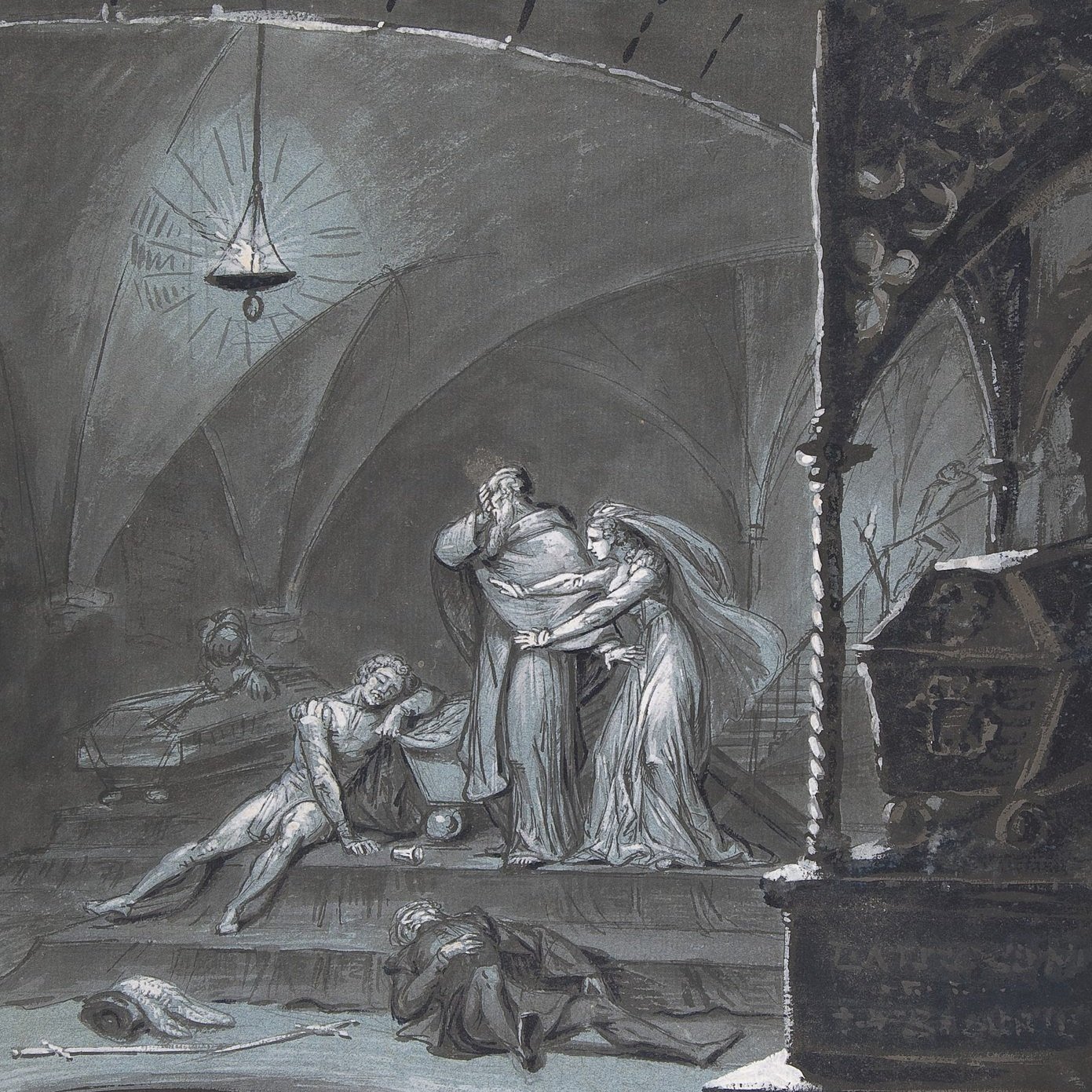
Sometimes you have feelings. Romeo is one such person who has feelings. Graeme, inspired by a previous episode, ponders on whether Romeo is an existentialist, meaning that the philosophy is immature.

S1 Ep 183183: Existentialism is a Humanism
Existence precedes essence. If you don't know what that means, you're making a statement about how all men should be, you non-existentialist, you. DID YOU KNOW THAT!?!?

S1 Ep 182182: Herodotus III: Egypt and Water Horses
Continuing on in the Landmark Herodotus, we get to a chapter which earns him the moniker, "Father of Lies." Overstating it a bit, don't you think?
S1 Ep 181181: Great Expectations
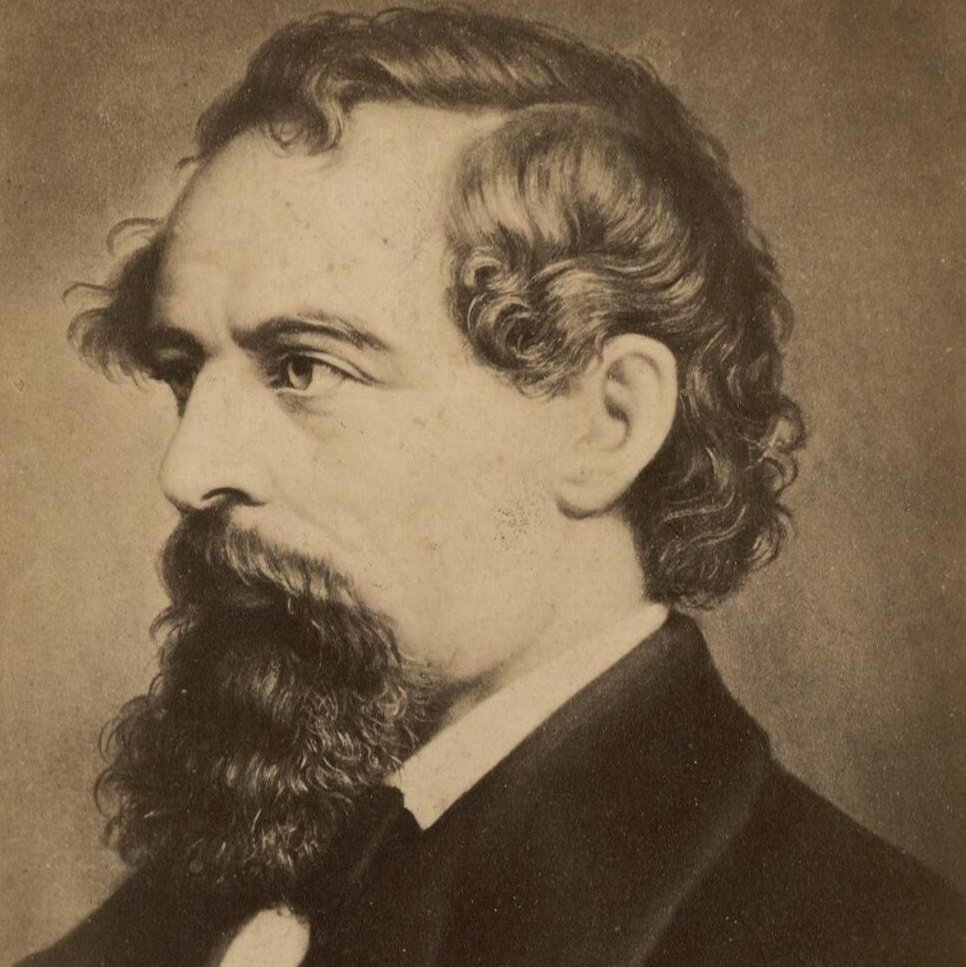
In this episode, we discuss Charles Dickens's "Great Expectations." But you know, if you keep your expectations low, it's harder to be disappointed. I guess, in a way, that's the point of this book.
S1 Ep 180180: Herodotus II: Cyrus the Virus
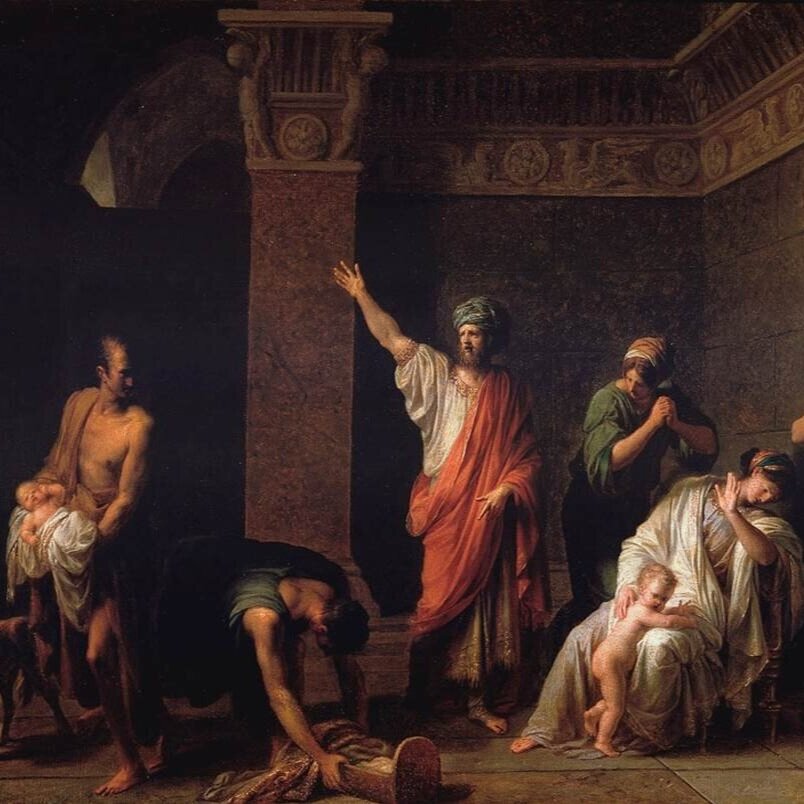
In this second episode on the Landmark Herodotus, we discuss the exploits of Cyrus the great. You can look forward to: baby swapping, kid kingdom, and blood wine for the dead!

S1 Ep 179179: The Enchiridion, by Epictetus
The writings of Epictetus are some of the only stoic manuscripts that survive. The Enchiridion is his essential handbook for the budding acolyte of Stoicism.
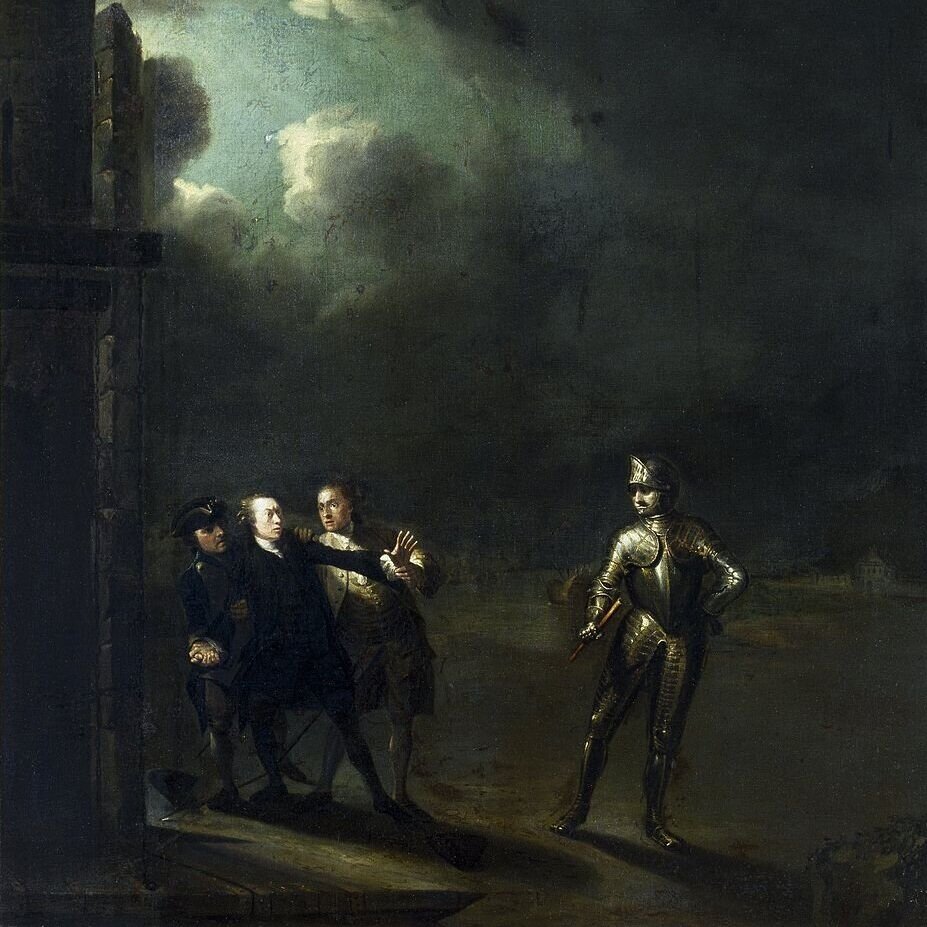
S1 Ep 178178: Foil
A literary foil is something in the story that exists to highlight the characteristics of the protagonists. COULD IT BE that literature is a foil for us!? I THINK YES.
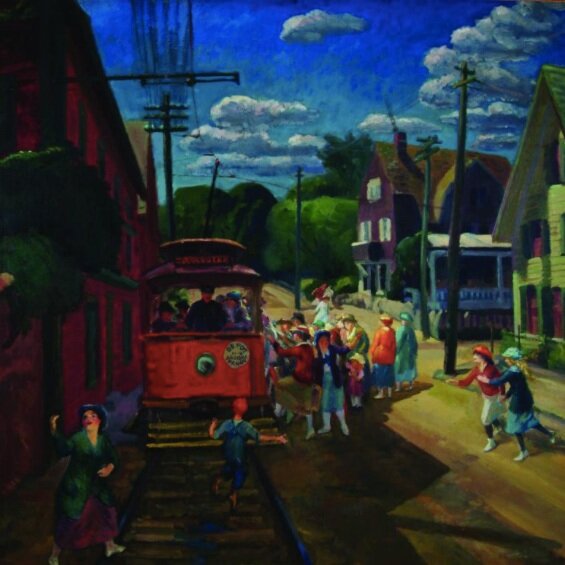
S1 Ep 177177: How to Solve the Trolley Problem
The Trolley problem presents a perfect study case from which to look at different ethical viewpoints. But . . . come on. You know you'd pull the lever. It's just the right thing to do.
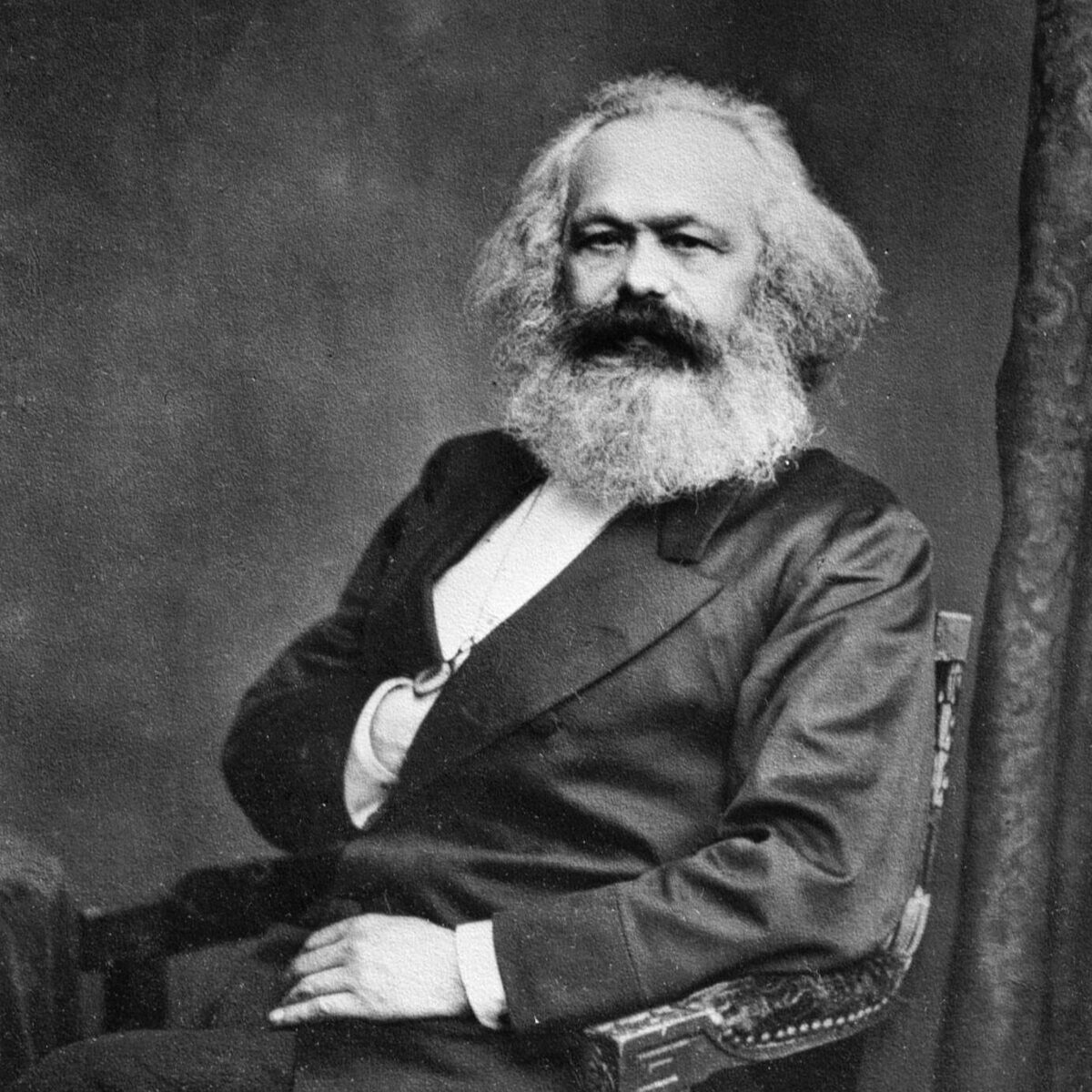
S1 Ep 176176: The Communist Manifesto
In 1848, a small group of social philosophers publish a little pamphlet with big wings: The Communist Manifesto. This podcast is about that thing.
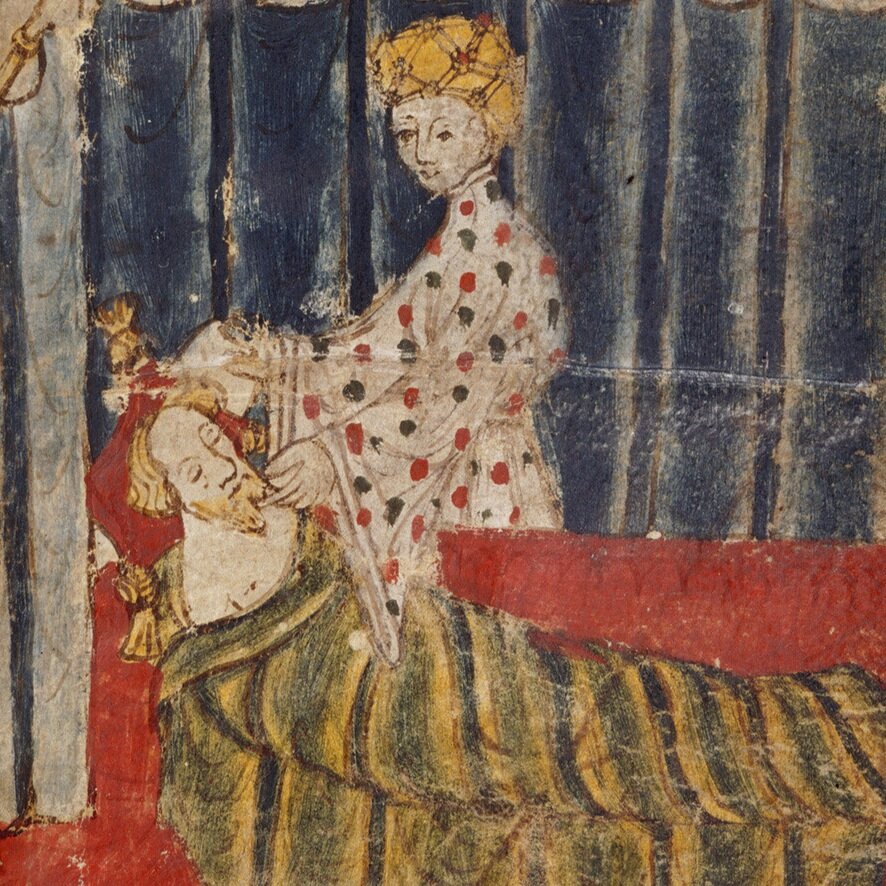
S1 Ep 175175: Sir Gawain and the Decent Film
In this episode we talk about the differences in theme and construction between the recent (pretty solid) film about Sir Gawain and the Green Knight and the poem by the same name.
S1 Ep 174174: Herodotus, History, and Happiness
Herodotus put together a pretty stellar history, and the Landmark version is a stellar translation of it. In this episode we discuss the book and several stories from it.
S1 Ep 173173: The Happy Equation
Arthur Brooks, a researcher of happiness at Harvard, has distilled his research about happiness into a simple equation. Want to know how to be happy? Turns out this is the way.

S1 Ep 172172: Intro to the Epics
The Iliad, Odyssey, and Aeneid are all part of one story. That story was common knowledge for the Greeks, but mostly unknown to us moderns. This episode is that story, giving the context necessary for understanding the Iliad, which begins in the middle of things.
S1 Ep 171171: A Retrospective from the Ombudsman of Fun
Thomas has recently left his position as the Dean of Student Life at Veritas. These are the things he's learned.
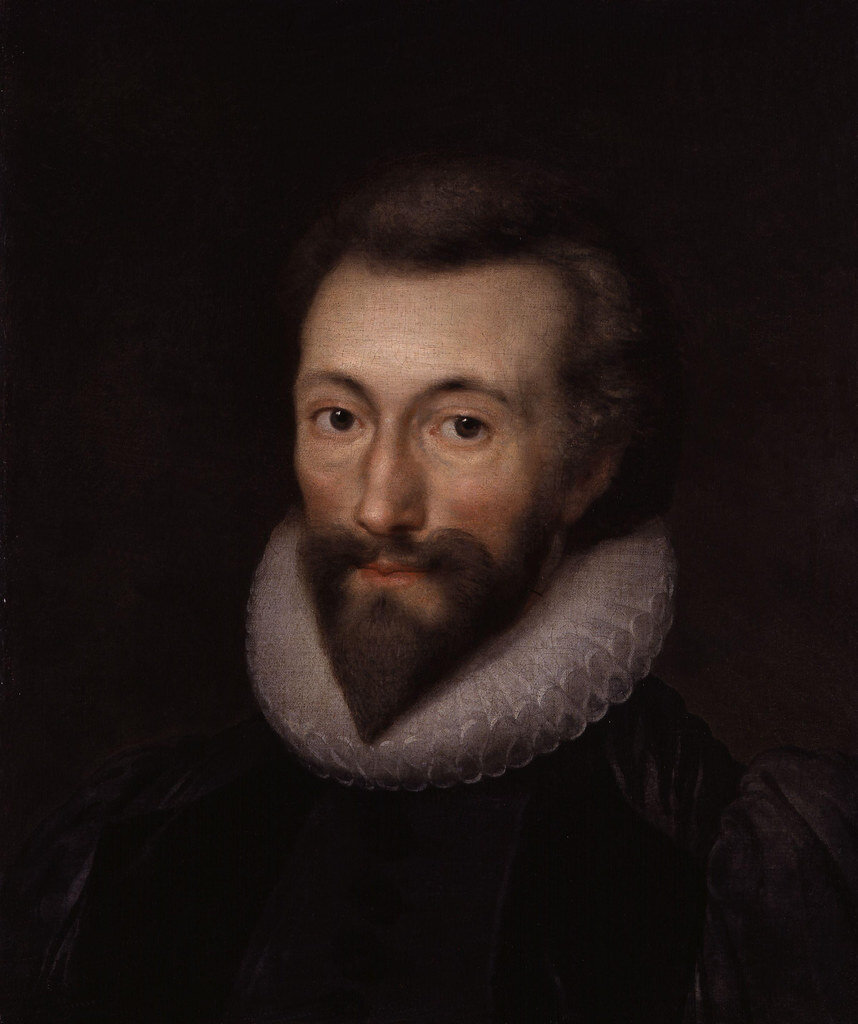
S1 Ep 170170: John Donne and a Crash Course to Poetry
A.J. has always struggled with his views of poetry as a genre. He might have finally sorted it out with the help of John Donne.
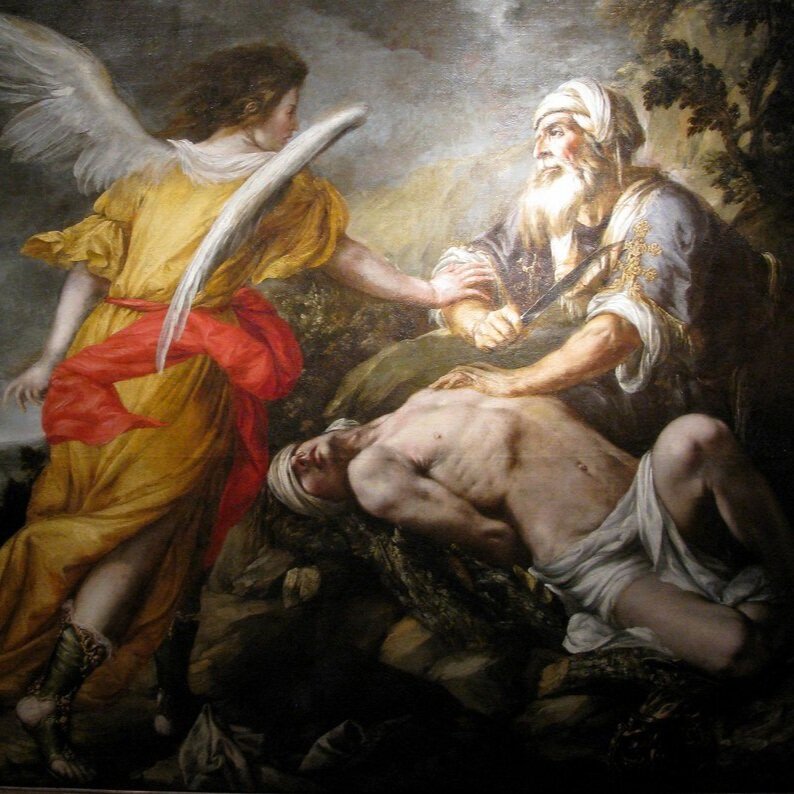
S1 Ep 169169: Kierkegaard's "Fear and Trembling"
Kierkegaard faced the absurdity of the universe, the absurdity of faith, and held both in tension. In this episode we explore his book "Fear and Trembling" as it traces the mystifying story of Abraham and Isaac.
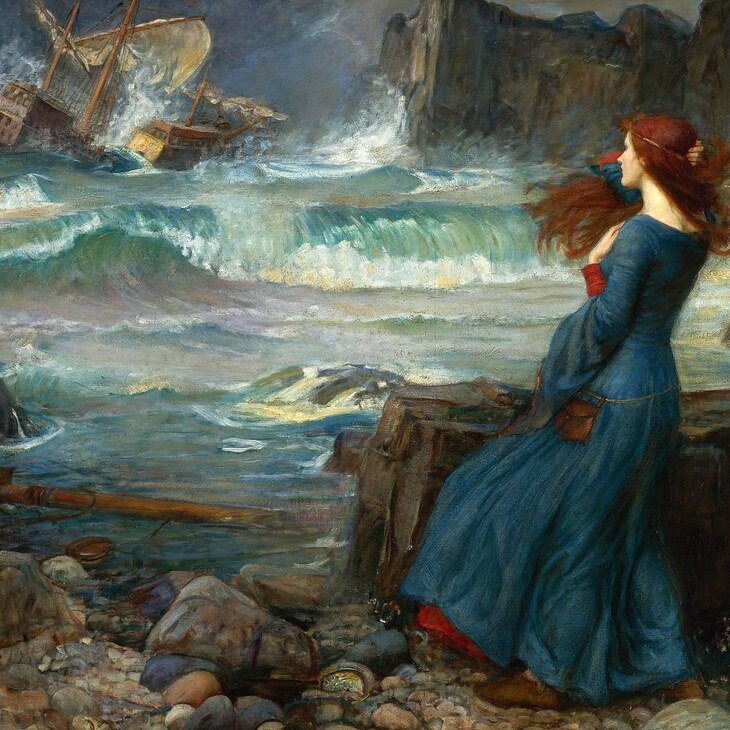
S1 Ep 168168: The Tempest
Shakespeare's "The Tempest" is a bit of a mystery of a play, especially since nothing really happens.
S1 Ep 167167: How We Got the Book of Common Prayer
The Book of Common Prayer is for those of us who don't always know what to say. So . . . all of us. Thomas gives us a little history, then a quick rundown of the book.
S1 Ep 166166: Machiavelli's "The Prince" 2: Pie Fortress
This is the second half of A.J.'s series on Machiavelli's "The Prince." It addresses how a prince can establish a reputation. We also chat about pie.
S1 Ep 165165: The Great Divorce
"The Great Divorce," by C.S. Lewis, recounts a bus trip to heaven. We discuss the Problem of Evil in the perspective of the book.
S1 Ep 164164: Euclid and his "Elements"
Euclid's "Elements" was the math text for over a thousand years. We all try to do a proof, and we end up with something looking like an Eiffel Tower.
S1 Ep 163163: Machiavelli's "The Prince" or "How to kill friends and influence people."
Machiavelli was a statesman that wanted back into the good graces of the Medici. It half worked. This is a discussion of the work that was supposed to do the job of charming the prince. It's entitled, shockingly, "The Prince."
S1 Ep 162162: Pride and Prejudice, by Jane Austen
Jane Austen is a delight, and her novel Pride and Prejudice is no exception. In this episode, we review the book and talk about what it takes to change as drastically as Elizabeth and Darcy.