
Classical Stuff You Should Know
311 episodes — Page 6 of 7
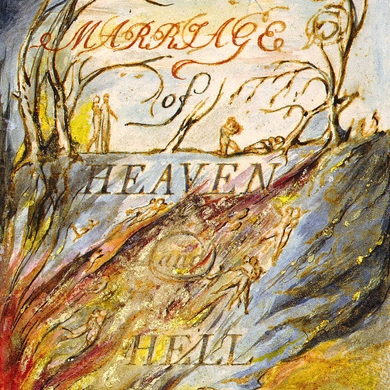
S1 Ep 6464: Blake's Marriage (of Heaven and Hell)
William Blake was a printer and a precursor to the Romantics. In this episode, we discuss his "Marriage of Heaven and Hell."

S1 Ep 6363: Plantagenets III
As the history of the Brits continues, so does our podcast about it. In this episode, Graeme tells us about how Edward's shanks were indeed long.

S1 Ep 6262: How to Be Unlucky
Josh Gibbs is a scholar we're all fond of, and in this episode we discuss his new book.

S1 Ep 6161: Sir Gawain and the Green Knight
Sir Gawain was a member of King Arthur's court . . . and a pipsqueak. This is his story.

S1 Ep 6060: The Song of Roland
The Song of Roland is one of the oldest examples of French literature. It also has some of my favorite things: swords, horses, war horns and Nicolas Cage. Just kidding, there are no swords.

S1 Ep 5959: Antigone
In the last play of the Theban cycle, Antigone, a bunch of folks die because of one already dead dude. Also, we discuss law.

S1 Ep 5858: Frankestein
Frankenstein is a warning against ambition. And science. Mostly science. Also, Satan is in there somewhere.

S1 Ep 5757: Mike's Last Judgment
Michelangelo painted some pretty sweet things on the ceiling of the Sistine Chapel, but the wall is probably cooler still.

S1 Ep 5656: Oedipus at Colonus
Bees leads this one on a Sophoclesian (just made that word up, and it's awesome) play. You can see the title of the play in the title of the podcast episode. It's just right up there.

S1 Ep 5555: The Abolition of Man Pt. 3
Turns out that all this gene editing is a good way to destroy ourselves. Lewis was dealing with conditioning, but it's pretty much the same thing, right?

S1 Ep 5454: The Abolition of Man Pt. 2: The Tao
The Illustrious A.J. Hanenburg summarizes Lewis's thoughts on the Tao. Sounds like a noodle dish, but I swear it's pretty neat.

S1 Ep 5353: The Abolition of Man Pt. 1: Men Without Chests
Graeme Says some stuff about C.S. Lewis's Abolition of man. It's important stuff folks, and he's a smartypants.
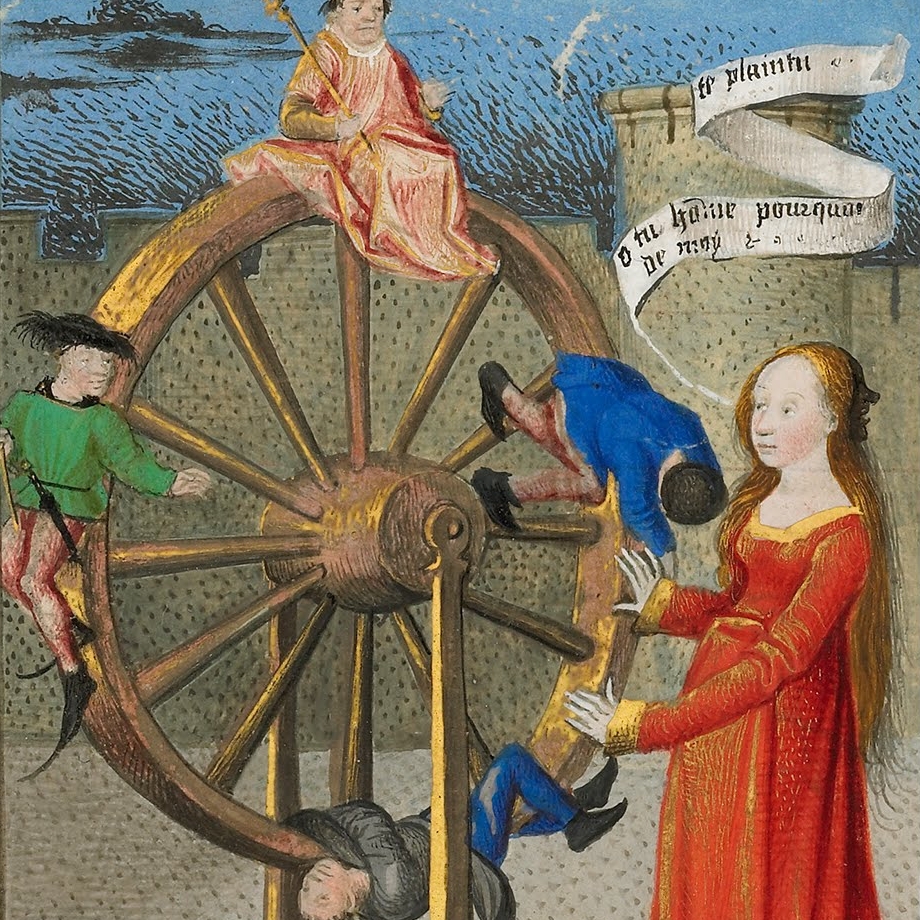
S1 Ep 5252: The Consolation of Philosophy
This is both our one year anniversary and our first (successfully recorded) live episode! This took place at the annual Paideia Conference at Veritas Academy. We hope to see you there next year!

S1 Ep 5151: The Complexities of Oedipus
Bees takes us on a journey with an ancient Greek fellow who just wouldn't listen to the oracles. Listen to the prophets, bro. Listen to the prophets.

S1 Ep 5050: Wit
Graeme discusses the common topic of comparison as it's divided into judgment and wit.

S1 Ep 4949: Gilgamesh
In this episode, A.J. walks us through mankind's oldest story.

Ep 4848: On Fairy Stories
Beez walks us through Tolkien's Article, "On Fairy-Stories," and we discuss the nature of humanity as it relates to fiction.

S1 Ep 4747: How to Read a Book
In this episode, we discuss the four ways to read a book.
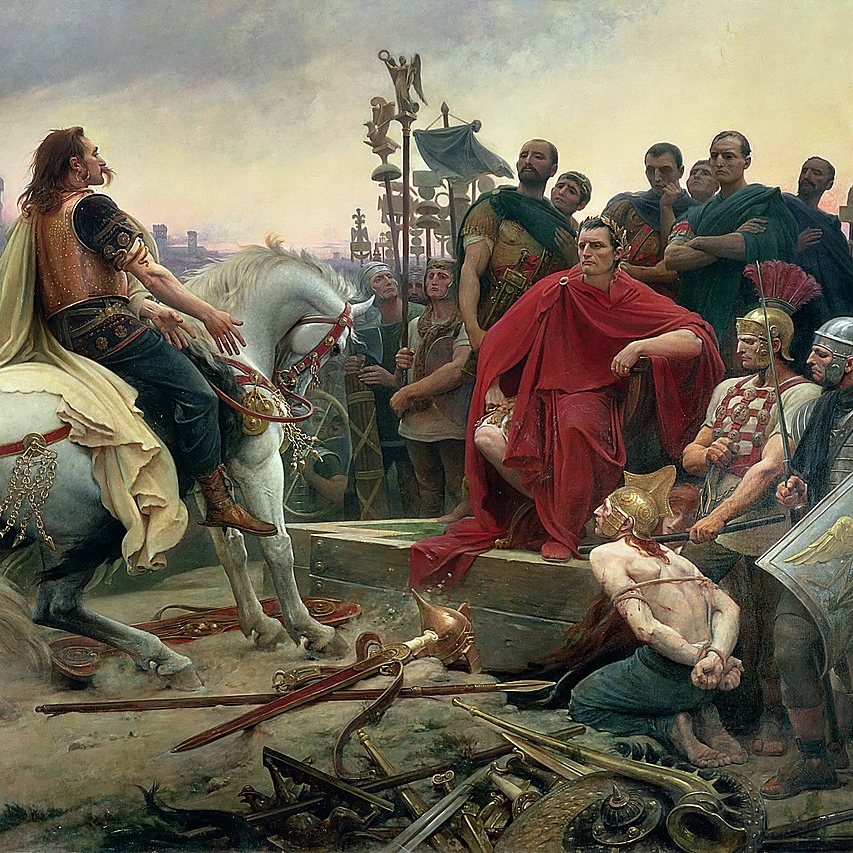
S1 Ep 4646: Shakespeare the Plagiarist
One of the greatest military minds of all time, Julius Caesar, was written about by two greats: Shakespeare and Plutarch.

S1 Ep 4545: Why English Teachers Aren't Liars
The most common criticism of English courses is that some of the things we teach sound made up. How do you know what is symbolic in a book and what isn't?
S1 Ep 4444: Translation
Bees answers the question, should we try and learn a language on our own, or be okay with reading translations? Personally, I think we should speak our own made up language. But that's just me. Grizzleboomp.
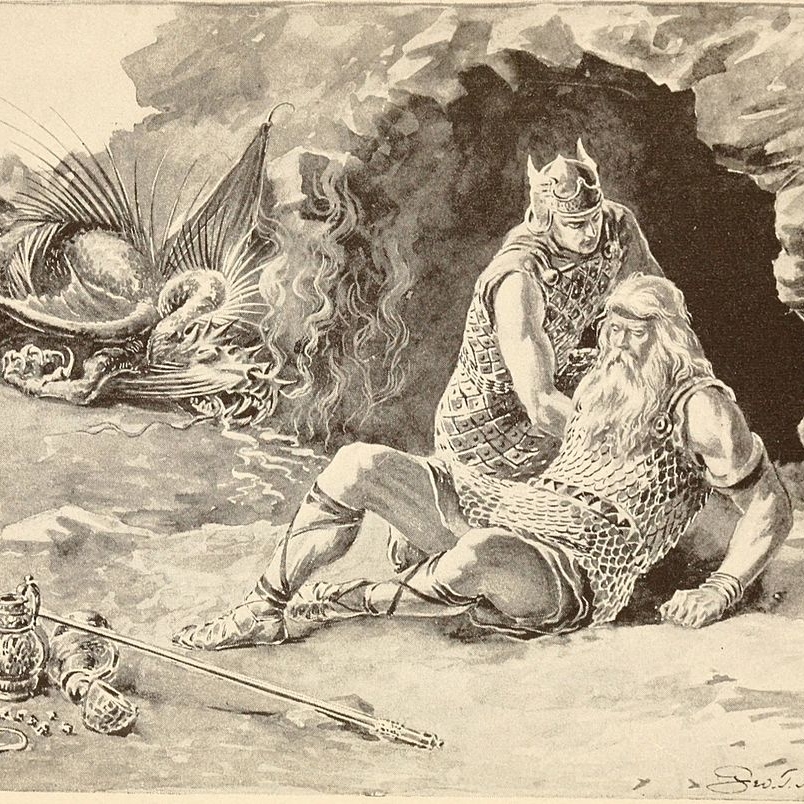
S1 Ep 4343: Beowulf
Beowulf is one of those epics that is needlessly intimidating. It's a story about a big guy who kills monsters. What's not to love?
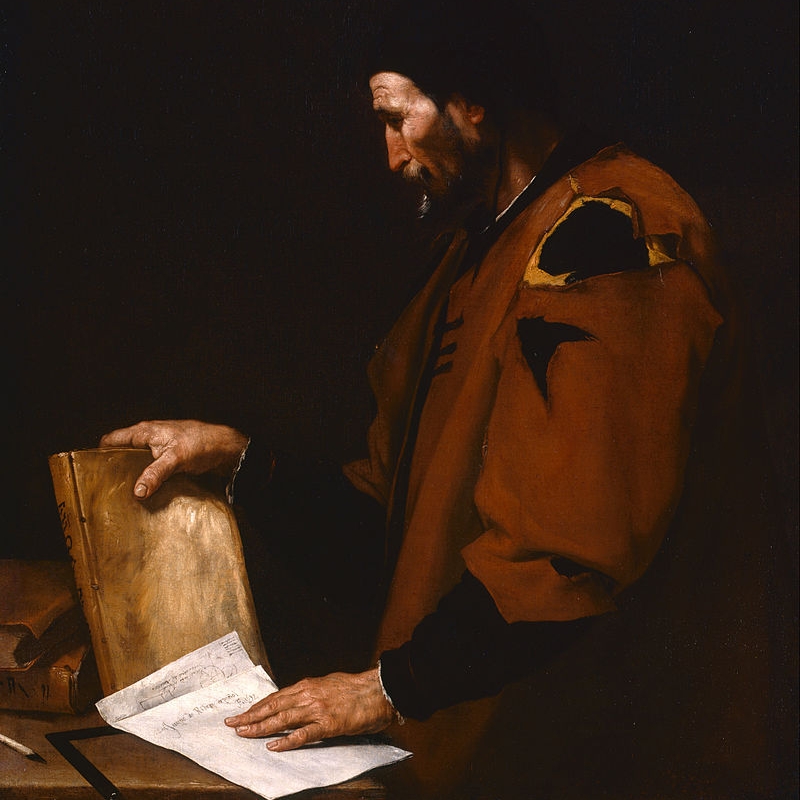
S1 Ep 4242: Aristotle's Four Causes
Aristotle's four causes are a nifty way to think about definition. What, in its essence, is a thing? Anything? Well, Aristotle took a crack at it. We four high school teachers weigh in.
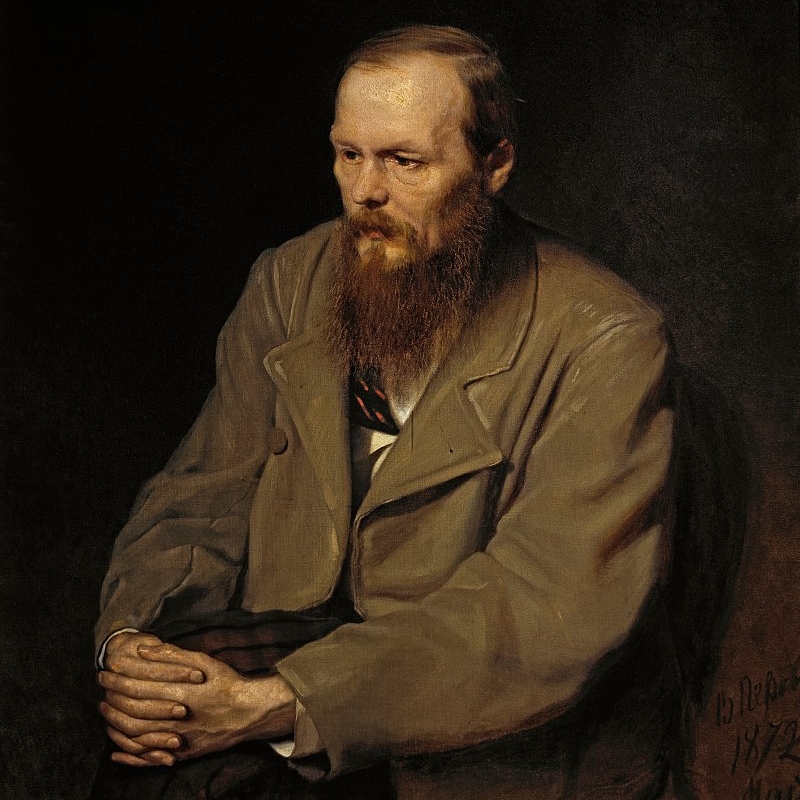
S1 Ep 4141: The Grand Inquisitor
The "Grand Inquisitor" chapter (paired with the "Rebellion" chapter) in Dostoevsky's "Brother's Karamazov is a scathing criticism of Christianity and the central crux of the book. We discuss.
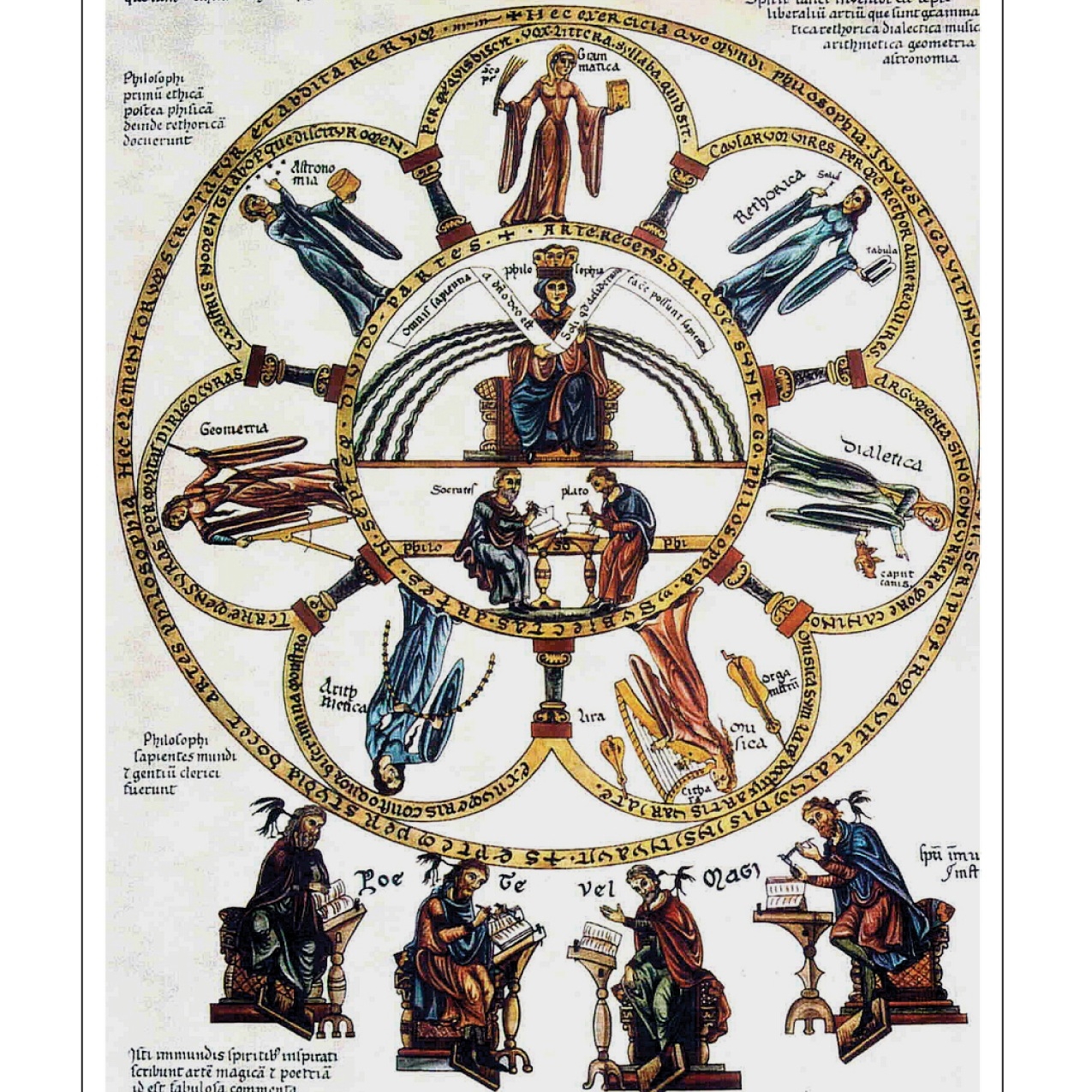
S1 Ep 4040: What is Classical Education?
Thomas takes us through what, exactly, classical education is. Sure, we've done the trivium, but beyond that, what is different about a classical school?

S1 Ep 3939: How to Rite Gooder
In this episode, A.J. gives some tips on Style, the third canon of rhetoric. If followed, these tips will improve your prose.
S1 Ep 3838: What are people for?
In this episode, we discuss a few essays from the prominent thinker, Wendell Berry.

S1 Ep 3737: The History of the Plantagenets II
In this episode, Graeme finishes (or comes near finishing) a brief history of the house of Plantagenet, the house that helped to found the British Empire.
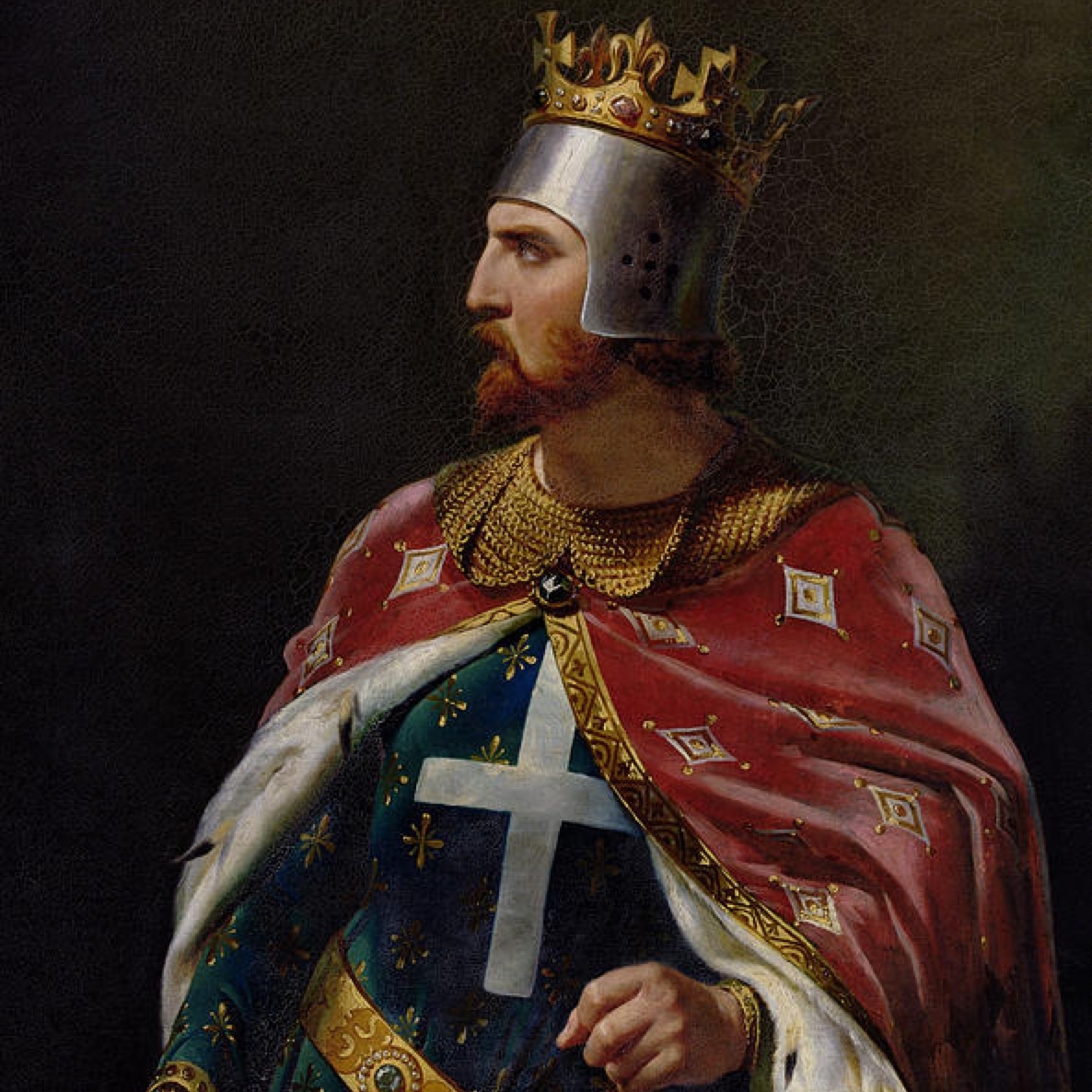
S1 Ep 3636: The History of the Plantagenets
Graeme reviews the beginnings of the British empire, focusing mainly on awesome kings and royal drama. You know, the good stuff.

S1 Ep 3535: The benefits of iliterasee [sic]
Thomas walks us through some thoughts on literacy and the appropriate time for entering the classical world.

S1 Ep 3434: The Odyssey Part 2
A.J. walks us through the Hero's journey and outlines a the theory of the cosmic journey. Tableware also makes an appearance. Spoiler: it's gold.

S1 Ep 3333: The Odyssey, Part I
In this episode, A.J. brings us into the world of the Odyssey, noting some important scenes as we explore the story.

S1 Ep 3232: The Deep Joy of Romanticism
Graeme leads us through the notion of Deep Joy. It's shorthand for the experience that inspired the romantics.

S1 Ep 3131: University
In this episode, we discuss the purpose of college, beginning specifically with the changes in mission of a specific college.

S1 Ep 3030: Socrates
In this episode we discuss the person of Socrates. The man himself is a little tough to nail down, considering that he didn't write anything down.

S1 Ep 2929: Usury doesn't mean what you think it means. Probably.
We discuss the church's attitude toward lending, interest, and money. We also try to figure out definitions and how to survive the apocalypse.

S1 Ep 2828: Dante and his Comedy
We introduce you to Dante in this episode and give you a guide to understanding his best known work. Oh, also, it's a little bit about Hell, which is fun.

S1 Ep 2727: Adequatio
Adequatio is the notion that the understanding of the knower must be adequate to the thing known.

S1 Ep 2626: Milton's Fall
Graeme teaches us about the fall of man according to Milton. Our eighth-grade boys will be disappointed to hear that it isn't all Eve's fault.
S1 Ep 2525: The Memory Palace
In this episode, A.J. walks us through the ancient method of loci and its modern uses. Ever see Sherlock poke his brain and information comes out? Well, the memory palace is a real thing, but it doesn't exactly work like that.

S1 Ep 2424: Acedia
In this episode, Thomas takes us through the ancient understanding of despair--both its symptoms and its remedies.

S1 Ep 2323: The Theology of Paradise Lost
In this episode, Graeme takes us through the theology of Milton's paradise lost. Even if you never plan on reading this mountain of a book, it's a good way to delve into the theology of Adam and Eve.

S1 Ep 2222: Classical Rhetorical Form
In this episode, A.J. takes us through an alternative to the five paragraph essay that is more useful for everyone, including those of us no longer in school. Need to convince someone of something? You can use this.

S1 Ep 2121: Friendship!
In this one, Bees walks us through a classical view of friendship.

S1 Ep 2020: The Four Senses of Scripture
Dante recorded what folks had been doing for a long time as they read scripture. In this episode, we run you through Dante's method for studying scripture.

S1 Ep 1919: Dorothy Sayers, or "THE TRIVIUM - REDUX"
Dorothy Sayers' "Lost Tools of Learning" is the article that helped to form a movement. We talk through it in this episode, and we end up talking a little more trivium while we're at it.
S1 Ep 1818: The Ideal Type
When we say , "The Ideal Type," it's really just a way of expressing in shorthand that we cling to the idea of an ideal: an ideal way to live, an ideal way for man to live in culture. This is a discussion of that ideal.

S1 Ep 1717: The Trivium
The Trivium--grammar, logic, and rhetoric--provides the three grand divisions upon which classical education is based. Sounds boring, I know, but it ain't so bad.
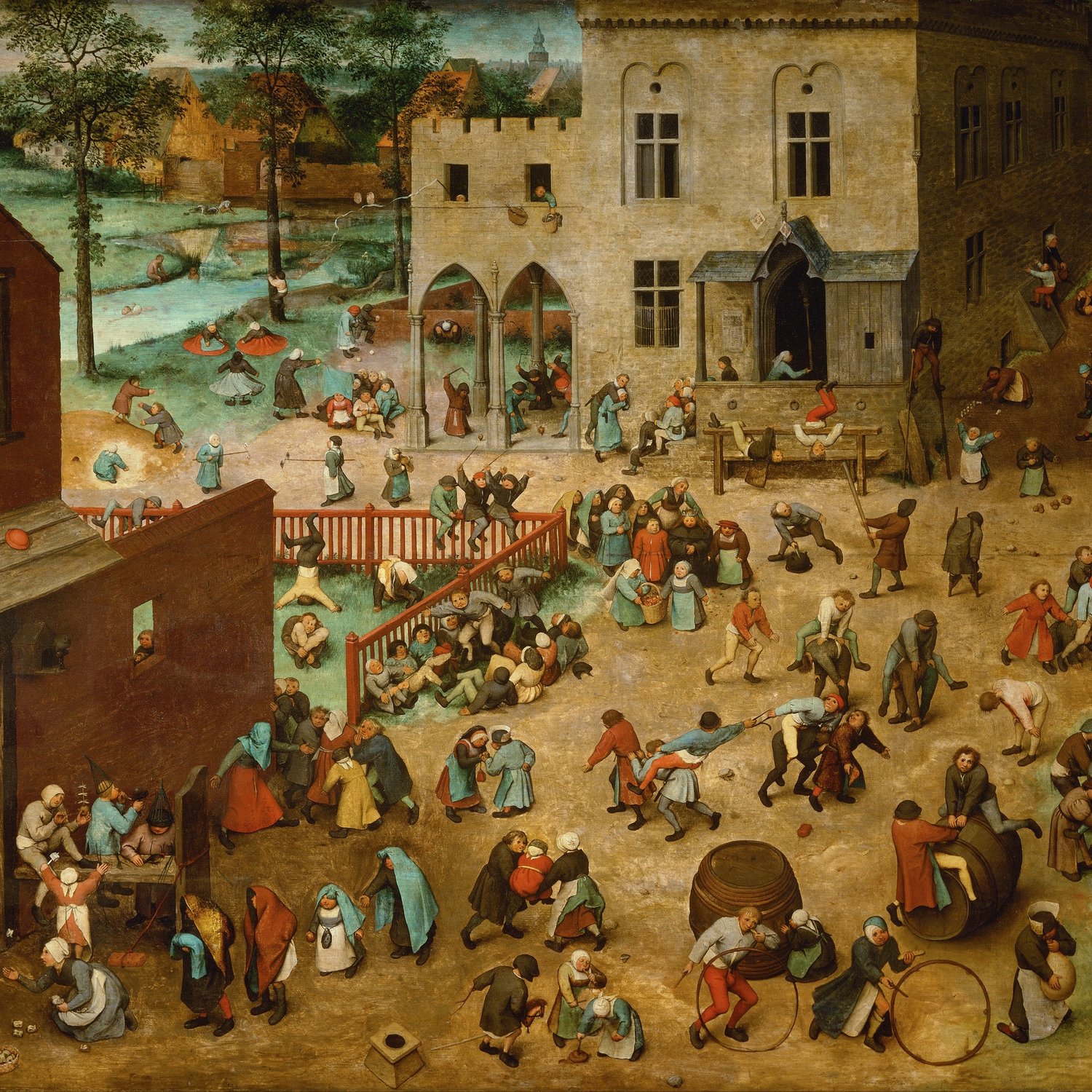
S1 Ep 1616: Leisure
In this episode, Bees walks us through Josef Pieper's book, "Leisure the Basis of Culture." A.J. takes issue with those uppity philosophers.

S1 Ep 1515: The seven deadly sins
In this episode, we discuss the classical understanding of the seven deadly sins and their import today.