
ChinaTalk
560 episodes — Page 6 of 12
US-China Tech in 2023: Top 5 Stories of the Year
Kevin Xu of https://interconnect.substack.com/ and I run down our top five stories of the year in US-China tech. We get into: The eternal chip war The battle for AI model supremacy EV competition Venture investing in China PDD and Temu's rise TikTok's impressive resilience Here's ChinaTalk's attempt to benchmark Chinese models https://www.chinatalk.media/p/putting-chinas-top-llms-to-the-test Outtro music: two songs from my spotify wrapped which are kind of ancillary to crappy US-China relations? 2gether, Mura Masa and Gretel Ganlyn: https://open.spotify.com/track/1Wqd0R1X1tuVK9FySVyLpt?si=48a61ddf3f094b57 No Talk, Lowell: https://open.spotify.com/track/0ToOqwERQswtN1O7AveCU9?si=9424183956b74960 Learn more about your ad choices. Visit megaphone.fm/adchoices
Taiwan Election Showdown! A Blue Prof and Green Pol Explain
The Taiwanese populace will head to the polls to choose their next president on January 13, 2024 — and the three-party slate is set! To discuss, we brought on Lu Yeh-chung 盧業中 — a professor of diplomacy at National Chengchi University 國立政治大學 — and Lin Fei-fan 林飛帆, previously the Deputy-Secretary of the DPP and well-known for leading the Sunflower Student Movement in 2014. Our conversation gets into: What a three-party race means in a first-past-the-post electoral system, and how the pan-blue and pan-green camps are feeling; Why the KMT-TPP alliance broke down, and what the pan-blue side needs to do to mobilize its electorate; The KMT’s and DPP’s views on whether Taiwanese and mainland Chinese are part of the same family 兩岸一家人; What the 1992 Consensus means to the KMT and DPP, and the tensions and synergies between idealism and functionalism in Taiwanese politics; How the CCP views the upcoming election, and to what extent it really fears pro-independence activists in Taiwan; What demarcates the KMT and DPP outside of cross-Strait politics, and which domestic issues are most compelling for the average Taiwanese voter; And how the KMT and DPP balance government spending on hard military assets versus subsidizing critical technologies like semiconductors. DPP ticket: president: William Lai Ching-te 賴清德 vice president: Hsiao Bi-khim 蕭美琴 KMT ticket: president: Hou Yu-ih 侯友宜 vice president: Jaw Shaw-kong 趙少康 TPP ticket: president: Ko Wen-je 柯文哲 vice president: Cynthia Wu Hsin-ying 吳欣盈 Outro music: 回春丹- 鲜花 https://open.spotify.com/track/35XxW360SO3puJQDfuaY4r Learn more about your ad choices. Visit megaphone.fm/adchoices

How Rep. Gallagher Would Fix Congress and Beat China
This was a good episode. Mike Gallagher, Chair of the Select Committee on China, has some thoughtful thoughts! We get into: How he would fix Congress Why the early Cold War is still relevant today What he took away from his time in Iraq and the Eisenhower Archives Why all you should really do to understand China is listen to ChinaTalk and read our substack (at https://www.chinatalk.media/) My book rec: https://www.amazon.com/Men-Machines-Modern-Times-Press/dp/0262529319 Outtro music, Ella Fitzgerald, My Cousin in Milwaukee https://www.youtube.com/watch?v=tWy9XjHt324 Learn more about your ad choices. Visit megaphone.fm/adchoices

Emergency Pod: We Are So Back! OpenAI Drama and US-China
Rohit Krishnan of Strange Loop Canon and I kibbitz about this weekend's OpenAI drama as well as the safety and US-China regulatory dynamics likely raised in the discussions with the board. Some content we discussed: Jade Leung PhD thesis: https://ora.ox.ac.uk/objects/uuid:ea3c7cb8-2464-45f1-a47c-c7b568f27665 Jeff Ding and Jenny Xiao's piece: https://www.governance.ai/research-paper/recent-trends-chinas-llm-landscape The Foreign Affairs piece: https://www.foreignaffairs.com/china/illusion-chinas-ai-prowess-regulation Image made by my mother on DALLE to represent Altman getting fired for the family groupchat. Outtro music: Happy Survival https://open.spotify.com/track/5txZKim1ruceUUhDlU84yc?si=b0d183344163418d It'l All Be Over: https://open.spotify.com/track/1KFtR58Hn1nQ9fR0DRnC9n?si=512636c8caf24610 Happy Thanksgiving everyone! Learn more about your ad choices. Visit megaphone.fm/adchoices

Xi-Biden at APEC + What It Takes To Compete
Matt Turpin, China NSC Director in the Trump administration currently at Hoover and Palantir, comes on to discuss the good, the bad, and the ugly of US-China relations coming out of APEC. We get into: Realistic expectations for bilateral US-China diplomacy What are the necessary ingredients for coherent and effective policymaking What Matt expects and worries about from a second Trump administration Why foundations and corporations should sponsor ChinaTalk! Outtro music: Time/Breathe Reprise https://www.youtube.com/watch?v=Uw1bJrFdCjY Virtual insanity: https://open.spotify.com/track/24SUWisv2lYQiB3bVpE1sn?si=cf1cf18c0bc94ef7 Learn more about your ad choices. Visit megaphone.fm/adchoices

Peter Harrell on Bureaucratic Barriers to Competition
Peter Harrell, who served as Biden's Senior Director for International Economics and Competitiveness on the NSC and NEC, comes on to discuss: Why things do or don't happen in the executive branch What reforms we might need to accelerate and amplify decision-making Lessons from the sanctions response to the war in Ukraine for China Check out our newsletter at https://www.chinatalk.media. James Brown--Bewildered https://www.youtube.com/watch?v=9iXlDeqSTRA Learn more about your ad choices. Visit megaphone.fm/adchoices
RAND CEO Jason Matheny Gives a Masterclass on Risk and Organizational Design
This interview was so good. Jason Matheny, Biden's former top tech + national security advisor, has recently reached one year as CEO of RAND. We had a truly classic ChinaTalk-style conversation, hitting on: How to design a world-class research organization The right and wrong lessons to learn from RAND's heyday in the 1950s Existential risks around AI and bio Government's capacity to grok and implement technology strategy What national security professionals can learn from art and architecture And a ton more. Thanks to Check out the Hudson Institute's defense research center here: https://www.hudson.org/policycenters/center-defense-concepts-technology Some 1950s vibes for our outtro music: Julie London: https://open.spotify.com/track/6crfO56bDm0RjpctUuGs5X?si=5a434079b24b4d03 Doris Day: https://open.spotify.com/track/20G1XJaTwIm2IuwA3Pjg1d?si=22095e2f9aa842cc Learn more about your ad choices. Visit megaphone.fm/adchoices
London AI Summit + OpenAI Dev Day!
Zvi Mowshowitz of Don't Worry about The Vase and Nathan Labenz of the Cognitive Revolution podcast come on for a quick recap of the past week's AI news! We get into: What AI diplomacy is looking like post-Bletchley Park What new applications OpenAI's latest announcements mean for future AI applications Outtro: Bizarrap with Milo J https://www.youtube.com/watch?v=hGWa-GO8mKg Learn more about your ad choices. Visit megaphone.fm/adchoices
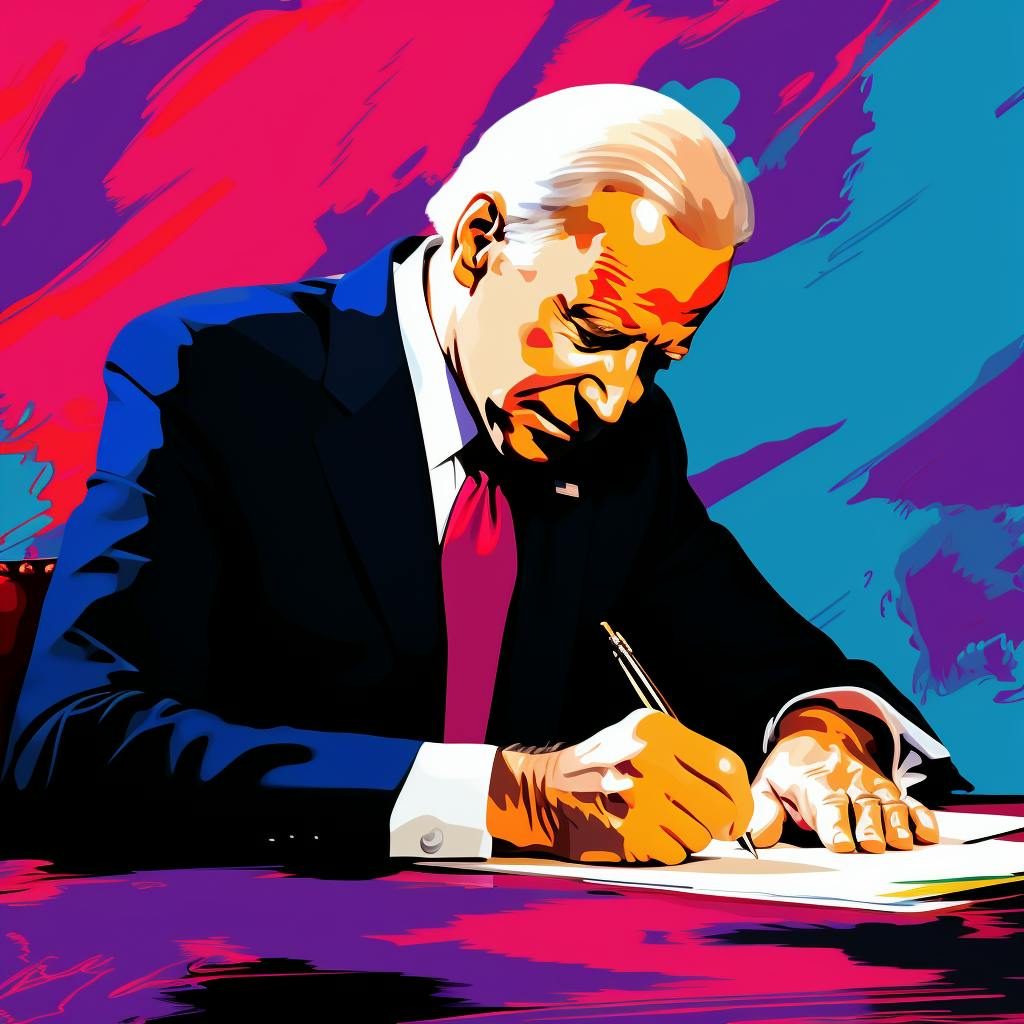
Emergency Pod: AI Executive Order!
Biden just dropped a 50 page executive order that's going to make the world safe for AI, hopefully? To discuss the sprawling EO we've brought on three CNAS analysts, Vivek Chilukuri, Bill Drexel and Tim Fist. We touch on: Immigration and federal hiring If AI + bio can ever be a safe thing What's going to happen to cloud access What are the hoops you'll need to jump through to train GPT5 and whether they're enough What to do about open source Why Jordan just wants to be an AI czar RSVP to the Los Angeles meetup! https://partiful.com/e/SgjdajUSrD1aEOOrVgXk Outro music (yea I was not going to impose Devo on you all): The B Tune by Bela Fleck https://open.spotify.com/track/6h6vvG1t4xtfP9lkOKzBTv?si=6ec3f32629bd46a2 Learn more about your ad choices. Visit megaphone.fm/adchoices
Can AI Be Governed?
In this episode, Jordan Schneider interviews Markus Anderling and Anton Korinek, two of the coauthors of the paper 'Frontier AI Regulation: Managing Emerging Risks to Public Safety'. They discuss the need for regulation and oversight of advanced AI models, known as frontier models, that have the potential to pose significant risks to public safety and national security. Jordan came in as a skeptic. Will he be convinced? Here's the paper: https://arxiv.org/abs/2307.03718 Here's Markus' song choice: - -- ・ -・・ ・ ・-・・ ・- https://open.spotify.com/album/1NogWso5ElfJe4n8qKSdy9?si=mD9j5WB3TWuFGVkJRBI_Jg Learn more about your ad choices. Visit megaphone.fm/adchoices
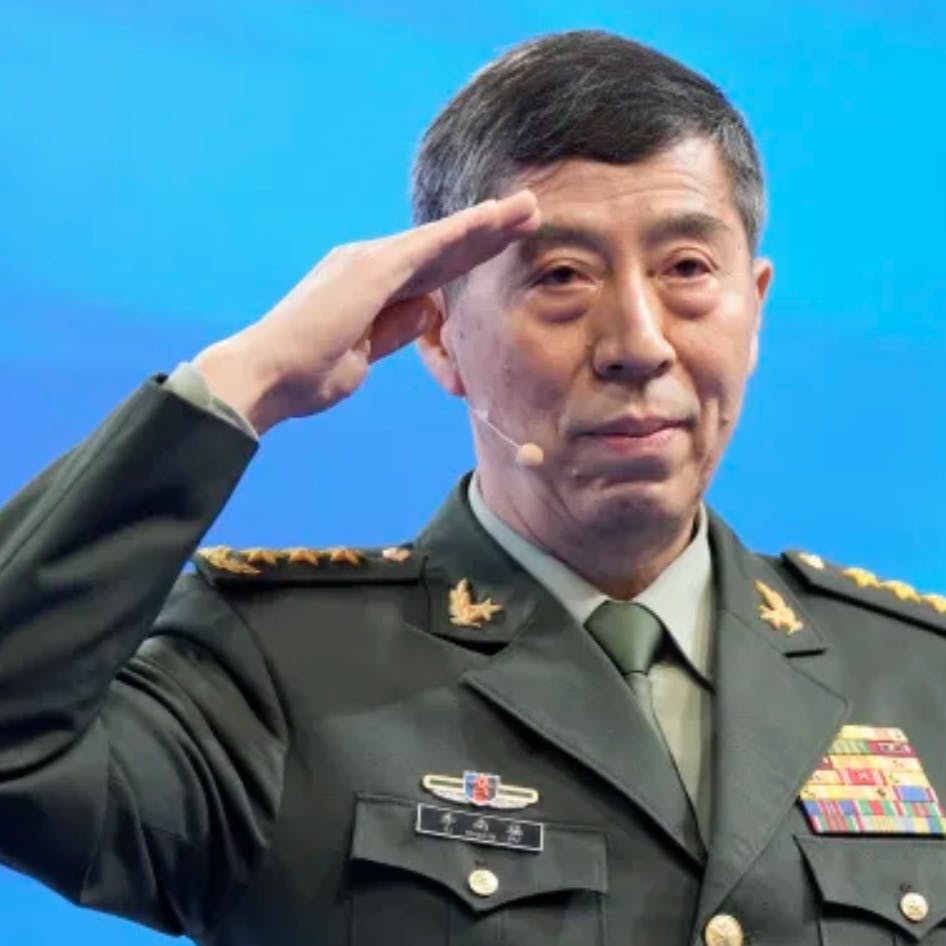
PLA Purges + Taiwan War Risk
Defense Minister Li Shangfu just got officially purged. To discuss, we brought on Joel Wuthnow, a fellow at NDU. His research areas include Chinese foreign and security policy, Chinese military affairs, US-China relations, and strategic developments in East Asia. He joined ChinaTalk to discuss Xi Jinping’s recent purges of high-ranking members of the People’s Liberation Army, Xi’s larger vision for the PLA, and what all this internal turmoil might mean for China’s longer-term designs on Taiwan. This was recorded earlier in October. Key insights: Over ten years after coming to power, Xi is still purging corruption from the military, reflecting his continued lack of trust in the PLA; Corruption is historically endemic in the PLA in part because of its incentive structure, which makes graft a prerequisite for rising through the ranks; Xi’s efforts to break up the PLA’s supervisory apparatus have only been partially successful (they’re still the same people even if they’re in a different department); Amid the anti-corruption shakeup, China’s Rocket Force has been successfully developing hypersonic missiles, technology viewed as critical to countering US intervention in a regional conflict over Taiwan; Despite Xi’s apparent distrust of his inner circle of military advisors, an echo chamber–induced invasion of Taiwan is still a live possibility. Joel Wuthnow is a senior research fellow with the National Defense University. Nicholas Welch cohosts. Outtro Music: The Weeknd's take on Drake's Trust Issues https://www.youtube.com/watch?v=YVCV6hyv7ac Learn more about your ad choices. Visit megaphone.fm/adchoices

Jason Furman on Inflation and Policymaking
Jason Furman was Obama's CEA chair and a Harvard econ professor, while Kyla is the my favorite economics influencer. We get into: What the deal is with inflation How policymaking is broken and what we need to fix it How Homer would tackle SBF Why goodreads is such a trash website Outtro music: Chocolate Snow, Inflation https://www.youtube.com/watch?v=h9E6F8xMjoA Learn more about your ad choices. Visit megaphone.fm/adchoices

How to Process Violence
Two rabbis on ChinaTalk? What am I even doing? Zohar Atkins of the wonderful Meditations with Zohar podcast alongside Ari Lamm of Bnai Zion come to discuss and process the aftermath of the Oct 7th attack. Outtro music: Ishay Ribo - Seder Ha'Avoda https://www.youtube.com/watch?v=ECy3CMxShIQ Learn more about your ad choices. Visit megaphone.fm/adchoices
EMERGENCY POD: Export Controls Dropped!
BIS just released its revision to the Oct 7 2022 restrictions. Jon of Asianometry, Dylan of Semianalysis, and Doug of Fabricated Knowledge join the pod to discuss why NVIDIA got screwed, why ASML may not have, and what these regs mean for the future of China and AI. Outtro music: Warren G Regulate remix https://soundcloud.com/dj-eric-rhodes/warren-wallen-mashup-final-edit Learn more about your ad choices. Visit megaphone.fm/adchoices
Cities of Slaughter
Israel is a country dear to my heart and I wanted to provide the ChinaTalk audience with one more perspective on the events of this past weekend before returning to our regularly scheduled program. To that end, I'm running a guest episode from the Promised Podcast, a show from TLV1 which is "an inside view of how Israel can warm your heart and make your blood boil. It’s a show by a journalist, a professor and an NGO professional who live in and love Israel even though it drives them crazy, and who each week discuss the latest in Israeli politics, culture, and society." Thanks for listening. Learn more about your ad choices. Visit megaphone.fm/adchoices

EMERGENCY POD: Two Views from Israel on Hamas + China-Middle East Relations
We discuss their experience of the past few days, China's response, its broader policy and aspirations in the Middle East, and what comes next. Our first guest is Carice Witte who is the founder and director of the SIGNAL Group. Second in the episode is Ofir Dayan, a researcher at the Israel-China Policy Center at INSS. Outtro music: World Champion, sung by family members and victims of terrorism https://youtu.be/yofkk5Vaif8?si=JskMFXK3-srR5z8L Lyrics translation: I'm a world champion in repressing Anything that scares me, anything stressful, I put on mute I'm a world champion in loving Firstly myself, then at the stage and the street The hardest is to give it to someone close I'm a world champion in not being In not solving your problems Even the pictures on the walls I wasn't the one who hanged them I'm only in charge of the melodies I'm a world champion in falling And getting back up like a champ You'll see, like a phoenix I'm burning, but choosing every day to live on I'm a world champion in wanting At least trying You'll see, how in the end After the losses, the victory is so much sweeter I'm a world champion I'm a world champion in justifying Weaknesses and desires The urge is an old acquaintance I know every old trick it keeps in its bag But look, someday I'll be righteous Deep down what I have is not enough, at all I'm a little rat and life is a pipe1 Falling down the hole because I can't distinguish Between good and evil, and where does it all lead to You're being all usual But soon we'll run out of fuse I'm a world champion in falling And getting back up like a champ You'll see, like a phoenix I'm burning, but choosing every day to live on I'm a world champion in wanting At least trying You'll see, how in the end After the losses, the victory is so much sweeter I'm a world champion I'm a world champion in compensating Apologizing and pleasing Sinning, cleansing myself Exposing, covering up Say, how can one write songs with a thousand expectations Millions of views I'm a world champion in falling And getting back up like a champ You'll see, like a phoenix I'm burning, but choosing every day to live on I'm a world champion Learn more about your ad choices. Visit megaphone.fm/adchoices
Kurt Campbell on Grand Strategy and US-China
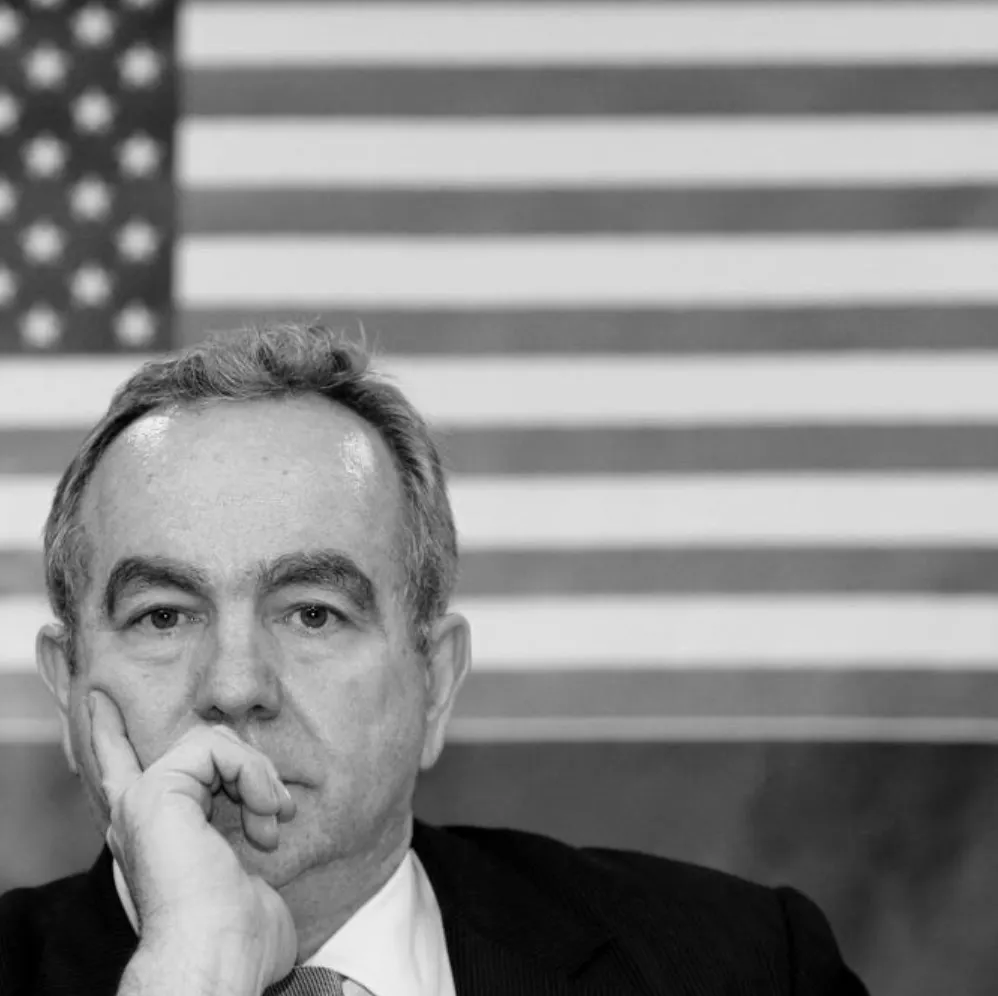
Kurt Campbell is the Deputy Assistant to the President and the White House Coordinator for Indo-Pacific Affairs. ChinaTalk recently joined Campbell in Washington to discuss US-China relations and mark the podcast’s 300th episode. We discuss: The nature of national power today; If China is peaking; How ideology impacts Beijing’s foreign policy; Campbell’s hopes and fears for the Biden administration’s Asia policy; Whether the US is still aiming to “maintain as large of a lead as possible” on chips and AI; How to think about the risk of and effectively deter military escalation; And the dark shadow of Tiananmen and its lasting impact on Chinese politics and US foreign policy. Outtro music: Brahms: Sonata in E flat major for Viola and Piano, Op. 120, No. 2 I. Allegro amabile https://www.youtube.com/watch?v=AYrC4rx5VrA Learn more about your ad choices. Visit megaphone.fm/adchoices
Deep Tech VC On AI, Chips, and US-China Competition
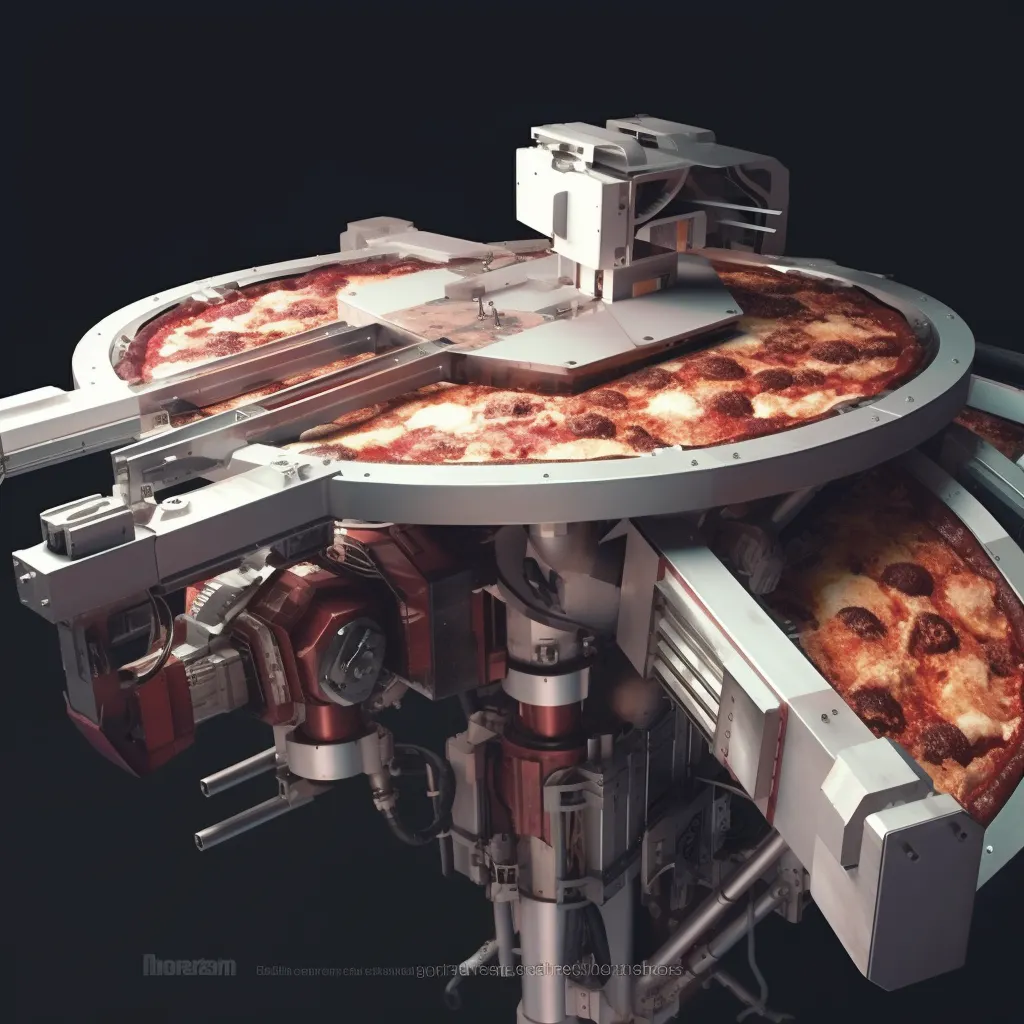
James Wang, partner at Creative Ventures, joins to discuss: Huawei breakthrough implications and why NVIDIA's CUDA will make it particularly difficult to create a useful domestic AI chip Why China's AI companies have been underperforming my expectations How semiconductor industry dynamics parallel the challenges facing AI startups How pizza machines explain AI's future impact on the labor market Challenges and opportunities in investing in deep tech, including the eager but raw founder talent pool as well as the importance of market structure and distinguishing between R&D and engineering risk This show was brought to you by Creative Ventures. Creatives Ventures is at https://creativeventures.vc/ James writes at https://weightythoughts.com/ and tweets at @AJamesWang Outtro Music: the legendary Combination Pizza Hut and Taco Bell Learn more about your ad choices. Visit megaphone.fm/adchoices

Peak China with Noah Smith and Matt Klein
Noah Smith of https://www.noahpinion.blog/ and Matt Klein of https://theovershoot.co/ join ChinaTalk to discuss: We get into: What's really happening with China's economy and why it matters strategically How China's potential peak parallels Japan's Why the world should and shouldn't be scared of China's progress in semis and EVs What another Trump Administration could do for US-China relations How Noah actually does his substack This was a fun one, I hope you enjoy! Learn more about your ad choices. Visit megaphone.fm/adchoices
EMERGENCY POD: Huawei's Breakthrough, the Technical, Industrial and Strategic Implications
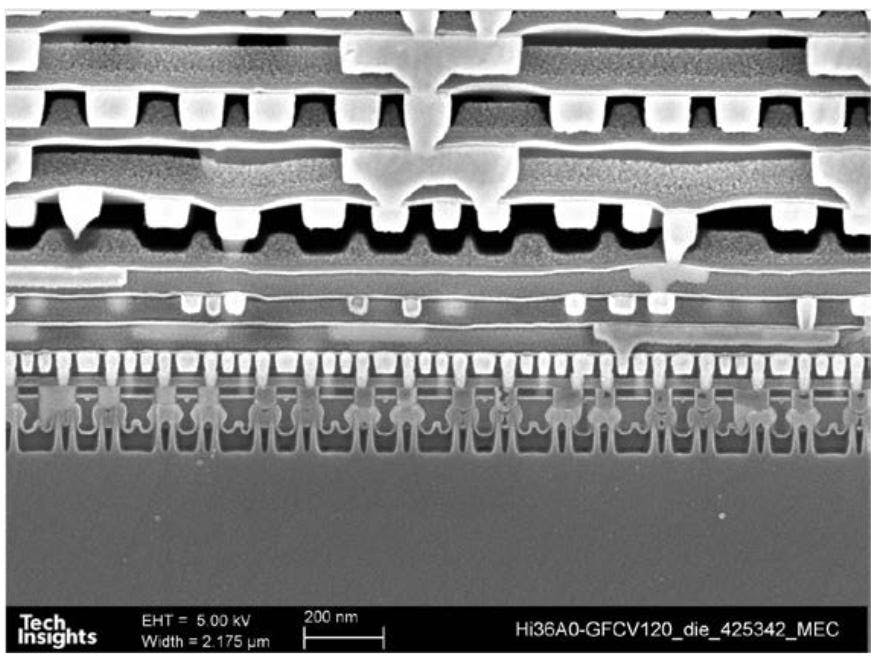
Huawei’s breakthrough Kirin 9000s: what is it, why is it a big deal, and what if anything should the US do about it? Joining me, I have on two fantastic semiconductor analysis, Doug O'Laughlin of Fabricated Knowledge and Dylan Patel of SemiAnalysis. We get into: How this chip illustrates Chinese engineering excellence and the porous nature of the current export control regime Why we can expect AI chips on par with the A100 coming out of China in the next two years What steps the US government could take to tighten export controls and set back the Chinese semiconductor ecosystem How China has come to dominate both the lagging edge and the EV space Here's my piece on the topic: https://www.chinatalk.media/p/huaweis-breakthrough-the-strategic And here's Dylan's: https://www.semianalysis.com/p/china-ai-and-semiconductors-rise Outtro music: 潮州土狗 - 50元的檳榔 https://www.youtube.com/watch?v=mjl2qabfSNs Learn more about your ad choices. Visit megaphone.fm/adchoices
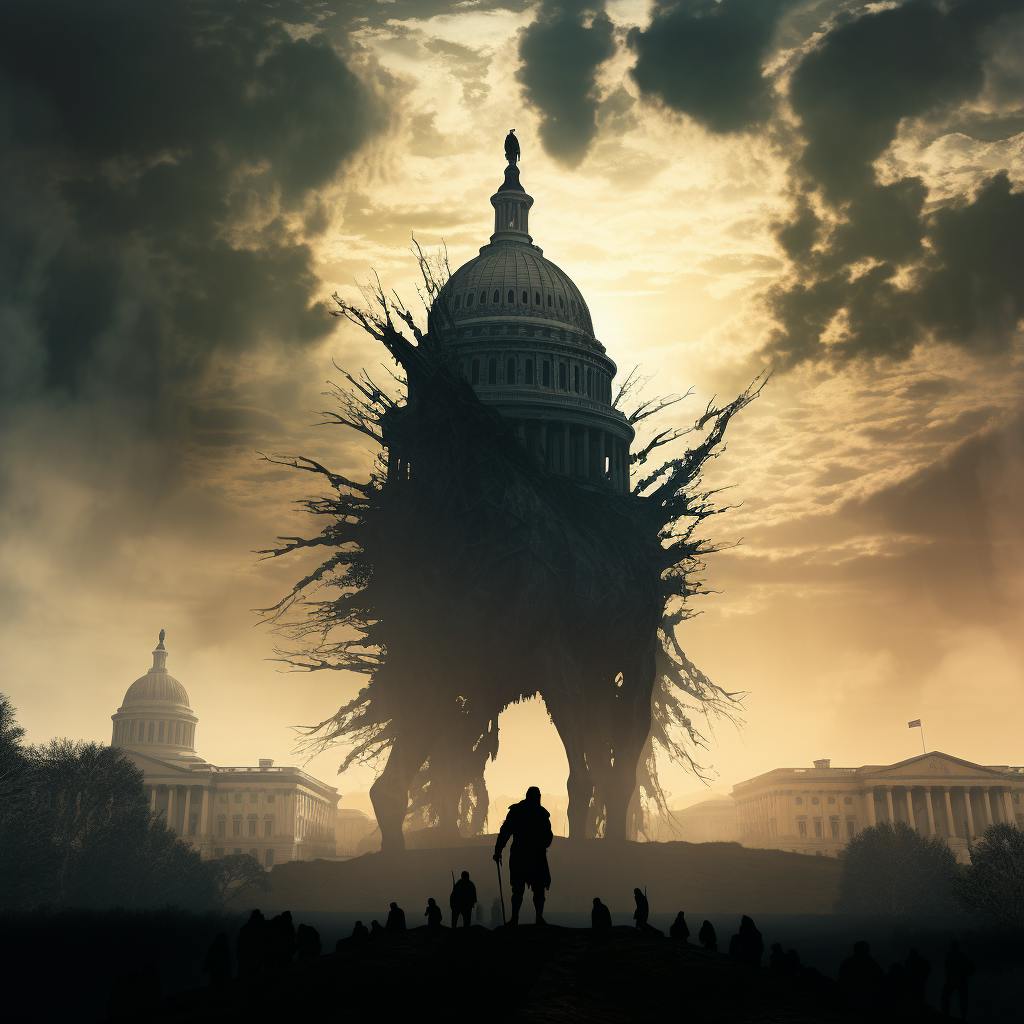
Why Congress Can Save Us All
This episode of China Talk explores the past, present, and future of Congress with AEI's Philip Wallach. We get into: Origins of representative government trace back to medieval England, when the king consulted regional advisors – leading to development of Parliament Founders inspired by this model when establishing Congress, wanting representation for diverse parts of young U.S. But competing visions emerged for how Congress should work: Madison's view: embrace factional conflict and compromise Wilson's view: stronger centralized leadership These tensions played out through different eras of Congress: Early years: backlash against Hamilton’s Treasury power leads to first political party New Deal/WWII: Congress oversees executive branch while enabling key programs Civil rights era: Senate leaders allow extended filibuster, focus national attention, build enduring coalition 1970s reforms decentralize Congress but decrease cooperation between members over time Under 1994 Gingrich revolution, partisan centralization becomes norm – embraced by both parties Potential futures discussed, including a fever dream of Philip's where an immigration crisis actually prompts real lawmaking. Outtro music: Nixon's 1972 campaign song Learn more about your ad choices. Visit megaphone.fm/adchoices
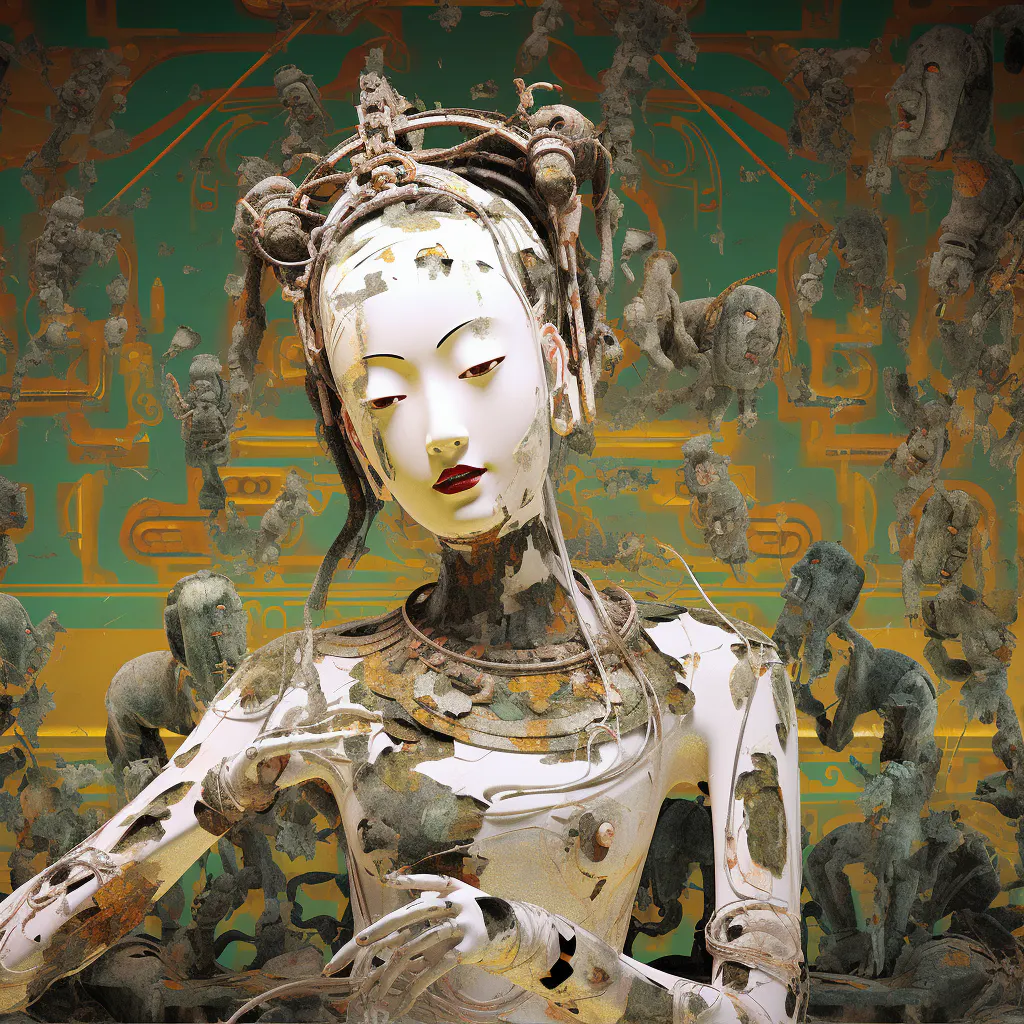
How China Regulates AI
How does the public, corporations, academia and civil society end up directly influencing some of China's most important regulations? What's the trajectory of China's approach to AI? Matt Sheehan of CIEP returns to discuss the AI regulatory policy process in China! Matt's paper: https://carnegieendowment.org/2023/07/10/china-s-ai-regulations-and-how-they-get-made-pub-90117 Outtro music: 曾涵江Cup :天选 CHOSEN ONE https://www.youtube.com/watch?v=OB607_3sDYQ Image: I took an image from Dunhuang and prompted it with "artificial intelligence" Learn more about your ad choices. Visit megaphone.fm/adchoices
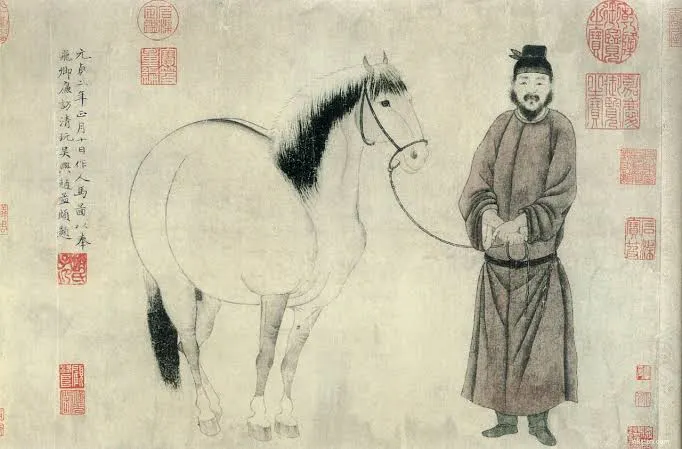
Culture Month! Painting in Premodern China
Culture month continues with some traditional Chinese painting coverage! What was it like to paint in premodern China? How did a husband-wife and master-mentee team up to produce some remarkable art? Why is it okay to say Chinese art is "good" or "bad" while those who critique western art have so much heartburn over saying their opinion? Cohosting is Joseph Scheier-Dolberg, Chinese paintings curator at the MET. This episode is better experienced on YouTube. Check out the video on ChinaTalk's YouTube channel here: https://youtu.be/Rxr6xOj29A8 Here's the link to the exhibit: https://www.metmuseum.org/exhibitions/learning-to-paint/exhibition-objects Learn more about your ad choices. Visit megaphone.fm/adchoices

"Emergency" Pod: Outbound Investment Screening!
Emily Benson (CSIS) and Martin Chorzempa (PIIE) come on to discuss the new executive order and Treasury's ANRPM (advanced notice of proposed rulemaking) on novel outbound investment screening rules on AI, quantum and semis. Treasury document: https://home.treasury.gov/system/files/206/Treasury-ANPRM.pdf Outtro music: 水碾河南三街 LSGCsikoriot https://www.youtube.com/watch?v=1Wzz1Deafh8 Midjourney: used this 18th century Japanese woodprint and prompted it with "quantum semiconductor" https://www.metmuseum.org/art/collection/search/55371 Learn more about your ad choices. Visit megaphone.fm/adchoices
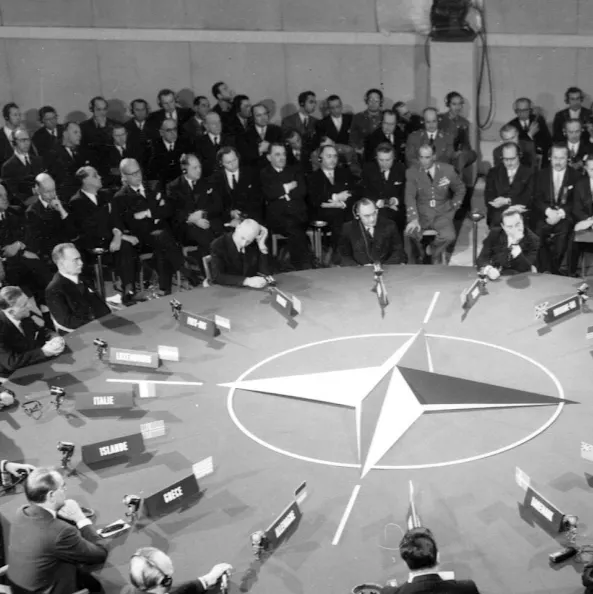
Beyond Decoupling: NATO for Trade
Should democracies band together to protect themselves from Chinese economic coercion? What can deterrence theory teach us about geoeconomic strategy? To discuss these questions, I brought on Matt Goodman and Matt Reynolds of CSIS along with Matt Klein of The Overshoot and David Talbot of the Milken Institute. We discuss: –Why China uses economic coercion, especially against smaller states. –How democracies might join together to deter and respond to this aggression. –Why reslience beats retaliation when it comes to economic conflict. Outro music: "(You're The) Devil in Disguise," Elvis Presley. Check out our newsletter! chinatalk.media Learn more about your ad choices. Visit megaphone.fm/adchoices
Culture Month! Indie Chinese Music Hour with Concrete Avalanche
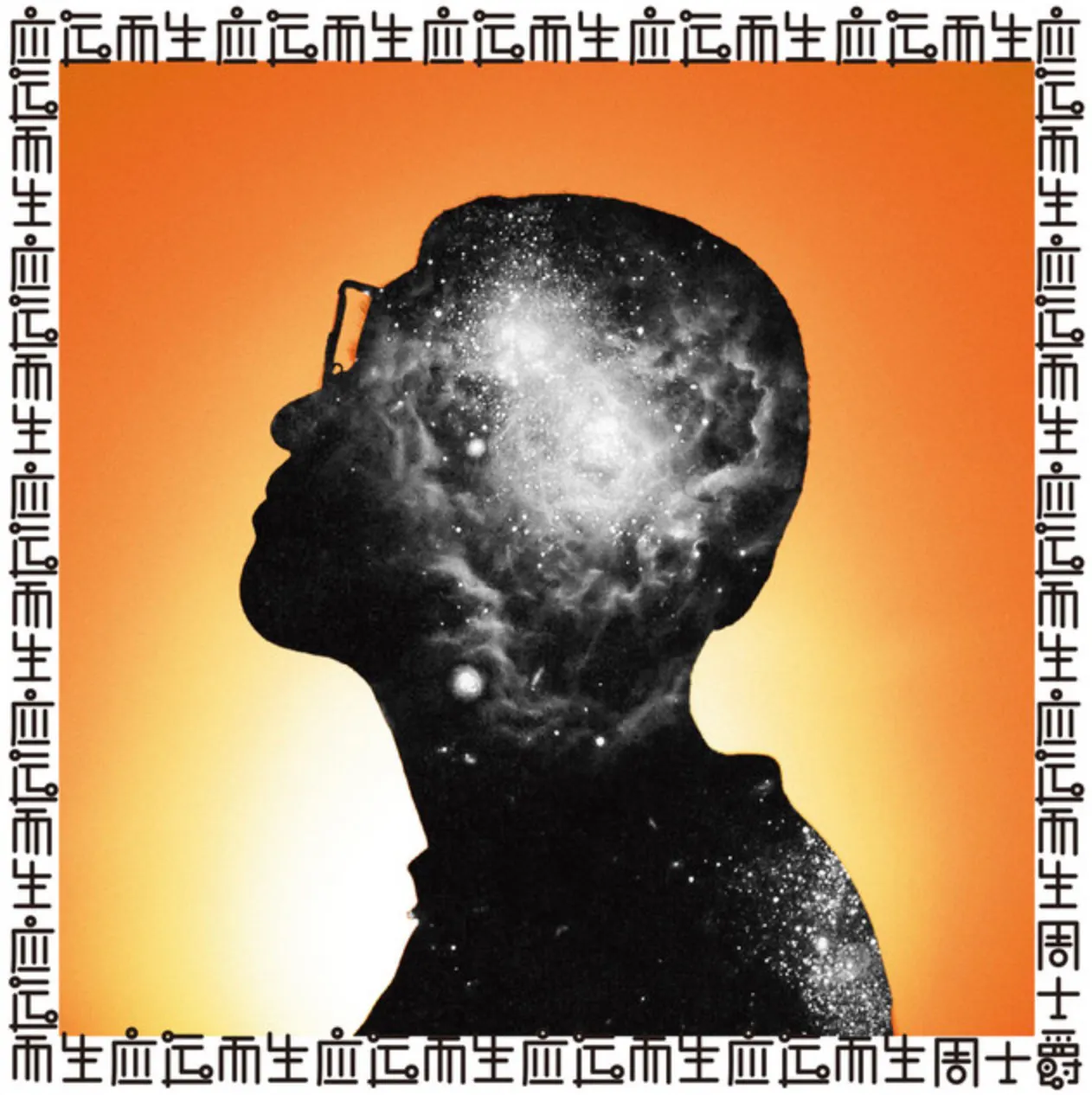
This August, ChinaTalk is going to take a bit of a break from our usual routine of tech and politics coverage to spend some time with Chinese culture! Starting us off is Jake Newby of the Concrete Avalanche substack who will be taking us through a radio hour of some of the most interesting independent music coming out of China. Here's the playlist: Intro music: Voision Xi - 'Too Late to Complain' from Five Loops in Her Way. More on that EP here; listen to Voision's jazz record Lost For Words here. 1. Voision Xi - 'Catch the Train' from Eating Music's Running With Friends. More on that compilation here. 2. Vii M - 'Man O' War (Cocoonics remix)' from The Other Side of Sublunary (The Remixes). More on Vii M and Sublunary here. 3. Lygort Trio - '藏身之处' from Lygort Trio. More on them here. 4. Hualun - 'Cities of the Red Night' from Tempus. More on Tempus here. 5. Zhou Shijue - '幸福来的这么自然‘ from 应运而生. More on his record with J-Fever and Eddie Beatz here. 6. 33EMYBW - 'The Unheard Southern Mountains' from Long May the Water Flow. More on that compilation here. 7. Li Daiguo - '小精灵幼儿园放学' from 吥哔呢未来音:奇幻童年. 8. Zhaoze - 'Stand in Wind' from No Answer Blowin' in the Wind. More on that album here. 9. Ὁπλίτης - 'Ὁ τῶν τραυμάτων ἄγγελος' from Τρωθησομένη. More on Hoplites here. Learn more about your ad choices. Visit megaphone.fm/adchoices
How Can the Pentagon Trust AI?
How is the DoD thinking about deploying AI? What are the challenges and opportunities involved in building out AI assurance? To discuss, I brought on Dr. Jane Pinelis, Chief AI Engineer The Johns Hopkins University Applied Physics Laboratory. She was previously the Chief of the Test, Evaluation, and Assessment branch at the Department of Defense Joint Artificial Intelligence Center (JAIC). Prior to joining the JAIC, Dr. Pinelis served as the Director of Test and Evaluation for USDI’s Algorithmic Warfare Cross-Functional Team, better known as Project Maven. Cohosting is Karson Elmgren of CSET. Outtro music: https://www.youtube.com/watch?v=HgzGwKwLmgM Learn more about your ad choices. Visit megaphone.fm/adchoices
EMERGENCY POD: Qin Gone!
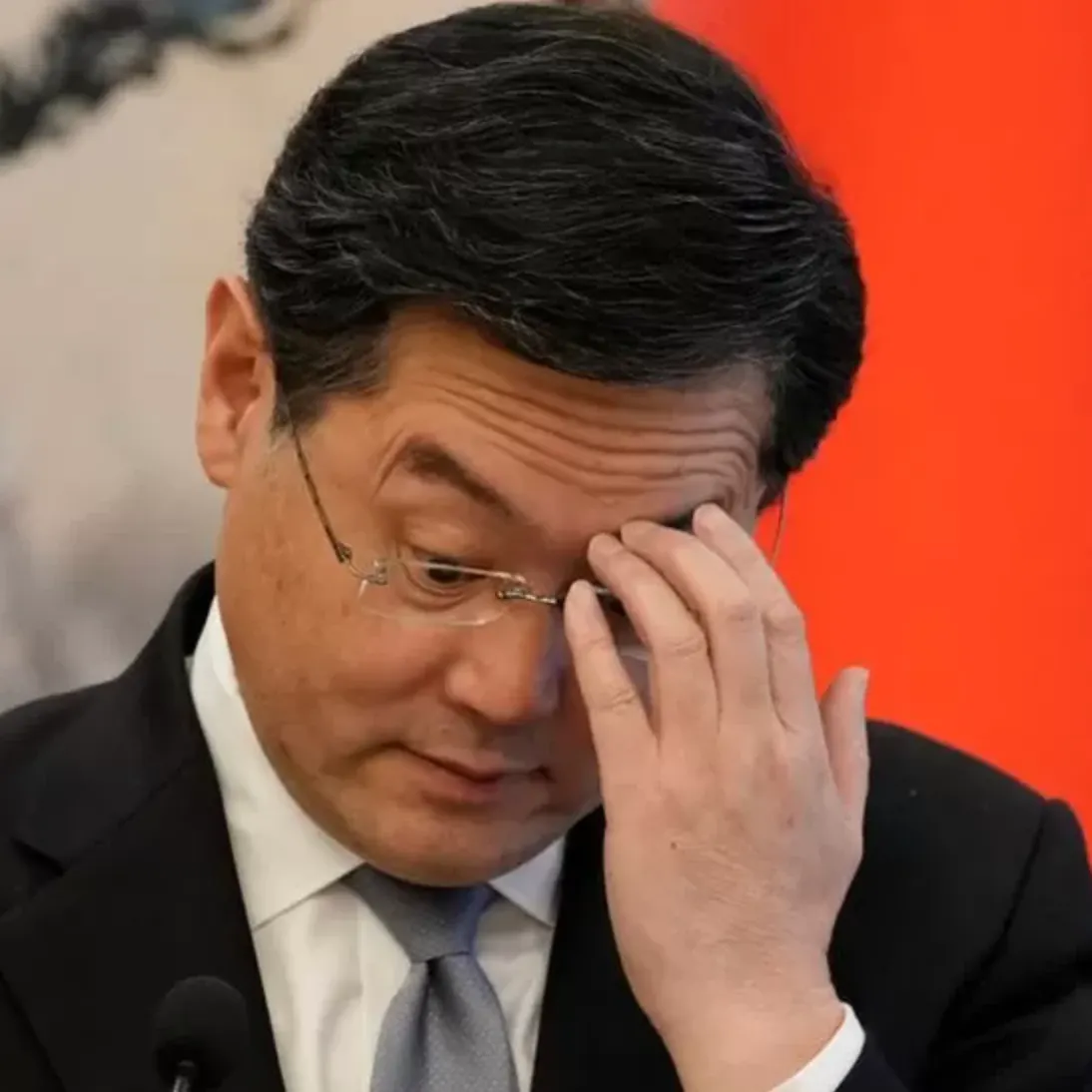
Until yesterday, Qin Gang 秦刚 was serving as China’s Minister of Foreign Affairs. But on Monday, July 24, the National People’s Congress Standing Committee announced an emergency meeting for the next day, July 25, during which Qin was “removed” 免职 (albeit not “dismissed” 撤职) from his position as China’s #2 diplomat. To dissect the rumors and make sense of it all, we have on Matt Brazil — a senior China analyst at BluePath Labs, writer for SpyTalk, fellow at the Jamestown Foundation, and longtime friend ChinaTalk. (Check out our January 2021 show with Matt!) We discuss: Precisely what we know and don’t know about l’affaire Qin; How journalist Fu Xiaotian 傅晓田 is wrapped up in all of this — and how those with CCP connections somehow end up with private jets and buy-ins to elite universities; Qin’s possible connections to the Ministry of State Security — and why that might rub his subordinates the wrong way; How the CCP has dispensed with previous political elites, and whether Qin’s treatment resembles theirs; and Why it is that sometimes even the heads of CCP security don’t even know what’s going on! Outro music: 我要你的愛, by 葛蘭; “Saving All My Love For You,” by Whitney Houston Check out our newsletter! https://www.chinatalk.media Learn more about your ad choices. Visit megaphone.fm/adchoices
Taiwan’s Presidential Elections: A Primer
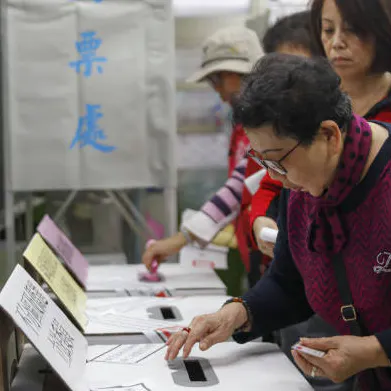
ChinaTalk welcomes Taiwan expert and Hoover research fellow Kharis Templeman. This episode is all things 2024 Taiwan elections — slated for January 13, 2024. In addition to his teaching responsibilities, Kharis is the program manager of the Project on Taiwan in the Indo-Pacific, and previously was the program manager of the Taiwan Democracy and Security Project. In this show, we discuss: The frontrunners’ profiles — Lai Ching-te 賴清德, Hou Yu-ih 侯友宜, and Ko Wen-je 柯文哲 — and what makes this three-way race different from previous elections; Why the KMT’s nomination process was somewhat quirky this time around; The importance of party unity, and why some Taiwanese political parties have failed to unify in past election cycles; What’s on Taiwanese voters’ minds — beyond national-security concerns; The CCP’s preferred winner — plus if and how any PRC-based interference may manifest over the coming months; Why Taiwan’s election system is “unhackable”; What to make of the spread of disinformation and hyper-partisanship in Taiwan’s domestic media; And some pro tips on escaping the DC bubble and understanding the Taiwanese populace. Outro music: Bubble Tea, by Mango Street Papa 芒果街老爸 Check out our newsletter, too! https://www.chinatalk.media Learn more about your ad choices. Visit megaphone.fm/adchoices

Why Chinese EVs Will Take Over the World
• How did the Chinese EV industry become so dominant? • What institutional and cultural factors shape China’s auto market? • What can Western democracies learn from Chinese industrial policy? To discuss these questions, I brought on GWU professor John Helveston, an expert in tech and innovation policy and Chinese electric vehicles. Outro music: https://open.spotify.com/track/4QQEzkxcONBthDLfzqIh9S?si=2af235017c8c4449 Photo: Peter Parks/AFP/Getty Images Learn more about your ad choices. Visit megaphone.fm/adchoices

AI Beyond OpenAI
What companies beyond OpenAI matter to the future of AI? What is the relationship between closed and open source source? When will researchers lose the reins to government on AI's trajectory? To discuss, this week I brought on Matt Lynley of the fantastic Supervised News substack as well as Lux Capital's Danny Crichton. Jade Leung's thesis: https://ora.ox.ac.uk/objects/uuid:ea3c7cb8-2464-45f1-a47c-c7b568f27665 Outtro music: https://open.spotify.com/track/2opgXfgG4tdM2fuHiamoaG?si=e1eabaf135d846d3 Learn more about your ad choices. Visit megaphone.fm/adchoices

Moneyball for Foreign Aid
Foreign aid is dominated by just a few huge players that receive the bulk of grants from the US government. But is bigger better? And are local players with innovative solutions to global issues missing out? Unlock Aid wants to see smaller stakeholders get access to more funding and seats at the table. The group’s executive director, Walter Kerr and COO Amanda Arch explain why. We also discuss: How much the US spends on foreign aid each year and who gets that money. How to make the distribution of foreign aid more efficient. Why Unlock Aid wants to break down the barriers to accessing public funding. How AI could be used in foreign aid. China’s latest attempts to restrict data access to international researchers. Outro music: 好了啦 (Piss Off) by 鼓鼓呂思緯 (GBOYSWAG) https://www.youtube.com/watch?v=3D-ixUMcTPY Check out the Substack at ChinaTalk.media! Learn more about your ad choices. Visit megaphone.fm/adchoices
PLA Invasion: Is Taiwan's Military Ready?
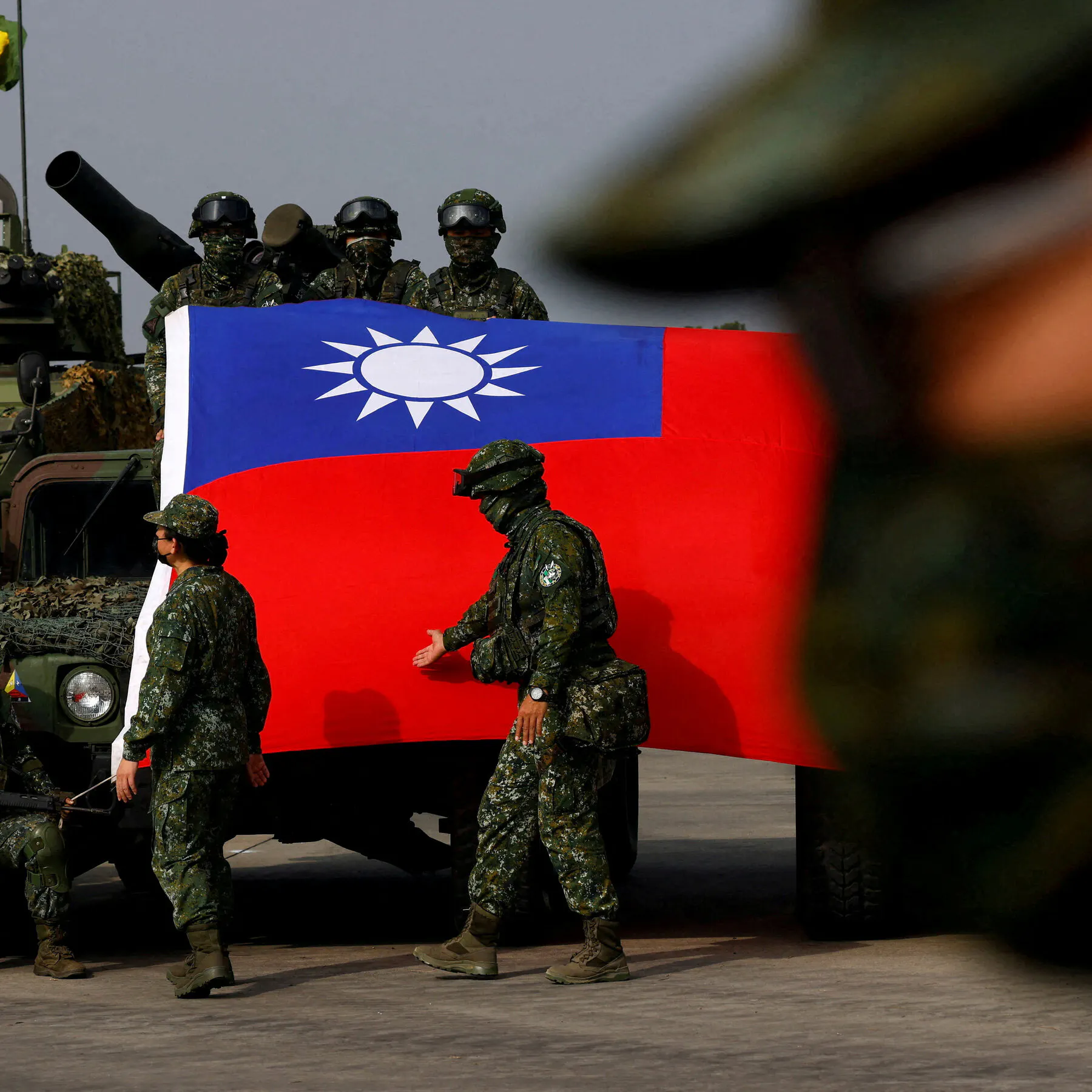
Paul Huang, Taiwan military expert and research fellow at the Taiwan Public Opinion Foundation, returns to ChinaTalk! Today he gives us an update on Taiwan’s military readiness, the PLA’s expansion, and whether Xi Jinping would really send it. If you missed his episode back in 2020, give it a listen, too. And check out his recent thoughts posted on NBR, as well as his long-form special report, “Threats to Taiwan’s Security from China’s Military Modernization.” In this episode, we cover: The status quo of Taiwan’s reservist forces and command-and-control capabilities — and how Western countries perceive that status quo; How the PLA’s military capabilities stack up against Russia’s performance in the Ukraine war thus far; What insights we can glean from PLA-facing propaganda; Why Ukrainian forces have been successful in repelling the Russian military thus far, and why Xi Jinping would loathe a protracted war over Taiwan; Paul’s take on the PLA’s recent military maneuvers against US and Canadian assets in the Taiwan Strait and South China Sea; What the Taiwanese populace believes about PLA military action, US military support for Taiwan — and why these trends have changed over time; China’s robust satellite expansion program, and how it plays a role in its aircraft carrier “kill chain”; Likely and unlikely PLA invasion scenarios — and the corresponding discussions that would occur in the White House; What Taiwan military officials — like Admiral Lee Hsi-ming (Ret.) 李喜明 — think about Taiwan’s military readiness for an invasion. If you liked the podcast, make sure to hop on our newsletter, too! https://www.chinatalk.media Outro music: 逆光 - Kimberley Chen 陳芳語 https://www.youtube.com/watch?v=tDw1B_hWwbw This interview was taped on June 16, 2023, in Taipei. Learn more about your ad choices. Visit megaphone.fm/adchoices

EMERGENCY EDITION: Coup in Russia with Kamil Galeev
What happened over the past few days in Russia? What does this mean for the future of Putin and the war in Ukraine? To discuss, I recorded today a show with Kamil Galeev, a PKU classmate of mine formerly of the Wilson Center. Outtro music: Repo Man, Coup d'etat https://www.youtube.com/watch?v=CJjuVzZQj0U Learn more about your ad choices. Visit megaphone.fm/adchoices

Blinken to Beijing!
Blinken went to China to meet with Qin Gang, Wang Yi, and Xi himself! What happened, why does it matter, and does this make it any less likely we'll be in WWIII anytime soon? Do discuss, I bought on Dali Yang, political science professor at UChicago, and Nathaniel Sher of Carnegie. Subscribe to ChinaTalk at https://chinatalk.substack.com/! Outtro music (a two-parter!): Selena Gomez: Lose You to Love Me https://www.youtube.com/watch?v=zlJDTxahav0 Beyonce: Start Over https://www.youtube.com/watch?v=XJAXC1lz65I Learn more about your ad choices. Visit megaphone.fm/adchoices
Chinese TV PilotTalk: Farmers, Murders, and Anime
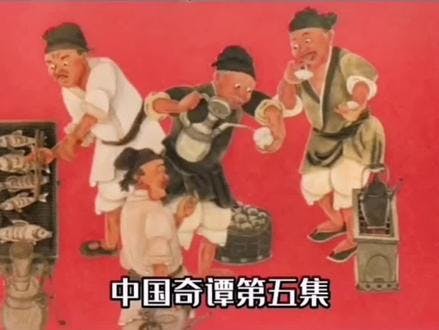
We're talking Chinese TV this week on ChinaTalk! Hollywood writer Trey Kollmer and ChinaTalk editor Irene Zhang discuss farming reality tv, a dongbei murder, and some super creative animated content out of Bilibili. Farmer show: https://www.youtube.com/watch?v=fklN-OnYuGc Dongbei show: https://www.youtube.com/watch?v=xs0OJVemJz4 Animated show: https://www.youtube.com/playlist?list=PL0gnw1pNh6C1yA3EUU-aQrOjI3hvBC7oQ Learn more about your ad choices. Visit megaphone.fm/adchoices
NVIDIA and the Future of AI
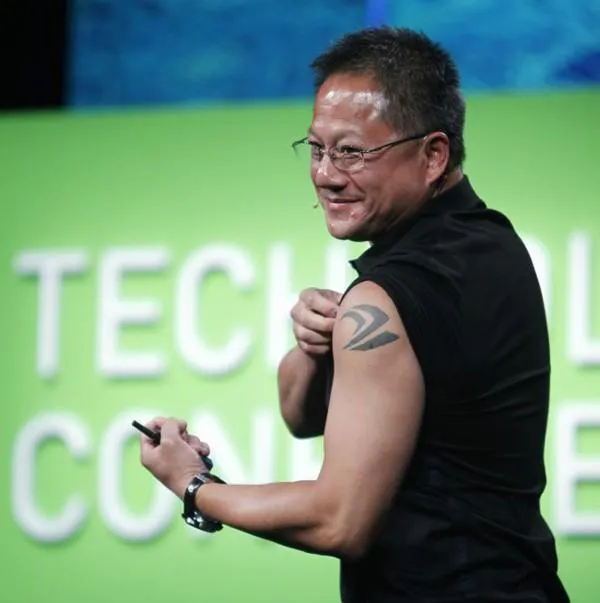
Doug O'Laughlin of the Fabricated Knowledge substack and I discuss: NVIDIA's corporate history and how it arrived at such a dominant position today What makes it so irreplacable in the coming AI revolution The national competitiveness implications of NVIDIA in a US-China context Outtro music: 邓典果DDG/李尔新 -《帅到没朋友》 https://www.youtube.com/watch?v=-CqvpDd1xK0 Learn more about your ad choices. Visit megaphone.fm/adchoices
Flournoy on US-China and DoD Innovation
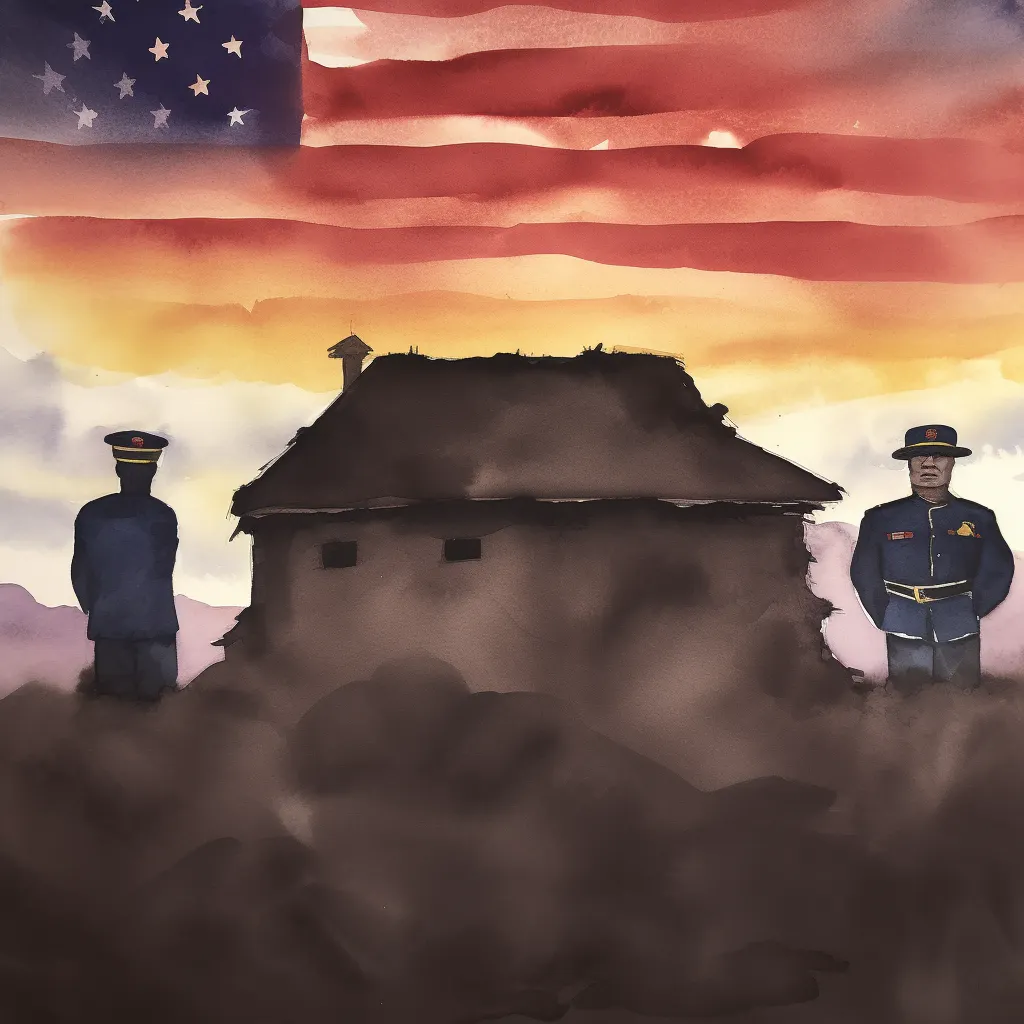
Michele Flournoy, Under Secretary of Defense for Policy under Obama, CNAS founder, and co-founder of WestExec Advisors, returns to ChinaTalk to discuss: How the Biden Administration is trying to re-engage with China Reflections on innovation in defense, AI, and the war in Ukraine ChinaTalk meetup in NYC this Friday! https://partiful.com/e/taNb35oaCKjglbHHdEA1 Reuters reporting: https://www.reuters.com/world/us/why-us-delayed-china-sanctions-after-shooting-down-spy-balloon-2023-05-11/ New Yorker piece: https://www.newyorker.com/magazine/2023/05/29/two-weeks-at-the-front-in-ukraine Socila history of the machine gun: https://www.amazon.com/Social-History-Machine-Gun/dp/0801833582 Outtro music: the great Tina Turner with Marvin Gaye: https://www.youtube.com/watch?v=GTsy-uPvQoY Learn more about your ad choices. Visit megaphone.fm/adchoices
DoD Tech Strategy: How the Pentagon Hopes to Innovate
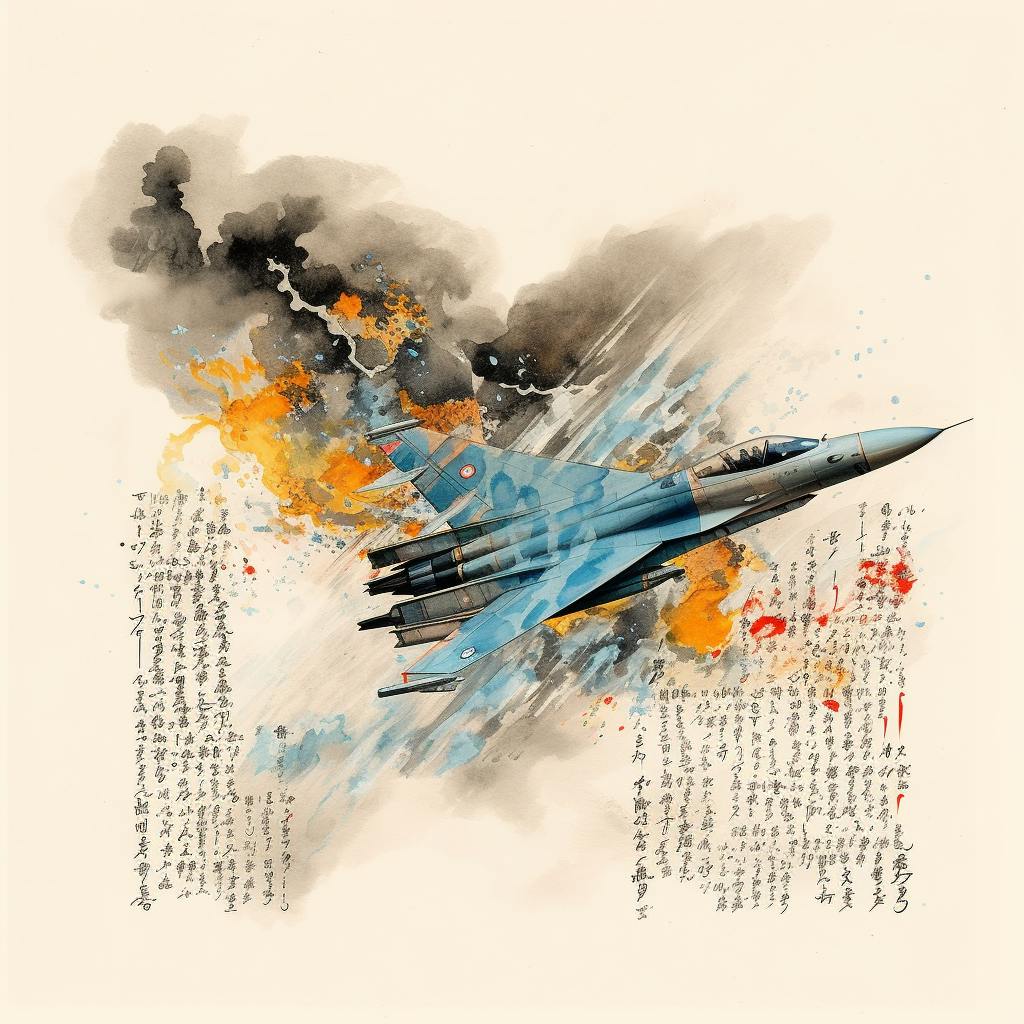
The Pentagon has a new tech strategy! What does it say, what impact will it have, and what do its authors think about technological change and warfare? Dr. Nina Kollars, advisor to Under Secretary of Defense for Research and Engineering (OUSD(R&E)) Heidi Shyu, and R&E’s Chief Data Officer Cyrus Jabbari join us to discuss in a wide ranging and at times philosophical conversation about the challenges of peacetime innovation critical technology lists lessons from the origins of the machine gun and development of modern fighter jets What Cezanne and Picasso can teach us about military innovation (from this piece https://warontherocks.com/2017/03/when-clausewitz-meets-cezanne-mastery-and-the-art-of-future-war/) NYC ChinaTalk Meetup! https://partiful.com/e/taNb35oaCKjglbHHdEA1 Here's the strategy: https://www.defense.gov/News/Releases/Release/Article/3389118/dod-releases-national-defense-science-and-technology-strategy/ R&E’s Chief Data Offcer yrHerus Jabbari Music: a guy banging on pots and pans https://www.youtube.com/watch?v=SQEedhz9ERs Midjourney is a prompt of an F16 with this late 19th century Japanese calligraphy https://www.metmuseum.org/art/collection/search/55820 Learn more about your ad choices. Visit megaphone.fm/adchoices

AI Implementation: The View From the Trenches
Dan Faggella, who for ten years has interviewed business leaders about the challenges of implementing AI, joins ChinaTalk to discuss about just how hard it is to get AI to diffuse across an economy. We also get into: Why the past ten years of AI hasn't lived up to its promise The technological, bureaucratic, and cultural challenges of corporate AI diffusion Which sectors are most and least likely to adopt quickly NYC ChinaTalk meetup: https://partiful.com/e/taNb35oaCKjglbHHdEA1 Music: Uyghur drill, Ahh? Ohh! by Athree https://www.youtube.com/watch?v=fdfgc2yr9Co Learn more about your ad choices. Visit megaphone.fm/adchoices
Jeff Ding on US vs China AI and Lessons from Past Industrial Revolutions
Jeff Ding is the leading US scholar on China and AI and author of one of the earliest China-focused Substacks, ChinAI. He recently published a fire paper called, “The diffusion deficit in scientific and technological power: re-assessing China’s rise.” It makes the argument that diffusion capacity (not just innovation capacity) is critical to economic growth — and China actually fares much worse in diffusion capacity than mainstream narratives imply. In particular, “In cases when the emerging power has a strong innovation capacity but weak diffusion capacity (diffusion deficit), it is less likely to sustain its rise than innovation-centric assessments depict. Conversely, when the emerging power possesses a strong diffusion capacity but weak innovation capacity (diffusion surplus), it is more likely to sustain its rise than innovation-centric assessments portray.” Mainstream narratives, meanwhile, “only compare the U.S. and China’s ability to produce new innovations, neglecting their ability to effectively use and adopt emerging technologies. By revealing the gap between China’s innovation capacity and diffusion capacity, this paper argues that innovation-centric assessments mistakenly inflate China’s S&T power.” NYC ChinaTalk Meetup: https://partiful.com/e/taNb35oaCKjglbHHdEA1 Cohosting is Teddy Collins, formerly of the White House Office of Science and Technology Policy and DeepMind. Outtro music: https://www.youtube.com/watch?v=17Y7-gm8STI midjourney prompt: "frank quietly industrial revolution" Learn more about your ad choices. Visit megaphone.fm/adchoices
Crafting A National Tech Strategy and Reviving Net Tech Assessment
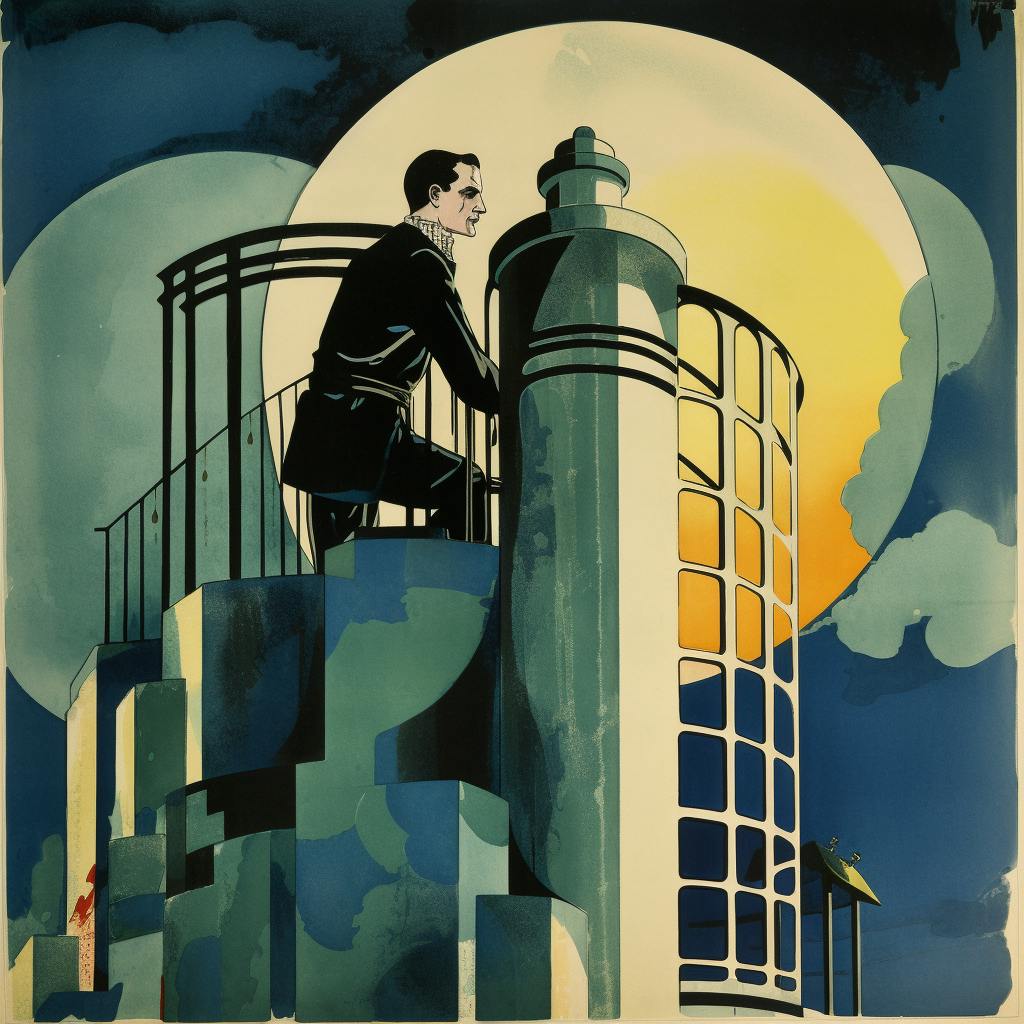
PJ Maykish, Abigail Kukura, and Will Moreland from the Future Technologies platform team of the Special Competitive Studies Project (SCSP) join the conversation to discuss critical technologies and the development of a national technology strategy. The guests provide insights into how the United States can create a comprehensive technology strategy that prioritizes the development of critical technologies to compete with China. They also discuss the importance of international collaboration in the development of emerging technologies and the challenges faced in building consensus among different stakeholders. This is the paper we primarily discuss: Platforms-Panel-IPR.pdf (scsp.ai) Vishnu Kannan of Carnegie cohosts. Midjourney art: the prompt is "A Bauhaus poster for a production of Shakespeare's Hamlet. Featuring a young man looking out from a turret on a castle out towards the sea" but I thought it has a bit of a tech forecasting vibe! Music by the great Cab Calloway: Hi De Ho Man - YouTube Learn more about your ad choices. Visit megaphone.fm/adchoices
Sen. Warner on the RESTRICT Act, AI, Bipartisanship on China and a New Era of Intelligence
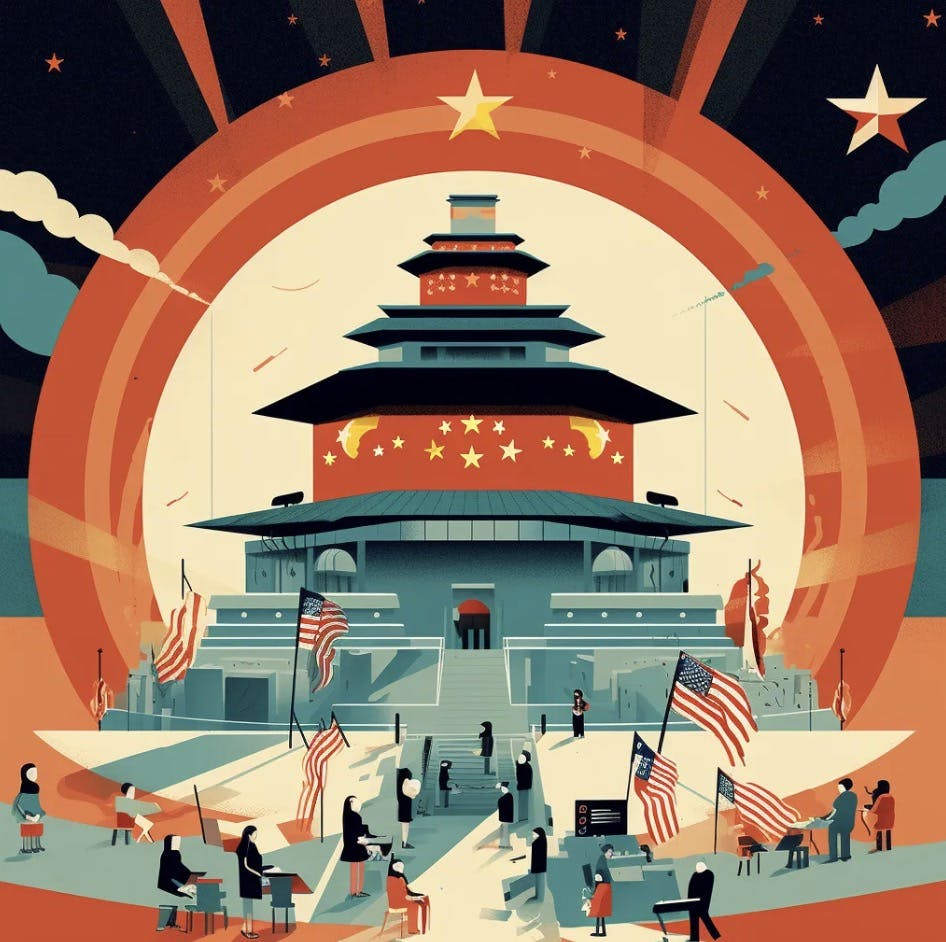
On Monday, May 1, I interviewed Virgina Senator Mark Warner. We get into the RESTRICT Act, state capacity to analyze emerging technologies, the future of industrial policy, the nature and limits to bipartisanship around China, as well as the government’s role in regulating artificial intelligence. Check out the ChinaTalk newsletter for a full transcript! https://www.chinatalk.media/ Art via midjourney prompt: corporate America’s naïveté vis-à-vis China Learn more about your ad choices. Visit megaphone.fm/adchoices

Hoover, Communism, and the FBI
J. Edgar Hoover was a controversial figure who served as the director of the FBI for nearly five decades. In this episode, we explore his life and legacy with Beverly Gage, a professor of 20th-century U.S. history and author of the Bancroft Prize-winning biography "G-Man: J. Edgar Hoover and the Making of the American Century." We discuss The context in which Hoover developed his anti-communist worldview, and how this shaped his approach to law enforcement. The deportation of anarchists to Bolshevik Russia. Similarities between Hoover and Xi Jinping. The role of FBI informants, including one who met with Mao Zedong. Outro music: G-Man Hoover by Van Dyke Parks https://www.youtube.com/watch?v=E566LbON5QA Check out ChinaTalk.media for transcripts, analysis and more! Learn more about your ad choices. Visit megaphone.fm/adchoices

Schell on The Long Arc of US-China and Long Reach of Leninism
How did Xi Jinping’s formative years influence how he views the world today? Veteran China scholar Orville Schell, the Arthur Ross Director of the Center on U.S.-China Relations, looks back at decades of writing and working on China, weathering the cycles of the country opening up and shutting down and gives his two cents on what’s going on in Xi’s head. We also discuss — Why Mao Zedong is a better read than Xi — China’s reciprocity problem on the international stage — How US officials reacted to Tiananmen in a secret meeting with Deng Xiaoping — A history of accessing China for academics, businesspeople and journalists — Xi and victim culture Outro Music: Glenn Gould performing Contrapunctus, I, IV from Bach’s amazing Art of the Fugue https://www.youtube.com/watch?v=rqDCieiDWAE Check out the newsletter at ChinaTalk.media! Learn more about your ad choices. Visit megaphone.fm/adchoices
Roach on US-China Couples Therapy
Stephen Roach is a Yale professor with extensive experience in China. He also taught the first China class I ever took, so it may be fair to say he's partially to blame for the entire ChinaTalk enterprise. In our conversation (taped on February 23), we discuss: The nexus between US-China relations and the DSM-5 (we need some relationship therapy!); How false narratives strangle effective diplomatic development; What Stephen thinks about the odds of a hot conflict over Taiwan; Practical proposals to improve the bilateral relationship, including what a “US-China Secretariat” (based in neutral Tahiti, obviously) would look like; Is it the US or China — or both — who fundamentally has no interest in engagement? Apologies for my audio quality in the second half of the show. Outro music: https://www.youtube.com/watch?v=cRM70Jw7F4M You all should check out the ChinaTalk newsletter! Learn more about your ad choices. Visit megaphone.fm/adchoices

AI Military Competition: Tactical, Operational, and Strategic Implications
Paul Scharre, Vice President and Director of Studies at CNAS, joins ChinaTalk to discuss AI, military, strategy, and US-China geopolitics. Listen in for a discussion on: How AI will impact the tactical, operational and strategic levels of war How and why AI operates — whether in chess, Dota 2, or aerial dogfighting — in fundamentally different ways than humans; Why AI called for a “protective response from the bureaucracy” The significance of the US’s comparative advantage over China in talent and compute — two of Scharre’s “Four Battlegrounds”; The dictator’s dilemma, and how advances in AI will challenge the CCP in the coming years; When in China, how to interview like a pro! Outro music: a missy elliot + spice girls mix from Arthi, a UK-based DJ who's also an economics correspondent for the times of london! https://youtu.be/iHkfmwy1-OI?t=252 Paul’s latest bestseller: https://www.amazon.com/Four-Battlegrounds-Power-Artificial-Intelligence/dp/0393866866 The cover image is Midjourney on “Dota 2–inspired F-35 dogfight” You should all subscribe to the ChinaTalk newsletter! https://www.chinatalk.media/ Learn more about your ad choices. Visit megaphone.fm/adchoices
What to Do About Foreign Interference
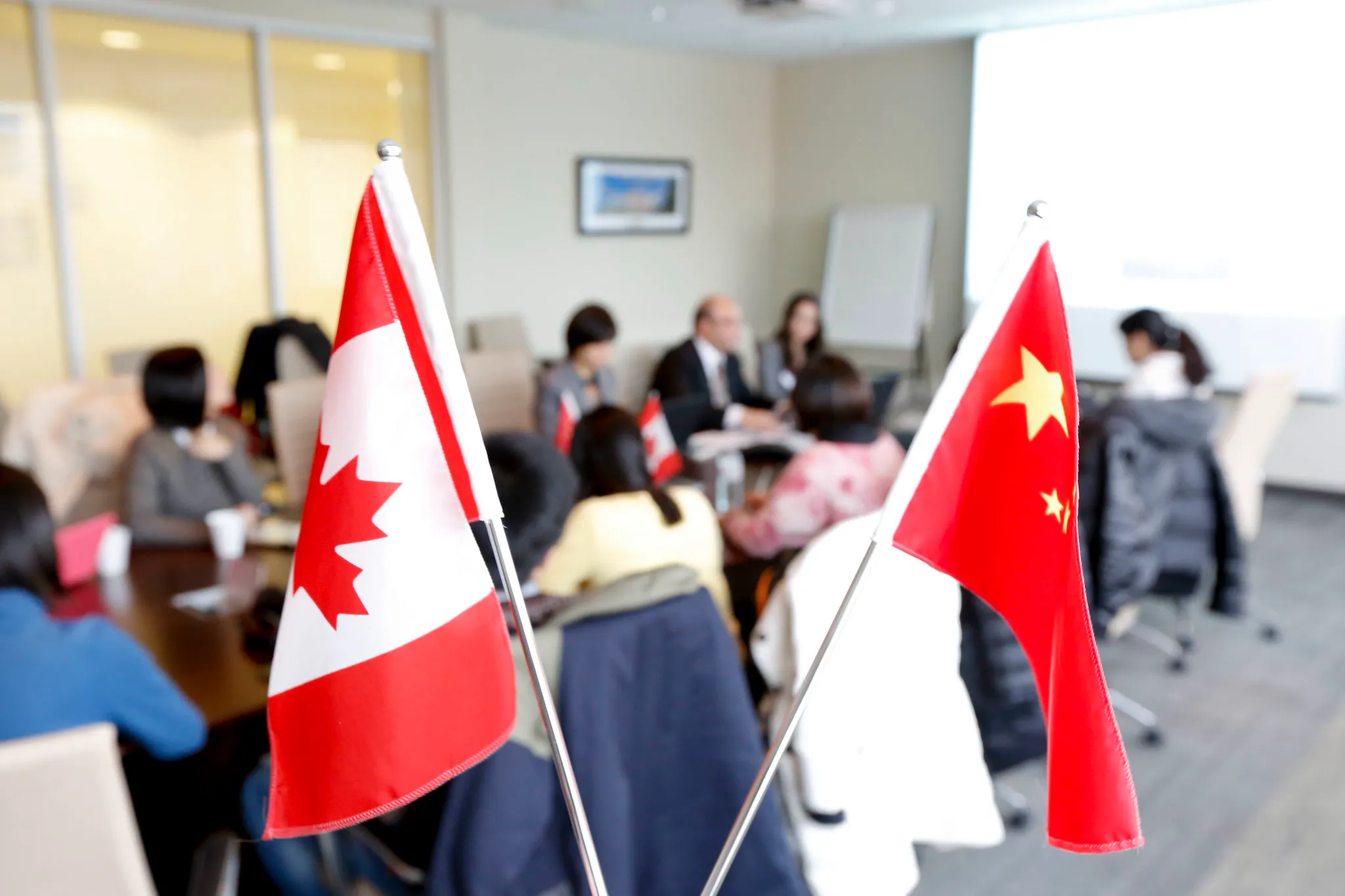
What actually is foreign influence, and how might Canada handle China’s interference in its domestic affairs? Akshay Singh is a research associate at the Centre for International Policy Studies at the University of Ottawa. We discuss: How to roll out a foreign agent registry; The role of the US-Canada relationship; Whether foreign influence is a diaspora problem; And performance reviews for the United Front’s Canada desk. Akshay on how democracies should respond to foreign influence: https://www.cigionline.org/articles/faced-with-foreign-interference-how-should-democracies-respond/ Outtro music: 公公偏頭痛 by Jay Chou https://www.youtube.com/watch?v=DU-RuR-qO4Y Please consider supporting ChinaTalk on Patreon at www.patreon.com/chinatalk Learn more about your ad choices. Visit megaphone.fm/adchoices
Chips Avengers 2023: Chips Act + AI Revolution
The Chips Avengers assemble once again! Reva Goujon of the Rhodium Group, JP Kleinhans of the European think tank SNV, Jay Goldberg of Digits and Dollars, and Dylan Patel, who writes SemiAnalysis. In this episode of ChinaTalk, we all: Deep dive into the CHIPS Act's recent Notice of Funding Opportunity (NOFO); Discuss the potentially existential impact of AI on global power dynamics; Consider the true intentions of the October 2022 export controls — from military constraining China to crippling manufacturing in the broader economy; Muse about the potential for a "splinternet" to emerge as countries around the world — in particular, the US, China, EU members states — adopt different standards and regulations for their tech industries; And more! Outro music: https://www.youtube.com/watch?v=m1_Amc4Ysv0 Learn more about your ad choices. Visit megaphone.fm/adchoices

TikTok Hearing: The End of an Era
Kevin Xu, Obama-era White House official and creator of https://interconnect.substack.com/ comes on ChinaTalk to discuss: Our impressions of the House's TikTok hearing Continued cross-border reliances around batteries and cloud computing The missed opportunity of Zhang Yiming's generation of founders GPT4's remarkable translation capabilities Outtro Music: https://www.youtube.com/watch?v=LQiOA7euaYA Learn more about your ad choices. Visit megaphone.fm/adchoices