
ChinaTalk
574 episodes — Page 4 of 12
Second Breakfast: A New Defense Pod
We talk AGI nihilism in the Taiwan fight, combined arms breach, and Palmer Luckey's Taiwan speech. Part 2 explores Detachment 201, the evolution of the Office of Strategic Capital, and the MP Materials rare earths deal. Guests include: Tony Stark, Army vet who writes https://www.breakingbeijing.com/ Justin McIntosh, former Green beret who writes https://justinmc.substack.com/ Eric Robinson, lawyer and Army vet who spent time in OSC, JSOC and the NCTC Outtro Music: Last Chance, Mary Cox https://open.spotify.com/track/3LAOSqy3DoiA1OiPxC9yMe?si=da00b16696f042f8 Learn more about your ad choices. Visit megaphone.fm/adchoices

Dissent from Moscow to Beijing
To the Success of Our Hopeless Cause: The Many Lives of the Soviet Dissident Movement — the Pulitzer Prize-winning book by Professor Ben Nathans — is perhaps the sharpest, richest, and funniest account of the Soviet dissident movement ever written. Today, we’ll interview Nathans alongside the legendary Ian Johnson, whose recent book Sparks explores the Chinese dissident ecosystem. We discuss… The central enigma of the Soviet dissident movement — their boldness in the face of hopeless odds, How cybernetics, Wittgenstein, and one absent-minded professor shaped the intellectual backbone of post-Stalinist dissent, Why the Soviet Union was such fertile ground for dark humor, and why humor played a vital role for Soviet resistance movements, How the architect of Stalin's show trials laid the groundwork for, ironically, a more professional legal system known as “socialist legality,” Similarities and differences between post-Stalinist and post-Maoist systems in dealing with opposition, Plus: Why Brezhnev read The Baltimore Sun, how onion-skin paper became a tool of rebellion, and why China’s leaders study the Soviet collapse more seriously than anyone else. Today's episode is sponsored by Alaya Tea, cofounded by ChinaTalk listener Smita Satiani. Alaya Tea ships Indian teas straight from the source, and their products are 100% plastic-free. My favorite is their Assam black tea, which I've been using to make a fantastic milk tea. Go to alayatea.co and use the code CHINATALKTEA for free shipping. Outro music: Владимир Высоцкий - Охота на волков (YouTube Link) Learn more about your ad choices. Visit megaphone.fm/adchoices
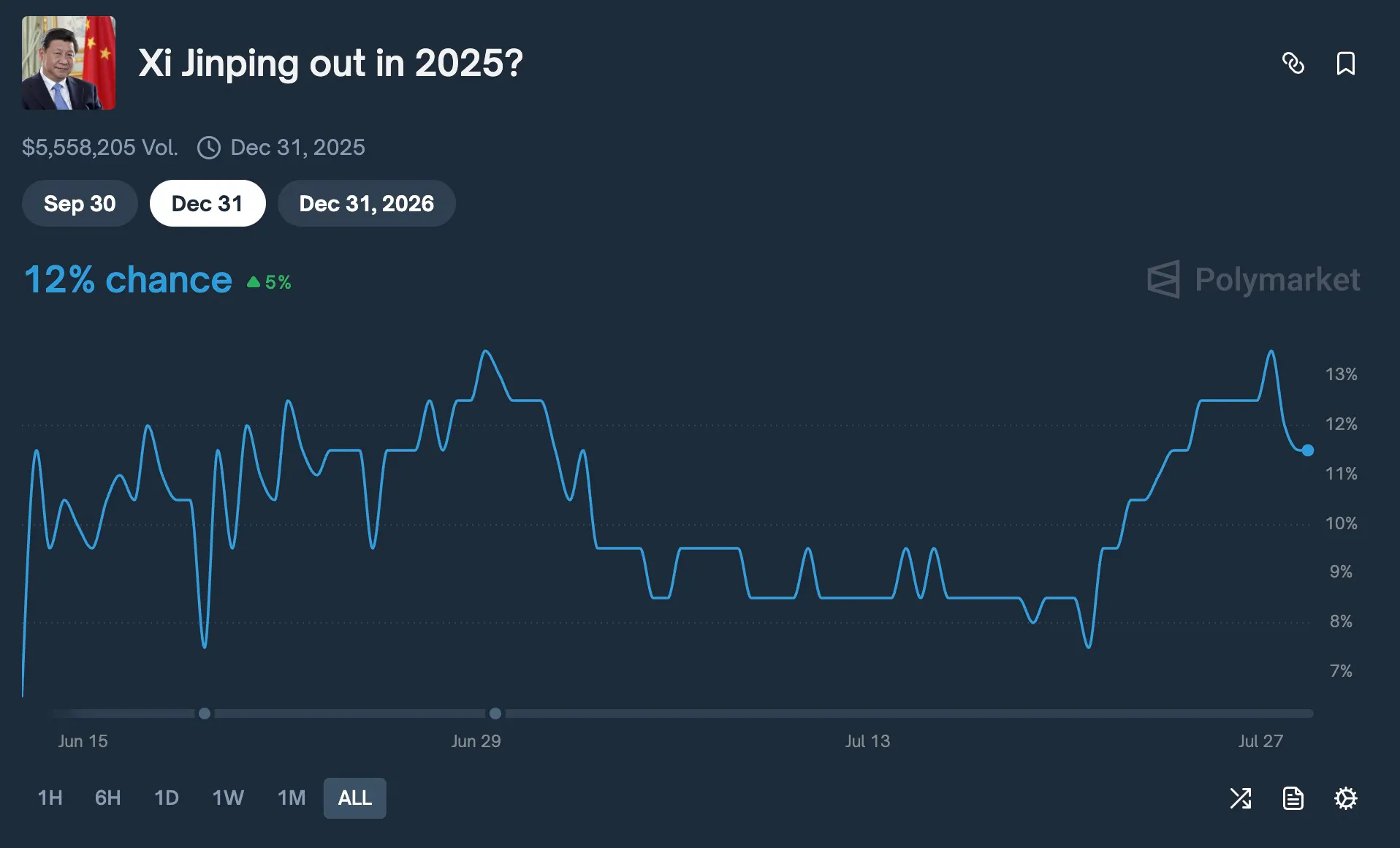
Betting on Chaos: Professionals in Prediction Markets
What does it take to make a living betting on politics? Can prediction markets offer insights about the future that other analyses cannot? To find out, ChinaTalk interviewed Domer, a professional prediction markets bettor. Domer is the number one trader by volume on Polymarket, and he’s been trading since 2007. He initially entered this world through poker, but now makes bets about who will win foreign elections, whether wars will start, and whether bills will become law. We discuss… Why some issues — like Romanian elections, the NYC mayoral race, or Zelenskyy’s outfit choices — can attract hundreds of millions of dollars in trading volume, Systematic biases in prediction markets, including why they overestimate the likelihood of a Taiwan contingency, What happens to prediction markets in the absence of insider trading regulations, Why prediction markets are still a solo endeavor, and what a profit-maximizing team of traders would look like, Bonus: How betting markets backfired on Romanian nationalists, what AI can teach you about betting, and other insights on winning from one of Domer’s contemporaries. Outro music: Bob Dylan - Rambling, Gambling Willie (YouTube Link) This episode is brought to you by ElevenLabs. I’ve been on the hunt for years for the perfect reader app that puts AI audio at the center of its design. Over the past few months, the ElevenReader app has earned a spot on my iPhone's home screen and now gets about 30 minutes of use every day. I plow through articles using Eleven Reader’s beautiful voices and love having Richard Feynman read me AI news stories — as well as, you know, Matilda every once in a while, too. I’m also a power user of its bookmark feature, which the ElevenReader team added after I requested it on Twitter. ChinaTalk’s newsletter content even comes preloaded in the feed. Check out the ElevenReader app if you’re looking for the best mobile reader on the market. Oh, and by the way — if you ever need to transcribe anything, ElevenLabs’ Scribe model has transformed our workflow for getting transcripts out to you on the newsletter. It’s crossed the threshold from “95% good” to “99.5% amazing,” saving our production team hours every week. Check it out the next time you need something transcribed. Learn more about your ad choices. Visit megaphone.fm/adchoices

Where Japan Goes Next
Tobias Harris of the Observing Japan substack https://observingjapan.substack.com/ joins to discuss the latest Japanese election, how we got here, and what happens next. How Abe's assassination led to the LDP's three years of struggles What the latest results in the upper house election tell us about domestic Japanese politics What's the deal with big winners like Kōmeitō and the Democratic Party for the People (DPFP) How domestic dynamics tie into US-Japan and China-Japan relations Outtro Music: The Communist Party's 2025 Gender song https://www.youtube.com/watch?v=V59qOPTe62g&ab_channel=%E6%97%A5%E6%9C%AC%E5%85%B1%E7%94%A3%E5%85%9A Learn more about your ad choices. Visit megaphone.fm/adchoices

Xi Zhongxun's Second Act: 1949-1989
This is part two of our series with Joseph Torigian, author of the definitive biography of Xi Zhongxun. This episode traces the inner world of a man navigating power politics, exile, and reform, and the legacy he left his son, Xi Jinping. Against the backdrop of the Great Leap Forward, the Sino-Soviet split, the Cultural Revolution, and reform and opening up, we discuss… The moral dilemmas of a mid-level party cadre, What it’s like to be purged, and why the party prescribes self-criticism as therapy, “Frenemies” in the CCP, Deng Xiaoping’s autocratic side, and the unsung heros of the reform period, How Xi Zhongxun instilled party loyalty and other values in his son, Xi Zhongxun’s return from exile and his complicated relationship with reform, How Chinese leaders think about redemption, guilt, and survival, And a bonus: Why the PRC-produced biopic of Xi Zhongxun is so disappointing — and why his life deserves the Star Wars treatment. Outro music: Teresa Teng - 小城故事 (YouTube Link) Learn more about your ad choices. Visit megaphone.fm/adchoices
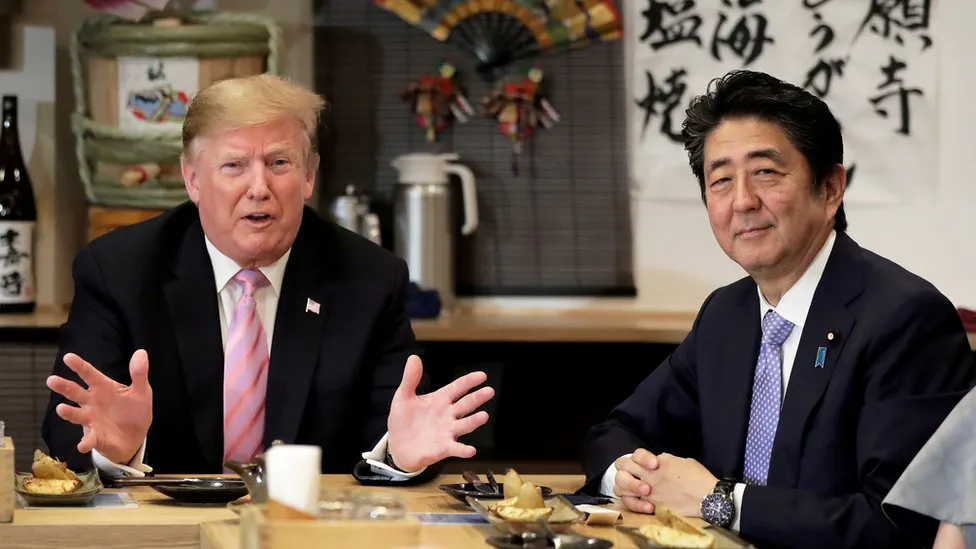
Trump and Japan
Why has Japan fallen out of Trump’s good graces? Will Japan close a deal with the US before tariffs take effect? And how will the upcoming Japanese election impact relations? To find out, ChinaTalk interviewed Professor Tomohiko Taniguchi, a longtime observer of US-Japan relations and former advisor to the late Shinzo Abe. We discuss… Why 1970s trade competition is still impacting US-Japan relations today, and how Japan could create “Wow factor” when dealing with Donald Trump, How Shinzo Abe used golf, dinner parties, and history lessons to cultivate a close personal friendship with Trump, The roots of Japanese resolve in dealing with PRC aggression, The emergence of Russian disinformation surrounding the Japanese election, The political economy of the Japanese Self-Defence Force, and how Abe managed the controversy surrounding his reinterpretation of Article 9. Co-hosting today is Charles Litchfield of the Atlantic Council. Thanks to the US-Japan Foundation for sponsoring this episode. Outro music: Shinji Tanimura - Left Alone (YouTube Link) Learn more about your ad choices. Visit megaphone.fm/adchoices
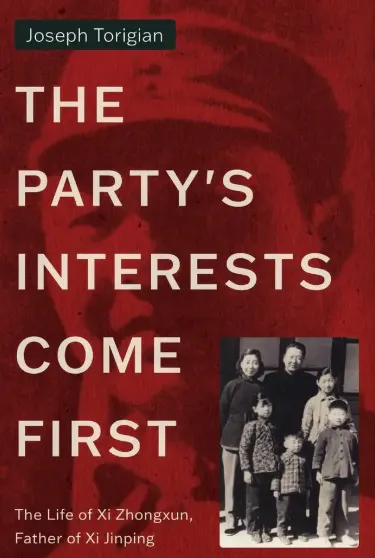
Xi Zhongxun: The Party's Interests Come First
Joseph Torigian’s The Party’s Interest Comes First: The Life of Xi Zhongxun, Father of Xi Jinping is a monumental scholarly achievement — easily a contender for one of the best China books of the decade. Joseph’s goal, in his own words, was to “shine as much light into the darkness of the past as possible” to understand the nature of authoritarian politics, and he succeeds beyond my wildest expectations. This biography gives me a feel for Chinese politics that I honestly thought I’d never have. It does an incredible job of digging deep to shed light on some of the most consequential moments in CCP history, as well as conveying what it was like to live as a senior official under Mao and Deng. Reading it was a powerful experience at both an intellectual and human level. We get memorable vignettes, like 15-year-old Xi Zhongxun attempting to assassinate a teacher, or General Peng Dehuai using his shoe to silence Xi Zhongxun’s snoring in their shared bunk. In this interview, we discuss: What we can learn about authoritarianism, the CCP, and China’s future from studying Xi’s father, Torigian’s methodology for uncovering hidden Party history, How the Party became an existential source of meaning, and how it weaponized suffering to paradoxically deepen political loyalty, The arc of Xi Zhongxun’s life — from a young revolutionary to key advocate of reform — and his role during Tiananmen, The interplay of family, love, and career under the all-encompassing shadow of the Party, The role of “Surrogate fathers” and patronage in navigating political ascent, How literature shaped China’s early revolutionaries, and even impacted the Party as we know it today. Co-hosting today is Jon Sine, former ChinaTalk intern. Outro music: The Temptations - Papa Was A Rolling Stone (YouTube Link) Learn more about your ad choices. Visit megaphone.fm/adchoices
Overfit: AI and Media, America's Deepseek, Plots
Nathan Lambert (https://www.interconnects.ai/), Jasmine Sun (https://jasmi.news/) and I kick off a new series 'Overfit' to talk how AI is shaping the future of media, why Nathan just needs $100m to take on Deepseek, and how to make money in this creator economy. Outtro music: Todd Terje, Preben Goes to Acapulco https://open.spotify.com/track/70jWHwvymR4x1PUXXrUD1S Learn more about your ad choices. Visit megaphone.fm/adchoices
China's Best Music of 2025 (So Far)
Jake Newby, author of the China music substack Concrete Avalanche, presents his official playlist of China’s best new music. It includes ADHD-inspired hip hop, experimental ambient music from rural China, and Shanghai cold wave, finishing off with a “mind-blowing” hyperpop track. Tracklist: 00:00 ‘Rhyme’ – Rubey Hu 01:02 ‘The Last of the Mohicans’ – SMZB 生命之饼 04:46 ‘秋茄子之味’ – 红发少年杀人事件 09:04 ‘The Wanderer of Renfengli 仁丰里的闲逛者‘ – DaYe 大叶 12:08 ‘back to the pond 1’ – Jian Cui 15:57 ‘Chapter II’ (excerpt) – Chen Mulian et al for xuán yīn 21:13 ‘月光爱人 De Luna Amour’ – 黑木 Heimu 27:27 ‘Ⱪorⱪetteng ⱪobeze / The Kobyz of Korkut 霍尔赫特的库布孜‘ (excerpt) – Mamer 马木尔 35:38 ‘སྒྲོལ་མའི་བསྟོད་པ་། Praise to Tara 度母赞’ – Kalzang Samdrub 37:08 ‘我不知不觉不伦不类’ – 小老虎 J-Fever 39:56 ‘1911 4th Mov. (live) 一九一一 第四回’ (excerpt) – Zhaoze 沼泽 46:55 ‘本该走神的(Should've Been Lost)‘ – 张醒婵 Nono 49:28 ‘失乐园’ – DJ小女孩 DJ Gurl Some of these tracks are available on YouTube! We've aggregated those links on the ChinaTalk Substack. Learn more about your ad choices. Visit megaphone.fm/adchoices

Wagner, Two Years On (Kamil on Coups and Power)
How does Russia prevent uprisings, and what can other authoritarians learn from Moscow’s methods of coup control? For the second anniversary of the Wagner uprising, ChinaTalk interviewed London-based historian Kamil Galeev, who was also a classmate of Jordan’s at Peking University. We discuss… Why the Wagner Group rebelled in 2023, and why the coup attempt ultimately failed, How Wagner shifted the Kremlin’s assessment of internal political challengers, Similarities between post-Soviet doomerism and the American right, Historical examples of foreign policy inflienced by a victimhood mentality, Barriers to Chinese hegemony. Outro Music: Султан Лагучев - Любовь беда (YouTube Link) Today’s post is brought to you by 80,000 Hours, a nonprofit that helps people find fulfilling careers that do good. 80,000 Hours — named for the average length of a career — has been doing in-depth research on AI issues for over a decade, producing reports on how the US and China can manage existential risk, scenarios for potential AI catastrophe, and examining the concrete steps you can take to help ensure AI development goes well. Their research suggests that working to reduce risks from advanced AI could be one of the most impactful ways to make a positive difference in the world. They provide free resources to help you contribute, including: Detailed career reviews for paths like AI safety technical research, AI governance, information security, and AI hardware, A job board with hundreds of high-impact opportunities, A podcast featuring deep conversations with experts like Carl Shulman, Ajeya Cotra, and Tom Davidson, Free, one-on-one career advising to help you find your best fit. To learn more and access their research-backed career guides, visit 80000hours.org/ChinaTalk. Learn more about your ad choices. Visit megaphone.fm/adchoices

Are We Cooked? Q2 Check In
Is America cooked? We check in on what clarity the past three months have given us on the long term dynamic between the US and China. Guests include: Peter Harrell, former Biden official who hosts the Security Economics podcast (https://podcasts.apple.com/us/podcast/security-economics/id1794022711) Matt Klein of the https://theovershoot.co/ substack Kevin Xu of the https://interconnect.substack.com/ subsctack Outtro music: Emitt Rhodes, Textile Factory, 1970 https://open.spotify.com/track/1JO2jo0Cyg75mmCFlSW2bB?si=1706c809e80b4bd4 Learn more about your ad choices. Visit megaphone.fm/adchoices
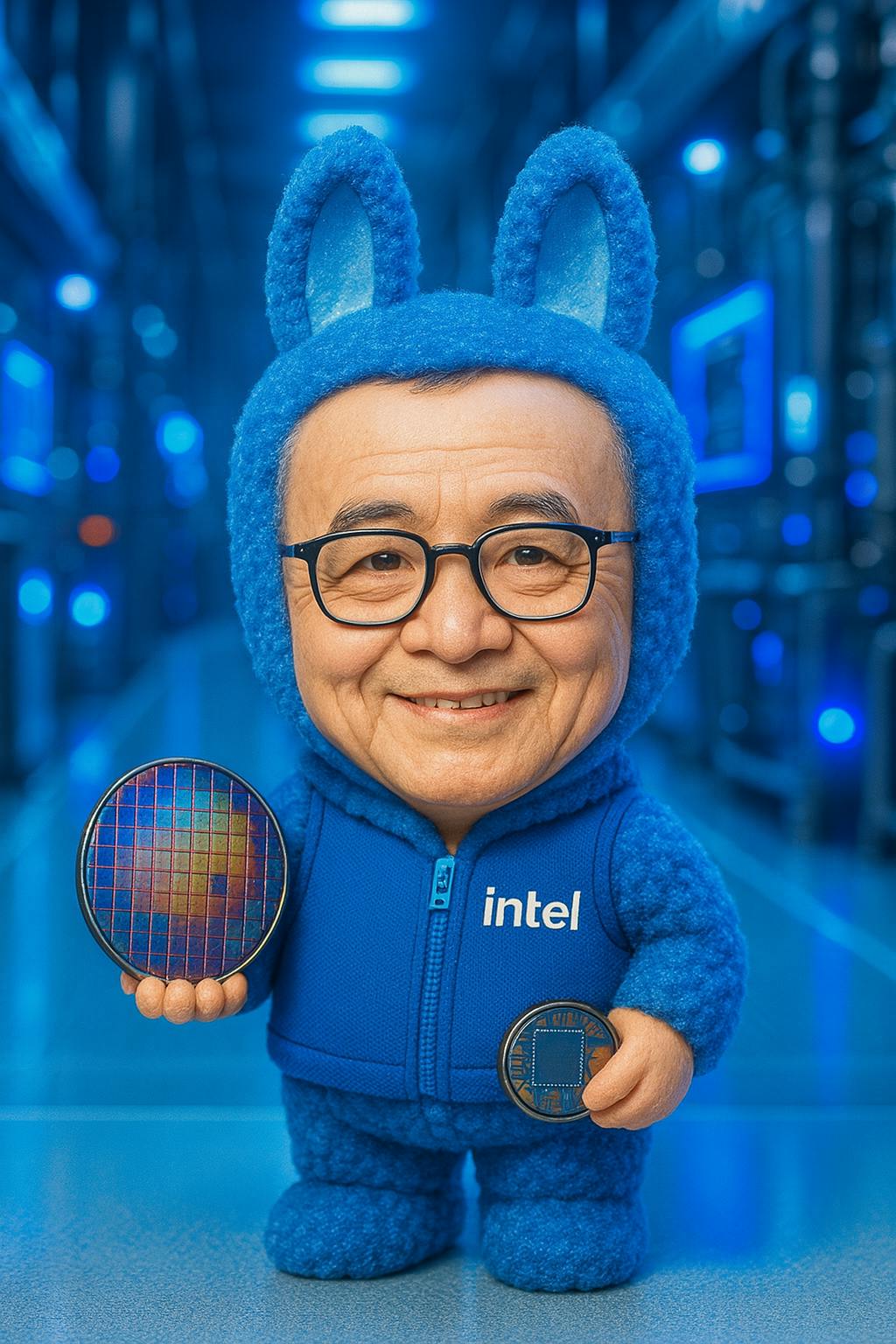
Doug, Dylan and Jon on Lip-Bu, Labubu, AI Salaries, and Bees
Also, somehow, the Third Temple, twink human sacrifice for the AI labs, and the SemiAnalysis Desi Waifu 3000. Outtro Music (sounded like a let's get dylan a girlfriend prayer to me?) Finding Her, Kushagra, Bharath, Saaheal. https://www.youtube.com/watch?v=PZtSnQBsBW0 Learn more about your ad choices. Visit megaphone.fm/adchoices
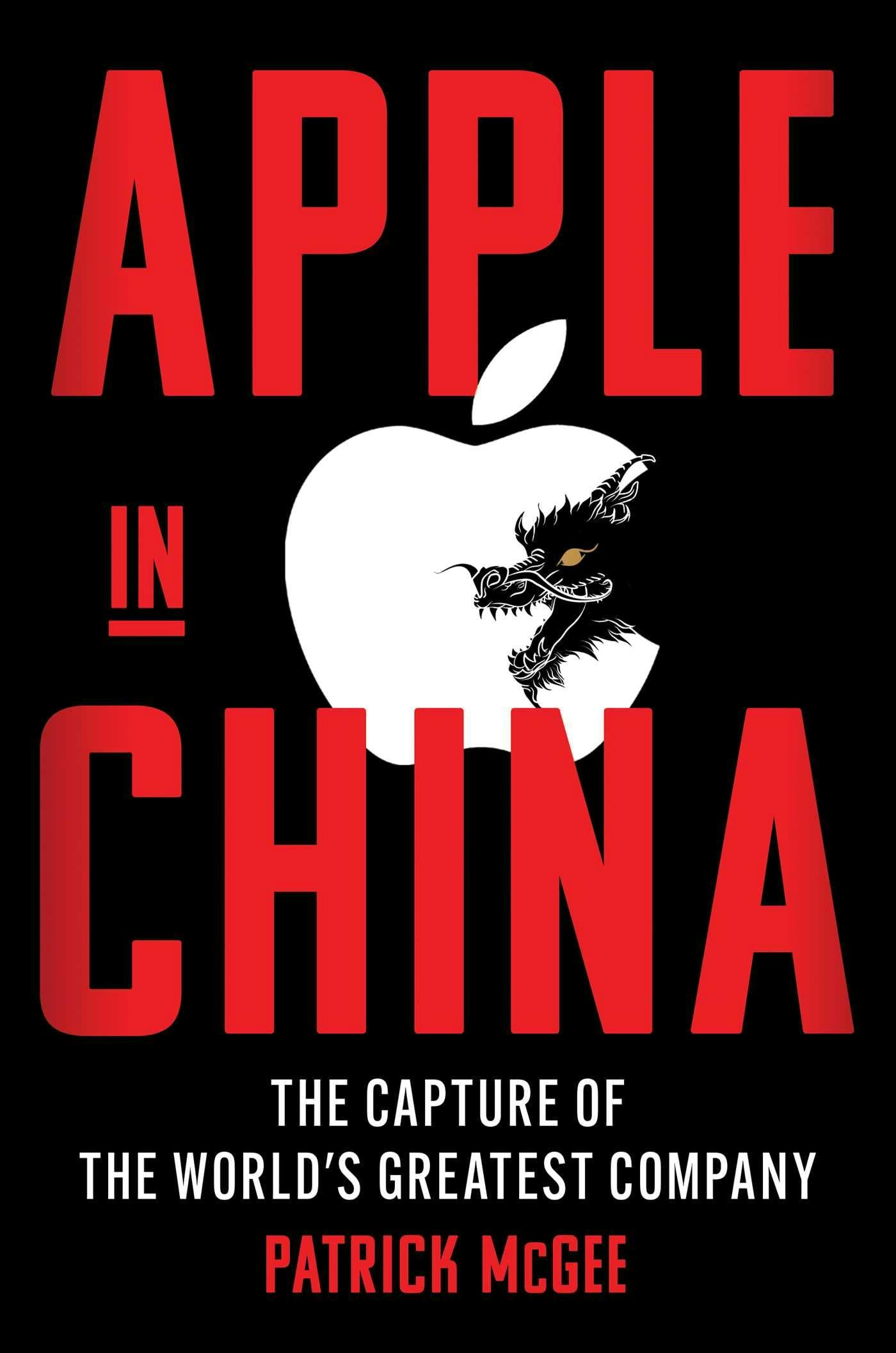
Apple in China
Patrick McGee is the author of Apple in China: The Capture of the World’s Greatest Company. Our discussion led us through a detailed history of Apple’s relationship with China, where iPhone manufacturing became a project of nation-building. Cohosting today is Kyle Chan of the High Capacity Substack. Today, our conversation covers: Why Apple moved production to China in the 1990s, and why it struggles to leave, How Apple’s obsession with perfection catalyzed China’s industrial upgrading, The political side of production in China, including how Apple’s relationship with the Chinese authorities has evolved over time, The rise of Foxconn and other partners in Apple’s network, Fun anecdotes about Apple’s management style, including the “Divorce Avoidance Program.” Read ChinaTalk's article China's AR glasses market here. Outro music: Apple Blossom — The White Stripes (YouTube Link) Learn more about your ad choices. Visit megaphone.fm/adchoices

The House of Huawei
Eva Dou is the author of The House of Huawei, an excellent book covering the personal, economic, and geopolitical arc of Huawei, China’s most important company. We discuss… The life of Huawei’s founder, Ren Zhengfei, who rose from Cultural Revolution disgrace to become one of China’s richest businessmen, How Ren built Huawei, and what makes their corporate culture unique, Huawei’s strategic entry into developing and high-risk markets like Libya, Iraq, and Iran, and whether the controversial deal with the UK is a threat to national security, How Huawei outcompeted Chinese state-owned telecom companies and eventually achieved national champion status, How Ren’s personal interest in foreign art, music, and architecture advances Huawei’s market share. Co-hosting today is Kyle Chan, a postdoc at Princeton and author of the High Capacity Substack. Outro music: Back Fire - Annabel Yao (YouTube Link) Learn more about your ad choices. Visit megaphone.fm/adchoices

Can Donors Save Science?
Renaissance Philanthropy — in my opinion, the most exciting S&T philanthropic venture in the US — is getting a one-year check-in. Kumar Garg first appeared on the show right before I went on paternity leave, and now we’re back for round two. Before founding Renaissance Philanthropy, Kumar worked in the Obama Office of Science and Technology Policy and spent time at Schmidt Futures. We discuss… How Renaissance catalyzed over $200 million in philanthropic funding in its first year, The goals of the organization and how it has responded to Trump’s S&T funding cuts, What sets Renaissance apart from traditional philanthropic organizations, and lessons for China-focused research foundations, AI applications in education, from tutoring to dyslexia screening, Donor psychology, “portfolio regret,” and how to build trust within a philanthropic network. Thanks to ElevenLabs for sponsoring this episode. Check out the ElevenReader text-to-speech app here. Outro music: Mercy, Mercy, Mercy - Cannonball Adderley (YouTube Link) Learn more about your ad choices. Visit megaphone.fm/adchoices

Josh Wolfe on Elon v. Trump, R&D, Immigration
Josh Wolfe of Lux Capital joins ChinaTalk to talk: Elon, Trump and the tech right The future of the R&D base and importance of immigrants Why short videos aren't terrible after all? Philanthropy and books Read the social history of the machine gun! Outtro Music: Youba by The Sway Machinery and Khaira Arby https://www.youtube.com/watch?v=cYNUm4UfoAs Learn more about your ad choices. Visit megaphone.fm/adchoices

Dylan, Doug, Jon on AI Mandate of Heaven + Ezra Beef
Two weeks in a row what has gotten into us. Jordan tries to save the NSF and immigrant visas with an AI researcher letter Our quarterly AI mandate of heaven update (there's been alot of movement!) Dylan makes bad slop jokes The Ezra Klein/Dylan Patel beef begins We recommend the amazing book Mitsui: Three Centuries of Japanese Business Outtro music: באמפרים” (pronounced Bam-pe-rim, roughly “Bumpers”) by the Israeli hip-hop duo Ness & Stilla, 2024 https://open.spotify.com/track/3FihyZ7YA7vrNiSUfWww10?si=9817a9122faf4b08 Learn more about your ad choices. Visit megaphone.fm/adchoices

Doug, Dylan and Jon on Nvidia + Saudi/UAE
Dylan bonds with Nvidia's CFO and I try to keep the GPUs in actual democracies. Outtro Music: FaceTime, Karencici, 2018. https://open.spotify.com/track/2PNDZp0ultOJrQL4AVENPO?si=46cdf72cdffb40a3 Learn more about your ad choices. Visit megaphone.fm/adchoices
MAGA-Mao Connections with Orville Schell
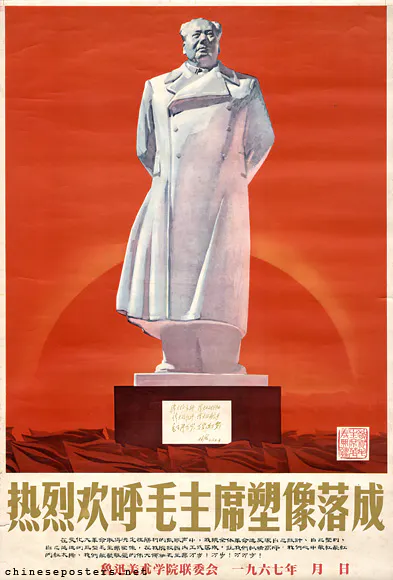
What can Mao Zedong teach us about Donald Trump? To find out, ChinaTalk interviewed the legendary sinologist Orville Schell, who visited China during the Cultural Revolution and is currently at the Asia Society. We discuss… Mao Zedong’s psychology and political style, Similarities and differences between Mao and Trump, How Mao-era traumas reverberate in modern China, including how the Cultural Revolution has influenced the Xi family, How Zhou Enlai and Deng Xiaoping survived the Cultural Revolution, and which of their tactics could be useful in modern America, What civil society can do to defend democracy over the next four years. Co-hosting is Alexander Boyd, associate editor at China Books Review and former ChinaTalk intern. Read Orville's article, "Trump's Cultural Revolution," here. Read the Asia Society piece on religion and political power here. Orville's crazy Asia Society event, From Pontius Pilate to Chairman Mao: Religion and Politics https://www.youtube.com/watch?v=opw9vqpPBqQ&ab_channel=AsiaSociety Book recommendations: Joseph Torigian - The Party's Interests Come First: The Life of Xi Zhongxun, Father of Xi Jinping Perry Link - The Anaconda in the Chandelier - excerpt from ChinaFile William Shirer - The Rise and Fall of the Third Reich Victor Klemperer - I Will Bear Witness: A Diary of the Nazi Years, 1933-1941 Outro music: Bach's Partita No. 1 for Solo Violin in B Minor, BWV 1002: VIII. Double, Gidon Kremer https://open.spotify.com/track/3x1Rdpgy6QGSlW9tItHYdm?si=20fa2051dc5d4f91 Aria from J.S. Bach Cantata 'Schwingt freudig euch empor' https://open.spotify.com/track/5pIy4Gll1YywqKX25EbbOb?si=520327db35f54201 Learn more about your ad choices. Visit megaphone.fm/adchoices
The AI Attention War
Just how weird will the AI-powered future be? To discuss, ChinaTalk interviewed Nathan Lambert, who writes the Interconnects newsletter and researches AI at the Allen Institute. We get into… Why OpenAI is trending toward engagement farming and sycophancy, The state of Chinese AI innovation six months post-DeepSeek, and the factors influencing diffusion of Chinese vs American models, Meta’s organizational culture and how it influences the quality of the Llama models, Unconventional career advice for the AI age. Nathan’s book recommendation: Careless People: A Cautionary Tale of Power, Greed, and Lost Idealism by Sarah Wynn-Williams Learn more about your ad choices. Visit megaphone.fm/adchoices
Why the US Needs a Department of Competitiveness
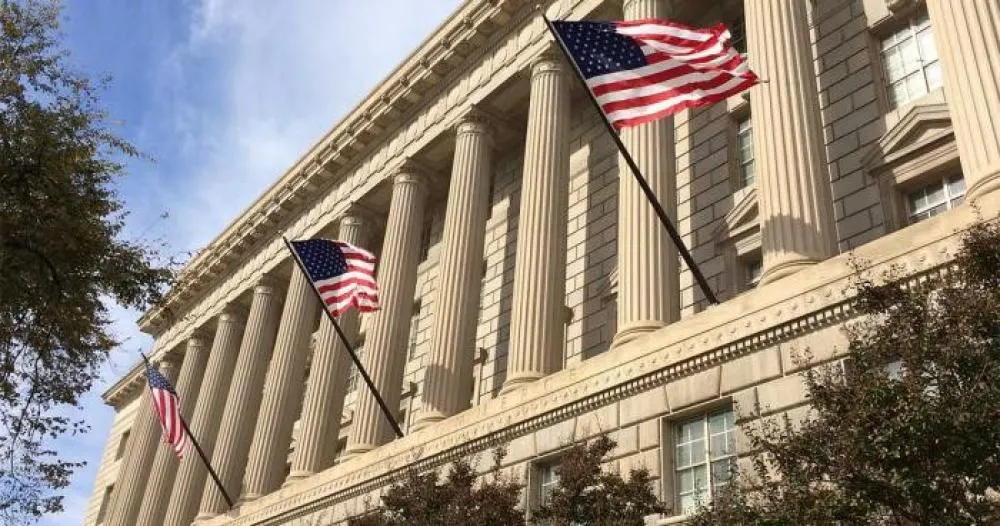
What does the future of industrial policy in America look like, and what state capacity investments are needed to get there? How does China factor into the future of the U.S. semiconductor industry? And what do government affairs offices at large technology firms actually do? To explore these questions, we’re concluding our CSIS Chip Chat series with Bruce Andrews. Bruce has had a long career on Capitol Hill, led government affairs for Ford, served as Deputy Secretary of Commerce under President Obama, and most recently headed government affairs at Intel. He’s now a fellow at CSIS. We discuss… The decline of bipartisanship and how to bring expertise back to Capitol Hill, The case for a new “Department of Competitiveness” Industry’s role in policymaking and what it took to get semiconductor manufacturers on board with the CHIPS Act, Why Silicon Valley suddenly became interested in politics, How to optimize industrial policy in a stick-focused political environment. Outro music: Moon River, Frank Ocean 2018 (YouTube Link) Learn more about your ad choices. Visit megaphone.fm/adchoices
Ezra, Derek, and Dan Wang on Abundance and China
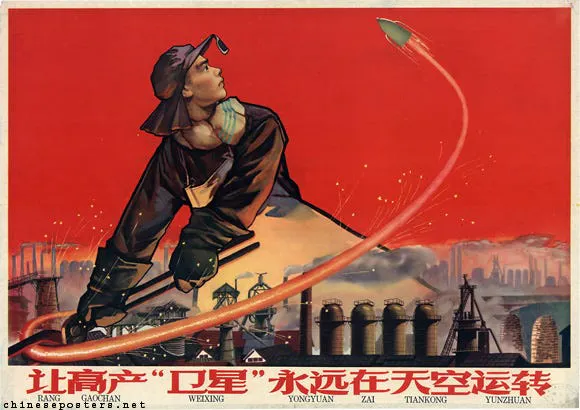
Does anybody really understand China? Could America pursue an abundance agenda without the threat of the PRC? Can podcasters change the world? To discuss, ChinaTalk interviewed Ezra Klein and Derek Thompson, who need no introduction, as well as Dan Wang, who has written beautiful annual letters and is back in the US as a research fellow at Kotkin’s Hoover History Lab. He has an excellent book called Breakneck coming out this August, but we’re saving that show for a little later this year. Today, our conversation covers… The use of China as a rhetorical device in US domestic discourse, Oversimplified aspects of Chinese development, and why the bipartisan consensus surrounding Beijing might fail to produce a coherent strategy, The abundance agenda and technocratic vs prophetic strategies for policy change, How to conceptualize political actors complexly, including unions, corporations, and environmental groups, The value of podcasting and strategies for positively impacting the modern media environment. Outtro Music: Recomposed by Max Richter, I went with a deep cut Autumn 3 https://www.youtube.com/watch?v=sUEeqvp_BrQ Learn more about your ad choices. Visit megaphone.fm/adchoices

China's Nuclear Shadow
Can China use military force to achieve its political goals, without triggering nuclear war? To find out, ChinaTalk interviewed Fiona Cunningham, a professor of Political Science at the University of Pennsylvania and author of the new book, Under the Nuclear Shadow: China’s Information-Age Weapons in International Security. Co-hosting today is Michael Horowitz, another Penn professor who served in Biden’s Department of Defense. We discuss… How to use open source PLA documents to conduct deep research, The evolution of Chinese defense strategy, including the impact of the third Taiwan Strait crisis, Nuclear modernization and China’s “no first use” policy, How the PLA makes decisions, including why they chose to develop cyber capabilities, anti-satellite weapons, and hypersonic missiles over proposed alternatives. Outtro Music: Beauty by Gui Bian https://www.youtube.com/watch?v=rTlfSOCwYJ8 Learn more about your ad choices. Visit megaphone.fm/adchoices
America's R&D Reckoning
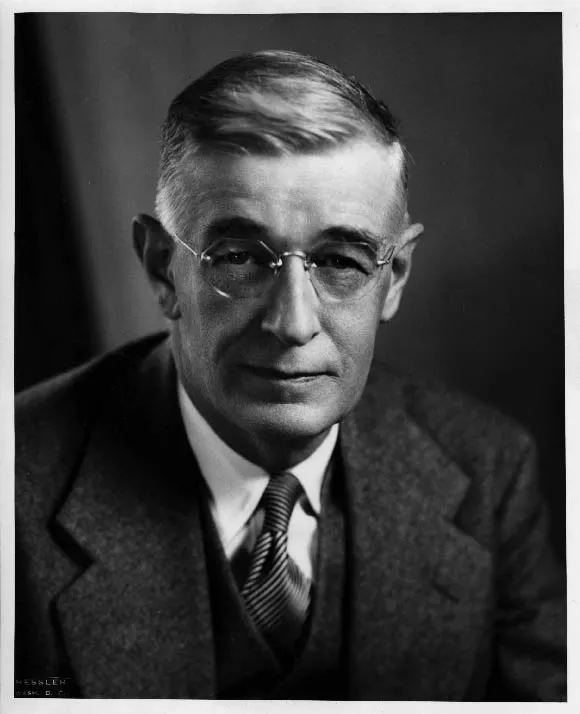
What has happened in the past 100 days to America’s science and technology ecosystem? What are China's ambitions and how is the government trying to take advantage of American uncertainty? And what can we learn from China's war mobilization exercises? To explore these questions, we're joined by Divyansh Kaushik and Alex Rubin, who both work at Beacon Global Strategies. Divyansh holds an AI PhD from Carnegie Mellon, and Alex spent the past decade at the CIA focusing on China and emerging technologies. We discuss… The Historical origins of the US R&D model, and the division of labor between universities, government, and industry, How budget cuts will impact the NSF, NIH, NIST, and DoD basic research, Why and how China attempts to emulate US research institutions, What a leaked wargame exercise from Guangdong province can tell us about China’s grand strategy, How institutions like ChinaTalk can complement the IC with fresh, independent research. Outro music: The Elements - Tom Lehrer (YouTube Link) Learn more about your ad choices. Visit megaphone.fm/adchoices
Will Everyone Get Nukes Now?
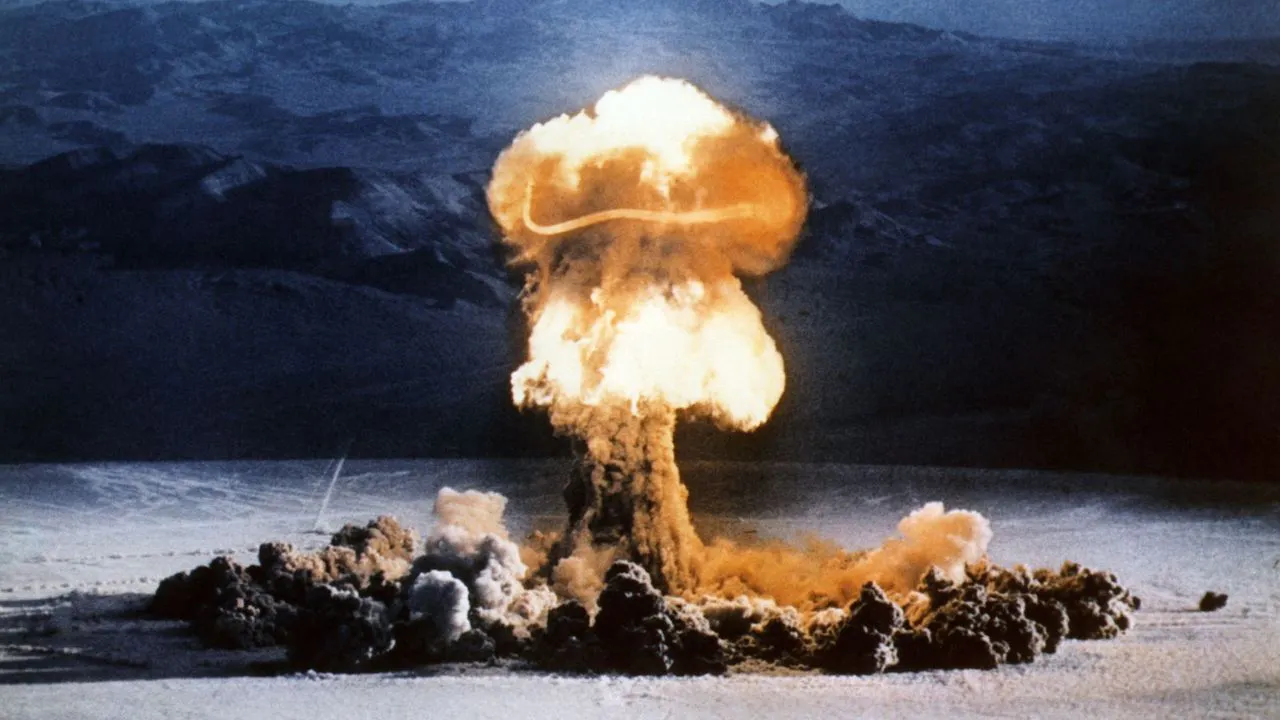
What is Trump doing to extended deterrence? I got Polymarket to create a market on whether a US ally will acquire nuclear weapons in 2025. It’s currently trading at 8%. Are we buyers or sellers? To discuss, ChinaTalk interviewed Vipin Narang, professor at MIT, who served as Acting Assistant Secretary of Defense responsible for nuclear deterrence policy during the Biden administration; Pranay Vaddi, a senior fellow at the Center for Nuclear Security Policy at MIT who worked on arms control and non-proliferation on Biden’s National Security Council; and Junichi Fukuda, senior research fellow at Tokyo’s Sasakawa Peace Foundation. We get into… The historical development of the American nuclear umbrella, including the “software” and “hardware” components of deterrence, The probability that an American ally will proliferate by 2030, and which countries are the most likely candidates, Why France proliferated despite US objections, How the world might respond to nuclear ambitions from Poland, Japan, or Saudi Arabia, China’s nuclear modernization and deterrence strategies for a multi-polar world. Here's the RAND paper cited: https://drive.google.com/file/d/1GUMnuxWoapmEYCw3g3NMUHxzZ6hVwWPi/view?usp=sharing Outro music: Tom Lehrer - Who's Next? (YouTube Link) Learn more about your ad choices. Visit megaphone.fm/adchoices
Allied Scale: Rush Doshi on US-China Net Assessment
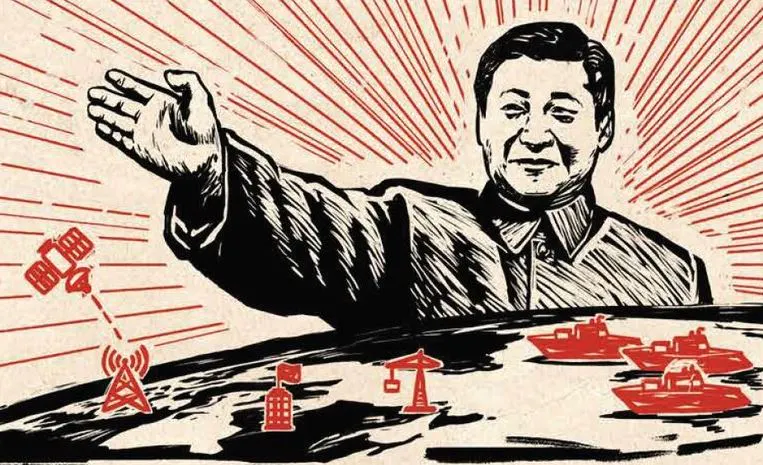
Rush Doshi (CFR, Biden NSC, author of the excellent The Long Game) and I run through the US-China tale of the tape. The future of America's relationship with its allies may be the key hinge variable for whether this century turns out to be China's to define. Do give this one a listen. Especially if you're JD Vance! See Rush's Foreign Affairs article with Kurt Campbell here: https://archive.is/ZSTKP Some Japanese outtro music to give the allies some love: Karenai by Bonbero: https://www.youtube.com/watch?v=wFJcIOMsOaU&ab_channel=Bonbero What's Popping by JP THE WAVY and friends: https://www.youtube.com/watch?v=h1LOXU_hBNo&ab_channel=JPTHEWAVY Learn more about your ad choices. Visit megaphone.fm/adchoices

Chips: Liberated? Trump’s Semis Tariff Gambit
Bill Reinsch of CSIS and the Trade Guys podcast with Jay Goldberg of Digits and Dollars and the Circuit podcast join to dicuss Trump's tariff impact on semis on another CSIS-ChinaTalk Chip Chat! Bill lays out the four clashing instincts driving policy in MAGA 2.0: revenge for decades of perceived slights, a bargaining bluff to coerce concessions, a fast‑cash revenue grab, and a fantasy of instant on‑shore fab construction. Jay walks through the on‑the‑ground fallout: chip designers worrying about losing China sales, GPU‑specific duties warping supply chains, and a loophole that lets boards assembled in Mexico skate by. We explore how blanket tariffs could accelerate China’s ascent in analog and trailing‑edge chips, undermine Biden‑era “ally‑first” export‑control diplomacy, and leave Commerce’s BIS badly under‑resourced to enforce the rules. We also get into whether allies will sign up for Washington’s crusade after being slapped themselves, and whether Nvidia, Intel, and Tesla are “too important to punish.” Outtro Music: Well Get It, Tommy Dorsey https://www.youtube.com/watch?v=FgiHzCiB5Aw Bible‑Verse Sign‑off “Plans fail for lack of counsel, but with many advisers they succeed.” — Proverbs 15:22 Learn more about your ad choices. Visit megaphone.fm/adchoices
Breaking Huawei + Tariffs Done Right with SemiAnalysis and Asianometry
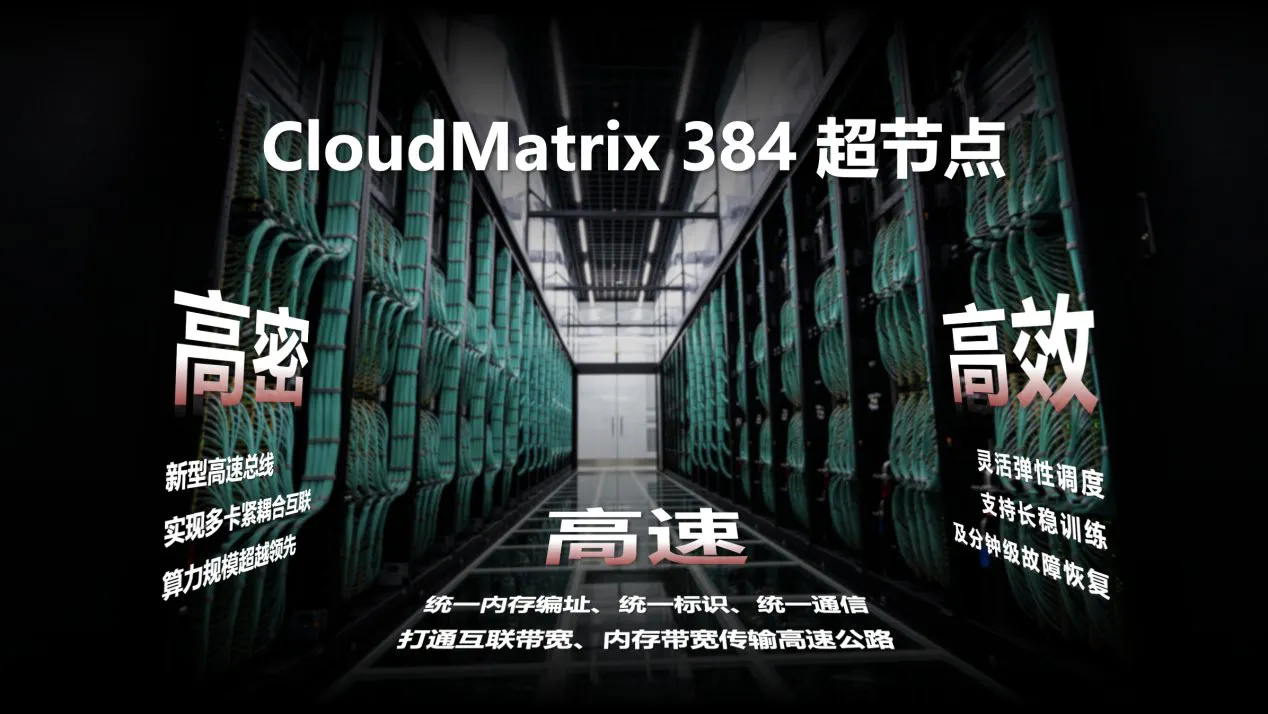
Dylan Patel is a man on a mission. We get into how: Huawei is giving NVIDIA a run for their money What USG needs to do about it What smart semiconductor tariff policy would look like o3 Outtro Music, a little texas country for you all: Ernest Tubb, Walking the Floor Over You https://www.youtube.com/watch?v=fQIRRReZIls Hank Thompson, Wild Side of Life https://www.youtube.com/watch?v=OPvARPfquPc And a completely wild post-WWII song I did not feel comfortable putting on the feed but worth a listen for the wtf factor: Ernest Tubb, Filipino Baby https://www.youtube.com/watch?v=1WXnoCyKGw8&pp=0gcJCdgAo7VqN5tD Learn more about your ad choices. Visit megaphone.fm/adchoices

Breaking Beijing: Military Competition with Tony Stark
Does America still have what it takes to stand up to China? Does short-term military readiness trade off with long-term strategy? What does the US need to do today to stay competitive for the rest of the century? “Tony Stark” is the author of Breaking Beijing, a Substack examining the military dimensions of US-China competition. Tony’s Substack goes deep on subjects you didn’t know you needed to understand, like Arctic policy, and takes a refreshing step back to look at great power competition holistically. Tony is also the author of Ex Supra, a sci-fi thriller about a near-future US-China war. Today, we discuss… What it will take to win the 21st century, and what America needs to prioritize in the short, medium, and long term, Why investing in education, basic science research, and foreign aid pay dividends in military readiness, Why Washington is short on coherent China strategy, Taiwan’s impact on global nonproliferation efforts, How AI could change warfare, even if AGI can’t be considered a “wonder weapon.” Outro music: Cmon - Fred Again (YouTube link) Learn more about your ad choices. Visit megaphone.fm/adchoices

GreatDepressionTalk with SemiAnalysis and Asianometry
Doug gives his "we're heading for the end of the dollar-based world order" take. Dylan has no idea what he's talking about when it comes to macro or politics. We fail to arrive at the 2011 Obama-Boehner deal. I had a fever during the recording so don't really talk. 1930s-energy outtro music: Victoria Spivey, Detroit Moan, 1936 https://open.spotify.com/track/7L3GgSuguDJXi1msw6Pe7W?si=ab99d3eea65647eb Judy Garland, Over the Rainbow, 1938 https://open.spotify.com/track/3wAIcORchxdSkWv6v5AkaU?si=b6bfe7a8249147bb Learn more about your ad choices. Visit megaphone.fm/adchoices

EMERGENCY POD: Are We Cooked?
Kevin Xu of https://interconnect.substack.com/, Matt Klein of https://theovershoot.co/, and Peter Harrell, Biden's U.S. White House as senior director for international economics in 2021-2022 and host of the new https://podcasts.apple.com/us/podcast/security-economics/id1794022711 podcast join the show to discuss whether America's cooked. Outtro Music: Madeleine Chartrand - Tout Doucement, 1975 https://www.youtube.com/watch?v=e856a_xZ1TI&ab_channel=Vinyle33-45RPM Learn more about your ad choices. Visit megaphone.fm/adchoices
EMERGENCY POD: Liberation Day with Tanner Greer of Scholarstage
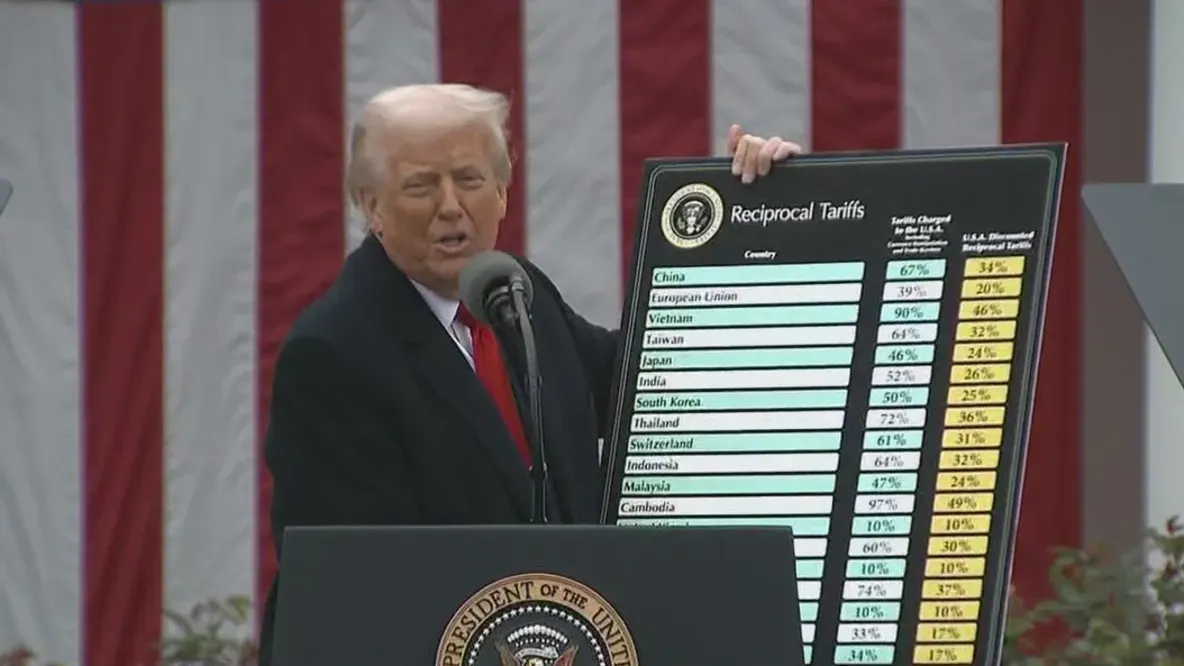
Tanner Greer of Scholar's Stage and I try to make sense of Liberation Day, the intellectual underpinnings of Trump's team, and what it all means for the world. Tanner's report: https://www.fpri.org/article/2025/03/obscurity-by-design/ Outtro Music: Nobody but You Babe, Clarence Reid, 1969 https://www.youtube.com/watch?v=vCT7w2t8cyY 01:23 Geopolitical Implications of Trump's Management Style 35:02 Economic Vision and Industrial Renaissance 52:28 Economic Liberalism and Trump World 52:42 Industrial Policy Camps in Trump Administration 56:30 Laura Loomer and Trump World Geopolitics 01:04:04 Historical Parallels and Red Experts Problem 01:20:00 Taiwan Policy and Cultural Wars 01:29:40 China Policy and Trump's Tactical Approach Learn more about your ad choices. Visit megaphone.fm/adchoices

The Soviet Cold War Machine: Inside the Sino-Soviet Rivalry
Welcome to part two of our series on Cold War history with Sergey Radchenko. Here’s part one. In today’s interview, we discuss… Khrushchev’s removal from power and the transition to the Brezhnev era, How the USSR and China managed their relationships with Vietnam, Sino-Soviet border conflicts, Brezhnev’s negative feelings toward China, and Nixon’s rapprochement, Watergate and the inability of China or the USSR to understand American politics Why the Soviets decided to invade Afghanistan, Reagan’s approach to negotiations and his relationship with Gorbachev, How to manage the containment paradox and unknown adversary motives when competing with China and Russia today. Co-hosting today is Jon Sine of the Cogitations substack. Outro music: ДДТ- Родина (DDT - Motherland) (YouTube Link) Learn more about your ad choices. Visit megaphone.fm/adchoices
Superintelligence Strategy with Dan Hendrycks
Is there a stable state the US and China can hope for on the road to AGI? To discuss we have on today Dan Hendrycks. A CS PhD, Dan runs the Center for AI Safety and is an advisor at xAI and Scale AI. Here's his superintelligence strategy: https://www.nationalsecurity.ai/ For some more direct lessons from the Cold War to today's US-China dynamics, check out the show I did with Hal Brands (https://www.chinatalk.media/p/cold-war-lessons-for-us-china-today) Learn more about your ad choices. Visit megaphone.fm/adchoices

SemiAnalysis + Asianometry on Intel, Gemini 2.5, and Chinese Robots
The Transistor Radio boys are back. Jon of Asianometry, Doug O'Laughlin and Dylan Patel of SemiAnalysis on the pod to talk about Google's AI push, Intel's new CEO, Chinese robots, and the rise of CoreWeave. Here's the article rating the clouds that SemiAnalysis wrote: https://semianalysis.com/2025/03/26/the-gpu-cloud-clustermax-rating-system-how-to-rent-gpus/ Outtro Music: Some Malaysian UK garage: GADISKU lucidrari, FITTO, Gard, 2023 https://www.youtube.com/watch?v=IVewUwqu1dM Learn more about your ad choices. Visit megaphone.fm/adchoices
The Soviets' Bid for Global Power
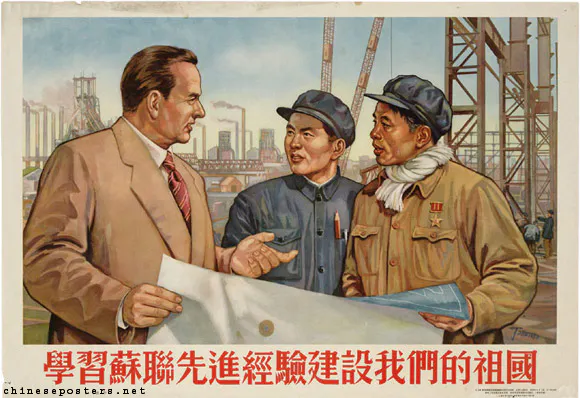
Sergey Radchenko’s book, To Run the World: The Kremlin’s Bid for Global Power, is a masterwork! In my mind, it’s in pole position for best book of 2025. Sergey takes you into the mind of Soviet and Chinese leaders as they wrestle for global power and recognition, leaving you amused, inspired, and horrified by the small-mindedness of the people who had the power to start World War III. We get amazing vignettes like Liu Shaoqi making fun of the Americans for eating ice cream in trenches, Khrushchev pinning red stars on Eisenhower’s grandkids, and Brezhnev and Andropov offering to dig up dirt on senators to help save Nixon from Watergate. Sergey earns your trust in this book, acknowledging what we can and can’t know. He leaves you with a new lens to understand the Cold War and the new US-China rivalry — namely, the overwhelming preoccupation with global prestige by Cold War leaders. In this interview, we discuss… Why legitimacy matters in international politics, Stalin’s colonial ambitions and Truman’s strategy of containment, Sino-Soviet relations during the Stalin era and beyond, The history of nuclear blackmail, starting with the 1956 Suez crisis, Why Khrushchev couldn’t save the Soviet economy. Co-hosting today is Jon Sine of the Cogitations substack. Outro music: Виталий Марков "Главное, ребята, сердцем не стареть" (YouTube Link) Learn more about your ad choices. Visit megaphone.fm/adchoices
Building Compute in America
Despite leading the world in AI innovation, there’s no guarantee that America will rise to meet the challenge of AI infrastructure. Specifically, the key technological barrier for data center construction within the next 5 years is new power capacity. To discuss policy solutions, ChinaTalk interviewed Ben Della Rocca, who helped write the AI infrastructure executive order and formerly served as director for technology and national security on Biden’s NSC, as well as Arnab Datta, director at IFP and managing director at Employ America, and Tim Fist, a director at IFP. Arnab and Tim just published a fantastic three-part series exploring the policy changes needed to ensure that AGI is invented in the USA and deployed through American data centers. In today’s interview, we discuss… The need for new power generation driven by ballooning demand for compute, The impact of the January 2025 executive order on AI infrastructure, Which energy technologies can (and can’t) power gigawatt-scale AI training facilities (and why Jordan is all-in on GEOTHERMAL), Challenges for financing moonshot green power ideas and the role of government action, The failure of the market to prioritize AI lab security, and what can be done to fend off threats from adversaries and non-state actors. Outtro music: Ghost Crew - 蝴蝶武士 (Butterfly Warriors) (Youtube link) Learn more about your ad choices. Visit megaphone.fm/adchoices
Manus: A DeepSeek Moment?
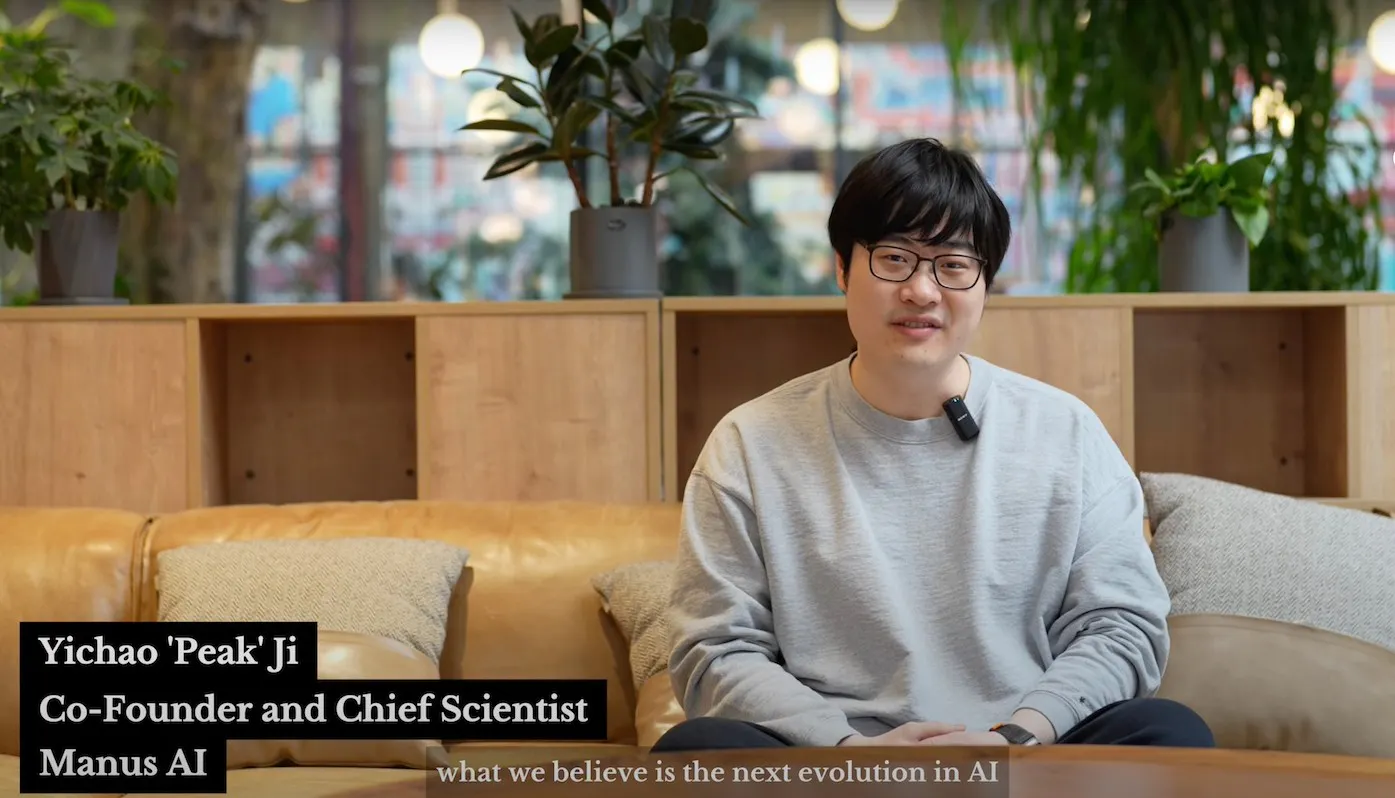
A Wuhan-developed AI agent went viral this weekend. Guests Rohit Krishnan of the substack Strange Loop Canon, Shawn Wang of Latent Space, and Dean Ball of Mercatus and Hyperdimensional join us to discuss. We get into What Manus is and isn't What Manus tells us about the broader AI ecosystem's ability to produce products we actually want to use The political economy and liability issues that AI agents will engender More ChinaTalk coverage: https://www.chinatalk.media/p/manus-chinas-latest-ai-sensation Outtro Music: La Marelu "Mala" https://www.youtube.com/watch?v=HAB5rx8mqjM&ab_channel=LaMarelu-Topic Alaska y Dinarama "A Quién Le Importa" https://www.youtube.com/watch?v=2uQhdDtdXg0&ab_channel=YouMoreTv-Espect%C3%A1culo Learn more about your ad choices. Visit megaphone.fm/adchoices

EMERGENCY POD: Trump's Pivot to Putin, AGI + The Future of Warfare
Note: This episode was recorded Wednesday February 26th, two days before Zelenskyy's press conference with J.D. Vance and Trump in the White House. Shashank Joshi (Defence Editor at The Economist) and Michael Horowitz (Biden's Deputy Assistant Secretary of Defense for Force Development and Emerging Capabilities, now back at Penn) come on the show to discuss: Ukraine's Chances on the Battlefield: We revisit J.D. Vance's tweet war with Shashank where he claims Ukraine is fated to lose, highlighting how war is nonlinear and dependent on political cohesion, economic strength, and defense industrial capacity beyond just manpower. Trump's Pivot to Putin: We try to think through what Trump is doing with Ukraine and Russia at the strategic level and what the long term and second order consequences are. AI and the Future of Warfare: We discuss of how AGI would transform warfare, with Horowitz suggesting progress will be incremental rather than revolutionary, emphasizing government adoption challenges over 0 to 1 technical breakthroughs. "Precise Mass" in Combat: Ukrainian forces have demonstrated how AI-guided drones achieving 80%+ hit rates have changed battlefield dynamics, introducing the concept of "precise mass" - lower-cost precision systems deployed at scale across domains including air, land, and sea. See Mike's Foreign Affairs piece on the topic here: https://www.foreignaffairs.com/world/battles-precise-mass-technology-war-horowitz Defense Innovation Challenges: Western bureaucratic processes severely impede military innovation, with Horowitz noting that reprogramming just 0.05% of the defense budget required over 40 congressional briefings, contrasting with Ukraine's wartime innovation speed and calling for acquisition reform. Recommended Books: Under the Nuclear Shadow by Fiona Cunningham Army of None by Paul Scharre Billion Dollar Spy by David Hoffman Outtro Music: Santigold, You'll Find a Way: https://www.youtube.com/watch?v=IodbPh7RkBw Vampire Weekend, Walcott: https://open.spotify.com/track/0BZY839qKXibapu4S0GYE2?si=7ecc773a95ee4d62 Learn more about your ad choices. Visit megaphone.fm/adchoices
Chokepoints: American Power in the Age of Economic Warfare
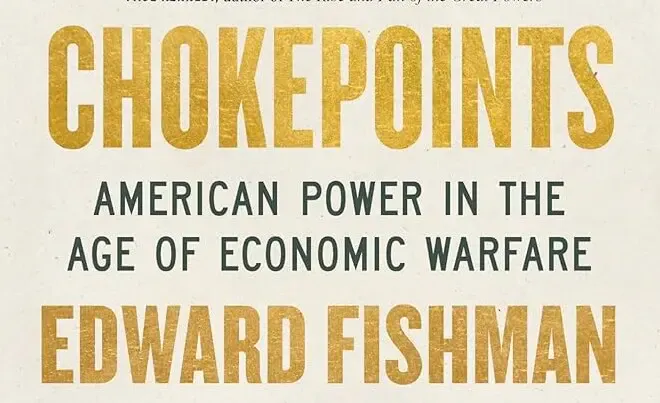
Can sanctions really work? What lessons can we draw from US sanctions on Iran, Russia, and China in the 21st century? To find out, we interviewed Eddie Fishman, a former civil servant at the Department of State and an Adjunct Professor at Columbia. His new book, Chokepoints: American Power in the Age of Economic Warfare, is a gripping history of the past 20 years of American sanctions policy. In this show, we’ll talk about… The evolution of U.S. sanctions policy, from Iraq and Cuba to Iran and Russia, How Reagan’s deal with the Saudis turned the dollar into an economic chokepoint, The incredible success of sanctions against Iran, and how that playbook could have been used to punish Russia, Historical lessons in enforcement that are relevant for export controls on China today, The role of great civil servants like Stuart Levey, Daleep Singh, Victoria Nuland, and Matt Pottinger in building state power, Institutional challenges for economic warfare and the consequences of failure to reform, Strategies for writing groundbreaking books about modern history. Outro music: 1970s Iranian Psychadelic Rock, Gole Yakhe by Kourosh Yaghmaei https://www.youtube.com/watch?v=EmhqVPXOKo4 Learn more about your ad choices. Visit megaphone.fm/adchoices
Innovation Emergency: The Role of IP
How do patents influence emerging technology innovation? How far could AI and DOGE push our current IP regime? Does it matter that China issues way more patents than the US does? To discuss, ChinaTalk interviewed Andrei Iancu, who served as the director of the US Patent Office under the first Trump administration. Andrei has degrees in aerospace and mechanical engineering, and worked at the legendary Hughes Aircraft Company before going to law school. He is currently in private practice at Sullivan and Cromwell. Co-hosting today is ChinaTalk editor and second year law student at Duke, Nicholas Welch. We get into… The mounting evidence that China's patent system now dominates America’s, and whether these indicators constitute an emergency in the innovation ecosystem, Why some US companies now prefer Chinese courts for patent enforcement, The fundamental tension between private rights of inventors and public access to innovations, What congressional inaction on patent eligibility means for AI innovation, and the bills that congress could pass to immediately jumpstart emerging tech investment, What the current administration could do to help USPTO juice the economy, Controversy surrounding the Patent Trial and Appeal Board (PTAB), and whether DOGE could put PTAB on the chopping block, How Trump will approach patent law and intellectual property rights, including perspectives on appointments and potential reforms. Thanks to CSIS for partnering with us to bring you this episode, the first in a three-episode CSIS Chip Chat series. Outtro Music: Lil Green, I'm Going to Copyright Your Kisses (1941) https://www.youtube.com/watch?v=-Ye39JuJZ4k&ab_channel=LilGreen-Topic Nellie Hill, I'm Gunna Copyright Your Kisses (1951) https://www.youtube.com/watch?v=D3OcMdxpWas&ab_channel=krobigraubart Learn more about your ad choices. Visit megaphone.fm/adchoices

China's Great Power Wars: Lessons from Imperial History for Today
How has Chinese hegemony shaped power relations in East Asia? Why did imperial China conquer Tibet and Xinjiang but not Vietnam or Korea? Can learning from history help maintain peace in the Taiwan Strait? Today’s interview begins with one shocking truth — while medieval Europe suffered under near-constant war, East Asia’s Middle Ages were defined by great power peace. To discuss, ChinaTalk interviewed Professor David C. Kang, director of the Korean Studies Institute at USC and co-author of Beyond Power Transitions: The Lessons of East Asian History and the Future of U.S.-China Relations. We discuss… How East Asian nations managed to peacefully coexist for centuries, Why lessons from European history don’t always apply in non-European contexts, Why wars begin and how they can be avoided, How to interpret outbreaks of violence in Asia — including conflicts with the Mongols, China’s meddling in Vietnam, and Japan’s early attempts at empire, State behaviors that cannot be explained by power transition theory alone, Whether the Thucydides trap makes U.S.-China war inevitable, Old school methods for managing cross-strait relations. Co-hosting today is Ilari Mäkelä of the On Humans podcast. Outro music: 荒城の月 "The Moon over the Ruined Castle" by 滝廉太郎 Rentarō Taki (Youtube link) Cover photo of a Song Dynasty axe-wielding god https://dragonsarmory.blogspot.com/2016/12/song-chinese-armor-in-religious.html Learn more about your ad choices. Visit megaphone.fm/adchoices

SemiAnalysis + Asianometry on the AI Mandate of Heaven
Dylan Patel and Doug O'Laughlin (SemiAnalysis), Jon from Asianometry and I have way too much fun talking hyperscaler capex, the AI mandate of heaven tier list, and Tim Cook succession plans. Learn more about your ad choices. Visit megaphone.fm/adchoices

Anthropic's Dario Amodei on AI Competition
Dario Amodei is the CEO of Anthropic. In today’s interview, we discuss… Whether an AI innovation race is inevitable between the US and China, How the US should update export controls in light of DeepSeek’s R1 release, DeepSeek’s willingness to generate information about bioweapons, Technical defenses against model distillation and AI espionage, How advanced AI could eventually impact democracy, Whether there is tension between export controls and the belief that AI will broadly increase human flourishing. Dario's blogposts: Machines of Loving Grace: https://darioamodei.com/machines-of-loving-grace On DeepSeek and Export Controls: https://darioamodei.com/on-deepseek-and-export-controls Outro Music: Lykke Li, I Follow Rivers (Magician Remix) https://www.youtube.com/watch?v=oS6wfWu0JvA&ab_channel=LykkeLi Learn more about your ad choices. Visit megaphone.fm/adchoices

DeepSeek: What It Means and What Happens Next
Kevin Xu of Interconnected and Interconnected Capital and I knock it out of the park with a roundup episode exploring: What DeepSeek does and doesn't illustrate about Chinese innovation Tensions between open-source cosmopolitanism and nationalism built into DeepSeek and the broader Chinese tech community DeepSeek's organizational and talent management strategy, parallels to OpenAI, and what the fame will mean for the firm and Chinese AI policy What DeepSeek should and may mean for the future of export controls and broader US innovation policy The JS Tan article referenced: https://www.chinatalk.media/p/deepseeks-secret-to-success Dario's first article on our happy AI future: https://darioamodei.com/machines-of-loving-grace Dario's second article on why America needs to export control China: https://darioamodei.com/on-deepseek-and-export-controls Outtro Music: Dizkar, 愛縂時刻盛開 https://open.spotify.com/track/1rXneAS9Djts7fwRGHUeG5?si=b2b29714802948de Learn more about your ad choices. Visit megaphone.fm/adchoices

EMERGENCY POD: DeepSeek R1 and the Future of AI Competition with Miles Brundage
Miles Brundage, a six year OpenAI vet who ran its Policy Research and AGI readiness arms, discuss why all your deepseek takes are so terrible. Outtro music: The Departure, Max Richter https://www.youtube.com/watch?v=8R5Ppb9wqjY Learn more about your ad choices. Visit megaphone.fm/adchoices

Patents and National Power
What makes some countries more innovative than others? What role do intellectual property rights play in building national power? Does Elon Musk really give competitors free access to Tesla’s patents? To find out, ChinaTalk interviewed Adam Mossoff, professor at the Antonin Scalia Law School at George Mason University. We discuss… How the patent system has shaped American society since independence, The extent to which patent policy caused the great divergence between the West and China, Whether Elon’s misunderstanding of patents will become the dominant attitude of the second Trump administration, The Patent Trial and Appeal Board (PTAB) and other threats to the U.S. innovation ecosystem, How to reconcile China’s IP theft with its robust domestic patent law, What the U.S. can do to facilitate innovation while competing with China in emerging technology. Outro Songs from the American Revolution: Liberty Song (Arthur F. Schrader rendition), and the Tory retort, Come Shake Your Dull Noodles (Arthur F. Schrader rendition) Thanks to the Innovation Alliance for sponsoring this episode. The Innovation Alliance is a coalition of research and development-based technology companies representing innovators, patent owners, and stakeholders who believe in the critical importance of maintaining a strong patent system that supports innovative enterprises of all sizes. Learn more about your ad choices. Visit megaphone.fm/adchoices

ChinaTalk in the Year of the Dragon + What Comes Next
Here's a best-of playlist for 2024: https://open.spotify.com/playlist/3yexkG2kvPlq68B22pjOWw?si=da3d1cf64dfe4a2ci Outtro Music: Дили-дили (Dili-dili) Artist: Гюлли Чохели (Gyulli Chokheli), 1967 Learn more about your ad choices. Visit megaphone.fm/adchoices
Noah Smith: Trump 2.0's Impact on Asia + The New Tech Right
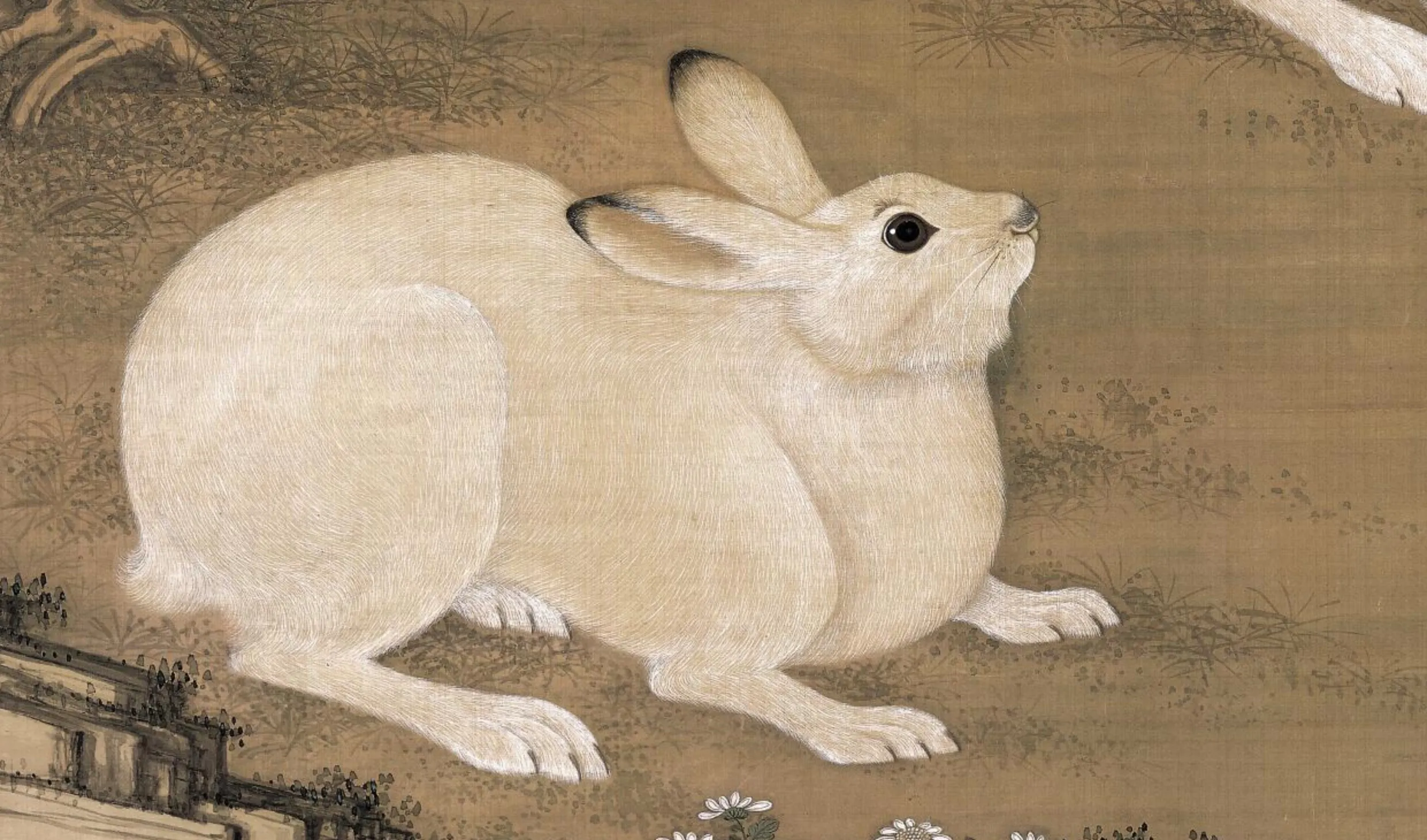
Our guest today is economist Noah Smith, who made time for an in-person interview during his recent trip to Taiwan. He runs the Noahpinion substack and is the author of an upcoming book on the revival of the Japanese economy. We discuss… The goals of Silicon Valley's pro-Trump constituency, from deregulation, to tariffs, to China policy, Whether Elon is standing up for Taiwan behind closed doors, Whether Taiwan, Japan, South Korea, and Poland need their own nuclear weapons, How Taiwan could bargain for independence with China’s leaders post-Xi, National health insurance as a potential solution to China’s aggregate demand problem, A Georgist perspective on China’s real estate problem, Why China’s demographic issues are overstated, Recommendations for Taiwan’s economic development. To hear more of Noah's musings, check out Econ 102, a podcast by Turpentine. Outtro music: Wifey by Dizzy Dizzo 蔡詩芸 (Youtube Link) Cover art: 清 冷枚 梧桐双兔图 Learn more about your ad choices. Visit megaphone.fm/adchoices

yup, more export controls....foundry, DRAM, and reflections
Greg Allen of CSIS and I are tired! We go through today's new export controls to stop TSMC from fabbing Huawei chips, some DRAM revisions, and discuss the past two years of Biden BIS policy and where we could all be going next. Outtro music: 大雨 - deca joins https://www.youtube.com/watch?v=4FFALDn1yGQ Learn more about your ad choices. Visit megaphone.fm/adchoices