Chain Reaction
200 episodes — Page 1 of 4
Translating Scholarship Into Statecraft
Thinking About the Second Nuclear Century
The Architecture of Leadership
Intelligence, Strategy, and the Reality of Modern Conflict
American Grand Strategy in West Asia
Understanding Germany's Defense Strategy
Cyber is War
The Strategy for Affordable Missiles: A Conversation with Ursa Major
The Weaponized Economy
Geopolitical Cycles and the Fragility of the Global Operating System
A Blueprint for Deterrence with Adm. Rob Bauer and Eleonora Russell
Welcome back to the Ties That Bind, a project of the Foreign Policy Research Institute examining the past, present, and future of NATO and the transatlantic relationship.We often assume our safety is a “government problem,” but guests Admiral Rob Bauer, the former Chair of the NATO Military Committee, and Strategic Communications Advisor Eleonora Russell argue that this mindset is our greatest vulnerability. Drawing from their 2025 book, If You Want Peace, Prepare for War: A Blueprint for Deterrence, they challenge the idea that military strength alone is enough to protect our future.In this special episode of the Ties That Bind we discuss the core lessons from the book, what a “whole of society” approach really entails, how to effectively rebuild trust and engage citizens and industry, and what the future of the alliance may look like if we start fighting for the “we” in a world of “me.” Get full access to FPRI Insights at fpriinsights.substack.com/subscribe
Technology, Trust, and the Accelerants of Global Crisis
In the inaugural episode of Shifting Ground, the Hon. Stacey Dixon joins Nick Gvosdev and Larry Rubin to discuss the US government’s challenge of balancing national security interests by restricting sensitive technology exports with the need for American companies to compete globally and influence international technology standards. The conversation highlighted “accelerants” like the democratization of conflict technology and the erosion of public trust due to misinformation, recommending that the government secure critical infrastructure, improve cyber hygiene, and cultivate citizens’ digital literacy to counter the negative, unintended uses of emerging technologies.Read Stacey’s piece The World’s Hidden Accelerants: Technology, Trust, and System Fragility Get full access to FPRI Insights at fpriinsights.substack.com/subscribe
Understanding Berlin's Security Environment
Welcome back to the Ties That Bind, a project of the Foreign Policy Research Institute examining the past, present, and future of NATO and the transatlantic relationship.This season, we examine how Western European NATO members like Germany are shifting their defense policies, pursuing rearmament, and what lies ahead for European security.This week, we are pleased to feature a conversation with FPRI President Aaron Stein and Roland Theis, a Member of the German Bundestag (CDU/CSU) who sits on the Defense and European Affairs Committees. The two discuss shifts in German defense policy, the erosion of transatlantic trust, and a way forward on rebuilding strong US-European ties. You can read a transcript of their conversation here.The third season of the Ties That Bind is generously supported by the Konrad Adenauer Foundation. Get full access to FPRI Insights at fpriinsights.substack.com/subscribe
The Islamic Republic Teeters
Iran is facing massive protests and the regime is facing a significant challenge to its grip on power. The regime has unleashed the military, killing hundreds on the country’s streets. President Trump had threatened air strikes, raising questions about the future of the regime. What is the future of Iran?Aaron sat down with Saeid Golkar, an Iranian-American political scientist, and UC Foundation associate Professor at the University of Tennessee at Chattanooga, and Hamed Behravan, Vice President at DT Institute and Director of the Iran program.This episode is part of a collaboration between the Foreign Policy Research Institute and DT Institute about the future of governance in the Middle East. Get full access to FPRI Insights at fpriinsights.substack.com/subscribe
Never Again Alone | Finland in NATO
Welcome back to the Ties That Bind.This week, we go even further north, to Finland, one of the alliance’s newest members. Like the other frontline states we’ve visited this season, Finland shares a turbulent and complicated history with Russia that has long molded its security and foreign policy. But unlike the other frontline states, it was not a member of NATO at the start of Russia’s full-scale invasion of Ukraine. February 24, 2022, proved to be a lynchpin moment for how Finnish society viewed its security and its future.In this episode, we’ll hear from two Finnish experts about that moment in time, both culturally and politically, about the process and challenges of Finland’s NATO accession, the country’s strategic role in the Arctic, and what it means for the alliance. We’ll also hear about Finland’s whole-of-society defense model, how the country’s culture has informed its security calculus, and what other allies can learn from the Finnish experience. And we’ll also discuss lessons for Finland’s history for Ukraine.Featured Guests:* Minna Ålander is an Associate Fellow at Chatham House and a Non-Resident Fellow at the Center for European Policy Analysis.* Joel Linnainmäki is a Research Fellow at the Finnish Institute of International Affairs and a former special advisor to the former Foreign Minister, Pekka Haavisto.Listen the previous episode on Latvia here. Get full access to FPRI Insights at fpriinsights.substack.com/subscribe
Understanding Unmanned Naval Systems
We have spent a lot of time talking about Combat Collaborative Aircraft, or CCA. On this episode, Aaron sat down with Billy Byrne, the Director of Strategy for Defense at Saildrone. The two talked about the future of unmanned naval systems, the lessons learned from Ukraine’s operations in the Black Sea, the challenges of operating in the Indo-Pacific, and the need to have both endurance and to “pack a punch” in naval combat.Explore more from Behind the Front here. Get full access to FPRI Insights at fpriinsights.substack.com/subscribe
Windows of Opportunity | Latvia in NATO
Welcome back to the Ties That Bind.This week, we go back North to the shores of the Baltic Sea for the perspective from Latvia.In this episode, we’ll hear from three Latvian experts on the evolution of the country’s defense posture, NATO cooperation, and its response to Russia’s invasion of Ukraine. We’ll also hear about what’s happening on the domestic front, with the evolution of national and municipal civilian defense programs, Latvia’s infrastructure investments, and how the country’s public sector is thinking about resilience and building trust in a whole-of-society defense approach.Featured Guests: * Māris Andžāns is the Director of the Center for Geopolitical Studies Riga and an associate professor at Rīga Stradiņš University.* Ieva Berzina is a Senior Researcher at the Center for Security and Strategic Studies, National Academy of Defense of the Republic of Latvia, and an associate professor at Vidzeme University of Applied Sciences.* Linda Ozola is a Councilor of the Riga City Council, and former Deputy Mayor of Riga (2020-2025).Listen to the previous episode Lessons in History and Communications from NATO’s Principal Spokesperson here. Get full access to FPRI Insights at fpriinsights.substack.com/subscribe
On the Coasts of Conflict | Romania in NATO
Welcome back to the Ties That Bind. This week, we are looking further south along NATO’s eastern flank at Romania.Romania has long advocated for increased NATO and US presence in the Black Sea. Since the 2022 Russian invasion of Ukraine, the importance of the Black Sea and Romania’s role have been reflected in an increased NATO presence and multiple defense and infrastructure investments. The country has been a critical actor in helping the Ukrainian war effort, serving as a logistics and military training hub, and securing Ukrainian grain exports in the first years of the war.In this episode, we’ll hear from three Romanian experts about the country’s role in NATO and Black Sea security, its defense investments, and plans to address strategic infrastructure challenges that have far-reaching significance for the alliance. We’ll also hear about what’s happening on the domestic front, notably the long-term repercussions of the annulled 2024 presidential election. While public opinion shows high support for NATO, Romania and its neighbors continue to be targeted by long-term Russian influence campaigns, and we’ll hear how these are affecting social attitudes towards NATO and Western institutions.Featured guests: * Antonia Colibasanu, Senior Analyst, Geopolitical Futures, FPRI Senior Fellow* Eusebiu Slavitescu, European defense analyst, former Romanian MFA* Alina Bargaoanu, Communications expert, University of Political Studies and Public Administration, BucharestListen to the previous episode on Poland in NATO here. Get full access to FPRI Insights at fpriinsights.substack.com/subscribe
The Multipolar, the Merrier: US Foreign Policy in a Brave New World
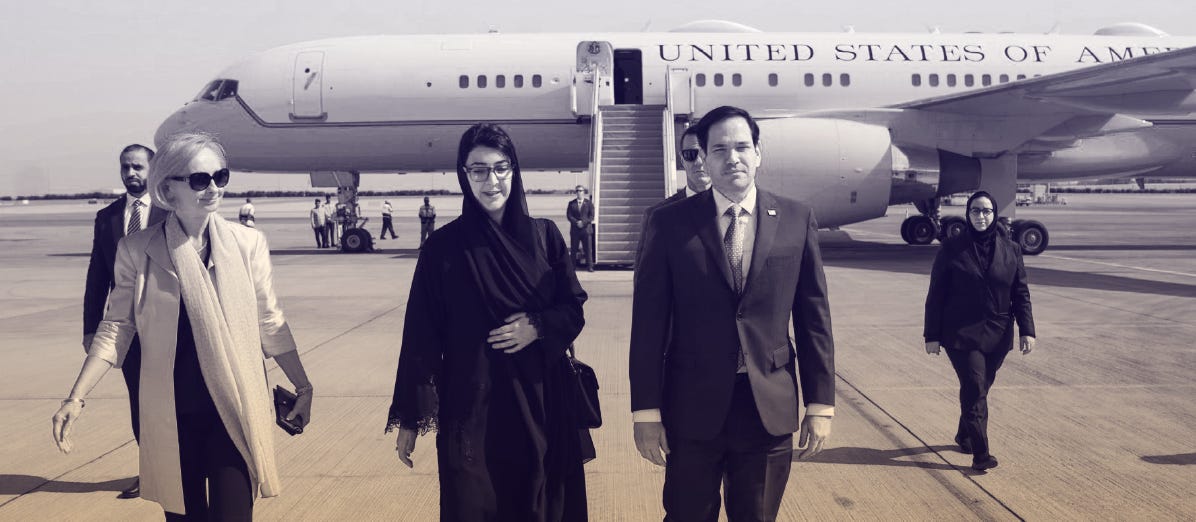
In a rapidly evolving world where Washington might not have the same sway it used to, how should the US best position itself? Who are the “schools” or “camps” contesting the direction of foreign policy. In this episode of The Continent, Emma Ashford joins Aaron Schwartzbaum to talk about American grand strategy and her recent book First Among Equals: US Foreign Policy in a Multipolar World. Get full access to FPRI Insights at fpriinsights.substack.com/subscribe
For Our Freedom and Yours | Poland in NATO
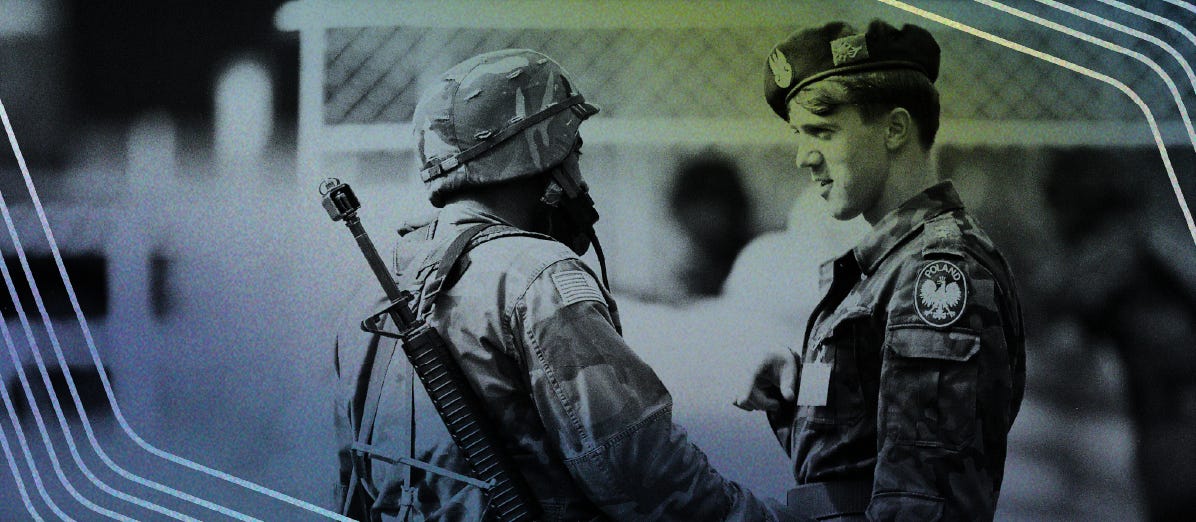
Welcome back to the Ties That Bind.This season, we are looking at NATO from a bit of a different vantage point, specifically that of the frontline states. How are frontline states investing in and planning for their defense? How are they thinking about their role and contributions in the Alliance and on the world stage? How have their historical experiences shaped how their governments and societies think about defense, countering disinformation, and changing economic realities? And how are they preparing for a potential conflict with Russia? This week, we are looking at Poland, a country that has completely transformed its military and defense capacity over the last two decades. Periods of transition are not always painless, and we’ll hear what challenges Poland has faced and what opportunities lie ahead as it looks to become a leading voice within the alliance and on the world stage.Featured guests: * Anna Fotyga, former Polish Foreign Minister, 2006-2007* Tomasz Szatkowski, former Deputy Defense Minister, 2015-2019, and Ambassador to NATO, 2019-2024* Jakub Romaniuk, Programme Director, Foundation Institute for Eastern Studies Get full access to FPRI Insights at fpriinsights.substack.com/subscribe

Continued Conversation About Collaborative Combat Aircraft
Introducing our new monthly podcast series, Behind the Front, which features conversations with industry experts on challenges and opportunities facing the technology, space, and national security sectors. This week Aaron Stein sat down with Scott “FUG” Gilloon, who currently serves as the Sector Vice President of Air Force Strategic Development and Capability Assessments at General Atomics Aeronautical Systems, Inc. The two talked about General Atomics’ CCA, its origin story, how these aircraft may be used in combat, and what the future of air combat may entail. Get full access to FPRI Insights at fpriinsights.substack.com/subscribe
Kyiv Dispatch
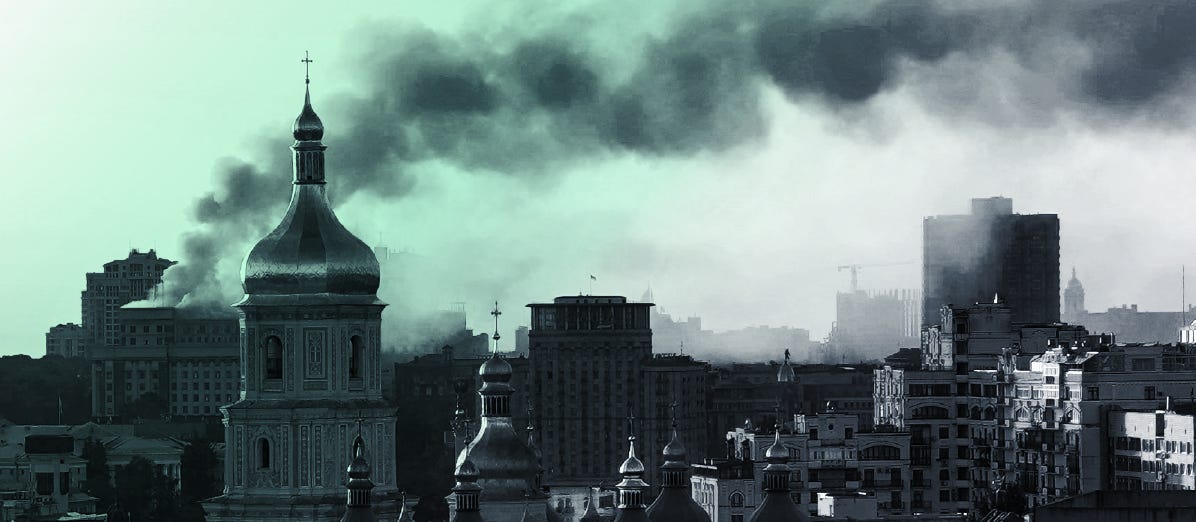
A flurry of back-and-forth diplomacy, a renewed Russian offensive, and a rare outburst of protest in Ukraine. The Kyiv Dispatch with Aaron Schwartzbaum and Fabrice Deprez returns to break down what's actually happening and most importantly, how people on the ground are feeling about it.For more reporting and stories from Ukraine, be sure to follow Fabrice’s newsletter, Eastern Radar. Explore more from the Bear Market Brief. Get full access to FPRI Insights at fpriinsights.substack.com/subscribe
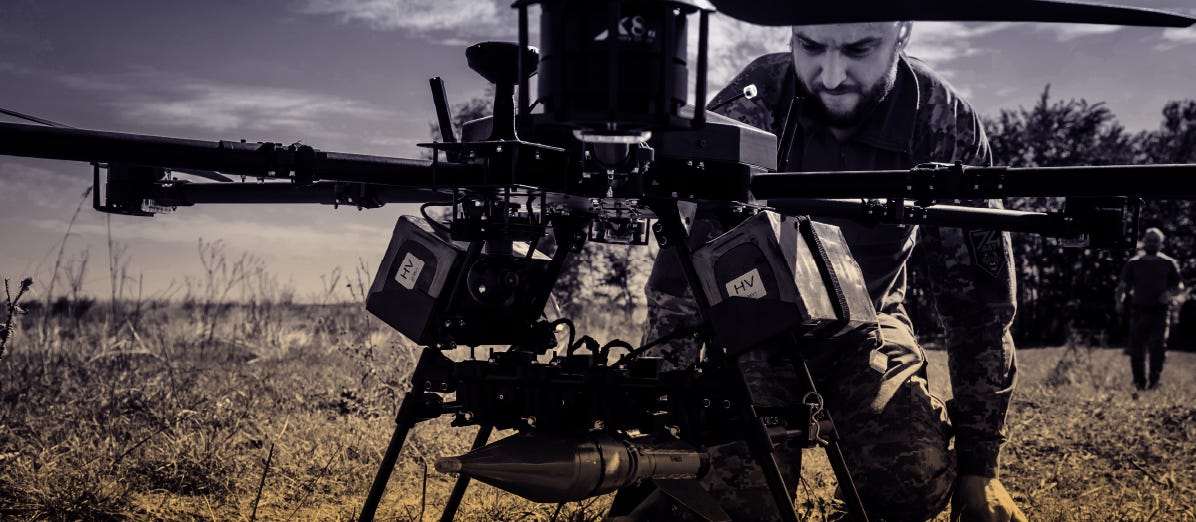
Drones and the Future of War
Are drones the future of war? What lessons can be learned from Ukraine for the Taiwan contingency? To discuss these topics and more, FPRI President Aaron Stein sat down with Lorenz Meier, CEO of Auterion, to discuss drones and the future of war. Get full access to FPRI Insights at fpriinsights.substack.com/subscribe
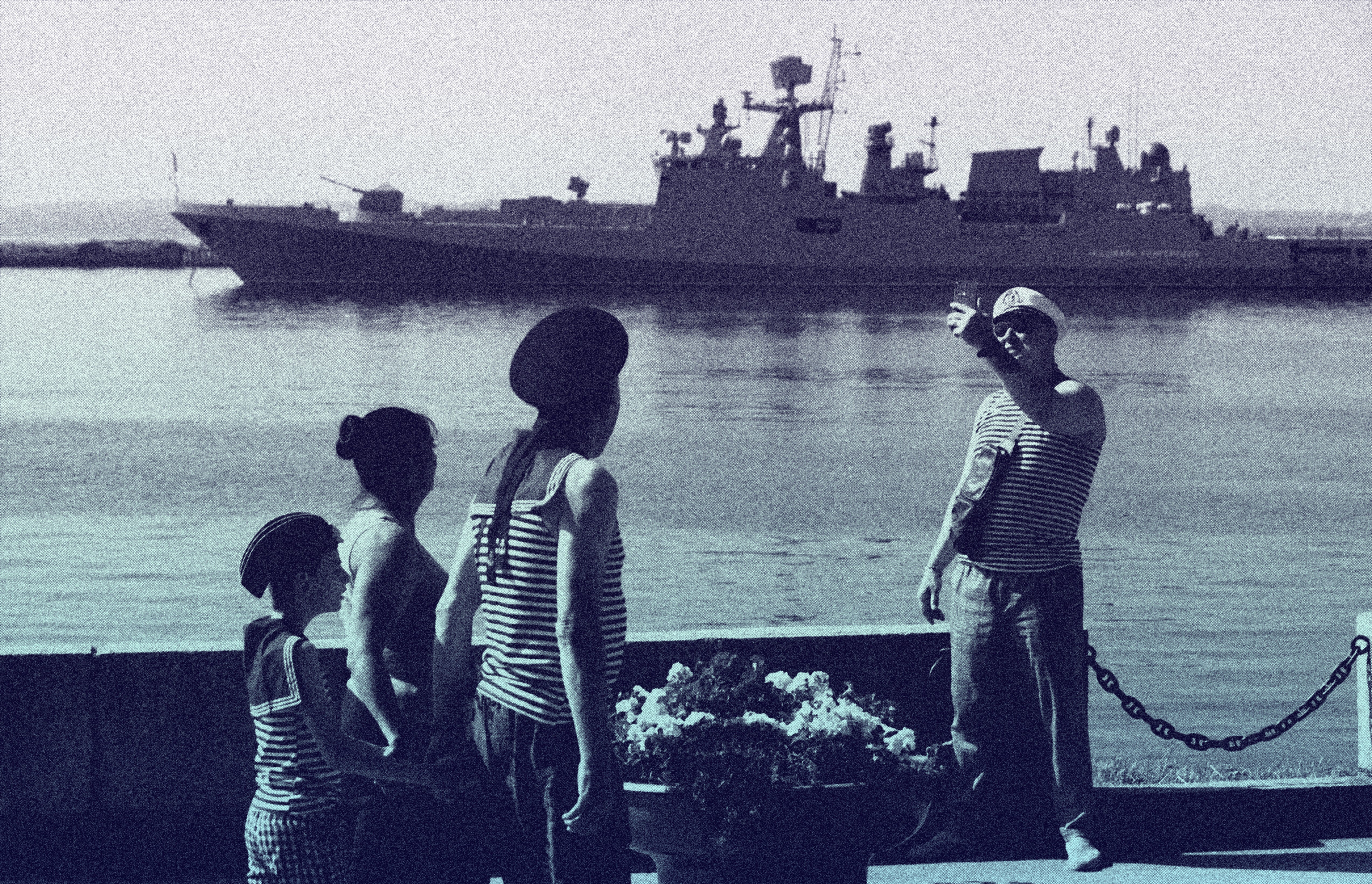
Whither Strong? Exploring Conceptions of Russian Power
Why does Russia play such an important role in geopolitics? If it's because of 'strength'... what does strength even mean? And why do conceptions of Russia's strength vary so extremely? Seva Gunitsky joins Aaron Schwartzbaum on this week’s Bear Market Brief podcast.Related ReadingRussia is both weak and strong - that's the problem by Seva Gunitsky Get full access to FPRI Insights at fpriinsights.substack.com/subscribe
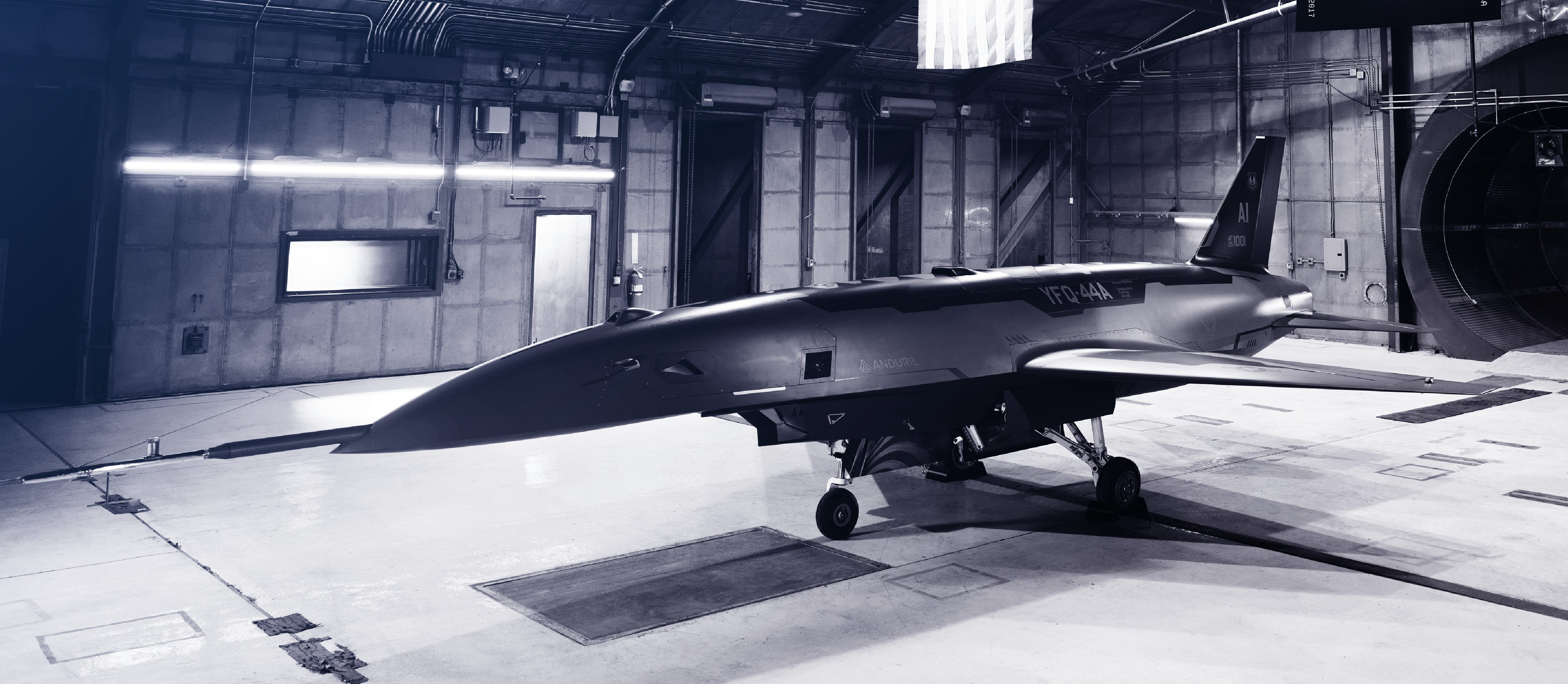
Future of Collaborative Combat Aircraft
How might combat collaborative aircraft be used to fight a war in Europe? Or the Indo-Pacific? To discuss these questions, and the latest from the YFQ-44A, President Aaron Stein sat down with Andrew Van Timmeren, the director of air dominance systems at Anduril Industries, about what he and the company are working on.FPRI’s new project, Behind the Front, analyzes current and future national security challenges with a focus on the Defense Industrial Base, military procurement, lessons learned from ongoing conflicts, and challenges and opportunities in the technology and space sector. Read more here. Get full access to FPRI Insights at fpriinsights.substack.com/subscribe

From Russia with Risk
Here on the Bear Market Brief, a lot of what we focus on is, simply put, risk: what might happen, and what might it mean?On this episode, geoeconomic and country risk expert Rachel Ziemba joins Aaron Schwartzbaum to delve in the discipline of Political Risk: how does one "do" the field?Bear Market Brief features a weekly newsletter and a monthly podcast that strives to be a resource for specialists, generalists, and anyone with an interest in the post-Soviet space. We provide a platform for analysis, particularly for emerging area experts and academics, and a space for even-handed, fact-based conversations in hopes of improving Russia/Eurasia analysis and coverage. Get full access to FPRI Insights at fpriinsights.substack.com/subscribe
Part 2 | Surviving Two Years in Russian Captivity
Listen to Part 1 here.In this special two part episode of Chain Reaction, Senior Fellow Rob Lee interviews Yevgeniy Malik, a squad leader in Ukraine's 36th Marine Brigade. Malik fought in Mariupol during the beginning of the war and defended the Illich Iron and Steel Works. He spent more than two years in captivity in Russia as a prisoner of war from April 2022 to September 2024. In Part 2, Yevgeniy details his time in captivity in Russia’s Mordovia prison, the circumstances of his eventual release in a prisoner exchange in September 2024, and reflects on his ordeal and the conflict as a whole. Please be advised that this episode contains content that may be disturbing to some listeners. Get full access to FPRI Insights at fpriinsights.substack.com/subscribe
Part 1 | Surviving Two Years in Russian Captivity
In this special two-part episode of Chain Reaction, Senior Fellow Rob Lee interviews Yevgeniy Malik, a squad leader in Ukraine's 36th Marine Brigade. Malik fought in Mariupol during the beginning of the war and defended the Illich Iron and Steel Works. He spent more than two years in captivity in Russia as a prisoner of war from April 2022 to September 2024. During this time Malik faced daily beatings and torture. In Part 1, Yevgeniy explains what it was like to be a prisoner of war in Russian prisons, and what the thousands of Ukrainian prisoners of war still face every day.Please be advised that this episode contains content that may be disturbing to some listeners.Part 1 - Chapters* Introductions - 2:26* Setting the scene in Mariupol - 5:04* Negotiating surrender - 14:43* Surrender at the bridge - 18:25* Arriving in Sartana - 20:29 * Time in Olenivka prison -22:19* Transfer into Russia - 26:37* Time in Ryarsk prison - 30:27* Interrogations - 46:25* A Day in Ryarsk - 56:18 Get full access to FPRI Insights at fpriinsights.substack.com/subscribe

What E-Estonia Can Teach the US
This week technologist Joel Burke, author of the recently published Rebooting a Nation: The Incredible Rise of Estonia, E-Government and the Startup Revolution, joins Indra Ekmanis on the Baltic Ways podcast.He shares his insights on Estonia’s rise as a leader in e-government, technological exports in a globalized world, and what the US has to learn from Estonia in a moment of disruption. Baltic Ways is a podcast from the Association for the Advancement of Baltic Studies, produced in partnership with the Baltic Initiative at the Foreign Policy Research Institute. The views and opinions expressed in this podcast are those of the authors and do not necessarily reflect the official policy or position of AABS or FPRI. Get full access to FPRI Insights at fpriinsights.substack.com/subscribe

Gradually, Then Suddenly: Georgia's Slide Into Authoritarianism
Since November of last year, the small country of Georgia has seen daily protests against its increasingly authoritarian government. For over 150 straight days Georgians have been in the streets demanding that their country return to the path of European integration, and halt what they describe as its slide toward becoming a Russian client state. But the Georgian government has not budged, cracking down on the protests, sometimes with violence, and refusing to consider the protestors’ demand for new elections. How might this all end, and what does Georgia’s plight mean for the country itself, for Europe, and for the US? To discuss these questions, former senior Georgian government officials Batu Kutelia, Dato Sikharulidze, and Miro Popkhadze join Bob Hamilton on Chain Reaction. Get full access to FPRI Insights at fpriinsights.substack.com/subscribe

The War’s Impact On Russia's Regional Power Dynamics
In this episode of Report in Short Aaron Schwartzbaum speaks with András Tóth-Czifra about his recent report, “The Kremlin’s Balancing Act: The War’s Impact On Regional Power Dynamics.” In the report, Tóth-Czifra explains the shift of government control, highlights instances of pushback, and identifies limitations on the Kremlin's strategy going forward.The Kremlin's centralization drive has manifested in several ways, including tightening control over regional and municipal political institutions, expanding financial control over regional budgets and policy priorities, nationalizing and indirectly mobilizing business assets, and introducing new priorities in personnel policy.These changes have created winners and losers, resulting in friction and resistance from regional elites who perceive their interests and autonomy as threatened. The sustainability of the Kremlin's strategy is uncertain, and risks intensifying tensions and worsening government instability.András Tóth-Czifra is a Fellow in the Eurasia Program at the Foreign Policy Research Institute (FPRI) and contributing author for FPRI's Bear Market Brief. You can also read more of his analysis in No Yardstick. Get full access to FPRI Insights at fpriinsights.substack.com/subscribe
You Don't Know Until You Go | Views of the US From European Capitals
Persistent reports indicate that the Trump Administration will de-emphasize the US commitment to European security in favor of an emphasis on defending the US homeland and shifting resources to the Indo-Pacific. This follows a long-running critique of America’s European allies for investing too little in their own defense, a critique that predates both Trump Administrations, but one that has gotten louder, especially in the second Trump Administration. But what is the view in European capitals of the emerging US policy toward Europe, and what might its effects be on Transatlantic relations? To discuss these questions, Dr. Michael Neiberg of the US Army War College, recently returned from a visit to Estonia and Germany, joins Bob Hamilton on Chain Reaction. Get full access to FPRI Insights at fpriinsights.substack.com/subscribe
The Feminists Defending Ukraine
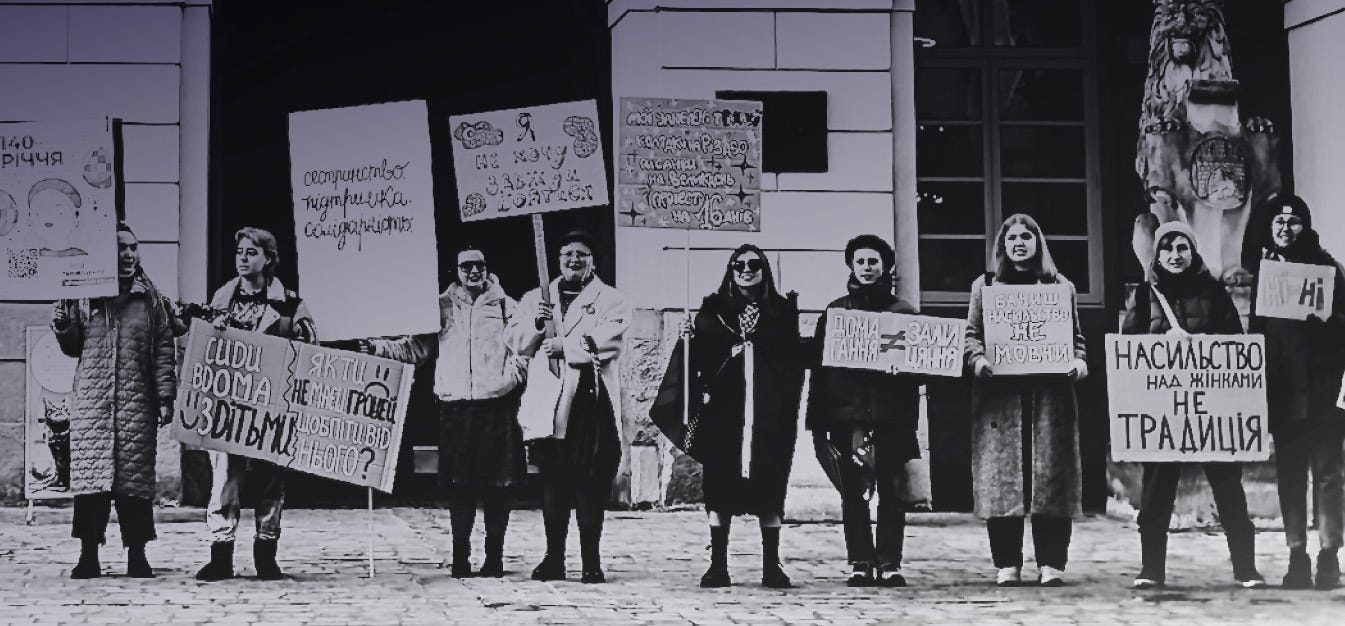
Ukrainians have resisted Russia’s aggression for years. Since the full-scale invasion of their country in 2022, Ukrainian women in particular have taken on important roles on the frontlines, in civil society, and at home. Gražina Bielousova’s research examines how Ukrainian leftist feminists advocate for their causes at home and abroad, facing distinct challenges as they attempt to defend their country. The Ukrainian case is also distinct from Latvia and Lithuania, whose organizing takes on different shapes for the same cause. Bielousova joins Ben Gardner-Gill to explain these interactions and discuss the ongoing process of decolonization in Baltic Studies. Transcript Ben Gardner-Gill: Hello, and welcome to Baltic Ways. I'm your co-host, Ben Gardner-Gill. Today we're talking with Gražina Belousova. Gražina is a feminist scholar of race, religion, and gender in post-Soviet Europe. She earned her PhD from Duke University in 2022. Currently, she is a postdoctoral scholar at Vilnius University's Institute of International Relations and Political Science and a researcher at Vytautas Magnus University.Her current research project focuses on leftist feminisms in East Europe in light of Russia's war against Ukraine, which will culminate in her first book, What's Left of Feminism in East Europe.Gražina, welcome to Baltic Ways.Gražina Belousova: Thank you so much for having me, Ben.BGG: So let's kick off by just hearing a little bit more about your background. I know you finished your PhD pretty recently. Could you tell us a little bit more about how you got into academia, sort of your research interests, and what you're working on at the moment?GB: Right. Yes, I just defended my PhD in 2022. It's hard to believe that it's been nearly three years now. In my PhD, I focused on historical matters. My PhD was in religion and cultural anthropology. And one of the things that I found missing when I was trying to theorize the part of the world that I call home and that most of the world calls Eastern Europe—I realized that I was lacking a solid theory that would bridge economics, anthropology, and religious studies.I wanted to understand how religious difference, especially perceived religious difference, played a role in creating the space that we call Eastern Europe today. And that took me to 18th and 19th century travel writings by Western travelers, oftentimes who were on an official mission, to the edges or to the depths of the Russian Empire.So I've read a lot of ambassadors’ letters. I've read a lot of dispatches from St. Petersburg and Moscow, trying to understand how Westerners thought about that religious difference and how that thinking structured their understanding of what this place was and why it was different. What I tried to argue is actually that perceived religious difference was at the root of thinking of Eastern Europe as something different.Now, when I chose to embark on that topic, I had to put another topic aside, which was the question of very contemporary matters, the question of leftist political thought and feminism. At that point, it felt to me more pertinent to write the kind of theory that I felt was missing. When I was given the opportunity to pursue a postdoctoral position at Vilnius University Institute of International Relations and Political Science, I pitched this idea to them.And we very quickly pulled together the application. And the next thing I knew, I was embarking on a project on leftist feminisms in Eastern Europe in light of the war in Ukraine. So, the path was windy, but here I am today, knees and elbows deep, in the project on leftist feminism.BGG: Wonderful. I mean, a windy path is going to be familiar to so many people listening.So, no surprise and no surprise as well that the full-scale Russian invasion of Ukraine has really impacted your work and your life as it has for many of us. So tell us a little bit more about that.Over the last three years, we've been watching and seeing the horrors in Ukraine. From your perspective, from your academic work, what are some of the main things that you're looking at?GB: One of the things that I'm particularly interested in is the way that groups that are on the edges of society, on the margins of society, such as leftists, such as feminists, and especially leftist feminists—when the two come together and try to articulate their social and political vision and explain to themselves and to their fellow compatriots and oftentimes foreign donors, in my case, also Western leftist feminists, their relevance, how they're trying to articulate their position.War has a penchant for heightening nationalist tendencies. And this is not some kind of particular Eastern European pathology. War anywhere is going to produce these results. That is normal. People defend themselves and articulate themselves on the basis on which they're being attacked, on the basis on which they're being bombed.So this is what we are seeing in Ukraine. Leftism in Eastern E
After the Collapse: Tragedy in Serbia Sparks a Movement
On November 1 2024, the roof of a newly €55 million renovated railway station in Novi Sad, Serbia’s second biggest city, collapsed and killed 16 people. The deaths sparked Serbia’s largest wave of student-led anti-government protests since Yugoslavia’s disintegration in 2000.Mid-March protests in Serbia saw roughly one in twenty Serbians participate. This week Mladen Mrdalj joins host Aaron Schwartzbaum to explore how the tragedy in Novi Sad sparked a mass movement, and why it spells potential trouble for Serbian President Aleksandar Vučić.Explore previous episodes of The Continent series. Get full access to FPRI Insights at fpriinsights.substack.com/subscribe

Tariff Tiff or Trade Tragedy?
The Trump Administration has thrown global financial markets into chaos with its massive but on-again, off-again tariffs against America's trading partners, both large and small. The White House has at times framed the tariffs as a revenue generation scheme, at other times framed them as an attempt to return manufacturing to the US, and at still other times has said they are an attempt to gain concessions from other countries on non-economic issues. What are the goals of the tariffs, how has the administration calculated them, and what are their likely effects on global finance and trade? To answer these questions and others, Dr. Mark Duckenfield, Professor of International Economics at the US Army War College, joins host Bob Hamilton on Chain Reaction. Get full access to FPRI Insights at fpriinsights.substack.com/subscribe

Trump 2.0 and the Baltic States
This week on Chain Reaction, we feature an installment of the Baltic Ways podcast. Host Indra Ekmanis welcomes back professors Margarita Šešelgytė (Vilnius University), Daunis Auers (University of Latvia), and Andres Kasekamp (University of Toronto) for a roundtable discussion on the first two months of Donald Trump’s second term and the US administration’s impact on the Baltic countries and broader Europe. This episode was recorded on March 14, 2025.You May Be Interested InBaltic Roundup | March 2025 A look back on the month’s major political, cultural, and economic events in Estonia, Latvia, and Lithuania.Explore more from FPRI’s Baltic Initiative here. Baltic Ways is a podcast from the Association for the Advancement of Baltic Studies, produced in partnership with the Baltic Initiative at the Foreign Policy Research Institute. The views and opinions expressed in this podcast are those of the authors and do not necessarily reflect the official policy or position of AABS or FPRI. Get full access to FPRI Insights at fpriinsights.substack.com/subscribe
Rumble in the Oval: Strategy or Spectacle?
The two weeks after Donald Trump and Volodymyr Zelensky’s Oval Office clash have precipitated drastic shifts in transatlantic relations and the potential trajectory of Russia’s war in Ukraine. Now a possible ceasefire is on the horizon. This week on the Bear Market Brief podcast, host Aaron Schwartzbaum and Maximilian Hess make sense of the Oval Office blow-up, discuss President Trump’s strategic aims, Russia’s goals, Europe’s response, the US-Ukraine minerals deal, and what might come next with Russia sanctions. This episode was recorded on March 3, 2025.For more about economic warfare in the 21st century, be sure to check out Max’s newsletter, Conflict and Credit. Get full access to FPRI Insights at fpriinsights.substack.com/subscribe

NATO's Past, Present, and Very Uncertain Future
Although NATO has survived - and even thrived - for over 75 years, its future looks more uncertain now than at perhaps any other time. The Alliance confronts not only a resurgent Russia, but serious questions over the US commitment to European security and the ability of European Allies to fill the gap a US withdrawal from Europe would leave. To discuss these and many other issues surrounding NATO's role in European security, Dr. Rick Landgraf joins host Bob Hamilton on Chain Reaction. A retired US Army Lieutenant Colonel with extensive scholarly and policy experience on NATO, Rick is also the host of a recent FPRI podcast series on the Alliance.Explore FPRI’s special project: The Ties That Bind | NATO at 75 and Beyond This episode was recorded on February 28, 2025. Get full access to FPRI Insights at fpriinsights.substack.com/subscribe
An Inflection Point: The Military Situation in Ukraine
While the military situation in Ukraine continues apace, with grinding Russian assaults gaining ground daily, but at a reduced pace and increasing rate of casualties, the diplomatic situation is changing rapidly. A flurry of US diplomatic activity aimed at ending the war has unnerved Ukrainians and America's allies, who fear the US is preparing to cut a deal with Russia over their heads. This activity includes a bilateral meeting between the US and Russia in Saudi Arabia that excluded America's NATO Allies and Ukraine itself, a series of confusing and contradictory statements from US officials, and an escalating war of words between the US and Ukrainian presidents. To help us make sense of both the military and political situations, Konrad Muzyka, who recently returned from Ukraine, joins Bob Hamilton on this episode of Chain Reaction.For more military analysis of the Russian invasion of Ukraine check out Konrad’s Ukraine Conflict Monitor.This episode was recorded on February 20, 2025. Get full access to FPRI Insights at fpriinsights.substack.com/subscribe
Understanding Russian Narratives on the West, Ukraine, Russia, and the World
Sometimes lost among analysis of Russian malign actions around the world - from invasions of its neighbors, to sowing chaos in democratic societies, manipulating democratic elections, and weaponizing corruption - is analysis of why Russia does what it does. In other words, what is it about the Russian model of how the world works that causes it to engage in these types of activities, and what narrative justification does it advance? To discuss these issues, Dr. Olena Snigyr, a Ukrainian scholar with a deep understanding of Russia's motivation and justification for its actions, joins host Bob Hamilton on Chain Reaction.You Might Be Interested In…* 📖 The Ideological Agenda of Russian Information Influence in Africa * ▶️ Russian Influence Operations in the Black Sea Region * 🎙️ Dark Sarcasm in the Classroom: Patriotic Education in Russia Get full access to FPRI Insights at fpriinsights.substack.com/subscribe

Report in Short | Russian Strategic Culture and the War in Ukraine
In this episode of Report in Short, Aaron Schwartzbaum speaks with Lieutenant Colonel Denys Yurchenko, about his recent FPRI report “Russian Strategic Culture and the War in Ukraine." In the report, Yurchenko observes Russia's intentions through the lens of strategic culture theory and explains why understanding Russian strategic culture can help establish new policies and strategies to defeat Russia and prevent future conflicts.The author also evaluates Russia's strategic culture and provides recommendations for Ukraine and the West. Get full access to FPRI Insights at fpriinsights.substack.com/subscribe
The Art of the Alliance
This week on The Ties That Bind: NATO at 75 and Beyond: In this episode we look back at a defining year in NATO history and we look ahead to the challenges and the opportunities positioned to shape the alliance in the coming years and decades. Featured guests: * Nina Soljan, Head of NATO Affairs and Security Policy, NATO Headquarters* Susan Colbourn, Historian; Associate Director of the Program on American Grand Strategy, Duke University * Sara Moller, Associate Professor, Security Studies Program at Georgetown University; Non-Resident Senior Fellow, Center for a New American Security; Non-Resident Senior Fellow, Atlantic Council. Explore more from the The Ties That Bind: NATO at 75 and Beyond project. Get full access to FPRI Insights at fpriinsights.substack.com/subscribe
With So Much Drama in the NSC: Trump, Russia, and the Strategic Context
This week on the Bear Market BriefWhere does the US stand in the world as Trump (re)assumes office? How is his approach towards Ukraine shaping up? Stephen Wertheim, Senior Fellow in the American Statecraft Program at the Carnegie Endowment for International Peace, joins Aaron Schwartzbaum to explore the broader context and drivers of how policy towards Russia will, and will not, be made.Read Stephen’s latest piece for Foreign Affairs here.This episode was recorded on December 20, 2024. Get full access to FPRI Insights at fpriinsights.substack.com/subscribe
NATO's Future | The Philadelphia Perspective with Rep. Brendan Boyle (PA-02)
Rick Landgraf sits down with Representative Brendan Boyle (PA-02) to discuss the Congressman's role in the NATO Parliamentary Assembly's political committee, future challenges facing the alliance, and the relevance of NATO on a local level. Explore from The Ties That Bind: NATO at 75 and Beyond Get full access to FPRI Insights at fpriinsights.substack.com/subscribe

Baltic Leadership in the European Commission
Ben Gardner-Gill sits down with Lithuanian political scientist Andžej Pukšto to talk about the results of the 2024 European elections, with a focus on two Baltic members of the European Commission: Kaja Kallas of Estonia and Andrius Kubilius of Lithuania. Both former prime ministers, Kallas and Kubilius have unique challenges ahead of them as Russia’s war in Ukraine continues. Kallas will lead EU foreign policy, and Kubilius will be the first-ever EU Commissioner for Defense and Space. Pukšto shines a light on what they’ll prioritize, what advantages they have entering their new jobs, and how they might overcome the roadblocks ahead.Baltic Ways is brought to you by the Association for the Advancement of Baltic Studies (AABS), produced in partnership with the Foreign Policy Research Institute (FPRI). The views and opinions expressed in this podcast are those of the speakers and do not necessarily reflect the official position of AABS or FPRI. Get full access to FPRI Insights at fpriinsights.substack.com/subscribe

The Precipice: The War in Ukraine Hangs in the Balance
Between a Russian offensive and the reelection of Donald Trump, the war in Ukraine hangs in the balance. Janis Kluge joins host Aaron Schwartzbaum to explore how we got here and what might happen next.Explore more from the Bear Market Brief Get full access to FPRI Insights at fpriinsights.substack.com/subscribe

Between Oceans: NATO's Indo-Pacific Partnerships
In this episode we explore the history and evolution of NATO’s relationships with its Indo-Pacific partners, the alliance’s role in the growing US-China rivalry, and look ahead to a new era of NATO engagement outside of the Atlantic in a time of increasingly interconnected global conflicts. Featured guests:Gwendoline Vamos, Senior Officer, Asia-Pacific Global Partnerships at NATO HeadquartersIan Langford, senior military officer (retired), Australian Defense ForcesPeter Olive, senior military officer (retired), United Kingdom Royal NavyJohn Hemings, Senior Associate Director, Pacific ForumThis episode is part of a new limited series: The Ties That Bind: NATO at 75 and Beyond Get full access to FPRI Insights at fpriinsights.substack.com/subscribe

Georgia On My Mind: Election Takeaways
This week on The Continent: FPRI's Eurasia Program Director Maia Otarashvili joins Aaron to talk through recent parliamentary election results in Georgia and delve into an interesting question: how does a broadly pro-EU, Russia-skeptical country wind up with a euroskeptic, Russia-friendly government? Get full access to FPRI Insights at fpriinsights.substack.com/subscribe

What a Harris or Trump Presidency Could Mean for the Baltic States
This week on Baltic Ways - The US election is approaching quickly with implications for America's allies in the world. Professors Margarita Šešelgyte (Vilnius University), Daunis Auers (University of Latvia), and Andres Kasekamp (University of Toronto) join a roundtable discussion on the impact that a Kamala Harris or Donald Trump presidency could have on the security and future outlook of the Baltic countries and broader European, and how people in Estonia, Latvia and Lithuania are feeling about the state of democracy in the US. This episode was recorded on September 25, 2024.Explore more from FPRI's Baltic Intiative.Baltic Ways is a podcast brought to you by the Association for the Advancement of Baltic Studies, produced in partnership with the Baltic Initiative at the Foreign Policy Research Institute. The views and opinions expressed in this podcast are those of the authors and do not necessarily reflect the official policy or position of AABS or FPRI. Get full access to FPRI Insights at fpriinsights.substack.com/subscribe

Kharkiv: A Ukrainian City Perseveres
Located only 30 km from the border with Russia, the Ukrainian city of Kharkiv was the object of another Russian offensive earlier this year. Although Ukrainian forces stopped Russia's drive to capture the city, Kharkiv still endures daily attacks from Russian glide bombs, drones and missiles. Although Ukraine has the capability to strike back at the aircraft and airfields supporting these attacks, it lacks permission to use Western weapons to do so. Join Bob Hamilton as he interviews Kharkiv resident and FPRI Senior Fellow Maria Avdeeva about how her city is enduring these daily attacks and how Ukraine would strike back if given permission.Read Maria's recent analysis on why Ukraine should be allowed to strike back here. Get full access to FPRI Insights at fpriinsights.substack.com/subscribe