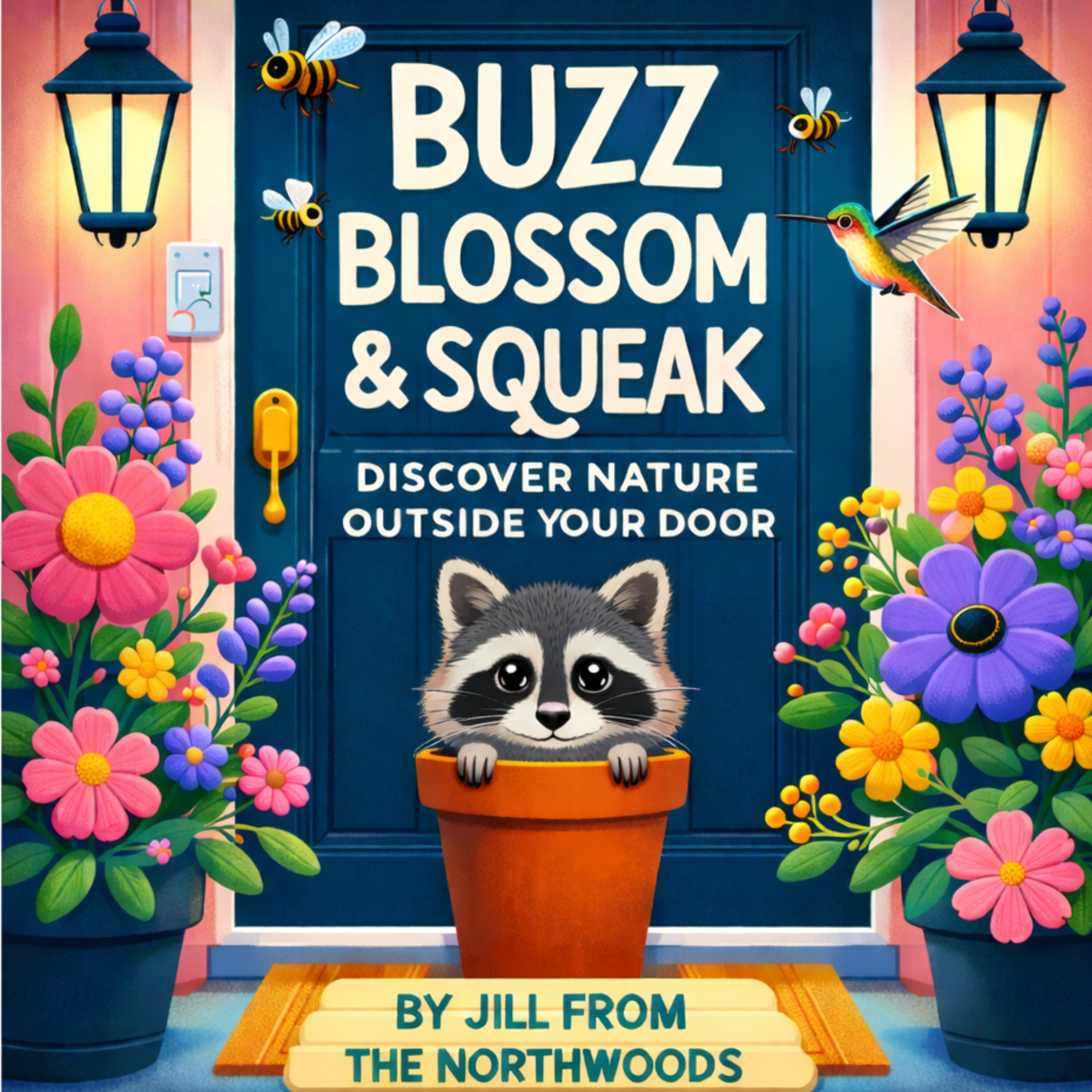
Buzz Blossom & Squeak
134 episodes — Page 3 of 3
Ep 3333 - Comets - Wandering Dust Bunnies
33 - Comets - Wandering Dust Bunnies In this episode, we explore the fascinating world of comets—those icy, dusty travelers from the outer reaches of our solar system. We dive into what comets are made of, where they come from, and why their appearances in the night sky have intrigued astronomers and stargazers for centuries. Whether you’re an experienced astronomer or simply curious about celestial events, this episode will give you everything you need to know about comets and how to see one for yourself! 1. What Exactly is a Comet?Comets are essentially massive balls of ice, dust, and rock that originate from the Kuiper Belt and Oort Cloud. These regions are far from the Sun, and comets spend most of their time in deep space until gravitational forces pull them toward the Sun. As they near the Sun, their ice melts, creating the famous glowing tails. 2. Famous Comets in HistoryWe talk about one of the most well-known comets, Halley’s Comet, which appears every 75 years and was last seen in 1986. Halley’s Comet will return in 2061, and we will explore its historical significance. Additionally, we discuss the Rosetta mission, where a probe successfully landed on Comet 67P, providing groundbreaking data. 3. Viewing the Latest CometDon’t miss the chance to see Comet C/2023 AG Atlas, which is visible until October 26th in the northern hemisphere. We offer tips on how to spot it in the night sky and why this opportunity is so rare. Takeaways:-Comets are remnants from the early solar system, offering valuable clues about the formation of planets.-Halley’s Comet will make its next appearance in 2061, so mark your calendar!C/2023 AG Atlas is currently visible, and this is a rare opportunity to witness a comet with the naked eye.-Tune in to get all the details and learn how to experience these celestial wonders! https://buzzblossomandsqueak.com/?p=276 https://www.youtube.com/watch?v=bJt4mDzaDZM https://stellarium.org/ - Windows, Mac, Linux, Web, IOS https://www.kwtx.com/2024/10/14/rare-comet-now-visible-night-sky-how-you-can-see-this-once-lifetime-phenomenon/ Jill’s Links Buy Me Coffee if you like my podcasts! https://www.buymeacoffee.com/smallstepspod Buzz Blossom and Squeak Website https://buzzblossomandsqueak.com/ Twitter - https://twitter.com/schmern Blog Headquarters at https://abetterlifeinsmallsteps.com/ Email the podcast at mailto: [email protected] Notion Affiliate - https://affiliate.notion.so/NorthwoodsJill Notion AI Affiliate -https://affiliate.notion.so/NorthwoodsAI
Ep 3232- Nature’s Transition to Fall
32 - Nature’s Transition to Fall In this episode, we dive into the wonders of autumn. From the changing leaves to the migration of birds, this season brings many signs of nature’s preparation for the colder months ahead. Our host reflects on favorite autumn activities, like camping under cooler skies and watching squirrels gather acorns, while also touching on the bittersweet moments of the season—such as the departure of migratory birds. Seasonal Changes in Nature: Autumn’s telltale signs, such as shorter days, cooler nights, and the transformation of leaves, are discussed in detail. Learn about the science behind why leaves change color and how trees prepare for winter. Bird Migration and Animal Preparations: Birds heading south and animals foraging for nuts are key autumn signs. Discover how wildlife gets ready for winter, including interesting behaviors like squirrels caching their food in both trees and underground. Fun Autumn Activities: The episode explores seasonal activities that celebrate autumn, from nature walks and photography to visiting farms for apple picking and corn mazes. Takeaways: Autumn is more than just a seasonal change—it’s a time to connect with nature, appreciate its beauty, and participate in outdoor activities that allow us to enjoy the season to the fullest. Whether you’re marveling at bird migrations or indulging in pumpkin spice treats, fall offers something for everyone. https://buzzblossomandsqueak.com/?p=267 Jill’s Links Buy Me Coffee if you like my podcasts! https://www.buymeacoffee.com/smallstepspod Buzz Blossom and Squeak Website https://buzzblossomandsqueak.com/ Twitter - https://twitter.com/schmern Blog Headquarters at https://abetterlifeinsmallsteps.com/ Email the podcast at mailto: [email protected] Notion Affiliate - https://affiliate.notion.so/NorthwoodsJill Notion AI Affiliate -https://affiliate.notion.so/NorthwoodsAI
Ep 3131 - Why Owls Are So Magical
31 - Why Owls Are So Magical In today’s episode, we dive deep into the fascinating world of owls. Owls are known for their wisdom and quiet flight, making them one of the most mysterious birds in the animal kingdom. From personal owl-watching experiences to the science behind their unique adaptations, this episode is packed with information that will leave you in awe of these nocturnal hunters. The Silent Flight of Owls – Learn about the experience of night kayaking under the watchful eyes of owls and the unforgettable sight of these birds flying silently overhead. Owl Anatomy and Special Features – We explore how owls’ physical traits, like asymmetrical ears and rotating heads, make them expert hunters. Discover why owls are farsighted and how they use their feathers for stealth. Owl Habitats and Hunting Skills – From barn owls in farmlands to snowy owls in the Arctic, owls inhabit diverse environments. Their hunting techniques are compared to wolves of the sky, preying on everything from rodents to small deer. Owl Conservation and Centers—The International Owl Center in Minnesota offers incredible opportunities to observe these birds up close and provides education on their conservation and behavior. Takeaways: -Owls have incredible adaptations that make them powerful nocturnal predators.-There are over 200 species of owls worldwide, each with unique habitats and traits.-To witness these majestic birds, consider attending local owl-watching events or visiting specialized centers. https://buzzblossomandsqueak.com/?p=263 https://www.internationalowlcenter.org/ https://www.jenniferackermanauthor.com/what-an-owl-knows Jill’s Links Buy Me Coffee if you like my podcasts! https://www.buymeacoffee.com/smallstepspod Buzz Blossom and Squeak Website https://buzzblossomandsqueak.com/ Twitter - https://twitter.com/schmern Blog Headquarters at https://abetterlifeinsmallsteps.com/ Email the podcast at mailto: [email protected] Notion Affiliate - https://affiliate.notion.so/NorthwoodsJill Notion AI Affiliate -https://affiliate.notion.so/NorthwoodsAI
Ep 3030 - Seeing Foxes and Coyotes
30 - Seeing Foxes and Coyotes In today’s episode, we explore the differences between two common urban canids: foxes and coyotes. Although they’re often confused due to their similar appearances, foxes and coyotes have distinct characteristics that make each unique. From their size and coat patterns to their hunting behaviors, understanding these differences helps us better appreciate and live alongside these wild animals. Physical Appearance: Learn how to identify a fox versus a coyote. Foxes, especially red foxes, have bright reddish fur, prance when they walk, and hold their tails high, while coyotes tend to be larger, with a rust or gray color and a heavier build. Behavioral Differences: While foxes are more solitary hunters, often seen alone, coyotes form packs and can be more social. We discuss their diets, nocturnal behaviors, and how they interact with their environment. Impact on Urban Life: Hear about the role foxes and coyotes play in controlling urban rodent populations and the steps homeowners can take to protect pets and small children from encounters. Takeaways: Urban wildlife, such as foxes and coyotes, are integral to our environment. By learning how to identify and understand their behaviors, we can coexist peacefully with them, protect our homes, and even enjoy the beauty they bring to our daily lives. https://buzzblossomandsqueak.com/?p=260 Jill’s Links Buy Me Coffee if you like my podcasts! https://www.buymeacoffee.com/smallstepspod Buzz Blossom and Squeak Website https://buzzblossomandsqueak.com/ Twitter - https://twitter.com/schmern Blog Headquarters at https://abetterlifeinsmallsteps.com/ Email the podcast at mailto: [email protected] Notion Affiliate - https://affiliate.notion.so/NorthwoodsJill Notion AI Affiliate -https://affiliate.notion.so/NorthwoodsAI
Ep 2929 - Reading the Secrets of Puddles and Rivers
29 - Reading the Secrets of Puddles and Rivers In this episode, we explore the hidden language of water with insights from How to Read Water by Tristan Gooley. From the smallest puddle to the vastness of the ocean, water has much to tell us if we take the time to observe it. We discuss how everything from raindrops to rivers follows the same natural principles and how learning to read water can deepen our understanding of the environment. The Cohesion of Water: We dive into water’s unique property of sticking to itself. Whether it's raindrops on a windshield or rivers flowing across landscapes, this cohesion is key to understanding how water behaves. Tristan Gooley explains how this simple principle creates everything from puddles to lakes. Wave Patterns from Ponds to Oceans: Even the tiniest pond reflects the same forces at play in the Pacific Ocean. Gooley’s explanation of wave interference and how wind influences water surfaces offers a new perspective on the power of water in motion. Wildlife’s Relationship with Water: Animals, plants, and insects are all drawn to water. We discuss how birds, in particular, rely on water sources and how their behavior can reveal the presence of water, even from afar. Reading Puddles and Rivers: Puddles, often overlooked, can reveal erosion patterns, soil composition, and even animal activity. Gooley teaches us to observe these small bodies of water to better understand larger environmental systems. Takeaways: Water is not just a resource, but a storyteller of the natural world. By observing its movements, we can learn about weather patterns, ecosystems, and even the history of the land. The next time you see a puddle or a river, stop and reflect on the natural processes at work. Jill’s Linkshttps://www.naturalnavigator.com/books-and-library/how-to-read-water/ https://buzzblossomandsqueak.com/?p=257 Buy Me Coffee if you like my podcasts! https://www.buymeacoffee.com/smallstepspod Buzz Blossom and Squeak Website https://buzzblossomandsqueak.com/ Twitter - https://twitter.com/schmern Blog Headquarters at https://abetterlifeinsmallsteps.com/ Email the podcast at mailto: [email protected] Notion Affiliate - https://affiliate.notion.so/NorthwoodsJill Notion AI Affiliate -https://affiliate.notion.so/NorthwoodsAI
Ep 2828 - The Magic of Autumn Leaves
28 - The Magic of Autumn Leaves In today’s episode, we dive into the science behind the stunning colors of autumn leaves. We explore why leaves change color, the role of chlorophyll, and the fascinating ways trees prepare for winter. Autumn is the season when leaves transform into a beautiful array of colors before they fall. But what causes this change? In this episode, we break down the science behind it. From the breakdown of chlorophyll to the emergence of carotenoids and anthocyanins, we explain how these pigments contribute to the vibrant reds, oranges, and yellows we see each year. You'll also learn why evergreens keep their needles and how weather conditions can affect the intensity of fall colors. Why Leaves Change Color: Discover how the reduction in chlorophyll reveals hidden pigments in the leaves, leading to the stunning colors of autumn.The Role of Pigments: We explore the types of pigments responsible for the yellow, orange, and red hues, such as carotenoids and anthocyanins. Tree Survival Tactics: Learn why deciduous trees shed their leaves while evergreens retain their needles, ensuring survival through winter.The Effect of Weather: Hear how temperature and moisture impact the intensity of fall foliage. Takeaways: -Chlorophyll breakdown is key to the fall colors we love.-Different pigments contribute to the range of leaf colors seen in autumn.-Not all trees shed their leaves—evergreens keep their needles to survive in harsh climates.-Weather conditions can make or break a brilliant fall foliage season. https://buzzblossomandsqueak.com/?p=254 Jill’s Links Buy Me Coffee if you like my podcasts! https://www.buymeacoffee.com/smallstepspod Buzz Blossom and Squeak Website https://buzzblossomandsqueak.com/ Twitter - https://twitter.com/schmern Blog Headquarters at https://abetterlifeinsmallsteps.com/ Email the podcast at mailto: [email protected] Notion Affiliate - https://affiliate.notion.so/NorthwoodsJill Notion AI Affiliate -https://affiliate.notion.so/NorthwoodsAI
Ep 2727 - Discovering Rockhounding
27 - Discovering Rockhounding In this episode, we look into the fascinating world of rockhounding—an age-old hobby that combines the beauty of nature with the science of geology. From childhood collections to modern-day rock hunting, we'll explore how rock collecting brings us closer to understanding the natural world. The Art of Rock Collecting: Hear about the joys of collecting rocks from lake shores, rivers, and even deserts. Discover how unique formations like Yooperlite glow under UV light and learn how to identify various types of rocks, including igneous, sedimentary, and metamorphic. Tools and Techniques: Learn about the essential tools for rockhounding, such as hammers, chisels, and safety gear, and get tips on cataloging your finds. Whether you're a beginner or a seasoned collector, these tips will help you stay safe while enhancing your collection. Finding the Perfect Spot: We discuss where to look for rocks, from river valleys and mountainsides to beaches and road cuts. You'll also learn why it's important to follow local regulations, especially in national parks or protected areas. Key Takeaways: -Rockhounding is a rewarding hobby for all ages.-Always check land permissions before collecting rocks.-Use resources like books, apps, and local guides to deepen your understanding of rock types and geology. https://buzzblossomandsqueak.com/?p=251 https://rockhoundresource.com/ https://www.rockhounding.org/ https://www.rockngem.com/what-is-a-rockhound/ Jill’s Links Buy Me Coffee if you like my podcasts! https://www.buymeacoffee.com/smallstepspod Buzz Blossom and Squeak Website https://buzzblossomandsqueak.com/ Twitter - https://twitter.com/schmern Blog Headquarters at https://abetterlifeinsmallsteps.com/ Email the podcast at mailto: [email protected] Notion Affiliate - https://affiliate.notion.so/NorthwoodsJill Notion AI Affiliate -https://affiliate.notion.so/NorthwoodsAI
Ep 2626 - The Ragweed Rundown
26 - The Ragweed Rundown In this episode, we dive into the world of ragweed, a plant notorious for causing seasonal allergies. I offer tips on how to manage its effects. Whether you're a fellow allergy sufferer or just curious about this common weed, you'll find valuable insights in this episode. What is Ragweed?Ragweed is a member of the Aster family, known for its ability to cause severe allergies in late summer and fall. The plant is common across the Midwest and Eastern United States, thriving in a variety of environments, from prairies to urban backyards. Ragweed IdentificationWe discuss how to spot ragweed in the wild, noting its tall stature, ragged leaves, and greenish flowers. She also explains how to differentiate it from goldenrod, a non-allergenic plant often mistaken for ragweed. The Allergy ConnectionRagweed pollen is highly allergenic, affecting about 30% of the population. Symptoms range from sneezing and itchy eyes to asthma attacks. IControl and Prevention TipsI discuss various methods for controlling ragweed, from manual uprooting to the use of herbicides. She also offers practical advice on minimizing exposure to ragweed pollen, such as staying indoors during peak pollen hours and keeping windows closed. Takeaways:Ragweed is more than just an unsightly weed—it's a major contributor to seasonal allergies. By learning how to identify and control ragweed, you can protect yourself from its allergenic effects. Remember to take preventive measures, like reducing outdoor activity during peak pollen times and using air purifiers indoors, to keep your allergies in check. https://buzzblossomandsqueak.com/?p=246 Jill’s Links Notion Affiliate - https://affiliate.notion.so/NorthwoodsJill Notion AI Affiliate -https://affiliate.notion.so/NorthwoodsAI Buy Me Coffee if you like my podcasts! https://www.buymeacoffee.com/smallstepspod Buzz Blossom and Squeak Website https://buzzblossomandsqueak.com/ Twitter - https://twitter.com/schmern Blog Headquarters at https://abetterlifeinsmallsteps.com/ Email the podcast at mailto: [email protected]
Ep 2525 - Honeybees Are Always Working
25 - Honeybees Are Always Working In this episode, we dive deep into the world of honeybees, exploring their complex societal structures and the crucial roles they play in our ecosystems. From the queen bee's relentless egg-laying to the tireless work of the worker bees, we discuss how these small creatures contribute to the natural world and why their survival is vital to our own. The Role of the Queen Bee: Discover the life of the queen bee, the sole reproductive female in the hive. Learn about her egg-laying capabilities and how she influences the hive's future by controlling the sex of her offspring. The Drone’s Purpose: We discuss the short but significant life of the drone bee, whose sole purpose is to mate with a queen. Explore how drones contribute to the hive's genetic diversity despite their brief existence. Worker Bees: The Hive's Backbone: Worker bees are the unsung heroes of the hive. We cover their varied roles, from nursing larvae to foraging for nectar, and how they keep the hive running smoothly. Honeybee Communication and Hive Structure: Learn about the sophisticated ways bees communicate, including their famous "waggle dance," and how they maintain optimal hive conditions through temperature regulation. Honeybees are vital for pollination, making them crucial to our food supply.The intricate structure and roles within a hive showcase the marvel of nature's engineering. Protecting honeybees is essential, as they face multiple threats, yet show remarkable resilience. https://buzzblossomandsqueak.com/?p=238 Jill’s Links Notion Affiliate - https://affiliate.notion.so/NorthwoodsJill Notion AI Affiliate -https://affiliate.notion.so/NorthwoodsAI Buy Me Coffee if you like my podcasts! https://www.buymeacoffee.com/smallstepspod Buzz Blossom and Squeak Website https://buzzblossomandsqueak.com/ Twitter - https://twitter.com/schmern Blog Headquarters at https://abetterlifeinsmallsteps.com/ Email the podcast at mailto: [email protected]
Ep 2424 - Bees are Powerful Pollinators
24 - Bees are Powerful Pollinators In this episode, we dive into the world of bumblebees, exploring their unique behaviors, their crucial role in pollination, and the challenges they face. We’ll discuss the different species of bumblebees, their life cycle, and how they manage to pollinate plants that other bees can’t. Plus, we’ll share some fun facts and tips on how you can help protect these important insects. The Bumblebee Life Cycle: We explore how a queen bumblebee starts a colony each spring, raising the first generation of workers who then take over the foraging duties. The life of a bumblebee is a fascinating cycle of birth, work, and hibernation. Buzz Pollination: Learn about the unique pollination method used by bumblebees, where they vibrate to release pollen from plants that other bees can’t access. This technique is vital for crops like tomatoes and blueberries. Species Diversity: With around 250 species, bumblebees are incredibly diverse. We discuss how to identify different species by their color patterns and the specific habitats they thrive in, from cold climates to endangered environments. Challenges and Conservation: Bumblebees face numerous threats, including habitat loss and pesticides. We talk about the importance of protecting bumblebees and what you can do to help, such as planting bee-friendly flowers or reducing pesticide use. Takeaways: -Bumblebees are crucial pollinators, playing a significant role in our food supply and natural ecosystems.-Their unique ability to perform buzz pollination makes them indispensable for certain crops.-Protecting bumblebees is essential, and simple actions like planting flowers and reducing pesticides can make a big difference. https://buzzblossomandsqueak.com/?p=234 Jill’s Links Notion Affiliate - https://affiliate.notion.so/NorthwoodsJill Notion AI Affiliate -https://affiliate.notion.so/NorthwoodsAI Buy Me Coffee if you like my podcasts! https://www.buymeacoffee.com/smallstepspod Buzz Blossom and Squeak Website https://buzzblossomandsqueak.com/ Twitter - https://twitter.com/schmern Blog Headquarters at https://abetterlifeinsmallsteps.com/ Email the podcast at mailto: [email protected]
Ep 23Witness the Perseid Meteor Shower and Prepare for the Storm!
Witness the Perseid Meteor Shower and Prepare for the Storm! Look for the wonder of the Perseid meteor shower, which is a celestial event that captivates sky watchers every August. Join us as we explore the origins of this meteor shower, how and when to view it, and what makes this year’s display particularly special. The Perseid meteor shower is one of the most anticipated astronomical events of the year, occurring from mid-July to late August, with peak visibility on August 11th and 12th. This annual phenomenon results from Earth passing through the debris left by the Swift-Tuttle comet. Optimal Viewing Conditions:-Best viewed in dark areas away from city lights, preferably after sunset until midnight due to the late moonrise.-Tips for locating the meteors, with the radiant point near the constellation Perseus, and using star apps for guidance. What to Expect:-A potential of 50 to 100 meteors per hour during the peak nights.-Variation in meteor brightness and colors, from quick streaks to brilliant fireballs, based on their composition. Capturing the Moment:Suggestions for setting up a comfortable viewing spot with reclining chairs or blankets.Advice on photographing the meteors with long-exposure settings on cameras. Looking Forward to 2028:-Excitement builds for the predicted meteor storm in 2028, with an expected rate of up to 1,000 meteors per hour.-Potential challenges with moonlight during the 2028 event, but still an unmissable spectacle. Takeaways: The Perseid meteor shower is a must-see event for both seasoned astronomers and curious newcomers. This year’s shower provides a convenient viewing window early in the evening, making it accessible for everyone. Future events, particularly in 2028, promise even more dazzling displays, so keep your stargazing gear ready. Prepare your spot, invite some friends, and enjoy the magic of the Perseid meteor shower. Don’t forget to check out local astronomy clubs and observatories for communal viewing events and educational opportunities. https://buzzblossomandsqueak.com/?p=228 My Fireball Experience https://x.com/schmern/status/1821001164210516250 Report a meteor https://fireball.amsmeteors.org/members/imo/report_intro What is a meteor https://www.youtube.com/watch?v=NGkry07QGoo https://www.space.com/32868-perseid-meteor-shower-guide.html The 2028 Perseids! https://www.space.com/perseid-meteor-shower-storm-2028 https://vitotechnology.com/apps/star-walk-2 https://skysafariastronomy.com/ Jill’s Links Notion Affiliate - https://affiliate.notion.so/NorthwoodsJill Notion AI Affiliate -https://affiliate.notion.so/NorthwoodsAI Buy Me Coffee if you like my podcasts! https://www.buymeacoffee.com/smallstepspod Buzz Blossom and Squeak Website https://buzzblossomandsqueak.com/ Twitter - https://twitter.com/schmern Blog Headquarters at https://abetterlifeinsmallsteps.com/ Email the podcast at mailto: [email protected]
Ep 2222 - Solar Cycle 25 Coming to an End
22 - Solar Cycle 25 (Released Early for July 30 Auroras) In this episode, we explore the fascinating world of solar cycles with a focus on the nearing end of Solar Cycle 25. Discover how these cycles influence solar activity and create the stunning auroras. Learn about the history, effects, and best ways to witness these mesmerizing natural phenomena. Understanding Solar Cycles Solar cycles are approximately 11-year periods marked by variations in sunspot activity. Discovered in the mid-1700s, these cycles have minimum and maximum phases, each bringing different levels of solar activity. Solar Cycle 25 began around September 2020, and it has provided some spectacular solar events despite being relatively quiet. Highlights of Solar Cycle 25 Solar Cycle 25 has produced remarkable solar events, including a massive coronal mass ejection (CME) on April 23, 2023, and May 10, 2024. This event led to some of the most vivid auroras in recent memory. While the cycle was initially predicted to be similar to its predecessor, Cycle 24, it has nonetheless offered breathtaking displays and important scientific observations. Effects of Solar Activity on Earth Solar flares and CMEs can have profound effects on Earth, causing geomagnetic storms that lead to dazzling auroras and sometimes disrupting technology. Historical events like the Carrington Event of 1859 and the Quebec blackout of 1989 illustrate the significant impact of solar activity on our planet. The Beauty and Science of Auroras Auroras, or the Northern and Southern Lights, are one of nature's most spectacular displays. These luminous phenomena occur when charged particles from the sun interact with Earth's magnetic field and atmosphere. The best times to view auroras are during heightened solar activity, particularly in dark, rural areas away from city lights. Future Opportunities to Witness Auroras With Solar Cycle 25 expected to peak around 2025, now is an ideal time to witness auroras. Use apps like Aurora Pro for real-time alerts and travel tips. The next few years promise increased solar activity, leading to more frequent and intense auroral displays, making it a perfect time to plan your aurora-viewing adventure. Solar Cycle 25 has been a period of remarkable solar activity, offering unique opportunities to witness one of nature's greatest spectacles. With the cycle nearing its peak, the next few years are prime for aurora-viewing before solar activity decreases. https://buzzblossomandsqueak.com/?p=219 Cannibal CME https://svs.gsfc.nasa.gov/20067 Cycle 25 - https://blogs.nasa.gov/solarcycle25/ Space Weather NOOA https://www.swpc.noaa.gov/ https://www.spaceweather.com/ Aurora Pro https://apps.apple.com/us/app/my-aurora-forecast-alerts/id1073082439 My Aurora Forecast https://play.google.com/store/apps/details?id=com.jrustonapps.myauroraforecast&hl=en_US&gl=US Jill’s Links Notion Affiliate - https://affiliate.notion.so/NorthwoodsJill Notion AI Affiliate -https://affiliate.notion.so/NorthwoodsAI Buy Me Coffee if you like my podcasts! https://www.buymeacoffee.com/smallstepspod Buzz Blossom and Squeak Website https://buzzblossomandsqueak.com/ Twitter - https://twitter.com/schmern Blog Headquarters at https://abetterlifeinsmallsteps.com/ Email the podcast at mailto: [email protected]
Ep 2121 - The Layers of Landscape
21 - The Layers of Landscape In this episode, we explore the fascinating world of landscapes and the hidden layers beneath them. From the formation of the Great Lakes to the impact of erosion and human activity, we uncover the geological and historical stories that shape our natural environment. Formation of the Great Lakes: Discover how ancient volcanic activity and glacial movements created the deep basins of Lake Superior and other Great Lakes. Learn about the unique geological processes that have shaped these iconic bodies of water over millennia. Understanding Drumlins: Explore the formation of drumlins, those distinctive elongated hills found in glacial regions. Understand how glaciers carve out these features, leaving behind fascinating patterns on the land. Reading Geological Layers: Gain insights into how rock layers reveal Earth’s history. Examples from the Grand Canyon and coastal regions like Maine illustrate how these layers contain fossils and other clues to past life and geological events. Soil Composition and Organic Material: Learn about soil’s complex composition, including mineral particles, organic matter, and living organisms. Discover how decomposed organic material enriches soil and supports plant life, making it vital for ecosystems and agriculture. Impact of Water and Erosion: Understand how water and erosion shape landscapes over time. Rivers carve out valleys, glaciers form lakes, and even small streams erode soil and rock, revealing the dynamic nature of the Earth’s surface. Human Influence on Landscapes: Explore how human activities, such as farming, construction, and the introduction of non-native species like earthworms, impact the land. Recognize the importance of sustainable practices in preserving our natural environment. Takeaways:-Appreciate the geological forces that shape our landscapes, understanding the processes that have formed the land over millions of years.-Learn to read the land by studying topographical maps and observing natural features, uncovering the hidden stories beneath the surface. https://buzzblossomandsqueak.com/?p=215 https://www.amazon.com/How-Read-Landscape-ROBERT-YARHAM/dp/1408123622 https://www.amazon.com/How-Read-Landscape-Patrick-Whitefield/dp/1856231852/ref=sr_1_4?s=books&sr=1-4 Jill’s Links Notion Affiliate - https://affiliate.notion.so/NorthwoodsJill Notion AI Affiliate -https://affiliate.notion.so/NorthwoodsAI Buy Me Coffee if you like my podcasts! https://www.buymeacoffee.com/smallstepspod Buzz Blossom and Squeak Website https://buzzblossomandsqueak.com/ Twitter - https://twitter.com/schmern Blog Headquarters at https://abetterlifeinsmallsteps.com/ Email the podcast at mailto: [email protected]
Ep 2020 - Edges and Lines of Ecosystems
In this episode, we explore the fascinating world of ecosystem edges, where different habitats meet and interact. These unique transition zones, known as ecotones, offer a rich and diverse environment for a variety of species. Introduction to Ecosystem Edges-Understanding the concept of ecotones.-The significance of boundaries in nature.-How different ecosystems interact at their edges.-Biodiversity at the Boundaries Why edges are hotspots for biodiversity.-Examples of animals and plants thriving at ecosystem boundaries.-The advantages of living in transition zones.-Natural vs. Human-Made Edges Formation of natural edges due to geographical features.-Impact of human activities on creating new edges.-The role of hedgerows and green belts in conservation. Physical conditions affecting edges: wind, sunlight, and soil.-How these factors contribute to the richness of ecotones.-Case studies of specific ecosystems and their boundaries.-Strategies for enhancing biodiversity through edge management.-The role of ecotones in a changing world. Takeaways: -Rich Biodiversity: Ecosystem edges are crucial for supporting a wide variety of species due to the combination of resources from adjacent habitats.-Adaptability: Species that can thrive in multiple environments at the edges have a higher chance of survival, especially in changing conditions.-Physical Factors: The unique physical conditions at the edges contribute to the richness and diversity of life in these areas. https://buzzblossomandsqueak.com/?p=210 https://www.youtube.com/watch?v=QTK_bC00ilg Jill’s Links Notion Affiliate - https://affiliate.notion.so/NorthwoodsJill Notion AI Affiliate -https://affiliate.notion.so/NorthwoodsAI Buy Me Coffee if you like my podcasts! https://www.buymeacoffee.com/smallstepspod Buzz Blossom and Squeak Website https://buzzblossomandsqueak.com/ Twitter - https://twitter.com/schmern Blog Headquarters at https://abetterlifeinsmallsteps.com/ Email the podcast at mailto: [email protected]
Ep 1919 - Fascinating Cranes!
19 - Fascinating Cranes! In this episode, we visit the world of cranes, exploring their unique characteristics, the challenges they face, and the efforts to conserve these remarkable birds. We share an exciting story about a wayward whooping crane in Chicago and highlight the significant work of the International Crane Foundation in Wisconsin. We start by introducing cranes, highlighting their impressive height and striking features. Cranes, known for their grace and beauty, are often confused with similar birds like egrets and herons. A key difference is that cranes fly with their necks outstretched, while egrets and herons tuck their necks into an S-shape. Next, we recount the fascinating journey of a whooping crane that ended up in a Chicago suburb instead of following its typical migratory route. This unusual event underscores the challenges these endangered birds face in navigating their migration paths. Thanks to the swift intervention of the International Crane Foundation, the crane was safely relocated to a suitable habitat in Wisconsin. We then turn our focus to the International Crane Foundation (ICF) in Baraboo, Wisconsin. Founded in 1973 by George Archibald and Ron Sauey, the ICF is dedicated to crane conservation through breeding programs, research, and education. Visitors can learn about different crane species and the foundation’s efforts to protect them. Globally, there are 15 species of cranes, each with unique characteristics and habitats. While the whooping crane and sandhill crane are prominent in North America, the ICF also works to protect endangered species like the Siberian and red-crowned cranes. Cranes hold significant cultural and ecological importance. Their elaborate courtship dances, migratory patterns, and roles in their ecosystems make them fascinating subjects for study and conservation. By supporting organizations like the International Crane Foundation, individuals can contribute to the survival of these magnificent birds. Observing cranes in their natural habitats offers a unique and rewarding experience, enriching our understanding and appreciation of the natural world. https://buzzblossomandsqueak.com/?p=207 One Lost Crane https://chicago.suntimes.com/environment/2024/04/26/whooping-crane-wilmette-relocated-wisconsin-endangered-species-migration International Crane Foundation https://savingcranes.org/ Jill’s LinksNotion Affiliate - https://affiliate.notion.so/NorthwoodsJill Notion AI Affiliate -https://affiliate.notion.so/NorthwoodsAI Buy Me Coffee if you like my podcasts! https://www.buymeacoffee.com/smallstepspod Buzz Blossom and Squeak Website https://buzzblossomandsqueak.com/ Twitter - https://twitter.com/schmern Blog Headquarters at https://abetterlifeinsmallsteps.com/ Email the podcast at mailto: [email protected]
Ep 1818 - Nature’s Summer Light Show
18 - Nature’s Summer Light Show In this episode, we dive into the enchanting world of fireflies and the science behind their mesmerizing glow. Fireflies, a symbol of summer nights, use bioluminescence to communicate and attract mates. We’ll explore the chemical processes that make this possible, the various species of bioluminescent creatures, and the cultural significance of these fascinating insects. The Science of Bioluminescence:• Fireflies light up due to a chemical reaction involving the enzyme luciferase, luciferin, oxygen, and ATP.• This reaction produces a yellow-green light, used primarily for communication and mating rituals. Fireflies in Culture and Nature:• Fireflies are a symbol of summer and are often associated with romantic and nostalgic memories.• Fireflies are found in forests and fields and are indicators of a healthy environment. Diversity of Bioluminescent Creatures:• Besides fireflies, various organisms like algae, plankton, deep-sea fish, and jellyfish also exhibit bioluminescence.• Each species has unique light patterns and uses bioluminescence for different purposes, such as attracting mates or deterring predators. Conservation and Environmental Impact:• Firefly populations are declining due to habitat loss, pollution, and pesticide use.• Protecting their habitats is crucial to preserving their magical presence in our ecosystems. Key Takeaways:• Fireflies’ bioluminescence is a fascinating natural phenomenon resulting from a chemical reaction in their abdomen.• These insects play a significant role in cultural and natural landscapes, serving as indicators of environmental health.• Various other organisms also produce light, each with unique adaptations and purposes. • Conservation efforts are essential to protect firefly habitats and ensure their survival for future generations to enjoy. Bart’s Podcast https://www.lets-talk.ie/blog/?p=80840 https://buzzblossomandsqueak.com/?p=204 https://news.ncsu.edu/2019/07/how-fireflies-glow-and-what-signals-theyre-sending/ https://www.atlasobscura.com/articles/essential-guide-bioluminescence Jill’s LinksNotion Affiliate - https://affiliate.notion.so/NorthwoodsJill Notion AI Affiliate -https://affiliate.notion.so/NorthwoodsAI Buy Me Coffee if you like my podcasts! https://www.buymeacoffee.com/smallstepspod Buzz Blossom and Squeak Website https://buzzblossomandsqueak.com/ Twitter - https://twitter.com/schmern Blog Headquarters at https://abetterlifeinsmallsteps.com/ Email the podcast at mailto: [email protected]
Ep 1717 - The Fiery Wonders of Volcanoes
17 - The Fiery Wonders of Volcanoes In this episode, we explore the fascinating world of volcanoes. From the volcanic origins of Lake Superior to the active volcanoes of Hawaii and Iceland, we detail the different types of volcanoes, the nature of their eruptions, and their impact on the landscape and human life. Volcanoes and Landscape Formation: -Discussion on how volcanic activity has shaped various landscapes, including Lake Superior and the Porcupine Mountains in Michigan. -Insight into the continuous formation of the Hawaiian Islands through volcanic activity. Types of Volcanoes and Lava: -Explanation of shield volcanoes and stratovolcanoes, with examples like Mauna Loa, Vesuvius, and Stromboli. -Differences between Pāhoehoe and 'A'ā lava and their effects on volcanic formations.Volcanoes in Europe: -Highlighting active volcanoes in Europe, including Stromboli and Mount Vesuvius.Historical eruptions and their impact on nearby communities. Volcanic Activity in Iceland: -Explore Iceland's volcanic landscape, including the Grimsvötn eruption and the geothermal features of the island. -The role of volcanoes in Iceland's energy production and tourism. - Discussion on the valuable minerals produced by volcanic eruptions, such as basalt, rhyolite, pumice, and obsidian. - Volcanoes are powerful forces of nature that shape our landscapes and provide valuable resources. -Understanding the types and behaviors of volcanoes can help us coexist safely with these natural wonders. - Visiting volcanic sites can offer unique insights into the dynamic processes of our planet. https://buzzblossomandsqueak.com/?p=195 Ranier https://www.wisn.com/article/mount-rainier-us-volcano-risk-of-lahar/61222249?utm_campaign=snd-autopilot Mt Saint Helens https://www.youtube.com/watch?v=8zmI9q2i5ME Intro to volcanos https://www.youtube.com/watch?v=3Jxeh-yAXek This week in volcanos https://www.youtube.com/watch?v=1ztu7SAKps0 Yellowstone Volcano https://www.youtube.com/watch?v=lMLo0E66O8A Jill’s LinksNotion Affiliate - https://affiliate.notion.so/NorthwoodsJill Notion AI Affiliate -https://affiliate.notion.so/NorthwoodsAI Buy Me Coffee if you like my podcasts! https://www.buymeacoffee.com/smallstepspod Buzz Blossom and Squeak Website https://buzzblossomandsqueak.com/ Twitter - https://twitter.com/schmern Blog Headquarters at https://abetterlifeinsmallsteps.com/ Email the podcast at mailto: [email protected]
Ep 1616 - The Fiery Heart of Earth
16 - The Fiery Heart of Earth Welcome to today's episode! We drill into the fascinating world beneath our feet. We’re exploring Earth's inner and outer cores, the mantle, and the crust, and how these layers interact to shape our planet. We'll uncover how these dynamic systems drive geological and climatic phenomena, making Earth the vibrant, ever-changing place it is. The Inner Core: Earth's Hot Heart: Discovered in 1936, our inner core is a solid iron-nickel alloy, similar in temperature to the sun's surface. This core generates Earth's magnetic field, shielding us from harmful solar radiation and creating the beautiful auroras we occasionally see in the night sky. The Outer Core and Mantle: Dynamic Layers Surrounding the inner core is the molten metal outer core. This layer vibrates intensely due to its density and high temperatures. Above this is the mantle, composed of molten rock or magma. Its movement drives tectonic activity, causing earthquakes and volcanic eruptions, which constantly reshape Earth's surface. The Crust: Our Planet's Surface: The outermost layer, the crust, ranges from 0 to 38 miles thick and is divided into continental and oceanic crust. This layer is where we live, and it’s made up of elements like oxygen, silicon, and aluminum. Tectonic Plates: Earth's Moving Puzzle: Tectonic plates are in perpetual motion, causing geological events such as earthquakes and volcanic eruptions. For instance, the Hawaiian Islands were formed by volcanic activity as magma from the mantle rises through the crust. Rock Recycling: The Geological Cycle: Rocks undergo a continuous cycle of erosion, subduction, melting, and reformation, enriching the Earth's surface with essential minerals.This cycle is vital for making minerals like gold, silver, and iron accessible for human use. Understanding the Earth's layers and their interactions gives us incredible insight into the natural forces that shape our world. From the magnetic field to tectonic activity, these processes are essential for life on Earth. I hope this episode inspires you to appreciate and explore our planet's dynamic systems. https://buzzblossomandsqueak.com/?p=189 https://www.youtube.com/watch?v=0PyUwmQDnn0 Jill’s LinksNotion Affiliate - https://affiliate.notion.so/NorthwoodsJill Notion AI Affiliate -https://affiliate.notion.so/NorthwoodsAI Buy Me Coffee if you like my podcasts! https://www.buymeacoffee.com/smallstepspod Buzz Blossom and Squeak Website https://buzzblossomandsqueak.com/ Twitter - https://twitter.com/schmern Blog Headquarters at https://abetterlifeinsmallsteps.com/ Email the podcast at mailto: [email protected]
Ep 15The Amazing World of Beavers and Muskrats
15 - The Amazing World of Beavers and Muskrats Today, we explore the fascinating lives of beavers and muskrats. These two semi-aquatic rodents, often confused for one another, have unique characteristics and vital roles in their ecosystems. Beaver Basics: Learn about the North American and Eurasian beavers, the second largest rodents in the world. Discover how these master engineers build impressive dams and lodges, creating wetlands that support diverse wildlife and help maintain water levels during droughts. Lodges and Dams: Beavers build large, warm lodges from branches and mud, protecting them from predators and harsh weather. These structures can be up to 20 feet across and provide a safe home for beaver families. Muskrat Mysteries: Often mistaken for beavers, muskrats are smaller, with thin, rat-like tails. They build burrows along riverbanks and have a diet consisting mainly of aquatic plants. Unlike beavers, muskrats can produce multiple litters per year. Environmental Impact: Both beavers and muskrats play crucial roles in their ecosystems. Beavers are known for creating wetlands that support a variety of wildlife, while muskrats contribute to the ecosystem by foraging and maintaining their burrows. Re-introduction Efforts: Discover the history of beaver hunting for fur and the successful efforts to reintroduce them in places like Scotland and parts of the U.S., underscoring their importance to healthy ecosystems. Join us as we share personal stories and observations from the field, including encounters with these amazing creatures. Whether you're a nature enthusiast or just curious about the wildlife in your area, this episode offers a delightful look into the world of beavers and muskrats. https://buzzblossomandsqueak.com/?p=185 https://earthsky.org/space/planets-single-plane/ https://www.planetary.org/articles/what-is-a-planetary-conjunction https://starwalk.space/en/news/planetary-conjunctions https://starwalk.space/en/infographics/planetary-alignment Jill’s LinksNotion Affiliate - https://affiliate.notion.so/NorthwoodsJill Notion AI Affiliate -https://affiliate.notion.so/NorthwoodsAI Buy Me Coffee if you like my podcasts! https://www.buymeacoffee.com/smallstepspod Buzz Blossom and Squeak Website https://buzzblossomandsqueak.com/ Twitter - https://twitter.com/schmern Blog Headquarters at https://abetterlifeinsmallsteps.com/ Email the podcast at mailto: [email protected]
Ep 1414 - The Parade of Planets June 3 (Early Release)
14 - The Parade of Planets June 3 (Early Release) This special episode a bit earlier than usual. Today, we’re diving into the exciting event happening on June 3rd – a stunning planetary conjunction. This rare alignment will feature six planets: Mercury, Mars, Jupiter, Saturn, Uranus, and Neptune. I couldn’t wait to share this with you because it’s such a fantastic opportunity for stargazing. During the conjunction, these planets will appear to line up in the sky from our perspective on Earth. While they’re actually far apart, this alignment creates a breathtaking visual spectacle. In the United States, the best time to view this event is early morning around 5:20 AM. Although the sun will be rising, you can still catch a glimpse of this celestial parade. If you’re in Sydney, mark your calendar for May 28th, and in Athens, June 2nd is the day to watch. To get the most out of this event, I recommend using star-watching apps like StarWalk 2 or Sky Safari Pro. These apps are fantastic for locating and identifying planets and constellations. Finding a spot away from city lights will also help, as light pollution can obscure your view. The lineup starts with Saturn near the constellation Aquarius, followed by Neptune, Mars, Uranus, Mercury, and Jupiter. Some of these planets, like Mars and Jupiter, are visible to the naked eye, but others might need binoculars or a telescope for a clearer view. If you miss this alignment, don’t worry! They are great to observe for a few days. Also, another significant one will occur on August 28th, and a grand alignment, including Pluto, is anticipated for January 18, 2025. Mark your calendars for these future events. I encourage you to get out there and enjoy the night sky. Even if you don’t catch the perfect moment on June 3rd, you’ll still witness something awe-inspiring. Thanks for tuning in early, and be sure to check out my website for more details and photos. Happy stargazing! https://buzzblossomandsqueak.com/?p=182 https://earthsky.org/space/planets-single-plane/ https://www.planetary.org/articles/what-is-a-planetary-conjunction https://starwalk.space/en/news/planetary-conjunctions https://starwalk.space/en/infographics/planetary-alignment Jill’s LinksNotion Affiliate - https://affiliate.notion.so/NorthwoodsJill Notion AI Affiliate -https://affiliate.notion.so/NorthwoodsAI Buy Me Coffee if you like my podcasts! https://www.buymeacoffee.com/smallstepspod Buzz Blossom and Squeak Website https://buzzblossomandsqueak.com/ Twitter - https://twitter.com/schmern Blog Headquarters at https://abetterlifeinsmallsteps.com/ Email the podcast at mailto: [email protected]
Ep 1313 - Thunderstorm Cells and Squalls
13 - Thunderstorm Cells and Squalls Thunderstorms are awe-inspiring natural phenomena that can range from simple summer storms to complex systems capable of severe weather. This podcast explores the different types of thunderstorms and how organizations like NOAA predict these events to keep us safe. Types of Thunderstorms Single-Cell Thunderstorms: These are the classic summer storms that typically form in a local area and last about an hour. They can produce heavy rain, hail, and occasionally a tornado. On radar, they appear as a single blob moving in one direction. Multi-Cell Clusters: These storms often occur in the spring when warm, moist air meets cold upper air. They form larger, more complex structures than single-cell storms, often appearing as lines or clusters on radar. These storms can produce squall lines, high winds, and occasionally tornadoes. Supercells: These are the most severe type of thunderstorm, characterized by a rotating updraft. Supercells can produce large hail, severe winds, and violent tornadoes. They are self-sustaining and can last for hours, marching across large areas and causing significant damage. Mesoscale Convective Complexes (MCCs): These large systems can cover hundreds of miles and last more than 12 hours. They form from clusters of thunderstorms that organize into a single, coherent system. MCCs are particularly dangerous due to their size and longevity. Derechos: These storms produce straight-line winds instead of the rotating winds typical of tornadoes. Derechos can cause widespread damage with wind speeds reaching up to 290 miles per hour. Predicting Thunderstorms The National Weather Service (NWS) and other meteorological agencies use advanced technologies to predict thunderstorms. Here are some key tools and methods: Radar and Doppler Radar: Radar systems send out electromagnetic waves that bounce back, indicating the intensity and height of precipitation. Doppler radar can also detect motion within storms, identifying areas of potential rotation that might produce tornadoes. Satellites: Satellites provide a bird's-eye view of weather systems, tracking cloud movements and the development of storms. This helps meteorologists see the broader picture of weather patterns. Weather Models: Computer models simulate the atmosphere based on current conditions and historical data. Different models may give different predictions, so meteorologists compare multiple models to get a range of possible outcomes. The European model is particularly renowned for its accuracy. Storm Spotters and SkyWarn: Trained volunteers and professionals observe and report on storm conditions in real-time. SkyWarn trains citizens to identify severe weather features, providing valuable ground-level information that complements radar and satellite data. Safety Tips During Thunderstorms Understanding the types of thunderstorms and the warnings issued can help you stay safe. Here are some tips: Watch: Conditions are favorable for severe weather. Stay informed and be prepared to take action.Warning: Severe weather is occurring or imminent. Take immediate action to protect yourself.If a supercell or other severe storm is approaching, seek shelter in a basement or an interior room on the lowest floor. Avoid windows and cover yourself with a mattress or heavy blankets to protect against flying debris. By staying informed and understanding the nature of thunderstorms, you can better appreciate these powerful natural events while staying safe during severe weather. https://buzzblossomandsqueak.com/?p=179 Air pressure rising and falling in a columnhttps://www.youtube.com/watch?v=SbqIloIRpuM Jill’s LinksNotion Affiliate - https://affiliate.notion.so/NorthwoodsJill Notion AI Affiliate -https://affiliate.notion.so/NorthwoodsAI Buy Me Coffee if you like my podcasts! https://www.buymeacoffee.com/smallstepspod Buzz Blossom and Squeak Website https://buzzblossomandsqueak.com/ Twitter - https://twitter.com/schmern Blog Headquarters at https://abetterlifeinsmallsteps.com/ Email the podcast at mailto: [email protected]
Ep 1212 - From Clouds to Chaos with Thunderstorms
12 - From Clouds to Chaos with Thunderstorms We explore the captivating and sometimes frightening world of thunderstorms. In this episode, we'll delve into what thunderstorms are, how they form, and the various types that exist. Introduction to Thunderstorms: We start by discussing what thunderstorms are and their basic characteristics. Formation Process: Learn about the ingredients necessary for a thunderstorm to develop: moisture, an unstable atmosphere, and a lifting mechanism. Lifecycle of a Thunderstorm: We break down the stages of a thunderstorm from the cumulus stage to the dissipating stage. As Always, be safe around thunderstorms. They can have lightning 100 miles from the main storm. https://buzzblossomandsqueak.com/?p=175 Jill’s LinksNotion Affiliate - https://affiliate.notion.so/NorthwoodsJill Notion AI Affiliate -https://affiliate.notion.so/NorthwoodsAI Buy Me Coffee if you like my podcasts! https://www.buymeacoffee.com/smallstepspod Buzz Blossom and Squeak Website https://buzzblossomandsqueak.com/ Twitter - https://twitter.com/schmern Blog Headquarters at https://abetterlifeinsmallsteps.com/ Email the podcast at mailto: [email protected]
Ep 1111 - Unlock the Joy of Camping
11 - Unlock the Joy of Camping Welcome to our latest episode where we dive into the basics of camping, perfect for those who are considering their first outdoor adventure. I t share tips on making your camping experience enjoyable and hassle-free. Tent Selection: Importance of investing in a quality tent and how to choose the right size and features for your needs. Gear Essentials: Must-have items for a comfortable camping experience, including sleeping bags, pads, and the right cooking equipment. Setting Up Camp: Tips on selecting a site and setting up your camp with a focus on comfort and safety. Cooking Outdoors: Insights into different cooking methods and essential kitchen gear for preparing meals in the wild. Safety and Comfort: Recommendations for clothing and how to stay safe while enjoying the outdoors. Enjoy the joys of disconnecting from the daily grind and connecting with nature. Whether you’re planning a solo trip or a family outing, this episode is packed with practical advice to help you prepare for a successful camping trip. Remember, every camping experience is a learning opportunity, so get out there and start exploring! https://buzzblossomandsqueak.com/?p=171 Jill’s LinksNotion Affiliate - https://affiliate.notion.so/NorthwoodsJill Notion AI Affiliate -https://affiliate.notion.so/NorthwoodsAI Buy Me Coffee if you like my podcasts! https://www.buymeacoffee.com/smallstepspod Buzz Blossom and Squeak Website https://buzzblossomandsqueak.com/ Twitter - https://twitter.com/schmern Blog Headquarters at https://abetterlifeinsmallsteps.com/ Email the podcast at mailto: [email protected]
Ep 1010 - The Grand Cicada Emergence of 2024
10 - The Grand Cicada Emergence of 2024 As summer approaches, the anticipation among nature enthusiasts grows—not for the usual suspects like beach trips or barbecues, but for a spectacular natural event: the emergence of periodical cicadas. This year, parts of the U.S. will witness a rare convergence of the 13-year and 17-year cicada broods, particularly affecting regions like Illinois and Missouri. This double emergence has not happened since 1803. Cicadas, often misunderstood as locusts (a confusion going back to Thomas Jefferson!), are fascinating creatures with a unique life cycle. They spend most of their lives underground, emerging only to mate and die shortly thereafter. This year's emergence is unique because it marks the first time since 1803 that both the 13-year and 17-year broods will surface simultaneously in the same region. The phenomenon brings not only a buzzing spectacle but also a chance to observe an intense natural cycle. The sound of cicadas can reach up to 110 decibels, comparable to a vacuum cleaner, making their presence overwhelmingly loud. Yet, this event is a critical part of the ecosystem. The mass emergence provides ample food for local wildlife, particularly birds, marking a feast that is vital for their nutrition. Residents and visitors can expect to see—and hear—millions of cicadas per acre. This not only offers a unique natural spectacle but also an opportunity for photographers and nature lovers to capture a once-in-a-generation event. Despite their eerie appearance and loud choruses, cicadas are harmless. They play a crucial role in aerating soil and cycling nutrients. For those in the affected areas, prepare for a nature show unlike any other. While some may find the event unsettling, it's a reminder of the wonders of nature and the intricate cycles that unfold year after year. Whether you're a seasoned entomologist or a curious observer, the 2024 cicada emergence is an event you won't want to miss. https://buzzblossomandsqueak.com/?p=167 https://www.cbsnews.com/news/cicada-insect-broods-2024-biggest-in-centuries/ Jill’s LinksNotion Affiliate - https://affiliate.notion.so/NorthwoodsJill Notion AI Affiliate -https://affiliate.notion.so/NorthwoodsAI Buy Me Coffee if you like my podcasts! https://www.buymeacoffee.com/smallstepspod Buzz Blossom and Squeak Website https://buzzblossomandsqueak.com/ Twitter - https://twitter.com/schmern Blog Headquarters at https://abetterlifeinsmallsteps.com/ Email the podcast at mailto: [email protected]
Ep 99 - The World of Frogs, Toads, and Spring Peepers
9 - The World of Frogs, Toads, and Spring Peepers Discover the enchanting world of frogs, toads, and the elusive spring peepers. These creatures play a pivotal role in the tapestry of nature, marked by their distinctive calls and fascinating life cycles. We look at the books Summer World by Bernd Heinrich and The Book of Frogs by Tim Halladay. Understanding Frogs and Toads: Frogs and toads, though often used interchangeably in colloquial speech, share many similarities but also possess distinct differences. Only found in freshwaters, these amphibians are crucial indicators of environmental health. They begin their life as eggs in water, transitioning through several stages from tadpoles to fully grown adults. Frogs are generally associated with a wetter, smoother skin. They are excellent jumpers due to their long hind legs, while toads often feature bumpier, dryer skin and are on the ground. Spotlight on Spring Peepers: Spring peepers, a type of frog, are among the first voices of spring in many marshes and wetlands. Known for their loud, peeping calls, they are small yet vocal members of the frog family. Their presence is a herald of spring, often enduring colder temperatures to sing during the early season. Conservation and Observation: Frogs, toads, and spring peepers face numerous challenges, including temporary ponds and predators. Observing these creatures in their natural habitats connects us with nature and underscores the importance of maintaining natural areas. https://buzzblossomandsqueak.com/?p=165 Jill’s LinksNotion Affiliate - https://affiliate.notion.so/NorthwoodsJill Notion AI Affiliate -https://affiliate.notion.so/NorthwoodsAI Buy Me Coffee if you like my podcasts! https://www.buymeacoffee.com/smallstepspod Buzz Blossom and Squeak Website https://buzzblossomandsqueak.com/ Twitter - https://twitter.com/BuzzBlossomPod Blog Headquarters at https://abetterlifeinsmallsteps.com/ Email the podcast at mailto: [email protected]
Ep 88 - Wings on the Wind
8 - Wings on the Wind Bird migration is a natural phenomenon that captures the imagination and curiosity of many. In this exploration of avian migration, we delve into the various aspects that make this journey an awe-inspiring spectacle of nature. Not all birds migrate, but for those that do, their journeys are a testament to their incredible resilience and determination. From the familiar sights of cardinals and robins, which stay put all year round, to the extraordinary long-distance voyagers like the Arctic tern and the barred-tailed godwit, bird migration encompasses a range of fascinating behaviors and strategies. Migration patterns vary widely among species. Some birds undertake long journeys from the Arctic to the Antarctic, while others may simply move to a more hospitable climate a few hundred miles away. The reasons for migration are as varied as the species themselves, primarily driven by the search for food, suitable breeding sites, and optimal climatic conditions. The Arctic tern, for example, embarks on an impressive journey from Newfoundland to the Antarctic, showcasing the extreme lengths some species will go to follow the seasons. The document also highlights the scientific efforts to understand migration better, such as banding and using satellite transmitters to track birds' routes. These technologies have unveiled incredible feats, such as the barred-tailed godwit's non-stop flight across the Pacific Ocean, and provided insights into the challenges birds face, including habitat loss and climate change. Unexpectedly, migration can lead to "vagrancy," where birds are found far from their usual ranges, illustrating the unpredictable nature of these journeys. Conservation efforts are crucial for ensuring the safety and success of migratory birds, emphasizing the importance of protecting their habitats and migration corridors. This exploration of bird migration not only reveals the extraordinary capabilities of these avian travelers but also underscores the interconnectedness of our global ecosystems and the urgent need to protect them. https://chirpforbirds.com/wild-bird-resources/the-different-types-of-bird-migrations/ https://www.allaboutbirds.org/news/the-basics-how-why-and-where-of-bird-migration/ https://buzzblossomandsqueak.com/?p=160 Jill’s LinksNotion Affiliate - https://affiliate.notion.so/NorthwoodsJill Notion AI Affiliate -https://affiliate.notion.so/NorthwoodsAI Buy Me Coffee if you like my podcasts! https://www.buymeacoffee.com/smallstepspod Buzz Blossom and Squeak Website https://buzzblossomandsqueak.com/ Twitter - https://twitter.com/BuzzBlossomPod Blog Headquarters at https://abetterlifeinsmallsteps.com/ Email the podcast at mailto: [email protected]
Ep 77 - The Marvel of Bird Migration
7 - The Marvel of Bird Migration In this episode, we explore the fascinating world of bird migration, a journey that spans thousands of miles and crosses continents. We delve into the reasons behind these annual movements, from the search for food and breeding grounds to the influence of weather patterns and geographical obstacles. Our discussion highlights the diversity of migratory paths, from the well-trodden routes across the United States to the long-distance treks from Africa to Europe. We examine the survival strategies of different bird species, including how they adapt their diets and breeding cycles to their transient lifestyles. We also touch on the latest technological tools and resources, such as birdcast.info, that offer insights into migration patterns and how weather events like storms can impact these journeys. Through these tools, bird enthusiasts can track migration in real-time, adding a new dimension to birdwatching. Join us as we uncover the marvels of bird migration, showcasing the resilience and adaptability of these winged voyagers. It’s a story of survival, instinct, and the profound connections between species and their environment. https://birdcast.info/ https://www.vox.com/22538268/animal-navigation-starlight-emlen-planetarium-experiments https://buzzblossomandsqueak.com/?p=157 Jill’s LinksNotion Affiliate - https://affiliate.notion.so/NorthwoodsJill Notion AI Affiliate -https://affiliate.notion.so/NorthwoodsAI Buy Me Coffee if you like my podcasts! https://www.buymeacoffee.com/smallstepspod Buzz Blossom and Squeak Website https://buzzblossomandsqueak.com/ Twitter - https://twitter.com/BuzzBlossomPod Blog Headquarters at https://abetterlifeinsmallsteps.com/ Email the podcast at mailto: [email protected]
Ep 66 - Methods of Observation
We look into the practice of observing nature, a journey that not only brings us closer to nature but also helps us notice it better. Our guide through this exploration is Laura Ingalls Wilder's timeless wisdom, which reminds us of the unmatched value of simple pleasures like fresh air and sunshine. The Backyard as a Wildlife Haven - We start in the comfort of our own backyards, where controlled observation can turn any outdoor space into a bustling wildlife preserve. Hear how setting up bird feeders and creating habitat-friendly environments can attract an array of birds and critters, offering a window into the natural world right outside your door. Exploring the Great Outdoors - Next, we lace up our hiking boots for some naturalistic observation, venturing into diverse ecosystems – from unexpected desert landscapes in the Midwest to lush marshlands. Learn tips for becoming a more effective observer in the wild, including how to choose your destination and what to bring on your outdoor adventures. The Power of the Sit Spot - The heart of today's episode focuses on the "sit spot," a personal nook in nature where regular visits can lead to profound discoveries. Discover how familiarity with a specific location enriches your observation skills and fosters a deeper connection with the natural world. Joining Forces with Fellow Nature Lovers - We wrap up by highlighting the importance of community in the journey of nature observation. From bird alliances to naturalist programs, connecting with others can enhance your experiences and expand your knowledge. https://buzzblossomandsqueak.com/?p=145 Jill’s LinksNotion Affiliate - https://affiliate.notion.so/NorthwoodsJill Notion AI Affiliate -https://affiliate.notion.so/NorthwoodsAI Buy Me Coffee if you like my podcasts! https://www.buymeacoffee.com/smallstepspod Buzz Blossom and Squeak Website https://buzzblossomandsqueak.com/ Twitter - https://twitter.com/BuzzBlossomPod Blog Headquarters at https://abetterlifeinsmallsteps.com/ Email the podcast at mailto: [email protected]
Ep 55 - Tools of the Adventurer
5 - Tools of the Adventurer We dive into the thrilling world of outdoor adventures and the art of being prepared. Whether you find yourself in the midst of a serene bird sanctuary unexpectedly or embarking on a pre-planned hiking expedition, today's discussion is all about ensuring your adventure is as enjoyable and hassle-free as possible. Highlights: The Philosophy of 'Go Bags': Learn about the concept of having a go bag ready for different activities, especially for the unpredictable nature of outdoor adventures. Discover how to utilize go bags to turn every outing into a spontaneous adventure. Key Components of an Adventure Go Bag: Tech and Tools for Nature: Uncover the essential gadgets and tools that can enhance your outdoor experiences, from cameras and GoPros to binoculars and digital magnifying glasses. Preparation for All Conditions: Tips on packing for weather variations, with recommendations for sunscreen, bug spray, and specialized items like permethrin for tick protection. Essential Gear Breakdown: A closer look at must-have items for any adventure, including waterproof notebooks, a reliable pair of binoculars, and the importance of a comfortable and fitting backpack. Tailoring Your Adventure Bag: Purpose-Driven Packing: Advice on determining the main goal of your outing and how it influences what you should bring along. Packing Smart for Duration and Weather: Strategies for packing efficiently based on the length of your adventure and expected weather conditions. Adventure Stories and Lessons Learned: Real-life anecdotes from our host's adventures, highlighting the importance of being prepared and how it has transformed their experiences in nature. https://buzzblossomandsqueak.com/?p=135 Jill’s LinksNotion Affiliate - https://affiliate.notion.so/NorthwoodsJill Notion AI Affiliate -https://affiliate.notion.so/NorthwoodsAI Buy Me Coffee if you like my podcasts! https://www.buymeacoffee.com/smallstepspod Buzz Blossom and Squeak Website https://buzzblossomandsqueak.com/ Twitter - https://twitter.com/BuzzBlossomPod Blog Headquarters at https://abetterlifeinsmallsteps.com/ Email the podcast at mailto: [email protected]
4 - Total Eclipse of Our April
4 - Total Eclipse of Our April Welcome to our episode on the upcoming total solar eclipse on April 8th, a celestial event that captivates and mystifies. Today, we’ll explore the phenomenon of solar eclipses, share personal experiences from past events, and offer tips on how to enjoy the spectacle safely. -Introduction to Solar Eclipses: Understanding the science behind the moon’s ability to obscure the sun and the rarity of experiencing totality. -Personal Reflections: A recount of the 2017 eclipse, highlighting the subtle changes in temperature, light, and nature’s response to the temporary dusk. -Viewing Tips and Safety: Emphasizing the importance of protecting one’s eyes with eclipse glasses or pinhole projectors and discussing alternative viewing methods. -Citizen Science and Photography: Encouraging listeners to participate in NASA’s projects or to capture the event through photography, with advice on doing so safely and effectively. -The Significance of April 8th: With millions expected to watch, this eclipse offers a unique opportunity for community experience and reflection on our place within the cosmos. -Closing Thoughts: A call to action for listeners to engage with the eclipse, whether by observing, recording or simply experiencing the momentary shift in our natural world. https://buzzblossomandsqueak.com/?p=131 https://www.aao.org/eye-health/tips-prevention/solar-eclipse-eye-safety https://techcrunch.com/2017/08/21/no-shooting-the-eclipse-will-not-break-your-iphone/ https://science.nasa.gov/eclipses/future-eclipses/eclipse-2024/ https://science.nasa.gov/solar-system/skywatching/sketch-the-shape-of-the-sun-for-science-during-the-solar-eclipse/ https://science.nasa.gov/solar-system/skywatching/eclipse-photographers-help-study-sun-during-disappearing-act/ https://science.nasa.gov/solar-system/skywatching/how-is-the-2024-total-solar-eclipse-different-than-the-2017-eclipse/ https://www.cbsnews.com/news/april-8-solar-eclipse-warning-could-power-grids-texas-heres-why/ https://science.nasa.gov/solar-system/skywatching/eclipse-photographers-help-study-sun-during-disappearing-act/ https://science.nasa.gov/eclipses/future-eclipses/eclipse-2024/eclipse-2024-citizen-science/ Jill’s LinksNotion Affiliate - https://affiliate.notion.so/NorthwoodsJill Notion AI Affiliate -https://affiliate.notion.so/NorthwoodsAI Buy Me Coffee if you like my podcasts! https://www.buymeacoffee.com/smallstepspod Buzz Blossom and Squeak Website https://buzzblossomandsqueak.com/ Twitter - https://twitter.com/BuzzBlossomPod Blog Headquarters at https://abetterlifeinsmallsteps.com/ Email the podcast at mailto: [email protected]
3 - How iNaturalist Empowers Us All!
3 - How iNaturalist Empowers Us All! Today, we’re exploring the intersection of nature and technology, and how two apps are making it easier for people to get involved in citizen science. They are called iNaturalist and Seek, and they are becoming one of the most popular tools for nature enthusiasts and researchers alike.So, what is iNaturalist? It’s an app that allows users to upload photos of living organisms, from plants and animals to insects and fungi, which are then identified by the iNaturalist community. The app uses a combination of artificial intelligence and community expertise to suggest identifications, which are confirmed as more users agree on the species. It’s a collaborative effort that not only aids in identification but also contributes valuable data to a global repository, assisting scientific research and conservation efforts.But iNaturalist is more than just an identification tool. It’s a gateway to a worldwide network of nature lovers and researchers. The platform offers various projects users can join, ranging from tracking specific species to participating in biodiversity surveys. These projects foster a sense of community and purpose, making each observation part of a larger effort to understand and protect our natural environment.For those seeking a more streamlined experience, Seek by iNaturalist offers instant identification features with a user-friendly interface suitable for all ages, including children. It doesn’t require an account or location sharing, making it a safe and easy way for young explorers to engage with nature and learn about biodiversity firsthand. The Seek app, developed by iNaturalist, is a user-friendly tool designed to make the exploration of nature accessible and engaging for people of all ages. https://buzzblossomandsqueak.com/?p=126 https://www.inaturalist.org/home https://www.inaturalist.org/pages/seek_app https://www.inaturalist.org/pages/video+tutorials Jill’s LinksNotion Affiliate - https://affiliate.notion.so/NorthwoodsJill Notion AI Affiliate -https://affiliate.notion.so/NorthwoodsAI Buy Me Coffee if you like my podcasts! https://www.buymeacoffee.com/smallstepspod Buzz Blossom and Squeak Website https://buzzblossomandsqueak.com/ Twitter - https://twitter.com/BuzzBlossomPod Blog Headquarters at https://abetterlifeinsmallsteps.com/ Email the podcast at mailto: [email protected]
2 - All the Seasons of Spring
2 - All the Seasons of Spring Welcome, listeners! In this podcast, we’re exploring what spring truly means. Spring is a time of renewal, and it’s often associated with flowers blooming, birds returning, and longer days. When I think of spring, I feel a sense of hope and renewal. Let’s dive into the science behind spring. Our planet’s 23.5-degree tilt is responsible for the changing of seasons. As our Earth rotates around the sun, different hemispheres are exposed to the sun’s light. This results in the phenomenon of spring and the other seasons too. Astronomical spring, also known as the vernal equinox, is defined as the moment when the sun is directly over the equator. We’re going to debunk a myth about spring and explore how other planets experience their seasons. From Venus to Saturn, each planet has its unique tilt and orbit, resulting in vastly different seasonal experiences. Uranus is in a league of its own! We will also discuss meteorological spring and how it’s determined in different countries. In the United States, March, April, and May are considered spring months, while in Australia and New Zealand, spring is from September to November. It is more about the weather. Remember, there’s a world of wonder out there waiting for you to explore! https://buzzblossomandsqueak.com/?p=101 https://www.britannica.com/science/season Jill’s LinksNotion Affiliate - https://affiliate.notion.so/NorthwoodsJill Notion AI Affiliate -https://affiliate.notion.so/NorthwoodsAI Buy Me Coffee if you like my podcasts! https://www.buymeacoffee.com/smallstepspod Buzz Blossom and Squeak Website https://buzzblossomandsqueak.com/ Twitter - https://twitter.com/BuzzBlossomPod Blog Headquarters at https://abetterlifeinsmallsteps.com/ Email the podcast at mailto: [email protected]
1 - Look Up, Look Down and Look Ahead
1 - Look Up, Look Down and Look Ahead Welcome to the first episode of the Buzz, Blossom, and Squeak podcast! I’m Jill from The Northwoods, your host, and I couldn’t be more excited to share my passion for nature with you. Growing up in the Northwoods, I’ve always been fascinated by the natural world and how it works. That’s what led me to create this podcast. I want to share the excitement of nature and help you understand how things work in the natural world. I have a friend, Em, who shares my love for nature. She’s an avid birdwatcher and gardener and writer, while I enjoy hiking, camping, and photography. She enjoys writing about nature while I prefer talking about it. We both love going on adventures and observing various animals, birds, and other species. We initially planned to do this podcast together, but decided that I’ll take on the audio while she works on the blog, ABetterLifeinSmall Steps.com. Our goal is to bring the joy of nature and life to you, helping you understand and observe it better. In this podcast, we won’t get too deep into science. Instead, we want to share interesting facts about how nature works and how you can go outside and see it for yourself. This first episode is all about observing nature - how to look at it appropriately. Whether you’re interested in clouds, mammals, rocks, snakes, bees or birds, we’re here to help you observe and understand them better. That’s why we titled this episode “Look Up, Look Down, and Look Ahead” - to capture the essence of what we aim to achieve through this podcast. I’ll also be sharing some tips on observing nature more effectively and fun facts. It’s all about going outside, paying attention, focusing, slowing down, using all your senses, being patient, and figuring out what you like. Whether you’re walking in your neighborhood or in a park, these tips can help you appreciate nature more. I encourage you to email me at [email protected] with any questions or topics you’d like to hear about, and I look forward to exploring the wonders of nature with you. So, let’s get started! https://buzzblossomandsqueak.com/?p=111 https://www.youtube.com/watch?v=TQMbvJNRpLE Jill’s LinksNotion Affiliate - https://affiliate.notion.so/NorthwoodsJill Notion AI Affiliate -https://affiliate.notion.so/NorthwoodsAI Buy Me Coffee if you like my podcasts! https://www.buymeacoffee.com/smallstepspod Buzz Blossom and Squeak Website https://buzzblossomandsqueak.com/ Twitter - https://twitter.com/BuzzBlossomPod Blog Headquarters at https://abetterlifeinsmallsteps.com/ Email the podcast at mailto: [email protected]
Buzz Blossom & Squeak Trailer
Buzz Blossom & Squeak Trailer Did you know there’s a world of fascinating animals, birds, butterflies, plants, just outside your front door? And no matter where you live, not to mention exciting weather events, animal dramas that can rival any Netflix show, and magical things going on in the night sky. You have to know where to look for them. You don’t need to travel to exotic locations to see interesting things because some are already in your neighborhood. And those fun animal antics you see on nature shows, some of them are happening right in your backyard or at your local park. This is Jill from the North Woods, and I’m inviting you to listen to the Buzz, Blossom, and Squeak podcast. I want to introduce you to a world of nature that surrounds you. In each episode of my podcast, you’ll learn something about plants, birds, animals, weathers, rocks, the landscape around you that you may pass by regularly without even noticing. And I’ll talk about where to find them, what they do, and the story behind them. And I’ll also tell you about rainbows, meteors, northern lights, interesting rocks, and trees. My podcast is for the budding neighborhood naturalist of all ages. You don’t need a science degree or fancy equipment, just some old-fashioned curiosity. I’ll help you discover an amazing natural world outside your front door. So join me for the Buzz, Blossom, and Squeak podcast. And please subscribe, tell a friend. You can find out more information at https://buzzblossomandsqueak.com/ https://buzzblossomandsqueak.com/?p=108 Jill’s LinksNotion Affiliate - https://affiliate.notion.so/NorthwoodsJill Notion AI Affiliate -https://affiliate.notion.so/NorthwoodsAI Buy Me Coffee if you like my podcasts! https://www.buymeacoffee.com/smallstepspod Buzz Blossom and Squeak Website https://buzzblossomandsqueak.com/ Twitter - https://twitter.com/BuzzBlossomPod Blog Headquarters at https://abetterlifeinsmallsteps.com/ Email the podcast at mailto: [email protected]