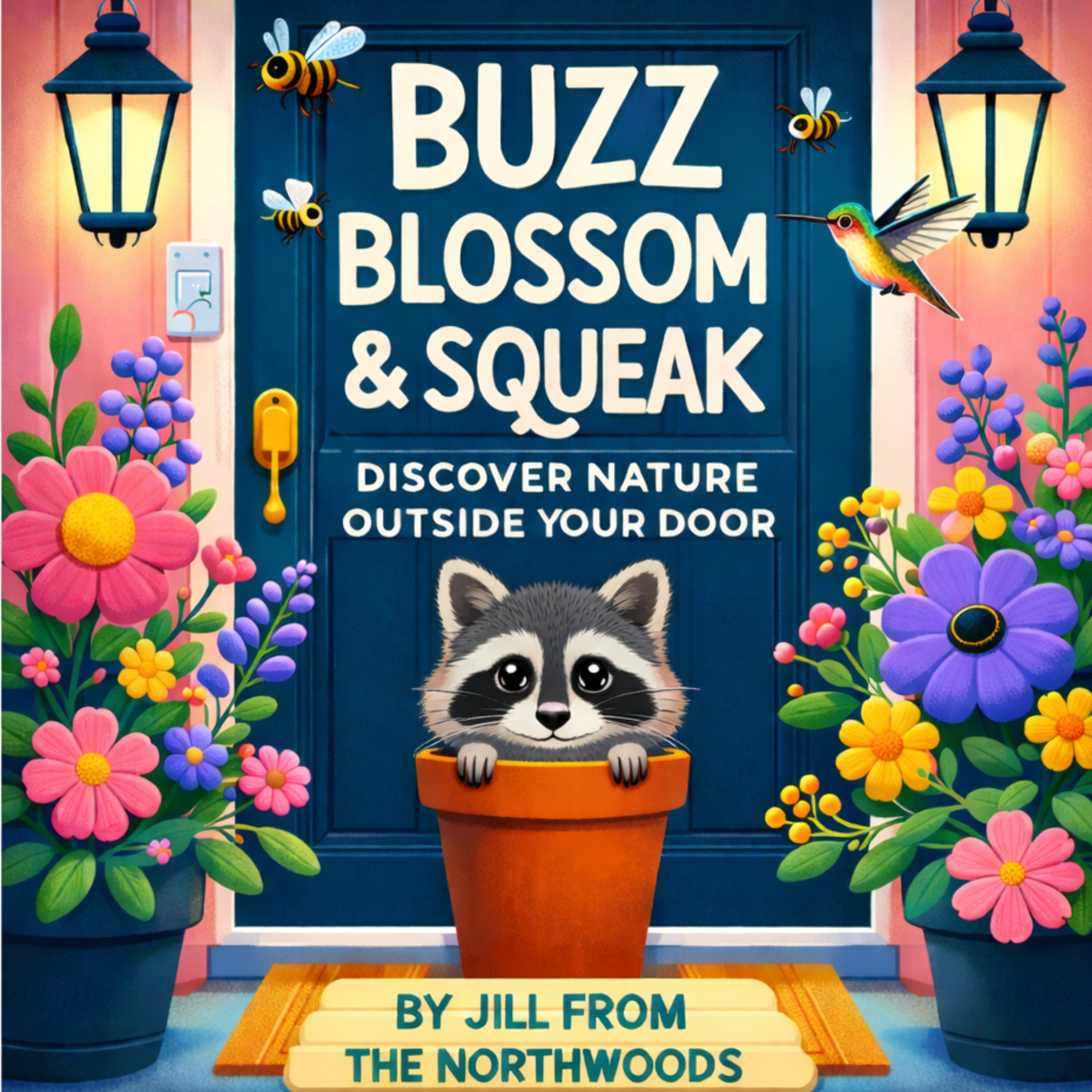
Buzz Blossom & Squeak
134 episodes — Page 2 of 3
Ep 8383 - Why the Sky Changes Blue Each Season
In this episode, we explore the beauty and science behind the ever-changing sky. From the deep cobalt blues of autumn to the hazy silver tones of summer, each season brings its own unique atmosphere and character to the sky above. We unpack the physics of light scattering, the role of moisture in the atmosphere, and how ancient and modern stargazers alike interpret these changes. Why the Sky is Blue:Learn how Rayleigh scattering causes the sky to appear blue, and why our eyes favor blue over violet. Discover how this basic principle lays the foundation for seasonal sky changes.Autumn’s Cobalt Clarity:Understand why fall skies seem sharper and more vibrant, thanks to dry air and reduced atmospheric moisture. Artists and observers have long marveled at this distinct seasonal beauty.Winter’s Crystal Views:Discover how winter provides the clearest night skies for stargazing. With dense, cold air and minimal humidity, stars shine brighter and auroras become more vivid.Spring’s Pastel Palette:Explore how shifting temperatures and air turbulence create stunning sunsets and softer, more poetic skies during the spring season.Summer Haze and Heat:Dive into the hazy atmosphere of summer, where moisture, heat, and particles create milky skies. Learn how heatwaves distort light and shift our view of the heavens.Takeaways:The sky isn’t just background—it’s a seasonal spectacle that reflects the ever-changing relationship between Earth and its atmosphere. Understanding the science behind these changes deepens our appreciation and invites us to become more mindful observers of the world around us. Whether you’re a sky watcher, a painter, or simply someone who loves a good sunset, there’s beauty and insight waiting above. https://buzzblossomandsqueak.com/?p=488 By choosing to watch this video or listen to this podcast, you acknowledge that you are doing so of your own free will. The content shared here reflects personal experiences and opinions and is intended for informational and inspirational purposes only. I am not a licensed healthcare provider, psychiatrist, or counselor. Any advice or suggestions offered should not be considered a substitute for professional medical or mental health advice. You are solely responsible for any decisions or actions you take based on this content. https://buzzblossomandsqueak.com/?p=484 https://www.buymeacoffee.com/smallstepspod Buzz Blossom and Squeak Website https://buzzblossomandsqueak.com/ Twitter - https://twitter.com/schmern Blog Headquarters at https://abetterlifeinsmallsteps.com/ Email the podcast at mailto: [email protected]
Ep 8282 - The Marvels of October Spiders: Nature’s Autumn Engineers
82 - The Marvels of October Spiders: Nature’s Autumn Engineers In this episode, we explore the world of October spiders—those mysterious and suddenly massive arachnids appearing just in time for Halloween. From the orb weaver’s nightly web-building routine to the curious behaviors of wolf spiders and jumping spiders, this episode uncovers the reasons why these creatures take center stage in the fall. Why Spiders Are Everywhere in OctoberSpiders hatch in spring but remain hidden until they reach full size in fall. October is when they’re busiest—mating, web-building, and preparing for winter.The Engineering Brilliance of Orb WeaversThe orb weaver spider builds perfect, symmetrical webs nightly, recycling old silk. Their webs become visible thanks to morning dew, turning yards into natural art installations.Spiders in the Home: Friend or Foe?Many spiders are entering homes seeking warmth, not to invade. They’re harmless and even helpful, acting as natural pest control and providing food for other animals.Diverse Spiders You Might SeeWe talk garden spiders with their zigzag webs, wolf spiders with glowing eyes, and even jumping spiders known for their “boing” movement and quirky charm.The Circle of LifeAs spiders prepare for the end of their lifecycle, they leave behind egg sacs to ensure the next generation hatches in spring—an elegant metaphor for life’s rhythms. This episode highlights that spiders, often feared, are vital to our environment. Their seasonal cycle is a lesson in patience, purpose, and ecological balance. Whether spinning webs, patrolling gardens, or simply resting on your porch, these eight-legged creatures are a fascinating—and even welcome—part of autumn. By understanding their behavior, we move from fear to fascination, embracing the spooky beauty of spiders in October. By choosing to watch this video or listen to this podcast, you acknowledge that you are doing so of your own free will. The content shared here reflects personal experiences and opinions and is intended for informational and inspirational purposes only. I am not a licensed healthcare provider, psychiatrist, or counselor. Any advice or suggestions offered should not be considered a substitute for professional medical or mental health advice. You are solely responsible for any decisions or actions you take based on this content. https://buzzblossomandsqueak.com/?p=484 https://www.buymeacoffee.com/smallstepspod Buzz Blossom and Squeak Website https://buzzblossomandsqueak.com/ Twitter - https://twitter.com/schmern Blog Headquarters at https://abetterlifeinsmallsteps.com/ Email the podcast at mailto: [email protected]
Ep 8181 - The Season That Nourishes and Grounds Us
Why Fall Feels So Meaningful: The Science, Culture, and Spirit of the HarvestEpisode Summary:In this episode, I explore why fall carries such emotional and cultural weight across the globe. From the vibrant apples and squashes of autumn to ancient traditions celebrating the end of the harvest, this season is more than just cozy sweaters and pumpkin spice. It’s a deeply rooted chapter in both natural and human history. Join me as I share stories, science, and seasonal reflections that explain why fall is a time worth honoring.Top Topics Covered:The Natural Science Behind Fall’s FlavorsCooler temperatures trigger changes in plants that make fruits and vegetables sweeter, more nutrient-rich, and longer-lasting. From carrots to cranberries, these changes are nature’s way of getting ready for winter—and a big reason fall food tastes so good.The Harvest and Human SurvivalHistorically, fall was a critical time to prepare for the harsh winter months. I talk about how early communities fermented vegetables, stored produce in cellars, and even scheduled festivals around harvest moons to maximize productivity and celebration.Cultural Festivals and TraditionsFrom Oktoberfest to mooncake festivals and even Halloween, I share how different cultures have built rituals around the harvest season. These holidays served both practical and spiritual purposes, helping communities feel connected and resilient.Modern Reflections and Personal StoriesI share what fall means to me personally—apple orchard visits, cozy bonfires, and the deep joy of preparing for winter. I also revisit Little House in the Big Woods and what it taught me about survival, community, and gratitude.Takeaways:Fall is about more than leaves and lattes. It’s a season of reflection, survival, and preparation. Understanding the biology of plants and the cultural rituals of our ancestors helps us see fall as a meaningful bridge between abundance and dormancy. Whether through storing food, reconnecting with nature, or just slowing down to enjoy a warm drink, we can all carry forward the deep, timeless lessons of the harvest season. https://buzzblossomandsqueak.com/?p=477 By choosing to watch this video or listen to this podcast, you acknowledge that you are doing so of your own free will. The content shared here reflects personal experiences and opinions and is intended for informational and inspirational purposes only. I am not a licensed healthcare provider, psychiatrist, or counselor. Any advice or suggestions offered should not be considered a substitute for professional medical or mental health advice. You are solely responsible for any decisions or actions you take based on this content. https://www.buymeacoffee.com/smallstepspod Buzz Blossom and Squeak Website https://buzzblossomandsqueak.com/ Twitter - https://twitter.com/schmern Blog Headquarters at https://abetterlifeinsmallsteps.com/ Email the podcast at mailto: [email protected]
Ep 8080 - Autumn's Color Show
Why Autumn Is So Beautiful: The Science & Soul of Fall LeavesIn this episode, we explore the breathtaking beauty of autumn—beyond its stunning colors. What makes the leaves change? Why do some years seem more vibrant than others? And what deeper lessons can we draw from this annual transformation?We walk through the forests and into the biology behind fall, explaining the role of chlorophyll, carotenoids, and anthocyanins. With a warm and reflective tone, this episode brings together quirky science facts, personal experiences, and practical advice for enjoying—and preserving—this fleeting season.Top Topics Covered1. The Colorful Chemistry of FallWhy do leaves change color? The episode breaks down the science behind the three major pigments: chlorophyll (green), carotenoids (yellow/orange), and anthocyanins (red/purple). You’ll learn how shorter days and cooler nights trigger this brilliant transformation.2. The Tree’s Smart StrategyAutumn isn’t just pretty—it’s purposeful. Trees conserve energy through an engineered “abscission layer” that helps leaves fall without harming the tree. It’s all part of survival.3. Evergreens vs. Deciduous TreesWhile many trees shed their leaves, evergreens keep their needles year-round. Learn how their waxy coating and structure help them thrive in harsh winter conditions.4. Why Fall Isn’t Always the SameNot every autumn brings fiery colors. Why weather conditions—like spring rainfall, fall sunshine, and frost timing—make all the difference in a season’s brilliance.5. Mulch, Don’t RakeFallen leaves are a treasure, not trash. Mulching them returns nutrients to the soil and supports a healthy ecosystem. TakeawaysThis episode invites listeners to notice and appreciate the brief beauty of fall. It’s not just about the visuals—it's about understanding and respecting the science and the cycles. Listeners will come away with practical tips (like mulching leaves), thoughtful reflections (like letting go), and a deeper appreciation for the natural world right outside their door. https://buzzblossomandsqueak.com/?p=477 By choosing to watch this video or listen to this podcast, you acknowledge that you are doing so of your own free will. The content shared here reflects personal experiences and opinions and is intended for informational and inspirational purposes only. I am not a licensed healthcare provider, psychiatrist, or counselor. Any advice or suggestions offered should not be considered a substitute for professional medical or mental health advice. You are solely responsible for any decisions or actions you take based on this content. https://www.buymeacoffee.com/smallstepspod Buzz Blossom and Squeak Website https://buzzblossomandsqueak.com/ Twitter - https://twitter.com/schmern Blog Headquarters at https://abetterlifeinsmallsteps.com/ Email the podcast at mailto: [email protected]
Ep 7979 - Moth Secrets Revealed
The Secret Life of Moths: Nature’s Nocturnal Navigators"In this episode of Buzz, Blossom and Squeak, we explore the incredible, underappreciated world of moths. Often overlooked in favor of butterflies, moths have rich ecological roles and fascinating behaviors worth celebrating. From nighttime pollination to clever survival strategies, moths are essential contributors to nature’s balance.🌙 Differences Between Moths and ButterfliesI break down the visual, behavioral, and biological differences between moths and butterflies. While butterflies are often viewed as the more beautiful, moths are no less diverse or important. Their antennae, body types, wing positions, and pupation methods all vary in unique ways that help them thrive, especially in the dark.🍁 Fall Behavior and Winter SurvivalMoths don’t migrate like monarchs — instead, they rely on resilience. I talk about how moths overwinter as eggs, caterpillars, pupae in cocoons, or even as adults. You’ll hear a fun story about the woolly bear caterpillar and whether its colors can predict winter.🌍 Migration and AdaptationThough most moths are homebodies, a few species migrate impressive distances. Some follow blooming patterns or warm weather, proving that moths are adaptable, resourceful, and more mobile than we think.🌸 Pollination and Ecosystem RolesMoths are crucial nighttime pollinators. I share how they support moonflowers, orchids, and even desert plants. Plus, their caterpillars are an essential food source for birds and other wildlife.🕯️ Light, Camouflage, and DefenseMoths navigate by moonlight, and artificial lights confuse them. I explore their incredible defenses — from wing dust that helps them escape spider webs to camouflage that helps them avoid predators.🪴 Gardening Tips and EncouragementPlanting moth-friendly flowers like verbena can draw these beneficial insects into your yard. I offer some suggestions on how to balance inviting pollinators while keeping wasps at bay.🎧 Key Takeaways:Moths are diverse, with over 11,000 species in the U.S. alone.Their survival tactics include laying eggs, freezing as caterpillars, and hibernating as adults.Moths are vital to nighttime pollination and the broader food web.Many moths have intricate defenses and brilliant adaptations that keep them safe.You can support moth populations by planting the right flowers and minimizing light pollution.This episode encourages listeners to notice and appreciate the moths in their own backyards. Quiet, resourceful, and essential — moths show us that nature’s beauty often hides in plain sight. By choosing to watch this video or listen to this podcast, you acknowledge that you are doing so of your own free will. The content shared here reflects personal experiences and opinions and is intended for informational and inspirational purposes only. I am not a licensed healthcare provider, psychiatrist, or counselor. Any advice or suggestions offered should not be considered a substitute for professional medical or mental health advice. You are solely responsible for any decisions or actions you take based on this content. https://buzzblossomandsqueak.com/?p=473 https://www.buymeacoffee.com/smallstepspod Buzz Blossom and Squeak Website https://buzzblossomandsqueak.com/ Twitter - https://twitter.com/schmern Blog Headquarters at https://abetterlifeinsmallsteps.com/ Email the podcast at mailto: [email protected]
Ep 7878 -Colorful Songs to Silent Flights: Fall vs Spring Migration
78 -Colorful Songs to Silent Flights: Fall vs Spring Migration In this episode, we explore the surprising and subtle differences between spring and fall bird migration. While spring bursts forth with bright plumage and song, fall tells a quieter, more introspective story of survival, preparation, and long journeys southward. It’s not just a reverse trip — it's an entirely different experience for birds and birdwatchers alike. Top Topics Covered: Purpose and Urgency:Spring migration is driven by the urgency to reproduce — birds compete for the best territory and mates. In contrast, fall migration is about survival, conserving energy, and reaching a safe winter haven. Migration Styles:Spring is fast and direct, with birds racing north. Fall is slower, filled with more frequent stopovers and opportunistic feeding. Birds take their time, adjusting to weather and food availability. The Challenge of Identification:Birds lose their bright breeding colors in fall, and many don’t sing their usual calls, making identification tougher for birdwatchers. Juvenile birds especially pose a challenge. More Birds in the Sky:Fall migration features both adults and young birds, creating large flocks and doubling the visible migration numbers. It can feel like a parade of wings overhead. Epic Journeys:From hummingbirds crossing the Gulf of Mexico to warblers flying across the Atlantic, fall migration showcases awe-inspiring feats of endurance and navigational prowess. Migration Routes and Hazards:Some birds follow different paths south than north, adjusting for weather and geography. The journey is filled with hazards, especially for inexperienced young birds. Seasonal Exchange:As familiar birds leave, others arrive from farther north. Snow buntings, rough-legged hawks, and juncos replace the vibrant warblers and swallows of summer. Takeaways:Fall migration is a quieter, more reflective time in nature. It's an invitation to slow down, observe closely, and appreciate the complex lives of birds. Understanding these migrations deepens our connection to the natural world and highlights the need for conservation not just at endpoints, but all along migratory paths. This episode reminds us that even as the air grows cold and the forests quiet, the skies remain alive with movement and purpose. https://buzzblossomandsqueak.com/?p=470 By choosing to watch this video or listen to this podcast, you acknowledge that you are doing so of your own free will. The content shared here reflects personal experiences and opinions and is intended for informational and inspirational purposes only. I am not a licensed healthcare provider, psychiatrist, or counselor. Any advice or suggestions offered should not be considered a substitute for professional medical or mental health advice. You are solely responsible for any decisions or actions you take based on this content. https://www.buymeacoffee.com/smallstepspod Buzz Blossom and Squeak Website https://buzzblossomandsqueak.com/ Twitter - https://twitter.com/schmern Blog Headquarters at https://abetterlifeinsmallsteps.com/ Email the podcast at mailto: [email protected]
Ep 7777 - The Majestic Journey of the Monarch Butterfly
In this episode, I explore one of nature’s most fascinating creatures: the monarch butterfly. These vibrant insects may look delicate, but their story is one of epic journeys, scientific mystery, and ecological importance. From their astonishing migration to their complex metamorphosis, monarchs are much more than just backyard butterflies. We start by uncovering the monarch’s close relationship with milkweed—a plant that is both their food source and their nursery. Monarch caterpillars eat only milkweed, and the toxins they absorb make them unappetizing to predators. It’s a beautiful example of symbiosis and adaptation that gives monarchs their famous orange warning colors. Then, we walk through the butterfly’s life cycle—from egg to caterpillar to chrysalis to adult butterfly. I share a fascinating scientific study that shows how monarchs might retain memory even after they turn into goo inside their chrysalises! The heart of the episode focuses on the monarch’s incredible migration. Every fall, a special generation—called the Methuselah generation—flies all the way from the U.S. and Canada to Mexico, traveling up to 3,000 miles. They don’t reproduce along the way, conserving their energy and extending their lives through a process called reproductive diapause. This generation lives 8–9 months, a true anomaly in the insect world. The return trip isn’t made by the same butterflies. Instead, several new generations take up the journey in a biological relay race. It's one of nature’s great mysteries how each new generation instinctively knows the path, guided by the sun, magnetic fields, and inherited memory. We also touch on the threats monarchs face, including habitat loss and the decline of milkweed due to over-mowing and urban expansion. But there’s hope: individuals and communities are stepping up by planting milkweed and preserving wild spaces. Takeaways:Monarch butterflies are awe-inspiring creatures that reveal the interconnectedness of ecosystems. Their story is not just a marvel of biology, but a call to action. Whether you're planting a few milkweed seeds or simply choosing not to mow a patch of wildflowers, small actions can have a big impact. By understanding and supporting the monarch, we support biodiversity as a whole. By choosing to watch this video or listen to this podcast, you acknowledge that you are doing so of your own free will. The content shared here reflects personal experiences and opinions and is intended for informational and inspirational purposes only. I am not a licensed healthcare provider, psychiatrist, or counselor. Any advice or suggestions offered should not be considered a substitute for professional medical or mental health advice. You are solely responsible for any decisions or actions you take based on this content. https://www.buymeacoffee.com/smallstepspod Buzz Blossom and Squeak Website https://buzzblossomandsqueak.com/ Twitter - https://twitter.com/schmern Blog Headquarters at https://abetterlifeinsmallsteps.com/ Email the podcast at mailto: [email protected]
Ep 7676 - What Makes a Park “National”?
How Parks Become (and Stop Being) National Parks In this episode, I explore how parks are designated as national parks and the lesser-known reality that they can actually lose that title. From the legislative journey of Yellowstone to the transformation of Mackinac National Park into a state park, this episode uncovers the political, environmental, and cultural forces that shape America’s most treasured lands. The Process of Becoming a National ParkIt all starts with a resource study by the National Park Service to determine a site’s significance and manageability. If it qualifies, Congress gets involved, and the President signs off. But it’s not just about natural beauty—subtle ecosystems like wetlands are just as worthy. What About National Monuments?Presidents can create national monuments faster than parks, thanks to the Antiquities Act. While this speeds up protection, it often sidesteps local stakeholders, leading to controversy—especially in areas where grazing or mining is affected. The Surprising Truth About Park DecommissioningParks can be “unmade.” Mackinac National Park is a prime example, downgraded due to military decommissioning and budget cuts. The land is still protected, but under state management, proving that not all parks last forever at the federal level. Managing Crowds and CostsSome parks, like Rocky Mountain and Yosemite, are so popular they’ve introduced visitor lotteries. Meanwhile, lesser-known sites like lakeshores and historic battlefields operate on tighter budgets with limited staff. It's a delicate balance of access and preservation. Politics, Tribes, and Local ResistanceDesignation doesn’t always sit well with states or tribes, especially when it affects industries or land rights. States can't veto Congress, but they can lobby hard—sometimes delaying park creation for years. Key Takeaways:Creating a national park involves far more than drawing lines on a map. It requires national significance, funding, political support, and often, local compromise. Some parks, like Indiana Dunes, take years to upgrade. Others, like Mackinac, lose status but stay protected. Understanding these dynamics helps us value the system—and the land—more deeply. Whether you're planning your next trip or just curious, there's always something to learn about how these natural treasures come to be and how we can help protect them.https://buzzblossomandsqueak.com/?p=463 Jill’s Links By choosing to watch this video or listen to this podcast, you acknowledge that you are doing so of your own free will. The content shared here reflects personal experiences and opinions and is intended for informational and inspirational purposes only. I am not a licensed healthcare provider, psychiatrist, or counselor. Any advice or suggestions offered should not be considered a substitute for professional medical or mental health advice. You are solely responsible for any decisions or actions you take based on this content. https://www.buymeacoffee.com/smallstepspod Buzz Blossom and Squeak Website https://buzzblossomandsqueak.com/ Twitter - https://twitter.com/schmern Blog Headquarters at https://abetterlifeinsmallsteps.com/ Email the podcast at mailto: [email protected]
Ep 7575 - The Great Great Lakes
In this episode, we explore what makes the Great Lakes so much more than just large bodies of water. From their incredible size and geological origins to their ecological richness and historical impact, the Great Lakes play a critical role in shaping life across the Midwest and beyond. I share personal stories, fascinating facts, and ways you can connect more deeply with these natural giants—whether by visiting, reading, or learning more about their unique ecosystems and histories. Immense Scale and Global SignificanceLake Superior alone is the largest freshwater lake in the world by surface area. Combined, the Great Lakes hold 20% of the world's surface freshwater and are crucial for global water supply and shipping. Geological Origins and Rock FormationsMost of the Great Lakes are remnants of the Ice Age, carved by glaciers. But Lake Superior stands apart as a volcanic tear in the Earth. The surrounding landscapes include some of the oldest rocks on the planet and unique features like Yooperlite stones. Historical Importance and Industrial InfluenceThese lakes have served as key trade routes, sparked industrial booms, and were essential to Indigenous peoples and early settlers alike. Cities like Chicago, Detroit, and Toronto owe much of their growth to the Great Lakes' access and resources. Recreation and Natural WonderCamping on Madeline Island, rock hunting for agates, and even freshwater surfing—there’s no shortage of adventure around the Great Lakes. Their beauty is year-round, and their power is evident in both storms and stillness. Environmental Challenges and Hopeful RestorationFrom zebra mussels to pollution, the Great Lakes face modern challenges. But thanks to cleanup efforts and environmental awareness, many of these lakes, like Lake Erie, are bouncing back. Takeaways:I came away from this episode with a renewed appreciation for just how extraordinary the Great Lakes are. They are far more than scenic destinations—they are powerful forces of nature, reservoirs of fresh water, cradles of culture, and engines of economy. Whether it’s through learning, exploring, or simply noticing them on a map, I hope you feel inspired to see the Great Lakes with fresh eyes. And maybe even take a small step toward protecting them. https://buzzblossomandsqueak.com/?p=459 Jill’s Links By choosing to watch this video or listen to this podcast, you acknowledge that you are doing so of your own free will. The content shared here reflects personal experiences and opinions and is intended for informational and inspirational purposes only. I am not a licensed healthcare provider, psychiatrist, or counselor. Any advice or suggestions offered should not be considered a substitute for professional medical or mental health advice. You are solely responsible for any decisions or actions you take based on this content. https://www.buymeacoffee.com/smallstepspod Buzz Blossom and Squeak Website https://buzzblossomandsqueak.com/ Twitter - https://twitter.com/schmern Blog Headquarters at https://abetterlifeinsmallsteps.com/ Email the podcast at mailto: [email protected]
Ep 7474 - Pluto: Little Planet, Big Drama
In this episode, I take you on a journey beyond Neptune to unravel the mystery and controversy surrounding Pluto. Once hailed as the ninth planet, Pluto's status has undergone dramatic changes that have left many scratching their heads and others raising their voices in protest. From its discovery in 1930 to the stunning revelations of the New Horizons mission, Pluto’s tale is far more compelling than we often give it credit for. The History of Pluto’s DiscoveryI talk about how Pluto was first spotted in 1930, thanks to the work of Clyde Tombaugh and his collaboration with Percival Lowell. It’s fascinating to hear how an 11-year-old girl from England named this faraway world after the Roman god of the underworld. The Planetary Criteria and the 2006 DemotionThe IAU’s three-point definition of a planet reshaped our understanding of what constitutes one. I walk through these criteria and explain why Pluto, despite its charm and unique features, didn’t make the cut. Revelations from New HorizonsLaunched just before Pluto was demoted, NASA’s New Horizons mission gave us the first close-up look at this icy world in 2015. I highlight the heart-shaped glacier, towering mountains, and the possibility of cryovolcanism—making it clear Pluto is anything but boring. The Company Pluto KeepsPluto isn’t alone in the outer solar system. I introduce other fascinating dwarf planets like Eris, Haumea, Makemake, and Ceres. Each of these has a unique story, and together they challenge what we think we know about planets. The Bigger PictureFinally, I reflect on what this debate means for science and public curiosity. Pluto's journey from planet to dwarf planet reminds us that science is always evolving and full of surprises. Takeaways:This episode is a celebration of curiosity and discovery. Whether you still consider Pluto a planet or not, one thing is clear—it has captured our imagination. Understanding Pluto and its companions in the Kuiper Belt deepens our appreciation of the complex and ever-changing universe we live in. I encourage listeners to go look at the photos from New Horizons and see this icy, distant world with new eyes. https://buzzblossomandsqueak.com/?p=453 Jill’s Links By choosing to watch this video or listen to this podcast, you acknowledge that you are doing so of your own free will. The content shared here reflects personal experiences and opinions and is intended for informational and inspirational purposes only. I am not a licensed healthcare provider, psychiatrist, or counselor. Any advice or suggestions offered should not be considered a substitute for professional medical or mental health advice. You are solely responsible for any decisions or actions you take based on this content. https://www.buymeacoffee.com/smallstepspod Buzz Blossom and Squeak Website https://buzzblossomandsqueak.com/ Twitter - https://twitter.com/schmern Blog Headquarters at https://abetterlifeinsmallsteps.com/ Email the podcast at mailto: [email protected]
Ep 7373 - The Biggest Trees
In this episode, I take you on a journey through some of the largest and most awe-inspiring trees on Earth. From the towering coastal redwoods of Northern California to the massive sequoias of Yosemite, we explore the beauty, history, and fascinating adaptations of these living giants. I share personal travel experiences, surprising facts about tree biology, and why visiting these natural wonders can be such a transformative experience. Top Topics: Coastal RedwoodsI share the unforgettable moment of first seeing these magnificent trees. Standing nearly 380 feet tall, they are the tallest trees on Earth, thriving in the foggy coastal climate with interconnected roots that keep entire groves strong. Giant SequoiasThese massive trees are record holders in volume, some over 2,000 years old. I discuss their dependence on fire for reproduction and what it feels like to stand beside a tree as big as a building. Douglas Firs and Sitka SprucesWe explore these lesser-known but equally impressive giants of the Pacific Northwest, from their towering heights to their historical uses in industry and music. Pando Aspen GroveAn entire forest that’s actually one organism—this clonal colony covers over 100 acres and is thousands of years old. Takeaways:Big trees are more than just impressive natural structures—they are symbols of patience, resilience, and community. Their longevity teaches us to take the long view in life, to adapt to challenges, and to value the connections that sustain us. Just as these trees draw strength from their environment and each other, we too can thrive by staying rooted in supportive networks. https://buzzblossomandsqueak.com/?p=450 https://www.amazon.com/Wild-Trees-Story-Passion-Daring/dp/0812975596 Jill’s Links By choosing to watch this video or listen to this podcast, you acknowledge that you are doing so of your own free will. The content shared here reflects personal experiences and opinions and is intended for informational and inspirational purposes only. I am not a licensed healthcare provider, psychiatrist, or counselor. Any advice or suggestions offered should not be considered a substitute for professional medical or mental health advice. You are solely responsible for any decisions or actions you take based on this content. https://www.buymeacoffee.com/smallstepspod Buzz Blossom and Squeak Website https://buzzblossomandsqueak.com/ Twitter - https://twitter.com/schmern Blog Headquarters at https://abetterlifeinsmallsteps.com/ Email the podcast at mailto: [email protected]
Ep 7272 - Corn Sweats? What Else Affects Weather Than Just Weather?
In this episode, I explore the fascinating ways that local environments shape the weather we experience daily. While most people think of weather as something driven by large systems like cold fronts and jet streams, there are countless small-scale influences that can dramatically shift conditions in your town, your backyard, or even your campsite. From cornfields and beavers to urban heat and volcanic dust, this episode uncovers the hidden factors that contribute to your local forecast. Lakes That Redirect StormsI talk about how lakes—especially in regions with many small or large bodies of water—can influence storm paths, weakening systems or splitting them before they reach certain towns. This isn’t just rumor; the science behind water’s heat absorption helps explain it. Terrain and the Driftless EffectRolling hills, bluffs, and valleys create pockets of cool and warm air that interact in complex ways. I share examples of how terrain impacts storm development and even challenge the idea that bluffs can block tornadoes. Cities and the Urban Heat IslandConcrete, asphalt, and rooftops create hot zones in urban areas, which can intensify storm systems. I discuss how cities like Chicago frequently experience more intense storms due to their built environments—and how rooftop gardens might be part of the solution. The Truth About Corn SweatYes, it’s real—and it affects weather. During peak growing season, cornfields release massive amounts of water vapor into the air, which boosts humidity and can even help create thunderstorms. I explain how this phenomenon earned its nickname and why it matters during the summer. Natural and Human ContributionsFrom forests that cool and moisten the air to beavers that engineer wetlands, nature plays an active role in weather. I also cover how modern technology, like airplanes and wind turbines, adds new variables to local climate. Even volcanic eruptions and Saharan dust clouds affect regional conditions thousands of miles away. Takeaways:Weather is far more local than most people realize. Lakes, crops, animals, and even the materials in our cities all contribute to what we experience outside. Understanding these micro-influences helps explain why one town gets rain while the next remains dry—or why a forecasted 90-degree day doesn’t quite reach its peak. Paying attention to the environment around us reveals just how many factors shape the weather beyond what the forecasts show. https://buzzblossomandsqueak.com/?p=447 Jill’s Links By choosing to watch this video or listen to this podcast, you acknowledge that you are doing so of your own free will. The content shared here reflects personal experiences and opinions and is intended for informational and inspirational purposes only. I am not a licensed healthcare provider, psychiatrist, or counselor. Any advice or suggestions offered should not be considered a substitute for professional medical or mental health advice. You are solely responsible for any decisions or actions you take based on this content. https://www.buymeacoffee.com/smallstepspod Buzz Blossom and Squeak Website https://buzzblossomandsqueak.com/ Twitter - https://twitter.com/schmern Blog Headquarters at https://abetterlifeinsmallsteps.com/ Email the podcast at mailto: [email protected]
Ep 7171 - From Ice to Fire: What Makes Comets So Cool
This episode takes listeners on a journey through space to explore the wonders of comets—what they are, how they form, and why they’re worth watching. With a new comet expected to make a close pass in October 2025, this is the perfect time to understand how these icy travelers behave and how to prepare for a once-in-a-lifetime skywatching opportunity. Packed with science, practical tips, and a dose of cosmic wonder, this episode is a guide for anyone curious about the night sky. Understanding CometsComets are more than just streaks of light—they are ancient remnants of the early solar system, composed of rock, dust, and ice. When they approach the sun, they come alive, forming glowing heads and signature tails. This episode breaks down the difference between dust tails and ion tails and why they always point away from the sun. Where Comets Come FromThe conversation explains the origins of comets in two regions: the Kuiper Belt and the Oort Cloud. Short-period comets, like Halley’s, return regularly, while long-period comets from the Oort Cloud can take tens of thousands of years to orbit the sun. A Look at October 2025’s VisitorA comet is expected to pass through the solar system in October 2025. While it may be dimmer than 2024’s bright flyby, it could still be visible with binoculars or a phone camera. Observations suggest it might be on an 80,000-year orbit, making this a rare event. Tips for Comet WatchingListeners get practical advice on how to spot comets in the night sky. Topics include finding dark sky locations, avoiding moonlight, using astronomy apps like StarWalk 2 or Stellarium, and capturing images using long-exposure phone settings. Takeaways:Comets are not only beautiful but also scientifically significant—they carry materials that tell us about the origins of the solar system. Watching one doesn’t require expensive equipment, just a clear view, the right timing, and a bit of planning. The upcoming October 2025 comet may not be the brightest, but it’s a chance to witness a cosmic traveler that won’t return for millennia. It's a reminder to look up, stay curious, and appreciate the ever-changing night sky. https://buzzblossomandsqueak.com/?p=443 Jill’s Links https://buzzblossomandsqueak.com/?p=423 https://www.buymeacoffee.com/smallstepspod Buzz Blossom and Squeak Website https://buzzblossomandsqueak.com/ Twitter - https://twitter.com/schmern Blog Headquarters at https://abetterlifeinsmallsteps.com/ Email the podcast at mailto: [email protected]
Ep 7070 - Composting Renews
This episode explores the value and practical benefits of composting. From reducing household waste to enriching the soil naturally, composting is a simple yet powerful way to participate in the earth’s natural cycles. Whether done in a backyard, on a balcony, or under the kitchen sink, composting brings ecological mindfulness into daily life. Top Topics: Why Composting MattersComposting can divert up to 30% of what typically ends up in landfills. This process not only reduces waste but also prevents nutrient loss and supports healthier soil ecosystems without synthetic fertilizers. Different Methods for Every LifestyleComposting isn’t just for gardeners. Options include backyard bins, tumblers, worm bins, and even countertop electric composters. Each method suits different spaces, budgets, and preferences—making it easy to find a setup that works. Understanding Greens and BrownsSuccess in composting depends on the right mix of “greens” (food scraps, coffee grounds, fresh grass) and “browns” (leaves, paper, straw). A 2:1 ratio of browns to greens is ideal for creating odor-free, efficient compost. What to Include and AvoidGood composting includes fruit peels, cardboard, dead houseplants, and even dryer lint from natural fibers. Avoid meat, dairy, or seedy weeds, which can cause problems like pests or unwanted sprouting. Takeaways:Composting is more than a waste solution—it’s a meaningful contribution to sustainability. It enriches the soil, reduces the need for chemical fertilizers, and aligns daily habits with the natural cycles of decay and renewal. Even small efforts can yield big environmental rewards, showing that even in decomposition, there is purpose and potential. https://buzzblossomandsqueak.com/?p=440 Jill’s Links https://buzzblossomandsqueak.com/?p=423 https://www.buymeacoffee.com/smallstepspod Buzz Blossom and Squeak Website https://buzzblossomandsqueak.com/ Twitter - https://twitter.com/schmern Blog Headquarters at https://abetterlifeinsmallsteps.com/ Email the podcast at mailto: [email protected]
Ep 6969 - Discovering the Wetlands Around Us
69 - Discovering the Wetlands Around Us In this episode, I explore one of the most underrated landscapes in nature: wetlands. At first, marshes, swamps, bogs, and fens might seem like little more than muddy backwaters. But once you learn what makes each of them unique, you start to see these places for what they truly are—diverse, beautiful, and vital ecosystems. I start by reflecting on my own experience growing up in the Northwoods surrounded by forests and lakes. Wetlands weren’t something I paid much attention to—until I started spending time in them. Now they’ve become some of my favorite places to visit. With a mix of storytelling and science, I break down the key differences between marshes, swamps, bogs, and fens, and share why they matter more than we might think. MarshesOpen and grassy, marshes are full of reeds, cattails, and shallow water. They’re often sunny and are home to unique birds like marsh wrens, red-winged blackbirds, and bitterns. I share some of my recent birdwatching adventures, including a surprise encounter with a nighthawk and sightings of muskrats and pelicans in quiet, hidden spots. SwampsSwamps are the tree-filled wetlands, where bald cypress trees grow in standing water. I talk about the earthy scent of swamp water, explain the difference between forested and shrub swamps, and recount a funny and startling story involving an alligator and a golf course in Florida. Swamps are rich in wildlife and serve as coastal storm barriers when they take the form of mangroves. BogsThese sponge-like, rain-fed ecosystems are acidic and nutrient-poor. I explain how mosses like sphagnum thrive here and how bog plants get creative—some even catch insects to survive. Bogs may seem eerie, but they’re home to some of the most interesting adaptations in the plant world. FensFens are the colorful, rare cousins of bogs. Fed by groundwater, they support sedges, wildflowers, and butterflies. They’re fragile and beautiful, and in some ways feel like something out of a fairytale. TakeawaysWetlands do far more than just sit there and look muddy. They filter water, store carbon, reduce flooding, and provide essential habitat for wildlife. Understanding the differences between marshes, swamps, bogs, and fens helps us appreciate how diverse and valuable these ecosystems really are. The next time you’re out in nature, take a second look at that soggy patch of land. It might be hiding a whole world you never knew existed. https://buzzblossomandsqueak.com/?p=436 Jill’s Links https://buzzblossomandsqueak.com/?p=423 https://www.buymeacoffee.com/smallstepspod Buzz Blossom and Squeak Website https://buzzblossomandsqueak.com/ Twitter - https://twitter.com/schmern Blog Headquarters at https://abetterlifeinsmallsteps.com/ Email the podcast at mailto: [email protected]
Ep 6868 - Backyard Ants: What’s Really Going On Under Your Feet?
68 - Backyard Ants: What’s Really Going On Under Your Feet? This episode takes a closer look at the bustling and complex world of backyard ants. Sparked by a simple camping observation, the episode explores how ants live, work, and organize within their miniature societies. Listeners are guided through fascinating insights about ant behavior, structure, and the critical roles they play in the environment. Top Topics Covered: Colony Structure: Ant colonies are highly organized with specific roles for queens, workers, and males. Each caste has a distinct purpose, contributing to the survival and success of the colony. Communication: Ants communicate using chemical signals called pheromones, as well as tactile and occasional auditory cues. These methods help them coordinate foraging, defense, and even relocation efforts. Common Backyard Species: From odorous house ants to field ants and pavement ants, the episode covers how to identify different species commonly found in gardens, sidewalks, and even homes. Extraordinary Ant Behaviors: The episode highlights behaviors like aphid farming, decision-making by consensus, and survival strategies like forming living bridges. These examples underscore the decentralized intelligence of ant communities. Takeaways:Understanding ants enhances appreciation for the complexity of nature. These tiny creatures demonstrate the power of cooperation, adaptability, and environmental sensitivity. Observing them more closely reveals not only their unique traits but also the health and balance of backyard ecosystems. With a bit of curiosity, anyone can begin to see their surroundings in a new light, guided by the quiet, purposeful world of ants. https://buzzblossomandsqueak.com/?p=432 Jill’s Links https://buzzblossomandsqueak.com/?p=423 https://www.buymeacoffee.com/smallstepspod Buzz Blossom and Squeak Website https://buzzblossomandsqueak.com/ Twitter - https://twitter.com/schmern Blog Headquarters at https://abetterlifeinsmallsteps.com/ Email the podcast at mailto: [email protected]
Ep 6767 - Identify Nature with Tech
This episode explores the power of using mobile apps to enhance experiences in the natural world. Whether identifying a strange bug in the backyard, figuring out if a plant is poison ivy while camping, or trying to understand what bird is singing in the trees, several powerful digital tools are available to help. The discussion focuses on five standout apps that are changing how people explore, identify, and learn about the natural environment around them. iNaturalist: Community-Powered DiscoveryThis app turns anyone into a citizen scientist. By uploading photos or videos of wildlife, users get help from a global community to identify species. Experts weigh in to confirm IDs, and the data contributes to real scientific research. It’s a thoughtful, educational way to engage with biodiversity and learn more about local ecosystems. Seek: Instant Gratification for Nature LoversPerfect for real-time discovery, Seek provides immediate identification without the need for an account. Just point a camera at a plant, insect, or animal, and the app narrows down what it might be. It’s especially good for beginners and kids, making outdoor exploration feel like a game with badges and fun challenges. Birds Near Me: Local Birdwatching Made EasyUsing real-time data from the Cornell Lab of Ornithology, this iOS app shows which birds are being seen nearby. It's a helpful tool for both new and experienced birders, allowing users to cross-check what’s been spotted in the area. Adjusting the range and timeframe helps focus on birds that are likely active right now. Merlin: Bird Sounds and Visual IdentificationMerlin identifies birds by photo or sound. With a few simple questions, it offers suggestions for bird IDs. It also listens to live bird songs, making it a fantastic tool for learning to recognize calls. It helps improve auditory skills and deepens understanding of bird behavior and habitat. iBird: A Full Bird Guide in Your PocketThis app offers a vast birding database that works offline—ideal for remote locations. It includes illustrations, behaviors, and bird songs. Its companion app helps identify birds from photos, and its depth of information makes it a valuable resource even when there's no internet signal. Takeaways:These tools prove that technology and nature don’t have to be at odds. Apps like iNaturalist and Seek bring science to everyday observation, turning a walk outside into a learning experience. Bird-specific apps like Merlin and iBird deepen understanding and help track wildlife in ways that were once only possible for experts. Nature is all around, and with the right tools, it’s easier than ever to understand and appreciate it. https://buzzblossomandsqueak.com/?p=429 https://www.inaturalist.org/ https://www.inaturalist.org/pages/seek_app https://merlin.allaboutbirds.org/?gad_campaignid=367929544 Jill’s Links https://buzzblossomandsqueak.com/?p=423 https://www.buymeacoffee.com/smallstepspod Buzz Blossom and Squeak Website https://buzzblossomandsqueak.com/ Twitter - https://twitter.com/schmern Blog Headquarters at https://abetterlifeinsmallsteps.com/ Email the podcast at mailto: [email protected]
Ep 6666 - Tools and Tricks for New Birdwatchers
In this episode, we explore the joyful and surprisingly addictive world of birdwatching. From backyard windows to wooded trails, birdwatching is one of the easiest ways to connect with nature, boost your observation skills, and rediscover your neighborhood in a whole new light. Whether you’re an experienced hiker or someone just looking to add mindfulness to your routine, birdwatching might be your new favorite hobby. Top Topics:How Birdwatching BeginsBirdwatching doesn’t require travel or fancy equipment. It starts by looking and listening. We talk about how to notice birds right outside your window and what to look for in your immediate environment. Tools of the TradeWe discuss affordable binocular options, helpful apps like Merlin and iBird, and even fun tech like smart bird feeders and external microphones to enhance bird call detection. Learning Bird BehaviorUnderstanding how birds fly, feed, and sound is key to identifying them. We cover seasonal patterns, migration habits, and tips on how to use sound mnemonics to identify species. Getting Involved in the Birding CommunityBirding clubs, Telegram chats, and guided tours open up a community of enthusiasts who help each other learn and discover. It’s about connecting with people and nature alike. Takeaways:Birdwatching is low-cost, low-pressure, and high-reward. It encourages mindfulness, appreciation for wildlife, and even gentle physical activity. Whether you're a backyard birder or want to explore new terrains, there’s always more to see and hear. With a few simple tools, a bit of patience, and a sense of curiosity, birdwatching can become a meaningful part of your daily life. Take on the challenge this week: find five new birds—whether in the woods, the park, or your own backyard. It's the perfect way to start. Jill’s Links https://buzzblossomandsqueak.com/?p=423 https://www.buymeacoffee.com/smallstepspod Buzz Blossom and Squeak Website https://buzzblossomandsqueak.com/ Twitter - https://twitter.com/schmern Blog Headquarters at https://abetterlifeinsmallsteps.com/ Email the podcast at mailto: [email protected]
Ep 6565 - Look up! Clouds!
65 - Look up! Clouds! In this episode, we explore how everyday cloud watching can become a fascinating and practical hobby. From understanding different types of clouds to predicting the weather based on their shapes, you'll learn how to become your own amateur forecaster. Whether you're hiking, birdwatching, or just taking a stroll, this episode will inspire you to look up and connect with nature in a new way. Core Cloud Types ExplainedWe break down cirrus, stratus, cumulus, and nimbus clouds—what they look like, and what they mean for the weather. What Cloud Shapes Tell Us About StormsLearn how to spot storm-building formations like cumulonimbus and nimbostratus, and how their appearance can signal rain or thunderstorms. Rare and Beautiful Cloud FormsEver seen a cloud that looks like a UFO or ocean wave? We discuss lenticular, mammatus, and Kelvin-Helmholtz clouds, and what causes them. The Science Behind Fog and Dew PointsDiscover how clouds form close to the ground and why dew points matter in everyday forecasting. Takeaways:Clouds are not just decorations in the sky—they're clues. By understanding the different types of clouds and their behaviors, you can make educated guesses about the weather. It’s a fun and accessible way to bring science into your daily life. Observing the sky can be a peaceful practice or a helpful tool while outdoors. Start a cloud journal, learn to recognize patterns, and enjoy becoming a neighborhood naturalist one step at a time. https://www.youtube.com/watch?v=7C_0lATd8Z0 https://www.weather.gov/lmk/cloud_classification https://www.noaa.gov/jetstream/clouds/nws-cloud-chart Jill’s Links https://buzzblossomandsqueak.com/?p=420 https://www.buymeacoffee.com/smallstepspod Buzz Blossom and Squeak Website https://buzzblossomandsqueak.com/ Twitter - https://twitter.com/schmern Blog Headquarters at https://abetterlifeinsmallsteps.com/ Email the podcast at mailto: [email protected]
Ep 6464 - Why Messy Forests Are Healthier
64 - Why Messy Forests Are Healthier In this episode, I share my personal journey into understanding forest management. What started as curiosity during hikes turned into a deeper exploration of how our forests are being changed—sometimes improved, sometimes harmed—by well-meaning efforts. I talk about everything from childhood memories of raw wilderness to today’s controlled burns and conservation zones. How Forests Became Too Tidy:I talk about how forest policies began to prioritize cleanliness—removing dead trees and clutter in the name of fire prevention. But those efforts often backfired, stripping away essential habitats and making forests more vulnerable. Why Deadwood and Leaf Litter Matter:There are nearly 1,000 species that live in decaying wood. I explain why standing snags, logs, and forest litter are vital to a healthy ecosystem—and why leaving the “mess” is one of the best things we can do. Fire as a Management Tool:I’ve come to appreciate the value of controlled burns. I share real-life examples of how periodic fires rejuvenate prairies, reduce invasive species, and restore biodiversity. Conflicts Between Recreation and Habitat:I reflect on how formerly rich birding spots are being converted into paved trails and dog parks. These changes displace ground-nesting birds and reduce habitat diversity. It’s a challenge we need to navigate with care. Lessons from Canada’s Fire Strategy:Canada’s proactive use of prescribed burns and centralized forest policy offers useful insights. I discuss what we might learn from their approach, especially in contrast to our patchwork system in the U.S. Takeaways:We’ve made mistakes in the past—cleaning up forests too much, suppressing all fires, turning wild spaces into tidy parks. But we’re learning. Controlled burns, biodiversity, and “messy” forests are now recognized as vital. My biggest takeaway is that balance is possible. With better understanding and intentional choices, we can support both people and nature. And I encourage everyone to learn about the forest management practices in their own communities. They matter more than we realize. Jill’s Links https://buzzblossomandsqueak.com/?p=405 https://www.buymeacoffee.com/smallstepspod Buzz Blossom and Squeak Website https://buzzblossomandsqueak.com/ Twitter - https://twitter.com/schmern Blog Headquarters at https://abetterlifeinsmallsteps.com/ Email the podcast at mailto: [email protected] Notion Affiliate - https://affiliate.notion.so/NorthwoodsJill Notion AI Affiliate -https://affiliate.notion.so/NorthwoodsAI
Ep 6363 - Minks, Weasels, and Fishers Uncovered
63 - Minks, Weasels, and Fishers Uncovered In this episode of Neighborhood Naturalist, we explore the sometimes confusing but always fascinating world of small Northwoods mammals. You’ll learn how to tell apart minks, fishers, and weasels—a question that comes up often during hikes, birdwatching trips, and spontaneous wildlife sightings. Whether you're walking near a stream or deep in the forest, you'll leave this episode with clear identifiers for these elusive creatures. Mink Behavior and Habitat:Minks are aquatic predators often mistaken for other small mammals. Learn how their sleek bodies, water-loving habits, and solitary nature make them unique. They’re nocturnal and cunning, hunting prey even larger than themselves, and are a key species near rivers and marshes. Fishers: Forest Stalkers with a Misleading Name:Despite not eating fish, fishers are apex predators in their woodland homes. We cover their agility, unique climbing skills, and preference for dense forests. You’ll hear why they’re hard to spot and how conservation efforts have helped their numbers rise again. Weasels: The Tiny Ninjas of the Mammal World:Small, fast, and fierce—weasels are marvels of survival. This segment explores the ermine’s seasonal coat change, their metabolism, and how their zigzag movement can help you spot them. A fun story from Hawaii even shows how far their adaptability goes! Takeaways: Understanding local wildlife not only makes outdoor experiences more meaningful—it gives you the tools to identify and appreciate the animals around you. By learning the movement styles, sizes, and habitats of minks, fishers, and weasels, you’ll begin to notice what others overlook. The next time something darts across your path, you won’t just wonder—you’ll know. https://buzzblossomandsqueak.com/?p=408 Jill’s Links https://buzzblossomandsqueak.com/?p=405 https://www.buymeacoffee.com/smallstepspod Buzz Blossom and Squeak Website https://buzzblossomandsqueak.com/ Twitter - https://twitter.com/schmern Blog Headquarters at https://abetterlifeinsmallsteps.com/ Email the podcast at mailto: [email protected] Notion Affiliate - https://affiliate.notion.so/NorthwoodsJill Notion AI Affiliate -https://affiliate.notion.so/NorthwoodsAI
Ep 6262 -Plants That Rise, Rest, and React
62 -Plants That Rise, Rest, and React In this episode, the focus is on how certain flowers and plants respond to the time of day, light, and even temperature. These daily patterns—like blooming at sunrise or closing at dusk—aren’t random. They reveal a fascinating world of plant behavior designed to sync with the rhythms of nature and their pollinators. Whether it’s morning glories opening with the sun or moonflowers blooming under moonlight, these plants follow surprisingly consistent routines. This episode explores these natural rhythms and offers ideas for observing and experimenting with them at home. Time-Sensitive Bloomers:The discussion begins with a group of flowers that open and close based on the time of day. Morning glories bloom early, catching pollinators before the heat sets in. Evening primroses and Four O’Clocks open later in the day to attract moths and other nocturnal creatures. Each has its own schedule tuned to its ideal pollinator window. Night Owls of the Garden:Moonflowers take center stage as examples of large, fragrant blooms that open at night and close by morning. These flowers thrive in low light and are built for nighttime pollination, creating stunning displays in moonlit gardens. Plants That Follow the Sun:Sunflowers are highlighted for their heliotropic behavior—following the sun during their growth phase. This sun-chasing maximizes light exposure and warmth, which in turn draws in more pollinators. As sunflowers mature, they lock into an east-facing position, possibly to warm up earlier each day. Moving Leaves and Sensitive Reactions:The episode explores plants that move their leaves rather than their flowers. Prayer plants raise their leaves at night, while sensitive plants visibly react to touch and changes in pressure. These responses are thought to conserve moisture or deter pests. Wood sorrels and some legumes also show leaf-drooping behaviors as part of their daily cycle. Beyond Light: Temperature and Timing:Some plants, like trout lilies, respond not just to light, but to temperature. On cloudy or chilly days, they stay closed, preserving energy and protecting pollen. This highlights how plants combine multiple environmental cues to make complex decisions. Takeaways:Nature isn’t random—it’s rhythmic. Plants use time, light, and temperature to guide their behavior in ways that maximize survival and reproduction. These daily and nightly movements aren’t just biological quirks; they’re finely tuned responses developed over generations. Observing how a plant opens, closes, or moves during the day can give powerful insight into the ecosystem and into nature’s subtle intelligence. The invitation is open to observe these changes at home. Whether by growing a morning glory or filming a prayer plant with a time-lapse camera, there's something magical about noticing the quiet ways plants respond to the world around them. Watching the rhythms of plants is not only educational—it’s grounding and deeply calming.Jill’s Links https://buzzblossomandsqueak.com/?p=405 https://www.buymeacoffee.com/smallstepspod Buzz Blossom and Squeak Website https://buzzblossomandsqueak.com/ Twitter - https://twitter.com/schmern Blog Headquarters at https://abetterlifeinsmallsteps.com/ Email the podcast at mailto: [email protected] Notion Affiliate - https://affiliate.notion.so/NorthwoodsJill Notion AI Affiliate -https://affiliate.notion.so/NorthwoodsAI
Ep 6161 - Find Birds by Their Vertical Layer
61 - Find Birds by Their Vertical Layer In this episode, we explore a fresh perspective on birdwatching—observing birds by their vertical layer. I share personal stories, practical advice, and examples of how birds choose specific layers depending on food, protection, and nesting needs. Whether you’re brand new to birding or looking to enhance your skills, understanding vertical habitats will open your eyes to a whole new dimension of wildlife right in your own backyard. Why Birdwatching Is for Everyone:I talk about how birding can happen anywhere—city parks, hiking trails, or your own neighborhood—and how it brings a new appreciation for everyday surroundings. The Six Main Bird Layers:We break down sky, water, ground, shrub, mid-tree, and canopy layers, listing the types of birds you’ll find in each and why they choose those spots. The Role of Food and Safety:Food availability and safety from predators influence where birds hang out, and understanding these needs can make spotting and identifying birds easier. Tips for Birdwatching Success:I share tips like using binoculars, focusing on specific areas based on the bird’s behavior, and adapting your approach for different seasons. Takeaways:Birdwatching becomes more rewarding when you know where to look. Paying attention to vertical layers not only makes bird identification easier but also connects you deeper with nature. The next time you step outside, notice where birds perch, forage, or soar—and you’ll start seeing the wild world in a whole new way. https://buzzblossomandsqueak.com/?p=401 Jill’s Links https://www.buymeacoffee.com/smallstepspod Buzz Blossom and Squeak Website https://buzzblossomandsqueak.com/ Twitter - https://twitter.com/schmern Blog Headquarters at https://abetterlifeinsmallsteps.com/ Email the podcast at mailto: [email protected] Notion Affiliate - https://affiliate.notion.so/NorthwoodsJill Notion AI Affiliate -https://affiliate.notion.so/NorthwoodsAI
Ep 6060 - Wake Up Sleepy Trees!
60 - Wake Up Sleepy Trees! In this episode, I explore one of nature’s most fascinating transitions: how trees survive winter and reawaken in spring. Trees don’t hibernate like animals. Instead, they enter a complex dormancy that helps them withstand extreme cold and conserve energy. Through internal hormones and external cues like sunlight and temperature, trees navigate the changing seasons with remarkable precision. The Two Types of Dormancy: I talk about endodormancy, which is controlled by internal tree hormones, and ecodormancy, which responds to external weather patterns. These processes help prevent premature budding during a false spring. How Trees Avoid Freezing: I share how trees create a natural antifreeze by increasing sugars and proteins. This protects their internal cells from ice damage—especially in species like sugar maples that can supercool to extreme temperatures. Sap Flow and Spring Signals: As spring nears, sap starts flowing from the roots to the branches, awakening the buds. I discuss how this process not only brings leaves and flowers but also gives us maple syrup, which changes in flavor depending on the timing. Watching the Signs of Change: From swelling buds and tree "sweating" to fungi regreening, I talk about the subtle signs you can look for in your local trees that signal spring has arrived. Takeaways:This episode is a celebration of patience, precision, and nature’s built-in wisdom. Trees teach us that timing matters—some changes need to come gradually, and not every warm day is an invitation to leap ahead. Whether it’s hormonal signals or temperature cues, nature has its way of balancing risk and readiness. I encourage listeners to step outside and notice what’s changing right now. Are the buds swelling? Can you spot sap on a tree trunk? These are the first signs of trees "waking up"—and a reminder that rebirth and growth often begin quietly. https://buzzblossomandsqueak.com/?p=397 Jill’s Links https://www.buymeacoffee.com/smallstepspod Buzz Blossom and Squeak Website https://buzzblossomandsqueak.com/ Twitter - https://twitter.com/schmern Blog Headquarters at https://abetterlifeinsmallsteps.com/ Email the podcast at mailto: [email protected] Notion Affiliate - https://affiliate.notion.so/NorthwoodsJill Notion AI Affiliate -https://affiliate.notion.so/NorthwoodsAI
Ep 5959 -Spring Ephemerals: Nature’s Hidden Gems in Early Spring
59 -Spring Ephemerals: Nature’s Hidden Gems in Early Spring In this episode, I share the quiet beauty and ecological importance of spring ephemerals—those short-lived but essential wildflowers that bloom briefly each year. From my childhood love of lady slippers to modern-day hikes with my friend Em, I explore how these blooms signal the start of spring and provide critical support for pollinators. Whether you're new to nature walks or a seasoned wildflower hunter, this episode offers tips, apps, and stories to inspire your own search. What Are Spring Ephemerals?We talk about what makes a plant ephemeral, why their timing matters, and how these plants play a key role in early-season ecosystems by feeding pollinators and enriching soil. Childhood Memories & Rare FindsI reflect on discovering lady slippers as a kid and the lasting impact of learning to respect nature early on. These moments sparked a lifelong appreciation for wildflowers and conservation. Where and How to Find ThemI walk through the best habitats for finding spring ephemerals—from dappled forests to backyard lawns. We also cover essential tools like guidebooks, cameras, and ID apps like PlantSnap, Seek, and iNaturalist. Regional Highlights of EphemeralsWe explore the diversity of spring ephemerals across the U.S.—from bloodroot in the Midwest to bluebells in the Rockies and desert flowers in the Southwest. Tracking and Preserving Your FindsEm’s dedication to recording bloom times inspired me to be more observant. We talk about how journaling, taking photos, and using apps can deepen your connection to nature. Takeaways:Spring ephemerals are fleeting, so getting outside during their short bloom time is key. Respecting their habitats ensures they continue to thrive. Whether you’re exploring a local park or hiking a national trail, the experience of finding one of these quiet wonders is unforgettable. Use tools to learn and share what you discover. Most importantly, remember that nature’s beauty is often just steps away—waiting for you to notice. https://buzzblossomandsqueak.com/?p=394 Jill’s Links https://www.buymeacoffee.com/smallstepspod Jill’s Links Buzz Blossom and Squeak Website https://buzzblossomandsqueak.com/ Twitter - https://twitter.com/schmern Blog Headquarters at https://abetterlifeinsmallsteps.com/ Email the podcast at mailto: [email protected] Notion Affiliate - https://affiliate.notion.so/NorthwoodsJill Notion AI Affiliate -https://affiliate.notion.so/NorthwoodsAI
Ep 5858 - Are Birds Tired After Migration?
58 - Are Birds Tired After Migration? In this episode, we explore the incredible endurance and strategic brilliance of migratory birds. As spring migration peaks, it’s the perfect moment to ask: are birds truly exhausted from their long flights? The answer, backed by science and observation, is a resounding yes. Bird Behavior During Migration:Birds like geese and warblers stop over briefly on their way to the Arctic. While they're only visible for a short time, these moments offer incredible birdwatching opportunities. They're often seen napping or feeding intensely, indicating how taxing their journeys are. Physical and Mental Stress:Birds undergo major physiological changes—storing fat, altering internal organ function, and experiencing elevated stress hormones like cortisol. These changes reflect the intense physical toll migration takes on their bodies. Sleep Strategies in Flight:Some birds sleep mid-flight using unihemispheric sleep, where only half the brain rests. Others rest on the ground during brief stopovers, engaging in hyperphagia to regain energy. Birds' Built-In Efficiencies:From efficient oxygen exchange to V-formation flying, birds are optimized for long-distance travel. These adaptations help conserve energy across grueling distances. Impact of Environment and Human Activity:Eastern and western birds have different stopover strategies, influenced by geography and food availability. Citizen science data helps track these trends and supports research into changing patterns due to environmental factors. Takeaways:Bird migration is both a survival necessity and a marvel of nature. It shows us the power of endurance, the importance of resting strategically, and the need to adapt under stress. Observing birds during migration can be a window into resilience—and an invitation to engage more deeply with the world around us. Whether you're a seasoned birder or a curious nature lover, there's inspiration to be found in every flutter of wings overhead. https://buzzblossomandsqueak.com/?p=389 https://www.allaboutbirds.org/news/how-do-tired-birds-choose-where-to-stop-during-migration/ Jill’s Links https://www.buymeacoffee.com/smallstepspod Jill’s Links Buzz Blossom and Squeak Website https://buzzblossomandsqueak.com/ Twitter - https://twitter.com/schmern Blog Headquarters at https://abetterlifeinsmallsteps.com/ Email the podcast at mailto: [email protected] Notion Affiliate - https://affiliate.notion.so/NorthwoodsJill Notion AI Affiliate -https://affiliate.notion.so/NorthwoodsAI
Ep 5757 - Searching for Salamanders
57 - Searching for Salamanders This episode takes a quiet, curious journey into the life of salamanders—what they are, where they live, and why they’ve become such mysterious, symbolic creatures in the world of amphibians. It’s a story rooted in childhood memories and carried into adulthood with every hike and hopeful glance under a log. Understanding SalamandersSalamanders are introduced as small, moisture-loving amphibians with regenerative abilities and a preference for solitude. They come in many forms, each adapted beautifully to its environment. Where They LiveFrom temporary vernal ponds to the deep Northwoods, their habitats include places filled with cool, dark moisture. Most species stay well hidden, emerging only at night or during certain weather conditions. The Science of Salamander SurvivalThe episode looks at the superpowers salamanders carry—regrowing limbs, breathing through their skin, sensing through vibrations. Their behavior and biology are tightly woven into the health of their ecosystem. Challenges of Finding OneDespite endless attempts, a salamander encounter in the wild remains elusive. Their silence, camouflage, and nocturnal lifestyle make them experts at staying out of sight. 🌿 TakeawaysSalamanders, even in their absence, have something to teach. They represent balance in nature, the beauty of mystery, and the importance of protecting fragile ecosystems. They ask for a quieter kind of attention—the kind that listens, looks carefully, and never rushes. Even without a sighting, the search becomes its own reward. In learning how to look, a deeper connection to the forest and its rhythms begins to form. And somewhere out there, one of those secretive amphibians continues to live unseen, reminding the world that some treasures are meant to be approached with reverence. https://buzzblossomandsqueak.com/?p=386 Jill’s Links https://www.buymeacoffee.com/smallstepspod Jill’s Links Buzz Blossom and Squeak Website https://buzzblossomandsqueak.com/ Twitter - https://twitter.com/schmern Blog Headquarters at https://abetterlifeinsmallsteps.com/ Email the podcast at mailto: [email protected] Notion Affiliate - https://affiliate.notion.so/NorthwoodsJill Notion AI Affiliate -https://affiliate.notion.so/NorthwoodsAI
Ep 5656 - Are You Speaking Birding Yet?
56 - Are You Speaking Birding Yet? Ever get lost in bird chat lingo? Wonder what a “REVI” or “sparkbird” is? This episode is all about demystifying birding terms for newcomers and helping seasoned birders refresh their vocabulary. From bird codes to quirky nicknames, we’re covering it all. Bird Codes and What They MeanI break down the American Birding Association’s bird code system—how four-letter codes are built from bird names, how to read them, and what to do when the rules don’t quite apply. It’s a simple trick that unlocks a ton of community conversation. Why Birds Are Being RenamedBird names are evolving for two main reasons: to correct names tied to problematic histories and to reflect more accurate scientific classifications. I talk about why it’s happening, what’s changing, and why it’s both good and tricky. Seasonal Birding TermsWe talk about fun and essential migration terms like wave, fallout, drift, and zugunruhe. Plus, what’s a vernal pond and how does it differ from ephemeral ones? Jargon Every Birder Should KnowI cover some of the most-used and funniest terms in birding, including “sparkbird,” “jinxbird,” and “trash bird.” You’ll learn which ones to use and which ones maybe to rethink. 🐦 Takeaways:Birding is more than just a hobby—it’s a community with its own unique language. Learning the terms gives you access to richer conversations, deeper engagement, and a better understanding of both the birds and the people who love them. Whether you’re just starting out or brushing up on your lingo, the joy is in the journey. Don’t be afraid to ask, share, or even make up your own favorite term. Birding is what you make it. https://buzzblossomandsqueak.com/?p=381 Jill’s Links https://www.buymeacoffee.com/smallstepspod https://buzzblossomandsqueak.com/?p=361 https://www.youtube.com/watch?v=B4-L2nfGcuE https://www.raptorresource.org/birdcams https://www.youtube.com/watch?v=6f-D2AjeEi0 Jill’s Links Buzz Blossom and Squeak Website https://buzzblossomandsqueak.com/ Twitter - https://twitter.com/schmern Blog Headquarters at https://abetterlifeinsmallsteps.com/ Email the podcast at mailto: [email protected] Notion Affiliate - https://affiliate.notion.so/NorthwoodsJill Notion AI Affiliate -https://affiliate.notion.so/NorthwoodsAI
Ep 5555 - Winter House Bugs - Mostly Harmless!
55 - Winter House Bugs - Mostly Harmless! Every winter, I start noticing bugs showing up in my house, and I know I’m not the only one! In this episode, I talk about why certain insects make their way indoors when it gets cold. From mosquitoes mysteriously appearing in the dead of winter to Asian lady beetles, stink bugs, and box elder bugs taking over my walls, I share what I’ve learned about these seasonal visitors. Some of these bugs are harmless, others can be a little annoying, and a few might even surprise you—like the time I found out where those winter mosquitoes were coming from. I also talk about spiders, silverfish, and even the creepy-looking earwigs that used to terrify me. If you’ve ever wondered why these bugs show up and whether you should get rid of them, this episode is for you. I start by sharing the story of the time I had mosquitoes in my house in winter and how I eventually discovered they were breeding in a hidden water source in my attic. It was a wild mystery to solve, but once I fixed my roof, the problem disappeared. I also talk about Asian lady beetles—how they look like ladybugs but are more aggressive, bite, and love to gather in large numbers inside. Box elder bugs and stink bugs also make an appearance, and I explain why they come inside and how I deal with them. Finally, I cover spiders, silverfish, and earwigs, explaining why some of these bugs are actually helpful, while others (like silverfish) can damage books and old photographs. Takeaways:-Most winter bugs come inside for warmth, not because my house is dirty.-Some, like Asian lady beetles and stink bugs, are just a nuisance but don’t cause harm.-Spiders can actually help by eating other pests.-Sealing cracks, removing standing water, and reducing humidity can help keep bugs out. If you find a bug in your house this winter, take a moment to observe it—maybe it’s not so bad after all! 😊 https://buzzblossomandsqueak.com/?p=376 Jill’s Links https://www.buymeacoffee.com/smallstepspod https://buzzblossomandsqueak.com/?p=361 https://www.youtube.com/watch?v=B4-L2nfGcuE https://www.raptorresource.org/birdcams https://www.youtube.com/watch?v=6f-D2AjeEi0 Jill’s Links Buzz Blossom and Squeak Website https://buzzblossomandsqueak.com/ Twitter - https://twitter.com/schmern Blog Headquarters at https://abetterlifeinsmallsteps.com/ Email the podcast at mailto: [email protected] Notion Affiliate - https://affiliate.notion.so/NorthwoodsJill Notion AI Affiliate -https://affiliate.notion.so/NorthwoodsAI
Ep 5454 - Be Lazy, Help Nature
54 - Be Lazy, Help Nature In today’s episode, Jill from the Northwoods challenges the traditional idea of a perfectly maintained yard. She shares personal experiences and research-backed insights on how leaving things a little messy can actually support wildlife. From fallen branches to untouched leaves, small changes can create a backyard sanctuary for birds, pollinators, and beneficial insects. ✅ The Myth of the Perfect LawnJill reflects on her early days as a homeowner, when she thought clearing her yard was the responsible thing to do—until a retired arborist changed her perspective. ✅ Why You Should Leave Leaves and Logs AloneInstead of bagging up fallen leaves and branches, letting them decay naturally helps fertilize the soil and provides shelter for wildlife. ✅ How No Mow May Supports PollinatorsDelaying mowing in the spring allows pollinators like bees and butterflies to thrive when food sources are still scarce. ✅ The Power of Native PlantsBy planting species that naturally belong in your region, you can support local wildlife with minimal effort. ✅ Doing Less is the Best Gardening HackUltimately, Jill’s approach to gardening is simple: work less and let nature do the rest. Takeaways:🌱 Less Maintenance = More Nature: By skipping some yard work, you actually help the environment.🐝 Pollinators Need Early Spring Flowers: No Mow May gives them a crucial food source.🦉 Dead Trees and Branches Provide Homes: Wildlife thrives when we let nature take its course.🌾 Native Plants Are Easier & More Sustainable: They require less care and provide more benefits to local ecosystems. Enjoyed this episode? Reach out to Jill at [email protected] and share your thoughts! https://buzzblossomandsqueak.com/?p=372 Jill’s Links https://www.buymeacoffee.com/smallstepspod https://buzzblossomandsqueak.com/?p=361 https://www.youtube.com/watch?v=B4-L2nfGcuE https://www.raptorresource.org/birdcams https://www.youtube.com/watch?v=6f-D2AjeEi0 Jill’s Links Buzz Blossom and Squeak Website https://buzzblossomandsqueak.com/ Twitter - https://twitter.com/schmern Blog Headquarters at https://abetterlifeinsmallsteps.com/ Email the podcast at mailto: [email protected] Notion Affiliate - https://affiliate.notion.so/NorthwoodsJill Notion AI Affiliate -https://affiliate.notion.so/NorthwoodsAI
Ep 5353 - What To Do About An Injured Animal
53 - What To Do About An Injured Animal Have you ever stumbled upon an injured wild animal and wondered what to do? In this episode, I share real-life experiences and practical advice on how to handle these situations. From baby birds that fall out of their nests to injured raccoons and bats in houses, we discuss the best steps to take, the importance of wildlife rescues, and how to ensure both human and animal safety. Understanding When an Animal Needs HelpNot all wild animals that appear distressed actually require intervention. We break down the signs that indicate whether an animal is truly in need of help or just going through a natural process. Helping Baby Birds and NestlingsBird rescues are among the most common wildlife encounters. Learn how to differentiate between nestlings and fledglings, how to safely return a bird to its nest, and when to call a professional for help. Injured Mammals: What to DoFrom raccoons to rabbits and bats, injured mammals present unique challenges. We cover how to safely contain them, when to call wildlife rescue, and why it’s important not to attempt raising them at home. Bat Encounters: What You Need to KnowBats often find themselves inside homes or in distress. We discuss the safest ways to capture and release them, the importance of rabies precautions, and when to seek expert assistance. The Do’s and Don’ts of Helping Wildlife-Never feed an injured animal unless instructed by a professional.-Always observe before acting—parents may still be nearby.-Call local wildlife rescue organizations for guidance. Takeaways-Not all wild animals need rescuing—many are fine on their own.-Providing shelter and calling a professional is the best approach.-Safety comes first: Avoid handling animals that may bite or carry diseases.-Wildlife rehab centers are your best resource when in doubt. Enjoy nature, but respect its creatures by allowing them to live wild. https://buzzblossomandsqueak.com/?p=368 Jill’s Links https://www.buymeacoffee.com/smallstepspod https://buzzblossomandsqueak.com/?p=361 https://www.youtube.com/watch?v=B4-L2nfGcuE https://www.raptorresource.org/birdcams https://www.youtube.com/watch?v=6f-D2AjeEi0 Jill’s Links Buzz Blossom and Squeak Website https://buzzblossomandsqueak.com/ Twitter - https://twitter.com/schmern Blog Headquarters at https://abetterlifeinsmallsteps.com/ Email the podcast at mailto: [email protected] Notion Affiliate - https://affiliate.notion.so/NorthwoodsJill Notion AI Affiliate -https://affiliate.notion.so/NorthwoodsAI
Ep 5252 - 52 - Unlocking the Secrets of Tree Stumps and Rings
52 - Unlocking the Secrets of Tree Stumps and Rings Hi, it’s Jill from the North Woods! On today’s episode, I’m diving into the fascinating world of tree rings and what they can tell us about the past. Have you ever looked at a tree stump and wondered what all those rings mean? Each one is a chapter in the tree’s life, telling us about good years, bad years, natural disasters, and even changes in the climate over centuries. Tree rings are like nature’s time capsules, and once you know how to read them, you’ll never look at a tree stump the same way again. I start by breaking down how tree rings form. In the spring and early summer, trees grow quickly, creating light-colored rings called early wood. Then, as the season slows down, they form denser, darker late wood. This cycle happens every year, giving us a way to count a tree’s age and understand the conditions it lived through. Wide rings mean a tree had a good year with plenty of rain and nutrients, while narrow rings signal drought or other struggles. But there’s more to tree rings than just age. Fire scars, insect infestations, lightning strikes, and even old branches leave marks in a tree’s rings, telling the story of what that tree endured. Scientists use this information in a field called dendrochronology to study past climate events, natural disasters, and even human history. They’ve tracked volcanic eruptions, major droughts, and solar storms just by analyzing tree rings! One of the most famous trees, the Methuselah Tree in California, has been keeping records for over 4,800 years. I also take some time to talk about the different parts of a tree and how they function. From the outer bark that protects it, to the cambium layer that grows new rings each year, to the heartwood that provides stability, each part plays a crucial role in a tree’s survival. Even the way a tree’s rings tilt can tell us how it stretched to reach the sunlight over time. TakeAwayI hope this episode changes the way you see tree stumps! The next time you’re out for a hike, I challenge you to find a tree with visible rings and take a closer look. Do you see wide rings from years of good growth? Are there scars from a past fire or damage from insects? Maybe you’ll even spot the V-shaped pattern of a branch that used to be there but has since fallen away. Every tree has a story, and now you know how to read it. I’d love to hear about your tree discoveries! Send me an email at [email protected] and let me know what you found. And if you have ideas for future episodes, I’d love to hear those too. As we move into warmer weather, I’m looking forward to more outdoor adventures, birdwatching, and exploring all the little details nature has to offer. Thanks for listening, and remember—next time you see a tree stump, take a closer look. It has a story to tell! https://buzzblossomandsqueak.com/?p=364 Jill’s Links https://www.buymeacoffee.com/smallstepspod https://buzzblossomandsqueak.com/?p=361 https://www.youtube.com/watch?v=B4-L2nfGcuE https://www.raptorresource.org/birdcams https://www.youtube.com/watch?v=6f-D2AjeEi0 Jill’s Links Buzz Blossom and Squeak Website https://buzzblossomandsqueak.com/ Twitter - https://twitter.com/schmern Blog Headquarters at https://abetterlifeinsmallsteps.com/ Email the podcast at mailto: [email protected] Notion Affiliate - https://affiliate.notion.so/NorthwoodsJill Notion AI Affiliate -https://affiliate.notion.so/NorthwoodsAI
Ep 5151 - Winter Nests and Eggs
51 - Winter Nests and Eggs Have you ever wondered why some birds nest in the middle of winter? In this episode, I talk about how eagles and owls defy the cold, build their nests, and successfully raise their young despite the harsh conditions. I’ll share why these birds choose to nest in winter, how they care for their eggs, and the fascinating survival tactics they use. Plus, I’ll tell you about my experiences watching eagle nest cams, spotting owl nests in the wild, and even witnessing some unexpected eagle drama! 🦅 Why Some Birds Nest in WinterUnlike most birds that wait until spring, eagles and owls start their nesting season in the colder months. Since larger birds take longer to mature, winter nesting gives their young extra time to grow strong before summer. 🎥 Watching Eagles Up Close – The Nest CamsI’m a big fan of the Decorah eagle cam, and I love watching these birds build their nests, lay their eggs, and raise their young. I’ll share some of the most interesting things I’ve seen over the years, including how an early warm spell once caused unexpected challenges for young eaglets. 🌲 Where Do Owls Nest?Owls don’t build huge nests like eagles. Instead, they find tree cavities or broken tree snags to raise their young. Last year, I was lucky enough to spot a barred owl feeding her babies in a local park—it was an incredible experience! 🐣 Eagle Nest Drama – Nature’s Own Reality ShowWildlife isn’t always peaceful! I’ll tell you the story of a female eagle who lost her mate and surprised everyone by taking in a new partner. Bird watchers even started calling this nest cam “Nestflix” because of all the unexpected twists and turns! 🔍 How to Spot Eagle and Owl Nests in the WildIf you love birdwatching like I do, I’ll share some tips on finding eagle and owl nests. Eagle nests can be massive, some weighing up to 2,000 pounds! Owls, on the other hand, are more secretive, and I’ll explain how to look for clues—like their distinct calls or even owl pellets on the ground. Takeaways ✅ Winter nesting gives large birds a head start. Eagles and owls need extra time to raise their young, making winter the perfect season for them to begin. ✅ Eagle parents work as a team. They take turns sitting on the eggs and hunting to make sure their babies are well cared for. ✅ Owl nests are harder to find. Since they prefer hidden tree cavities, you have to listen carefully for their calls to track them down. ✅ Nature is full of surprises. From changing mates to nest takeovers, eagles and owls remind us that wildlife is unpredictable and fascinating. ✅ You can watch it all live! If you’ve never checked out an eagle or owl cam, I highly recommend it. Watching these birds up close is an amazing experience! Join the Conversation!Have you ever spotted an eagle or owl nest? I’d love to hear about your experiences! Send me an email at [email protected] and let me know what birds you’ve seen. Also, check the show notes for links to some of my favorite nest cams—you won’t want to miss them! 🎧 Tune in now and get a front-row seat to the incredible world of winter-nesting birds!Buy Me Coffee if you like my podcasts! https://www.buymeacoffee.com/smallstepspod https://buzzblossomandsqueak.com/?p=361 https://www.youtube.com/watch?v=B4-L2nfGcuE https://www.raptorresource.org/birdcams https://www.youtube.com/watch?v=6f-D2AjeEi0 Jill’s Links Buzz Blossom and Squeak Website https://buzzblossomandsqueak.com/ Twitter - https://twitter.com/schmern Blog Headquarters at https://abetterlifeinsmallsteps.com/ Email the podcast at mailto: [email protected] Notion Affiliate - https://affiliate.notion.so/NorthwoodsJill Notion AI Affiliate -https://affiliate.notion.so/NorthwoodsAI
Ep 5050 - Some Cool Hot Stars
50 - Some Cool Hot Stars In this episode, Jill from the Northwoods takes us on a fascinating journey through the night sky, introducing some of the most remarkable stars visible from Earth. From the mysterious motion of Arcturus to the explosive potential of Betelgeuse, we uncover the science, history, and cultural significance of these celestial giants. Whether you’re an experienced astronomer or just looking up for the first time, this episode will help you spot and appreciate some of the coolest stars in the universe. Arcturus – The Wandering GiantOne of the brightest stars in the sky, Arcturus moves differently from other stars in our galaxy. Scientists believe it originated from another galaxy and was pulled into the Milky Way. It was even used to turn on the lights at the 1933 World’s Fair. Polaris – The North Star's Surprising TruthsPolaris is famous for guiding travelers, but did you know it’s only the 48th brightest star? It's actually a system of three stars, and in 14,000 years, Vega will take its place as the North Star. Betelgeuse – A Star Ready to Explode?This massive red supergiant in Orion’s shoulder is nearing the end of its life. In 2019, it mysteriously dimmed, sparking speculation of an imminent supernova. Scientists now believe dust caused the dimming, but its explosion is still a matter of when, not if. Sirius – The Brightest Star and the Dog Days of SummerSirius, also known as the Dog Star, is the brightest star in the night sky. Ancient civilizations believed it contributed to the summer heat, inspiring the term “dog days of summer.” It’s actually a binary system with a white dwarf companion. The Blaze Star – A Rare Stellar Explosion IncomingT Coronae Borealis, also called the Blaze Star, erupts roughly every 80 years. Last seen in 1946, it’s expected to explode again between 2024 and 2025, temporarily becoming as bright as the North Star. Takeaways-Stargazing is easier than you think. Once you learn a few constellations, finding individual stars becomes simple.-The North Star isn’t the brightest. Polaris is important for navigation but ranks 48th in brightness.-Some stars are nearing the end of their lives. Betelgeuse and Antares could go supernova within our lifetimes, creating spectacular celestial events.-Cultural history is tied to the stars. Sirius influenced ancient calendars, Polaris guided travelers, and Betelgeuse has inspired science fiction.-A rare event is coming soon. Keep an eye out for T Coronae Borealis, which may explode in 2024 or 2025, creating a temporary new bright star in the sky. Join me as I shares the wonder of the night sky, encourages you to find your own favorite stars, and makes astronomy more accessible to everyone. ✨ Don’t forget to step outside, look up, and find a new favorite star tonight! ✨ https://buzzblossomandsqueak.com/?p=351 Buy Me Coffee if you like my podcasts! https://www.buymeacoffee.com/smallstepspod Buzz Blossom and Squeak Website https://buzzblossomandsqueak.com/ Twitter - https://twitter.com/schmern Blog Headquarters at https://abetterlifeinsmallsteps.com/ Email the podcast at mailto: [email protected] Notion Affiliate - https://affiliate.notion.so/NorthwoodsJill Notion AI Affiliate -https://affiliate.notion.so/NorthwoodsAI
Ep 4849 - Constellations: Stories, Navigation, and Discovery
49 - Constellations: Stories, Navigation, and Discovery In this episode, we explore the fascinating world of constellations—how they got their names, how they help us navigate, and the myths and legends associated with them. From Orion the Hunter to the Big Dipper, we discuss how different cultures interpreted the same stars in unique ways. Plus, we offer practical tips on how to locate constellations and use modern tools like StarWalk and Stellarium to enhance your stargazing experience. 🌟 The Origins of Constellations:Humans have always been pattern seekers, using their ability to recognize shapes in the stars to create stories and navigation tools. The Babylonians, Egyptians, Greeks, and Romans all contributed to naming and categorizing the constellations we recognize today. 🌟 How to Find Constellations:Start with the Big Dipper! It’s an easy reference point that leads to the North Star and other constellations. Orion’s Belt is another great guide, helping you locate surrounding star clusters and nebulae. 🌟 Cultural Interpretations of the Stars:Did you know that while the Greeks saw Orion as a mighty hunter, the Maori considered him a celestial navigator? Different cultures gave unique names and meanings to the same constellations, connecting mythology and science across civilizations. 🌟 Modern Stargazing Tools:Stellarium and StarWalk are two powerful apps that turn your phone into a personal planetarium. With these tools, you can explore the stars with ease, even if you’re new to astronomy. Takeaways:-Constellations help us navigate and tell stories. They have been used for thousands of years as waypoints for travelers and sources of mythological inspiration.-The same stars have different meanings worldwide. From China to Greece to Polynesia, cultures interpreted the night sky in ways that reflected their beliefs and traditions.-Learning a few constellations makes stargazing easier. Once you recognize key patterns like Orion or the Big Dipper, you can map out the rest of the night sky.-Use technology to enhance your experience. StarWalk and Stellarium make identifying constellations easy and fun, even for beginners.🔭 Challenge: Tonight, try finding a constellation! Start with the Big Dipper and see if you can locate Orion or Cassiopeia. Grab a star map or use an app to guide your way. ✨ Thanks for listening! Be sure to subscribe and join us next time for more adventures in the night sky. https://buzzblossomandsqueak.com/?p=347 Buy Me Coffee if you like my podcasts! https://www.buymeacoffee.com/smallstepspod Buzz Blossom and Squeak Website https://buzzblossomandsqueak.com/ Twitter - https://twitter.com/schmern Blog Headquarters at https://abetterlifeinsmallsteps.com/ Email the podcast at mailto: [email protected] Notion Affiliate - https://affiliate.notion.so/NorthwoodsJill Notion AI Affiliate -https://affiliate.notion.so/NorthwoodsAI
Ep 4848 - The Science Behind Taste
48 - The Science Behind Taste This week, I’m diving into a book that completely fascinated me—Taste: Surprising Stories About Science and Why Food Tastes Good by Barb Stuckey. I’ve always been intrigued by how our sense of taste works, and this book takes a deep, yet fun, look at why we experience flavors the way we do. In this episode, I share what I learned about the biology behind taste, how our preferences are shaped by genetics and habits, and why smell, texture, and even our digestive systems play a big role in how food tastes. Plus, I’ll talk about some simple, fun experiments from the book that you can try at home! How Our Sense of Taste WorksI break down the basics of taste and explain how our tongue, sense of smell, and even gut receptors come together to create the flavors we experience. You’ll also hear about how taste buds are distributed on our tongues and why flavor is so much more than just what’s on the surface. Are You a Super Taster?Did you know you can test how sensitive your taste buds are with just a little dye or tasting strips? I’ll share what I learned about super tasters, how genetics influence your ability to taste bitterness, and how medications and habits can actually change your sense of taste over time. The Magic of Salt and SweetI talk about how salt doesn’t just enhance flavors but actually changes the way food cooks, browns, and tastes. And if you’ve ever wondered why sugar can be so addictive, I’ll explain how our sweet tooth ties back to survival instincts—and why modern diets make it harder to enjoy natural flavors. Fun Experiments You Can Try at HomeOne of my favorite things about this book is that it’s filled with simple experiments to better understand your own taste buds. I share a few examples, like how salt can reduce bitterness in foods, and how balancing acidity with fats or bases can completely change a dish. Takeaways: -Taste is so much more complex than I ever realized—it’s a mix of biology, smell, and even texture.-If you want to change your taste preferences, you can reset your palate by cutting back on sugar or salt for just a few weeks.-Experimenting with flavors is such a fun way to learn about your own preferences. Try something new—maybe even something weird—and see how it transforms your meals! I really recommend Barb Stuckey’s Taste if you’re curious about food science or just want some fun activities to try in the kitchen. Let me know if you give any of these ideas a shot! Email me at [email protected]—I’d love to hear what you’ve learned about your own sense of taste. Thanks for listening, and happy tasting! https://buzzblossomandsqueak.com/?p=343 Buy Me Coffee if you like my podcasts! https://www.buymeacoffee.com/smallstepspod Buzz Blossom and Squeak Website https://buzzblossomandsqueak.com/ Twitter - https://twitter.com/schmern Blog Headquarters at https://abetterlifeinsmallsteps.com/ Email the podcast at mailto: [email protected] Notion Affiliate - https://affiliate.notion.so/NorthwoodsJill Notion AI Affiliate -https://affiliate.notion.so/NorthwoodsAI
Ep 4747 - What Can Animals Taste?
47 - What Can Animals Taste? In this episode, we explore the fascinating world of animal taste perception. From cats that can’t taste sweetness to catfish that boast a staggering number of taste buds, we uncover how different species experience flavors based on their evolutionary needs. Whether it's dogs, birds, or insects, each species has developed unique adaptations that shape their dietary choices. Taste Buds Across Species:We compare the number of taste buds in various animals, from chickens with only 50 to catfish with a remarkable 175,000. Discover how these differences impact their food choices. Sweet vs. Bitter Sensitivity:Why can’t cats taste sweets? Why do bears love berries? Learn how different animals perceive sweetness and bitterness and how it aligns with their diet. Unusual Taste Adaptations:From fish that taste with their skin to birds that can’t feel spicy heat, we discuss some of the most fascinating taste adaptations in the animal world. Insects and Chemical Sensing:Unlike mammals, insects rely on their specialized chemical receptors, located on their legs and antennae, to detect flavors and food sources. Takeaways:-Different animals have evolved specific taste abilities that match their diets and environments.-Carnivores focus on detecting bitterness to avoid spoiled food, while omnivores and herbivores have broader taste sensitivities.-Understanding animal taste preferences can lead to better pet care and dietary choices.-Some species, like birds, have unique adaptations that allow them to consume foods that other animals find intolerable. Thanks for tuning in! Send your questions to [email protected]. Stay curious and keep exploring! https://buzzblossomandsqueak.com/?p=336 Buy Me Coffee if you like my podcasts! https://www.buymeacoffee.com/smallstepspod Buzz Blossom and Squeak Website https://buzzblossomandsqueak.com/ Twitter - https://twitter.com/schmern Blog Headquarters at https://abetterlifeinsmallsteps.com/ Email the podcast at mailto: [email protected] Notion Affiliate - https://affiliate.notion.so/NorthwoodsJill Notion AI Affiliate -https://affiliate.notion.so/NorthwoodsAI
Ep 4646 - Turkeys: Nature’s Patchwork Bird
46 - Turkeys: Nature’s Patchwork Bird In this episode, we explore the remarkable world of turkeys, far beyond their reputation as a Thanksgiving staple. From their dazzling feather patterns to their role in ecosystems, turkeys are creatures of resilience and adaptability. Learn about their unique behaviors, seasonal rhythms, and the conservation success story that brought them back from near extinction. Along the way, we uncover what these wild birds can teach us about community, survival, and respecting the natural world. # Top Topics Discussed 1. Turkey Traits and HabitsDiscover the physical and behavioral characteristics that make turkeys stand out. From their iridescent feathers to their surprising ability to run at 25 mph and fly at 55 mph, we explore what makes turkeys both fascinating and misunderstood creatures. 2. Seasonal Life of TurkeysTurkeys adapt their behavior with the seasons, forming larger groups in winter to fend off predators and strutting to attract mates in spring. These seasonal changes offer valuable lessons in resilience and adaptation. 3. Ecological ContributionsWild turkeys play a crucial role in their ecosystems by dispersing seeds, controlling pests, and even aerating soil. This discussion highlights their importance as ecological contributors. 4. The Conservation ComebackOnce endangered, turkeys are now thriving thanks to habitat restoration, reduced lead pollution, and conservation efforts. Learn how these efforts serve as a blueprint for successful wildlife recovery. 5. What Turkeys Teach UsFrom the importance of community to the beauty of observing nature, turkeys offer a wealth of life lessons. Their resilience and adaptability serve as powerful metaphors for how we can navigate our own challenges. # Key Takeaways - Respect Nature’s Intricacy: Turkeys may seem ordinary, but their habits and adaptations reveal the interconnectedness of the natural world.- The Power of Resilience: Like turkeys, we can adapt to challenges and find ways to thrive in changing circumstances.- Community Matters: Turkeys show us the value of banding together, especially in tough times, to ensure mutual survival.- Conservation Works: The resurgence of turkeys is a hopeful reminder of the positive impact humans can have on wildlife when we commit to protecting their habitats. Take a moment to look for turkeys in your local area—whether in the wild, a park, or even crossing the street. Observing them up close can deepen your appreciation for the wonders of the natural world. ---Follow UsDon’t forget to subscribe for more episodes on the incredible stories of the natural world. Share this episode with friends, and leave a review if you enjoyed learning about the fascinating lives of turkeys! https://buzzblossomandsqueak.com/?p=330 Buy Me Coffee if you like my podcasts! https://www.buymeacoffee.com/smallstepspod Buzz Blossom and Squeak Website https://buzzblossomandsqueak.com/ Twitter - https://twitter.com/schmern Blog Headquarters at https://abetterlifeinsmallsteps.com/ Email the podcast at mailto: [email protected] Notion Affiliate - https://affiliate.notion.so/NorthwoodsJill Notion AI Affiliate -https://affiliate.notion.so/NorthwoodsAI
Ep 4545 - Saturn's Rings: A Vanishing Act
Saturn's Rings: A Vanishing Act In this episode, we explore the captivating world of Saturn, the second-largest planet in our solar system. From its iconic rings to its intriguing moons, Saturn offers endless wonders for stargazers and scientists alike. We dive into the rare astronomical event of 2025 when Saturn’s rings will appear edge-on, making them almost invisible from Earth. Learn about the composition of Saturn's rings, their origins, and the shepherd moons that keep them in place. Plus, discover fascinating facts about Saturn’s atmosphere, its many moons, and the ultimate fate of its rings. The 2025 Ring-Plane Crossing:A rare alignment of Saturn's rings will make them nearly invisible. Learn why this happens and when to observe it for a unique view of Saturn. The Anatomy of Saturn's Rings:Discover the composition and structure of Saturn’s rings, from icy particles to house-sized debris. Explore the roles of shepherd moons like Prometheus and Pandora in maintaining their stability. Saturn’s Immense Size and Atmosphere:Saturn’s size and atmospheric phenomena, including helium rain and massive storms, set it apart from other planets. A World of Moons:With 146 moons, Saturn is home to celestial bodies like Titan, Mimas, and Phoebe, each with its unique characteristics and contributions to the ring system. The Future of Saturn’s Rings:Understand the process of "ring rain" and how Saturn’s rings may disappear within 100 million to 300 million years. Takeaways:-Saturn is more than just a planet with rings; it’s a dynamic system that showcases the complexities of the universe. ‘-The 2025 disappearing rings event is a reminder to cherish the fleeting beauty of celestial phenomena.-Saturn’s moons and atmosphere continue to offer insights into planetary science and inspire future exploration. Whether you’re a seasoned astronomer or a curious stargazer, Saturn’s wonders are a testament to the marvels of our solar system. Buy Me Coffee if you like my podcasts! https://www.buymeacoffee.com/smallstepspod Buzz Blossom and Squeak Website https://buzzblossomandsqueak.com/ Twitter - https://twitter.com/schmern Blog Headquarters at https://abetterlifeinsmallsteps.com/ Email the podcast at mailto: [email protected] Notion Affiliate - https://affiliate.notion.so/NorthwoodsJill Notion AI Affiliate -https://affiliate.notion.so/NorthwoodsAI
Ep 4444 - Crows and Ravens, (Republished)
44 - Crows and Ravens, (Republished) In this episode, we explore the captivating world of crows and ravens, two of the smartest and most fascinating birds in nature. Often mistaken for one another, these birds have distinct traits that set them apart and remarkable behaviors that continue to astound scientists and bird enthusiasts alike. From their problem-solving abilities to their rich cultural significance, we unpack everything that makes these birds extraordinary.We begin by discussing the physical and behavioral differences between crows and ravens. Listeners will learn how to identify each species by their size, tail shapes, and vocalizations. Ravens, larger and more solitary, are often found soaring gracefully through the wilderness, while crows, smaller and social, are known for their energetic flapping and urban adaptability. Crows and ravens are more than just intelligent birds; they are symbols of adaptability, resilience, and ingenuity. Their behaviors, both practical and social, reveal a world of natural intelligence that we are only beginning to understand. Observing these birds can teach us lessons about cooperation, problem-solving, and living harmoniously with our environment.Whether you see a crow in your neighborhood or a raven in the wilderness, take a moment to appreciate their brilliance. These birds are not only survivors but also guardians of wisdom in both nature and human culture. Share your crow or raven encounters with us and help spread the wonder of these remarkable creatures.Thank you for tuning in! Don’t forget to subscribe, share this episode, and email your experiences to [email protected]. We’d love to hear from you! https://buzzblossomandsqueak.com/?p=320
Ep 4343 - Snow, Snow & Ice
43 - Snow, Snow and Ice In this episode, we take a frosty journey into the many types of snow and ice that grace the winter landscape. From powdery flakes to solid ice pellets, we unravel the characteristics of each type and explore how they shape our experiences in cold weather. Drawing from personal stories and observations from the Northwoods, this episode offers a mix of science, culture, and winter sports insights. Whether you’re a snow enthusiast or just curious about the frosty wonders of nature, there’s something here for everyone. The Different Types of SnowWe discuss the variety of snow types, including powdery snow, wet snow, and transformed snow. Learn how temperature and moisture levels influence snow's texture and density. Special Snow PhenomenaDive into fascinating phenomena like lake-effect snow, snow crust, and diamond dust. Discover how geographic features and atmospheric conditions create unique snowy experiences. Ice Types and Their ImpactFrom hoarfrost to freezing rain, understand the different types of ice and their effects on landscapes, roads, and daily life during winter. Cultural Perspectives on SnowExplore how languages like Inuit and Russian have evolved a rich vocabulary to describe snow, reflecting its importance in certain regions. Winter Sports and ActivitiesHear about the joys and challenges of winter sports like cross-country skiing and snowshoeing, and get tips for enjoying these activities in different snow conditions. Personal Winter AdventuresEnjoy anecdotes from the Northwoods, including humorous and insightful moments involving skiing mishaps, snowy commutes, and capturing snowflake photos. Takeaways- Snow comes in various forms, from light powder to dense, wet snow, each with unique implications for winter activities and the environment.- Understanding snow and ice types can enhance your appreciation of winter weather and help you navigate it safely.- Cultures with significant snow exposure often develop intricate vocabularies to describe it, showing how environment shapes language.- Winter sports like skiing and snowshoeing offer an excellent way to connect with nature and stay active during colder months.- Observing snowflakes and frost formations can be a creative and rewarding way to enjoy winter’s beauty. Thank you for tuning in! If you’re inspired to explore the snow in your area or try a new winter activity, don’t forget to share your stories with us at [email protected]. Stay warm, stay curious, and take it one step at a time. https://buzzblossomandsqueak.com/ Jill’s Links Buy Me Coffee if you like my podcasts! https://www.buymeacoffee.com/smallstepspod Buzz Blossom and Squeak Website https://buzzblossomandsqueak.com/ Twitter - https://twitter.com/schmern Blog Headquarters at https://abetterlifeinsmallsteps.com/ Email the podcast at mailto: [email protected] Notion Affiliate - https://affiliate.notion.so/NorthwoodsJill Notion AI Affiliate -https://affiliate.notion.so/NorthwoodsAI
Ep 4242 - The Power of Citiizen Science
42 - The Power of Citizen Science In this episode, we explore the transformative power of citizen science—a movement that allows anyone, regardless of expertise, to contribute to significant scientific research. From remarkable discoveries like a young boy unraveling seed dispersal mysteries to hobbyists identifying celestial phenomena, the episode highlights how ordinary observations can lead to extraordinary findings. By leveraging modern tools and fostering curiosity, citizen science enables people to engage with research, build communities, and enhance our collective understanding of the world. One of the standout stories shared is about an eight-year-old boy whose observations of ants near his home led to a breakthrough in understanding seed dispersal. This example illustrates how simple curiosity can revolutionize scientific knowledge. The episode also celebrates Tom Bowles, an amateur astronomer who discovered over 150 supernovas, proving that passion and persistence can significantly advance fields traditionally dominated by professionals. We also discuss the importance of crowdsourced data and how platforms like iNaturalist and eBird empower individuals to log their findings. These tools aggregate countless observations, providing scientists with invaluable insights into migration patterns, species distribution, and environmental changes. Even gamers have contributed to groundbreaking research, such as using Foldit to solve complex protein structures, paving the way for advancements in HIV treatment. The episode delves into the breadth of opportunities in citizen science, covering diverse areas like astronomy, environmental conservation, public health, and archaeology. Whether it’s observing local wildlife, participating in global bird counts, or uncovering fossils, there’s a way for everyone to get involved. Takeaways:Citizen science is a powerful reminder that discovery is not limited to professional labs or institutions. By engaging in this movement, individuals can make meaningful contributions, no matter their background. Simple actions like observing birds in your backyard, recording local weather patterns, or using apps like Seek to identify plants can collectively lead to impactful discoveries. Participation in citizen science not only advances knowledge but also fosters a sense of community and accomplishment. It enables people to collaborate with others, combining unique skills and perspectives to solve complex problems. More than just data collection, it’s an opportunity to connect with nature, nurture curiosity, and inspire others to do the same. Ready to become a citizen scientist? Start with a small observation, join a community, and see where your curiosity takes you. Who knows? Your contribution could shape the future of science! https://buzzblossomandsqueak.com/?p=316 Jill’s Links Buy Me Coffee if you like my podcasts! https://www.buymeacoffee.com/smallstepspod Buzz Blossom and Squeak Website https://buzzblossomandsqueak.com/ Twitter - https://twitter.com/schmern Blog Headquarters at https://abetterlifeinsmallsteps.com/ Email the podcast at mailto: [email protected] Notion Affiliate - https://affiliate.notion.so/NorthwoodsJill Notion AI Affiliate -https://affiliate.notion.so/NorthwoodsAI
Ep 4141 - Embrace Winter for a Better Spring
41 - Embrace Winter for a Better Spring In this episode, we explore how to turn winter into a season of growth, preparation, and joy. Instead of seeing the colder months as downtime, discover how they can become an essential part of your yearly cycle. From fitness and skill-building to adventure planning and embracing winter’s unique charm, we’ll cover practical tips to ensure you not only enjoy winter but also step into spring feeling energized and ready for new adventures. Fitness for Winter and Beyond: Staying active in winter is key to enjoying seasonal activities and being ready for spring. We discuss winter sports like cross-country skiing, snowshoeing, and birdwatching hikes, as well as indoor activities such as yoga or martial arts to build strength and endurance. Skill-Building for Outdoor Success: Winter is perfect for learning and practicing essential skills. From bird identification using flashcards and apps to navigation and nature-focused courses, we talk about how honing these abilities enriches your time outdoors. Planning Future Adventures: Preparation makes all the difference when warmer weather arrives. Learn how to create an adventure database, plan bucket-list trips, and scout work-friendly remote spots to extend your time outdoors. Gear Maintenance and Upgrades: Winter is the ideal time to inspect, clean, and organize your camping gear. Make sure too you know how to use your gear so you are ready to go and the gear will be successful. Embracing Winter’s Unique Charm: From stargazing under crisp winter skies to exploring nature trails and birdwatching, there’s so much to love about the colder months. We also highlight opportunities to travel south for milder weather adventures. Takeaways: -Winter is more than a time to hibernate; it’s a season of preparation and rejuvenation.-Staying active, learning new skills, and planning future adventures make winter both productive and enjoyable.-With thoughtful preparation and a proactive mindset, you’ll step into spring feeling ready for anything. Links and Resources:Visit A Better Life and SmallSteps.com for more inspiration, resources, and blog posts to help you enjoy every season to the fullest! Tune in now and embrace winter as a time for growth and transformation! https://buzzblossomandsqueak.com/?p=313 Jill’s Links Buy Me Coffee if you like my podcasts! https://www.buymeacoffee.com/smallstepspod Buzz Blossom and Squeak Website https://buzzblossomandsqueak.com/ Twitter - https://twitter.com/schmern Blog Headquarters at https://abetterlifeinsmallsteps.com/ Email the podcast at mailto: [email protected] Notion Affiliate - https://affiliate.notion.so/NorthwoodsJill Notion AI Affiliate -https://affiliate.notion.so/NorthwoodsAI
Ep 4040 - Decoding Weather Models
40 - Decoding Weather Models In this episode, we explore the fascinating world of weather models and how they help us predict everything from tomorrow’s rain to global weather patterns. Join us as we break down the science behind these models, uncover the role of technology like AI, and discuss how accurate forecasting impacts our daily lives. Whether you're a casual weather watcher or a forecasting enthusiast, this episode offers insights into the systems shaping our understanding of the skies. The Basics of Weather ModelsWe dive into how weather models function, combining live data, mathematical algorithms, and historical records to make accurate predictions. Learn about essential factors like resolution, satellite imagery, and radar inputs that make forecasting possible. Comparing Major Weather ModelsDiscover the strengths and weaknesses of the two leading models, the U.S.-based Global Forecast System (GFS) and the European Model (ECMWF). From long-range accuracy to short-term precision, we discuss what sets these systems apart. The Role of AI in Weather ForecastingWith advances in AI and machine learning, weather forecasting is becoming more reliable than ever. We talk about Google DeepMind and other innovative AI projects that are revolutionizing predictions. Real-World Impacts of Weather ModelsFrom rerouting flights to predicting hurricanes, weather models play a critical role in industries like aviation, agriculture, and disaster management. Learn how these forecasts influence decisions that save lives and resources. Future Trends in ForecastingWe examine how AI, better data visualization, and hyperlocal forecasting could change the way we interact with weather predictions in the coming years. Key TakeawaysThe science of weather models: Forecasting is an intricate mix of data, algorithms, and history.Technology’s role: Innovations in AI and radar have made predictions faster and more precise.Practical significance: Weather models impact everyday decisions like travel and farming, and critical events like disaster preparedness.Looking ahead: The future promises hyperlocal, AI-driven forecasts tailored to specific needs. https://buzzblossomandsqueak.com/?p=308 Jill’s Links Buy Me Coffee if you like my podcasts! https://www.buymeacoffee.com/smallstepspod Buzz Blossom and Squeak Website https://buzzblossomandsqueak.com/ Twitter - https://twitter.com/schmern Blog Headquarters at https://abetterlifeinsmallsteps.com/ Email the podcast at mailto: [email protected] Notion Affiliate - https://affiliate.notion.so/NorthwoodsJill Notion AI Affiliate -https://affiliate.notion.so/NorthwoodsAI
Ep 3939 - Earth: A Rare Jewel in the Dangerous Universe
39 - Earth: A Rare Jewel in the Dangerous Universe Is Earth just another planet among billions, or is it uniquely special in the vastness of the universe? In today’s episode, we explore what makes Earth extraordinary—from its life-sustaining magnetic shield to its perfect position in the solar system. Drawing from scientific insights and theories, we’ll uncover the many factors that make our planet not just habitable, but incredibly rare. Earth’s Protective Iron Core:Discover how Earth's iron core creates a magnetic shield that defends against deadly solar winds, a feature absent in planets like Mars. Without this shield, life as we know it wouldn’t exist. The Goldilocks Zone:Learn about Earth’s location in the solar system that’s “just right” for life—neither too hot nor too cold, allowing for the presence of liquid water and the complex chemistry necessary for life. The Role of Plate Tectonics and Seasons:From the Earth’s 23-degree tilt creating seasons to the volcanic activity that recycles minerals, these unique features sustain diverse ecosystems across the globe. The Moon’s Stabilizing Influence:Understand why Earth’s moon is essential—not just for tides, but for stabilizing our planet’s rotation and creating conditions favorable for life. A Perfect Sun and Safe Neighborhood:Our sun’s size, age, and activity are ideal for life, avoiding the extremes of radiation or gravitational instability found in other star systems. Plus, Earth’s position in the galaxy protects it from cosmic dangers like gamma-ray bursts and black holes. Takeaways: -Earth’s uniqueness isn’t just about its location; it’s about a perfect combination of factors working together.-Understanding what makes our planet special can deepen our appreciation for it and inspire us to protect it.-Even in a dangerous universe, Earth remains an extraordinary haven for life. Closing Reminder:The universe is vast and perilous, but Earth is our perfect sanctuary. Let’s cherish it. https://buzzblossomandsqueak.com/?p=300 Jill’s Links Buy Me Coffee if you like my podcasts! https://www.buymeacoffee.com/smallstepspod Buzz Blossom and Squeak Website https://buzzblossomandsqueak.com/ Twitter - https://twitter.com/schmern Blog Headquarters at https://abetterlifeinsmallsteps.com/ Email the podcast at mailto: [email protected] Notion Affiliate - https://affiliate.notion.so/NorthwoodsJill Notion AI Affiliate -https://affiliate.notion.so/NorthwoodsAI
Ep 3838 - Grow Something for Free!
38 - Grow Something for Free! In this episode, we explore the magic of growing plants from everyday grocery store items. From avocado pits to pineapples, discover how to turn scraps into thriving houseplants or even food! Join us for tips, tricks, and inspiration to start your own low-cost gardening experiments. The Joy of Experimentation: Learn how childhood curiosity can blossom into a lifelong love of gardening. Challenges of Growing Plants: Understand hybrid plants, pollination, and the environmental factors affecting growth. Beginner-Friendly Plants: Discover fruits, vegetables, and even nuts that can grow from grocery store scraps. The Experimental Mindset: Gardening is about curiosity, patience, and embracing the process. Takeaways:Gardening doesn’t require expensive tools or seeds.Many grocery store items can sprout plants with simple care.Treat each planting as an experiment—you never know what might grow!Let this episode inspire your next gardening adventure. Subscribe for more tips and share your growing experiments with us! https://buzzblossomandsqueak.com/?p=296 Jill’s Links Buy Me Coffee if you like my podcasts! https://www.buymeacoffee.com/smallstepspod Buzz Blossom and Squeak Website https://buzzblossomandsqueak.com/ Twitter - https://twitter.com/schmern Blog Headquarters at https://abetterlifeinsmallsteps.com/ Email the podcast at mailto: [email protected] Notion Affiliate - https://affiliate.notion.so/NorthwoodsJill Notion AI Affiliate -https://affiliate.notion.so/NorthwoodsAI
Ep 3737 - Caching Food for the Cold Season
37 - Caching Food for the Cold Season In this episode, I explore the fascinating ways animals prepare for winter by caching food. From the highly strategic food-stashing behaviors of squirrels and chipmunks to the intelligence of crows and the torpor habits of small mammals, we’ll dive into how these creatures store food and navigate winter’s challenges. I discuss Bernd Heinrich’s research on animal caching, drawing from his book Winter World, and share personal observations of animals in her own backyard. Birds and Caching Behavior: Many birds store food, with species like nuthatches, chickadees, and woodpeckers tucking seeds into tree bark for winter. Ravens and crows go even further, using memory and strategy to protect their caches from potential thieves. Heinrich’s studies show that crows may move their stashes if they feel observed. Rodents and Hibernation: Squirrels and chipmunks use caching as a primary winter survival strategy, with some scattering caches across their territory while others rely on a single den. Chipmunks go into true hibernation, living off stored food in burrows during deep winter. Larger Mammals’ Food Storage: Raccoons and bobcats adapt differently. Rather than hiding food, they consume more to build fat stores that sustain them through winter, while raccoons enter a low-energy state called torpor. Takeaways: Clever Survival Tactics: Animals employ various caching methods, from scattered seeds to dense food hoards, showcasing their adaptability and instincts.Impressive Memory: Many animals rely on specialized memory skills to relocate their food caches, an example of evolution shaping survival strategies.Nature’s Innovation: Observing animals around us, we see nature’s ingenuity in action as they prepare for the challenges of winter. https://buzzblossomandsqueak.com/?p=293 Jill’s Links Buy Me Coffee if you like my podcasts! https://www.buymeacoffee.com/smallstepspod Buzz Blossom and Squeak Website https://buzzblossomandsqueak.com/ Twitter - https://twitter.com/schmern Blog Headquarters at https://abetterlifeinsmallsteps.com/ Email the podcast at mailto: [email protected] Notion Affiliate - https://affiliate.notion.so/NorthwoodsJill Notion AI Affiliate -https://affiliate.notion.so/NorthwoodsAI
Ep 3636 - Exploring The Night Skies with Binoculars
36 - Exploring The Night Skies with Binoculars In this episode, we dive into the fascinating world of stargazing, focusing on how anyone can get started without needing expensive telescopes. From finding the right binoculars to picking the perfect location, this episode offers practical tips and resources for observing the stars. We also explore apps and books that make it easier to navigate the night sky and locate popular celestial objects. Binoculars for Stargazing: Learn how binoculars can offer a budget-friendly alternative to telescopes. We discuss the importance of magnification and lens size, explaining why 10x50 binoculars are a solid choice for beginner stargazers. Key Celestial Sights to Explore: Discover star clusters like the Pleiades and constellations such as Orion. We cover seasonal visibility tips, explaining why winter skies often provide clearer views. Helpful Resources and Apps: We highlight Binocular Highlights by Gary Seronik and 50 Things to See with a Telescope by John A. Read. Apps like Stellarium and StarWalk help you find stars and planets from your location, turning your phone into a celestial guide. Finding the Perfect Spot for Stargazing: Tips for locating dark areas free of light pollution to enhance visibility. We share insights on how to prepare for long nights of stargazing and the benefits of allowing your eyes to adjust to darkness. Key Takeaways:Stargazing doesn’t have to be complex or costly. With binoculars, you can observe stunning details of the night sky. Choosing the right gear, preparing ahead, and picking a dark spot are all you need to get started on your astronomical journey. https://buzzblossomandsqueak.com/?p=287 https://garyseronik.com/binocular-highlights-2nd-edition-now-available/ https://www.youtube.com/watch?v=Qnvm7rcJ1gA https://www.youtube.com/@LearnToStargaze Jill’s Links Buy Me Coffee if you like my podcasts! https://www.buymeacoffee.com/smallstepspod Buzz Blossom and Squeak Website https://buzzblossomandsqueak.com/ Twitter - https://twitter.com/schmern Blog Headquarters at https://abetterlifeinsmallsteps.com/ Email the podcast at mailto: [email protected] Notion Affiliate - https://affiliate.notion.so/NorthwoodsJill Notion AI Affiliate -https://affiliate.notion.so/NorthwoodsAI
Ep 3535 - Majestic Oak, The Key to the Forest
35 - Majestic Oak, The Key to the Forest In this episode, we explore the fascinating world of oaks, inspired by The Nature of Oaks by Douglas W. Tallamy. Oaks are not just trees; they’re entire ecosystems that support an extraordinary variety of wildlife. From their role as keystone species to their ecological resilience, this episode dives into the reasons why oaks are essential and how they benefit our environment. Seasonal Life Cycle of Oaks: Discover the year-round activity of oaks, from autumn’s acorn drop to the winter shelter they provide for insects and birds. Each season brings a new way that oaks support wildlife and contribute to their ecosystem. Oaks as Keystone Species: Oaks sustain a rich variety of life. We discuss how these trees support over 300 species, providing food, shelter, and nesting areas, making them irreplaceable in many habitats. The Resilience of Oaks: Learn about the impressive durability of oaks, with deep roots and dense wood that make them perfect for long-term carbon sequestration, helping to combat climate change over centuries. Impact of Planting Native Oaks: Tallamy’s insights on the importance of planting native oaks reveal why they are vital to maintaining biodiversity. Unlike non-native species, oaks cater to local caterpillars and songbirds, preserving balance. Takeaways: Oaks are a keystone species whose presence and endurance enrich biodiversity, support ecosystems. Planting native oaks, as Tallamy suggests, is a simple but powerful way to enhance local wildlife habitats. Listen to discover how these magnificent trees serve as the foundation of our natural world. https://buzzblossomandsqueak.com/?p=281 Jill’s Links Buy Me Coffee if you like my podcasts! https://www.buymeacoffee.com/smallstepspod Buzz Blossom and Squeak Website https://buzzblossomandsqueak.com/ Twitter - https://twitter.com/schmern Blog Headquarters at https://abetterlifeinsmallsteps.com/ Email the podcast at mailto: [email protected] Notion Affiliate - https://affiliate.notion.so/NorthwoodsJill Notion AI Affiliate -https://affiliate.notion.so/NorthwoodsAI
Ep 3434 - The Noisy World of Geese
34 - The Noisy World of Geese In this episode, we take a deep dive into the world of geese. From their noisy presence to their fascinating migration patterns, geese are much more than the mundane birds we often overlook. Learn about the different species of geese, their unique behaviors, and how they survive harsh environments. We’ll also explore their family dynamics, migration techniques, and the role they play in our ecosystems. Geese Migration: We discuss how geese start in chaotic groups before organizing into their well-known V-shaped formations, conserving energy during their long flights south.Types of Geese: Get to know the Canada goose, cackling goose, and the rare greater white-fronted goose. Discover how to identify these species and the differences between them.Protective Parents: Both male and female geese care for their goslings, sometimes merging families in large groups. We explore their protective nature and how goslings learn essential survival skills.Adaptations: From molting feathers to their webbed feet, geese have evolved remarkable traits to ensure their survival during migration and in cold environments.Geese in Ecosystems: Explore the impact geese have on farmlands and how the restoration of marshlands helps mitigate conflicts with agriculture. Takeaways:Geese are far from mundane—they have incredible adaptations that allow them to survive and thrive across different environments. Their migration patterns, family dynamics, and interactions with ecosystems reveal a complex, intelligent bird worth paying attention to. Next time you see a flock of geese, take a moment to appreciate their organization and community-like behavior. https://buzzblossomandsqueak.com/?p=272 Jill’s Links Buy Me Coffee if you like my podcasts! https://www.buymeacoffee.com/smallstepspod Buzz Blossom and Squeak Website https://buzzblossomandsqueak.com/ Twitter - https://twitter.com/schmern Blog Headquarters at https://abetterlifeinsmallsteps.com/ Email the podcast at mailto: [email protected] Notion Affiliate - https://affiliate.notion.so/NorthwoodsJill Notion AI Affiliate -https://affiliate.notion.so/NorthwoodsAI