Brewing Theology With Teer Hardy
309 episodes — Page 2 of 7

Sunday Best, Counterfeit Faith
Choosing the Narrow Way | Sunday Best, Counterfeit Faith“Why Jesus isn’t fooled by our religious résumés”August 24, 2025Matthew 7:21-23Rev. Teer HardyAnd here is the Good News: The One who warns us is also the One who knows us. The Judge is also the Savior. The same Jesus who said, “Depart from me,” also promises, “I will never leave or forsake you.”Our hope is not in how loudly we can shout “Lord, Lord.” It is not in the mighty works we like to show off. It is not in how we behave or how clever we think we are. Our hope is in the One who knows, claims, and holds us. Get full access to Brewing Theology with Teer Hardy at teerhardy.substack.com/subscribe
The Golden Rule in a Good Friday World
Choosing the Narrow Way | The Golden Rule in a Good Friday World"The Rule We Can’t Keep—and the Love That Keeps Us"August 4, 2025Matthew 7:12Rev. Teer HardyThe gospel is not fairness. It is mercy.It is not “treat others how they treat you.”It is Jesus on the cross saying, “Father, forgive them. Get full access to Brewing Theology with Teer Hardy at teerhardy.substack.com/subscribe
Knock, knock. Who’s there? Grace.
Choosing the Narrow Way | Knock, knock. Who’s there? Grace.July 27, 2025Matthew 7:7-11Rev. Teer HardyPerhaps the best prayer we can offer today sounds like knuckles hitting the wood. The rhythm of our pleading. The hollow echo of the hallway outside the closed door.But resurrection means the knocking is never in vain.We do not knock on the door of a stranger. We knock on the door of the One who knows our name. Who hears before we speak. Who has already rolled the stone away. Get full access to Brewing Theology with Teer Hardy at teerhardy.substack.com/subscribe
Choosing the Narrow Way | A Log in Your Eye
Choosing the Narrow Way | A Log in Your Eye“Double Halos and Dirty Mirrors”July 13, 2025Matthew 7:1-5Rev. Teer HardyThe way is narrow because it asks something hard of us: to love before we correct, to confess before we critique, to see others through the lens of grace before we try to fix them through the lens of the Law.We do not see clearly because we are right. We can see because we have been seen and forgiven. Because we are loved by the One who had every right to judge us harshly and instead chose grace. Get full access to Brewing Theology with Teer Hardy at teerhardy.substack.com/subscribe

Practicing Resurrection | More Than Enough
Practicing Resurrection | More Than EnoughJuly 7, 2025Matthew 6:25-34Rev. Teer HardySo, if you are carrying anxiety this morning, not as an abstract idea but in tight shoulders and sleepless nights, here is the Good News:The One who raised Jesus Christ from the dead has not abandoned you.You are not alone.You do not have to hold the world together. That job is already taken.So, stop.Breathe. Get full access to Brewing Theology with Teer Hardy at teerhardy.substack.com/subscribe
Drowning in Treasure
Practicing Resurrection | Drowning in Treasure“Jesus Isn’t Against Success. He’s Just Asking a Better Question.”June 29, 2025Matthew 6:19-24Third Sunday After PentecostRev. Teer HardyJesus is not mad at you for having wealth; he’s just tired of seeing it break your heart.So here is the invitation again: “Where your treasure is, there your heart will be also.” The question is not what do you own. The question is, what owns you?And if the answer is not Jesus, then it might be time to let some things go, not because you’re being punished, but because God wants to set you free. Get full access to Brewing Theology with Teer Hardy at teerhardy.substack.com/subscribe

Practicing Resurrection | Drop the Mask. Wash Your Face.
Practicing Resurrection | Drop the Mask. Wash Your Face.June 22, 2025Matthew 6:16-18Season After PentecostRev. Teer HardyWe’ve swapped out the mask of indifference for the mask of self-righteousness. We’ve dressed up our ego and religious clothing and called it faithfulness. That still is just a mask. And the father who sees in secret wants more than that.And that is the reward: The Father sees in secret. Not the praise of people or the illusion of control. The quiet, sustaining truth that God already knows you and loves you anyway. That, friends, is grace. Get full access to Brewing Theology with Teer Hardy at teerhardy.substack.com/subscribe

Folded, Bowed, and Closed.
Practicing Resurrection | Folded, Bowed, and Closed.Matthew 6:5-15June 15, 2025Trinity SundayRev. Teer HardyBecause Christ is risen,Because Christ is ascended,Our prayers are not flung into the void.They are gathered into the life of God.So:Don’t pray like God is far away.Don’t pray like no one’s listening.Don’t pray like someone auditioning for a part.Pray like the tomb is empty.Pray like the Son is alive.Pray like someone who’s already been heard. Get full access to Brewing Theology with Teer Hardy at teerhardy.substack.com/subscribe
This is Not About You (Thank God)
Resurrection Discipleship | This is Not About You (Thank God)“Pentecost, Inclusion, and the Quiet Power of Resurrection Generosity”June 8, 2025Acts 2:1-21and Matthew 6:1-4PentecostRev. Teer HardyPentecost was already inclusive before we got around to recognizing it. God was already including the lost, erased, and invisible. The one's history forgot. The people the Church has too often pushed to the margins, the ones we struggle to understand. God brought all of them into the story.So yes, we can celebrate Pride Month throughout June. And yes, it matters deeply because the Church (capital C) and The United Methodist Church has done immeasurable harm to the LGBTQ+ community. That harm must be named, confessed, and repented of. But we must also say this plainly: Inclusion is not a seasonal offering. It is God's default setting, and as Christ's body, inclusivity is an inherent part of the church's nature. Get full access to Brewing Theology with Teer Hardy at teerhardy.substack.com/subscribe
Ascended, Not Avenging
Resurrection Discipleship | Ascended, Not AvengingChrist’s Victory Over Death (And Over Our Addiction to Payback)June 1, 2025Matthew 5:38-48Seventh Sunday of EasterRev. Teer HardyNone of us likes to admit it, but we love a good revenge story. We love seeing someone “get what they deserve.” But when Jesus says, “You’ve heard it said, but I say to you…” He isn’t just calling us to be slightly nicer people — He’s flipping the script entirely. Get full access to Brewing Theology with Teer Hardy at teerhardy.substack.com/subscribe

Resurrection Discipleship | God Doesn’t Believe You Either
Resurrection Discipleship | God Doesn’t Believe You Either“Fake News Isn’t Just Out There. It’s in You”May 25, 2025Matthew 5:33-37Sixth Sunday of EasterRev. Teer HardyThe fake news we are most tempted to believe is not about others. It is about ourselves.That if the truth came out, we would be abandoned.Exposed.So we lie.We spin.We control the narrative.And Jesus says, “You do not have to do that anymore.”The resurrection of Christ, promised to us, tells the truth about us.And thanks be to God, because it is worse than we thought but still more hopeful than we imagined.At the end of the day, “Let your yes be yes, and your no be no,” is about trust. Not just people trusting you but also us trusting God enough to stop performing.Jesus says, “Let your yes be yes, and your no be no.”Because his yes, spoken from the cross and shouted from the empty tomb, has already been declared over you. Get full access to Brewing Theology with Teer Hardy at teerhardy.substack.com/subscribe
Resurrection Discipleship | No One Is Disposable
Resurrection Discipleship | No One Is DisposableWhat Resurrection Says About Anger, Lust, and DivorceMay 18, 2025Matthew 5:21-32Fifth Sunday of EasterRev. Teer HardyWhether Jesus is talking about anger, lust, or divorce, he’s addressing the same core sickness:We treat people like they’re disposable.We get angry, and suddenly that person doesn’t deserve our grace.We lust, and that person becomes a fantasy rather than a human being.We divorce (in Jesus’ context, especially men divorcing women), and someone gets thrown away like a used napkin.And Jesus says: That’s not how it works in my kingdom.The resurrection is God’s definitive declaration that nobody is disposable.Not the ones we’re angry at.Not the ones we’ve objectified.Not even ourselves when we’ve failed. Get full access to Brewing Theology with Teer Hardy at teerhardy.substack.com/subscribe
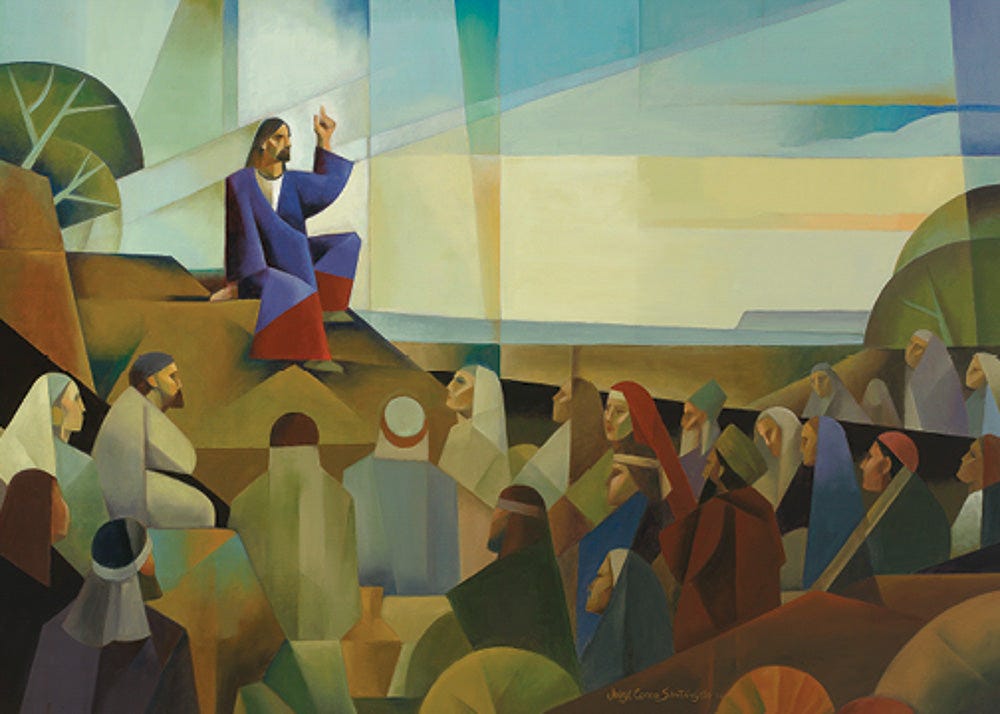
Resurrection Discipleship | Stay Salty
Resurrection Discipleship | Stay SaltyEmbodying the Resurrection in a World That Needs the Real ThingMay 4, 2025Matthew 5:13-16Third Sunday of EasterRev. Teer HardyThe resurrection empowers us to bring renewal and transformation wherever we go.It doesn’t mean we walk around glowing. It means we are walking witnesses to a kingdom that doesn’t run on power, pride, or self-protection. It runs on mercy. It runs on grace.Friends, Easter isn’t just a holiday. It’s a whole new way of seeing the world.The tomb is empty. Jesus lives. And now, so do we.We live in the wake of resurrection, called not to blend in but to bless, not to retreat but to reflect, not to sanitize but to salt.So, stay salty. Let your light shine.Don’t hide. Don’t settle.Resurrection doesn’t need a megaphone—it needs someone whose life makes people wonder if the tomb really is empty.And when they ask what’s gotten into you, tell them it’s not strategy.It's Jesus. Get full access to Brewing Theology with Teer Hardy at teerhardy.substack.com/subscribe
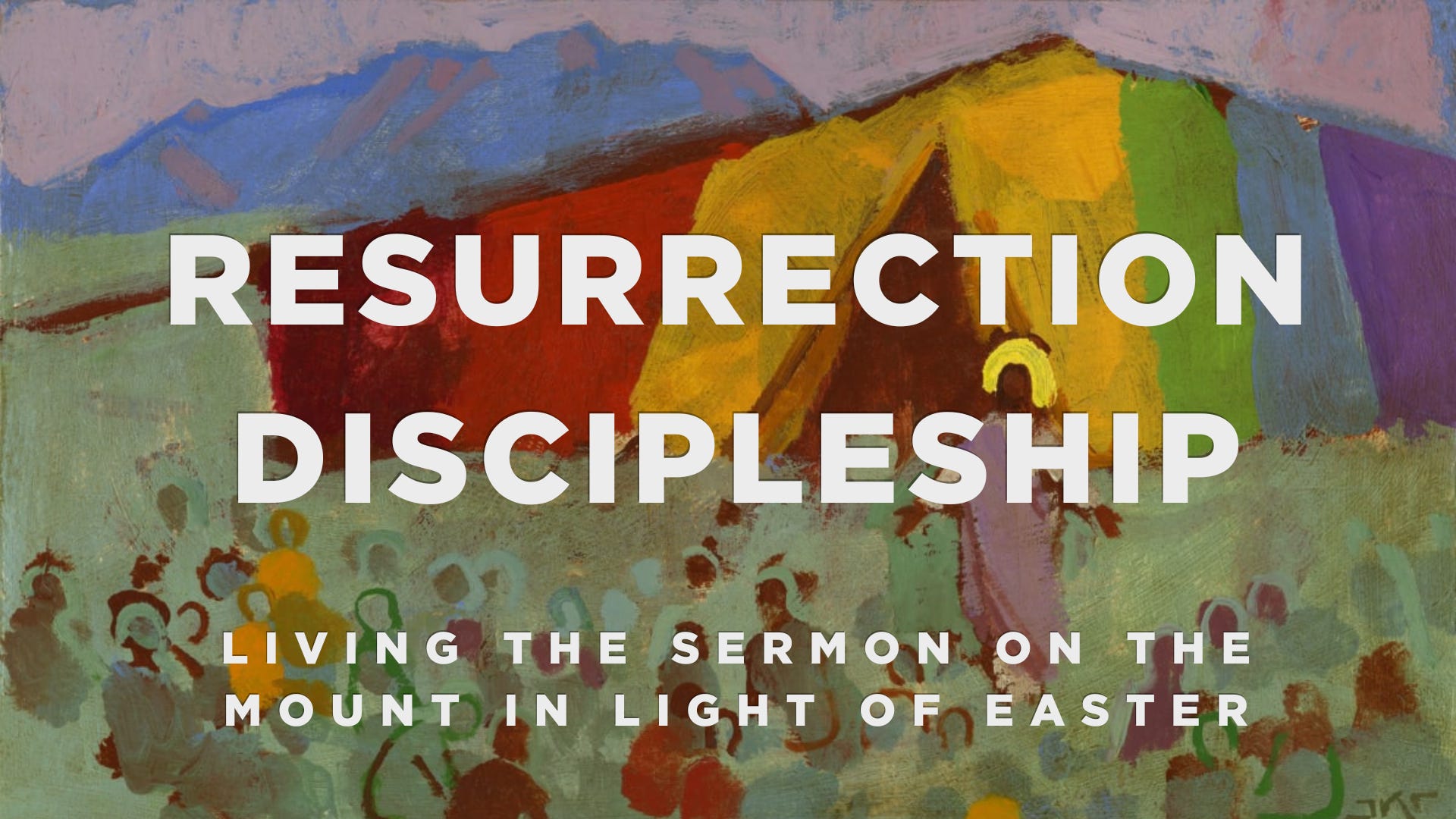
Resurrection Discipleship | Blessed are the Upside Down
Resurrection Discipleship | Blessed are the Upside DownResurrection, the Beatitudes, and the Audacity of God's BlessingApril 27, 2025Matthew 5:1-12Second Sunday of EasterRev. Teer HardyOur risen Lord calls us to lose ourselves for His sake in a world that tells us to protect ourselves at all costs. The empty tomb declares that true power is found in humility and true blessing in mercy. The resurrection does not just vindicate Jesus—it vindicates the whole upside-down Kingdom of God.Do not walk away from the Beatitudes.Do not water them down.Do not wait for the world’s approval.Live them as if Easter is the truest thing that ever happened.Because it is.Blessed are you who do. Get full access to Brewing Theology with Teer Hardy at teerhardy.substack.com/subscribe

Grace in a Ketchup Bottle
Grace in a Ketchup BottleGrace That Shows Up for Everyone—Sweet, Sour, and HungryApril 20, 2025Luke 24:1-12EasterRev. Teer HardySo maybe ketchup isn’t the worst metaphor after all. Not because it’s clever or funny (though many of you were worried about where this sermon was going). But because it’s ordinary. It’s always there. It meets every taste and doesn’t discriminate. It doesn’t try to be impressive. It just shows up and makes everything else taste more like itself.Jesus doesn’t wait for belief to show up. He shows up to bring it with himThat’s the resurrection: not boutique grace, not gourmet faith, not salvation reserved for the religiously articulate.It’s grace that meets the whole of who we are—sweet, sour, bitter, hopeful, grieving—and says:“He is not here. He has risen.” Get full access to Brewing Theology with Teer Hardy at teerhardy.substack.com/subscribe
The Cost of Discipleship | Humility on Hooves
The Cost of Discipleship | Humility on HoovesEmbracing the Cost of Discipleship Through the Humble Entry of JesusApril 13, 2025Mark 11:1-11Palm SundayRev. Teer HardyThe palms we wave today will soon be forgotten—much like the crowd’s memory of welcoming Jesus into the city. The same crowd waving palm branches… some would soon turn their backs on Christ, leaving us to ask: What does it mean for us to follow Jesus?The cost of discipleship is found in surrendering to the self-giving love of Christ. Jesus’ journey into Jerusalem challenges us to consider what it will cost to follow him.Will we choose the warhorse or the donkey?Will we crown him king or call for his cross?This is not just a parade. It’s a procession of fools—holy fools—who believe that love is stronger than death, that peace is more powerful than violence, and that a borrowed donkey is somehow the ride of a king. Get full access to Brewing Theology with Teer Hardy at teerhardy.substack.com/subscribe
The Cost of Discipleship | The Individual
The Cost of Discipleship | The Individual April 6, 2025Luke 14:25-33Lent 5 Rev. Teer HardyJesus, in His wisdom, knew that we cannot live the Christian life in isolation. It is through the community of faith, through the gathered body of believers, that we are nourished and shaped. We are not disciples because of our individual accomplishments but because of the grace of God working through the church. The church is where we are molded into the image of Christ—not through our own efforts or achievements, but through the power of God's transformative grace.When one part of the body grows, all parts grow. This is the beautiful mystery of the body of Christ. The growth of one member of the body is not just a personal victory; it is a victory for the whole body. As each member is transformed, the entire church is impacted, growing in unity, grace, and mission. Our discipleship is intertwined with the discipleship of others. We are formed together.The church’s mission isn’t to create religious consumers. It’s not about attracting people who treat the church like a spiritual supermarket where they take what they need and leave. No, the church’s mission is to form a people who embody the gospel. We are called to become a people who live out the love, grace, and mercy of Christ in the world. This is what discipleship looks like—a people marked not by self-interest but by radical selflessness, serving others and living fully for Christ. Get full access to Brewing Theology with Teer Hardy at teerhardy.substack.com/subscribe
The Cost of Discipleship | The Single-Mindedness of Discipleship
The Cost of Discipleship | The Single-Mindedness of DiscipleshipMarch 23, 2025Matthew 6:24-33Lent 3Rev. Teer HardyFollowing Jesus is not an endless streaming service or a New York Times-sized menu of options, add-ons, and trans fats. This is the paradox of the Kingdom. The more we cling to our lives, the more we lose them. The more we try to control, the more anxious and exhausted we become. But when we let go, when we trust that Jesus is enough—that’s where true freedom is found. Think about the moments in your life when you’ve been most at peace. Were they the moments when you were in control? Or were they the moments when you finally let go, when you surrendered, when you stopped striving and simply trusted? That’s the freedom Jesus offers.We do not “choose Jesus” because Jesus has already chosen us. Christ has already chosen you. And in being chosen, we are free to follow the path Christ has placed before us. The path of single-minded obedience to the God who forgives, frees, and loves; a grace-filled contrast to the gods of gain and success that demand blind obedience. In following Jesus, we find life. Jesus does not ask for your five-year plan, your effort, or your ability to think strategically. The catch? The life you cling to? It’s not yours to keep anyway. So, stop worrying. Stop juggling and pretending that you can serve two masters. Hear the call of Christ; step into grace. Get full access to Brewing Theology with Teer Hardy at teerhardy.substack.com/subscribe
The Cost of Discipleship | The Call
The Cost of Discipleship | The CallMarch 16, 2025Matthew 4:18-22Lent 2Rev. Teer HardyThe disciples left their nets and followed. What are we still clinging to?Maybe it’s security—the need to have everything planned and figured out before you step forward.Maybe it’s comfort—the fear of stepping into something difficult or unfamiliar.Maybe it’s pride—the desire to keep control instead of surrendering.Whatever it is, Jesus is standing before you today with the same invitation He gave to the first twelve, “Follow me.”So, what will it be?That is what we are wrestling with throughout the Lenten season.Bonhoeffer reminds us that grace is not cheap—it is costly. Discipleship demands everything, but it offers even more in return. The way of Jesus is not comfortable, but it is the only path to real life.Jesus is standing before you today with the same invitation He gave to those first disciples: “Follow me.”And here’s the good news—this call is not just about loss, not just about sacrifice, not just about cost. Yes, discipleship demands everything—but it offers even more in return. It is the call to life, real life, the kind of life that can’t be measured in security, comfort, or control, but in joy, purpose, and the presence of God.It is a call to belong—to a community, to a story, to a Savior who goes before us.So, what will it be? Will we stay in the boat, clinging to our nets, waiting for a more convenient time? Or will we step forward, trusting that the One who calls us is also the One who will sustain us?Because, friends, the way of Jesus is not just the way of the cross—it is the way of resurrection.And that is good news. Get full access to Brewing Theology with Teer Hardy at teerhardy.substack.com/subscribe
The Joy of Costly Grace
The Cost of Discipleship | The Joy of Costly GraceMarch 9, 2025Matthew 13:44-46Lent 1Rev. Teer HardyI have said it before, and I will say it again:“God loves you just as you are, but God loves you too much to leave you just as you are.”The good news—the best news—is that this grace has already been bought and paid for. You did not earn it, and you cannot lose it. It’s already yours because Jesus gave everything to make it so. His life, His death, His resurrection—this is what costly grace looks like. Once you see it, once you get even a glimpse of it, you realize there is nothing in this world more valuable.That’s what Lent is about. Not some gloomy self-denial, not a season of proving how much we can suffer, but a season of joy—joy in discovering that the grace of God is richer, deeper, and more powerful than we ever imagined. Cheap grace keeps us stuck. But costly grace calls us forward—into a new life, a better life, a life shaped by the love of Jesus Christ. In last Sunday’s Bible study, someone put it this way: “Cheap grace is about checking boxes. Costly grace means caring for the faith (through grace) we have received.” That’s the difference Bonhoeffer was getting at—cheap grace remains transactional, something we take for granted, while costly grace transforms us because we recognize the weight and worth of what Christ has done.And here’s the promise: The cost is still His. The One who calls you is the One who carries you. The grace that transforms us is not our own doing—it is Christ, at work in us, conforming us to Himself. He does not call us to change by sheer willpower. He calls us to surrender—to trust that the same grace that saved us is the grace that will shape us. The cost of discipleship is real, but the burden is His, and the promise is sure: He will finish what He has begun in you.So, as we enter Lent, we do not come with fear about what we’re giving up. We come with joy for what Christ has already given—and for what He is still doing in us. And for that, we say: Thanks be to God! Get full access to Brewing Theology with Teer Hardy at teerhardy.substack.com/subscribe
The Impossible Ask
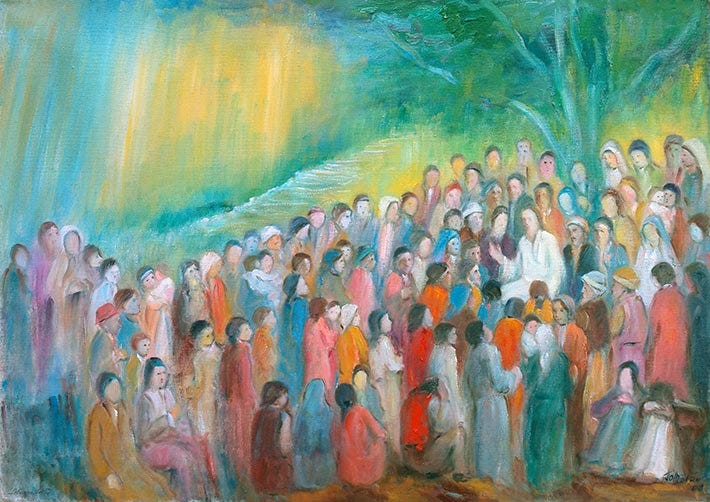
The Impossible Ask: I Don’t Want to Forgive My EnemiesFebruary 23, 2025Seventh Sunday After EpiphanyLuke 6:27-38Rev. Teer HardyThe truth in God reconciling all things, in making all of creation new through the mercy of God’s grace, is that when our sin could have made us an enemy of God and God could have cast vengeance upon humanity – upon you and me – God instead extended, God is extending mercy.It is downright offensive to think of God extending mercy to the person we despise the most until we realize that is how Jesus loves us, not because we deserve it or have earned it but because God does not know any other way. The merciful love of God is what enabled Joseph to forgive his brothers after they sold him into slavery. The same merciful love softened Pharoah’s heart and later inspired Hannah to pray, “God raises up the poor from the dust; he lifts the needy from the ash heap, to make them sit with princes and inherit a seat of honor. For the pillars of the earth are the Lord’s, and on them he has set the world.” Get full access to Brewing Theology with Teer Hardy at teerhardy.substack.com/subscribe
The Sermon Stands Among Us
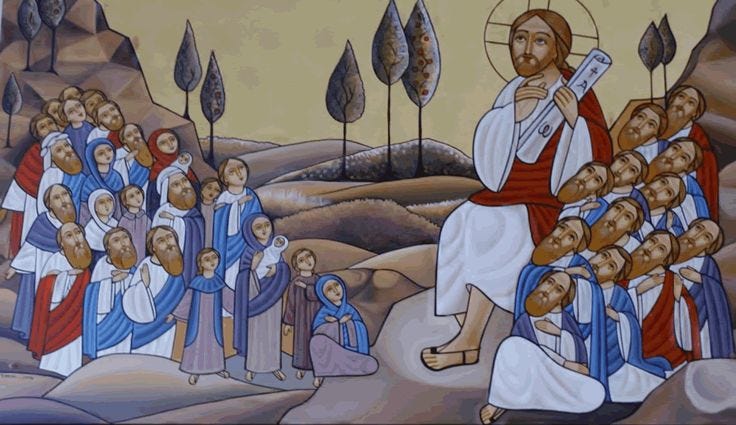
The Sermon Stands Among Us“The Savior Who Comforts the Afflicted and Afflicts the Comfortable”February 16, 2025The Sixth Sunday After EpiphanyLuke 6:17-26Rev. Teer HardyWe see this when Christian symbols are wielded in ways that justify violence, when the gospel is reduced to a tool for cultural dominance, and when faith is used to demand power rather than to serve the least. We see it when people conflate their country with the kingdom of God, as if God’s blessings are limited to one people over and against another.If our faith leads us to seek power rather than serve, if it makes us comfortable while ignoring the suffering of others, if it justifies hatred rather than love, then it is no longer the faith that Jesus preached. And Jesus has one thing to say to us when that happens, “Woe to you.”Jesus’ blessings and woes are a direct challenge to every form of Christian nationalism. Because Jesus does not say, “Blessed are the strong.” He does not say, “Blessed are the victorious.” He does not say, “Blessed are those who dominate.” He says: "Blessed are the poor. Blessed are the hungry. Blessed are those who weep. Blessed are those who are hated." Get full access to Brewing Theology with Teer Hardy at teerhardy.substack.com/subscribe
Grace Beyond Expectations
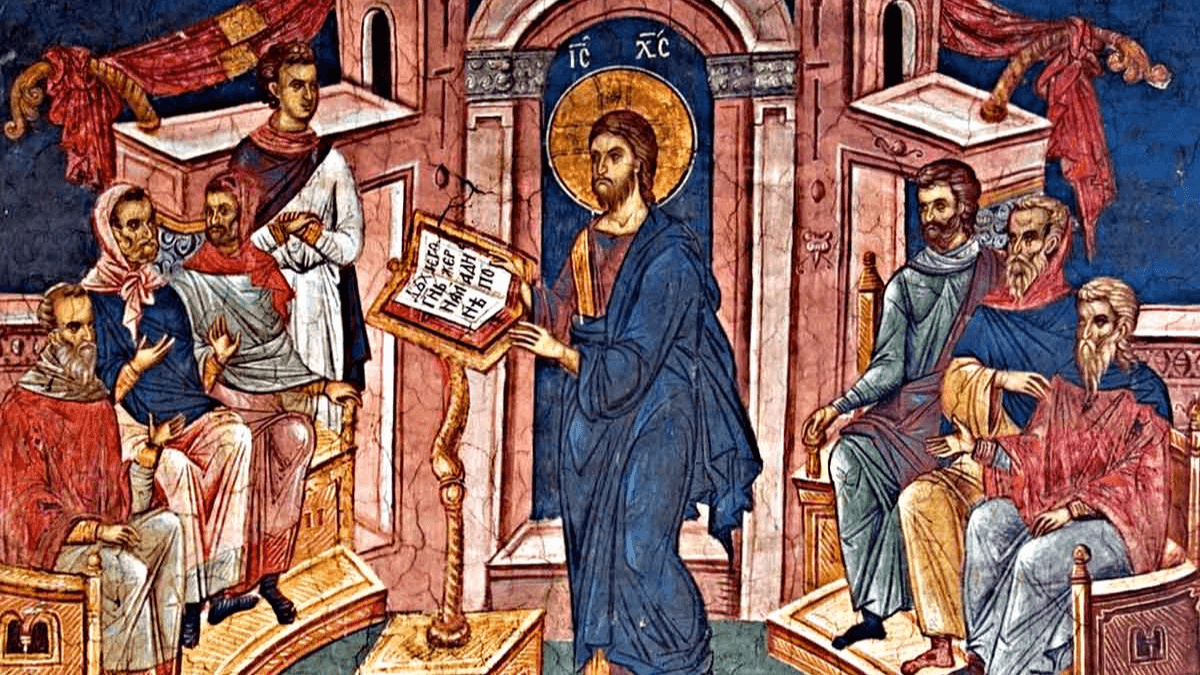
Grace Beyond Expectations“When God’s Good News Disrupts Our Comfort”January 26, 2025The Third Sunday After EpiphanyLuke 4:14-21Rev. Teer HardyWhen Jesus proclaimed “the year of the Lord’s favor,” he wasn’t just offering comfort; he was announcing a revolution. The poor would hear good news. The captives would be set free. The blind would see. The oppressed would be liberated. And that’s not a message everyone wants to hear—because it calls us to confront our own complicity in systems of injustice, to open our hearts to people we’d rather exclude, and to trust that God’s vision is better than our own.This is the epiphany at the heart of Jesus’ message: He is the embodiment of God’s promises—God’s grace, healing, and justice come to life. Pastor to pastors, Brian Zahnd, puts it like this:God is like Jesus.God has always been like Jesus.There has never been a time when God was not like Jesus.We have not always known what God is like—But now we do. Jesus doesn’t just tell us what God is like; he shows us. And in doing so, he reveals that God’s kingdom is not built on our desires or expectations but on God’s radical love. This is good news, even when it challenges us. It means that our worth isn’t determined by what we achieve, and our salvation isn’t earned through our efforts. It is God’s gift, freely given through Jesus Christ. Get full access to Brewing Theology with Teer Hardy at teerhardy.substack.com/subscribe
758 Bottles of Grace on the Wall
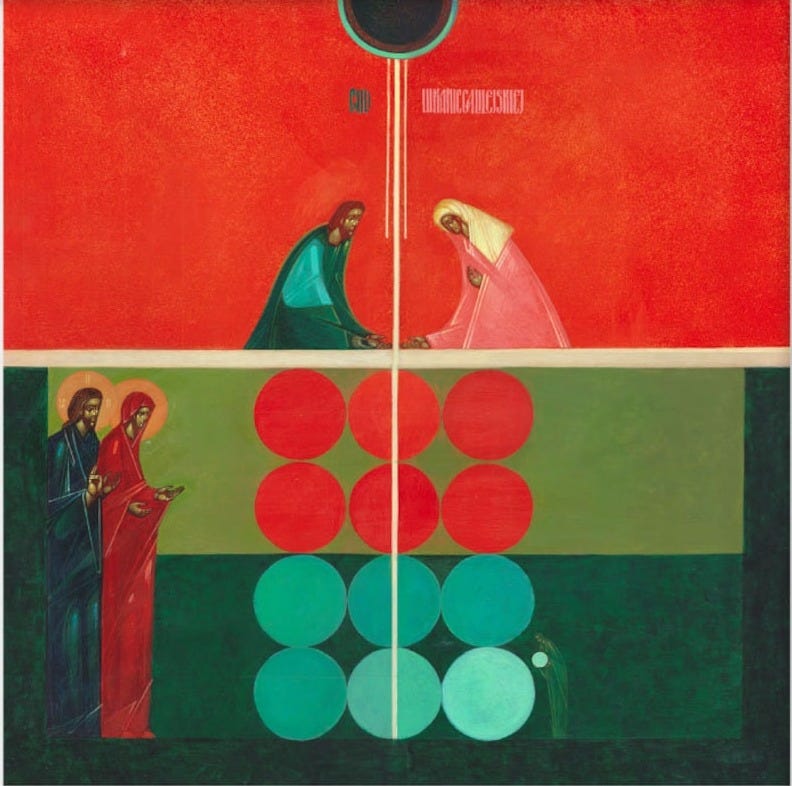
758 Bottles of Grace on the Wall “The Sign at Cana and the Grace That Never Ends”January 19, 2025The Second Sunday After EpiphanyJohn 2:1-11Rev. Teer HardyThis wedding at Cana isn’t just about what happened back then. It’s about what’s happening now. Jesus is still transforming, still pouring out His grace in abundance. And He’s inviting you to the table, to the party, to the life that only He can give.And the best part?The wine never runs out.The grace never dries up.It’s all available to you, not because of anything you’ve done, but because of what Jesus has done for you. Get full access to Brewing Theology with Teer Hardy at teerhardy.substack.com/subscribe
Who Am I? Whose Am I?
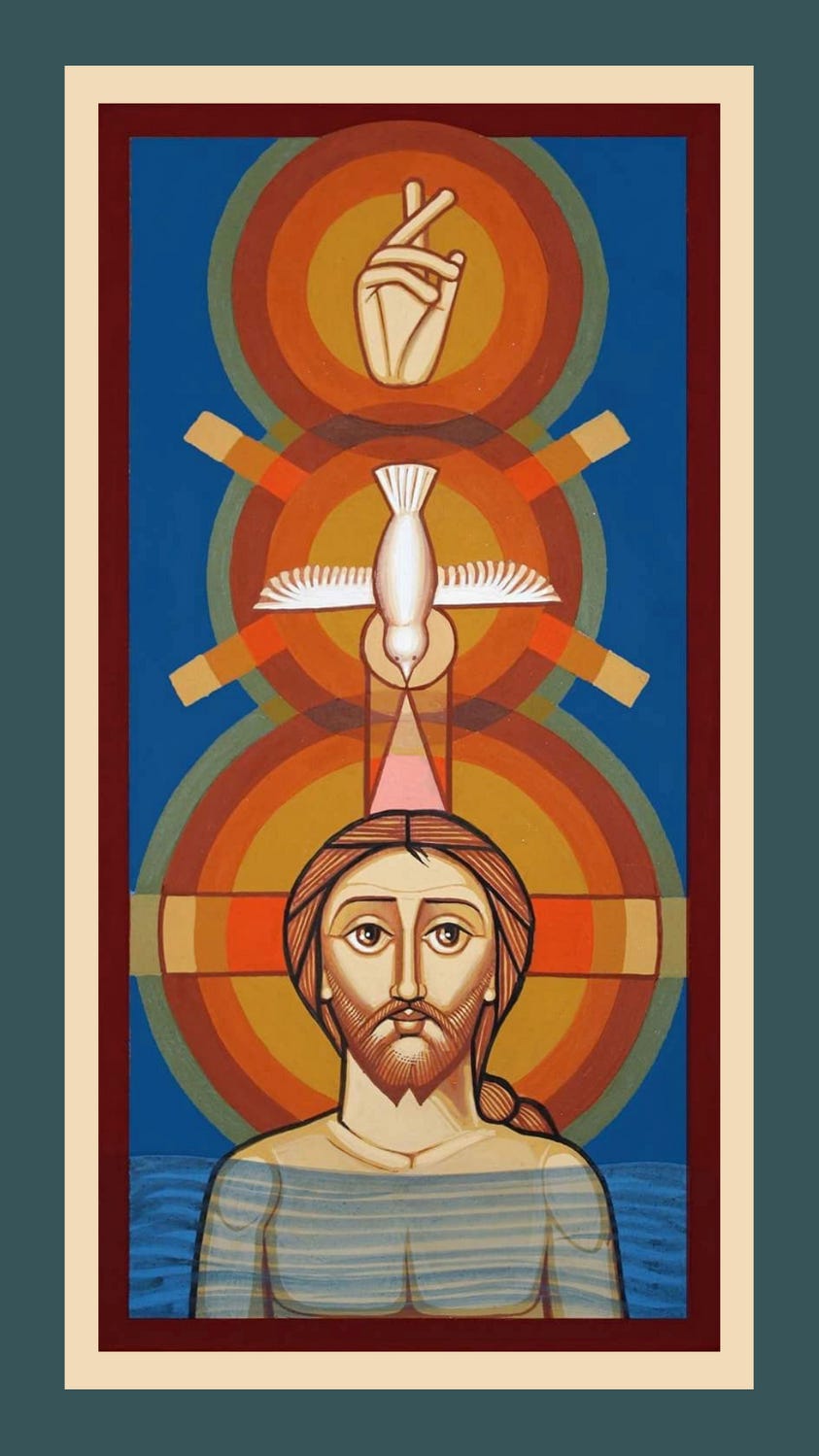
Epiphanies | Who Am I? Whose Am I?“Remembering Your Baptism”January 12, 2025Baptism of the LordLuke 3:15-17, 21-22Rev. Teer HardyRemembering our baptism is like hearing a forgotten song from our childhood. It stirs something deep within us. It reminds us of who we truly are. It is also an invitation to discover, over time, whose we are. God’s beloved.Jesus tells the story of the prodigal son. The son lost himself in a far-off land. One day, he “came to himself.” He remembered. “I am my father’s child. I have a home.” That memory was enough to bring him back. And when he returned home he father ran to him.On days like today, we gather as a Church to remind one another of who we are. We remember whose we are. We come to the font as we come to the table, empty-handed. We remember that we are named. We are claimed by God.Today, touch the water. Touch your forehead. Remember your baptism. Be thankful.Who you are. Beloved. It flows from whose you are. God’s. Get full access to Brewing Theology with Teer Hardy at teerhardy.substack.com/subscribe
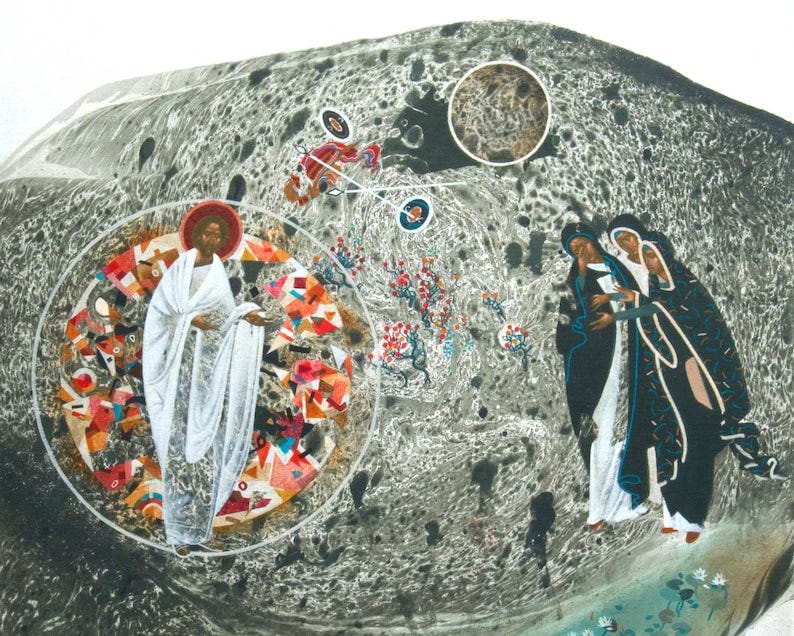
The Paradox of Glory
The Paradox of Glory“Homage at the Manger”January 5, 2025EpiphanyMatthew 2:1-12Rev. Teer HardyPaying homage to someone is no small task. As we hand our whole selves over to Christ, it can feel like a quid pro quo. We can think that before we receive Christ, we must give or do something extraordinary. After all, we live across the river from the quid pro quo capital of the world. Some might tell you that you need to pray a certain prayer, never miss a Sunday worship service or give a certain percentage before taxes before you can truly pay homage and be received by Christ. The paradox that remains is that the need to do has been done by the One who was laid in the manger.So, like the magi, in bringing ourselves – to include our doubts, fears, and failures – we can assume a posture of homage and embrace the paradox of this epiphany because the child in the manger, the messiah on the cross, the One who walked out of his borrowed grave has already welcomed you.This is not an easy task. We want our questions answered, our brokenness fixed, and our doubts erased before we can first offer praise. Still, Christ invites us to come because God has made the first move toward us through the child in the manger. Get full access to Brewing Theology with Teer Hardy at teerhardy.substack.com/subscribe
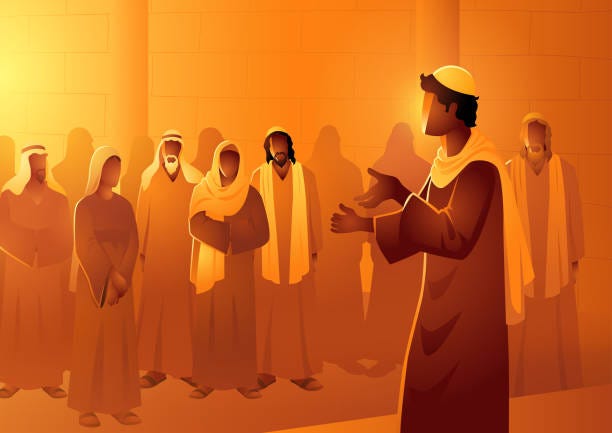
An Early Epiphany
An Early Epiphany“Finding Christ Where We Least Expect”December 29, 2024First Sunday After ChristmasLuke 2:41-52Rev. Teer HardyJesus has a habit of dwelling in the places we least expect: in the manger, with shepherds, in the Temple, at a well, at the table of a tax collector. And the question we are faced with is why. Why these places? Why those people? Why us?The Good News is that while we search for Jesus, we do not have to look further than our Holy Scriptures, bread and wine, and a community where whenever two or three are gathered, He promises to be with us.May the Word that predated time, sent by the Father, that extends grace to all, dwell in you. The same Word that amazed and amazes, freed and frees. Your questions may remain, and they might even grow in number. And the Good News is that even amid questions (and yes, even doubts), if Jesus feels lost from your life, the living Word of God does not abandon. The babe laid in a manger is the One who has called us to experience the fullness of the Father’s love and the fullness of His grace. Get full access to Brewing Theology with Teer Hardy at teerhardy.substack.com/subscribe
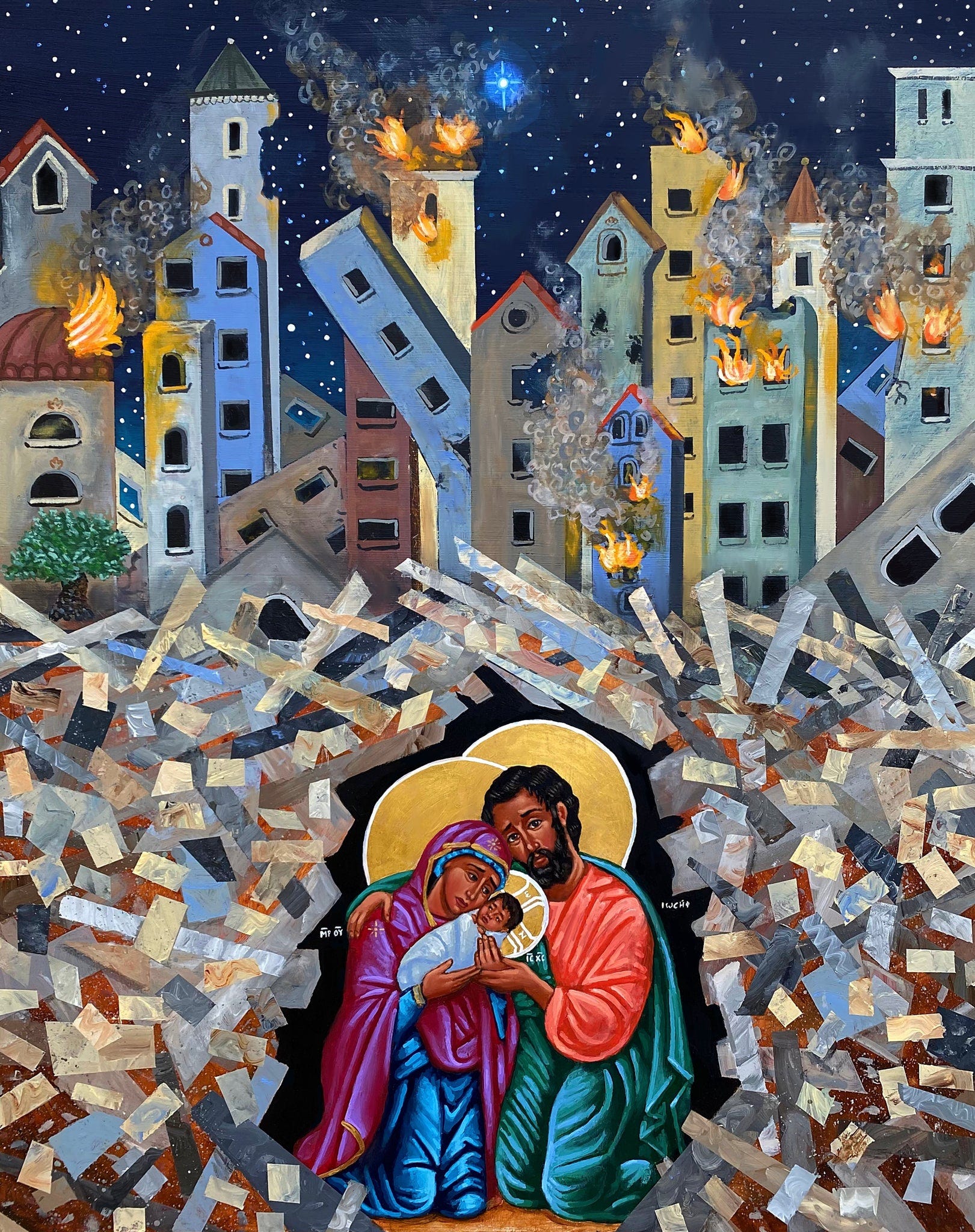
Peace in the Manger
Christmas Eve 2024, Luke 2:1-14The peace we long for is the product of God’s actions. We are experiencing peace this evening because we are acknowledging – like Mary, like Joseph, like the shepherds – that God has moved.I know not all is right in the world, that all is not right in your life. There are secrets, deep and dark, that keep you up at night. There is an empty seat at your table. There is a diagnosis that you wish you could ignore. And, when Christmas is over, you will trudge your way into the full gray of January, where the bills from December await. Every day, you are moved by forces greater than your own. I know.And that is why I say to you, like Luke, like the carols say, and like the glow of the candles reflect – I bring you good news of great joy for all people: to you is born this day… a Savior, who is the Messiah, the Lord… and on to all on earth, peace. Amen. Get full access to Brewing Theology with Teer Hardy at teerhardy.substack.com/subscribe
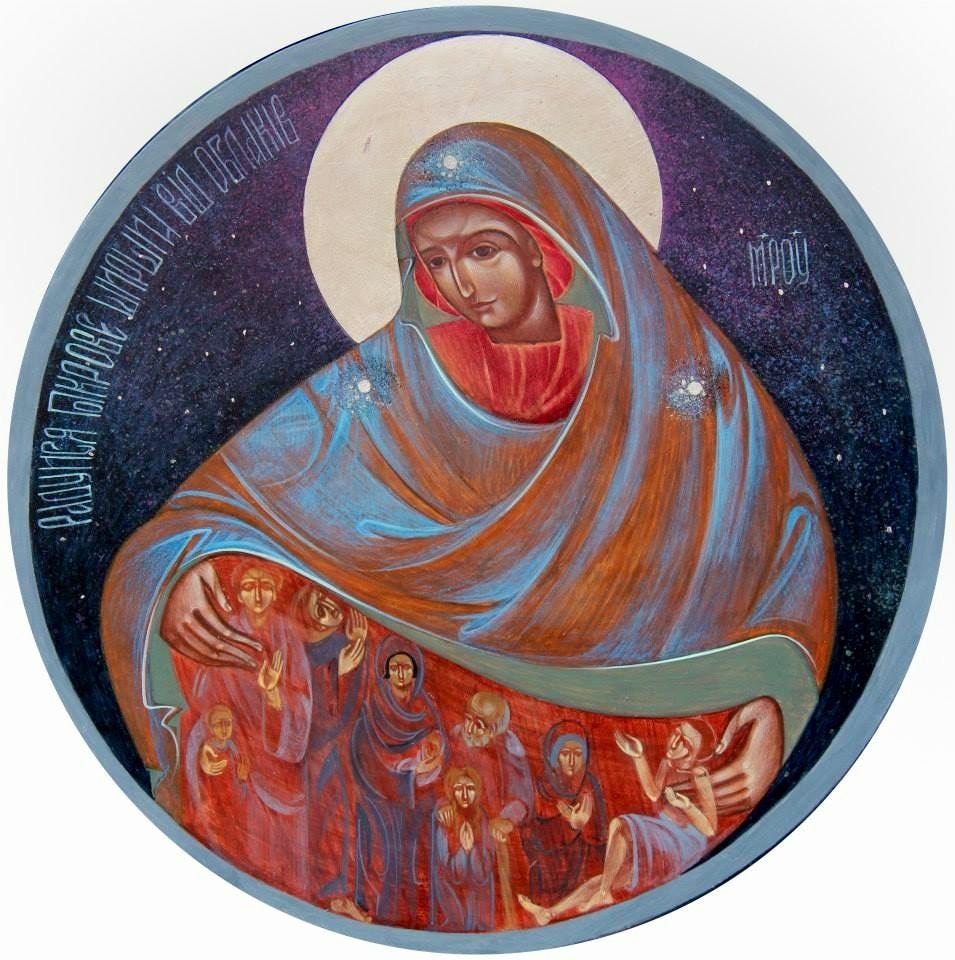
Do You Know?
Do You Know? Following Mary's Faithful WitnessDecember 22, 2024Advent 4Luke 1:46-57Rev. Teer HardyThe question is not, “Mary do you know, but rather, do you know? Brody, Logan, and Meghan, Brett and Lauren, do you know? Do you know that his child that we celebrate on Christmas is the one who will do all of the things mentioned in the song – walk on water, heal the blind, give life back to the dead? Do you know that while being rejected and despised, Jesus extends grace to all?Do you know there is nothing you can do to outrun the hope, love, joy, and peace of God?Do you know?Through her Magnificat, Mary becomes a reflection of the church. Mary is our reflection. As she declares, considers, and makes sense of what is happening, her Magnificat becomes our song – the same old song the church has proclaimed for generations. The song declares that in and through Jesus Christ, God has done what we believed to be impossible. God does, through Mary, the inconceivable. Get full access to Brewing Theology with Teer Hardy at teerhardy.substack.com/subscribe

Mary, Theotokos: Bearer of Hope
Mary, Theotokos: Bearer of Hope“Hope in the Annunciation”December 1, 2024Advent 1Luke 1:26-38Rev. Teer HardyMary’s “Yes” came in the face of danger and uncertainty. We know her fiancé considered ending their engagement, placing both Mary’s life and her child’s in jeopardy. With the darkness of the world before her, Mary said “Yes” to the hope of God. This is the same hope the church carries into the world's darkness. Hope rooted in the promise of God to renew every corner of creation, the promise of peace that comes as a response to the grace of God and not the tip of the sword, and the promise that when the darkness of the world feels like it is too much that we can cling to the hope of God. The promise that shines a light into the darkness and steps into the darkness. The hope of our God who promises to return and make all things new. Get full access to Brewing Theology with Teer Hardy at teerhardy.substack.com/subscribe
Breaking the Patterns of the Pilate
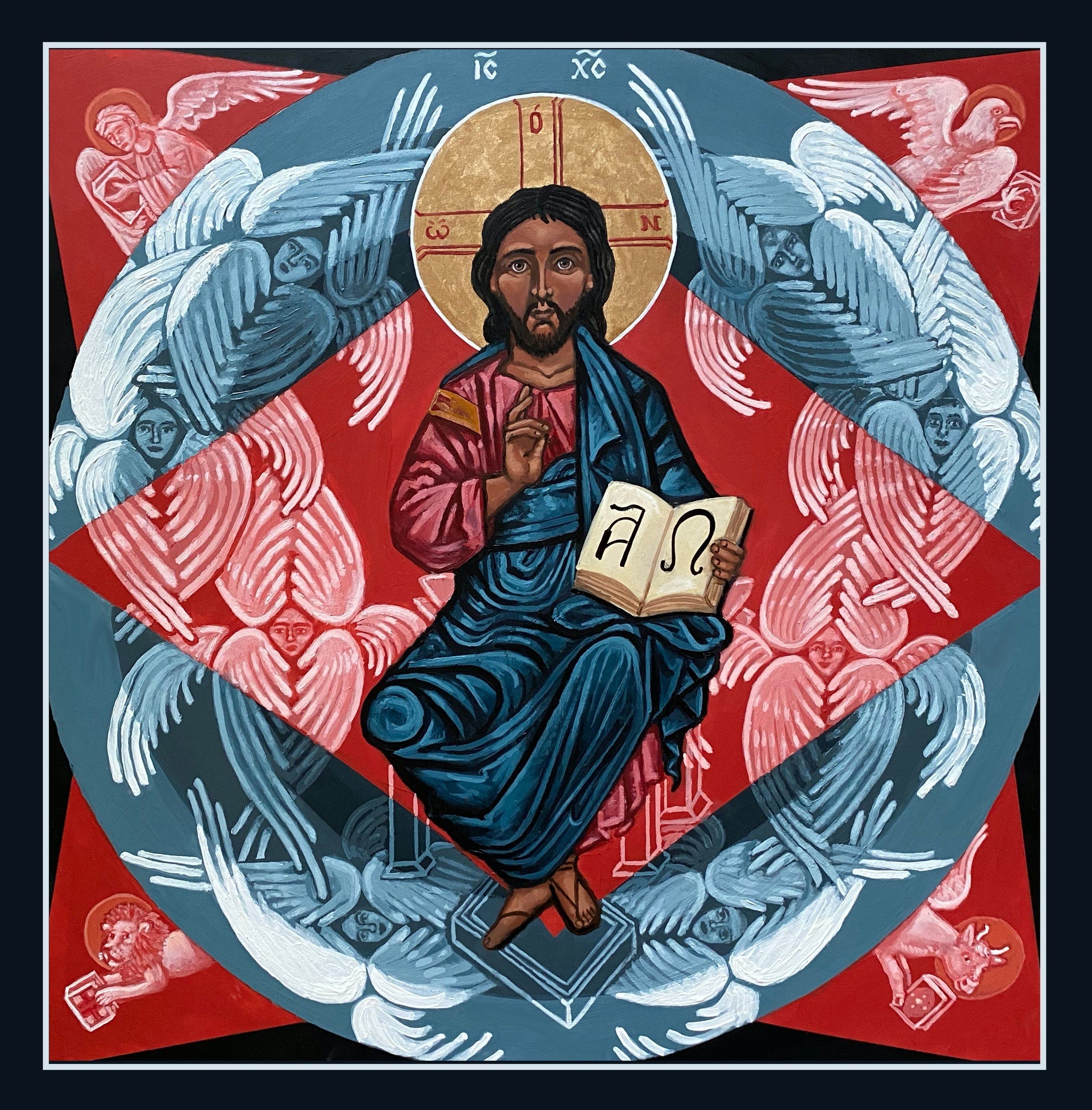
Breaking the Patterns of the Pilate"From Pilate to Preschool: Learning the Patterns of the Kingdom"November 24, 2024Christ the King SundayJohn 18:33-37Rev. Teer HardyIn Rome, Caesar was the ultimate symbol of that kind of power. Caesar embodied the pattern of worldly power: victory through force, glory in wealth, and security through fear. The Romans had a saying for this pattern – Pax Roma, the peace of Rome – but everyone knew that peace came at a cost. It was the kind of peace you could only maintain with legions of soldiers and the shadow of the sword.Along comes Jesus, and instead of following the same pattern, he offers something entirely different. Jesus does not ride into Jerusalem on a warhorse; he enters the city on Palm Sunday on the back of a borrowed burro. He does not wield a sword; he kneels and washes feet. He does not command armies of legionnaires; he calls fishermen and tax collectors. Jesus’s pattern for kingship did not compute for Pilate, and it only sometimes makes sense to us. Jesus does not look or act like the king we expect. He does not promise power or prestige to the church. He does not fight fire with fire. Instead, Jesus says, "Blessed are the meek," and "The first shall be last."We are so familiar with the patterns of the empire that it can be difficult for us to embrace the patterns of Christ. And still, Jesus invites us into this pattern and a life of grace that challenges assumptions of power. If we pay attention, Jesus invites us to break free from this world's patterns and step into the pattern of his grace. Get full access to Brewing Theology with Teer Hardy at teerhardy.substack.com/subscribe

Beyond Crowns and Thrones
Jesus, A Different King of King | Beyond Crowns and Thrones: Embracing the Lordship of Christ in a World of False PowerMark 12:38-44November 10, 2024The elephant and donkey in the room are this: when we consider the reign of God and the Lordship of Christ, our politics inevitably create conflicts of interest, tension, and outright discomfort. No matter who we vote for or who ultimately wins an election, that person will never—can never—live up to the expectations we place on them. They will always fall short of their promises of peace, because true and lasting peace can only come from God, not from the power of any earthly empire.The psalmist reminds us, “Do not put your trust in princes, in mortals, in whom there is no help. When their breath departs, they return to the earth; on that very day their plans perish.” [ii] Leaders, teachers, news anchors, pundits, and even pastors will come and go. The good news for the Church, for creation, is that our hope resides not in our ability to save ourselves but in the One who notices and honors the widow. Get full access to Brewing Theology with Teer Hardy at teerhardy.substack.com/subscribe
No Condemnation, Only Freedom
Runneth Over | No Condemnation, Only Freedom“How Christ’s Love Frees Us to Live Generously”October 27, 2024Romans 8:1-4Rev. Teer HardyNo condemnation! None! Nada! Not an ounce!For those who have heard the gospel for years, and for those familiar with wooden church pews or the consistency of the church’s liturgy, we may gloss over Paul’s declaration. But think about it for a moment: in Christ, through Christ, and because of Christ, we are not condemned. All of the mistakes, the missteps, the times we have fallen short – they are not held against us. We have heard Taylor Swift say, “It’s me, hi, I’m the problem,“ but God says that what we or others say makes us the problem - our shortfalls and failures - are no problem at all.The beautiful and strange truth of the gospel is that in Christ we are free. It is not that we have somehow earned this freedom. No, it is that we have died, our lives are now hidden with Christ.Paul is giving us the key to living a generous life. You see, the world tells us we are what we accomplish. We are measured by what we produce, by the size of our bank accounts, by the model year of our cars, by the number of people who follow us on social media, by the accolades on our CVs. But the gospel of Jesus Christ flips all of that upside down. In Christ, we have died to that way of living. We have died to the need to prove ourselves, to accumulate and hoard. When God the Creator looks at us, they do not see what we have accumulated or our failures and shortcomings. The Father sees the Son. And that changes everything. Get full access to Brewing Theology with Teer Hardy at teerhardy.substack.com/subscribe

Runneth Over | More Than a Doughnut: Living a Cruciform Life
Runneth Over | More Than a Doughnut: Living a Cruciform Life“How Everyday Acts Reflect Christ’s Overflowing Love”October 20, 2024Galatians 2Rev. Teer HardyTo live a cruciform life means our lives take the shape of the cross. Paul tells us that we have been crucified with Christ and that Christ now lives in us. This isn’t just some lofty spiritual idea or metaphor; it’s a call to live our lives mirroring the sacrificial and abundant love of Jesus. Everything we do—our giving, our vocations, our daily choices—flows from Christ, who lives and works through us.“I have been crucified with Christ, and it is no longer I who live, but Christ who lives in me,” wrote Paul. Imagine that: Jesus living in us, shaping our hearts and actions. But what does that mean for our day-to-day lives? It means that, as followers of Christ gathered from all over the world, we no longer live for ourselves. God's grace has redefined our purpose, our very existence. It’s not just about going about our business anymore; it’s Jesus at work in and through us, especially in our generosity.The generosity we’re called to isn’t something we have to muster on our own. It’s Christ’s generosity, grace, and love flowing through us. We don’t live for ourselves but for the one who died and was raised for us. The work we do, the resources we share, and the lives we live are opportunities for us to wear Christ, for Christ to wear us, work through us, and bless the world. As Jesus pours out His love through us, may others encounter Christ, finding hope and grace that overflows like a cup running over. Get full access to Brewing Theology with Teer Hardy at teerhardy.substack.com/subscribe
The Weight of the Plate
Runneth Over | The Weight of the Plate:Responding to God’s Abundant GenerosityOctober 13, 2024Ephesians 1:3-10Rev. Teer HardyStewardship is less about checking boxes or paying bills at the church. Stewardship is a recognition that God has already given us, given all of creation, the greatest gift of all. Only when we fully grasp this gift – the fullness of Jesus Christ and the grace that freely flows Him and overflows our cups – can we truly understand what it means to give. Giving is not our duty; it is our delight. When we give, we participate in God's Kingdom, joining a story that began before us and, by God's grace, extends beyond us.The offering plate is a means of grace and invitation to participate in a pattern of grace that begins with God. When we approach stewardship and the financial support of the church in this way, we are no longer giving out of compulsion or guilt. We are giving as an act of worship, as a way of saying thank you for what we have already received because that is what the gospel is all about. We do not leave church with a list of demands. We live with the freedom that comes from the gospel. God has already done for us that we cannot do for ourselves. Get full access to Brewing Theology with Teer Hardy at teerhardy.substack.com/subscribe
Soul Feast | A Meal for the Ages
“A Meal for the Ages: Celebrating Unity Through Christ’s Table”October 6, 20241 Corinthians 11:23-34Rev. Teer HardyToday is World Communion Sunday. Across the globe, Christians are gathering around tables just like ours, breaking bread and sharing a cup. We gather not just as a local church, not just as a congregation of The United Methodist, but as part of the great body of Jesus Christ – spanning nations, cultures, and generations. Christ's table of grace unites us across the barriers of geography and time. And, every time we come to Christ's table, we remember and proclaim that God has reconciled all things in and through Jesus Christ. This global unity in Christ is a powerful reminder of our shared faith and purpose.When we come to this table, we proclaim that through Jesus Christ, the rich and the poor, the powerful and the powerless, the insider and the outsider are one. We are one in Christ Jesus because of his faithfulness. This inclusivity of the Communion table reminds us that we are all equally valued and accepted in the eyes of Christ.Paul's call to the church is to examine ourselves before and as we come to the table. Not so that we can be perfect but so that we come with a proper heart. It is not about being worthy of this meal; it is about recognizing that none of us are worthy, yet, all are invited.We come to this table by grace, just as the generations that are now dust did and as generations to come will. The grace of God calls to us to look beyond ourselves, beyond our communities, beyond our nation, and to see the breadth of what God has done and is doing.So today, we come to the table to share a meal in unity with the body of Christ from every corner of the globe. We gather knowing that this table and meal are not just a symbol of unity but rather is the place where Christ makes that unity a reality. And as we leave, we carry that unity with us to be a people who have been changed by the love and grace of Christ in everything we do. Get full access to Brewing Theology with Teer Hardy at teerhardy.substack.com/subscribe

The Search for God
One of the most troubling trends in the life of the church is the notion that we are the ones doing the searching. It is as if we have convinced ourselves that God is off in a galaxy far, far away from us. But the truth is that God has always been searching for us. The truth is God has always been searching for you. We may think that we have been doing the searching and have ultimate responsibility in this relationship, but it turns out God has been searching for us the whole time. You are not just a part of the search; you are the reason for it. You are important to God.“The Search for God: The Pursuit of God and the God Who Pursues Us”September 15, 2024Psalm 42Rev. Teer HardySeventeenth Sunday After Pentecost Get full access to Brewing Theology with Teer Hardy at teerhardy.substack.com/subscribe
Fitting In or Standing Out
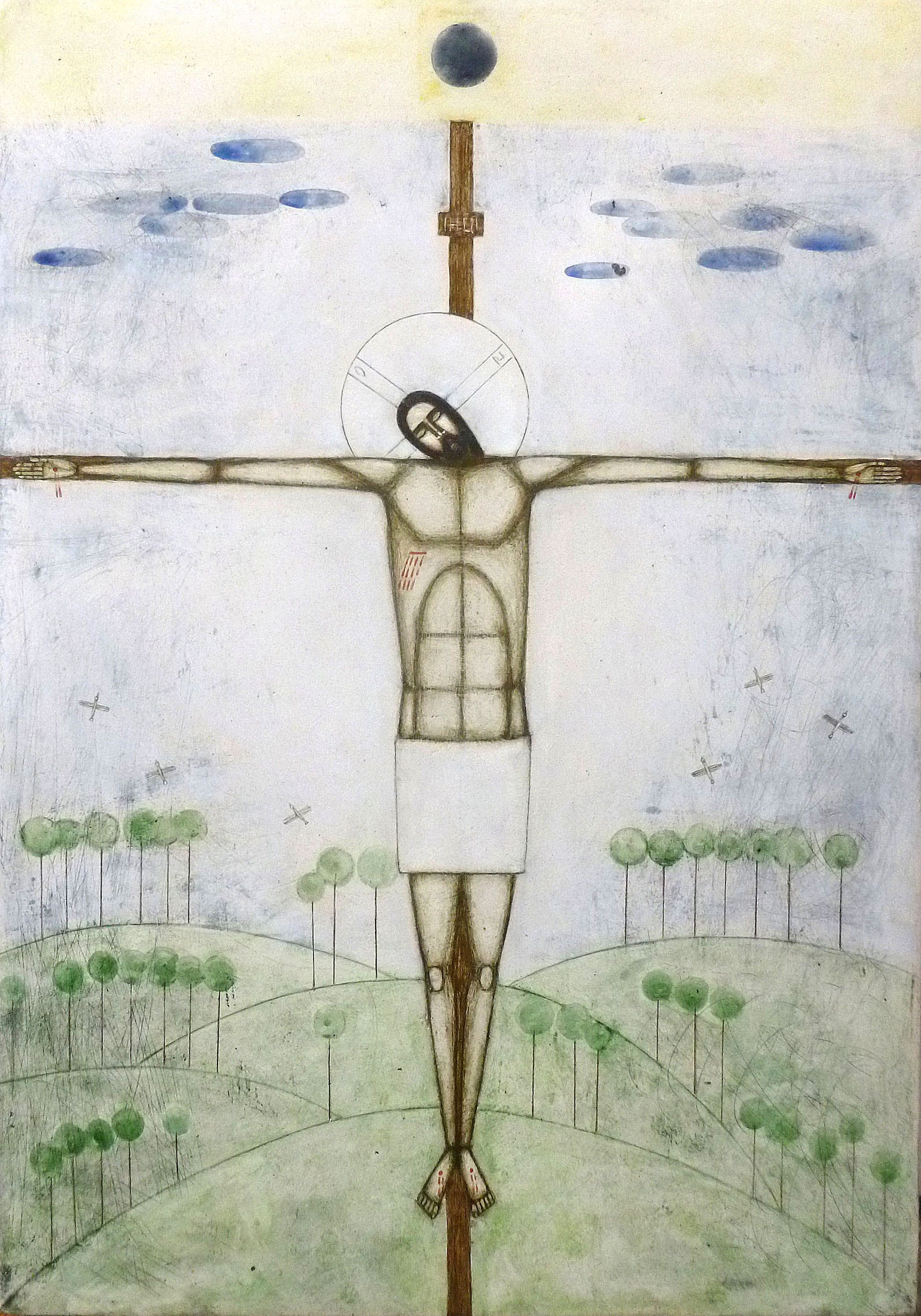
“Fitting In or Standing Out: Following Jesus in a World of Expectations”September 1, 2024Mark 7:1-23James 1:17-27Rev. Teer HardySixteenth Sunday After Pentecost Get full access to Brewing Theology with Teer Hardy at teerhardy.substack.com/subscribe
When Jesus Offends
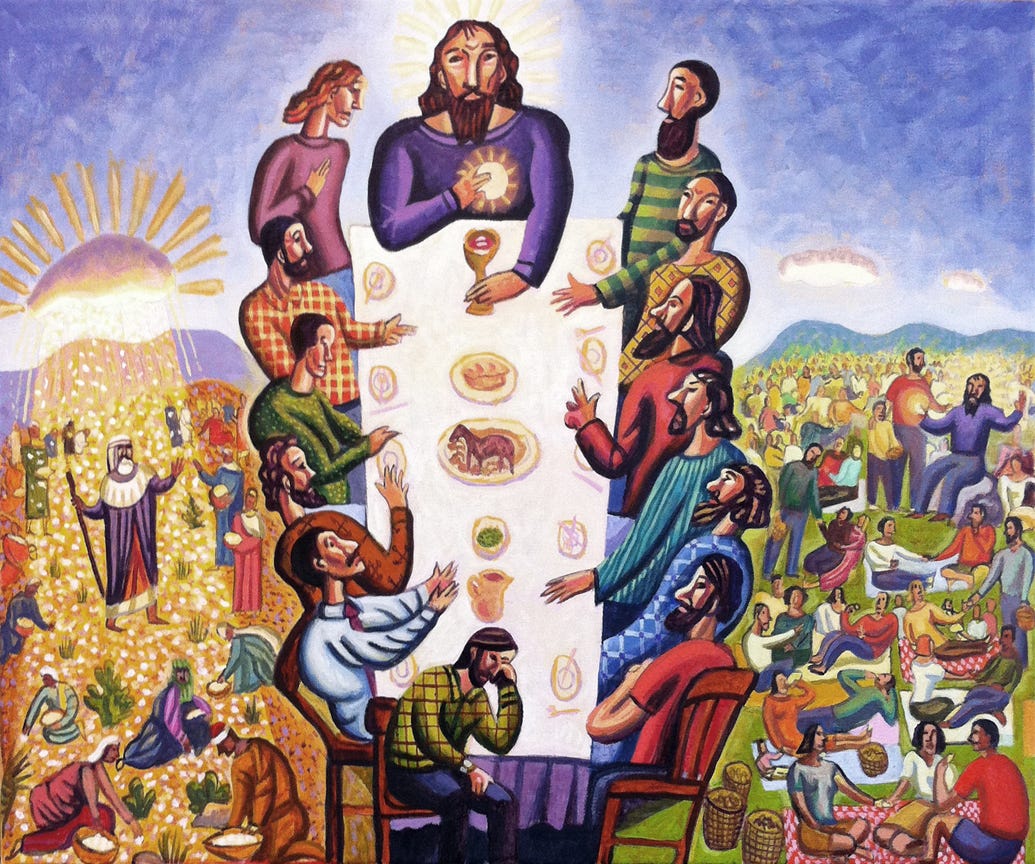
“When Jesus Offends: Finding Life in Jesus' Hard to Swallow Teachings”August 25, 2024John 6:60-69Rev. Teer HardyFourteenth Sunday After PentecostWe read these verses from an ancient book and give you music you will not find on the radio or social media. Many call it “going to church” or something to check off the to-do list. But I want to call it something else. Let’s call it trying to see. Let’s call it practicing paying attention to the presence of the living God among us, here in Arlington, in McLean, in DC, and in our lives.John Wesley once said, “The best of all is God is with us.” That is the truth we are trying to hold on to, the truth that can get lost in the noise and distractions of modern life. But it is a truth worth listening to, waking up for, worth living for. People, would you pay attention? Get full access to Brewing Theology with Teer Hardy at teerhardy.substack.com/subscribe
Something Happened
“Something Happened”August 18, 2024John 6:51-61Rev. Teer HardyThirteenth Sunday After PentecostJesus brings us something that is beyond our reach; beyond our understanding. He is offering us the very life of God, revealing a God we could not imagine on our own. He comes to us before we seek Him. He comes to us before we project God upon the world. And he comes to us even as we attempt to explain him away.There is a living God who speaks and acts even while our modern world is full of ways to attempt to shut God out. God breaks through to us in God's mercy, as a means of grace. This is when the something happens.You may feel jolted, but that's OK. It is OK to find the moment when something happens unsettling and to ask, “What am I supposed to do with this bread from heaven? Eat my flesh and live. What does this mean?”Rather than dismiss or explain away, recognize this as a gift. Recognize this as God's grace for you. Get full access to Brewing Theology with Teer Hardy at teerhardy.substack.com/subscribe
Bread for the World
“Bread for the World: Embracing the Fullness of Christ”August 11, 2024John 6:35, 41-51Rev. Teer HardyJesus does not explain himself in terms of who he is not or high theology. Instead, he says I am bread that will sustain you. I am bread that gives you new life. I am bread for the world.Standing before the crowd, standing before use, in the flesh is the fullness of God. If you have ever wondered what God looks like, look at the altar and the bread that sustains. If you have ever wondered how God acts or talks, look to Christ, who invites all of us to taste and see what life looks like in the fullness of God.Anne Lamont wrote, “The opposite of faith is not doubt, but certainty.”We want our spiritual desires and theological questions answered with certainty, but instead, Jesus offers us bread. In a simple meal of bread and wine, Jesus promises to nourish and sustain the world.Jesus is the bread that the world desperately needs, even while He is the One we frequently turn from. And still, the invitation remains—to taste and see that the Lord is good. This invitation is a testament to the open arms of Jesus, always ready to nourish and sustain. The world will tell you that you must be for this and not that. Yet, Jesus tells us that he is bread, he is life for the world, and he is bread, he is life for you. Get full access to Brewing Theology with Teer Hardy at teerhardy.substack.com/subscribe
Satisfied
“Satisfied”July 28, 2024John 6:1-21Rev. Teer HardyTenth Sunday After PentecostTo be satisfied is the goal of pretty much everything we do. In your professional life, if you are not satisfied with your work, you might make a move to a new employer or even a new line of work. If a vendor you are working with is not providing a service that satisfies your organization's needs, you will find a new vendor that can. We all want relationships that satisfy our needs and goals. Parents want schools that will satisfy their children's educational and developmental needs. Even in church, if a church, if a pastor does not satisfy your needs and the needs of your family, it is easy to find a church that will. Theologian Robert Jenson wrote, “Our culture's relentless pursuit of satisfaction through material means obscures the true satisfaction that comes from being known and loved by God.” “Satisfaction Guaranteed” is a phrase baked into our daily routines, so much so that we rarely think about it until that guarantee is unmet. Get full access to Brewing Theology with Teer Hardy at teerhardy.substack.com/subscribe

The Kingdom of Heaven is Near
“The Kingdom of Heaven is Near: Preparing the Way for Christ in a Troubled World”July 14, 2024Mark 6:14-29You see, in the face of violence, when confronting the consequences of our sin we return to the words of John the Baptist, “Repent, for the kingdom of heaven has come near.”“Repent, because the messiah has conquered our Sin and Defeated our death.”Christ has conquered the ways we cause harm to one another, creation, and ourselves.Christ has defeated that which separates us from God and one another.The church is the voice in the wilderness, calling for repentance and preparing the way for Jesus. Pointing to Christ in all things because the hope we hold is that with Christ present in all things, everything is being made new. And we have hope in the truth that, no matter how powerful the forces of this world may seem, Christ has already overcome, and his kingdom is here among us. Get full access to Brewing Theology with Teer Hardy at teerhardy.substack.com/subscribe
Jesus: More Than a Superhero
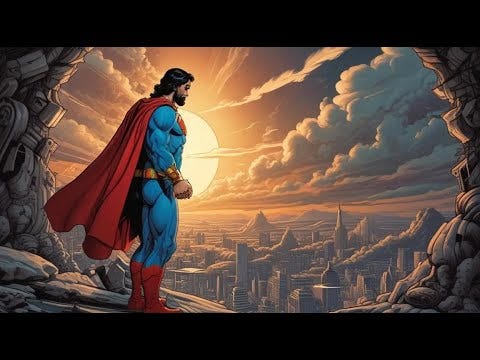
July 7, 2024Mark 6:1-13Seventh Sunday After PentecostThe cross and resurrection of Christ are not “mighty” in the eyes of the world. The cross was a public spectacle of shame and defeat. The only way to know the cross as a mighty act is to have seen the resurrection. Yet, no one sees Jesus take his first steps out of the tomb. The resurrection is private, while the cross is public.And here is where we find the good news of the gospel. If we, as Christ's body, want to do what Jesus did and what Jesus calls us to do, then we must embrace our humanity more than ever before. Jesus’ humanity was not a barrier but the very means by which God saved the world. Through the power of the Holy Spirit, our flesh and blood can also become a means of grace through which God continues to renew all creation.Saint Paul captures this truth beautifully in his second letter to the Corinthians: “When I am weak, then I am strong.” Paul understood that true strength lies in embracing our humanity, with all its weaknesses, because it is there that God's power is made perfect.Searching for a superhero savior misses that through our weaknesses, God’s grace is revealed, and through our humanity, God’s power is manifest. The cross and resurrection teach us that God’s might is not in superhuman feats but in the humble, sacrificial love that transforms the world. Get full access to Brewing Theology with Teer Hardy at teerhardy.substack.com/subscribe
It Is Everywhere
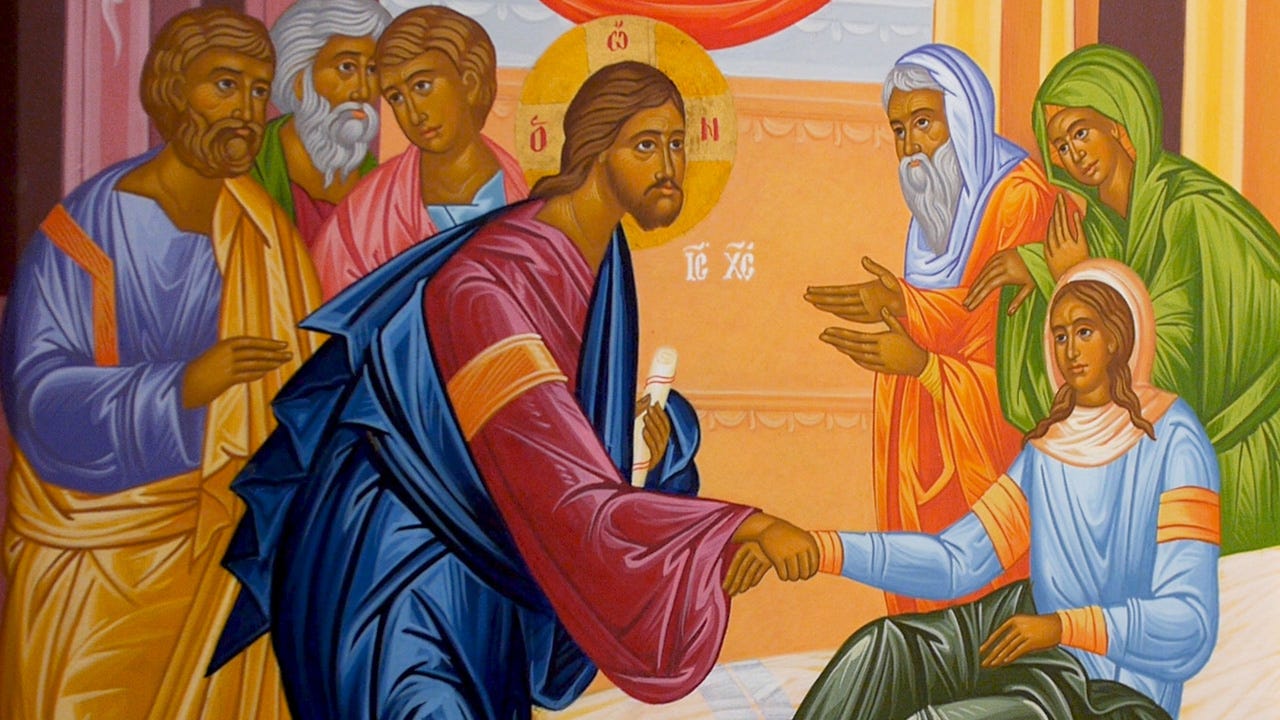
“It Is Everywhere”June 30, 2024Mark 5:21-43We find the Good News of the Gospel in the pervasiveness of death. God, Jesus, does not leave us to ourselves to overcome this separation. “We don’t have to wait for Easter for life to intrude and death to be defeated,” writes Rev. Will Willimon.In the face of the crisis of death, Jesus says, “Daughter, your faith has made you well; go in peace,” and “Little girl, get up!”Notice that the man, the woman, and even the little girl do nothing except cry out in the face of death. This is a story about what Jesus did and continues to do today.“Jesus came to raise the dead," says Robert Farrar Capon. “The only qualification for the gift of the Gospel is to be dead. You don’t have to be smart. You don’t have to be good. You don’t have to be wise. You don’t have to be wonderful. You don’t have to be anything… you just have to be dead. That’s it.” Get full access to Brewing Theology with Teer Hardy at teerhardy.substack.com/subscribe
God, Do You Care?
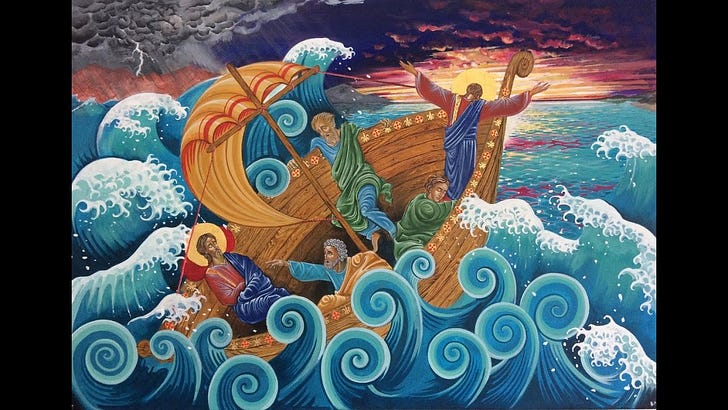
“God, Do You Care?” June 23, 2024 Mark 4:35-41 Season After Pentecost In Jesus calming the storm the temptation is present to focus on Jesus calming the wind and waves. Cosmic power resides in Mary’s boy who was present when the universe was a formless void. What a sight that must have been. Jesus asleep at the back of the boat, waking and springing into action. The disciples are saved.Here’s the thing: Jesus was not concerned with the storm. It was not the wind and the waves that woke Jesus from his slumber. Jesus’s concern lies in the cry from his disciples, those he invited into to the boat. Their cry is what wakes Jesus. It was the cry of the disciples that caused Jesus to calm the storm. Their cry, “Do you not care that we are about to perish?” is what compelled Jesus to act.Jesus cares. Jesus not only cares but acts and saves.You may have picked up on this – the story of Jesus calming the sea began with fear and the cry of the disciples, “Teacher, don’t you care if we perish?” But as the story began in fear; the story ends in terror. Rev. Will Willimon wrote, “The calming of the wind and the waves anything but calmed those in the boat. They shook in terror, asking one another, ‘Who is this? Look! Even the wind and the waves obey him’” Robert Capon, the late Episcopal priest, wrote, “(Jesus) comes to us in the brokenness of our health, in the shipwreck of our family lives, in the loss of all possible peace of mind, even in the very thick of our sins. He saves us in our disasters, not from them. He emphatically does not promise to meet only the odd winner of the self-improvement lottery. He meets us all in our endless and inescapable losing.” Get full access to Brewing Theology with Teer Hardy at teerhardy.substack.com/subscribe

Caps, Gown, and Crowns
“Caps, Gown, and Crowns”June 9, 20241 Samuel 8:4-20To be called and set apart by God is no small feat, and the calling upon each individual and community is specific to the people and community called. The ways you are called by God are different from the ways God had called me. How you have been called by God is different from how God will call your children, partner, or friends. And Get full access to Brewing Theology with Teer Hardy at teerhardy.substack.com/subscribe
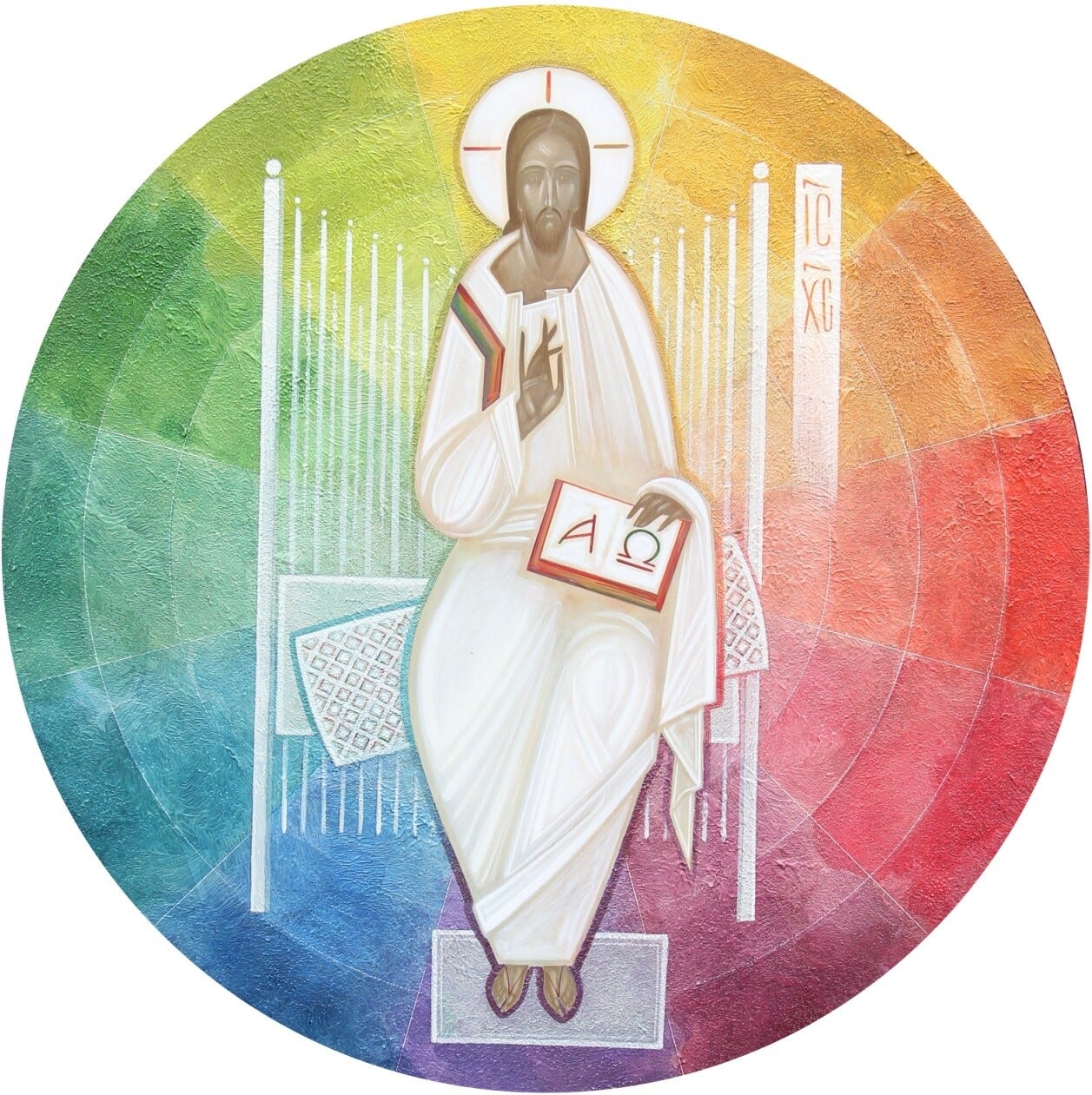
Here You Are
Here You Are” June 2, 2024 1 Samuel 3:1-10 Season After Pentecost The lynchpin of “Here I am!” is that someone has to first be called. And the thing is, when God calls, we have time to answer. We have time to ask questions of our mentors, like Samuel asked of Eli. We have time to discern why God is calling us and what God is calling us to do. God’s calling upon our lives in one of the ways we experience God’s grace, because you see, God does not call us when we have everything in our lives figured out. We can have our questions. We can even have our doubts. And God will continue to call us. So, here we are. Here you are. Not because of anything we have done but rather because of the One who has called and continues to call us. Get full access to Brewing Theology with Teer Hardy at teerhardy.substack.com/subscribe
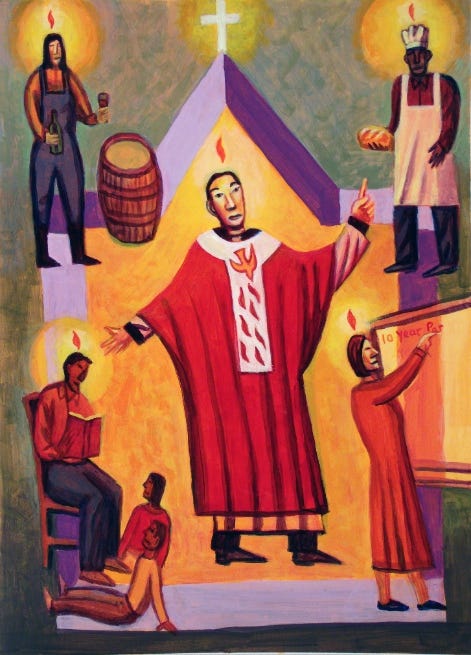
All Were There
Acts 2:1-21 Pentecost At Pentecost, the Holy Spirit was once again set loose on creation, setting the church in motion, filling Peter with words to proclaim, setting us loose, and filling us with the cosmic-breaking power of God not so that we would retreat to the Upper Room. No, filled with the power of the Holy Spirit, we, like Peter, point to the One who was present when that “wind from God swept across the face of the waters,” and there was light. Pentecost is proof that God is not silent. God is not content to leave us without a word to proclaim. Get full access to Brewing Theology with Teer Hardy at teerhardy.substack.com/subscribe
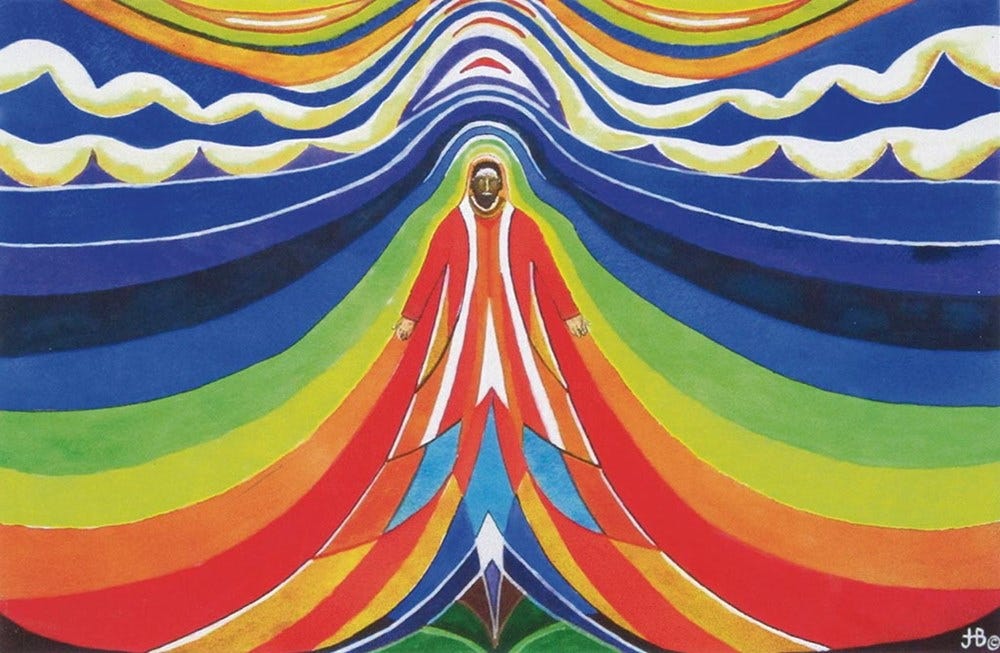
Witnesses to These Things
May 12, 2024 Ascension Sunday Luke 24:44-53 Because Jesus gave the disciples everything they needed to turn their doubts and fears into praise and worship – peace, revelation, assurance, and blessing – we can rest assured that when we are in need, Christ will give us what we need. Recently, I noticed that when someone approached Jesus with doubt, he did not rebuke them. “Doubting Thomas” was not rebuked. Even those who doubted Jesus and sought to challenge him were given what was needed that they believed. “You need proof? Physical, tangible, empirical proof? Cool. Touch my skin. Feel my bones. I’m hungry. Pass me some of that fish and watch me eat.” We are here this morning not so that we will have all of our suspicions answered or to have confirmed what we already know. The stories we read, the songs we sing, and the prayers we pray are common knowledge even for those who are not here on Sunday morning. So, I ask again, why are we here? We are here because, like the first twelve, we as witnesses to Christ's works in the world. Perhaps the real test of a Sunday morning is not how or why you arrived but how you will leave. Get full access to Brewing Theology with Teer Hardy at teerhardy.substack.com/subscribe