Brains On! Science podcast for kids
430 episodes — Page 8 of 9
Dolphins vs. Octopuses: Showdown in the sea!
Two of our planet’s most amazing animals go head to head in our latest debate.We’re asking you to decide which animal reigns supreme. Is it the eight-armed, three hearted, shape-shifting octopus? Or the speed-swimming, echolocating, super-jumping dolphin?Listen along as Marc argues for #TeamOctopus and Sanden fights for #TeamDolphin. We’ll learn amazing facts about both sides along the way.Which side are you on? Vote here!Plus an aquatic Mystery Sound, some deep-sea stand up comedy and a Moment of Um answering why flamingos are pink featuring Flora Lichtman from Gimlet Media’s Every Little Thing.You can also share your opinions and your drawings of dolphins and octopuses in the workplace by emailing them to hello at brainson dot org.Can’t wait to see your drawings and hear your thoughts!See omnystudio.com/listener for privacy information.

Dogs: What's the secret of their sense of smell?
If you’ve ever seen a dog, you know they like to sniff — the ground, people, each other’s butts. They like to smell just about everything. But why? We’re digging into the science of smell and how dogs are able to decode things we can’t even begin to imagine.See omnystudio.com/listener for privacy information.
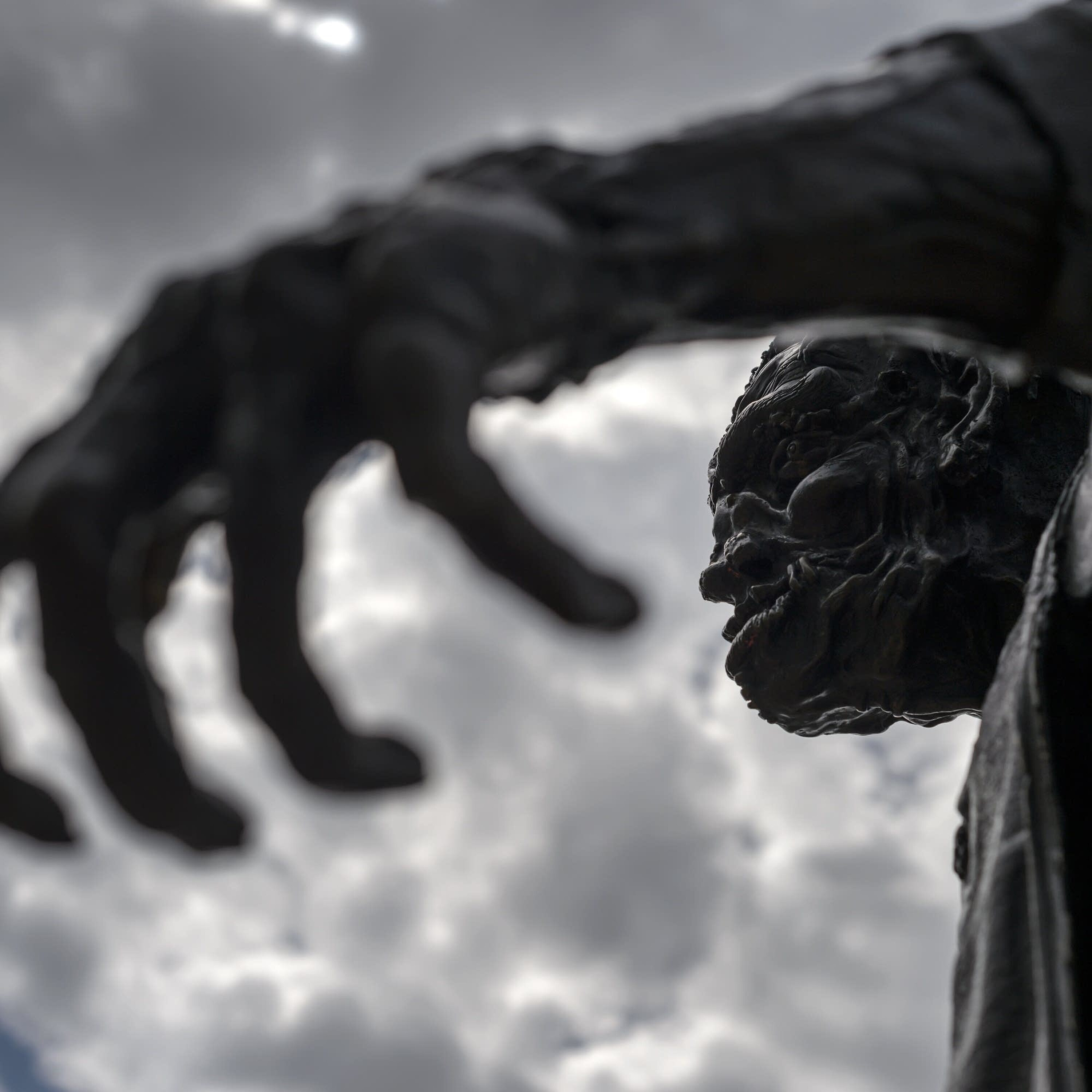
Mary Shelley and the science of Frankenstein
As we celebrate the 200th anniversary of the novel’s publication, we look at how Mary Shelley was inspired by science and how the lessons of the book still resonate with the scientific world today.See omnystudio.com/listener for privacy information.
Super-size-asaurus: How did dinosaurs get so big?
Ancient dinosaurs were some of the biggest creatures to ever stomp the Earth. But how and why did they get so giant? Was there more food to help them grow? Was the planet itself somehow different, allowing them to reach epic proportions? In this episode we talk to dino-experts Femke Holwerda and Brian Switek…See omnystudio.com/listener for privacy information.
Mysteries of the universe: Expansion and gravity
In this episode we ponder some big questions from Brains On listeners about the vastness of space.See omnystudio.com/listener for privacy information.
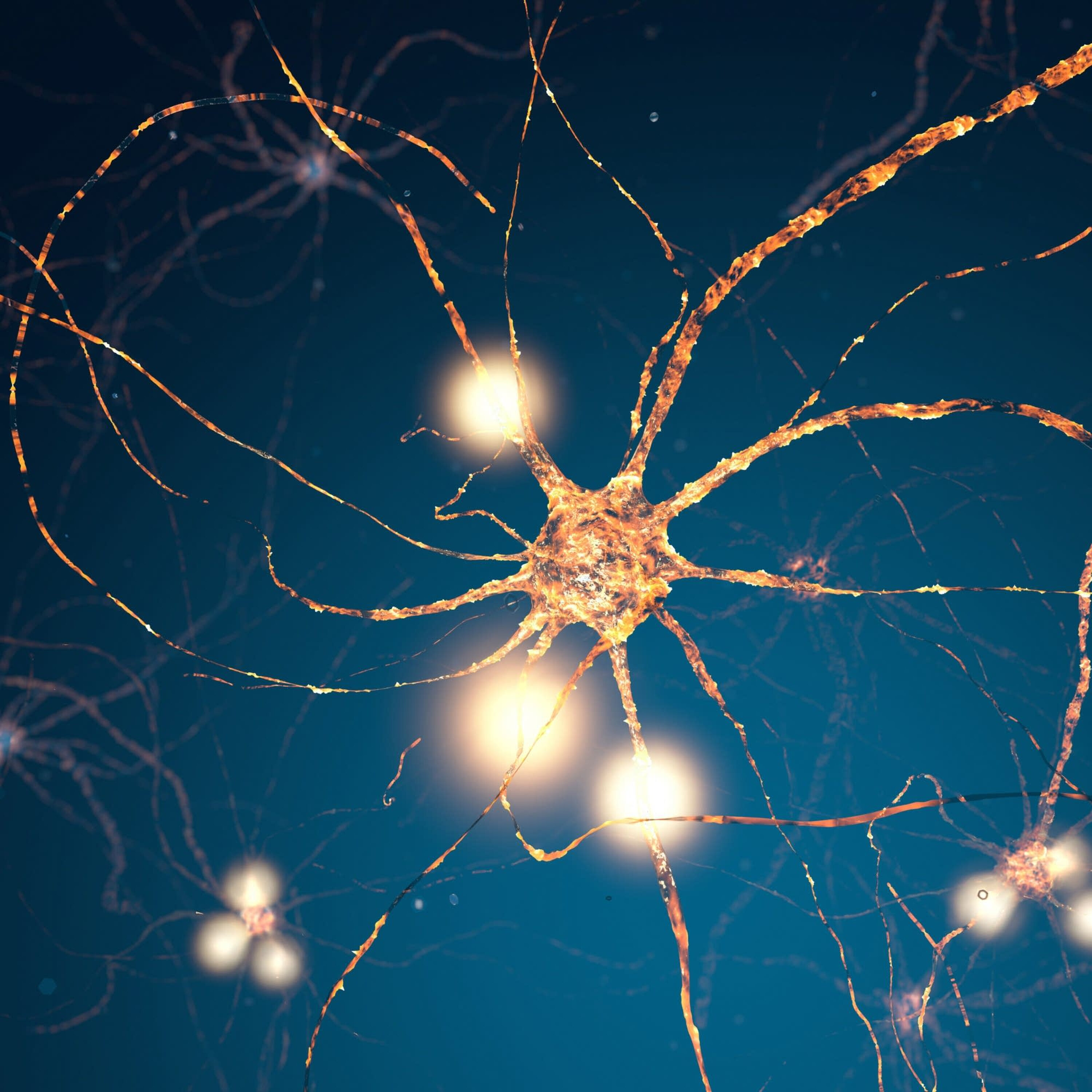
The nerve! Electricity in our bodies
Your body is making and using electricity all the time — but how do we do it? We’ll take a look at how bioelectricity helps our brain sends signals and our hearts pump blood. And we’ll learn about some amazing animals that use electricity in weird and wild ways.See omnystudio.com/listener for privacy information.
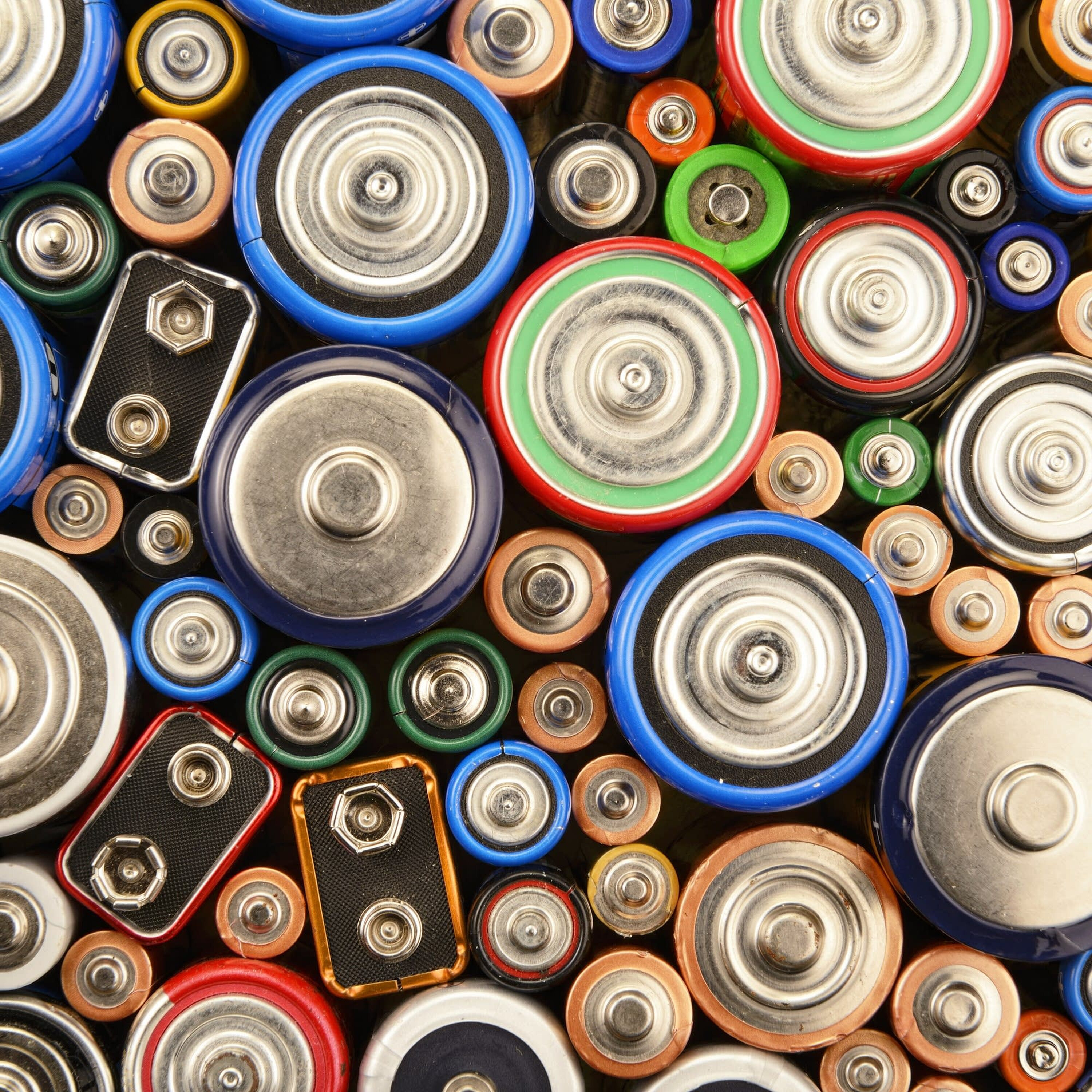
Charged up! The science of batteries
Batteries are everywhere — they’re in our phones, our computers, our cars, our toys. But how do they work? To find out, we talk to a scientist who’s making really big batteries to store renewable energy, another who’s working on really small ones to power our phones, and we play in a park with a dog.See omnystudio.com/listener for privacy information.
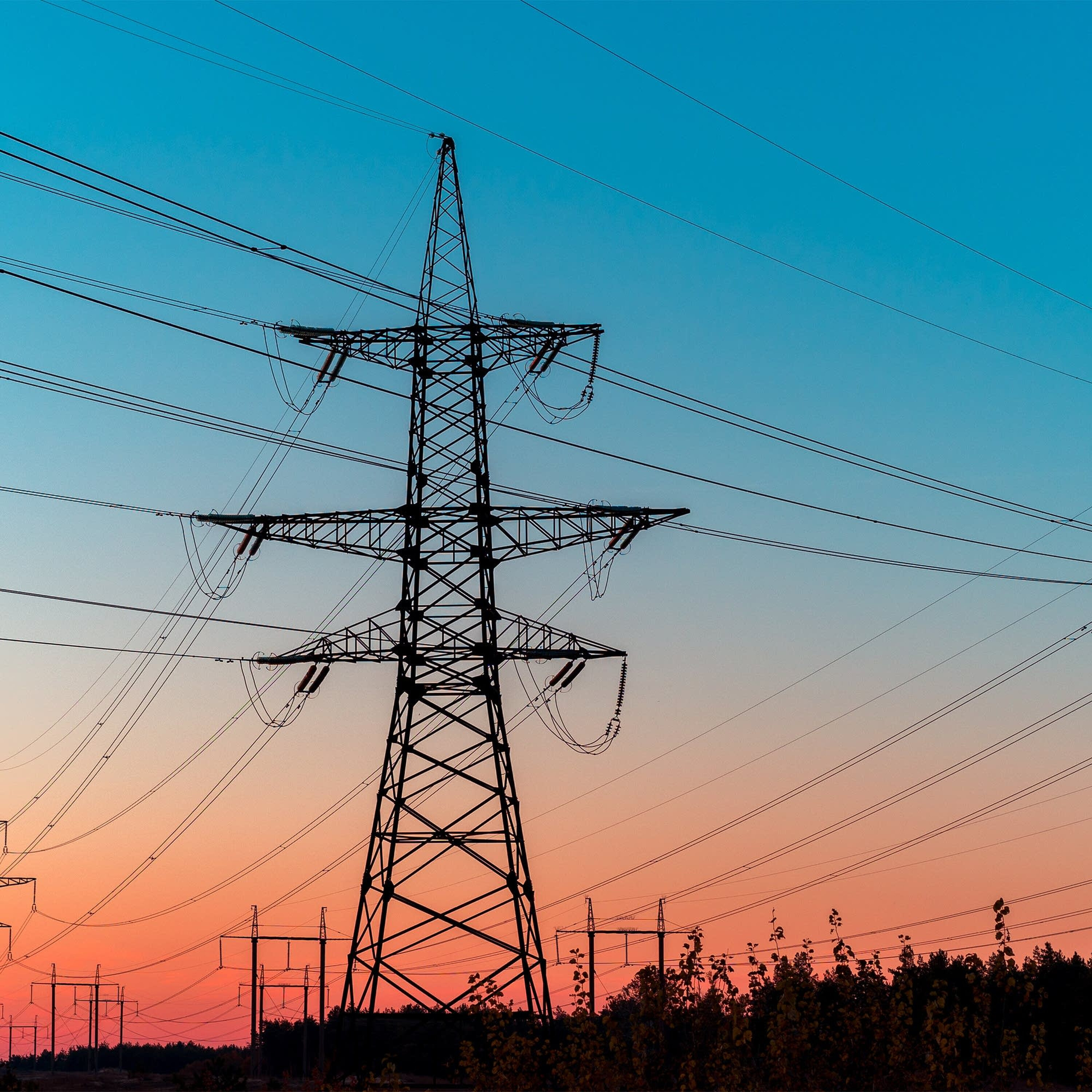
High voltage! How electric power reaches your outlet
We use electricity all the time, but where exactly does it come from? How does it get to our homes? It’s a fascinating journey that can start hundreds of miles from your outlet.See omnystudio.com/listener for privacy information.

Shocking! The science of static (Electricity series pt. 1)
What makes your hair stand on end? Why does your skirt stick your tights? Why do you get zapped by electric shocks when you go to touch a doorknob?See omnystudio.com/listener for privacy information.
Where did language come from?
Where did language come from? Is it possible to know without traveling back in time? And how do babies learn to speak? Plus: We’ll hear how the word “silly” has evolved over the last several hundred years.See omnystudio.com/listener for privacy information.
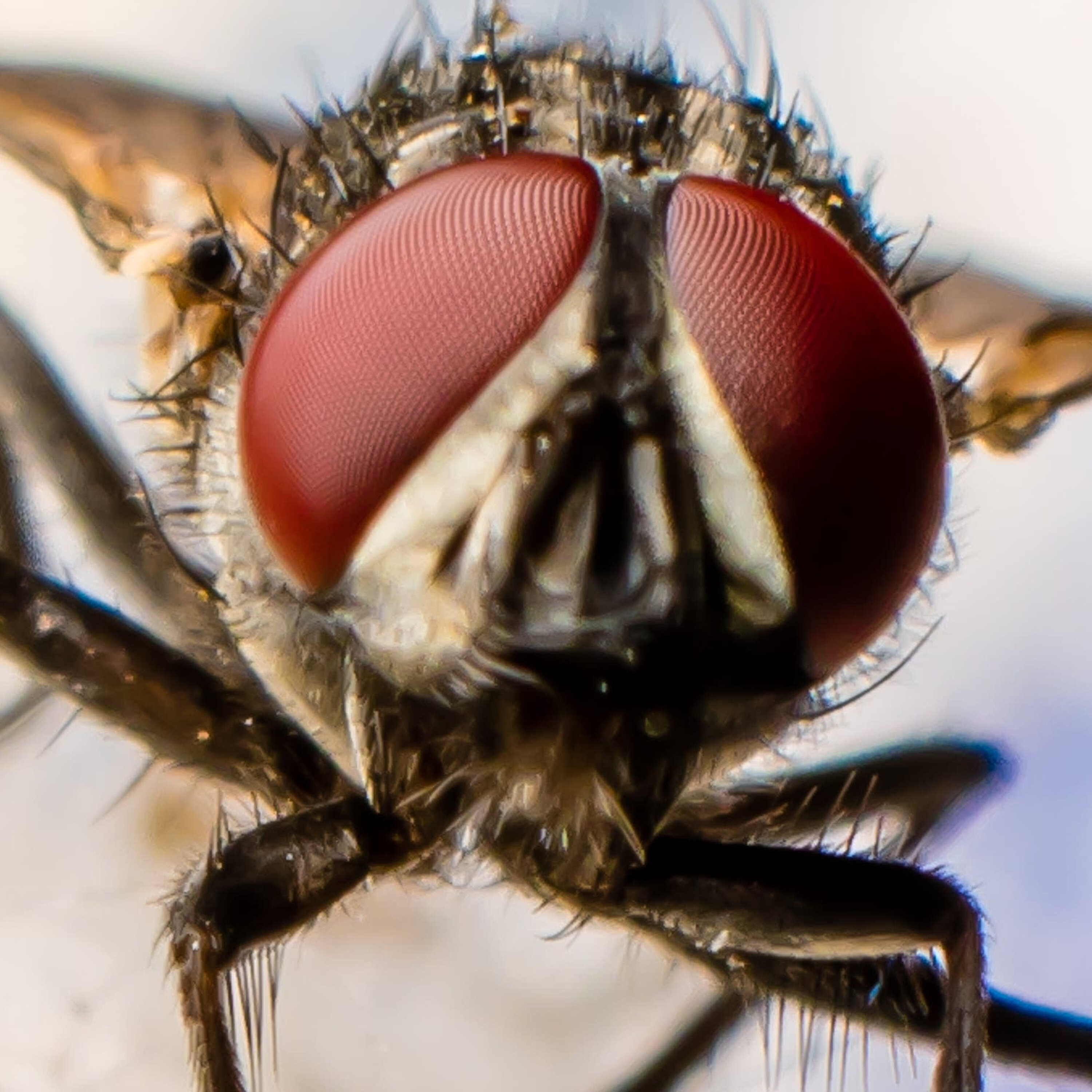
Curio: Flies on the bus
A few weeks ago, we got two emails that were so similar and so intriguing we had no choice but to investigate.See omnystudio.com/listener for privacy information.

What's smaller than an electron?
The natural world can be broken down into atoms. And those atoms can be broken down even further. Will the discovery of smaller and smaller particles ever stop?See omnystudio.com/listener for privacy information.
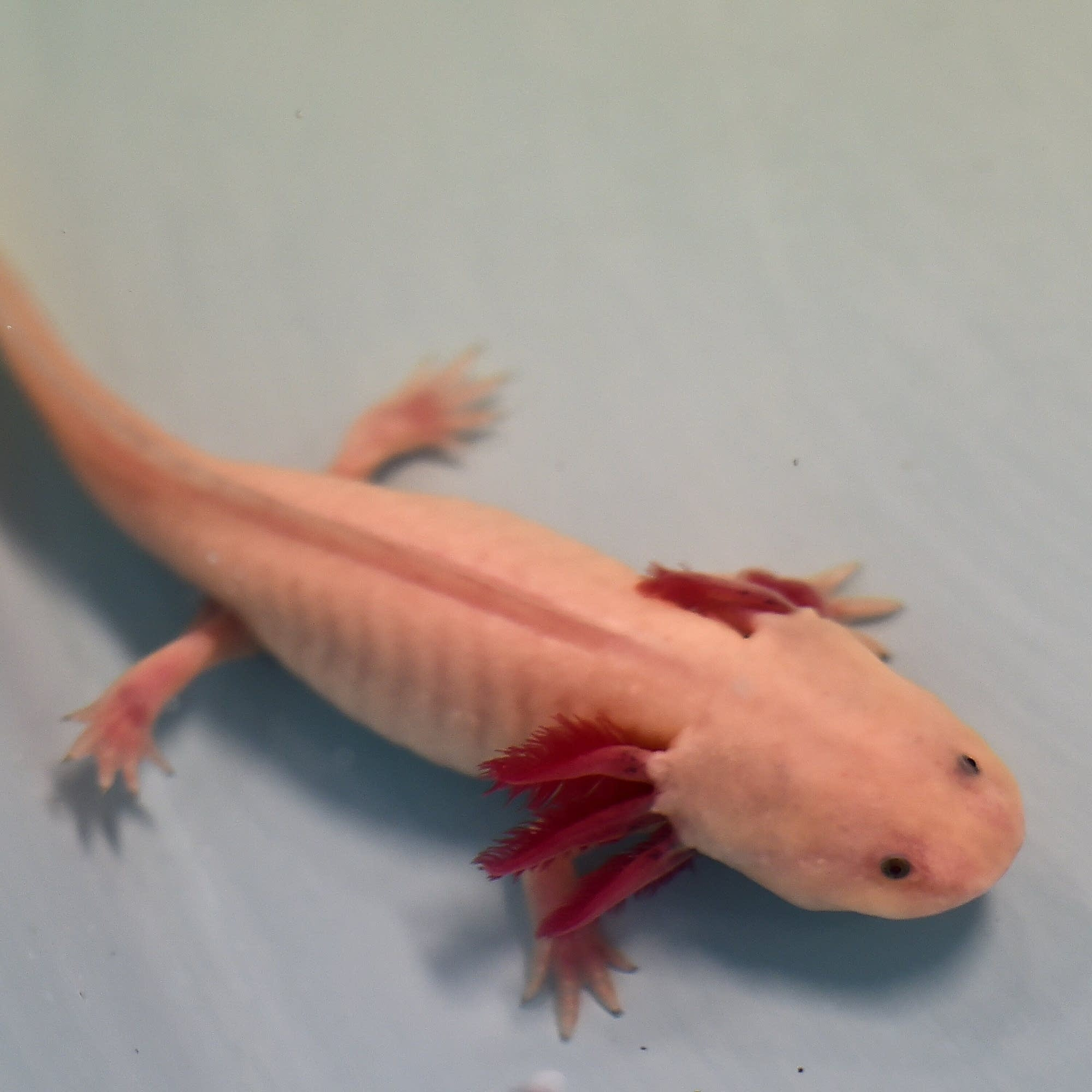
Healing skin and regrowing limbs: The science of regeneration
What superpowers does our skin have to repair itself? And what about other animals like salamanders that can do some pretty extreme healing? We’re going under the skin for this one.See omnystudio.com/listener for privacy information.
Bonus: Kidcast sampler
Looking for more awesome podcasts to listen to? We're bringing you a special bonus episode today to let you know about some of the other podcasts that you might want to check out. And if you want to find lots of other podcasts for kids you can always head to applepodcasts.com/kidsSee omnystudio.com/listener for privacy information.
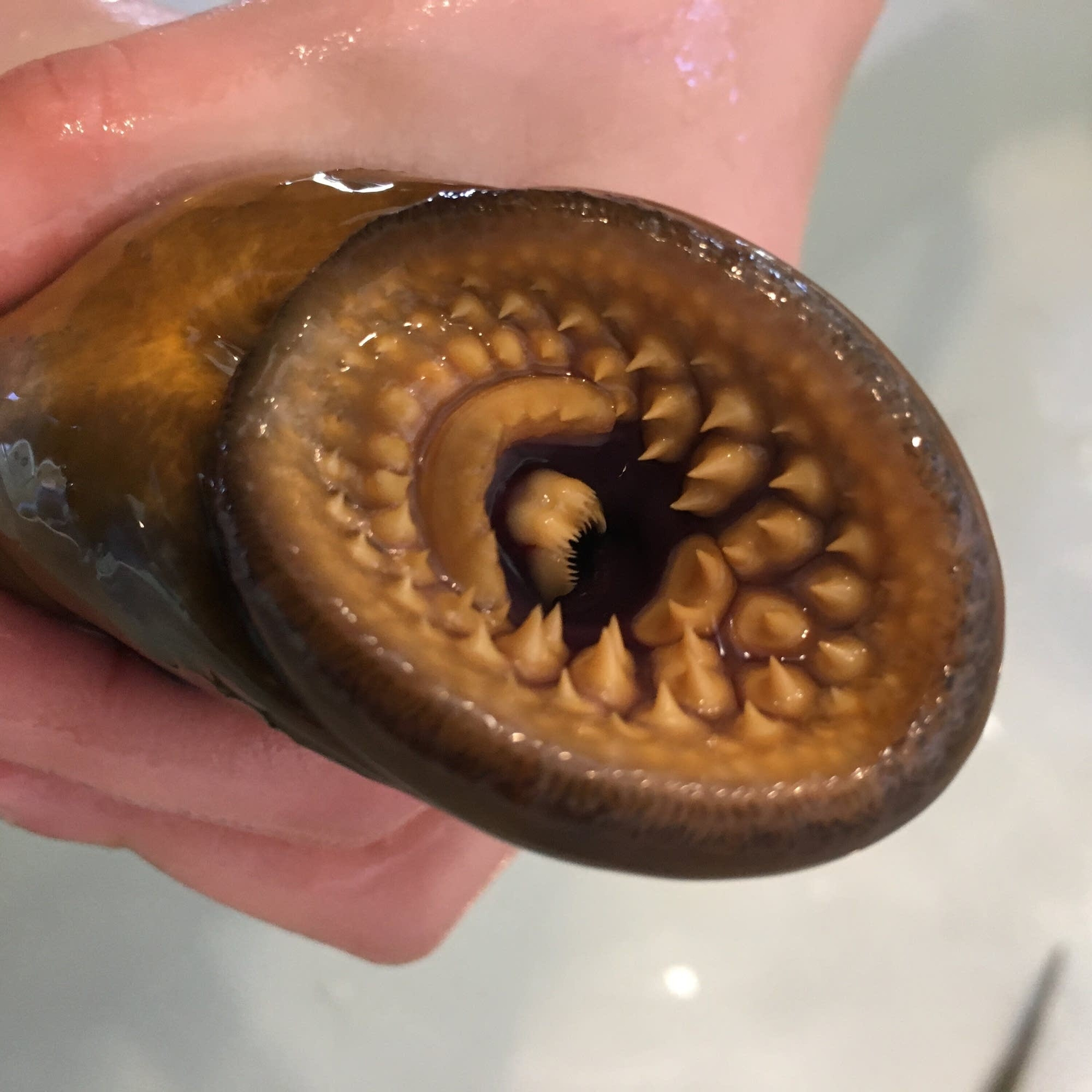
Curio: Vampire of the Great Lakes
The sea lamprey, with its concentric rows of sharp teeth, is part vampire and part alien invader. Would you let it suction to your arm? Reporter Dan Kraker did. Find out if he lived to tell about it.See omnystudio.com/listener for privacy information.
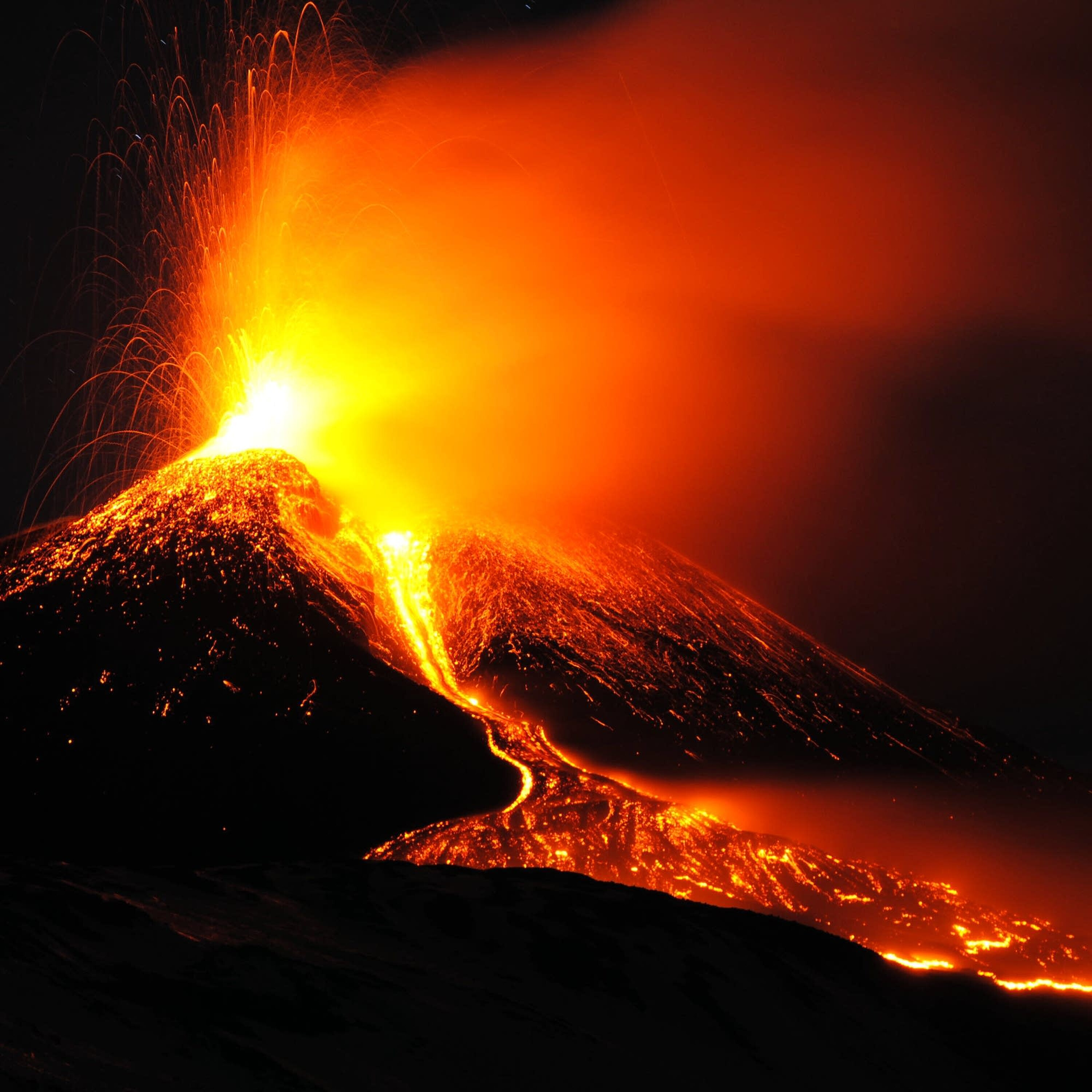
How do volcanoes erupt?
There are all kinds of volcanoes all over the world, but how are they formed? And how do they erupt? To find out, we’ll travel to the center of the Earth, and we’ll meet a NASA robot that’s going on a very special volcano mission.See omnystudio.com/listener for privacy information.

Curio: Quindar tones and talking in space
You know those beeps in old NASA recordings? They’re called Quindar tones. This episode explains them and talks to a couple musicians who incorporate archival, NASA recordings into their songs.See omnystudio.com/listener for privacy information.
Mars: Our next home planet?
In this episode we learn about Mars’ ancient past, meet an architect hoping to build cities there and we hear from Mars itself, thanks to the planet’s video blog, of course.See omnystudio.com/listener for privacy information.
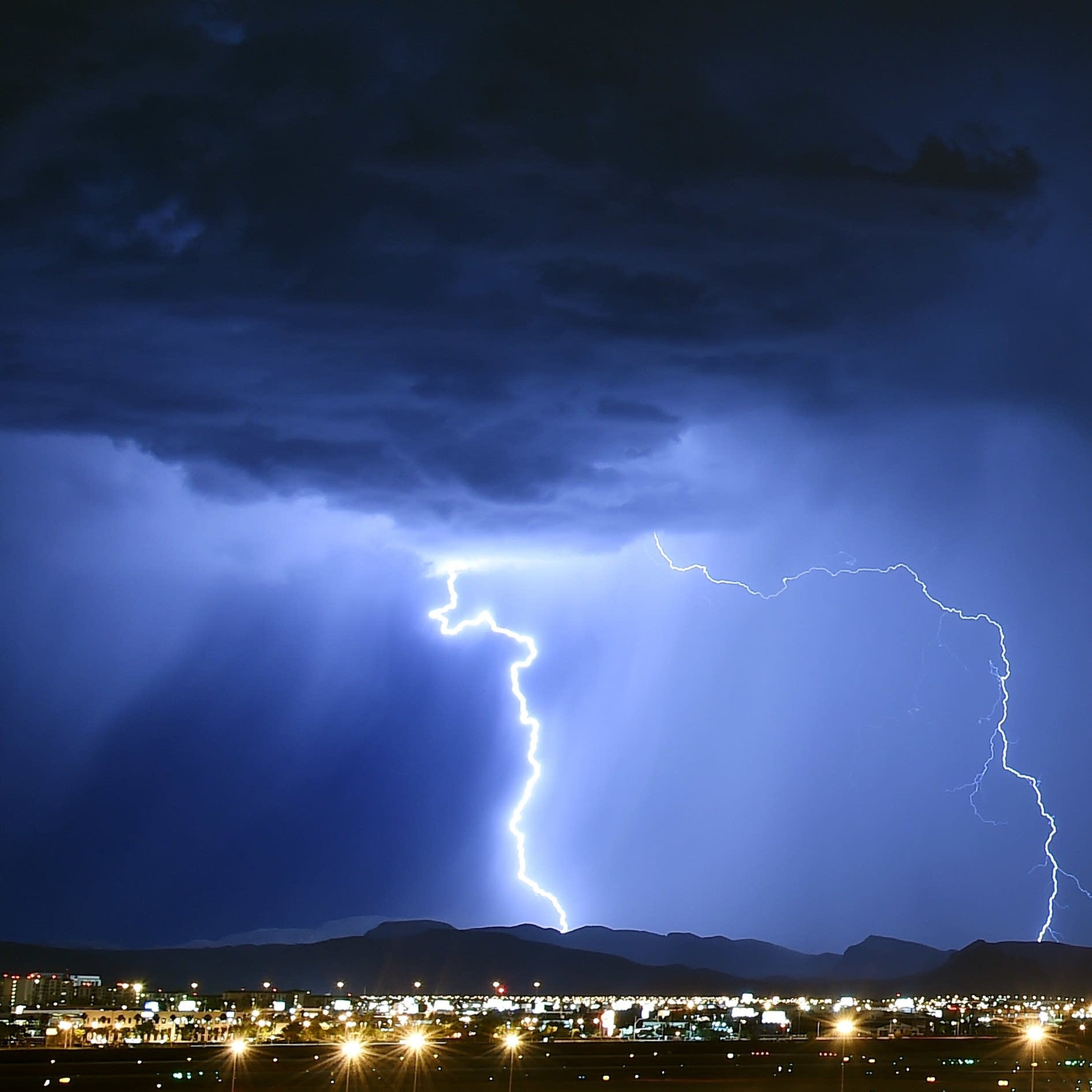
Thunder, lightning and tornadoes: Where do they come from?
There are some basic ingredients to make thunderstorms and tornadoes. We’ll find out what they are – and how to observe these powerful and amazing storms safely.See omnystudio.com/listener for privacy information.
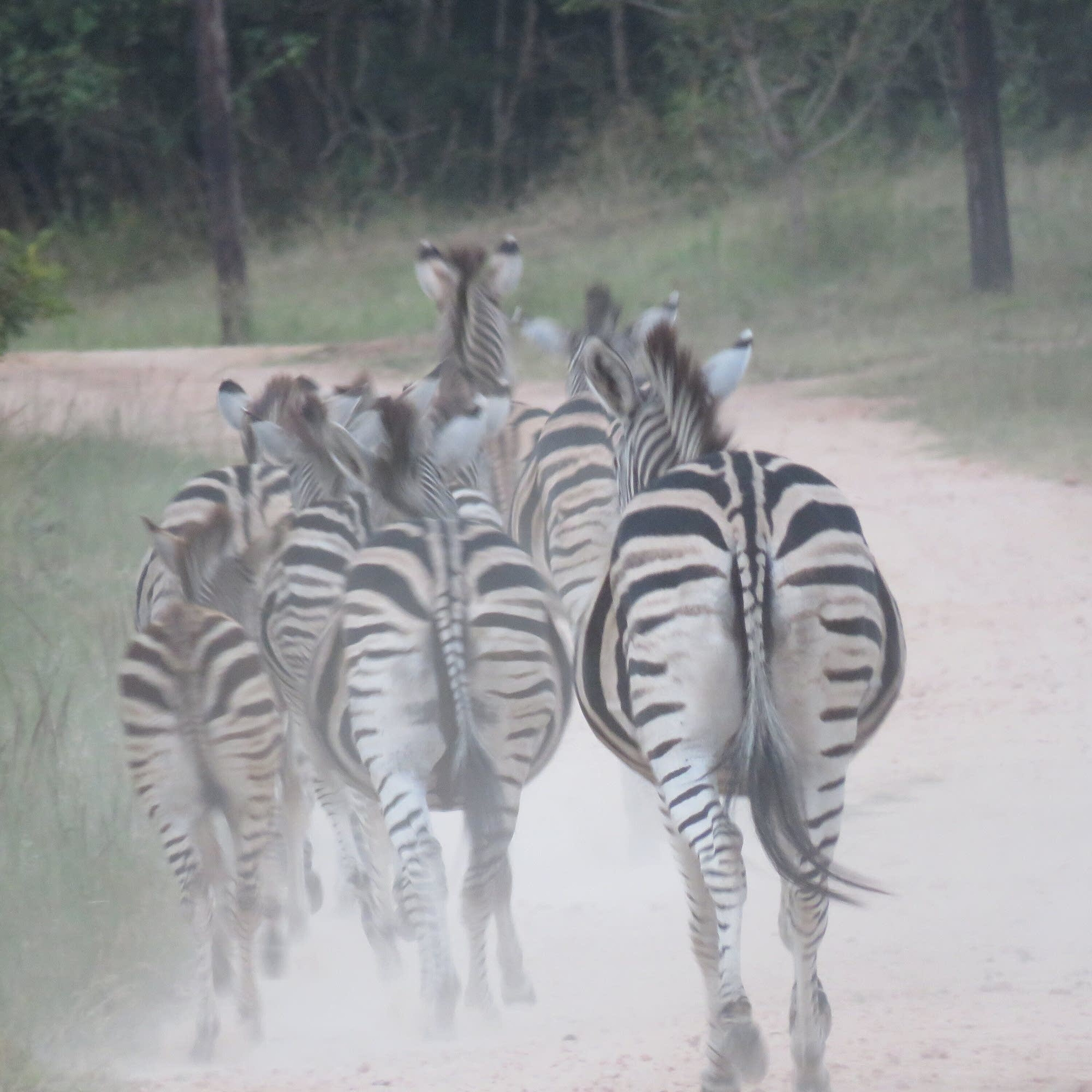
Animal farts: A mighty wind
Most animals fart. And some animals put those farts to work.See omnystudio.com/listener for privacy information.

Sunburns: The why behind the ouch (and how to avoid them)
To help us understand sunburns, we’re going deep into the skin to look at cells, molecules and electrons.See omnystudio.com/listener for privacy information.
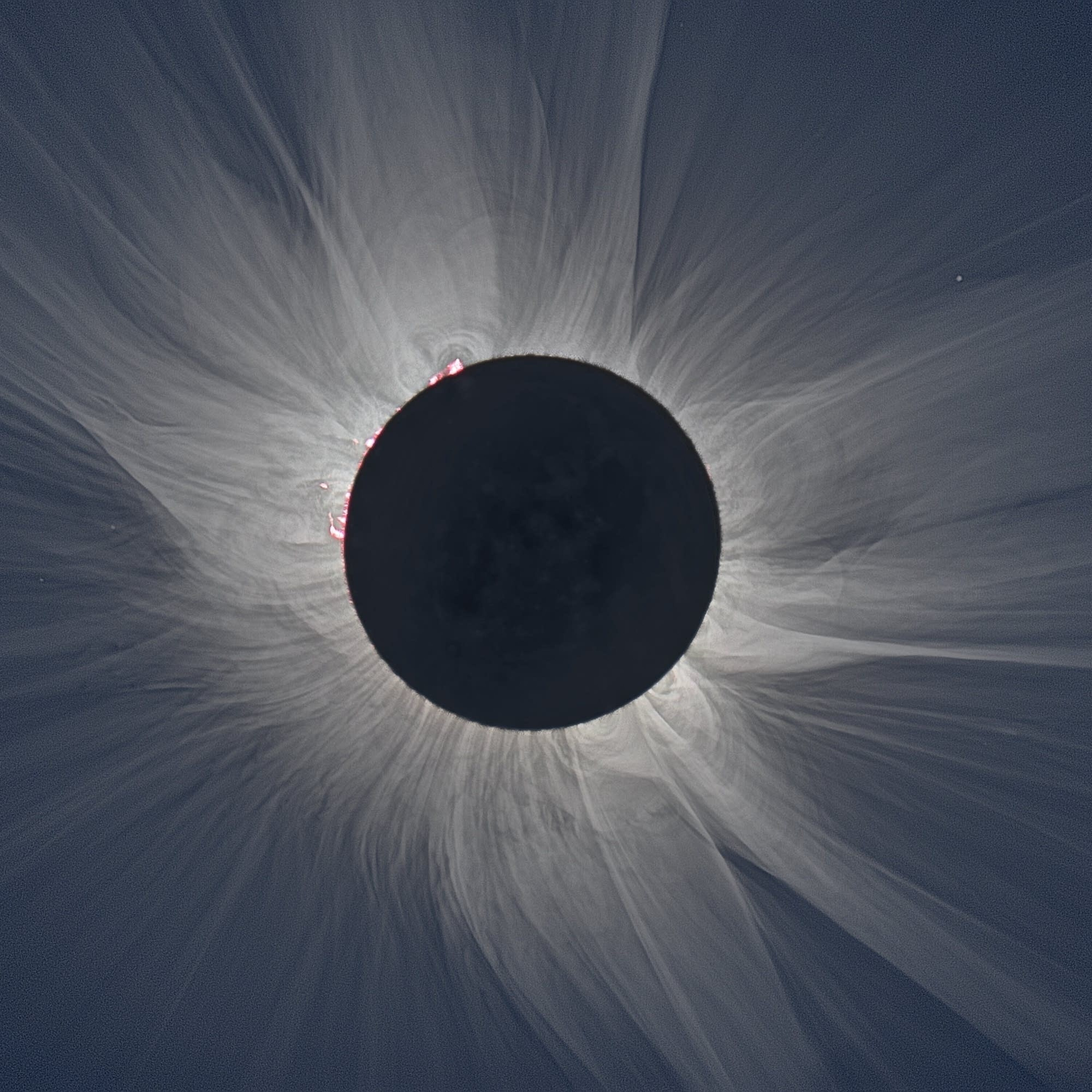
Everything you need to know before the solar eclipse
On Monday, August 21, a total solar eclipse will be visible on a path that crosses the U.S., from Oregon on the west coast to South Carolina on the east coast. In this episode, we cover all your eclipse essentials: What causes an eclipse? What happens during an eclipse? How do you safely view it? Spoiler alert: Don’t stare at the sun without special eyewear.See omnystudio.com/listener for privacy information.
Deep Sea vs. Outer Space
It’s time for the next Brains On debate! This intense matchup brings us to the depths of darkness, under the water and beyond our earth’s atmosphere. Who will prevail?See omnystudio.com/listener for privacy information.
Fart Smarts: Understanding the gas we pass
Is farting good for us? Where do farts come from? Why do only some make sounds? And what’s up with the smell? We tackle your questions about the gas we all pass in this episode.See omnystudio.com/listener for privacy information.
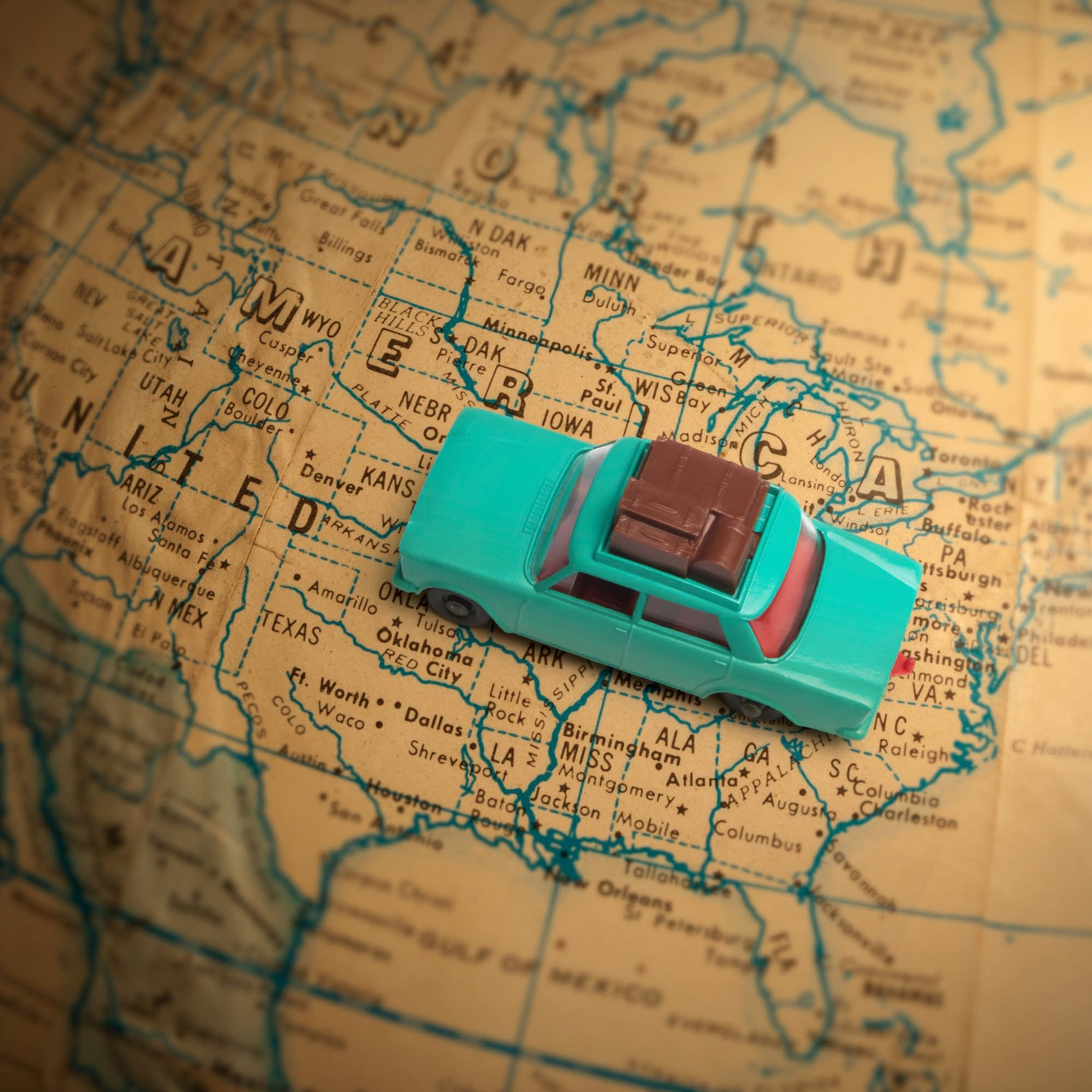
Riding in the car: Motion sickness and optical illusions (Road trip pt. 5)
Hosts Molly and Gabriella are locked out. No worries: Sanden and Bob to the rescue. While the duo drives a spare set of keys to our beloved hosts, they pass the time discussing science you might see (or feel) in a car.See omnystudio.com/listener for privacy information.

Traffic: Phantom jams and chicken soup (Road trip pt. 4)
On the fourth leg of our road trip, we figure out where traffic comes from and what it would take to make it finally go away.See omnystudio.com/listener for privacy information.
Monster trucks and car design (Road trip pt. 3)
At the third stop on our road trip series, we coast in for a pit stop and check out car design. We find out how monster trucks are different than cars, how culture influences car design and what it’s like to make car into animated, talking movie stars.See omnystudio.com/listener for privacy information.
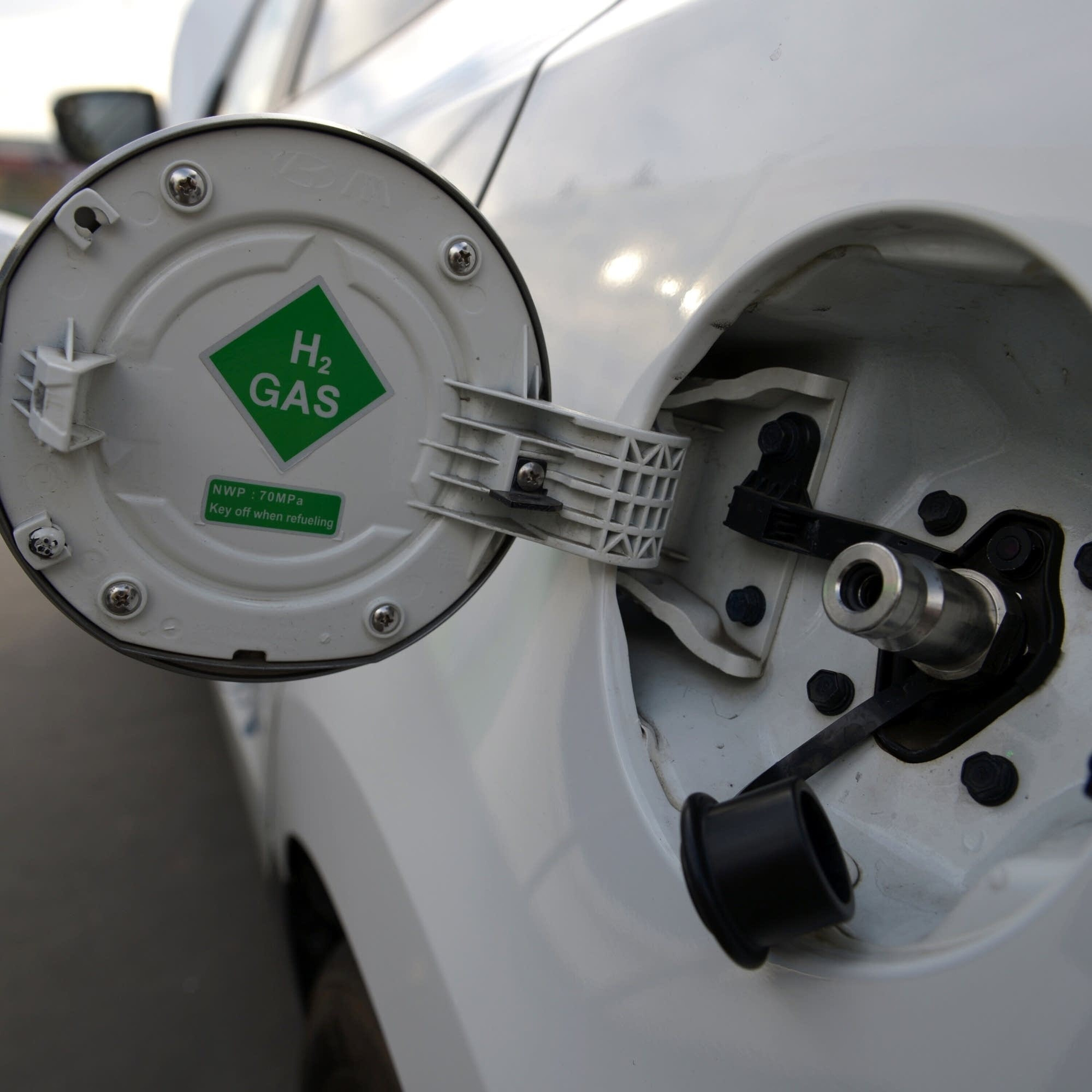
The future of fuel, and the problem with exhaust (Road trip pt. 2)
Our planet needs some carbon dioxide, but cars are pumping more into the atmosphere than our carbon cycle can handle. We’ll explore what all this carbon means for our planet. And we talk to a scientist who is working to change how we fuel our cars, so we can cut back on all this carbon dioxide.See omnystudio.com/listener for privacy information.

How do engines work? (Road trip pt. 1)
On the first leg of our road trip, we’re exploring the history of engines and how they work, with a little help from Car Talk’s Ray Magliozzi.See omnystudio.com/listener for privacy information.

Mystery sound extravaganza!
There are a whopping 10 sounds for you to guess in this episode. Are your ears up to the challenge?See omnystudio.com/listener for privacy information.
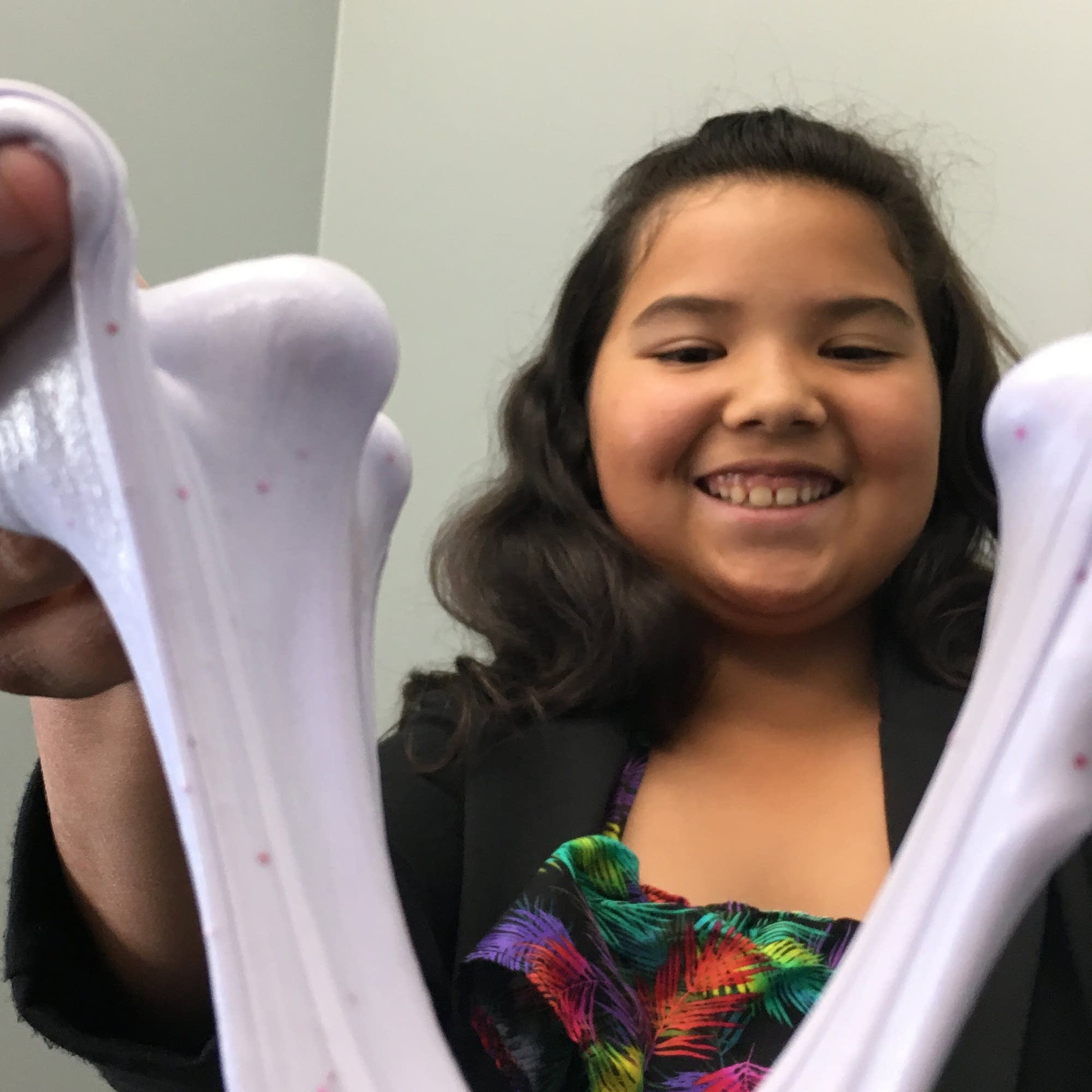
The science of slime: What is it and why are we so obsessed
Homemade slime is sticky, gooey and all the rage, but what is it? When you combine ingredients like glue and laundry detergent you get a strange, flubbery substance. We’ll explain what’s happening on a molecular level to make this stuff.See omnystudio.com/listener for privacy information.

Why is the ocean salty?
If you’ve ever been the ocean, you’ve tasted that salt. But where does it come from? And why aren’t lakes and rivers salty too? A sea shanty is probably the best way to explain, right?See omnystudio.com/listener for privacy information.
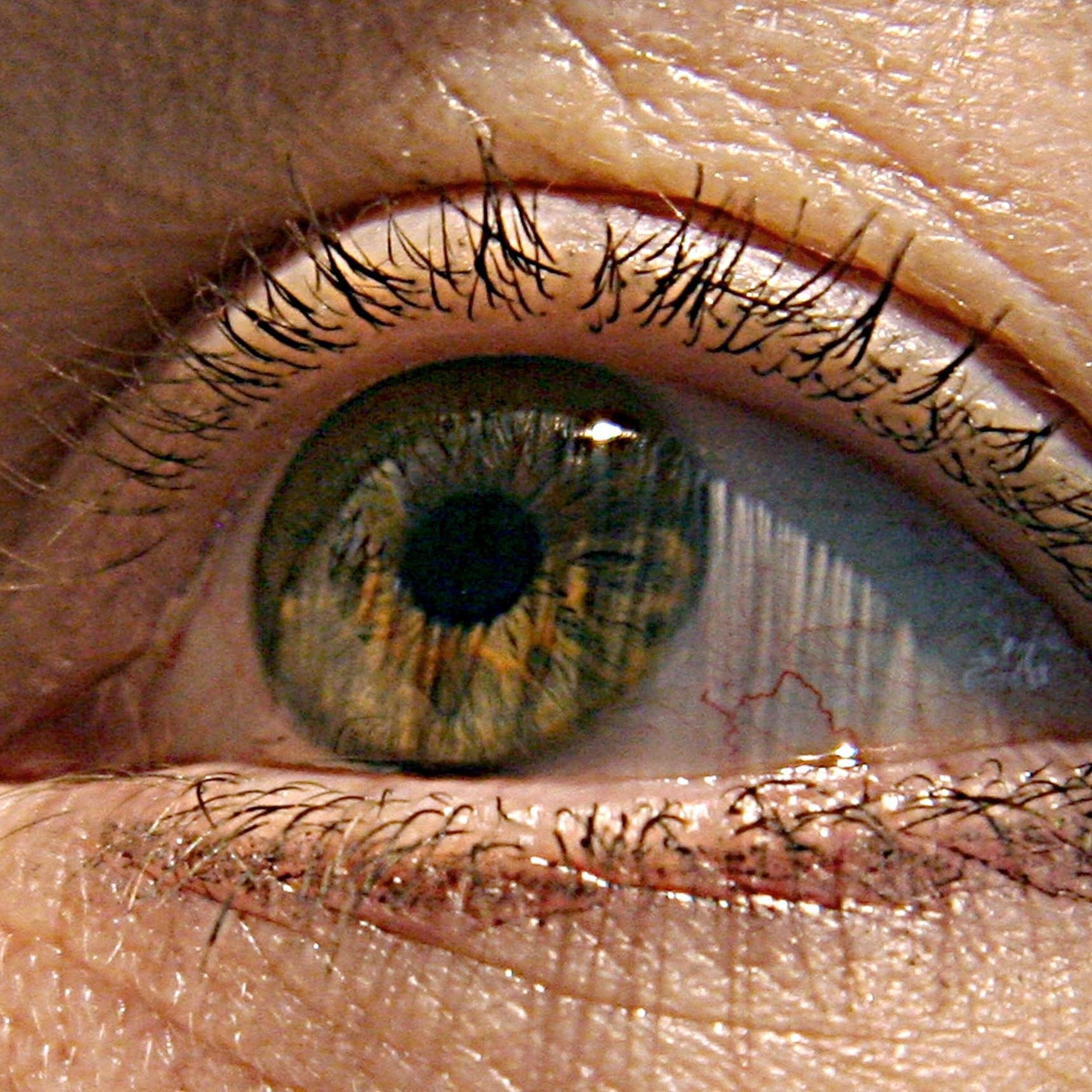
Do we all see the same colors?
What if the color that you call blue and the color I call blue don’t look the same at all? When our brains see color, we’re really just seeing waves of light. Sure, we may be seeing the same waves when we look at the color blue, but do we know if our brains are interpreting those waves in the same way?See omnystudio.com/listener for privacy information.
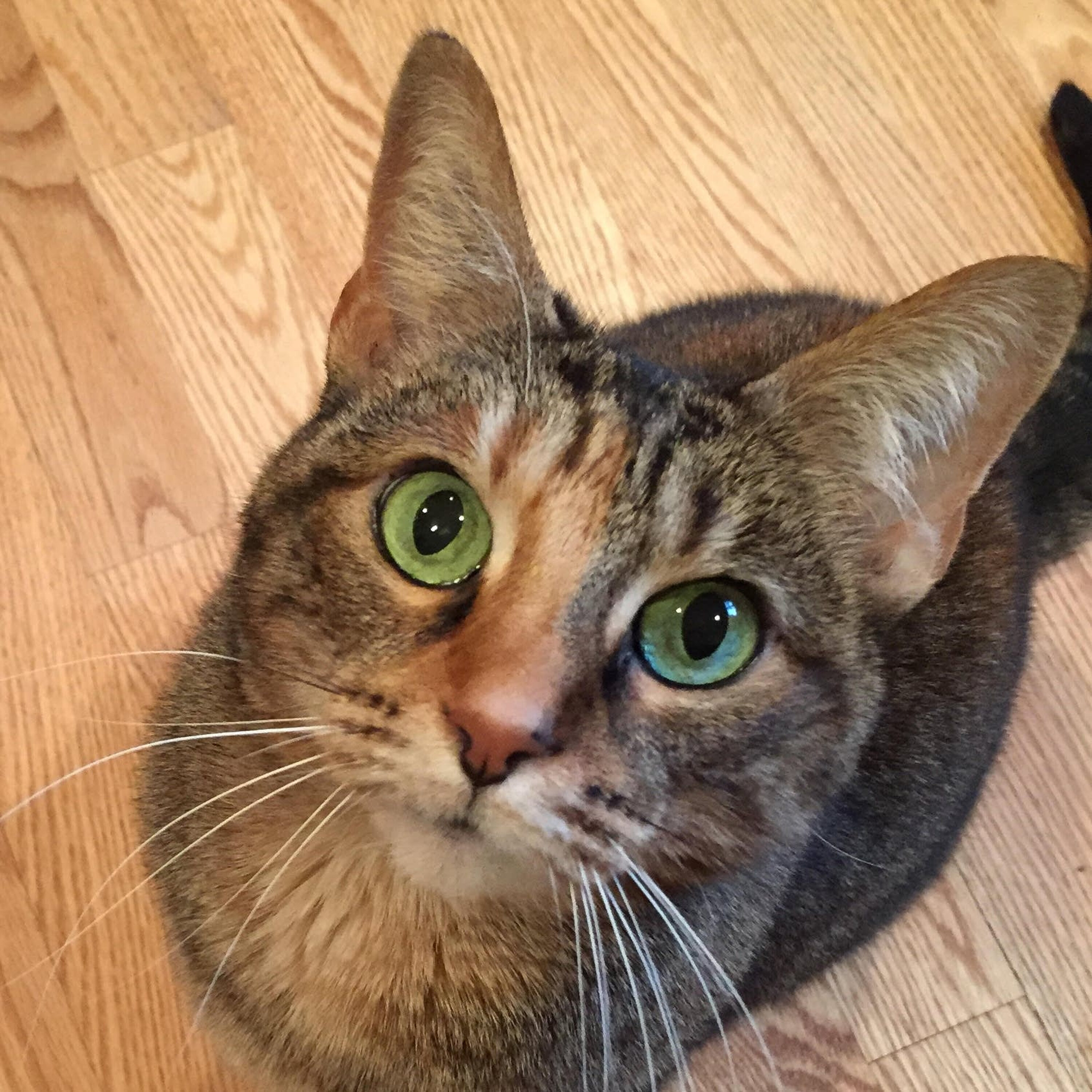
Cats: Glowing eyes, puffy tails and secret purrs
Why do cat eyes look the way they do? Can cats really see in the dark? And what are they trying to tell us with that purr (you know the one)?See omnystudio.com/listener for privacy information.
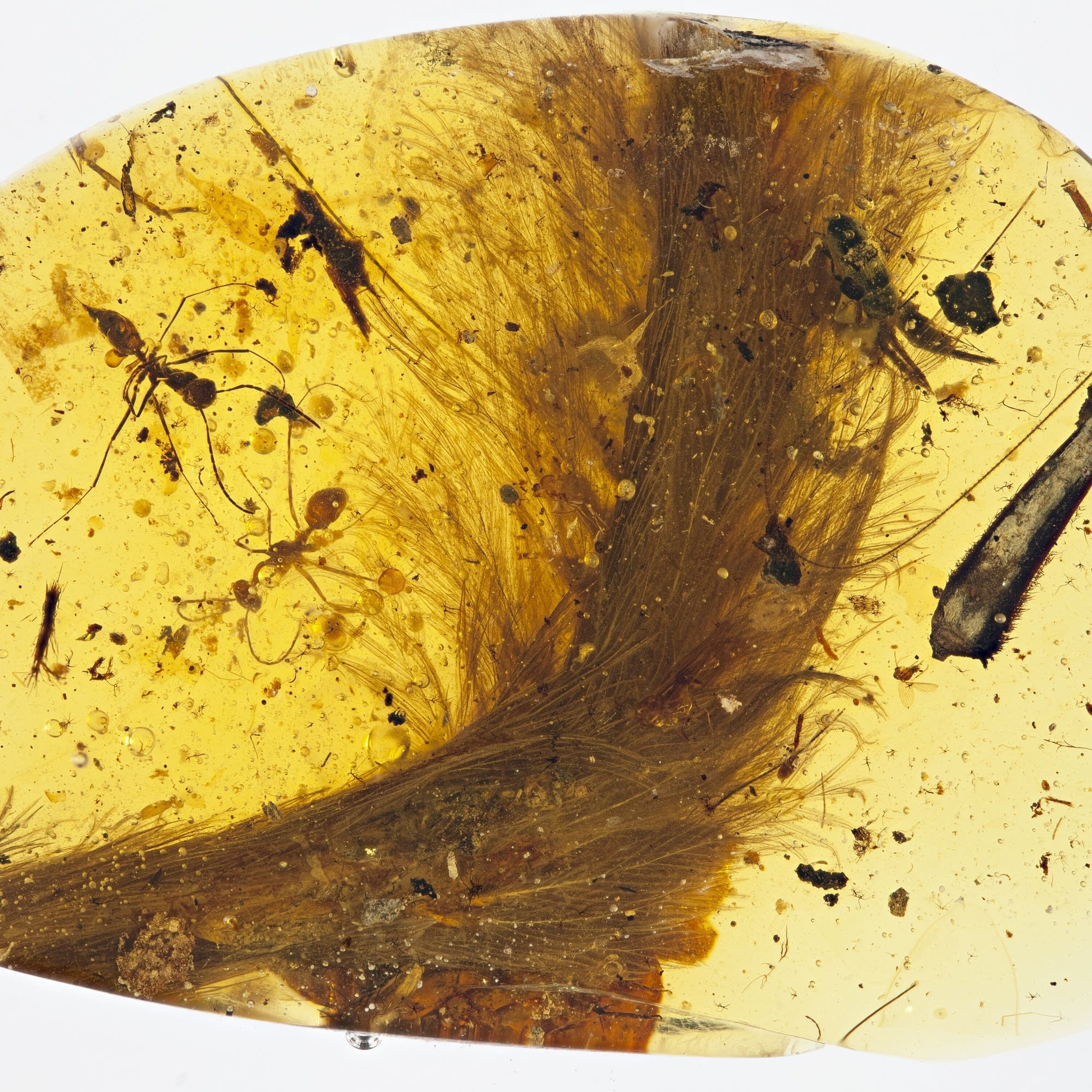
Dinosaur bones: How do we know their age?
Fossil dating is a lot like eating a delicious ice cream cake. Well, sort of. We find out how scientists look at the rock and elements AROUND a fossil to figure out its age. Plus: We talk to a scientist who studied one of the coolest fossils discovered recently: a dinosaur tail trapped in amber, complete with feathers!See omnystudio.com/listener for privacy information.
Lighting the way for sea turtles at Gulf Islands National Seashore
We don’t know much about the long life of a sea turtle, since it’s mostly spent in the ocean. When they do come ashore to lay their eggs, we know the babies use the moon and stars to guide them back to sea. But what happens when hotels and houses and streetlights compete for their attention?See omnystudio.com/listener for privacy information.
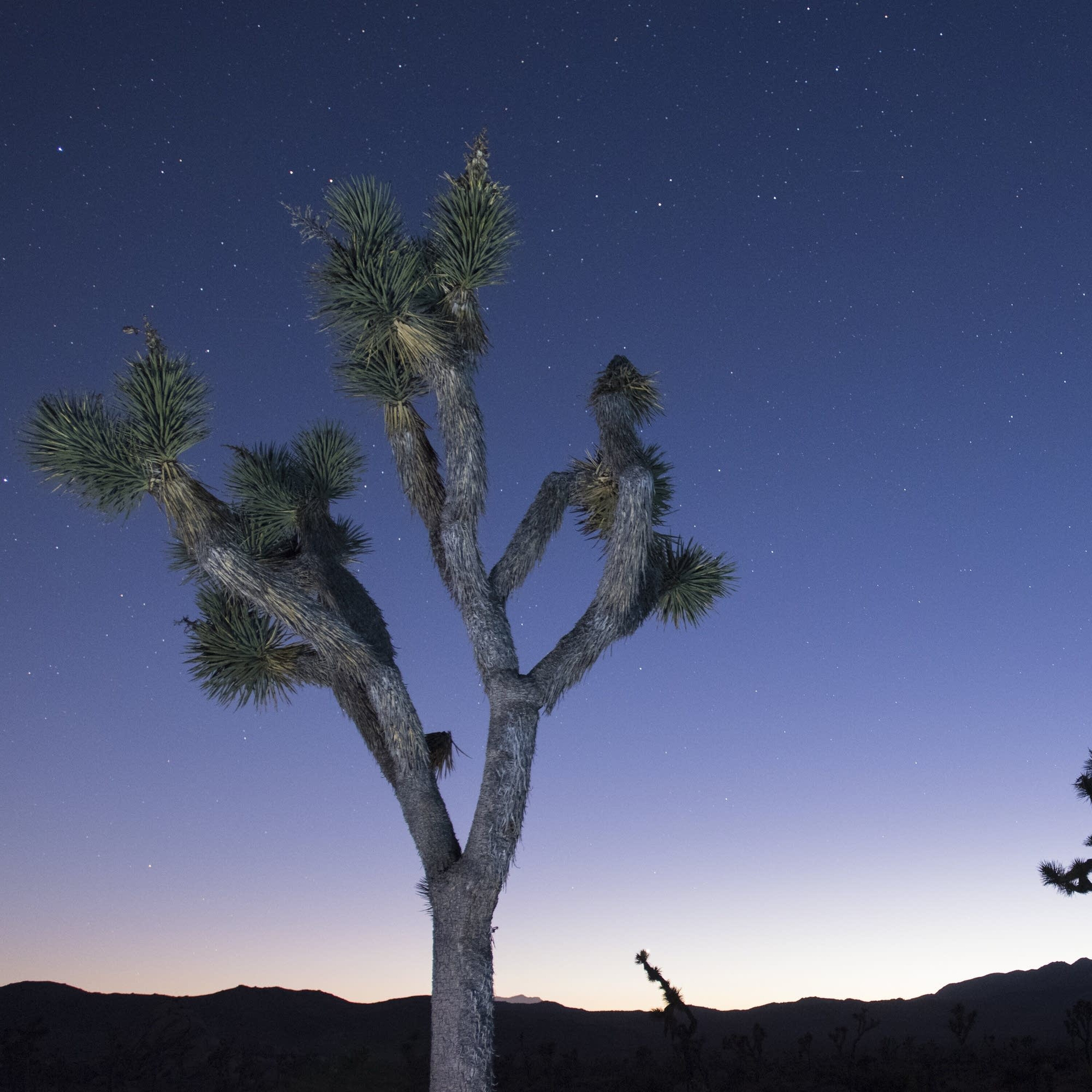
Surviving the desert at Joshua Tree National Park
The desert is hot, dry and deadly. But plenty of plants and animals thrive there. How do they do it? We’ll learn the tricks trees, bats and roadrunners use to make it in Joshua Tree National Park in California.See omnystudio.com/listener for privacy information.
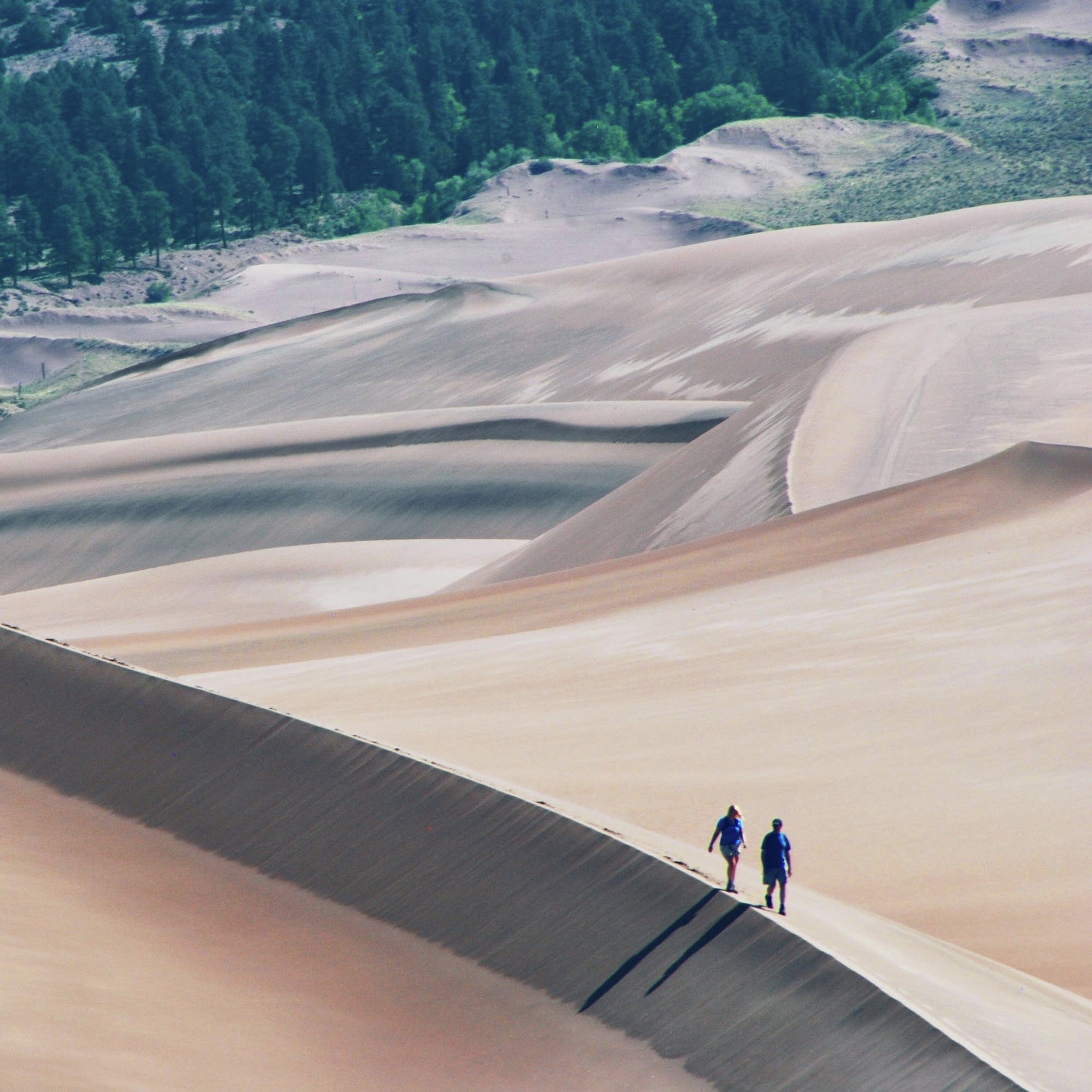
Making the sands sing at Great Sand Dunes National Park
When an avalanche happens at the Great Sand Dunes in Colorado, it sounds like the sand is singing. Huh? How? Why? We learn about the special sand and the specific conditions that make this acoustic phenomenon possible.See omnystudio.com/listener for privacy information.
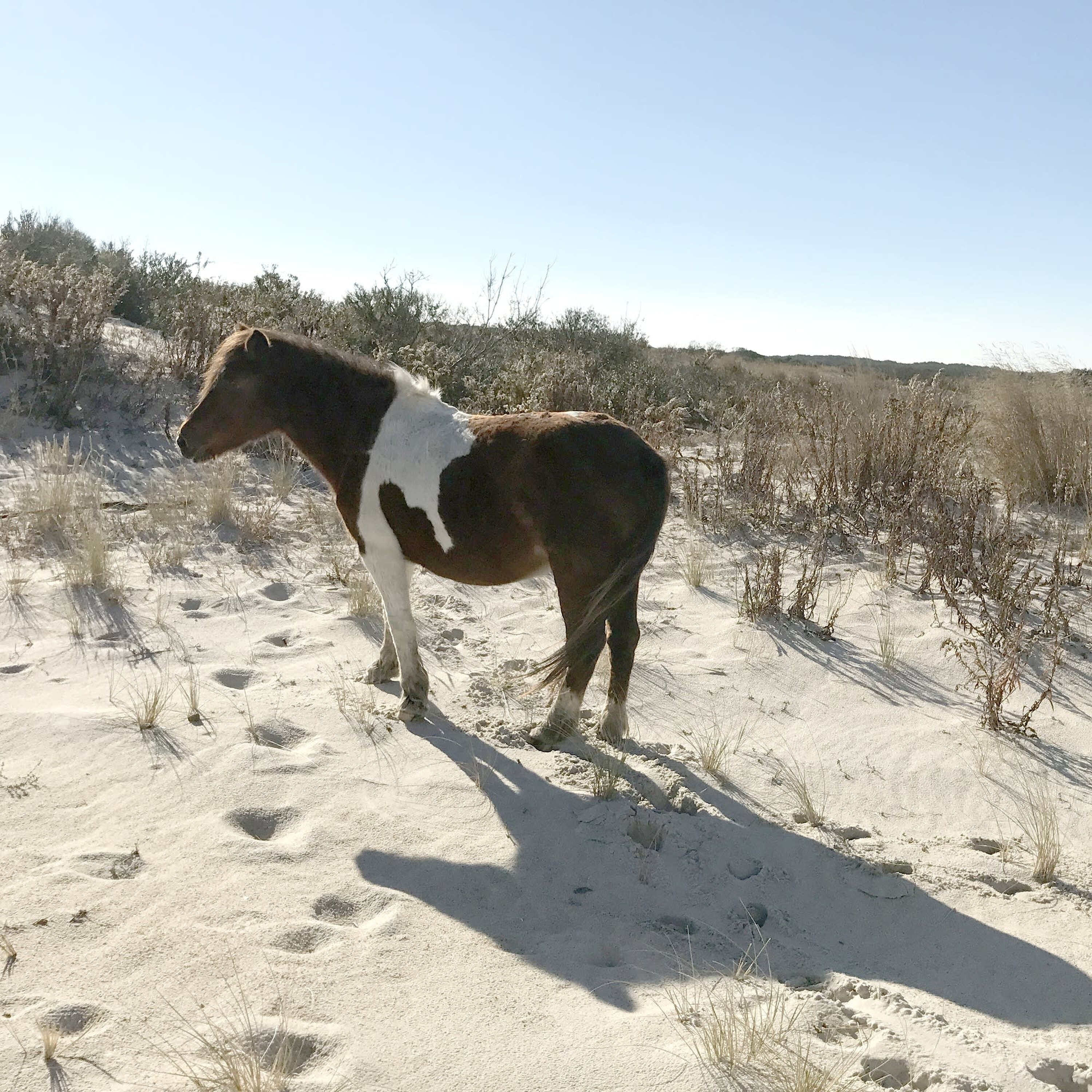
Tracking wild horses at Assategue Island National Seashore
The wild horses at Assateague Island National Seashore in Maryland are very popular, but they’re also an invasive species. We find out how park rangers are giving people a chance to see the horses while also protecting the native plants and animals FROM the horses.See omnystudio.com/listener for privacy information.
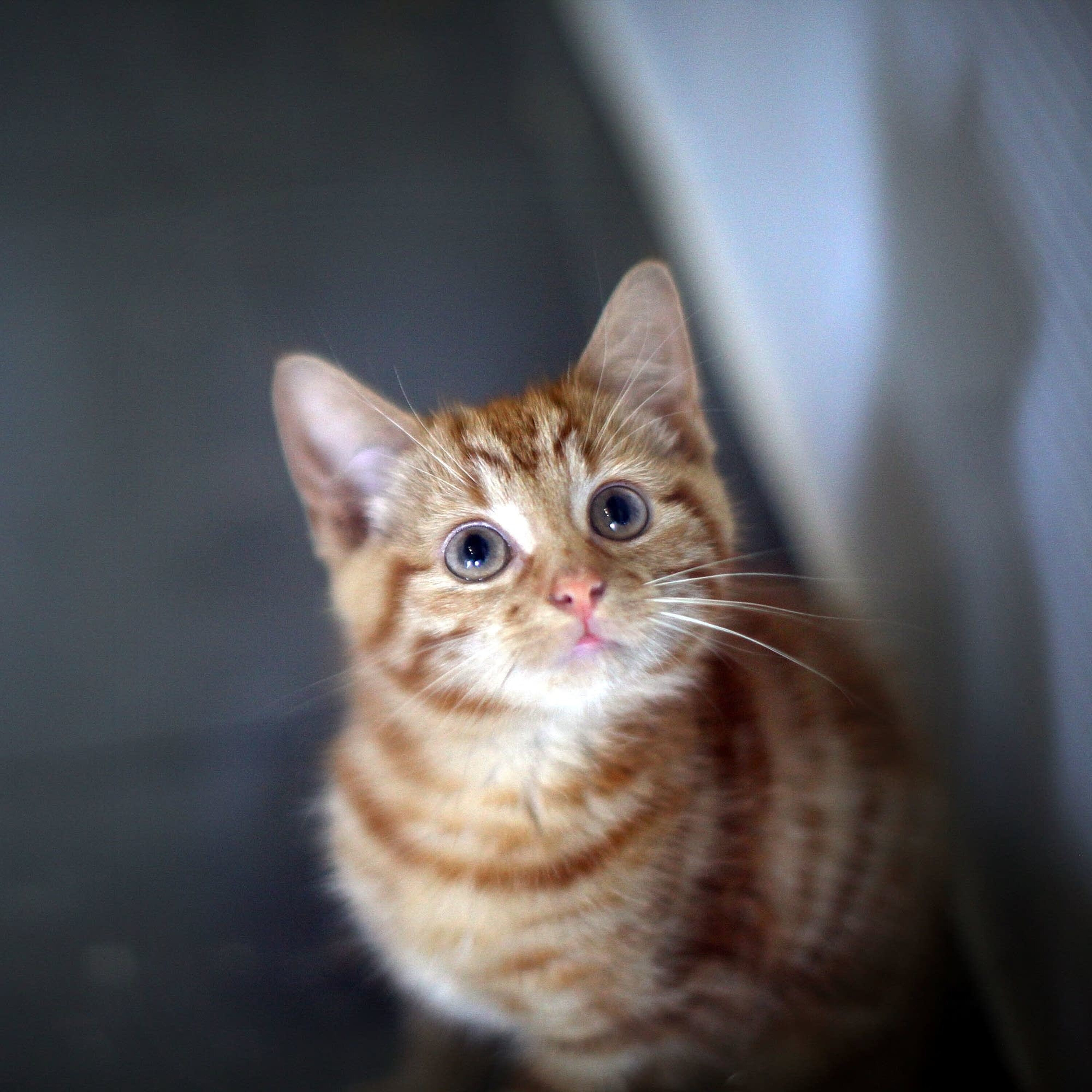
What makes cute things cute?
Think of the cutest puppy, kitten or baby you’ve ever seen. Now what sound did you just make? Was it an “Awwwww?” Or did you want to pinch, bite or squeeze it? In this episode, we’ll find out why this is a natural reaction to cute and why we’re so easily distracted by cute things.See omnystudio.com/listener for privacy information.
Fire vs. Lasers!
Fire and lasers are both super cool — but which is COOLER? Producer Marc Sanchez has tricks up his sleeve for team fire and Sanden Totten gives his all for team laser.See omnystudio.com/listener for privacy information.
How do whales communicate?
The sounds whales make underwater are super cool, and also very important for them to locate prey, navigate and communicate with each other. We find out how they make those sounds and what scientists think they mean.See omnystudio.com/listener for privacy information.
Could it rain lemonade?
If you filled a lake with lemonade, would it rain lemonade? This delicious head-scratcher does not have a straightforward answer. It’s one-part water cycle, one-part delicious drink and if we’re lucky, one-part lemonade rain.See omnystudio.com/listener for privacy information.
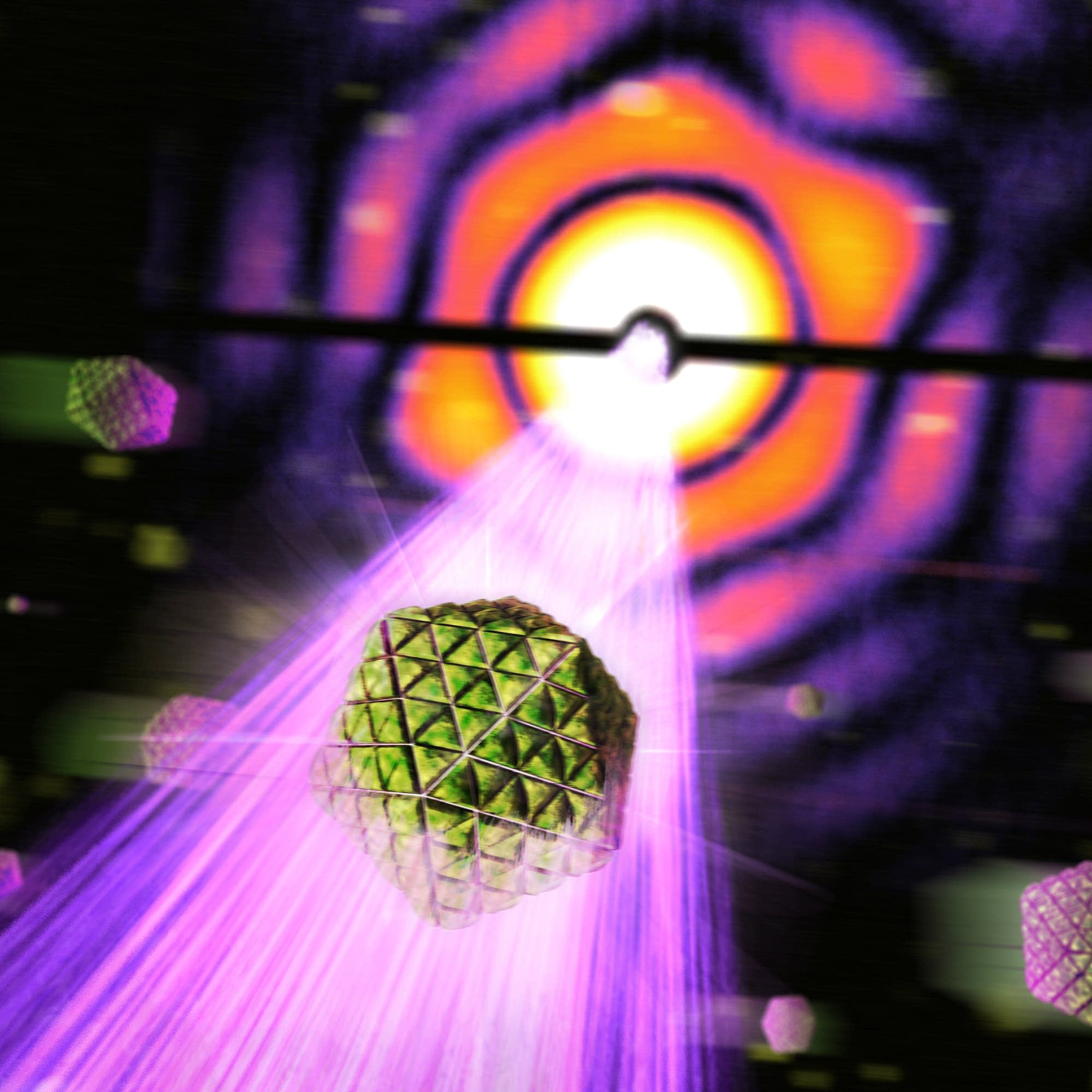
How do invisible x-rays help us see?
X-rays, part of the electromagnetic spectrum, help doctors see our bones — but they also help scientists understand the very smallest particles and the most massive black holes.See omnystudio.com/listener for privacy information.
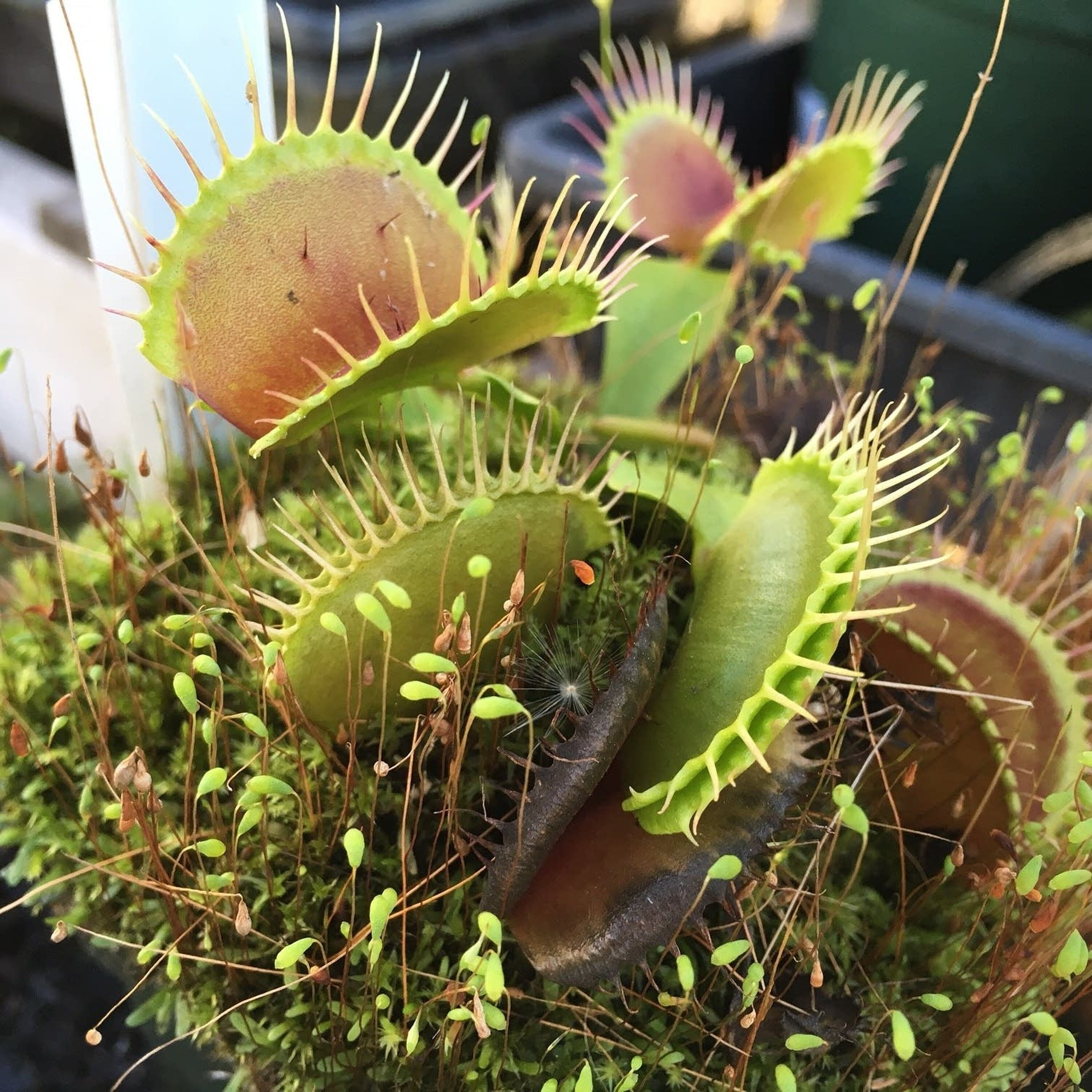
Carnivorous plants: How they lure, trap and digest
Most plants get the energy and nutrients they need from water, sunlight, air and soil. But carnivorous plants get key nutrients from a different source: bugs. We’ll find out how they do it and talk about the mystery of how venus fly traps snap shut.See omnystudio.com/listener for privacy information.
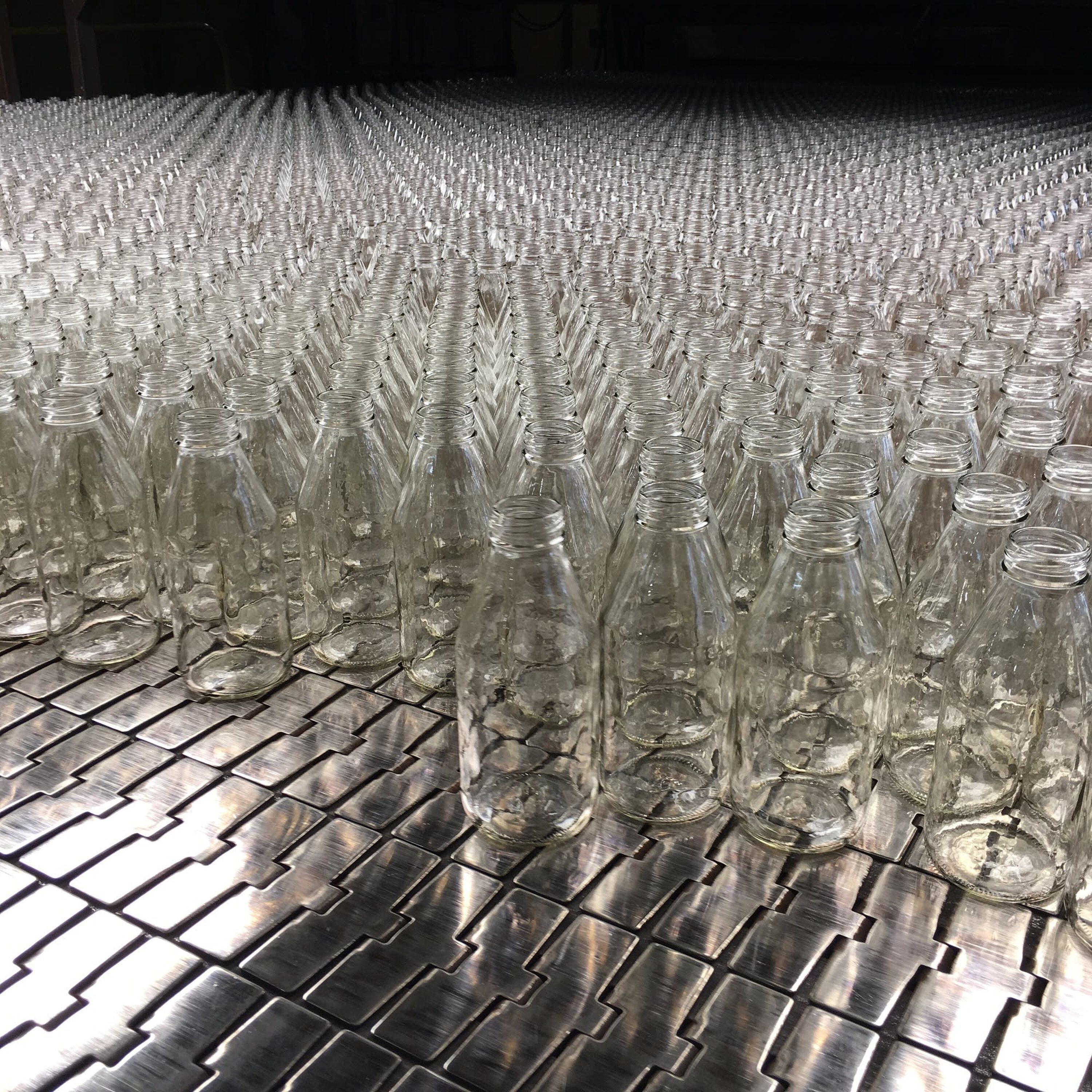
How is glass made?
The process that turns sand into glass is very cool – or rather, we should say very hot. Very, very, very hot as it turns out. Humans have been turning minerals from the earth’s crust into glass for 3,500 years. Find out how it’s done and how it’s evolved – from blowing glass by hand to a factory that makes hundreds of glass bottles every minute. Plus: The mystery sound!See omnystudio.com/listener for privacy information.
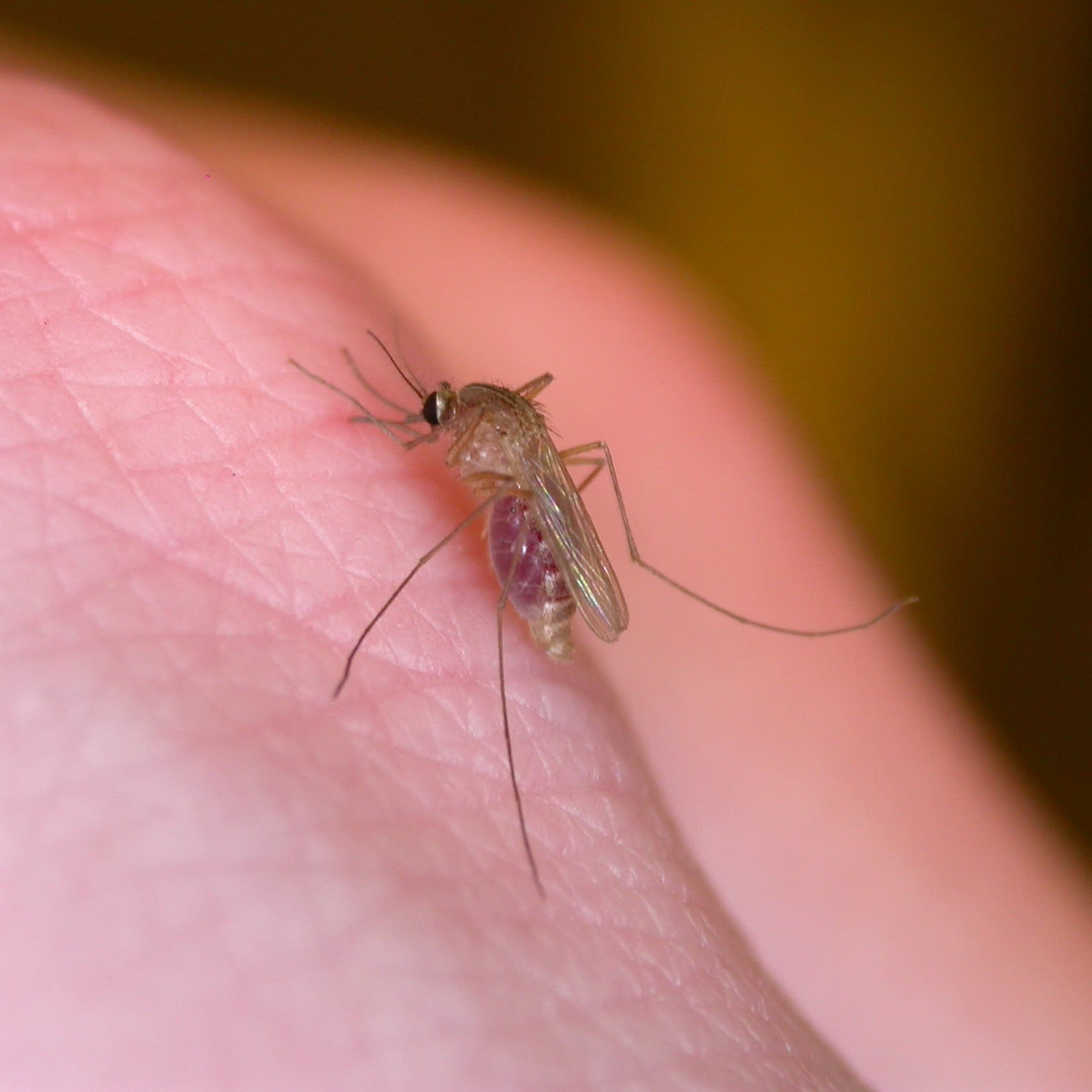
Mosquitoes: What are they good for?
How and why do mosquitoes suck our blood? Why do their bites itch ALL the time? Why do some people get bitten more than others? And do these pesky and possibly dangerous insects serve any kind of useful purpose?See omnystudio.com/listener for privacy information.
Big universe, big questions
Have you ever wondered about what’s beyond the edge of the universe? Or maybe a better question: is there even an edge of the universe? And what does it mean that the universe is expanding? Nine-year-old Thea talks with astrophysicist Katie Mack to find answers to her many questions about the universe.See omnystudio.com/listener for privacy information.
Why don't carnivores need to eat their vegetables?
We’re back with new episodes! Carnivores are animals that only eat other animals – so how do they get the vitamins, minerals and fiber that we humans get from eating plants? We take a trip to a salad bar with some animal pals to find out.See omnystudio.com/listener for privacy information.
How do you catch a cold?
We’ve been catching colds for millennia – but it wasn’t until fairly recently that we actually understood how and why we get sneezy, coughy, and achy. In this episode, we find out more about the common cold: Does standing outside in the cold actually make it easier to get sick? Is there a cure that really works? Could there be a benefit to catching the rhinovirus? Listen for all the answers + the mystery sound!See omnystudio.com/listener for privacy information.