Brains On! Science podcast for kids
430 episodes — Page 7 of 9
Forever echo: Can a sound wave go on forever?
Today we shout out our love for the ECHO! (echo echo) Discover how these curious callbacks happen and why we hear them in some places but not others. We'll also play you the longest echo in the world and take you to an echo-proof room. Plus, an actual echo stops by to share its new podcast and we hear the answer to this Moment Of Um question: why can wild animals drink dirty water when humans need clean water? Today’s episode is sponsored by Loacker (loackerlove.com/powermom2019), Goodnight Stories for Rebel Girls the Podcast (rebelgirls.co/podcast), Philo (philo.tv/brains) and New Cloud Control Cat Litter by Arm & Hammer. You can support the show at brainson.org/donate See omnystudio.com/listener for privacy information.
The hows and whys of hair
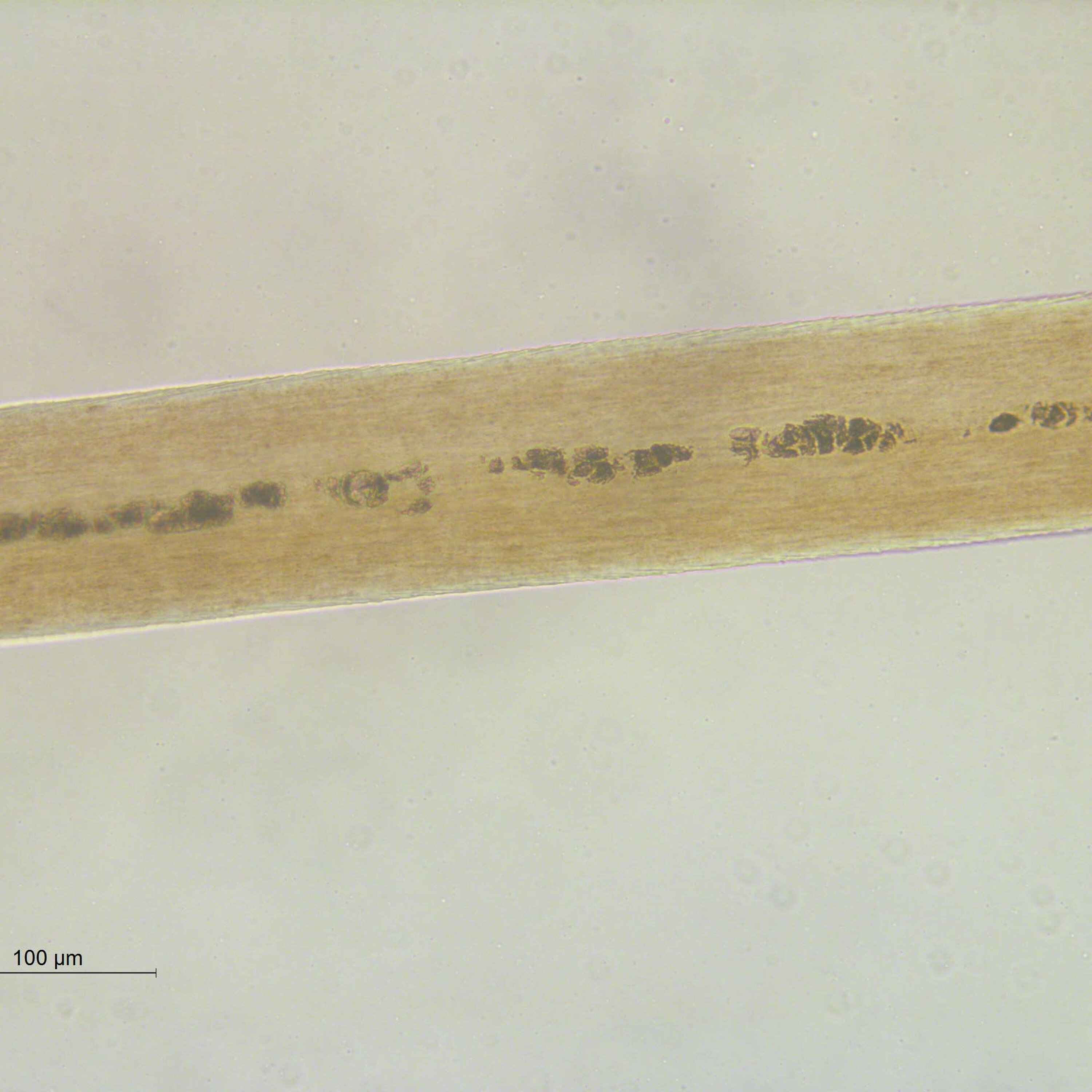
The hair on our heads is on our minds. We have fun with follicles and learn about how they make hair. Our experts help us decipher what makes hair black or brown, blonde or red, and even why it turns gray. From eye lashes to ear and nose hair, this episode has it all. Why do humans have hair and not fur? Why is there hair on the top of our heads? How does hair grow? How does hair become curly or straight? Plus: A brand new Moment of Um answers the question: "Why does my dad get fuzz in his belly button?" This episode is sponsored by Philo (philo.tv/brains), New Cloud Control Cat Litter by Arm & Hammer, Bona Premium Spray Mop (bona.com/brainson) and Goodnight Stories for Rebel Girls the Podcast (rebelgirls.co/podcast). You can support Brains On at brainson.org/donateSee omnystudio.com/listener for privacy information.
Mystery Sound Extravaganza 2019
This episode is an ear-tickler! Guess your way through eleven mystery sounds — one from a scientist, and ten from listeners like you! Plus, another mystery: what’s making Marc and Sanden dance to the sounds of a door jamb and a printer? Stick around for all these reveals, and the answer to a new Moment of Um: Why is air invisible?This episode of Brains On is sponsored by the Kevin Henkes book, "Sweeping up the Heart,” Panama City Beach (visitpanamacitybeach.com), and Philo (philo.tv/brains). You can support the show at brainson.org/donateSee omnystudio.com/listener for privacy information.
Carnivores: Plants and animals that bite back
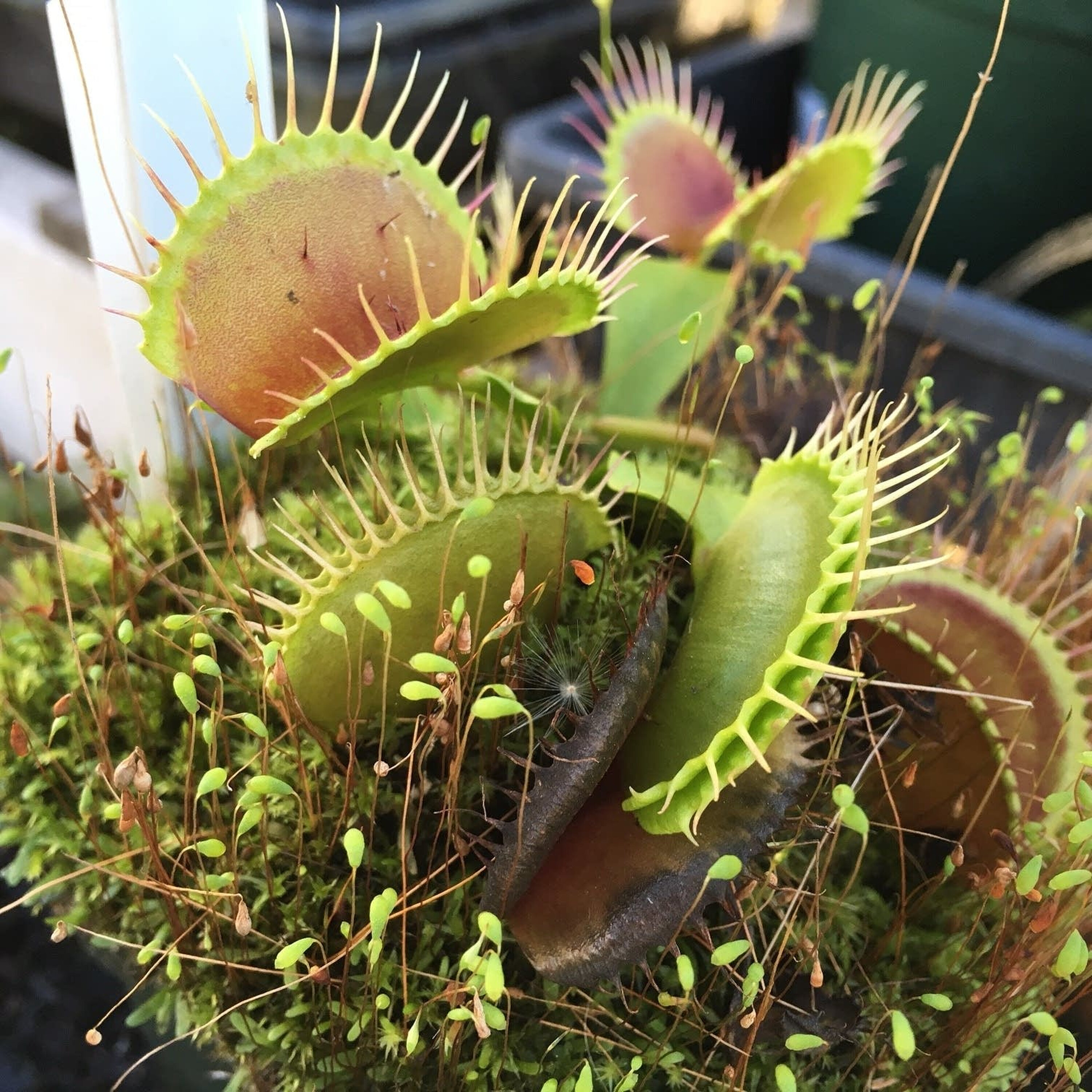
Most plants get the energy and nutrients they need from water, sunlight, air and soil. But carnivorous plants get key nutrients from a different source: bugs. We’ll find out how they do it and talk about the mystery of how venus fly traps snap shut. Plus: Two gardeners – one very experienced and one just starting out – offer their tips for growing venus fly traps.So that’s plants, but what about animals? Carnivores are animals that only eat other animals – so how do they get the vitamins, minerals and fiber that we humans get from eating plants? We take a trip to a salad bar with some animal pals to find out. This episode is sponsored by: Bona premium spray mop (bona.com/brainson), The Kevin Henkes book, ""Sweeping up the Heart,” Panama City Beach, (visitpanamacitybeach.com), Madison Reed hair color (madison-reed.com) - use promo code brainson at checkout for 10% off. You can support the show at brainson.org/donateSee omnystudio.com/listener for privacy information.

Black Holes, Wormholes and Donut Holes
Black holes happen when you have a super huge, mega-giant amount of stuff --- crammed into a super-tiny, infinitely-small amount of space. AND THEY ARE SUPER COOL! In this episode, we learn all about what black holes are and how we found out they were real. We talk to a black hole hunter who has discovered supermassive black holes. And we find out what a wormhole is and why it might really, be really, really hard to ever find one -- or travel through it. Plus: The Moment of Um answers the question: "Why do goat pupils look like slits?" This episode is sponsored by Panama City Beach (VisitPanamaCityBeach.com), Good Night Stories for Rebel Girls: The Podcast, and Madison Reed (madison-reed.com and offer code BRAINSON). You can support the show at brainson.org/donateSee omnystudio.com/listener for privacy information.
Walking on walls: How ants and spiders do it
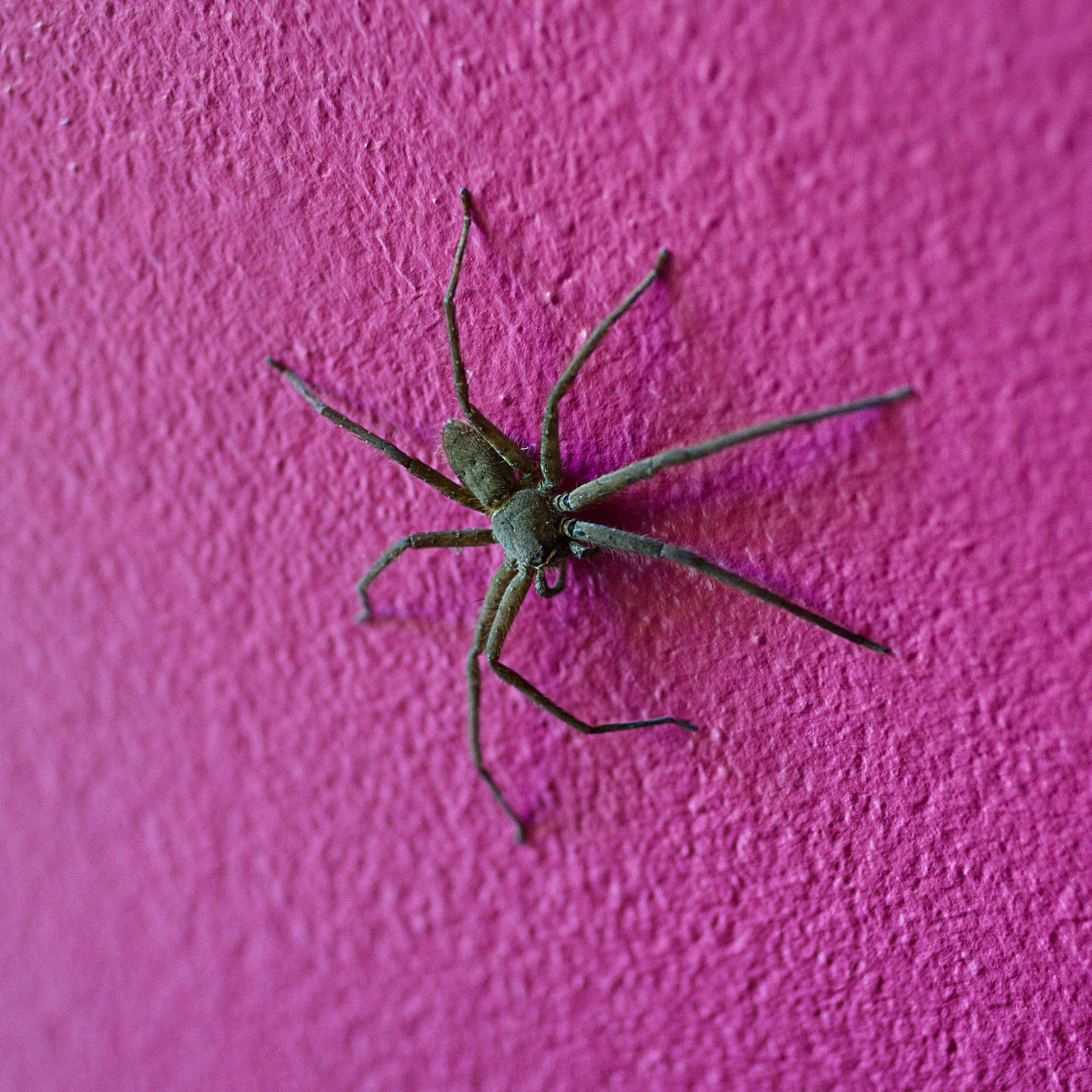
Ants and spiders are able to defy gravity -- but how do they do it? We'll learn about how awesome their feet are and how one predator takes advantage of these powers. Plus: A very challenging mystery sound and a Moment of Um that answers the question, "How do bananas ripen other fruit?" Today’s episode is sponsored by: KiwiCo (kiwico.com/brainson)Bona (bona.com/brainson)Panama City Beach (VisitPanamaCityBeach.com). You can support Brains On at brainson.org/donate.See omnystudio.com/listener for privacy information.
My air came from where?! How oxygen gets around
Oxygen is quite the savvy traveler. We explore how this gas travels all around the world and ends up pretty much everywhere for us to breathe. Plus we'll look at how plants and others make the stuff. And we learn how oxygen ended up on Earth in the first place (hint: it involves super space explosions!). We'll make friends with some molecules, hear about a tiny fart that changed the world and guess an all new mystery sound. Oh, and this week's Moment of Um asks: "if a poisonous snake bit itself, would it die?" This episode is sponsored by Visit Panama City Beach (VisitPanamaCityBeach.com), KiwiCo (kiwico.com/brainson), Quip (getquip.com/brainson) and Calm (calm.com/brainson). You can support the show at brainson.org/donateSee omnystudio.com/listener for privacy information.
How do airplanes fly?
How do planes stay in the air? And how did humans figure out that it wasn’t enough to just strap wings to our arms and flap them like birds?We’ll find out about the invention of airplanes and our co-hosts will share the frustrations and joys of being inventors themselves. Plus: An aviation-inspired mystery sound and paper airplane tips! Plus a new Moment of Um answers the question: “What’s the most sour thing in the world?” Today’s episode is sponsored by Madison Reed (madison-reed.com and offer code BRAINS). You can help us find new sponsors by filling out this anonymous survey: podsurvey.com/brainsSee omnystudio.com/listener for privacy information.
Memory and deja vu
In this episode, we take a trip down memory lane. We visit a campus full of hippos to learn how memories are stored, and drop in on a badger trainer to see how she recalls “the great badger blunder.” We also explore how many memories can our brains store. Hint: way more than you probably think. You may have heard of deja vu, but did you know there are other vus too? We found a lost game show where these vus are contestants. All this plus a new Mystery Sound and Moment of Um that answers the question: do fish have allergies? Tune in to find out!You can support Brains On at brainson.org/donateThis episode of Brains On is sponsored by: Kiwico, a monthly STEAM project kit for kids. Visit kiwico.com/brainson for a chance to try them out for free.Madison Reed, ammonia-free, multi-tonal hair color. Go to madison-reed.com and use promo code: BRAINS for 10% your first order.Pre meat delivery. Go to eatpre.com and use promo code: BRAINSON for a 15% discount.See omnystudio.com/listener for privacy information.
Are we still evolving?
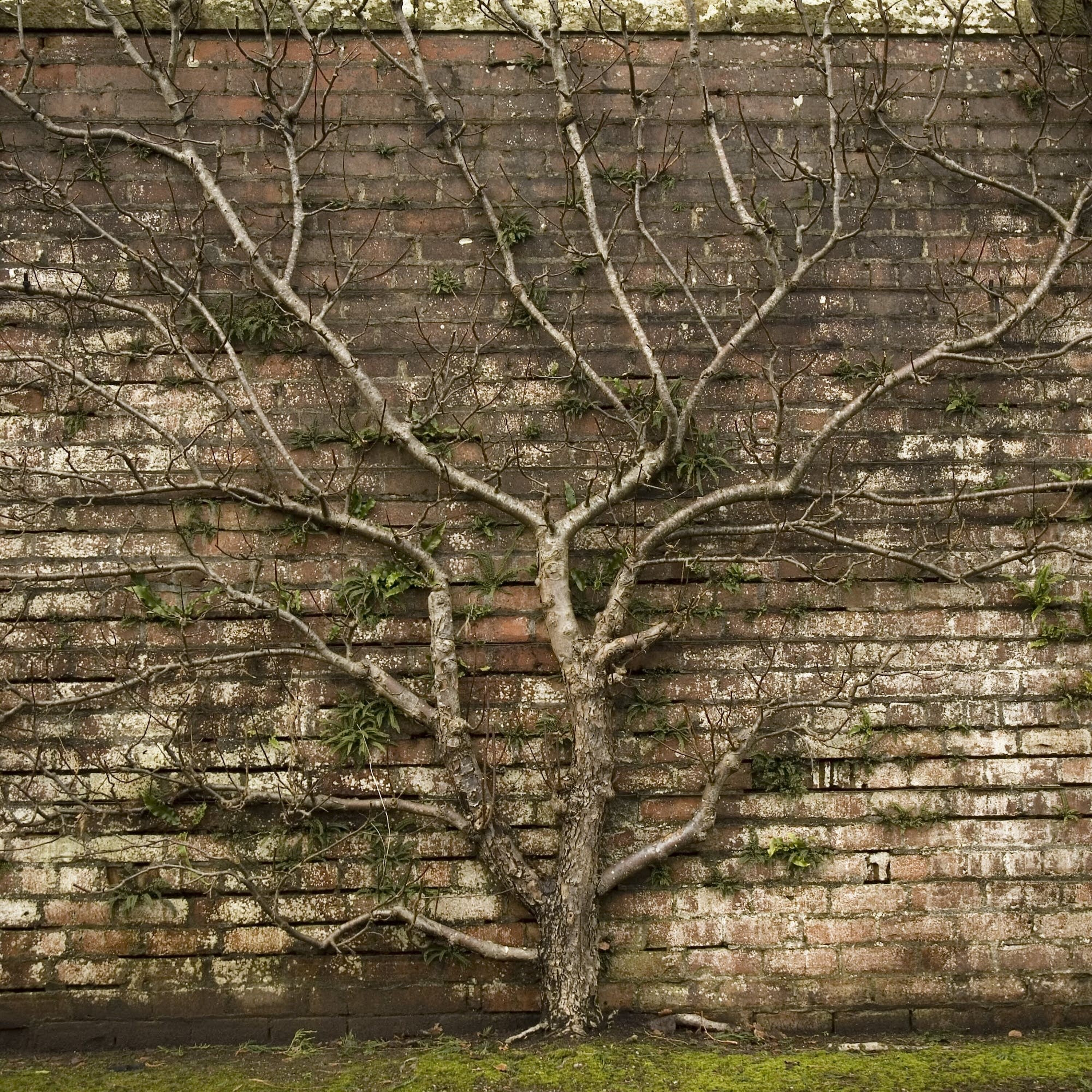
In this episode, we climb up, down and all around our evolutionary family tree. When did we branch off from our more ape-like ancestors? And will we evolve one day into a different species altogether? We'll meet a bearded scientist from 160 years ago (no, not Charles Darwin) and eat some sundaes (thanks lactase persistence!). Plus a brand new Moment of Um answers the question: Do insects have the same blood as humans? This episode is sponsored by: Calm (calm.com/brainson)Quip (getquip.com/brainson) The podcast Josie and Jonny are Having a Baby With You. You can support Brains On at brainson.org/donateSee omnystudio.com/listener for privacy information.
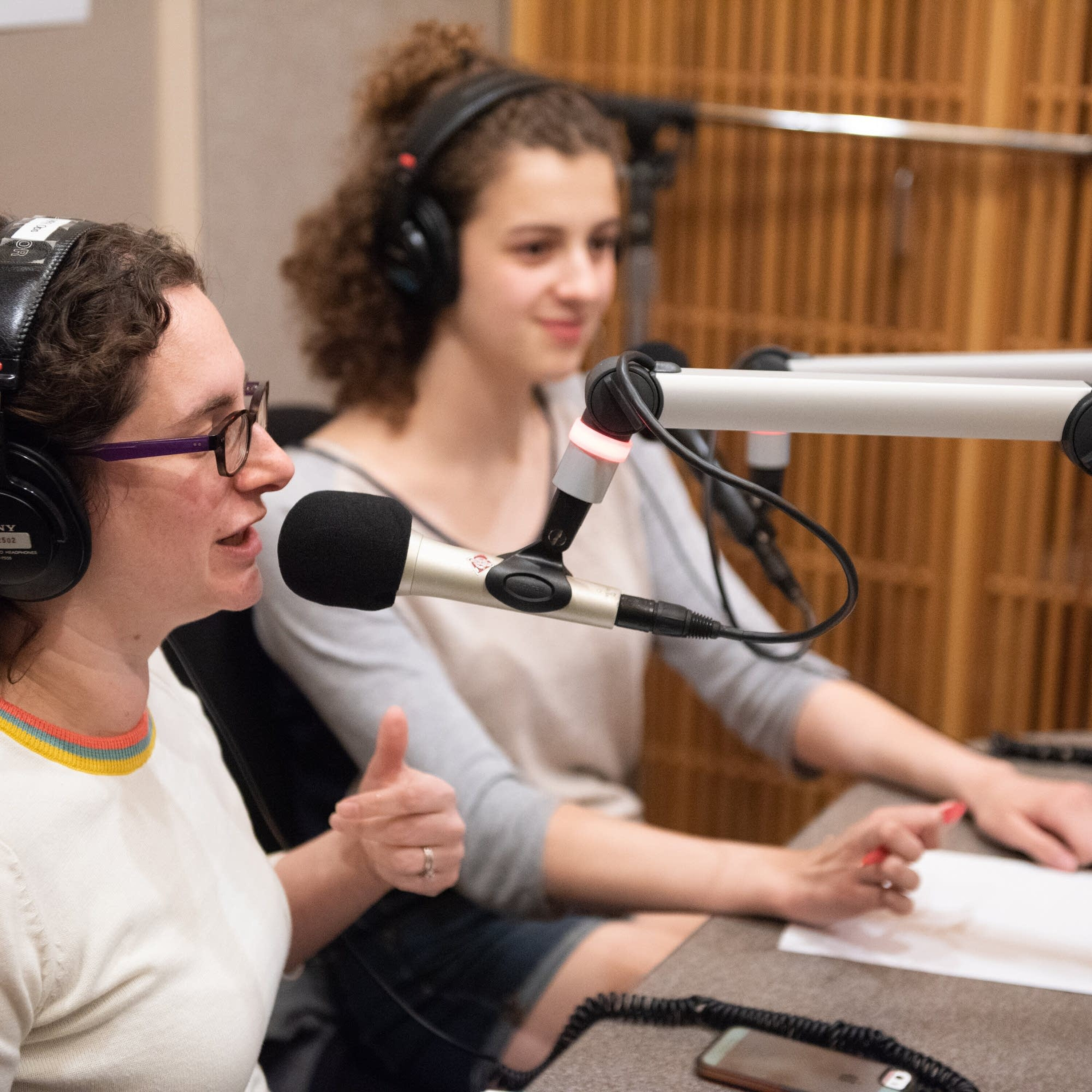
Brains On: Behind the scenes
This is a special fundraising episode, where we peek behind the curtain of Brains On!See omnystudio.com/listener for privacy information.
Earthrise: The picture of our planet that changed the world
50 years ago NASA astronauts took a picture that changed the world. It was a full color photo of planet Earth as seen from space. This image inspired many to think differently about our home. In this episode we'll tell the tale of that epic snapshot. Plus we'll explain how Earth and our solar system formed in the first place. We'll talk to astrophysicist Lindy Elkins-Tanton about whether there are other planets like Earth in the universe. Plus we have an all new Mystery Sound and a Moment of Um that answers the question “Why do dreams seem longer than they are?” So say cheese and enjoy! This episode is sponsored by Pre (eatpre.com and offer code BRAINSON). You can support Brains On at brainson.org/donateSee omnystudio.com/listener for privacy information.
Soil: Can you dig it?
We’re ready to get our hands dirty as we explore the stuff beneath our feet. Clay, sand, mud — soil is everywhere. And it’s alive! We’ll find out how it helps plants grow and learn about all the little organisms that are invaluable in the process (hint: it involves something called the “poop loop”). Plus: A brand new Moment of Um answers the question: “What’s inside of a tooth?” Today’s episode is sponsored by the CBC podcast Tai Asks Why and Quip (getquip.com/brainson). You can support Brains On at brainson.org/donateSee omnystudio.com/listener for privacy information.

Voices: How do we make sound?
We are very vocal about this episode, and that’s because it’s all about voices. We look into how our bodies produce sound and talk to a voice recognition expert. And we find out what’s happening when helium enters the equation. Plus, humans don’t have the voice market cornered -- what about other animals? We’ll drop in on a few creatures and find out how they make sounds too. All that plus a brand new Mystery Sound and berry delicious Moment of Um. Today’s episode is sponsored by Quip (getquip.com/brainson), KiwiCo (kiwico.com/brainson), and Bombas (bombas.com/brains). You can support Brains On at brainson.org/donateSee omnystudio.com/listener for privacy information.

Roller coasters: from dream to extreme
How do roller coaster designers go from dream to reality? World-renowned roller coaster designer Alan Schilke tells us how he does it. Also — why do some people feel sick or dizzy after riding them? And how do coasters make you feel like you’re floating? Plus: a tricky mystery sound and a Moment of Um that answers the question, “How do boomerangs come back?” This episode is sponsored by Quip (getquip.com/brainson), Thoughtfully (thoughtfully.com/brains) and Little Passports (LittlePassports.com/brains).See omnystudio.com/listener for privacy information.
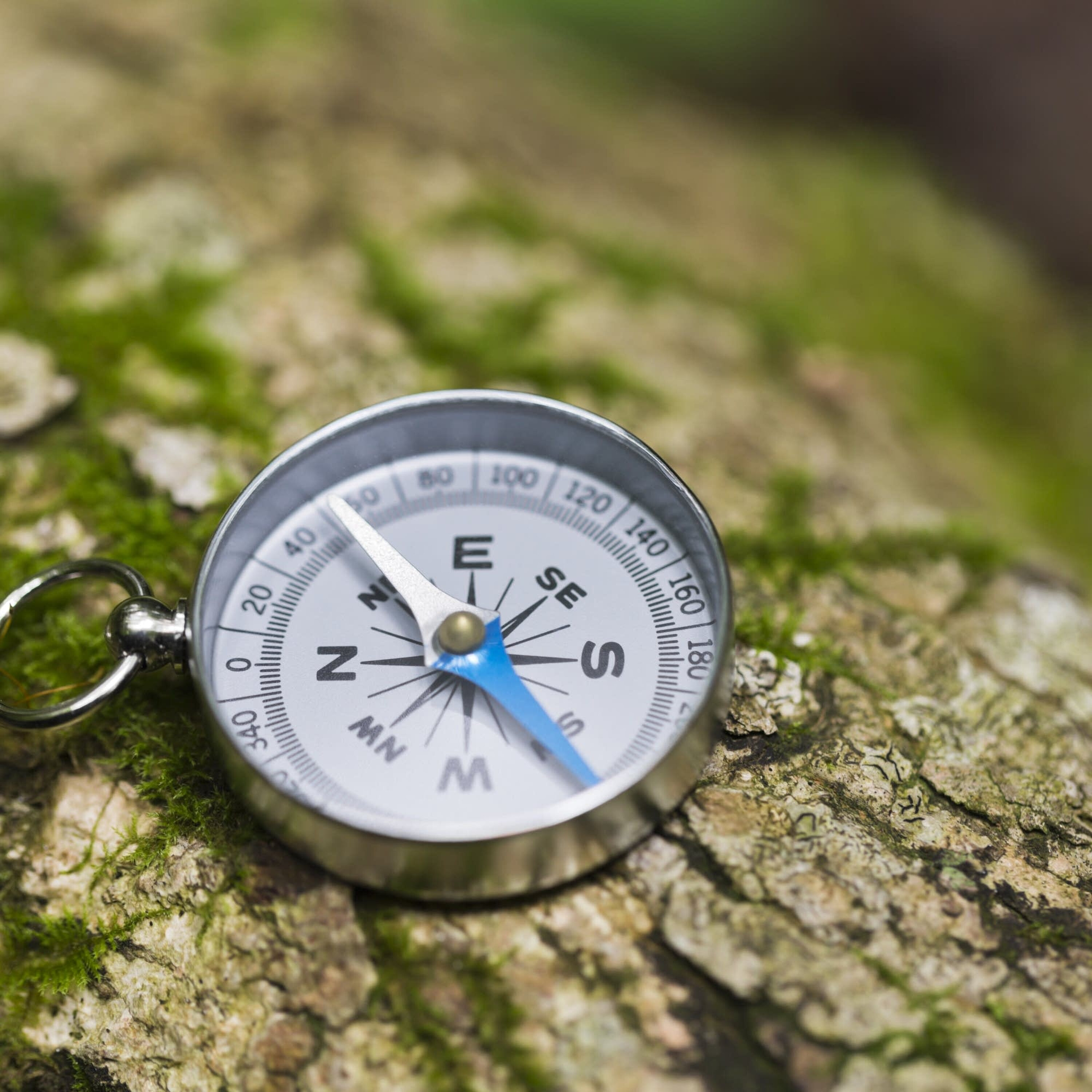
Finding your way without a map
If your GPS suddenly stopped working, would you still be able to find your way?In this episode we'll teach you tricks and tips to navigate on your own. We'll explain how compasses work and we'll tell you who helped move north to the top of the map. Plus, we'll meet a navigator who goes on long journeys using only traditional Hawaiian navigational techniques and we'll stop by a pitstop for some amazing animal migrators. All that and a Moment of Um on why diamonds are so rare and so valuable. Today’s episode is sponsored by KiwiCo (kiwico.com/brainson), Little Passports (littlepassports.com/brains), Bombas (bombas.com/brains), and Ozobot (ozobot.com/shop).See omnystudio.com/listener for privacy information.
Video Games: A Tale of Two Pongs
Introducing our brand new history show, Forever Ago! Join host Joy Dolo and kid co-host Kai on an epic quest through history to figure out how video games began. With help from intrepid reporter Cari Spivack, they’ll visit the age of dinosaur computers, hear the sounds of early arcades and befriend some talking cows. This episode is sponsored by Little Passports (LittlePassports.com/BRAINS), Thoughtfully (thoughtfully.com/BRAINS) and Quip (GetQuip.com/brainson). You can support Brains On and Forever Ago at brainson.org/donate.See omnystudio.com/listener for privacy information.

Body Bonanza: Yawns, hiccups, goosebumps and more!
Brains On listeners have LOTS of questions about the human body so we’ve decided to answer nine – count em NINE – of these questions in one go. The terrific topics tackled: Hiccups, yawns, getting dizzy, goosebumps, fingerprints, limbs falling asleep, brain freeze, chattering teeth and why your voice sounds different when it’s recorded.Plus: Our Moment of Um answers the question: “Why do we have two lungs?”Today’s episode is sponsored by Quip (getquip.com/brainson) and Build-A-Bear Workshop (buildabear.com). You can support Brains On at brainson.org/donateSee omnystudio.com/listener for privacy information.
How to find the facts (Prove It: Part 4)
Today information is everywhere, but what should you trust? Can you spot the difference between well researched articles and stories full of opinion, errors or even lies? In our final chapter of “Prove It: How to find the facts,” we’ll find out how to think like a fact checker. Plus we’ll share clues on how to spot warning signs of bogus information. We also look into the claim that coffee stunts your growth and for our Moment of Um we explore the world of freckles. Today’s episode is sponsored by Build-A-Bear Workshop (buildabear.com), Vamousse (VamousseLice.com), Bombas (bombas.com/brains) and Ozobot (ozobot.com/brains). You can support Brains On at brainson.org/donateSee omnystudio.com/listener for privacy information.
The scoop on journalism (Prove It: Part 3)
Fair and fact-based news helps people make good decisions. That's why journalists work hard to get their facts straight. In the third installment of our series "Prove It: How to find the facts," we'll hear how one daring reporter got herself locked in a mental hospital to uncover injustice. We'll meet an 11-year old publishing her own paper and Washington Post reporter David Fahrenthold tell us how he makes sure his stories are accurate. And we'll find out if the claim that fish have no memory holds water. All that plus a fresh new Mystery Sound and a Moment of Um tackling the question: why do humans have a tailbone but no tail? Today’s episode is sponsored by Build-A-Bear Workshop (buildabear.com), Vamousse (VamousseLice.com) and Quip (getquip.com/brainson). You can support Brains On at brainson.org/donateSee omnystudio.com/listener for privacy information.
Science under the microscope (Prove It: Part 2)
Science is a powerful fact-finding tool -- but how does it work? In this second installment in our series "Prove It: How to find the facts," we look to the past for answers. We find out how a snake heart helped get rid of an old idea about blood and how failed experiments are just as important as successful ones (bye bye, luminiferous ether). And we'll hear from scientists working today about how curiosity is at the heart of science. All this plus a new Mystery Sound and snail-rific Moment of Um. Today’s episode is sponsored by Build-a-Bear Workshop (buildabear.com), Ozobot (ozobot.com/brains) and Bombas (bombas.com/brains) and you can support Brains On at brainson.org/donate.See omnystudio.com/listener for privacy information.
A Brief History of Facts (Prove It: Part 1)
We’d be nothing without facts. They ground us in reality, help us make new discoveries and allowed us to build the modern world. In this episode we explain how we developed two of our most powerful fact finding tools: science and journalism! Plus, we’ll fact-check some conventional wisdom about ladybug spots and explain how surgeons operate on fish in our Moment of Um. All that and a Mystery Sound! Today’s episode is sponsored by Build-A-Bear Workshop (buildabear.com). You can support Brains On at brainson.org/donateSee omnystudio.com/listener for privacy information.

Brains On! + The Story Pirates: What makes fun things fun?
We're teaming up with our pals The Story Pirates to learn about the science of having fun! Our experts tell us what makes something fun and why we're so geared toward seeking a good time. Plus, the Story Pirates share their song "Pizza Revenge." We've also got a fun-tastic Mystery Sound and a Moment Of Um all about pirates. How fun is that?Still want more fun? Head over to the Story Pirates to hear more (plus the punchline to a Brains On joke) - apple.co/2wwlgDE Today’s episode is sponsored by Vamousse (vamousselice.com) and Roshambo Baby (roshambobaby.co and offer code BRAINS)See omnystudio.com/listener for privacy information.
Keeping water healthy, one clue at a time
Last week, we heard about the tale of the Cuyahoga River -- a river in Ohio that caught on fire multiple times because it was so polluted. The river is now doing much better, but beyond the fact that it’s not on currently fire -- how do we actually know it’s healthier today? That’s when being a water detective really comes in handy. Plus: Our Moment of Um answers the question: "Why do dogs wag their tails?" Today’s episode is sponsored by Vamousse Lice (vamousselice.com) and Roshambo Baby (roshambobaby.com and offer code BRAINS). See omnystudio.com/listener for privacy information.
Burning rivers of fire
Rivers are known for being wet. So how did a river in Ohio suddenly catch fire, not once, but several times last century? In part three of our water series, we'll explore the shocking tale of the Cuyahoga River. We'll look at how pollution led to this environmental tragedy and what's been done to address the problem. Plus, our Moment of Um explains why we say "ow!" when we're hurt.See omnystudio.com/listener for privacy information.

How does GPS know where you are?
Without GPS, we’d be lost. Literally. Thanks to these radio transmissions from space though, we’re able to pinpoint our location and find our way home. Join us as we learn all about satellites, how the robot voice of GPS is created and how atomic clocks hold it all together. Plus a mystery sound and a brand new Moment of Um answers the question: "What is light made of?" Today's episode is sponsored by Kind Snacks (KindSnacks.com/BRAINS), Vamousse (vamousselice.com) and Roshambo Baby (roshambobaby.com and offer code BRAINS).See omnystudio.com/listener for privacy information.
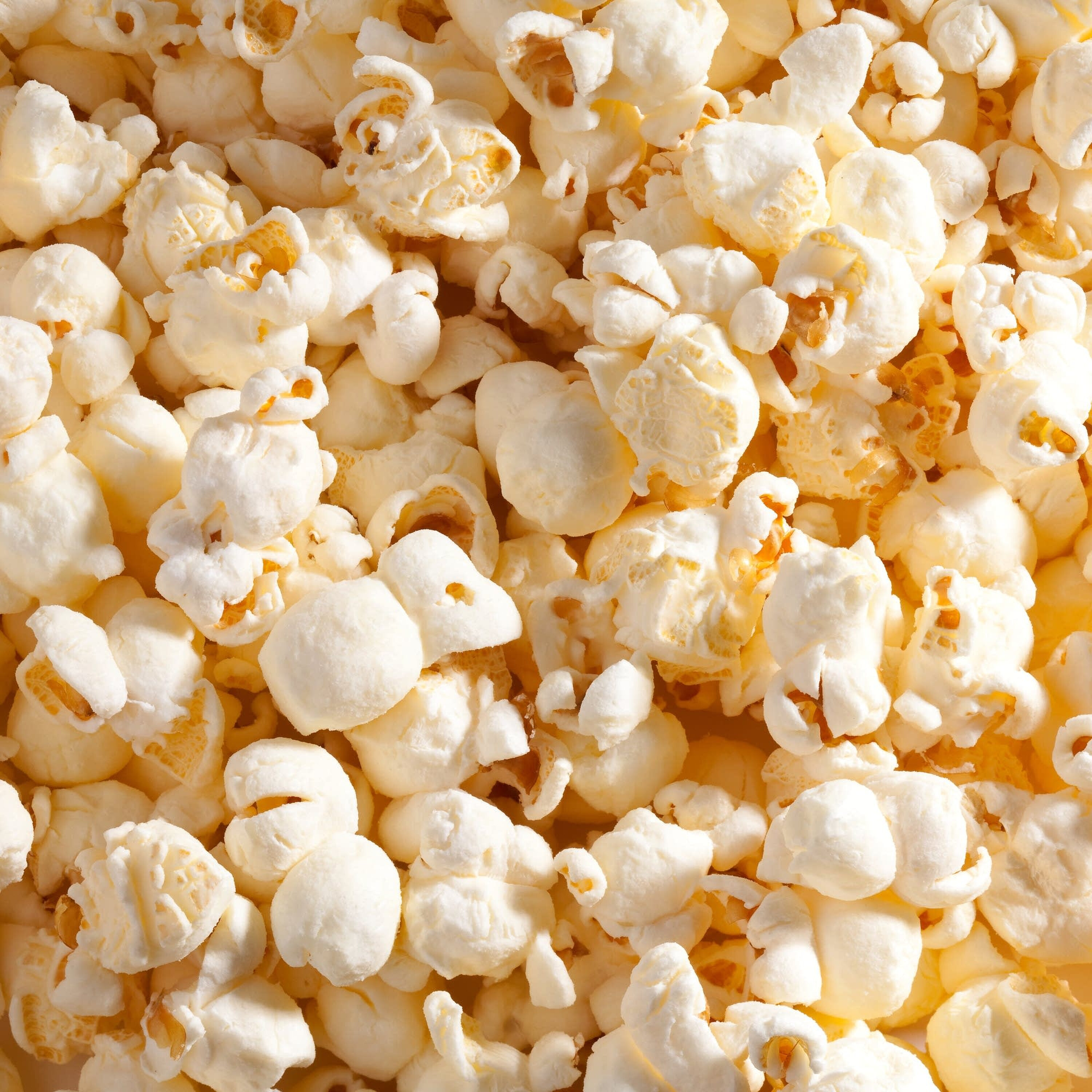
Salty snack science: Popcorn, nachos and the origins of salt
We're having a snack attack in this episode and we're using it as an excuse to delve into the facts and history of some of our favorite snacks. How does popcorn pop? Who invented nachos? And where does salt come from? Plus, our Moment of Um tells us all about salt's buddy: pepper! If you want to hear more from our pals at Every Little Thing, you can check them out wherever you listen to podcasts or at https://www.gimletmedia.com/every-little-thing And you can find more Ear Snacks on your favorite podcast device or right here: https://www.earsnacks.org/See omnystudio.com/listener for privacy information.
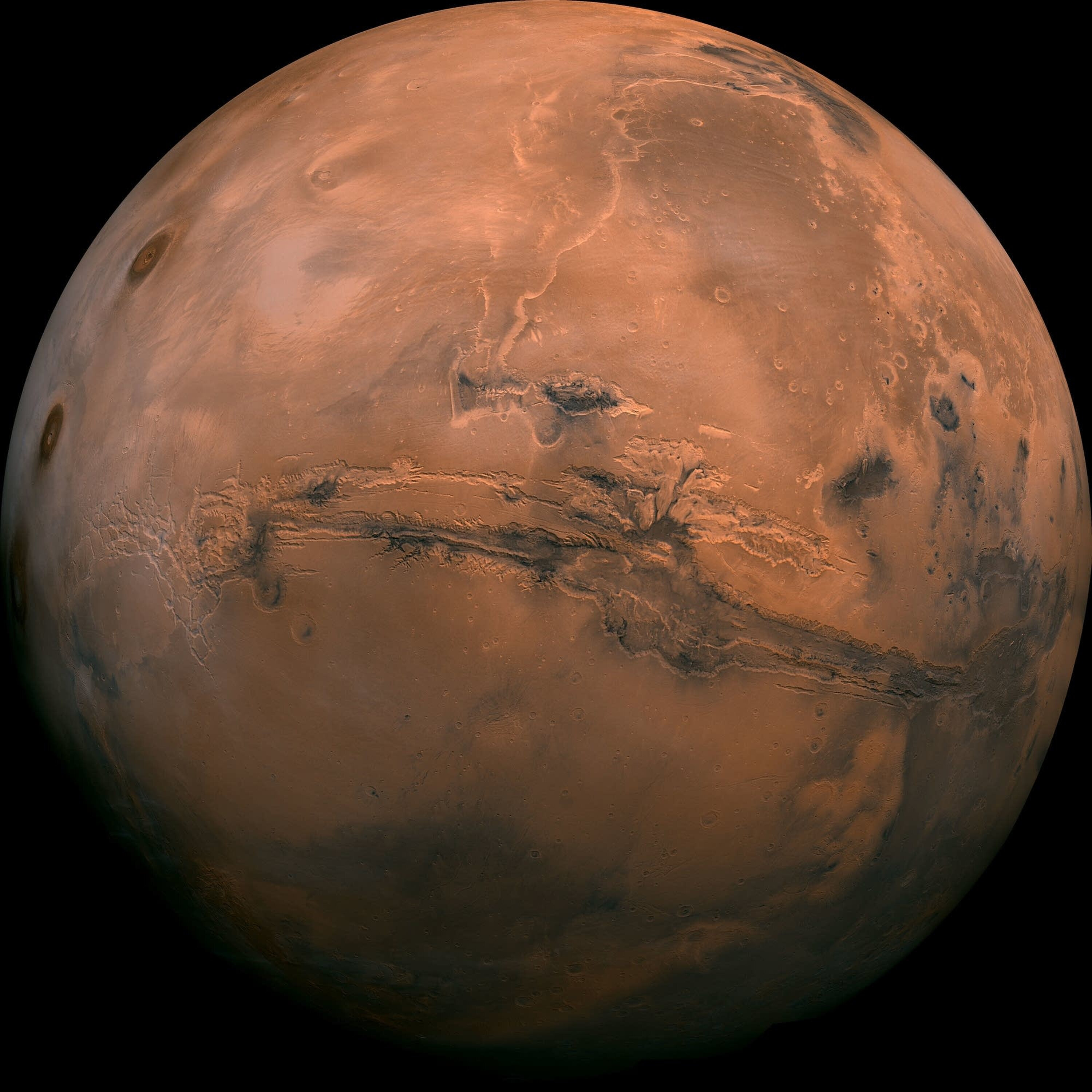
Wanna see Mars' close approach? Just look up!
The Red Planet is putting on a show this July. It'll be closer to Earth than it’s been in 15 years and that means at night it'll appear bigger and brighter than average. In fact, you should be able to see it easily without a telescope! In this episode we'll tell you how to spot Mars plus, you'll hear the planet itself answer your questions. Plus a mystery sound and, in our Moment of Um, we'll explain why lava moves slowly even though it's a liquid. Brains On is sponsored today by Build-A-Bear Workshop (buildabear.com), Kind Snacks (KindSnacks.com/BRAINS), P.volve (Pvolve.com/brainson) and Plated (plated.com/reddem and promo code BRAINS). Find more episodes of Brains On at brainson.org See omnystudio.com/listener for privacy information.
Smash Boom Best: Books vs Movies
Today, we’re sharing another epic showdown from our brand new debate show, Smash Boom Best. Each episode, we pit our favorite things against each other, like bats versus owls! Or pizza versus tacos! And we ask you to decide who won.So who are you rooting for: the printed word or the silver screen? Bibliophiles face off with film buffs everywhere in one of our favorite match-ups of the season. Listen to Team Books and Team Movies argue for their side, and then cast your vote here.If you like the show, there are seven more episodes of Smash Boom Best waiting for you. It’s the perfect entertainment for your summer road trips. You could listen all the way from Dallas to Houston, from Sioux Falls to St. Paul, from Richmond to Philly!And don’t forget to subscribe to Smash Boom Best wherever you listen, rate us on Apple Podcasts and share the show with a friend.See omnystudio.com/listener for privacy information.
How to cook for an alien
The aliens are coming to dinner! In this episode we wonder what food aliens might eat and talk to real scientists who've thought long and hard about this question. Plus, our friends at America's Test Kitchen show us how to whip up a delicious beef and broccoli dish. We'll lay out the cooking instructions step by step throughout the podcast so you can cook along. When the episode is over, you'll be ready to chow down. Find the recipe here: https://www.brainson.org/shows/2018/07/03/alien-cook-along And for more awesome recipes like this one head to americastestkitchen.com/kids This episode is sponsored by Plated (plated.com/redeem and offer code BRAINS). See omnystudio.com/listener for privacy information.
Mix: The science cooking, pt. 4
Are you ready to mix it up? In this episode, we find out why oil and vinegar are like bickering siblings in the back seat of a car, what delicious food inspired the invention of the blender, and the most effective whisking technique (spoiler alert: it's probably not what you think). We also learn how the way we mix flour makes our baked goods either chewy or fluffy and we'll learn the best way to make brownies. Plus: our Moment of Um answers the question "Are bananas radioactive?" To make a donation to Brains On, head to brainson.org/donateSee omnystudio.com/listener for privacy information.
Chop: The science of cooking, pt. 3
Our knives are drawn and ready to mince and dice our way through the science of chopping. In this episode we'll find out what happens to that carrot you're chopping on a molecular level (spoiler alert: the knife never actually touches it!). We also visit a knifemaker's studio and talk to Splendid Table host Francis Lam to get his chopping tips. This is the third in a five part series on the science of cooking, made in collaboration with America's Test Kitchen Kids. For more recipes and information for young chefs, head to americastestkitchen.com/kids to sign up for their newsletter. And to to make a donation to Brains On, visit brainson.org/donate.See omnystudio.com/listener for privacy information.
Chill: The science of cooking, pt. 2
From ice cubes to ice cream, cold things are a crucial part of cuisine. How do we use chill to our advantage? This is part two of our series on the science of cooking, a collaboration with the brilliant foodies at America's Test Kitchen Kids. This episode is (literally) super cool. We're figuring out how refrigerators work and why some of their parts are hot. We're traveling back in time to find out how selling ice became a very big business (for a while anyway). And we'll learn why ice cream makes people thirsty and how to make incredibly delicious paletas. Plus: Our Moment of Um tackles the question, "Why do mints make your mouth feel cold?" For more recipes and information for young chefs, head to americastestkitchen.com/kids to sign up for their newsletter. Brains On is sponsored today by Children’s Cancer Research Fund (ccrf.org/brainson)See omnystudio.com/listener for privacy information.
Heat: The science of cooking pt. 1
We’ve teamed up with America’s Test Kitchen Kids to delve into the scrumptious science of cooking. You’ve sent in so many great cooking questions that we had to spread the answers over four episodes. This is our first installment: HEAT. What crazy chemical reactions does heat trigger in food? How do microwave ovens work -- and why can’t you put metal in them when they’re lined with metal? We’ll answer those questions, find out how feeding squirrels helped profoundly change how we prepare food and learn the recipe for a perfect grilled cheese sandwich. Plus: our Moment of Um tackles the question, “How does coffee keep you awake?” For more recipes and information for young chefs, head to americastestkitchen.com/kids to sign up for their newsletter. Brains On is sponsored today by Children’s Cancer Research Fund (ccrf.org/brainson) and KiwiCo (kiwico.com/brainson).See omnystudio.com/listener for privacy information.
Boogers and sun sneezes: Know your nose
In this encore mash-up episode, we revisit some fascinating facts that will help you get to know your nose. Why does the sun make some people sneeze? And where do boogers come from anyway? Plus: A brand new moment of um answers the question: "Why do sloths move so slow?"See omnystudio.com/listener for privacy information.

The wonderful weirdness of water
One of the weirdest substances in the universe is right under your nose. No, not boogers. Water! Water seems ordinary, almost boring, but take a closer look and you’ll find a wonderfully weird molecule that behaves like nothing else in the universe. It can move up against gravity. It can absorb lots of heat energy without getting super hot. It can dissolve almost anything. It carves canyons and quenches our thirst. Why is water so weird, and why does that matter? Listen to find out! Today’s episode is sponsored by: KiwiCo (kiwico.com/brainson); Children’s Cancer Research Fund (ccrf.org) and ModCloth (modcloth.com and offer code BRAINSON)See omnystudio.com/listener for privacy information.
Smash Boom Best: Bats vs. Owls (new show alert!)
For the past few months, we’ve been working on a top secret project and we’re so excited we finally get to share it with you! It’s a new show called Smash Boom Best and it’s nothing but debates. Sort of like the ones you’ve heard on Brains On, but with a few new twists. It’s a little faster paced, a little sillier and we hope you’ll think it’s a lot of fun.Today: Wings out, eyes wide -- we’re swooping in on a battle between a perfect pair of creatures of the night. Which is cooler: Bats? Or owls? We’re going to hear lots of facts and feelings from our debaters: Brandi Brown and Katie McVay. Who will be chosen the Smash Boom Best? Listen to hear what our judge decides and then head over to smashboom.org to share your opinion with us! And subscribe to Smash Boom Best wherever you get your podcasts to hear the rest of this season's debates.See omnystudio.com/listener for privacy information.
Robots take over (the show)! Live from Robotstravaganza
What was the first robot? What is artificial intelligence? How do robots "learn?" In this special episode, we have pieces from our live Robotstravaganza show in Boston. We meet some awesome robots (including one that's very cuddly), debate whether robots are good for humanity or bad, and find out what robots can learn from nature. Plus a mystery sound and a Moment of Um that answers the question, "How do oysters make pearls?"See omnystudio.com/listener for privacy information.
What's in your water?
What’s in your water, and how did it get there? Clean water is a must, but modern living can put a lot of bad stuff in it. Road salt, fertilizer, dog doo-doo, heavy metals - how do these things get in our water? Why should we care? And how can we tell if our water is healthy? In this episode we hitch a ride on the water cycle with a pair of water drops. We learn about what caused the Flint water crisis. And we hear about one young girl’s award-winning idea for a faster way to test lead in water - spoiler alert - it involves carbon nanotubes! This is the first in a series of water-related episodes we’re working on over the next few months. We hope it makes a splash with you!Want to learn if you have a lead pipe carrying water into your home? Check out this helpful link from NPR:https://apps.npr.org/find-lead-pipes-in-your-home/en/#introSee omnystudio.com/listener for privacy information.
What makes paint stick?
Paint goes on wet, then it dries — and it’s stuck there. But how does it stick? We’re going to zoom way in to find out. We’ll visit a forensic chemist, a painter who makes his own paint and a party happening at the molecular level.See omnystudio.com/listener for privacy information.
Allergy Attack: How our bodies can overreact
Pollen, peanuts, dust mites. These things aren't poisonous - so why do some people's bodies act like they are? In this episode, we'll find out what happens during an allergic reaction, explore why only some people have allergies and hear about new treatments. Plus: a brand new Moment of Um answers the question "Why do sunsets have so many colors?" and we'll read a new group of listeners to be added to the Brains Honor Roll! Brains On is sponsored today by Acer Swift 5 (visit acer.com, click on "Store", and enter coupon code BRAINSON at checkout to receive 10% off) and Mabel's Labels (mabelslabels.com/brainson)See omnystudio.com/listener for privacy information.
Mystery Sound Extravaganza 2018
Sounds abound all around. Do you think your ears are up to the task? We have an episode chock full of nothing but mystery sounds to challenge and stretch your listening powers.Also, did you hear that the Brains On store is open? We couldn't be happier with the t-shirts and other goodies we have to offer. Have a look! brainson.org/shopBrains On is sponsored today by ButcherBox. Go to butcherbox.com/brainson and enter "BRAINSON" at checkoutsquarespace.com enter offer code BRAINSONSee omnystudio.com/listener for privacy information.
How do animals breathe underwater?
Our lungs are great at getting oxygen out of the air, but if we needed to do that underwater, we'd be sunk. So how do fish, shrimp, jellyfish and other marine animals breathe underwater? And what happens when there is no oxygen in the water for them to breathe? We answer those questions plus a brand new Moment of Um tackles this sticky one: "Why do we have earwax?" And a new group of listeners gets inducted into the Brains Honor Roll! Give a listen!Today Brains On is sponsored by:• Acer Swift 5 (acer.com -- enter BRAINSON at checkout for 10% discount)• Mr. Clean Magic Eraser (mrclean.com/brainson)Music in this episode by Good Old Neon.See omnystudio.com/listener for privacy information.
'The Rice Cakes and the Oni': A story from Circle Round
Sometimes we're in the mood for a good story, so we're turning our show over to Circle Round this week. It's a podcast produced by WBUR in Boston that tells folktales from around the world. These stories are funny, surprising, suspenseful and downright charming. Here's one we think you'll dig. It stars a kid who loves making jokes, so you know it's up our alley. In the meantime, we're hard at work on some exciting new episodes -- including a brand new show. We'll be able to tell you more about in a few weeks and we CAN'T WAIT to share it with you. We are really, really excited.See omnystudio.com/listener for privacy information.
Circadian rhythm pt. 2: Beyond human
Circadian rhythms keep our bodies on schedule. But what about the rest of the animal and plant world? Turns out, most living things run on similar cycles. In this episode we take a look at why some animals hibernate. There’s also an interview with a plant. Wait, what?!? You read that right: A PLANT!!! All that and a trip back to pre-history, to see how staying up late might have helped mammals survive all those dinosaurs. Three-word hint: nocturnal bottleneck hypothesis.See omnystudio.com/listener for privacy information.

From 8-bit to orchestras: How does video game music affect you?
If you’ve ever played a video game, you know how important music can be when it comes to gaming. But what if you choose to play without music? How does that affect your playing? We’re going to dig into the psychology of video game music, explain how the interactivity of video game music works and figure out what “8-bit” means.See omnystudio.com/listener for privacy information.

The tick-tock of our circadian clock
The near 24-hour-cycle that keeps us on track is conducted by the suprachiasmatic nucleus. It’s a tiny part of our brains, but it’s super, super important.See omnystudio.com/listener for privacy information.

‘Is it opposite day?’ and other mind-bending paradoxes
Think about it: the answer to the question “Is it opposite day?” will always be no. So how do you figure out if it is, in fact, opposite day?See omnystudio.com/listener for privacy information.
Our 100th episode! What's the big deal?
In this milestone of an episode, we ask why people seem to love the number 100 so much. We also learn some amazing tricks involving the number 100 and fan favorite Gungador goes from Most Epic Fighting Battle Realm to a much more challenging setting: high school.See omnystudio.com/listener for privacy information.
Meet Sandy, the left-handed mutant snail
For humans, being left-handed or right-handed can definitely affect the way we experience life. Usually, that mismatch is just a minor nuisance — but sometimes, sidedness can change the future of an entire species, as is the case for Sandy.See omnystudio.com/listener for privacy information.