Brains On! Science podcast for kids
430 episodes — Page 6 of 9
Stars: Twinkling, glowing, giant balls of gas
Those tiny pinpoints of light glittering in the night sky are actually incredibly distant, giant, churning balls of gas. They produce huge quantities of light and heat. In this episode, Mars interviews the biggest star in his eyes: the sun! We also ask astronomer Moiya McTier to help us count all the stars in the universe. And we'll hear a couple of the stories that people here on earth tell about the stars. Plus, a brand new mystery sound and a Moment of Um that answers the question: how do whales drink?This episode is sponsored by Ancestry.com (http://ancestry.com/brains) and School Mask Pack (http://schoolmaskpack.com/brainson). You can support the show at brainson.org/fans. Find out more about our book at bit.ly/brainsonbook and our book events at brainson.org/eventsSee omnystudio.com/listener for privacy information.
What makes gross things gross?
Fair warning: Today we’re gonna get gross! We’re talking sounds, smells, and tastes that some people might find repulsive. But we're asking: why? What's the purpose of disgust? Is it something we're born knowing or do we learn to dislike things? When will entomophagy (the eating of insects) catch on everywhere? Plus: The Moment of Um answers the question "Why do worms come out when it rains?"Today’s episode is sponsored by KiwiCo (kiwico.com/brainson), Ancestry (ancestry.com/brainson) and How to Raise Successful People (RaiseSuccessfulPeople.com). You can support Brains On at brainson.org/fans. And find out more about our book at bit.ly/brainsonbook.See omnystudio.com/listener for privacy information.
Poop Party: Answers to your poo questions
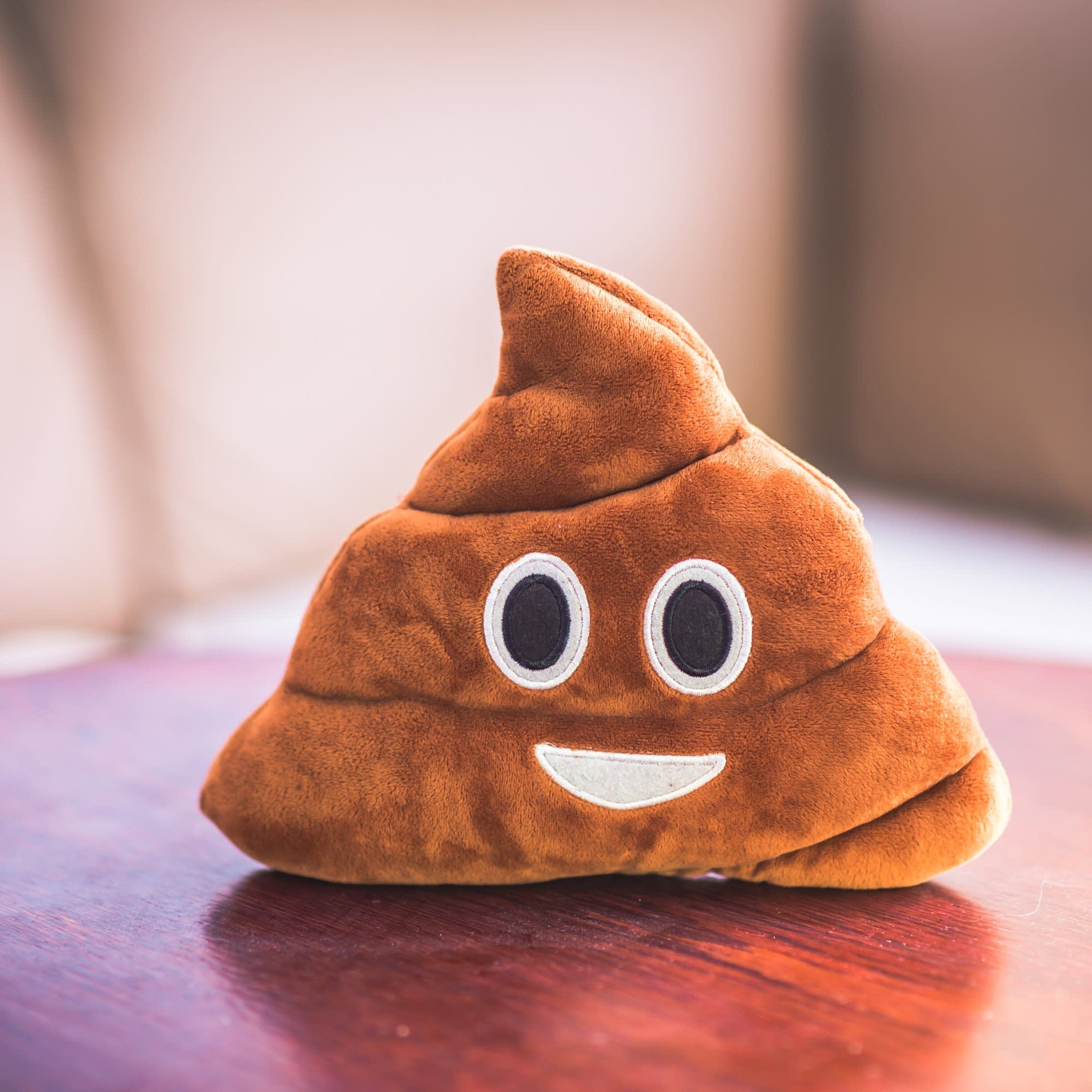
Warning! This episode is all about the fascinating and gross world of doo doo. We know you have a lot of poo questions because you’ve sent many, many of them to us. So we’re finally bringing you the poo answers! It’s a poop party!We’ve invited scientists to tell us about weird animal feces. (It’s true! Wombats have cube-shaped poop!)We tune into a news channel all about dookie (see the Bristol Stool Chart here: https://www.bladderandbowel.org/wp-content/uploads/2017/05/BBC002_Bristol-Stool-Chart-Jan-2016.pdf).We hear from our favorite “poo-tuber” Taylor the Turd about how some poops are helping fight serious illnesses. (Remember Taylor? Here’s her first appearance: https://www.brainson.org/shows/2019/03/19/flush-where-does-our-poo-and-pee-go)Plus, a sorta stinky Mystery Sound and a Moment of Um answering a question: why is pee yellow?This episode is sponsored by KiwiCo (kiwico.com/brainson) and Laurel Springs (laurelsprings.com/brainson). Fill out a quick survey to tell us more about yourself: podsurvey.com/brains See omnystudio.com/listener for privacy information.
Introducing: Million Bazillion
We’re thrilled to share a brand new show with you. It’s called Million Bazillion and it’s all about money -- how we earn it, how we save it and how we spend it.In the first episode you’ll travel back thousands of years to learn the ways people got what they needed before money was invented. Back then some people traded goods, others made pacts to share what they had. We’ll also meet the king who came up with the idea for coins. Plus, Kristen Bell designs her own money!This show is a collaboration between Brains On and Marketplace. It’s hosted by Jed Kim with Bridget Bodnar. You can listen to more episodes here, or subscribe at Apple Podcasts, Spotify, Google Podcasts, or wherever you get your podcasts.See omnystudio.com/listener for privacy information.

Masks and mouth mist: What we know about the coronavirus now
Since the world first learned about this new coronavirus at the end of 2019, we’ve been watching science happen in real time. Scientists all over the world are studying this virus and learning how to protect us from it. As they learn new things, we learn new things too.One thing they’ve learned is how this virus spreads. The primary culprit is droplets from our noses and mouths. That’s why masking up is so important to protect our communities.We’ve also been hearing from a lot of listeners wanting to know about the future: when will the vaccine be ready? what will it be like at school? when will things go back to normal? We're going to do our best to answer some of these questions in our next coronavirus episode. But they don’t have concrete answers right now.Right now, trying to look a month, or a year into the future is hard. We call this feeling of not knowing what will happen -- uncertainty. And it’s hard to deal with.Our brains likes being able to predict what’s going to happen because it makes us feel safe. When we feel unsafe, that’s when anxiety kicks in. One way to deal with this anxiety is to focus on the present -- what’s happening right now. It’s also important to let yourself feel your feelings and know you’re not alone in them. It’s normal right now to feel frustrated, or angry, or sad, or all of them at the same time. But also try to think about the moments you have that are fun, and the times you feel contentment and happiness.If you’re having trouble staying focused on the present there are some tricks you can try:Look around you and make a list in your head of everything you see that is green.Try to think of all the character’s names in your favorite book or tv showTake deep breaths -- inhale for four counts, hold that breath for four, and then exhale for fourDistract yourself by going outside, or watching a movie or reading a book. If you’re still having trouble keeping your mind off the “what ifs” it’s great to talk to your parents or another adult you trust.There are always people who want to help you. If you need help and aren’t sure who to talk to, you can call 800 273-8255. It's a free phone call, and people are there all the time, ready to listen and help.MORE: The Child Mind Institute has a lot of resources for families about how to deal with this uncertain time. (https://childmind.org/coping-during-covid-19-resources-for-parents/)This episode is sponsored by KiwiCo (kiwico.com/brainson) and Native (nativedeo.com/brainson) - use promo code: BRAINSON at checkout.See omnystudio.com/listener for privacy information.
The world of tiny robots
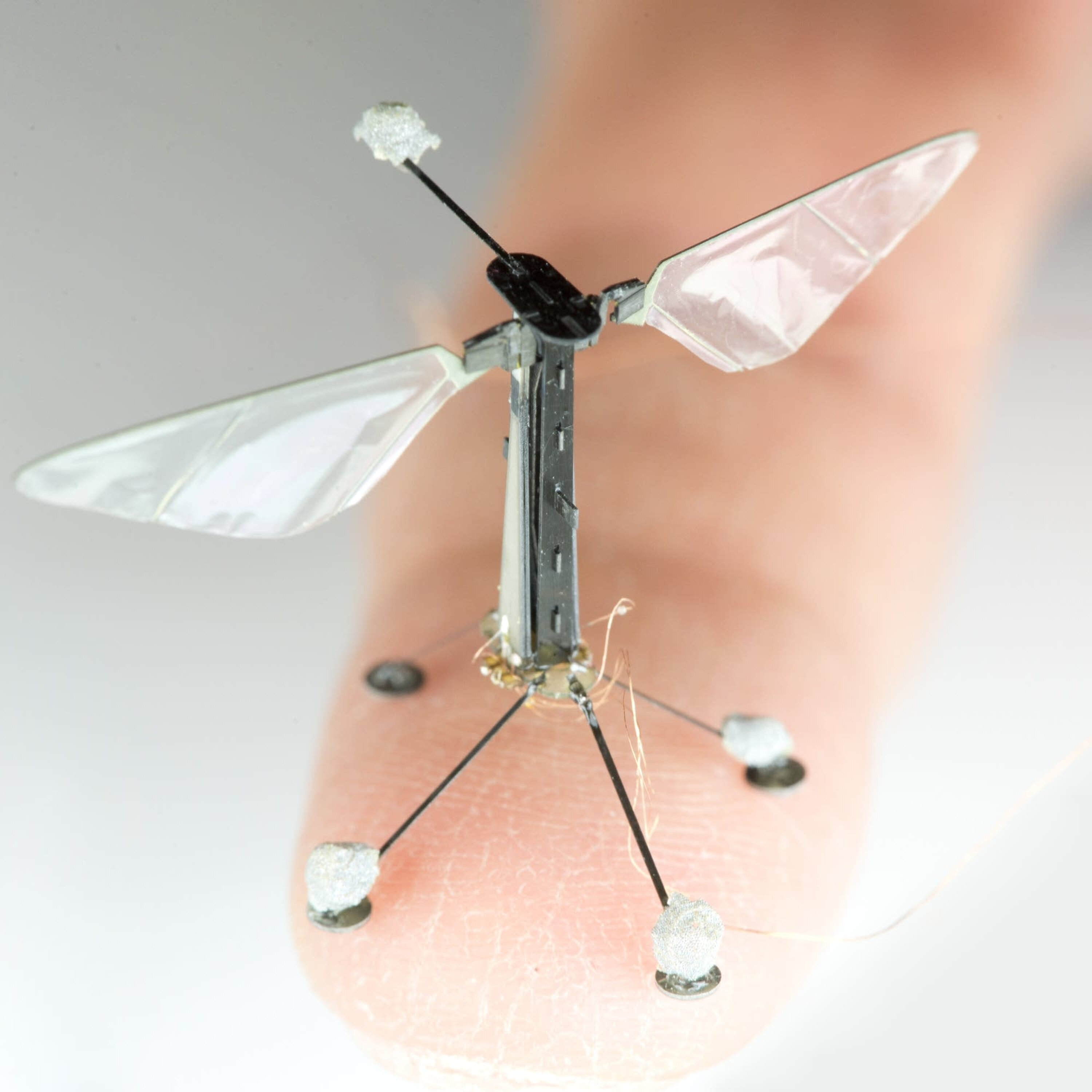
We’re talking all about teeny, tiny robots in today’s episode. You know, the ones that are as light as a postage stamp and as look like insects? They may be small, but these robots can still take in information and make decisions on their own. Find out how bees and cockroaches are teaching us about the future of small robots and what big tasks they might take on. There’s also a new Mystery Sound to rattle your ears. Plus a moment of Um that answers the question: Why does the sun stay in one place?This episode was sponsored by KiwiCo (www.kiwico.com/brainson)See omnystudio.com/listener for privacy information.

Why do kids have more energy than adults?
We’re taking on an age-old question today: Do kids have more energy than adults? Breakfast tacos, caffeine, an energized DJ and an epic battle between a girl and her parents. This episode has all that and then some. Discover how we turn food into energy at an awesome taco party. Then pump up the jams with DJ Thyroid. Speaking of music, get ready for a song from Lake Street Dive’s Mike Olson. And just when you think the show might be out of energy, we engage in an out-of breath competition between a kid and her parents. Plus, there’s a brand new Mystery Sound and a Moment of Um about why we lose our voices sometimes.This episode is sponsored by Laurel Springs Online School (laurelsprings.com/brainson) and KiwiCo (kiwico.com/brainson)See omnystudio.com/listener for privacy information.

Why does green mean go? And other color conundrums
The world is full of color, but how do our eyes see it? In this episode we’ll explain how color vision works, complete with a journey to a jazz club in the back of your eye. We’ll also look at the cultural meanings of the color red, we’ll find out about a new type of blue, and we’ll find out why stoplights use green to mean go. Our Moment of Um tackles the question, “why are bees black and yellow?”This episode is sponsored by KiwiCo (kiwico.com/brainson) and Nurture Life (use code: BRAINS at checkout).See omnystudio.com/listener for privacy information.

Injustice and Anger: Understanding your emotions
A lot of us are angry right now, with good reason. We’re seeing people treated unfairly because of racism -- that’s when people don’t like someone’s race or the color of their skin.In this episode we’ll talk about how anger can be a useful emotion and can be used to push for change. We’ll also revisit parts of our 2019 series on emotions, including an explanation of the hormones behind anger, why some of us are quicker to anger than others and what we can do when we feel overwhelmed by our feelings. Plus, our Moment of Um tackles the question, “What happens when lightning strikes water?”If you want to talk to your kids about race but don’t know where to start, we suggest reading this article (https://bit.ly/3eEss5k) by pediatricians Dr. Jacqueline Dougé, & Dr. Ashaunta Anderson or Talking to Kids About Race by Heather Greenwood Davis (https://on.natgeo.com/306a2Xe).There are great books to help your family start a conversation about race. Here's a list from Embrace Race (https://bit.ly/2U1SvLV). Or try Brown Bookshelf's Generations Book Club (https://bit.ly/3gSljA3).This episode is sponsored by Laurel Springs (laurelsprings.com/brainson) and KiwiCo (kiwico.com/brainson). You can support Brains On at brainson.org/donate.See omnystudio.com/listener for privacy information.
Introducing: Julie's Library
We're very excited to share an episode of a brand new podcast we've been working on called Julie's Library. It’s hosted by the legendary, the one and only, Julie Andrews. Every week, she and her daughter Emma Walton Hamilton read from their favorite children’s books. The featured book in this episode is Marilyn’s Monster by Michelle Knudsen, and illustrated by Matt Phelan.You can listen to more episodes and subscribe at Apple Podcasts (https://podcasts.apple.com/us/podcast/julies-library-story-time-with-julie-andrews/id1507980417), Spotify (https://open.spotify.com/show/7l9G5ddvRI3BqLf2WVCOS7), Google Podcasts (http://tiny.cc/wrhrpz), or wherever you usually listen. Find out more at julieslibraryshow.orgSee omnystudio.com/listener for privacy information.
Coronavirus: How to be a helper from home
We’re all doing our best to stay safe from coronavirus, but is there anything we can do for others as well? In this episode we look at some ways you can help from home, like by making masks, donating to food banks or writing letters. Two stars of the World Handwashing Federation stop by to explain the science of how water actually dries out our hands. Plus, Kara and Gilly interview science journalist Carl Zimmer on the weird world of viruses, including some viruses that help people! There’s a listener-submitted mystery sound and this week’s Moment of Um tackles the question: how do seashells get their shape?This episode is sponsored by Betty Crocker bettycrocker.com and Care.com promo code: BRAINSSee omnystudio.com/listener for privacy information.

Thinking ink: The scoop on this colorful stuff!
Ink is amazing. It helps us captures our thoughts, comes in many colors and some of it is even made by animals! In this episode we explore the history of this special substance. We’ll also talk squid ink with biologist Sarah McAnulty and explain how tattoos work. Plus, your poems about ink! Obviously there’s also a Mystery Sound and a Moment of Um that answers the question: what happens if salt is poured on snails? This episode is sponsored in part by Betty Crocker - bettycrocker.com and Laurel Springs School - laurelsprings.com/brainsonSee omnystudio.com/listener for privacy information.

Mystery Sound Extravaganza 2020
You don’t have to search far to find amazing Mystery Sounds. If you listen, you can find them in every room of your house. Today’s episode is chock full of these audible wonders. They are cotton candy for the ears! They are the notes to make your tympanic membrane sing!It’s time for the Mystery Sound Extravaganza! An episode made up of nothing but Mystery Sounds, most of them recorded by our amazing listeners.Plus, today's Moment of Um answers this stumper: when your eyes are closed, are your pupils big or small?Today’s episode is sponsored by KiwiCo (kiwico.com/brainson)See omnystudio.com/listener for privacy information.

Can you dig to the center of the Earth?
Like an onion, the Earth has layers. In this episode we’ll see if you can dig through those layers to get to the center of the planet. We’ll also hear about the Danish scientist who discovered more about Earth’s core by studying earthquakes. Plus, we investigate the phrase “dig a hole to China.” Children’s book author and illustrator Oliver Jeffers stops by to talk about the Earth’s crust. “Here We Are,” his book about our vast and wonderful planet, was just turned into a movie (you can find it on Apple TV+). And our Moment of Um answers the question: do fish have tongues? All that and a Mystery Sound in this very layered episode!This episode is sponsored by KiwiCo (kiwico.com/brainson) and Skylight Frame (skylightframe.com/brains). You can support the show at brainson.org/fansSee omnystudio.com/listener for privacy information.
Joy Overload! The science of tickles and cuteness
Get ready for some smiles! We’re looking at the science of two things that bring us joy: tickles and cuteness. We’ll explain why tickles make us giggle and why you can’t tickle yourself. Then we’ll talk about what makes cute things cute and why sometimes we want to eat or smoosh cute things. Plus, a super cute Mystery Sound and a Moment of Um answering the question: “Can a moon have a moon?”This episode is sponsored by iD Tech (idtech.com/brains). You can support the show at brainson.org/fansSee omnystudio.com/listener for privacy information.
Virus Busters: How scientists are working to stop the coronavirus
Scientists around the world are working fast to fight the new coronavirus. They’re developing medicines to help people who are sick. They’re also working on vaccines to stop the virus from spreading. In this episode we’ll explain how these treatments work and we’ll give you some tips on keeping six feet from other people while taking a stroll outside. Oh, and Kara and Gilly stop by to drop some epic virus facts. Plus a Mystery Sound and a Moment of Um that looks at whether or not worms sleep.Today’s episode is sponsored by Laurel Springs (laurelsprings.com/brainson). You can support this non-profit public radio podcast at brainson.org/fans Please note that this episode was released on April 7, 2020. For the most up-to-date information, please head to trusted sources like the World Health Organization and Centers for Disease Control and Prevention.To learn more about how viruses spread, you can listen to our first episode about this new coronavirus: Understanding coronavirus and how germs spread: https://www.brainson.org/shows/2020/03/10/understanding-coronavirus-and-how-germs-spread-for-kidsAnd to learn about why it’s important to stay home, listen to our second episode: Staying home: How social distancing helps fight coronavirus: https://www.brainson.org/shows/2020/03/24/staying-home-how-social-distancing-helps-fight-coronavirusFor more on how our immune system fights viruses, check out our episode: How do flu vaccines work? https://www.brainson.org/shows/2019/10/08/how-do-flu-vaccines-workFor more on how to know which sources of information are trustworthy, you can check out our four-part series Prove It:Part one: A brief history of facts: https://www.brainson.org/shows/2018/10/02/a-brief-history-of-facts-prove-it-part-1Part two: Science under the microscope: https://www.brainson.org/shows/2018/10/09/science-under-the-microscope-prove-it-part-2Part three: The scoop on journalism: https://www.brainson.org/shows/2018/10/16/the-scoop-on-journalism-prove-it-part-3Part four: How to find the facts: https://www.brainson.org/shows/2018/10/23/how-to-find-the-facts-prove-it-part-4See omnystudio.com/listener for privacy information.
Do plants have feelings?
There’s more to plants than meets the eye. They detect sounds, they defend themselves against insect attacks and they can even send each other secret messages through the wind! Our leafy, green friends sense and interact with the world in their own, planty way. We’ll learn all about it in this episode, plus we’ll find out why some plants like to grow in spots where other plants have died. We’ve also got a Mystery Sound and a Moment of Um that answers the question: why do bats sleep upside down?This episode is sponsored by Khan Academy (khan.com/freekidsapp)See omnystudio.com/listener for privacy information.

Nervous: All about feelings, pt. 4
This is a special re-release of an episode from our series on emotions. It’s all about how to handle big feelings like anxiety, nervousness and fear.There have been so many unexpected changes in all of our lives and a lot of us have big feelings right now. And that’s good -- we should feel those feelings. We also think having facts and information can help you feel more in control. This episode should help you with that.(This is the final installment in our series about feelings. Check out the first three if you haven't yet.) You know that feeling when you have butterflies in your stomach? Or maybe you get sweaty and hot? Or maybe you get fidgety and your heart beats really fast? Yeah, we know those feelings too. Today we're finding out why being anxious can make our bodies feel that way. We'll find out why fear has been really useful to our survival as a species and what you can do if that fear and anxiety is too much to handle. Plus: Mallika Chopra, the author of Just Breathe, shares a meditation to try when you're feeling nervous. And we'll finally get to hear Sanden's debut in the new Alpaca Jack musical, Fleece of Mind! Today’s episode is sponsored by New Cloud Control Cat Litter by Arm & Hammer, Aunt Fannie’s (auntfannies.com/summer and coupon code BRAINS), and Goodnight Stories for Rebel Girls the Podcast (rebelgirls.co/podcast). You can support the show at brainson.org/donateSee omnystudio.com/listener for privacy information.
Staying home: How social distancing helps fight coronavirus
Lots of schools are closed and people are staying home. In this episode we’ll explain how all of this could help slow the spread of the new coronavirus. We’ll explain some terms you’re probably hearing too, like “social distancing” and “flattening the curve.” Plus, we talk with a doctor who is on the front lines helping people get better, and two virus podcasters help answer your coronavirus questions like, “How did this virus start?” and “Can our pets get sick too?” And of course there’s a Mystery Sound and a Moment of Um looking at why our tongues stick to ice.Please note that this episode was released on March 24, 2020. For the most up-to-date information, please head to trusted sources like the World Health Organization and Centers for Disease Control and Prevention.To learn more about how viruses spread, you can listen to our first episode about this new coronavirus: Understanding coronavirus and how germs spreadFor more on how our immune system fights viruses, check out our episode: How do flu vaccines work?For more on how to know which sources of information are trustworthy, you can check out our four-part series Prove It:Part one: A brief history of factsPart two: Science under the microscopePart three: The scoop on journalismPart four: How to find the factsPlease note that this episode was released on March 24, 2020. For the most up-to-date information, please head to trusted sources like the World Health Organization and Centers for Disease Control and Prevention.This episode is sponsored by Perfect Snacks (perfectbar.com/brainson). Brains On is a non-profit public radio podcast. You can support the show at brainson.org/fans See omnystudio.com/listener for privacy information.
Narwhals: Unicorns of the sea?
Narwhals are whales, and super cool ones at that. But that cool thing coming out of their heads is a tusk, not a horn. Which means it’s a tooth! And it’s the only known spiral tooth to boot!In this episode, we learn all about narwhals (what that tusk is for and how they’re connected to the myth of the unicorn) and the evolution of teeth (from scale-like nubbins to the versatile chompers we have today).Plus our Moment of Um explores whether or not water has a taste.Today’s episode is sponsored by KiwiCo (kiwico.com/brainson), Khan Academy Kids (khan.co/freekidsapp) and iD Tech (idtech.com/brains).Brains On is a non-profit public radio podcast. You can support Brains On at brainson.org/fans.See omnystudio.com/listener for privacy information.
Understanding coronavirus and how germs spread
It’s impossible to miss the news about coronavirus, but you probably still have lots of questions. What exactly is it? How does it spread? Can I protect myself? In this episode we’ll breakdown what we know about this new virus and tell you how to stay safe. Plus, we’ll listen to a podcast hosted by two chatty viruses to learn how these germs spread (and how our bodies fight back). We’ve also got a special message from some super tough hand washers. Plus a Mystery Sound and a Moment of Um that looks at why shoelaces come untied.Please note that this episode was released on March 10, 2020. For the most up-to-date information, please head to trusted sources like the World Health Organization and Centers for Disease Control and Prevention.For more on how our immune system fights viruses, check out our episode How do flu vaccines work?Our friends at NPR made a really excellent comic about the new coronavirus, and you can read it here.For more on how to know which sources of information are trustworthy, you can check out our four-part series Prove It:Part one: A brief history of factsPart two: Science under the microscopePart three: The scoop on journalismPart four: How to find the factsThis episode is sponsored by Blinkist (blinkist.com/brains) and Laurel Springs Online School (laurelsprings.com/brainson)See omnystudio.com/listener for privacy information.

Weather Watching: The birth of forecasts
Humans have been predicting weather for a long time - way before modern technology. So how did they do it? We’ll meet the man who invented the word “forecast” and brought weather reports to the newspaper. Plus, we'll tell you how to watch for signs of rain and we'll learn about the field of phenology. Oh, and we’ve got a Mystery Sound, Moment of Um and a weather lore game show. So grab an umbrella and tune in because this episode has a 100% chance of being super interesting.Today’s episode is sponsored by Khan Academy Kids (khan.co/freekidsapp) and Perfect Kids (perfectbar.com/brainson). You can support Brains On at brainson.org/fans. And you can find information about our live shows in Boston, Washington DC and New York at brainson.org/fans.See omnystudio.com/listener for privacy information.
The secret world of dust
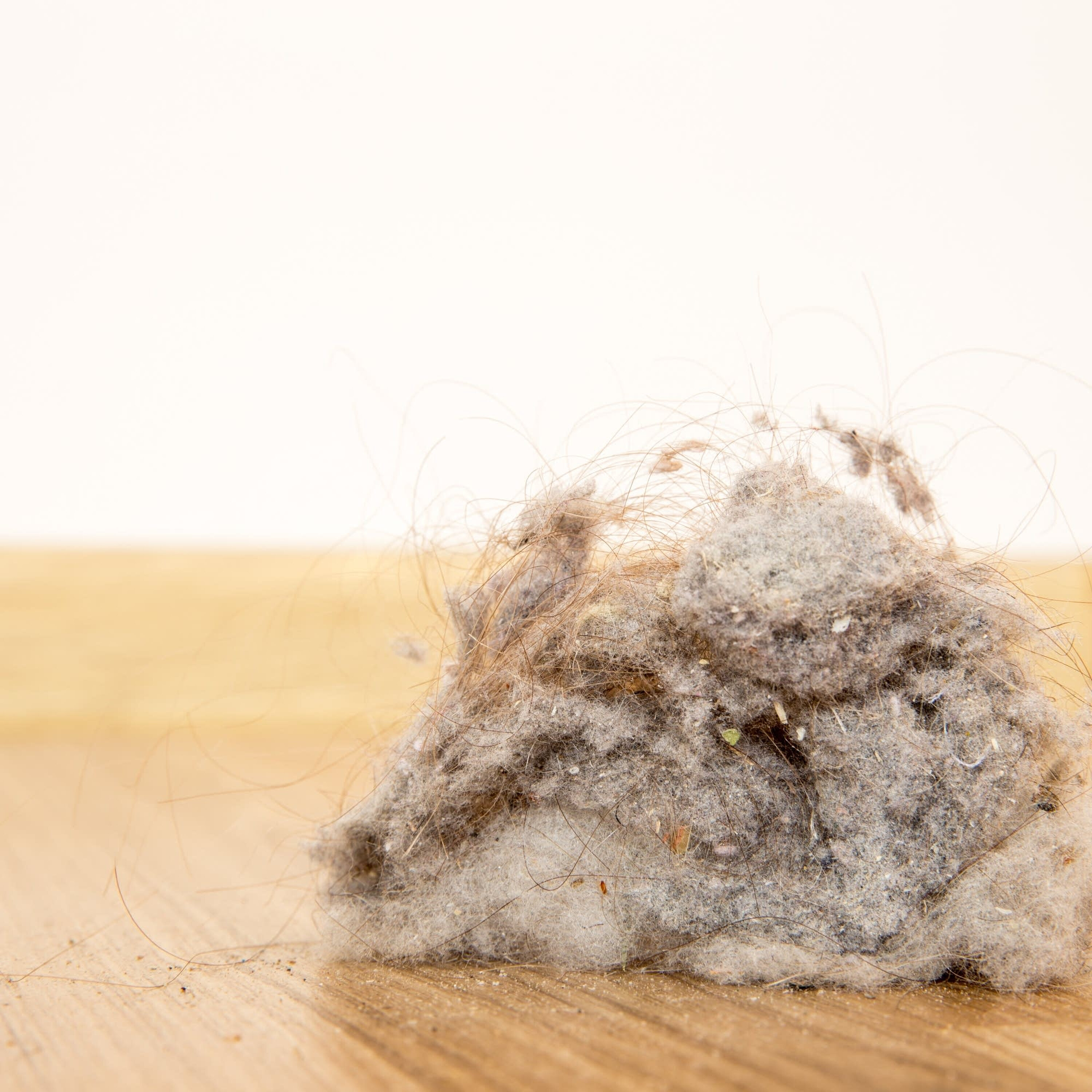
Dust looks gray and boring to us, but it’s full of secrets! Like did you know that up close, dust is colorful? And there are creatures living in your dust? And some dust comes from outer space? We’ll take you on a tour of the dust universe and show you how dust can help solve crimes. Plus, we learn about the tiny critters living all over your skin! And of course there’s a Mystery Sound and a Moment of Um that answers the question: why do we jump when we’re scared?This episode is sponsored by Care (care.com/brains) and KiwiCo (kiwico.com/brainson)See omnystudio.com/listener for privacy information.

For crying out loud: All about tears
It’s something so natural that we take it for granted — but when you think about it, it’s a little strange. Why does water come out of our eyes? And why does it happen when we’re happy? Or sad? Or scared? Or exhausted? In this episode we dive into our mysterious emotional tears, find out […]See omnystudio.com/listener for privacy information.
Canine club: From wolves to dogs!
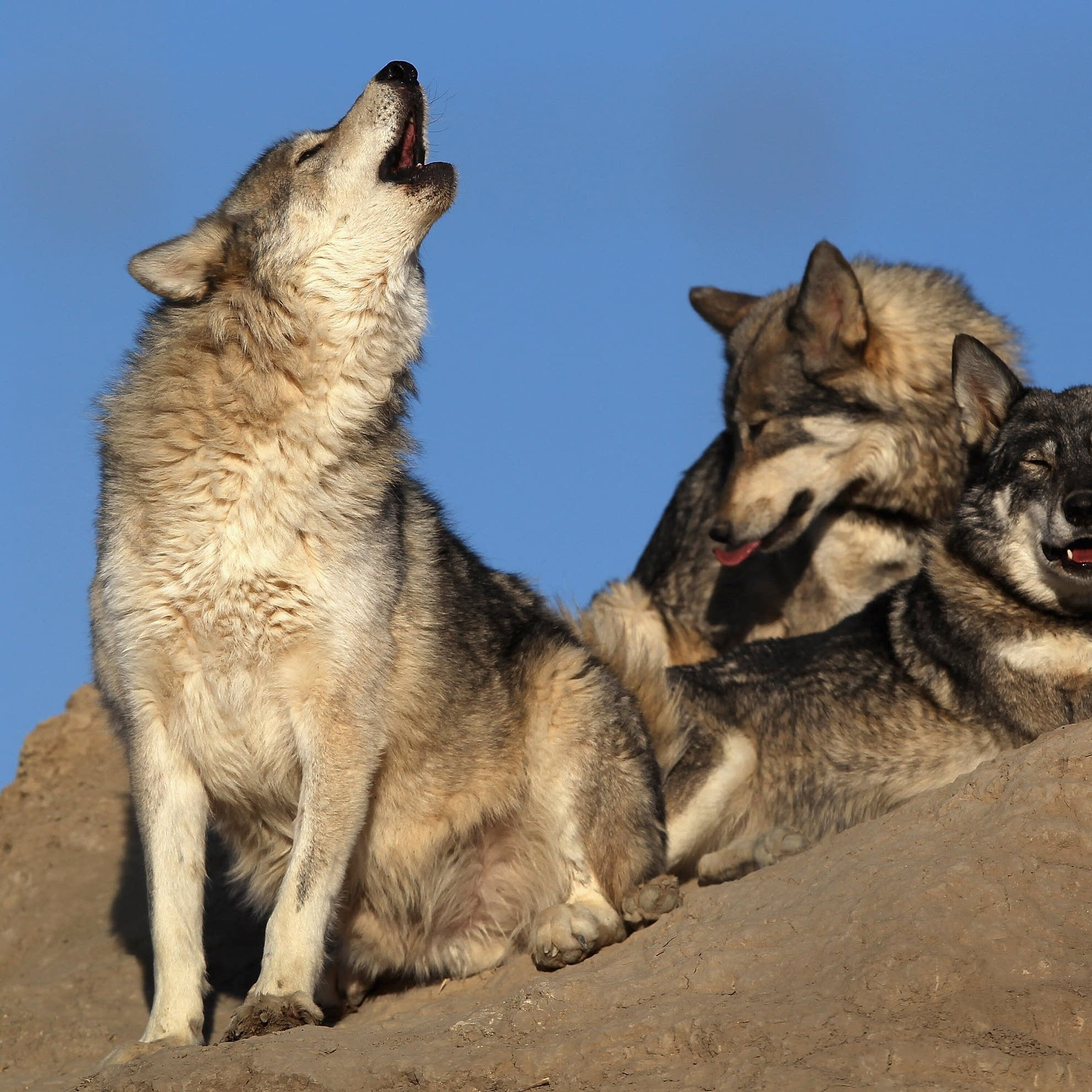
How did wolves go from wild, untamed animals to the friendly furballs we know as dogs? In this episode we’ll learn about how our canine companions evolved. Plus, we’ll get a howling lesson, meet a pack of Alaskan wolves that moved to the Minnesota Zoo and hear what wolves mean to members of the Anishinabe Nation.And don’t forget: an action packed Mystery Sound and a Moment of Um about chapped lips.This episode is sponsored by Perfect Snacks (perfectbar.com/brainson) and Blinkist (blinkist.com/brains).See omnystudio.com/listener for privacy information.
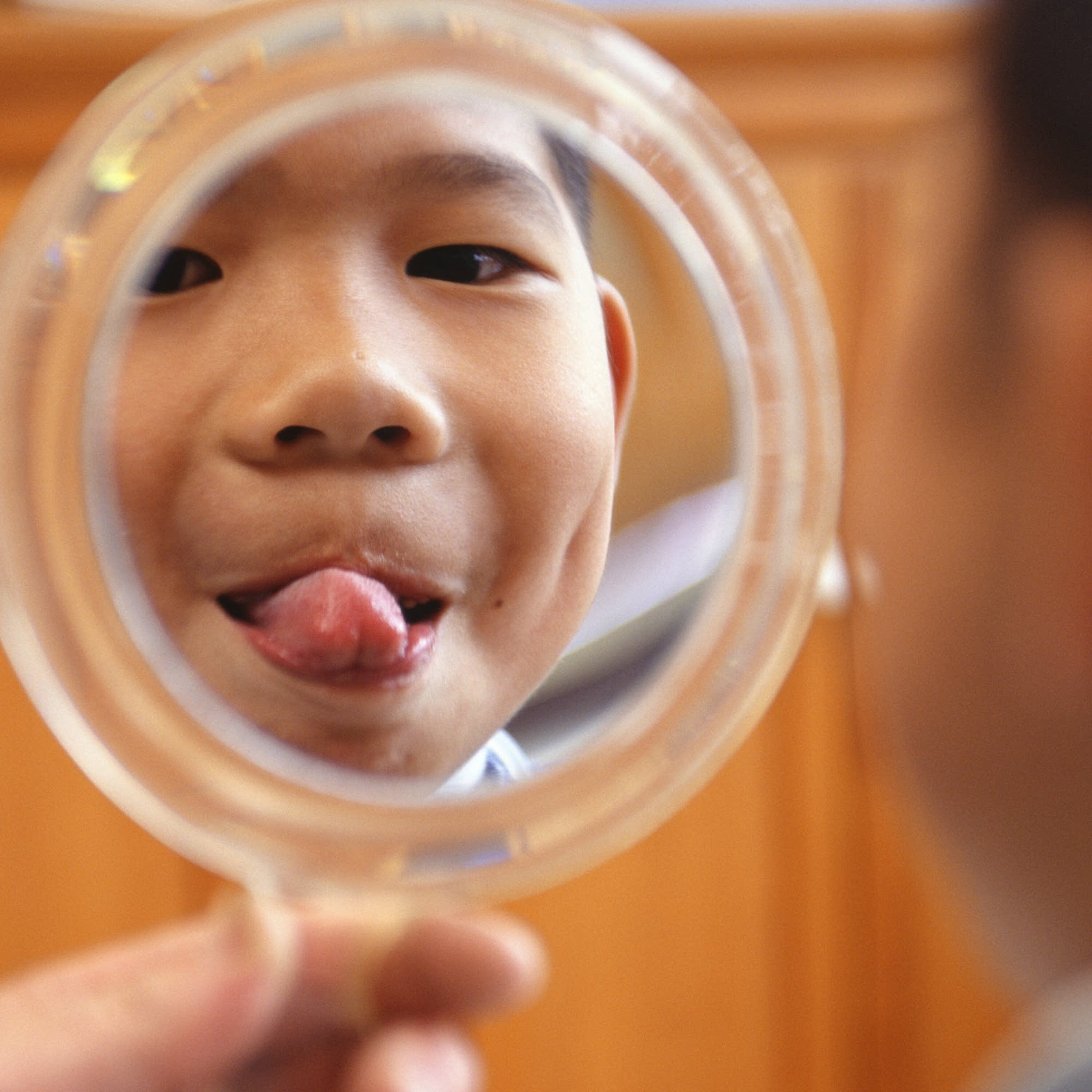
Mirrors, sequins and glitter: what makes them shine?
Have you ever entered the mirror-verse and heard yourself talking back? Well, that’s what happens in today’s episode. We take a look (pun intended) at how mirrors work and talk to a scientist to find out what color they are. And in a history of sequins, we learn why, for a long time, rain was a disaster for glittery gowns. Not only can you make today’s Mystery Sound, but you can use it to spiff up your crafts. All that, plus a Moment of Um about why words start sounding funny funny funny funny funny when you repeat them.This episode is sponsored by:KiwiCo (kiwico.com/brainson), Laurel Springs Online School (laurelsprings.com/brainson), and the MacMillan Kids book, “Astronauts: Women on the final frontier” (https://us.macmillan.com/books/9781626728776).See omnystudio.com/listener for privacy information.
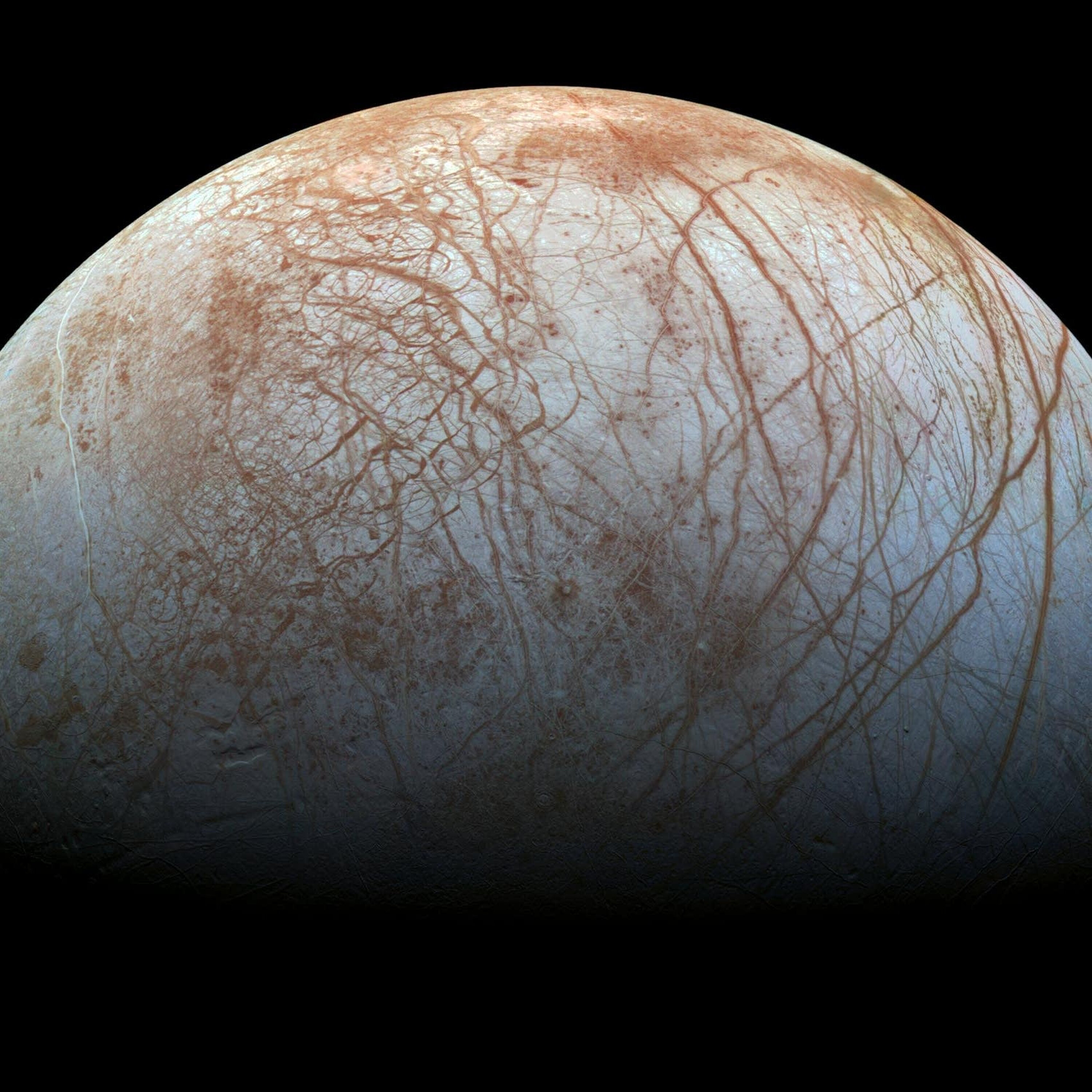
Aliens and UFOs: Making Sense of Myths, pt. 4
In the final episode of our series about myths and legends, we’re launching our imaginations into outer space! Monster expert Emily Zarka tells us about her favorite alien and why aliens fascinate so many people. In the Hoax Hunters season finale, Marc and Sanden bring us a UFO spoof. Plus, scientists give us the lowdown on the real quest for extraterrestrial life — we haven’t found any... yet. And, planets and moons compete for the title of ‘most likely to have life’. A new moment of um keeps us outside the atmosphere: why does space look so dark if the sun is so bright?Today’s episode is sponsored by The American Dental Association (ada.org/brains). You can support Brains On at brainson.org/donate and get a bonus Mystery Sound Extravaganza episode in January!See omnystudio.com/listener for privacy information.
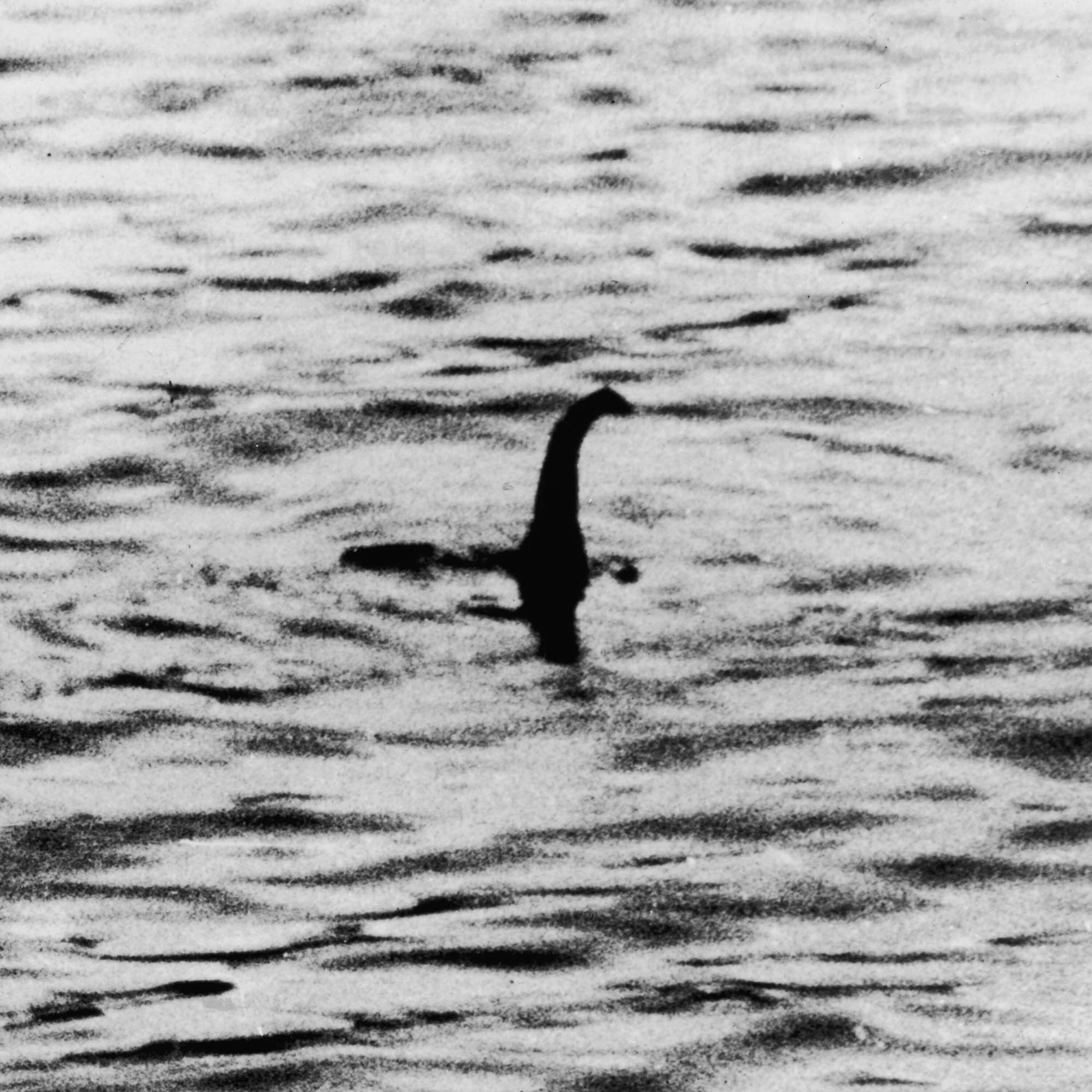
Mermaids, Kraken and the Loch Ness Monster: Making Sense of Myths, pt. 3
What’s lurking in the depths of the ocean? Or your local loch? We’re diving deep into the world of water-dwelling mythical creatures in part three of our series on myths. We’ll talk with monster expert Emily Zarka and learn about the very real creature that may have inspired the tale of the Kraken. We’ll also hear from a frustrated manatee and dugong, and get caught up on all the latest deep sea trends. Marc and Sanden are back with a Hoax Hunters about the Loch Ness Monster. Plus, a Moment of Um about our physical reaction to fear.Today’s episode is sponsored by Pillsbury Crescent Rolls. You can support Brains On at brainson.org/donate and get a bonus Mystery Sound Extravaganza episode this January!See omnystudio.com/listener for privacy information.

Lost Cities: Making Sense of Myths, pt. 2
Was Atlantis a real city? If not, why have so many people gone looking for it? In part two of our series on modern myths and legends, we’re searching for lost cities. We’ll trace the origins of El Dorado, and head to the ruins of an actual lost city in Egypt. We'll find out how mangrove trees could help prevent cities from being lost to climate change, and Sanden and Marc are back with another edition of Hoax Hunters. Plus, a Moment of Um about how tattoos stay put.Today’s episode is sponsored by Quip (getquip.com/brains), KiwiCo (kiwico.com/brains), American Dental Association (ADA.org/brains) and Stitch Fix Kids (stitchfix.com/kids/brains). You can support Brains On at brainson.org/donate and get a bonus Mystery Sound Extravaganza episode this January!See omnystudio.com/listener for privacy information.
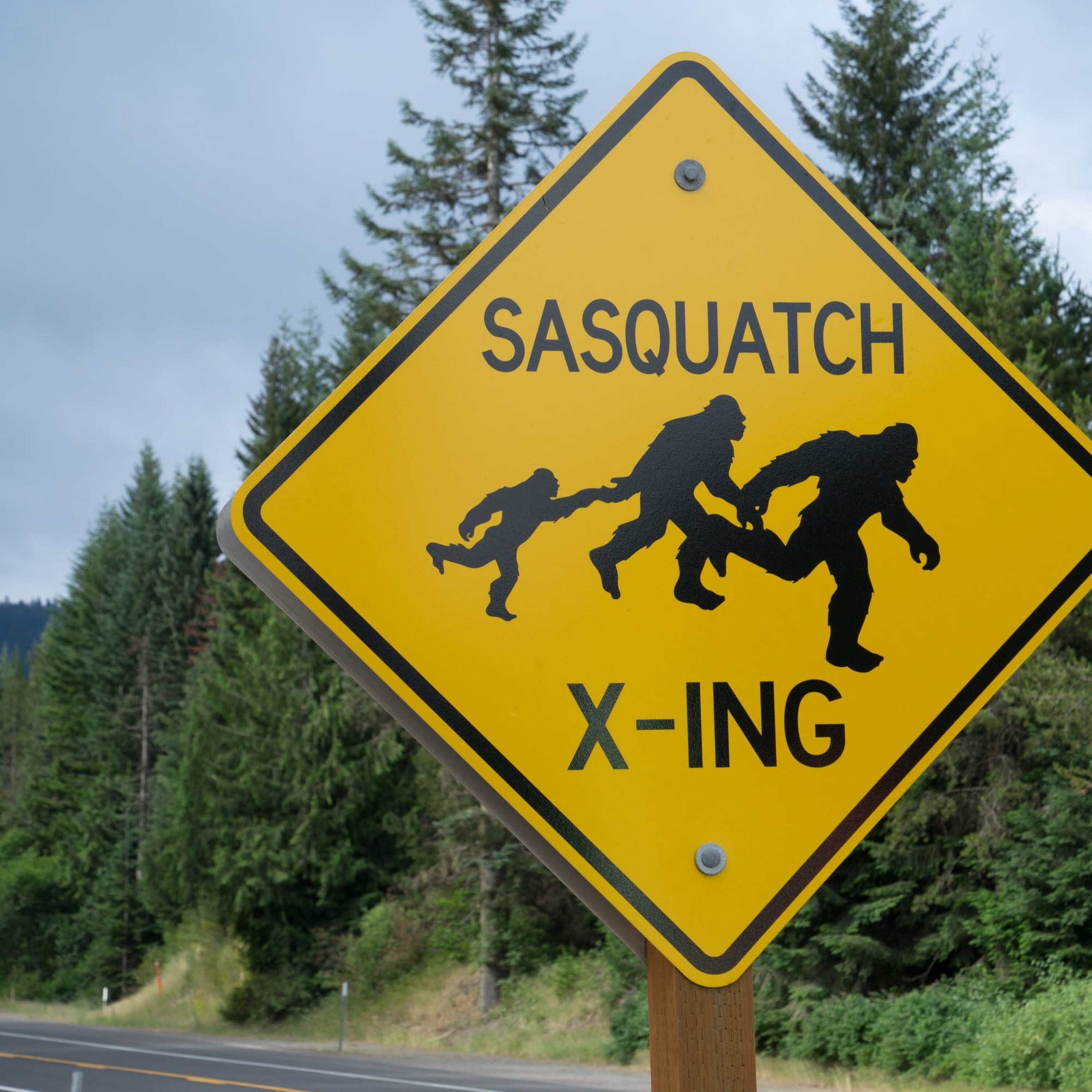
Bigfoot, Unicorns and Dragons: Making Sense of Myths, pt. 1
Where do stories of unicorns, mermaids and Bigfoot come from? And do they have any truth to them? In this four-part series, we're tackling listeners' biggest questions about modern myths and legends. Today's episode is about mythical creatures that live on land. We'll hear the story of El Chupacabras, learn about the search for Bigfoot, and hear from some animals once mistaken for unicorns. Marc and Sanden have a new project to share, and Gungador has an urgent announcement. Plus, a Moment of Um about how sloths snooze upside down.If you want to learn more about the history, facts and lore behind dragons and unicorns, check out this fascinating episode of Smash Boom Best: UNICORNS VS DRAGONS!This episode is sponsored by Pillsbury Crescent Rolls, iD Tech (idtech.com/brains), and KiwiCo (kiwico.com/brains). You can support Brains On at brainson.org/donate. All supporters of the show will get a bonus mystery sound extravaganza episode this January!See omnystudio.com/listener for privacy information.
How do pianos work?
Behind every piano’s polished exterior are thousands of parts. From keys to strings, they work together to produce a sound. In this episode, we take a field trip to a piano shop, peek behind the walls at a world-famous piano factory and have an EPIC FIGHTING BATTLE to discover how sound travels. And the Moment of Um answers this question: “Can you really hear the ocean in a seashell?”This episode is sponsored by KiwiCo (kiwico.com/brains), Quip (getquip.com/brainson) and the Good Kids podcast. You can support the show and get access to a bonus Mystery Sound extravaganza episode at brainson.org/donateSee omnystudio.com/listener for privacy information.

Flavor facts: Why food is so delicious
You might think flavor is what happens on your tongue – and it is. But it’s also so much more. Flavor is influenced by all the senses. How food looks, smells and feels can make a difference. Even the sounds you hear while eating can impact how you perceive taste. We’ll visit a tastebud beauty salon, talk with a chef researcher and do some experiments provided by our friends at America’s Test Kitchen Kids. Plus: a three-part Mystery Sound and a Moment of Um that answers the question: “What makes spicy food spicy?”Note: If you want to do the experiments along with us, congratulations, you can! You’ll need jellybeans, a blindfold and two pieces of dark chocolate. Listen, eat and yum!This episode is a collaboration with our friends at America’s Test Kitchen Kids! They’re sharing access to their “The Nose Knows” experiment with Brains On listeners! Check out the whole activity right here.This episode is sponsored by Pillsbury Crescent Rolls, Stitch Fix Kids (stitchfix.com/kids/brains), and KiwiCo (kiwico.com/brains).See omnystudio.com/listener for privacy information.
What was the first life on earth?
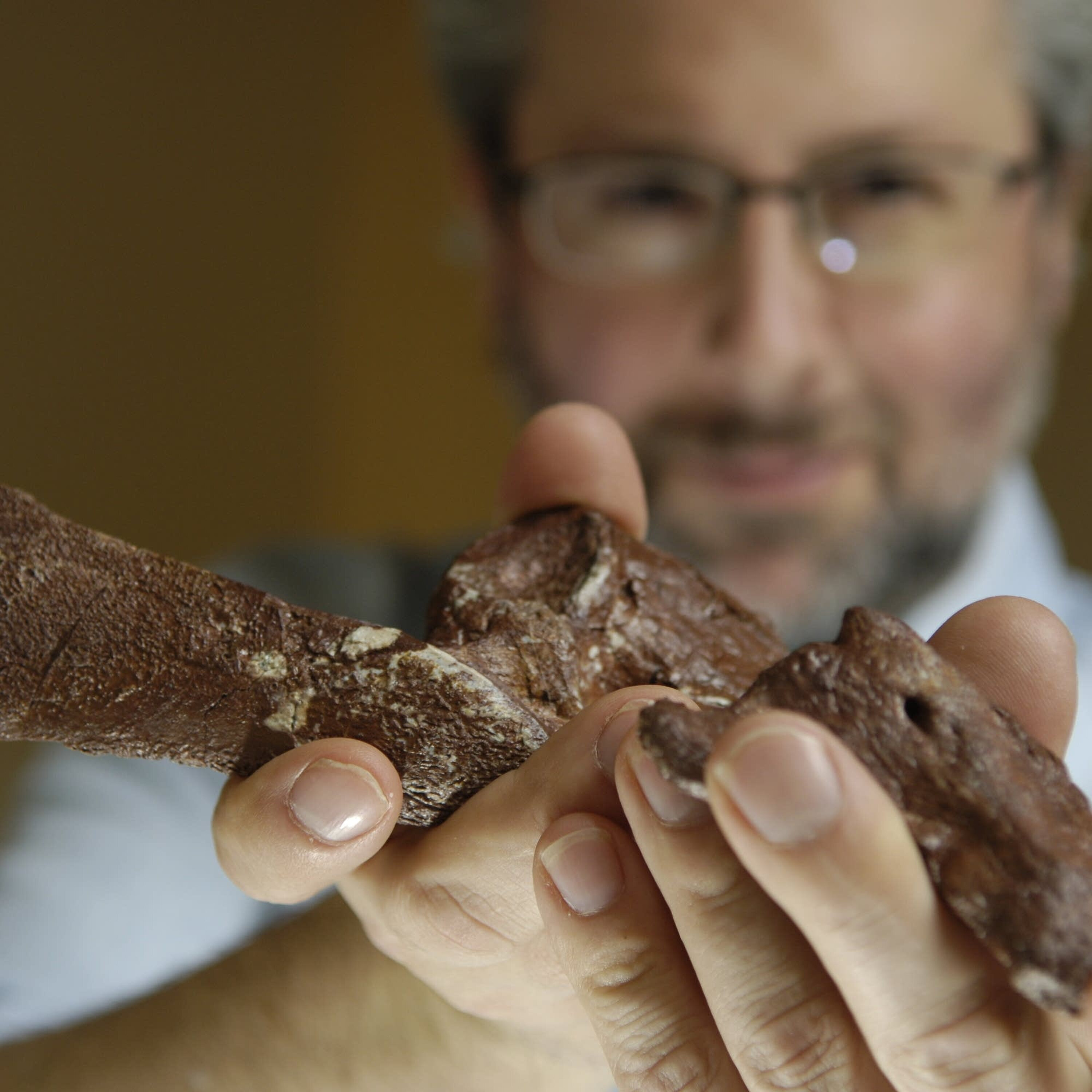
What was the first lifeform like? What was the first fish or mammal? Is it even possible to know? In this episode, we look to the fossil record to help us trace our roots back to the Last Universal Common Ancestor. Paleontologist Neil Shubin joins us to talk about discovering a remarkably cool fossil that helped us understand how life evolved over billions of years. We also take a field trip to the Hall of Ancestors and examine a few branches on the tree of life. And we learn why figuring out how life began on earth could help us as we find life elsewhere in the universe.This episode is sponsored by Pillsbury Crescent Rolls, KiwiCo (kiwico.com/brains) and Quip (getquip.com/brainson). You can support the show at brainson.org/donateSee omnystudio.com/listener for privacy information.
Ask-A-Scientist: Bird Bonanza!
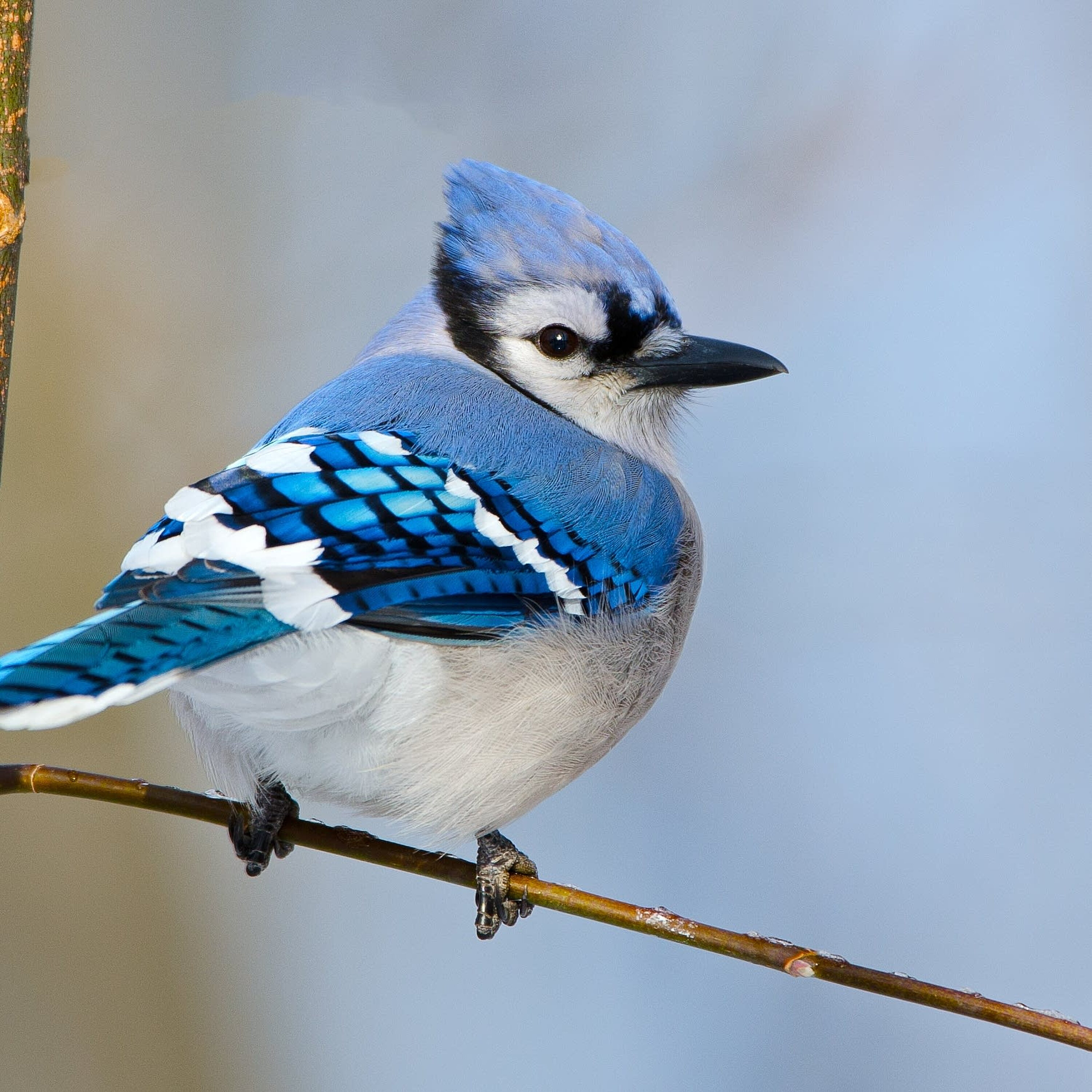
In this special episode, we've asked two rock star ornithologists to answer a flock of listener questions about birds. Drew Lanham and Corina Newsome talk flying, feathers, eggs, poop and how we humans can help birds. Plus: we test their ears with the Mystery Sound and their obscure bird knowledge with a game called Real Birds or Just Words.And many, many thanks to The Macaulay Library at the Cornell Lab of Ornithology for providing the bird sounds you hear in this episode.This episode is sponsored by Pillsbury Crescent Rolls and iD Tech (idtech.com/brains). You can support the show at brainson.org/donateSee omnystudio.com/listener for privacy information.
Books: How they're made and how your brain reads them
There is so much happening in your brain when you read. From recognizing shapes as letters to discovering empathy, our brains really get a workout when we read books.In this episode, Ben Bergen from the Language and Cognition Lab at UC San Diego drops by to shed some light on how our brains process the meaning of words. We also learn how printing books has evolved and how the invention of the printing press brought worldwide change. And Newberry Award-winning author Kelly Barnhill shares a little of what’s going on in HER brain as she’s writing a story.This episode is sponsored by KiwiCo (kiwico.com/brains), Quip (getquip.com/brainson) and Pillsbury Crescent Rolls. You can support the show at brainson.org/donate.See omnystudio.com/listener for privacy information.
Why do we like getting scared?
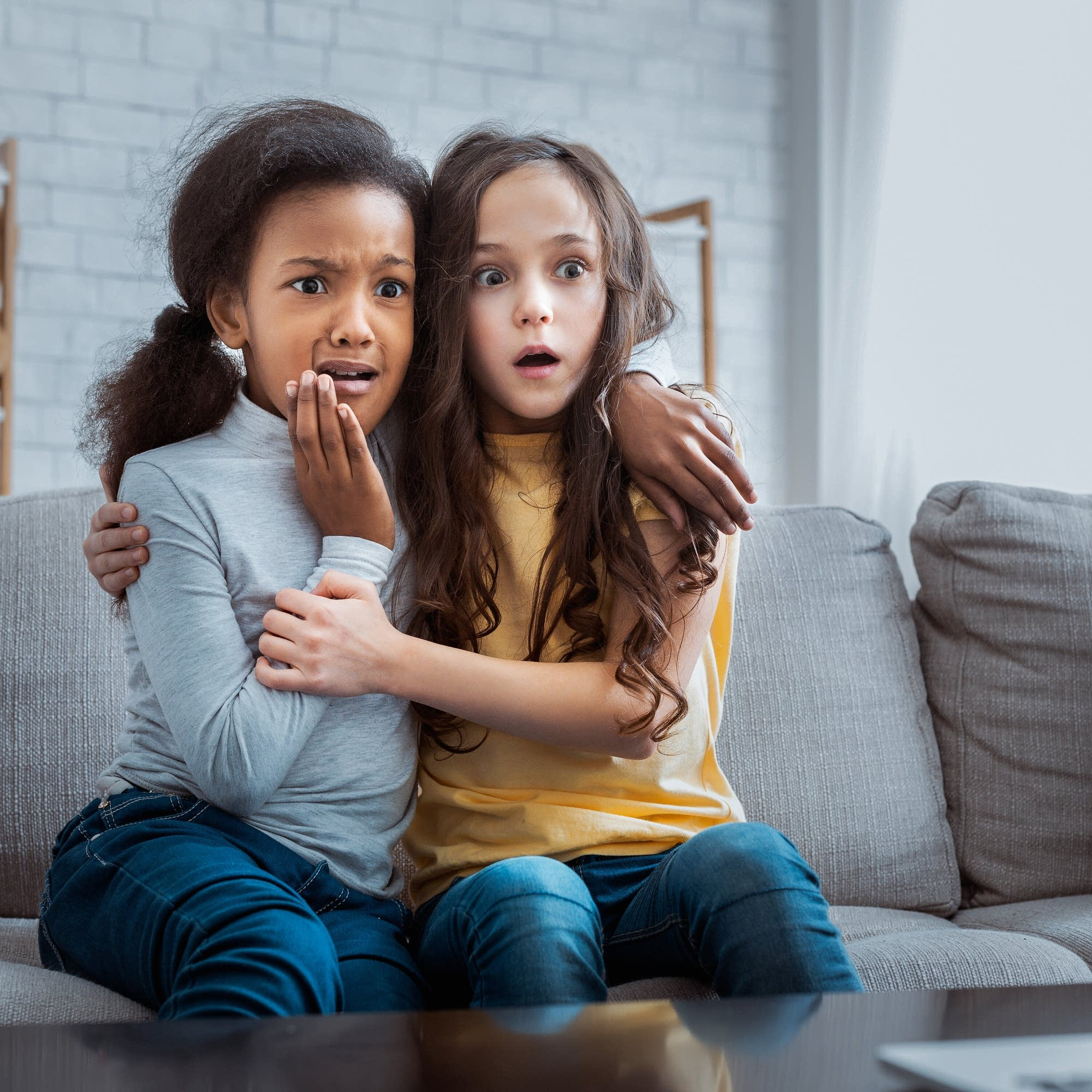
Spooky stuff may make you cover your eyes in fright, but many of us find ourselves peeking through our fingers to get another glimpse. Why are we drawn to things that make us jump? In this episode, we'll find out how fear can actually be fun. We visit a scientist who helps design haunted houses for ultimate scares, chat with an author who writes ghost stories about how he crafts the creepy crawlies, and play a rousing game of Name That Phobia! Plus we help Gungador get rid of his hiccups and answer the Moment of Um question: "Why do raspberries have little hairs?"Spoiler alert! To learn more about the mystery sound, click here.This episode is sponsored by Bona Hardwood Floor Cleaner (bona.com/brainson), Pillsbury Crescent Rolls, and MEL Science (text BRAINS to 64-000). See omnystudio.com/listener for privacy information.
Wonderful Wool: The secrets of this amazing fluff
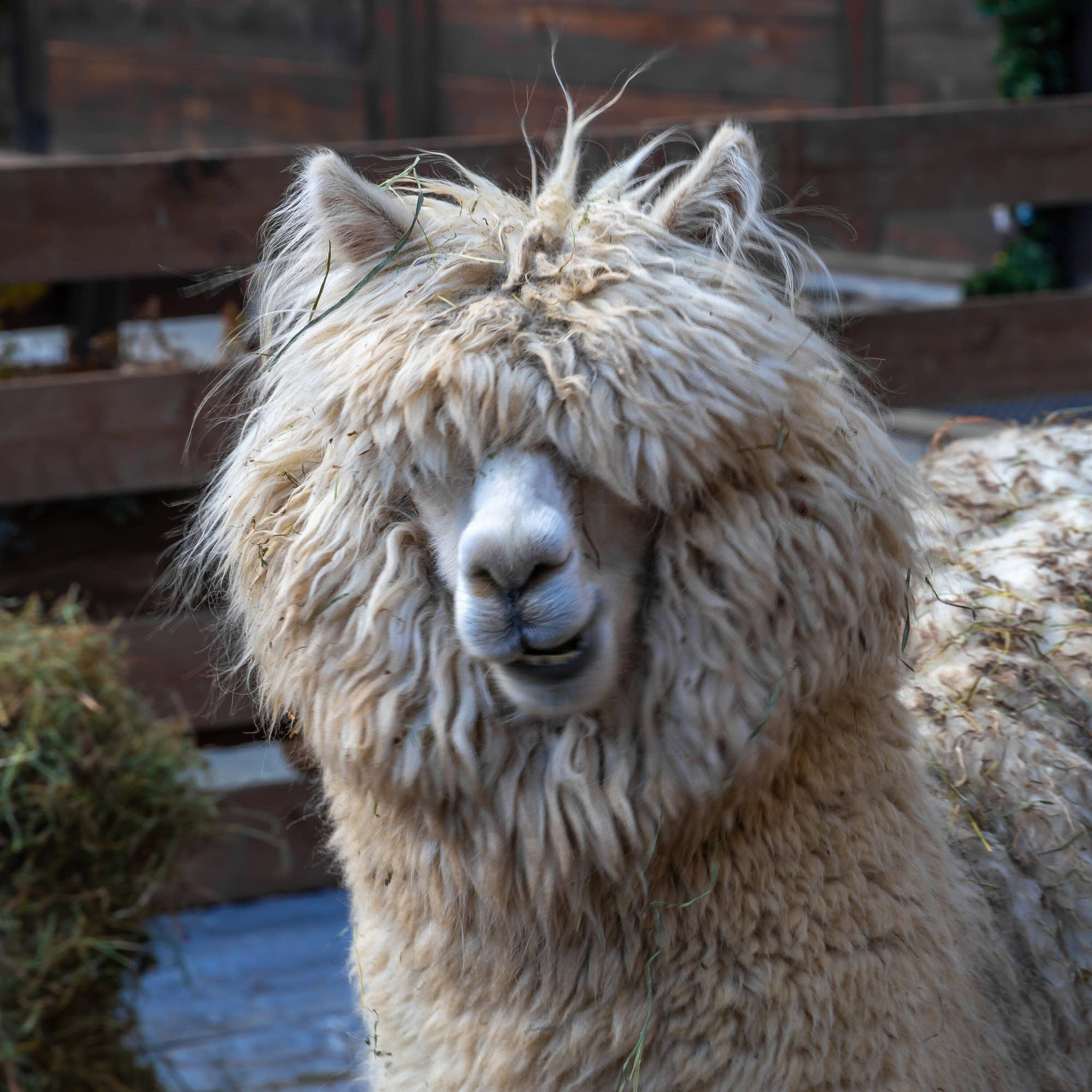
Wool is warm, absorbs water and odors, plus it’s flame resistant. In short, wool is amazing! In this episode we explore how wool is different from hair. We go on a sheep safari at Cuyama Lamb in California, meet expert wool weaver Zefren Anderson and catch up with our favorite wooly hero Alpaca Jack. Plus a wool-worthy mystery sound and an Moment of Um that answer the question: If Earth had rings like Saturn would we be able to see them through our windows? This episode is sponsored by Bona Hardwood Floor Cleaner (bona.com/brainson), Pillsbury Crescent Rolls, Quip (getquip.com/brainson) and Stitch Fix Kids (StitchFix.com/KIDS/brains).See omnystudio.com/listener for privacy information.
How does the internet get to us?
In this episode, we find out how a system of cables around the globe (and deep in our oceans) brings websites, songs, videos and podcasts to our phones and computers, almost at the speed of light. The internet can seem vast and intangible but there’s a very physical system of cables, servers and exchange points across the globe (and yes, even under the oceans). We’ll find out how a video shows up nearly instantly on our screens and about insanely thin, clear glass tubes are the key to our digital communication.You can join the Brains On Fan Club at brainson.org/fanclub. This episode is sponsored by America’s Test Kitchen Kids (atkkids.com/brainson and promo code ATKKIDS10), Bona Hardwood Floor Cleaner (bona.com/brainson), Hello Products (helloproducts.com and promo code HELLOBRAIN), and KiwiCo (kiwico.com/brains). You can support the show at brainson.org/donate. See omnystudio.com/listener for privacy information.
Why do we lie?
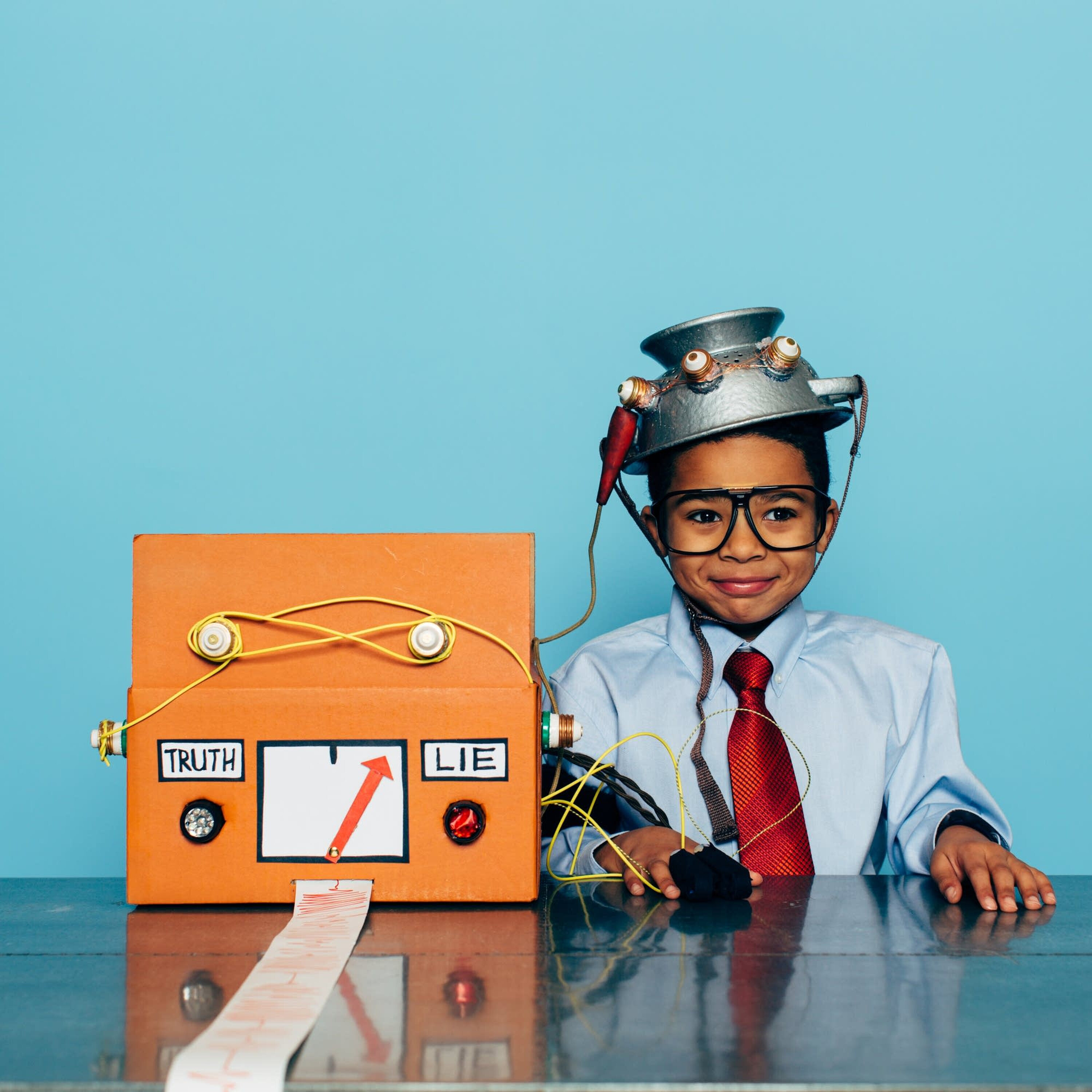
Most of us think we’re good at detecting lies, but it turns out humans only get it right about half the time. And why do we do it anyway? What makes us want to deceive other people? In this episode we get to the truth about lying. We take a look at when people start lying, and how that helps us in our development as humans. We also hear from A. Lie, who tries to remind us that we might need lies more than we think. Plus, Angela Evans stops by and fills us in on the latest lie detection research. And remember to listen for the Moment of Um at the end of the show. This time we get squishy and find out if sponges are still harvested from the sea. This episode is sponsored by KiwiCo (kiwico.com/brainson), Hello Products (helloproducts.com and promo code HELLOBRAIN) and America’s Test Kitchen Kids Young Chef’s Club (atkkids.com/brainson and promo code atkkids10).See omnystudio.com/listener for privacy information.
The secrets of the spectacular spacesuit
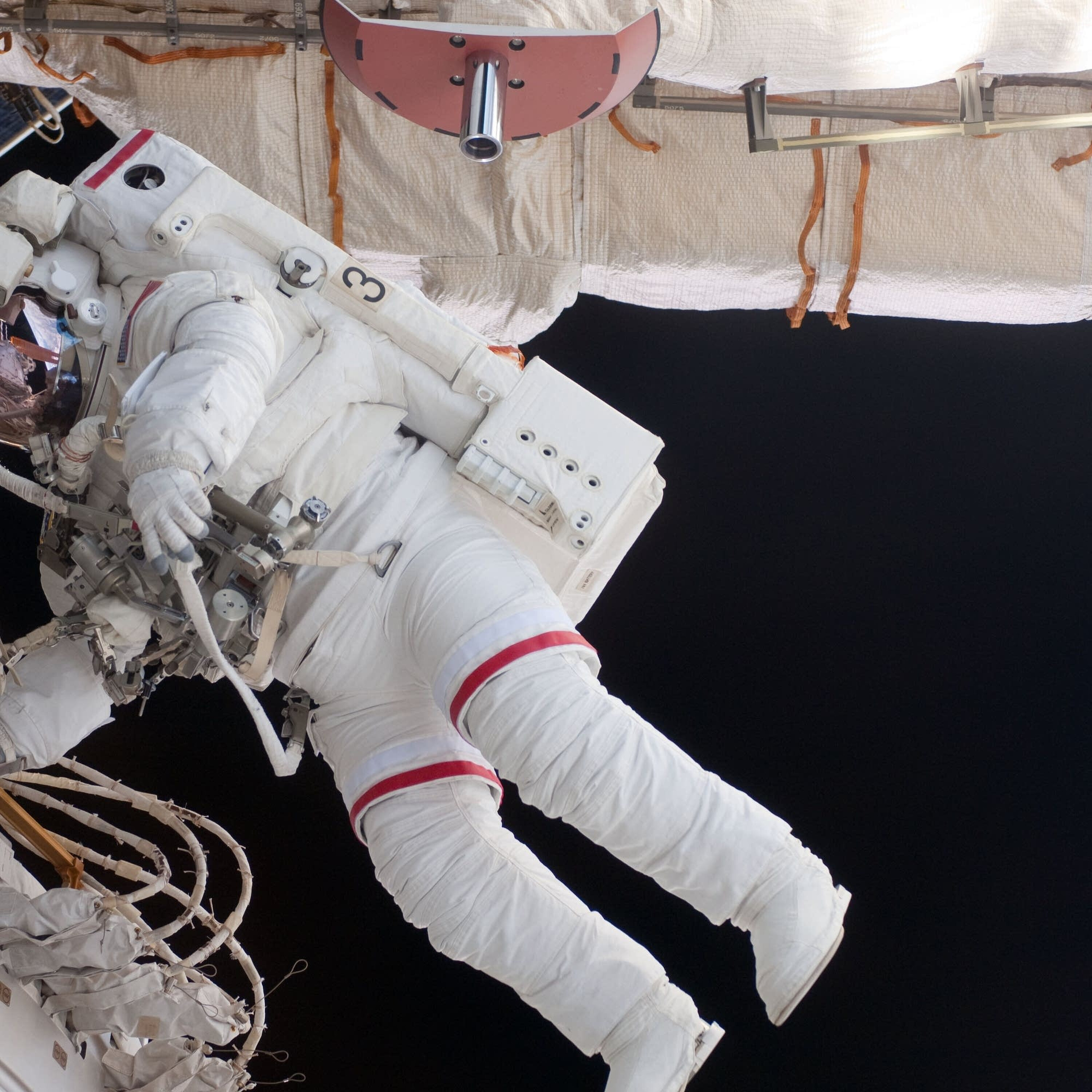
Never explore the final frontier without your trusty, white, puffy space suit! But why is it puffy and white? And why do astronauts need them? Turns out space is super dangerous and these suits can save your life. We’ll give you a tour of all the features of NASA’s iconic EMU suit and explain why it looks like a squishy marshmallow. Plus, we’ll interview an engineer working on the next generation of space suits and hear a funky new space jam by singer Jamie Lidell. Add in a mystery sound, a Moment of Um looking at knuckle cracking and some rad ideas for super suits of the future and you’ve got an action packed episode of Brains On.This episode is sponsored by KiwiCo (KiwiCo.com/brainson), Panama City Beach (VisitPanamaCityBeach.com), The Great Courses Plus (TheGreatCoursesPlus.com/brainson) and Quip (GetQuip.com/brainson). You can support the show at brainson.org/donateSee omnystudio.com/listener for privacy information.

What is dyslexia? And how do our brains read?
Have you heard the word dyslexia before? It's a term used to describe when people have a hard time learning to read. It's actually very common because reading is a fairly new skill that humans have developed.In this episode we do a deep dive on dyslexia. We'll look at how our brains have cobbled together the ability to read by re-purposing parts of the brain that evolved for other functions. And we’ll learn what scientists think might be going on in the brains of people with dyslexia when they learn to read. We also talk to Ann Bancroft, a Polar explorer and educator who also has dyslexia, about why getting lost can be fun.Plus we’ll hear a new Mystery Sound and find out if mice actually do love cheese in our Moment of Um.This episode is sponsored by Sun Basket (sunbasket.com/brains), Old El Paso, and Panama City Beach (VisitPanamaCityBeach.com). You can support the show at brainson.org/donateSee omnystudio.com/listener for privacy information.
How do elevators work?
Elevators are like magic. You walk in, the door shuts and when it opens again, you are suddenly someplace new! Ta da! But it’s not magic that does this trick, it’s science and engineering.In this episode we explain how elevators work and we talk about how they’ve changed over time. For instance, did you know the first elevators had no walls?We also speak with historian Lee Gray about two elevator innovators who both happen to be named Otis. Speaking of Otis, Vijay Jayachandran with the Otis Elevator company, joins us to drop some high level elevator facts. Plus, we hear your ideas for the elevators of the future! And listen to the end to our Moment of Um for an answer to this question: Why do crickets chirp?This episode is sponsored by Old El Paso, Sun Basket (sunbasket.com/brains), Panama City Beach (VisitPanamaCityBeach.com) and The Great Courses Plus (thegreatcoursesplus.com/brainson). You can support the show at brainson.org/donateSee omnystudio.com/listener for privacy information.

Hey, where did you get those genes?!?
Today we’re talking genes - the recipe for you! We’ll go microscopic and check out how traits like hair color are passed down through your family. We’ll also hear the story of genetics pioneer Nettie Stevens and find out how current-day geneticist Janina Jeff unlocks the information packed in genes. And if you have ever wondered how two black Labrador retrievers can be the parents of a yellow Lab, you’re not alone. We have the answer to that too. All this and an especially rambunctious Mystery Sound. Don’t forget to listen to through to the end, where the Moment of Um tackles the question: do we sneeze in our sleep?This episode is sponsored by:Discount Tire - Visit discounttire.com to find out more.KiwiCo - Visit kiwico.com/brainson for a free trial to this subscription service of hands on art and science projects.Panama City Beach - Go to VisitPanamaCityBeach.com to find out moreSee omnystudio.com/listener for privacy information.
Plastic: Why it's everywhere
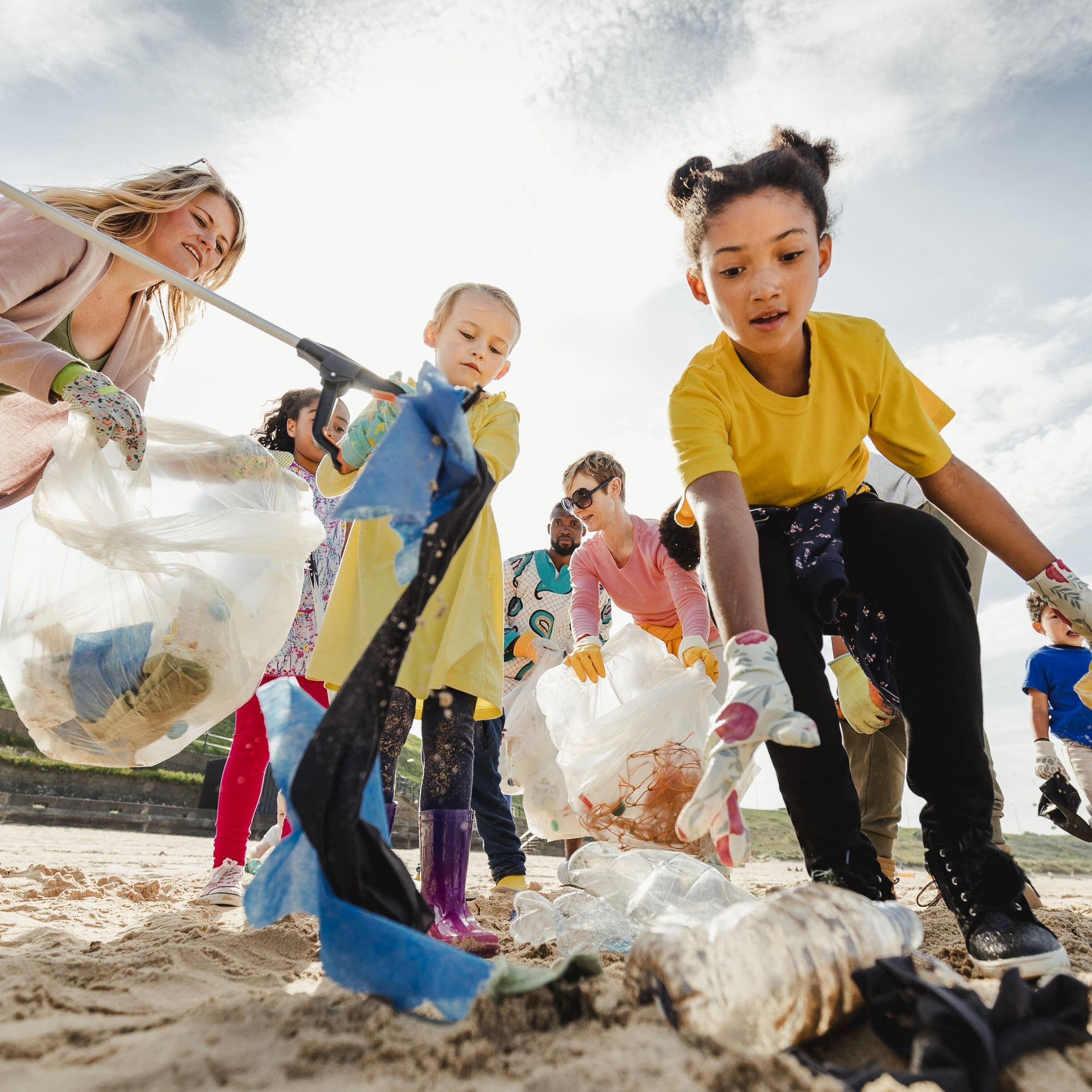
Human-made plastics are super useful -- they're lightweight, can be molded into anything, and they don’t break down. And because plastic is so versatile, we humans have found lots of uses for it. But the fact that it last forever means we find ourselves with a plastic problem. In this episode, we'll learn about the invention of plastic, how it's made and recycled and what you can do to help handle plastic waste. Plus: A very special appearance by Gungador, a tricky mystery sound and a Moment of Um that answers the question: "How do glow in the dark things glow?"One thing you can do now to help with plastic pollution is use Jenna Jambeck's Marine Debris Tracker to report where you're finding plastic in the environment.Today’s episode is sponsored by Old El Paso, Panama City Beach (VisitPanamaCityBeach.com) and Madison Reed (madison-reed.com and coupon code BRAINSON). You can support the show at brainson.org/donateSee omnystudio.com/listener for privacy information.
Ants: Who's in charge here?
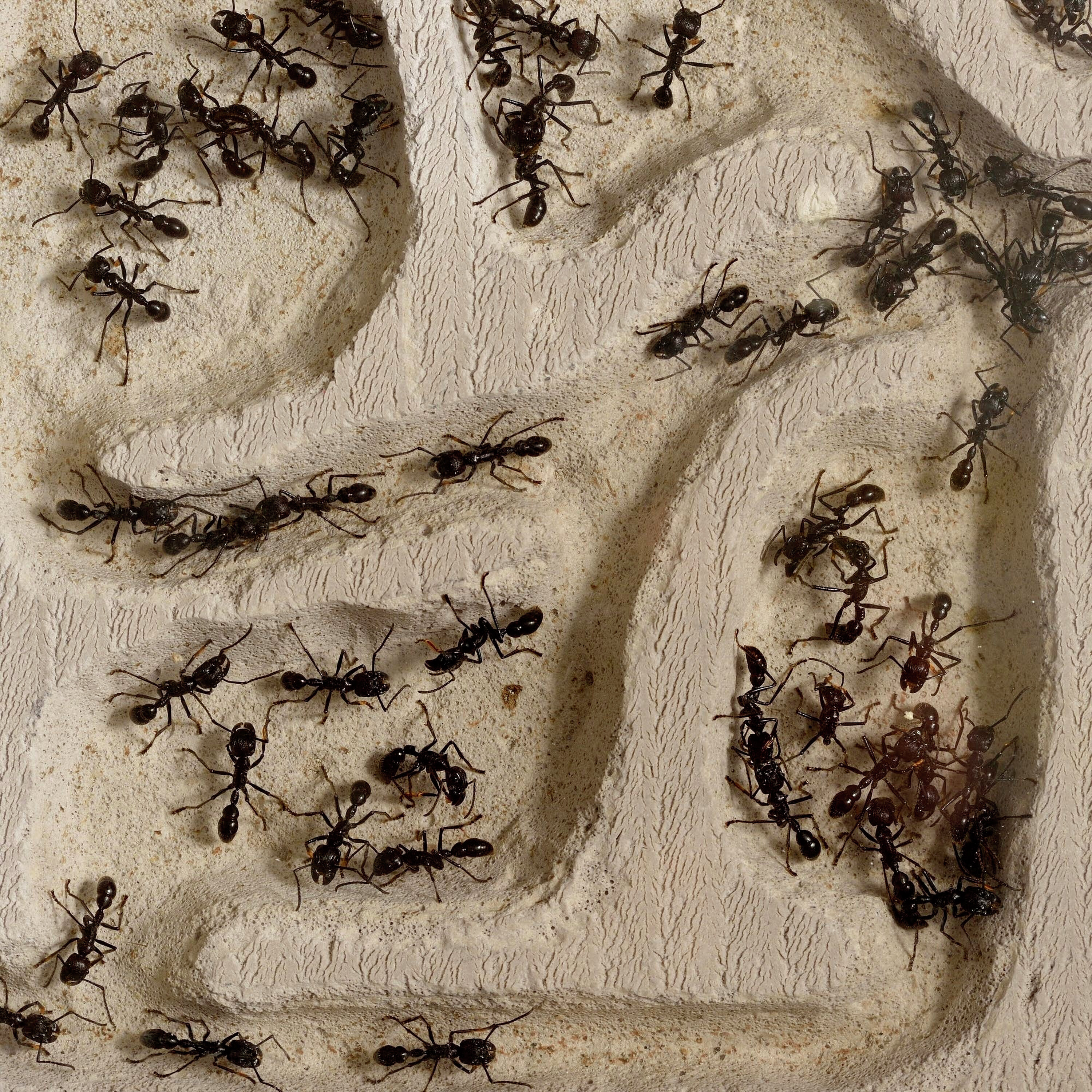
We have a lot to learn from ants. This episode digs into the hierarchy of ant colonies (spoiler alert: there is none) and why they walk in a straight line (spoiler alert: they don’t). We’ll also find out about epic ant battles and how the study of ants is teaching us about how cancer spreads, how the internet can be improved, and could even give us new ways to explore Mars. Plus: Our Moment of Um answers the question: Why do the mountains look blue from far away? This episode is sponsored by Old El Paso, KiwiCo (kiwico.com/brainson), The Great Courses Plus,(thegreatcoursesplus.com/brainson), and Sun Basket (sunbasket.com/brains). You can support the show at brainson.org/donate.See omnystudio.com/listener for privacy information.
Going underground at Wind Cave National Park
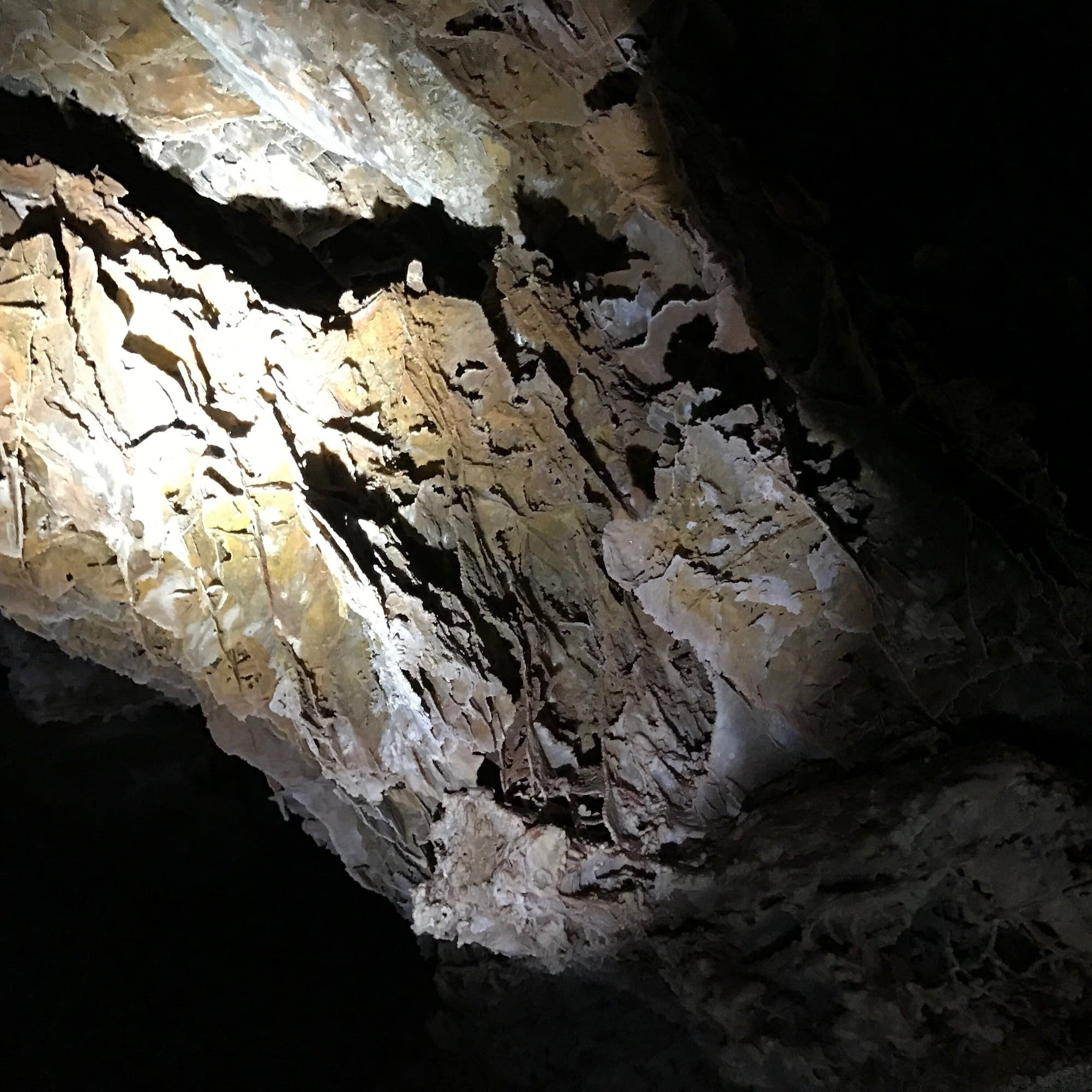
What wonders are hiding underground? Producer Marc Sanchez finds out what it’s like to explore one of the biggest networks of caves in the world — and scientists are still discovering unmapped branches. Marc will show us the wonders hidden underground at this national park in South Dakota and how tricky it can be to brave uncharted territory with only a headlamp to light the way. This episode is sponsored by Aunt Fannie’s (auntfannies.com/summer and coupon code BRAINS), Raddish (RaddishKids.com/brains and coupon code BRAINS), and Madison Reed (madison-reed.com and offer code BRAINSON). You can support the show at brainson.org/donateSee omnystudio.com/listener for privacy information.

Angry: All about feelings, pt. 3
This is the third of our four-part series on feelings. Today we're learning why we all get angry and what to do with that emotion. We'll get in touch with our inner Super You Person and learn what physical reactions anger can trigger in our bodies. We'll also hear how our listeners describe their anger and talk to NPR reporter Michaeleen Doucleff about the different flavors of anger that people describe around the world. Plus: Mallika Chopra shares another meditation to try when you're feeling mad. For more on meditation and mindfulness, you can check out Mallika Chopra’s book for kids, Just Breathe. Today’s episode is sponsored by KiwiCo (kiwico.com/brainson), Goodnight Stories for Rebel Girls the Podcast (rebelgirls.co/podcast), New Cloud Control Cat Litter by Arm & Hammer, and Aunt Fannie’s (auntfannies.com/summer and coupon code BRAINS). You can support the show at brainson.org/donateSee omnystudio.com/listener for privacy information.
Sad: All about feelings, pt. 2
This is the second episode in our four-part series on feelings! In this episode, we're covering the small and big parts of sadness.Because this episode touches on some heavy pieces of sadness -- we recommend kids listening along with an adult, so you can talk over any questions that come up. But this episode has plenty of fun stuff, too!We'll learn about how social animals -- from goldfish and penguins, to humans -- all seem to get sad sometimes. We'll talk about some ways to help handle sad feelings (doctor-approved pet cuddles, anyone?). And Neptune and Pluto will join us to cover a few ways to help friends or family members who are feeling blue.Mallika Chopra will also share a meditation to help with sad feelings. In fact, she leads meditations in each episode of this series. For more, you can check out Mallika Chopra's book for kids, Just Breathe.Another note about sadness: everybody feels sad sometimes, and that's totally normal. It can help to talk about your sadness with someone, like a friend or parent. But sometimes sadness can feel overwhelming. If you don't feel like you have anybody to talk to and feel unsafe, there are people ready to listen. Call 800 273-8255. It's a free phone call, and people are there all the time, ready to listen and help.This series is a collaboration with Call to Mind, American Public Media's mental health initiative.This episode is sponsored by Rebel Girls the Podcast (rebelgirls.co/podcast), KiwiCo (kiwico.com/BRAINSON for a free trial), Relay (relaygo.com/BRAINS for 15% your Relay purchase on Amazon) and New Cloud Control Cat Litter by Arm & Hammer.See omnystudio.com/listener for privacy information.

Happy: All about feelings, pt. 1
Where do feelings come from? And why do we have them? In this four-part series, we're digging deep into our emotions. In this first episode, we're getting happy! We'll get a play-by-play of the chemicals in our brain that trigger joyful feelings, and use the zoom ray to see what good vibes do for our bodies. We'll also hear about how each of us have different emotional thermostats and why thinking about our feelings can help us figure out what to do with them. At the end of this episode -- and every episode in this series -- Mallika Chopra shares a meditation that can help us manage our feelings. For more on meditation and mindfulness, you can check out Mallika Chopra’s book for kids, Just Breathe.This episode is sponsored by Old El Paso, Rebel Girls the Podcast (rebelgirls.co/podcast), Relay (relaygo.com/BRAINS for 15% your Relay purchase on Amazon) and New Cloud Control Cat Litter by Arm & Hammer.See omnystudio.com/listener for privacy information.
Thinkin stinkin: Why we smell
You may have noticed some strong smells coming from your feet, your friend's breath, or your brother's armpit. Where do these body odors come from? We'll meet the microscopic organisms responsible and visit the kingdom of Footsteros. We'll also find out why we might find these naturally occurring smells so disgusting. Plus: A brand new Moment of Um answers the question: Why do stink bugs stink? This episode is sponsored by Cloud Control Cat Litter by Arm & Hammer, Bona Premium Spray Mop (bona.com/brainson), and Quip (getquip.com/brainson). You can support the show at brainson.org/donateSee omnystudio.com/listener for privacy information.