
Best of the Spectator
2,733 episodes — Page 8 of 55
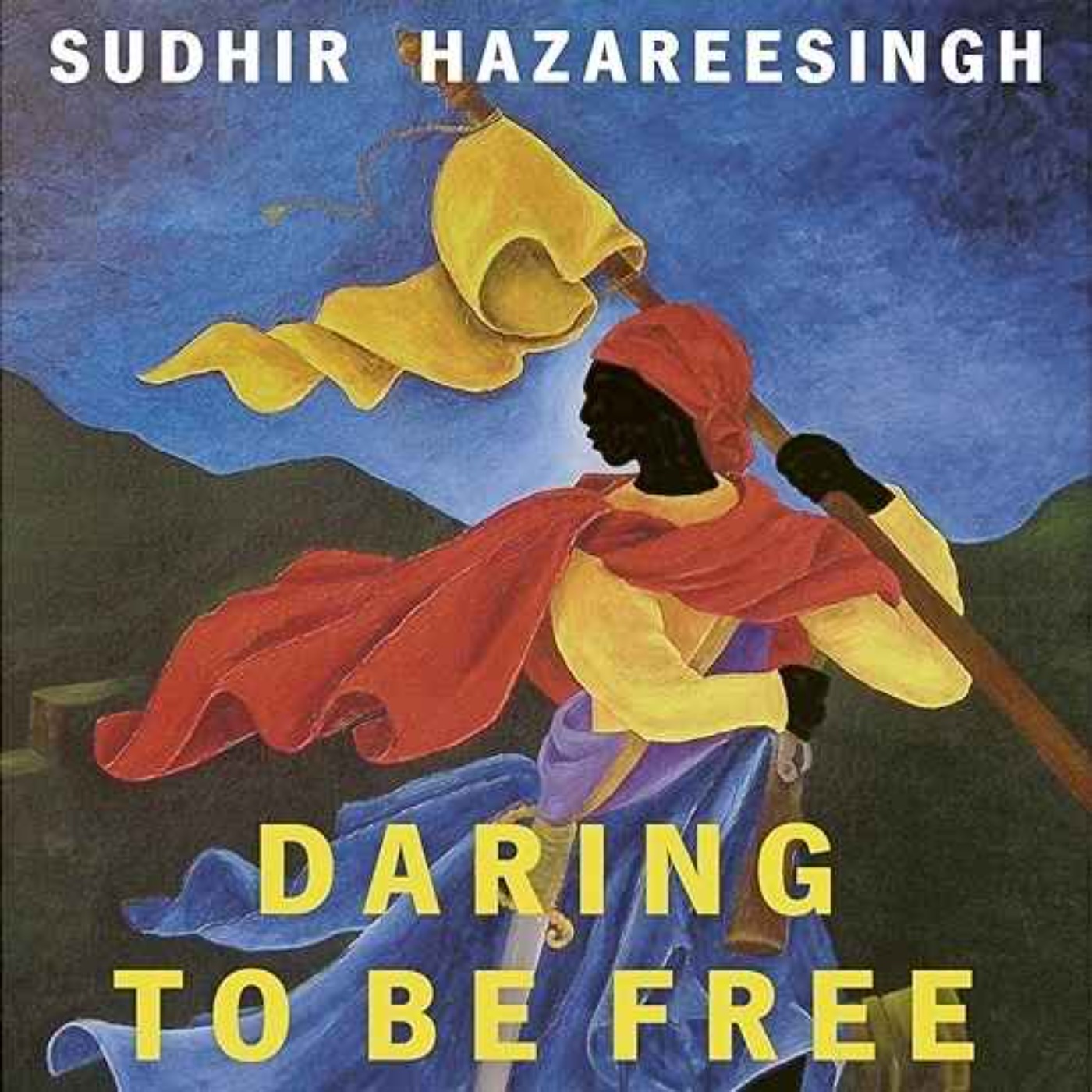
The Book Club: Rebellion and Resistance of the Enslaved in the Atlantic World
Sam's guest in this week’s <em>Book Club</em> podcast is the historian Sudhir Hazareesingh, whose new book <em>Daring to Be Free: Rebellion and Resistance of the Enslaved in the Atlantic World</em> reframes the story of Atlantic slavery. He explains why the familiar tale of enlightened Europeans bringing about abolition leaves out the most important voices of all – the enslaved themselves – and how from Africa to Haiti and beyond, traditions of rebellion, resistance and spiritual resilience shaped the struggle for freedom long before Wilberforce or Clarkson entered the picture. <hr><p style='color:grey; font-size:0.75em;'> Hosted on Acast. See <a style='color:grey;' target='_blank' rel='noopener noreferrer' href='https://acast.com/privacy'>acast.com/privacy</a> for more information.</p>

Quite right!: Blair's ID card dystopia & the 'hell' of conference season
<p><strong>Listeners on the Best of Spectator playlist can enjoy a section of the latest episode of Quite right! but for the full thing please seek out the Quite right! channel. Just search ‘Quite right!’ wherever you are listening now.</strong></p><p>This week, Michael and Maddie lift the lid on the strange rituals of party conference season and why the ‘goldfish bowl’ reality of a week in Birmingham (or Manchester, or Liverpool) often leaves politicians with ‘PTSD’.&nbsp;</p><p>They then turn to the government’s revived enthusiasm for digital ID cards. Is this a sensible fix for illegal immigration – or, as Michael puts it, ‘snake oil rubbed onto an already weak idea’? And why does Tony Blair always seem to be the ghost whispering ‘ID cards’ into Westminster’s ear?</p><p>Next, Keir Starmer’s recognition of a Palestinian state: a principled step, or a political stunt designed to placate his backbenchers? Michael and Madeline dissect the backlash, the ‘terrorist chic’ of pop-concert activism, and what this move really says about Labour’s priorities.</p><p>Finally, they reflect on the extraordinary words of Erika Kirk, who publicly forgave her husband’s alleged murderer. What does Christian forgiveness look like in an age that prizes vengeance and why do so many secular commentators miss its radicalism?</p><p>Produced by Oscar Edmondson, Oscar Bicket and Matt Miszczak.</p> <hr><p style='color:grey; font-size:0.75em;'> Hosted on Acast. See <a style='color:grey;' target='_blank' rel='noopener noreferrer' href='https://acast.com/privacy'>acast.com/privacy</a> for more information.</p>
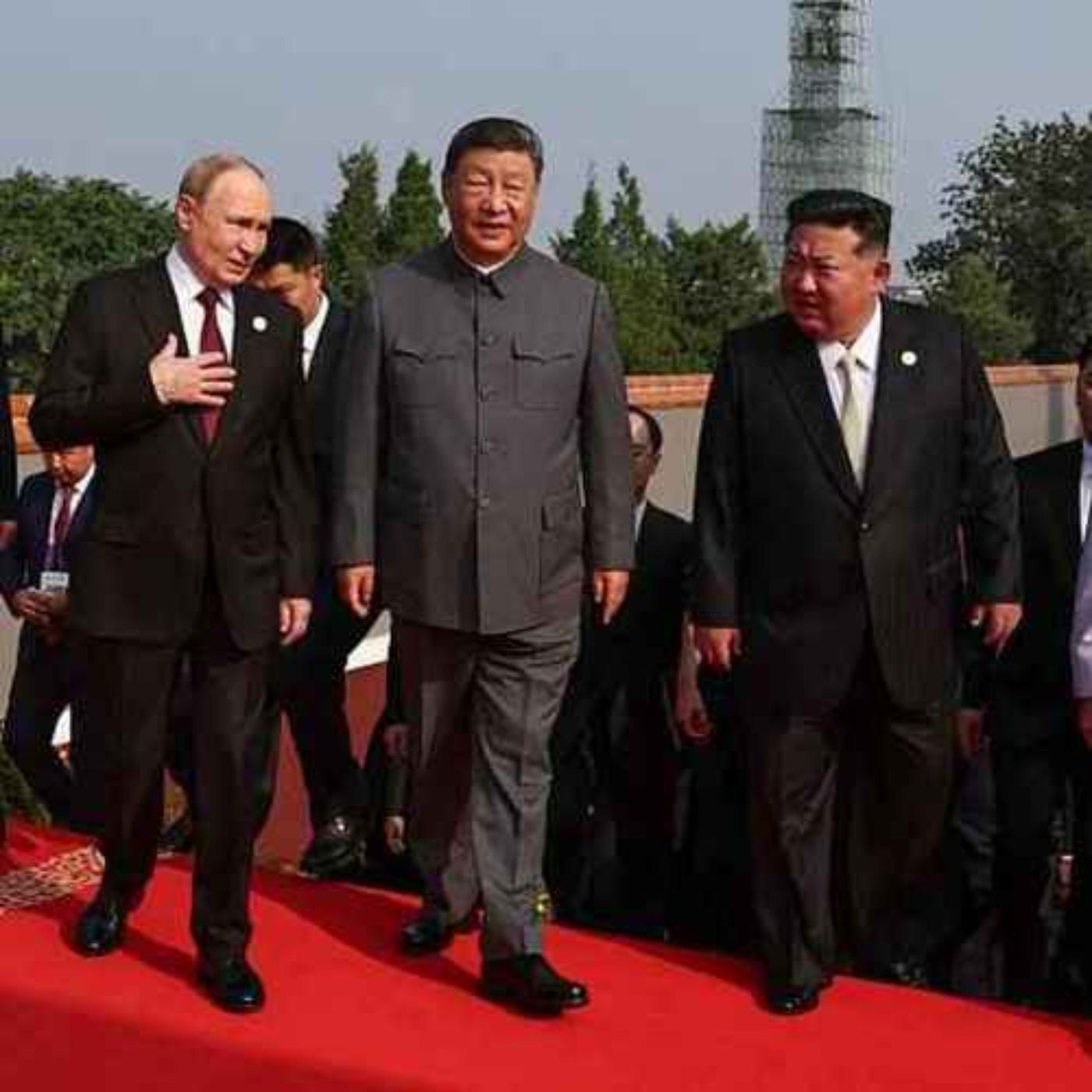
Americano: how scary is China's military?
Freddy Gray is joined by Harry Kazianis, editor in chief of the National Security Journal, to assess China’s military rise. He argues Beijing aims to dominate the Indo-Pacific with missiles, drones and naval power, posing a growing threat to U.S. influence and Taiwan. <hr><p style='color:grey; font-size:0.75em;'> Hosted on Acast. See <a style='color:grey;' target='_blank' rel='noopener noreferrer' href='https://acast.com/privacy'>acast.com/privacy</a> for more information.</p>
Spectator Out Loud: John Power, Nick Carter, Elisabeth Dampier, Maggie Fergusson & Mark Mason
<p>On this week’s <em>Spectator Out Loud</em>: John Power argues the Oxford Union has a ‘lynch-mob mindset’; Elisabeth Dampier explains why she would never date a German; Nick Carter makes the case for licensing MDMA to treat veterans with PTSD; Maggie Fergusson reviews <em>Island at the Edge of the World: The Forgotten History of Easter Island</em> by Mike Pitts; and, Mark Mason provides his notes on guided walks. Mark will also be hosting a guided walk for the Spectator, for tickets go to <a href="http://www.spectator.co.uk/events" rel="noopener noreferrer" target="_blank">www.spectator.co.uk/events</a>.</p><br><p>Produced and presented by Patrick Gibbons.</p> <hr><p style='color:grey; font-size:0.75em;'> Hosted on Acast. See <a style='color:grey;' target='_blank' rel='noopener noreferrer' href='https://acast.com/privacy'>acast.com/privacy</a> for more information.</p>
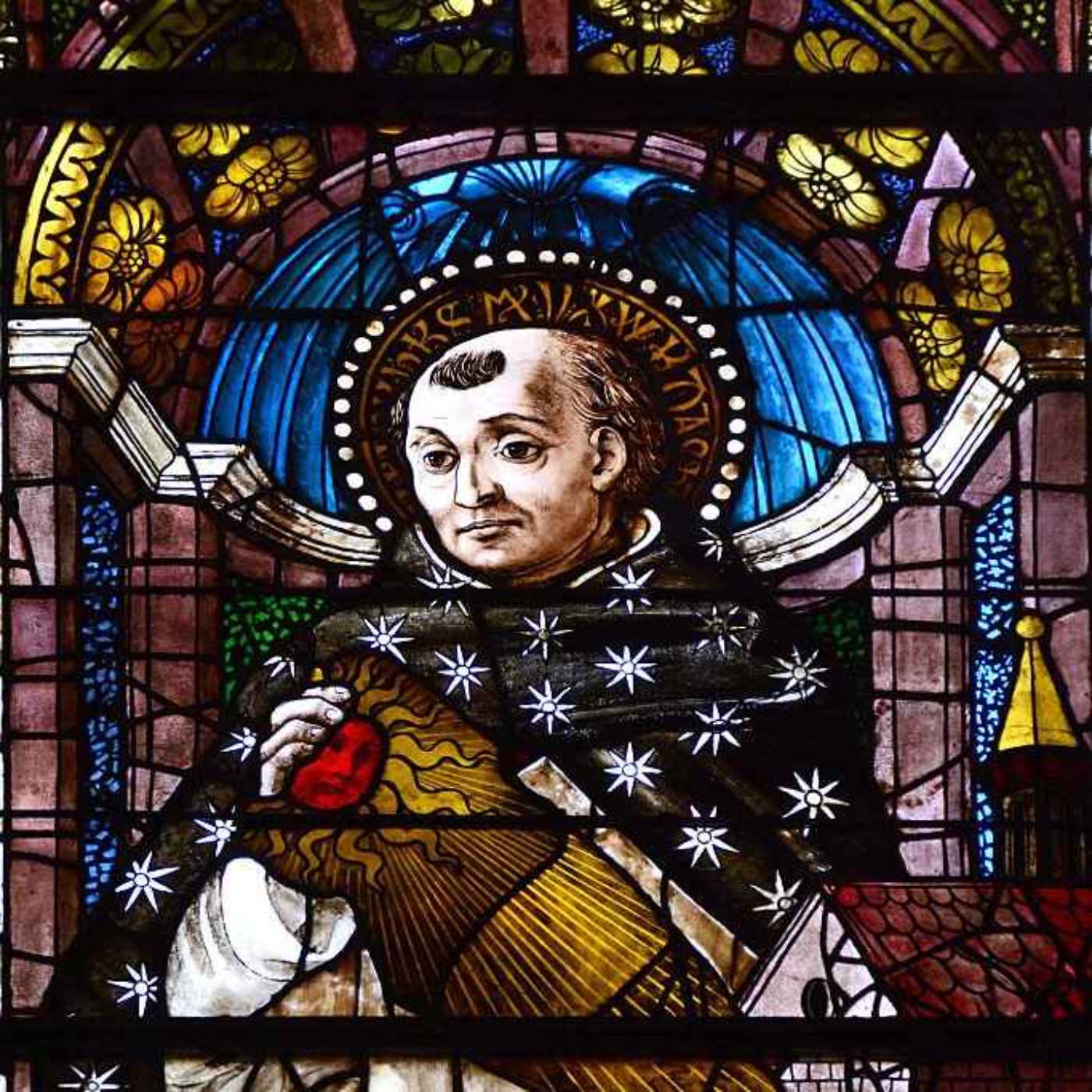
Holy Smoke: 800 years on, why is Aquinas Gen Z’s favourite philosopher?
<p>This year marks 800 years since the birth of the theologian St Thomas Aquinas. Aquinas, best known for his theory of natural law and his magnum opus the <em>Summa Theologia</em>, argued for the existence of God through faith-based reason. The influence of the 13th Century theologian on the philosophy of religion is unquestionable, but what is curious is his resurgent popularity amongst Generation Z – particularly in America. Is this part of the recovery of the sacred seen across the global west?</p><br><p>Fr Gregory Pine OP, professor of dogmatic and moral theology at the Dominican House of Studies, joins Damian Thompson to talk about Aquinas’s legacy, unpack some of the philosopher’s more complicated arguments and describe his own personal journey within the Order of Preachers.</p><br><p>Produced by Patrick Gibbons.</p> <hr><p style='color:grey; font-size:0.75em;'> Hosted on Acast. See <a style='color:grey;' target='_blank' rel='noopener noreferrer' href='https://acast.com/privacy'>acast.com/privacy</a> for more information.</p>

Coffee House Shots: should Britain recognise Palestine?
<p>The government is expected to press ahead with recognition of Palestinian statehood, before a formal declaration at the United Nations. Prime Minister Keir Starmer set out plans earlier this year to recognise Palestine – but what does this actually mean? And what does the move actually achieve; is it driven by principle, by politics – or by pressure from within his own party?</p><br><p>Michael Stephens of RUSI and Gabriel Pogrund of the Sunday Times join James Heale to assess the significance of this shift. They discuss the backlash from countries like the US, the unease within Labour ranks and the growing tension between domestic politics and Britain’s standing with allies in the Middle East. France, Australia and Canada, close allies of Britain, announced their own plans to recognise Palestine, yet the US has condemned any move. What does Starmer’s recognition of Palestine mean for the UK’s relationship with the US? And is Starmer at risk of being outflanked – both at home and abroad?</p><br><p>Produced by Oscar Edmondson and Patrick Gibbons.</p> <hr><p style='color:grey; font-size:0.75em;'> Hosted on Acast. See <a style='color:grey;' target='_blank' rel='noopener noreferrer' href='https://acast.com/privacy'>acast.com/privacy</a> for more information.</p>
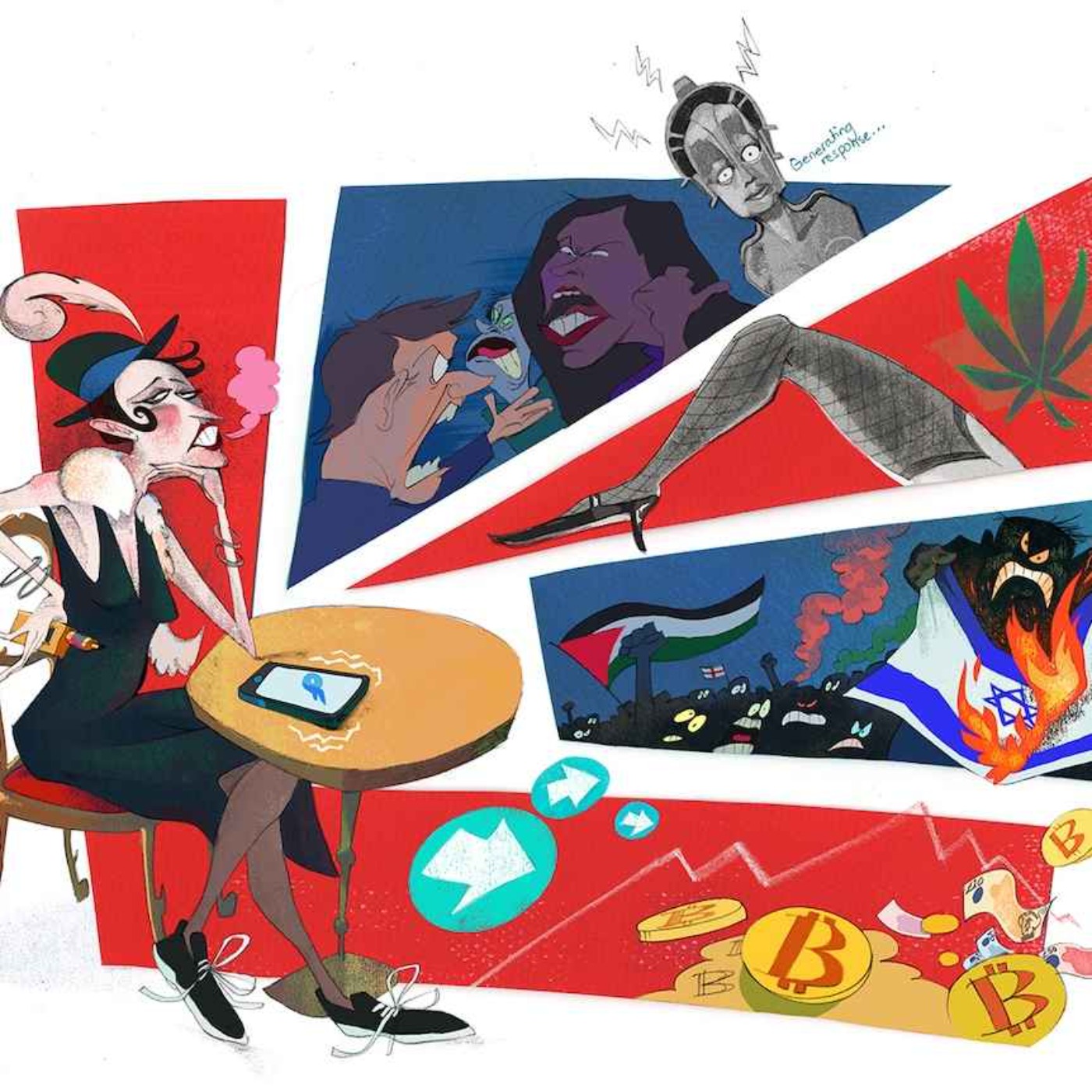
The Edition: Weimar Britain, the war on science & are you a competitive reader?
<p><strong>First: a warning from history</strong></p><p><strong>&nbsp;</strong></p><p>Politics moving increasingly from the corridors of power into the streets, economic insecurity exacerbating tensions and the centre of politics failing to hold; these are just some of the echoes from Weimar Germany that the Spectator’s editor Michael Gove sees when looking at present-day Britain. But, he says, ‘there are grounds for hope’ – what are they? Michael joined the podcast to discuss.&nbsp;&nbsp;</p><p><strong>&nbsp;</strong></p><p><strong>Next: why did science succumb to the ‘culture wars’?</strong></p><p>&nbsp;</p><p>Biologist and peer Matt Ridley bemoans the ‘cultification of science’, arguing that ‘left-wing ideological nonsense’ ended up permeating through all scientific disciplines. Thinking ‘neutral facts’ were safe, Matt admits he – and colleagues – may have been naïve as one by one different battlefields emerged. Matt joined the podcast to discuss. Has science thrown off the shackles of the ‘culture wars’?</p><br><p><strong>And finally: how many books have you read?</strong></p><br><p>Emily Hill delves into the world of competitive reading this week – the rise of people publicising the books they’ve read, particularly through social media. Emily calls this ‘conspicuous’ and notes it appears to be a trend amongst mainly <em>female </em>influencers.<strong> </strong>But is this solely performative or – in a world of diminishing attention spans – could the trend be promoting the act of reading? Emily joined the podcast alongside BookTok blogger Lucas Oakeley.</p><br><p><strong>Plus: Mark Mason provides his notes on guided walks. Mark will also be hosting a guided walk for the Spectator, for tickets go to&nbsp;</strong><a href="http://www.spectator.co.uk/events" rel="noopener noreferrer" target="_blank"><strong>www.spectator.co.uk/events</strong></a></p><br><p>Hosted by William Moore and Lara Prendergast.</p><br><p>Produced by Patrick Gibbons.</p> <hr><p style='color:grey; font-size:0.75em;'> Hosted on Acast. See <a style='color:grey;' target='_blank' rel='noopener noreferrer' href='https://acast.com/privacy'>acast.com/privacy</a> for more information.</p>
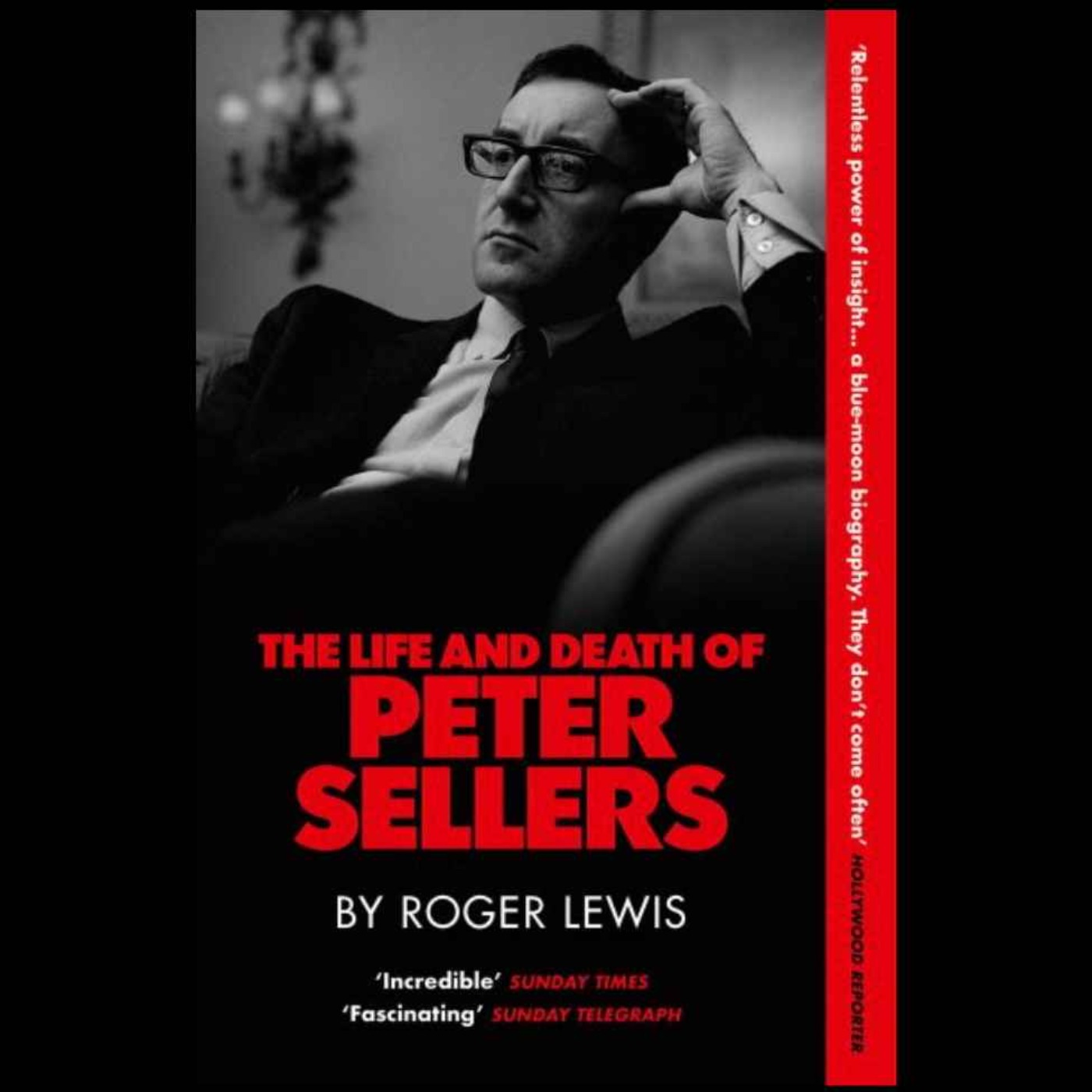
Book Club: Roger Lewis on Peter Sellers
<p>Sam Leith's guest in this week's Book Club podcast is Roger Lewis, whose book <em>The Life and Death of Peter Sellers</em> has been republished to mark 100 years since the comedian's birth. Roger tells Sam about the difference between Sellers's public persona and private life, plus his influence on comedy today. They also discuss how Roger reinvented the way biographies were written, and whether the view he had of Sellers as a teenager changed through writing the book.</p><br><p>Produced by James Lewis.</p> <hr><p style='color:grey; font-size:0.75em;'> Hosted on Acast. See <a style='color:grey;' target='_blank' rel='noopener noreferrer' href='https://acast.com/privacy'>acast.com/privacy</a> for more information.</p>

Quite right!: Why Danny Kruger's defection changes everything & could Boris Johnson be next?
<p>This week Michael and Madeline unpick the shock defection of Danny Kruger to Reform UK’s ‘pirate ship’ – as described by Michael – and ask whether this coup could mark the beginning of the end for the Conservative party.</p><p>They also dive into Westminster’s most charged moral debates: the assisted dying bill in the Lords and the quiet decriminalisation of abortion up to birth. What do these changes say about parliament’s ‘intoxicated liberal hubris’ – and the protections given to the vulnerable?</p><p>Also, Donald Trump lands in Britain this week – but why is it that the Prime Minister acts ‘like Carson the butler’ in his presence, and who exactly is the ‘diplomatic secret weapon’ that the Palace deploys to manage ‘the Donald’?</p><p>Finally, Michael and Madeleine (re)turn to Oxford, where the Union has been engulfed in controversy over free speech and political violence. Has one of Britain’s oldest debating societies become a cautionary tale for our universities? Is there such a thing as ‘right-wing cancel culture’?</p><p>Produced by Oscar Edmondson, Oscar Bicket and Matt Miszczak.</p> <hr><p style='color:grey; font-size:0.75em;'> Hosted on Acast. See <a style='color:grey;' target='_blank' rel='noopener noreferrer' href='https://acast.com/privacy'>acast.com/privacy</a> for more information.</p>
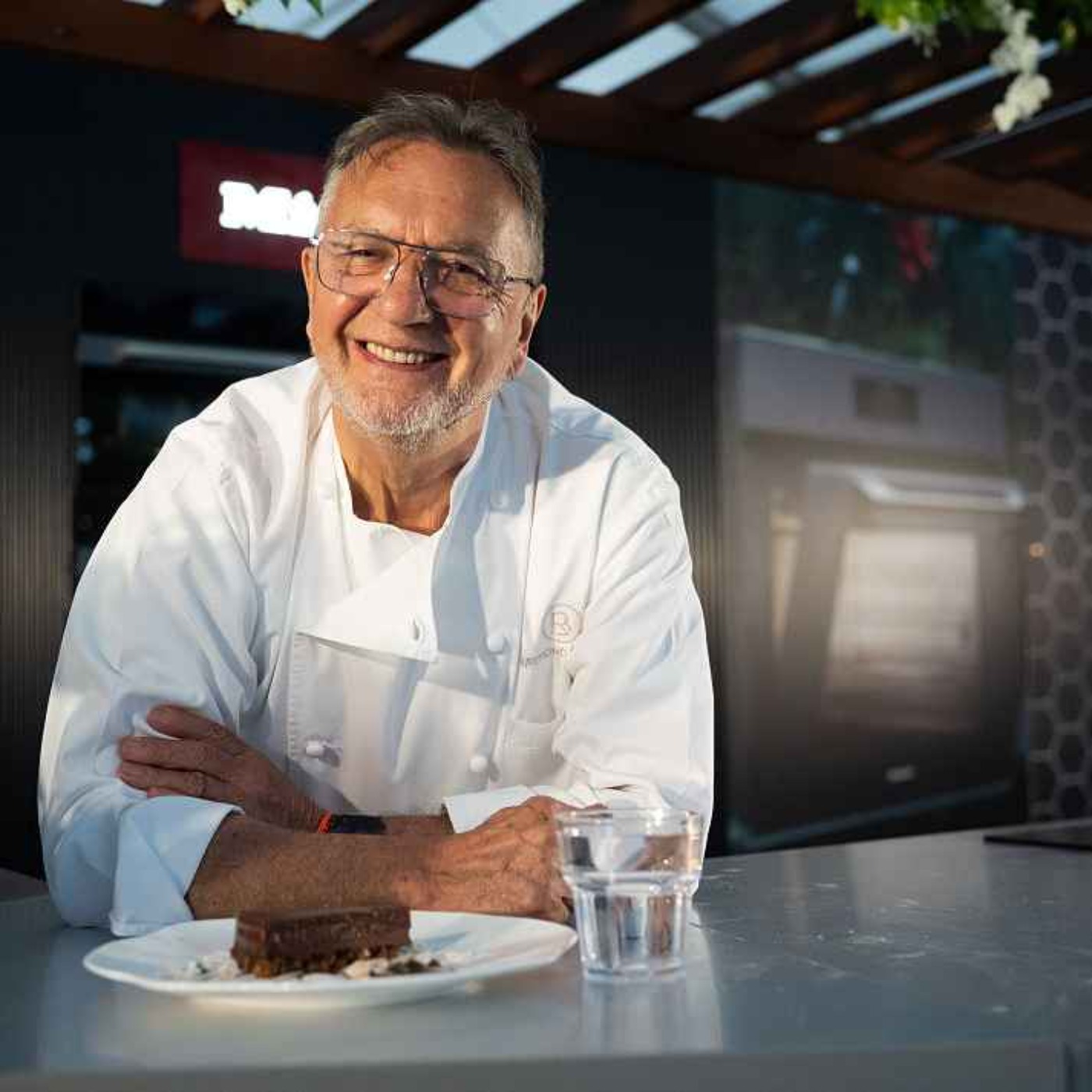
Table Talk: Raymond Blanc
<p>In a bumper episode, the legend that is Raymond Blanc joins Olivia Potts and Lara Prendergast. The self-taught chef heads up the double Michelin-starred Le Manoir aux Quat’ Saisons, has trained chefs from Heston Blumenthal to Marco Pierre White, and received an honorary OBE in 2008. His new book&nbsp;<em>Simply Raymond Kitchen Garden</em>&nbsp;is out now.</p><br><p>The chef tells Liv and Lara about his earliest memories of food – from eating worms to easter eggs, how his love of food is connected to the garden and why he owes his existence to General de Gaulle. He explains how he ended up becoming ‘exiled’ to Great Britain, how he fell in love with Le Manoir and why he would have to choose an English chef to cook his dream meal. Plus: Lara’s daughter makes a guest appearance.</p><br><p>Produced by Patrick Gibbons.</p> <hr><p style='color:grey; font-size:0.75em;'> Hosted on Acast. See <a style='color:grey;' target='_blank' rel='noopener noreferrer' href='https://acast.com/privacy'>acast.com/privacy</a> for more information.</p>
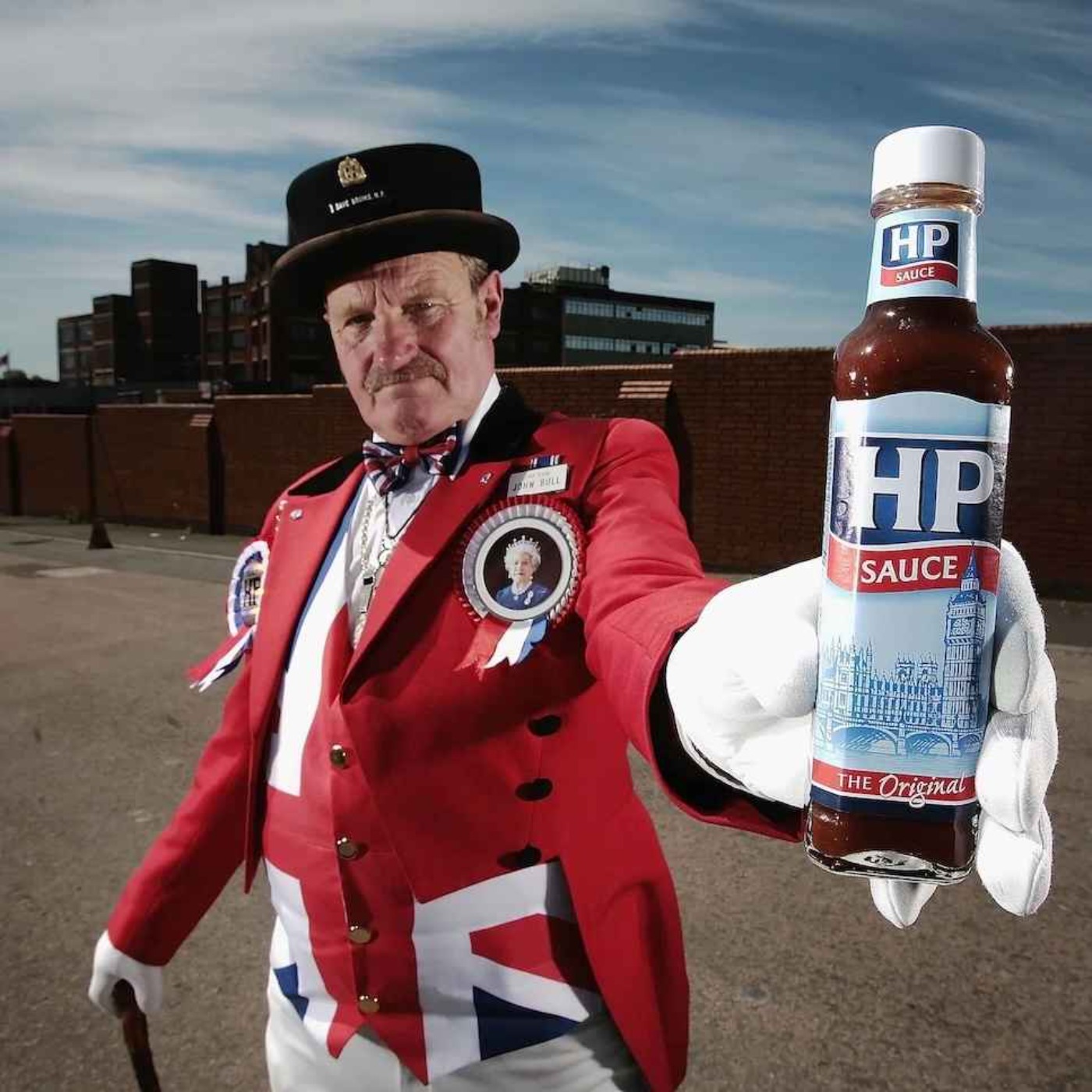
Spectator Out Loud: James Heale, Robert Hardman, Francis Pike, Henrietta Harding & Mary Wakefield
<p>On this week’s <em>Spectator Out Loud</em>: James Heale reports on the battle for the north; Robert Hardman provides his royal notebook; who’s really in charge of China, asks Francis Pike; Henrietta Harding goes on Ozempic safari; and, Mary Wakefield explains how to raise a patriot.</p><br><p>Produced and presented by Patrick Gibbons.</p> <hr><p style='color:grey; font-size:0.75em;'> Hosted on Acast. See <a style='color:grey;' target='_blank' rel='noopener noreferrer' href='https://acast.com/privacy'>acast.com/privacy</a> for more information.</p>

Americano: what’s driving political violence?
Tyler Robinson, a 22-year-old from south-west Utah, has been detained over the shooting of Kirk, a conservative activist and close ally of Donald Trump. Author and anthropologist Max Horder joins Freddy Gray to discuss the cocktail of online hate and tribal divisions that's fuelling America's new era of political violence. <hr><p style='color:grey; font-size:0.75em;'> Hosted on Acast. See <a style='color:grey;' target='_blank' rel='noopener noreferrer' href='https://acast.com/privacy'>acast.com/privacy</a> for more information.</p>
Holy Smoke: the next Archbishop of Canterbury
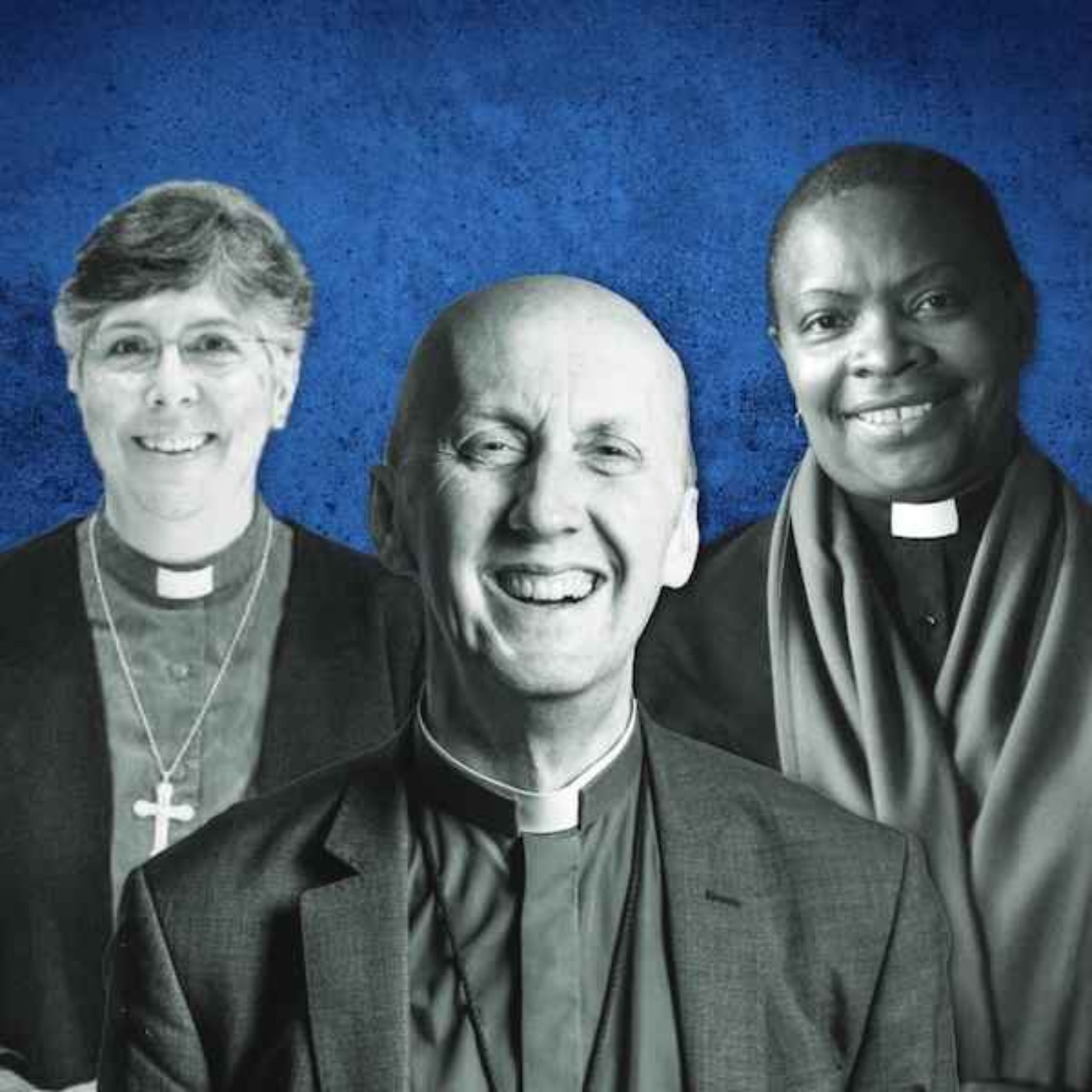
<p>It is 10 months since the resignation of Justin Welby as Archbishop of Canterbury. Now, finally, the Crown Nominations Commission is believed to have drawn up a shortlist of candidates, and a successor to Welby could be approved by October.</p><br><p>Theologian and author Andrew Graystone joins Damian Thompson to talk through what he calls ‘a weak list’ of potential candidates – weak because there are no obvious frontrunners and the Commission is choosing between ‘half a dozen equals’.&nbsp;</p><br><p>These range from the more talked-about Michael Beasley (Bath and Wells), Guli France-Dehqani (Chelmsford) and Rose Hudson-Wilson (Dover) [all pictured in the thumbnail] to the ‘others’: Stephen Lake (Salisbury), Martyn Snow (Leicester), Joanne Grenfell (St Edmundsbury and Ipswich), Sarah Mullallay (London), Rachel Treweek (Gloucester) and Ruth Worsely (interim bishop of Liverpool).</p><br><p>As Andrew tells Damian, factors dividing the candidates include their age, their views on LGBT inclusion and, crucially, their records on safeguarding issues. Also, note the presence of six women on this list. Could the Church be about to appoint the first female Primate of All England? And could this lead to disastrous controversy within the&nbsp;Anglican Communion – or is that body already so fractured that the Church of England will ignore its objections?&nbsp;</p><br><p>Anyone wondering why the process has taken so long – especially compared to the 17 days it took the Catholic Church to elect a new Pope this year – should check out&nbsp;<a href="https://www.spectator.co.uk/podcast/the-mystifying-process-and-problems-behind-choosing-the-next-archbishop-of-canterbury/" rel="noopener noreferrer" target="_blank">our previous episode with Andrew here</a>.</p><br><p>Produced by Patrick Gibbons.</p> <hr><p style='color:grey; font-size:0.75em;'> Hosted on Acast. See <a style='color:grey;' target='_blank' rel='noopener noreferrer' href='https://acast.com/privacy'>acast.com/privacy</a> for more information.</p>

The Edition: Royal treatment, neurodiverse history & is everyone on Ozempic?
<p><strong>First: a look ahead to President Trump’s state visit next week</strong></p><br><p>Transatlantic tensions are growing as the row over Peter Mandelson’s role provides an ominous overture to Donald Trump’s state visit next week. Political editor Tim Shipman has the inside scoop on how No. 10 is preparing. Keir Starmer’s aides are braced for turbulence. ‘The one thing about Trump which is entirely predictable is his unpredictability,’ one ventures. And government figures fear he may go off message on broadcast – he is scheduled to be interviewed by GB News.</p><br><p>It is rare for leaders to receive a second visit, especially those in their second term.&nbsp;But, as Tim says, ‘Britishness is fashionable in Washington’ and no-one likes ‘royal treatment’ more than Trump. So, can Starmer take advantage of the President’s ‘love of the deal’? Tim joins the podcast to discuss.</p><br><p><strong>Next: why are historical figures being labelled neurodiverse?</strong></p><br><p>A new biography of Margaret Thatcher has provoked much discussion by claiming that Britain’s former Prime Minister was autistic. The proof for such a claim rests on the Iron Lady’s (supposed) lack of a sense of humour, a lack of feeling embarrassed and a tendency to see the world in black and white.&nbsp;</p><br><p>But is there a danger in reappraising historical and political figures, particularly when it comes to personal traits? Historians – and frequent Spectator contributors – Robert Tombs and John Keiger joined the podcast to give their verdict.</p><br><p><strong>And finally: is everyone on Ozempic?</strong></p><br><p>One of the Spectator’s writers, under the pseudonym Henrietta Harding, headed out on what she terms ‘Ozempic safari’ – spotting the ‘Mounjaro Mummies’ as they drop off their children at school. ‘We know what to look for’, she says, ‘sunken faces, slightly wasted arms and, of course, envy-inducing weight loss’.</p><br><p>But the school gates aren’t the only place Ozempic seems to have taken hold. Westminster is awash with politicians who have suspiciously slimmer fitting suits – but why? Associate editor Toby Young and deputy political editor James Heale join the podcast to make sense of the trend for trim.</p><br><p><strong>Plus: As President Xi re-emerges, Francis Pike asks who’s really in charge in China?</strong></p><br><p>Hosted by William Moore and Lara Prendergast.</p><br><p>Produced by Patrick Gibbons and Oscar Edmondson.</p> <hr><p style='color:grey; font-size:0.75em;'> Hosted on Acast. See <a style='color:grey;' target='_blank' rel='noopener noreferrer' href='https://acast.com/privacy'>acast.com/privacy</a> for more information.</p>

Americano: Eyewitness – inside the shooting of Charlie Kirk
Turning Point USA co-founder Charlie Kirk was shot dead while taking questions at Utah Valley University. Kate Andrews speaks to eyewitness and reporter Eva Terry about the chaos on campus, the reaction across America, and what comes next. <hr><p style='color:grey; font-size:0.75em;'> Hosted on Acast. See <a style='color:grey;' target='_blank' rel='noopener noreferrer' href='https://acast.com/privacy'>acast.com/privacy</a> for more information.</p>

Quite right!: Why Mandelson had to go & the legacy of Charlie Kirk
<p>In this bonus episode Michael and Madeline tackle two extraordinary political stories. First, the dramatic resignation of Peter Mandelson as Britain’s US ambassador, following renewed scrutiny of his links to Jeffrey Epstein. Why did Keir Starmer take so long to act – and what does the debacle reveal about his leadership style?</p><p>Then, across the Atlantic, America is reeling from the assassination of conservative activist Charlie Kirk. Michael and Madeline reflect on the tragedy, what it means for free speech, and whether political violence is reshaping the way debate happens in the public square.</p><p>Produced by Oscar Edmondson, Oscar Bicket and Matt Miszczak.</p> <hr><p style='color:grey; font-size:0.75em;'> Hosted on Acast. See <a style='color:grey;' target='_blank' rel='noopener noreferrer' href='https://acast.com/privacy'>acast.com/privacy</a> for more information.</p>
Book Club: Andrew Bayliss
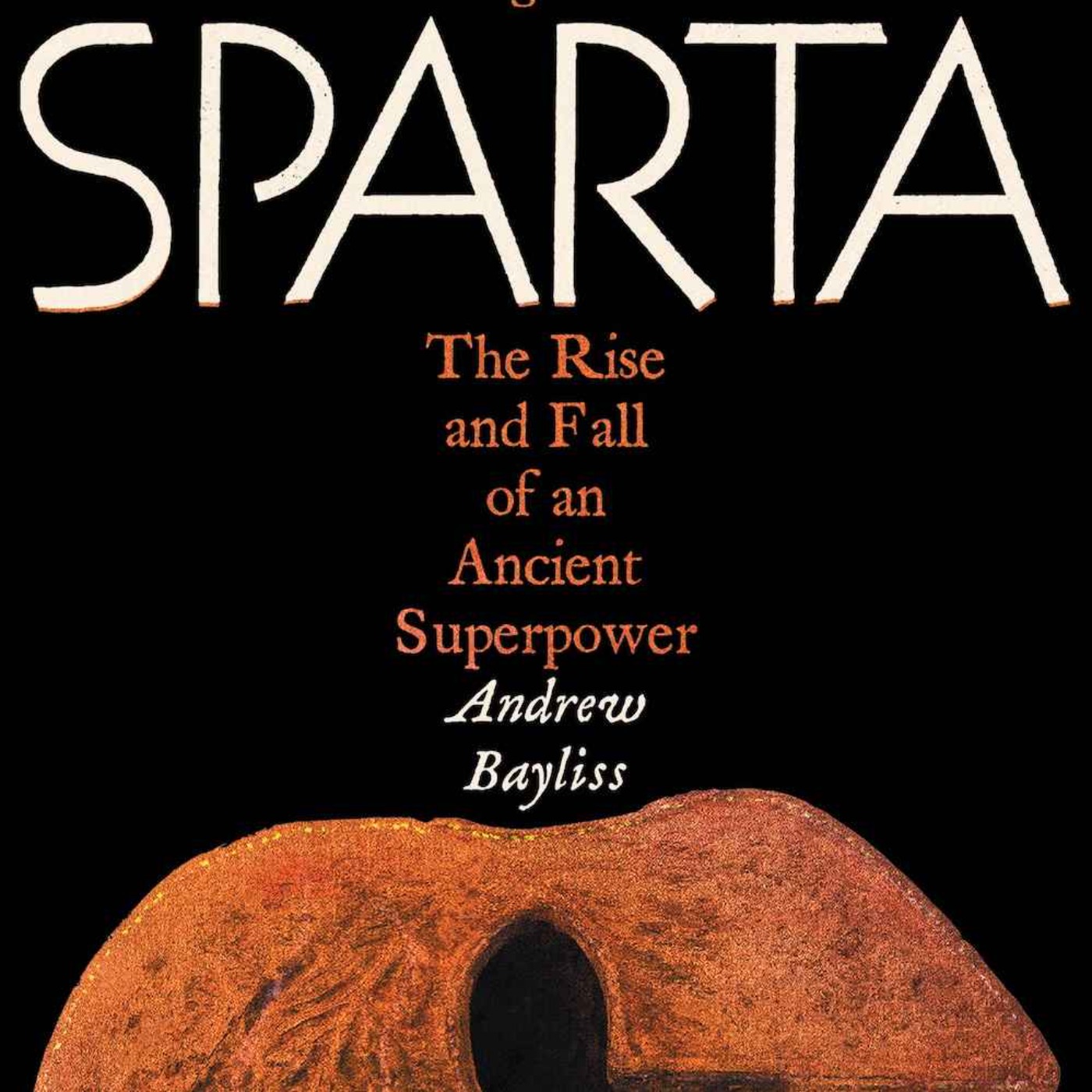
<p>Sam Leith’s guest in this week's <em>Book Club</em> podcast is Andrew Bayliss, author of&nbsp;<em>Sparta: The Rise and Fall of an Ancient Superpower</em>. Andrew tells Sam what we know — and don't know – about these much-mythologised figures from the Ancient world and tells the story of how a tiny city-state punched above its weight, until it didn't.&nbsp;<em>This&nbsp;</em>is Sparta.</p><br><p>Produced by Patrick Gibbons.</p> <hr><p style='color:grey; font-size:0.75em;'> Hosted on Acast. See <a style='color:grey;' target='_blank' rel='noopener noreferrer' href='https://acast.com/privacy'>acast.com/privacy</a> for more information.</p>

Quite right!: Labour’s deputy drama, Macron’s mess & was Thatcher autistic?
<p>Michael Gove and Madeline Grant return with another episode of Quite right!, <em>The Spectator</em>’s new podcast promising sanity and common sense in an increasingly unhinged world.</p><p>This week, they dissect Keir Starmer’s brutal reshuffle – from the ‘volcanic ejection’ of Angela Rayner to the rise of Shabana Mahmood, the ‘uncompromising toughie’ now in charge of the Home Office. What do these moves reveal about the Labour party’s deepest fears on crime and migration?</p><p>Across the Channel, Emmanuel Macron faces yet another political crisis, as France lurches towards its fifth prime minister in two years. Is Britain now drifting into its own pre-revolutionary mood – and becoming ‘France 2.0’?</p><p>And finally, a new biography of Margaret Thatcher makes the startling claim that she was autistic. Michael and Madeline ask: why must every figure from history be retroactively diagnosed as ‘neurodiverse’?</p><p>Produced by Oscar Edmondson, Oscar Bicket and Matt Miszczak.</p> <hr><p style='color:grey; font-size:0.75em;'> Hosted on Acast. See <a style='color:grey;' target='_blank' rel='noopener noreferrer' href='https://acast.com/privacy'>acast.com/privacy</a> for more information.</p>

Americano: how authoritarian is Trump 2.0?
On this episode, Nick Gillespie, Reason's editor at large, joins Freddy to discuss whether Trump 2.0 is really as authoritarian as people say. Is he closer to a gangster than a dictator? They also discuss tariffs, the weaponisation of the Justice Department, and the state of free speech in the UK. <hr><p style='color:grey; font-size:0.75em;'> Hosted on Acast. See <a style='color:grey;' target='_blank' rel='noopener noreferrer' href='https://acast.com/privacy'>acast.com/privacy</a> for more information.</p>
Coffee House Shots: Reform's Zia Yusuf in conversation with Michael Gove
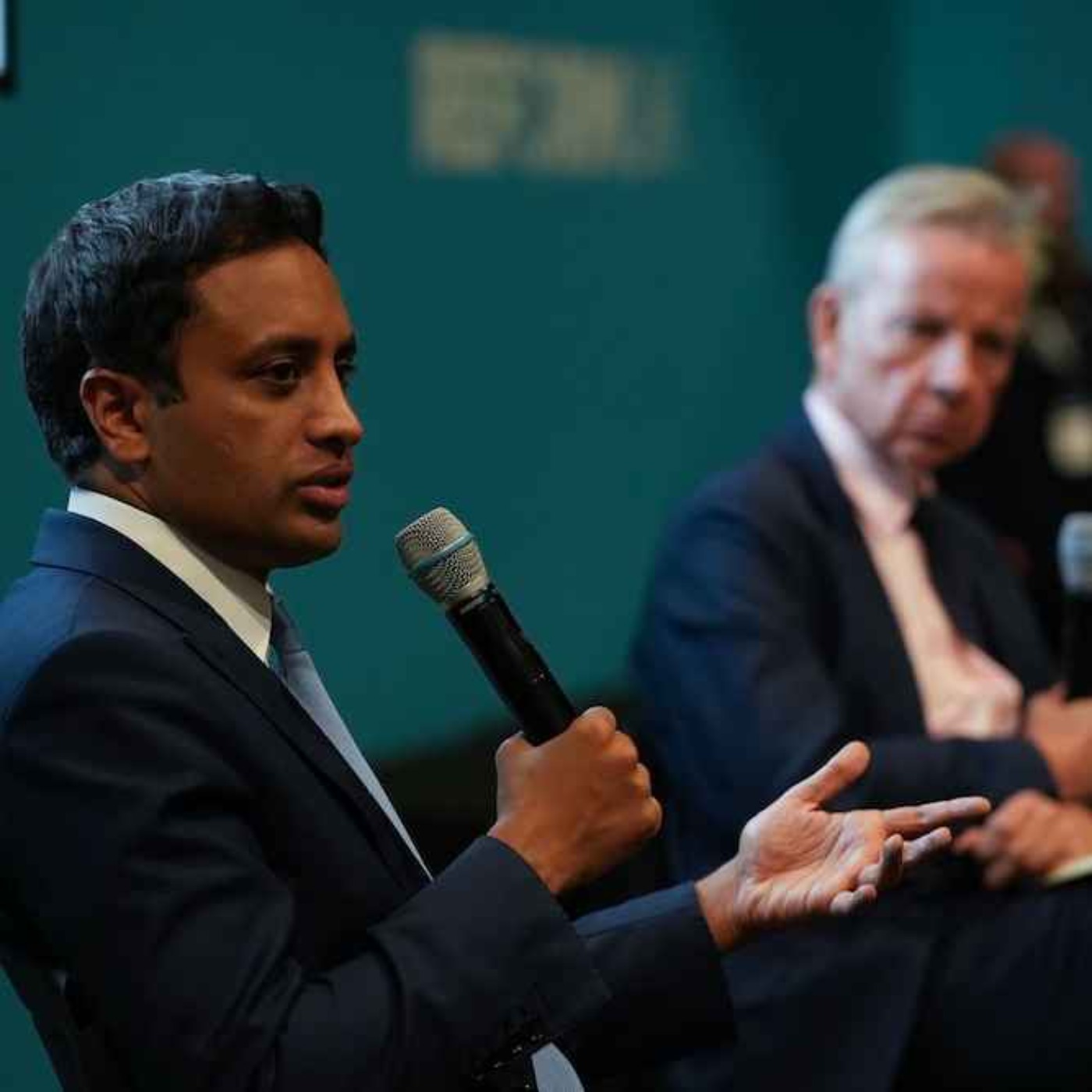
At the Reform conference in Birmingham, the Spectator's editor Michael Gove sat down with Reform UK's head of their department of government efficiency Zia Yusuf. They discussed Labour's track record in government, Zia's faith and his tech background, why leader Nigel Farage is his political hero and how AI could change Britain. <hr><p style='color:grey; font-size:0.75em;'> Hosted on Acast. See <a style='color:grey;' target='_blank' rel='noopener noreferrer' href='https://acast.com/privacy'>acast.com/privacy</a> for more information.</p>
Holy Smoke: why the canonisation of the first millennial saint is a cause to celebrate
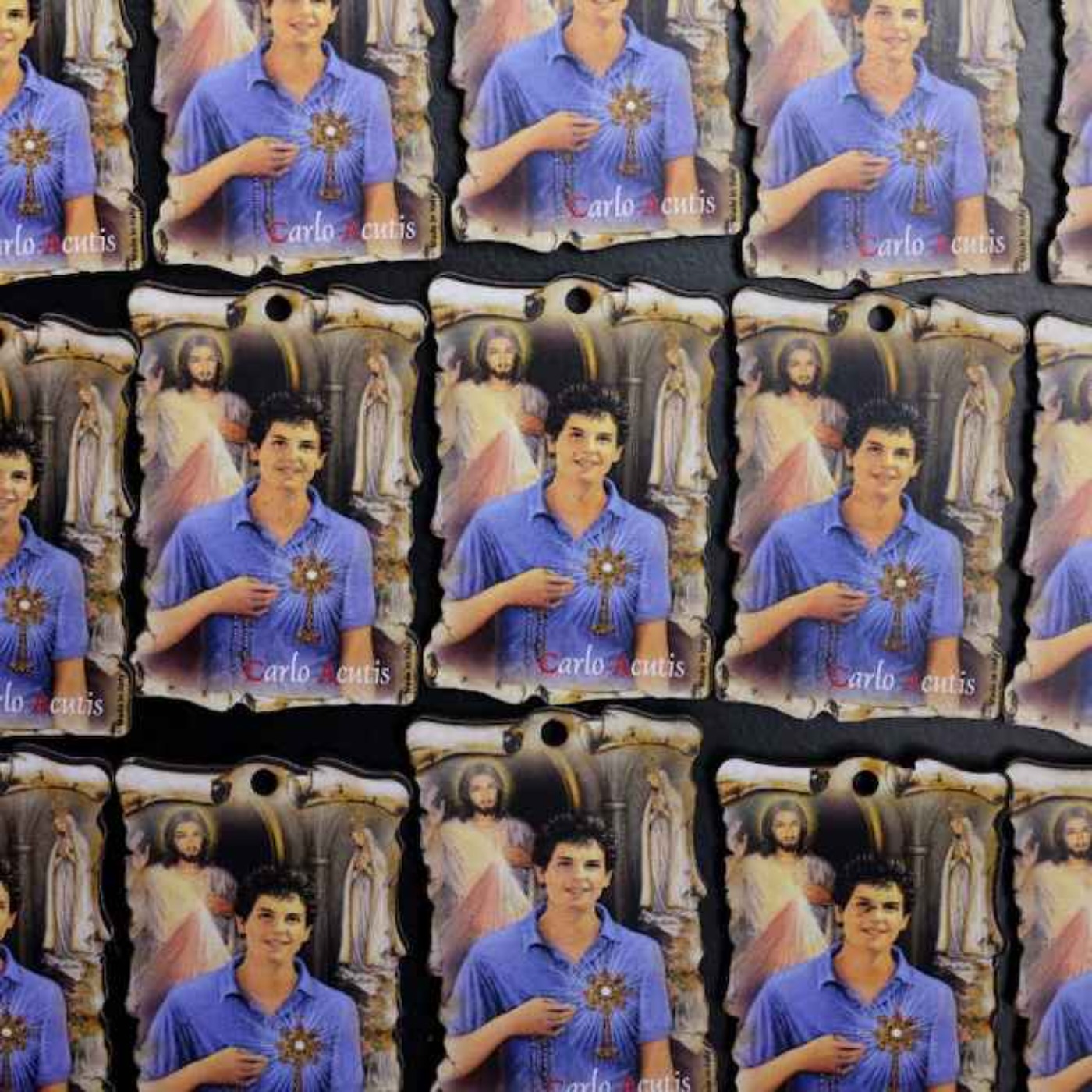
<p>The Catholic Church will acquire its first millennial saint today, when Pope Leo XIV canonises someone who, if he were alive today, would be young enough to be his son.&nbsp;</p><br><p>Carlo Acutis, a ‘computer geek’ from a prosperous Italian family,&nbsp;died aged just 15 in 2006. In this episode of <em>Holy Smoke</em>, Damian Thompson talks to Mgr Anthony Figueiredo and the Italian-based journalist Nicholas Farrell about the extraordinary phenomenon of St Carlo, the miracles associated with him – and the scepticism they arouse – and a mean-spirited attack on him by one of the late Pope Francis’s closest advisers.&nbsp;</p><br><p>Produced by Patrick Gibbons.</p> <hr><p style='color:grey; font-size:0.75em;'> Hosted on Acast. See <a style='color:grey;' target='_blank' rel='noopener noreferrer' href='https://acast.com/privacy'>acast.com/privacy</a> for more information.</p>
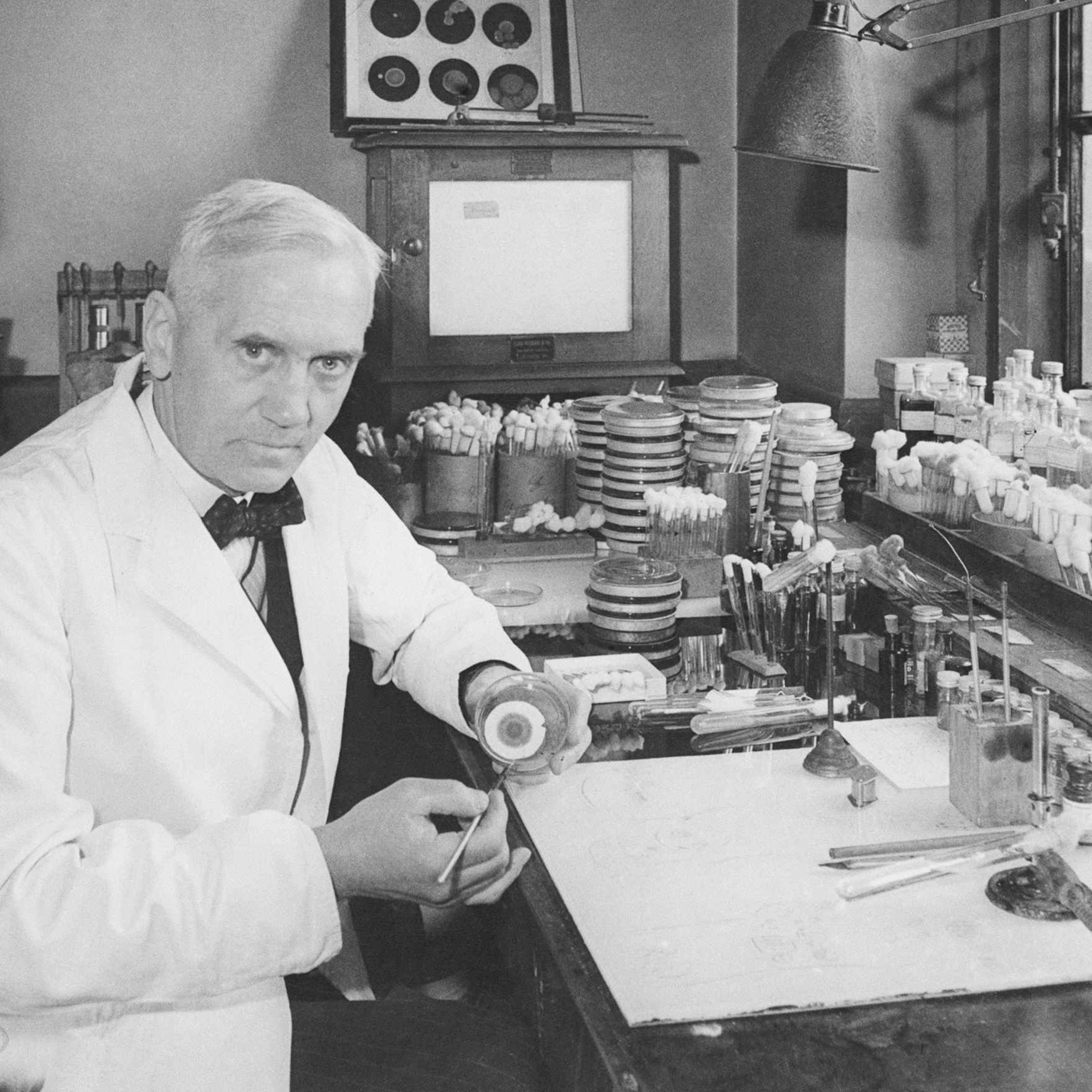
Spectator Out Loud: Tim Shipman, Colin Freeman, Rachel Clarke, Michael Gove & Melanie Ferbreach
<p>On this week’s <em>Spectator Out Loud</em>: Tim Shipman interviews shadow justice secretary Robert Jenrick (plus – Tim explains the significance of Jenrick’s arguments in a special introduction); Colin Freeman wonders why the defenders of Ukraine have been abandoned; Rachel Clarke reviews Liam Shaw and explains the urgency needed to find new antibiotics; Michael Gove reviews Tom McTague and ponders the path that led to the UK voting to leave the EU; and, Melanie Ferbreach provides her notes on made-up language.</p><br><p>Produced and presented by Patrick Gibbons.</p> <hr><p style='color:grey; font-size:0.75em;'> Hosted on Acast. See <a style='color:grey;' target='_blank' rel='noopener noreferrer' href='https://acast.com/privacy'>acast.com/privacy</a> for more information.</p>
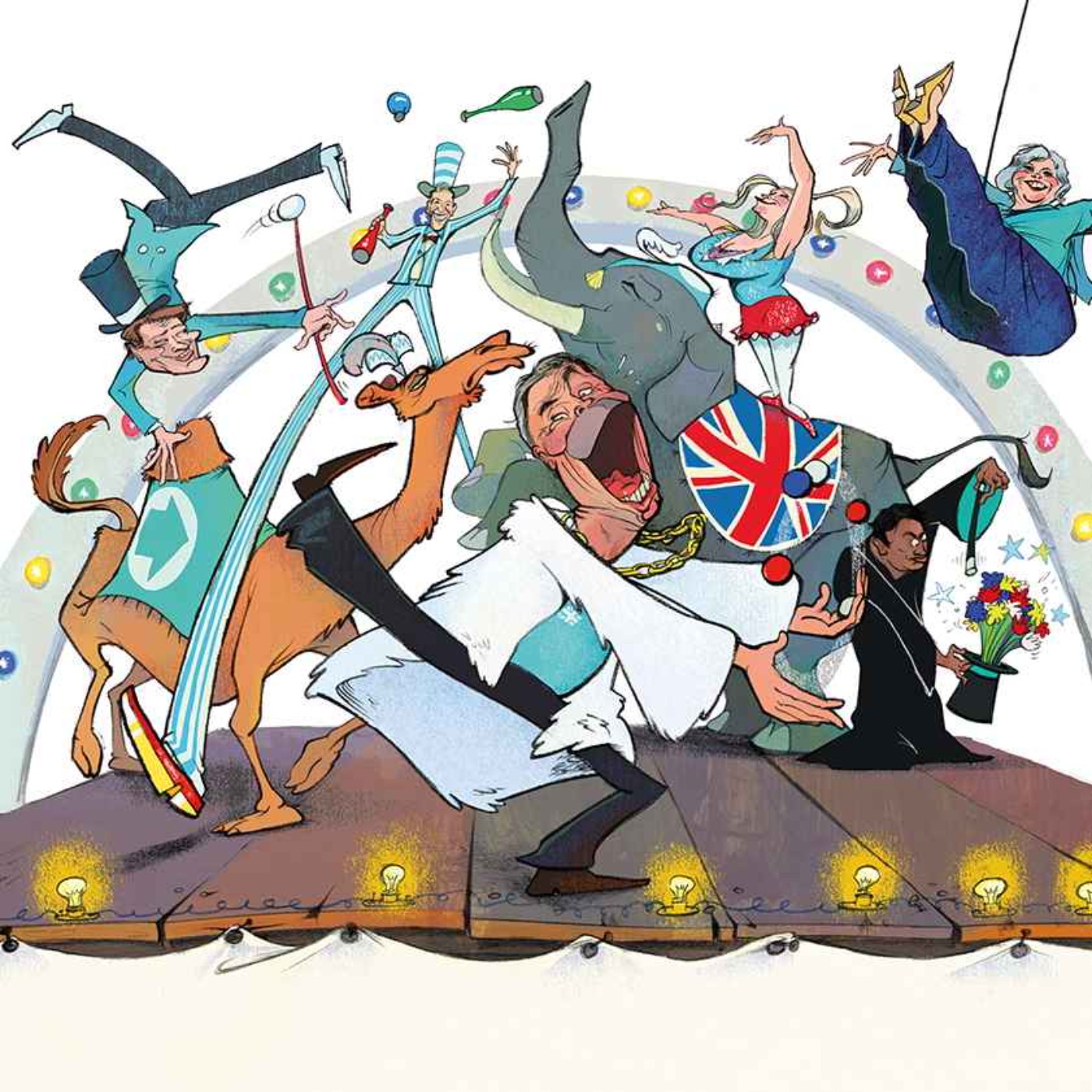
The Edition: Reform’s camp following, masculine rage & why do people make up languages?
<p><strong>First: Reform is naff – and that’s why people like it</strong></p><br><p>Gareth Roberts warns this week that ‘the Overton window is shifting’ but in a very unexpected way. Nigel Farage is ahead in the polls – not only because his party is ‘bracingly right-wing’, but ‘because Reform is camp’. Farage offers what Britain wants: ‘a cheeky, up-yours, never-mind-the-knockers revolt against our agonisingly earnest political masters’.</p><br><p>‘From Farage on down,’ Roberts argues, ‘there is a glorious kind of naffness’ to Reform: daytime-TV aesthetics, ‘bargain-basement’ celebrities and big-breasted local councillors. ‘The progressive activists thought they could win the culture war simply by saying they had won it’, but ‘the John Bulls and Greasy Joans are stirring again’. Roberts loves how ‘the current excitement over flag-raising’ is the ‘conniptions’ it gives to ‘the FBPE crowd’. Of course, for Farage, planning for government ‘really cannot be a pantomime affair’. But ‘in these grim times’ we ‘need the romping Reform’. Gareth joins the podcast to make his case for <em>Carry On</em> Reform.</p><br><p><strong>Next: the ‘she’ consumed by masculine rage</strong></p><br><p>Lionel Shriver reacts to the latest school shooting in America. The perpetrator was widely reported in the media with the pronouns ‘she/her’ which, Lionel argues, is not just an issue around politeness. This glosses over the fact that the shooter was biologically male, adding to the majority of cases of school shootings that are conducting by men. By pandering to this incoherence of the reality of the situation, it doesn’t help society to uncover the reasons behind the issue.</p><br><p>Lionel joined the podcast alongside the Spectator’s US editor Freddy Gray. Freddy points out how this shooting is just one example of how younger people can be transfixed by the very darkest sides of the internet.</p><br><p><strong>And finally: why people make up languages </strong></p><br><p>Constructed language expert Dr Bettina Beinhoff and author and historian Peter Parker join the podcast to talk about ‘made-up’ languages. Why do humans construct languages outside of their every-day speech? Most people will have heard of Klingon or Elvish, used in books and film, but what about Polari – the subversive language used by groups of LGBT people decades ago – or the Potato language – which writer Melanie Ferbreach says her parents used to hide their conversations from her. Listeners may be impressed to hear Lara's own attempt at 'eggy-peggy'...</p><br><p><strong>Plus: with a special introduction from our political editor, Tim Shipman interviews shadow justice secretary Robert Jenrick – is he trying to outflank Farage?&nbsp;</strong></p><br><p>Hosted by William Moore and Lara Prendergast.</p><br><p>Produced by Patrick Gibbons and Natasha Feroze.</p> <hr><p style='color:grey; font-size:0.75em;'> Hosted on Acast. See <a style='color:grey;' target='_blank' rel='noopener noreferrer' href='https://acast.com/privacy'>acast.com/privacy</a> for more information.</p>
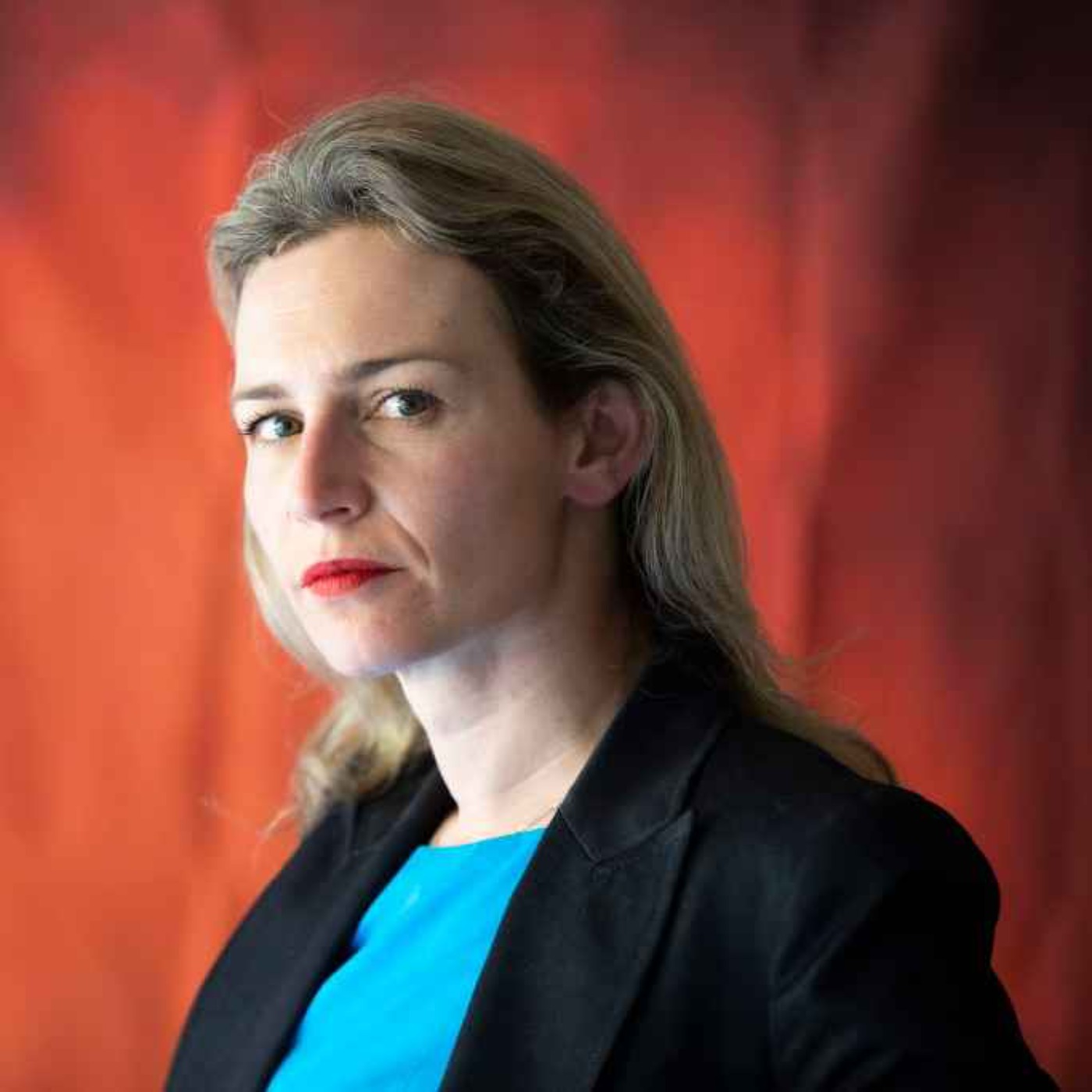
The Book Club: Lea Ypi
My guest in this week’s Book Club podcast is the Albanian-born political philosopher Lea Ypi, whose new book&nbsp;<em>Indignity: A Life Reimagined</em>&nbsp;reconstructs the story of her grandmother’s early life amid the turbulence of the early and mid twentieth century. She talks to me about using the techniques of fiction to supply the gaps in the archive, about Albania’s troubling position as a tiny power among great ones, why the fight between Kant and Nietzsche remains a live one — and how online trolls sparked her quest for a restorative account of her beloved grandmother’s life.&nbsp; <hr><p style='color:grey; font-size:0.75em;'> Hosted on Acast. See <a style='color:grey;' target='_blank' rel='noopener noreferrer' href='https://acast.com/privacy'>acast.com/privacy</a> for more information.</p>

Quite right!: Farage steals summer, Starmer’s reset flop & should we 'raise the colours'?
<p>Michael Gove and Madeline Grant launch ‘Quite right!’, the new podcast from <em>The Spectator</em> that promises sanity and common sense in a world that too often lacks both.</p><p>In their first episode, they take stock of a political summer dominated by Nigel Farage, a Labour government already facing mutiny, and the curious spectacle of Tory MPs moonlighting as gonzo reporters.</p><p>From J.D. Vance’s Cotswold sojourn and Tom Skinner’s bish bash bosh patriotism, to Sydney Sweeney’s jeans advert causing a culture war, Michael and Madeline discuss what really drives our politics: policies, or memes and vibes?</p><p>Plus: Keir Starmer’s ‘phase two’ reshuffle – does it amount to more than technocratic jargon? And why has cosy crime conquered our screens, even as Richard Osman’s <em>The Thursday Murder Club</em> stumbles upon its Netflix release?</p><p>Produced by Oscar Edmondson, Oscar Bicket and Matt Miszczak.</p> <hr><p style='color:grey; font-size:0.75em;'> Hosted on Acast. See <a style='color:grey;' target='_blank' rel='noopener noreferrer' href='https://acast.com/privacy'>acast.com/privacy</a> for more information.</p>
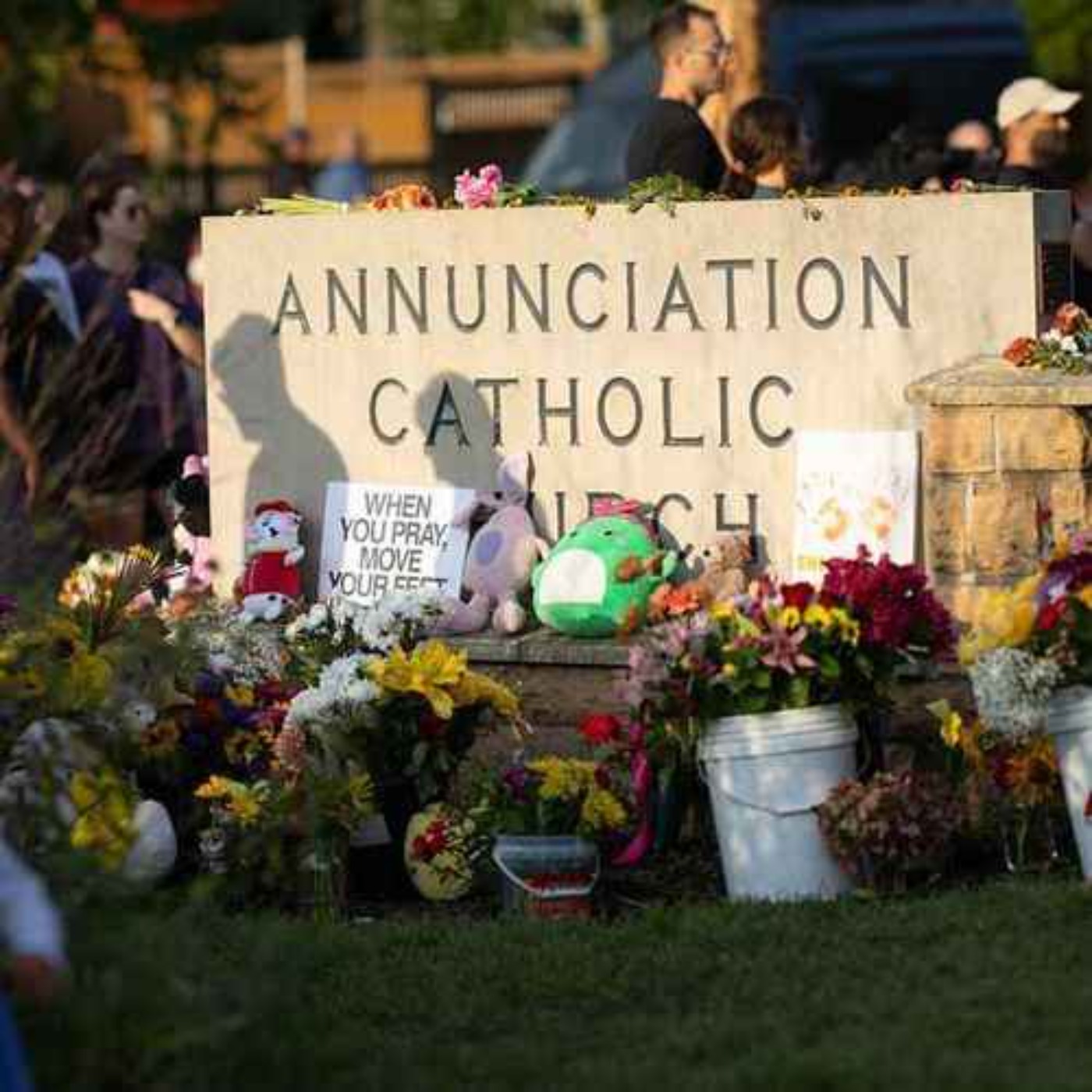
Americano: do mass shootings begin online?
Freddy Gray is joined by writer and internet ethnographer Katherine Dee. She's written about the Minneapolis school shooting and Robin Westman for Spectator World. Two children were killed and 17 others injured by a killer with a bizarre online footprint: a mix of memes, nihilism, politics and gore references. Katharine argues <em>'these shooters are radicalized, but in no particular direction. Their identities fragment. There is a deep fear of being forgotten.' </em> <hr><p style='color:grey; font-size:0.75em;'> Hosted on Acast. See <a style='color:grey;' target='_blank' rel='noopener noreferrer' href='https://acast.com/privacy'>acast.com/privacy</a> for more information.</p>
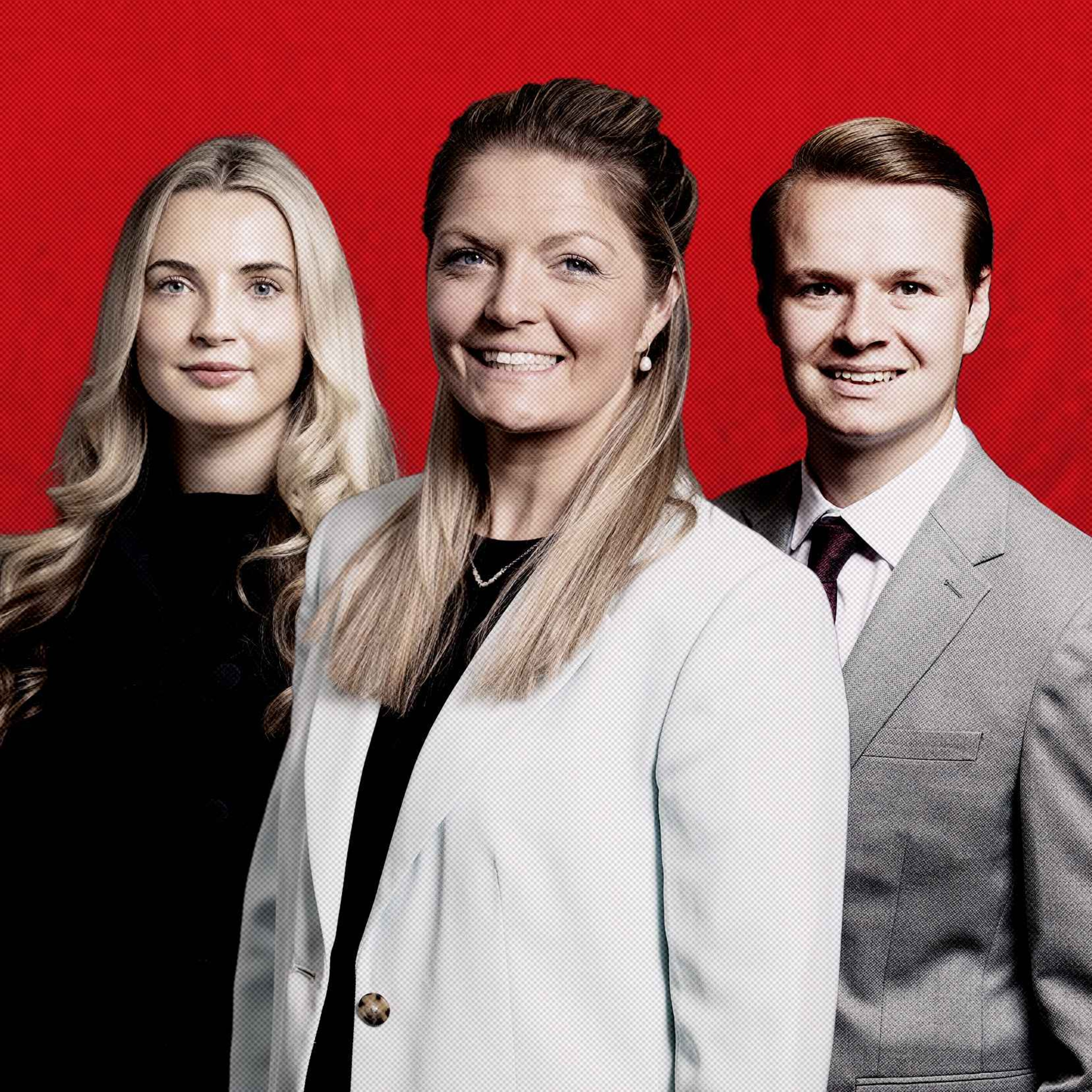
Coffee House Shots: how have the 2024 intake found frontline politics?
<p>As Parliament returns from summer recess, three rising stars of the 2024 intake join Coffee House Shots to provide their reflections on frontline politics so far. Labour's Rosie Wrighting, the Conservatives' Harriet Cross and the Liberal Democrats' Joshua Reynolds tell deputy political editor James Heale how they have found Parliament so far, and their most – and least – favourite thing about being an MP. Plus: while they are all new, and young, MPs, their parties' fortunes have all varied wildly – how have they dealt with that?</p><br><p>Produced by Patrick Gibbons.</p> <hr><p style='color:grey; font-size:0.75em;'> Hosted on Acast. See <a style='color:grey;' target='_blank' rel='noopener noreferrer' href='https://acast.com/privacy'>acast.com/privacy</a> for more information.</p>

Holy Smoke: the Twelve Churches that made Christianity
<p>What links the Church of the Nativity in Bethlehem and St Peter's in Rome with the 16th Street Baptist Church in Birmingham, Alabama, and Canaanland in Ota, Nigeria? These are just some of the churches that Anglican priest and writer the Revd Fergus Butler-Gallie highlights in his new book&nbsp;<em>Twelve Churches: An Unlikely History of the Buildings that made Christianity</em>. The Anglican priest and writer joins Damian Thompson on Holy Smoke to explain how each Church not only tells a story but also raises a surprising dilemma for modern believers.</p><br><p>Fergus aims to tell the history of the Churches 'warts and all' and argues that, from Turkey to Britain, today’s Christians must be prepared to defend their religious spaces. Also, why is the Church of England one of the worst offenders when it comes to preserving its heritage? </p><br><p>Produced by Patrick Gibbons.</p> <hr><p style='color:grey; font-size:0.75em;'> Hosted on Acast. See <a style='color:grey;' target='_blank' rel='noopener noreferrer' href='https://acast.com/privacy'>acast.com/privacy</a> for more information.</p>
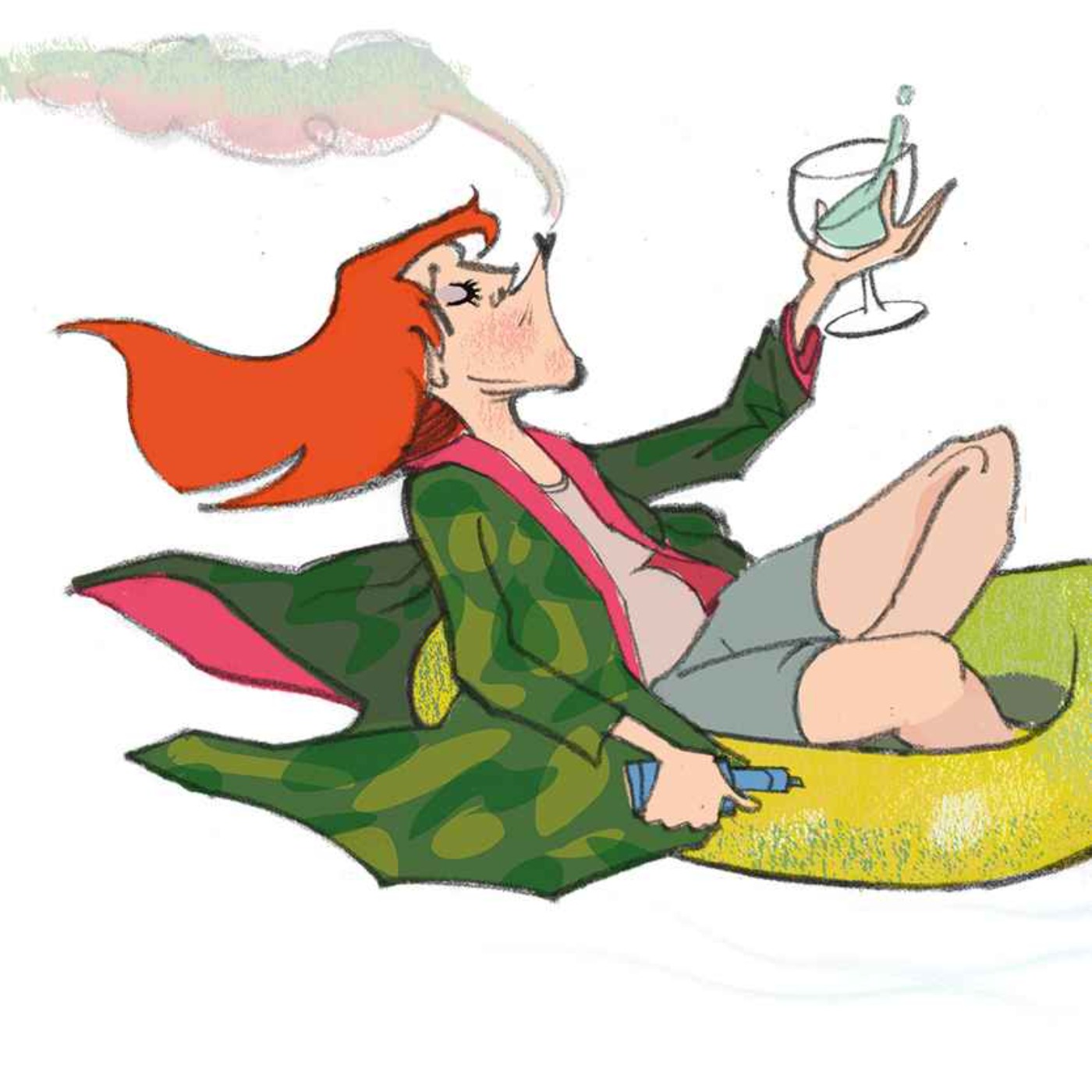
Coffee House Shots: why Angela Rayner is so iconic
<p>The Daily Telegraph have run a story this week that Angela Rayner may have dodged stamp duty on her second home. But beyond the story, its the photos of the Deputy Prime Minister on the beach at Hove – drinking and vaping – that went viral. Christian Calgie, senior political correspondent for the Daily Express, joins James Heale to unpack the story and the wider questions it raises for British politics, but also to discuss Rayner herself. Could 'teflon Ang' turn around the Labour Party's fortunes? And why do so many people – including many Tories – like her so much?</p><br><p>Produced by Megan McElroy and Patrick Gibbons.</p> <hr><p style='color:grey; font-size:0.75em;'> Hosted on Acast. See <a style='color:grey;' target='_blank' rel='noopener noreferrer' href='https://acast.com/privacy'>acast.com/privacy</a> for more information.</p>
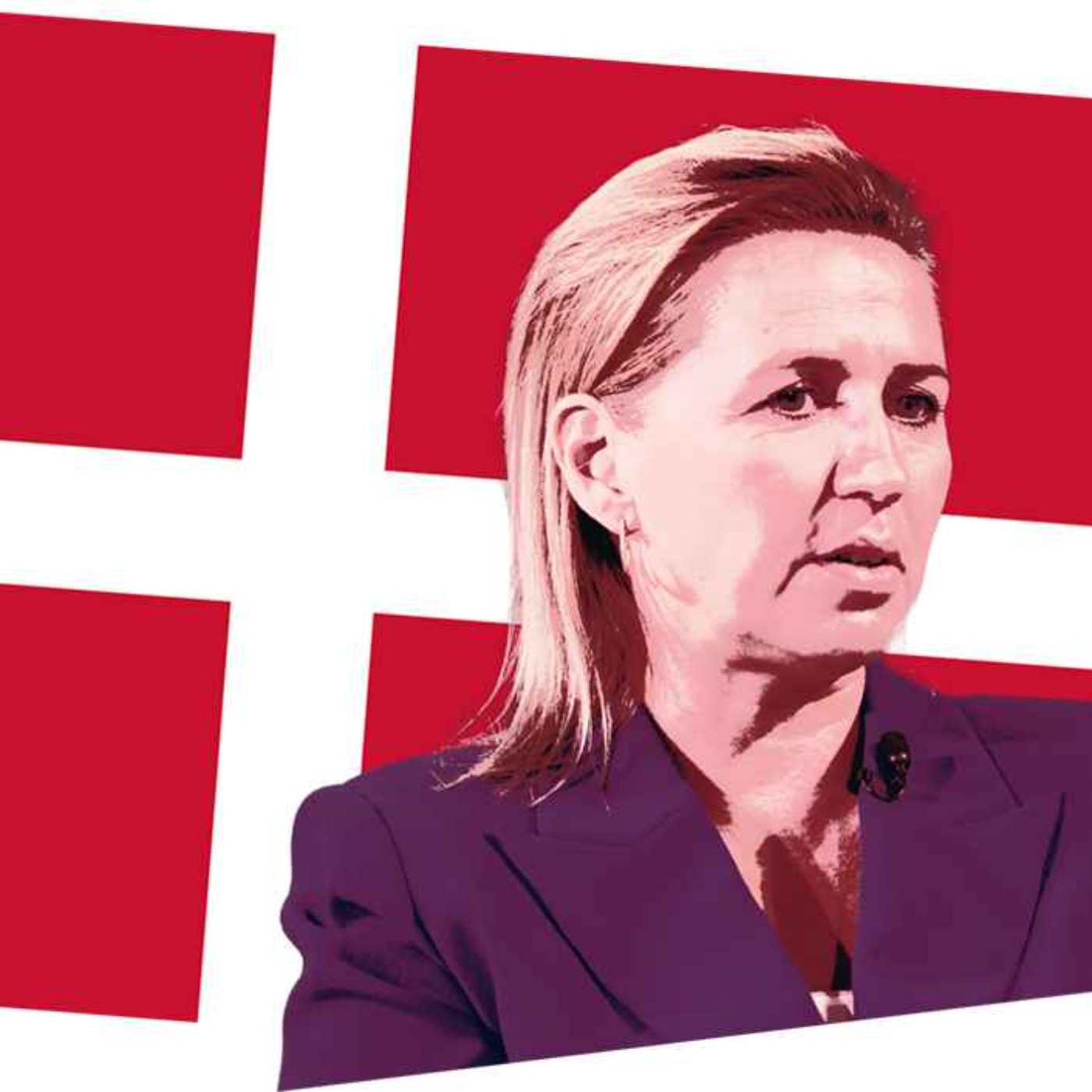
Spectator Out Loud: Tom Slater, Justin Marozzi, Iben Thranholm, Angus Colwell & Philip Womack
<p>On this week’s <em>Spectator Out Loud</em>: Tom Slater says that Britain is having its own gilet jaunes moment; Justin Marozzi reads his historian’s notebook; Iben Thranholm explains how Denmark’s ‘spiritual rearmament’ is a lesson for the West; Angus Colwell praises BBC Alba; and, Philip Womack provides his notes on flatmates.</p><br><p>Produced and presented by Patrick Gibbons.</p> <hr><p style='color:grey; font-size:0.75em;'> Hosted on Acast. See <a style='color:grey;' target='_blank' rel='noopener noreferrer' href='https://acast.com/privacy'>acast.com/privacy</a> for more information.</p>
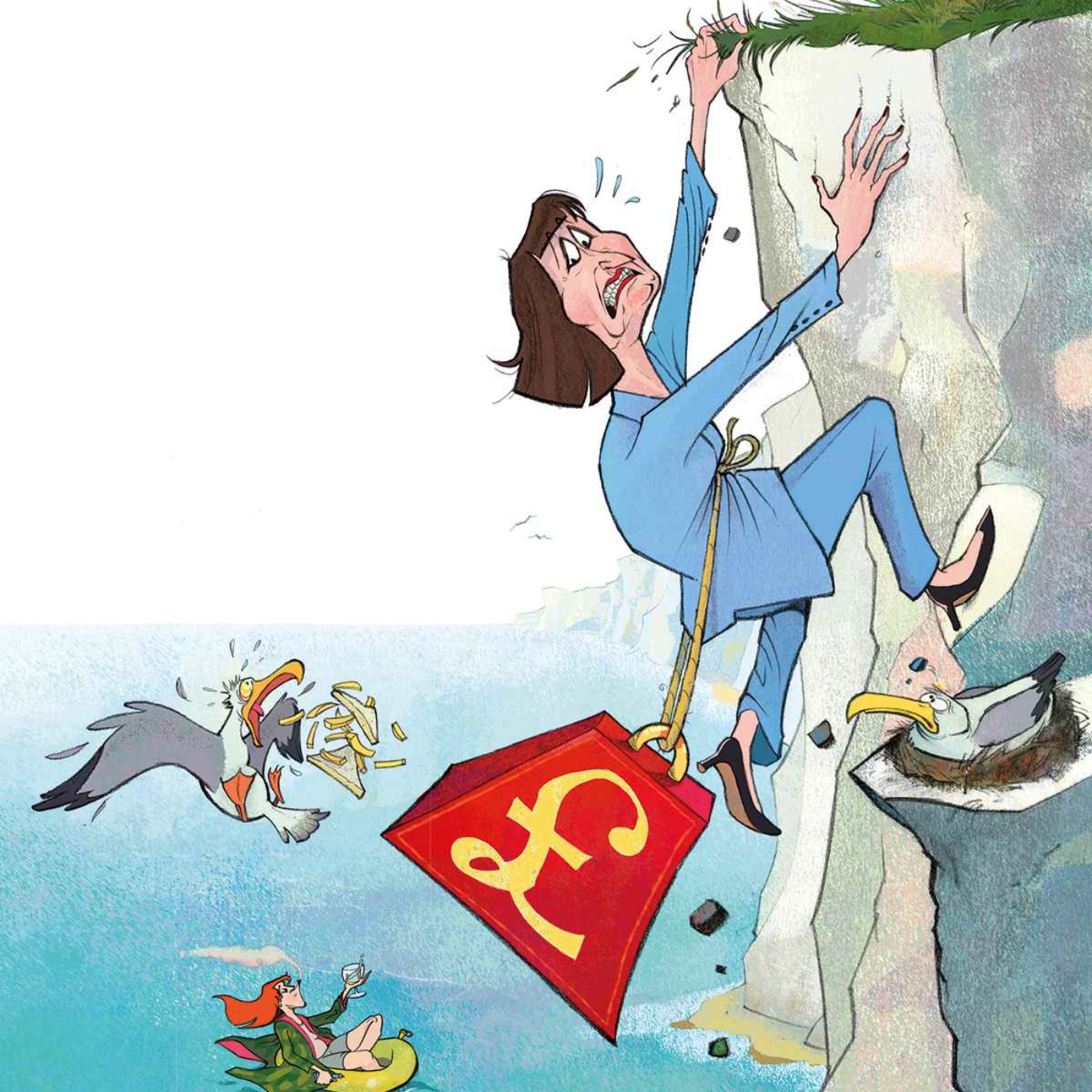
The Edition: the coming crash, a failing foster system & ‘DeathTok’
<p><strong>First: an economic reckoning is looming</strong></p><p><strong>&nbsp;</strong></p><p>‘Britain’s numbers… don’t add up’, says economics editor Michael Simmons. We are ‘an ageing population with too few taxpayers’. ‘If the picture looks bad now,’ he warns, ‘the next few years will be disastrous.’ Governments have consistently spent more than they raised; Britain’s debt costs ‘are the worst in the developed world’, with markets fearful about Rachel Reeves’s Budget plans.</p><p>&nbsp;</p><p>A market meltdown, a delayed crash, or prolonged stagnation looms. The third scenario, he warns, would be the bleakest, keeping politicians from confronting Britain’s spendthrift state. We need ‘austerity shock therapy’ – but voters don’t want it. To discuss further, we include an excerpt from a discussion Michael had with our deputy editor Freddy Gray and economist Paul Johnson for Spectator TV.</p><p>&nbsp;</p><p><strong>Next: can the foster system survive?</strong></p><p><strong>&nbsp;</strong></p><p>‘The foster system in this country is collapsing,’ Mary Wakefield warns. There around 80,000 children who need homes, but ‘a catastrophic lack of people prepared to care for them’. Every year the small pool of available foster households shrinks, with younger generations unwilling to become carers and more and more existing carers considering leaving.</p><p>&nbsp;</p><p>Mary joined the podcast to explain how bad the problem is, alongside author and full-time foster carer Rosie Lewis.</p><br><p><strong>And finally: the unsettling rise of DeathTok</strong></p><br><p>Damian Thompson highlights the rise of ‘DeathTok’ – the name given to videos shared on the social media platform Tik Tok by users who are dealing with life-threatening illnesses. Ordinary young people ‘employ adult communications skills to express adolescent feelings’ and share every stage of the ruthlessness of their cancer journey. The videos may upset younger uses who stumble across them, but for many this digital sense of community will prove invaluable.</p><br><p>There is a wider question though – ‘the luxury of fading memories’ says Damian, is something we lose with every advance in media technology. Can this really be a good thing?</p><br><p><strong>Plus: Tom Slater says that Britain is having its own gilet jaunes moment and Philip Womack reacts to the news that the Pope will be getting some flatmates.</strong></p><br><p>Hosted by William Moore and Lara Prendergast.</p><br><p>Produced by Patrick Gibbons and Oscar Edmondson.</p> <hr><p style='color:grey; font-size:0.75em;'> Hosted on Acast. See <a style='color:grey;' target='_blank' rel='noopener noreferrer' href='https://acast.com/privacy'>acast.com/privacy</a> for more information.</p>
Book Club, from the archives: 80 years of Brideshead Revisited
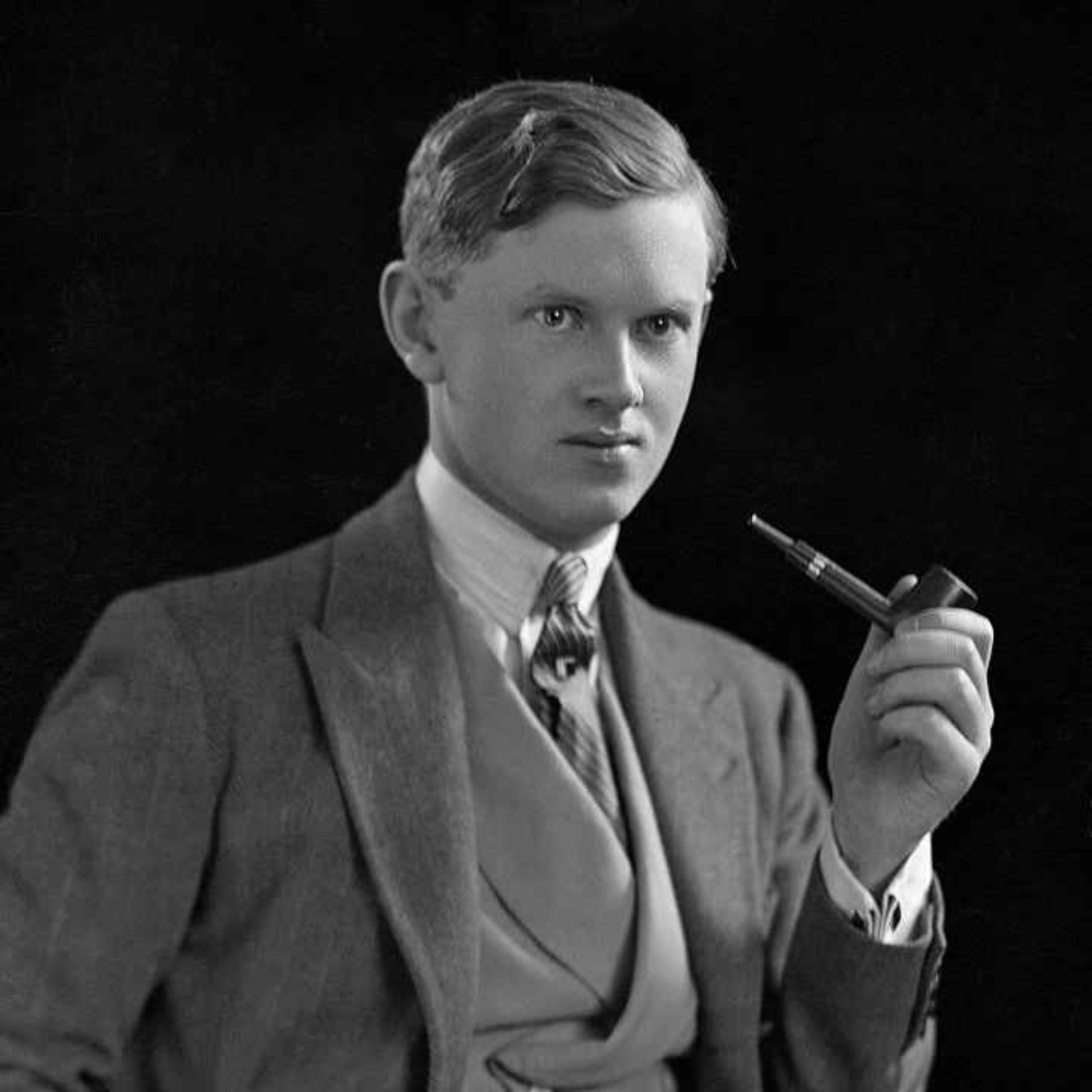
<p>This week's Book Club podcast marks the 80th anniversary this year of the publication of <em>Brideshead Revisited</em>. This conversation is from the archives, originally recorded in 2020 to mark its 75th anniversary.</p><br><p>To discuss Evelyn Waugh's great novel, Sam Leith is joined by literary critic and author Philip Hensher, and by the novelist's grandson (and general editor of Oxford University Press's complete Evelyn Waugh) Alexander Waugh. What made the novel so pivotal in Waugh's career, what did it mean to the author and how did he revise it? And why have generations of readers, effectively, misread it?</p><p><br></p> <hr><p style='color:grey; font-size:0.75em;'> Hosted on Acast. See <a style='color:grey;' target='_blank' rel='noopener noreferrer' href='https://acast.com/privacy'>acast.com/privacy</a> for more information.</p>

Coffee House Shots: is Britain becoming more sectarian?
<p>Immigration returned to the headlines over the past week after the High Court granted an injunction forcing the removal of migrants from a hotel in Essex – a ruling that could have wider implications for similar cases across the country. At the same time, the sight of Union Jacks and St George’s Crosses appearing in towns and cities has sparked a debate over whether flag-flying is a symbol of patriotism or a sign of growing division.</p><br><p>On this podcast, originally recorded for Saturday's <em>Coffee House Shots</em>, Lucy Dunn is joined by Lord Hannan and trade unionist Paul Embery to ask: what kind of country is Britain becoming? Paul argues that rapid cultural change, combined with economic decline, has left many people feeling disoriented and neglected. Dan Hannan warns that national symbols once seen as unifying risk becoming sectarian markers, echoing Northern Ireland’s politics of identity.</p><br><p>They debate the failures of integration policy to the dangers of what Embery calls ‘soft Lebanonisation’ – a creeping communalism in which people retreat into their own tribes. The political class have been slow to listen, leaving space for rising resentment over immigration and national identity. So, why is Britain so uncertain of its own identity?&nbsp;</p><br><p>Produced by Oscar Edmondson and Patrick Gibbons.</p> <hr><p style='color:grey; font-size:0.75em;'> Hosted on Acast. See <a style='color:grey;' target='_blank' rel='noopener noreferrer' href='https://acast.com/privacy'>acast.com/privacy</a> for more information.</p>
Coffee House Shots: Farage finally unveils his deportation plan
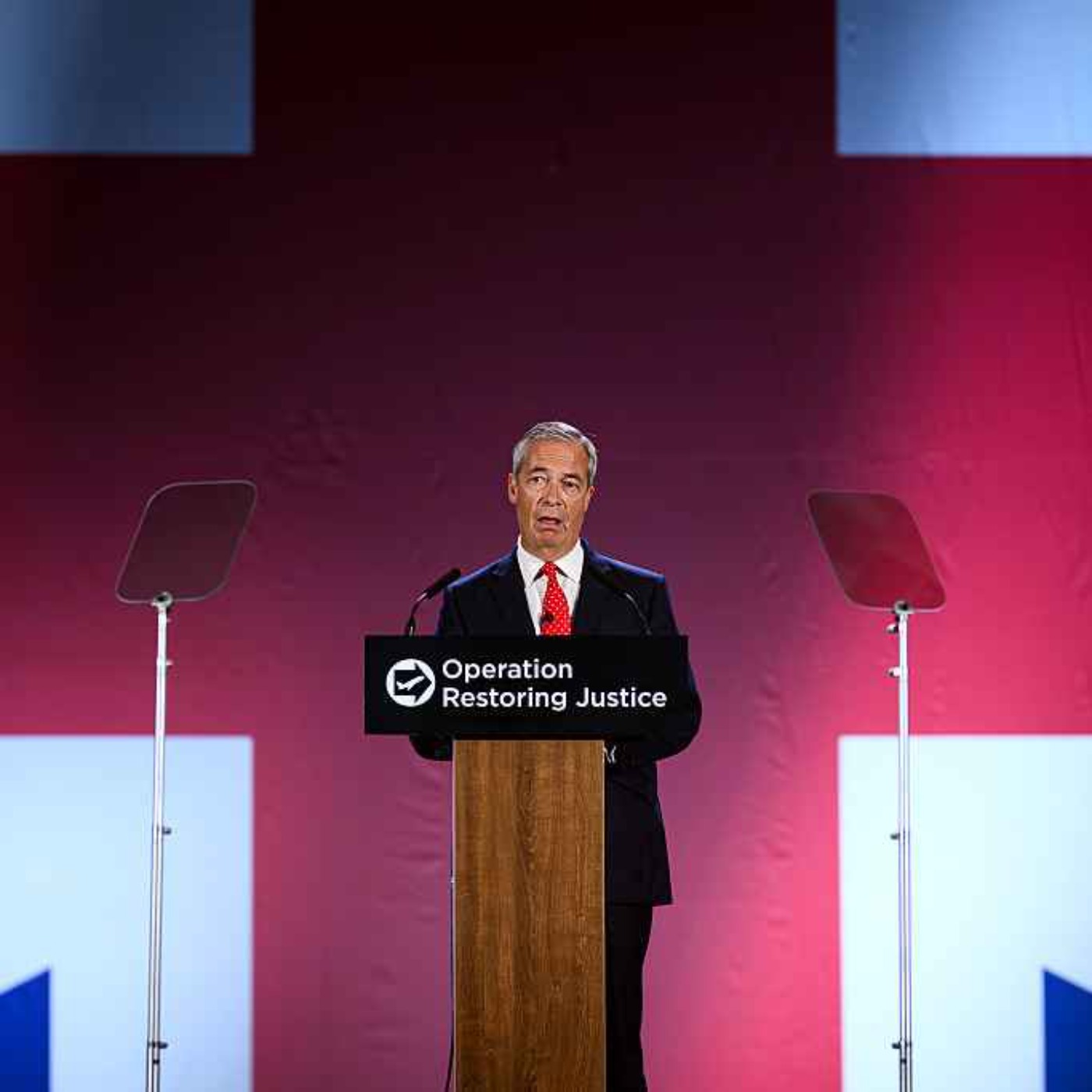
<p>Today James Heale has been on quite the magical mystery tour. Bundled into a bus at 7.45 a.m. along with a group of other hacks, he was sent off to an aircraft hangar in Oxfordshire where Nigel Farage finally unveiled his party’s long-awaited deportations strategy. The unveiling of ‘Operation Restoring Justice’ was accompanied by some impressive production value, including a Heathrow-style departure board and an enormous union flag.</p><br><p>The headlines of Farage’s mass deportation initiative are as follows: Reform will leave the ECHR and disapply the Refugee Convention for five years if elected in 2029; a new British Bill of Rights will be introduced, with all government departments required to make the migration crisis their number one ministerial priority; and all this at a cost of £2 billion. But how realistic is it? And since we now have headline deportation plans from the parties at the top of the polls (just), which is more impressive?</p><br><p>Oscar Edmondson speaks to James Heale and Karl Williams, research director at the Centre for Policy Studies.</p><br><p>Produced by Oscar Edmondson.</p> <hr><p style='color:grey; font-size:0.75em;'> Hosted on Acast. See <a style='color:grey;' target='_blank' rel='noopener noreferrer' href='https://acast.com/privacy'>acast.com/privacy</a> for more information.</p>
Americano: how progressivism killed American Protestantism
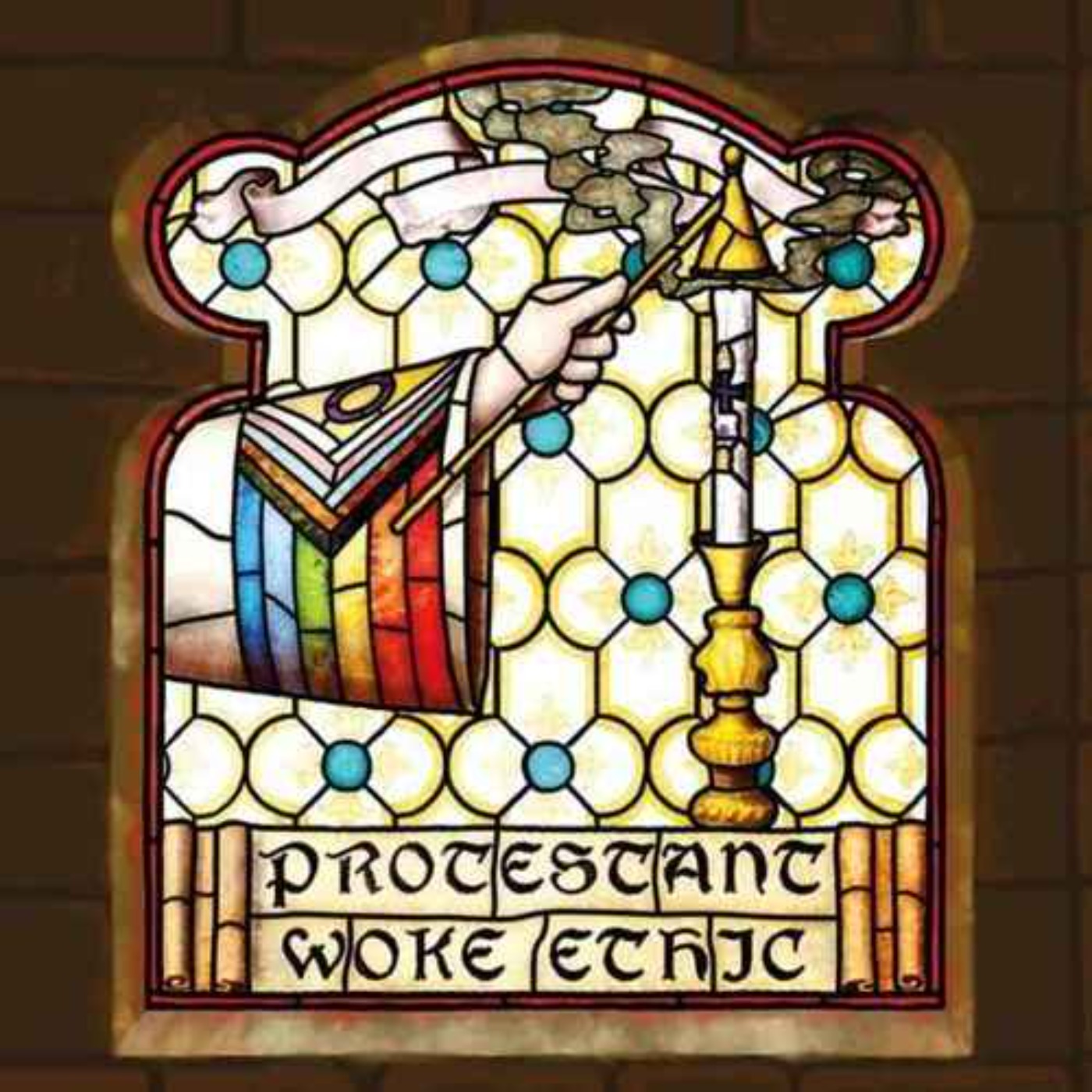
Freddy Gray speaks to Christopher Mondics who is a legal affairs writer&nbsp;about how the left-wing orthodoxy has destroyed Protestantism in America. They discuss the mainline denominations in America, how 'wokeness' infiltrated the churches and why, despite some drop off, religion is still so present in America. <hr><p style='color:grey; font-size:0.75em;'> Hosted on Acast. See <a style='color:grey;' target='_blank' rel='noopener noreferrer' href='https://acast.com/privacy'>acast.com/privacy</a> for more information.</p>
Spectator Out Loud: Svitlana Morenets, Michael Simmons, Ursula Buchan, Igor Toronyi-Lalic, Richard Morris & Mark Mason
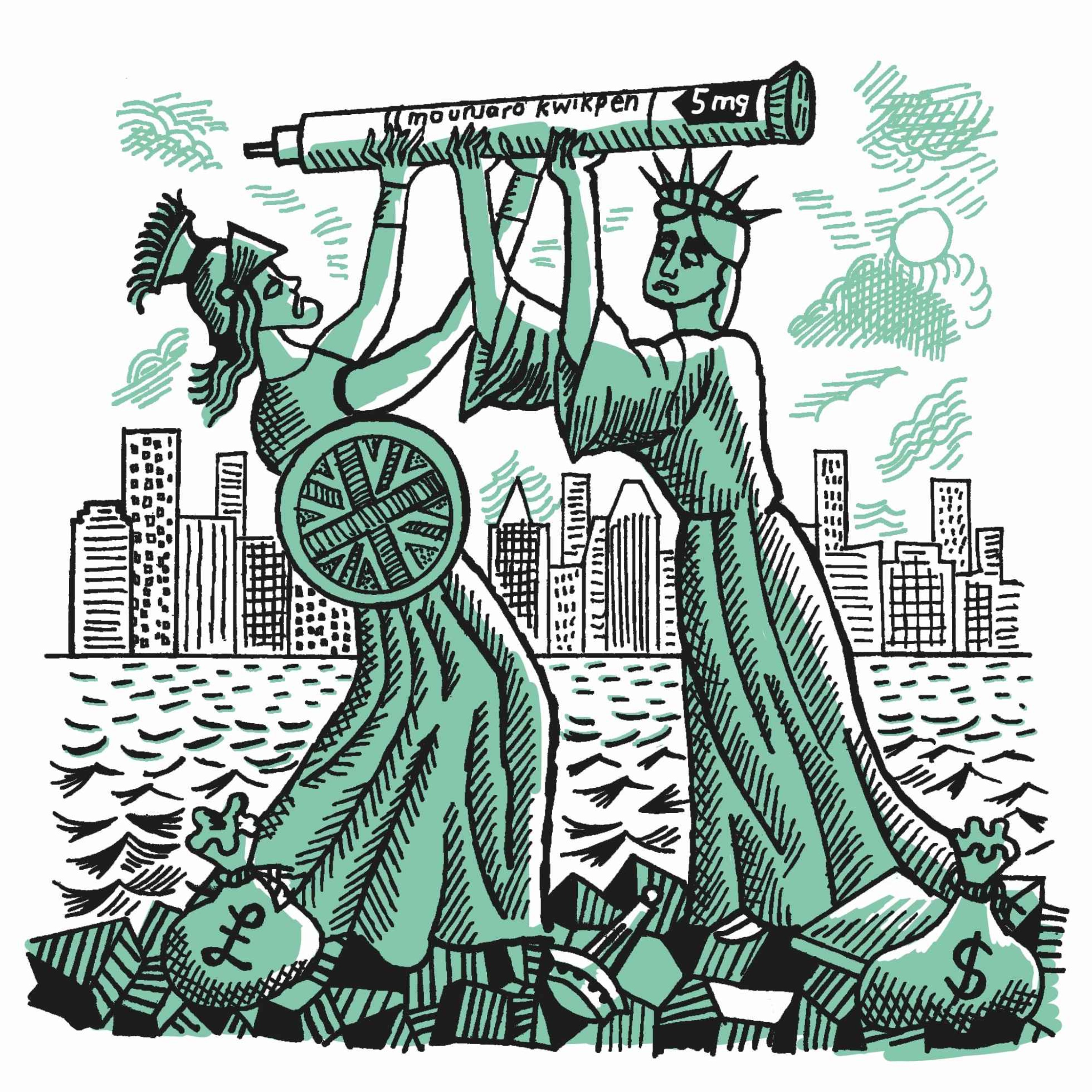
<p>On this week’s <em>Spectator Out Loud</em>: Svitlana Morenets says that Trump has given Zelensky cause for hope; Michael Simmons looks at how the American healthcare system is keeping the NHS afloat; Ursula Buchan explains how the Spectator shaped John Buchan; Igor Toronyi-Lalic argues that art is no place for moralising, as he reviews Rosanna McLaughlin; Richard Morris reveals how to access the many treasures locked away in private homes; and, Mark Mason provides his notes on bank holidays.</p><br><p>Produced and presented by Patrick Gibbons.</p> <hr><p style='color:grey; font-size:0.75em;'> Hosted on Acast. See <a style='color:grey;' target='_blank' rel='noopener noreferrer' href='https://acast.com/privacy'>acast.com/privacy</a> for more information.</p>
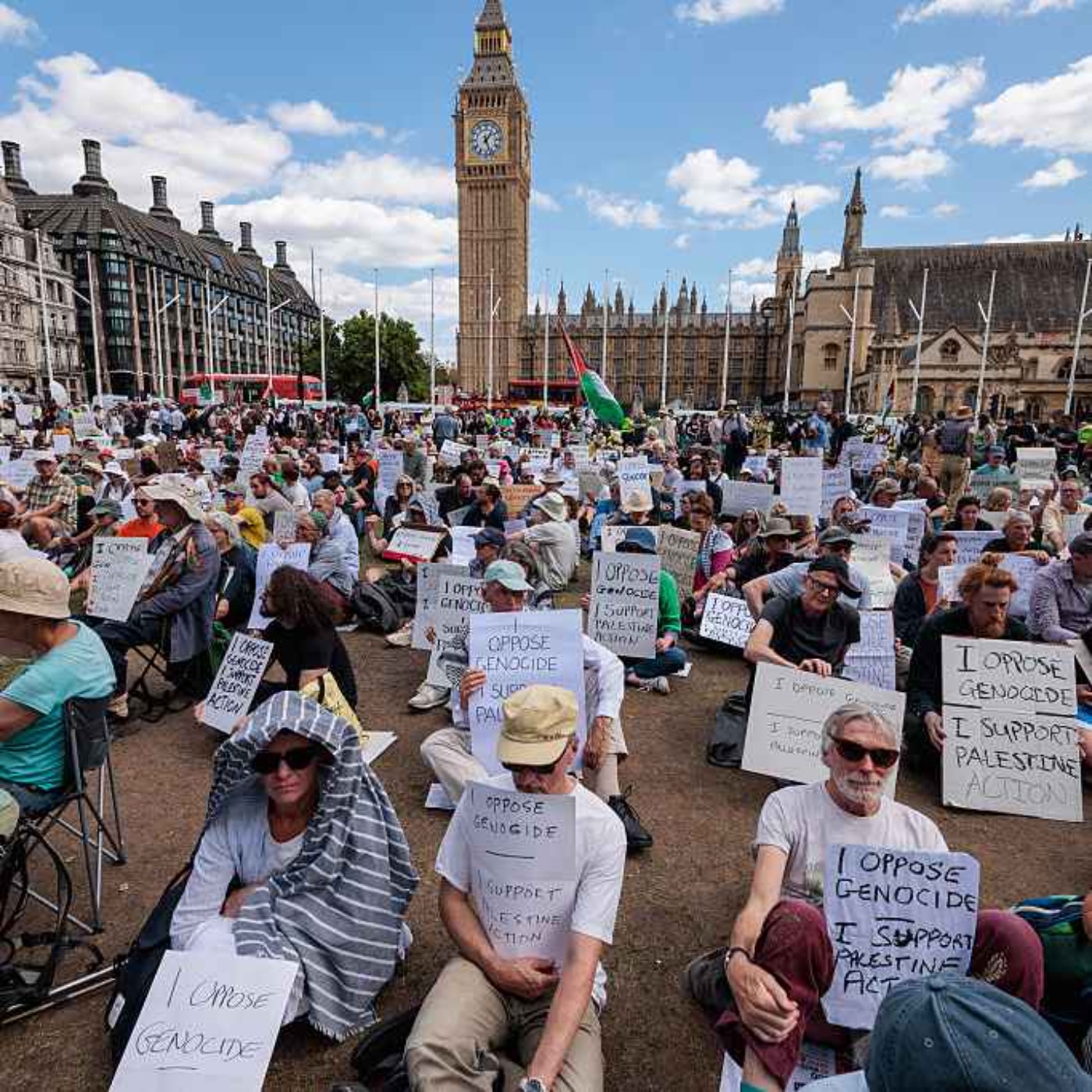
Coffee House Shots: Starmer’s authoritarian turn – with Ash Sarkar
<p>Since the government’s decision to proscribe the group Palestine Action, arrests have mounted across the country, raising questions not only about the group’s tactics but also about the government’s handling of free speech and protest rights.</p><br><p>On today’s special edition of Coffee House Shots, Michael Simmons is joined by <em>The Spectator</em>’s James Heale and journalist Ash Sarkar to debate whether this is evidence of an increasingly authoritarian bent to Starmer’s Labour. Has the ban made prosecutions easier, or has it created a chilling effect on freedom of expression? And is this further evidence of the overreach of the attorney-general, Lord Hermer?</p><br><p>Also on the podcast, with Keir Starmer’s majority secured but his party’s membership dwindling, is there space for a new populist party to Labour’s left? Ash defends Jeremy Corbyn and Zara Sultana’s efforts to establish Your Party. Should they be taking a leaf out of Reform’s playbook?</p><br><p>Produced by Oscar Edmondson and Patrick Gibbons.</p> <hr><p style='color:grey; font-size:0.75em;'> Hosted on Acast. See <a style='color:grey;' target='_blank' rel='noopener noreferrer' href='https://acast.com/privacy'>acast.com/privacy</a> for more information.</p>

Americano: how dangerous is Washington, D.C.?
US President Donald Trump claims Washington, D.C. has been "overtaken by violent gangs and bloodthirsty criminals". There are lots of stories about crime, including one very bizarre incident involving a sandwich. Just how unsafe is D.C.? Freddy Gray is joined by US managing editor Matt McDonald and Isaac Schorr, staff writer at Mediaite, who has written a piece on his experience in Washington for Spectator World. <hr><p style='color:grey; font-size:0.75em;'> Hosted on Acast. See <a style='color:grey;' target='_blank' rel='noopener noreferrer' href='https://acast.com/privacy'>acast.com/privacy</a> for more information.</p>
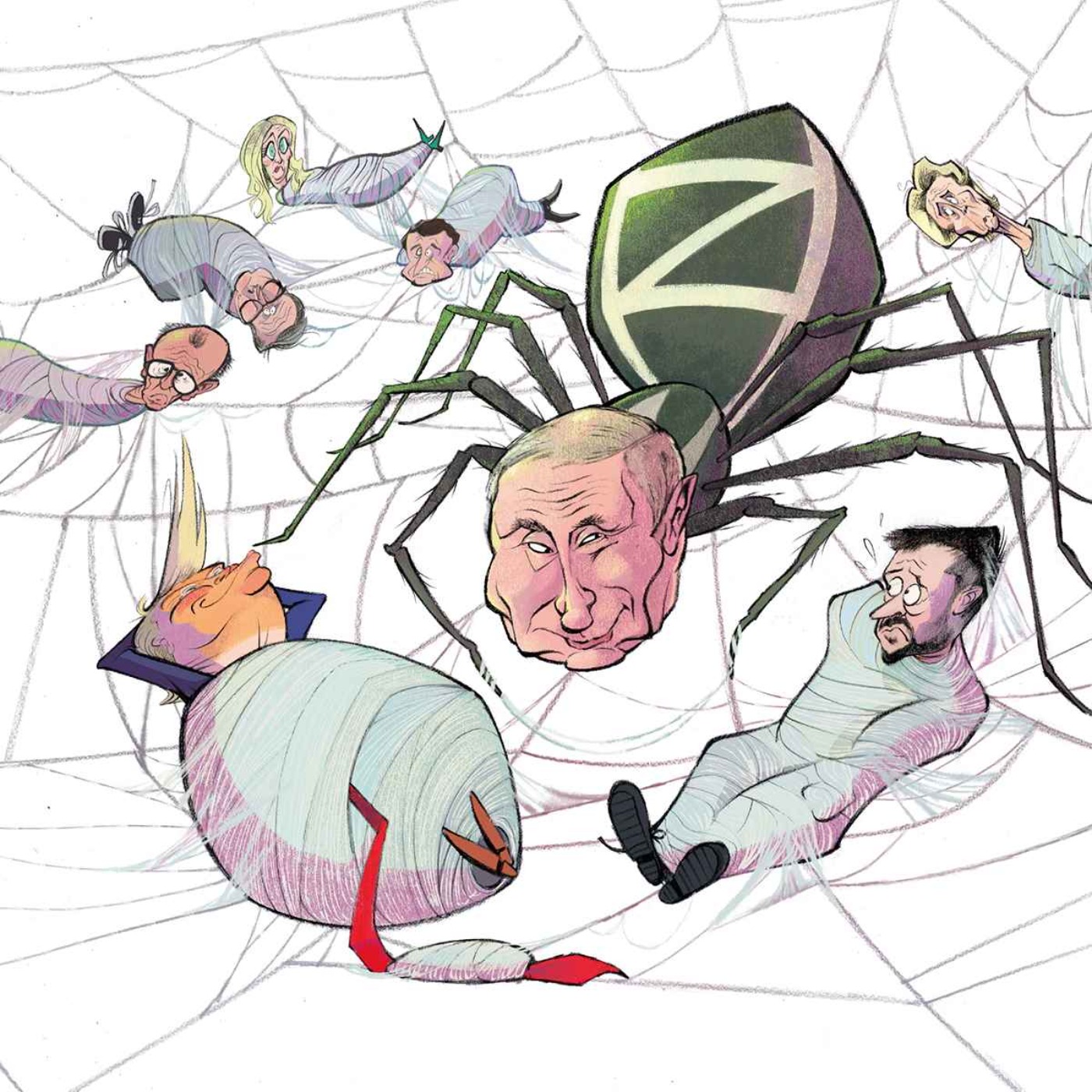
The Edition: Putin’s trap, the decline of shame & holiday rental hell
<p><strong>First: Putin has set a trap for Europe and Ukraine</strong></p><p><strong>&nbsp;</strong></p><p>‘Though you wouldn’t know from the smiles in the White House this week… a trap has been set by Vladimir Putin to split the United States from its European allies,’ warns Owen Matthews. The Russian President wants to make a deal with Donald Trump, but he ‘wants to make it on his own terms’. ‘Putin would like nothing more than for Europe to encourage Ukraine to fight on… and lose even more of their land’. But, as Owen writes, those who count themselves among the country’s friends must ask ‘whether it’s time to choose an unjust peace over a just but never-ending war’.</p><p>&nbsp;</p><p>Have European leaders walked into Putin’s trap? Owen joins the podcast alongside Gideon Rachman of the <em>Financial Times</em>.</p><p>&nbsp;</p><p><strong>Next: Lionel Shriver, Toby Young & Igor Toronyi-Lalic on the decline of shame in society</strong></p><p>&nbsp;</p><p>A rise in brazen shoplifting, attempts to police public spaces and moralising over ‘Art’ – these are all topics touched on by columnists Lionel Shriver and Toby Young and Arts editor Igor Toronyi-Lalic in the magazine this week. Are these individual problems in their own right, or could they be symptomatic of wider failings in British society?</p><p>&nbsp;</p><p>Lionel, Toby and Igor joined the podcast to try to make sense of why guilt and shame seem to have disappeared in modern Britain.</p><br><p><strong>And finally: the hell of owning a holiday rental</strong></p><br><p>William Cash writes in the magazine this week about the trials and tribulations of running a holiday let. He complains that the lines between hotels and holiday lets have become blurred, and people of all ages are now becoming guests from hell. He writes: ‘it has become increasingly evident that middle class families have no idea how to behave on holiday… basic guest decorum seems to belong to a different summer holiday age’.&nbsp;</p><br><p>So how did things get so bad? William joined the podcast alongside <em>Spectator</em> columnist Melissa Kite – who runs her own B&B in Ireland.</p><br><p><strong>Plus: ahead of the long weekend, Mark Mason reveals who we can thank for bank holidays.&nbsp;</strong></p><br><p>Hosted by William Moore and Lara Prendergast.</p><br><p>Produced by Patrick Gibbons.</p> <hr><p style='color:grey; font-size:0.75em;'> Hosted on Acast. See <a style='color:grey;' target='_blank' rel='noopener noreferrer' href='https://acast.com/privacy'>acast.com/privacy</a> for more information.</p>
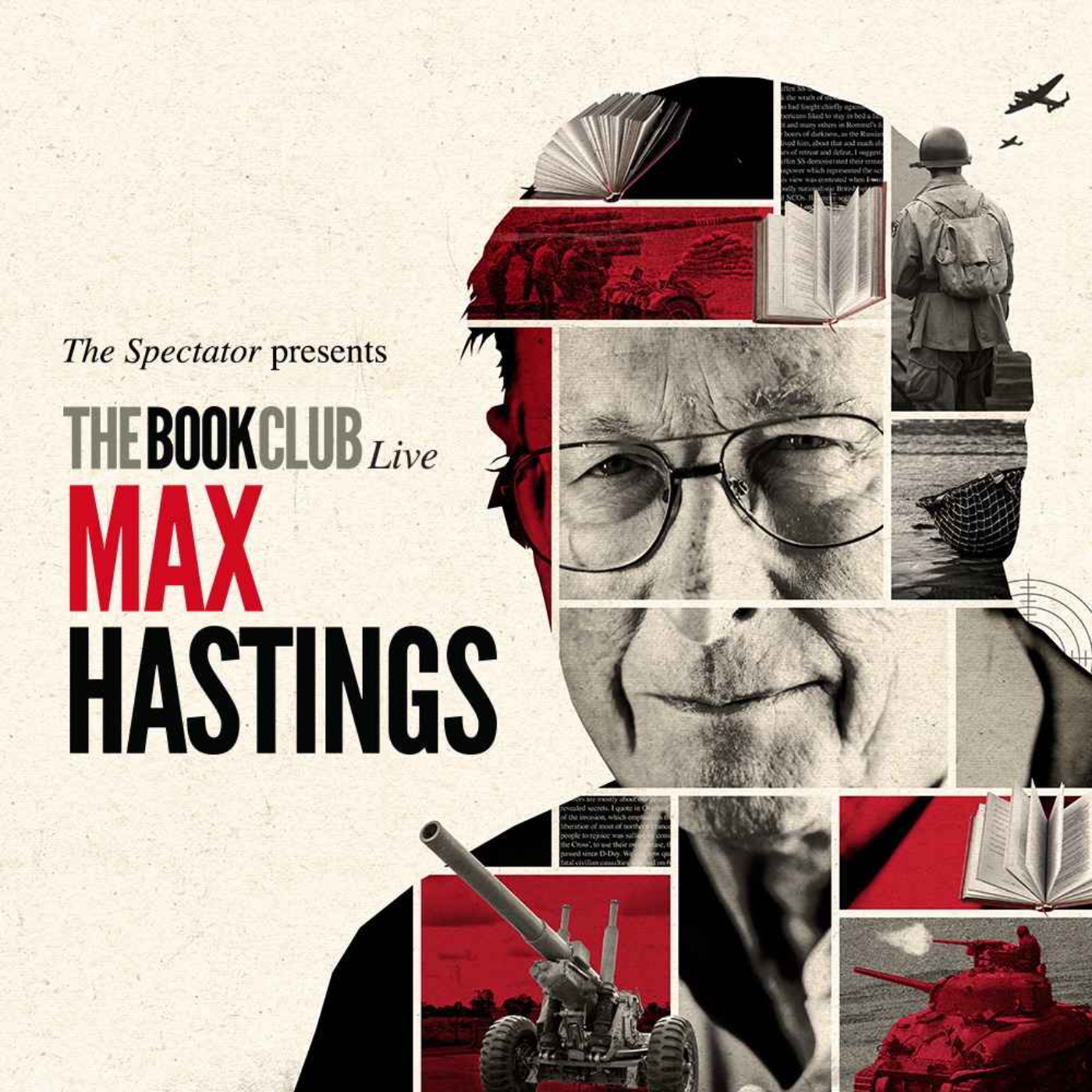
Book Club Live: Max Hastings
Sam Leith's guest for this week's Book Club podcast is Max Hastings. Max joined Sam earlier this year for a live recording to discuss his new book Sword: D-Day, trial by battle, which tells the story of the individual stories who risked their lives as part of Operation Overlord. The discussion was arranged to mark the 80th anniversary of D-Day. On the podcast Max tells Sam about why he was drawn to chronicle war, why it is important to remember all victims and not just the ‘traditional heroes’, and whether there was an alternative to D-Day at the time. Plus, how serious a moment does he think we face today, compared with 1945? <hr><p style='color:grey; font-size:0.75em;'> Hosted on Acast. See <a style='color:grey;' target='_blank' rel='noopener noreferrer' href='https://acast.com/privacy'>acast.com/privacy</a> for more information.</p>
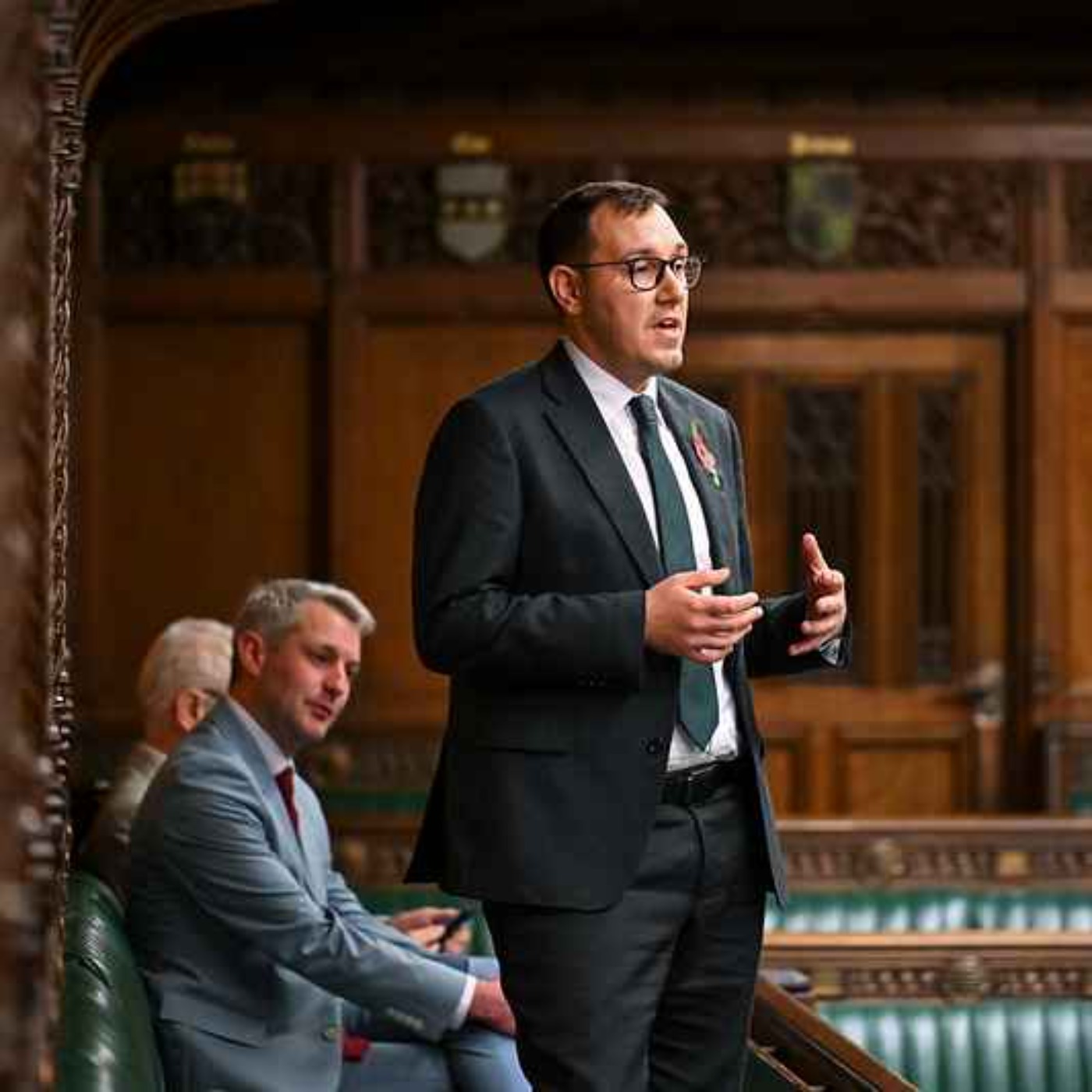
Coffee House Shots: how do we get more working class people into politics?
<p>Tom Gordon, Liberal Democrat MP for Harrogate and Knaresborough, joins James Heale to discuss his campaign to improve working class representation in politics. Tom, newly elected in 2024, explains how getting his mum involved in local politics in West Yorkshire led him to think about the structural issues that exist preventing more people from getting involved in politics.</p><br><p>Plus, with both the Liberal Democrats and Reform UK challenging the traditional Labour and Conservative duopoly, what lessons can both parties learn from each other?</p><br><p>Produced by Patrick Gibbons and Oscar Edmondson. Photo credit: House of Commons.</p> <hr><p style='color:grey; font-size:0.75em;'> Hosted on Acast. See <a style='color:grey;' target='_blank' rel='noopener noreferrer' href='https://acast.com/privacy'>acast.com/privacy</a> for more information.</p>

Americano: did Putin get the upper hand in Alaska?
Donald Trump hasn't left his meeting with Vladimir Putin in Alaska with a deal to end the war in Ukraine. He told reporters that 'great progress' was made but 'we didn't get there'. To discuss who really got the upper hand, Freddy Gray is joined by Spectator associate editor and Russia correspondent Owen Matthews. <hr><p style='color:grey; font-size:0.75em;'> Hosted on Acast. See <a style='color:grey;' target='_blank' rel='noopener noreferrer' href='https://acast.com/privacy'>acast.com/privacy</a> for more information.</p>
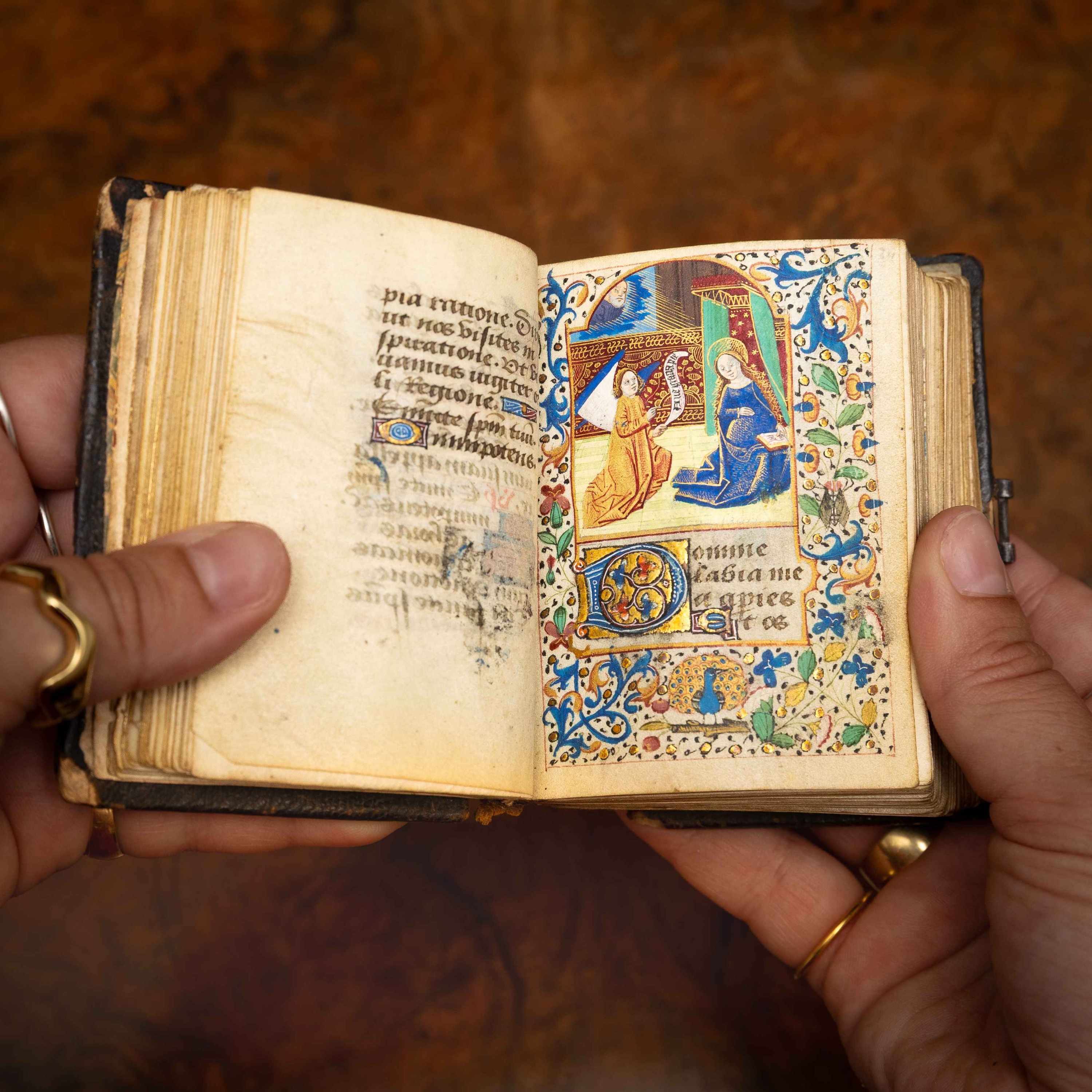
Holy Smoke: from the Bible to Tolkien, the risks & rewards of collecting rare books
<p>The Bible is widely said to be the most published book of all time. Despite this, many older versions of the Bible are still sought after. This is because, as Tom Ayling tells Damian Thompson on this episode of Holy Smoke, there is a great deal of diversity amongst the editions precisely <em>because</em> it has been so widely published. Tom, a young antiquarian bookseller who set up his own business, joins the podcast to talk about the risks and rewards behind collecting rare books.</p><br><p>Tom explains why, for him, books are ‘most than just a text’; takes us through the various religious books in his collection, from old editions of the Holy Bible to the Book of Common Prayer; and reveals some of the more amusing mistakes he has come across. For more from Tom, go to: <a href="http://www.tomwayling.co.uk/" rel="noopener noreferrer" target="_blank">www.tomwayling.co.uk</a></p><br><p>Produced by Patrick Gibbons. Photo credit: Tom&nbsp;Rowland (Tom&nbsp;W.&nbsp;Ayling&nbsp;Ltd).</p> <hr><p style='color:grey; font-size:0.75em;'> Hosted on Acast. See <a style='color:grey;' target='_blank' rel='noopener noreferrer' href='https://acast.com/privacy'>acast.com/privacy</a> for more information.</p>
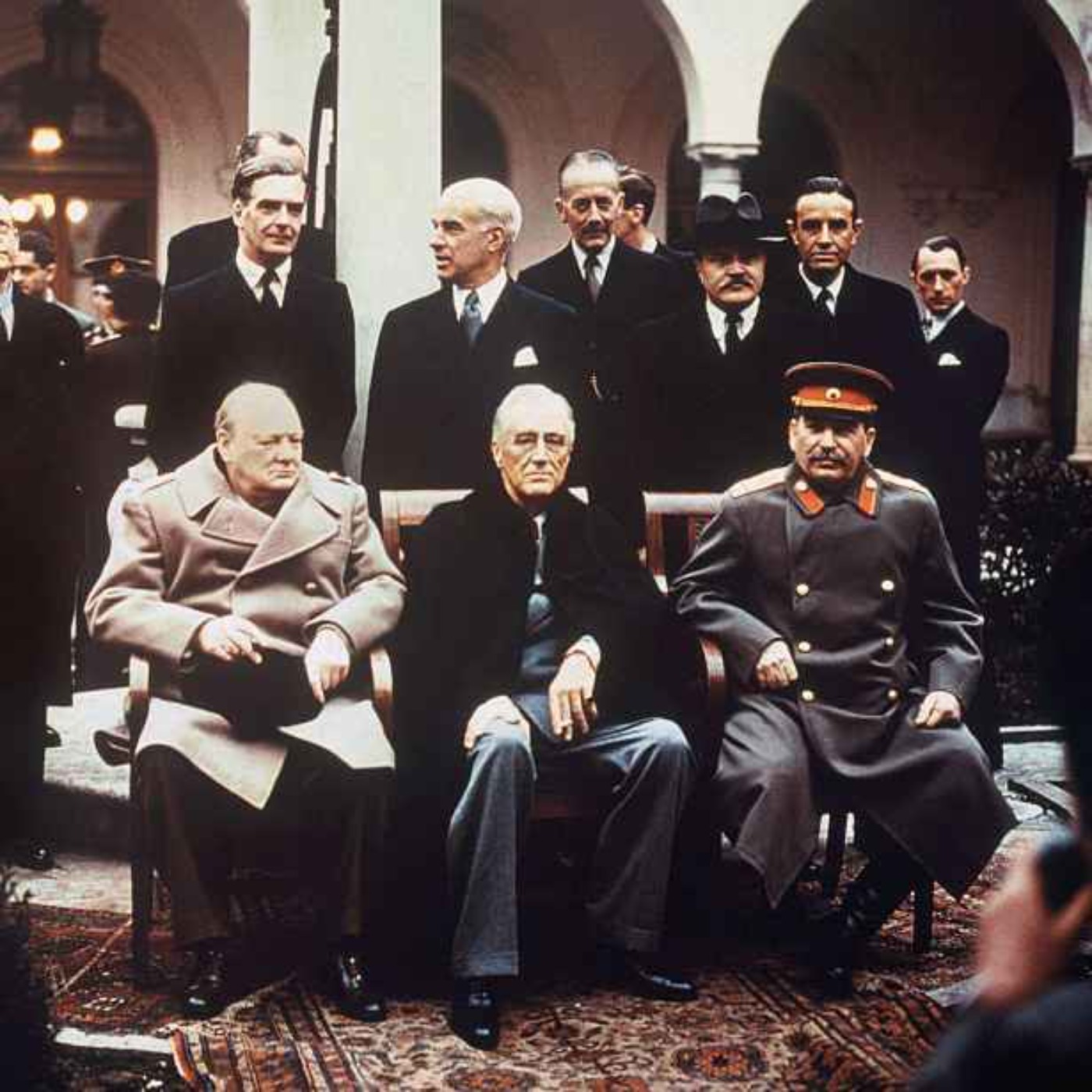
Coffee House Shots: is the world safer than in 1945?
<p>80 years ago this week Japan surrendered to the allies, ushering in the end of the Second World War. To mark the anniversary of VJ day, historians Sir Antony Beevor and Peter Frankopan join James Heale to discuss its significance. As collective memory of the war fades, are we in danger of forgetting its lessons? And, with rising state-on-state violence and geopolitical flashpoints, is the world really safer today than in 1945?</p><br><p>Produced by Patrick Gibbons.</p> <hr><p style='color:grey; font-size:0.75em;'> Hosted on Acast. See <a style='color:grey;' target='_blank' rel='noopener noreferrer' href='https://acast.com/privacy'>acast.com/privacy</a> for more information.</p>

Spectator Out Loud: Patrick Kidd, Madeline Grant, Simon Heffer, Lloyd Evans & Toby Young
<p>On this week’s <em>Spectator Out Loud</em>: Patrick Kidd asks why is sport so obsessed with Goats; Madeline Grant wonders why the government doesn’t show J.D. Vance the real Britain; Simon Heffer reviews <em>Progress: A History of Humanity’s Worst Idea</em>; Lloyd Evans provides a round-up of Edinburgh Fringe; and, Toby Young writes in praise of Wormwood Scrubs – the common, not the prison.</p><br><p>Produced and presented by Patrick Gibbons.</p> <hr><p style='color:grey; font-size:0.75em;'> Hosted on Acast. See <a style='color:grey;' target='_blank' rel='noopener noreferrer' href='https://acast.com/privacy'>acast.com/privacy</a> for more information.</p>
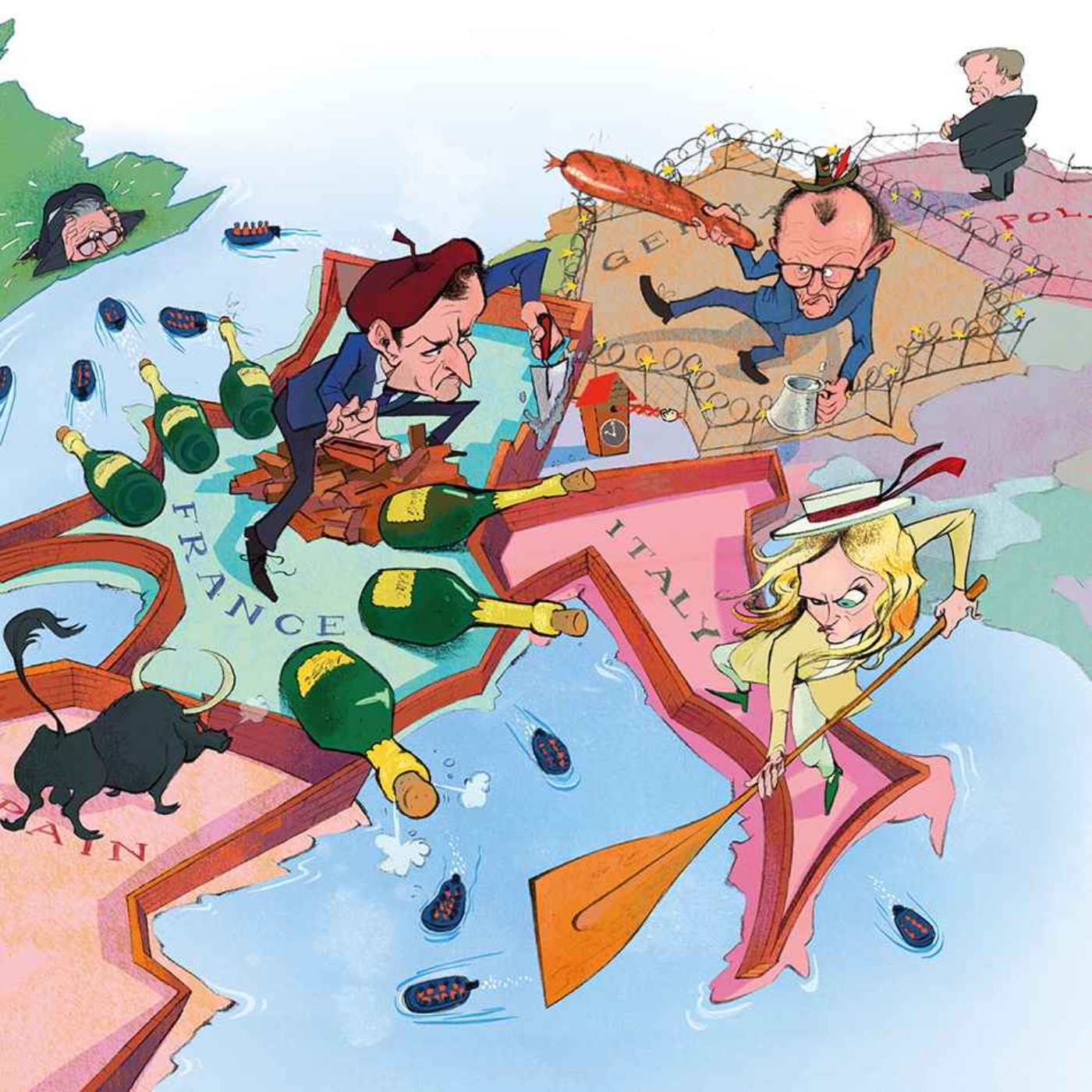
The Edition: Border lands, 200 years of British railways & who are the GOATs?
<p><strong>First: how Merkel killed the European dream</strong></p><p><strong>&nbsp;</strong></p><p>‘Ten years ago,’ Lisa Haseldine says, ‘Angela Merkel told the German press what she was going to do about the swell of Syrian refugees heading to Europe’: ‘<em>Wir schaffen das</em>’ – we can handle it. With these words, ‘she ushered in a new era of uncontrolled mass migration’. ‘In retrospect,’ explains one senior British diplomat, ‘it was pretty much the most disastrous government policy of this century anywhere in Europe.’ The surge of immigrants helped swing Brexit, ‘emboldened’ people-traffickers and ‘destabilised politics’ across Europe.</p><p>&nbsp;</p><p>Ten years on, a third of the EU’s member states within the Schengen area have now imposed border controls. Can freedom of movement survive in its current form? Lisa joined the podcast alongside Oliver Moody, Berlin correspondent for <em>The Times</em>.</p><p><strong>&nbsp;</strong></p><p><strong>Next: the cultural impact of the railways</strong></p><p>&nbsp;</p><p>It’s been 200 years since the world’s first public train travelled from Shildon to Stockton – across County Durham. Richard Bratby argues that this marked the start of a new era for Britain and the world: ‘no invention between the printing press and the internet has had as profound a cultural impact as the railways’.&nbsp;</p><p>&nbsp;</p><p>How can we explain the romantic appeal of the railways? Richard joined the podcast to discuss, alongside Christian Wolmar, author of&nbsp;over twenty books about the railways including <em>The Liberation Line</em>.</p><br><p><strong>And finally: who is the Greatest Of All Time?</strong></p><br><p>What do Lionel Messi, Roger Federer and Tom Brady have in common? Their acolytes would argue that they are the GOAT of their sport – the Greatest Of All Time. Why are fans so obsessed with the GOAT label? Are pundits guilty of recency bias? And does it really matter anyway? Journalist Patrick Kidd joined the podcast to discuss, alongside the Spectator’s Sam McPhail.</p><br><p><strong>Plus: Madeline Grant asks why not show J.D. Vance the <em>real</em> Britain?&nbsp;</strong></p><br><p>Hosted by William Moore and Gus Carter.</p><br><p>Produced by Patrick Gibbons.</p> <hr><p style='color:grey; font-size:0.75em;'> Hosted on Acast. See <a style='color:grey;' target='_blank' rel='noopener noreferrer' href='https://acast.com/privacy'>acast.com/privacy</a> for more information.</p>

Book Club: Joanna Pocock
Sam Leith's guest for this week's Book Club podcast is Joanna Pocock, whose new book&nbsp;<em>Greyhound&nbsp;</em>&nbsp;describes two trips she took across America by Greyhound bus in 2006 and 2023. They talk about the literature of the road, that distinctively American and usually distinctively male genre, and the meaning of travel – and Joanna tells Sam how the America you see from a Greyhound differs from the one you see on television;&nbsp;and how dramatically it has changed even over the last couple of decades.&nbsp; <hr><p style='color:grey; font-size:0.75em;'> Hosted on Acast. See <a style='color:grey;' target='_blank' rel='noopener noreferrer' href='https://acast.com/privacy'>acast.com/privacy</a> for more information.</p>
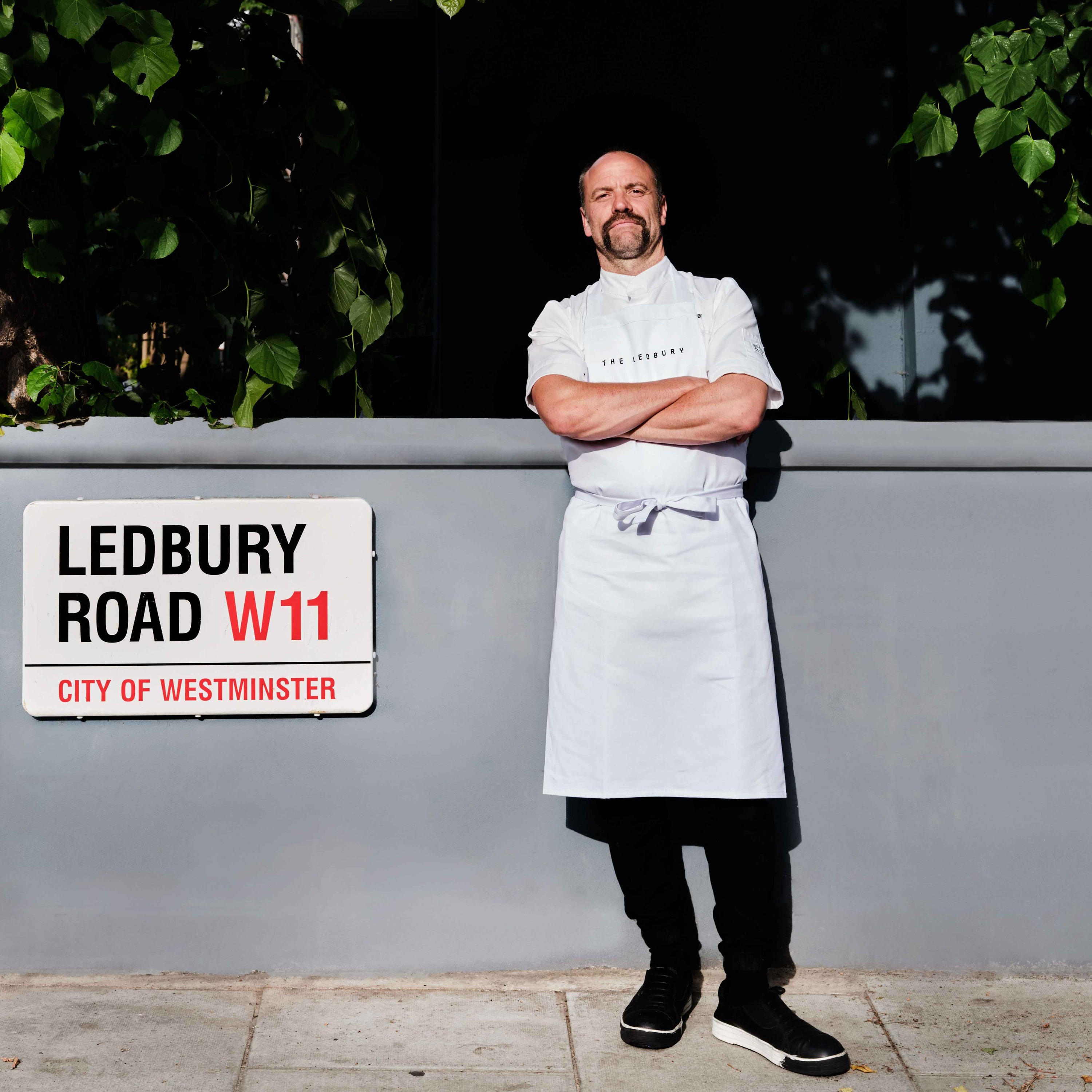
Table Talk: Brett Graham
<p>Brett Graham is the man behind the Michelin-starred The Ledbury in Notting Hill, which is celebrating 20 years this year. He’s also the director of The Harwood Arms in Fulham, London’s only pub with a Michelin star.</p><p>&nbsp;</p><p>On the podcast, Brett tells hosts Lara Prendergast and Olivia Potts about why being in the kitchen is like being in the army, what it was like for The Ledbury to receive its third Michelin star and the trials and tribulations of learning food production – including ending up with 127 piglets.</p> <hr><p style='color:grey; font-size:0.75em;'> Hosted on Acast. See <a style='color:grey;' target='_blank' rel='noopener noreferrer' href='https://acast.com/privacy'>acast.com/privacy</a> for more information.</p>

Americano: what's the matter with Candace Owens?
Freddy Gray speaks to podcast host and commentator Candace Owens about her story investigating whether Emmanuel Macron's wife Brigitte is a man, why she remains firm on her views about Gaza, and how Trump is doing in his presidency. <hr><p style='color:grey; font-size:0.75em;'> Hosted on Acast. See <a style='color:grey;' target='_blank' rel='noopener noreferrer' href='https://acast.com/privacy'>acast.com/privacy</a> for more information.</p>
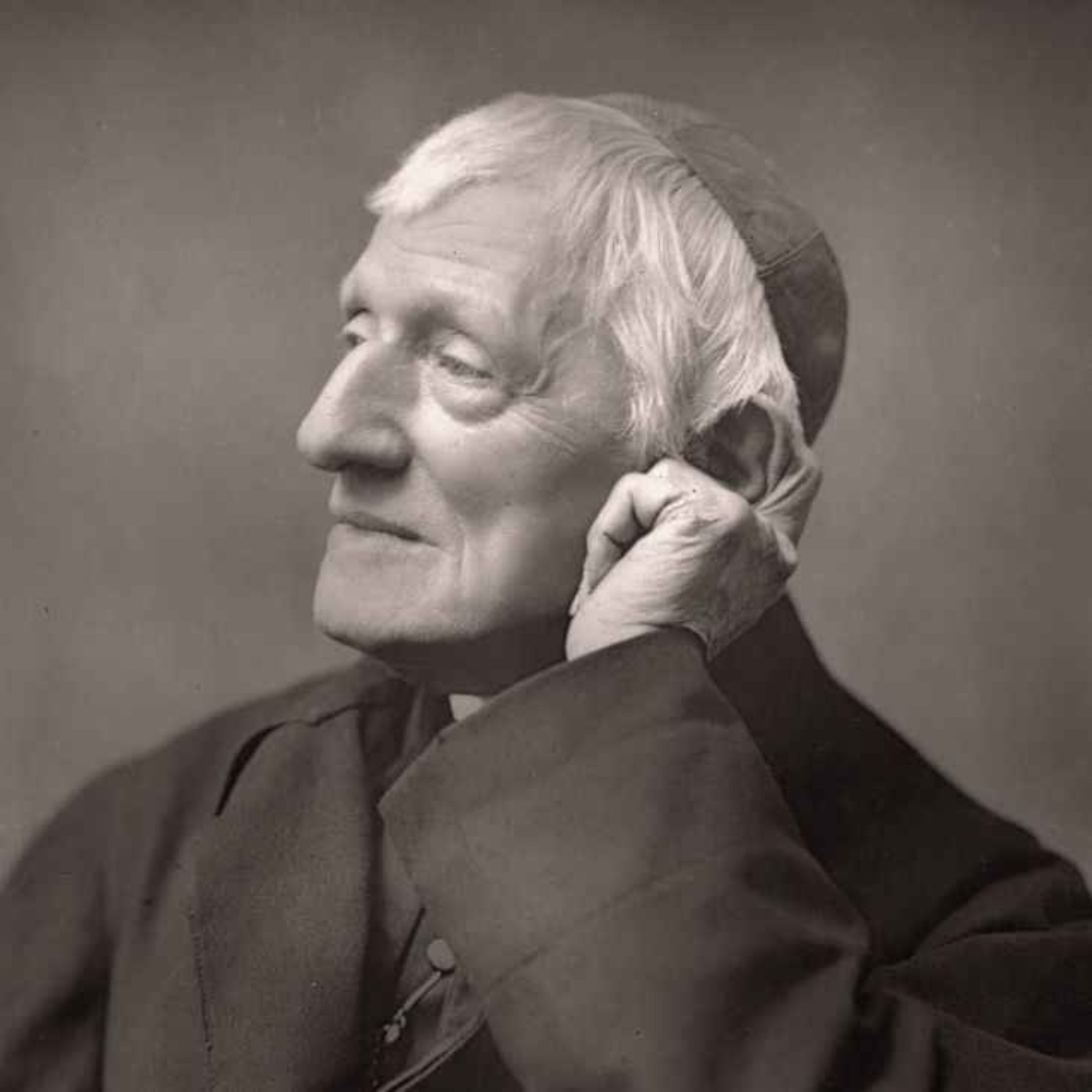
Holy Smoke: how has John Henry Newman inspired Pope Leo XIV?
<p>St John Henry Newman (1801-90) is perhaps the most influential theologian in the history of English Christianity. Yet, as Damian Thompson discusses with Fr Rod Strange – one of the world’s leading authorities on Newman – he was a divisive figure, though perhaps not in the way one might imagine. One of the founders of the Oxford Movement, Newman was widely acknowledged as the most gifted intellectual in the Church of England. In 1845 he converted to Rome and was eventually made a cardinal. Thus he had a unique viewpoint on Church doctrine and dogma. But what is Newman’s significance today? Although he is universally celebrated, conservative and liberal Christians, and especially Catholics, are still fighting over his legacy.&nbsp;</p><br><p>Newman was beatified by Pope Benedict XVI, canonised by Pope Francis, and Pope Leo XIV has now announced that he will be given the title Doctor of the Church, an honour granted to only 38 out of over 10,000 saints. What is it about Newman that has inspired Pope Leo? And, coming so soon after his election, what does this decision tell us about Leo’s pontificate?</p><br><p>Produced by Patrick Gibbons.</p> <hr><p style='color:grey; font-size:0.75em;'> Hosted on Acast. See <a style='color:grey;' target='_blank' rel='noopener noreferrer' href='https://acast.com/privacy'>acast.com/privacy</a> for more information.</p>