
Best of the Spectator
2,733 episodes — Page 6 of 55
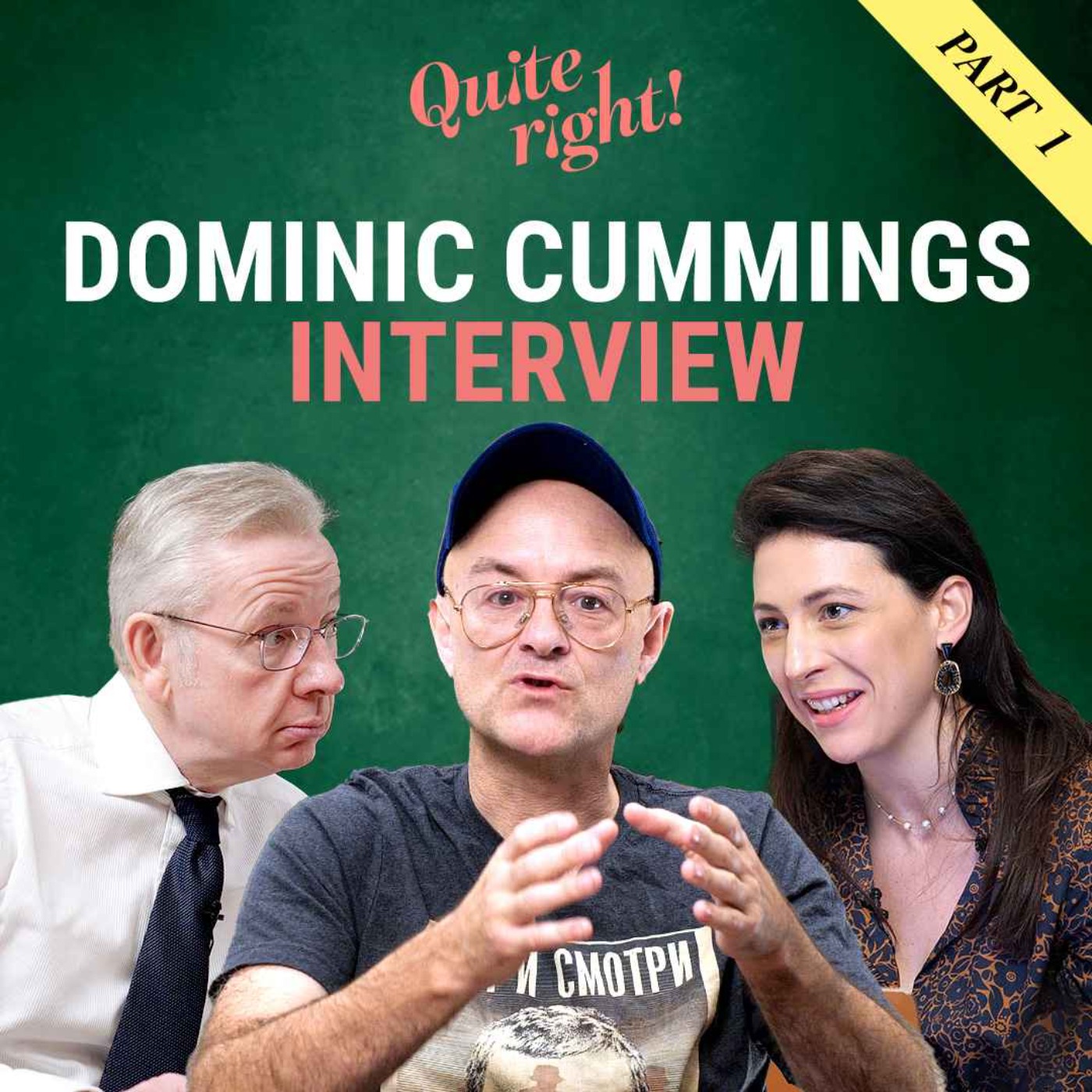
Quite right!: Dominic Cummings interview – part one out now
<p>Dominic Cummings joins Michael and Maddie to reflect on his time in government – what he got right and what he regrets – and what he believes must change for the country to thrive.</p><p>Part one: 30 December 2025 (9am GMT)&nbsp;</p><p>Part two: 1 January 2026 (9am GMT)&nbsp;</p><p>Search 'Quite right!' wherever you are listening. </p> <hr><p style='color:grey; font-size:0.75em;'> Hosted on Acast. See <a style='color:grey;' target='_blank' rel='noopener noreferrer' href='https://acast.com/privacy'>acast.com/privacy</a> for more information.</p>
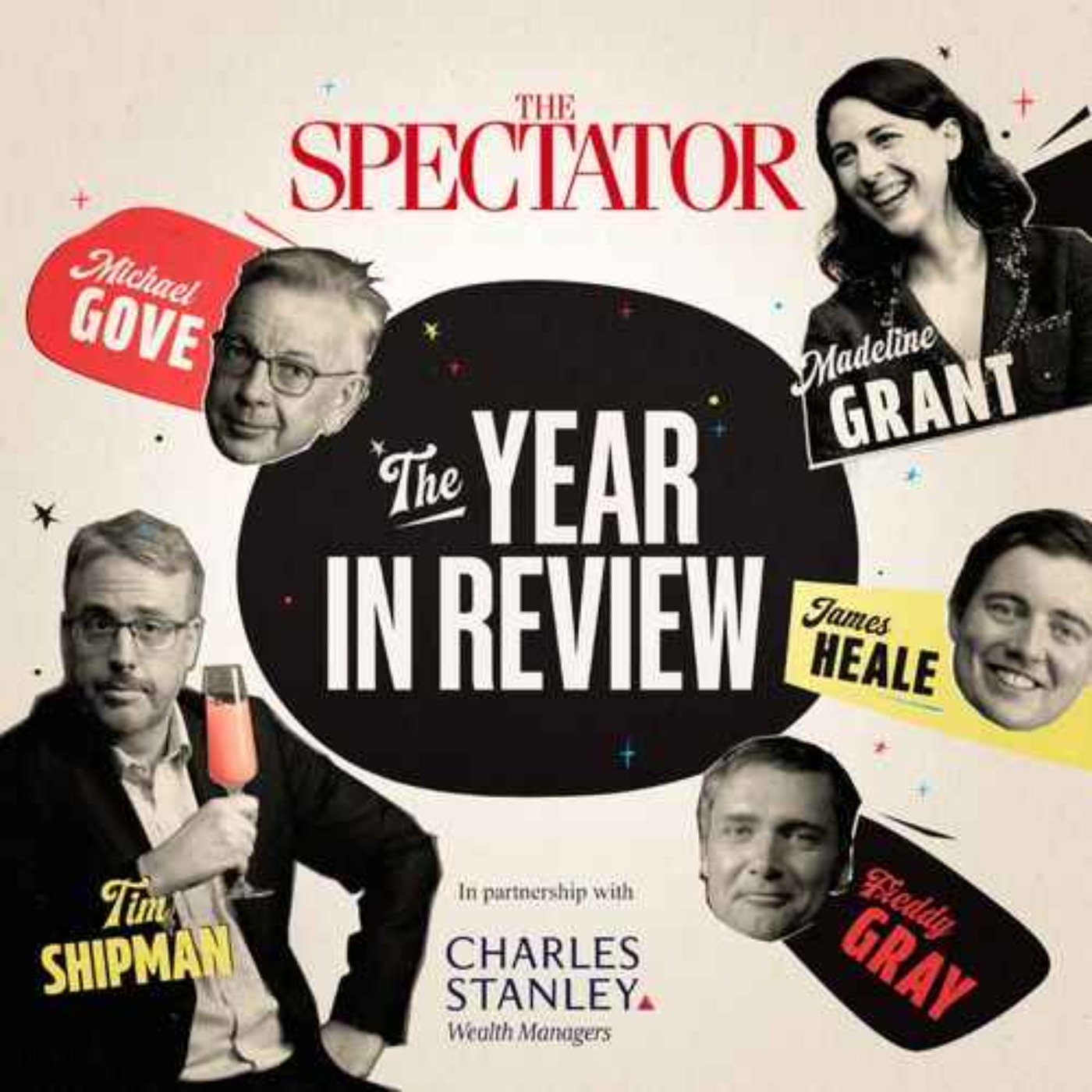
Coffee House Shots Live: Year in Review 2025
From scandals and cabinet chaos to Trumpian antics and the ‘special’ relationship that some say is anything but,&nbsp;<em>The Spectator&nbsp;</em>presents The Year in Review – a look back at the funniest and most tragic political moments of 2025. Join&nbsp;<em>The Spectator</em>’s editor Michael Gove, deputy editor Freddy Gray, political editor Tim Shipman, deputy political editor James Heale and parliamentary sketch-writer Madeline Grant, along with special guests, who’ll all share their favourite moments from the past 12 months. <hr><p style='color:grey; font-size:0.75em;'> Hosted on Acast. See <a style='color:grey;' target='_blank' rel='noopener noreferrer' href='https://acast.com/privacy'>acast.com/privacy</a> for more information.</p>
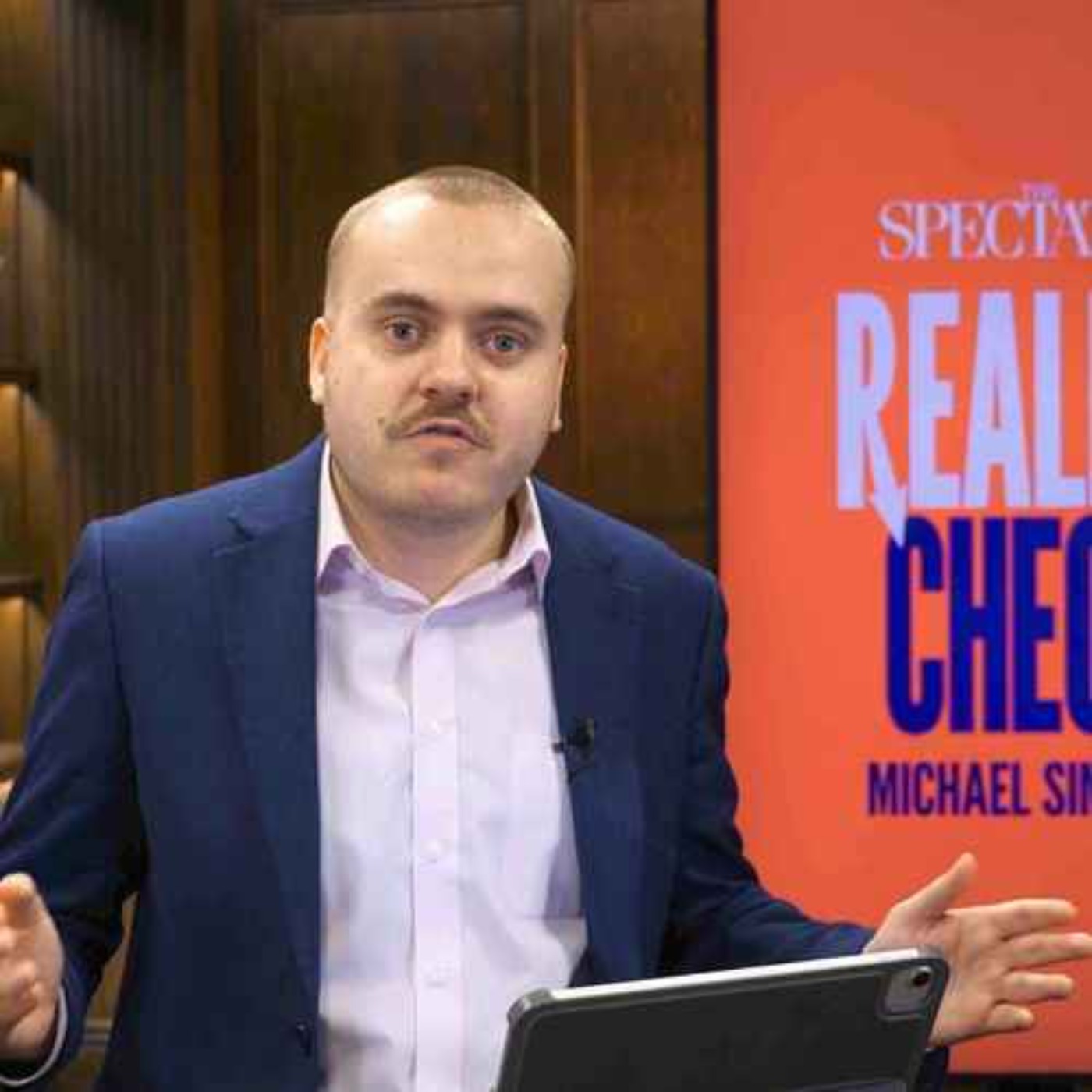
Reality Check: 2025 – tears, tariffs & taxes
Reality Check host and the <em>Spectator</em>'s economics editor Michael Simmons reflects on some of the economic highs and lows of 2025. <hr><p style='color:grey; font-size:0.75em;'> Hosted on Acast. See <a style='color:grey;' target='_blank' rel='noopener noreferrer' href='https://acast.com/privacy'>acast.com/privacy</a> for more information.</p>
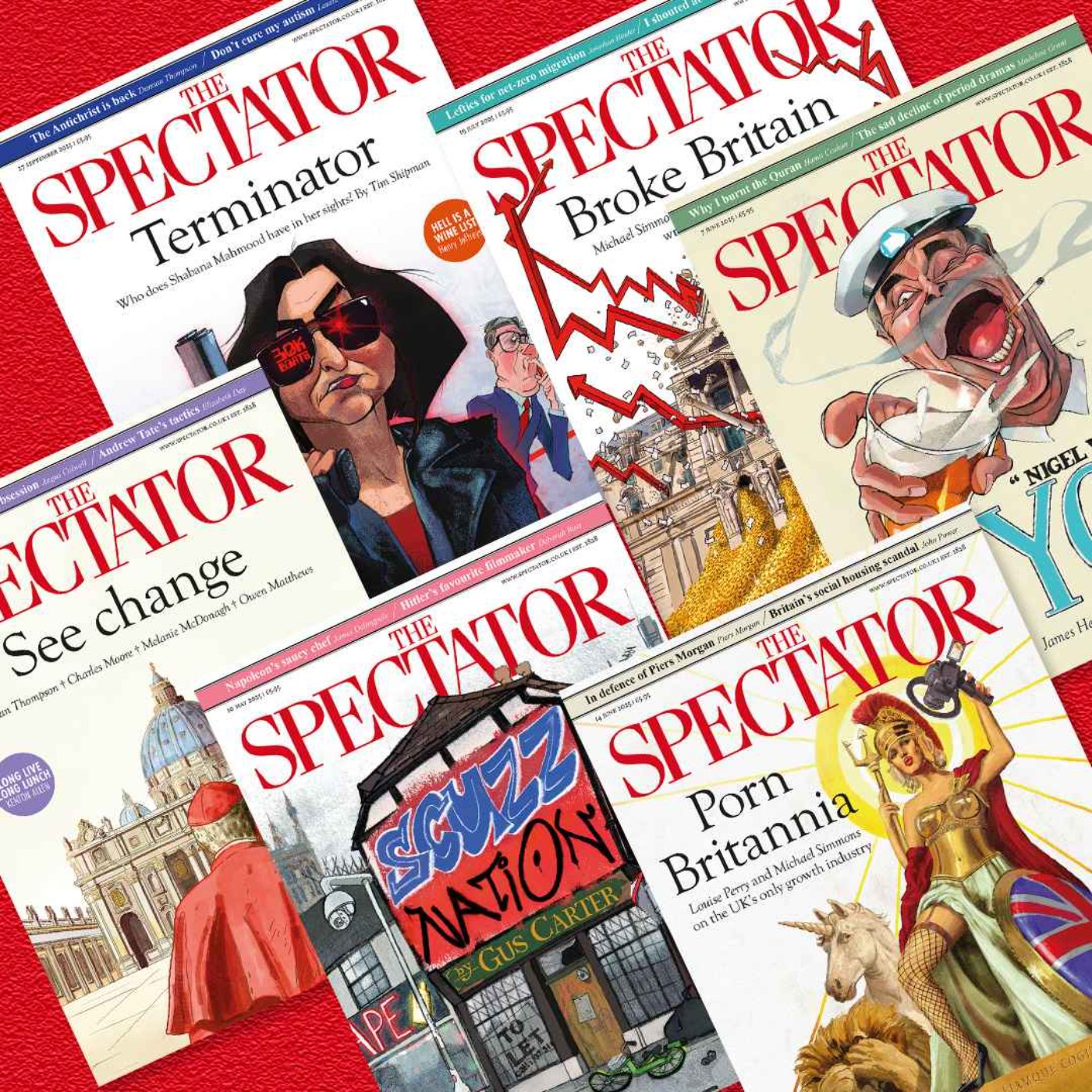
From Porn Britannia to Political Chaos: The Spectator’s Year in Review
<p>The Spectator’s senior editorial team – Michael Gove, Freddy Gray, Lara Prendergast and William Moore – sit down to reflect on 2025. From Trump’s inauguration to the calamitous year for Labour, a new Pope and a new Archbishop of Canterbury, and the ongoing wars in Gaza and Ukraine, the year has not been short of things to write about.</p><br><p>The team take us through their favourite political and cultural topics highlighted in the magazine this year, from the Assisted Dying debate, the ongoing feud over Your Party and Reform’s plan for power, to Scuzz Nation, Broke Britain – and Porn Britannia.</p><br><p>Produced by Patrick Gibbons.&nbsp;&nbsp;</p> <hr><p style='color:grey; font-size:0.75em;'> Hosted on Acast. See <a style='color:grey;' target='_blank' rel='noopener noreferrer' href='https://acast.com/privacy'>acast.com/privacy</a> for more information.</p>
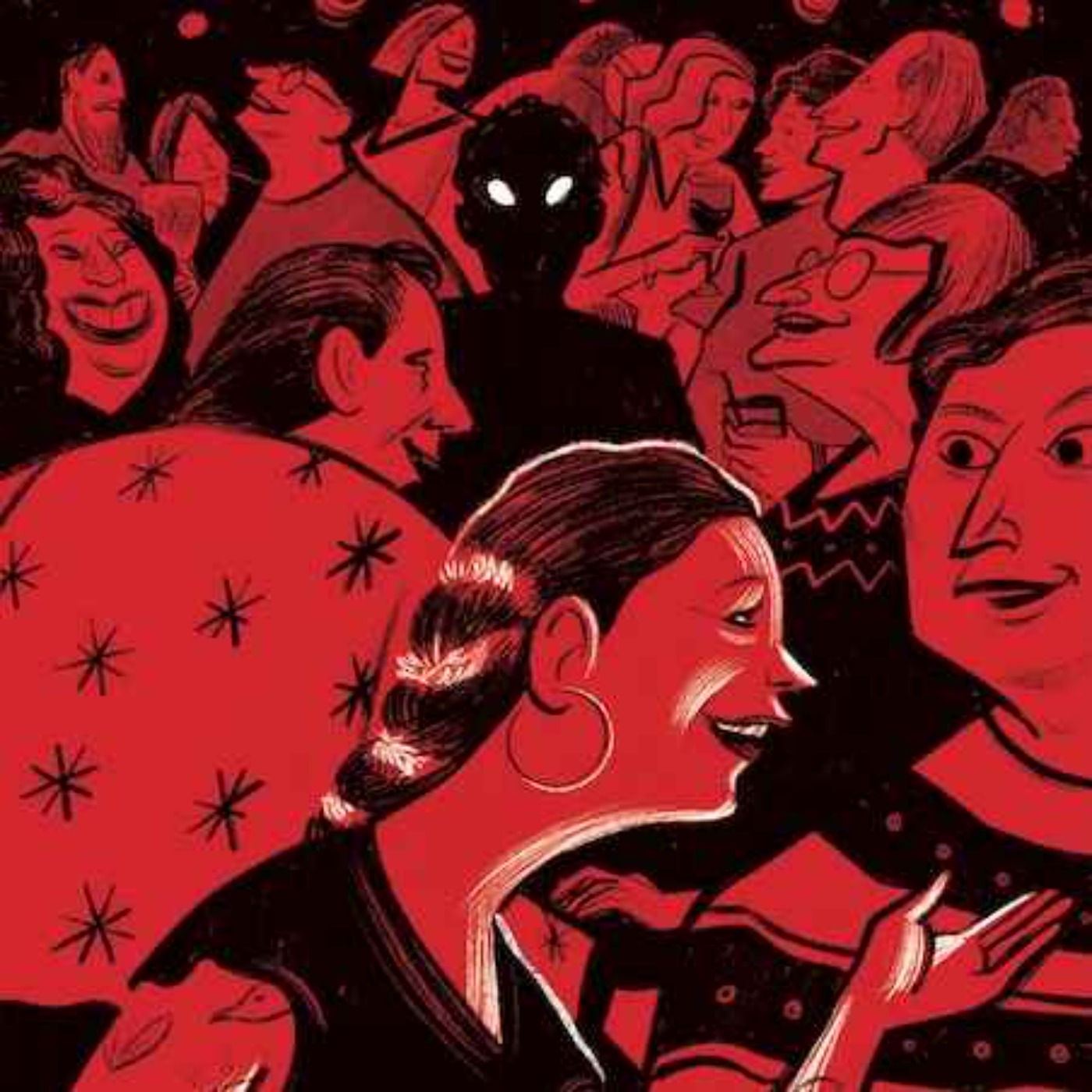
Spectator Out Loud: Slipshod – by Sarah Perry
<p>For this special <em>Spectator Out Loud</em>, Sarah Perry reads her short story <em>Slipshod</em>, from the <em>Spectator</em>'s Christmas issue. The story follows an academic tasked with reconstructing a disturbing incident involving two long-standing colleagues whose close friendship unravels under the weight of envy, illness – and something harder to explain. What emerges from the investigation is a chilling reflection on rivalry, resentment and how buried histories can resurface with devastating consequences.</p><br><p>Produced by Patrick Gibbons.</p> <hr><p style='color:grey; font-size:0.75em;'> Hosted on Acast. See <a style='color:grey;' target='_blank' rel='noopener noreferrer' href='https://acast.com/privacy'>acast.com/privacy</a> for more information.</p>

Holy Smoke: how transformative has 2025 been for Christianity?
<p>Anglican author The Rev'd Fergus Butler-Gallie, Catholic priest Fr Alexander Lucie-Smith and Evangelical commentator Fleur Meston join Damian Thompson to reflect on 2025. They discuss Pope Leo XIV's leadership so far, the choice of Dame Sarah Mullally as Archbishop of Canterbury and why Christianity has been coopted by the far right. Plus, was the 'quiet revival' of Church-going the start of a trend – or just a blip?</p><br><p>Produced by Patrick Gibbons.</p> <hr><p style='color:grey; font-size:0.75em;'> Hosted on Acast. See <a style='color:grey;' target='_blank' rel='noopener noreferrer' href='https://acast.com/privacy'>acast.com/privacy</a> for more information.</p>
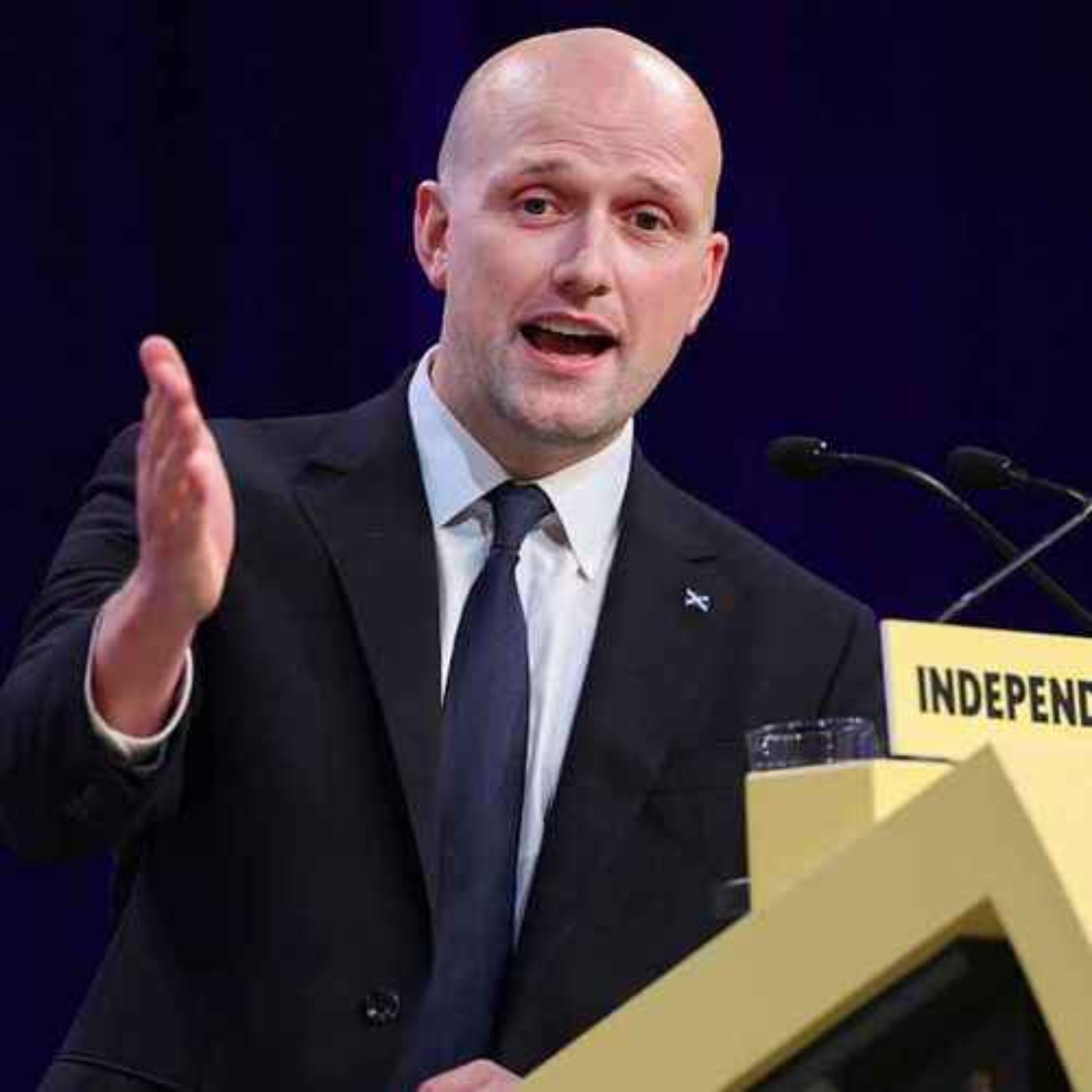
Coffee House Shots: Stephen Flynn on Reform, Sturgeon & a second referendum
<p>The SNP’s Westminster leader Stephen Flynn, MP for Aberdeen South, joins Lucy Dunn for a special episode to assess the place of the SNP in British politics as we approach the end of 2025. The SNP were ‘decimated’ to just nine MPs at the 2024 general election – yet, if polls are to be believed, they are on course for another record win in the 2026 Holyrood elections. But can the SNP really frame this election as a ‘fresh start’?</p><p>Flynn explains what he made of the ‘bleak fallout’ of 2024, why he is standing for election to Holyrood next year and what he makes of SNP heavyweights such as John Swinney and Nicola Sturgeon. Plus, could a push for a second independence referendum be on the cards soon?</p><p>Produced by Patrick Gibbons and Oscar Edmondson.</p> <hr><p style='color:grey; font-size:0.75em;'> Hosted on Acast. See <a style='color:grey;' target='_blank' rel='noopener noreferrer' href='https://acast.com/privacy'>acast.com/privacy</a> for more information.</p>

Table Talk: Michael Gove
<p>Surely needing no introduction to <em>Spectator</em> listeners, Michael Gove has been a staple of British politics for almost two decades. As a Christmas treat, he joins Lara Prendergast to talk about his memories of food including: the 'brain food' he grew up on in Aberdeen, his favourite Oxford pubs and the dining culture of 1980s Fleet Street. He also shares his memorable moments from his time in politics from dining with Elizabeth Hurley and Donald Trump's first state visit to his reflections on food policy as a former Education and also Environment Secretary. </p><br><p>Plus – what has he made of the Spectator's parties since joining as editor? </p><br><p>Produced by Patrick Gibbons. </p> <hr><p style='color:grey; font-size:0.75em;'> Hosted on Acast. See <a style='color:grey;' target='_blank' rel='noopener noreferrer' href='https://acast.com/privacy'>acast.com/privacy</a> for more information.</p>
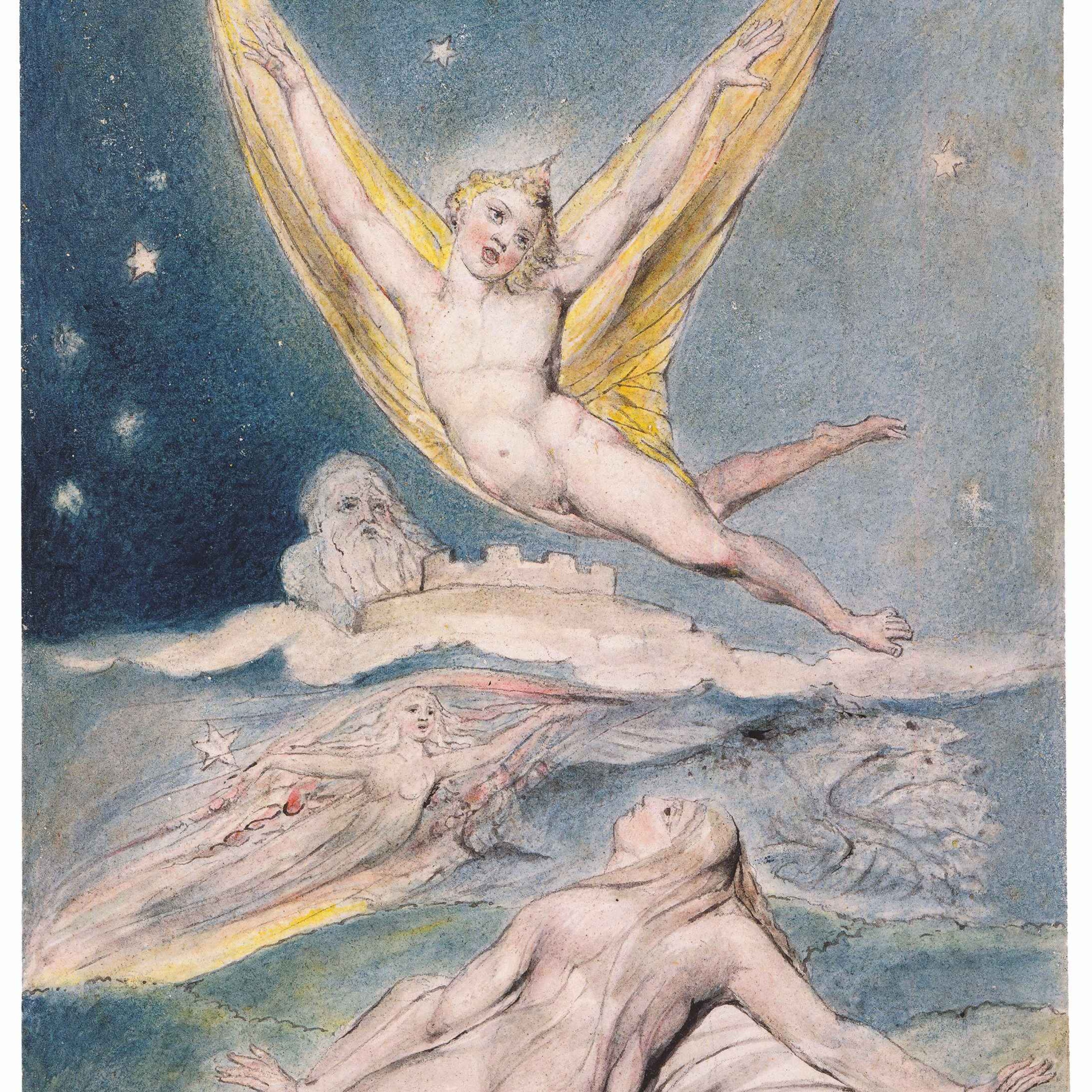
Christmas Out Loud II: Dominic Sandbrook, Philip Hensher, Steve Morris, Christopher Howse, Michael Hann & Mary Killen
<p>On this week’s special Christmas edition of&nbsp;<em>Spectator Out Loud – part two</em>: Dominic Sandbrook reflects on whether Lady Emma Hamilton is the 18th century’s answer to Bonnie Blue; Philip Hensher celebrates the joy of a miserable literary Christmas; Steve Morris argues that an angel is for life, not just for Christmas; Christopher Howse ponders the&nbsp;<em>Spectator</em>’s enduring place in fiction; Michael Hann explains what links Jeffrey Dahmer to the Spice Girls; and,&nbsp;the Spectator’s agony aunt Mary Killen –&nbsp;<em>Dear Mary</em>&nbsp;herself – answers Christmas queries from Emily Maitlis, Elizabeth Day, Rory Stewart and an anonymous Chief Whip of Reform UK.&nbsp;</p><p>&nbsp;</p><p>Produced and presented by Patrick Gibbons.</p> <hr><p style='color:grey; font-size:0.75em;'> Hosted on Acast. See <a style='color:grey;' target='_blank' rel='noopener noreferrer' href='https://acast.com/privacy'>acast.com/privacy</a> for more information.</p>

Coffee House Shots: who won 2025? with Quentin Letts
<p>As is fast becoming a tradition on <em>Coffee House Shots</em> at this time of year, James Heale and Tim Shipman are joined by sketch writer Quentin Letts to go through the events of the past 12 months. From sackings to resignations, and Farage to Polanski, it is a year in which the centuries-old consensus has been challenged and Westminster is delicately poised ahead of a 2026 which will define politics for the remainder of this parliamentary term. On the podcast, they discuss who is up and who is down, why Farage might be running out of steam and who is the most insufferable MP?</p><p>Produced by Oscar Edmondson and Megan McElroy.</p> <hr><p style='color:grey; font-size:0.75em;'> Hosted on Acast. See <a style='color:grey;' target='_blank' rel='noopener noreferrer' href='https://acast.com/privacy'>acast.com/privacy</a> for more information.</p>

Americano: why did Susie Wiles talk to Vanity Fair?
Freddy Gray speaks to Vanity Fair's Washington correspondent Aidan McLaughlin about their latest two-part interview with one of Trump's closest allies Susie Wiles. As chief of staff to the White House, she has given some of the most candid quotes about what really happens inside Trump's regime. <hr><p style='color:grey; font-size:0.75em;'> Hosted on Acast. See <a style='color:grey;' target='_blank' rel='noopener noreferrer' href='https://acast.com/privacy'>acast.com/privacy</a> for more information.</p>
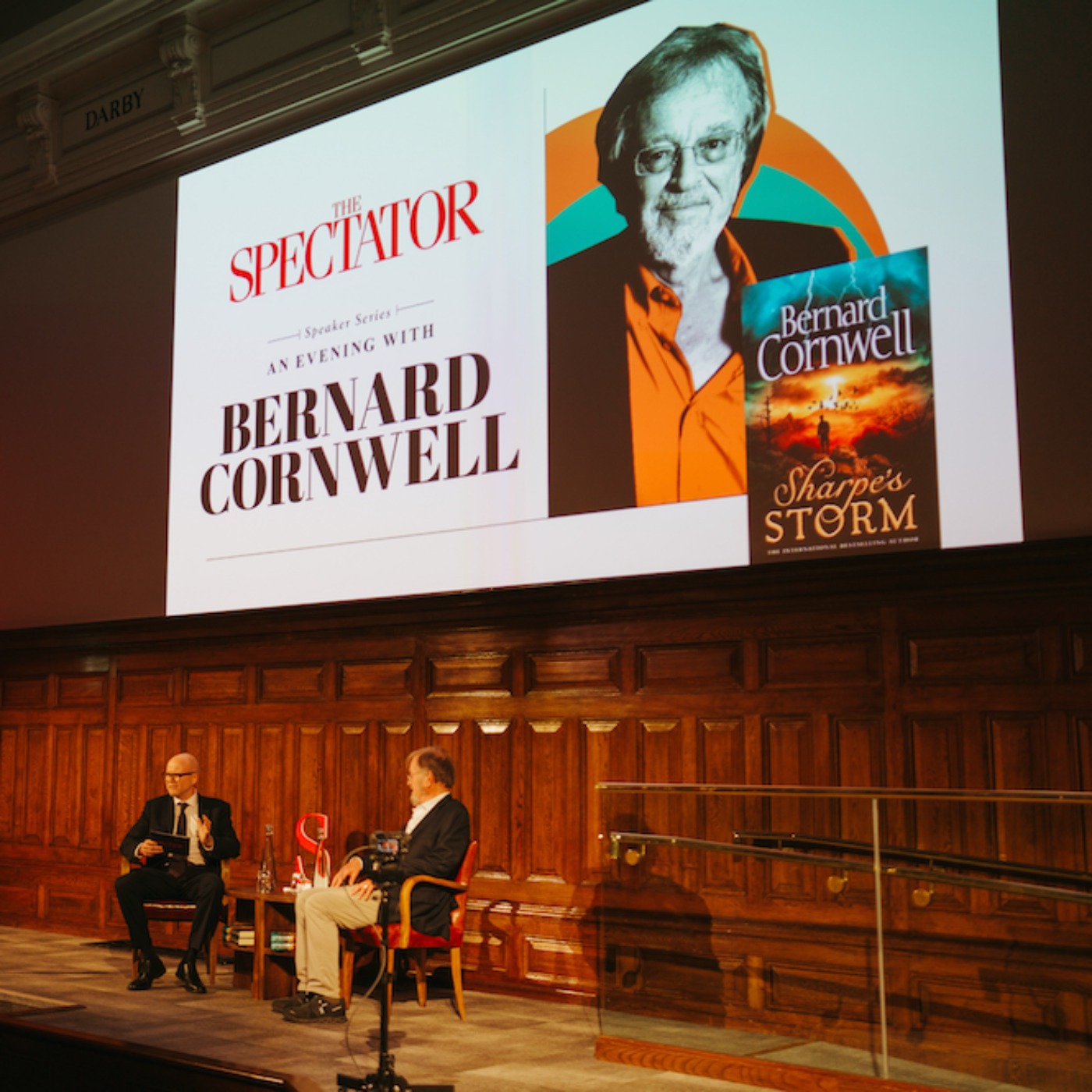
Speaker series: Bernard Cornwell – Sharpe's Storm
<p><em>The Spectator</em>’s associate editor Toby Young sits down with master storyteller Bernard Cornwell, author of more than 50 international bestselling novels, including&nbsp;<em>The Last Kingdom&nbsp;</em>and much-loved&nbsp;<em>Sharpe</em>&nbsp;series. They delve into Cornwell’s life and career, discuss the real history behind his riveting tales of war and heroism and explore the enduring appeal of historical fiction. This event marks the launch of&nbsp;<em>Sharpe’s Storm</em>, a bold new chapter in the saga of Richard Sharpe, set amid the chaos of 1813 France.</p><br><p>This discussion was part of the Spectator's speaker series. To see more on our upcoming events, go to <a href="https://open.acast.com/networks/68233d14f368620d4548ab93/shows/68358fb5e1abc4be6b0308eb/episodes/events.spectator.co.uk" rel="noopener noreferrer" target="_blank">events.spectator.co.uk</a>.</p> <hr><p style='color:grey; font-size:0.75em;'> Hosted on Acast. See <a style='color:grey;' target='_blank' rel='noopener noreferrer' href='https://acast.com/privacy'>acast.com/privacy</a> for more information.</p>

Quite right!: where does Islamism come from?
<p>Michael Gove and Madeline Grant confront the horror of the Bondi Beach massacre and ask why anti-Semitic violence now provokes despair rather than shock. As Jewish communities are once again targeted on holy days, they examine the roots of Islamist ideology and the failure of political leaders to name it. Why has anti-Semitism metastasised across the radical left, the Islamist world, and the far right – and why does the West seem so reluctant to grapple with its causes?</p><p>Then, on the 250th anniversary of Jane Austen’s birth, Michael and Maddie ask why Austen is endlessly repurposed, politicised and rewritten by modern adaptors? Was she an abolitionist, a moralist, or something far subtler – and why do her novels continue to resist ideological shoehorning two centuries on?</p><p>And finally: what makes the perfect whodunit? From Agatha Christie and Dorothy L. Sayers to <em>Midsomer Murders</em> and modern television crime, the pair explore puzzles, red herrings, atmosphere – and why readers feel cheated when justice doesn’t quite add up.</p><p>Produced by Oscar Edmondson.</p><p>To submit your urgent questions to Michael and Maddie, visit spectator.co.uk/quiteright.</p> <hr><p style='color:grey; font-size:0.75em;'> Hosted on Acast. See <a style='color:grey;' target='_blank' rel='noopener noreferrer' href='https://acast.com/privacy'>acast.com/privacy</a> for more information.</p>
Holy Smoke: why religious societies succeed – with Rory Sutherland
<p>Advertising guru – and the Spectator's Wiki Man columnist – Rory Sutherland joins Damian Thompson for this episode of Holy Smoke. In a wide ranging discussion, from Sigmund Freud and Max Weber to Quakers and Mormons, they discuss how some religious communities seem to be predisposed to success by virtue of their beliefs. How do spiritual choices affect consumer choices? Between Android and Apple, which is more Protestant and which is more Catholic? And what can modern Churches learn from Capitalism?</p><br><p>Produced by Patrick Gibbons.</p> <hr><p style='color:grey; font-size:0.75em;'> Hosted on Acast. See <a style='color:grey;' target='_blank' rel='noopener noreferrer' href='https://acast.com/privacy'>acast.com/privacy</a> for more information.</p>

Americano: how is Trump's counter revolution going?
US historian and classicist Victor Davis Hanson joins Americano for a wide-ranging assessment of Donald Trump’s first year back in office, from the economy and immigration to Ukraine and the future of the West. <hr><p style='color:grey; font-size:0.75em;'> Hosted on Acast. See <a style='color:grey;' target='_blank' rel='noopener noreferrer' href='https://acast.com/privacy'>acast.com/privacy</a> for more information.</p>
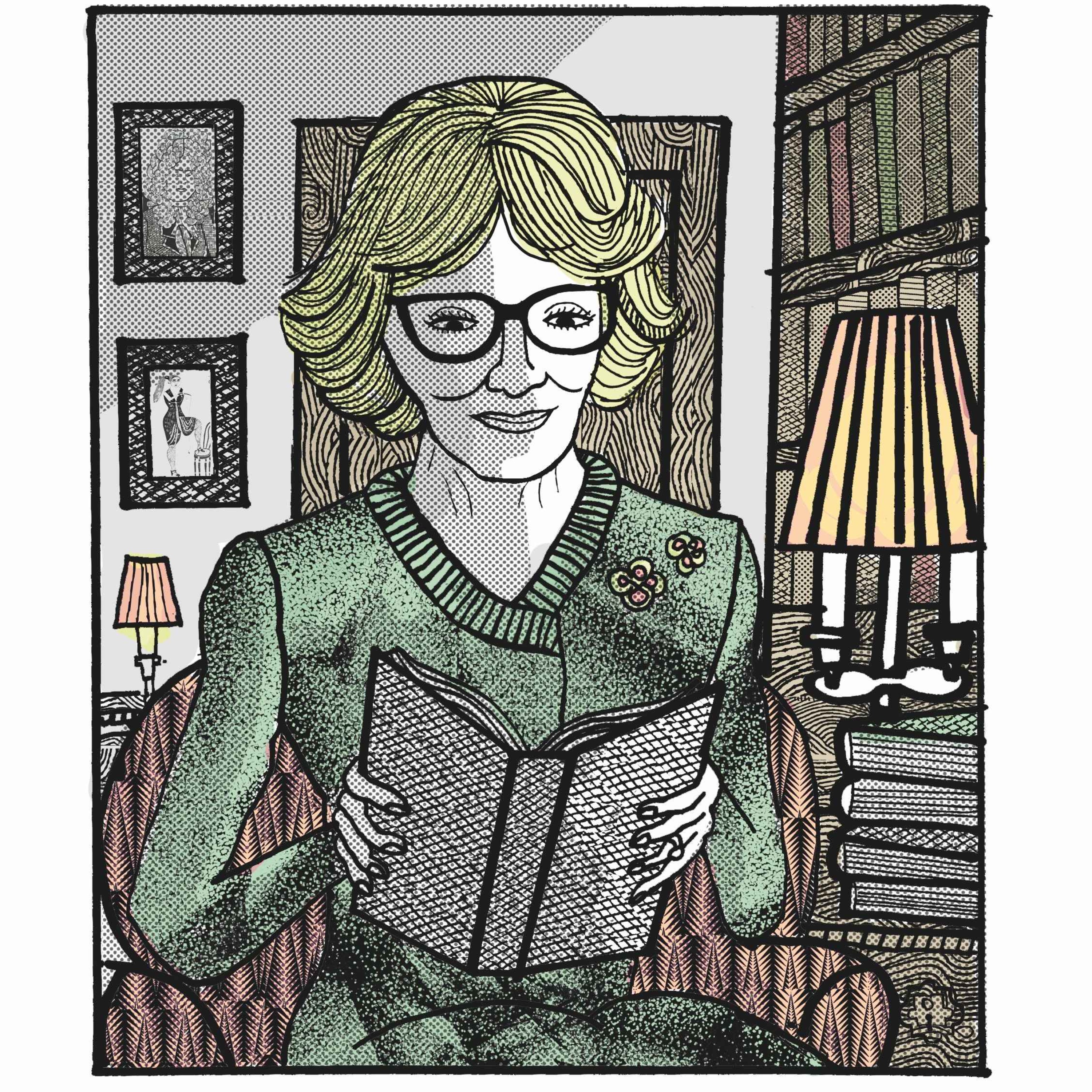
Christmas Out Loud I: James Heale, Gyles Brandreth, Avi Loeb, Melanie McDonagh, Mary Wakefield, Richard Bratby & Rupert Hawksley
<p>On this week’s special Christmas edition of&nbsp;<em>Spectator Out Loud – part one</em>: James Heale wonders if Keir Starmer will really have a&nbsp;<em>happy&nbsp;</em>new year<em>;</em>&nbsp;Gyles Brandreth discusses Her Majesty The Queen’s love of reading, and reveals which books Her Majesty has personally recommended to give this Christmas; Avi Loeb explains why a comet could be a spaceship; Melanie McDonagh compares Protestant and Catholic ghosts; Mary Wakefield explains what England’s old folk songs can teach us; Richard Bratby says there is joy to be found in composers’ graves; and, Rupert Hawksley provides his notes on washing up.</p><p>&nbsp;</p><p>Produced and presented by Patrick Gibbons.</p> <hr><p style='color:grey; font-size:0.75em;'> Hosted on Acast. See <a style='color:grey;' target='_blank' rel='noopener noreferrer' href='https://acast.com/privacy'>acast.com/privacy</a> for more information.</p>

Coffee House Shots: will Scotland switch course in 2026? with Gordon McKee
<p>The <em>Spectator</em> heads into Christmas a little bit less Scottish as we bid farewell to our political correspondent Lucy Dunn. Before Lucy leaves for STV, she joins Coffee House Shots – with fellow Scots Michael Simmons and Labour MP Gordon McKee – for one final episode reflecting on the state of Scottish politics. They discuss whether the SNP has stabilised Scottish politics this year, make predictions for what could happen at the 2026 Holyrood elections and ponder whether the Scottish influence in Westminster has grown stronger under Starmer. Plus, from Reform to the SNP – how new is the threat of populism in Scotland?</p><br><p>Produced by Patrick Gibbons.</p> <hr><p style='color:grey; font-size:0.75em;'> Hosted on Acast. See <a style='color:grey;' target='_blank' rel='noopener noreferrer' href='https://acast.com/privacy'>acast.com/privacy</a> for more information.</p>
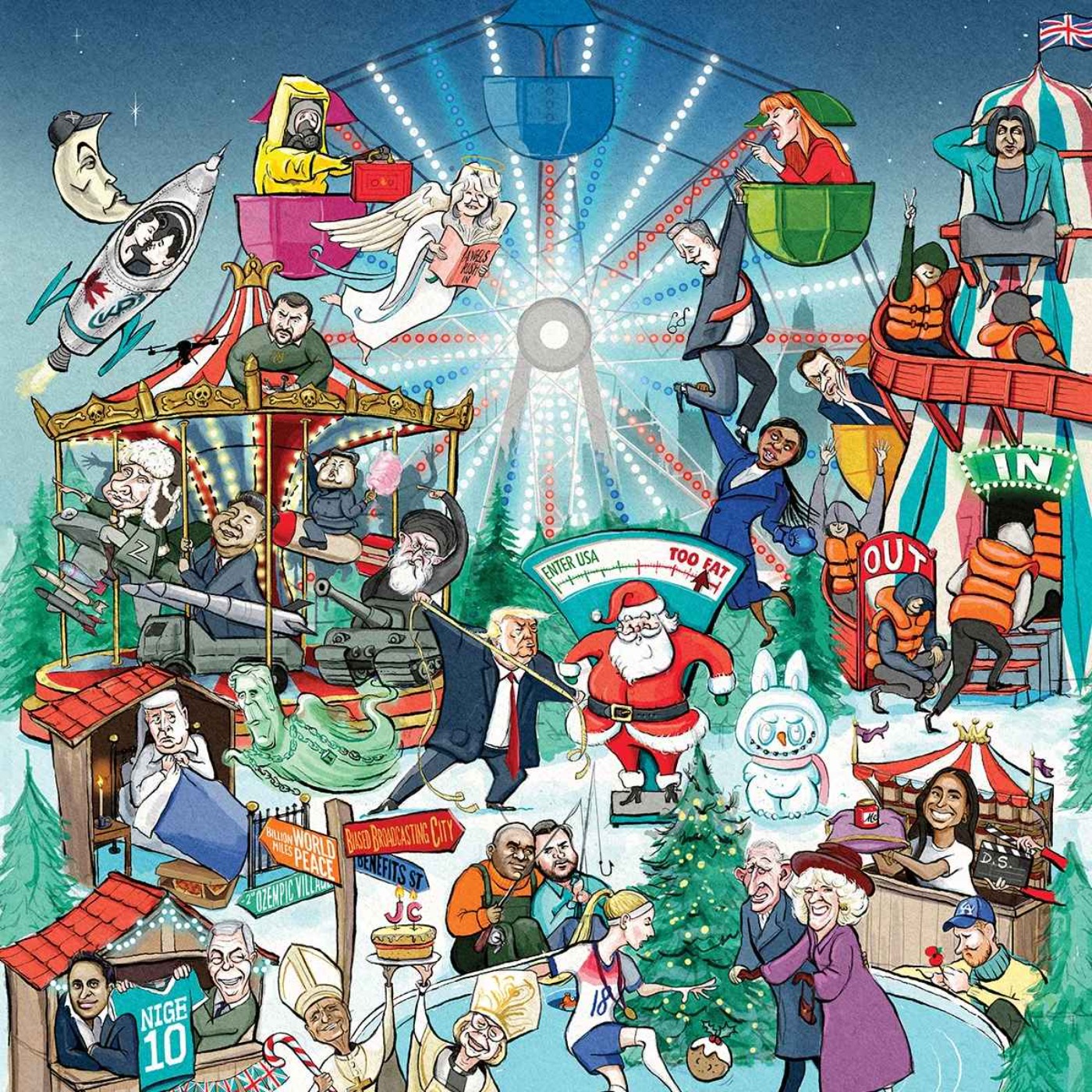
The Christmas Edition: From The Queen to Bonnie Blue
<p>The&nbsp;<em>Spectator</em>’s bumper Christmas issue is a feast for all, with offerings from Nigel Farage, Matthew McConaughey and Andrew Strauss to Dominic Sandbrook, David Deutsch and Bonnie Blue – and even from Her Majesty The Queen.</p><br><p>To take us through the Christmas&nbsp;<em>Edition</em>, host Lara Prendergast is joined by deputy political editor James Heale, associate editor Damian Thompson and writer of the&nbsp;<em>Spectator</em>’s new morning newsletter,&nbsp;<em>Morning Press</em>, Angus Colwell.&nbsp;</p><br><p>They discuss: the state of British politics as we leave 2025 behind, and who will have a worse year ahead between Kemi and Keir; what physicist David Deutsch’s enthusiasm for humanity can teach us all in the age of AI; why the Sherlock Holmes stories have maintained such enduring appeal; whether England cricket fans will be celebrating good news from Down Under; as well as the best places to visit in London at Christmastime.</p><br><p>Plus: who does Damian think is the ‘most repugnant, left-wing extremist leader’ in British politics, and who described Bonnie Blue as the ‘Emma Hamilton of the 21st century'?</p><br><p>Happy Christmas from <em>The Spectator</em>.&nbsp;Produced by Patrick Gibbons.</p> <hr><p style='color:grey; font-size:0.75em;'> Hosted on Acast. See <a style='color:grey;' target='_blank' rel='noopener noreferrer' href='https://acast.com/privacy'>acast.com/privacy</a> for more information.</p>

The Book Club: The Journey to Save the Siberian Tiger
My guest on this week’s Book Club podcast is Jonathan C. Slaght, whose new book is <em>Tigers Between Empires: The Journey to Save the Siberian Tiger from Extinction.</em> He tells me about these remarkable animals, the remarkable people who studied them, and how their fates have been entwined with the shifting politics of post-Soviet Russia. <hr><p style='color:grey; font-size:0.75em;'> Hosted on Acast. See <a style='color:grey;' target='_blank' rel='noopener noreferrer' href='https://acast.com/privacy'>acast.com/privacy</a> for more information.</p>

Post-Budget briefing: what will it mean for your finances?
<p>In the wake of an extraordinary Budget – leaked an hour before the Chancellor addressed Parliament – <em>The Spectator</em> brings clarity to a turbulent political and take stock of how the announcements will impact you.</p><p>Michael Simmons speaks with John Porteous of Charles Stanley and James Nation, formerly of the Treasury and No. 10, to discuss how the events unfolded and the deeper implications for long-term financial planning, taxation and market confidence.</p><p>The conversation explores whether the government’s approach represents a credible fiscal strategy, what savers and investors should infer from changes to ISAs and pensions, and whether concerns about a growing UK ‘brain drain’ are justified.</p><p>This podcast was created in partnership with Charles Stanley; editorial control remained exclusively with <em>The Spectator</em>.</p> <hr><p style='color:grey; font-size:0.75em;'> Hosted on Acast. See <a style='color:grey;' target='_blank' rel='noopener noreferrer' href='https://acast.com/privacy'>acast.com/privacy</a> for more information.</p>

Table Talk: Tom Gilbey
<p>Tom Gilbey, the internet’s most charismatic wine expert, sits down with Olivia Potts for Table Talk. Tom is a winemaker, merchant, educator – and also an author. His new book,&nbsp;<em>Thirsty</em>, is part-memoir, part guide to his life through wine in 100 bottles, and is available now.&nbsp;</p><br><p>On the podcast, Tom discusses his family’s love for winemaking that stretches back to the nineteenth century, and how he became captivated by the trade thanks&nbsp;to Beaujolais and a pike’s head. He explains how a glass of pinot gris in an ice bath propelled him to social media fame – where he’s known for taking a fun approach to wine tasting. Tom also reveals the best way to pair drinks with dishes and the unconventional way he’ll be cooking his turkey this Christmas. Plus: how did the English sparkling wine industry take off?</p><br><p>Produced by Patrick Gibbons and James Lewis.</p> <hr><p style='color:grey; font-size:0.75em;'> Hosted on Acast. See <a style='color:grey;' target='_blank' rel='noopener noreferrer' href='https://acast.com/privacy'>acast.com/privacy</a> for more information.</p>

Americano: will anyone miss the Boomers?
<p>Christopher Caldwell joins Freddy Gray to discuss why the 'Boomer generation' – those born between 1946 and 1964 – became one of the most hated generations in recent history. Chris argues that the Boomers uniquely benefited from the resources of other generations, and were able to enjoy the benefits of leftist politics alongside the political and economic freedoms associated with the right; the apex of their power perhaps being the Clinton/Bush era. </p><br><p>To what extent are the Boomers responsible for the decline of America? And what merits are there in judging society through age? Plus, do the digital-millennial generation – those born at the late 1980s and early 1990s – mark the next era of cultural configuration?</p><br><p>Produced by Patrick Gibbons and James Lewis.</p> <hr><p style='color:grey; font-size:0.75em;'> Hosted on Acast. See <a style='color:grey;' target='_blank' rel='noopener noreferrer' href='https://acast.com/privacy'>acast.com/privacy</a> for more information.</p>
Spectator Out Loud: what's the greatest artwork of the century so far?
<p>For this week's Spectator Out Loud, we include a compilation of submissions by our writers for their greatest artwork of the 21st century so far. Following our arts editor Igor Toronyi-Lalic, you can hear from: Graeme Thomson, Lloyd Evans, Slavoj Zizek, Damian Thompson, Richard Bratby, Liz Anderson, Deborah Ross, Calvin Po, Tanjil Rashid, James Walton, Rupert Christiansen and Christopher Howse.</p><br><p>Produced and presented by Patrick Gibbons.</p> <hr><p style='color:grey; font-size:0.75em;'> Hosted on Acast. See <a style='color:grey;' target='_blank' rel='noopener noreferrer' href='https://acast.com/privacy'>acast.com/privacy</a> for more information.</p>

Coffee House Shots: who really runs No.10?
<p>This weekend’s <em>Coffee House Shots</em> digs into the growing debate over whether Keir Starmer should tack left on the economy as voters peel away to the Greens and Lib Dems – and why some in Labour think its migration stance is now more popular with their own voters than ever. Are Labour tacking left?</p><p>But beyond policy, a deeper question looms: is Westminster’s obsession with ‘super-advisers’ drowning out the government’s message? Tom Baldwin argues that leaks, briefing wars and the hunt for the next ‘power-behind-the-throne’ are undermining Labour’s ability to tell a coherent story, while Tim Shipman asks why Starmer still struggles to communicate the values that drive him.</p><p>James Heale speaks to Tim Shipman and Tom Baldwin, Keir Starmer's biographer.</p><p>Produced by Oscar Edmondson.</p> <hr><p style='color:grey; font-size:0.75em;'> Hosted on Acast. See <a style='color:grey;' target='_blank' rel='noopener noreferrer' href='https://acast.com/privacy'>acast.com/privacy</a> for more information.</p>
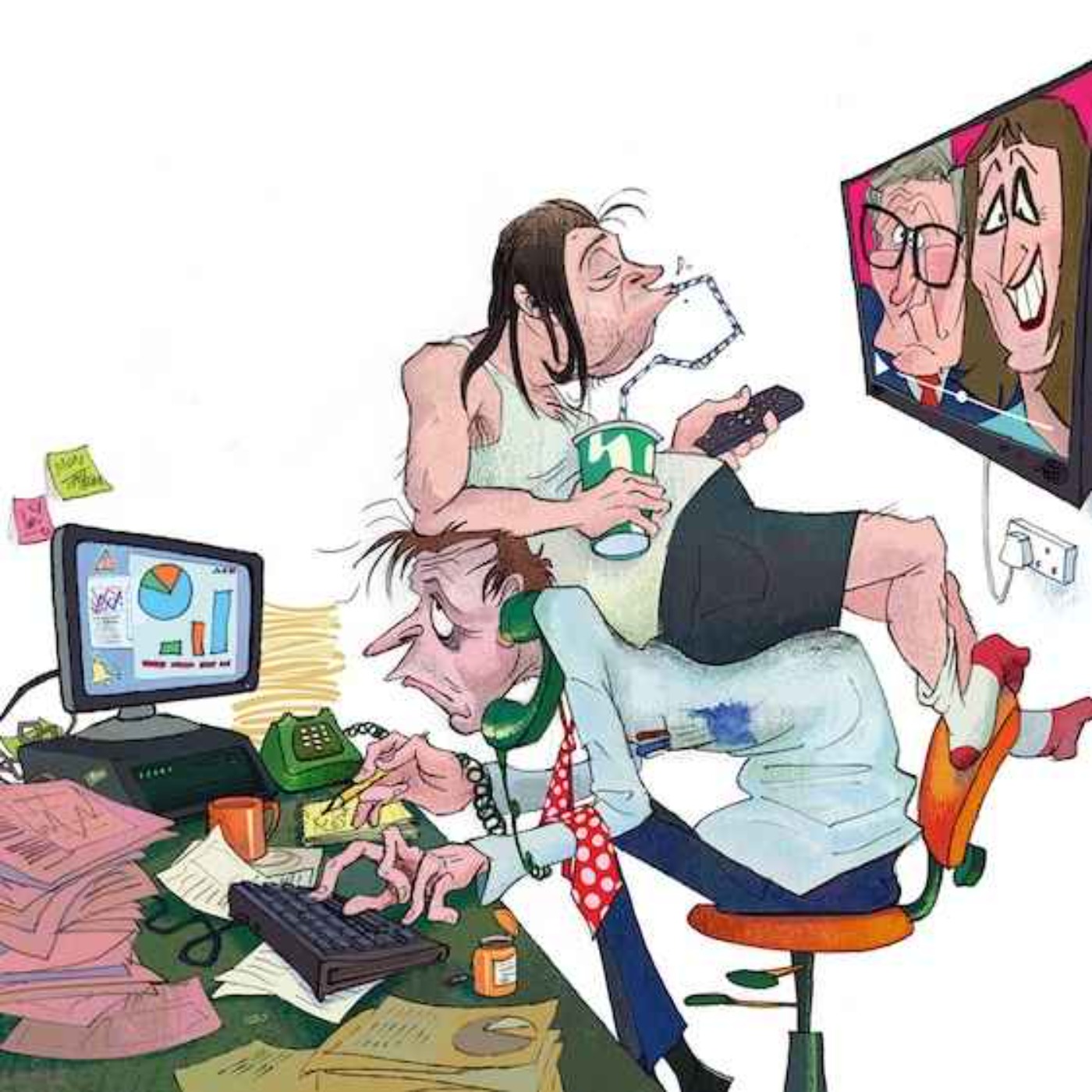
The Edition: Benefits Britain, mental health & what’s the greatest artwork of the 21st Century?
<p>‘Labour is now the party of welfare, not work’&nbsp;argues Michael Simmons in the&nbsp;<em>Spectator</em>’s cover article this week. The question ‘why should I bother with work?’ is becoming harder to answer, following last week’s Budget which could come to define this Labour government. A smaller and smaller cohort of people are being asked to shoulder the burden – what do our Spectator contributors think of this?&nbsp;</p><br><p>For this week’s&nbsp;<em>Edition</em>, host Lara Prendergast is joined by opinion editor Rupert Hawksley, arts editor Igor Toronyi-Lalic and columnist Matthew Parris. Rupert points out the perceived lack of fairness across the Budget, Matthew thinks we shouldn’t be surprised that a Labour government delivered a Labour Budget and Igor makes the case that artists thrive as a consequence of an inefficient state.</p><br><p>As well as the cover, they discuss: the compassionate balance needed on mental health; how society seems to be approaching a ‘climbdown’ over climate change; the best party tricks they’ve seen; and finally, their reflections on Tom Stoppard, following his death at the weekend.</p><br><p>Plus: what is the greatest artwork of the 21st century so far – and how should we define it? The columnists discuss our various submissions from Christian Marclay’s&nbsp;<em>The Clock,</em>&nbsp;television show&nbsp;<em>Succession,&nbsp;</em>album&nbsp;<em>Original Pirate Material&nbsp;</em>by The Streets<em>&nbsp;–&nbsp;</em>and even the Just Stop Oil movement.</p><br><p>Produced by Patrick Gibbons.</p> <hr><p style='color:grey; font-size:0.75em;'> Hosted on Acast. See <a style='color:grey;' target='_blank' rel='noopener noreferrer' href='https://acast.com/privacy'>acast.com/privacy</a> for more information.</p>
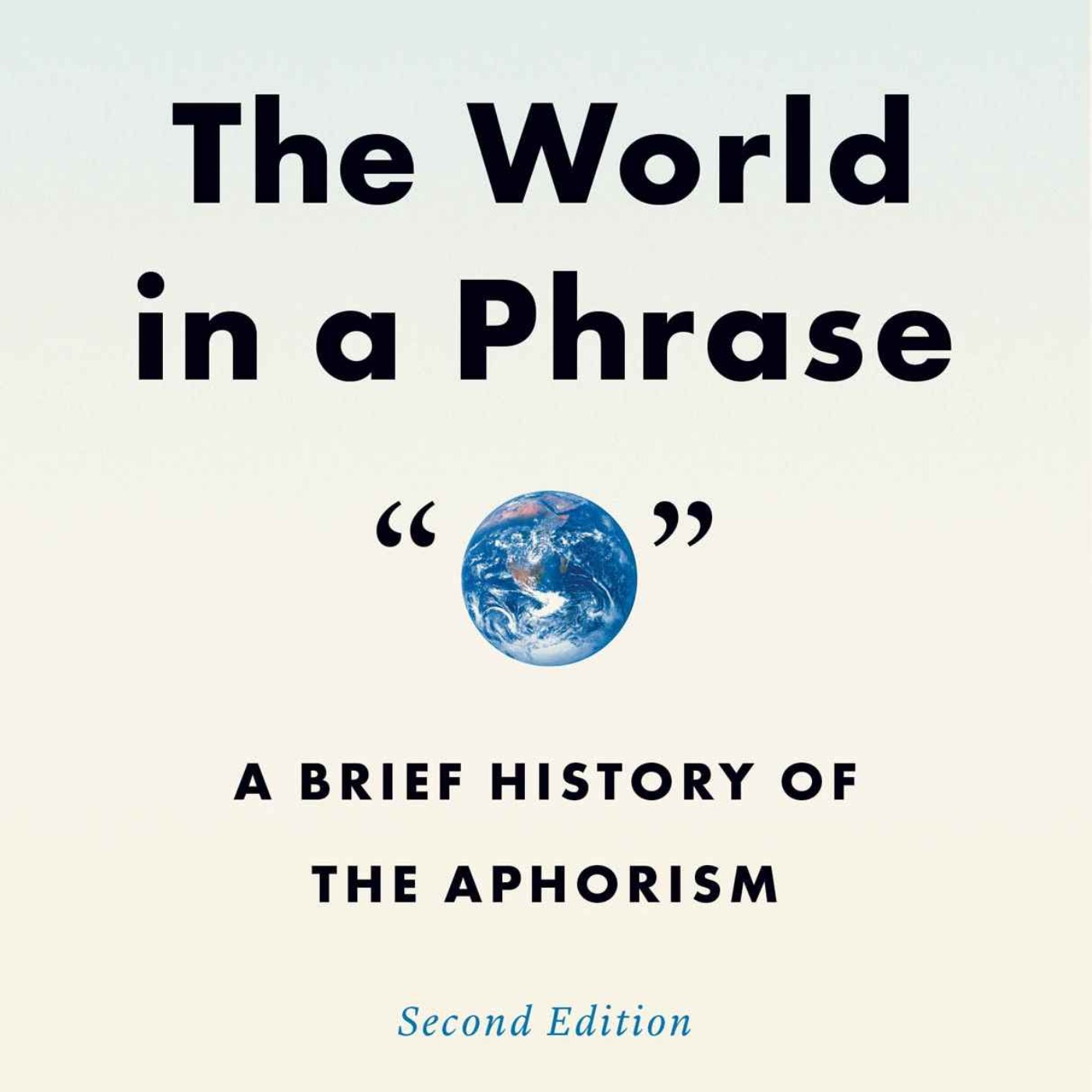
The Book Club: A Brief History of the Aphorism
My guest in this week’s <em>Book Club</em> podcast is James Geary, talking about the new edition of his classic <em>The World in a Phrase: A Brief History of the Aphorism</em>. He tells me about what separates an aphorism from a proverb, a maxim or a quip; about the long history of the form and his own lifelong infatuation with it; and about whether – given our dwindling attention span and appetite for zingers on social media – we can expect to be living through a new golden age of aphorism. <hr><p style='color:grey; font-size:0.75em;'> Hosted on Acast. See <a style='color:grey;' target='_blank' rel='noopener noreferrer' href='https://acast.com/privacy'>acast.com/privacy</a> for more information.</p>

Quite right!: should Rachel Reeves go?
<p>This week: Rachel Reeves reels as Labour’s Budget unravels – and a far-left <em>Life of Brian</em> sequel plays out in Liverpool.</p><p>After a bruising seven days for the Chancellor, Michael and Maddie ask whether Reeves’s position is now beyond repair. Did Keir Starmer’s bizarre nursery press conference steady the ship – or simply confirm that the government is panicking? And is the resignation of the OBR chair a shield for Reeves – or a damning contrast with her refusal to budge?</p><p>Then: the inaugural conference of Your Party delivers pure comic gold. As Zarah Sultana’s collective-leadership utopians clash with Corbynite diehards and Islamist independents, Michael explains why the far left’s civil war matters more than Westminster thinks. Could independents erode Labour’s urban base? And with Jeremy Corbyn now looking like the centrist dad of the movement, what does this chaos tell us about the future of the British left?</p><p>And finally: Christmas is coming. Maddie and Michael share their rules for 'sound' gift-giving and give their book recommendations.</p><p>Produced by Oscar Edmondson.</p><p>To submit your urgent questions to Michael and Maddie, go to spectator.co.uk/quiteright</p> <hr><p style='color:grey; font-size:0.75em;'> Hosted on Acast. See <a style='color:grey;' target='_blank' rel='noopener noreferrer' href='https://acast.com/privacy'>acast.com/privacy</a> for more information.</p>
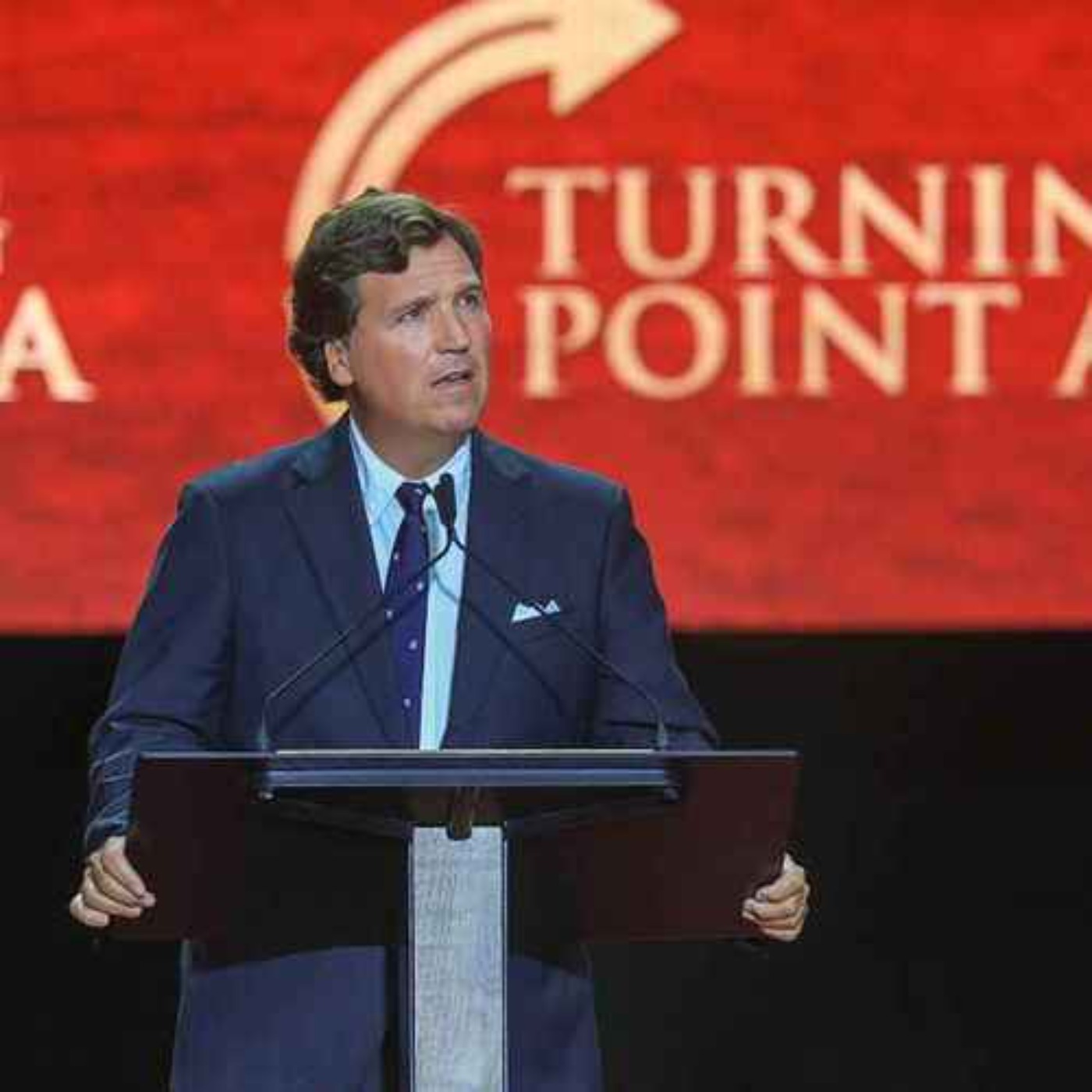
Americano: why is the US obsessed with British 'decline'?
Why are Americans so interested in Britain's decline? While visiting London, Tucker Carlson has said that the country has ‘shrunken’ and its culture ‘destroyed’, particularly because of mass immigration. Freddy Gray is joined by Tim Stanley and Ed West to discuss whether Britain has become ‘ground zero in the decline of western civilisation’ and if the US has always viewed the UK this way.&nbsp; <hr><p style='color:grey; font-size:0.75em;'> Hosted on Acast. See <a style='color:grey;' target='_blank' rel='noopener noreferrer' href='https://acast.com/privacy'>acast.com/privacy</a> for more information.</p>

Nicotine pouches: solution or smokescreen?
<p>There has been a renewed focus on tobacco and nicotine products across Europe. Just as countries seek to speed up the process to a smoke-free future, through measures like generational smoking bans and increased regulations on packaging and advertising, there has been a sharp increase in young people using alternative nicotine products like vapes and pouches.</p><br><p>Philip Morris International (PMI) expects to see two-thirds of its revenue come from smoke-free products by 2030 – including its product, Zyn. Dr Moira Gilchrist, chief communications officer at PMI, and Charlie Weimers MEP, a member of the Swedish Democrats, join <em>The Spectator</em>’s Lara Brown to talk about how nicotine pouches can help the transition away from tobacco to a smoke-free future. While this podcast was sponsored by PMI, <em>The Spectator</em> retained full editorial control, with no subject off-limits. Is PMI’s concern genuine or purely for future-proofing their business? What lessons can the UK take from Sweden, which expects to be declared the first ‘smoke-free’ country? And what does the science say?</p><br><p><strong>This podcast is sponsored by Philip Morris International. </strong></p> <hr><p style='color:grey; font-size:0.75em;'> Hosted on Acast. See <a style='color:grey;' target='_blank' rel='noopener noreferrer' href='https://acast.com/privacy'>acast.com/privacy</a> for more information.</p>
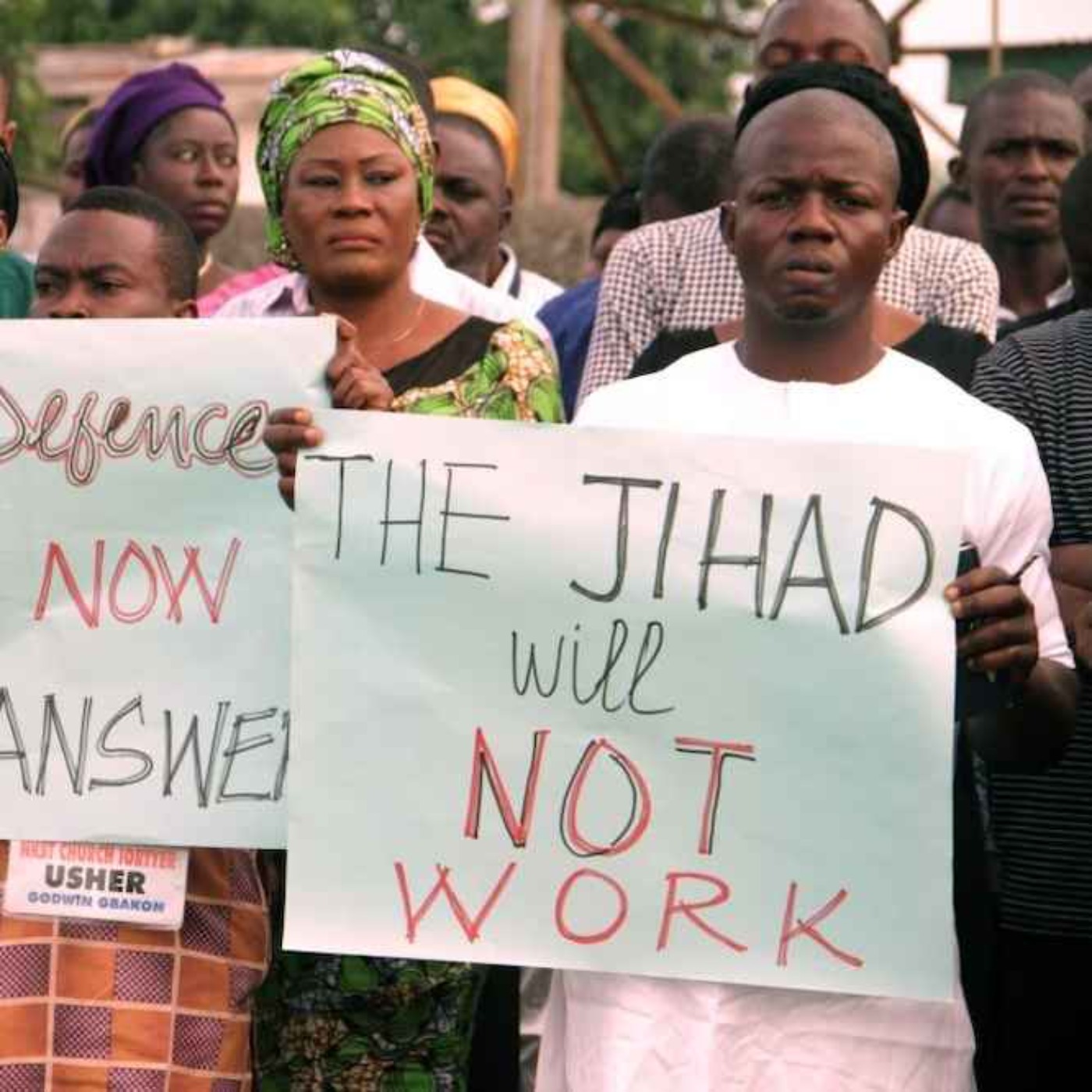
Holy Smoke: Trump highlights the persecution of Christians in Nigeria
<p>Fr Benedict Kiely, founder of nasarean.org, and Freddy Gray join Damian Thompson to discuss the persecution of Christians which has reached new and terrifying levels. Since this podcast was recorded last Friday, we have had the further news that over 300 children and staff were abducted from a Christian school – while around 50 of the children have since managed to escape, the rest remain missing and a local Bishop has criticised the Nigeria government for its failure to act.</p><br><p>Over 185,000 Christians are estimated to have been killed in Nigeria in the past 15 years – so why has it taken the efforts of President Trump to push this horrific topic up the agenda?</p><br><p>Produced by Patrick Gibbons.</p> <hr><p style='color:grey; font-size:0.75em;'> Hosted on Acast. See <a style='color:grey;' target='_blank' rel='noopener noreferrer' href='https://acast.com/privacy'>acast.com/privacy</a> for more information.</p>
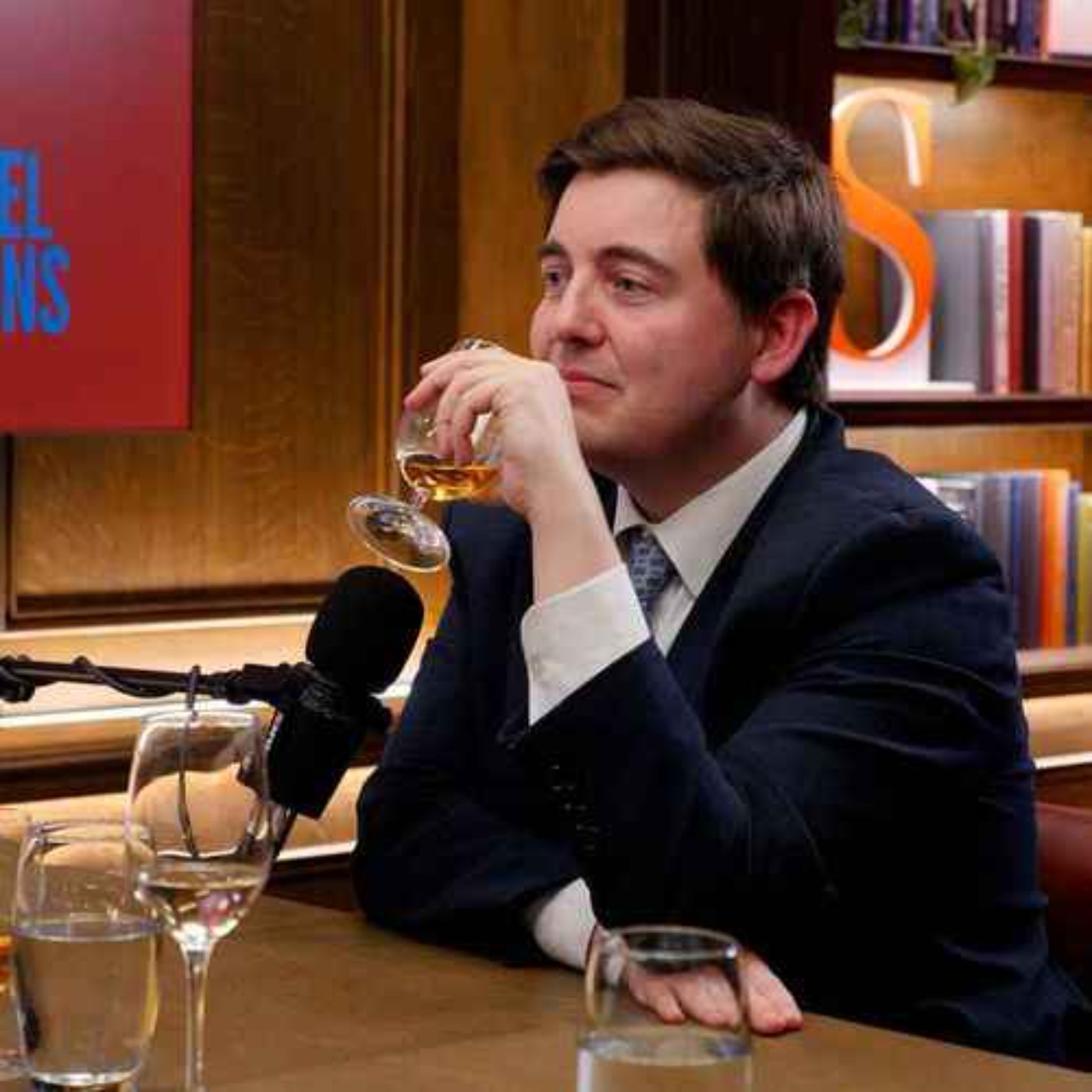
Coffee House Shots: Budget booze from Disraeli to Reeves
<p>Throughout the years, the only person permitted to drink inside the House of Commons is the Chancellor, so what has been the tipple of choice for each resident of Number 11 dating back to Benjamin Disraeli? Following Rachel Reeves Budget this week, Michael Simmons and James Heale drink their way through the ages, discuss the historical context of each Budget, and question whether Rachel Reeves has the toughest job of them all.</p><br><p>This episode was originally recorded for Michael Simmons's new podcast <em>Reality Check</em>. Search <em>Reality Check</em> wherever you subscribe to your podcasts.</p> <hr><p style='color:grey; font-size:0.75em;'> Hosted on Acast. See <a style='color:grey;' target='_blank' rel='noopener noreferrer' href='https://acast.com/privacy'>acast.com/privacy</a> for more information.</p>

The Edition: defending marriage, broken Budgets & the 'original sin’ of industrialisation
<p>'Marriage is the real rebellion’&nbsp;argues Madeline Grant in the&nbsp;<em>Spectator</em>’s cover article this week. The Office for National Statistics predicts that by 2050 only 30 per cent of adults will be married. This amounts to a ‘relationship recession’ where singleness is ‘more in vogue now than it has been since the dissolution of the monastries’. With a rising division between the sexes, and many resorting to alternative relationships like polyamory, how can we defend marriage?</p><br><p>For this week’s&nbsp;<em>Edition</em>, host William Moore is joined by political editor Tim Shipman, assistant editor – and parliamentary sketchwriter&nbsp;– Madeline Grant and the Spectator’s diary writer this week, former Chancellor and Conservative MP Kwasi Kwarteng.</p><br><p>As well as the cover, they discuss: how Rachel Reeves benefited from the OBR Budget leak, whether through cock up or conspiracy; what they thought of Kemi Badenoch’s post-Budget performance; whether it is fair for Cabinet Office minister Nick Thomas-Symonds – in an interview with Tim – to say that ‘the architects of Brexit ran away'; and finally, how inevitable was the idea of ‘progress’ when thinking about Britain's Industrial Revolution.</p><br><p>Plus: Kwasi explains why he agrees with Tim that the Budget should be confined to the 19th Century.&nbsp;</p><br><p>Produced by Patrick Gibbons.</p> <hr><p style='color:grey; font-size:0.75em;'> Hosted on Acast. See <a style='color:grey;' target='_blank' rel='noopener noreferrer' href='https://acast.com/privacy'>acast.com/privacy</a> for more information.</p>
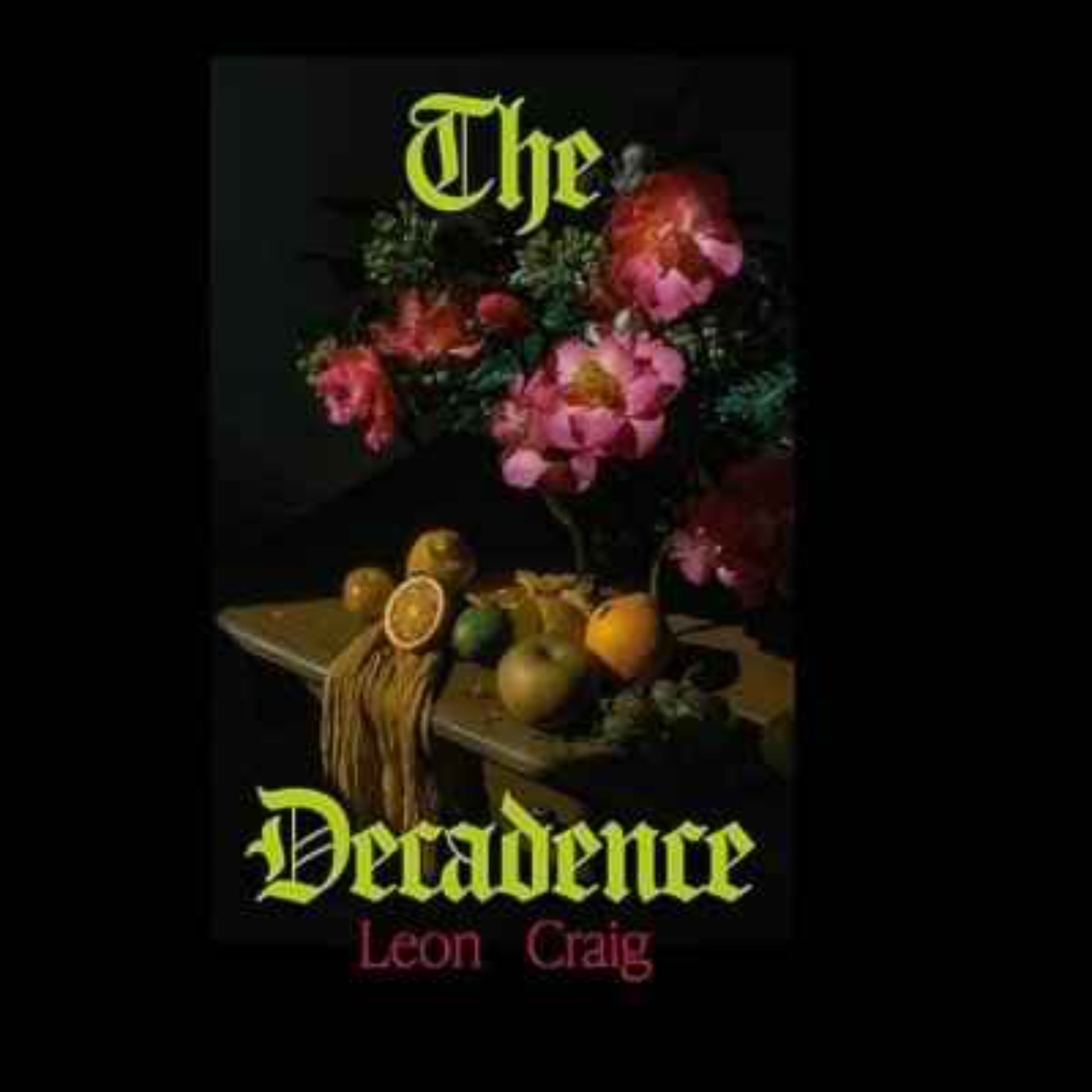
The Book Club: The Decadence
On this week’s Book Club podcast I’m joined by debut author Leon Craig to talk about her novel <em>The Decadence</em> – a story of millennial debauchery in a haunted house which uses a knowing patchwork of literary influences from Boccaccio and Shirley Jackson to Martin Amis and Mark Z. Danielewski to make an old form fresh. She discusses how and why it took her so long to write, how she first acquired a taste for the gothic, and why she thinks the horror novel, that seeming relic of the 1970s, is making such a dramatic comeback. <hr><p style='color:grey; font-size:0.75em;'> Hosted on Acast. See <a style='color:grey;' target='_blank' rel='noopener noreferrer' href='https://acast.com/privacy'>acast.com/privacy</a> for more information.</p>

Quite right!: the 'wickedness' of Labour's gender war
<p>This week: After leaked EHRC guidance threw Labour’s position on biological sex into disarray, Michael and Maddie ask whether Bridget Phillipson is deliberately delaying clarity on the law – and why Wes Streeting appears to be retreating from his once ‘gender-critical’ stance. Is Labour quietly preparing to water down long-awaited guidance? And has the return of puberty-blocker trials pushed the culture war back to square one?</p><p>Then: Shabana Mahmood unveils her first major moves as Home Secretary. But as the Labour left cries foul and legal challenges loom, Michael and Maddie assess whether her plans will really bring order to the asylum system – or whether Labour’s attachment to ‘process over principle’ will scupper the reforms before they bite. Is Mahmood the Iron Lady Labour never expected? Or is this simply Starmerism in its purest form: government by quango, review and delay?</p><p>And finally: Christmas arrives early… far too early. Michael sets out the case for a ‘dry Advent and festive January’, while Maddie laments Black Friday brawls and the loss of an older, saner rhythm to the year.</p><p>Produced by Oscar Edmondson.</p><p>To submit your urgent questions to Michael and Maddie, go to: spectator.co.uk/quiteright</p> <hr><p style='color:grey; font-size:0.75em;'> Hosted on Acast. See <a style='color:grey;' target='_blank' rel='noopener noreferrer' href='https://acast.com/privacy'>acast.com/privacy</a> for more information.</p>

Spectator Out Loud: William Atkinson, Andreas Roth, Philip Womack, Mary Wakefield & Muriel Zagha
<p>On this week’s&nbsp;<em>Spectator Out Loud</em>: William Atkinson reveals his teenage&nbsp;brush with a micropenis; Andreas Roth bemoans the dumbing down of German education; Philip Womack wonders how the hyphen turned political; Mary Wakefield questions the latest AI horror story – digitising dead relatives; and, Muriel Zagha celebrates Powell & Pressburger’s I Know Where I’m Going!</p><br><p>Produced and presented by Patrick Gibbons.</p> <hr><p style='color:grey; font-size:0.75em;'> Hosted on Acast. See <a style='color:grey;' target='_blank' rel='noopener noreferrer' href='https://acast.com/privacy'>acast.com/privacy</a> for more information.</p>

Quite right!: Is it time to abolish the Treasury? – Q&A
<p>To submit your urgent questions to Michael and Maddie, go to: spectator.co.uk/quiteright</p><p>This week on <em>Quite right!</em> Q&A: Is the Treasury still fit for purpose – or has ‘Treasury brain’ taken over Whitehall? Michael and Maddie dig into the culture and power of Britain’s most influential department, from the Oxbridge-heavy ‘Treasury boys’ to a ‘visionless’ Chancellor.</p><p>Then: after Michael’s suggestion that Piers Morgan should be the next director-general of the BBC – why, in his view, could cnly a disruptive outsider could shake the organisation out of its complacency.</p><p>Plus: the rise of ‘Mar-a-Lago face’ in US conservative politics, and whether Britain has its own aesthetic quirks – from Ozempic-thinned MPs to the enduring Labour ‘power bob’.</p><p>Produced by Oscar Edmondson.</p> <hr><p style='color:grey; font-size:0.75em;'> Hosted on Acast. See <a style='color:grey;' target='_blank' rel='noopener noreferrer' href='https://acast.com/privacy'>acast.com/privacy</a> for more information.</p>
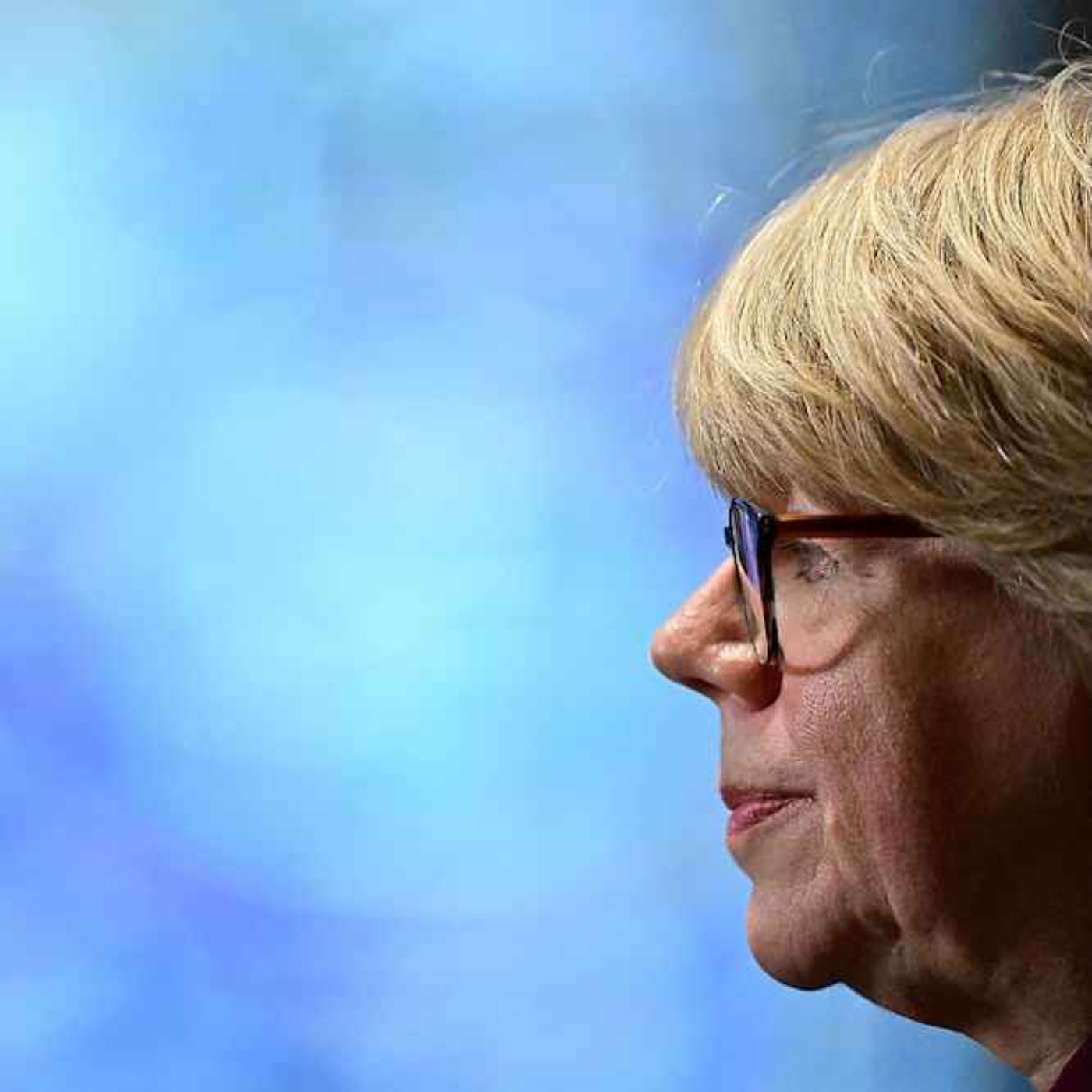
Holy Smoke: is the Anglican Communion dead?
<p>In the space of a month, the Church of England acquired its first female Archbishop of Canterbury, a majority of the world’s Anglicans have left the Anglican Communion in protest at the mother Church’s willingness to bless same-sex relationships – and the House of Bishops has suddenly backed away from introducing stand-alone gay blessings. The situation is chaotic. Theologian Andrew Graystone talks to Damian Thompson about the almost insoluble problems that will face Archbishop Mullally after she is enthroned in January.&nbsp;</p><br><p>Produced by Patrick Gibbons.</p> <hr><p style='color:grey; font-size:0.75em;'> Hosted on Acast. See <a style='color:grey;' target='_blank' rel='noopener noreferrer' href='https://acast.com/privacy'>acast.com/privacy</a> for more information.</p>
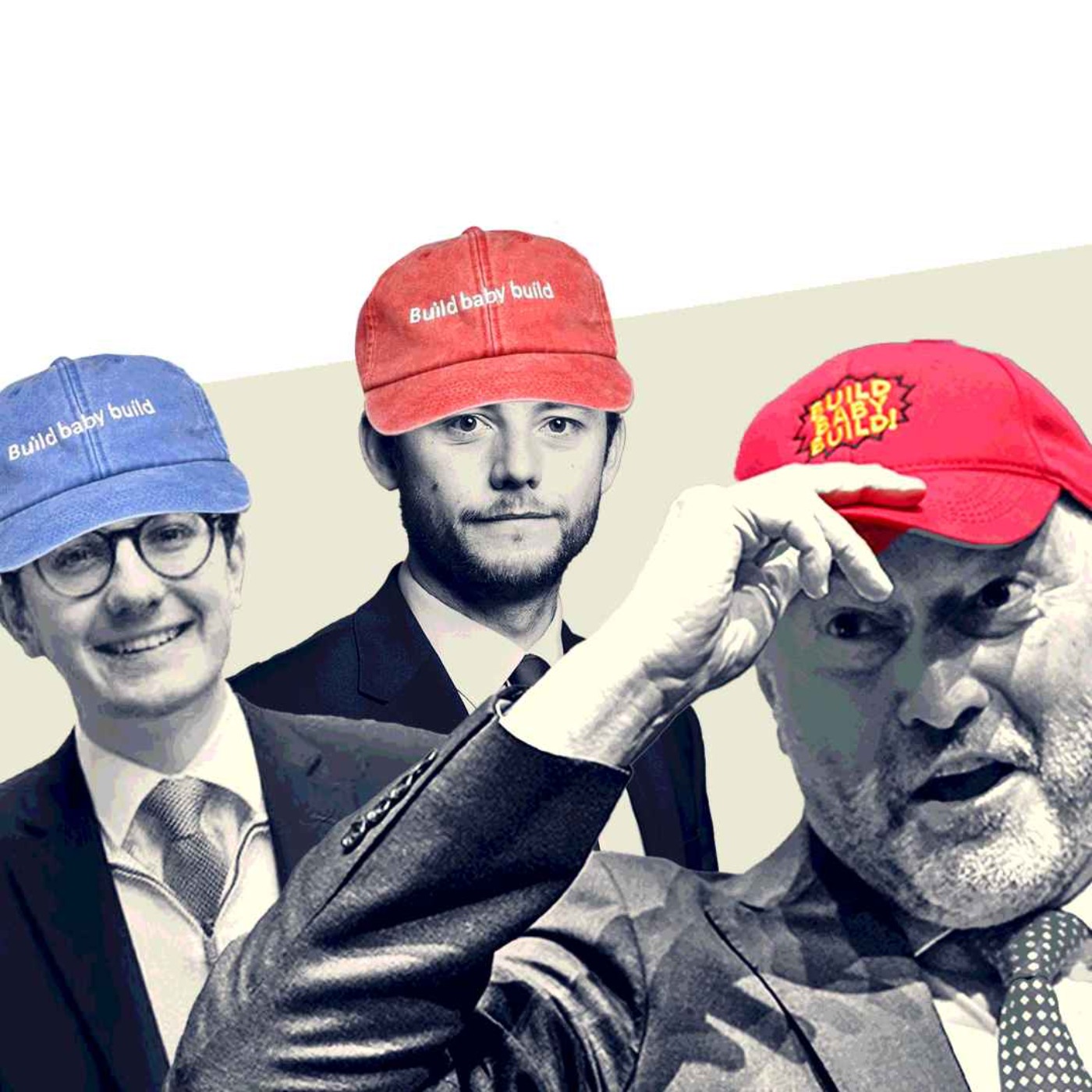
Coffee House Shots: why Britain needs more Yimbys
<p>Chris Curtis and Maxwell Marlow may have different political ideologies, but they agree on one key diagnosis: Britain is broken. Their solution can be found on baseball caps and bucket hats across social media and SW1: ‘Build Baby Build’. Less than a week before the Budget, Chris – MP for Milton Keynes and chair of the Labour Growth Group – and Maxwell – policy fellow of the Yimby Initiative, alongside his day job at the Adam Smith Institute – join our economics editor Michael Simmons to talk about the pro-growth measures they champion to radically change Britain.</p><p>Produced by Patrick Gibbons.</p> <hr><p style='color:grey; font-size:0.75em;'> Hosted on Acast. See <a style='color:grey;' target='_blank' rel='noopener noreferrer' href='https://acast.com/privacy'>acast.com/privacy</a> for more information.</p>
The Edition: Labour's toxic budget, Zelensky in trouble & Hitler's genitalia
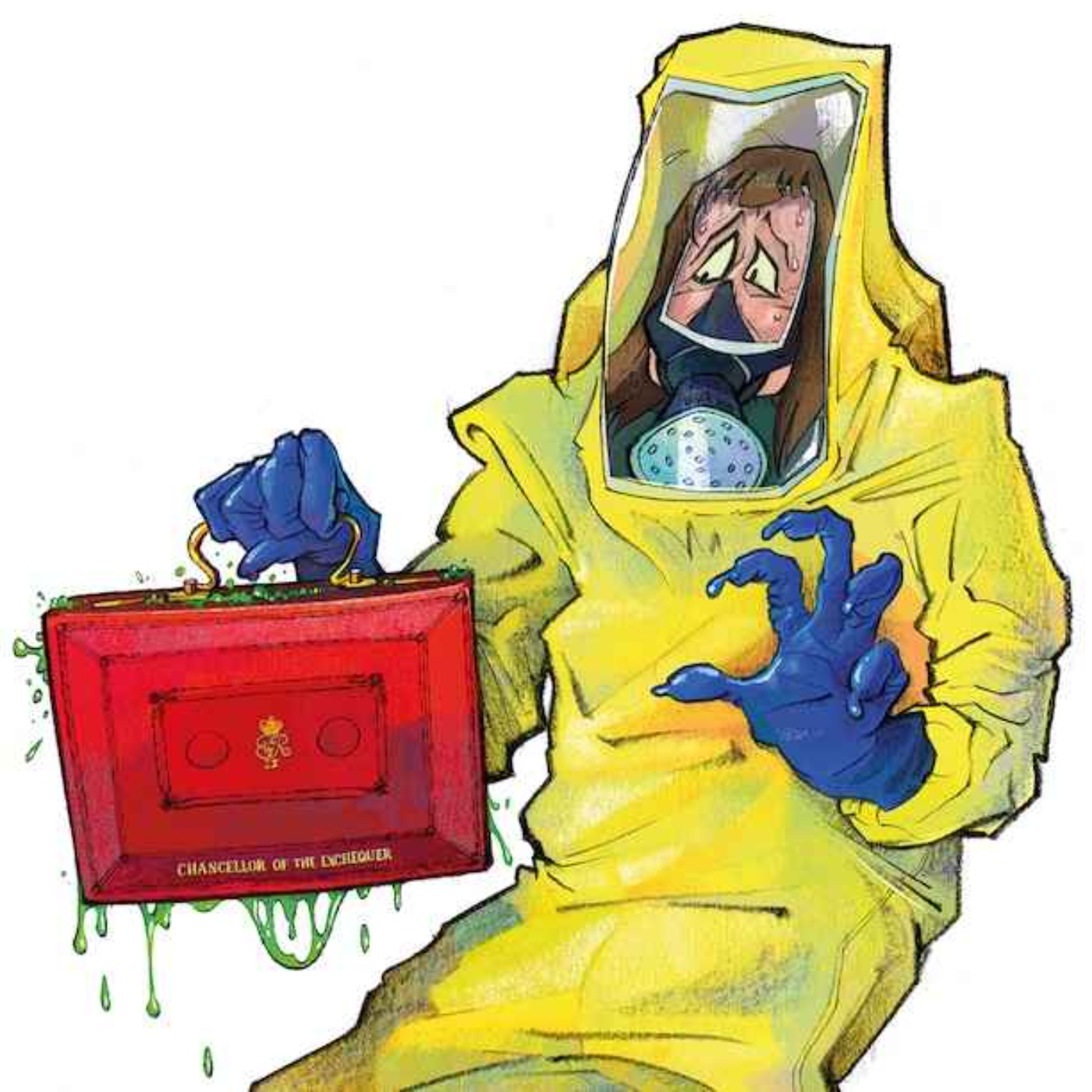
<p>It’s time to scrap the budget, argues political editor Tim Shipman this week. An annual fiscal event only allows the Chancellor to tinker round the edges, faced with a backdrop of global uncertainty. Endless potential tax rises have been trailed, from taxes on mansions, pensions, savings, gambling, and business partnerships, and nothing appears designed to fix Britain’s structural problems. Does our economics editor Michael Simmons agree?</p><br><p>Host Lara Prendergast is joined by co-host – and the Spectator’s features editor – William Moore, alongside associate editor Owen Matthews and economics editor Michael Simmons.&nbsp;</p><br><p>As well as the cover, they discuss: the corruption scandal that has weakened Ukraine’s President Zelensky – could he be forced out; how global winds are taming meaning we’re living through a ‘great stilling’; with new research alleging that Hitler had a micropenis – does it matter; how grief is natural and dead relatives shouldn’t be digitised; whether Artificial&nbsp;Intelligence could be useful in schools; and finally, what Turkey could teach the UK about luxury healthcare.</p><br><p>Plus: what did Owen learn on a mushroom retreat in Amsterdam – and why did William wait ten years to go to the dentist?</p><br><p>Produced by Patrick Gibbons.</p><br><p><em>The Spectator is trialling new formats for this podcast, and we would very much welcome feedback via this email address:&nbsp;</em><a href="mailto:[email protected]" rel="noopener noreferrer" target="_blank"><em><u>[email protected]</u></em></a></p> <hr><p style='color:grey; font-size:0.75em;'> Hosted on Acast. See <a style='color:grey;' target='_blank' rel='noopener noreferrer' href='https://acast.com/privacy'>acast.com/privacy</a> for more information.</p>

Book Club: Ben Myers on Kinski
<p>Ben Myers joins Sam Leith to discuss his book Jesus Christ Kinski, which he describes as a ‘novel about a film about a performance about Jesus’. Klaus Kinski was one of Germany’s biggest actors of the 20th&nbsp;Century – but he was also one of the most controversial, and Ben questions if he was one of the worst people to have ever lived. In this novel, Kinski returns for a one-man performance about Jesus Christ, and it nearly becomes his last as the audience turn on him and violence is threatened.&nbsp;</p><p>&nbsp;</p><p>Ben tells Sam about how he came to be fixated on Kinski, why the worst people can be some of the most compelling and why there are no great movies about writers. Plus, how exposed are artists to cancel culture when making art about evil characters?</p><br><p>Produced by Patrick Gibbons.</p> <hr><p style='color:grey; font-size:0.75em;'> Hosted on Acast. See <a style='color:grey;' target='_blank' rel='noopener noreferrer' href='https://acast.com/privacy'>acast.com/privacy</a> for more information.</p>

Quite right!: Labour’s migration crackdown & why the Rwanda plan was ‘ahead of its time’
<p><strong>Listeners on the Best of Spectator playlist can enjoy a section of the latest episode of Quite right! but for the full thing please seek out the Quite right! channel. Just search ‘Quite right!’ wherever you are listening now.</strong></p><p>This week: a Commons showdown over asylum – and a cold shower for Net Zero orthodoxy.</p><p>After Shabana Mahmood’s debuts Labour’s new asylum proposals, Michael and Maddie ask whether her barnstorming performance signals a new star in Starmer’s government – or whether the Home Secretary is dangerously over-promising on a problem no minister has yet cracked. Is her Denmark-inspired model workable? Can she get it past the Labour left? And are the right-wing plaudits a blessing – or a trap?</p><p>Then: at COP30, the great climate jamboree struggles to command attention. As Ed Miliband charges ahead with his Net Zero agenda, the pair question whether Britain has finally passed 'peak Net Zero mania'. Is the UK hobbling itself economically while China cashes in? Has climate policy become more like a faith than a science? And what would a more balanced, less fanatical environmentalism look like?</p><p>And finally, Channel 4 claims a medical quirk shaped Adolf Hitler: does this kind of genetic reductionism teach us anything – or simply turn history’s greatest monsters into comic-book villains?</p><p>Produced by Oscar Edmondson.</p><p>To submit your urgent questions to Michael and Maddie, go to: <strong>spectator.co.uk/quiteright</strong></p> <hr><p style='color:grey; font-size:0.75em;'> Hosted on Acast. See <a style='color:grey;' target='_blank' rel='noopener noreferrer' href='https://acast.com/privacy'>acast.com/privacy</a> for more information.</p>

Reality Check: Rory Sutherland: Britain isn’t working – here’s how to fix it
<p>Advertising legend and Spectator columnist Rory Sutherland joins Michael Simmons to explain why he thinks Britain’s economic problem isn’t income, tax rates or even inequality — it’s property, rent extraction, and a national belief that housing is the safest and smartest place to store wealth.</p><p><br></p> <hr><p style='color:grey; font-size:0.75em;'> Hosted on Acast. See <a style='color:grey;' target='_blank' rel='noopener noreferrer' href='https://acast.com/privacy'>acast.com/privacy</a> for more information.</p>

Quite right!: Who could replace Keir Starmer? – Q&A
<p>To submit your urgent questions to Michael and Maddie, go to: spectator.co.uk/quiteright</p><p>This week on <em>Quite right!</em> Q&A: Could Britain see a snap election before 2029? Michael and Maddie unpack the constitutional mechanics – and explain why, despite the chaos, an early vote remains unlikely. They also turn to Labour’s troubles: growing pressure on Keir Starmer, restive backbenchers, and whether Angela Rayner’s sacking has boosted her chances as his successor.</p><p>Plus: should the Scottish Parliament be abolished? And on a lighter note, if you won a free holiday but had to take one Labour MP, who would you choose?</p><p>Produced by Oscar Edmondson.</p> <hr><p style='color:grey; font-size:0.75em;'> Hosted on Acast. See <a style='color:grey;' target='_blank' rel='noopener noreferrer' href='https://acast.com/privacy'>acast.com/privacy</a> for more information.</p>

Americano: Alan Dershowitz on Epstein & the client list
Lawyer Alan Dershowitz joins Freddy Gray to react to the 20,000 newly released Epstein emails — and why he believes far more remains hidden. He discusses Trump’s appearance in the documents, the contradictions in Virginia Giuffre’s testimony, the FBI’s real “client list”, and why judges are still sealing major depositions. <hr><p style='color:grey; font-size:0.75em;'> Hosted on Acast. See <a style='color:grey;' target='_blank' rel='noopener noreferrer' href='https://acast.com/privacy'>acast.com/privacy</a> for more information.</p>
Coffee House Shots: H.M. Chief Inspector of Prisons on accidental prison release
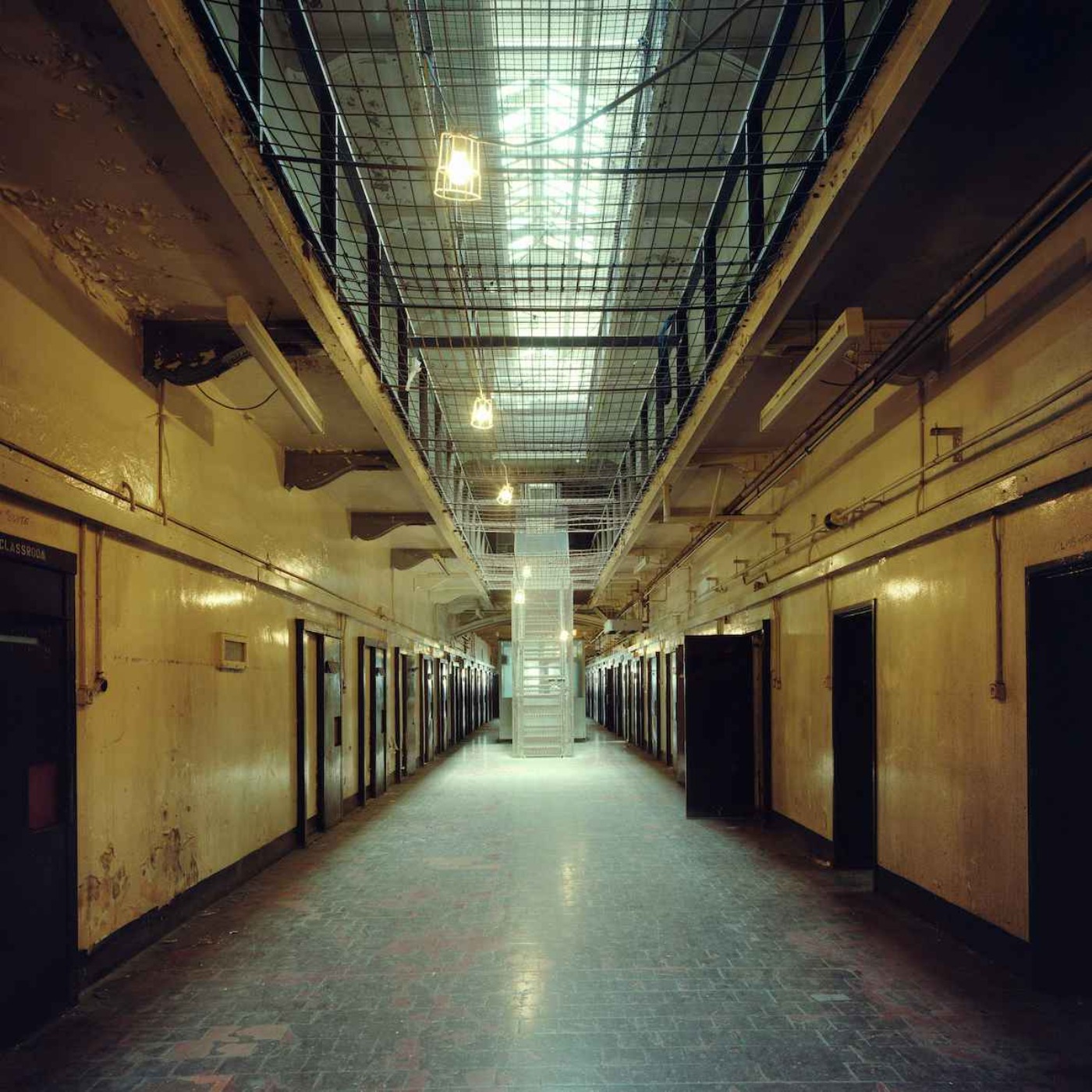
<p>Britain’s prisons are a legislative problem that has beset successive governments. New revelations show 91 accidental early releases in just six months, the latest in a growing pattern of administrative chaos across the criminal justice system. Between drones delivering drugs, crumbling Victorian buildings, exhausted staff and an ever more convoluted sentencing regime, what is the cause of so many blunders? And what will Labour’s promised reforms actually fix – and are more crises inevitable?</p><p>James Heale speaks to Charlie Taylor, H.M. Chief Inspector of Prisons.</p><p>Produced by Oscar Edmondson and Megan McElroy.</p> <hr><p style='color:grey; font-size:0.75em;'> Hosted on Acast. See <a style='color:grey;' target='_blank' rel='noopener noreferrer' href='https://acast.com/privacy'>acast.com/privacy</a> for more information.</p>
The Edition: BBC in crisis, the Wes Streeting plot & why 'flakes' are the worst
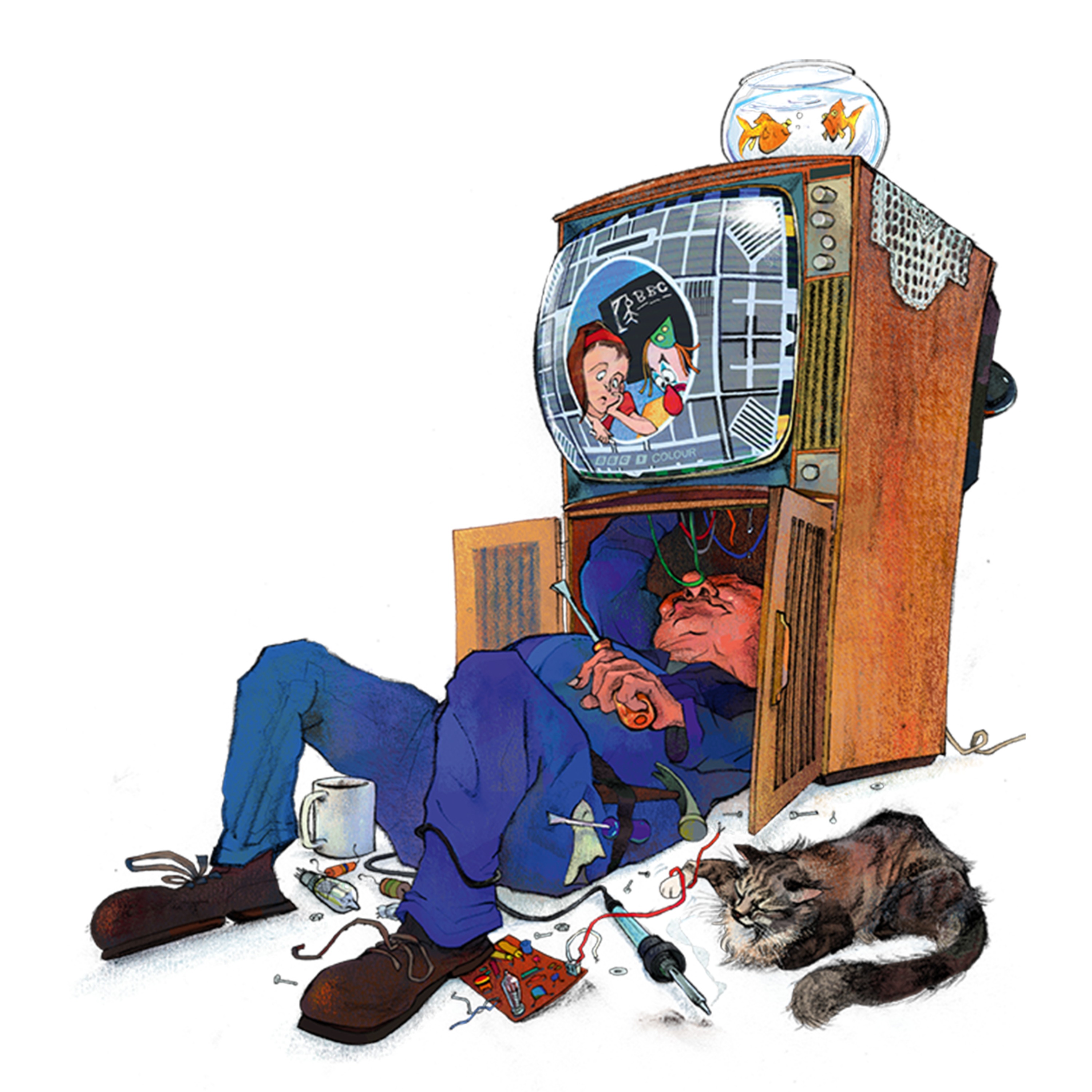
<p>Can the BBC be fixed? After revelations of bias from a leaked dossier, subsequent resignations and threats of legal action from the US President, the future of the corporation is the subject of this week’s cover piece.</p><p>Host William Moore is joined by <em>The Spectator</em>’s commissioning editor, Lara Brown, arts editor, Igor Toronyi-Lalic, and regular contributor, Melanie McDonagh.</p><p>They also discuss the drama of this week’s Westminster coup plot, and Melanie’s new book about why Catholicism attracted unlikely converts throughout the twentieth century.</p><p>Plus: what’s the most bizarre excuse a friend has used to back out of a social engagement?</p> <hr><p style='color:grey; font-size:0.75em;'> Hosted on Acast. See <a style='color:grey;' target='_blank' rel='noopener noreferrer' href='https://acast.com/privacy'>acast.com/privacy</a> for more information.</p>
The Book Club: Jimmy Wales, founder of Wikipedia
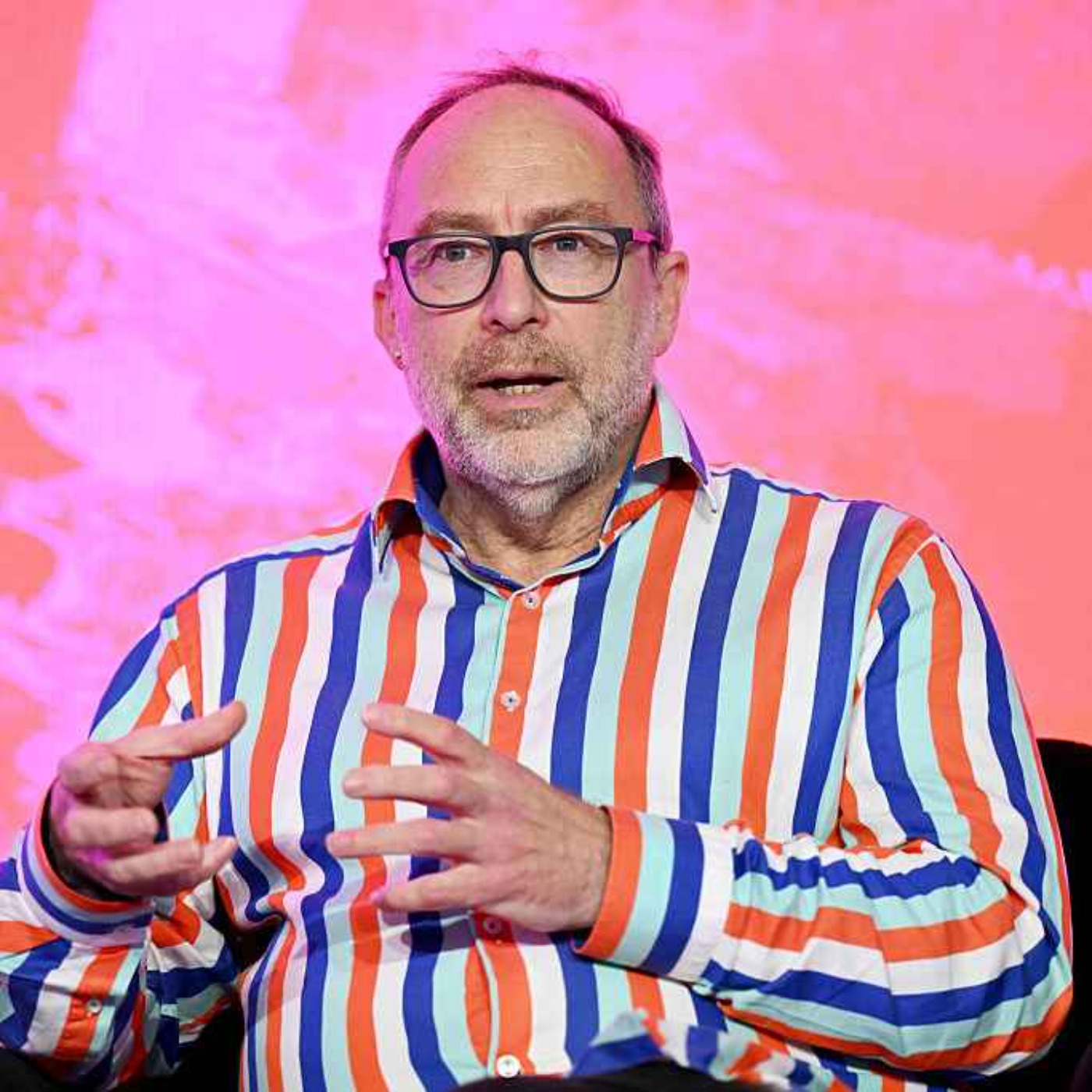
Sam Leith’s guest this week is Jimmy Wales, the founder of Wikipedia and author of <em>The Seven Rules of Trust</em>. They discuss why trust is such an important value for public debate, and how it can address polarisation in society. Jimmy addresses the challenge Elon Musk has posed to Wikipedia after the entrepreneur branded the site as ‘woke’, despite the pair having a personal relationship. Sam also asks whether the internet is getting worse – and if it can be fixed. <hr><p style='color:grey; font-size:0.75em;'> Hosted on Acast. See <a style='color:grey;' target='_blank' rel='noopener noreferrer' href='https://acast.com/privacy'>acast.com/privacy</a> for more information.</p>

Quite right!: BBC bias & Bridget ‘Philistine’s’ war on education
<p><strong>Listeners on the Best of Spectator playlist can enjoy a section of the latest episode of Quite right! but for the full thing please seek out the Quite right! channel. Just search ‘Quite right!’ wherever you are listening now.</strong></p><p>This week: a crisis at the BBC – and a crisis of standards in our schools.</p><p>Following the shock resignations of Tim Davie and Deborah Turness, Michael and Maddie ask whether the corporation has finally been undone by its own bias, and discuss how it can correct the leftward lurch in its editorial line.</p><p>Then: Labour’s new education reforms come under the microscope. As Ofsted scraps single-word judgements in favour of ‘report cards’, could this ‘definitive backward step’ result in a ‘dumbing down’ that will rob the next generation of rigour and ambition? And will ‘Bridget Philistine’s’ war on education undo the positive legacy of the Conservatives on education?</p><p>And finally, in Hollywood, actress Sydney Sweeney refuses to apologise for comments made in an interview last week – she now finds herself a heroine of the anti-woke age. Are we finally past peak woke?</p><p>Produced by Oscar Edmondson.</p><p>To submit your urgent questions to Michael and Maddie, go to: <em>spectator.co.uk/quiteright</em></p> <hr><p style='color:grey; font-size:0.75em;'> Hosted on Acast. See <a style='color:grey;' target='_blank' rel='noopener noreferrer' href='https://acast.com/privacy'>acast.com/privacy</a> for more information.</p>

Reality Check: Britain's stats have become dangerously unreliable
<p>Britain is facing a quiet crisis — its data is breaking down, and the government’s numbers are increasingly unreliable.</p><p>In this episode of Reality Check, economics editor Michael Simmons asks what happens when the state can’t count properly. How can the Bank of England set interest rates or the Treasury balance the books when the data they rely on is wrong? And why are so many “official” statistics now being stripped of their trusted status?</p> <hr><p style='color:grey; font-size:0.75em;'> Hosted on Acast. See <a style='color:grey;' target='_blank' rel='noopener noreferrer' href='https://acast.com/privacy'>acast.com/privacy</a> for more information.</p>

Quite right!: Boris, Cameron or May? – Q&A
<p>To submit your urgent questions to Michael and Maddie, go to: spectator.co.uk/quiteright</p><p>This week on the first ever Quite right! Q&A: What’s your most left-wing belief? Michael & Maddie confess their guilty liberal secrets on the Elgin Marbles, prison reform and private equity – or ‘the unacceptable face of capitalism’.</p><p>Also this week: who would you trust to save your life on a desert island – Boris Johnson, Theresa May or David Cameron? And finally, a literary turn: from John Donne to Thomas Hardy, Michael and Maddie share their favourite poems, and make the case for learning verse by heart.</p><p>Produced by Oscar Edmondson.</p> <hr><p style='color:grey; font-size:0.75em;'> Hosted on Acast. See <a style='color:grey;' target='_blank' rel='noopener noreferrer' href='https://acast.com/privacy'>acast.com/privacy</a> for more information.</p>