
Best of the Spectator
2,733 episodes — Page 29 of 55
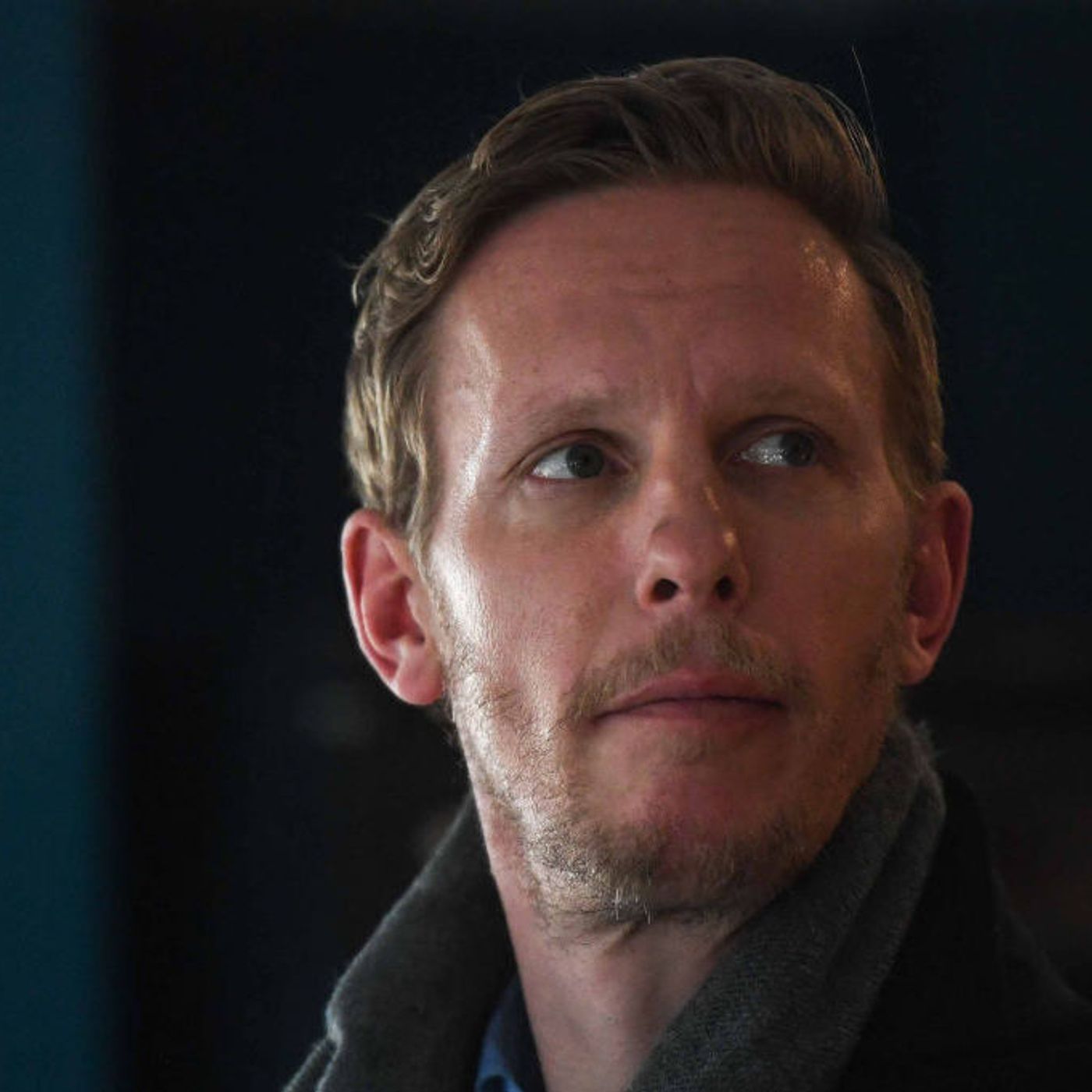
Marshall Matters: With Laurence Fox
<div>This week on Marshall Matters, Winston speaks with actor turned political activist Laurence Fox on his new film My Son Hunter, Biden corruption, being ostracised from the film industry and the importance of free speech.</div> <hr><p style='color:grey; font-size:0.75em;'> Hosted on Acast. See <a style='color:grey;' target='_blank' rel='noopener noreferrer' href='https://acast.com/privacy'>acast.com/privacy</a> for more information.</p>

Spectator Out Loud: Melanie McDonagh, Katy Balls and Nigel Richardson
<div>This week on Spectator Out Loud: after the sad passing of our longest reigning monarch, the great Queen Elizabeth II, Melanie McDonagh reads her poignant piece on how Britain, as a nation, will be lesser without her (01:09). Then, turning to politics, Katy Balls gives us an update on how Liz Truss is shaking up Number 10 (05:18) before Nigel Richardson, author of the new book The Accidental Detectorist, tells us about his new hobby, metal detecting (10:55). <br><br>Produced and presented by Oscar Edmondson. </div> <hr><p style='color:grey; font-size:0.75em;'> Hosted on Acast. See <a style='color:grey;' target='_blank' rel='noopener noreferrer' href='https://acast.com/privacy'>acast.com/privacy</a> for more information.</p>

The Edition: Buckle up
<div>In this week’s episode: </div><br><div>As the Liz Truss era begins, we assess the bumpy road that lies ahead of her. </div><br><div>James Forsyth and Rachel Wolf, co-author of the 2019 conservative manifesto, join the Edition podcast (01:04). </div><br><div>Also this week: </div><br><div>From generation rent to generation buy: has Help to Buy been a success or a failure? </div><br><div>Emma Hollender speaks with economist – and ‘Trussketeer’ – Dr Gerard Lyons (12:29). </div><br><div>And finally: is metal detecting becoming popular? </div><br><div>Nigel Richardson discusses this in his piece in <em>The Spectator</em> this week and is joined by Julian Evan-Hart, editor of Treasure Hunting magazine (25:17).</div><br><div>Hosted by Lara Prendergast and William Moore. </div><br><div>Produced by Oscar Edmondson. </div> <hr><p style='color:grey; font-size:0.75em;'> Hosted on Acast. See <a style='color:grey;' target='_blank' rel='noopener noreferrer' href='https://acast.com/privacy'>acast.com/privacy</a> for more information.</p>
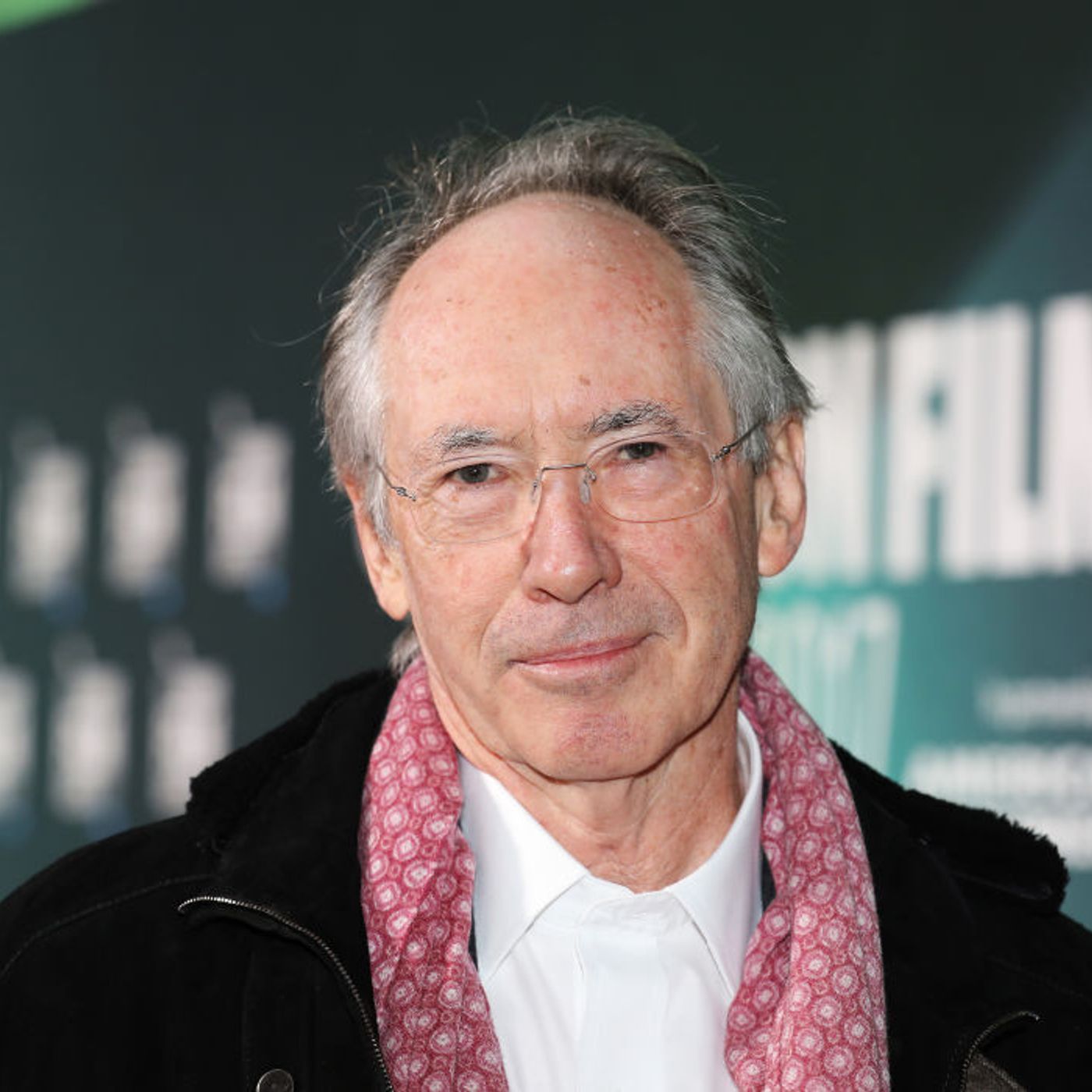
The Book Club: Ian McEwan
<div>Sam Leith's guest in this week’s Book Club is Ian McEwan – whose latest novel <em>Lessons</em> draws on his own biography to imagine an 'alternative life' for himself. He tells Sam about what drew him, in his late career, to using autobiography; about why there’s no contradiction in combining realism with metafiction; about the importance of sex; the rise of cancel culture – and why literary fiction by 'comfortable white men of a certain age' may have had its day, but he’s not complaining.</div> <hr><p style='color:grey; font-size:0.75em;'> Hosted on Acast. See <a style='color:grey;' target='_blank' rel='noopener noreferrer' href='https://acast.com/privacy'>acast.com/privacy</a> for more information.</p>
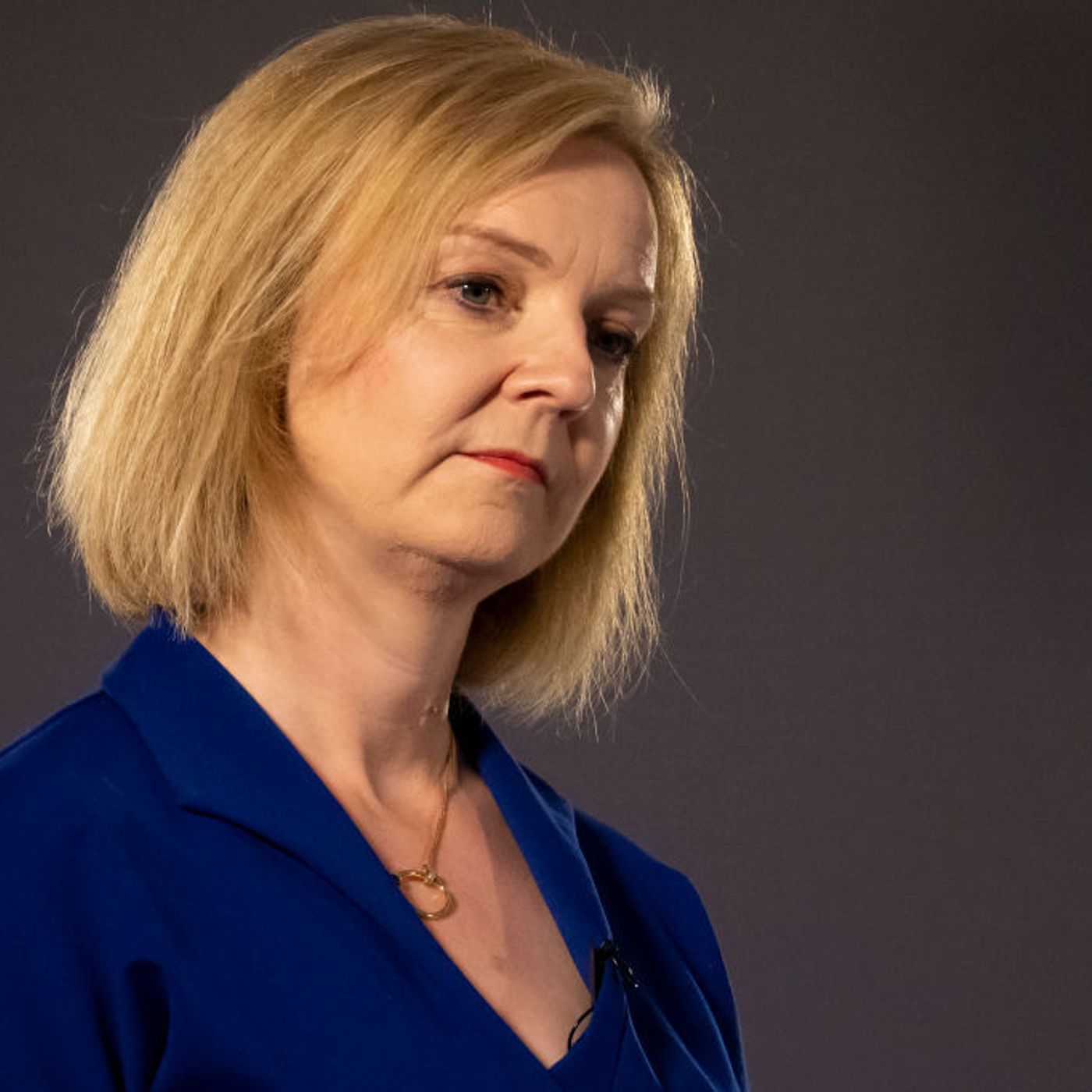
Chinese Whispers: will Truss declare a genocide in Xinjiang?
<div>After a long summer of hustings, Liz Truss has finally been confirmed today as the next leader of the Conservative party. As she gets the keys to Downing Street, she'll finally be able to carry out her vision of Sino-British relations. But what is that vision?<br><br>On the latest Chinese Whispers, Cindy Yu speaks to Sam Hogg, editor of the must-read Beijing to Britain newsletter, about what we know about Truss's views on China so far. Will she declare a genocide in Xinjiang? What is an acceptable level of trade with Beijing?<br><br>The difficulty for Truss is that she has never had to balance her opinions on China with the wider remit of government (for example, when it comes to the trading relationship that she lambasted her rival Rishi Sunak for pursuing, while at the Treasury). As Sam points out, taking the example of declaring a genocide in Xinjiang (something she has privately expressed support for): <br><br></div><blockquote>‘When you officially recognise that a genocide is taking place, that puts an onus on the country that has done so to try and actively stop that, using a variety of means (that could be sanctions for example). With that in mind, one can see why it’s a useful campaign pledge, but a difficult policy to carry out once in power’</blockquote><div>Then she might be held hostage by China hawks on the backbenches – those MPs like Iain Duncan Smith who have lent her his support, but may want to see her be as vocally sceptical of China in Downing Street as she has been so far. In that case, there could be a vibe similar to how the hardline Brexiteers held previous Conservative prime ministers to ransom on seeing through their visions. ‘She’s made a series of political contracts with various backbenchers about how hawkish she is going to be towards China. And each of these backbenchers will have a limited amount of patience’, Sam points out.<br><br>We won't have long to find out as she gets her feet under the desk at No. 10 and, in a couple of months, meets with President Xi Jinping at the G20 summit in Indonesia.</div> <hr><p style='color:grey; font-size:0.75em;'> Hosted on Acast. See <a style='color:grey;' target='_blank' rel='noopener noreferrer' href='https://acast.com/privacy'>acast.com/privacy</a> for more information.</p>

The Week in 60 Minutes: Meghan returns and Macron vs Truss
<div>John Connolly, <em>The Spectator</em>'s news editor, is joined by deputy editor Freddy Gray; political editor James Forsyth; business editor Martin Vander Weyer; assistant editor Isabel Hardman; contributors Louise Perry and Simon Kuper; historian Robert Service; journalist Anne-Elisabeth Moutet; <em>Times</em> royal correspondent Valentine Low; deputy editor Freddy Gray; political editor James Forsyth; business editor Martin Vander Weyer; and assistant editor Isabel Hardman.</div> <hr><p style='color:grey; font-size:0.75em;'> Hosted on Acast. See <a style='color:grey;' target='_blank' rel='noopener noreferrer' href='https://acast.com/privacy'>acast.com/privacy</a> for more information.</p>
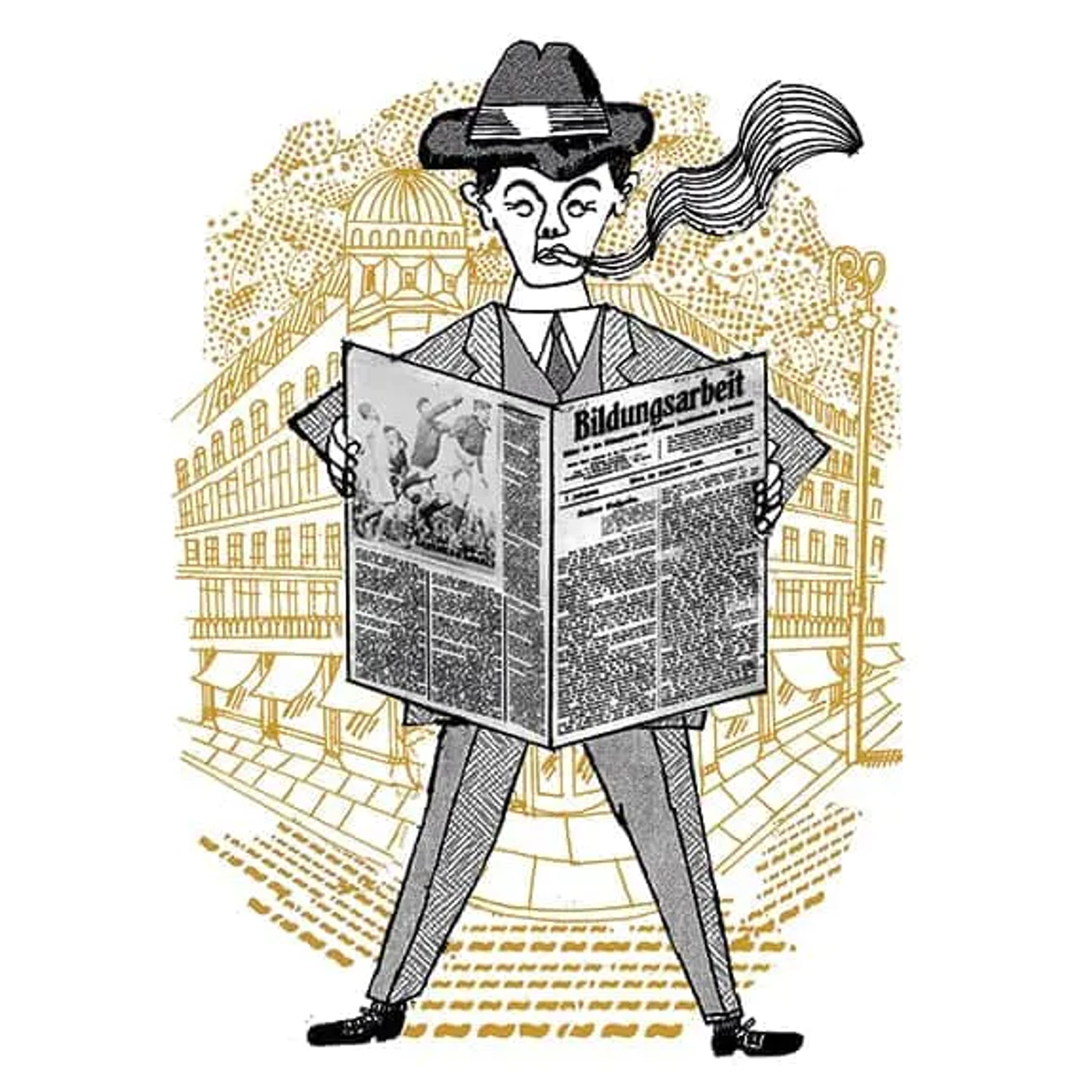
Spectator Out Loud: Keiron Pim, Miranda Morrison and Cosmo Landesman
<div>This week on Spectator Out Loud: Keiron Pim discusses what young Ukrainians can learn from the works of Joseph Roth (01:00), Miranda Morrison reflects on her decision to quit her job as a teacher (11:26), and Cosmo Landesman asks whether successful writers can be friends with less successful ones (19:39). <br><br>Produced and presented by Oscar Edmondson. </div> <hr><p style='color:grey; font-size:0.75em;'> Hosted on Acast. See <a style='color:grey;' target='_blank' rel='noopener noreferrer' href='https://acast.com/privacy'>acast.com/privacy</a> for more information.</p>

Americano: Is Catholicism becoming cool?
<div>Freddy Gray speaks to Julia Yost about her recent <em>New York Times</em> column, 'New York's Hottest Club Is the Catholic Church'. </div> <hr><p style='color:grey; font-size:0.75em;'> Hosted on Acast. See <a style='color:grey;' target='_blank' rel='noopener noreferrer' href='https://acast.com/privacy'>acast.com/privacy</a> for more information.</p>
The Edition: Drama queens
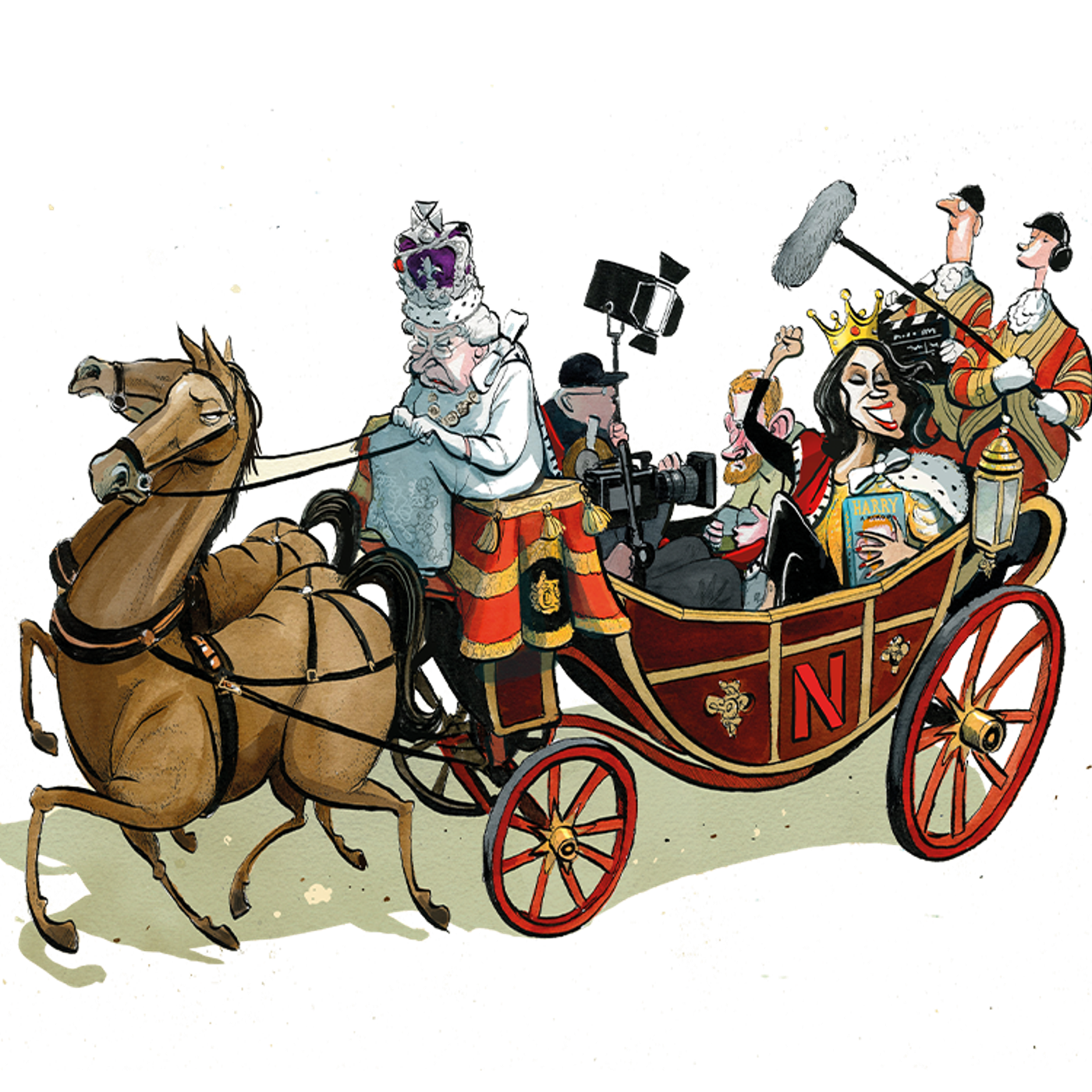
<div>In this week's episode: <br><br>We look ahead to Harry and Meghan’s UK tour next week, how will they be received? <br><br>Freddy Gray and Tanya Gold join the Edition podcast to discuss (01:01). <br><br>Also this week: <br><br>In the Spectator magazine, our Economics Editor Kate Andrews sat down with the three economists, or 'Trussketeers', that are informing the would-be PM’s economic plan. <br><br>She joins us along with Julian Jessop, one such economist that has been advising Liz Truss (13:51). <br><br>And finally: can successful writers be friends with less successful ones? <br><br>Cosmo Landesman asks this question in the magazine this week and is joined by the author Ian Rankin (27:07). <br><br>Hosted by Lara Prendergast and William Moore. <br><br>Produced by Oscar Edmondson. </div> <hr><p style='color:grey; font-size:0.75em;'> Hosted on Acast. See <a style='color:grey;' target='_blank' rel='noopener noreferrer' href='https://acast.com/privacy'>acast.com/privacy</a> for more information.</p>

The Book Club: Francis Fukuyama
<div>This week we spotlight our most popular episode of the last year, Sam's conversation with Francis Fukuyama about his book <em>Liberalism and its Discontents</em>. He tells Sam how a system that has built peace and prosperity since the Enlightenment has come under attack from the neoliberal right and the identitarian left; and how Vladimir Putin may end up being the unwitting founding father of a new Ukraine.</div> <hr><p style='color:grey; font-size:0.75em;'> Hosted on Acast. See <a style='color:grey;' target='_blank' rel='noopener noreferrer' href='https://acast.com/privacy'>acast.com/privacy</a> for more information.</p>
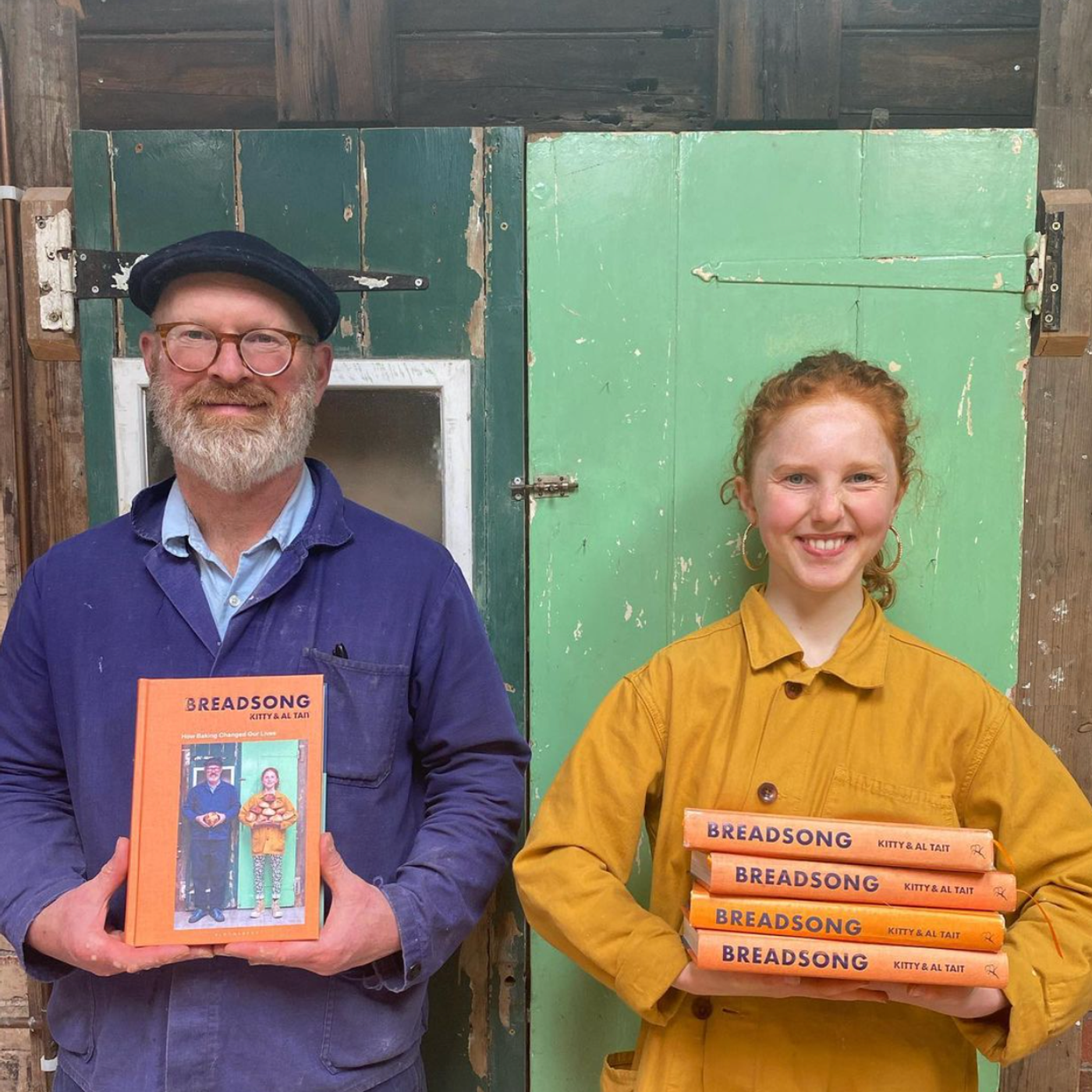
Table Talk: With Al and Kitty Tait
<div>Al and Kitty Tait run the Orange Bakery in Watlington, and are the authors of <em>Breadsong: How Baking Changed Our Lives</em>. On the podcast, the father-and-daughter pair explain how cooking changed their relationship, why baking helped Kitty out of depression, and why Watlingtons make such great customers.</div> <hr><p style='color:grey; font-size:0.75em;'> Hosted on Acast. See <a style='color:grey;' target='_blank' rel='noopener noreferrer' href='https://acast.com/privacy'>acast.com/privacy</a> for more information.</p>

Marshall Matters: With Yasmine Mohammed
<div>Winston speaks with author and human rights activist Yasmine Mohammed. They discuss Salman Rushdie’s Fatwa, <em>The Satanic Verses</em>, Islamic blasphemy laws and how liberals empower radical Islam.</div> <hr><p style='color:grey; font-size:0.75em;'> Hosted on Acast. See <a style='color:grey;' target='_blank' rel='noopener noreferrer' href='https://acast.com/privacy'>acast.com/privacy</a> for more information.</p>
Spectator Out Loud: Svitlana Morenets, Cindy Yu and John Connolly
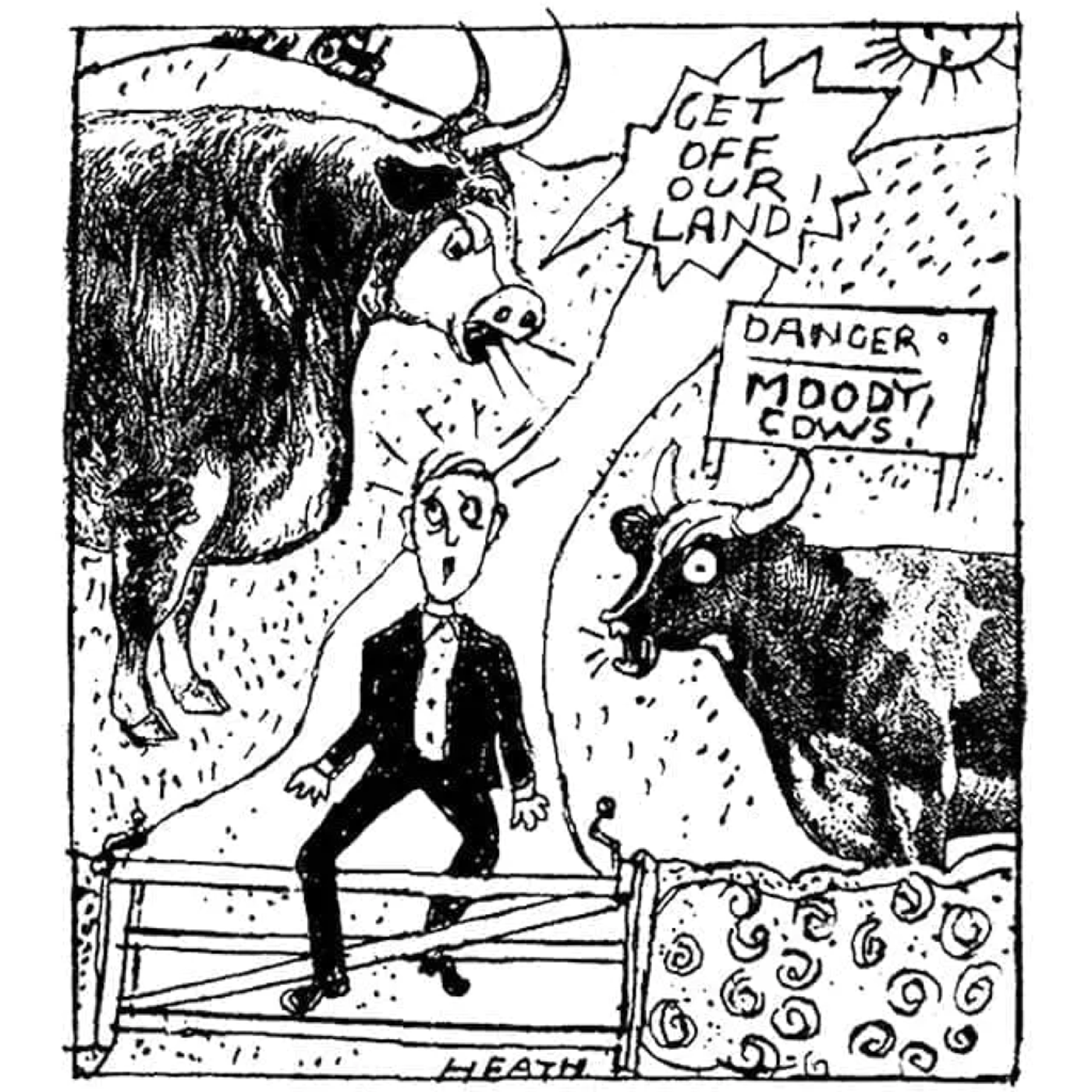
<div>This week on Spectator Out Loud, Svitlana Morenets discusses the changes to the syllabus in Ukraine and the difficult decision parents are having to make over whether to send their children back to school (00:59). Cindy Yu argues that she would be the perfect communist shill (07:45), and John Connolly tells us why cow attacks are no laughing matter (13:26). <br><br>Produced and presented by Oscar Edmondson. </div> <hr><p style='color:grey; font-size:0.75em;'> Hosted on Acast. See <a style='color:grey;' target='_blank' rel='noopener noreferrer' href='https://acast.com/privacy'>acast.com/privacy</a> for more information.</p>

Americano: What is going on with Curtis Yarvin?
<div>Curtis Yarvin is, according to the <em>New York Times</em>, a 'neo-reactionary blogger'. What would Henry VII make of Elizabeth II? What good has American foreign policy done? Why did he support the war in Iraq? And who are the best Victorian writers? Yarvin joins Freddy Gray.</div> <hr><p style='color:grey; font-size:0.75em;'> Hosted on Acast. See <a style='color:grey;' target='_blank' rel='noopener noreferrer' href='https://acast.com/privacy'>acast.com/privacy</a> for more information.</p>
The Edition: lockdown files
<div>In this week’s episode:<br><br>What has Rishi Sunak revealed about the lockdown decisions made behind closed doors?<br><br>Fraser Nelson, Katy Balls and Kate Andrews join the Edition podcast to discuss (1.14).<br><br>Also this week:<br><br>From aid to trade: when will the West start to deal with Africa on its own terms?<br><br><em>Spectator</em> columnist, Aidan Hartley is joined by Degan Ali, founder and principal of DA Global (16.24).<br><br>And finally: are handsy yoga teachers pushing their pupils away?<br><br>Rachel Johnson makes this case in the magazine this week. She's joined by Sasha Brown-Worsham who is a yoga teacher and author of the book <em>Namaste the Hard Way </em>(32.32).<em><br><br></em>Hosted by Lara Prendergast.<br><br>Produced by Natasha Feroze.</div> <hr><p style='color:grey; font-size:0.75em;'> Hosted on Acast. See <a style='color:grey;' target='_blank' rel='noopener noreferrer' href='https://acast.com/privacy'>acast.com/privacy</a> for more information.</p>
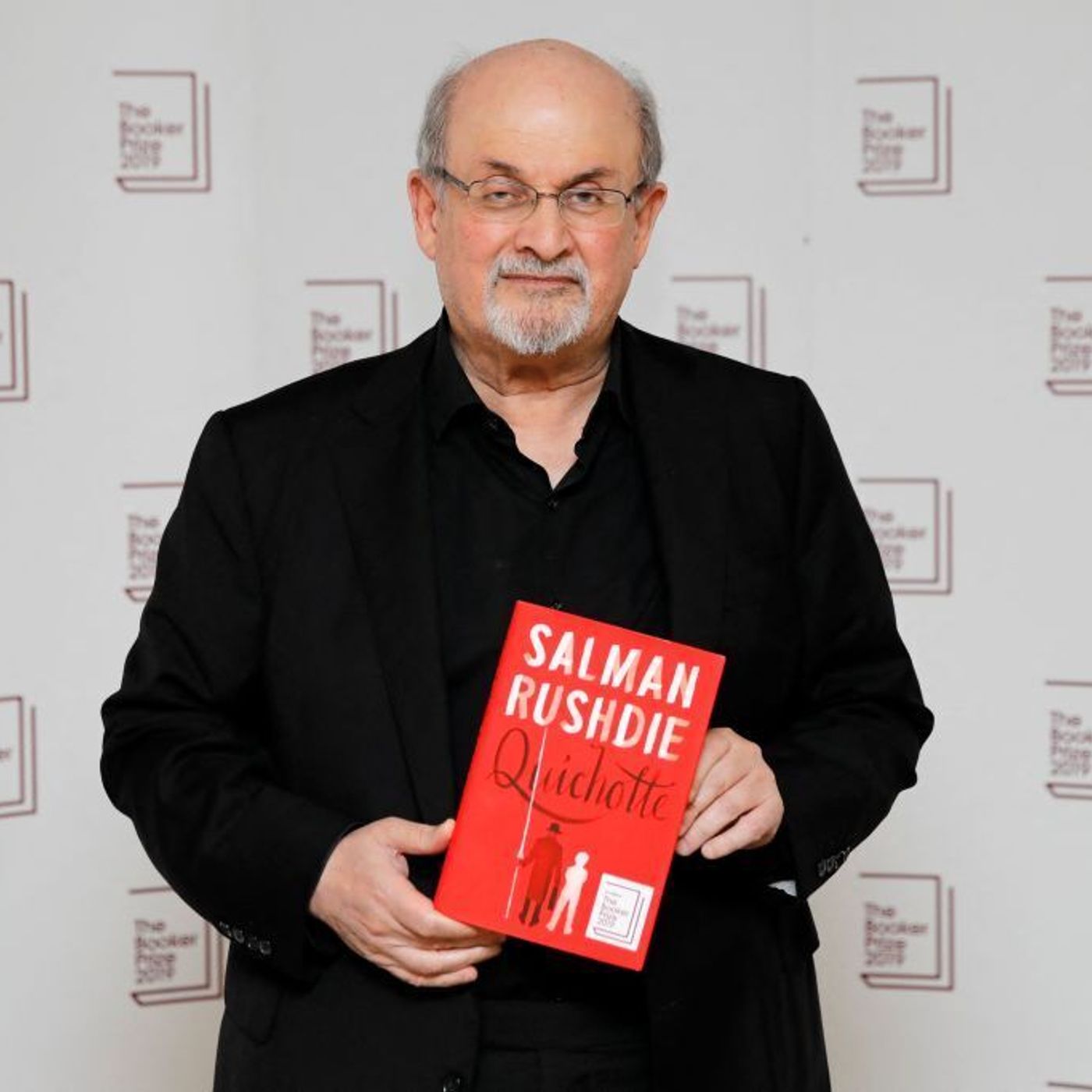
The Book Club: Salman Rushdie
<div>This week we revisit Sam's conversation with Sir Salman Rushdie, recorded just before the pandemic. <em>‘Things that would have seemed utterly improbable now happen on a daily basis’, </em>Sir Salman Rushdie said to Sam when they spoke in an interview for the Spectator's 10,000th edition. They discuss everything from his latest book <em>Quichotte</em>, to his relationship with his father, who we learn made up the surname 'Rushdie', and how he feels about <em>The Satanic Verses</em> now.</div> <hr><p style='color:grey; font-size:0.75em;'> Hosted on Acast. See <a style='color:grey;' target='_blank' rel='noopener noreferrer' href='https://acast.com/privacy'>acast.com/privacy</a> for more information.</p>
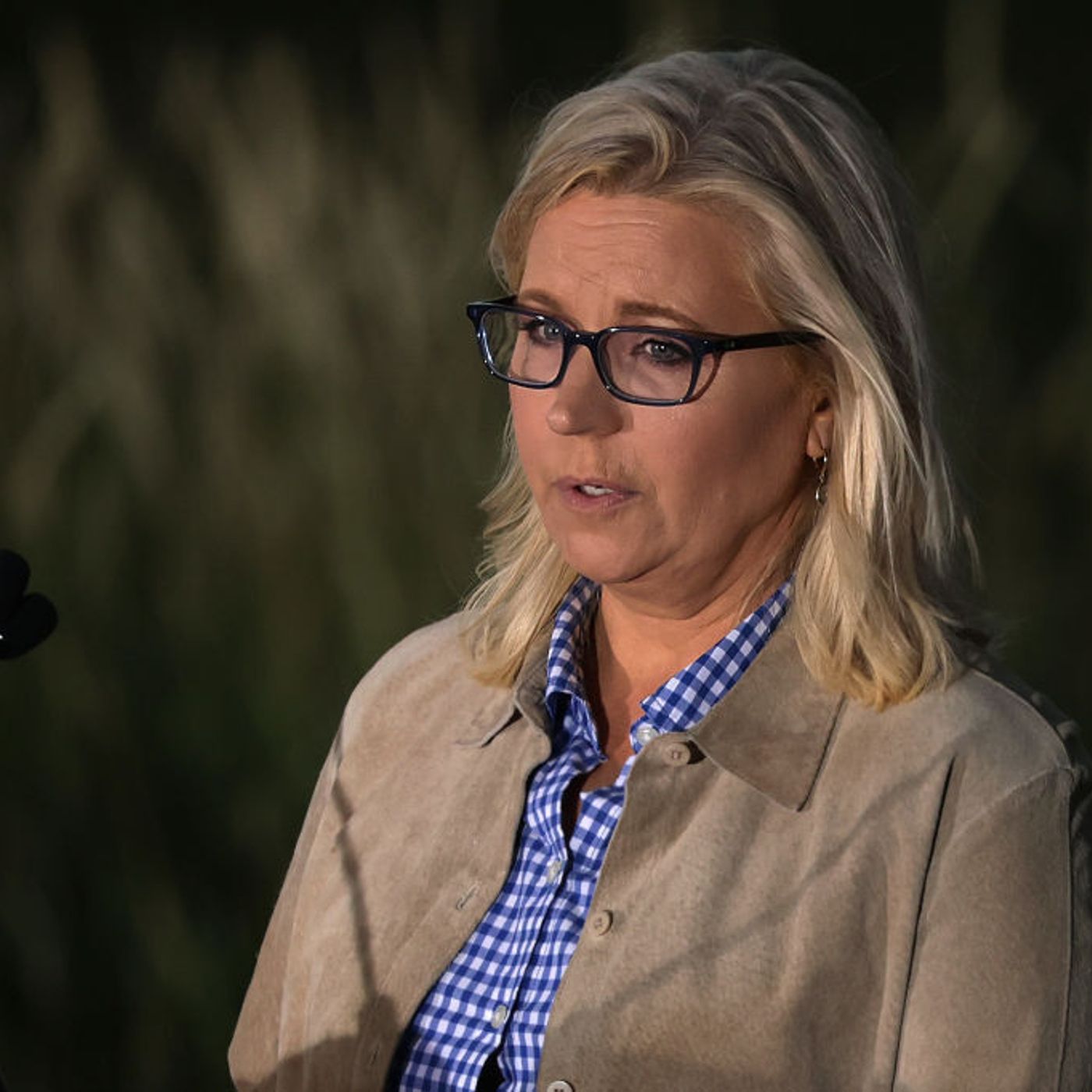
Americano: what next for Liz Cheney?
<div>Yesterday Liz Cheney lost the Republican nomination for Wyoming's House seat to the Trump-backed candidate Harriet Hageman. Freddy Gray is joined by the author and journalist James Pogue to discuss the impact of the result.</div> <hr><p style='color:grey; font-size:0.75em;'> Hosted on Acast. See <a style='color:grey;' target='_blank' rel='noopener noreferrer' href='https://acast.com/privacy'>acast.com/privacy</a> for more information.</p>
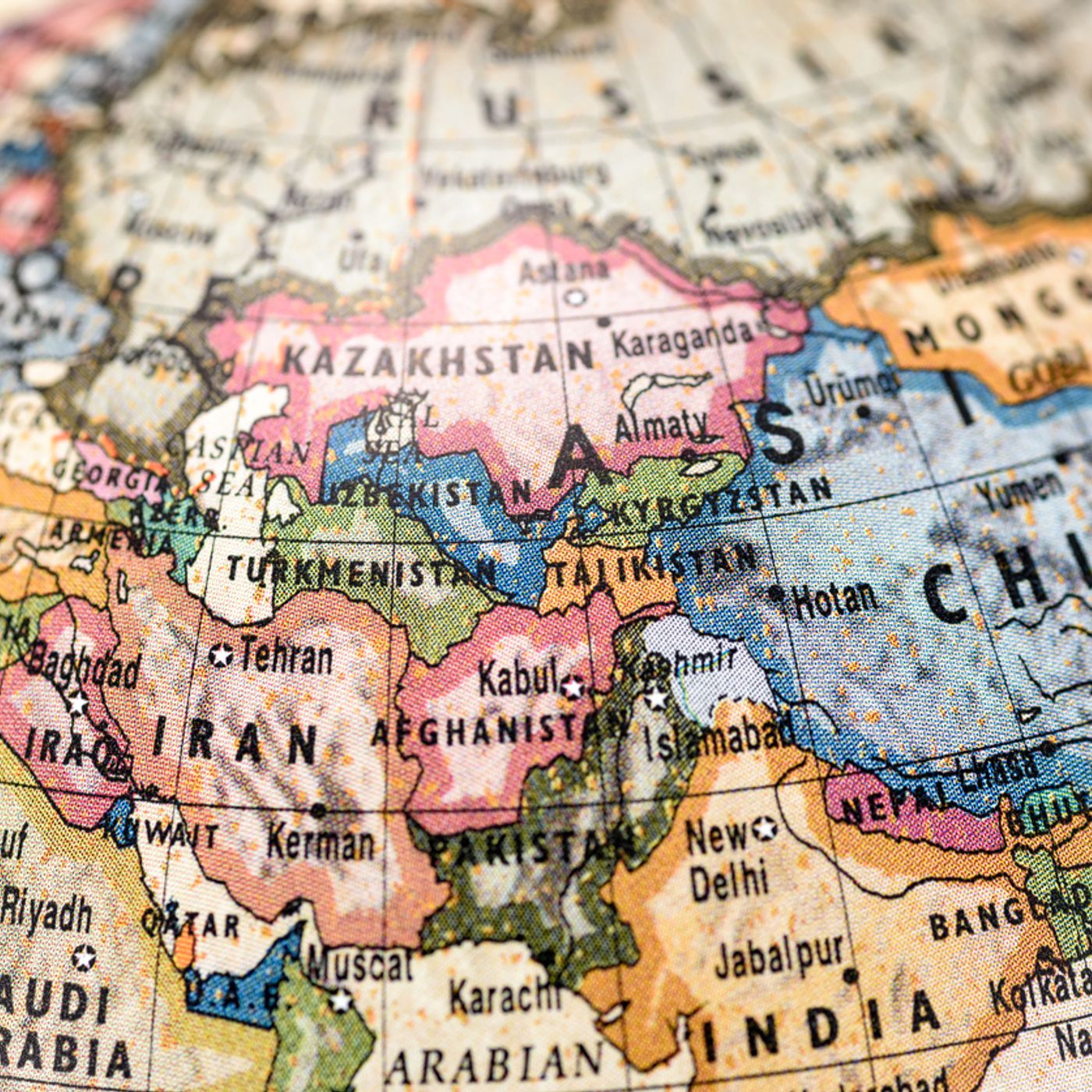
Chinese Whispers: how China replaced Russia in Kazakhstan and beyond
<div>What does China want with Xinjiang? Its systematic repression of the Uyghur people and other regional minorities has shocked the world, eliciting accusations of genocide from politicians and activists across the West. The Chinese Communist Party claims that its re-education camps are an anti-terrorism measure, but surely if anything is going to radicalise vast swathes of a non-Han population, it’s their forced internment and (for many) subsequent incarceration. So what is the CCP’s long term aim?</div><br><div>According to Raffaello Pantucci, senior associate fellow at the think tank Rusi, ‘the Central Government recognises that a very strong security crackdown is not necessarily going to deal with these problems in perpetuity’. Instead, ‘long-term stability for Xinjiang is going to come from economic prosperity’.</div><br><div>That’s where Central Asia comes in. On this episode, I talk to Raffaello about China’s relations with the five ‘Stans that sit cushioned between China (to their east) and Russia (to their north). As with China’s relationship with any developing region, Beijing is motivated by access to its significant oil and mineral resources. But there’s something special about Central Asia - Raffaello argues that it’s an extension of Beijing’s Xinjiang strategy: ‘It’s really about trying to improve the prosperity in this border region around Xinjiang to help improve its prosperity and stability… If you’re going to make Xinjiang economically prosperous, you’re going to have to find a way of connecting it to the world.’ </div><br><div>Raffaello’s new book is <em>Sinostan: China’s Inadvertent Empire</em>, based on a decade of travel in and around the region (there were two when they started, but Raffaello’s co-author, Alexandros Petersen, died in a Taliban attack in Kabul eight years ago). As well as the Xinjiang implications, <em>Sinostan</em> looks at China’s oil and gas trade with these resource-rich countries, the cultural exchanges (or lack thereof, and often promoted by Confucius Institutes) and the difference in approach between Moscow and Beijing, all of which we discuss on the episode.</div><br><div>On China’s usurpation of Russia in the region, it’s striking that some public opinion is deeply suspicious of the new power in the region, a general Sinophobia that crystallises in numerous conspiracy theories (for example that roads built by Chinese companies are specifically designed to the weight of Chinese tanks). Welcomed by governments keen to benefit from the economic clout of their neighbour, some Chinese companies end up trying to hide their presence to avoid the ire of the locals. Raffaello recounts that ‘there are some cities in Kazakhstan, particularly in the oil regions, where we know CNPC [China National Petroleum Corporation] is a big player, but we just couldn’t find evidence of them. You’d ask the locals “where are the CNPC guys” and they’d say “we don’t know what you’re talking about”’.</div><br><div>But China’s influence is very much there. It remains a ‘huge lacuna in Western strategic thinking’ that cannot be ignored, Raffaello says. Tune in to get ahead on this next geopolitical hot topic.<br><br>This episode is sponsored by the SOAS China Institute. Buy tickets for their three day course on China and the media at <a href="http://www.spectator.co.uk/soas">www.spectator.co.uk/soas</a>.<br><br>Learn more about China's relationship with Afghanistan here: <a href="https://www.spectator.co.uk/podcast/will-china-become-afghanistan-s-new-sponsor-">https://www.spectator.co.uk/podcast/will-china-become-afghanistan-s-new-sponsor-</a></div> <hr><p style='color:grey; font-size:0.75em;'> Hosted on Acast. See <a style='color:grey;' target='_blank' rel='noopener noreferrer' href='https://acast.com/privacy'>acast.com/privacy</a> for more information.</p>
The Week in 60 Minutes: Truss's cabinet and Rushdie's critics
<div>Fraser Nelson, <em>The Spectator</em>’s editor, speaks to our columnist Lionel Shriver about the attack on Salman Rushdie:<br><br>‘Publishing has become completely paranoid about putting out anything that might be insulting to Islam.’ – Lionel Shriver<br><br>On the rest of the show, our economics editor Kate Andrews explains why the jobs market is so good, but the economy is heading for a recession. Jonathan Sumption, a former Supreme Court judge, says the Online Harms Bill is ‘illegitimate’. Our deputy political editor Katy Balls and assistant editor Isabel Hardman look at who might be in Liz Truss’s cabinet. Journalist Francesco Giubilei argues that Giorgia Meloni, the favourite to become Italy’s next prime minister, isn’t a fascist. <em>Spectator</em> contributor Matthew Lynn says crypto is back.</div> <hr><p style='color:grey; font-size:0.75em;'> Hosted on Acast. See <a style='color:grey;' target='_blank' rel='noopener noreferrer' href='https://acast.com/privacy'>acast.com/privacy</a> for more information.</p>
Spectator Out Loud: Katy Balls, Toby Young and Mark Palmer
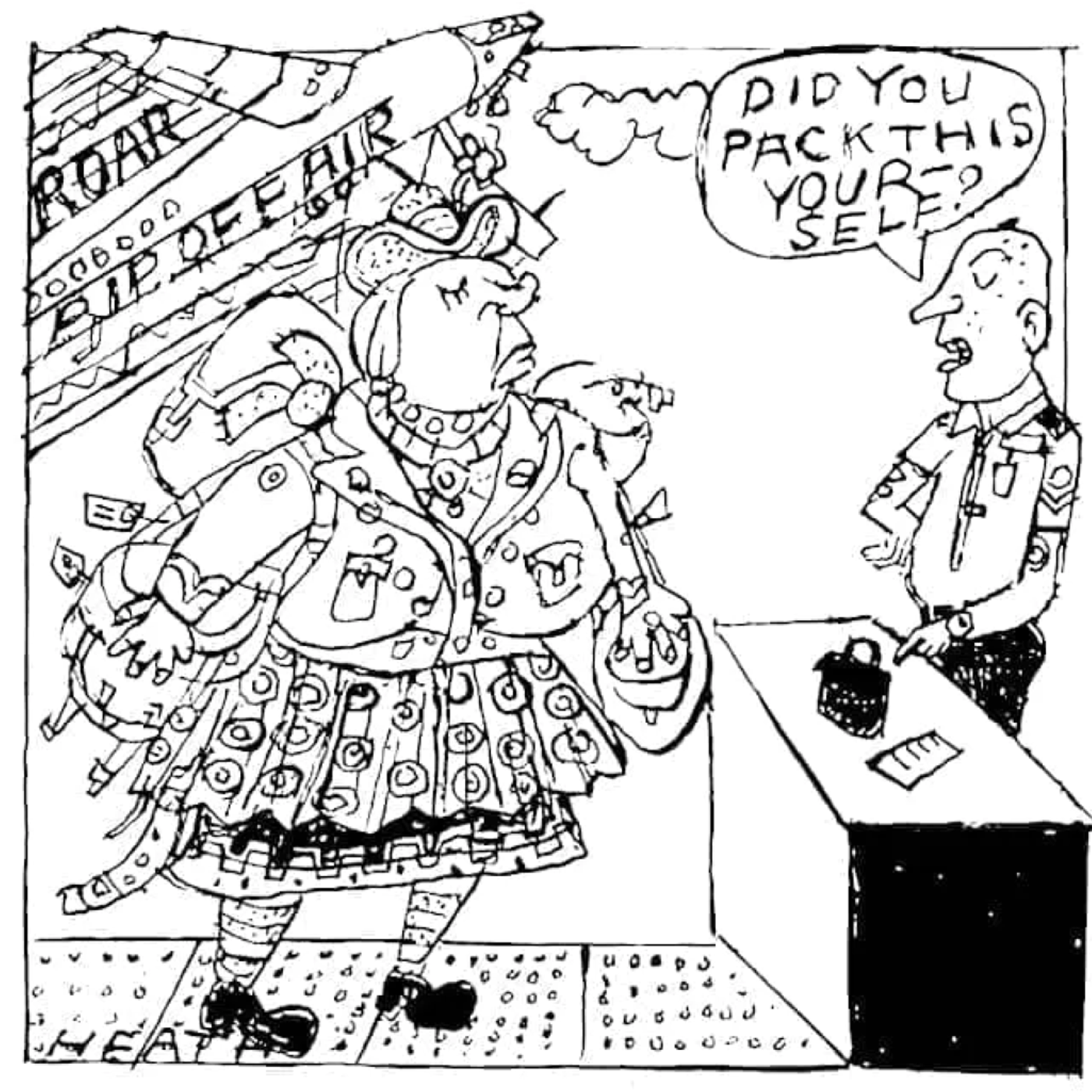
<div>On this episode of Spectator Out Loud, Katy Balls discusses the challenges facing prospective PM Liz Truss (00:52). Toby Young shares why he is defending a pro-Putin apologist (06:45) and Mark Palmer reads his notes on hand luggage (11:29). <br><br>Produced and presented by Oscar Edmondson. </div> <hr><p style='color:grey; font-size:0.75em;'> Hosted on Acast. See <a style='color:grey;' target='_blank' rel='noopener noreferrer' href='https://acast.com/privacy'>acast.com/privacy</a> for more information.</p>
The Edition: Prima donna
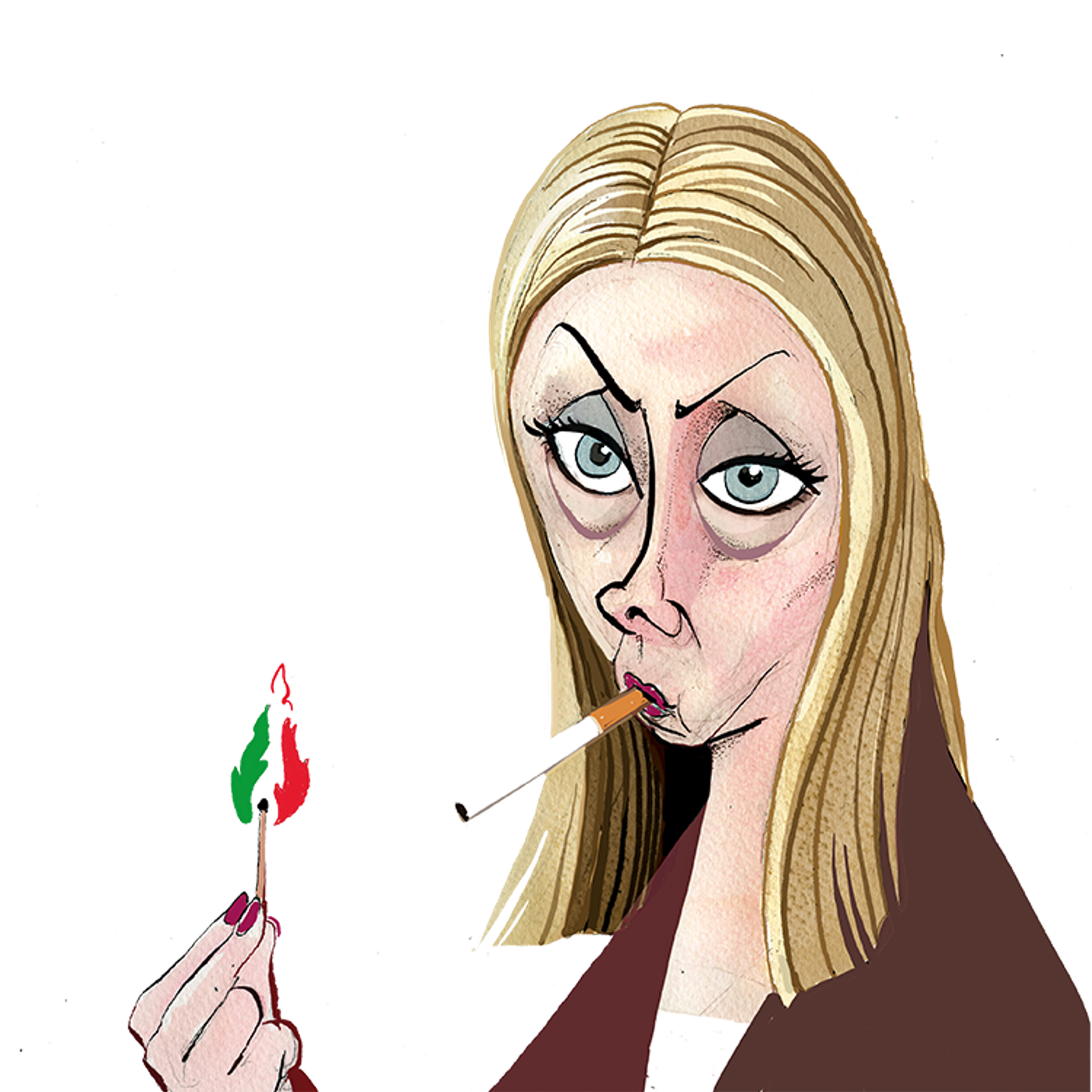
<div>In this week’s episode: <br> <br>Is Giorgia Meloni the most dangerous woman in Europe?<br> <br><em>Spectator</em> contributor, Nicholas Farrell and political correspondent at Bloomberg, Chiara Albanese join us to discuss the road ahead for Italy’s next likely leader. (01.10)</div><br><div>Also this week: Are we entering a new age of digital censorship?<br> <br>Lord Sumption unpicks the Online Safety Bill in this week’s magazine. He’s joined by Baroness Nicky Morgan, a firm supporter of the bill. (17.53)</div><br><div>And finally: why has holiday hand luggage become such a hassle this summer?<br> <br>Spectator contributor and marketing guru, Rory Sutherland joins us to get to the bottom of this. (31.56)<br> <br>Hosted by Lara Prendergast and Gus Carter.<br> <br>Produced by Natasha Feroze.</div> <hr><p style='color:grey; font-size:0.75em;'> Hosted on Acast. See <a style='color:grey;' target='_blank' rel='noopener noreferrer' href='https://acast.com/privacy'>acast.com/privacy</a> for more information.</p>

Book Club: Rhodri Jeffreys-Jones
My guest on this week's Book Club podcast is Rhodri Jeffreys-Jones – whose new book A Question of Standing: The History of the CIA looks at the real-life story behind one of the most mythologised agencies of American power. How does the world's first democratically answerable spy agency actually work? Were all those dirty tricks, extra-legal shenanigans and attempted assassinations – sorry: "health adjustments" in the lingo of Langley – really the work of an agency gone rogue? Did the CIA fail to foresee the fall of the Berlin Wall, the Iranian Revolution, the Arab Spring and the Twin Towers – or has it been made to take the fall for political ineptitude? And what is its standing now? <hr><p style='color:grey; font-size:0.75em;'> Hosted on Acast. See <a style='color:grey;' target='_blank' rel='noopener noreferrer' href='https://acast.com/privacy'>acast.com/privacy</a> for more information.</p>

Table Talk: Paul Feig
Paul Feig is an actor, comedian and acclaimed filmmaker. He has been behind films such as Bridesmaids, The Heat and the 2016 remake of Ghostbusters as well as episodes of Parks and Recreation and The Office. On the podcast, Paul talks to Lara and Olivia about growing up thinking food was bland and tasteless, the secrets of on set catering and how to make the perfect Martini. <hr><p style='color:grey; font-size:0.75em;'> Hosted on Acast. See <a style='color:grey;' target='_blank' rel='noopener noreferrer' href='https://acast.com/privacy'>acast.com/privacy</a> for more information.</p>
Marshall Matters: With Ariel Pink
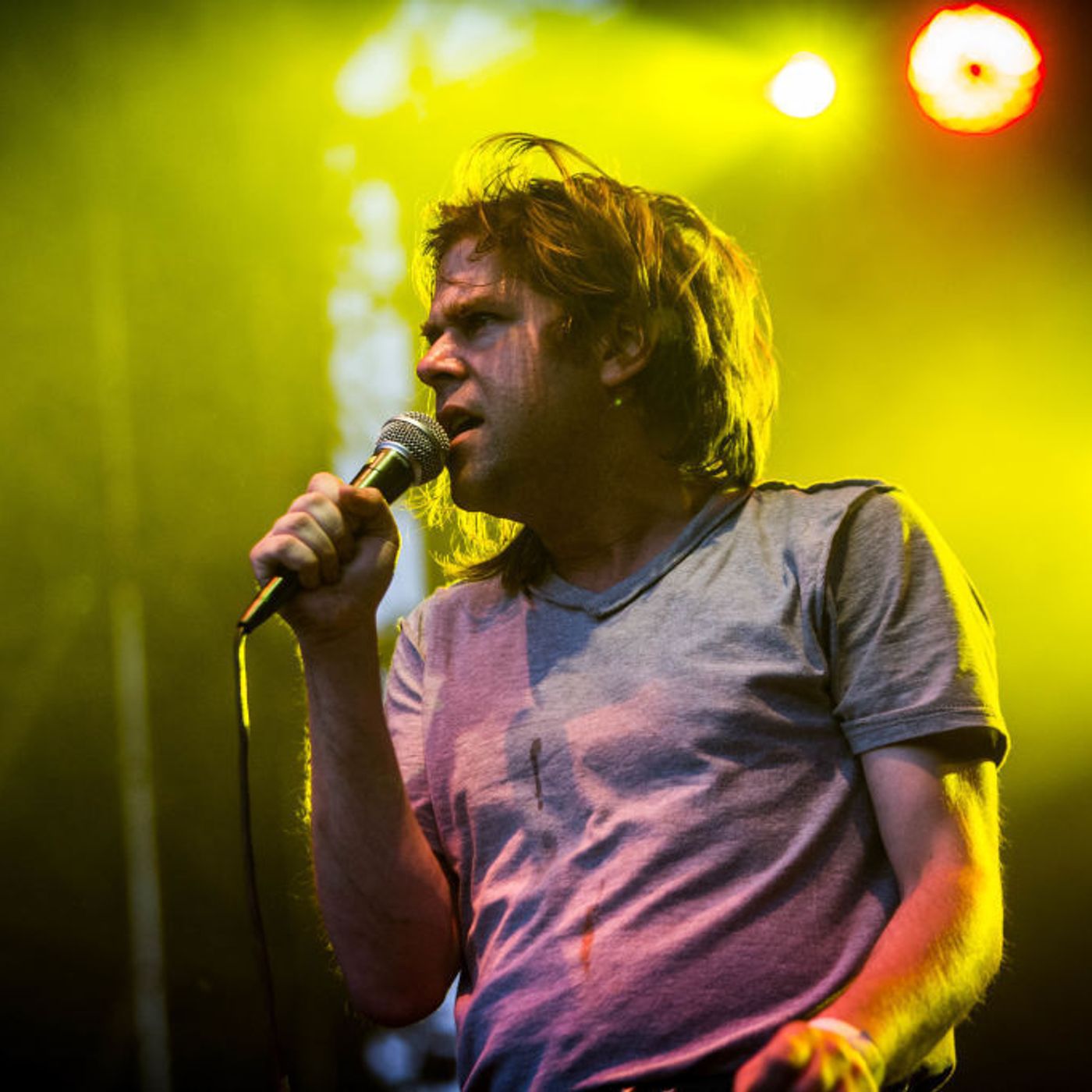
<div>Winston speaks with American indie legend Ariel Pink. The accomplished singer-songwriter had his life turned on its head for the great crime of supporting Trump. Listen to find out what happened and why. They discuss January 6th, life after cancellation and more.</div> <hr><p style='color:grey; font-size:0.75em;'> Hosted on Acast. See <a style='color:grey;' target='_blank' rel='noopener noreferrer' href='https://acast.com/privacy'>acast.com/privacy</a> for more information.</p>

Spectator Out Loud: Freddy Gray, Mary Killen and Jonathan Miller
<div>Freddy Gray questions Biden’s supposed ‘hot streak’ (00:55), Mary Killen warns that a neighbourly feud is worse than a hosepipe ban (07:19) and Jonathan Miller talks about France’s sexual civil war (11:43). </div> <hr><p style='color:grey; font-size:0.75em;'> Hosted on Acast. See <a style='color:grey;' target='_blank' rel='noopener noreferrer' href='https://acast.com/privacy'>acast.com/privacy</a> for more information.</p>
The Edition: Water woes
<div>In this week’s episode:<br><br>Who’s to blame for the water shortages?<br><br>James Forsyth, <em>The Spectator’s</em> political editor and Ciaran Nelson from Anglian Water join us to discuss the UK’s deteriorating water supply. (0.29)<br><br>Also this week: Is it time for some old-fashioned Tory state-building?<br><br>Tim Stanley from the <em>Telegraph</em> shares his vision for a Conservative future. He’s joined by Annabel Denham, director of communications at the Institute of Economic Affairs. (11.19)<br><br>And finally: What’s behind France’s new sexual politics?<br><br>Jonathan Miller writes about a new civil war in France between the nudes and prudes. He’s joined by Louise Perry, columnist and author of <em>The Case Against the Sexual Revolution.</em> (23.08)<br><br>Hosted by Lara Prendergast.<br><br>Produced by Natasha Feroze.</div> <hr><p style='color:grey; font-size:0.75em;'> Hosted on Acast. See <a style='color:grey;' target='_blank' rel='noopener noreferrer' href='https://acast.com/privacy'>acast.com/privacy</a> for more information.</p>
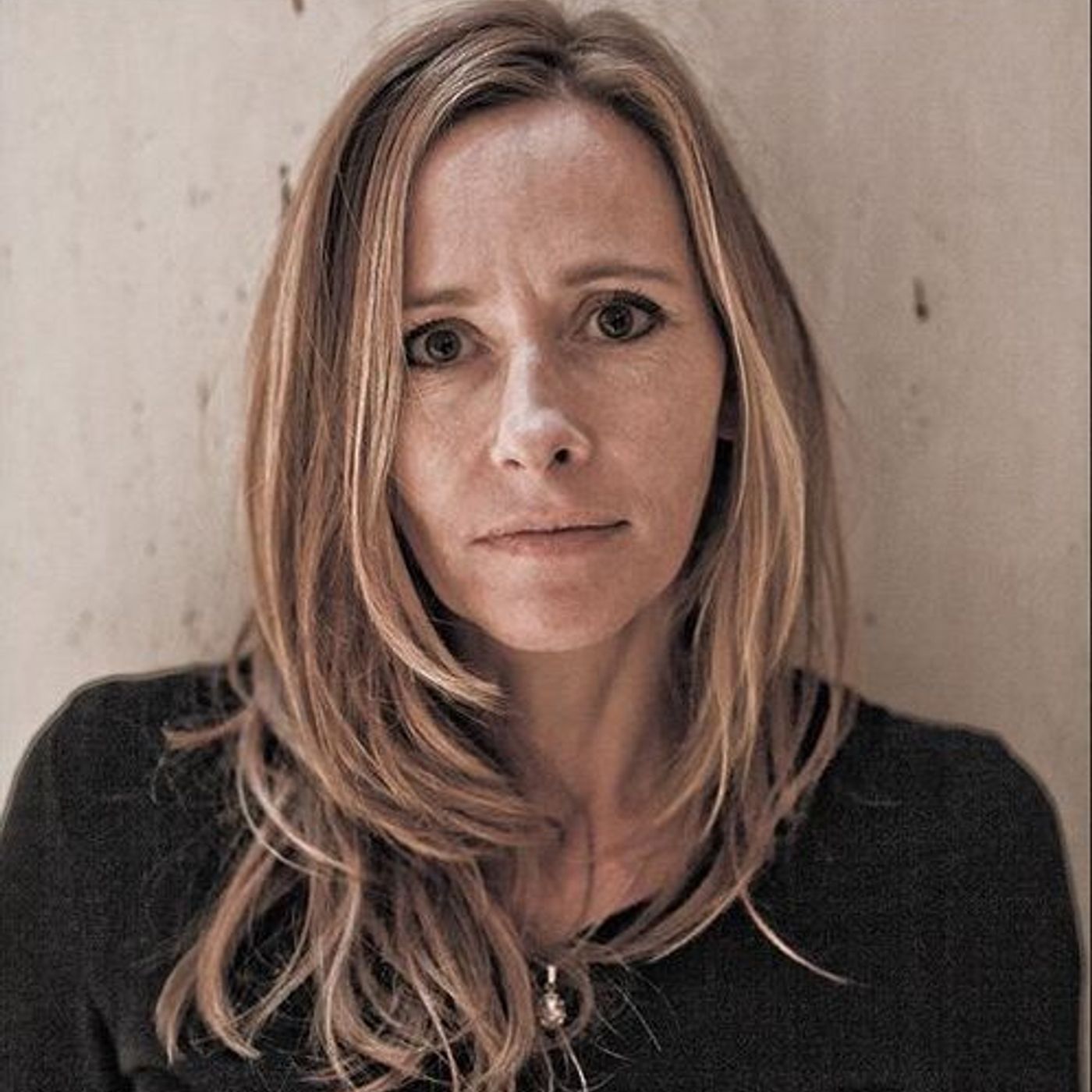
The Book Club: Andrea Wulf
<div>In this week's Book Club podcast, I'm joined by Andrea Wulf to talk about the birth of Romanticism at the end of the 18th century. Her new book <em>Magnificent Rebels</em> tells the story of the "Jena set" – a staggering assemblage of the superstars of German literature and philosophy who gathered in a small town and collectively came up with a whole new way of looking at the world. Goethe, Schiller, Fichte, Schelling, Novalis, the Schlegel brothers, the von Humboldt brothers – and their brilliant and daring wives and lovers... their intellectual fireworks were matched by a tangle of literary feuds and hair-raising sexual complications. Here's a piece of the jigsaw of intellectual history that most British people will only vaguely know of if at all – and it's fascinating.</div> <hr><p style='color:grey; font-size:0.75em;'> Hosted on Acast. See <a style='color:grey;' target='_blank' rel='noopener noreferrer' href='https://acast.com/privacy'>acast.com/privacy</a> for more information.</p>
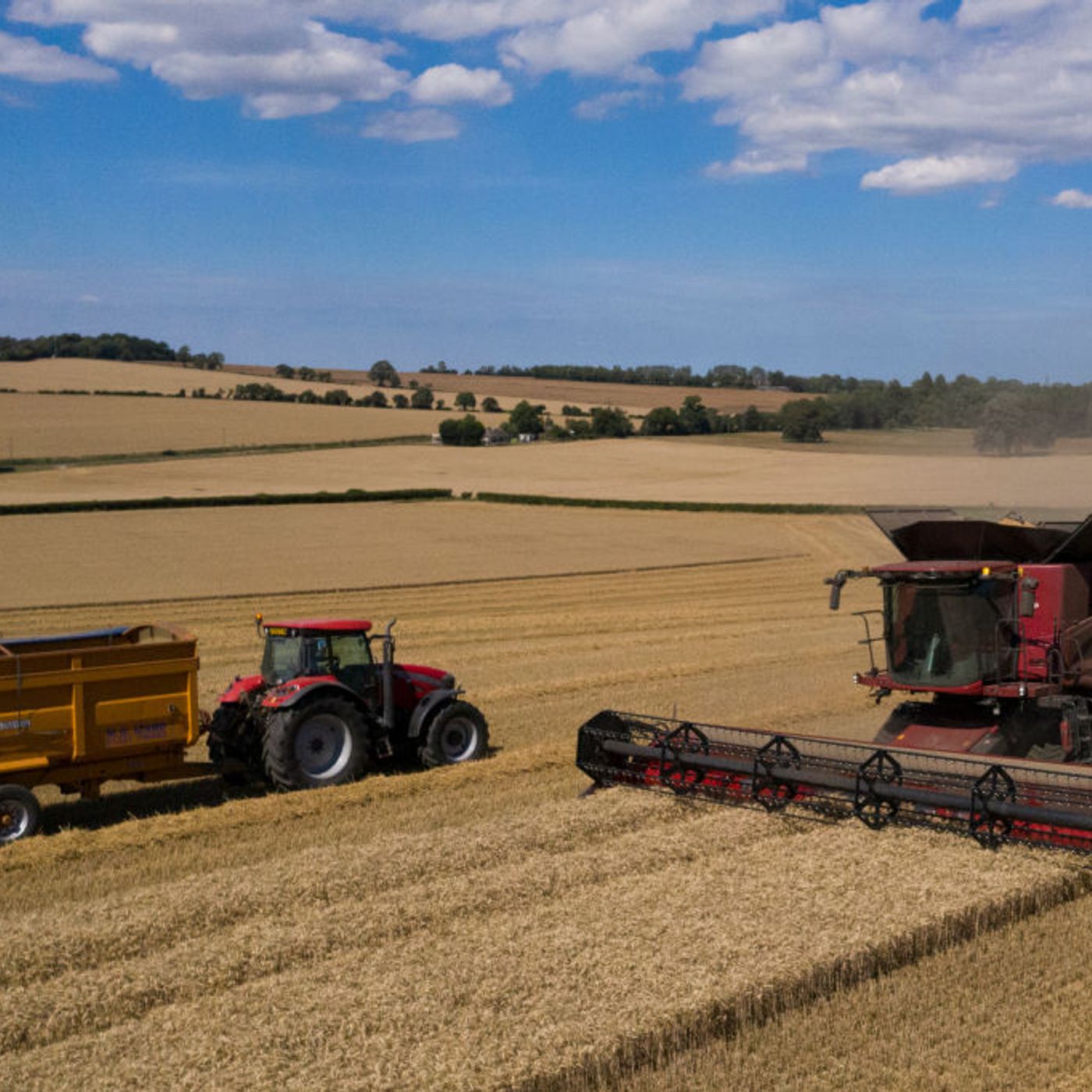
Podcast special: Is British farming fit for the future?
<div>It’s estimated that the average age of a British farmer is 59. This raises questions about the future of British farming. Are young people just not interested?<br><br>On this episode, <em>The Spectator’s</em> economics editor, Kate Andrews takes a look at the next few decades for British farming. Young farmers are part of the picture, but we’ll also be discussing the role played by immigration especially post Brexit. The agricultural pressures and questions around self-sufficiency given the war in Ukraine. And how to balance all of this with greater concern for climate change. Kate Andrews is joined by George Eustice, the Secretary of State for DEFRA, Tom Bradshaw, deputy president of the Farmers’ Union and Beth Hart, vice president for Supply Chain and Brand Trust at McDonald’s.<br><br><em>This podcast is kindly sponsored by McDonald's.</em></div> <hr><p style='color:grey; font-size:0.75em;'> Hosted on Acast. See <a style='color:grey;' target='_blank' rel='noopener noreferrer' href='https://acast.com/privacy'>acast.com/privacy</a> for more information.</p>

The Week in 60 Minutes: Trump's FBI raid & Britain dries up
<div>Katy Balls,<em> The Spectator</em>’s deputy political editor, speaks to Freddy Gray, our deputy editor, about the FBI raid of Donald Trump’s Mar-a-Lago residence:<br><br>‘There’s some desperation to get Trump. It’s self-defeating because it justifies his narrative that the “deep state” is out to get him.’ – Freddy Gray<br><br>Matt Purple, online editor of <em>The Spectator</em>’s world edition, joins Freddy. On the rest of the show, our political editor James Forsyth and the American Enterprise Institute’s Elisabeth Braw, an expert on resilience, discuss where our water industry went so wrong. Political journalists Patrick O’Flynn and Isabel Oakeshott give their takes on the Tory leadership contest. Christopher Howse, of the <em>Telegraph</em> and <em>The Spectator</em>, explains the joy of a newspaper’s letters page.<br><br><em>Get full digital access to The Spectator for just £1 a week – </em><a href="https://www.spectator.co.uk/tvoffer"><em><a href="http://www.spectator.co.uk/tvoffer">www.spectator.co.uk/tvoffer</a></em></a></div> <hr><p style='color:grey; font-size:0.75em;'> Hosted on Acast. See <a style='color:grey;' target='_blank' rel='noopener noreferrer' href='https://acast.com/privacy'>acast.com/privacy</a> for more information.</p>
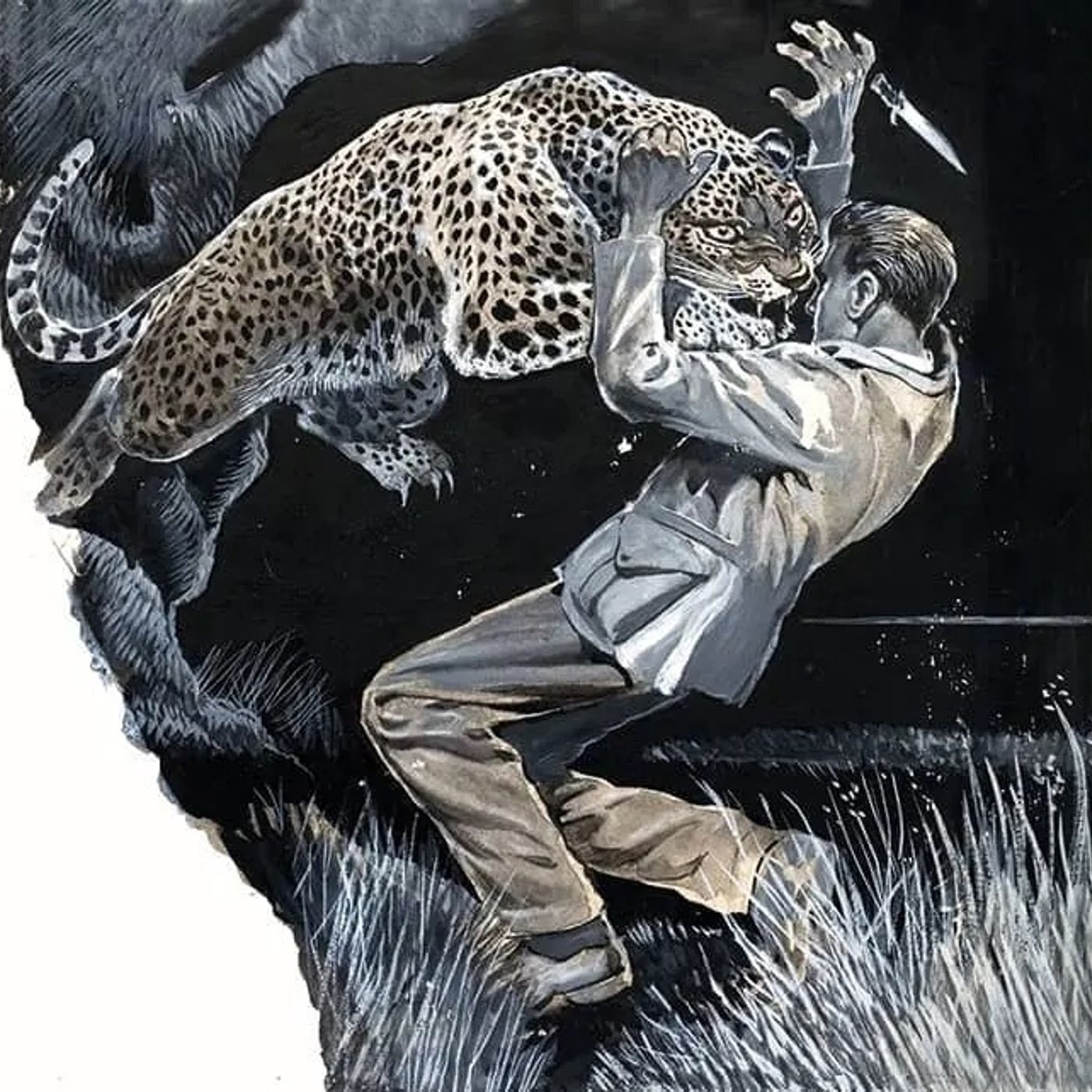
Spectator Out Loud: Katy Balls, Rachel Johnson and Neil Clark
<div>On this week's episode: Katy Balls has written about what foreign policy would look like under a Liz Truss government (0:54). Rachel Johnson believes we can all learn from the Lionesses’ victory (06:55) and Neil Clark shares Jim Corbett’s tiger hunting stories (12.23).<br><br>Presented and produced by Natasha Feroze.</div> <hr><p style='color:grey; font-size:0.75em;'> Hosted on Acast. See <a style='color:grey;' target='_blank' rel='noopener noreferrer' href='https://acast.com/privacy'>acast.com/privacy</a> for more information.</p>
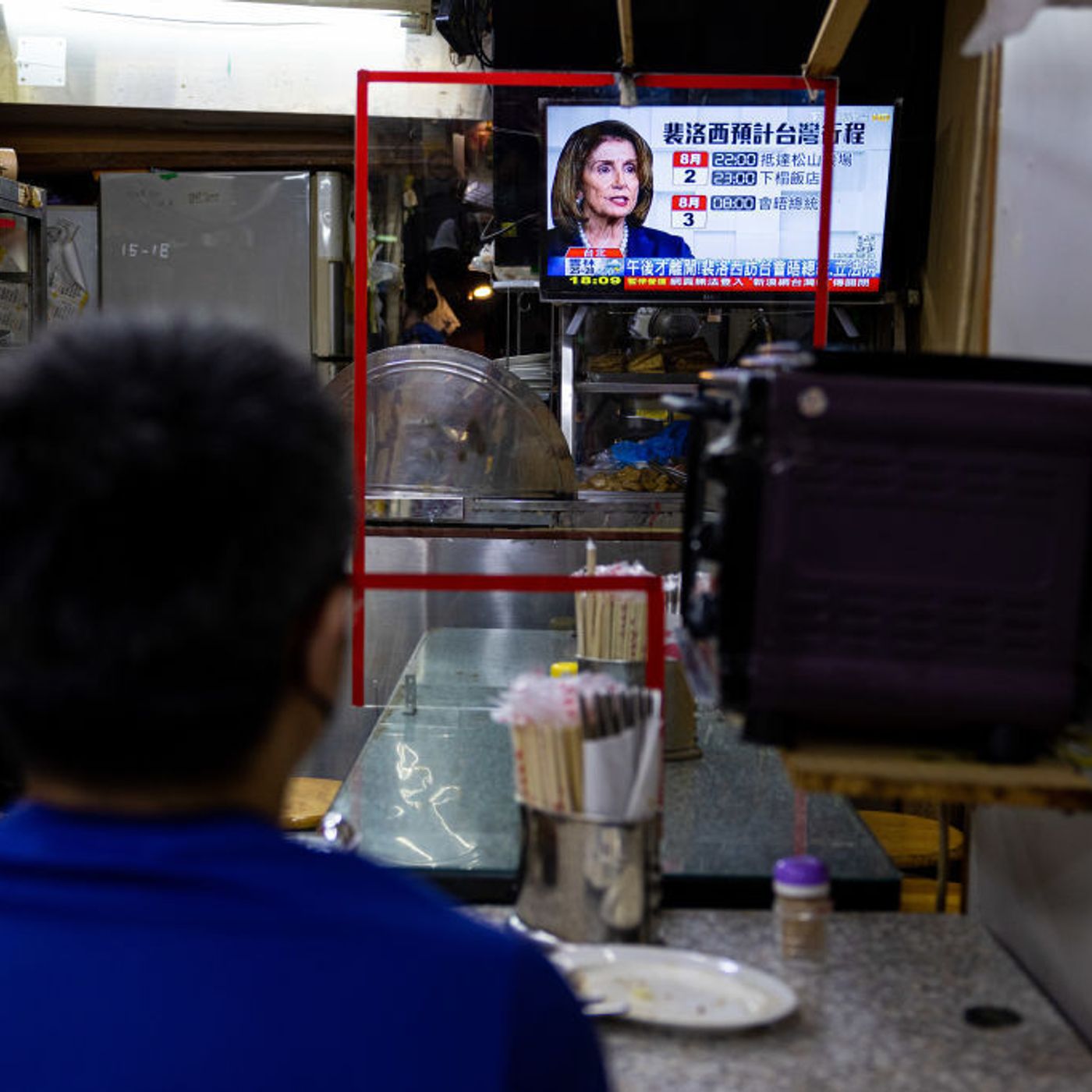
Chinese Whispers: Taiwan deals with the fallout from Pelosi's tour
<div>Nancy Pelosi’s controversial trip to Taiwan made headlines across the world this week, after President Xi’s warnings to the US ‘not to play with fire’. Furious, Beijing has responded with economic sanctions and a flurry of missiles over and around the island, as well as sanctioning Pelosi and her family. But as the West frets about possible escalation, often lacking from the discussion is what Taiwanese people actually think. In fact, as Taipei-based journalist Brian Hioe explains to Cindy Yu in this episode, most people there were less worried about the visit than you might expect. ‘There’s been so much in terms of Chinese military drilling or activity directed at Taiwan for a decade, people are quite used to it.’ <br><br>Comparisons to the calm in Ukraine before the Russian invasion are unfounded: ‘we are not seeing troops massing’. That is not to say, though, that the situation is without danger. A more limited and realistic threat is of China imposing a blockade, or attacking one of Taiwan’s outlying islands. Other possible repercussions include a salvo of cyberattacks, one pro-China actor having already hacked supermarkets and train station displays on the island this week.<br><br>So given all these dangers, why did Pelosi come at all? Perhaps telling is the Taiwanese government’s silence over whether it actually invited her. US domestic politics is probably a factor, as is her own legacy. Regardless of her motivation, President Biden said the move was unwise, and the situation remains delicate.<br><br>Careful diplomatic management of the crisis requires reliable information. But in the context of Taiwan, that is by no means a given. Brian explains the bizarre dynamic that exists between international and Taiwanese media, where each assumes the other is better informed. ‘The two sides are actually somewhat bad at fact-checking each other. Then they’re just amplifying what is sometimes discrimination but primarily misinformation.’<br><br>Tune in to hear more about the view from Taipei.</div> <hr><p style='color:grey; font-size:0.75em;'> Hosted on Acast. See <a style='color:grey;' target='_blank' rel='noopener noreferrer' href='https://acast.com/privacy'>acast.com/privacy</a> for more information.</p>

The Edition: China's baby bust
<div>In this week’s episode:<br><br>Is China heading for a demographic disaster?<br><br>Rana Mitter and Cindy Yi discuss China’s declining birth rate and what this could do to their economy. (0.52)<br><br>Also this week:<br><br>What would foreign policy look like under a Liz Truss government?<br><br><em>The Spectator's</em> deputy political editor, Katy Balls is joined by Rishi Sunak supporter, Dr Liam Fox who is the MP for NorthWest Somerset, Former Defence and Trade Secretary. (13.40)<br><br>And finally: <br><br>As Rishi comes face-to-face with the Tory members, can he win them over?<br><br>Fiona Unwin, who is the vice president of the West Suffolk Conservative Association writes that to wow the grassroots, all Rishi Sunak has to do is meet them. But not all the members were persuaded. <br><br>Fiona is joined by her fellow member and triple-hatted Councillor, Andy Drummond who was elected for Newmarket town, West Suffolk district and Suffolk county council. Andy is also the vice chair of the West Suffolk Conservative association and remains firmly in favour of Liz Truss. (27.30)<br><br>Hosted by Lara Prendergast.<br><br>Produced by Natasha Feroze.</div> <hr><p style='color:grey; font-size:0.75em;'> Hosted on Acast. See <a style='color:grey;' target='_blank' rel='noopener noreferrer' href='https://acast.com/privacy'>acast.com/privacy</a> for more information.</p>

The Book Club: Chloë Ashby
<div>My guest in this week’s Book Club podcast is the critic, novelist and art historian Chloë Ashby. In her new book <em>Colours of Art: The Story of Art in 80 Palettes</em> she takes a look at how the history of colour - how it was made, how much it cost, what it was understood to mean - has shaped the history of painting. She tells me about the age-old disagreement between the primacy of drawing and colour in composition, where Goethe and Gauguin butted heads with Newton, why Matisse was so excited by red, how Titian got blurry… and how the first female nude self-portrait was, astonishingly, as recent as 1906.</div> <hr><p style='color:grey; font-size:0.75em;'> Hosted on Acast. See <a style='color:grey;' target='_blank' rel='noopener noreferrer' href='https://acast.com/privacy'>acast.com/privacy</a> for more information.</p>
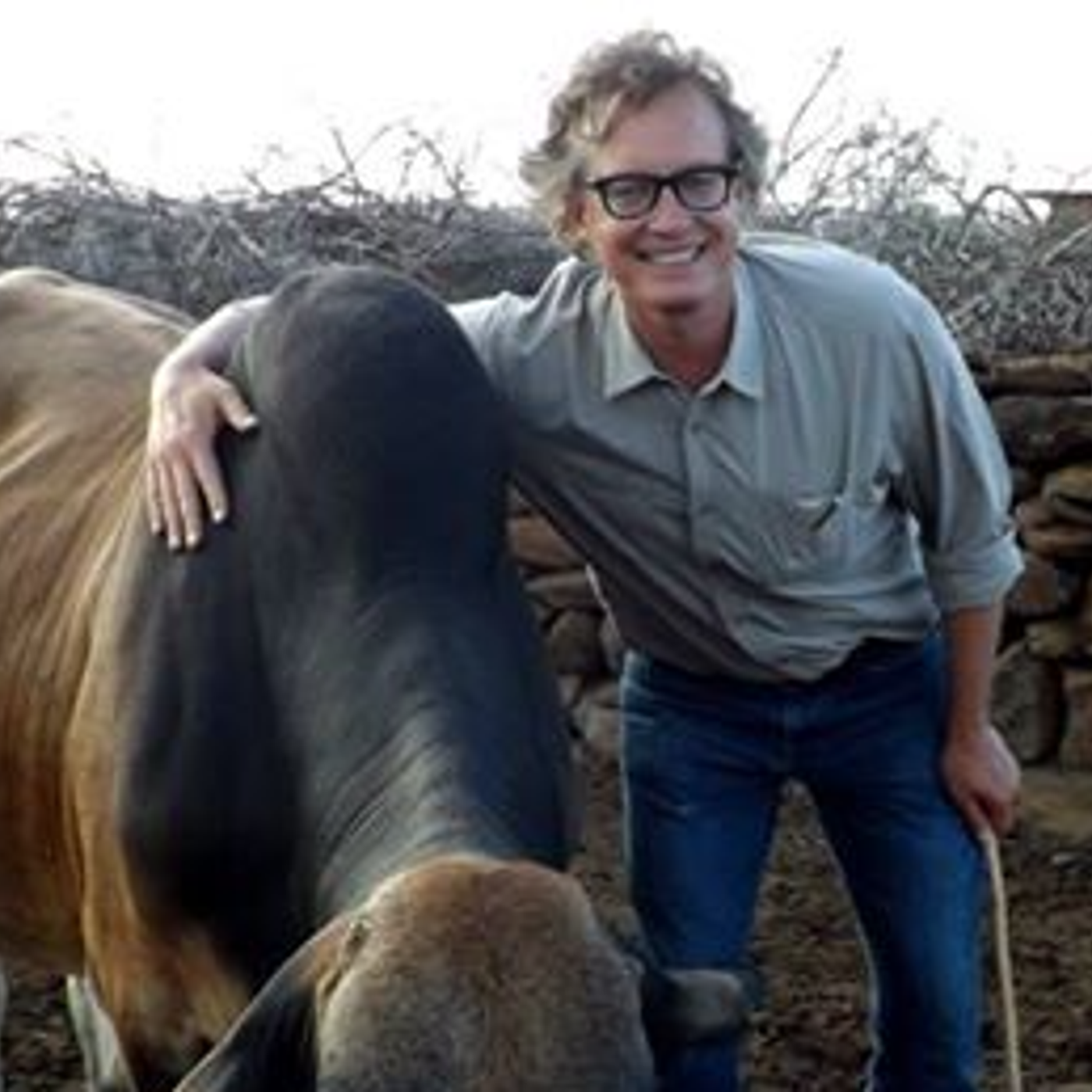
Table Talk: Aidan Hartley
<div>Aidan Hartley is a writer and entrepreneur. Born in Kenya, he grew up in Africa and England and has worked as a reporter for Reuters all over the world. Aidan has also written <em>The Spectator’s</em> Wild life column for the past 21 years. On the podcast, Aidan talks about spending his younger years on safaris in the wilderness, where mealtimes consisted of handfuls of rice cooked from metal tins on an open fire.<br><br>As a reporter, he talked about reporting on famine in Somalia and why that led him to where he is now – living on a remote family farm, as a disciple of John Seymour’s guide to self-sufficiency.</div> <hr><p style='color:grey; font-size:0.75em;'> Hosted on Acast. See <a style='color:grey;' target='_blank' rel='noopener noreferrer' href='https://acast.com/privacy'>acast.com/privacy</a> for more information.</p>

Americano: Is Nancy Pelosi about to cause world war three?
<div>Freddy Gray speaks with Jacob Heilbrunn, editor of The National Interest, ahead of US House Speaker Nancy Pelosi’s visit to Taiwan. They discuss if this is a turning point in US relations with Taiwan, whether we are heading for world war three, or if Pelosi is calling China’s bluff. </div> <hr><p style='color:grey; font-size:0.75em;'> Hosted on Acast. See <a style='color:grey;' target='_blank' rel='noopener noreferrer' href='https://acast.com/privacy'>acast.com/privacy</a> for more information.</p>
Marshall Matters: With Rosie Kay
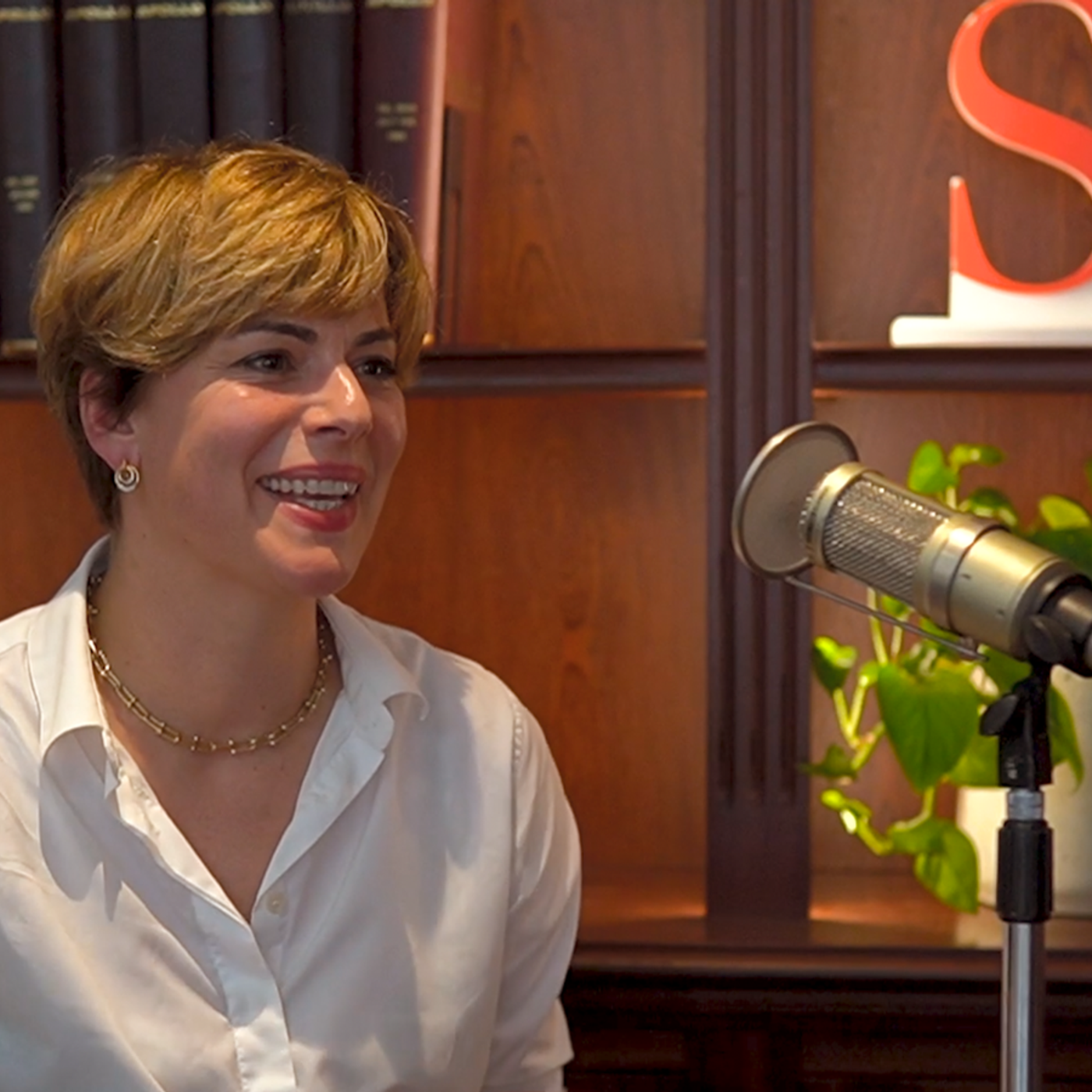
<div>Winston speaks with dancer and choreographer Rosie Kay. Rosie is returning to the world of dance after being forced to resign from her eponymous company in 2021 when she ran afoul of trans ideologues. <br><br>Rosie discusses the world of dance, controversial choreography, ideological capture, emotional impact of being cancelled, Virginia Woolf and much more.</div> <hr><p style='color:grey; font-size:0.75em;'> Hosted on Acast. See <a style='color:grey;' target='_blank' rel='noopener noreferrer' href='https://acast.com/privacy'>acast.com/privacy</a> for more information.</p>

Spectator Out Loud: Sam Leith, Kate Andrews and Toby Young
<div>On this week's episode: Sam Leith looks at what TikTok and tech have done to our memories (0:34). Kate Andrews is in two minds about Trussonomics (06:50) and Toby Young tells us about a holiday to Iceland with teenage sons (12.34).<br><br>Presented and produced by Natasha Feroze. </div> <hr><p style='color:grey; font-size:0.75em;'> Hosted on Acast. See <a style='color:grey;' target='_blank' rel='noopener noreferrer' href='https://acast.com/privacy'>acast.com/privacy</a> for more information.</p>
Americano: Is inflation over?
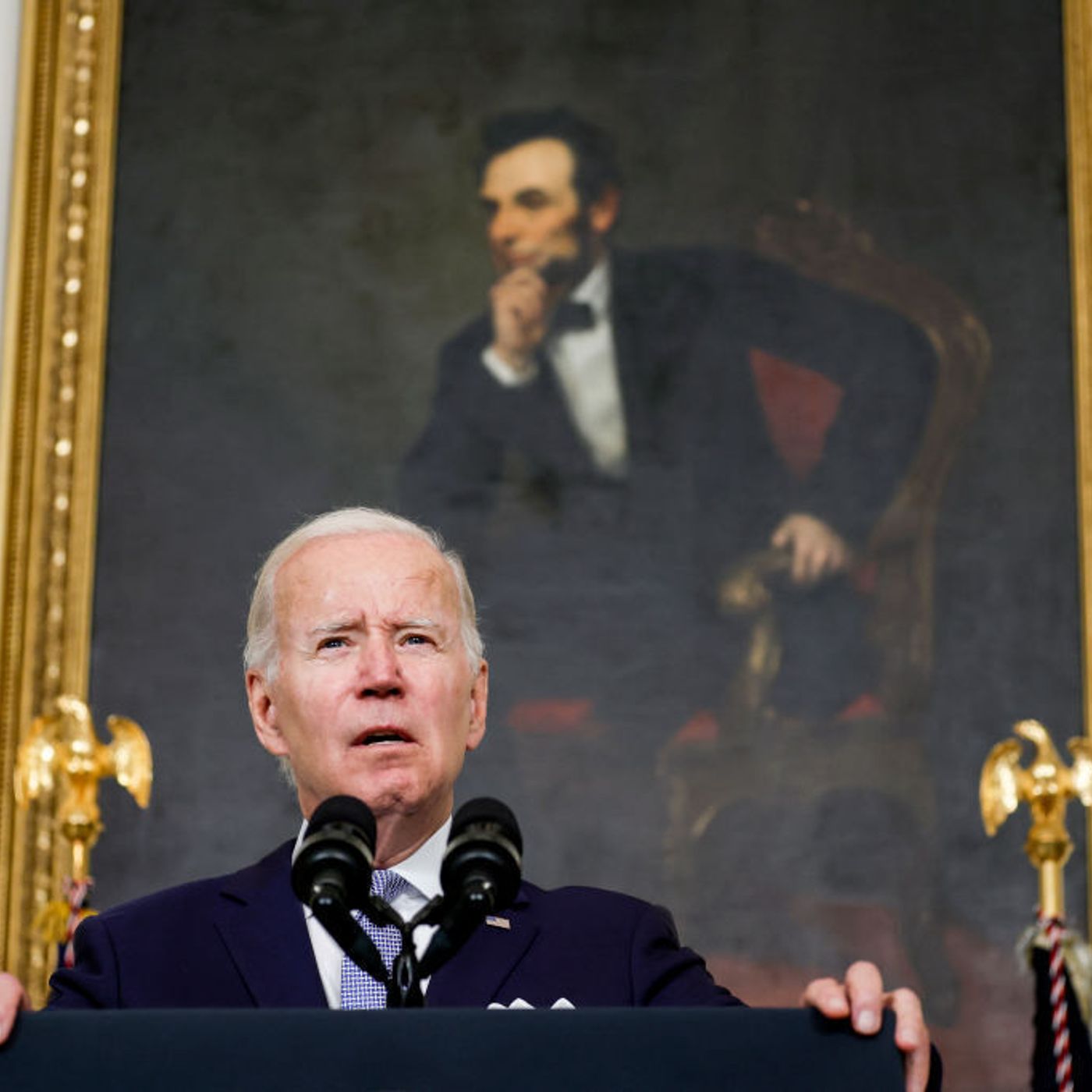
<div>Freddy Gray is joined by Kate Andrews, <em>the Spectator’s</em> economics editor; and Mark Asquith, a fund manager, to discuss if the worst of America's inflationary pressures will soon be a thing of the past. </div> <hr><p style='color:grey; font-size:0.75em;'> Hosted on Acast. See <a style='color:grey;' target='_blank' rel='noopener noreferrer' href='https://acast.com/privacy'>acast.com/privacy</a> for more information.</p>
The Edition: Rishi's mad dash
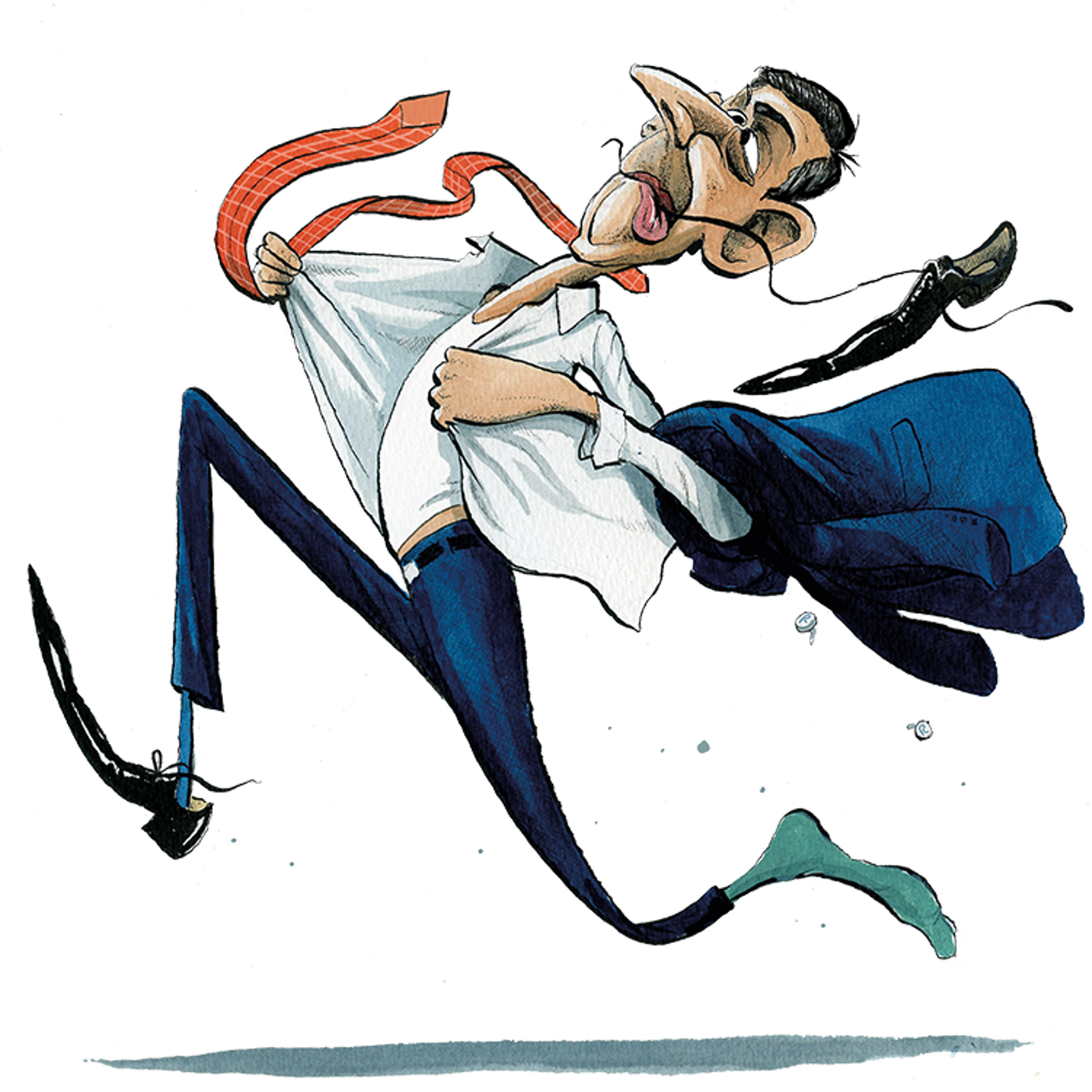
<div>In this week’s episode:</div><div><br></div><div>Can Rishi catch up?</div><div><br></div><div>Katy Balls and Kate Andrews discuss Rishi Sunak’s mad dash to catch up with his rival, Liz Truss in the polls (0.55)</div><div><br></div><div>Also this week:</div><div><br></div><div>Is it time the UK severed ties with Chinese-made tech?</div><div><br></div><div>Charles Parton argues this in the magazine this week. He is joined by Dr Alexi Drew, a consultant in emerging technologies and international relations (13.33)</div><div><br></div><div>And finally: </div><div><br></div><div>What’s not to love about country-pop music?</div><div><br></div><div>Sam Kriss writes about this in the magazine. Joining him for the podcast is Rod Liddle, the associate editor at <em>The Spectator</em> (31.01)</div><div><br></div><div>Hosted by William Moore.</div><div><br></div><div>Produced by Natasha Feroze.</div><div><br></div><div>Subscribe to <em>The Spectator</em> today and get a £20 Amazon gift voucher: <a href="http://www.spectator.co.uk/voucher">www.spectator.co.uk/voucher</a></div> <hr><p style='color:grey; font-size:0.75em;'> Hosted on Acast. See <a style='color:grey;' target='_blank' rel='noopener noreferrer' href='https://acast.com/privacy'>acast.com/privacy</a> for more information.</p>
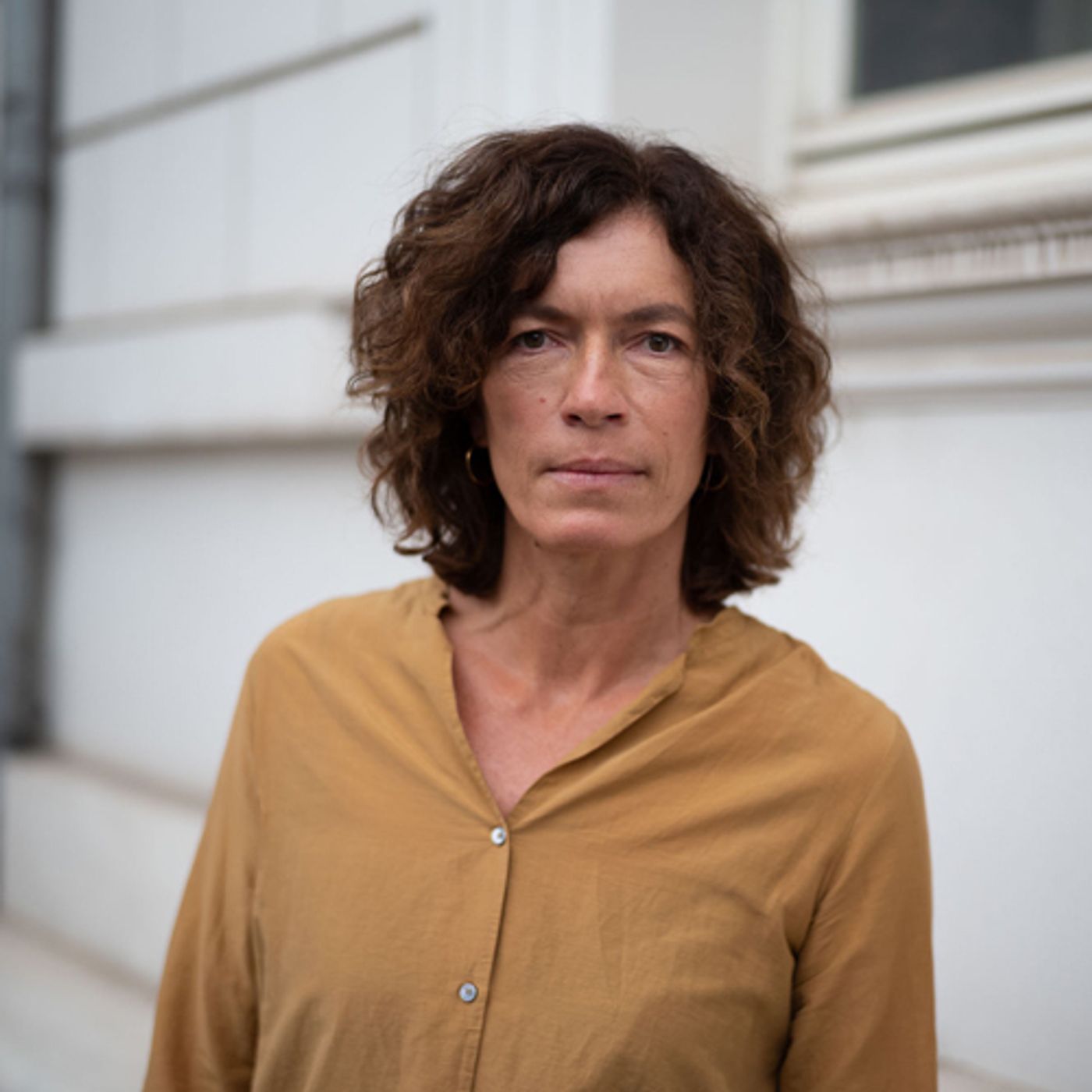
The Book Club: Anne Weber
<div>My guest in this week’s Book Club podcast is Anne Weber, author of <em>Epic Annette: A Heroine’s Tale</em>. She tells me how she came to uncover the remarkable story of Annette Beaumanoir, heroine of the French Resistance, partisan of the Algerian independence struggle, jailbird, exile and survivor – and why when she came to write that story down she chose to do it in verse…</div> <hr><p style='color:grey; font-size:0.75em;'> Hosted on Acast. See <a style='color:grey;' target='_blank' rel='noopener noreferrer' href='https://acast.com/privacy'>acast.com/privacy</a> for more information.</p>
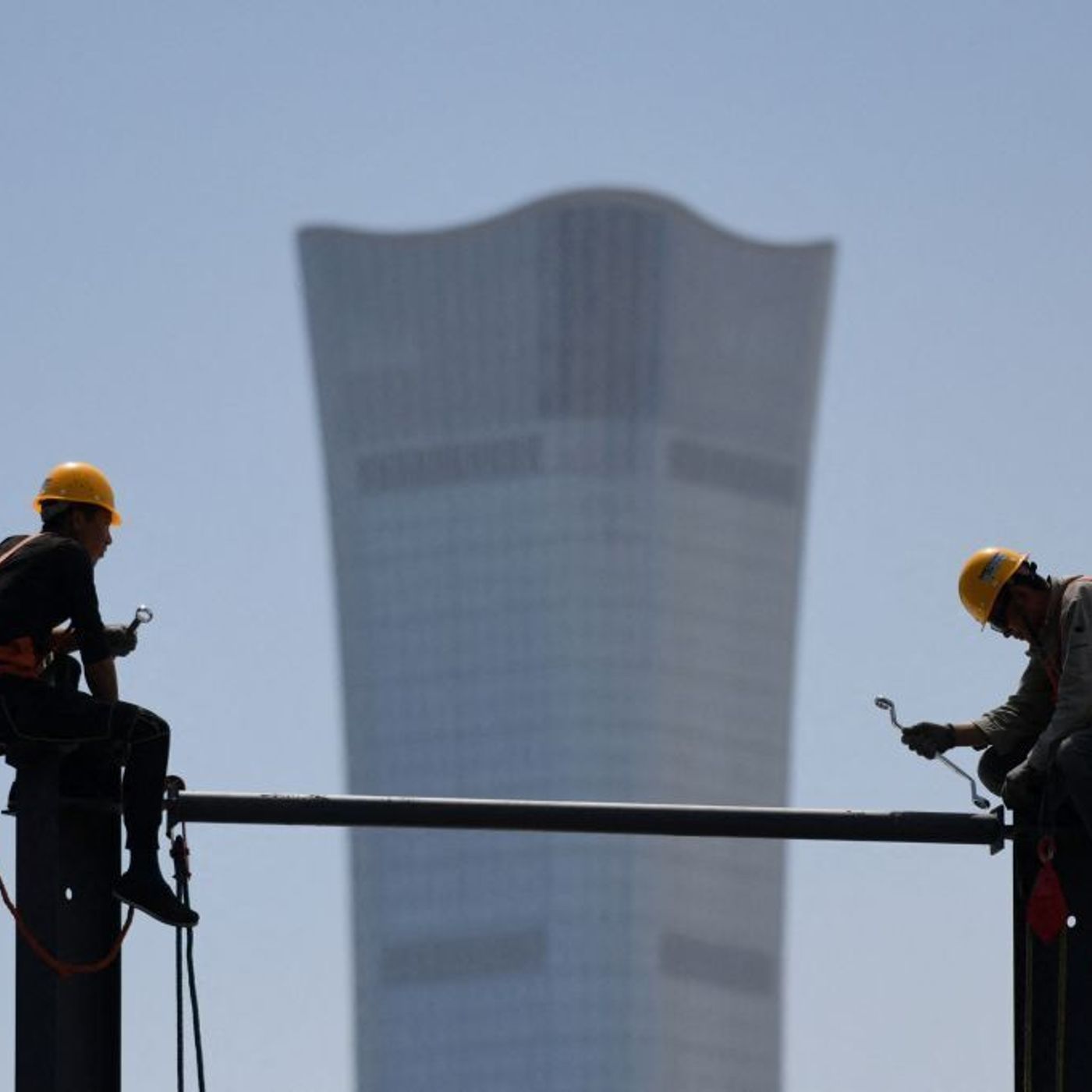
Chinese Whispers: is China's property market about to go bust?
<div>China’s property market accounts for something between 20 and 29 per cent of the country’s total GDP. The seemingly never-ending rise of residential blocks were how ordinary people like my family could see and touch China’s miraculous economic growth. Home ownership was to be expected, especially for young men looking to marry and start a family. Across the country, 70 per cent of household wealth is held in real estate.<br><br></div><div>But in recent months, China's property hasn’t been so hot. The sector has shrunk 7 per cent year on year. Developers have run out of money to complete complexes that they've already sold; while consumers across dozens of cities are refusing to pay their mortgages in protest. 'The thing about real estate is that it's intensely pro-cyclical – everything that's good feeds on itself in the boom, and everything that's bad feeds on itself in the downturn', the economist George Magnus tells me in this episode of Chinese Whispers. He's the author of <em>Red Flags: Why Xi's China is in Jeopardy</em> and has been warning about the underlying problems in China's economy for years.<br><br></div><div>Also on the podcast is Lulu Chen, a Bloomberg journalist reporting on real estate trends in Asia. She was one of the first to break the story of the mortgage protests. The picture they paint is one of a long overdue bust in the cycle.<br><br></div><div>Back in the 90s when the country was fresh out of communism, most housing was still allocated by the state or employers. Since then, market reforms allowed people to buy and sell their own places (China's home ownership rate is 95 per cent). The market became hotter and hotter, and the proliferation of new builds (in order to keep up with demand) meant that developers were selling homes before they'd even built them. Real estate companies ran on borrowed money.<br><br></div><div>All good and well when the money was flowing. But in the last few years, the amount of corporate debt wracked up by this model concerned policymakers in Zhongnanhai, who then put forward the 'three red lines' stipulating debt controls on real estate companies. Evergrande was the first to trip, but since then, even companies thought to be in the green have fallen to an industry-wide contagion of fear and default. Then came the harsh and sudden lockdowns of zero Covid which added fuel to the fire as consumer confidence and earnings were destroyed.<br><br></div><div>Tune in to hear about just how bad the situation is this time (as I suggest to George, haven't warnings sounded about China's property bubble for years now?) But remember, economic problems can quickly turn into political ones for a government that bargains for legitimacy from economic growth. I ask Lulu what the ramifications of a property bust that makes the middle class poorer could be. She sums up the stakes nicely:<br><br></div><blockquote>'[The Chinese] have this idea of the world and what it’s like. Life is always going upwards, and tomorrow is going to be better than yesterday. And that’s kind of the mentality of people born in the 70s, especially 80s, 90s... They’ve never experienced a full economic cycle… So it really changes their world view of what life is going to be like for them in the future. It really casts doubt on whether the economy and the future of the country is going to as they envisioned when they were growing up’</blockquote><div>That's why this moment is one to watch.</div> <hr><p style='color:grey; font-size:0.75em;'> Hosted on Acast. See <a style='color:grey;' target='_blank' rel='noopener noreferrer' href='https://acast.com/privacy'>acast.com/privacy</a> for more information.</p>

The Week in 60 Minutes: Truss leads Sunak & Trump's return
<div>John Connolly, <em>The Spectator</em>’s news editor, is joined by <em>Spectator</em> chairman Andrew Neil, along with the magazine's politics team, James Forsyth and Katy Balls, to discuss the latest in the Tory leadership race.<br><br>On the rest of the show, <em>The Spectator</em>’s deputy editor Freddy Gray and <em>National Interest</em> editor Jacob Heilbrunn talk about whether Trump will run for the US presidency again. <em>Spectator</em> editor Fraser Nelson asks whether Rishi Sunak’s background is really so different from Liz Truss’s. Our <em>Wild Life</em> columnist Aidan Hartley explains why country music is so popular in Africa.<br><br>Watch the episode at <a href="https://youtu.be/64C8BkGTztM">www.spectator.co.uk/tv</a></div> <hr><p style='color:grey; font-size:0.75em;'> Hosted on Acast. See <a style='color:grey;' target='_blank' rel='noopener noreferrer' href='https://acast.com/privacy'>acast.com/privacy</a> for more information.</p>

Spectator Out Loud: Hamish Badenoch, Martin Vander Weyer, Aidan Hartley and Douglas Murray
<div>On this episode of Spectator Out Loud, Hamish Badenoch says he's married to his political hero. (00:32) Martin Vander Weyer asks whether we should fire the boss of Heathrow. (05:57) Aidan Hartley looks at why country music is so popular in Africa. (14:14) Douglas Murray wonders if the Tory party has a future. (22:03)</div> <hr><p style='color:grey; font-size:0.75em;'> Hosted on Acast. See <a style='color:grey;' target='_blank' rel='noopener noreferrer' href='https://acast.com/privacy'>acast.com/privacy</a> for more information.</p>

Americano: Will Trump use Truth Social to relaunch his presidential ambitions?
<div>Freddy Gray talks to the CEO of Truth Social, Devin Nunes, about the new network as it launches in the UK, and whether the owner Donald Trump will be seeking to launch himself back into the political arena. </div> <hr><p style='color:grey; font-size:0.75em;'> Hosted on Acast. See <a style='color:grey;' target='_blank' rel='noopener noreferrer' href='https://acast.com/privacy'>acast.com/privacy</a> for more information.</p>
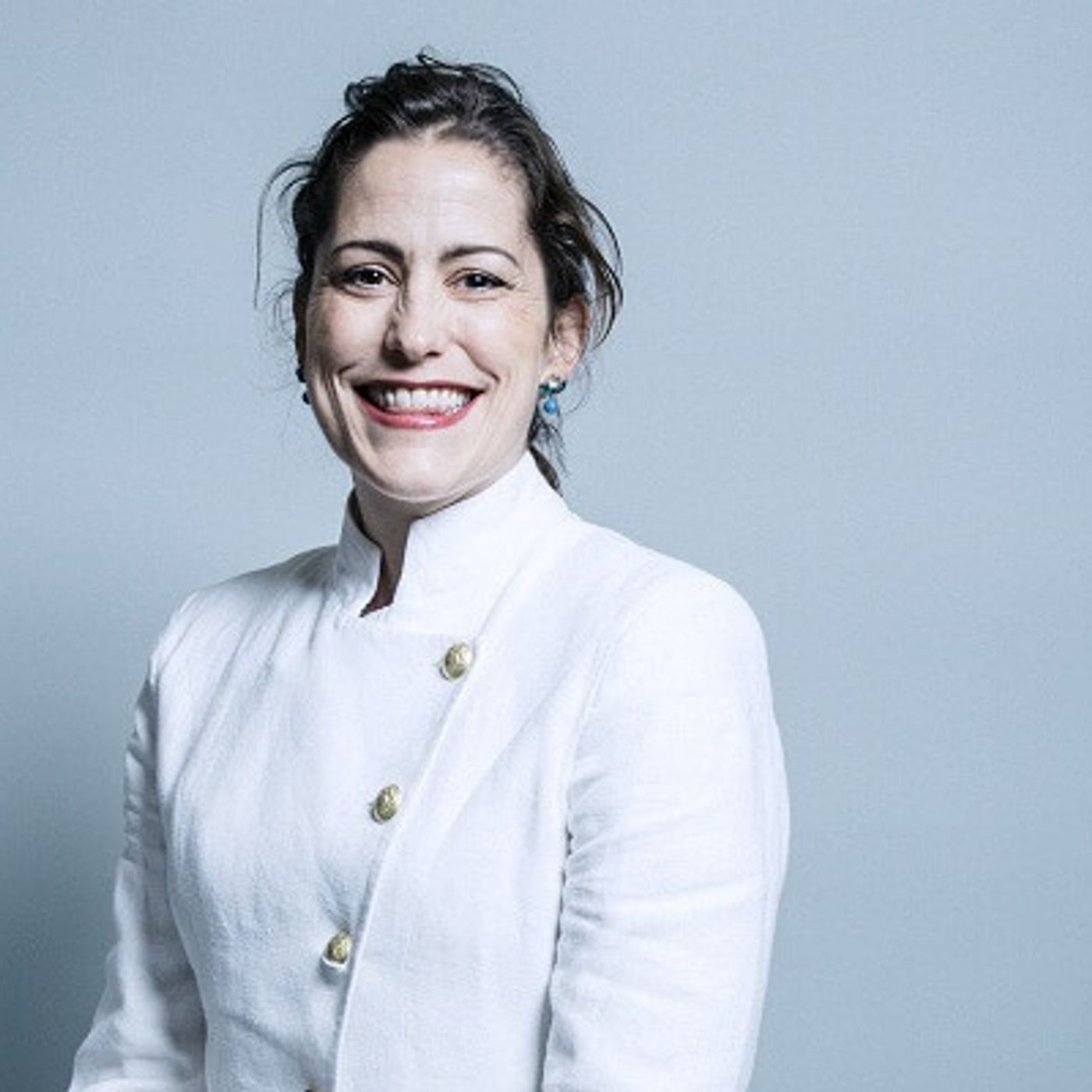
Women With Balls: Victoria Atkins on Boris's downfall
<div>Until July 6, Victoria Atkins was the Minister of State for Refugees and Minister of State for Prisons and Probation. But as dozens of her colleagues quit in the wake of Rishi Sunak and Sajid Javid's resignations (which themselves followed No. 10's messy handling of the Chris Pincher affair), Atkins resigned too, writing that 'values such as integrity, decency, respect and professionalism' have ‘fractured’ under Boris Johnson's leadership.<br><br>On this episode of Women With Balls, Katy Balls hits the rewind button with Atkins, taking us through the turbulent events of those few days. They discuss what it's like to resign from government while on a school run; unforced errors from No. 10 itself; and whether the Conservative party can properly heal after this divisive time.<br><br>Produced by Cindy Yu.</div> <hr><p style='color:grey; font-size:0.75em;'> Hosted on Acast. See <a style='color:grey;' target='_blank' rel='noopener noreferrer' href='https://acast.com/privacy'>acast.com/privacy</a> for more information.</p>
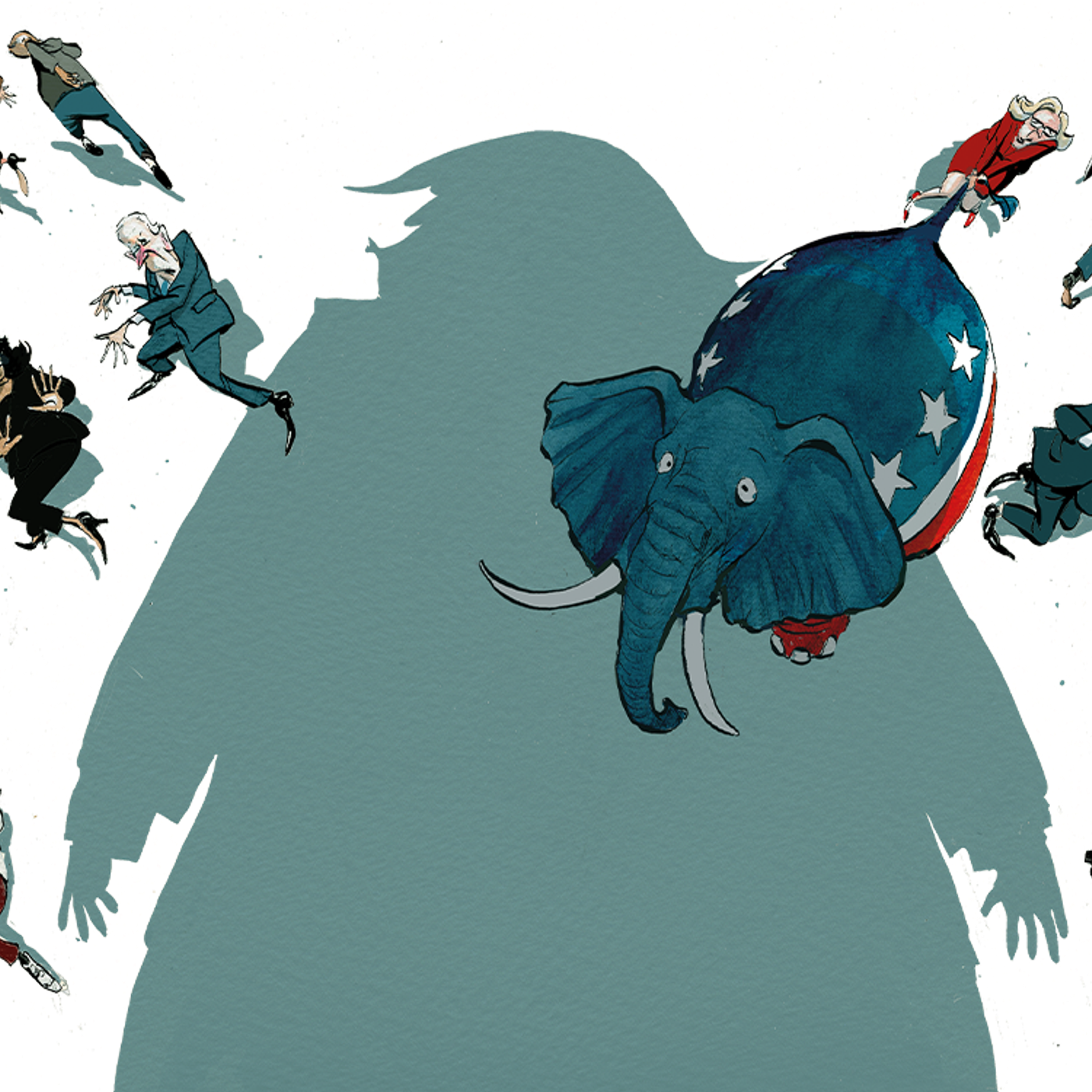
The Edition: Trump's Presidency
<div>In this week’s episode:</div><div><br></div><div>Will Donald Trump have a second shot at the US presidency?</div><div><br></div><div>Freddy Gray and Sarah Baxter discuss. (1.10)</div><div><br></div><div>Also this week:</div><div><br></div><div>A look at the history of Scotland’s paradoxical relationship between Scottish identity and the Union.</div><div><br></div><div><em>The Spectator’s </em>Scotland editor, Alex Massie talks with Murray Pittock about his book <em>Scotland: The Global History, 1603 to Present.</em> (21.49)</div><div><br></div><div>And finally: </div><div><br></div><div>What happened to bad taste humour?</div><div><br></div><div>Screenwriter Gareth Roberts wrote about this in the magazine. He’s joined by comedian and podcast host of <em>NonCensored</em>, Rosie Holt. (32.30)</div><div><br></div><div>Hosted by William Moore</div><div><br></div><div>Produced by Natasha Feroze</div><div><br></div><div>Subscribe to <em>The Spectator</em> today and get a £20 Amazon gift voucher: <a href="http://www.spectator.co.uk/voucher">www.spectator.co.uk/voucher</a></div> <hr><p style='color:grey; font-size:0.75em;'> Hosted on Acast. See <a style='color:grey;' target='_blank' rel='noopener noreferrer' href='https://acast.com/privacy'>acast.com/privacy</a> for more information.</p>

Spectator Hustings: Penny Mordaunt, Rishi Sunak and Liz Truss
<div>One of Penny Mordaunt, Rishi Sunak or Liz Truss will be Britain's next prime minister. What are the contenders' answers to the big questions facing Britain? Isabel Hardman spoke to Mordaunt (00:36), Sunak (21:17) and Truss (42:15).</div> <hr><p style='color:grey; font-size:0.75em;'> Hosted on Acast. See <a style='color:grey;' target='_blank' rel='noopener noreferrer' href='https://acast.com/privacy'>acast.com/privacy</a> for more information.</p>

Table Talk: With Thom Elliott
<div>Thom Elliott is the co-founder of Pizza Pilgrims. On the podcast, Thom tells Lara and Liv about growing up above a pub, learning to make pizza while touring Italy with his brother, and starting Pizza Pilgrims on his lunch break.</div> <hr><p style='color:grey; font-size:0.75em;'> Hosted on Acast. See <a style='color:grey;' target='_blank' rel='noopener noreferrer' href='https://acast.com/privacy'>acast.com/privacy</a> for more information.</p>
Americano: Did René Girard understand America?
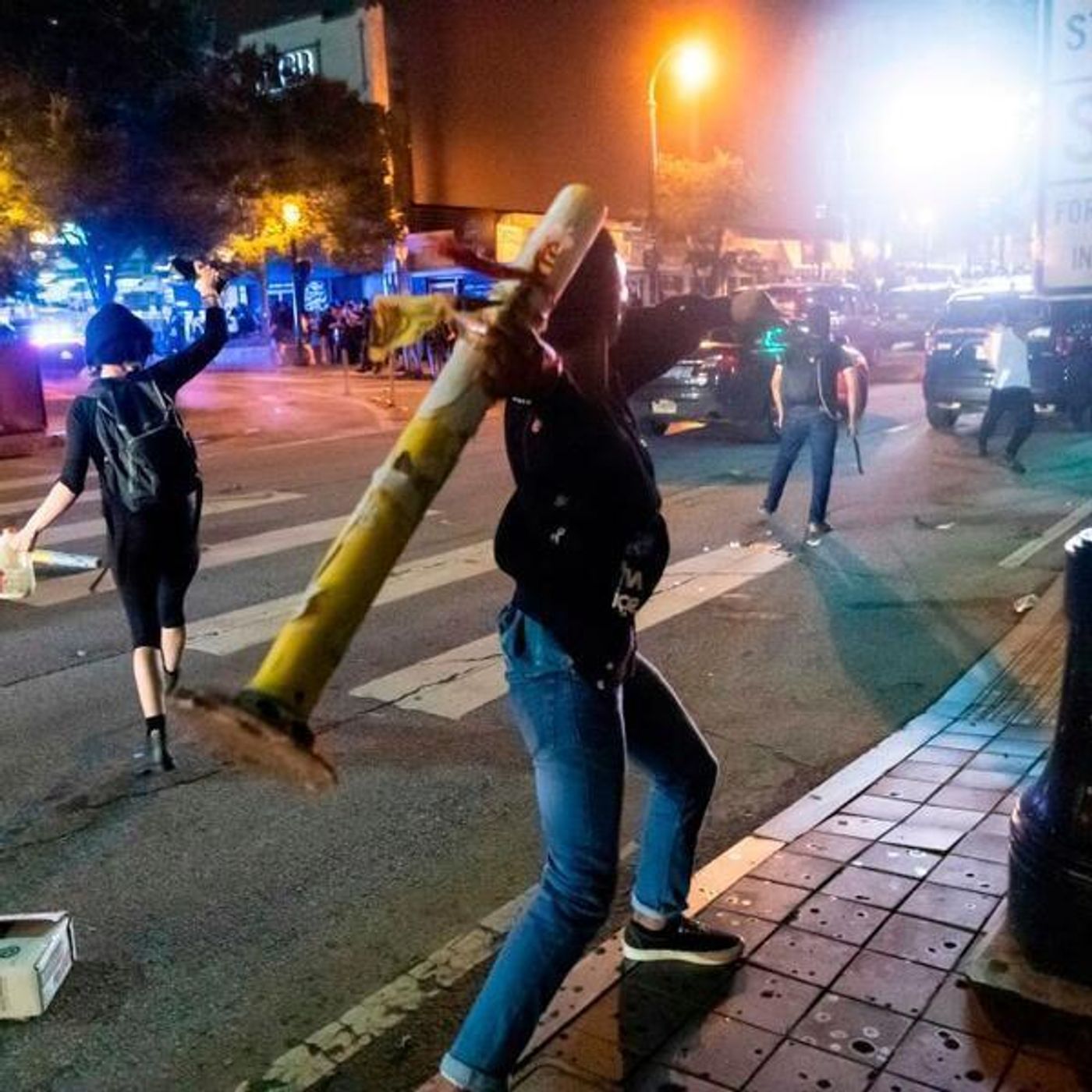
<div>Freddy Gray speaks to Geoff Shullenberger, a lecturer at New York University and columnist for Compact Magazine about a range of topics, from the ideas and appeal of philosopher René Girard to transhumanism and transgenderism, and the war in Ukraine. </div> <hr><p style='color:grey; font-size:0.75em;'> Hosted on Acast. See <a style='color:grey;' target='_blank' rel='noopener noreferrer' href='https://acast.com/privacy'>acast.com/privacy</a> for more information.</p>
Spectator Out Loud: Mary Wakefield, Leo McKinstry and Melanie McDonagh
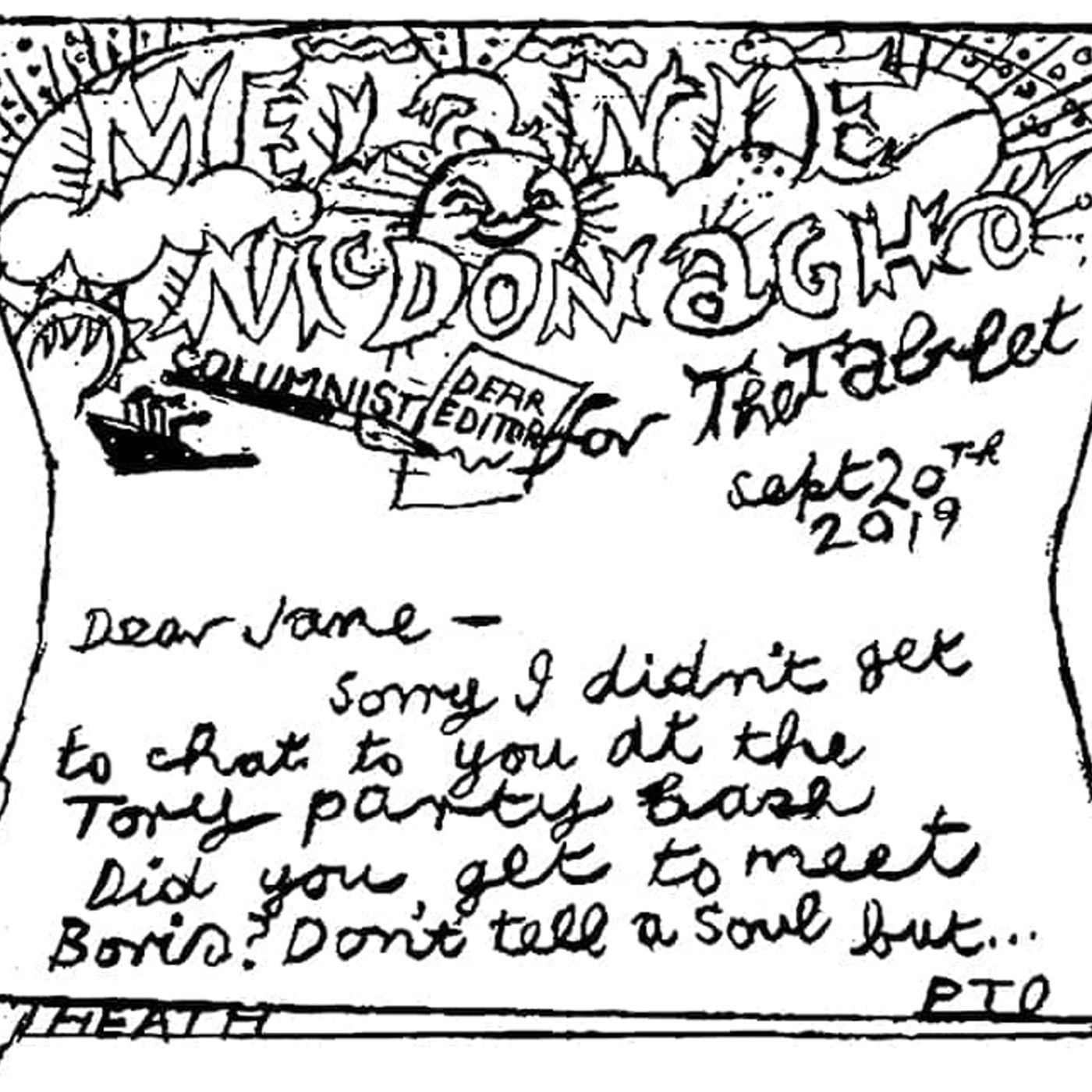
<div>On this week's episode: Mary Wakefield on why we should resist Stonewall’s gospel (0:31). Leo McKinstry on the worrying rise of apostrophe laws (07:02) and Melanie McDonagh on the lost art of letterheads (13.33).</div><div><br></div><div>Presented and produced by Natasha Feroze.</div> <hr><p style='color:grey; font-size:0.75em;'> Hosted on Acast. See <a style='color:grey;' target='_blank' rel='noopener noreferrer' href='https://acast.com/privacy'>acast.com/privacy</a> for more information.</p>